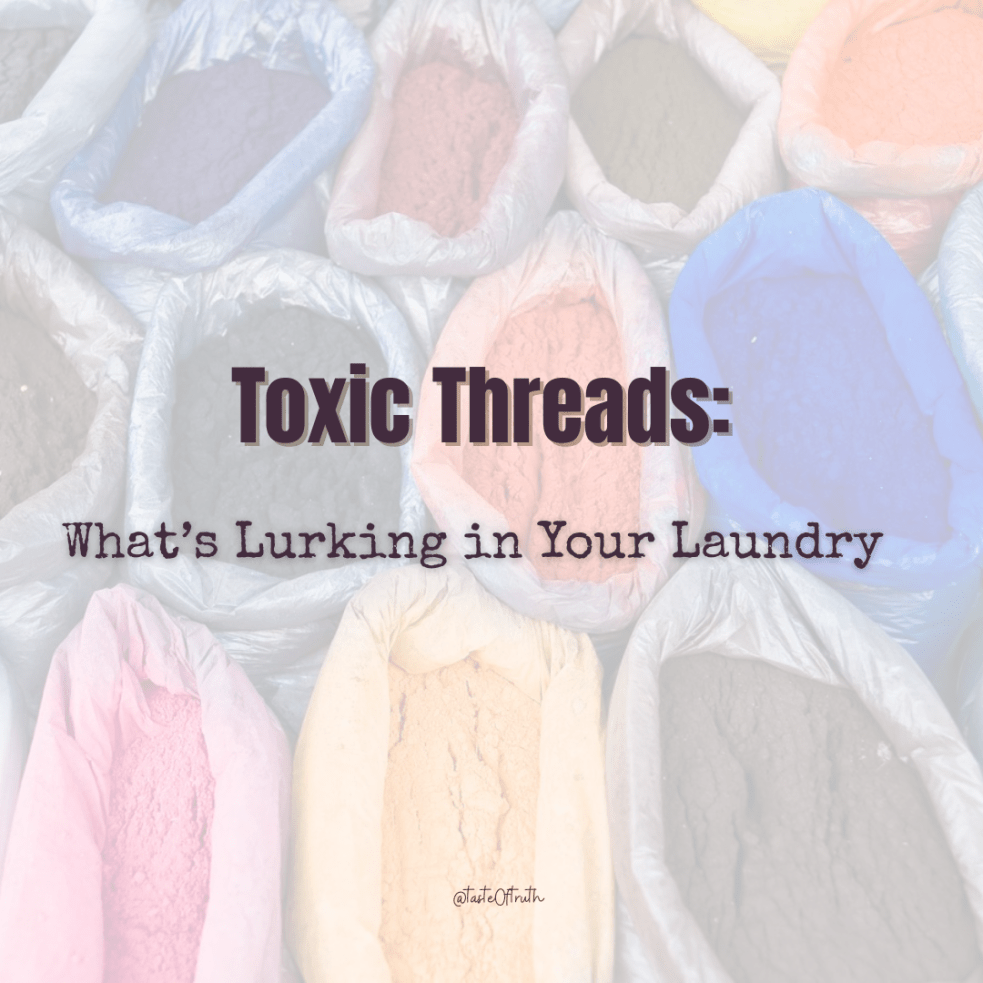
Are we wearing poison? Let’s talk the Hidden Chemistry of Modern Clothing
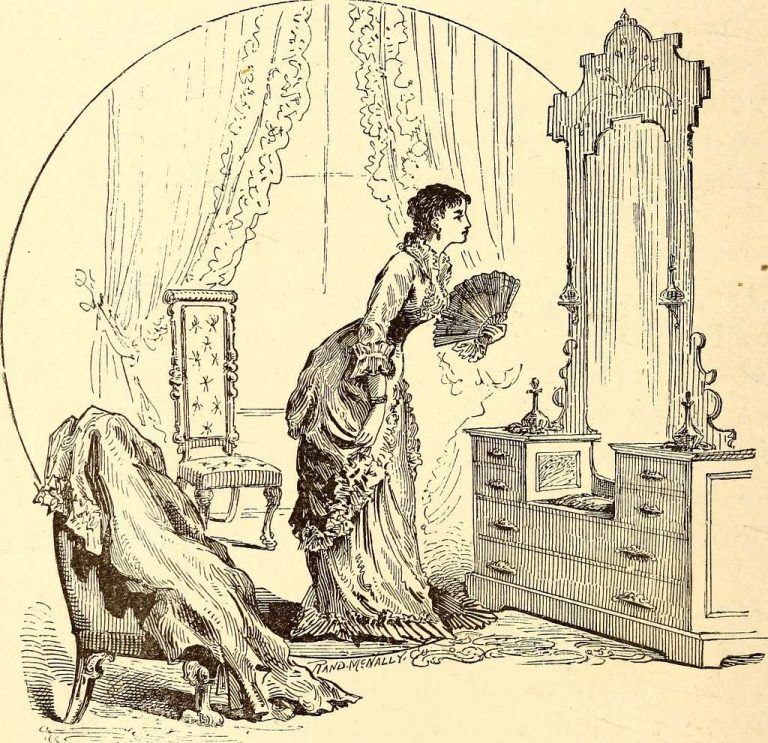
We obsess over what goes into our bodies (the food we eat, the supplements we take) but what about what touches our skin every day? From Victorian gowns to modern period underwear, the history of fashion is riddled with invisible chemicals that make us sick, sometimes quietly, sometimes catastrophically.
In this week’s Taste of Truth Tuesdays, we explore the hidden chemistry in the fabrics we wear, the cultural stories that taught us to hide what’s natural, and small steps we can take to reclaim autonomy over our own bodies.
I sat down with Arielle, founder of Flower Girl, a brand reimagining period underwear with natural, breathable fibers— no toxic coatings, no gimmicks. But this episode isn’t just about a product. It’s about the invisible chemistry that touches our skin, and the cultural stories that taught us to hide what’s natural while normalizing what’s toxic.
🧵 A Brief History of Poisonous Fashion
From Victorian gowns to modern athleisure, fashion has a long history of exposing us (sometimes invisibly) to chemicals that affect our health. Here’s a quick dive:
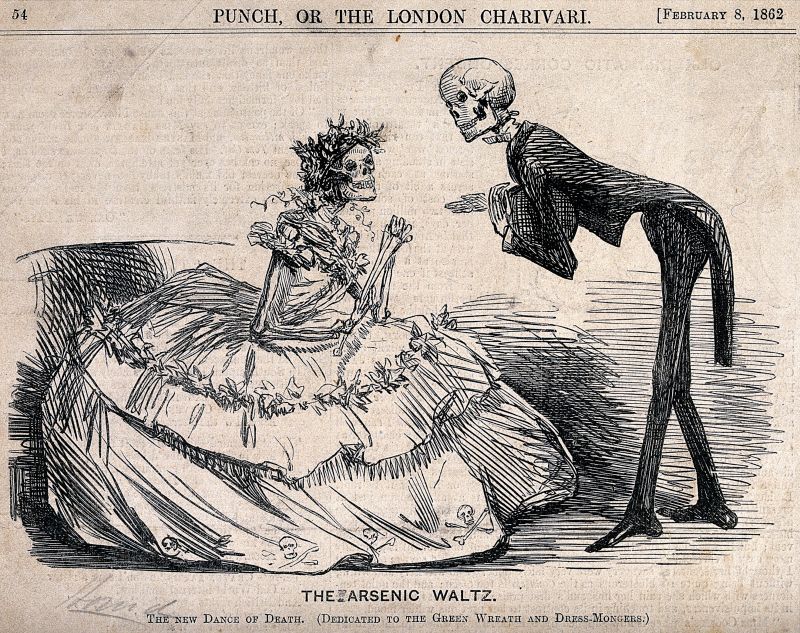
Victorian Era: Those green dresses weren’t just a statement— they were laced with arsenic, and mercury-based pigments were common. The result? Rashes, lung damage, even death. Fashion literally killed.
Early 1900s: Factory workers handled lead, aniline dyes, and formaldehyde finishes. Mercury made hat-makers insane, while young women painting radium watch dials suffered bone decay and radiation poisoning.
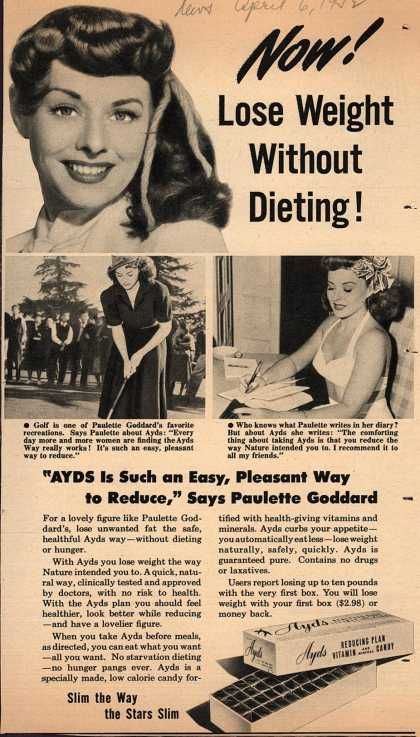
Mid-20th century: Synthetic fabrics like nylon and polyester promised convenience and comfort — but chemical coatings for stain-proofing, wrinkle-free finishes, and flame retardants added a new layer of invisible toxins.
Modern Toxic Threads
Fast-forward to today, and the chemical story hasn’t improved much:
Plastic fibers (polyester, nylon, spandex): Shed microplastics into waterways and can absorb and re-release toxins through skin contact with these substances. And yes— even period products aren’t safe from the chemical experiment.
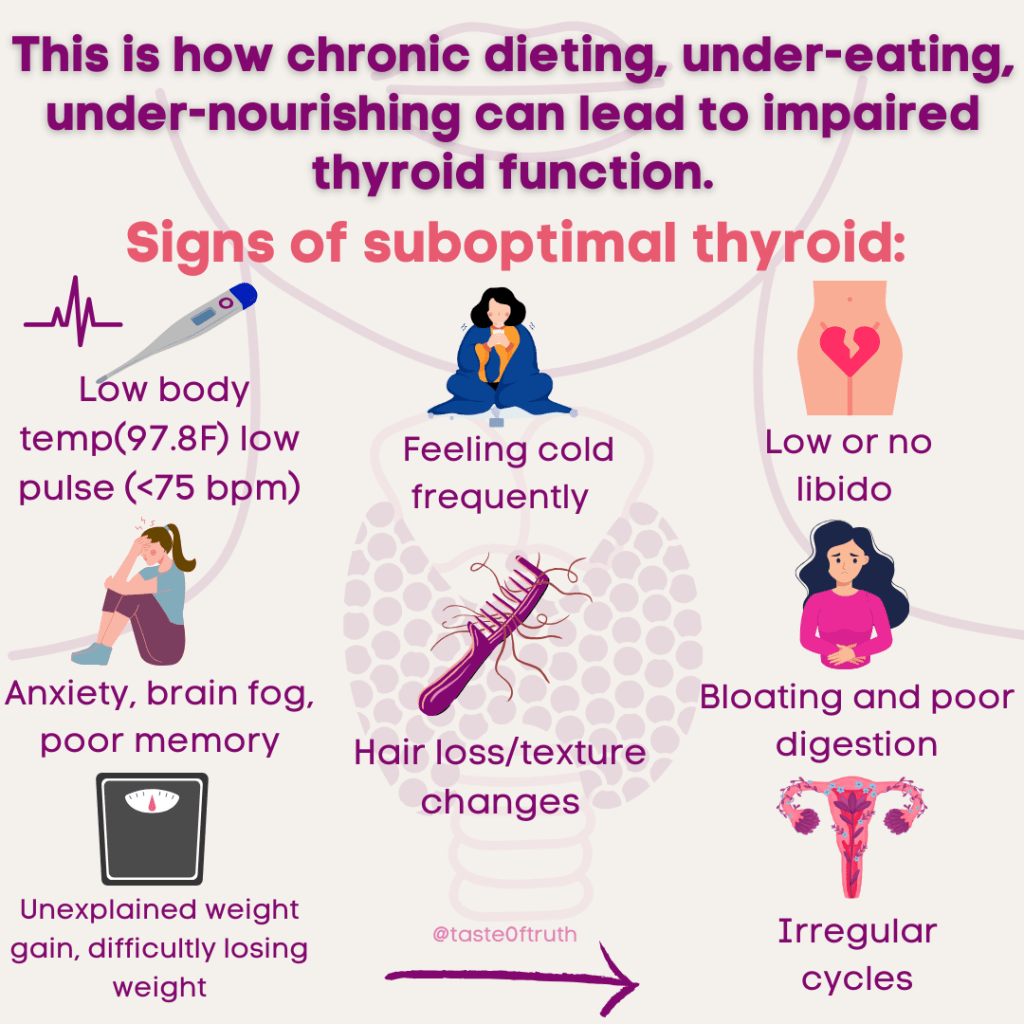
PFAS (“forever chemicals”): Used for stain- and water-resistance in yoga pants, athleisure, and some period underwear. Linked to hormone disruption, infertility, thyroid disease, and cancer.
Formaldehyde finishes: Wrinkle-free clothing often contains formaldehyde, a known skin irritant and probable carcinogen.
Azo dyes & heavy metals: Cheap and fast-fashion fabrics often use dyes with heavy metals, which can trigger allergic reactions and long-term organ toxicity.
Some of the most publicized cases show just how pervasive these risks are:
Thinx Period Underwear (2023): Independent testing revealed PFAS in products marketed as organic and “clean,” sparking lawsuits and class-action settlements. Even items sold as safe aren’t always free from hidden chemicals.
Flight Attendant Uniforms: Airlines like Alaska, Delta, and American faced reports of workers developing rashes, respiratory issues, and thyroid problems after new uniforms were treated with PFAS or formaldehyde coatings.
Outdoor & Athleisure Brands:Major brands like Patagonia, Lululemon, and REI have been scrutinized for PFAS in waterproof or sweat-wicking gear, showing that convenience and performance often come at a chemical cost.
Globally, more than 40,000 chemicals are used in textiles and apparel, yet only a fraction have been tested for safety— for humans, animals, or the environment. These scandals aren’t isolated; they reflect a system where toxic exposure is often invisible, normalized, and poorly regulated.
A 2024 study from UC Berkeley and Columbia found 16 different metals (including lead and arsenic) in tampons across both organic and non-organic brands. The levels were low, but researchers warned that the vaginal route is especially absorbent— a reminder that what we wear inside our bodies matters as much as what we eat.
💬 From Ritual Impurity to Hygiene Marketing
Over the last century, the cultural messaging around menstruation has shifted in a few distinct stages and each one carried the same underlying expectation: women should hide and control their bodies.
Ritual or moral framing (ancient to early modern): In many societies, including biblical times, periods were treated as a matter of ritual purity. Women were temporarily “unclean” in religious or social terms, meaning they couldn’t participate in certain activities. The focus was spiritual or moral, not about hygiene or appearance.
Hygiene framing (early 20th century): With industrialization and the rise of consumer products, periods were recast as a hygiene problem. Ads emphasized cleanliness and odor control, implying that menstruation was inherently messy or dangerous. Women were encouraged to conceal their cycles, but the emphasis was still largely about avoiding germs and embarrassment.
Performance framing (mid-to-late 20th century onward): Marketing and media shifted the conversation again, this time framing periods as an obstacle to a woman’s ability to perform socially, professionally, and physically. Products promised to let women stay active, go to work, exercise, and socialize “normally”, without anyone noticing their period. The message became: your body is natural, but it shouldn’t interfere with the image of a controlled, capable, and flawless woman.
In other words, the period itself didn’t change, but what society demanded of women did. “Performance” here doesn’t mean athletics alone— it means the expectation that women should navigate daily life seamlessly, keeping their bodies’ natural processes invisible, as if menstruation were a glitch in an otherwise perfect system.
🌍 The New Awareness
Today’s “wellness” world loves to market empowerment but secretly it’s still selling control. Arielle’s work with Flower Girl pushes against that. Her goal isn’t fearmongering about chemicals; it is about helping women rebuild trust with their own bodies, starting with the fabrics that touch them daily.
Because true control over your body is about sovereignty, not ideology.
What we wear, what we absorb, and how we relate to our cycles all tell a deeper story about modern womanhood…. one that’s overdue for rewriting.
Next Steps: What You Can Do
Read Labels Critically: Seek out brands that disclose fabric treatments and avoid PFAS, formaldehyde, or undisclosed chemical finishes. Wicker highlights the challenge in identifying safe clothing due to the lack of ingredient transparency, urging consumers to demand more disclosure from manufacturers.
Prioritize Natural Fibers: Opt for materials like cotton, bamboo, or other certified breathable fabrics to reduce your chemical load. Wicker notes that while natural fibers are generally safer, it’s crucial to ensure they are not treated with harmful chemicals during processing.
Wash New Clothes: Especially synthetics- washing before first wear can remove some surface chemicals. Wicker advises washing new garments to reduce initial chemical exposure, particularly from dyes and finishes.
Choose Sustainable Period Products: Brands like Flower Girl use body-safe fabrics designed for comfort, breathability, and longevity— and are tested for safety. Wicker emphasizes the importance of selecting period products that are free from toxic chemicals, as these items are in close contact with sensitive areas of the body.
Advocate for Transparency: Demand that brands tell you what’s in your clothing. Knowledge is power, and the more we ask, the more companies will act. Wicker encourages consumers to be vocal about their concerns, as increased demand for transparency can drive industry-wide change.
🎧 Listen In
Tune in to this week’s Taste of Truth Tuesdays episode, “What’s Really in Our Clothes (and What That Says About Us)”, where Arielle and I unpack the hidden toxins in textiles, the myths around “clean” wellness marketing, and what it really means to live in a body that’s free— not just from chemicals, but from shame.
Forgive and Forget? The Dark Side of Christian Forgiveness Culture
One of the main reasons I left mainstream Christianity is the way forgiveness has been weaponized. It’s used not as a path to healing but as a tool to silence victims, excuse harm, and protect institutions.
Instead of confronting abuse, many churches demand those survivors “forgive as they have been forgiven,” which conveniently shields perpetrators and absolves leadership from responsibility. Nowhere is this clearer than in the Southern Baptist Convention (SBC)—the largest Protestant denomination in the U.S.—which has spent decades covering up abuse while doing the bare minimum to protect children.
What Is the Southern Baptist Convention (SBC)?
The Southern Baptist Convention (SBC) is the largest Protestant denomination in the U.S., with over 47,000 churches and 13 million members as of 2024. Founded in 1845, the SBC split from northern Baptists over slavery and has since maintained a conservative theological stance.
The SBC holds complementarian beliefs, teaching that men and women have distinct, God-ordained roles with male headship in both the church and the home. This doctrine reinforces strict gender hierarchies, contributing to a culture of silence around abuse, particularly when male leaders are involved.
The SBC’s Persistent Failure to Protect Children
Despite its size and influence, the SBC has long failed to protect children from abuse. Recent reports show that only 58% of SBC-affiliated congregations require background checks for staff and volunteers working with children, and in smaller churches, this number drops to just 35%. A past audit revealed 12.5% of background checks flagged criminal histories that could disqualify individuals from church roles. These numbers underscore the SBC’s ongoing failure to address its own scandals.
Even if some churches struggle financially, it’s grossly irresponsible to assume volunteers are qualified without basic screenings. Churches should at the very least implement strict policies and mandatory training on abuse prevention and reporting—but the data proves otherwise.
SBC’s Hidden Influence: The Non-Denominational Loophole
Many churches that appear to be “non-denominational” are quietly affiliated with the SBC for financial and structural support. This means:
They may not openly use “Southern Baptist” in their name, yet still receive funding, resources, and pastoral training from the SBC.
Their leadership and policies often align with SBC doctrine, even if they market themselves as independent.
Some SBC-affiliated churches hide their connections to avoid association with the denomination’s abuse scandals, while still benefiting from its network.
This hidden network allows the SBC to maintain significant influence over American evangelicalism, even among those who believe they’re attending independent churches. And when scandals emerge, the denomination claims little accountability over individual churches, even as it continues to fund them.
The Guidepost Report (2022) exposed that SBC leadership maintained a secret list of over 700 abusive pastors, shielding them from consequences while survivors were ignored, discredited, or retaliated against.
Jennifer Lyell, an SBC abuse survivor, was vilified by church leadership when she came forward. Instead of support, she was publicly shamed, and her abuser faced no consequences.
Christa Brown, another survivor, spent years advocating for reform after being assaulted by her youth pastor. The SBC’s response? Stonewalling, gaslighting, and further silencing.
This is not an anomaly. It’s a pattern.
The Hillsong Scandal: A Deep Dive into Leadership, Accountability, and Institutional Culture
Hillsong Church, once hailed as a beacon of contemporary Christianity with its celebrity-driven worship services and massive global influence, has been mired in a series of scandals that have sent shockwaves through the church and beyond. The drama surrounding Hillsong reflects much deeper systemic issues within religious institutions, particularly those that prioritize celebrity culture, financial power, and unchecked leadership.
Brian Houston and His Father’s Abuse Scandal
At the heart of the Hillsong scandal is the case of Brian Houston and his handling of sexual abuse allegations against his father, Frank Houston, a founding member of the Assemblies of God in New Zealand. Frank Houston’s abuse of children became widely known, but Brian Houston’s failure to act—despite being aware of the allegations for decades—has raised serious questions about the church’s culture of secrecy and its prioritization of protecting its leaders over seeking justice for victims.
In 2021, Brian Houston was charged with covering up his father’s abuse, but he was acquitted in 2023. While the legal outcomes may be behind him, the moral and ethical questions surrounding his actions remain. His failure to report the abuse to the authorities and the lack of transparency in how Hillsong handled the situation speaks to the larger issue of institutions shielding leaders from accountability, especially when their actions threaten the church’s public image.
Carl Lentz and Leadership Failures
Another key figure in the Hillsong saga is Carl Lentz, the former lead pastor of Hillsong New York. Lentz’s celebrity status, especially his close relationships with figures like Justin Bieber, elevated him to international fame. But in 2020, Lentz was fired from his position after admitting to an extramarital affair. The church’s response to Lentz’s scandal raised more questions than answers. Hillsong failed to address the broader cultural issues at play—namely, a leadership model built on celebrity culture and a lack of accountability.
The church’s focus on its brand, public image, and the reputations of its leaders made it easier to overlook the toxic dynamics that led to Lentz’s behavior. His fall from grace demonstrated the dangers of elevating leaders to superstar status, where moral accountability is secondary to their influence and popularity.
Financial Mismanagement and Lack of Transparency
Financial scandals have also been a hallmark of Hillsong’s decline. Despite its non-profit status, Hillsong has faced accusations of lavish spending by its leaders, including Brian Houston, and financial mismanagement that prioritized the comfort of senior leaders over the needs of the congregation. Hillsong’s lack of financial transparency has led many to question how donations were being spent, particularly when its leaders were living luxurious lifestyles while the church’s financial practices remained opaque.
Reports have shown that church members had little insight into the church’s budgeting or financial decisions, raising alarms about how donations were being used. This financial opacity has created a culture of distrust, with many questioning whether Hillsong truly operated as a faith-based organization or as a business built around its leaders’ financial gain.
Celebrity Culture and Unchecked Leadership
The rise of Hillsong as a “celebrity church” is a clear example of the dangers of celebrity culture within religious organizations. Leaders like Brian Houston and Carl Lentz became more known for their status than their spiritual leadership. This culture created a disconnect between the mission of the church and the behaviors of those at its helm, fostering an environment where moral failings were excused, and accountability was pushed aside in favor of maintaining the church’s celebrity-driven image.
The celebrity culture at Hillsong is not an isolated phenomenon—many mega-churches and influential religious organizations have succumbed to similar dynamics. Leaders are often viewed as untouchable figures whose actions are excused because of their fame and influence. This lack of accountability has led to repeated scandals and a breakdown in trust between church leadership and their congregations.
A Culture of Silence and Protection
Celebrity culture and the culture of silence are both hallmarks of Christian culture, where forgiveness is weaponized to silence victims and maintain the church’s authority. Survivors who seek accountability are often told they are “bitter” or “holding onto unforgiveness,” while abusers are framed as sinners in need of grace.
This forced-reconciliation model doesn’t just silence victims—it actively enables abusers. Over and over, religious institutions have shielded predators while insisting their victims move on.
The Catholic Church sex abuse scandal followed the same pattern—priests were quietly transferred rather than removed.
The Southern Baptist Convention (SBC) was exposed in 2022 for covering up hundreds of abuse cases, prioritizing its reputation over protecting the vulnerable.
The Institute in Basic Life Principles (IBLP), made infamous by Shiny Happy People, used its teachings to guilt victims into silence, reinforcing submission as godliness.
The Mormon Church (LDS) has been accused of systematically covering up child sexual abuse, instructing bishops to handle cases internally rather than report them to authorities. The “help line” for abuse victims has been exposed as a legal shield to protect the church from liability.
Jehovah’s Witnesses have a longstanding pattern of protecting sexual predators under their “two-witness rule,” which requires at least two people to witness abuse for it to be considered valid. This impossible standard allows abusers to go unpunished while victims are shunned for speaking out.
This cycle continues because religious institutions prioritize obedience and reputation over accountability. Instead of advocating for justice, they demand submission—a dynamic that ensures abuse thrives in the shadows, disguised as grace.
The Evangelical Rejection of Modern Psychology
Many evangelicals reject modern psychology, fearing it undermines biblical authority and promotes a so-called “victim mentality.” Books like Bad Therapyare used to discredit trauma-informed approaches, mental health care, and gentle parenting—reinforcing the belief that obedience and submission matter more than emotional well-being.
But this isn’t just about dismissing psychology—it’s about control. Evangelical spaces often use forgiveness as a tool to suppress legitimate pain and absolve abusers of accountability. Instead of being a process that centers the victim’s healing, forgiveness is reframed as an obligation, a test of faith that prioritizes reconciliation over justice.
This kind of messaging pressures survivors into “forgiving and forgetting” under the guise of spiritual growth. As Susan Forward explains in Toxic Parents, this demand for immediate forgiveness often leads to “premature reconciliation,” where the victim is pushed to restore relationships without ever addressing the harm done. She describes how toxic family systems—and by extension, religious institutions—weaponize guilt, framing any resistance to reconciliation as bitterness, rebellion, or even sin. Forward emphasizes that true healing requires acknowledging pain, setting boundaries, and understanding that some relationships are too harmful to maintain. Forgiveness, in this sense, should never be about dismissing harm but about reclaiming personal agency.
Similarly, Pete Walker in The Tao of Fully Feeling critiques how many forgiveness frameworks, particularly those influenced by religious teachings, encourage victims to suppress righteous anger rather than process it. He argues that when people are pressured to forgive too soon, they bypass the necessary emotional work of grief and anger, which are essential steps in healing. Walker describes how survivors of abuse are often gaslit into believing that their pain is an obstacle to their spiritual growth rather than a justified response to harm. In contrast, he advocates for harvesting forgiveness out of blame—a process that allows victims to first fully validate their experiences, express their anger, and grieve their losses before even considering forgiveness. This approach reframes forgiveness as something that should serve the survivor’s well-being rather than the comfort of the perpetrator.
This is why modern psychology takes a different approach. Unlike evangelical teachings that frame forgiveness as a duty, trauma-informed perspectives recognize that forgiveness is a choice—one that should empower the survivor, not burden them with more guilt. True healing requires honoring all emotions, including anger, rather than rushing to absolution for the sake of appearances or religious pressure.
ACBC “Biblical Counseling”: When Religion Overrides Psychology
Another significant issue within certain Christian communities is the rise of the Biblical Counseling movement, particularly through the Association of Certified Biblical Counselors (ACBC) and its Nouthetic Counseling model. This approach starkly rejects psychological expertise and promotes the belief that biblical wisdom alone is sufficient to address mental health struggles, trauma, and even domestic violence. While this may seem like a spiritual response to real-world issues, it often exacerbates the trauma and leads to harmful advice.
One glaring problem with ACBC counseling is its lack of professional psychological training. Many of its so-called counselors do not possess accredited education in mental health fields. Instead, they rely on an outdated and rigid interpretation of scripture that reduces complex psychological issues to mere spiritual shortcomings. This is particularly dangerous in cases of trauma, mental illness, and domestic violence, where the guidance of trained mental health professionals is crucial.
Additionally, ACBC’s approach often results in victim-blaming, particularly for women who are struggling with abuse or neglect. Rather than providing the resources and support these women need, the movement encourages them to endure hardship with a sense of spiritual submission. This can exacerbate feelings of helplessness and self-blame, which are already prevalent among victims of abuse.
My Experience within ACBC Biblical Counseling
I was involved in a biblical counseling program that reinforced a system of patriarchal control, stifling my autonomy and presenting a distorted view of marriage and gender roles.
One of the most telling moments was when I encountered an excerpt from The Excellent Wife by Martha Peace in one of the workbooks. The list of expectations outlined for a wife to “glorify” her husband was staggering and disempowering. It included directives like:
Organizing cleaning, grocery shopping, laundry, and cooking while fulfilling your “God-given responsibility” so that your husband is free to focus on his work.
Saving some of your energy every day for him.
Prioritizing your husband above children, parents, friends, jobs, Bible studies, etc., and rearranging your schedule whenever necessary to meet his needs.
Speaking positively about him to others and never slandering him—even if what you’re saying is true.
Doing whatever you can to make him look good, from running errands to helping accomplish his goals, while never taking offense if he chooses not to use your suggestions.
Considering his work, goals, hobbies, and religious duties more important than your own.
As I’ve explained, these expectations weren’t just fringe ideas—they were central to the teachings of Biblical Counseling, widely embraced within the Southern Baptist Convention and many non-denominational churches. What I experienced wasn’t just about a partnership; it was about submission—unquestioning and absolute. The woman’s role was essentially to serve her husband’s needs and desires, no matter the cost to her own identity or autonomy.
But perhaps one of the most chilling aspects of this program was a statement that underscored the complete denial of personal rights. The workbook stated that humble people have “no rights” in Christ—only responsibilities. It referenced Philippians 2:3-8 to justify this perspective.
Don’t be selfish; don’t try to impress others. Be humble, thinking of others as better than yourselves. Don’t look out only for your own interests, but take an interest in others, too. You must have the same attitude that Christ Jesus had.
The workbook then presented a list of “rights” that were seen as sinful or selfish to claim in this context. Some of the rights included:
The right to control personal belongings
The right to privacy
The right to express personal opinions
The right to earn and use money
The right to plan your own schedule
The right to respect
The right to be married, protected, appreciated, desired, and treated fairly
The right to travel, to have a good education, to be beautiful
There were over thirty items on this list. This wasn’t just a list of personal sacrifices; it was a grooming tool that laid the groundwork for further abuse and manipulation under the guise of spiritual obedience.
These teachings were not about partnership, love, or mutual respect. They were about control, and they left no room for the dignity and rights of individuals, especially women.
A study on women’s anger found that common triggers for anger in women include feelings of helplessness, not being listened to, perceived injustice, and the irresponsibility of others. Instead of addressing these genuine concerns, ACBC’s authoritarian approach often pushes women to submit further, casting aside their voices and their safety in favor of a misguided spiritual ideal. This not only exacerbates their mental health but creates an environment ripe for spiritual abuse.
Corporal Punishment and Legal Definitions of Abuse
A major component of ACBC’s teachings also intersects with the controversial use of corporal punishment, where a thin line between discipline and abuse is often blurred. In some evangelical communities, particularly those influenced by ACBC’s authoritarian doctrines, corporal punishment is defended as a necessary part of biblical discipline, despite overwhelming legal and psychological evidence that physical discipline can have long-term harmful effects.
One of the most enduring arguments for corporal punishment is the misquoted phrase, “Spare the rod, spoil the child.” However, this phrase does not originate from the Bible. It comes from a 17th-century satirical poem by Samuel Butler, Hudibras. Despite this, it continues to be used in evangelical circles to justify spanking, whipping, and other forms of physical punishment.
The Bible passages often cited to defend corporal punishment—Proverbs 13:24, 22:15, 23:13-14, 29:15, and Hebrews 12:5-13—are frequently interpreted in a rigid, literal manner by proponents of corporal punishment. However, this literal approach is a key part of what historian Mark Noll refers to as “the scandal of the evangelical mind.” This narrow hermeneutic reflects a resistance to modern biblical criticism, science, and intellectual inquiry. It prioritizes a literal interpretation of scripture without considering the historical, cultural, and literary context of these texts. As a result, the teachings of scripture are applied in ways that disregard the broader ethical and psychological implications of corporal punishment.
Despite the continued justification for corporal punishment in these circles, modern research overwhelmingly shows its harmful effects. Studies indicate that physical discipline can lead to increased aggression, mental health issues, and weakened parent-child relationships. Yet, many evangelicals remain unwilling to reconsider this harmful tradition, which reflects a broader resistance within conservative Christianity to engage with contemporary understandings of psychology, trauma recovery, and legal definitions of abuse.
The infliction of physical injuries such as bruises, burns, welts, cuts, bone and skull fractures, caused by kicking, punching, biting, beating, knifing, strapping, and paddling.
Despite this clear legal definition, corporal punishment remains legal in all 50 states, with 19 states still allowing paddling in schools. This creates a disturbing disconnect: what is considered child abuse in some settings (such as foster care) is still widely accepted in evangelical homes and schools, even when it causes lasting harm to children.
This tension highlights the problematic nature of ACBC’s teachings, which sometimes encourage discipline methods that can be classified as abusive under legal definitions. Rather than fostering healthy relationships between parents and children, these practices often reinforce cycles of harm and emotional neglect, contributing to the very psychological issues ACBC claims to address. The refusal to acknowledge these realities creates a fertile ground for continued spiritual and psychological abuse.
The Case of John MacArthur and Grace Community Church (GCC)
One of the most disturbing examples of ACBC counseling practices, combined with the authoritarian culture it fosters, can be seen in the actions of John MacArthur, the pastor of Grace Community Church in Sun Valley, California, and his church’s mishandling of abuse allegations.
MacArthur has long been a proponent of the Nouthetic Counseling model, promoting a brand of counseling that prioritizes submission and forgiveness above all else, even in cases of serious abuse. One such case involves Eileen Gray, a woman who endured severe abuse at the hands of her husband, David Gray, while seeking help from Grace Community Church. Instead of providing support or professional counseling, Eileen was told by church leaders that seeking outside help was “worldly” and wrong.
Eileen’s testimony reveals the disturbing practices within GCC, where she was repeatedly told to forgive her abuser even if he was not repentant. Pastor Carey Hardy, a close associate of MacArthur, allegedly taught Eileen the “threefold promise of forgiveness”—a concept detailed in a booklet by MacArthur himself. According to this model, forgiveness means acting as though the abuse never happened, never bringing it up again, and never sharing it with others. This approach not only trivializes the severity of abuse but also places the onus on the victim to endure suffering for the sake of forgiveness and spiritual purity.
What is perhaps most alarming is the pressure placed on Eileen to allow David back into the home and “model for the children how to suffer for Jesus.” Eileen was told to accept her husband’s abuse and, in a deeply misguided view, to make her children witness this suffering as an example of Christian resilience. When Eileen refused to allow her children to be exposed to further abuse, she was met with resistance and intimidation.
The Revelation of Abuse and MacArthur’s Dismissal
Despite Eileen’s pleas for help, GCC’s response was woefully inadequate. When Eileen eventually sought counsel from Alvin B. Barber, a pastor who had officiated her marriage, Barber corroborated her account of the abusive counseling she had received from Hardy. Barber’s testimony was a damning indictment of both Hardy and the church’s leadership, as he described how Eileen was told to submit to her abuser and accept the abuse as part of her spiritual journey.
Eileen’s refusal to allow her children to remain in an abusive environment ultimately led her to request removal from the church’s membership. However, in a shocking display of disregard for her safety and well-being, Grace Community Church denied her request and continued to maintain her as a member, further compounding the trauma she had already experienced.
In the wake of these revelations, MacArthur’s involvement in the case became a point of contention. While MacArthur publicly denounced David Gray’s actions and supported his conviction, he simultaneously failed to hold his own leadership accountable for their role in enabling the abuse. MacArthur’s contradictory statements and lack of transparency in addressing the failures of his church’s leadership reflect a deeper systemic issue within his ministry: a prioritization of church authority and reputation over the safety and well-being of its members.
The Larger Implications: Spiritual Abuse and Lack of Accountability
The case of Eileen Gray is far from an isolated incident. It highlights a pattern within certain corners of the evangelical church, where women’s voices are silenced, and their suffering is minimized in favor of preserving a theological ideal that values submission and suffering over justice and healing. This pattern can lead to widespread spiritual abuse, where individuals are subjected to harmful advice and counseling that prioritizes conformity over personal well-being.
Furthermore, the lack of accountability for church leaders like John MacArthur, who have enormous influence in evangelical circles, contributes to the perpetuation of this toxic culture. By refusing to acknowledge the harmful consequences of ACBC-style counseling and the dismissive responses to abuse victims, MacArthur and others in positions of power not only fail to protect the vulnerable but also send a message that spiritual authority trumps the dignity and safety of individuals.
In the case of John MacArthur’s response to abuse allegations within his church, we see a chilling example of how religious institutions, under the guise of biblical wisdom, can cause immense harm. Eileen Gray’s story is a reminder of the dangers of theological systems that prioritize submission, forgiveness, and authority without regard for the trauma and suffering of individuals.
As these abuses come to light, it’s essential to continue challenging the status quo and demand greater accountability from religious leaders and organizations that have long been able to operate with impunity. Victims of spiritual abuse must be heard, and their stories must be validated, not dismissed or ignored.
The Bigger Picture: Power, Control, and the Misuse of Forgiveness
Whether we’re talking about institutional abuse, forced forgiveness, corporal punishment, or the rejection of psychology, the common denominator is control.
Evangelicals often claim that therapy “makes people feel like victims”, yet they embrace an even bigger victim narrative—the belief that Christians are under attack, that psychology is a threat, and that questioning church authority is dangerous.
Modern psychology isn’t perfect. Some aspects can promote excessive victimhood narratives. But that doesn’t mean psychology is inherently bad.
What we need is balance:
Healing that acknowledges real harm without trapping people in a victim identity.
Forgiveness as a choice, not a weapon.
Accountability for abusers, not silence for survivors.
Forgiveness should never be used to:
❌ Silence victims
❌ Excuse abuse
❌ Bypass justice
Discipline should never be an excuse for violence. Faith should never be a shield for abusers.
Final Thoughts
Leaving mainstream Christianity wasn’t about rejecting faith—it was about rejecting an abusive system that prioritizes power over people.
If the church truly cared about justice, it would:
✔️ Prioritize abuse prevention over “cheap grace.” ✔️ Hold abusers accountable instead of demanding forced forgiveness. ✔️ Recognize that psychology isn’t a threat—but unchecked religious authority is.
It’s time to stop justifying harm in the name of God.
If you’re questioning a church’s affiliation with the Southern Baptist Convention (SBC), here are a few ways to check:
Ask directly—but be aware that some churches may downplay or obscure their affiliation.
Look for “Great Commission Baptists”—a rebranded term used by some SBC churches to distance themselves from controversy.
Use the SBC church locator tool online.
Investigate whether the church’s pastors were trained at SBC seminaries (e.g., Southern Baptist Theological Seminary, Southwestern Baptist Theological Seminary).
But here’s the thing: A new approach is emerging—one that focuses on community-driven solutions to address the consequences of institutional failures. Transparency, accountability, and education are now essential for organizations to operate ethically in the 21st century.
As these movements grow, it’s clear that change is happening. If you’re interested in exploring these shifts, especially within religious institutions, check out the upcoming docuseries dropping this Easter Sunday. It will dive deep into the pressing need for institutional reform, highlighting the intersection of religious nonprofits and the modern world. The series will explore the ethical, financial, and leadership issues many faith-based organizations face today. For more information, visit The Religion Business.
Beyond the Glamour: The Dark Reality of the Sex Industry
Welcome back to Taste of Truth Tuesdays. Today’s episode is one that I’ve both been eager and hesitant to share. While I’ve spoken about my journey through faith, fitness and personal transformation that there’s one chapter I’ve largely kept private until now….
For most of my life, I was fed a specific narrative: go to college, get a degree, build a career, and don’t worry about prioritizing marriage or family. Financial independence was the ultimate goal.
After graduating college, I moved from Virginia to Portland, Oregon, to chase my career as a personal trainer, lifestyle coach, and professional circus performer. My income relied on clientele, and while I had busy seasons, nothing was ever truly stable. But with inconsistent income and the ever-present pressure to make ends meet, I found myself in a space that many glamorize but few truly understand—the world of sugar dating.
At first, it didn’t seem that different from the casual dating I was already doing—except now, dinner was covered, and there was a financial incentive. But the deeper I got, the more I realized how unstable and unsafe it was. Most of these men didn’t care about you as a person; they just wanted no-strings-attached access to your body. And when I found myself in situations where I wasn’t in control—where boundaries were ignored, protection was negotiable, and at times, I left empty-handed even after doing my part—I started to see the cracks in the ‘empowerment’ narrative. I remember one night, sitting in my car after being verbally and physically assaulted, I realized I had no one to report it to. No way to warn the next woman. That’s when the illusion fully shattered for me.
That’s why today’s conversation is so important. I’m joined by Sloane Wilson from Exodus Cry, an organization dedicated to exposing the truth about sexual exploitation and advocating for survivors. We’re unpacking the hard truths about the sex industry, the myths that keep women trapped in it, and the cultural shifts that have normalized what should never be considered “just work.”
But we’re also diving into something deeper, faith. Both Sloane and I have gone through our own journeys of deconstruction and reconstruction. She’s seen firsthand how the church can mishandle encountering survivors and how delicate and complex these situations can be.
The Reality of “Sugar Dating”
Some nights felt harmless—like having dinner with a businessman who just wanted company and conversation. But most nights? They were anything but that. The truth is, the fantasy of sugar dating—mutually beneficial, long-term arrangements with financial stability—was just that: a fantasy. Most men weren’t offering monthly allowances or ongoing support. They wanted pay-per-meet agreements—no strings attached, no safety net, just transactional sex. And when survival depended on it, I found myself scrambling to secure the next “daddy.”
I struggled to assert myself, especially in two key areas: insisting on protection and ensuring I was paid upfront. That put me at immense risk—both for my health and my safety. One night, I was forced into acts I didn’t consent to, verbally assaulted, and then left empty-handed. Sitting in my car afterward, I realized something chilling: there was no one to report it to. No way to warn the next girl. No system to hold these men accountable.
Some men had hidden home cameras, recording our time together without my consent. Others were forceful, rough, and used sex toys in ways that crossed every boundary I had. And yet, as awful as those experiences were, I knew I was lucky—because it could have been so much worse.
Most of these men pushed to move conversations off the platform as quickly as possible, demanding explicit photos before agreeing to meet. When you’re in a financial bind, it’s hard to say no. That’s how exploitation thrives—through desperation.
The Trap of a “Luxe” Illusion
Looking back, I wonder—why didn’t I just walk away? Why couldn’t I see, from the beginning, that this wasn’t sustainable? I wasn’t like most women in the industry. I was white, college-educated, and didn’t even have student debt shackling me. My financial stress came from my own reckless spending—maxed-out credit cards and the relentless costs of bodybuilding, a sport I was pouring everything into. So why, with all the options I had, did I keep chasing this?
I think part of it was desperation. The MLM-like promise of sugar dating had me convinced that if I just worked harder, played the game right, and landed the right arrangement, I could have financial security and independence. I put more energy into curating the perfect sugar persona than I ever did into building my personal training business. And maybe, just maybe, I was chasing the mirage of someone close to me—someone who had made sugar dating “work.” I saw her succeed, and I kept believing I could, too.
But there’s another layer. One I don’t love admitting (and one my mom will absolutely deny.) My mother praised me for it. She told me, “I wish I had done this when I was your age.” That kind of validation messes with your perception of right and wrong. It made it seem like I was onto something genius, like I had cracked code other women were too scared or too moralistic to try. Was I subconsciously trying to prove something? Was I filling the void left by emotional neglect?
Or was it just my own damn fault?
That’s the thing about these choices—they never come down to just one reason. It is always more complex. It wasn’t just the financial stress. It wasn’t just my upbringing. It wasn’t just the influence of someone I admired. It was all of it, tangled together, keeping me locked in place. And it took me years to realize that no amount of effort or strategy would turn sugar dating into the safety net I desperately wanted it to be.
The Lie of “Sex Work is Work”
For a long time, I believed the mantra: “sex work is work.” It’s the rallying cry of the sex-positive movement, a phrase meant to legitimize the industry. Prostitution is often called “the oldest profession,” but historically, it has always been a last resort for survival. Women don’t enter this industry because it’s empowering. They do it because they have no better options.
The real harm in prostitution isn’t just about bad working conditions or societal stigma. It’s about dehumanization. When sex is reduced to a transaction, people become commodities. And when we treat people like products to be bought and sold, we strip them of their dignity.
Louise Perry, in The Case Against the Sexual Revolution, makes this point powerfully. She argues that the sex industry’s only real defense is a hollow, commodified version of “liberation”—one that insists, “Everyone consents, everyone is an adult, the women enjoy it, so who are you to judge?” But when consent is the only moral standard, we ignore the broader ethical issue: that people are being treated as means to an end. Consent alone does not erase coercion, exploitation, or harm.
In our postmodern culture, we’ve rejected objective morality and replaced it with a consumerist approach to sex. If both parties “agree,” then anything goes. But this is a dangerous slope—one that allows predatory men to exploit desperate women under the guise of empowerment.
Insights from Recent Research
New research exposes the blurred lines between sugar dating and traditional sex work. A study published in The Journal of Sex Research found that over one-third of sugar babies have engaged in other forms of transactional sex work, such as escorting or stripping. This challenges the narrative that sugar dating is different or “classier” than prostitution. The reality? It operates on the same fundamental exchange.
The study also found that sugar benefactors reported an average of over six arrangements, indicating a revolving door of sugar relationships. For these men, sugar dating is just another avenue for purchasing companionship and sex.
Beyond the emotional toll, sugar dating carries serious legal and personal risks. Legal experts warn that these arrangements can lead to blackmail, coercion, and threats—especially when expectations aren’t met. Many women find themselves in vulnerable situations with no real recourse. The illusion of control is just that—an illusion.
The Flawed Narrative Around Sex Work and Deconstructing Purity Culture
In the deconstruction space, there’s a growing trend of equating sexual liberation with empowerment while rejecting any critique of the sex industry as moral panic. A popular post circulating on International Sex Workers Day exemplifies this mindset, arguing that deconstructing purity culture requires deconstructing any negative views of sex work. The claim? Sex work and sex trafficking are entirely separate, and many big Christian anti-trafficking organizations wrongly conflate the two to push an agenda. The post insists that if a person is not forced, defrauded, or coerced, they are simply making a free choice to engage in sex work. But this argument is deeply flawed when examined through historical context, real-world data, and the experiences of women who have lived through it.
The Demand Problem: Why Legalizing Sex Work Doesn’t Protect Women
One of the most critical oversights in this argument is the failure to acknowledge that sex work is a demand-driven industry. As Louise Perry outlines in The Case Against the Sexual Revolution, countries that have legalized prostitution have seen an increase in trafficking. Why? Because legalizing the industry normalizes the demand for paid sex, and when there aren’t enough willing participants, traffickers step in to fill the gap. Studies show that in places like Germany and the Netherlands, where prostitution is legal, trafficking rates have skyrocketed because the market rewards pimps and exploiters. The idea that sex work can be fully separate from trafficking ignores the economic reality that supply follows demand.
Linda Lovelace’s experience in Deep Throat is a perfect example of this. The film was a massive success, grossing over $600 million, and was hailed as revolutionary at the time. But years later, Lovelace revealed that she had been coerced into performing in the film under violent and abusive conditions. Her book Ordeal exposed the hidden abuse within the industry—an industry that thrives precisely because there is a market for extreme, degrading content. This isn’t an isolated case; countless women have echoed similar stories after leaving the industry, only to be dismissed while they were still in it because they were expected to uphold the “liberation” narrative.
The Exploitation Behind the Industry
Another major flaw in the sex-work-as-liberation argument is the lack of accountability within the industry itself. MindGeek, the corporation behind the world’s largest pornography sites, has faced multiple civil lawsuits for monetizing non-consensual content—including child sexual abuse, rape, revenge pornography, and voyeuristic recordings of women showering. Reports from December 2020 revealed that the platform was infested with videos depicting abuse and that it profited from some of the darkest corners of human sexuality.
The industry thrives on the illusion that all participants are willing, yet it repeatedly fails to ensure consent. The reality is that the vast majority of those in sex work come from backgrounds of financial instability, trauma, or coercion—not from an empowered, freely chosen career path. The notion that sex work is “just another job” ignores how uniquely dangerous, exploitative, and often inescapable it can be.
The Broader Issue: Normalizing Harm Under the Guise of Liberation
This same pattern of dismissing harm under the banner of liberation isn’t exclusive to the sex industry. I recently came across another example in the deconstruction space where an account that advocates for women’s sexual empowerment was documenting her abortion experience on National Abortion Day. She filmed herself taking the abortion pill as if it were nothing—a casual, almost celebratory act. But this kind of messaging erases the medical realities and risks associated with the abortion pill. It ignores the fact that women absolutely should get an ultrasound before taking it to determine gestational age and rule out ectopic pregnancy, which can be fatal if left untreated. Reducing such a serious medical decision to a political performance trivializes the real consequences that many women face.
This connects back to the issue with sex work: the rush to de-stigmatize everything labeled as “empowerment” often leads to a dangerous lack of critical thought. If deconstruction is about questioning harmful narratives, then why aren’t we allowed to question the harm within the sex industry? Why does rejecting purity culture mean embracing an industry that, time and time again, has been built on coercion, abuse, and exploitation?
Deconstructing purity culture shouldn’t mean abandoning discernment. If anything, it should mean taking an even closer look at these industries and asking hard questions about who truly benefits from them. Because when we actually listen to the stories of women who have left sex work, the pattern is clear: what is sold as empowerment often turns out to be exploitation in disguise.
Healing & Advocacy
Looking back, my perspective has completely shifted. The journey out of the sex industry has been long and complicated, but I’m grateful for the clarity I have now. Organizations like Exodus Cry work to expose the realities of the commercial sex trade and fight for real change. And voices like Louise Perry’s are crucial in dismantling the harmful myths that keep this industry alive.
The sexual revolution promised liberation, but for many women, it delivered exploitation instead. The more we normalize the commodification of sex, the more we enable the very systems that harm us. It’s time to rethink everything we’ve been told about “sex work” and start asking: Who really benefits from this industry? Because it’s certainly not the women inside it.
If you’ve ever questioned the narrative around sex work, if you’ve been curious about the reality behind sugar dating, or if you want to hear from someone who’s been there—I invite you to tune in.
It’s time to move beyond the glamour and face the truth.
Healing After Religious Abuse: A Conversation with Connie A. Baker
Religious abuse can leave deep scars—ones that don’t just fade with time but require intentional healing. In this week’s conversation, I sat down with Connie A. Baker, author of Traumatized by Religious Abuse, for an honest and heartfelt discussion about the journey of healing from spiritual trauma. Connie shares her own experiences, the painful realities of the “second wound,” and how survivors can reclaim their emotional autonomy after years of manipulation and control.
Why Healing Can’t Be Rushed
One of the most profound takeaways from our conversation was the reminder that healing isn’t something to bulldoze through. Connie calls herself a “recovering bulldozer,” always pushing to move forward as quickly as possible. But in trauma recovery, speed can be counterproductive. She embraces the mantra, slow is steady, and steady is fast. For survivors, learning to slow down and allow healing to unfold naturally is essential. Trying to rush past the pain often leads to setbacks, while true recovery requires patience, self-compassion, and time.
The Second Wound: Betrayal After Speaking Out
Connie describes how only 25% of the damage she endured came from the abuse itself—the remaining 75% came from the judgment, rejection, and betrayal she faced when she spoke out. This “second wound” is a devastating reality for many survivors who expect support but instead encounter disbelief, gaslighting, or outright hostility.
I resonated deeply with this. When I began speaking about my own experiences within the church, I was met with accusations of backsliding, manipulation, and spiritual rebellion. Survivors already carry the weight of their trauma, and the added burden of social ostracization can feel insurmountable.
So how do we heal from this betrayal? Connie shares practical steps, including:
Finding safe, validating spaces where your story is heard and honored.
Understanding that others’ disbelief or discomfort does not negate your truth.
Developing strong boundaries to protect yourself from further harm.
Naming Abuse and Embracing Spectrum Thinking
One of the most insidious aspects of religious abuse is the difficulty of naming it. Many survivors downplay their experiences, believing that if they weren’t physically harmed, it “wasn’t that bad.” But Connie emphasizes that minimizing abuse hinders healing.
Abuse exists on a spectrum—from coercive control and emotional manipulation to outright physical harm. Recognizing where an experience falls on that spectrum is crucial for understanding the impact and taking steps toward recovery. This applies beyond religion too—cults, MLMs, and even rigid ideological movements can exhibit the same coercive tactics found in high-control religious environments.
Developing spectrum thinking—moving away from rigid “all or nothing” perspectives—allows survivors to see the full picture. Instead of thinking, “I was never physically hurt, so it wasn’t abuse,” they can acknowledge, “This environment manipulated me, eroded my self-trust, and controlled my emotions. That was harmful.”
Reclaiming Emotional Autonomy
Spiritual abuse often hinges on emotional suppression. Survivors are told that negative emotions—anger, sadness, fear—are sinful or a sign of weak faith. Verses like “Rejoice in the Lord always” and “Be anxious for nothing” are weaponized to shame people into emotional denial.
But emotions provide vital information. Anger tells us when our boundaries have been crossed. Sadness signals loss and the need for healing. Anxiety can be a survival mechanism. Connie reminds us that full wisdom comes from embracing the entire spectrum of human emotions.
Learning to trust yourself again after years of emotional control is no small feat. Some practical steps include:
Allowing yourself to feel emotions without labeling them as good or bad.
Recognizing when religious conditioning is silencing your true feelings.
Using anger constructively—to set boundaries rather than self-destruct.
Wrestling with Worldview: From Spiritual to Materialist and Back Again
Many survivors of religious abuse go through a radical shift in their worldview. Some reject spirituality entirely, embracing a materialist perspective where only the tangible world is real. Others swing to the opposite extreme, seeking comfort in rigid new belief systems.
Connie highlights that this spectrum—from deeply spiritual to strictly materialist—is something many survivors navigate as they attempt to make sense of their experiences. Some turn to hedonism—“Eat, drink, and be merry”—while others find meaning in service, activism, or intellectual pursuits. What matters most isn’t where someone lands on the spectrum but rather the process of wrestling with meaning, truth, and autonomy after religious trauma.
Final Thoughts
Healing from religious abuse is not linear. It’s messy, painful, and often isolating. But as Connie’s journey shows, it’s possible. By embracing the full range of emotions, setting firm boundaries, and recognizing abuse for what it is, survivors can reclaim their autonomy and rebuild a life of freedom and self-trust.
If you’re in the midst of this journey, know that you are not alone. Whether you’re deconstructing, reconstructing, or simply trying to make sense of it all, your experiences are valid. And healing—real, lasting healing—is possible.
What part of this conversation resonated most with you? Drop a comment and let’s keep the discussion going.
And as always: Maintain your curiosity, embrace skepticism, and keep tuning in! 🎙️🔒
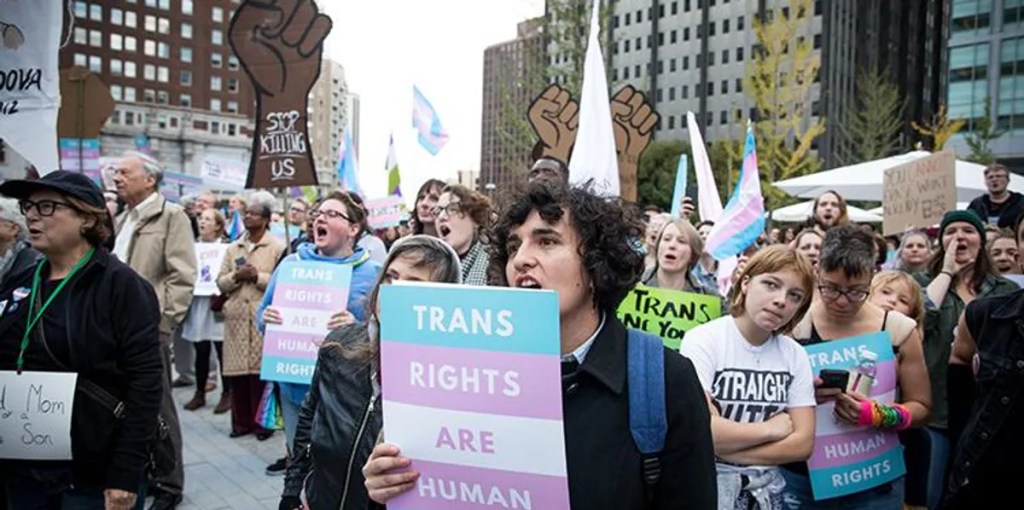
Welcome back to Taste of Truth Tuesdays. Today, we’re diving into a topic I’ve wanted to explore for a while now. Earlier this month, I came across a writer on Substack who posted something that really struck me. In his piece, he used dehumanizing language ‘assigned female at birth’. While his intention may have been to be inclusive, I found it to be exclusive and downright misogynistic.
It reminded me of back in 2021, I had a few people reach out to me on Instagram, pointing out that we had shifted from using the term ‘women’ to ‘AFAB’—’assigned female at birth.’ My gut reaction was intense—what the hell is going on here? It also reminds me of when I was living in Portland, I was constantly stressed, seeking external validation, and lacked the courage to speak up against gender ideology around 2013-2015. Little did I know, it would eventually take over the world.
Now, we’re going to dive into the consequences of transgenderism and its impact on children. And here’s the thing: I’m no longer afraid of being canceled or ridiculed. Honestly, I’ve already lost all my friends. But at this point, I’ve come to appreciate who I am, and standing for truth in today’s world has never been more important. It’s worth every consequence.
How We Got Here—The Origins of Gender Ideology
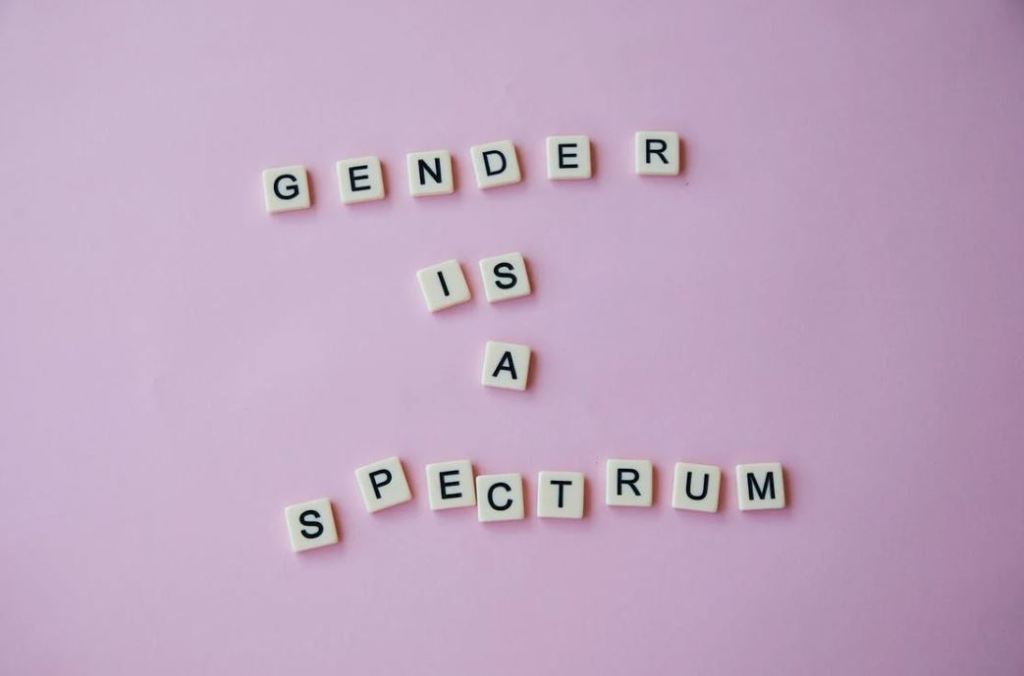
To understand how we went from recognizing biological sex as reality to debating whether we can even say the word “women” in medical journals, we have to look at where gender ideology came from.
This whole mess started with psychologist John Money in the 1950s. He was one of the first people to separate “gender” from “sex,” arguing that gender was a social construct, independent of biology. Expanding on John Money’s experiments is crucial because they expose the disturbing origins of gender ideology. Money, a psychologist and sexologist, was instrumental in pushing the idea that gender identity is entirely socially constructed, separate from biological sex. However, his most infamous experiment—the case of David Reimer—reveals the dark and unethical foundation of this belief system.
David Reimer was born male, alongside his identical twin brother, Brian. After a botched circumcision, Money convinced his parents to raise David as a girl, “Brenda,” after undergoing surgery and hormone treatments. Money believed this would prove that gender identity was purely a matter of socialization. However, David never truly identified as female. He struggled with severe psychological distress, eventually rejecting the imposed identity in his teenage years and transitioning back to male. His twin brother Brian also suffered severe emotional distress, and both tragically died by suicide in their 30s—a devastating consequence of Money’s reckless experiment.
The nature vs. nurture debate is at the heart of this issue. Money’s work attempted to prove that nurture—socialization and upbringing—could completely override biological sex. Yet, the failure of the Reimer case demonstrated the opposite: biology plays an undeniable role in identity and development. Attempts to force individuals into gender identities that contradict their biology often lead to severe psychological distress.
While John Money championed the idea that gender was purely a social construct, his ideological opponent, Dr. Milton Diamond, spent decades proving otherwise. Diamond, a biologist and sexologist, conducted extensive research showing that biological sex has an innate influence on identity. He exposed the flaws in Money’s work, particularly the David Reimer case, and argued that forcing an identity contrary to one’s biology leads to immense suffering. Diamond’s work underscored the importance of acknowledging biological sex while still allowing for individual gender expression—a stance completely at odds with today’s gender ideology, which seeks to erase biological realities altogether.
Intersex conditions are often misused as a justification for erasing sex-based distinctions. While intersex individuals exist, they make up a small fraction of the population and do not negate the binary nature of human sexual reproduction. Most intersex conditions result in variations of male or female biology, not a third sex. Using intersex as a reason to eliminate sex-based language ultimately harms both intersex and non-intersex individuals by denying the reality of biological differences.
Beyond David Reimer’s case, Money’s broader work was filled with moral controversies. His therapy sessions with young children were highly controversial and ethically disturbing by today’s standards. He conducted what he called “sexual rehearsal therapy,” which involved encouraging children to engage in sexual activities with their parents or siblings as a form of treatment for various psychological issues.
These sessions were intended to help children overcome sexual anxieties or developmental disorders, but they often crossed serious ethical boundaries and caused significant harm to the children involved. The lack of informed consent, the inappropriate nature of the activities, and the potential for long-term psychological damage have led to widespread criticism of Money’s methods.
Despite this, Money’s ideas laid the foundation for modern gender ideology. His theories, though discredited by cases like David Reimer’s, were absorbed into academia and later expanded upon by activists. The result? A cultural shift where subjective identity is prioritized over biological reality, and dissent is often met with backlash.
Understanding the origins of gender ideology is crucial because it reveals the shaky foundation upon which these ideas were built. Science, ethics, and real-world consequences all point to the same conclusion: biology matters, and attempts to erase it come at a significant human cost.
His theories were later expanded by Judith Butler in the ‘90s, who pushed the idea that gender is performative and entirely detached from biology. This philosophy has now morphed into the idea that sex itself is a “social construct.”
The Trans Flag’s Creator: A Window into Gender Ideology’s Evolution
Monica Helms, born Robert Hogge, designed the trans🏳️⚧️ pride flag in 1999.
According to researcher Dr. Sarah Goode, CEO of StopSO (Specialist Treatment Organization for the Prevention of Sexual Offending), pedophiles who organize online have developed their own culture, language, and symbols. One common symbol used in pedophile forums incorporates the colors baby blue, pink and white. In her lecture, ‘Hidden Knowledge: What We Ought to Know About Pedophiles,’ Dr. Goode shows a slide of the image, and says, “The pink half represents ‘girl lovers’ and the blue half represents ‘boy lovers.’”
The color code system appears to predate the initial design of the transgender flag and can be traced back to at least as early as 1997, according to online pro-pedophile forums.
Areas in Europe that advertise child trafficking to pedophile sex tourists have used the color code: “blue curtains mean a boy child prostitute and pink curtains a girl.”
It is unclear whether Helms was aware of this correlation at the time, but when discussing the symbolism behind the trans flag in an interview in 2017, Helms stated that blue represented young boys and pink represented young girls.
Whatever the case may be, his personal history and writings reveal disturbing patterns that echo the unsettling dynamics of gender ideology we’ve seen in figures like Dr. John Money. Helms, who now identifies as a woman, has long been involved in controversial and fetishistic behaviors, even writing “forced feminization” and erotic short stories. His writings include disturbing themes, such as the sexualization of minors, notably in a short story where a man marries a young girl who ages slowly, reflecting a disturbing fantasy that came to him in a dream.
In his memoir, More Than Just a Flag, Helms describes his “bigender” identity, as an “enlightened” being who floats between multiple identities, switching from male to female, sometimes simultaneously, or in an instant. He recalls times of experimentation, especially as an adult, where he would wear clothing inappropriate for his age and faced consequences for doing so at work.
Adding a deeply unsettling layer to the conversation, Helms, who was 70 at the time in 2022, made headlines by claiming to have changed his age to 25. Given the logic behind these transformations, this age shift sparked a viral conversation, with some commenters pointing out that his partner, Darlene Darlington Wagner, would now be “just 16 years old.” This raises questions about how fluid identity could extend beyond gender and into age.
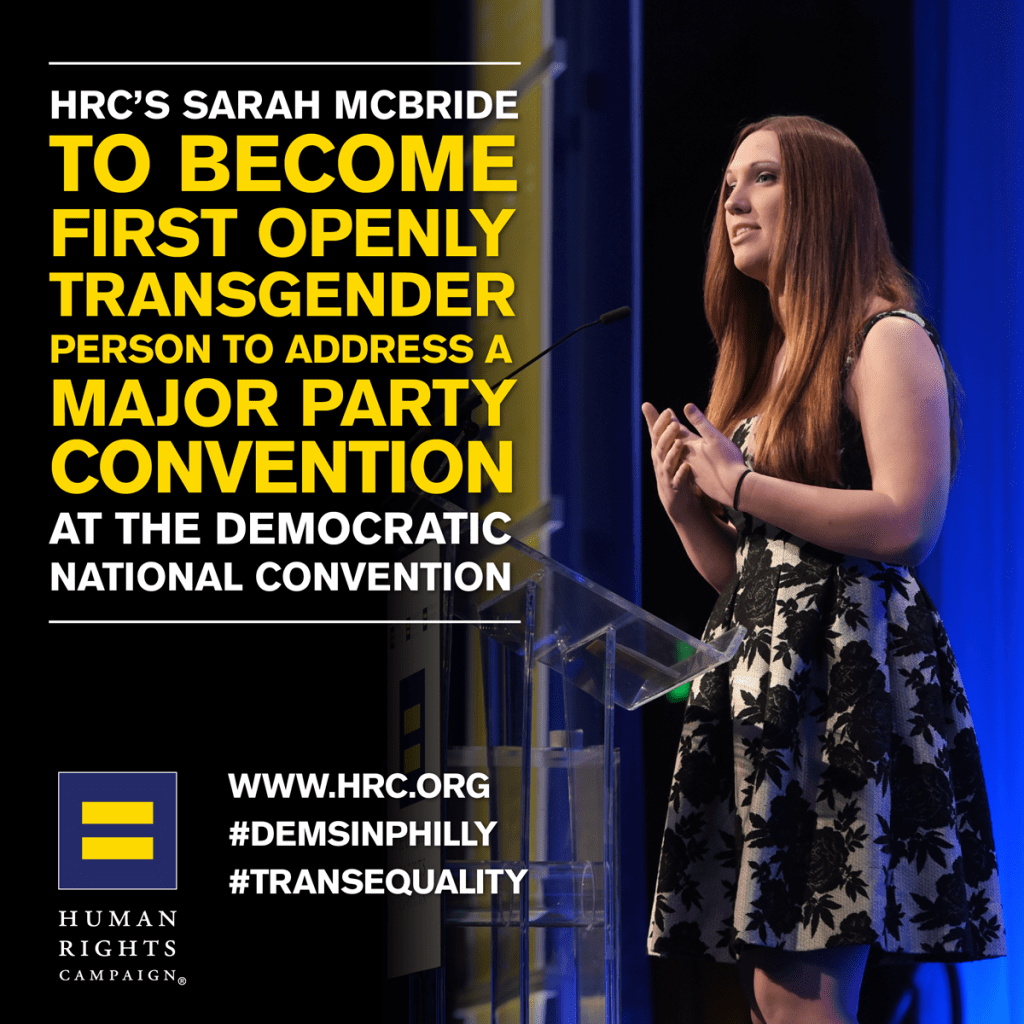
As gender ideology increasingly became intertwined with political movements, it found its way into the mainstream, especially within the Democratic Party. Initially, intellectual discussions around gender began with French philosophers whose ideas about the body, power, and identity influenced later iterations of gender theory. But these complex theories have since been stripped of their nuance and rebranded into a political dogma that now dominates much of the left-leaning discourse.
The Democratic Party, which once championed civil rights and social justice, now finds itself navigating a fine line between advocating for freedom and accommodating forces that seek to change the very definition of identity itself. But at what cost? The more corporate interests and industries gain traction in shaping these ideologies, the more the left’s original values of anti-corporate resistance become a distant memory.
Which brings us to today’s nightmare.
From Fringe Theory to Political Dogma—How Gender Ideology Took Over the Democratic Party
How did academic theorizing become an institutionalized belief system within mainstream politics, particularly in the Democratic Party? This transformation happened through several key developments:
The Rise of Queer Theory in Academia – Universities became breeding grounds for gender ideology throughout the 1990s and 2000s. Gender studies departments, influenced by postmodernist philosophy, framed gender as entirely fluid, rejecting biological sex distinctions. As students trained in these theories graduated and took positions in media, education, and activism, they carried these ideas into broader society.
Institutional Capture and Activism – Activist organizations like the Human Rights Campaign (HRC) and the American Civil Liberties Union (ACLU) began pushing gender ideology into corporate policies, legal frameworks, and public schools. Their influence, combined with the rapid spread of social media, helped mainstream these concepts far beyond the academic world.
Legal and Policy Shifts – Under the Obama administration, gender ideology gained political traction, particularly through Title IX reinterpretations that mandated schools to accommodate self-declared gender identities. This was further expanded under the Biden administration, with policies requiring federally funded institutions to adopt gender-affirming policies in sports, healthcare, and education. Let’s talk about the hilarious double standards around the billionaires funding the LGBT movement. We’ve all seen the left melting down over the influence of billionaires—except, of course, when those billionaires are funding agendas they support. An article from First Things calls out some of the big names behind the LGBT movement, and guess what? It’s showcases this massive contradiction.
Big Tech and Media Reinforcement – Social media platforms, major news outlets, and entertainment industries began actively promoting gender ideology while censoring dissenting views. This created a cultural environment where questioning gender ideology was framed as hateful or bigoted, further entrenching it within left-wing politics.
The Redefinition of Civil Rights – Transgender identity was increasingly framed as the next major civil rights frontier, equating sex-based protections with racial and disability rights. This shifted the Democratic Party’s platform to fully embrace gender ideology, making skepticism or critique politically unacceptable within mainstream liberal discourse.
The Shift from ‘Women’ to ‘AFAB’—Erasing Women for Ideology
So why has the term “women” been replaced with “AFAB” (Assigned Female At Birth)? The justification is that saying “women” is “exclusionary” to trans-identified females. But in reality, it’s deeply misogynistic.
Jennifer Bilek, in her Dispatches from the 11th Hour essays, has done incredible work exposing how gender ideology isn’t some organic civil rights movement—it’s a well-funded social engineering project backed by billionaires and biotech companies. She points out that this linguistic shift isn’t just about “inclusion.” It’s about destabilizing categories of sex for the benefit of corporate and medical industries.
When you erase the words “women” or “woman,” you erase women’s ability to advocate for their needs. You make it harder to talk about female-specific health issues. And you make it easier for policies to prioritize ideology over science.
The Medical and Scientific Consequences of Erasing Sex
This isn’t just an abstract cultural issue. It has real, dangerous consequences for medicine and science.
Historically, women have been excluded from medical research—for decades, studies were conducted almost exclusively on male subjects, and the results were assumed to apply to women. The problem? Women are not small men. We have different hormonal cycles, different metabolic rates, and different responses to medications.
Here are just a few examples of how ignoring biological sex in medicine harms women:
Heart disease: Women’s symptoms are different from men’s, and because most research was done on men, women are more likely to be misdiagnosed.
ACL injuries: Women are at a significantly higher risk due to differences in hip structure and ligament laxity, yet training protocols are still modeled on male athletes.
Medication dosages: Women metabolize drugs differently, but dosages are often tested on male bodies, leading to overdoses or ineffective treatments for women.
In 2016, the NIH finally mandated that women be included in medical research, a huge step forward. But now, under gender ideology, we’re reversing that progress by saying we can’t acknowledge sex at all.
If we replace “women’s health” with “AFAB health,” how do we effectively study and treat female-specific conditions like PCOS, endometriosis, or pregnancy-related complications?
We don’t. Because that’s the point.
The Connection Between Transgenderism and Transhumanism
As the journalist, Stella Morabito, has written:
“Transgenderism is a vehicle for state power and censorship.”
It is tyranny dressed up in the clothes of what has become the carcass of the progressive left and it seeks absolute power and control over humanity and nature.
This is where things get dark.
Jennifer Bilek and other researchers have pointed out how gender ideology is just one arm of a larger movement: transhumanism—the belief that humanity should merge with technology, that our bodies are “obsolete,” and that we should ultimately move beyond biology altogether.
Think about what the transgender movement pushes:
The idea that our bodies are wrong and need to be medically altered
A reliance on synthetic hormones for life
The normalization of body modification to fit identity over reality
Now zoom out: Who benefits from this ideology? Pharmaceutical companies. The same billionaires pushing trans activism are also deeply invested in AI, biotech, and synthetic biology.
Oligarchs on both the political right like Peter Thiel and on the left like Jeff Bezos. JD Vance is the co-founder of Narya Capital and invested in Amplied Bio which has announced a strategic partnership RNAV8 to support MRNA therapeutic developers. Even MAHA’s hero RFK Jr has invested in Crispr technology. Financially disclosers released in Jan 2025 reveal he holds invested in Crispr therapeutics which specialists in gene editing technologies, as well as Dragon Fly Therapeutics which focuses on immunotherapies. So, despite his history of expressing concerns against gene-editing therapy. He did state he would divest from these companies if confirmed secretary of HHS. So, Mr. Secretary, we are keeping eyes on you. 👀
I haven’t even mentioned of Elon Musk with NeuraLink and who knows what else that guy has planned. I am a big fan of DODGE and the exposure of the corruption, YET I definitely keep a skeptical eye on him as well.
The goal is not just to let people “live as their authentic selves.” The goal is to dissolve sex-based reality entirely, making people dependent on medical interventions for life. This isn’t liberation—it’s medical enslavement.
Brave New World Revisited: The Synthetic Creation of Culture
Earlier this year I read Huxley’s Brave New World, and it didn’t read as fiction, it read as he had a crystal ball into the future. In his dystopia, human reproduction was industrialized, the family unit was obsolete, and people were engineered for compliance under the guise of “progress.” Sound familiar? The push for synthetic reproduction, the erasure of sex-based identity, and the growing narrative that biology itself is a problem all mirror Huxley’s warning.
Jennifer Bilek exposes how transhumanism is the real endgame. The same corporate interests promoting gender ideology are also pioneering artificial wombs, genetically modified embryos, and bioengineered organ harvesting. This is a world where human beings are no longer conceived but manufactured. Where the natural, biological family is replaced by state-sanctioned, lab-grown “life.”
Huxley warned us about a future where people would love their servitude—where the loss of freedom would be reframed as liberation. That future is unfolding now. The question is: Are we resisting dehumanization, or are we embracing it under a new name?
The Erasure of Women Illustration by Greg Groesch
Fighting Back Against the Erasure of Women
So what do we do?
Refuse to comply with ideological language. Women are women—not AFABs.
Call out the erasure of sex in medicine and policy. We must advocate for sex-based language in healthcare.
Expose the billionaires funding this movement. This is not grassroots activism—it’s top-down social engineering.
The fight to protect reality isn’t just about ideology. It’s about protecting women, safeguarding science, and ensuring future generations don’t grow up in a world where “female” is a forbidden word.
Breaking Free: A Conversation with Yasmine Mohammed on Radical Islam, Empowerment, and the West’s Blind Spots
After finishing George Orwell’s 1984, I noticed its resurgence in popularity, especially after Trump’s election. Ironically, it’s not the conservative right but the progressive left that increasingly mirrors Orwellian themes. Similarly, Margaret Atwood’s The Handmaid’s Tale has become a rallying cry for liberals who claim to be on the brink of a dystopian theocracy. Yet, as Yasmine Muhammad pointed out in this week’s episode, this comparison is not only absurd but deeply insulting to women who live under regimes where Atwood’s fiction is a grim reality.
1984: Rewriting Language and History
The Democratic Party’s obsession with redefining language is straight out of Orwell’s playbook. They tell us biology is bigotry and that there are infinite genders, forcing people to adopt nonsensical pronouns or risk social ostracism. This is not progress—it’s the weaponization of language to control thought, eerily similar to Orwell’s Newspeak.
But it doesn’t stop there. They actively rewrite history by renaming monuments, military bases, and even schools, erasing cultural markers in the name of ideological purity. This is doublespeak in action: the manipulation of truth for political orthodoxy. Orwell’s warning that “orthodoxy is unconsciousness” feels disturbingly apt when observing the modern left.
The Handmaid’s Tale: An Insult to Women Who Actually Suffer
In our conversation, Yasmine highlighted the absurdity of liberal claims that America is The Handmaid’s Tale come to life. Yasmine, who grew up under Islamic theocracy, knows firsthand what it’s like to live in a world where women have no autonomy. These women cannot see a doctor without a male guardian, are forced to cover every inch of their bodies, and are denied basic freedoms like education or the right to drive.
Contrast this with the West, where women have more freedom than any other point in history. Liberal women can run around naked at Pride parades, freely express their sexuality, and redefine what it means to be a woman altogether. And yet, they cry oppression because they are expected to pay for their own birth control or endure debates over abortion limits. This level of cognitive dissonance—claiming victimhood while living in unprecedented freedom—is a slap in the face to women who actually suffer under real patriarchal oppression.
Liberal Orthodoxy: Lost in the Sauce
What’s truly Orwellian is how the left uses its freedom to strip others of theirs. They shout about inclusivity but cancel anyone who disagrees. They claim to fight for justice while weaponizing institutions to enforce ideological conformity. Meanwhile, they are so consumed with their own victim complex that they fail to see how absurd their comparisons to dystopian fiction really are.
Orwell and Atwood warned against unchecked power and ideological extremism. If liberals actually read these books instead of using them as aesthetic props, they might realize they’re mirroring the very authoritarianism they claim to oppose. Instead, they’re lost in the sauce, preaching oppression in a society where they have more freedom than they can handle.
As Yasmine said, “You want to see The Handmaid’s Tale? Try being a woman in Saudi Arabia, Iran, or Afghanistan.” The left would do well to remember that before playing the victim in their cosplay dystopia.
The holidays are here, and while it’s the season of joy, connection, and maybe a few too many late nights, it’s also the perfect time to start preparing for the 365 Easy Challenge kicking off in 2025. And let’s face it: sleep is the foundation for everything we’ll tackle together next year.
Did you know women are more likely to struggle with insomnia than men? It’s not just in your head—it’s science. Hormonal fluctuations (hello, PMS, pregnancy, and menopause) wreak havoc on your sleep cycles, making restful nights feel like a luxury you can’t afford to miss.
But here’s the real kicker: poor sleep doesn’t just leave you feeling groggy. It messes with your mood, metabolism, and even your muscles. Whether you’re juggling holiday chaos, prepping for a fresh start in January, or just trying to function, running on empty isn’t the answer. Let’s dig into why quality sleep is essential—and how to actually get it.
Why Sleep Matters More Than You Think
Inflammation & Immunity Sleep is your body’s built-in anti-inflammatory agent. Without it, inflammation skyrockets, leaving you vulnerable to chronic diseases and poor recovery from workouts or injuries.
Mental Clarity Brain fog isn’t just an inconvenience; it’s a sign your brain didn’t get its overnight “detox.” Sleep clears out waste products like amyloid plaques, which are linked to neurodegenerative diseases. Think of it as housekeeping for your mind—skip it, and you’re living in clutter. Braig fog + thyroid connection!
Hormonal Harmony From cortisol to melatonin to estrogen, sleep keeps your hormones in check. Messy sleep = messy hormones, which can mean mood swings, weight gain, and irregular cycles.
Circadian Rhythm & Beyond Your body runs on a 24-hour clock. Disrupting it—whether with late-night scrolling or inconsistent sleep times—throws everything off, including digestion, energy levels, and even hunger cues.
Sleep & Exercise: The Sneaky Saboteur
Think sleep doesn’t impact your workouts? Think again. Poor sleep leads to:
Slower reaction times (hello, clumsiness).
Increased injury risk (because you’re tired and uncoordinated).
Longer recovery times (muscles can’t repair without rest).
Heightened fatigue (making you feel like you’re dragging through every rep).
💡 Quick fix: Research shows a 45-minute afternoon nap can improve performance and lower perceived effort. Translation: naps aren’t lazy; they’re strategic.
Bedtime Hacks for Better Rest
Dim the Lights Block blue and green light from screens, lower the brightness, and dim the room 1–2 hours before bed.
Chill Out Literally—lower your bedroom temperature to around 65°F (18°C). Cooler temps signal your body it’s time to rest.
Silence & Darkness Total darkness (blackout curtains or a sleep mask) + white noise or earplugs = your best chance at uninterrupted rest. My favorite sleep track
Stick to a Schedule Consistency is key. Aim to go to bed and wake up at the same time—even on weekends.
Don’t Force It Wake up in the middle of the night? Get out of bed briefly to reset instead of tossing and turning.
Level Up Your Sleep with Bedtime Gummies
Let’s talk about a bedtime treat that actually works: Tart Cherry Gummies. Packed with melatonin and glycine, they’re a natural way to ease into deeper, more restful sleep.
Why Glycine Rocks:
Helps you fall asleep faster.
Improves sleep quality and efficiency.
Eases symptoms of insomnia.
Recipe:
1 cup tart cherry juice
1 cup water
4 tbsp beef gelatin
Maple syrup (to taste)
Bloom the gelatin in half the juice for 3–5 minutes.
Heat the remaining juice, then combine.
Pour into molds or a dish and refrigerate.
The Takeaway
Sleep isn’t a luxury—it’s a lifeline. From balancing your hormones to enhancing your brainpower, it impacts every aspect of your health. If you’re still treating it like an afterthought, it’s time to flip the script.
Now, tell me: what’s your biggest sleep struggle, and which hack are you going to try first? 💤
When clients come to me saying they have a “slow metabolism” or a “broken” metabolism, often they think they need to eat even less or cut carbs to jumpstart weight loss. But let me flip the script: in many cases, it’s actually chronic under-eating and restrictive dieting that’s slowing down their metabolism. Chronic dieting, especially with very low calories, can lead to impaired thyroid function and ultimately disrupt how the body uses energy. Here’s how it happens and what you can do to restore balance.
What is the Thyroid and Why Does It Matter?
Your thyroid is a small gland in your neck that plays a massive role in regulating your body’s metabolism. Often called the “controller” of metabolic function, the thyroid works closely with the hypothalamus and pituitary glands in the brain to maintain your metabolic rate. This system allows your body to increase or decrease energy production based on its needs, influencing everything from how you process food to your body temperature.
The thyroid primarily produces two hormones:
T3 (Triiodothyronine) – the active hormone that your cells use.
T4 (Thyroxine) – the inactive hormone that must be converted into T3 before your body can use it.
The production and conversion of these hormones depend on a feedback loop that begins with TSH (Thyroid Stimulating Hormone), which signals the thyroid to produce and release T4. But when the body is stressed—especially due to chronic under-eating or extreme calorie restriction—this whole process can become disrupted.
How Chronic Dieting Wrecks Your Thyroid
Under-eating is a significant source of stress for the body. Dieting or calorie restriction triggers the HPA axis (Hypothalamic-Pituitary-Adrenal axis), leading to an increase in CRH (Corticotropin-Releasing Hormone) and cortisol, our primary stress hormone. High cortisol levels can interfere with thyroid function in the following ways:
Reduces TSH Production: Elevated cortisol inhibits TSH, lowering T4 production and decreasing the amount of thyroid hormone available for energy use.
Impairs T4-to-T3 Conversion: Chronic stress slows down the conversion of T4 (inactive) into T3 (active), reducing your body’s energy production.
Increases rT3 Levels: Instead of converting into T3, some T4 becomes reverse T3 (rT3), a hormone that blocks T3 from being used. This, in turn, reduces the sensitivity of your cells to thyroid hormones, further lowering metabolic function.
This is why individuals who chronically under-eat or yo-yo diet often experience symptoms of hypothyroidism, even without an official diagnosis.
Symptoms of Suboptimal Thyroid Function
If your thyroid isn’t functioning optimally, you may notice some of the following symptoms:
Low body temperature (below 97.8°F)
Frequent feelings of cold, regardless of weather
Low or no libido
Anxiety, brain fog, or poor memory
Unexplained weight gain or difficulty losing weight
Bloating, poor digestion
Changes in hair texture or hair loss
Many clients experiencing these symptoms have been stuck in a calorie-deficit mindset for years, keeping their bodies in a constant state of stress. As a result, they’re often dealing with adrenal dysfunction, hypothyroidism, or even reproductive health issues, like extreme PMS, cycle loss, or low testosterone.
Restoring Your Thyroid Health—The First Steps
To begin improving thyroid health, our initial goal is to support both psychological and physiological balance, moving away from restrictive dieting and focusing on nourishment. Here’s a breakdown of the steps:
Stabilize Blood Sugar: Balanced blood sugar supports thyroid health and reduces stress on the body.
Maximize Nutrient Density: Prioritize whole, nutrient-rich foods to ensure your body receives adequate vitamins and minerals, especially selenium, zinc, and iodine, which are crucial for thyroid function.
Reduce Inflammation: Chronic inflammation can further stress the thyroid. Anti-inflammatory foods and lifestyle practices can help.
Incorporate Breathwork: Simple breathwork techniques can stimulate the vagus nerve, helping to regulate the HPA axis and reduce stress.
Avoid Dietary Triggers: Reduce foods that promote “leaky gut,” such as highly processed foods, sugar, and gluten, if sensitive. This protects your immune and thyroid health.
Manage Stress Proactively: Yoga, meditation, journaling, or spending time in nature can help keep cortisol in check.
Reduce Toxins and Pollutants: Environmental toxins can interfere with hormone health, so minimizing exposure can be a powerful step.
Prioritize Rest and Sleep: Quality sleep allows the body to recover and reset, which is essential for thyroid health.
The Bottom Line
Restrictive dieting isn’t the solution to a slow metabolism; it’s often the root cause. Chronic under-eating can lead to imbalances in your thyroid and adrenal glands, ultimately slowing down your metabolic rate and making it harder to achieve your fitness goals. Rebuilding a balanced, nourished body will not only help you feel better but will also lay the foundation for sustainable health.
This week, we’re talking all things thyroid health, and this post breaks down why breaking free from the dietary dogma of diet culture is crucial! Ever feel like your energy’s tanked, your minds in a fog, or your metabolism’s stuck in slow motion? 🧠✨ You’re not alone, and it could be your thyroid talking.
On this week’s Taste of Truth Tuesdays, we’re joined by Nicole, a holistic health advocate who’s here to shed light on how diet culture’s obsession with restriction can wreak havoc on your thyroid. From her own experience facing an autoimmune diagnosis to her advocacy for individualized nutrition, Nicole breaks down how restrictive dieting not only slows your metabolism but also impacts hormone balance, brain clarity, and overall well-being. Join us to learn how making friends with food (yes, even carbs!) might be the best way to support your thyroid and reclaim your energy.
Did you know your body can help your brain feel more hopeful through movement?
In our fast-paced world, finding effective ways to boost our mental and physical well-being is more crucial than ever. Recent research highlights an exciting phenomenon: our muscles aren’t just for movement; they act as endocrine organs, secreting beneficial substances known as hope molecules. These molecules, or myokines, have a profound impact on our brain, body, and mood, offering a natural and powerful way to enhance our overall health.
What Are Hope Molecules?
Hope molecules are proteins released into the bloodstream from our muscles during movement. These myokines play a vital role in:
Protecting against depression, PTSD, and chronic stress
Increasing neuroplasticity, which helps our brain adapt and grow
Altering the hippocampus, a brain region crucial for stress resilience
Boosting brain-derived neurotrophic factor (BDNF), which enhances our ability to manage stress and difficult emotions
Dr. Kelly McGonigal succinctly puts it: “Every time we move our muscles, we are giving ourselves an intravenous dose of hope.” This means that even a short burst of movement can significantly impact our mental health, providing an antidepressant effect that enhances resilience to stress and trauma.
For instance, a short walk or a quick workout doesn’t just get the blood pumping; it also triggers the release of these mood-enhancing chemicals. This phenomenon is sometimes referred to as an “antidepressant effect,” where the physical act of moving your body leads to the release of neurotransmitters that can lift your spirits and combat feelings of depression.
Moreover, this boost in mood and resilience isn’t just about the immediate effects. Regular short bursts of exercise contribute to long-term mental health benefits, enhancing your ability to cope with stress and trauma. By incorporating even small amounts of movement into your daily routine, you can help your body produce more hope molecules, thereby strengthening your mental health and emotional resilience.
So, the next time you’re feeling low, remember that a little movement might just be the key to unlocking your body’s natural antidepressants and enhancing your capacity to handle life’s challenges. 🚶♀️💪🌟
The Mind-Body Connection: Insights from the “Mind Over Milkshake” Study
To deepen our understanding of how movement and mindset intersect, consider the fascinating findings from the study titled “Mind Over Milkshake: Mindsets, Not Just Nutrients, Determine Ghrelin Response.” This research explores how our beliefs about the food we consume can alter physiological responses, such as hunger and energy regulation.
Participants in the study were given milkshakes with differing calorie information, but their physiological responses varied based on their expectations. The study demonstrated that our mindset about what we consume can impact hormonal and physiological reactions, revealing the powerful connection between belief and bodily responses.
Similarly, our mindset towards exercise can greatly influence the benefits we derive from it. Viewing exercise not merely as a physical task but as a source of hope and well-being can amplify its positive effects on our mental health.
Why Movement Matters More Than We Think
Understanding that hope molecules and our mindset play a critical role in our health highlights the multifaceted benefits of exercise. It’s not just about weight loss or physical fitness; it’s about enhancing:
Happiness and life satisfaction
Resilience to stress and anxiety
A sense of purpose and social connection
Emerging research suggests that when exercised, our muscles essentially become a “pharmacy” for our physical and mental health. This perspective shifts the focus from restrictive exercise goals to a more holistic view of movement as a tool for improving our quality of life.
Applying Hope Molecules to Recovery from High-Control Environments
For those recovering from high-control environments, such as strict religious or ideological communities, the concept of hope molecules is particularly relevant:
Resilience and Recovery: Engaging in regular movement can help mitigate the effects of chronic stress and trauma often associated with high-control environments. The release of myokines (hope molecules) during physical activity supports brain health and emotional resilience, aiding in the recovery process.
Regaining Control: Movement and exercise can be empowering for those who have felt controlled or restricted. It offers a way to regain a sense of agency and control over one’s body and mind, promoting healing and personal autonomy.
Restoring Mental Health: For individuals recovering from harmful environments, exercise can provide a natural antidepressant effect. Regular physical activity enhances mood, reduces symptoms of depression, and supports overall mental health, which is crucial for those rebuilding their lives and self-esteem.
Practical Tips for Integrating Movement into Recovery
Start Small: Incorporate any form of movement into your routine, even if it’s just a few minutes each day. Studies indicate that as little as 3 minutes of exercise can have positive impacts.
Adopt a Positive Mindset: Frame your physical activity as an opportunity for mental and emotional growth, not just a chore. This mindset can enhance the benefits you receive.
Enjoy the Process: Find activities you enjoy and that make you feel good. The more you enjoy your movement, the more likely you are to stick with it.
Build a Routine: Establishing a consistent movement routine can support long-term recovery and well-being. Integrate movement into your daily life in a way that feels sustainable and rewarding.
Connect with Community: Movement can also foster social connections. Engaging in group activities or fitness communities can provide additional support and a sense of belonging, which is valuable for those recovering from isolating environments.
Hacking Consistency: Your Path to Achieving Health Goals
In my 20 years as a personal trainer, I’ve seen one common thread that holds people back from achieving their health and fitness goals: consistency. For many, the journey to better health is fraught with the misconception that it must be difficult. If you resonate with this, I want you to know that I understand how intimidating change can be. It can feel like a long road ahead, but I’m here to share some tips to help you hack consistency and make your health journey not only achievable but also enjoyable.
1. Habit Stacking: Start Small
The first strategy to develop consistency is habit stacking. Focus on one or two small habits that you can easily commit to. Once you’ve established these, you can begin to build additional habits on top of them.
For example:
Starting Habit 1: A 5-minute morning walk. This quick stroll can boost your mood and energy levels, providing an immediate sense of accomplishment.
Starting Habit 2: A one-minute breathing exercise. Before your walk, try a simple box breathing technique: inhale for 4 seconds, hold for 4 seconds, exhale for 4 seconds, and hold again for 4 seconds. This practice can reduce stress and help center your mind.
Once you have these foundational habits in place, you can stack additional practices:
Post-Walk Habit: After your 5-minute walk, add 2-3 minutes of gentle stretching. Focus on your neck, shoulders, and legs to release tension and enhance the mental health benefits of movement.
Post-Breathing Habit: After your breathing exercise, incorporate a quick moment of gratitude. Name one thing you’re grateful for to reinforce positive thinking and cultivate a hopeful mindset. This simple act can help you recover from emotional strain and improve overall well-being.
Starting small with these habits allows you to create a consistent and sustainable routine.
2. Focus on Addition, Not Restriction
The second tip for hacking consistency is to concentrate on what you can add to your life rather than what you need to take away. This could involve increasing your movement, enhancing your awareness, practicing breathwork, or incorporating more protein, fruits, and vegetables into your meals. When you focus on adding positive elements, it becomes easier to embrace change and maintain consistency.
3. Find Personal Meaning
Your journey to feeling better should be tied to personal meaning and intrinsic motivation. This means tapping into your internal drive to pursue these changes. Reflect on why you want to achieve your health goals and let that guide your actions. When you find personal significance in your journey, it becomes a source of motivation rather than a chore.
4. Build Self-Efficacy
Self-efficacy is crucial in creating a sustainable lifestyle. It’s about building belief in yourself over time and understanding that consistency is the key to lasting results. Instead of thinking in terms of short-term challenges, consider how you can develop habits that last long-term. Routines created from consistent habits lead to sustainable success.
Building on habits is what creates a routine. A routine is what creates consistency and consistency is what creates results.
Awareness is the first step in bridging the gap between your goals and the actions you need to take. While you may have aspirations, it’s consistent behaviors and actions that make them a reality.
Mindset Matters
Remember, if you’re struggling to maintain consistency, it’s not a reflection of your willpower or determination; it could be a sign that your approach needs adjustment. Your mindset is vital in this journey. Frame your movement as an opportunity to boost your brain and body rather than a chore or punishment.
By implementing these strategies, you can transform your health journey into a rewarding experience. Consistency is everything. Embrace the process, celebrate your achievements, and watch as you progress toward your goals!
Broader Implications for Personal Development
The principles of hope molecules tie into broader themes of personal development, critical thinking, and spirituality:
Challenging Limiting Beliefs: Movement and exercise can challenge limiting beliefs about oneself and one’s capabilities. This aligns with the focus on critical thinking and questioning restrictive ideologies.
Embracing New Perspectives: Seeing movement as a tool for embracing new perspectives and opportunities for growth is crucial for those redefining their lives after leaving high-control environments.
In conclusion, the science of hope molecules reveals that our muscles do much more than move us; they create hope and enhance our mental well-being. By embracing movement and adopting a positive mindset, we can unlock these powerful benefits and cultivate a more resilient, fulfilling life.
Embrace the power of hope molecules and experience the transformative effects on your mental and physical health.
RESOURCES:
For a comprehensive understanding of the role of hope molecules (myokines) and their impact on mental and physical health, the following studies and sources are highly relevant:
Key Studies and Sources
Myokines and Mental Health
Pedersen, B. K., & Febbraio, M. A. (2012). “Muscle as an endocrine organ: Focus on muscle-derived cytokines as potential pharmacological targets.”Diabetologia, 55(10), 2975-2985. Link to Study This review discusses how muscle-derived cytokines (myokines) are involved in various physiological processes and their potential therapeutic effects on metabolic diseases, inflammation, and mental health.
Exercise, Hope Molecules, and Brain Health
Gordon, B. A., & Herring, M. P. (2014). “The effect of exercise on depression: A review of meta-analyses.”Journal of Clinical Psychiatry, 75(2), 156-161. Link to Study This meta-analysis reviews the impact of exercise on depression, highlighting how physical activity influences mental health through various mechanisms, including the release of beneficial myokines.
Hope Molecules and Neuroplasticity
Hogan, M. C., & Durcan, J. M. (2018). “Exercise and neuroplasticity: A review of the role of physical activity in promoting brain health and cognitive function.”Journal of Clinical Neurology, 14(3), 342-350. Link to Study This review examines how exercise-induced myokines contribute to neuroplasticity, cognitive function, and overall brain health.
Mindset and Physiological Responses
Crum, A. J., & Langer, E. J. (2015). “Mindset matters: Exercise and the placebo effect.”Psychological Science, 26(4), 663-670. Link to Study This study explores how individuals’ beliefs and mindsets about exercise can influence their physiological responses and overall effectiveness of physical activity.
Exercise, Stress Resilience, and Mental Health
McGonigal, K. (2015). “The Upside of Stress: Why Stress Is Good for You, and How to Get Good at It.”Penguin Books. While not a study, this book by Dr. Kelly McGonigal provides insights into how stress, when managed effectively, can be beneficial. It complements research on how exercise and movement can positively influence mental health through stress resilience.
“Mind Over Milkshake” Study
Elder, R., & Croyle, R. T. (2011). “The role of expectations in health behavior: Mindset and health.”Health Psychology Review, 5(1), 2-12. Link to Study This study investigates how people’s expectations about what they consume affect their physiological responses, illustrating the influence of mindset on health outcomes.

Did you know that nearly one in five adults in the U.S. experiences mental health issues each year, with many of these individuals deeply embedded in religious communities? Unfortunately, within certain religious contexts, these struggles are often misunderstood or outright dismissed, leading to significant harm.

This week on the podcast, our guest explains more about Scrupulosity, a form of religious OCD, is particularly prevalent in such environments. Its debilitating effects are often compounded by biblical counseling practices that prioritize doctrinal purity over psychological well-being. This issue is glaringly evident in the teachings of influential figures like John MacArthur, whose views on mental health have had a profound and dangerous impact on his followers.
🎧Listen here!
Understanding Scrupulosity
Definition: Scrupulosity is a psychological condition where an individual experiences obsessive concerns about sin and moral behavior, often leading to compulsive religious rituals. It’s a form of OCD that is frequently misunderstood as heightened piety rather than a serious mental health issue.
Impact on Individuals: The emotional and psychological toll of scrupulosity can be devastating. Individuals suffering from this condition often live in constant fear of divine punishment, leading to extreme anxiety and depression. Marissa Burt shared harrowing stories of people trapped in this cycle, where every thought and action is scrutinized under the weight of perceived sinfulness, leaving them isolated and in despair.
The Role of Biblical Counseling
Biblical counseling is a form of therapy that relies solely on Scripture to address psychological issues, often rejecting modern psychological practices. Unlike secular mental health care, which is based on scientific research and evidence-based practices, biblical counseling assumes that all mental health issues stem from spiritual problems.
The Harmful Impact of Spiritually Abusive Counseling and Complementarianism
Section 1: The Dangers of Spiritually Abusive Counseling Programs
The spiritually abusive counseling program I was part of advocated for trusting in God and walking in the Spirit, based on Ephesians 4:22-24. While this approach may seem pious, it dangerously neglected real mental health needs and suggested that faith alone could ‘cure’ conditions like borderline personality disorder (BPD).
The Reality of Mental Health Needs
BPD is a serious mental health condition requiring professional treatment. While faith can offer support, it is not a substitute for evidence-based therapy. The notion that BPD is merely a result of not being ‘Christ-like’ enough not only invalidates legitimate mental health struggles but also manipulates individuals into believing their worth is contingent on religious compliance.
The Damage of Biblical Counseling
Biblical counseling, particularly when practiced by organizations like the Association of Certified Biblical Counselors (ACBC), can be profoundly damaging. This approach often lacks nuance and sensitivity, especially in cases of marital abuse. Instead of addressing abusive behaviors, it focuses on wives’ submission, perpetuating harm and failing to uphold biblical principles of love and justice.
Research indicates that frequent causes of women’s anger include:
Feelings of helplessness
Not being listened to
Injustice
Irresponsibility on the parts of others
The inability to make desired changes
The Flaws in ACBC’s Approach
ACBC’s counseling model relies on flawed interpretations of biblical passages and neglects psychological insights. It is authoritarian and has the potential for spiritual abuse, lacking accountability and sensitivity. The emphasis on traditional female gender norms that prioritize tenderness over assertiveness further hinders women’s ability to address unfair treatment effectively.
Complementarianism and Gender Equality
The conservative church promotes dangerous ideologies through Complementarianism, which emphasizes women’s submission to men. Historical analysis reveals that contemporary teachings about women’s roles often misinterpret or selectively use biblical passages to justify patriarchal structures rather than promoting equality and mutual respect. Critics argue that these teachings reflect human power structures more than the true message of Christ.
Critique of Biblical Counseling in Cases of Scrupulosity
This approach can be particularly harmful in cases of scrupulosity, where the condition is often mistaken for a lack of faith or moral failure. Instead of providing relief, biblical counseling can exacerbate the problem by reinforcing the idea that the sufferer must simply pray harder, read the Bible more, or repent more sincerely. Insights from Marissa Burt into these counseling sessions reveal a troubling pattern: individuals are often led deeper into their condition, with no recognition of the need for professional mental health care.
Towards Equality and Liberation
Achieving gender equality and women’s liberation is crucial for building a more prosperous and harmonious world. By examining church history and contemporary interpretations, we can challenge and move beyond outdated beliefs, advocating for a more equitable and respectful understanding of biblical teachings.
Real-Life Examples: Marissa shared examples of people who, after years of biblical counseling, found themselves more entrenched in their fear and anxiety. Instead of receiving the help they needed, they were told that their mental struggles were a sign of spiritual weakness, further alienating them from any form of relief.
John MacArthur’s Controversial Views
Introduction to MacArthur’s Views: John MacArthur, a prominent evangelical leader, has long been a vocal critic of psychological diagnoses and treatments, dismissing them as unbiblical. He argues that mental health issues are primarily spiritual problems that should be addressed through Scripture, prayer, and repentance.
Impact on Followers: MacArthur’s teachings have had a profound influence on his followers, many of whom reject necessary mental health care in favor of biblical counseling. This can lead to the worsening of conditions like scrupulosity, as individuals are discouraged from seeking professional help. Marissa Burt’s experiences highlight the real harm caused by these teachings, as people are led to believe that their suffering is a result of sin rather than a treatable mental health condition.
Marissa’s Insights: Marissa shared that within biblical counseling settings influenced by MacArthur’s teachings, there is little room for acknowledging the validity of psychological science. Instead, individuals are pushed to conform to a narrow view of spirituality, often at the expense of their mental health. This rigid approach can have devastating consequences, leaving individuals trapped in a cycle of guilt, fear, and spiritual abuse.
The Intersection of Faith and Mental Health
The Struggle for Balance: Many individuals find themselves torn between their faith and the need for mental health care. The struggle to reconcile these two aspects of their lives can be overwhelming, particularly when religious leaders like MacArthur promote the idea that mental health issues are purely spiritual.
Call for Change: It’s time for religious communities to adopt a more compassionate and informed approach to mental health. Psychological science and faith need not be at odds; in fact, they can complement each other in helping individuals achieve overall well-being. Recognizing the validity of mental health issues and seeking appropriate care is not a sign of weak faith but of a holistic approach to human flourishing.
Conclusion
Scrupulosity is a serious mental health condition that can be exacerbated by the teachings of biblical counseling and figures like John MacArthur. The dismissal of psychological science in favor of a purely scriptural approach can lead to significant harm, trapping individuals in cycles of guilt and fear.
If you or someone you know is struggling with mental health issues, it’s crucial to seek out appropriate care. Be cautious of religious teachings that diminish the importance of psychological well-being. Remember, it’s possible to maintain your faith while also taking care of your mental health.
The statistic about nearly one in five adults in the U.S. experiencing mental health issues annually is based on general findings from sources like the National Institute of Mental Health (NIMH) or the Centers for Disease Control and Prevention (CDC). For example, the NIMH often reports that about 20% of adults experience some form of mental health disorder each year.
National Institute of Mental Health (NIMH): They provide comprehensive data on mental health statistics. NIMH Statistics
Centers for Disease Control and Prevention (CDC): They offer data on mental health prevalence and its impact. CDC Mental Health
Books
“The Doubting Disease: Help for Scrupulosity and Religious Compulsions” by Joseph W. Ciarrocchi: A classic resource that offers a mix of psychological and spiritual guidance for those dealing with scrupulosity and religious OCD.
Articles & Guides
International OCD Foundation (IOCDF) Guide on Scrupulosity: Provides a thorough overview of scrupulosity, including treatment options and practical tips. IOCDF Guide
“Understanding Scrupulosity” by Dr. Gregory Bottaro: Offers insights from a clinical psychologist who integrates faith and psychology, providing both professional and spiritual perspectives.
Online Communities & Forums
Reddit’s r/scrupulosity: A supportive online community where individuals share experiences, resources, and support related to scrupulosity. Reddit r/scrupulosity
OCD Action Forum: Contains specific sections for religious and moral OCD, allowing individuals to connect and share experiences. OCD Action Forum
Therapy & Counseling
Cognitive Behavioral Therapy (CBT) with Exposure and Response Prevention (ERP): This is the gold standard for treating scrupulosity. Finding a therapist who specializes in CBT and ERP can be particularly effective.
Faith-Based Counseling: For those seeking to integrate their faith into therapy, it’s important to find a counselor who understands both OCD and the individual’s religious background.
Non-Christian Sources
National Alliance on Mental Illness (NAMI): Provides general mental health resources and information on how different settings, including religious ones, can impact mental well-being. NAMI Website
American Psychological Association (APA): Publishes research and articles on mental health, including impacts of religious environments. APA Website
Secular Therapy Project: Connects individuals with secular therapists sensitive to the impact of religious settings on mental health. Secular Therapy Project
These resources should offer a well-rounded approach to understanding and managing scrupulosity, catering to a variety of needs and perspectives for anyone navigating the complexities of scrupulosity.