
The Fatal Flaws of Calories In Calories Out
Let’s talk about one of the most persistent pieces of weight-loss advice ever given:
“Just eat less and move more.”
On the surface, it sounds reasonable. If weight loss were simply a matter of reducing calories and increasing activity, we’d expect long-term success rates to be much higher than they are. Instead, many people find themselves caught in a cycle of restriction, weight regain, and frustration.
The problem isn’t that calories are irrelevant. The problem is that the slogan reduces a complex biological process to a simple equation.
For decades, we’ve been taught to think about the body like a math problem: calories in versus calories out. But human beings aren’t closed systems operating under laboratory conditions. We’re dynamic, adaptive organisms influenced by hormones, stress, sleep, appetite regulation, past dieting history, genetics, environment, and countless other variables that affect how energy is used, stored, and conserved.
In previous episodes, we’ve explored the limitations of calorie-focused thinking and discussed research showing that our beliefs and expectations about food can influence physiological responses. Today, we’re taking that conversation a step further.
Because once you move beyond simplistic explanations, metabolism becomes far more interesting.
The questions aren’t just how much we eat, but what we eat, when we eat, why we eat, and how our bodies adapt over time. Those factors help explain why the same dietary strategy can produce dramatically different outcomes for different people.
Before we examine the limitations of modern diet advice, it’s worth asking a different question:
How did calories become the primary way we think about food in the first place?
To answer that, we need a little historical context.
The History of the Calorie
The calorie, as a unit of measurement, has a fascinating history that ties directly into today’s conversation. While many people assume calories have always been the standard way to understand food and metabolism, their adoption is actually a relatively recent development shaped by scientific discovery, public health initiatives, and changing cultural attitudes toward weight and nutrition.
The Origin of the Calorie
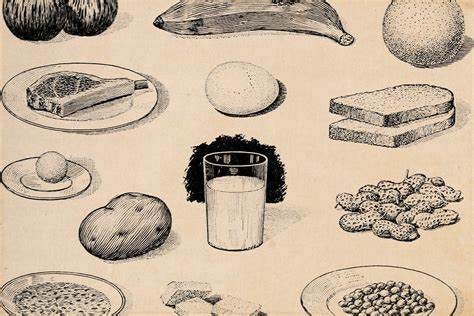
The concept of the calorie originated in physics, not nutrition.
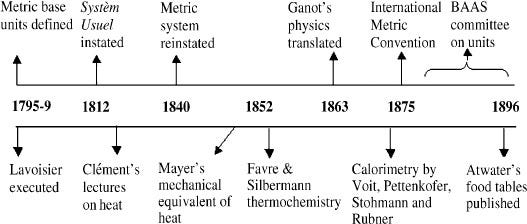
In the early nineteenth century, French chemist Nicolas Clément introduced the term calorie as a unit of heat energy. Later, scientists such as Wilbur Olin Atwater adapted the concept to human metabolism, conducting experiments to estimate how much energy food released when burned.
Atwater’s work eventually produced the familiar caloric values we still use today:
- Fat: 9 calories per gram
- Carbohydrate: 4 calories per gram
- Protein: 4 calories per gram
- Alcohol: 7 calories per gram
These values became the foundation of modern nutrition science and remain embedded in food labels around the world.
The Rise of Caloric Nutrition
By the early twentieth century, calories became an important public health tool.
Governments used calorie estimates to address malnutrition, design military rations, and manage food supplies during both World Wars. At a time when food scarcity was a major concern, understanding energy needs was enormously valuable.
As food became more abundant throughout the twentieth century, however, the conversation shifted. Rather than asking how to get enough calories, public health experts increasingly focused on how to avoid consuming too many.
This shift laid the groundwork for the modern weight-loss industry and the growing emphasis on calorie counting as a primary strategy for weight management.

CICO and the Simplification of Weight Loss
The calories in, calories out (CICO) model became increasingly influential during the twentieth century. Grounded in the First Law of Thermodynamics, it framed weight change as a matter of energy balance: consume more energy than you expend and weight increases; consume less and weight decreases.
At a basic level, this is true. Energy does not simply appear or disappear.
The challenge is that many people began treating a principle from physics as a complete explanation of human metabolism.
Human beings are not bomb calorimeters. We are living, adaptive systems. Hormones influence hunger and satiety. Metabolism adjusts to periods of restriction. Different foods require different amounts of energy to digest. Sleep, stress, illness, medications, movement patterns, and prior dieting history can all influence how the body uses and stores energy.
Over time, researchers began recognizing that while energy balance matters, it is only one piece of a much larger picture.
Some of the factors that influence metabolism and weight regulation include:
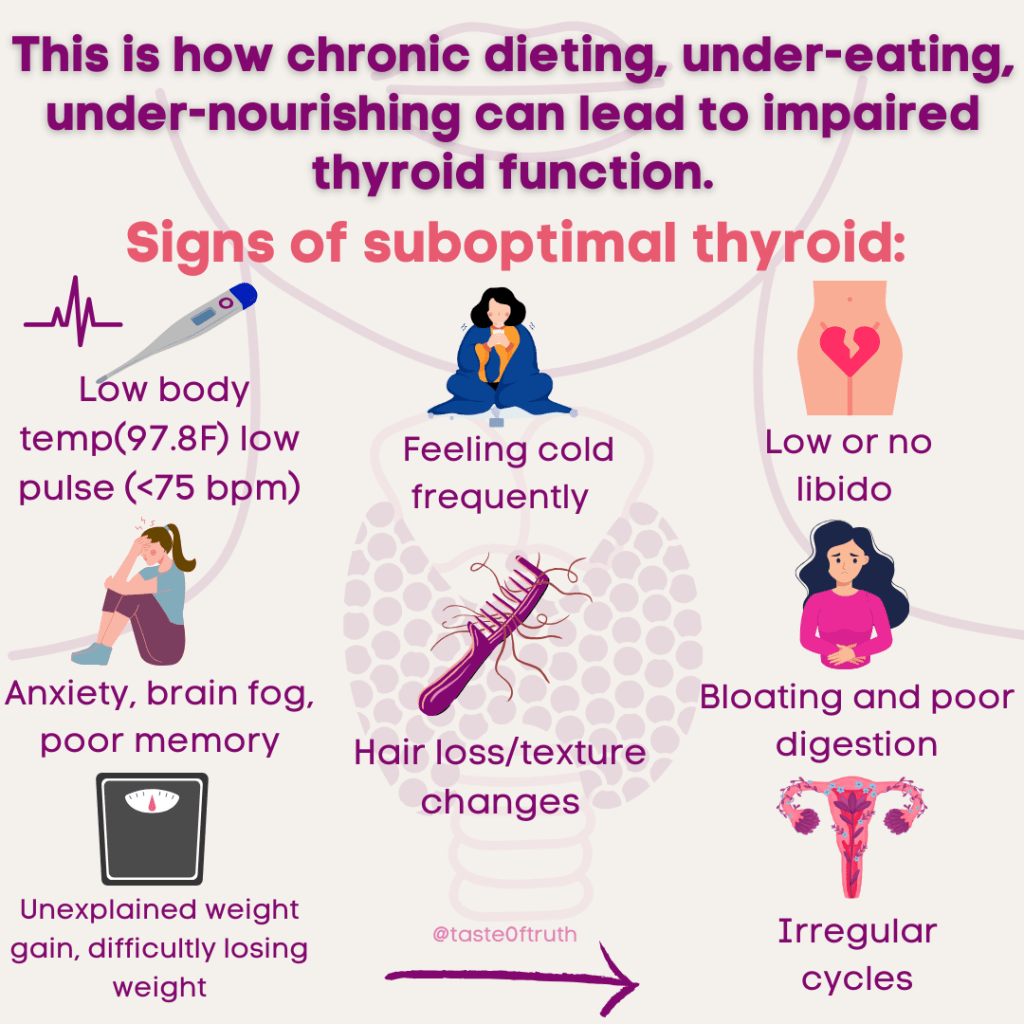
- Hormonal signaling, including insulin, leptin, ghrelin, cortisol, and thyroid hormones
- Metabolic adaptation during periods of caloric restriction
- Differences in food quality and macronutrient composition
- The thermic effect of food
- Gut microbiome composition
- Sleep quality and circadian rhythms
- Psychological and behavioral factors that shape eating patterns
A More Nuanced Conversation
As research in metabolism and endocrinology expanded, scientists began asking more sophisticated questions.
Researchers such as David Ludwig and Robert Lustig drew attention to the ways hormones, food processing, and metabolic regulation influence health outcomes beyond calorie counts alone.
This led to renewed interest in dietary approaches such as low-carbohydrate and ketogenic diets. Advocates argued that insulin regulation and metabolic signaling deserved far more attention than they had traditionally received.
My own view is that the conversation is often framed too narrowly.
Carbohydrates may influence blood sugar regulation, but they are only one variable among many. Over the years, I’ve spent a great deal of time educating clients and audiences about the numerous factors that influence metabolic health. Stress, sleep, inflammation, meal timing, physical activity, gut health, hormonal status, medications, social environment, and dieting history all contribute to what I often think of as a person’s metabolic terrain.
Where Are We Now?
Today, the calorie remains a useful measurement tool, but most serious discussions of metabolism extend well beyond simple arithmetic. The question is no longer whether calories matter.
The question is whether calorie counts alone can adequately explain why two people eating the same number of calories may experience dramatically different outcomes.
Increasingly, the answer appears to be no. Calories matter. Biology matters too.
And that’s where today’s conversation begins.

Today, I’m joined by Adam Kosloff, a writer and independent researcher whose work explores obesity, metabolism, and the assumptions that shape modern nutrition science. I first encountered Adam’s work through a Substack essay A Righteous Assault on the Absolute Worst Idea in the History of Science, behind the provocative title was a question that immediately caught my attention:
Have we reduced metabolism to an overly simplistic equation?
Adam argues that while energy balance matters, the standard calories in, calories out explanation often fails to capture the complexity of living systems.
In response, he developed what he calls the Farmer Model—a framework that encourages us to think about metabolism as an ecosystem rather than a simple accounting problem.
The metaphor is straightforward. A farmer doesn’t judge the health of a field solely by measuring inputs and outputs. They also pay attention to soil quality, weather patterns, biodiversity, water availability, and the countless conditions that influence what grows.
Adam suggests that metabolism may deserve a similarly holistic perspective.
Whether you agree with every aspect of the model or not, I think he’s asking worthwhile questions.
After all, if obesity and metabolic disease were fully explained by “eat less and move more,” we would likely have solved these problems decades ago.
Instead, we’re left with a more complicated reality. Human metabolism is influenced by hormones, food quality, sleep, stress, activity levels, genetics, environment, prior dieting history, and a host of other interacting variables.
In our conversation, Adam and I explore where the traditional calorie model is useful, where it may fall short, and why many researchers, clinicians, and patients continue searching for more comprehensive explanations.
The goal isn’t to replace one form of dogma with another.
It’s to have a more honest conversation about complexity.
The takeaway? The “move more, eat less” doctrine is outdated and incomplete. It’s time for a more sophisticated conversation about metabolism that acknowledges the complexity of the human body rather than reducing it to a basic math equation.
LINKS
Science or Stagnation? The Risk of Unquestioned Paradigms – The first episode we challenged calories in, calories out (CICO) & mention Germ theory vs Terrain theory
10 Smackdowns that lay waste to CICO
3 Times I Gained Weight on Keto
Emotional Hijacks & Nutritional Hacks: Unveiling the🧠Amygdala’s Secrets
The Dissolution of the Nutrition Science Initiative
Obesity and Starvation Found Together
The Influence of Religious Movements on Nutrition
Why Challenging Beliefs Feels Like a Personal Attack—And Why It Shouldn’t

 Taste0ftruth Tuesdays