Move More, Eat Less? The Lie That Won’t Die

The Fatal Flaws of Calories In Calories Out Let’s talk about one of the most persistent pieces of weight-loss advice ever given:

“Just eat less and move more.”

On the surface, it sounds reasonable. If weight loss were simply a matter of reducing calories and increasing activity, we’d expect long-term success rates to be much higher than they are. Instead, many people find themselves caught in a cycle of restriction, weight regain, and frustration.

The problem isn’t that calories are irrelevant. The problem is that the slogan reduces a complex biological process to a simple equation.

For decades, we’ve been taught to think about the body like a math problem: calories in versus calories out. But human beings aren’t closed systems operating under laboratory conditions. We’re dynamic, adaptive organisms influenced by hormones, stress, sleep, appetite regulation, past dieting history, genetics, environment, and countless other variables that affect how energy is used, stored, and conserved.

In previous episodes, we’ve explored the limitations of calorie-focused thinking and discussed research showing that our beliefs and expectations about food can influence physiological responses. Today, we’re taking that conversation a step further.

Because once you move beyond simplistic explanations, metabolism becomes far more interesting.

The questions aren’t just how much we eat, but what we eat, when we eat, why we eat, and how our bodies adapt over time. Those factors help explain why the same dietary strategy can produce dramatically different outcomes for different people.

Before we examine the limitations of modern diet advice, it’s worth asking a different question:

How did calories become the primary way we think about food in the first place?

To answer that, we need a little historical context.

The History of the Calorie

The calorie, as a unit of measurement, has a fascinating history that ties directly into today’s conversation. While many people assume calories have always been the standard way to understand food and metabolism, their adoption is actually a relatively recent development shaped by scientific discovery, public health initiatives, and changing cultural attitudes toward weight and nutrition.
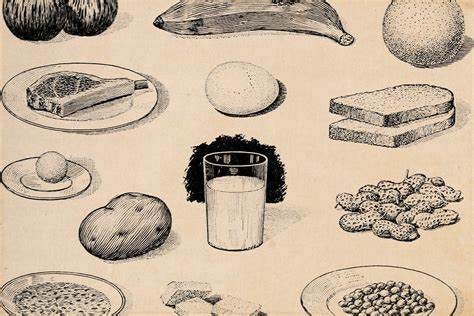
The Origin of the Calorie

The concept of the calorie originated in physics, not nutrition.

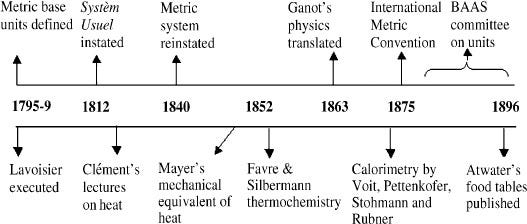
In the early nineteenth century, French chemist Nicolas Clément introduced the term calorie as a unit of heat energy. Later, scientists such as Wilbur Olin Atwater adapted the concept to human metabolism, conducting experiments to estimate how much energy food released when burned.

Atwater’s work eventually produced the familiar caloric values we still use today:

  • Fat: 9 calories per gram
  • Carbohydrate: 4 calories per gram
  • Protein: 4 calories per gram
  • Alcohol: 7 calories per gram

These values became the foundation of modern nutrition science and remain embedded in food labels around the world.
The Rise of Caloric Nutrition

By the early twentieth century, calories became an important public health tool.

Governments used calorie estimates to address malnutrition, design military rations, and manage food supplies during both World Wars. At a time when food scarcity was a major concern, understanding energy needs was enormously valuable.

As food became more abundant throughout the twentieth century, however, the conversation shifted. Rather than asking how to get enough calories, public health experts increasingly focused on how to avoid consuming too many.

This shift laid the groundwork for the modern weight-loss industry and the growing emphasis on calorie counting as a primary strategy for weight management.


black and silver electronic device
Photo by Quilia on Unsplash

CICO and the Simplification of Weight Loss

The calories in, calories out (CICO) model became increasingly influential during the twentieth century. Grounded in the First Law of Thermodynamics, it framed weight change as a matter of energy balance: consume more energy than you expend and weight increases; consume less and weight decreases.

At a basic level, this is true. Energy does not simply appear or disappear.

The challenge is that many people began treating a principle from physics as a complete explanation of human metabolism.

Human beings are not bomb calorimeters. We are living, adaptive systems. Hormones influence hunger and satiety. Metabolism adjusts to periods of restriction. Different foods require different amounts of energy to digest. Sleep, stress, illness, medications, movement patterns, and prior dieting history can all influence how the body uses and stores energy.

Over time, researchers began recognizing that while energy balance matters, it is only one piece of a much larger picture.

Some of the factors that influence metabolism and weight regulation include:

  • Hormonal signaling, including insulin, leptin, ghrelin, cortisol, and thyroid hormones
  • Metabolic adaptation during periods of caloric restriction
  • Differences in food quality and macronutrient composition
  • The thermic effect of food
  • Gut microbiome composition
  • Sleep quality and circadian rhythms
  • Psychological and behavioral factors that shape eating patterns

A More Nuanced Conversation

As research in metabolism and endocrinology expanded, scientists began asking more sophisticated questions.

Researchers such as David Ludwig and Robert Lustig drew attention to the ways hormones, food processing, and metabolic regulation influence health outcomes beyond calorie counts alone.

This led to renewed interest in dietary approaches such as low-carbohydrate and ketogenic diets. Advocates argued that insulin regulation and metabolic signaling deserved far more attention than they had traditionally received.

My own view is that the conversation is often framed too narrowly.

Carbohydrates may influence blood sugar regulation, but they are only one variable among many. Over the years, I’ve spent a great deal of time educating clients and audiences about the numerous factors that influence metabolic health. Stress, sleep, inflammation, meal timing, physical activity, gut health, hormonal status, medications, social environment, and dieting history all contribute to what I often think of as a person’s metabolic terrain.

Where Are We Now?

Today, the calorie remains a useful measurement tool, but most serious discussions of metabolism extend well beyond simple arithmetic. The question is no longer whether calories matter.

The question is whether calorie counts alone can adequately explain why two people eating the same number of calories may experience dramatically different outcomes.

Increasingly, the answer appears to be no. Calories matter. Biology matters too.

And that’s where today’s conversation begins.

Today, I’m joined by Adam Kosloff, a writer and independent researcher whose work explores obesity, metabolism, and the assumptions that shape modern nutrition science. I first encountered Adam’s work through a Substack essay A Righteous Assault on the Absolute Worst Idea in the History of Science, behind the provocative title was a question that immediately caught my attention:

Have we reduced metabolism to an overly simplistic equation?

Adam argues that while energy balance matters, the standard calories in, calories out explanation often fails to capture the complexity of living systems.

In response, he developed what he calls the Farmer Model—a framework that encourages us to think about metabolism as an ecosystem rather than a simple accounting problem.

The metaphor is straightforward. A farmer doesn’t judge the health of a field solely by measuring inputs and outputs. They also pay attention to soil quality, weather patterns, biodiversity, water availability, and the countless conditions that influence what grows.

Adam suggests that metabolism may deserve a similarly holistic perspective.

Whether you agree with every aspect of the model or not, I think he’s asking worthwhile questions.

After all, if obesity and metabolic disease were fully explained by “eat less and move more,” we would likely have solved these problems decades ago.

Instead, we’re left with a more complicated reality. Human metabolism is influenced by hormones, food quality, sleep, stress, activity levels, genetics, environment, prior dieting history, and a host of other interacting variables.

In our conversation, Adam and I explore where the traditional calorie model is useful, where it may fall short, and why many researchers, clinicians, and patients continue searching for more comprehensive explanations.

The goal isn’t to replace one form of dogma with another.

It’s to have a more honest conversation about complexity.

The takeaway? The “move more, eat less” doctrine is outdated and incomplete. It’s time for a more sophisticated conversation about metabolism that acknowledges the complexity of the human body rather than reducing it to a basic math equation.

LINKS

Science or Stagnation? The Risk of Unquestioned Paradigms – The first episode we challenged calories in, calories out (CICO) & mention Germ theory vs Terrain theory

The Farmer vs. The Banker

10 Smackdowns that lay waste to CICO

3 Times I Gained Weight on Keto

Gary Taubes Substack articles

Emotional Hijacks & Nutritional Hacks: Unveiling the🧠Amygdala’s Secrets ⁠

The Dissolution of the Nutrition Science Initiative

Obesity and Starvation Found Together

The Influence of Religious Movements on Nutrition

Why Challenging Beliefs Feels Like a Personal Attack—And Why It Shouldn’t
The Biggest Loser Study-The metabolic consequences of extreme dieting & the weight gain rebound effect

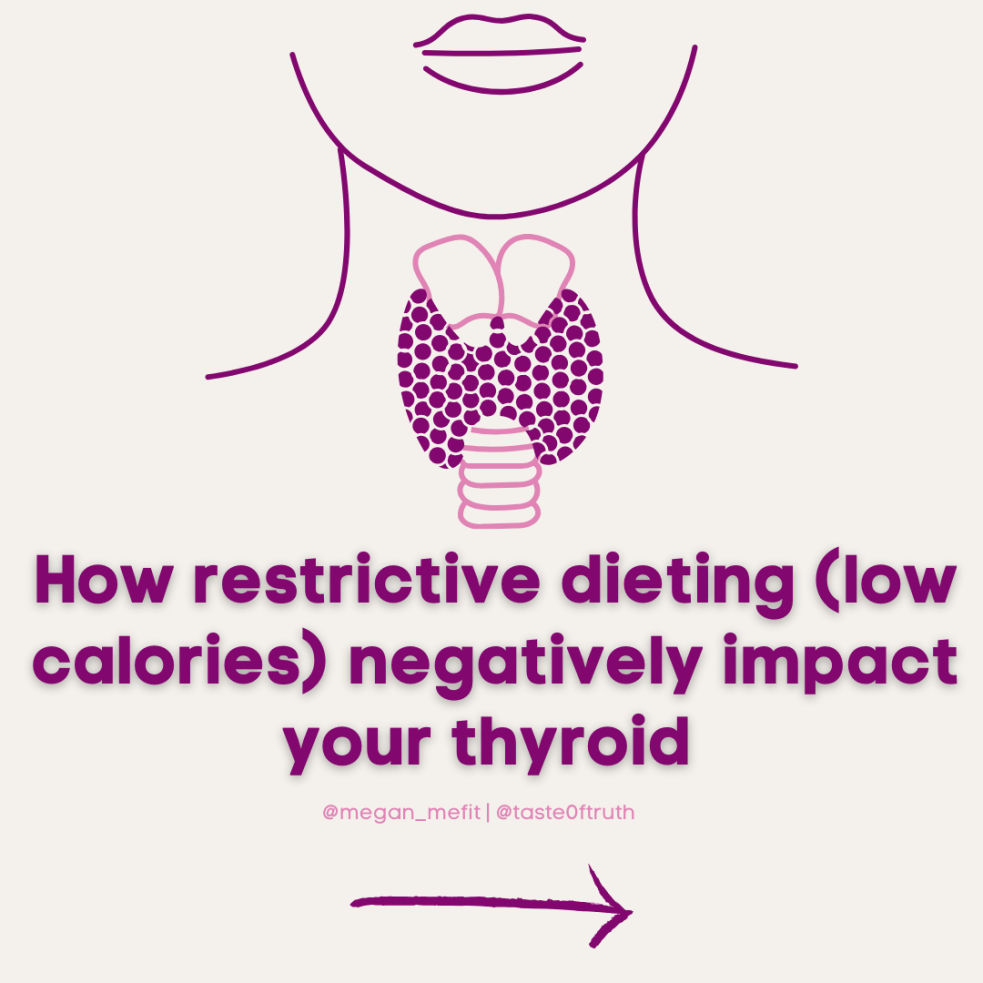
Understanding the Impact of Diet on Thyroid Health

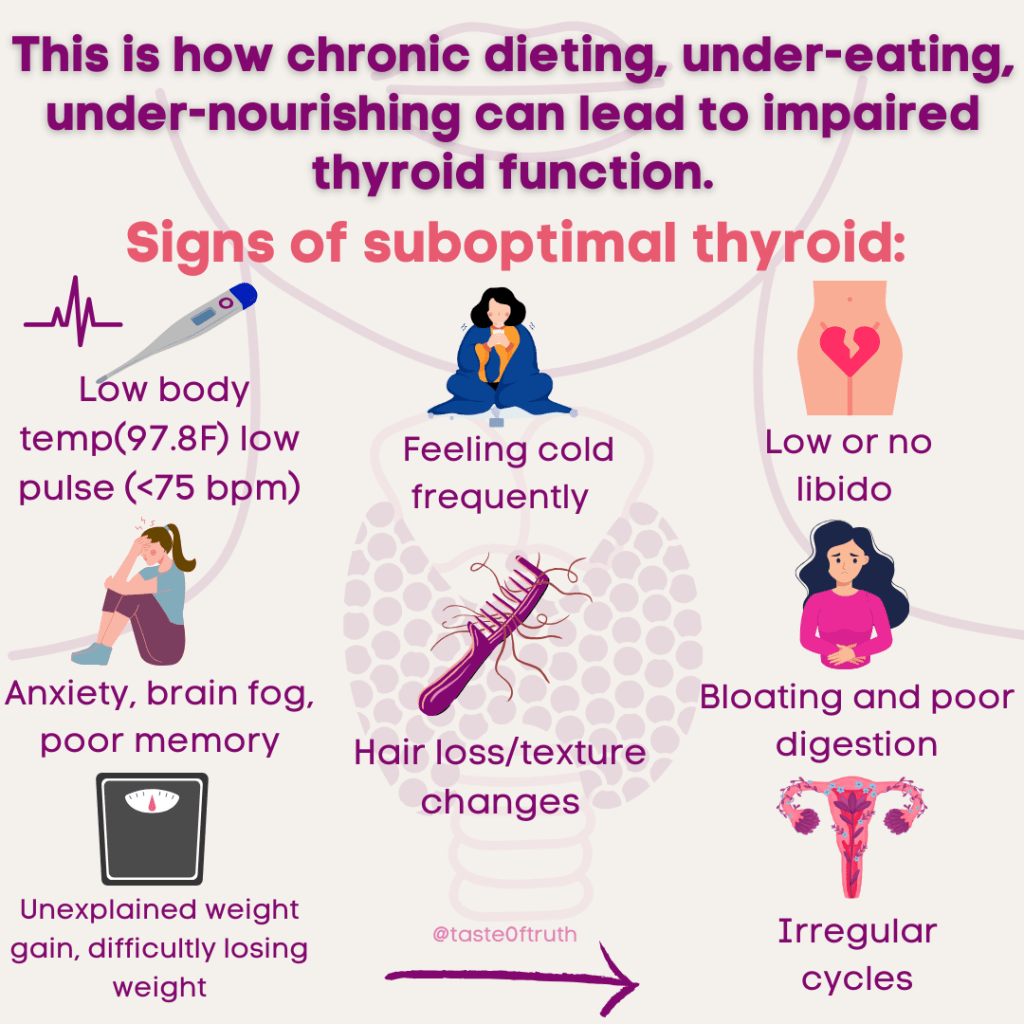
When clients come to me saying they have a “slow metabolism” or a “broken” metabolism, often they think they need to eat even less or cut carbs to jumpstart weight loss. But let me flip the script: in many cases, it’s actually chronic under-eating and restrictive dieting that’s slowing down their metabolism. Chronic dieting, especially with very low calories, can lead to impaired thyroid function and ultimately disrupt how the body uses energy. Here’s how it happens and what you can do to restore balance.


What is the Thyroid and Why Does It Matter?

Your thyroid is a small gland in your neck that plays a massive role in regulating your body’s metabolism. Often called the “controller” of metabolic function, the thyroid works closely with the hypothalamus and pituitary glands in the brain to maintain your metabolic rate. This system allows your body to increase or decrease energy production based on its needs, influencing everything from how you process food to your body temperature.

The thyroid primarily produces two hormones:

  • T3 (Triiodothyronine) – the active hormone that your cells use.
  • T4 (Thyroxine) – the inactive hormone that must be converted into T3 before your body can use it.

The production and conversion of these hormones depend on a feedback loop that begins with TSH (Thyroid Stimulating Hormone), which signals the thyroid to produce and release T4. But when the body is stressed—especially due to chronic under-eating or extreme calorie restriction—this whole process can become disrupted.

How Chronic Dieting Wrecks Your Thyroid

Under-eating is a significant source of stress for the body. Dieting or calorie restriction triggers the HPA axis (Hypothalamic-Pituitary-Adrenal axis), leading to an increase in CRH (Corticotropin-Releasing Hormone) and cortisol, our primary stress hormone. High cortisol levels can interfere with thyroid function in the following ways:

  • Reduces TSH Production: Elevated cortisol inhibits TSH, lowering T4 production and decreasing the amount of thyroid hormone available for energy use.
  • Impairs T4-to-T3 Conversion: Chronic stress slows down the conversion of T4 (inactive) into T3 (active), reducing your body’s energy production.
  • Increases rT3 Levels: Instead of converting into T3, some T4 becomes reverse T3 (rT3), a hormone that blocks T3 from being used. This, in turn, reduces the sensitivity of your cells to thyroid hormones, further lowering metabolic function.

This is why individuals who chronically under-eat or yo-yo diet often experience symptoms of hypothyroidism, even without an official diagnosis.


Symptoms of Suboptimal Thyroid Function

If your thyroid isn’t functioning optimally, you may notice some of the following symptoms:

  • Low body temperature (below 97.8°F)
  • Frequent feelings of cold, regardless of weather
  • Low or no libido
  • Anxiety, brain fog, or poor memory
  • Unexplained weight gain or difficulty losing weight
  • Bloating, poor digestion
  • Changes in hair texture or hair loss

Many clients experiencing these symptoms have been stuck in a calorie-deficit mindset for years, keeping their bodies in a constant state of stress. As a result, they’re often dealing with adrenal dysfunction, hypothyroidism, or even reproductive health issues, like extreme PMS, cycle loss, or low testosterone.


Restoring Your Thyroid Health—The First Steps

To begin improving thyroid health, our initial goal is to support both psychological and physiological balance, moving away from restrictive dieting and focusing on nourishment. Here’s a breakdown of the steps:

  1. Stabilize Blood Sugar: Balanced blood sugar supports thyroid health and reduces stress on the body.
  2. Maximize Nutrient Density: Prioritize whole, nutrient-rich foods to ensure your body receives adequate vitamins and minerals, especially selenium, zinc, and iodine, which are crucial for thyroid function.
  3. Reduce Inflammation: Chronic inflammation can further stress the thyroid. Anti-inflammatory foods and lifestyle practices can help.
  4. Incorporate Breathwork: Simple breathwork techniques can stimulate the vagus nerve, helping to regulate the HPA axis and reduce stress.
  5. Avoid Dietary Triggers: Reduce foods that promote “leaky gut,” such as highly processed foods, sugar, and gluten, if sensitive. This protects your immune and thyroid health.
  6. Manage Stress Proactively: Yoga, meditation, journaling, or spending time in nature can help keep cortisol in check.
  7. Reduce Toxins and Pollutants: Environmental toxins can interfere with hormone health, so minimizing exposure can be a powerful step.
  8. Prioritize Rest and Sleep: Quality sleep allows the body to recover and reset, which is essential for thyroid health.

The Bottom Line

Restrictive dieting isn’t the solution to a slow metabolism; it’s often the root cause. Chronic under-eating can lead to imbalances in your thyroid and adrenal glands, ultimately slowing down your metabolic rate and making it harder to achieve your fitness goals. Rebuilding a balanced, nourished body will not only help you feel better but will also lay the foundation for sustainable health.

This week, we’re talking all things thyroid health, and this post breaks down why breaking free from the dietary dogma of diet culture is crucial! Ever feel like your energy’s tanked, your minds in a fog, or your metabolism’s stuck in slow motion? 🧠✨ You’re not alone, and it could be your thyroid talking.

On this week’s Taste of Truth Tuesdays, we’re joined by Nicole, a holistic health advocate who’s here to shed light on how diet culture’s obsession with restriction can wreak havoc on your thyroid. From her own experience facing an autoimmune diagnosis to her advocacy for individualized nutrition, Nicole breaks down how restrictive dieting not only slows your metabolism but also impacts hormone balance, brain clarity, and overall well-being. Join us to learn how making friends with food (yes, even carbs!) might be the best way to support your thyroid and reclaim your energy.

Brain Fog, Thyroid Health, and Gut Connection: Insights from an Integrative Dietitian

Ever felt like your brain’s on vacation while your body’s still clocking in? 🧠✨ Join us as Nicole unveils the secrets behind thyroid health, brain fog, and why carbs might just be your new best friend!

🔍 From Autoimmune Shock to Holistic Advocate: Nicole shares her journey from being blindsided by an autoimmune diagnosis to questioning mainstream diet culture and diving into functional medicine. Find out what sparked her transformation into an advocate for individualized nutrition and holistic health!

💡 Thyroid Health Unveiled: Thyroid dysfunction can be a mystery wrapped in an enigma! Nicole explains why thyroid hormones are key to overall health and how her unique approach, including The BRAIN Method, differs from traditional treatments. Discover how she tackles symptoms and optimizes thyroid function!

🧠 Decoding Brain Fog: Ever felt like your brain is stuck in a fog? Nicole breaks down the most common culprits of brain fog and offers tips on how women can pinpoint their own triggers. Say goodbye to mental sluggishness and hello to clarity!

🌱 Gut Health & Thyroid Function: Did you know your gut health has a major impact on your thyroid? Nicole dives into how imbalances in your gut can affect thyroid hormone production and utilization. Learn how addressing gut health can boost your thyroid function!

🍞 Carbs & Hypothyroidism: Carbs might be getting a bad rap, but Nicole explains why they’re actually essential for those with hypothyroidism. Discover how including carbs in your diet can support thyroid function and enhance overall well-being.

Listen here!

Mentioned in the interview:

⁠MEET YOUR THYROID⁠

⁠BRAIN METHOD⁠

⁠Why Nicole added HTMA (hair tissue analysis) to her practice ⁠

⁠Which comes first? Gut dysfunction or Thyroid dysfunction? ⁠

⁠Could your gut be creating roadblocks in your Thyroid Hormone Journey? ⁠

⁠Why you need carbs especially if you have hypothyroidism⁠

⁠Home – New – Chews Food Wisely⁠

🙏 Please help this podcast reach a larger audience in hope to edify & encourage others! To do so: leave a 5⭐️ review and send it to a friend! Thank you for listening! I’d love to hear from you, find me on Instagram!⁠⁠⁠⁠ @taste0ftruth⁠⁠⁠⁠ or⁠⁠⁠⁠ Pinterest! ⁠⁠ ⁠⁠ 

Ways to support your body during stress

Feeling stressed? 😩 Chronic stress can drain your energy, disrupt your sleep, and even increase the risk of serious health issues like cancer. This week on the podcast, we are diving deep into how stress impacts your body—and sharing real tips to fight back! 👊🏼 💥

In this powerful episode, I sit down with holistic healing expert Theresa Piela, @livingrootswellness to explore the deep connection between chronic stress and health. Theresa shares her personal story of hitting rock bottom in 2019, when chronic illness nearly led to organ failure. We dive into the guilt and exhaustion that comes with being chronically ill in a toxic world, and how healing techniques like Emotional Freedom Techniques (EFT) tapping can offer relief. 🌱✨

The Impact of Stress on the Body

Understanding Stress: Theresa breaks down the three stages of stress and how they manifest in our daily lives, leading to digestive issues and chronic illnesses. She sheds light on the silent havoc that prolonged stress wreaks on our gut health and overall bodily functions. Please review our earlier blog for more details!

Fuel & Nutrition: Supporting Your Body’s Adaptive Stress Response

Just as important as shifting your mindset is fueling your body with the right nutrients. A starved or inflamed system will struggle to adapt to stress, especially when trying to balance internal chaos. Proper nutrition is key to supporting the body’s stress response.

When the body isn’t fueled properly, persistent stress leads to harmful effects, such as blood sugar swings, hormonal dysregulation, and weakened immunity. To counteract this, we need to provide the body with the building blocks it needs to recover.

Here’s a high-level look at what your body requires for optimal function:

  • Proteins: Anti-inflammatory sources like grass-fed beef, broths, shellfish, and dairy.
  • Carbohydrates: Glucose and fructose from fruits, honey, maple syrup, and root vegetables.
  • Fats: Saturated fats are essential.
  • Vitamins & Minerals: Vitamin C, D, E, B1, B6, B12, calcium, magnesium, copper, sodium, potassium, selenium, and zinc.

I wanted to expand a BIT MORE on nutritional tips we may or may not have mentioned in this week’s discussion that are for sure helpful along your healing journey!

1️⃣Adrenal Elixirs-It’s a combination of sodium, potassium, and vitamin C—a perfect blend for your adrenals. Click here for recipes!

2️⃣Magnesium: During stressful times, your body burns through magnesium faster! Supplementing orally and using topical magnesium is helpful all the time, & increasing during times of stress can avoid future deficiency. Click here for a guide to Magnesium supplements!

3️⃣Boosting mineral-rich foods: Coconut water-rich in potassium. Potatoes, squash, fruit—also rich in
potassium, Brewer’s yeast-rich in potassium, B vitamins, and many more nutrients (if you can handle the taste!) Cacao powder-rich in magnesium, Citrus & vitamin C rich foods-support adrenals and copper balance.

4️⃣Consistent timing for meals & snacks with proteins carbs and fats to help support blood sugar. Meal tips here!

5️⃣Prioritize Daily Routines with your non-negotiables like: Reading, meditation, walks, eating, movement, winding down time. Stay consistent! Research shows that it can take anywhere from 18 to 254 days for someone to form a new habit. Let’s talk more about morning and bedtime routines!

Morning Routine:

☀️ Morning person or not, having a set routine can be beneficial. First, a good morning starts the night before-am I right? Be sure to prioritize getting to bed at a decent time to support incorporating the new routine. ⏰ A great morning routine is the one that works for you. Not everyone will be able to have a lengthy routine due to time constraints or family obligations and that’s okay.

Here are some ideas:

  • Don’t pick up your phone right away: Scrolling Instagram and reading emails can wait. When you reach for your phone right after you wake up, you put yourself directly into reactive mode. This can cause you to lose focus and get stressed before you’ve even made it out of bed.
  • Making your bed takes about two minutes and it gives you a quick, easy sense of accomplishment right off the bat. Plus, it makes your room look neat and tidy even if the rest of your space is messy.
  • Eat Something Even if you’re not a big breakfast person, getting some nutrients in your body can really turn on your brain. Having a balanced meal can go a long way toward improving your mood and energy levels right off the bat. Whatever constitutes breakfast for you, just get some food into your body.
  • Do something for yourself each morning. Even if you just have five minutes, you can stretch, do a quick meditation, journal or work on a crossword puzzle while you drink your morning coffee. (Catching up on social media can also count as self care if this activity truly brings you joy. )
  • Write—or review—your daily to-do list and calendar
    Check over what’s on deck for the day so you don’t run into any surprises. You might even block off ten minutes or so to look over emails and address any messages that need to be taken care of right away. 📧

Bedtime Routine:

Sleep is consistently the most underrated aspect of any health & wellness journey. Creating & maintaining a bedtime routine is the best way to prioritize a good night’s sleep.

  • It’s best to be consistent with the time- set an alarm or notification on your phone. It will be a help signal that it’s time to unplug and start your bedtime routine.
  • The circadian rhythm regulates the body’s temperature, lowering the thermostat to 65 degrees is a good temperature for sleep. The body will adapt to the lower room temperature and you will begin to feel drowsy. Turning off or lowering bright lights can help with the process. As we know with screen time, exposure to bright lights before bedtime affects the circadian rhythm.
  • Screens from TVs, smartphones and laptops emit blue light that stimulates the body’s internal clock (circadian rhythm), keeping you buzzing long after it’s time to hibernate for the night. Sleep studies have shown that exposure to high amounts of blue light before bed can lower melatonin levels, resulting in sleeplessness and delayed REM sleep.
  • Journaling is good for mental health by reducing stress and helping you remember good ideas before sleep.
  • Using foam rolling and yoga for sleep will help relax your muscles and ground your mind before bed. They decelerate the mind and body, relieve tension and improve sleep quality.
  • Aromatherapy are used to help with stress management.
  • ❔HOW LONG should my bedtime routine be? About 30 to 60 minutes. This will give you enough time to unwind without feeling rushed.

Okay back to the final aspect of today’s post for supporting your body during stressful times:

6️⃣TOXINS – Specific chemicals called halogens (bromine, chlorine, and fluorine) compete with iodine and bind to thyroid receptors, preventing thyroid hormones from working properly. Filtering fluoride and chloride out of your drinking and bath/shower water helps those with thyroid dysfunction. More Information here

Research says about 90% of cancers are a result of a lifetime of dysfunction: stress, poor nutrition, toxin exposure, chronic hormone imbalance etc. It is estimated that it takes up to 10 years for cancer to develop in the body. Every day our environment and personal choices provide information to cells, in a constant feedback loop. Research has shown us many factors that cause cancer cell development—we can use this information to optimize our environments, nutrition, hormones, etc, create a healthy terrain, and mitigate cancer risk. The body is always responding to us, and healing is possible! One of my favorite resources is here! Leigh Erin Connealy, M.D.

In summary

Addressing intestinal permeability, blood sugar imbalances, and other stress-induced dysfunctions through proper nutrition will help rebuild resilience. For those with severe gut issues, a nutrient-dense, elimination-style diet—like carnivore plus easy-to-digest carbs—may be necessary short-term to restore balance. In the end, listening to your body is critical. Experiment with what makes you feel good, trust yourself, and remember: you know best.

By shifting your mindset and supporting your body with proper fuel, you can navigate life’s stressors with resilience and strength.

🎙️ Tune in now to learn how to take control of your stress before it takes control of you!

#TasteOfTruthTuesdays#StressRelief#EFT#BurnoutRecovery#AdrenalSupport#podcastersofinstagram#podcast#holistichealth#nutritionist#nutritiontips#stressrelief#stressmanagement#deconstruction#deconstructingfaith#healthjourney#magnesium#adrenals#thyroidhealing