Move More, Eat Less? The Lie That Won’t Die

The Fatal Flaws of Calories In Calories Out Let’s talk about one of the most persistent pieces of weight-loss advice ever given:

“Just eat less and move more.”

On the surface, it sounds reasonable. If weight loss were simply a matter of reducing calories and increasing activity, we’d expect long-term success rates to be much higher than they are. Instead, many people find themselves caught in a cycle of restriction, weight regain, and frustration.

The problem isn’t that calories are irrelevant. The problem is that the slogan reduces a complex biological process to a simple equation.

For decades, we’ve been taught to think about the body like a math problem: calories in versus calories out. But human beings aren’t closed systems operating under laboratory conditions. We’re dynamic, adaptive organisms influenced by hormones, stress, sleep, appetite regulation, past dieting history, genetics, environment, and countless other variables that affect how energy is used, stored, and conserved.

In previous episodes, we’ve explored the limitations of calorie-focused thinking and discussed research showing that our beliefs and expectations about food can influence physiological responses. Today, we’re taking that conversation a step further.

Because once you move beyond simplistic explanations, metabolism becomes far more interesting.

The questions aren’t just how much we eat, but what we eat, when we eat, why we eat, and how our bodies adapt over time. Those factors help explain why the same dietary strategy can produce dramatically different outcomes for different people.

Before we examine the limitations of modern diet advice, it’s worth asking a different question:

How did calories become the primary way we think about food in the first place?

To answer that, we need a little historical context.

The History of the Calorie

The calorie, as a unit of measurement, has a fascinating history that ties directly into today’s conversation. While many people assume calories have always been the standard way to understand food and metabolism, their adoption is actually a relatively recent development shaped by scientific discovery, public health initiatives, and changing cultural attitudes toward weight and nutrition.
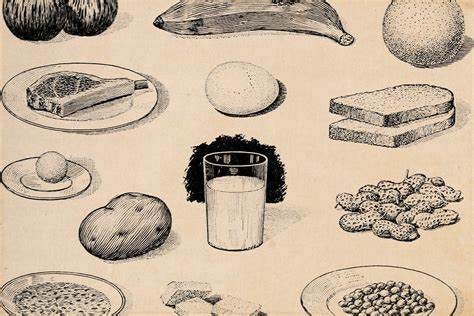
The Origin of the Calorie

The concept of the calorie originated in physics, not nutrition.

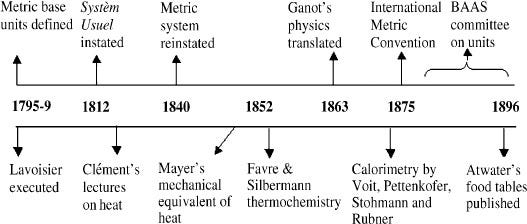
In the early nineteenth century, French chemist Nicolas Clément introduced the term calorie as a unit of heat energy. Later, scientists such as Wilbur Olin Atwater adapted the concept to human metabolism, conducting experiments to estimate how much energy food released when burned.

Atwater’s work eventually produced the familiar caloric values we still use today:

  • Fat: 9 calories per gram
  • Carbohydrate: 4 calories per gram
  • Protein: 4 calories per gram
  • Alcohol: 7 calories per gram

These values became the foundation of modern nutrition science and remain embedded in food labels around the world.
The Rise of Caloric Nutrition

By the early twentieth century, calories became an important public health tool.

Governments used calorie estimates to address malnutrition, design military rations, and manage food supplies during both World Wars. At a time when food scarcity was a major concern, understanding energy needs was enormously valuable.

As food became more abundant throughout the twentieth century, however, the conversation shifted. Rather than asking how to get enough calories, public health experts increasingly focused on how to avoid consuming too many.

This shift laid the groundwork for the modern weight-loss industry and the growing emphasis on calorie counting as a primary strategy for weight management.


black and silver electronic device
Photo by Quilia on Unsplash

CICO and the Simplification of Weight Loss

The calories in, calories out (CICO) model became increasingly influential during the twentieth century. Grounded in the First Law of Thermodynamics, it framed weight change as a matter of energy balance: consume more energy than you expend and weight increases; consume less and weight decreases.

At a basic level, this is true. Energy does not simply appear or disappear.

The challenge is that many people began treating a principle from physics as a complete explanation of human metabolism.

Human beings are not bomb calorimeters. We are living, adaptive systems. Hormones influence hunger and satiety. Metabolism adjusts to periods of restriction. Different foods require different amounts of energy to digest. Sleep, stress, illness, medications, movement patterns, and prior dieting history can all influence how the body uses and stores energy.

Over time, researchers began recognizing that while energy balance matters, it is only one piece of a much larger picture.

Some of the factors that influence metabolism and weight regulation include:

  • Hormonal signaling, including insulin, leptin, ghrelin, cortisol, and thyroid hormones
  • Metabolic adaptation during periods of caloric restriction
  • Differences in food quality and macronutrient composition
  • The thermic effect of food
  • Gut microbiome composition
  • Sleep quality and circadian rhythms
  • Psychological and behavioral factors that shape eating patterns

A More Nuanced Conversation

As research in metabolism and endocrinology expanded, scientists began asking more sophisticated questions.

Researchers such as David Ludwig and Robert Lustig drew attention to the ways hormones, food processing, and metabolic regulation influence health outcomes beyond calorie counts alone.

This led to renewed interest in dietary approaches such as low-carbohydrate and ketogenic diets. Advocates argued that insulin regulation and metabolic signaling deserved far more attention than they had traditionally received.

My own view is that the conversation is often framed too narrowly.

Carbohydrates may influence blood sugar regulation, but they are only one variable among many. Over the years, I’ve spent a great deal of time educating clients and audiences about the numerous factors that influence metabolic health. Stress, sleep, inflammation, meal timing, physical activity, gut health, hormonal status, medications, social environment, and dieting history all contribute to what I often think of as a person’s metabolic terrain.

Where Are We Now?

Today, the calorie remains a useful measurement tool, but most serious discussions of metabolism extend well beyond simple arithmetic. The question is no longer whether calories matter.

The question is whether calorie counts alone can adequately explain why two people eating the same number of calories may experience dramatically different outcomes.

Increasingly, the answer appears to be no. Calories matter. Biology matters too.

And that’s where today’s conversation begins.

Today, I’m joined by Adam Kosloff, a writer and independent researcher whose work explores obesity, metabolism, and the assumptions that shape modern nutrition science. I first encountered Adam’s work through a Substack essay A Righteous Assault on the Absolute Worst Idea in the History of Science, behind the provocative title was a question that immediately caught my attention:

Have we reduced metabolism to an overly simplistic equation?

Adam argues that while energy balance matters, the standard calories in, calories out explanation often fails to capture the complexity of living systems.

In response, he developed what he calls the Farmer Model—a framework that encourages us to think about metabolism as an ecosystem rather than a simple accounting problem.

The metaphor is straightforward. A farmer doesn’t judge the health of a field solely by measuring inputs and outputs. They also pay attention to soil quality, weather patterns, biodiversity, water availability, and the countless conditions that influence what grows.

Adam suggests that metabolism may deserve a similarly holistic perspective.

Whether you agree with every aspect of the model or not, I think he’s asking worthwhile questions.

After all, if obesity and metabolic disease were fully explained by “eat less and move more,” we would likely have solved these problems decades ago.

Instead, we’re left with a more complicated reality. Human metabolism is influenced by hormones, food quality, sleep, stress, activity levels, genetics, environment, prior dieting history, and a host of other interacting variables.

In our conversation, Adam and I explore where the traditional calorie model is useful, where it may fall short, and why many researchers, clinicians, and patients continue searching for more comprehensive explanations.

The goal isn’t to replace one form of dogma with another.

It’s to have a more honest conversation about complexity.

The takeaway? The “move more, eat less” doctrine is outdated and incomplete. It’s time for a more sophisticated conversation about metabolism that acknowledges the complexity of the human body rather than reducing it to a basic math equation.

LINKS

Science or Stagnation? The Risk of Unquestioned Paradigms – The first episode we challenged calories in, calories out (CICO) & mention Germ theory vs Terrain theory

The Farmer vs. The Banker

10 Smackdowns that lay waste to CICO

3 Times I Gained Weight on Keto

Gary Taubes Substack articles

Emotional Hijacks & Nutritional Hacks: Unveiling the🧠Amygdala’s Secrets ⁠

The Dissolution of the Nutrition Science Initiative

Obesity and Starvation Found Together

The Influence of Religious Movements on Nutrition

Why Challenging Beliefs Feels Like a Personal Attack—And Why It Shouldn’t

The Biggest Loser Study-The metabolic consequences of extreme dieting & the weight gain rebound effect

Is Veganism a Psy-Op? Maybe. The Real Issue is Engineering Ourselves Away from Nature

In today’s complex world of nutrition and health, embracing skepticism and critical thinking is essential. Rather than accepting dominant narratives, challenge them to uncover the truth.

🥕 Veganism vs. Meat: What’s the Real Issue? 🥕

The debate over veganism often gets tangled in oversimplified conspiracies. However, the real concern lies in our growing disconnect from nature’s balance. Our modern lifestyles and diets are increasingly detached from natural ecosystems, which profoundly affects our health and well-being.

To truly grasp the nuances of nutrition and health, especially when it comes to veganism, we must examine how our beliefs have been shaped by science, history, and religion. Over the next few weeks, we will time traveling through the last century to see how these elements intertwine and influence our perspectives on veganism.

🔬Before Lobbyism: The Golden Age of Nutritional Science 🔬

Before the rise of lobbyism and industrial influence in the mid-20th century, nutritional science was marked by pioneering research that laid the groundwork for our understanding of essential nutrients. One such figure was Elmer McCollum: Vitamin Pioneer.

Elmer McCollum, a prominent nutrition researcher in the early 20th century, made groundbreaking discoveries regarding vitamins A, B, C, and D. His work was instrumental in identifying the role of these vitamins in preventing nutritional deficiencies.

Vitamin A (Retinol): McCollum’s work significantly advanced the understanding of vitamin A, which is crucial for vision, immune function, and skin health. Retinol, the active form of vitamin A, is primarily found in animal-based foods like liver, fish oils, eggs, and dairy products. Unlike plant-based sources, which provide provitamin A carotenoids like beta-carotene that the body must convert into retinol, animal sources deliver this vitamin in its ready-to-use form.

🧬 BCO1 Gene and Vitamin A 🧬

Did you know that about 45% of people have a genetic variation that makes it hard for them to get enough vitamin A from plant foods? This is because of a gene called BCO1.

The BCO1 gene is responsible for converting beta-carotene (found in carrots, sweet potatoes, and other plants) into active vitamin A, also known as retinol. But for almost half of the population, this gene doesn’t work very efficiently, meaning their bodies can’t make enough vitamin A from plants alone.

Vitamin A is crucial for things like good vision, a strong immune system, and healthy skin. If you can’t get enough from plants, you might need to include animal foods like liver, fish oils, or dairy in your diet to make sure you’re meeting your vitamin A needs.

This explains why some people might struggle with a vegan diet—they need the more easily absorbed form of vitamin A that comes from animal products.

McCollum’s research emphasized the importance of unprocessed, nutrient-rich foods in maintaining health. Diets high in refined grains can exacerbate nutritional deficiencies by displacing more nutrient-dense foods. This indirectly touches on the issues, we see today related to grain consumption, though McCollum’s era was more focused on preventing deficiencies than on inflammation.

The Refinement of Grains: A Double-Edged Sword

As the food industry grew and refined processing techniques became widespread, the nutritional value of grains was compromised. The removal of bran and germ during processing not only reduced the essential vitamins and minerals in grains but also increased their glycemic index. This shift contributed to inflammation and other metabolic issues, like Type-2 Diabetes a concern that has become more prominent in later research.

A Shift in Focus: From Nutritional Science to Industrial Influence

McCollum’s era represents a time when nutritional science was still largely driven by the quest to understand and prevent deficiencies. However, as we moved into the mid-20th century, the influence of lobbyists and industrial interests began to muddy the waters, promoting processed foods and refined grains that strayed from McCollum’s principles of whole, nutrient-rich foods.

🥕 The Influence of Religion and Early Health Movements 🥕

Ellen G. White, a key figure in the Seventh-day Adventist Church, significantly impacted early American dietetics with her advocacy for a plant-based diet and abstinence from alcohol, tobacco, and caffeine. Her health reforms, which emphasized vegetarianism and whole foods, were institutionalized through health institutions like the Battle Creek Sanitarium and figures like Dr. John Harvey Kellogg. The sanitarium’s success and the dissemination of these dietary principles led to the establishment of the American Dietetic Association in 1917, which originally promoted many of these plant-based, whole-food principles. The Adventist emphasis on preventive health care and diet principles laid the groundwork for many modern dietary guidelines and continue to influence discussions around veganism.

🔬 The Role of Science in Shaping Dietary Beliefs 🔬

In the early 20th century, scientific advancements also played a role in shaping nutrition. The Fetner Report highlighted the need for standardized nutritional guidelines and brought attention to the importance of vitamins and minerals. Meanwhile, innovations like Crisco introduced hydrogenated fats into American diets, shifting culinary practices and influencing our understanding of what constitutes a healthy diet.

In a future episode dropping 9/10, we’ll take a deeper dive into how industrialization, scientific reports, and influential figures like John D. Rockefeller and Ancel Keys have further impacted our dietary beliefs and public health policies. Stay tuned as we explore:

  • The Flexner Report: How it reshaped medical education and its ripple effects on nutrition science.
  • The Rise of Processed Foods: The transformation of our food supply and its long-term health implications.
  • Rockefeller’s Influence: The role of industrial interests in shaping modern dietary guidelines.
  • Ancel Key’s: His research became highly influential in the field of nutrition, primarily took place during the mid-20th century, particularly in the 1950s and 1960s. His most famous work, the Seven Countries Study, began in 1958 and was published over several decades. This research was pivotal in linking dietary fat, particularly saturated fat, to heart disease and played a significant role in shaping dietary guidelines that emphasized reducing fat intake to prevent cardiovascular disease. Now adays it is seen as deeply controversial due to several perceived flaws that have been widely discussed by critics over the years.

How does current research define the top nutrient-dense foods?

📰 Spotlight on Micronutrient Density: A Key to Combatting Global Deficiencies

A March 2022 study published in Frontiers in Nutrition titled “Priority Micronutrient Density in Foods” emphasizes the importance of nutrient-dense foods in addressing global micronutrient deficiencies, particularly in vulnerable populations. The research identifies organ meats, small fish, dark leafy greens, shellfish, and dairy products as some of the most essential sources of vital nutrients like vitamin A, iron, and B12. These findings could be instrumental in shaping dietary guidelines and nutritional policies.

🔗 Read more here.

🍽️ Plant vs. Animal Nutrients: Understanding Bioavailability 🍽️

When it comes to nutrient absorption, not all foods are created equal. The bioavailability of nutrients—the proportion that our bodies can absorb and use—varies significantly between plant and animal sources.

🌱 Plant-Based Nutrients: While plant foods are rich in essential vitamins and minerals, they also contain anti-nutrients like phytates and oxalates. These compounds can bind to minerals such as iron, calcium, and zinc, inhibiting their absorption. For example, non-heme iron found in plants is less efficiently absorbed compared to the heme iron from animal sources. Similarly, the vitamin A found in plants as beta-carotene requires conversion to retinol in the body, a process that is not always efficient, particularly in certain populations.

🍖 Animal-Based Nutrients: Animal products, on the other hand, often provide nutrients in forms that are more readily absorbed. Heme iron from meat, retinol from animal liver, and vitamin B12 from dairy and eggs are all examples of highly bioavailable nutrients. These forms are directly usable by the body without the need for complex conversions, making animal products a more reliable source for certain essential nutrients.

🌍 Global Property Rights: Gender Inequality 🌍

Promoting veganism can unintentionally undermine the very principles of women’s rights and social justice that the political left often advocates for. In many countries, women face significant legal and cultural barriers that prevent them from owning land, despite laws that may suggest otherwise. However, in these same regions, women often have the ability to own and manage livestock, which serves as a crucial economic resource and a form of wealth.

This disparity highlights the persistent challenges in achieving gender equality in property rights, especially in rural areas where land ownership is key to economic independence and security. While livestock ownership is valuable, it doesn’t offer the same level of security or social status as land ownership. The lack of land rights perpetuates gender inequality, limiting women’s economic power, social status, and access to resources.

🌿 Plant-Based Diets and Environmental Costs 🌿

Plant-based diets are often praised for their environmental benefits, yet it’s crucial to recognize the complexities involved. While the availability of vegan foods has significantly improved, making it easier than ever to follow a plant-based diet, this increased accessibility does not necessarily equate to better environmental outcomes.

Many vegan products rely heavily on industrial agriculture and monocropping practices. These methods can lead to deforestation, soil depletion, and the loss of biodiversity. The production of popular vegan ingredients, such as soy and almonds, often involves large-scale farming that can have detrimental effects on local ecosystems. Additionally, the industrial processes used to produce processed vegan foods, including heavy use of pesticides, fertilizers, and water, also contribute to environmental concerns.

Understanding these trade-offs is crucial for making informed dietary choices. Opting for sustainably farmed, organic produce and supporting local farmers can help mitigate some of these negative impacts. It’s not just about choosing plant-based foods, but also about how they are produced.

🔄 Ethical Food Choices 🔄

Making ethical food choices involves a comprehensive evaluation of your diet’s impact on health, the environment, and animal welfare. While plant-based diets can be a step towards reducing your carbon footprint, it’s important to consider the broader implications of industrial agriculture and monocropping. Strive for a balanced approach that aligns with your values and promotes sustainability. This might include supporting local and organic options, as well as exploring ways to minimize your environmental impact through diverse and responsible food choices.

By being mindful of these factors, you can better navigate the complexities of dietary decisions and work towards a more ethical and sustainable future.

🔍 Listen to Our Podcast for More 🔍

For an in-depth exploration of these topics and more, tune into our podcast. We offer detailed discussions and insights into how history, science, and societal trends shape our understanding of nutrition and health. Stay curious and informed!

In a future episode dropping 9/10, we’ll take a deeper dive into how industrialization, scientific reports, and influential figures like John D. Rockefeller have further impacted our dietary beliefs and public health policies. Stay tuned as we explore:

  • The Flexner Report: How it reshaped medical education and its ripple effects on nutrition science.
  • The Rise of Processed Foods: The transformation of our food supply and its long-term health implications.
  • Rockefeller’s Influence: The role of industrial interests in shaping modern dietary guidelines.

The interplay of religion, science, and industry has profoundly influenced our beliefs about veganism and nutrition. By understanding these historical and scientific contexts, we gain insight into the broader impact on our dietary choices and health.

Don’t miss the upcoming episode where we’ll explore these themes in greater depth!

Resources:

1. Historical and Nutritional Science:

“Nutrition and Physical Degeneration” by Weston A. Price: Examines traditional diets and their impact on health, providing historical context for nutritional science.

“The Adventist Health Study: 30 Years of Research” edited by Gary E. Fraser: Covers the impact of vegetarian diets advocated by the Seventh-day Adventists.

“Food Politics: How the Food Industry Influences Nutrition and Health” by Marion Nestle: Examines how food industries shape dietary guidelines and public perception.

“The Vitamin D Solution” by Michael F. Holick: Offers insights into the importance of Vitamin D, complementing McCollum’s work on essential nutrients.

Prophetess of Health: A Study of Ellen G. White (Library of Religious Biography) Paperback – July 2, 2008

Articles:

“Ellen G. White and the Origins of American Vegetarianism” from Journal of the American Dietetic Association: Explores the historical influence of Ellen G. White on American dietetics.

“Elmer McCollum: The Vitamin Pioneer” from The Journal of Nutrition: Provides an overview of McCollum’s contributions to nutritional science.

Genetic Factors and Vitamin A

  • Research Papers:
    • “The Role of Genetic Variability in Vitamin A Metabolism” by Steven A. Arneson et al. (Journal of Nutrition): Discusses the genetic factors affecting Vitamin A conversion.
    • “BCO1 Genetic Variation and Beta-Carotene Conversion” in American Journal of Clinical Nutrition: Explores how genetic differences impact the conversion of beta-carotene to Vitamin A.

The Impact of Industrial Agriculture

  • Books:
    • “The Omnivore’s Dilemma” by Michael Pollan: Investigates the industrial food system and its environmental impact.
    • “The End of Food” by Paul Roberts: Looks at the global food industry and its implications for health and the environment.
  • Articles:
    • “The Hidden Costs of Industrial Agriculture” from Environmental Research Letters: Analyzes the ecological impacts of industrial farming practices.

1. Regenerative Agriculture Principles and Practices

  • Books:
    • “Regenerative Agriculture: How to Create a Self-Sustaining Farm Ecosystem” by Richard Perkins: Provides a comprehensive guide to regenerative farming practices.
    • “The Regenerative Garden: How to Grow Healthy Soil and Manage Your Garden for the Future” by Maria Rodale: Focuses on regenerative techniques for gardening.
    • “Dirt to Soil: One Family’s Journey into Regenerative Agriculture” by Gabe Brown: Shares practical experiences and insights from a farmer who has successfully implemented regenerative practices.
  • Articles:
    • “Regenerative Agriculture: What Is It and Why Does It Matter?” from Regenerative Agriculture Initiative: Provides an overview of regenerative agriculture principles and benefits.
    • “The Benefits of Regenerative Agriculture for Soil Health and Sustainability” from Agronomy Journal: Discusses how regenerative practices impact soil health and sustainability.

2. Sustainable and Ecological Farming

  • Books:
    • “The Soil Will Save Us: How Scientists, Farmers, and Foodies Are Healing the Soil to Save the Planet” by Kristin Ohlson: Explores how soil health can be restored through sustainable practices.
    • “Beyond the Jungle: Regenerative Agroforestry and Resilient Communities” by S. H. Smith: Examines the role of agroforestry in regenerative practices and community resilience.
  • Articles:
    • “Sustainable Agriculture and Its Impact on Environmental Conservation” from Sustainable Agriculture Research: Analyzes how sustainable farming methods contribute to environmental conservation.
    • “Ecological Farming: Benefits Beyond the Farm Gate” from Ecology and Society: Looks at the broader ecological benefits of adopting ecological farming practices.

3. Soil Health and Carbon Sequestration

  • Books:
    • “The Carbon Farming Solution: A Global Toolkit of Perennial Crops and Regenerative Agriculture Practices for Climate Change Mitigation and Food Security” by Eric Toensmeier: Focuses on using regenerative practices to sequester carbon and improve soil health.
    • “Soil: The Incredible Story of What Keeps Us Alive” by David R. Montgomery: Provides an in-depth look at soil science and its crucial role in agriculture and climate stability.
  • Articles:
    • “Carbon Sequestration and Soil Health: The Role of Regenerative Agriculture” from Agricultural Systems: Discusses how regenerative agriculture practices contribute to carbon sequestration and soil health.
    • “Soil Organic Matter and Its Role in Carbon Sequestration” from Journal of Soil and Water Conservation: Explores the importance of soil organic matter in maintaining soil health and sequestering carbon.

4. Food Systems and Regenerative Practices

  • Books:
    • “The Ecology of Food: A Historical Perspective” by Peter M. Smith: Provides historical context on food systems and their ecological impact.
    • “The Omnivore’s Dilemma: A Natural History of Four Meals” by Michael Pollan: While it explores various food systems, it touches on sustainable and regenerative practices in agriculture.
  • Articles:
    • “The Future of Food: Regenerative Agriculture and Its Role in Sustainable Food Systems” from Food Policy: Examines the role of regenerative agriculture in creating sustainable food systems.
    • “Regenerative Agriculture and Food Security: An Integrative Approach” from Journal of Agricultural and Environmental Ethics: Looks at how regenerative practices contribute to food security and sustainability.

Gender Inequality and Property Rights

  • Books:
    • “Women, Work, and Property: Gender Inequality and the Economic Impact of Land Rights” by Elizabeth N. L. Allwood: Analyzes the intersection of gender, land ownership, and economic empowerment.
  • Articles:
    • “Gender and Land Rights: A Global Overview” from World Development: Examines gender disparities in land ownership and its implications for women’s economic status.

“Women in Half the World Still Denied Land, Property Rights Despite Laws.”