Calories In, Common Sense Out

On metabolism, nourishment, food reverence, and the systems that shape what feeds us

Welcome back to Taste0fTruth Tuesdays. Today, we are mixing things up with a subject that is very near and dear to my heart: nutrition, metabolism, and our increasingly distorted relationship with food in our modern world.

This episode covers a lot of ground. We are moving from diet culture and my own history with restriction into metabolism, morality, industrial food, local agriculture, and the growing technological control of our food systems. It may sound like several different conversations, but they are all part of the same story.

This episode will also lay some of the groundwork for an upcoming interview at the end of the month with Jay Feldman Wellness.

Jay is a health coach, independent health researcher, and host of The Energy Balance Podcast. His work explores bioenergetic health and nutrition, including ideas influenced by biologist Ray Peat—principles I have found myself returning to, on and off, for the last several years.

But before we get there, I need to explain why this conversation is so personal for me.

As many of you know, I have spent more than 20 years in the health and fitness world. I have also written openly about how intense and complicated that journey has been.

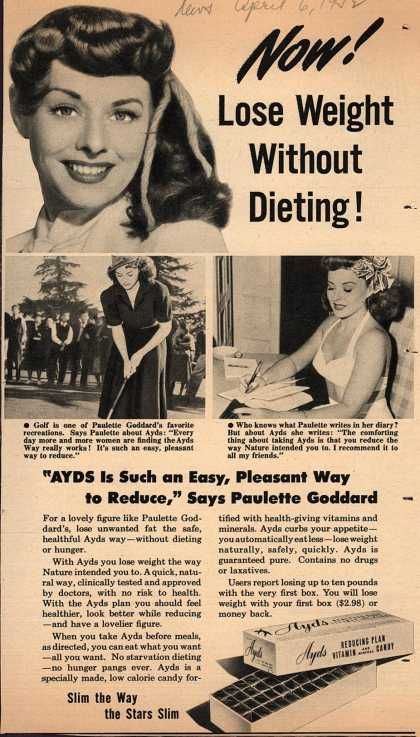
I came of age during the late 1990s and early 2000s, an era saturated with diet magazines, celebrity weight-loss stories, low-fat everything, Special K commercials, “bikini body” workouts, and television programs that treated shrinking the body as both entertainment and moral achievement.

And those cultural messages did not exist in isolation.

I grew up in a household where my body was not simply noticed. It was scrutinized, compared, and commented on.

Those kinds of comments do not disappear with time. They become part of the architecture of how you see yourself. They follow you into mirrors, fitting rooms, photographs, swimming pools, doctors’ offices, and every room where you become aware that other people can see your body.

They teach you that the body must be managed and monitored.

They plant the belief that remaining small is the price of safety.

I grew up believing that if I could control my body well enough, I could avoid humiliation. I could avoid becoming the punchline. I could avoid being seen in the wrong way.

For a while, I turned that fear into something our culture rewards: discipline.

But fear does not stop being fear simply because it learns the vocabulary of health and fitness.

In high school, I followed plans like the Special K diet. I relied on Carnation Instant Breakfast instead of complete meals. I skipped classes to work out before heading to my afterschool job. My protein intake was low. My fear of gaining weight was high.

Restriction became familiar.

And because restriction was praised as willpower, I did not always recognize it as deprivation.

That is the background I bring into this conversation. I am not critiquing calorie culture because I have never understood its appeal. I understand it intimately.

Numbers can feel safe.

Numbers feel objective. They offer the illusion that if you calculate carefully enough, track consistently enough, and exert enough control, the body will become predictable. Calories give food a score. The scale gives the body a verdict. And when you have learned to fear your own appetite, arithmetic can feel more trustworthy than sensation.

I have lived through periods in which weight loss looked like success from the outside while my body was becoming increasingly undernourished, stressed, depleted, and disconnected from its own signals.

So when I say that weight loss and health are not synonymous, trust me: I learned that lesson the hard way.
When Discipline Stops Working

When Discipline Stops Working

Taste0ftruth

·

Jan 20

Listen now

That is why I am interested in the bioenergetic perspective. Rather than asking only, “How little can I eat to make the number on the scale decrease?” it asks a more useful question:

How well is the body actually producing and using energy?

This episode is not intended to settle every claim made within bioenergetic nutrition. That is part of what I want to explore with Jay during our upcoming conversation.

Today, I want to lay the groundwork by examining the difference between consuming calories and producing usable cellular energy; between losing weight and becoming healthy; and between treating food as a number and understanding it as biological information, ecological relationship, and participation in a living system.

Because the body is not simply a furnace. Food is not merely a number.

And losing weight is definitely not proof that a person is nourished or healthy while doing so.

Modern nutrition has flattened food into arithmetic while removing almost everything that makes it meaningful.

SAD is the perfect acronym for the Standard American Diet because, whew, it really is sad what modern food culture has become.

And I do not just mean sad in the obvious “everyone is eating ultra-processed food and wondering why they feel terrible” kind of way. I mean sad in the deeper sense.

Sad as in spiritually impoverished.

Sad as in disconnected from land, animals, seasons, labor, gratitude, death, and actual nourishment.

Sad as in we have managed to turn food (one of the most intimate relationships a human being has with the living world) into a bland, plastic-wrapped transaction between a lonely person and a microwave, or a vehicle going to a fast food drive thru window.

That sounds dramatic.

But is it really?

We live in a culture that calls ultra-processed food “good enough,” celebrates weight loss regardless of how it was achieved, and then treats anyone who questions that framework as judgmental, elitist, or unnecessarily intense.

But that is exactly the problem.

Our culture has reduced food to numbers while stripping it of meaning. Calories. Macros. Points. Deficits. Cheat meals. Protein hacks. Low-cal swaps. “If It Fits Your Macros.” (I lived and breathed that lifestyle) We talk about food like it is accounting, not relationship. Like the human body is a calculator.

Of course, calories matter. I am not pretending energy balance is fake. But if your entire health philosophy begins and ends with calorie math, you are missing the human being attached to the equation.

Food is not only fuel. Food is information. Food sends a signal. Food affects insulin, thyroid output, leptin, ghrelin, cortisol, digestion, gut signaling, inflammation, mitochondrial function, cell communication, mood, cravings, satiety, sleep, fertility, and gene expression. A Hot Pocket and a grass-fed steak may both contain calories, but they do not speak the same biological language once they enter the body.

The lie of “calories in, calories out” must die.

Not because energy does not matter. It does. But because reducing food to calorie math is one of the dumbest things modern nutrition culture has done to the human body.

A calorie is a unit of energy, but the number printed on a label cannot tell us how effectively a food will be digested, absorbed, converted into ATP, or allocated among the body’s competing demands. That process requires minerals, vitamins, enzymes, hormones, functioning mitochondria, adequate protein, and a body that is not constantly underfed, inflamed, stressed, or depleted.

This is where the “just eat less” crowd loses the plot.

Most people are not building truly nutrient-dense meals, even when they think they are. They may be tracking protein, counting calories, or hitting some macro target, while still missing the deeper nourishment their body needs to actually turn food into energy. If someone is living on refined grains, muscle meats only, no seafood, low mineral intake, low variety, and almost no traditional foods, they can be “hitting their calories” while still undersupplying some of the micronutrients and cofactors involved in energy metabolism, tissue repair, and hormonal function.

But producing energy is only part of the story.

The body must also decide where that energy goes.

Mitochondrial psychobiologist Martin Picard and his colleagues have proposed an emerging framework called the Energy Constraint model. Their central idea is that the body operates with a limited but dynamic energy budget that must continually be allocated across cells, organs, systems, and behaviors.

Everything costs energy.

Neurons firing costs energy. Producing proteins costs energy. Mounting an immune response costs energy. Digestion, movement, cognition, reproduction, tissue repair, and communication between cells all carry energetic costs.

Nothing is free in biology.
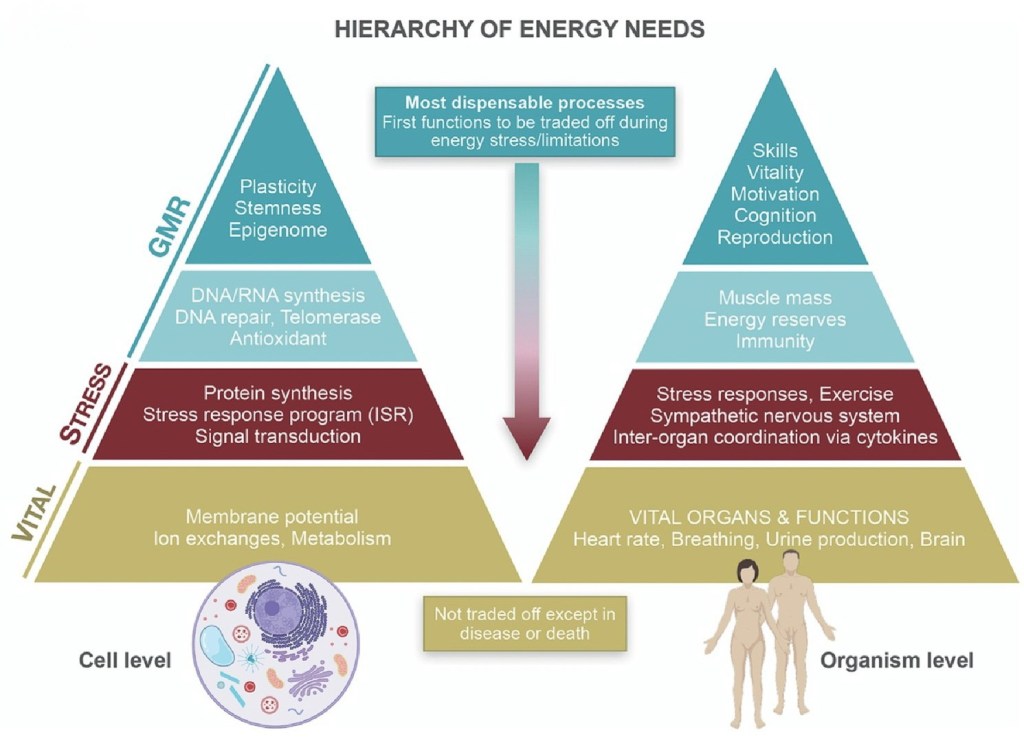
Hierarchy of Energy Needs. From @martinpicard, “Energy Constraint on Health,” based on the Energy Constraint framework developed by Alexander Behnke, Evan Shaulson, Herman Pontzer, Chris Kempes, Martin Picard, and colleagues. Reproduced with permission from Martin Picard. Original article and primary paper linked here.

In their framework, the body’s energetic demands can be divided into three broad categories: vital functions; stress responses; and growth, maintenance, and repair.

At the base are the vital functions necessary to sustain life in the immediate term: breathing, heart activity, brain function, membrane potential, ion exchange, and basic metabolism. These processes receive priority because they are necessary for survival over minutes, hours, and days.

The next category includes stress-related demands. Exercise is a stressor. So are infection, inflammation, toxins, psychological distress, injury, sleep loss, and activation of the sympathetic nervous system. All of these require the body to spend energy responding and adapting.

At the top are growth, maintenance, and repair. These processes may not be essential for surviving the next several minutes, but they are essential for healing, resilience, muscle maintenance, reproduction, cognition, motivation, vitality, and long-term health.

When the body’s total demands become difficult to sustain, energy is not distributed evenly. More urgent vital and stress-related processes may be prioritized while investment in growth, maintenance, and repair becomes compressed.

In other words, the body may preserve what is necessary to keep you alive while reducing what is available to help you recover, reproduce, think clearly, maintain muscle, and feel fully alive.

This does not mean these higher functions simply switch off in a rigid order. It means the body makes trade-offs.

And duration matters.

Not every stressor is harmful. Exercise itself temporarily redirects energy, but when it is appropriately dosed and followed by sufficient nourishment, sleep, and recovery, the body can adapt and become more resilient.

The deeper problem is stress that becomes excessive, chronic, or inescapable.

When energetic demands continue for weeks, months, or years—whether from illness, infection, psychological stress, overtraining, sleep disruption, undernourishment, or some combination of pressures—the body may repeatedly postpone the repair work that was supposed to happen later.

This framework helps explain how someone can technically be eating enough calories (or even losing weight successfully) while experiencing fatigue, poor recovery, low libido, disrupted cycles, reduced motivation, brain fog, loss of muscle, or declining resilience.

It does not mean every one of those symptoms has a single energetic cause. But it gives us a much richer way of understanding health than simply asking whether someone stayed within a calorie target.

The body is not failing to obey an equation.

It is adapting to competing demands.

Nutrient status is only one part of this energetic landscape, but it is an important one. The body’s ability to produce, allocate, and use energy is also shaped by sleep, illness, stress, activity, mitochondrial function, recovery, and the cumulative demands being placed upon it.

This is why vitamins and minerals matter so much. They are not little bonus points sprinkled on top of a diet. They are part of the machinery that turns food into usable energy. They help build hormones and neurotransmitters, repair tissue, maintain immune function, support the liver, regulate the nervous system, and keep the organs doing their jobs.

Or said more simply: macronutrients burn on the flame of micronutrients.

That is the part calorie math misses. A Hot Pocket and a mineral-rich, protein-rich, whole-food meal may both contain calories, but they do not offer the body the same tools. One delivers energy potential wrapped in industrial convenience. The other provides the raw materials the body needs to actually build, repair, signal, regulate, and produce real cellular energy.

So when people say “it’s just calories in, calories out,” what I hear is a worldview that has confused potential with function.

A body is not helped by potential alone. It needs conversion. It needs nourishment. It needs signal. It needs minerals, protein, fats, carbohydrates, vitamins, salt, sunlight, rest, and rhythm.

Food is not just a number entering a furnace. Food is a set of instructions entering a living system. And if the instructions are poor, incomplete, synthetic, depleted, or chaotic, the body will respond accordingly.

This is where the lazy appeal to “thermodynamics” becomes almost comical. Yes, the laws of thermodynamics exist. Congratulations. But the human body is not a closed metal box in a lab. It is a living, adaptive, self-regulating organism. Inputs change outputs. Food changes appetite, energy expenditure, hormones, cravings, sleep, mood, metabolic rate, and behavior. The “calories out” side is not fixed. It responds to the quality, timing, and composition of what we eat.

Rupert Sheldrake has criticized the way modern science can harden living systems into dead-mechanistic models, and that critique fits here. The calorie model treats the body like a machine. But we are not machines. We are organisms. Food is not merely burned. It is received, interpreted, metabolized, stored, signaled, and woven into the body.

So yes, calories matter. But “calories in, calories out” as a complete theory of health is basically nutritional kindergarten, and it’s time to grow out of that.


But calorie reductionism is only one way modern food culture disconnects us from the complexity of nourishment.

We also have a tendency to turn eating into a moral identity. Foods become clean or dirty, virtuous or shameful. Diets promise not only better health, but innocence: a way to eat without exploitation, suffering, contradiction, or death.

I understand the appeal of that promise because I lived inside it.

I was vegetarian for years. At the time, I genuinely believed it was both the healthier and more ethical choice. I cared about animals. I still do—deeply. I did not want to participate in harm if I could avoid it.

But eventually, health-wise, vegetarianism stopped working for me. My body was not thriving. Practitioners I trusted encouraged me to reconsider whether I was receiving enough protein and nourishment, and over time I began incorporating animal foods again. That transition gradually led me toward a more pro-metabolic, ancestral approach to food.

I am not as critical of vegetarianism as I am of veganism because vegetarian diets can still include many traditional, deeply nourishing foods: eggs, butter, cheese, milk, yogurt, cream, and honey. These foods can still connect us to animals, farms, fermentation, older foodways, and the forms of nourishment on which human communities have relied for generations.

Veganism is different. I understand the moral impulse behind it. But modern veganism often depends heavily on the very industrial food system it imagines itself resisting.

It often depends upon global supply chains, fortified products, industrial monocrops, protein isolates, seed oils, and laboratory-like replacements for foods that once came directly from local land, animals, kitchens, and communities.

That does not describe every vegan meal or every person who avoids animal foods. But veganism as a widely accessible modern lifestyle has been made possible, in large part, by the industrialization and globalization of food. It became easier to imagine a diet detached from local ecology only after the modern food system detached nearly everyone from local ecology.

Before supermarket abundance, refrigerated transport, synthetic supplementation, and year-round imports, diets were far more directly shaped by region, climate, labor, animals, seasons, preservation, and survival.

This is what troubles me about the moral certainty that can surround veganism. Morality can bind us around compassion, but it can also blind us to costs outside the frame we have chosen. A person may avoid animal foods while remaining dependent upon monocropping, habitat loss, exploited labor, heavily processed substitutes, and corporations with no meaningful relationship to the land being depleted.

The suffering has not necessarily disappeared.

It has moved out of sight.

An ethical identity can become so focused on the visible animal that it loses sight of soil, insects, wildlife, farmers, rural communities, and the ecological relationships required to sustain human life.

This is why I keep thinking about survival programs like Alone. You do not typically see people in genuine survival conditions adhering to rigid dietary identities made possible by modern abundance. They eat the carbohydrates they can gather. They fish, hunt, forage, trap, and preserve whatever food the environment makes available.

A television program does not settle the ethical debate. But it does expose how much our modern food identities depend upon stability, infrastructure, supplements, supermarkets, and global abundance.

Most of us have no idea what we would actually eat if supermarkets, refrigeration, restaurants, and global supply chains disappeared.

It is easy to construct an identity around dietary purity while standing beneath fluorescent lights in a store containing food from every climate on Earth.

Survival has a way of stripping ideology down to appetite, ecology, and availability.

The point I’m trying to make here, is the deeper problem is not simply meat. It is our total disconnection from food itself.

The Standard American Diet is not built around reverence. It is built around convenience, profit, shelf life, hyper-palatability, and perpetual consumption. It is often high in refined carbohydrates and industrial fats, low in nutrient density, easy to overeat, and engineered to override the body’s natural signals.

It keeps people fed but not nourished.

Full but not satisfied. Stimulated but depleted.

I do not blame meat itself for the sickness of modern food culture. I blame the collapse of small and local food systems. I blame industrial agriculture and the consolidation of food production. I blame ultra-processed convenience food. I blame the severing of people from land, seasons, animals, kitchens, skills, and community.

I blame a culture in which people no longer know where their food comes from, what it took to produce it, or what kind of life and death made it possible.

Because that is the uncomfortable truth: death is always involved in food.

Neither vegetarianism nor veganism remove death from the food system. Fields are cleared. Habitats are displaced. Soil life is disrupted. Insects, birds, rodents, snakes, rabbits, and countless unseen creatures are killed through large-scale crop production. Farm workers are exploited. Water is diverted. Communities are transformed to serve distant markets.

Even a plate composed entirely of plants carries a cost.

That does not mean all dietary choices are morally equivalent. It means purity is not available to us. The moral task is not to imagine that we have escaped the web of life and death. It is to become more conscious of how we participate in it.

Nature is a total system, and within that totality it is not morally tidy.

We often use the word “natural” as if it means good, pure, balanced, or morally clean. But nature does not produce constant perfection. Nature produces totality. Beauty and monstrosity. Strength and weakness. Flourishing and failure. Healthy forms, botched forms, failed adaptations, extinction, decay, renewal.

Food belongs to that same uncomfortable order. There is no pure way to eat outside of life, death, appetite, cost, and consequence. The fantasy of a morally spotless diet is just another modern escape hatch from reality.

Morality works in a similar way. It is not merely a list of rules imposed from above. It is an energy-management system. It curbs violence, lust, greed, vengeance, ambition, and appetite so a group can maintain some version of peace. Morality contains the passions so they do not destroy the social body.

At both the personal and social level, morality determines which appetites may be expressed, which must be restrained, and which costs remain visible.

And maybe this is why modern food culture feels so spiritually sick. It has stopped containing appetite. It does not discipline desire. It engineers it. It stimulates it. It tells us we can eat industrially manufactured, hyper-palatable food and reduce the whole thing to calorie math, as if the body is not receiving signals, adapting, craving, storing, resisting, inflaming, and remembering.

Food is energy, yes. But not in the dead mechanical sense. Food is energy moving through a living moral and biological system.

That is why “calories in, calories out” feels so thin. It treats food as if it enters a furnace. But food enters a body. And bodies are not furnaces. Bodies are fields of signal, memory, hunger, restraint, ancestry, hormone, and meaning.

I completely understand the discomfort around eating conscious animals. I have read so many stories from first-time farmers who raise animals with love and then struggle deeply when it is time for slaughter. That pain means something. I respect it. Honestly, I trust that pain more than the numbness of the average grocery store shopper tossing factory-farmed meat into a cart with no thought at all.

The pain shows there is still reverence there.

And maybe that is what we have lost most.

We have been removed from the reality of food for so long that we tend to swing between two false extremes. On one side, we sentimentalize animals from a distance and pretend we can opt out of the death cycle entirely. On the other hand, we consume without thought, without gratitude, without responsibility, without even a pause. Both are forms of disconnection.

The more honest path, at least for me, is not pretending death can be removed from food. It is learning to approach food with more gratitude, humility, and responsibility.

That means caring about how animals are raised. It means caring about soil. It means caring about farmers. It means caring about local food systems. It means asking whether our food builds health or slowly drains it from us. It means understanding that “cheap” food often has hidden costs paid somewhere else, by animals, by land, by farm workers, by our own bodies, by our children, and by our communities.

And yes, it also means having higher standards.

I am tired of the cultural pressure to pretend that all food choices are basically the same as long as the calories work out. They are not. A calorie deficit may lead to weight loss, but weight loss is not the same as nourishment. You can lose weight while eating foods that do very little to support your metabolism, hormones, digestion, mood, or long-term health. You can shrink a body while starving it of what it actually needs.


Real nourishment asks more of us.

It asks us to pay attention. It asks us to recover old skills. It asks us to cook, to preserve, to source better when we can, and to know the difference between food shaped by land, animals, microbes, seasons, and human hands—and food assembled in a factory to survive for months in a freezer.

This is where food becomes spiritual for me.

Not spiritual in the vague influencer sense. Not “raise your vibes with an açai smoothie bowl” nonsense.

I mean spiritual in the older, more connected to earth sense: eating is an act of dependence, participation, and transformation.

Rudolf Steiner once approached nutrition through the idea that eating is never merely mechanical. Whatever one makes of his more esoteric language, I think there is something valuable in the underlying insight: food does not simply enter the body and disappear into a calorie ledger. The body must meet it, break it down, transform it, and incorporate it into the self.

What was once sunlight, soil, rain, grass, grain, fruit, milk, muscle, mineral, or microbial life becomes blood, tissue, hormone, neurotransmitter, heat, thought, movement, and memory.

Eating is one of the most literal ways the world becomes us.

That alone should make the act feel less trivial.

We are not floating minds temporarily renting bodies. We are dependent creatures. We require soil, water, sunlight, animals, plants, microbes, farmers, bees, rain, death, decay, and renewal. Every meal places us inside a web of relationships whether we acknowledge them or not.

And this means that food may shape more than our body weight.

What we eat can influence energy, mood, cognition, resilience, inflammation, digestion, and the clarity with which we move through the world. I do not mean that one perfect diet produces spiritual enlightenment, or that illness reflects moral or spiritual failure. Food is not a purity test.

But neither is it neutral.

The quality of what we repeatedly take into the body helps shape the material conditions through which we think, feel, recover, create, and relate to others.

Modern food culture wants us to forget all of this.

It wants food to be easy, cheap, fast, addictive, and morally weightless. It wants us to believe that a frozen pocket of refined flour, industrial oils, modified starches, sodium, flavoring agents, and processed ham is simply another option.

Just calories.

Just convenience.

Just people doing their best.

But I do not believe “doing our best” means lowering our standards until nothing matters. Nor do I believe the answer is to shame ordinary people for choosing the foods that our economic and agricultural systems have made cheap, available, familiar, and nearly effortless.

It is easy to preach ancestral nourishment from a well-stocked kitchen.

A serious food ethic must also account for price, time, disability, geography, cooking knowledge, working conditions, and access. Reverence that only the wealthy can afford is not reverence.

That does not mean pretending a Hot Pocket and a nutrient-dense meal are biologically or spiritually interchangeable. They are not.

It means directing our anger beyond the individual shopper and toward a system that has made industrial convenience easier to obtain than genuine nourishment—and then taught us to call that arrangement freedom.

But reverence cannot remain an individual lifestyle choice.

Our relationship with food is shaped by the systems surrounding us: what is affordable, what is available, what is subsidized, what is processed, what is imported, and what people realistically have the time and energy to prepare.

It is one thing to tell people to eat closer to the land. It is another to live inside an economy that has made industrial food cheaper, faster, and more accessible than the local, nutrient-dense food we claim to value.

So, this is not only a question of personal responsibility.

It is also a question of access, power, and who controls the conditions under which nourishment is produced and distributed.

As of May 2026, grocery prices were 2.7 percent higher than they had been one year earlier. Fruits and vegetables were up 6.1 percent. Food away from home was up 3.5 percent. Meanwhile, overall energy prices had risen 23.5 percent over the same period. These increases are layered on top of years of cumulative inflation, and they shape what families can realistically put on the table. U.S. Bureau of Labor Statistics. “Consumer Price Index Summary—May 2026.” June 10, 2026.

At the same time, the infrastructure surrounding American agriculture is becoming increasingly centralized and digitized.

In February 2026, the USDA announced its “One Farmer, One File” initiative, which is intended to create a single record following each farmer across the Farm Service Agency, Natural Resources Conservation Service, and Risk Management Agency. The department says the system will reduce duplicated paperwork, retire outdated technology, improve program delivery, and be completed in 2028.

Then, on April 22, the USDA and Palantir Technologies announced a $300 million multi-year blanket purchase agreement supporting that initiative and the National Farm Security Action Plan.

Protecting America’s farmland ​is protecting America itself, ​and ⁠this work gives USDA the visibility and speed needed to safeguard our ⁠food ​supply,” said USDA ​Chief Information Officer Sam Berry.

The government presents this as modernization: faster services, stronger cybersecurity, reduced fraud, better disaster response, and greater protection of American farmland and the food supply. Some of those goals are understandable. Farmers should not have to enter the same information into a dozen broken government systems. Disaster assistance should not be trapped behind obsolete technology. Modernization is not inherently sinister.

But neither is it irrational to ask questions when enormous amounts of agricultural information are consolidated through a company deeply involved in defense, intelligence, surveillance, and government analytics.

Who controls the data? Who is permitted to access it? How is that access audited?

Can information gathered for one purpose later be used for another?

What happens when one private contractor becomes embedded deeply enough in public infrastructure that removing it becomes nearly impossible?

How are farmers protected from political misuse, commercial exploitation, cybersecurity failures, or policies imposed by people who understand data models far better than they understand soil, weather, livestock, and living ecosystems?

Food is not merely another sector to be optimized.

Agriculture is biological, regional, unpredictable, and rooted in relationships that cannot be fully represented on a dashboard. Technology may assist farmers. Data may make government programs more efficient. But efficiency and resilience are not the same thing, and greater visibility from the top does not automatically create greater security on the ground.
A resilient food system requires more than centralized information.

It requires independent farmers, healthy soil, regional processing facilities, seed diversity, local knowledge, accessible markets, functioning supply chains, and communities that retain some capacity to feed themselves. It requires people who know how to grow something, preserve something, cook something, and recognize nourishment before a corporation packages and markets it back to them.

That is why the spiritual, biological, economic, and political dimensions of food cannot be separated.

The same reductionist worldview that treats the body as a furnace can treat the farm as a data point.

The same culture that reduces nourishment to calories can reduce agriculture to output.

The same system that tells us a calorie is a calorie can tell us that control is merely efficiency and dependence is merely convenience.

I reject both forms of reductionism.

A body is not a furnace to be calculated.

A farm is not a monocrop to be optimized or a data file to be controlled.

Food is not merely fuel, inventory, content, or data.

It is soil transformed by sunlight. It is water, labor, death, digestion, memory, culture, and life passing into life. To control food is to touch the most intimate point of contact between the individual body, the community, and the living world.

So, the question is no longer only whether we can eat without forgetting.

It is whether we can remember soon enough to reclaim some agency over what feeds us.

Our Hügelkultur keyhole garden beds 2026

When Discipline Stops Working

What Women Were Never Told About Weight, Aging, and Control

The Science They Never Told Us

This is the first episode of 2026, and I wanted to start the year by slowing things down, getting a bit personal instead of chasing the latest talking points.

At the end of last year, I spent time reading a few books that genuinely stopped me in my tracks. Not because they offered a new diet or a new protocol, but because they challenged something much deeper: the story we’ve been told about discipline, control, and women’s bodies.

There is a reason women’s bodies change across the lifespan. And it has very little to do with willpower, discipline, or personal failure.

In Why Women Need Fat, evolutionary biologists William Lassek and Steven Gaulin make the case that most modern conversations about women’s weight are fundamentally misinformed. Not because women are doing something wrong, but because we’ve built our expectations on a misunderstanding of what female bodies are actually designed to do.

A major part of their argument focuses on how industrialization radically altered the balance of omega-6 to omega-3 fatty acids in the modern food supply, particularly through seed oils and ultra-processed foods. They make a compelling case that this shift plays a role in rising obesity and metabolic dysfunction at the population level.

I agree that this imbalance matters, and it’s a topic that deserves its own full episode. At the same time, it does not explain every woman’s story. Diet composition can influence metabolism, but it cannot override prolonged stress, illness, hormonal disruption, nervous system dysregulation, or years of restriction. In my own case, omega-6 intake outside of naturally occurring sources is relatively low and does not account for the changes I’ve experienced. That matters, because it reminds us that biology is layered. No single variable explains a complex adaptive system.

One of the most important ideas in the book is that fat distribution matters more than fat quantity.

Women do not store fat the same way men do. A significant portion of female body fat is stored in the hips and thighs, known as gluteofemoral fat. This fat is metabolically distinct from abdominal or visceral fat. It is more stable, less inflammatory, and relatively enriched in long-chain fatty acids, including DHA, which plays a key role in fetal brain development.

From an evolutionary standpoint, this makes sense. Human infants are born with unusually large, energy-hungry brains. Women evolved to carry nutritional reserves that could support pregnancy and lactation, even during times of scarcity. In that context, having fat on your lower body was not a flaw or a failure. It was insurance.

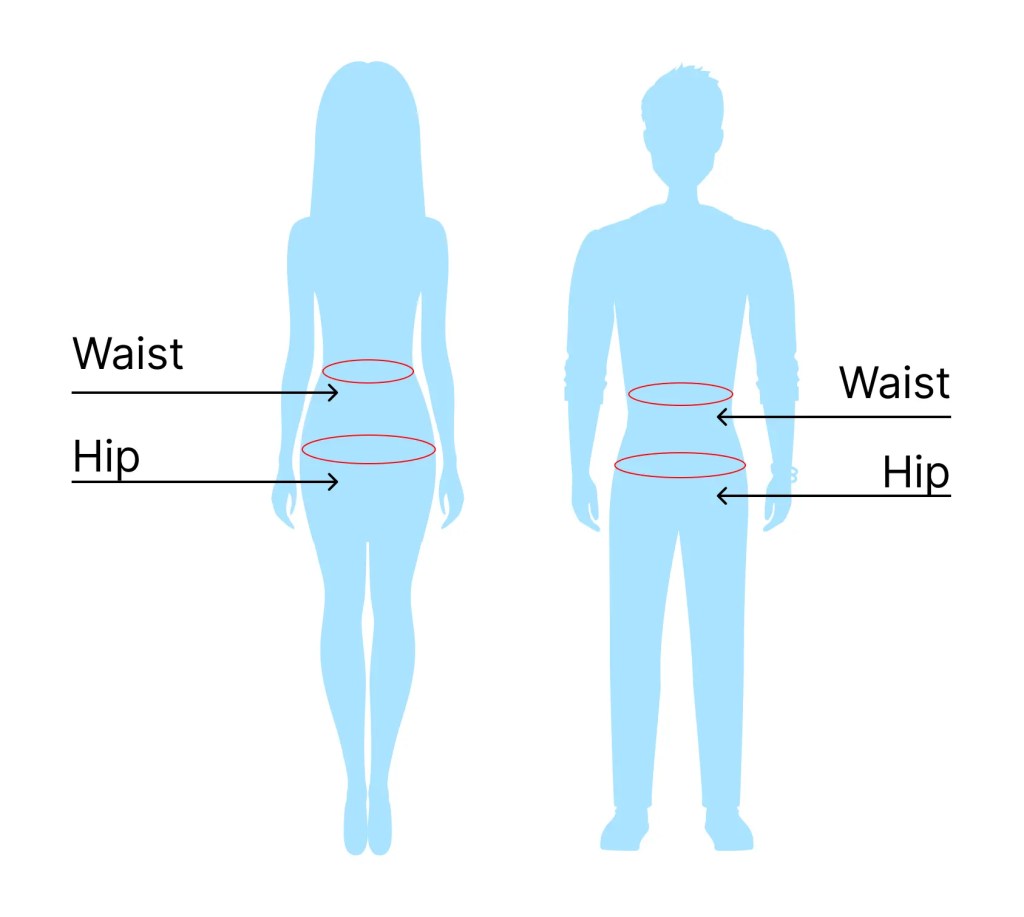
From this perspective, fat is not excess energy. It is deferred intelligence, stored in anticipation of future need. This is where waist-to-hip ratio enters the conversation.

Across cultures and historical periods, a lower waist-to-hip ratio in women has been associated with reproductive health, metabolic resilience, and successful pregnancies. This is not about thinness, aesthetics, or moral worth. It is about fat function, not fat fear, and about how different tissues behave metabolically inside the body. It is about where fat is stored and how it functions.

And in today’s modern culture we have lost that distinction.

Instead of asking what kind of fat a woman carries, we became obsessed with how much. Instead of understanding fat as tissue with purpose, we turned it into a moral scoreboard. Hips became a problem. Thighs became something to shrink. Curves became something to discipline.

Another central idea in Why Women Need Fat is biological set point.

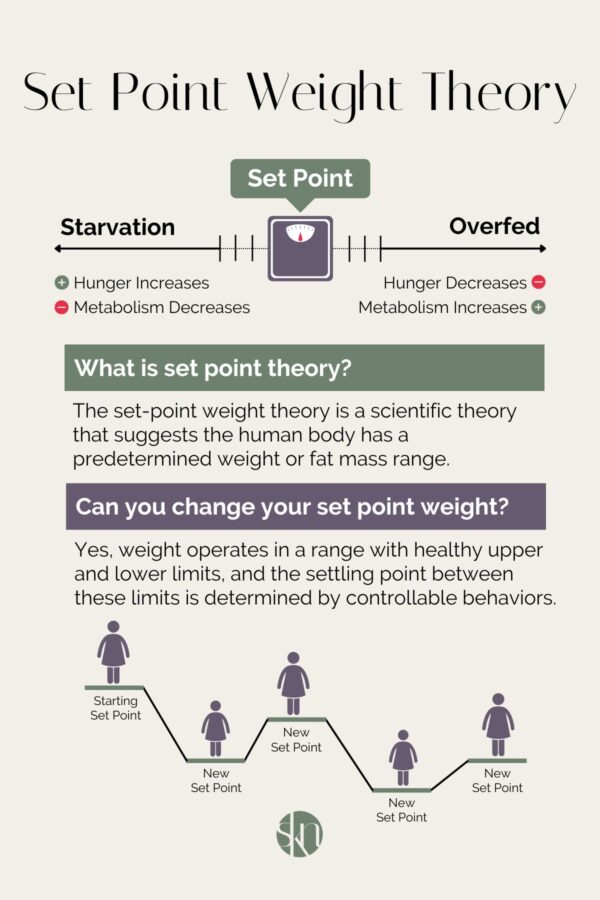
The authors argue that women’s bodies tend to defend a natural weight range when adequately nourished and not under chronic stress. When women remain below that range through restriction, over-exercise, or prolonged under-fueling, the body does not interpret that as success. It interprets it as threat.

Over time, the body adapts, not out of defiance, but out of protection.

Metabolism slows. Hunger and fullness cues become unreliable. Hormonal systems compensate. When the pressure finally eases, weight often rebounds, sometimes beyond where it started, because the body is trying to restore safety.

From this perspective, midlife weight gain, post-illness weight gain, or weight gain after years of restriction is not mysterious. It is not rebellion. It is regulation.

None of this is taught to women.

Instead, we are told that if our bodies change, we failed. That aging is optional. That discipline and botox should override biology. That the number on the scale tells the whole story.

So, before we talk about culture, family, trauma, or personal experience, this matters:

Women’s bodies are not designed to stay static.
They are designed to adapt.

Once you understand that, everything else in this conversation changes.


Why the Body Became the Battlefield

This is where historian Joan Jacobs Brumberg’s work in The Body Project: An Intimate History of American Girls, provides essential context, but it requires some precision.

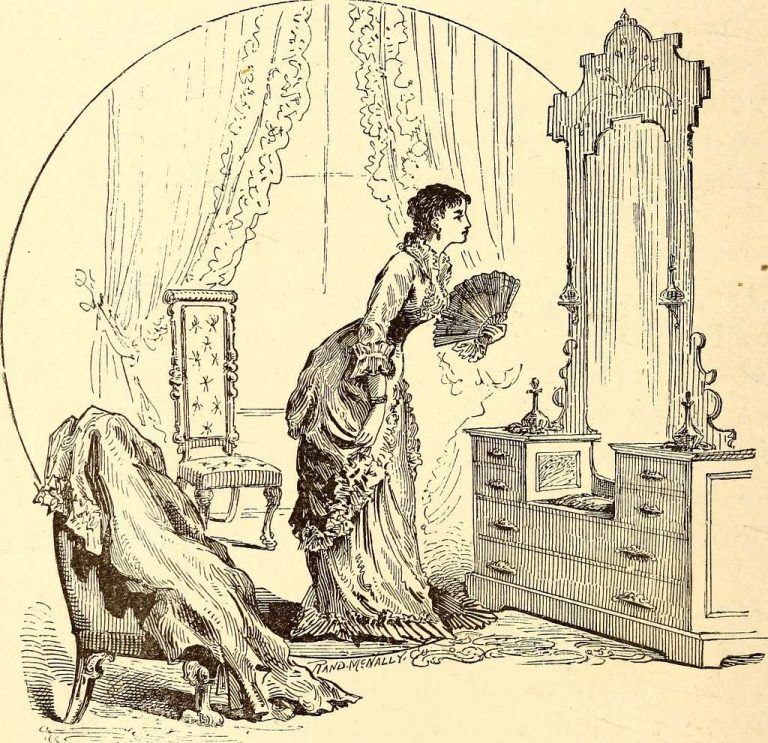
Girls have not always been free from shame. Shame itself is not new. What has changed is what women are taught to be ashamed of, and how that shame operates in daily life.

Brumberg asks a question that still feels unresolved today:
Why is the body still a girl’s nemesis? Shouldn’t sexually liberated girls feel better about themselves than their corseted counterparts a century ago?

Based on extensive historical research, including diaries written by American girls from the 1830s through the 1990s, Brumberg shows that although girls today enjoy more formal freedoms and opportunities, they are also under more pressure and at greater psychological risk. This is due to a unique convergence of biological vulnerability and cultural forces that turned the adolescent female body into a central site of social meaning during the twentieth century.

In the late nineteenth and early twentieth centuries, girls did not typically grow up fixated on thinness, calorie control, or constant appearance monitoring. Their diaries were not filled with measurements or food rules. Instead, they wrote primarily about character, self-restraint, moral development, relationships, and their roles within family and community.

One 1892 diary entry reads:

“Resolved, not to talk about myself or feelings. To think before speaking. To work seriously. To be self-restrained in conversation and in actions. Not to let my thoughts wander. To be dignified. Interest myself more in others.”

In earlier eras, female shame was more often tied to behavior, sexuality, obedience, and virtue. The body mattered, but primarily as a moral symbol rather than an aesthetic project requiring constant surveillance and correction.

That changed dramatically in the twentieth century.

Brumberg documents how the mother-daughter connection loosened, particularly around menstruation, sexuality, and bodily knowledge. Where female relatives and mentors once guided girls through these transitions, doctors, advertisers, popular media, and scientific authority increasingly stepped in to fill that role.

At the same time, mass media, advertising, film, and medicalized beauty standards created a new and increasingly exacting ideal of physical perfection. Changing norms around intimacy and sexuality also shifted the meaning of virginity, turning it from a central moral value into an outdated or irrelevant one. What replaced it was not freedom from scrutiny, but a different kind of pressure altogether.

By the late twentieth century, girls were increasingly taught that their bodies were not merely something they inhabited, but something they were responsible for perfecting.

A 1982 diary entry captures this shift starkly:

“I will try to make myself better in any way I possibly can with the help of my budget and baby-sitting money. I will lose weight, get new lenses, already got a new haircut, good makeup, new clothes and accessories.”

What changed was not the presence of shame, but its location. Shame moved inward.

Rather than being externally enforced through rules and prohibitions, it became self-policed. Girls were taught to monitor themselves constantly, to evaluate their bodies from the outside, and to treat appearance as the primary expression of identity and worth.

Brumberg is explicit on this point. The fact that American girls now make their bodies their central project is not an accident or a cultural curiosity. It is a symptom of historical changes that are only beginning to be fully understood.

This is where more recent work, such as Louise Perry’s The Case Against the Sexual Revolution, helps extend Brumberg’s analysis into the present moment. Perry argues that while sexual liberation promised autonomy and empowerment, it often left young women navigating powerful biological and emotional realities without the social structures that once offered protection, guidance, or meaning. In that vacuum, the body became one of the few remaining sites where control still seemed possible.

The result is a paradox. Girls are freer in theory, yet more burdened in practice. The body, once shaped by communal norms and shared female knowledge, becomes a solitary project, managed under intense cultural pressure and constant comparison.

For many girls, this self-surveillance does not begin with magazines or social media. It begins at home, absorbed through tone, comments, and modeling from the women closest to them.

Brumberg argues that body dissatisfaction is often transmitted from mother to daughter, not out of cruelty, but because those mothers inherited the same aesthetic anxieties. Over time, body shame becomes a family inheritance, passed down quietly and persistently.

Some mothers transmit it subtly.

Others do it bluntly.

This matters not because my experience is unique, but because it illustrates what happens when a body shaped by restriction, stress, and cultural pressure is asked to perform indefinitely. Personal stories are often dismissed as anecdotal, but they are where biological theory meets lived reality.

If you want to dive deeper into this topic:


Where It All Began: The Messages That Shape Us

I grew up in a household where my body was not simply noticed. It was scrutinized, compared, and commented on. Comments like that do not fade with time. They shape how you see yourself in mirrors and photographs. They teach you that your body must be managed and monitored. They plant the belief that staying small is the price of safety.

So, I grew up believing that if I could control my body well enough, I could avoid humiliation. I could avoid becoming the punchline. I could avoid being seen in the wrong way.

For a while, I turned that fear into discipline.


The Years Before the Collapse: A Lifetime of Restriction and Survival

Food never felt simple for me. Long before bodybuilding, chronic pain, or COVID, I carried a strained relationship with eating. Growing up in a near constant state of anxiety meant that hunger cues often felt unpredictable. Eating was something to plan around or push through. It rarely felt intuitive or easy.

Because of this, I experimented with diets that replaced real meals with cereal or shakes. I followed plans like the Special K diet. I relied on Carnation Instant Breakfast instead of full meals. My protein intake was low. My fear of gaining weight was high. Restriction became familiar.

Top left is when I started working out obsessively at age 16, top right and bottom photo are from middle school when I was at my “heaviest” that drove the disordered behaviors.

In college, I became a strict vegetarian out of compassion for animals, but I did not understand how to meet my nutritional needs. I was studying dietetics and earning personal training certifications while running frequently and using exercise as a way to maintain control. From the outside, I looked disciplined. Internally, my relationship with food and exercise remained tense and inconsistent.

Later, I became involved in a meal-replacement program through an MLM. I replaced two meals a day with shakes and practiced intermittent fasting framed as “cleanse days.” In hindsight, this was structured under-eating presented as wellness. It fit seamlessly into patterns I had lived in for years.

Eating often felt overwhelming. Cooking felt like a hurdle. Certain textures bothered me. My appetite felt fragile and unreliable. This sensory sensitivity existed long before the parosmia that would come years later. From early on, food was shaped by stress rather than nourishment.

During this entire period, I was also on hormonal birth control, first the NuvaRing and later the Mirena IUD, for nearly a decade. Long-term hormonal modulation can influence mood, inflammation, appetite, and weight distribution. It added another layer of complexity to a system already under strain.

Looking back, I can see that my teens and twenties were marked by near constant restriction. Restriction felt normal. Thriving did not.

The book Why Women Need Fat discusses the idea of a biological weight “set point,” the range a body tends to return to when conditions are stable and adequately nourished. I now understand that I remained below my natural set point for years through force rather than balance. My biology never experienced consistency or safety.

This was the landscape I carried into my thirties.


The Body I Built and the Body That Broke

By the time I entered the bodybuilding world in 2017 and 2018, I already had years of chronic under-eating, over-exercising, and nutrient gaps behind me. Bodybuilding did not create my issues. It amplified them.

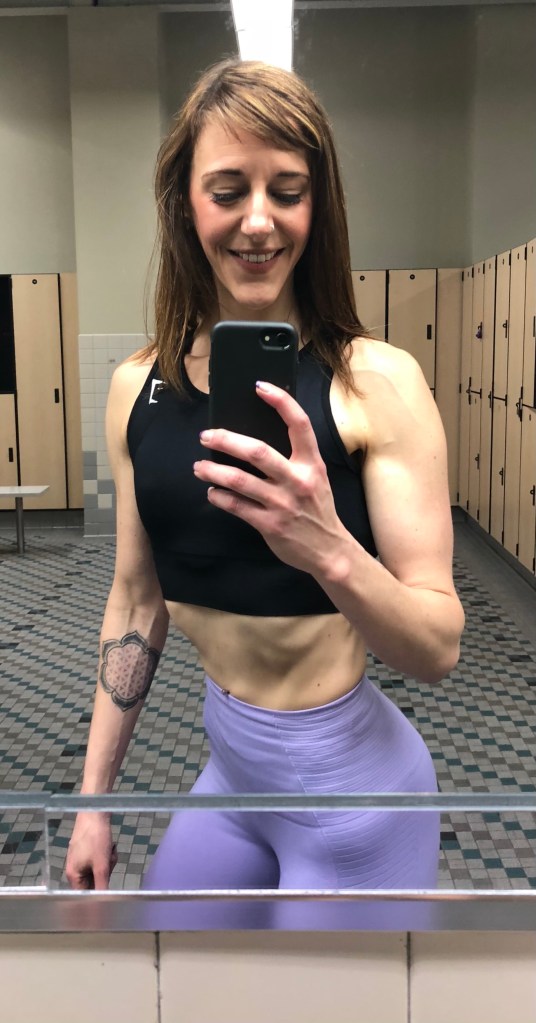
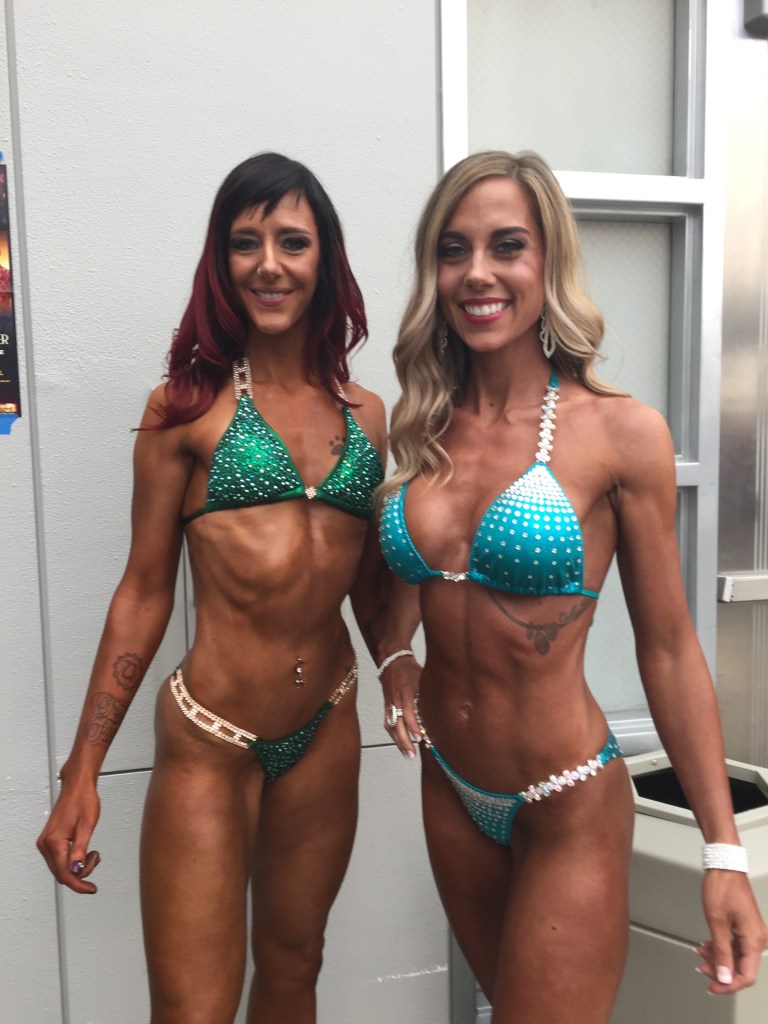
I competed in four shows. People admired the discipline and the physique. Internally, my body was weakening. I was overtraining and undereating. By 2019, my immune system began to fail. I developed severe canker sores, sometimes twenty or more at once. I started noticing weight-loss resistance. Everything I had done in the past, was no longer working. On my thirty-fifth birthday, I got shingles. My energy crashed. My emotional bandwidth narrowed. My body was asking for rest, but I did not know how to slow down.

Dive deeper into my body building journey here:

Around this time, I was also navigating eating disorder recovery. Learning how to eat without panic or rigid control was emotionally exhausting even under ideal circumstances… but little did I know things were about to take a massive turn for the worst.


COVID, Sensory Loss, and the Unraveling of Appetite

After getting sick with the ‘vid late 2020, everything shifted again. I developed parosmia, a smell and taste distortion that made many foods taste rotten or chemical. Protein and cooked foods often tasted spoiled. Herbs smelled like artificial chemical. Eating became distressing and, at times, impossible.

My appetite dropped significantly. There were periods where my intake was very low, yet my weight continued to rise. This is not uncommon following illness or prolonged stress. The body often shifts into energy conservation, prioritizing survival overweight regulation.

Weight gain became another source of grief. Roughly thirty pounds over the next five years. I feel embarrassed and avoid photographs. I often worry about how others will perceive me.

If this experience resonates, it is important to say this clearly: your body is not betraying you. It is responding to stress, illness, and prolonged strain in the way bodies are designed to respond.


Why Women’s Bodies Adapt Instead of “Bounce Back”

When years of restriction, intense exercise, chronic stress, illness, hormonal shifts, and emotional trauma accumulate, the body often enters a protective state. Metabolism slows. Hormonal signaling shifts. Hunger cues become unreliable. Weight gain or resistance to weight loss can occur even during periods of low intake, because energy regulation is being driven by survival physiology rather than simple calorie balance.

This is not failure. It is physiology.

The calories-in, calories-out model does not account for thyroid suppression, nervous system activation, sleep disruption, pain, trauma, or metabolic adaptation. It reduces a complex biological system to arithmetic.

Women are not machines. We are adaptive systems built for survival. Sometimes resilience looks like holding onto energy when the body does not feel safe.


The Systems That Reinforce Shame

Despite this biological reality, we live in a culture that ties women’s value to discipline and appearance. When women gain weight, even under extreme circumstances, we blame ourselves before questioning the system.

Diet culture frames shrinking as virtue.

Toxic positivity encourages acceptance without context.

Industrial food environments differ radically from those our ancestors evolved in.

Medical systems often dismiss women’s pain and metabolic complexity.

Social media amplifies comparison and moralizes body size.

None of this is your fault. And all of it shapes your experience.

This is why understanding the science matters. This is why telling the truth matters. This is why sharing stories matters.


In the book, More Than a Body, Lindsay and Lexie Kite describe how women are taught to relate to themselves through constant self-monitoring. Instead of living inside our bodies, we learn to watch ourselves from the outside. We assess how we look, how we are perceived, and whether our bodies are acceptable in a given moment.

This constant self-surveillance does real harm. It pulls attention away from hunger, pain, fatigue, and intuition. It trains women to override bodily signals in favor of appearance management. And over time, it creates a split where the body is treated as a project to control rather than a system to understand or care for.

When you layer this kind of self-objectification on top of chronic stress, restriction, illness, and trauma, the result is not empowerment. It is disconnection. And disconnection makes it even harder to hear what the body needs when something is wrong.

Weight gain is not just a biological response. It becomes a moral verdict. And that is how women end up fighting bodies that are already struggling to keep them alive.

The Inheritance Ends Here

For a long time, I believed that breaking generational cycles only applied to mothers and daughters. I do not have children, so I assumed what I inherited would simply end with me, unchanged.

Brumberg’s work helped me see this differently.

What we inherit is not passed down only through parenting. It moves through tone, silence, and self-talk. It appears in how women speak about their bodies in front of others. It lives in the way shame is normalized.

I inherited a legacy of body shame. Even on the days when I still feel its weight, I am choosing not to repeat it.

For me, the inheritance ends with telling the truth about this journey and refusing to speak to my body with the same cruelty I absorbed growing up. It ends here.


Closing the Circle: Your Body Is Not Broken

I wish I could end this with a simple story of resolution. I cannot. I am still in the middle of this. I still grieve. I still struggle with eating and movement. I am still learning how to inhabit a body that feels unfamiliar.

But I know this: my body is not my enemy. She is not malfunctioning. She is adapting to a lifetime of stress, illness, restriction, and emotional weight.

If you are in a similar place, I hope this offers permission to stop fighting yourself and start understanding the patterns your body is following. Not because everything will suddenly improve, but because clarity is often the first form of compassion.

Your body is not betraying you. She is trying to keep you here.

And sometimes the most honest thing we can do is admit that we are still finding our way.


References

  1. Brumberg, J. J. (1997). The Body Project: An Intimate History of American Girls. Random House.
  2. Lassek, W. D., & Gaulin, S. J. C. (2011). Why Women Need Fat: How “Healthy” Food Makes Us Gain Excess Weight and the Surprising Solution to Losing It Forever. Hudson Street Press.
  3. Kite, L., & Kite, L. (2020). More Than a Body: Your Body Is an Instrument, Not an Ornament. Houghton Mifflin Harcourt.

Scientific and academic sources

  1. Lassek, W. D., & Gaulin, S. J. C. (2006). Changes in body fat distribution in relation to parity in American women. Evolution and Human Behavior, 27(3), 173–185.
  2. Lassek, W. D., & Gaulin, S. J. C. (2008). Waist–hip ratio and cognitive ability. Proceedings of the Royal Society B, 275(1644), 193–199.
  3. Dulloo, A. G., Jacquet, J., & Montani, J. P. (2015). Adaptive thermogenesis in human body-weight regulation. Obesity Reviews, 16(S1), 33–43.
  4. Fothergill, E., et al. (2016). Persistent metabolic adaptation after weight loss. Obesity, 24(8), 1612–1619.
  5. Kyle, U. G., et al. (2004). Body composition interpretation. American Journal of Clinical Nutrition, 79(6), 955–962.
  6. Simopoulos, A. P. (2016). Omega-6/omega-3 balance and obesity risk. Nutrients, 8(3), 128.

Trauma, stress, and nervous system context

  1. Sapolsky, R. M. (2004). Why Zebras Don’t Get Ulcers. Henry Holt and Company.
  2. Walker, P. (2013). Complex PTSD: From Surviving to Thriving. Azure Coyote Books.

Fit for TV: How Screens, Diet Culture, and Reality Shows Rewire Our Bodies and Minds

When Willpower Isn’t Enough: Media, Metabolism, and the Myth of Transformation

You’re listening to Taste Test Thursdays–a space for the deep dives, the passion projects, and the stories that didn’t quite fit the main course. Today, we’re hitting pause on the intense spiritual and political conversations we usually have to focus on something just as powerful: how technology shapes our bodies, minds, and behaviors. We’ll be unpacking a recent Netflix documentary that highlights research and concepts we’ve explored before, shining a light on the subtle ways screens and media program us and why it matters more than ever.

I have a confession: I watched The Biggest Loser. Yep. Cringe, right? Back in 2008, when I was just starting to seriously focus on personal training (I got my first certification in 2006 but really leaned in around 2008), this show was everywhere. It was intense, dramatic, and promised transformation—a visual fairy tale of sweat, willpower, and discipline.

Looking back now, it’s so painfully cringe, but I wasn’t alone. Millions of people were glued to the screens, absorbing what the show told us about health, fat loss, and success. And the new Netflix documentary Fit for TV doesn’t hold back. It exposes the extreme, sometimes illegal methods used to push contestants: caffeine pills given by Jillian Michaels, emotional manipulation, extreme exercise protocols, and food as a weapon. Watching it now, I can see how this programming shaped not just contestants, but an entire generation of viewers—including me.


Screens Aren’t Just Entertainment

Laura Dodsworth nails it in Free Your Mind:

“Television is relaxing, but it also is a source of direct and indirect propaganda. It shapes your perception of reality. What’s more, you’re more likely to be ‘programmed’ by the programming when you are relaxed.”

This is key. Television isn’t just a casual distraction. It teaches, it socializes, and it normalizes behavior. A study by Lowery & DeFleur (Milestones in Mass Communication Research, 1988) called TV a “major source of observational learning.” Millions of people aren’t just entertained—they’re learning what’s normal, acceptable, and desirable.

Dodsworth also warns:

“Screens do not show the world; they obscure. The television screen erects visual screens in our mind and constructs a fake reality that obscures the truth.”

And that’s exactly what reality diet shows did. They created a distorted narrative: extreme restriction and punishment equals success. If you just try harder, work longer, and push further, your body will cooperate. Except, biology doesn’t work like that.


The Metabolic Reality

Let’s dig into the science. The Netflix documentary Fit for TV references the infamous Biggest Loser study, which tracked contestants years after the show ended. Here’s what happened:

  • Contestants followed extreme protocols: ~1,200 calories a day, 90–120 minutes of intense daily exercise (sometimes up to 5–8 hours), and “Franken-foods” like fat-free cheese or energy drinks.
  • They lost massive amounts of weight on TV. Dramatic, visible transformations. Ratings gold.
  • Six years later, researchers checked back: most regained ~70% of the weight. But the real kicker? Their resting metabolic rate (RMR) was still burning 700 fewer calories per day than baseline—500 calories less than expected based on regained body weight.
  • In everyday terms? Imagine you used to burn 2,000 calories a day just by living. After extreme dieting, your body was burning only 1,300–1,500 calories a day, even though you weighed almost the same. That’s like your body suddenly deciding it needs to hold on to every calorie, making it much harder to lose weight—or even maintain it—no matter how “good” you eat or how much you exercise.

This is huge. It shows extreme dieting doesn’t just fail long-term; it fundamentally rewires your metabolism.

Why?

  • Leptin crash: The hormone that tells your brain you’re full plummeted during the show. After weight regain, leptin rebounded, but RMR didn’t. Normally, these rise and fall together—but the link was broken.
  • Loss of lean mass: Contestants lost ~25 pounds of muscle. Regaining some of it didn’t restore metabolic function.
  • Hormonal havoc: Chronic calorie deficits and overtraining disrupted thyroid, reproductive, and adrenal hormones. Weight loss resistance, missed periods, hair loss, and constant cold are all part of the aftermath.

Put bluntly: your body is not passive. Extreme dieting triggers survival mode, conserving energy, increasing hunger, and slowing metabolism.

Read more:


Personal Lessons: Living It

I know this from my own experience. Between May 2017 and October 2018, I competed in four bodybuilding competitions. I didn’t prioritize recovery or hormone balance, and I pushed my body way too hard. The metabolic consequences? Echoes of the Biggest Loser study:

  • Slowed metabolism after prep phases.
  • Hormonal swings that made maintaining progress harder.
  • Mental fatigue and burnout from extreme restriction and exercise.

Diet culture and TV had me convinced that suffering = transformation. But biology doesn’t care about your willpower. Extreme restriction is coercion, not empowerment.

Read more:


From Digital Screens to Unrealistic Bodies

This isn’t just a TV problem. The same mechanisms appear in social media fitness culture, or “fitspiration.” In a previous podcast and blog, From Diary Entries to Digital Screens: How Beauty Ideals and Sexualization Have Transformed Over Time, we discussed the dangerous myth: hard work guarantees results.

Fitness influencers, trainers, and the “no excuses” culture sell the illusion that discipline alone equals success. Consistency and proper nutrition matter—but genetics set the foundation. Ignoring this truth fuels:

  • Unrealistic expectations: People blame themselves when they don’t achieve Instagram-worthy physiques.
  • Overtraining & injury: Chasing impossible ideals leads to chronic injuries and burnout.
  • Disordered eating & supplement abuse: Extreme diets, excessive protein, or PEDs are often used to push past natural limits.

The industry keeps genetics under wraps because the truth doesn’t sell. Expensive programs, supplement stacks, and influencer promises rely on people believing they can “buy” someone else’s results. Many extreme physiques are genetically gifted and often enhanced, yet presented as sheer willpower. The result? A culture of self-blame and impossible standards.


Fitspiration and Self-Objectification

The 2023 study in Computers in Human Behavior found that exposure to fitspiration content increases body dissatisfaction, especially among women who already struggle with self-image. Fitspo encourages the internalized gaze that John Berger described in Ways of Seeing:

“A woman must continually watch herself. She is almost continually accompanied by her own image of herself… she comes to consider the surveyor and the surveyed within her as the two constituent yet always distinct elements of her identity as a woman.”

One part of a woman is constantly judging her body; the other exists as a reflection of an ideal. Fitness becomes performative, not functional. Anxiety, depression, disordered eating, and self-objectification follow. Fitness culture no longer focuses on strength or health—it’s about performing an idealized body for an audience.


The Dangerous Pipeline: Fitspo to Porn Culture

This extends further. Fitspiration primes women to see themselves as objects, which feeds directly into broader sexualization. Porn culture and the sex industry reinforce the same dynamic: self-worth tied to appearance, desire, and external validation. Consider these stats:

  • Over 134,000 porn site visits per minute globally.
  • 88% of porn scenes contain physical aggression, 49% verbal aggression, with women overwhelmingly targeted (Bridges et al., 2010).
  • Most youth are exposed to pornography between ages 11–13 (Wright et al., 2021).
  • 91.5% of men and 60.2% of women report watching porn monthly (Solano, Eaton, & O’Leary, 2020).

Fitspiration teaches the same objectification: value is appearance-dependent. Social media and reality TV prime us to obsess over performance and image, extending beyond fitness into sexualization and body commodification.

Read more:

Netflix Documentary: The Dark Side

Fit for TV exposes just how far the show went:

  • Contestants were given illegal caffeine pills to keep energy up.
  • Trainers manipulated emotions for drama—heightened stress, shame, and competitiveness.
  • Food was weaponized—rationed, withheld, or turned into rewards/punishments.
  • Exercise protocols weren’t just intense—they were unsafe, designed to produce dramatic visuals for the camera.

The documentary also makes it clear: these methods weren’t isolated incidents. They were systemic, part of a machine that broadcasts propaganda as entertainment.


The Bigger Picture: Propaganda, Screens, and Social Conditioning

Dodsworth again:

“Watching TV encourages normative behavior.”

Shows like The Biggest Loser don’t just affect contestants—they socialize an audience. Millions of viewers internalize: “Success = willpower + suffering + restriction.” Social media amplifies this further, nudging us constantly toward behaviors dictated by advertisers, algorithms, and curated narratives.

George Orwell imagined a world of compulsory screens in 1984. We aren’t there yet—but screens still shape behavior, expectations, and self-perception.

The good news? Unlike Orwell’s telescreens, we can turn off our TVs. We can watch critically. We can question the values being sold to us. Dodsworth reminds us:
“Fortunately for us, we can turn off our television and we should.”


Breaking Free

Here’s the takeaway for me—and for anyone navigating diet culture and fitness media:

  1. Watch critically: Ask, “What is this really teaching me?”
  2. Respect biology: Your body fights extreme restriction—it’s not lazy or weak.
  3. Pause before you absorb: Screens are powerful teachers, but you have the final say.

The bigger question isn’t just “What should I eat?” or “How should I train?” It’s:

Who’s controlling the story my mind is telling me, and who benefits from it?

Reality shows like The Biggest Loser and even social media feeds are not neutral. They are propaganda machines—wrapped in entertainment, designed to manipulate perception, reward suffering, and sell ideals that are biologically unsafe.

I’ve lived some of those lessons firsthand. The scars aren’t just physical—they’re mental, hormonal, and metabolic. But the first step to freedom is seeing the screen for what it really is, turning it off, and reclaiming control over your body, mind, and reality.

Thank you for taking the time to read/listen!

🙏 Please help this podcast reach a larger audience in hope to edify & encourage others! To do so: leave a 5⭐️ review and send it to a friend! Thank you for listening! I’d love to hear from you, find me on Instagram!⁠⁠⁠ @taste0ftruth⁠⁠⁠ , @megan_mefit , ⁠⁠⁠ Pinterest! ⁠⁠ ⁠ Substack and on X! 

Until then, maintain your curiosity, embrace skepticism, and keep tuning in! 🎙️🔒

🆕🆕This collection includes books that have deeply influenced my thinking, challenged my assumptions, and shaped my content. ⁠Book Recommendations – Taste0ftruth Tuesdays

Move More, Eat Less? The Lie That Won’t Die

The Fatal Flaws of Calories In Calories Out

Let’s talk about one of the most persistent pieces of weight-loss advice ever given:

“Just eat less and move more.”

On the surface, it sounds reasonable. If weight loss were simply a matter of reducing calories and increasing activity, we’d expect long-term success rates to be much higher than they are. Instead, many people find themselves caught in a cycle of restriction, weight regain, and frustration.

The problem isn’t that calories are irrelevant. The problem is that the slogan reduces a complex biological process to a simple equation.

For decades, we’ve been taught to think about the body like a math problem: calories in versus calories out. But human beings aren’t closed systems operating under laboratory conditions. We’re dynamic, adaptive organisms influenced by hormones, stress, sleep, appetite regulation, past dieting history, genetics, environment, and countless other variables that affect how energy is used, stored, and conserved.

In previous episodes, we’ve explored the limitations of calorie-focused thinking and discussed research showing that our beliefs and expectations about food can influence physiological responses. Today, we’re taking that conversation a step further.

Because once you move beyond simplistic explanations, metabolism becomes far more interesting.

The questions aren’t just how much we eat, but what we eat, when we eat, why we eat, and how our bodies adapt over time. Those factors help explain why the same dietary strategy can produce dramatically different outcomes for different people.

Before we examine the limitations of modern diet advice, it’s worth asking a different question:

How did calories become the primary way we think about food in the first place?

To answer that, we need a little historical context.

The History of the Calorie

The calorie, as a unit of measurement, has a fascinating history that ties directly into today’s conversation. While many people assume calories have always been the standard way to understand food and metabolism, their adoption is actually a relatively recent development shaped by scientific discovery, public health initiatives, and changing cultural attitudes toward weight and nutrition.

The Origin of the Calorie

The concept of the calorie originated in physics, not nutrition.

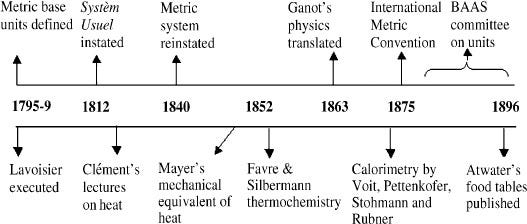
In the early nineteenth century, French chemist Nicolas Clément introduced the term calorie as a unit of heat energy. Later, scientists such as Wilbur Olin Atwater adapted the concept to human metabolism, conducting experiments to estimate how much energy food released when burned.

Atwater’s work eventually produced the familiar caloric values we still use today:

  • Fat: 9 calories per gram
  • Carbohydrate: 4 calories per gram
  • Protein: 4 calories per gram
  • Alcohol: 7 calories per gram

These values became the foundation of modern nutrition science and remain embedded in food labels around the world.

The Rise of Caloric Nutrition

By the early twentieth century, calories became an important public health tool.

Governments used calorie estimates to address malnutrition, design military rations, and manage food supplies during both World Wars. At a time when food scarcity was a major concern, understanding energy needs was enormously valuable.

As food became more abundant throughout the twentieth century, however, the conversation shifted. Rather than asking how to get enough calories, public health experts increasingly focused on how to avoid consuming too many.

This shift laid the groundwork for the modern weight-loss industry and the growing emphasis on calorie counting as a primary strategy for weight management.


black and silver electronic device
Photo by Quilia on Unsplash

CICO and the Simplification of Weight Loss

The calories in, calories out (CICO) model became increasingly influential during the twentieth century. Grounded in the First Law of Thermodynamics, it framed weight change as a matter of energy balance: consume more energy than you expend and weight increases; consume less and weight decreases.

At a basic level, this is true. Energy does not simply appear or disappear.

The challenge is that many people began treating a principle from physics as a complete explanation of human metabolism.

Human beings are not bomb calorimeters. We are living, adaptive systems. Hormones influence hunger and satiety. Metabolism adjusts to periods of restriction. Different foods require different amounts of energy to digest. Sleep, stress, illness, medications, movement patterns, and prior dieting history can all influence how the body uses and stores energy.

Over time, researchers began recognizing that while energy balance matters, it is only one piece of a much larger picture.

Some of the factors that influence metabolism and weight regulation include:

  • Hormonal signaling, including insulin, leptin, ghrelin, cortisol, and thyroid hormones
  • Metabolic adaptation during periods of caloric restriction
  • Differences in food quality and macronutrient composition
  • The thermic effect of food
  • Gut microbiome composition
  • Sleep quality and circadian rhythms
  • Psychological and behavioral factors that shape eating patterns

A More Nuanced Conversation

As research in metabolism and endocrinology expanded, scientists began asking more sophisticated questions.

Researchers such as David Ludwig and Robert Lustig drew attention to the ways hormones, food processing, and metabolic regulation influence health outcomes beyond calorie counts alone.

This led to renewed interest in dietary approaches such as low-carbohydrate and ketogenic diets. Advocates argued that insulin regulation and metabolic signaling deserved far more attention than they had traditionally received.

My own view is that the conversation is often framed too narrowly.

Carbohydrates may influence blood sugar regulation, but they are only one variable among many. Over the years, I’ve spent a great deal of time educating clients and audiences about the numerous factors that influence metabolic health. Stress, sleep, inflammation, meal timing, physical activity, gut health, hormonal status, medications, social environment, and dieting history all contribute to what I often think of as a person’s metabolic terrain.

Where Are We Now?

Today, the calorie remains a useful measurement tool, but most serious discussions of metabolism extend well beyond simple arithmetic. The question is no longer whether calories matter.

The question is whether calorie counts alone can adequately explain why two people eating the same number of calories may experience dramatically different outcomes.

Increasingly, the answer appears to be no. Calories matter. Biology matters too.

And that’s where today’s conversation begins.

Today, I’m joined by Adam Kosloff, a writer and independent researcher whose work explores obesity, metabolism, and the assumptions that shape modern nutrition science. I first encountered Adam’s work through a Substack essay A Righteous Assault on the Absolute Worst Idea in the History of Science, behind the provocative title was a question that immediately caught my attention:

Have we reduced metabolism to an overly simplistic equation?

Adam argues that while energy balance matters, the standard calories in, calories out explanation often fails to capture the complexity of living systems.

In response, he developed what he calls the Farmer Model—a framework that encourages us to think about metabolism as an ecosystem rather than a simple accounting problem.

The metaphor is straightforward. A farmer doesn’t judge the health of a field solely by measuring inputs and outputs. They also pay attention to soil quality, weather patterns, biodiversity, water availability, and the countless conditions that influence what grows.

Adam suggests that metabolism may deserve a similarly holistic perspective.

Whether you agree with every aspect of the model or not, I think he’s asking worthwhile questions.

After all, if obesity and metabolic disease were fully explained by “eat less and move more,” we would likely have solved these problems decades ago.

Instead, we’re left with a more complicated reality. Human metabolism is influenced by hormones, food quality, sleep, stress, activity levels, genetics, environment, prior dieting history, and a host of other interacting variables.

In our conversation, Adam and I explore where the traditional calorie model is useful, where it may fall short, and why many researchers, clinicians, and patients continue searching for more comprehensive explanations.

The goal isn’t to replace one form of dogma with another.

It’s to have a more honest conversation about complexity.

The takeaway? The “move more, eat less” doctrine is outdated and incomplete. It’s time for a more sophisticated conversation about metabolism that acknowledges the complexity of the human body rather than reducing it to a basic math equation.

LINKS

Science or Stagnation? The Risk of Unquestioned Paradigms – The first episode we challenged calories in, calories out (CICO) & mention Germ theory vs Terrain theory

The Farmer vs. The Banker

10 Smackdowns that lay waste to CICO

3 Times I Gained Weight on Keto

Gary Taubes Substack articles

Emotional Hijacks & Nutritional Hacks: Unveiling the🧠Amygdala’s Secrets ⁠

The Dissolution of the Nutrition Science Initiative

Obesity and Starvation Found Together

The Influence of Religious Movements on Nutrition

Why Challenging Beliefs Feels Like a Personal Attack—And Why It Shouldn’t

The Biggest Loser Study-The metabolic consequences of extreme dieting & the weight gain rebound effect

Why “Trust the Experts” Is Failing Us: The Shocking Loopholes in Our Food System

How Big Food Hijacked Nutrition Advice

In this week’s Taste of Truth Tuesdays podcast episode, we’re diving into an issue that has been brewing in the wellness world—particularly within the anti-MLM (Multi-Level Marketing) community. While many of us recognize the toxicity of MLM schemes in the beauty, wellness, and health industries, there’s another area where the promotion of questionable health products is happening: the food industry.

It’s strange, really. The same voices that speak out against MLMs’ manipulative practices often promote highly processed, sugar-laden foods in the name of convenience, cost-effectiveness, and even “health.” You’ve likely heard some of these food brands positioned as “healthier alternatives”—like Hawaiian Fruit Punch or cinnamon toast cereals—with a wink and a nod suggesting they’re okay to indulge in because they’re “fun,” “easy,” or “fortified” with vitamins. But here’s the truth: these products aren’t the wholesome treats they’re often presented as. The U.S. food system is more complicated—and far more dangerous—than most people realize.

How Many New Chemicals Are in Our Food?

Between 2000 and 2021, 766 new chemicals were introduced into the U.S. food supply. That’s right—thousands of chemicals and additives have been added to our foods without the rigorous review process people assume exists for food safety. In fact, 98.7% of these chemicals were approved through a loophole called the Generally Recognized as Safe (GRAS) pathway, which allows companies to self-certify their ingredients as safe, bypassing FDA review altogether. This system has enabled potentially harmful chemicals to enter our food without independent oversight.

The implications for consumer health are serious. These chemicals include artificial colors, flavor enhancers, preservatives, and sweeteners linked to various health issues. And because the FDA doesn’t maintain a comprehensive list of all the chemicals in our food, the lack of oversight should concern everyone.
The Problem with Self-Certification: Why HHS Secretary Robert F. Kennedy Jr. Is Pushing Back

It’s a real problem when the system designed to ensure food safety operates like the fox guarding the henhouse. Under the GRAS loophole, manufacturers can decide for themselves whether an ingredient is safe, meaning many additives in foods like sugary cereals or drinks may never have undergone adequate safety testing. As a result, foods marketed as “harmless fun” or “nutritious” could contain chemicals with long-term health risks.

In response, Health and Human Services Secretary Robert F. Kennedy Jr. has directed the FDA to explore eliminating the GRAS loophole. His argument? The current system treats chemicals as “innocent until proven guilty” rather than requiring manufacturers to prove safety before using them in food. Kennedy is pushing for greater FDA oversight to hold companies accountable for the ingredients they use—especially those with potential long-term health effects.

The Irony of Anti-MLM Advocates Promoting Big Food Products

Here’s where things get ironic: Many anti-MLM advocates call out the harmful ingredients in MLM products like shakes or vitamins, exposing their pseudoscience and shady marketing tactics. Yet, these same people turn a blind eye when it comes to mass-market food brands like Hawaiian Fruit Punch and sugary cereals.

Why? Because these products are marketed as “fun,” “easy,” or “family-friendly” and don’t carry the same stigma as MLMs. The problem is, these mass-market foods are often loaded with added sugars, artificial colors, and preservatives that have well-documented links to obesity, diabetes, and other chronic illnesses.

The Truth: Real Nutrition vs. Big Food’s Agenda

The food industry operates much like MLMs in how it prioritizes profit over consumer health. While MLMs exploit their members with empty wellness promises, Big Food capitalizes on our craving for convenience and nostalgia. If they can make something taste good, look appealing, and market it as a childhood favorite, we’ll keep buying it—regardless of its actual nutritional value.

As consumers, we need to recognize that just because something is widely available and heavily marketed doesn’t make it safe. Many of these products contain additives that have never been thoroughly tested or reviewed by the FDA. So, while it’s important to call out MLMs for misleading practices, we can’t ignore the fact that Big Food is playing the same game with what we eat.

Conclusion: What We Can Do About It

In this week’s podcast, we discussed the need for greater transparency and awareness in the food industry. Just like with MLMs, it’s crucial to remain skeptical and stay curious about what’s being marketed to us as “healthy.” Whether it’s a pre-packaged drink or a processed cereal, understanding what’s actually in these products can help us make better, more informed choices about what we’re putting into our bodies.

But beyond skepticism, real empowerment comes from reclaiming control over our food choices—getting back to the basics, connecting with local farmers, growing our own food, and learning how to cook from scratch. The more we detach from the processed food system and build relationships with those who produce real, whole foods, the less power these corporations have over our health.

For those wondering where to start, there are resources to help. Websites like LocalHarvest.org make it easy to find nearby farmers’ markets, family farms, and CSAs (Community Supported Agriculture) in your area. Many farmers’ markets even accept food stamps through the SNAP program, making fresh, local food more accessible than ever. Programs like USDA’s Farmers Market Nutrition Program (FMNP) also help connect families with nutritious, farm-fresh options.

This isn’t about fear—it’s about freedom. The freedom to nourish ourselves and our families with food we trust, to support local communities instead of faceless conglomerates, and to opt out of a system that prioritizes profit over well-being.

Let’s keep asking questions, seeking better alternatives, and finding ways to reconnect with real food. And as always, let’s maintain our curiosity, embrace skepticism, and keep questioning what we’re told is “safe.”

Sources:

  1. Center for Science in the Public Interest. (n.d.). GRAS loophole and FDA food safety concerns. https://www.cspinet.org
  2. Environmental Working Group. (n.d.). Thousands of chemicals in our food system remain unregulated. https://www.ewg.org
  3. LocalHarvest. (n.d.). Find local farms, farmers’ markets, and CSAs. https://www.localharvest.org
  4. Pew Charitable Trusts. (2013). Fixing the FDA’s food additive regulatory system.
  5. U.S. Department of Agriculture. (n.d.). SNAP at Farmers Markets. https://www.fns.usda.gov/fmnp/overview
  6. FDA’s GRAS System: U.S. Food and Drug Administration. (n.d.). Generally Recognized as Safe (GRAS). Retrieved from https://www.fda.gov/food/food-ingredients-packaging/generally-recognized-safe-gras
  7. Robert F. Kennedy Jr.’s Statements on FDA GRAS System: U.S. Department of Health and Human Services. (2025, March 10). HHS Secretary Kennedy directs FDA to explore rulemaking to eliminate pathway for companies to self-affirm food ingredients as safe. Retrieved from https://www.hhs.gov/about/news/2025/03/10/hhs-secretary-kennedy-directs-fda-explore-rulemaking-eliminate-pathway-companies-self-affirm-food-ingredients-safe.html
  8. Studies on Food Additives and Health Risks: National Institutes of Health. (n.d.). Artificial additives and their impact on health. Artificial Food Color Additives and Child Behavior

Escaping One Cult, Joining Another? The Trap of Ideological Echo Chambers

When ‘Cult Recovery’ Looks a Lot Like a New Cult

I had a lot of different topics in mind for my final solo episode of Taste of Truth Tuesdays Season 3. For example, The Stress-Mitochondria Connection: How B vitamins, Taurine and Magnesium Fuel your Energy, A world without religion: Freedom or Fragmentation, How Emotional Trauma contributes to Chronic Pain or the Social Media Dilemma How to Break Free from the Digital Grip… But then, a new development landed right in my lap—one that perfectly encapsulates the concerning trends I’ve been observing in the deconstruction, ex-Christian, anti-MLM, and ex-cult communities.

My friend Brandie, who I had on in Season 2 for the episode From Serendipity to Scrutiny, recently blocked me. And why? Because I simply pushed back and asked questions. We’d had some private conversations in the DMs that had already raised red flags for me, but apparently, even the slightest bit of pushback was enough to get me cut off. This isn’t just about one friendship—it’s about a much bigger pattern I’ve seen unfolding.

The Deconstruction Pipeline: When Leaving a High-Control Group Means Entering Another

One of the biggest ironies in the ExChristian circles is how quickly people flee high-control religious environments only to land in equally dogmatic ideological spaces. This isn’t a coincidence—it’s human nature. As Jonathan Haidt lays out in The Righteous Mind, our reasoning evolved more for argumentation than truth-seeking. We are wired for confirmation bias, and when we leave one belief system, we often replace it with another that feels equally absolute but now appears “rational” or “liberating.”

This is where figures like Steven Hassan and Janja Lalich come in (because this isn’t just about Brandie) self-proclaimed experts on cults who, ironically, exhibit the same control tactics they claim to expose. Hassan, a former Moonie turned cult deprogrammer, has made a career out of helping people escape authoritarian religious systems. But a deeper look at his work reveals an ideological bent (it’s hard to ignore). He frequently frames conservative or traditional religious beliefs as inherently cult-like while giving progressive or leftist movements a pass. He has called Trumpism a cult but is conspicuously silent on the high-control tactics within certain progressive activist spaces. His criteria for what constitute undue influence seem to shift depending on the political context, (BITE model) making his framework less about critical thinking and more about reinforcing his preferred ideological narrative. I did what Hassan won’t: use his own model to break down the mind control tactics of the extreme left.

Janja Lalich follows a similar pattern. A (supposedly) former Marxist-Leninist, she applies her cult analysis primarily to religious and right-wing groups while glossing over the coercive elements in the far-left spaces she once occupied (or still does). Her work is valuable in breaking down how high-demand groups operate, but she, too, appears to have blind spots when it comes to ideological echo chambers outside of the religious sphere. These represent a pattern rather than an isolated incident. Other platforms like (The New Evangelicals, Dr. Pete Enns (The Bible for Normal People), Eve was framed, Jesus Unfollower, Dr. Laura Anderson just to name a few.) highlight control tactics when they appear in traditional or conservative groups but fail to apply the same scrutiny to their own ideological circles.

This selective analysis creates a dangerous illusion: it allows people leaving fundamentalist religious spaces to believe they are now “free thinkers” while unknowingly adopting another rigid belief system. The deconstruction pipeline often leads former evangelicals straight into progressive activism, where purity tests, ideological loyalty, and social shaming operate just as effectively as they did in the church. The language changes: “sin” becomes “problematic,” “heresy” becomes “harmful rhetoric”, but the mechanisms remain the same.

Haidt’s work on moral foundations helps explain this phenomenon. Progressive and conservative worldviews are built on different moral intuitions, but both can be taken to extremes. The key to avoiding ideological capture is intellectual humility—the ability to recognize that no belief system has a monopoly on truth and that reason itself can be weaponized for tribalism.

John Stuart Mill warned of this centuries ago: the greatest threat to truth is not outright censorship but the cultural and social pressures that make certain ideas unspeakable. Greg Lukianoff and Jonathan Haidt’s The Coddling of the American Mind echoes this concern, showing how overprotective thinking and emotional reasoning have created a generation that confuses disagreement with harm.

Franklin O’Kanu’s concept of the “fake intellectual” is particularly relevant here—people who claim to be champions of free thought while aggressively enforcing ideological orthodoxy.

In this episode, through my experience with Brandie, I’ll illustrate how skepticism is selectively applied, and how ‘critical thinking’ communities can become just as dogmatic as the systems they reject. And unlike Hassan or Lalich, my connection with Brandie was personal. And that’s why I felt this warranted an entire podcast episode. Because what happened with her is a microcosm of a larger issue: people leaving high-control spaces only to re-enter new ones. They are convinced that this time, they’ve finally found the “truth.” Spoiler alert: that’s not how truth works.

So, let’s talk about it.


Blocked for Asking Questions

Recently, Brandie posted on Instagram about DARVO—a psychological tactic where abusers Deny, Attack, and Reverse Victim and Offender to avoid accountability. I agree that MLMs use DARVO. But I wanted to add friendly pushback, that I’ve noticed anti-MLM advocates use similar tactics to silence critics—especially when it comes to questioning the food industry— but she had turned the comments off.

So I went to Substack, wrote a note, tagged her and asked for us to have a discussion. and that’s when she blocked me. Not for being aggressive. Not for being rude. But for questioning her narrative.

So much for open conversation.

DARVO: The Classic Manipulation Tactic

DARVO stands for Deny, Attack, Reverse Victim and Offender—a tactic frequently used by abusers, cult leaders, and high-control groups when they’re called out. It flips accountability on its head, making the person asking legitimate questions seem like the aggressor while the actual manipulator plays the victim.

How MLMs Use DARVO

Multi-Level Marketing (MLM) schemes thrive on DARVO because their entire business model is built on deception. Here’s a classic example:

  1. Deny – A distributor is confronted with the fact that 99% of people in MLMs lose money. Instead of addressing the data, they deny it completely:
    “That’s just a myth! I know tons of people making six figures!”
  2. Attack – When pressed further, they go on the offensive, accusing the skeptic of being negative or jealous:
    “Wow, you’re so close-minded. No wonder you’re not successful!”
  3. Reverse Victim and Offender – Finally, they paint themselves as the victim and the questioner as the bully:
    “I’m just a woman trying to build a business and empower others. Why are you trying to tear me down?”

This tactic shuts down meaningful discussion and keeps people trapped in a system that exploits them.

Do you know what else exploits individuals? Fear and propaganda.

I saw this firsthand in a recent conversation with a friend who’s deeply entrenched in leftist ideologies and what I’d call “Trump Derangement Syndrome.” She shared a post warning people to change their bank accounts because of a false claim that Elon Musk’s staff had access to personal financial data. I pointed out that the post was misinformation, but instead of engaging with the facts, the conversation quickly shifted in a way that mirrors the DARVO tactic.

First, she denied that the post could be harmful or misleading. Then, she attacked me for not understanding the larger “fear” that people are feeling in the current political climate. Finally, she reversed the roles, casting herself as the victim of a chaotic world and me as the one creating unnecessary tension by questioning the post.

This is a textbook example of DARVO, a tactic that deflects accountability, shifts blame, and keeps people trapped in fear-driven narratives. It keeps them from having honest, fact-based conversations and prevents any real understanding of what’s going on around them.

How Brandie Used DARVO on Me

Ironically, despite being an anti-MLM advocate, Brandie used the exact same manipulation tactics when I pushed back on some of her positions. This is a woman who criticizes manipulative marketing tactics in MLMs, yet here she was, employing the very same tactics in our discussion. It’s a stark example of how these patterns can be so ingrained that even those who oppose them can fall into using them.

Deny – When I questioned her promotion of dietitians who endorse processed foods like Clif Z Bars (which recently faced a class-action lawsuit for misleading health claims), she refused to acknowledge the legitimate concerns. Instead, she dismissed it by claiming that caring about food ingredients was more stressful for the body than just eating the food itself—a false dichotomy that undermines any nuance in the conversation, especially when she often critiques the same logical fallacy in other contexts.

Attack – Rather than engaging with my points, she made it personal, implying that I was being antagonistic or bad-faith for even questioning her stance.

Reverse Victim and Offender – Finally, when I didn’t back down, she blocked me, flipping the narrative to make it seem like I was the one causing harm simply by asking questions.


When Therapy Becomes Thought Control: The Weaponization of Mental Health

What makes this dynamic even more interesting is that both my friend in Portland and Brandie, an anti-MLM advocate, are therapists. These conversations have all unfolded within a culture that professes to value feelings, emotional well-being, and mental health awareness. More people are going to therapy than ever before, and an increasing number of people are training to become therapists—mostly women. Currently, around 70-80% of psychologists and therapists are female, and those seeking help are also more likely to be female.

The field has increasingly become a vehicle for ideological activism. Dr. Roger McFillin has spoken extensively about this shift, describing how therapy now often reinforces victimhood narratives rather than fostering resilience. Instead of helping clients process experiences and build coping skills, many therapists nudge them toward predetermined ideological conclusions—especially in areas of identity, oppression, and systemic injustice.

This shift has eroded one of psychology’s most fundamental ethical principles: informed consent. Clients, particularly young and vulnerable individuals, are often funneled into ideological frameworks without realizing it. Under the guise of “affirming care” or “social justice-informed therapy,” therapists may subtly guide them toward specific worldviews rather than offering a full range of perspectives. What should be a process of self-discovery instead becomes thought reform, where questioning the prevailing narrative is framed as harmful or regressive.

Therapy is no longer just political—it has become a mechanism of enforcement. We see this in counseling programs that demand ideological conformity from students, in therapists who blur the line between clinical work and activism, and in public figures like Janja Lalich and Steven Hassan, who claim to expose undue influence while engaging in the same tactics. This is ideological gatekeeping disguised as expertise.

Rather than fostering open exploration, the field is increasingly defined by rigid dogma. Questioning the dominant ideology isn’t framed as critical thinking—it’s labeled as resistance, ignorance, or even harm. And when that happens, dissenting voices aren’t debated; they’re erased. If this trend continues, therapy won’t just be a tool for self-improvement. It will be a tool for social control. It already is.


The Hypocrisy of Selective Skepticism

Brandie and the anti-MLM crowd claim to combat misinformation, yet they overlook a significant issue: the influence of Big Food and Big Pharma on public health narratives.

On her social media story and in private conversations, Brandie has defended dietitians who actively promote ultra-processed foods. Some registered dietitians with large platforms endorse products like Hawaiian Punch and Clif Z Bars as acceptable—even healthy—options.

Clif Z Bars, for example, were recently involved in a $12 million class action settlement for falsely marketing their products as “healthy and nutritious.” These bars are 37% added sugar, essentially sugar bombs.

Yet, a dietitian Brandie supports feeds these bars to her young children, publicly calling them a “healthy snack.” Why is this not considered misinformation?

A deeper issue lies in the conflicts of interest within the nutrition field. 95% of the 2020 U.S. Dietary Guidelines Advisory Committee members had conflicts of interest with the food and pharmaceutical industries. Many had financial ties to corporations like Kellogg, Abbott, Kraft, Mead Johnson, General Mills, and Dannon. Similarly, a 2023 report by U.S. Right to Know revealed that 65% of the 2025 Dietary Guidelines Advisory Committee had high-risk or medium-risk conflicts of interest with industry actors like Novo Nordisk, the National Dairy Council, Eli Lilly, and Weight Watchers International.

Interestingly, both Clif Z Bars and Hawaiian Punch—the two foods mentioned in this discussion—are owned by Mondelēz International, a company that has faced scrutiny over its ties to government-advising scientists and other potential conflicts of interest. This raises an important question: How much of what we’re told by credentialed experts is shaped by corporate influence rather than unbiased science?

These conflicts of interest raise serious concerns about industry influence over public health recommendations. Yet, if you question this, you’re labeled anti-science.

This kind of blind faith in authority is no different from religious dogma. The pursuit of truth should always leave room for debate. This also highlights why blindly trusting “credentialed experts” is insufficient. Degrees and titles don’t guarantee that recommendations are free from corporate influence.

Rather than acknowledge these conflicts, Brandie and her followers discredit those asking valid questions, often accusing them of using the “Just Asking Questions” fallacy.

The “Just Asking Questions” Fallacy

A common tactic used to dismiss skepticism is labeling it as the “Just Asking Questions” (JAQ) fallacy. This fallacy occurs when people imply that merely questioning an issue is a form of misinformation or bad faith argumentation.

Many dietitians and anti-MLM advocates are deeply entrenched in mainstream narratives on topics like vaccine safety, climate change, and pharmaceutical efficacy. When skeptics ask pointed questions about these subjects, they are often accused of using JAQing off—a term that suggests they are sowing doubt without providing counter-evidence. The accusation assumes that asking difficult questions is inherently conspiratorial, rather than a legitimate means of inquiry.

But skepticism is not the same as denialism. Critical thinking demands that we interrogate all claims—especially those made by institutions with financial or ideological incentives. Dismissing questions outright only serves to protect entrenched power structures.


The Counterpoint: Intellectual Humility and the Dogma of Data

While it’s vital to engage critically with the information we’re presented, it’s equally crucial to consider the potential pitfalls of blind adherence to any ideology—whether it’s religious, political, or scientific. In the modern age, science and data have often become the new forms of dogma. The scientific community, which prides itself on skepticism and inquiry, is sometimes treated as an unassailable authority—leaving no room for dissent or alternative perspectives.

The worship of science and data as infallible can feel eerily similar to religious dogma. It demands conformity in the name of progress, dismisses alternative viewpoints, and often shuts down debate—all while asserting that it’s in the name of critical thinking and rationality. In this system, the pursuit of truth can ironically become an exercise in tribalism and intellectual rigidity.

What is critical to recognize is that science and reason themselves are not immune to bias, corruption, or influence. Take, for example, the “revolving door” between regulatory agencies and the pharmaceutical industry, which compromises the integrity of public health policies. This conflict of interest is a significant factor in the mistrust surrounding many mainstream health recommendations, especially when we see how corporate interests shape the outcomes of clinical trials, the approval of drugs, or public health initiatives.

Take the nutrition field, for example. The dietitian mentioned earlier endorses Clif Z Bars for her young children, but if you challenge this, you’re accused of being anti-science or fear-mongering.

Similarly, when figures like RFK Jr. highlight pharmaceutical industry ties to regulatory agencies, critics don’t engage with the data. Instead, they attempt to discredit the person asking the questions.

The Real Issue is Deception from Trusted Intuitions

The real misinformation often stems from corporate-backed institutions. Public trust in physicians and hospitals fell from 71.5% in April 2020 to 40.1% in January 2024—not due to misinformation, but because people witnessed firsthand the contradictions, shifting narratives, and financial incentives behind public health decisions. Trust is eroded by deception, not by questioning.

RFK Jr. isn’t “sowing doubt” for the sake of it. He’s pointing out documented cases where pharmaceutical companies have manipulated clinical trials, buried adverse data, and exercised significant influence over regulatory bodies. His book The Real Anthony Fauci outlines a heavily researched case against the unchecked power of Big Pharma and its ties to government agencies. If his claims were false, he would face lawsuits, yet his work continues to spark vital discussions.

True skepticism means demanding better science, not blindly trusting authority. The real danger lies in silencing those who ask critical questions.


Big Food and the Shaming of Health Advocates

A recent study has revealed something I find all too familiar: intimidation tactics used by industries like Big Tobacco, ultra-processed food companies, and alcohol sectors to bully and silence researchers, whistleblowers, and anyone challenging their agenda. This tactic—used by Big Food to discredit critics—reminds me of the way people are shamed or bullied for questioning processed foods or advocating for healthier diets. If you’ve ever pointed out the risks of sugary snacks or fast food, you’ve probably been labeled an extremist, a health-obsessed “wellness warrior,” or worse, a “purity culture” advocate. I can’t help but feel this is just another form of gaslighting, where we’re told that it’s worse to worry about the ingredients in our food than it is to consume those ingredients, even if they are known to contribute to chronic health conditions.

Ironically, this kind of manipulation is the same strategy Big Tobacco used for decades to muddy the waters around the health risks of smoking. And now, ultra-processed food companies are doing the same thing—distracting us from the very real, documented consequences of a poor diet.


Why We Need to Trust Ourselves, Not JUST the Experts

What frustrates me is how the anti-MLM community often jumps on wellness advocates who want to clean up their diets for health reasons. While I agree that MLMs are a breeding ground for manipulation, this should not mean we ignore the very real need to question the food industry’s stranglehold on our diets and health. It’s vital to recognize that not all experts have your best interests at heart. Many of the mainstream recommendations we’re told to follow come from organizations or industries with questionable motives—whether it’s Big Pharma, Big Food, or Big Tobacco. These same industries have a long history of misleading the public, and many of their experts are bought and paid for by corporate interests.

Wanting to improve your diet to manage or reverse chronic health conditions shouldn’t be dismissed as obsessive or extreme. It’s a rational, self-preserving choice that empowers you to take control of your health, even when the mainstream narrative tells you otherwise.


Is This Healing or Just Another High-Control Belief System?

Brandie often talks about “cult recovery” and the importance of psychological resilience. But is she really modeling resilience? Because true resilience isn’t about avoiding discomfort—it’s about engaging with it, questioning your own biases, and standing firm in discussions, even when they challenge your worldview.

Instead, she’s teaching people to coddle their minds. To create ideological echo chambers where questioning the “right” experts is heresy. To avoid any perspective that might cause discomfort. If she’s teaching people to avoid discomfort rather than work through it, I’m not sure how that aligns with the principles of ethical psychotherapy.

True healing requires grappling with discomfort, not running from it. When you teach people to shut down their discomfort rather than confront it, you’re not promoting growth—you’re just pushing them into another high-control belief system.

That’s not healing. That’s just another form of control.

And let’s be real—if your response to fair, thoughtful criticism is to shut down the conversation and block people who used to support you, you haven’t actually deconstructed anything. You’ve just built a new echo chamber with different branding.


The Bigger Picture

This isn’t just about Brandie. It’s about a larger pattern I see in the deconstruction and anti-MLM communities. Many of them claim to be freeing minds, but in reality, they’re just recruiting people into a different kind of ideological purity test.

The message is clear: You’re allowed to be skeptical, but only in the “approved” ways.

That’s not intellectual freedom. That’s just another cult.


Where Do We Go From Here?

We need real conversations about manipulation and misinformation—whether it comes from MLMs, Big Food, Big Pharma, or influencer dietitians who profit from pushing corporate-backed narratives. It means we need to question everything—without replacing one unquestionable authority with another. And we need to be willing to hold all forms of power accountable, not just the ones that fit neatly into our existing beliefs.

Because if we’re not careful, we’ll escape one high-control group only to fall right into another.

Sources:

The Real Story Behind Nutrition Research: Unpacking ‘Statistical Significance’

What You Need to Know About Risk and Bias

If you’ve ever been confused by conflicting diet headlines, you’re not alone! Nutrition research aims to help us understand how different foods impact our health, but the process isn’t always straightforward. From small sample sizes to biases and misinterpreted data, the field is full of challenges that can lead to mixed messages. Today, we’re breaking down the complex world of nutrition research, unpacking what it really tells us, what it doesn’t, and how we can read between the lines to make sense of it all.

This is a complex topic, especially when it comes to understanding terms like absolute and relative risk, which can often be confusing without a visual, so be sure to scroll along as you listen!

Let’s dive in!

I recently sat down with Jacqui, a passionate advocate for empowering women to understand and support their bodies at every life stage. Our conversation was deeply insightful, particularly as Jacqui highlighted the importance of critically assessing nutrition research, an area she’s worked in for years. From her early love for nutrition labels to her background in bio-nutritional statistics and clinical trials, Jacqui’s journey has led her to focus on prenatal research and nutrition that fosters development.

Throughout our interview, Jacqui stressed the need for a more nuanced approach when it comes to nutrition science, pointing out how certain research methodologies and common misinterpretations can lead us astray.


1. The Pitfalls of Food Frequency Questionnaires (FFQs)

One of Jacqui’s key points was the reliability—or lack thereof—of Food Frequency Questionnaires (FFQs), a tool frequently used to assess dietary habits. FFQs often rely on participants’ memory, which can be imprecise and subjective.

Jacqui shared her firsthand experience collecting FFQ data and witnessing how confused participants often were when asked to recall what they ate. This variability in data collection can significantly impact the accuracy of nutritional studies, making it difficult to draw reliable conclusions about diet and health.

FFQs, though commonly used in research, often do not capture the full complexity of individual diets. This leads to inaccuracies in studies that can misguide dietary guidelines and public health advice. Jacqui emphasized that this is a critical issue because it directly affects how we understand nutrition and the effectiveness of dietary recommendations.


2. Understanding Relative Risk vs. Absolute Risk in Nutrition Headlines

Nutrition studies often grab attention with sensational headlines, particularly when they report relative risks. Jacqui explained how a “33% increase in risk” can sound alarming, but in many cases, it doesn’t reflect the real picture. The key issue here is the difference between relative risk and absolute risk.

  • Relative risk refers to the increased risk of a particular outcome in one group compared to another. While this sounds important, it can be misleading without context. For example, a small increase in relative risk might not translate to a significant increase in your actual chance of experiencing that outcome.
  • Absolute risk, on the other hand, tells us the actual probability of an event happening.

Jacqui stressed the importance of recognizing this distinction when reading nutrition headlines.

A 33% increase in relative risk might sound alarming, but when we examine the absolute risk, the actual impact could be much less significant. Understanding this distinction helps consumers interpret research with greater accuracy, preventing them from falling for misleading headlines.

Review Jacqui post here to learn more!


3. The Problem with ‘Statistically Significant’ Results

The term “statistically significant” often sounds impressive, but Jacqui warned that it’s not always a reliable indicator of a meaningful finding. In nutritional research, a statistically significant result means that the data supports a specific conclusion beyond what could be expected by chance. However, Jacqui compared this to winning a small lottery: just because the result is statistically significant doesn’t necessarily mean it’s practically important.

In many cases, results that are statistically significant may not have a meaningful or clinically significant impact on real-world outcomes. For example, a study might show a statistically significant difference in health markers between two groups, but the actual difference might be so small that it doesn’t matter in terms of improving health.

When encountering results labeled as statistically significant, Jacqui advised readers to take a step back and ask: Is this result meaningful in the real world, or is it just a statistical fluke?


4. Why Nutritional Research Seems Contradictory

Another fascinating part of our conversation focused on the reasons why nutritional research can often feel contradictory. Jacqui pointed out that factors like small sample sizes, observational study designs, and various biases can skew the outcomes of studies. These variables contribute to conflicting opinions and conclusions in the field of nutrition.

Moreover, biases—whether financial or ideological—can shape the results of studies and the way findings are interpreted. For instance, when a study is funded by a food company, the results might be more favorable toward the products of that company, consciously or unconsciously.

Jacqui encouraged listeners to develop a critical eye when reading nutrition studies. Instead of accepting conclusions at face value, she suggested asking questions like: What’s the sample size? Who funded the study? What biases could influence the results?


5. How to Approach Nutrition Research as an Informed Consumer

So, how should we navigate the sea of nutrition research to make informed decisions about our food? Jacqui’s advice is simple yet powerful: approach nutrition research with a critical mindset.

Here’s how to do it:

  • Look beyond the headlines: Understand the difference between relative and absolute risk and question whether the findings are clinically significant.
  • Question study design: Be wary of studies with small sample sizes or those that rely on self-reported data, like FFQs. Also, consider the biases that may influence results.
  • Seek balanced perspectives: Look for research that examines multiple viewpoints and is not influenced by financial or ideological pressures.

Jacqui’s passion for empowering women through nutrition, particularly prenatal research, shines through in her work. By shedding light on the limitations and complexities of nutrition research, she offers us a much-needed roadmap to make informed decisions about our health. Whether you’re navigating the confusion of wellness trends or simply trying to understand what’s truly healthy, Jacqui’s insights can help us all approach nutrition with more clarity and skepticism.


Want more insights from Jacqui? Follow her on Instagram, where she shares practical advice and challenges the latest trends in wellness.

Learn more about Jacqui

Work with Jacqui: https://www.wellnesswithjacqui.co.za/contact 

The lazy cookbook https://www.wellnesswithjacqui.co.za/product-page/the-lazy-cookbook

Women’s health course: https://cominghometoyourself.thinkific.com/courses/coming-home-to-yourself

Stay curious, embrace skepticism, and keep tuning in!

Beyond the Before-and-After: The Truth About Social Media and Body Image

🎙️ Welcome back to Taste of Truth Tuesdays! This week, we’re diving deep into the fascinating and impactful world of body image and social media, guided by two incredible guests who bring evidence-based insights and a passion for accessibility in mental health research.

🧠 First, let me introduce Dr. Hannah Jarman, Ph.D., a trailblazer in psychology whose work sheds light on how we perceive ourselves in the digital age. Alongside her is the brilliant Ms. Claudia Liu, a Ph.D. candidate whose research explores the intersection of social media and body image. These two share a common mission: making complex research not just understandable but applicable in everyday life

Body image—it’s a term we hear often, but what does it really mean? At its core, body image is your perceptions, beliefs, feelings, thoughts, and actions related to your physical appearance. Think of it as your personal relationship with your body. Sounds simple, but in a world shaped by curated social media feeds and fitspiration photos, it’s anything but.

To ground our discussion, we’ll be exploring the four components of body image, starting with Perceptual Body Image—how you see yourself. Here’s the catch: the way you see your body often doesn’t match reality. It’s a perception distorted by negative self-talk and societal pressures. But awareness is the first step. Interrupting that loop of negative talk can help shift your perception toward something healthier.

Next, there’s Affective Body Image, which reflects how you feel about your body—your likes and dislikes. These feelings are deeply influenced by the media we consume, from TV and movies to social media trends like “fitspiration.” Here’s the thing: hating your body is not a prerequisite for change. Dissatisfaction and acceptance can coexist. Making intentional choices about what media you engage with can profoundly impact how you feel about yourself.

Then we have Cognitive Body Image, or the thoughts and beliefs you hold about your body. Ever heard someone say, “I’ll be happy when I hit my goal weight”? It’s a dangerous trap because happiness isn’t tied to a number on the scale. Chasing an external solution for an internal problem often leads to harmful patterns and a cycle of discontent.

2018: My leanest physique post-bodybuilding competitions. I sat here feeling self-conscious, convinced I looked ‘fat.’ It’s wild to look back and realize how much my mind distorted my reality.

When I look back at photos of myself at my leanest—whether it was during my bodybuilding competitions or soon after—I remember how uncomfortable I felt in my body even then. This always reminds me that body image isn’t actually about how your body looks; it’s about your relationship with your body and, ultimately, with yourself.

Finally, Behavioral Body Image—the actions we take based on our perceptions, feelings, and beliefs. When someone struggles with negative body image, they might engage in destructive behaviors like over-exercising, disordered eating, or social withdrawal.

Today, we’ll unpack these components with Dr. Jarman and Ms. Liu and dive into their groundbreaking research on the impact of social media and fitspiration on our body image. We’ll also share actionable tips to help you reshape your relationship with your body and your digital environment.

Get ready for an enlightening and empowering conversation. Let’s go!


Dr. Hannah Jarman, a research fellow at Deakin University in Melbourne, Australia, who specializes in body image, eating disorders, and the influence of media. Dr. Jarman’s interest in this field began when a young child in her life, around 5 or 6 years old, started expressing distress about her body, saying things like “I’m fat, I need to lose weight.” This was concerning not only because of the child’s age, but also because her family had a history of eating disorders. Recognizing the red flags, Dr. Jarman sought advice from a lecturer specializing in body image, which sparked her passion for research and intervention.

This led to her work on body image interventions in schools and later, a PhD on the impact of social media on adolescent body image and well-being. Dr. Jarman’s work continues to explore the critical intersection between media influence and body dissatisfaction, aiming to identify predictors and create effective prevention strategies for eating disorders.

Claudia, a final-year PhD candidate in Psychology at Melbourne University. Claudia’s research focuses on disordered eating, body image, and digital health—an emerging area in the field. Her passion for this work stems from her own personal experiences with disordered eating and negative body image during her younger years. Growing up in Southeast Asia, where thin ideals were heavily glorified, Claudia internalized these societal pressures, which led to unhealthy behaviors. Fortunately, she overcame these challenges, and this journey inspired her to pursue a PhD, hoping her research can provide insights and support for others facing similar struggles.

I’ve also seen in the data that children as young as 5 are struggling with negative body image, and I can really relate to Claudia’s experience. I, too, have struggled with disordered eating. I’ve enrolled in eating disorder therapy and have been given some of the most extreme programs, like having to eat the same meal plan six times a day for 12 weeks. The strictness of it led to binges, and it was clear that something wasn’t working.

Thank you to all the researchers out there, because while I don’t have a PhD, I did pursue a psychology certification as part of my continuing education for personal trainers. The more I worked with clients, the more I realized the connection between psychology and nutrition. Many of my clients came to me wanting to “lose weight”, but before we could even start thinking about that, we had to address underlying issues like under-eating, yo-yo dieting, and inconsistency. I had to teach them that they had to earn their right to diet, which was a difficult but crucial concept to stress. That’s when I knew I needed to learn more about psychology—it wasn’t just about the physical aspect but the mental and emotional work that had to come first.

Dr. Jarman adds, it’s so ingrained in our society, these ideals and these pressures and dieting. If you think about the people around you, how many—probably the majority, particularly of females, but also a lot of males—struggle with these issues and have unhealthy relationships with food or exercise or whatever it may be. These perfect ideals are supposedly so easy, and they should all be achieving them. But that’s absolutely right.

Men do have the pressure as well, like this big masculine look or the negative term of ‘dad bod.’ Men are also getting objectified or judged. So much of what the fitness industry sells is a psy-op. They’re just trying to sell you the idea that you can control this. It’s like in the religious world, where we have something called the prosperity gospel—‘If you do this, you’ll get God’s blessing.’ Diet culture plays the same tune: ‘If you do this, you’ll get that.’ It’s a deep psychological hook, tapping into our need for control. This need triggers dopamine, which reinforces these behaviors. Whether it’s following rigid fitness plans or religious dogma, it’s the dopamine hit that keeps us hooked. I appreciate you guys getting on here.

A little bit off-mic, season 2 was exploring breaking free from diet culture, body-neutral fitness, and focusing on performance-based goals. While you might see some changes in aesthetics, that’s just a bonus. The real focus is on getting stronger, improving blood markers, or simply walking every day. I’ve learned as a personal trainer that even when clients achieve their weight loss goals, it doesn’t always lead to a better body image or happiness. So, what is body appreciation, and why is it so crucial for mental well-being?

Body Appreciation

Claudia: “Yeah, I can take that one. So, body appreciation is basically a key or core positive body image concept that involves recognizing, valuing, and respecting the body for its functional capacity and its health, rather than how it looks. I know you mentioned that earlier on. So, it’s really about shifting the focus away from aesthetics and towards its functional capacity and functionality. Over the past 10 years, there’s been a surge in research showing that greater body appreciation is associated with a number of psychological outcomes—such as improved self-esteem, better quality of life, and overall emotional and physical well-being. Studies also show that body appreciation encourages people to adopt healthier, more flexible eating patterns, like intuitive eating. For these reasons, it’s been proposed as a potential protective factor against issues like body dissatisfaction, symptoms of disordered eating, and building resilience against societal pressures to fit unrealistic beauty standards. So, that’s kind of my interpretation of body appreciation and why it’s so important.”

Dr. Jarman: “I guess just adding to that briefly as well, I think the focus really is understanding that our bodies are wonderful. They do so much for us, and we get so caught up in how they look and the expectations in that area, that we forget how lucky we are to have a functioning body. OK, maybe you don’t like your arms or think they’re flabby, but you can hug your child or do all these incredible things that we just get so caught up in and forget. It’s about being able to take a step back and really think about and appreciate and value those things.”

You: “And also, I think body appreciation can go a level deeper for those who might be disabled or have lost certain abilities—maybe weren’t born with them, but have lost the ability to move in certain ways. That can be really difficult, because… But you can still find ways to appreciate the small things, like the sun on your skin. Or, maybe you can’t walk or hug your child like you once could, but there are still ways to appreciate the vessel that you dwell in, and that helps you interact with the world. That’s why I like body appreciation. It strips away a lot of those pressures and ideal body standards. And I think for fitness, it really… I don’t know what happened, if it’s always been poison, but wellness culture became so focused on looks. I was raised in the ‘90s—Jessica Simpson was considered fat. That slim, hair-thin ideal was pushed. And now, I’m almost 40—just crazy, that’s what I was raised with. The low-rise jeans…”

Hannah: “They’re back now, maybe just in Australia, but they’re back!”

You: “No, no thanks!” (laughter)


How Social Media Shapes Body Image and Eating Behaviors: Understanding Its Impact on Mental Health and Well-Being

Social media has become a double-edged sword in terms of its influence on our body image and eating behaviors, especially among young women. Dr. Hannah Jarman, a research expert in the field, sheds light on the complexities of this issue, drawing from the latest findings in the field.

Research consistently shows that social media tends to worsen our body image. It often leads to comparisons, where we measure ourselves against the seemingly “perfect” lives and bodies of others. This sense of inadequacy can drive us to want to change our appearance, often through unhealthy means, believing that losing weight or attaining a certain body ideal will bring happiness.

Dr. Jarman explains that while time spent online used to be the primary focus of research, recent studies have shown that the content we engage with plays a more significant role in shaping our mental health. Specifically, appearance-focused content—such as photo edits, filters, and comparison-driven posts—are more harmful than we might realize.

Interestingly, content that is perceived as “inspirational” can also contribute to this negative cycle. Instead of motivating positive behaviors, it can lead to feelings of pressure and shame, pushing individuals further away from the very practices meant to improve their well-being. Instead of encouraging exercise or body appreciation, these idealized portrayals often result in a sense of failure, making it harder to engage in self-care.

So, what can we do to become more aware of the impact social media has on our mental well-being? Dr. Jarman suggests that the first step is reflection. Being mindful of what we follow and consume online is essential. Are the accounts and content we engage with making us feel better or worse about ourselves? By being selective in our media consumption and actively avoiding harmful content, we can better protect our body image and mental health from the negative influences of social media.

Taking Control: How to Curate Your Social Media Feed for Better Body Image and Mental Health

While social media algorithms have a strong influence over the content we see, Dr. Jarman emphasizes that we do have some control over our feeds. The key lies in curating what we consume. If you find yourself comparing or feeling bad about your body after viewing certain content, it’s time to take action. Don’t hesitate to unfollow, hide, or block accounts that negatively affect your mental well-being. Instead, fill your feed with content that lifts you up—whether that’s accounts that make you laugh, reflect your hobbies, or celebrate your personal interests.

Another vital tool in reducing the harm of social media is social media literacy. Dr. Jarman encourages us to critically evaluate what we see: Who is posting this content, and why? Are they promoting a product or idea, and how realistic is what’s being presented? Developing these critical skills can help you navigate the often-misleading nature of social media, empowering you to consume content that truly adds value to your life, rather than contributing to unrealistic standards and comparisons.

By being intentional about what we engage with, we can protect ourselves from the detrimental effects of social media on body image and mental health.

Mindfulness in Social Media Consumption: A Personal Approach to Authenticity

Mindfulness is key when engaging with social media. As Dr. Jarman mentioned, it’s not just about the time we spend online, but how we feel when interacting with certain content. When consuming posts, take a moment to check in with yourself: How do you feel after reading this? Does it leave you feeling inspired, or does it trigger negative comparisons? Recognizing your emotional response is an essential step toward curating a healthier online experience.

Personally, I’ve chosen to operate from a place of transparency. I don’t monetize my content, push affiliate links, or promote products for profit. For me, it’s not about selling anything; it’s about sharing information and offering genuine value. I even make my strength training guide available for free to anyone who asks. Why? Because I want to be seen as an expert, but also as a normal, imperfect human. It’s about finding the balance between encouraging people to be open with their own journeys while demonstrating that vulnerability and authenticity are part of what makes us all human.

Dr. Hannah Jarman emphasizes that while fitspiration content can appear motivating, it may unintentionally harm individuals by focusing on unattainable ideals. She notes that before-and-after images, for instance, can imply that the person in the “before” image is unworthy, while the “after” version suddenly seems perfect. Instead, she suggests shifting the focus to how individuals feel, highlighting personal performance or other non-aesthetic milestones.

In response, I throughout the suggestion of fitness coaches adding cover photos to before-and-after images, which could serve as a “trigger warning” for those scrolling through. This small change could offer viewers the opportunity to engage more thoughtfully, especially if they have a tendency to be triggered by such comparisons.

Dr. Jarman agrees, emphasizing the importance of showcasing the entire journey—ups, downs, and all. She advocates for content that highlights authenticity, as it’s often a longer, non-linear process. By focusing on emotional growth, feelings of self-worth, and overall well-being, the goal shifts away from just numbers and aesthetics, promoting healthier perspectives on body image and wellness.


Claudia shares her personal journey with body image and disordered eating, revealing how following fitness influencers who idealized a specific body type negatively impacted her mental health. She explains how curating her social media feed by unfollowing these influencers and instead following those who emphasize strength and science-based training was transformative. This shift helped her focus on performance and appreciation for her body rather than aesthetics or calorie-burning, leading to a healthier and more sustainable approach to fitness and nutrition.

To wrap up, Dr. Hannah highlights the importance of accessible information and shares a resource for listeners: their social media accounts on Instagram and TikTok, The Well-Being Doctors (@the.well.being.doctors), which focus on making research on wellness and mental health easy to understand and implement. She encourages listeners to follow their content for practical tips and evidence-based guidance.

✨Let’s anchor in this transformative message: Your body is an instrument, not an ornament. Positive body image isn’t believing your body looks good; it’s knowing your body is good, regardless of how it looks. This quote from More Than a Body beautifully captures the essence of what we’ve explored today.

💡 The fitness industry often sets standards based on bodybuilding gurus and extreme aesthetics—standards appraised by critical judges or an audience that values visual perfection. But let’s be honest: the behind-the-scenes reality of preparing for these aesthetic ideals often includes extreme measures—severe dehydration, malnutrition, laxative and stimulant abuse, and emergency-level exhaustion. No legitimate doctor would ever recommend these tactics for health. They’re the opposite of health-promoting.

💪 Instead, let’s focus on experience and benefit, not being ornaments to be admired. Metabolic health, strength, and stamina are far more meaningful indicators of well-being than achieving a “perfect” appearance. When we prioritize function over aesthetics, we open the door to a new, more effective, and empowering way to experience health and fitness.

🚨 At first, the idea of letting go of weight goals or aesthetic ideals might feel like giving up on your body or your health. But the reality is, letting go of these pressures frees you to reconnect with your body in a way that truly serves you.

🌟 Your body is how you live, love, and experience the world. It’s the way you savor delicious food, dance to your favorite songs, feel the rain on your skin, and embrace the people you love. By focusing on what your body can do rather than how it looks, you can deepen your relationship with it and rediscover what health and fitness really mean for you.

🎙️ So, let’s commit to shifting our focus. Set goals rooted in function, experience, and well-being—not in unrealistic aesthetic ideals. Because when you change the way you think about your body, you’ll find the freedom to live more fully in it.

LINKS

How to AVOID bad fitness advice

Navigating the Sea of Experts

In today’s digital age, it seems like everyone on social media is an “expert” in health, fitness, and nutrition. With so many voices claiming to have the answers, how can you tell what’s actually beneficial, what’s mediocre, and what might harm your progress? Let’s break it down and help you navigate this complex landscape.

Credentials Matter—But Don’t Get Fooled

While it’s important to consider credentials, they don’t guarantee good advice. Registered Dietitians, Certified Nutritionists, and certifications from organizations like ISSA, ACE, NASM, NCSF, AFFA, ACSM, NETA, and more can show that someone has taken the time to learn. However, even those with certifications can spread misinformation. We’ve seen firsthand how regulatory agencies can be captured by outside interests and how lobbying can influence what gets taught.

If you’re considering working with a coach or trainer, don’t hesitate to ask about their credentials. Slide into their DMs or ask in person: What do those letters behind your name mean?

Educated Recommendations: The “Why” and “How”

Your coach or mentor should have a clear understanding of the “WHY” and the “HOW” behind their recommendations. It’s not just about pushing a workout or diet plan—it’s about making sure you understand the reasoning behind every decision.

When they introduce something new to you, it shouldn’t feel like a sales pitch for their latest product. Instead, ask questions to dig deeper:

  • Why am I doing this?
  • How does this work?
  • What’s happening inside my body to promote these changes?
  • How will this help me achieve my goals while keeping me safe and healthy?
  • Can you teach this to me in another way so I firmly understand it?

These questions will not only help you grasp the concept, but they’ll also weed out anyone who can’t explain their reasoning. If they can’t give you a clear answer, it may be time to move on.

The Bottom Line: Trust Your Instincts

If something feels off, triggering, or harmful to you, trust your gut and ask questions. Don’t let flashy marketing, unrealistic promises, or a push to sell products convince you that something is right for you. Your body and health deserve the best, and that means getting information that is clear, evidence-based, and tailored to your needs.

Remember, the best fitness advice comes from someone who can explain, educate, and empower you, not someone who’s just looking to make a sale. Stay curious, stay skeptical, and don’t be afraid to ask the tough questions. Your fitness journey is too important to leave in the hands of someone who can’t back up their advice.

Understanding Metabolic Health: The Role of Temperature and Pulse

How to Use Temperature and Pulse for Metabolic Health Insights

In the summer of 2020, my health began to take a dive. Years of chronic dieting, over-exercising, negative self-talk, and hormonal birth control were taking their toll. I was eating next to no carbs, minimal sugar, low fat, no dairy, and only lean protein. I was working out six days a week, doing hours of cardio, and feeling terrible physically, mentally, and emotionally. Hypothyroid and adrenal symptoms began to emerge. It was clear my lifestyle was working against my physiology. My metabolism felt ‘broken’ or ‘slow,’ but in reality, I was undernourished and overstressed.

Initially, I started tracking basal temperature but did not include resting pulse rates. At the time, my average temperatures were 96.5°F, and my pulse was 44 bpm. Discovering the “pro-metabolic” community introduced me to the research of Dr. Ray Peat and Dr. Broda Barnes, and it changed my perspective.

According to Dr. Raymond Peat, a well-nourished, healthy human should have a resting pulse of 85+ beats per minute. A high resting pulse (in the absence of stress) indicates good metabolic health and a strong ability to repair. This counters mainstream advice, which often celebrates a low resting heart rate as a marker of fitness.

Why Temps and Pulses Matter

Your thyroid acts as your body’s thermostat, controlling metabolism. Metabolism is the sum of all biochemical reactions in the body—essentially, the rate of energy production in the cells and the speed of bodily processes. Body temperature reflects metabolic activity, and people with underperforming thyroids often have low basal body temperatures.

Tracking basal body temperature and resting pulse provides insights into your thyroid and metabolic function:

  • Basal body temperature can indicate if ovulation has occurred, reflecting progesterone production (a pro-thyroid hormone).
  • Resting pulse shows how well your body is utilizing nutrients and oxygen.
  • Tracking post-meal temperatures and pulses helps identify stress responses and metabolic efficiency.

How to Track Temps and Pulses

To get accurate and actionable insights, follow these steps: Log your readings daily to identify trends over time. Note factors like stress, sleep, meals, and menstrual cycle phases that might influence your results.

  • Choose the Right Thermometer
    • Use a digital thermometer with a quick response time and high accuracy.
    • Glass basal thermometers are also effective but require more time to measure.
  • Measuring Basal Temperature
    • Take your temperature first thing in the morning, immediately after waking, and before getting out of bed.
    • Place the thermometer under your tongue for the most reliable reading. Avoid using armpit readings as they can be less accurate due to environmental factors.
  • Measuring Resting Pulse
    • Use a wearable device, like a fitness tracker, to measure your resting pulse overnight or immediately upon waking.
    • Alternatively, place your index and middle fingers on your wrist or neck to manually count beats for 60 seconds.
  • After Meals
    • Check your temperature and pulse 30-40 minutes after breakfast. These should gently rise after eating, as food lowers stress and generates heat. If they drop, it may indicate elevated stress hormones upon waking.
  • Track Afternoon Readings
    • Record your temperature and pulse between 1-3 p.m. when your body’s temperature should naturally peak.
  • Use a Tracking App or Journal

Questioning the Mainstream Narrative

The Mayo Clinic states: “Generally, a lower heart rate at rest implies more efficient heart function and better cardiovascular fitness. For example, a well-trained athlete might have a normal resting heart rate closer to 40 beats per minute.”

But is a low resting heart rate truly beneficial? Evidence suggests otherwise. Thyroid health—the thermostat of the body—plays a crucial role in metabolism. A sluggish thyroid often correlates with lower body temperatures and slower heart rates, indicators of reduced metabolic function.

Why Temperature and Pulse Matter

Metabolism refers to the sum of all biochemical reactions in the body. It’s essentially the rate of energy production at the cellular level—the speed at which your body processes and utilizes energy. Your body temperature is a reflection of this activity. People with under-functioning thyroids tend to exhibit low basal body temperatures and slower pulses, which can indicate:

  • Low thyroid function
  • Inflammation
  • Suppressed immune function
  • High stress
  • Estrogen dominance

In contrast, a warm body is linked to better immune function, efficient digestion, reduced inflammation, and overall metabolic health.

How to Track Temperature and Pulse

Tracking these metrics throughout the day provides invaluable insights into your metabolic health:

  • Upon Waking:
    • Follicular Phase: 97.2-97.8°F
    • Luteal Phase: 98.6°F
    • Resting pulse: 75-90 bpm
  • After Breakfast:
    • Temperatures and pulse should gently rise after meals. Food lowers stress and generates heat. If your numbers drop, it may indicate falsely elevated waking temps due to stress hormones like cortisol.
  • Afternoon:
    • Temperatures should peak between 1-3 PM.

What Your Numbers Reveal

  • Higher temp and pulse (in the absence of stress): Optimal metabolic function
  • Normal temp and higher pulse: Active stress response
  • Lower temp and lower pulse: Chronic stress and metabolic suppression
  • Normal temp and lower pulse: Chronic stress or low thyroid function

How to Optimize Your Numbers

If your temperature and pulse rates aren’t within optimal ranges, consider the following steps:

  1. Prioritize bioavailable protein: Aim for at least 100 grams per day.
  2. Eat enough calories: 1,800-2,000+ per day, depending on individual needs.
  3. Include digestible carbs: At least 150 grams daily (e.g., honey, maple syrup, fruit, root vegetables).
  4. Pair carbs with protein: Avoid “naked carbs” to stabilize blood sugar.
  5. Focus on anabolic exercise: Build muscle with strength training to boost metabolism.

Why This Matters

Using temperature and pulse as tools, you can:

  • Monitor how well your body utilizes energy.
  • Evaluate recovery from exercise.
  • Gain insights into hormonal balance (e.g., progesterone production and ovulation).
  • Identify the impacts of stress on your physiology.

Final Thoughts

Key Takeaways By regularly monitoring your temps and pulses, you can uncover patterns and make adjustments to optimize your thyroid and metabolic health. These small, daily practices provide powerful insights into how your body is functioning and what it needs to thrive.

Healing is never a final destination; it’s an ongoing journey. Over time, I’ve seen significant improvements in my metabolic markers. My overall body temperature has risen to 97.6–98.1°F, and my resting pulse is now around 70 bpm—much better than where I started. This progress has required me to embrace a larger body size than what traditional “fit fam” culture promotes, but it has been worth it. Prioritizing healing and hormone rebalancing has provided my body with the sense of safety and stability it needed to thrive.

To read more about the doctor that pioneered these tests grab the book called Hypothyroidism: The unsuspected illness by Dr. Broda Barnes

✌🏼Looking for more support navigating your cycle with fitness & nutrition? Check out my FREE guide & pro-metabolic strength training guide available for purchase!

LINK to apply for 1:1 coaching ❤️

Sources 👇🏻

PMID: 28740582
PMID: 26792255
Dr. Ray Peat