Your Metabolism Keeps the Score

A conversation with Jay Feldman on bioenergetic health, stress physiology, and what mainstream fitness culture misses

This week I have a really exciting interview for you with Jay Feldman of Jay Feldman Wellness, and this conversation felt like such a natural continuation of everything we’ve been unpacking lately around calories, metabolism, stress, food, fitness culture, and what happens when the body finally says, enough.

If you listened to the episode I dropped a couple weeks ago, Calories In, Common Sense Out, this conversation with Jay is the perfect next step.

That episode laid the groundwork for something I keep coming back to: the body is not a calculator. Yes, calories matter. But the way modern fitness culture talks about calories often strips the body of important context: stress, hormones, thyroid function, energy production, sleep, recovery, nervous system load, and years of restriction.

Jay and I both come from backgrounds where we have done restrictive dieting, pushed hard, and learned the hard way that the body eventually keeps the score. That shared history is part of what made this conversation so good. We’re not talking about metabolism from a detached, abstract place. We’re talking about what happens when people spend years under-eating, overtraining, living on caffeine, pushing through exhaustion, and then wondering why their body no longer responds the way it used to.

In this episode, we talk about Jay’s approach to bioenergetic health, which starts with cellular energy rather than just calories, macros, or “discipline.” Instead of asking only, “How do I lose weight?” we ask a deeper question:

Does the body have enough energy to do what we keep demanding from it?

A lot of my audience includes current or former athletes, military and veteran types, fitness-minded people, chronic dieters, and folks who are used to pushing through pain. Many have spent years being praised for discipline while quietly feeling cold, exhausted, anxious, inflamed, underfed, over-caffeinated, and metabolically stuck.

We get into the difference between looking fit and actually being healthy. Can someone look lean, disciplined, or high-performing while internally running on stress hormones? How can you tell the difference between real energy and survival energy? Are cold hands and feet, waking at night, cravings, low libido, anxiety, or needing caffeine just to function clues that something deeper is going on?

We also talk about one of the most frustrating places people end up:

“If I eat more than 1,500 calories, I gain weight.”

That is such a common fear, especially for people who have dieted for years. And this is where the conversation gets really practical. We talk about metabolic adaptation, why the body may resist weight loss after long periods of restriction, and why eating more can feel terrifying even when it may be part of the long-term solution.

This also ties into something I’ve talked about before in my Earn Your Right to Diet episode: sometimes the next step is not another fat-loss phase. Sometimes the next step is rebuilding. That can mean a slow, strategic reverse diet—gradually adding calories back in, supporting thyroid and metabolic function, reducing stress load, and spending time at maintenance before asking the body to diet again.

Reverse dieting is not “just eat everything and hope for the best.” It is a methodical process of giving the body more energy while watching biofeedback: temperature, sleep, digestion, mood, training recovery, hunger, cravings, cycle health, libido, and overall energy.

Toward the end of the episode, Jay gives tangible advice on how people can start making sure they are eating enough food.
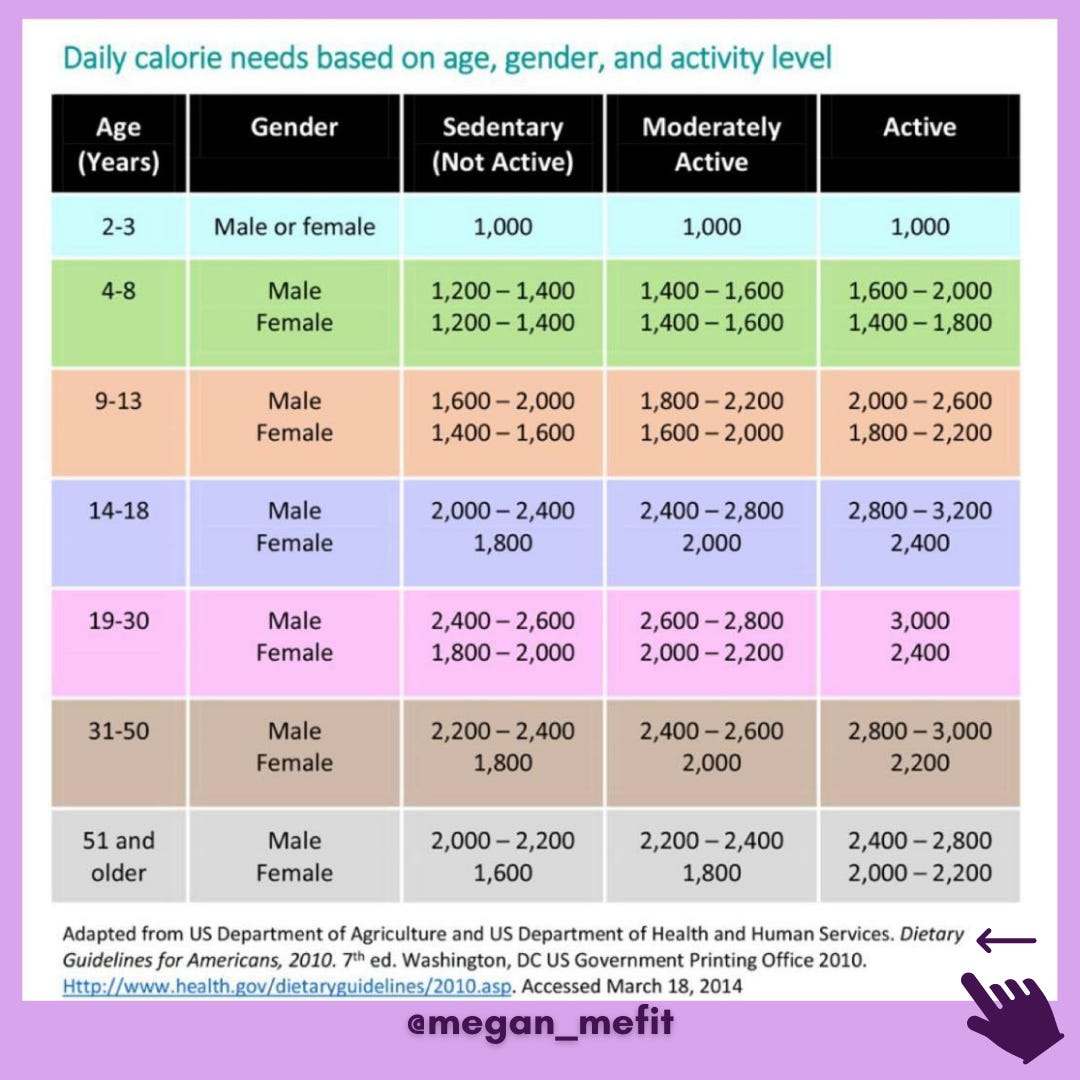
We talk about using basic calorie-needs charts as a starting point, especially because many adults are eating amounts that are closer to what a child or sedentary teenager might need… then wondering why they feel awful.

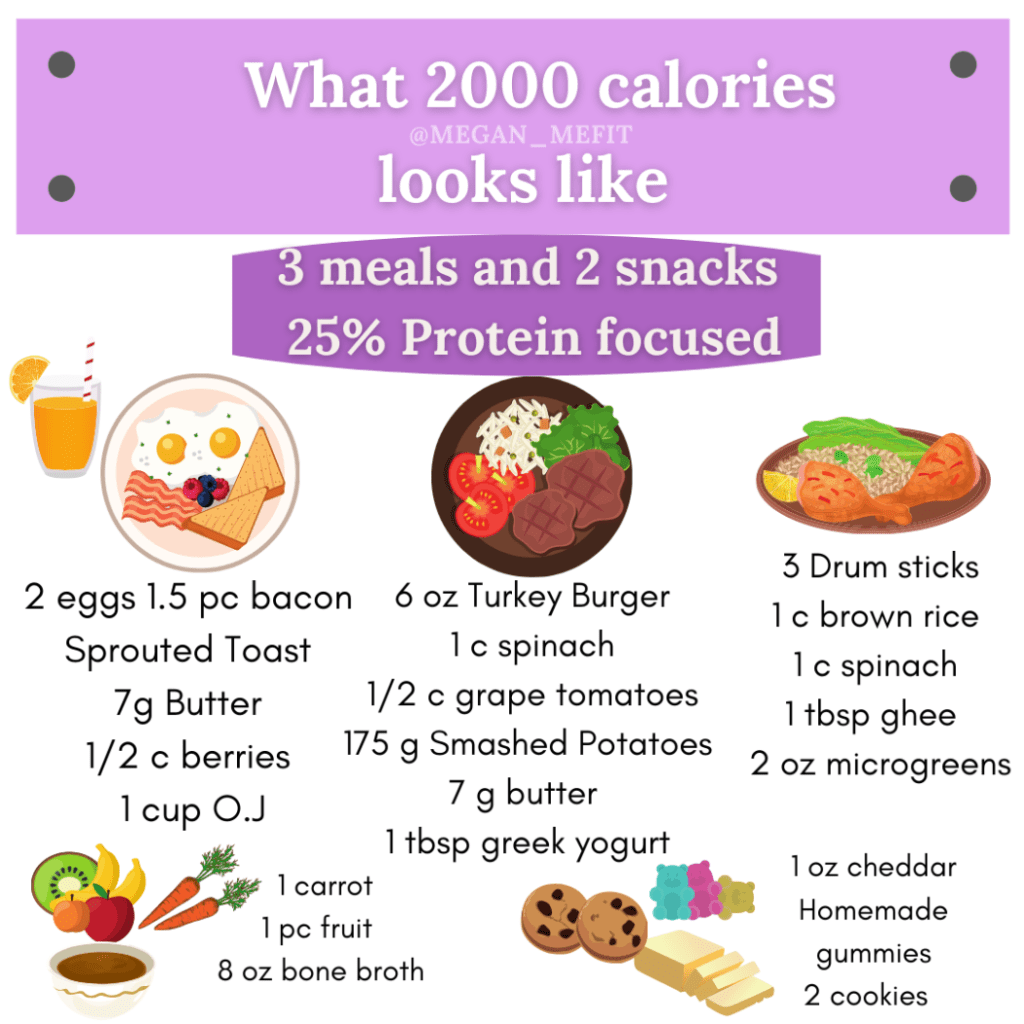
I also share some visuals during the episode, including examples of what 1,800, 2,000, and 2,200 calories can actually look like across three meals and two snacks. Because sometimes people hear those numbers and assume it means massive amounts of food, when in reality it can look pretty normal, nourishing, and manageable.


This episode is for anyone who feels like their body is betraying them after years of trying to do everything “right.”

We talk about:

  • bioenergetic health and cellular energy
  • the limits of “eat less, move more” advice
  • chronic dieting and weight-loss resistance
  • stress physiology and caffeine-driven energy
  • the difference between discipline and health
  • former athletes, veterans, and burned-out high-achievers
  • reverse dieting and rebuilding metabolic capacity
  • why the body may need more food before it can safely lose fat again

This is not a conversation about abandoning personal responsibility or pretending calories do not matter. It is a conversation about restoring much needed nuance and context.

Because sometimes the problem is not that you need more willpower.

Sometimes the problem is that your body has been running on fumes for far too long.

LINKS:

Jay Feldman Wellness Website for free food guide

Jay’s YouTube

Jay’s Blog It All Comes Down to Energy


And that’s all I have for you folks, I’d love to hear your thoughts, leave me a comment or shoot me a private message to share them. If you appreciate this kind of work, please share and subscribe—that would mean a lot to me!

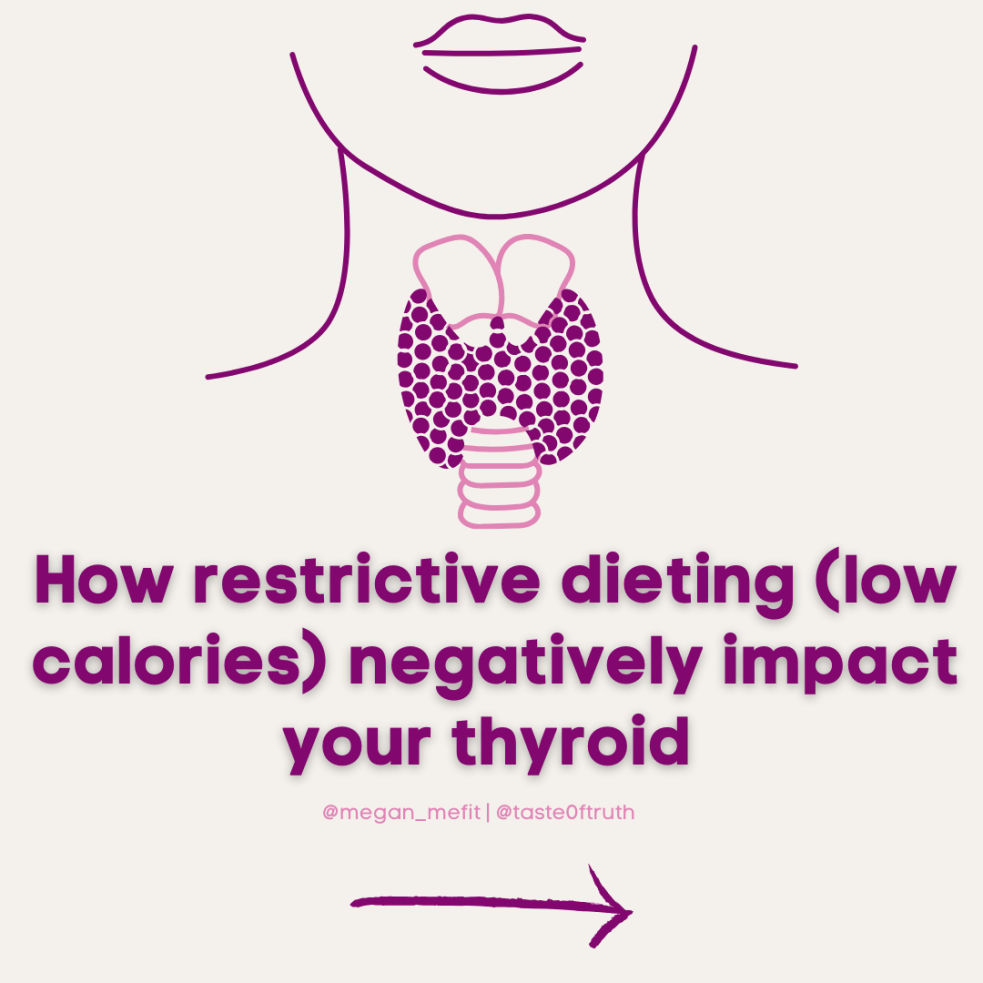
Understanding the Impact of Diet on Thyroid Health

When clients come to me saying they have a “slow metabolism” or a “broken” metabolism, often they think they need to eat even less or cut carbs to jumpstart weight loss. But let me flip the script: in many cases, it’s actually chronic under-eating and restrictive dieting that’s slowing down their metabolism. Chronic dieting, especially with very low calories, can lead to impaired thyroid function and ultimately disrupt how the body uses energy. Here’s how it happens and what you can do to restore balance.


What is the Thyroid and Why Does It Matter?

Your thyroid is a small gland in your neck that plays a massive role in regulating your body’s metabolism. Often called the “controller” of metabolic function, the thyroid works closely with the hypothalamus and pituitary glands in the brain to maintain your metabolic rate. This system allows your body to increase or decrease energy production based on its needs, influencing everything from how you process food to your body temperature.

The thyroid primarily produces two hormones:

  • T3 (Triiodothyronine) – the active hormone that your cells use.
  • T4 (Thyroxine) – the inactive hormone that must be converted into T3 before your body can use it.

The production and conversion of these hormones depend on a feedback loop that begins with TSH (Thyroid Stimulating Hormone), which signals the thyroid to produce and release T4. But when the body is stressed—especially due to chronic under-eating or extreme calorie restriction—this whole process can become disrupted.

How Chronic Dieting Wrecks Your Thyroid

Under-eating is a significant source of stress for the body. Dieting or calorie restriction triggers the HPA axis (Hypothalamic-Pituitary-Adrenal axis), leading to an increase in CRH (Corticotropin-Releasing Hormone) and cortisol, our primary stress hormone. High cortisol levels can interfere with thyroid function in the following ways:

  • Reduces TSH Production: Elevated cortisol inhibits TSH, lowering T4 production and decreasing the amount of thyroid hormone available for energy use.
  • Impairs T4-to-T3 Conversion: Chronic stress slows down the conversion of T4 (inactive) into T3 (active), reducing your body’s energy production.
  • Increases rT3 Levels: Instead of converting into T3, some T4 becomes reverse T3 (rT3), a hormone that blocks T3 from being used. This, in turn, reduces the sensitivity of your cells to thyroid hormones, further lowering metabolic function.

This is why individuals who chronically under-eat or yo-yo diet often experience symptoms of hypothyroidism, even without an official diagnosis.


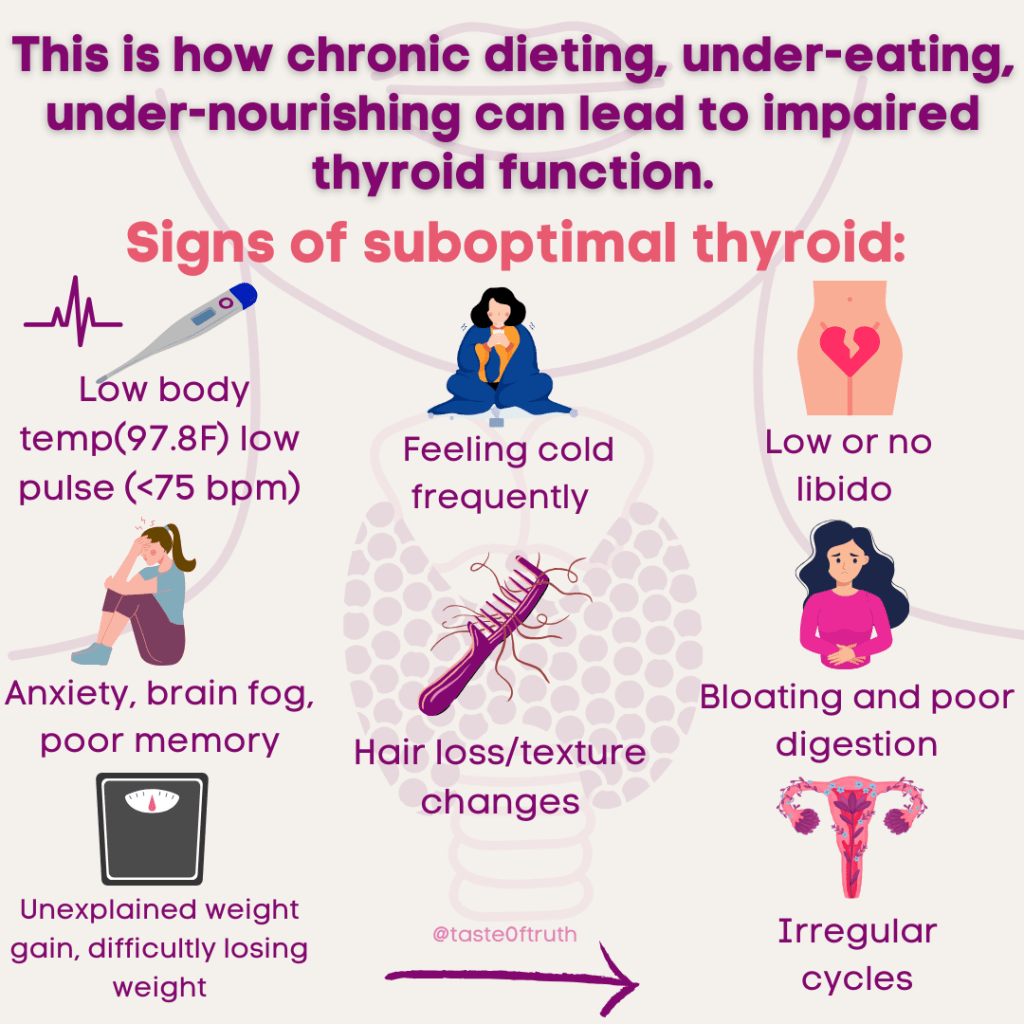
Symptoms of Suboptimal Thyroid Function

If your thyroid isn’t functioning optimally, you may notice some of the following symptoms:

  • Low body temperature (below 97.8°F)
  • Frequent feelings of cold, regardless of weather
  • Low or no libido
  • Anxiety, brain fog, or poor memory
  • Unexplained weight gain or difficulty losing weight
  • Bloating, poor digestion
  • Changes in hair texture or hair loss

Many clients experiencing these symptoms have been stuck in a calorie-deficit mindset for years, keeping their bodies in a constant state of stress. As a result, they’re often dealing with adrenal dysfunction, hypothyroidism, or even reproductive health issues, like extreme PMS, cycle loss, or low testosterone.


Restoring Your Thyroid Health—The First Steps

To begin improving thyroid health, our initial goal is to support both psychological and physiological balance, moving away from restrictive dieting and focusing on nourishment. Here’s a breakdown of the steps:

  1. Stabilize Blood Sugar: Balanced blood sugar supports thyroid health and reduces stress on the body.
  2. Maximize Nutrient Density: Prioritize whole, nutrient-rich foods to ensure your body receives adequate vitamins and minerals, especially selenium, zinc, and iodine, which are crucial for thyroid function.
  3. Reduce Inflammation: Chronic inflammation can further stress the thyroid. Anti-inflammatory foods and lifestyle practices can help.
  4. Incorporate Breathwork: Simple breathwork techniques can stimulate the vagus nerve, helping to regulate the HPA axis and reduce stress.
  5. Avoid Dietary Triggers: Reduce foods that promote “leaky gut,” such as highly processed foods, sugar, and gluten, if sensitive. This protects your immune and thyroid health.
  6. Manage Stress Proactively: Yoga, meditation, journaling, or spending time in nature can help keep cortisol in check.
  7. Reduce Toxins and Pollutants: Environmental toxins can interfere with hormone health, so minimizing exposure can be a powerful step.
  8. Prioritize Rest and Sleep: Quality sleep allows the body to recover and reset, which is essential for thyroid health.

The Bottom Line

Restrictive dieting isn’t the solution to a slow metabolism; it’s often the root cause. Chronic under-eating can lead to imbalances in your thyroid and adrenal glands, ultimately slowing down your metabolic rate and making it harder to achieve your fitness goals. Rebuilding a balanced, nourished body will not only help you feel better but will also lay the foundation for sustainable health.

This week, we’re talking all things thyroid health, and this post breaks down why breaking free from the dietary dogma of diet culture is crucial! Ever feel like your energy’s tanked, your minds in a fog, or your metabolism’s stuck in slow motion? 🧠✨ You’re not alone, and it could be your thyroid talking.

On this week’s Taste of Truth Tuesdays, we’re joined by Nicole, a holistic health advocate who’s here to shed light on how diet culture’s obsession with restriction can wreak havoc on your thyroid. From her own experience facing an autoimmune diagnosis to her advocacy for individualized nutrition, Nicole breaks down how restrictive dieting not only slows your metabolism but also impacts hormone balance, brain clarity, and overall well-being. Join us to learn how making friends with food (yes, even carbs!) might be the best way to support your thyroid and reclaim your energy.