A conversation with Jay Feldman on bioenergetic health, stress physiology, and what mainstream fitness culture misses
This week I have a really exciting interview for you with Jay Feldman of Jay Feldman Wellness, and this conversation felt like such a natural continuation of everything we’ve been unpacking lately around calories, metabolism, stress, food, fitness culture, and what happens when the body finally says, enough.
If you listened to the episode I dropped a couple weeks ago, Calories In, Common Sense Out, this conversation with Jay is the perfect next step.
That episode laid the groundwork for something I keep coming back to: the body is not a calculator. Yes, calories matter. But the way modern fitness culture talks about calories often strips the body of important context: stress, hormones, thyroid function, energy production, sleep, recovery, nervous system load, and years of restriction.
Jay and I both come from backgrounds where we have done restrictive dieting, pushed hard, and learned the hard way that the body eventually keeps the score. That shared history is part of what made this conversation so good. We’re not talking about metabolism from a detached, abstract place. We’re talking about what happens when people spend years under-eating, overtraining, living on caffeine, pushing through exhaustion, and then wondering why their body no longer responds the way it used to.
In this episode, we talk about Jay’s approach to bioenergetic health, which starts with cellular energy rather than just calories, macros, or “discipline.” Instead of asking only, “How do I lose weight?” we ask a deeper question:
Does the body have enough energy to do what we keep demanding from it?
A lot of my audience includes current or former athletes, military and veteran types, fitness-minded people, chronic dieters, and folks who are used to pushing through pain. Many have spent years being praised for discipline while quietly feeling cold, exhausted, anxious, inflamed, underfed, over-caffeinated, and metabolically stuck.
We get into the difference between looking fit and actually being healthy. Can someone look lean, disciplined, or high-performing while internally running on stress hormones? How can you tell the difference between real energy and survival energy? Are cold hands and feet, waking at night, cravings, low libido, anxiety, or needing caffeine just to function clues that something deeper is going on?
We also talk about one of the most frustrating places people end up:
“If I eat more than 1,500 calories, I gain weight.”
That is such a common fear, especially for people who have dieted for years. And this is where the conversation gets really practical. We talk about metabolic adaptation, why the body may resist weight loss after long periods of restriction, and why eating more can feel terrifying even when it may be part of the long-term solution.
This also ties into something I’ve talked about before in my Earn Your Right to Diet episode: sometimes the next step is not another fat-loss phase. Sometimes the next step is rebuilding. That can mean a slow, strategic reverse diet—gradually adding calories back in, supporting thyroid and metabolic function, reducing stress load, and spending time at maintenance before asking the body to diet again.
Reverse dieting is not “just eat everything and hope for the best.” It is a methodical process of giving the body more energy while watching biofeedback: temperature, sleep, digestion, mood, training recovery, hunger, cravings, cycle health, libido, and overall energy.
Toward the end of the episode, Jay gives tangible advice on how people can start making sure they are eating enough food.
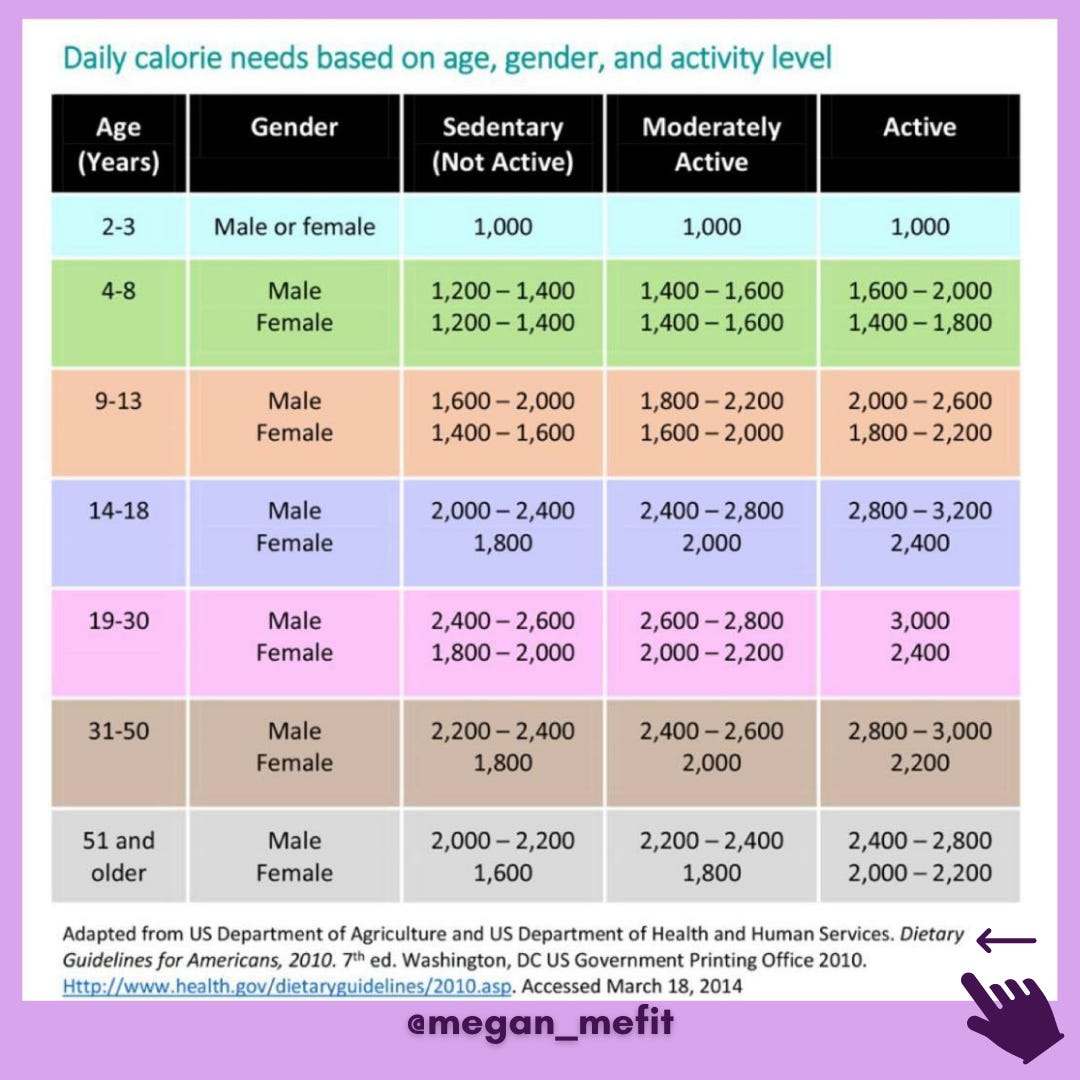
We talk about using basic calorie-needs charts as a starting point, especially because many adults are eating amounts that are closer to what a child or sedentary teenager might need… then wondering why they feel awful.

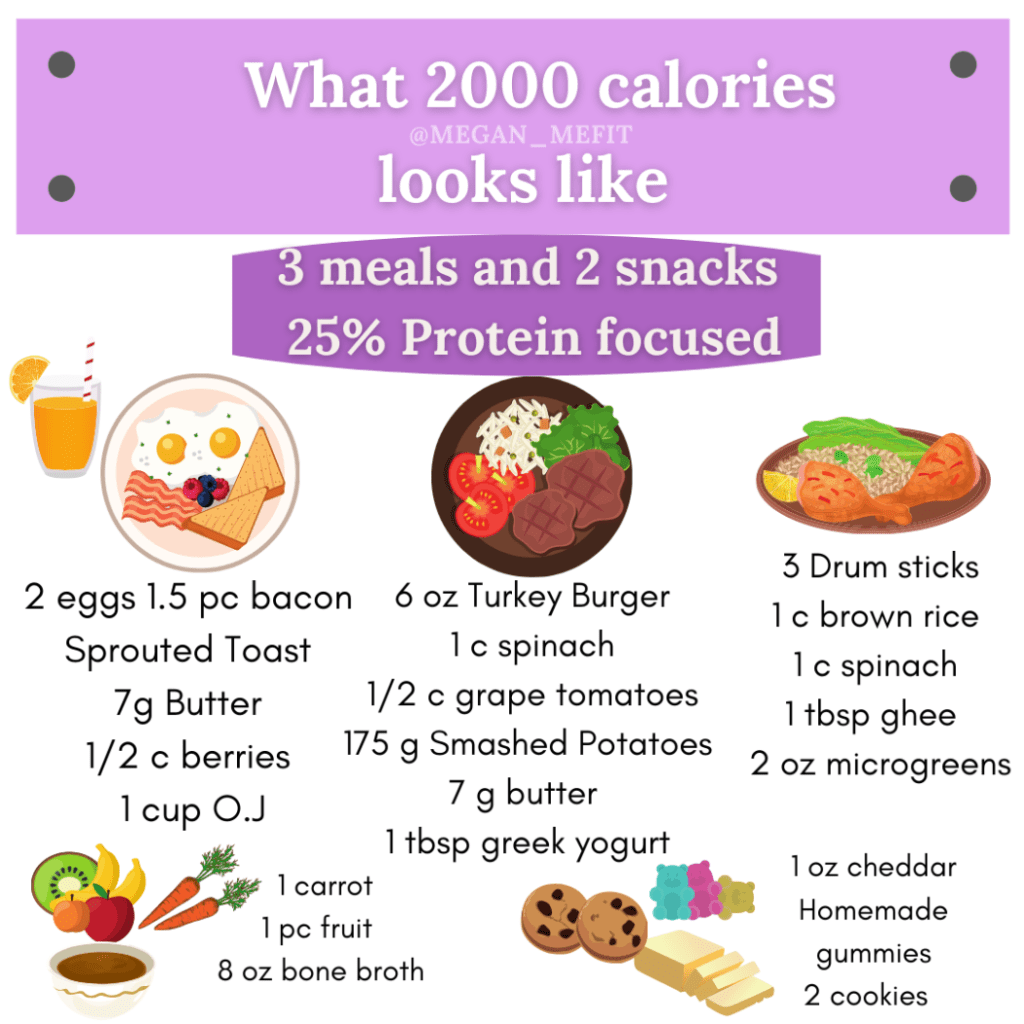

I also share some visuals during the episode, including examples of what 1,800, 2,000, and 2,200 calories can actually look like across three meals and two snacks. Because sometimes people hear those numbers and assume it means massive amounts of food, when in reality it can look pretty normal, nourishing, and manageable.
This episode is for anyone who feels like their body is betraying them after years of trying to do everything “right.”
We talk about:
- bioenergetic health and cellular energy
- the limits of “eat less, move more” advice
- chronic dieting and weight-loss resistance
- stress physiology and caffeine-driven energy
- the difference between discipline and health
- former athletes, veterans, and burned-out high-achievers
- reverse dieting and rebuilding metabolic capacity
- why the body may need more food before it can safely lose fat again
This is not a conversation about abandoning personal responsibility or pretending calories do not matter. It is a conversation about restoring much needed nuance and context.
Because sometimes the problem is not that you need more willpower.
Sometimes the problem is that your body has been running on fumes for far too long.
LINKS:
Jay Feldman Wellness Website for free food guide
Jay’s Blog It All Comes Down to Energy
And that’s all I have for you folks, I’d love to hear your thoughts, leave me a comment or shoot me a private message to share them. If you appreciate this kind of work, please share and subscribe—that would mean a lot to me!