As we move past the recent election, I’ve been reflecting on what it’s taught me about our culture, politics, and the conversations we have about faith and values. I want to share this reflection, not as a definitive answer, but as a personal journey that might resonate with others.
Discovering the “Deconstruction” Community
When I first started questioning my beliefs, especially within Christianity, I found myself among a group of people known as the “deconstruction community.” Many of these individuals were dealing with anger and disillusionment—much of it directed at political figures like Trump, the MAGA movement, and the perceived traditional values upheld by many evangelicals. They spoke openly about issues like spiritual abuse and cult-like dynamics in religious spaces, which resonated with me as I navigated my own experiences of questioning and stepping away from past beliefs.
But as I spent more time in these spaces, I noticed a paradox. The community had an “us vs. them” mentality that was very similar to the kind they were critiquing within conservative Christianity. The language, often harsh and divisive, didn’t align with the openness and curiosity I’d hoped to find. It seemed that some had merely replaced one set of rigid beliefs with another, creating a new kind of fundamentalism in the process.
Moving Beyond Anger and Righteousness
In these circles, I encountered scholars and advocates who passionately spoke against certain ideologies—sometimes with a level of certainty that left little room for nuance. I can empathize with this; when I began deconstructing, I, too, was filled with anger. I often felt morally superior, eager to “call out” harmful ideologies. But as time passed, I began to see that this anger, while understandable, could also be limiting. It kept me in a space where I saw the world in black and white, where there were “good” people on one side and “bad” on the other. I realized that this wasn’t a mindset I wanted to live in forever.
The Value of Autonomy and Discernment
During this election cycle, I found myself reflecting on the importance of autonomy, critical thinking, and discernment. These are qualities that the deconstruction community often claims to uphold. Yet, at times, it feels as though a different kind of fundamentalism has taken root—one where there’s pressure to align with a specific, “acceptable” narrative. I believe we need to make space for people to question, to think deeply, and to weigh their values without the fear of being shamed or silenced.
For instance, while I see harm in patriarchal structures, I also believe it’s damaging to label every conservative viewpoint as “fascist” or “racist.” These labels are extreme and can create walls instead of bridges. This is especially concerning when public figures or communities use this language to fuel fear rather than to inspire honest dialogue. It’s a reminder of how easy it is to fall into binary thinking, even when we’re trying to escape it.
Real-World Impact of Ideas
The power of ideas, especially those circulated in liberal spaces, has had a tangible impact on my life. Phrases like “sex work is real work” and “it’s just a clump of cells” influenced me in ways that I now wish had been more nuanced. I deeply regret some choices and wish I’d had more support, better information, and a broader perspective at the time. This experience fuels my passion for helping others get a fuller picture as they make decisions, especially those that impact their health, values, and future.
The Importance of Diverse Voices
As I look forward, my hope is to help foster a healthier America where diverse voices and perspectives can coexist. This includes voices that don’t necessarily align with mainstream narratives. Figures like Robert Kennedy Jr., for example, are often labeled “conspiracy theorists” within certain circles, including parts of the deconstruction community. But Kennedy has a message that challenges corporate narratives, and I find it disheartening when people dismiss him without truly engaging with his ideas. This tendency to label and dismiss is something I hope we can move beyond.
Building Dialogue Over Division
In closing, my commitment is to create a space where the priority is truth-seeking, not winning. It’s easy to fall into the trap of quick judgments and polarizing narratives, but real growth comes from dialogue, from listening, and from respecting the humanity in one another—even when we disagree. The recent election has reminded me of the importance of these values.
Let’s keep questioning the narratives, seeking understanding, and holding space for multiple perspectives. After all, this isn’t about “winning” or “losing”—it’s about building a more compassionate, informed society.
Thank you for reading, and let’s keep this conversation going. Let’s choose curiosity over condemnation, dialogue over division, and remember there’s always more to the story.
In today’s world, friendships across moral and political divides may feel rare or even impossible. Yet, building these connections is crucial—not only for personal growth but for fostering a more understanding society. Here are some insights on how we can navigate friendships with those who think differently from us.
1. Prioritize Love and Respect
At the core, friendship is about mutual respect and care. This means loving people for who they are, not just for what they believe. We need to honor each other’s freedom to hold different beliefs and embrace their right to express those views. Friendship doesn’t require absolute agreement, but it does ask for compassion and understanding.
2. Don’t Demand Conformity
Friendship shouldn’t come with a contract that mandates agreement on all things. We shouldn’t require others to conform to our beliefs to be friends, and we shouldn’t yield to pressure to abandon our views just to fit in. True friendship allows for genuine individuality and respects each person’s journey and perspectives.
3. Be Open to Being Challenged—and to Challenging
Healthy friendships can—and should—include respectful debates. This means both parties are open to being challenged and not just the ones delivering the challenge. Friendships across ideological lines help us see our own potential blind spots and remind us of our shared humanity, even when we stand on opposing sides.
4. Avoid Manipulation
Good friends don’t manipulate or control the terms of a discussion. They don’t police each other’s language or attempt to steer the debate to “win.” They allow space for differing points of view, even if it means hearing arguments they might strongly disagree with. Friends listen, give feedback, and respect each other’s right to speak freely.
5. Beware of Becoming an Ideologue
If we’re unable to maintain friendships with those who disagree with us, it may be a sign that we’ve become too rigid in our own beliefs. Ideologues view every conversation as a battleground for their opinions rather than an opportunity to learn. Friendships across divides remind us to remain curious and to avoid slipping into dogmatism.
6. Understand Fallibility Beyond Theory
While many of us recognize, at least in theory, that we’re fallible, true humility shows when our beliefs are challenged. Can we accept the possibility that we may be wrong, even on topics that feel core to our identity? Genuine friendship requires this humility and the strength to accept another person’s differing viewpoint, especially when it stirs discomfort in us.
7. Recognize the Difficulty of Questioning Core Beliefs
When our most cherished beliefs are questioned, it’s natural to feel defensive. Yet it’s precisely in these moments that our strength of character is tested. Friendships can push us to reevaluate and deepen our beliefs, encouraging growth rather than pushing us further into echo chambers.
8. Embrace Truth-Seeking Together
True friends are fellow truth-seekers. They recognize their own fallibility and are open to being both the teacher and the student. They know that their own opinions aren’t the ultimate truth and welcome the exchange of ideas as a chance to grow, rather than as a threat to their identity.
9. Keep Political Conversations Civil and Honest
When it comes to political discussions, the words we choose can either bridge gaps or deepen divides. Friends owe each other honest, civil conversations that seek understanding rather than victory. This means resisting the temptation to label or demean each other with polarizing terms like “garbage,” “racist,” “fascist,” or “woke.” Labels like these oversimplify complex views, reducing people to caricatures and shutting down the opportunity for real dialogue. Instead, approach each conversation with a focus on reasons, providing evidence, and respect, valuing your friend’s perspective even if you don’t share it. In doing so, we uphold the true spirit of friendship and foster a more thoughtful, understanding discourse.
These 9 ideas were inspired by Robert P. Georg McCormick Professor.
In a world that seems increasingly divided, friendships that embrace disagreement are more valuable than ever. These friendships allow us to maintain our individuality while deepening our understanding and empathy. So, yes, we can—and should—be friends with those whose beliefs are vastly different from our own. It may be challenging, but the reward is a friendship built on respect, humility, and a shared commitment to growth.
Ever felt like your brain’s on vacation while your body’s still clocking in? 🧠✨ Join us as Nicole unveils the secrets behind thyroid health, brain fog, and why carbs might just be your new best friend!
🔍 From Autoimmune Shock to Holistic Advocate: Nicole shares her journey from being blindsided by an autoimmune diagnosis to questioning mainstream diet culture and diving into functional medicine. Find out what sparked her transformation into an advocate for individualized nutrition and holistic health!
💡 Thyroid Health Unveiled: Thyroid dysfunction can be a mystery wrapped in an enigma! Nicole explains why thyroid hormones are key to overall health and how her unique approach, including The BRAIN Method, differs from traditional treatments. Discover how she tackles symptoms and optimizes thyroid function!
🧠 Decoding Brain Fog: Ever felt like your brain is stuck in a fog? Nicole breaks down the most common culprits of brain fog and offers tips on how women can pinpoint their own triggers. Say goodbye to mental sluggishness and hello to clarity!
🌱 Gut Health & Thyroid Function: Did you know your gut health has a major impact on your thyroid? Nicole dives into how imbalances in your gut can affect thyroid hormone production and utilization. Learn how addressing gut health can boost your thyroid function!
🍞 Carbs & Hypothyroidism: Carbs might be getting a bad rap, but Nicole explains why they’re actually essential for those with hypothyroidism. Discover how including carbs in your diet can support thyroid function and enhance overall well-being.
🙏 Please help this podcast reach a larger audience in hope to edify & encourage others! To do so: leave a 5⭐️ review and send it to a friend! Thank you for listening! I’d love to hear from you, find me on Instagram! @taste0ftruth or Pinterest!
🎙️ Welcome Back! Join me as I chat with Katherine Spearing, MA, CTRC — founder of Tears of Eden 🌸, a nonprofit supporting survivors of spiritual abuse, and former host of the groundbreaking Uncertain podcast 🎧. Katherine is also the host of Trauma & Pop Culture, a Certified Trauma Recovery Practitioner 🧠, and an expert in helping those who have survived cults, high-control environments, and sexual abuse 💔. She even offers specialized trauma-informed career coaching 💼!
In this episode, we discuss: 💡 The most impactful themes from Uncertain — including her powerful episode with Dr. Laura Anderson on anger 😡 and the concept of second-wave fundamentalism. 🎭 How creative arts therapies are aiding survivors of sexual abuse in their healing journey, and how these methods differ from traditional therapy 🎨. 🛑 Managing the emotional weight of working with spiritual abuse survivors and Katherine’s personal journey to avoid burnout 🧘♀️. 👩🎤 Challenging traditional gender roles in Christianity — how they’ve shaped perceptions of women’s worth and agency, and steps for creating more inclusive spaces 🚺. 🛡️ Building healthy community dynamics to protect against spiritual abuse while fostering authentic, supportive connections 🌱. 🔥 A sneak peek into Katherine’s upcoming book on spiritual abuse, including why the church is so obsessed with sex 💭.
Tune in now for an insightful conversation on healing, resilience, and challenging the status quo! 🗣️✨
Don’t miss out on Katherine’s wisdom and unique perspective. 🎧
🙏 Please help this podcast reach a larger audience in hope to edify & encourage others! To do so: leave a 5⭐️ review and send it to a friend! Thank you for listening! I’d love to hear from you, find me on Instagram! @taste0ftruth or Pinterest!
New Episode Alert: The Dark Side of MLMs and Coercive Control
🚨 This Week on Taste of Truth Tuesdays 🚨, we’re diving into the complex and manipulative world of multi-level marketing (MLM) companies—uncovering the coercive control tactics they use to keep people hooked. 🧠💸 MLMs don’t just sell products. They sell a dream—a dream of financial freedom, wealth, and unlimited success. The problem? That dream is often built on deceptive tactics that prey on vulnerability, foster magical thinking, and emotionally manipulate their members.
At first glance, MLMs seem like a golden opportunity. They promise wealth, freedom, and independence—targeting people who are seeking a way out of financial struggle or a traditional 9-to-5. But underneath those glittering promises are dangerous tactics that prey on human psychology, exploiting emotional weaknesses to create loyalty and blind devotion.
A key tactic MLMs use is magical thinking. This is the belief that positive thoughts and visualizations alone can bring success, wealth, or health. A 2019 study in Frontiers in Psychology revealed that many MLMs sell products—like supplements and essential oils—by making unverified claims about curing diseases, with little to no scientific evidence to back them up. 😳
Why Is Magical Thinking So Dangerous?
Magical thinking isn’t just harmless optimism. In the context of MLMs, it can lead people to make poor financial and health decisions. Here’s why it’s so dangerous:
🚫 False Sense of Control: Magical thinking tricks people into believing they can control outcomes simply by thinking positively. This false confidence can prevent them from taking real, actionable steps to improve their situation.
🚫 Health Risks: MLMs often push supplements and oils with promises of “miracle cures” for serious illnesses—without scientific validation. People may choose these products over actual medical treatments, putting their health in danger.
🚫 Emotional Manipulation: By convincing members that failure is due to their lack of belief or effort, MLMs shift the blame from the system to the individual. This creates a toxic cycle of guilt and shame, trapping people emotionally in the MLM.
Coercive Loyalty and Emotional Manipulation
Beyond magical thinking, MLMs use coercive control tactics to create a false sense of community and belonging. They foster an atmosphere of loyalty where members feel pressured to stay positive, constantly recruit new people, and never question the system.
💥 Coercive Loyalty: Members are often told that the reason they’re not successful is because they’re not trying hard enough, recruiting enough, or believing in themselves. This turns failure into a personal flaw, rather than a flaw in the business model.
💥 Community Pressure: MLMs thrive on social dynamics, where members are encouraged to pressure their friends and family into joining. This creates a network of dependency and makes it harder for people to leave, even when they start seeing the cracks in the system.
💥 Emotional Exploitation: Guilt, shame, and failure are powerful emotional tools used by MLMs. When people don’t succeed, they’re often made to feel as if they didn’t believe in the product or themselves enough. This emotional manipulation keeps members invested—financially, mentally, and emotionally—even when the odds are against them.
Breaking Free: Real Stories of Escaping MLMs
In this week’s episode, we also share real stories of individuals who have been trapped in MLMs and how they broke free. These stories highlight the emotional, financial, and mental toll that MLMs take on their members, and how difficult it can be to escape once you’re in the cycle. 😳
Why You Need to Listen
If you’ve ever been approached by someone pushing a “life-changing opportunity” or a “groundbreaking product,” this episode is for you. If you’ve been tempted to join an MLM—or know someone who has—this episode is essential listening. We’re unpacking the toxic blend of pseudoscience, community pressure, and emotional exploitation that keeps MLMs running, and sharing actionable tips on how to recognize the red flags before it’s too late. 🚩
Tune in to this week’s episode of Taste of Truth Tuesdays to learn how to protect yourself from the manipulative tactics of MLMs and avoid falling into their web of magical thinking and emotional control. Whether you’re considering joining an MLM or are currently involved, understanding these tactics is key to protecting your financial and emotional well-being.
Magical thinking is a quirky psychological phenomenon where people believe that their thoughts, wishes, or actions can directly influence real-world outcomes, despite defying logic or scientific fact. It’s the belief that if you wish for something hard enough, visualize it every day, or think positively, the universe will somehow bend to your will. Sounds empowering, right? But in reality, it leads to a lot of irrational beliefs and behaviors, particularly in high-pressure environments like multi-level marketing (MLM) schemes.
MLMs thrive on this kind of thinking, pushing slogans and practices that dangle the promise of success, wealth, and happiness in front of their members—all through nothing but the power of positive thinking and visualization. “Just think it, and it’ll happen!” But here’s the catch: it never really works like that.
Why Is Magical Thinking Dangerous?
1. False Sense of Control
Magical thinking feeds people this false sense of control over their lives and circumstances. It convinces them that all they need is positive vibes to attract success, which can lead to dangerous complacency. Instead of putting in the hard work, effort, and strategic thinking needed to succeed in any real business, MLM recruits often fall into a trap where they believe success will magically come to them. Spoiler alert: it won’t.
2. Financial Loss
MLMs are notorious for selling the idea that anyone can make it big if they just believe in themselves. It sounds inspiring, right? But it’s a trap. People are encouraged to pour their hard-earned money into products, recruitment materials, and endless training sessions without fully understanding the shaky foundation these businesses stand on. In reality, research shows that up to 99% of MLM participants lose money, but thanks to the allure of magical thinking, they keep going, convinced that their big break is just one more product purchase or recruit away.
3. Emotional Manipulation
MLMs are also masters of emotional manipulation. If you’re not succeeding, they’ll convince you that it’s not the business model that’s failing—it’s you. You didn’t think positively enough, you didn’t manifest hard enough, or you weren’t dedicated enough to your dreams. This emotional burden can leave individuals feeling guilty, ashamed, and like personal failures, even when the deck was stacked against them from the start. The cycle of shame continues as they compare themselves to the shiny success stories splashed all over social media.
4. Detachment from Reality
Magical thinking can lead to complete detachment from reality. When you’re convinced that positive thoughts are all you need, you can easily ignore the mounting red flags. People end up ignoring their dwindling bank accounts, fractured relationships, and mental exhaustion because they’re too busy trying to manifest success. And by the time they snap out of it, the damage is done.
Why Do MLMs Use Magical Thinking?
1. Reinforcement of Loyalty
MLMs aren’t just about selling products—they’re about creating a cult-like loyalty. By pushing magical thinking, they foster a tight-knit community of like-minded believers. This sense of belonging makes it incredibly difficult for individuals to walk away, even when the financial and emotional costs start piling up. After all, leaving the MLM means leaving the tribe—and who wants to be the one to break away?
2. Justification of Failure
When magical thinking is the foundation of your belief system, failure is never about the business model. It’s always personal. Didn’t make the millions you were promised? It’s because you didn’t believe enough. This mindset is a genius way for MLMs to deflect blame, keeping their own reputation intact while making their members feel like the problem lies with them. It keeps the business running without accountability.
3. Encouragement of Recruitment
MLMs thrive on recruitment, and magical thinking is the fuel for the machine. The idea that anyone can succeed if they just think positively or visualize their dreams is a powerful hook for drawing in new recruits. If everyone believes success is inevitable through mental willpower alone, they’ll keep signing up—and bringing others with them.
Red Flags to Watch Out For
• Slogans and Phrases
Be on the lookout for those overly-optimistic, saccharine catchphrases like, “Just believe and you’ll achieve!” or “Manifest your dreams, and they’ll come true!” These slogans might seem harmless at first, but they’re big red flags that magical thinking is being used to manipulate and keep people hooked.
• Focus on Personal Stories
MLMs love to highlight the few personal success stories where individuals “made it,” while conveniently sweeping the 99% of struggling participants under the rug. This selective storytelling distorts reality and feeds the illusion that success is within easy reach for everyone.
• Pressure to Stay Positive
If you feel constant pressure to only stay positive and avoid discussing any challenges or failures, that’s another major warning sign. MLMs don’t want anyone disrupting their “positive vibes” because questioning the business model threatens the entire operation.
• Ignoring Evidence
If an MLM is constantly dismissing scientific evidence or research in favor of anecdotal stories and positive affirmations, it’s time to raise an eyebrow. Facts and figures don’t lie—but magical thinking demands you ignore the hard truths in favor of feel-good fiction.
Conclusion
Magical thinking can feel seductive—after all, who doesn’t want to believe that simply thinking positively can change your life? But in the context of MLMs, it’s a dangerous trap that exploits emotions, manipulates reality, and can lead to significant financial and psychological harm.
Recognizing the power of magical thinking is a key step toward protecting yourself from falling prey to MLM schemes. The next time someone tries to sell you the dream with a hefty dose of “just believe,” remember: real success comes from strategy, effort, and critical thinking—not wishful thinking. Stay sharp, and always dig for the facts behind the hype.
If you’re looking to dig deeper into the topic of magical thinking, MLMs, and their psychological impacts, here are some top-notch resources that will give you the depth and insight needed to fully understand the scope of this issue:
1. Books
“Merchants of Deception” by Eric Scheibeler
A former high-ranking member of an MLM, Scheibeler exposes the dark side of the industry, shining a light on the manipulative tactics, including magical thinking, used to keep participants hooked and financially invested.
“Ponzinomics: The Untold Story of Multi-Level Marketing” by Robert FitzPatrick
FitzPatrick’s book is one of the most thorough resources available on MLMs, dissecting the psychological manipulation that fosters the illusion of success, including how magical thinking plays a role in perpetuating these business models.
“Influence: The Psychology of Persuasion” by Robert B. Cialdini
While not specifically about MLMs, this classic book on persuasion provides a solid foundation for understanding the psychological tactics used in MLMs, including magical thinking. The book covers how people are influenced by emotional appeals and irrational thinking in decision-making.
“The Confidence Game: Why We Fall for It… Every Time” by Maria Konnikova
This book dives into why people fall for scams, cons, and magical thinking, explaining the psychological elements at play, such as the desire for control and emotional manipulation—key tactics used by MLMs.
2. Podcasts
“The Dream”
This investigative podcast explores the world of MLMs, breaking down the psychological manipulation, emotional appeals, and magical thinking used to recruit and retain participants. The show offers interviews and personal stories, exposing the inner workings of MLMs in a captivating and digestible format.
“MLM: The Broke Podcast”
Hosted by a former MLM member, this podcast uncovers how MLMs operate and the manipulative strategies they employ. The podcast touches on magical thinking and the emotional manipulation that keeps participants in these schemes.
3. Academic Articles & Research Papers
“Magical Thinking and Superstitions: How Beliefs and Cognitive Biases Drive Irrational Behavior” – by Michael Shermer
This article explores the psychological underpinnings of magical thinking and how it relates to belief systems. Shermer’s work is helpful for understanding the cognitive biases MLMs exploit.
“The Dark Side of Positive Thinking” by Gabriele Oettingen (Psychological Science)
Oettingen’s research critically examines the idea that positive thinking, often promoted in MLMs, can lead to worse outcomes when people fail to back it up with realistic planning and action, a key aspect of magical thinking.
“The Fantasy of Success: MLMs and the Psychology of Unrealistic Optimism” by Kim Korteweg (Journal of Business Ethics)
This study looks at the role of unrealistic optimism and magical thinking in MLM recruitment and retention, providing a scholarly perspective on how these psychological tricks keep participants engaged.
4. Documentaries & Films
“Betting on Zero” (2016)
This documentary follows hedge fund manager Bill Ackman’s quest to expose Herbalife as a pyramid scheme. It highlights how MLMs, including Herbalife, use magical thinking to maintain their recruitment and selling operations, and the devastating impact it has on participants.
“LuluRich” (2021)
A documentary series about the rise and fall of LuLaRoe, this film touches on the magical thinking that drove people to invest thousands into the company based on promises of riches and financial freedom. It dives into the personal stories of those who fell victim to the MLM’s tactics.
5. Articles and Blogs
“MLMs Use Magical Thinking to Sell Dreams” (The Atlantic)
This article delves into the connection between magical thinking and MLM success, explaining how the industry’s use of vision boards, affirmations, and other positive-thinking tactics lure people into believing they can manifest wealth.
“Why People Keep Falling for MLM Scams” by Amanda Montell (Cosmopolitan)
Montell breaks down the psychological manipulation MLMs use, including magical thinking, and how they tap into emotional vulnerabilities, especially for women seeking financial independence or a sense of community.
“Multi-Level Marketing and the Cult of Magical Thinking” (Psychology Today)
This blog post by a psychologist explores the mental traps of magical thinking, including how MLMs leverage these tactics to keep people hooked, even when they’re losing money.
6. Research Studies & Psychology Databases
American Psychological Association (APA)
The APA has various articles and studies on cognitive distortions, belief systems, and the psychology behind magical thinking, which are key to understanding how MLMs manipulate thought patterns.
PubMed/NIH Studies
If you’re looking for peer-reviewed research, searching PubMed for articles on cognitive biases, emotional manipulation, and the psychology of MLMs can provide high-quality, evidence-based insights.
These resources will give you a comprehensive understanding of how magical thinking, emotional manipulation, and psychological tricks are intertwined with MLM schemes. Whether you’re writing, podcasting, or just seeking to educate yourself, these tools will sharpen your perspective on the dangers of MLMs and the allure of magical thinking.
The late 19th and early 20th centuries were a time of profound change, a period when the boundaries between science, religion, and society were continually reshaped. This era saw the emergence of groundbreaking technological innovations, the rise of new belief systems, and the popularization of ideas that were once considered fringe. These developments didn’t just redefine technological progress—they also deeply influenced the way people understood the world and their place in it. Let’s explore some of the key transformations that marked this fascinating period.
🏭 An Era of Transformation
The Second Industrial Revolution: Shaping the Modern World
The Second Industrial Revolution, which spanned from the late 19th to the early 20th century, was a time of explosive growth and innovation. The advent of new technologies and processes fundamentally changed industries and daily life. Key advancements included:
Steel Production: The Bessemer process revolutionized steel production, making it faster and more cost-effective. This development laid the groundwork for the expansion of railways, the construction of skyscrapers, and the growth of cities.
Electric Power: The introduction of electric lighting and power systems transformed urban landscapes, extending work hours and improving the quality of life in cities. Innovations in electrical engineering also paved the way for the modern electronics industry.
Mechanized Production: The rise of large-scale factories and mechanized production processes changed the face of manufacturing. These innovations increased productivity and lowered costs, contributing to the mass production of goods and the rise of consumer culture.
The Second Great Awakening: A Religious Revival with Social Impact
Running parallel to technological advancements was the Second Great Awakening, a religious revival movement that swept across the United States in the early 19th century. This movement was characterized by fervent enthusiasm, emotional sermons, and mass conversions. Key aspects include:
Personal Salvation: Leaders like Charles Finney emphasized personal salvation and a direct, emotional connection with God. This focus on individual spirituality led to the growth of various Christian denominations and movements.
Social Reform: The revivalist spirit of the Second Great Awakening also fueled social reform movements, including abolitionism, temperance, and women’s rights. Religious fervor became a driving force behind efforts to reshape society according to Christian principles.
The Intersection of Science and Religion
The Birth of the Scientist: A New Approach to Understanding the World
The term “scientist” was first coined by philosopher William Whewell in 1833, marking a significant shift in how knowledge was pursued. This period saw the establishment of scientific societies and the professionalization of research, laying the foundation for modern science. Key developments included:
Systematic Inquiry: The emergence of the “scientist” as a distinct profession reflected a growing commitment to systematic, empirical methods for understanding the natural world. This approach contrasted with earlier, more philosophical or speculative methods of inquiry.
Scientific Societies: The formation of scientific societies provided a platform for the exchange of ideas and the dissemination of research. These organizations played a crucial role in advancing scientific knowledge and fostering collaboration among researchers.
Charles Darwin’s Evolutionary Theory: A Paradigm Shift
One of the most significant scientific developments of this era was the publication of Charles Darwin’s On the Origin of Species in 1859. Darwin’s theory of natural selection revolutionized biology and had profound implications for religion and society. Key points include:
Natural Selection: Darwin proposed that species evolve over time through a process of natural selection, where organisms better adapted to their environment are more likely to survive and reproduce. This theory challenged traditional creationist views and sparked intense debate.
Impact on Religion: Darwin’s work provoked significant controversy, particularly among religious communities. The idea that life could evolve without direct divine intervention challenged established religious doctrines and forced a reevaluation of the relationship between science and faith.
A Period of Dynamic Change
The late 19th and early 20th centuries were a time of dynamic change, where the interplay between technological progress, religious revival, and scientific discovery reshaped society in profound ways. The advancements and debates of this era laid the groundwork for many of the intellectual and cultural developments that continue to influence us today. As we reflect on this period, it’s clear that the convergence of science, religion, and society was not just a backdrop to history—it was a driving force that shaped the modern world.
Crisco and the Industrialization of Food: A Public Health Dilemma
David Wesson’s Innovations: Paving the Way for Processed Fats
Before Crisco became a household name, a critical innovation by chemist David Wesson set the stage for the transformation of cottonseed oil into a viable commercial product. Wesson developed industrial bleaching and deodorizing techniques that removed impurities and odors from cottonseed oil, making it suitable for consumption. These innovations turned what was once considered a waste byproduct of the cotton industry into a popular ingredient in processed foods.
The Transformation of Cottonseed Oil: Prior to Wesson’s advancements, cottonseed oil was largely discarded due to its unpleasant taste and smell. However, his techniques made it possible to produce a neutral-tasting oil, paving the way for its widespread use in cooking and food manufacturing. This not only provided a new revenue stream for the cotton industry but also introduced a new type of fat into the American diet.
Setting the Stage for Crisco: Wesson’s innovations in refining cottonseed oil directly influenced the creation of Crisco. In 1911, Procter & Gamble capitalized on this now-viable oil by using it as the base for their new product, Crisco, the first hydrogenated vegetable oil. Crisco was marketed as a cleaner, healthier alternative to traditional animal fats, further embedding processed fats into the American diet.
of nutrition.
The Flexner Report: Redefining Medical Education and Marginalizing Nutrition
The Medicalization of Health
In 1910, Abraham Flexner, an educator commissioned by the Carnegie Foundation, published a report that would fundamentally reshape medical education in the United States. The Flexner Report criticized the state of medical schools at the time, advocating for a more scientific and rigorous approach to medical training. While this led to significant improvements in the quality of medical education, it also had unintended consequences that continue to affect the healthcare system today.
Pharmaceutical Focus: One of the key outcomes of the Flexner Report was the shift towards a model of medical education that heavily emphasized pharmaceutical treatments and the biomedical approach to disease. This focus on treating symptoms with drugs often sidelined other aspects of health, such as nutrition, lifestyle, and preventive care.
Marginalization of Nutrition: As medical education became more specialized and disease-focused, the role of nutrition in maintaining health was increasingly neglected. The curriculum in medical schools began to prioritize pharmacology and surgery over dietary interventions and holistic approaches to health. This trend has persisted, contributing to a healthcare system that often overlooks the importance of nutrition in preventing and managing chronic diseases.
Lasting Impact: The legacy of the Flexner Report is still evident in today’s healthcare system, where physicians receive minimal training in nutrition and preventive care. This has led to a disconnect between the medical profession and the growing body of evidence supporting the role of diet and lifestyle in health. Patients often find that their doctors are more likely to prescribe medication than to offer dietary advice, perpetuating a cycle where symptoms are treated rather than underlying causes.
Rockefeller’s Indirect Role in Crisco’s Creation
One of Rockefeller’s lesser-known ventures was cottonseed oil. Standard Oil was involved in refining oil, and as the company expanded, it ventured into agricultural byproducts like cottonseed oil, which had ties to industrial processes similar to those used in petroleum refining. Rockefeller’s influence in the oil refining industry paved the way for technologies that would later be used in the food industry, such as hydrogenation. Hydrogenation is a process that was originally developed in the oil industry—primarily petroleum.
Crisco and the Industrialization of Food: A Public Health Dilemma
The Rise of Crisco: From Industry to Kitchen
Just a year after the publication of the Flexner Report, Procter & Gamble introduced Crisco, a revolutionary new product that would transform the American diet. Crisco was the first hydrogenated vegetable oil, created through a process that turned cottonseed oil—a byproduct of the cotton industry—into a solid, shelf-stable fat. Marketed as a cleaner, healthier alternative to animal fats like lard and butter, Crisco quickly became a staple in kitchens across the country.
Industrialization of Food: Crisco’s success marked a significant step in the industrialization of the food supply. It was one of the first mass-produced food products that relied on industrial processes to create something entirely new, rather than simply refining or preserving traditional foods. This innovation paved the way for the widespread use of processed foods, which today dominate the American diet.
The Introduction of Trans Fats: The hydrogenation process that created Crisco also produced trans fats, which were largely unknown to the public at the time. For decades, trans fats were used extensively in processed foods due to their stability and low cost. However, research eventually revealed that trans fats are highly detrimental to health, significantly increasing the risk of heart disease, stroke, and other chronic conditions.
Public Health Consequences: The widespread adoption of Crisco and other hydrogenated oils contributed to a dramatic shift in the American diet, away from natural fats and towards processed, industrially produced fats. This shift has been linked to the rise in obesity, cardiovascular disease, and other diet-related health issues that continue to plague the population today.
The intersection of industry, medicine, and nutrition in the early 20th century had profound and lasting impacts on public health. Two significant events—the publication of the Flexner Report in 1910 and the introduction of Crisco in 1911—played pivotal roles in shaping the way we approach food, health, and medicine. These influences continue to resonate in modern healthcare and nutrition science, often to the detriment of public health. Let’s explore how these developments unfolded and the lasting effects they’ve had on our understanding of nutrition.
The Impact of Historical Influences on Nutrition: How the Flexner Report and Crisco Reshaped Public Health
The intersection of industry, medicine, and nutrition in the early 20th century had profound and lasting impacts on public health. Two significant events—the publication of the Flexner Report in 1910 and the introduction of Crisco in 1911—played pivotal roles in shaping the way we approach food, health, and medicine. These influences continue to resonate in modern healthcare and nutrition science, often to the detriment of public health.
The Influence of Religious Movements on Nutrition
Seventh-Day Adventism and Nutritional Reform
The Seventh-Day Adventist Church, founded in the mid-19th century, had a profound impact on American dietary practices. Ellen G. White, a key figure in the church, advocated for dietary restrictions based on her religious beliefs. Her recommendations included vegetarianism, the avoidance of stimulants like caffeine and alcohol, and a focus on holistic health. These recommendations were driven by religious beliefs rather than scientific evidence, leading to misleading dietary practices and a restrictive diet culture rather than genuinely beneficial health habits.
Her health reforms, which emphasized vegetarianism and whole foods, were institutionalized through health institutions like the Battle Creek Sanitarium and figures like Dr. John Harvey Kellogg. The sanitarium’s success and the dissemination of these dietary principles led to the establishment of the American Dietetic Association in 1917, which originally promoted many of these plant-based, whole-food principles. The Adventist emphasis on preventive health care and diet principles laid the groundwork for many modern dietary guidelines and continue to influence discussions around veganism.
Sylvester Graham and the Health Food Movement: A Critical Perspective
Sylvester Graham, a key figure in early American health reform, is often remembered for his influence on the health food movement and the creation of the Graham cracker. However, his dietary principles were deeply intertwined with his moral and religious views, particularly his beliefs about suppressing sexual urges.
The Man Behind the Movement
Sylvester Graham (1794–1851) was a Presbyterian minister whose health reform efforts were driven by more than just a desire for better nutrition. His dietary recommendations were rooted in his belief that physical health was closely linked to moral and spiritual purity. Graham’s ideas were based on the notion that a simpler diet, free from stimulants like caffeine and alcohol, would not only improve physical health but also help suppress sexual desires, which he and his contemporaries saw as a moral failing.
Dietary Principles and Moral Agenda
Graham’s health principles included:
Vegetarianism: He promoted a diet free from meat, believing it would enhance both physical health and moral restraint.
Avoidance of Stimulants: He advised against consuming caffeine and alcohol, which he associated with negative moral and physical effects.
Simplicity and Moderation: His diet emphasized plain, unprocessed foods and self-restraint.
Graham’s dietary reforms were part of a broader attempt to control what he saw as unhealthy and immoral behavior. He believed that a disciplined diet would help curb sexual urges, which he viewed as a major threat to individual and societal purity.
The Graham Cracker: A Tool for Reform
The Graham cracker, a product of Graham’s dietary reform, was created with the intention of supporting digestive health and satisfying cravings in a morally acceptable way. While it has become a popular snack, its creation was driven by Graham’s broader health and moral agenda. The cracker was designed to be a healthful alternative to more stimulating and indulgent foods.
Graham’s dietary principles were part of a larger movement that sought to reform not just food habits but also moral behavior. His ideas reflected a concern with maintaining moral purity through dietary control, a concept that influenced various health reform efforts of the time. However, it’s important to recognize that many of Graham’s claims were not based on rigorous scientific evidence but rather on his own beliefs and the prevailing moral attitudes of his era.
While Graham’s advocacy for dietary reform contributed to the development of health foods and the broader health movement, his ideas were also deeply entwined with his attempts to control sexual behavior. This connection reflects a historical context where dietary practices were often used as a means of enforcing moral and social norms.
The Graham cracker, though still a common snack, serves as a reminder of the complex interplay between health reform and moral ideologies. Today, it’s essential to approach such historical figures with a critical understanding of how their personal beliefs influenced their recommendations.
Sylvester Graham’s impact on the health food movement was significant, but it was also rooted in a broader moral agenda that sought to suppress sexual urges through dietary control. While his ideas helped shape dietary practices and health food development, they were not always grounded in scientific evidence. By understanding the historical context of Graham’s work, we can better appreciate the evolution of dietary reform and the need for evidence-based approaches to health.
Learning from History: Integrating Nutrition into Modern Health Practices
The historical narratives of the Flexner Report, Crisco, and influential dietary movements like Seventh-Day Adventism reveal the intricate connections between industry, religion, and health. The Flexner Report’s emphasis on pharmaceuticals and Crisco’s promotion of processed fats underscores significant shifts in health practices that have had lasting impacts on public health.
A Shift in Priorities: The Flexner Report’s focus on pharmaceuticals often came at the expense of a more holistic understanding of health, one that includes nutrition and lifestyle as key components. Similarly, the industrialization of food, exemplified by Crisco, introduced dietary patterns that are now recognized as harmful.
Learning from History: As we continue to navigate challenges in nutrition and healthcare, it’s crucial to reintegrate a holistic approach to health that includes both nutrition and preventive care. Recognizing the historical impacts of these developments helps us advocate for a healthcare system that values comprehensive care and a food industry that prioritizes public health over profit.
Reclaiming Health Through Nutrition
Ellen G. White’s health reforms, emphasizing vegetarianism and whole foods, were institutionalized by the Battle Creek Sanitarium and figures like Dr. John Harvey Kellogg. This led to the 1917 founding of the American Dietetic Association, initially promoting these principles. Meanwhile, the Flexner Report and Crisco’s introduction highlight historical forces shaping health and nutrition. These events underscore the need for a holistic health approach that integrates nutrition and addresses industrialization’s impacts. Moving forward, it’s crucial to advocate for a healthcare system focused on preventive care and a food industry that prioritizes public health.
As we wrap up our exploration of conspiracy chronicles this week, we’ve uncovered how the 20th century marked a pivotal shift in the rise of political paranoia and corporate influence. Powerful corporations, fueled by rapid technological and social changes during the Second Industrial Revolution, began to wield unprecedented control. From the Fletcher Report to the invention of Crisco and Ancel Keys’ flawed dietary research, lobbying and payoffs set the stage for policies that still impact public health today.
In fact, a 2020 study revealed that 95% of members on the Dietary Guidelines Advisory Committee have conflicts of interest with industry giants like Kellogg, General Mills, Kraft, and Dannon. These ties, whether through research funding or board memberships, call into question the impartiality of public health recommendations. With corporate agendas deeply embedded in sectors like food and pharmaceuticals, the guidelines shaping what we eat are under scrutiny, reminding us that the influence of these forces remains a pressing issue. Read more here.
📚 Further Reading
Dive deeper into these captivating topics with these resources:
Explore these intriguing developments and see how they continue to shape our understanding of health, religion, and science today. 🌟
If you’re looking to explore the topic of conflicts of interest in the U.S. food system, including the influence of corporate lobbying on dietary guidelines and public health, here are some credible resources:
Marion Nestle’s Work Marion Nestle, a renowned nutritionist and public health advocate, has extensively written about the politics of food and how corporate interests shape food policies. Her book “Food Politics: How the Food Industry Influences Nutrition and Health” is a foundational resource that explores conflicts of interest in detail. She has also published several articles and blog posts that can be found on her website, Food Politics.
The Center for Science in the Public Interest (CSPI) CSPI is a non-profit organization that advocates for public health and transparency in the food industry. They regularly publish reports and articles on how industry lobbyists influence dietary guidelines and public health policies. Visit their site for comprehensive resources: CSPI.
The Journal of the American Medical Association (JAMA) JAMA has published several peer-reviewed articles on the conflicts of interest within the committees that develop dietary guidelines. You can access these studies through JAMA.
The Union of Concerned Scientists (UCS) UCS focuses on the intersection of science, policy, and industry influence, and they have published reports on the food industry’s role in shaping guidelines. You can find their reports here: UCS Food System Work.
Robert F. Kennedy Jr.’s Health Freedom Platform RFK Jr.’s organization, Children’s Health Defense, provides reports and articles on corporate influence in healthcare and the food system. While this source may reflect RFK Jr.’s specific views, it offers insights into his arguments and data regarding industry control. Children’s Health Defense.
This week we have been diving into conspiracies chronicles, exploring how the 20th century marked a turning point in the rise of political paranoia and corporate influence, as conspiracies began to shape public perception and policy. With the rapid technological and social changes of the Second Industrial Revolution, powerful corporate interests gained unprecedented sway. From the Fletcher Report to the invention of Crisco, and the deeply flawed research by Ancel Keys on dietary fat and heart disease, lobbying, payoffs, and conflicts of interest paved the way for decisions that continue to shape public health policies to this day.
The integrity of our food system has been called into question with a 2020 study revealing that 95% of the members on the Dietary Guidelines Advisory Committee (DGAC) have conflicts of interest with major industry actors. These include ties to companies like Kellogg, General Mills, Kraft, and Dannon. Such conflicts arise through research funding, board memberships, and other forms of collaboration, raising concerns about the impartiality of public health recommendations. With industries like food, pharmaceuticals, and even agriculture involved, the guidelines that shape what Americans are encouraged to eat may be heavily influenced by corporate agendas.
This issue is particularly worrying because dietary guidelines play a critical role in shaping national health policies. A lack of transparency around these conflicts undermines public trust and can skew the focus of health advice, potentially shifting attention away from critical issues like diet-related diseases. Researchers have emphasized the need for stronger regulations and safeguards to mitigate these conflicts, suggesting that more unbiased committees could help prevent corporate interests from unduly shaping the nation’s nutrition policies.
In the realm of public health and pharmaceuticals, there’s a well-documented phenomenon known as the “revolving door” between regulatory agencies and the pharmaceutical industry. This term refers to the cyclical movement of personnel between roles as regulators or policymakers and positions within the industries they oversee.
What Is the Revolving Door?
The revolving door concept highlights a pattern where high-ranking officials from organizations such as the CDC (Centers for Disease Control and Prevention) and the FDA (Food and Drug Administration) transition into influential roles within pharmaceutical companies, and vice versa. This fluid movement raises critical questions about the integrity and impartiality of regulatory oversight.
Notable Examples
Several prominent examples illustrate this phenomenon:
Scott Gottlieb, who served as the FDA Commissioner from 2017 to 2019, joined Pfizer’s board of directors shortly after his tenure at the FDA.
Julie Gerberding, the CDC Director from 2002 to 2009, transitioned to an executive role at Merck following her time at the CDC.
Stephen Hahn, FDA Commissioner from 2019 to 2021, took on a role at Flagship Pioneering, the venture capital firm instrumental in founding Moderna.
The Debate: Conflicts of Interest vs. Expertise
The revolving door sparks intense debate. Critics argue that this cycle of movement can create potential conflicts of interest. Regulators may be more lenient or biased towards the industries with which they have personal or future professional connections. This concern is particularly significant in the pharmaceutical sector, where regulatory decisions have profound implications for public health.
On the other hand, defenders suggest that this movement ensures that regulatory bodies benefit from the expertise and insider knowledge of seasoned professionals. They argue that these individuals bring valuable industry insights that can enhance regulatory practices and decisions.
The Impact on Public Health
The dynamics of the revolving door are crucial in discussions about the impartiality of regulatory oversight. In an industry where public health and safety are at stake, maintaining transparency and objectivity in regulatory processes is paramount. The potential for conflicts of interest necessitates ongoing scrutiny and reforms to ensure that the primary focus remains on safeguarding public health.
Robert F. Kennedy Jr. has been vocal about the issues with U.S. food systems, particularly targeting ultra-processed foods and the conflicts of interest surrounding federal dietary guidelines. He emphasizes how powerful food industry lobbies, including companies behind highly processed products, have influenced organizations like the USDA and FDA. RFK Jr. argues that this corruption has resulted in dietary guidelines that are detrimental to public health, prioritizing corporate profits over scientific integrity. He has criticized the ties between NGOs, including groups like the NAACP and diabetes associations, and the processed food lobby, which he claims skews their advocacy away from public health concerns and toward protecting industry interests.
Kennedy has connected these issues with broader systemic problems in the healthcare and pharmaceutical industries, asserting that ultra-processed foods contribute to a wide range of health problems, including metabolic disorders, cancer, and mental health issues. He also stresses that these foods disproportionately affect low-income communities and marginalized groups due to their accessibility, exacerbating health disparities. His stance resonates with his broader critique of government agencies being compromised by corporate interests, echoing his calls for transparency and reform across various sectors
As this debate continues, it is essential for the public to stay informed about these connections and advocate for transparency and accountability in the regulatory process. The revolving door is more than a mere career path—it’s a vital issue that affects how health policies and safety standards are shaped and enforced.
If you’re looking to explore the topic of conflicts of interest in the U.S. food system, including the influence of corporate lobbying on dietary guidelines and public health, here are some credible resources:
Marion Nestle’s Work Marion Nestle, a renowned nutritionist and public health advocate, has extensively written about the politics of food and how corporate interests shape food policies. Her book “Food Politics: How the Food Industry Influences Nutrition and Health” is a foundational resource that explores conflicts of interest in detail. She has also published several articles and blog posts that can be found on her website, Food Politics.
The Center for Science in the Public Interest (CSPI) CSPI is a non-profit organization that advocates for public health and transparency in the food industry. They regularly publish reports and articles on how industry lobbyists influence dietary guidelines and public health policies. Visit their site for comprehensive resources: CSPI.
The Journal of the American Medical Association (JAMA) JAMA has published several peer-reviewed articles on the conflicts of interest within the committees that develop dietary guidelines. You can access these studies through JAMA.
The Union of Concerned Scientists (UCS) UCS focuses on the intersection of science, policy, and industry influence, and they have published reports on the food industry’s role in shaping guidelines. You can find their reports here: UCS Food System Work.
Robert F. Kennedy Jr.’s Health Freedom Platform RFK Jr.’s organization, Children’s Health Defense, provides reports and articles on corporate influence in healthcare and the food system. While this source may reflect RFK Jr.’s specific views, it offers insights into his arguments and data regarding industry control. Children’s Health Defense.
These resources provide a deep dive into the systemic issues within the food industry, helping you critically examine how corporate interests shape dietary guidelines and health outcomes.
In today’s complex world of nutrition and health, embracing skepticism and critical thinking is essential. Rather than accepting dominant narratives, challenge them to uncover the truth.
🥕 Veganism vs. Meat: What’s the Real Issue? 🥕
The debate over veganism often gets tangled in oversimplified conspiracies. However, the real concern lies in our growing disconnect from nature’s balance. Our modern lifestyles and diets are increasingly detached from natural ecosystems, which profoundly affects our health and well-being.
To truly grasp the nuances of nutrition and health, especially when it comes to veganism, we must examine how our beliefs have been shaped by science, history, and religion. Over the next few weeks, we will time traveling through the last century to see how these elements intertwine and influence our perspectives on veganism.
🔬Before Lobbyism: The Golden Age of Nutritional Science 🔬
Before the rise of lobbyism and industrial influence in the mid-20th century, nutritional science was marked by pioneering research that laid the groundwork for our understanding of essential nutrients. One such figure was Elmer McCollum: Vitamin Pioneer.
Elmer McCollum, a prominent nutrition researcher in the early 20th century, made groundbreaking discoveries regarding vitamins A, B, C, and D. His work was instrumental in identifying the role of these vitamins in preventing nutritional deficiencies.
Vitamin A (Retinol): McCollum’s work significantly advanced the understanding of vitamin A, which is crucial for vision, immune function, and skin health. Retinol, the active form of vitamin A, is primarily found in animal-based foods like liver, fish oils, eggs, and dairy products. Unlike plant-based sources, which provide provitamin A carotenoids like beta-carotene that the body must convert into retinol, animal sources deliver this vitamin in its ready-to-use form.
🧬 BCO1 Gene and Vitamin A 🧬
Did you know that about 45% of people have a genetic variation that makes it hard for them to get enough vitamin A from plant foods? This is because of a gene called BCO1.
The BCO1 gene is responsible for converting beta-carotene (found in carrots, sweet potatoes, and other plants) into active vitamin A, also known as retinol. But for almost half of the population, this gene doesn’t work very efficiently, meaning their bodies can’t make enough vitamin A from plants alone.
Vitamin A is crucial for things like good vision, a strong immune system, and healthy skin. If you can’t get enough from plants, you might need to include animal foods like liver, fish oils, or dairy in your diet to make sure you’re meeting your vitamin A needs.
This explains why some people might struggle with a vegan diet—they need the more easily absorbed form of vitamin A that comes from animal products.
McCollum’s research emphasized the importance of unprocessed, nutrient-rich foods in maintaining health. Diets high in refined grains can exacerbate nutritional deficiencies by displacing more nutrient-dense foods. This indirectly touches on the issues, we see today related to grain consumption, though McCollum’s era was more focused on preventing deficiencies than on inflammation.
The Refinement of Grains: A Double-Edged Sword
As the food industry grew and refined processing techniques became widespread, the nutritional value of grains was compromised. The removal of bran and germ during processing not only reduced the essential vitamins and minerals in grains but also increased their glycemic index. This shift contributed to inflammation and other metabolic issues, like Type-2 Diabetes a concern that has become more prominent in later research.
A Shift in Focus: From Nutritional Science to Industrial Influence
McCollum’s era represents a time when nutritional science was still largely driven by the quest to understand and prevent deficiencies. However, as we moved into the mid-20th century, the influence of lobbyists and industrial interests began to muddy the waters, promoting processed foods and refined grains that strayed from McCollum’s principles of whole, nutrient-rich foods.
🥕 The Influence of Religion and Early Health Movements 🥕
Ellen G. White, a key figure in the Seventh-day Adventist Church, significantly impacted early American dietetics with her advocacy for a plant-based diet and abstinence from alcohol, tobacco, and caffeine. Her health reforms, which emphasized vegetarianism and whole foods, were institutionalized through health institutions like the Battle Creek Sanitarium and figures like Dr. John Harvey Kellogg. The sanitarium’s success and the dissemination of these dietary principles led to the establishment of the American Dietetic Association in 1917, which originally promoted many of these plant-based, whole-food principles. The Adventist emphasis on preventive health care and diet principles laid the groundwork for many modern dietary guidelines and continue to influence discussions around veganism.
🔬 The Role of Science in Shaping Dietary Beliefs 🔬
In the early 20th century, scientific advancements also played a role in shaping nutrition. The Fetner Report highlighted the need for standardized nutritional guidelines and brought attention to the importance of vitamins and minerals. Meanwhile, innovations like Crisco introduced hydrogenated fats into American diets, shifting culinary practices and influencing our understanding of what constitutes a healthy diet.
In a future episode dropping 9/10, we’ll take a deeper dive into how industrialization, scientific reports, and influential figures like John D. Rockefeller and Ancel Keys have further impacted our dietary beliefs and public health policies. Stay tuned as we explore:
The Flexner Report: How it reshaped medical education and its ripple effects on nutrition science.
The Rise of Processed Foods: The transformation of our food supply and its long-term health implications.
Rockefeller’s Influence: The role of industrial interests in shaping modern dietary guidelines.
Ancel Key’s: His research became highly influential in the field of nutrition, primarily took place during the mid-20th century, particularly in the 1950s and 1960s. His most famous work, the Seven Countries Study, began in 1958 and was published over several decades. This research was pivotal in linking dietary fat, particularly saturated fat, to heart disease and played a significant role in shaping dietary guidelines that emphasized reducing fat intake to prevent cardiovascular disease. Now adays it is seen as deeply controversial due to several perceived flaws that have been widely discussed by critics over the years.
How does current research define the top nutrient-dense foods?
📰 Spotlight on Micronutrient Density: A Key to Combatting Global Deficiencies
A March 2022 study published in Frontiers in Nutrition titled “Priority Micronutrient Density in Foods” emphasizes the importance of nutrient-dense foods in addressing global micronutrient deficiencies, particularly in vulnerable populations. The research identifies organ meats, small fish, dark leafy greens, shellfish, and dairy products as some of the most essential sources of vital nutrients like vitamin A, iron, and B12. These findings could be instrumental in shaping dietary guidelines and nutritional policies.
🍽️ Plant vs. Animal Nutrients: Understanding Bioavailability 🍽️
When it comes to nutrient absorption, not all foods are created equal. The bioavailability of nutrients—the proportion that our bodies can absorb and use—varies significantly between plant and animal sources.
🌱 Plant-Based Nutrients: While plant foods are rich in essential vitamins and minerals, they also contain anti-nutrients like phytates and oxalates. These compounds can bind to minerals such as iron, calcium, and zinc, inhibiting their absorption. For example, non-heme iron found in plants is less efficiently absorbed compared to the heme iron from animal sources. Similarly, the vitamin A found in plants as beta-carotene requires conversion to retinol in the body, a process that is not always efficient, particularly in certain populations.
🍖 Animal-Based Nutrients: Animal products, on the other hand, often provide nutrients in forms that are more readily absorbed. Heme iron from meat, retinol from animal liver, and vitamin B12 from dairy and eggs are all examples of highly bioavailable nutrients. These forms are directly usable by the body without the need for complex conversions, making animal products a more reliable source for certain essential nutrients.
🌍 Global Property Rights: Gender Inequality 🌍
Promoting veganism can unintentionally undermine the very principles of women’s rights and social justice that the political left often advocates for. In many countries, women face significant legal and cultural barriers that prevent them from owning land, despite laws that may suggest otherwise. However, in these same regions, women often have the ability to own and manage livestock, which serves as a crucial economic resource and a form of wealth.
This disparity highlights the persistent challenges in achieving gender equality in property rights, especially in rural areas where land ownership is key to economic independence and security. While livestock ownership is valuable, it doesn’t offer the same level of security or social status as land ownership. The lack of land rights perpetuates gender inequality, limiting women’s economic power, social status, and access to resources.
🌿 Plant-Based Diets and Environmental Costs 🌿
Plant-based diets are often praised for their environmental benefits, yet it’s crucial to recognize the complexities involved. While the availability of vegan foods has significantly improved, making it easier than ever to follow a plant-based diet, this increased accessibility does not necessarily equate to better environmental outcomes.
Many vegan products rely heavily on industrial agriculture and monocropping practices. These methods can lead to deforestation, soil depletion, and the loss of biodiversity. The production of popular vegan ingredients, such as soy and almonds, often involves large-scale farming that can have detrimental effects on local ecosystems. Additionally, the industrial processes used to produce processed vegan foods, including heavy use of pesticides, fertilizers, and water, also contribute to environmental concerns.
Understanding these trade-offs is crucial for making informed dietary choices. Opting for sustainably farmed, organic produce and supporting local farmers can help mitigate some of these negative impacts. It’s not just about choosing plant-based foods, but also about how they are produced.
🔄 Ethical Food Choices 🔄
Making ethical food choices involves a comprehensive evaluation of your diet’s impact on health, the environment, and animal welfare. While plant-based diets can be a step towards reducing your carbon footprint, it’s important to consider the broader implications of industrial agriculture and monocropping. Strive for a balanced approach that aligns with your values and promotes sustainability. This might include supporting local and organic options, as well as exploring ways to minimize your environmental impact through diverse and responsible food choices.
By being mindful of these factors, you can better navigate the complexities of dietary decisions and work towards a more ethical and sustainable future.
🔍 Listen to Our Podcast for More 🔍
For an in-depth exploration of these topics and more, tune into our podcast. We offer detailed discussions and insights into how history, science, and societal trends shape our understanding of nutrition and health. Stay curious and informed!
In a future episode dropping 9/10, we’ll take a deeper dive into how industrialization, scientific reports, and influential figures like John D. Rockefeller have further impacted our dietary beliefs and public health policies. Stay tuned as we explore:
The Flexner Report: How it reshaped medical education and its ripple effects on nutrition science.
The Rise of Processed Foods: The transformation of our food supply and its long-term health implications.
Rockefeller’s Influence: The role of industrial interests in shaping modern dietary guidelines.
The interplay of religion, science, and industry has profoundly influenced our beliefs about veganism and nutrition. By understanding these historical and scientific contexts, we gain insight into the broader impact on our dietary choices and health.
Don’t miss the upcoming episode where we’ll explore these themes in greater depth!
Resources:
1. Historical and Nutritional Science:
“Nutrition and Physical Degeneration” by Weston A. Price: Examines traditional diets and their impact on health, providing historical context for nutritional science.
“The Adventist Health Study: 30 Years of Research” edited by Gary E. Fraser: Covers the impact of vegetarian diets advocated by the Seventh-day Adventists.
“Food Politics: How the Food Industry Influences Nutrition and Health” by Marion Nestle: Examines how food industries shape dietary guidelines and public perception.
“The Vitamin D Solution” by Michael F. Holick: Offers insights into the importance of Vitamin D, complementing McCollum’s work on essential nutrients.
Prophetess of Health: A Study of Ellen G. White (Library of Religious Biography) Paperback – July 2, 2008
Articles:
“Ellen G. White and the Origins of American Vegetarianism” from Journal of the American Dietetic Association: Explores the historical influence of Ellen G. White on American dietetics.
“Elmer McCollum: The Vitamin Pioneer” from The Journal of Nutrition: Provides an overview of McCollum’s contributions to nutritional science.
Genetic Factors and Vitamin A
Research Papers:
“The Role of Genetic Variability in Vitamin A Metabolism” by Steven A. Arneson et al. (Journal of Nutrition): Discusses the genetic factors affecting Vitamin A conversion.
“BCO1 Genetic Variation and Beta-Carotene Conversion” in American Journal of Clinical Nutrition: Explores how genetic differences impact the conversion of beta-carotene to Vitamin A.
The Impact of Industrial Agriculture
Books:
“The Omnivore’s Dilemma” by Michael Pollan: Investigates the industrial food system and its environmental impact.
“The End of Food” by Paul Roberts: Looks at the global food industry and its implications for health and the environment.
Articles:
“The Hidden Costs of Industrial Agriculture” from Environmental Research Letters: Analyzes the ecological impacts of industrial farming practices.
1. Regenerative Agriculture Principles and Practices
Books:
“Regenerative Agriculture: How to Create a Self-Sustaining Farm Ecosystem” by Richard Perkins: Provides a comprehensive guide to regenerative farming practices.
“The Regenerative Garden: How to Grow Healthy Soil and Manage Your Garden for the Future” by Maria Rodale: Focuses on regenerative techniques for gardening.
“Dirt to Soil: One Family’s Journey into Regenerative Agriculture” by Gabe Brown: Shares practical experiences and insights from a farmer who has successfully implemented regenerative practices.
Articles:
“Regenerative Agriculture: What Is It and Why Does It Matter?” from Regenerative Agriculture Initiative: Provides an overview of regenerative agriculture principles and benefits.
“The Benefits of Regenerative Agriculture for Soil Health and Sustainability” from Agronomy Journal: Discusses how regenerative practices impact soil health and sustainability.
2. Sustainable and Ecological Farming
Books:
“The Soil Will Save Us: How Scientists, Farmers, and Foodies Are Healing the Soil to Save the Planet” by Kristin Ohlson: Explores how soil health can be restored through sustainable practices.
“Beyond the Jungle: Regenerative Agroforestry and Resilient Communities” by S. H. Smith: Examines the role of agroforestry in regenerative practices and community resilience.
Articles:
“Sustainable Agriculture and Its Impact on Environmental Conservation” from Sustainable Agriculture Research: Analyzes how sustainable farming methods contribute to environmental conservation.
“Ecological Farming: Benefits Beyond the Farm Gate” from Ecology and Society: Looks at the broader ecological benefits of adopting ecological farming practices.
3. Soil Health and Carbon Sequestration
Books:
“The Carbon Farming Solution: A Global Toolkit of Perennial Crops and Regenerative Agriculture Practices for Climate Change Mitigation and Food Security” by Eric Toensmeier: Focuses on using regenerative practices to sequester carbon and improve soil health.
“Soil: The Incredible Story of What Keeps Us Alive” by David R. Montgomery: Provides an in-depth look at soil science and its crucial role in agriculture and climate stability.
Articles:
“Carbon Sequestration and Soil Health: The Role of Regenerative Agriculture” from Agricultural Systems: Discusses how regenerative agriculture practices contribute to carbon sequestration and soil health.
“Soil Organic Matter and Its Role in Carbon Sequestration” from Journal of Soil and Water Conservation: Explores the importance of soil organic matter in maintaining soil health and sequestering carbon.
4. Food Systems and Regenerative Practices
Books:
“The Ecology of Food: A Historical Perspective” by Peter M. Smith: Provides historical context on food systems and their ecological impact.
“The Omnivore’s Dilemma: A Natural History of Four Meals” by Michael Pollan: While it explores various food systems, it touches on sustainable and regenerative practices in agriculture.
Articles:
“The Future of Food: Regenerative Agriculture and Its Role in Sustainable Food Systems” from Food Policy: Examines the role of regenerative agriculture in creating sustainable food systems.
“Regenerative Agriculture and Food Security: An Integrative Approach” from Journal of Agricultural and Environmental Ethics: Looks at how regenerative practices contribute to food security and sustainability.
Gender Inequality and Property Rights
Books:
“Women, Work, and Property: Gender Inequality and the Economic Impact of Land Rights” by Elizabeth N. L. Allwood: Analyzes the intersection of gender, land ownership, and economic empowerment.
Articles:
“Gender and Land Rights: A Global Overview” from World Development: Examines gender disparities in land ownership and its implications for women’s economic status.
Nostalgia has always been a powerful psychological force, often serving as a coping mechanism during times of uncertainty or rapid change. In recent years, its resurgence could be linked to various social and cultural factors, including economic instability, political polarization, and the overwhelming pace of technological advancements. However, nostalgia isn’t just about reminiscing; it’s a complex emotional response that plays a significant role in our psychological well-being.
The Psychology of Nostalgia: Comfort in Uncertainty
Nostalgia was once viewed as a negative emotion, associated with homesickness or a longing for the past. However, modern psychology recognizes it as a complex, bittersweet experience that can foster a sense of continuity, meaning, and identity. Nostalgia tends to emerge more during periods of transition or distress, offering comfort by reconnecting individuals with a perceived “better” or simpler time.
Nostalgia serves as a mental protective mechanism. Through a process known as “rose-colored retrospection,” people tend to recall the past in a more favorable light than it might have actually been. This selective memory process can result in an idealized version of the “good ol’ days,” where negative aspects are minimized or forgotten, and positive experiences are amplified.
Nostalgia as a Tool for Emotional Regulation
Interestingly, nostalgia isn’t just a passive experience; it can be consciously invoked to regulate emotions. When people deliberately recall positive memories, they can stabilize their mood, reduce anxiety, and increase a sense of control over their current situation. This is because the past, as we remember it, is fixed and unchangeable, offering a sense of predictability and safety that contrasts with the unpredictability of the future.
Nostalgia also acts as a psychological anchor during times of upheaval or change. By tapping into nostalgic memories, individuals can create a mental environment that feels familiar and safe, reducing the anxiety that comes from unpredictability. This sense of predictability is particularly comforting during periods of rapid change, as it provides a mental sanctuary in a chaotic world.
The Trad Wife Movement: Nostalgia as Identity Anchoring
The rise of the Trad wife movement—a trend where women embrace traditional gender roles and domesticity—can be understood as a form of nostalgia-driven identity anchoring. In a world that often feels chaotic and uncertain, many women (and men) find comfort in returning to what they perceive as a more stable, moral, and ordered past.
For some, adopting the Trad wife lifestyle is a way to reconnect with what they believe to be a more “authentic” version of femininity or womanhood. This version is often based on an idealized image of the past that emphasizes domestic skills, submissiveness, and clear gender roles. By embracing these ideals, individuals may feel that they are preserving a core part of their identity that they believe has been lost or undermined by modern society.
The Dangers of Nostalgia-Driven Resistance
While nostalgia can provide comfort and continuity, it can also serve as a form of resistance against social progress. The Trad wife movement often emerges in response to the perceived erosion of traditional values due to feminism, LGBTQ+ rights, and other social changes. In this context, nostalgia becomes a way to resist or reject modernity by clinging to a past that is seen as morally superior or more “natural.”
This selective use of nostalgia can reinforce regressive social norms and create tension between those who long for the past and those who advocate for continued social change. By idealizing a past that may never have truly existed as we remember it, the Trad wife movement and similar trends risk promoting an illusion that can hinder progress and inclusivity.
Conclusion: Navigating Nostalgia with Awareness
Nostalgia is far more than mere longing for the past. It’s a sophisticated psychological tool that individuals can harness to enhance their well-being, regulate their emotions, and maintain a sense of control. However, it’s important to approach nostalgia with a critical eye, recognizing that the past may not have been as perfect as we remember it.
The Trad wife movement, driven by nostalgia, may offer comfort in a rapidly changing world, but it also risks perpetuating outdated and harmful gender roles. By understanding the psychology behind nostalgia, we can better navigate its influence in our lives and make more informed choices about how we engage with the past—and the future.
Want to learn more about the complex interplay between nostalgia and modern social movements like the Trad wife trend? Tune into this week’s episode of Taste of Truth Tuesdays where we dive deep into this topic. https://youtu.be/15kgRldlqoY?si=L_uToPjGIQTf_kIl


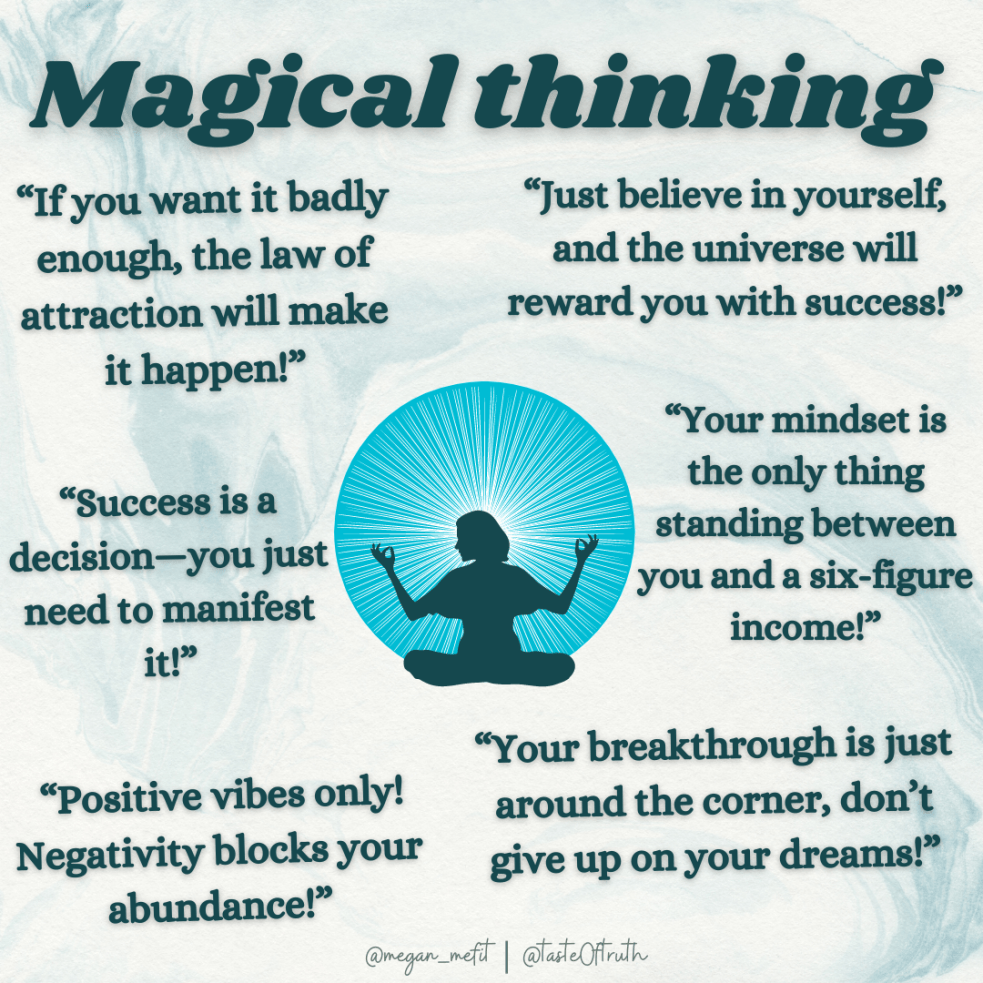


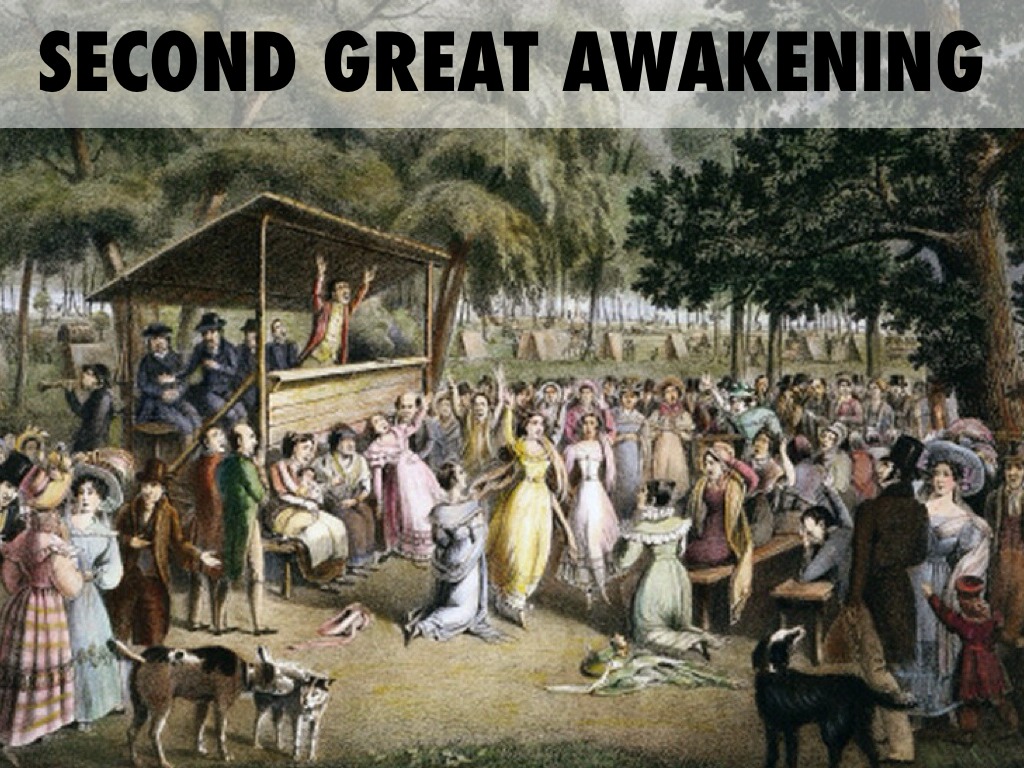
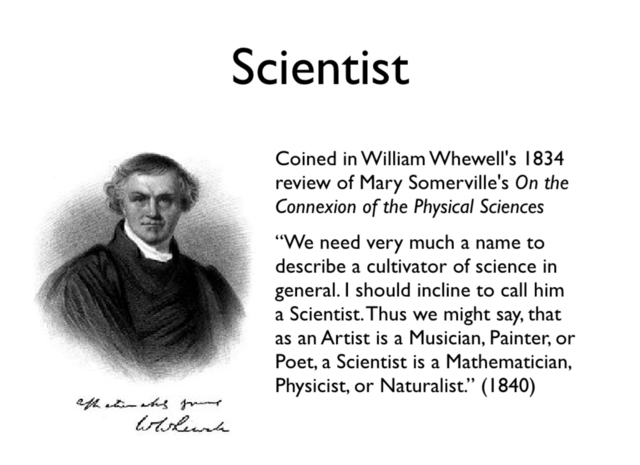

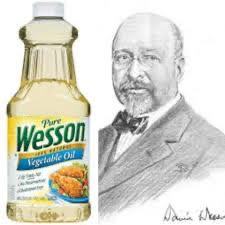

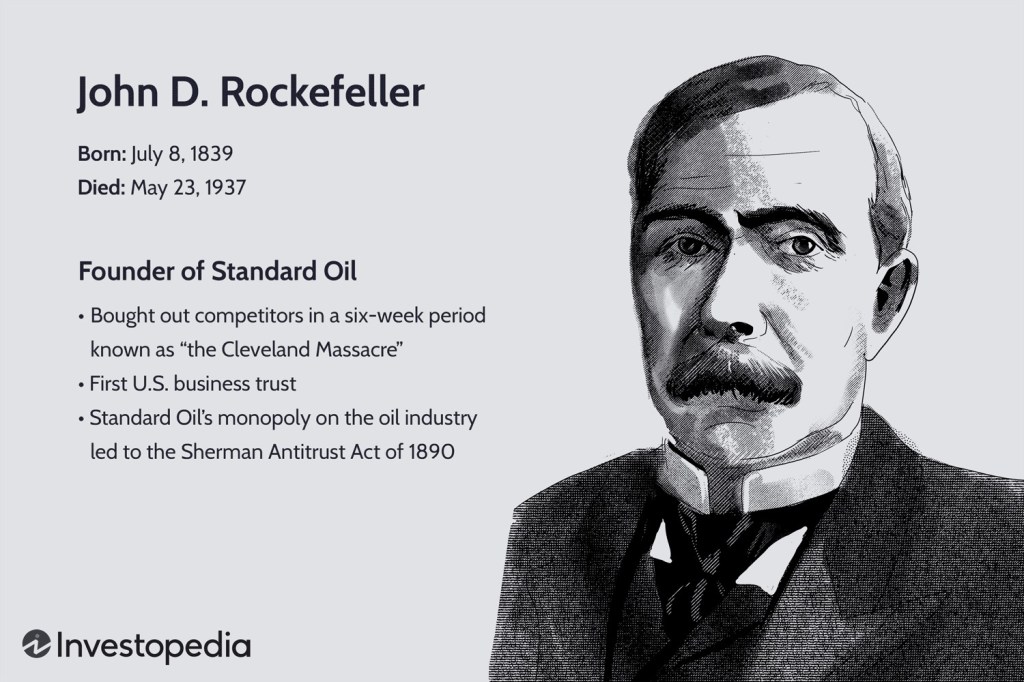
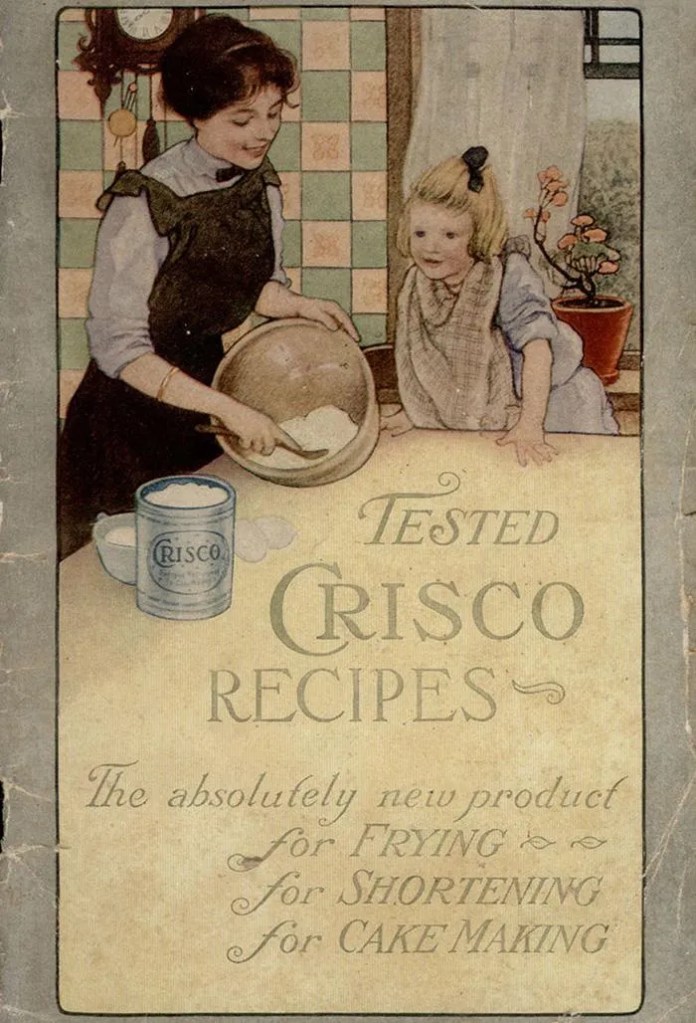

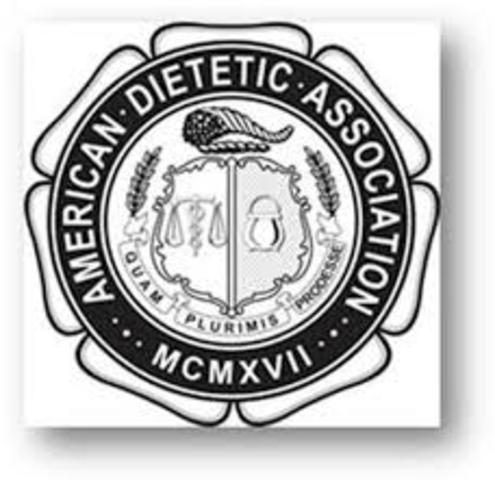
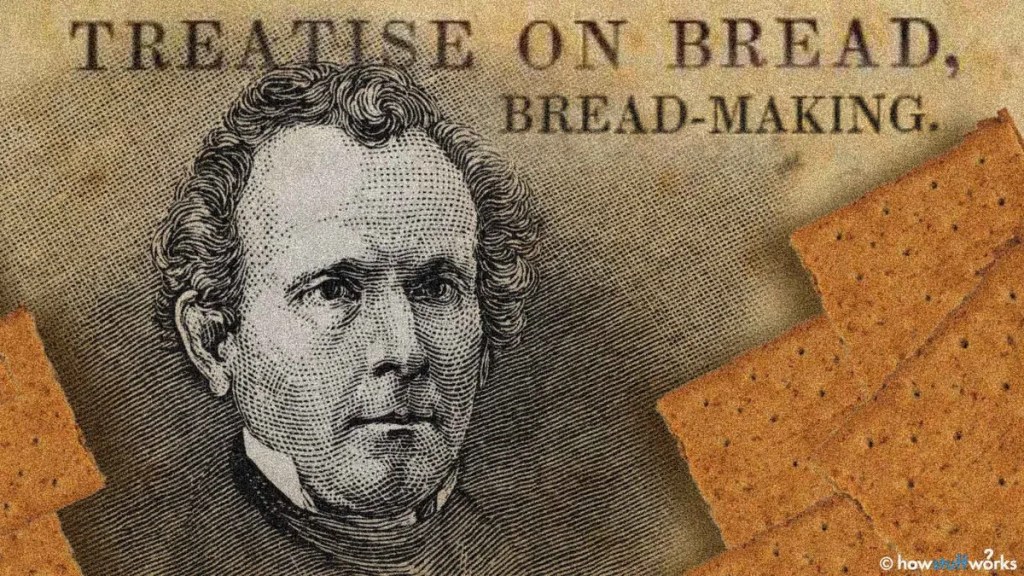
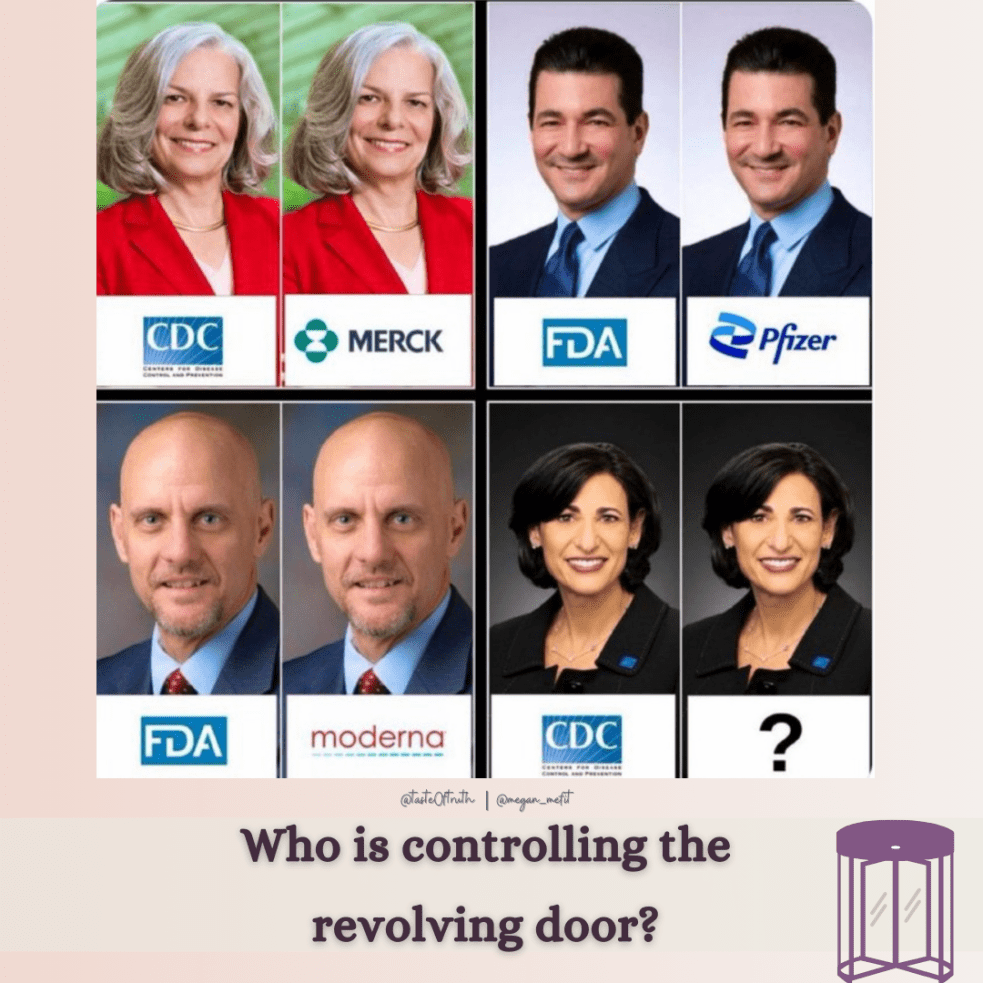





 Taste0ftruth Tuesdays