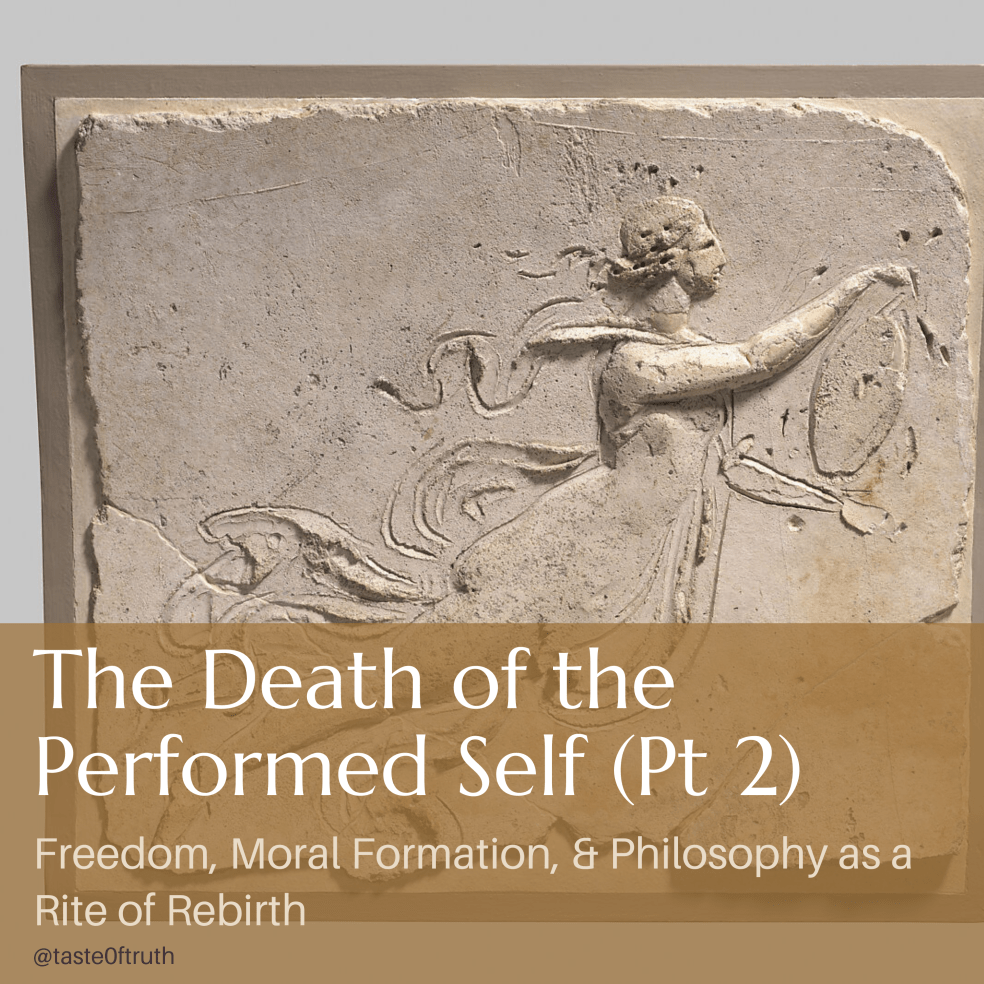
Freedom, Moral Formation, and Philosophy as a Rite of Rebirth
This is Part Two of The Ancient Hunger Beneath Modern Life, a series about participation, belonging, embodied wisdom, and what modern life has taught us to forget. Please note, this post will be truncated in some emails, please click “Read more” to access the entire essay.
When the Circle Closes
There is something unsettling about returning to a version of your life that once felt permanent.
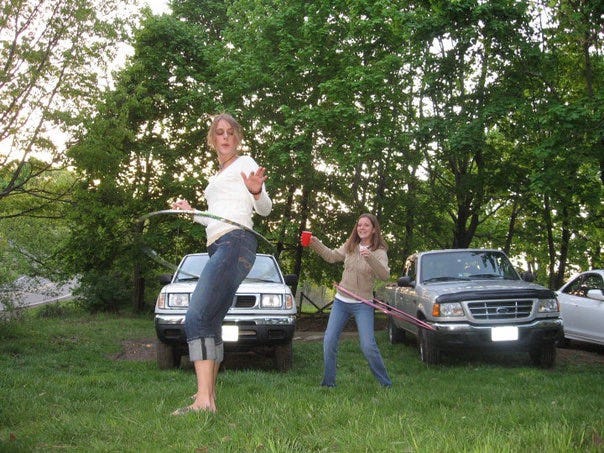
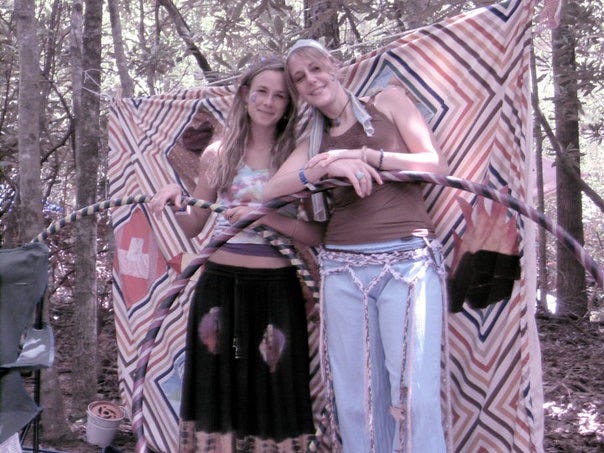
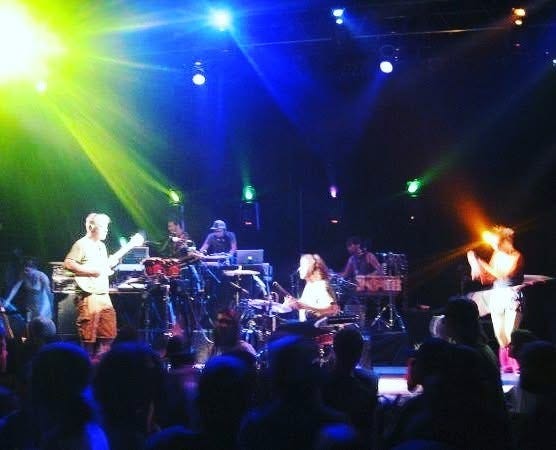
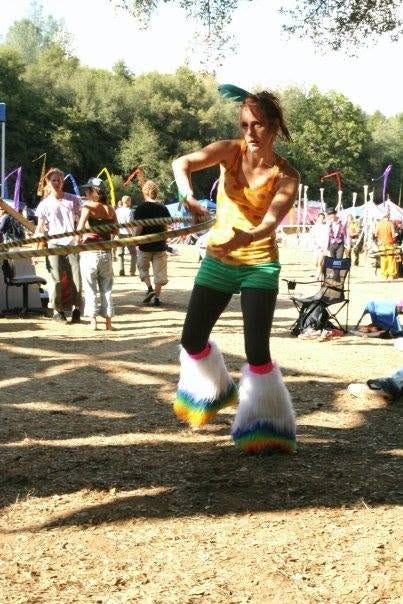
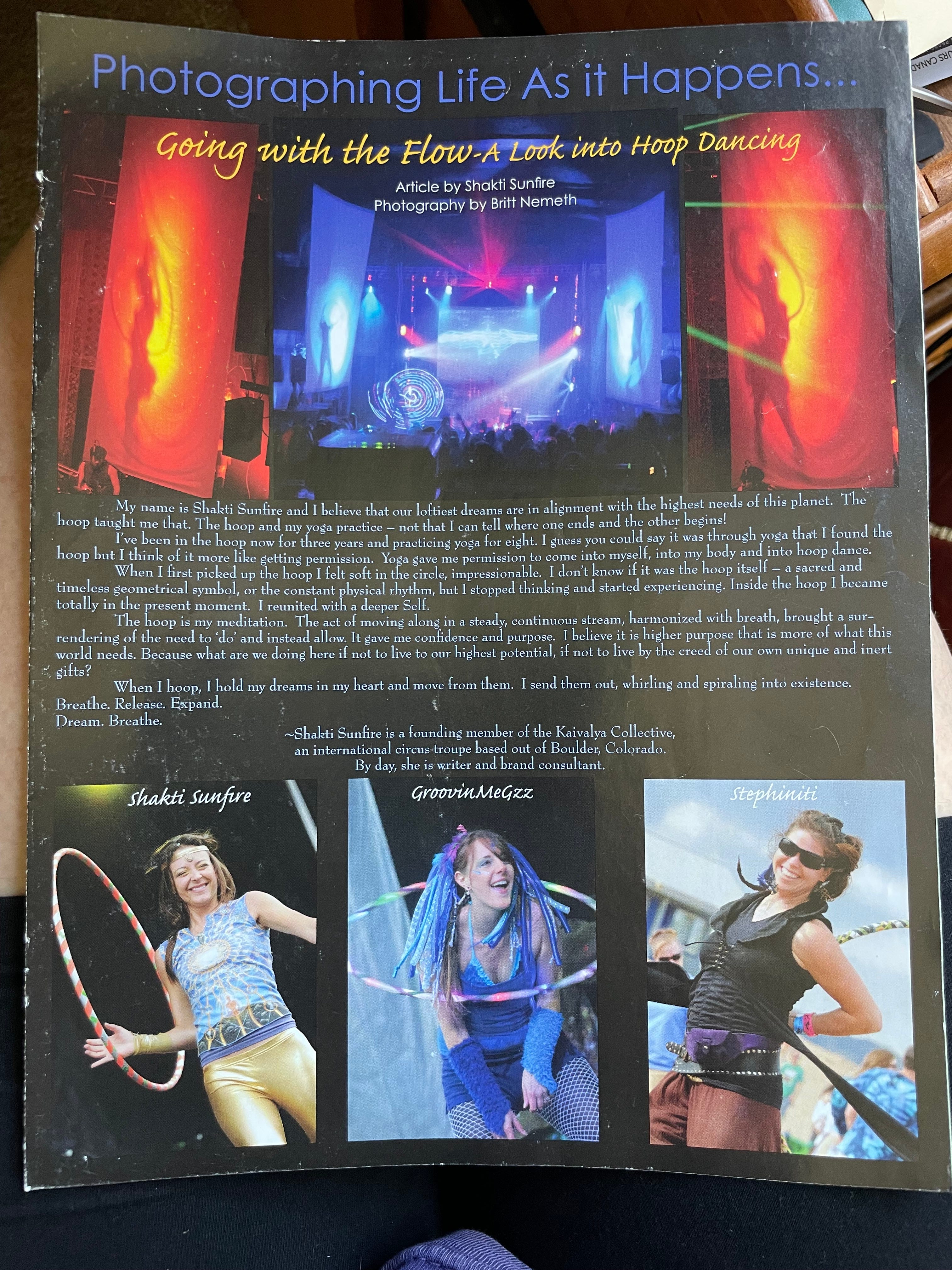
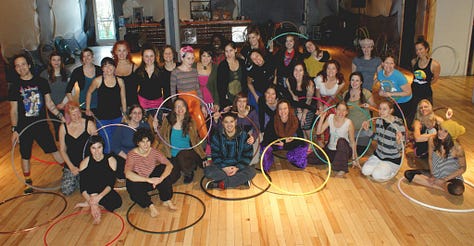
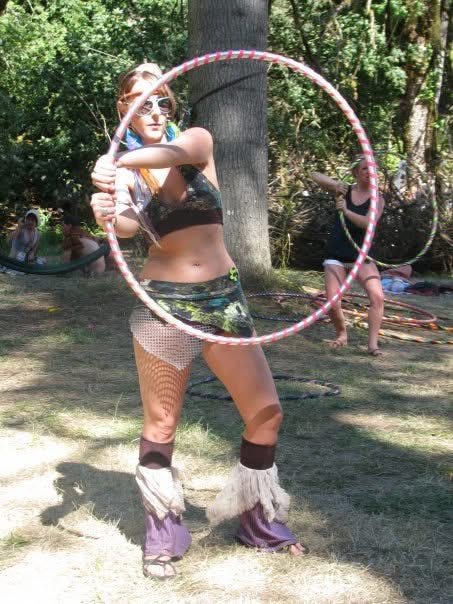
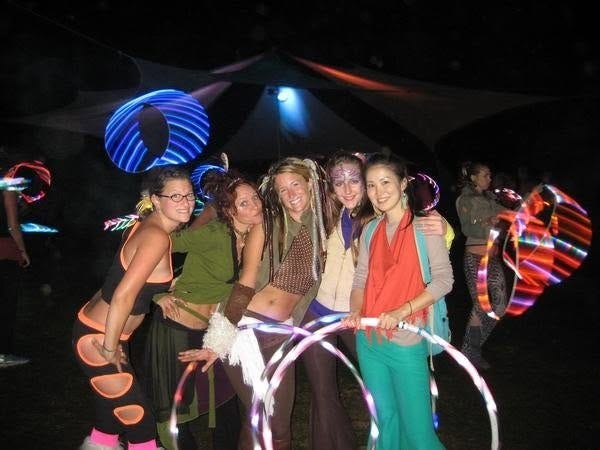
Going back through these old photographs and blog posts, I could almost step inside that world again: the music, the movement, the friendships, the long drives, and the feeling of being recognized across a crowded field. For years, these people and places had helped me understand who I was. They were not simply hobbies or acquaintances orbiting an otherwise separate life. They were part of the world in which I had learned what freedom, community, individuality, and belonging were supposed to feel like.
That is what made revisiting it unexpectedly tender.
But memory changes when you know what came later.
Many of the same people I had associated with self-expression and the freedom to live differently would eventually turn on me when I expressed convictions they did not share. The upheavals of 2020 exposed something I had not wanted to see: there was tremendous room to be eccentric, spiritual, sexual, artistic, and unconventional, but considerably less room to question the moral and political assumptions holding the group together.
I first felt the circle closing while sitting on the couch in our military housing at Camp Zama in Japan, watching events unfold back home from the other side of the world.
I watched people tear down and destroy historical monuments in Richmond, Virginia, not far from where I grew up. By then I was living inside a military community, surrounded by a very different language of service, duty, order, and sacrifice. I was geographically removed from the social atmosphere many of my old friends still inhabited, and perhaps that distance allowed me to see what was happening differently.
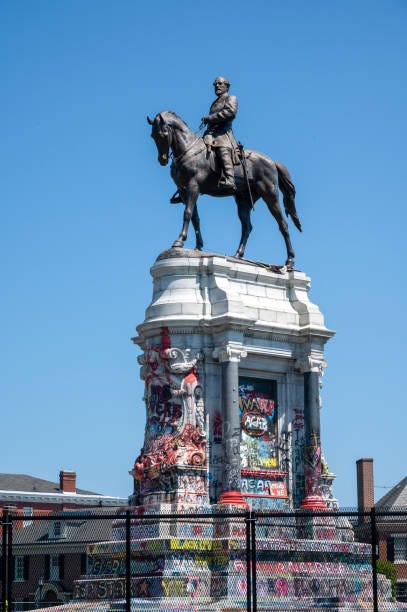
I remember the reaction in my body before I had fully worked out the argument in my head. My stomach tightened. My palms began to sweat. I felt disgust and a strange embarrassment that this was happening so close to the place I still considered home.
My old communities began demanding allegiance to what increasingly felt like a single political script. I no longer recognized the friends and so called “tribe” which I had built so much of my identity around.
And by this point, social media was not incidental to my life.
Becoming a military spouse had physically separated me from many of the friends and communities I had accumulated over the years. Facebook and Instagram were how I stayed connected to people scattered across different cities and states. They were also where I worked. I had built my career as an online personal trainer and coach there, and my multilevel marketing business depended heavily on the same platforms. Friendship, professional identity, income, visibility, and reputation had all become strangely entangled inside the same digital space.
So what people thought of me online mattered more than I would like to admit now. These apps were not simply places I went to waste time scrolling. They had become the room where much of my social and professional life still existed.
You may think my initial reaction to being bullied online sounded absurd…and maybe it would be if you’re thinking of these as merely apps.
To me, they were not.
They were where years of photographs and memories lived, and where a public identity I had spent years constructing was suddenly being turned against me. A space that had once connected me to music, travel, friendship, and community had become somewhere I entered expecting humiliation.

The disagreement itself was not what hurt most. It was watching people who knew me join in so easily, as if my dignity stopped mattering the moment I landed on the wrong side of an issue.
The dogpile confirmed something I had felt for years: maybe I had never been held as securely inside these communities as I wanted to believe. Even during my years in Portland, I often hovered near the edges of friendship circles instead of living at their center. I remember lonely days off, knowing people were heading to the coast, the hot springs, or some other adventure I had not been invited to join.
The community gave me real friendship, joy, beauty, and belonging. I refuse to rewrite those years as though none of it mattered. I can also still admit how often I adjusted myself to remain acceptable.
Once I admitted that, I had a choice. I could stay quiet, repeat what I was expected to believe, and let other people decide the boundaries of acceptable thought. Or I could accept what might happen if I refused to perform agreement.
I chose the loneliness.
At first, it felt almost like social suicide. It also created tension in my closest relationships. The people who loved me wanted to protect me from what seemed to happen every time I spoke publicly about something controversial. From their perspective, the solution was simple: stay quiet. If no one knew what I believed, I would stop giving people reasons to turn against me.
But silence did not feel neutral to me. It felt like one more way to abandon myself.
I do not regret speaking. When I imagine looking back on my life as an old woman, I know I will be grateful that I said something when I believed it mattered.
Still, there was a cost.
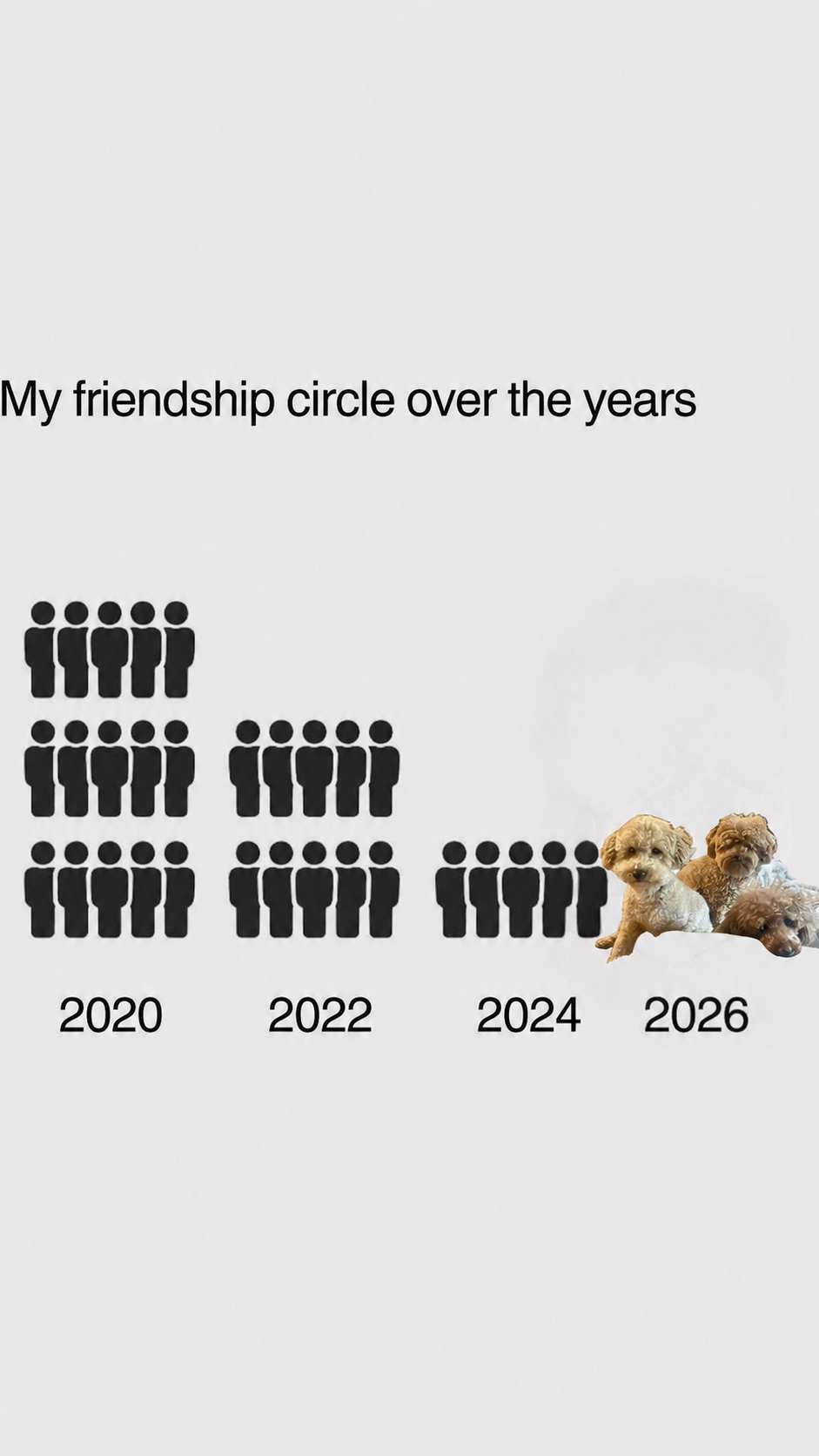
These photographs remind me how many people were once in my life and how much smaller my social world has become. I know what a community can give us. I also know what happens when belonging depends upon hiding the parts of ourselves a group has decided not to tolerate.
I am no longer willing to purchase belonging that way.
If your sense of belonging depends on one-sided ideological conformity, with no room for nuance or freedom of thought, you are not part of a community. You are a cog in a crude machine—and that machine will discard you the moment you fall outside its range of tolerance. —Olympia Mahr
Festival culture was not the only place where I encountered this pattern. Around the same time, I began recognizing how much of my identity had been tied to Isagenix and the multilevel-marketing world. That community had given me encouragement, certainty, recognition, and the feeling that many people knew my name. When I spoke openly about the ways I believed the system had exploited me, plenty of people did not want to hear it. Some seemed unable to understand why I could not just admit that I knew better now and move on.
Leaving one system does not automatically heal the hunger that drew us into it.
The loss left an enormous hole, and Christianity entered through it.
At first, Christianity seemed to offer everything I had been craving: forgiveness, certainty, moral order, love, healing, and the promise that all the chaos of my life could finally be gathered into one coherent story. I wanted to do it correctly. I studied theology intensely and moved deeper into Reformed doctrine because I believed one of those competing systems had to be right. I just needed to find it and submit myself fully enough.
Then I encountered doctrinal triage, the sorting of beliefs into matters Christians could disagree about and matters that determined whether someone remained fully acceptable inside the community.
I had originally been baptized in the name of Jesus alone by a Oneness Pentecostal group. After joining a Reformed church, I was told that my baptism did not count because it had not been Trinitarian. I could no longer receive the Lord’s Supper, even though I had already taken it during my first weeks there.
The message felt familiar: belonging had conditions I had not understood when I entered.
When I lined up these chapters of my life—festival culture, Portland progressivism, multilevel marketing, diet culture, bodybuilding, and Christianity—I saw the same needs being met again and again: identity, certainty, recognition, moral language, and belonging. The worlds themselves were radically different. The risk of questioning their boundaries felt familiar.
I am not looking for a community without convictions. I do not believe every moral disagreement is trivial, and I have no interest in manufacturing intimacy with people whose vision of life is fundamentally incompatible with my own. I want like-minded people around me. I want enough shared moral ground that we can actually build something together.
I also need room for hard questions, intellectual honesty, and disagreement without humiliation. A community can have boundaries without coercing or degrading people who ask difficult questions. I want to be around people with convictions who do not immediately turn disagreement into dogpiling. And I will not betray myself just to remain welcome.
Ancient ideas have always fascinated me, of course, but curiosity was not the only reason I turned toward the old understanding of philosophy as a rite of rebirth. I was trying to figure out what parts of me remained after an entire social, spiritual, and moral identity collapsed. How was I supposed to rebuild without handing my conscience over to another system?
Freedom Without Formation
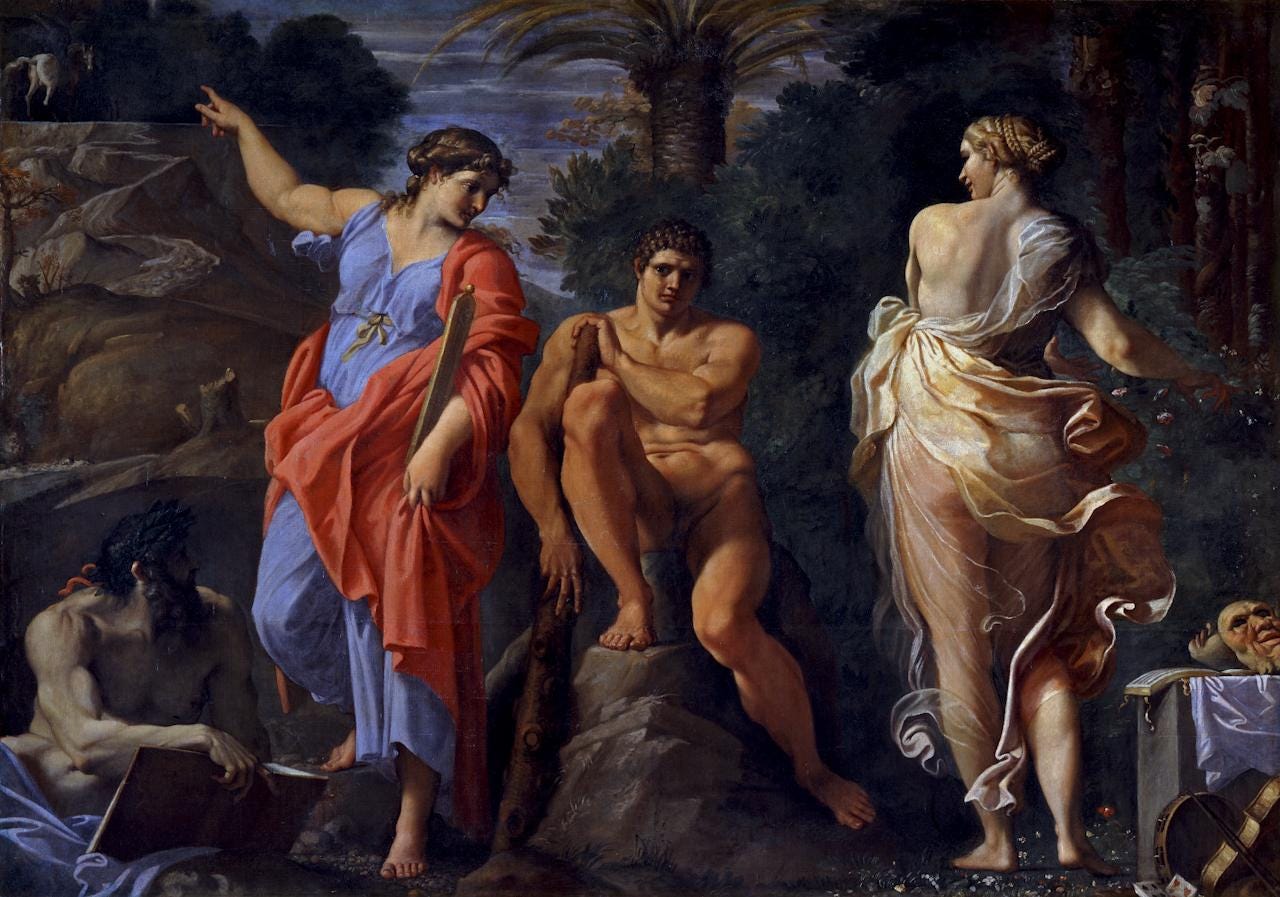
After so many systems had promised to transform me, I began asking what transformation even meant.
I had changed my body, diet, politics, spiritual language, beliefs, and social circles. I kept entering new worlds hoping this one might finally make me whole. Each came with its own authorities, practices, taboos, vocabulary, and picture of who I could become if I followed the program correctly.
I eventually had to admit how easy it is to change identities without changing the pattern underneath. We can carry the same wounds, compulsions, and hunger for approval into a completely different community, learn all the right words, and mistake the intensity of conversion for wisdom because everything feels new.
That forced me to reconsider one of the most persistent moral slogans of modern life:
You do you.
For years, those words sounded compassionate and enlightened to me. I believed refusing judgment was the same thing as kindness. What someone did with their body, sexuality, money, health, or private life was presumed to be no one else’s concern as long as everyone involved consented and no immediate harm could be demonstrated.
Freedom meant removing constraints. The individual was sovereign, self-defining, and entitled to follow whatever desires arose from within.
I no longer believe any of us are that isolated.
Our desires do not appear in a vacuum. Families, wounds, friendships, industries, technologies, institutions, incentives, and the surrounding moral atmosphere all help shape them. We imitate what is modeled. We learn what is normal from what receives approval. Long before we have the judgment to examine any of it, we are absorbing ideas about liberation, beauty, sexuality, success, and fulfillment.
Even the self we call “authentic” has a history.
Culture does more than permit behavior. It helps form people. When an industry profits from a particular vision of empowerment, its financial incentives can disappear behind the language of individual choice. Once a behavior is publicly celebrated as liberation, questioning it begins to look like cruelty. Enough supposedly private decisions can change expectations, relationships, and the moral imagination of an entire society.
My own life makes it impossible for me to keep this argument abstract.
I once understood sex work almost entirely through the language of autonomy and empowerment. The people around me treated it as normal, even enviable. My mother told me she wished she had done it when she was younger. My sister was successful at it. My friends offered no meaningful resistance. Portland handed me an entire vocabulary through which commodifying sexuality could be framed as bold, liberated, and transgressive.
I made those choices. I own that.
I also know the person making them had been shaped by her family, her need for approval, her relationship with her body, the promise of money, and a culture that treated freedom as overcoming shame and refusing restraint. Owning my decisions does not require me to lie about the conditions surrounding them.
Years later, as a wife trying to build an enduring life with another person, I understood the consequences differently. Choices once praised as empowering had left marks on my ability to trust, attach, and understand intimacy. The language available to me at the time had plenty to say about my freedom to choose. It said very little about the person those choices might slowly form me into.
That question followed me through bodybuilding, multilevel marketing, New Age spirituality, and Christianity. Did the practices I submitted to actually make me freer? Bodybuilding fed my compulsions. The MLM world exploited my need to be seen. Other teachings encouraged me to treat struggle as evidence that I had not surrendered enough. Christianity gave me moral certainty for a while, but it also trained me to distrust my own questions.
Simply choosing something does not mean it increases our freedom.
The slogan assumes the self already knows what is good. Desire is treated as trustworthy because it feels personal. Yet desire can be trained by injury, appetite, commercial manipulation, social pressure, and the desperate need to belong. Sometimes the choice that feels most authentic is an old wound repeating itself in a new form.
This brought me back to the argument I explored in The Fragility of Freedom. A free society cannot survive through laws and procedures alone. It needs people capable of judgment, restraint, responsibility, courage, loyalty, and concern for something beyond immediate appetite. A republic can guarantee rights and limit government. It cannot legislate the character required to use freedom well.
So the political question cannot end with, What should people be legally permitted to do? We also have to ask what kind of person is capable of exercising that freedom without being ruled by appetite, compulsion, resentment, propaganda, commercial incentives, or the approval of the crowd.
Aristotle understood virtue as a capacity formed through repeated practice. Courage, temperance, generosity, responsibility, and sound judgment become part of us through habit. Anything that can be cultivated can also be neglected, distorted, or lost.
Political disagreements can therefore reach far beneath policy. People draw upon care, fairness, loyalty, authority, liberty, and the sacred, but we do not all weigh those concerns the same way. Sometimes we are not merely reaching different conclusions. We are measuring reality with different moral frameworks.
A culture organized almost entirely around liberation from constraint eventually loses the language to explain why restraint can be good. Discipline begins to look like repression. Every limit starts to resemble oppression, and we stop asking what the limit was meant to protect in the first place.
“The ancients held that there is nothing that cannot be cured by philosophy and theurgy.”
—Philosophy as a Rite of Rebirth by Algis Uždavinys
The Older Purpose of Philosophy
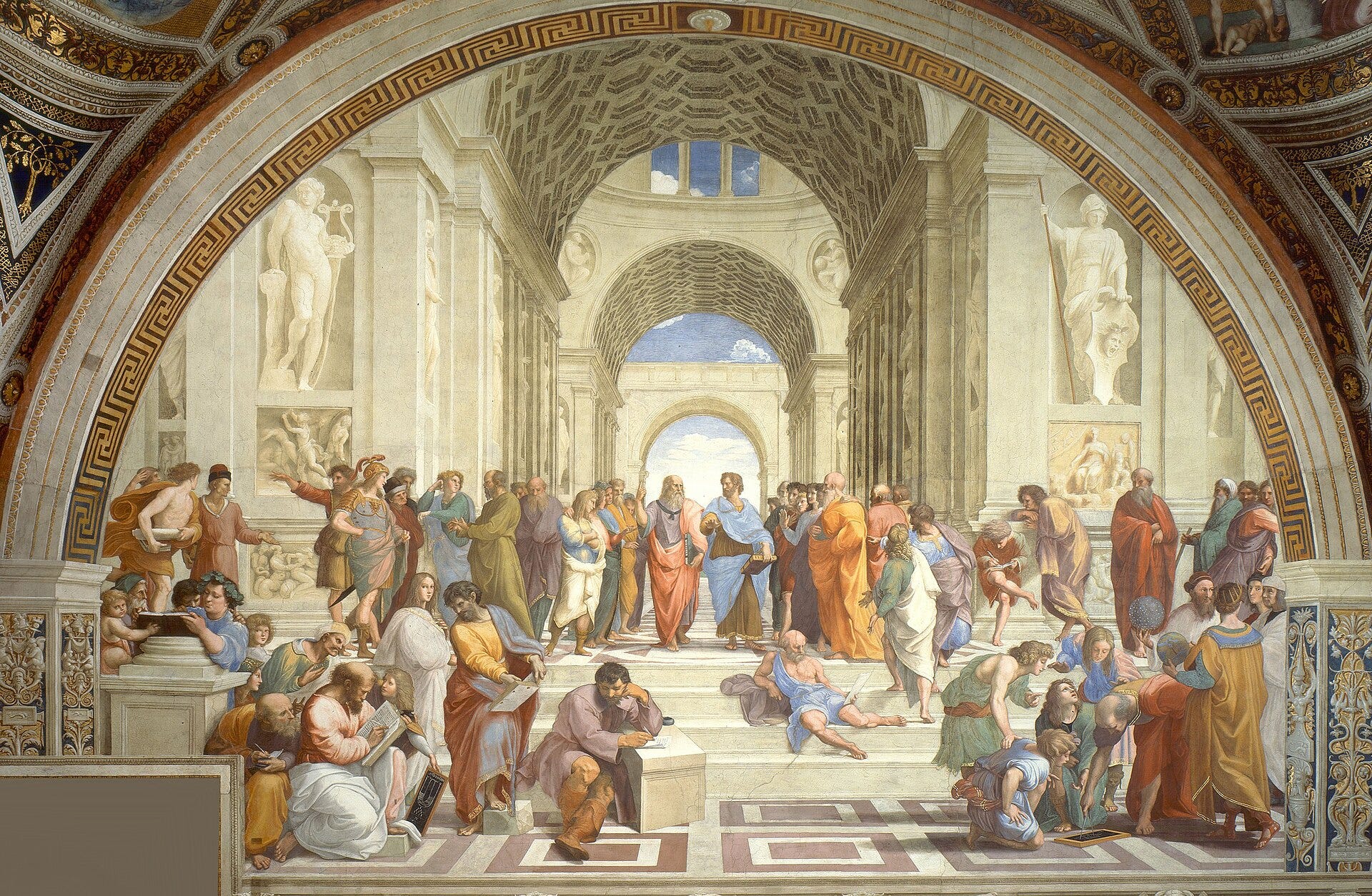
That question of formation sent me looking for an older understanding of philosophy.
After Christianity, the last thing I wanted was another belief system demanding my allegiance. What I found in the work of Algis Uždavinys was a completely different account of what philosophy had once been for.
Uždavinys argues that the modern world has largely lost the participatory understanding of reality found in ancient philosophy. In his account, the Protestant legacy and the emergence of modernity helped move truth into the isolated individual mind. Philosophy became preoccupied with the solitary thinker questioning, doubting, analyzing, and trying to establish with certainty that anything outside the mind existed at all.
For Plato, Plotinus, Iamblichus, and the traditions that followed them, philosophy was concerned with what the pursuit of wisdom did to the soul. Reality was sacred, ordered, hierarchical, and meaningful. The soul was not sealed inside a private psychological world. It could participate in realities beyond its immediate appetites, opinions, fears, and social conditioning.
Philosophy involved contemplation, purification, discipline, initiation, sacred rites, and a change in one’s entire way of living. Knowing more was not enough. The philosopher was supposed to become capable of seeing and living differently.
My friend Brado approaches this through the concept of mediation: everything that stands between us and direct experience. Words, explanations, arguments, and even the thoughts inside our own heads can communicate something real, but they are still representations of an experience.
As he writes:
“This type of knowledge then, as it cannot be verbalized, it similarly cannot be rationalized either. As existence is surely affected by this type of knowledge rather than the other type we discussed—the knowledge mediated by discursive intellect—it can be jarring to consider that the knowing we attain from reading a word on a page or thinking a thought in our head is not the same as the knowing [we] receive from experience.”
This does not make reason useless. Discursive thought allows us to analyze, compare, question, build, and communicate. It simply cannot deliver every kind of knowing by itself.
Brado distinguishes between wisdom acquired as information and wisdom that must be received through encounter. We may prepare through study, discipline, and reflection. At some point, however, the idea has to become lived reality.
That was the philosophical form of something my body had already taught me through music, injury, repetition, and movement. Certain things cannot be transferred intact from one mind to another. They have to be entered.
Philo-sophia (the love of wisdom) was an art of seeing, loving, understanding, and living. Its purpose was not merely to construct arguments, master technical language, or accumulate information about what earlier philosophers had believed. It was a discipline of transformation that shaped perception, character, conduct, and one’s relationship with death. Wisdom had to be practiced until it became embodied. The measure of philosophy was the kind of life it produced.
Uždavinys describes its telos as a radical transformation of thought and existence in pursuit of wisdom.
The Platonic and Aristotelian traditions did not assume every desire represented the authentic self. They asked whether our desires were ordered toward what was genuinely good, beautiful, and life-giving. Freedom included liberation from confusion, compulsion, false appearances, and domination by the lower parts of ourselves.
That is far more demanding than telling me to express myself. It asks what kind of self I am becoming. Are my desires making me more lucid, courageous, capable of love, and responsible to the living world around me? A choice can be legal and sincerely felt and still lead me away from wisdom.
Adopting one more ideology could never answer that question for me. I did not need a new identity to perform or a collection of ancient ideas decorating the same unexamined life. I needed practices capable of changing how I perceived, desired, judged, and lived.
“Therefore, a philosophical journey is the mimetic and ritual-like journey of the hero, like Heracles and Orpheus, to the Netherworld, the Egyptian Duat, where all the opposites meet. This is the process of ‘dying before death’ and resurrection.”
—Algis Uždavinys, Philosophy as a Rite of Rebirth
What Must Die
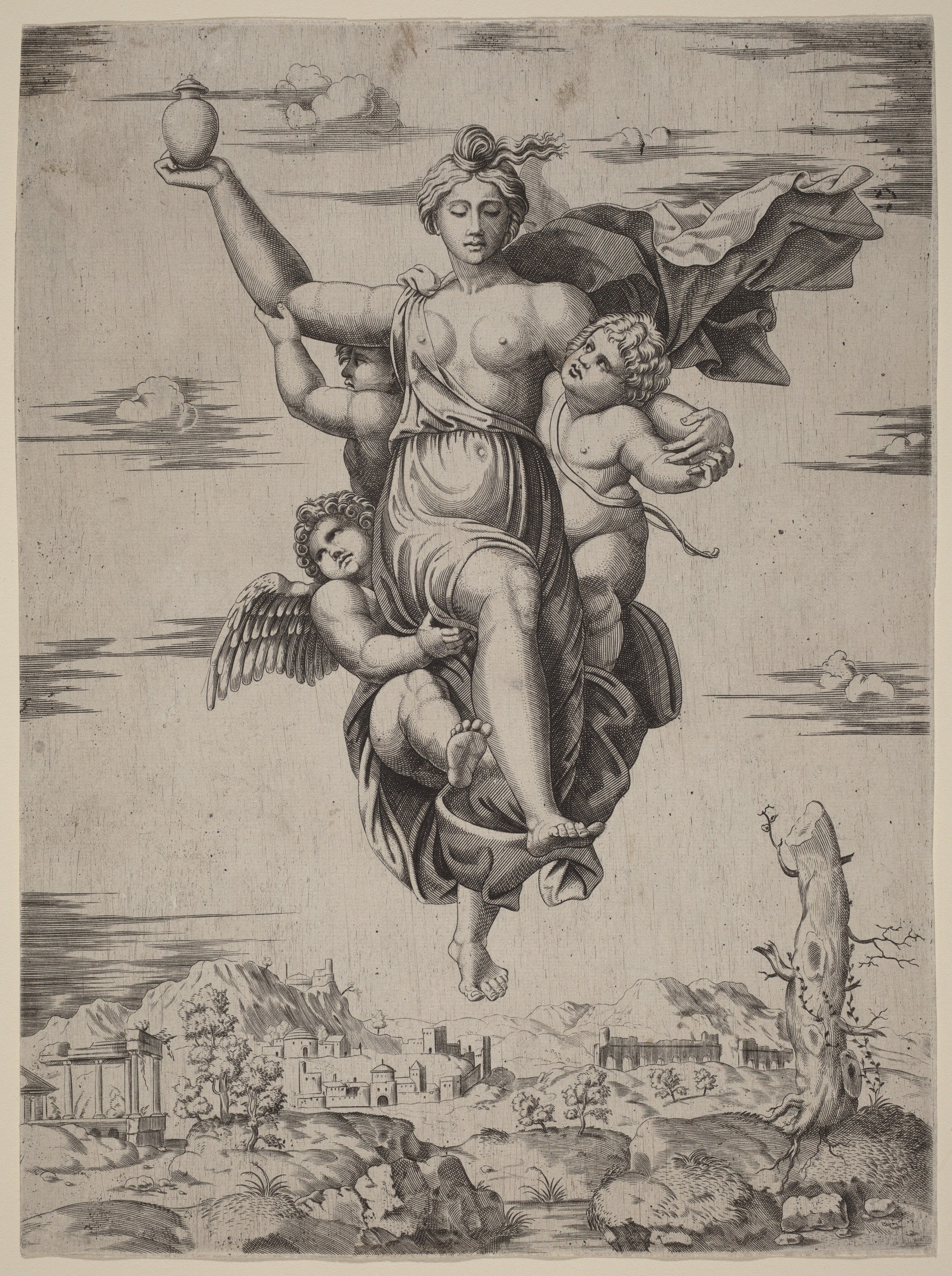
When I think about rebirth in my own life, I do not imagine becoming an entirely different person. I think about the gradual death of the person I constructed in order to survive.
Growing up inside an authoritarian household, I learned early that parental love could be conditional, discipline could mean pain, and trust could leave me exposed. I became self-reliant because I had to. That kind of self-reliance has a cost.
“I believe, toxic shame is a type of emotional flashback in which we view ourselves with the same disgust we saw reflected in our parents’ faces whenever they acted as if they were repulsed by us. Toxic shame freezes us in the fear, mortification, and hopelessness of our most traumatic times in childhood. To the degree, that our parents acted as if they couldn’t stand the side of us, to that same degree are we prone to toxic shame, attacks of feeling bad, worthless, and ugly. Parents routinely use toxic shame to dismiss children’s needs and to extinguish their ability to assert themselves and protest (or even notice) abuse and neglect.” —Pete Walker, The Tao of Fully Feeling—Harvesting forgiveness out of blame
The need for control, the drive for perfection, the desperate desire to become good enough to earn love—these were not random personality traits. They were ways of navigating a world in which I never felt securely seen, safe, or understood.
They followed me into adulthood. I tried to control my body through eating disorders and bodybuilding. I tried to control how other people perceived me through achievement, performance, and reinvention. Certainty felt like safety, so I entered communities that promised it. Again and again, I hoped that if I became the right kind of person, the old feeling of not being securely loved might finally disappear.
And so what I have learned… is my intensity does not have to die. Neither does my capacity to feel deeply or my desire for beauty, discipline, belonging, and meaning. I need to let go of the fantasy that I can fill that old absence by becoming impressive enough, obedient enough, beautiful enough, spiritually correct enough, politically acceptable enough, or perfectly understood.
There is a useful name for another illusion wrapped up in this: the end-of-history illusion. We can look backward and recognize how profoundly we have changed while imagining that the person we are now is somehow the finished version.
I can see it all through my own life. Each new world felt like an arrival. This is it. The right body. The right community. The right politics. The right spiritual vocabulary. The explanation that would finally gather every scattered piece of my life together.
I knew I had changed dramatically before arriving there. Somehow I still believed this newest self was the one I had been moving toward all along.
Of course she was not finished. I am not finished now either.
That does not mean every change is positive growth or that our values should be endlessly disposable. It means the direction of our formation matters because we are never standing still.
I can now see a difference between conversion and transformation. Conversion can change our vocabulary very quickly. Transformation is slower, less glamorous, and much harder to perform for an audience.
It shows up in steadier values, discernment, self-command, courage, and the ability to remain rooted when someone disagrees. It allows me to listen without disappearing and stand firmly without needing everyone around me to confirm that I am standing in exactly the right place.
I no longer imagine the performed self dying in one grand initiatory moment. It dies in small decisions: when I refuse to punish myself, trust what I have actually observed, remain honest despite the possibility of rejection, or stay in relationship without abandoning myself inside it.
In the Platonic language that has helped me understand this, rebirth changes perception. The frightened, grasping, passion-bound self loses its absolute claim over us, making room for something more lucid to participate in a greater order of reality.
For me, philosophy is the work of becoming able to see.
I went into the inner death and saw that outer dying is better than inner death. And I decided to die outside and live within.
– C.G. Jung, The Red Book
Divine Madness
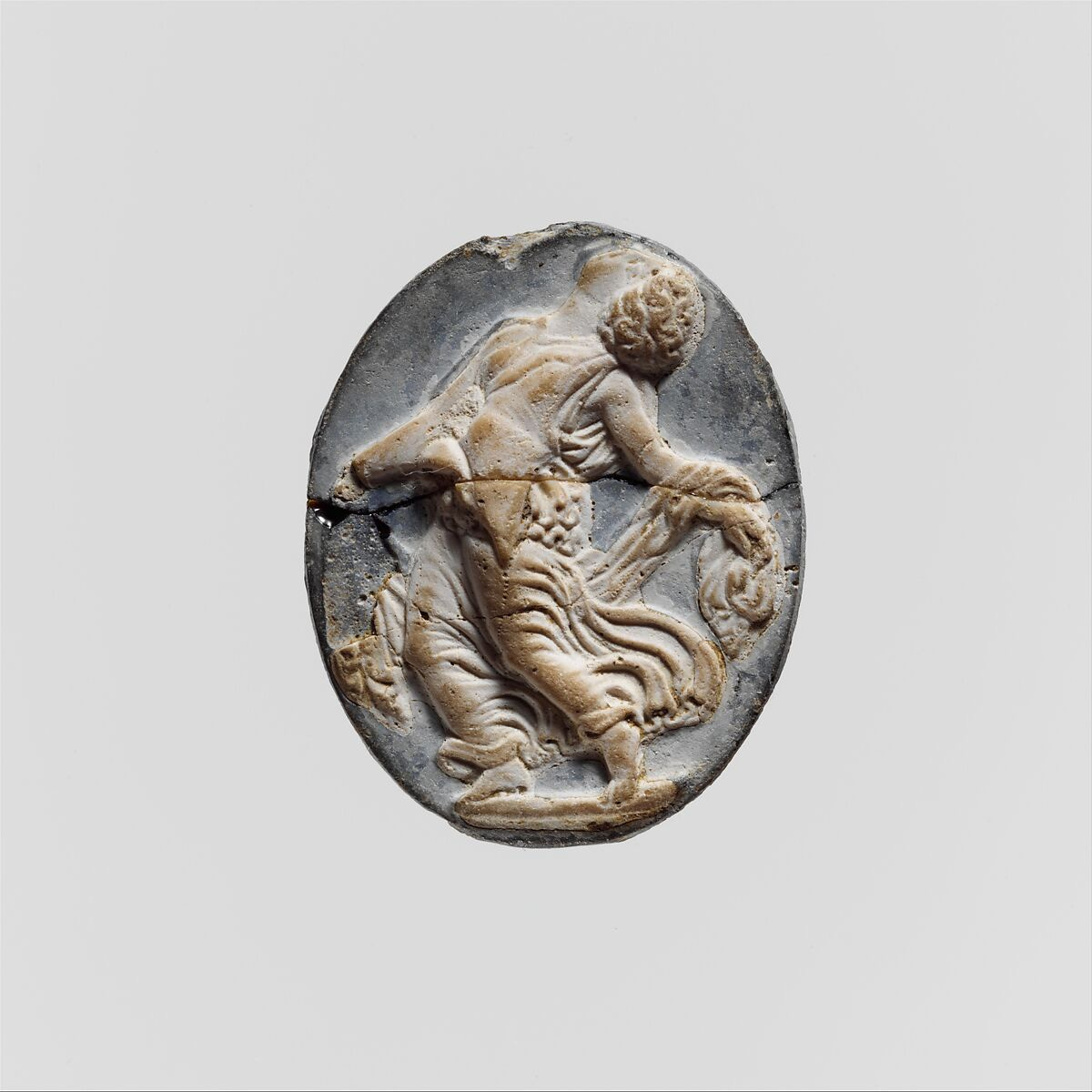
In Part One, I wrote about learning through the body—about the moment a hula hoop stops being something you are consciously controlling and becomes something your body simply knows how to move with.
For years, ecstatic dance gave me access to another kind of knowing. The ritual container could create the conditions for something to happen, but it could not guarantee that it would. Music, ceremony, movement, and community could prepare the ground. Some Sundays remained simply joyful afternoons of dancing. Others opened into something I still struggle to describe.
Participation is not a vending machine for transcendence. Ritual can orient us toward an experience without forcing the experience to occur.
I could go week after week and have a beautiful time dancing, sweating, moving, seeing friends, and being carried by good music. Then there were certain Sundays when something else happened.
I still cannot fully explain what made the difference.
Sometimes it seemed to be the DJ or the particular arc of the music. Sometimes it was the combination of people who gathered that day. Anyone who has spent enough time in spaces like this knows the people in the room change the room. The energy could build on itself until I could no longer separate my individual experience from whatever was happening collectively.
Sociology gives us the term collective effervescence for the heightened energy that can emerge when people gather in shared ritual, movement, rhythm, and attention.
From a Heathen perspective, I also think about megin: power or vitality that does not belong only to an isolated individual, but can gather and move through relationship and communal participation.
Whatever language I use, I know the difference between having a wonderful time and entering a genuinely ecstatic state.
In those moments, ordinary self-consciousness fell away. I stopped experiencing music as something coming toward me from outside. My body was no longer selecting a sequence of movements. At a certain point, I was not listening to the music anymore. I was inside it.
My body knew what to do before I could think about it.
Those experiences come closest to what Plato described as divinely inspired madness.
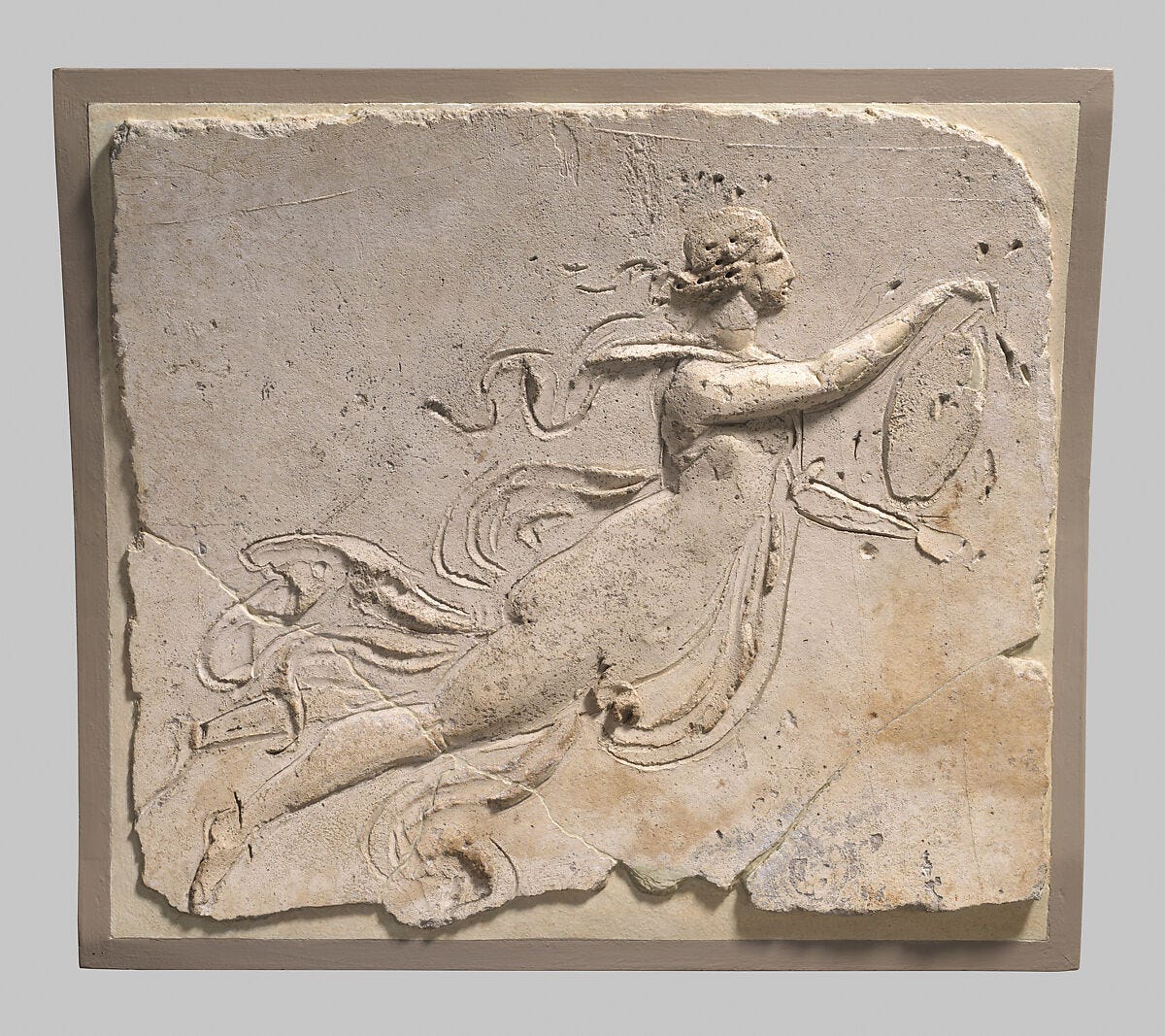
By madness, I am not talking about chaos for its own sake or the idea that anything erupting spontaneously from within us must be authentic and sacred. Plato was describing a state in which the ordinary calculating mind loosens its grip and another way of knowing becomes possible.
The ritual container mattered.
We opened together.
We danced together.
We closed together.
The room, the music, the people, the repetition of returning Sunday after Sunday, and the shared expectation that we had gathered to move instead of watch gave form to something I could not have produced alone.
Sometimes afterward I took the microphone and tried to describe what had happened. I can see now that part of that impulse came from my lifelong desire to be seen and understood. I have always had big feelings and a powerful need to give those feelings somewhere to go.
But that was not all of it.
I was trying to bring something back.
Something had happened through participation, and I wanted words for it. The words always came second.
What the Word Can Carry
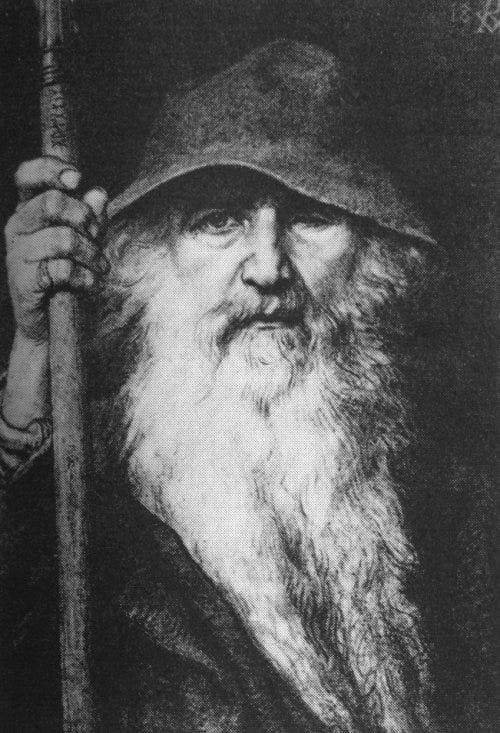
Writing has become one of the primary ways I make sense of my life. It takes something living as memory, sensation, grief, confusion, or half-formed insight and gives it enough shape for me to encounter it from another angle. It creates distance without necessarily cutting me off from what happened.
The writing is still not the experience.
Recently, a friend reminded me that writing does not have to be merely confessional or testimonial. It can function as external memory, a way of placing meaning outside ourselves so we can meet it again later and discover that we have changed.
The story of Odin and the runes captures something similar. Odin is not simply handed information. He hangs for nine nights upon the tree, wounded by a spear, “myself to myself,” without food or drink. Only through the ordeal does he perceive and take up the runes.
“Then I began to quicken and be wise,
and to grow and to prosper;
one word from another word found a word for me,
one deed from another deed found a deed for me.”—Hávamál, stanza 141, in The Poetic Edda, translated by Carolyne Larrington (2nd ed., Oxford University Press, 2014), p. 32.
The marks themselves can be inscribed. They can exist outside the person, carried across distance and time. But the story does not confuse possession of the symbol with possession of wisdom. Odin has to become capable of knowing what the symbol contains.
At this point of the essay, I must say it is a little ridiculous to be writing an essay on forms of knowledge that cannot be contained inside of it.
I can tell you about ecstatic dance. I can describe the DJ, the sweat, the ceremony, the people moving beside me, and those strange days when something emerged from the group that no single person brought into the room.
I cannot put that experience inside your body.
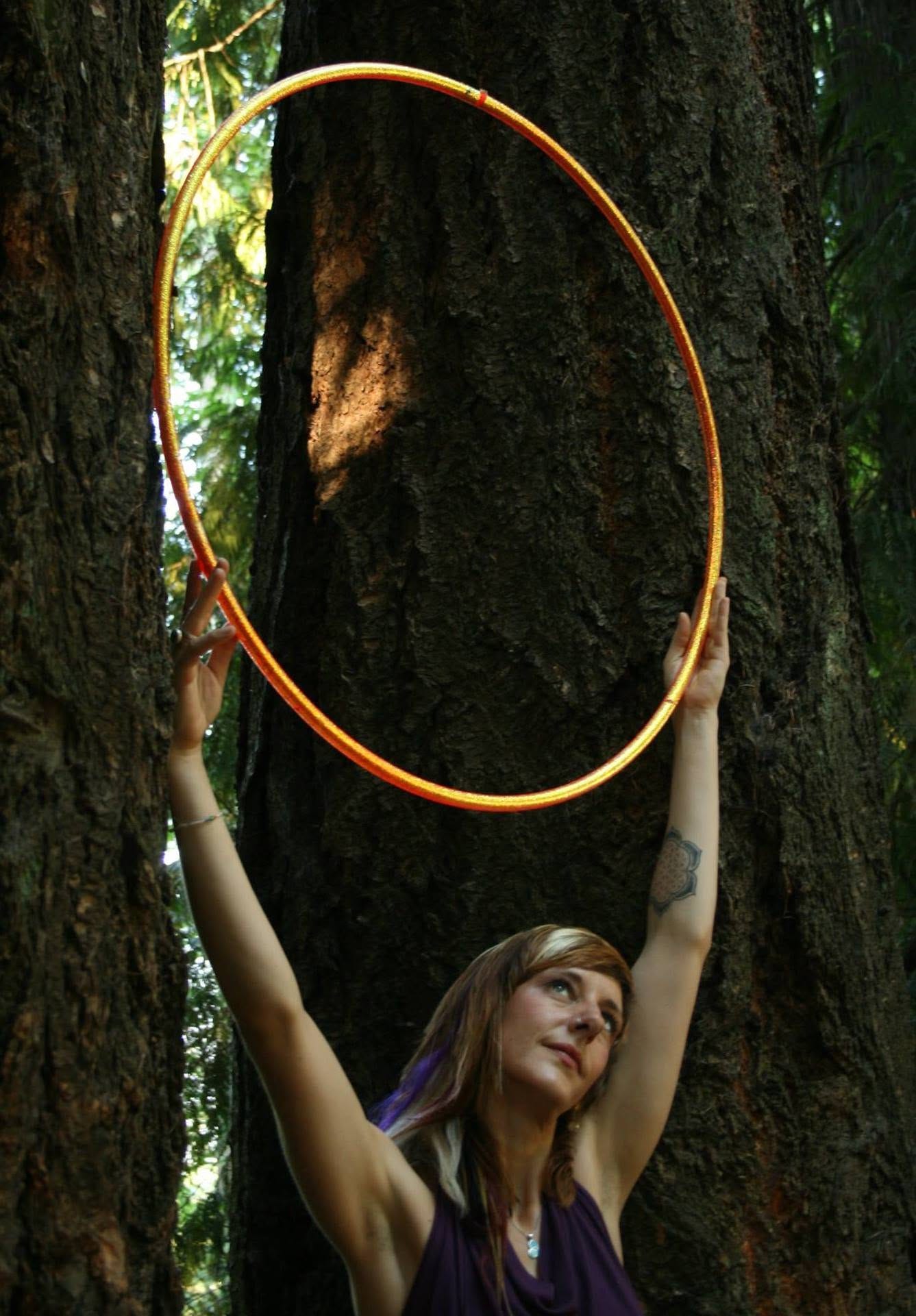
Anyone I have ever taught to hoop eventually reaches the limit of my instructions. I can demonstrate, adjust their stance, point to their feet, and explain how to shift their weight. Eventually their body has to find it.
And then, suddenly, the hoop stays up.
They know.
That is the wisdom of participation I was reaching toward in Part One. Some things become knowable only from inside the act itself.
This is also why I continue to write. I can preserve memory, notice patterns between experiences that happened decades apart, and leave markers for myself. I can return later and understand the same words differently because I am different.
Good writing may even point another person toward an experience they have to enter for themselves.
Maybe it’s that the best words can do, is to show us where to look.
“If we cannot give a true account of ourselves and our doings it will mean that our actions have been ‘as you like it’, reckless and informal rather than to the point and in good form.” *
Becoming More Alive
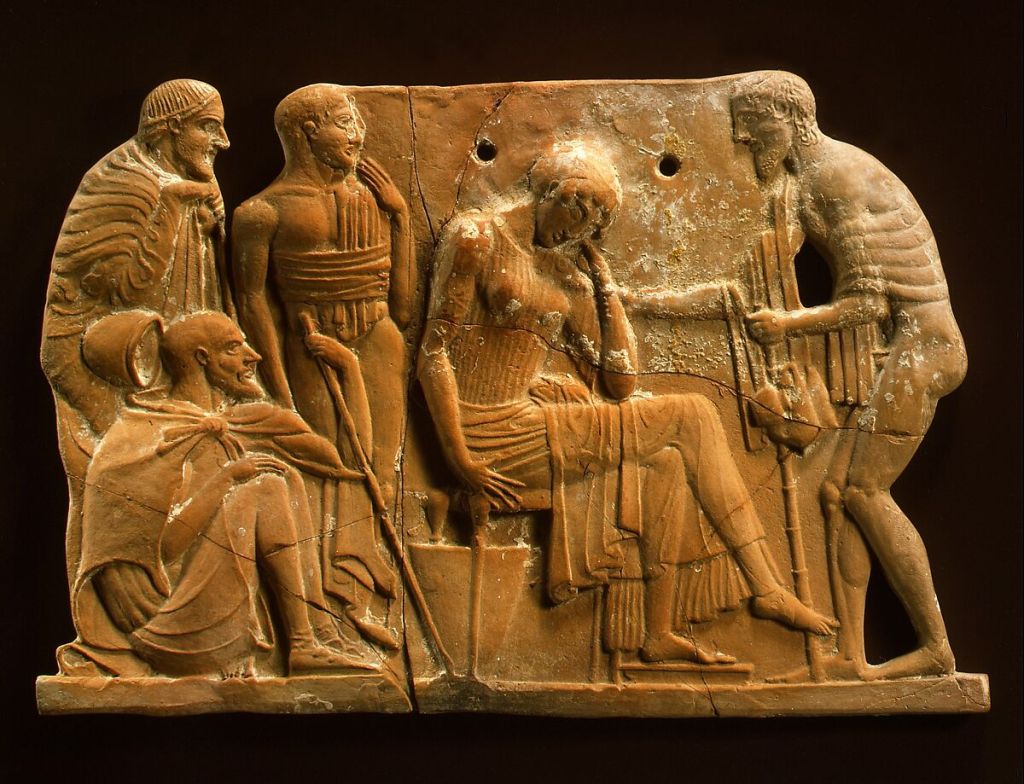
If becoming more alive is the goal, then I still have to ask what kind of life is worth building.
If I no longer believe you do you is an adequate moral philosophy, but I also refuse to surrender my conscience to another authority simply because it promises certainty, how do I decide what is good?
An older understanding of wisdom makes that question more demanding. In much of classical philosophy, to know was to be. Wisdom was not something one simply possessed because one had encountered the correct argument, read the correct book, or even undergone an extraordinary experience. The knower had to be changed.
That shifts the question. It is not only, What do I know? It is, What kind of person am I becoming through what I claim to know?
I keep returning to this particular distinction: a life shaped merely by preference versus a life given form.
Freedom cannot mean that I never have to account for what I choose. If anything, freedom places a greater responsibility on me to ask whether my actions have direction, coherence, and some relationship to what is actually good.
So now I ask what a belief, practice, or way of living does to a person over time. Does it agree with biological and material reality, or does it ask me to deny what is plainly there? What happens when it is repeated for years instead of experienced for an afternoon? What kind of relationships does it produce? Who bears the consequences? Does it cultivate courage, responsibility, reciprocity, restraint, loyalty, honesty, and care for something beyond immediate appetite?
I have also started to value tradition. That does not make everything inherited good. It means I no longer assume one isolated mind can reconstruct a wise way of life from scratch. Traditions can carry generations of observation about human nature, family, obligation, reciprocity, sex, death, community, and meaning. We should understand what they are protecting before we casually discard them.
Tradition is not an infallible oracle either. I look toward biology, history, anthropology, sociology, lived consequences, virtue, and human flourishing. None can relieve me of judgment. Together, they demand far more than asking whether something feels authentic in the moment.
Lately, becoming more alive has looked almost embarrassingly ordinary. It means doing the dishes while actually inhabiting the moment instead of treating the task as an obstacle between me and whatever comes next. Walking slowly enough to notice what is around me. Preparing food with gratitude. Tending living things. Keeping a promise. Paying attention to the season. Putting my hands into the earth. Moving my body. Writing something true.
It also means learning what my body needs when I am overwhelmed. Sometimes I do not need another explanation. It’s somatic engagement like pressure, warmth, touch, or breathwork. I am learning how to remain honorable in relationship when it would be easier to punish, manipulate, withdraw, or perform.
There was a time when I searched for transformation through intensity. A new body. A new community. A new spiritual identity. A new doctrine. A new explanation that could make everything that hurt finally make sense.
I also found aliveness somewhere else too. As I wrote in Part One:
“We planned entire summers around gathering beneath stages and temporary tents. We drove for days to arrive somewhere that would exist for only a weekend, then disappear almost as quickly as it had formed.”
Those temporary worlds gave me music, movement, friendship, collective energy, and a kind of belonging I often struggled to find elsewhere. All of that was real. I would never diminish it.
There was an escapist edge to it too.
If the place where I felt most at home existed only for a weekend, what did that make the rest of my life?
Normal life could become the grind between festivals. Work, chores, obligations, and ordinary days were things to get through so I could afford the next tour, the next gathering, the next temporary return to myself.
What startled me while rereading my old blogs was finding a younger version of myself already wrestling with this exact problem. In 2010, after writing about staying sober at festivals, struggling with hip pain, and realizing how much I loved my work and routine, I blurted out:
“I realized that I am happier after having a great workout than I am at a music festival. whoa-wait-WHAT? I am happier living my normal routine of working as a personal trainer and teaching Hoop Classes?? How blessed am I? My real life is so incredible, i don’t need to run away for 4-5 days, indulge in drug consumption to feel happy?! wow.”
Reading that now almost made me laugh. I was already saying this back then! A younger me could feel this in her body before I had the philosophical language to explain it.
Knowing something once does not mean we know how to build an entire life around it. I lost and rediscovered that lesson through bodybuilding, multilevel marketing, Christianity, illness, political rupture, and every other identity I tried to make into a permanent home.
Now I think rebirth may be much less dramatic than another conversion. It may be the slow formation of a life I can actually inhabit.
I do not want to organize my life around the next escape. I want to bring participation, beauty, ritual, and aliveness into the days I once thought I had to get through. I want to return to my body and ordinary life, perceive what is already sacred here, and participate in relationship without abandoning myself.
That brings me back to the hunger underneath this entire series.
I thought I was writing about hooping. Then it was writing about festivals, ritual, community, religion, philosophy, and the strange succession of selves I have inhabited.
Underneath all of it was the same question:
How do we become fully present participants in our own lives?
I am no longer looking for a system that will tell me exactly who I must become. I am trying to become capable of meeting life, in all of its beauty, obligations, grief, mystery, pleasure, limits, and loss, with enough discernment and courage to participate in it fully.
Maybe rebirth has nothing to do with leaving this world for another one. Maybe it means returning to this one more alive.
Thank you so much for reading or listening! The audio always includes a few extra nuggets that aren’t in the written version, so give it a listen when you can. I’d love to hear your thoughts in the comments!
Taste of Truth is a reader-supported publication. To receive new posts and support my work, consider becoming a free or paid subscriber.
*Ananda K. Coomaraswamy Atmayajna: Self-Sacrifice: Selected Papers. Metaphysics, ed. Roger Lipsey, Princeton: Princeton University Press, 1987, p.137
Articles mentioned or that influenced this series:
Beyond the Crunchy-to-Alt-Right Pipeline
What Consenting Adults Do Is Our Concern
Consent is not enough: The Harsh Realities of Sex Work
From Diary Entries to Digital Screens
The Way of the Gods: Clarifying Paganism