Fit for TV: How Screens, Diet Culture, and Reality Shows Rewire Our Bodies and Minds

When Willpower Isn’t Enough: Media, Metabolism, and the Myth of Transformation

You’re listening to Taste Test Thursdays–a space for the deep dives, the passion projects, and the stories that didn’t quite fit the main course. Today, we’re hitting pause on the intense spiritual and political conversations we usually have to focus on something just as powerful: how technology shapes our bodies, minds, and behaviors. We’ll be unpacking a recent Netflix documentary that highlights research and concepts we’ve explored before, shining a light on the subtle ways screens and media program us and why it matters more than ever.

I have a confession: I watched The Biggest Loser. Yep. Cringe, right? Back in 2008, when I was just starting to seriously focus on personal training (I got my first certification in 2006 but really leaned in around 2008), this show was everywhere. It was intense, dramatic, and promised transformation—a visual fairy tale of sweat, willpower, and discipline.

Looking back now, it’s so painfully cringe, but I wasn’t alone. Millions of people were glued to the screens, absorbing what the show told us about health, fat loss, and success. And the new Netflix documentary Fit for TV doesn’t hold back. It exposes the extreme, sometimes illegal methods used to push contestants: caffeine pills given by Jillian Michaels, emotional manipulation, extreme exercise protocols, and food as a weapon. Watching it now, I can see how this programming shaped not just contestants, but an entire generation of viewers—including me.


Screens Aren’t Just Entertainment

Laura Dodsworth nails it in Free Your Mind:

“Television is relaxing, but it also is a source of direct and indirect propaganda. It shapes your perception of reality. What’s more, you’re more likely to be ‘programmed’ by the programming when you are relaxed.”

This is key. Television isn’t just a casual distraction. It teaches, it socializes, and it normalizes behavior. A study by Lowery & DeFleur (Milestones in Mass Communication Research, 1988) called TV a “major source of observational learning.” Millions of people aren’t just entertained—they’re learning what’s normal, acceptable, and desirable.

Dodsworth also warns:

“Screens do not show the world; they obscure. The television screen erects visual screens in our mind and constructs a fake reality that obscures the truth.”

And that’s exactly what reality diet shows did. They created a distorted narrative: extreme restriction and punishment equals success. If you just try harder, work longer, and push further, your body will cooperate. Except, biology doesn’t work like that.


The Metabolic Reality

Let’s dig into the science. The Netflix documentary Fit for TV references the infamous Biggest Loser study, which tracked contestants years after the show ended. Here’s what happened:

  • Contestants followed extreme protocols: ~1,200 calories a day, 90–120 minutes of intense daily exercise (sometimes up to 5–8 hours), and “Franken-foods” like fat-free cheese or energy drinks.
  • They lost massive amounts of weight on TV. Dramatic, visible transformations. Ratings gold.
  • Six years later, researchers checked back: most regained ~70% of the weight. But the real kicker? Their resting metabolic rate (RMR) was still burning 700 fewer calories per day than baseline—500 calories less than expected based on regained body weight.
  • In everyday terms? Imagine you used to burn 2,000 calories a day just by living. After extreme dieting, your body was burning only 1,300–1,500 calories a day, even though you weighed almost the same. That’s like your body suddenly deciding it needs to hold on to every calorie, making it much harder to lose weight—or even maintain it—no matter how “good” you eat or how much you exercise.

This is huge. It shows extreme dieting doesn’t just fail long-term; it fundamentally rewires your metabolism.

Why?

  • Leptin crash: The hormone that tells your brain you’re full plummeted during the show. After weight regain, leptin rebounded, but RMR didn’t. Normally, these rise and fall together—but the link was broken.
  • Loss of lean mass: Contestants lost ~25 pounds of muscle. Regaining some of it didn’t restore metabolic function.
  • Hormonal havoc: Chronic calorie deficits and overtraining disrupted thyroid, reproductive, and adrenal hormones. Weight loss resistance, missed periods, hair loss, and constant cold are all part of the aftermath.

Put bluntly: your body is not passive. Extreme dieting triggers survival mode, conserving energy, increasing hunger, and slowing metabolism.

Read more:


Personal Lessons: Living It

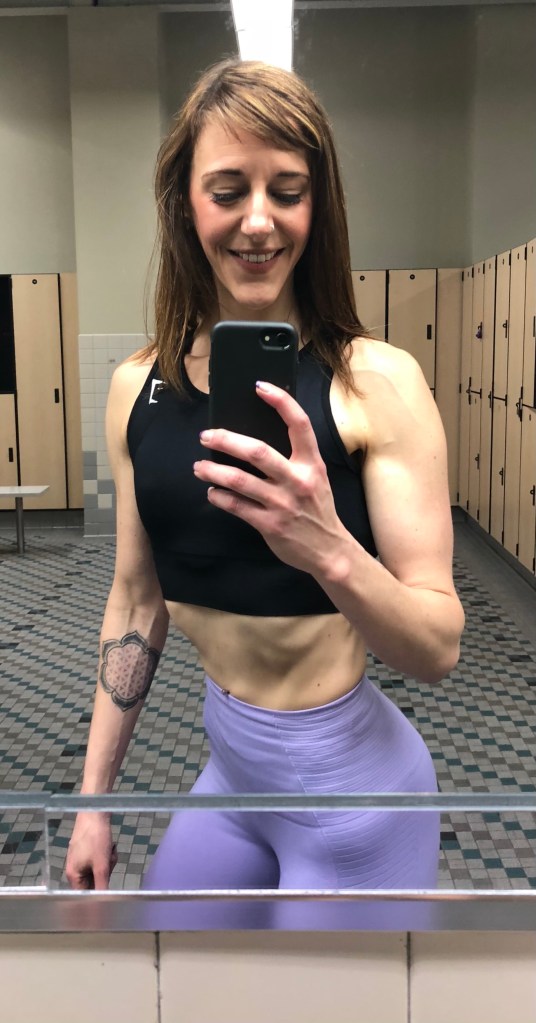
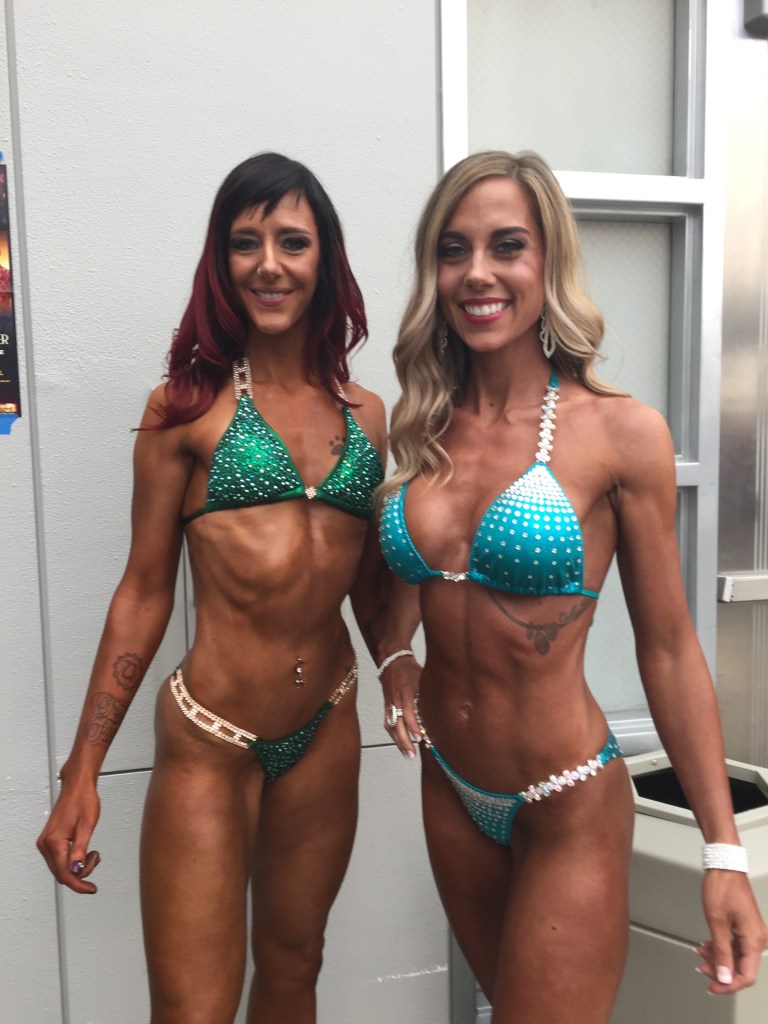
I know this from my own experience. Between May 2017 and October 2018, I competed in four bodybuilding competitions. I didn’t prioritize recovery or hormone balance, and I pushed my body way too hard. The metabolic consequences? Echoes of the Biggest Loser study:

  • Slowed metabolism after prep phases.
  • Hormonal swings that made maintaining progress harder.
  • Mental fatigue and burnout from extreme restriction and exercise.

Diet culture and TV had me convinced that suffering = transformation. But biology doesn’t care about your willpower. Extreme restriction is coercion, not empowerment.

Read more:


From Digital Screens to Unrealistic Bodies

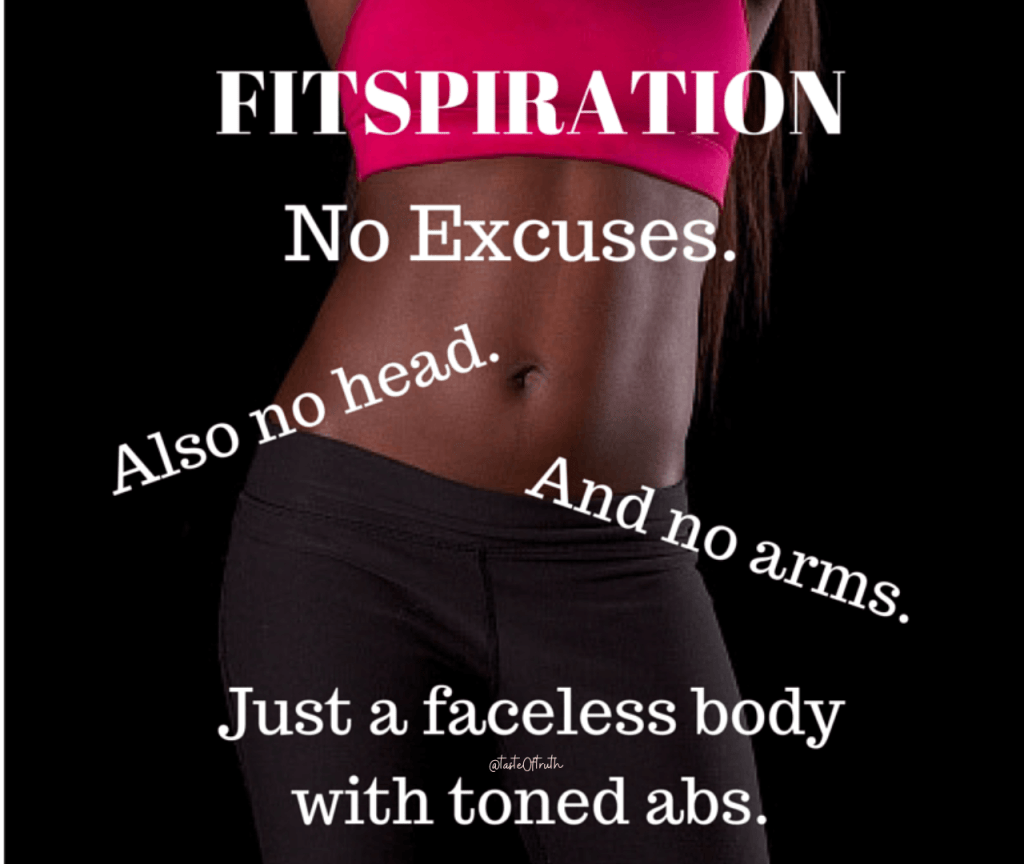
This isn’t just a TV problem. The same mechanisms appear in social media fitness culture, or “fitspiration.” In a previous podcast and blog, From Diary Entries to Digital Screens: How Beauty Ideals and Sexualization Have Transformed Over Time, we discussed the dangerous myth: hard work guarantees results.

Fitness influencers, trainers, and the “no excuses” culture sell the illusion that discipline alone equals success. Consistency and proper nutrition matter—but genetics set the foundation. Ignoring this truth fuels:

  • Unrealistic expectations: People blame themselves when they don’t achieve Instagram-worthy physiques.
  • Overtraining & injury: Chasing impossible ideals leads to chronic injuries and burnout.
  • Disordered eating & supplement abuse: Extreme diets, excessive protein, or PEDs are often used to push past natural limits.

The industry keeps genetics under wraps because the truth doesn’t sell. Expensive programs, supplement stacks, and influencer promises rely on people believing they can “buy” someone else’s results. Many extreme physiques are genetically gifted and often enhanced, yet presented as sheer willpower. The result? A culture of self-blame and impossible standards.


Fitspiration and Self-Objectification

The 2023 study in Computers in Human Behavior found that exposure to fitspiration content increases body dissatisfaction, especially among women who already struggle with self-image. Fitspo encourages the internalized gaze that John Berger described in Ways of Seeing:

“A woman must continually watch herself. She is almost continually accompanied by her own image of herself… she comes to consider the surveyor and the surveyed within her as the two constituent yet always distinct elements of her identity as a woman.”

One part of a woman is constantly judging her body; the other exists as a reflection of an ideal. Fitness becomes performative, not functional. Anxiety, depression, disordered eating, and self-objectification follow. Fitness culture no longer focuses on strength or health—it’s about performing an idealized body for an audience.


The Dangerous Pipeline: Fitspo to Porn Culture

This extends further. Fitspiration primes women to see themselves as objects, which feeds directly into broader sexualization. Porn culture and the sex industry reinforce the same dynamic: self-worth tied to appearance, desire, and external validation. Consider these stats:

  • Over 134,000 porn site visits per minute globally.
  • 88% of porn scenes contain physical aggression, 49% verbal aggression, with women overwhelmingly targeted (Bridges et al., 2010).
  • Most youth are exposed to pornography between ages 11–13 (Wright et al., 2021).
  • 91.5% of men and 60.2% of women report watching porn monthly (Solano, Eaton, & O’Leary, 2020).

Fitspiration teaches the same objectification: value is appearance-dependent. Social media and reality TV prime us to obsess over performance and image, extending beyond fitness into sexualization and body commodification.

Read more:

Netflix Documentary: The Dark Side

Fit for TV exposes just how far the show went:

  • Contestants were given illegal caffeine pills to keep energy up.
  • Trainers manipulated emotions for drama—heightened stress, shame, and competitiveness.
  • Food was weaponized—rationed, withheld, or turned into rewards/punishments.
  • Exercise protocols weren’t just intense—they were unsafe, designed to produce dramatic visuals for the camera.

The documentary also makes it clear: these methods weren’t isolated incidents. They were systemic, part of a machine that broadcasts propaganda as entertainment.


The Bigger Picture: Propaganda, Screens, and Social Conditioning

Dodsworth again:

“Watching TV encourages normative behavior.”

Shows like The Biggest Loser don’t just affect contestants—they socialize an audience. Millions of viewers internalize: “Success = willpower + suffering + restriction.” Social media amplifies this further, nudging us constantly toward behaviors dictated by advertisers, algorithms, and curated narratives.

George Orwell imagined a world of compulsory screens in 1984. We aren’t there yet—but screens still shape behavior, expectations, and self-perception.

The good news? Unlike Orwell’s telescreens, we can turn off our TVs. We can watch critically. We can question the values being sold to us. Dodsworth reminds us:

“Fortunately for us, we can turn off our television and we should.”


Breaking Free

Here’s the takeaway for me—and for anyone navigating diet culture and fitness media:

  1. Watch critically: Ask, “What is this really teaching me?”
  2. Respect biology: Your body fights extreme restriction—it’s not lazy or weak.
  3. Pause before you absorb: Screens are powerful teachers, but you have the final say.

The bigger question isn’t just “What should I eat?” or “How should I train?” It’s:

Who’s controlling the story my mind is telling me, and who benefits from it?

Reality shows like The Biggest Loser and even social media feeds are not neutral. They are propaganda machines—wrapped in entertainment, designed to manipulate perception, reward suffering, and sell ideals that are biologically unsafe.

I’ve lived some of those lessons firsthand. The scars aren’t just physical—they’re mental, hormonal, and metabolic. But the first step to freedom is seeing the screen for what it really is, turning it off, and reclaiming control over your body, mind, and reality.

Thank you for taking the time to read/listen!

🙏 Please help this podcast reach a larger audience in hope to edify & encourage others! To do so: leave a 5⭐️ review and send it to a friend! Thank you for listening! I’d love to hear from you, find me on Instagram!⁠⁠⁠ @taste0ftruth⁠⁠⁠ , @megan_mefit , ⁠⁠⁠ Pinterest! ⁠⁠ ⁠ Substack and on X! 

Until then, maintain your curiosity, embrace skepticism, and keep tuning in! 🎙️🔒

🆕🆕This collection includes books that have deeply influenced my thinking, challenged my assumptions, and shaped my content. ⁠Book Recommendations – Taste0ftruth Tuesdays

From Diary Entries to Digital Screens: How Beauty Ideals and Sexualization Have Transformed Over Time

Over the past year, we’ve explored a web of interconnected topics—religious extremism, theology, the role of social media in radicalization, and most recently, body image and the impact of fitspiration.

These discussions aren’t isolated; they all trace back to a common thread—how external influences shape our beliefs, behaviors, and sense of identity. Today, we’re diving deeper into that connection, looking at how beauty standards, social media, and the normalization of self-objectification are part of a larger cultural shift.

The Evolution of Body Image: From Calorie Counting to the Cult of Fitness

Our cultural obsession with body modification isn’t new—it’s just evolved.

In The Body Project, historian Joan Jacobs Brumberg explores the history of American girls and how today women have more freedom and choice than ever before, but many of us begin a pattern of negative self-image, beauty obsession and dieting as early as five or six. Brumberg states:

“All throughout history, adolescent self-consciousness is quite persistent, but it’s level is raised or lowered, like the water level in a pool, by the cultural and social setting.”

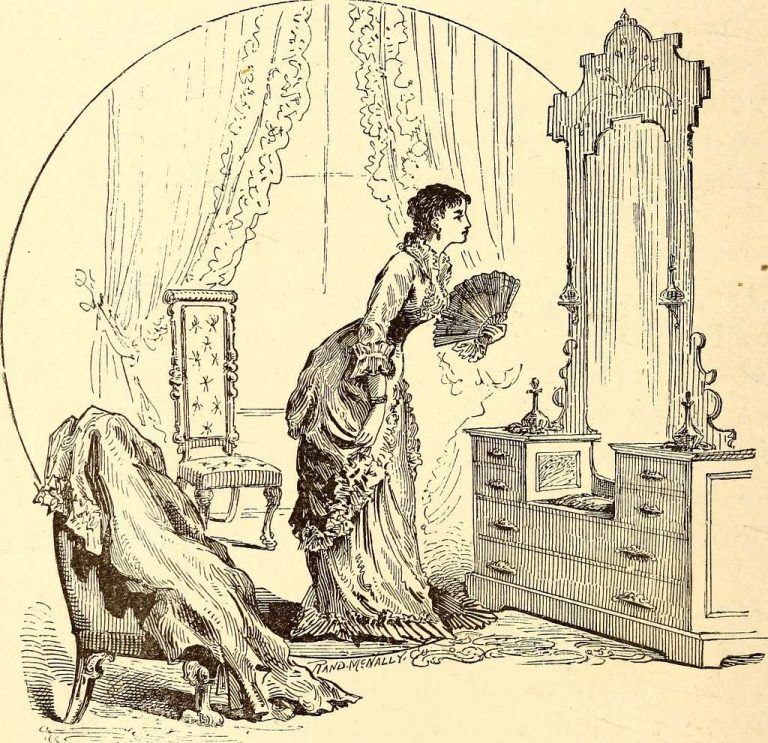
For instance, in the late 19th century, girls might have been particularly conscious of their hands and feet due to the fashion and modesty standards of the time, as well as the emphasis on delicate and proper presentation. Additionally, the ideal feminine silhouette of the time, with tightly laced corsets and voluminous skirts, might have made girls more conscious of their waists and overall body shape.

So, while in modern day times, we may cringe at the confinements of what the Victorian society and wearing the corset did to women, but I’d like to argue that in 2025 body angst is driven by much more sinister forces. Today, commercial interests utilize marketing strategies that result in enormous amounts of profit for the manufactures of cosmetic, surgery, hair products and of course diet foods.

The reality that American girls now center their lives around their bodies is neither coincidental nor trivial: it reflects historical shifts that are just now being comprehended.

15th November 1926: Film star, Mae Murray (1889 – 1965) making herself up in a mirror in the lid of her make-up box.

Brumberg examines how the modern fixation on weight began in the early 20th century. Historically, the surge of explicit “girl talk” about body and sexuality is a relatively recent American phenomenon. As the language surrounding sex and the body has evolved, so too have the body projects of different generations of American girls. By the 1920s, girls began writing about their efforts to develop sexual allure through clothing and cosmetics, and for the first time, they experimented with “slimming”—a new body project tied to the scientific discovery of the calorie. The dieters and sexual players of the 1920s were generally girls in middle to late adolescence, finishing high school or heading off to college and jobs in the business world—unlike today, where such concerns often affect younger children and teenagers.

By the 1970s and 1980s, body control became about more than just being thin; it evolved into sculpting the ideal physique. This shift gave rise to what we now recognize as the cult of fitness—a movement that reframed body control as discipline and self-mastery. The rise of bodybuilding, aerobics, and the emerging diet industry all played a role in selling the idea that, with enough effort, anyone could build their “dream body.”

The Role of Genetics in Muscle Growth: What Fitness Culture Gets Wrong

But science tells a different story. While training and nutrition matter, genetics play a massive role in muscle development, strength, and even fat distribution. A study published in Communications Biology (2020) found that an individual’s ability to build muscle and strength is 50-80% genetic (Pei et al., 2020).

This means that two people following the exact same training program and nutrition plan will not achieve the same results—because their genetic blueprint largely determines their potential for muscle growth, recovery speed, tendon strength, and even motivation to train.

Yet, fitness culture—including myself as a personal trainer for nearly 20 years—rarely acknowledges this, pushing the narrative that extreme discipline alone is the key to achieving a certain look. This myth is not only misleading but also damaging, leading many people to believe that if they just worked harder, ate “cleaner,” or followed the right influencer’s workout, they could look like a fitness model.

How Genetics Impact Strength and Muscle Development

  1. Muscle Fiber Composition: The Fast-Twitch vs. Slow-Twitch Factor
    • People with a higher percentage of fast-twitch muscle fibers (Type II) have a genetic advantage in strength and hypertrophy (muscle growth). These fibers respond better to resistance training and grow larger than slow-twitch (Type I) fibers, which are more endurance-focused.
    • Some individuals are naturally fast-twitch dominant, making it easier for them to build muscle. Others are slow-twitch dominant, meaning they may struggle with size gains but excel in endurance sports like long-distance running (Timmons et al., 2010).
  2. Myostatin: The Genetic “Muscle Growth Brake”
    • Myostatin is a protein that regulates muscle growth by preventing muscles from getting too large.
    • People with lower levels of myostatin (due to genetic mutations) have an easier time building muscle naturally. Some bodybuilders and elite athletes are born with myostatin deficiencies, giving them an unfair advantage (Lee & McPherron, 2001).
  3. Testosterone and Hormonal Variability
    • Testosterone is a major driver of muscle protein synthesis, and its levels vary wildly among individuals.
    • Some people naturally produce more free testosterone (the biologically active form), which enhances muscle recovery, strength, and hypertrophy.
    • Women generally have 10-20 times lower testosterone levels than men, making significant muscle gains much harder without pharmacological assistance (i.e., steroids) (Kraemer et al., 1998).
  4. Bone Structure and Muscle Insertions: The Aesthetic Factor
    • Ever wonder why some people seem to have a “naturally sculpted” look even before they start training?
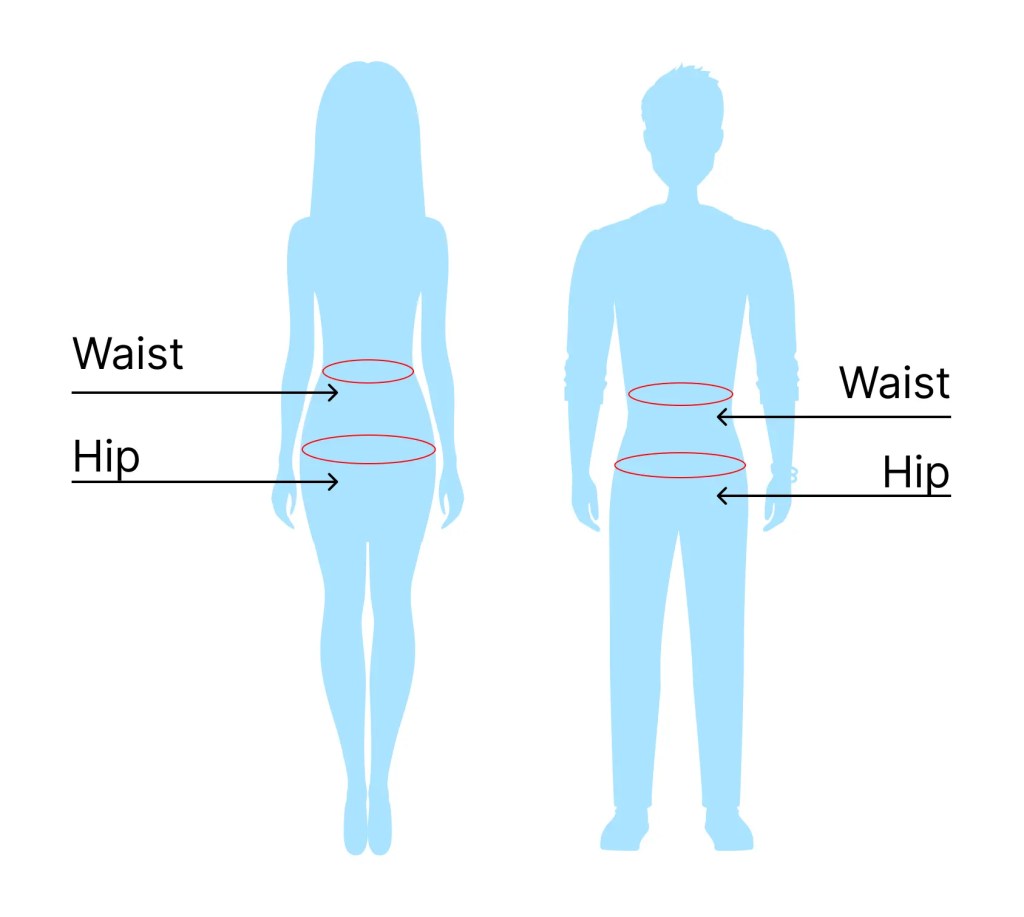
    • Bone structure (such as clavicle length, rib cage width, and hip-to-waist ratio) dictates how muscle mass is distributed.
    • Muscle insertion points vary genetically, meaning some people have longer muscle bellies, which create fuller-looking muscles, while others have shorter insertions, making certain muscles appear smaller or less defined no matter how much they train (Abe et al., 2016).

The Dangerous Myth of “Hard Work = Guaranteed Results”

Fitness influencers, personal trainers, and the entire “no excuses” culture have sold the idea that discipline alone determines success. And yes—training consistency and proper nutrition absolutely matter. But they will never override genetic limitations.

This myth leads to:

  • Unrealistic Expectations: People blame themselves when they don’t achieve Instagram-worthy physiques, despite training and eating “perfectly.”
  • Overtraining & Injury: Chasing unrealistic body standards leads many to overtrain, ignore recovery, and develop chronic injuries.
  • Disordered Eating & Supplement Abuse: Some resort to extreme dieting, excessive protein intake, or even performance-enhancing drugs to push past genetic limits.

The Industry’s Selective Silence on Genetics

Why does fitness culture ignore genetics? Simple: it doesn’t sell. If people accepted that their muscle-building potential was largely predetermined, the billion-dollar fitness industry wouldn’t be able to push:

  • Expensive training programs promising “X body in X weeks.”
  • Supplement stacks claiming to “maximize muscle growth.”
  • The illusion that buying a program from a shredded influencer will make you look like them.

Ironically, many of the biggest names in fitness—especially those with extreme physiques—are genetically gifted (and often enhanced by PEDs). Yet, they claim their results come solely from “hard work and dedication,” keeping their followers trapped in a cycle of unrealistic expectations and self-blame.

After nearly 20 years as a personal trainer, I wish I had been more honest about genetics with my clients. Fitness is absolutely a combination of training, nutrition, recovery, and mindset—but genetics are the foundation that determines what’s possible.

Let’s stop pretending everyone can achieve the same results through sheer willpower. Fitness should be about maximizing your individual potential—not chasing an impossible ideal. Focusing on body neutral fitness and strength training gave me tangible, measurable improvements, but it also made me realize how much misinformation circulates in mainstream fitness spaces, particularly in the fitspiration content flooding social media.

Fitspiration: The Reinvention of Beauty Standards

A 2023 study in Computers in Human Behavior compared the effects of fit ideal vs. non-fit ideal body types in fitspiration imagery. The findings? Exposure to fitspiration content significantly increases body dissatisfaction, especially in women who already struggle with self-image. This isn’t surprising—social media’s curated highlight reels create a distorted sense of what’s achievable. And just like 90s diet culture failed to acknowledge genetic differences in weight, today’s fitness culture largely ignores the reality that strength and muscle growth are heavily influenced by genetics.

But the impact of fitspiration goes beyond body image. The same mechanisms that fuel fitness obsession—comparison, idealization, and self-objectification—are also at play in the broader cultural shift toward hypersexualization.

Fitspiration and Self-Objectification: The Internalized Gaze

Self-objectification occurs when a person sees themselves through the eyes of others, measuring their worth by how they look rather than who they are. And nowhere is this dynamic more evident than in fitspiration culture.

John Berger describes this process perfectly in Ways of Seeing:

“A woman must continually watch herself. She is almost continually accompanied by her own image of herself… From earliest childhood she has been taught and persuaded to survey herself continually. And so she comes to consider the surveyor and the surveyed within her as the two constituent yet always distinct elements of her identity as a woman.”

Fitspiration content encourages this exact split identity—one part of a woman is the observer, constantly assessing whether she looks toned, lean, or strong enough. The other part is the observed, existing only as a reflection of an idealized body type. It’s no longer just about fitness; it’s about performing fitness for an audience.

And the consequences are severe:

  • Chronic body surveillance leads to increased anxiety, depression, and disordered eating (Fredrickson & Roberts, 1997).
  • Instead of focusing on how movement feels, women focus on how their bodies appear while exercising.
  • The line between fitness and sexualization blurs, reinforcing the idea that a woman’s body is only valuable when it is desirable to others.

In this way, fitspiration isn’t just a rebranded version of diet culture—it’s also a pipeline to broader cultural hypersexualization, where the body is constantly on display, measured, and objectified. And this feeds directly into an even deeper issue: the normalization of pornography and the sex industry, where women’s bodies are not just idealized but commodified.

By promoting self-objectification as empowerment, fitspiration culture primes women to see themselves as both the product and the consumer, caught in an endless cycle of external validation. And the most insidious part? It’s framed as self-improvement—when in reality, it’s just another system designed to keep women watching themselves instead of living fully.

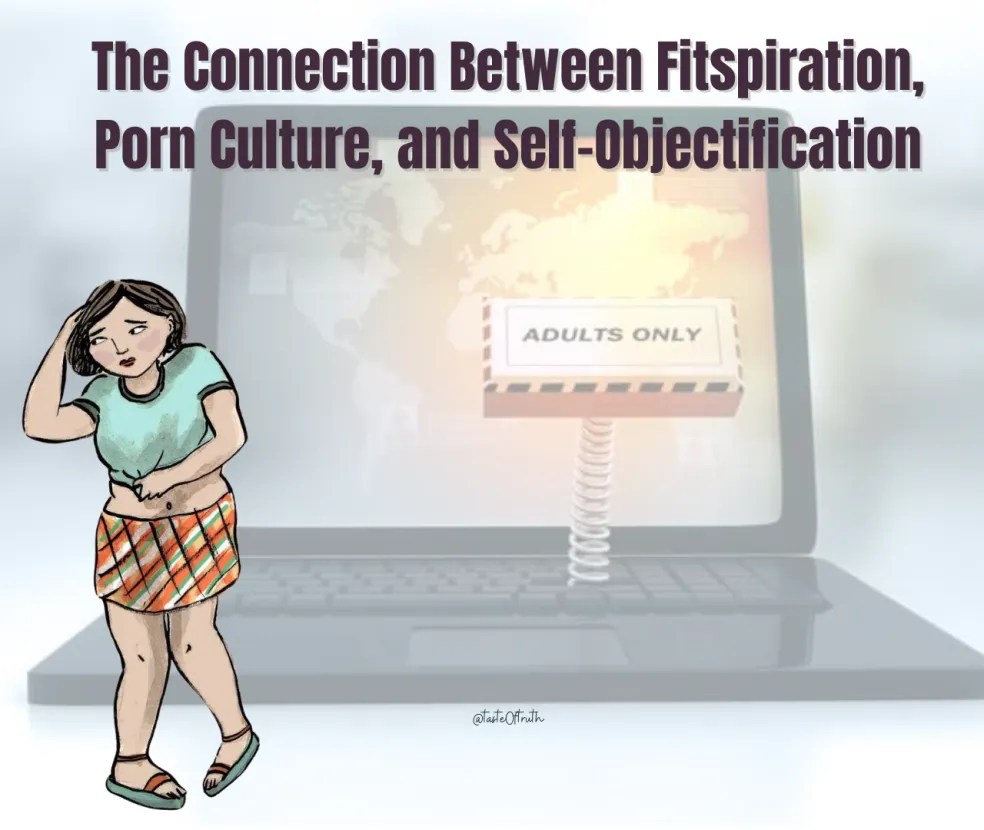
The Connection Between Fitspiration, Porn Culture, and Self-Objectification

The way women are impacted by pornography—and by extension, the sex industry—is something far too many people overlook. The statistics are staggering:

  • The top three porn sites receive a combined 134,491 visits per minute.
  • Most pornographic videos contain some form of aggression or violence, particularly toward women. A 2020 meta-analysis found that 88% of pornographic scenes contain physical aggression (slapping, choking, hair-pulling) and 49% contain verbal aggression, with women overwhelmingly being the targets (Bridges et al., 2010).
  • Most young people are exposed to pornography between the ages of 11 and 13, with some studies reporting an even earlier age for boys (Wright et al., 2021).
  • A 2020 study found that 91.5% of men and 60.2% of women had watched porn in the past month (Solano, Eaton, & O’Leary, 2020).

How This Connects to Fitspiration and Porn Culture

At first glance, fitspiration (or “fitspo”) might seem like it has nothing to do with pornography or the sex industry. After all, isn’t fitness about health and strength? But when we look closer, the connections become clear.

  1. Both fitspiration and porn culture promote self-objectification.
    Fitspiration culture tells women that their worth is tied to their body’s appearance—specifically, whether they have a lean, sculpted, and sexually desirable physique. This reinforces self-objectification, where women begin viewing their bodies primarily as objects to be judged rather than lived-in, experienced, and valued beyond aesthetics.

Remember our study in Computers in Human Behavior (2023) found that exposure to fitspiration imagery leads to increased body dissatisfaction and self-objectification, particularly among women who already struggle with body image….Similarly, pornography fuels external validation as a primary measure of self-worth.

Women in both fitspo and porn culture are expected to conform to an idealized version of femininity that is both hypersexualized and carefully curated for male consumption.

  1. Both industries capitalize on the illusion of empowerment.
    One of the biggest arguments in favor of fitspiration and porn is that they “empower” women. But empowerment, in its truest sense, involves autonomy, agency, and self-determination—not just adhering to societal beauty standards under the guise of “strength” or “choice.”
  • Fitspiration content often presents extreme dieting, excessive exercise, and body sculpting as forms of self-discipline and self-improvement, even when they veer into disordered behaviors.
  • The porn industry promotes the idea that sex work is a path to empowerment, despite overwhelming evidence of the harm it causes to those involved. Research on women in the porn industry has found high rates of PTSD, substance abuse, and coercion (Farley et al., 2003).

The same narrative that tells women they must be “empowered” by fitspiration also tells them they must be “empowered” by commodifying their bodies through sex work. The reality is that both industries profit from women internalizing external standards of worth rather than defining it for themselves.

  1. The rise of OnlyFans and the blending of fitness and sex work.
    Social media has blurred the lines between fitness influencers and the sex industry in a way that previous generations didn’t experience. Platforms like Instagram, TikTok, and OnlyFans have created a new category of influencers who monetize their appearance—whether through fitness content, sexually suggestive photos, or outright pornography.
  • Some fitness influencers now have OnlyFans accounts, where they claim to be selling fitness content but also offer sexually explicit material.
  • The normalization of “soft porn” in fitness spaces (suggestive poses, hypersexualized workout attire) conditions women to see their fitness journey as something that must be publicly displayed and validated by others.
  • Many young women have turned to selling “spicy content” on OnlyFans as a form of income, believing it to be harmless self-expression—only to later experience the psychological and social fallout.

This isn’t just theoretical. A growing body of research shows that women who engage in sexualized self-presentation online report higher levels of self-objectification, body dissatisfaction, and lower self-esteem (Boursier et al., 2020).

The Psychological Toll: What Happens When Women Internalize These Messages?

Self-objectification doesn’t just impact body image—it affects mental health, cognitive performance, and even physical performance. Studies have found that women who are primed to focus on their appearance:

  • Perform worse on cognitive tasks (Fredrickson et al., 1998).
  • Experience greater body shame and anxiety (Moradi & Huang, 2008).
  • Are less likely to engage in activities that prioritize function over appearance (Roberts & Gettman, 2004).

And this has real-world consequences. Women who internalize self-objectification are more likely to experience:

  • Higher rates of depression and anxiety
  • Greater susceptibility to eating disorders
  • Lower confidence in their physical abilities

Reframing the Narrative: What’s the Alternative?

Recognizing these patterns is the first step in breaking free from them. If fitspiration, porn culture, and social media all push the message that women must shape themselves into externally validated objects, then the antidote is reclaiming agency over our bodies—not as things to be looked at, but as tools for living, experiencing, and creating.

  • Strength training should be about what your body can do, not how it looks.
  • Health and fitness should prioritize function over pain.
  • Challenge Beauty Norms & External Validation. Who benefits from women being consumed by their appearance? The more we recognize these influences, the easier it is to resist them.
  • Women should be encouraged to pursue movement, sport, and physical strength without the added layer of performative sexuality.

Joan Jacobs Brumberg’s The Body Project reinforced for me how unprepared young women have been for the level of sexualization and exploitation in our culture—something that has only worsened with social media. The way sex work is framed as “empowerment” in some circles ignores the long-term harm it inflicts, and I’ve seen that firsthand.

I can’t wait to discuss this more with my friend Sloane Wilson, a survivor advocate with Exodus Cry, on my podcast later this season. Her insights into the realities of the sex industry and the dangers of normalizing self-objectification are incredibly important for this conversation.

Understanding Metabolic Health: The Role of Temperature and Pulse

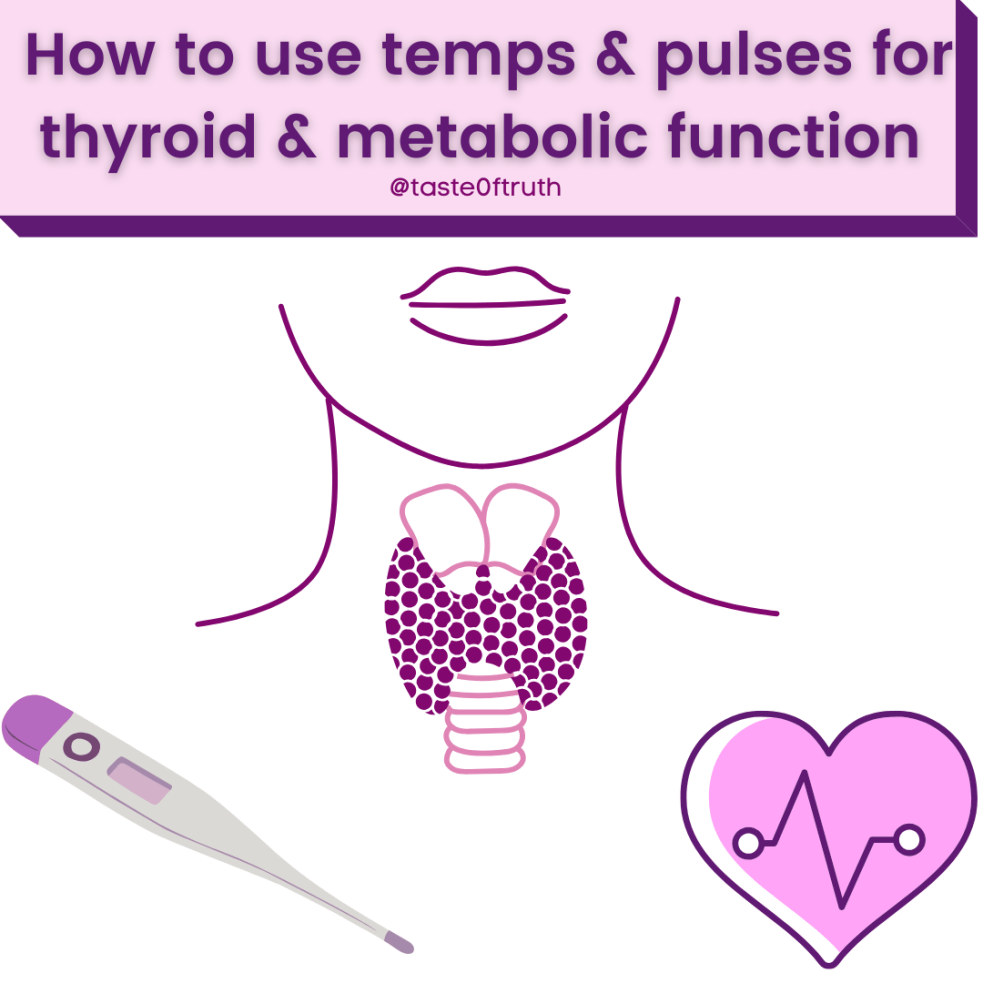
How to Use Temperature and Pulse for Metabolic Health Insights

In the summer of 2020, my health began to take a dive. Years of chronic dieting, over-exercising, negative self-talk, and hormonal birth control were taking their toll. I was eating next to no carbs, minimal sugar, low fat, no dairy, and only lean protein. I was working out six days a week, doing hours of cardio, and feeling terrible physically, mentally, and emotionally. Hypothyroid and adrenal symptoms began to emerge. It was clear my lifestyle was working against my physiology. My metabolism felt ‘broken’ or ‘slow,’ but in reality, I was undernourished and overstressed.

Initially, I started tracking basal temperature but did not include resting pulse rates. At the time, my average temperatures were 96.5°F, and my pulse was 44 bpm. Discovering the “pro-metabolic” community introduced me to the research of Dr. Ray Peat and Dr. Broda Barnes, and it changed my perspective.

According to Dr. Raymond Peat, a well-nourished, healthy human should have a resting pulse of 85+ beats per minute. A high resting pulse (in the absence of stress) indicates good metabolic health and a strong ability to repair. This counters mainstream advice, which often celebrates a low resting heart rate as a marker of fitness.

Why Temps and Pulses Matter

Your thyroid acts as your body’s thermostat, controlling metabolism. Metabolism is the sum of all biochemical reactions in the body—essentially, the rate of energy production in the cells and the speed of bodily processes. Body temperature reflects metabolic activity, and people with underperforming thyroids often have low basal body temperatures.

Tracking basal body temperature and resting pulse provides insights into your thyroid and metabolic function:

  • Basal body temperature can indicate if ovulation has occurred, reflecting progesterone production (a pro-thyroid hormone).
  • Resting pulse shows how well your body is utilizing nutrients and oxygen.
  • Tracking post-meal temperatures and pulses helps identify stress responses and metabolic efficiency.

How to Track Temps and Pulses

To get accurate and actionable insights, follow these steps: Log your readings daily to identify trends over time. Note factors like stress, sleep, meals, and menstrual cycle phases that might influence your results.

  • Choose the Right Thermometer
    • Use a digital thermometer with a quick response time and high accuracy.
    • Glass basal thermometers are also effective but require more time to measure.
  • Measuring Basal Temperature
    • Take your temperature first thing in the morning, immediately after waking, and before getting out of bed.
    • Place the thermometer under your tongue for the most reliable reading. Avoid using armpit readings as they can be less accurate due to environmental factors.
  • Measuring Resting Pulse
    • Use a wearable device, like a fitness tracker, to measure your resting pulse overnight or immediately upon waking.
    • Alternatively, place your index and middle fingers on your wrist or neck to manually count beats for 60 seconds.
  • After Meals
    • Check your temperature and pulse 30-40 minutes after breakfast. These should gently rise after eating, as food lowers stress and generates heat. If they drop, it may indicate elevated stress hormones upon waking.
  • Track Afternoon Readings
    • Record your temperature and pulse between 1-3 p.m. when your body’s temperature should naturally peak.
  • Use a Tracking App or Journal

Questioning the Mainstream Narrative

The Mayo Clinic states: “Generally, a lower heart rate at rest implies more efficient heart function and better cardiovascular fitness. For example, a well-trained athlete might have a normal resting heart rate closer to 40 beats per minute.”

But is a low resting heart rate truly beneficial? Evidence suggests otherwise. Thyroid health—the thermostat of the body—plays a crucial role in metabolism. A sluggish thyroid often correlates with lower body temperatures and slower heart rates, indicators of reduced metabolic function.

Why Temperature and Pulse Matter

Metabolism refers to the sum of all biochemical reactions in the body. It’s essentially the rate of energy production at the cellular level—the speed at which your body processes and utilizes energy. Your body temperature is a reflection of this activity. People with under-functioning thyroids tend to exhibit low basal body temperatures and slower pulses, which can indicate:

  • Low thyroid function
  • Inflammation
  • Suppressed immune function
  • High stress
  • Estrogen dominance

In contrast, a warm body is linked to better immune function, efficient digestion, reduced inflammation, and overall metabolic health.

How to Track Temperature and Pulse

Tracking these metrics throughout the day provides invaluable insights into your metabolic health:

  • Upon Waking:
    • Follicular Phase: 97.2-97.8°F
    • Luteal Phase: 98.6°F
    • Resting pulse: 75-90 bpm
  • After Breakfast:
    • Temperatures and pulse should gently rise after meals. Food lowers stress and generates heat. If your numbers drop, it may indicate falsely elevated waking temps due to stress hormones like cortisol.
  • Afternoon:
    • Temperatures should peak between 1-3 PM.

What Your Numbers Reveal

  • Higher temp and pulse (in the absence of stress): Optimal metabolic function
  • Normal temp and higher pulse: Active stress response
  • Lower temp and lower pulse: Chronic stress and metabolic suppression
  • Normal temp and lower pulse: Chronic stress or low thyroid function

How to Optimize Your Numbers

If your temperature and pulse rates aren’t within optimal ranges, consider the following steps:

  1. Prioritize bioavailable protein: Aim for at least 100 grams per day.
  2. Eat enough calories: 1,800-2,000+ per day, depending on individual needs.
  3. Include digestible carbs: At least 150 grams daily (e.g., honey, maple syrup, fruit, root vegetables).
  4. Pair carbs with protein: Avoid “naked carbs” to stabilize blood sugar.
  5. Focus on anabolic exercise: Build muscle with strength training to boost metabolism.

Why This Matters

Using temperature and pulse as tools, you can:

  • Monitor how well your body utilizes energy.
  • Evaluate recovery from exercise.
  • Gain insights into hormonal balance (e.g., progesterone production and ovulation).
  • Identify the impacts of stress on your physiology.

Final Thoughts

Key Takeaways By regularly monitoring your temps and pulses, you can uncover patterns and make adjustments to optimize your thyroid and metabolic health. These small, daily practices provide powerful insights into how your body is functioning and what it needs to thrive.

Healing is never a final destination; it’s an ongoing journey. Over time, I’ve seen significant improvements in my metabolic markers. My overall body temperature has risen to 97.6–98.1°F, and my resting pulse is now around 70 bpm—much better than where I started. This progress has required me to embrace a larger body size than what traditional “fit fam” culture promotes, but it has been worth it. Prioritizing healing and hormone rebalancing has provided my body with the sense of safety and stability it needed to thrive.

To read more about the doctor that pioneered these tests grab the book called Hypothyroidism: The unsuspected illness by Dr. Broda Barnes

✌🏼Looking for more support navigating your cycle with fitness & nutrition? Check out my FREE guide & pro-metabolic strength training guide available for purchase!

LINK to apply for 1:1 coaching ❤️

Sources 👇🏻

PMID: 28740582
PMID: 26792255
Dr. Ray Peat

🔥 365 Easy Challenge: MASTER THE BASICS for 2025 🔥

Forget extreme diets, gimmicky regimens, and complicated rules. 2025 is the year we master the basics and build a lifestyle that actually lasts. All you need? A simple plan, a sprinkle of consistency, and a whole lotta patience. Here are the 6 core habits you’ll need to crush 2025:

1. Brain Reframe 🧠
Your body doesn’t need a “reset” — your brain does! Shift the focus to what you’re adding, not subtracting. More protein, more fruits & veggies, more movement. It’s all about progress, not perfection.

2. Stress Management (and your mindset around stress) 😤
Stress is the silent killer of self-control and health. Managing stress isn’t just about chill vibes, it’s about understanding your stress and handling it like the boss you are.

3. Sleep Consistently 😴
The most underrated (yet most important) aspect of health? SLEEP. If you’re aiming for aesthetic goals, consistent sleep should be at the top of your priority list.

4. Digestive Health 🥦
Your body doesn’t thrive off what you eat, but off what you can digest and absorb. So, let’s get those healthy poops on track and optimize your digestion for real transformation.

5. Adequate Nutrition 🍏
Under-eating doesn’t get you anywhere good. Let’s focus on fueling your metabolism, building muscle, and living your life — so when the time comes for fat loss, it’s smoother and healthier than ever.

6. Gratitude Practice 🙏
Meditation, prayer, and focusing on gratitude are more than just buzzwords. Science shows they can actually help you stay on track with your diet and exercise goals. Yes, really!


💥 The First Step: Awareness 💥

Before you can make any changes, you’ve got to know what needs changing. You can’t improve what you don’t know needs improvement. Motivation? It’s a tricky beast. And we’ll talk more about that in an upcoming podcast episode (stay tuned!) where we’ll get into intrinsic vs. extrinsic motivation and why neither is enough on its own.

But here’s the TL;DR: Motivation is a lot like a campfire. You have to keep stoking the fire to keep it burning. Don’t wait for external motivation to light you up — take control!


The REAL Problem: Unrealistic Goals 🚫

Challenges like 75 Hard or Whole 30 aren’t the issue. It’s the unrealistic expectations that trip us up. Discipline isn’t about being lazy; it’s about setting goals that actually fit your life and personality. Instead of following what others are doing, ask yourself: What do I need?

Let’s be real: consistency and routine are the game-changers. They build habits, and habits lead to long-lasting results. So let’s ditch the all-or-nothing mentality and start building a routine that works for YOU.


Let’s be clear: Motivation is unreliable. We need to normalize the idea that motivation doesn’t last forever. The secret is: keep the fire alive and keep working on your goals, even when motivation flickers.

As a personal trainer, I’d tailor every plan to fit each person’s season of life — newly married, starting a new job, planning for a baby — because that’s how real results happen. It’s about what works for YOU.

So, let’s leave the restrictive diets and quick fixes behind and focus on mastering the basics for 2025. Who’s in?


Ready to start your journey? Let’s get it, 365 Easy Challenge style! 🔥

Understanding the Impact of Diet on Thyroid Health

When clients come to me saying they have a “slow metabolism” or a “broken” metabolism, often they think they need to eat even less or cut carbs to jumpstart weight loss. But let me flip the script: in many cases, it’s actually chronic under-eating and restrictive dieting that’s slowing down their metabolism. Chronic dieting, especially with very low calories, can lead to impaired thyroid function and ultimately disrupt how the body uses energy. Here’s how it happens and what you can do to restore balance.


What is the Thyroid and Why Does It Matter?

Your thyroid is a small gland in your neck that plays a massive role in regulating your body’s metabolism. Often called the “controller” of metabolic function, the thyroid works closely with the hypothalamus and pituitary glands in the brain to maintain your metabolic rate. This system allows your body to increase or decrease energy production based on its needs, influencing everything from how you process food to your body temperature.

The thyroid primarily produces two hormones:

  • T3 (Triiodothyronine) – the active hormone that your cells use.
  • T4 (Thyroxine) – the inactive hormone that must be converted into T3 before your body can use it.

The production and conversion of these hormones depend on a feedback loop that begins with TSH (Thyroid Stimulating Hormone), which signals the thyroid to produce and release T4. But when the body is stressed—especially due to chronic under-eating or extreme calorie restriction—this whole process can become disrupted.

How Chronic Dieting Wrecks Your Thyroid

Under-eating is a significant source of stress for the body. Dieting or calorie restriction triggers the HPA axis (Hypothalamic-Pituitary-Adrenal axis), leading to an increase in CRH (Corticotropin-Releasing Hormone) and cortisol, our primary stress hormone. High cortisol levels can interfere with thyroid function in the following ways:

  • Reduces TSH Production: Elevated cortisol inhibits TSH, lowering T4 production and decreasing the amount of thyroid hormone available for energy use.
  • Impairs T4-to-T3 Conversion: Chronic stress slows down the conversion of T4 (inactive) into T3 (active), reducing your body’s energy production.
  • Increases rT3 Levels: Instead of converting into T3, some T4 becomes reverse T3 (rT3), a hormone that blocks T3 from being used. This, in turn, reduces the sensitivity of your cells to thyroid hormones, further lowering metabolic function.

This is why individuals who chronically under-eat or yo-yo diet often experience symptoms of hypothyroidism, even without an official diagnosis.


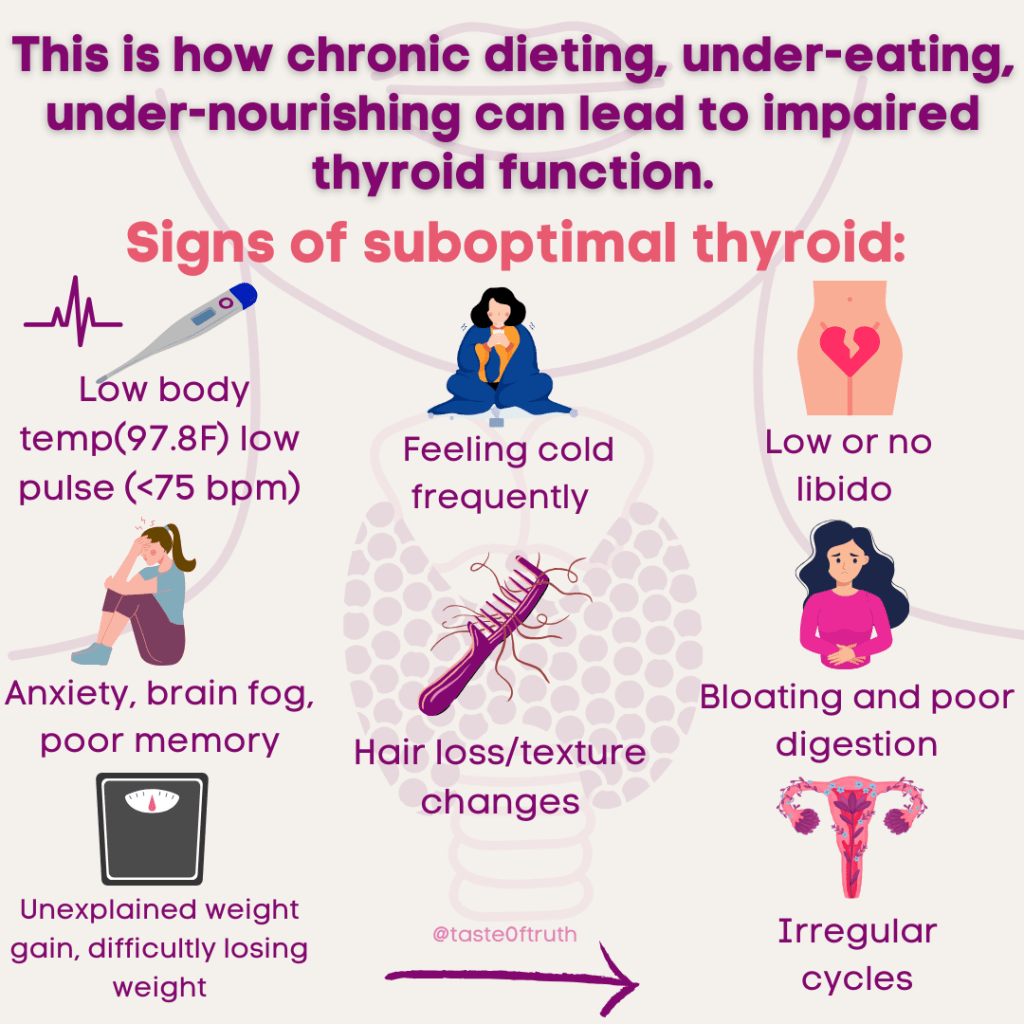
Symptoms of Suboptimal Thyroid Function

If your thyroid isn’t functioning optimally, you may notice some of the following symptoms:

  • Low body temperature (below 97.8°F)
  • Frequent feelings of cold, regardless of weather
  • Low or no libido
  • Anxiety, brain fog, or poor memory
  • Unexplained weight gain or difficulty losing weight
  • Bloating, poor digestion
  • Changes in hair texture or hair loss

Many clients experiencing these symptoms have been stuck in a calorie-deficit mindset for years, keeping their bodies in a constant state of stress. As a result, they’re often dealing with adrenal dysfunction, hypothyroidism, or even reproductive health issues, like extreme PMS, cycle loss, or low testosterone.


Restoring Your Thyroid Health—The First Steps

To begin improving thyroid health, our initial goal is to support both psychological and physiological balance, moving away from restrictive dieting and focusing on nourishment. Here’s a breakdown of the steps:

  1. Stabilize Blood Sugar: Balanced blood sugar supports thyroid health and reduces stress on the body.
  2. Maximize Nutrient Density: Prioritize whole, nutrient-rich foods to ensure your body receives adequate vitamins and minerals, especially selenium, zinc, and iodine, which are crucial for thyroid function.
  3. Reduce Inflammation: Chronic inflammation can further stress the thyroid. Anti-inflammatory foods and lifestyle practices can help.
  4. Incorporate Breathwork: Simple breathwork techniques can stimulate the vagus nerve, helping to regulate the HPA axis and reduce stress.
  5. Avoid Dietary Triggers: Reduce foods that promote “leaky gut,” such as highly processed foods, sugar, and gluten, if sensitive. This protects your immune and thyroid health.
  6. Manage Stress Proactively: Yoga, meditation, journaling, or spending time in nature can help keep cortisol in check.
  7. Reduce Toxins and Pollutants: Environmental toxins can interfere with hormone health, so minimizing exposure can be a powerful step.
  8. Prioritize Rest and Sleep: Quality sleep allows the body to recover and reset, which is essential for thyroid health.

The Bottom Line

Restrictive dieting isn’t the solution to a slow metabolism; it’s often the root cause. Chronic under-eating can lead to imbalances in your thyroid and adrenal glands, ultimately slowing down your metabolic rate and making it harder to achieve your fitness goals. Rebuilding a balanced, nourished body will not only help you feel better but will also lay the foundation for sustainable health.

This week, we’re talking all things thyroid health, and this post breaks down why breaking free from the dietary dogma of diet culture is crucial! Ever feel like your energy’s tanked, your minds in a fog, or your metabolism’s stuck in slow motion? 🧠✨ You’re not alone, and it could be your thyroid talking.

On this week’s Taste of Truth Tuesdays, we’re joined by Nicole, a holistic health advocate who’s here to shed light on how diet culture’s obsession with restriction can wreak havoc on your thyroid. From her own experience facing an autoimmune diagnosis to her advocacy for individualized nutrition, Nicole breaks down how restrictive dieting not only slows your metabolism but also impacts hormone balance, brain clarity, and overall well-being. Join us to learn how making friends with food (yes, even carbs!) might be the best way to support your thyroid and reclaim your energy.

Comparing Law of Attraction, High-Control Religion, and Diet Culture: Pitfalls Uncovered

Welcome back to Taste0ftruth Tuesdays, where today’s topic is Mindsets and Movements: Comparing Law of Attraction, High Control Religion, and Diet Culture

Ever wondered how MLMs thrive? Many of them tap into the power of teachings like the law of attraction—convincing you that your thoughts create your reality. It sounds empowering, right? 🤪

But behind the facade lies a darker truth. MLMs manipulate these beliefs to lure in dreamers, promising wealth and success through their products. 

So, what’s the scoop? The Law of Attraction says that what you focus on—whether positive vibes or the occasional grumpy thought—can actually manifest in your life. It’s all about tuning into those good vibrations and sending out positive signals to the universe.

Picture this: by visualizing your dreams, practicing gratitude like a pro, and keeping that vibe high, you’re supposedly paving the way for all those good things to come knocking on your door. 🚪

But hold up! It’s not all rainbows and sunshine. Just like dodging fad diets or harmful religious practices, there are pitfalls. 

Stay tuned as we uncover the highs, lows, and everything in between of this cosmic mind game. We’ll share some tips on how to keep your mental mojo balanced, whether you’re manifesting your dream job or just trying to stay chill in the chaos. 

Let’s walk that fine line between harnessing the power of our minds and falling into the traps of unrealistic expectations and self-blame. 

The law of attraction, diet culture, and high-control religions can promote all-or-nothing thinking in several ways:

1. Law of Attraction: This philosophy suggests that positive thoughts bring positive outcomes, and negative thoughts bring negative outcomes. This can lead people to believe that if they’re not constantly thinking positively, they’re attracting negativity into their lives. This binary thinking ignores the complexity of human emotions and experiences.

2. Diet Culture: Many diets promote strict rules about what foods are “good” or “bad,” fostering an all-or-nothing approach to eating. If someone deviates from the diet even slightly, they may feel like they’ve failed completely. This can contribute to unhealthy relationships with food and body image.

3. High-Control Religions (HCR): Some religions enforce rigid rules and beliefs, presenting a stark contrast between righteousness and sin. Followers may feel intense pressure to adhere perfectly to these standards, fearing severe consequences for any perceived transgression. 

This black-and-white thinking can create feelings of guilt, shame, or inadequacy.

In each case, the emphasis on absolutes and extremes discourages nuanced thinking and self-compassion. It can lead individuals to judge themselves harshly for perceived failures and to feel like they must constantly strive for unattainable ideals. 

The law of attraction mindset can be damaging to mental health and well-being, I know this from my past experiences prior to being converted into a high control religion. In my journey of deconstruction, I’ve been pondering how belief systems like the law of attraction, high-control religions, and diet culture wield their influence. 

Each of these ideologies promises transformative change through strict adherence to their principles, whether it’s manifesting positivity, spiritual purity, or a perfect body. 

But here’s the kicker – they all share several common threads 🧵 🪡 

  • 1. Belief in Control and Manifestation
  • 2. Promises of Transformation
  • 3. Blaming the Individual for Failure
  • 4. Emphasis on Discipline and Compliance
  • 5. Commercialization and Profit

While their specific goals vary, the law of attraction, high-control religions, and diet culture share fundamental similarities in their mechanisms of belief, control, promise of transformation, and their impact on adherents’ lives

Similarities in Their Harmful Effects:

1. Unrealistic Expectations:

  •    – Law of Attraction: Promises that positive thinking can manifest any desire, leading to unrealistic expectations about what can be achieved without effort or acknowledging external factors.
  •    – Diet Culture: Promotes the idea that a perfect body is achievable through strict adherence to specific diets or exercise regimens, often ignoring genetic, physiological, and lifestyle differences.
  •    – High Control Religion (HCR): Claims of absolute truths and moral perfection can create unattainable standards for behavior and belief, often leading to feelings of inadequacy or failure when individuals fall short.

2. Self-Blame and Guilt:

  •    – Law of Attraction: Encourages individuals to believe that any failure to achieve their desires is due to their own negative thinking, leading to self-blame and guilt.
  •    – Diet Culture: Instills guilt and shame in individuals who cannot maintain the prescribed diet or achieve the desired body image, blaming them for a lack of willpower or discipline.
  •    – HCR: Imposes strict moral codes and doctrines, where deviation is often seen as a personal failure or sin, leading to guilt and self-condemnation.

3. Emotional Manipulation:

  •    – Law of Attraction: Often exploits emotional vulnerability by selling the idea that happiness and success are just a thought away, leading to financial exploitation through self-help products and courses.
  •    – Diet Culture: Uses emotional manipulation to sell products, diets, and fitness programs, preying on insecurities about body image and societal standards of beauty.
  •    – HCR: Can manipulate emotions by promising eternal rewards or threatening eternal punishment, using fear and hope to control behavior and beliefs.

4. Avoidance of Complex Realities:

  •    – Law of Attraction: Simplifies complex life issues by attributing outcomes solely to individual thoughts, ignoring systemic, social, and external factors.
  •    – Diet Culture: Overlooks the complexities of human biology, metabolism, and mental health by promoting one-size-fits-all solutions to weight and health.
  •    – HCR: May offer simple answers to complex existential questions, discouraging critical thinking and exploration of diverse perspectives.

5. Promotion of Perfectionism:

  •    – Law of Attraction: Suggests that perfect thoughts can lead to a perfect life, fostering an unrealistic ideal of constant positivity.
  •    – Diet Culture: Advocates for an ideal body type and perfect eating habits, leading to obsessive behaviors and unhealthy relationships with food and self-image.
  •    – HCR: Can push for moral and spiritual perfection, creating pressure to conform to strict standards and leading to anxiety and fear of judgment.

Mental Health Concerns:

  • 1. Unrealistic Expectations:
    • Believing that thoughts alone can manifest reality may lead to unrealistic expectations and disappointment when desired outcomes don’t materialize. This can lead to frustration, self-blame, and decreased self-esteem.
  • 2. Ignoring Reality:
    • Overemphasis on positive thinking can sometimes lead to denial of real issues or avoidance of necessary actions. Individuals may neglect practical steps and problem-solving strategies, relying solely on mental strategies.
  • 3. Blame and Guilt:
    • When negative events occur, individuals might blame themselves for having “wrong” or “negative” thoughts. This self-blame can exacerbate feelings of guilt, anxiety, and depression.
  • 4. Mental Health Symptoms Exacerbation:
    • For individuals with certain mental health conditions, such as anxiety disorders or obsessive-compulsive disorder (OCD), the pressure to control thoughts can be particularly detrimental. Intrusive thoughts and the fear of their potential impact can intensify symptoms.
  • 5. Isolation:
    • If individuals feel their spiritual practices are misunderstood or dismissed by others, they may become isolated. Lack of social support can negatively impact mental health.

These ideologies promise transformative change through strict adherence to their principles, often promoting all-or-nothing thinking. But breaking free from this mindset is crucial for fostering balanced perspectives and personal growth.

Here are practical tips to challenge all-or-nothing thinking:

  • 1. Practice Mindfulness: Embrace techniques like meditation to become aware of thoughts without judgment, recognizing when you’re stuck in extremes.
  • 2. Identify Thought Patterns: Notice words like ‘always’ and ‘never,’ replacing them with ‘sometimes’ or ‘progress’ to introduce flexibility.
  • 3. Challenge Assumptions: Explore alternative perspectives and shades of gray instead of thinking in absolutes.
  • 4. Set Realistic Goals: Break down big goals into smaller steps, celebrating progress and effort along the way.
  • 5. Practice Self-Compassion: Be kind to yourself during setbacks, understanding that growth involves learning from mistakes.
  • 6. Seek Different Opinions: Discuss beliefs with trusted others to gain diverse viewpoints and broaden understanding.
  • 7. Use the 10% Rule: Aim for gradual improvement rather than perfection, reducing pressure and promoting sustainable progress.
  • 8. Keep a Thought Journal: Reflect on instances of all-or-nothing thinking to identify triggers and develop alternative interpretations.
  • 9. Practice Gratitude: Regularly acknowledge small positives to shift focus away from perfectionism.
  • 10. Educate Yourself: Learn about cognitive distortions to empower yourself in challenging and changing these patterns effectively.

By integrating these practices, we can cultivate resilience and a more balanced approach to life, moving beyond rigid belief systems toward authenticity and personal well-being.

And that’s all I have for you today, folks!

For upcoming episodes, we have Deconstructing Deception: MLMs, Exploitation & Online Influencers with my friend Jill, we dive into the murky waters of high control groups like MLMs, conspiracies and evangelicalism. We discuss about how exploitation is huge in these environments. And I share a bit more about my journey from MLM entanglement to pandemic conspiracies and high-control religion.

Next month: Equality in Focus: Reproductive Rights, Gender Norms, and Political Reform with my friend Emma and a lot more exciting interviews coming for you!

Until then, maintain your curiosity, embrace skepticism, and keep tuning in! 🎙️🔒

To deepen your understanding of the potential pitfalls of spiritual practices like the law of attraction, diet culture, and religious absolutism, as well as to develop critical thinking and emotional intelligence, consider exploring these high-quality resources across various formats:

  • Books:
    • “Bright-Sided: How Positive Thinking Is Undermining America” by Barbara Ehrenreich** – This book critiques the overemphasis on positive thinking and its societal impacts.
    • “Dietland” by Sarai Walker** – A fictional yet poignant critique of diet culture and societal beauty standards.
    • “The Body is Not an Apology: The Power of Radical Self-Love” by Sonya Renee Taylor** – Discusses body positivity and challenges diet culture.
    • “When Prophecy Fails” by Leon Festinger, Henry Riecken, and Stanley Schachter** – A classic work on cognitive dissonance, exploring how people react when prophecies or absolute religious claims fail.
  • Articles and Papers:
    • “The Trouble with the ‘Law of Attraction'” by Carolyn Gregoire** (HuffPost) – Discusses the psychological and practical issues with the law of attraction.
    • “The Harmful Effects of Diet Culture” by Taylor Wolfram** (Academy of Nutrition and Dietetics) – An article exploring the negative impacts of diet culture.
    • “The Perils of Positive Thinking” by Susan David** (Harvard Business Review) – Analyzes the downsides of relentless positivity in personal and professional settings.
  • Websites and Online Courses:
    • Intuitive Eating – A resource focusing on a balanced approach to food and body image, countering diet culture.
  • Coursera and edX – Provide courses on critical thinking, emotional intelligence, and psychology. Examples include:
    •  – “The Science of Well-Being” by Yale University (Coursera)
    •  – “Psychological First Aid” by Johns Hopkins University (Coursera)
  • Podcasts and Videos:
    • 1. “Maintenance Phase” – A podcast debunking wellness and diet culture myths.
    • “The Happiness Lab” by Dr. Laurie Santos** – Explores the science of well-being, addressing the limits of positive thinking.
  • TED Talks – Search for talks on critical thinking, the psychology of belief, and emotional intelligence. Notable example:
    • “The Danger of a Single Story” by Chimamanda Ngozi Adichie
  • Supportive Communities:
    • Body Positivity Groups** – Communities like “The Body Positive” offer support and resources to counteract diet culture.
    • Skeptics Societies – Organizations like The Skeptics Society promote scientific skepticism and critical thinking about various claims, including those related to spirituality and religion.
    • Religious Literacy Projects – Programs like Harvard’s Religious Literacy Project provide nuanced education on religion and its diverse expressions, promoting understanding and critical engagement.
  • Academic Journals:
    • Journal of Positive Psychology** – Offers research on the benefits and limitations of positive thinking and related practices.
    • International Journal for the Psychology of Religion** – Publishes research on the psychological aspects of religious beliefs and practices.

These resources can help you critically engage with the topics, develop a balanced perspective, and avoid the pitfalls associated with overly simplistic or manipulative practices.

Breaking Free: Escaping the Diet Culture Trap

Welcome back to Taste0ftruth Tuesdays Wellness Warriors, Health Detectives, Nutrition Ninjas and Truth Seekers! ⛓️‍💥 In this blog and podcast episode, we’re breaking free from the chains of diet culture and diving into the refreshing waters of body-neutral fitness! 🚫🍔➡️🏋️‍♀️

  • 👟 Embracing Performance Goals: Discover how focusing on what your body can do, rather than how it looks, can revolutionize your fitness journey.
  • 🌿Body-Neutral Bliss: Learn how to find peace with your body through a body-neutral approach to exercise, celebrating movement for movement’s sake.
  • 🎯 From Rules to Freedom: Say goodbye to restrictive diets and hello to intuitive eating and joyful movement.

🎧 Tune in as we unpack the myths of diet culture and celebrate the liberating path to body-neutral fitness! 💪✨Remember, you’re not just dropping out of diet culture—you’re leveling up to a healthier, happier you! 🌟

Listen 🎧

Raise your hand if you’ve ever felt the pressure to change your body to fit into society’s standards of beauty. 🙋‍♀️ Well, you’re not alone! For years, I found myself trapped in a cycle of dieting and exercising, all in pursuit of the elusive “perfect” body.

But no matter how hard I tried, I just couldn’t seem to make any lasting progress. Sound familiar? That’s because we’ve been sold a lie – the idea that our worth is tied to the number on the scale or the size of our jeans. But guess what? It’s time to break free from that toxic mindset and embrace a new approach to fitness and nutrition. 

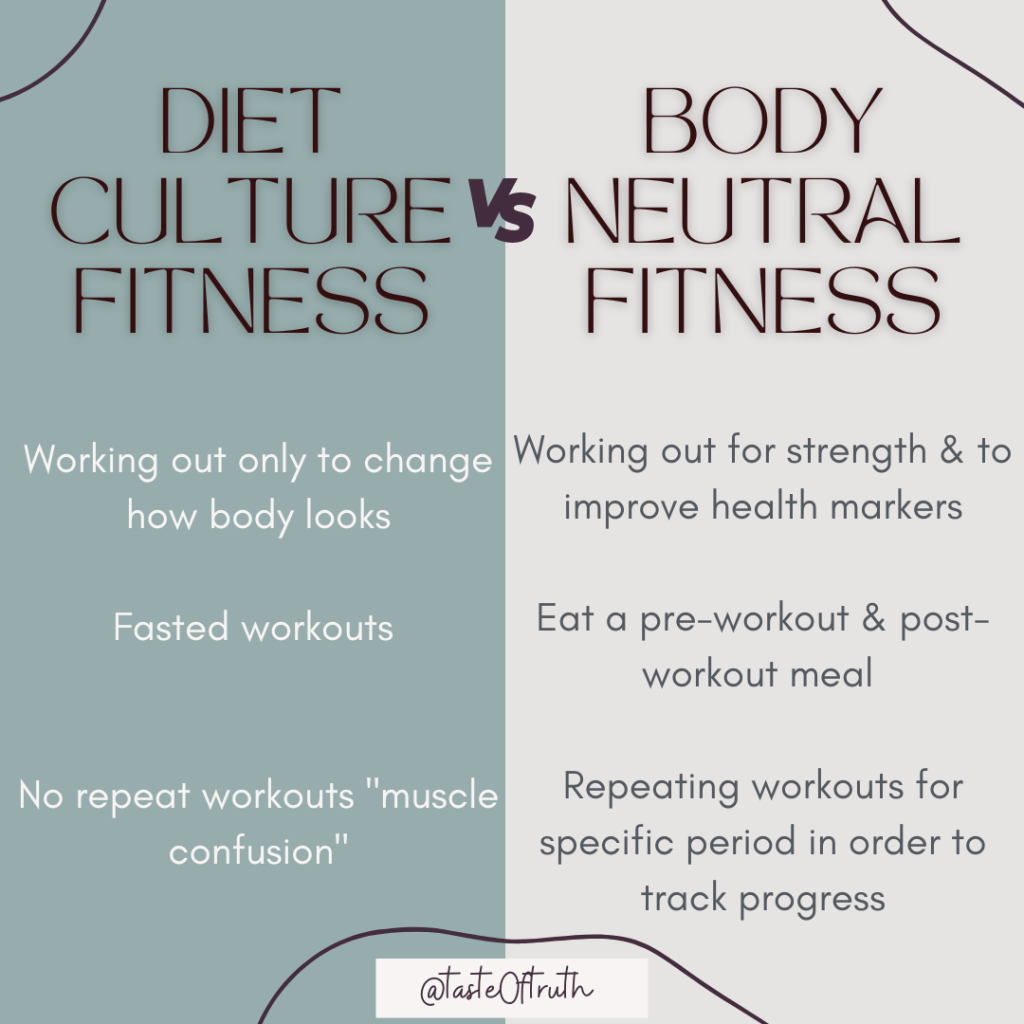
I want to go over common trends I see that I refer to as “diet culture fitness” and then we will compare it with what I recommend “body neutral fitness” ….

Diet culture places value on our weight and size over our health. it promotes messaging that tells us what foods “good” & what foods are “bad.” it glorifies restriction & willpower and ignores our wellbeing.⁣

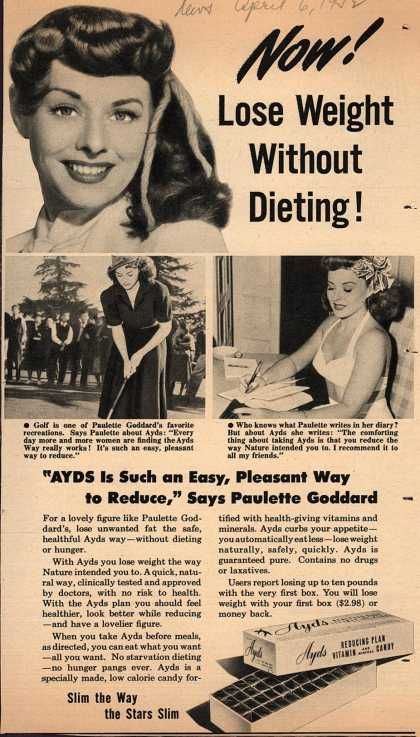
Diet culture is supported by a multi-billion-dollar industry that pushes weight loss through every medium possible.⁣ Diet culture tells all of us that we are not small enough, strong enough, or lean enough. ⁣

DIET CULTURE IS HARD TO IGNORE.⁣

So, how can one be against diet culture but fine with a diet?⁣ it starts with terminology >>⁣

A DIET merely refers to the foods & drinks we habitually consume. a diet can be a specific, structured way of eating or just our normal daily intake.⁣

The term “DIETING,” is often where the idea of weight loss comes into play. Dieting is (usually) used to describe eating with the purpose of losing weight, which requires a calorie deficit.⁣

>> I am anti-diet culture because i believe that food is not meant to be associated with guilt and shame.

>>I am anti-diet culture because i do not believe that reaching a specific weight, shape or size is ever more important than our physical or mental wellbeing. ⁣

⁣However, I do believe that it is ok to want to change your diet.⁣

⁣It is ok to have aesthetic goals, especially when we can learn to work towards them in a healthy & sustainable manner. ⁣It’s about wanting to shift from old negative eating patterns and thoughts to new behaviors that leave you fueled and healthy.⁣

I believe that it is ok to want to look & feel your best & addressing your nutrition and relationship with food is often the best way to do so.⁣ Your diet is not bad. restriction, shame, guilt, & obsession are

So, what’s the secret to lasting change? It all starts with shifting our focus from aesthetics to performance. Instead of obsessing over how our bodies look, let’s celebrate what they can do! Whether it’s mastering a new yoga pose, hitting a new personal record at the gym, or simply feeling more energized and alive, performance-based goals are where it’s at.

This ultimately means changing the values and the why behind your goal setting:

  • Instead of: “I want to lose the cellulite off my legs.”
  • Try: “I’d like to improve my technique and increase my strength in squats, leg press and deadlifts.”

The intention behind Body Neutral Fitness movement is:

  • Enhance strength & overall performance
  • Boost confidence & find purpose
  • Build stamina for effortless hiking
  • Improve balance, coordination, & mood
  • Enhance health & blood markers

So, WHAT’S THE BOTTOM LINE?

Body neutral fitness is so much more fun, and having fun gets more done! An approach that emphasizes setting and achieving performance goals works better for cultivating a healthy mindset towards fitness which is more sustainable over the long term than an approach that emphasizes aesthetics only.

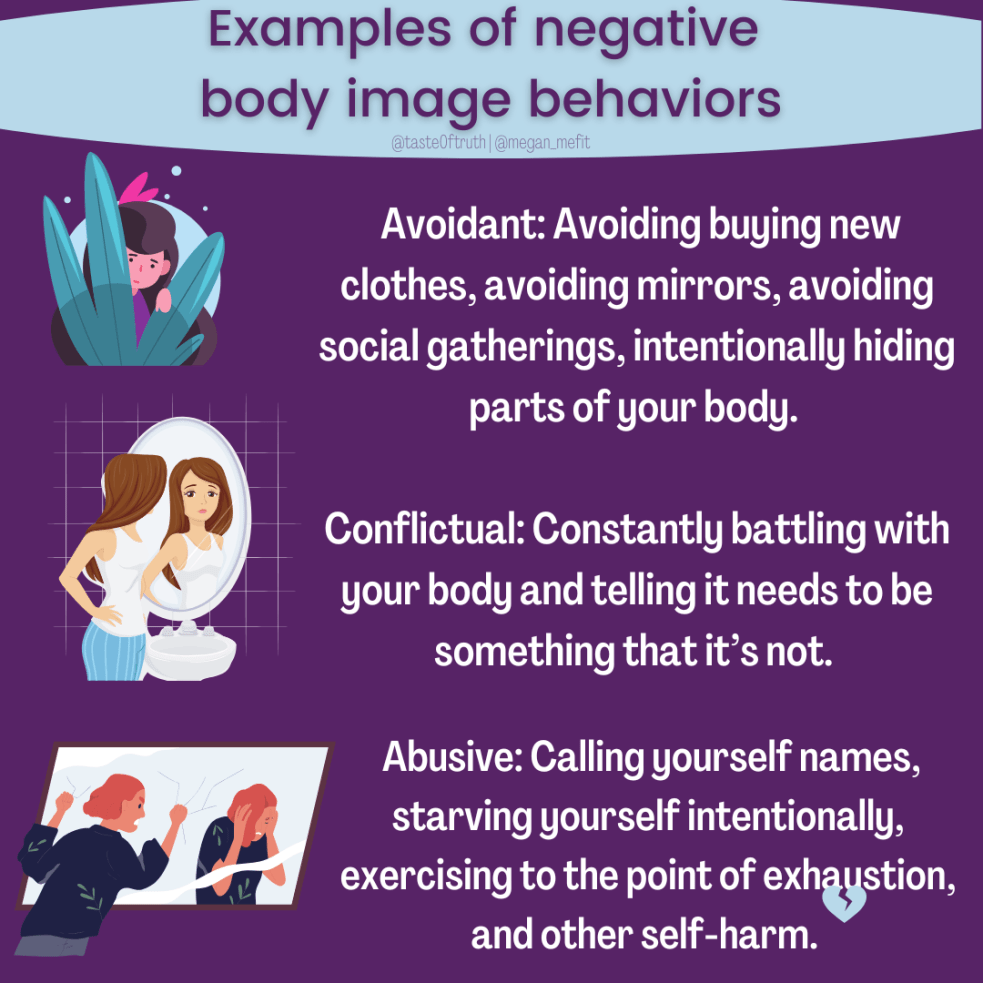
Whatever your performance may be, shifting the focus changes your mind about your body, which can then remove the limits around what your current body/self can experience.

So, let’s get back to those trends:

What is biofeedback and why is it so important?

This refers to the physiological responses that will bring awareness to our bodily processes and internal health. Sleep, hunger, stress, energy, stress, cravings, recovery, etc. Because optimal health is so much more than just physical! If we track these markers, we can begin to see some underlying causes or maybe issues on why your workout program may not be properly supporting you.

😐Stress: How are your stress levels? How do you manage them?

😋Hunger: Do you wake up hungry? Are you always thinking about food?

💩Digestion: Do you experience painful bloats? do you have regular bowel movements?

😴Sleep: How much sleep are you getting? Do you sleep through the night? How many hours? Do you wake up feeling rested? Does your energy dip mid-afternoon?

🛋️Recovery: Are you taking adequate rest days? Do you feel sore for days after your workouts?

🌀Menstrual Health: Are you missing your period? Do you experience painful cramps or any other PMS symptoms?

🍴Cravings: Do you find yourself struggling with these?

Oftentimes, clients that are experience negative biofeedback, there is an underlying cause that needs to be addressed, BEFORE we can actually focus on a physical transformation goal.

  • 💤Improper sleep or stress management can lead to hormone imbalances that inhibit recovery.
  • 😖Digestive issues can be a sign of chronic stress, low stomach acid and food intolerances.
  • 🥺Mood, focus and libido changes may be linked to under-eating, hormonal imbalances, gut issues, etc.

One of the many variables within fitness program creation is “training volume” (How much you’re doing in a specific time. That can be per workout and within the program like per week/per month). In order to properly prescribe this, a coach needs to understand their clients: fitness level, goals, age, work capacity, recoverability, nutritional status, injury history and life stress. If your coach or fitness trainer didn’t ask you any of these things, that may be something worth looking into.

While physical changes are often used to measure progress, monitoring how you FEEL in response to your nutrition and exercise program is also important. It provides insights to how your metabolism is performing and which possible variables to manipulate in order to see improvements. 💪

🩺NOTE: Assessing biofeedback does NOT replace the need for lab work or medical attention.

ALL-OR-NOTHING Mindset

🧠Diet culture thrives on the All-or-Nothing-mentality. I think this is one of the hardest habits to become aware of and try to replace. I don’t know if anyone else can relate to needing a brain reframe, but typically when clients come to me, they say: “I want a body reset!” and I try to tell them: “You know what, it’s probably your brain that needs the reframe. There are more tips and mindset tricks I want to share with you over the course of season 2.

I want to close say that perfectionism is a TRAP, that so many of us that will get caught up in, within spiritually, and diet and nutrition. And when we slip up, which will always happen, it will feel easier to throw in the towel when we are stuck in all or nothing mentally, on the whole shebang. I think this is one of the most common self-sabotaging behaviors that I see, and this is what I hope to continue the conversations on in this season.

Thank you again for listening/reading and I am looking forward to next’s week’s episode!  Until then, maintain your curiosity, embrace skepticism, and keep tuning in! 🎙️🔒

#podcast#fitness#nutrition#dietculturedropout#dietculture#deconstruction#deconstructingfaith#diet#bodypositive#bodyneutrality#performancegoals#fitnessgoals#bodyimage#dogma