How Suppression Shapes Our Bodies, Minds, and the World We Live In
Hey hey, Welcome back! Today’s episode connects beautifully to something many of you resonated with in my earlier show, Science or Stagnation? The Risk of Unquestioned Paradigms. In that episode, we talked about scientism… not science itself, but the dogma that forms around certain scientific ideas.
That’s why voices like Rupert Sheldrake have always fascinated me. Sheldrake, for those unfamiliar, isn’t a fringe crank. He’s a Cambridge-trained biologist who dared to question what he calls the “ten dogmas of modern science”: that nature is mechanical, that the mind is only the brain, that the laws of nature are fixed, that free will is an illusion, and so on.
When he presented these questions in a TED Talk, it struck such a nerve that the talk was quietly taken down. And that raised an obvious question: If the ideas are so wrong… why not let them stand and fall on their own? Why censor them unless they hit something tender? All of this sets the stage for today’s conversation.
Because the theory we’re exploring, Social Miasm Theory, fits right inside that tension between mainstream assumptions and the alternative frameworks we often dismiss too quickly.
My friend Stephinity Salazar just published a fascinating piece of research arguing that suppression (of toxins, trauma, emotion, and truth) is the root pattern underlying both chronic illness and our wider social dysfunction. It’s a theory that steps outside the materialist worldview and challenges the mechanistic lens we’ve all been taught to see through.
Dr. Stephinity Salazar
Hoop Camp Retreat
Yarmony Grass 2008
You don’t have to agree with everything…that’s not the goal here.
What I love is the chance to explore, to ask good questions, and to stay grounded while examining ideas that stretch our understanding.
This blog is your guide to the episode, so you can track the concepts, explore the references, and dive deeper while you listen.
So, with that, let’s dive into Social Miasm Theory: what it is, where it comes from, why it matters, and what it might reveal about the world we’re living in today.
What Are Miasms, Anyway?
To anchor our conversation, Stephinity starts by grounding the concept of “miasms” in its homeopathic roots. Historically, Samuel Hahnemann (founder of homeopathy) described three primary miasms:
Psora, linked to scabies or skin conditions
Syphilis, associated with destructive disease
Sycosis, with overgrowth and tissue proliferation
Since then, the theory has expanded. Many modern homeopaths now talk about five chronic miasms, adding:
Tubercular (linked to tuberculosis, respiratory issues) Homeopathy 360
Psychological suppression: denial, cognitive dissonance, fear-driven attachment to ideology
Truth suppression: propaganda, censorship, disinformation, scientific dogma
When these forms of suppression accumulate, she argues, they create a “social miasm”: a pathological field that shapes everything from public health to political polarization.
Even if you don’t buy every mechanism she proposes, the metaphor works. And the patterns are hard to ignore.
Evidence, Epistemology, and Skeptics: What Counts as “Real”?
This is the part my skeptical listeners will perk up for.
In the interview, I asked her the question I knew many of you were thinking: “How do you define evidence within this framework? What would you want skeptical listeners to understand before judging it?”
Stephinity argues that the modern scientific lens is too narrow. Not wrong—but incomplete. She sees value in:
case studies
pattern recognition
field effects
resonance models
historical cycles
experiential knowledge
Whether or not you agree, her challenge to mechanistic materialism echoes thinkers like Rupert Sheldrake, IONS researchers, and even physicists questioning entropic cosmology.
And she’s not claiming this replaces science. She’s asking what science misses when it refuses to look beyond the physical.
Suppression: What It Looks Like in Real Life
Stephinity’s paper covers how suppression shows up on multiple levels. Here are a few examples she explores:
Overuse of symptom-suppressive medications
Emotional avoidance that pushes trauma deeper
Social pressure to conform
Institutional censorship
Environmental toxins that overwhelm the microbiome
Radiation and electromagnetic exposures
She frames suppression as a terrain problem: when the body or society becomes too acidic, stressed, toxic, or disconnected, the miasm takes root.
This is where we start to cross into the biological, psychological, and social layers—which brings us to one of my favorite parts of her theory.
Neuroparasitology: When Parasites Change Behavior
The concept of a new branch of science of neuroparasitology. Study of the influence of parasites on the activity of the brain.
This is the section I teased in the podcast because it’s both wild and backed by real research.
Stephinity references studies showing that parasites can alter host behavior not just in insects or rodents, but potentially in humans too. Her paper cites examples like helminths, nematodes, mycotoxins, and other microorganisms (McAuliffe, 2016; Colaiacovo, 2021). These organisms are everywhere, not just in “developing countries” (Yu, 2010).
Researchers have documented parasites that:
influence mood
shift risk-taking
modify sexual attraction
impair impulse control
change social patterns
This is what Dawkins called the extended phenotype (1982): the parasite’s genes expressing themselves through the host’s behavior. Neuroparasitologists Hughes & Libersat (2019) and Johnson (2020) have shown how certain infections can shift personality traits in specific, predictable ways.
Stephinity ties this into terrain: parasites tend to thrive in acidic, low-oxygen, stressed, radiative environments (Clark, 1995; Tennant, 2013; Cerecedes, 2015). In her view, chronic suppression creates exactly that kind of internal ecosystem.
But there’s another layer here. One that isn’t biological at all.
This is where philosopher Daniel Dennett enters the chat.
In Breaking the Spell, Dennett describes “parasites of the mind”: ideas that spread not because they’re true, but because they’re incredibly good at hijacking human psychology. These mental parasites latch onto our cognitive wiring the same way biological one’s latch onto the nervous system. They survive by exploiting:
fear
moral impulses
tribal loyalty
the desire for certainty
social pressure
existential insecurity
According to Dennett, religious dogmas, conspiracy theories, and ideological extremes act like memetic parasites: they replicate by using us, encouraging us to host them and then pass them on.
In other words: not all parasites live in the gut. Some live in the mind.
And…..we even discussed how billionaire Les Wexner once publicly described having a “dybbuk spirit” a kind of parasitic entity in Jewish folklore known for influencing personality. Whether symbolic or literal, the analogy fits. 🫨😮
Her point is simple: When the terrain is weak, something else will fill the space.
Whether that “something” is trauma, ideology, toxicity, or a literal parasite… the mechanism rhymes.
Collective Delusion and Mass Psychosis
Drawing on Jung and Dostoevsky, Stephinity explores the idea that societies can enter “psychic epidemics.”
You’ve seen this. We all have…
The last decade has been a masterclass in how fear, propaganda, and emotional suppression create predictable patterns:
polarization
tribal thinking
moral panics
ideological possession
scapegoating
censorship
intolerance of nuance
She argues these are symptoms of a cultural miasm—not failures of individual character.
Whether you lean left, right, or somewhere out in the wilderness, you’ve likely felt this rising tension. And it’s hard not to see how unresolved collective trauma feeds it.
COVID as a Catalyst: What the Pandemic Revealed
Another part of her paper dives into how the pandemic brought hidden patterns to the surface.
Some of her claims are controversial, especially around EMFs and environmental co-factors. In the episode, we unpack these with curiosity, not blind acceptance.
Her larger point is that COVID exposed:
institutional fragility
scientific gatekeeping
public distrust
trauma-based responses
authoritarian overreach
the psychological toll of suppression
Whether you agree with the specific mechanisms or not, the last decade made one thing undeniable: something in our social terrain is deeply dysregulated.
8. Healing Forward: What Do We Do With All This?
If suppression drives miasms, then healing means unsuppressing. Gently, not chaotically.
Stephinity suggests practices like:
emotional honesty
reconnecting with nature
releasing stored trauma
nutritional and detoxification support
reducing exposure to chronic stressors
restoring community and meaning
opening space for spiritual or intuitive insight
She’s not prescribing a protocol. She’s offering a map.
The destination is what the Greeks called sophrosyne: a state of balance between wisdom and sanity. Not blissful ignorance, not paranoid awakening. Just grounded clarity.
And I think we could all use a bit more of that.
Key Evidence and Arguments
Stephinity critiques materialist science, calling out what she terms “entropic cosmology.” She argues that by assuming nature is strictly mechanistic, mainstream science misses field-based phenomena, non-local consciousness, and deeper systemic patterns.
She draws on historical and homeopathic sources (Hahnemann, Kent) to build her theoretical foundation but also argues for newer forms of evidence: resonance, case studies, and pattern detection in social systems.
On the environmental front, she explores links between toxins, EMF / 5G, biotech, and chronic disease, not just as correlation, but as evidence of suppression dynamics.
Psychologically, she invokes mass delusion or collective repression (drawing from Jung, Dostoevsky) seeing societal crises as expressions of buried collective shadow.
Ultimately, her call to action isn’t just for individual healing, but for systemic awakening: more transparency, alternative medical paradigms, and restored connection with nature.
Why This Matters for You
Even if homeopathy isn’t your jam, Social Miasm Theory offers a metaphor (and potentially a map) for understanding how inner repression becomes external crisis. If this episode does anything, I hope it gives you permission to look a little closer and question the stuff we’re told not to touch.
We like to believe science is self-correcting—that data drives discovery, that good ideas rise, and bad ones fall. But when it comes to mental health, modern society is still tethered to a deeply flawed framework—one that pathologizes human experience, medicalizes distress, and often does more harm than good.
Psychiatry has long promised progress, yet history tells a different story. From outdated treatments like bloodletting to today’s overprescription of SSRIs, we’ve traded one form of blind faith for another. These drugs—still experimental in many respects—carry serious risks, yet are handed out at staggering rates. And rather than healing root causes, they often reinforce a narrative of victimhood and chronic dysfunction.
The pharmaceutical industry now drives diagnosis rates, shaping public perception and clinical practice in ways that few understand. What’s marketed as care is often a system of control. In this episode, we revisit the dangers of consensus-driven science—how it silences dissent and rewards conformity.
Because science, like religion or politics, can become dogma. Paradigms harden. Institutions protect their power. And the costs are human lives.
But beneath this entire structure lies a deeper, more uncomfortable question—one we rarely ask:
What does it mean to be a person?
Are we just bodies and brains—repairable, programmable, replaceable? Or is there something more?
Is consciousness a glitch of chemistry, or is it a window into the soul?
Modern psychiatry doesn’t just treat symptoms—it defines the boundaries of personhood. It tells us who counts, who’s disordered, who can be trusted with autonomy—and who can’t.
But what if those definitions are wrong?
We’ve talked before about the risks of unquestioned paradigms—how ideas become dogma, and dogma becomes control. In a past episode,How Dogma Limits Progress in Fitness, Nutrition, and Spirituality, we explored Rupert Sheldrake’s challenge to the dominant scientific worldview—his argument that science itself had become a belief system, closing itself off to dissent. TED removed that talk, calling it “pseudoscience.” But many saw it as an attempt to protect the status quo—the high priests of data and empiricism silencing heresy in the name of progress. We will revisit his work later on in our conversation.
We’ve also discussed how science, more than politics or religion, is often weaponized to control behavior, shape belief, and reinforce social hierarchies. And in a recent Taste Test Thursday episode, we dug into how the industrial food system was shaped not just by profit but by ideology—driven by a merger of science and faith.
This framework—that science is never truly neutral—becomes especially chilling when you look at the history of psychiatry.
To begin this conversation, we’re going back—not to Freud or Prozac, but further. To the roots of American psychiatry. To two early figures—John Galt and Benjamin Rush—whose ideas helped define the trajectory of an entire field. What we find there presents a choice: a path toward genuine hope, or a legacy of continued harm.
This story takes us into the forgotten corners of that history, a place where “normal” and “abnormal” were declared not by discovery, but by decree.
Clinical psychiatrist Paul Minot put it plainly:
“Psychiatry is so ashamed of its history that it has deleted much of it.”
And for good reason.
Psychiatry’s early roots weren’t just tangled with bad science—they were soaked in ideology. What passed for “treatment” was often social control, justified through a veneer of medical language. Institutions were built not to heal, but to hide. Lives were labeled defective.
We would like to think that medicine is objective, that the white coat stands for healing. But behind those coats was a mission to save society from the so-called “abnormal.” But who defined normal? And who paid the price?
The Forgotten Legacy of Dr. John Galt
Lithograph, “Virginia Lunatic Asylum at Williamsburg, Va.” by Thomas Charles Millington, ca.1845. Block & Building Files – Public Hospital, Block 04, Box 07. Image citation: D2018-COPY-1104-001. Special Collections.
Long before DSM codes and Big Pharma, the first freestanding mental hospital in America called Eastern Lunatic Asylum opened its doors in 1773—just down the road from where I live, in Williamsburg, Virginia. Though officially declared a hospital, it was commonly known as “The Madhouse.” For most who entered, institutionalization meant isolation, dehumanization, and often treatment worse than what was afforded to livestock. Mental illness was framed as a threat to the social order—those deemed “abnormal” were removed from society and punished in the name of care.
But one man dared to imagine something different.
Dr. John Galt II, appointed as the first medical superintendent of the hospital (later known as Eastern State), came from a family of alienists—an old-fashioned term for early psychiatrists. The word comes from the Latin alienus, meaning “other” or “stranger,” and referred to those considered mentally “alienated” from themselves or society. Today, of course, the word alien has taken on very different connotations—especially in the heated political debates over immigration. It’s worth clarifying: the historical use of alienist had nothing to do with immigration or nationality. It was a clinical label tied to 19th-century psychiatry, not race or citizenship. But like many terms, it’s often misunderstood or manipulated in modern discourse.
Galt, notably, broke with the harsh legacy of many alienists of his time. Inspired by French psychiatrist Philippe Pinel—often credited as the first true psychiatrist—Galt embraced a radically compassionate model known as moral therapy. Where others saw madness as a threat to be controlled, Galt saw suffering that could be soothed. He believed the mentally ill deserved dignity, freedom, and individualized care—not chains or punishment. He refused to segregate patients by race. He treated enslaved people alongside the free. And he opposed the rising belief—already popular among his fellow psychiatrists—that madness was simply inherited, and the mad were unworthy of full personhood.
Credit:The Valentine Original Author: Cook Collection Created: Late nineteenth to early twentieth century
Rather than seeing madness as a biological defect to be subdued or “cured,” Galt and Pinel viewed it as a crisis of the soul. Their methods rejected medical manipulation and instead focused on restoring dignity. They believed that those struggling with mental affliction should be treated not as deviants but as ordinary people, worthy of love, freedom, and respect.
Dr. Marshall Ledger, founder and editor of Penn Medicine, once quoted historian Nancy Tomes to summarize this period:
“Medical science in this period contributed to the understanding of mental illness, but patient care improved less because of any medical advance than because of one simple factor: Christian charity and common sense.”
Galt’s asylum was one of the only institutions in the United States to treat enslaved people and free Black patients equally—and even to employ them as caregivers. He insisted that every person, regardless of race, had a soul of equal moral worth. His belief in equality and metaphysical healing put him at odds with nearly every other psychiatrist of his time.
And he paid the price.
The psychiatric establishment, closely allied with state power and emerging medical-industrial interests, rejected his human-centered model. Most psychiatrists of the era endorsed slavery and upheld racist pseudoscience. The prevailing consensus was rooted in hereditary determinism—that madness and criminality were genetically transmitted, particularly among the “unfit.”
This growing belief—that mental illness was a biological flaw to be medically managed—was not just a scientific view, but an ideological one. Had Galt’s model of moral therapy been embraced more broadly, it would have undermined the growing assumption that biology and state-run institutions offered the only path to sanity. It would have challenged the idea that human suffering could—and should—be controlled by external authorities.
Instead, psychiatry aligned with power.
Moral therapy was quietly abandoned. And the field moved steadily toward the medicalized, racialized, and state-controlled version of mental health that would pave the way for both eugenics and the modern pharmaceutical regime.
“The Father of American Psychiatry”
Long before Auschwitz. Long before the Eugenics Record Office. Long before sterilization laws and IQ tests, there was Dr. Benjamin Rush—signer of the Declaration of Independence, founder of the first American medical school, and the man still honored as the “father of American psychiatry.” His portrait hangs today in the headquarters of the American Psychiatric Association.
Though many historians point to Francis Galton as the father of eugenics, it was Rush—nearly a century earlier—who laid much of the ideological groundwork. He argued that mental illness was biologically determined and hereditary. And he didn’t stop there.
Rush infamously diagnosed Blackness itself as a form of disease—what he called “negritude.” He theorized that Black people suffered from a kind of leprosy, and that their skin color and behavior could, in theory, be “cured.” He also tied criminality, alcoholism, and madness to inherited degeneracy, particularly among poor and non-white populations.
These ideas found a troubling ally in Charles Darwin’s emerging theories of evolution and heredity. While Darwin’s work revolutionized biology, it was often misused to justify racist notions of racial hierarchy and biological determinism.
Rush’s medical theories were mainstream and deeply influential, shaping generations of physicians and psychiatrists. Together, these ideas reinforced the belief that social deviance and mental illness were rooted in faulty bloodlines—pseudoscientific reasoning that provided a veneer of legitimacy to racism and social control within medicine and psychiatry.
The tragic irony? While Rush advocated for the humane treatment of the mentally ill in certain respects, his racial theories helped pave the way for the pathologizing of entire populations—a mindset that would fuel both American and European eugenics movements in the next century.
American Eugenics: The Soil Psychiatry Grew From
Before Hitler, there was Cold Spring Harbor. Founded in 1910, the Eugenics Record Office (ERO) operated out of Cold Spring Harbor Laboratory in New York with major funding from the Carnegie Institution, later joined by Rockefeller Foundation money. It became the central hub for American eugenic research, gathering family pedigrees to trace so-called hereditary defects like “feeblemindedness,” “criminality,” and “pauperism.”
Between the early 1900s and 1970s, over 30 U.S. states passed forced sterilization laws targeting tens of thousands of people deemed unfit to reproduce. The justification? Traits like alcoholism, poverty, promiscuity, deafness, blindness, low IQ, and mental illness were cast as genetic liabilities that threatened the health of the nation.
The practice was upheld by the U.S. Supreme Court in 1927 in the infamous case of Buck v. Bell. In an 8–1 decision, Justice Oliver Wendell Holmes Jr. wrote, “Three generations of imbeciles are enough,” greenlighting the sterilization of 18-year-old Carrie Buck, a young woman institutionalized for being “feebleminded”—a label also applied to her mother and child. The ruling led to an estimated 60,000+ sterilizations across the U.S.
And yes—those sterilizations disproportionately targeted African American, Native American, and Latina women, often without informed consent. In North Carolina alone, Black women made up nearly 65% of sterilizations by the 1960s, despite being a much smaller share of the population.
Eugenics wasn’t a fringe pseudoscience. It was mainstream policy—supported by elite universities, philanthropists, politicians, and the medical establishment.
And psychiatry was its institutional partner.
The American Journal of Psychiatry published favorable discussions of sterilization and even euthanasia for the mentally ill as early as the 1930s. American psychiatrists traveled to Nazi Germany to observe and advise, and German doctors openly cited U.S. laws and scholarship as inspiration for their own racial hygiene programs.
In some cases, the United States led—and Nazi Germany followed.
The International Congress of Eugenics’ Logo 1921
This isn’t conspiracy. It’s history. Documented, peer-reviewed, and disturbingly overlooked.
From Ideology to Institution
By the early 20th century, the groundwork had been laid. Psychiatry had evolved from a fringe field rooted in speculation and racial ideology into a powerful institutional force—backed by universities, governments, and the courts. But its foundation was still deeply compromised. What had begun with Benjamin Rush’s biologically deterministic theories and America’s eugenic policies now matured into a formalized doctrine—one that treated human suffering not as a relational or spiritual crisis, but as a defect to be categorized, corrected, or eliminated.
This is where the five core doctrines of modern psychiatry emerge.
The Five Doctrines That Shaped Modern Psychiatry
These five doctrines weren’t abandoned after World War II. They were rebranded, exported, and quietly absorbed into the foundations of American psychiatry.
1. The Elimination of Subjectivity
Patients were no longer seen as people with stories, pain, or meaning—they were seen as bundles of symptoms. Suffering was abstracted into clinical checklists. The Diagnostic and Statistical Manual of Mental Disorders (DSM) became the gold standard, not because it offered clear science, but because it offered utility: a standardized language that served pharmaceutical companies, insurance billing, and bureaucratic control. If you could name it, you could code it—and medicate it.
2. The Eradication of Spiritual and Moral Meaning
Struggles once understood through relational, existential, or moral frameworks were stripped of depth. Grief became depression. Anger became oppositional defiance. Existential despair was reduced to a neurotransmitter imbalance. The soul was erased from the conversation. As Berger notes, suffering was no longer something to be witnessed or explored—it became something to be treated, as quickly and quietly as possible.
3. Biological Determinism
Mental illness was redefined as the inevitable result of faulty genes or broken brain chemistry—even though no consistent biological markers have ever been found. The “chemical imbalance” theory, aggressively marketed throughout the late 20th century, was never scientifically validated. Yet it persists, in part because it sells. Selective serotonin reuptake inhibitors (SSRIs)—still widely prescribed—were promoted on this flawed premise, despite studies showing they often perform no better than placebo and come with serious side effects, including emotional blunting, dependence, and sexual dysfunction.
4. Population Control and Racial Hygiene
In Germany, this meant sterilizing and exterminating those labeled “life unworthy of life.” In the U.S., it meant forced sterilizations of African-American and Native American women, institutionalizing the poor, the disabled, and the nonconforming. These weren’t fringe policies—they were mainstream, upheld by law and supported by leading psychiatrists and journals. Even today, disproportionate diagnoses in communities of color, coercive treatments in prisons and state hospitals, and medicalization of poverty reflect these same logics of control.
5. The Use of Institutions for Social Order
Hospitals became tools for enforcing conformity. Psychiatry wasn’t just about healing—it was about managing the unmanageable, quieting the inconvenient, and keeping society orderly. From lobotomies to electroshock therapy to modern-day involuntary holds, psychiatry has long straddled the line between medicine and discipline. Coercive treatment continues under new names: community treatment orders, chemical restraints, and state-mandated compliance.
These doctrines weren’t discarded after the fall of Nazi Germany. They were imported. Adopted. Rebranded under the guise of “evidence-based medicine” and “public health.” But the same logic persists: reduce the person, erase the context, medicalize the soul, and reinforce the system.
Letchworth Village: The Human Cost
I didn’t simply read this in a textbook. I stood there—on the edge of those woods—next to rows of numbered graves.
In 2020, while waiting to close on our New York house, my husband and I were staying in an Airbnb in Rockland County. We were walking the dogs one morning nearing the end of Call Hollow Road, there is a wide path dividing thick woodland when we came across a memorial stone:
“THOSE WHO SHALL NOT BE FORGOTTEN.”
We had stumbled upon the entrance to Old Letchworth Village Cemetery, and we instantly felt it’s somber history. Beyond it, rows of T-shaped markers each one a muted testament to the hundreds of nameless victims who perished at Letchworth. Situated just half a mile from the institution, these weathered grave markers reveal only the numbers that were once assigned to forgotten souls—a stark reminder that families once refused to let their names be known. This omission serves as a silent indictment of a system that institutionalized, dehumanized, and ultimately discarded these individuals.
When we researched the history, the truth was staggering.
Letchworth was supposed to be a progressive alternative to the horrors of 19th-century asylums. Instead, it became one of them. By the 1920s, reports described children and adults left unclothed, unbathed, overmedicated, and raped. Staff abused residents—and each other. The dormitories were overcrowded. Funding dried up. Buildings decayed.
The facility was severely overcrowded. Many residents lived in filth, unfed and unattended. Children were restrained for hours. Some were used in vaccine trials without consent. And when they died, they were buried behind the trees—nameless, marked only by small concrete stakes.
I stood among those graves. Over 900 of them. A long row of numbered markers, each representing a life once deemed unworthy of attention, of love, of dignity.
But the deeper horror is what Letchworth symbolized: the idea that certain people were better off warehoused than welcomed, that abnormality was a disease to be eradicated—not a difference to be understood.
This is the real history of psychiatric care in America.
The Problem of Purpose
But this history didn’t unfold in a vacuum. It was built on something deeper—an idea so foundational, it often goes unquestioned: that nature has no purpose. That life has no inherent meaning. That humans are complex machines—repairable, discardable, programmable.
This mechanistic worldview didn’t just shape medicine. It has shaped what we call reality itself.
As Dr. Rupert Sheldrake explains in Science Set Free, the denial of purpose in biology isn’t a scientific conclusion—it’s a philosophical assumption. Beginning in the 17th century, science removed soul and purpose from nature. Plants, animals, and human bodies were understood as nothing more than matter in motion, governed by fixed laws. No pull toward the good. No inner meaning.
By the time Darwin’s Origin of Species arrived in the 19th century 1859, this mechanistic lens was fully established. Evolution wasn’t creative—it was random. Life wasn’t guided—it was accidental.
Psychiatry, emerging in this same cultural moment, absorbed this worldview. Suffering was pathologized, difference diagnosed, and the soul reduced to faulty genetics and broken wiring.
Today, that mindset is alive in the DSM’s ever-expanding labels, in the belief that trauma is a chemical imbalance, that identity issues must be solved with hormones and surgery, and in the reflex to medicate children who don’t conform.
But what if suffering isn’t a bug in the system?
What if it’s a signal?
What if these so-called “disorders” are cries for meaning in a world that pretends meaning doesn’t exist?
The graves at Letchworth aren’t just a warning about medical abuse. They are a mirror—reflecting what happens when we forget that people are not problems to be solved, but souls to be seen.
Sheldrake writes, “The materialist denial of purpose in evolution is not based on evidence, but is an assumption.” Modern science insists all change results from random mutations and blind forces—chance and necessity. But these claims are not just about biology. They influence how we see human beings: as broken machines to be repaired or discarded.
As we said, in the 17th century, the mechanistic revolution abolished soul and purpose from nature—except in humans. But as atheism and materialism rose in the 19th century, even divine and human purpose were dismissed, replaced by the ideal of scientific “progress.” Psychiatry emerged from this philosophical soup, fueled not by reverence for the human soul but by the desire to categorize, control, and “correct” behavior—by any mechanical means necessary.
What if that assumption is wrong? What if the people we label “disordered” are responding to something real? What if our suffering has meaning—and our biology is not destiny?
“Genetics” as the New Eugenics
Today, psychiatry no longer speaks in the language of race hygiene.
It speaks in the language of genes.
But the message is largely the same:
You are broken at the root.
Your biology is flawed.
And the only solution is lifelong medication—or medical intervention.
We now tell people their suffering is rooted in faulty wiring, inherited defects, or bad brain chemistry—despite decades of inconclusive or contradictory evidence.
We still medicalize behaviors that don’t conform.
We still pathologize pain that stems from trauma, poverty, or social disconnection.
We still market drugs for “chemical imbalances” that have never been biologically verified.
And we still pretend this is science—not ideology.
But as Dr. Rupert Sheldrake argues in Science Set Free, even the field of genetics rests on a fragile and often overstated foundation. In Chapter 6, he challenges one of modern biology’s core assumptions: that all heredity is purely material—that our traits, tendencies, and identities are completely locked in by our genes.
But this isn’t how people have understood inheritance for most of human history.
Long before Darwin or Mendel, breeders, farmers, and herders knew how to pass on traits. Proverbs like “like father, like son” weren’t based on lab results—they were based on generations of observation. Dogs were bred into dozens of varieties. Wild cabbage became broccoli, kale, and cauliflower. The principles of heredity weren’t discovered by science; they were named by science. They were already in practice across the world.
What Sheldrake points out is that modern biology took this folk knowledge, stripped it of its nuance, and then centralized it—until genes became the sole explanation for almost everything.
And that’s a problem.
Because genetics has been crowned the ultimate cause of everything from depression to addiction, from ADHD to schizophrenia. When the outcomes aren’t clear-cut, the answer is simply: “We haven’t mapped the genome enough yet.”
But what if the model is wrong?
What if suffering isn’t locked in our DNA?
What if genes are only part of the story—and not even the most important part?
By insisting that people are genetically flawed, psychiatry sidesteps the deeper questions:
What happened to you?
What story are you carrying?
What environments shaped your experience of the world?
It pathologizes people—and exonerates systems.
Instead of exploring trauma, we prescribe pills.
Instead of restoring dignity, we reduce people to diagnoses.
Instead of healing souls, we treat symptoms.
Modern genetics, like eugenics before it, promises answers. But too often, it delivers a verdict: you were born broken.
We can do better.
We must do better.
Because healing doesn’t come from blaming bloodlines or rebranding biology.
It comes from listening, loving, and refusing to reduce people to a diagnosis or a gene sequence.
The Hidden Truth About Trauma and Diagnosis
As Pete Walker references Dr. John Briere’s poignant observation: if Complex PTSD and the role of early trauma were fully acknowledged by psychiatry, the Diagnostic and Statistical Manual of Mental Disorders (DSM) could shrink from a massive textbook to something no larger than a simple pamphlet.
We’ve previously explored the crucial difference between PTSD and complex PTSD—topics like trauma, identity, neuroplasticity, stress, survival, and what it truly means to come home to yourself. This deeper understanding exposes a vast gap between real human experience and how mental health is often diagnosed and treated today.
Instead of addressing trauma with truth and compassion, the system expands diagnostic categories, medicalizes pain, and silences those who suffer.
The Cost of Our Silence
Many of us know someone who’s been diagnosed, hospitalized, or medicated into submission.
Some of us have been that person.
And we’re told this is progress. That this is compassion. That this is care.
But when I stood at the edge of those graves in Rockland County—row after row of anonymous markers—nothing about this history felt compassionate.
It felt buried. On purpose.
We must unearth it.
Not to deny mental suffering—but to reclaim the right to define it for ourselves.
To reimagine what healing could look like, if we dared to value dignity over diagnosis.
Because psychiatry hasn’t “saved” the abnormal.
It has often silenced, sterilized, and sacrificed them.
It has named pain as disorder.
Difference as defect.
Trauma as pathology.
The DSM is not a Bible.
The white coat is not a priesthood.
And genetics is not destiny.
We need better language, better questions, and better ways of relating to each other’s pain.
And that brings us full circle—to a man most people have never heard of: Dr. John Galt II.
Nearly 200 years ago, in Williamsburg, Virginia, Galt ran the first freestanding mental hospital in America. But unlike many of his peers, he rejected chains, cruelty, and coercion. He embraced what he called moral treatment—an approach rooted in truth, love, and human dignity. Galt didn’t see the “insane” as dangerous or defective. He saw them as souls.
He was influenced by Philippe Pinel, the French physician who famously removed shackles from asylum patients in Paris. Together, these early reformers dared to believe that healing began not with force, but with presence. With relationship. With care.
Galt refused to segregate patients by race. He treated enslaved people alongside the free. And he opposed the rising belief—already popular among his fellow psychiatrists—that madness was simply inherited, and the mad were unworthy of full personhood.
But what does it mean to recognize someone’s personhood?
Personhood is more than just being alive or having a body. It’s about being seen as a full human being with inherent dignity, moral worth, and rights—someone whose inner life, choices, and experiences matter. Recognizing personhood means acknowledging the whole person beyond any diagnosis, disability, or social status.
This question isn’t just philosophical—it’s deeply practical and contested. It’s at the heart of debates over mental health care, disability rights, euthanasia and even abortion. When does a baby become a person? When does someone with a mental illness or cognitive difference gain full moral consideration? These debates all circle back to how we define humanity itself.
In Losing Our Dignity: How Secularized Medicine Is Undermining Fundamental Human Equality, Charles C. Camosy warns that secular, mechanistic medicine can strip people down to biological parts—genes, symptoms, behaviors—rather than seeing them as full persons. This reduction risks denying people their dignity and the respect that comes with being more than the sum of their medical conditions.
Galt’s approach stood against this reduction. He saw patients as complex individuals with stories and struggles, deserving compassion and respect—not just as “cases” to be categorized or “disorders” to be fixed.
To truly recognize personhood is to honor that complexity and to affirm that every individual, regardless of race, mental health, or social status, has an equal claim to dignity and care.
But… Galt’s approach was pushed aside.
Why?
Because it didn’t serve the state.
Because it didn’t serve power.
Because it didn’t make money.
Today, we see a similar rejection of truth and compassion.
When a child in distress is told they were “born in the wrong body,” we call it gender-affirming care.
When a woman, desperate to be understood, is handed a borderline personality disorder label instead.
When medications with severe side effects are pushed as the only solution, we call it science.
But are we healing the person—or managing the symptoms?
Are we meeting the soul—or erasing it?
We’ve medicalized the human condition—and too often, we’ve called that progress.
We’ve spoken before about the damage done by Biblical counseling programs when therapy is replaced with doctrine—how evangelical frameworks often dismiss pain as rebellion, frame anger as sin, and pressure survivors into premature forgiveness.
But the secular system is often no better. A model that sees people as nothing more than biology and brain chemistry may wear a lab coat instead of a collar—but it still demands submission.
Both systems can bypass the human being in front of them.
Both can serve control over compassion.
Both can silence pain in the name of order.
What we truly need is something deeper.
To be seen.
To be heard.
To be honored in our complexity—not reduced to a diagnosis or a moral failing.
It’s time to stop.
It’s time to remember that human suffering is not a clinical flaw. It’s time to remember the metaphysical soul/psyche.
Our emotional pain is not a chemical defect.
That being different, distressed, or deeply wounded is not a disease.
It’s time to recover the wisdom of Dr. John Galt II.
To treat those in pain—not as problems to be solved—but as people to be seen.
To offer truth and love, not labels, not sterilizing surgeries and lifelong prescriptions.
Because if we don’t, the graves will keep multiplying—quietly, behind institutions, beneath a silence we dare not disturb.
But we must disturb it.
Because they mattered.
And truth matters.
And the most powerful medicine has never been compliance or chemistry.
It’s being met with real humanity.
Being listened to. Believed.
Not pathologized. Not preached at. Not controlled.
But loved—in the deepest, most grounded sense of the word.
The kind of love that doesn’t look away.
The kind that tells the truth, even when it’s costly.
The kind that says: you are not broken—you are worth staying with.
Because to love someone like that…
is to recognize their personhood.
And maybe that’s the most radical act of all.
SOURCES:
“Director of the Kaiser Wilhelm Institute for Anthropology, Human Heredity, and Eugenics from 1927 to 1942, [Eugen] Fischer authored a 1913 study of the Mischlinge (racially mixed) children of Dutch men and Hottentot women in German southwest Africa. Fischer opposed ‘racial mixing, arguing that “negro blood” was of ‘lesser value and that mixing it with ‘white blood’ would bring about the demise of European culture” (United States Holocaust Memorial Museum, “Deadly Medicine: Creating the Master Race,” HMM Online: https://www.ushmm.org/exhibition/deadly-medicine/ profiles/). See also, Richard C. Lewontin, Steven Rose, and Leon J. Kamin, Not in Our Genes: Biology, Ideology, and Human Nature 2nd edition (Chicago: Haymarket Books, 2017), 207.
Gonaver, The Making of Modern Psychiatry
Saving Abnormal-The Disorder of Psychiatric Genetics-Daneil R Berger II
📘 General History of American Eugenics Lombardo, Paul A. Three Generations, No Imbeciles: Eugenics, the Supreme Court, and Buck v. Bell (2008) This book is the definitive account of Buck v. Bell and American eugenics law. It documents how widespread sterilizations were and provides legal and historical context. Black, Edwin. War Against the Weak: Eugenics and America’s Campaign to Create a Master Race (2003) Covers the U.S. eugenics movement in depth, including funding by Carnegie and Rockefeller, Cold Spring Harbor, and connections to Nazi Germany. Kevles, Daniel J. In the Name of Eugenics: Genetics and the Uses of Human Heredity (1985) A foundational academic history detailing how early American psychiatry and genetics were interwoven with eugenic ideology.
🧬 Institutions & Funding Cold Spring Harbor Laboratory Archives https://www.cshl.edu Documents the history of the Eugenics Record Office (1910–1939), its funding by the Carnegie Institution, and its influence on U.S. and international eugenics. The Rockefeller Foundation Archives https://rockarch.org Shows how the foundation funded eugenics research both in the U.S. and abroad, including programs that influenced German racial hygiene policies.
⚖️ Sterilization Policies & Buck v. Bell Supreme Court Decision: Buck v. Bell, 274 U.S. 200 (1927) https://supreme.justia.com/cases/federal/us/274/200/ Includes Justice Holmes’ infamous quote and the legal justification for forced sterilization. North Carolina Justice for Sterilization Victims Foundation https://www.ncdhhs.gov Reports the disproportionate targeting of Black women in 20th-century sterilization programs. Stern, Alexandra Minna. Eugenic Nation: Faults and Frontiers of Better Breeding in Modern America (2005) Explores race, sterilization, and medical ethics in eugenics programs, with data from states like California and North Carolina.
🧠 Psychiatry’s Role & Nazi Connections Lifton, Robert Jay. The Nazi Doctors: Medical Killing and the Psychology of Genocide (1986) Shows how American eugenics—including psychiatric writings—helped shape Nazi ideology and policies like Aktion T-4 (the euthanasia program). Wahl, Otto F. “Eugenics, Genetics, and the Minority Group Mentality” in American Journal of Psychiatry, 1985. Traces how psychiatric institutions were complicit in promoting eugenic ideas. American Journal of Psychiatry Archives 1920s–1930s issues include articles in support of sterilization and early euthanasia rhetoric. Available via https://ajp.psychiatryonline.org
Hey everyone, welcome to the very first episode of Taste Test Thursdays! If you’re new here, this is a special bonus series where I’ll be giving you a behind-the-scenes look at the topics I didn’t get a chance to fully explore during Season 3 of Taste of Truth Tuesdays. Think of this as the leftovers—the ideas that were simmering on the back burner but never made it onto the main plate.
But this series isn’t just about what I didn’t cover. It’s about giving you a deeper look into my thought process—how I research, why I choose certain topics, and the unfiltered thoughts I don’t always include in the main episodes. Some weeks will be casual, some will be research-heavy, and some, like today, will be personal.
Because for this first episode, I want to start with a topic I’ve touched on but never fully shared: my own experience with chronic pain and how it shaped not only my fitness journey but my entire approach to health and resilience.
The Story Behind My Chronic Pain & Fitness Journey
Let’s rewind a bit. Growing up, I was always active, but I never saw fitness as something I’d build my life around. That changed when I started dealing with chronic pain. At first, it was subtle—nagging aches, stiffness that didn’t go away. But then it became something more. Pain wasn’t just an inconvenience; it dictated what I could and couldn’t do. Doctors didn’t always have clear answers, and at times, it felt like I was being dismissed.
That frustration pushed me to start researching on my own-diving into biomechanics, nutrition, corrective exercise, and the ways the nervous system and pain are intertwined. I wasn’t just looking for relief; I was trying to understand why my body was responding this way. And what I found changed everything.
A while back, I wrote a blog post about this—one that really captures my experience in a way that feels raw and honest. And instead of just summarizing it, I want to share it with you here. So, here’s that piece, in its entirety.
This experience didn’t just lead me into fitness; it redefined how I approach movement altogether. It made me realize that pain isn’t just a physical experience—it’s emotional, neurological, and deeply personal. It’s why I’m so passionate about evidence-based approaches to health and why I push back against a lot of the oversimplified fitness narratives out there.
I’ve seen firsthand how the right training, nutrition, and mindset shifts can change the way someone interacts with their own body. And I’ve also seen the damage of quick-fix culture—where people are told they just need more discipline, or worse, that their pain is all in their head.
What I Wish More People Knew About Chronic Pain & Fitness
One of the biggest misconceptions I had to unlearn is that pain automatically means damage. That’s something I wish more people understood. Pain is real, but it’s also complex—it can be influenced by stress, trauma, movement patterns, and even the stories we tell ourselves about our bodies. Learning that was a game changer for me.
Another thing? There is no one-size-fits-all approach. Healing, strength, and movement look different for everyone, and that’s okay.
What to Expect From Taste Test Thursdays
So, that’s today’s leftover—a topic I didn’t get to fully explore in Season 3 but felt like now was the right time to share. But Taste Test Thursdays won’t always be this personal. Some weeks, I’ll take you inside my research process—breaking down how I fact-check, where I find sources, and the information I don’t trust. Other weeks, I’ll revisit ideas I didn’t have time for, explore unfiltered takes, or answer your burning questions.
Next week, we’ll be talking about how I put together my episodes—how I decide on topics, what I look for in sources, and some of the biggest red flags I watch out for when researching.
I’d love to hear from you—what’s been your experience with pain and fitness? Have you ever had to unlearn things about your own body? Let me know over on Instagram or in the comments if you’re listening somewhere that allows it.
Thanks for being here, and as always—maintain your curiosity, embrace skepticism, and keep tuning in!
Healing After Religious Abuse: A Conversation with Connie A. Baker
Religious abuse can leave deep scars—ones that don’t just fade with time but require intentional healing. In this week’s conversation, I sat down with Connie A. Baker, author of Traumatized by Religious Abuse, for an honest and heartfelt discussion about the journey of healing from spiritual trauma. Connie shares her own experiences, the painful realities of the “second wound,” and how survivors can reclaim their emotional autonomy after years of manipulation and control.
Why Healing Can’t Be Rushed
One of the most profound takeaways from our conversation was the reminder that healing isn’t something to bulldoze through. Connie calls herself a “recovering bulldozer,” always pushing to move forward as quickly as possible. But in trauma recovery, speed can be counterproductive. She embraces the mantra, slow is steady, and steady is fast. For survivors, learning to slow down and allow healing to unfold naturally is essential. Trying to rush past the pain often leads to setbacks, while true recovery requires patience, self-compassion, and time.
The Second Wound: Betrayal After Speaking Out
Connie describes how only 25% of the damage she endured came from the abuse itself—the remaining 75% came from the judgment, rejection, and betrayal she faced when she spoke out. This “second wound” is a devastating reality for many survivors who expect support but instead encounter disbelief, gaslighting, or outright hostility.
I resonated deeply with this. When I began speaking about my own experiences within the church, I was met with accusations of backsliding, manipulation, and spiritual rebellion. Survivors already carry the weight of their trauma, and the added burden of social ostracization can feel insurmountable.
So how do we heal from this betrayal? Connie shares practical steps, including:
Finding safe, validating spaces where your story is heard and honored.
Understanding that others’ disbelief or discomfort does not negate your truth.
Developing strong boundaries to protect yourself from further harm.
Naming Abuse and Embracing Spectrum Thinking
One of the most insidious aspects of religious abuse is the difficulty of naming it. Many survivors downplay their experiences, believing that if they weren’t physically harmed, it “wasn’t that bad.” But Connie emphasizes that minimizing abuse hinders healing.
Abuse exists on a spectrum—from coercive control and emotional manipulation to outright physical harm. Recognizing where an experience falls on that spectrum is crucial for understanding the impact and taking steps toward recovery. This applies beyond religion too—cults, MLMs, and even rigid ideological movements can exhibit the same coercive tactics found in high-control religious environments.
Developing spectrum thinking—moving away from rigid “all or nothing” perspectives—allows survivors to see the full picture. Instead of thinking, “I was never physically hurt, so it wasn’t abuse,” they can acknowledge, “This environment manipulated me, eroded my self-trust, and controlled my emotions. That was harmful.”
Reclaiming Emotional Autonomy
Spiritual abuse often hinges on emotional suppression. Survivors are told that negative emotions—anger, sadness, fear—are sinful or a sign of weak faith. Verses like “Rejoice in the Lord always” and “Be anxious for nothing” are weaponized to shame people into emotional denial.
But emotions provide vital information. Anger tells us when our boundaries have been crossed. Sadness signals loss and the need for healing. Anxiety can be a survival mechanism. Connie reminds us that full wisdom comes from embracing the entire spectrum of human emotions.
Learning to trust yourself again after years of emotional control is no small feat. Some practical steps include:
Allowing yourself to feel emotions without labeling them as good or bad.
Recognizing when religious conditioning is silencing your true feelings.
Using anger constructively—to set boundaries rather than self-destruct.
Wrestling with Worldview: From Spiritual to Materialist and Back Again
Many survivors of religious abuse go through a radical shift in their worldview. Some reject spirituality entirely, embracing a materialist perspective where only the tangible world is real. Others swing to the opposite extreme, seeking comfort in rigid new belief systems.
Connie highlights that this spectrum—from deeply spiritual to strictly materialist—is something many survivors navigate as they attempt to make sense of their experiences. Some turn to hedonism—“Eat, drink, and be merry”—while others find meaning in service, activism, or intellectual pursuits. What matters most isn’t where someone lands on the spectrum but rather the process of wrestling with meaning, truth, and autonomy after religious trauma.
Final Thoughts
Healing from religious abuse is not linear. It’s messy, painful, and often isolating. But as Connie’s journey shows, it’s possible. By embracing the full range of emotions, setting firm boundaries, and recognizing abuse for what it is, survivors can reclaim their autonomy and rebuild a life of freedom and self-trust.
If you’re in the midst of this journey, know that you are not alone. Whether you’re deconstructing, reconstructing, or simply trying to make sense of it all, your experiences are valid. And healing—real, lasting healing—is possible.
What part of this conversation resonated most with you? Drop a comment and let’s keep the discussion going.
And as always: Maintain your curiosity, embrace skepticism, and keep tuning in! 🎙️🔒
How Media Manipulation and Pseudo-Intellectualism Are Undermining Independent Thought
In today’s episode of Taste of Truth Tuesdays, I sit down with Franklin O’Kanu, also known as The Alchemik Pharmacist, to unpack one of the most pressing issues of our time: the erosion of critical thinking. Franklin, founder of Unorthodoxy, brings a unique perspective that bridges science, spirituality, and philosophy. Together, we explore how media narratives, pseudo-intellectualism, and societal conditioning have trained people to ignore their inner “Divine BS meter” and simply accept what they’re told.
The Death of Critical Thinking
As Franklin points out, we’ve lost the ability to thoughtfully absorb and analyze information. The past few years have conditioned individuals to disregard anything that doesn’t align with mainstream sources, experts, or consensus. Instead of engaging with information critically, many have been taught to dismiss it outright. The result? A culture that values conformity over curiosity and blind acceptance over intellectual rigor.
We discuss how this shift has been accelerated by media bombardment, especially during the pandemic. The New York Times even published an article on critical thinking, but instead of encouraging intellectual engagement, it suggested that questioning mainstream narratives is dangerous. This is narrative warfare at its finest—manipulating public perception to ensure that only “approved” ideas are given legitimacy.
The Power of Narratives: How Ideological Echo Chambers Shape Reality
Franklin O’Kanu often cites James Corbett’s work on media’s role in shaping public perception as a major inspiration behind his Substack. Corbett’s central thesis is simple: narratives build realities—and whoever controls the dominant narrative controls public thought. Nowhere is this clearer than in the nihilistic messaging that dominates left-leaning social media platforms like Meta. The idea that humans are an irredeemable blight on the planet has been mainstreamed, despite evidence to the contrary.
This same unquestioning adherence to an ideological narrative played out during the pandemic with phrases like “Trust the science” and “Don’t do your own research.”I explored this trend in my Substack, particularly through the lens of so-called ‘cult expert’ Steven Hassan. Hassan built his career exposing ideological manipulation, branding himself as the foremost authority on cult mind control. But here’s the irony: while he calls out high-control religious groups, he seems completely blind to the cult-like tactics within his own political ideology.
Information Control: Censoring ‘Dangerous’ Ideas
Hassan’s BITE model—which stands for Behavior, Information, Thought, and Emotional control—is designed to help people recognize manipulation.
In cults, leaders dictate what information followers can access. The extreme left does the same.
Censorship of Opposing Views – Deplatforming, banning books, firing professors—if an idea threatens the ideology, it’s labeled “harmful” and shut down.
Historical Revisionism – Complex events are reframed to fit simplistic oppression narratives, ignoring inconvenient facts.
Selective Science – Only research that supports the ideology gets funding and visibility. Studies on biological sex differences, IQ variations, or alternative climate models? Silenced or retracted—not because they’re disproven, but because they’re inconvenient.
Discouraging Exposure to Counterarguments – Followers are taught that listening to the other side is “platforming hate” or “giving oxygen to fascism.”
This is exactly what happened when Franklin challenged the mainstream climate change narrative. The moment he questioned NetZero policies, he wasn’t just hit with the usual accusations: “climate denier,” “science denier,” and the ever-expanding list of ideological insults meant to discredit rather than debate, but he was blocked. This is how bad ideas survive—by shutting down the people who challenge them.
Franklin warns that if you’re not careful, these narratives can take you down a dark rabbit hole built on lies. Once an ideological framework is built around selective truth, it becomes a self-reinforcing system—one that punishes dissent and rewards conformity. And once you let someone else dictate what information is “safe” for you to consume, you’re already in the first stages of ideological capture.
The Rise of the Fake Intellectual
Platforms like Facebook/Instagram/YouTube have perfected the illusion of intellectual discourse while actively suppressing opposing voices. This has led to what Franklin calls the fake intellectual—individuals or organizations that present themselves as champions of knowledge but ultimately serve to shut down real dialogue.
Fake intellectuals don’t invite discussion; they police it. They rely on appeals to authority, groupthink, and censorship to maintain an illusion of correctness. True intellectualism, on the other hand, is rooted in curiosity, openness, and the willingness to engage with challenging perspectives.
Reclaiming Intellectual Integrity
One of the most powerful insights from our discussion is the role belief plays in shaping our world. Franklin warns that when we accept narratives without scrutiny, we risk being deceived. This applies across industries—medicine, science, finance, and even religion. These systems function because people believe in them, often without verifying their claims. But if we fail to question these narratives, we become passive participants in a game where only a select few control the rules.
So, how do we resist narrative warfare and reclaim critical thinking? Franklin suggests:
Cultivating intellectual humility—being open to the possibility that we might be wrong.
Recognizing media manipulation—understanding how information is curated to shape public perception.
Engaging with diverse perspectives—actively seeking out voices that challenge our beliefs.
Trusting our own discernment—developing the confidence to think independently instead of outsourcing our opinions to authority figures.
Franklin expands on this in his writings, particularly in his two articles, How to See the World and How to Train Your Mind. As he puts it, “We all have these voices in our heads. Philosophy is really just understanding the reality of the world, and there’s a principle in philosophy—keep things as simple as possible.” He breaks it down like this:
You are a soul. That’s the foundation. If every child grew up knowing this, it would change the way we see ourselves.
You have a body. Your body exists to experience the physical reality of the world.
You have a mind. Your mind is an information processor that collects input from your senses. But it also generates thoughts—sometimes helpful, sometimes misleading.
Franklin uses a simple example: Is my craving for ice cream coming from my body, my mind, or my soul? That question highlights the need to discern where our impulses originate. He extends this concept to online interactions: How many thoughts do we have just from seeing something online? How many narratives do we construct before our soul even has a chance to process reality?
Online spaces, Franklin argues, give rise to what he calls the “inner troll.”🧌 He connects this to the spiritual concept of demons—forces that seek to provoke, enrage, and divide. “Think about the term ‘troll,’” he says. “What is that, really? It’s an inner demon that gets let loose online. The internet makes it easy for our worst instincts to take over.”
So, what’s the antidote? Franklin emphasizes the importance of the pause. Before reacting to something online, before getting swept into outrage, take a step back. Ask: What is happening here? What am I feeling? Is this a real threat, or is my mind generating a reaction?
“It’s extremely hard to do online,” Franklin admits. “But when we practice stepping back, we can respond more humanely—more divinely. That’s the key to reclaiming critical thinking in a world that thrives on emotional manipulation.”
The digital age bombards us with narratives designed to capture our attention, manipulate our emotions, and direct our beliefs. But we are not powerless.
On an episode last season, we discussed a concept I learned from Dr. Greg Karris—something he calls narcissistic rage in fundamentalist ideologies.It helped me understand why people react so viscerally when their beliefs are challenged. My friend Jay described a similar idea as emotional hijacks, tying it to the amygdala’s response. This concept also appears in Emotional Intelligence 2.0 by Daniel Goleman and is expanded upon in Pete Walker’s Complex PTSD.
When the amygdala gets triggered—exactly what Franklin was describing—we have to learn to recognize the physical sensations that come with it. Elevated heart rate. Sweaty palms. That’s your body sounding the alarm. But in that moment, your prefrontal cortex—the part responsible for logic and rational thinking—is offline. Your biology is overriding your soul’s intention. And that’s why taking a step back is so crucial.
The best way to get your higher reasoning back online? Create space. Pause. Let the emotional surge settle before you engage. As simple as it sounds, it’s one of the hardest things to do. But in a world where reactionary thinking is the default, practicing this skill is an act of rebellion—and a path to reclaiming our intellectual and emotional sovereignty.
Next, Franklin and I dive into a pressing issue: The Coddling of the Mind in society—a theme I’ve explored numerous times on the podcast and in my blogs. Franklin brings up a fascinating point, saying, “One thing that’s happened with COVID, though it started before, is the softening of humanity. We’ve become so soft that you can’t say anything anymore. And what that’s done is pushed away true intellectual rigor. We used to be able to sit and share ideas, but now we’re obsessed with safe spaces. And this started on college campuses.”
Franklin’s observation taps into a broader cultural shift that has eroded the foundations of intellectual engagement. In the past, people could engage in discussions where the goal wasn’t necessarily to convince others, but to explore ideas, challenge assumptions, and learn. The push for safe spaces—often an attempt to shield individuals from discomfort or offense—has inadvertently led to the silencing of open debate. In this environment, people have become more focused on avoiding offense than on confronting difficult ideas or engaging in intellectual rigor. This dynamic, Franklin argues, has stripped away the very essence of what it means to debate, discuss, and learn.
This idea echoes themes explored in Gad Saad’s The Parasitic Mind, where Saad delves into how certain ideologies undermine intellectual diversity and critical thinking. Franklin builds on this, urging that true intellectual growth comes from understanding where someone is coming from, even if their views differ from your own. “Learn what happened to individuals to understand how they arrived at their conclusions,” he says. “Remove personal bias and avoid attacks. Only then can you critique the point effectively, offering counterpoints that strengthen both arguments and allow experiences from both sides to shine.” This approach, Franklin explains, fosters a more nuanced understanding of each other’s perspectives, allowing both sides to learn and grow rather than simply entrenched in opposing views.
This fragility encourages echo chambers and groupthink, where dissent is silenced, and alternative perspectives are rejected outright. Ironically, in the pursuit of empathy, freedom, and inclusivity, movements like deconstruction can end up mirroring the same intellectual and moral rigidity they sought to escape.
I could continue typing out the entire conversation, or you could just listen. 🙂
In an age where the appearance of truth is often prioritized over truth itself, our ability to think critically is more important than ever. This episode is an invitation to break free from intellectual complacency and reclaim the power of questioning.
Over the past year, we’ve explored a web of interconnected topics—religious extremism, theology, the role of social media in radicalization, and most recently, body image and the impact of fitspiration.
These discussions aren’t isolated; they all trace back to a common thread—how external influences shape our beliefs, behaviors, and sense of identity. Today, we’re diving deeper into that connection, looking at how beauty standards, social media, and the normalization of self-objectification are part of a larger cultural shift.
The Evolution of Body Image: From Calorie Counting to the Cult of Fitness
Our cultural obsession with body modification isn’t new—it’s just evolved.
In The Body Project, historian Joan Jacobs Brumberg explores the history of American girls and how today women have more freedom and choice than ever before, but many of us begin a pattern of negative self-image, beauty obsession and dieting as early as five or six. Brumberg states:
“All throughout history, adolescent self-consciousness is quite persistent, but it’s level is raised or lowered, like the water level in a pool, by the cultural and social setting.”
For instance, in the late 19th century, girls might have been particularly conscious of their hands and feet due to the fashion and modesty standards of the time, as well as the emphasis on delicate and proper presentation. Additionally, the ideal feminine silhouette of the time, with tightly laced corsets and voluminous skirts, might have made girls more conscious of their waists and overall body shape.
So, while in modern day times, we may cringe at the confinements of what the Victorian society and wearing the corset did to women, but I’d like to argue that in 2025 body angst is driven by much more sinister forces. Today, commercial interests utilize marketing strategies that result in enormous amounts of profit for the manufactures of cosmetic, surgery, hair products and of course diet foods.
The reality that American girls now center their lives around their bodies is neither coincidental nor trivial: it reflects historical shifts that are just now being comprehended.
15th November 1926: Film star, Mae Murray (1889 – 1965) making herself up in a mirror in the lid of her make-up box.
Brumberg examines how the modern fixation on weight began in the early 20th century. Historically, the surge of explicit “girl talk” about body and sexuality is a relatively recent American phenomenon. As the language surrounding sex and the body has evolved, so too have the body projects of different generations of American girls. By the 1920s, girls began writing about their efforts to develop sexual allure through clothing and cosmetics, and for the first time, they experimented with “slimming”—a new body project tied to the scientific discovery of the calorie. The dieters and sexual players of the 1920s were generally girls in middle to late adolescence, finishing high school or heading off to college and jobs in the business world—unlike today, where such concerns often affect younger children and teenagers.
By the 1970s and 1980s, body control became about more than just being thin; it evolved into sculpting the ideal physique. This shift gave rise to what we now recognize as the cult of fitness—a movement that reframed body control as discipline and self-mastery. The rise of bodybuilding, aerobics, and the emerging diet industry all played a role in selling the idea that, with enough effort, anyone could build their “dream body.”
The Role of Genetics in Muscle Growth: What Fitness Culture Gets Wrong
But science tells a different story. While training and nutrition matter, genetics play a massive role in muscle development, strength, and even fat distribution. A study published in Communications Biology (2020) found that an individual’s ability to build muscle and strength is 50-80% genetic(Pei et al., 2020).
This means that two people following the exact same training program and nutrition plan will not achieve the same results—because their genetic blueprint largely determines their potential for muscle growth, recovery speed, tendon strength, and even motivation to train.
Yet, fitness culture—including myself as a personal trainer for nearly 20 years—rarely acknowledges this, pushing the narrative that extreme discipline alone is the key to achieving a certain look. This myth is not only misleading but also damaging, leading many people to believe that if they just worked harder, ate “cleaner,” or followed the right influencer’s workout, they could look like a fitness model.
How Genetics Impact Strength and Muscle Development
Muscle Fiber Composition: The Fast-Twitch vs. Slow-Twitch Factor
People with a higher percentage of fast-twitch muscle fibers (Type II) have a genetic advantage in strength and hypertrophy (muscle growth). These fibers respond better to resistance training and grow larger than slow-twitch (Type I) fibers, which are more endurance-focused.
Some individuals are naturally fast-twitch dominant, making it easier for them to build muscle. Others are slow-twitch dominant, meaning they may struggle with size gains but excel in endurance sports like long-distance running (Timmons et al., 2010).
Myostatin: The Genetic “Muscle Growth Brake”
Myostatin is a protein that regulates muscle growth by preventing muscles from getting too large.
People with lower levels of myostatin (due to genetic mutations) have an easier time building muscle naturally. Some bodybuilders and elite athletes are born with myostatin deficiencies, giving them an unfair advantage (Lee & McPherron, 2001).
Testosterone and Hormonal Variability
Testosterone is a major driver of muscle protein synthesis, and its levels vary wildly among individuals.
Some people naturally produce more free testosterone (the biologically active form), which enhances muscle recovery, strength, and hypertrophy.
Women generally have 10-20 times lower testosterone levels than men, making significant muscle gains much harder without pharmacological assistance (i.e., steroids)(Kraemer et al., 1998).
Bone Structure and Muscle Insertions: The Aesthetic Factor
Ever wonder why some people seem to have a “naturally sculpted” look even before they start training?
Bone structure (such as clavicle length, rib cage width, and hip-to-waist ratio) dictates how muscle mass is distributed.
Muscle insertion points vary genetically, meaning some people have longer muscle bellies, which create fuller-looking muscles, while others have shorter insertions, making certain muscles appear smaller or less defined no matter how much they train (Abe et al., 2016).
The Dangerous Myth of “Hard Work = Guaranteed Results”
Fitness influencers, personal trainers, and the entire “no excuses” culture have sold the idea that discipline alone determines success. And yes—training consistency and proper nutrition absolutely matter. But they will never override genetic limitations.
This myth leads to:
Unrealistic Expectations: People blame themselves when they don’t achieve Instagram-worthy physiques, despite training and eating “perfectly.”
Overtraining & Injury: Chasing unrealistic body standards leads many to overtrain, ignore recovery, and develop chronic injuries.
Disordered Eating & Supplement Abuse: Some resort to extreme dieting, excessive protein intake, or even performance-enhancing drugs to push past genetic limits.
The Industry’s Selective Silence on Genetics
Why does fitness culture ignore genetics? Simple: it doesn’t sell. If people accepted that their muscle-building potential was largely predetermined, the billion-dollar fitness industry wouldn’t be able to push:
Expensive training programs promising “X body in X weeks.”
Supplement stacks claiming to “maximize muscle growth.”
The illusion that buying a program from a shredded influencer will make you look like them.
Ironically, many of the biggest names in fitness—especially those with extreme physiques—are genetically gifted (and often enhanced by PEDs). Yet, they claim their results come solely from “hard work and dedication,” keeping their followers trapped in a cycle of unrealistic expectations and self-blame.
After nearly 20 years as a personal trainer, I wish I had been more honest about genetics with my clients. Fitness is absolutely a combination of training, nutrition, recovery, and mindset—but genetics are the foundation that determines what’s possible.
Let’s stop pretending everyone can achieve the same results through sheer willpower. Fitness should be about maximizing your individual potential—not chasing an impossible ideal. Focusing on body neutral fitness and strength training gave me tangible, measurable improvements, but it also made me realize how much misinformation circulates in mainstream fitness spaces, particularly in the fitspiration content flooding social media.
Fitspiration: The Reinvention of Beauty Standards
A 2023 study in Computers in Human Behavior compared the effects of fit ideal vs. non-fit ideal body types in fitspiration imagery. The findings? Exposure to fitspiration content significantly increases body dissatisfaction, especially in women who already struggle with self-image. This isn’t surprising—social media’s curated highlight reels create a distorted sense of what’s achievable. And just like 90s diet culture failed to acknowledge genetic differences in weight, today’s fitness culture largely ignores the reality that strength and muscle growth are heavily influenced by genetics.
But the impact of fitspiration goes beyond body image. The same mechanisms that fuel fitness obsession—comparison, idealization, and self-objectification—are also at play in the broader cultural shift toward hypersexualization.
Fitspiration and Self-Objectification: The Internalized Gaze
Self-objectification occurs when a person sees themselves through the eyes of others, measuring their worth by how they look rather than who they are. And nowhere is this dynamic more evident than in fitspiration culture.
John Berger describes this process perfectly in Ways of Seeing:
“A woman must continually watch herself. She is almost continually accompanied by her own image of herself… From earliest childhood she has been taught and persuaded to survey herself continually. And so she comes to consider the surveyor and the surveyed within her as the two constituent yet always distinct elements of her identity as a woman.”
Fitspiration content encourages this exact split identity—one part of a woman is the observer, constantly assessing whether she looks toned, lean, or strong enough. The other part is the observed, existing only as a reflection of an idealized body type. It’s no longer just about fitness; it’s about performing fitness for an audience.
And the consequences are severe:
Chronic body surveillance leads to increased anxiety, depression, and disordered eating (Fredrickson & Roberts, 1997).
Instead of focusing on how movement feels, women focus on how their bodies appear while exercising.
The line between fitness and sexualization blurs, reinforcing the idea that a woman’s body is only valuable when it is desirable to others.
In this way, fitspiration isn’t just a rebranded version of diet culture—it’s also a pipeline to broader cultural hypersexualization, where the body is constantly on display, measured, and objectified. And this feeds directly into an even deeper issue: the normalization of pornography and the sex industry, where women’s bodies are not just idealized but commodified.
By promoting self-objectification as empowerment, fitspiration culture primes women to see themselves as both the product and the consumer, caught in an endless cycle of external validation. And the most insidious part? It’s framed as self-improvement—when in reality, it’s just another system designed to keep women watching themselves instead of living fully.
The Connection Between Fitspiration, Porn Culture, and Self-Objectification
The way women are impacted by pornography—and by extension, the sex industry—is something far too many people overlook. The statistics are staggering:
The top three porn sites receive a combined 134,491 visits per minute.
Most pornographic videos contain some form of aggression or violence, particularly toward women. A 2020 meta-analysis found that 88% of pornographic scenes contain physical aggression (slapping, choking, hair-pulling) and 49% contain verbal aggression, with women overwhelmingly being the targets (Bridges et al., 2010).
Most young people are exposed to pornography between the ages of 11 and 13, with some studies reporting an even earlier age for boys (Wright et al., 2021).
How This Connects to Fitspiration and Porn Culture
At first glance, fitspiration (or “fitspo”) might seem like it has nothing to do with pornography or the sex industry. After all, isn’t fitness about health and strength? But when we look closer, the connections become clear.
Both fitspiration and porn culture promote self-objectification. Fitspiration culture tells women that their worth is tied to their body’s appearance—specifically, whether they have a lean, sculpted, and sexually desirable physique. This reinforces self-objectification, where women begin viewing their bodies primarily as objects to be judged rather than lived-in, experienced, and valued beyond aesthetics.
Remember our study in Computers in Human Behavior (2023) found that exposure to fitspiration imagery leads to increased body dissatisfaction and self-objectification, particularly among women who already struggle with body image….Similarly, pornography fuels external validation as a primary measure of self-worth.
Women in both fitspo and porn culture are expected to conform to an idealized version of femininity that is both hypersexualized and carefully curated for male consumption.
Both industries capitalize on the illusion of empowerment. One of the biggest arguments in favor of fitspiration and porn is that they “empower” women. But empowerment, in its truest sense, involves autonomy, agency, and self-determination—not just adhering to societal beauty standards under the guise of “strength” or “choice.”
Fitspiration content often presents extreme dieting, excessive exercise, and body sculpting as forms of self-discipline and self-improvement, even when they veer into disordered behaviors.
The porn industry promotes the idea that sex work is a path to empowerment, despite overwhelming evidence of the harm it causes to those involved. Research on women in the porn industry has found high rates of PTSD, substance abuse, and coercion (Farley et al., 2003).
The same narrative that tells women they must be “empowered” by fitspiration also tells them they must be “empowered” by commodifying their bodies through sex work. The reality is that both industries profit from women internalizing external standards of worth rather than defining it for themselves.
The rise of OnlyFans and the blending of fitness and sex work. Social media has blurred the lines between fitness influencers and the sex industry in a way that previous generations didn’t experience. Platforms like Instagram, TikTok, and OnlyFans have created a new category of influencers who monetize their appearance—whether through fitness content, sexually suggestive photos, or outright pornography.
Some fitness influencers now have OnlyFans accounts, where they claim to be selling fitness content but also offer sexually explicit material.
The normalization of “soft porn” in fitness spaces (suggestive poses, hypersexualized workout attire) conditions women to see their fitness journey as something that must be publicly displayed and validated by others.
Many young women have turned to selling “spicy content” on OnlyFans as a form of income, believing it to be harmless self-expression—only to later experience the psychological and social fallout.
This isn’t just theoretical. A growing body of research shows that women who engage in sexualized self-presentation online report higher levels of self-objectification, body dissatisfaction, and lower self-esteem(Boursier et al., 2020).
The Psychological Toll: What Happens When Women Internalize These Messages?
Self-objectification doesn’t just impact body image—it affects mental health, cognitive performance, and even physical performance. Studies have found that women who are primed to focus on their appearance:
Perform worse on cognitive tasks (Fredrickson et al., 1998).
Experience greater body shame and anxiety (Moradi & Huang, 2008).
Are less likely to engage in activities that prioritize function over appearance (Roberts & Gettman, 2004).
And this has real-world consequences. Women who internalize self-objectification are more likely to experience:
Higher rates of depression and anxiety
Greater susceptibility to eating disorders
Lower confidence in their physical abilities
Reframing the Narrative: What’s the Alternative?
Recognizing these patterns is the first step in breaking free from them. If fitspiration, porn culture, and social media all push the message that women must shape themselves into externally validated objects, then the antidote is reclaiming agency over our bodies—not as things to be looked at, but as tools for living, experiencing, and creating.
Strength training should be about what your body can do, not how it looks.
Health and fitness should prioritize function over pain.
Challenge Beauty Norms & External Validation. Who benefits from women being consumed by their appearance? The more we recognize these influences, the easier it is to resist them.
Women should be encouraged to pursue movement, sport, and physical strength without the added layer of performative sexuality.
Joan Jacobs Brumberg’s The Body Project reinforced for me how unprepared young women have been for the level of sexualization and exploitation in our culture—something that has only worsened with social media. The way sex work is framed as “empowerment” in some circles ignores the long-term harm it inflicts, and I’ve seen that firsthand.
I can’t wait to discuss this more with my friend Sloane Wilson, a survivor advocate with Exodus Cry, on my podcast later this season. Her insights into the realities of the sex industry and the dangers of normalizing self-objectification are incredibly important for this conversation.
If you had asked me a year ago why my body hurt so much—why my hips ached, my calves tightened with every step, or why even walking on the treadmill felt like a chore—I would have said it was from overtraining or poor posture. What I couldn’t articulate then was that my pain wasn’t just physical. It was a complex dance involving my nervous system, my fascia, and my body’s attempt to protect itself after years of unresolved trauma.
Our nervous system plays a fundamental role in chronic pain. When we experience physical or emotional trauma, our body reacts by creating a heightened state of alertness. Over time, these experiences are encoded in the nervous system as neurotags—clusters of physical, emotional, and cognitive memories that influence how we react to stress and pain. Chronic pain, I’ve learned, is often an echo of this activation. It’s not just about tight muscles or structural imbalances—it’s a survival mechanism trying to make sense of and respond to past trauma.
This is the story of how I’ve started to untangle it all, and how chronic pain, emotional wounds, and trauma are all intricately tied together in ways I never imagined.
The Connection Between Chronic Pain and Trauma
For years, I treated my body like a machine. During my bodybuilding days, I pushed through discomfort, ignored signs of overtraining, and celebrated soreness as a badge of honor. But what I didn’t understand then was how my nervous system was quietly keeping score.
Chronic pain, I’ve learned, isn’t just about tight muscles or structural imbalances—it’s a survival strategy. When we experience trauma, whether from overtraining, stress, or emotional wounds, our nervous system can get stuck in a heightened state of alertness. It’s like a smoke alarm that keeps going off, long after the fire has been extinguished.
Fascia, the connective tissue that surrounds every muscle and organ in our body, plays a fascinating role in this process. Fascia isn’t just structural—it’s sensory. It’s packed with nerve endings that communicate directly with the brain. When the body perceives danger (even subconsciously), the fascia can tighten, creating patterns of tension that mirror emotional or physical trauma. In my case, that tension showed up in my psoas muscles, my calves, and my lower back—all areas associated with safety and movement.
The more I explored these connections, the more I began to see that pain wasn’t random—it was a message from my body. And it was asking me to listen.
The Power of Neurotags: How Pain and Trauma Intersect
One of the most eye-opening concepts I’ve come across in my journey is the idea of neurotags—a term used to describe the brain’s way of organizing and processing sensory, emotional, and cognitive information. Neurotags are like maps of experiences that are built over time, creating an interconnected network of physical sensations, emotions, and thoughts that work together to form a response to stimuli.
Here’s the kicker: Chronic pain is often stored in these neurotags. When trauma occurs—whether physical, emotional, or psychological—it gets encoded in the nervous system as a pattern. These patterns are not just about the physical experience of pain, but also the emotions and thoughts tied to that experience.
When trauma is stored in the nervous system, it doesn’t just affect how we feel physically; it affects our entire emotional and cognitive landscape. For example, someone who has experienced physical trauma may also experience emotional flashbacks or cognitive distortions that are linked to that experience. These flashbacks are like sudden replays of past trauma, but they don’t just exist in the mind—they can show up physically in the body.
Neurotags, Emotional Flashbacks, and Chronic Pain
Think about it this way: When we experience a traumatic event, our nervous system reacts by encoding that event into a neurotag. This neurotag includes not only the physical sensations (like tightness, pain, or discomfort), but also the emotions (fear, anger, sadness) and cognitive patterns (thoughts like “I am unsafe” or “I am weak”).
Emotional flashbacks happen when the brain reactivates these neurotags, causing the body to respond as if the trauma is happening again. This is why someone with chronic pain may experience intense emotions that seem disproportionate to the physical sensations they’re feeling. The pain can trigger a flashback—a sudden, overwhelming re-experience of trauma that isn’t just mental but is felt deeply in the body.
In my case, the tension I experienced in my hips and lower back was a reflection of both the physical trauma of overtraining and the emotional trauma I had internalized from years of pushing myself too hard and ignoring my body’s signals. When my nervous system encountered stress, it activated these neurotags, making the tension and pain feel more intense and more pervasive. The more I resisted this pain or ignored the emotional connection to it, the worse it became.
How I’m Healing: Creating New Neurotags and Engaging the Vagus Nerve
Understanding neurotags has been revolutionary in how I approach my healing process. The key to healing, I’ve learned, is not simply “fixing” the physical pain but reprogramming the neurotags. This involves creating new patterns that support healing, safety, and relaxation.
One powerful way I’m rewiring my nervous system is by engaging the vagus nerve, the longest cranial nerve that plays a critical role in regulating the parasympathetic nervous system. The vagus nerve is like the body’s “brakes,” helping to turn off the fight-or-flight response and return the body to a state of calm. When activated, it encourages relaxation, emotional regulation, and recovery—exactly what my body needs as I untangle the tension stored in my fascia and nervous system.
Here’s how I’m starting to rewire my system:
Reconnecting with Joyful Movement: I’ve reintroduced activities that make me feel alive, like walking in the garden or playing with my pets. These moments remind me that movement isn’t just about strength—it’s about freedom. By incorporating joyful, non-stressful activities, I’m helping to reinforce new neurotags that associate movement with pleasure and ease.
Reclaiming Safety Through Movement: Instead of high-intensity workouts, I’ve shifted to gentle, functional exercises that strengthen my core and glutes while supporting my nervous system. Slow, mindful movements like glute bridges, bird dogs, and pelvic tilts have become my new best friends. These exercises not only build strength but signal to my nervous system that it’s safe to move.
Releasing Fascia with Love: I’ve embraced somatic practices like gentle rocking, diaphragmatic breathing, and fascia-focused stretches to help release tension. These practices aren’t just physical—they’re a way of telling my body, “You’re safe now.” They help reprogram the neurotags associated with stress and trauma by sending a message of relaxation and calm.
Vagus Nerve Activation: To support my nervous system’s recovery, I’ve incorporated practices that stimulate the vagus nerve, such as slow, deep belly breathing and humming. Breathing deeply into my diaphragm (focusing on long exhales) has been especially helpful in calming my body and signaling to my nervous system that it’s okay to relax. By consciously engaging my vagus nerve, I’m helping shift from the fight-or-flight response into a restorative state.
Rewriting Emotional Patterns: Rewiring my nervous system also means rewriting my emotional patterns. This involves acknowledging the emotional flashbacks that arise when pain triggers old neurotags and consciously choosing to respond with compassion and self-care. Instead of reacting with fear or frustration, I’m learning to pause, breathe, and remind myself that I’m safe now.
What Chronic Pain Has Taught Me
Chronic pain has been a tough teacher, but it’s taught me lessons I wouldn’t trade for anything:
Your body is always on your side. Pain is a signal, not a punishment.
Healing isn’t linear. Some days, progress looks like resting instead of pushing.
Movement is medicine, but only when done with intention and love.
I share this journey because I know I’m not alone. So many of us carry the weight of trauma—both emotional and physical—in our bodies. And while the road to healing isn’t easy, it’s worth it.
If you’re navigating chronic pain, I want you to know this: Your body isn’t broken, and you don’t have to fight it. With the right tools, patience, and self-compassion, you can create safety, release tension, and rediscover the joy of movement.
I’m still on this journey, and I’d love to hear about yours. What has chronic pain taught you? How are you learning to trust your body again? Let’s keep this conversation going—because healing happens when we feel safe enough to share.
Let’s dismantle the myths, explore the facts, and learn how to stop fighting against your body and start working with it.
Welcome to Taste of Truth Tuesdays—where we challenge the quick-fix culture, dive deep into the science, and find practical ways to take care of our bodies and minds. Today we’re tackling a hot topic: weight loss—or more accurately, fat loss—and why I preach the mantra: “You’ve got to earn the right to diet.”
Our culture is obsessed with weight loss—seriously, it’s everywhere. It’s in magazine headlines, social media posts, and those cringe-worthy commercials promising “30 pounds in 30 days!”
Before diving into dieting strategies, let’s start with the fundamentals: metabolism, daily energy needs, and why chasing fat loss without preparation often backfires.
Understanding Metabolism and Energy Needs
First, to break down the metabolism, let’s chat about your Total Daily Energy Expenditure—TDEE, for short. This is the total amount of energy (aka calories) your body burns in a day. Think of it like your budget: how much energy you’re spending to stay alive, digest food, and live your life.
Here’s what makes up your TDEE:
1. Resting Metabolic Rate (RMR)
This is your body’s baseline energy burn—the calories you need just to breathe, pump blood, and stay alive.
Body size & muscle matter: More muscle means burning more calories, even when you’re chilling on the couch.
Age matters too: As we age, we lose muscle and, unfortunately, burn fewer calories. But guess what? It’s never too late to hit the weights and change that!
2. Thermogenesis
This is the heat your body produces to maintain a stable temperature. It also includes the Thermic Effect of Food (TEF)—the energy required to digest, absorb, and store the food you eat. About 10% of the calories you consume go toward this process, proving that even digestion is hard work!
3. Physical Activity
This includes both Exercise Activity and Non-Exercise Activity Thermogenesis (NEAT)—everyday movements like walking, housework, thinking, carrying groceries, or even fidgeting. NEAT can make up 15% of your TDEE, while intentional exercise typically contributes around 5%. Never underestimate the power of a good walk!
Fat Loss ≠ Weight Loss
Here’s the thing: your body isn’t a spreadsheet. It doesn’t see your calorie deficit and say, “Oh great, let’s burn fat!” Instead, your body adapts to survive. When you cut calories too hard or for too long, your body gets the message: famine alert! It starts conserving energy and prioritizing survival.
The result? You feel tired, your hair starts thinning, your period might disappear, and fat loss grinds to a halt. This is called metabolic adaptation, and it’s a feature—not a bug. Your body’s goal is survival, not helping you fit into your old jeans.
The Metabolic Aftermath – Lessons from The Biggest Loser
Let’s get into the nitty-gritty science of why extreme dieting is a metabolic disaster waiting to happen. Remember the Biggest Loser study we teased in the first episode of this season? Well, buckle up because we’re about to unpack it further.
To recap: contestants on The Biggest Loser followed an intensely restrictive protocol. They ate roughly 1,200 calories per day and worked out like machines—90 minutes of intense exercise six days a week, sometimes up to five or eight hours daily, according to some contestants. Their grocery lists? Approved by their trainers, and dominated by so-called “Franken-foods” like fat-free cheese and energy drinks. The result? Drastic weight loss during the season. But the aftermath tells a much darker story.
The Study: What Happened Post-Show?
In 2015, six years after their stint on the show, researchers revisited the contestants. By then, they’d regained about 70% of the weight they lost—but their metabolisms didn’t bounce back. In fact, their resting metabolic rate (RMR) was still burning 700 fewer calories per day than when they first started the show. That’s 500 calories less than predictive equations would expect based on their regained body weight. This is a huge deal.
Participants also lost 25 pounds of lean mass during the filming of the show. They did regain about 13 pounds of it, but their RMR didn’t increase accordingly. Usually, regaining lean mass helps boost your metabolism, but not for these contestants. Their bodies were still in “conservation mode.”
Why? Because extreme calorie deficits and grueling exercise regimens wreak havoc on your body’s hormonal systems:
Leptin, the hormone that signals fullness and regulates energy expenditure, plummeted during the show. After contestants regained weight, leptin levels rebounded, but their RMR didn’t follow suit. Normally, these two rise and fall together, but the link was severed.
These metabolic adaptations weren’t just temporary—they lingered years later, showing that the body doesn’t easily forgive extreme restriction.
What Does This Mean for Us?
Many people think fat loss is all about willpower or psychological resilience. But as this study shows, extreme dieting fundamentally changes your physiology. Your body isn’t just sitting idly while you slash calories; it’s actively fighting back to keep you alive. Once that metabolic “check engine” light goes on, calorie restriction becomes far less effective than it was at the start. This is why dieting feels so much harder over time.
The Cost of Chronic Dieting
The Biggest Loser study highlights the long-term consequences of metabolic adaptation, a normal bodily response to extreme or chronic dieting. Here’s what can happen:
Disrupted leptin and ghrelin levels, which throw off hunger and satiety cues.
Upregulated adrenal activity and downregulated thyroid and reproductive hormones, leading to weight-loss resistance, missed periods, hair loss, and constant coldness.
Loss of muscle mass, which lowers your RMR and makes it harder to maintain fat loss.
This is why I preach: You’ve got to EARN THE RIGHT TO DIET!
Coaching Clients Out of the Yo-Yo Cycle
When new clients come to me, fat loss is often their top goal. But most have already been through cycles of yo-yo dieting, binge eating, and sporadic exercise routines. Many are already in a metabolically downregulated state without realizing it.
Instead of diving into another calorie deficit, we work on stabilizing their foundation first.
We focus on sustainable habits: consistent workouts, balanced meals, and a healthier relationship with food.
We optimize metabolism through resistance training, proper nutrition, and enough recovery.
We work on mindset: reframing negative self-talk, building body confidence, and learning to appreciate progress beyond the scale.
Once we’ve mastered these basics, a fat-loss phase—if desired—becomes a healthier, more effective process.
Your Body Isn’t Broken—It’s Adaptable
The takeaway here? Our bodies are designed to survive famines, not crash diets or “shredding for summer.” You can still have aesthetic goals, but you need to respect the incredible adaptability of your metabolism. By avoiding extremes and building metabolic efficiency, you can achieve your goals without wrecking your long-term health.
Let’s dive into the sneaky sneaky metabolic red flags—the subtle, often-overlooked signs that your metabolism is waving a caution flag without setting off obvious alarms. Here are a few that might fly under the radar:
1. Digestive Woes
Persistent constipation, bloating, or irregular bowel movements. These can indicate sluggish digestion linked to metabolic slowdown, as the body conserves energy by slowing non-essential functions.
Feeling too full or nauseous after small meals, which could signal a dysregulated gut-brain connection from chronic stress or extreme dieting.
How you can start addressing this:
Support your gut: Add fermented foods like kefir, sauerkraut, or kimchi for probiotics. Pair these with fiber-rich prebiotics (think asparagus, oats, and onions). Ease into meals: Practice mindful eating—slow down, chew thoroughly, and avoid distractions to help your digestion catch up.
2. Resting Heart Rate Changes
Lower-than-normal resting heart rate (Sudden spikes in heart rate during light activity could mean your body is stressed and overcompensating.
How you can start addressing this:
Monitor stress: Incorporate daily relaxation practices like deep breathing, yoga, or meditation to keep your nervous system in check.
Increase electrolytes: Boost potassium (bananas, avocados) and magnesium (almonds, spinach or supplements) intake for better heart regulation.
3. Skin and Nail Changes
Dry, flaky skin or increased sensitivity to cold due to impaired circulation.
Vertical ridges or brittleness in nails, signaling nutrient deficiencies like iron or biotin depletion.
How you can start addressing this:
Prioritize nutrient-dense animal foods: Incorporate foods like beef liver (rich in vitamin A and zinc), pasture-raised egg yolks, and grass-fed butter for skin elasticity and nail strength.
Collagen and gelatin: Include bone broth or collagen-rich cuts like oxtail and shanks to support skin, hair, and nails from the inside out.
Omega-3s from wild-caught fish: Salmon, mackerel, and sardines are excellent for reducing inflammation and promoting healthy skin.
Hydration through broths: Instead of plain water, hydrate with mineral-rich broths or herbal teas to balance electrolytes and nourish your body.
4. Random Muscle Cramps or Twitches
Could be a result of electrolyte imbalances from overexercising or undereating.
How to start addressing this:
Balance electrolytes: Add a quality electrolyte supplement, especially if you sweat a lot during workouts.
Stretch + magnesium: Use stretches and add magnesium glycinate or citrate before bed to reduce cramps.
5 Brain Fog and Forgetfulness
Struggling to focus or experiencing slower mental processing, which can result from inadequate glucose availability or dysregulated cortisol levels.
How to start addressing this:
Fuel your brain: Don’t fear carbs—opt for slow-digesting options like sweet potatoes or quinoa. Pair them with protein and fats for sustained energy.
Blood sugar balance: Keep meals consistent in timing and composition (protein + fat + fiber) to avoid crashes.
6. Reduced Appetite
Wait, what? Yes! A suppressed appetite after prolonged dieting is a sneaky sign of a dampened leptin response, your body’s way of conserving energy.
How to start addressing this:
Eat smaller, nutrient-dense meals: Focus on foods that pack a punch like eggs, nuts, and Greek yogurt to avoid overwhelming your system.
Gentle refeeding: Gradually increase calories, especially from whole, unprocessed sources, to rebuild your body’s trust. (We talk about this further down in the blog!)
7. Waking Up Exhausted
Even after a full night’s sleep, waking up feeling like you didn’t rest at all can be due to poor recovery from stress or disrupted sleep stages (thanks, cortisol and ghrelin!).
How to start addressing this:
Improve sleep hygiene: No screens an hour before bed, a dark room, and consistent bedtime routines can work wonders.
Focus on protein at breakfast: A high-protein breakfast (30-40g) stabilizes cortisol and sets you up for better energy.
8. Dull Libido or No Interest in Sex
A metabolic system that’s in survival mode often deprioritizes reproduction.
How to start addressing this:
Check hormones: Get labs done to check for imbalances in thyroid, sex hormones, or cortisol.
Increase zinc: Shellfish, beef, and pumpkin seeds are great for boosting hormones like testosterone.
9. Random Injuries or Slow Healing
Susceptibility to injuries like strains or joint pain, and delayed recovery from workouts or cuts, hinting at insufficient energy and nutrients for repair.
How to start addressing this:
Focus on anti-inflammatory foods: Fatty fish, berries, and leafy greens can help repair tissue.
Scale back intensity: Opt for lighter workouts until your body starts feeling strong again.
These subtle signs don’t scream “your metabolism is broken!”—but together, they can whisper it pretty loudly.
So, finally, what do I mean when I say, “Earn the right to diet”?
We are now talking strategy. Nutrition isn’t a one-size-fits-all, all-the-time thing. It’s seasonal, just like nature.
Maintenance Season: Focus on balance and consistency.
Fat Loss Season: Create a calorie deficit strategically and temporarily.
This approach, called nutritional periodization, prevents the long-term damage we’ve seen in extreme dieters (ahem, Biggest Loser contestants). Instead of burning out your metabolism, you give your body time to adapt and recover.
Nutritional Periodization: The Real Secret Sauce
Timelines for nutritional periodization will vary depending on the person, but the framework is a progressive process. It involves:
Gradually increasing calories to support your metabolism.
Shifting fitness priorities from cardio-heavy routines to strength-focused programming that builds muscle and improves body composition.
Reviving your mindset to understand that fat loss does not automatically mean a better body image or more happiness.
Now, let’s talk about maintenance—the often-overlooked MVP of this entire process.
The Maintenance Window: The Ultimate Flex
Most people gloss over maintenance because it’s not glamorous. There’s no scale-dropping dopamine hit or big “reveal.” But here’s the truth: maintenance is where the magic happens.
It’s where you rebuild your metabolism, so when you eventually do enter a fat loss phase, your body responds the way you want.
It’s where you master the “basics” (which, by the way, aren’t easy): meal prep, consistent workouts, and stress management.
It’s where you cultivate a relationship with food that isn’t all-or-nothing.
Let me share a story to illustrate this:
The Client Who Wanted It Harder
A client came to me desperate to lose weight. She was frustrated with her stomach area and hated the way her clothes fit. I got it. Her pain was real. Her goals were valid. But as we talked, it became clear there was a bigger picture:
She had a shoulder injury that limited her workouts.
She struggled with GERD, a digestive issue worsened by stress.
She was so busy managing her job that she’d forget to eat or rely on takeout for meals.
She was eating roughly 1,400–1,700 calories a day—barely enough for a toddler, let alone a busy adult who wanted to lose weight. Most fat loss programs will have the client start by cutting 15–20% of their total daily intake– from that would’ve been impossible to sustain and would’ve made her health even worse.
I explained this to her. We needed to focus on foundational habits first:
Improving digestion by reducing stress and eating whole, nutrient-dense meals.
Packing her own lunches instead of relying on fast food.
Building strength in the gym without aggravating her shoulder.
About six weeks in, she hit me with this: “This needs to be harder. If it were harder, I’d be doing it.”
I was floored. She was so used to crash diets and extreme programs that not suffering felt wrong to her. I realized we weren’t aligned in values. I told her:
“There are plenty of coaches who will take your money and throw you into a calorie deficit, but that’s not how I practice. I’m about health first, and I won’t compromise on that.”
Why Maintenance Matters
This is exactly why earning the right to diet is critical. If you can’t master the basics in maintenance—like fueling your body properly, managing stress, and being consistent—then making it harder by cutting calories and ramping up exercise will only set you up for failure.
Maintenance is a big deal because it prepares your body and mind for success when the time comes for a fat-loss phase. It’s not just about burning calories; it’s about building a life you can sustain.
If you’re thinking, “This sounds too slow,” remember:
Your body adapts to chronic dieting as a survival mechanism.
Maintenance isn’t a punishment—it’s freedom.
When done right, fat loss becomes easier, healthier, and more effective later.
IN CLOSING! Health First, Always
To wrap this up, I want you to remember one thing: fat loss can be a goal, but it should never come at the expense of your health. By focusing on metabolism, hormones, and habits first, you’re setting yourself up for sustainable success.
A HOLISTIC REBOOT STRATEGY
Reverse Diet Smartly: If you’ve been in a calorie deficit for too long, increase calories by 50-100 per week, focusing on whole, nutrient-dense foods.
Lower Exercise Volume Temporarily: Shift to resistance training 3-4x per week, and sprinkle in restorative activities like walking or Pilates.
Micronutrient Check: Get a blood test to address any vitamin or mineral deficiencies—common culprits are iron, B12, and vitamin D.
Patience: You didn’t get here overnight, and reversing these adaptations will take time. Celebrate small wins along the way!
The key is sustainability. Think of this as a long-term investment in metabolic health, not a quick fix.
If you enjoyed this episode, share it with someone who’s caught in the cycle of dieting frustration. Let’s help them break free and find a better way forward.
We’re back! After a transformative and eye-opening second season, I’m excited to announce that Season 3 of Taste of Truth Tuesdays will kick off on December 31st. (Audio says Jan 7th, which was the original start date, I bumped it up a week.) This season promises to be packed with even more riveting conversations and insightful discussions. We’re diving into the complexities of spirituality, healing, activism, mental health, body image, and the power dynamics that shape our lives.
Here’s a sneak peek at the incredible guests you’ll hear from in the upcoming season:
Connie A. Baker: Spiritual and Religious Abuse
Connie A. Baker brings her expertise and personal experience to discuss the destructive impacts of spiritually abusive messages. These messages often erode our self-trust, leaving us vulnerable to further harm. In our conversation, we’ll explore the process of recovering from spiritual abuse and why it’s essential not to rush this journey. Connie will help us understand how survivors—especially those of us with a default setting of ‘push through’—can slow down and approach the healing process with patience. This wisdom is invaluable for true recovery, and I can’t wait for you to hear Connie’s insights.
Yasmine Mohammed: Escaping Radical Islam and Advocating for Women’s Rights
Yasmine Mohammed, a human rights activist and author of Unveiled: How Western Liberals Empower Radical Islam, joins me to share her powerful story. After escaping a forced, abusive marriage to an Al-Qaeda operative, Yasmine became an advocate for women’s rights. Through her non-profit organization, Free Hearts, Free Minds, she works tirelessly to support individuals seeking freedom from oppressive environments. Her memoir and activism offer a deeply personal and courageous perspective on overcoming adversity and empowering women. Her journey is one of survival, strength, and defiance.
Leah Denton: Therapy Harm and Power Dynamics in Mental Health
Leah Denton, the brilliant host of Psycho/Therapy podcast, will bring her deep insights into the harm that can occur within the therapeutic space and pastoral counseling. Leah, a survivor of therapy harm herself, shines a light on the ethical and systemic flaws within the mental health industry. She amplifies the voices of those who’ve been silenced and challenges us to rethink the power dynamics that can influence our healing. Leah’s work is a powerful call to action for better, more ethical care in therapy and beyond.
The Wellbeing Doctors: Body Image and Social Media’s Impact on Mental Health
Dr. Hannah Jarman and Ms. Claudia Liu, the dynamic team behind The Wellbeing Doctors, will discuss the intersection of body image, disordered eating, and the profound impact that social media has on our mental health. In their research, they’ve uncovered how active engagement with peers on social media can immediately reduce body image satisfaction, particularly for women. Together, we’ll explore how we need to redefine both beauty and health in ways that promote our true well-being, beyond appearances.
Wellness with Jaqui: The Real Story Behind Nutrition Research
Jaqui is back to break down the often-confusing world of nutrition research. If you’ve ever been baffled by conflicting diet headlines, this episode is for you. Jaqui will help us understand why nutrition research can be so complex, and how ‘statistical significance’ might not always mean what we think it does. This episode will bring clarity to the world of nutrition science and challenge the headlines we often see.
Franklin O’Kanu: Bridging Science, Spirituality, and Practical Wisdom
Franklin O’Kanu, also known as The Alchemik Pharmacist, is the founder of Unorthodoxy, a Substack that explores the spiritual dimensions of modern life through a holistic lens. With a Doctorate in Pharmacy and a background that bridges Pentecostal Christianity, Eastern philosophies, quantum physics, and Jungian psychology, Franklin offers a truly unique perspective. We’ll dive into his journey—from challenging conventional views during the pandemic to crafting a plan rooted in spiritual and natural principles. Franklin’s exploration of science, spirituality, and practical wisdom is sure to offer deep insights and foster a deeper understanding of the world around us.
This season is going to be a wild ride, full of wisdom, courage, and deep dives into essential topics that will challenge and inspire you. Don’t miss out on the launch of Taste of Truth Tuesdays Season 3 on December 31st! Make sure you’re subscribed, so you never miss an episode.
Let’s talk about stress, baby! The holiday season is here, and so is the pressure—family obligations, shopping, cooking, and don’t even get me started on the aftermath of an election year. It feels like stress is at an all-time high, right? But guess what? It doesn’t have to wreck your health goals or derail your progress in 2025.
Forget extreme diets, gimmicky regimens, and complicated rules. In 2025, we’re mastering the basics and building a lifestyle that lasts. The key to handling the chaos of life, including holiday stress and beyond, is learning how to manage it effectively. That’s where stress management fits into the 365 Easy Challenge—your simple, sustainable plan for the new year.
Stress is the silent killer of self-control and health. It doesn’t just disrupt your mind—it messes with your body, too. And when stress builds up, it pulls your energy away from what matters most: your health, your relationships, and your goals. That’s why stress management isn’t just about “chill vibes”—it’s about learning to recognize, manage, and even reframe how we handle stress.
2025 is the year we crush the basics—here’s how to make stress a manageable part of your journey, not a roadblock.
What Is Stress, Really?
Stress is your body’s natural response to change. Whether it’s positive (like getting married or landing a new job) or negative (like losing a loved one or dealing with financial pressure), your body reacts in a similar way. Your nervous system goes into high gear, releasing hormones like adrenaline and cortisol to help you react to the situation.
At a basic level, stress is a mechanism for survival—your body prepares to fight or flee from danger. But in today’s world, the “danger” is more likely to be a heavy workload, relationship problems, or feeling overwhelmed by societal issues. It’s no longer a saber-toothed tiger lurking around the corner, but your body responds with the same intense, sometimes overwhelming, force.
The Stress Response: Fight or Flight, or Freeze?
When stress triggers your fight-or-flight system, your body shifts into survival mode. This state is designed for short bursts of energy—like running away from danger or facing an immediate threat. However, in today’s world, this system is often activated for prolonged periods, even when the “danger” isn’t physical but emotional or mental.
This prolonged state of stress can lead to:
Chronic inflammation: Your immune system is on constant alert, which can cause inflammation in your body. Over time, chronic inflammation is linked to conditions like heart disease, diabetes, and autoimmune disorders.
Cortisol imbalances: Cortisol is your body’s primary stress hormone. It’s helpful in small amounts, but if cortisol levels stay elevated for too long, it can affect your metabolism, immune function, and even your mood.
Digestive issues: Chronic stress slows down digestion, leading to issues like bloating, indigestion, and constipation. Your body diverts energy away from digestion to focus on “surviving,” which means your gut doesn’t get the attention it needs. Check out this post for more!
Sleep disturbances: Stress can interfere with your sleep cycle, either by making it difficult to fall asleep or by causing you to wake up in the middle of the night. Inadequate sleep further exacerbates stress, creating a vicious cycle.
We dive deep into the cycles of stress and their impact on the body here–>Unraveling the Impact of Stress on Chronic Health with Theresa Piela-In this powerful episode, I sit down with holistic healing expert Theresa Piela to explore the deep connection between chronic stress and health.
The Chronic Stress Cascade: How Your Body Reacts Over Time
When stress becomes chronic, your body begins to break down. This is where it gets tricky. Initially, stress is adaptive—it helps you meet deadlines, take care of important matters, or perform in high-stakes situations. But when stress persists without relief, your body’s systems start to degrade. Here’s what can happen over time:
The Brain’s Reaction: Your brain uses a part called the hypothalamus to detect stress. The hypothalamus signals the pituitary gland to release ACTH (adrenocorticotropic hormone), which triggers the adrenal glands to produce cortisol. This is your body’s way of priming itself for action. But when cortisol levels remain elevated, it can impair cognitive function, causing issues with memory, focus, and decision-making.
Metabolic and Hormonal Disruptions: Prolonged stress can disrupt your body’s metabolic rate and hormonal balance. Elevated cortisol levels encourage your body to store fat, particularly around the abdominal area, leading to weight gain. It also suppresses the production of thyroid hormones, slowing down your metabolism and making it harder to lose weight.
Impact on Digestion: Under stress, the digestive system gets “shut down” as blood is redirected to muscles and the brain. This leads to slower digestion, poor nutrient absorption, and can worsen symptoms like bloating, constipation, or acid reflux. Over time, these digestive issues can lead to more serious conditions like irritable bowel syndrome (IBS) or leaky gut syndrome.
Sleep and Recovery: The relationship between stress and sleep is a two-way street. High cortisol levels can make it difficult to fall asleep, and poor sleep further heightens stress. Sleep is a critical time for recovery and repair, and without it, your body cannot recover from the physical or mental toll of stress.
Stress Triggers: What’s Really Affecting You?
Now that we understand how stress works, let’s take a deeper look at the factors that are increasing your stress levels. In today’s fast-paced world, many of us are chronically stressed without even realizing it. Some of the most common stress triggers include:
Work: The pressure to perform, meet deadlines, and juggle multiple tasks can create a constant state of stress. Add in the current economic uncertainty, and the pressure can skyrocket.
Family and Social Expectations: From holiday gatherings to social media pressures, the weight of fulfilling expectations can cause significant stress. Feeling obligated to meet everyone’s needs can drain your mental and emotional reserves.
Politics and Global Events: In an election year, especially with heightened tensions and divided opinions, political issues can contribute to a constant feeling of unease and anxiety.
Financial Strain: Worrying about money, whether it’s paying bills, managing debt, or planning for the future, is a significant stressor for many people.
Managing Stress: Key Educational Insights for a Healthier Life
While stress is inevitable, there are clear strategies you can adopt to keep it from sabotaging your health. Let’s break down effective stress management into actionable steps.
1. Reframe Your Perception of Stress
Research shows that how you perceive stress matters. When you view stress as something that harms you, your body responds in a negative way. However, when you view stress as a challenge—something to overcome—it actually helps improve your body’s response. It’s not about eliminating stress, but rather about adjusting your mindset.
2. Practice Mindful Stress Reduction
Mindfulness techniques, such as meditation, deep breathing, or progressive muscle relaxation, can help lower your stress levels by activating your parasympathetic nervous system. This is the “rest and digest” system, which counters the “fight or flight” response. Even just 5–10 minutes a day can significantly lower your stress levels.
3. Physical Activity as a Stress Reliever
Exercise is one of the best ways to manage stress. When you engage in physical activity, your body releases endorphins—those “feel-good” chemicals that elevate mood and decrease stress. It doesn’t have to be an intense workout; even a walk, yoga session, or light stretching can help.
4. Nutrition and Hydration: Fueling Your Stress Management
Adequate nutrition and hydration are crucial for your body to handle stress. Dehydration can make you feel more stressed, and poor nutrition can exacerbate your body’s physical stress responses. Eating a balanced diet, with plenty of protein, healthy fats, and fiber, helps maintain stable blood sugar levels and keeps your hormones balanced.
5. Sleep Hygiene: Prioritize Rest
As mentioned earlier, sleep is foundational to stress management. Without quality sleep, your body doesn’t have the opportunity to repair itself. Implementing good sleep hygiene practices—such as avoiding blue light before bed, keeping a regular sleep schedule, and creating a restful environment—will help you get the restorative rest you need.
Conclusion: Stress is Manageable, Not Inevitable
The bottom line is that stress doesn’t have to control your life. By understanding the science behind it, recognizing your triggers, and taking proactive steps to manage it, you can reduce its harmful impact on your health.
As you embark on the 365 Easy Challenge for 2025, managing stress is one of the foundational steps toward living a balanced, sustainable life. Focus on building resilience and consistency, and remember: stress is a challenge you can conquer, not something to fear.
By addressing stress and its impact head-on, you’ll create a lifestyle that nurtures your health, happiness, and long-term success.
Stay calm, stay consistent, and take control of your stress in 2025. You’ve got this! 💪✨
Check out previous blog posts or podcast episodes for more insights on stress!








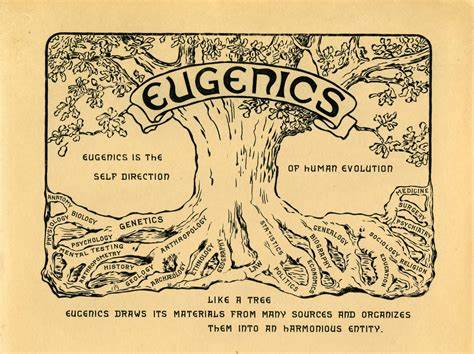





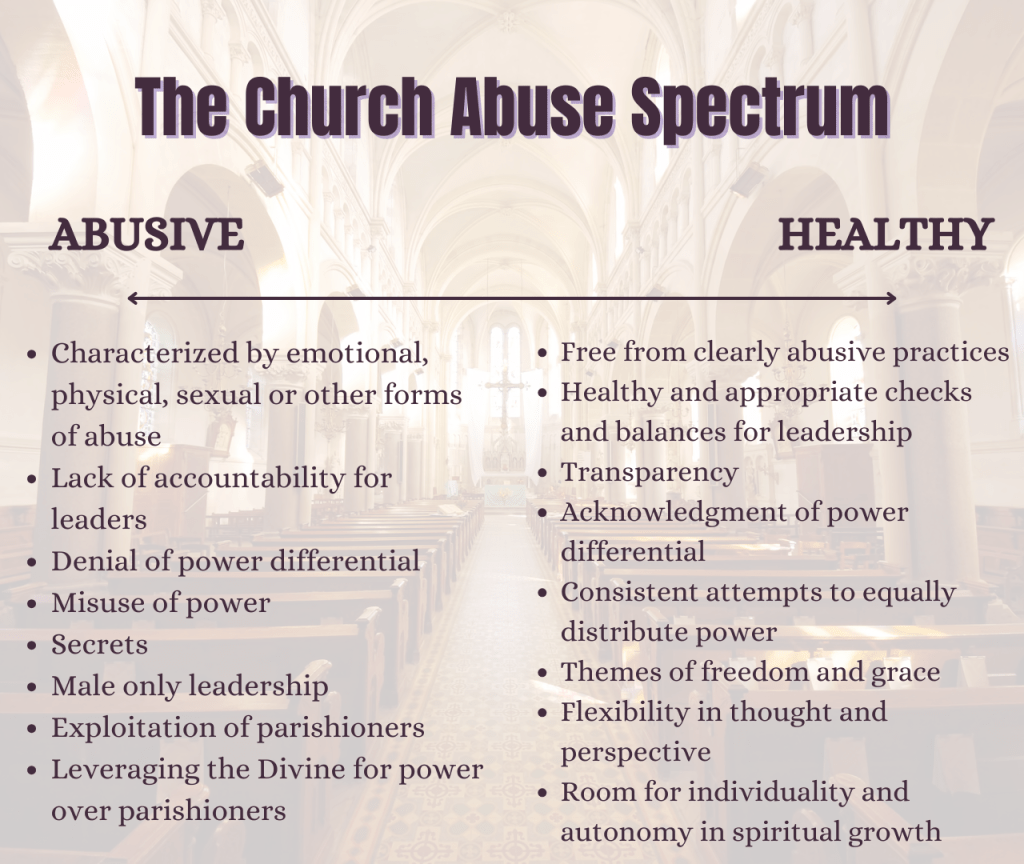

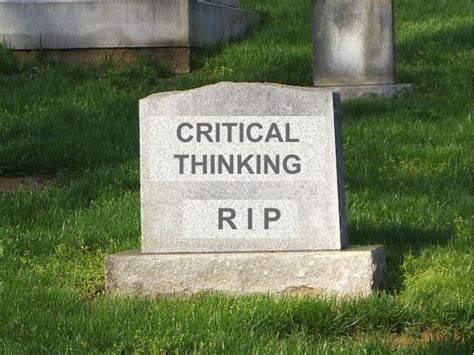



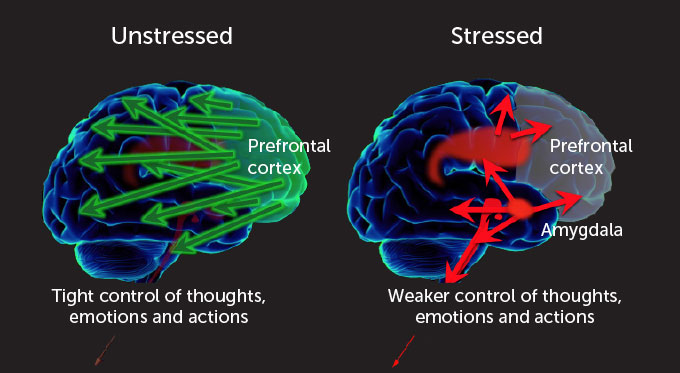

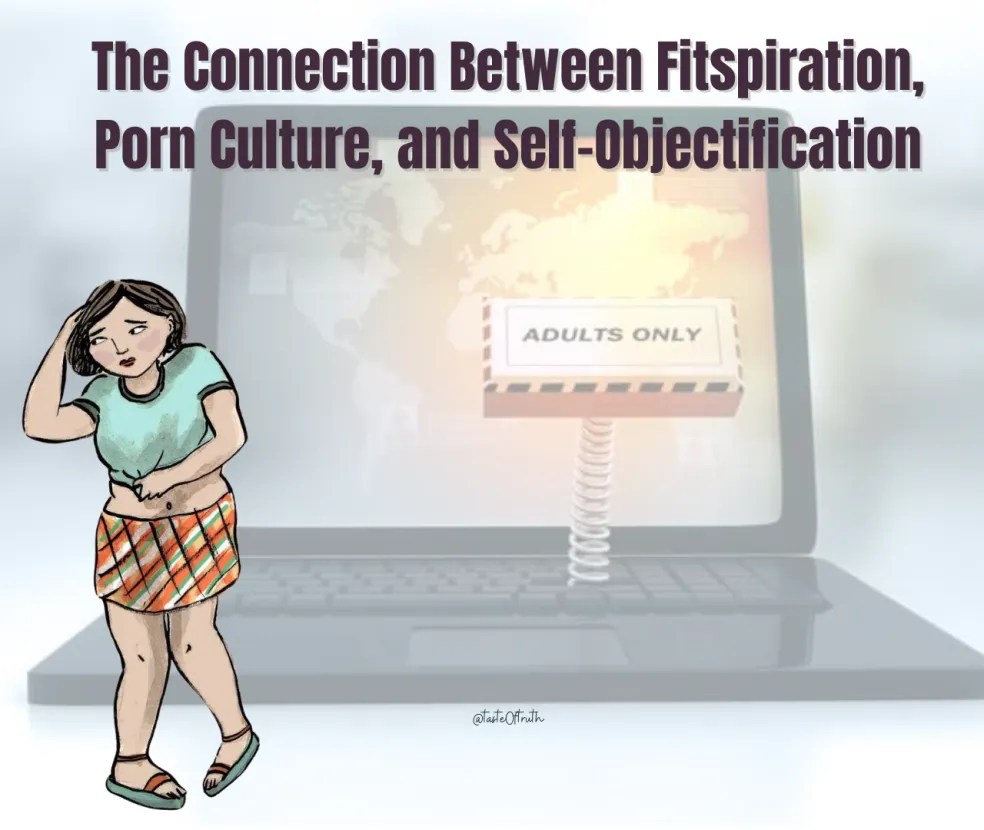
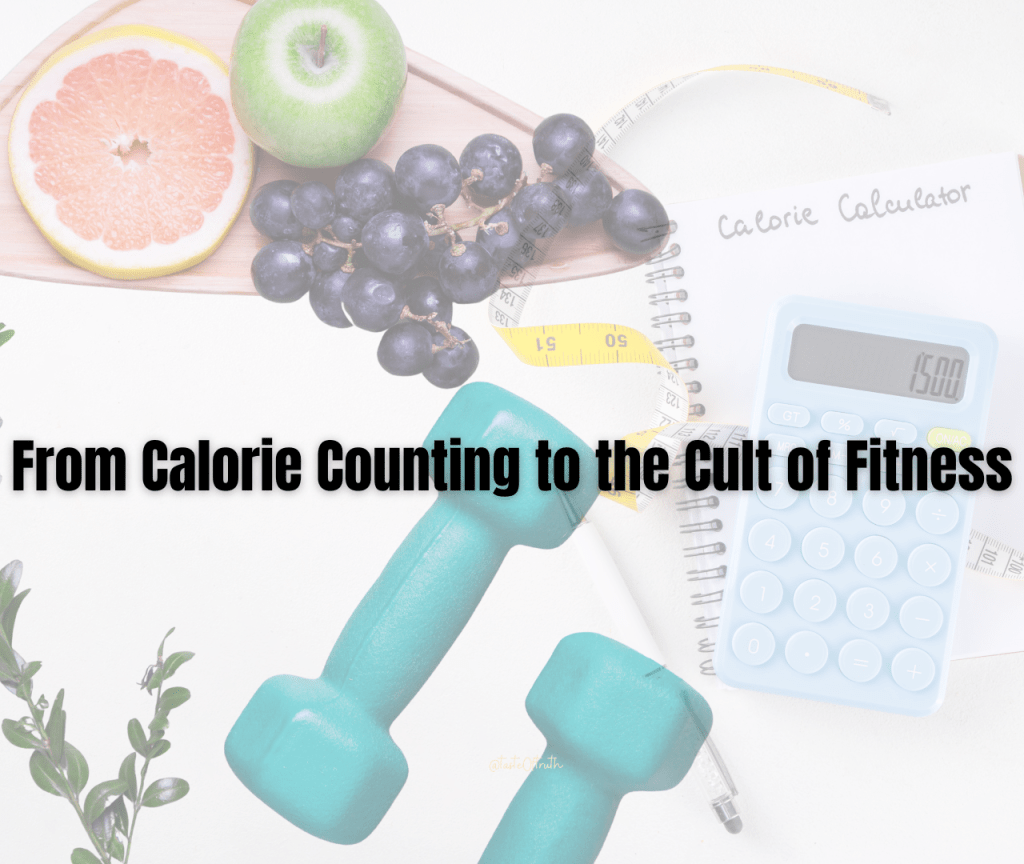


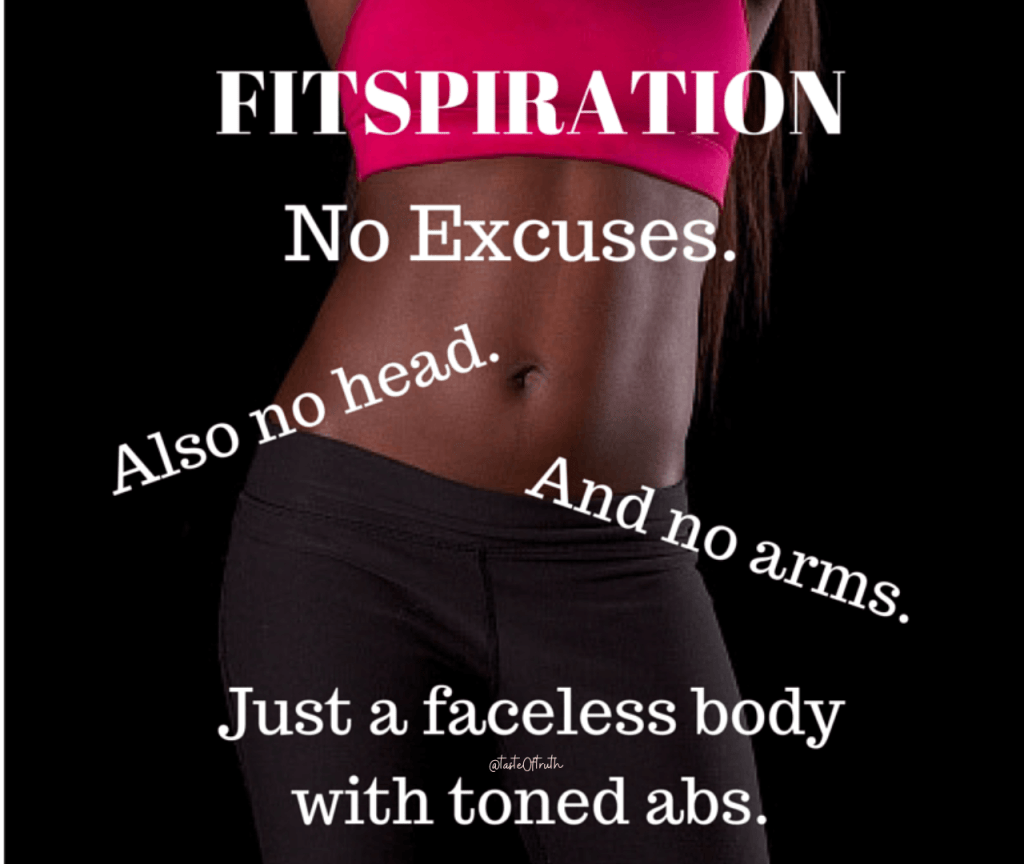


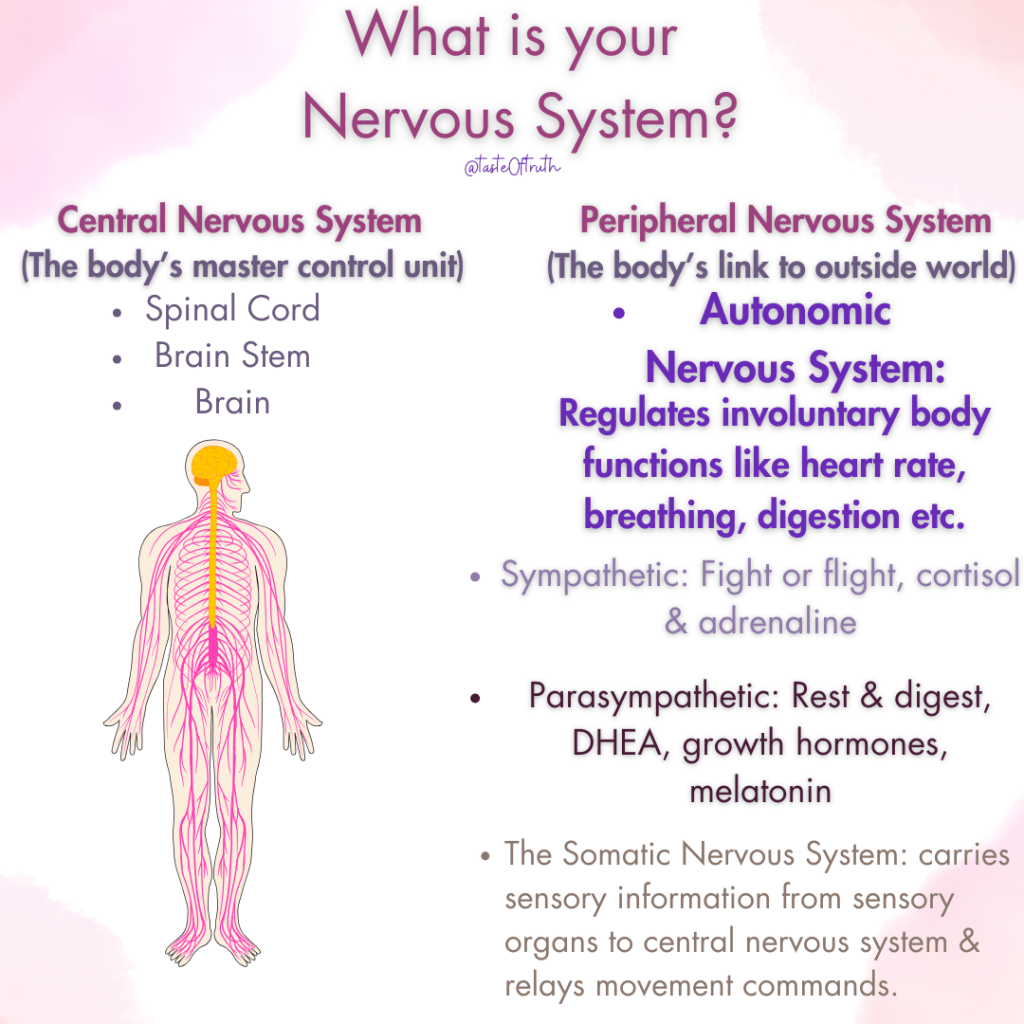






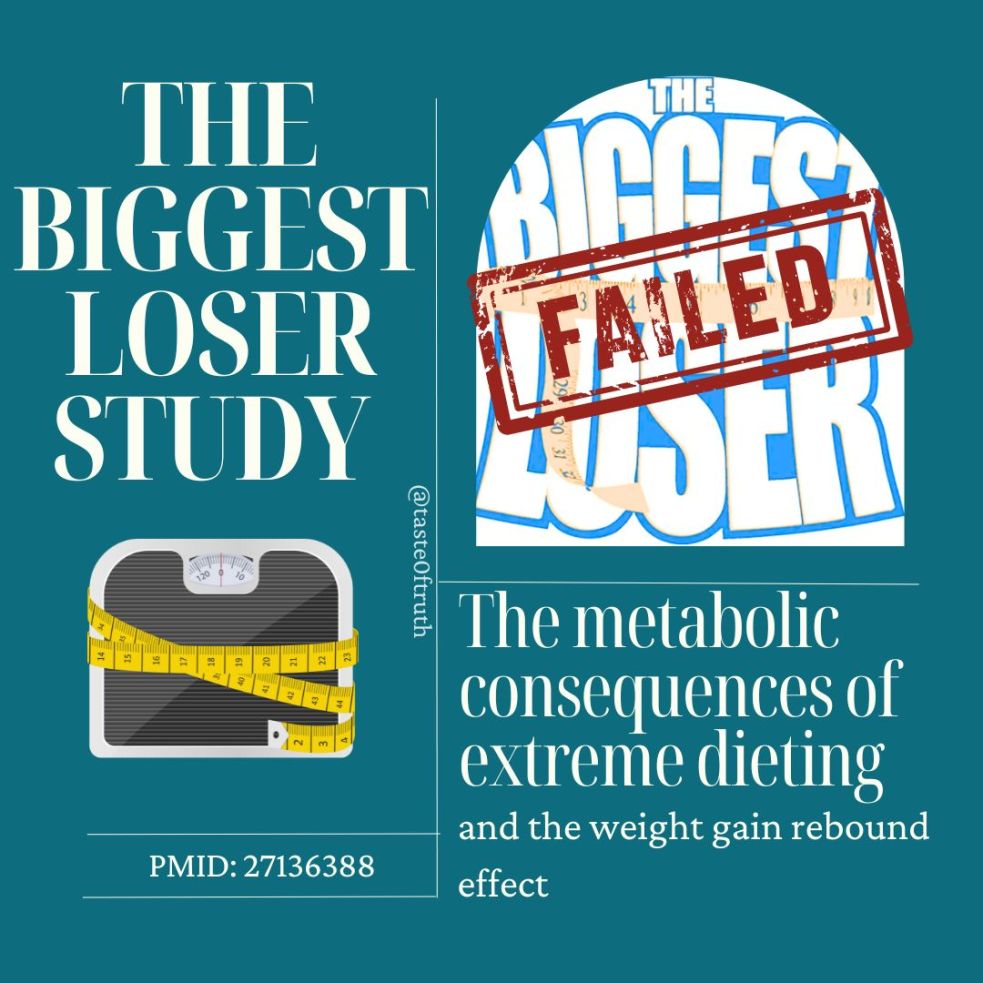


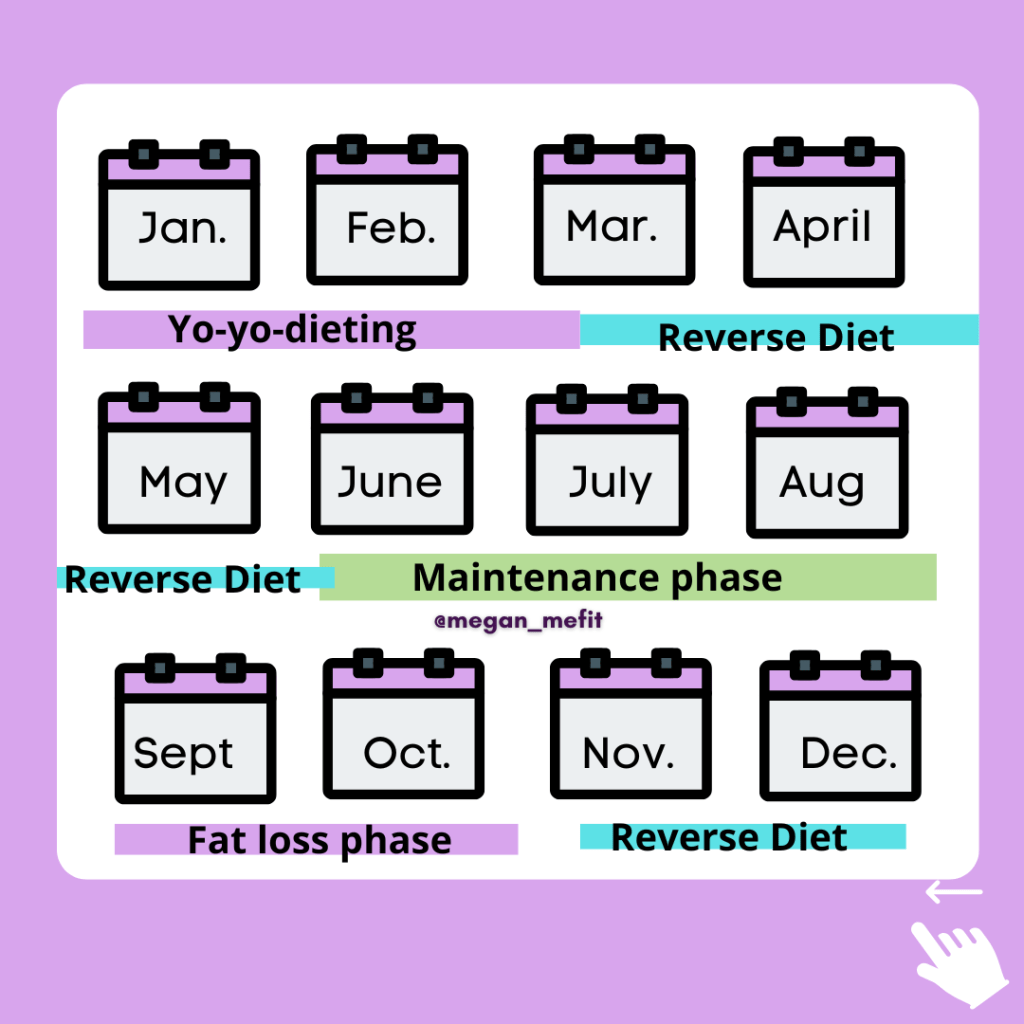


 Taste0ftruth Tuesdays