In this week’s Taste of Truth Tuesdays podcast episode, we’re diving into an issue that has been brewing in the wellness world—particularly within the anti-MLM (Multi-Level Marketing) community. While many of us recognize the toxicity of MLM schemes in the beauty, wellness, and health industries, there’s another area where the promotion of questionable health products is happening: the food industry.
It’s strange, really. The same voices that speak out against MLMs’ manipulative practices often promote highly processed, sugar-laden foods in the name of convenience, cost-effectiveness, and even “health.” You’ve likely heard some of these food brands positioned as “healthier alternatives”—like Hawaiian Fruit Punch or cinnamon toast cereals—with a wink and a nod suggesting they’re okay to indulge in because they’re “fun,” “easy,” or “fortified” with vitamins. But here’s the truth: these products aren’t the wholesome treats they’re often presented as. The U.S. food system is more complicated—and far more dangerous—than most people realize.
How Many New Chemicals Are in Our Food?
Between 2000 and 2021, 766 new chemicalswere introduced into the U.S. food supply. That’s right—thousands of chemicals and additives have been added to our foods without the rigorous review process people assume exists for food safety. In fact, 98.7% of these chemicals were approved through a loophole called the Generally Recognized as Safe (GRAS) pathway, which allows companies to self-certify their ingredients as safe, bypassing FDA review altogether. This system has enabled potentially harmful chemicals to enter our food without independent oversight.
The implications for consumer health are serious. These chemicals include artificial colors, flavor enhancers, preservatives, and sweeteners linked to various health issues. And because the FDA doesn’t maintain a comprehensive list of all the chemicals in our food, the lack of oversight should concern everyone.
The Problem with Self-Certification: Why HHS Secretary Robert F. Kennedy Jr. Is Pushing Back
It’s a real problem when the system designed to ensure food safety operates like the fox guarding the henhouse. Under the GRAS loophole, manufacturers can decide for themselves whether an ingredient is safe, meaning many additives in foods like sugary cereals or drinks may never have undergone adequate safety testing. As a result, foods marketed as “harmless fun” or “nutritious” could contain chemicals with long-term health risks.
In response, Health and Human Services Secretary Robert F. Kennedy Jr. has directed the FDA to explore eliminating the GRAS loophole. His argument? The current system treats chemicals as “innocent until proven guilty” rather than requiring manufacturers to prove safety before using them in food. Kennedy is pushing for greater FDA oversight to hold companies accountable for the ingredients they use—especially those with potential long-term health effects.
The Irony of Anti-MLM Advocates Promoting Big Food Products
Here’s where things get ironic: Many anti-MLM advocates call out the harmful ingredients in MLM products like shakes or vitamins, exposing their pseudoscience and shady marketing tactics. Yet, these same people turn a blind eye when it comes to mass-market food brands like Hawaiian Fruit Punch and sugary cereals.
Why? Because these products are marketed as “fun,” “easy,” or “family-friendly” and don’t carry the same stigma as MLMs. The problem is, these mass-market foods are often loaded with added sugars, artificial colors, and preservatives that have well-documented links to obesity, diabetes, and other chronic illnesses.
The Truth: Real Nutrition vs. Big Food’s Agenda
The food industry operates much like MLMs in how it prioritizes profit over consumer health. While MLMs exploit their members with empty wellness promises, Big Food capitalizes on our craving for convenience and nostalgia. If they can make something taste good, look appealing, and market it as a childhood favorite, we’ll keep buying it—regardless of its actual nutritional value.
As consumers, we need to recognize that just because something is widely available and heavily marketed doesn’t make it safe. Many of these products contain additives that have never been thoroughly tested or reviewed by the FDA. So, while it’s important to call out MLMs for misleading practices, we can’t ignore the fact that Big Food is playing the same game with what we eat.
Conclusion: What We Can Do About It
In this week’s podcast, we discussed the need for greater transparency and awareness in the food industry. Just like with MLMs, it’s crucial to remain skeptical and stay curious about what’s being marketed to us as “healthy.” Whether it’s a pre-packaged drink or a processed cereal, understanding what’s actually in these products can help us make better, more informed choices about what we’re putting into our bodies.
But beyond skepticism, real empowerment comes from reclaiming control over our food choices—getting back to the basics, connecting with local farmers, growing our own food, and learning how to cook from scratch. The more we detach from the processed food system and build relationships with those who produce real, whole foods, the less power these corporations have over our health.
For those wondering where to start, there are resources to help. Websites like LocalHarvest.org make it easy to find nearby farmers’ markets, family farms, and CSAs (Community Supported Agriculture) in your area. Many farmers’ markets even accept food stamps through the SNAP program, making fresh, local food more accessible than ever. Programs like USDA’s Farmers Market Nutrition Program (FMNP) also help connect families with nutritious, farm-fresh options.
This isn’t about fear—it’s about freedom. The freedom to nourish ourselves and our families with food we trust, to support local communities instead of faceless conglomerates, and to opt out of a system that prioritizes profit over well-being.
Let’s keep asking questions, seeking better alternatives, and finding ways to reconnect with real food. And as always, let’s maintain our curiosity, embrace skepticism, and keep questioning what we’re told is “safe.”
Sources:
Center for Science in the Public Interest. (n.d.). GRAS loophole and FDA food safety concerns. https://www.cspinet.org
Environmental Working Group. (n.d.). Thousands of chemicals in our food system remain unregulated. https://www.ewg.org
Welcome back to Taste of Truth Tuesdays. Today, we’re diving into a topic I’ve wanted to explore for a while now. Earlier this month, I came across a writer on Substack who posted something that really struck me. In his piece, he used dehumanizing language ‘assigned female at birth’. While his intention may have been to be inclusive, I found it to be exclusive and downright misogynistic.
It reminded me of back in 2021, I had a few people reach out to me on Instagram, pointing out that we had shifted from using the term ‘women’ to ‘AFAB’—’assigned female at birth.’ My gut reaction was intense—what the hell is going on here? It also reminds me of when I was living in Portland, I was constantly stressed, seeking external validation, and lacked the courage to speak up against gender ideology around 2013-2015. Little did I know, it would eventually take over the world.
Now, we’re going to dive into the consequences of transgenderism and its impact on children. And here’s the thing: I’m no longer afraid of being canceled or ridiculed. Honestly, I’ve already lost all my friends. But at this point, I’ve come to appreciate who I am, and standing for truth in today’s world has never been more important. It’s worth every consequence.
How We Got Here—The Origins of Gender Ideology
To understand how we went from recognizing biological sex as reality to debating whether we can even say the word “women” in medical journals, we have to look at where gender ideology came from.
This whole mess started with psychologist John Money in the 1950s. He was one of the first people to separate “gender” from “sex,” arguing that gender was a social construct, independent of biology. Expanding on John Money’s experiments is crucial because they expose the disturbing origins of gender ideology. Money, a psychologist and sexologist, was instrumental in pushing the idea that gender identity is entirely socially constructed, separate from biological sex. However, his most infamous experiment—the case of David Reimer—reveals the dark and unethical foundation of this belief system.
David Reimer was born male, alongside his identical twin brother, Brian. After a botched circumcision, Money convinced his parents to raise David as a girl, “Brenda,” after undergoing surgery and hormone treatments. Money believed this would prove that gender identity was purely a matter of socialization. However, David never truly identified as female. He struggled with severe psychological distress, eventually rejecting the imposed identity in his teenage years and transitioning back to male. His twin brother Brian also suffered severe emotional distress, and both tragically died by suicide in their 30s—a devastating consequence of Money’s reckless experiment.
The nature vs. nurture debate is at the heart of this issue. Money’s work attempted to prove that nurture—socialization and upbringing—could completely override biological sex. Yet, the failure of the Reimer case demonstrated the opposite: biology plays an undeniable role in identity and development. Attempts to force individuals into gender identities that contradict their biology often lead to severe psychological distress.
While John Money championed the idea that gender was purely a social construct, his ideological opponent, Dr. Milton Diamond, spent decades proving otherwise. Diamond, a biologist and sexologist, conducted extensive research showing that biological sex has an innate influence on identity. He exposed the flaws in Money’s work, particularly the David Reimer case, and argued that forcing an identity contrary to one’s biology leads to immense suffering. Diamond’s work underscored the importance of acknowledging biological sex while still allowing for individual gender expression—a stance completely at odds with today’s gender ideology, which seeks to erase biological realities altogether.
Intersex conditions are often misused as a justification for erasing sex-based distinctions. While intersex individuals exist, they make up a small fraction of the population and do not negate the binary nature of human sexual reproduction. Most intersex conditions result in variations of male or female biology, not a third sex. Using intersex as a reason to eliminate sex-based language ultimately harms both intersex and non-intersex individuals by denying the reality of biological differences.
Beyond David Reimer’s case, Money’s broader work was filled with moral controversies. His therapy sessions with young children were highly controversial and ethically disturbing by today’s standards. He conducted what he called “sexual rehearsal therapy,” which involved encouraging children to engage in sexual activities with their parents or siblings as a form of treatment for various psychological issues.
These sessions were intended to help children overcome sexual anxieties or developmental disorders, but they often crossed serious ethical boundaries and caused significant harm to the children involved. The lack of informed consent, the inappropriate nature of the activities, and the potential for long-term psychological damage have led to widespread criticism of Money’s methods.
Despite this, Money’s ideas laid the foundation for modern gender ideology. His theories, though discredited by cases like David Reimer’s, were absorbed into academia and later expanded upon by activists. The result? A cultural shift where subjective identity is prioritized over biological reality, and dissent is often met with backlash.
Understanding the origins of gender ideology is crucial because it reveals the shaky foundation upon which these ideas were built. Science, ethics, and real-world consequences all point to the same conclusion: biology matters, and attempts to erase it come at a significant human cost.
His theories were later expanded by Judith Butler in the ‘90s, who pushed the idea that gender is performative and entirely detached from biology. This philosophy has now morphed into the idea that sex itself is a “social construct.”
The Trans Flag’s Creator: A Window into Gender Ideology’s Evolution
Monica Helms, born Robert Hogge, designed the trans🏳️⚧️ pride flag in 1999.
According to researcher Dr. Sarah Goode, CEO of StopSO (Specialist Treatment Organization for the Prevention of Sexual Offending), pedophiles who organize online have developed their own culture, language, and symbols. One common symbol used in pedophile forums incorporates the colors baby blue, pink and white. In her lecture, ‘Hidden Knowledge: What We Ought to Know About Pedophiles,’ Dr. Goode shows a slide of the image, and says, “The pink half represents ‘girl lovers’ and the blue half represents ‘boy lovers.’”
The color code system appears to predate the initial design of the transgender flag and can be traced back to at least as early as 1997, according to online pro-pedophile forums.
Areas in Europe that advertise child trafficking to pedophile sex tourists have used the color code: “blue curtains mean a boy child prostitute and pink curtains a girl.”
It is unclear whether Helms was aware of this correlation at the time, but when discussing the symbolism behind the trans flag in an interview in 2017, Helms stated that blue represented young boys and pink represented young girls.
Whatever the case may be, his personal history and writings reveal disturbing patterns that echo the unsettling dynamics of gender ideology we’ve seen in figures like Dr. John Money. Helms, who now identifies as a woman, has long been involved in controversial and fetishistic behaviors, even writing “forced feminization” and erotic short stories. His writings include disturbing themes, such as the sexualization of minors, notably in a short story where a man marries a young girl who ages slowly, reflecting a disturbing fantasy that came to him in a dream.
In his memoir, More Than Just a Flag, Helms describes his “bigender” identity, as an “enlightened” being who floats between multiple identities, switching from male to female, sometimes simultaneously, or in an instant. He recalls times of experimentation, especially as an adult, where he would wear clothing inappropriate for his age and faced consequences for doing so at work.
Adding a deeply unsettling layer to the conversation, Helms, who was 70 at the time in 2022, made headlines by claiming to have changed his age to 25. Given the logic behind these transformations, this age shift sparked a viral conversation, with some commenters pointing out that his partner, Darlene Darlington Wagner, would now be “just 16 years old.” This raises questions about how fluid identity could extend beyond gender and into age.
As gender ideology increasingly became intertwined with political movements, it found its way into the mainstream, especially within the Democratic Party. Initially, intellectual discussions around gender began with French philosophers whose ideas about the body, power, and identity influenced later iterations of gender theory. But these complex theories have since been stripped of their nuance and rebranded into a political dogma that now dominates much of the left-leaning discourse.
The Democratic Party, which once championed civil rights and social justice, now finds itself navigating a fine line between advocating for freedom and accommodating forces that seek to change the very definition of identity itself. But at what cost? The more corporate interests and industries gain traction in shaping these ideologies, the more the left’s original values of anti-corporate resistance become a distant memory.
Which brings us to today’s nightmare.
From Fringe Theory to Political Dogma—How Gender Ideology Took Over the Democratic Party
How did academic theorizing become an institutionalized belief system within mainstream politics, particularly in the Democratic Party? This transformation happened through several key developments:
The Rise of Queer Theory in Academia – Universities became breeding grounds for gender ideology throughout the 1990s and 2000s. Gender studies departments, influenced by postmodernist philosophy, framed gender as entirely fluid, rejecting biological sex distinctions. As students trained in these theories graduated and took positions in media, education, and activism, they carried these ideas into broader society.
Institutional Capture and Activism – Activist organizations like the Human Rights Campaign (HRC) and the American Civil Liberties Union (ACLU) began pushing gender ideology into corporate policies, legal frameworks, and public schools. Their influence, combined with the rapid spread of social media, helped mainstream these concepts far beyond the academic world.
Legal and Policy Shifts – Under the Obama administration, gender ideology gained political traction, particularly through Title IX reinterpretations that mandated schools to accommodate self-declared gender identities. This was further expanded under the Biden administration, with policies requiring federally funded institutions to adopt gender-affirming policies in sports, healthcare, and education. Let’s talk about the hilarious double standards around the billionaires funding the LGBT movement. We’ve all seen the left melting down over the influence of billionaires—except, of course, when those billionaires are funding agendas they support. An article from First Things calls out some of the big names behind the LGBT movement, and guess what? It’s showcases this massive contradiction.
Big Tech and Media Reinforcement – Social media platforms, major news outlets, and entertainment industries began actively promoting gender ideology while censoring dissenting views. This created a cultural environment where questioning gender ideology was framed as hateful or bigoted, further entrenching it within left-wing politics.
The Redefinition of Civil Rights – Transgender identity was increasingly framed as the next major civil rights frontier, equating sex-based protections with racial and disability rights. This shifted the Democratic Party’s platform to fully embrace gender ideology, making skepticism or critique politically unacceptable within mainstream liberal discourse.
The Shift from ‘Women’ to ‘AFAB’—Erasing Women for Ideology
So why has the term “women” been replaced with “AFAB” (Assigned Female At Birth)? The justification is that saying “women” is “exclusionary” to trans-identified females. But in reality, it’s deeply misogynistic.
Jennifer Bilek, in her Dispatches from the 11th Hour essays, has done incredible work exposing how gender ideology isn’t some organic civil rights movement—it’s a well-funded social engineering project backed by billionaires and biotech companies. She points out that this linguistic shift isn’t just about “inclusion.” It’s about destabilizing categories of sex for the benefit of corporate and medical industries.
When you erase the words “women” or “woman,” you erase women’s ability to advocate for their needs. You make it harder to talk about female-specific health issues. And you make it easier for policies to prioritize ideology over science.
The Medical and Scientific Consequences of Erasing Sex
This isn’t just an abstract cultural issue. It has real, dangerous consequences for medicine and science.
Historically, women have been excluded from medical research—for decades, studies were conducted almost exclusively on male subjects, and the results were assumed to apply to women. The problem? Women are not small men. We have different hormonal cycles, different metabolic rates, and different responses to medications.
Here are just a few examples of how ignoring biological sex in medicine harms women:
Heart disease: Women’s symptoms are different from men’s, and because most research was done on men, women are more likely to be misdiagnosed.
ACL injuries: Women are at a significantly higher risk due to differences in hip structure and ligament laxity, yet training protocols are still modeled on male athletes.
Medication dosages: Women metabolize drugs differently, but dosages are often tested on male bodies, leading to overdoses or ineffective treatments for women.
In 2016, the NIH finally mandated that women be included in medical research, a huge step forward. But now, under gender ideology, we’re reversing that progress by saying we can’t acknowledge sex at all.
If we replace “women’s health” with “AFAB health,” how do we effectively study and treat female-specific conditions like PCOS, endometriosis, or pregnancy-related complications?
We don’t. Because that’s the point.
The Connection Between Transgenderism and Transhumanism
As the journalist, Stella Morabito, has written:
“Transgenderism is a vehicle for state power and censorship.”
It is tyranny dressed up in the clothes of what has become the carcass of the progressive left and it seeks absolute power and control over humanity and nature.
This is where things get dark.
Jennifer Bilek and other researchers have pointed out how gender ideology is just one arm of a larger movement: transhumanism—the belief that humanity should merge with technology, that our bodies are “obsolete,” and that we should ultimately move beyond biology altogether.
Think about what the transgender movement pushes:
The idea that our bodies are wrong and need to be medically altered
A reliance on synthetic hormones for life
The normalization of body modification to fit identity over reality
Now zoom out: Who benefits from this ideology? Pharmaceutical companies. The same billionaires pushing trans activism are also deeply invested in AI, biotech, and synthetic biology.
Oligarchs on both the political right like Peter Thiel and on the left like Jeff Bezos. JD Vance is the co-founder of Narya Capital and invested in Amplied Bio which has announced a strategic partnership RNAV8 to support MRNA therapeutic developers. Even MAHA’s hero RFK Jr has invested in Crispr technology. Financially disclosers released in Jan 2025 reveal he holds invested in Crispr therapeutics which specialists in gene editing technologies, as well as Dragon Fly Therapeutics which focuses on immunotherapies. So, despite his history of expressing concerns against gene-editing therapy. He did state he would divest from these companies if confirmed secretary of HHS. So, Mr. Secretary, we are keeping eyes on you. 👀
I haven’t even mentioned of Elon Musk with NeuraLink and who knows what else that guy has planned. I am a big fan of DODGE and the exposure of the corruption, YET I definitely keep a skeptical eye on him as well.
The goal is not just to let people “live as their authentic selves.” The goal is to dissolve sex-based reality entirely, making people dependent on medical interventions for life. This isn’t liberation—it’s medical enslavement.
Brave New World Revisited: The Synthetic Creation of Culture
Earlier this year I read Huxley’s Brave New World, and it didn’t read as fiction, it read as he had a crystal ball into the future. In his dystopia, human reproduction was industrialized, the family unit was obsolete, and people were engineered for compliance under the guise of “progress.” Sound familiar? The push for synthetic reproduction, the erasure of sex-based identity, and the growing narrative that biology itself is a problem all mirror Huxley’s warning.
Jennifer Bilek exposes how transhumanism is the real endgame. The same corporate interests promoting gender ideology are also pioneering artificial wombs, genetically modified embryos, and bioengineered organ harvesting. This is a world where human beings are no longer conceived but manufactured. Where the natural, biological family is replaced by state-sanctioned, lab-grown “life.”
Huxley warned us about a future where people would love their servitude—where the loss of freedom would be reframed as liberation. That future is unfolding now. The question is: Are we resisting dehumanization, or are we embracing it under a new name?
The Erasure of Women Illustration by Greg Groesch
Fighting Back Against the Erasure of Women
So what do we do?
Refuse to comply with ideological language. Women are women—not AFABs.
Call out the erasure of sex in medicine and policy. We must advocate for sex-based language in healthcare.
Expose the billionaires funding this movement. This is not grassroots activism—it’s top-down social engineering.
The fight to protect reality isn’t just about ideology. It’s about protecting women, safeguarding science, and ensuring future generations don’t grow up in a world where “female” is a forbidden word.
Over the past year, we’ve explored a web of interconnected topics—religious extremism, theology, the role of social media in radicalization, and most recently, body image and the impact of fitspiration.
These discussions aren’t isolated; they all trace back to a common thread—how external influences shape our beliefs, behaviors, and sense of identity. Today, we’re diving deeper into that connection, looking at how beauty standards, social media, and the normalization of self-objectification are part of a larger cultural shift.
The Evolution of Body Image: From Calorie Counting to the Cult of Fitness
Our cultural obsession with body modification isn’t new—it’s just evolved.
In The Body Project, historian Joan Jacobs Brumberg explores the history of American girls and how today women have more freedom and choice than ever before, but many of us begin a pattern of negative self-image, beauty obsession and dieting as early as five or six. Brumberg states:
“All throughout history, adolescent self-consciousness is quite persistent, but it’s level is raised or lowered, like the water level in a pool, by the cultural and social setting.”
For instance, in the late 19th century, girls might have been particularly conscious of their hands and feet due to the fashion and modesty standards of the time, as well as the emphasis on delicate and proper presentation. Additionally, the ideal feminine silhouette of the time, with tightly laced corsets and voluminous skirts, might have made girls more conscious of their waists and overall body shape.
So, while in modern day times, we may cringe at the confinements of what the Victorian society and wearing the corset did to women, but I’d like to argue that in 2025 body angst is driven by much more sinister forces. Today, commercial interests utilize marketing strategies that result in enormous amounts of profit for the manufactures of cosmetic, surgery, hair products and of course diet foods.
The reality that American girls now center their lives around their bodies is neither coincidental nor trivial: it reflects historical shifts that are just now being comprehended.
15th November 1926: Film star, Mae Murray (1889 – 1965) making herself up in a mirror in the lid of her make-up box.
Brumberg examines how the modern fixation on weight began in the early 20th century. Historically, the surge of explicit “girl talk” about body and sexuality is a relatively recent American phenomenon. As the language surrounding sex and the body has evolved, so too have the body projects of different generations of American girls. By the 1920s, girls began writing about their efforts to develop sexual allure through clothing and cosmetics, and for the first time, they experimented with “slimming”—a new body project tied to the scientific discovery of the calorie. The dieters and sexual players of the 1920s were generally girls in middle to late adolescence, finishing high school or heading off to college and jobs in the business world—unlike today, where such concerns often affect younger children and teenagers.
By the 1970s and 1980s, body control became about more than just being thin; it evolved into sculpting the ideal physique. This shift gave rise to what we now recognize as the cult of fitness—a movement that reframed body control as discipline and self-mastery. The rise of bodybuilding, aerobics, and the emerging diet industry all played a role in selling the idea that, with enough effort, anyone could build their “dream body.”
The Role of Genetics in Muscle Growth: What Fitness Culture Gets Wrong
But science tells a different story. While training and nutrition matter, genetics play a massive role in muscle development, strength, and even fat distribution. A study published in Communications Biology (2020) found that an individual’s ability to build muscle and strength is 50-80% genetic(Pei et al., 2020).
This means that two people following the exact same training program and nutrition plan will not achieve the same results—because their genetic blueprint largely determines their potential for muscle growth, recovery speed, tendon strength, and even motivation to train.
Yet, fitness culture—including myself as a personal trainer for nearly 20 years—rarely acknowledges this, pushing the narrative that extreme discipline alone is the key to achieving a certain look. This myth is not only misleading but also damaging, leading many people to believe that if they just worked harder, ate “cleaner,” or followed the right influencer’s workout, they could look like a fitness model.
How Genetics Impact Strength and Muscle Development
Muscle Fiber Composition: The Fast-Twitch vs. Slow-Twitch Factor
People with a higher percentage of fast-twitch muscle fibers (Type II) have a genetic advantage in strength and hypertrophy (muscle growth). These fibers respond better to resistance training and grow larger than slow-twitch (Type I) fibers, which are more endurance-focused.
Some individuals are naturally fast-twitch dominant, making it easier for them to build muscle. Others are slow-twitch dominant, meaning they may struggle with size gains but excel in endurance sports like long-distance running (Timmons et al., 2010).
Myostatin: The Genetic “Muscle Growth Brake”
Myostatin is a protein that regulates muscle growth by preventing muscles from getting too large.
People with lower levels of myostatin (due to genetic mutations) have an easier time building muscle naturally. Some bodybuilders and elite athletes are born with myostatin deficiencies, giving them an unfair advantage (Lee & McPherron, 2001).
Testosterone and Hormonal Variability
Testosterone is a major driver of muscle protein synthesis, and its levels vary wildly among individuals.
Some people naturally produce more free testosterone (the biologically active form), which enhances muscle recovery, strength, and hypertrophy.
Women generally have 10-20 times lower testosterone levels than men, making significant muscle gains much harder without pharmacological assistance (i.e., steroids)(Kraemer et al., 1998).
Bone Structure and Muscle Insertions: The Aesthetic Factor
Ever wonder why some people seem to have a “naturally sculpted” look even before they start training?
Bone structure (such as clavicle length, rib cage width, and hip-to-waist ratio) dictates how muscle mass is distributed.
Muscle insertion points vary genetically, meaning some people have longer muscle bellies, which create fuller-looking muscles, while others have shorter insertions, making certain muscles appear smaller or less defined no matter how much they train (Abe et al., 2016).
The Dangerous Myth of “Hard Work = Guaranteed Results”
Fitness influencers, personal trainers, and the entire “no excuses” culture have sold the idea that discipline alone determines success. And yes—training consistency and proper nutrition absolutely matter. But they will never override genetic limitations.
This myth leads to:
Unrealistic Expectations: People blame themselves when they don’t achieve Instagram-worthy physiques, despite training and eating “perfectly.”
Overtraining & Injury: Chasing unrealistic body standards leads many to overtrain, ignore recovery, and develop chronic injuries.
Disordered Eating & Supplement Abuse: Some resort to extreme dieting, excessive protein intake, or even performance-enhancing drugs to push past genetic limits.
The Industry’s Selective Silence on Genetics
Why does fitness culture ignore genetics? Simple: it doesn’t sell. If people accepted that their muscle-building potential was largely predetermined, the billion-dollar fitness industry wouldn’t be able to push:
Expensive training programs promising “X body in X weeks.”
Supplement stacks claiming to “maximize muscle growth.”
The illusion that buying a program from a shredded influencer will make you look like them.
Ironically, many of the biggest names in fitness—especially those with extreme physiques—are genetically gifted (and often enhanced by PEDs). Yet, they claim their results come solely from “hard work and dedication,” keeping their followers trapped in a cycle of unrealistic expectations and self-blame.
After nearly 20 years as a personal trainer, I wish I had been more honest about genetics with my clients. Fitness is absolutely a combination of training, nutrition, recovery, and mindset—but genetics are the foundation that determines what’s possible.
Let’s stop pretending everyone can achieve the same results through sheer willpower. Fitness should be about maximizing your individual potential—not chasing an impossible ideal. Focusing on body neutral fitness and strength training gave me tangible, measurable improvements, but it also made me realize how much misinformation circulates in mainstream fitness spaces, particularly in the fitspiration content flooding social media.
Fitspiration: The Reinvention of Beauty Standards
A 2023 study in Computers in Human Behavior compared the effects of fit ideal vs. non-fit ideal body types in fitspiration imagery. The findings? Exposure to fitspiration content significantly increases body dissatisfaction, especially in women who already struggle with self-image. This isn’t surprising—social media’s curated highlight reels create a distorted sense of what’s achievable. And just like 90s diet culture failed to acknowledge genetic differences in weight, today’s fitness culture largely ignores the reality that strength and muscle growth are heavily influenced by genetics.
But the impact of fitspiration goes beyond body image. The same mechanisms that fuel fitness obsession—comparison, idealization, and self-objectification—are also at play in the broader cultural shift toward hypersexualization.
Fitspiration and Self-Objectification: The Internalized Gaze
Self-objectification occurs when a person sees themselves through the eyes of others, measuring their worth by how they look rather than who they are. And nowhere is this dynamic more evident than in fitspiration culture.
John Berger describes this process perfectly in Ways of Seeing:
“A woman must continually watch herself. She is almost continually accompanied by her own image of herself… From earliest childhood she has been taught and persuaded to survey herself continually. And so she comes to consider the surveyor and the surveyed within her as the two constituent yet always distinct elements of her identity as a woman.”
Fitspiration content encourages this exact split identity—one part of a woman is the observer, constantly assessing whether she looks toned, lean, or strong enough. The other part is the observed, existing only as a reflection of an idealized body type. It’s no longer just about fitness; it’s about performing fitness for an audience.
And the consequences are severe:
Chronic body surveillance leads to increased anxiety, depression, and disordered eating (Fredrickson & Roberts, 1997).
Instead of focusing on how movement feels, women focus on how their bodies appear while exercising.
The line between fitness and sexualization blurs, reinforcing the idea that a woman’s body is only valuable when it is desirable to others.
In this way, fitspiration isn’t just a rebranded version of diet culture—it’s also a pipeline to broader cultural hypersexualization, where the body is constantly on display, measured, and objectified. And this feeds directly into an even deeper issue: the normalization of pornography and the sex industry, where women’s bodies are not just idealized but commodified.
By promoting self-objectification as empowerment, fitspiration culture primes women to see themselves as both the product and the consumer, caught in an endless cycle of external validation. And the most insidious part? It’s framed as self-improvement—when in reality, it’s just another system designed to keep women watching themselves instead of living fully.
The Connection Between Fitspiration, Porn Culture, and Self-Objectification
The way women are impacted by pornography—and by extension, the sex industry—is something far too many people overlook. The statistics are staggering:
The top three porn sites receive a combined 134,491 visits per minute.
Most pornographic videos contain some form of aggression or violence, particularly toward women. A 2020 meta-analysis found that 88% of pornographic scenes contain physical aggression (slapping, choking, hair-pulling) and 49% contain verbal aggression, with women overwhelmingly being the targets (Bridges et al., 2010).
Most young people are exposed to pornography between the ages of 11 and 13, with some studies reporting an even earlier age for boys (Wright et al., 2021).
How This Connects to Fitspiration and Porn Culture
At first glance, fitspiration (or “fitspo”) might seem like it has nothing to do with pornography or the sex industry. After all, isn’t fitness about health and strength? But when we look closer, the connections become clear.
Both fitspiration and porn culture promote self-objectification. Fitspiration culture tells women that their worth is tied to their body’s appearance—specifically, whether they have a lean, sculpted, and sexually desirable physique. This reinforces self-objectification, where women begin viewing their bodies primarily as objects to be judged rather than lived-in, experienced, and valued beyond aesthetics.
Remember our study in Computers in Human Behavior (2023) found that exposure to fitspiration imagery leads to increased body dissatisfaction and self-objectification, particularly among women who already struggle with body image….Similarly, pornography fuels external validation as a primary measure of self-worth.
Women in both fitspo and porn culture are expected to conform to an idealized version of femininity that is both hypersexualized and carefully curated for male consumption.
Both industries capitalize on the illusion of empowerment. One of the biggest arguments in favor of fitspiration and porn is that they “empower” women. But empowerment, in its truest sense, involves autonomy, agency, and self-determination—not just adhering to societal beauty standards under the guise of “strength” or “choice.”
Fitspiration content often presents extreme dieting, excessive exercise, and body sculpting as forms of self-discipline and self-improvement, even when they veer into disordered behaviors.
The porn industry promotes the idea that sex work is a path to empowerment, despite overwhelming evidence of the harm it causes to those involved. Research on women in the porn industry has found high rates of PTSD, substance abuse, and coercion (Farley et al., 2003).
The same narrative that tells women they must be “empowered” by fitspiration also tells them they must be “empowered” by commodifying their bodies through sex work. The reality is that both industries profit from women internalizing external standards of worth rather than defining it for themselves.
The rise of OnlyFans and the blending of fitness and sex work. Social media has blurred the lines between fitness influencers and the sex industry in a way that previous generations didn’t experience. Platforms like Instagram, TikTok, and OnlyFans have created a new category of influencers who monetize their appearance—whether through fitness content, sexually suggestive photos, or outright pornography.
Some fitness influencers now have OnlyFans accounts, where they claim to be selling fitness content but also offer sexually explicit material.
The normalization of “soft porn” in fitness spaces (suggestive poses, hypersexualized workout attire) conditions women to see their fitness journey as something that must be publicly displayed and validated by others.
Many young women have turned to selling “spicy content” on OnlyFans as a form of income, believing it to be harmless self-expression—only to later experience the psychological and social fallout.
This isn’t just theoretical. A growing body of research shows that women who engage in sexualized self-presentation online report higher levels of self-objectification, body dissatisfaction, and lower self-esteem(Boursier et al., 2020).
The Psychological Toll: What Happens When Women Internalize These Messages?
Self-objectification doesn’t just impact body image—it affects mental health, cognitive performance, and even physical performance. Studies have found that women who are primed to focus on their appearance:
Perform worse on cognitive tasks (Fredrickson et al., 1998).
Experience greater body shame and anxiety (Moradi & Huang, 2008).
Are less likely to engage in activities that prioritize function over appearance (Roberts & Gettman, 2004).
And this has real-world consequences. Women who internalize self-objectification are more likely to experience:
Higher rates of depression and anxiety
Greater susceptibility to eating disorders
Lower confidence in their physical abilities
Reframing the Narrative: What’s the Alternative?
Recognizing these patterns is the first step in breaking free from them. If fitspiration, porn culture, and social media all push the message that women must shape themselves into externally validated objects, then the antidote is reclaiming agency over our bodies—not as things to be looked at, but as tools for living, experiencing, and creating.
Strength training should be about what your body can do, not how it looks.
Health and fitness should prioritize function over pain.
Challenge Beauty Norms & External Validation. Who benefits from women being consumed by their appearance? The more we recognize these influences, the easier it is to resist them.
Women should be encouraged to pursue movement, sport, and physical strength without the added layer of performative sexuality.
Joan Jacobs Brumberg’s The Body Project reinforced for me how unprepared young women have been for the level of sexualization and exploitation in our culture—something that has only worsened with social media. The way sex work is framed as “empowerment” in some circles ignores the long-term harm it inflicts, and I’ve seen that firsthand.
I can’t wait to discuss this more with my friend Sloane Wilson, a survivor advocate with Exodus Cry, on my podcast later this season. Her insights into the realities of the sex industry and the dangers of normalizing self-objectification are incredibly important for this conversation.
Let’s dismantle the myths, explore the facts, and learn how to stop fighting against your body and start working with it.
Welcome to Taste of Truth Tuesdays—where we challenge the quick-fix culture, dive deep into the science, and find practical ways to take care of our bodies and minds. Today we’re tackling a hot topic: weight loss—or more accurately, fat loss—and why I preach the mantra: “You’ve got to earn the right to diet.”
Our culture is obsessed with weight loss—seriously, it’s everywhere. It’s in magazine headlines, social media posts, and those cringe-worthy commercials promising “30 pounds in 30 days!”
Before diving into dieting strategies, let’s start with the fundamentals: metabolism, daily energy needs, and why chasing fat loss without preparation often backfires.
Understanding Metabolism and Energy Needs
First, to break down the metabolism, let’s chat about your Total Daily Energy Expenditure—TDEE, for short. This is the total amount of energy (aka calories) your body burns in a day. Think of it like your budget: how much energy you’re spending to stay alive, digest food, and live your life.
Here’s what makes up your TDEE:
1. Resting Metabolic Rate (RMR)
This is your body’s baseline energy burn—the calories you need just to breathe, pump blood, and stay alive.
Body size & muscle matter: More muscle means burning more calories, even when you’re chilling on the couch.
Age matters too: As we age, we lose muscle and, unfortunately, burn fewer calories. But guess what? It’s never too late to hit the weights and change that!
2. Thermogenesis
This is the heat your body produces to maintain a stable temperature. It also includes the Thermic Effect of Food (TEF)—the energy required to digest, absorb, and store the food you eat. About 10% of the calories you consume go toward this process, proving that even digestion is hard work!
3. Physical Activity
This includes both Exercise Activity and Non-Exercise Activity Thermogenesis (NEAT)—everyday movements like walking, housework, thinking, carrying groceries, or even fidgeting. NEAT can make up 15% of your TDEE, while intentional exercise typically contributes around 5%. Never underestimate the power of a good walk!
Fat Loss ≠ Weight Loss
Here’s the thing: your body isn’t a spreadsheet. It doesn’t see your calorie deficit and say, “Oh great, let’s burn fat!” Instead, your body adapts to survive. When you cut calories too hard or for too long, your body gets the message: famine alert! It starts conserving energy and prioritizing survival.
The result? You feel tired, your hair starts thinning, your period might disappear, and fat loss grinds to a halt. This is called metabolic adaptation, and it’s a feature—not a bug. Your body’s goal is survival, not helping you fit into your old jeans.
The Metabolic Aftermath – Lessons from The Biggest Loser
Let’s get into the nitty-gritty science of why extreme dieting is a metabolic disaster waiting to happen. Remember the Biggest Loser study we teased in the first episode of this season? Well, buckle up because we’re about to unpack it further.
To recap: contestants on The Biggest Loser followed an intensely restrictive protocol. They ate roughly 1,200 calories per day and worked out like machines—90 minutes of intense exercise six days a week, sometimes up to five or eight hours daily, according to some contestants. Their grocery lists? Approved by their trainers, and dominated by so-called “Franken-foods” like fat-free cheese and energy drinks. The result? Drastic weight loss during the season. But the aftermath tells a much darker story.
The Study: What Happened Post-Show?
In 2015, six years after their stint on the show, researchers revisited the contestants. By then, they’d regained about 70% of the weight they lost—but their metabolisms didn’t bounce back. In fact, their resting metabolic rate (RMR) was still burning 700 fewer calories per day than when they first started the show. That’s 500 calories less than predictive equations would expect based on their regained body weight. This is a huge deal.
Participants also lost 25 pounds of lean mass during the filming of the show. They did regain about 13 pounds of it, but their RMR didn’t increase accordingly. Usually, regaining lean mass helps boost your metabolism, but not for these contestants. Their bodies were still in “conservation mode.”
Why? Because extreme calorie deficits and grueling exercise regimens wreak havoc on your body’s hormonal systems:
Leptin, the hormone that signals fullness and regulates energy expenditure, plummeted during the show. After contestants regained weight, leptin levels rebounded, but their RMR didn’t follow suit. Normally, these two rise and fall together, but the link was severed.
These metabolic adaptations weren’t just temporary—they lingered years later, showing that the body doesn’t easily forgive extreme restriction.
What Does This Mean for Us?
Many people think fat loss is all about willpower or psychological resilience. But as this study shows, extreme dieting fundamentally changes your physiology. Your body isn’t just sitting idly while you slash calories; it’s actively fighting back to keep you alive. Once that metabolic “check engine” light goes on, calorie restriction becomes far less effective than it was at the start. This is why dieting feels so much harder over time.
The Cost of Chronic Dieting
The Biggest Loser study highlights the long-term consequences of metabolic adaptation, a normal bodily response to extreme or chronic dieting. Here’s what can happen:
Disrupted leptin and ghrelin levels, which throw off hunger and satiety cues.
Upregulated adrenal activity and downregulated thyroid and reproductive hormones, leading to weight-loss resistance, missed periods, hair loss, and constant coldness.
Loss of muscle mass, which lowers your RMR and makes it harder to maintain fat loss.
This is why I preach: You’ve got to EARN THE RIGHT TO DIET!
Coaching Clients Out of the Yo-Yo Cycle
When new clients come to me, fat loss is often their top goal. But most have already been through cycles of yo-yo dieting, binge eating, and sporadic exercise routines. Many are already in a metabolically downregulated state without realizing it.
Instead of diving into another calorie deficit, we work on stabilizing their foundation first.
We focus on sustainable habits: consistent workouts, balanced meals, and a healthier relationship with food.
We optimize metabolism through resistance training, proper nutrition, and enough recovery.
We work on mindset: reframing negative self-talk, building body confidence, and learning to appreciate progress beyond the scale.
Once we’ve mastered these basics, a fat-loss phase—if desired—becomes a healthier, more effective process.
Your Body Isn’t Broken—It’s Adaptable
The takeaway here? Our bodies are designed to survive famines, not crash diets or “shredding for summer.” You can still have aesthetic goals, but you need to respect the incredible adaptability of your metabolism. By avoiding extremes and building metabolic efficiency, you can achieve your goals without wrecking your long-term health.
Let’s dive into the sneaky sneaky metabolic red flags—the subtle, often-overlooked signs that your metabolism is waving a caution flag without setting off obvious alarms. Here are a few that might fly under the radar:
1. Digestive Woes
Persistent constipation, bloating, or irregular bowel movements. These can indicate sluggish digestion linked to metabolic slowdown, as the body conserves energy by slowing non-essential functions.
Feeling too full or nauseous after small meals, which could signal a dysregulated gut-brain connection from chronic stress or extreme dieting.
How you can start addressing this:
Support your gut: Add fermented foods like kefir, sauerkraut, or kimchi for probiotics. Pair these with fiber-rich prebiotics (think asparagus, oats, and onions). Ease into meals: Practice mindful eating—slow down, chew thoroughly, and avoid distractions to help your digestion catch up.
2. Resting Heart Rate Changes
Lower-than-normal resting heart rate (Sudden spikes in heart rate during light activity could mean your body is stressed and overcompensating.
How you can start addressing this:
Monitor stress: Incorporate daily relaxation practices like deep breathing, yoga, or meditation to keep your nervous system in check.
Increase electrolytes: Boost potassium (bananas, avocados) and magnesium (almonds, spinach or supplements) intake for better heart regulation.
3. Skin and Nail Changes
Dry, flaky skin or increased sensitivity to cold due to impaired circulation.
Vertical ridges or brittleness in nails, signaling nutrient deficiencies like iron or biotin depletion.
How you can start addressing this:
Prioritize nutrient-dense animal foods: Incorporate foods like beef liver (rich in vitamin A and zinc), pasture-raised egg yolks, and grass-fed butter for skin elasticity and nail strength.
Collagen and gelatin: Include bone broth or collagen-rich cuts like oxtail and shanks to support skin, hair, and nails from the inside out.
Omega-3s from wild-caught fish: Salmon, mackerel, and sardines are excellent for reducing inflammation and promoting healthy skin.
Hydration through broths: Instead of plain water, hydrate with mineral-rich broths or herbal teas to balance electrolytes and nourish your body.
4. Random Muscle Cramps or Twitches
Could be a result of electrolyte imbalances from overexercising or undereating.
How to start addressing this:
Balance electrolytes: Add a quality electrolyte supplement, especially if you sweat a lot during workouts.
Stretch + magnesium: Use stretches and add magnesium glycinate or citrate before bed to reduce cramps.
5 Brain Fog and Forgetfulness
Struggling to focus or experiencing slower mental processing, which can result from inadequate glucose availability or dysregulated cortisol levels.
How to start addressing this:
Fuel your brain: Don’t fear carbs—opt for slow-digesting options like sweet potatoes or quinoa. Pair them with protein and fats for sustained energy.
Blood sugar balance: Keep meals consistent in timing and composition (protein + fat + fiber) to avoid crashes.
6. Reduced Appetite
Wait, what? Yes! A suppressed appetite after prolonged dieting is a sneaky sign of a dampened leptin response, your body’s way of conserving energy.
How to start addressing this:
Eat smaller, nutrient-dense meals: Focus on foods that pack a punch like eggs, nuts, and Greek yogurt to avoid overwhelming your system.
Gentle refeeding: Gradually increase calories, especially from whole, unprocessed sources, to rebuild your body’s trust. (We talk about this further down in the blog!)
7. Waking Up Exhausted
Even after a full night’s sleep, waking up feeling like you didn’t rest at all can be due to poor recovery from stress or disrupted sleep stages (thanks, cortisol and ghrelin!).
How to start addressing this:
Improve sleep hygiene: No screens an hour before bed, a dark room, and consistent bedtime routines can work wonders.
Focus on protein at breakfast: A high-protein breakfast (30-40g) stabilizes cortisol and sets you up for better energy.
8. Dull Libido or No Interest in Sex
A metabolic system that’s in survival mode often deprioritizes reproduction.
How to start addressing this:
Check hormones: Get labs done to check for imbalances in thyroid, sex hormones, or cortisol.
Increase zinc: Shellfish, beef, and pumpkin seeds are great for boosting hormones like testosterone.
9. Random Injuries or Slow Healing
Susceptibility to injuries like strains or joint pain, and delayed recovery from workouts or cuts, hinting at insufficient energy and nutrients for repair.
How to start addressing this:
Focus on anti-inflammatory foods: Fatty fish, berries, and leafy greens can help repair tissue.
Scale back intensity: Opt for lighter workouts until your body starts feeling strong again.
These subtle signs don’t scream “your metabolism is broken!”—but together, they can whisper it pretty loudly.
So, finally, what do I mean when I say, “Earn the right to diet”?
We are now talking strategy. Nutrition isn’t a one-size-fits-all, all-the-time thing. It’s seasonal, just like nature.
Maintenance Season: Focus on balance and consistency.
Fat Loss Season: Create a calorie deficit strategically and temporarily.
This approach, called nutritional periodization, prevents the long-term damage we’ve seen in extreme dieters (ahem, Biggest Loser contestants). Instead of burning out your metabolism, you give your body time to adapt and recover.
Nutritional Periodization: The Real Secret Sauce
Timelines for nutritional periodization will vary depending on the person, but the framework is a progressive process. It involves:
Gradually increasing calories to support your metabolism.
Shifting fitness priorities from cardio-heavy routines to strength-focused programming that builds muscle and improves body composition.
Reviving your mindset to understand that fat loss does not automatically mean a better body image or more happiness.
Now, let’s talk about maintenance—the often-overlooked MVP of this entire process.
The Maintenance Window: The Ultimate Flex
Most people gloss over maintenance because it’s not glamorous. There’s no scale-dropping dopamine hit or big “reveal.” But here’s the truth: maintenance is where the magic happens.
It’s where you rebuild your metabolism, so when you eventually do enter a fat loss phase, your body responds the way you want.
It’s where you master the “basics” (which, by the way, aren’t easy): meal prep, consistent workouts, and stress management.
It’s where you cultivate a relationship with food that isn’t all-or-nothing.
Let me share a story to illustrate this:
The Client Who Wanted It Harder
A client came to me desperate to lose weight. She was frustrated with her stomach area and hated the way her clothes fit. I got it. Her pain was real. Her goals were valid. But as we talked, it became clear there was a bigger picture:
She had a shoulder injury that limited her workouts.
She struggled with GERD, a digestive issue worsened by stress.
She was so busy managing her job that she’d forget to eat or rely on takeout for meals.
She was eating roughly 1,400–1,700 calories a day—barely enough for a toddler, let alone a busy adult who wanted to lose weight. Most fat loss programs will have the client start by cutting 15–20% of their total daily intake– from that would’ve been impossible to sustain and would’ve made her health even worse.
I explained this to her. We needed to focus on foundational habits first:
Improving digestion by reducing stress and eating whole, nutrient-dense meals.
Packing her own lunches instead of relying on fast food.
Building strength in the gym without aggravating her shoulder.
About six weeks in, she hit me with this: “This needs to be harder. If it were harder, I’d be doing it.”
I was floored. She was so used to crash diets and extreme programs that not suffering felt wrong to her. I realized we weren’t aligned in values. I told her:
“There are plenty of coaches who will take your money and throw you into a calorie deficit, but that’s not how I practice. I’m about health first, and I won’t compromise on that.”
Why Maintenance Matters
This is exactly why earning the right to diet is critical. If you can’t master the basics in maintenance—like fueling your body properly, managing stress, and being consistent—then making it harder by cutting calories and ramping up exercise will only set you up for failure.
Maintenance is a big deal because it prepares your body and mind for success when the time comes for a fat-loss phase. It’s not just about burning calories; it’s about building a life you can sustain.
If you’re thinking, “This sounds too slow,” remember:
Your body adapts to chronic dieting as a survival mechanism.
Maintenance isn’t a punishment—it’s freedom.
When done right, fat loss becomes easier, healthier, and more effective later.
IN CLOSING! Health First, Always
To wrap this up, I want you to remember one thing: fat loss can be a goal, but it should never come at the expense of your health. By focusing on metabolism, hormones, and habits first, you’re setting yourself up for sustainable success.
A HOLISTIC REBOOT STRATEGY
Reverse Diet Smartly: If you’ve been in a calorie deficit for too long, increase calories by 50-100 per week, focusing on whole, nutrient-dense foods.
Lower Exercise Volume Temporarily: Shift to resistance training 3-4x per week, and sprinkle in restorative activities like walking or Pilates.
Micronutrient Check: Get a blood test to address any vitamin or mineral deficiencies—common culprits are iron, B12, and vitamin D.
Patience: You didn’t get here overnight, and reversing these adaptations will take time. Celebrate small wins along the way!
The key is sustainability. Think of this as a long-term investment in metabolic health, not a quick fix.
If you enjoyed this episode, share it with someone who’s caught in the cycle of dieting frustration. Let’s help them break free and find a better way forward.
For many, the term “deconstruction” has come to represent a deeply personal process of questioning inherited beliefs, especially in the context of religion. While there’s no official “deconstruction community,” it has become a popular buzzword online, flourishing in spaces like Instagram, TikTok, and podcasts. (The New Evangelicals,Dr. Pete Enns (The Bible for Normal People), Eve was framed,Jesus Unfollower, Dr. Laura Anderson just to name a few.) These platforms provide room to question everything and dismantle rigid systems of belief—at least in theory.
But what happens when these communities become echo chambers of their own? Instead of fostering true intellectual freedom, the deconstruction movement often serves as a pipeline into new forms of dogma. Rather than encouraging critical thinking, it frequently replicates the same tribalism and groupthink that so many participants are trying to escape.
This is not growth. It’s trading one set of chains for another.
From Evangelicalism to Progressive Extremism
It’s ironic: people leave far-right evangelical Christianity believing they’ve found freedom, only to stumble into another extreme—progressive leftist ideologies. Why does this happen?
To understand this, we need to step back and look at human nature. Political scientists have found that public opinion is shaped far more by group identity than by self-interest. As Jonathan Haidt explains in The Righteous Mind, politics is deeply tribal. We’re hardwired to align with groups, not necessarily because they offer truth, but because they provide belonging.
This tribal impulse is magnified in the context of deconstruction. Many who leave evangelical Christianity are grappling with disillusionment, loss, and a hunger for community. For some, the progressive left offers a sense of safety and a clear moral framework, mirroring what they once found in their faith. The partisan brain, already trained to see the world in “us versus them” terms, naturally clings to another tribe rather than embracing the discomfort of uncertainty.
Research even suggests that extreme partisanship may be addictive. Our brains are rewarded for performing the mental gymnastics that protect us from beliefs we don’t want to confront. This dynamic—coupled with the fear of being ostracized by a new community—creates an environment where dissenting voices are silenced, and ideological purity becomes the new gospel.
Woke Ideology as a Secular Faith: A Closer Look
John McWhorter argues that wokeism functions like a full-fledged religion. It provides a moral framework that mirrors traditional religious beliefs. Instead of concepts like original sin, wokeism offers “privilege,” positioning those with it as morally compromised. In place of rituals like prayer, adherents perform acts like confessing their biases. And, similar to the salvation promised in traditional religions, salvation in wokeism comes through activism and striving for societal change. For McWhorter, this structure offers a sense of moral clarity and purpose, but the movement’s refusal to tolerate dissent makes it dangerous. He suggests, “What we’re seeing isn’t a quest for justice but a demand for unquestioning orthodoxy.”
Keep your eyes 👀out for that blog post, for it will be coming soon, and it will be called “Oh Woke night, The Sacred Beliefs of the Left”
Fragility and the “Three Great Untruths”
The allure of the deconstruction space isn’t just about leaving religion; it’s about embracing a new narrative. But narratives, like dogmas, can distort reality when they’re based on false premises. Greg Lukianoff and Jonathan Haidt explore this in their book The Coddling of the American Mind, identifying three “Great Untruths” that have come to dominate cultural discourse:
“What doesn’t kill you makes you weaker.”
“Always trust your feelings.”
“Life is a battle between good people and evil people.”
These untruths encourage fragility, discourage critical thinking, and foster an “us versus them” mentality. They create a world where discomfort is seen as harmful, emotions override evidence, and disagreement is equated with moral failure.
Sound familiar? For anyone who grew up in evangelical circles, these patterns mirror the same rigidity and moral absolutism they left behind. And yet, these same traits are now pervasive in parts of the deconstruction space. This creates an ironic cycle: people flee one form of oppression, only to adopt another, packaged in new language but rooted in the same fear-based thinking.
One of the most seductive ideas in the deconstruction movement is the belief in reason as the ultimate guide to truth. On the surface, this sounds like an antidote to dogma. But here’s the catch: reason isn’t the unbiased tool we like to imagine.
French cognitive scientists Hugo Mercier and Dan Sperber argue that reasoning didn’t evolve to help us discover truth. Instead, it evolved for argumentation—to persuade others and protect our own beliefs. This explains why confirmation bias isn’t just a quirk of human psychology; it’s a feature of our argumentative minds.
As individuals, we’re not wired to produce open-minded, truth-seeking reasoning—especially when our identity or reputation is on the line. This is why intellectual and ideological diversity is so important in any truth-seeking community. Without it, reasoning becomes a tool for reinforcing tribal loyalty, not uncovering deeper truths.
The philosopher John Stuart Mill captured this in On Liberty, arguing that free speech and open debate are essential for discovering truth. Mill believed that truth isn’t static or simple; it emerges when differing perspectives clash, forcing ideas to be tested, refined, and strengthened. Worshiping reason as an infallible guide is, in itself, a kind of faith—one as flawed and potentially dangerous as religious dogmatism.
The Rise of the Fake Intellectual
2020 and the pandemic didn’t just disrupt our lives; it disrupted how we think about authority and expertise. Franklin O’Kanu, in his Substack UNORTHODOXY, describes the emergence of a new archetype: the “fake intellectual.”
These individuals position themselves as ultimate authorities, wielding data and studies to validate their perspectives. But often, their arguments lack intellectual rigor. They cherry-pick evidence, appeal to emotion, and create the illusion of expertise without true depth.
In the realm of public health and pharmaceuticals, there’s a well-documented phenomenon known as the “revolving door” between regulatory agencies and the pharmaceutical industry. This term refers to the cyclical movement of personnel between roles as regulators or policymakers and positions within the industries they oversee.
What Is the Revolving Door?
The revolving door concept highlights a pattern where high-ranking officials from organizations such as the CDC (Centers for Disease Control and Prevention) and the FDA (Food and Drug Administration) transition into influential roles within pharmaceutical companies, and vice versa. This fluid movement raises critical questions about the integrity and impartiality of regulatory oversight.
The deconstruction space is fertile ground for this phenomenon. Disillusioned individuals, hungry for guidance, are particularly vulnerable to voices that seem authoritative. But the rise of fake intellectuals doesn’t just mislead; it stifles genuine curiosity and critical thinking, replacing one form of blind faith with another.
A Call for Intellectual Diversity
If the goal of deconstruction is freedom, then it must embrace intellectual diversity. True growth happens when we allow our ideas to be challenged—when we resist the urge to label dissenters as enemies and instead engage with them in good faith.
This is why Mill’s defense of free speech is more important than ever. Truth isn’t found in the safety of ideological purity; it’s forged in the discomfort of debate. Communities that discourage dissent are not liberating—they’re suffocating.
Conclusion: Toward True Freedom
Deconstruction should be a crossroads, not a pipeline. It’s an opportunity to question everything—including the ideologies we’re tempted to adopt in place of the ones we’ve left behind.
To truly grow, we must embrace complexity, engage with opposing perspectives, and remain humble in the face of our own limitations. The path to freedom isn’t about finding the “right” tribe—it’s about stepping beyond tribes altogether and seeking truth with courage, curiosity, and an open mind.
At the beginning of my journey into multi-level marketing (MLM), I felt an overwhelming sense of serendipity. Like many others, I was drawn into the promise of freedom, financial independence, and the power of owning my own business. That initial excitement felt so right, I even got a “trust the process” tattoo to anchor myself in the belief that I was on the right path. But the deeper I delved into this world, the more I realized the complexities and underlying control tactics that defined it.
Reflecting on my early days in the MLM space, I can’t help but think of how magical the thinking felt. I truly believed I was guided into the opportunity. But as time went on, the inconsistencies, emotional manipulation, and exploitative nature became impossible to ignore. It’s been a journey of grieving that magical thinking—something I now understand as part of a coercive, controlling system designed to keep me chasing an illusion.
Brandie, my guest on this episode, shares a similar experience. As a mother, writer, speaker, and advocate, she’s been at the forefront of exposing MLMs as commercial cults, wellness scams, and even legalized labor trafficking. She has spoken extensively about how her journey, which started with serendipity, eventually led her to scrutinize MLMs more critically. Her insights reflect the emotional complexity many face when disentangling from these organizations.
Here are some key aspects of our conversation:
The Magical Thinking Trap: Both Brandie and I felt an initial sense of serendipity, which was reinforced by the community and mentors telling us to “trust the process.” This belief system is intentionally nurtured in MLMs to keep participants emotionally invested.
Leveraging Credentials: We discussed how MLMs often leverage the credentials and influence of professionals like doctors, nutritionists, and influencers to give the illusion of legitimacy. Brandie emphasized how this tactic makes MLM pitches more persuasive, especially to vulnerable individuals seeking validation.
The “Mother” Angle: Brandie shared how MLMs often target mothers, using manipulative language that preys on their desire for financial freedom and the ability to work from home while caring for their families. The messaging can be so powerful that mothers internalize guilt and blame when they don’t succeed, despite the system being rigged against them.
Unpaid Labor and Emotional Manipulation: We delved into how MLMs strategically manipulate participants into performing unpaid labor, like attending large-group-awareness trainings or MLM conferences, under the guise that these events will lead to success. This creates a cycle of emotional dependency on the MLM structure.
Coercive Control Beyond the Home: Brandie highlighted the growing movement to criminalize coercive control, not just in domestic environments but also in online groups and commercial cults, including MLMs. Canada’s Bill C-332 and California’s SB 1141 are steps toward addressing this kind of manipulation in non-physical forms.
Misleading Social Media Practices: MLMs are notorious for using social media posts to bait others into joining, often hiding the true nature of the opportunity behind attractive lifestyle imagery and vague promises of success.
Paid Certifications as Funnels: Another tactic we discussed is the use of paid certifications and courses as entry points to recruit others into MLMs or similar for-profit groups, disguising recruitment as personal development.
Power Dynamics and Influence: Brandie warned about individuals in positions of power, like pastors or healthcare professionals, who pitch MLM opportunities using their influence, creating a dangerous overlap between authority and exploitation.
Bait-and-Switch in Non-Profits: Some MLMs use non-profit organizations as fronts to recruit members, exploiting charitable intentions for financial gain.
Brandie’s Substackrecently covered how Canada’s Bill C-332 and California’s SB 1141 aim to combat coercive control. These laws recognize that coercion doesn’t always result in physical harm but can have long-lasting emotional and psychological effects. Extending these protections to online and commercial environments, like MLMs, is a crucial step toward addressing the hidden abuse happening in plain sight.
MLM Compensation Plans
For those unfamiliar with how MLMs work, here’s a breakdown of their typical compensation plans, which all hinge on recruitment:
Binary: You recruit two people, who recruit two more, forming a pyramid. You earn based on the sales and recruits of those beneath you.
Unilevel: You can recruit as many people as possible, with everyone directly under you. You earn a percentage of sales from your downline.
Forced Matrix: There’s a limit to how many people you can recruit directly, so recruits are placed under others in your team, further embedding the hierarchical structure.
Although MLMs claim that participants can make money from sales alone, true financial gain only comes from recruiting others. Companies avoid pyramid scheme accusations by paying bonuses on downline commissions rather than direct recruitment. Still, this setup exploits participants, most of whom will never see a living wage.
MLM Profitability
Studies and reports paint a grim picture for those involved in MLMs:
FTC Report: According to the Federal Trade Commission (FTC), approximately 99% of MLM participants end up losing money.
Profit Sources: Success in MLMs often hinges on recruiting new participants rather than selling products to consumers, which creates a structure where the majority are positioned at the bottom, struggling to make a profit.
When it comes to making a profit, the comparison between lottery odds and MLM (multi-level marketing) success rates reveals a stark reality: both paths are fraught with significant financial risk, but MLMs typically offer even lower chances of profitability.
If you’re evaluating an MLM opportunity, watch out for:
Deceptive earnings claims
Manipulative recruitment tactics disguised as “personal development”
High-pressure tactics to attend unpaid events
Cult-like devotion to leadership or the company itself
As Brandie and I peeled back the layers, it became clear that MLMs are not just financial traps—they are systems of coercive control designed to exploit both financially and emotionally. With legal movements like Bill C-332 gaining traction, there’s hope that MLMs and similar organizations will finally face the scrutiny they deserve.
Grieving the magical thinking days has been bittersweet. In some ways, it was easier to believe in the serendipity, but now, stepping into a space of scrutiny offers greater growth and clarity. In that sense, the journey may be more challenging, but it’s also far more rewarding.
How MLMs and high-control religions exploit narratives to control and isolate
As we have discussed in a previous blog post, in both MLM companies and high-control religions, sophisticated methods of narrative control and emotional manipulation are used to maintain adherence and deflect objections. These organizations craft carefully curated stories of success, empowerment, and belonging, reinforcing a strong sense of group identity while discouraging critical thinking. Objections are met with pre-scripted narratives designed to dismiss doubts and isolate dissenters, creating environments where questioning becomes taboo.
By understanding the parallels between these two worlds, we can begin to recognize the underlying tactics used to manipulate emotions and maintain control. Whether it’s an MLM promising financial freedom or a religious group offering spiritual salvation, the emotional hooks are the same: they both rely on your commitment to their carefully constructed reality. Breaking free means reclaiming your own narrative, embracing skepticism, and fostering critical thought in the face of pressure to conform.
🙏 Please help this podcast reach a larger audience in hope to edify & encourage others! To do so: leave a 5⭐️ review and send it to a friend! Thank you for listening! I’d love to hear from you, find me on Instagram! @taste0ftruth or Pinterest!
Here are some of the best resources for learning more about commercial cults and anti-MLM movements:
Books:
Ponzinomics: The Untold Story of Multi-Level Marketing by Robert L. FitzPatrick – This book provides a thorough exploration of MLMs and their business structures, helping readers understand how they operate like legal pyramid schemes.
Cultish: The Language of Fanaticism by Amanda Montell – Analyzes how cults (including MLMs) use language and manipulation techniques to maintain control over their members.
Duped: Compulsive Consumers and the Culture of Shame by Ron Jonson – While not MLM-specific, this book delves into how we’re manipulated by industries that exploit our insecurities.
Websites & Blogs:
Truth In Advertising (TINA.org) – A watchdog organization that exposes deceptive marketing practices, including MLM earnings claims and false advertising.
MLMTruth.org – A resource dedicated to educating the public on the dangers and tactics of MLMs, providing reports and analysis on popular companies.
The Anti-MLM Coalition – This coalition provides insight, resources, and stories from those who’ve escaped MLMs, along with analysis of companies and their harmful practices.
YouTube Channels:
The Anti-MLM Coalition – A YouTube channel that breaks down how MLMs operate, featuring stories from former MLM participants and experts in cult dynamics.
Savannah Marie – A former MLM participant who creates in-depth critiques and investigative videos on popular MLM schemes.
The Recovering Hunbot – Focuses on exposing the emotional manipulation and false promises made by MLM companies.
Hannah Alonzo-Hosts commentary-style videos relating to multi-level marketing companies, scams, cults, and influencer/social media culture.
Podcasts:
The Dream – A highly-rated podcast that dives deep into the world of MLMs, offering an in-depth investigation into the industry’s history and practices.
Life After MLM – Hosted by Roberta Blevins, this podcast features interviews with former MLM participants, exploring the mental and financial impacts of MLMs.
Opportunity Cost-Hosted by a past guest, Jill, and is about multi-level marketing, each episode she covers inner workings, origins, nuances, and tries to answer the question: Is this the opportunity of a lifetime? Or the illusion of one?
Conferences & Activist Groups:
The Anti-MLM Conference – A yearly event that gathers MLM critics, industry experts, and scholars to discuss deceptive practices in MLMs and their broader social impacts.
Multi-Level Marketing Conference (MLM Conference) – A scholarly conference that brings together academics, legal experts, and former MLM participants to discuss MLMs from a critical perspective.
Pyramid Scheme Alert – Run by Robert FitzPatrick, a pioneer in anti-MLM activism, this organization focuses on educating the public about the dangers of pyramid schemes and MLMs.
These resources provide a wide range of perspectives on commercial cults and MLMs, making them essential for those looking to understand and dismantle the harmful structures behind these organizations.
This week we have been diving into conspiracies chronicles, exploring how the 20th century marked a turning point in the rise of political paranoia and corporate influence, as conspiracies began to shape public perception and policy. With the rapid technological and social changes of the Second Industrial Revolution, powerful corporate interests gained unprecedented sway. From the Fletcher Report to the invention of Crisco, and the deeply flawed research by Ancel Keys on dietary fat and heart disease, lobbying, payoffs, and conflicts of interest paved the way for decisions that continue to shape public health policies to this day.
The integrity of our food system has been called into question with a 2020 study revealing that 95% of the members on the Dietary Guidelines Advisory Committee (DGAC) have conflicts of interest with major industry actors. These include ties to companies like Kellogg, General Mills, Kraft, and Dannon. Such conflicts arise through research funding, board memberships, and other forms of collaboration, raising concerns about the impartiality of public health recommendations. With industries like food, pharmaceuticals, and even agriculture involved, the guidelines that shape what Americans are encouraged to eat may be heavily influenced by corporate agendas.
This issue is particularly worrying because dietary guidelines play a critical role in shaping national health policies. A lack of transparency around these conflicts undermines public trust and can skew the focus of health advice, potentially shifting attention away from critical issues like diet-related diseases. Researchers have emphasized the need for stronger regulations and safeguards to mitigate these conflicts, suggesting that more unbiased committees could help prevent corporate interests from unduly shaping the nation’s nutrition policies.
In the realm of public health and pharmaceuticals, there’s a well-documented phenomenon known as the “revolving door” between regulatory agencies and the pharmaceutical industry. This term refers to the cyclical movement of personnel between roles as regulators or policymakers and positions within the industries they oversee.
What Is the Revolving Door?
The revolving door concept highlights a pattern where high-ranking officials from organizations such as the CDC (Centers for Disease Control and Prevention) and the FDA (Food and Drug Administration) transition into influential roles within pharmaceutical companies, and vice versa. This fluid movement raises critical questions about the integrity and impartiality of regulatory oversight.
Notable Examples
Several prominent examples illustrate this phenomenon:
Scott Gottlieb, who served as the FDA Commissioner from 2017 to 2019, joined Pfizer’s board of directors shortly after his tenure at the FDA.
Julie Gerberding, the CDC Director from 2002 to 2009, transitioned to an executive role at Merck following her time at the CDC.
Stephen Hahn, FDA Commissioner from 2019 to 2021, took on a role at Flagship Pioneering, the venture capital firm instrumental in founding Moderna.
The Debate: Conflicts of Interest vs. Expertise
The revolving door sparks intense debate. Critics argue that this cycle of movement can create potential conflicts of interest. Regulators may be more lenient or biased towards the industries with which they have personal or future professional connections. This concern is particularly significant in the pharmaceutical sector, where regulatory decisions have profound implications for public health.
On the other hand, defenders suggest that this movement ensures that regulatory bodies benefit from the expertise and insider knowledge of seasoned professionals. They argue that these individuals bring valuable industry insights that can enhance regulatory practices and decisions.
The Impact on Public Health
The dynamics of the revolving door are crucial in discussions about the impartiality of regulatory oversight. In an industry where public health and safety are at stake, maintaining transparency and objectivity in regulatory processes is paramount. The potential for conflicts of interest necessitates ongoing scrutiny and reforms to ensure that the primary focus remains on safeguarding public health.
Robert F. Kennedy Jr. has been vocal about the issues with U.S. food systems, particularly targeting ultra-processed foods and the conflicts of interest surrounding federal dietary guidelines. He emphasizes how powerful food industry lobbies, including companies behind highly processed products, have influenced organizations like the USDA and FDA. RFK Jr. argues that this corruption has resulted in dietary guidelines that are detrimental to public health, prioritizing corporate profits over scientific integrity. He has criticized the ties between NGOs, including groups like the NAACP and diabetes associations, and the processed food lobby, which he claims skews their advocacy away from public health concerns and toward protecting industry interests.
Kennedy has connected these issues with broader systemic problems in the healthcare and pharmaceutical industries, asserting that ultra-processed foods contribute to a wide range of health problems, including metabolic disorders, cancer, and mental health issues. He also stresses that these foods disproportionately affect low-income communities and marginalized groups due to their accessibility, exacerbating health disparities. His stance resonates with his broader critique of government agencies being compromised by corporate interests, echoing his calls for transparency and reform across various sectors
As this debate continues, it is essential for the public to stay informed about these connections and advocate for transparency and accountability in the regulatory process. The revolving door is more than a mere career path—it’s a vital issue that affects how health policies and safety standards are shaped and enforced.
If you’re looking to explore the topic of conflicts of interest in the U.S. food system, including the influence of corporate lobbying on dietary guidelines and public health, here are some credible resources:
Marion Nestle’s Work Marion Nestle, a renowned nutritionist and public health advocate, has extensively written about the politics of food and how corporate interests shape food policies. Her book “Food Politics: How the Food Industry Influences Nutrition and Health” is a foundational resource that explores conflicts of interest in detail. She has also published several articles and blog posts that can be found on her website, Food Politics.
The Center for Science in the Public Interest (CSPI) CSPI is a non-profit organization that advocates for public health and transparency in the food industry. They regularly publish reports and articles on how industry lobbyists influence dietary guidelines and public health policies. Visit their site for comprehensive resources: CSPI.
The Journal of the American Medical Association (JAMA) JAMA has published several peer-reviewed articles on the conflicts of interest within the committees that develop dietary guidelines. You can access these studies through JAMA.
The Union of Concerned Scientists (UCS) UCS focuses on the intersection of science, policy, and industry influence, and they have published reports on the food industry’s role in shaping guidelines. You can find their reports here: UCS Food System Work.
Robert F. Kennedy Jr.’s Health Freedom Platform RFK Jr.’s organization, Children’s Health Defense, provides reports and articles on corporate influence in healthcare and the food system. While this source may reflect RFK Jr.’s specific views, it offers insights into his arguments and data regarding industry control. Children’s Health Defense.
These resources provide a deep dive into the systemic issues within the food industry, helping you critically examine how corporate interests shape dietary guidelines and health outcomes.
Hey there, truth seekers! Welcome back to “Taste of Truth Tuesdays.” I’m Megan Leigh, and today, we’re diving deep into the intricate web of conspiracies surrounding one of the most impactful dates in modern history—September 11th.
As we mark the anniversary of 9/11, it’s a poignant time for reflection. The events of that day not only changed the course of history but also ignited a flurry of conspiracy theories that continue to captivate and divide us. From questions about how the attacks unfolded to speculations about who might have had a hand in orchestrating them, 9/11 has become a focal point for debates about truth, power, and hidden motives.
But why focus on conspiracies now? As we unravel these theories, we’ll also explore the broader context—how and why such theories emerge, their impact on public perception, and what they reveal about our quest for truth in a complex world.
Let’s embark on this journey by traveling back in time, where conspiracies were as intriguing and dangerous as they are today.
Ancient Conspiracies: Drama in the Palace and the Senate
Ancient Egypt, 12th Century BCE One of the earliest documented conspiracies took place in Ancient Egypt: the plot against Pharaoh Ramesses III, infamously known as the “Harem Conspiracy.” Members of the royal court, including one of his wives, orchestrated an assassination attempt to place her son on the throne. Palace intrigue at its finest!
Ancient Rome, 44 BCE Conspiracies became almost a sport in Ancient Rome. The Ides of March, March 15, 44 BCE, saw the assassination of Julius Caesar, orchestrated by Roman senators including Brutus and Cassius. Motivated by personal grievances and political concerns, they believed killing Caesar would restore the Roman Republic. Instead, it led to the rise of the Roman Empire and became a symbol of betrayal and political intrigue.
These early examples remind us that the fear of hidden plots and secret agendas has been deeply embedded in human societies for millennia.
18th Century: The Dawn of Modern Conspiracies
Fast forward to the 18th century, where conspiracies continued to shape historical events. In 1774, mesmerism—a practice of hypnosis popularized by Franz Mesmer—captivated European society. Mesmer’s techniques, which involved using “animal magnetism” to cure ailments, were scrutinized in a high-profile examination before the French king. This scrutiny led to the development of clinical trials, reflecting society’s deep fascination with the supernatural and emerging experimental science.
Another noteworthy example is the Bavarian Illuminati, founded in 1776. Although short-lived, the Illuminati’s existence and the fears surrounding its potential influence contributed to later conspiracy theories about secret societies controlling global events. The suspicion surrounding such groups highlights historical anxieties about covert power and influence.
19th Century: Spiritualism, Cults, and Social Upheaval
As we move into the 19th century, spiritism and occultism gained popularity. Figures like Allan Kardec and movements like Spiritualism influenced both spiritual and scientific discussions. This period also saw the rise of new religious cults like Jehovah’s Witnesses, Mormonism, and Seventh-day Adventism. These movements arose during significant social and spiritual upheaval, often accompanied by conspiracy theories about divine revelations and hidden truths.
20th Century: The Era of Political Paranoia and Corporate Influence
The 20th century saw conspiracies evolve with significant impact. The Second Industrial Revolution brought rapid technological and social changes, but also laid the groundwork for modern conspiracies. Events like the Fletcher Report, the invention of Crisco, and the flawed research by Ancel Keys on dietary fat and heart disease were all influenced by corporate interests, payoffs, and lobbying efforts. These events shaped public health policies that continue to affect us today.
The era of McCarthyism in the 1950s set a precedent for political paranoia. Led by Senator Joseph McCarthy, this period was marked by aggressive investigations and accusations against alleged communists within the US government and other institutions. The intense anti-communist sentiment of the time foreshadowed the broader conspiracies of the Cold War and reflects current political polarization.
Operation Mindfuck and the CIA: Blurring the Lines Between Reality and Absurdity
Let’s take a detour and explore the absurd yet thought-provoking world of Operation Mindfuck and the infamous shenanigans of the CIA. Get ready to have your minds blown!
Operation Mindfuck, a philosophy associated with the Discordian movement, aimed to challenge conventional thinking and societal norms through humor, satire, and unconventional means. The Discordians created elaborate and absurd narratives, sometimes mixing them with elements of truth, to highlight the gullibility of people and the sensationalism of the media. Their goal was to provoke critical thinking and make people question the validity of the information presented to them.
Some of their greatest hits? Oh, you’re going to love these:
The “JFK was killed by a rogue banana” theory: Yep, you heard that right. According to this theory, President John F. Kennedy was assassinated by a cabal of bananas seeking revenge for their brethren being consumed by humans.
The “Moon landing was staged on a soundstage” theory: This one claimed that the Apollo moon landings were elaborate hoaxes filmed on Earth to deceive the public. Sounds familiar, right?
The “Illuminati control the world through mind-controlling cheese” theory: Picture a secret society of cheese-loving elites manipulating global events using mind-altering dairy products.
The “Paul is dead” conspiracy: This classic alleged that Paul McCartney of The Beatles had died and been replaced by a lookalike.
These theories were never meant to be taken seriously. They were crafted to challenge conventional thinking and highlight the absurdity of some widely believed conspiracy theories. And get this – they even placed articles in Playboy magazine.
Switching gears, the CIA has been involved in some seriously shady activities over the years. For example, the agency explored the idea that the human brain and body might function as a “liquid crystal,” capable of generating and controlling biofields. Research such as G. Sergeyev’s The Magic Crystal suggested that the brain’s dynamic structure could create electromagnetic fields, potentially leading to phenomena like superconductivity. This reflects the deep interest of both the US and the Soviet Union in exploring and potentially weaponizing psychic phenomena.
While mainstream science has largely dismissed these ideas, there remains a niche interest in psychic phenomena and fringe science. This is evident in popular media and speculative research, showing an ongoing quest to harness advanced technologies for strategic and experimental purposes.
This is evident in popular media and speculative research, showing an ongoing quest to harness advanced technologies for strategic and experimental purposes.
But that’s just the tip of the iceberg. The CIA’s history is full of documented instances of wrongdoing. Here are a few gems:
MKUltra: This covert program in the 1950s and 1960s involved experimenting with techniques to manipulate human behavior, including drug administration, often without the subjects’ knowledge or consent.
Assassination attempts: The CIA has been implicated in several attempted assassinations of foreign leaders, including Fidel Castro of Cuba and Patrice Lumumba of the Democratic Republic of the Congo.
Overthrowing governments: The CIA has been involved in orchestrating coups or supporting regime change operations in various countries, such as Iran in 1953 and Chile in 1973.
Illegal surveillance: The CIA has engaged in domestic surveillance activities that have sometimes exceeded its legal authority, leading to controversies over violations of civil liberties.
These are just a few examples, but there have been plenty of other instances where the CIA’s actions have been criticized for overstepping legal and ethical boundaries, and I feel like I can’t move on without a quick tangent on the Watergate Scandal….
Watergate, Hunter Biden’s Laptop, and the Ongoing Battle for Truth
The Watergate scandal of the 1970s fundamentally altered public trust in government and set a precedent for investigating political corruption and misconduct. It highlighted the lengths to which those in power might go to maintain their authority and manipulate information.
Fast forward to the controversy surrounding Hunter Biden’s laptop during the 2020 U.S. presidential election. Meta’s Censorship:
Meta and other social media platforms justified their actions by citing concerns over misinformation and the potential for the spread of unverified or misleading content. The situation highlighted ongoing debates about the role of social media in moderating content and the impact of such moderation on public discourse and election integrity.
During the 2020 election cycle, there were claims that social media platforms, particularly Facebook (now Meta), censored or restricted the dissemination of information related to Hunter Biden’s laptop. The platform’s moderation policies and actions drew criticism from various political figures and commentators, who argued that the suppression was politically motivated and aimed at influencing the election outcome.
The parallels between these events highlight the persistent challenges in managing and understanding political information in a rapidly evolving media landscape.
Circling Back to 9/11: Theories and Questions That Still Linger
Let’s circle back to 9/11, an event that has spawned numerous conspiracy theories.
Key Issues Surrounding 9/11
Intelligence Failures:
Significant lapses in intelligence-sharing and coordination between agencies like the CIA and FBI contributed to the inability to prevent the attacks. This led to major reforms aimed at improving intelligence operations.
Pre-9/11 Warnings:
There were several warnings and intelligence reports about potential terrorist activities that were not acted upon effectively, highlighting gaps in preventive measures.
Security Lapses:
Major security failures at airports and within the airline industry allowed the hijackers to board the planes. This prompted extensive changes in aviation security procedures.
Collapse of WTC 7:
The collapse of World Trade Center Building 7 (WTC 7), not directly hit by an aircraft, has been investigated and attributed to fire damage. The National Institute of Standards and Technology (NIST) provided a detailed explanation to address concerns.
Financial Transactions:
Unusual financial activity, such as increased put options on airline stocks before the attacks, led to speculation. Investigations found no evidence of insider trading related to the attacks.
Summary
These issues reveal real shortcomings in intelligence, security, and emergency response that were exposed by the 9/11 attacks. While many conspiracy theories have been debunked, the acknowledged problems led to significant policy changes and reforms.
The proven aspects of Russian interference in the Brexit referendum and the 2016 U.S. presidential election highlight the role of social media manipulation, hacking, and attempts at political influence.
These events of the past have led to heightened awareness and scrutiny of the integrity of democratic processes and the need for improved measures to combat foreign interference and safeguard election security which I’m very concerned about for this upcoming election process.
And OUR FINAL TOPIC OF THE DAY is:
COVID-19 Pandemic Conspiracy Theories
The COVID-19 pandemic has been marked by a surge in conspiracy theories concerning the virus’s origins, vaccine safety, and governmental responses. (Refer back to episode 5 for more!)
Key Theories and Issues:
Lab Leak Theory: One prominent theory suggests that the virus may have accidentally escaped from a laboratory rather than originating naturally, with ongoing investigations and debates about its validity.
Vaccine Safety: Doubts have been raised about the safety and efficacy of COVID-19 vaccines, with some questioning whether they were as thoroughly tested as initially claimed, we unpacked this a bit more when we discussed Dr. Stanley Plotkin, a prominent figure in vaccinology, and some of his colleagues recently published an article that has drawn significant attention. The article acknowledges that vaccines are not as thoroughly studied as previously claimed, particularly in terms of safety, both before and after they are licensed. This has raised concerns among critics, who argue that for decades, the public was assured that vaccines underwent rigorous safety testing.
Lockdowns and Economic Impact: The effectiveness of lockdown measures has been questioned, with critiques focusing on their impact on the economy and their ability to prevent virus transmission.
These theories have deeply influenced public behavior and trust in scientific and governmental institutions, highlighting the challenges in navigating misinformation and its effects on pandemic management.
From ancient plots to modern-day schemes, these secretive plans have shaped our history and continue to influence our world.
Discerning whether a conspiracy theory has any basis in reality can be challenging. Here are some key signs and red flags to watch out for:
1. Lack of Evidence: Genuine conspiracies are typically backed by verifiable evidence. Conspiracy theories often lack concrete evidence and rely on speculative connections or anecdotal information.
2. Over-reliance on Secrecy: Theories that depend heavily on the idea that a small group of people are able to keep massive secrets from the general public are often dubious. Large-scale secrets are difficult to maintain over time without leaks or whistleblowers.
3. Complex Explanations for Simple Events: Conspiracy theories often provide overly complex and far-reaching explanations for events that have simpler, more straightforward causes.
4. Appeals to Emotion: These theories frequently use fear, anger, or distrust to persuade people rather than logical argumentation and factual evidence.
5. Unfalsifiable Claims: If a theory is structured in such a way that it cannot be disproven, no matter what evidence is presented, it’s a sign of a conspiracy theory. Genuine claims can be tested and potentially disproven.
6. Mistrust of Authorities and Experts: While healthy skepticism is important, outright rejection of all official accounts, expert opinions, and credible sources in favor of unverified or dubious sources is a hallmark of conspiracy theories.
7. Pattern Recognition: Conspiracy theories often rely on seeing patterns or connections where none exist. This is sometimes referred to as “apophenia” or “patternicity.”
8. Cognitive Dissonance: If the theory insists on holding onto beliefs despite contradictory evidence, it’s likely a conspiracy theory. The theory should adapt or be abandoned in the face of new, credible information.
9. Ideological Bias: Many conspiracy theories align closely with specific ideological or political viewpoints, suggesting they may be driven by bias rather than objective truth-seeking.
10. Echo Chambers: These theories often proliferate in closed communities where dissenting opinions are not tolerated, and the same ideas are repeatedly reinforced without critical examination.
Overall, conspiracies have played a significant role in shaping modern history, influencing events, public perception, and institutional trust in profound ways. And as we peel back the layers of these narratives, we must scrutinize the evidence and examine what they tell us about our collective anxieties and the pursuit of hidden truths.
So, truth seekers, stay curious, embrace skepticism, and keep tuning in!
FOR FURTHER TRUTHSEEKING:
1. Ancient and Historical Conspiracies
Books:
The Assassination of Julius Caesar: A People’s History of Ancient Rome by Michael Parenti – A deep dive into the political machinations of Ancient Rome and the conspiracy behind Caesar’s death.
The Secret History of the World by Mark Booth – This book provides a comprehensive look at secret societies and conspiracies throughout history.
Documentaries:
The Men Who Killed Kennedy (1988) – Though focused on the JFK assassination, it provides insight into the role of conspiracies in shaping historical narratives.
Articles:
The Harem Conspiracy Against Ramses III – A detailed exploration available on JSTOR or various Egyptology journals.
The Illuminati: Facts & Fiction – An informative article from Live Science that separates myth from reality regarding secret societies.
2. 18th & 19th Century Occultism and Spiritualism
Books:
Occult America: The Secret History of How Mysticism Shaped Our Nation by Mitch Horowitz – This book traces the origins of various occult movements in the U.S.
The Spirits Book by Allan Kardec – A foundational text of Spiritism, available for free online.
Podcasts:
The History of Spiritualism – A series that explores the rise of spiritualist movements in the 19th century.
Documentaries:
Séance: Spiritualism, Science and the Afterlife – A BBC documentary that dives into the rise of spiritualism during the 19th century.
3. 20th Century Corporate Influence and Political Conspiracies
Books:
The Big Fat Surprise by Nina Teicholz – Investigates the flawed research and corporate influence that shaped dietary guidelines, including Ancel Keys’ role.
All the President’s Men by Bob Woodward and Carl Bernstein – A classic account of the Watergate scandal and the investigative journalism that uncovered it.
Podcasts:
American Scandal – This podcast covers various political scandals, including Watergate, and provides in-depth analysis.
Freakonomics Radio – Offers episodes that discuss the intersections of corporate influence, government, and public health.
Documentaries:
The Men Who Built America – Chronicles the rise of industrial giants and the corporate influence over politics and society.
The Social Dilemma – Explores modern-day corporate influence on information and public perception.
The Men Who Stare at Goats by Jon Ronson – A humorous yet insightful look into the U.S. military’s exploration of psychic phenomena.
The Stargate Chronicles by Joseph McMoneagle – Chronicles the U.S. government’s remote viewing program and its implications.
Articles:
CIA’s Psychic Spying Efforts – Available through the National Security Archive, this collection of declassified documents provides a deep dive into the CIA’s psychic research.
Operation Mindfuck: Discordianism and the Conspiratorial Absurd – Available on JSTOR, this article explores the roots and impact of Operation Mindfuck.
Documentaries:
Third Eye Spies – A documentary that delves into the history of psychic spying and the CIA’s involvement.
The Phenomenon – A broader exploration of fringe science and paranormal research, touching on themes explored by the CIA.
5. 9/11 Conspiracies and Investigations
Books:
The 9/11 Commission Report: Final Report of the National Commission on Terrorist Attacks Upon the United States – The official government report, useful for understanding the official narrative.
The Looming Tower: Al-Qaeda and the Road to 9/11 by Lawrence Wright – A Pulitzer Prize-winning account of the events leading up to 9/11.
The New Pearl Harbor by David Ray Griffin – A detailed exploration of the many conspiracy theories surrounding 9/11.
Podcasts:
Blowback – A series that explores the political fallout of 9/11 and the subsequent wars.
Truth and Lies: 9/11 – A podcast series dedicated to unraveling the complex narratives around 9/11.
Documentaries:
9/11: Press for Truth – A documentary focused on the questions and inconsistencies raised by the families of 9/11 victims.
Loose Change – A widely viewed but controversial documentary that presents an alternative perspective on the events of 9/11.
Websites:
Architects & Engineers for 9/11 Truth – A non-profit organization of building professionals that challenges the official explanations of 9/11.
The 9/11 Consensus Panel – Provides peer-reviewed research and analysis of the 9/11 attacks.
6. Hunter Biden’s Laptop Controversy
Books:
Laptop from Hell: Hunter Biden, Big Tech, and the Dirty Secrets the President Tried to Hide by Miranda Devine – A detailed exploration of the laptop controversy.
Podcasts:
The Joe Rogan Experience – Includes episodes discussing the media’s role in the laptop controversy and broader implications.
Breaking Points – Hosted by Krystal Ball and Saagar Enjeti, the show often covers political controversies like Hunter Biden’s laptop.
Articles:
The Hunter Biden Laptop and Media Misinformation – Articles in The New York Times and Politico explore the controversy and its media implications.
Documentaries:
The Real Story Behind Hunter Biden’s Laptop – A documentary-style investigation available on streaming platforms that covers the allegations and media coverage.
Here are some valuable resources on the dangers of conspiracy theories and their historical context: Books
“A Culture of Conspiracy: Apocalyptic Visions in Contemporary America” by Michael Barkun
Explores the history and impact of conspiracy theories in American culture.
“Conspiracy Theories and the People Who Believe Them” edited by Joseph E. Uscinski
A comprehensive collection of essays by experts examining the causes, consequences, and contexts of conspiracy theories.
“Voodoo Histories: The Role of the Conspiracy Theory in Shaping Modern History” by David Aaronovitch
Investigates various conspiracy theories throughout history and their influence on society.
“The Paranoid Style in American Politics” by Richard Hofstadter
A classic work that analyzes the impact of conspiracy theories on American politics.
Articles
“The Psychology of Conspiracy Theories” by Karen M. Douglas, Robbie M. Sutton, and Aleksandra Cichocka
Published in Current Directions in Psychological Science, this article explores the psychological mechanisms behind conspiracy belief.
“How Conspiracy Theories Emerge—and How Their Storylines Fall Apart” by Sara Gorman and Jack Gorman
Published in Scientific American, this piece discusses the development and debunking of conspiracy theories.
“The Real Dangers of Fake News” by Maria Konnikova
Published in The New Yorker, this article delves into how conspiracy theories and fake news can influence public opinion and behavior.
For a deeper understanding of brainwashing and related psychological manipulation techniques, you can explore a variety of resources spanning books, academic papers, and credible online articles. Here are some notable recommendations:
Books
1. “Thought Reform and the Psychology of Totalism” by Robert Jay Lifton: This seminal work offers a detailed examination of brainwashing techniques used during the Chinese thought reform programs.
2. “Cults in Our Midst: The Hidden Menace in Our Everyday Lives” by Margaret Thaler Singer and Janja Lalich**: This book provides insights into the psychological mechanisms of cults and brainwashing.
3. “Influence: The Psychology of Persuasion” by Robert B. Cialdini**: While not exclusively about brainwashing, this book explores the principles of influence and manipulation.
4. “Combatting Cult Mind Control” by Steven Hassan: This book by a former cult member and mental health counselor offers practical advice and personal insights into the process of mind control and how to counter it.
Academic Articles
1. “Brainwashing: The Science of Thought Control” by Kathleen Taylor: This article, and the book of the same name, delve into the scientific basis of brainwashing and its effects on the brain.
2. “Psychological Coercion and Human Rights: Exploring the Notion of Brainwashing”: Various academic journals explore the intersection of psychological coercion and human rights, providing theoretical and empirical insights.
Online Resources
1. The International Cultic Studies Association (ICSA): Their website offers a wealth of articles, research papers, and resources on brainwashing, mind control, and cultic studies.
2. APA PsycNet: The American Psychological Association’s database provides access to numerous scholarly articles on brainwashing and related topics.
3. TED Talks and Documentaries: Several TED Talks and documentaries explore the impact of psychological manipulation and brainwashing, offering both expert insights and personal stories.
By exploring these resources, you can gain a comprehensive understanding of the mechanisms, effects, and countermeasures related to brainwashing.
In today’s complex world of nutrition and health, embracing skepticism and critical thinking is essential. Rather than accepting dominant narratives, challenge them to uncover the truth.
🥕 Veganism vs. Meat: What’s the Real Issue? 🥕
The debate over veganism often gets tangled in oversimplified conspiracies. However, the real concern lies in our growing disconnect from nature’s balance. Our modern lifestyles and diets are increasingly detached from natural ecosystems, which profoundly affects our health and well-being.
To truly grasp the nuances of nutrition and health, especially when it comes to veganism, we must examine how our beliefs have been shaped by science, history, and religion. Over the next few weeks, we will time traveling through the last century to see how these elements intertwine and influence our perspectives on veganism.
🔬Before Lobbyism: The Golden Age of Nutritional Science 🔬
Before the rise of lobbyism and industrial influence in the mid-20th century, nutritional science was marked by pioneering research that laid the groundwork for our understanding of essential nutrients. One such figure was Elmer McCollum: Vitamin Pioneer.
Elmer McCollum, a prominent nutrition researcher in the early 20th century, made groundbreaking discoveries regarding vitamins A, B, C, and D. His work was instrumental in identifying the role of these vitamins in preventing nutritional deficiencies.
Vitamin A (Retinol): McCollum’s work significantly advanced the understanding of vitamin A, which is crucial for vision, immune function, and skin health. Retinol, the active form of vitamin A, is primarily found in animal-based foods like liver, fish oils, eggs, and dairy products. Unlike plant-based sources, which provide provitamin A carotenoids like beta-carotene that the body must convert into retinol, animal sources deliver this vitamin in its ready-to-use form.
🧬 BCO1 Gene and Vitamin A 🧬
Did you know that about 45% of people have a genetic variation that makes it hard for them to get enough vitamin A from plant foods? This is because of a gene called BCO1.
The BCO1 gene is responsible for converting beta-carotene (found in carrots, sweet potatoes, and other plants) into active vitamin A, also known as retinol. But for almost half of the population, this gene doesn’t work very efficiently, meaning their bodies can’t make enough vitamin A from plants alone.
Vitamin A is crucial for things like good vision, a strong immune system, and healthy skin. If you can’t get enough from plants, you might need to include animal foods like liver, fish oils, or dairy in your diet to make sure you’re meeting your vitamin A needs.
This explains why some people might struggle with a vegan diet—they need the more easily absorbed form of vitamin A that comes from animal products.
McCollum’s research emphasized the importance of unprocessed, nutrient-rich foods in maintaining health. Diets high in refined grains can exacerbate nutritional deficiencies by displacing more nutrient-dense foods. This indirectly touches on the issues, we see today related to grain consumption, though McCollum’s era was more focused on preventing deficiencies than on inflammation.
The Refinement of Grains: A Double-Edged Sword
As the food industry grew and refined processing techniques became widespread, the nutritional value of grains was compromised. The removal of bran and germ during processing not only reduced the essential vitamins and minerals in grains but also increased their glycemic index. This shift contributed to inflammation and other metabolic issues, like Type-2 Diabetes a concern that has become more prominent in later research.
A Shift in Focus: From Nutritional Science to Industrial Influence
McCollum’s era represents a time when nutritional science was still largely driven by the quest to understand and prevent deficiencies. However, as we moved into the mid-20th century, the influence of lobbyists and industrial interests began to muddy the waters, promoting processed foods and refined grains that strayed from McCollum’s principles of whole, nutrient-rich foods.
🥕 The Influence of Religion and Early Health Movements 🥕
Ellen G. White, a key figure in the Seventh-day Adventist Church, significantly impacted early American dietetics with her advocacy for a plant-based diet and abstinence from alcohol, tobacco, and caffeine. Her health reforms, which emphasized vegetarianism and whole foods, were institutionalized through health institutions like the Battle Creek Sanitarium and figures like Dr. John Harvey Kellogg. The sanitarium’s success and the dissemination of these dietary principles led to the establishment of the American Dietetic Association in 1917, which originally promoted many of these plant-based, whole-food principles. The Adventist emphasis on preventive health care and diet principles laid the groundwork for many modern dietary guidelines and continue to influence discussions around veganism.
🔬 The Role of Science in Shaping Dietary Beliefs 🔬
In the early 20th century, scientific advancements also played a role in shaping nutrition. The Fetner Report highlighted the need for standardized nutritional guidelines and brought attention to the importance of vitamins and minerals. Meanwhile, innovations like Crisco introduced hydrogenated fats into American diets, shifting culinary practices and influencing our understanding of what constitutes a healthy diet.
In a future episode dropping 9/10, we’ll take a deeper dive into how industrialization, scientific reports, and influential figures like John D. Rockefeller and Ancel Keys have further impacted our dietary beliefs and public health policies. Stay tuned as we explore:
The Flexner Report: How it reshaped medical education and its ripple effects on nutrition science.
The Rise of Processed Foods: The transformation of our food supply and its long-term health implications.
Rockefeller’s Influence: The role of industrial interests in shaping modern dietary guidelines.
Ancel Key’s: His research became highly influential in the field of nutrition, primarily took place during the mid-20th century, particularly in the 1950s and 1960s. His most famous work, the Seven Countries Study, began in 1958 and was published over several decades. This research was pivotal in linking dietary fat, particularly saturated fat, to heart disease and played a significant role in shaping dietary guidelines that emphasized reducing fat intake to prevent cardiovascular disease. Now adays it is seen as deeply controversial due to several perceived flaws that have been widely discussed by critics over the years.
How does current research define the top nutrient-dense foods?
📰 Spotlight on Micronutrient Density: A Key to Combatting Global Deficiencies
A March 2022 study published in Frontiers in Nutrition titled “Priority Micronutrient Density in Foods” emphasizes the importance of nutrient-dense foods in addressing global micronutrient deficiencies, particularly in vulnerable populations. The research identifies organ meats, small fish, dark leafy greens, shellfish, and dairy products as some of the most essential sources of vital nutrients like vitamin A, iron, and B12. These findings could be instrumental in shaping dietary guidelines and nutritional policies.
🍽️ Plant vs. Animal Nutrients: Understanding Bioavailability 🍽️
When it comes to nutrient absorption, not all foods are created equal. The bioavailability of nutrients—the proportion that our bodies can absorb and use—varies significantly between plant and animal sources.
🌱 Plant-Based Nutrients: While plant foods are rich in essential vitamins and minerals, they also contain anti-nutrients like phytates and oxalates. These compounds can bind to minerals such as iron, calcium, and zinc, inhibiting their absorption. For example, non-heme iron found in plants is less efficiently absorbed compared to the heme iron from animal sources. Similarly, the vitamin A found in plants as beta-carotene requires conversion to retinol in the body, a process that is not always efficient, particularly in certain populations.
🍖 Animal-Based Nutrients: Animal products, on the other hand, often provide nutrients in forms that are more readily absorbed. Heme iron from meat, retinol from animal liver, and vitamin B12 from dairy and eggs are all examples of highly bioavailable nutrients. These forms are directly usable by the body without the need for complex conversions, making animal products a more reliable source for certain essential nutrients.
🌍 Global Property Rights: Gender Inequality 🌍
Promoting veganism can unintentionally undermine the very principles of women’s rights and social justice that the political left often advocates for. In many countries, women face significant legal and cultural barriers that prevent them from owning land, despite laws that may suggest otherwise. However, in these same regions, women often have the ability to own and manage livestock, which serves as a crucial economic resource and a form of wealth.
This disparity highlights the persistent challenges in achieving gender equality in property rights, especially in rural areas where land ownership is key to economic independence and security. While livestock ownership is valuable, it doesn’t offer the same level of security or social status as land ownership. The lack of land rights perpetuates gender inequality, limiting women’s economic power, social status, and access to resources.
🌿 Plant-Based Diets and Environmental Costs 🌿
Plant-based diets are often praised for their environmental benefits, yet it’s crucial to recognize the complexities involved. While the availability of vegan foods has significantly improved, making it easier than ever to follow a plant-based diet, this increased accessibility does not necessarily equate to better environmental outcomes.
Many vegan products rely heavily on industrial agriculture and monocropping practices. These methods can lead to deforestation, soil depletion, and the loss of biodiversity. The production of popular vegan ingredients, such as soy and almonds, often involves large-scale farming that can have detrimental effects on local ecosystems. Additionally, the industrial processes used to produce processed vegan foods, including heavy use of pesticides, fertilizers, and water, also contribute to environmental concerns.
Understanding these trade-offs is crucial for making informed dietary choices. Opting for sustainably farmed, organic produce and supporting local farmers can help mitigate some of these negative impacts. It’s not just about choosing plant-based foods, but also about how they are produced.
🔄 Ethical Food Choices 🔄
Making ethical food choices involves a comprehensive evaluation of your diet’s impact on health, the environment, and animal welfare. While plant-based diets can be a step towards reducing your carbon footprint, it’s important to consider the broader implications of industrial agriculture and monocropping. Strive for a balanced approach that aligns with your values and promotes sustainability. This might include supporting local and organic options, as well as exploring ways to minimize your environmental impact through diverse and responsible food choices.
By being mindful of these factors, you can better navigate the complexities of dietary decisions and work towards a more ethical and sustainable future.
🔍 Listen to Our Podcast for More 🔍
For an in-depth exploration of these topics and more, tune into our podcast. We offer detailed discussions and insights into how history, science, and societal trends shape our understanding of nutrition and health. Stay curious and informed!
In a future episode dropping 9/10, we’ll take a deeper dive into how industrialization, scientific reports, and influential figures like John D. Rockefeller have further impacted our dietary beliefs and public health policies. Stay tuned as we explore:
The Flexner Report: How it reshaped medical education and its ripple effects on nutrition science.
The Rise of Processed Foods: The transformation of our food supply and its long-term health implications.
Rockefeller’s Influence: The role of industrial interests in shaping modern dietary guidelines.
The interplay of religion, science, and industry has profoundly influenced our beliefs about veganism and nutrition. By understanding these historical and scientific contexts, we gain insight into the broader impact on our dietary choices and health.
Don’t miss the upcoming episode where we’ll explore these themes in greater depth!
Resources:
1. Historical and Nutritional Science:
“Nutrition and Physical Degeneration” by Weston A. Price: Examines traditional diets and their impact on health, providing historical context for nutritional science.
“The Adventist Health Study: 30 Years of Research” edited by Gary E. Fraser: Covers the impact of vegetarian diets advocated by the Seventh-day Adventists.
“Food Politics: How the Food Industry Influences Nutrition and Health” by Marion Nestle: Examines how food industries shape dietary guidelines and public perception.
“The Vitamin D Solution” by Michael F. Holick: Offers insights into the importance of Vitamin D, complementing McCollum’s work on essential nutrients.
Prophetess of Health: A Study of Ellen G. White (Library of Religious Biography) Paperback – July 2, 2008
Articles:
“Ellen G. White and the Origins of American Vegetarianism” from Journal of the American Dietetic Association: Explores the historical influence of Ellen G. White on American dietetics.
“Elmer McCollum: The Vitamin Pioneer” from The Journal of Nutrition: Provides an overview of McCollum’s contributions to nutritional science.
Genetic Factors and Vitamin A
Research Papers:
“The Role of Genetic Variability in Vitamin A Metabolism” by Steven A. Arneson et al. (Journal of Nutrition): Discusses the genetic factors affecting Vitamin A conversion.
“BCO1 Genetic Variation and Beta-Carotene Conversion” in American Journal of Clinical Nutrition: Explores how genetic differences impact the conversion of beta-carotene to Vitamin A.
The Impact of Industrial Agriculture
Books:
“The Omnivore’s Dilemma” by Michael Pollan: Investigates the industrial food system and its environmental impact.
“The End of Food” by Paul Roberts: Looks at the global food industry and its implications for health and the environment.
Articles:
“The Hidden Costs of Industrial Agriculture” from Environmental Research Letters: Analyzes the ecological impacts of industrial farming practices.
1. Regenerative Agriculture Principles and Practices
Books:
“Regenerative Agriculture: How to Create a Self-Sustaining Farm Ecosystem” by Richard Perkins: Provides a comprehensive guide to regenerative farming practices.
“The Regenerative Garden: How to Grow Healthy Soil and Manage Your Garden for the Future” by Maria Rodale: Focuses on regenerative techniques for gardening.
“Dirt to Soil: One Family’s Journey into Regenerative Agriculture” by Gabe Brown: Shares practical experiences and insights from a farmer who has successfully implemented regenerative practices.
Articles:
“Regenerative Agriculture: What Is It and Why Does It Matter?” from Regenerative Agriculture Initiative: Provides an overview of regenerative agriculture principles and benefits.
“The Benefits of Regenerative Agriculture for Soil Health and Sustainability” from Agronomy Journal: Discusses how regenerative practices impact soil health and sustainability.
2. Sustainable and Ecological Farming
Books:
“The Soil Will Save Us: How Scientists, Farmers, and Foodies Are Healing the Soil to Save the Planet” by Kristin Ohlson: Explores how soil health can be restored through sustainable practices.
“Beyond the Jungle: Regenerative Agroforestry and Resilient Communities” by S. H. Smith: Examines the role of agroforestry in regenerative practices and community resilience.
Articles:
“Sustainable Agriculture and Its Impact on Environmental Conservation” from Sustainable Agriculture Research: Analyzes how sustainable farming methods contribute to environmental conservation.
“Ecological Farming: Benefits Beyond the Farm Gate” from Ecology and Society: Looks at the broader ecological benefits of adopting ecological farming practices.
3. Soil Health and Carbon Sequestration
Books:
“The Carbon Farming Solution: A Global Toolkit of Perennial Crops and Regenerative Agriculture Practices for Climate Change Mitigation and Food Security” by Eric Toensmeier: Focuses on using regenerative practices to sequester carbon and improve soil health.
“Soil: The Incredible Story of What Keeps Us Alive” by David R. Montgomery: Provides an in-depth look at soil science and its crucial role in agriculture and climate stability.
Articles:
“Carbon Sequestration and Soil Health: The Role of Regenerative Agriculture” from Agricultural Systems: Discusses how regenerative agriculture practices contribute to carbon sequestration and soil health.
“Soil Organic Matter and Its Role in Carbon Sequestration” from Journal of Soil and Water Conservation: Explores the importance of soil organic matter in maintaining soil health and sequestering carbon.
4. Food Systems and Regenerative Practices
Books:
“The Ecology of Food: A Historical Perspective” by Peter M. Smith: Provides historical context on food systems and their ecological impact.
“The Omnivore’s Dilemma: A Natural History of Four Meals” by Michael Pollan: While it explores various food systems, it touches on sustainable and regenerative practices in agriculture.
Articles:
“The Future of Food: Regenerative Agriculture and Its Role in Sustainable Food Systems” from Food Policy: Examines the role of regenerative agriculture in creating sustainable food systems.
“Regenerative Agriculture and Food Security: An Integrative Approach” from Journal of Agricultural and Environmental Ethics: Looks at how regenerative practices contribute to food security and sustainability.
Gender Inequality and Property Rights
Books:
“Women, Work, and Property: Gender Inequality and the Economic Impact of Land Rights” by Elizabeth N. L. Allwood: Analyzes the intersection of gender, land ownership, and economic empowerment.
Articles:
“Gender and Land Rights: A Global Overview” from World Development: Examines gender disparities in land ownership and its implications for women’s economic status.




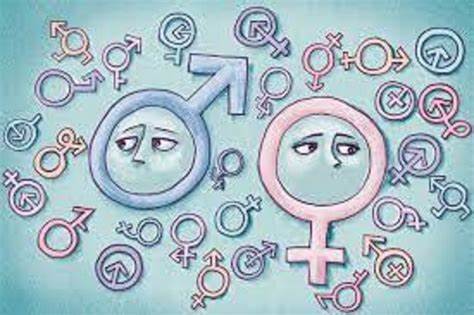



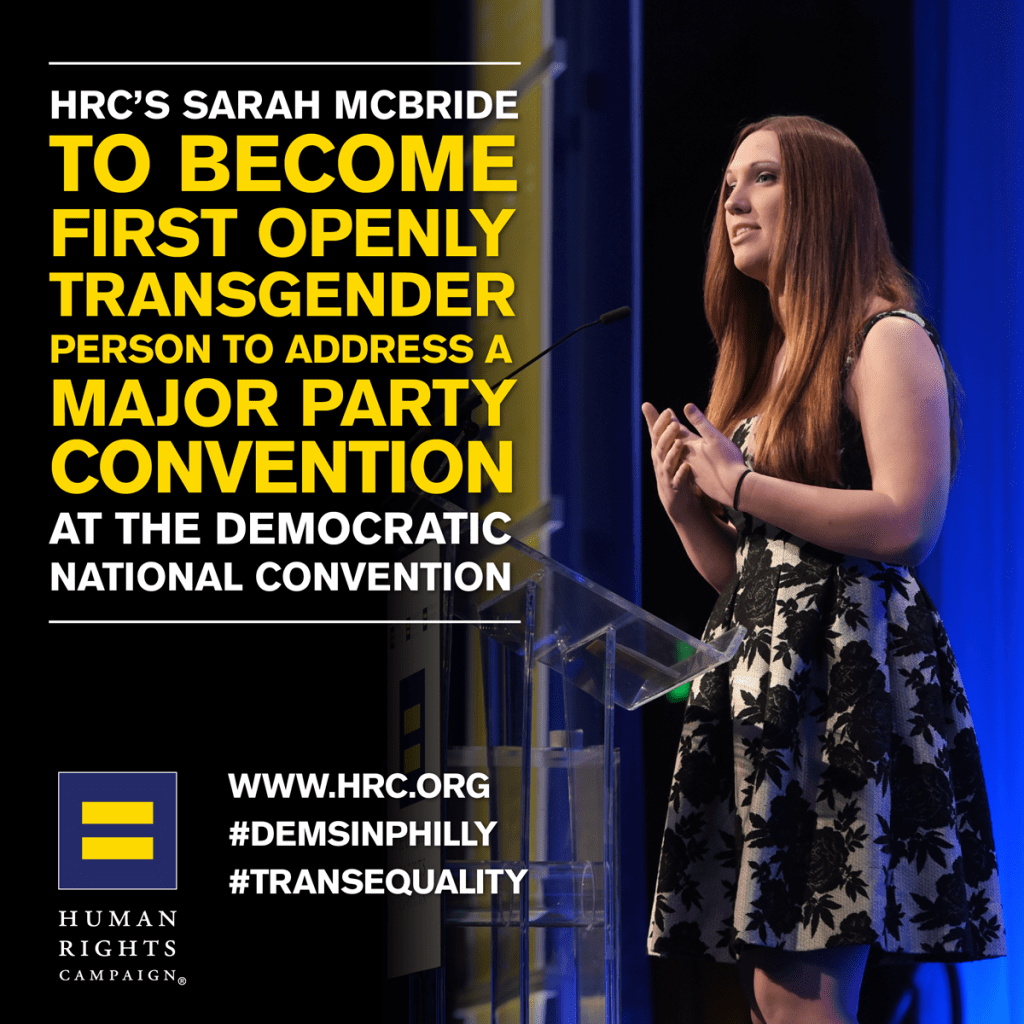
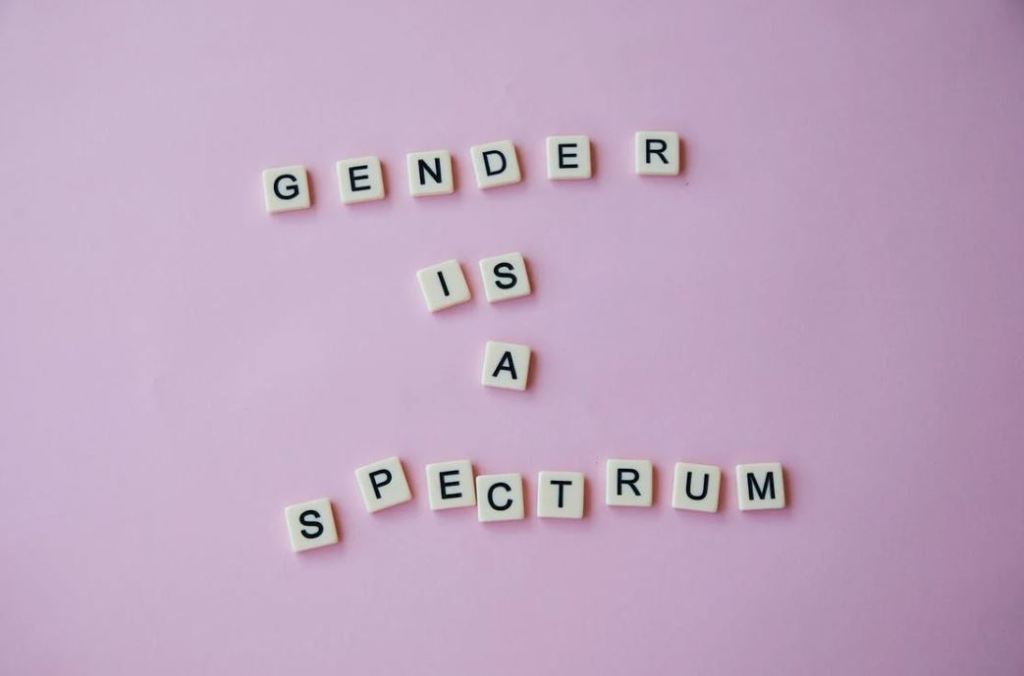




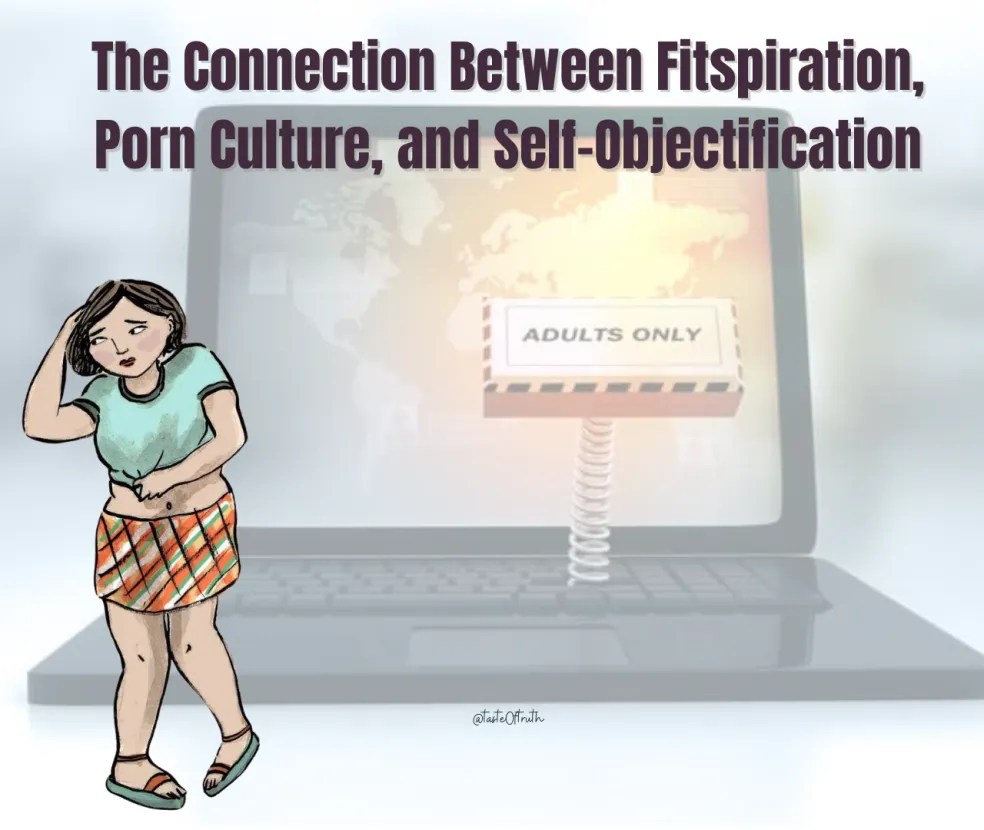


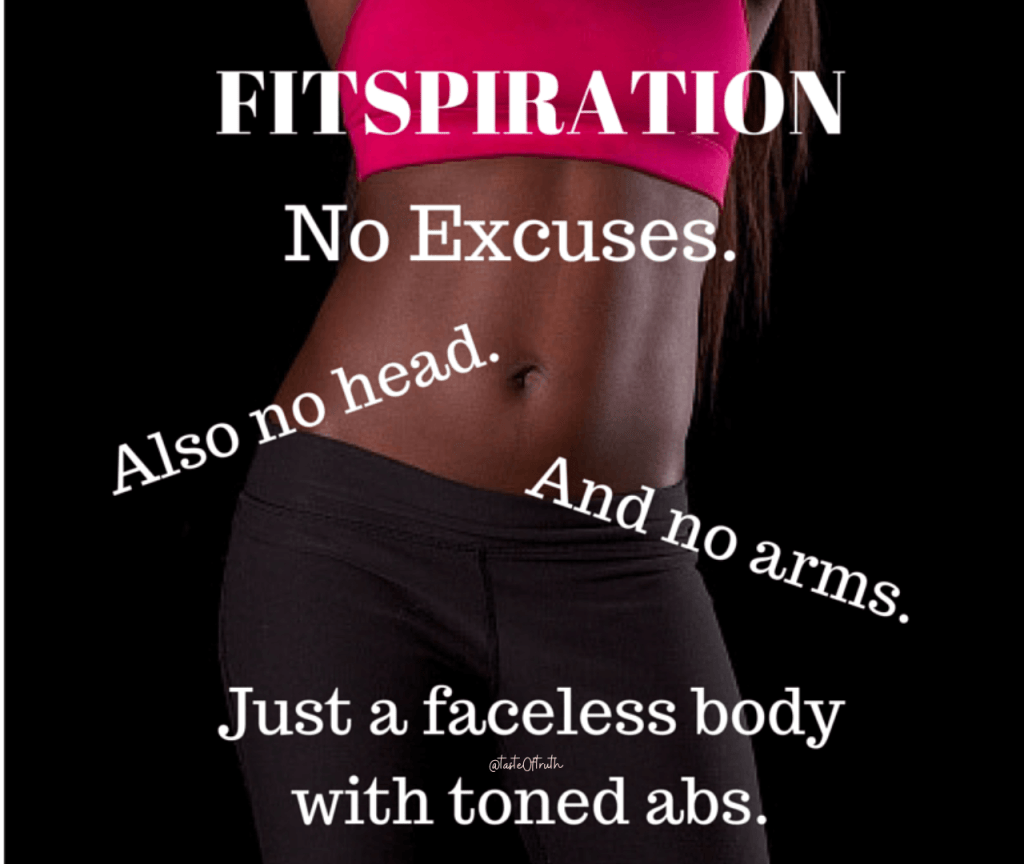




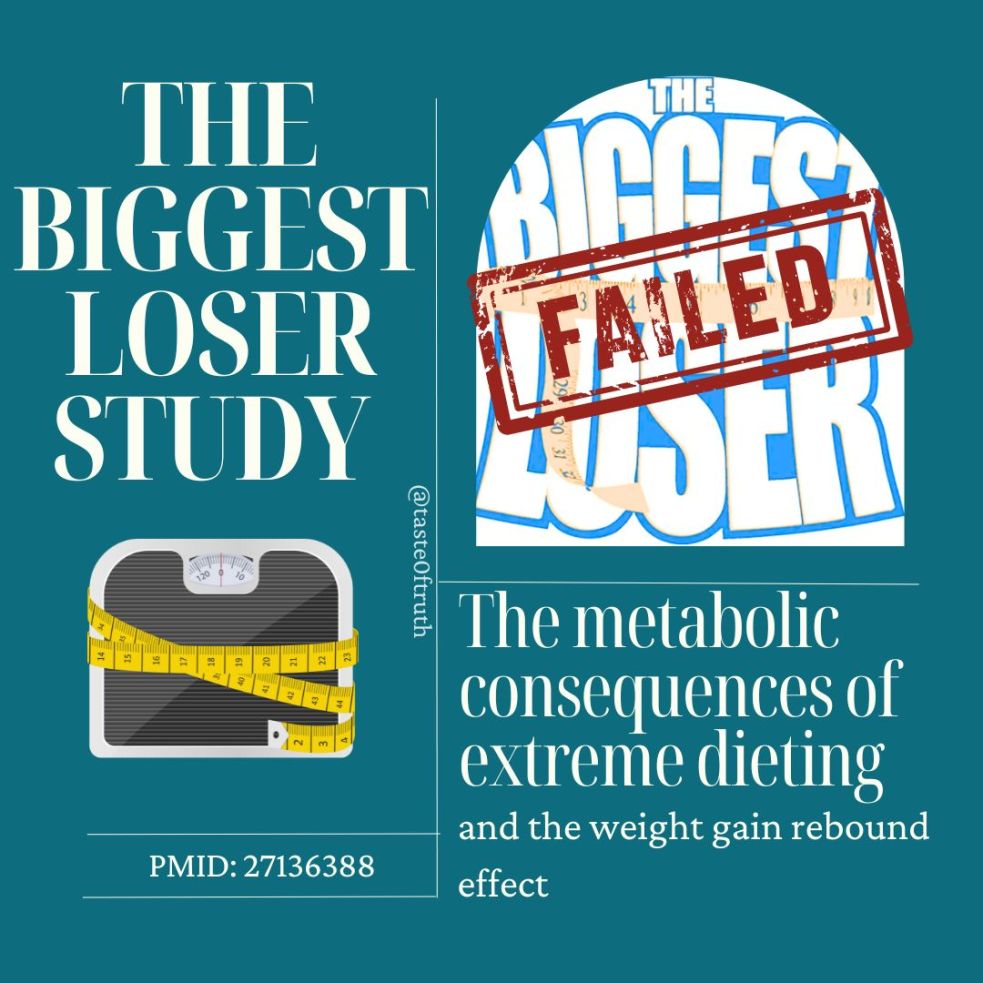


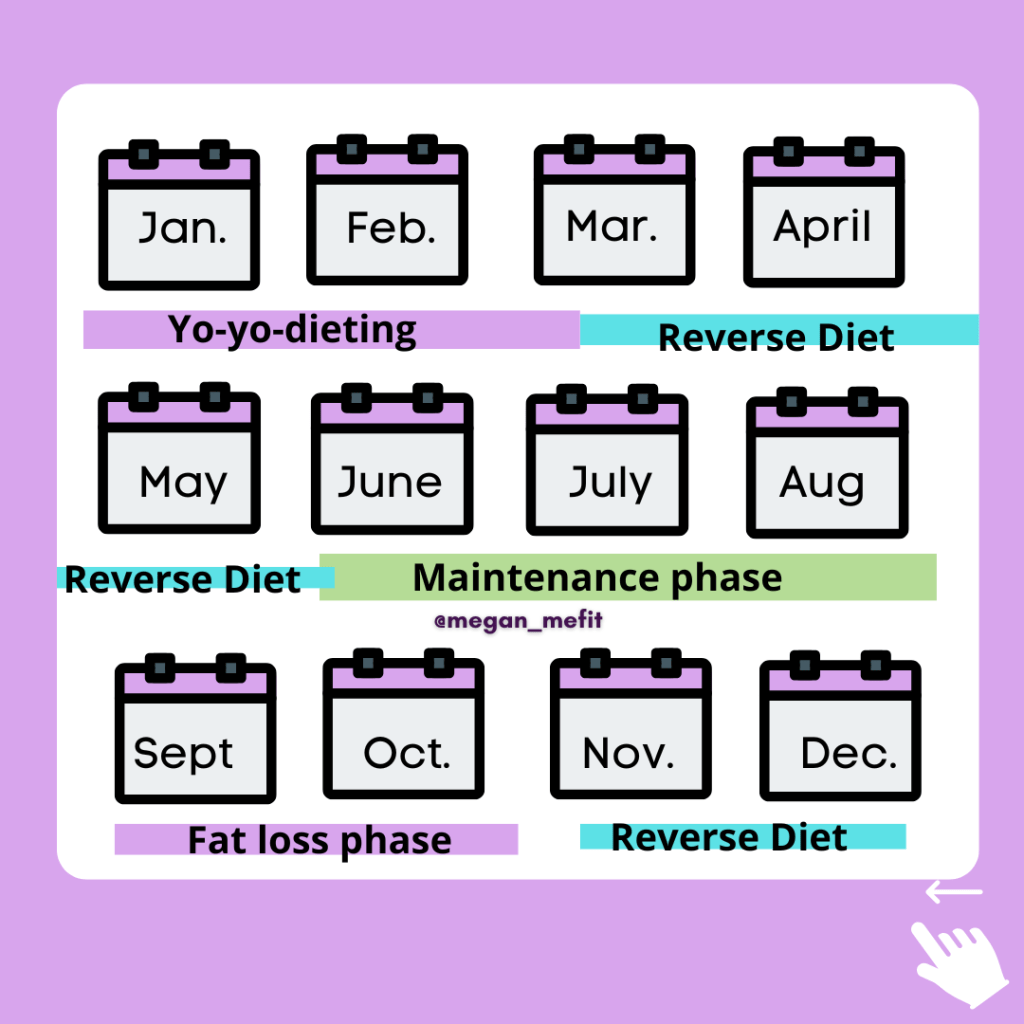




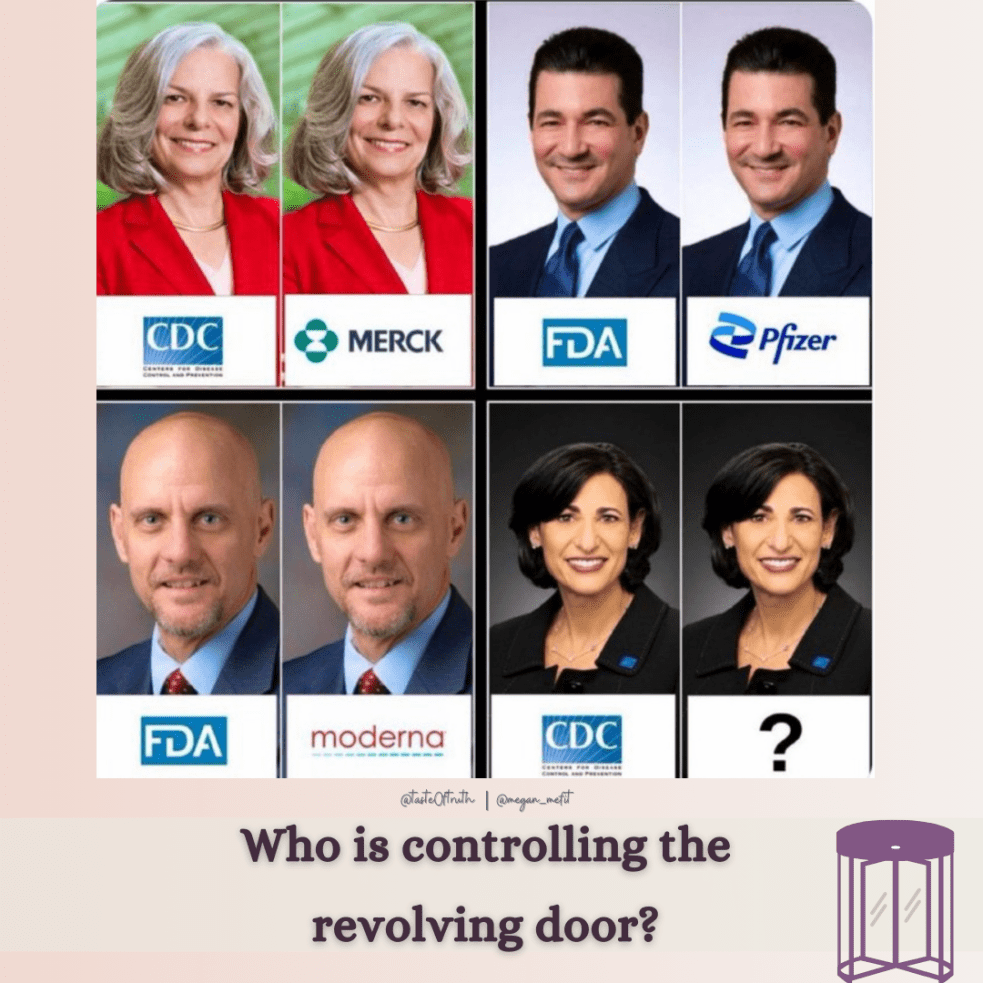




 Taste0ftruth Tuesdays