“Truth can be both our shield and sword in the battle of life.”
There are people who influence us not only through what they teach, but through the manner in which they live what they teach.
Over the last several months, my friend Torna Braggison has offered me a remarkable degree of openness, patience, friendship, and spiritual guidance. He has answered my many questions, challenged me to think more deeply, and helped me better understand a Heathen worldview that cannot be reduced to symbolism, abstract belief, or solitary spiritual consumption.
Torna is the author of Power Through Truth, an exploration of the relationship between sacred breath, truthful speech, oath-keeping, honor, and spiritual power within the Heathen tradition.
His guidance has continually returned me to something more demanding: conduct.
How do we speak?
What do we promise?
Do our actions uphold our words?
Can the people closest to us trust what comes out of our mouths?
What happens to us (personally, socially, and spiritually) when they cannot?
What if truth is not merely something we believe, but something we breathe, speak, promise, remember, and live?
Ask and Embla, Robert Engels, 1919. Odin’s gift of Ond—the sacred breath that gives life and carries the spoken word.
Truth Is Not Merely an Idea
Modern people are accustomed to treating truth primarily as a matter of intellectual agreement.
We ask whether a proposition is correct, whether a doctrine is factual, or whether someone possesses the proper beliefs. Religion often becomes a matter of assenting to particular claims. Politics becomes a competition between competing narratives. Online identity becomes a collection of publicly declared values.
But declaring a value is not the same as embodying it.
A person can speak endlessly about compassion while behaving cruelly. Someone can build an identity around authenticity while lying to the people closest to them. A spiritual leader can speak of love, healing, transcendence, and divine truth while refusing accountability for the damage caused by their conduct.
Words alone do not prove character.
Within the framework Torna presents, however, words are not inconsequential. They are not merely sounds, opinions, or disposable expressions. They are carried upon the sacred breath and given force through the character and intention of the speaker.
Torna describes Ond as the sacred breath of life, the divine spark gifted by Odin. Our words ride upon that breath, and when we speak, we give those words a kind of life. Their quality is connected to the truth, intention, and honor of the person speaking them.
Speech therefore becomes more than communication.
It becomes participation.
We breathe something of ourselves into the world.
The Breath Behind the Word
In Völuspá, Odin’s gift to Ask and Embla includes Ond—the animating breath without which they do not yet fully possess life. Torna connects this sacred breath to speech, creativity, ecstatic power, ritual, galdr, and the ability to shape reality through will and expression.
This does not mean that every passing sentence is a magical incantation in the theatrical or New Age sense.
It means that speech carries consequences.
Words can establish trust or destroy it. They can bind people together, orient a community, transmit memory, establish obligation, inspire courage, or leave another person spiritually and emotionally disoriented. A truthful word spoken at the right moment can restore someone’s sense of reality. A deliberate lie can make another person doubt their own perception.
Our words affect the world because other people must live inside the reality those words help create.
This is one reason truth matters so deeply to me.
I do not want truth to remain an attractive principle I discuss in essays or podcasts. I want the people in my life to know that my word means something. I want to follow through when I make a commitment. I want to be honest even when honesty is uncomfortable. I want to recognize when my conduct contradicts what I have claimed and accept the responsibility of repairing what I can.
That is not always easy.
Truth as lived accountability demands more than being “right.” It demands self-examination, restraint, memory, courage, and humility. It may require us to admit that we have behaved dishonorably. It may force us to stop protecting the version of ourselves we would prefer others to believe.
Truth can defend us, but it can also cut through our own self-deception.
It is both shield and sword.
Words in the Well
One of the most compelling ideas in Torna’s article is that some words carry more weight than others.
He distinguishes between common or everyday speech, words placed “in the well” through intimate or sacred relationships, and the giving of formal oaths. Each carries a different degree of personal, communal, and spiritual consequence.
We all understand this intuitively.
Telling a cashier that we are “fine” when we are having a terrible day does not carry the same moral weight as lying to a spouse, deceiving a close friend, betraying a confidant, or breaking a solemn vow.
The closer the relationship, the more of ourselves we place behind the word.
Words spoken to those who trust us become part of a shared memory. They shape how another person understands us, themselves, and the relationship between us. Words spoken during ritual enter the memory of the group. Stories told by the skald or bard help shape a people’s understanding of their ancestors, heroes, virtues, and obligations.
These are words placed into the well.
The well can be understood as Mímir’s well, ancestral memory, cultural memory, or the accumulated memory of the community. What is spoken does not simply disappear after the vibration leaves the air. It continues through consequence, reputation, story, recollection, and relationship.
A truthful word can strengthen the speaker and those who hear it.
A dishonest word can poison the well.
“The Spiritual Weight of an Oath”: John Bauer, Tyr and Fenrir
The Spiritual Weight of an Oath
An oath carries the greatest weight because an oath is not merely a prediction about what we hope to do.
It is an act of binding.
Torna describes an oath as something given life through sacred breath and powered by the will. The oath involves not only the person who gives it, but the recipient, the witnesses, the place, and the spiritual powers invoked or present. Until it is fulfilled or broken, the oath continues to possess force.
This is almost incomprehensible within a culture of casual promises.
We say, “I’ll call you tomorrow,” “I’ll always be there,” “You can trust me,” or “I swear I’ll change,” often with little awareness of the weight those statements carry for the person receiving them.
Our society encourages constant speech while teaching very little discipline of speech.
We post immediate reactions. We make dramatic declarations. We promise more than we can deliver. We publicly perform virtues we have not yet cultivated privately. We use language to manage how others perceive us, then become resentful when we are held accountable to the identity we presented.
A Heathen understanding of oath asks us to become more careful.
Do not promise lightly.
Do not offer your word merely to relieve the discomfort of the present moment.
Do not invoke trust when you are unwilling to behave in a trustworthy manner.
The answer is not to become silent, emotionally unavailable, or terrified of commitment. It is to understand that a promise contains part of the self. When we repeatedly keep our word, we become someone whose speech possesses weight. When we continually break it, our words become thin and useless.
Eventually, no one believes us… and that isn’t because they are cruel, but because we have taught them not to.
Honor Is Accumulated
Torna connects the keeping of oaths with Hamingja, a concept often translated as luck but also associated with honor, power, fortune, and the accumulated strength of the self.
This is not luck imagined as random cosmic favor.
It is closer to luck that has been cultivated.
A person who consistently acts with integrity develops trusted relationships, a dependable reputation, communal support, and an internal sense of coherence. Their words and actions reinforce each other. They become spiritually and socially substantial.
Keeping one’s word strengthens the whole self, while dishonorable conduct weakens it.
We might recognize this even without using explicitly spiritual language.
A trustworthy person is often surrounded by people willing to help them because they have proven that help will not be wasted. Their reputation opens doors. Their community remembers their conduct. When hardship comes, they are not entirely alone.
This is not always fair or perfectly reciprocal. Honorable people can still be betrayed, harmed, or abandoned. But the larger principle remains: character accumulates.
So does dishonor.
Every promise kept or broken becomes part of the person we are becoming.
Truth as Communal Participation
Truth is often framed as an individual possession: my truth, my beliefs, my authenticity.
But Torna’s article presents truth as profoundly relational.
As a bard and skald, he writes that believing in the moral truth of a story allows the teller to connect with those listening. Honest words can create a communal experience in which teller, listener, folk, hero, deity, moral teaching, place, and ancestral memory are brought into relationship.
Truth does not merely sit inside the mind.
It passes between people.
It is sung, remembered, witnessed, and enacted.
This is where the concept becomes essential to The Wisdom of Participation. Traditional cultures did not generally understand humans as isolated consumers of spiritual information. People gathered. They sang. They told stories. They made vows before witnesses. They remembered their dead. They carried inherited obligations. They participated in the maintenance of a shared moral world.
The skald did not simply deliver “content.”
The community did not merely observe.
Everyone present became part of the remembering.
This is radically different from a spirituality centered on private revelation, personal vibration, or self-created metaphysical truth. The well does not belong to the isolated ego. It contains the memory of relationships—between the living, the dead, the Gods, the land, and those yet to come.
What we place into that well matters.
Bragi, Carl Emil Doepler, 1882. Bragi, the Norse god of poetry and eloquence, represents speech as sacred craft: words shaped through memory, rhythm, truth, and responsibility. The skald does not merely entertain, but gives voice to the stories and values through which a people remembers itself. Public domain.
No One Can Embody Truth on Our Behalf
Christianity famously places the words “I am the way, the truth, and the life” into the mouth of Jesus.
In that worldview, truth is ultimately embodied in and accessed through a singular salvific figure. The believer is asked to place faith in that figure and the theological claims made about him.
The Heathen framework explored here places the emphasis elsewhere.
Truth is not merely a person to profess belief in. It is a standard we must demonstrate through conduct.
No savior can keep our promises for us.
No doctrine can repair the trust we have broken.
No spiritual identity can substitute for honest speech.
No declaration of belief can transform dishonorable behavior into honorable behavior.
Truth must be renewed each time we speak carefully, fulfill a commitment, admit a wrong, make recompense, resist convenient deception, or allow our actions to bear the weight of what we have claimed.
It must be breathed and lived.
The Question Before Us
My upcoming conversation with Torna Braggison will explore the relationship between Ond, speech, oath, honor, memory, galdr, storytelling, and spiritual power.
But beneath the terminology lies a deeply human question.
What kind of person does my speech reveal me to be?
Do my words give life, orientation, and trust to the people around me?
Do I make promises carelessly?
Have I confused saying the right things with becoming an honorable person?
Have I demanded truth from others while excusing dishonesty in myself?
And when I fail, am I willing to make recompense rather than simply inventing a more flattering story about what happened?
Truth is not merely the absence of false information.
It is the alignment of breath, speech, memory, promise, and deed.
It is the weight accumulated when we repeatedly prove that our words can be trusted.
It is what we place into the well.
It is what others will remember.
And it is what remains when every attractive spiritual claim has been stripped away and only our conduct is left to speak for us.
The Lessons of Asgard– WorldTree Publications, 36pgs. Completely revised, with original kennings to the Gods by Torna Braggison. An introductory study of the principle Gods & Goddesses in the lore.
Hey hey, welcome back to Taste of Truth Tuesdays. Today’s episode is where we dig into philosophy, culture, history, and the ideas that have shaped the world we’re living in—everything from classical texts to the American founding documents that are still very much relevant to how we should think about freedom today.
Listen here:
There’s a growing sense that something isn’t working.
You see it in the fragmentation of identity, the erosion of shared norms, and the breakdown of trust across institutions.
You don’t have to look very hard to notice it.
People don’t trust elections, medicine, or the media—sometimes all at once, and often for completely different reasons.
Dating is “freer” than it’s ever been, and yet it feels more unstable, more transactional, and more confusing than most people expected.
Corporations speak like moral authorities, issuing statements about justice and truth, while operating through incentives that have nothing to do with either.
Everything is still functioning. But less of it feels legitimate.
In my last piece, I traced one part of this problem back to a common assumption, that Christianity built the foundations of the West. But when you actually follow the development of those ideas, much of what we associate with Western thought—natural law, reason, and the structure of political life—has deeper roots in the Greco-Roman philosophical tradition.
That matters, because the frameworks we inherit shape what we think freedom is, and what we expect it to do.
This piece is a continuation of that question. Not only about where those ideas came from, but about what they require to hold together.
Because a free society doesn’t sustain itself on freedom alone. It depends on discipline, restraint, and a shared understanding of limits—conditions that the system itself cannot produce.
And when those begin to erode, the system doesn’t just break. It follows a pattern that’s been observed for a very long time.
Jefferson intentionally designed the Virginia Capitol in Richmond directly after the Roman temple Maison Carrée~16 CE
I. The Fear Beneath the Founding
This isn’t a new problem.
The relationship between freedom and instability shows up wherever societies try to govern themselves.
The American founding emerged out of that concern. The people designing the system weren’t just thinking about how to create liberty, they were trying to understand why it collapses.
The colonists weren’t casually referencing Rome. English translations of Vertot’s Revolutions that Happened in the Government of the Roman Republic (1720) were in almost every library, private or institutional, in British North America. They studied how free societies decay, how power shifts from shared trust into something self-serving, and how internal corruption (not just external threat) brings systems down.
They believed they were watching it happen in real time.
What they took from antiquity was not blind optimism about freedom, but caution.
And this wasn’t limited to classical history. As Bernard Bailyn observed, the colonists were immersed in dense and serious political literature, shaped by philosophy, and sustained reflection on the problem of power.
Part of what they were working with was an older line of thought running through Greek and Roman philosophy.
The idea that human life is not directionless. That there are patterns to how people live, and that some ways of living lead to stability and flourishing, while others lead to breakdown.
You can already see the foundation of this in Aristotle. He didn’t use the term “natural law,” but the structure is there. Human beings have a nature, and flourishing comes from living in alignment with it—not whatever we happen to want in the moment, but a way of life shaped by discipline, balance, and the cultivation of virtue over time.
The Stoics make this more explicit. They describe the world as ordered by reason—logos—and argue that human beings can come to understand that order.
From that perspective, moral truth isn’t something we invent. It’s something we discover. And law, at its best, should reflect that underlying structure rather than contradict it.
By the time you get to Rome, this idea is articulated more directly. Cicero describes a true law grounded in right reason and in agreement with nature—something universal, not dependent on custom or preference, but rooted in reality itself.
These ideas don’t disappear. They are carried forward and developed.
Christian thinkers later absorb and expand them, especially through Thomas Aquinas, who integrates Greek philosophy and Roman legal thought into a more explicit framework of natural law. And that influence is real. It’s part of the Western story whether we like it or not.
But that’s not the point of this piece.
What matters here is that by the time you reach the early modern period, this idea of a structured moral order—something that places limits on behavior and grounds freedom in discipline—is already well established.
You can see that continuity clearly in how the Founders and colonists read earlier political thought. Returning to those earlier sources, Plato describes how political systems degrade over time, arguing that excessive and undisciplined freedom can produce disorder, which eventually leads people to accept tyranny in the search for stability. Aristotle traces how democracies collapse when law gives way to persuasion and personality. Polybius maps the recurring cycle through which governments rise and decay.
What he described was called anacyclosis, a recurring cycle of political systems. Governments begin in relatively stable forms, rule by one, by a few, or by many, but over time they degrade. Kingship becomes tyranny. Aristocracy becomes oligarchy. Democracy, when it loses discipline, collapses into what he called ochlocracy, rule by the mob.
This wasn’t abstract to the colonists, like I said, they believed they were watching this pattern unfold in real time. And it shows up just as clearly in the political language of the founding era itself.
As Bailyn explains, monarchy, aristocracy, and democracy were each seen as capable of producing human happiness. But left unchecked, each would inevitably collapse into its corrupt form: tyranny, oligarchy, or mob rule.
Writings like Cato’s Letters were widely read in the colonies and helped shape how ordinary people understood government, power, and liberty.
What’s striking when you read Cato more closely is how little confidence they placed in moral restraint alone. It doesn’t describe freedom as unlimited expression or personal autonomy. The idea that belief, fear of God, or good intentions would keep power in check is treated as dangerously naive. Power is not self-regulating, and it is not made safe by the character or beliefs of those who hold it. It has to be exposed, limited, and actively resisted—because even institutions and ideas meant to restrain it, including religion, can be repurposed to justify its expansion.
It describes government more as a trust—one that exists to protect the conditions that make ordinary life possible.
As Cato writes:
“Power is like fire; it warms, it burns, it destroys. It is a dangerous servant and a fearful master”
And more directly:
“What is government, but a trust committed…that everyone may, with the more security, attend upon his own?”
The assumption is clear. Power must be restrained. Freedom depends on it.
But in Cato’s framing, that restraint doesn’t come from structure alone. It depends on constant exposure and resistance. Freedom of speech and a free press aren’t treated as abstract rights, but as active safeguards—tools for uncovering corruption and preventing power from consolidating unchecked. The logic is simple but demanding: power does not correct itself. It expands, protects its own interests, and, if left unchallenged, begins to operate beyond the limits it was given.
The point of understanding the political cycles of revolution wasn’t to say that any one system was uniquely flawed. It was that all systems are vulnerable to the same underlying problem:
Human nature.
Self-interest eventually creeps in. Restraint erodes. Power shifts from a trust into something personal and extractive.
And once that shift happens, the form of government matters less than the character of the people within it. That thread runs directly into the founding.
The American system wasn’t designed as a pure democracy. It was an attempt to stabilize a problem earlier thinkers had already identified.
Rather than choosing a single form of government, the founders built a mixed system, blending elements of rule by one, rule by a few, and rule by many. An executive to act with decisiveness. A Senate to provide deliberation and continuity. A House to represent the people more directly.
This wasn’t accidental.
It reflected an awareness that each form of government carries its own risks, and that concentrating power in any one place tends to accelerate its corruption.
By distributing power across different institutions, the goal was to create tension within the system itself. Ambition would check ambition. Competing interests would slow the consolidation of power.
From my understanding, they weren’t trying to escape the cycle Polybius described. They were trying to manage it.
They weren’t designing a perfect system. They were attempting to design one built to withstand imperfect people.
But even that depended on something it could not guarantee.
In Federalist No. 10, James Madison writes:
“The latent causes of faction are thus sown in the nature of man.”
He’s not describing a temporary problem. He’s describing a permanent one.
Differences in opinion, interests, wealth, and temperament don’t disappear. They organize. They form groups. And those groups will sometimes pursue aims that are at odds with the rights of others or the stability of the system itself.
Madison’s conclusion is straightforward:
“The causes of faction cannot be removed… relief is only to be sought in the means of controlling its effects.”
That distinction is crucial. He doesn’t try to eliminate conflict or force unity. He assumes conflict is inevitable and builds a system around that reality.
Instead of requiring perfect discipline from individuals, the structure disperses power, multiplies interests, and forces negotiation. Representation slows decision-making. Scale makes domination more difficult.
Freedom is preserved not by removing conflict, but by structuring it.
“They looked ahead with anxiety, not confidence. Because they believed liberty was collapsing everywhere. New tyrannies had spread like plagues. The world had become, in their words, “a slaughterhouse.” Across the globe: Rulers of the East were almost universally absolute tyrants…Africa was described as scenes of tyranny, barbarism, confusion and violence. France ruled by arbitrary authority. Prussia under absolute government. Sweden and Denmark had “sold their liberties.” Rome burdened by civil and religious control. Germany is a hundred-headed hydra. Poland consumed by chaos. Only Britain (and the colonies) were believed to still hold onto liberty. And even there… barely.” From revolutionary-era political writings, as compiled by Bernard Bailyn
University of Virginia Rotunda-Modeled after the Roman Pantheon
II. Ordered Liberty and the Kind of Person It Requires
The founders believed in liberty, but not as an unlimited good. They believed in ordered liberty. Freedom that exists within a framework of responsibility, discipline, and civic virtue. The system they designed assumed a certain kind of person, one capable of self-governance, restraint, and participation in a shared moral world.
That assumption was not optional. It was structural. It’s easy to miss how much is built into that.
And this is where the modern tension and the current understanding of freedom begins to diverge from its origins.
Classical Liberalism, in its earlier form, was not about as Deneen states in Why Liberalism Failed, detaching individuals from all institutions, identities, or relationships. But it was about protecting individuals from tyranny while preserving the conditions necessary for a functioning society. It assumed the continued existence of family, community, religious frameworks, and shared norms.
But where Deneen is right, early liberal thought did introduce something new.
John Locke, for example, reframed institutions like marriage as voluntary associations rather than fixed, inherited structures. That didn’t mean early liberal political philosophy was designed to erode the family. But it did change how those institutions were understood. It placed individual choice alongside social stability in a way that could be expanded over time.
To understand where this expansion comes from, you have to look at what came before it
Without freedom of thought, there can be no such thing as wisdom; and no such thing as publick liberty, without freedom of speech: Which is the right of every man, as far as by it he does not hurt and control the right of another; and this is the only check which it ought to suffer, the only bounds which it ought to know. Cato’s letters No.15
III. The Moral Inheritance of the West
The Lia Fail Inauguration Stone on the Hill of Tara in County Meath Ireland
In many pre-Christian societies, moral life wasn’t organized primarily around abstract rules or universal doctrines, but around continuity. Identity was tied to lineage, family, and inherited roles. Authority came not from individual preference, but from what had been passed down—customs, obligations, and expectations shaped over generations. To live well wasn’t just a personal project. It meant upholding something larger than yourself: maintaining the reputation of your family, fulfilling your role within a community, and carrying forward a way of life that you didn’t create but were responsible for preserving.
You can see how this played out in places like Anglo-Saxon England, where social structure and legal life were more embedded in family and local custom than in centralized doctrine. Women, for example, could own property, inherit land, appear in legal proceedings, and in some cases exercise real economic and political influence. These weren’t modern equality frameworks, but they complicate the assumption that agency and rights only emerge through later “progress.”
That structure did more than organize society. It created cohesion. It gave people a shared reference point for what mattered, what was expected, and what should be restrained—even when no one was watching. Authority wasn’t something constantly renegotiated. It was inherited, lived, and reinforced through participation in a shared way of life.
Greek and Roman life was also structured around civic duty, hierarchy, and inherited roles.
Their moral frameworks reflected that structure. Thinkers like Aristotle emphasized virtue as balance, habits cultivated over time within a community, oriented toward harmony and the common good.
As Christianity spread, moral authority became less tied to lineage and local custom, and more anchored in universal doctrine—rules that applied across communities, not just within them. Obligation didn’t vanish, but it was increasingly reframed. Less about inherited roles within a specific people, more about the individual’s relationship to a broader moral order.
That shift didn’t happen all at once, and it’s not a simple story. The development of early Christianity, its integration into the Roman Empire, and the ways it reshaped intellectual life and authority are far more complex than a few paragraphs can capture here. I’ve gone into that in more detail elsewhere, particularly around the Constantinian period and the rise of revelation and fall of reason.
This development intensifies further with the rise of Protestantism, where that reframing of obligation becomes even more explicit.The movement from the Seven Deadly Sins to the Ten Commandments as a dominant moral framework.
The Seven Deadly Sins, pride, greed, lust, envy, gluttony, wrath, and sloth, are not rules in the strict sense. They describe internal dispositions, patterns of character that distort judgment and pull a person out of balance. They are concerned with formation, with who you are becoming.
The Ten Commandments, by contrast, are structured as prohibitions. You shall not. They define boundaries, obedience, and transgression in relation to divine authority.
Both frameworks aim at moral order. But they operate differently. One is oriented toward the cultivation of character within a shared moral world. The other emphasizes compliance, law, and accountability before God.
The Protestant Reformation further reduced the role of mediating institutions, emphasizing personal conscience, direct access to scripture, and an individual relationship to truth. Authority became less external and more internalized, but also more individualized and less uniformly shared.
The emphasis is unmistakable. Moral responsibility is no longer primarily inherited or communal, but individual and direct.
This did not dissolve the community. But it did begin to relocate the moral center of gravity, from the maintenance of balance within a community, to the accountability of the individual before God.
A political system built on individual rights and self-governance emerged from a cultural framework that had already begun to center moral responsibility at the level of the individual.
At the same time, Christianity reshaped how the natural world was understood. Earlier traditions often treated nature as infused with meaning, order, or even divinity. Christianity maintained that the world was ordered, but no longer sacred in itself. It was created, not divine.
That distinction introduced a kind of distance. A world that is no longer sacred in itself becomes, over time, easier to treat as something external, something to study, measure, and ultimately use.
None of these shifts were inherently destabilizing on their own. But they altered the underlying framework.
Over time, they contributed to a gradual reorientation, one that made it easier to conceive of the individual as separate, autonomous, and capable of standing apart from inherited structures.
That development would later be expanded and amplified through liberal thought.
But the point is not that Protestant Christianity caused modern individualism. It is that it helped make it thinkable.
By the time you reach the Enlightenment and the American founding, those earlier shifts had not disappeared. They had been carried forward and reworked into a new framework—one increasingly shaped by reason, not as a rejection of religion entirely, but as a refusal to let authority go unquestioned simply because it claims moral or divine legitimacy.
The state of nature has a law of nature to govern it, which obliges every one: and reason, which is that law, teaches all mankind, who will but consult it, that being all equal and independent, no one ought to harm another in his life, health, liberty, or possessions… (and) when his own preservation comes not in competition, ought he, as much as he can, to preserve the rest of mankind, and may not, unless it be to do justice on an offender, take away, or impair the life, or what tends to the preservation of the life, the liberty, health, limb, or goods of another.
-John Locke on the rights to life, liberty, and property of ourselves and others
IV. When Freedom Loses Its Structure
Over the next two centuries, that framework continued to expand. Early expansions focused on political participation—who could vote, who counted as a citizen, and who could take part in public life.
By the mid-20th century, that expansion accelerated through civil rights movements, which pushed the language of equality and access further into law, culture, and institutions.
In the 1960s into the 1970s, the focus widened into personal life. Questions of family, marriage, sexuality, and individual identity were increasingly reframed in terms of autonomy and personal choice.
The sexual revolution, in particular, was widely understood as an expansion of personal freedom: loosening traditional constraints around sex, marriage, and family life. But over time, some of the assumptions underlying that shift have come under renewed scrutiny. The idea that women can navigate complete sexual and relational autonomy without significant cost appears increasingly fragile, especially in the absence of the social structures that once provided stability and direction.
Expanding rights changes the system, not just access to it.
What’s often assumed is that this expansion is self-justifying—that extending rights is always a net good, and that the system can absorb that expansion without consequence. But that assumption is rarely examined.
As the scope of participation widens, so does the demand placed on the system and on the people within it.
A political system built on equal participation assumes a level of judgment, responsibility, and long-term thinking that is not evenly distributed. It assumes that individuals, given more freedom, will be able to navigate it without undermining the conditions that make it possible in the first place.
What we also see in modern times is the cultural and institutional structures that once shaped behavior—family expectations, community standards, shared moral frameworks have become much weaker, more contested, or easier to reject.
For most of known human history, moral behavior wasn’t just a matter of personal conviction. It was embedded in small, stable, reputation-based communities where actions were visible, remembered, and judged over time. Behavior carried consequences because it was tied to relationships that endured.
That community system relied on three conditions: shared standards, stable enforcement, and long-term relationships. As those weaken, accountability becomes less consistent or non existent. Not because human nature has changed, but because the structures that made behavior visible and tied to consequences have broken down.
Part of that shift is tied to the broader move toward secularism. As religious frameworks lose authority, the shared narratives that once provided cohesion, meaning, and moral orientation begin to fragment. This doesn’t eliminate the human need for structure—it shifts where people look for it. It disperses into competing sources of identity, morality, and meaning.
In The Republic, Plato makes a similar observation about belief itself. What matters is not just what people claim to believe, but whether those beliefs hold under pressure. “We must test them… to see whether they will hold to their convictions when they are subjected to fear, pleasure, or pain.”
Without shared structures reinforcing those convictions, belief becomes more reactive, more situational, and more easily reshaped by external forces.
We are left with a society of multiple, incompatible systems of belief—each with its own values, demands, and claims to legitimacy, but no widely accepted structure holding them together.
What was once a shared moral world becomes a contested one.
In Propaganda, Edward Bernays makes a blunt observation: the conscious and intelligent manipulation of the masses is not only possible, but essential to managing modern society. That insight becomes more relevant, not less, in the absence of a shared framework.
Because when a society loses the unifying structures that once held it together, the vacuum doesn’t stay empty. New ideologies rush in (secular, political, cultural) offering belonging, morality, and meaning, often with more intensity than the systems they replaced.
More autonomy. Less formation. More fragmentation. Less agreement on what freedom even demands.
This raises a harder question: whether removing earlier constraints produced the kind of freedom it promised, or simply replaced one set of pressures with another.
As that imbalance deepens, people don’t simply become more independent. They look for stability elsewhere.
This is where Deneen’s observation becomes useful, even if I don’t fully agree with his framing. As traditional institutions weaken, dependence doesn’t disappear—it shifts. From local, relational structures to larger, more abstract systems like the state and the market.
Another way to see this is that societies don’t just rely on formal institutions. They rely on something less visible—a kind of cultural immune system. Shared norms, expectations, and informal boundaries that regulate behavior without constant enforcement.
When those weaken, systems don’t become freer. They become easier to exploit.
One of the clearest examples of that vulnerability is the modern corporation.
The American system was designed in deep suspicion of concentrated power, yet over time it has extended expansive protections to corporate entities, allowing large institutions, backed by wealth, media, and legal abstraction, to shape public life in ways the founding framework was poorly equipped to restrain.
The founders were wary of concentrated power, but they were not designing a system for multinational corporations with vast economic and informational reach. Over time, constitutional doctrine expanded in ways that made these entities increasingly difficult to limit, culminating in decisions like Citizens United, where the Court held that independent political spending by corporations and unions could not be restricted under the First Amendment.
This is part of the same pattern. A system built to preserve liberty becomes easier to exploit when power no longer appears as a king, a church, or a visible ruling class, but as diffuse institutions operating through law, markets, and media.
And as we have seen that happen, trust has eroded, cooperation breaks down, and the very conditions that made freedom possible have begun to unravel.
But I don’t think that was the original aim of classical liberalism.
It’s not that it set out to dismantle the community. It’s that over time, through cultural, economic, and technological changes, the balance between freedom and structure eroded. And now we’re dealing with the consequences of that imbalance.
The more I read, the harder it is to ignore the tension at the heart of the American Revolution itself.
It speaks the language of liberty, but often operated through pressure, surveillance, and social enforcement. Groups like the Sons of Liberty didn’t just resist authority—they replaced it with their own forms of coercion, loyalty tests, and public punishment.
The sons of liberty regularly tar and feathered anyone who offended them or were officers of the British government.
I am not saying the ideals were wrong. It means liberty, on its own, doesn’t sustain itself.When formal authority is rejected, power doesn’t disappear. It simply relocates.
And without shared discipline or internal restraint, it often reappears in more fragmented, less accountable forms.
Liberty is not the absence of power.
It’s a problem of how power is structured, restrained, and lived.
There’s another reaction to this tension that’s worth acknowledging, even if it goes too far.
Thinkers like Mencken argued that the real problem isn’t the system, but the people—that democracy inevitably lowers the standard because it reflects the average citizen.
And I understand the sentiment; but that framing misses something important.
The issue isn’t that people are inherently incapable of self-government.
It’s that self-government requires habits, discipline, and formation that a system alone cannot produce.
What makes this moment particularly interesting is that the unease people feel doesn’t map neatly onto political categories.
Across both the left and the right, there’s a growing intuition that something isn’t functioning the way it should.
You see it in the rare points of agreement. Public frustration over the lack of transparency in the Epstein files cuts across political lines, with overwhelming majorities convinced that key information is still being withheld and justice is yet to be served.
You see it in foreign policy as well. Even in a deeply divided country, there is broad skepticism toward escalating conflicts like the war involving Iran, with many of us questioning the purpose, cost, and direction of involvement.
That concern isn’t new. It shows up clearly in Cato’s Letters, where distrust of power wasn’t abstract—it was grounded in history. The Roman Empire was a constant reference point, especially in how standing armies, once established, could be turned inward, gradually eroding liberty and consolidating control.
They weren’t against defense. But they were deeply wary of permanent military power and foreign entanglements that primarily served those in control, not the public. War wasn’t just protection. It was one of the fastest ways power could expand.
And it’s hard not to wonder how they would look at what we now call the military-industrial complex—how permanent it’s become, how embedded it is, and how easily it justifies its own expansion.
Power attracts interests that seek to influence it through money, proximity, and favor and over time those interests become embedded within the system itself, shaping decisions in ways that are no longer aligned with the public.
How this shows up today in modern times points to the fact that governmental power no longer feels like a trust. We The People who want to put America and her people’s needs First, are witnessing an occupied government like never before. And that our institutions are no longer held accountable. They have become self-protective and disconnected from the very people they’re meant to serve.
“Power, in proportion to its extent, is ever prone to wantonness.” — Josiah Quincy Jr., Observations on the Boston Port-Bill (1774)
“The supreme power is ever possessed by those who have arms in their hands.” (colonial political writing, mid-18th century)
Standing armies, they warned, could become “the means, in the hands of a wicked and oppressive sovereign, of overturning the constitution… and establishing the most intolerable despotism.” — Simeon Howard, sermon (c. 1773–1775)
Which is why Jefferson insisted on keeping “the military… subject to the civil power,” not the other way around (1774).
There’s also empirical evidence from over a decade ago pointing in that direction.
Sometimes known as “the oligarchy study” published in 2014 by Martin Gilens and Benjamin Page analyzed nearly 1,800 policy decisions in the United States and found that economic elites and organized business interests have a substantial independent influence on policy outcomes, while average citizens have little to no independent impact.
Policies favored by the majority tend to pass only when they align with the preferences of the wealthy. When they don’t, public opinion has almost no measurable effect.
This one study doesn’t prove that the system has fully collapsed into oligarchy.
But it does reinforce our intuition that something has shifted, that power is no longer functioning as it should and that representation is much more limited than we assume.
What I’ve learned from putting this together is that this concern is not new. It’s ancient.
It’s the same fear that appears in the Greek philosophers, carries through Rome, reemerges in the founding era, and is now unfolding again in modern society.
This is the same dynamic Madison was pointing to in Federalist No. 10. When legitimacy starts to weaken, people don’t simply disengage.
They form groups around competing explanations for what’s gone wrong—different interests, different priorities, different visions of what should replace it.
Within the modern left, those responses are not all the same.
Establishment Democrats still operate within existing systems. Liberals tend to push for reform through policy. Progressives begin to question the structure itself. And further out, democratic socialists and revolutionary groups are not aiming to fix the system, but to replace it entirely.
That distinction matters. Because once you move from reform to replacement, you’re no longer arguing about how to use a system.
You’re arguing about whether it should exist at all. At the far end of that spectrum, some movements push toward dismantling foundational structures entirely, treating them as irredeemably corrupt.
You can see this in specific, coordinated efforts.
Large-scale protest movements like the recent “No Kings” demonstrations, like on March 28th, 2026, bringing 8 million people into the streets across the United States. With more than 3,300 coordinated events spanning all 50 states, the mobilization set a record for the largest single day of protest in U.S. history.
They have planned actions like May Day strikes, where activists are calling for mass labor disruption and economic shutdown. And organized noncooperation campaigns designed to train people in how to resist, overwhelm, or halt existing systems altogether.
Their logic is that the system of capitalism is no longer seen as something to work within, but something to resist, bypass, or bring to a stop.
Not reform. But disruption and replacement.
I’ve spent enough time around these spaces to understand the appeal. When institutions feel captured or unresponsive, the instinct is not to reform them—but to burn them down to the ground.
Freedom is not collapsing because people have rejected it. It’s becoming unstable because we can no longer agree on what it is, what it requires, or what its limits should be.
And as more of the burden falls on individuals while leadership fails to model it, people start to feel both responsible and powerless. And that’s where apathy begins to take hold——when it no longer feels like it matters, especially to the people at the top.
United States Capitol Rotunda — The Dome Painting “The Apotheosis of Washington” Painted by Constantino Brumidi in 1865
V. The Human Problem at the Center of Freedom
A republic doesn’t survive on laws alone.
It survives on citizens who can exercise restraint, who understand limits, who see freedom not just as permission, but as responsibility.
One way to understand this shift more clearly is through moral psychology. Human beings don’t arrive at morality purely through reasoning. We rely on a set of underlying intuitions (care, fairness, loyalty, authority, and a sense of the sacred) that shape how we judge right and wrong before we ever explain why.
In more conservative or traditional societies, these moral intuitions tend to operate together rather than in isolation. Care, fairness, loyalty, authority, and a sense of the sacred reinforce one another, creating a more unified moral framework. People may still disagree, but they are drawing from a shared moral language, with expectations around family, roles, restraint, and what should or should not be done.
But that kind of shared moral framework doesn’t hold evenly across modern society.
The second way to see this is by looking at how these moral intuitions organize into distinct patterns cluster across different groups. In the chart, you can see three broad orientations: progressives, conservatives, and libertarians. Progressives tend to cluster around care and fairness. Conservatives draw from a wider range, incorporating loyalty, authority, and a sense of the sacred alongside those concerns. Libertarians center heavily on liberty, placing less weight on the others. What looks like a disagreement about politics is often a difference in moral orientation—people emphasizing entirely different parts of the same moral landscape.
And the differences don’t just show up in orientation, but in intensity.
This bar graph illustrates this pattern more clearly when we look at how different groups actually prioritize these moral intuitions.
Secular liberals and the religious left tend to emphasize care and fairness most strongly, focusing on reducing harm and promoting equality. By contrast, more traditional or socially conservative groups draw more evenly across a broader set of values, including loyalty, authority, and a sense of the sacred alongside care and fairness. Libertarians tend to narrow even further, prioritizing individual liberty while placing less emphasis on collective or traditional moral structures.
The result isn’t just disagreement over morality—it’s a difference in what people are even measuring in the first place, which makes shared judgment harder to sustain.
You can see the split in how people respond to the same breakdown in trust.
For those on the left, freedom means removing constraint entirely and that leads to a push to dismantle systems they see as corrupt or oppressive.
For those on the right, it produces deep suspicion: distrust of elections, media, public health authority, and government itself, along with a desire to restore order, stability, and clearer boundaries. In some cases, that turns into nostalgia for earlier structures: family roles, gender norms, and forms of religious authority that are seen as more stable, even if that restoration comes with its own trade-offs.
These aren’t just different political positions.
They reflect different instincts about what matters most and different assumptions about what freedom is for.
And both risk missing the deeper question.
Not just: what system creates freedom?
But what kind of people can sustain it?
This is where Aristotle’s framework becomes difficult to ignore. In that sense, his may be closer to the truth than many modern assumptions. It starts from the premise that people are not equal in their capacity for judgment or self-governance—and builds from there, rather than pretending those differences don’t matter.
It shows up in how people live, how they make decisions, and how they exercise restraint. That’s where his framework of virtue comes in—not as an ideal, but as a way of describing what it actually takes to live well and participate in a functioning society.
He didn’t think virtue was about perfection. He thought of it as balance. Courage sits between cowardice and recklessness.
Self-control between indulgence and insensibility.
Generosity between stinginess and excess.
Virtue is not automatic. It is cultivated. And it can be lost.
He applied that same logic to political systems. A government can exist in a healthy form, oriented toward the common good, or in a corrupted form, serving only a faction. At that point, the difference isn’t just structural. It comes down to character.
One tension that keeps resurfacing in political thought is the gap between equality in principle and inequality in capacity.
You can see this play out in small, everyday ways. Give ten people the same freedom, the same opportunity, the same set of rules—and you don’t get the same outcomes. Some plan ahead. Some act impulsively. Some take responsibility. Others look for ways around it. The structure is equal, but the response isn’t.
Because human beings are not identical in judgment, discipline, or temperament. Some are more capable of long-term thinking, self-restraint, and navigating complexity than others.
A free society doesn’t eliminate those differences. It has to operate in spite of them. And that creates the real challenge.
A system built on self-government depends on habits it cannot enforce, on restraint it cannot require, and on a shared understanding of limits it cannot guarantee.
Which raises a difficult question:
What happens when a system built on equal freedom depends on unequal capacities to sustain it?
Freedom is not self-sustaining. The more we treat it like it is, the more fragile it becomes.
When those conditions weaken, the structure doesn’t collapse all at once. It loosens, then drifts, and eventually begins to follow the same pattern that earlier thinkers warned about.
Not because the idea of freedom was flawed, but because it was always contingent on something more demanding than we like to admit.
And that’s what makes the older warnings so difficult to ignore. The concerns that show up in Greek philosophy, carry through Rome, and reappear in the founding era weren’t tied to one moment in history. They’re describing something recurring. Power doesn’t stay put. It accumulates. It protects itself. And without pressure against it, it shifts (often quietly) into something more self-serving than it was at the start.
The documents and letters from the founding era weren’t written for a stable world. They were written by people who assumed this drift was inevitable. That’s why they were obsessed over things like faction, corruption, and the abuse of power. Not just as political problems, but as moral ones. Because once corruption sets in, it doesn’t just distort institutions. It reshapes the people within them. A corrupt government cannot be a just government. That’s why they treated free speech, free press and an informed public less like ideals and more like important tools—ways of forcing power into the open before it had the chance to consolidate.
Cato’s letters, in particular, were relentless on this point. They knew that a society that becomes consumed with wealth, status, and self-interest doesn’t just become unequal. It becomes easier to manipulate, easier to divide, and eventually less capable of governing itself at all. Civic virtue wasn’t a side note. It was the condition that made freedom possible in the first place.
And when you look at it from that angle, it doesn’t feel like you’re reading writings from the 18th century. It feels familiar, much closer to home.
Of course, the scale is different now. The mechanisms are different. But the tension is very much the same. Governments and corporations operate with a level of reach the founders never could have imagined with technology. Information is filtered, behavior is shaped, and power often moves through systems that don’t look like power at all. You don’t always see it directly. But you feel the effects of it.
So the responsibility doesn’t go away. It never did.
If anything, it becomes less obvious and more necessary at the same time.
A system like this doesn’t hold because it was designed well. It holds, when it does, because enough people are still paying attention. Still pushing back. Still unwilling to let power define its own limits.
And once that slips…once that expectation fades, the structure doesn’t fail all at once. It just stops holding in the way it used to. And the pattern continues.
United States Capitol Rotunda — The Dome Painting “The Apotheosis of Washington” Painted by Constantino Brumidi in 1865
Resources:
This piece pulls from a mix of ancient sources, founding-era writing, and modern critiques. Not because I agree with all of them, but because each one sharpens a different part of the problem. If you want to work through it yourself, these are the ones that shaped how I’m thinking about it:
Bernard Bailyn — The Ideological Origins of the American Revolution Less about what the founders built, more about what they were reacting to—especially the collapse of earlier republics.
Alexander Hamilton, James Madison, John Jay — The Federalist Papers A direct look at how they thought about human nature, power, and why freedom needs structure to hold.
Patrick Deneen — Why Liberalism Failed I don’t agree with all of it, but the critique of modern individualism and the erosion of shared norms is worth taking seriously.
Plato — The Republic Still one of the clearest descriptions of how excessive freedom destabilizes a society.
Aristotle — Politics Helpful for understanding how democracies drift when law loses authority and personality takes over.
Polybius — Histories His framework for how governments rise and decay is hard to unsee once you see it.
Louise Perry — The Case Against the Sexual Revolution A modern example of how expanded freedom doesn’t always produce the outcomes people expect.
Jonathan Haidt — The Righteous Mind Useful for understanding why reason alone doesn’t hold societies together—and why people experience morality so differently.
Charles Freeman — The Closing of the Western Mind Explores how early Christianity reshaped intellectual life in the West. Also recommended:The Opening of the Western Mind
Roger E. Olson — The Story of Christian Theology A clear overview of how Christian thought developed over time and how its internal tensions evolved.
Judith Bennett — Women in the Medieval English Countryside Insight into everyday life, structure, and roles in pre-modern society.
Christine Fell — Women in Anglo-Saxon England A look at social organization and cultural norms in early English society.
Hey there, truth seekers! Welcome back to “Taste of Truth Tuesdays.” I’m Megan Leigh, and today, we’re diving deep into the intricate web of conspiracies surrounding one of the most impactful dates in modern history—September 11th.
As we mark the anniversary of 9/11, it’s a poignant time for reflection. The events of that day not only changed the course of history but also ignited a flurry of conspiracy theories that continue to captivate and divide us. From questions about how the attacks unfolded to speculations about who might have had a hand in orchestrating them, 9/11 has become a focal point for debates about truth, power, and hidden motives.
But why focus on conspiracies now? As we unravel these theories, we’ll also explore the broader context—how and why such theories emerge, their impact on public perception, and what they reveal about our quest for truth in a complex world.
Let’s embark on this journey by traveling back in time, where conspiracies were as intriguing and dangerous as they are today.
Ancient Conspiracies: Drama in the Palace and the Senate
Ancient Egypt, 12th Century BCE One of the earliest documented conspiracies took place in Ancient Egypt: the plot against Pharaoh Ramesses III, infamously known as the “Harem Conspiracy.” Members of the royal court, including one of his wives, orchestrated an assassination attempt to place her son on the throne. Palace intrigue at its finest!
Ancient Rome, 44 BCE Conspiracies became almost a sport in Ancient Rome. The Ides of March, March 15, 44 BCE, saw the assassination of Julius Caesar, orchestrated by Roman senators including Brutus and Cassius. Motivated by personal grievances and political concerns, they believed killing Caesar would restore the Roman Republic. Instead, it led to the rise of the Roman Empire and became a symbol of betrayal and political intrigue.
These early examples remind us that the fear of hidden plots and secret agendas has been deeply embedded in human societies for millennia.
18th Century: The Dawn of Modern Conspiracies
Fast forward to the 18th century, where conspiracies continued to shape historical events. In 1774, mesmerism—a practice of hypnosis popularized by Franz Mesmer—captivated European society. Mesmer’s techniques, which involved using “animal magnetism” to cure ailments, were scrutinized in a high-profile examination before the French king. This scrutiny led to the development of clinical trials, reflecting society’s deep fascination with the supernatural and emerging experimental science.
Another noteworthy example is the Bavarian Illuminati, founded in 1776. Although short-lived, the Illuminati’s existence and the fears surrounding its potential influence contributed to later conspiracy theories about secret societies controlling global events. The suspicion surrounding such groups highlights historical anxieties about covert power and influence.
19th Century: Spiritualism, Cults, and Social Upheaval
As we move into the 19th century, spiritism and occultism gained popularity. Figures like Allan Kardec and movements like Spiritualism influenced both spiritual and scientific discussions. This period also saw the rise of new religious cults like Jehovah’s Witnesses, Mormonism, and Seventh-day Adventism. These movements arose during significant social and spiritual upheaval, often accompanied by conspiracy theories about divine revelations and hidden truths.
20th Century: The Era of Political Paranoia and Corporate Influence
The 20th century saw conspiracies evolve with significant impact. The Second Industrial Revolution brought rapid technological and social changes, but also laid the groundwork for modern conspiracies. Events like the Fletcher Report, the invention of Crisco, and the flawed research by Ancel Keys on dietary fat and heart disease were all influenced by corporate interests, payoffs, and lobbying efforts. These events shaped public health policies that continue to affect us today.
The era of McCarthyism in the 1950s set a precedent for political paranoia. Led by Senator Joseph McCarthy, this period was marked by aggressive investigations and accusations against alleged communists within the US government and other institutions. The intense anti-communist sentiment of the time foreshadowed the broader conspiracies of the Cold War and reflects current political polarization.
Operation Mindfuck and the CIA: Blurring the Lines Between Reality and Absurdity
Let’s take a detour and explore the absurd yet thought-provoking world of Operation Mindfuck and the infamous shenanigans of the CIA. Get ready to have your minds blown!
Operation Mindfuck, a philosophy associated with the Discordian movement, aimed to challenge conventional thinking and societal norms through humor, satire, and unconventional means. The Discordians created elaborate and absurd narratives, sometimes mixing them with elements of truth, to highlight the gullibility of people and the sensationalism of the media. Their goal was to provoke critical thinking and make people question the validity of the information presented to them.
Some of their greatest hits? Oh, you’re going to love these:
The “JFK was killed by a rogue banana” theory: Yep, you heard that right. According to this theory, President John F. Kennedy was assassinated by a cabal of bananas seeking revenge for their brethren being consumed by humans.
The “Moon landing was staged on a soundstage” theory: This one claimed that the Apollo moon landings were elaborate hoaxes filmed on Earth to deceive the public. Sounds familiar, right?
The “Illuminati control the world through mind-controlling cheese” theory: Picture a secret society of cheese-loving elites manipulating global events using mind-altering dairy products.
The “Paul is dead” conspiracy: This classic alleged that Paul McCartney of The Beatles had died and been replaced by a lookalike.
These theories were never meant to be taken seriously. They were crafted to challenge conventional thinking and highlight the absurdity of some widely believed conspiracy theories. And get this – they even placed articles in Playboy magazine.
Switching gears, the CIA has been involved in some seriously shady activities over the years. For example, the agency explored the idea that the human brain and body might function as a “liquid crystal,” capable of generating and controlling biofields. Research such as G. Sergeyev’s The Magic Crystal suggested that the brain’s dynamic structure could create electromagnetic fields, potentially leading to phenomena like superconductivity. This reflects the deep interest of both the US and the Soviet Union in exploring and potentially weaponizing psychic phenomena.
While mainstream science has largely dismissed these ideas, there remains a niche interest in psychic phenomena and fringe science. This is evident in popular media and speculative research, showing an ongoing quest to harness advanced technologies for strategic and experimental purposes.
This is evident in popular media and speculative research, showing an ongoing quest to harness advanced technologies for strategic and experimental purposes.
But that’s just the tip of the iceberg. The CIA’s history is full of documented instances of wrongdoing. Here are a few gems:
MKUltra: This covert program in the 1950s and 1960s involved experimenting with techniques to manipulate human behavior, including drug administration, often without the subjects’ knowledge or consent.
Assassination attempts: The CIA has been implicated in several attempted assassinations of foreign leaders, including Fidel Castro of Cuba and Patrice Lumumba of the Democratic Republic of the Congo.
Overthrowing governments: The CIA has been involved in orchestrating coups or supporting regime change operations in various countries, such as Iran in 1953 and Chile in 1973.
Illegal surveillance: The CIA has engaged in domestic surveillance activities that have sometimes exceeded its legal authority, leading to controversies over violations of civil liberties.
These are just a few examples, but there have been plenty of other instances where the CIA’s actions have been criticized for overstepping legal and ethical boundaries, and I feel like I can’t move on without a quick tangent on the Watergate Scandal….
Watergate, Hunter Biden’s Laptop, and the Ongoing Battle for Truth
The Watergate scandal of the 1970s fundamentally altered public trust in government and set a precedent for investigating political corruption and misconduct. It highlighted the lengths to which those in power might go to maintain their authority and manipulate information.
Fast forward to the controversy surrounding Hunter Biden’s laptop during the 2020 U.S. presidential election. Meta’s Censorship:
Meta and other social media platforms justified their actions by citing concerns over misinformation and the potential for the spread of unverified or misleading content. The situation highlighted ongoing debates about the role of social media in moderating content and the impact of such moderation on public discourse and election integrity.
During the 2020 election cycle, there were claims that social media platforms, particularly Facebook (now Meta), censored or restricted the dissemination of information related to Hunter Biden’s laptop. The platform’s moderation policies and actions drew criticism from various political figures and commentators, who argued that the suppression was politically motivated and aimed at influencing the election outcome.
The parallels between these events highlight the persistent challenges in managing and understanding political information in a rapidly evolving media landscape.
Circling Back to 9/11: Theories and Questions That Still Linger
Let’s circle back to 9/11, an event that has spawned numerous conspiracy theories.
Key Issues Surrounding 9/11
Intelligence Failures:
Significant lapses in intelligence-sharing and coordination between agencies like the CIA and FBI contributed to the inability to prevent the attacks. This led to major reforms aimed at improving intelligence operations.
Pre-9/11 Warnings:
There were several warnings and intelligence reports about potential terrorist activities that were not acted upon effectively, highlighting gaps in preventive measures.
Security Lapses:
Major security failures at airports and within the airline industry allowed the hijackers to board the planes. This prompted extensive changes in aviation security procedures.
Collapse of WTC 7:
The collapse of World Trade Center Building 7 (WTC 7), not directly hit by an aircraft, has been investigated and attributed to fire damage. The National Institute of Standards and Technology (NIST) provided a detailed explanation to address concerns.
Financial Transactions:
Unusual financial activity, such as increased put options on airline stocks before the attacks, led to speculation. Investigations found no evidence of insider trading related to the attacks.
Summary
These issues reveal real shortcomings in intelligence, security, and emergency response that were exposed by the 9/11 attacks. While many conspiracy theories have been debunked, the acknowledged problems led to significant policy changes and reforms.
The proven aspects of Russian interference in the Brexit referendum and the 2016 U.S. presidential election highlight the role of social media manipulation, hacking, and attempts at political influence.
These events of the past have led to heightened awareness and scrutiny of the integrity of democratic processes and the need for improved measures to combat foreign interference and safeguard election security which I’m very concerned about for this upcoming election process.
And OUR FINAL TOPIC OF THE DAY is:
COVID-19 Pandemic Conspiracy Theories
The COVID-19 pandemic has been marked by a surge in conspiracy theories concerning the virus’s origins, vaccine safety, and governmental responses. (Refer back to episode 5 for more!)
Key Theories and Issues:
Lab Leak Theory: One prominent theory suggests that the virus may have accidentally escaped from a laboratory rather than originating naturally, with ongoing investigations and debates about its validity.
Vaccine Safety: Doubts have been raised about the safety and efficacy of COVID-19 vaccines, with some questioning whether they were as thoroughly tested as initially claimed, we unpacked this a bit more when we discussed Dr. Stanley Plotkin, a prominent figure in vaccinology, and some of his colleagues recently published an article that has drawn significant attention. The article acknowledges that vaccines are not as thoroughly studied as previously claimed, particularly in terms of safety, both before and after they are licensed. This has raised concerns among critics, who argue that for decades, the public was assured that vaccines underwent rigorous safety testing.
Lockdowns and Economic Impact: The effectiveness of lockdown measures has been questioned, with critiques focusing on their impact on the economy and their ability to prevent virus transmission.
These theories have deeply influenced public behavior and trust in scientific and governmental institutions, highlighting the challenges in navigating misinformation and its effects on pandemic management.
From ancient plots to modern-day schemes, these secretive plans have shaped our history and continue to influence our world.
Discerning whether a conspiracy theory has any basis in reality can be challenging. Here are some key signs and red flags to watch out for:
1. Lack of Evidence: Genuine conspiracies are typically backed by verifiable evidence. Conspiracy theories often lack concrete evidence and rely on speculative connections or anecdotal information.
2. Over-reliance on Secrecy: Theories that depend heavily on the idea that a small group of people are able to keep massive secrets from the general public are often dubious. Large-scale secrets are difficult to maintain over time without leaks or whistleblowers.
3. Complex Explanations for Simple Events: Conspiracy theories often provide overly complex and far-reaching explanations for events that have simpler, more straightforward causes.
4. Appeals to Emotion: These theories frequently use fear, anger, or distrust to persuade people rather than logical argumentation and factual evidence.
5. Unfalsifiable Claims: If a theory is structured in such a way that it cannot be disproven, no matter what evidence is presented, it’s a sign of a conspiracy theory. Genuine claims can be tested and potentially disproven.
6. Mistrust of Authorities and Experts: While healthy skepticism is important, outright rejection of all official accounts, expert opinions, and credible sources in favor of unverified or dubious sources is a hallmark of conspiracy theories.
7. Pattern Recognition: Conspiracy theories often rely on seeing patterns or connections where none exist. This is sometimes referred to as “apophenia” or “patternicity.”
8. Cognitive Dissonance: If the theory insists on holding onto beliefs despite contradictory evidence, it’s likely a conspiracy theory. The theory should adapt or be abandoned in the face of new, credible information.
9. Ideological Bias: Many conspiracy theories align closely with specific ideological or political viewpoints, suggesting they may be driven by bias rather than objective truth-seeking.
10. Echo Chambers: These theories often proliferate in closed communities where dissenting opinions are not tolerated, and the same ideas are repeatedly reinforced without critical examination.
Overall, conspiracies have played a significant role in shaping modern history, influencing events, public perception, and institutional trust in profound ways. And as we peel back the layers of these narratives, we must scrutinize the evidence and examine what they tell us about our collective anxieties and the pursuit of hidden truths.
So, truth seekers, stay curious, embrace skepticism, and keep tuning in!
FOR FURTHER TRUTHSEEKING:
1. Ancient and Historical Conspiracies
Books:
The Assassination of Julius Caesar: A People’s History of Ancient Rome by Michael Parenti – A deep dive into the political machinations of Ancient Rome and the conspiracy behind Caesar’s death.
The Secret History of the World by Mark Booth – This book provides a comprehensive look at secret societies and conspiracies throughout history.
Documentaries:
The Men Who Killed Kennedy (1988) – Though focused on the JFK assassination, it provides insight into the role of conspiracies in shaping historical narratives.
Articles:
The Harem Conspiracy Against Ramses III – A detailed exploration available on JSTOR or various Egyptology journals.
The Illuminati: Facts & Fiction – An informative article from Live Science that separates myth from reality regarding secret societies.
2. 18th & 19th Century Occultism and Spiritualism
Books:
Occult America: The Secret History of How Mysticism Shaped Our Nation by Mitch Horowitz – This book traces the origins of various occult movements in the U.S.
The Spirits Book by Allan Kardec – A foundational text of Spiritism, available for free online.
Podcasts:
The History of Spiritualism – A series that explores the rise of spiritualist movements in the 19th century.
Documentaries:
Séance: Spiritualism, Science and the Afterlife – A BBC documentary that dives into the rise of spiritualism during the 19th century.
3. 20th Century Corporate Influence and Political Conspiracies
Books:
The Big Fat Surprise by Nina Teicholz – Investigates the flawed research and corporate influence that shaped dietary guidelines, including Ancel Keys’ role.
All the President’s Men by Bob Woodward and Carl Bernstein – A classic account of the Watergate scandal and the investigative journalism that uncovered it.
Podcasts:
American Scandal – This podcast covers various political scandals, including Watergate, and provides in-depth analysis.
Freakonomics Radio – Offers episodes that discuss the intersections of corporate influence, government, and public health.
Documentaries:
The Men Who Built America – Chronicles the rise of industrial giants and the corporate influence over politics and society.
The Social Dilemma – Explores modern-day corporate influence on information and public perception.
The Men Who Stare at Goats by Jon Ronson – A humorous yet insightful look into the U.S. military’s exploration of psychic phenomena.
The Stargate Chronicles by Joseph McMoneagle – Chronicles the U.S. government’s remote viewing program and its implications.
Articles:
CIA’s Psychic Spying Efforts – Available through the National Security Archive, this collection of declassified documents provides a deep dive into the CIA’s psychic research.
Operation Mindfuck: Discordianism and the Conspiratorial Absurd – Available on JSTOR, this article explores the roots and impact of Operation Mindfuck.
Documentaries:
Third Eye Spies – A documentary that delves into the history of psychic spying and the CIA’s involvement.
The Phenomenon – A broader exploration of fringe science and paranormal research, touching on themes explored by the CIA.
5. 9/11 Conspiracies and Investigations
Books:
The 9/11 Commission Report: Final Report of the National Commission on Terrorist Attacks Upon the United States – The official government report, useful for understanding the official narrative.
The Looming Tower: Al-Qaeda and the Road to 9/11 by Lawrence Wright – A Pulitzer Prize-winning account of the events leading up to 9/11.
The New Pearl Harbor by David Ray Griffin – A detailed exploration of the many conspiracy theories surrounding 9/11.
Podcasts:
Blowback – A series that explores the political fallout of 9/11 and the subsequent wars.
Truth and Lies: 9/11 – A podcast series dedicated to unraveling the complex narratives around 9/11.
Documentaries:
9/11: Press for Truth – A documentary focused on the questions and inconsistencies raised by the families of 9/11 victims.
Loose Change – A widely viewed but controversial documentary that presents an alternative perspective on the events of 9/11.
Websites:
Architects & Engineers for 9/11 Truth – A non-profit organization of building professionals that challenges the official explanations of 9/11.
The 9/11 Consensus Panel – Provides peer-reviewed research and analysis of the 9/11 attacks.
6. Hunter Biden’s Laptop Controversy
Books:
Laptop from Hell: Hunter Biden, Big Tech, and the Dirty Secrets the President Tried to Hide by Miranda Devine – A detailed exploration of the laptop controversy.
Podcasts:
The Joe Rogan Experience – Includes episodes discussing the media’s role in the laptop controversy and broader implications.
Breaking Points – Hosted by Krystal Ball and Saagar Enjeti, the show often covers political controversies like Hunter Biden’s laptop.
Articles:
The Hunter Biden Laptop and Media Misinformation – Articles in The New York Times and Politico explore the controversy and its media implications.
Documentaries:
The Real Story Behind Hunter Biden’s Laptop – A documentary-style investigation available on streaming platforms that covers the allegations and media coverage.
Here are some valuable resources on the dangers of conspiracy theories and their historical context: Books
“A Culture of Conspiracy: Apocalyptic Visions in Contemporary America” by Michael Barkun
Explores the history and impact of conspiracy theories in American culture.
“Conspiracy Theories and the People Who Believe Them” edited by Joseph E. Uscinski
A comprehensive collection of essays by experts examining the causes, consequences, and contexts of conspiracy theories.
“Voodoo Histories: The Role of the Conspiracy Theory in Shaping Modern History” by David Aaronovitch
Investigates various conspiracy theories throughout history and their influence on society.
“The Paranoid Style in American Politics” by Richard Hofstadter
A classic work that analyzes the impact of conspiracy theories on American politics.
Articles
“The Psychology of Conspiracy Theories” by Karen M. Douglas, Robbie M. Sutton, and Aleksandra Cichocka
Published in Current Directions in Psychological Science, this article explores the psychological mechanisms behind conspiracy belief.
“How Conspiracy Theories Emerge—and How Their Storylines Fall Apart” by Sara Gorman and Jack Gorman
Published in Scientific American, this piece discusses the development and debunking of conspiracy theories.
“The Real Dangers of Fake News” by Maria Konnikova
Published in The New Yorker, this article delves into how conspiracy theories and fake news can influence public opinion and behavior.
For a deeper understanding of brainwashing and related psychological manipulation techniques, you can explore a variety of resources spanning books, academic papers, and credible online articles. Here are some notable recommendations:
Books
1. “Thought Reform and the Psychology of Totalism” by Robert Jay Lifton: This seminal work offers a detailed examination of brainwashing techniques used during the Chinese thought reform programs.
2. “Cults in Our Midst: The Hidden Menace in Our Everyday Lives” by Margaret Thaler Singer and Janja Lalich**: This book provides insights into the psychological mechanisms of cults and brainwashing.
3. “Influence: The Psychology of Persuasion” by Robert B. Cialdini**: While not exclusively about brainwashing, this book explores the principles of influence and manipulation.
4. “Combatting Cult Mind Control” by Steven Hassan: This book by a former cult member and mental health counselor offers practical advice and personal insights into the process of mind control and how to counter it.
Academic Articles
1. “Brainwashing: The Science of Thought Control” by Kathleen Taylor: This article, and the book of the same name, delve into the scientific basis of brainwashing and its effects on the brain.
2. “Psychological Coercion and Human Rights: Exploring the Notion of Brainwashing”: Various academic journals explore the intersection of psychological coercion and human rights, providing theoretical and empirical insights.
Online Resources
1. The International Cultic Studies Association (ICSA): Their website offers a wealth of articles, research papers, and resources on brainwashing, mind control, and cultic studies.
2. APA PsycNet: The American Psychological Association’s database provides access to numerous scholarly articles on brainwashing and related topics.
3. TED Talks and Documentaries: Several TED Talks and documentaries explore the impact of psychological manipulation and brainwashing, offering both expert insights and personal stories.
By exploring these resources, you can gain a comprehensive understanding of the mechanisms, effects, and countermeasures related to brainwashing.


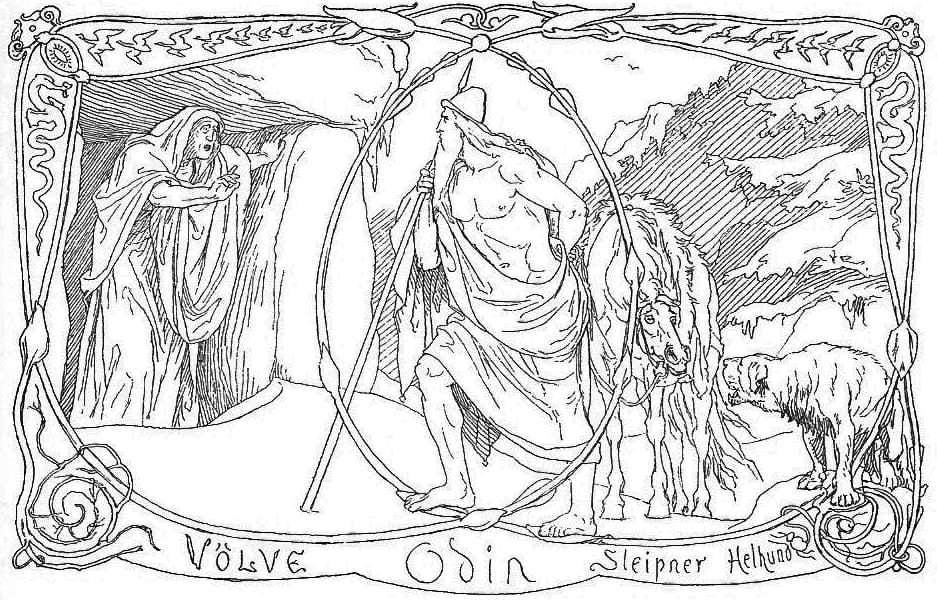

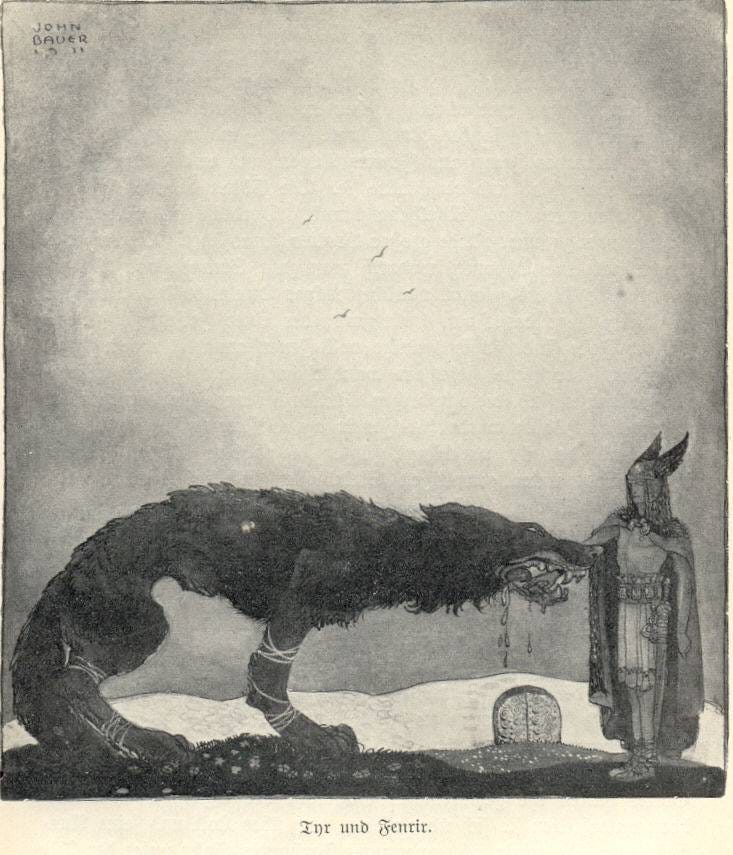
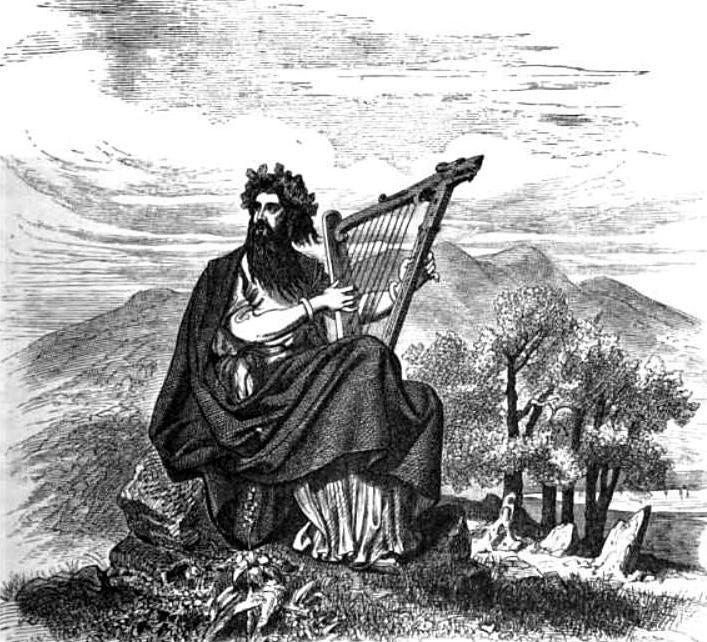




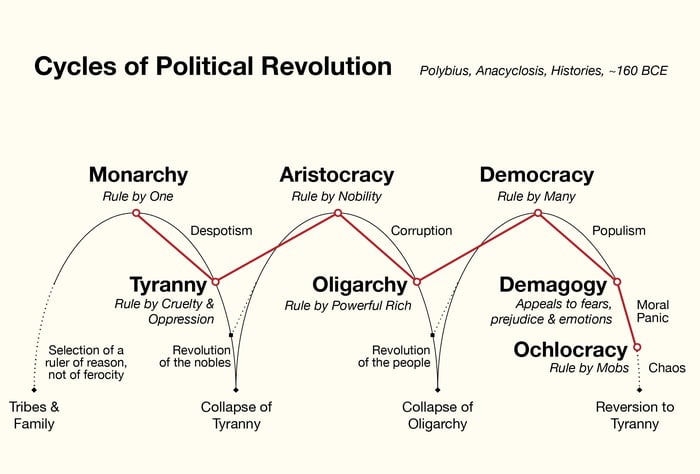
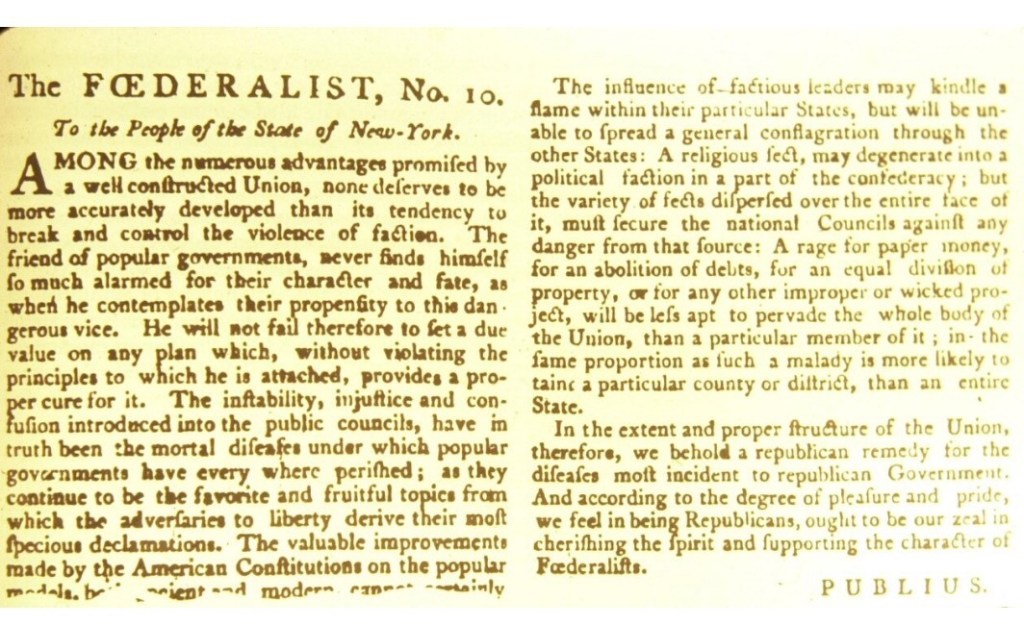


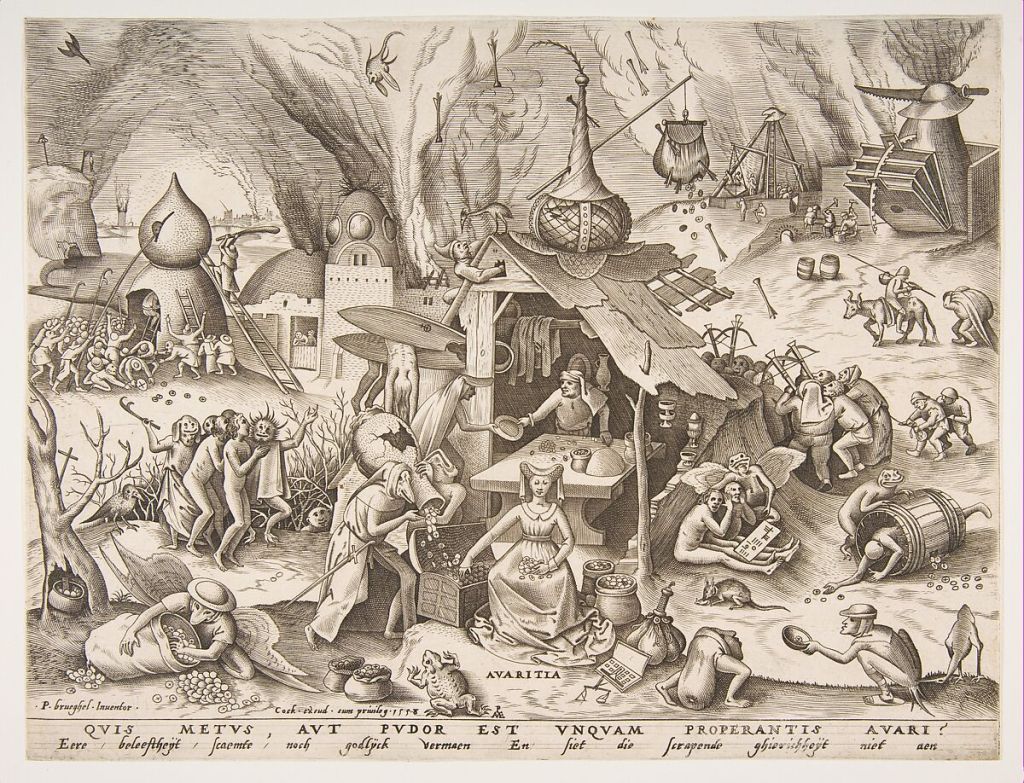
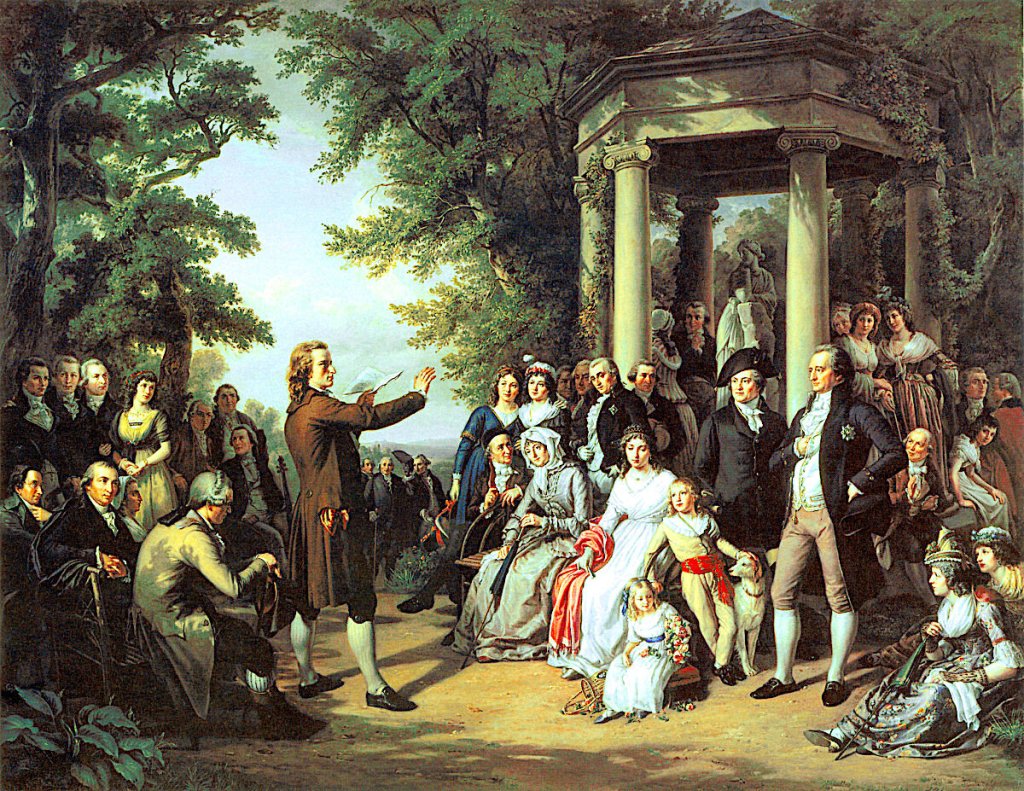
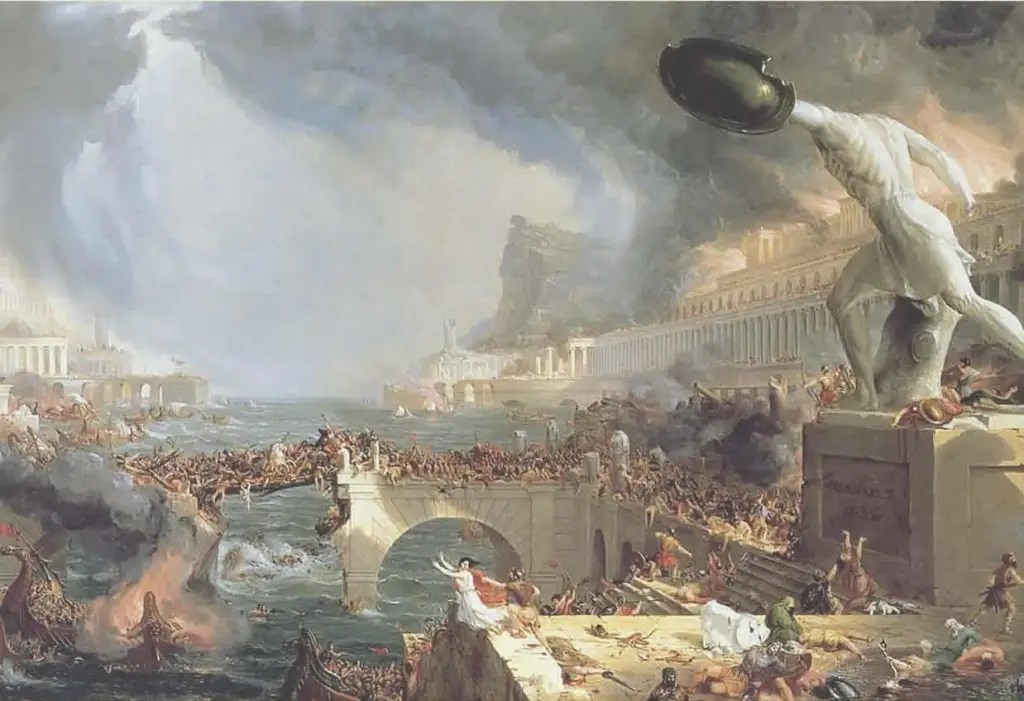
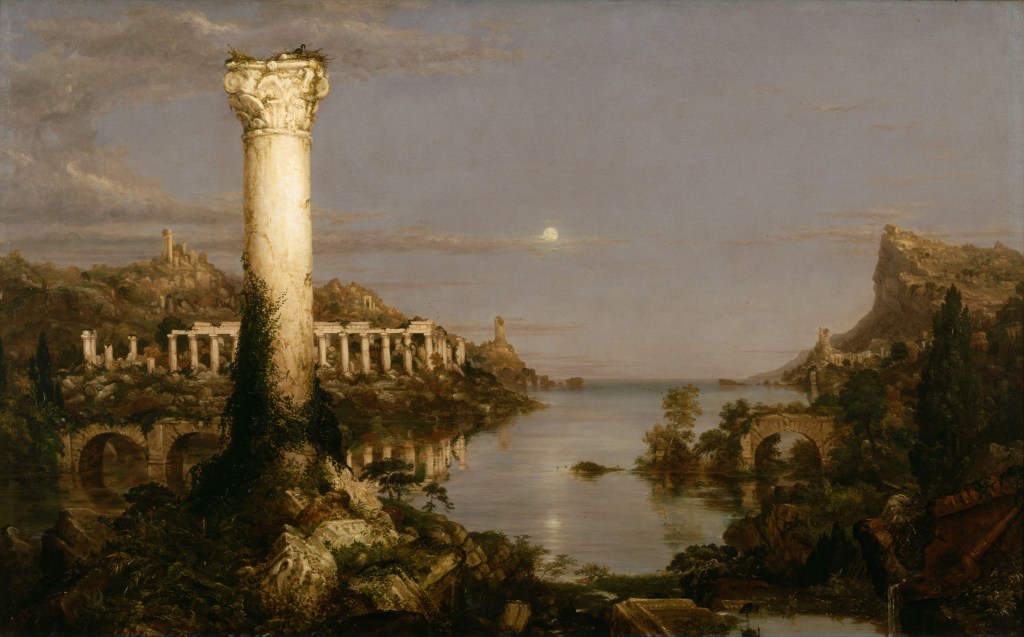
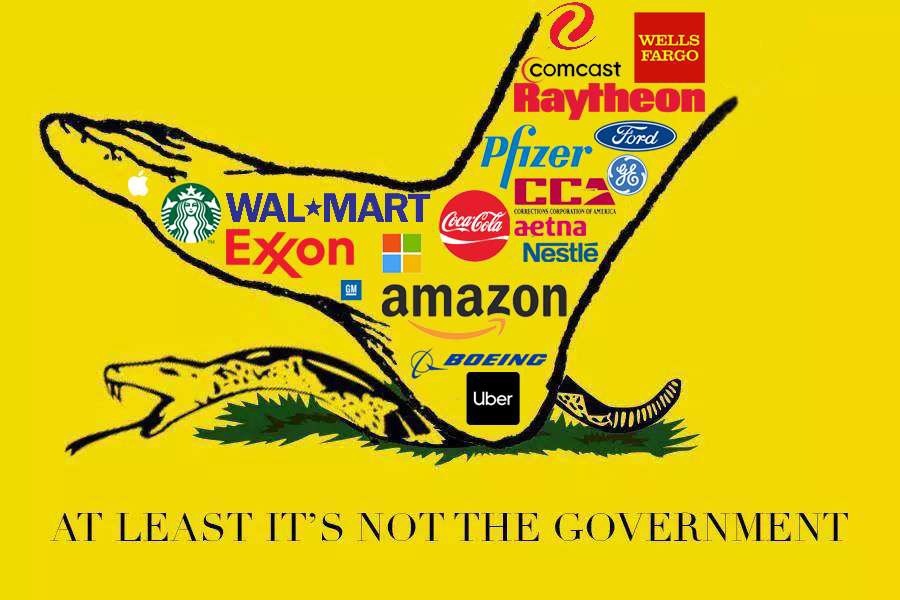
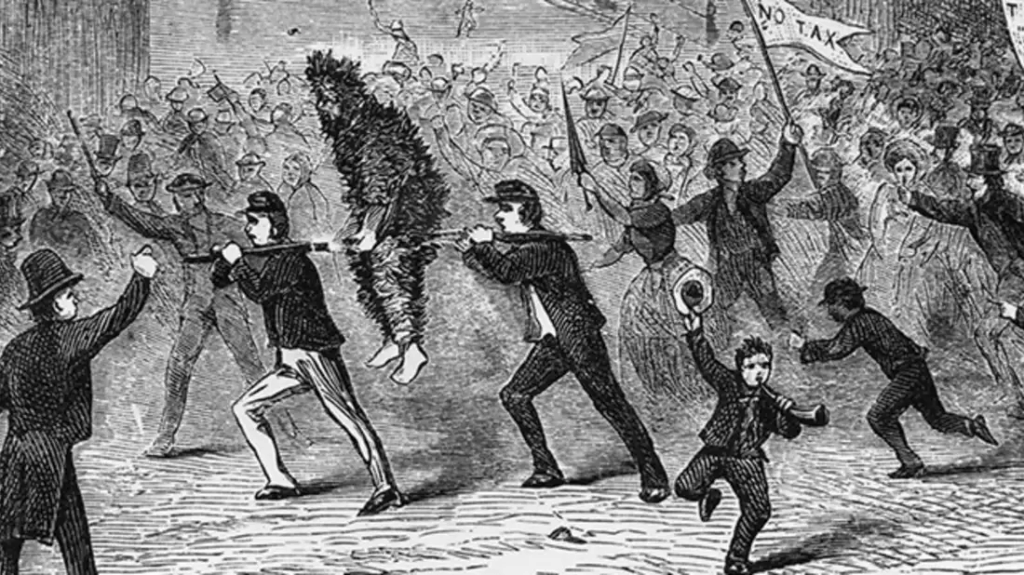
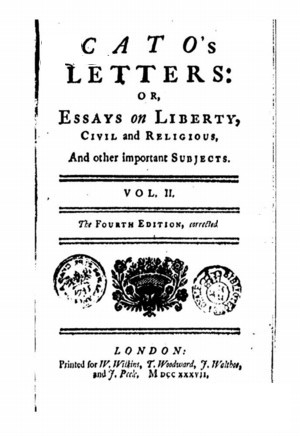
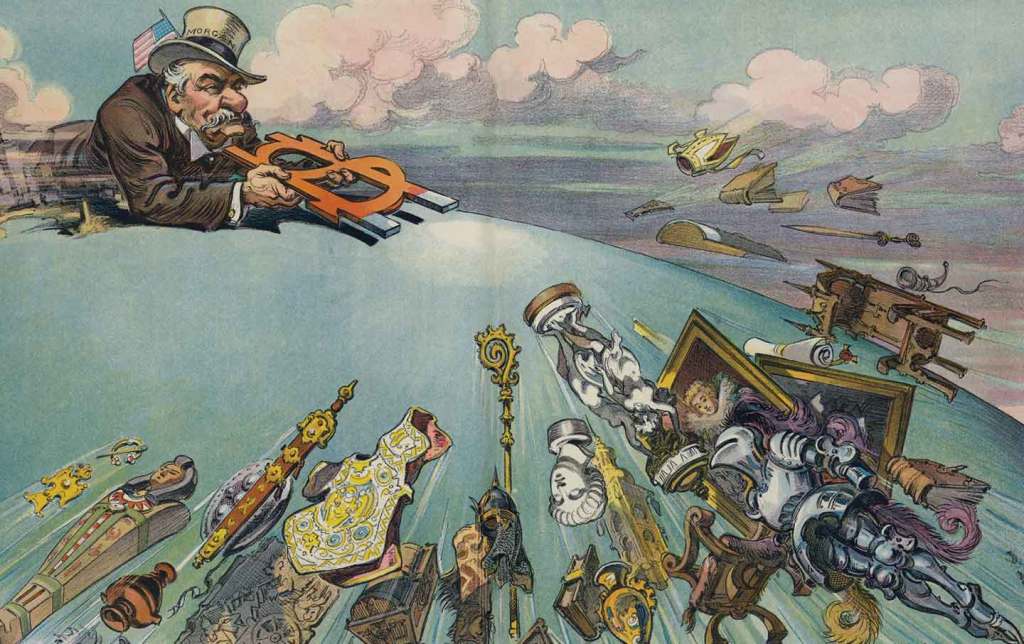
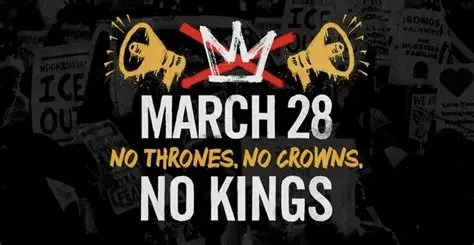
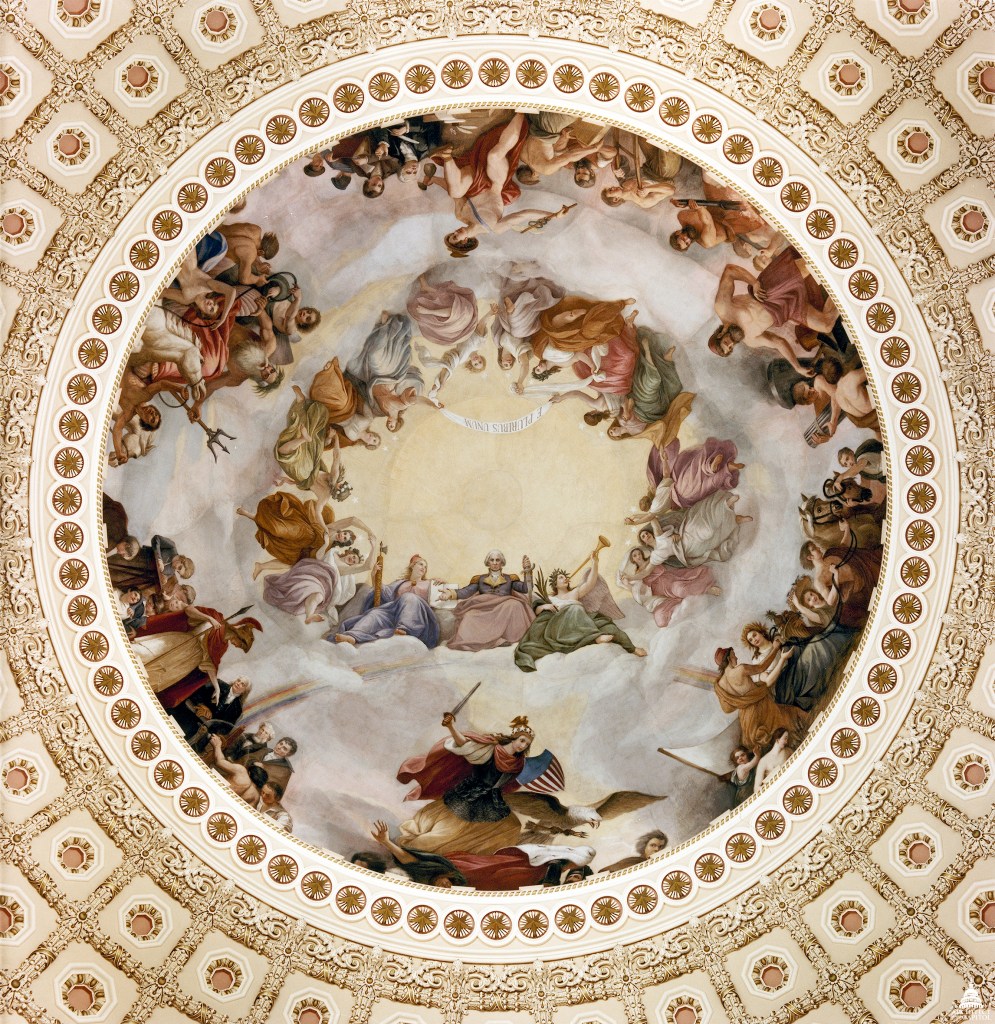

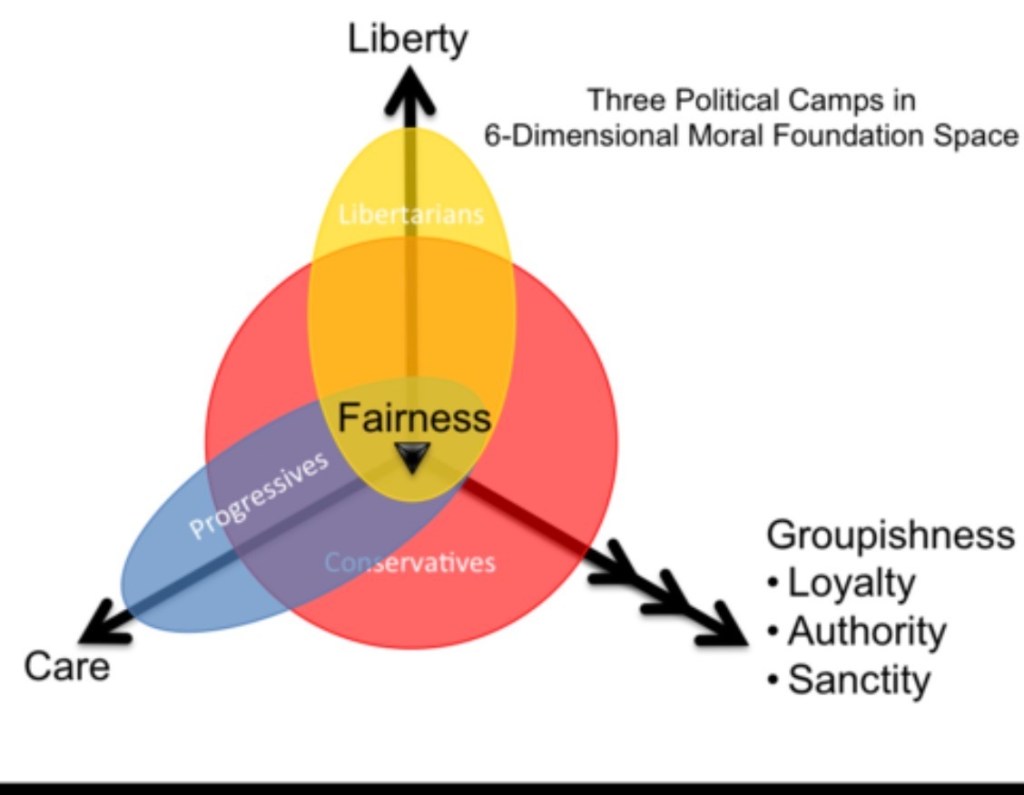
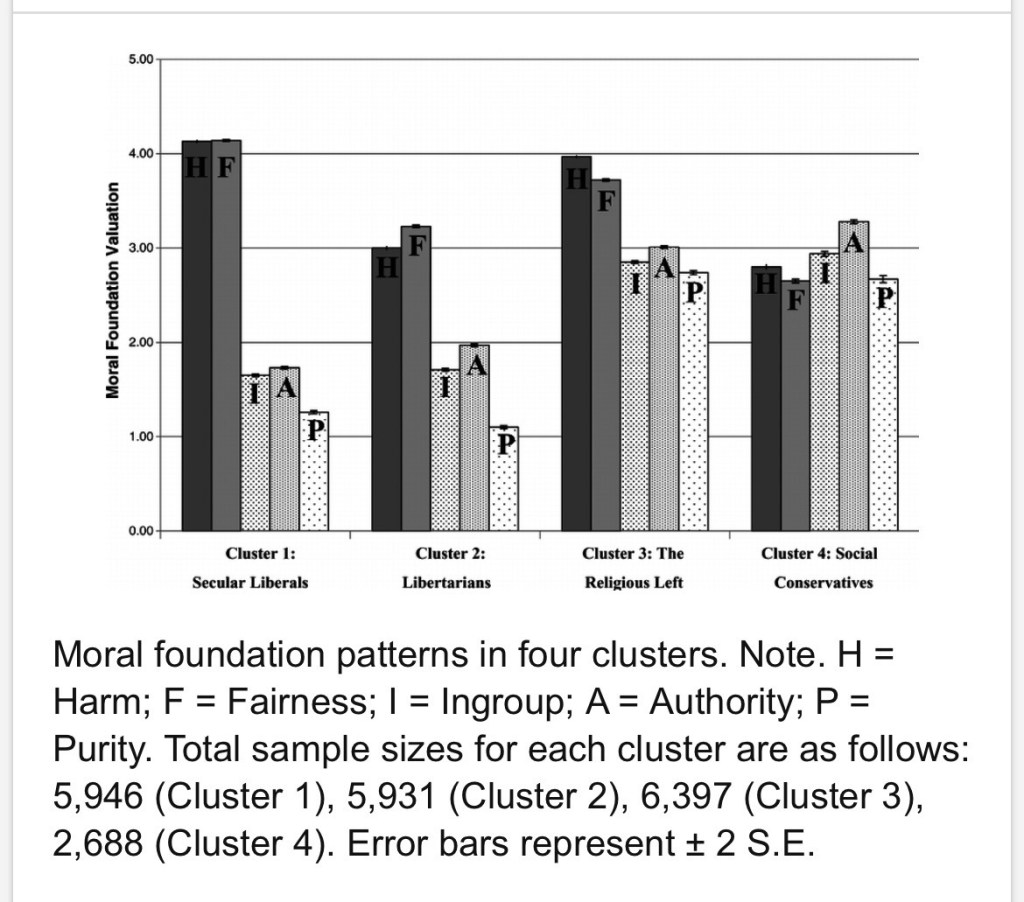
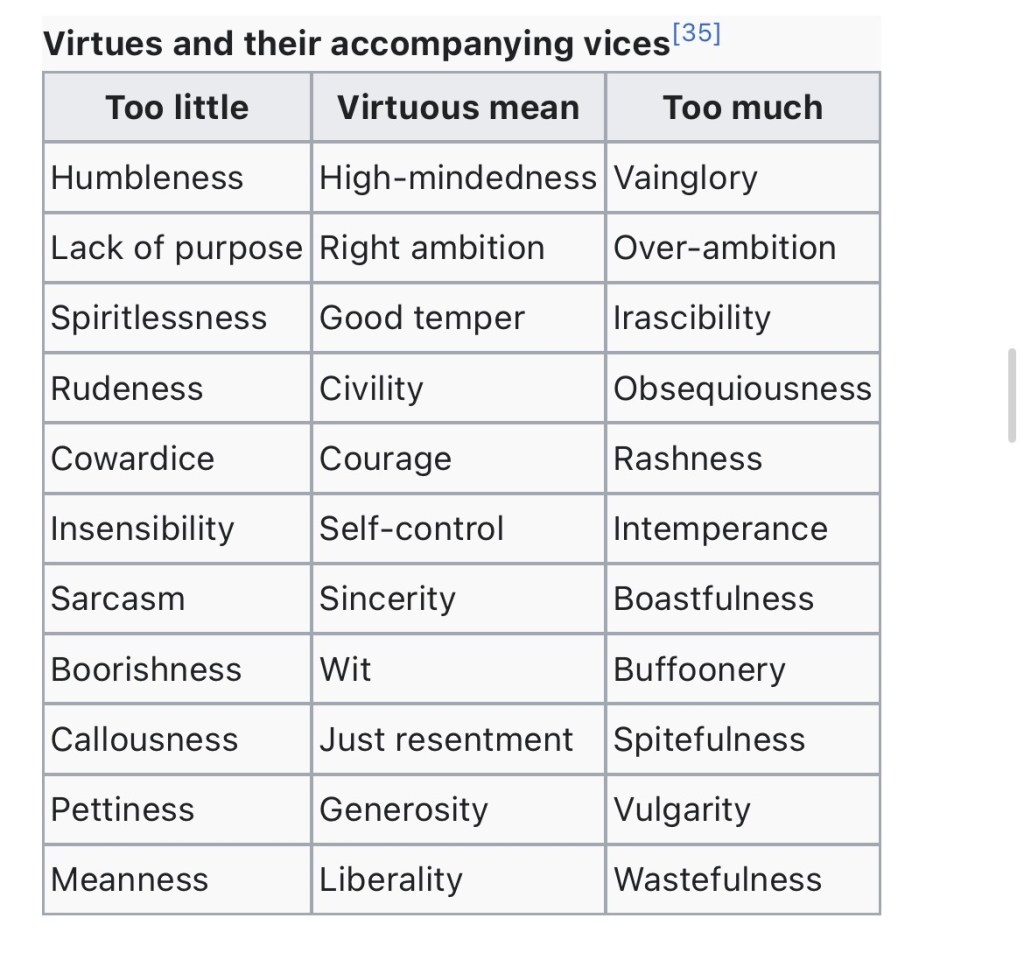
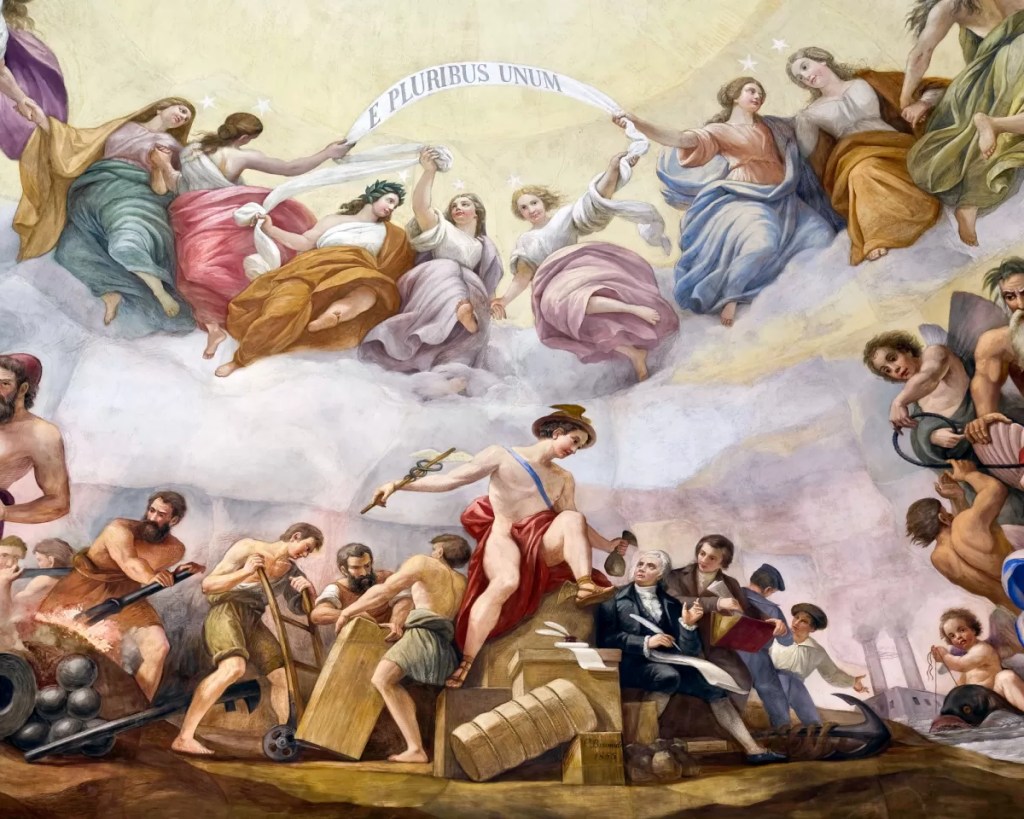


 Taste0ftruth Tuesdays