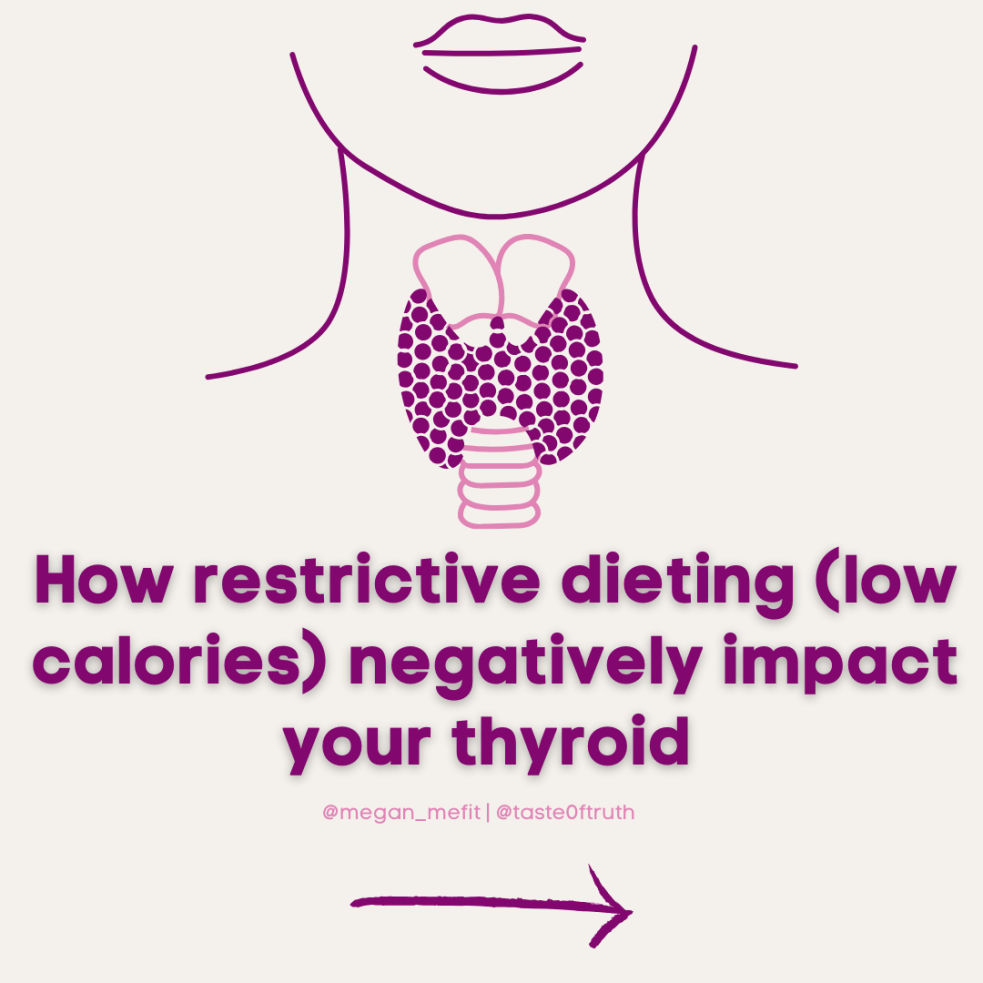
When clients come to me saying they have a “slow metabolism” or a “broken” metabolism, often they think they need to eat even less or cut carbs to jumpstart weight loss. But let me flip the script: in many cases, it’s actually chronic under-eating and restrictive dieting that’s slowing down their metabolism. Chronic dieting, especially with very low calories, can lead to impaired thyroid function and ultimately disrupt how the body uses energy. Here’s how it happens and what you can do to restore balance.
What is the Thyroid and Why Does It Matter?
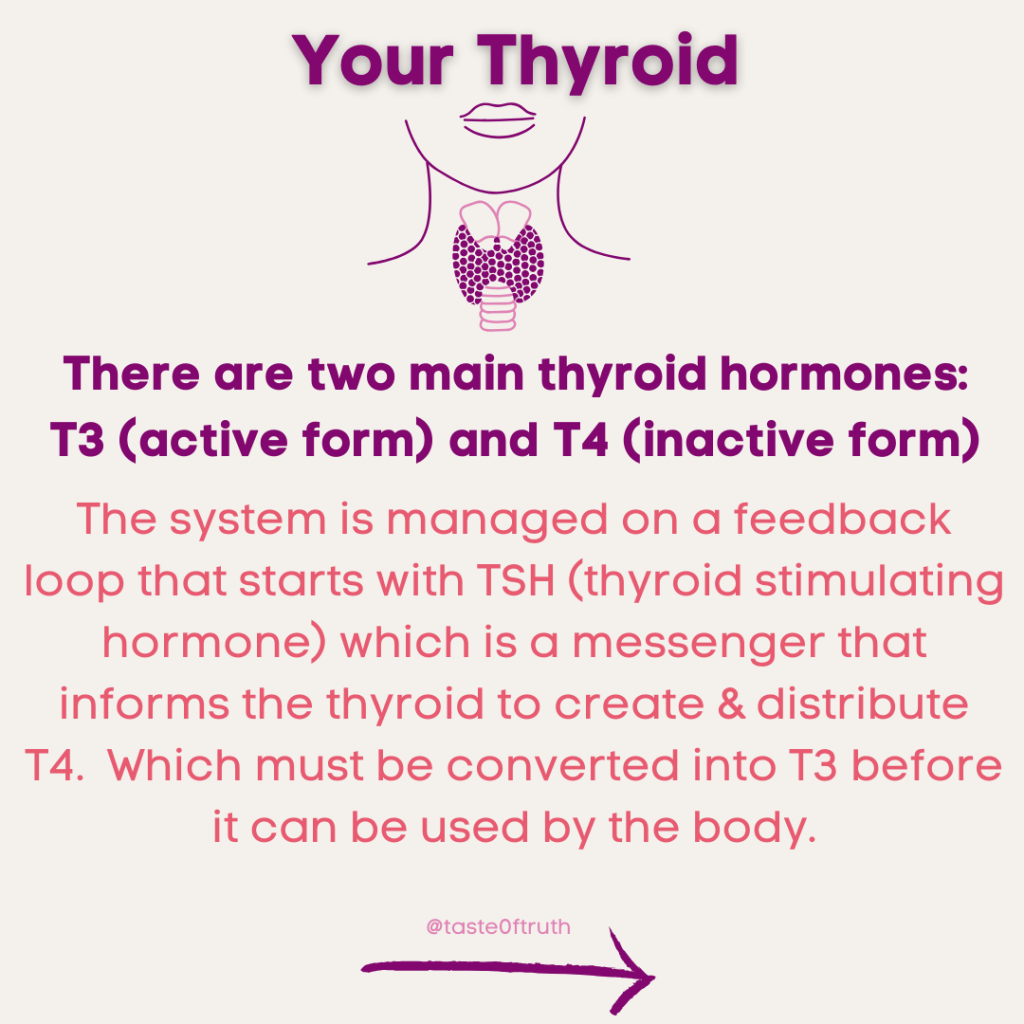
Your thyroid is a small gland in your neck that plays a massive role in regulating your body’s metabolism. Often called the “controller” of metabolic function, the thyroid works closely with the hypothalamus and pituitary glands in the brain to maintain your metabolic rate. This system allows your body to increase or decrease energy production based on its needs, influencing everything from how you process food to your body temperature.
The thyroid primarily produces two hormones:
T3 (Triiodothyronine) – the active hormone that your cells use.
T4 (Thyroxine) – the inactive hormone that must be converted into T3 before your body can use it.
The production and conversion of these hormones depend on a feedback loop that begins with TSH (Thyroid Stimulating Hormone), which signals the thyroid to produce and release T4. But when the body is stressed—especially due to chronic under-eating or extreme calorie restriction—this whole process can become disrupted.
How Chronic Dieting Wrecks Your Thyroid
Under-eating is a significant source of stress for the body. Dieting or calorie restriction triggers the HPA axis (Hypothalamic-Pituitary-Adrenal axis), leading to an increase in CRH (Corticotropin-Releasing Hormone) and cortisol, our primary stress hormone. High cortisol levels can interfere with thyroid function in the following ways:
Reduces TSH Production: Elevated cortisol inhibits TSH, lowering T4 production and decreasing the amount of thyroid hormone available for energy use.
Impairs T4-to-T3 Conversion: Chronic stress slows down the conversion of T4 (inactive) into T3 (active), reducing your body’s energy production.
Increases rT3 Levels: Instead of converting into T3, some T4 becomes reverse T3 (rT3), a hormone that blocks T3 from being used. This, in turn, reduces the sensitivity of your cells to thyroid hormones, further lowering metabolic function.
This is why individuals who chronically under-eat or yo-yo diet often experience symptoms of hypothyroidism, even without an official diagnosis.
Symptoms of Suboptimal Thyroid Function
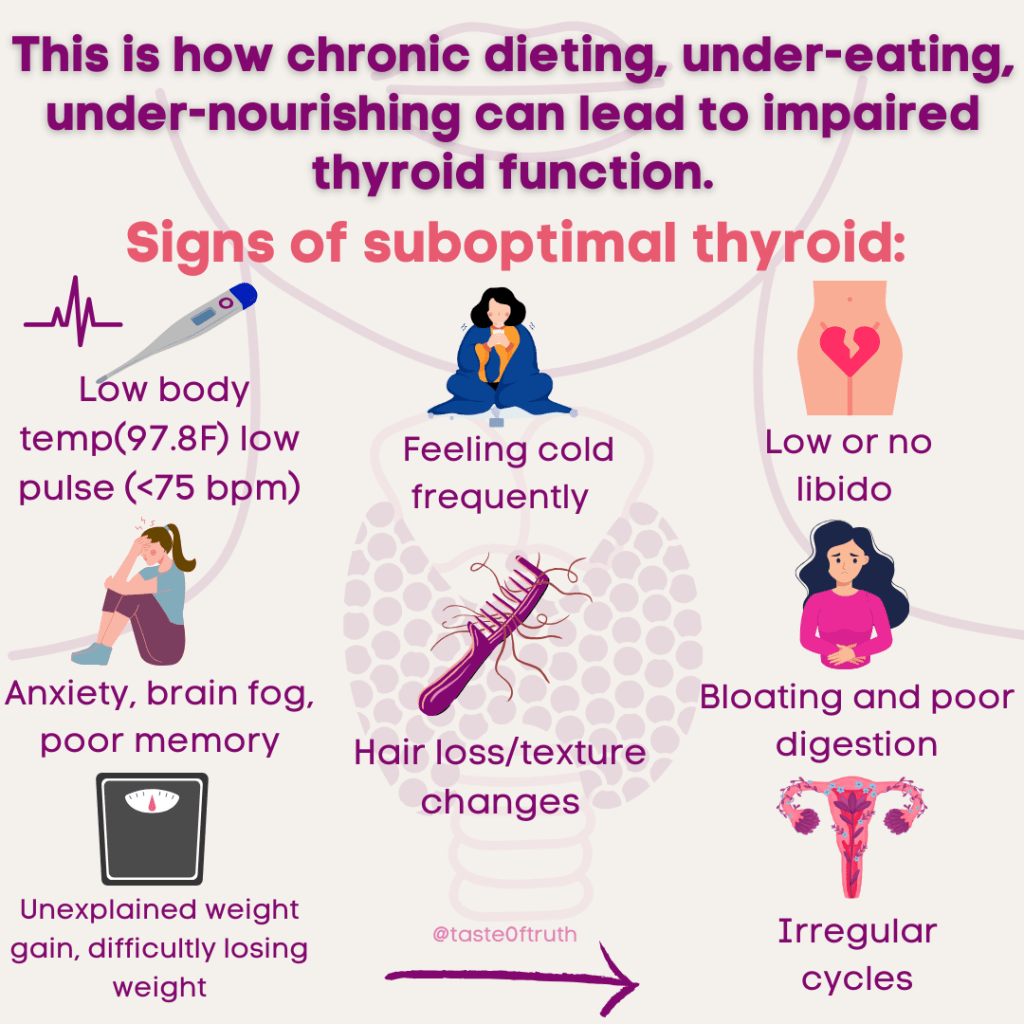
If your thyroid isn’t functioning optimally, you may notice some of the following symptoms:
Low body temperature (below 97.8°F)
Frequent feelings of cold, regardless of weather
Low or no libido
Anxiety, brain fog, or poor memory
Unexplained weight gain or difficulty losing weight
Bloating, poor digestion
Changes in hair texture or hair loss
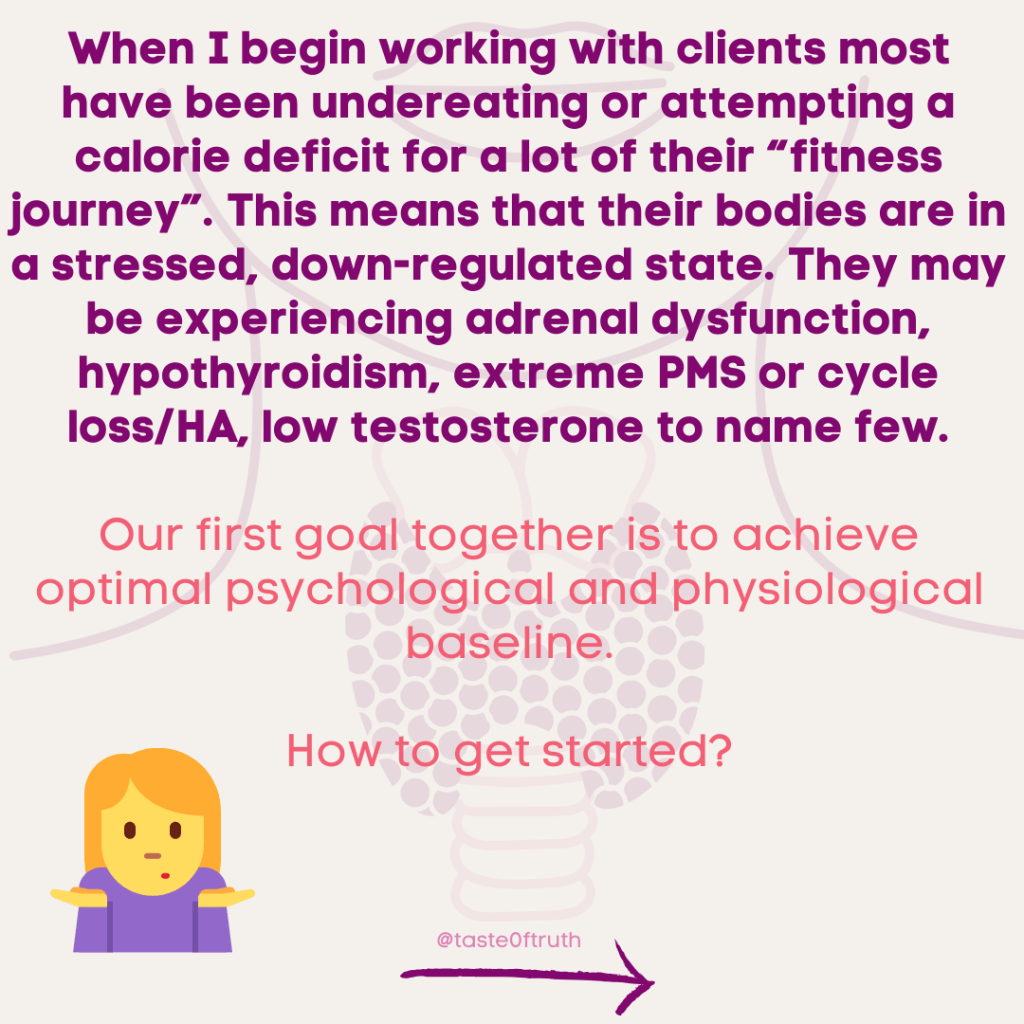
Many clients experiencing these symptoms have been stuck in a calorie-deficit mindset for years, keeping their bodies in a constant state of stress. As a result, they’re often dealing with adrenal dysfunction, hypothyroidism, or even reproductive health issues, like extreme PMS, cycle loss, or low testosterone.
Restoring Your Thyroid Health—The First Steps
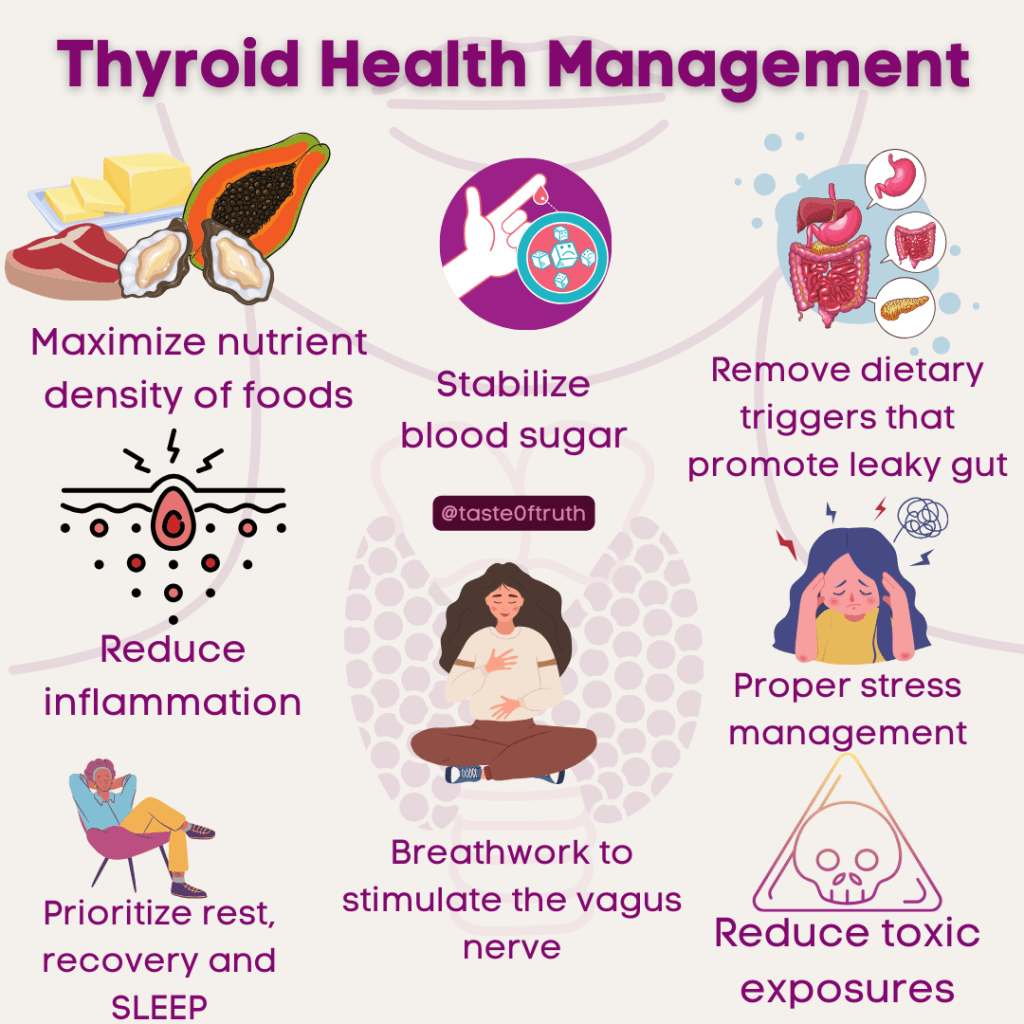
To begin improving thyroid health, our initial goal is to support both psychological and physiological balance, moving away from restrictive dieting and focusing on nourishment. Here’s a breakdown of the steps:
Stabilize Blood Sugar: Balanced blood sugar supports thyroid health and reduces stress on the body.
Maximize Nutrient Density: Prioritize whole, nutrient-rich foods to ensure your body receives adequate vitamins and minerals, especially selenium, zinc, and iodine, which are crucial for thyroid function.
Reduce Inflammation: Chronic inflammation can further stress the thyroid. Anti-inflammatory foods and lifestyle practices can help.
Incorporate Breathwork: Simple breathwork techniques can stimulate the vagus nerve, helping to regulate the HPA axis and reduce stress.
Avoid Dietary Triggers: Reduce foods that promote “leaky gut,” such as highly processed foods, sugar, and gluten, if sensitive. This protects your immune and thyroid health.
Manage Stress Proactively: Yoga, meditation, journaling, or spending time in nature can help keep cortisol in check.
Reduce Toxins and Pollutants: Environmental toxins can interfere with hormone health, so minimizing exposure can be a powerful step.
Prioritize Rest and Sleep: Quality sleep allows the body to recover and reset, which is essential for thyroid health.
The Bottom Line
Restrictive dieting isn’t the solution to a slow metabolism; it’s often the root cause. Chronic under-eating can lead to imbalances in your thyroid and adrenal glands, ultimately slowing down your metabolic rate and making it harder to achieve your fitness goals. Rebuilding a balanced, nourished body will not only help you feel better but will also lay the foundation for sustainable health.
This week, we’re talking all things thyroid health, and this post breaks down why breaking free from the dietary dogma of diet culture is crucial! Ever feel like your energy’s tanked, your minds in a fog, or your metabolism’s stuck in slow motion? 🧠✨ You’re not alone, and it could be your thyroid talking.
On this week’s Taste of Truth Tuesdays, we’re joined by Nicole, a holistic health advocate who’s here to shed light on how diet culture’s obsession with restriction can wreak havoc on your thyroid. From her own experience facing an autoimmune diagnosis to her advocacy for individualized nutrition, Nicole breaks down how restrictive dieting not only slows your metabolism but also impacts hormone balance, brain clarity, and overall well-being. Join us to learn how making friends with food (yes, even carbs!) might be the best way to support your thyroid and reclaim your energy.
Feeling stressed? 😩 Chronic stress can drain your energy, disrupt your sleep, and even increase the risk of serious health issues like cancer. This week on the podcast, we are diving deep into how stress impacts your body—and sharing real tips to fight back! 👊🏼 💥
In this powerful episode, I sit down with holistic healing expert Theresa Piela, @livingrootswellness to explore the deep connection between chronic stress and health. Theresa shares her personal story of hitting rock bottom in 2019, when chronic illness nearly led to organ failure. We dive into the guilt and exhaustion that comes with being chronically ill in a toxic world, and how healing techniques like Emotional Freedom Techniques (EFT) tapping can offer relief. 🌱✨
The Impact of Stress on the Body
Understanding Stress:Theresa breaks down the three stages of stress and how they manifest in our daily lives, leading to digestive issues and chronic illnesses. She sheds light on the silent havoc that prolonged stress wreaks on our gut health and overall bodily functions. Please review our earlier blog for more details!
Fuel & Nutrition: Supporting Your Body’s Adaptive Stress Response
Just as important as shifting your mindset is fueling your body with the right nutrients. A starved or inflamed system will struggle to adapt to stress, especially when trying to balance internal chaos. Proper nutrition is key to supporting the body’s stress response.
When the body isn’t fueled properly, persistent stress leads to harmful effects, such as blood sugar swings, hormonal dysregulation, and weakened immunity. To counteract this, we need to provide the body with the building blocks it needs to recover.
Here’s a high-level look at what your body requires for optimal function:
Proteins: Anti-inflammatory sources like grass-fed beef, broths, shellfish, and dairy.
Carbohydrates: Glucose and fructose from fruits, honey, maple syrup, and root vegetables.
Fats: Saturated fats are essential.
Vitamins & Minerals: Vitamin C, D, E, B1, B6, B12, calcium, magnesium, copper, sodium, potassium, selenium, and zinc.
I wanted to expand a BIT MORE on nutritional tips we may or may not have mentioned in this week’s discussion that are for sure helpful along your healing journey!
1️⃣Adrenal Elixirs-It’s a combination of sodium, potassium, and vitamin C—a perfect blend for your adrenals. Click here for recipes!
2️⃣Magnesium: During stressful times, your body burns through magnesium faster! Supplementing orally and using topical magnesium is helpful all the time, & increasing during times of stress can avoid future deficiency. Click here for a guide to Magnesium supplements!
3️⃣Boosting mineral-rich foods: Coconut water-rich in potassium. Potatoes, squash, fruit—also rich in potassium, Brewer’s yeast-rich in potassium, B vitamins, and many more nutrients (if you can handle the taste!) Cacao powder-rich in magnesium, Citrus & vitamin C rich foods-support adrenals and copper balance.
4️⃣Consistent timing for meals & snacks with proteins carbs and fats to help support blood sugar. Meal tips here!
5️⃣Prioritize Daily Routines with your non-negotiables like: Reading, meditation, walks, eating, movement, winding down time. Stay consistent! Research shows that it can take anywhere from 18 to 254 days for someone to form a new habit. Let’s talk more about morning and bedtime routines!
Morning Routine:
☀️ Morning person or not, having a set routine can be beneficial. First, a good morning starts the night before-am I right? Be sure to prioritize getting to bed at a decent time to support incorporating the new routine. ⏰ A great morning routine is the one that works for you. Not everyone will be able to have a lengthy routine due to time constraints or family obligations and that’s okay.
Here are some ideas:
Don’t pick up your phone right away: Scrolling Instagram and reading emails can wait. When you reach for your phone right after you wake up, you put yourself directly into reactive mode. This can cause you to lose focus and get stressed before you’ve even made it out of bed.
Making your bed takes about two minutes and it gives you a quick, easy sense of accomplishment right off the bat. Plus, it makes your room look neat and tidy even if the rest of your space is messy.
Eat Something Even if you’re not a big breakfast person, getting some nutrients in your body can really turn on your brain. Having a balanced meal can go a long way toward improving your mood and energy levels right off the bat. Whatever constitutes breakfast for you, just get some food into your body.
Do something for yourself each morning. Even if you just have five minutes, you can stretch, do a quick meditation, journal or work on a crossword puzzle while you drink your morning coffee. (Catching up on social media can also count as self care if this activity truly brings you joy. )
Write—or review—your daily to-do list and calendar Check over what’s on deck for the day so you don’t run into any surprises. You might even block off ten minutes or so to look over emails and address any messages that need to be taken care of right away. 📧
Bedtime Routine:
Sleep is consistently the most underrated aspect of any health & wellness journey. Creating & maintaining a bedtime routine is the best way to prioritize a good night’s sleep.
It’s best to be consistent with the time- set an alarm or notification on your phone. It will be a help signal that it’s time to unplug and start your bedtime routine.
The circadian rhythm regulates the body’s temperature, lowering the thermostat to 65 degrees is a good temperature for sleep. The body will adapt to the lower room temperature and you will begin to feel drowsy. Turning off or lowering bright lights can help with the process. As we know with screen time, exposure to bright lights before bedtime affects the circadian rhythm.
Screens from TVs, smartphones and laptops emit blue light that stimulates the body’s internal clock (circadian rhythm), keeping you buzzing long after it’s time to hibernate for the night. Sleep studies have shown that exposure to high amounts of blue light before bed can lower melatonin levels, resulting in sleeplessness and delayed REM sleep.
Journaling is good for mental health by reducing stress and helping you remember good ideas before sleep.
Using foam rolling and yoga for sleep will help relax your muscles and ground your mind before bed. They decelerate the mind and body, relieve tension and improve sleep quality.
Aromatherapy are used to help with stress management.
❔HOW LONG should my bedtime routine be? About 30 to 60 minutes. This will give you enough time to unwind without feeling rushed.
Okay back to the final aspect of today’s post for supporting your body during stressful times:
6️⃣TOXINS – Specific chemicals called halogens (bromine, chlorine, and fluorine) compete with iodine and bind to thyroid receptors, preventing thyroid hormones from working properly. Filtering fluoride and chloride out of your drinking and bath/shower water helps those with thyroid dysfunction. More Information here
Research says about 90% of cancers are a result of a lifetime of dysfunction: stress, poor nutrition, toxin exposure, chronic hormone imbalance etc. It is estimated that it takes up to 10 years for cancer to develop in the body. Every day our environment and personal choices provide information to cells, in a constant feedback loop. Research has shown us many factors that cause cancer cell development—we can use this information to optimize our environments, nutrition, hormones, etc, create a healthy terrain, and mitigate cancer risk. The body is always responding to us, and healing is possible! One of my favorite resources is here! Leigh Erin Connealy, M.D.
In summary
Addressing intestinal permeability, blood sugar imbalances, and other stress-induced dysfunctions through proper nutrition will help rebuild resilience. For those with severe gut issues, a nutrient-dense, elimination-style diet—like carnivore plus easy-to-digest carbs—may be necessary short-term to restore balance. In the end, listening to your body is critical. Experiment with what makes you feel good, trust yourself, and remember: you know best.
By shifting your mindset and supporting your body with proper fuel, you can navigate life’s stressors with resilience and strength.
🎙️ Tune in now to learn how to take control of your stress before it takes control of you!
The late 19th and early 20th centuries were a time of profound change, a period when the boundaries between science, religion, and society were continually reshaped. This era saw the emergence of groundbreaking technological innovations, the rise of new belief systems, and the popularization of ideas that were once considered fringe. These developments didn’t just redefine technological progress—they also deeply influenced the way people understood the world and their place in it. Let’s explore some of the key transformations that marked this fascinating period.
🏭 An Era of Transformation
The Second Industrial Revolution: Shaping the Modern World
The Second Industrial Revolution, which spanned from the late 19th to the early 20th century, was a time of explosive growth and innovation. The advent of new technologies and processes fundamentally changed industries and daily life. Key advancements included:
Steel Production: The Bessemer process revolutionized steel production, making it faster and more cost-effective. This development laid the groundwork for the expansion of railways, the construction of skyscrapers, and the growth of cities.
Electric Power: The introduction of electric lighting and power systems transformed urban landscapes, extending work hours and improving the quality of life in cities. Innovations in electrical engineering also paved the way for the modern electronics industry.
Mechanized Production: The rise of large-scale factories and mechanized production processes changed the face of manufacturing. These innovations increased productivity and lowered costs, contributing to the mass production of goods and the rise of consumer culture.
The Second Great Awakening: A Religious Revival with Social Impact
Running parallel to technological advancements was the Second Great Awakening, a religious revival movement that swept across the United States in the early 19th century. This movement was characterized by fervent enthusiasm, emotional sermons, and mass conversions. Key aspects include:
Personal Salvation: Leaders like Charles Finney emphasized personal salvation and a direct, emotional connection with God. This focus on individual spirituality led to the growth of various Christian denominations and movements.
Social Reform: The revivalist spirit of the Second Great Awakening also fueled social reform movements, including abolitionism, temperance, and women’s rights. Religious fervor became a driving force behind efforts to reshape society according to Christian principles.
The Intersection of Science and Religion
The Birth of the Scientist: A New Approach to Understanding the World
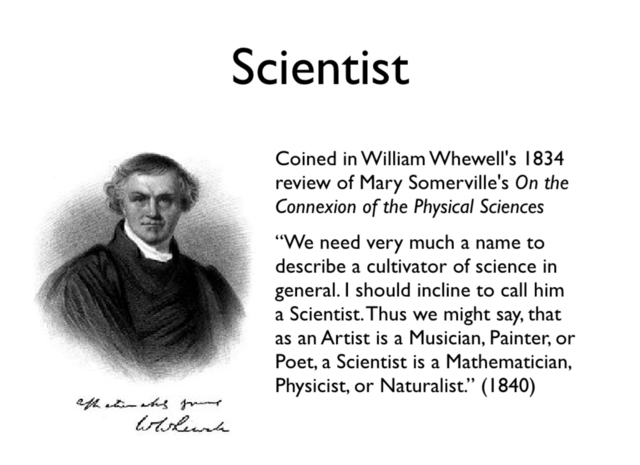
The term “scientist” was first coined by philosopher William Whewell in 1833, marking a significant shift in how knowledge was pursued. This period saw the establishment of scientific societies and the professionalization of research, laying the foundation for modern science. Key developments included:
Systematic Inquiry: The emergence of the “scientist” as a distinct profession reflected a growing commitment to systematic, empirical methods for understanding the natural world. This approach contrasted with earlier, more philosophical or speculative methods of inquiry.
Scientific Societies: The formation of scientific societies provided a platform for the exchange of ideas and the dissemination of research. These organizations played a crucial role in advancing scientific knowledge and fostering collaboration among researchers.
Charles Darwin’s Evolutionary Theory: A Paradigm Shift
One of the most significant scientific developments of this era was the publication of Charles Darwin’s On the Origin of Species in 1859. Darwin’s theory of natural selection revolutionized biology and had profound implications for religion and society. Key points include:
Natural Selection: Darwin proposed that species evolve over time through a process of natural selection, where organisms better adapted to their environment are more likely to survive and reproduce. This theory challenged traditional creationist views and sparked intense debate.
Impact on Religion: Darwin’s work provoked significant controversy, particularly among religious communities. The idea that life could evolve without direct divine intervention challenged established religious doctrines and forced a reevaluation of the relationship between science and faith.
A Period of Dynamic Change
The late 19th and early 20th centuries were a time of dynamic change, where the interplay between technological progress, religious revival, and scientific discovery reshaped society in profound ways. The advancements and debates of this era laid the groundwork for many of the intellectual and cultural developments that continue to influence us today. As we reflect on this period, it’s clear that the convergence of science, religion, and society was not just a backdrop to history—it was a driving force that shaped the modern world.
Crisco and the Industrialization of Food: A Public Health Dilemma
David Wesson’s Innovations: Paving the Way for Processed Fats
Before Crisco became a household name, a critical innovation by chemist David Wesson set the stage for the transformation of cottonseed oil into a viable commercial product. Wesson developed industrial bleaching and deodorizing techniques that removed impurities and odors from cottonseed oil, making it suitable for consumption. These innovations turned what was once considered a waste byproduct of the cotton industry into a popular ingredient in processed foods.
The Transformation of Cottonseed Oil: Prior to Wesson’s advancements, cottonseed oil was largely discarded due to its unpleasant taste and smell. However, his techniques made it possible to produce a neutral-tasting oil, paving the way for its widespread use in cooking and food manufacturing. This not only provided a new revenue stream for the cotton industry but also introduced a new type of fat into the American diet.
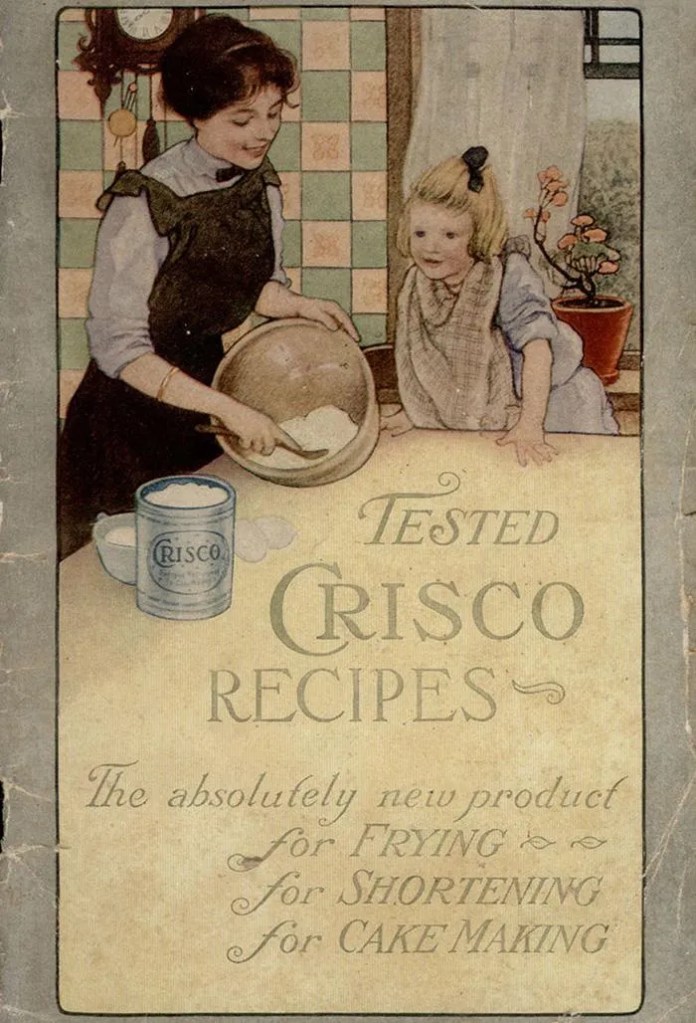
Setting the Stage for Crisco: Wesson’s innovations in refining cottonseed oil directly influenced the creation of Crisco. In 1911, Procter & Gamble capitalized on this now-viable oil by using it as the base for their new product, Crisco, the first hydrogenated vegetable oil. Crisco was marketed as a cleaner, healthier alternative to traditional animal fats, further embedding processed fats into the American diet.
of nutrition.
The Flexner Report: Redefining Medical Education and Marginalizing Nutrition
The Medicalization of Health
In 1910, Abraham Flexner, an educator commissioned by the Carnegie Foundation, published a report that would fundamentally reshape medical education in the United States. The Flexner Report criticized the state of medical schools at the time, advocating for a more scientific and rigorous approach to medical training. While this led to significant improvements in the quality of medical education, it also had unintended consequences that continue to affect the healthcare system today.
Pharmaceutical Focus: One of the key outcomes of the Flexner Report was the shift towards a model of medical education that heavily emphasized pharmaceutical treatments and the biomedical approach to disease. This focus on treating symptoms with drugs often sidelined other aspects of health, such as nutrition, lifestyle, and preventive care.
Marginalization of Nutrition: As medical education became more specialized and disease-focused, the role of nutrition in maintaining health was increasingly neglected. The curriculum in medical schools began to prioritize pharmacology and surgery over dietary interventions and holistic approaches to health. This trend has persisted, contributing to a healthcare system that often overlooks the importance of nutrition in preventing and managing chronic diseases.
Lasting Impact: The legacy of the Flexner Report is still evident in today’s healthcare system, where physicians receive minimal training in nutrition and preventive care. This has led to a disconnect between the medical profession and the growing body of evidence supporting the role of diet and lifestyle in health. Patients often find that their doctors are more likely to prescribe medication than to offer dietary advice, perpetuating a cycle where symptoms are treated rather than underlying causes.
Rockefeller’s Indirect Role in Crisco’s Creation
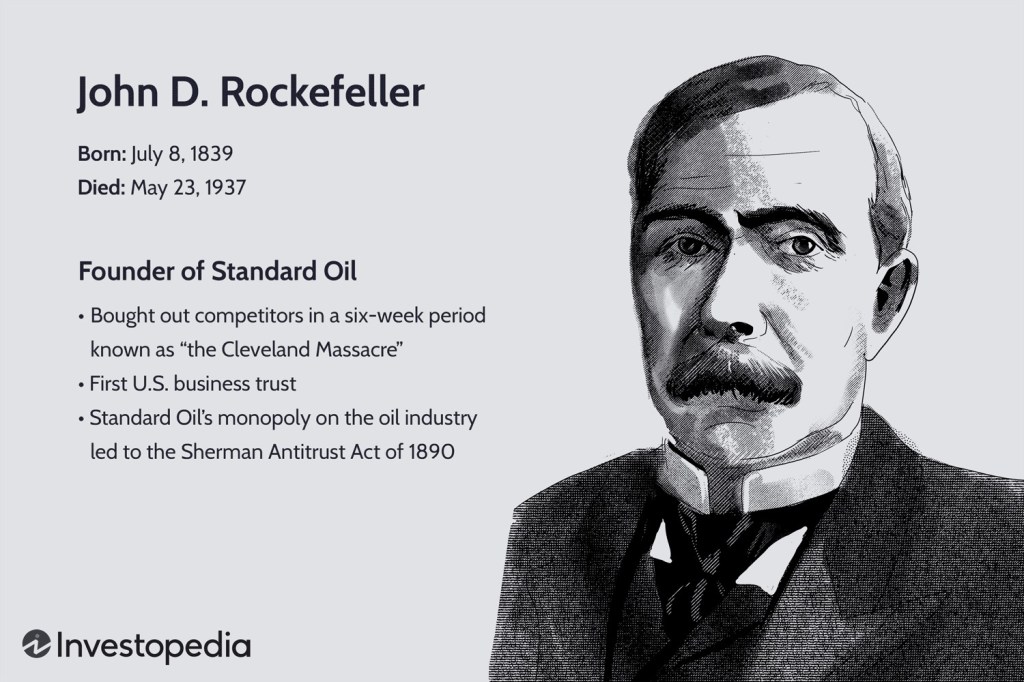
One of Rockefeller’s lesser-known ventures was cottonseed oil. Standard Oil was involved in refining oil, and as the company expanded, it ventured into agricultural byproducts like cottonseed oil, which had ties to industrial processes similar to those used in petroleum refining. Rockefeller’s influence in the oil refining industry paved the way for technologies that would later be used in the food industry, such as hydrogenation. Hydrogenation is a process that was originally developed in the oil industry—primarily petroleum.
Crisco and the Industrialization of Food: A Public Health Dilemma
The Rise of Crisco: From Industry to Kitchen
Just a year after the publication of the Flexner Report, Procter & Gamble introduced Crisco, a revolutionary new product that would transform the American diet. Crisco was the first hydrogenated vegetable oil, created through a process that turned cottonseed oil—a byproduct of the cotton industry—into a solid, shelf-stable fat. Marketed as a cleaner, healthier alternative to animal fats like lard and butter, Crisco quickly became a staple in kitchens across the country.
Industrialization of Food: Crisco’s success marked a significant step in the industrialization of the food supply. It was one of the first mass-produced food products that relied on industrial processes to create something entirely new, rather than simply refining or preserving traditional foods. This innovation paved the way for the widespread use of processed foods, which today dominate the American diet.
The Introduction of Trans Fats: The hydrogenation process that created Crisco also produced trans fats, which were largely unknown to the public at the time. For decades, trans fats were used extensively in processed foods due to their stability and low cost. However, research eventually revealed that trans fats are highly detrimental to health, significantly increasing the risk of heart disease, stroke, and other chronic conditions.
Public Health Consequences: The widespread adoption of Crisco and other hydrogenated oils contributed to a dramatic shift in the American diet, away from natural fats and towards processed, industrially produced fats. This shift has been linked to the rise in obesity, cardiovascular disease, and other diet-related health issues that continue to plague the population today.
The intersection of industry, medicine, and nutrition in the early 20th century had profound and lasting impacts on public health. Two significant events—the publication of the Flexner Report in 1910 and the introduction of Crisco in 1911—played pivotal roles in shaping the way we approach food, health, and medicine. These influences continue to resonate in modern healthcare and nutrition science, often to the detriment of public health. Let’s explore how these developments unfolded and the lasting effects they’ve had on our understanding of nutrition.
The Impact of Historical Influences on Nutrition: How the Flexner Report and Crisco Reshaped Public Health
The intersection of industry, medicine, and nutrition in the early 20th century had profound and lasting impacts on public health. Two significant events—the publication of the Flexner Report in 1910 and the introduction of Crisco in 1911—played pivotal roles in shaping the way we approach food, health, and medicine. These influences continue to resonate in modern healthcare and nutrition science, often to the detriment of public health.
The Influence of Religious Movements on Nutrition
Seventh-Day Adventism and Nutritional Reform
The Seventh-Day Adventist Church, founded in the mid-19th century, had a profound impact on American dietary practices. Ellen G. White, a key figure in the church, advocated for dietary restrictions based on her religious beliefs. Her recommendations included vegetarianism, the avoidance of stimulants like caffeine and alcohol, and a focus on holistic health. These recommendations were driven by religious beliefs rather than scientific evidence, leading to misleading dietary practices and a restrictive diet culture rather than genuinely beneficial health habits.
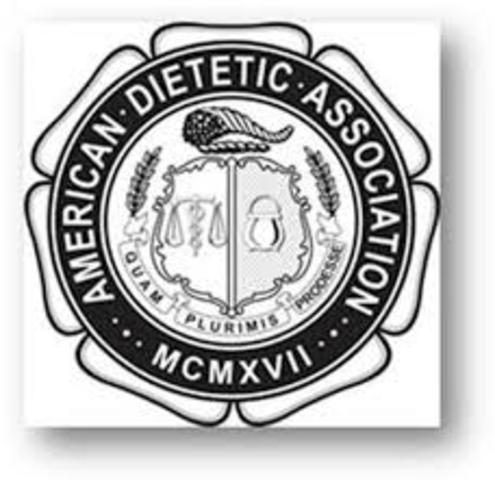
Her health reforms, which emphasized vegetarianism and whole foods, were institutionalized through health institutions like the Battle Creek Sanitarium and figures like Dr. John Harvey Kellogg. The sanitarium’s success and the dissemination of these dietary principles led to the establishment of the American Dietetic Association in 1917, which originally promoted many of these plant-based, whole-food principles. The Adventist emphasis on preventive health care and diet principles laid the groundwork for many modern dietary guidelines and continue to influence discussions around veganism.
Sylvester Graham and the Health Food Movement: A Critical Perspective
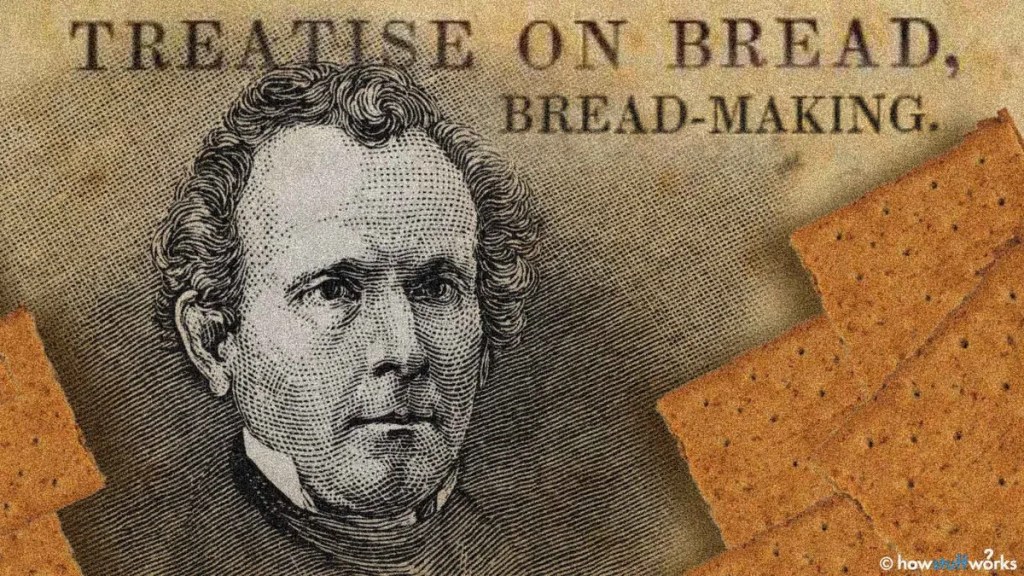
Sylvester Graham, a key figure in early American health reform, is often remembered for his influence on the health food movement and the creation of the Graham cracker. However, his dietary principles were deeply intertwined with his moral and religious views, particularly his beliefs about suppressing sexual urges.
The Man Behind the Movement
Sylvester Graham (1794–1851) was a Presbyterian minister whose health reform efforts were driven by more than just a desire for better nutrition. His dietary recommendations were rooted in his belief that physical health was closely linked to moral and spiritual purity. Graham’s ideas were based on the notion that a simpler diet, free from stimulants like caffeine and alcohol, would not only improve physical health but also help suppress sexual desires, which he and his contemporaries saw as a moral failing.
Dietary Principles and Moral Agenda
Graham’s health principles included:
Vegetarianism: He promoted a diet free from meat, believing it would enhance both physical health and moral restraint.
Avoidance of Stimulants: He advised against consuming caffeine and alcohol, which he associated with negative moral and physical effects.
Simplicity and Moderation: His diet emphasized plain, unprocessed foods and self-restraint.
Graham’s dietary reforms were part of a broader attempt to control what he saw as unhealthy and immoral behavior. He believed that a disciplined diet would help curb sexual urges, which he viewed as a major threat to individual and societal purity.
The Graham Cracker: A Tool for Reform
The Graham cracker, a product of Graham’s dietary reform, was created with the intention of supporting digestive health and satisfying cravings in a morally acceptable way. While it has become a popular snack, its creation was driven by Graham’s broader health and moral agenda. The cracker was designed to be a healthful alternative to more stimulating and indulgent foods.
Graham’s dietary principles were part of a larger movement that sought to reform not just food habits but also moral behavior. His ideas reflected a concern with maintaining moral purity through dietary control, a concept that influenced various health reform efforts of the time. However, it’s important to recognize that many of Graham’s claims were not based on rigorous scientific evidence but rather on his own beliefs and the prevailing moral attitudes of his era.
While Graham’s advocacy for dietary reform contributed to the development of health foods and the broader health movement, his ideas were also deeply entwined with his attempts to control sexual behavior. This connection reflects a historical context where dietary practices were often used as a means of enforcing moral and social norms.
The Graham cracker, though still a common snack, serves as a reminder of the complex interplay between health reform and moral ideologies. Today, it’s essential to approach such historical figures with a critical understanding of how their personal beliefs influenced their recommendations.
Sylvester Graham’s impact on the health food movement was significant, but it was also rooted in a broader moral agenda that sought to suppress sexual urges through dietary control. While his ideas helped shape dietary practices and health food development, they were not always grounded in scientific evidence. By understanding the historical context of Graham’s work, we can better appreciate the evolution of dietary reform and the need for evidence-based approaches to health.
Learning from History: Integrating Nutrition into Modern Health Practices
The historical narratives of the Flexner Report, Crisco, and influential dietary movements like Seventh-Day Adventism reveal the intricate connections between industry, religion, and health. The Flexner Report’s emphasis on pharmaceuticals and Crisco’s promotion of processed fats underscores significant shifts in health practices that have had lasting impacts on public health.
A Shift in Priorities: The Flexner Report’s focus on pharmaceuticals often came at the expense of a more holistic understanding of health, one that includes nutrition and lifestyle as key components. Similarly, the industrialization of food, exemplified by Crisco, introduced dietary patterns that are now recognized as harmful.
Learning from History: As we continue to navigate challenges in nutrition and healthcare, it’s crucial to reintegrate a holistic approach to health that includes both nutrition and preventive care. Recognizing the historical impacts of these developments helps us advocate for a healthcare system that values comprehensive care and a food industry that prioritizes public health over profit.
Reclaiming Health Through Nutrition
Ellen G. White’s health reforms, emphasizing vegetarianism and whole foods, were institutionalized by the Battle Creek Sanitarium and figures like Dr. John Harvey Kellogg. This led to the 1917 founding of the American Dietetic Association, initially promoting these principles. Meanwhile, the Flexner Report and Crisco’s introduction highlight historical forces shaping health and nutrition. These events underscore the need for a holistic health approach that integrates nutrition and addresses industrialization’s impacts. Moving forward, it’s crucial to advocate for a healthcare system focused on preventive care and a food industry that prioritizes public health.
As we wrap up our exploration of conspiracy chronicles this week, we’ve uncovered how the 20th century marked a pivotal shift in the rise of political paranoia and corporate influence. Powerful corporations, fueled by rapid technological and social changes during the Second Industrial Revolution, began to wield unprecedented control. From the Fletcher Report to the invention of Crisco and Ancel Keys’ flawed dietary research, lobbying and payoffs set the stage for policies that still impact public health today.
In fact, a 2020 study revealed that 95% of members on the Dietary Guidelines Advisory Committee have conflicts of interest with industry giants like Kellogg, General Mills, Kraft, and Dannon. These ties, whether through research funding or board memberships, call into question the impartiality of public health recommendations. With corporate agendas deeply embedded in sectors like food and pharmaceuticals, the guidelines shaping what we eat are under scrutiny, reminding us that the influence of these forces remains a pressing issue. Read more here.
📚 Further Reading
Dive deeper into these captivating topics with these resources:
Explore these intriguing developments and see how they continue to shape our understanding of health, religion, and science today. 🌟
If you’re looking to explore the topic of conflicts of interest in the U.S. food system, including the influence of corporate lobbying on dietary guidelines and public health, here are some credible resources:
Marion Nestle’s Work Marion Nestle, a renowned nutritionist and public health advocate, has extensively written about the politics of food and how corporate interests shape food policies. Her book “Food Politics: How the Food Industry Influences Nutrition and Health” is a foundational resource that explores conflicts of interest in detail. She has also published several articles and blog posts that can be found on her website, Food Politics.
The Center for Science in the Public Interest (CSPI) CSPI is a non-profit organization that advocates for public health and transparency in the food industry. They regularly publish reports and articles on how industry lobbyists influence dietary guidelines and public health policies. Visit their site for comprehensive resources: CSPI.
The Journal of the American Medical Association (JAMA) JAMA has published several peer-reviewed articles on the conflicts of interest within the committees that develop dietary guidelines. You can access these studies through JAMA.
The Union of Concerned Scientists (UCS) UCS focuses on the intersection of science, policy, and industry influence, and they have published reports on the food industry’s role in shaping guidelines. You can find their reports here: UCS Food System Work.
Robert F. Kennedy Jr.’s Health Freedom Platform RFK Jr.’s organization, Children’s Health Defense, provides reports and articles on corporate influence in healthcare and the food system. While this source may reflect RFK Jr.’s specific views, it offers insights into his arguments and data regarding industry control. Children’s Health Defense.
This week we have been diving into conspiracies chronicles, exploring how the 20th century marked a turning point in the rise of political paranoia and corporate influence, as conspiracies began to shape public perception and policy. With the rapid technological and social changes of the Second Industrial Revolution, powerful corporate interests gained unprecedented sway. From the Fletcher Report to the invention of Crisco, and the deeply flawed research by Ancel Keys on dietary fat and heart disease, lobbying, payoffs, and conflicts of interest paved the way for decisions that continue to shape public health policies to this day.
The integrity of our food system has been called into question with a 2020 study revealing that 95% of the members on the Dietary Guidelines Advisory Committee (DGAC) have conflicts of interest with major industry actors. These include ties to companies like Kellogg, General Mills, Kraft, and Dannon. Such conflicts arise through research funding, board memberships, and other forms of collaboration, raising concerns about the impartiality of public health recommendations. With industries like food, pharmaceuticals, and even agriculture involved, the guidelines that shape what Americans are encouraged to eat may be heavily influenced by corporate agendas.
This issue is particularly worrying because dietary guidelines play a critical role in shaping national health policies. A lack of transparency around these conflicts undermines public trust and can skew the focus of health advice, potentially shifting attention away from critical issues like diet-related diseases. Researchers have emphasized the need for stronger regulations and safeguards to mitigate these conflicts, suggesting that more unbiased committees could help prevent corporate interests from unduly shaping the nation’s nutrition policies.
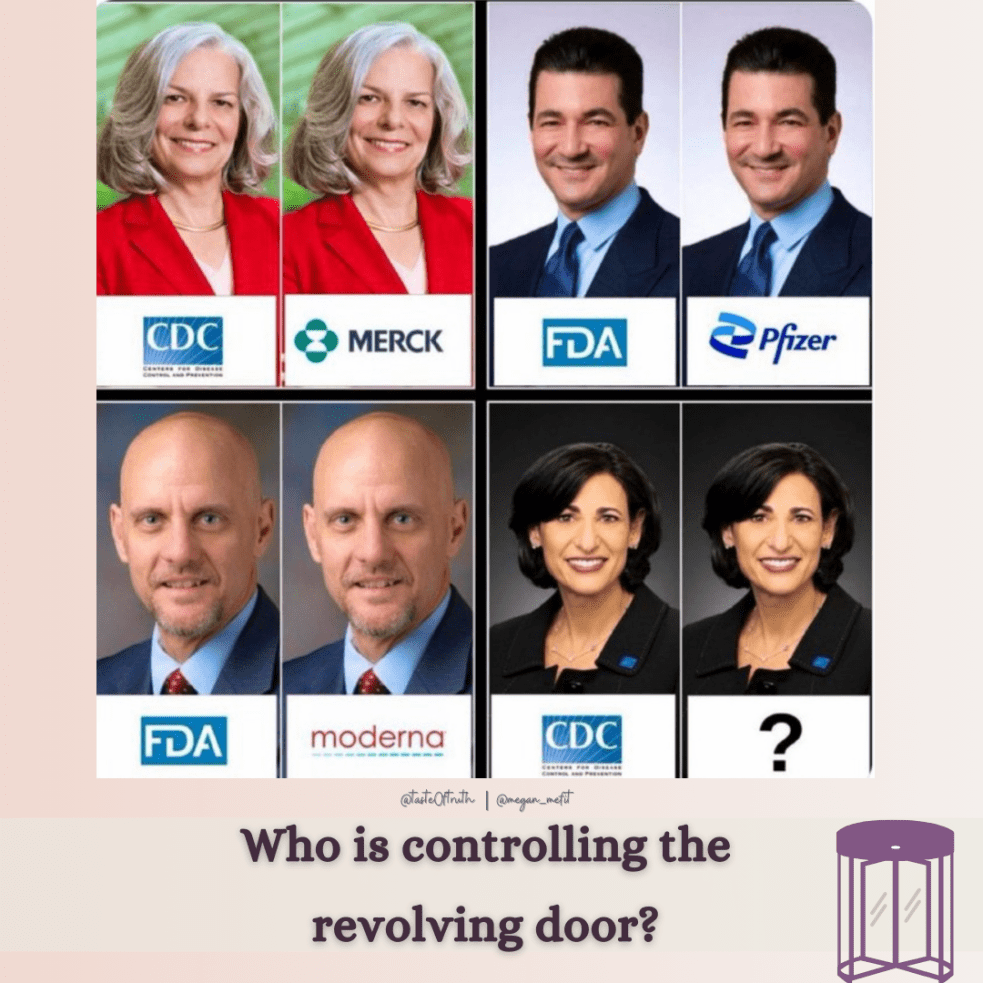
In the realm of public health and pharmaceuticals, there’s a well-documented phenomenon known as the “revolving door” between regulatory agencies and the pharmaceutical industry. This term refers to the cyclical movement of personnel between roles as regulators or policymakers and positions within the industries they oversee.
What Is the Revolving Door?
The revolving door concept highlights a pattern where high-ranking officials from organizations such as the CDC (Centers for Disease Control and Prevention) and the FDA (Food and Drug Administration) transition into influential roles within pharmaceutical companies, and vice versa. This fluid movement raises critical questions about the integrity and impartiality of regulatory oversight.
Notable Examples
Several prominent examples illustrate this phenomenon:
Scott Gottlieb, who served as the FDA Commissioner from 2017 to 2019, joined Pfizer’s board of directors shortly after his tenure at the FDA.
Julie Gerberding, the CDC Director from 2002 to 2009, transitioned to an executive role at Merck following her time at the CDC.
Stephen Hahn, FDA Commissioner from 2019 to 2021, took on a role at Flagship Pioneering, the venture capital firm instrumental in founding Moderna.
The Debate: Conflicts of Interest vs. Expertise
The revolving door sparks intense debate. Critics argue that this cycle of movement can create potential conflicts of interest. Regulators may be more lenient or biased towards the industries with which they have personal or future professional connections. This concern is particularly significant in the pharmaceutical sector, where regulatory decisions have profound implications for public health.
On the other hand, defenders suggest that this movement ensures that regulatory bodies benefit from the expertise and insider knowledge of seasoned professionals. They argue that these individuals bring valuable industry insights that can enhance regulatory practices and decisions.
The Impact on Public Health
The dynamics of the revolving door are crucial in discussions about the impartiality of regulatory oversight. In an industry where public health and safety are at stake, maintaining transparency and objectivity in regulatory processes is paramount. The potential for conflicts of interest necessitates ongoing scrutiny and reforms to ensure that the primary focus remains on safeguarding public health.
Robert F. Kennedy Jr. has been vocal about the issues with U.S. food systems, particularly targeting ultra-processed foods and the conflicts of interest surrounding federal dietary guidelines. He emphasizes how powerful food industry lobbies, including companies behind highly processed products, have influenced organizations like the USDA and FDA. RFK Jr. argues that this corruption has resulted in dietary guidelines that are detrimental to public health, prioritizing corporate profits over scientific integrity. He has criticized the ties between NGOs, including groups like the NAACP and diabetes associations, and the processed food lobby, which he claims skews their advocacy away from public health concerns and toward protecting industry interests.
Kennedy has connected these issues with broader systemic problems in the healthcare and pharmaceutical industries, asserting that ultra-processed foods contribute to a wide range of health problems, including metabolic disorders, cancer, and mental health issues. He also stresses that these foods disproportionately affect low-income communities and marginalized groups due to their accessibility, exacerbating health disparities. His stance resonates with his broader critique of government agencies being compromised by corporate interests, echoing his calls for transparency and reform across various sectors
As this debate continues, it is essential for the public to stay informed about these connections and advocate for transparency and accountability in the regulatory process. The revolving door is more than a mere career path—it’s a vital issue that affects how health policies and safety standards are shaped and enforced.
If you’re looking to explore the topic of conflicts of interest in the U.S. food system, including the influence of corporate lobbying on dietary guidelines and public health, here are some credible resources:
Marion Nestle’s Work Marion Nestle, a renowned nutritionist and public health advocate, has extensively written about the politics of food and how corporate interests shape food policies. Her book “Food Politics: How the Food Industry Influences Nutrition and Health” is a foundational resource that explores conflicts of interest in detail. She has also published several articles and blog posts that can be found on her website, Food Politics.
The Center for Science in the Public Interest (CSPI) CSPI is a non-profit organization that advocates for public health and transparency in the food industry. They regularly publish reports and articles on how industry lobbyists influence dietary guidelines and public health policies. Visit their site for comprehensive resources: CSPI.
The Journal of the American Medical Association (JAMA) JAMA has published several peer-reviewed articles on the conflicts of interest within the committees that develop dietary guidelines. You can access these studies through JAMA.
The Union of Concerned Scientists (UCS) UCS focuses on the intersection of science, policy, and industry influence, and they have published reports on the food industry’s role in shaping guidelines. You can find their reports here: UCS Food System Work.
Robert F. Kennedy Jr.’s Health Freedom Platform RFK Jr.’s organization, Children’s Health Defense, provides reports and articles on corporate influence in healthcare and the food system. While this source may reflect RFK Jr.’s specific views, it offers insights into his arguments and data regarding industry control. Children’s Health Defense.
These resources provide a deep dive into the systemic issues within the food industry, helping you critically examine how corporate interests shape dietary guidelines and health outcomes.
Welcome back to Taste0ftruth Tuesdays, where today’s topic is Mindsets and Movements: Comparing Law of Attraction, High Control Religion, and Diet Culture
Ever wondered how MLMs thrive? Many of them tap into the power of teachings like the law of attraction—convincing you that your thoughts create your reality. It sounds empowering, right? 🤪
But behind the facade lies a darker truth. MLMs manipulate these beliefs to lure in dreamers, promising wealth and success through their products.
So, what’s the scoop? The Law of Attraction says that what you focus on—whether positive vibes or the occasional grumpy thought—can actually manifest in your life. It’s all about tuning into those good vibrations and sending out positive signals to the universe.
Picture this: by visualizing your dreams, practicing gratitude like a pro, and keeping that vibe high, you’re supposedly paving the way for all those good things to come knocking on your door. 🚪
But hold up! It’s not all rainbows and sunshine. Just like dodging fad diets or harmful religious practices, there are pitfalls.
Stay tuned as we uncover the highs, lows, and everything in between of this cosmic mind game. We’ll share some tips on how to keep your mental mojo balanced, whether you’re manifesting your dream job or just trying to stay chill in the chaos.
Let’s walk that fine line between harnessing the power of our minds and falling into the traps of unrealistic expectations and self-blame.
The law of attraction, diet culture, and high-control religions can promote all-or-nothing thinking in several ways:
1. Law of Attraction: This philosophy suggests that positive thoughts bring positive outcomes, and negative thoughts bring negative outcomes. This can lead people to believe that if they’re not constantly thinking positively, they’re attracting negativity into their lives. This binary thinking ignores the complexity of human emotions and experiences.
2. Diet Culture: Many diets promote strict rules about what foods are “good” or “bad,” fostering an all-or-nothing approach to eating. If someone deviates from the diet even slightly, they may feel like they’ve failed completely. This can contribute to unhealthy relationships with food and body image.
3. High-Control Religions (HCR): Some religions enforce rigid rules and beliefs, presenting a stark contrast between righteousness and sin. Followers may feel intense pressure to adhere perfectly to these standards, fearing severe consequences for any perceived transgression.
This black-and-white thinking can create feelings of guilt, shame, or inadequacy.
In each case, the emphasis on absolutes and extremes discourages nuanced thinking and self-compassion. It can lead individuals to judge themselves harshly for perceived failures and to feel like they must constantly strive for unattainable ideals.
The law of attraction mindset can be damaging to mental health and well-being, I know this from my past experiences prior to being converted into a high control religion. In my journey of deconstruction, I’ve been pondering how belief systems like the law of attraction, high-control religions, and diet culture wield their influence.
Each of these ideologies promises transformative change through strict adherence to their principles, whether it’s manifesting positivity, spiritual purity, or a perfect body.
But here’s the kicker – they all share several common threads 🧵 🪡
1. Belief in Control and Manifestation
2. Promises of Transformation
3. Blaming the Individual for Failure
4. Emphasis on Discipline and Compliance
5. Commercialization and Profit
While their specific goals vary, the law of attraction, high-control religions, and diet culture share fundamental similarities in their mechanisms of belief, control, promise of transformation, and their impact on adherents’ lives
Similarities in Their Harmful Effects:
1. Unrealistic Expectations:
– Law of Attraction: Promises that positive thinking can manifest any desire, leading to unrealistic expectations about what can be achieved without effort or acknowledging external factors.
– Diet Culture: Promotes the idea that a perfect body is achievable through strict adherence to specific diets or exercise regimens, often ignoring genetic, physiological, and lifestyle differences.
– High Control Religion (HCR): Claims of absolute truths and moral perfection can create unattainable standards for behavior and belief, often leading to feelings of inadequacy or failure when individuals fall short.
2. Self-Blame and Guilt:
– Law of Attraction: Encourages individuals to believe that any failure to achieve their desires is due to their own negative thinking, leading to self-blame and guilt.
– Diet Culture: Instills guilt and shame in individuals who cannot maintain the prescribed diet or achieve the desired body image, blaming them for a lack of willpower or discipline.
– HCR: Imposes strict moral codes and doctrines, where deviation is often seen as a personal failure or sin, leading to guilt and self-condemnation.
3. Emotional Manipulation:
– Law of Attraction: Often exploits emotional vulnerability by selling the idea that happiness and success are just a thought away, leading to financial exploitation through self-help products and courses.
– Diet Culture: Uses emotional manipulation to sell products, diets, and fitness programs, preying on insecurities about body image and societal standards of beauty.
– HCR: Can manipulate emotions by promising eternal rewards or threatening eternal punishment, using fear and hope to control behavior and beliefs.
4. Avoidance of Complex Realities:
– Law of Attraction: Simplifies complex life issues by attributing outcomes solely to individual thoughts, ignoring systemic, social, and external factors.
– Diet Culture: Overlooks the complexities of human biology, metabolism, and mental health by promoting one-size-fits-all solutions to weight and health.
– HCR: May offer simple answers to complex existential questions, discouraging critical thinking and exploration of diverse perspectives.
5. Promotion of Perfectionism:
– Law of Attraction: Suggests that perfect thoughts can lead to a perfect life, fostering an unrealistic ideal of constant positivity.
– Diet Culture: Advocates for an ideal body type and perfect eating habits, leading to obsessive behaviors and unhealthy relationships with food and self-image.
– HCR: Can push for moral and spiritual perfection, creating pressure to conform to strict standards and leading to anxiety and fear of judgment.
Mental Health Concerns:
1. Unrealistic Expectations:
Believing that thoughts alone can manifest reality may lead to unrealistic expectations and disappointment when desired outcomes don’t materialize. This can lead to frustration, self-blame, and decreased self-esteem.
2. Ignoring Reality:
Overemphasis on positive thinking can sometimes lead to denial of real issues or avoidance of necessary actions. Individuals may neglect practical steps and problem-solving strategies, relying solely on mental strategies.
3. Blame and Guilt:
When negative events occur, individuals might blame themselves for having “wrong” or “negative” thoughts. This self-blame can exacerbate feelings of guilt, anxiety, and depression.
4. Mental Health Symptoms Exacerbation:
For individuals with certain mental health conditions, such as anxiety disorders or obsessive-compulsive disorder (OCD), the pressure to control thoughts can be particularly detrimental. Intrusive thoughts and the fear of their potential impact can intensify symptoms.
5. Isolation:
If individuals feel their spiritual practices are misunderstood or dismissed by others, they may become isolated. Lack of social support can negatively impact mental health.
These ideologies promise transformative change through strict adherence to their principles, often promoting all-or-nothing thinking. But breaking free from this mindset is crucial for fostering balanced perspectives and personal growth.
Here are practical tips to challenge all-or-nothing thinking:
1. Practice Mindfulness: Embrace techniques like meditation to become aware of thoughts without judgment, recognizing when you’re stuck in extremes.
2. Identify Thought Patterns: Notice words like ‘always’ and ‘never,’ replacing them with ‘sometimes’ or ‘progress’ to introduce flexibility.
3. Challenge Assumptions: Explore alternative perspectives and shades of gray instead of thinking in absolutes.
4. Set Realistic Goals: Break down big goals into smaller steps, celebrating progress and effort along the way.
5. Practice Self-Compassion: Be kind to yourself during setbacks, understanding that growth involves learning from mistakes.
6. Seek Different Opinions: Discuss beliefs with trusted others to gain diverse viewpoints and broaden understanding.
7. Use the 10% Rule: Aim for gradual improvement rather than perfection, reducing pressure and promoting sustainable progress.
8. Keep a Thought Journal: Reflect on instances of all-or-nothing thinking to identify triggers and develop alternative interpretations.
9. Practice Gratitude: Regularly acknowledge small positives to shift focus away from perfectionism.
10. Educate Yourself: Learn about cognitive distortions to empower yourself in challenging and changing these patterns effectively.
By integrating these practices, we can cultivate resilience and a more balanced approach to life, moving beyond rigid belief systems toward authenticity and personal well-being.
And that’s all I have for you today, folks!
For upcoming episodes, we have Deconstructing Deception: MLMs, Exploitation & Online Influencers with my friend Jill, we dive into the murky waters of high control groups like MLMs, conspiracies and evangelicalism. We discuss about how exploitation is huge in these environments. And I share a bit more about my journey from MLM entanglement to pandemic conspiracies and high-control religion.
Next month: Equality in Focus: Reproductive Rights, Gender Norms, and Political Reform with my friend Emma and a lot more exciting interviews coming for you!
Until then, maintain your curiosity, embrace skepticism, and keep tuning in! 🎙️🔒
To deepen your understanding of the potential pitfalls of spiritual practices like the law of attraction, diet culture, and religious absolutism, as well as to develop critical thinking and emotional intelligence, consider exploring these high-quality resources across various formats:
Books:
“Bright-Sided: How Positive Thinking Is Undermining America” by Barbara Ehrenreich** – This book critiques the overemphasis on positive thinking and its societal impacts.
“Dietland” by Sarai Walker** – A fictional yet poignant critique of diet culture and societal beauty standards.
“The Body is Not an Apology: The Power of Radical Self-Love” by Sonya Renee Taylor** – Discusses body positivity and challenges diet culture.
“When Prophecy Fails” by Leon Festinger, Henry Riecken, and Stanley Schachter** – A classic work on cognitive dissonance, exploring how people react when prophecies or absolute religious claims fail.
Articles and Papers:
“The Trouble with the ‘Law of Attraction'” by Carolyn Gregoire** (HuffPost) – Discusses the psychological and practical issues with the law of attraction.
“The Harmful Effects of Diet Culture” by Taylor Wolfram** (Academy of Nutrition and Dietetics) – An article exploring the negative impacts of diet culture.
“The Perils of Positive Thinking” by Susan David** (Harvard Business Review) – Analyzes the downsides of relentless positivity in personal and professional settings.
Websites and Online Courses:
Intuitive Eating – A resource focusing on a balanced approach to food and body image, countering diet culture.
Coursera and edX – Provide courses on critical thinking, emotional intelligence, and psychology. Examples include:
– “The Science of Well-Being” by Yale University (Coursera)
– “Psychological First Aid” by Johns Hopkins University (Coursera)
Podcasts and Videos:
1. “Maintenance Phase” – A podcast debunking wellness and diet culture myths.
“The Happiness Lab” by Dr. Laurie Santos** – Explores the science of well-being, addressing the limits of positive thinking.
TED Talks – Search for talks on critical thinking, the psychology of belief, and emotional intelligence. Notable example:
“The Danger of a Single Story” by Chimamanda Ngozi Adichie
Supportive Communities:
Body Positivity Groups** – Communities like “The Body Positive” offer support and resources to counteract diet culture.
Skeptics Societies – Organizations like The Skeptics Society promote scientific skepticism and critical thinking about various claims, including those related to spirituality and religion.
Religious Literacy Projects – Programs like Harvard’s Religious Literacy Project provide nuanced education on religion and its diverse expressions, promoting understanding and critical engagement.
Academic Journals:
Journal of Positive Psychology** – Offers research on the benefits and limitations of positive thinking and related practices.
International Journal for the Psychology of Religion** – Publishes research on the psychological aspects of religious beliefs and practices.
These resources can help you critically engage with the topics, develop a balanced perspective, and avoid the pitfalls associated with overly simplistic or manipulative practices.
Welcome back to Taste0ftruth Tuesdays Wellness Warriors, Health Detectives, Nutrition Ninjas and Truth Seekers! ⛓️💥 In this blog and podcast episode, we’re breaking free from the chains of diet culture and diving into the refreshing waters of body-neutral fitness!
Embracing Performance Goals: Discover how focusing on what your body can do, rather than how it looks, can revolutionize your fitness journey.
Body-Neutral Bliss: Learn how to find peace with your body through a body-neutral approach to exercise, celebrating movement for movement’s sake.
From Rules to Freedom: Say goodbye to restrictive diets and hello to intuitive eating and joyful movement.
Tune in as we unpack the myths of diet culture and celebrate the liberating path to body-neutral fitness! Remember, you’re not just dropping out of diet culture—you’re leveling up to a healthier, happier you!
Listen 🎧
Raise your hand if you’ve ever felt the pressure to change your body to fit into society’s standards of beauty. 🙋♀️ Well, you’re not alone! For years, I found myself trapped in a cycle of dieting and exercising, all in pursuit of the elusive “perfect” body.
But no matter how hard I tried, I just couldn’t seem to make any lasting progress. Sound familiar? That’s because we’ve been sold a lie – the idea that our worth is tied to the number on the scale or the size of our jeans. But guess what? It’s time to break free from that toxic mindset and embrace a new approach to fitness and nutrition.
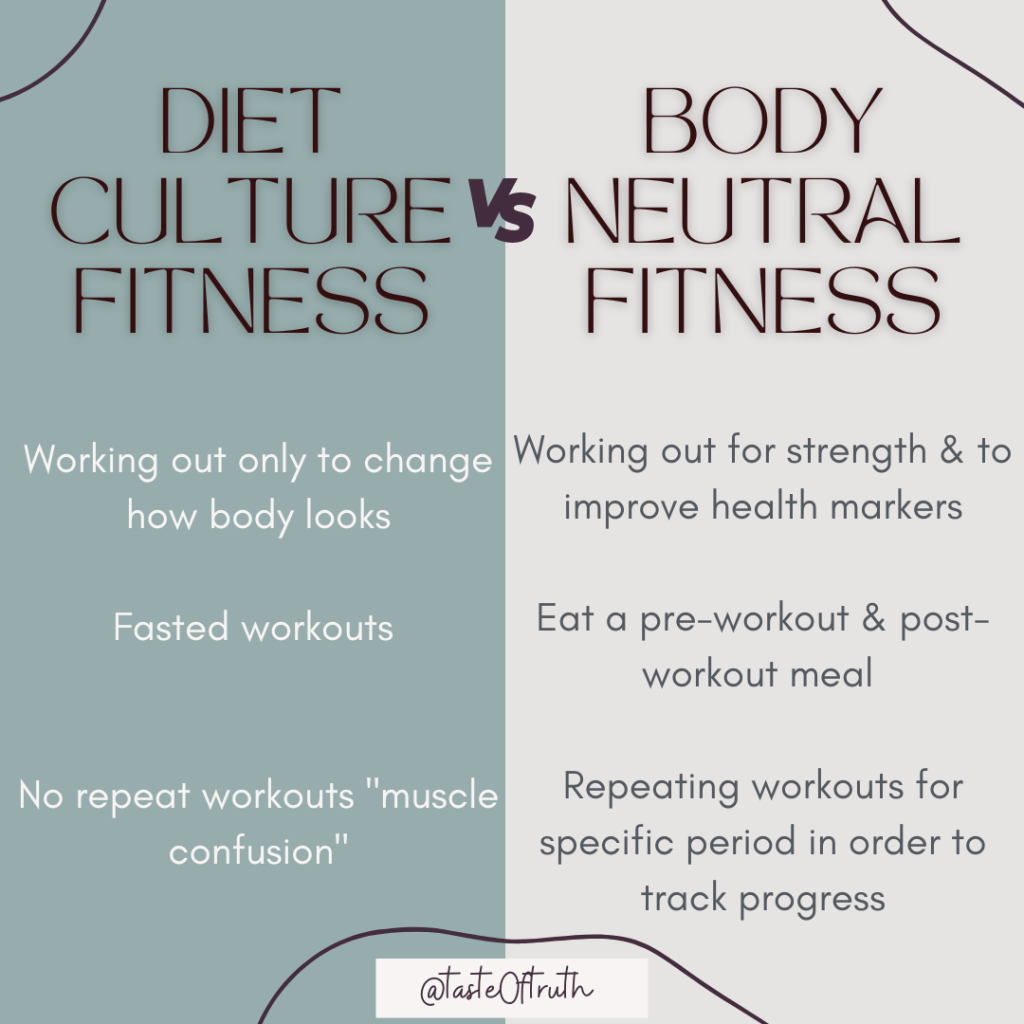
I want to go over common trends I see that I refer to as “diet culture fitness” and then we will compare it with what I recommend “body neutral fitness” ….
Diet culture places value on our weight and size over our health. it promotes messaging that tells us what foods “good” & what foods are “bad.” it glorifies restriction & willpower and ignores our wellbeing.
Diet culture is supported by a multi-billion-dollar industry that pushes weight loss through every medium possible. Diet culture tells all of us that we are not small enough, strong enough, or lean enough.
DIET CULTURE IS HARD TO IGNORE.
So, how can one be against diet culture but fine with a diet? it starts with terminology >>
A DIET merely refers to the foods & drinks we habitually consume. a diet can be a specific, structured way of eating or just our normal daily intake.
The term “DIETING,” is often where the idea of weight loss comes into play. Dieting is (usually) used to describe eating with the purpose of losing weight, which requires a calorie deficit.
>> I am anti-diet culture because i believe that food is not meant to be associated with guilt and shame.
>>I am anti-diet culture because i do not believe that reaching a specific weight, shape or size is ever more important than our physical or mental wellbeing.
However, I do believe that it is ok to want to change your diet.
It is ok to have aesthetic goals, especially when we can learn to work towards them in a healthy & sustainable manner. It’s about wanting to shift from old negative eating patterns and thoughts to new behaviors that leave you fueled and healthy.
I believe that it is ok to want to look & feel your best & addressing your nutrition and relationship with food is often the best way to do so. Your diet is not bad. restriction, shame, guilt, & obsession are
So, what’s the secret to lasting change? It all starts with shifting our focus from aesthetics to performance. Instead of obsessing over how our bodies look, let’s celebrate what they can do! Whether it’s mastering a new yoga pose, hitting a new personal record at the gym, or simply feeling more energized and alive, performance-based goals are where it’s at.
This ultimately means changing the values and the why behind your goal setting:
Instead of: “I want to lose the cellulite off my legs.”
Try: “I’d like to improve my technique and increase my strength in squats, leg press and deadlifts.”
The intention behind Body Neutral Fitness movement is:
Enhance strength & overall performance
Boost confidence & find purpose
Build stamina for effortless hiking
Improve balance, coordination, & mood
Enhance health & blood markers
So, WHAT’S THE BOTTOM LINE?
Body neutral fitness is so much more fun, and having fun gets more done! An approach that emphasizes setting and achieving performance goals works better for cultivating a healthy mindset towards fitness which is more sustainable over the long term than an approach that emphasizes aesthetics only.
Whatever your performance may be, shifting the focus changes your mind about your body, which can then remove the limits around what your current body/self can experience.
So, let’s get back to those trends:
👉Swipe👉
What is biofeedback and why is it so important?
This refers to the physiological responses that will bring awareness to our bodily processes and internal health. Sleep, hunger, stress, energy, stress, cravings, recovery, etc. Because optimal health is so much more than just physical! If we track these markers, we can begin to see some underlying causes or maybe issues on why your workout program may not be properly supporting you.
😐Stress: How are your stress levels? How do you manage them?
😋Hunger: Do you wake up hungry? Are you always thinking about food?
💩Digestion: Do you experience painful bloats? do you have regular bowel movements?
😴Sleep: How much sleep are you getting? Do you sleep through the night? How many hours? Do you wake up feeling rested? Does your energy dip mid-afternoon?
🛋️Recovery: Are you taking adequate rest days? Do you feel sore for days after your workouts?
🌀Menstrual Health: Are you missing your period? Do you experience painful cramps or any other PMS symptoms?
🍴Cravings: Do you find yourself struggling with these?
Oftentimes, clients that are experience negative biofeedback, there is an underlying cause that needs to be addressed, BEFORE we can actually focus on a physical transformation goal.
💤Improper sleep or stress management can lead to hormone imbalances that inhibit recovery.
😖Digestive issues can be a sign of chronic stress, low stomach acid and food intolerances.
🥺Mood, focus and libido changes may be linked to under-eating, hormonal imbalances, gut issues, etc.
One of the many variables within fitness program creation is “training volume” (How much you’re doing in a specific time. That can be per workout and within the program like per week/per month). In order to properly prescribe this, a coach needs to understand their clients: fitness level, goals, age, work capacity, recoverability, nutritional status, injury history and life stress. If your coach or fitness trainer didn’t ask you any of these things, that may be something worth looking into.
While physical changes are often used to measure progress, monitoring how you FEEL in response to your nutrition and exercise program is also important. It provides insights to how your metabolism is performing and which possible variables to manipulate in order to see improvements. 💪
🩺NOTE: Assessing biofeedback does NOT replace the need for lab work or medical attention.
ALL-OR-NOTHING Mindset
🧠Diet culture thrives on the All-or-Nothing-mentality. I think this is one of the hardest habits to become aware of and try to replace. I don’t know if anyone else can relate to needing a brain reframe, but typically when clients come to me, they say: “I want a body reset!” and I try to tell them: “You know what, it’s probably your brain that needs the reframe. There are more tips and mindset tricks I want to share with you over the course of season 2.
I want to close say that perfectionism is a TRAP, that so many of us that will get caught up in, within spiritually, and diet and nutrition. And when we slip up, which will always happen, it will feel easier to throw in the towel when we are stuck in all or nothing mentally, on the whole shebang. I think this is one of the most common self-sabotaging behaviors that I see, and this is what I hope to continue the conversations on in this season.
Thank you again for listening/reading and I am looking forward to next’s week’s episode! Until then, maintain your curiosity, embrace skepticism, and keep tuning in! 🎙️🔒
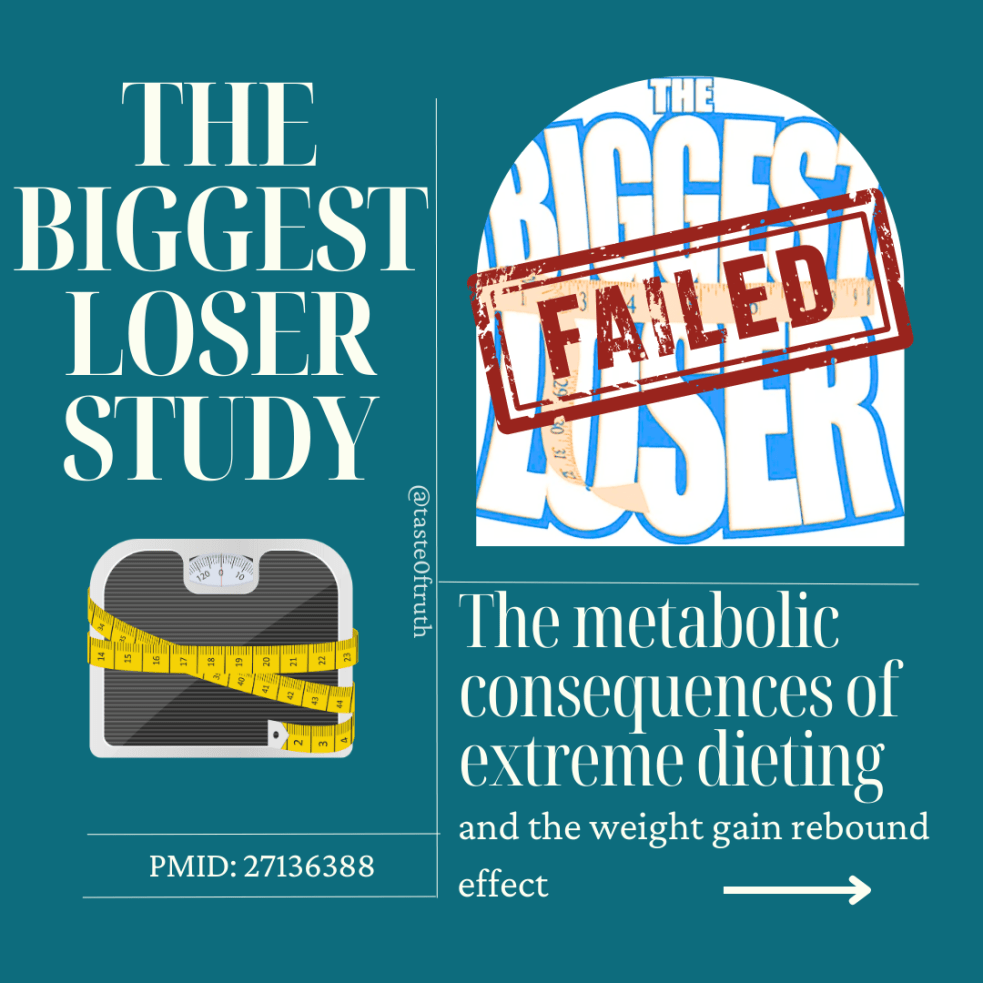
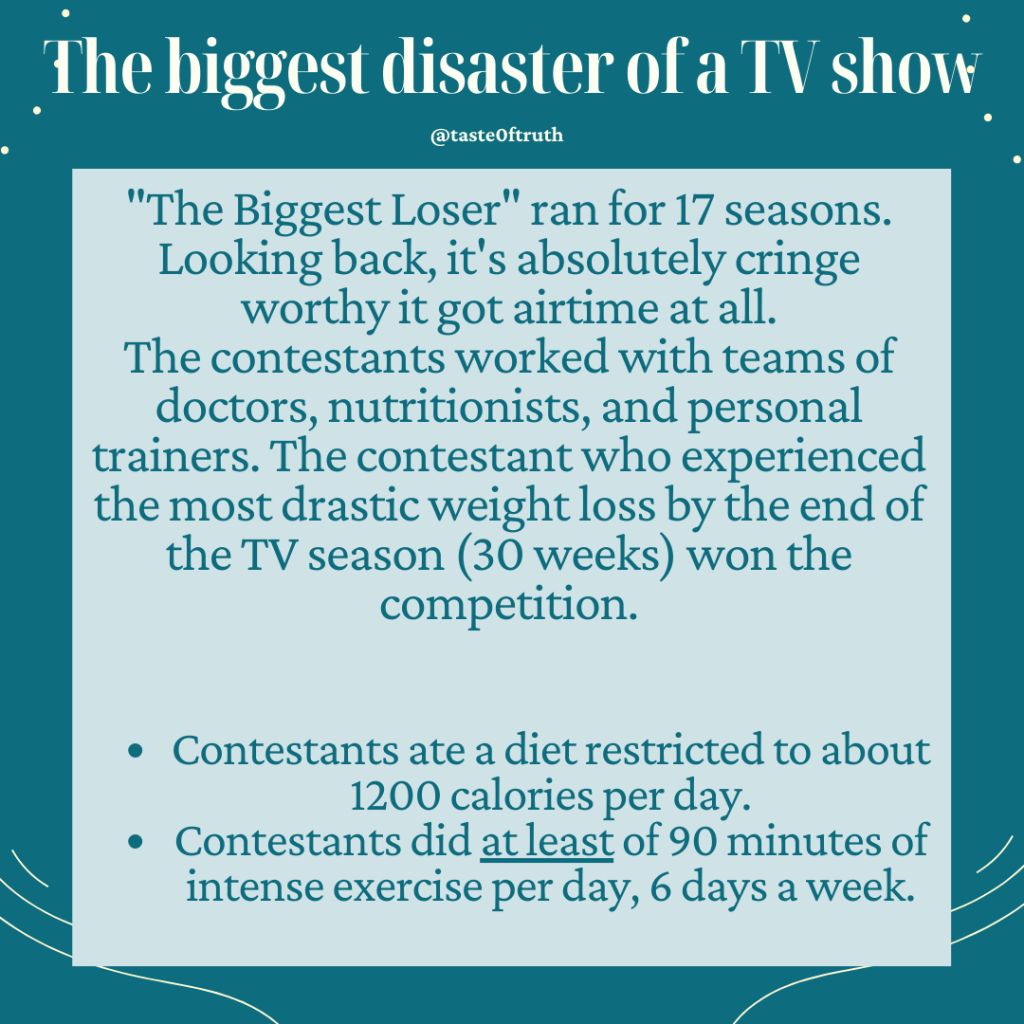
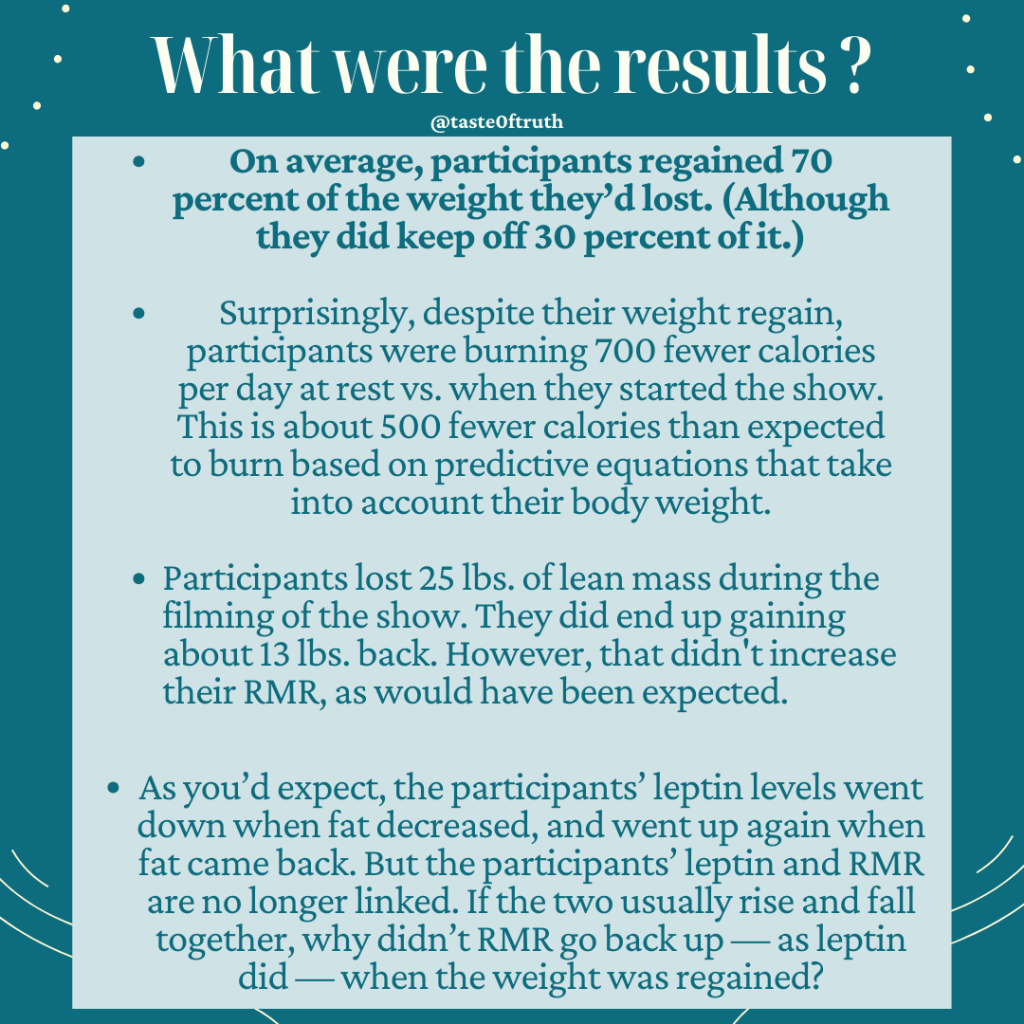
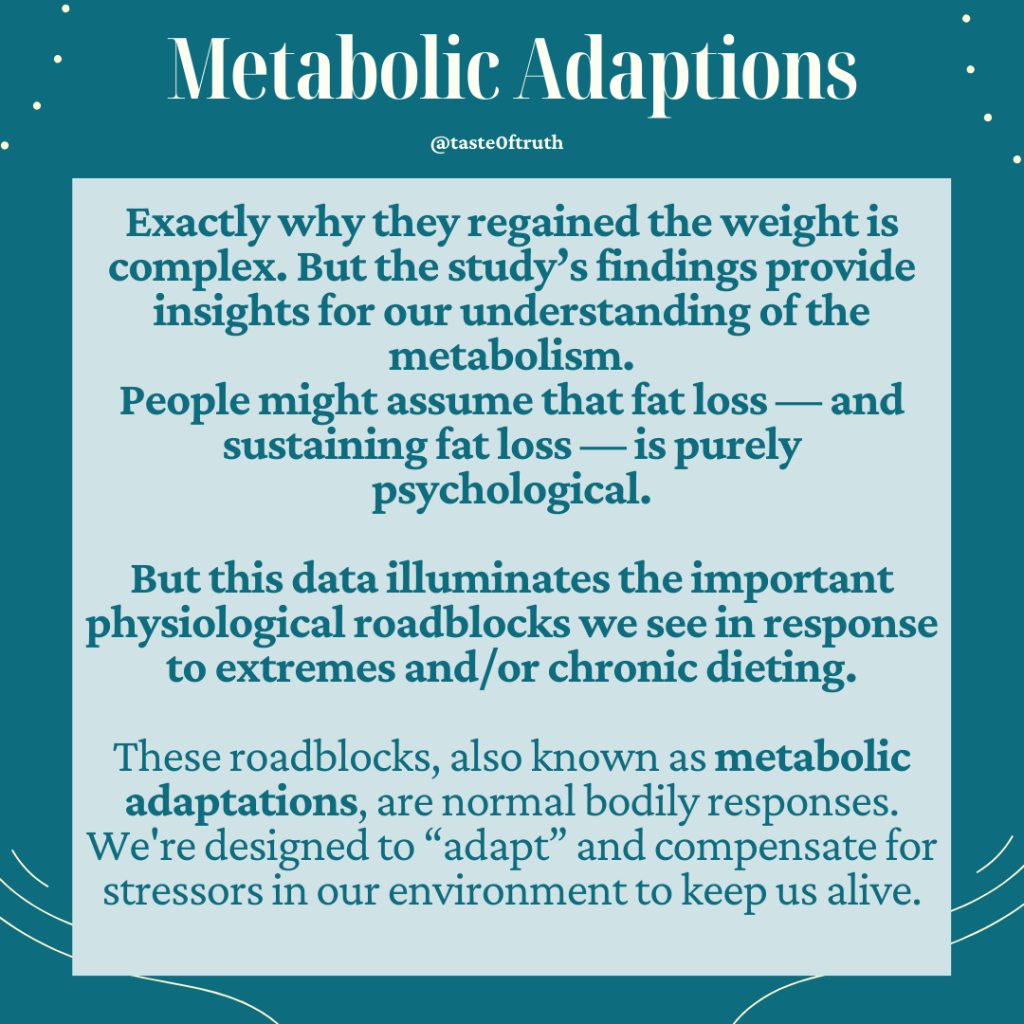
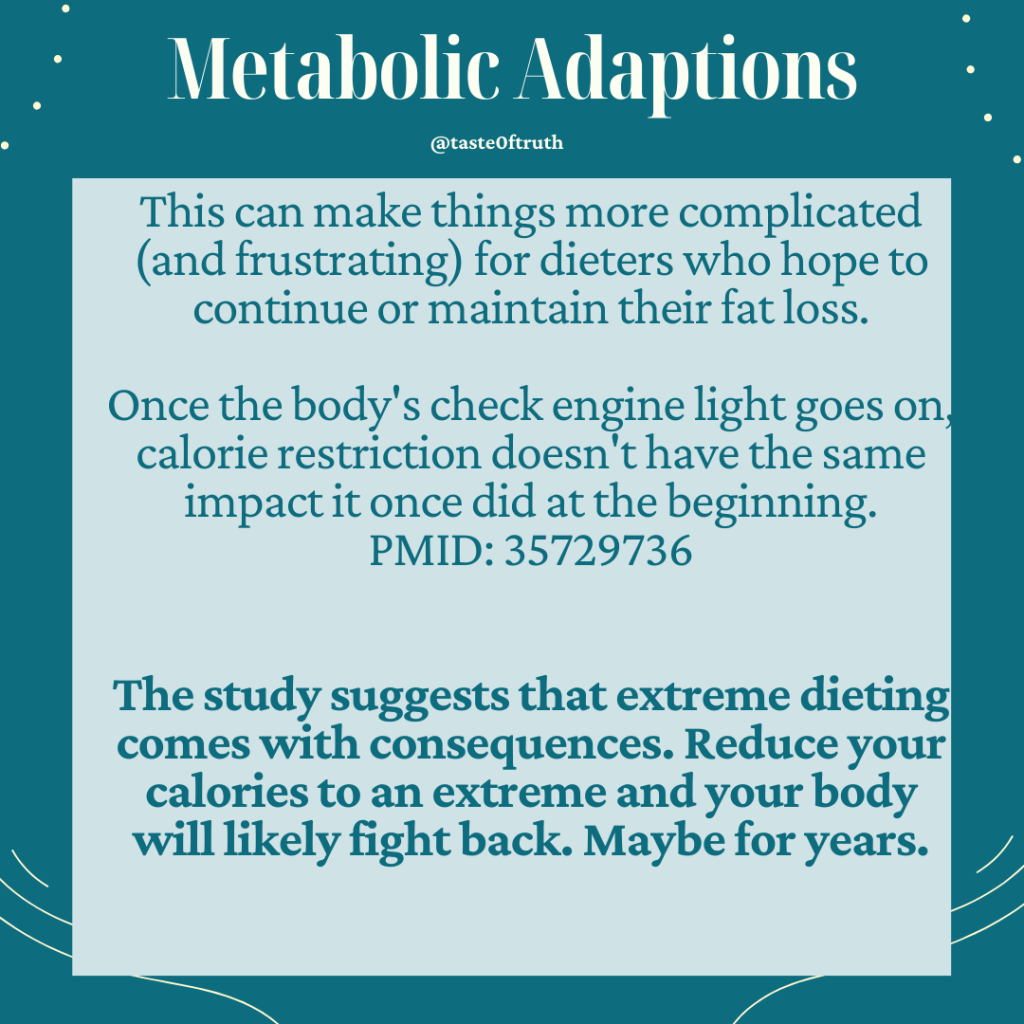
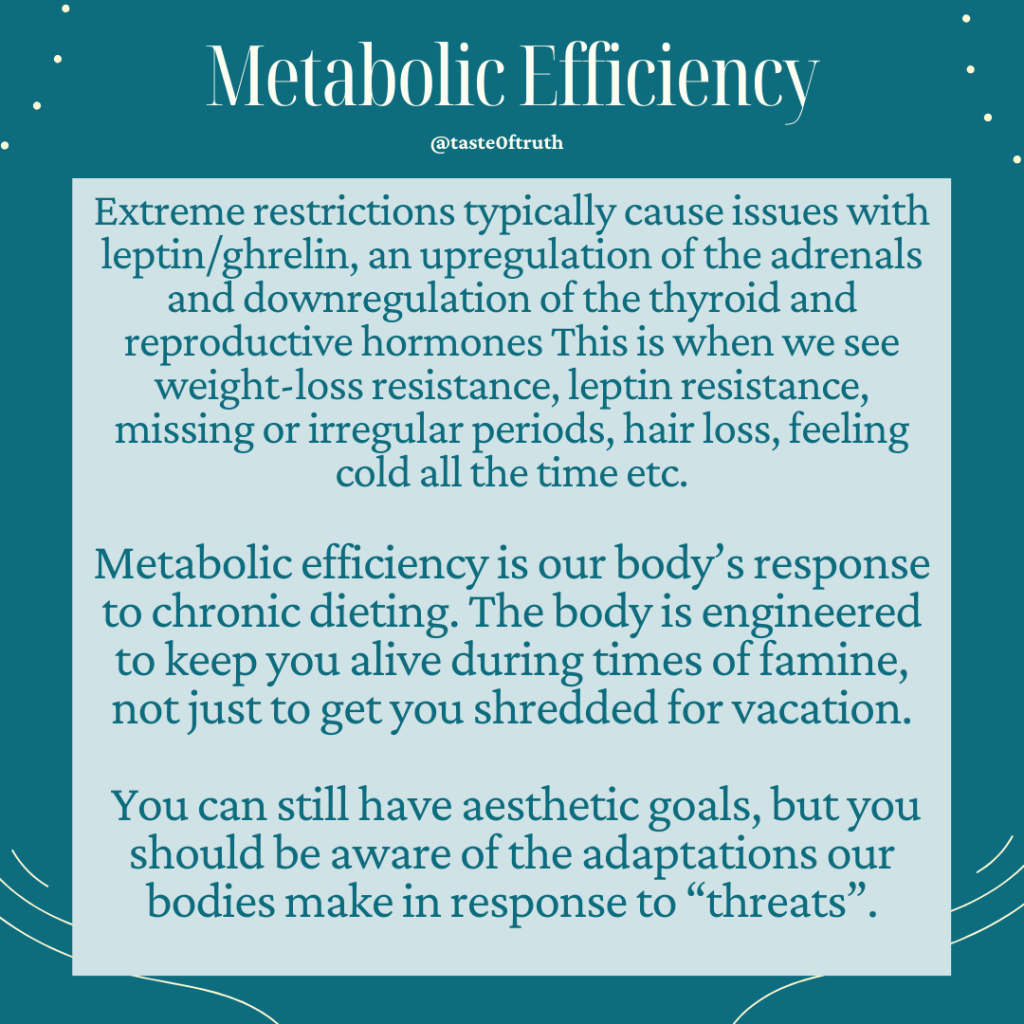
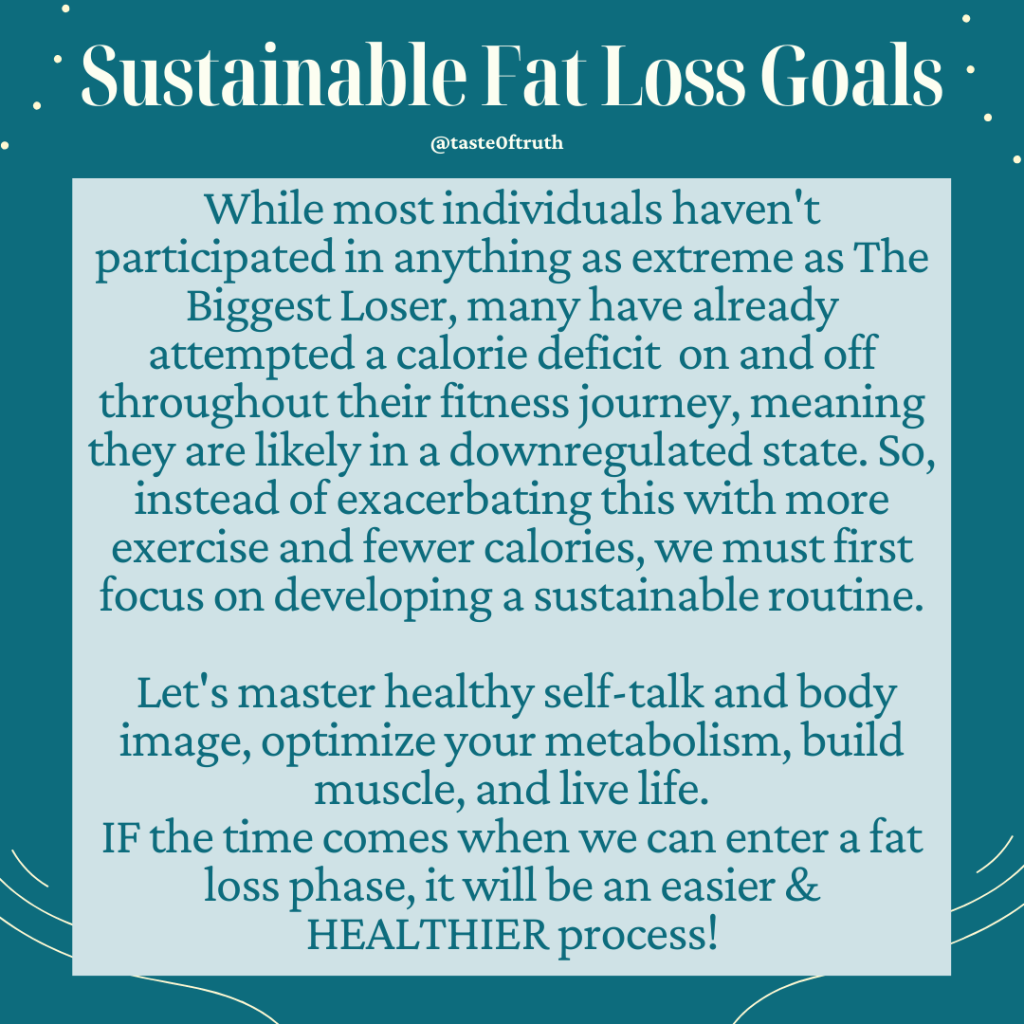
🎙️ On this week’s podcast with @chewsfoodwisely, we explore the common question: Is your metabolism broken or adapted? An interesting study that showcases BOTH metabolic adaptation & metabolic efficiency is The Biggest Loser study!
👉🏻SWIPE👉🏻 Our guest, Nicole, a renowned nutrition expert, helps us navigate through the complexities of metabolism and offers insights into understanding how our bodies respond to various factors such as diet, exercise, and lifestyle.
We discuss the differences between a “broken” metabolism and one that has adapted to environmental influences, as well as practical tips for optimizing metabolic health.
Tune in to our latest podcast episode where we’ll be sharing expert insights, tips, and strategies to revitalize your metabolism and get back on track.
Let’s reclaim your health and crush those goals together! 💪🔥
This week on the podcast we are talking about your thyroid which is a 🦋-shaped gland that powers every cell in your body. It sets the pace for your body to function and operate.
👉🏻Swipe 👉🏻 to learn how chronic dieting, under-eating, under-nourishing can lead to impaired thyroid function.
Thyroid health can be so confusing, especially because you don’t need to be diagnosed with a thyroid disorder to suffer from thyroid issues. Hypothyroidism or sluggish thyroid is much more common in women than hyperthyroidism—see symptoms on slide 6.
It’s important to understand that the years of stressors (Like: undernourishment, overexercising, lack of rest, sunlight, constant stimulation, trauma, halogen exposure, etc.) will not disappear overnight.
Here are some areas to focus on to bring back balance:
Managing STRESS — Developing positive stress coping mechanisms like: praying, singing, journaling, getting outside, asking for help, breath work, taking a bath, therapy, &hanging with pets. Be sure to prioritize morning and bedtime routines, quality sleep, gentle exercise, and support your circadian rhythm by getting enough natural light (and less blue light exposure).⠀⠀⠀⠀⠀⠀⠀⠀⠀ ⠀⠀⠀⠀⠀⠀⠀⠀⠀ NUTRIENTS — Our thyroid requires specific minerals, like Vit. A, iodine, zinc, copper, selenium, etc. to properly function. Focus on nutrient-dense foods like shrimp, organ meats, bone broth, quality dairy, &fresh fruits.⠀⠀⠀⠀⠀⠀⠀⠀⠀ ⠀⠀⠀⠀⠀⠀⠀⠀⠀ DIGESTION — We need to properly break down and absorb our food to get the nutrients our thyroid requires. We also need enough stomach acid for a healthy digestive process. Try adding in digestive bitters if you suffer from digestive issues.⠀⠀⠀⠀⠀⠀⠀⠀⠀ ⠀⠀⠀⠀⠀⠀⠀⠀⠀ TOXINS — Specific chemicals called halogens (bromine, chlorine, and fluorine) compete with iodine and bind to thyroid receptors, preventing thyroid hormones from working properly. Filtering fluoride and chloride out of your drinking and bath/shower water helps those with thyroid dysfunction.⠀⠀⠀










 Embracing Performance Goals: Discover how focusing on what your body can do, rather than how it looks, can revolutionize your fitness journey.
 From Rules to Freedom: Say goodbye to restrictive diets and hello to intuitive eating and joyful movement.
 Tune in as we unpack the myths of diet culture and celebrate the liberating path to body-neutral fitness!
 Remember, you’re not just dropping out of diet culture—you’re leveling up to a healthier, happier you!









 Taste0ftruth Tuesdays