Escaping One Cult, Joining Another? The Trap of Ideological Echo Chambers

When ‘Cult Recovery’ Looks a Lot Like a New Cult

I had a lot of different topics in mind for my final solo episode of Taste of Truth Tuesdays Season 3. For example, The Stress-Mitochondria Connection: How B vitamins, Taurine and Magnesium Fuel your Energy, A world without religion: Freedom or Fragmentation, How Emotional Trauma contributes to Chronic Pain or the Social Media Dilemma How to Break Free from the Digital Grip… But then, a new development landed right in my lap—one that perfectly encapsulates the concerning trends I’ve been observing in the deconstruction, ex-Christian, anti-MLM, and ex-cult communities.

My friend Brandie, who I had on in Season 2 for the episode From Serendipity to Scrutiny, recently blocked me. And why? Because I simply pushed back and asked questions. We’d had some private conversations in the DMs that had already raised red flags for me, but apparently, even the slightest bit of pushback was enough to get me cut off. This isn’t just about one friendship—it’s about a much bigger pattern I’ve seen unfolding.

The Deconstruction Pipeline: When Leaving a High-Control Group Means Entering Another

One of the biggest ironies in the ExChristian circles is how quickly people flee high-control religious environments only to land in equally dogmatic ideological spaces. This isn’t a coincidence—it’s human nature. As Jonathan Haidt lays out in The Righteous Mind, our reasoning evolved more for argumentation than truth-seeking. We are wired for confirmation bias, and when we leave one belief system, we often replace it with another that feels equally absolute but now appears “rational” or “liberating.”

This is where figures like Steven Hassan and Janja Lalich come in (because this isn’t just about Brandie) self-proclaimed experts on cults who, ironically, exhibit the same control tactics they claim to expose. Hassan, a former Moonie turned cult deprogrammer, has made a career out of helping people escape authoritarian religious systems. But a deeper look at his work reveals an ideological bent (it’s hard to ignore). He frequently frames conservative or traditional religious beliefs as inherently cult-like while giving progressive or leftist movements a pass. He has called Trumpism a cult but is conspicuously silent on the high-control tactics within certain progressive activist spaces. His criteria for what constitute undue influence seem to shift depending on the political context, (BITE model) making his framework less about critical thinking and more about reinforcing his preferred ideological narrative. I did what Hassan won’t: use his own model to break down the mind control tactics of the extreme left.

Janja Lalich follows a similar pattern. A (supposedly) former Marxist-Leninist, she applies her cult analysis primarily to religious and right-wing groups while glossing over the coercive elements in the far-left spaces she once occupied (or still does). Her work is valuable in breaking down how high-demand groups operate, but she, too, appears to have blind spots when it comes to ideological echo chambers outside of the religious sphere. These represent a pattern rather than an isolated incident. Other platforms like (The New Evangelicals, Dr. Pete Enns (The Bible for Normal People), Eve was framed, Jesus Unfollower, Dr. Laura Anderson just to name a few.) highlight control tactics when they appear in traditional or conservative groups but fail to apply the same scrutiny to their own ideological circles.

This selective analysis creates a dangerous illusion: it allows people leaving fundamentalist religious spaces to believe they are now “free thinkers” while unknowingly adopting another rigid belief system. The deconstruction pipeline often leads former evangelicals straight into progressive activism, where purity tests, ideological loyalty, and social shaming operate just as effectively as they did in the church. The language changes: “sin” becomes “problematic,” “heresy” becomes “harmful rhetoric”, but the mechanisms remain the same.

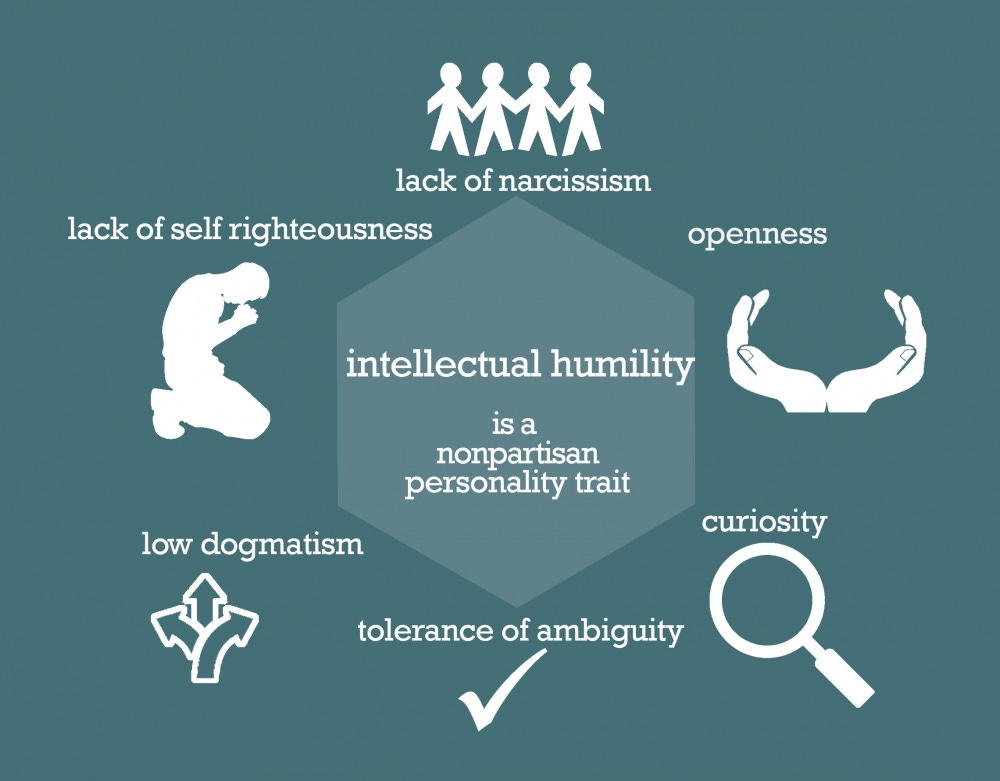
Haidt’s work on moral foundations helps explain this phenomenon. Progressive and conservative worldviews are built on different moral intuitions, but both can be taken to extremes. The key to avoiding ideological capture is intellectual humility—the ability to recognize that no belief system has a monopoly on truth and that reason itself can be weaponized for tribalism.

John Stuart Mill warned of this centuries ago: the greatest threat to truth is not outright censorship but the cultural and social pressures that make certain ideas unspeakable. Greg Lukianoff and Jonathan Haidt’s The Coddling of the American Mind echoes this concern, showing how overprotective thinking and emotional reasoning have created a generation that confuses disagreement with harm.

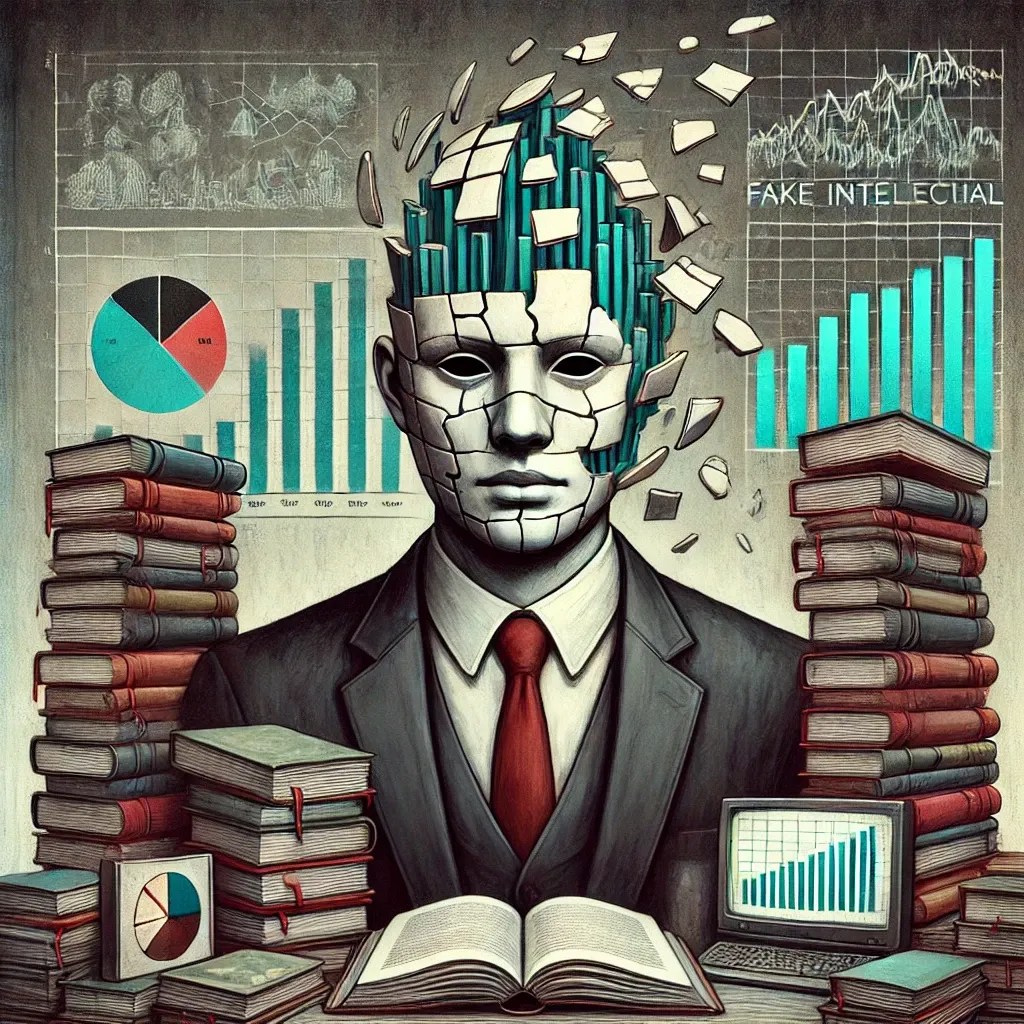
Franklin O’Kanu’s concept of the “fake intellectual” is particularly relevant here—people who claim to be champions of free thought while aggressively enforcing ideological orthodoxy.

In this episode, through my experience with Brandie, I’ll illustrate how skepticism is selectively applied, and how ‘critical thinking’ communities can become just as dogmatic as the systems they reject. And unlike Hassan or Lalich, my connection with Brandie was personal. And that’s why I felt this warranted an entire podcast episode. Because what happened with her is a microcosm of a larger issue: people leaving high-control spaces only to re-enter new ones. They are convinced that this time, they’ve finally found the “truth.” Spoiler alert: that’s not how truth works.

So, let’s talk about it.


Blocked for Asking Questions

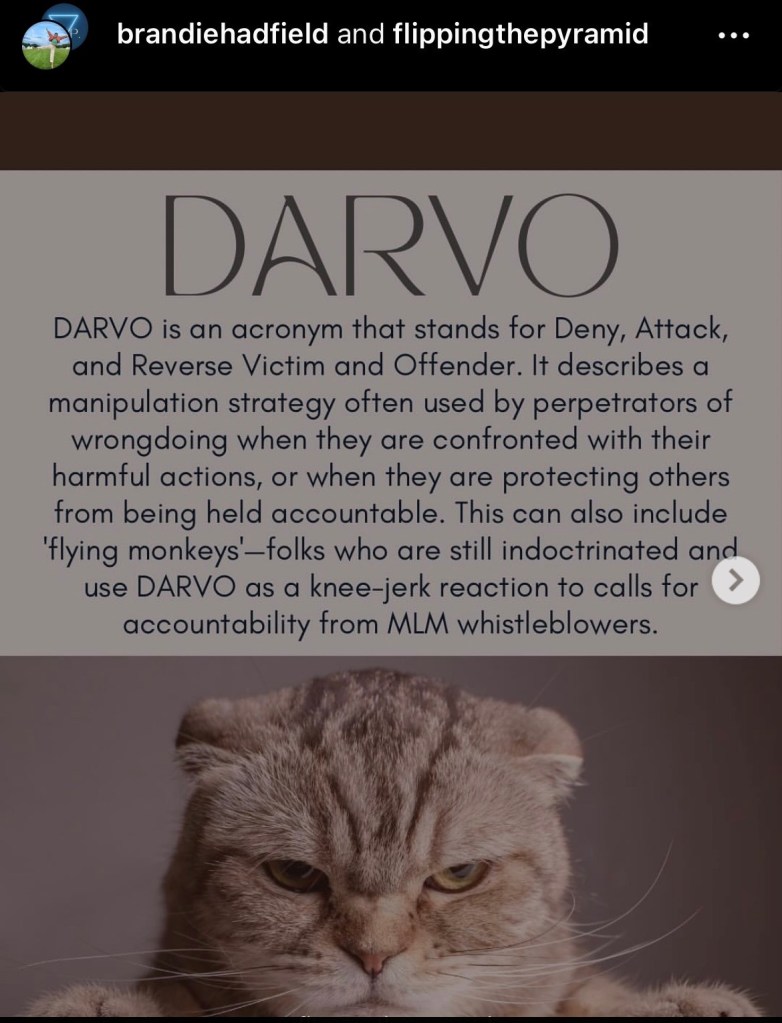
Recently, Brandie posted on Instagram about DARVO—a psychological tactic where abusers Deny, Attack, and Reverse Victim and Offender to avoid accountability. I agree that MLMs use DARVO. But I wanted to add friendly pushback, that I’ve noticed anti-MLM advocates use similar tactics to silence critics—especially when it comes to questioning the food industry— but she had turned the comments off.

So I went to Substack, wrote a note, tagged her and asked for us to have a discussion. and that’s when she blocked me. Not for being aggressive. Not for being rude. But for questioning her narrative.

So much for open conversation.

DARVO: The Classic Manipulation Tactic

DARVO stands for Deny, Attack, Reverse Victim and Offender—a tactic frequently used by abusers, cult leaders, and high-control groups when they’re called out. It flips accountability on its head, making the person asking legitimate questions seem like the aggressor while the actual manipulator plays the victim.

How MLMs Use DARVO

Multi-Level Marketing (MLM) schemes thrive on DARVO because their entire business model is built on deception. Here’s a classic example:

  1. Deny – A distributor is confronted with the fact that 99% of people in MLMs lose money. Instead of addressing the data, they deny it completely:
    “That’s just a myth! I know tons of people making six figures!”
  2. Attack – When pressed further, they go on the offensive, accusing the skeptic of being negative or jealous:
    “Wow, you’re so close-minded. No wonder you’re not successful!”
  3. Reverse Victim and Offender – Finally, they paint themselves as the victim and the questioner as the bully:
    “I’m just a woman trying to build a business and empower others. Why are you trying to tear me down?”

This tactic shuts down meaningful discussion and keeps people trapped in a system that exploits them.

Do you know what else exploits individuals? Fear and propaganda.

I saw this firsthand in a recent conversation with a friend who’s deeply entrenched in leftist ideologies and what I’d call “Trump Derangement Syndrome.” She shared a post warning people to change their bank accounts because of a false claim that Elon Musk’s staff had access to personal financial data. I pointed out that the post was misinformation, but instead of engaging with the facts, the conversation quickly shifted in a way that mirrors the DARVO tactic.

First, she denied that the post could be harmful or misleading. Then, she attacked me for not understanding the larger “fear” that people are feeling in the current political climate. Finally, she reversed the roles, casting herself as the victim of a chaotic world and me as the one creating unnecessary tension by questioning the post.

This is a textbook example of DARVO, a tactic that deflects accountability, shifts blame, and keeps people trapped in fear-driven narratives. It keeps them from having honest, fact-based conversations and prevents any real understanding of what’s going on around them.

How Brandie Used DARVO on Me

Ironically, despite being an anti-MLM advocate, Brandie used the exact same manipulation tactics when I pushed back on some of her positions. This is a woman who criticizes manipulative marketing tactics in MLMs, yet here she was, employing the very same tactics in our discussion. It’s a stark example of how these patterns can be so ingrained that even those who oppose them can fall into using them.

Deny – When I questioned her promotion of dietitians who endorse processed foods like Clif Z Bars (which recently faced a class-action lawsuit for misleading health claims), she refused to acknowledge the legitimate concerns. Instead, she dismissed it by claiming that caring about food ingredients was more stressful for the body than just eating the food itself—a false dichotomy that undermines any nuance in the conversation, especially when she often critiques the same logical fallacy in other contexts.

Attack – Rather than engaging with my points, she made it personal, implying that I was being antagonistic or bad-faith for even questioning her stance.

Reverse Victim and Offender – Finally, when I didn’t back down, she blocked me, flipping the narrative to make it seem like I was the one causing harm simply by asking questions.


When Therapy Becomes Thought Control: The Weaponization of Mental Health

What makes this dynamic even more interesting is that both my friend in Portland and Brandie, an anti-MLM advocate, are therapists. These conversations have all unfolded within a culture that professes to value feelings, emotional well-being, and mental health awareness. More people are going to therapy than ever before, and an increasing number of people are training to become therapists—mostly women. Currently, around 70-80% of psychologists and therapists are female, and those seeking help are also more likely to be female.

The field has increasingly become a vehicle for ideological activism. Dr. Roger McFillin has spoken extensively about this shift, describing how therapy now often reinforces victimhood narratives rather than fostering resilience. Instead of helping clients process experiences and build coping skills, many therapists nudge them toward predetermined ideological conclusions—especially in areas of identity, oppression, and systemic injustice.

This shift has eroded one of psychology’s most fundamental ethical principles: informed consent. Clients, particularly young and vulnerable individuals, are often funneled into ideological frameworks without realizing it. Under the guise of “affirming care” or “social justice-informed therapy,” therapists may subtly guide them toward specific worldviews rather than offering a full range of perspectives. What should be a process of self-discovery instead becomes thought reform, where questioning the prevailing narrative is framed as harmful or regressive.

Therapy is no longer just political—it has become a mechanism of enforcement. We see this in counseling programs that demand ideological conformity from students, in therapists who blur the line between clinical work and activism, and in public figures like Janja Lalich and Steven Hassan, who claim to expose undue influence while engaging in the same tactics. This is ideological gatekeeping disguised as expertise.

Rather than fostering open exploration, the field is increasingly defined by rigid dogma. Questioning the dominant ideology isn’t framed as critical thinking—it’s labeled as resistance, ignorance, or even harm. And when that happens, dissenting voices aren’t debated; they’re erased. If this trend continues, therapy won’t just be a tool for self-improvement. It will be a tool for social control. It already is.


The Hypocrisy of Selective Skepticism

Brandie and the anti-MLM crowd claim to combat misinformation, yet they overlook a significant issue: the influence of Big Food and Big Pharma on public health narratives.

On her social media story and in private conversations, Brandie has defended dietitians who actively promote ultra-processed foods. Some registered dietitians with large platforms endorse products like Hawaiian Punch and Clif Z Bars as acceptable—even healthy—options.

Clif Z Bars, for example, were recently involved in a $12 million class action settlement for falsely marketing their products as “healthy and nutritious.” These bars are 37% added sugar, essentially sugar bombs.

Yet, a dietitian Brandie supports feeds these bars to her young children, publicly calling them a “healthy snack.” Why is this not considered misinformation?

A deeper issue lies in the conflicts of interest within the nutrition field. 95% of the 2020 U.S. Dietary Guidelines Advisory Committee members had conflicts of interest with the food and pharmaceutical industries. Many had financial ties to corporations like Kellogg, Abbott, Kraft, Mead Johnson, General Mills, and Dannon. Similarly, a 2023 report by U.S. Right to Know revealed that 65% of the 2025 Dietary Guidelines Advisory Committee had high-risk or medium-risk conflicts of interest with industry actors like Novo Nordisk, the National Dairy Council, Eli Lilly, and Weight Watchers International.

Interestingly, both Clif Z Bars and Hawaiian Punch—the two foods mentioned in this discussion—are owned by Mondelēz International, a company that has faced scrutiny over its ties to government-advising scientists and other potential conflicts of interest. This raises an important question: How much of what we’re told by credentialed experts is shaped by corporate influence rather than unbiased science?

These conflicts of interest raise serious concerns about industry influence over public health recommendations. Yet, if you question this, you’re labeled anti-science.

This kind of blind faith in authority is no different from religious dogma. The pursuit of truth should always leave room for debate. This also highlights why blindly trusting “credentialed experts” is insufficient. Degrees and titles don’t guarantee that recommendations are free from corporate influence.

Rather than acknowledge these conflicts, Brandie and her followers discredit those asking valid questions, often accusing them of using the “Just Asking Questions” fallacy.

The “Just Asking Questions” Fallacy

A common tactic used to dismiss skepticism is labeling it as the “Just Asking Questions” (JAQ) fallacy. This fallacy occurs when people imply that merely questioning an issue is a form of misinformation or bad faith argumentation.

Many dietitians and anti-MLM advocates are deeply entrenched in mainstream narratives on topics like vaccine safety, climate change, and pharmaceutical efficacy. When skeptics ask pointed questions about these subjects, they are often accused of using JAQing off—a term that suggests they are sowing doubt without providing counter-evidence. The accusation assumes that asking difficult questions is inherently conspiratorial, rather than a legitimate means of inquiry.

But skepticism is not the same as denialism. Critical thinking demands that we interrogate all claims—especially those made by institutions with financial or ideological incentives. Dismissing questions outright only serves to protect entrenched power structures.


The Counterpoint: Intellectual Humility and the Dogma of Data

While it’s vital to engage critically with the information we’re presented, it’s equally crucial to consider the potential pitfalls of blind adherence to any ideology—whether it’s religious, political, or scientific. In the modern age, science and data have often become the new forms of dogma. The scientific community, which prides itself on skepticism and inquiry, is sometimes treated as an unassailable authority—leaving no room for dissent or alternative perspectives.

The worship of science and data as infallible can feel eerily similar to religious dogma. It demands conformity in the name of progress, dismisses alternative viewpoints, and often shuts down debate—all while asserting that it’s in the name of critical thinking and rationality. In this system, the pursuit of truth can ironically become an exercise in tribalism and intellectual rigidity.

What is critical to recognize is that science and reason themselves are not immune to bias, corruption, or influence. Take, for example, the “revolving door” between regulatory agencies and the pharmaceutical industry, which compromises the integrity of public health policies. This conflict of interest is a significant factor in the mistrust surrounding many mainstream health recommendations, especially when we see how corporate interests shape the outcomes of clinical trials, the approval of drugs, or public health initiatives.

Take the nutrition field, for example. The dietitian mentioned earlier endorses Clif Z Bars for her young children, but if you challenge this, you’re accused of being anti-science or fear-mongering.

Similarly, when figures like RFK Jr. highlight pharmaceutical industry ties to regulatory agencies, critics don’t engage with the data. Instead, they attempt to discredit the person asking the questions.

The Real Issue is Deception from Trusted Intuitions

The real misinformation often stems from corporate-backed institutions. Public trust in physicians and hospitals fell from 71.5% in April 2020 to 40.1% in January 2024—not due to misinformation, but because people witnessed firsthand the contradictions, shifting narratives, and financial incentives behind public health decisions. Trust is eroded by deception, not by questioning.

RFK Jr. isn’t “sowing doubt” for the sake of it. He’s pointing out documented cases where pharmaceutical companies have manipulated clinical trials, buried adverse data, and exercised significant influence over regulatory bodies. His book The Real Anthony Fauci outlines a heavily researched case against the unchecked power of Big Pharma and its ties to government agencies. If his claims were false, he would face lawsuits, yet his work continues to spark vital discussions.

True skepticism means demanding better science, not blindly trusting authority. The real danger lies in silencing those who ask critical questions.


Big Food and the Shaming of Health Advocates

A recent study has revealed something I find all too familiar: intimidation tactics used by industries like Big Tobacco, ultra-processed food companies, and alcohol sectors to bully and silence researchers, whistleblowers, and anyone challenging their agenda. This tactic—used by Big Food to discredit critics—reminds me of the way people are shamed or bullied for questioning processed foods or advocating for healthier diets. If you’ve ever pointed out the risks of sugary snacks or fast food, you’ve probably been labeled an extremist, a health-obsessed “wellness warrior,” or worse, a “purity culture” advocate. I can’t help but feel this is just another form of gaslighting, where we’re told that it’s worse to worry about the ingredients in our food than it is to consume those ingredients, even if they are known to contribute to chronic health conditions.

Ironically, this kind of manipulation is the same strategy Big Tobacco used for decades to muddy the waters around the health risks of smoking. And now, ultra-processed food companies are doing the same thing—distracting us from the very real, documented consequences of a poor diet.


Why We Need to Trust Ourselves, Not JUST the Experts

What frustrates me is how the anti-MLM community often jumps on wellness advocates who want to clean up their diets for health reasons. While I agree that MLMs are a breeding ground for manipulation, this should not mean we ignore the very real need to question the food industry’s stranglehold on our diets and health. It’s vital to recognize that not all experts have your best interests at heart. Many of the mainstream recommendations we’re told to follow come from organizations or industries with questionable motives—whether it’s Big Pharma, Big Food, or Big Tobacco. These same industries have a long history of misleading the public, and many of their experts are bought and paid for by corporate interests.

Wanting to improve your diet to manage or reverse chronic health conditions shouldn’t be dismissed as obsessive or extreme. It’s a rational, self-preserving choice that empowers you to take control of your health, even when the mainstream narrative tells you otherwise.


Is This Healing or Just Another High-Control Belief System?

Brandie often talks about “cult recovery” and the importance of psychological resilience. But is she really modeling resilience? Because true resilience isn’t about avoiding discomfort—it’s about engaging with it, questioning your own biases, and standing firm in discussions, even when they challenge your worldview.

Instead, she’s teaching people to coddle their minds. To create ideological echo chambers where questioning the “right” experts is heresy. To avoid any perspective that might cause discomfort. If she’s teaching people to avoid discomfort rather than work through it, I’m not sure how that aligns with the principles of ethical psychotherapy.

True healing requires grappling with discomfort, not running from it. When you teach people to shut down their discomfort rather than confront it, you’re not promoting growth—you’re just pushing them into another high-control belief system.

That’s not healing. That’s just another form of control.

And let’s be real—if your response to fair, thoughtful criticism is to shut down the conversation and block people who used to support you, you haven’t actually deconstructed anything. You’ve just built a new echo chamber with different branding.


The Bigger Picture

This isn’t just about Brandie. It’s about a larger pattern I see in the deconstruction and anti-MLM communities. Many of them claim to be freeing minds, but in reality, they’re just recruiting people into a different kind of ideological purity test.

The message is clear: You’re allowed to be skeptical, but only in the “approved” ways.

That’s not intellectual freedom. That’s just another cult.


Where Do We Go From Here?

We need real conversations about manipulation and misinformation—whether it comes from MLMs, Big Food, Big Pharma, or influencer dietitians who profit from pushing corporate-backed narratives. It means we need to question everything—without replacing one unquestionable authority with another. And we need to be willing to hold all forms of power accountable, not just the ones that fit neatly into our existing beliefs.

Because if we’re not careful, we’ll escape one high-control group only to fall right into another.

Sources:

Reclaiming Critical Thinking in an Age of Narrative Warfare

How Media Manipulation and Pseudo-Intellectualism Are Undermining Independent Thought

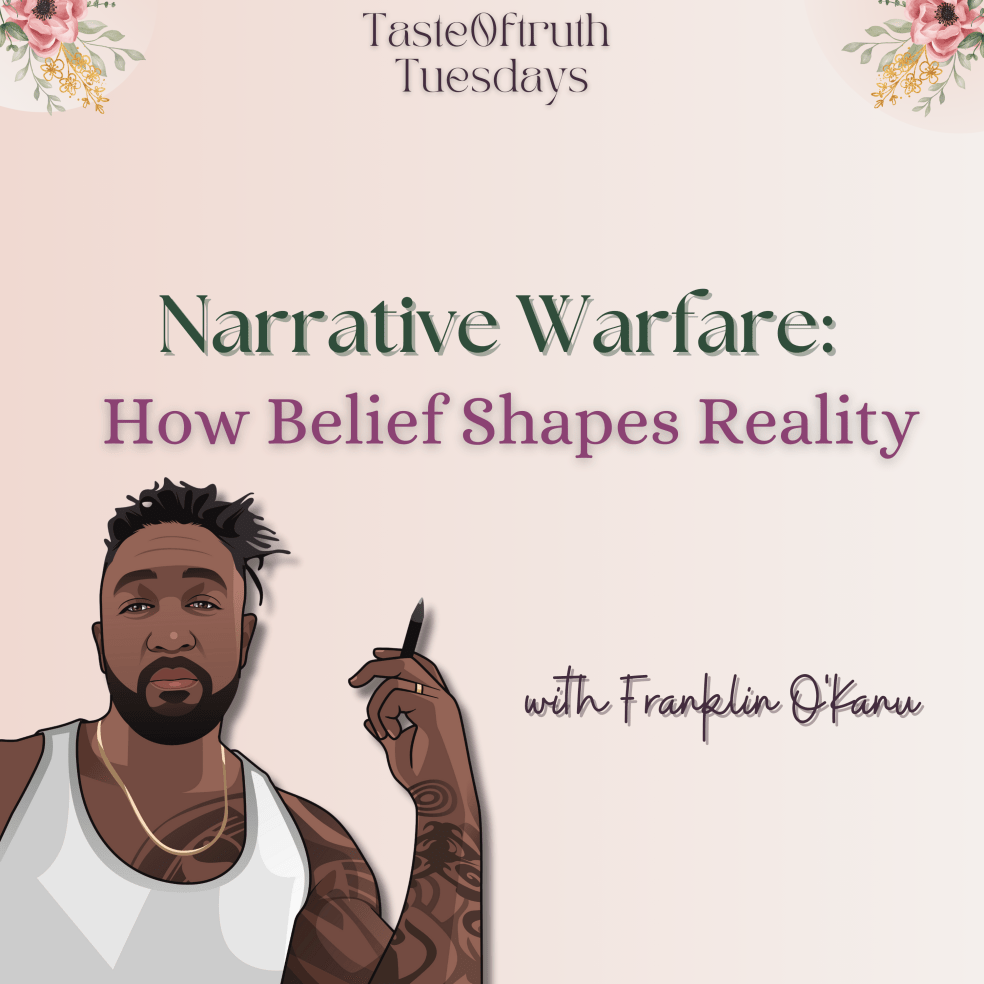
In today’s episode of Taste of Truth Tuesdays, I sit down with Franklin O’Kanu, also known as The Alchemik Pharmacist, to unpack one of the most pressing issues of our time: the erosion of critical thinking. Franklin, founder of Unorthodoxy, brings a unique perspective that bridges science, spirituality, and philosophy. Together, we explore how media narratives, pseudo-intellectualism, and societal conditioning have trained people to ignore their inner “Divine BS meter” and simply accept what they’re told.

The Death of Critical Thinking

As Franklin points out, we’ve lost the ability to thoughtfully absorb and analyze information. The past few years have conditioned individuals to disregard anything that doesn’t align with mainstream sources, experts, or consensus. Instead of engaging with information critically, many have been taught to dismiss it outright. The result? A culture that values conformity over curiosity and blind acceptance over intellectual rigor.

We discuss how this shift has been accelerated by media bombardment, especially during the pandemic. The New York Times even published an article on critical thinking, but instead of encouraging intellectual engagement, it suggested that questioning mainstream narratives is dangerous. This is narrative warfare at its finest—manipulating public perception to ensure that only “approved” ideas are given legitimacy.

The Power of Narratives: How Ideological Echo Chambers Shape Reality

Franklin O’Kanu often cites James Corbett’s work on media’s role in shaping public perception as a major inspiration behind his Substack. Corbett’s central thesis is simple: narratives build realities—and whoever controls the dominant narrative controls public thought. Nowhere is this clearer than in the nihilistic messaging that dominates left-leaning social media platforms like Meta. The idea that humans are an irredeemable blight on the planet has been mainstreamed, despite evidence to the contrary.

This same unquestioning adherence to an ideological narrative played out during the pandemic with phrases like “Trust the science” and “Don’t do your own research.” I explored this trend in my Substack, particularly through the lens of so-called ‘cult expert’ Steven Hassan. Hassan built his career exposing ideological manipulation, branding himself as the foremost authority on cult mind control. But here’s the irony: while he calls out high-control religious groups, he seems completely blind to the cult-like tactics within his own political ideology.

Information Control: Censoring ‘Dangerous’ Ideas

Hassan’s BITE model—which stands for Behavior, Information, Thought, and Emotional control—is designed to help people recognize manipulation.

In cults, leaders dictate what information followers can access. The extreme left does the same.

  • Censorship of Opposing Views – Deplatforming, banning books, firing professors—if an idea threatens the ideology, it’s labeled “harmful” and shut down.
  • Historical Revisionism – Complex events are reframed to fit simplistic oppression narratives, ignoring inconvenient facts.
  • Selective Science – Only research that supports the ideology gets funding and visibility. Studies on biological sex differences, IQ variations, or alternative climate models? Silenced or retracted—not because they’re disproven, but because they’re inconvenient.
  • Discouraging Exposure to Counterarguments – Followers are taught that listening to the other side is “platforming hate” or “giving oxygen to fascism.”

This is exactly what happened when Franklin challenged the mainstream climate change narrative. The moment he questioned NetZero policies, he wasn’t just hit with the usual accusations: “climate denier,” “science denier,” and the ever-expanding list of ideological insults meant to discredit rather than debate, but he was blocked. This is how bad ideas survive—by shutting down the people who challenge them.

Franklin warns that if you’re not careful, these narratives can take you down a dark rabbit hole built on lies. Once an ideological framework is built around selective truth, it becomes a self-reinforcing system—one that punishes dissent and rewards conformity. And once you let someone else dictate what information is “safe” for you to consume, you’re already in the first stages of ideological capture.

The Rise of the Fake Intellectual

Platforms like Facebook/Instagram/YouTube have perfected the illusion of intellectual discourse while actively suppressing opposing voices. This has led to what Franklin calls the fake intellectual—individuals or organizations that present themselves as champions of knowledge but ultimately serve to shut down real dialogue.

Fake intellectuals don’t invite discussion; they police it. They rely on appeals to authority, groupthink, and censorship to maintain an illusion of correctness. True intellectualism, on the other hand, is rooted in curiosity, openness, and the willingness to engage with challenging perspectives.

Reclaiming Intellectual Integrity

One of the most powerful insights from our discussion is the role belief plays in shaping our world. Franklin warns that when we accept narratives without scrutiny, we risk being deceived. This applies across industries—medicine, science, finance, and even religion. These systems function because people believe in them, often without verifying their claims. But if we fail to question these narratives, we become passive participants in a game where only a select few control the rules.

So, how do we resist narrative warfare and reclaim critical thinking? Franklin suggests:

  • Cultivating intellectual humility—being open to the possibility that we might be wrong.
  • Recognizing media manipulation—understanding how information is curated to shape public perception.
  • Engaging with diverse perspectives—actively seeking out voices that challenge our beliefs.
  • Trusting our own discernment—developing the confidence to think independently instead of outsourcing our opinions to authority figures.

Franklin expands on this in his writings, particularly in his two articles, How to See the World and How to Train Your Mind. As he puts it, “We all have these voices in our heads. Philosophy is really just understanding the reality of the world, and there’s a principle in philosophy—keep things as simple as possible.” He breaks it down like this:

  • You are a soul. That’s the foundation. If every child grew up knowing this, it would change the way we see ourselves.
  • You have a body. Your body exists to experience the physical reality of the world.
  • You have a mind. Your mind is an information processor that collects input from your senses. But it also generates thoughts—sometimes helpful, sometimes misleading.

Franklin uses a simple example: Is my craving for ice cream coming from my body, my mind, or my soul? That question highlights the need to discern where our impulses originate. He extends this concept to online interactions: How many thoughts do we have just from seeing something online? How many narratives do we construct before our soul even has a chance to process reality?

Online spaces, Franklin argues, give rise to what he calls the “inner troll.”🧌 He connects this to the spiritual concept of demons—forces that seek to provoke, enrage, and divide. “Think about the term ‘troll,’” he says. “What is that, really? It’s an inner demon that gets let loose online. The internet makes it easy for our worst instincts to take over.”

So, what’s the antidote? Franklin emphasizes the importance of the pause. Before reacting to something online, before getting swept into outrage, take a step back. Ask: What is happening here? What am I feeling? Is this a real threat, or is my mind generating a reaction?

“It’s extremely hard to do online,” Franklin admits. “But when we practice stepping back, we can respond more humanely—more divinely. That’s the key to reclaiming critical thinking in a world that thrives on emotional manipulation.”

The digital age bombards us with narratives designed to capture our attention, manipulate our emotions, and direct our beliefs. But we are not powerless.

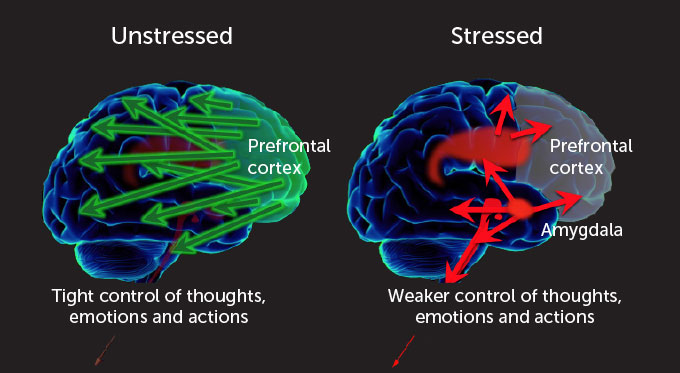
On an episode last season, we discussed a concept I learned from Dr. Greg Karris—something he calls narcissistic rage in fundamentalist ideologies. It helped me understand why people react so viscerally when their beliefs are challenged. My friend Jay described a similar idea as emotional hijacks, tying it to the amygdala’s response. This concept also appears in Emotional Intelligence 2.0 by Daniel Goleman and is expanded upon in Pete Walker’s Complex PTSD.

When the amygdala gets triggered—exactly what Franklin was describing—we have to learn to recognize the physical sensations that come with it. Elevated heart rate. Sweaty palms. That’s your body sounding the alarm. But in that moment, your prefrontal cortex—the part responsible for logic and rational thinking—is offline. Your biology is overriding your soul’s intention. And that’s why taking a step back is so crucial.

The best way to get your higher reasoning back online? Create space. Pause. Let the emotional surge settle before you engage. As simple as it sounds, it’s one of the hardest things to do. But in a world where reactionary thinking is the default, practicing this skill is an act of rebellion—and a path to reclaiming our intellectual and emotional sovereignty.


Next, Franklin and I dive into a pressing issue: The Coddling of the Mind in society—a theme I’ve explored numerous times on the podcast and in my blogs. Franklin brings up a fascinating point, saying, “One thing that’s happened with COVID, though it started before, is the softening of humanity. We’ve become so soft that you can’t say anything anymore. And what that’s done is pushed away true intellectual rigor. We used to be able to sit and share ideas, but now we’re obsessed with safe spaces. And this started on college campuses.”

Franklin’s observation taps into a broader cultural shift that has eroded the foundations of intellectual engagement. In the past, people could engage in discussions where the goal wasn’t necessarily to convince others, but to explore ideas, challenge assumptions, and learn. The push for safe spaces—often an attempt to shield individuals from discomfort or offense—has inadvertently led to the silencing of open debate. In this environment, people have become more focused on avoiding offense than on confronting difficult ideas or engaging in intellectual rigor. This dynamic, Franklin argues, has stripped away the very essence of what it means to debate, discuss, and learn.

This idea echoes themes explored in Gad Saad’s The Parasitic Mind, where Saad delves into how certain ideologies undermine intellectual diversity and critical thinking. Franklin builds on this, urging that true intellectual growth comes from understanding where someone is coming from, even if their views differ from your own. “Learn what happened to individuals to understand how they arrived at their conclusions,” he says. “Remove personal bias and avoid attacks. Only then can you critique the point effectively, offering counterpoints that strengthen both arguments and allow experiences from both sides to shine.” This approach, Franklin explains, fosters a more nuanced understanding of each other’s perspectives, allowing both sides to learn and grow rather than simply entrenched in opposing views.

This fragility encourages echo chambers and groupthink, where dissent is silenced, and alternative perspectives are rejected outright. Ironically, in the pursuit of empathy, freedom, and inclusivity, movements like deconstruction can end up mirroring the same intellectual and moral rigidity they sought to escape.

I could continue typing out the entire conversation, or you could just listen. 🙂

In an age where the appearance of truth is often prioritized over truth itself, our ability to think critically is more important than ever. This episode is an invitation to break free from intellectual complacency and reclaim the power of questioning.


Article mentioned in the interview:

Why Challenging Beliefs Feels Like a Personal Attack—And Why It Shouldn’t

From religion to politics, why deeply held beliefs trigger defensiveness, outrage, and even hostility—and how we can foster better conversations.

We all have seen how the internet seems to bring out everyone’s inner troll. 🧌

The moment a deeply held belief—whether religious or political—is questioned, people lash out with hostility, aggression, or outright rage. Why does this happen? Why do some people react as if their very identity is under attack?

This past summer, we sat down with Dr. Mark Gregory Karris to explore religious trauma, belief deconstruction, and the psychological grip of fundamentalist ideology.

This season on Taste of Truth, we have been expanding the conversation—because this isn’t just about religion. Political ideologies, social movements, and even scientific debates can trigger the same defensive responses.

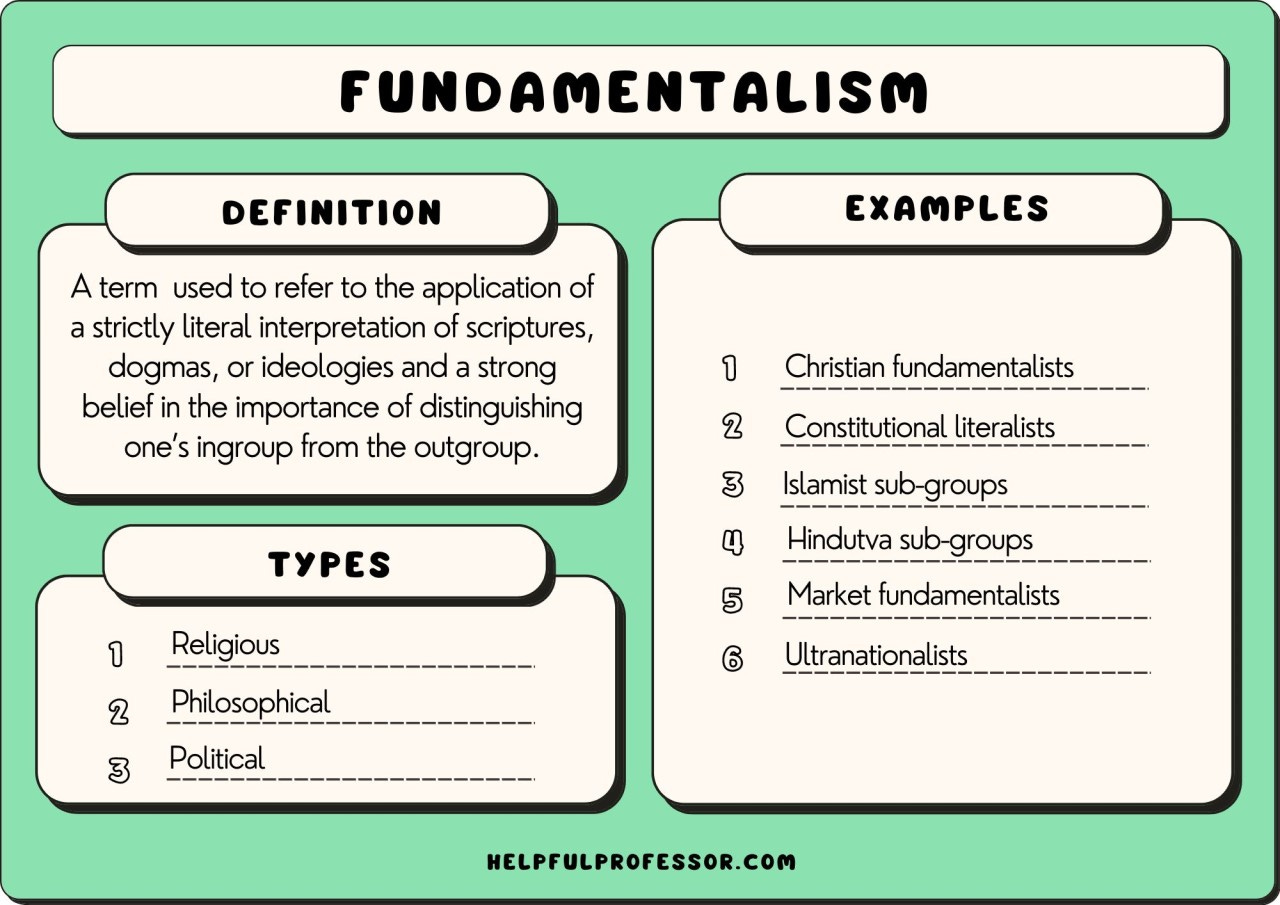
Fundamentalist thinking—whether in religion or politics—creates a fear-driven, us-vs-them mentality.

At its most basic, the allure of fundamentalism, whether religious or ideological, liberal or conservative, is that it provides an appealing order to things that are actually disorderly. -Peter Mountford

This hits at something crucial that I’ve written about numerous times before: the human brain craves order, even in the face of chaos. The illusion of control is a powerful psychological driver, and our brains reward it with dopamine. Fundamentalist thinking offers a structured, black-and-white framework that feels safe and predictable, making it incredibly appealing—especially in times of uncertainty. It’s why people cling even harder to rigid beliefs when they feel threatened. Whether in faith or politics, the need for certainty can override openness to new information, leading to the defensive reactions we see when those beliefs are questioned.

The moment someone questions the “truth,” it’s perceived as an existential threat, triggering anxiety, cognitive dissonance, and sometimes outright hostility.

Take a look at the patterns:

  • Verbal Attacks: When someone questions a core belief, the response can be insults, shouting, or belittling. For example, in religious circles, someone questioning doctrine might be labeled a heretic, while in political spaces, dissenters might be called traitors or bigots.
  • Social Ostracism: In both fundamentalist religious and political groups, those who challenge the status quo risk being shunned, excommunicated, or “canceled.” A former churchgoer who deconstructs their faith may be cut off from their community, just as someone who questions ideological orthodoxy in politics might lose social standing, friendships, or even career opportunities.
  • Online Harassment: Social media amplifies these reactions. Question a sacred political narrative? Expect dogpiling. Challenge a religious doctrine? Brace yourself for moral outrage. The internet rewards ideological purity and punishes deviation.
  • Physical Aggression: In extreme cases, questioning or challenging deeply held beliefs can escalate to threats or violence. History is littered with examples—holy wars, political purges, ideological revolutions—all stemming from the belief that certain ideas must be defended at any cost.

This isn’t just about bad behavior—it’s about psychology. When beliefs become intertwined with identity, disagreement feels like a personal attack. Fundamentalist teachings—whether religious or ideological—reinforce this by instilling fear of deviation:

  1. Fear of Deviation – Straying from the accepted belief system is framed as dangerous, whether it’s framed as spiritual damnation or societal collapse.
  2. Cognitive Dissonance – Encountering opposing viewpoints creates internal discomfort, making people double down rather than reconsider.
  3. Fear of Consequences – Whether it’s eternal hellfire or being cast out by one’s political tribe, the cost of questioning is framed as too high.
  4. Identity Threat – When beliefs define self-worth, changing one’s mind feels like losing a part of oneself.
  5. Social Pressure – Communities reinforce conformity, and breaking from the group’s ideology invites punishment.

When Morality Binds and Blinds

In The Righteous Mind, Jonathan Haidt explains how moral systems don’t just guide our sense of right and wrong—they also bind us to our tribes and blind us to opposing perspectives. Morality evolved not just to help individuals make ethical choices but to reinforce group cohesion. When we share a moral framework with others, it strengthens social bonds and builds trust. But there’s a cost: once we’re deeply embedded in a moral community—whether religious, political, or ideological—we stop seeing outside perspectives clearly.

This is why people react with such hostility when their beliefs are challenged. They aren’t just defending a set of ideas; they’re defending their sense of identity, belonging, and moral righteousness. A challenge to the belief feels like a challenge to the self—and to the entire group they’re part of.

This also explains why fundamentalist thinking isn’t confined to religion. Political movements, activist groups, and even secular ideologies can exhibit the same rigid certainty, group loyalty, and hostility toward outsiders. The more a belief system becomes tied to identity, the more resistant it is to change—and the more aggressive the response when it’s questioned.

The antidote? Intellectual humility. The ability to recognize that our beliefs, no matter how deeply held, might be flawed. That truth-seeking requires engaging with discomfort. That real conversations happen not when we dig in our heels but when we’re willing to ask, What if I’m wrong?

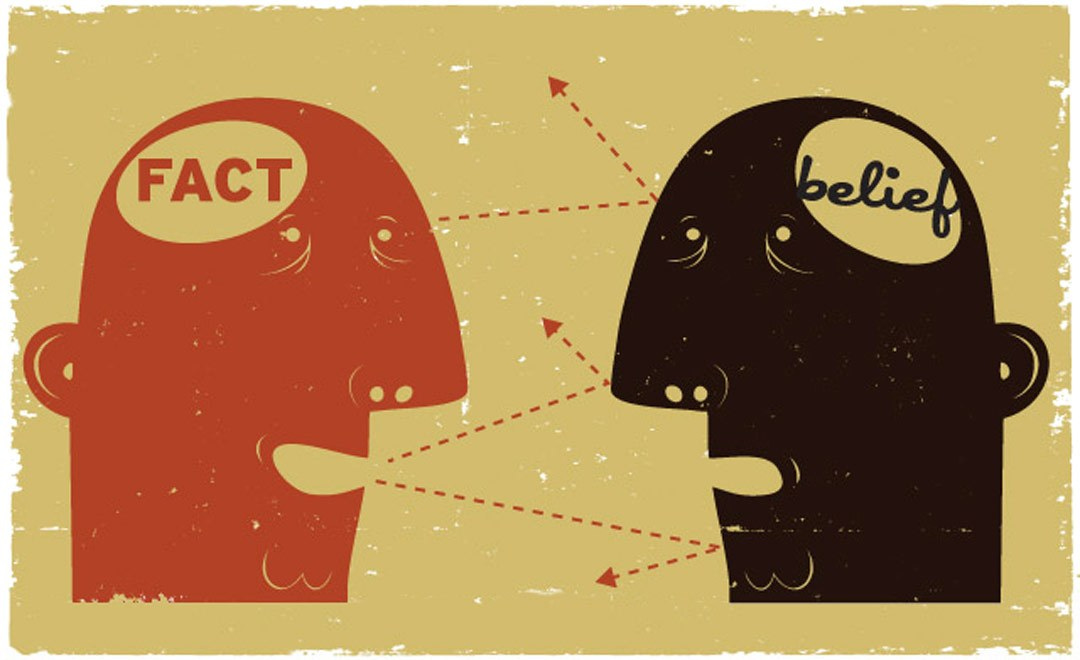
These dynamics explain why deconstruction—whether of faith or political ideology—often leads to intense backlash. It also reminds me of our conversation with Neil Van Leeuwen, author of Religion as Make-Believe. He pointed out that factual beliefs thrive on evidence, but religious and ideological beliefs function differently. When a belief becomes part of group identity, truth often takes a backseat. In fact, sometimes falsehoods serve the group better because they reinforce belonging.

To close down the conversation, let’s talk about healthy communities—whether religious, political, or social—embrace intellectual humility. Here’s what that looks like:

  • Open Dialogue: Encouraging respectful conversations where differing perspectives are explored rather than attacked.
  • Supportive Community: Allowing for questions, doubts, and evolving beliefs without fear of punishment.
  • Personal Reflection: Cultivating a mindset that prioritizes growth over ideological purity.
  • Interdisciplinary Engagement: Seeking insights from multiple fields rather than reinforcing an echo chamber.

By recognizing these patterns, we can navigate our own beliefs with more self-awareness and engage in discussions that foster curiosity rather than hostility. The question isn’t whether we hold tightly to certain beliefs—it’s whether we’re willing to interrogate why.

So, what’s one belief you’ve held onto tightly that you later questioned?

Let’s talk about it in the comments.

Escaping Dogma or Trading It? The Risks of Deconstruction Culture

For many, the term “deconstruction” has come to represent a deeply personal process of questioning inherited beliefs, especially in the context of religion. While there’s no official “deconstruction community,” it has become a popular buzzword online, flourishing in spaces like Instagram, TikTok, and podcasts. (The New Evangelicals, Dr. Pete Enns (The Bible for Normal People), Eve was framed, Jesus Unfollower, Dr. Laura Anderson just to name a few.) These platforms provide room to question everything and dismantle rigid systems of belief—at least in theory.

But what happens when these communities become echo chambers of their own? Instead of fostering true intellectual freedom, the deconstruction movement often serves as a pipeline into new forms of dogma. Rather than encouraging critical thinking, it frequently replicates the same tribalism and groupthink that so many participants are trying to escape.

This is not growth. It’s trading one set of chains for another.


From Evangelicalism to Progressive Extremism

It’s ironic: people leave far-right evangelical Christianity believing they’ve found freedom, only to stumble into another extreme—progressive leftist ideologies. Why does this happen?

To understand this, we need to step back and look at human nature. Political scientists have found that public opinion is shaped far more by group identity than by self-interest. As Jonathan Haidt explains in The Righteous Mind, politics is deeply tribal. We’re hardwired to align with groups, not necessarily because they offer truth, but because they provide belonging.

This tribal impulse is magnified in the context of deconstruction. Many who leave evangelical Christianity are grappling with disillusionment, loss, and a hunger for community. For some, the progressive left offers a sense of safety and a clear moral framework, mirroring what they once found in their faith. The partisan brain, already trained to see the world in “us versus them” terms, naturally clings to another tribe rather than embracing the discomfort of uncertainty.

Research even suggests that extreme partisanship may be addictive. Our brains are rewarded for performing the mental gymnastics that protect us from beliefs we don’t want to confront. This dynamic—coupled with the fear of being ostracized by a new community—creates an environment where dissenting voices are silenced, and ideological purity becomes the new gospel.

Woke Ideology as a Secular Faith: A Closer Look

John McWhorter argues that wokeism functions like a full-fledged religion. It provides a moral framework that mirrors traditional religious beliefs. Instead of concepts like original sin, wokeism offers “privilege,” positioning those with it as morally compromised. In place of rituals like prayer, adherents perform acts like confessing their biases. And, similar to the salvation promised in traditional religions, salvation in wokeism comes through activism and striving for societal change. For McWhorter, this structure offers a sense of moral clarity and purpose, but the movement’s refusal to tolerate dissent makes it dangerous. He suggests, “What we’re seeing isn’t a quest for justice but a demand for unquestioning orthodoxy.”

Keep your eyes 👀out for that blog post, for it will be coming soon, and it will be called “Oh Woke night, The Sacred Beliefs of the Left”


Fragility and the “Three Great Untruths”

The allure of the deconstruction space isn’t just about leaving religion; it’s about embracing a new narrative. But narratives, like dogmas, can distort reality when they’re based on false premises. Greg Lukianoff and Jonathan Haidt explore this in their book The Coddling of the American Mind, identifying three “Great Untruths” that have come to dominate cultural discourse:

  1. “What doesn’t kill you makes you weaker.”
  2. “Always trust your feelings.”
  3. “Life is a battle between good people and evil people.”

These untruths encourage fragility, discourage critical thinking, and foster an “us versus them” mentality. They create a world where discomfort is seen as harmful, emotions override evidence, and disagreement is equated with moral failure.

Sound familiar? For anyone who grew up in evangelical circles, these patterns mirror the same rigidity and moral absolutism they left behind. And yet, these same traits are now pervasive in parts of the deconstruction space. This creates an ironic cycle: people flee one form of oppression, only to adopt another, packaged in new language but rooted in the same fear-based thinking.

For a deeper dive into the 3 Untruths check out this post/podcast: How the Quest for Truth Became a New form of Dogma


Reason Isn’t the Savior We Think It Is

One of the most seductive ideas in the deconstruction movement is the belief in reason as the ultimate guide to truth. On the surface, this sounds like an antidote to dogma. But here’s the catch: reason isn’t the unbiased tool we like to imagine.

French cognitive scientists Hugo Mercier and Dan Sperber argue that reasoning didn’t evolve to help us discover truth. Instead, it evolved for argumentation—to persuade others and protect our own beliefs. This explains why confirmation bias isn’t just a quirk of human psychology; it’s a feature of our argumentative minds.

As individuals, we’re not wired to produce open-minded, truth-seeking reasoning—especially when our identity or reputation is on the line. This is why intellectual and ideological diversity is so important in any truth-seeking community. Without it, reasoning becomes a tool for reinforcing tribal loyalty, not uncovering deeper truths.

The philosopher John Stuart Mill captured this in On Liberty, arguing that free speech and open debate are essential for discovering truth. Mill believed that truth isn’t static or simple; it emerges when differing perspectives clash, forcing ideas to be tested, refined, and strengthened. Worshiping reason as an infallible guide is, in itself, a kind of faith—one as flawed and potentially dangerous as religious dogmatism.


The Rise of the Fake Intellectual

2020 and the pandemic didn’t just disrupt our lives; it disrupted how we think about authority and expertise. Franklin O’Kanu, in his Substack UNORTHODOXY, describes the emergence of a new archetype: the “fake intellectual.”

These individuals position themselves as ultimate authorities, wielding data and studies to validate their perspectives. But often, their arguments lack intellectual rigor. They cherry-pick evidence, appeal to emotion, and create the illusion of expertise without true depth.

In the realm of public health and pharmaceuticals, there’s a well-documented phenomenon known as the “revolving door” between regulatory agencies and the pharmaceutical industry. This term refers to the cyclical movement of personnel between roles as regulators or policymakers and positions within the industries they oversee.

What Is the Revolving Door?

The revolving door concept highlights a pattern where high-ranking officials from organizations such as the CDC (Centers for Disease Control and Prevention) and the FDA (Food and Drug Administration) transition into influential roles within pharmaceutical companies, and vice versa. This fluid movement raises critical questions about the integrity and impartiality of regulatory oversight.

The deconstruction space is fertile ground for this phenomenon. Disillusioned individuals, hungry for guidance, are particularly vulnerable to voices that seem authoritative. But the rise of fake intellectuals doesn’t just mislead; it stifles genuine curiosity and critical thinking, replacing one form of blind faith with another.


A Call for Intellectual Diversity

If the goal of deconstruction is freedom, then it must embrace intellectual diversity. True growth happens when we allow our ideas to be challenged—when we resist the urge to label dissenters as enemies and instead engage with them in good faith.

This is why Mill’s defense of free speech is more important than ever. Truth isn’t found in the safety of ideological purity; it’s forged in the discomfort of debate. Communities that discourage dissent are not liberating—they’re suffocating.


Conclusion: Toward True Freedom

Deconstruction should be a crossroads, not a pipeline. It’s an opportunity to question everything—including the ideologies we’re tempted to adopt in place of the ones we’ve left behind.

To truly grow, we must embrace complexity, engage with opposing perspectives, and remain humble in the face of our own limitations. The path to freedom isn’t about finding the “right” tribe—it’s about stepping beyond tribes altogether and seeking truth with courage, curiosity, and an open mind.

Understanding Trump Derangement Syndrome (TDS)

Forget your zombie apocalypse fantasies — the real outbreak is Trump Derangement Syndrome (TDS), where rational thinking flies out the window the moment “Orange Man” is mentioned. TDS has become a modern-day fever that sends reasonable minds into a frenzy. If you’ve seen this around you, you’re not alone. But let me just say, I get it! I used to be there. When Trump won in 2016, I cried. I felt the devastation, the outrage, the “what’s happening to our country?!” moment that so many others experienced. I believed the media narratives without question and wore that emotional turmoil like a badge. But then, something clicked. I started researching more carefully, looking into primary sources, seeking out independent media, and asking myself what I was really feeling about the issues rather than just repeating the party line. Over time, I saw the layers of complexity, nuance, and even hypocrisy that I’d never realized before.

Now, let’s take a deeper look at each of the TDS symptoms:

Symptoms of TDS: Diagnosing the Outrage

1. “Fascist! Racist! Sexist!”

If you so much as mention Trump in a positive light, brace yourself for the onslaught: you’re suddenly a fascist, racist, sexist, homophobic, xenophobic, bigoted conspiracy theorist out to destroy democracy. The irony? This mob is so quick to throw every name in the book that the words have lost all meaning. Their logic: if you disagree, you’re evil. How convenient.

2. Family? Friends? Disposable!

TDS has reached the point where people are cutting off family members over their voting history. Imagine tossing a lifelong friendship because Uncle Joe wore a MAGA hat. For some with TDS, Thanksgiving isn’t a holiday; it’s a battleground. It’s not just about politics anymore — it’s a moral crusade where every dissenting opinion is a betrayal. Call it selective outrage syndrome.

3. Corporate Parrot Mode Activated

When TDS takes over, suddenly the most “anti-establishment” folks turn into the establishment’s biggest fans. They unironically parrot lines from Big Pharma, media conglomerates, tech giants, intelligence agencies, the military-industrial complex, and yes, even the World Economic Forum. In their minds, anything outside these sources? A dangerous conspiracy. “Think for yourself” only applies as long as you’re thinking exactly what they’re thinking.

4. Cancel Culture Gone Wild

Got a book that challenges the status quo? Banned. Statue of a historical figure? Torn down. Art that doesn’t align with the current narrative. Erased. For TDS-ers, history is only as valid as its alignment with their worldview. It’s a never-ending purge of anything that might cause them the slightest discomfort. The new motto? If it offends, it ends.

5. Segregation 2.0

In the wild world of TDS, segregation is back — but now it’s “progressive.” We’re talking division by race, medical status, and whatever category might boost moral superiority. They claim to champion equality, but at every turn, it’s “us versus them.” TDS has transformed inclusivity into a new, hyper-policed form of exclusivity.

6. Piercings, Tattoos, Hair Colors Galore

Extreme individuality, TDS-style: where everyone rebels in exactly the same way. TDS-driven defiance usually manifests in whatever new trend they’re convinced will “stick it to the man”. Just like TDS itself, this uniform has turned rebellion into a team sport. Black masks, blue hair — it’s the official TDS fashion statement. Strut your stuff with the same look as every other anti-establishment warrior on the block. For a movement obsessed with individuality, TDS sure has a strict dress code.

7. “Reproductive Justice” with Selective Amnesia

TDS champions “reproductive rights” but often glosses over the darker history of eugenics behind some early advocates. They’ll celebrate organizations without ever acknowledging where they came from. Bring up Margaret Sanger’s disturbing past, and watch them squirm — or, more likely, accuse you of “attacking reproductive freedom.”

8. Riot, Loot, and Celebrate Criminality (but Take Away the Guns)

TDS folks will tell you that looting and burning buildings are “mostly peaceful.” They cheer on criminality as “expression” but demand that law-abiding citizens be disarmed. In their perfect world, the government holds all the power, while citizens are stripped of their rights. Because nothing says “justice” like leaving the people defenseless.

9. Senile Man Isn’t Senile (and Don’t You Dare Say Otherwise)

Exhibit A of TDS reality distortion: insisting that “Senile Man” is sharp, focused, and totally not slipping. TDS defenders will rationalize every stutter, stumble, and lapse as just “endearing quirks.” They’ve become professional apologists for a guy who can barely string a sentence together without a script.

10. Open Borders Good, Secure Borders Bad

In the TDS worldview, open borders are a humanitarian triumph, and peace negotiations are…dangerous? They cheer escalating tensions and possible war, insisting it’s good for democracy. But God forbid someone suggests security at the borders. That’s “xenophobic” — unless they need walls and fences around their own neighborhoods.

11. MAGA and Russia: The Root of All Evil

To the TDS-affected, MAGA and Russia are the villains of every story. Whatever the issue, it’s their fault. Rising costs, climate disasters, bad sports scores? It’s all “MAGA” or Putin. It’s like a never-ending game of political Mad Libs, where every blank is filled with the same two villains.

12. January 6 is the New 9/11

The narrative: January 6 was on par with Pearl Harbor and 9/11. For TDS followers, a chaotic day at the Capitol has somehow become a world-altering tragedy on par with historic attacks on America. The comparison is absurd, but TDS won’t let it go. Any criticism? Clearly you’re downplaying “the darkest day in history.”

13. Blind Obedience Rebranded as “Saving Democracy”

TDS logic: the only way to “save democracy” is by silencing dissent, canceling opinions, and obeying government orders without question. It’s like a self-contradictory campaign slogan: “Destroy freedom to protect it!” And somehow, they think they’re the enlightened ones.

14. Buzzword Bingo

TDS rhetoric is powered by slogans that sound deep but are emptier than a plastic grocery bag in a windstorm. You’ll hear phrases like “destroy democracy to save it,” “compliance is justice,” and “love wins,” even when they’re trampling over their own definitions. It’s a language of feel-good contradictions — because if it sounds right, who cares if it is right?

TDS Prognosis: From Reason to Rage

Unfortunately, TDS seems to be getting worse, not better. Studies suggest that heavy doses of mainstream media, academic echo chambers, and social media influencers are turning normal folks into a rage-fueled army of identical outrage. And when you throw in teachers’ unions, college admin, and some politicians adding fuel to the fire, it’s no wonder we’re seeing otherwise smart, decent people morph into full-time outrage machines.

In the end, TDS has turned the political landscape into a circus of contradictions, hysterics, and nonsensical slogans. If you’re ready for an apocalypse, you might not need zombies — TDS has already created an army of the enraged, who follow the leader without question, convinced they’re fighting the good fight by shutting down everything they disagree with.

Treatment: A Cure for TDS?

Can you reason with someone deep in TDS? Sometimes it feels impossible, but it’s worth trying. A demoralized person is hard to reach, but most cases of TDS aren’t terminal. Many of those “80 million” Biden voters are reasonable, everyday people who just might be open to a conversation. Looking at the 2024 election landscape, Trump and the GOP have undeniably tapped into a broader, more diverse demographic. Today’s Republican candidates come from various backgrounds, with f igures like Tulsi Gabbard and Vivek Ramaswamy, representing unique perspectives, which is a first for the party on this scale. This diverse mix shows that the party’s focus is evolving—centered not just on identity but on a broader range of ideas​.POLITICO.

Let’s resist the divisive forces that are feeding TDS and bring civility back into the mix.

So, here’s the prescription:

  1. Step Away from MSM: The first step is to lower their dose of mainstream media. It’s like a detox.
  2. Upgrade the Information Diet: Guide them toward new, independent sources of information. Look for voices that don’t just echo the usual talking points.
  3. Watch The Coddling of the American Mind: This documentary challenges the ideas that have cultivated TDS and offers perspective on resilience and openness.
  4. Take a Walk Outside: Nature is good for the soul. Sometimes, the answer is as simple as fresh air, sunshine, and a reminder that the world is bigger than our screens.
  5. Hit the Gym: Physical exercise has been shown to reduce anxiety and improve mental clarity. Plus, it’s hard to hold onto bitterness when you’re in the zone.
  6. And Most Importantly, Laugh: Humor can bridge divides faster than any debate. Remember, we can disagree and still respect each other.

Let’s turn down the heat and work on genuine conversations—who knows, maybe one by one, we can cure TDS for good.

But on the real though, breaking through what’s commonly called Trump Derangement Syndrome (TDS) requires understanding why these deeply polarizing reactions arise and how to gently engage people in constructive, open-minded discussions. Here are some insightful resources and strategies to help you navigate TDS, improve communication, and potentially help those caught in it see multiple perspectives more clearly.

1. Books on Political Polarization and Media Influence

  • “The Coddling of the American Mind” by Jonathan Haidt and Greg Lukianoff
    This book explores why younger generations are more anxious and polarized, linking it to trends in education, media, and social conditioning. It discusses the impact of overprotection and “safetyism” on mental resilience, which can feed into extreme reactions to political figures like Trump.
  • “Righteous Mind: Why Good People Are Divided by Politics and Religion” by Jonathan Haidt
    Haidt’s book explains the moral psychology behind political divides, providing insight into why people demonize others for their beliefs. It’s a resource that encourages empathy and offers tools to understand why certain people feel so strongly about political figures.
  • “Hate, Inc.” by Matt Taibbi
    This book takes a deep dive into how the media creates division, rage, and fear to keep audiences engaged. Taibbi argues that both sides of the political spectrum are manipulated by media tactics, which can lead to knee-jerk reactions and a lack of critical thinking.
  • “Thinking, Fast and Slow” by Daniel Kahneman
    Kahneman’s insights into the psychology of decision-making and biases are incredibly valuable for understanding how snap judgments form. This is essential for recognizing why some people react so viscerally to certain public figures and how they might break out of these biases.

2. Documentaries and Videos

  • “The Social Dilemma”
    This documentary shows how social media platforms amplify outrage and division. It explains how algorithms reward extreme views and reinforce confirmation biases. Viewing this can help someone understand how media exposure may fuel polarized reactions.
  • Interviews and Talks by Jonathan Haidt
    Haidt’s lectures on YouTube about political polarization and moral psychology provide easily digestible explanations for why people become entrenched in their beliefs and hostile toward others. His work emphasizes empathy and understanding, which are key in bridging divides.
  • Interviews with Matt Taibbi on Media Influence
    Journalist Matt Taibbi frequently discusses media’s role in inflaming division and mistrust. Hearing his perspective on how media drives certain narratives can help someone rethink their news consumption.

3. Podcasts and Alternative Media Outlets

  • The Joe Rogan Experience
    Rogan’s podcast often features diverse viewpoints, including from figures who challenge mainstream narratives. Rogan’s open-minded, questioning style can encourage listeners to think independently.
  • Breaking Points with Krystal and Saagar
    This independent news show is known for covering both left-wing and right-wing perspectives critically, making it valuable for people seeking balanced information. Hosts Krystal Ball and Saagar Enjeti offer nuanced discussions that don’t fall into mainstream narratives.
  • The Glenn Greenwald Podcast
    Greenwald, a journalist and political commentator, is known for challenging establishment narratives. His independent reporting encourages critical thinking and skepticism, which can help break through one-sided views.

4. Online Resources

  • AllSides.com
    This news aggregator presents articles from the left, center, and right, helping people see how the same story can be framed differently depending on the outlet. Regularly reading across the spectrum can help break the habit of ideological echo chambers.
  • Media Bias/Fact Check
    This site is useful for assessing the political leanings and reliability of different media outlets. People with TDS often trust only certain sources; this tool can provide insight into the biases of those sources, helping individuals diversify their information diet.

5. Therapeutic and Self-Awareness Tools

  • Mindfulness Practices
    Practicing mindfulness or meditation can help people become more self-aware and less reactive, making it easier to engage in rational conversations without emotional bias.
  • Cognitive Behavioral Therapy (CBT) Techniques
    CBT exercises help people examine the roots of their thoughts and emotions. While this isn’t TDS-specific, understanding thought patterns and challenging automatic, often emotional, responses can reduce irrational thinking related to political issues.

6. Constructive Engagement Tips

  • Ask Open-Ended Questions
    Instead of directly challenging someone’s beliefs, ask them questions that make them think deeper: “What made you come to that conclusion?” or “Have you ever looked into other perspectives on this?”
  • Seek Common Ground
    Finding points of agreement before delving into differences can make conversations less confrontational and more constructive.
  • Limit Media Consumption Together
    If you’re close to someone who seems highly affected by TDS, suggest a “news detox” where both of you take a break from mainstream media. Instead, engage in activities like reading books, listening to long-form discussions, or spending time in nature.
  • Use Humor
    Humor can lighten intense topics and make them more approachable. It’s easier to discuss differences when the conversation doesn’t feel like a battle.
  • Encourage Journaling or Writing
    Writing can help people clarify their beliefs and analyze their emotions. It encourages self-reflection, which is helpful for overcoming rigid political opinions.

Breaking the cycle of TDS is more about cultivating open-mindedness, empathy, and critical thinking than directly trying to “change minds.” These resources and strategies can help create a space where productive conversations can happen.

Well Considered: Mastering Informed Consent in Medicine

Take Control of Your Health Decisions: A Deep Dive with Just the Inserts

This week on Taste of Truth Tuesdays, we’re excited to welcome a special guest— the founder of Just the Inserts 🩺💊—as we explore her groundbreaking new book, Well Considered: A Handbook for Making Informed Medical Decisions. In this episode, we tackle one of the most vital topics in healthcare today: informed consent.

Here’s a preview of what we’ll be unpacking:

✨ What Inspired Well Considered?

What was the catalyst for creating this essential handbook? We’ll dive into the pivotal moment that led to its conception. Whether it was a personal experience or witnessing the confusion around medical decisions, you’ll hear the full backstory straight from the source.

📝 What is Informed Consent and Why Is It a Game-Changer?

Informed consent is more than a checkbox—it’s about having the knowledge and confidence to make the best choices for your health. We break down the meaning of informed consent and explore why it’s crucial for every patient to understand their options before saying ‘yes’ to a treatment.

📜 Are Inserts Just for Legal Reasons?

Some critics claim Just the Inserts causes unnecessary alarm by drawing too much attention to drug inserts. We take on these criticisms and discuss why inserts are far more than just legal protections for pharmaceutical companies. Get ready to hear why being fully informed isn’t about fear—it’s about empowerment.

💡 Feeling Rushed by Healthcare Providers? Here’s How to Stand Your Ground

Ever felt pressured by a doctor to make a snap decision? You’re not alone. We’ll share practical advice on how to slow down the conversation, ask the right questions, and ensure your voice is heard—without being rushed into treatments or medications.

💉 The Vaccine Debate: Individual Choice vs. Public Health

Vaccines are a hot topic, sparking debates about individual rights versus collective health. We’ll explore how to navigate this complex issue, finding balance between personal autonomy and the greater good when it comes to medical interventions like vaccines.

Dr. Stanley Plotkin, a prominent figure in vaccinology, and some of his colleagues recently published an article that has drawn significant attention. The article acknowledges that vaccines are not as thoroughly studied as previously claimed, particularly in terms of safety, both before and after they are licensed. This has raised concerns among critics, who argue that for decades, the public was assured that vaccines underwent rigorous safety testing.

Key points from the article include the admission that prelicensure clinical trials often have limited sample sizes and short follow-up periods, which may not fully capture long-term safety data. Additionally, there are currently no dedicated resources for post-authorization safety studies, relying instead on annual appropriations approved by Congress. This lack of resources for ongoing safety monitoring has been criticized as inadequate, particularly given the widespread use of vaccines.

This revelation has been met with strong reactions, especially from those who have long questioned the rigor of vaccine safety studies. They argue that these acknowledgments confirm their concerns that vaccine safety has not been as thoroughly investigated as it should be.

Read the paper here

🧠 Get the Right Info: Making Confident Prescription Decisions

Not all medical advice is created equal, and it can be tough to know if your doctor is offering the best treatment options for you. We’ll share strategies for ensuring you get the most accurate, unbiased information when making choices about prescription medications.

✔️ 3 Actionable Tips to Start Making Informed Choices Today

We’ll wrap up the episode with three practical, actionable tips to empower you to start making more informed medical decisions—whether you’re picking up a prescription or heading in for a routine check-up.

Search products

Learn how to read an insert!

Women’s fitness clothing alternatives


This week’s conversation is all about reclaiming control over your health decisions. Tune in for an eye-opening discussion that’ll give you the tools you need to ask better questions, challenge the status quo, and take a more active role in your medical care.

Don’t miss this powerful episode of Taste of Truth Tuesdays! 🎙️

#InformedConsent #MedicalDecisions #HealthcareEmpowerment #WellConsidered

Exposing the Philosophical Roots of Modern Pseudoscience and Self-Help

Ever wondered where all those ‘self-help’ mantras and pseudoscientific health claims originated?

Today, we’re diving into the tangled web of modern pseudoscience and self-help nonsense, tracing its roots back to the 18th century. Join us as we explore the historical figures and movements that laid the groundwork for today’s self-help industry and pseudoscientific practices.

The Age of Enlightenment and the Dawn of Pseudoscience

Mesmer claimed that an invisible magnetic fluid flowed through all living things and that he could manipulate this fluid to heal people. His methods, often referred to as ‘mesmerism,’ involved elaborate rituals where he would pass his hands over patients or use magnetic rods, supposedly restoring the natural flow of this magnetic energy. The concepts of ‘balancing your energies’ or ‘unblocking your internal flows’ that are familiar in modern self-help and wellness circles can be traced back to Mesmer’s influence.

During the Age of Enlightenment, the scientific revolution was reshaping our understanding of the universe. However, medical practices were still lagging behind, relying on outdated treatments like leeching and bloodletting. Amidst this backdrop of scientific progress and societal change, Franz Mesmer, a charismatic physician from Vienna, introduced his controversial theory of ‘animal magnetism.’

The Debunking of Mesmerism

In 1784, a Royal Commission led by Benjamin Franklin and Antoine Lavoisier was established to investigate Mesmer’s claims. Through a series of experiments, they debunked the existence of the magnetic fluid, revealing that the observed effects were likely due to the power of suggestion and placebo rather than any real magnetic force. This investigation was pioneering in its use of controlled clinical trials and provided early insights into the placebo effect and modern hypnotism.

The Rise of Charismatic Faith Healing

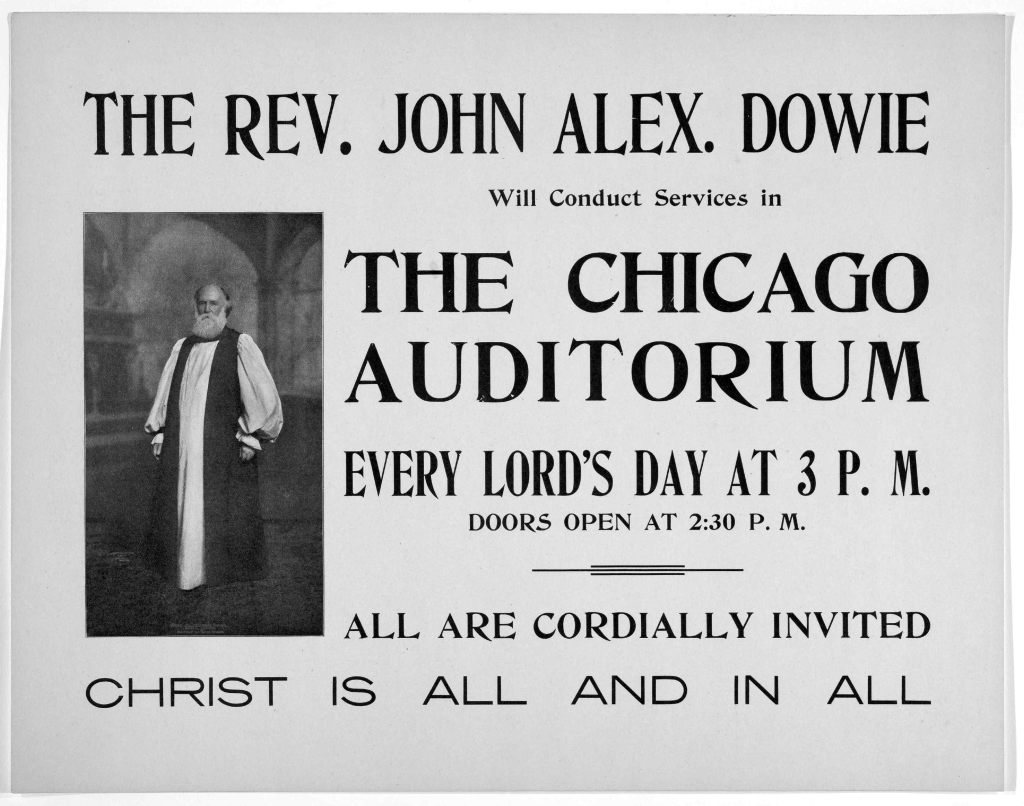
Alexander Dowie emerged in the late 19th century with a different approach to healing. Dowie, a charismatic faith healer, conducted dramatic healing sessions where he would lay hands on the sick, claiming that divine power was responsible for their recovery. His dramatic pronouncements, such as ‘Be healed in the name of the Lord,’ exemplified his method.

However, Dowie’s methods, like those of other high-control groups and charismatic faith healers, often involved emotional manipulation to maintain control over their followers. The promise of miraculous healing or spiritual enlightenment could exploit vulnerable individuals, leading them to invest emotionally and financially in unproven methods.

The Influence of Phineas Quimby

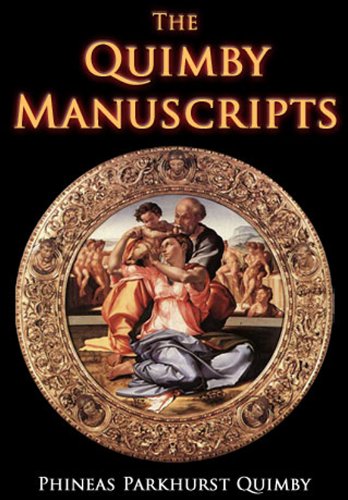
Phineas Quimby, another influential figure of the 19th century, took a different approach. Quimby believed that the mind wielded incredible power over physical health and reality itself. His writings, which were published posthumously in 1921, propagated the notion that our thoughts could profoundly shape our lives. Quimby’s ideas significantly influenced the New Thought movement, which linked mind over matter with spiritual and mystical practices.

The Interplay of Occultism and New Thought

The New Thought movement was also intertwined with occultism and spiritism, which suggested that unseen spiritual forces could be harnessed to influence the material world. This blend of spiritual and pseudoscientific ideas contributed to the development of various modern self-help philosophies.

The Legacy in Modern Self-Help

Today, the legacy of these 19th-century ideas is evident in the booming self-help industry. Many contemporary ‘gurus’ draw on principles derived from Quimby’s teachings, promising that you can manifest your desires through positive thinking alone. However, it’s important to approach these claims with caution, as they can sometimes mask modern forms of manipulation, preying on individuals’ hopes and fears.

Modern Pseudoscience: German New Medicine and Joe Dispenza

Moving forward to more contemporary times, let’s examine some of the modern pseudoscientific claims making waves today.

German New Medicine (GNM): This theory, introduced by Dr. Ryke Geerd Hamer, posits that diseases are the result of unresolved psychological conflicts. While intriguing, GNM lacks solid scientific backing and is riddled with ethical and legal issues. Traditional cancer treatments like chemotherapy and radiation therapy, though challenging and not always successful, are grounded in extensive research. The frustration with their limitations often drives people towards alternative options, but not all alternatives are created equal.

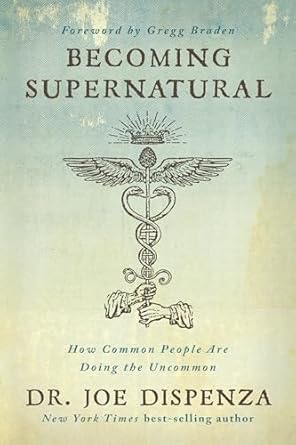
Joe Dispenza: Known for his belief that the mind can heal the body, Dispenza’s ideas have gained popularity but often dip into pseudoscience. While there is some truth to the idea that mindset can influence well-being, it’s crucial to distinguish between positive thinking and unproven claims that can mislead vulnerable individuals.

Ancient Teachings and Their Modern Adaptations

The teachings of the Essenes, an ancient Jewish sect, offer another example of how historical ideas are repackaged for modern consumption. The Essenes believed in holistic healing and spirituality, and today, their practices are often marketed with a modern twist. While exploring the ‘lost teachings of the Essenes’ can be fascinating, it’s important to differentiate between genuine historical practices and modern marketing spin.

The Dangers of Mysticism and Extreme Practices

Mysticism sometimes promotes the idea that transcending physical needs through spiritual practices can lead to enlightenment. However, this can be extremely risky. Extreme fasting and other practices can cause nutritional deficiencies, severe malnutrition, and even mental health issues such as delusions and eating disorders.

Navigating the Fine Line Between Healing and Harm

Despite the lack of scientific proof, pseudoscientific ideas remain appealing, especially when traditional treatments fall short. Approach such claims with a critical mind and seek evidence-based practices. Knowledge is power, and staying informed is the best way to navigate health and wellness.

Critical Evaluation of Self-Help Claims

Common Themes:

  • 1. Misuse of Scientific Concepts: All three exploit complex ideas—quantum physics for Dispenza and GNM, and mystical ancient wisdom for the Essenes—to lend credibility to their claims.
  • 2. Lack of Scientific Evidence: None of these approaches are supported by credible scientific research, often relying on anecdotal evidence or misinterpretations of scientific principles.
  • 3. Potential Harm: By promoting unproven methods as alternatives to evidence-based medical treatments, they can lead individuals to make dangerous health choices.

While some people find inspiration in these teachings, it’s crucial to remember their origins and critically evaluate their claims. Just because something sounds empowering doesn’t mean it’s based on solid evidence.

Stay informed and be cautious of the fine line between genuine self-improvement and pseudoscientific hype. Thank you for reading!

Mesmerising Science: The Franklin Commission and the Modern Clinical Trial — The Public Domain Review

Mesmer-and-the-Rise-and-Fall-of-Animal-Magnetism.pdf (academia.dk)

Franklin, Lavoisier, and Mesmer: origin of the controlled clinical trial – PubMed (nih.gov)

The Sketchy Faith Healer Who Tried to Save New York From Vice – Atlas Obscura

Testimonies of former employees of Hamer – Psiram

Administrative Court of Sigmaringen, 17.12.1986 – Judgment in the Administrative litigation Hamer % University of Tübingen (archive.org)

https://link.springer.com/chapter/10.1007/978-3-030-67227-0_8

https://water.lsbu.ac.uk/water/memory_of_water.html

The German New Medicine a new Natural Science” by Professor Dr. Hans Ulrich Niemitz

Germanic New Medicine – Psiram

Victims of New Medicine – Psiram

The “Iron Rule of Cancer”: The dangerous cancer quackery that is the “German New Medicine” | Science-Based Medicine (sciencebasedmedicine.org)

Laws of biology: why so few? – PMC (nih.gov)

For those wanting to learn about the dangers of mysticism, pseudoscience, and the importance of proper nutrition, here are some solid resources:

Books

  1. “Bad Science” by Ben Goldacre: This book critically examines the misuse of science in various fields, including health and wellness, and debunks common pseudoscientific claims.
  2. “The Demon-Haunted World: Science as a Candle in the Dark” by Carl Sagan: Sagan’s classic work promotes scientific skepticism and critical thinking, essential for understanding and debunking pseudoscientific beliefs.
  3. “Trick or Treatment: The Undeniable Facts about Alternative Medicine” by Simon Singh and Edzard Ernst: This book provides a thorough analysis of various alternative medicine practices, including the evidence (or lack thereof) supporting them.

Websites and Online Resources

  1. Quackwatch (quackwatch.org): A comprehensive resource for information on health frauds, myths, fads, and fallacies in the medical field.
  2. Science-Based Medicine (sciencebasedmedicine.org): A blog dedicated to evaluating medical treatments and products from a scientific perspective.
  3. Nutritional Resources from Mayo Clinic (mayoclinic.org): Provides evidence-based information on nutrition, diet, and healthy living.

Academic Journals and Articles

  1. PubMed (pubmed.ncbi.nlm.nih.gov): A free search engine accessing primarily the MEDLINE database of references and abstracts on life sciences and biomedical topics. It’s an excellent resource for finding peer-reviewed studies on nutrition, health, and pseudoscience.
  2. “Nutrition” Journal (journals.elsevier.com/nutrition): Publishes peer-reviewed research articles on nutrition science.

Educational Videos and Courses

  1. TED Talks on Nutrition and Health: Various experts provide insights into the latest research and practical advice on maintaining a healthy lifestyle.
  2. Coursera and edX: These platforms offer courses from universities on nutrition, health sciences, and critical thinking skills.

Podcasts

  1. “Science Vs” by Wendy Zukerman: This podcast looks at what’s fact and what’s not in popular science topics, including health and wellness.
  2. “Skeptics’ Guide to the Universe”: A weekly science podcast discussing critical thinking, science, and pseudoscience.

By exploring these resources, individuals can gain a deeper understanding of the risks associated with mysticism and pseudoscientific beliefs, as well as the importance of evidence-based practices in health and nutrition.

Unraveling German New Medicine: Fact, Fiction, or Folly?

Welcome back to Taste0fTruth Tuesdays! 🌟 Today, we’re diving deep into the controversial world of German New Medicine (GNM) 🧬. Developed by Dr. Ryke Geerd Hamer, GNM boldly claims that diseases like cancer stem from unresolved psychological conflicts, not genetics or lifestyle 🧠💔.

But here’s the twist: medical experts slam GNM for lacking scientific proof 🧪, warning it could endanger lives by dissuading patients from proven treatments like chemotherapy 🚫💉. Legal battles ⚖️ and ethical dilemmas surround GNM practitioners, while conspiracy theorists 🤔 and new-age enthusiasts 🌿 flock to its holistic promises, fueling a fiery debate 🔥 between alternative healers and conventional medicine.

But that’s not all! 🌠 In this episode, we’re also tackling the pseudoscientific claims of Joe Dispenza, who misappropriates quantum physics ⚛️ to promote his controversial teachings. We’ll uncover the unsettling parallels between GNM and Dispenza’s ways, examining how they both exploit vulnerable individuals seeking other health solutions 🕵️‍♀️.

Additionally, we’re delving into the so-called “lost teachings of the Essenes” 📜 to explore the dangers of mysticism 🌌 and how these ancient practices are being repackaged for modern audiences. Discover why GNM, Dispenza, and Essene mysticism divide opinions, challenge medical norms, and spark passionate discussions about health, ethics, and the quest for truth 💬.

Tune in for an eye-opening exploration that will leave you questioning the fine line between healing and harm 🧩✨

🎧Listen here!

Unmasking the Philosophical Roots of Modern Pseudoscience and Self-Help

The tangled web of modern pseudoscience and self-help nonsense finds its origins in the 19th-century New Thought movement, heavily influenced by Franz Mesmer and Alexander Dowie before Phineas Quimby’s ideas took center stage. Quimby’s posthumously published writings in 1921 propelled the notion that the mind wields incredible power over physical health and reality itself.

German New Medicine and Joe Dispenza: Mind Games and Misdirection

Dr. Ryke Geerd Hamer’s German New Medicine (GNM) pushes the envelope of New Thought by suggesting that diseases are purely the result of unaddressed psychological conflicts. Despite its lack of scientific validation, this idea has found a foothold among those desperate for other explanations. Similarly, Joe Dispenza’s blend of meditation and mental exercises, promising miraculous health benefits, mirrors the core tenets of New Thought but fails to stand up to scientific scrutiny.

Self-Help Gurus: Masters of Mental Manipulation

Modern self-help titans like Tony Robbins and the proponents of the Law of Attraction have taken New Thought’s “think it, achieve it” philosophy and run with it. Tony Robbins encourages you to transform your life by changing your mindset—a direct echo of New Thought principles. Napoleon Hill’s “Think and Grow Rich,” a staple in the self-help world, preaches that positive thinking can attract wealth and success, a concept rooted deeply in New Thought ideology.

Influential figures such as Brené Brown and Adam Grant also touch on the power of mindset in their works, though they ground their insights in more robust research compared to their predecessors.

MLMs: Modern-Day Merchants of False Hope

Multi-Level Marketing (MLM) companies have eagerly adopted these self-help doctrines to keep their recruits motivated and dreaming big. The Law of Attraction and “Think and Grow Rich” are their go-to tools for convincing individuals that their financial success is solely a matter of mindset—an insidious tactic that conveniently shifts the blame for failure onto the individuals rather than the flawed MLM model itself.


Understanding these philosophical roots is crucial as we delve into the origins of German New Medicine (GNM). Dr. Ryke Geerd Hamer, the controversial figure behind GNM, proposed that all diseases, including cancer, are triggered by unresolved psychological conflicts. Hamer’s theories diverge significantly from established medical science, but they share a common ancestry with the New Thought movement’s emphasis on the mind’s power over the body.

An Overview and Critical Examination

Quote from website: German New Medicine is not only a new paradigm of medicine, it is also a new consciousness. It is the awareness that our organism possesses an inexhaustible creativity and remarkable self-healing capabilities. It is the recognition that each cell of our body is endowed with a biological wisdom we share with all living beings.      

A new consciousness? Is this a spiritual awakening? or a physical healing modality? or is it both?

The 5 “biological laws”

Sometime after his son’s death, Hamer developed testicular cancer and thought there was a link between the two events, so he began to develop Germanic New Medicine (GNM), which can be summarized in its “five biological laws”

According to Hamer “laws”, no real diseases exist; rather, what established medicine calls a “disease” is actually a “special meaningful program of nature “to which bacteria, viruses and fungi belong. Hamer’s GNM claims to explain every disease and treatment according to those premises, and to thereby obviate traditional medicine. The cure is always the resolving of the conflict. Some treatments like chemotherapy or pain-relieving drugs like morphine are considered deadly according to Hamer.

The Five Biological Laws:

  • The Iron Rule of Cancer: Diseases, especially cancer, are triggered by a significant emotional conflict.
  • The Law of Two Phases: Diseases have two phases: an active conflict phase and a healing phase once the conflict is resolved.
  • The Ontogenetic System of Tumors: Different types of cancers are linked to different embryonic germ layers.
  • The Ontogenetic System of Microbes: Microbes help in the healing phase rather than causing diseases.
  • The Fifth Biological Law: Every disease has a special biological meaning​ (London South Bank University Water)​​ (SpringerLink)​.

Common fallacies and Responses

When I was in the conservative evangelical space, I witnessed several Christians who were fully convinced that GNM was part of God’s perfect plan to heal us🤪🤦‍♀️ I wanted to break down the common fallacies I often see presented as arguments:

Contradictory Nature of “conflict/sin” and Disease

  • Fallacy: Assuming a direct causal link between conflict/sin and physiological disease overlooks the multifaceted nature of health issues, which can stem from various biological, environmental, and genetic factors.
  • Response: While addressing emotions may have psychological benefits, diseases like cancer and chronic conditions have complex origins beyond moral causes. Medical treatment should prioritize evidence-based approaches rather than relying solely on spiritual explanations. Health issues often arise from an interplay of factors that require comprehensive medical interventions rather than attributing them to moral or spiritual failings.

Psychosomatic Origin of Diseases

  • Fallacy: Generalizing from a theory like German New Medicine (GNM) without robust scientific validation overlooks the complexity of disease etiology, including genetic predispositions and environmental factors.
  • Response: While GNM proposes psychosomatic origins for diseases, scientific consensus demands rigorous empirical evidence to substantiate such claims. Anecdotal observations should not substitute for validated medical understanding. Diseases are complex and multifactorial, often requiring a holistic approach that integrates psychological, genetic, and environmental considerations.
  • Anecdotal evidence refers to information derived from personal stories or individual cases rather than systematic research or scientific data. While these anecdotes can offer valuable insights and illustrate real-world experiences, they lack the rigor and objectivity of controlled studies. This type of evidence is subjective, often influenced by personal biases, and cannot be generalized to larger populations. Therefore, while anecdotes can highlight potential areas for further investigation, they should be used with caution and not be considered robust or conclusive evidence on their own.

Animal vs. Human Responses to Triggers

  • Fallacy: Drawing direct parallels between animal responses to triggers and human psychosomatic responses oversimplifies human psychology and physiology.
  • Response: Human responses to stress and triggers are influenced by complex cognitive processes that extend beyond conditioned reflexes observed in animals. Human responses involve nuanced cognitive and emotional evaluations of situations. These responses are shaped by individual experiences, cognitive assessments, and social contexts, making them distinct from animal behaviors.

Specific Events and Conflict Resolution

  • Fallacy: Assuming conflicts must be sudden and isolative overlooks the diverse and nuanced nature of human experiences and responses to stressors.
  • Response: Human responses to stress are multifaceted and can vary widely, influenced by individual perceptions, coping mechanisms, and social support systems rather than adherence to a rigid pattern of conflict resolution. Stressors can have cumulative effects, and individual responses are shaped by a complex interplay of personal and contextual factors.

Dogma not “laws”

These “laws” are dogmas of GNM, not laws of nature or medicine, and are at odds with scientific understanding of human physiology. It’s a mixture of life-science and biology facts with false connections and fallacious deductions sprinkled throughout.

Hamer never published his hypotheses in a scientific paper (his doctoral thesis has nothing to do with it), and apart from an article by Danish holistic physician (now barred) Sören Ventegodt which appeared in a rather unimportant journal, no scientific paper analyzing his method can be found in databases. The author Ventegodt also lost his medical license in the meantime and has been criticized for working in a pseudoscientific manner; furthermore the journal apparently accepts papers after receiving a payment. This makes it more difficult to evaluate his ideas.

What is a scientific law?

There are four major concepts in science: facts, hypotheses, laws, and theories.

Scientific laws develop from scientific discoveries and rigorously tested hypotheses, and new theories generally uphold and expand laws—though neither is ever held to be unimpeachably true.

Laws are descriptions — often mathematical descriptions- of natural phenomena. For example: Newton’s Law of Gravity, The laws of thermodynamics. These laws simply describe the observation, not how or why they work.

The Hamer doctrine allows for NO chemical carcinogens to exist- it claims they have no effect on tumor formation and that smoking does not cause cancer, for instance. Hamer claims that cancer may occur because people were in panic after hearing those carcinogens, like asbestos or cigarette smoke, were harmful. He is proposing it’s the actual thought’s you’re having, not the chemicals or anything else.

🚧Quick detour 🚧

As we delve into the controversial claims of German New Medicine, it’s worth noting the striking similarities with another figure in the wellness industry—Joe Dispenza. Both promote ideas that can mislead and endanger those seeking health and wellness solutions.

Joe Dispenza’s Claims:

The Reality of Quantum Physics:

Joe Dispenza asserts that through the power of thought and meditation, individuals can heal themselves and transform their reality. He frequently misrepresents quantum physics to support these assertions. Dispenza talks about the “quantum field” and suggests that by focusing our thoughts and emotions, we can tap into this field to manifest physical changes in our bodies and lives. He uses terms like “quantum coherence” and “quantum entanglement” to imply that our minds can create reality.

In reality, quantum physics deals with phenomena at the atomic and subatomic levels. “Quantum coherence” and “quantum entanglement” are genuine scientific concepts, but their effects are significant only at extremely tiny scales and do not translate to the human scale. Quantum physics does not support the idea that our thoughts can change physical objects or heal our bodies. The misconception arises from the observation that particles behave differently when observed, but this is specific to quantum experiments and does not imply that human thoughts can directly alter reality.

Example: Imagine you have a coin in your pocket. In the quantum world, particles can exist in multiple states until observed, like a coin being both heads and tails at once. However, this doesn’t mean you can think really hard and change a coin in your pocket from heads to tails. Dispenza’s claims stretch quantum principles far beyond their scientific basis.

Similarities with German New Medicine (GNM):

Like Dispenza, GNM posits that diseases are caused by unresolved emotional conflicts and that resolving these conflicts can cure diseases. GNM implies a direct connection between mind and matter, resembling quantum principles. However, while stress and emotions do impact health, there is no scientific evidence supporting GNM’s claims that specific emotional conflicts cause specific diseases or that resolving these conflicts can cure them. Quantum physics does not provide evidence for such direct causation at the cellular level.

Comparison with the Lost Teachings of the Essenes:

The proponents of the so-called lost teachings of the Essenes claim that ancient spiritual practices have the power to heal and transform lives. These teachings are often presented as having special knowledge about the mind-body connection, using mystical language similar to how Dispenza and GNM misuse quantum physics.

Mysticism often teaches that individuals can transcend their physical limitations, including the need for food, through spiritual or mental practices. While these beliefs can be alluring, they are extremely dangerous for several reasons:

Health Risks of Not Eating

  1. Nutritional Deficiencies: The human body requires a range of nutrients to function properly. Essential vitamins, minerals, proteins, fats, and carbohydrates are all necessary for maintaining bodily functions, repairing tissues, and supporting the immune system. Without food, these nutrients are not replenished, leading to deficiencies that can cause serious health problems, including anemia, scurvy, osteoporosis, and more.
  2. Starvation and Malnutrition: Prolonged periods without food can lead to starvation and severe malnutrition, which can be fatal. Starvation affects every organ and system in the body, causing muscle wasting, weakened immune response, and eventually organ failure.
  3. Mental Health Issues: Extreme fasting or belief in the ability to live without food can lead to mental health issues such as delusions, eating disorders, and other psychological problems. The strain of trying to adhere to such practices can exacerbate stress and anxiety, leading to further health complications.

Pseudoscientific Claims

  1. Lack of Scientific Evidence: There is no scientific evidence to support the claim that humans can live without food. The idea contradicts fundamental principles of biology and physiology. The human body is not designed to function without regular intake of nutrients from food.
  2. False Promises: Mystical teachings that claim ascension to a higher reality where food is unnecessary often prey on vulnerable individuals seeking solutions to their health problems or spiritual fulfillment. These false promises can lead individuals away from proven medical treatments and healthy lifestyles, resulting in harm.

Real-World Consequences

  1. Deaths and Severe Illnesses: There have been documented cases where individuals who followed extreme fasting or breatharian practices (believing they can live on air alone) suffered severe health consequences, including death. These tragic outcomes highlight the real dangers of such beliefs.
  2. Ethical Concerns: Promoting the idea that people can live without food is not only misleading but also ethically irresponsible. It can cause harm to individuals who take these teachings seriously and neglect their nutritional needs. Leaders or proponents of such ideas often face criticism for endangering lives.

Examples from History and Research

  1. Jasmuheen (Ellen Greve): A prominent figure in the breatharian movement, Jasmuheen claimed she could live without food. However, during a monitored experiment by the Australian television program “60 Minutes,” she exhibited signs of severe dehydration and weakness after just a few days, debunking her claims.
  2. Scientific Studies: Research consistently shows that prolonged fasting without medical supervision leads to detrimental health effects. For instance, a study published in the journal “Nutrition” highlighted the risks of severe caloric restriction, emphasizing that it should only be undertaken with proper medical oversight to avoid serious health risks.

While mystical teachings about transcending physical needs can be intriguing, they pose serious risks to health and well-being. The human body requires regular nourishment to function correctly, and ignoring this fundamental need can lead to catastrophic consequences. It is crucial to approach such claims with skepticism and rely on scientifically proven methods for maintaining health and wellness.

Reality Check:

While the Essenes were a historical Jewish sect known for their ascetic lifestyle, there is no historical evidence that they possessed secret knowledge capable of miraculous healing. The claims about their teachings are often exaggerated or fabricated, much like the misrepresentation of quantum physics by Dispenza and GNM.

Common Themes:

  • 1. Misuse of Scientific Concepts: All three exploit complex ideas—quantum physics for Dispenza and GNM, and mystical ancient wisdom for the Essenes—to lend credibility to their claims.
  • 2. Lack of Scientific Evidence: None of these approaches are supported by credible scientific research, often relying on anecdotal evidence or misinterpretations of scientific principles.
  • 3. Potential Harm: By promoting unproven methods as alternatives to evidence-based medical treatments, they can lead individuals to make dangerous health choices.

Joe Dispenza, German New Medicine, and the proponents of the lost teachings of the Essenes all present unproven methods as valid alternatives to evidence-based medicine. Their misuse of quantum physics and historical narratives can cause serious health consequences for those who follow these teachings. It’s crucial to approach such claims with skepticism and rely on scientifically validated treatments for health and wellness.

Quick review so far: Criticisms and Controversies:

  • Lack of Scientific Validation: GNM, Joe Dispenza and mystic teachings lacks empirical support and contradicts established medical science.
  • Ethical Concerns: GNM advises against conventional treatments like surgery and chemotherapy, which can delay or prevent effective medical care​ (London South Bank University Water)​​ (Science 2.0)​
  • Legal Issues: Practitioners have faced legal actions due to the harm caused to patients who forgo conventional treatments​ (Science 2.0)​.

Randomness vs. Causative Factors in Disease

  • Fallacy: Assuming diseases arise randomly or solely from stress oversimplifies their origins, which often involve intricate interactions between genetics, environment, and lifestyle.
  • Response: Medical understanding recognizes diverse causes for disease onset, including genetic mutations and environmental exposures. Stress can exacerbate symptoms but doesn’t universally cause specific diseases without other contributing factors. The interplay of genetic predisposition, lifestyle choices, and environmental exposures must be considered in disease management and prevention.

Mitochondrial Dysfunction and Disease Correlations

  • Fallacy: Linking brain conflicts directly to mitochondrial dysfunction oversimplifies the complex interactions between neurological processes and systemic health.
  • Response: While stress and inflammation can impact health, disease pathology involves intricate biochemical processes beyond localized brain signaling, requiring comprehensive medical evaluation and treatment. Mitochondrial dysfunction can be influenced by a variety of factors, including genetic mutations and environmental exposures, highlighting the need for a nuanced understanding of disease mechanisms.

Interviewing Former Employees

Three former employees of Dr. Ryke Geerd Hamer, who have bravely decided to share their experiences working in his private cancer clinic in 1985.

These former employees reported seeing no one cured by Dr. Hamer. Instead, they witnessed dying patients being rapidly transferred to other hospitals or transported to France to avoid recording deaths at his clinic. They recounted how Dr. Hamer ordered nursing care to continue even after patients had died.

One of the women, Mrs. Gemmer, worked in the office of Dr. Hamer’s hospital in Katzenelnbogen. She shared that the patients treated by Dr. Hamer were often those abandoned by conventional medicine, coming from France, Italy, and across Germany, seeking a last resort. A French Earl named Antoine D’Oncieu de la Batie, a sponsor of Dr. Hamer, helped make him known in France, which is why many French patients sought his care.

Mrs. Gemmer described how terminally ill patients were often transferred to other hospitals to avoid deaths at Dr. Hamer’s clinic, leading to hospitals in Koblenz and Limburg refusing further patients from his clinic. She also mentioned the discreet transportation of bodies at night to avoid public attention.

Mrs. Gemmer initially thought Dr. Hamer was a compassionate doctor but quickly realized he had paranoid tendencies, constantly battling authorities and believing he was being persecuted. She found his letters to authorities confused and difficult to support.

Despite the chaotic environment, Mrs. Gemmer stayed on for nearly half a year, feeling a responsibility to the severely ill patients who had no one else to care for them. She organized a part-time nurse, cleaning staff, and kitchen help, despite the clinic’s financial struggles.

A particularly disturbing incident involved a young, severely ill cancer patient in excruciating pain while Dr. Hamer was unreachable. Mrs. Gemmer called a former surgeon, who arrived with a colleague to administer pain relief. This incident led to a complaint against Dr. Hamer and the eventual closure of the clinic after a criminal investigation.

Mrs. Gemmer believes Dr. Hamer was entirely convinced of his methods and obsessed with his new opportunities for cancer patients, despite widespread medical disagreement.

For those interested in reading the full interview, the conversation is linked at the end of this blog.

So, why the appeal?

Conspiracy theorists and New-age Rebels without a cause seem to eat this stuff up. Despite critisims, it still attracts followers that distrusts mainstream medicine and big pharma. These individuals are drawn to holistic approachs and want to reject what is percieved as “profit driven practices”.

These appeal to those who are seeking alternative explanations for illness, and a narrative that resonates with distrust of institutionalized medicine and its commercial interest.

I believe, Hamer is popular within Truther/conspiracy circles because he denies the moon landing happened, believes that viruses do not exist and v@ccinations are entirely unjustified. Even more concerning, Hamer has made numerous anti-Semitic and Holocaust denialist statements, accusing an international Jewish conspiracy of slandering him and keeping the truth about German New Medicine from the public. He claimed that Jewish doctors secretly practice GNM successfully on Jewish patients but deny it to others. Hence, he held Jews responsible for the deaths of every patient who had died while undergoing conventional cancer treatment.

Extraordinary claims without extraordinary evidence

Hamer has repeatedly claimed that German New Medicine could cure more than 90% of cancer cases. In reality, evidence of patients successfully treated by GNM is no more than anecdotal, while at least 140 deaths of GNM patients have been documented. Hamer does not present scientific proof in favor of his method and does not present controlled and placebo-controlled prospective studies supporting it. Instead, he shows retrospectively filtered reports and letters of anecdotal value, often written by himself or laypersons.

Validity of Hamer’s Contributions Despite Controversies

  • Fallacy: Arguing for the utility of Hamer’s theories based on their potential contributions to science disregards ethical concerns and lack of empirical support.
  • Response: While insights from unconventional sources can inspire scientific inquiry, validity hinges on empirical validation rather than anecdotal or theoretical constructs unsupported by robust evidence. Ethical concerns arise when theories like GNM lead patients to forgo proven medical treatments, potentially endangering their health.

Yes, allopathic medicine has its pitfalls & corruption, BUT if we truly seek to help people, we must be very careful before adopting methodologies like this.

He wasn’t some genius like Nikola Tesla that the government tried to crush, he was a narcissistic psychopath. It’s irresponsible to endorse such pseudoscientific theories, with the potential to cause serious risk and harm, all the while jeopardizing the reputation of ALL holistic or alternative methods.

Comparison with Established Medical Practices:

Traditional medicine is based on rigorous scientific research and evidence. It diagnoses and treats diseases through methods like surgery, chemotherapy, and medications, aiming to provide effective and proven care. In contrast, GNM’s approach is deemed dangerous by the medical community because it relies on psychosomatic explanations and rejects conventional medical interventions, potentially leading to adverse outcomes for patients​ (SpringerLink)​.

Ethical Concerns in Western Medicine: A Balanced Perspective

Western medicine, with its foundation in scientific research and technological advancements, has revolutionized healthcare, offering treatments and cures for many conditions that were once untreatable. However, critics of Western Med often highlight various ethical concerns that they believe undermine its credibility and effectiveness. Let’s explore these concerns and provide a balanced perspective on the issues.

1. Commercial Interests and Profit Motive

Concern: Critics argue that the pharmaceutical and medical industries are driven by profit rather than patient well-being. This profit motive can lead to the over-prescription of medications, unnecessary treatments, and the prioritization of profitable drugs over more effective or affordable options. Example: The opioid crisis in the United States is a stark example. Pharmaceutical companies aggressively marketed addictive painkillers, resulting in widespread misuse and addiction, often prioritizing profits over patient safety​.

2. Access and Inequality

Concern: There is significant concern about the disparities in access to healthcare. Quality medical care can be prohibitively expensive for those without adequate insurance or financial resources. Example: In the United States, millions of people are uninsured or underinsured, leading to disparities in health outcomes based on socioeconomic status. These disparities often mean that those in lower-income brackets receive less comprehensive care, resulting in poorer health outcomes overall​.

3. Over-medicalization

Concern: Critics argue that Western medicine sometimes pathologizes normal human experiences and emotions, leading to unnecessary medicalization of issues that might be better addressed through lifestyle changes or psychological support.

Example: The medicalization of mental health conditions such as anxiety and depression are a common concern. Medications are often prescribed as the first line of treatment instead of therapy or other non-pharmacological interventions, potentially leading to over-reliance on pharmaceuticals.

4. Pharmaceutical Influence on Research

Concern: The influence of pharmaceutical companies on medical research is a major ethical issue. Funding from these companies can bias research outcomes and influence which studies are published. Example: Studies have shown that industry-funded research is more likely to report positive results for the company’s products, raising concerns about the integrity and objectivity of medical research. This bias can undermine trust in medical research and its findings​.

5. Patient Autonomy and Informed Consent

Concern: There are instances where patients may feel they are not given enough information to make fully informed decisions about their treatment options. The power imbalance between doctors and patients can sometimes lead to patients’ preferences being overlooked. Example: Patients may feel pressured to consent to procedures or treatments without fully understanding the risks and benefits involved, compromising their autonomy and ability to make informed decisions about their healthcare​

6. Focus on Disease Over Prevention

Concern: Critics argue that Western medicine often focuses more on treating diseases rather than preventing them. This can result in a reactive rather than proactive approach to health. Example: The emphasis on treating chronic diseases like diabetes and heart disease with medications rather than focusing on preventive measures such as diet, exercise, and lifestyle changes highlights this concern​.

Balanced Perspective

While these concerns highlight genuine issues within Western medicine, it is also important to recognize its strengths and benefits:

  • Evidence-Based Practice: Western medicine is grounded in rigorous scientific research and clinical trials, providing treatments that have been proven effective through empirical evidence.
  • Technological Advancements: Innovations in medical technology and procedures have significantly improved diagnostic capabilities and treatment outcomes for many conditions.
  • Comprehensive Care: Western medicine offers a wide range of specialties and services, ensuring that patients can receive specialized care tailored to their specific needs.

Integrative Approaches

Some advocate for integrative medicine, which combines the strengths of Western medicine with complementary and alternative practices. This approach seeks to address the shortcomings of both systems:

  • Holistic Care: Integrative medicine emphasizes treating the whole person—mind, body, and spirit—rather than just the symptoms of a disease.
  • Patient-Centered: This approach often places a stronger emphasis on patient preferences, values, and active participation in their own care.

Conclusion

Critics of Western medicine raise valid ethical concerns, particularly regarding commercial interests, access to care, over-medicalization, and the influence of pharmaceutical companies. While these issues warrant attention and reform, the benefits of evidence-based practice, technological advancements, and comprehensive care provided by Western medicine are significant. Balancing these strengths with a more holistic and patient-centered approach, as seen in integrative medicine, may help address these ethical concerns while optimizing patient care.

Resources for Further Reading:

Testimonies of former employees of Hamer – Psiram

Administrative Court of Sigmaringen, 17.12.1986 – Judgment in the Administrative litigation Hamer % University of Tübingen (archive.org)

https://link.springer.com/chapter/10.1007/978-3-030-67227-0_8

https://water.lsbu.ac.uk/water/memory_of_water.html

The German New Medicine a new Natural Science” by Professor Dr. Hans Ulrich Niemitz

Germanic New Medicine – Psiram

Victims of New Medicine – Psiram

The “Iron Rule of Cancer”: The dangerous cancer quackery that is the “German New Medicine” | Science-Based Medicine (sciencebasedmedicine.org)

Laws of biology: why so few? – PMC (nih.gov)

For those wanting to learn about the dangers of mysticism, pseudoscience, and the importance of proper nutrition, here are some solid resources:

Books

  1. “Bad Science” by Ben Goldacre: This book critically examines the misuse of science in various fields, including health and wellness, and debunks common pseudoscientific claims.
  2. “The Demon-Haunted World: Science as a Candle in the Dark” by Carl Sagan: Sagan’s classic work promotes scientific skepticism and critical thinking, essential for understanding and debunking pseudoscientific beliefs.
  3. “Trick or Treatment: The Undeniable Facts about Alternative Medicine” by Simon Singh and Edzard Ernst: This book provides a thorough analysis of various alternative medicine practices, including the evidence (or lack thereof) supporting them.

Websites and Online Resources

  1. Quackwatch (quackwatch.org): A comprehensive resource for information on health frauds, myths, fads, and fallacies in the medical field.
  2. Science-Based Medicine (sciencebasedmedicine.org): A blog dedicated to evaluating medical treatments and products from a scientific perspective.
  3. Nutritional Resources from Mayo Clinic (mayoclinic.org): Provides evidence-based information on nutrition, diet, and healthy living.

Academic Journals and Articles

  1. PubMed (pubmed.ncbi.nlm.nih.gov): A free search engine accessing primarily the MEDLINE database of references and abstracts on life sciences and biomedical topics. It’s an excellent resource for finding peer-reviewed studies on nutrition, health, and pseudoscience.
  2. “Nutrition” Journal (journals.elsevier.com/nutrition): Publishes peer-reviewed research articles on nutrition science.

Educational Videos and Courses

  1. TED Talks on Nutrition and Health: Various experts provide insights into the latest research and practical advice on maintaining a healthy lifestyle.
  2. Coursera and edX: These platforms offer courses from universities on nutrition, health sciences, and critical thinking skills.

Podcasts

  1. “Science Vs” by Wendy Zukerman: This podcast looks at what’s fact and what’s not in popular science topics, including health and wellness.
  2. “Skeptics’ Guide to the Universe”: A weekly science podcast discussing critical thinking, science, and pseudoscience.

By exploring these resources, individuals can gain a deeper understanding of the risks associated with mysticism and pseudoscientific beliefs, as well as the importance of evidence-based practices in health and nutrition.