Mystery, Myth & Manipulation

Runes, Religion & the Search for the Sacred

Hey Hey, Welcome back to Taste0ftruth Tuesdays. In today’s episode we are sitting down with Tina K. of The Rune Shack to explore runes, esotericism, and Norse-Germanic spirituality, alongside my own path through New Age spirituality, Christianity, and deconstruction.


For years, I was searching.

I wandered through wellness culture, festival communities, New Age spirituality, psychedelic conversations, evangelical Christianity, and eventually the long road of deconstruction. Every step taught me something. Every community offered language for experiences that often felt deeply meaningful.

But over time, I began to wonder:

How do we know when spirituality is making us more grounded—and when it is simply helping us escape reality?

Modern spirituality often promises awakening, healing, manifestation, higher consciousness, hidden knowledge, or secret wisdom. Sometimes those ideas genuinely encourage reflection and personal growth. Other times, they can become substitutes for the harder work of living honestly, accepting limits, grieving loss, cultivating discipline, and remaining accountable to reality and to other people.

This conversation isn’t a rejection of mystery. Far from it.

I believe human beings need myth, ritual, symbol, beauty, and experiences that remind us life is deeper than material reductionism alone can explain.

The challenge for me has been learning to distinguish between mystery and manipulation.

That distinction is one reason I wanted to invite Tina K. from The Rune Shack onto the podcast. Rather than centering on a single article, this conversation explores a broader landscape of ideas:

  • What is heathen spirituality?
  • What are runes beyond their popular image?
  • What does esotericism actually mean?
  • Why can spiritual authority become dangerous?
  • What makes New Age spirituality appealing and where can it become escapist?
  • Why do so many modern spiritual movements continue to reinterpret Jesus through ideas like the cosmic Christ or Christ consciousness?
  • And perhaps the deepest question of all:

What does real spirituality actually require?

I don’t approach these questions as someone who has everything figured out.

I ask them as someone who has lived inside several different spiritual worlds and has become increasingly interested in discernment rather than certainty.

My hope is to encourage more thoughtful questions about the stories we inherit, the authorities we trust, and the practices that shape our lives.

I hope you’ll join us for the conversation. Please let me know your thoughts.

LINKS mentioned:

My interview I did with Tina Part 1 & the Part 2 (paid)

Rune Shack Radio with Torna Braggison

Tina’s article on Rune Magick in the Sagas

Exposing the Philosophical Roots of Modern Pseudoscience and Self-Help

Ever wondered where all those ‘self-help’ mantras and pseudoscientific health claims originated?

Today, we’re diving into the tangled web of modern pseudoscience and self-help nonsense, tracing its roots back to the 18th century. Join us as we explore the historical figures and movements that laid the groundwork for today’s self-help industry and pseudoscientific practices.

The Age of Enlightenment and the Dawn of Pseudoscience

Mesmer claimed that an invisible magnetic fluid flowed through all living things and that he could manipulate this fluid to heal people. His methods, often referred to as ‘mesmerism,’ involved elaborate rituals where he would pass his hands over patients or use magnetic rods, supposedly restoring the natural flow of this magnetic energy. The concepts of ‘balancing your energies’ or ‘unblocking your internal flows’ that are familiar in modern self-help and wellness circles can be traced back to Mesmer’s influence.

During the Age of Enlightenment, the scientific revolution was reshaping our understanding of the universe. However, medical practices were still lagging behind, relying on outdated treatments like leeching and bloodletting. Amidst this backdrop of scientific progress and societal change, Franz Mesmer, a charismatic physician from Vienna, introduced his controversial theory of ‘animal magnetism.’

The Debunking of Mesmerism

In 1784, a Royal Commission led by Benjamin Franklin and Antoine Lavoisier was established to investigate Mesmer’s claims. Through a series of experiments, they debunked the existence of the magnetic fluid, revealing that the observed effects were likely due to the power of suggestion and placebo rather than any real magnetic force. This investigation was pioneering in its use of controlled clinical trials and provided early insights into the placebo effect and modern hypnotism.

The Rise of Charismatic Faith Healing

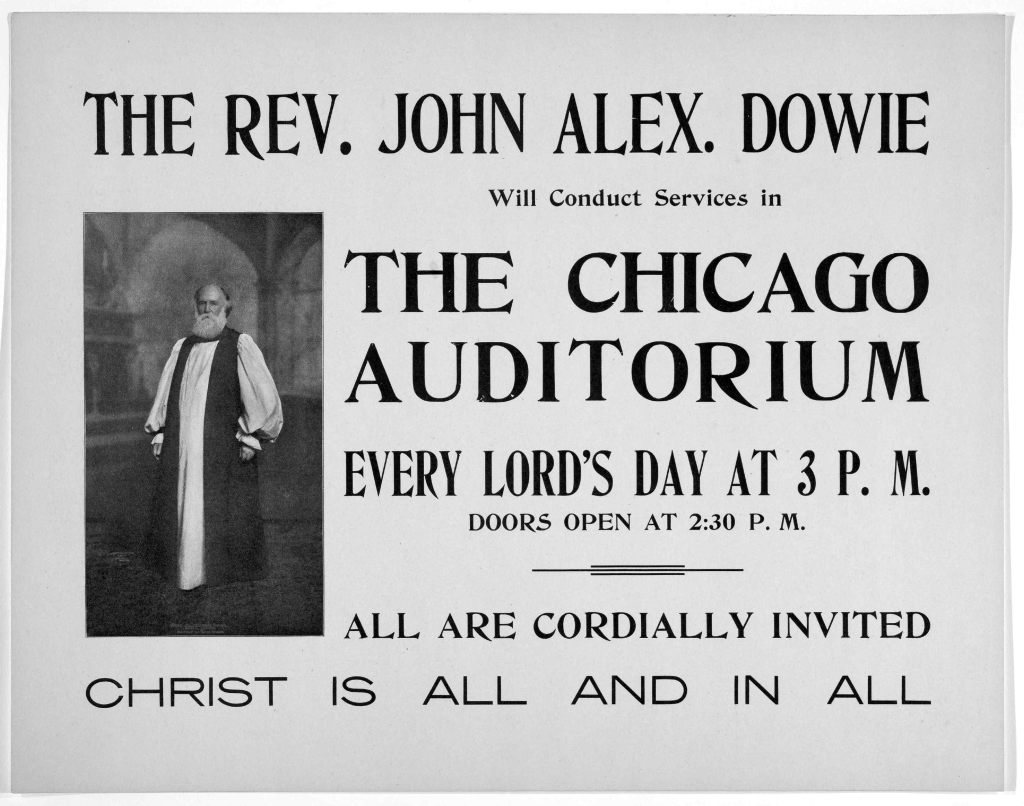
Alexander Dowie emerged in the late 19th century with a different approach to healing. Dowie, a charismatic faith healer, conducted dramatic healing sessions where he would lay hands on the sick, claiming that divine power was responsible for their recovery. His dramatic pronouncements, such as ‘Be healed in the name of the Lord,’ exemplified his method.

However, Dowie’s methods, like those of other high-control groups and charismatic faith healers, often involved emotional manipulation to maintain control over their followers. The promise of miraculous healing or spiritual enlightenment could exploit vulnerable individuals, leading them to invest emotionally and financially in unproven methods.

The Influence of Phineas Quimby

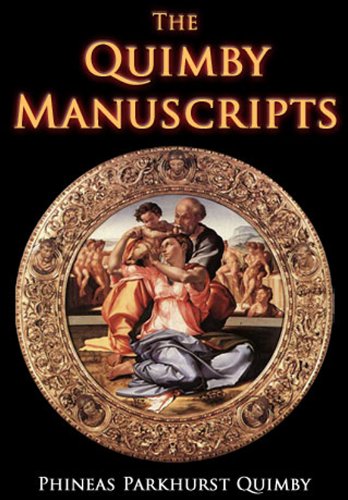
Phineas Quimby, another influential figure of the 19th century, took a different approach. Quimby believed that the mind wielded incredible power over physical health and reality itself. His writings, which were published posthumously in 1921, propagated the notion that our thoughts could profoundly shape our lives. Quimby’s ideas significantly influenced the New Thought movement, which linked mind over matter with spiritual and mystical practices.

The Interplay of Occultism and New Thought

The New Thought movement was also intertwined with occultism and spiritism, which suggested that unseen spiritual forces could be harnessed to influence the material world. This blend of spiritual and pseudoscientific ideas contributed to the development of various modern self-help philosophies.

The Legacy in Modern Self-Help

Today, the legacy of these 19th-century ideas is evident in the booming self-help industry. Many contemporary ‘gurus’ draw on principles derived from Quimby’s teachings, promising that you can manifest your desires through positive thinking alone. However, it’s important to approach these claims with caution, as they can sometimes mask modern forms of manipulation, preying on individuals’ hopes and fears.

Modern Pseudoscience: German New Medicine and Joe Dispenza

Moving forward to more contemporary times, let’s examine some of the modern pseudoscientific claims making waves today.

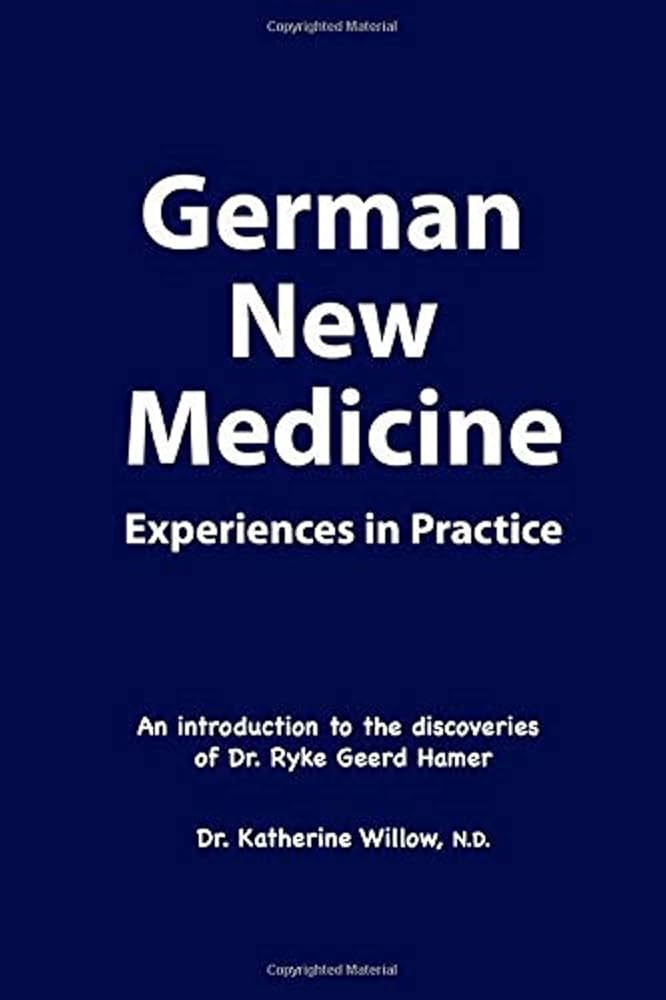
German New Medicine (GNM): This theory, introduced by Dr. Ryke Geerd Hamer, posits that diseases are the result of unresolved psychological conflicts. While intriguing, GNM lacks solid scientific backing and is riddled with ethical and legal issues. Traditional cancer treatments like chemotherapy and radiation therapy, though challenging and not always successful, are grounded in extensive research. The frustration with their limitations often drives people towards alternative options, but not all alternatives are created equal.

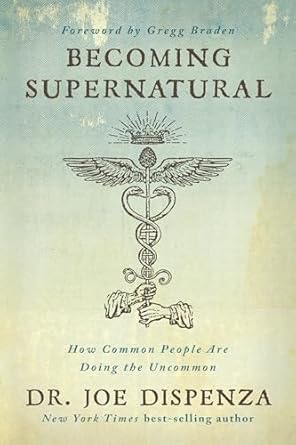
Joe Dispenza: Known for his belief that the mind can heal the body, Dispenza’s ideas have gained popularity but often dip into pseudoscience. While there is some truth to the idea that mindset can influence well-being, it’s crucial to distinguish between positive thinking and unproven claims that can mislead vulnerable individuals.

Ancient Teachings and Their Modern Adaptations

The teachings of the Essenes, an ancient Jewish sect, offer another example of how historical ideas are repackaged for modern consumption. The Essenes believed in holistic healing and spirituality, and today, their practices are often marketed with a modern twist. While exploring the ‘lost teachings of the Essenes’ can be fascinating, it’s important to differentiate between genuine historical practices and modern marketing spin.

The Dangers of Mysticism and Extreme Practices

Mysticism sometimes promotes the idea that transcending physical needs through spiritual practices can lead to enlightenment. However, this can be extremely risky. Extreme fasting and other practices can cause nutritional deficiencies, severe malnutrition, and even mental health issues such as delusions and eating disorders.

Navigating the Fine Line Between Healing and Harm

Despite the lack of scientific proof, pseudoscientific ideas remain appealing, especially when traditional treatments fall short. Approach such claims with a critical mind and seek evidence-based practices. Knowledge is power, and staying informed is the best way to navigate health and wellness.

Critical Evaluation of Self-Help Claims

Common Themes:

  • 1. Misuse of Scientific Concepts: All three exploit complex ideas—quantum physics for Dispenza and GNM, and mystical ancient wisdom for the Essenes—to lend credibility to their claims.
  • 2. Lack of Scientific Evidence: None of these approaches are supported by credible scientific research, often relying on anecdotal evidence or misinterpretations of scientific principles.
  • 3. Potential Harm: By promoting unproven methods as alternatives to evidence-based medical treatments, they can lead individuals to make dangerous health choices.

While some people find inspiration in these teachings, it’s crucial to remember their origins and critically evaluate their claims. Just because something sounds empowering doesn’t mean it’s based on solid evidence.

Stay informed and be cautious of the fine line between genuine self-improvement and pseudoscientific hype. Thank you for reading!

Mesmerising Science: The Franklin Commission and the Modern Clinical Trial — The Public Domain Review

Mesmer-and-the-Rise-and-Fall-of-Animal-Magnetism.pdf (academia.dk)

Franklin, Lavoisier, and Mesmer: origin of the controlled clinical trial – PubMed (nih.gov)

The Sketchy Faith Healer Who Tried to Save New York From Vice – Atlas Obscura

Testimonies of former employees of Hamer – Psiram

Administrative Court of Sigmaringen, 17.12.1986 – Judgment in the Administrative litigation Hamer % University of Tübingen (archive.org)

https://link.springer.com/chapter/10.1007/978-3-030-67227-0_8

https://water.lsbu.ac.uk/water/memory_of_water.html

The German New Medicine a new Natural Science” by Professor Dr. Hans Ulrich Niemitz

Germanic New Medicine – Psiram

Victims of New Medicine – Psiram

The “Iron Rule of Cancer”: The dangerous cancer quackery that is the “German New Medicine” | Science-Based Medicine (sciencebasedmedicine.org)

Laws of biology: why so few? – PMC (nih.gov)

For those wanting to learn about the dangers of mysticism, pseudoscience, and the importance of proper nutrition, here are some solid resources:

Books

  1. “Bad Science” by Ben Goldacre: This book critically examines the misuse of science in various fields, including health and wellness, and debunks common pseudoscientific claims.
  2. “The Demon-Haunted World: Science as a Candle in the Dark” by Carl Sagan: Sagan’s classic work promotes scientific skepticism and critical thinking, essential for understanding and debunking pseudoscientific beliefs.
  3. “Trick or Treatment: The Undeniable Facts about Alternative Medicine” by Simon Singh and Edzard Ernst: This book provides a thorough analysis of various alternative medicine practices, including the evidence (or lack thereof) supporting them.

Websites and Online Resources

  1. Quackwatch (quackwatch.org): A comprehensive resource for information on health frauds, myths, fads, and fallacies in the medical field.
  2. Science-Based Medicine (sciencebasedmedicine.org): A blog dedicated to evaluating medical treatments and products from a scientific perspective.
  3. Nutritional Resources from Mayo Clinic (mayoclinic.org): Provides evidence-based information on nutrition, diet, and healthy living.

Academic Journals and Articles

  1. PubMed (pubmed.ncbi.nlm.nih.gov): A free search engine accessing primarily the MEDLINE database of references and abstracts on life sciences and biomedical topics. It’s an excellent resource for finding peer-reviewed studies on nutrition, health, and pseudoscience.
  2. “Nutrition” Journal (journals.elsevier.com/nutrition): Publishes peer-reviewed research articles on nutrition science.

Educational Videos and Courses

  1. TED Talks on Nutrition and Health: Various experts provide insights into the latest research and practical advice on maintaining a healthy lifestyle.
  2. Coursera and edX: These platforms offer courses from universities on nutrition, health sciences, and critical thinking skills.

Podcasts

  1. “Science Vs” by Wendy Zukerman: This podcast looks at what’s fact and what’s not in popular science topics, including health and wellness.
  2. “Skeptics’ Guide to the Universe”: A weekly science podcast discussing critical thinking, science, and pseudoscience.

By exploring these resources, individuals can gain a deeper understanding of the risks associated with mysticism and pseudoscientific beliefs, as well as the importance of evidence-based practices in health and nutrition.

Decoding the Law of Attraction: Myths, Realities, and Societal Impact

Ever wondered how MLMs thrive? Many of them tap into the power of teachings like the law of attraction—convincing you that your thoughts create your reality. It sounds empowering, right? 🤪

But behind the facade lies a darker truth. MLMs manipulate these beliefs to lure in dreamers, promising wealth and success through their products. 

So, what’s the scoop? The Law of Attraction says that what you focus on—whether positive vibes or the occasional grumpy thought—can actually manifest in your life. It’s all about tuning into those good vibrations and sending out positive signals to the universe.

The law of attraction is a concept that suggests positive or negative thoughts bring positive or negative experiences into a person’s life. It proposes that focusing on positive thoughts and intentions can manifest desired outcomes.

This idea has roots in various philosophical and spiritual traditions, including New Thought philosophy and the teachings of figures like Ralph Waldo Emerson, William Walker Atkinson, Frank Mesmer, Alexander Downie, and Phineas Quimby.

New Thought holds that God (Spirit, the Infinite, the Divine, our Higher Power) is everywhere; true human self-hood is divine; divine thought is a force for good; sickness, lack and struggle originate in the mind, and “right thinking” has a healing effect.

In other words, “change your thinking, change your life.”

The law of attraction gained popularity in the early 2000s with books like “The Secret” by Rhonda Byrne, touting it as a tool for success, wealth, and happiness.

It’s since influenced self-help, motivational speaking, wellness practices (like yoga and meditation), personal development communities, and has a presence in popular culture and social media, where positive thinking is promoted for achieving goals and bettering life.

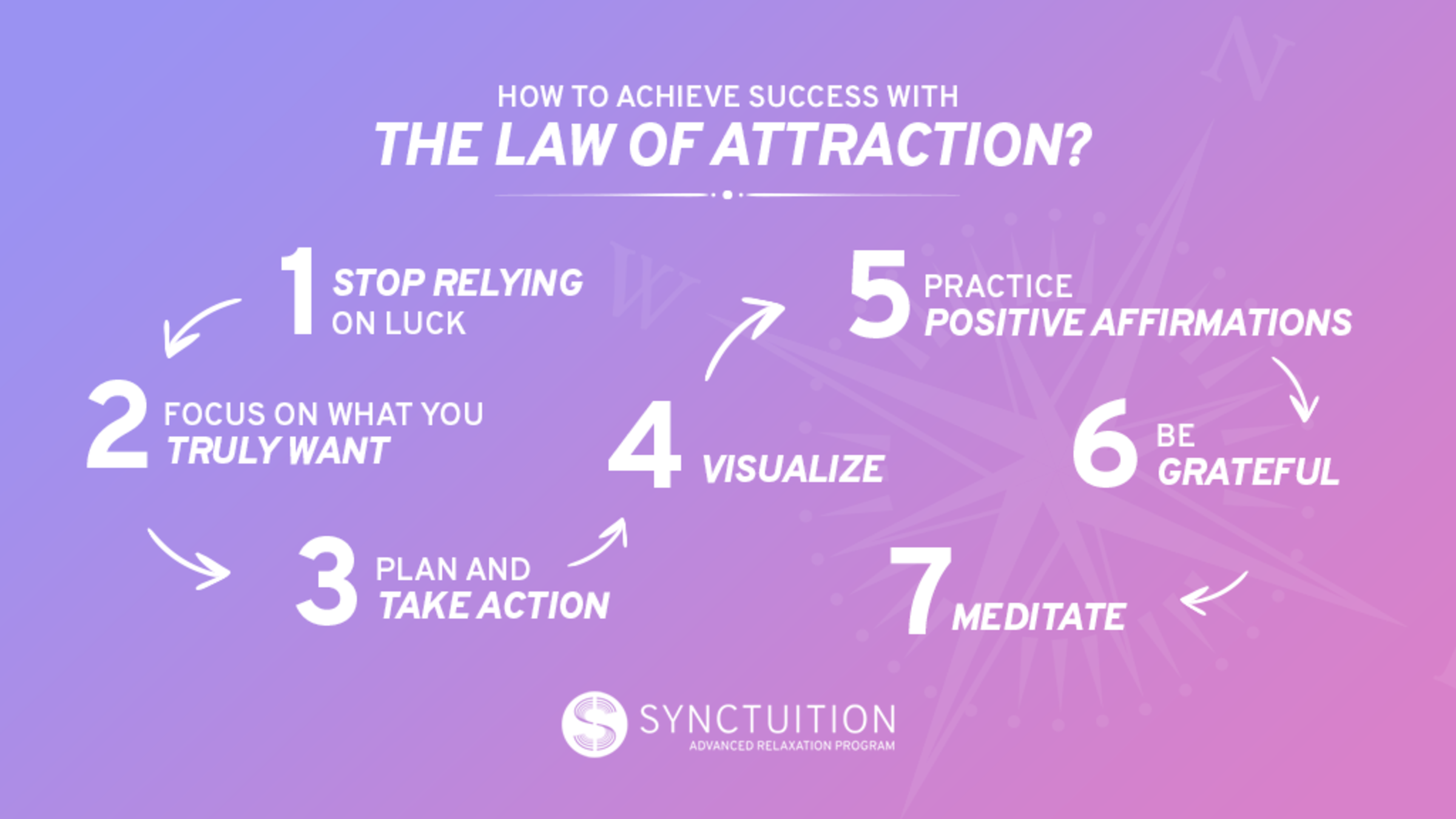
Achieve Success with The Law of Attraction

The law of attraction is used in wellness communities (fitness, MLM, dieting, spiritual) to promise that positive thinking can manifest goals. However, it can also create unrealistic expectations and oversimplify complex realities.

The teachings of the law of attraction, while promoting positive thinking and goal setting, can also have negative impacts and potential risks:

  • Blame and Guilt: It may lead individuals to blame themselves for negative experiences, assuming they attracted them due to their thoughts or vibrations.
  • Unrealistic Expectations: The emphasis on positive thinking may create unrealistic expectations about how quickly and easily goals can be achieved, leading to disappointment and discouragement.
  • Minimization of Systemic Issues: By focusing solely on individual thoughts and actions, it can overlook systemic barriers and societal inequalities that affect outcomes.
  • Financial Exploitation: In contexts like MLMs and certain self-help programs, the promise of manifesting wealth and success through the law of attraction can be used to exploit financially vulnerable individuals.
  • Psychological Impact: For some, the pressure to maintain a positive mindset at all times can contribute to anxiety, guilt, and self-blame when facing challenges or negative emotions.
  • Dismissal of Negative Emotions: It may encourage the suppression or denial of negative emotions, rather than healthy processing and acceptance of them.
  • Pseudoscience: The teachings of the law of attraction often lack empirical evidence and scientific support, leading to beliefs and practices that may not be grounded in reality.
  • Cultural Appropriation: In some cases, the adoption of spiritual or cultural elements (such as indigenous practices) within the context of the law of attraction can lead to appropriation and misunderstanding of their original meanings.

As we explore the impact of belief systems like the law of attraction, it’s clear it shares common pitfalls with high control religion and diet culture—promising transformative change through strict adherence while often neglecting systemic issues and fostering unrealistic expectations.

Join me this week on the podcast as we delve deeper into these topics, uncovering how these ideologies influence our lives and well-being.

Let’s navigate these complexities together and empower ourselves with a balanced perspective.

The Crunchy-to-Alt-Right Pipeline: from Wellness to Extremism

Have you noticed the growing social trend of people shifting from Crunchy hippie New Age lifestyles to Jesus testimonies that embrace “far-right” ideologies?

It’s a phenomenon influenced by social media algorithms and influencers who blend wellness with conspiracy theories and extreme views. What starts as an interest in sourdough baking and herbal remedies can subtly transition into something much darker.

Understanding the Trad Wife and Stay-at-Home Girlfriend Movements

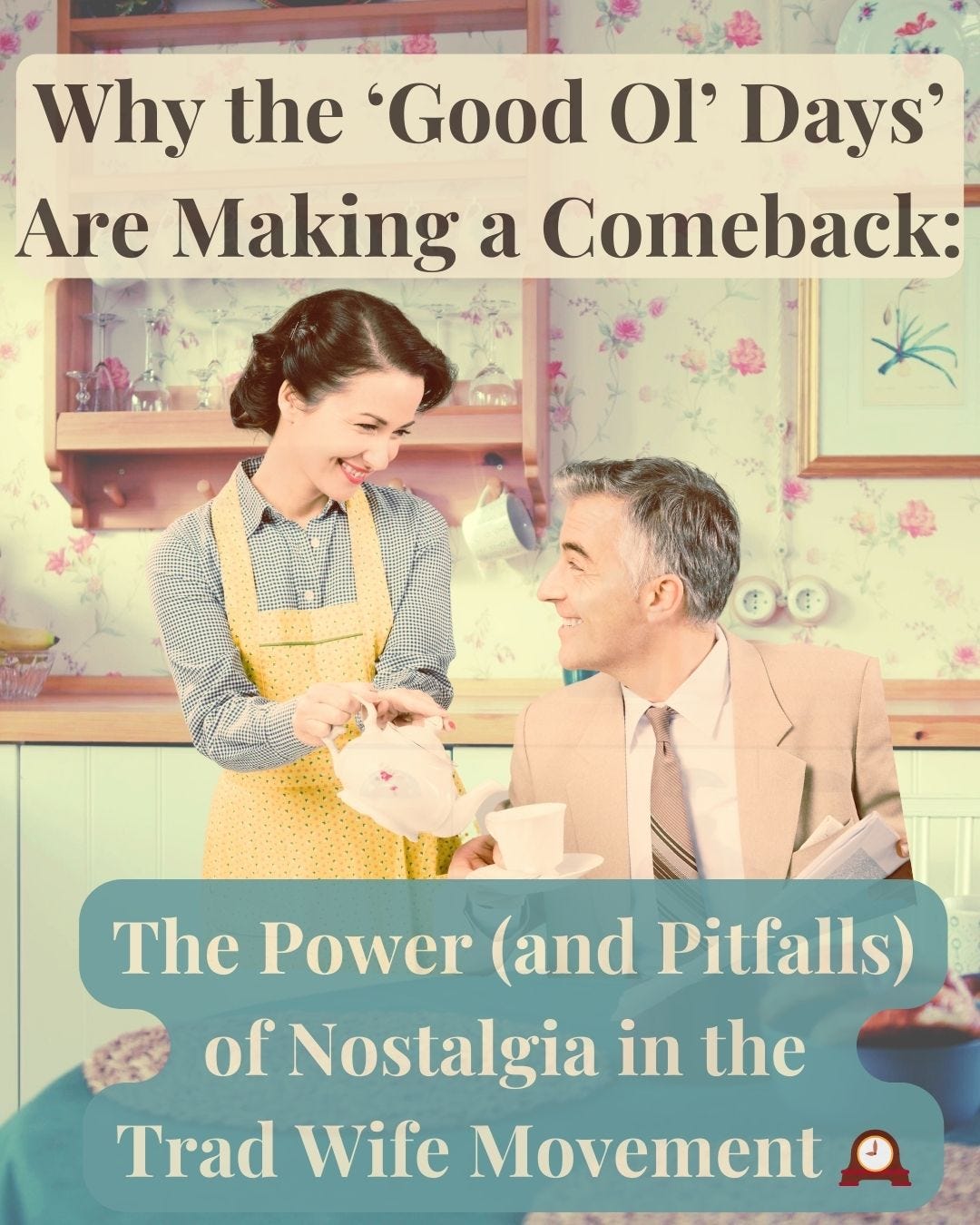
Enter the Trad Wife and Stay-at-Home Girlfriend movements—cultural trends advocating for traditional gender roles within relationships. Followers prioritize homemaking, submission to husbands, and nurturing domestic skills. This blends with the Crunchy-to-Alt-Right Pipeline when online narratives blend wellness with conservative ideologies, portraying traditional roles as spiritual ideals.

Motivations Behind the Movements

  • Embracing Traditional Values: Supporters cite a desire to uphold stability and family roles, believing in the importance of creating a nurturing home environment and supporting their partners as leaders of the household.
  • Rejecting Modern Feminism: Many view modern feminism as anti-family and undermining traditional values, preferring roles they see as empowering and fulfilling.
  • Cultural and Religious Influences: Some view traditional roles as rooted in religious teachings or cultural heritage, finding validation in communities that promote these values.

Fear Tactics and Cultural Influences

Fear tactics are prevalent in online content that combines wellness with extreme ideologies. These tactics manipulate users into adopting the group’s beliefs by promoting fear of worldly dangers, apocalyptic scenarios, or spiritual consequences. Narratives within the “culture wars” often lead to anti-LGB and anti-feminist sentiments. Influencers may use fear of societal collapse or moral decay to urge followers toward conservative values, portraying them as a defense against perceived threats to traditional lifestyles.

Historical Precedents: Satanic Panic and Moral Panics

Historically, movements like the “Satanic Panic” in the 1980s and ’90s stoked fears of occult influences on children and communities, leading to widespread moral panic. Similarly, today’s online narratives can exaggerate or fabricate threats to bolster ideological adherence. The fear of cultural shifts fuels narratives that paint progressive changes as morally corrupt or spiritually dangerous.

Example: Evangelical Fears and Pop Culture

  • Harry Potter and Witchcraft: Some evangelical groups viewed the portrayal of magic and witchcraft as promoting occult practices, leading to book bans.
  • Rock and Roll Music: Evangelical circles have long feared the influence of rock music on youth, believing it promotes rebellion and anti-Christian values.
  • Celebrity Influence: Figures like Taylor Swift and Lady Gaga have been scrutinized for their perceived impact on moral standards.

Navigating Complexity

While these movements resonate with some as empowering choices, they also perpetuate outdated stereotypes and limit opportunities for autonomy outside traditional roles. Some narratives oversimplify complex societal issues, promoting a binary worldview of good versus evil.

This is where feminism itself has struggled. Historically, these structures were tangible—laws barring women from owning property, restrictions on voting, and economic barriers that kept women dependent. But second-wave feminism reframed ‘The Patriarchy’ as an omnipresent force embedded in culture, language, and even subconscious bias. This shift transformed a real set of historical inequalities into an abstract, ever-elusive boogeyman, ensuring that the fight against it could never truly end. Like a mirage that recedes as you approach it, the all-encompassing Patriarchy has become both the enemy feminism battles and the foundation it stands on. To abolish it would collapse the movement’s very purpose.

It’s essential to critically evaluate these narratives—both the reactionary push toward traditionalism and the ideological traps within feminism itself—and consider their broader implications on personal beliefs and societal attitudes.

Personal Reflections: Manipulation and Belonging

I remember the day I was first drawn into evangelical Christianity. It wasn’t through logic or a carefully reasoned argument; it was through the power of a story—a testimony, to be exact. The speaker shared a dramatic tale of transformation, from the depths of despair into the light of salvation. Her voice trembled with emotion, and tears glistened in her eyes as she described the overwhelming peace she found in Christ. I was captivated. It wasn’t just a story; it was a call, a plea for me to experience the same miraculous change.

The manipulation was subtle but powerful. Fear played a significant role. I was warned of the dire consequences of rejecting this path, of the eternal damnation that awaited those who turned away. This fear was not just for my soul but for my life here and now. I was told that without Jesus, I would continue to live in confusion, loneliness, and despair.

What made it all the more compelling was the promise of belonging. I had always felt somewhat out of place, disconnected from those around me. But here was a community that promised acceptance, a family where I would always belong.

The concept of biblical femininity and submission was introduced as a path to fulfillment, as a way to finally fit into a role designed specifically for me by God.

My Experience with These Ideologies

Critically evaluating these narratives is crucial, as these teachings can profoundly shape personal beliefs and broader societal attitudes. I was involved in a biblical counseling program that reinforced a system of patriarchal control, stifling my autonomy and presenting a distorted view of marriage and gender roles.

One of the most telling moments was when I encountered an excerpt from The Excellent Wife by Martha Peace in one of the workbooks. The list of expectations outlined for a wife to “glorify” her husband was staggering and disempowering. It included directives like:

  1. Organizing cleaning, grocery shopping, laundry, and cooking while fulfilling your “God-given responsibility” so that your husband is free to focus on his work.
  2. Saving some of your energy every day for him.
  3. Prioritizing your husband above children, parents, friends, jobs, Bible studies, etc., and rearranging your schedule whenever necessary to meet his needs.
  4. Speaking positively about him to others and never slandering him—even if what you’re saying is true.
  5. Doing whatever you can to make him look good, from running errands to helping accomplish his goals, while never taking offense if he chooses not to use your suggestions.
  6. Considering his work, goals, hobbies, and religious duties more important than your own.

These expectations weren’t just fringe ideas—they were central to the teachings of Biblical Counseling, widely embraced within the Southern Baptist Convention and many non-denominational churches. What I experienced wasn’t just about a partnership; it was about submission—unquestioning and absolute. The woman’s role was essentially to serve her husband’s needs and desires, no matter the cost to her own identity or autonomy.

But perhaps one of the most chilling aspects of this program was a statement that underscored the complete denial of personal rights. The workbook stated that humble people have “no rights” in Christ—only responsibilities. It referenced Philippians 2:3-8 to justify this perspective.

Don’t be selfish; don’t try to impress others. Be humble, thinking of others as better than yourselves. Don’t look out only for your own interests, but take an interest in others, too. You must have the same attitude that Christ Jesus had.

The workbook then presented a list of “rights” that were seen as sinful or selfish to claim in this context. Some of the rights included:

  • The right to control personal belongings
  • The right to privacy
  • The right to express personal opinions
  • The right to earn and use money
  • The right to plan your own schedule
  • The right to respect
  • The right to be married, protected, appreciated, desired, and treated fairly
  • The right to travel, to have a good education, to be beautiful

There were over thirty items on this list. This wasn’t just a list of personal sacrifices; it was a grooming tool that laid the groundwork for further abuse and manipulation under the guise of spiritual obedience.

These teachings were not about partnership, love, or mutual respect. They were about control, and they left no room for the dignity and rights of individuals, especially women.

If you want to dive deeper into the power dynamics at play in these teachings, I highly recommend listening to this podcast that breaks down the power play behind these ideologies.

But now looking back, I realize how these tactics exploited my vulnerabilities. The emotional manipulation, the fear-based messaging, and the promise of belonging were all tools used to mold me into someone I wasn’t. They weren’t concerned with my true self; they wanted to shape me into their image of the ideal Christian woman—submissive, obedient, and unquestioning.

What’s more disturbing is how these tactics aren’t unique to evangelical Christianity. Similar strategies are employed in other religions, such as Islam. Many converts are recruited through an overwhelming outpouring of love and acceptance, only to later face pressure to conform to rigid gender roles. The promise of belonging is intoxicating, but the cost is often self-erasure.

Let’s Discuss

Have you observed these dynamics in your online experiences? What are your thoughts on their impact on societal norms? Today’s ‘trad wife’ movement glamorizes the mid-century housewife as a personal choice, not a submissive trap. But let’s be realthis nostalgic comeback to the “traditional” family structure is less about empowerment and more about rolling back progress, cherry-picking conservative values to fit a romanticized, idealized narrative. It’s a version of the past that overlooks the very real inequalities and limitations that many women endured under patriarchal structures. As Louise Perry discusses in her work, there’s a dangerous tendency to romanticize past roles, casting them as noble sacrifices or natural ways of life—while glossing over the inherent power imbalances that were so often hidden behind closed doors.

The truth is, these ideologies (whether cloaked in the guise of spirituality or conservative family values) are rooted in a desire to control, to limit autonomy, and to restrict freedom in the name of “order” or “biblical truth.” When we look back at the nuclear family ideal, it’s crucial to acknowledge that this vision does not have to be a patriarchal prison. It can be a partnership, a shared responsibility, and a structure that values mutual respect, autonomy, and equality.

What do you think? Is the push for the traditional family about a return to a healthier, more balanced dynamic? Or is it about pushing women back into a box of obedience and subjugation, all while selling us a narrative that it’s what’s best for everyone involved? Or is there a middle ground here?


Understanding this pipeline is essential for recognizing how seemingly unrelated interests in wellness and spirituality can be co-opted by extremist ideologies. It highlights the need for vigilance and critical thinking in online spaces, as well as the importance of promoting credible information and fostering inclusive communities. For more detailed discussions on this topic, you can refer to articles from sources like the Virginia Review of Politics and Cross Cultural Solidarity​ (Virginia Review of Politics)​​ (Cross Cultural Solidarity)​.