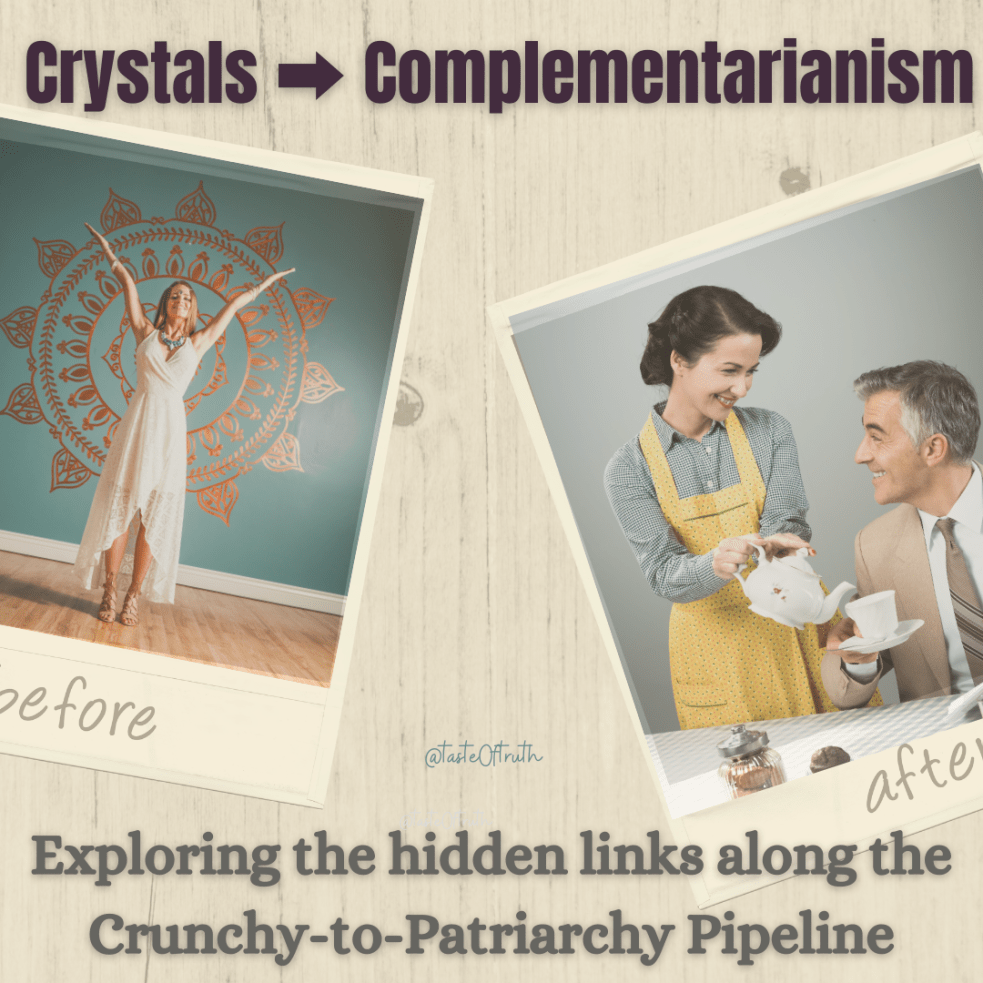
Have you noticed the growing social trend of people shifting from Crunchy hippie New Age lifestyles to Jesus testimonies that embrace “far-right” ideologies?
It’s a phenomenon influenced by social media algorithms and influencers who blend wellness with conspiracy theories and extreme views. What starts as an interest in sourdough baking and herbal remedies can subtly transition into something much darker.
Understanding the Trad Wife and Stay-at-Home Girlfriend Movements
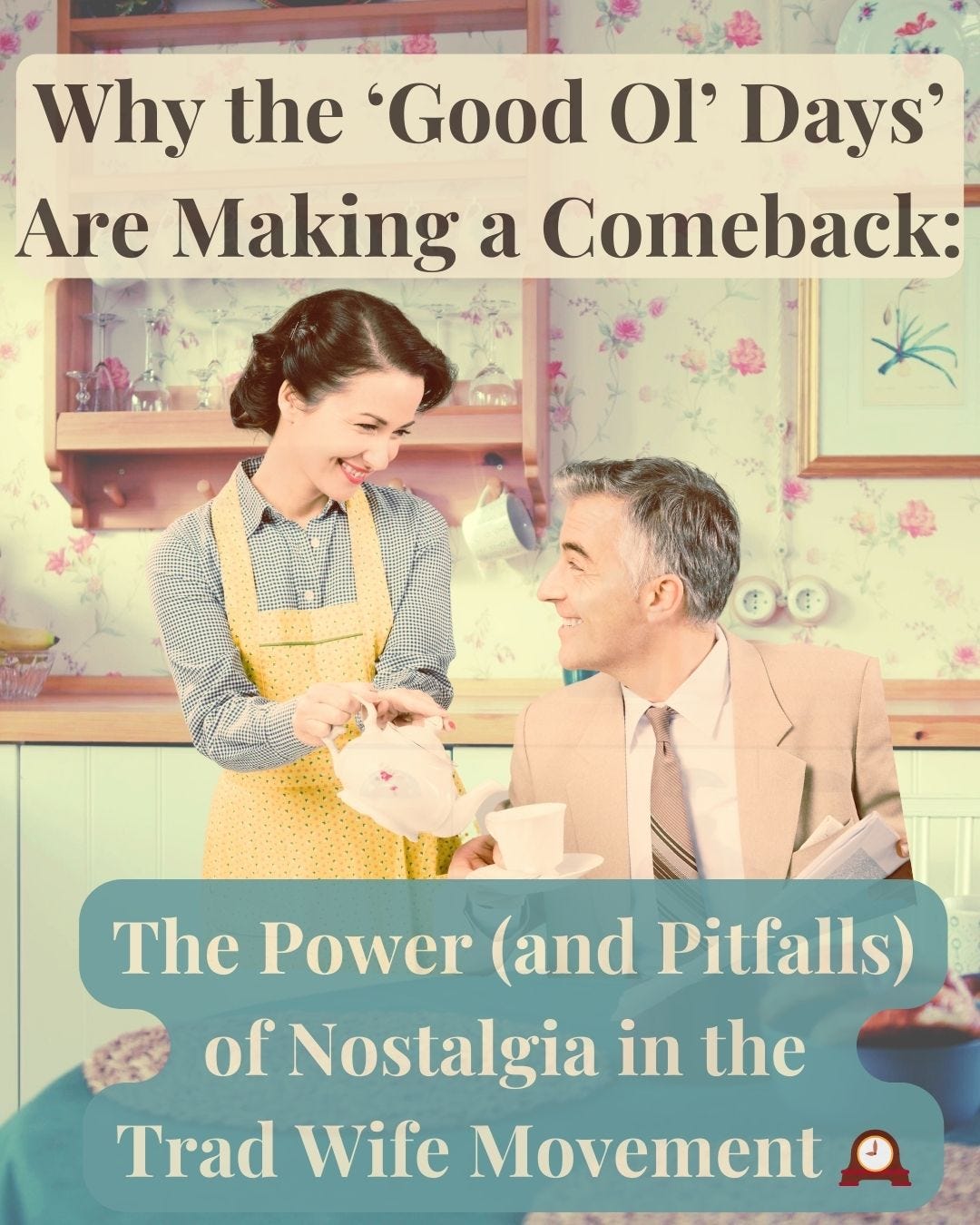
Enter the Trad Wife and Stay-at-Home Girlfriend movements—cultural trends advocating for traditional gender roles within relationships. Followers prioritize homemaking, submission to husbands, and nurturing domestic skills. This blends with the Crunchy-to-Alt-Right Pipeline when online narratives blend wellness with conservative ideologies, portraying traditional roles as spiritual ideals.
Motivations Behind the Movements
- Embracing Traditional Values: Supporters cite a desire to uphold stability and family roles, believing in the importance of creating a nurturing home environment and supporting their partners as leaders of the household.
- Rejecting Modern Feminism: Many view modern feminism as anti-family and undermining traditional values, preferring roles they see as empowering and fulfilling.
- Cultural and Religious Influences: Some view traditional roles as rooted in religious teachings or cultural heritage, finding validation in communities that promote these values.
Fear Tactics and Cultural Influences
Fear tactics are prevalent in online content that combines wellness with extreme ideologies. These tactics manipulate users into adopting the group’s beliefs by promoting fear of worldly dangers, apocalyptic scenarios, or spiritual consequences. Narratives within the “culture wars” often lead to anti-LGB and anti-feminist sentiments. Influencers may use fear of societal collapse or moral decay to urge followers toward conservative values, portraying them as a defense against perceived threats to traditional lifestyles.
Historical Precedents: Satanic Panic and Moral Panics
Historically, movements like the “Satanic Panic” in the 1980s and ’90s stoked fears of occult influences on children and communities, leading to widespread moral panic. Similarly, today’s online narratives can exaggerate or fabricate threats to bolster ideological adherence. The fear of cultural shifts fuels narratives that paint progressive changes as morally corrupt or spiritually dangerous.
Example: Evangelical Fears and Pop Culture
- Harry Potter and Witchcraft: Some evangelical groups viewed the portrayal of magic and witchcraft as promoting occult practices, leading to book bans.
- Rock and Roll Music: Evangelical circles have long feared the influence of rock music on youth, believing it promotes rebellion and anti-Christian values.
- Celebrity Influence: Figures like Taylor Swift and Lady Gaga have been scrutinized for their perceived impact on moral standards.
Navigating Complexity
While these movements resonate with some as empowering choices, they also perpetuate outdated stereotypes and limit opportunities for autonomy outside traditional roles. Some narratives oversimplify complex societal issues, promoting a binary worldview of good versus evil.
This is where feminism itself has struggled. Historically, these structures were tangible—laws barring women from owning property, restrictions on voting, and economic barriers that kept women dependent. But second-wave feminism reframed ‘The Patriarchy’ as an omnipresent force embedded in culture, language, and even subconscious bias. This shift transformed a real set of historical inequalities into an abstract, ever-elusive boogeyman, ensuring that the fight against it could never truly end. Like a mirage that recedes as you approach it, the all-encompassing Patriarchy has become both the enemy feminism battles and the foundation it stands on. To abolish it would collapse the movement’s very purpose.
It’s essential to critically evaluate these narratives—both the reactionary push toward traditionalism and the ideological traps within feminism itself—and consider their broader implications on personal beliefs and societal attitudes.
Personal Reflections: Manipulation and Belonging
I remember the day I was first drawn into evangelical Christianity. It wasn’t through logic or a carefully reasoned argument; it was through the power of a story—a testimony, to be exact. The speaker shared a dramatic tale of transformation, from the depths of despair into the light of salvation. Her voice trembled with emotion, and tears glistened in her eyes as she described the overwhelming peace she found in Christ. I was captivated. It wasn’t just a story; it was a call, a plea for me to experience the same miraculous change.
The manipulation was subtle but powerful. Fear played a significant role. I was warned of the dire consequences of rejecting this path, of the eternal damnation that awaited those who turned away. This fear was not just for my soul but for my life here and now. I was told that without Jesus, I would continue to live in confusion, loneliness, and despair.
What made it all the more compelling was the promise of belonging. I had always felt somewhat out of place, disconnected from those around me. But here was a community that promised acceptance, a family where I would always belong.
The concept of biblical femininity and submission was introduced as a path to fulfillment, as a way to finally fit into a role designed specifically for me by God.
My Experience with These Ideologies
Critically evaluating these narratives is crucial, as these teachings can profoundly shape personal beliefs and broader societal attitudes. I was involved in a biblical counseling program that reinforced a system of patriarchal control, stifling my autonomy and presenting a distorted view of marriage and gender roles.
One of the most telling moments was when I encountered an excerpt from The Excellent Wife by Martha Peace in one of the workbooks. The list of expectations outlined for a wife to “glorify” her husband was staggering and disempowering. It included directives like:
- Organizing cleaning, grocery shopping, laundry, and cooking while fulfilling your “God-given responsibility” so that your husband is free to focus on his work.
- Saving some of your energy every day for him.
- Prioritizing your husband above children, parents, friends, jobs, Bible studies, etc., and rearranging your schedule whenever necessary to meet his needs.
- Speaking positively about him to others and never slandering him—even if what you’re saying is true.
- Doing whatever you can to make him look good, from running errands to helping accomplish his goals, while never taking offense if he chooses not to use your suggestions.
- Considering his work, goals, hobbies, and religious duties more important than your own.
These expectations weren’t just fringe ideas—they were central to the teachings of Biblical Counseling, widely embraced within the Southern Baptist Convention and many non-denominational churches. What I experienced wasn’t just about a partnership; it was about submission—unquestioning and absolute. The woman’s role was essentially to serve her husband’s needs and desires, no matter the cost to her own identity or autonomy.
But perhaps one of the most chilling aspects of this program was a statement that underscored the complete denial of personal rights. The workbook stated that humble people have “no rights” in Christ—only responsibilities. It referenced Philippians 2:3-8 to justify this perspective.
Don’t be selfish; don’t try to impress others. Be humble, thinking of others as better than yourselves. Don’t look out only for your own interests, but take an interest in others, too. You must have the same attitude that Christ Jesus had.
The workbook then presented a list of “rights” that were seen as sinful or selfish to claim in this context. Some of the rights included:
- The right to control personal belongings
- The right to privacy
- The right to express personal opinions
- The right to earn and use money
- The right to plan your own schedule
- The right to respect
- The right to be married, protected, appreciated, desired, and treated fairly
- The right to travel, to have a good education, to be beautiful
There were over thirty items on this list. This wasn’t just a list of personal sacrifices; it was a grooming tool that laid the groundwork for further abuse and manipulation under the guise of spiritual obedience.
These teachings were not about partnership, love, or mutual respect. They were about control, and they left no room for the dignity and rights of individuals, especially women.
If you want to dive deeper into the power dynamics at play in these teachings, I highly recommend listening to this podcast that breaks down the power play behind these ideologies.
But now looking back, I realize how these tactics exploited my vulnerabilities. The emotional manipulation, the fear-based messaging, and the promise of belonging were all tools used to mold me into someone I wasn’t. They weren’t concerned with my true self; they wanted to shape me into their image of the ideal Christian woman—submissive, obedient, and unquestioning.
What’s more disturbing is how these tactics aren’t unique to evangelical Christianity. Similar strategies are employed in other religions, such as Islam. Many converts are recruited through an overwhelming outpouring of love and acceptance, only to later face pressure to conform to rigid gender roles. The promise of belonging is intoxicating, but the cost is often self-erasure.
Let’s Discuss
Have you observed these dynamics in your online experiences? What are your thoughts on their impact on societal norms? Today’s ‘trad wife’ movement glamorizes the mid-century housewife as a personal choice, not a submissive trap. But let’s be real—this nostalgic comeback to the “traditional” family structure is less about empowerment and more about rolling back progress, cherry-picking conservative values to fit a romanticized, idealized narrative. It’s a version of the past that overlooks the very real inequalities and limitations that many women endured under patriarchal structures. As Louise Perry discusses in her work, there’s a dangerous tendency to romanticize past roles, casting them as noble sacrifices or natural ways of life—while glossing over the inherent power imbalances that were so often hidden behind closed doors.
The truth is, these ideologies (whether cloaked in the guise of spirituality or conservative family values) are rooted in a desire to control, to limit autonomy, and to restrict freedom in the name of “order” or “biblical truth.” When we look back at the nuclear family ideal, it’s crucial to acknowledge that this vision does not have to be a patriarchal prison. It can be a partnership, a shared responsibility, and a structure that values mutual respect, autonomy, and equality.
What do you think? Is the push for the traditional family about a return to a healthier, more balanced dynamic? Or is it about pushing women back into a box of obedience and subjugation, all while selling us a narrative that it’s what’s best for everyone involved? Or is there a middle ground here?
Understanding this pipeline is essential for recognizing how seemingly unrelated interests in wellness and spirituality can be co-opted by extremist ideologies. It highlights the need for vigilance and critical thinking in online spaces, as well as the importance of promoting credible information and fostering inclusive communities. For more detailed discussions on this topic, you can refer to articles from sources like the Virginia Review of Politics and Cross Cultural Solidarity (Virginia Review of Politics) (Cross Cultural Solidarity).







 Taste0ftruth Tuesdays