Breaking Free: A Conversation with Yasmine Mohammed on Radical Islam, Empowerment, and the West’s Blind Spots
After finishing George Orwell’s 1984, I noticed its resurgence in popularity, especially after Trump’s election. Ironically, it’s not the conservative right but the progressive left that increasingly mirrors Orwellian themes. Similarly, Margaret Atwood’s The Handmaid’s Tale has become a rallying cry for liberals who claim to be on the brink of a dystopian theocracy. Yet, as Yasmine Muhammad pointed out in this week’s episode, this comparison is not only absurd but deeply insulting to women who live under regimes where Atwood’s fiction is a grim reality.
1984: Rewriting Language and History
The Democratic Party’s obsession with redefining language is straight out of Orwell’s playbook. They tell us biology is bigotry and that there are infinite genders, forcing people to adopt nonsensical pronouns or risk social ostracism. This is not progress—it’s the weaponization of language to control thought, eerily similar to Orwell’s Newspeak.
But it doesn’t stop there. They actively rewrite history by renaming monuments, military bases, and even schools, erasing cultural markers in the name of ideological purity. This is doublespeak in action: the manipulation of truth for political orthodoxy. Orwell’s warning that “orthodoxy is unconsciousness” feels disturbingly apt when observing the modern left.
The Handmaid’s Tale: An Insult to Women Who Actually Suffer
In our conversation, Yasmine highlighted the absurdity of liberal claims that America is The Handmaid’s Tale come to life. Yasmine, who grew up under Islamic theocracy, knows firsthand what it’s like to live in a world where women have no autonomy. These women cannot see a doctor without a male guardian, are forced to cover every inch of their bodies, and are denied basic freedoms like education or the right to drive.
Contrast this with the West, where women have more freedom than any other point in history. Liberal women can run around naked at Pride parades, freely express their sexuality, and redefine what it means to be a woman altogether. And yet, they cry oppression because they are expected to pay for their own birth control or endure debates over abortion limits. This level of cognitive dissonance—claiming victimhood while living in unprecedented freedom—is a slap in the face to women who actually suffer under real patriarchal oppression.
Liberal Orthodoxy: Lost in the Sauce
What’s truly Orwellian is how the left uses its freedom to strip others of theirs. They shout about inclusivity but cancel anyone who disagrees. They claim to fight for justice while weaponizing institutions to enforce ideological conformity. Meanwhile, they are so consumed with their own victim complex that they fail to see how absurd their comparisons to dystopian fiction really are.
Orwell and Atwood warned against unchecked power and ideological extremism. If liberals actually read these books instead of using them as aesthetic props, they might realize they’re mirroring the very authoritarianism they claim to oppose. Instead, they’re lost in the sauce, preaching oppression in a society where they have more freedom than they can handle.
As Yasmine said, “You want to see The Handmaid’s Tale? Try being a woman in Saudi Arabia, Iran, or Afghanistan.” The left would do well to remember that before playing the victim in their cosplay dystopia.
Breaking Free: A Conversation with Yasmine Mohammed on Radical Islam, Empowerment, and the West’s Blind Spots
In a world where ideology often blinds us to reality, Yasmine Mohammed’s story is a testament to the power of courage and critical thinking. As a survivor of a forced marriage to an Al-Qaeda operative and author of the groundbreaking book Unveiled: How Western Liberals Empower Radical Islam, Yasmine has dedicated her life to advocating for women’s rights and challenging oppressive ideologies. In this blog, we’ll explore her journey, the insights she’s gained, and the challenges of addressing extremism in today’s political and cultural climate.
Why Yasmine Wrote Unveiled
When asked what motivated her to write Unveiled, Yasmine shared that it was born out of a deep desire to shed light on her personal journey and the broader systemic issues that keep women trapped in cycles of oppression. “I wanted to expose the realities of radical Islam and its impact on women, but also to empower others to think critically and challenge these systems,” she explained. For Yasmine, the book is not just a memoir; it’s a call to action, a tool for education, and a beacon of hope for those seeking to break free.
Since its publication five years ago, much has changed. Yasmine reflected on her personal growth and evolving perspectives. “The fight for women’s rights continues, but I’ve also learned to navigate the complexities of cultural relativism and political correctness in the West,” she said. These challenges have only deepened her resolve to speak out.
The Psychological Toll of Leaving Islam
In Unveiled, Yasmine recounts the harrowing experience of escaping her marriage and the lingering fear of her ex-husband, even imagining him in “heaven” (p. 186). These fears aren’t just remnants of her past but a reflection of the psychological toll of leaving Islam. “It’s not just about leaving a religion; it’s about disentangling yourself from a worldview that dictated every aspect of your life,” she said.
Her advice for those leaving strict religious environments? “Be patient with yourself. Fear-based tactics are designed to keep you compliant, but over time, as you rebuild your confidence, those fears begin to fade.” Yasmine emphasized the importance of finding supportive communities and nurturing critical thinking skills to counteract deeply ingrained beliefs.
Challenging Radical Islam and Western Enablers
One of the most provocative aspects of Yasmine’s work is her critique of Western liberals who inadvertently enable radical Islam. “By prioritizing cultural relativism over universal human rights, they’re complicit in perpetuating oppression,” she argued. For women in particular, this dynamic is devastating. “When Western feminists turn a blind eye to practices like forced marriages or honor killings, they’re betraying the very values they claim to uphold.”
What’s the solution? “We need to have honest conversations about the realities of radical Islam without fear of being labeled intolerant. It’s not about vilifying a group; it’s about protecting fundamental human rights,” Yasmine said. She also highlighted the importance of education, both in Muslim-majority countries and in the West, to dismantle misconceptions and foster real change.
Final Thoughts
Looking back on her journey, Yasmine’s advice to those deconstructing a belief system is simple but profound: “You are not alone. There is life beyond fear and isolation, and there are communities and resources ready to support you.” For those seeking to educate themselves on these issues, she cautioned against falling into the trap of political tribalism. “Stay curious, ask questions, and prioritize truth over ideology.”
Yasmine Mohammed’s story is more than a tale of survival; it’s a roadmap for empowerment and a challenge to the complacency that allows radical ideologies to thrive. As we navigate a world increasingly polarized by political and cultural divisions, her insights remind us of the urgency of standing up for universal human rights and fostering critical, open-minded discussions.
🙏 Please help this podcast reach a larger audience in hope to edify & encourage others! To do so: leave a 5⭐️ review and send it to a friend! Thank you for listening! I’d love to hear from you, find me on Instagram! @taste0ftruth , @megan_mefit , Pinterest! Substack and on X!
Thanksgiving marks a season of reflection, yet gratitude isn’t always easy to come by—especially after an election year, when cognitive overload and societal stress dominate our attention. This isn’t just a personal struggle; neuroscience suggests our brains are wired to focus on negativity, a phenomenon called negativity bias. This tendency, coupled with cultural norms emphasizing individual success and the relentless comparisons driven by social media, makes practicing gratitude a skill we must consciously develop.
In my work as a coach and host of Taste of Truth Tuesdays, I often explore how habits—like fitness, nutrition, or mindfulness—shape not just our bodies, but our minds. Gratitude operates the same way: it’s not a passive feeling, but an active practice. According to Dr. Monica Johnson, gratitude has the power to rewire your brain, reducing stress and boosting resilience. Here’s why it can be so hard—and how you can overcome those challenges.
Why Gratitude Feels So Hard
1. Negativity Bias
Our brains are wired to prioritize threats and negative experiences over positive ones. This evolutionary survival mechanism can make it harder to notice or appreciate the good in our lives.
2. High Expectations and Comparisons
Social media amplifies the pressure to compare our lives to others, often creating unrealistic standards. When our focus shifts to what we lack, gratitude takes a backseat.
3. Cognitive Overload and Stress
Life moves fast, and our schedules are packed. Reflecting on what we’re thankful for requires slowing down—a luxury stress and busyness don’t easily allow.
4. Cultural and Social Conditioning
In cultures that prize personal achievement and material success, gratitude can feel secondary. Celebrating milestones and accomplishments may overshadow smaller, everyday joys.
5. Mental Health Challenges
Depression, anxiety, and trauma can make it difficult to recognize and appreciate the positives in life. These conditions often shift focus to worries, fears, or a sense of helplessness.
6. Entitlement Mindset
When we feel entitled to certain comforts or successes, it diminishes our ability to see them as gifts, fostering dissatisfaction instead of gratitude.
7. Lack of Practice
Gratitude is a skill, not just an attitude. Without consistent effort, it’s easy for this muscle to weaken.
The Science of Gratitude: Three Proven Strategies
Fortunately, research provides powerful tools to strengthen gratitude. These practices are straightforward, effective, and supported by science.
1. Gratitude Journaling
One of the simplest and most effective methods is keeping a gratitude journal. Regularly writing down three to five things you’re thankful for has been shown to boost emotional well-being and reduce stress.
As a gardener and homesteader, I’ve found parallels here: journaling is like planting seeds of positivity. With time, those seeds grow into a garden of resilience and contentment.
Why it works:
A study by Dr. Robert Emmons, a leading researcher on gratitude, found that journaling helps rewire the brain by reinforcing positive experiences. This practice shifts focus away from what’s missing in your life toward what’s already there.
How to do it:
Spend five minutes each evening listing specific things you’re grateful for.
Be detailed—rather than “I’m grateful for my family,” write, “I’m grateful for the family dinner we had tonight where everyone laughed together.”
2. Gratitude Letters or Visits
Writing a heartfelt letter to someone who has positively impacted your life is another effective practice. Even better? Deliver the letter in person or send it to them.
Why it works:
Research highlighted by Dr. Monica Johnson of The Savvy Psychologist shows that thanking someone you’ve never properly appreciated increases happiness immediately and for up to a month afterward. The act deepens relationships and reinforces a sense of connection.
How to do it:
Reflect on someone who has helped or supported you in a meaningful way.
Write a sincere letter describing what they did and why it mattered.
Deliver it, either in person, through a video call, or via mail.
For me, this practice reminds me of the people who’ve supported my journey—from launching my podcast to building a small homestead.
3. Mental Subtraction of Positive Events
Instead of focusing on what you’re grateful for, imagine your life without certain positive aspects. This “mental subtraction” technique can powerfully enhance your appreciation for what you have.
Why it works:
A study published in the Journal of Positive Psychology revealed that imagining life without key blessings intensifies gratitude by showing how much worse life could be. This perspective shift cultivates appreciation even for things we take for granted.
How to do it:
Think about a cherished relationship, opportunity, or moment in your life.
Reflect on how your life would be without it.
Let this realization deepen your gratitude for that aspect of your life.
I often reflect on what life would be like without the small joys I’ve cultivated—like watching our garden grow or exploring life with my 3 dogs. It’s a powerful way to deepen appreciation for the present.
Gratitude is a Skill Worth Building
Gratitude might not come naturally, but with consistent practice, it can become a cornerstone of emotional resilience and happiness. By journaling, expressing thanks to others, and practicing mental subtraction, you can train your brain to focus on the good—even amidst life’s challenges.
Gratitude isn’t just a feel-good emotion—it’s a powerful mental tool that rewires your brain for better health and happiness. Through neuroplasticity, gratitude practices such as journaling or simply expressing thanks, strengthen neural pathways linked to positive emotions and weaken those associated with stress or negativity. This results in reduced anxiety, lower cortisol (the stress hormone), and improved mood
But the benefits don’t stop at mental health. Gratitude is also linked to better heart health, stronger immune function, and improved sleep quality. By calming the nervous system, gratitude promotes relaxation and a sense of well-being. Plus, it enhances emotional intelligence, fostering empathy, compassion, and stronger social connections
As Dr. Monica Johnson reminds us, gratitude is like a muscle: it grows stronger the more you use it. This Thanksgiving, and in the year ahead, let’s commit to cultivating gratitude as a daily habit. The rewards—a brighter perspective, deeper connections, and greater joy—are well worth the effort.
Gratitude isn’t about ignoring pain or hardship—it’s about recognizing the value in the journey. Whether you’re navigating personal struggles, cultural pressures, or simply a stressful holiday season, gratitude offers a way to stay curious, grounded, and resilient.
For more information on the 365 Easy Challenge for 2025, click here!
Which gratitude strategy will you try first? Let me know in the comments!
For a deeper exploration of the science of gratitude, you can check out these insightful resources:
Books:
The Gratitude Diaries by Janice Kaplan – This book blends personal storytelling with scientific research on the power of gratitude in transforming daily life.
Thanks! How the New Science of Gratitude Can Make You Happier by Robert Emmons – Emmons, one of the leading researchers in the field, explores the science behind gratitude and how practicing it can improve physical and mental health.
The Happiness Advantage by Shawn Achor – Achor discusses how happiness, including gratitude, can lead to success in work and life by creating a positive mindset.
Studies and Articles:
Gratitude and Well-being (Greater Good Science Center) – A collection of studies demonstrating that gratitude can improve overall well-being, reduce stress, and enhance relationshipsGreater Good.
A study published in Psychology of Well-Being found that practicing gratitude regularly can help reduce negative emotions and promote a greater sense of life satisfactionGreater Good.
TED Talks:
“The Power of Vulnerability” by Brené Brown – Brown explores how embracing vulnerability, along with gratitude, leads to a deeper connection with others and personal well-being.
“What’s So Funny About Gratitude?” by Robyn Stratton-Berkessel – In this talk, Stratton-Berkessel discusses the profound impact that asking about positive experiences can have on fostering gratitude in everyday life PositivePsychology.com.
“The Secret to Happiness is Helping Others” by Mike Robbins – Robbins highlights how gratitude, especially when expressed towards others, can create a ripple effect of kindness and well-beingPositivePsychology.com.
These resources provide a rich blend of personal, scientific, and practical perspectives on how gratitude can enhance our lives.
Bonus Episode: Reflections on the Election Cycle – A Message for the Deconstruction Community
Welcome to today’s deep dive into a topic that’s been stirring within me for months. If you’re new here, let me explain the deconstruction space, or the deconstruction community—a movement that’s gaining momentum for those of us disentangling ourselves from rigid, fundamentalist beliefs. This process is supposed to be healing and, ideally, a source of growth, but it’s not without its share of controversy. That’s what we’re here to talk about.
In my podcast episode titled Faith Unbound: Navigating the Process of Disentanglement—or rather, Deconversion after my own journey took a deeper turn—I discussed my initial discovery of this space back in February. At that point, I’d begun to question my former beliefs, and the deconstruction community felt like a safe haven. After 6-7 months in, I’m seeing patterns that are unsettlingly familiar. The community has been valuable, yet I’ve grown concerned as it increasingly mirrors the same kinds of rigidity and tribalism many of us were trying to escape.
My posts and Instagram reels have hinted at this frustration, but I’m here today to pull these thoughts together more fully. Moving away from one dogma only to embrace another feels to me, like a new form of entrapment. The craving for certainty and “the right side” is strong, and without realizing it, we’re swapping one rigid system for another. In this space that’s supposed to champion open-mindedness, judgment and exclusion seem to have replaced curiosity and true critical thought.
It’s a reminder that true growth and change happen only when we’re open to different perspectives—not quick to label those who disagree with us as enemies. As the philosopher John Stuart Mill argued in his 1859 work, On Liberty, Free speech is essential for discovering the truth. He believed true understanding and truth itself emerge only through open debate and free expression. This highlights the complexity of truth, it’s only when differing perspectives clash that ideas are refined and strengthened. Let’s explore how that idea relates to today’s topic.
Setting the Stage: The Political and Psychological Landscape
Before we dig into the deconstruction community, let’s set the stage with something I found really interesting. Back before the 2024 election, journalist Mark Halperin expressed some serious concerns on Tucker Carlson’s podcast (cue the BOOs and HISSS from all the progressives–I hear you!) about what would happen if Trump were to win a second term. He predicted widespread psychological distress, especially among Democrats, which would affect everything from mental health to social interactions. And, wow, did that hit the mark.
Since Trump’s victory, movements like the 4B movement have surged among women on social media, particularly in response to reproductive rights concerns and conservative gender roles. Originating in South Korea, the movement’s name, “4B,” stems from “B,” shorthand for “no” in Korean, symbolizing “No sex, No dating, No marrying men, and No children.” Recently, the movement has sparked a 450% increase in Google searches in the U.S., with many calling it the “4 Nos” or referencing “Lysistrata” for its radical stance against traditional gender expectations. I’ve shared my thoughts on traditional gender expectations in a previous episode.
The Blue Bracelet Movement: Solidarity or Performative Gesture?
Following the 2024 election, white women supporting Kamala Harris have rallied around an unexpected symbol: a blue bracelet. For many, it represents allegiance, a small but visible way to signal “I’m not with them” to women who voted for Trump. But like other quick-fix political symbols, it’s raising questions: Does this bracelet truly contribute to progress, or is it merely performative—a way to sidestep deeper, tougher conversations within their communities?
The trend echoes past symbolic movements like 2017’s “pussy hats,” which aimed to unify and empower but were later criticized for their lack of sustained action. Today, similar critiques have emerged around the bracelet, with critics suggesting it’s more of a comforting gesture for its wearers than a true commitment to change. Some Black activists and allies have pointed out that symbols alone aren’t enough; they want allies willing to challenge and change the beliefs of those around them, including friends and family who may hold differing views.
Could the Blue Bracelet Movement become a lasting emblem of allyship or fade as a passing trend? Its fate rests on whether those wearing it step up to engage in hard conversations and meaningful action.
Misinformation and Its Impact on Abortion Laws
But let’s get back to deconstruction—and something that’s been coming up a lot lately, particularly within that space: misinformation about abortion laws. Here’s the thing: there is no federal abortion ban in place. I repeat, NO federal abortion ban.
The Trump administration’s role in the overturning of Roe v. Wade has sparked fierce debates on both sides, but it’s important to clarify that the administration never stated it aimed to eliminate abortion nationwide. Instead, the ruling simply returned the power to regulate abortion to individual states. Some conservative figures have even used quotes from Ruth Bader Ginsburg to suggest she supported a more gradual, state-based approach. However, Ginsburg critiqued the federal approach, arguing a more state-focused shift could have garnered broader public support for gender equality. Polls consistently show that while many Americans support the legality of abortion, most also favor restrictions—especially in later stages of pregnancy. This nuance, however, often gets lost in campaign rhetoric, which is typically framed in absolute terms to galvanize voter turnout. But as we’ve seen, such messaging has not always yielded the intended results, revealing the complexity of public opinion on this issue.
Yes, the Roe v. Wade decision was overturned, but all that did was give states the power to regulate abortion. Some states have restrictions, sure, but no federal law is imposing a nationwide ban. And without a massive shift in Congress and the courts, it’s unlikely that will happen.
I don’t think it will. Trump himself has spoken out against that. His wife has spoken for protecting these in some way, shape or form. We have other folks coming over from the Democratic Party under this Unity Party bracket. I just don’t think that they’re going to force Christian nationalism, and abortion bans across the entire nation. I guess we’ll see.
Then, there’s this idea going around that women won’t be able to access life-saving procedures if they have a miscarriage. This is just false. In fact, most states with abortion restrictions still allow medical treatments for miscarriages, like dilation and curettage (D&C), which are essential to protect a woman’s health. What’s actually being restricted are elective abortions—not necessary procedures.
But here’s where things get really tricky. The spread of these exaggerated claims taps into the emotional centers of our brains. If you remember our previous episodes, we talked about amygdala hijacking—the brain’s response to fear and anxiety. When we hear these alarmist claims, it triggers that fear-based reaction, shutting down our ability to think rationally. Instead of focusing on the facts, we’re just reacting emotionally.
The Dangers of Misinformation
Let’s talk about the danger of this. Misinformation, especially when it involves highly emotional issues like reproductive rights, isn’t just harmless chatter—it’s psychological warfare. It keeps people in a constant state of anxiety, preventing them from thinking rationally. The real issue? People are more likely to believe in the fear-based narrative than to actually check the facts. They’re too busy being triggered emotionally.
This plays directly into the hands of the fearmongers. It becomes easier to control a population if you can make them afraid, right? And what do we see happening? Misguided campaigns around “miscarriage care,” the spread of exaggerated stories, and people feeling like their rights are under direct attack. It’s chaos. And it’s all based on misinformation, yet the ones who are screaming the loudest about misinformation are the very ones spreading it.
Can you already hear the echoes of evangelicalism? This brings me to the concepts of Jonathan Haidt’s the Righteous Mind: Why Good People Are Divided by Politics and Religion because they apply here. Haidt explains how our moral intuitions drive our beliefs and politics, often dividing us along different moral foundations.
Many folks in the deconstruction space, now lean left, where values like care and fairness are paramount. Meanwhile, conservative values like loyalty and authority are often viewed as suspect, fostering an “us vs. them” mentality that can feel righteous but alienating. Ironically, in striving for freedom and empathy, the deconstruction space sometimes ends up falling into the same black-and-white thinking it critiques.
In tandem, Greg Lukianoff and Jonathan Haidt’s book The Coddling of the American Mind offers a useful framework for understanding these shifts, identifying “Three Great Untruths”: 1) “What doesn’t kill you makes you weaker,” 2) “Always trust your feelings,” and 3) “Life is a battle between good people and evil people.” These untruths, they argue, create fragility, discourage critical thinking, and foster a tribal mentality—traits that increasingly characterize the deconstruction space and parts of the progressive left.
It’s ironic to me that some people leave evangelical Christianity thinking they’re free, only to stumble into a new form of dogma within the deconstruction space. My experience is different—I didn’t grow up in the church but was recruited during the pandemic. Having lived outside of purity culture, I feel fortunate not to carry that baggage. While I empathize with those navigating their journeys, it’s tough to see them act as critics and bullies. Let’s unpack these dynamics by exploring three key untruths in this space.
1. The Untruth of Fragility: “What doesn’t kill you makes you weaker.”
For many, deconstructing from fundamentalist beliefs took resilience and a willingness to confront discomfort. Yet, in today’s deconstruction space, there’s an emphasis on avoiding ideas seen as “unsafe” or “harmful”—typically anything that deviates from progressive orthodoxy. and I mean, I genuinely felt this way. I think that might be somewhat of a trauma response. I was like, I hate the patriarchy. I must stand up against this. This is harmful. This is dangerous. And there is a lot of data proving that this isn’t true, whether we want to look at the history of the ancient church or just, you know, the research data that I’ve shared in previous episodes but my point–this fragility, reinforced by social media algorithms, cultivates an environment where disagreement feels threatening rather than enriching.
This approach mirrors the fundamentalist rejection of “dangerous” secular ideas, where dissent is demonized. The irony is that what began as a call for open-mindedness has become a kind of brittle certitude, one that isolates rather than connects. Instead of learning resilience, we’re re-teaching fragility, limiting our growth and deepening the ideological chasm.
Protestors outside a Temple of Satan
2. The Untruth of Emotional Reasoning: “Always trust your feelings.”
Fundamentalism often equates strong feelings with truth—“If I feel it, it must be right.” In the deconstruction space, there’s a similar emphasis on emotional reasoning. If something feels offensive or unsettling, it’s treated as harmful. This approach is amplified by social media, where outrage and personal offense are rewarded with visibility.
Haidt’s work reminds us that emotions shape our moral judgments but don’t always lead to truth. Reacting purely on feeling closes off critical thinking, creating echo chambers where alternative perspectives are rarely considered. Instead of fostering deeper understanding, emotional reasoning entrenches our biases, fueling judgment rather than curiosity.
3. The Untruth of Us vs. Them: “Life is a battle between good people and evil people.”
The most divisive untruth is the idea that the world can be split into “good” and “evil” camps. This is evident in how some in the deconstruction community approach politics and social issues, painting conservatives or moderates as morally inferior. We see a rigid, “with us or against us” mentality, where anyone who questions progressive narratives is labeled “deplorable,” “harmful,” “Trash”, “Nazi” or worse.
Haidt’s research reveals that moral division is natural; we all tend to view those who disagree with us as misguided or even morally flawed. But when we approach every difference as a moral battleground, we close off true dialogue. Coming from a high-Calvinist church—one of the most cult-like, fundamentalist circles you can get into—I know what it’s like to think the rapture is imminent or to believe that if you don’t say all the “right” words exactly, you’ll burn in hell. My journey has taken me from being pro-choice in Portland, OR, having had three abortions myself, to joining an abolitionist movement to outlaw abortion. I haven’t even spoken about the profound pain and regret I carry about this. Yet here I am, reflecting on how divisive our society has become, with so little room for understanding across political lines. In the deconstruction space, you’d expect a shared empathy after leaving behind rigid belief systems, but instead, the culture seems to mirror the very exclusivity and “us vs. them” mentality of evangelical spaces.
Living in Portland, surrounded by ideologies that often pushed the limits of what I felt was morally comfortable, I wrestled with the impacts of various movements. I started to question whether certain messages of empowerment—like third-wave feminism—truly uplift or, instead, encourage behaviors that commodify women’s bodies and promote sexualization from a very young age. And while sex work has become a celebrated concept under the mantra “sex work is real work,” my own painful experiences in that industry make me see things differently. To me, it’s not empowering; it’s the opposite. Instead of championing it, I believe we should work to dismantle the industry.
It’s not just isolated concepts; there’s a broader pattern of glorifying “anything goes” hedonism and dismissing traditional values in the progressive space, which I find deeply troubling. Living in that environment left me with a raw understanding of how damaging these ideologies can be, leaving permanent scars. I grieve over the three abortions I’ve had. I cry because, despite being told it was just “a clump of cells,” I knew it was more than that. Watching the left demand “trust the science” while denying that life begins at conception feels twisted to me.
Moreover, there’s a deep, dark history in the advocacy of reproductive rights that gets glossed over—like the disturbing eugenics past of Planned Parenthood’s Margaret Sanger. Are we just going to ignore that?
Since the last election ended with a Trump landslide victory, rather than sparking any self-reflection, this moral absolutism seems to have intensified. The comments sections on many deconstruction accounts reveal the same tribal thinking they claim to oppose. Instead of creating bridges, we see entrenched sides, instead of open-mindedness, we see judgment.
Look, I’ve been there. I was a proud Democrat in the past. I voted for Obama. But now, as an independent, I’m calling it like I see it. Democrats need to take a good hard look at themselves if they want a chance at victory. Blaming the electorate isn’t the answer. You cannot keep denying biology and pretending men. Along in women’s sports, restrooms or prisons. The idea that kids should undergo irreversible changes. It’s misguided and is absolutely out of touch. The open border agenda. It’s hurting American workers, pushing down wages and driving up the cost of housing. When will you start protecting your own people instead of pandering to these extreme policies? Discriminating against whites, Asians and men and the name of countering past wrongs is not only setting us back, but it’s racist in itself. Abandoning merit-based selection is wrecking our economy and opportunities for everyone. I mean, you cannot let people camp, defecate and shoot up in public spaces and expect things to improve. The average voter is seeing all of this and they’re rejecting it. If Democrats want to win again, they need to rethink their approach and get back to reality. Enough is enough.
The Pipeline Problem: How Social Media Radicalizes
This divide is worsened by social media, where algorithms favor outrage and tribalism, pulling people toward extreme ideologies. Just as researchers have observed a “crunchy hippie to alt-right pipeline,” there’s a similar dynamic at play in progressive spaces, where folks in the deconstruction space are drawn into radical social justice ideologies that feel every bit as dogmatic as evangelicalism.
In this progressive pipeline, identity politics becomes a weapon, and moral purity is enforced through a power/victim binary that discourages complexity and invites fear of being labeled an oppressor. This kind of ideological purity resembles the control and certainty we experienced in evangelicalism, only now with a new political coat of paint.
And this leads me into the horseshoe theory suggests that the far-left and far-right, though seemingly at opposite ends of the spectrum, often mirror each other in attitudes and tactics. This theory, initially presented by French philosopher Jean-Pierre Faye, proposes that the extremes of any ideology may end up behaving similarly—both tending toward authoritarianism and totalitarian thought despite their stated differences. Although this theory has its critics, the broader concept of ideological mirroring holds up in our analysis of what’s happening in the deconstruction space. At first, it was all about freedom—breaking away from oppressive systems, rejecting dogma, and embracing openness. But ironically, as people deconstruct their faith, they can fall into a similar trap: from being free thinkers to members of a new ideological cult.
Basically, when you leave fundamentalism without fully deconstructing dogmatic thinking, you risk trading one rigid ideology for another. Without cultivating humility and empathy, we will perpetrate the very same cycles of judgement and exclusion.
The Path Forward: True Openness and Curiosity
What’s the solution here? Jonathan Haidt’s insights remind us that real dialogue begins by understanding the values behind other people’s beliefs, even if we disagree with them. Progress and healing require that we listen beyond the labels, engaging in good faith rather than moral grandstanding. If we are to avoid replicating the very structures we’re deconstructing, we need to make space for differing perspectives and approach them with curiosity.
So, this means you cannot demonize conservatives, you cannot call everyone that voted for Trump a bigot, racist, misogynist. There’s something wrong with that thinking. You have been sold these three untruths. It’s a tired accusation that doesn’t hold up when you look at the numbers. Trump support among white voters did drop from 57% in 2020 to 49% in 2024. But the kicker is his support among black and Latino voters actually went up from 38 to 42%. So, against all odds, Trump is doing something that the Democratic Party has failed to do for decades. He’s making the Republican Party more diverse than has been in 60 years. Let’s cut out the divisive name calling and start acknowledging the reality of his growing appeal across different communities.
Real change happens when we go beyond just labeling others and instead build spaces where critical thought can flourish—even when it’s uncomfortable. This is my message to the deconstruction community and beyond!
It’s simple: stop pretending that we have all the answers. True freedom of thought is not about certainty. It’s about curiosity. It’s about asking the tough questions, not just parroting whatever’s trendy on social media or echoing the louder voices in your ideological group.
We need to do away with the binary thinking that divides us into “good” or “evil,” “us” or “them,” and start embracing true diversity of thought. Only by having those uncomfortable, nuanced conversations will we ever break free from the ideological cults—whether they’re rooted in religion, politics, or even deconstruction itself.
So, as we wrap up today’s episode, remember this: It’s time to get real. Misinformation is everywhere, and sometimes, it’s coming from the very people who claim to be fighting it. Whether it’s the left, the right, or the deconstruction space—don’t get caught up in the hype.
Thanks for tuning in to Taste of Truth Tuesdays. Until next time, keep questioning, keep learning, and never, ever stop thinking for yourself.
Ever felt like your brain’s on vacation while your body’s still clocking in? 🧠✨ Join us as Nicole unveils the secrets behind thyroid health, brain fog, and why carbs might just be your new best friend!
🔍 From Autoimmune Shock to Holistic Advocate: Nicole shares her journey from being blindsided by an autoimmune diagnosis to questioning mainstream diet culture and diving into functional medicine. Find out what sparked her transformation into an advocate for individualized nutrition and holistic health!
💡 Thyroid Health Unveiled: Thyroid dysfunction can be a mystery wrapped in an enigma! Nicole explains why thyroid hormones are key to overall health and how her unique approach, including The BRAIN Method, differs from traditional treatments. Discover how she tackles symptoms and optimizes thyroid function!
🧠 Decoding Brain Fog: Ever felt like your brain is stuck in a fog? Nicole breaks down the most common culprits of brain fog and offers tips on how women can pinpoint their own triggers. Say goodbye to mental sluggishness and hello to clarity!
🌱 Gut Health & Thyroid Function: Did you know your gut health has a major impact on your thyroid? Nicole dives into how imbalances in your gut can affect thyroid hormone production and utilization. Learn how addressing gut health can boost your thyroid function!
🍞 Carbs & Hypothyroidism: Carbs might be getting a bad rap, but Nicole explains why they’re actually essential for those with hypothyroidism. Discover how including carbs in your diet can support thyroid function and enhance overall well-being.
🙏 Please help this podcast reach a larger audience in hope to edify & encourage others! To do so: leave a 5⭐️ review and send it to a friend! Thank you for listening! I’d love to hear from you, find me on Instagram! @taste0ftruth or Pinterest!
Take Control of Your Health Decisions: A Deep Dive with Just the Inserts
This week on Taste of Truth Tuesdays, we’re excited to welcome a special guest— the founder of Just the Inserts 🩺💊—as we explore her groundbreaking new book, Well Considered: A Handbook for Making Informed Medical Decisions. In this episode, we tackle one of the most vital topics in healthcare today: informed consent.
Here’s a preview of what we’ll be unpacking:
✨ What Inspired Well Considered?
What was the catalyst for creating this essential handbook? We’ll dive into the pivotal moment that led to its conception. Whether it was a personal experience or witnessing the confusion around medical decisions, you’ll hear the full backstory straight from the source.
📝 What is Informed Consent and Why Is It a Game-Changer?
Informed consent is more than a checkbox—it’s about having the knowledge and confidence to make the best choices for your health. We break down the meaning of informed consent and explore why it’s crucial for every patient to understand their options before saying ‘yes’ to a treatment.
📜 Are Inserts Just for Legal Reasons?
Some critics claim Just the Inserts causes unnecessary alarm by drawing too much attention to drug inserts. We take on these criticisms and discuss why inserts are far more than just legal protections for pharmaceutical companies. Get ready to hear why being fully informed isn’t about fear—it’s about empowerment.
💡 Feeling Rushed by Healthcare Providers? Here’s How to Stand Your Ground
Ever felt pressured by a doctor to make a snap decision? You’re not alone. We’ll share practical advice on how to slow down the conversation, ask the right questions, and ensure your voice is heard—without being rushed into treatments or medications.
💉 The Vaccine Debate: Individual Choice vs. Public Health
Vaccines are a hot topic, sparking debates about individual rights versus collective health. We’ll explore how to navigate this complex issue, finding balance between personal autonomy and the greater good when it comes to medical interventions like vaccines.
Dr. Stanley Plotkin, a prominent figure in vaccinology, and some of his colleagues recently published an article that has drawn significant attention. The article acknowledges that vaccines are not as thoroughly studied as previously claimed, particularly in terms of safety, both before and after they are licensed. This has raised concerns among critics, who argue that for decades, the public was assured that vaccines underwent rigorous safety testing.
Key points from the article include the admission that prelicensure clinical trials often have limited sample sizes and short follow-up periods, which may not fully capture long-term safety data. Additionally, there are currently no dedicated resources for post-authorization safety studies, relying instead on annual appropriations approved by Congress. This lack of resources for ongoing safety monitoring has been criticized as inadequate, particularly given the widespread use of vaccines.
This revelation has been met with strong reactions, especially from those who have long questioned the rigor of vaccine safety studies. They argue that these acknowledgments confirm their concerns that vaccine safety has not been as thoroughly investigated as it should be.
🧠 Get the Right Info: Making Confident Prescription Decisions
Not all medical advice is created equal, and it can be tough to know if your doctor is offering the best treatment options for you. We’ll share strategies for ensuring you get the most accurate, unbiased information when making choices about prescription medications.
✔️ 3 Actionable Tips to Start Making Informed Choices Today
We’ll wrap up the episode with three practical, actionable tips to empower you to start making more informed medical decisions—whether you’re picking up a prescription or heading in for a routine check-up.
This week’s conversation is all about reclaiming control over your health decisions. Tune in for an eye-opening discussion that’ll give you the tools you need to ask better questions, challenge the status quo, and take a more active role in your medical care.
Don’t miss this powerful episode of Taste of Truth Tuesdays! 🎙️
Did you know your body can help your brain feel more hopeful through movement?
In our fast-paced world, finding effective ways to boost our mental and physical well-being is more crucial than ever. Recent research highlights an exciting phenomenon: our muscles aren’t just for movement; they act as endocrine organs, secreting beneficial substances known as hope molecules. These molecules, or myokines, have a profound impact on our brain, body, and mood, offering a natural and powerful way to enhance our overall health.
What Are Hope Molecules?
Hope molecules are proteins released into the bloodstream from our muscles during movement. These myokines play a vital role in:
Protecting against depression, PTSD, and chronic stress
Increasing neuroplasticity, which helps our brain adapt and grow
Altering the hippocampus, a brain region crucial for stress resilience
Boosting brain-derived neurotrophic factor (BDNF), which enhances our ability to manage stress and difficult emotions
Dr. Kelly McGonigal succinctly puts it: “Every time we move our muscles, we are giving ourselves an intravenous dose of hope.” This means that even a short burst of movement can significantly impact our mental health, providing an antidepressant effect that enhances resilience to stress and trauma.
For instance, a short walk or a quick workout doesn’t just get the blood pumping; it also triggers the release of these mood-enhancing chemicals. This phenomenon is sometimes referred to as an “antidepressant effect,” where the physical act of moving your body leads to the release of neurotransmitters that can lift your spirits and combat feelings of depression.
Moreover, this boost in mood and resilience isn’t just about the immediate effects. Regular short bursts of exercise contribute to long-term mental health benefits, enhancing your ability to cope with stress and trauma. By incorporating even small amounts of movement into your daily routine, you can help your body produce more hope molecules, thereby strengthening your mental health and emotional resilience.
So, the next time you’re feeling low, remember that a little movement might just be the key to unlocking your body’s natural antidepressants and enhancing your capacity to handle life’s challenges. 🚶♀️💪🌟
The Mind-Body Connection: Insights from the “Mind Over Milkshake” Study
To deepen our understanding of how movement and mindset intersect, consider the fascinating findings from the study titled “Mind Over Milkshake: Mindsets, Not Just Nutrients, Determine Ghrelin Response.” This research explores how our beliefs about the food we consume can alter physiological responses, such as hunger and energy regulation.
Participants in the study were given milkshakes with differing calorie information, but their physiological responses varied based on their expectations. The study demonstrated that our mindset about what we consume can impact hormonal and physiological reactions, revealing the powerful connection between belief and bodily responses.
Similarly, our mindset towards exercise can greatly influence the benefits we derive from it. Viewing exercise not merely as a physical task but as a source of hope and well-being can amplify its positive effects on our mental health.
Why Movement Matters More Than We Think
Understanding that hope molecules and our mindset play a critical role in our health highlights the multifaceted benefits of exercise. It’s not just about weight loss or physical fitness; it’s about enhancing:
Happiness and life satisfaction
Resilience to stress and anxiety
A sense of purpose and social connection
Emerging research suggests that when exercised, our muscles essentially become a “pharmacy” for our physical and mental health. This perspective shifts the focus from restrictive exercise goals to a more holistic view of movement as a tool for improving our quality of life.
Applying Hope Molecules to Recovery from High-Control Environments
For those recovering from high-control environments, such as strict religious or ideological communities, the concept of hope molecules is particularly relevant:
Resilience and Recovery: Engaging in regular movement can help mitigate the effects of chronic stress and trauma often associated with high-control environments. The release of myokines (hope molecules) during physical activity supports brain health and emotional resilience, aiding in the recovery process.
Regaining Control: Movement and exercise can be empowering for those who have felt controlled or restricted. It offers a way to regain a sense of agency and control over one’s body and mind, promoting healing and personal autonomy.
Restoring Mental Health: For individuals recovering from harmful environments, exercise can provide a natural antidepressant effect. Regular physical activity enhances mood, reduces symptoms of depression, and supports overall mental health, which is crucial for those rebuilding their lives and self-esteem.
Practical Tips for Integrating Movement into Recovery
Start Small: Incorporate any form of movement into your routine, even if it’s just a few minutes each day. Studies indicate that as little as 3 minutes of exercise can have positive impacts.
Adopt a Positive Mindset: Frame your physical activity as an opportunity for mental and emotional growth, not just a chore. This mindset can enhance the benefits you receive.
Enjoy the Process: Find activities you enjoy and that make you feel good. The more you enjoy your movement, the more likely you are to stick with it.
Build a Routine: Establishing a consistent movement routine can support long-term recovery and well-being. Integrate movement into your daily life in a way that feels sustainable and rewarding.
Connect with Community: Movement can also foster social connections. Engaging in group activities or fitness communities can provide additional support and a sense of belonging, which is valuable for those recovering from isolating environments.
Hacking Consistency: Your Path to Achieving Health Goals
In my 20 years as a personal trainer, I’ve seen one common thread that holds people back from achieving their health and fitness goals: consistency. For many, the journey to better health is fraught with the misconception that it must be difficult. If you resonate with this, I want you to know that I understand how intimidating change can be. It can feel like a long road ahead, but I’m here to share some tips to help you hack consistency and make your health journey not only achievable but also enjoyable.
1. Habit Stacking: Start Small
The first strategy to develop consistency is habit stacking. Focus on one or two small habits that you can easily commit to. Once you’ve established these, you can begin to build additional habits on top of them.
For example:
Starting Habit 1: A 5-minute morning walk. This quick stroll can boost your mood and energy levels, providing an immediate sense of accomplishment.
Starting Habit 2: A one-minute breathing exercise. Before your walk, try a simple box breathing technique: inhale for 4 seconds, hold for 4 seconds, exhale for 4 seconds, and hold again for 4 seconds. This practice can reduce stress and help center your mind.
Once you have these foundational habits in place, you can stack additional practices:
Post-Walk Habit: After your 5-minute walk, add 2-3 minutes of gentle stretching. Focus on your neck, shoulders, and legs to release tension and enhance the mental health benefits of movement.
Post-Breathing Habit: After your breathing exercise, incorporate a quick moment of gratitude. Name one thing you’re grateful for to reinforce positive thinking and cultivate a hopeful mindset. This simple act can help you recover from emotional strain and improve overall well-being.
Starting small with these habits allows you to create a consistent and sustainable routine.
2. Focus on Addition, Not Restriction
The second tip for hacking consistency is to concentrate on what you can add to your life rather than what you need to take away. This could involve increasing your movement, enhancing your awareness, practicing breathwork, or incorporating more protein, fruits, and vegetables into your meals. When you focus on adding positive elements, it becomes easier to embrace change and maintain consistency.
3. Find Personal Meaning
Your journey to feeling better should be tied to personal meaning and intrinsic motivation. This means tapping into your internal drive to pursue these changes. Reflect on why you want to achieve your health goals and let that guide your actions. When you find personal significance in your journey, it becomes a source of motivation rather than a chore.
4. Build Self-Efficacy
Self-efficacy is crucial in creating a sustainable lifestyle. It’s about building belief in yourself over time and understanding that consistency is the key to lasting results. Instead of thinking in terms of short-term challenges, consider how you can develop habits that last long-term. Routines created from consistent habits lead to sustainable success.
Building on habits is what creates a routine. A routine is what creates consistency and consistency is what creates results.
Awareness is the first step in bridging the gap between your goals and the actions you need to take. While you may have aspirations, it’s consistent behaviors and actions that make them a reality.
Mindset Matters
Remember, if you’re struggling to maintain consistency, it’s not a reflection of your willpower or determination; it could be a sign that your approach needs adjustment. Your mindset is vital in this journey. Frame your movement as an opportunity to boost your brain and body rather than a chore or punishment.
By implementing these strategies, you can transform your health journey into a rewarding experience. Consistency is everything. Embrace the process, celebrate your achievements, and watch as you progress toward your goals!
Broader Implications for Personal Development
The principles of hope molecules tie into broader themes of personal development, critical thinking, and spirituality:
Challenging Limiting Beliefs: Movement and exercise can challenge limiting beliefs about oneself and one’s capabilities. This aligns with the focus on critical thinking and questioning restrictive ideologies.
Embracing New Perspectives: Seeing movement as a tool for embracing new perspectives and opportunities for growth is crucial for those redefining their lives after leaving high-control environments.
In conclusion, the science of hope molecules reveals that our muscles do much more than move us; they create hope and enhance our mental well-being. By embracing movement and adopting a positive mindset, we can unlock these powerful benefits and cultivate a more resilient, fulfilling life.
Embrace the power of hope molecules and experience the transformative effects on your mental and physical health.
RESOURCES:
For a comprehensive understanding of the role of hope molecules (myokines) and their impact on mental and physical health, the following studies and sources are highly relevant:
Key Studies and Sources
Myokines and Mental Health
Pedersen, B. K., & Febbraio, M. A. (2012). “Muscle as an endocrine organ: Focus on muscle-derived cytokines as potential pharmacological targets.”Diabetologia, 55(10), 2975-2985. Link to Study This review discusses how muscle-derived cytokines (myokines) are involved in various physiological processes and their potential therapeutic effects on metabolic diseases, inflammation, and mental health.
Exercise, Hope Molecules, and Brain Health
Gordon, B. A., & Herring, M. P. (2014). “The effect of exercise on depression: A review of meta-analyses.”Journal of Clinical Psychiatry, 75(2), 156-161. Link to Study This meta-analysis reviews the impact of exercise on depression, highlighting how physical activity influences mental health through various mechanisms, including the release of beneficial myokines.
Hope Molecules and Neuroplasticity
Hogan, M. C., & Durcan, J. M. (2018). “Exercise and neuroplasticity: A review of the role of physical activity in promoting brain health and cognitive function.”Journal of Clinical Neurology, 14(3), 342-350. Link to Study This review examines how exercise-induced myokines contribute to neuroplasticity, cognitive function, and overall brain health.
Mindset and Physiological Responses
Crum, A. J., & Langer, E. J. (2015). “Mindset matters: Exercise and the placebo effect.”Psychological Science, 26(4), 663-670. Link to Study This study explores how individuals’ beliefs and mindsets about exercise can influence their physiological responses and overall effectiveness of physical activity.
Exercise, Stress Resilience, and Mental Health
McGonigal, K. (2015). “The Upside of Stress: Why Stress Is Good for You, and How to Get Good at It.”Penguin Books. While not a study, this book by Dr. Kelly McGonigal provides insights into how stress, when managed effectively, can be beneficial. It complements research on how exercise and movement can positively influence mental health through stress resilience.
“Mind Over Milkshake” Study
Elder, R., & Croyle, R. T. (2011). “The role of expectations in health behavior: Mindset and health.”Health Psychology Review, 5(1), 2-12. Link to Study This study investigates how people’s expectations about what they consume affect their physiological responses, illustrating the influence of mindset on health outcomes.
Feeling stressed? 😩 Chronic stress can drain your energy, disrupt your sleep, and even increase the risk of serious health issues like cancer. This week on the podcast, we are diving deep into how stress impacts your body—and sharing real tips to fight back! 👊🏼 💥
In this powerful episode, I sit down with holistic healing expert Theresa Piela, @livingrootswellness to explore the deep connection between chronic stress and health. Theresa shares her personal story of hitting rock bottom in 2019, when chronic illness nearly led to organ failure. We dive into the guilt and exhaustion that comes with being chronically ill in a toxic world, and how healing techniques like Emotional Freedom Techniques (EFT) tapping can offer relief. 🌱✨
The Impact of Stress on the Body
Understanding Stress:Theresa breaks down the three stages of stress and how they manifest in our daily lives, leading to digestive issues and chronic illnesses. She sheds light on the silent havoc that prolonged stress wreaks on our gut health and overall bodily functions. Please review our earlier blog for more details!
Fuel & Nutrition: Supporting Your Body’s Adaptive Stress Response
Just as important as shifting your mindset is fueling your body with the right nutrients. A starved or inflamed system will struggle to adapt to stress, especially when trying to balance internal chaos. Proper nutrition is key to supporting the body’s stress response.
When the body isn’t fueled properly, persistent stress leads to harmful effects, such as blood sugar swings, hormonal dysregulation, and weakened immunity. To counteract this, we need to provide the body with the building blocks it needs to recover.
Here’s a high-level look at what your body requires for optimal function:
Proteins: Anti-inflammatory sources like grass-fed beef, broths, shellfish, and dairy.
Carbohydrates: Glucose and fructose from fruits, honey, maple syrup, and root vegetables.
Fats: Saturated fats are essential.
Vitamins & Minerals: Vitamin C, D, E, B1, B6, B12, calcium, magnesium, copper, sodium, potassium, selenium, and zinc.
I wanted to expand a BIT MORE on nutritional tips we may or may not have mentioned in this week’s discussion that are for sure helpful along your healing journey!
1️⃣Adrenal Elixirs-It’s a combination of sodium, potassium, and vitamin C—a perfect blend for your adrenals. Click here for recipes!
2️⃣Magnesium: During stressful times, your body burns through magnesium faster! Supplementing orally and using topical magnesium is helpful all the time, & increasing during times of stress can avoid future deficiency. Click here for a guide to Magnesium supplements!
3️⃣Boosting mineral-rich foods: Coconut water-rich in potassium. Potatoes, squash, fruit—also rich in potassium, Brewer’s yeast-rich in potassium, B vitamins, and many more nutrients (if you can handle the taste!) Cacao powder-rich in magnesium, Citrus & vitamin C rich foods-support adrenals and copper balance.
4️⃣Consistent timing for meals & snacks with proteins carbs and fats to help support blood sugar. Meal tips here!
5️⃣Prioritize Daily Routines with your non-negotiables like: Reading, meditation, walks, eating, movement, winding down time. Stay consistent! Research shows that it can take anywhere from 18 to 254 days for someone to form a new habit. Let’s talk more about morning and bedtime routines!
Morning Routine:
☀️ Morning person or not, having a set routine can be beneficial. First, a good morning starts the night before-am I right? Be sure to prioritize getting to bed at a decent time to support incorporating the new routine. ⏰ A great morning routine is the one that works for you. Not everyone will be able to have a lengthy routine due to time constraints or family obligations and that’s okay.
Here are some ideas:
Don’t pick up your phone right away: Scrolling Instagram and reading emails can wait. When you reach for your phone right after you wake up, you put yourself directly into reactive mode. This can cause you to lose focus and get stressed before you’ve even made it out of bed.
Making your bed takes about two minutes and it gives you a quick, easy sense of accomplishment right off the bat. Plus, it makes your room look neat and tidy even if the rest of your space is messy.
Eat Something Even if you’re not a big breakfast person, getting some nutrients in your body can really turn on your brain. Having a balanced meal can go a long way toward improving your mood and energy levels right off the bat. Whatever constitutes breakfast for you, just get some food into your body.
Do something for yourself each morning. Even if you just have five minutes, you can stretch, do a quick meditation, journal or work on a crossword puzzle while you drink your morning coffee. (Catching up on social media can also count as self care if this activity truly brings you joy. )
Write—or review—your daily to-do list and calendar Check over what’s on deck for the day so you don’t run into any surprises. You might even block off ten minutes or so to look over emails and address any messages that need to be taken care of right away. 📧
Bedtime Routine:
Sleep is consistently the most underrated aspect of any health & wellness journey. Creating & maintaining a bedtime routine is the best way to prioritize a good night’s sleep.
It’s best to be consistent with the time- set an alarm or notification on your phone. It will be a help signal that it’s time to unplug and start your bedtime routine.
The circadian rhythm regulates the body’s temperature, lowering the thermostat to 65 degrees is a good temperature for sleep. The body will adapt to the lower room temperature and you will begin to feel drowsy. Turning off or lowering bright lights can help with the process. As we know with screen time, exposure to bright lights before bedtime affects the circadian rhythm.
Screens from TVs, smartphones and laptops emit blue light that stimulates the body’s internal clock (circadian rhythm), keeping you buzzing long after it’s time to hibernate for the night. Sleep studies have shown that exposure to high amounts of blue light before bed can lower melatonin levels, resulting in sleeplessness and delayed REM sleep.
Journaling is good for mental health by reducing stress and helping you remember good ideas before sleep.
Using foam rolling and yoga for sleep will help relax your muscles and ground your mind before bed. They decelerate the mind and body, relieve tension and improve sleep quality.
Aromatherapy are used to help with stress management.
❔HOW LONG should my bedtime routine be? About 30 to 60 minutes. This will give you enough time to unwind without feeling rushed.
Okay back to the final aspect of today’s post for supporting your body during stressful times:
6️⃣TOXINS – Specific chemicals called halogens (bromine, chlorine, and fluorine) compete with iodine and bind to thyroid receptors, preventing thyroid hormones from working properly. Filtering fluoride and chloride out of your drinking and bath/shower water helps those with thyroid dysfunction. More Information here
Research says about 90% of cancers are a result of a lifetime of dysfunction: stress, poor nutrition, toxin exposure, chronic hormone imbalance etc. It is estimated that it takes up to 10 years for cancer to develop in the body. Every day our environment and personal choices provide information to cells, in a constant feedback loop. Research has shown us many factors that cause cancer cell development—we can use this information to optimize our environments, nutrition, hormones, etc, create a healthy terrain, and mitigate cancer risk. The body is always responding to us, and healing is possible! One of my favorite resources is here! Leigh Erin Connealy, M.D.
In summary
Addressing intestinal permeability, blood sugar imbalances, and other stress-induced dysfunctions through proper nutrition will help rebuild resilience. For those with severe gut issues, a nutrient-dense, elimination-style diet—like carnivore plus easy-to-digest carbs—may be necessary short-term to restore balance. In the end, listening to your body is critical. Experiment with what makes you feel good, trust yourself, and remember: you know best.
By shifting your mindset and supporting your body with proper fuel, you can navigate life’s stressors with resilience and strength.
🎙️ Tune in now to learn how to take control of your stress before it takes control of you!
In this week’s episode, we dive into the power of Emotional Freedom Techniques (EFT) tapping — a unique blend of traditional Chinese medicine and modern psychology. By tapping on specific meridian points while addressing emotional struggles, EFT helps release energy blockages, reducing stress, anxiety, and even trauma. 🌱✨
In this powerful episode, I sit down with holistic healing expert Theresa Piela to explore the deep connection between chronic stress and health. Theresa shares her personal story of hitting rock bottom in 2019, when chronic illness nearly led to organ failure. We dive into the guilt and exhaustion that comes with being chronically ill in a toxic world, and how healing techniques like Emotional Freedom Techniques (EFT) tapping can offer relief. 🌱✨
We’ll explore how EFT has shown promising results in mental health, from lowering cortisol levels to easing PTSD symptoms in veterans. However, with its roots in spiritual and energetic practices, EFT has sparked controversy in some Christian communities. Join us as we unpack these perspectives and discuss how EFT can be a powerful tool for both emotional and physical healing.
The Impact of Stress on the Body
Understanding Stress:Theresa breaks down the three stages of stress and how they manifest in our daily lives, leading to digestive issues and chronic illnesses. She sheds light on the silent havoc that prolonged stress wreaks on our gut health and overall bodily functions.
The Three Stages of Stress and the Fawning Response: Understanding How High-Control Religions Impact Emotional Well-Being
Stress is an inevitable part of life, but how our bodies and minds respond to it can vary significantly depending on the intensity and duration of the stressor. Hans Selye, a pioneering endocrinologist, developed the General Adaptation Syndrome (GAS) to describe the body’s physiological response to stress. This model helps explain how prolonged stress affects overall health and well-being. While the three stages of stress capture the body’s core reactions, the behavioral response known as fawning—especially common among individuals who have come out of high-control environments like fundamentalist religions—adds another layer to this discussion.
The Three Stages of Stress: General Adaptation Syndrome
Selye’s General Adaptation Syndrome describes how the body responds to stress over time, detailing three distinct stages:
1. Alarm Stage
This is the initial, immediate response to a stressor. When faced with a perceived threat, the body goes into “fight or flight” mode, releasing adrenaline and cortisol. These stress hormones increase heart rate, sharpen focus, and provide a surge of energy to prepare you to either confront the threat or escape it. In modern life, this could be triggered by anything from a work deadline to an argument with a loved one.
2. Resistance Stage
If the stressor continues beyond the initial shock, the body enters the resistance stage. While the outward signs of the fight-or-flight response might fade, internally, the body is still on high alert. Stress hormones like cortisol remain elevated, and the body tries to adapt and cope. However, this stage can’t last forever. Prolonged exposure to stress at this level takes a toll on the body, potentially leading to mental and physical exhaustion.
3. Exhaustion Stage
When stress continues for a prolonged period without adequate recovery, the body eventually reaches the exhaustion stage. Here, the body’s resources are depleted, and it can no longer function normally. Symptoms such as fatigue, depression, anxiety, and even burnout may manifest. The immune system weakens, making the individual more vulnerable to illness and disease.
Understanding these stages is crucial for recognizing when stress becomes chronic and dangerous. But there’s more to the picture when considering how stress affects behavior—especially in people who have experienced trauma or high-control environments.
Enter the Fawning Response: A Behavioral Reaction to Trauma
Fawning doesn’t fit neatly into the General Adaptation Syndrome model because it’s a behavioral rather than a purely physiological response. Still, it’s crucial to understanding how certain people cope with chronic stress or trauma, particularly in interpersonal or high-control environments.
The “Four Fs” of trauma responses—Fight, Flight, Freeze, and Fawn—describe various ways people react when they feel threatened. While fighting, fleeing, or freezing are instinctive survival responses, fawning is a more subtle and less discussed way of coping, often rooted in a need to appease the threat to maintain safety.
What Is Fawning?
Fawning involves appeasing or placating others to avoid conflict or harm. People who fawn try to please or appease the person or situation causing the stress in order to de-escalate the threat. Instead of confronting the stressor (fight), avoiding it (flight), or becoming immobilized (freeze), a person who fawns seeks to reduce the danger by submitting, people-pleasing, or over-accommodating.
This behavior often develops in individuals who have experienced prolonged stress or trauma, especially in abusive, manipulative, or high-control environments like toxic relationships or fundamentalist religions.
How Fawning Fits into the General Adaptation Syndrome Model
Although fawning isn’t a stage of stress, we can still see how it might manifest within the GAS framework:
Alarm Stage: Fawning could be an immediate response to the initial stressor. Rather than fleeing or fighting, someone might instinctively try to placate the threat. For instance, in a high-control religion, a person might conform instantly to avoid punishment or conflict.
Resistance Stage: If the stress persists, fawning can become a habitual response during the resistance stage. The person continues engaging in appeasement behaviors, attempting to manage the ongoing stressor while sacrificing their own needs and well-being in the process.
Exhaustion Stage: Over time, relying on fawning as a coping mechanism can lead to emotional and physical exhaustion. Constantly trying to meet others’ demands, avoiding conflict, and suppressing one’s own needs results in burnout and emotional depletion.
Fawning and High-Control Religions: The Long-Lasting Impact
People who come out of high-control religions often exhibit the fawning response as they attempt to navigate new environments and relationships. These religions typically operate with strict rules, strong hierarchies, and harsh consequences for dissent. As a result, members often suppress their own needs and opinions to avoid punishment or ostracism.
Even after leaving these environments, the pattern of fawning often persists. The deeply ingrained survival mechanism of appeasing authority figures to avoid conflict becomes habitual. This behavior may manifest in various ways:
People-pleasing: Going out of their way to accommodate others, even at the expense of their own well-being.
Difficulty asserting boundaries: Struggling to say no or express personal needs and preferences, often feeling guilty for doing so.
Fear of conflict: Avoiding disagreements or confrontations out of fear of rejection or punishment.
Self-silencing: Suppressing thoughts, feelings, and opinions in order to maintain harmony and avoid disapproval.
For those deconstructing from high-control religions, the fawning response can be particularly challenging to recognize and unlearn. Many may not even realize that their behaviors are rooted in a trauma response. Helping individuals understand and break these patterns is essential for their emotional recovery.
Moving Forward: Unlearning Fawning and Rebuilding Self-Worth
Breaking the cycle of fawning involves learning to assert boundaries, rebuild self-worth, and reclaim personal autonomy. This is not an easy process, especially for those who have spent years in environments where appeasement was essential for survival. Therapy, support groups, and self-compassion can be powerful tools in helping people regain their sense of self after leaving high-control environments.
By recognizing fawning as a response to trauma and stress, individuals can begin to unlearn these behaviors, reclaim their identity, and create healthier relationships—both with others and with themselves.
Understanding stress responses, both physiological and behavioral, is key to supporting individuals who are recovering from trauma. Recognizing the fawning response and how it fits into the broader stress picture can open the door to healing for those emerging from high-control situations like fundamentalist religions.
Mindset & Thought Shifting: Changing How We React to Stress
We must first accept that stress is a normal and natural part of life. Short-term stress, when followed by ample recovery, can enhance cognition and boost our capabilities. It’s like strength training: with proper recovery, the stress we place on our muscles leads to gains. However, persistent stress, if not managed properly, can be damaging. This is why we must shift our relationship with stress.
In times of severe depletion and exhaustion, recovery takes time and commitment. Start by meeting yourself where you are. Shift your mindset by deliberately choosing thoughts that signal to your body that everything is okay. Surround yourself with calming influences—whether it’s people, sounds, colors, or landscapes—that make you feel safe and hopeful. This isn’t a luxury; it’s a requirement for healing. Equally important is removing stimuli that drain you and recognizing that your body has an incredible capacity to heal when given the right tools.
As the Dalai Lama once said, “If a problem is fixable, if a situation is such that you can do something about it, then there is no need to worry. If it’s not fixable, then there is no help in worrying. There is no benefit in worrying whatsoever.”
Fuel & Nutrition: Supporting Your Body’s Adaptive Stress Response
Just as important as shifting your mindset is fueling your body with the right nutrients. A starved or inflamed system will struggle to adapt to stress, especially when trying to balance internal chaos. Proper nutrition is key to supporting the body’s stress response.
When the body isn’t fueled properly, persistent stress leads to harmful effects, such as blood sugar swings, hormonal dysregulation, and weakened immunity. To counteract this, we need to provide the body with the building blocks it needs to recover.
Here’s a high-level look at what your body requires for optimal function:
Proteins: Anti-inflammatory sources like grass-fed beef, broths, shellfish, and dairy.
Carbohydrates: Glucose and fructose from fruits, honey, maple syrup, and root vegetables.
Fats: Saturated fats are essential.
Vitamins & Minerals: Vitamin C, D, E, B1, B6, B12, calcium, magnesium, copper, sodium, potassium, selenium, and zinc.
Addressing intestinal permeability, blood sugar imbalances, and other stress-induced dysfunctions through proper nutrition will help rebuild resilience. For those with severe gut issues, a nutrient-dense, elimination-style diet—like carnivore plus easy-to-digest carbs—may be necessary short-term to restore balance.
In the end, listening to your body is critical. Experiment with what makes you feel good, trust yourself, and remember: you know best.
By shifting your mindset and supporting your body with proper fuel, you can navigate life’s stressors with resilience and strength.
Ever wonder why stress keeps you up at night?
Sleep Disruption and Hormones: How Stress, Trauma, and Hormonal Imbalances Impact Sleep Quality
Sleep is one of the most critical factors for overall health, and yet, it’s often disrupted by stress and hormonal imbalances. In this section, we’ll dive into how stress hormones like cortisol and adrenaline interfere with sleep, explore the impact of early life trauma on sleep quality, and discuss how the menstrual cycle and hormonal imbalances can further complicate our ability to achieve restful sleep.
Stress Hormones and Sleep Disruption
Stress hormones such as cortisol and adrenaline play significant roles in the body’s response to stress, but when they’re constantly elevated, they can wreak havoc on our sleep.
Cortisol: Often referred to as the “stress hormone,” cortisol follows a natural rhythm called the circadian rhythm. In healthy individuals, cortisol levels are highest in the morning to help us wake up and get ready for the day, and they naturally decline in the evening to prepare the body for rest. However, when we are under chronic stress, cortisol can become dysregulated. Instead of dropping at night, elevated cortisol levels can keep us in a state of alertness, making it difficult to fall asleep or stay asleep. This leads to frequent waking, shallow sleep, and feeling unrefreshed in the morning.
Adrenaline (Epinephrine): Adrenaline is the hormone responsible for the fight-or-flight response, which prepares the body to face a threat by increasing heart rate, blood flow, and energy levels. If adrenaline surges before bed—due to stress, anxiety, or even unresolved trauma—it can make falling asleep nearly impossible. You might feel restless, agitated, or have racing thoughts, all of which disturb the calm necessary for a good night’s sleep.
Practical Strategies for Managing Stress Hormones for Better Sleep
Create a Wind-Down Routine: Establishing a relaxing pre-sleep routine helps signal to your body that it’s time to rest. This can include dimming lights, turning off electronic devices (which emit blue light and can increase cortisol), and engaging in calming activities like reading, gentle stretching, or meditation.
Balance Blood Sugar: Blood sugar spikes and crashes can trigger cortisol release. Eating a well-balanced meal with protein, healthy fats, and complex carbohydrates before bed can stabilize blood sugar levels and prevent cortisol surges during the night.
Supplement Support: Some supplements, such as magnesium, have been shown to help reduce cortisol levels and promote relaxation. Herbal adaptogens like ashwagandha and holy basil can also support the body’s stress response and reduce cortisol.
Mind-Body Techniques: Practices like yoga, deep breathing exercises, and progressive muscle relaxation can help lower cortisol and calm the nervous system before sleep.
The Impact of Early Life Trauma and Adverse Events on Sleep
Early life trauma or Adverse Childhood Experiences (ACEs) have profound effects on the body’s stress response systems, which can manifest later in life as sleep disturbances. Research shows that people who have experienced trauma, particularly in early development, often have overactive sympathetic nervous systems and altered cortisol levels, leading to difficulty achieving deep, restorative sleep.
Hypervigilance: Trauma survivors often experience hypervigilance, a heightened state of awareness where the body is constantly scanning for potential threats, even during sleep. This state of heightened arousal makes it hard to relax, and the individual may have trouble entering deeper stages of sleep like REM (Rapid Eye Movement) or slow-wave sleep.
Fragmented Sleep: Those with a history of trauma may wake frequently during the night, as their bodies remain on high alert. This fragmentation prevents the deep, uninterrupted sleep necessary for physical and emotional recovery.
Nightmares and Flashbacks: Trauma-related nightmares are common and can disrupt sleep, causing the individual to wake in distress. Flashbacks, even during waking hours, can trigger the body’s stress response, elevating cortisol and adrenaline and making sleep difficult.
Strategies to Address Sleep Disruption in Trauma Survivors
Trauma-Informed Therapy: Engaging in trauma therapy, such as Cognitive Behavioral Therapy for Insomnia (CBT-I) or Eye Movement Desensitization and Reprocessing (EMDR), can help individuals process traumatic memories and regulate their nervous system responses, ultimately improving sleep.
Grounding Techniques: Practicing grounding exercises, such as focusing on your breath or engaging your five senses, can help bring your body back into the present moment, reducing hypervigilance and promoting relaxation before bed.
Sleep-Friendly Environment: Creating a sleep environment that feels safe and secure is crucial for trauma survivors. Using weighted blankets, soothing sounds, and minimizing noise or light disturbances can enhance feelings of safety during sleep.
The Role of Menstrual Cycles and Hormonal Imbalances in Sleep Disruption
For many women, sleep disturbances can be closely tied to the fluctuations in estrogen, progesterone, and other hormones that occur throughout the menstrual cycle. Hormonal imbalances, especially during perimenopause or menopause, can further exacerbate sleep issues.
Estrogen and Progesterone: These hormones play vital roles in regulating sleep. Estrogen promotes sleep by increasing serotonin, a neurotransmitter that helps regulate mood and sleep patterns. Progesterone has a calming, sedative effect on the brain and helps prepare the body for sleep. However, imbalances in these hormones—whether due to the menstrual cycle, pregnancy, or menopause—can lead to insomnia, night sweats, and difficulty staying asleep.
Premenstrual Sleep Disruption: Many women experience disrupted sleep in the luteal phase of their cycle (the days leading up to menstruation), when progesterone levels spike and then rapidly drop. This sudden shift can lead to insomnia or restless sleep, often accompanied by PMS symptoms like bloating, mood swings, and cramps.
Perimenopause and Menopause: As women approach menopause, declining estrogen and progesterone levels can lead to hot flashes, night sweats, and other symptoms that interfere with sleep. The lack of estrogen can also cause vaginal dryness and discomfort, further disrupting rest.
Cortisol and Menstrual Cycles: High cortisol levels, often due to stress, can also impact the menstrual cycle by suppressing the release of sex hormones, leading to irregular periods or exacerbating PMS symptoms, which in turn disrupt sleep.
Practical Strategies for Hormonal Sleep Issues
Track Your Cycle: By tracking your menstrual cycle, you can become more aware of patterns in sleep disturbances and adjust your habits accordingly. For instance, you might prioritize stress management techniques and good sleep hygiene during the luteal phase.
Herbal Support: Certain herbs like chasteberry (Vitex), black cohosh, and red clover can help balance estrogen and progesterone levels, potentially reducing sleep issues related to PMS or menopause.
Hormone Replacement Therapy (HRT): For women in perimenopause or menopause, bioidentical hormone replacement therapy (BHRT) can help restore hormone balance, improving sleep quality. Consulting a healthcare provider about HRT options may be helpful.
Takeaway: Supporting Hormonal Balance for Better Sleep
Stress, trauma, and hormonal imbalances each play a major role in sleep disruption, but by managing stress hormones, addressing trauma, and supporting hormonal health, you can improve your ability to achieve deep, restorative sleep. Prioritizing sleep hygiene, engaging in calming practices, balancing blood sugar, and supporting hormone levels with natural or medical interventions are key strategies in restoring balance and reclaiming restful nights.
Nutritional and Lifestyle Adjustments: Theresa shares actionable tips on how to nourish your body for better sleep. From balancing blood sugar to enjoying nutritionally dense meals, she emphasizes the importance of tuning into what your body needs, rather than following rigid dietary rules. We also explore the benefits of bedtime snacks like fructose, carbs, and chamomile tea to promote restful sleep.
Emotional Resilience and Self-Compassion: In a world that demands so much from us, Theresa encourages us to meet ourselves with curiosity and compassion. She reminds us that it’s okay to feel frustrated, angry, or tired—these emotions are part of being human. Through self-experimentation and treating ourselves with the kindness we would offer a child, we can navigate the healing journey with more grace.
Tune in to this episode for a heartfelt and insightful discussion that will leave you with practical tools and a renewed sense of hope on your path to healing. Whether you’re struggling with insomnia, chronic stress, or just trying to find balance in a chaotic world, Theresa’s wisdom is not to be missed.
For helpful tapping videos, be sure to check out TappingwithT.com, where you can explore a variety of free resources without needing to sign up. You can also take advantage of a 7-day free trial to the membership and app! Additionally, if you’re interested in personalized support, 30-minute discovery calls are available for those considering 1:1 sessions.
Are you ready to unravel the layers of reality, challenge the narratives we’ve been fed, and embrace the journey toward deeper understanding? Welcome to this week’s episode of Taste of Truth Tuesdays, where curiosity is your compass and skepticism your guide. Our wonderful guest, Carie Moore, dives into the profound wisdom of St. Francis of Assisi, exploring how his teachings not only resonate with modern challenges but also empower us to live with intention, compassion, and an unyielding quest for truth.
Buckle up, because we’re about to explore a spiritual path that’s as relevant today as it was centuries ago.
In a world filled with complexity and challenges, finding a spiritual path that resonates with both ancient wisdom and modern realities can be a profound journey. The teachings of St. Francis of Assisi offer a unique perspective that blends a deep reverence for nature with a compassionate approach to faith, making Franciscan principles a valuable guide for our spiritual growth today. Let’s explore how these timeless ideas can address some of the pressing issues we face and enrich our spiritual lives.
Scripture as a Living Guide
Franciscan theology views scripture not merely as a static set of rules but as a dynamic, living guide that evolves with our understanding and experiences. This perspective encourages a more flexible and personal approach to faith, where scripture becomes a tool for reflection and growth rather than a rigid doctrine. By seeing scripture as alive, Franciscan wisdom invites us to continually engage with it, allowing its teachings to shape our journey in a way that is relevant to our current challenges and questions.
Nature as a Reflection of God’s Beauty
St. Francis is renowned for his deep connection to nature, seeing all of creation as a reflection of God’s beauty. This reverence for the natural world resonates strongly in today’s context, where environmental concerns and the pursuit of sustainable living are increasingly important. Gardening, growing our own food, and nurturing our health can be seen as spiritual practices in the Franciscan tradition, ways of honoring the divine in the everyday world around us. By cultivating a mindful relationship with nature, we align ourselves with the Franciscan view of creation as a sacred gift.
Embracing Original Goodness
In mainstream Western Christianity, the doctrine of Original Sin is a cornerstone of theological understanding. This belief, rooted in the Genesis account of Adam and Eve’s disobedience in the Garden of Eden, posits that humanity inherited a fallen, sinful nature as a result of this first transgression. According to this view, Original Sin not only taints every human being but also separates them from God. This inherent flaw necessitates redemption and salvation through Jesus Christ, emphasizing a view of human nature that is fundamentally flawed and in need of divine intervention for reconciliation with God.
This perspective on Original Sin often frames human beings as inherently imperfect and prone to moral failings, which can create a backdrop of guilt and shame. It underscores the need for a savior and reinforces a narrative of human inadequacy that is to be addressed through faith, repentance, and adherence to divine commands.
In contrast, Franciscan theology offers a refreshing and radically different perspective. St. Francis of Assisi and his followers emphasize the concept of Original Goodness rather than Original Sin. This approach reinterprets the story of humanity’s beginnings not as a tale of inherent sinfulness but as one that highlights the fundamental goodness with which humanity was created. According to Franciscan thought, while humanity has the capacity for error, it is fundamentally good and created in the image of God. This view shifts the focus from a narrative of inherent guilt and sinfulness to one of intrinsic worth and potential.
By embracing the idea of Original Goodness, Franciscan theology challenges us to view ourselves and others through a lens of inherent dignity and potential rather than judgment and condemnation. This perspective fosters a more compassionate and hopeful outlook on human nature. It encourages us to see beyond our flaws and recognize the divine spark within ourselves and others, promoting a mindset of acceptance and love rather than guilt and shame.
In a world often dominated by negativity, judgment, and the harshness of modern life, adopting the Franciscan view of Original Goodness can be profoundly liberating. It allows for deeper self-acceptance and a more loving approach to our interactions with others. By acknowledging the fundamental goodness in every person, we can cultivate a more nurturing and supportive environment, both within ourselves and in our relationships.
Thus, while mainstream Christianity’s focus on Original Sin highlights human imperfection and the need for redemption, Franciscan theology invites us to celebrate the inherent goodness in each person, leading to a more compassionate and hopeful approach to life and faith.
The Incarnation as a Divine Choice
The Incarnation: A Tale of Two Theologies
The Incarnation—the belief that God became human in the person of Jesus Christ—is a central doctrine in Christianity, but its interpretation can vary significantly between mainstream Western Christianity and Franciscan theology. Understanding these differences can offer profound insights into how we relate to God and perceive our own sense of purpose.
Mainstream Western Christianity: The Response to Sin
In mainstream Western Christianity, particularly within traditions influenced by Augustine and later theological developments, the Incarnation is often framed primarily as a response to the problem of sin. According to this view, God became human because humanity’s original sin created a chasm between God and creation. The divine act of becoming incarnate is seen as a necessary step to address and rectify this separation.
Here, the focus tends to be on Jesus’s role as the savior who redeems humanity from the consequences of sin and reconciles them with God. The Incarnation is thus viewed through the lens of necessity and redemption—a divine remedy to the human flaw of Original Sin. This perspective underscores the idea that the primary purpose of Christ’s coming was to offer salvation and atonement, highlighting human sinfulness and the need for divine intervention.
Franciscan Theology: A Choice of Love and Closeness
In contrast, Franciscan theology offers a more nuanced and profoundly relational interpretation of the Incarnation. According to Franciscan thought, the Incarnation was not merely a response to sin but a free and loving choice by God. This perspective emphasizes that God’s decision to become human was motivated by a deep desire to be intimately close to humanity, rather than solely to address the problem of sin.
St. Francis of Assisi and his followers believed that God’s incarnation represented an expression of divine love and a way to embrace the human experience fully. In this view, the Incarnation is seen as a gift of presence, revealing God’s profound love and willingness to share in human suffering, joy, and daily life. It is an act of divine solidarity that highlights the inherent worth and dignity of human life.
Implications for Our Relationship with God and Sense of Purpose
Understanding the Incarnation through the Franciscan lens can have significant implications for our personal relationship with God and our sense of purpose:
A Loving Relationship: Viewing the Incarnation as an expression of God’s love rather than a mere solution to sin fosters a relationship with God that is centered on intimacy and mutual connection. It emphasizes that God’s presence in our lives is rooted in love and closeness, rather than just as a response to our shortcomings. This understanding can make our relationship with God feel more personal and nurturing, focusing on divine companionship rather than just divine intervention.
Embracing Human Experience: Recognizing that God chose to become human and share in our experiences encourages us to embrace our own lives with a sense of purpose and dignity. It suggests that our daily experiences, struggles, and joys are deeply valued by God. This perspective can inspire us to live more fully and authentically, knowing that our human lives are part of a divine narrative of love and connection.
Redefining Redemption: While redemption remains a crucial aspect of Christian faith, understanding it through the lens of God’s loving choice rather than solely as a response to sin can shift the focus from guilt and atonement to a broader view of spiritual growth and transformation. It invites us to see redemption as an ongoing process of deepening our relationship with God and living out the love and presence that the Incarnation signifies.
Purposeful Living: Finally, this understanding of the Incarnation encourages us to find purpose in embodying the love and closeness that God demonstrated through becoming human. It inspires us to act with compassion, to engage with others in meaningful ways, and to approach life with a sense of divine purpose and connection.
By reflecting on the Franciscan view of the Incarnation, we gain a richer appreciation of God’s relationship with humanity and how that relationship can shape our own lives. It reminds us that our faith is not just about addressing sin but about embracing a profound and loving connection with the divine.
Walking in Christ’s Footsteps
Walking in the Footsteps of Christ: Franciscan Spirituality vs. Mainstream Christianity
In the heart of Franciscan spirituality lies a profound call to embody the teachings and life of Jesus Christ. St. Francis of Assisi’s invitation to “walk in the footsteps of Christ” is not just about personal piety or theological correctness; it’s about a holistic approach to living out one’s faith in every aspect of life. This call for transformative living extends beyond personal spiritual growth to include how we engage with and impact the world around us.
Franciscan Spirituality: Embodying Love and Compassion
For St. Francis and his followers, walking in Christ’s footsteps means living a life marked by radical love, compassion, and humility. This journey is deeply intertwined with how one interacts with others and the world:
Acts of Service: Central to Franciscan spirituality is the practice of serving others selflessly. This involves reaching out to those in need, whether through direct acts of charity, social justice efforts, or simply offering a listening ear and a helping hand. By prioritizing service, Franciscans aim to mirror the compassion of Christ, who served and cared for the marginalized and downtrodden.
Care for the Environment: St. Francis is famously known for his deep connection to nature, seeing all of creation as a reflection of God’s beauty. Walking in Christ’s footsteps, from a Franciscan perspective, involves stewardship of the environment. This includes advocating for sustainable practices, respecting the natural world, and recognizing the interconnectedness of all life. The care for creation reflects a commitment to honoring the divine gift of the world.
Being Present with Others: Franciscan spirituality emphasizes being fully present with others, practicing active listening, and fostering genuine relationships. This presence is an expression of love and respect, reflecting the way Christ engaged with people during his ministry. By valuing and investing in personal relationships, Franciscans strive to embody the love and empathy exemplified by Christ.
Mainstream Christianity: Focus on Belief and Salvation
In contrast, mainstream Western Christianity often places significant emphasis on doctrinal correctness and salvation. This focus manifests in various ways:
Protecting from Hell: A central concern in mainstream Christianity is ensuring that individuals are saved from eternal damnation. This focus often leads to a preoccupation with adherence to specific beliefs, confessions, and rituals designed to secure one’s place in heaven. The emphasis is on right belief and confession as the primary means of salvation.
Belief and Confession: Theological correctness and confession of faith can become central to the Christian experience, sometimes overshadowing the practical aspects of living out one’s faith. There is a strong emphasis on believing the right things and making the correct confessions, which can lead to a focus on doctrinal purity rather than living out the teachings of Christ in daily life.
Carie Moore’s Insight: The Living Faith vs. Theoretical Faith
Carie Moore’s observation highlights a critical distinction between these approaches. While mainstream Christianity often focuses on ensuring that people hold the correct beliefs and are protected from hell, Franciscan spirituality challenges believers to focus on living like Christ. This living faith involves:
Authentic Application: Instead of merely adhering to doctrinal statements, Franciscan spirituality calls for the practical application of Christ’s teachings. This means living a life of love, humility, and service, embodying Christ’s example in tangible ways.
Transformational Living: Franciscan spirituality emphasizes that the true measure of faith is not just in correct beliefs but in how those beliefs translate into actions. It’s about personal transformation that leads to meaningful engagement with the world and others.
Holistic Faith: The Franciscan approach integrates spiritual beliefs with everyday actions, suggesting that a genuine walk with Christ involves living out one’s faith in all aspects of life—through service, environmental care, and compassionate presence.
Conclusion
In summary, while mainstream Christianity often emphasizes correct belief and salvation as its primary focus, Franciscan spirituality invites a broader and more integrated approach to faith. Walking in the footsteps of Christ, according to Franciscan teachings, is about embodying love, compassion, and humility in every action and interaction. Carie Moore’s insight points to a profound shift from a focus on theoretical correctness to a lived experience of faith, encouraging a holistic and impactful approach to embodying the teachings of Christ in our daily lives.
How does this call shape your spiritual journey and your interactions with the world?
The wisdom of St. Francis offers a rich and nuanced approach to spirituality that is deeply relevant to the challenges we face today. By embracing Franciscan principles, we can find new ways to grow spiritually, nurture our connection to nature, and engage with our faith in a dynamic and meaningful way. As you reflect on these questions, consider how Franciscan wisdom might illuminate your own spiritual path and inspire you to live with greater purpose and compassion.
To dive deeper into Franciscan spirituality, a variety of resources can provide valuable insights into the teachings and practices associated with St. Francis of Assisi and his followers. Here are some highly regarded books, articles, and online resources to help you explore Franciscan spirituality:
Books
“The Little Flowers of St. Francis” by St. Francis of Assisi
This classic work offers a collection of stories about the life and teachings of St. Francis, providing a glimpse into his spiritual practices and his approach to living a Christ-like life.
“Francis of Assisi: A Revolutionary Life” by Adrian House
A comprehensive biography that explores the life of St. Francis, his spiritual journey, and the impact of his teachings.
“St. Francis and the Foolishness of God” by Richard Rohr
Richard Rohr, a contemporary Franciscan friar, provides a modern interpretation of St. Francis’s spirituality and its relevance to today’s world.
“The Franciscan Journey: A Guide to Franciscan Spirituality” by Thomas of Celano
This book offers insights into Franciscan spiritual practices and the historical context of St. Francis’s life.
“Daily Devotions with St. Francis of Assisi” by Susan Helen Wallace
A practical guide for integrating Franciscan spirituality into daily life through devotions and reflections.
Articles and Journals
“Franciscan Spirituality and Its Influence” by William Short
An article exploring the historical development and impact of Franciscan spirituality within the Christian tradition.
“The Spirituality of St. Francis of Assisi” by Richard Rohr
An article by Richard Rohr that delves into the key elements of Franciscan spirituality and how they can be applied to contemporary life.
“Franciscan Spirituality: A Historical and Theological Overview” in the Journal of Franciscan Studies
Academic articles providing scholarly analysis of Franciscan spirituality and its theological implications.
A website dedicated to sharing information about Franciscan spirituality, including articles, podcasts, and resources related to St. Francis and his teachings.
The official website of the Franciscan Order provides resources on Franciscan spirituality, history, and contemporary practices.
Richard Rohr’s Center for Action and Contemplation (cac.org)
Richard Rohr’s organization offers various resources, including articles, podcasts, and online courses on Franciscan spirituality and contemplative practices.
Many parish websites include resources on Franciscan spirituality, including spiritual reflections, teachings, and community activities.
Franciscan Spirituality on YouTube
Search for video resources and talks on Franciscan spirituality. Channels such as Franciscan Friars of the Renewal often provide videos on St. Francis and Franciscan practices.
These resources will help you gain a comprehensive understanding of Franciscan spirituality, its historical context, and its application to modern life.




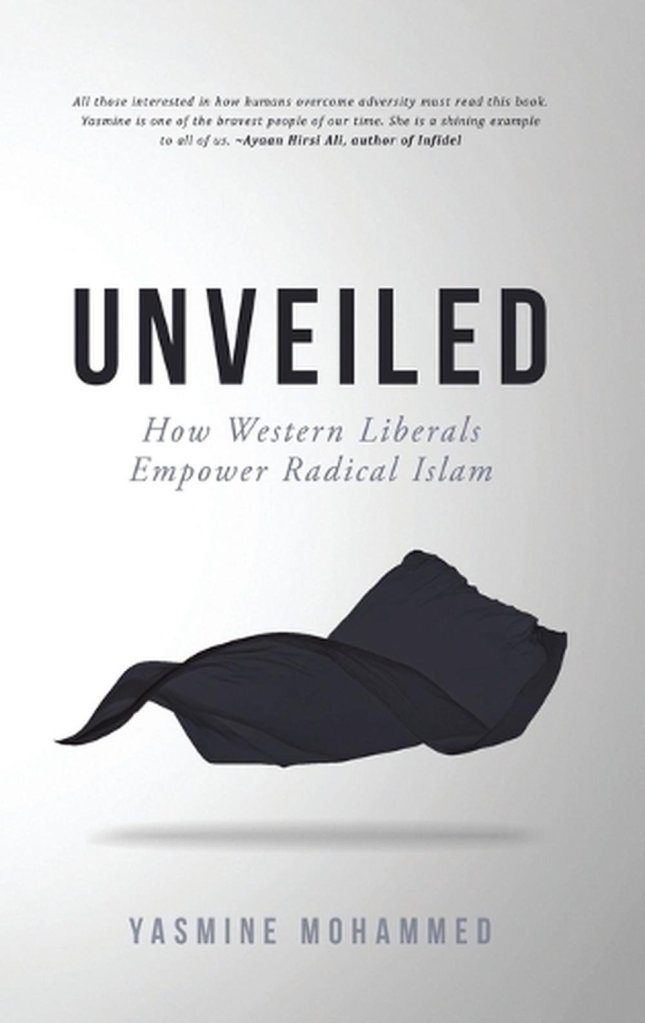
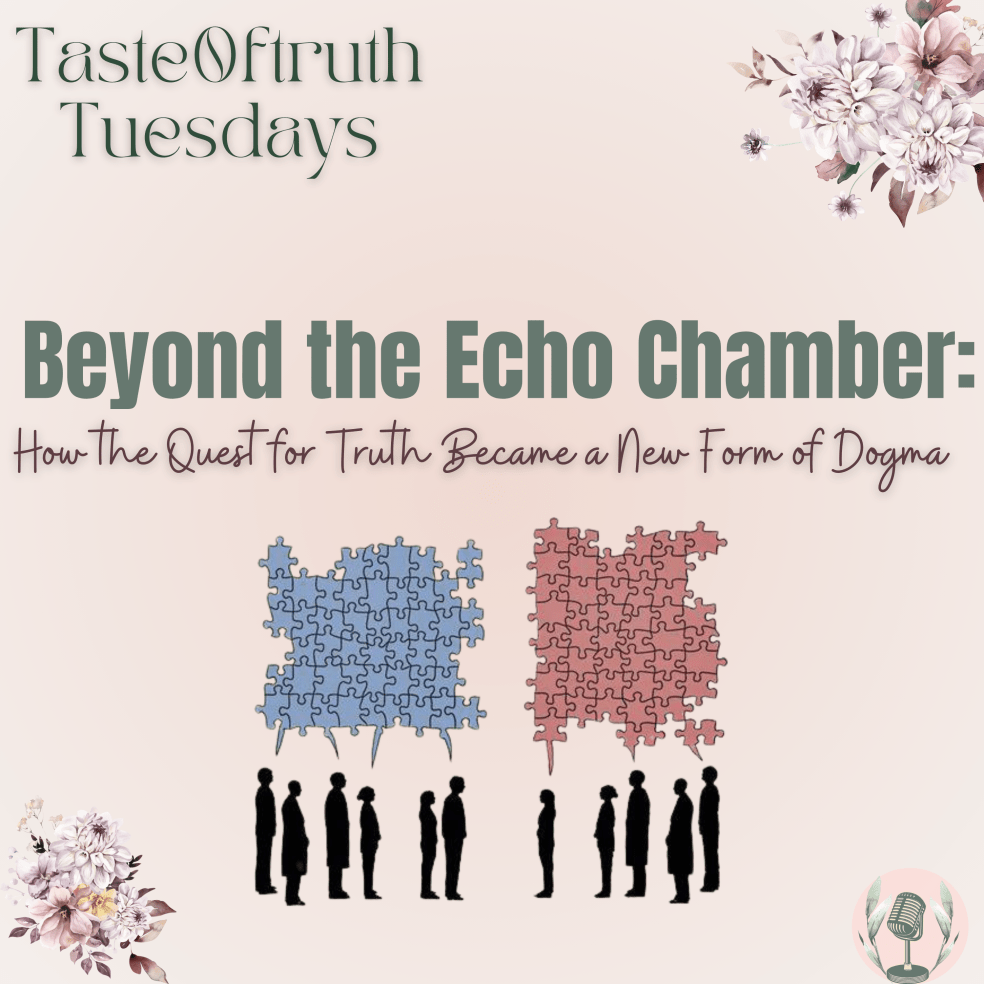



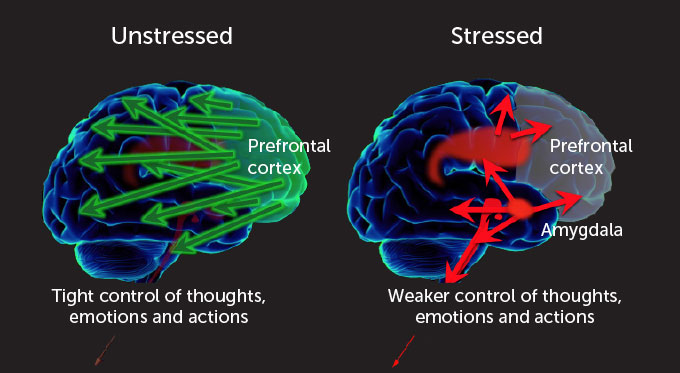









 Taste0ftruth Tuesdays