Move More, Eat Less? The Lie That Won’t Die

The Fatal Flaws of Calories In Calories Out and the Metabolism Model That Could Change Everything

Alright, let’s talk about the four most useless words in the history of weight loss advice: ‘Just eat less, move more.’ You’ve heard it, I’ve heard it, and if this phrase actually worked the way people think it does, we wouldn’t have skyrocketing rates of obesity, metabolic dysfunction, and entire industries built around yo-yo dieting. But here’s the kicker—it sounds logical. Simple math, right? Calories in, calories out. Except the human body is not a bank account; it’s a biological orchestra, and the way we process energy is more like a symphony than a spreadsheet.
We’ve already tackled the oversimplified calorie-counting dogma in our Science Dogma episode, and we’ve explored how perception alone—like believing a milkshake is ‘indulgent’—can literally alter our hormonal response. That’s not woo-woo, that’s science. But today, we’re going deeper. Because beyond the CICO model, beyond the calorie obsession, there’s a much bigger, messier, and more fascinating reality about metabolism, obesity, and why diet advice keeps failing people.

And I know what some of you might be thinking—‘But Megan, are you saying calories don’t matter?’ No. I’m saying they don’t tell the whole story. The way we eat, when we eat, why we eat, our hormones, stress levels, metabolic adaptations, even our past dieting history—all of it plays into how our body responds to food.

So as we close out Season 3 of Taste of Truth Tuesday, I want to leave you with something foundational. Not another diet trend. Not another oversimplified soundbite. But a real, nuanced conversation about what actually influences metabolism, weight loss, and why some of the most popular strategies—like keto, intermittent fasting, and calorie counting—work for some people but absolutely wreck others.

And here’s the disclaimer—I’m not an advocate for low-carb dieting in general, especially as someone who’s recovered from disordered eating. But my guest today? He eats low-carb and keto. And here’s what I respect—he’s not dogmatic about it. He understands that the real answer to health and weight loss isn’t found in any one-size-fits-all approach. It’s about bio-individuality.

So grab your coffee, take a deep breath, and get ready to rethink everything you thought you knew about metabolism. Let’s do this.


The calorie, as a unit of measurement, has a fascinating history that ties directly into the calories in, calories out (CICO) debate. While many assume the calorie has always been the standard for measuring food energy, its adoption in nutrition is relatively recent and shaped by shifts in scientific understanding, industry influence, and public health narratives.
The Origin of the Calorie

The concept of the calorie originated in physics, not nutrition. In the early 19th century, Nicolas Clément, a French chemist, introduced the term calorie as a measure of heat energy. By the late 1800s, scientists like Wilbur Olin Atwater adapted this concept to human metabolism, conducting bomb calorimeter experiments to determine how much energy food provided when burned. Atwater’s Physiological Fuel Values established the foundation for modern caloric values assigned to macronutrients (fat = 9 kcal/g, carbohydrates and protein = 4 kcal/g, alcohol = 7 kcal/g).

The Rise of Caloric Nutrition

By the early 20th century, calories became central to dietary guidelines, especially in public health efforts to address malnutrition. During both World Wars, governments used calorie counts to ration food efficiently. However, as food abundance grew, the focus shifted from ensuring sufficient calorie intake to preventing excess, paving the way for weight-focused dietary interventions.

CICO and the Simplification of Weight Loss

The calories in, calories out model became dominant in the mid-20th century, driven by research showing that weight loss or gain depended on energy balance. The First Law of Thermodynamics—energy cannot be created or destroyed, only transformed—was applied to human metabolism, reinforcing the idea that a calorie surplus leads to weight gain and a deficit to weight loss.

This framework became the foundation of mainstream diet advice, but it often overlooked complexities such as:

  • Hormonal influences (e.g., insulin, leptin, ghrelin)
  • Metabolic adaptation (how bodies adjust to calorie deficits)
  • The thermic effect of food (protein takes more energy to digest than fat or carbs)
  • Gut microbiome effects on calorie absorption
  • Psychological and behavioral aspects of eating

Criticism and the Evolution of the Debate

By the late 20th century, challenges to strict CICO thinking emerged. Researchers in endocrinology and metabolism, such as Dr. Robert Lustig and Dr. David Ludwig, highlighted that not all calories affect the body in the same way—insulin regulation, macronutrient composition, and food quality play crucial roles.

Low-carb and ketogenic diet advocates argued that carbohydrate restriction, not just calorie restriction, was key to weight management due to its impact on insulin and fat storage.

I personally think, it’s not just carbs or calories doing this. There are at least 42 factors that impact blood sugar and metabolism. This is something I’ve worked to educate my audience on for years. Carbs are just one piece of the puzzle. Stress, sleep, gut microbiome, meal timing, inflammation, hormonal balance—all of these influence the body’s metabolic “terrain.”

Where Are We Now?

Today, the calorie remains a useful measure, but the conversation has expanded beyond simple energy balance. Researchers acknowledge that while calories matter, factors like food quality, hormonal responses, and individual metabolic differences significantly impact how the body processes energy. The debate now leans toward a more nuanced view.


Now, let’s talk about why this matters.

Today, I’m joined by Adam Kosloff, an author and researcher who isn’t afraid to challenge conventional wisdom—especially when it comes to obesity and metabolism. A Substack post of his, A Righteous Assault on the Absolute Worst Idea in the History of Science, takes a sledgehammer to the dominant ‘calories in, calories out’ model, aka Move More, Eat Less? The Lie That Won’t Die, arguing that our understanding of fat storage is fundamentally broken. Instead, he presents a revolutionary new framework—the Farmer Model—that redefines how we think about metabolism, obesity, and weight loss.

For years, the dominant narrative around weight loss has been depressingly simple: “move more, eat less.” This slogan has been drilled into us by dietitians, doctors, and fitness gurus as if it were an unshakable law of physics. But if it were that simple, why has metabolic disease skyrocketed despite more people tracking their calories and increasing exercise?

Adam challenges the traditional CICO (calories in, calories out) model, not just by saying it’s wrong, but by arguing it is catastrophically misleading. His Farmer Model reframes obesity and metabolic dysfunction as a landscape issue rather than a simple calorie balance equation.

Think of your metabolism like farmland. The most obvious disruptor might be “acid rain”—high-carb, sweet, ultra-processed foods that erode the topsoil, flood the land, and cause metabolic damage (fat storage, inflammation, insulin spikes). But not all disruptions look like a storm.

Sometimes, the changes are more insidious. Maybe those daily lattes weren’t a flood but a subtle shift in the terrain, like over-fertilizing a field. Too much of a good thing, whether dairy proteins or artificial sweeteners, can nudge the metabolic landscape in a way that leads to dysfunction over time.

And here’s the kicker: It’s not just carbs or calories doing this. There are at least 42 factors that impact blood sugar and metabolism. This is something I’ve worked to educate my audience on for years. Carbs are just one piece of the puzzle. Stress, sleep, gut microbiome, meal timing, inflammation, hormonal balance—all of these influence the body’s metabolic “terrain.”

Adam’s latest Substack post, 10 Smackdowns That Lay Waste to CICO, was an absolute banger. The line “Gaze upon these arguments, ye mighty gym bros, and despair…” had me cackling. But beyond the sass, the research was rock solid. In our conversation, we break down some of the most devastating smackdowns against CICO and discuss which ones tend to make the most die-hard calorie counters short-circuit.

The takeaway? The “move more, eat less” doctrine is outdated and incomplete. It’s time for a more sophisticated conversation about metabolism that acknowledges the complexity of the human body rather than reducing it to a basic math equation.

LINKS

Science or Stagnation? The Risk of Unquestioned Paradigms – The first episode we challenged calories in, calories out (CICO) & mention Germ theory vs Terrain theory

The Farmer vs. The Banker

10 Smackdowns that lay waste to CICO

3 Times I Gained Weight on Keto

Gary Taubes Substack articles

Emotional Hijacks & Nutritional Hacks: Unveiling the🧠Amygdala’s Secrets ⁠

The Dissolution of the Nutrition Science Initiative

Obesity and Starvation Found Together

The Influence of Religious Movements on Nutrition

Why Challenging Beliefs Feels Like a Personal Attack—And Why It Shouldn’t
The Biggest Loser Study-The metabolic consequences of extreme dieting & the weight gain rebound effect

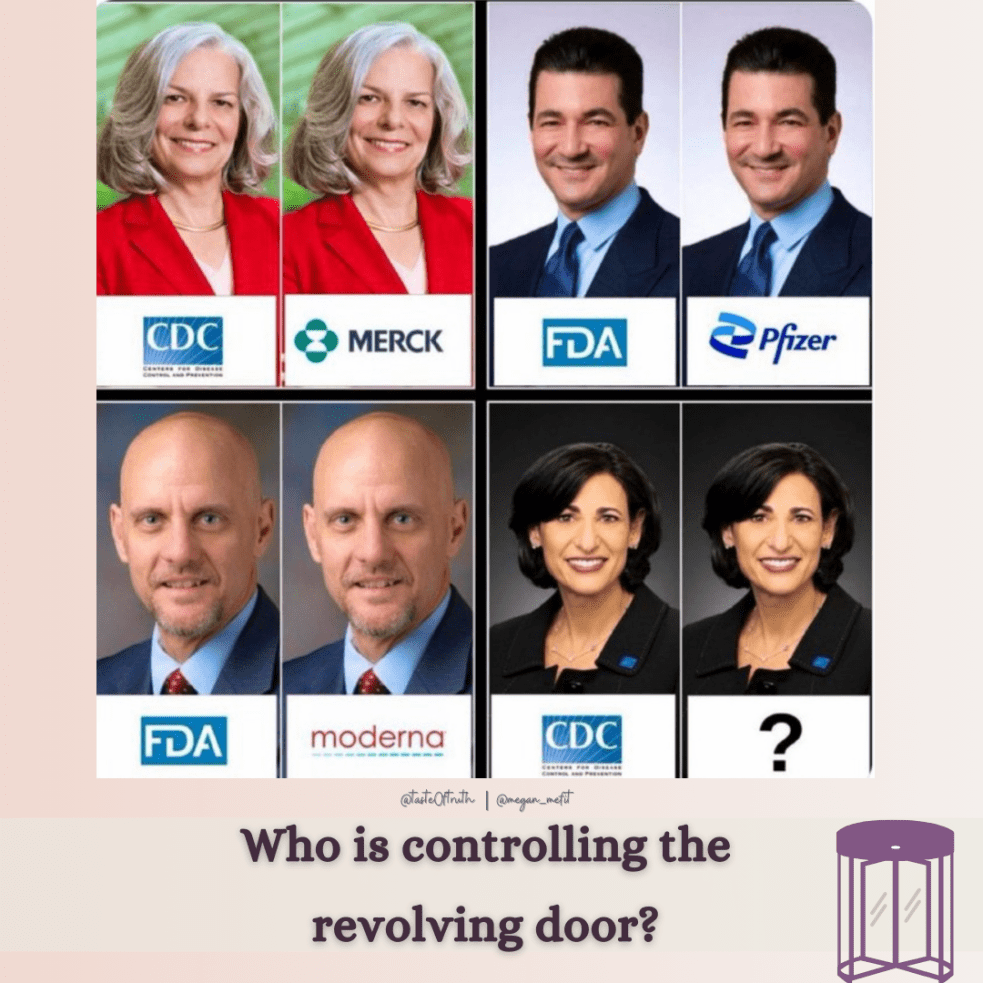
The Revolving Door: Navigating the Intersection of Regulation and Big Pharma

This week we have been diving into conspiracies chronicles, exploring how the 20th century marked a turning point in the rise of political paranoia and corporate influence, as conspiracies began to shape public perception and policy. With the rapid technological and social changes of the Second Industrial Revolution, powerful corporate interests gained unprecedented sway. From the Fletcher Report to the invention of Crisco, and the deeply flawed research by Ancel Keys on dietary fat and heart disease, lobbying, payoffs, and conflicts of interest paved the way for decisions that continue to shape public health policies to this day.

The integrity of our food system has been called into question with a 2020 study revealing that 95% of the members on the Dietary Guidelines Advisory Committee (DGAC) have conflicts of interest with major industry actors. These include ties to companies like Kellogg, General Mills, Kraft, and Dannon. Such conflicts arise through research funding, board memberships, and other forms of collaboration, raising concerns about the impartiality of public health recommendations. With industries like food, pharmaceuticals, and even agriculture involved, the guidelines that shape what Americans are encouraged to eat may be heavily influenced by corporate agendas.

This issue is particularly worrying because dietary guidelines play a critical role in shaping national health policies. A lack of transparency around these conflicts undermines public trust and can skew the focus of health advice, potentially shifting attention away from critical issues like diet-related diseases. Researchers have emphasized the need for stronger regulations and safeguards to mitigate these conflicts, suggesting that more unbiased committees could help prevent corporate interests from unduly shaping the nation’s nutrition policies​.

In the realm of public health and pharmaceuticals, there’s a well-documented phenomenon known as the “revolving door” between regulatory agencies and the pharmaceutical industry. This term refers to the cyclical movement of personnel between roles as regulators or policymakers and positions within the industries they oversee.

What Is the Revolving Door?

The revolving door concept highlights a pattern where high-ranking officials from organizations such as the CDC (Centers for Disease Control and Prevention) and the FDA (Food and Drug Administration) transition into influential roles within pharmaceutical companies, and vice versa. This fluid movement raises critical questions about the integrity and impartiality of regulatory oversight.

Notable Examples

Several prominent examples illustrate this phenomenon:

  • Scott Gottlieb, who served as the FDA Commissioner from 2017 to 2019, joined Pfizer’s board of directors shortly after his tenure at the FDA.
  • Julie Gerberding, the CDC Director from 2002 to 2009, transitioned to an executive role at Merck following her time at the CDC.
  • Stephen Hahn, FDA Commissioner from 2019 to 2021, took on a role at Flagship Pioneering, the venture capital firm instrumental in founding Moderna.

The Debate: Conflicts of Interest vs. Expertise

The revolving door sparks intense debate. Critics argue that this cycle of movement can create potential conflicts of interest. Regulators may be more lenient or biased towards the industries with which they have personal or future professional connections. This concern is particularly significant in the pharmaceutical sector, where regulatory decisions have profound implications for public health.

On the other hand, defenders suggest that this movement ensures that regulatory bodies benefit from the expertise and insider knowledge of seasoned professionals. They argue that these individuals bring valuable industry insights that can enhance regulatory practices and decisions.

The Impact on Public Health

The dynamics of the revolving door are crucial in discussions about the impartiality of regulatory oversight. In an industry where public health and safety are at stake, maintaining transparency and objectivity in regulatory processes is paramount. The potential for conflicts of interest necessitates ongoing scrutiny and reforms to ensure that the primary focus remains on safeguarding public health.

Robert F. Kennedy Jr. has been vocal about the issues with U.S. food systems, particularly targeting ultra-processed foods and the conflicts of interest surrounding federal dietary guidelines. He emphasizes how powerful food industry lobbies, including companies behind highly processed products, have influenced organizations like the USDA and FDA. RFK Jr. argues that this corruption has resulted in dietary guidelines that are detrimental to public health, prioritizing corporate profits over scientific integrity. He has criticized the ties between NGOs, including groups like the NAACP and diabetes associations, and the processed food lobby, which he claims skews their advocacy away from public health concerns and toward protecting industry interests.

Kennedy has connected these issues with broader systemic problems in the healthcare and pharmaceutical industries, asserting that ultra-processed foods contribute to a wide range of health problems, including metabolic disorders, cancer, and mental health issues. He also stresses that these foods disproportionately affect low-income communities and marginalized groups due to their accessibility, exacerbating health disparities. His stance resonates with his broader critique of government agencies being compromised by corporate interests, echoing his calls for transparency and reform across various sectors

As this debate continues, it is essential for the public to stay informed about these connections and advocate for transparency and accountability in the regulatory process. The revolving door is more than a mere career path—it’s a vital issue that affects how health policies and safety standards are shaped and enforced.

If you’re looking to explore the topic of conflicts of interest in the U.S. food system, including the influence of corporate lobbying on dietary guidelines and public health, here are some credible resources:

  1. Marion Nestle’s Work
    Marion Nestle, a renowned nutritionist and public health advocate, has extensively written about the politics of food and how corporate interests shape food policies. Her book “Food Politics: How the Food Industry Influences Nutrition and Health” is a foundational resource that explores conflicts of interest in detail. She has also published several articles and blog posts that can be found on her website, Food Politics.
  2. The Center for Science in the Public Interest (CSPI)
    CSPI is a non-profit organization that advocates for public health and transparency in the food industry. They regularly publish reports and articles on how industry lobbyists influence dietary guidelines and public health policies. Visit their site for comprehensive resources: CSPI.
  3. The Journal of the American Medical Association (JAMA)
    JAMA has published several peer-reviewed articles on the conflicts of interest within the committees that develop dietary guidelines. You can access these studies through JAMA.
  4. The Union of Concerned Scientists (UCS)
    UCS focuses on the intersection of science, policy, and industry influence, and they have published reports on the food industry’s role in shaping guidelines. You can find their reports here: UCS Food System Work.
  5. Robert F. Kennedy Jr.’s Health Freedom Platform
    RFK Jr.’s organization, Children’s Health Defense, provides reports and articles on corporate influence in healthcare and the food system. While this source may reflect RFK Jr.’s specific views, it offers insights into his arguments and data regarding industry control. Children’s Health Defense.

These resources provide a deep dive into the systemic issues within the food industry, helping you critically examine how corporate interests shape dietary guidelines and health outcomes.

nutritioninsight.com

Cambridge University Press & Assessment

Conspiracy Chronicles: From Ancient Plots to Modern Mind Games 🕵️‍♂️

Hey there, truth seekers! Welcome back to “Taste of Truth Tuesdays.” I’m Megan Leigh, and today, we’re diving deep into the intricate web of conspiracies surrounding one of the most impactful dates in modern history—September 11th.

As we mark the anniversary of 9/11, it’s a poignant time for reflection. The events of that day not only changed the course of history but also ignited a flurry of conspiracy theories that continue to captivate and divide us. From questions about how the attacks unfolded to speculations about who might have had a hand in orchestrating them, 9/11 has become a focal point for debates about truth, power, and hidden motives.

But why focus on conspiracies now? As we unravel these theories, we’ll also explore the broader context—how and why such theories emerge, their impact on public perception, and what they reveal about our quest for truth in a complex world.

Let’s embark on this journey by traveling back in time, where conspiracies were as intriguing and dangerous as they are today.

Ancient Conspiracies: Drama in the Palace and the Senate

Ancient Egypt, 12th Century BCE
One of the earliest documented conspiracies took place in Ancient Egypt: the plot against Pharaoh Ramesses III, infamously known as the “Harem Conspiracy.” Members of the royal court, including one of his wives, orchestrated an assassination attempt to place her son on the throne. Palace intrigue at its finest!

Ancient Rome, 44 BCE
Conspiracies became almost a sport in Ancient Rome. The Ides of March, March 15, 44 BCE, saw the assassination of Julius Caesar, orchestrated by Roman senators including Brutus and Cassius. Motivated by personal grievances and political concerns, they believed killing Caesar would restore the Roman Republic. Instead, it led to the rise of the Roman Empire and became a symbol of betrayal and political intrigue.

These early examples remind us that the fear of hidden plots and secret agendas has been deeply embedded in human societies for millennia.

18th Century: The Dawn of Modern Conspiracies

Fast forward to the 18th century, where conspiracies continued to shape historical events. In 1774, mesmerism—a practice of hypnosis popularized by Franz Mesmer—captivated European society. Mesmer’s techniques, which involved using “animal magnetism” to cure ailments, were scrutinized in a high-profile examination before the French king. This scrutiny led to the development of clinical trials, reflecting society’s deep fascination with the supernatural and emerging experimental science.

Another noteworthy example is the Bavarian Illuminati, founded in 1776. Although short-lived, the Illuminati’s existence and the fears surrounding its potential influence contributed to later conspiracy theories about secret societies controlling global events. The suspicion surrounding such groups highlights historical anxieties about covert power and influence.

19th Century: Spiritualism, Cults, and Social Upheaval

As we move into the 19th century, spiritism and occultism gained popularity. Figures like Allan Kardec and movements like Spiritualism influenced both spiritual and scientific discussions. This period also saw the rise of new religious cults like Jehovah’s Witnesses, Mormonism, and Seventh-day Adventism. These movements arose during significant social and spiritual upheaval, often accompanied by conspiracy theories about divine revelations and hidden truths.

20th Century: The Era of Political Paranoia and Corporate Influence

The 20th century saw conspiracies evolve with significant impact. The Second Industrial Revolution brought rapid technological and social changes, but also laid the groundwork for modern conspiracies. Events like the Fletcher Report, the invention of Crisco, and the flawed research by Ancel Keys on dietary fat and heart disease were all influenced by corporate interests, payoffs, and lobbying efforts. These events shaped public health policies that continue to affect us today.

The era of McCarthyism in the 1950s set a precedent for political paranoia. Led by Senator Joseph McCarthy, this period was marked by aggressive investigations and accusations against alleged communists within the US government and other institutions. The intense anti-communist sentiment of the time foreshadowed the broader conspiracies of the Cold War and reflects current political polarization.

Operation Mindfuck and the CIA: Blurring the Lines Between Reality and Absurdity

Let’s take a detour and explore the absurd yet thought-provoking world of Operation Mindfuck and the infamous shenanigans of the CIA. Get ready to have your minds blown!

Operation Mindfuck, a philosophy associated with the Discordian movement, aimed to challenge conventional thinking and societal norms through humor, satire, and unconventional means. The Discordians created elaborate and absurd narratives, sometimes mixing them with elements of truth, to highlight the gullibility of people and the sensationalism of the media. Their goal was to provoke critical thinking and make people question the validity of the information presented to them.

Some of their greatest hits? Oh, you’re going to love these:

  1. The “JFK was killed by a rogue banana” theory: Yep, you heard that right. According to this theory, President John F. Kennedy was assassinated by a cabal of bananas seeking revenge for their brethren being consumed by humans.
  2. The “Moon landing was staged on a soundstage” theory: This one claimed that the Apollo moon landings were elaborate hoaxes filmed on Earth to deceive the public. Sounds familiar, right?
  3. The “Illuminati control the world through mind-controlling cheese” theory: Picture a secret society of cheese-loving elites manipulating global events using mind-altering dairy products.
  4. The “Paul is dead” conspiracy: This classic alleged that Paul McCartney of The Beatles had died and been replaced by a lookalike.

These theories were never meant to be taken seriously. They were crafted to challenge conventional thinking and highlight the absurdity of some widely believed conspiracy theories. And get this – they even placed articles in Playboy magazine.

Switching gears, the CIA has been involved in some seriously shady activities over the years. For example, the agency explored the idea that the human brain and body might function as a “liquid crystal,” capable of generating and controlling biofields. Research such as G. Sergeyev’s The Magic Crystal suggested that the brain’s dynamic structure could create electromagnetic fields, potentially leading to phenomena like superconductivity. This reflects the deep interest of both the US and the Soviet Union in exploring and potentially weaponizing psychic phenomena.

While mainstream science has largely dismissed these ideas, there remains a niche interest in psychic phenomena and fringe science. This is evident in popular media and speculative research, showing an ongoing quest to harness advanced technologies for strategic and experimental purposes.

This is evident in popular media and speculative research, showing an ongoing quest to harness advanced technologies for strategic and experimental purposes.

But that’s just the tip of the iceberg. The CIA’s history is full of documented instances of wrongdoing. Here are a few gems:

  1. MKUltra: This covert program in the 1950s and 1960s involved experimenting with techniques to manipulate human behavior, including drug administration, often without the subjects’ knowledge or consent.
  2. Assassination attempts: The CIA has been implicated in several attempted assassinations of foreign leaders, including Fidel Castro of Cuba and Patrice Lumumba of the Democratic Republic of the Congo.
  3. Overthrowing governments: The CIA has been involved in orchestrating coups or supporting regime change operations in various countries, such as Iran in 1953 and Chile in 1973.
  4. Illegal surveillance: The CIA has engaged in domestic surveillance activities that have sometimes exceeded its legal authority, leading to controversies over violations of civil liberties.

These are just a few examples, but there have been plenty of other instances where the CIA’s actions have been criticized for overstepping legal and ethical boundaries, and I feel like I can’t move on without a quick tangent on the Watergate Scandal….

Watergate, Hunter Biden’s Laptop, and the Ongoing Battle for Truth

The Watergate scandal of the 1970s fundamentally altered public trust in government and set a precedent for investigating political corruption and misconduct. It highlighted the lengths to which those in power might go to maintain their authority and manipulate information.

Fast forward to the controversy surrounding Hunter Biden’s laptop during the 2020 U.S. presidential election. Meta’s Censorship:

Meta and other social media platforms justified their actions by citing concerns over misinformation and the potential for the spread of unverified or misleading content. The situation highlighted ongoing debates about the role of social media in moderating content and the impact of such moderation on public discourse and election integrity.

During the 2020 election cycle, there were claims that social media platforms, particularly Facebook (now Meta), censored or restricted the dissemination of information related to Hunter Biden’s laptop. The platform’s moderation policies and actions drew criticism from various political figures and commentators, who argued that the suppression was politically motivated and aimed at influencing the election outcome.

The parallels between these events highlight the persistent challenges in managing and understanding political information in a rapidly evolving media landscape.

Circling Back to 9/11: Theories and Questions That Still Linger

Let’s circle back to 9/11, an event that has spawned numerous conspiracy theories.

Key Issues Surrounding 9/11

  1. Intelligence Failures:
    • Significant lapses in intelligence-sharing and coordination between agencies like the CIA and FBI contributed to the inability to prevent the attacks. This led to major reforms aimed at improving intelligence operations.
  2. Pre-9/11 Warnings:
    • There were several warnings and intelligence reports about potential terrorist activities that were not acted upon effectively, highlighting gaps in preventive measures.
  3. Security Lapses:
    • Major security failures at airports and within the airline industry allowed the hijackers to board the planes. This prompted extensive changes in aviation security procedures.
  4. Collapse of WTC 7:
    • The collapse of World Trade Center Building 7 (WTC 7), not directly hit by an aircraft, has been investigated and attributed to fire damage. The National Institute of Standards and Technology (NIST) provided a detailed explanation to address concerns.
  5. Financial Transactions:
    • Unusual financial activity, such as increased put options on airline stocks before the attacks, led to speculation. Investigations found no evidence of insider trading related to the attacks.

Summary

These issues reveal real shortcomings in intelligence, security, and emergency response that were exposed by the 9/11 attacks. While many conspiracy theories have been debunked, the acknowledged problems led to significant policy changes and reforms.

The proven aspects of Russian interference in the Brexit referendum and the 2016 U.S. presidential election highlight the role of social media manipulation, hacking, and attempts at political influence. 

These events of the past have led to heightened awareness and scrutiny of the integrity of democratic processes and the need for improved measures to combat foreign interference and safeguard election security which I’m very concerned about for this upcoming election process. 

And OUR FINAL TOPIC OF THE DAY is:

COVID-19 Pandemic Conspiracy Theories

The COVID-19 pandemic has been marked by a surge in conspiracy theories concerning the virus’s origins, vaccine safety, and governmental responses. (Refer back to episode 5 for more!)

Key Theories and Issues:

  • Lab Leak Theory: One prominent theory suggests that the virus may have accidentally escaped from a laboratory rather than originating naturally, with ongoing investigations and debates about its validity.
  • Vaccine Safety: Doubts have been raised about the safety and efficacy of COVID-19 vaccines, with some questioning whether they were as thoroughly tested as initially claimed, we unpacked this a bit more when we discussed Dr. Stanley Plotkin, a prominent figure in vaccinology, and some of his colleagues recently published an article that has drawn significant attention. The article acknowledges that vaccines are not as thoroughly studied as previously claimed, particularly in terms of safety, both before and after they are licensed. This has raised concerns among critics, who argue that for decades, the public was assured that vaccines underwent rigorous safety testing. 
  • Lockdowns and Economic Impact: The effectiveness of lockdown measures has been questioned, with critiques focusing on their impact on the economy and their ability to prevent virus transmission.

These theories have deeply influenced public behavior and trust in scientific and governmental institutions, highlighting the challenges in navigating misinformation and its effects on pandemic management.

From ancient plots to modern-day schemes, these secretive plans have shaped our history and continue to influence our world.

Discerning whether a conspiracy theory has any basis in reality can be challenging. Here are some key signs and red flags to watch out for:

  • 1. Lack of Evidence: Genuine conspiracies are typically backed by verifiable evidence. Conspiracy theories often lack concrete evidence and rely on speculative connections or anecdotal information.
  • 2. Over-reliance on Secrecy: Theories that depend heavily on the idea that a small group of people are able to keep massive secrets from the general public are often dubious. Large-scale secrets are difficult to maintain over time without leaks or whistleblowers.
  • 3. Complex Explanations for Simple Events: Conspiracy theories often provide overly complex and far-reaching explanations for events that have simpler, more straightforward causes.
  • 4. Appeals to Emotion: These theories frequently use fear, anger, or distrust to persuade people rather than logical argumentation and factual evidence.
  • 5. Unfalsifiable Claims: If a theory is structured in such a way that it cannot be disproven, no matter what evidence is presented, it’s a sign of a conspiracy theory. Genuine claims can be tested and potentially disproven.
  • 6. Mistrust of Authorities and Experts: While healthy skepticism is important, outright rejection of all official accounts, expert opinions, and credible sources in favor of unverified or dubious sources is a hallmark of conspiracy theories.
  • 7. Pattern Recognition: Conspiracy theories often rely on seeing patterns or connections where none exist. This is sometimes referred to as “apophenia” or “patternicity.”
  • 8. Cognitive Dissonance: If the theory insists on holding onto beliefs despite contradictory evidence, it’s likely a conspiracy theory. The theory should adapt or be abandoned in the face of new, credible information.
  • 9. Ideological Bias: Many conspiracy theories align closely with specific ideological or political viewpoints, suggesting they may be driven by bias rather than objective truth-seeking.
  • 10. Echo Chambers: These theories often proliferate in closed communities where dissenting opinions are not tolerated, and the same ideas are repeatedly reinforced without critical examination.

Overall, conspiracies have played a significant role in shaping modern history, influencing events, public perception, and institutional trust in profound ways. And as we peel back the layers of these narratives, we must scrutinize the evidence and examine what they tell us about our collective anxieties and the pursuit of hidden truths.

So, truth seekers, stay curious, embrace skepticism, and keep tuning in!

FOR FURTHER TRUTHSEEKING:

1. Ancient and Historical Conspiracies

  • Books:
    • The Assassination of Julius Caesar: A People’s History of Ancient Rome by Michael Parenti – A deep dive into the political machinations of Ancient Rome and the conspiracy behind Caesar’s death.
    • The Secret History of the World by Mark Booth – This book provides a comprehensive look at secret societies and conspiracies throughout history.
  • Documentaries:
    • The Men Who Killed Kennedy (1988) – Though focused on the JFK assassination, it provides insight into the role of conspiracies in shaping historical narratives.
  • Articles:
    • The Harem Conspiracy Against Ramses III – A detailed exploration available on JSTOR or various Egyptology journals.
    • The Illuminati: Facts & Fiction – An informative article from Live Science that separates myth from reality regarding secret societies.

2. 18th & 19th Century Occultism and Spiritualism

  • Books:
    • Occult America: The Secret History of How Mysticism Shaped Our Nation by Mitch Horowitz – This book traces the origins of various occult movements in the U.S.
    • The Spirits Book by Allan Kardec – A foundational text of Spiritism, available for free online.
  • Podcasts:
    • The History of Spiritualism – A series that explores the rise of spiritualist movements in the 19th century.
  • Documentaries:
    • Séance: Spiritualism, Science and the Afterlife – A BBC documentary that dives into the rise of spiritualism during the 19th century.

3. 20th Century Corporate Influence and Political Conspiracies

  • Books:
    • The Big Fat Surprise by Nina Teicholz – Investigates the flawed research and corporate influence that shaped dietary guidelines, including Ancel Keys’ role.
    • All the President’s Men by Bob Woodward and Carl Bernstein – A classic account of the Watergate scandal and the investigative journalism that uncovered it.
  • Podcasts:
    • American Scandal – This podcast covers various political scandals, including Watergate, and provides in-depth analysis.
    • Freakonomics Radio – Offers episodes that discuss the intersections of corporate influence, government, and public health.
  • Documentaries:
    • The Men Who Built America – Chronicles the rise of industrial giants and the corporate influence over politics and society.
    • The Social Dilemma – Explores modern-day corporate influence on information and public perception.
  • Other:

4. Operation Mindfuck and CIA Psychic Research

  • Books:
    • The Men Who Stare at Goats by Jon Ronson – A humorous yet insightful look into the U.S. military’s exploration of psychic phenomena.
    • The Stargate Chronicles by Joseph McMoneagle – Chronicles the U.S. government’s remote viewing program and its implications.
  • Articles:
    • CIA’s Psychic Spying Efforts – Available through the National Security Archive, this collection of declassified documents provides a deep dive into the CIA’s psychic research.
    • Operation Mindfuck: Discordianism and the Conspiratorial Absurd – Available on JSTOR, this article explores the roots and impact of Operation Mindfuck.
  • Documentaries:
    • Third Eye Spies – A documentary that delves into the history of psychic spying and the CIA’s involvement.
    • The Phenomenon – A broader exploration of fringe science and paranormal research, touching on themes explored by the CIA.

5. 9/11 Conspiracies and Investigations

  • Books:
    • The 9/11 Commission Report: Final Report of the National Commission on Terrorist Attacks Upon the United States – The official government report, useful for understanding the official narrative.
    • The Looming Tower: Al-Qaeda and the Road to 9/11 by Lawrence Wright – A Pulitzer Prize-winning account of the events leading up to 9/11.
    • The New Pearl Harbor by David Ray Griffin – A detailed exploration of the many conspiracy theories surrounding 9/11.
  • Podcasts:
    • Blowback – A series that explores the political fallout of 9/11 and the subsequent wars.
    • Truth and Lies: 9/11 – A podcast series dedicated to unraveling the complex narratives around 9/11.
  • Documentaries:
    • 9/11: Press for Truth – A documentary focused on the questions and inconsistencies raised by the families of 9/11 victims.
    • Loose Change – A widely viewed but controversial documentary that presents an alternative perspective on the events of 9/11.
  • Websites:
    • Architects & Engineers for 9/11 Truth – A non-profit organization of building professionals that challenges the official explanations of 9/11.
    • The 9/11 Consensus Panel – Provides peer-reviewed research and analysis of the 9/11 attacks.

6. Hunter Biden’s Laptop Controversy

  • Books:
    • Laptop from Hell: Hunter Biden, Big Tech, and the Dirty Secrets the President Tried to Hide by Miranda Devine – A detailed exploration of the laptop controversy.
  • Podcasts:
    • The Joe Rogan Experience – Includes episodes discussing the media’s role in the laptop controversy and broader implications.
    • Breaking Points – Hosted by Krystal Ball and Saagar Enjeti, the show often covers political controversies like Hunter Biden’s laptop.
  • Articles:
    • The Hunter Biden Laptop and Media Misinformation – Articles in The New York Times and Politico explore the controversy and its media implications.
  • Documentaries:
    • The Real Story Behind Hunter Biden’s Laptop – A documentary-style investigation available on streaming platforms that covers the allegations and media coverage.

Here are some valuable resources on the dangers of conspiracy theories and their historical context:
Books

  • “A Culture of Conspiracy: Apocalyptic Visions in Contemporary America” by Michael Barkun
  • Explores the history and impact of conspiracy theories in American culture.
  • “Conspiracy Theories and the People Who Believe Them” edited by Joseph E. Uscinski
  • A comprehensive collection of essays by experts examining the causes, consequences, and contexts of conspiracy theories.
  • “Voodoo Histories: The Role of the Conspiracy Theory in Shaping Modern History” by David Aaronovitch
  • Investigates various conspiracy theories throughout history and their influence on society.
  • “The Paranoid Style in American Politics” by Richard Hofstadter
  • A classic work that analyzes the impact of conspiracy theories on American politics.


Articles

  • “The Psychology of Conspiracy Theories” by Karen M. Douglas, Robbie M. Sutton, and Aleksandra Cichocka
  • Published in Current Directions in Psychological Science, this article explores the psychological mechanisms behind conspiracy belief.
  • “How Conspiracy Theories Emerge—and How Their Storylines Fall Apart” by Sara Gorman and Jack Gorman
  • Published in Scientific American, this piece discusses the development and debunking of conspiracy theories.
  • “The Real Dangers of Fake News” by Maria Konnikova
  • Published in The New Yorker, this article delves into how conspiracy theories and fake news can influence public opinion and behavior.

For a deeper understanding of brainwashing and related psychological manipulation techniques, you can explore a variety of resources spanning books, academic papers, and credible online articles. Here are some notable recommendations:

Books

  • 1. “Thought Reform and the Psychology of Totalism” by Robert Jay Lifton: This seminal work offers a detailed examination of brainwashing techniques used during the Chinese thought reform programs.
  • 2. “Cults in Our Midst: The Hidden Menace in Our Everyday Lives” by Margaret Thaler Singer and Janja Lalich**: This book provides insights into the psychological mechanisms of cults and brainwashing.
  • 3. “Influence: The Psychology of Persuasion” by Robert B. Cialdini**: While not exclusively about brainwashing, this book explores the principles of influence and manipulation.
  • 4. “Combatting Cult Mind Control” by Steven Hassan: This book by a former cult member and mental health counselor offers practical advice and personal insights into the process of mind control and how to counter it.

Academic Articles

  • 1. “Brainwashing: The Science of Thought Control” by Kathleen Taylor: This article, and the book of the same name, delve into the scientific basis of brainwashing and its effects on the brain.
  • 2. “Psychological Coercion and Human Rights: Exploring the Notion of Brainwashing”: Various academic journals explore the intersection of psychological coercion and human rights, providing theoretical and empirical insights.

Online Resources

  • 1. The International Cultic Studies Association (ICSA): Their website offers a wealth of articles, research papers, and resources on brainwashing, mind control, and cultic studies.
  • 2. APA PsycNet: The American Psychological Association’s database provides access to numerous scholarly articles on brainwashing and related topics.
  • 3. TED Talks and Documentaries: Several TED Talks and documentaries explore the impact of psychological manipulation and brainwashing, offering both expert insights and personal stories.

By exploring these resources, you can gain a comprehensive understanding of the mechanisms, effects, and countermeasures related to brainwashing.

Is Veganism a Psy-Op? Maybe. The Real Issue is Engineering Ourselves Away from Nature

In today’s complex world of nutrition and health, embracing skepticism and critical thinking is essential. Rather than accepting dominant narratives, challenge them to uncover the truth.

🥕 Veganism vs. Meat: What’s the Real Issue? 🥕

The debate over veganism often gets tangled in oversimplified conspiracies. However, the real concern lies in our growing disconnect from nature’s balance. Our modern lifestyles and diets are increasingly detached from natural ecosystems, which profoundly affects our health and well-being.

To truly grasp the nuances of nutrition and health, especially when it comes to veganism, we must examine how our beliefs have been shaped by science, history, and religion. Over the next few weeks, we will time traveling through the last century to see how these elements intertwine and influence our perspectives on veganism.

🔬Before Lobbyism: The Golden Age of Nutritional Science 🔬

Before the rise of lobbyism and industrial influence in the mid-20th century, nutritional science was marked by pioneering research that laid the groundwork for our understanding of essential nutrients. One such figure was Elmer McCollum: Vitamin Pioneer.

Elmer McCollum, a prominent nutrition researcher in the early 20th century, made groundbreaking discoveries regarding vitamins A, B, C, and D. His work was instrumental in identifying the role of these vitamins in preventing nutritional deficiencies.

Vitamin A (Retinol): McCollum’s work significantly advanced the understanding of vitamin A, which is crucial for vision, immune function, and skin health. Retinol, the active form of vitamin A, is primarily found in animal-based foods like liver, fish oils, eggs, and dairy products. Unlike plant-based sources, which provide provitamin A carotenoids like beta-carotene that the body must convert into retinol, animal sources deliver this vitamin in its ready-to-use form.

🧬 BCO1 Gene and Vitamin A 🧬

Did you know that about 45% of people have a genetic variation that makes it hard for them to get enough vitamin A from plant foods? This is because of a gene called BCO1.

The BCO1 gene is responsible for converting beta-carotene (found in carrots, sweet potatoes, and other plants) into active vitamin A, also known as retinol. But for almost half of the population, this gene doesn’t work very efficiently, meaning their bodies can’t make enough vitamin A from plants alone.

Vitamin A is crucial for things like good vision, a strong immune system, and healthy skin. If you can’t get enough from plants, you might need to include animal foods like liver, fish oils, or dairy in your diet to make sure you’re meeting your vitamin A needs.

This explains why some people might struggle with a vegan diet—they need the more easily absorbed form of vitamin A that comes from animal products.

McCollum’s research emphasized the importance of unprocessed, nutrient-rich foods in maintaining health. Diets high in refined grains can exacerbate nutritional deficiencies by displacing more nutrient-dense foods. This indirectly touches on the issues, we see today related to grain consumption, though McCollum’s era was more focused on preventing deficiencies than on inflammation.

The Refinement of Grains: A Double-Edged Sword

As the food industry grew and refined processing techniques became widespread, the nutritional value of grains was compromised. The removal of bran and germ during processing not only reduced the essential vitamins and minerals in grains but also increased their glycemic index. This shift contributed to inflammation and other metabolic issues, like Type-2 Diabetes a concern that has become more prominent in later research.

A Shift in Focus: From Nutritional Science to Industrial Influence

McCollum’s era represents a time when nutritional science was still largely driven by the quest to understand and prevent deficiencies. However, as we moved into the mid-20th century, the influence of lobbyists and industrial interests began to muddy the waters, promoting processed foods and refined grains that strayed from McCollum’s principles of whole, nutrient-rich foods.

🥕 The Influence of Religion and Early Health Movements 🥕

Ellen G. White, a key figure in the Seventh-day Adventist Church, significantly impacted early American dietetics with her advocacy for a plant-based diet and abstinence from alcohol, tobacco, and caffeine. Her health reforms, which emphasized vegetarianism and whole foods, were institutionalized through health institutions like the Battle Creek Sanitarium and figures like Dr. John Harvey Kellogg. The sanitarium’s success and the dissemination of these dietary principles led to the establishment of the American Dietetic Association in 1917, which originally promoted many of these plant-based, whole-food principles. The Adventist emphasis on preventive health care and diet principles laid the groundwork for many modern dietary guidelines and continue to influence discussions around veganism.

🔬 The Role of Science in Shaping Dietary Beliefs 🔬

In the early 20th century, scientific advancements also played a role in shaping nutrition. The Fetner Report highlighted the need for standardized nutritional guidelines and brought attention to the importance of vitamins and minerals. Meanwhile, innovations like Crisco introduced hydrogenated fats into American diets, shifting culinary practices and influencing our understanding of what constitutes a healthy diet.

In a future episode dropping 9/10, we’ll take a deeper dive into how industrialization, scientific reports, and influential figures like John D. Rockefeller and Ancel Keys have further impacted our dietary beliefs and public health policies. Stay tuned as we explore:

  • The Flexner Report: How it reshaped medical education and its ripple effects on nutrition science.
  • The Rise of Processed Foods: The transformation of our food supply and its long-term health implications.
  • Rockefeller’s Influence: The role of industrial interests in shaping modern dietary guidelines.
  • Ancel Key’s: His research became highly influential in the field of nutrition, primarily took place during the mid-20th century, particularly in the 1950s and 1960s. His most famous work, the Seven Countries Study, began in 1958 and was published over several decades. This research was pivotal in linking dietary fat, particularly saturated fat, to heart disease and played a significant role in shaping dietary guidelines that emphasized reducing fat intake to prevent cardiovascular disease. Now adays it is seen as deeply controversial due to several perceived flaws that have been widely discussed by critics over the years.

How does current research define the top nutrient-dense foods?

📰 Spotlight on Micronutrient Density: A Key to Combatting Global Deficiencies

A March 2022 study published in Frontiers in Nutrition titled “Priority Micronutrient Density in Foods” emphasizes the importance of nutrient-dense foods in addressing global micronutrient deficiencies, particularly in vulnerable populations. The research identifies organ meats, small fish, dark leafy greens, shellfish, and dairy products as some of the most essential sources of vital nutrients like vitamin A, iron, and B12. These findings could be instrumental in shaping dietary guidelines and nutritional policies.

🔗 Read more here.

🍽️ Plant vs. Animal Nutrients: Understanding Bioavailability 🍽️

When it comes to nutrient absorption, not all foods are created equal. The bioavailability of nutrients—the proportion that our bodies can absorb and use—varies significantly between plant and animal sources.

🌱 Plant-Based Nutrients: While plant foods are rich in essential vitamins and minerals, they also contain anti-nutrients like phytates and oxalates. These compounds can bind to minerals such as iron, calcium, and zinc, inhibiting their absorption. For example, non-heme iron found in plants is less efficiently absorbed compared to the heme iron from animal sources. Similarly, the vitamin A found in plants as beta-carotene requires conversion to retinol in the body, a process that is not always efficient, particularly in certain populations.

🍖 Animal-Based Nutrients: Animal products, on the other hand, often provide nutrients in forms that are more readily absorbed. Heme iron from meat, retinol from animal liver, and vitamin B12 from dairy and eggs are all examples of highly bioavailable nutrients. These forms are directly usable by the body without the need for complex conversions, making animal products a more reliable source for certain essential nutrients.

🌍 Global Property Rights: Gender Inequality 🌍

Promoting veganism can unintentionally undermine the very principles of women’s rights and social justice that the political left often advocates for. In many countries, women face significant legal and cultural barriers that prevent them from owning land, despite laws that may suggest otherwise. However, in these same regions, women often have the ability to own and manage livestock, which serves as a crucial economic resource and a form of wealth.

This disparity highlights the persistent challenges in achieving gender equality in property rights, especially in rural areas where land ownership is key to economic independence and security. While livestock ownership is valuable, it doesn’t offer the same level of security or social status as land ownership. The lack of land rights perpetuates gender inequality, limiting women’s economic power, social status, and access to resources.

🌿 Plant-Based Diets and Environmental Costs 🌿

Plant-based diets are often praised for their environmental benefits, yet it’s crucial to recognize the complexities involved. While the availability of vegan foods has significantly improved, making it easier than ever to follow a plant-based diet, this increased accessibility does not necessarily equate to better environmental outcomes.

Many vegan products rely heavily on industrial agriculture and monocropping practices. These methods can lead to deforestation, soil depletion, and the loss of biodiversity. The production of popular vegan ingredients, such as soy and almonds, often involves large-scale farming that can have detrimental effects on local ecosystems. Additionally, the industrial processes used to produce processed vegan foods, including heavy use of pesticides, fertilizers, and water, also contribute to environmental concerns.

Understanding these trade-offs is crucial for making informed dietary choices. Opting for sustainably farmed, organic produce and supporting local farmers can help mitigate some of these negative impacts. It’s not just about choosing plant-based foods, but also about how they are produced.

🔄 Ethical Food Choices 🔄

Making ethical food choices involves a comprehensive evaluation of your diet’s impact on health, the environment, and animal welfare. While plant-based diets can be a step towards reducing your carbon footprint, it’s important to consider the broader implications of industrial agriculture and monocropping. Strive for a balanced approach that aligns with your values and promotes sustainability. This might include supporting local and organic options, as well as exploring ways to minimize your environmental impact through diverse and responsible food choices.

By being mindful of these factors, you can better navigate the complexities of dietary decisions and work towards a more ethical and sustainable future.

🔍 Listen to Our Podcast for More 🔍

For an in-depth exploration of these topics and more, tune into our podcast. We offer detailed discussions and insights into how history, science, and societal trends shape our understanding of nutrition and health. Stay curious and informed!

In a future episode dropping 9/10, we’ll take a deeper dive into how industrialization, scientific reports, and influential figures like John D. Rockefeller have further impacted our dietary beliefs and public health policies. Stay tuned as we explore:

  • The Flexner Report: How it reshaped medical education and its ripple effects on nutrition science.
  • The Rise of Processed Foods: The transformation of our food supply and its long-term health implications.
  • Rockefeller’s Influence: The role of industrial interests in shaping modern dietary guidelines.

The interplay of religion, science, and industry has profoundly influenced our beliefs about veganism and nutrition. By understanding these historical and scientific contexts, we gain insight into the broader impact on our dietary choices and health.

Don’t miss the upcoming episode where we’ll explore these themes in greater depth!

Resources:

1. Historical and Nutritional Science:

“Nutrition and Physical Degeneration” by Weston A. Price: Examines traditional diets and their impact on health, providing historical context for nutritional science.

“The Adventist Health Study: 30 Years of Research” edited by Gary E. Fraser: Covers the impact of vegetarian diets advocated by the Seventh-day Adventists.

“Food Politics: How the Food Industry Influences Nutrition and Health” by Marion Nestle: Examines how food industries shape dietary guidelines and public perception.

“The Vitamin D Solution” by Michael F. Holick: Offers insights into the importance of Vitamin D, complementing McCollum’s work on essential nutrients.

Prophetess of Health: A Study of Ellen G. White (Library of Religious Biography) Paperback – July 2, 2008

Articles:

“Ellen G. White and the Origins of American Vegetarianism” from Journal of the American Dietetic Association: Explores the historical influence of Ellen G. White on American dietetics.

“Elmer McCollum: The Vitamin Pioneer” from The Journal of Nutrition: Provides an overview of McCollum’s contributions to nutritional science.

Genetic Factors and Vitamin A

  • Research Papers:
    • “The Role of Genetic Variability in Vitamin A Metabolism” by Steven A. Arneson et al. (Journal of Nutrition): Discusses the genetic factors affecting Vitamin A conversion.
    • “BCO1 Genetic Variation and Beta-Carotene Conversion” in American Journal of Clinical Nutrition: Explores how genetic differences impact the conversion of beta-carotene to Vitamin A.

The Impact of Industrial Agriculture

  • Books:
    • “The Omnivore’s Dilemma” by Michael Pollan: Investigates the industrial food system and its environmental impact.
    • “The End of Food” by Paul Roberts: Looks at the global food industry and its implications for health and the environment.
  • Articles:
    • “The Hidden Costs of Industrial Agriculture” from Environmental Research Letters: Analyzes the ecological impacts of industrial farming practices.

1. Regenerative Agriculture Principles and Practices

  • Books:
    • “Regenerative Agriculture: How to Create a Self-Sustaining Farm Ecosystem” by Richard Perkins: Provides a comprehensive guide to regenerative farming practices.
    • “The Regenerative Garden: How to Grow Healthy Soil and Manage Your Garden for the Future” by Maria Rodale: Focuses on regenerative techniques for gardening.
    • “Dirt to Soil: One Family’s Journey into Regenerative Agriculture” by Gabe Brown: Shares practical experiences and insights from a farmer who has successfully implemented regenerative practices.
  • Articles:
    • “Regenerative Agriculture: What Is It and Why Does It Matter?” from Regenerative Agriculture Initiative: Provides an overview of regenerative agriculture principles and benefits.
    • “The Benefits of Regenerative Agriculture for Soil Health and Sustainability” from Agronomy Journal: Discusses how regenerative practices impact soil health and sustainability.

2. Sustainable and Ecological Farming

  • Books:
    • “The Soil Will Save Us: How Scientists, Farmers, and Foodies Are Healing the Soil to Save the Planet” by Kristin Ohlson: Explores how soil health can be restored through sustainable practices.
    • “Beyond the Jungle: Regenerative Agroforestry and Resilient Communities” by S. H. Smith: Examines the role of agroforestry in regenerative practices and community resilience.
  • Articles:
    • “Sustainable Agriculture and Its Impact on Environmental Conservation” from Sustainable Agriculture Research: Analyzes how sustainable farming methods contribute to environmental conservation.
    • “Ecological Farming: Benefits Beyond the Farm Gate” from Ecology and Society: Looks at the broader ecological benefits of adopting ecological farming practices.

3. Soil Health and Carbon Sequestration

  • Books:
    • “The Carbon Farming Solution: A Global Toolkit of Perennial Crops and Regenerative Agriculture Practices for Climate Change Mitigation and Food Security” by Eric Toensmeier: Focuses on using regenerative practices to sequester carbon and improve soil health.
    • “Soil: The Incredible Story of What Keeps Us Alive” by David R. Montgomery: Provides an in-depth look at soil science and its crucial role in agriculture and climate stability.
  • Articles:
    • “Carbon Sequestration and Soil Health: The Role of Regenerative Agriculture” from Agricultural Systems: Discusses how regenerative agriculture practices contribute to carbon sequestration and soil health.
    • “Soil Organic Matter and Its Role in Carbon Sequestration” from Journal of Soil and Water Conservation: Explores the importance of soil organic matter in maintaining soil health and sequestering carbon.

4. Food Systems and Regenerative Practices

  • Books:
    • “The Ecology of Food: A Historical Perspective” by Peter M. Smith: Provides historical context on food systems and their ecological impact.
    • “The Omnivore’s Dilemma: A Natural History of Four Meals” by Michael Pollan: While it explores various food systems, it touches on sustainable and regenerative practices in agriculture.
  • Articles:
    • “The Future of Food: Regenerative Agriculture and Its Role in Sustainable Food Systems” from Food Policy: Examines the role of regenerative agriculture in creating sustainable food systems.
    • “Regenerative Agriculture and Food Security: An Integrative Approach” from Journal of Agricultural and Environmental Ethics: Looks at how regenerative practices contribute to food security and sustainability.

Gender Inequality and Property Rights

  • Books:
    • “Women, Work, and Property: Gender Inequality and the Economic Impact of Land Rights” by Elizabeth N. L. Allwood: Analyzes the intersection of gender, land ownership, and economic empowerment.
  • Articles:
    • “Gender and Land Rights: A Global Overview” from World Development: Examines gender disparities in land ownership and its implications for women’s economic status.

“Women in Half the World Still Denied Land, Property Rights Despite Laws.”