Healing After Religious Abuse: A Conversation with Connie A. Baker
Religious abuse can leave deep scars—ones that don’t just fade with time but require intentional healing. In this week’s conversation, I sat down with Connie A. Baker, author of Traumatized by Religious Abuse, for an honest and heartfelt discussion about the journey of healing from spiritual trauma. Connie shares her own experiences, the painful realities of the “second wound,” and how survivors can reclaim their emotional autonomy after years of manipulation and control.
Why Healing Can’t Be Rushed
One of the most profound takeaways from our conversation was the reminder that healing isn’t something to bulldoze through. Connie calls herself a “recovering bulldozer,” always pushing to move forward as quickly as possible. But in trauma recovery, speed can be counterproductive. She embraces the mantra, slow is steady, and steady is fast. For survivors, learning to slow down and allow healing to unfold naturally is essential. Trying to rush past the pain often leads to setbacks, while true recovery requires patience, self-compassion, and time.
The Second Wound: Betrayal After Speaking Out
Connie describes how only 25% of the damage she endured came from the abuse itself—the remaining 75% came from the judgment, rejection, and betrayal she faced when she spoke out. This “second wound” is a devastating reality for many survivors who expect support but instead encounter disbelief, gaslighting, or outright hostility.
I resonated deeply with this. When I began speaking about my own experiences within the church, I was met with accusations of backsliding, manipulation, and spiritual rebellion. Survivors already carry the weight of their trauma, and the added burden of social ostracization can feel insurmountable.
So how do we heal from this betrayal? Connie shares practical steps, including:
Finding safe, validating spaces where your story is heard and honored.
Understanding that others’ disbelief or discomfort does not negate your truth.
Developing strong boundaries to protect yourself from further harm.
Naming Abuse and Embracing Spectrum Thinking
One of the most insidious aspects of religious abuse is the difficulty of naming it. Many survivors downplay their experiences, believing that if they weren’t physically harmed, it “wasn’t that bad.” But Connie emphasizes that minimizing abuse hinders healing.
Abuse exists on a spectrum—from coercive control and emotional manipulation to outright physical harm. Recognizing where an experience falls on that spectrum is crucial for understanding the impact and taking steps toward recovery. This applies beyond religion too—cults, MLMs, and even rigid ideological movements can exhibit the same coercive tactics found in high-control religious environments.
Developing spectrum thinking—moving away from rigid “all or nothing” perspectives—allows survivors to see the full picture. Instead of thinking, “I was never physically hurt, so it wasn’t abuse,” they can acknowledge, “This environment manipulated me, eroded my self-trust, and controlled my emotions. That was harmful.”
Reclaiming Emotional Autonomy
Spiritual abuse often hinges on emotional suppression. Survivors are told that negative emotions—anger, sadness, fear—are sinful or a sign of weak faith. Verses like “Rejoice in the Lord always” and “Be anxious for nothing” are weaponized to shame people into emotional denial.
But emotions provide vital information. Anger tells us when our boundaries have been crossed. Sadness signals loss and the need for healing. Anxiety can be a survival mechanism. Connie reminds us that full wisdom comes from embracing the entire spectrum of human emotions.
Learning to trust yourself again after years of emotional control is no small feat. Some practical steps include:
Allowing yourself to feel emotions without labeling them as good or bad.
Recognizing when religious conditioning is silencing your true feelings.
Using anger constructively—to set boundaries rather than self-destruct.
Wrestling with Worldview: From Spiritual to Materialist and Back Again
Many survivors of religious abuse go through a radical shift in their worldview. Some reject spirituality entirely, embracing a materialist perspective where only the tangible world is real. Others swing to the opposite extreme, seeking comfort in rigid new belief systems.
Connie highlights that this spectrum—from deeply spiritual to strictly materialist—is something many survivors navigate as they attempt to make sense of their experiences. Some turn to hedonism—“Eat, drink, and be merry”—while others find meaning in service, activism, or intellectual pursuits. What matters most isn’t where someone lands on the spectrum but rather the process of wrestling with meaning, truth, and autonomy after religious trauma.
Final Thoughts
Healing from religious abuse is not linear. It’s messy, painful, and often isolating. But as Connie’s journey shows, it’s possible. By embracing the full range of emotions, setting firm boundaries, and recognizing abuse for what it is, survivors can reclaim their autonomy and rebuild a life of freedom and self-trust.
If you’re in the midst of this journey, know that you are not alone. Whether you’re deconstructing, reconstructing, or simply trying to make sense of it all, your experiences are valid. And healing—real, lasting healing—is possible.
What part of this conversation resonated most with you? Drop a comment and let’s keep the discussion going.
And as always: Maintain your curiosity, embrace skepticism, and keep tuning in! 🎙️🔒
Welcome back to Taste of Truth Tuesdays. Today, we’re diving into a topic I’ve wanted to explore for a while now. Earlier this month, I came across a writer on Substack who posted something that really struck me. In his piece, he used dehumanizing language ‘assigned female at birth’. While his intention may have been to be inclusive, I found it to be exclusive and downright misogynistic.
It reminded me of back in 2021, I had a few people reach out to me on Instagram, pointing out that we had shifted from using the term ‘women’ to ‘AFAB’—’assigned female at birth.’ My gut reaction was intense—what the hell is going on here? It also reminds me of when I was living in Portland, I was constantly stressed, seeking external validation, and lacked the courage to speak up against gender ideology around 2013-2015. Little did I know, it would eventually take over the world.
Now, we’re going to dive into the consequences of transgenderism and its impact on children. And here’s the thing: I’m no longer afraid of being canceled or ridiculed. Honestly, I’ve already lost all my friends. But at this point, I’ve come to appreciate who I am, and standing for truth in today’s world has never been more important. It’s worth every consequence.
How We Got Here—The Origins of Gender Ideology
To understand how we went from recognizing biological sex as reality to debating whether we can even say the word “women” in medical journals, we have to look at where gender ideology came from.
This whole mess started with psychologist John Money in the 1950s. He was one of the first people to separate “gender” from “sex,” arguing that gender was a social construct, independent of biology. Expanding on John Money’s experiments is crucial because they expose the disturbing origins of gender ideology. Money, a psychologist and sexologist, was instrumental in pushing the idea that gender identity is entirely socially constructed, separate from biological sex. However, his most infamous experiment—the case of David Reimer—reveals the dark and unethical foundation of this belief system.
David Reimer was born male, alongside his identical twin brother, Brian. After a botched circumcision, Money convinced his parents to raise David as a girl, “Brenda,” after undergoing surgery and hormone treatments. Money believed this would prove that gender identity was purely a matter of socialization. However, David never truly identified as female. He struggled with severe psychological distress, eventually rejecting the imposed identity in his teenage years and transitioning back to male. His twin brother Brian also suffered severe emotional distress, and both tragically died by suicide in their 30s—a devastating consequence of Money’s reckless experiment.
The nature vs. nurture debate is at the heart of this issue. Money’s work attempted to prove that nurture—socialization and upbringing—could completely override biological sex. Yet, the failure of the Reimer case demonstrated the opposite: biology plays an undeniable role in identity and development. Attempts to force individuals into gender identities that contradict their biology often lead to severe psychological distress.
While John Money championed the idea that gender was purely a social construct, his ideological opponent, Dr. Milton Diamond, spent decades proving otherwise. Diamond, a biologist and sexologist, conducted extensive research showing that biological sex has an innate influence on identity. He exposed the flaws in Money’s work, particularly the David Reimer case, and argued that forcing an identity contrary to one’s biology leads to immense suffering. Diamond’s work underscored the importance of acknowledging biological sex while still allowing for individual gender expression—a stance completely at odds with today’s gender ideology, which seeks to erase biological realities altogether.
Intersex conditions are often misused as a justification for erasing sex-based distinctions. While intersex individuals exist, they make up a small fraction of the population and do not negate the binary nature of human sexual reproduction. Most intersex conditions result in variations of male or female biology, not a third sex. Using intersex as a reason to eliminate sex-based language ultimately harms both intersex and non-intersex individuals by denying the reality of biological differences.
Beyond David Reimer’s case, Money’s broader work was filled with moral controversies. His therapy sessions with young children were highly controversial and ethically disturbing by today’s standards. He conducted what he called “sexual rehearsal therapy,” which involved encouraging children to engage in sexual activities with their parents or siblings as a form of treatment for various psychological issues.
These sessions were intended to help children overcome sexual anxieties or developmental disorders, but they often crossed serious ethical boundaries and caused significant harm to the children involved. The lack of informed consent, the inappropriate nature of the activities, and the potential for long-term psychological damage have led to widespread criticism of Money’s methods.
Despite this, Money’s ideas laid the foundation for modern gender ideology. His theories, though discredited by cases like David Reimer’s, were absorbed into academia and later expanded upon by activists. The result? A cultural shift where subjective identity is prioritized over biological reality, and dissent is often met with backlash.
Understanding the origins of gender ideology is crucial because it reveals the shaky foundation upon which these ideas were built. Science, ethics, and real-world consequences all point to the same conclusion: biology matters, and attempts to erase it come at a significant human cost.
His theories were later expanded by Judith Butler in the ‘90s, who pushed the idea that gender is performative and entirely detached from biology. This philosophy has now morphed into the idea that sex itself is a “social construct.”
The Trans Flag’s Creator: A Window into Gender Ideology’s Evolution
Monica Helms, born Robert Hogge, designed the trans🏳️⚧️ pride flag in 1999.
According to researcher Dr. Sarah Goode, CEO of StopSO (Specialist Treatment Organization for the Prevention of Sexual Offending), pedophiles who organize online have developed their own culture, language, and symbols. One common symbol used in pedophile forums incorporates the colors baby blue, pink and white. In her lecture, ‘Hidden Knowledge: What We Ought to Know About Pedophiles,’ Dr. Goode shows a slide of the image, and says, “The pink half represents ‘girl lovers’ and the blue half represents ‘boy lovers.’”
The color code system appears to predate the initial design of the transgender flag and can be traced back to at least as early as 1997, according to online pro-pedophile forums.
Areas in Europe that advertise child trafficking to pedophile sex tourists have used the color code: “blue curtains mean a boy child prostitute and pink curtains a girl.”
It is unclear whether Helms was aware of this correlation at the time, but when discussing the symbolism behind the trans flag in an interview in 2017, Helms stated that blue represented young boys and pink represented young girls.
Whatever the case may be, his personal history and writings reveal disturbing patterns that echo the unsettling dynamics of gender ideology we’ve seen in figures like Dr. John Money. Helms, who now identifies as a woman, has long been involved in controversial and fetishistic behaviors, even writing “forced feminization” and erotic short stories. His writings include disturbing themes, such as the sexualization of minors, notably in a short story where a man marries a young girl who ages slowly, reflecting a disturbing fantasy that came to him in a dream.
In his memoir, More Than Just a Flag, Helms describes his “bigender” identity, as an “enlightened” being who floats between multiple identities, switching from male to female, sometimes simultaneously, or in an instant. He recalls times of experimentation, especially as an adult, where he would wear clothing inappropriate for his age and faced consequences for doing so at work.
Adding a deeply unsettling layer to the conversation, Helms, who was 70 at the time in 2022, made headlines by claiming to have changed his age to 25. Given the logic behind these transformations, this age shift sparked a viral conversation, with some commenters pointing out that his partner, Darlene Darlington Wagner, would now be “just 16 years old.” This raises questions about how fluid identity could extend beyond gender and into age.
As gender ideology increasingly became intertwined with political movements, it found its way into the mainstream, especially within the Democratic Party. Initially, intellectual discussions around gender began with French philosophers whose ideas about the body, power, and identity influenced later iterations of gender theory. But these complex theories have since been stripped of their nuance and rebranded into a political dogma that now dominates much of the left-leaning discourse.
The Democratic Party, which once championed civil rights and social justice, now finds itself navigating a fine line between advocating for freedom and accommodating forces that seek to change the very definition of identity itself. But at what cost? The more corporate interests and industries gain traction in shaping these ideologies, the more the left’s original values of anti-corporate resistance become a distant memory.
Which brings us to today’s nightmare.
From Fringe Theory to Political Dogma—How Gender Ideology Took Over the Democratic Party
How did academic theorizing become an institutionalized belief system within mainstream politics, particularly in the Democratic Party? This transformation happened through several key developments:
The Rise of Queer Theory in Academia – Universities became breeding grounds for gender ideology throughout the 1990s and 2000s. Gender studies departments, influenced by postmodernist philosophy, framed gender as entirely fluid, rejecting biological sex distinctions. As students trained in these theories graduated and took positions in media, education, and activism, they carried these ideas into broader society.
Institutional Capture and Activism – Activist organizations like the Human Rights Campaign (HRC) and the American Civil Liberties Union (ACLU) began pushing gender ideology into corporate policies, legal frameworks, and public schools. Their influence, combined with the rapid spread of social media, helped mainstream these concepts far beyond the academic world.
Legal and Policy Shifts – Under the Obama administration, gender ideology gained political traction, particularly through Title IX reinterpretations that mandated schools to accommodate self-declared gender identities. This was further expanded under the Biden administration, with policies requiring federally funded institutions to adopt gender-affirming policies in sports, healthcare, and education. Let’s talk about the hilarious double standards around the billionaires funding the LGBT movement. We’ve all seen the left melting down over the influence of billionaires—except, of course, when those billionaires are funding agendas they support. An article from First Things calls out some of the big names behind the LGBT movement, and guess what? It’s showcases this massive contradiction.
Big Tech and Media Reinforcement – Social media platforms, major news outlets, and entertainment industries began actively promoting gender ideology while censoring dissenting views. This created a cultural environment where questioning gender ideology was framed as hateful or bigoted, further entrenching it within left-wing politics.
The Redefinition of Civil Rights – Transgender identity was increasingly framed as the next major civil rights frontier, equating sex-based protections with racial and disability rights. This shifted the Democratic Party’s platform to fully embrace gender ideology, making skepticism or critique politically unacceptable within mainstream liberal discourse.
The Shift from ‘Women’ to ‘AFAB’—Erasing Women for Ideology
So why has the term “women” been replaced with “AFAB” (Assigned Female At Birth)? The justification is that saying “women” is “exclusionary” to trans-identified females. But in reality, it’s deeply misogynistic.
Jennifer Bilek, in her Dispatches from the 11th Hour essays, has done incredible work exposing how gender ideology isn’t some organic civil rights movement—it’s a well-funded social engineering project backed by billionaires and biotech companies. She points out that this linguistic shift isn’t just about “inclusion.” It’s about destabilizing categories of sex for the benefit of corporate and medical industries.
When you erase the words “women” or “woman,” you erase women’s ability to advocate for their needs. You make it harder to talk about female-specific health issues. And you make it easier for policies to prioritize ideology over science.
The Medical and Scientific Consequences of Erasing Sex
This isn’t just an abstract cultural issue. It has real, dangerous consequences for medicine and science.
Historically, women have been excluded from medical research—for decades, studies were conducted almost exclusively on male subjects, and the results were assumed to apply to women. The problem? Women are not small men. We have different hormonal cycles, different metabolic rates, and different responses to medications.
Here are just a few examples of how ignoring biological sex in medicine harms women:
Heart disease: Women’s symptoms are different from men’s, and because most research was done on men, women are more likely to be misdiagnosed.
ACL injuries: Women are at a significantly higher risk due to differences in hip structure and ligament laxity, yet training protocols are still modeled on male athletes.
Medication dosages: Women metabolize drugs differently, but dosages are often tested on male bodies, leading to overdoses or ineffective treatments for women.
In 2016, the NIH finally mandated that women be included in medical research, a huge step forward. But now, under gender ideology, we’re reversing that progress by saying we can’t acknowledge sex at all.
If we replace “women’s health” with “AFAB health,” how do we effectively study and treat female-specific conditions like PCOS, endometriosis, or pregnancy-related complications?
We don’t. Because that’s the point.
The Connection Between Transgenderism and Transhumanism
As the journalist, Stella Morabito, has written:
“Transgenderism is a vehicle for state power and censorship.”
It is tyranny dressed up in the clothes of what has become the carcass of the progressive left and it seeks absolute power and control over humanity and nature.
This is where things get dark.
Jennifer Bilek and other researchers have pointed out how gender ideology is just one arm of a larger movement: transhumanism—the belief that humanity should merge with technology, that our bodies are “obsolete,” and that we should ultimately move beyond biology altogether.
Think about what the transgender movement pushes:
The idea that our bodies are wrong and need to be medically altered
A reliance on synthetic hormones for life
The normalization of body modification to fit identity over reality
Now zoom out: Who benefits from this ideology? Pharmaceutical companies. The same billionaires pushing trans activism are also deeply invested in AI, biotech, and synthetic biology.
Oligarchs on both the political right like Peter Thiel and on the left like Jeff Bezos. JD Vance is the co-founder of Narya Capital and invested in Amplied Bio which has announced a strategic partnership RNAV8 to support MRNA therapeutic developers. Even MAHA’s hero RFK Jr has invested in Crispr technology. Financially disclosers released in Jan 2025 reveal he holds invested in Crispr therapeutics which specialists in gene editing technologies, as well as Dragon Fly Therapeutics which focuses on immunotherapies. So, despite his history of expressing concerns against gene-editing therapy. He did state he would divest from these companies if confirmed secretary of HHS. So, Mr. Secretary, we are keeping eyes on you. 👀
I haven’t even mentioned of Elon Musk with NeuraLink and who knows what else that guy has planned. I am a big fan of DODGE and the exposure of the corruption, YET I definitely keep a skeptical eye on him as well.
The goal is not just to let people “live as their authentic selves.” The goal is to dissolve sex-based reality entirely, making people dependent on medical interventions for life. This isn’t liberation—it’s medical enslavement.
Brave New World Revisited: The Synthetic Creation of Culture
Earlier this year I read Huxley’s Brave New World, and it didn’t read as fiction, it read as he had a crystal ball into the future. In his dystopia, human reproduction was industrialized, the family unit was obsolete, and people were engineered for compliance under the guise of “progress.” Sound familiar? The push for synthetic reproduction, the erasure of sex-based identity, and the growing narrative that biology itself is a problem all mirror Huxley’s warning.
Jennifer Bilek exposes how transhumanism is the real endgame. The same corporate interests promoting gender ideology are also pioneering artificial wombs, genetically modified embryos, and bioengineered organ harvesting. This is a world where human beings are no longer conceived but manufactured. Where the natural, biological family is replaced by state-sanctioned, lab-grown “life.”
Huxley warned us about a future where people would love their servitude—where the loss of freedom would be reframed as liberation. That future is unfolding now. The question is: Are we resisting dehumanization, or are we embracing it under a new name?
The Erasure of Women Illustration by Greg Groesch
Fighting Back Against the Erasure of Women
So what do we do?
Refuse to comply with ideological language. Women are women—not AFABs.
Call out the erasure of sex in medicine and policy. We must advocate for sex-based language in healthcare.
Expose the billionaires funding this movement. This is not grassroots activism—it’s top-down social engineering.
The fight to protect reality isn’t just about ideology. It’s about protecting women, safeguarding science, and ensuring future generations don’t grow up in a world where “female” is a forbidden word.
How Media Manipulation and Pseudo-Intellectualism Are Undermining Independent Thought
In today’s episode of Taste of Truth Tuesdays, I sit down with Franklin O’Kanu, also known as The Alchemik Pharmacist, to unpack one of the most pressing issues of our time: the erosion of critical thinking. Franklin, founder of Unorthodoxy, brings a unique perspective that bridges science, spirituality, and philosophy. Together, we explore how media narratives, pseudo-intellectualism, and societal conditioning have trained people to ignore their inner “Divine BS meter” and simply accept what they’re told.
The Death of Critical Thinking
As Franklin points out, we’ve lost the ability to thoughtfully absorb and analyze information. The past few years have conditioned individuals to disregard anything that doesn’t align with mainstream sources, experts, or consensus. Instead of engaging with information critically, many have been taught to dismiss it outright. The result? A culture that values conformity over curiosity and blind acceptance over intellectual rigor.
We discuss how this shift has been accelerated by media bombardment, especially during the pandemic. The New York Times even published an article on critical thinking, but instead of encouraging intellectual engagement, it suggested that questioning mainstream narratives is dangerous. This is narrative warfare at its finest—manipulating public perception to ensure that only “approved” ideas are given legitimacy.
The Power of Narratives: How Ideological Echo Chambers Shape Reality
Franklin O’Kanu often cites James Corbett’s work on media’s role in shaping public perception as a major inspiration behind his Substack. Corbett’s central thesis is simple: narratives build realities—and whoever controls the dominant narrative controls public thought. Nowhere is this clearer than in the nihilistic messaging that dominates left-leaning social media platforms like Meta. The idea that humans are an irredeemable blight on the planet has been mainstreamed, despite evidence to the contrary.
This same unquestioning adherence to an ideological narrative played out during the pandemic with phrases like “Trust the science” and “Don’t do your own research.”I explored this trend in my Substack, particularly through the lens of so-called ‘cult expert’ Steven Hassan. Hassan built his career exposing ideological manipulation, branding himself as the foremost authority on cult mind control. But here’s the irony: while he calls out high-control religious groups, he seems completely blind to the cult-like tactics within his own political ideology.
Information Control: Censoring ‘Dangerous’ Ideas
Hassan’s BITE model—which stands for Behavior, Information, Thought, and Emotional control—is designed to help people recognize manipulation.
In cults, leaders dictate what information followers can access. The extreme left does the same.
Censorship of Opposing Views – Deplatforming, banning books, firing professors—if an idea threatens the ideology, it’s labeled “harmful” and shut down.
Historical Revisionism – Complex events are reframed to fit simplistic oppression narratives, ignoring inconvenient facts.
Selective Science – Only research that supports the ideology gets funding and visibility. Studies on biological sex differences, IQ variations, or alternative climate models? Silenced or retracted—not because they’re disproven, but because they’re inconvenient.
Discouraging Exposure to Counterarguments – Followers are taught that listening to the other side is “platforming hate” or “giving oxygen to fascism.”
This is exactly what happened when Franklin challenged the mainstream climate change narrative. The moment he questioned NetZero policies, he wasn’t just hit with the usual accusations: “climate denier,” “science denier,” and the ever-expanding list of ideological insults meant to discredit rather than debate, but he was blocked. This is how bad ideas survive—by shutting down the people who challenge them.
Franklin warns that if you’re not careful, these narratives can take you down a dark rabbit hole built on lies. Once an ideological framework is built around selective truth, it becomes a self-reinforcing system—one that punishes dissent and rewards conformity. And once you let someone else dictate what information is “safe” for you to consume, you’re already in the first stages of ideological capture.
The Rise of the Fake Intellectual
Platforms like Facebook/Instagram/YouTube have perfected the illusion of intellectual discourse while actively suppressing opposing voices. This has led to what Franklin calls the fake intellectual—individuals or organizations that present themselves as champions of knowledge but ultimately serve to shut down real dialogue.
Fake intellectuals don’t invite discussion; they police it. They rely on appeals to authority, groupthink, and censorship to maintain an illusion of correctness. True intellectualism, on the other hand, is rooted in curiosity, openness, and the willingness to engage with challenging perspectives.
Reclaiming Intellectual Integrity
One of the most powerful insights from our discussion is the role belief plays in shaping our world. Franklin warns that when we accept narratives without scrutiny, we risk being deceived. This applies across industries—medicine, science, finance, and even religion. These systems function because people believe in them, often without verifying their claims. But if we fail to question these narratives, we become passive participants in a game where only a select few control the rules.
So, how do we resist narrative warfare and reclaim critical thinking? Franklin suggests:
Cultivating intellectual humility—being open to the possibility that we might be wrong.
Recognizing media manipulation—understanding how information is curated to shape public perception.
Engaging with diverse perspectives—actively seeking out voices that challenge our beliefs.
Trusting our own discernment—developing the confidence to think independently instead of outsourcing our opinions to authority figures.
Franklin expands on this in his writings, particularly in his two articles, How to See the World and How to Train Your Mind. As he puts it, “We all have these voices in our heads. Philosophy is really just understanding the reality of the world, and there’s a principle in philosophy—keep things as simple as possible.” He breaks it down like this:
You are a soul. That’s the foundation. If every child grew up knowing this, it would change the way we see ourselves.
You have a body. Your body exists to experience the physical reality of the world.
You have a mind. Your mind is an information processor that collects input from your senses. But it also generates thoughts—sometimes helpful, sometimes misleading.
Franklin uses a simple example: Is my craving for ice cream coming from my body, my mind, or my soul? That question highlights the need to discern where our impulses originate. He extends this concept to online interactions: How many thoughts do we have just from seeing something online? How many narratives do we construct before our soul even has a chance to process reality?
Online spaces, Franklin argues, give rise to what he calls the “inner troll.”🧌 He connects this to the spiritual concept of demons—forces that seek to provoke, enrage, and divide. “Think about the term ‘troll,’” he says. “What is that, really? It’s an inner demon that gets let loose online. The internet makes it easy for our worst instincts to take over.”
So, what’s the antidote? Franklin emphasizes the importance of the pause. Before reacting to something online, before getting swept into outrage, take a step back. Ask: What is happening here? What am I feeling? Is this a real threat, or is my mind generating a reaction?
“It’s extremely hard to do online,” Franklin admits. “But when we practice stepping back, we can respond more humanely—more divinely. That’s the key to reclaiming critical thinking in a world that thrives on emotional manipulation.”
The digital age bombards us with narratives designed to capture our attention, manipulate our emotions, and direct our beliefs. But we are not powerless.
On an episode last season, we discussed a concept I learned from Dr. Greg Karris—something he calls narcissistic rage in fundamentalist ideologies.It helped me understand why people react so viscerally when their beliefs are challenged. My friend Jay described a similar idea as emotional hijacks, tying it to the amygdala’s response. This concept also appears in Emotional Intelligence 2.0 by Daniel Goleman and is expanded upon in Pete Walker’s Complex PTSD.
When the amygdala gets triggered—exactly what Franklin was describing—we have to learn to recognize the physical sensations that come with it. Elevated heart rate. Sweaty palms. That’s your body sounding the alarm. But in that moment, your prefrontal cortex—the part responsible for logic and rational thinking—is offline. Your biology is overriding your soul’s intention. And that’s why taking a step back is so crucial.
The best way to get your higher reasoning back online? Create space. Pause. Let the emotional surge settle before you engage. As simple as it sounds, it’s one of the hardest things to do. But in a world where reactionary thinking is the default, practicing this skill is an act of rebellion—and a path to reclaiming our intellectual and emotional sovereignty.
Next, Franklin and I dive into a pressing issue: The Coddling of the Mind in society—a theme I’ve explored numerous times on the podcast and in my blogs. Franklin brings up a fascinating point, saying, “One thing that’s happened with COVID, though it started before, is the softening of humanity. We’ve become so soft that you can’t say anything anymore. And what that’s done is pushed away true intellectual rigor. We used to be able to sit and share ideas, but now we’re obsessed with safe spaces. And this started on college campuses.”
Franklin’s observation taps into a broader cultural shift that has eroded the foundations of intellectual engagement. In the past, people could engage in discussions where the goal wasn’t necessarily to convince others, but to explore ideas, challenge assumptions, and learn. The push for safe spaces—often an attempt to shield individuals from discomfort or offense—has inadvertently led to the silencing of open debate. In this environment, people have become more focused on avoiding offense than on confronting difficult ideas or engaging in intellectual rigor. This dynamic, Franklin argues, has stripped away the very essence of what it means to debate, discuss, and learn.
This idea echoes themes explored in Gad Saad’s The Parasitic Mind, where Saad delves into how certain ideologies undermine intellectual diversity and critical thinking. Franklin builds on this, urging that true intellectual growth comes from understanding where someone is coming from, even if their views differ from your own. “Learn what happened to individuals to understand how they arrived at their conclusions,” he says. “Remove personal bias and avoid attacks. Only then can you critique the point effectively, offering counterpoints that strengthen both arguments and allow experiences from both sides to shine.” This approach, Franklin explains, fosters a more nuanced understanding of each other’s perspectives, allowing both sides to learn and grow rather than simply entrenched in opposing views.
This fragility encourages echo chambers and groupthink, where dissent is silenced, and alternative perspectives are rejected outright. Ironically, in the pursuit of empathy, freedom, and inclusivity, movements like deconstruction can end up mirroring the same intellectual and moral rigidity they sought to escape.
I could continue typing out the entire conversation, or you could just listen. 🙂
In an age where the appearance of truth is often prioritized over truth itself, our ability to think critically is more important than ever. This episode is an invitation to break free from intellectual complacency and reclaim the power of questioning.
From religion to politics, why deeply held beliefs trigger defensiveness, outrage, and even hostility—and how we can foster better conversations.
We all have seen how the internet seems to bring out everyone’s inner troll. 🧌
The moment a deeply held belief—whether religious or political—is questioned, people lash out with hostility, aggression, or outright rage. Why does this happen? Why do some people react as if their very identity is under attack?
This season on Taste of Truth, we have been expanding the conversation—because this isn’t just about religion. Political ideologies, social movements, and even scientific debates can trigger the same defensive responses.
Fundamentalist thinking—whether in religion or politics—creates a fear-driven, us-vs-them mentality.
At its most basic, the allure of fundamentalism, whether religious or ideological, liberal or conservative, is that it provides an appealing order to things that are actually disorderly. -Peter Mountford
This hits at something crucial that I’ve written about numerous times before: the human brain craves order, even in the face of chaos. The illusion of control is a powerful psychological driver, and our brains reward it with dopamine. Fundamentalist thinking offers a structured, black-and-white framework that feels safe and predictable, making it incredibly appealing—especially in times of uncertainty. It’s why people cling even harder to rigid beliefs when they feel threatened. Whether in faith or politics, the need for certainty can override openness to new information, leading to the defensive reactions we see when those beliefs are questioned.
The moment someone questions the “truth,” it’s perceived as an existential threat, triggering anxiety, cognitive dissonance, and sometimes outright hostility.
Take a look at the patterns:
Verbal Attacks: When someone questions a core belief, the response can be insults, shouting, or belittling. For example, in religious circles, someone questioning doctrine might be labeled a heretic, while in political spaces, dissenters might be called traitors or bigots.
Social Ostracism: In both fundamentalist religious and political groups, those who challenge the status quo risk being shunned, excommunicated, or “canceled.” A former churchgoer who deconstructs their faith may be cut off from their community, just as someone who questions ideological orthodoxy in politics might lose social standing, friendships, or even career opportunities.
Online Harassment: Social media amplifies these reactions. Question a sacred political narrative? Expect dogpiling. Challenge a religious doctrine? Brace yourself for moral outrage. The internet rewards ideological purity and punishes deviation.
Physical Aggression: In extreme cases, questioning or challenging deeply held beliefs can escalate to threats or violence. History is littered with examples—holy wars, political purges, ideological revolutions—all stemming from the belief that certain ideas must be defended at any cost.
This isn’t just about bad behavior—it’s about psychology. When beliefs become intertwined with identity, disagreement feels like a personal attack. Fundamentalist teachings—whether religious or ideological—reinforce this by instilling fear of deviation:
Fear of Deviation – Straying from the accepted belief system is framed as dangerous, whether it’s framed as spiritual damnation or societal collapse.
Cognitive Dissonance – Encountering opposing viewpoints creates internal discomfort, making people double down rather than reconsider.
Fear of Consequences – Whether it’s eternal hellfire or being cast out by one’s political tribe, the cost of questioning is framed as too high.
Identity Threat – When beliefs define self-worth, changing one’s mind feels like losing a part of oneself.
Social Pressure – Communities reinforce conformity, and breaking from the group’s ideology invites punishment.
When Morality Binds and Blinds
In The Righteous Mind, Jonathan Haidt explains how moral systems don’t just guide our sense of right and wrong—they also bind us to our tribes and blind us to opposing perspectives. Morality evolved not just to help individuals make ethical choices but to reinforce group cohesion. When we share a moral framework with others, it strengthens social bonds and builds trust. But there’s a cost: once we’re deeply embedded in a moral community—whether religious, political, or ideological—we stop seeing outside perspectives clearly.
This is why people react with such hostility when their beliefs are challenged. They aren’t just defending a set of ideas; they’re defending their sense of identity, belonging, and moral righteousness. A challenge to the belief feels like a challenge to the self—and to the entire group they’re part of.
This also explains why fundamentalist thinking isn’t confined to religion. Political movements, activist groups, and even secular ideologies can exhibit the same rigid certainty, group loyalty, and hostility toward outsiders. The more a belief system becomes tied to identity, the more resistant it is to change—and the more aggressive the response when it’s questioned.
The antidote? Intellectual humility. The ability to recognize that our beliefs, no matter how deeply held, might be flawed. That truth-seeking requires engaging with discomfort. That real conversations happen not when we dig in our heels but when we’re willing to ask, What if I’m wrong?
These dynamics explain why deconstruction—whether of faith or political ideology—often leads to intense backlash. It also reminds me of our conversation with Neil Van Leeuwen, author of Religion as Make-Believe. He pointed out that factual beliefs thrive on evidence, but religious and ideological beliefs function differently. When a belief becomes part of group identity, truth often takes a backseat. In fact, sometimes falsehoods serve the group better because they reinforce belonging.
To close down the conversation, let’s talk about healthy communities—whether religious, political, or social—embrace intellectual humility. Here’s what that looks like:
Open Dialogue: Encouraging respectful conversations where differing perspectives are explored rather than attacked.
Supportive Community: Allowing for questions, doubts, and evolving beliefs without fear of punishment.
Personal Reflection: Cultivating a mindset that prioritizes growth over ideological purity.
Interdisciplinary Engagement: Seeking insights from multiple fields rather than reinforcing an echo chamber.
By recognizing these patterns, we can navigate our own beliefs with more self-awareness and engage in discussions that foster curiosity rather than hostility. The question isn’t whether we hold tightly to certain beliefs—it’s whether we’re willing to interrogate why.
So, what’s one belief you’ve held onto tightly that you later questioned?
Over the past year, we’ve explored a web of interconnected topics—religious extremism, theology, the role of social media in radicalization, and most recently, body image and the impact of fitspiration.
These discussions aren’t isolated; they all trace back to a common thread—how external influences shape our beliefs, behaviors, and sense of identity. Today, we’re diving deeper into that connection, looking at how beauty standards, social media, and the normalization of self-objectification are part of a larger cultural shift.
The Evolution of Body Image: From Calorie Counting to the Cult of Fitness
Our cultural obsession with body modification isn’t new—it’s just evolved.
In The Body Project, historian Joan Jacobs Brumberg explores the history of American girls and how today women have more freedom and choice than ever before, but many of us begin a pattern of negative self-image, beauty obsession and dieting as early as five or six. Brumberg states:
“All throughout history, adolescent self-consciousness is quite persistent, but it’s level is raised or lowered, like the water level in a pool, by the cultural and social setting.”
For instance, in the late 19th century, girls might have been particularly conscious of their hands and feet due to the fashion and modesty standards of the time, as well as the emphasis on delicate and proper presentation. Additionally, the ideal feminine silhouette of the time, with tightly laced corsets and voluminous skirts, might have made girls more conscious of their waists and overall body shape.
So, while in modern day times, we may cringe at the confinements of what the Victorian society and wearing the corset did to women, but I’d like to argue that in 2025 body angst is driven by much more sinister forces. Today, commercial interests utilize marketing strategies that result in enormous amounts of profit for the manufactures of cosmetic, surgery, hair products and of course diet foods.
The reality that American girls now center their lives around their bodies is neither coincidental nor trivial: it reflects historical shifts that are just now being comprehended.
15th November 1926: Film star, Mae Murray (1889 – 1965) making herself up in a mirror in the lid of her make-up box.
Brumberg examines how the modern fixation on weight began in the early 20th century. Historically, the surge of explicit “girl talk” about body and sexuality is a relatively recent American phenomenon. As the language surrounding sex and the body has evolved, so too have the body projects of different generations of American girls. By the 1920s, girls began writing about their efforts to develop sexual allure through clothing and cosmetics, and for the first time, they experimented with “slimming”—a new body project tied to the scientific discovery of the calorie. The dieters and sexual players of the 1920s were generally girls in middle to late adolescence, finishing high school or heading off to college and jobs in the business world—unlike today, where such concerns often affect younger children and teenagers.
By the 1970s and 1980s, body control became about more than just being thin; it evolved into sculpting the ideal physique. This shift gave rise to what we now recognize as the cult of fitness—a movement that reframed body control as discipline and self-mastery. The rise of bodybuilding, aerobics, and the emerging diet industry all played a role in selling the idea that, with enough effort, anyone could build their “dream body.”
The Role of Genetics in Muscle Growth: What Fitness Culture Gets Wrong
But science tells a different story. While training and nutrition matter, genetics play a massive role in muscle development, strength, and even fat distribution. A study published in Communications Biology (2020) found that an individual’s ability to build muscle and strength is 50-80% genetic(Pei et al., 2020).
This means that two people following the exact same training program and nutrition plan will not achieve the same results—because their genetic blueprint largely determines their potential for muscle growth, recovery speed, tendon strength, and even motivation to train.
Yet, fitness culture—including myself as a personal trainer for nearly 20 years—rarely acknowledges this, pushing the narrative that extreme discipline alone is the key to achieving a certain look. This myth is not only misleading but also damaging, leading many people to believe that if they just worked harder, ate “cleaner,” or followed the right influencer’s workout, they could look like a fitness model.
How Genetics Impact Strength and Muscle Development
Muscle Fiber Composition: The Fast-Twitch vs. Slow-Twitch Factor
People with a higher percentage of fast-twitch muscle fibers (Type II) have a genetic advantage in strength and hypertrophy (muscle growth). These fibers respond better to resistance training and grow larger than slow-twitch (Type I) fibers, which are more endurance-focused.
Some individuals are naturally fast-twitch dominant, making it easier for them to build muscle. Others are slow-twitch dominant, meaning they may struggle with size gains but excel in endurance sports like long-distance running (Timmons et al., 2010).
Myostatin: The Genetic “Muscle Growth Brake”
Myostatin is a protein that regulates muscle growth by preventing muscles from getting too large.
People with lower levels of myostatin (due to genetic mutations) have an easier time building muscle naturally. Some bodybuilders and elite athletes are born with myostatin deficiencies, giving them an unfair advantage (Lee & McPherron, 2001).
Testosterone and Hormonal Variability
Testosterone is a major driver of muscle protein synthesis, and its levels vary wildly among individuals.
Some people naturally produce more free testosterone (the biologically active form), which enhances muscle recovery, strength, and hypertrophy.
Women generally have 10-20 times lower testosterone levels than men, making significant muscle gains much harder without pharmacological assistance (i.e., steroids)(Kraemer et al., 1998).
Bone Structure and Muscle Insertions: The Aesthetic Factor
Ever wonder why some people seem to have a “naturally sculpted” look even before they start training?
Bone structure (such as clavicle length, rib cage width, and hip-to-waist ratio) dictates how muscle mass is distributed.
Muscle insertion points vary genetically, meaning some people have longer muscle bellies, which create fuller-looking muscles, while others have shorter insertions, making certain muscles appear smaller or less defined no matter how much they train (Abe et al., 2016).
The Dangerous Myth of “Hard Work = Guaranteed Results”
Fitness influencers, personal trainers, and the entire “no excuses” culture have sold the idea that discipline alone determines success. And yes—training consistency and proper nutrition absolutely matter. But they will never override genetic limitations.
This myth leads to:
Unrealistic Expectations: People blame themselves when they don’t achieve Instagram-worthy physiques, despite training and eating “perfectly.”
Overtraining & Injury: Chasing unrealistic body standards leads many to overtrain, ignore recovery, and develop chronic injuries.
Disordered Eating & Supplement Abuse: Some resort to extreme dieting, excessive protein intake, or even performance-enhancing drugs to push past genetic limits.
The Industry’s Selective Silence on Genetics
Why does fitness culture ignore genetics? Simple: it doesn’t sell. If people accepted that their muscle-building potential was largely predetermined, the billion-dollar fitness industry wouldn’t be able to push:
Expensive training programs promising “X body in X weeks.”
Supplement stacks claiming to “maximize muscle growth.”
The illusion that buying a program from a shredded influencer will make you look like them.
Ironically, many of the biggest names in fitness—especially those with extreme physiques—are genetically gifted (and often enhanced by PEDs). Yet, they claim their results come solely from “hard work and dedication,” keeping their followers trapped in a cycle of unrealistic expectations and self-blame.
After nearly 20 years as a personal trainer, I wish I had been more honest about genetics with my clients. Fitness is absolutely a combination of training, nutrition, recovery, and mindset—but genetics are the foundation that determines what’s possible.
Let’s stop pretending everyone can achieve the same results through sheer willpower. Fitness should be about maximizing your individual potential—not chasing an impossible ideal. Focusing on body neutral fitness and strength training gave me tangible, measurable improvements, but it also made me realize how much misinformation circulates in mainstream fitness spaces, particularly in the fitspiration content flooding social media.
Fitspiration: The Reinvention of Beauty Standards
A 2023 study in Computers in Human Behavior compared the effects of fit ideal vs. non-fit ideal body types in fitspiration imagery. The findings? Exposure to fitspiration content significantly increases body dissatisfaction, especially in women who already struggle with self-image. This isn’t surprising—social media’s curated highlight reels create a distorted sense of what’s achievable. And just like 90s diet culture failed to acknowledge genetic differences in weight, today’s fitness culture largely ignores the reality that strength and muscle growth are heavily influenced by genetics.
But the impact of fitspiration goes beyond body image. The same mechanisms that fuel fitness obsession—comparison, idealization, and self-objectification—are also at play in the broader cultural shift toward hypersexualization.
Fitspiration and Self-Objectification: The Internalized Gaze
Self-objectification occurs when a person sees themselves through the eyes of others, measuring their worth by how they look rather than who they are. And nowhere is this dynamic more evident than in fitspiration culture.
John Berger describes this process perfectly in Ways of Seeing:
“A woman must continually watch herself. She is almost continually accompanied by her own image of herself… From earliest childhood she has been taught and persuaded to survey herself continually. And so she comes to consider the surveyor and the surveyed within her as the two constituent yet always distinct elements of her identity as a woman.”
Fitspiration content encourages this exact split identity—one part of a woman is the observer, constantly assessing whether she looks toned, lean, or strong enough. The other part is the observed, existing only as a reflection of an idealized body type. It’s no longer just about fitness; it’s about performing fitness for an audience.
And the consequences are severe:
Chronic body surveillance leads to increased anxiety, depression, and disordered eating (Fredrickson & Roberts, 1997).
Instead of focusing on how movement feels, women focus on how their bodies appear while exercising.
The line between fitness and sexualization blurs, reinforcing the idea that a woman’s body is only valuable when it is desirable to others.
In this way, fitspiration isn’t just a rebranded version of diet culture—it’s also a pipeline to broader cultural hypersexualization, where the body is constantly on display, measured, and objectified. And this feeds directly into an even deeper issue: the normalization of pornography and the sex industry, where women’s bodies are not just idealized but commodified.
By promoting self-objectification as empowerment, fitspiration culture primes women to see themselves as both the product and the consumer, caught in an endless cycle of external validation. And the most insidious part? It’s framed as self-improvement—when in reality, it’s just another system designed to keep women watching themselves instead of living fully.
The Connection Between Fitspiration, Porn Culture, and Self-Objectification
The way women are impacted by pornography—and by extension, the sex industry—is something far too many people overlook. The statistics are staggering:
The top three porn sites receive a combined 134,491 visits per minute.
Most pornographic videos contain some form of aggression or violence, particularly toward women. A 2020 meta-analysis found that 88% of pornographic scenes contain physical aggression (slapping, choking, hair-pulling) and 49% contain verbal aggression, with women overwhelmingly being the targets (Bridges et al., 2010).
Most young people are exposed to pornography between the ages of 11 and 13, with some studies reporting an even earlier age for boys (Wright et al., 2021).
How This Connects to Fitspiration and Porn Culture
At first glance, fitspiration (or “fitspo”) might seem like it has nothing to do with pornography or the sex industry. After all, isn’t fitness about health and strength? But when we look closer, the connections become clear.
Both fitspiration and porn culture promote self-objectification. Fitspiration culture tells women that their worth is tied to their body’s appearance—specifically, whether they have a lean, sculpted, and sexually desirable physique. This reinforces self-objectification, where women begin viewing their bodies primarily as objects to be judged rather than lived-in, experienced, and valued beyond aesthetics.
Remember our study in Computers in Human Behavior (2023) found that exposure to fitspiration imagery leads to increased body dissatisfaction and self-objectification, particularly among women who already struggle with body image….Similarly, pornography fuels external validation as a primary measure of self-worth.
Women in both fitspo and porn culture are expected to conform to an idealized version of femininity that is both hypersexualized and carefully curated for male consumption.
Both industries capitalize on the illusion of empowerment. One of the biggest arguments in favor of fitspiration and porn is that they “empower” women. But empowerment, in its truest sense, involves autonomy, agency, and self-determination—not just adhering to societal beauty standards under the guise of “strength” or “choice.”
Fitspiration content often presents extreme dieting, excessive exercise, and body sculpting as forms of self-discipline and self-improvement, even when they veer into disordered behaviors.
The porn industry promotes the idea that sex work is a path to empowerment, despite overwhelming evidence of the harm it causes to those involved. Research on women in the porn industry has found high rates of PTSD, substance abuse, and coercion (Farley et al., 2003).
The same narrative that tells women they must be “empowered” by fitspiration also tells them they must be “empowered” by commodifying their bodies through sex work. The reality is that both industries profit from women internalizing external standards of worth rather than defining it for themselves.
The rise of OnlyFans and the blending of fitness and sex work. Social media has blurred the lines between fitness influencers and the sex industry in a way that previous generations didn’t experience. Platforms like Instagram, TikTok, and OnlyFans have created a new category of influencers who monetize their appearance—whether through fitness content, sexually suggestive photos, or outright pornography.
Some fitness influencers now have OnlyFans accounts, where they claim to be selling fitness content but also offer sexually explicit material.
The normalization of “soft porn” in fitness spaces (suggestive poses, hypersexualized workout attire) conditions women to see their fitness journey as something that must be publicly displayed and validated by others.
Many young women have turned to selling “spicy content” on OnlyFans as a form of income, believing it to be harmless self-expression—only to later experience the psychological and social fallout.
This isn’t just theoretical. A growing body of research shows that women who engage in sexualized self-presentation online report higher levels of self-objectification, body dissatisfaction, and lower self-esteem(Boursier et al., 2020).
The Psychological Toll: What Happens When Women Internalize These Messages?
Self-objectification doesn’t just impact body image—it affects mental health, cognitive performance, and even physical performance. Studies have found that women who are primed to focus on their appearance:
Perform worse on cognitive tasks (Fredrickson et al., 1998).
Experience greater body shame and anxiety (Moradi & Huang, 2008).
Are less likely to engage in activities that prioritize function over appearance (Roberts & Gettman, 2004).
And this has real-world consequences. Women who internalize self-objectification are more likely to experience:
Higher rates of depression and anxiety
Greater susceptibility to eating disorders
Lower confidence in their physical abilities
Reframing the Narrative: What’s the Alternative?
Recognizing these patterns is the first step in breaking free from them. If fitspiration, porn culture, and social media all push the message that women must shape themselves into externally validated objects, then the antidote is reclaiming agency over our bodies—not as things to be looked at, but as tools for living, experiencing, and creating.
Strength training should be about what your body can do, not how it looks.
Health and fitness should prioritize function over pain.
Challenge Beauty Norms & External Validation. Who benefits from women being consumed by their appearance? The more we recognize these influences, the easier it is to resist them.
Women should be encouraged to pursue movement, sport, and physical strength without the added layer of performative sexuality.
Joan Jacobs Brumberg’s The Body Project reinforced for me how unprepared young women have been for the level of sexualization and exploitation in our culture—something that has only worsened with social media. The way sex work is framed as “empowerment” in some circles ignores the long-term harm it inflicts, and I’ve seen that firsthand.
I can’t wait to discuss this more with my friend Sloane Wilson, a survivor advocate with Exodus Cry, on my podcast later this season. Her insights into the realities of the sex industry and the dangers of normalizing self-objectification are incredibly important for this conversation.
Breaking Free: A Conversation with Yasmine Mohammed on Radical Islam, Empowerment, and the West’s Blind Spots
After finishing George Orwell’s 1984, I noticed its resurgence in popularity, especially after Trump’s election. Ironically, it’s not the conservative right but the progressive left that increasingly mirrors Orwellian themes. Similarly, Margaret Atwood’s The Handmaid’s Tale has become a rallying cry for liberals who claim to be on the brink of a dystopian theocracy. Yet, as Yasmine Muhammad pointed out in this week’s episode, this comparison is not only absurd but deeply insulting to women who live under regimes where Atwood’s fiction is a grim reality.
1984: Rewriting Language and History
The Democratic Party’s obsession with redefining language is straight out of Orwell’s playbook. They tell us biology is bigotry and that there are infinite genders, forcing people to adopt nonsensical pronouns or risk social ostracism. This is not progress—it’s the weaponization of language to control thought, eerily similar to Orwell’s Newspeak.
But it doesn’t stop there. They actively rewrite history by renaming monuments, military bases, and even schools, erasing cultural markers in the name of ideological purity. This is doublespeak in action: the manipulation of truth for political orthodoxy. Orwell’s warning that “orthodoxy is unconsciousness” feels disturbingly apt when observing the modern left.
The Handmaid’s Tale: An Insult to Women Who Actually Suffer
In our conversation, Yasmine highlighted the absurdity of liberal claims that America is The Handmaid’s Tale come to life. Yasmine, who grew up under Islamic theocracy, knows firsthand what it’s like to live in a world where women have no autonomy. These women cannot see a doctor without a male guardian, are forced to cover every inch of their bodies, and are denied basic freedoms like education or the right to drive.
Contrast this with the West, where women have more freedom than any other point in history. Liberal women can run around naked at Pride parades, freely express their sexuality, and redefine what it means to be a woman altogether. And yet, they cry oppression because they are expected to pay for their own birth control or endure debates over abortion limits. This level of cognitive dissonance—claiming victimhood while living in unprecedented freedom—is a slap in the face to women who actually suffer under real patriarchal oppression.
Liberal Orthodoxy: Lost in the Sauce
What’s truly Orwellian is how the left uses its freedom to strip others of theirs. They shout about inclusivity but cancel anyone who disagrees. They claim to fight for justice while weaponizing institutions to enforce ideological conformity. Meanwhile, they are so consumed with their own victim complex that they fail to see how absurd their comparisons to dystopian fiction really are.
Orwell and Atwood warned against unchecked power and ideological extremism. If liberals actually read these books instead of using them as aesthetic props, they might realize they’re mirroring the very authoritarianism they claim to oppose. Instead, they’re lost in the sauce, preaching oppression in a society where they have more freedom than they can handle.
As Yasmine said, “You want to see The Handmaid’s Tale? Try being a woman in Saudi Arabia, Iran, or Afghanistan.” The left would do well to remember that before playing the victim in their cosplay dystopia.
Breaking Free: A Conversation with Yasmine Mohammed on Radical Islam, Empowerment, and the West’s Blind Spots
In a world where ideology often blinds us to reality, Yasmine Mohammed’s story is a testament to the power of courage and critical thinking. As a survivor of a forced marriage to an Al-Qaeda operative and author of the groundbreaking book Unveiled: How Western Liberals Empower Radical Islam, Yasmine has dedicated her life to advocating for women’s rights and challenging oppressive ideologies. In this blog, we’ll explore her journey, the insights she’s gained, and the challenges of addressing extremism in today’s political and cultural climate.
Why Yasmine Wrote Unveiled
When asked what motivated her to write Unveiled, Yasmine shared that it was born out of a deep desire to shed light on her personal journey and the broader systemic issues that keep women trapped in cycles of oppression. “I wanted to expose the realities of radical Islam and its impact on women, but also to empower others to think critically and challenge these systems,” she explained. For Yasmine, the book is not just a memoir; it’s a call to action, a tool for education, and a beacon of hope for those seeking to break free.
Since its publication five years ago, much has changed. Yasmine reflected on her personal growth and evolving perspectives. “The fight for women’s rights continues, but I’ve also learned to navigate the complexities of cultural relativism and political correctness in the West,” she said. These challenges have only deepened her resolve to speak out.
The Psychological Toll of Leaving Islam
In Unveiled, Yasmine recounts the harrowing experience of escaping her marriage and the lingering fear of her ex-husband, even imagining him in “heaven” (p. 186). These fears aren’t just remnants of her past but a reflection of the psychological toll of leaving Islam. “It’s not just about leaving a religion; it’s about disentangling yourself from a worldview that dictated every aspect of your life,” she said.
Her advice for those leaving strict religious environments? “Be patient with yourself. Fear-based tactics are designed to keep you compliant, but over time, as you rebuild your confidence, those fears begin to fade.” Yasmine emphasized the importance of finding supportive communities and nurturing critical thinking skills to counteract deeply ingrained beliefs.
Challenging Radical Islam and Western Enablers
One of the most provocative aspects of Yasmine’s work is her critique of Western liberals who inadvertently enable radical Islam. “By prioritizing cultural relativism over universal human rights, they’re complicit in perpetuating oppression,” she argued. For women in particular, this dynamic is devastating. “When Western feminists turn a blind eye to practices like forced marriages or honor killings, they’re betraying the very values they claim to uphold.”
What’s the solution? “We need to have honest conversations about the realities of radical Islam without fear of being labeled intolerant. It’s not about vilifying a group; it’s about protecting fundamental human rights,” Yasmine said. She also highlighted the importance of education, both in Muslim-majority countries and in the West, to dismantle misconceptions and foster real change.
Final Thoughts
Looking back on her journey, Yasmine’s advice to those deconstructing a belief system is simple but profound: “You are not alone. There is life beyond fear and isolation, and there are communities and resources ready to support you.” For those seeking to educate themselves on these issues, she cautioned against falling into the trap of political tribalism. “Stay curious, ask questions, and prioritize truth over ideology.”
Yasmine Mohammed’s story is more than a tale of survival; it’s a roadmap for empowerment and a challenge to the complacency that allows radical ideologies to thrive. As we navigate a world increasingly polarized by political and cultural divisions, her insights remind us of the urgency of standing up for universal human rights and fostering critical, open-minded discussions.
🙏 Please help this podcast reach a larger audience in hope to edify & encourage others! To do so: leave a 5⭐️ review and send it to a friend! Thank you for listening! I’d love to hear from you, find me on Instagram! @taste0ftruth , @megan_mefit , Pinterest! Substack and on X!
As we gather around our holiday tables, indulging in sweet treats and sipping warm drinks, there’s something deeply unsettling happening behind the scenes of what we consume every day. A recent study has revealed something I find all too familiar: intimidation tactics used by industries like Big Tobacco, ultra-processed food companies, and alcohol sectors to bully and silence researchers, whistleblowers, and anyone challenging their agenda.
These industries have a long history of using misinformation, manufactured doubt, and emotional manipulation to protect their profits—and it’s not just limited to public health campaigns. This plays out in everyday conversations, too. It’s a pattern that many of us have experienced firsthand, especially those who advocate for healthier lifestyles and more transparency in what we put in our bodies.
A Christmas Paradox: Big Food’s Gaslighting & the Anti-MLM Pushback
This tactic—used by Big Food to discredit critics—reminds me of the way people are shamed or bullied for questioning processed foods or advocating for healthier diets. If you’ve ever pointed out the risks of sugary snacks or fast food, you’ve probably been labeled an extremist, a health-obsessed “wellness warrior,” or worse, a “purity culture” advocate. I can’t help but feel this is just another form of gaslighting, where we’re told that it’s worse to worry about the ingredients in our food than it is to consume those ingredients, even if they are known to contribute to chronic health conditions.
Ironically, this kind of manipulation is the same strategy Big Tobacco used for decades to muddy the waters around the health risks of smoking. And now, ultra-processed food companies are doing the same thing—distracting us from the very real, documented consequences of a poor diet.
Why We Need to Trust Ourselves, Not the Experts
What frustrates me is how the anti-MLM community often jumps on wellness advocates who want to clean up their diets for health reasons. While I agree that MLMs are a breeding ground for manipulation, this should not mean we ignore the very real need to question the food industry’s stranglehold on our diets and health. It’s vital to recognize that not all experts have your best interests at heart. Many of the mainstream recommendations we’re told to follow come from organizations or industries with questionable motives—whether it’s Big Pharma, Big Food, or Big Tobacco. These same industries have a long history of misleading the public, and many of their experts are bought and paid for by corporate interests.
Wanting to improve your diet to manage or reverse chronic health conditions shouldn’t be dismissed as obsessive or extreme. It’s a rational, self-preserving choice that empowers you to take control of your health, even when the mainstream narrative tells you otherwise.
Unwrapping the Truth This Holiday Season
This holiday season, let’s unwrap a new perspective: critical thinking over consumerism, authenticity over convenience, and self-empowerment over external pressures. It’s time we stop letting industries dictate our health choices and start reclaiming agency in what we put into our bodies.
If you’ve ever been gaslighted for your food choices, or made to feel like you’re ‘too much’ for caring about your health, know you’re not alone. The more we learn about these intimidation tactics, the better equipped we’ll be to call them out.
As we approach the new year, let’s challenge the status quo—questioning not just what’s on our plates, but the motives of the systems that feed us.
What’s a racist, homophobe, sexist, bigot, or hater? Apparently, anyone winning an argument with a liberal these days.
This year has been a wild ride. It began with me terrified of Satan, demons, and the Apocalypse, only to be ending it realizing the real danger isn’t hellfire—it’s the dogmas we create here on Earth. I didn’t grow up religious. In fact, I was raised secular, moved to Portland, OR after college, and could give you a TED Talk on progressive ideals. But then the pandemic hit, and somewhere between sourdough starters and doomscrolling, I found myself deep in the throes of fundamentalist Christianity.
That’s right—I started the year in a cult. It took months to deconstruct my faith, peel back the layers of fear-based control, and reimagine spirituality beyond the man-made monotheistic God I was sold. Yet, just as I was catching my breath, I noticed something chilling: the same patterns of zealotry I had fled were alive and well in the secular world.
Wokeness, with its sermons on systemic oppression and sacraments of allyship, has become the new secular religion. It demands unwavering faith, punishes heretics, and offers little room for redemption. And just like the fire-and-brimstone preachers I’d left behind, its most fervent believers seem less interested in dialogue and more intent on moral superiority.
Thought leaders like John McWhorter (Woke Racism), Yasmine Mohammed (Unveiled), and Douglas Murray (The Madness of Crowds) have drawn the same parallels: woke ideology mirrors religious extremism, complete with its own prophets and purges. And as someone who’s lived through both kinds of radicalism, I’m here to tell you—it’s not just unsettling; it’s dangerous.
How woke ideology mirrors religious extremism
In my podcast episode titled Faith Unbound: Navigating the Process of Disentanglement—or rather, Deconversion—I delved into my initial discovery of the Ex-evangelical Christian network. Back in February 2024, it felt like a lifeline, a safe haven for questioning my former religious beliefs. But after 6–7 months of immersion, patterns began to emerge. While the movement has been instrumental for many, I couldn’t ignore the creeping rigidity and tribalism. The hunger for certainty, the need to be on the “right side,” often replaces one dogma with another.
A striking example of this surfaced in Sexvangelicals’ episode How to Do Social Justice This Election Season Without Being a Jackass. They state:
“November’s presidential election offers a stark contrast between two types of government. One is democracy, built on the idea that many people have voices and, ideally, a government that serves a broad population. The other is autocracy, which operates on the belief that only a few have a say. Autocracies, like the 2024 Republican Party, often communicate through tactics such as blame, repression, and fear-mongering. In our latest episode, we discuss common communication strategies used by autocracies and how progressives and pro-democracy voters can avoid responding in ways that reinforce jackassdom.”
My response? “It’s not your enemies, it’s the system.” This narrative reduces a complex political landscape into a simplistic moral battle, with one side as saviors of democracy and the other as agents of autocracy. But this dichotomy misses the bigger picture. Who really shapes policy in America?
A 2014 study by Martin Gilens and Benjamin Page, often dubbed the “Oligarchy Study,” analyzed policy decisions across two decades. It revealed that elites and organized interest groups wield disproportionate influence over government decisions, while the average citizen’s impact is negligible. This stark reality transcends partisan politics and lays bare a systemic issue: power isn’t held by the left or right—it’s concentrated in the hands of those who profit from our division.
By framing every election as a battle for democracy versus tyranny, we’re falling into the trap of distraction. The real question isn’t, “Which side am I on?” but, “Who benefits from keeping me here, fighting, and not looking beyond this binary?”
The claim that the Republican Party represents an autocracy, as made by Sexvangelicals, is not just simplistic—it’s laughably disconnected from reality. To label one political party as authoritarian while ignoring the bipartisan complicity in maintaining an oligarchic system is either naïve or willfully ignorant.
Take the oligarchic nature of U.S. politics. Both major parties have long benefited from the concentration of wealth and power at the top. Consider the case of former House Speaker Nancy Pelosi, whose net worth has ballooned through stock trades that suspiciously align with her legislative influence. Or Barack Obama (Barry Soetoro), who went from public servant to multi-millionaire, cashing in on book deals, speaking engagements, and lucrative partnerships with Netflix after leaving office.
Then there’s President Joe Biden. While progressives champion him as a defender of democracy, his record is far from pristine. Most recently, questions surrounding his son Hunter Biden’s international business dealings—spanning over a decade—have drawn scrutiny. Hunter’s alleged tax evasion and unregistered foreign lobbying have raised concerns, yet he continues to receive leniency from the justice system.
This isn’t to excuse Republicans from criticism, but the suggestion that they alone embody authoritarian tendencies is absurd when Democrats have equally reaped the rewards of an oligarchic system. Both parties serve the interests of economic elites and organized lobbyists far more faithfully than they do the average voter.
The Magnet, from Puck, 1911.(Udo J. Keppler / Library of Congress)
The bipartisan reality of the oligarchy dismantles the “democracy versus autocracy” narrative. For instance, the same Gilens and Page study cited earlier reveals that the preferences of the bottom 90% of income earners have statistically no impact on policy outcomes. Meanwhile, corporate donors and lobbying groups continue to hold sway over legislation regardless of which party is in power.
By framing Republicans as the sole villains in this story, Sexvangelicals perpetuates the kind of shallow tribalism that fuels division while leaving the real culprits—wealthy elites and corporate interests—untouched. The truth is that our democracy has been compromised for decades, and it will remain so until both sides of the aisle are held accountable for their role in preserving this oligarchic system.
Instead of directing anger at individuals or parties, we should be asking: How do we break free from a system designed to keep us pointing fingers at each other while those in power profit from the chaos?
From Crunchy Hippie to Conservative Christian Pipeline: My Journey Through the Radicalization Maze
Growing up secular, I’d have laughed at the idea that I would someday align with conservative or religious ideologies. Portland, Oregon, was my playground of progressive ideals—a city where conservatism felt like the root of every societal ill. But life has a way of challenging our convictions. Late in the pandemic, isolated and seeking meaning, I fell into an extreme version of Christianity. What I once dismissed as unthinkable became my new normal—until it wasn’t. Earlier this year, I deconstructed those beliefs, peeling back the layers of what led me there. Read/listen all about HERE!
Now, I can see the flaws and virtues of both worlds, which is why I find the frame of mind in deconstruction spaces puzzling. Many accounts misrepresent or overgeneralize conservatives—the very people they once were or grew up with—and cast the same stones they once had thrown at them.
It reminds me of this quote from the book The Righteous Mind:
“I had escaped from my prior partisan mind-set (reject first, ask rhetorical questions later) and began to think about liberal and conservative policies as manifestations of deeply conflicting but equally heartfelt visions of the good society. It felt good to be released from partisan anger. And once I was no longer angry, I was no longer committed to reaching the conclusion that righteous anger demands: we are right, they are wrong.”
Deconstructing past beliefs should be about nuance, growth, and intellectual humility—not trading one form of black-and-white thinking for another. When we fail to empathize with others’ moral frameworks, we miss out on a deeper understanding of the human experience.
Many in the ex-evangelical space now lean far left in their political views, where values like care, fairness, and empathy take center stage. Conservative values like loyalty and authority are dismissed or viewed with suspicion, fostering an “us vs. them” mentality.
This cultural shift into victimhood is explored further in The Coddling of the American Mind by Greg Lukianoff and Jonathan Haidt, who identify three “Great Untruths” that help explain these societal trends:
1) “What doesn’t kill you makes you weaker,”
2) “Always trust your feelings,”
3) “Life is a battle between good people and evil people.”
These untruths, they argue, contribute to fragility, discourage critical thinking, and promote a tribal mentality—characteristics that are increasingly evident in both the deconstruction space and parts of the progressive left. The focus on emotional responses over rational thought and the growing divide between “us” and “them” only strengthens these dynamics. For a deeper dive into this.
Woke Ideology as a Secular Faith: A Closer Look
“What we’re seeing isn’t a quest for justice but a demand for unquestioning orthodoxy.”
John McWhorter argues that wokeism functions like a full-fledged religion. It provides a moral framework that mirrors traditional religious beliefs. Instead of concepts like original sin, wokeism offers “privilege,” positioning those with it as morally compromised. In place of rituals like prayer, adherents perform acts like confessing their biases. And, similar to the salvation promised in traditional religions, salvation in wokeism comes through activism and striving for societal change. He warns that its refusal to tolerate dissent turns it into a rigid orthodoxy rather than a genuine quest for justice. For many, including those who’ve deconstructed evangelical faith, this framework hits uncomfortably close to home.
Many of the individuals I met and conversed with who now identify as progressive or left leaning have simply exchanged the evangelical radicalism of their past for their new liberal beliefs. Social justice, in this sense, has become their new End Times—complete with the same apocalyptic fervor. And it’s painfully obvious.
Douglas Murray discusses this analysis further in The Madness of Crowds. He suggests that wokeism often serves as a substitute for religion in today’s secular world. As belief in traditional religions has waned, people have sought meaning elsewhere—and wokeism fills that void. It provides clear rules and a sense of belonging, but in doing so, it also shuts down open debate and nuanced conversation.
The New Authority: From Sky Daddy to State Agencies
A striking similarity between fundamentalist religion and woke ideology is the relentless worship of authority. For those who’ve left behind their “big sky daddy,” that void has been filled by institutions like the CDC, FDA, and government agencies. The pandemic demonstrated how blind faith can easily shift from divine to institutional.
This is where the religion of scientism enters the picture—where reason and science are elevated to the status of ultimate truth. Figures who present themselves as “experts” rely on surface-level expertise and selective data to craft narratives that appear authoritative, yet fail under scrutiny. They become the “fake intellectuals,” as Franklin O’Kanu calls them, feeding the cult of expertise while often lacking real intellectual rigor. In public health, this plays out with the “revolving door” between regulatory agencies and the pharmaceutical industry, which further complicates the narrative of impartiality.
The “revolving door” describes the flow of personnel between agencies like the CDC and the pharmaceutical industry. This cycle blurs the lines between public service and corporate interest, with former regulators influencing policies that benefit the very companies they once oversaw—creating a potential conflict of interest that’s staggering.
In this new system, the scientific establishment becomes the new authority—replacing the monotheistic idea of God with the “god” of reason and data. For those in the deconstruction space, this is a new form of dogma. It stifles curiosity, dismisses dissent, and discourages critical thinking—all in the name of progress. This mirrors the rigid certainty and tribalism found in the religious structures people sought to escape.
Worshipping “science” or blindly trusting clinical trials can be misleading. While clinical trials are seen as vital for medical progress, they are often heavily influenced by the pharmaceutical industry, which funds a vast majority of these trials. This creates a conflict of interest that can skew results and delay critical information about the risks of drugs. Examples like the Vioxx scandal, where a painkiller was marketed despite internal knowledge of its dangers, and the Tamiflu case, where the effectiveness of the drug was overstated, show how corporate interests can shape clinical trial outcomes. Clinical trials, while important, are not always as objective or transparent as they seem.
Empowering Dangerous Systems
Yasmine Mohammed’s Unveiled pushes the conversation even more, explaining how wokeism can actually empower authoritarian regimes. One key point she makes is how Western progressives, in the name of cultural relativism, avoid criticizing radical Islam. This gives a platform to extremist ideologies, which harms vulnerable groups like women and minorities. She argues,
“By shielding oppressive practices from scrutiny, wokeism betrays the very people it claims to protect.”
The binary “oppressor versus oppressed” narrative has become a staple of modern discourse, particularly within the context of the Israel-Palestine conflict. This oversimplified lens reduces complex geopolitical and historical realities to a stark dichotomy, fostering a dangerous environment where nuance is lost. It’s unnerving to see college students waving the flag of Palestine while simultaneously undermining U.S. monuments and values, while spreading fear mongering lies about Project 2025, and comparing Trump to Hitler. These contradictions are not only mind-numbing but also deeply troubling, signaling a shift toward ideological extremism that dismisses the complexities of any issue in favor of emotional, binary thinking.
Antisemitism has spiked globally after the October 7 attacks on Israel, but this tragic reality has also fueled the misuse of the term “antisemitism” to suppress valid critiques of Israeli policies. Labeling critics as antisemitic conflates political criticism with hate, shutting down meaningful dialogue essential to addressing the Israel-Palestine conflict’s complexities.
This approach mirrors patterns within woke ideology, where dissent is often silenced in the name of ideological purity. The weaponization of identity politics and accusations hinders nuanced discussions and reinforces systems of power, obstructing pathways to justice and true understanding.
Vivek Ramaswamy, in Woke, Inc., adds another layer to this by discussing how authoritarian regimes like China’s Communist Party (CCP) take advantage of woke rhetoric. According to Ramaswamy, the CCP amplifies America’s internal divisions—often fueled by wokeism—to weaken the West. By focusing on these cultural rifts, China diverts attention from its own human rights abuses, all while strengthening its geopolitical position. This is part of China’s broader geopolitical strategy, which seeks to deflect attention from its authoritarian practices while exploiting divisions in Western societies.
This pattern can be seen as part of a broader effort to exploit the distractions created by cultural conflicts to enhance its influence in global organizations, trade, and international relations. For example, while Western nations debate internal social issues, China continues its expansive Belt and Road Initiative, which increases its influence across developing nations.
Heretics and the Price of Dissent
Religious movements and extreme ideologies, like wokeism, are often defined by their treatment of dissenters or heretics. Woke spaces, much like traditional religious communities, are quick to condemn those who question or criticize. Whether it’s TERFs (trans-exclusionary radical feminists) or former progressives like Yasmine Mohammed, those who dissent face severe backlash. This exclusionary behavior creates a stifling environment, not dissimilar to how traditional religions treat apostates. As Douglas Murray puts it, “The hatred reserved for heretics is often more intense than that directed at outsiders.”
But this dynamic is about more than just ideological rigidity—it’s also rooted in human psychology. The human brain is naturally drawn to certainty. When we embrace extreme ideologies, we seek control over our environment, which provides us a sense of stability and security. Research in neuroscience shows that when our beliefs are challenged, we experience discomfort, but defending them can trigger a dopamine response, rewarding us with a sense of control. The brain gets a “hit” from maintaining a sense of certainty, even if it’s at the cost of nuance or rational discussion.
In fact, this need for certainty can become addictive. The human brain often craves certainty in the form of binary thinking—where things are either completely right or completely wrong. This type of thinking is satisfying because it shields us from the cognitive dissonance that arises when faced with complexity or ambiguity. In the case of woke ideology, the call for absolute adherence to certain beliefs or behaviors is not just about social justice—it’s a way to satisfy that neurological need for control. When we feel justified in our beliefs and actions, we receive a dopamine “reward,” reinforcing the behavior.
This addiction to certainty can also be seen in extreme partisanship. The more entrenched we become in one side, the more our brain is rewarded for defending it. It’s why many people in the deconstruction space or on the political left engage in “mental gymnastics”—creating justifications and rationalizations that protect their beliefs. This isn’t just about ideology; it’s about keeping that dopamine reward flowing, keeping the illusion of control intact, and avoiding the discomfort of uncertainty.
The problem is this pattern of thinking isn’t conducive to open dialogue or true critical thinking. The “us vs. them” mentality becomes more pronounced, and the space for nuance, disagreement, and personal growth shrinks. Instead of engaging with opposing views, individuals self-censor or double down on their beliefs, further entrenched in the addictive cycle of ideological purity.
Moving Forward: A Balanced Approach
It’s important to note that this critique isn’t meant to dismiss the noble goals of social justice movements. Addressing inequality and harm in the world is crucial. But when these movements demand absolute loyalty and punish dissent, they lose sight of the very ideals they claim to uphold.
What do you guys think? How do you balance the pursuit of justice with the need for free thought?
Do you see these religious parallels in woke ideology? Are they helpful in understanding these dynamics, or do they oversimplify the issue?
I’d love to hear your thoughts. Comment below, and don’t miss my podcast episode with Yasmine Mohammed dropping 2025 for a deeper dive into these topics!
We’re back! After a transformative and eye-opening second season, I’m excited to announce that Season 3 of Taste of Truth Tuesdays will kick off on December 31st. (Audio says Jan 7th, which was the original start date, I bumped it up a week.) This season promises to be packed with even more riveting conversations and insightful discussions. We’re diving into the complexities of spirituality, healing, activism, mental health, body image, and the power dynamics that shape our lives.
Here’s a sneak peek at the incredible guests you’ll hear from in the upcoming season:
Connie A. Baker: Spiritual and Religious Abuse
Connie A. Baker brings her expertise and personal experience to discuss the destructive impacts of spiritually abusive messages. These messages often erode our self-trust, leaving us vulnerable to further harm. In our conversation, we’ll explore the process of recovering from spiritual abuse and why it’s essential not to rush this journey. Connie will help us understand how survivors—especially those of us with a default setting of ‘push through’—can slow down and approach the healing process with patience. This wisdom is invaluable for true recovery, and I can’t wait for you to hear Connie’s insights.
Yasmine Mohammed: Escaping Radical Islam and Advocating for Women’s Rights
Yasmine Mohammed, a human rights activist and author of Unveiled: How Western Liberals Empower Radical Islam, joins me to share her powerful story. After escaping a forced, abusive marriage to an Al-Qaeda operative, Yasmine became an advocate for women’s rights. Through her non-profit organization, Free Hearts, Free Minds, she works tirelessly to support individuals seeking freedom from oppressive environments. Her memoir and activism offer a deeply personal and courageous perspective on overcoming adversity and empowering women. Her journey is one of survival, strength, and defiance.
Leah Denton: Therapy Harm and Power Dynamics in Mental Health
Leah Denton, the brilliant host of Psycho/Therapy podcast, will bring her deep insights into the harm that can occur within the therapeutic space and pastoral counseling. Leah, a survivor of therapy harm herself, shines a light on the ethical and systemic flaws within the mental health industry. She amplifies the voices of those who’ve been silenced and challenges us to rethink the power dynamics that can influence our healing. Leah’s work is a powerful call to action for better, more ethical care in therapy and beyond.
The Wellbeing Doctors: Body Image and Social Media’s Impact on Mental Health
Dr. Hannah Jarman and Ms. Claudia Liu, the dynamic team behind The Wellbeing Doctors, will discuss the intersection of body image, disordered eating, and the profound impact that social media has on our mental health. In their research, they’ve uncovered how active engagement with peers on social media can immediately reduce body image satisfaction, particularly for women. Together, we’ll explore how we need to redefine both beauty and health in ways that promote our true well-being, beyond appearances.
Wellness with Jaqui: The Real Story Behind Nutrition Research
Jaqui is back to break down the often-confusing world of nutrition research. If you’ve ever been baffled by conflicting diet headlines, this episode is for you. Jaqui will help us understand why nutrition research can be so complex, and how ‘statistical significance’ might not always mean what we think it does. This episode will bring clarity to the world of nutrition science and challenge the headlines we often see.
Franklin O’Kanu: Bridging Science, Spirituality, and Practical Wisdom
Franklin O’Kanu, also known as The Alchemik Pharmacist, is the founder of Unorthodoxy, a Substack that explores the spiritual dimensions of modern life through a holistic lens. With a Doctorate in Pharmacy and a background that bridges Pentecostal Christianity, Eastern philosophies, quantum physics, and Jungian psychology, Franklin offers a truly unique perspective. We’ll dive into his journey—from challenging conventional views during the pandemic to crafting a plan rooted in spiritual and natural principles. Franklin’s exploration of science, spirituality, and practical wisdom is sure to offer deep insights and foster a deeper understanding of the world around us.
This season is going to be a wild ride, full of wisdom, courage, and deep dives into essential topics that will challenge and inspire you. Don’t miss out on the launch of Taste of Truth Tuesdays Season 3 on December 31st! Make sure you’re subscribed, so you never miss an episode.


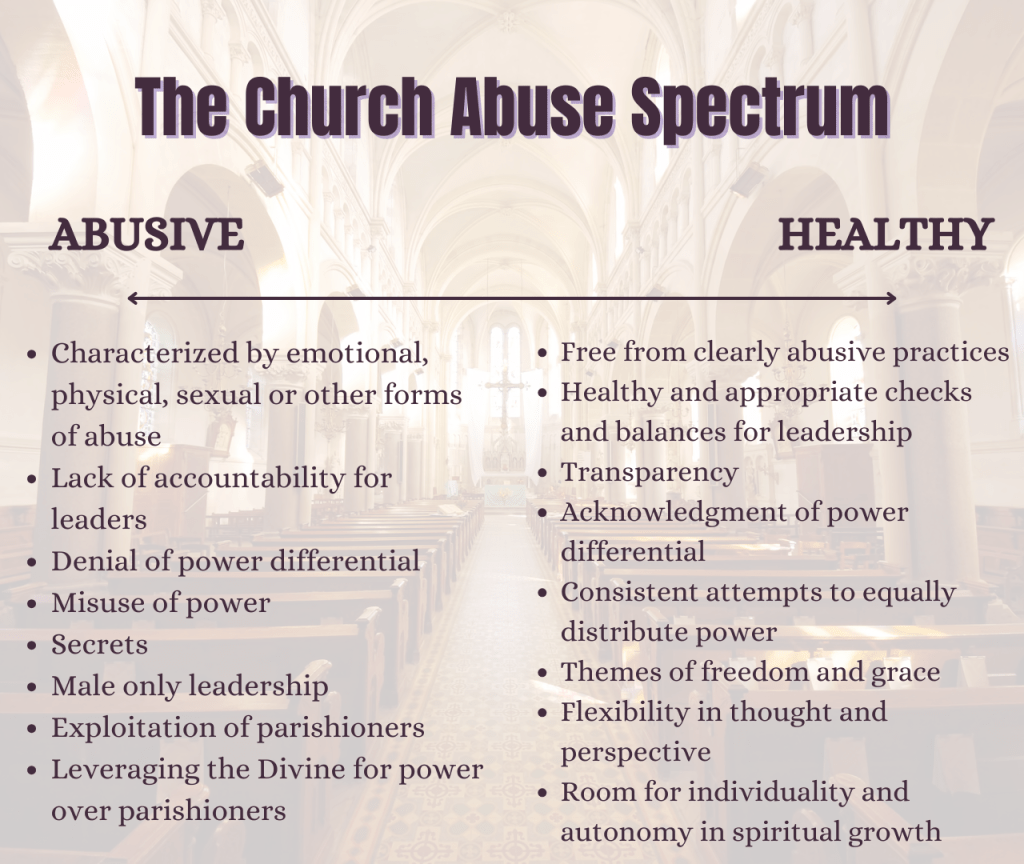




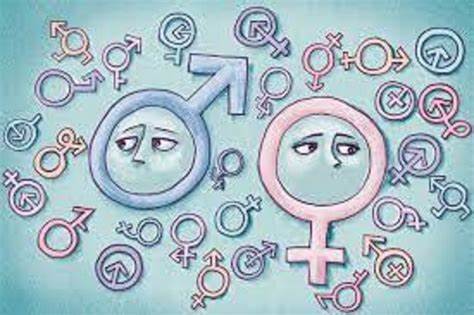


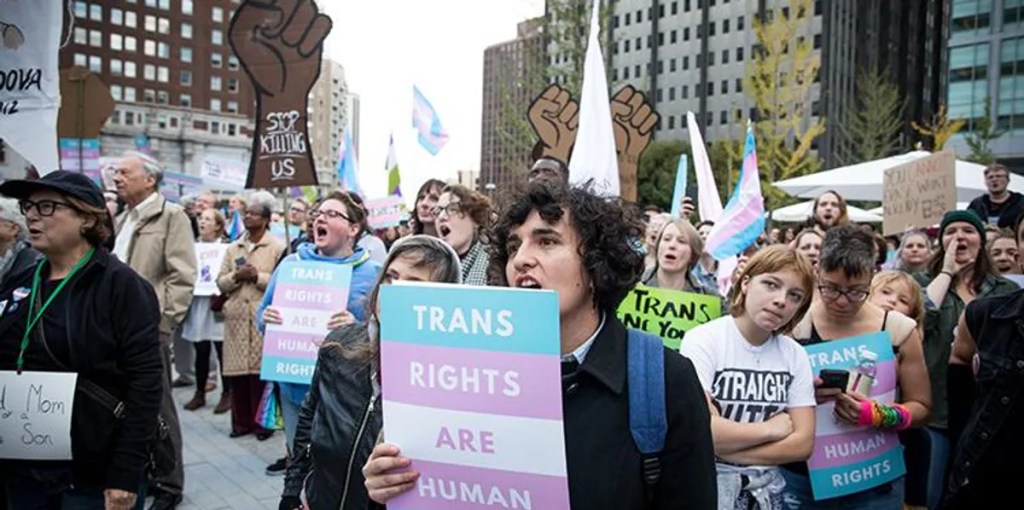
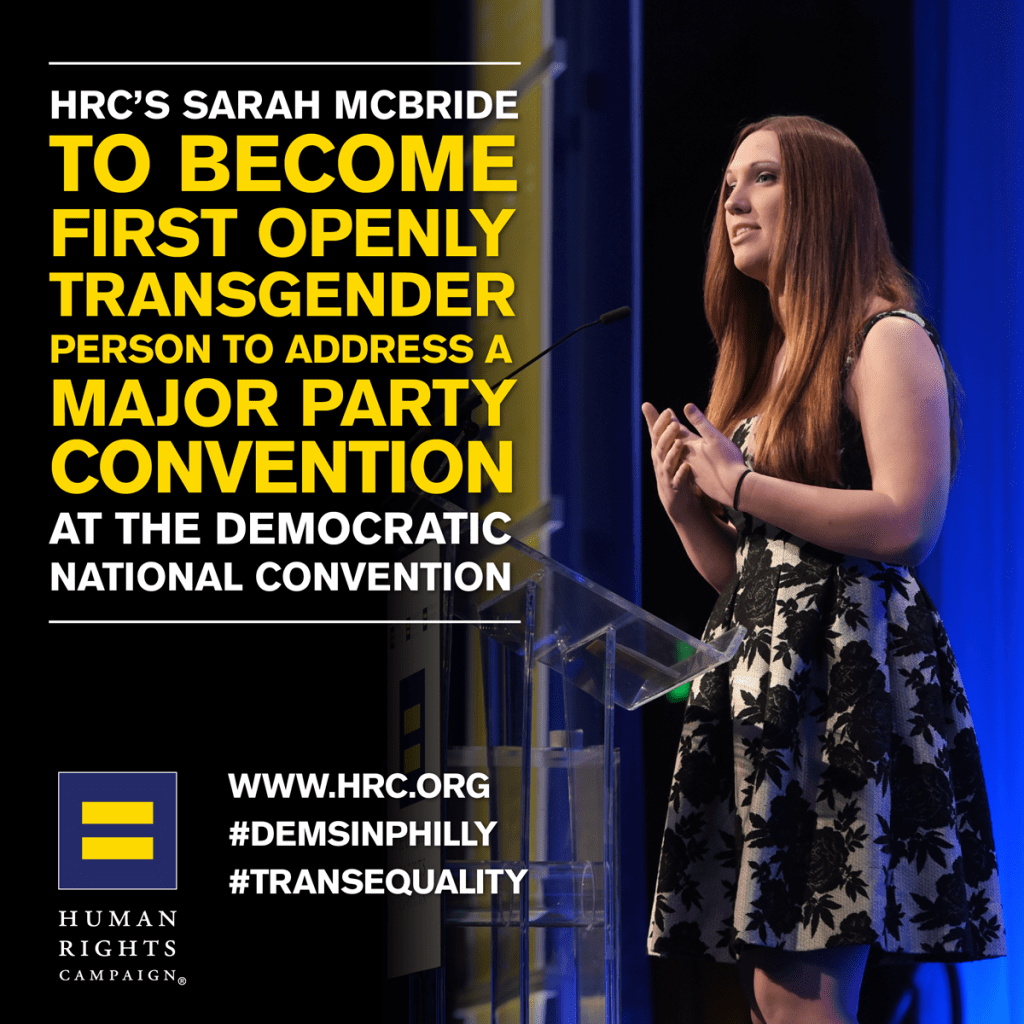



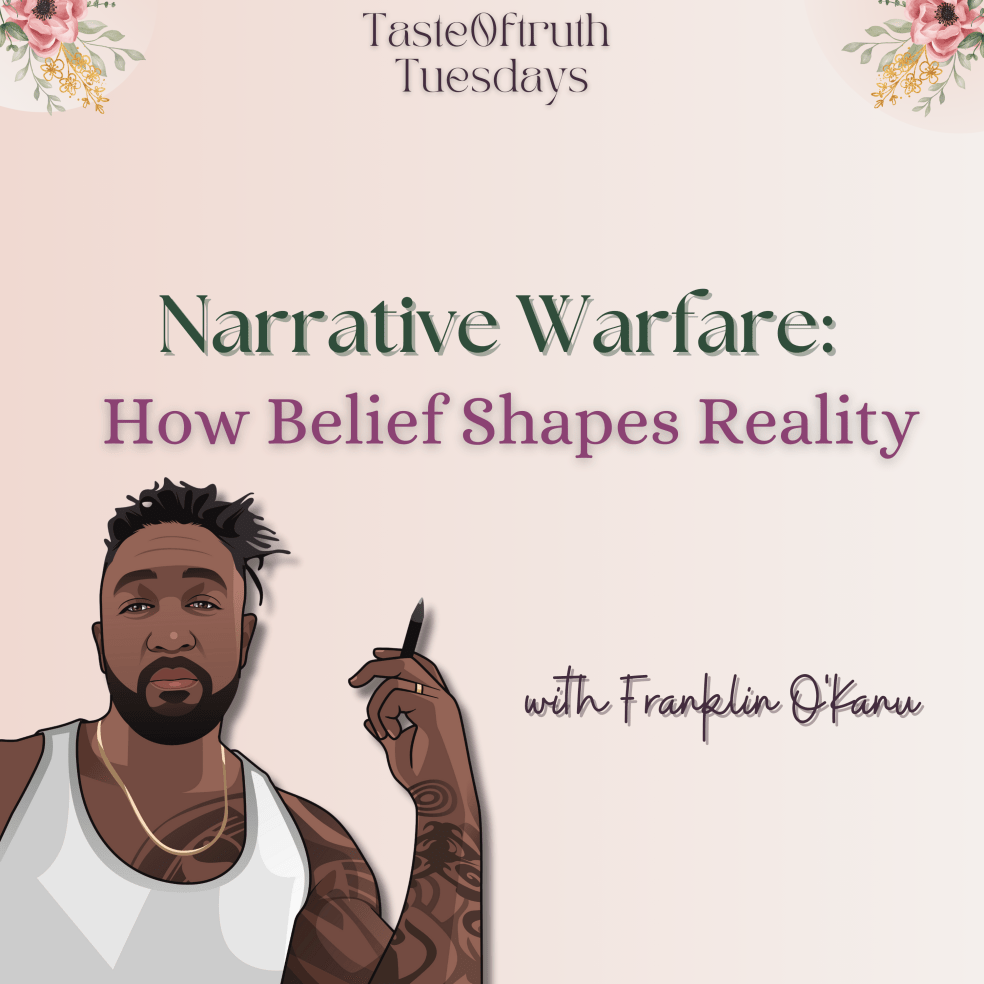
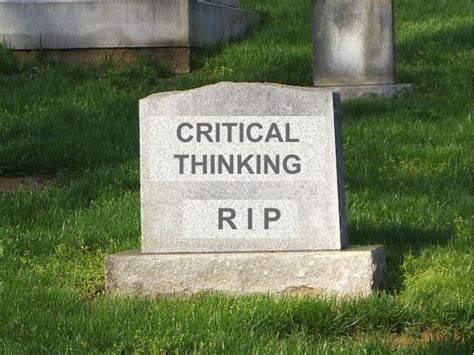



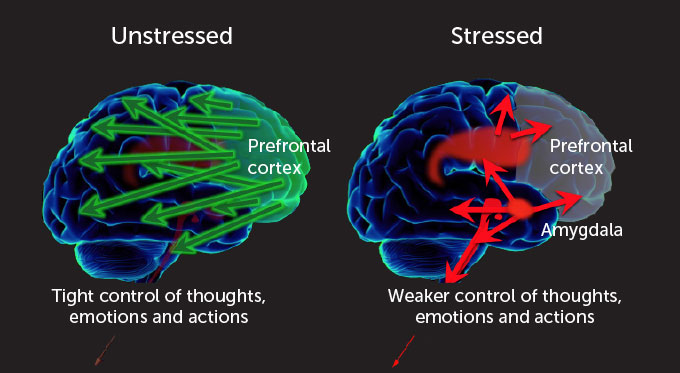

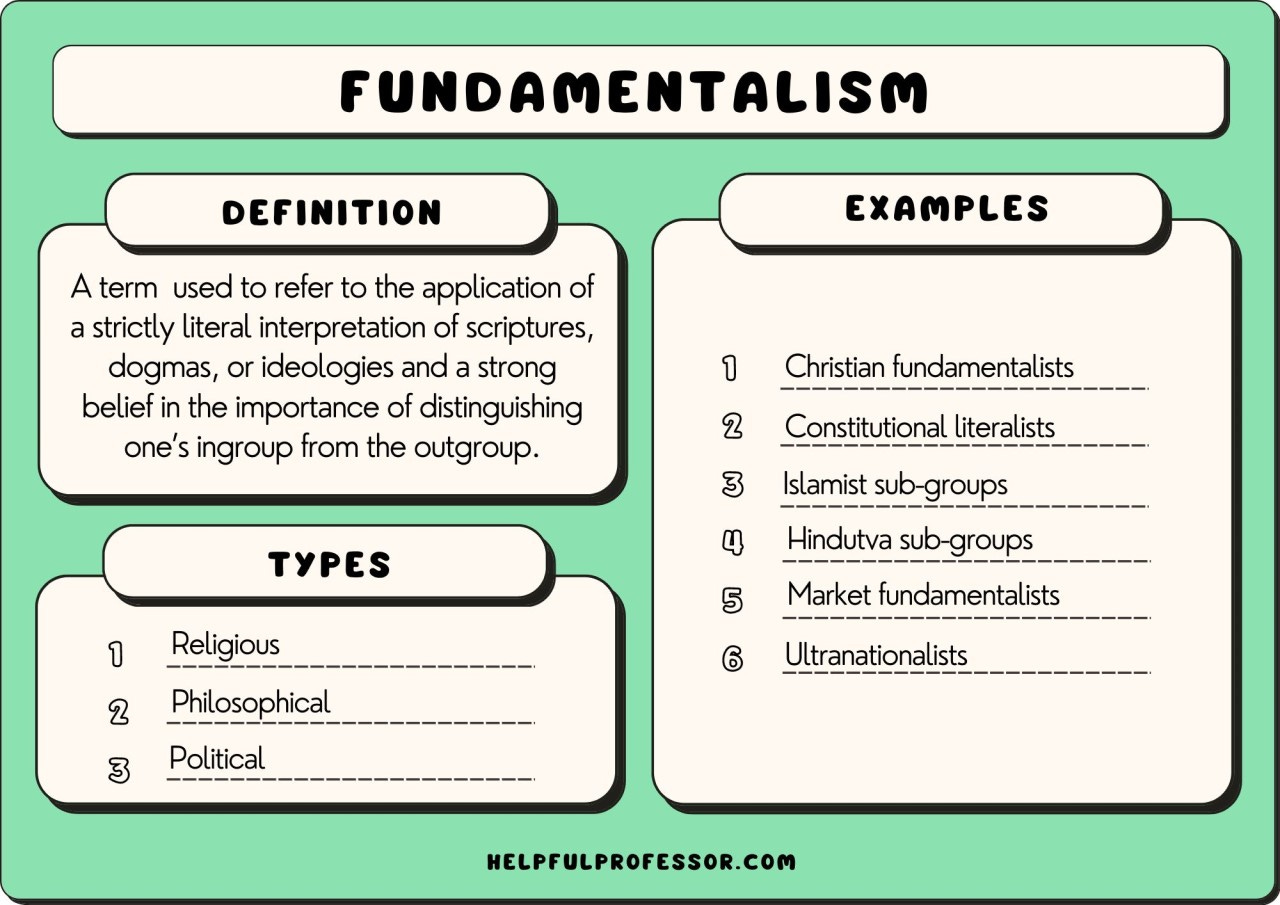
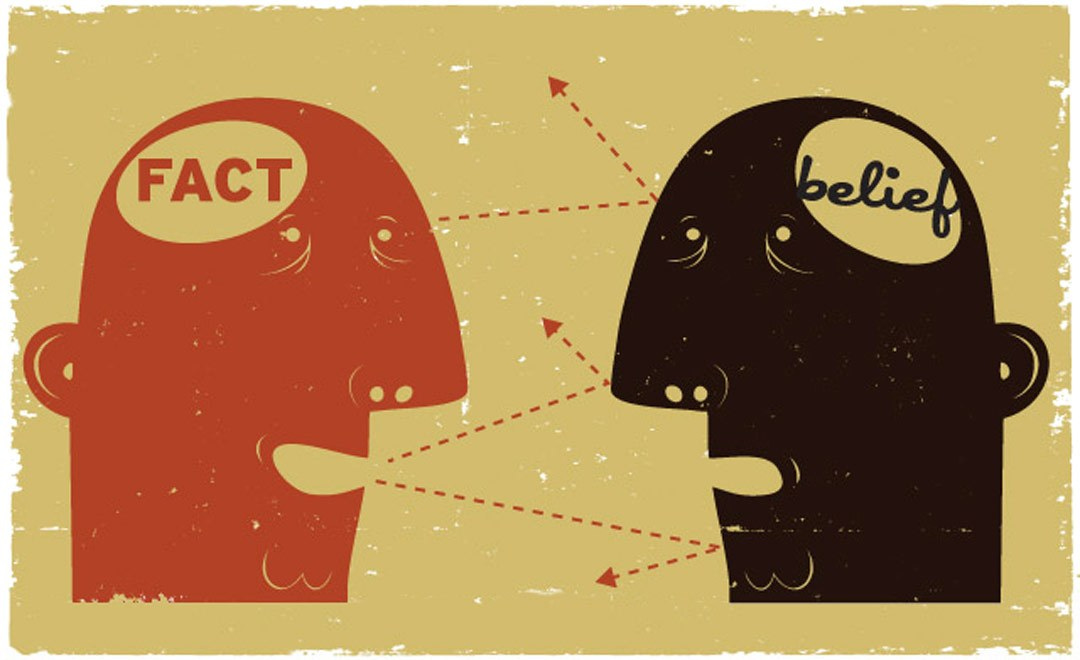
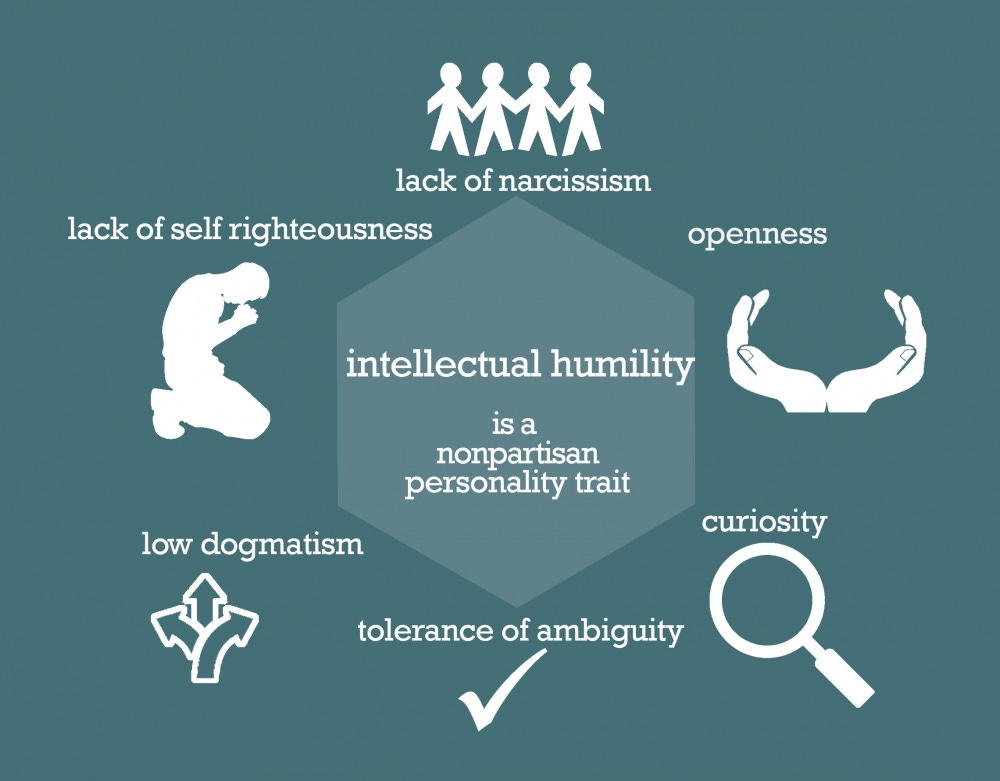
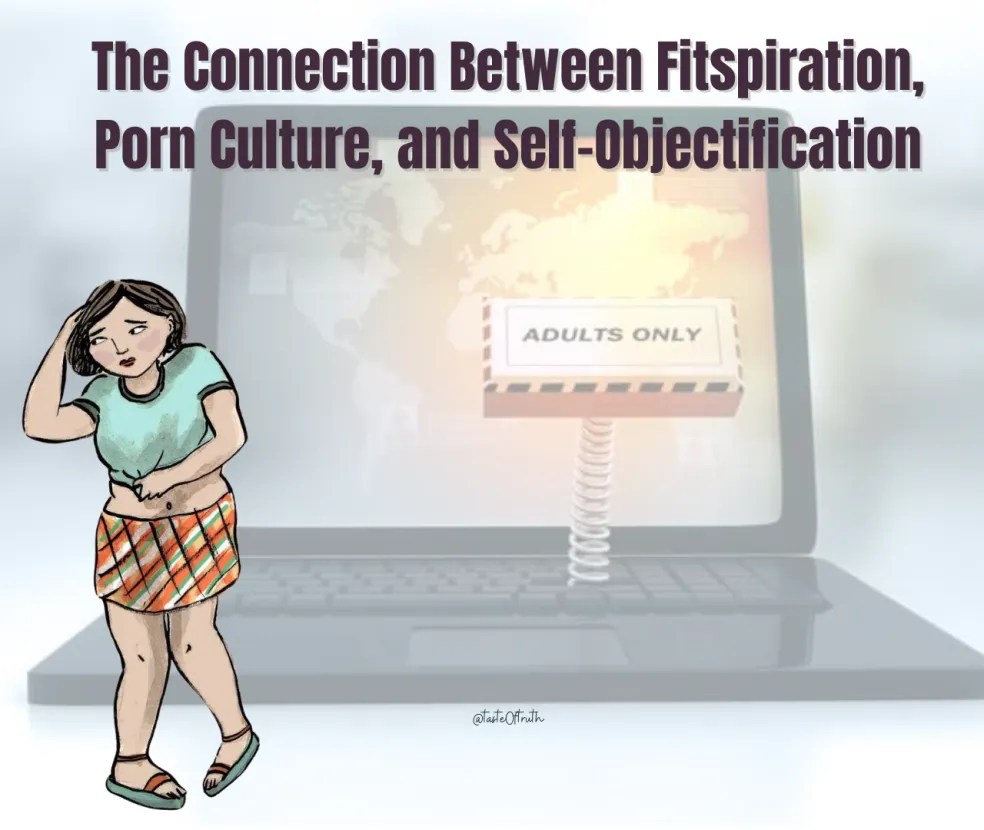


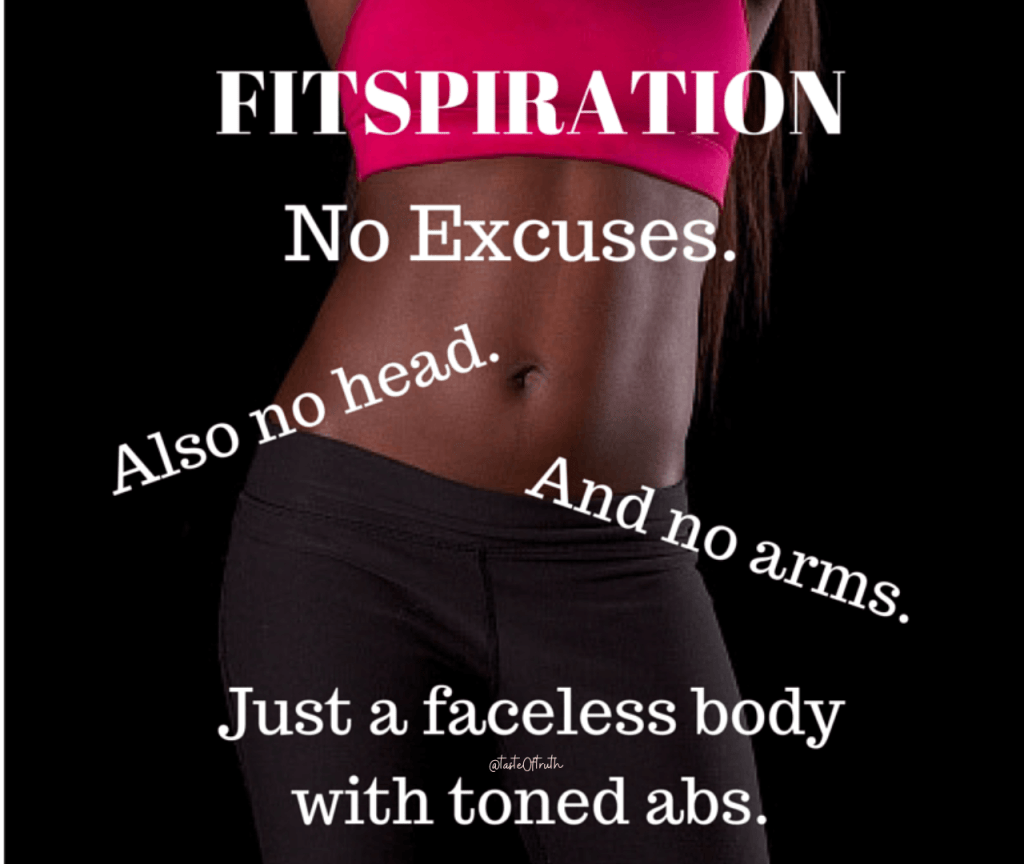





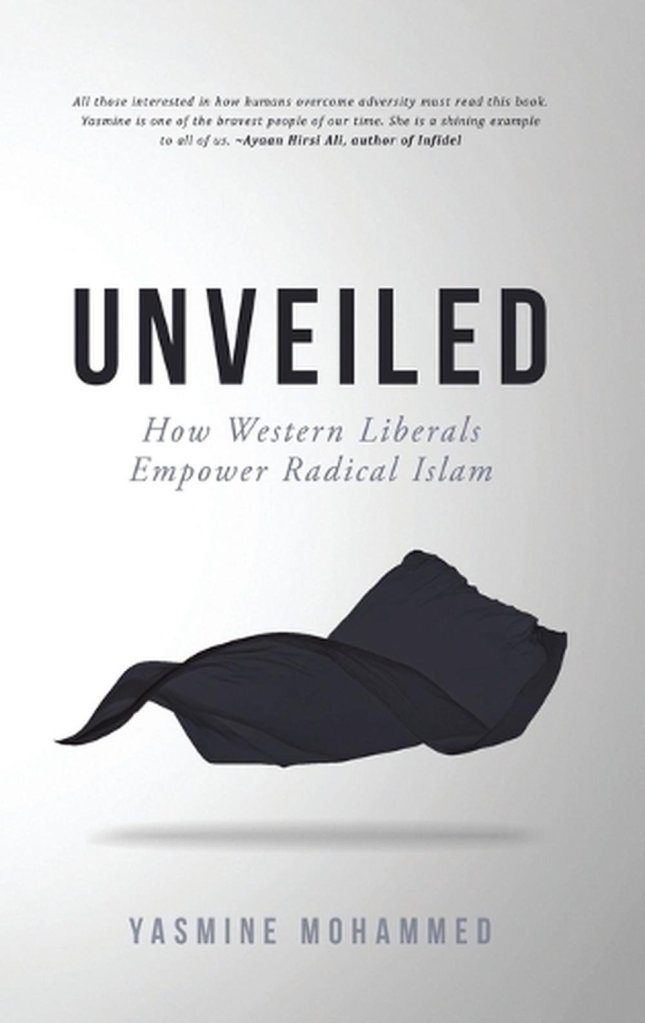


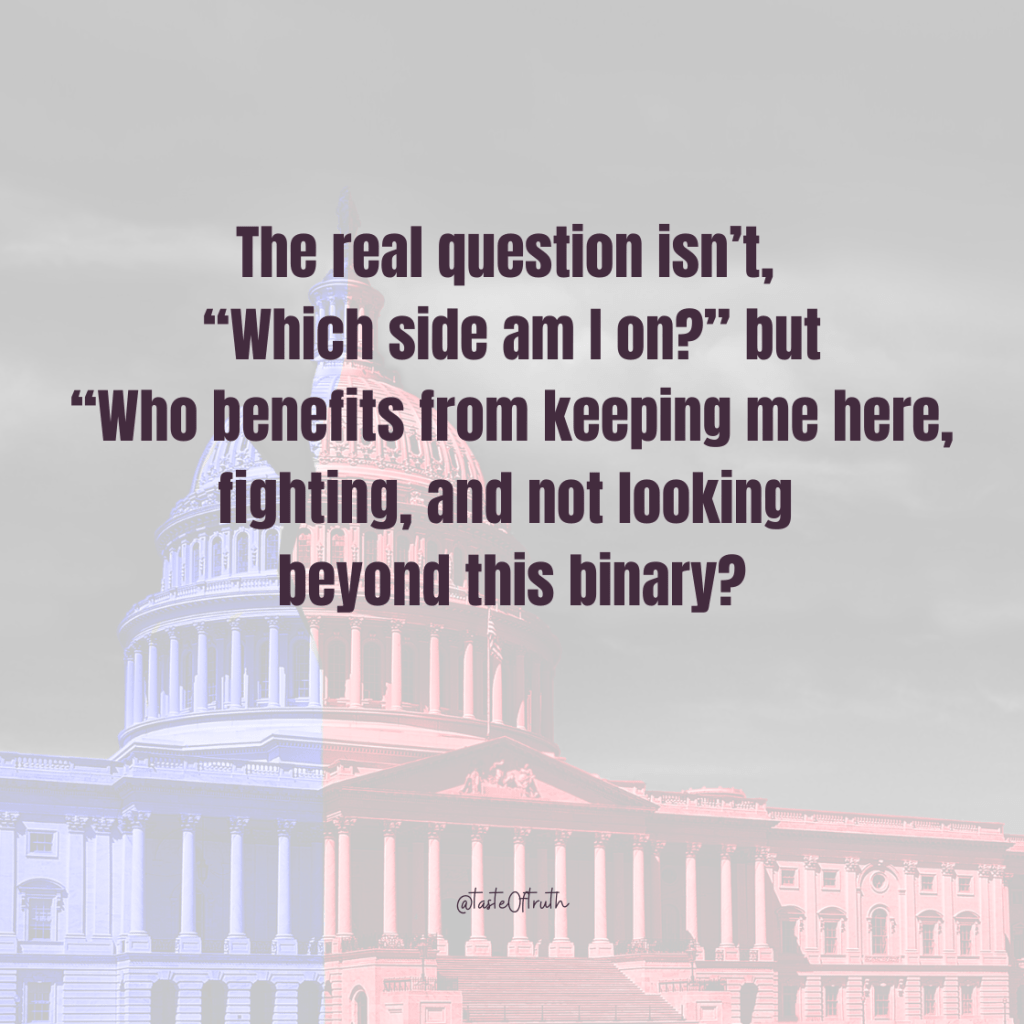
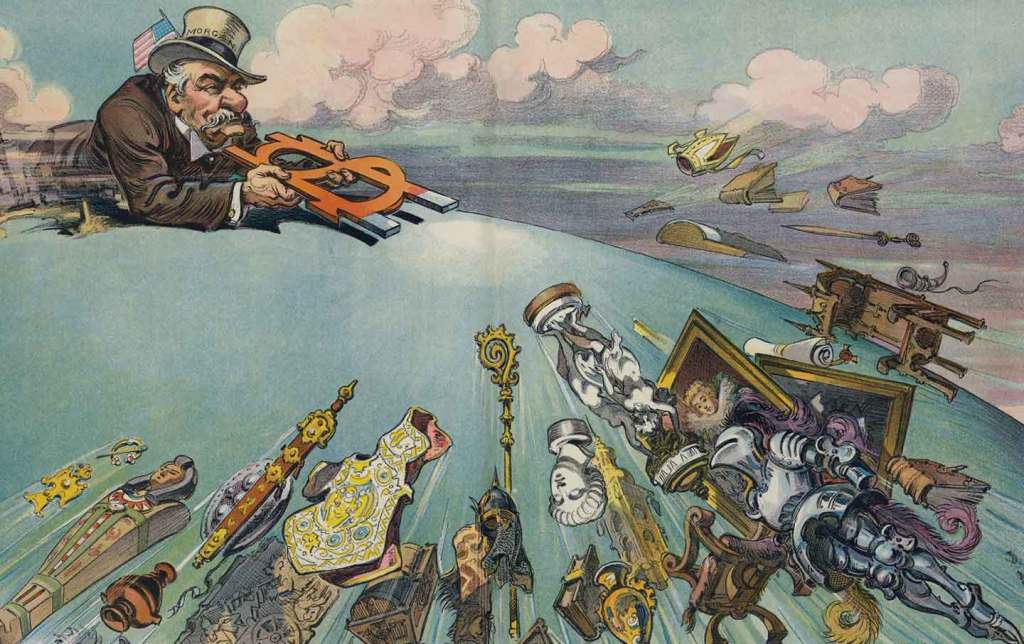


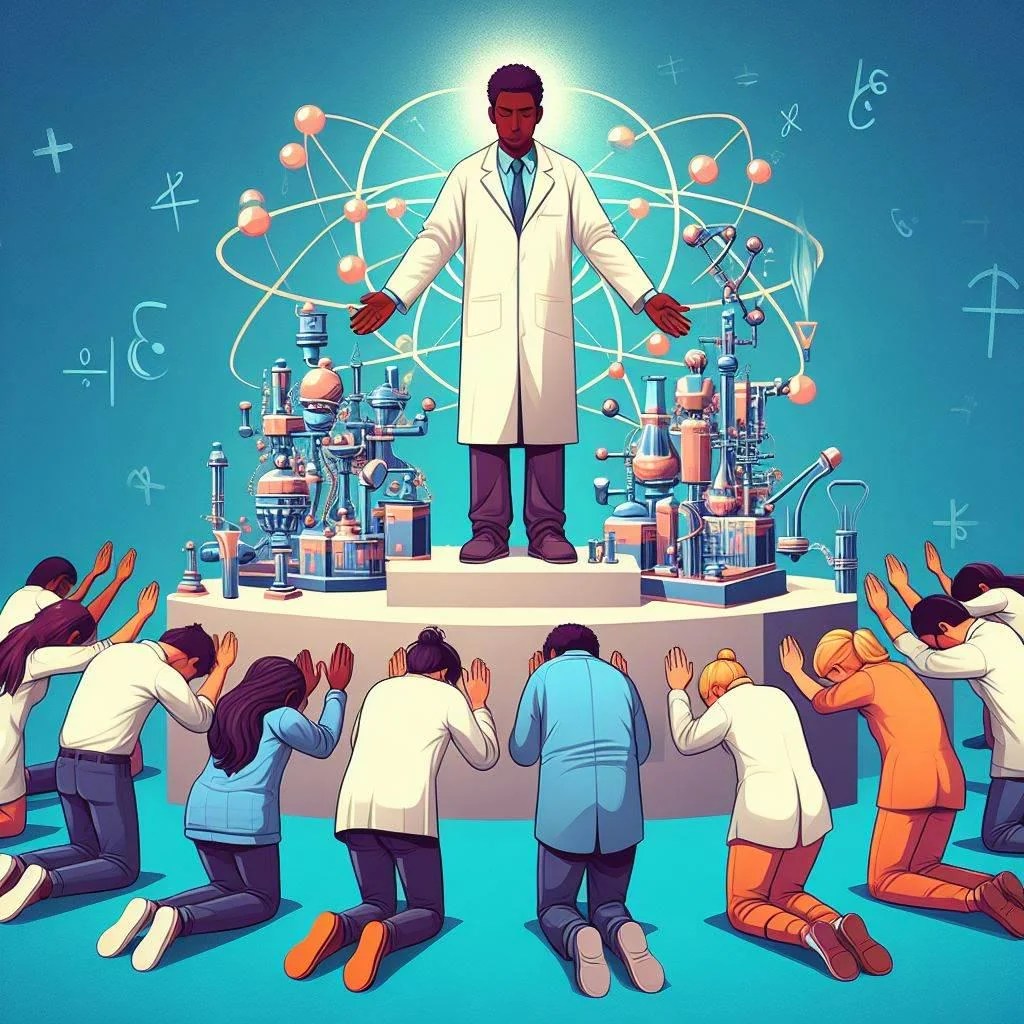

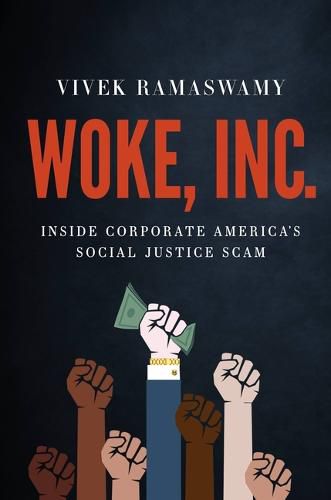

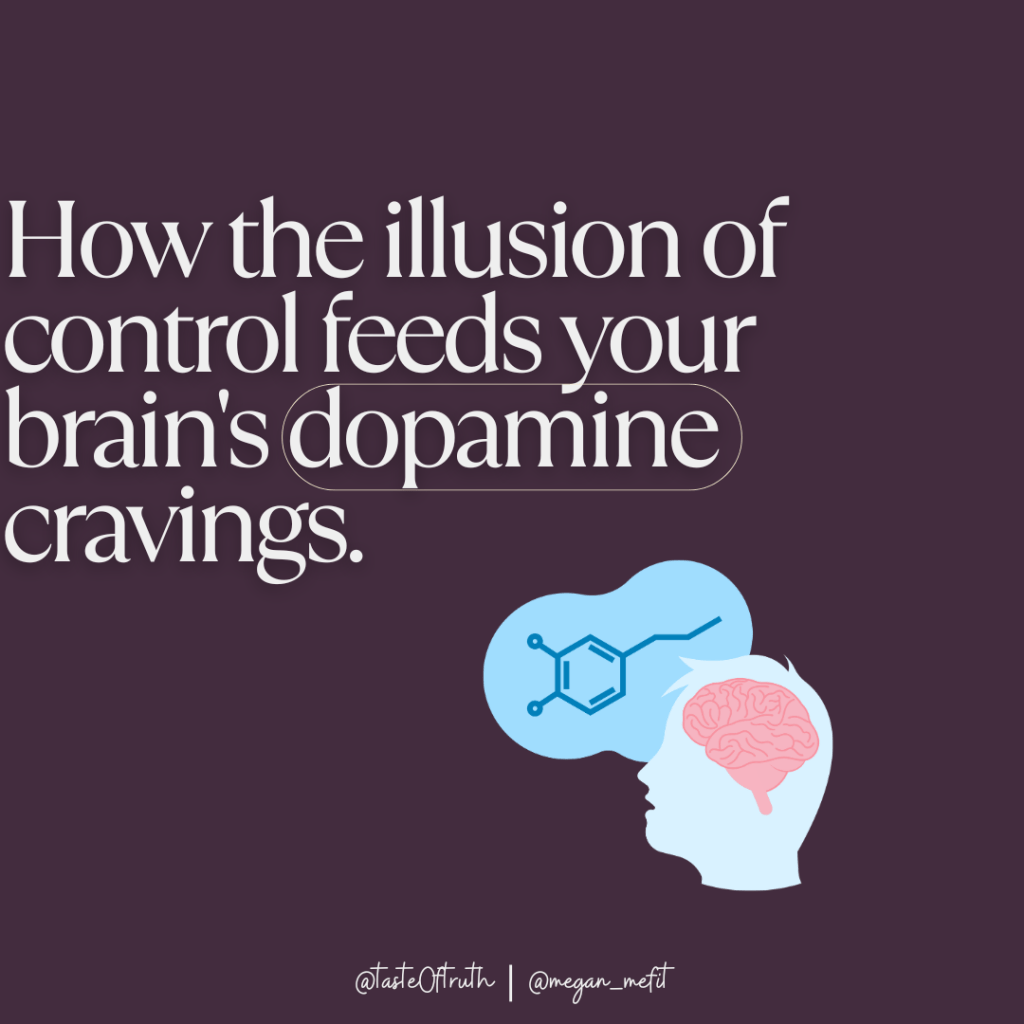



 Taste0ftruth Tuesdays