From religion to politics, why deeply held beliefs trigger defensiveness, outrage, and even hostility—and how we can foster better conversations.
We all have seen how the internet seems to bring out everyone’s inner troll. 🧌
The moment a deeply held belief—whether religious or political—is questioned, people lash out with hostility, aggression, or outright rage. Why does this happen? Why do some people react as if their very identity is under attack?
This season on Taste of Truth, we have been expanding the conversation—because this isn’t just about religion. Political ideologies, social movements, and even scientific debates can trigger the same defensive responses.
Fundamentalist thinking—whether in religion or politics—creates a fear-driven, us-vs-them mentality.
At its most basic, the allure of fundamentalism, whether religious or ideological, liberal or conservative, is that it provides an appealing order to things that are actually disorderly. -Peter Mountford
This hits at something crucial that I’ve written about numerous times before: the human brain craves order, even in the face of chaos. The illusion of control is a powerful psychological driver, and our brains reward it with dopamine. Fundamentalist thinking offers a structured, black-and-white framework that feels safe and predictable, making it incredibly appealing—especially in times of uncertainty. It’s why people cling even harder to rigid beliefs when they feel threatened. Whether in faith or politics, the need for certainty can override openness to new information, leading to the defensive reactions we see when those beliefs are questioned.
The moment someone questions the “truth,” it’s perceived as an existential threat, triggering anxiety, cognitive dissonance, and sometimes outright hostility.
Take a look at the patterns:
Verbal Attacks: When someone questions a core belief, the response can be insults, shouting, or belittling. For example, in religious circles, someone questioning doctrine might be labeled a heretic, while in political spaces, dissenters might be called traitors or bigots.
Social Ostracism: In both fundamentalist religious and political groups, those who challenge the status quo risk being shunned, excommunicated, or “canceled.” A former churchgoer who deconstructs their faith may be cut off from their community, just as someone who questions ideological orthodoxy in politics might lose social standing, friendships, or even career opportunities.
Online Harassment: Social media amplifies these reactions. Question a sacred political narrative? Expect dogpiling. Challenge a religious doctrine? Brace yourself for moral outrage. The internet rewards ideological purity and punishes deviation.
Physical Aggression: In extreme cases, questioning or challenging deeply held beliefs can escalate to threats or violence. History is littered with examples—holy wars, political purges, ideological revolutions—all stemming from the belief that certain ideas must be defended at any cost.
This isn’t just about bad behavior—it’s about psychology. When beliefs become intertwined with identity, disagreement feels like a personal attack. Fundamentalist teachings—whether religious or ideological—reinforce this by instilling fear of deviation:
Fear of Deviation – Straying from the accepted belief system is framed as dangerous, whether it’s framed as spiritual damnation or societal collapse.
Cognitive Dissonance – Encountering opposing viewpoints creates internal discomfort, making people double down rather than reconsider.
Fear of Consequences – Whether it’s eternal hellfire or being cast out by one’s political tribe, the cost of questioning is framed as too high.
Identity Threat – When beliefs define self-worth, changing one’s mind feels like losing a part of oneself.
Social Pressure – Communities reinforce conformity, and breaking from the group’s ideology invites punishment.
When Morality Binds and Blinds
In The Righteous Mind, Jonathan Haidt explains how moral systems don’t just guide our sense of right and wrong—they also bind us to our tribes and blind us to opposing perspectives. Morality evolved not just to help individuals make ethical choices but to reinforce group cohesion. When we share a moral framework with others, it strengthens social bonds and builds trust. But there’s a cost: once we’re deeply embedded in a moral community—whether religious, political, or ideological—we stop seeing outside perspectives clearly.
This is why people react with such hostility when their beliefs are challenged. They aren’t just defending a set of ideas; they’re defending their sense of identity, belonging, and moral righteousness. A challenge to the belief feels like a challenge to the self—and to the entire group they’re part of.
This also explains why fundamentalist thinking isn’t confined to religion. Political movements, activist groups, and even secular ideologies can exhibit the same rigid certainty, group loyalty, and hostility toward outsiders. The more a belief system becomes tied to identity, the more resistant it is to change—and the more aggressive the response when it’s questioned.
The antidote? Intellectual humility. The ability to recognize that our beliefs, no matter how deeply held, might be flawed. That truth-seeking requires engaging with discomfort. That real conversations happen not when we dig in our heels but when we’re willing to ask, What if I’m wrong?
These dynamics explain why deconstruction—whether of faith or political ideology—often leads to intense backlash. It also reminds me of our conversation with Neil Van Leeuwen, author of Religion as Make-Believe. He pointed out that factual beliefs thrive on evidence, but religious and ideological beliefs function differently. When a belief becomes part of group identity, truth often takes a backseat. In fact, sometimes falsehoods serve the group better because they reinforce belonging.
To close down the conversation, let’s talk about healthy communities—whether religious, political, or social—embrace intellectual humility. Here’s what that looks like:
Open Dialogue: Encouraging respectful conversations where differing perspectives are explored rather than attacked.
Supportive Community: Allowing for questions, doubts, and evolving beliefs without fear of punishment.
Personal Reflection: Cultivating a mindset that prioritizes growth over ideological purity.
Interdisciplinary Engagement: Seeking insights from multiple fields rather than reinforcing an echo chamber.
By recognizing these patterns, we can navigate our own beliefs with more self-awareness and engage in discussions that foster curiosity rather than hostility. The question isn’t whether we hold tightly to certain beliefs—it’s whether we’re willing to interrogate why.
So, what’s one belief you’ve held onto tightly that you later questioned?
Breaking Free: A Conversation with Yasmine Mohammed on Radical Islam, Empowerment, and the West’s Blind Spots
In a world where ideology often blinds us to reality, Yasmine Mohammed’s story is a testament to the power of courage and critical thinking. As a survivor of a forced marriage to an Al-Qaeda operative and author of the groundbreaking book Unveiled: How Western Liberals Empower Radical Islam, Yasmine has dedicated her life to advocating for women’s rights and challenging oppressive ideologies. In this blog, we’ll explore her journey, the insights she’s gained, and the challenges of addressing extremism in today’s political and cultural climate.
Why Yasmine Wrote Unveiled
When asked what motivated her to write Unveiled, Yasmine shared that it was born out of a deep desire to shed light on her personal journey and the broader systemic issues that keep women trapped in cycles of oppression. “I wanted to expose the realities of radical Islam and its impact on women, but also to empower others to think critically and challenge these systems,” she explained. For Yasmine, the book is not just a memoir; it’s a call to action, a tool for education, and a beacon of hope for those seeking to break free.
Since its publication five years ago, much has changed. Yasmine reflected on her personal growth and evolving perspectives. “The fight for women’s rights continues, but I’ve also learned to navigate the complexities of cultural relativism and political correctness in the West,” she said. These challenges have only deepened her resolve to speak out.
The Psychological Toll of Leaving Islam
In Unveiled, Yasmine recounts the harrowing experience of escaping her marriage and the lingering fear of her ex-husband, even imagining him in “heaven” (p. 186). These fears aren’t just remnants of her past but a reflection of the psychological toll of leaving Islam. “It’s not just about leaving a religion; it’s about disentangling yourself from a worldview that dictated every aspect of your life,” she said.
Her advice for those leaving strict religious environments? “Be patient with yourself. Fear-based tactics are designed to keep you compliant, but over time, as you rebuild your confidence, those fears begin to fade.” Yasmine emphasized the importance of finding supportive communities and nurturing critical thinking skills to counteract deeply ingrained beliefs.
Challenging Radical Islam and Western Enablers
One of the most provocative aspects of Yasmine’s work is her critique of Western liberals who inadvertently enable radical Islam. “By prioritizing cultural relativism over universal human rights, they’re complicit in perpetuating oppression,” she argued. For women in particular, this dynamic is devastating. “When Western feminists turn a blind eye to practices like forced marriages or honor killings, they’re betraying the very values they claim to uphold.”
What’s the solution? “We need to have honest conversations about the realities of radical Islam without fear of being labeled intolerant. It’s not about vilifying a group; it’s about protecting fundamental human rights,” Yasmine said. She also highlighted the importance of education, both in Muslim-majority countries and in the West, to dismantle misconceptions and foster real change.
Final Thoughts
Looking back on her journey, Yasmine’s advice to those deconstructing a belief system is simple but profound: “You are not alone. There is life beyond fear and isolation, and there are communities and resources ready to support you.” For those seeking to educate themselves on these issues, she cautioned against falling into the trap of political tribalism. “Stay curious, ask questions, and prioritize truth over ideology.”
Yasmine Mohammed’s story is more than a tale of survival; it’s a roadmap for empowerment and a challenge to the complacency that allows radical ideologies to thrive. As we navigate a world increasingly polarized by political and cultural divisions, her insights remind us of the urgency of standing up for universal human rights and fostering critical, open-minded discussions.
🙏 Please help this podcast reach a larger audience in hope to edify & encourage others! To do so: leave a 5⭐️ review and send it to a friend! Thank you for listening! I’d love to hear from you, find me on Instagram! @taste0ftruth , @megan_mefit , Pinterest! Substack and on X!
What’s a racist, homophobe, sexist, bigot, or hater? Apparently, anyone winning an argument with a liberal these days.
This year has been a wild ride. It began with me terrified of Satan, demons, and the Apocalypse, only to be ending it realizing the real danger isn’t hellfire—it’s the dogmas we create here on Earth. I didn’t grow up religious. In fact, I was raised secular, moved to Portland, OR after college, and could give you a TED Talk on progressive ideals. But then the pandemic hit, and somewhere between sourdough starters and doomscrolling, I found myself deep in the throes of fundamentalist Christianity.
That’s right—I started the year in a cult. It took months to deconstruct my faith, peel back the layers of fear-based control, and reimagine spirituality beyond the man-made monotheistic God I was sold. Yet, just as I was catching my breath, I noticed something chilling: the same patterns of zealotry I had fled were alive and well in the secular world.
Wokeness, with its sermons on systemic oppression and sacraments of allyship, has become the new secular religion. It demands unwavering faith, punishes heretics, and offers little room for redemption. And just like the fire-and-brimstone preachers I’d left behind, its most fervent believers seem less interested in dialogue and more intent on moral superiority.
Thought leaders like John McWhorter (Woke Racism), Yasmine Mohammed (Unveiled), and Douglas Murray (The Madness of Crowds) have drawn the same parallels: woke ideology mirrors religious extremism, complete with its own prophets and purges. And as someone who’s lived through both kinds of radicalism, I’m here to tell you—it’s not just unsettling; it’s dangerous.
How woke ideology mirrors religious extremism
In my podcast episode titled Faith Unbound: Navigating the Process of Disentanglement—or rather, Deconversion—I delved into my initial discovery of the Ex-evangelical Christian network. Back in February 2024, it felt like a lifeline, a safe haven for questioning my former religious beliefs. But after 6–7 months of immersion, patterns began to emerge. While the movement has been instrumental for many, I couldn’t ignore the creeping rigidity and tribalism. The hunger for certainty, the need to be on the “right side,” often replaces one dogma with another.
A striking example of this surfaced in Sexvangelicals’ episode How to Do Social Justice This Election Season Without Being a Jackass. They state:
“November’s presidential election offers a stark contrast between two types of government. One is democracy, built on the idea that many people have voices and, ideally, a government that serves a broad population. The other is autocracy, which operates on the belief that only a few have a say. Autocracies, like the 2024 Republican Party, often communicate through tactics such as blame, repression, and fear-mongering. In our latest episode, we discuss common communication strategies used by autocracies and how progressives and pro-democracy voters can avoid responding in ways that reinforce jackassdom.”
My response? “It’s not your enemies, it’s the system.” This narrative reduces a complex political landscape into a simplistic moral battle, with one side as saviors of democracy and the other as agents of autocracy. But this dichotomy misses the bigger picture. Who really shapes policy in America?
A 2014 study by Martin Gilens and Benjamin Page, often dubbed the “Oligarchy Study,” analyzed policy decisions across two decades. It revealed that elites and organized interest groups wield disproportionate influence over government decisions, while the average citizen’s impact is negligible. This stark reality transcends partisan politics and lays bare a systemic issue: power isn’t held by the left or right—it’s concentrated in the hands of those who profit from our division.
By framing every election as a battle for democracy versus tyranny, we’re falling into the trap of distraction. The real question isn’t, “Which side am I on?” but, “Who benefits from keeping me here, fighting, and not looking beyond this binary?”
The claim that the Republican Party represents an autocracy, as made by Sexvangelicals, is not just simplistic—it’s laughably disconnected from reality. To label one political party as authoritarian while ignoring the bipartisan complicity in maintaining an oligarchic system is either naïve or willfully ignorant.
Take the oligarchic nature of U.S. politics. Both major parties have long benefited from the concentration of wealth and power at the top. Consider the case of former House Speaker Nancy Pelosi, whose net worth has ballooned through stock trades that suspiciously align with her legislative influence. Or Barack Obama (Barry Soetoro), who went from public servant to multi-millionaire, cashing in on book deals, speaking engagements, and lucrative partnerships with Netflix after leaving office.
Then there’s President Joe Biden. While progressives champion him as a defender of democracy, his record is far from pristine. Most recently, questions surrounding his son Hunter Biden’s international business dealings—spanning over a decade—have drawn scrutiny. Hunter’s alleged tax evasion and unregistered foreign lobbying have raised concerns, yet he continues to receive leniency from the justice system.
This isn’t to excuse Republicans from criticism, but the suggestion that they alone embody authoritarian tendencies is absurd when Democrats have equally reaped the rewards of an oligarchic system. Both parties serve the interests of economic elites and organized lobbyists far more faithfully than they do the average voter.
The Magnet, from Puck, 1911.(Udo J. Keppler / Library of Congress)
The bipartisan reality of the oligarchy dismantles the “democracy versus autocracy” narrative. For instance, the same Gilens and Page study cited earlier reveals that the preferences of the bottom 90% of income earners have statistically no impact on policy outcomes. Meanwhile, corporate donors and lobbying groups continue to hold sway over legislation regardless of which party is in power.
By framing Republicans as the sole villains in this story, Sexvangelicals perpetuates the kind of shallow tribalism that fuels division while leaving the real culprits—wealthy elites and corporate interests—untouched. The truth is that our democracy has been compromised for decades, and it will remain so until both sides of the aisle are held accountable for their role in preserving this oligarchic system.
Instead of directing anger at individuals or parties, we should be asking: How do we break free from a system designed to keep us pointing fingers at each other while those in power profit from the chaos?
From Crunchy Hippie to Conservative Christian Pipeline: My Journey Through the Radicalization Maze
Growing up secular, I’d have laughed at the idea that I would someday align with conservative or religious ideologies. Portland, Oregon, was my playground of progressive ideals—a city where conservatism felt like the root of every societal ill. But life has a way of challenging our convictions. Late in the pandemic, isolated and seeking meaning, I fell into an extreme version of Christianity. What I once dismissed as unthinkable became my new normal—until it wasn’t. Earlier this year, I deconstructed those beliefs, peeling back the layers of what led me there. Read/listen all about HERE!
Now, I can see the flaws and virtues of both worlds, which is why I find the frame of mind in deconstruction spaces puzzling. Many accounts misrepresent or overgeneralize conservatives—the very people they once were or grew up with—and cast the same stones they once had thrown at them.
It reminds me of this quote from the book The Righteous Mind:
“I had escaped from my prior partisan mind-set (reject first, ask rhetorical questions later) and began to think about liberal and conservative policies as manifestations of deeply conflicting but equally heartfelt visions of the good society. It felt good to be released from partisan anger. And once I was no longer angry, I was no longer committed to reaching the conclusion that righteous anger demands: we are right, they are wrong.”
Deconstructing past beliefs should be about nuance, growth, and intellectual humility—not trading one form of black-and-white thinking for another. When we fail to empathize with others’ moral frameworks, we miss out on a deeper understanding of the human experience.
Many in the ex-evangelical space now lean far left in their political views, where values like care, fairness, and empathy take center stage. Conservative values like loyalty and authority are dismissed or viewed with suspicion, fostering an “us vs. them” mentality.
This cultural shift into victimhood is explored further in The Coddling of the American Mind by Greg Lukianoff and Jonathan Haidt, who identify three “Great Untruths” that help explain these societal trends:
1) “What doesn’t kill you makes you weaker,”
2) “Always trust your feelings,”
3) “Life is a battle between good people and evil people.”
These untruths, they argue, contribute to fragility, discourage critical thinking, and promote a tribal mentality—characteristics that are increasingly evident in both the deconstruction space and parts of the progressive left. The focus on emotional responses over rational thought and the growing divide between “us” and “them” only strengthens these dynamics. For a deeper dive into this.
Woke Ideology as a Secular Faith: A Closer Look
“What we’re seeing isn’t a quest for justice but a demand for unquestioning orthodoxy.”
John McWhorter argues that wokeism functions like a full-fledged religion. It provides a moral framework that mirrors traditional religious beliefs. Instead of concepts like original sin, wokeism offers “privilege,” positioning those with it as morally compromised. In place of rituals like prayer, adherents perform acts like confessing their biases. And, similar to the salvation promised in traditional religions, salvation in wokeism comes through activism and striving for societal change. He warns that its refusal to tolerate dissent turns it into a rigid orthodoxy rather than a genuine quest for justice. For many, including those who’ve deconstructed evangelical faith, this framework hits uncomfortably close to home.
Many of the individuals I met and conversed with who now identify as progressive or left leaning have simply exchanged the evangelical radicalism of their past for their new liberal beliefs. Social justice, in this sense, has become their new End Times—complete with the same apocalyptic fervor. And it’s painfully obvious.
Douglas Murray discusses this analysis further in The Madness of Crowds. He suggests that wokeism often serves as a substitute for religion in today’s secular world. As belief in traditional religions has waned, people have sought meaning elsewhere—and wokeism fills that void. It provides clear rules and a sense of belonging, but in doing so, it also shuts down open debate and nuanced conversation.
The New Authority: From Sky Daddy to State Agencies
A striking similarity between fundamentalist religion and woke ideology is the relentless worship of authority. For those who’ve left behind their “big sky daddy,” that void has been filled by institutions like the CDC, FDA, and government agencies. The pandemic demonstrated how blind faith can easily shift from divine to institutional.
This is where the religion of scientism enters the picture—where reason and science are elevated to the status of ultimate truth. Figures who present themselves as “experts” rely on surface-level expertise and selective data to craft narratives that appear authoritative, yet fail under scrutiny. They become the “fake intellectuals,” as Franklin O’Kanu calls them, feeding the cult of expertise while often lacking real intellectual rigor. In public health, this plays out with the “revolving door” between regulatory agencies and the pharmaceutical industry, which further complicates the narrative of impartiality.
The “revolving door” describes the flow of personnel between agencies like the CDC and the pharmaceutical industry. This cycle blurs the lines between public service and corporate interest, with former regulators influencing policies that benefit the very companies they once oversaw—creating a potential conflict of interest that’s staggering.
In this new system, the scientific establishment becomes the new authority—replacing the monotheistic idea of God with the “god” of reason and data. For those in the deconstruction space, this is a new form of dogma. It stifles curiosity, dismisses dissent, and discourages critical thinking—all in the name of progress. This mirrors the rigid certainty and tribalism found in the religious structures people sought to escape.
Worshipping “science” or blindly trusting clinical trials can be misleading. While clinical trials are seen as vital for medical progress, they are often heavily influenced by the pharmaceutical industry, which funds a vast majority of these trials. This creates a conflict of interest that can skew results and delay critical information about the risks of drugs. Examples like the Vioxx scandal, where a painkiller was marketed despite internal knowledge of its dangers, and the Tamiflu case, where the effectiveness of the drug was overstated, show how corporate interests can shape clinical trial outcomes. Clinical trials, while important, are not always as objective or transparent as they seem.
Empowering Dangerous Systems
Yasmine Mohammed’s Unveiled pushes the conversation even more, explaining how wokeism can actually empower authoritarian regimes. One key point she makes is how Western progressives, in the name of cultural relativism, avoid criticizing radical Islam. This gives a platform to extremist ideologies, which harms vulnerable groups like women and minorities. She argues,
“By shielding oppressive practices from scrutiny, wokeism betrays the very people it claims to protect.”
The binary “oppressor versus oppressed” narrative has become a staple of modern discourse, particularly within the context of the Israel-Palestine conflict. This oversimplified lens reduces complex geopolitical and historical realities to a stark dichotomy, fostering a dangerous environment where nuance is lost. It’s unnerving to see college students waving the flag of Palestine while simultaneously undermining U.S. monuments and values, while spreading fear mongering lies about Project 2025, and comparing Trump to Hitler. These contradictions are not only mind-numbing but also deeply troubling, signaling a shift toward ideological extremism that dismisses the complexities of any issue in favor of emotional, binary thinking.
Antisemitism has spiked globally after the October 7 attacks on Israel, but this tragic reality has also fueled the misuse of the term “antisemitism” to suppress valid critiques of Israeli policies. Labeling critics as antisemitic conflates political criticism with hate, shutting down meaningful dialogue essential to addressing the Israel-Palestine conflict’s complexities.
This approach mirrors patterns within woke ideology, where dissent is often silenced in the name of ideological purity. The weaponization of identity politics and accusations hinders nuanced discussions and reinforces systems of power, obstructing pathways to justice and true understanding.
Vivek Ramaswamy, in Woke, Inc., adds another layer to this by discussing how authoritarian regimes like China’s Communist Party (CCP) take advantage of woke rhetoric. According to Ramaswamy, the CCP amplifies America’s internal divisions—often fueled by wokeism—to weaken the West. By focusing on these cultural rifts, China diverts attention from its own human rights abuses, all while strengthening its geopolitical position. This is part of China’s broader geopolitical strategy, which seeks to deflect attention from its authoritarian practices while exploiting divisions in Western societies.
This pattern can be seen as part of a broader effort to exploit the distractions created by cultural conflicts to enhance its influence in global organizations, trade, and international relations. For example, while Western nations debate internal social issues, China continues its expansive Belt and Road Initiative, which increases its influence across developing nations.
Heretics and the Price of Dissent
Religious movements and extreme ideologies, like wokeism, are often defined by their treatment of dissenters or heretics. Woke spaces, much like traditional religious communities, are quick to condemn those who question or criticize. Whether it’s TERFs (trans-exclusionary radical feminists) or former progressives like Yasmine Mohammed, those who dissent face severe backlash. This exclusionary behavior creates a stifling environment, not dissimilar to how traditional religions treat apostates. As Douglas Murray puts it, “The hatred reserved for heretics is often more intense than that directed at outsiders.”
But this dynamic is about more than just ideological rigidity—it’s also rooted in human psychology. The human brain is naturally drawn to certainty. When we embrace extreme ideologies, we seek control over our environment, which provides us a sense of stability and security. Research in neuroscience shows that when our beliefs are challenged, we experience discomfort, but defending them can trigger a dopamine response, rewarding us with a sense of control. The brain gets a “hit” from maintaining a sense of certainty, even if it’s at the cost of nuance or rational discussion.
In fact, this need for certainty can become addictive. The human brain often craves certainty in the form of binary thinking—where things are either completely right or completely wrong. This type of thinking is satisfying because it shields us from the cognitive dissonance that arises when faced with complexity or ambiguity. In the case of woke ideology, the call for absolute adherence to certain beliefs or behaviors is not just about social justice—it’s a way to satisfy that neurological need for control. When we feel justified in our beliefs and actions, we receive a dopamine “reward,” reinforcing the behavior.
This addiction to certainty can also be seen in extreme partisanship. The more entrenched we become in one side, the more our brain is rewarded for defending it. It’s why many people in the deconstruction space or on the political left engage in “mental gymnastics”—creating justifications and rationalizations that protect their beliefs. This isn’t just about ideology; it’s about keeping that dopamine reward flowing, keeping the illusion of control intact, and avoiding the discomfort of uncertainty.
The problem is this pattern of thinking isn’t conducive to open dialogue or true critical thinking. The “us vs. them” mentality becomes more pronounced, and the space for nuance, disagreement, and personal growth shrinks. Instead of engaging with opposing views, individuals self-censor or double down on their beliefs, further entrenched in the addictive cycle of ideological purity.
Moving Forward: A Balanced Approach
It’s important to note that this critique isn’t meant to dismiss the noble goals of social justice movements. Addressing inequality and harm in the world is crucial. But when these movements demand absolute loyalty and punish dissent, they lose sight of the very ideals they claim to uphold.
What do you guys think? How do you balance the pursuit of justice with the need for free thought?
Do you see these religious parallels in woke ideology? Are they helpful in understanding these dynamics, or do they oversimplify the issue?
I’d love to hear your thoughts. Comment below, and don’t miss my podcast episode with Yasmine Mohammed dropping 2025 for a deeper dive into these topics!
Bonus Episode: Reflections on the Election Cycle – A Message for the Deconstruction Community
Welcome to today’s deep dive into a topic that’s been stirring within me for months. If you’re new here, let me explain the deconstruction space, or the deconstruction community—a movement that’s gaining momentum for those of us disentangling ourselves from rigid, fundamentalist beliefs. This process is supposed to be healing and, ideally, a source of growth, but it’s not without its share of controversy. That’s what we’re here to talk about.
In my podcast episode titled Faith Unbound: Navigating the Process of Disentanglement—or rather, Deconversion after my own journey took a deeper turn—I discussed my initial discovery of this space back in February. At that point, I’d begun to question my former beliefs, and the deconstruction community felt like a safe haven. After 6-7 months in, I’m seeing patterns that are unsettlingly familiar. The community has been valuable, yet I’ve grown concerned as it increasingly mirrors the same kinds of rigidity and tribalism many of us were trying to escape.
My posts and Instagram reels have hinted at this frustration, but I’m here today to pull these thoughts together more fully. Moving away from one dogma only to embrace another feels to me, like a new form of entrapment. The craving for certainty and “the right side” is strong, and without realizing it, we’re swapping one rigid system for another. In this space that’s supposed to champion open-mindedness, judgment and exclusion seem to have replaced curiosity and true critical thought.
It’s a reminder that true growth and change happen only when we’re open to different perspectives—not quick to label those who disagree with us as enemies. As the philosopher John Stuart Mill argued in his 1859 work, On Liberty, Free speech is essential for discovering the truth. He believed true understanding and truth itself emerge only through open debate and free expression. This highlights the complexity of truth, it’s only when differing perspectives clash that ideas are refined and strengthened. Let’s explore how that idea relates to today’s topic.
Setting the Stage: The Political and Psychological Landscape
Before we dig into the deconstruction community, let’s set the stage with something I found really interesting. Back before the 2024 election, journalist Mark Halperin expressed some serious concerns on Tucker Carlson’s podcast (cue the BOOs and HISSS from all the progressives–I hear you!) about what would happen if Trump were to win a second term. He predicted widespread psychological distress, especially among Democrats, which would affect everything from mental health to social interactions. And, wow, did that hit the mark.
Since Trump’s victory, movements like the 4B movement have surged among women on social media, particularly in response to reproductive rights concerns and conservative gender roles. Originating in South Korea, the movement’s name, “4B,” stems from “B,” shorthand for “no” in Korean, symbolizing “No sex, No dating, No marrying men, and No children.” Recently, the movement has sparked a 450% increase in Google searches in the U.S., with many calling it the “4 Nos” or referencing “Lysistrata” for its radical stance against traditional gender expectations. I’ve shared my thoughts on traditional gender expectations in a previous episode.
The Blue Bracelet Movement: Solidarity or Performative Gesture?
Following the 2024 election, white women supporting Kamala Harris have rallied around an unexpected symbol: a blue bracelet. For many, it represents allegiance, a small but visible way to signal “I’m not with them” to women who voted for Trump. But like other quick-fix political symbols, it’s raising questions: Does this bracelet truly contribute to progress, or is it merely performative—a way to sidestep deeper, tougher conversations within their communities?
The trend echoes past symbolic movements like 2017’s “pussy hats,” which aimed to unify and empower but were later criticized for their lack of sustained action. Today, similar critiques have emerged around the bracelet, with critics suggesting it’s more of a comforting gesture for its wearers than a true commitment to change. Some Black activists and allies have pointed out that symbols alone aren’t enough; they want allies willing to challenge and change the beliefs of those around them, including friends and family who may hold differing views.
Could the Blue Bracelet Movement become a lasting emblem of allyship or fade as a passing trend? Its fate rests on whether those wearing it step up to engage in hard conversations and meaningful action.
Misinformation and Its Impact on Abortion Laws
But let’s get back to deconstruction—and something that’s been coming up a lot lately, particularly within that space: misinformation about abortion laws. Here’s the thing: there is no federal abortion ban in place. I repeat, NO federal abortion ban.
The Trump administration’s role in the overturning of Roe v. Wade has sparked fierce debates on both sides, but it’s important to clarify that the administration never stated it aimed to eliminate abortion nationwide. Instead, the ruling simply returned the power to regulate abortion to individual states. Some conservative figures have even used quotes from Ruth Bader Ginsburg to suggest she supported a more gradual, state-based approach. However, Ginsburg critiqued the federal approach, arguing a more state-focused shift could have garnered broader public support for gender equality. Polls consistently show that while many Americans support the legality of abortion, most also favor restrictions—especially in later stages of pregnancy. This nuance, however, often gets lost in campaign rhetoric, which is typically framed in absolute terms to galvanize voter turnout. But as we’ve seen, such messaging has not always yielded the intended results, revealing the complexity of public opinion on this issue.
Yes, the Roe v. Wade decision was overturned, but all that did was give states the power to regulate abortion. Some states have restrictions, sure, but no federal law is imposing a nationwide ban. And without a massive shift in Congress and the courts, it’s unlikely that will happen.
I don’t think it will. Trump himself has spoken out against that. His wife has spoken for protecting these in some way, shape or form. We have other folks coming over from the Democratic Party under this Unity Party bracket. I just don’t think that they’re going to force Christian nationalism, and abortion bans across the entire nation. I guess we’ll see.
Then, there’s this idea going around that women won’t be able to access life-saving procedures if they have a miscarriage. This is just false. In fact, most states with abortion restrictions still allow medical treatments for miscarriages, like dilation and curettage (D&C), which are essential to protect a woman’s health. What’s actually being restricted are elective abortions—not necessary procedures.
But here’s where things get really tricky. The spread of these exaggerated claims taps into the emotional centers of our brains. If you remember our previous episodes, we talked about amygdala hijacking—the brain’s response to fear and anxiety. When we hear these alarmist claims, it triggers that fear-based reaction, shutting down our ability to think rationally. Instead of focusing on the facts, we’re just reacting emotionally.
The Dangers of Misinformation
Let’s talk about the danger of this. Misinformation, especially when it involves highly emotional issues like reproductive rights, isn’t just harmless chatter—it’s psychological warfare. It keeps people in a constant state of anxiety, preventing them from thinking rationally. The real issue? People are more likely to believe in the fear-based narrative than to actually check the facts. They’re too busy being triggered emotionally.
This plays directly into the hands of the fearmongers. It becomes easier to control a population if you can make them afraid, right? And what do we see happening? Misguided campaigns around “miscarriage care,” the spread of exaggerated stories, and people feeling like their rights are under direct attack. It’s chaos. And it’s all based on misinformation, yet the ones who are screaming the loudest about misinformation are the very ones spreading it.
Can you already hear the echoes of evangelicalism? This brings me to the concepts of Jonathan Haidt’s the Righteous Mind: Why Good People Are Divided by Politics and Religion because they apply here. Haidt explains how our moral intuitions drive our beliefs and politics, often dividing us along different moral foundations.
Many folks in the deconstruction space, now lean left, where values like care and fairness are paramount. Meanwhile, conservative values like loyalty and authority are often viewed as suspect, fostering an “us vs. them” mentality that can feel righteous but alienating. Ironically, in striving for freedom and empathy, the deconstruction space sometimes ends up falling into the same black-and-white thinking it critiques.
In tandem, Greg Lukianoff and Jonathan Haidt’s book The Coddling of the American Mind offers a useful framework for understanding these shifts, identifying “Three Great Untruths”: 1) “What doesn’t kill you makes you weaker,” 2) “Always trust your feelings,” and 3) “Life is a battle between good people and evil people.” These untruths, they argue, create fragility, discourage critical thinking, and foster a tribal mentality—traits that increasingly characterize the deconstruction space and parts of the progressive left.
It’s ironic to me that some people leave evangelical Christianity thinking they’re free, only to stumble into a new form of dogma within the deconstruction space. My experience is different—I didn’t grow up in the church but was recruited during the pandemic. Having lived outside of purity culture, I feel fortunate not to carry that baggage. While I empathize with those navigating their journeys, it’s tough to see them act as critics and bullies. Let’s unpack these dynamics by exploring three key untruths in this space.
1. The Untruth of Fragility: “What doesn’t kill you makes you weaker.”
For many, deconstructing from fundamentalist beliefs took resilience and a willingness to confront discomfort. Yet, in today’s deconstruction space, there’s an emphasis on avoiding ideas seen as “unsafe” or “harmful”—typically anything that deviates from progressive orthodoxy. and I mean, I genuinely felt this way. I think that might be somewhat of a trauma response. I was like, I hate the patriarchy. I must stand up against this. This is harmful. This is dangerous. And there is a lot of data proving that this isn’t true, whether we want to look at the history of the ancient church or just, you know, the research data that I’ve shared in previous episodes but my point–this fragility, reinforced by social media algorithms, cultivates an environment where disagreement feels threatening rather than enriching.
This approach mirrors the fundamentalist rejection of “dangerous” secular ideas, where dissent is demonized. The irony is that what began as a call for open-mindedness has become a kind of brittle certitude, one that isolates rather than connects. Instead of learning resilience, we’re re-teaching fragility, limiting our growth and deepening the ideological chasm.
Protestors outside a Temple of Satan
2. The Untruth of Emotional Reasoning: “Always trust your feelings.”
Fundamentalism often equates strong feelings with truth—“If I feel it, it must be right.” In the deconstruction space, there’s a similar emphasis on emotional reasoning. If something feels offensive or unsettling, it’s treated as harmful. This approach is amplified by social media, where outrage and personal offense are rewarded with visibility.
Haidt’s work reminds us that emotions shape our moral judgments but don’t always lead to truth. Reacting purely on feeling closes off critical thinking, creating echo chambers where alternative perspectives are rarely considered. Instead of fostering deeper understanding, emotional reasoning entrenches our biases, fueling judgment rather than curiosity.
3. The Untruth of Us vs. Them: “Life is a battle between good people and evil people.”
The most divisive untruth is the idea that the world can be split into “good” and “evil” camps. This is evident in how some in the deconstruction community approach politics and social issues, painting conservatives or moderates as morally inferior. We see a rigid, “with us or against us” mentality, where anyone who questions progressive narratives is labeled “deplorable,” “harmful,” “Trash”, “Nazi” or worse.
Haidt’s research reveals that moral division is natural; we all tend to view those who disagree with us as misguided or even morally flawed. But when we approach every difference as a moral battleground, we close off true dialogue. Coming from a high-Calvinist church—one of the most cult-like, fundamentalist circles you can get into—I know what it’s like to think the rapture is imminent or to believe that if you don’t say all the “right” words exactly, you’ll burn in hell. My journey has taken me from being pro-choice in Portland, OR, having had three abortions myself, to joining an abolitionist movement to outlaw abortion. I haven’t even spoken about the profound pain and regret I carry about this. Yet here I am, reflecting on how divisive our society has become, with so little room for understanding across political lines. In the deconstruction space, you’d expect a shared empathy after leaving behind rigid belief systems, but instead, the culture seems to mirror the very exclusivity and “us vs. them” mentality of evangelical spaces.
Living in Portland, surrounded by ideologies that often pushed the limits of what I felt was morally comfortable, I wrestled with the impacts of various movements. I started to question whether certain messages of empowerment—like third-wave feminism—truly uplift or, instead, encourage behaviors that commodify women’s bodies and promote sexualization from a very young age. And while sex work has become a celebrated concept under the mantra “sex work is real work,” my own painful experiences in that industry make me see things differently. To me, it’s not empowering; it’s the opposite. Instead of championing it, I believe we should work to dismantle the industry.
It’s not just isolated concepts; there’s a broader pattern of glorifying “anything goes” hedonism and dismissing traditional values in the progressive space, which I find deeply troubling. Living in that environment left me with a raw understanding of how damaging these ideologies can be, leaving permanent scars. I grieve over the three abortions I’ve had. I cry because, despite being told it was just “a clump of cells,” I knew it was more than that. Watching the left demand “trust the science” while denying that life begins at conception feels twisted to me.
Moreover, there’s a deep, dark history in the advocacy of reproductive rights that gets glossed over—like the disturbing eugenics past of Planned Parenthood’s Margaret Sanger. Are we just going to ignore that?
Since the last election ended with a Trump landslide victory, rather than sparking any self-reflection, this moral absolutism seems to have intensified. The comments sections on many deconstruction accounts reveal the same tribal thinking they claim to oppose. Instead of creating bridges, we see entrenched sides, instead of open-mindedness, we see judgment.
Look, I’ve been there. I was a proud Democrat in the past. I voted for Obama. But now, as an independent, I’m calling it like I see it. Democrats need to take a good hard look at themselves if they want a chance at victory. Blaming the electorate isn’t the answer. You cannot keep denying biology and pretending men. Along in women’s sports, restrooms or prisons. The idea that kids should undergo irreversible changes. It’s misguided and is absolutely out of touch. The open border agenda. It’s hurting American workers, pushing down wages and driving up the cost of housing. When will you start protecting your own people instead of pandering to these extreme policies? Discriminating against whites, Asians and men and the name of countering past wrongs is not only setting us back, but it’s racist in itself. Abandoning merit-based selection is wrecking our economy and opportunities for everyone. I mean, you cannot let people camp, defecate and shoot up in public spaces and expect things to improve. The average voter is seeing all of this and they’re rejecting it. If Democrats want to win again, they need to rethink their approach and get back to reality. Enough is enough.
The Pipeline Problem: How Social Media Radicalizes
This divide is worsened by social media, where algorithms favor outrage and tribalism, pulling people toward extreme ideologies. Just as researchers have observed a “crunchy hippie to alt-right pipeline,” there’s a similar dynamic at play in progressive spaces, where folks in the deconstruction space are drawn into radical social justice ideologies that feel every bit as dogmatic as evangelicalism.
In this progressive pipeline, identity politics becomes a weapon, and moral purity is enforced through a power/victim binary that discourages complexity and invites fear of being labeled an oppressor. This kind of ideological purity resembles the control and certainty we experienced in evangelicalism, only now with a new political coat of paint.
And this leads me into the horseshoe theory suggests that the far-left and far-right, though seemingly at opposite ends of the spectrum, often mirror each other in attitudes and tactics. This theory, initially presented by French philosopher Jean-Pierre Faye, proposes that the extremes of any ideology may end up behaving similarly—both tending toward authoritarianism and totalitarian thought despite their stated differences. Although this theory has its critics, the broader concept of ideological mirroring holds up in our analysis of what’s happening in the deconstruction space. At first, it was all about freedom—breaking away from oppressive systems, rejecting dogma, and embracing openness. But ironically, as people deconstruct their faith, they can fall into a similar trap: from being free thinkers to members of a new ideological cult.
Basically, when you leave fundamentalism without fully deconstructing dogmatic thinking, you risk trading one rigid ideology for another. Without cultivating humility and empathy, we will perpetrate the very same cycles of judgement and exclusion.
The Path Forward: True Openness and Curiosity
What’s the solution here? Jonathan Haidt’s insights remind us that real dialogue begins by understanding the values behind other people’s beliefs, even if we disagree with them. Progress and healing require that we listen beyond the labels, engaging in good faith rather than moral grandstanding. If we are to avoid replicating the very structures we’re deconstructing, we need to make space for differing perspectives and approach them with curiosity.
So, this means you cannot demonize conservatives, you cannot call everyone that voted for Trump a bigot, racist, misogynist. There’s something wrong with that thinking. You have been sold these three untruths. It’s a tired accusation that doesn’t hold up when you look at the numbers. Trump support among white voters did drop from 57% in 2020 to 49% in 2024. But the kicker is his support among black and Latino voters actually went up from 38 to 42%. So, against all odds, Trump is doing something that the Democratic Party has failed to do for decades. He’s making the Republican Party more diverse than has been in 60 years. Let’s cut out the divisive name calling and start acknowledging the reality of his growing appeal across different communities.
Real change happens when we go beyond just labeling others and instead build spaces where critical thought can flourish—even when it’s uncomfortable. This is my message to the deconstruction community and beyond!
It’s simple: stop pretending that we have all the answers. True freedom of thought is not about certainty. It’s about curiosity. It’s about asking the tough questions, not just parroting whatever’s trendy on social media or echoing the louder voices in your ideological group.
We need to do away with the binary thinking that divides us into “good” or “evil,” “us” or “them,” and start embracing true diversity of thought. Only by having those uncomfortable, nuanced conversations will we ever break free from the ideological cults—whether they’re rooted in religion, politics, or even deconstruction itself.
So, as we wrap up today’s episode, remember this: It’s time to get real. Misinformation is everywhere, and sometimes, it’s coming from the very people who claim to be fighting it. Whether it’s the left, the right, or the deconstruction space—don’t get caught up in the hype.
Thanks for tuning in to Taste of Truth Tuesdays. Until next time, keep questioning, keep learning, and never, ever stop thinking for yourself.
As we move past the recent election, I’ve been reflecting on what it’s taught me about our culture, politics, and the conversations we have about faith and values. I want to share this reflection, not as a definitive answer, but as a personal journey that might resonate with others.
Discovering the “Deconstruction” Community
When I first started questioning my beliefs, especially within Christianity, I found myself among a group of people known as the “deconstruction community.” Many of these individuals were dealing with anger and disillusionment—much of it directed at political figures like Trump, the MAGA movement, and the perceived traditional values upheld by many evangelicals. They spoke openly about issues like spiritual abuse and cult-like dynamics in religious spaces, which resonated with me as I navigated my own experiences of questioning and stepping away from past beliefs.
But as I spent more time in these spaces, I noticed a paradox. The community had an “us vs. them” mentality that was very similar to the kind they were critiquing within conservative Christianity. The language, often harsh and divisive, didn’t align with the openness and curiosity I’d hoped to find. It seemed that some had merely replaced one set of rigid beliefs with another, creating a new kind of fundamentalism in the process.
Moving Beyond Anger and Righteousness
In these circles, I encountered scholars and advocates who passionately spoke against certain ideologies—sometimes with a level of certainty that left little room for nuance. I can empathize with this; when I began deconstructing, I, too, was filled with anger. I often felt morally superior, eager to “call out” harmful ideologies. But as time passed, I began to see that this anger, while understandable, could also be limiting. It kept me in a space where I saw the world in black and white, where there were “good” people on one side and “bad” on the other. I realized that this wasn’t a mindset I wanted to live in forever.
The Value of Autonomy and Discernment
During this election cycle, I found myself reflecting on the importance of autonomy, critical thinking, and discernment. These are qualities that the deconstruction community often claims to uphold. Yet, at times, it feels as though a different kind of fundamentalism has taken root—one where there’s pressure to align with a specific, “acceptable” narrative. I believe we need to make space for people to question, to think deeply, and to weigh their values without the fear of being shamed or silenced.
For instance, while I see harm in patriarchal structures, I also believe it’s damaging to label every conservative viewpoint as “fascist” or “racist.” These labels are extreme and can create walls instead of bridges. This is especially concerning when public figures or communities use this language to fuel fear rather than to inspire honest dialogue. It’s a reminder of how easy it is to fall into binary thinking, even when we’re trying to escape it.
Real-World Impact of Ideas
The power of ideas, especially those circulated in liberal spaces, has had a tangible impact on my life. Phrases like “sex work is real work” and “it’s just a clump of cells” influenced me in ways that I now wish had been more nuanced. I deeply regret some choices and wish I’d had more support, better information, and a broader perspective at the time. This experience fuels my passion for helping others get a fuller picture as they make decisions, especially those that impact their health, values, and future.
The Importance of Diverse Voices
As I look forward, my hope is to help foster a healthier America where diverse voices and perspectives can coexist. This includes voices that don’t necessarily align with mainstream narratives. Figures like Robert Kennedy Jr., for example, are often labeled “conspiracy theorists” within certain circles, including parts of the deconstruction community. But Kennedy has a message that challenges corporate narratives, and I find it disheartening when people dismiss him without truly engaging with his ideas. This tendency to label and dismiss is something I hope we can move beyond.
Building Dialogue Over Division
In closing, my commitment is to create a space where the priority is truth-seeking, not winning. It’s easy to fall into the trap of quick judgments and polarizing narratives, but real growth comes from dialogue, from listening, and from respecting the humanity in one another—even when we disagree. The recent election has reminded me of the importance of these values.
Let’s keep questioning the narratives, seeking understanding, and holding space for multiple perspectives. After all, this isn’t about “winning” or “losing”—it’s about building a more compassionate, informed society.
Thank you for reading, and let’s keep this conversation going. Let’s choose curiosity over condemnation, dialogue over division, and remember there’s always more to the story.
The late 19th and early 20th centuries were a time of profound change, a period when the boundaries between science, religion, and society were continually reshaped. This era saw the emergence of groundbreaking technological innovations, the rise of new belief systems, and the popularization of ideas that were once considered fringe. These developments didn’t just redefine technological progress—they also deeply influenced the way people understood the world and their place in it. Let’s explore some of the key transformations that marked this fascinating period.
🏭 An Era of Transformation
The Second Industrial Revolution: Shaping the Modern World
The Second Industrial Revolution, which spanned from the late 19th to the early 20th century, was a time of explosive growth and innovation. The advent of new technologies and processes fundamentally changed industries and daily life. Key advancements included:
Steel Production: The Bessemer process revolutionized steel production, making it faster and more cost-effective. This development laid the groundwork for the expansion of railways, the construction of skyscrapers, and the growth of cities.
Electric Power: The introduction of electric lighting and power systems transformed urban landscapes, extending work hours and improving the quality of life in cities. Innovations in electrical engineering also paved the way for the modern electronics industry.
Mechanized Production: The rise of large-scale factories and mechanized production processes changed the face of manufacturing. These innovations increased productivity and lowered costs, contributing to the mass production of goods and the rise of consumer culture.
The Second Great Awakening: A Religious Revival with Social Impact
Running parallel to technological advancements was the Second Great Awakening, a religious revival movement that swept across the United States in the early 19th century. This movement was characterized by fervent enthusiasm, emotional sermons, and mass conversions. Key aspects include:
Personal Salvation: Leaders like Charles Finney emphasized personal salvation and a direct, emotional connection with God. This focus on individual spirituality led to the growth of various Christian denominations and movements.
Social Reform: The revivalist spirit of the Second Great Awakening also fueled social reform movements, including abolitionism, temperance, and women’s rights. Religious fervor became a driving force behind efforts to reshape society according to Christian principles.
The Intersection of Science and Religion
The Birth of the Scientist: A New Approach to Understanding the World
The term “scientist” was first coined by philosopher William Whewell in 1833, marking a significant shift in how knowledge was pursued. This period saw the establishment of scientific societies and the professionalization of research, laying the foundation for modern science. Key developments included:
Systematic Inquiry: The emergence of the “scientist” as a distinct profession reflected a growing commitment to systematic, empirical methods for understanding the natural world. This approach contrasted with earlier, more philosophical or speculative methods of inquiry.
Scientific Societies: The formation of scientific societies provided a platform for the exchange of ideas and the dissemination of research. These organizations played a crucial role in advancing scientific knowledge and fostering collaboration among researchers.
Charles Darwin’s Evolutionary Theory: A Paradigm Shift
One of the most significant scientific developments of this era was the publication of Charles Darwin’s On the Origin of Species in 1859. Darwin’s theory of natural selection revolutionized biology and had profound implications for religion and society. Key points include:
Natural Selection: Darwin proposed that species evolve over time through a process of natural selection, where organisms better adapted to their environment are more likely to survive and reproduce. This theory challenged traditional creationist views and sparked intense debate.
Impact on Religion: Darwin’s work provoked significant controversy, particularly among religious communities. The idea that life could evolve without direct divine intervention challenged established religious doctrines and forced a reevaluation of the relationship between science and faith.
A Period of Dynamic Change
The late 19th and early 20th centuries were a time of dynamic change, where the interplay between technological progress, religious revival, and scientific discovery reshaped society in profound ways. The advancements and debates of this era laid the groundwork for many of the intellectual and cultural developments that continue to influence us today. As we reflect on this period, it’s clear that the convergence of science, religion, and society was not just a backdrop to history—it was a driving force that shaped the modern world.
Crisco and the Industrialization of Food: A Public Health Dilemma
David Wesson’s Innovations: Paving the Way for Processed Fats
Before Crisco became a household name, a critical innovation by chemist David Wesson set the stage for the transformation of cottonseed oil into a viable commercial product. Wesson developed industrial bleaching and deodorizing techniques that removed impurities and odors from cottonseed oil, making it suitable for consumption. These innovations turned what was once considered a waste byproduct of the cotton industry into a popular ingredient in processed foods.
The Transformation of Cottonseed Oil: Prior to Wesson’s advancements, cottonseed oil was largely discarded due to its unpleasant taste and smell. However, his techniques made it possible to produce a neutral-tasting oil, paving the way for its widespread use in cooking and food manufacturing. This not only provided a new revenue stream for the cotton industry but also introduced a new type of fat into the American diet.
Setting the Stage for Crisco: Wesson’s innovations in refining cottonseed oil directly influenced the creation of Crisco. In 1911, Procter & Gamble capitalized on this now-viable oil by using it as the base for their new product, Crisco, the first hydrogenated vegetable oil. Crisco was marketed as a cleaner, healthier alternative to traditional animal fats, further embedding processed fats into the American diet.
of nutrition.
The Flexner Report: Redefining Medical Education and Marginalizing Nutrition
The Medicalization of Health
In 1910, Abraham Flexner, an educator commissioned by the Carnegie Foundation, published a report that would fundamentally reshape medical education in the United States. The Flexner Report criticized the state of medical schools at the time, advocating for a more scientific and rigorous approach to medical training. While this led to significant improvements in the quality of medical education, it also had unintended consequences that continue to affect the healthcare system today.
Pharmaceutical Focus: One of the key outcomes of the Flexner Report was the shift towards a model of medical education that heavily emphasized pharmaceutical treatments and the biomedical approach to disease. This focus on treating symptoms with drugs often sidelined other aspects of health, such as nutrition, lifestyle, and preventive care.
Marginalization of Nutrition: As medical education became more specialized and disease-focused, the role of nutrition in maintaining health was increasingly neglected. The curriculum in medical schools began to prioritize pharmacology and surgery over dietary interventions and holistic approaches to health. This trend has persisted, contributing to a healthcare system that often overlooks the importance of nutrition in preventing and managing chronic diseases.
Lasting Impact: The legacy of the Flexner Report is still evident in today’s healthcare system, where physicians receive minimal training in nutrition and preventive care. This has led to a disconnect between the medical profession and the growing body of evidence supporting the role of diet and lifestyle in health. Patients often find that their doctors are more likely to prescribe medication than to offer dietary advice, perpetuating a cycle where symptoms are treated rather than underlying causes.
Rockefeller’s Indirect Role in Crisco’s Creation
One of Rockefeller’s lesser-known ventures was cottonseed oil. Standard Oil was involved in refining oil, and as the company expanded, it ventured into agricultural byproducts like cottonseed oil, which had ties to industrial processes similar to those used in petroleum refining. Rockefeller’s influence in the oil refining industry paved the way for technologies that would later be used in the food industry, such as hydrogenation. Hydrogenation is a process that was originally developed in the oil industry—primarily petroleum.
Crisco and the Industrialization of Food: A Public Health Dilemma
The Rise of Crisco: From Industry to Kitchen
Just a year after the publication of the Flexner Report, Procter & Gamble introduced Crisco, a revolutionary new product that would transform the American diet. Crisco was the first hydrogenated vegetable oil, created through a process that turned cottonseed oil—a byproduct of the cotton industry—into a solid, shelf-stable fat. Marketed as a cleaner, healthier alternative to animal fats like lard and butter, Crisco quickly became a staple in kitchens across the country.
Industrialization of Food: Crisco’s success marked a significant step in the industrialization of the food supply. It was one of the first mass-produced food products that relied on industrial processes to create something entirely new, rather than simply refining or preserving traditional foods. This innovation paved the way for the widespread use of processed foods, which today dominate the American diet.
The Introduction of Trans Fats: The hydrogenation process that created Crisco also produced trans fats, which were largely unknown to the public at the time. For decades, trans fats were used extensively in processed foods due to their stability and low cost. However, research eventually revealed that trans fats are highly detrimental to health, significantly increasing the risk of heart disease, stroke, and other chronic conditions.
Public Health Consequences: The widespread adoption of Crisco and other hydrogenated oils contributed to a dramatic shift in the American diet, away from natural fats and towards processed, industrially produced fats. This shift has been linked to the rise in obesity, cardiovascular disease, and other diet-related health issues that continue to plague the population today.
The intersection of industry, medicine, and nutrition in the early 20th century had profound and lasting impacts on public health. Two significant events—the publication of the Flexner Report in 1910 and the introduction of Crisco in 1911—played pivotal roles in shaping the way we approach food, health, and medicine. These influences continue to resonate in modern healthcare and nutrition science, often to the detriment of public health. Let’s explore how these developments unfolded and the lasting effects they’ve had on our understanding of nutrition.
The Impact of Historical Influences on Nutrition: How the Flexner Report and Crisco Reshaped Public Health
The intersection of industry, medicine, and nutrition in the early 20th century had profound and lasting impacts on public health. Two significant events—the publication of the Flexner Report in 1910 and the introduction of Crisco in 1911—played pivotal roles in shaping the way we approach food, health, and medicine. These influences continue to resonate in modern healthcare and nutrition science, often to the detriment of public health.
The Influence of Religious Movements on Nutrition
Seventh-Day Adventism and Nutritional Reform
The Seventh-Day Adventist Church, founded in the mid-19th century, had a profound impact on American dietary practices. Ellen G. White, a key figure in the church, advocated for dietary restrictions based on her religious beliefs. Her recommendations included vegetarianism, the avoidance of stimulants like caffeine and alcohol, and a focus on holistic health. These recommendations were driven by religious beliefs rather than scientific evidence, leading to misleading dietary practices and a restrictive diet culture rather than genuinely beneficial health habits.
Her health reforms, which emphasized vegetarianism and whole foods, were institutionalized through health institutions like the Battle Creek Sanitarium and figures like Dr. John Harvey Kellogg. The sanitarium’s success and the dissemination of these dietary principles led to the establishment of the American Dietetic Association in 1917, which originally promoted many of these plant-based, whole-food principles. The Adventist emphasis on preventive health care and diet principles laid the groundwork for many modern dietary guidelines and continue to influence discussions around veganism.
Sylvester Graham and the Health Food Movement: A Critical Perspective
Sylvester Graham, a key figure in early American health reform, is often remembered for his influence on the health food movement and the creation of the Graham cracker. However, his dietary principles were deeply intertwined with his moral and religious views, particularly his beliefs about suppressing sexual urges.
The Man Behind the Movement
Sylvester Graham (1794–1851) was a Presbyterian minister whose health reform efforts were driven by more than just a desire for better nutrition. His dietary recommendations were rooted in his belief that physical health was closely linked to moral and spiritual purity. Graham’s ideas were based on the notion that a simpler diet, free from stimulants like caffeine and alcohol, would not only improve physical health but also help suppress sexual desires, which he and his contemporaries saw as a moral failing.
Dietary Principles and Moral Agenda
Graham’s health principles included:
Vegetarianism: He promoted a diet free from meat, believing it would enhance both physical health and moral restraint.
Avoidance of Stimulants: He advised against consuming caffeine and alcohol, which he associated with negative moral and physical effects.
Simplicity and Moderation: His diet emphasized plain, unprocessed foods and self-restraint.
Graham’s dietary reforms were part of a broader attempt to control what he saw as unhealthy and immoral behavior. He believed that a disciplined diet would help curb sexual urges, which he viewed as a major threat to individual and societal purity.
The Graham Cracker: A Tool for Reform
The Graham cracker, a product of Graham’s dietary reform, was created with the intention of supporting digestive health and satisfying cravings in a morally acceptable way. While it has become a popular snack, its creation was driven by Graham’s broader health and moral agenda. The cracker was designed to be a healthful alternative to more stimulating and indulgent foods.
Graham’s dietary principles were part of a larger movement that sought to reform not just food habits but also moral behavior. His ideas reflected a concern with maintaining moral purity through dietary control, a concept that influenced various health reform efforts of the time. However, it’s important to recognize that many of Graham’s claims were not based on rigorous scientific evidence but rather on his own beliefs and the prevailing moral attitudes of his era.
While Graham’s advocacy for dietary reform contributed to the development of health foods and the broader health movement, his ideas were also deeply entwined with his attempts to control sexual behavior. This connection reflects a historical context where dietary practices were often used as a means of enforcing moral and social norms.
The Graham cracker, though still a common snack, serves as a reminder of the complex interplay between health reform and moral ideologies. Today, it’s essential to approach such historical figures with a critical understanding of how their personal beliefs influenced their recommendations.
Sylvester Graham’s impact on the health food movement was significant, but it was also rooted in a broader moral agenda that sought to suppress sexual urges through dietary control. While his ideas helped shape dietary practices and health food development, they were not always grounded in scientific evidence. By understanding the historical context of Graham’s work, we can better appreciate the evolution of dietary reform and the need for evidence-based approaches to health.
Learning from History: Integrating Nutrition into Modern Health Practices
The historical narratives of the Flexner Report, Crisco, and influential dietary movements like Seventh-Day Adventism reveal the intricate connections between industry, religion, and health. The Flexner Report’s emphasis on pharmaceuticals and Crisco’s promotion of processed fats underscores significant shifts in health practices that have had lasting impacts on public health.
A Shift in Priorities: The Flexner Report’s focus on pharmaceuticals often came at the expense of a more holistic understanding of health, one that includes nutrition and lifestyle as key components. Similarly, the industrialization of food, exemplified by Crisco, introduced dietary patterns that are now recognized as harmful.
Learning from History: As we continue to navigate challenges in nutrition and healthcare, it’s crucial to reintegrate a holistic approach to health that includes both nutrition and preventive care. Recognizing the historical impacts of these developments helps us advocate for a healthcare system that values comprehensive care and a food industry that prioritizes public health over profit.
Reclaiming Health Through Nutrition
Ellen G. White’s health reforms, emphasizing vegetarianism and whole foods, were institutionalized by the Battle Creek Sanitarium and figures like Dr. John Harvey Kellogg. This led to the 1917 founding of the American Dietetic Association, initially promoting these principles. Meanwhile, the Flexner Report and Crisco’s introduction highlight historical forces shaping health and nutrition. These events underscore the need for a holistic health approach that integrates nutrition and addresses industrialization’s impacts. Moving forward, it’s crucial to advocate for a healthcare system focused on preventive care and a food industry that prioritizes public health.
As we wrap up our exploration of conspiracy chronicles this week, we’ve uncovered how the 20th century marked a pivotal shift in the rise of political paranoia and corporate influence. Powerful corporations, fueled by rapid technological and social changes during the Second Industrial Revolution, began to wield unprecedented control. From the Fletcher Report to the invention of Crisco and Ancel Keys’ flawed dietary research, lobbying and payoffs set the stage for policies that still impact public health today.
In fact, a 2020 study revealed that 95% of members on the Dietary Guidelines Advisory Committee have conflicts of interest with industry giants like Kellogg, General Mills, Kraft, and Dannon. These ties, whether through research funding or board memberships, call into question the impartiality of public health recommendations. With corporate agendas deeply embedded in sectors like food and pharmaceuticals, the guidelines shaping what we eat are under scrutiny, reminding us that the influence of these forces remains a pressing issue. Read more here.
📚 Further Reading
Dive deeper into these captivating topics with these resources:
Explore these intriguing developments and see how they continue to shape our understanding of health, religion, and science today. 🌟
If you’re looking to explore the topic of conflicts of interest in the U.S. food system, including the influence of corporate lobbying on dietary guidelines and public health, here are some credible resources:
Marion Nestle’s Work Marion Nestle, a renowned nutritionist and public health advocate, has extensively written about the politics of food and how corporate interests shape food policies. Her book “Food Politics: How the Food Industry Influences Nutrition and Health” is a foundational resource that explores conflicts of interest in detail. She has also published several articles and blog posts that can be found on her website, Food Politics.
The Center for Science in the Public Interest (CSPI) CSPI is a non-profit organization that advocates for public health and transparency in the food industry. They regularly publish reports and articles on how industry lobbyists influence dietary guidelines and public health policies. Visit their site for comprehensive resources: CSPI.
The Journal of the American Medical Association (JAMA) JAMA has published several peer-reviewed articles on the conflicts of interest within the committees that develop dietary guidelines. You can access these studies through JAMA.
The Union of Concerned Scientists (UCS) UCS focuses on the intersection of science, policy, and industry influence, and they have published reports on the food industry’s role in shaping guidelines. You can find their reports here: UCS Food System Work.
Robert F. Kennedy Jr.’s Health Freedom Platform RFK Jr.’s organization, Children’s Health Defense, provides reports and articles on corporate influence in healthcare and the food system. While this source may reflect RFK Jr.’s specific views, it offers insights into his arguments and data regarding industry control. Children’s Health Defense.
Welcome back Wellness Warriors, and truth seekers!
As we have been discussing all of Season 2, Fundamentalist thinking doesn’t just reside in religious circles—it also permeates wellness and healing spaces. Just as high-control religions exploit human vulnerability, so does diet culture.
I’ve had my share of blindly following extreme health regimens recommended by practitioners, ignoring my own discomfort along the way. It became clear that fundamentalism can crop up in various aspects of life, and part of healing is about recognizing and addressing these tendencies within us.
We have discussed how high control religion and diet culture both capitalize on the brain’s tendency to interpret things in a binary black-and-white manner by presenting clear-cut rules, guidelines, and belief systems that simplify complex issues into easy-to-follow directives.
In this post, we’ll exploring deeper into how the brain’s craving for control and the dopamine boost it triggers can explain why people may transition into high-control environments or swing from one extreme to another. Such as moving from a loose, permissive belief system to a strict, rule-bound one, or from an unrestricted eating pattern to a rigid diet.
The Illusion of Control and Dopamine
The concept of the “illusion of control” ties deeply into our brain’s reward system, particularly through dopamine, a neurotransmitter crucial for motivation and learning. When individuals believe they have control over situations, even when that control is illusory, their brains can release dopamine. This release can provide a rewarding feeling, reinforcing the behavior or belief that leads to this sense of control.
The brain’s craving for control plays a crucial role in how individuals respond to structured systems, be it in religion, diet culture, or Multi-Level Marketing (MLM) schemes. When we encounter a belief system or set of teachings that offers clear, structured guidance, it triggers a sense of control, even if that control is illusory. This perceived control is neurologically rewarding because it leads to the release of dopamine, a neurotransmitter associated with motivation and the reinforcement of behaviors of control over one’s body and health, triggering dopamine release and creating a feedback loop that encourages continued adherence. Similarly, religious fundamentalism often offers clear-cut guidelines on how to live, providing the same sense of security and control, thus reinforcing the behavior.
This perspective not only sheds light on why people might gravitate towards fundamentalism or diet culture but also opens up a discussion on the broader implications of how our brains can be influenced by the promise of control, even when that control is more perceived than real.
What Causes the Illusion of Control
The illusion of control is driven by several factors and provides psychological benefits.
In health and wellness, people often adhere to strict diets or exercise routines, believing they control their weight or fitness, even though genetics and other factors also play a role. This illusion of control can be comforting and encourage adherence.
Similarly, in religion, individuals may follow rigid rules or rituals, thinking they control their spiritual outcomes or moral status, which provides a sense of security and boosts self-esteem.
When did the concept of the illusion of control originate?
The concept, first described by psychologist Ellen Langer in 1975, was initially seen as a way to maintain self-esteem by attributing success to oneself and distancing from failure. Recent research suggests it results from misjudged causality, where people’s sense of control is distorted by their actions rather than actual influence.
Fundamentalism and Structured Belief Systems
Fundamentalism, with its rigid doctrines and absolute truths, can offer a powerful sense of control, especially for those who have previously encountered ambiguity or lack of structure. These rules provide a clear framework for living, reducing the anxiety that comes with uncertainty, and delivering a dopamine-driven sense of reward that reinforces their commitment to the system. This appeal to control can be understood through several key aspects:
1. Structure and Certainty
Fundamentalism provides a clear and structured framework for understanding the world and one’s place within it. This structured approach often includes strict rules, definitive answers, and a well-defined moral code. For individuals who have experienced the fluidity and unpredictability of hyper-charismatic or New Age movements, the stability offered by fundamentalist systems can be particularly attractive.
In fundamentalist belief systems, every aspect of life is often governed by established doctrines. This comprehensive structure can reduce the anxiety associated with uncertainty and ambiguity, offering a predictable environment where individuals feel they know the correct course of action. This sense of predictability can be a significant source of comfort, as it replaces the confusion and complexity of previous experiences with clear-cut answers.
2. The Illusion of Control and Dopamine
The dopamine-driven reward system plays a crucial role in why fundamentalism is appealing. When individuals adhere to the strict rules and guidelines of fundamentalism, their brain releases dopamine, providing a sense of satisfaction and reinforcement. This dopamine release occurs because the rigid structure of fundamentalism offers a perceived sense of control over one’s life and environment.
This sense of control, even if illusory, can be neurologically rewarding. The anticipation and experience of control lead to the release of dopamine, which reinforces the behavior and belief that adherence to fundamentalist teachings is beneficial. Over time, this feedback loop strengthens individuals’ commitment to the belief system, as the dopamine-driven rewards make the structured environment feel more gratifying and secure.
3. Regaining a Sense of Agency
For those coming from less structured or more ambiguous belief systems, fundamentalism can represent a way to regain a sense of agency and direction. After experiencing a lack of clarity or guidance, individuals may find the definitive answers and rules provided by fundamentalism to be reassuring. The shift towards a more structured belief system can be seen as an effort to reassert control over one’s life and decisions.
Fundamentalism’s clear boundaries and absolute truths provide a stark contrast to the uncertainty that may have characterized previous experiences. This transition can be particularly appealing for individuals seeking to regain stability and predictability. The rigid nature of fundamentalism offers a form of control that feels tangible and dependable, even if it is ultimately based on a set of beliefs rather than empirical evidence.
4. Community and Belonging
Fundamentalist communities often emphasize conformity and collective adherence to their doctrines. This communal aspect can further reinforce the illusion of control by providing social validation and support. Being part of a group that shares the same rigid beliefs can enhance the sense of belonging and reinforce the perceived control individuals feel.
The social reinforcement within fundamentalist groups contributes to the illusion of control by making individuals feel supported and validated in their adherence to the teachings. This communal validation can strengthen their commitment to the belief system, as the positive feedback from the group further activates the brain’s reward system.
5. Cognitive Dissonance and Commitment
Once individuals have invested significant time and energy into a fundamentalist belief system, cognitive dissonance can make it challenging to question or abandon their beliefs. The discrepancy between their initial expectations and any potential contradictions or failures within the system can lead them to double down on their commitment.
The illusion of control provided by fundamentalism makes it psychologically difficult to admit that the system may not offer the promised stability or certainty. This cognitive dissonance drives individuals to reinforce their adherence to the system, as admitting any flaws would undermine the very control and certainty they sought to obtain.
The Illusion of Control in Multi-Level Marketing (MLM) Schemes
Similarly to fundamentalist belief systems, MLMs leverage the illusion of control by presenting themselves as opportunities for individuals to take charge of their own success. Participants are led to believe that their efforts directly determine their earnings and advancement within the company. This illusion can be highly appealing, giving people a sense that their hard work and decisions will lead to tangible rewards.
The prospect of achieving success and the belief that one’s actions are under their control can trigger dopamine release in the brain. When individuals see small successes or receive positive feedback, it reinforces their belief in their ability to control their destiny, making them more likely to continue participating despite setbacks.
MLMs often provide structured guidelines, training, and motivational materials that create a sense of control. Participants are given specific strategies to follow, which can make them feel like they have a roadmap to success. This structure reinforces the illusion that they are in control of their outcomes, even when success largely depends on recruitment and team performance.
MLMs frequently emphasize personal responsibility and self-improvement. They promote the idea that success is a result of individual effort and perseverance, subtly shifting blame for any failures onto the individual rather than the system itself. This reinforces the illusion of control by making participants believe that if they follow the system closely enough, they will succeed.
The social aspect of MLMs, including group meetings, motivational events, and social media communities, can amplify the illusion of control. Participants often see others achieving success and feel motivated by their peers, which can strengthen their belief in their own ability to control their outcomes.
Once individuals have invested time, money, and effort into an MLM, the illusion of control can make it difficult for them to step away. The cognitive dissonance created by the gap between their expectations and reality can lead them to double down on their commitment, further reinforcing their belief in their control over their situation.
The Role of Power in the Illusion of Control
Powerful individuals—including CEOs, politicians, religious leaders, and MLM leaders—often overestimate their control over events beyond their expertise. This inflated sense of control can lead to hubris, risky decisions, and an all-or-nothing approach. For example, a wellness guru who believes they can control all aspects of health through strict regimens may push extreme diets or unproven supplements, driven by the illusion of control. Similarly, a religious leader might impose rigid doctrines, believing they can control or influence every aspect of followers’ lives. This overconfidence and all-or-nothing mindset can result in extreme actions and decisions, as seen when individuals adopt overly restrictive health practices or dogmatic religious rules, ultimately leading them to lose touch with reality.
Appeal to Vulnerable Groups
Studies suggest that no one is immune to the illusion of control—under certain circumstances. Research shows that those who are personally involved in actions are among those most likely to overestimate their influence on the outcome. In addition, the behavior of pathological gamblers is driven by the belief that they can beat the odds of what is demonstrably determined purely by chance.
There are people known to be at low risk of susceptibility to illusory control: those who are depressed. Numerous studies show that depressed people are virtually invulnerable to the illusion of control. They have been found to have less distorted views than the non-depressed across a wide array of perceptions and judgments‑a state of mind that has been labeled depressive realism. They are more likely to see the futility of taking action to influence outcomes. When vulnerable individuals meet a group that offers definitive answers provides the certainty and structure these individuals crave, making them more likely to adopt and adhere to the teachings.
Effects of the Illusion of Control
A sense of control is an adaptive trait linked to better health outcomes, including reduced risk of mortality and diseases, improved physical and cognitive function, and higher life satisfaction. It promotes positive behaviors like exercise and good sleep and enhances optimism and a sense of purpose.
However, the illusion of control can also lead to magical thinking, poor decision-making, and risky behaviors such as gambling, as it may encourage unrealistic beliefs and prevent thorough analysis of situations.
In Summary
Reflect on how the illusion of control might be influencing their own choices and beliefs. Consider whether a sense of control is driving your decisions in areas like health, religion, or business ventures. Understanding this psychological mechanism can empower you to make more informed choices and break free from patterns that may not truly serve your well-being. Share your thoughts and experiences in the comments or join the conversation on our social media channels to explore these ideas further.
Plus, join us this week on the podcast, as we talk with @mburtwrites a talented author and advocate in children’s literature, about faith, parenting styles, and mental wellness. Share your thoughts or join the conversation—let’s explore the impact of the illusion of control together! 💭
🎧here
RESOURCES:
Books:
“The Illusion of Control: Why We Overestimate Our Ability to Control Events” by Ellen J. Langer
A foundational text by the psychologist who first described the illusion of control.
“Thinking, Fast and Slow” by Daniel Kahneman
This book delves into various cognitive biases and heuristics, including the illusion of control.
“The Power of Habit: Why We Do What We Do in Life and Business” by Charles Duhigg
Explores how habits form and the role of dopamine in reinforcing behaviors.
“The Dopamine Diet: The Complete Guide to Lose Weight, Boost Your Energy, and Live a Happier Life by Rebalancing Your Brain Chemistry” by Neil W. Dhingra
Focuses on how diet impacts dopamine levels and overall well-being.
Articles and Papers:
“Illusion of Control” | Psychology Today
An overview of the illusion of control and its psychological underpinnings. Read here
“The Truth About Dopamine and Your Brain” | Psychology Today
Explains dopamine’s role in motivation and reinforcement. Read here
“Biology of Motivation, Dopamine, and Brain Circuits That Mediate Pleasure” | SpringerLink
A scientific paper detailing dopamine’s role in motivation and reward. Read here
“The Illusion of Control in the Financial Markets” by E. J. Langer
Examines how the illusion of control affects decision-making in financial contexts. Read here
Online Resources:
TED Talks
Search for TED Talks on cognitive biases and the role of dopamine for accessible explanations and examples.
Coursera and edX
Look for courses on psychology, neuroscience, and behavioral economics that cover these topics in depth.
YouTube Channels
Channels like CrashCourse and Khan Academy often have videos on psychology and neuroscience that touch on related concepts.
These resources should provide a comprehensive understanding of how the illusion of control and dopamine influence behavior across different contexts.
The Institute in Basic Life Principles was founded by Bill Gothard, is known for its strict, authoritarian teachings on Christian living and family roles, often leading to significant emotional harm.
In the deconstruction space, there’s a troubling tendency to focus exclusively on extreme cases of spiritual abuse, such as those from the Institute in Basic Life Principles (IBLP). While it’s crucial to address and understand these severe experiences, it’s equally important to recognize that spiritual and religious trauma can manifest in many forms beyond such high-profile examples.
While IBLP is a notable example of spiritual abuse, its practices reflect broader trends within evangelical Christianity that also emphasize control, guilt, and fear.
Unveiling the Shared Roots
The roots of evangelical Christianity are deeply entwined with guilt, fear, coercion, and deception, a legacy that can permeate all levels of faith practice. This issue isn’t confined to one group or doctrine; rather, it echoes through the broader history of evangelicalism, including the violent and tumultuous period of the Protestant Reformation.
Guilt and Fear: Evangelical teachings often emphasize human sinfulness and the need for constant repentance, creating an environment where guilt and fear become central. The pressure to meet unattainable moral standards can lead to chronic anxiety and self-doubt. Believers may struggle with feelings of inadequacy and unworthiness, which can erode self-esteem and lead to long-term psychological trauma.
Coercion: Many evangelical doctrines employ coercive tactics to ensure conformity and compliance. This can include manipulating believers through promises of divine favor or threats of divine punishment. Such coercion often pressures individuals into adhering to strict beliefs and behaviors, stifling personal autonomy and fostering a sense of control and manipulation.
Deception: The evangelical tradition can sometimes perpetuate deceptive teachings, presenting religious doctrines in a way that omits or distorts critical truths. This can include selective scriptural interpretations or misleading teachings about the nature of God and salvation. When individuals later confront these deceptions, they may experience profound disillusionment and betrayal, further contributing to their trauma.
Historical Context: The Protestant Reformation, a pivotal event in evangelical history, was marked by violent conflict and intense upheaval. The brutality and extremism of this period set a precedent for how religious movements can become entangled in aggression and intolerance. This historical backdrop adds another layer to understanding how evangelical Christianity, in its various forms, can inflict spiritual harm.
By acknowledging this broader context, we can better address the diverse experiences of trauma within the Christian faith and work towards healing that encompasses all who have been affected.\
Let’s look at the parallels:
1. Control and Authority:
Evangelical Teachings: Evangelical groups often emphasize strict adherence to biblical authority and teachings, which can lead to high levels of control over personal beliefs and behavior.
IBLP: The IBLP, founded by Bill Gothard, is known for its rigid set of rules and teachings that govern nearly every aspect of life, including family dynamics, education, and personal conduct.
2. Use of Guilt and Fear:
Evangelical Teachings: Evangelicals may use guilt and fear of eternal damnation to enforce moral behavior and adherence to religious practices.
IBLP: The IBLP uses fear of divine punishment and guilt to maintain control, emphasizing strict obedience to its principles and teachings.
3. Isolation from Dissenting Views:
Evangelical Teachings: Evangelical communities might discourage or isolate members who question or deviate from core beliefs, often labeling dissent as dangerous or sinful.
IBLP: The IBLP isolates its members from outside influences and encourages avoidance of those who criticize or question its teachings.
4. Emphasis on Obedience:
Evangelical Teachings: Emphasis is placed on obedience to God’s commands and church teachings, which can sometimes discourage critical thinking and personal questioning.
IBLP: stresses strict obedience to its guidelines as a sign of faithfulness, often at the expense of personal autonomy and critical reflection.
5. Authoritarian Structure:
Evangelical Teachings: Many evangelical groups have a hierarchical structure where church leaders wield significant authority over members’ beliefs and practices.
IBLP: The IBLP has a centralized authority with Bill Gothard’s teachings at the core, and his directives are followed unquestioningly by adherents.
6. Focus on Family Roles:
Evangelical Teachings: Traditional evangelical teachings often emphasize distinct roles within the family, typically with a strong patriarchal structure.
IBLP: The IBLP advocates for a strict family hierarchy where the father is the ultimate authority, and family roles are rigidly defined.
7. Handling of Dissent and Criticism:
Evangelical Teachings: In many evangelical communities, dissent or criticism of church doctrine or practices can lead to significant social and spiritual consequences. Those who voice doubts may be labeled as troublemakers or heretics, and their concerns are often dismissed or invalidated.
IBLP: The IBLP is known for its strong stance against criticism. Those who question or criticize its teachings are often ostracized or labeled as spiritually immature or rebellious. This approach helps to maintain a homogenous and compliant membership base.
8. Emphasis on Personal Purity and Moral Behavior:
Evangelical Teachings: Evangelical teachings often place a high value on personal purity and moral behavior, with a strong focus on abstaining from behaviors deemed sinful, such as premarital sex, substance abuse, or other forms of moral failing. This emphasis can create a culture of judgment and fear of falling short.
IBLP: The IBLP emphasizes extreme standards of moral behavior and personal purity, with detailed guidelines on how members should conduct themselves in all areas of life. The focus on maintaining high moral standards can lead to guilt and self-policing among members.
9. Economic and Social Expectations:
Evangelical Teachings: Some evangelical communities have specific expectations regarding financial contributions to the church and adherence to tithing practices. Members may be encouraged to prioritize church-related financial support over other expenses.
IBLP: The IBLP also has expectations regarding financial and social behavior, including guidelines on how families should manage their finances and interactions. Members are often encouraged to support the organization financially and align their social activities with its teachings.
10. Role of Testimonies and Personal Experiences:
Evangelical Teachings: Evangelical communities often emphasize personal testimonies and experiences as evidence of spiritual truth. Individuals are encouraged to share their personal stories of conversion or miracles as validation of their faith.
IBLP: The IBLP similarly relies on personal testimonies and experiences to validate its teachings. Success stories and positive outcomes are used to promote the effectiveness of its principles, while negative experiences are often dismissed or attributed to a lack of adherence.
11. Intervention in Personal Choices:
Evangelical Teachings: Evangelical teachings may extend into personal choices such as dating, marriage, and career decisions. Members might receive guidance or pressure to make choices that align with church teachings or leadership directives.
IBLP: The IBLP provides detailed guidance on personal choices, including dating and marriage, often imposing strict rules on how these aspects of life should be approached. Members are expected to follow these guidelines closely, with deviations viewed as problematic.
12. Cultural and Social Isolation:
Evangelical Teachings: Evangelical communities may promote cultural and social isolation from secular society, encouraging members to avoid influences that are seen as contrary to their faith. This can include limiting exposure to secular media, secular education, or interfaith interactions.
IBLP: The IBLP promotes a high degree of cultural and social isolation, encouraging members to avoid secular influences and limit interactions with those outside the organization. This isolation helps to reinforce adherence to IBLP teachings and prevents exposure to alternative viewpoints.
13. Psychological and Emotional Impact:
– Evangelical Teachings: The pressure to conform to strict religious standards can lead to psychological and emotional stress, including anxiety, guilt, and fear of failure or condemnation. Members may struggle with self-esteem and mental health issues as a result of these pressures.
– IBLP: The IBLP’s emphasis on strict adherence to its principles can also have significant psychological and emotional impacts, including stress, guilt, and fear of not measuring up to its standards. This can lead to long-term emotional and psychological difficulties for members.
In examining the similarities between evangelical teachings and the Institute in Basic Life Principles (IBLP), it becomes clear that both systems employ similar methods of control and influence.
Evangelicalism often emphasizes strict adherence to biblical authority, use of guilt and fear, and isolation of dissenting views, which can significantly impact personal beliefs and behavior.
Similarly, IBLP’s rigid rules and central authority exert profound control over its members, using fear and guilt to enforce compliance. Both systems focus on obedience and maintain hierarchical structures that can suppress critical thinking and personal autonomy.
Understanding these parallels sheds light on the broader patterns of spiritual trauma that can arise within high-control religious environments.
Whether within the confines of IBLP or the wider evangelical world, the use of control, guilt, and isolation can have lasting effects on individuals.
Recognizing these patterns is crucial for fostering awareness and support for those affected by such environments. As we continue to explore and address these issues, it is essential to advocate for more compassionate and open approaches to faith and personal growth, free from undue control and fear.
Challenging the Narrow View: Understanding Spiritual Trauma Beyond the IBLP
In the deconstruction space, there’s a troubling tendency to focus exclusively on extreme cases of spiritual abuse, such as those from the Institute in Basic Life Principles (IBLP). While it’s crucial to address and understand these severe experiences, it’s equally important to recognize that spiritual and religious trauma can manifest in many forms beyond such high-profile examples.
The roots of evangelical Christianity are deeply entwined with guilt, fear, coercion, and deception, a legacy that can permeate all levels of faith practice. This issue isn’t confined to one group or doctrine; rather, it echoes through the broader history of evangelicalism, including the violent and tumultuous period of the Protestant Reformation.
Guilt and Fear: Evangelical teachings often emphasize human sinfulness and the need for constant repentance, creating an environment where guilt and fear become central. The pressure to meet unattainable moral standards can lead to chronic anxiety and self-doubt. Believers may struggle with feelings of inadequacy and unworthiness, which can erode self-esteem and lead to long-term psychological trauma.
Coercion: Many evangelical doctrines employ coercive tactics to ensure conformity and compliance. This can include manipulating believers through promises of divine favor or threats of divine punishment. Such coercion often pressures individuals into adhering to strict beliefs and behaviors, stifling personal autonomy and fostering a sense of control and manipulation.
Deception: The evangelical tradition can sometimes perpetuate deceptive teachings, presenting religious doctrines in a way that omits or distorts critical truths. This can include selective scriptural interpretations or misleading teachings about the nature of God and salvation. When individuals later confront these deceptions, they may experience profound disillusionment and betrayal, further contributing to their trauma.
Historical Context: The Protestant Reformation, a pivotal event in evangelical history, was marked by violent conflict and intense upheaval. The brutality and extremism of this period set a precedent for how religious movements can become entangled in aggression and intolerance. This historical backdrop adds another layer to understanding how evangelical Christianity, in its various forms, can inflict spiritual harm.
By acknowledging this broader context, we can better address the diverse experiences of trauma within the Christian faith and work towards healing that encompasses all who have been affected.
⛓️Evangelicalism is the opposite of freedom. ⛓️
A high-control religion is a religious group that exercises significant control over its members’ lives, including their beliefs, behaviors, relationships, and access to information.
Evangelical Christianity often exerts high levels of control over its members by demanding strict adherence to its interpretations of the Bible.
Members may be expected to attend multiple church services and small group meetings each week, adhere to moral codes regarding sexuality, substance use, and entertainment, and prioritize church activities over other aspects of life.
The lie of penal substitutionary atonement theory, original sin, fear of hell and eternal damnation is frequently used to enforce compliance and discourage questioning.
Evangelical communities may also encourage social isolation from non-believers, creating an insular environment where dissenting views are discouraged and conformity is enforced.
These practices and teachings illustrate how Christianity, particularly in its more conservative and fundamentalist forms, exhibits the characteristics of a high-control religion.
Ever wondered how MLMs thrive? Many of them tap into the power of teachings like the law of attraction—convincing you that your thoughts create your reality. It sounds empowering, right? 🤪
But behind the facade lies a darker truth. MLMs manipulate these beliefs to lure in dreamers, promising wealth and success through their products.
So, what’s the scoop? The Law of Attraction says that what you focus on—whether positive vibes or the occasional grumpy thought—can actually manifest in your life. It’s all about tuning into those good vibrations and sending out positive signals to the universe.
The law of attraction is a concept that suggests positive or negative thoughts bring positive or negative experiences into a person’s life. It proposes that focusing on positive thoughts and intentions can manifest desired outcomes.
This idea has roots in various philosophical and spiritual traditions, including New Thought philosophy and the teachings of figures like Ralph Waldo Emerson, William Walker Atkinson, Frank Mesmer, Alexander Downie, and Phineas Quimby.
New Thought holds that God (Spirit, the Infinite, the Divine, our Higher Power) is everywhere; true human self-hood is divine; divine thought is a force for good; sickness, lack and struggle originate in the mind, and “right thinking” has a healing effect.
In other words, “change your thinking, change your life.”
The law of attraction gained popularity in the early 2000s with books like “The Secret” by Rhonda Byrne, touting it as a tool for success, wealth, and happiness.
It’s since influenced self-help, motivational speaking, wellness practices (like yoga and meditation), personal development communities, and has a presence in popular culture and social media, where positive thinking is promoted for achieving goals and bettering life.
“Achieve Success with The Law of Attraction“
The law of attraction is used in wellness communities (fitness, MLM, dieting, spiritual) to promise that positive thinking can manifest goals. However, it can also create unrealistic expectations and oversimplify complex realities.
The teachings of the law of attraction, while promoting positive thinking and goal setting, can also have negative impacts and potential risks:
Blame and Guilt: It may lead individuals to blame themselves for negative experiences, assuming they attracted them due to their thoughts or vibrations.
Unrealistic Expectations: The emphasis on positive thinking may create unrealistic expectations about how quickly and easily goals can be achieved, leading to disappointment and discouragement.
Minimization of Systemic Issues: By focusing solely on individual thoughts and actions, it can overlook systemic barriers and societal inequalities that affect outcomes.
Financial Exploitation: In contexts like MLMs and certain self-help programs, the promise of manifesting wealth and success through the law of attraction can be used to exploit financially vulnerable individuals.
Psychological Impact: For some, the pressure to maintain a positive mindset at all times can contribute to anxiety, guilt, and self-blame when facing challenges or negative emotions.
Dismissal of Negative Emotions: It may encourage the suppression or denial of negative emotions, rather than healthy processing and acceptance of them.
Pseudoscience: The teachings of the law of attraction often lack empirical evidence and scientific support, leading to beliefs and practices that may not be grounded in reality.
Cultural Appropriation: In some cases, the adoption of spiritual or cultural elements (such as indigenous practices) within the context of the law of attraction can lead to appropriation and misunderstanding of their original meanings.
As we explore the impact of belief systems like the law of attraction, it’s clear it shares common pitfalls with high control religion and diet culture—promising transformative change through strict adherence while often neglecting systemic issues and fostering unrealistic expectations.
Join me this week on the podcast as we delve deeper into these topics, uncovering how these ideologies influence our lives and well-being.
Let’s navigate these complexities together and empower ourselves with a balanced perspective.


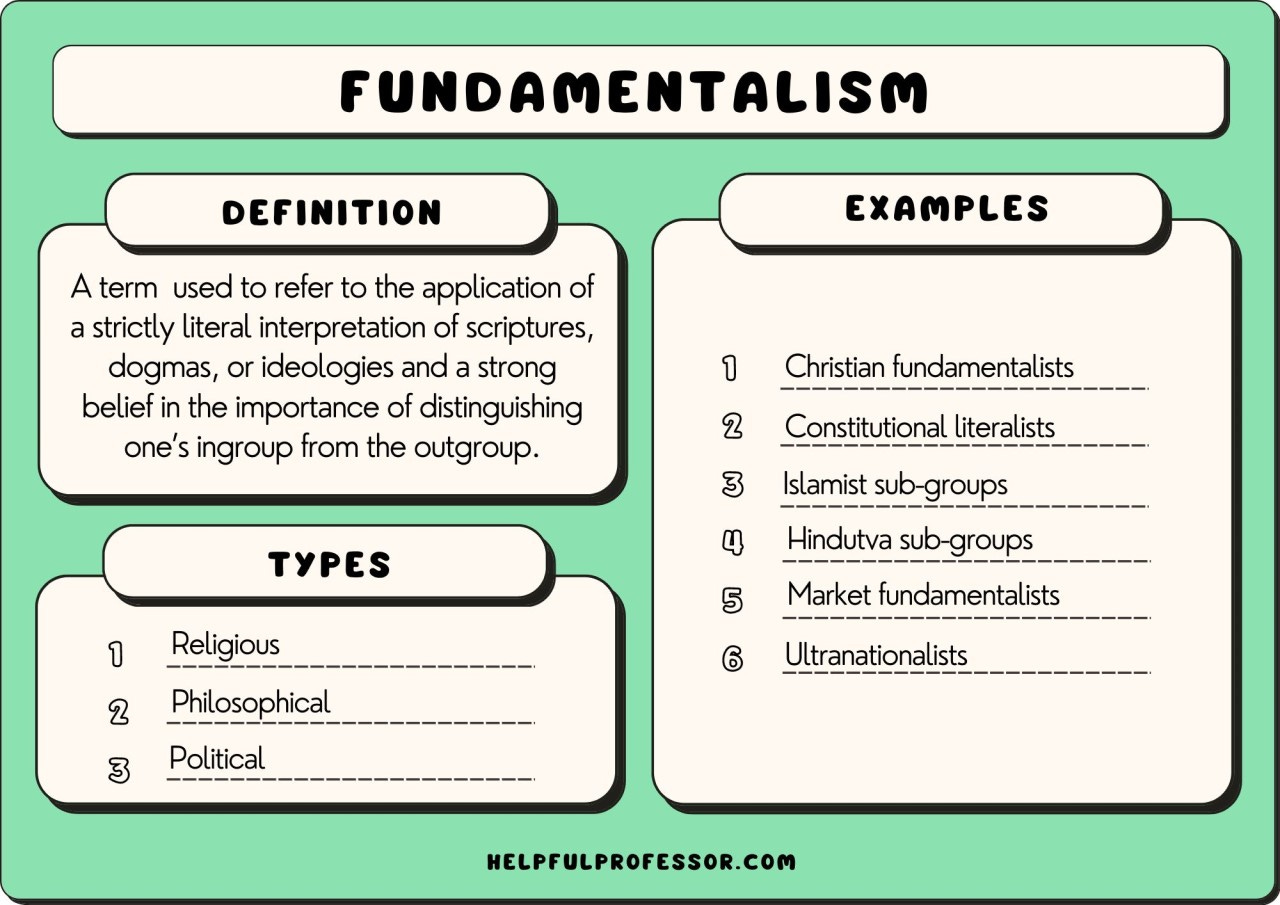
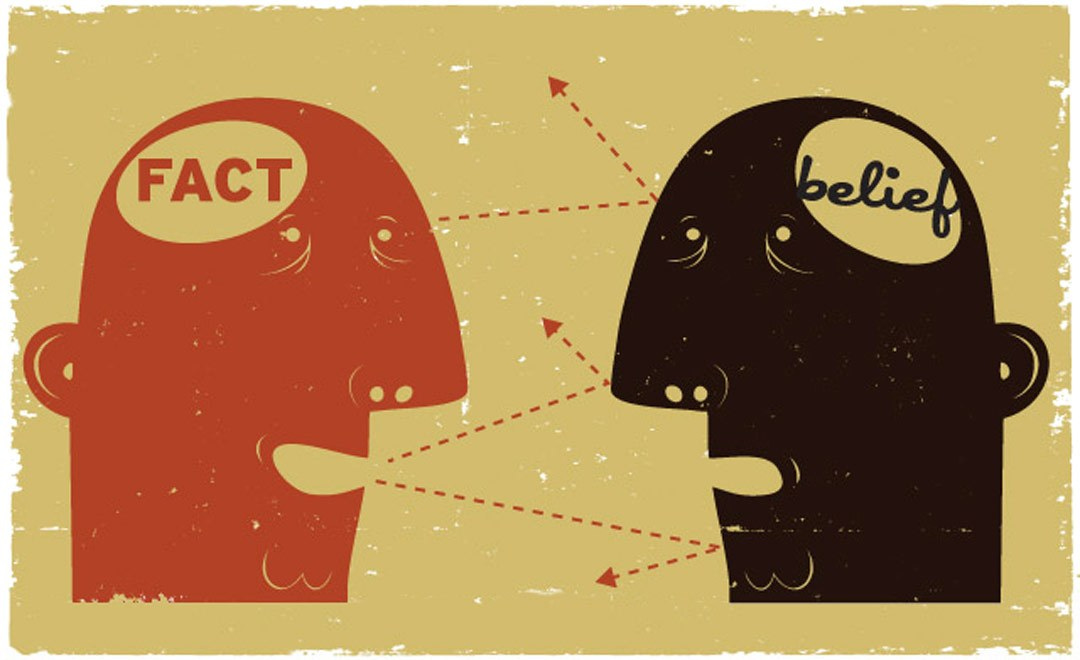
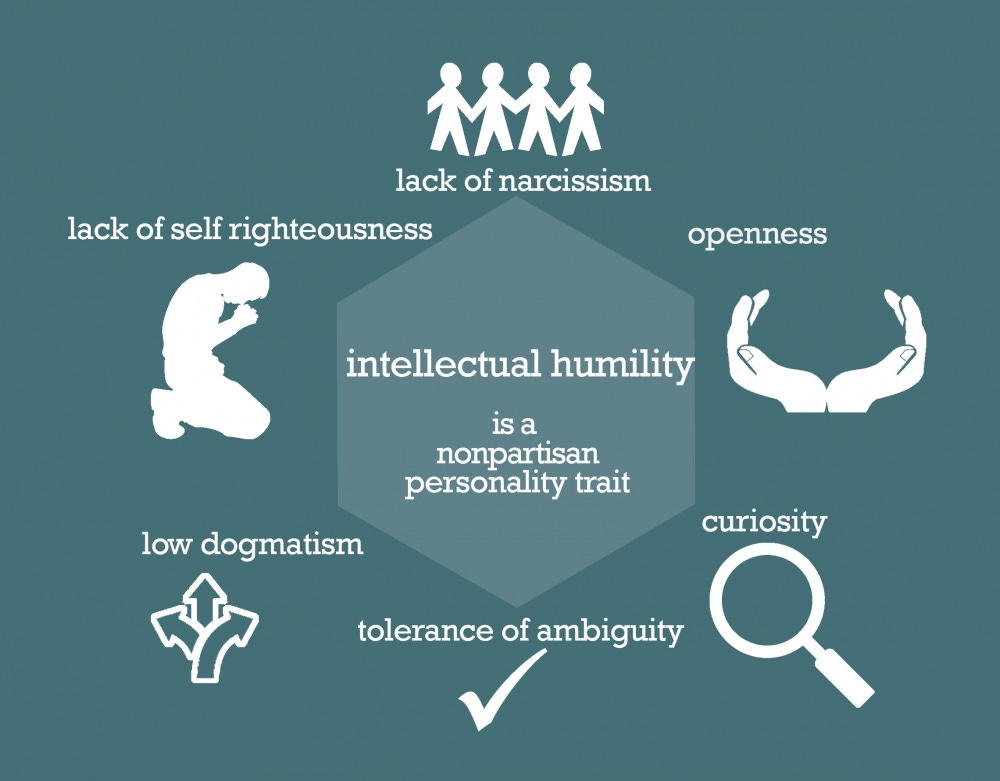
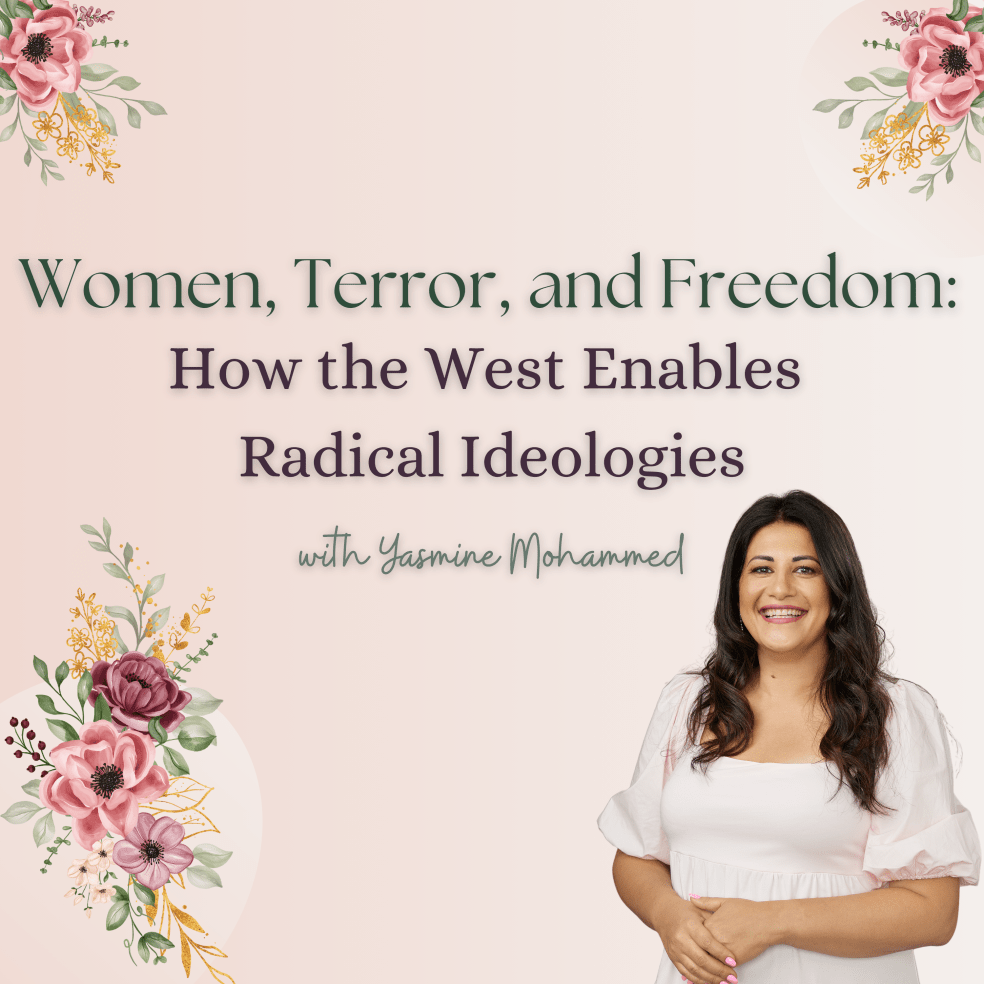
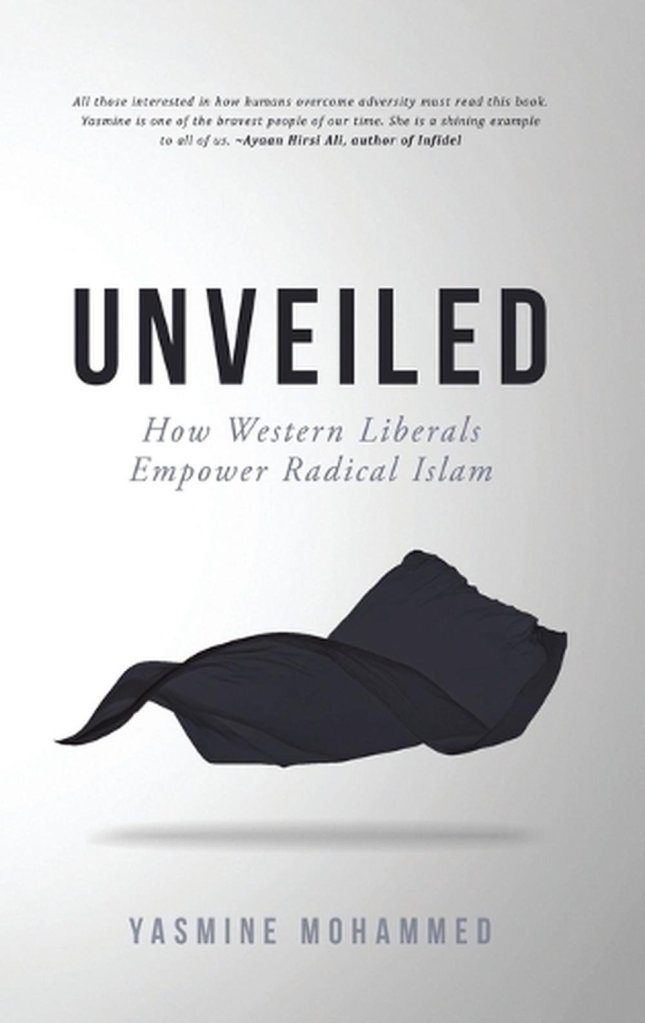


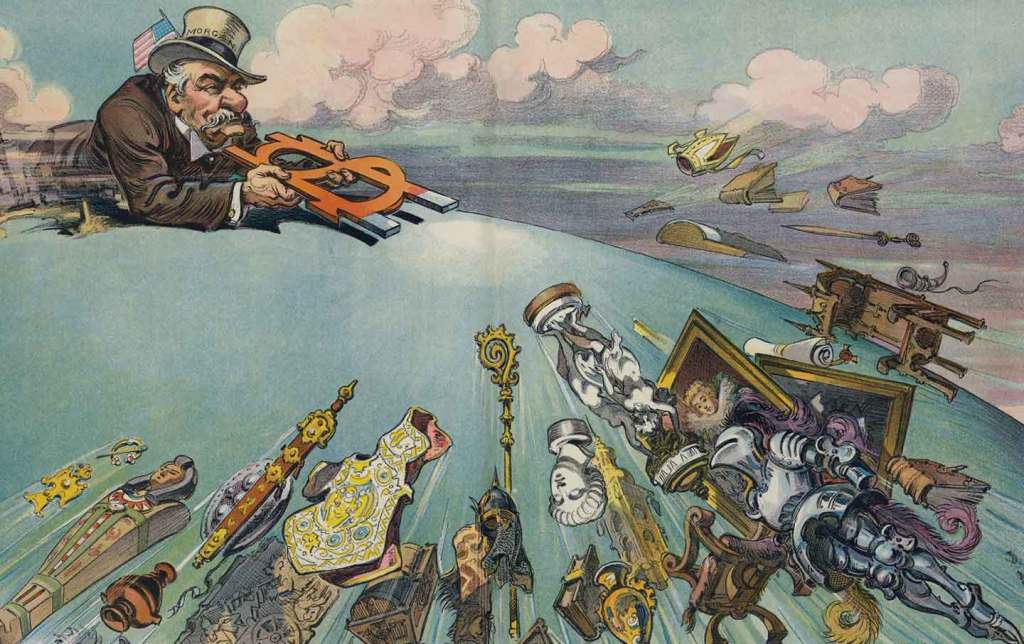

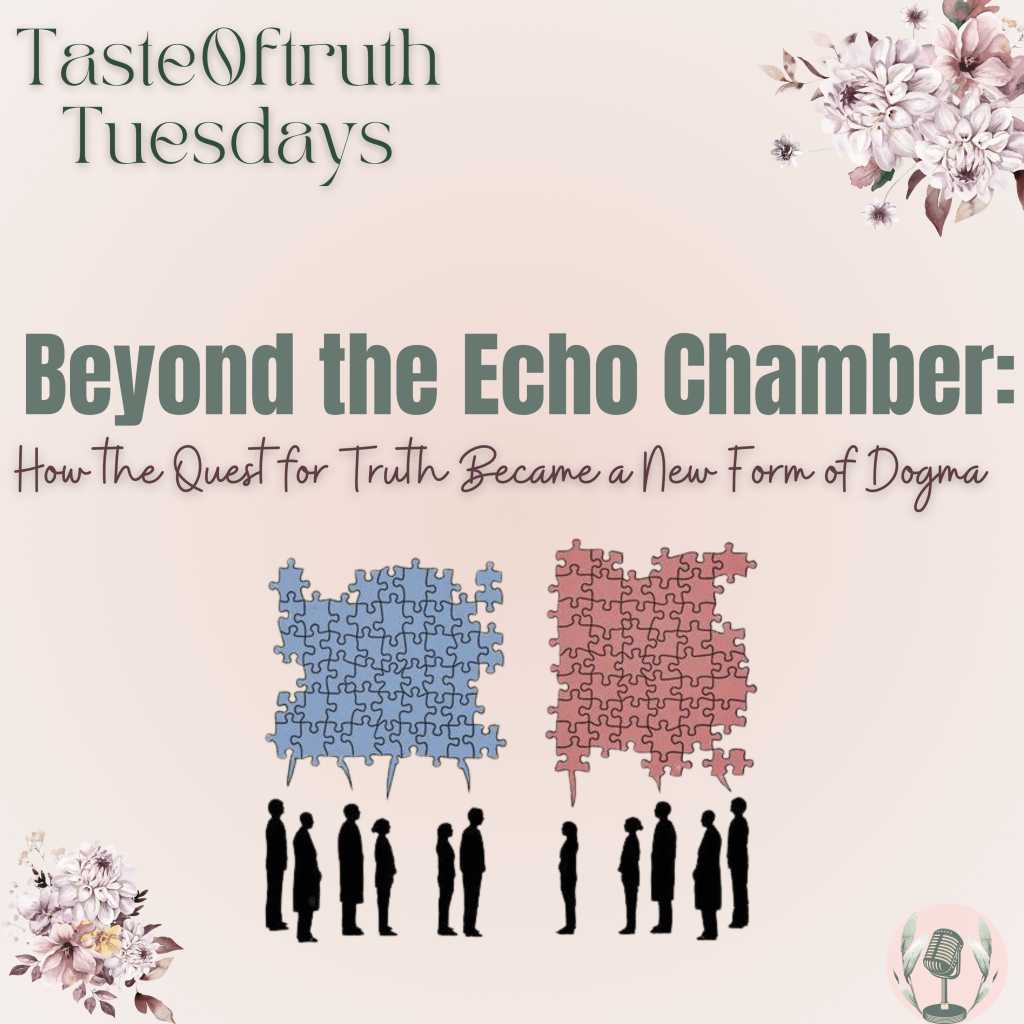



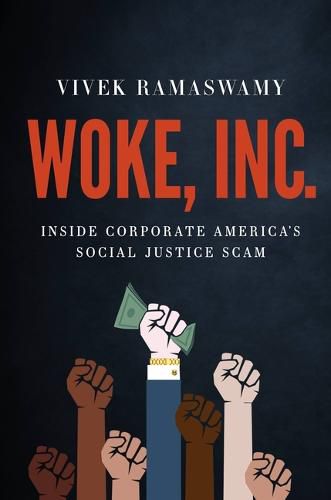

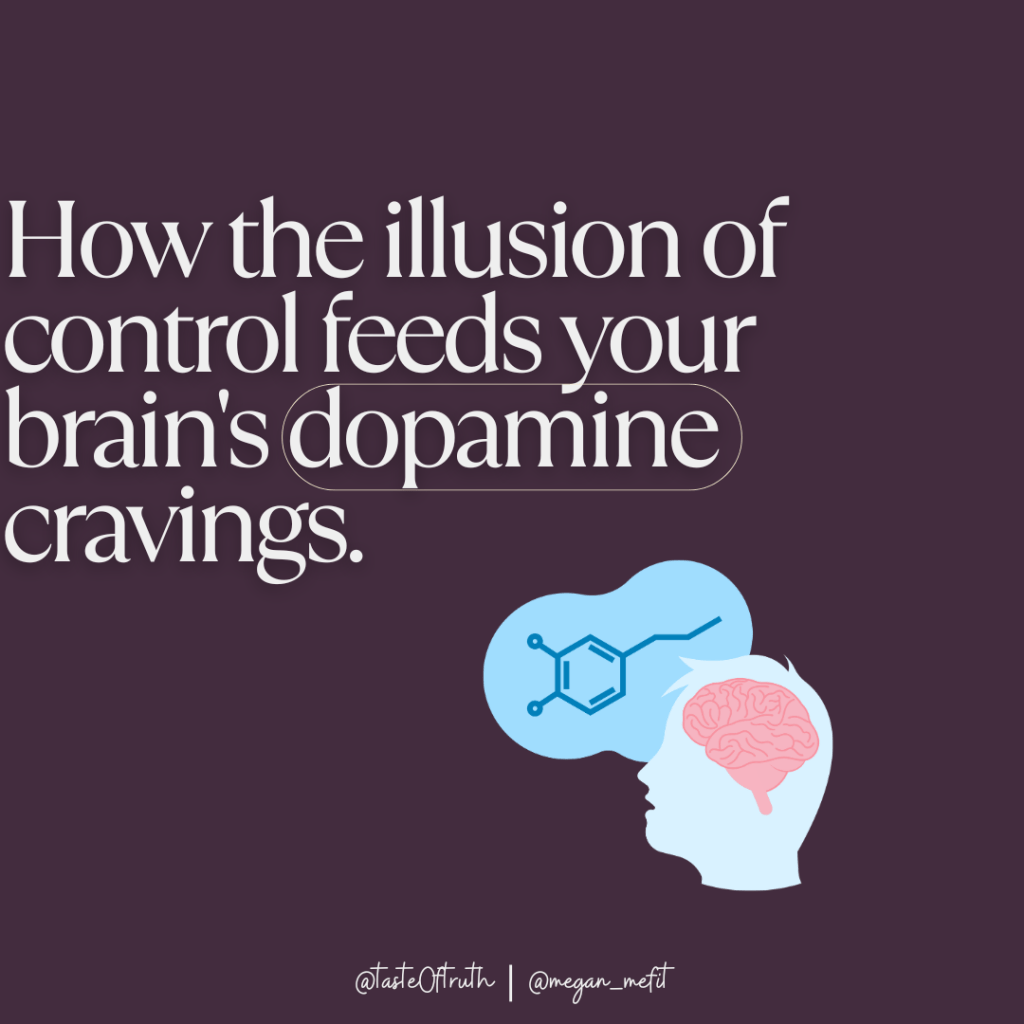




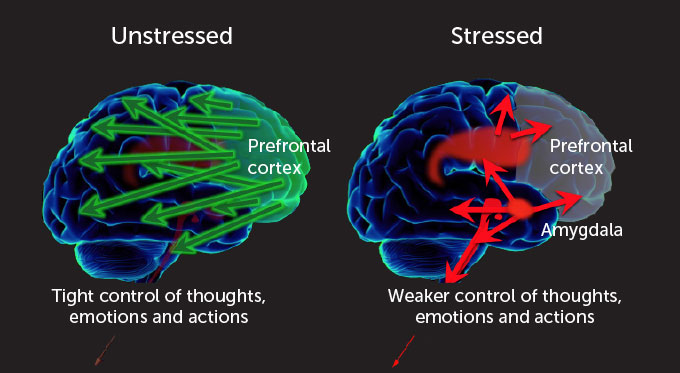


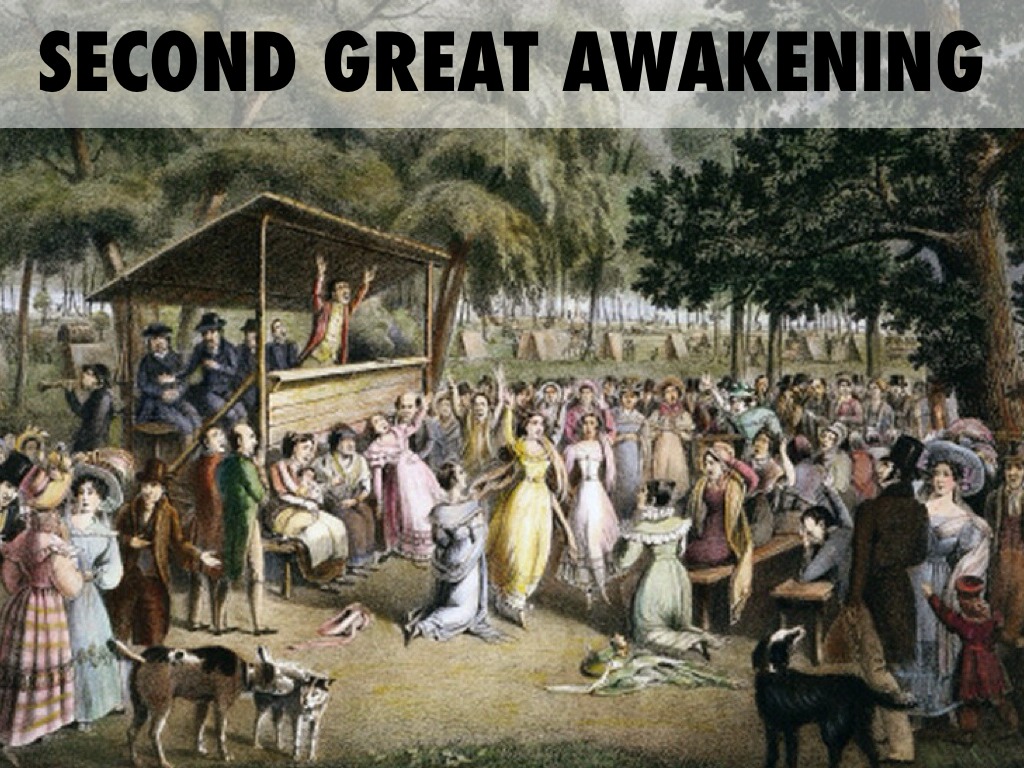
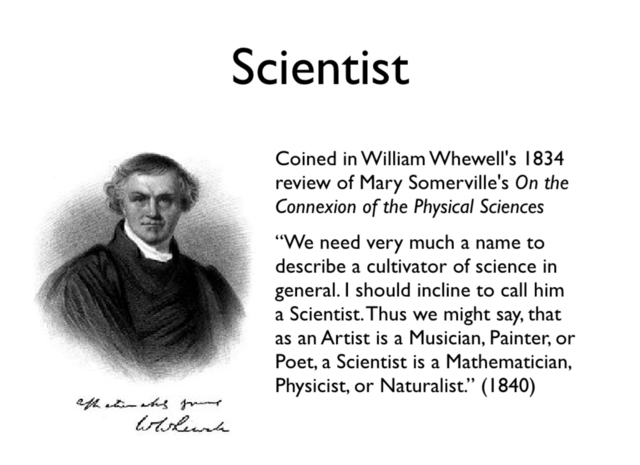



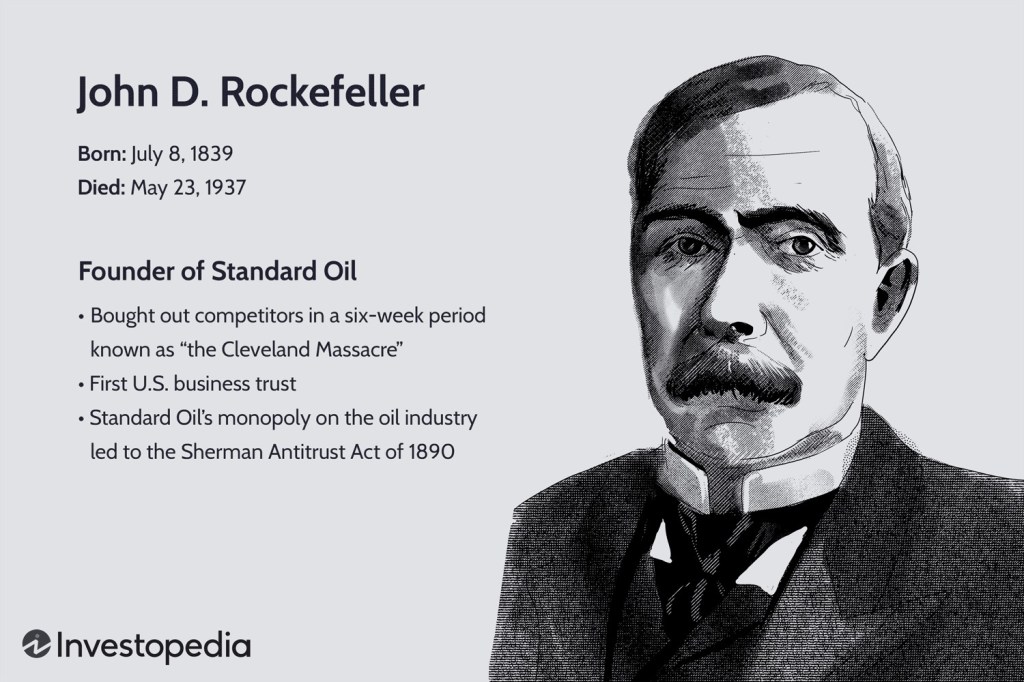
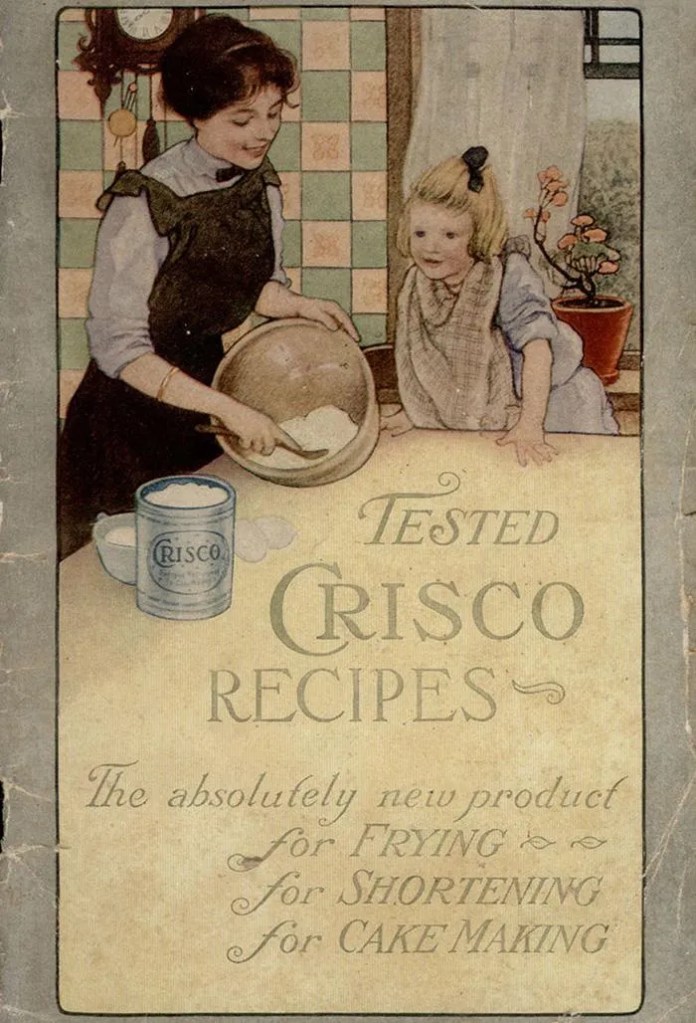


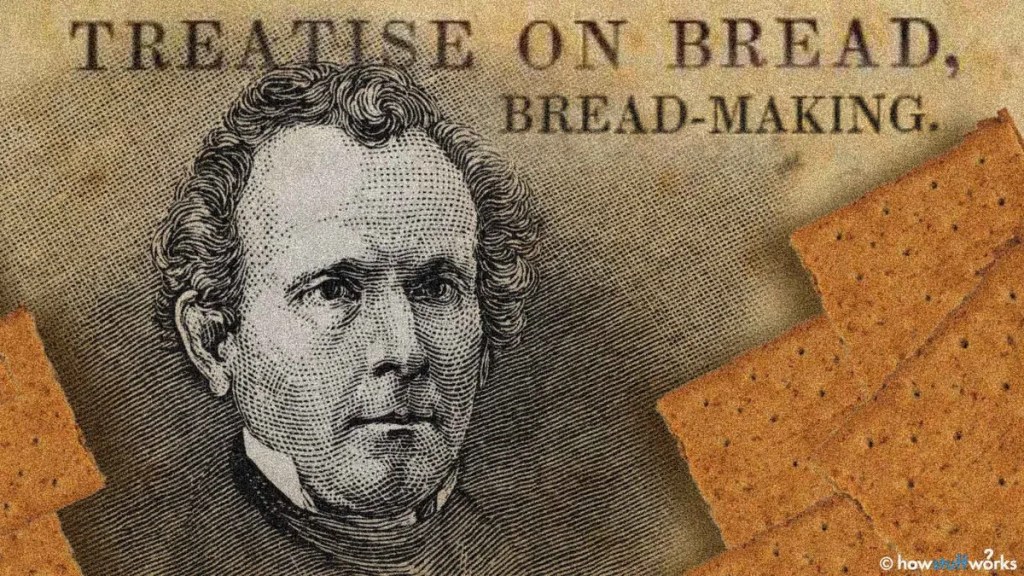



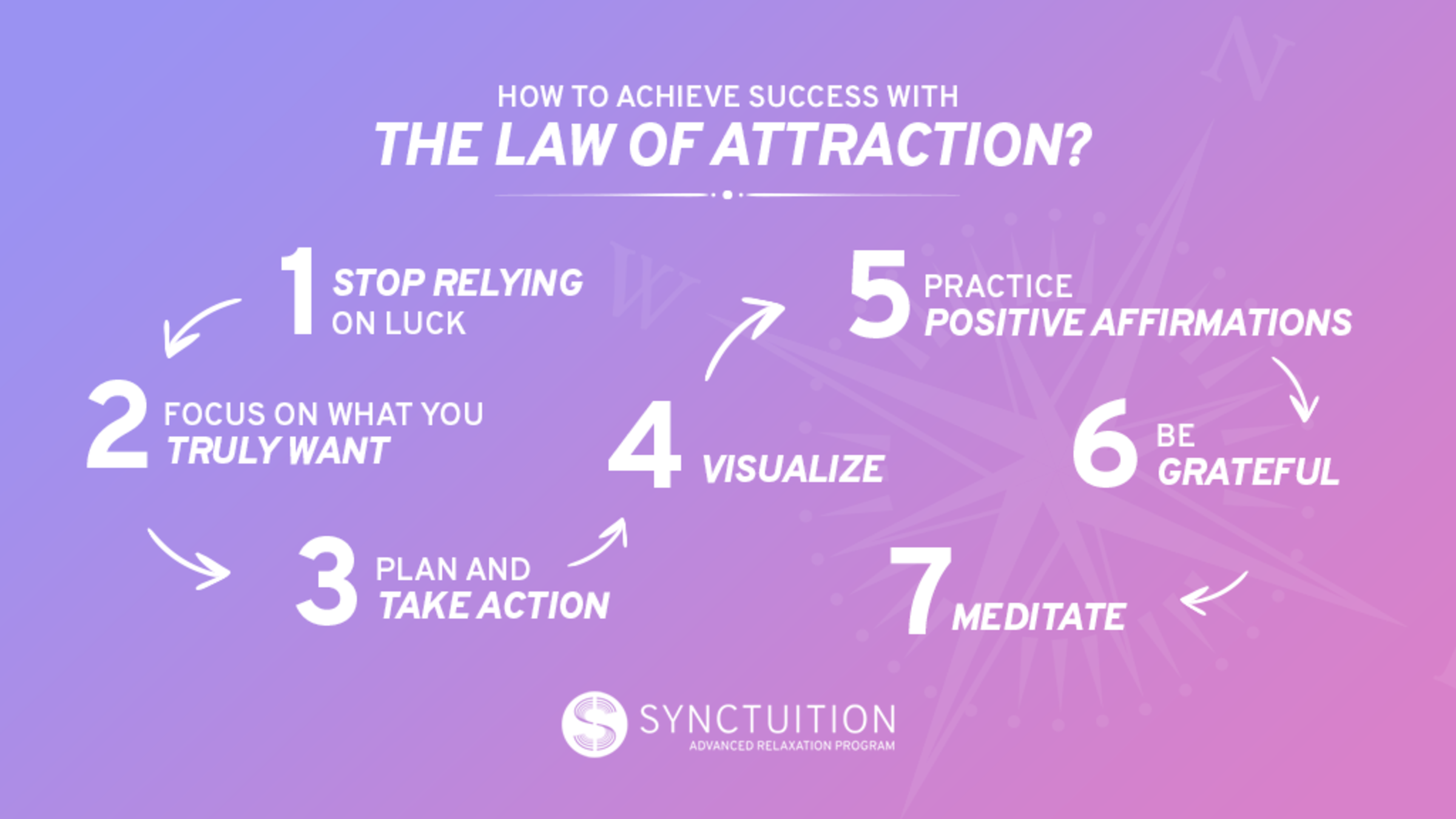
 Taste0ftruth Tuesdays