Why Trump’s new executive order deserves close scrutiny
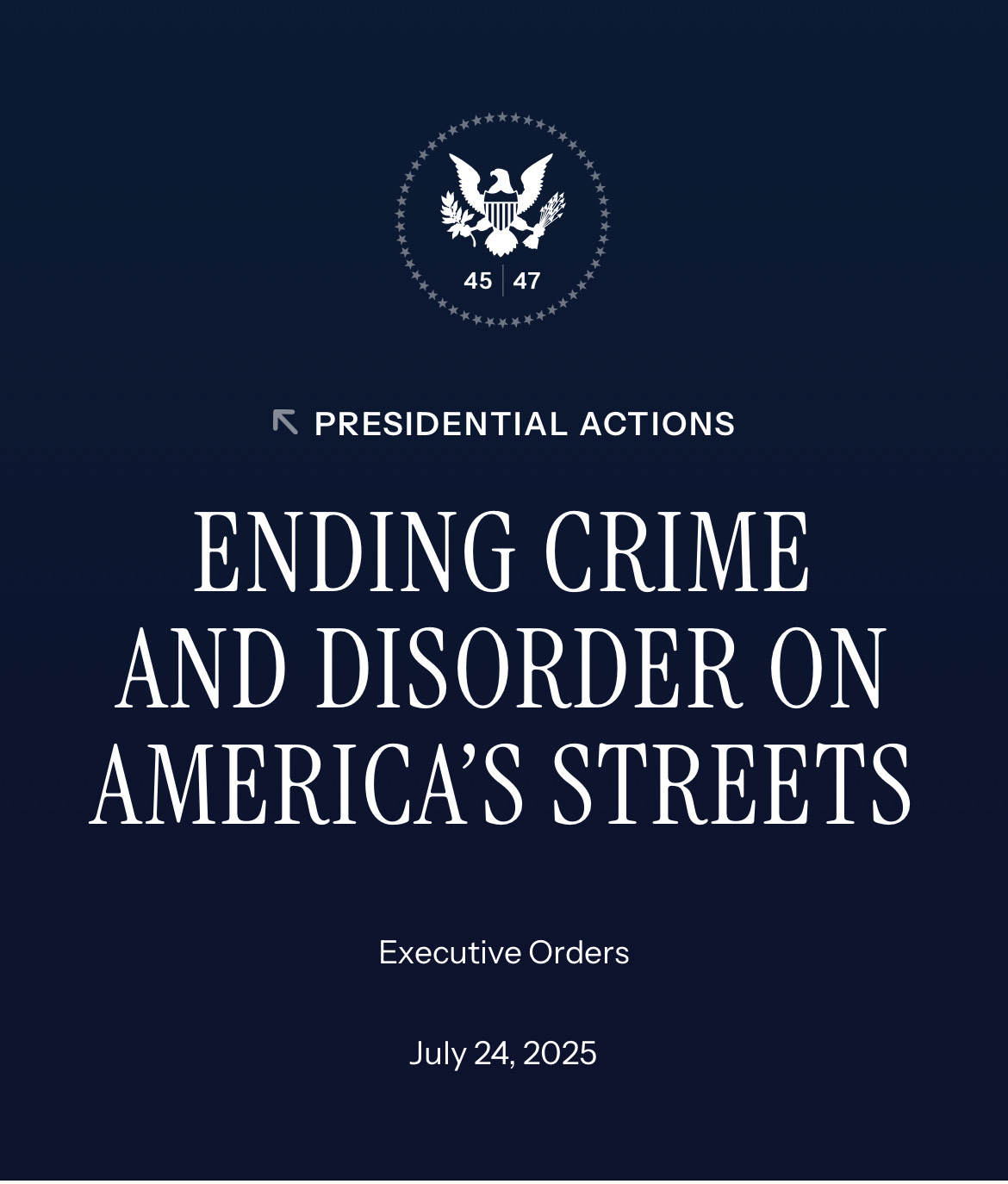
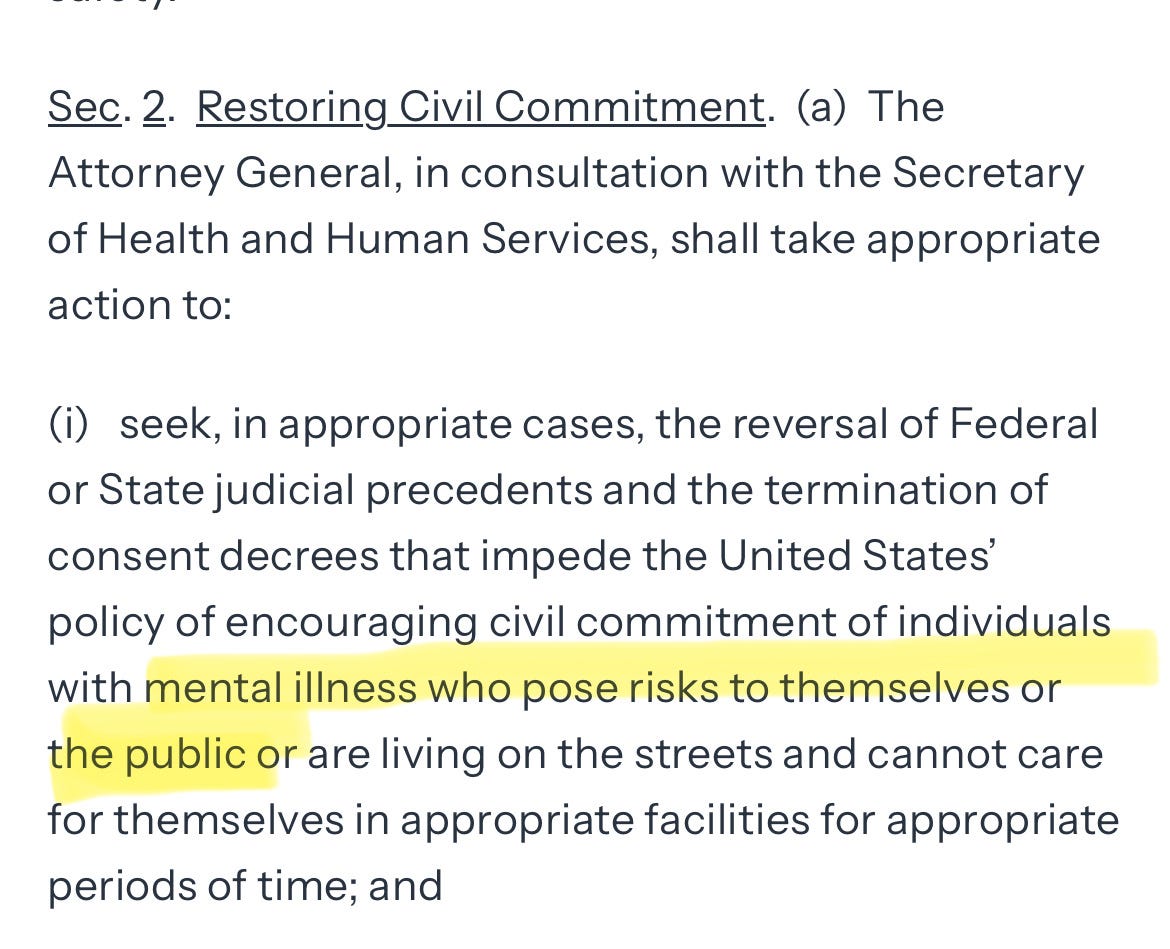
President Trump signed an executive order on July 24, 2025, calling on states and cities to clear homeless encampments and expand involuntary psychiatric treatment, framed as a move to improve public safety and compassion
At first glance, it seems reasoned: address the homelessness crisis in many progressive cities, restore order, & help those with severe mental illness. But when I read it closely, and the language….phrases like “untreated mental illness,” “public nuisance,” and “at risk of harm”is vague enough, subjective enough, and feels ripe for misuse 😳
This goes beyond homelessness. It marks a shift toward normalizing forced institutionalization, a trend with deep roots in American psychiatric history.
We explored this dark legacy in a recent episode, Beneath the White Coats 🥼 and if you listened to that episode, you’ll know that
compulsory commitment isn’t new.
Historically, psychiatric institutions in the U.S. served not just medical needs but social control. Early 20th-century asylums housed the poor, the racially marginalized, and anyone deemed “unfit.”
The International Congress of Eugenics’ Logo 1921
The eugenics movement wasn’t a fringe ideology….it was supported by mainstream medical groups, state law, and psychiatry. Forced sterilization, indefinite confinement, and ambiguous diagnoses like “moral defectiveness” were justified under the guise of public health.
Now, an executive order gives local governments incentives (and of course funding 💰 is always tied to compliance) to loosen involuntary commitment laws and redirect funding to those enforcing anti-camping and drug-use ordinances instead of harm reduction programs
Once states rewrite their laws to align with the order’s push toward involuntary treatment and if “public nuisance” or “mental instability” are to be interpreted broadly…
Now, you don’t have to be homeless to be at risk. A public disturbance, a call from a neighbor, even a refusal to comply with treatment may trigger involuntary confinement.
Is it just me, or does this feel like history is repeating?
We’ve seen where badly defined psychiatric authority leads: disproportionate targeting, loss of civil rights, and institutionalization justified as compassion. Today’s executive order could enable a similar expansion of psychiatric control.
So.. what do you think? Is this just a homelessness policy? or is it another slippery slope?
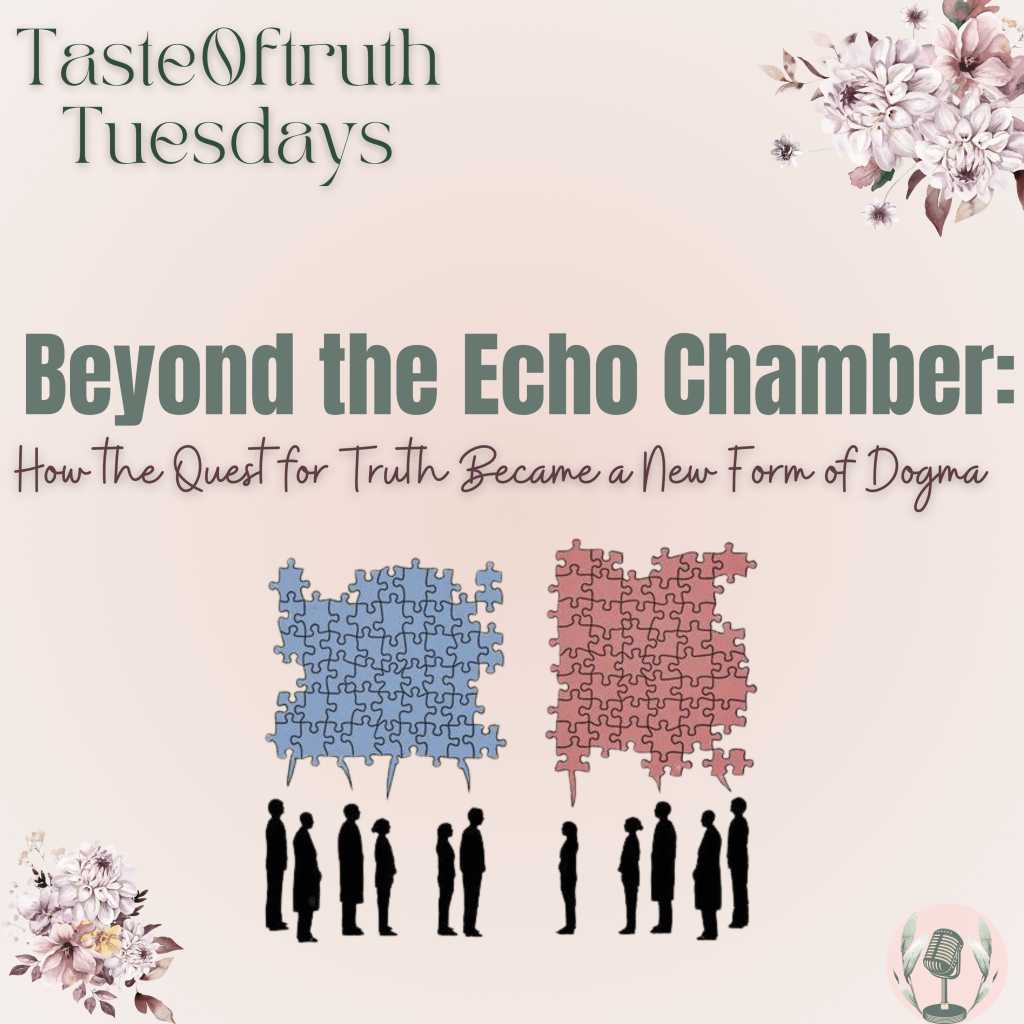
From religion to politics, why deeply held beliefs trigger defensiveness, outrage, and even hostility—and how we can foster better conversations.
We all have seen how the internet seems to bring out everyone’s inner troll. 🧌
The moment a deeply held belief—whether religious or political—is questioned, people lash out with hostility, aggression, or outright rage. Why does this happen? Why do some people react as if their very identity is under attack?
This season on Taste of Truth, we have been expanding the conversation—because this isn’t just about religion. Political ideologies, social movements, and even scientific debates can trigger the same defensive responses.
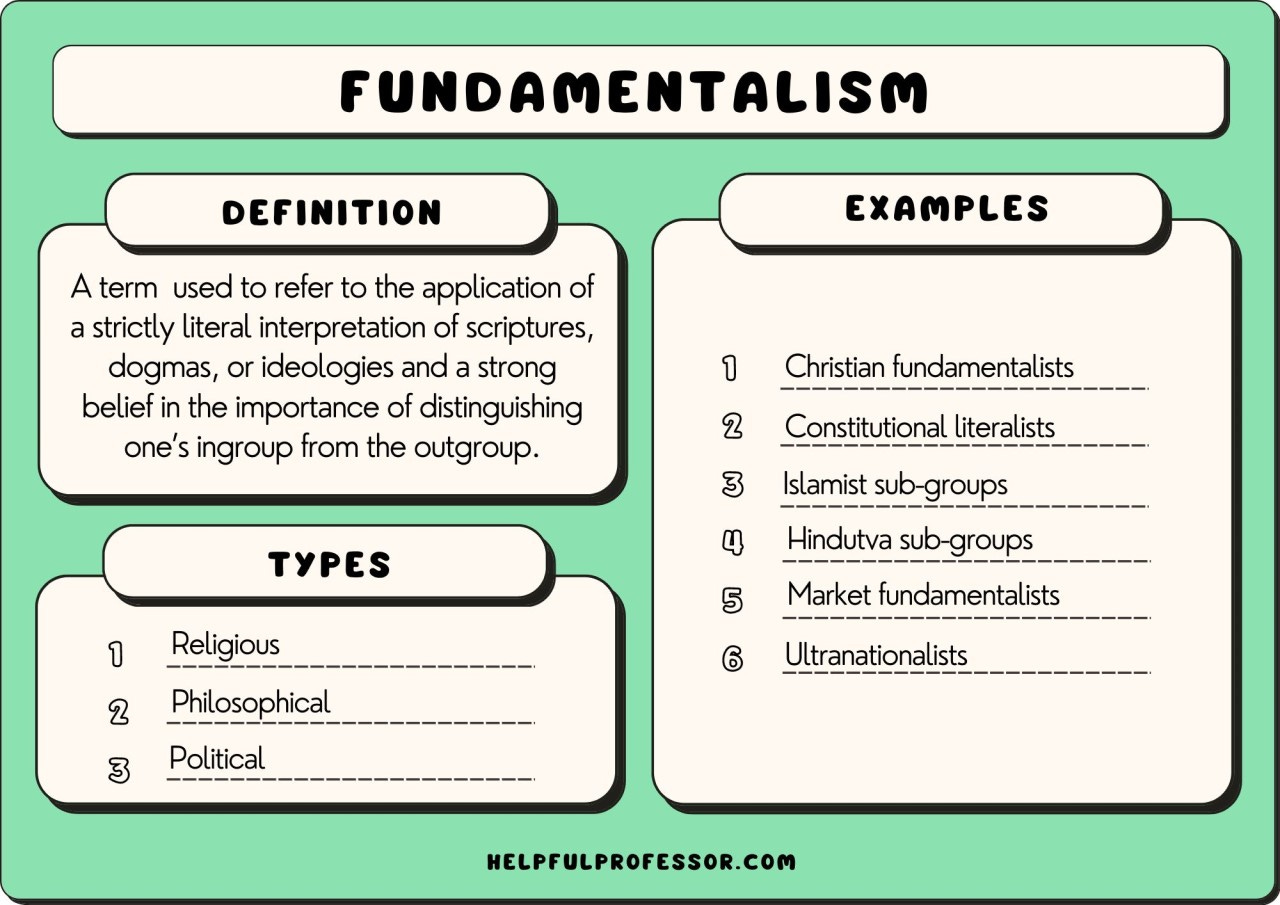
Fundamentalist thinking—whether in religion or politics—creates a fear-driven, us-vs-them mentality.
At its most basic, the allure of fundamentalism, whether religious or ideological, liberal or conservative, is that it provides an appealing order to things that are actually disorderly. -Peter Mountford
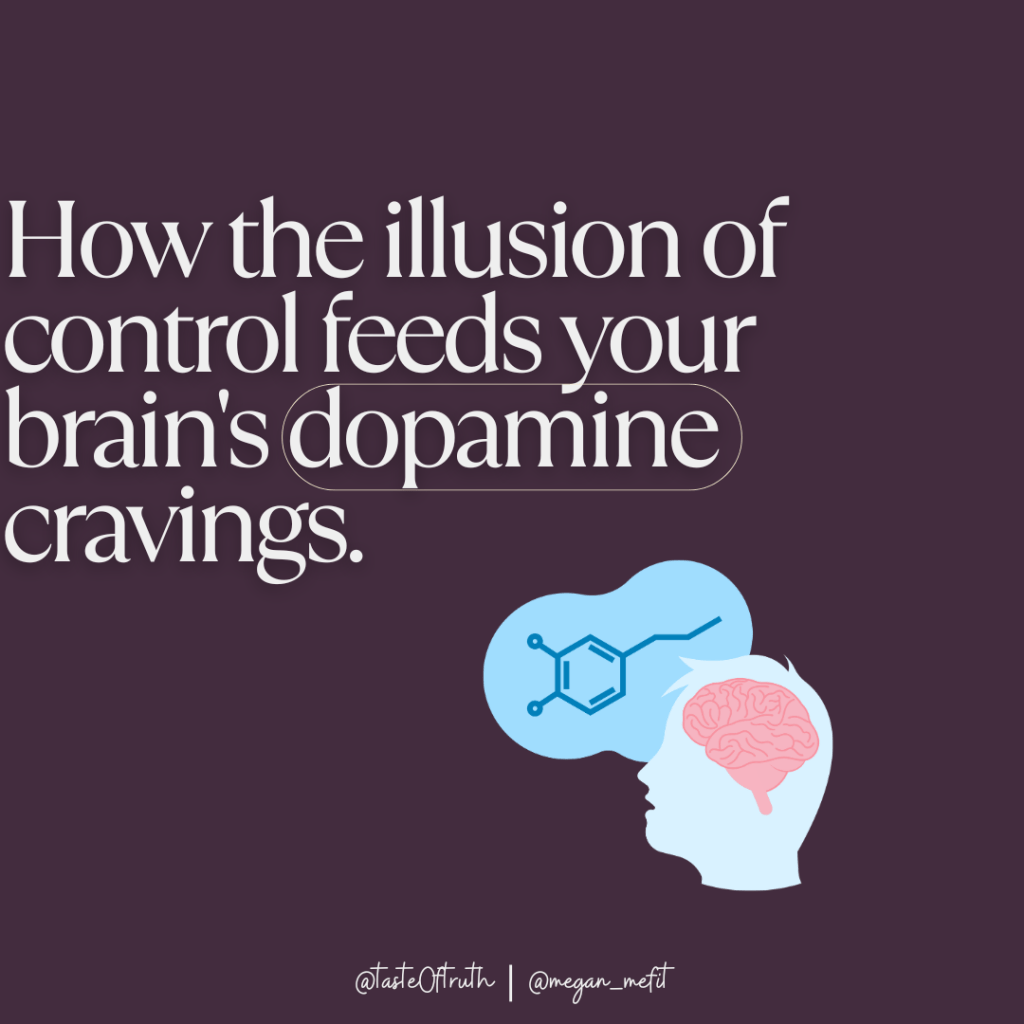
This hits at something crucial that I’ve written about numerous times before: the human brain craves order, even in the face of chaos. The illusion of control is a powerful psychological driver, and our brains reward it with dopamine. Fundamentalist thinking offers a structured, black-and-white framework that feels safe and predictable, making it incredibly appealing—especially in times of uncertainty. It’s why people cling even harder to rigid beliefs when they feel threatened. Whether in faith or politics, the need for certainty can override openness to new information, leading to the defensive reactions we see when those beliefs are questioned.
The moment someone questions the “truth,” it’s perceived as an existential threat, triggering anxiety, cognitive dissonance, and sometimes outright hostility.
Take a look at the patterns:
Verbal Attacks: When someone questions a core belief, the response can be insults, shouting, or belittling. For example, in religious circles, someone questioning doctrine might be labeled a heretic, while in political spaces, dissenters might be called traitors or bigots.
Social Ostracism: In both fundamentalist religious and political groups, those who challenge the status quo risk being shunned, excommunicated, or “canceled.” A former churchgoer who deconstructs their faith may be cut off from their community, just as someone who questions ideological orthodoxy in politics might lose social standing, friendships, or even career opportunities.
Online Harassment: Social media amplifies these reactions. Question a sacred political narrative? Expect dogpiling. Challenge a religious doctrine? Brace yourself for moral outrage. The internet rewards ideological purity and punishes deviation.
Physical Aggression: In extreme cases, questioning or challenging deeply held beliefs can escalate to threats or violence. History is littered with examples—holy wars, political purges, ideological revolutions—all stemming from the belief that certain ideas must be defended at any cost.
This isn’t just about bad behavior—it’s about psychology. When beliefs become intertwined with identity, disagreement feels like a personal attack. Fundamentalist teachings—whether religious or ideological—reinforce this by instilling fear of deviation:
Fear of Deviation – Straying from the accepted belief system is framed as dangerous, whether it’s framed as spiritual damnation or societal collapse.
Cognitive Dissonance – Encountering opposing viewpoints creates internal discomfort, making people double down rather than reconsider.
Fear of Consequences – Whether it’s eternal hellfire or being cast out by one’s political tribe, the cost of questioning is framed as too high.
Identity Threat – When beliefs define self-worth, changing one’s mind feels like losing a part of oneself.
Social Pressure – Communities reinforce conformity, and breaking from the group’s ideology invites punishment.
When Morality Binds and Blinds
In The Righteous Mind, Jonathan Haidt explains how moral systems don’t just guide our sense of right and wrong—they also bind us to our tribes and blind us to opposing perspectives. Morality evolved not just to help individuals make ethical choices but to reinforce group cohesion. When we share a moral framework with others, it strengthens social bonds and builds trust. But there’s a cost: once we’re deeply embedded in a moral community—whether religious, political, or ideological—we stop seeing outside perspectives clearly.
This is why people react with such hostility when their beliefs are challenged. They aren’t just defending a set of ideas; they’re defending their sense of identity, belonging, and moral righteousness. A challenge to the belief feels like a challenge to the self—and to the entire group they’re part of.
This also explains why fundamentalist thinking isn’t confined to religion. Political movements, activist groups, and even secular ideologies can exhibit the same rigid certainty, group loyalty, and hostility toward outsiders. The more a belief system becomes tied to identity, the more resistant it is to change—and the more aggressive the response when it’s questioned.
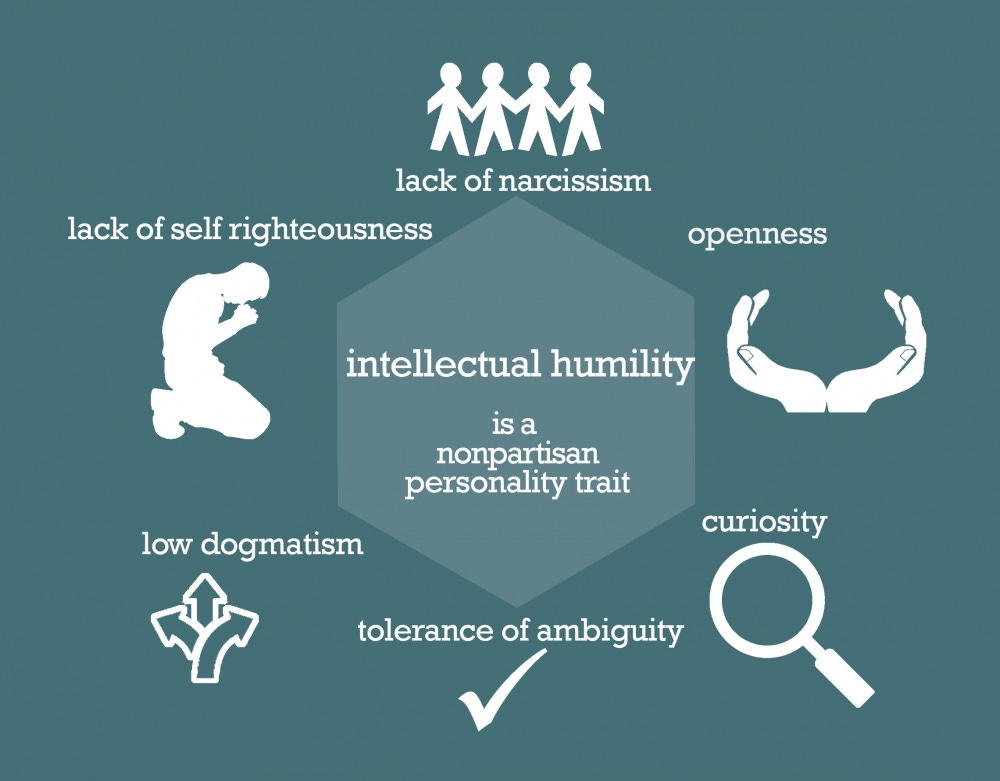
The antidote? Intellectual humility. The ability to recognize that our beliefs, no matter how deeply held, might be flawed. That truth-seeking requires engaging with discomfort. That real conversations happen not when we dig in our heels but when we’re willing to ask, What if I’m wrong?
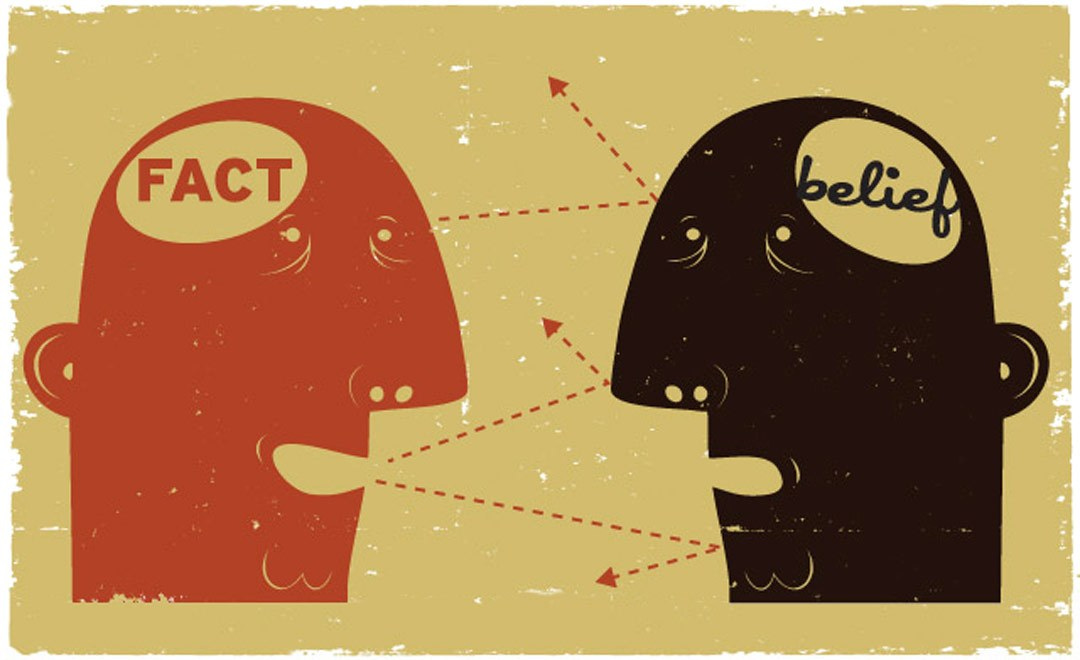
These dynamics explain why deconstruction—whether of faith or political ideology—often leads to intense backlash. It also reminds me of our conversation with Neil Van Leeuwen, author of Religion as Make-Believe. He pointed out that factual beliefs thrive on evidence, but religious and ideological beliefs function differently. When a belief becomes part of group identity, truth often takes a backseat. In fact, sometimes falsehoods serve the group better because they reinforce belonging.
To close down the conversation, let’s talk about healthy communities—whether religious, political, or social—embrace intellectual humility. Here’s what that looks like:
Open Dialogue: Encouraging respectful conversations where differing perspectives are explored rather than attacked.
Supportive Community: Allowing for questions, doubts, and evolving beliefs without fear of punishment.
Personal Reflection: Cultivating a mindset that prioritizes growth over ideological purity.
Interdisciplinary Engagement: Seeking insights from multiple fields rather than reinforcing an echo chamber.
By recognizing these patterns, we can navigate our own beliefs with more self-awareness and engage in discussions that foster curiosity rather than hostility. The question isn’t whether we hold tightly to certain beliefs—it’s whether we’re willing to interrogate why.
So, what’s one belief you’ve held onto tightly that you later questioned?
What’s a racist, homophobe, sexist, bigot, or hater? Apparently, anyone winning an argument with a liberal these days.
This year has been a wild ride. It began with me terrified of Satan, demons, and the Apocalypse, only to be ending it realizing the real danger isn’t hellfire—it’s the dogmas we create here on Earth. I didn’t grow up religious. In fact, I was raised secular, moved to Portland, OR after college, and could give you a TED Talk on progressive ideals. But then the pandemic hit, and somewhere between sourdough starters and doomscrolling, I found myself deep in the throes of fundamentalist Christianity.
That’s right—I started the year in a cult. It took months to deconstruct my faith, peel back the layers of fear-based control, and reimagine spirituality beyond the man-made monotheistic God I was sold. Yet, just as I was catching my breath, I noticed something chilling: the same patterns of zealotry I had fled were alive and well in the secular world.
Wokeness, with its sermons on systemic oppression and sacraments of allyship, has become the new secular religion. It demands unwavering faith, punishes heretics, and offers little room for redemption. And just like the fire-and-brimstone preachers I’d left behind, its most fervent believers seem less interested in dialogue and more intent on moral superiority.
Thought leaders like John McWhorter (Woke Racism), Yasmine Mohammed (Unveiled), and Douglas Murray (The Madness of Crowds) have drawn the same parallels: woke ideology mirrors religious extremism, complete with its own prophets and purges. And as someone who’s lived through both kinds of radicalism, I’m here to tell you—it’s not just unsettling; it’s dangerous.
How woke ideology mirrors religious extremism
In my podcast episode titled Faith Unbound: Navigating the Process of Disentanglement—or rather, Deconversion—I delved into my initial discovery of the Ex-evangelical Christian network. Back in February 2024, it felt like a lifeline, a safe haven for questioning my former religious beliefs. But after 6–7 months of immersion, patterns began to emerge. While the movement has been instrumental for many, I couldn’t ignore the creeping rigidity and tribalism. The hunger for certainty, the need to be on the “right side,” often replaces one dogma with another.
A striking example of this surfaced in Sexvangelicals’ episode How to Do Social Justice This Election Season Without Being a Jackass. They state:
“November’s presidential election offers a stark contrast between two types of government. One is democracy, built on the idea that many people have voices and, ideally, a government that serves a broad population. The other is autocracy, which operates on the belief that only a few have a say. Autocracies, like the 2024 Republican Party, often communicate through tactics such as blame, repression, and fear-mongering. In our latest episode, we discuss common communication strategies used by autocracies and how progressives and pro-democracy voters can avoid responding in ways that reinforce jackassdom.”
My response? “It’s not your enemies, it’s the system.” This narrative reduces a complex political landscape into a simplistic moral battle, with one side as saviors of democracy and the other as agents of autocracy. But this dichotomy misses the bigger picture. Who really shapes policy in America?
A 2014 study by Martin Gilens and Benjamin Page, often dubbed the “Oligarchy Study,” analyzed policy decisions across two decades. It revealed that elites and organized interest groups wield disproportionate influence over government decisions, while the average citizen’s impact is negligible. This stark reality transcends partisan politics and lays bare a systemic issue: power isn’t held by the left or right—it’s concentrated in the hands of those who profit from our division.
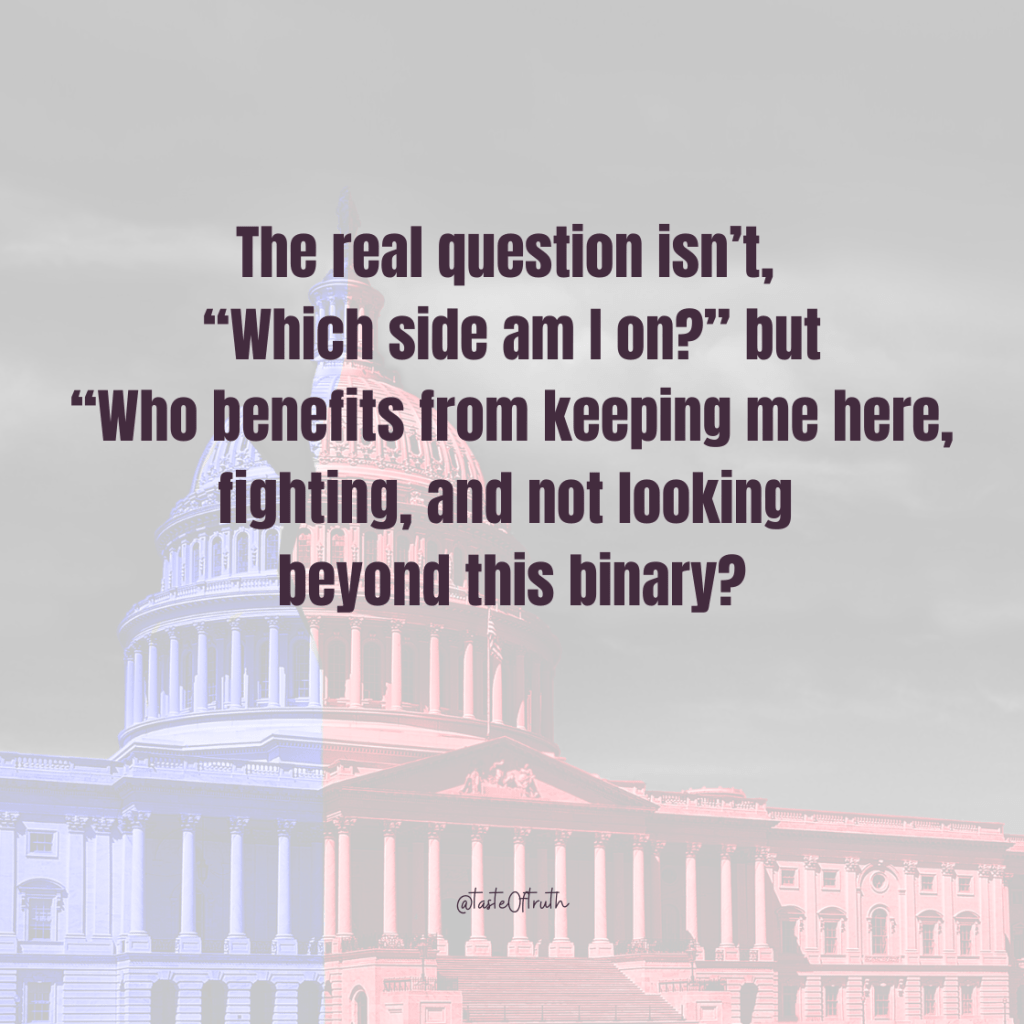
By framing every election as a battle for democracy versus tyranny, we’re falling into the trap of distraction. The real question isn’t, “Which side am I on?” but, “Who benefits from keeping me here, fighting, and not looking beyond this binary?”
The claim that the Republican Party represents an autocracy, as made by Sexvangelicals, is not just simplistic—it’s laughably disconnected from reality. To label one political party as authoritarian while ignoring the bipartisan complicity in maintaining an oligarchic system is either naïve or willfully ignorant.
Take the oligarchic nature of U.S. politics. Both major parties have long benefited from the concentration of wealth and power at the top. Consider the case of former House Speaker Nancy Pelosi, whose net worth has ballooned through stock trades that suspiciously align with her legislative influence. Or Barack Obama (Barry Soetoro), who went from public servant to multi-millionaire, cashing in on book deals, speaking engagements, and lucrative partnerships with Netflix after leaving office.
Then there’s President Joe Biden. While progressives champion him as a defender of democracy, his record is far from pristine. Most recently, questions surrounding his son Hunter Biden’s international business dealings—spanning over a decade—have drawn scrutiny. Hunter’s alleged tax evasion and unregistered foreign lobbying have raised concerns, yet he continues to receive leniency from the justice system.
This isn’t to excuse Republicans from criticism, but the suggestion that they alone embody authoritarian tendencies is absurd when Democrats have equally reaped the rewards of an oligarchic system. Both parties serve the interests of economic elites and organized lobbyists far more faithfully than they do the average voter.
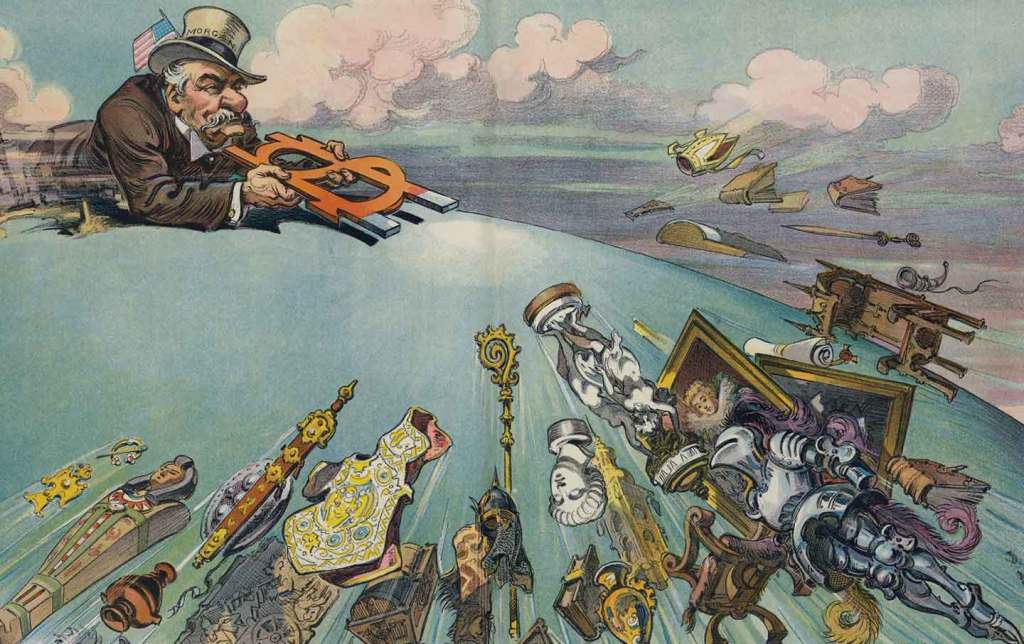
The Magnet, from Puck, 1911.(Udo J. Keppler / Library of Congress)
The bipartisan reality of the oligarchy dismantles the “democracy versus autocracy” narrative. For instance, the same Gilens and Page study cited earlier reveals that the preferences of the bottom 90% of income earners have statistically no impact on policy outcomes. Meanwhile, corporate donors and lobbying groups continue to hold sway over legislation regardless of which party is in power.
By framing Republicans as the sole villains in this story, Sexvangelicals perpetuates the kind of shallow tribalism that fuels division while leaving the real culprits—wealthy elites and corporate interests—untouched. The truth is that our democracy has been compromised for decades, and it will remain so until both sides of the aisle are held accountable for their role in preserving this oligarchic system.
Instead of directing anger at individuals or parties, we should be asking: How do we break free from a system designed to keep us pointing fingers at each other while those in power profit from the chaos?
From Crunchy Hippie to Conservative Christian Pipeline: My Journey Through the Radicalization Maze
Growing up secular, I’d have laughed at the idea that I would someday align with conservative or religious ideologies. Portland, Oregon, was my playground of progressive ideals—a city where conservatism felt like the root of every societal ill. But life has a way of challenging our convictions. Late in the pandemic, isolated and seeking meaning, I fell into an extreme version of Christianity. What I once dismissed as unthinkable became my new normal—until it wasn’t. Earlier this year, I deconstructed those beliefs, peeling back the layers of what led me there. Read/listen all about HERE!
Now, I can see the flaws and virtues of both worlds, which is why I find the frame of mind in deconstruction spaces puzzling. Many accounts misrepresent or overgeneralize conservatives—the very people they once were or grew up with—and cast the same stones they once had thrown at them.
It reminds me of this quote from the book The Righteous Mind:
“I had escaped from my prior partisan mind-set (reject first, ask rhetorical questions later) and began to think about liberal and conservative policies as manifestations of deeply conflicting but equally heartfelt visions of the good society. It felt good to be released from partisan anger. And once I was no longer angry, I was no longer committed to reaching the conclusion that righteous anger demands: we are right, they are wrong.”
Deconstructing past beliefs should be about nuance, growth, and intellectual humility—not trading one form of black-and-white thinking for another. When we fail to empathize with others’ moral frameworks, we miss out on a deeper understanding of the human experience.
Many in the ex-evangelical space now lean far left in their political views, where values like care, fairness, and empathy take center stage. Conservative values like loyalty and authority are dismissed or viewed with suspicion, fostering an “us vs. them” mentality.
This cultural shift into victimhood is explored further in The Coddling of the American Mind by Greg Lukianoff and Jonathan Haidt, who identify three “Great Untruths” that help explain these societal trends:
1) “What doesn’t kill you makes you weaker,”
2) “Always trust your feelings,”
3) “Life is a battle between good people and evil people.”
These untruths, they argue, contribute to fragility, discourage critical thinking, and promote a tribal mentality—characteristics that are increasingly evident in both the deconstruction space and parts of the progressive left. The focus on emotional responses over rational thought and the growing divide between “us” and “them” only strengthens these dynamics. For a deeper dive into this.
Woke Ideology as a Secular Faith: A Closer Look
“What we’re seeing isn’t a quest for justice but a demand for unquestioning orthodoxy.”
John McWhorter argues that wokeism functions like a full-fledged religion. It provides a moral framework that mirrors traditional religious beliefs. Instead of concepts like original sin, wokeism offers “privilege,” positioning those with it as morally compromised. In place of rituals like prayer, adherents perform acts like confessing their biases. And, similar to the salvation promised in traditional religions, salvation in wokeism comes through activism and striving for societal change. He warns that its refusal to tolerate dissent turns it into a rigid orthodoxy rather than a genuine quest for justice. For many, including those who’ve deconstructed evangelical faith, this framework hits uncomfortably close to home.
Many of the individuals I met and conversed with who now identify as progressive or left leaning have simply exchanged the evangelical radicalism of their past for their new liberal beliefs. Social justice, in this sense, has become their new End Times—complete with the same apocalyptic fervor. And it’s painfully obvious.
Douglas Murray discusses this analysis further in The Madness of Crowds. He suggests that wokeism often serves as a substitute for religion in today’s secular world. As belief in traditional religions has waned, people have sought meaning elsewhere—and wokeism fills that void. It provides clear rules and a sense of belonging, but in doing so, it also shuts down open debate and nuanced conversation.
The New Authority: From Sky Daddy to State Agencies
A striking similarity between fundamentalist religion and woke ideology is the relentless worship of authority. For those who’ve left behind their “big sky daddy,” that void has been filled by institutions like the CDC, FDA, and government agencies. The pandemic demonstrated how blind faith can easily shift from divine to institutional.
This is where the religion of scientism enters the picture—where reason and science are elevated to the status of ultimate truth. Figures who present themselves as “experts” rely on surface-level expertise and selective data to craft narratives that appear authoritative, yet fail under scrutiny. They become the “fake intellectuals,” as Franklin O’Kanu calls them, feeding the cult of expertise while often lacking real intellectual rigor. In public health, this plays out with the “revolving door” between regulatory agencies and the pharmaceutical industry, which further complicates the narrative of impartiality.
The “revolving door” describes the flow of personnel between agencies like the CDC and the pharmaceutical industry. This cycle blurs the lines between public service and corporate interest, with former regulators influencing policies that benefit the very companies they once oversaw—creating a potential conflict of interest that’s staggering.
In this new system, the scientific establishment becomes the new authority—replacing the monotheistic idea of God with the “god” of reason and data. For those in the deconstruction space, this is a new form of dogma. It stifles curiosity, dismisses dissent, and discourages critical thinking—all in the name of progress. This mirrors the rigid certainty and tribalism found in the religious structures people sought to escape.
Worshipping “science” or blindly trusting clinical trials can be misleading. While clinical trials are seen as vital for medical progress, they are often heavily influenced by the pharmaceutical industry, which funds a vast majority of these trials. This creates a conflict of interest that can skew results and delay critical information about the risks of drugs. Examples like the Vioxx scandal, where a painkiller was marketed despite internal knowledge of its dangers, and the Tamiflu case, where the effectiveness of the drug was overstated, show how corporate interests can shape clinical trial outcomes. Clinical trials, while important, are not always as objective or transparent as they seem.
Empowering Dangerous Systems
Yasmine Mohammed’s Unveiled pushes the conversation even more, explaining how wokeism can actually empower authoritarian regimes. One key point she makes is how Western progressives, in the name of cultural relativism, avoid criticizing radical Islam. This gives a platform to extremist ideologies, which harms vulnerable groups like women and minorities. She argues,
“By shielding oppressive practices from scrutiny, wokeism betrays the very people it claims to protect.”
The binary “oppressor versus oppressed” narrative has become a staple of modern discourse, particularly within the context of the Israel-Palestine conflict. This oversimplified lens reduces complex geopolitical and historical realities to a stark dichotomy, fostering a dangerous environment where nuance is lost. It’s unnerving to see college students waving the flag of Palestine while simultaneously undermining U.S. monuments and values, while spreading fear mongering lies about Project 2025, and comparing Trump to Hitler. These contradictions are not only mind-numbing but also deeply troubling, signaling a shift toward ideological extremism that dismisses the complexities of any issue in favor of emotional, binary thinking.
Antisemitism has spiked globally after the October 7 attacks on Israel, but this tragic reality has also fueled the misuse of the term “antisemitism” to suppress valid critiques of Israeli policies. Labeling critics as antisemitic conflates political criticism with hate, shutting down meaningful dialogue essential to addressing the Israel-Palestine conflict’s complexities.
This approach mirrors patterns within woke ideology, where dissent is often silenced in the name of ideological purity. The weaponization of identity politics and accusations hinders nuanced discussions and reinforces systems of power, obstructing pathways to justice and true understanding.
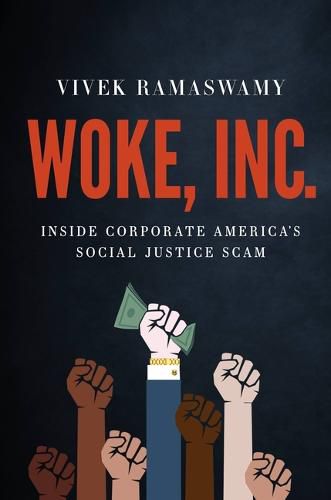
Vivek Ramaswamy, in Woke, Inc., adds another layer to this by discussing how authoritarian regimes like China’s Communist Party (CCP) take advantage of woke rhetoric. According to Ramaswamy, the CCP amplifies America’s internal divisions—often fueled by wokeism—to weaken the West. By focusing on these cultural rifts, China diverts attention from its own human rights abuses, all while strengthening its geopolitical position. This is part of China’s broader geopolitical strategy, which seeks to deflect attention from its authoritarian practices while exploiting divisions in Western societies.
This pattern can be seen as part of a broader effort to exploit the distractions created by cultural conflicts to enhance its influence in global organizations, trade, and international relations. For example, while Western nations debate internal social issues, China continues its expansive Belt and Road Initiative, which increases its influence across developing nations.
Heretics and the Price of Dissent
Religious movements and extreme ideologies, like wokeism, are often defined by their treatment of dissenters or heretics. Woke spaces, much like traditional religious communities, are quick to condemn those who question or criticize. Whether it’s TERFs (trans-exclusionary radical feminists) or former progressives like Yasmine Mohammed, those who dissent face severe backlash. This exclusionary behavior creates a stifling environment, not dissimilar to how traditional religions treat apostates. As Douglas Murray puts it, “The hatred reserved for heretics is often more intense than that directed at outsiders.”
But this dynamic is about more than just ideological rigidity—it’s also rooted in human psychology. The human brain is naturally drawn to certainty. When we embrace extreme ideologies, we seek control over our environment, which provides us a sense of stability and security. Research in neuroscience shows that when our beliefs are challenged, we experience discomfort, but defending them can trigger a dopamine response, rewarding us with a sense of control. The brain gets a “hit” from maintaining a sense of certainty, even if it’s at the cost of nuance or rational discussion.
In fact, this need for certainty can become addictive. The human brain often craves certainty in the form of binary thinking—where things are either completely right or completely wrong. This type of thinking is satisfying because it shields us from the cognitive dissonance that arises when faced with complexity or ambiguity. In the case of woke ideology, the call for absolute adherence to certain beliefs or behaviors is not just about social justice—it’s a way to satisfy that neurological need for control. When we feel justified in our beliefs and actions, we receive a dopamine “reward,” reinforcing the behavior.
This addiction to certainty can also be seen in extreme partisanship. The more entrenched we become in one side, the more our brain is rewarded for defending it. It’s why many people in the deconstruction space or on the political left engage in “mental gymnastics”—creating justifications and rationalizations that protect their beliefs. This isn’t just about ideology; it’s about keeping that dopamine reward flowing, keeping the illusion of control intact, and avoiding the discomfort of uncertainty.
The problem is this pattern of thinking isn’t conducive to open dialogue or true critical thinking. The “us vs. them” mentality becomes more pronounced, and the space for nuance, disagreement, and personal growth shrinks. Instead of engaging with opposing views, individuals self-censor or double down on their beliefs, further entrenched in the addictive cycle of ideological purity.
Moving Forward: A Balanced Approach
It’s important to note that this critique isn’t meant to dismiss the noble goals of social justice movements. Addressing inequality and harm in the world is crucial. But when these movements demand absolute loyalty and punish dissent, they lose sight of the very ideals they claim to uphold.
What do you guys think? How do you balance the pursuit of justice with the need for free thought?
Do you see these religious parallels in woke ideology? Are they helpful in understanding these dynamics, or do they oversimplify the issue?
I’d love to hear your thoughts. Comment below, and don’t miss my podcast episode with Yasmine Mohammed dropping 2025 for a deeper dive into these topics!
Welcome to Taste of Truth Tuesdays, where we unravel the strange, the mysterious, and today—the terrifying. This post delves into one of history’s darkest chapters: the witch hunts. We’ll explore how fear, superstition, and control shaped centuries of persecution and how these patterns are still evident in the modern world. Witch hunts aren’t just a thing of the past—they’ve evolved.
The European Witch Hunts – Early Modern Europe
Let’s start in early modern Europe. Scholar Peter Maxwell-Stuart illuminates the rise of demonology, where the fear of magic and the devil became a weapon of control for those in power. Beginning in the 1500s, political and religious leaders manipulated entire populations by tapping into their deep-rooted fears of ‘evil forces.’ The Church, in particular, weaponized these beliefs, positioning itself as the protector against witches—women (and sometimes men) believed to consort with devils or conjure dark forces. As the idea took hold that witches could be behind every famine, illness, or death, this created a perfect storm of paranoia.
Stuart argues that demonology texts—many sanctioned by the Church—fueled mass hysteria, feeding the narrative that witches were not just local troublemakers but cosmic agents of Satan, hell-bent on destroying Christendom. Ordinary people lived in constant fear of betrayal by their neighbors, leading to accusations that could swiftly escalate into brutal trials, with the accused often tortured into confessing their ‘diabolical’ crimes.
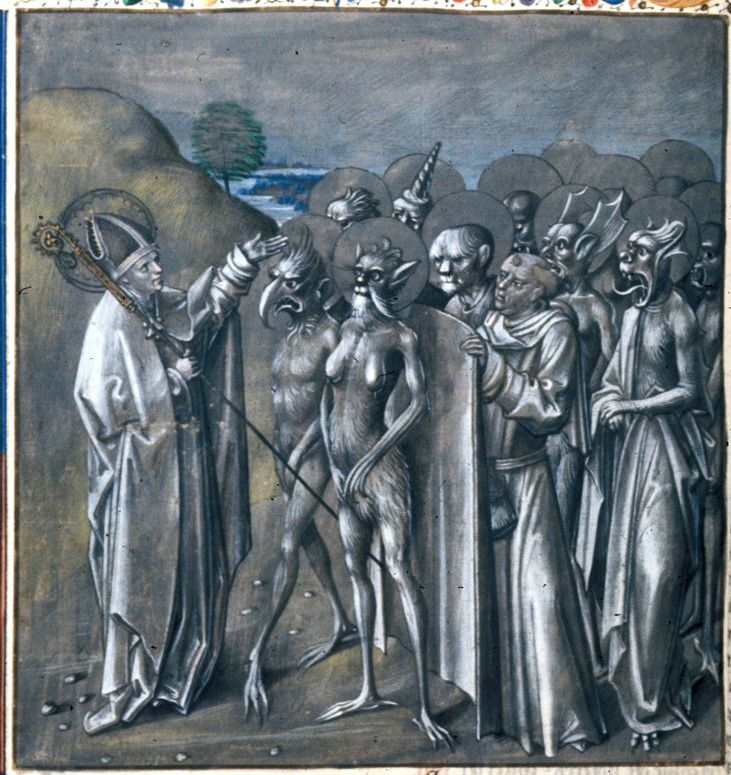
To understand how demonology in Europe gained such traction, we need to go back to Augustine of Hippo. We have mentioned him before in previous episodes, whose writings in the 4th and 5th centuries laid the foundation for Christian perceptions of the devil and demons. Augustine’s ideas, especially in City of God, emphasized the constant spiritual warfare between good and evil, casting demons as agents of Satan working tirelessly to undermine God’s plan. He argued that humans were caught in this cosmic battle, susceptible to the devil’s temptations and tricks.
‘Augustine before a group of demons’, from ‘De civitate Dei’ by Augustine, trans. by Raoul de Presles, late 15th Century
Augustine’s Doctrine of Demons
According to Augustine, demons were fallen angels who had rebelled and now sought to deceive and destroy humanity. While Augustine didn’t explicitly discuss witches, his interpretation of demons helped fuel the belief that humans could be manipulated by evil spirits—whether through pacts, possession, or magical practices. This idea later influenced medieval and early modern European demonology.
Augustine’s views on original sin—that humanity is inherently flawed and in need of salvation—also intensified fears that people, especially women (who were seen as ‘weaker’ spiritually), were more vulnerable to the devil’s influence.
SIDE NOTE: We have discussed the theological concept of original sin in previous episodes: Franciscan wisdom navigating spiritual growth and challenges with Carrie Moore, we specifically spun the doctrine of original sin on its head and then also Unpacking Religious Trauma: Navigating the Dynamics of Faith Deconstruction with Doctor Mark Karris.
In the centuries that followed, these ideas were weaponized to justify witch hunts. Augustine’s legacy is evident in how later theologians and demonologists, such as Heinrich Kramer (author of the infamous Malleus Maleficarum), built upon his ideas of demonic interference to condemn witchcraft as a real, existential threat to Christian society.
Maxwell-Stuart reveals that the creation of demonology wasn’t just religious but deeply political. Kings and clergy alike realized they could consolidate power by stoking the flames of fear, casting witches and sorcerers as a common enemy. The trials served a dual purpose: they reinforced the Church’s supremacy over the spiritual realm and gave ruling elites a tool for maintaining social order. Accusing someone of witchcraft was an effective way to silence dissent or settle personal scores.
Fear as a Tool of Control
Fear wasn’t just manufactured by rulers—it was deeply ingrained in the societal, religious, and legal systems of the time. Scholar Sophie Page reveals how beliefs in magic and the supernatural were not fringe ideas but core components of medieval and early modern life. Magic wasn’t merely a mysterious force; it was a pervasive explanation for any calamity. Failed harvests, plagues, or unexplained illnesses were often attributed to witches or the devil, creating a society constantly on edge, where supernatural forces were believed to lurk behind every misfortune.
By embedding these beliefs into legal codes, authorities could target suspected witches or sorcerers under the guise of protecting the community. Page’s work illustrates how rituals once seen as protective or healing gradually became demonized. Harmless folk practices and herbal remedies, used for centuries, began to be recast as witchcraft, especially when things went wrong. People, particularly those in rural areas, were vulnerable to this thinking because religion and superstition were inseparable from daily life.
Partisan scholars have long debated whether Catholics or Protestants were the “real” witch hunters, but they’ve made little headway. One important change in Christian morality, as discussed by John Bossie, occurred between the 14th and 16th centuries. The moral focus shifted from the Seven Deadly Sins—pride, greed, lust, envy, gluttony, anger, and sloth—to the Ten Commandments. This change, influenced by reform movements that shaped the Protestant Reformation, prioritized sins against God over those against the community. Idolatry and the worship of false gods became viewed as the gravest offenses.
This redefinition of witchcraft followed suit. Instead of being seen as harmful actions toward neighbors, witchcraft was now linked directly to devil worship and regarded as serious heresy. Scholars and church leaders began merging various forms of folk magic and healing into this new narrative, suggesting that practitioners were either knowingly or unknowingly making deals with the devil. Confessions of pacts or attendance at “witch gatherings” were shaped to highlight community failings, like envy and resentment. Consequently, educated society began to see witchcraft as a real threat rather than mere superstition. While traditional beliefs about magic still existed, they were overshadowed by fears of violent backlash from reformers.
The Power of Dualistic Thinking
This dualistic thinking, influenced by St. Augustine, gave rise to a semi-Manichean worldview, where the struggle between good and evil became more pronounced. Manichaeism, an ancient belief system, viewed the world as a battleground between equal forces of good and evil. Although orthodox Christianity rejected this dualism, the focus on the devil’s role in everyday life blurred those lines for many people. By emphasizing the devil’s pervasive influence, religious leaders inadvertently created a belief system in which evil seemed as powerful as good.
In this semi-Manichean view, the devil was not just a tempter of individuals but a corrupting force within communities and even within political and religious practices deemed heretical. Fears of devil-worshipping conspiracies became intertwined with anxieties about witchcraft and moral decay. Reformers, particularly in Protestant movements, fueled these fears by branding idolatry, Catholic rituals, and even folk healing as dangerous openings for the devil’s influence. This perspective transformed witchcraft from a local issue into a broader threat against God and society.
The result was a potent mix of dualistic thinking and an intense focus on spiritual warfare. This not only intensified the persecution of supposed witches but also reinforced the obsession with eliminating anything considered “satanic.” The ideological shift redefined witchcraft as a communal danger, turning innocent healing practices into accusations of demonic pacts.
Every village had its own ‘cunning folk’—individuals skilled in healing and folk magic—yet these very people could easily become scapegoats when something went wrong. The legal structures played a vital role in perpetuating this cycle of fear. Church courts, bolstered by theologians and demonologists, were empowered to try individuals accused of witchcraft, and the accusations quickly spiraled into mass hysteria. Trials often relied on tortured confessions, reinforcing the belief that witches and the devil were real and tangible threats to society. This institutionalized paranoia was a perfect storm of religion, fear, and control.
The Rise of Organized Witch Hunts
Beginning in the late 15th century, witch trials escalated into full-blown hunts, particularly after the publication of the Malleus Maleficarum in 1487. This infamous witch-hunting manual, written by Heinrich Kramer and endorsed by the Pope, offered legal and theological justifications for hunting down witches. It encouraged harsh interrogations and set guidelines for identifying witches based on superficial evidence like birthmarks, behaviors, and confessions extracted under torture. The legal system, which had already started to turn against folk healers, now had a codified method for persecuting them.
In regions like Germany, Scotland, and Switzerland, these legal trials turned into widespread witch hunts. Hundreds, even thousands, of individuals—predominantly women—were accused and executed. What’s particularly fascinating is that these witch hunts often peaked during periods of societal or economic instability when fear and uncertainty made people more susceptible to attributing their misfortunes to external, supernatural forces.
By institutionalizing the persecution of witches, rulers and religious leaders could manage social unrest and solidify their authority. The trials often reinforced the power structures by demonstrating that anyone perceived as a threat to societal order—whether through suspected witchcraft or merely social nonconformity—could be eradicated.
Witch Hunts and Gender
The scapegoating of women played a crucial role in these witch hunts. Owen Davies’ work reveals how the demonization of witches intersected with misogyny, turning the hunts into a gendered form of control. Midwives, healers, or outspoken women were more likely to be targeted, reinforcing patriarchal authority. The very skills that had once been valued, such as healing and midwifery, were redefined as dangerous and linked to dark powers.
As witch hunts spread, the legal frameworks across Europe became more refined and institutionalized, creating a climate where fear of witches and demonic possession became the norm. The trials’ obsession with confessions—often coerced under brutal conditions—further fueled public paranoia, as the more people confessed to witchcraft, the more tangible the ‘threat’ seemed.
The Modern Echoes of Witch Hunts
Fast forward to today, and we find that the legacy of witch hunts lingers. The tactics of fear-mongering, scapegoating, and social control can still be observed in modern contexts. Contemporary movements often mirror historical witch hunts, targeting marginalized groups through accusations and public shaming. Just as witch hunts flourished in times of societal uncertainty, modern societies can succumb to similar dynamics.
In the age of social media, legal accusations spread like wildfire, and the court of public opinion often acts faster than the courts themselves. Political enemies are dragged through the mud with allegations that may or may not have a basis in fact.
The case of Michael Jackson serves as a poignant example of how media narratives can distort reality. The beloved pop icon faced multiple allegations of child molestation, with the most notable case occurring in 2005 during a highly publicized trial. Accusers claimed that Jackson had abused them, yet the defense presented compelling counterarguments, including challenges to the credibility of the witnesses and highlighting inconsistencies in their testimonies. After a lengthy trial, Jackson was acquitted of all charges, but the media frenzy surrounding the case fueled public debate and sensationalism, earning him the derogatory nickname “Wacko Jacko.” This smear campaign perpetuated false narratives about his character and actions. Behind the scenes, Jackson was embroiled in a lawsuit against Sony Music, a battle he was reportedly winning at the time of these allegations. Furthermore, his controversial doctor, Conrad Murray, who administered drugs to Jackson, faced serious legal consequences for his role in the singer’s death, including manslaughter charges. The intersection of these legal battles and the media frenzy created a complex narrative that ultimately tarnished Jackson’s legacy, and that’s what truly breaks my heart.
By the time these individuals have the chance to clear their names, their reputations—and often their careers—are already in ruins. Davies’ research shows us that while modern witch hunts don’t involve burning at the stake, they do involve trial by media and mob justice.
And we can’t talk about modern-day witch hunts without bringing the CIA into the conversation. Since its inception, the CIA has been at the heart of international political manipulations—using covert methods to shape public perception, interfere in foreign governments, and even influence elections here in the United States. In the 1960s, the agency coined the term ‘conspiracy theorist’ to discredit anyone who questioned the official narratives surrounding events like the assassination of JFK. Those who didn’t toe the line were labeled as ‘paranoid’ or ‘dangerous.’ It was the modern version of labeling someone a witch—turning them into a social outcast, not to be trusted.
Fast forward to today: we see similar tactics used against whistleblowers, journalists, and activists who challenge the powerful. Think about Edward Snowden, Julian Assange, and even political figures targeted by intelligence communities. The second they start exposing uncomfortable truths, they are vilified. Whether through leaks, smear campaigns, or selective legal action, these modern-day ‘witches’ face an onslaught of accusations, designed to discredit them before they can fully tell their story.
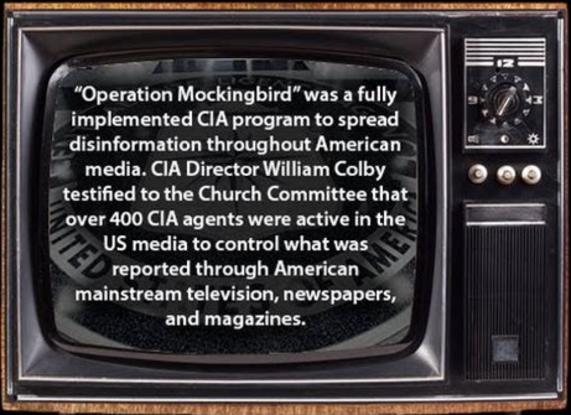
In many cases, the evidence behind these accusations is shaky at best. The CIA’s involvement in manipulating public perception goes all the way back to Operation Mockingbird, a secret program to influence media narratives, which showed that controlling information was one of the most powerful tools they had. During the Cold War, the United States engaged in a concerted effort to influence and control media narratives to align with its interests, which involved recruiting journalists and establishing relationships with major media outlets.
Edward Bernays, often referred to as the father of public relations, played a pivotal role in these discussions on media manipulation. Working with several major companies, including Procter & Gamble, General Electric, and the American Tobacco Company, Bernays was instrumental in promoting the cigarette brand Lucky Strike, famously linking it to the women’s liberation movement. His connections extend to notable figures like Sigmund Freud, who was Bernays’ uncle, Freud’s psychoanalytic theories significantly shaped Bernays’ PR strategies. Throughout his career, Bernays leveraged media to influence public perception and political leaders, raising profound questions about the power dynamics of media and its capacity to shape societal narratives. (If you’re intrigued by the intricate interplay of media and propaganda, this is a rabbit hole worth exploring!)
Today, that same fear-mongering tactic is played out on a much larger scale. Accusations, whether of conspiracy, treason, or subversion, become tools to silence anyone questioning the status quo. Just as witches in the past were seen as ‘different’ and thus dangerous, today’s targets are often people who challenge the system.
And while throughout the 1300-1600s, there was no due process for the accused witches, today, we see something similar in the digital realm. There’s no real accountability or fairness in the court of public opinion. All it takes is a viral accusation—a tweet, a blog post, or a video—and the person’s career, family, and mental health can be obliteratedovernight. No evidence required, no trial, no defense.
So, what can we learn from this history? From the witch hunts of early modern Europe to today’s viral accusations and political fearmongering, there’s one key lesson: fear remains one of the most dangerous tools of control. When we allow fear to dictate our actions—whether it’s fear of witches, outsiders, or anyone who doesn’t fit into the mold—we lose sight of reason and humanity.
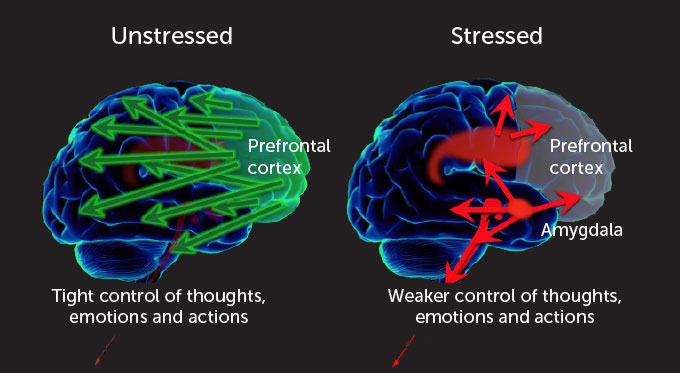
In closing, I’d like to examine the phenomenon of witch hunts through the lens of amygdala hijacking, a topic we discussed in a previous episode. This term refers to the brain’s immediate response to perceived threats, where the amygdala—the emotional center of the brain—takes control, often resulting in irrational and impulsive actions.
During the witch hunts, communities gripped by fear of the unknown succumbed to a mob mentality whenever someone fell ill or misfortune struck. The amygdala triggered a fight-or-flight response, compelling individuals to find scapegoats, with cunning folk and those deviating from societal norms becoming prime targets. As accusations spiraled, fear dominated decision-making instead of rational thought. Today, we observe similar patterns in how social media can incite panic, leading to modern witch hunts. When fear takes over, reason often fades, resulting in unjust vilification—echoing the dark lessons of history.
As we navigate our modern world, let’s remain vigilant against the echoes of this history, seeking truth and questioning the narratives that shape our beliefs. Fear may be powerful, but curiosity and critical thinking are our greatest allies in maintaining our autonomy and humanity.
Resources:
Briggs, Robin. Witches and Neighbors: The Social and Cultural Context of European Witchcraft. Oxford University Press, 1996.
This book provides a comprehensive exploration of the social dynamics surrounding witch hunts in early modern Europe, highlighting the interplay of fear, community, and cultural beliefs.
Maxwell-Stuart, Peter G.Witchcraft in Europe, 1100-1700: A Sourcebook. Palgrave Macmillan, 2010.
This sourcebook compiles essential documents related to the history of witchcraft in Europe, providing insights into how fear and persecution were constructed and justified.
Page, Sophie.Magic in the Middle Ages. Cambridge University Press, 2005.
This book offers an analysis of the cultural and religious practices surrounding magic during the medieval period, emphasizing how these beliefs shaped societal attitudes toward witchcraft.
Bossy, John.Christianity in the West, 1400-1700. Oxford University Press, 1985.
Bossy examines the transformation of Christian morality during the Reformation, providing context for the changing perceptions of witchcraft and heresy.
Davies, Owen.Popular Magic: Cunning Folk in English History. Continuum, 2007.
This work explores the role of cunning folk—those who practiced folk magic—and how their practices were perceived within the broader context of witchcraft accusations.
Baroja, J. C.Witches and Witchcraft. University of California Press, 1990.
Baroja’s work examines the historical and cultural significance of witchcraft, providing insights into the social conditions that fueled witch hunts and the cultural implications of these beliefs.
The Institute in Basic Life Principles was founded by Bill Gothard, is known for its strict, authoritarian teachings on Christian living and family roles, often leading to significant emotional harm.
In the deconstruction space, there’s a troubling tendency to focus exclusively on extreme cases of spiritual abuse, such as those from the Institute in Basic Life Principles (IBLP). While it’s crucial to address and understand these severe experiences, it’s equally important to recognize that spiritual and religious trauma can manifest in many forms beyond such high-profile examples.
While IBLP is a notable example of spiritual abuse, its practices reflect broader trends within evangelical Christianity that also emphasize control, guilt, and fear.
Unveiling the Shared Roots
The roots of evangelical Christianity are deeply entwined with guilt, fear, coercion, and deception, a legacy that can permeate all levels of faith practice. This issue isn’t confined to one group or doctrine; rather, it echoes through the broader history of evangelicalism, including the violent and tumultuous period of the Protestant Reformation.
Guilt and Fear: Evangelical teachings often emphasize human sinfulness and the need for constant repentance, creating an environment where guilt and fear become central. The pressure to meet unattainable moral standards can lead to chronic anxiety and self-doubt. Believers may struggle with feelings of inadequacy and unworthiness, which can erode self-esteem and lead to long-term psychological trauma.
Coercion: Many evangelical doctrines employ coercive tactics to ensure conformity and compliance. This can include manipulating believers through promises of divine favor or threats of divine punishment. Such coercion often pressures individuals into adhering to strict beliefs and behaviors, stifling personal autonomy and fostering a sense of control and manipulation.
Deception: The evangelical tradition can sometimes perpetuate deceptive teachings, presenting religious doctrines in a way that omits or distorts critical truths. This can include selective scriptural interpretations or misleading teachings about the nature of God and salvation. When individuals later confront these deceptions, they may experience profound disillusionment and betrayal, further contributing to their trauma.
Historical Context: The Protestant Reformation, a pivotal event in evangelical history, was marked by violent conflict and intense upheaval. The brutality and extremism of this period set a precedent for how religious movements can become entangled in aggression and intolerance. This historical backdrop adds another layer to understanding how evangelical Christianity, in its various forms, can inflict spiritual harm.
By acknowledging this broader context, we can better address the diverse experiences of trauma within the Christian faith and work towards healing that encompasses all who have been affected.\
Let’s look at the parallels:
1. Control and Authority:
Evangelical Teachings: Evangelical groups often emphasize strict adherence to biblical authority and teachings, which can lead to high levels of control over personal beliefs and behavior.
IBLP: The IBLP, founded by Bill Gothard, is known for its rigid set of rules and teachings that govern nearly every aspect of life, including family dynamics, education, and personal conduct.
2. Use of Guilt and Fear:
Evangelical Teachings: Evangelicals may use guilt and fear of eternal damnation to enforce moral behavior and adherence to religious practices.
IBLP: The IBLP uses fear of divine punishment and guilt to maintain control, emphasizing strict obedience to its principles and teachings.
3. Isolation from Dissenting Views:
Evangelical Teachings: Evangelical communities might discourage or isolate members who question or deviate from core beliefs, often labeling dissent as dangerous or sinful.
IBLP: The IBLP isolates its members from outside influences and encourages avoidance of those who criticize or question its teachings.
4. Emphasis on Obedience:
Evangelical Teachings: Emphasis is placed on obedience to God’s commands and church teachings, which can sometimes discourage critical thinking and personal questioning.
IBLP: stresses strict obedience to its guidelines as a sign of faithfulness, often at the expense of personal autonomy and critical reflection.
5. Authoritarian Structure:
Evangelical Teachings: Many evangelical groups have a hierarchical structure where church leaders wield significant authority over members’ beliefs and practices.
IBLP: The IBLP has a centralized authority with Bill Gothard’s teachings at the core, and his directives are followed unquestioningly by adherents.
6. Focus on Family Roles:
Evangelical Teachings: Traditional evangelical teachings often emphasize distinct roles within the family, typically with a strong patriarchal structure.
IBLP: The IBLP advocates for a strict family hierarchy where the father is the ultimate authority, and family roles are rigidly defined.
7. Handling of Dissent and Criticism:
Evangelical Teachings: In many evangelical communities, dissent or criticism of church doctrine or practices can lead to significant social and spiritual consequences. Those who voice doubts may be labeled as troublemakers or heretics, and their concerns are often dismissed or invalidated.
IBLP: The IBLP is known for its strong stance against criticism. Those who question or criticize its teachings are often ostracized or labeled as spiritually immature or rebellious. This approach helps to maintain a homogenous and compliant membership base.
8. Emphasis on Personal Purity and Moral Behavior:
Evangelical Teachings: Evangelical teachings often place a high value on personal purity and moral behavior, with a strong focus on abstaining from behaviors deemed sinful, such as premarital sex, substance abuse, or other forms of moral failing. This emphasis can create a culture of judgment and fear of falling short.
IBLP: The IBLP emphasizes extreme standards of moral behavior and personal purity, with detailed guidelines on how members should conduct themselves in all areas of life. The focus on maintaining high moral standards can lead to guilt and self-policing among members.
9. Economic and Social Expectations:
Evangelical Teachings: Some evangelical communities have specific expectations regarding financial contributions to the church and adherence to tithing practices. Members may be encouraged to prioritize church-related financial support over other expenses.
IBLP: The IBLP also has expectations regarding financial and social behavior, including guidelines on how families should manage their finances and interactions. Members are often encouraged to support the organization financially and align their social activities with its teachings.
10. Role of Testimonies and Personal Experiences:
Evangelical Teachings: Evangelical communities often emphasize personal testimonies and experiences as evidence of spiritual truth. Individuals are encouraged to share their personal stories of conversion or miracles as validation of their faith.
IBLP: The IBLP similarly relies on personal testimonies and experiences to validate its teachings. Success stories and positive outcomes are used to promote the effectiveness of its principles, while negative experiences are often dismissed or attributed to a lack of adherence.
11. Intervention in Personal Choices:
Evangelical Teachings: Evangelical teachings may extend into personal choices such as dating, marriage, and career decisions. Members might receive guidance or pressure to make choices that align with church teachings or leadership directives.
IBLP: The IBLP provides detailed guidance on personal choices, including dating and marriage, often imposing strict rules on how these aspects of life should be approached. Members are expected to follow these guidelines closely, with deviations viewed as problematic.
12. Cultural and Social Isolation:
Evangelical Teachings: Evangelical communities may promote cultural and social isolation from secular society, encouraging members to avoid influences that are seen as contrary to their faith. This can include limiting exposure to secular media, secular education, or interfaith interactions.
IBLP: The IBLP promotes a high degree of cultural and social isolation, encouraging members to avoid secular influences and limit interactions with those outside the organization. This isolation helps to reinforce adherence to IBLP teachings and prevents exposure to alternative viewpoints.
13. Psychological and Emotional Impact:
– Evangelical Teachings: The pressure to conform to strict religious standards can lead to psychological and emotional stress, including anxiety, guilt, and fear of failure or condemnation. Members may struggle with self-esteem and mental health issues as a result of these pressures.
– IBLP: The IBLP’s emphasis on strict adherence to its principles can also have significant psychological and emotional impacts, including stress, guilt, and fear of not measuring up to its standards. This can lead to long-term emotional and psychological difficulties for members.
In examining the similarities between evangelical teachings and the Institute in Basic Life Principles (IBLP), it becomes clear that both systems employ similar methods of control and influence.
Evangelicalism often emphasizes strict adherence to biblical authority, use of guilt and fear, and isolation of dissenting views, which can significantly impact personal beliefs and behavior.
Similarly, IBLP’s rigid rules and central authority exert profound control over its members, using fear and guilt to enforce compliance. Both systems focus on obedience and maintain hierarchical structures that can suppress critical thinking and personal autonomy.
Understanding these parallels sheds light on the broader patterns of spiritual trauma that can arise within high-control religious environments.
Whether within the confines of IBLP or the wider evangelical world, the use of control, guilt, and isolation can have lasting effects on individuals.
Recognizing these patterns is crucial for fostering awareness and support for those affected by such environments. As we continue to explore and address these issues, it is essential to advocate for more compassionate and open approaches to faith and personal growth, free from undue control and fear.