Unlocking the Power of Hope Molecules: How Movement Transforms Mind and Body

Did you know your body can help your brain feel more hopeful through movement?

In our fast-paced world, finding effective ways to boost our mental and physical well-being is more crucial than ever. Recent research highlights an exciting phenomenon: our muscles aren’t just for movement; they act as endocrine organs, secreting beneficial substances known as hope molecules. These molecules, or myokines, have a profound impact on our brain, body, and mood, offering a natural and powerful way to enhance our overall health.
What Are Hope Molecules?

Hope molecules are proteins released into the bloodstream from our muscles during movement. These myokines play a vital role in:

  • Protecting against depression, PTSD, and chronic stress
  • Increasing neuroplasticity, which helps our brain adapt and grow
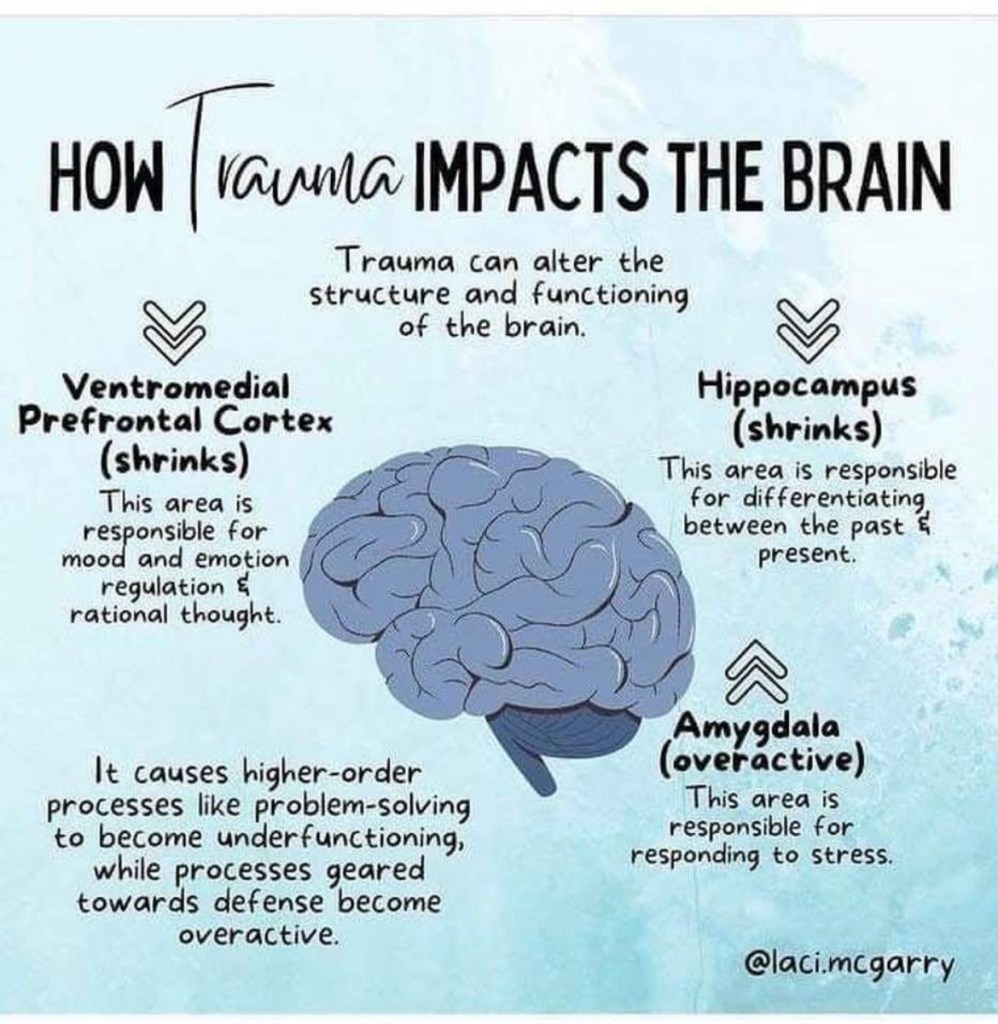
  • Altering the hippocampus, a brain region crucial for stress resilience
  • Boosting brain-derived neurotrophic factor (BDNF), which enhances our ability to manage stress and difficult emotions

Dr. Kelly McGonigal succinctly puts it: “Every time we move our muscles, we are giving ourselves an intravenous dose of hope.” This means that even a short burst of movement can significantly impact our mental health, providing an antidepressant effect that enhances resilience to stress and trauma.

For instance, a short walk or a quick workout doesn’t just get the blood pumping; it also triggers the release of these mood-enhancing chemicals. This phenomenon is sometimes referred to as an “antidepressant effect,” where the physical act of moving your body leads to the release of neurotransmitters that can lift your spirits and combat feelings of depression.

Moreover, this boost in mood and resilience isn’t just about the immediate effects. Regular short bursts of exercise contribute to long-term mental health benefits, enhancing your ability to cope with stress and trauma. By incorporating even small amounts of movement into your daily routine, you can help your body produce more hope molecules, thereby strengthening your mental health and emotional resilience.

So, the next time you’re feeling low, remember that a little movement might just be the key to unlocking your body’s natural antidepressants and enhancing your capacity to handle life’s challenges. 🚶‍♀️💪🌟

The Mind-Body Connection: Insights from the “Mind Over Milkshake” Study

To deepen our understanding of how movement and mindset intersect, consider the fascinating findings from the study titled “Mind Over Milkshake: Mindsets, Not Just Nutrients, Determine Ghrelin Response.” This research explores how our beliefs about the food we consume can alter physiological responses, such as hunger and energy regulation.

Participants in the study were given milkshakes with differing calorie information, but their physiological responses varied based on their expectations. The study demonstrated that our mindset about what we consume can impact hormonal and physiological reactions, revealing the powerful connection between belief and bodily responses.

Similarly, our mindset towards exercise can greatly influence the benefits we derive from it. Viewing exercise not merely as a physical task but as a source of hope and well-being can amplify its positive effects on our mental health.

Why Movement Matters More Than We Think

Understanding that hope molecules and our mindset play a critical role in our health highlights the multifaceted benefits of exercise. It’s not just about weight loss or physical fitness; it’s about enhancing:

  • Happiness and life satisfaction
  • Resilience to stress and anxiety
  • A sense of purpose and social connection

Emerging research suggests that when exercised, our muscles essentially become a “pharmacy” for our physical and mental health. This perspective shifts the focus from restrictive exercise goals to a more holistic view of movement as a tool for improving our quality of life.

Applying Hope Molecules to Recovery from High-Control Environments

For those recovering from high-control environments, such as strict religious or ideological communities, the concept of hope molecules is particularly relevant:

  • Resilience and Recovery: Engaging in regular movement can help mitigate the effects of chronic stress and trauma often associated with high-control environments. The release of myokines (hope molecules) during physical activity supports brain health and emotional resilience, aiding in the recovery process.
  • Regaining Control: Movement and exercise can be empowering for those who have felt controlled or restricted. It offers a way to regain a sense of agency and control over one’s body and mind, promoting healing and personal autonomy.
  • Restoring Mental Health: For individuals recovering from harmful environments, exercise can provide a natural antidepressant effect. Regular physical activity enhances mood, reduces symptoms of depression, and supports overall mental health, which is crucial for those rebuilding their lives and self-esteem.

Practical Tips for Integrating Movement into Recovery

  1. Start Small: Incorporate any form of movement into your routine, even if it’s just a few minutes each day. Studies indicate that as little as 3 minutes of exercise can have positive impacts.
  2. Adopt a Positive Mindset: Frame your physical activity as an opportunity for mental and emotional growth, not just a chore. This mindset can enhance the benefits you receive.
  3. Enjoy the Process: Find activities you enjoy and that make you feel good. The more you enjoy your movement, the more likely you are to stick with it.
  4. Build a Routine: Establishing a consistent movement routine can support long-term recovery and well-being. Integrate movement into your daily life in a way that feels sustainable and rewarding.
  5. Connect with Community: Movement can also foster social connections. Engaging in group activities or fitness communities can provide additional support and a sense of belonging, which is valuable for those recovering from isolating environments.

Hacking Consistency: Your Path to Achieving Health Goals

In my 20 years as a personal trainer, I’ve seen one common thread that holds people back from achieving their health and fitness goals: consistency. For many, the journey to better health is fraught with the misconception that it must be difficult. If you resonate with this, I want you to know that I understand how intimidating change can be. It can feel like a long road ahead, but I’m here to share some tips to help you hack consistency and make your health journey not only achievable but also enjoyable.

1. Habit Stacking: Start Small

The first strategy to develop consistency is habit stacking. Focus on one or two small habits that you can easily commit to. Once you’ve established these, you can begin to build additional habits on top of them.

For example:

  • Starting Habit 1: A 5-minute morning walk. This quick stroll can boost your mood and energy levels, providing an immediate sense of accomplishment.
  • Starting Habit 2: A one-minute breathing exercise. Before your walk, try a simple box breathing technique: inhale for 4 seconds, hold for 4 seconds, exhale for 4 seconds, and hold again for 4 seconds. This practice can reduce stress and help center your mind.

Once you have these foundational habits in place, you can stack additional practices:

  • Post-Walk Habit: After your 5-minute walk, add 2-3 minutes of gentle stretching. Focus on your neck, shoulders, and legs to release tension and enhance the mental health benefits of movement.
  • Post-Breathing Habit: After your breathing exercise, incorporate a quick moment of gratitude. Name one thing you’re grateful for to reinforce positive thinking and cultivate a hopeful mindset. This simple act can help you recover from emotional strain and improve overall well-being.

Starting small with these habits allows you to create a consistent and sustainable routine.

2. Focus on Addition, Not Restriction

The second tip for hacking consistency is to concentrate on what you can add to your life rather than what you need to take away. This could involve increasing your movement, enhancing your awareness, practicing breathwork, or incorporating more protein, fruits, and vegetables into your meals. When you focus on adding positive elements, it becomes easier to embrace change and maintain consistency.

3. Find Personal Meaning

Your journey to feeling better should be tied to personal meaning and intrinsic motivation. This means tapping into your internal drive to pursue these changes. Reflect on why you want to achieve your health goals and let that guide your actions. When you find personal significance in your journey, it becomes a source of motivation rather than a chore.

4. Build Self-Efficacy

Self-efficacy is crucial in creating a sustainable lifestyle. It’s about building belief in yourself over time and understanding that consistency is the key to lasting results. Instead of thinking in terms of short-term challenges, consider how you can develop habits that last long-term. Routines created from consistent habits lead to sustainable success.

Building on habits is what creates a routine. A routine is what creates consistency and consistency is what creates results.

Awareness is the first step in bridging the gap between your goals and the actions you need to take. While you may have aspirations, it’s consistent behaviors and actions that make them a reality.

Mindset Matters

Remember, if you’re struggling to maintain consistency, it’s not a reflection of your willpower or determination; it could be a sign that your approach needs adjustment. Your mindset is vital in this journey. Frame your movement as an opportunity to boost your brain and body rather than a chore or punishment.

By implementing these strategies, you can transform your health journey into a rewarding experience. Consistency is everything. Embrace the process, celebrate your achievements, and watch as you progress toward your goals!

Broader Implications for Personal Development

The principles of hope molecules tie into broader themes of personal development, critical thinking, and spirituality:

  • Challenging Limiting Beliefs: Movement and exercise can challenge limiting beliefs about oneself and one’s capabilities. This aligns with the focus on critical thinking and questioning restrictive ideologies.
  • Embracing New Perspectives: Seeing movement as a tool for embracing new perspectives and opportunities for growth is crucial for those redefining their lives after leaving high-control environments.

In conclusion, the science of hope molecules reveals that our muscles do much more than move us; they create hope and enhance our mental well-being. By embracing movement and adopting a positive mindset, we can unlock these powerful benefits and cultivate a more resilient, fulfilling life.

Embrace the power of hope molecules and experience the transformative effects on your mental and physical health.

RESOURCES:

For a comprehensive understanding of the role of hope molecules (myokines) and their impact on mental and physical health, the following studies and sources are highly relevant:

Key Studies and Sources

  1. Myokines and Mental Health
    • Pedersen, B. K., & Febbraio, M. A. (2012). “Muscle as an endocrine organ: Focus on muscle-derived cytokines as potential pharmacological targets.” Diabetologia, 55(10), 2975-2985. Link to Study
      This review discusses how muscle-derived cytokines (myokines) are involved in various physiological processes and their potential therapeutic effects on metabolic diseases, inflammation, and mental health.
  2. Exercise, Hope Molecules, and Brain Health
    • Gordon, B. A., & Herring, M. P. (2014). “The effect of exercise on depression: A review of meta-analyses.” Journal of Clinical Psychiatry, 75(2), 156-161. Link to Study
      This meta-analysis reviews the impact of exercise on depression, highlighting how physical activity influences mental health through various mechanisms, including the release of beneficial myokines.
  3. Hope Molecules and Neuroplasticity
    • Hogan, M. C., & Durcan, J. M. (2018). “Exercise and neuroplasticity: A review of the role of physical activity in promoting brain health and cognitive function.” Journal of Clinical Neurology, 14(3), 342-350. Link to Study
      This review examines how exercise-induced myokines contribute to neuroplasticity, cognitive function, and overall brain health.
  4. Mindset and Physiological Responses
    • Crum, A. J., & Langer, E. J. (2015). “Mindset matters: Exercise and the placebo effect.” Psychological Science, 26(4), 663-670. Link to Study
      This study explores how individuals’ beliefs and mindsets about exercise can influence their physiological responses and overall effectiveness of physical activity.
  5. Exercise, Stress Resilience, and Mental Health
    • McGonigal, K. (2015). “The Upside of Stress: Why Stress Is Good for You, and How to Get Good at It.” Penguin Books.
      While not a study, this book by Dr. Kelly McGonigal provides insights into how stress, when managed effectively, can be beneficial. It complements research on how exercise and movement can positively influence mental health through stress resilience.
  6. “Mind Over Milkshake” Study
    • Elder, R., & Croyle, R. T. (2011). “The role of expectations in health behavior: Mindset and health.” Health Psychology Review, 5(1), 2-12. Link to Study
      This study investigates how people’s expectations about what they consume affect their physiological responses, illustrating the influence of mindset on health outcomes.

Ways to support your body during stress

Feeling stressed? 😩 Chronic stress can drain your energy, disrupt your sleep, and even increase the risk of serious health issues like cancer. This week on the podcast, we are diving deep into how stress impacts your body—and sharing real tips to fight back! 👊🏼 💥

In this powerful episode, I sit down with holistic healing expert Theresa Piela, @livingrootswellness to explore the deep connection between chronic stress and health. Theresa shares her personal story of hitting rock bottom in 2019, when chronic illness nearly led to organ failure. We dive into the guilt and exhaustion that comes with being chronically ill in a toxic world, and how healing techniques like Emotional Freedom Techniques (EFT) tapping can offer relief. 🌱✨

The Impact of Stress on the Body

Understanding Stress: Theresa breaks down the three stages of stress and how they manifest in our daily lives, leading to digestive issues and chronic illnesses. She sheds light on the silent havoc that prolonged stress wreaks on our gut health and overall bodily functions. Please review our earlier blog for more details!

Fuel & Nutrition: Supporting Your Body’s Adaptive Stress Response

Just as important as shifting your mindset is fueling your body with the right nutrients. A starved or inflamed system will struggle to adapt to stress, especially when trying to balance internal chaos. Proper nutrition is key to supporting the body’s stress response.

When the body isn’t fueled properly, persistent stress leads to harmful effects, such as blood sugar swings, hormonal dysregulation, and weakened immunity. To counteract this, we need to provide the body with the building blocks it needs to recover.

Here’s a high-level look at what your body requires for optimal function:

  • Proteins: Anti-inflammatory sources like grass-fed beef, broths, shellfish, and dairy.
  • Carbohydrates: Glucose and fructose from fruits, honey, maple syrup, and root vegetables.
  • Fats: Saturated fats are essential.
  • Vitamins & Minerals: Vitamin C, D, E, B1, B6, B12, calcium, magnesium, copper, sodium, potassium, selenium, and zinc.

I wanted to expand a BIT MORE on nutritional tips we may or may not have mentioned in this week’s discussion that are for sure helpful along your healing journey!

1️⃣Adrenal Elixirs-It’s a combination of sodium, potassium, and vitamin C—a perfect blend for your adrenals. Click here for recipes!

2️⃣Magnesium: During stressful times, your body burns through magnesium faster! Supplementing orally and using topical magnesium is helpful all the time, & increasing during times of stress can avoid future deficiency. Click here for a guide to Magnesium supplements!

3️⃣Boosting mineral-rich foods: Coconut water-rich in potassium. Potatoes, squash, fruit—also rich in
potassium, Brewer’s yeast-rich in potassium, B vitamins, and many more nutrients (if you can handle the taste!) Cacao powder-rich in magnesium, Citrus & vitamin C rich foods-support adrenals and copper balance.

4️⃣Consistent timing for meals & snacks with proteins carbs and fats to help support blood sugar. Meal tips here!

5️⃣Prioritize Daily Routines with your non-negotiables like: Reading, meditation, walks, eating, movement, winding down time. Stay consistent! Research shows that it can take anywhere from 18 to 254 days for someone to form a new habit. Let’s talk more about morning and bedtime routines!

Morning Routine:

☀️ Morning person or not, having a set routine can be beneficial. First, a good morning starts the night before-am I right? Be sure to prioritize getting to bed at a decent time to support incorporating the new routine. ⏰ A great morning routine is the one that works for you. Not everyone will be able to have a lengthy routine due to time constraints or family obligations and that’s okay.

Here are some ideas:

  • Don’t pick up your phone right away: Scrolling Instagram and reading emails can wait. When you reach for your phone right after you wake up, you put yourself directly into reactive mode. This can cause you to lose focus and get stressed before you’ve even made it out of bed.
  • Making your bed takes about two minutes and it gives you a quick, easy sense of accomplishment right off the bat. Plus, it makes your room look neat and tidy even if the rest of your space is messy.
  • Eat Something Even if you’re not a big breakfast person, getting some nutrients in your body can really turn on your brain. Having a balanced meal can go a long way toward improving your mood and energy levels right off the bat. Whatever constitutes breakfast for you, just get some food into your body.
  • Do something for yourself each morning. Even if you just have five minutes, you can stretch, do a quick meditation, journal or work on a crossword puzzle while you drink your morning coffee. (Catching up on social media can also count as self care if this activity truly brings you joy. )
  • Write—or review—your daily to-do list and calendar
    Check over what’s on deck for the day so you don’t run into any surprises. You might even block off ten minutes or so to look over emails and address any messages that need to be taken care of right away. 📧

Bedtime Routine:

Sleep is consistently the most underrated aspect of any health & wellness journey. Creating & maintaining a bedtime routine is the best way to prioritize a good night’s sleep.

  • It’s best to be consistent with the time- set an alarm or notification on your phone. It will be a help signal that it’s time to unplug and start your bedtime routine.
  • The circadian rhythm regulates the body’s temperature, lowering the thermostat to 65 degrees is a good temperature for sleep. The body will adapt to the lower room temperature and you will begin to feel drowsy. Turning off or lowering bright lights can help with the process. As we know with screen time, exposure to bright lights before bedtime affects the circadian rhythm.
  • Screens from TVs, smartphones and laptops emit blue light that stimulates the body’s internal clock (circadian rhythm), keeping you buzzing long after it’s time to hibernate for the night. Sleep studies have shown that exposure to high amounts of blue light before bed can lower melatonin levels, resulting in sleeplessness and delayed REM sleep.
  • Journaling is good for mental health by reducing stress and helping you remember good ideas before sleep.
  • Using foam rolling and yoga for sleep will help relax your muscles and ground your mind before bed. They decelerate the mind and body, relieve tension and improve sleep quality.
  • Aromatherapy are used to help with stress management.
  • ❔HOW LONG should my bedtime routine be? About 30 to 60 minutes. This will give you enough time to unwind without feeling rushed.

Okay back to the final aspect of today’s post for supporting your body during stressful times:

6️⃣TOXINS – Specific chemicals called halogens (bromine, chlorine, and fluorine) compete with iodine and bind to thyroid receptors, preventing thyroid hormones from working properly. Filtering fluoride and chloride out of your drinking and bath/shower water helps those with thyroid dysfunction. More Information here

Research says about 90% of cancers are a result of a lifetime of dysfunction: stress, poor nutrition, toxin exposure, chronic hormone imbalance etc. It is estimated that it takes up to 10 years for cancer to develop in the body. Every day our environment and personal choices provide information to cells, in a constant feedback loop. Research has shown us many factors that cause cancer cell development—we can use this information to optimize our environments, nutrition, hormones, etc, create a healthy terrain, and mitigate cancer risk. The body is always responding to us, and healing is possible! One of my favorite resources is here! Leigh Erin Connealy, M.D.

In summary

Addressing intestinal permeability, blood sugar imbalances, and other stress-induced dysfunctions through proper nutrition will help rebuild resilience. For those with severe gut issues, a nutrient-dense, elimination-style diet—like carnivore plus easy-to-digest carbs—may be necessary short-term to restore balance. In the end, listening to your body is critical. Experiment with what makes you feel good, trust yourself, and remember: you know best.

By shifting your mindset and supporting your body with proper fuel, you can navigate life’s stressors with resilience and strength.

🎙️ Tune in now to learn how to take control of your stress before it takes control of you!

#TasteOfTruthTuesdays#StressRelief#EFT#BurnoutRecovery#AdrenalSupport#podcastersofinstagram#podcast#holistichealth#nutritionist#nutritiontips#stressrelief#stressmanagement#deconstruction#deconstructingfaith#healthjourney#magnesium#adrenals#thyroidhealing

Unraveling the Impact of Stress on Chronic Health with Theresa Piela

In this week’s episode, we dive into the power of Emotional Freedom Techniques (EFT) tapping — a unique blend of traditional Chinese medicine and modern psychology. By tapping on specific meridian points while addressing emotional struggles, EFT helps release energy blockages, reducing stress, anxiety, and even trauma. 🌱✨

In this powerful episode, I sit down with holistic healing expert Theresa Piela to explore the deep connection between chronic stress and health. Theresa shares her personal story of hitting rock bottom in 2019, when chronic illness nearly led to organ failure. We dive into the guilt and exhaustion that comes with being chronically ill in a toxic world, and how healing techniques like Emotional Freedom Techniques (EFT) tapping can offer relief. 🌱✨

We’ll explore how EFT has shown promising results in mental health, from lowering cortisol levels to easing PTSD symptoms in veterans. However, with its roots in spiritual and energetic practices, EFT has sparked controversy in some Christian communities. Join us as we unpack these perspectives and discuss how EFT can be a powerful tool for both emotional and physical healing.

The Impact of Stress on the Body

Understanding Stress: Theresa breaks down the three stages of stress and how they manifest in our daily lives, leading to digestive issues and chronic illnesses. She sheds light on the silent havoc that prolonged stress wreaks on our gut health and overall bodily functions.

The Three Stages of Stress and the Fawning Response: Understanding How High-Control Religions Impact Emotional Well-Being

Stress is an inevitable part of life, but how our bodies and minds respond to it can vary significantly depending on the intensity and duration of the stressor. Hans Selye, a pioneering endocrinologist, developed the General Adaptation Syndrome (GAS) to describe the body’s physiological response to stress. This model helps explain how prolonged stress affects overall health and well-being. While the three stages of stress capture the body’s core reactions, the behavioral response known as fawning—especially common among individuals who have come out of high-control environments like fundamentalist religions—adds another layer to this discussion.

The Three Stages of Stress: General Adaptation Syndrome

Selye’s General Adaptation Syndrome describes how the body responds to stress over time, detailing three distinct stages:

1. Alarm Stage

This is the initial, immediate response to a stressor. When faced with a perceived threat, the body goes into “fight or flight” mode, releasing adrenaline and cortisol. These stress hormones increase heart rate, sharpen focus, and provide a surge of energy to prepare you to either confront the threat or escape it. In modern life, this could be triggered by anything from a work deadline to an argument with a loved one.

2. Resistance Stage

If the stressor continues beyond the initial shock, the body enters the resistance stage. While the outward signs of the fight-or-flight response might fade, internally, the body is still on high alert. Stress hormones like cortisol remain elevated, and the body tries to adapt and cope. However, this stage can’t last forever. Prolonged exposure to stress at this level takes a toll on the body, potentially leading to mental and physical exhaustion.

3. Exhaustion Stage

When stress continues for a prolonged period without adequate recovery, the body eventually reaches the exhaustion stage. Here, the body’s resources are depleted, and it can no longer function normally. Symptoms such as fatigue, depression, anxiety, and even burnout may manifest. The immune system weakens, making the individual more vulnerable to illness and disease.

Understanding these stages is crucial for recognizing when stress becomes chronic and dangerous. But there’s more to the picture when considering how stress affects behavior—especially in people who have experienced trauma or high-control environments.

Enter the Fawning Response: A Behavioral Reaction to Trauma

Fawning doesn’t fit neatly into the General Adaptation Syndrome model because it’s a behavioral rather than a purely physiological response. Still, it’s crucial to understanding how certain people cope with chronic stress or trauma, particularly in interpersonal or high-control environments.

The “Four Fs” of trauma responses—Fight, Flight, Freeze, and Fawn—describe various ways people react when they feel threatened. While fighting, fleeing, or freezing are instinctive survival responses, fawning is a more subtle and less discussed way of coping, often rooted in a need to appease the threat to maintain safety.

What Is Fawning?

Fawning involves appeasing or placating others to avoid conflict or harm. People who fawn try to please or appease the person or situation causing the stress in order to de-escalate the threat. Instead of confronting the stressor (fight), avoiding it (flight), or becoming immobilized (freeze), a person who fawns seeks to reduce the danger by submitting, people-pleasing, or over-accommodating.

This behavior often develops in individuals who have experienced prolonged stress or trauma, especially in abusive, manipulative, or high-control environments like toxic relationships or fundamentalist religions.

How Fawning Fits into the General Adaptation Syndrome Model

Although fawning isn’t a stage of stress, we can still see how it might manifest within the GAS framework:

  • Alarm Stage: Fawning could be an immediate response to the initial stressor. Rather than fleeing or fighting, someone might instinctively try to placate the threat. For instance, in a high-control religion, a person might conform instantly to avoid punishment or conflict.
  • Resistance Stage: If the stress persists, fawning can become a habitual response during the resistance stage. The person continues engaging in appeasement behaviors, attempting to manage the ongoing stressor while sacrificing their own needs and well-being in the process.
  • Exhaustion Stage: Over time, relying on fawning as a coping mechanism can lead to emotional and physical exhaustion. Constantly trying to meet others’ demands, avoiding conflict, and suppressing one’s own needs results in burnout and emotional depletion.

Fawning and High-Control Religions: The Long-Lasting Impact

People who come out of high-control religions often exhibit the fawning response as they attempt to navigate new environments and relationships. These religions typically operate with strict rules, strong hierarchies, and harsh consequences for dissent. As a result, members often suppress their own needs and opinions to avoid punishment or ostracism.

Even after leaving these environments, the pattern of fawning often persists. The deeply ingrained survival mechanism of appeasing authority figures to avoid conflict becomes habitual. This behavior may manifest in various ways:

  • People-pleasing: Going out of their way to accommodate others, even at the expense of their own well-being.
  • Difficulty asserting boundaries: Struggling to say no or express personal needs and preferences, often feeling guilty for doing so.
  • Fear of conflict: Avoiding disagreements or confrontations out of fear of rejection or punishment.
  • Self-silencing: Suppressing thoughts, feelings, and opinions in order to maintain harmony and avoid disapproval.

For those deconstructing from high-control religions, the fawning response can be particularly challenging to recognize and unlearn. Many may not even realize that their behaviors are rooted in a trauma response. Helping individuals understand and break these patterns is essential for their emotional recovery.

Moving Forward: Unlearning Fawning and Rebuilding Self-Worth

Breaking the cycle of fawning involves learning to assert boundaries, rebuild self-worth, and reclaim personal autonomy. This is not an easy process, especially for those who have spent years in environments where appeasement was essential for survival. Therapy, support groups, and self-compassion can be powerful tools in helping people regain their sense of self after leaving high-control environments.

By recognizing fawning as a response to trauma and stress, individuals can begin to unlearn these behaviors, reclaim their identity, and create healthier relationships—both with others and with themselves.

Understanding stress responses, both physiological and behavioral, is key to supporting individuals who are recovering from trauma. Recognizing the fawning response and how it fits into the broader stress picture can open the door to healing for those emerging from high-control situations like fundamentalist religions.

Mindset & Thought Shifting: Changing How We React to Stress

We must first accept that stress is a normal and natural part of life. Short-term stress, when followed by ample recovery, can enhance cognition and boost our capabilities. It’s like strength training: with proper recovery, the stress we place on our muscles leads to gains. However, persistent stress, if not managed properly, can be damaging. This is why we must shift our relationship with stress.

In times of severe depletion and exhaustion, recovery takes time and commitment. Start by meeting yourself where you are. Shift your mindset by deliberately choosing thoughts that signal to your body that everything is okay. Surround yourself with calming influences—whether it’s people, sounds, colors, or landscapes—that make you feel safe and hopeful. This isn’t a luxury; it’s a requirement for healing. Equally important is removing stimuli that drain you and recognizing that your body has an incredible capacity to heal when given the right tools.

As the Dalai Lama once said, “If a problem is fixable, if a situation is such that you can do something about it, then there is no need to worry. If it’s not fixable, then there is no help in worrying. There is no benefit in worrying whatsoever.”


Fuel & Nutrition: Supporting Your Body’s Adaptive Stress Response

Just as important as shifting your mindset is fueling your body with the right nutrients. A starved or inflamed system will struggle to adapt to stress, especially when trying to balance internal chaos. Proper nutrition is key to supporting the body’s stress response.

When the body isn’t fueled properly, persistent stress leads to harmful effects, such as blood sugar swings, hormonal dysregulation, and weakened immunity. To counteract this, we need to provide the body with the building blocks it needs to recover.

Here’s a high-level look at what your body requires for optimal function:

  • Proteins: Anti-inflammatory sources like grass-fed beef, broths, shellfish, and dairy.
  • Carbohydrates: Glucose and fructose from fruits, honey, maple syrup, and root vegetables.
  • Fats: Saturated fats are essential.
  • Vitamins & Minerals: Vitamin C, D, E, B1, B6, B12, calcium, magnesium, copper, sodium, potassium, selenium, and zinc.

Addressing intestinal permeability, blood sugar imbalances, and other stress-induced dysfunctions through proper nutrition will help rebuild resilience. For those with severe gut issues, a nutrient-dense, elimination-style diet—like carnivore plus easy-to-digest carbs—may be necessary short-term to restore balance.

In the end, listening to your body is critical. Experiment with what makes you feel good, trust yourself, and remember: you know best.

By shifting your mindset and supporting your body with proper fuel, you can navigate life’s stressors with resilience and strength.

Ever wonder why stress keeps you up at night?

Sleep Disruption and Hormones: How Stress, Trauma, and Hormonal Imbalances Impact Sleep Quality

Sleep is one of the most critical factors for overall health, and yet, it’s often disrupted by stress and hormonal imbalances. In this section, we’ll dive into how stress hormones like cortisol and adrenaline interfere with sleep, explore the impact of early life trauma on sleep quality, and discuss how the menstrual cycle and hormonal imbalances can further complicate our ability to achieve restful sleep.

Stress Hormones and Sleep Disruption

Stress hormones such as cortisol and adrenaline play significant roles in the body’s response to stress, but when they’re constantly elevated, they can wreak havoc on our sleep.

  1. Cortisol: Often referred to as the “stress hormone,” cortisol follows a natural rhythm called the circadian rhythm. In healthy individuals, cortisol levels are highest in the morning to help us wake up and get ready for the day, and they naturally decline in the evening to prepare the body for rest. However, when we are under chronic stress, cortisol can become dysregulated. Instead of dropping at night, elevated cortisol levels can keep us in a state of alertness, making it difficult to fall asleep or stay asleep. This leads to frequent waking, shallow sleep, and feeling unrefreshed in the morning.
  2. Adrenaline (Epinephrine): Adrenaline is the hormone responsible for the fight-or-flight response, which prepares the body to face a threat by increasing heart rate, blood flow, and energy levels. If adrenaline surges before bed—due to stress, anxiety, or even unresolved trauma—it can make falling asleep nearly impossible. You might feel restless, agitated, or have racing thoughts, all of which disturb the calm necessary for a good night’s sleep.

Practical Strategies for Managing Stress Hormones for Better Sleep

  • Create a Wind-Down Routine: Establishing a relaxing pre-sleep routine helps signal to your body that it’s time to rest. This can include dimming lights, turning off electronic devices (which emit blue light and can increase cortisol), and engaging in calming activities like reading, gentle stretching, or meditation.
  • Balance Blood Sugar: Blood sugar spikes and crashes can trigger cortisol release. Eating a well-balanced meal with protein, healthy fats, and complex carbohydrates before bed can stabilize blood sugar levels and prevent cortisol surges during the night.
  • Supplement Support: Some supplements, such as magnesium, have been shown to help reduce cortisol levels and promote relaxation. Herbal adaptogens like ashwagandha and holy basil can also support the body’s stress response and reduce cortisol.
  • Mind-Body Techniques: Practices like yoga, deep breathing exercises, and progressive muscle relaxation can help lower cortisol and calm the nervous system before sleep.

The Impact of Early Life Trauma and Adverse Events on Sleep

Early life trauma or Adverse Childhood Experiences (ACEs) have profound effects on the body’s stress response systems, which can manifest later in life as sleep disturbances. Research shows that people who have experienced trauma, particularly in early development, often have overactive sympathetic nervous systems and altered cortisol levels, leading to difficulty achieving deep, restorative sleep.

  • Hypervigilance: Trauma survivors often experience hypervigilance, a heightened state of awareness where the body is constantly scanning for potential threats, even during sleep. This state of heightened arousal makes it hard to relax, and the individual may have trouble entering deeper stages of sleep like REM (Rapid Eye Movement) or slow-wave sleep.
  • Fragmented Sleep: Those with a history of trauma may wake frequently during the night, as their bodies remain on high alert. This fragmentation prevents the deep, uninterrupted sleep necessary for physical and emotional recovery.
  • Nightmares and Flashbacks: Trauma-related nightmares are common and can disrupt sleep, causing the individual to wake in distress. Flashbacks, even during waking hours, can trigger the body’s stress response, elevating cortisol and adrenaline and making sleep difficult.

Strategies to Address Sleep Disruption in Trauma Survivors

  • Trauma-Informed Therapy: Engaging in trauma therapy, such as Cognitive Behavioral Therapy for Insomnia (CBT-I) or Eye Movement Desensitization and Reprocessing (EMDR), can help individuals process traumatic memories and regulate their nervous system responses, ultimately improving sleep.
  • Grounding Techniques: Practicing grounding exercises, such as focusing on your breath or engaging your five senses, can help bring your body back into the present moment, reducing hypervigilance and promoting relaxation before bed.
  • Sleep-Friendly Environment: Creating a sleep environment that feels safe and secure is crucial for trauma survivors. Using weighted blankets, soothing sounds, and minimizing noise or light disturbances can enhance feelings of safety during sleep.

The Role of Menstrual Cycles and Hormonal Imbalances in Sleep Disruption

For many women, sleep disturbances can be closely tied to the fluctuations in estrogen, progesterone, and other hormones that occur throughout the menstrual cycle. Hormonal imbalances, especially during perimenopause or menopause, can further exacerbate sleep issues.

  1. Estrogen and Progesterone: These hormones play vital roles in regulating sleep. Estrogen promotes sleep by increasing serotonin, a neurotransmitter that helps regulate mood and sleep patterns. Progesterone has a calming, sedative effect on the brain and helps prepare the body for sleep. However, imbalances in these hormones—whether due to the menstrual cycle, pregnancy, or menopause—can lead to insomnia, night sweats, and difficulty staying asleep.
    • Premenstrual Sleep Disruption: Many women experience disrupted sleep in the luteal phase of their cycle (the days leading up to menstruation), when progesterone levels spike and then rapidly drop. This sudden shift can lead to insomnia or restless sleep, often accompanied by PMS symptoms like bloating, mood swings, and cramps.
    • Perimenopause and Menopause: As women approach menopause, declining estrogen and progesterone levels can lead to hot flashes, night sweats, and other symptoms that interfere with sleep. The lack of estrogen can also cause vaginal dryness and discomfort, further disrupting rest.
  2. Cortisol and Menstrual Cycles: High cortisol levels, often due to stress, can also impact the menstrual cycle by suppressing the release of sex hormones, leading to irregular periods or exacerbating PMS symptoms, which in turn disrupt sleep.

Practical Strategies for Hormonal Sleep Issues

  • Track Your Cycle: By tracking your menstrual cycle, you can become more aware of patterns in sleep disturbances and adjust your habits accordingly. For instance, you might prioritize stress management techniques and good sleep hygiene during the luteal phase.
  • Herbal Support: Certain herbs like chasteberry (Vitex), black cohosh, and red clover can help balance estrogen and progesterone levels, potentially reducing sleep issues related to PMS or menopause.
  • Hormone Replacement Therapy (HRT): For women in perimenopause or menopause, bioidentical hormone replacement therapy (BHRT) can help restore hormone balance, improving sleep quality. Consulting a healthcare provider about HRT options may be helpful.

Takeaway: Supporting Hormonal Balance for Better Sleep

Stress, trauma, and hormonal imbalances each play a major role in sleep disruption, but by managing stress hormones, addressing trauma, and supporting hormonal health, you can improve your ability to achieve deep, restorative sleep. Prioritizing sleep hygiene, engaging in calming practices, balancing blood sugar, and supporting hormone levels with natural or medical interventions are key strategies in restoring balance and reclaiming restful nights.

Nutritional and Lifestyle Adjustments: Theresa shares actionable tips on how to nourish your body for better sleep. From balancing blood sugar to enjoying nutritionally dense meals, she emphasizes the importance of tuning into what your body needs, rather than following rigid dietary rules. We also explore the benefits of bedtime snacks like fructose, carbs, and chamomile tea to promote restful sleep.

Emotional Resilience and Self-Compassion: In a world that demands so much from us, Theresa encourages us to meet ourselves with curiosity and compassion. She reminds us that it’s okay to feel frustrated, angry, or tired—these emotions are part of being human. Through self-experimentation and treating ourselves with the kindness we would offer a child, we can navigate the healing journey with more grace.

Tune in to this episode for a heartfelt and insightful discussion that will leave you with practical tools and a renewed sense of hope on your path to healing. Whether you’re struggling with insomnia, chronic stress, or just trying to find balance in a chaotic world, Theresa’s wisdom is not to be missed.

For helpful tapping videos, be sure to check out TappingwithT.com, where you can explore a variety of free resources without needing to sign up. You can also take advantage of a 7-day free trial to the membership and app! Additionally, if you’re interested in personalized support, 30-minute discovery calls are available for those considering 1:1 sessions.

About Us — Living Roots Wellness

The Trauma-Brain-Gut Connection — Living Roots Wellness

Stress, Adaptation, & Repair — Living Roots Wellness

EFT Tapping — Living Roots Wellness

#EFTTapping #ChronicStress #HolisticHealing #Spirituality #deconstruction

The Convergence of Science, Religion, and Society: A Look at the Late 19th and Early 20th Centuries

The late 19th and early 20th centuries were a time of profound change, a period when the boundaries between science, religion, and society were continually reshaped. This era saw the emergence of groundbreaking technological innovations, the rise of new belief systems, and the popularization of ideas that were once considered fringe. These developments didn’t just redefine technological progress—they also deeply influenced the way people understood the world and their place in it. Let’s explore some of the key transformations that marked this fascinating period.

🏭 An Era of Transformation

The Second Industrial Revolution: Shaping the Modern World

The Second Industrial Revolution, which spanned from the late 19th to the early 20th century, was a time of explosive growth and innovation. The advent of new technologies and processes fundamentally changed industries and daily life. Key advancements included:

  • Steel Production: The Bessemer process revolutionized steel production, making it faster and more cost-effective. This development laid the groundwork for the expansion of railways, the construction of skyscrapers, and the growth of cities.
  • Electric Power: The introduction of electric lighting and power systems transformed urban landscapes, extending work hours and improving the quality of life in cities. Innovations in electrical engineering also paved the way for the modern electronics industry.
  • Mechanized Production: The rise of large-scale factories and mechanized production processes changed the face of manufacturing. These innovations increased productivity and lowered costs, contributing to the mass production of goods and the rise of consumer culture.

The Second Great Awakening: A Religious Revival with Social Impact

Running parallel to technological advancements was the Second Great Awakening, a religious revival movement that swept across the United States in the early 19th century. This movement was characterized by fervent enthusiasm, emotional sermons, and mass conversions. Key aspects include:

  • Personal Salvation: Leaders like Charles Finney emphasized personal salvation and a direct, emotional connection with God. This focus on individual spirituality led to the growth of various Christian denominations and movements.
  • Social Reform: The revivalist spirit of the Second Great Awakening also fueled social reform movements, including abolitionism, temperance, and women’s rights. Religious fervor became a driving force behind efforts to reshape society according to Christian principles.

The Intersection of Science and Religion

The Birth of the Scientist: A New Approach to Understanding the World

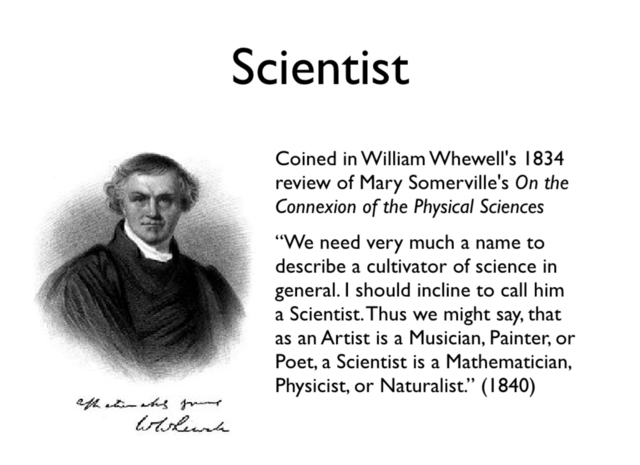
The term “scientist” was first coined by philosopher William Whewell in 1833, marking a significant shift in how knowledge was pursued. This period saw the establishment of scientific societies and the professionalization of research, laying the foundation for modern science. Key developments included:

  • Systematic Inquiry: The emergence of the “scientist” as a distinct profession reflected a growing commitment to systematic, empirical methods for understanding the natural world. This approach contrasted with earlier, more philosophical or speculative methods of inquiry.
  • Scientific Societies: The formation of scientific societies provided a platform for the exchange of ideas and the dissemination of research. These organizations played a crucial role in advancing scientific knowledge and fostering collaboration among researchers.

Charles Darwin’s Evolutionary Theory: A Paradigm Shift

One of the most significant scientific developments of this era was the publication of Charles Darwin’s On the Origin of Species in 1859. Darwin’s theory of natural selection revolutionized biology and had profound implications for religion and society. Key points include:

  • Natural Selection: Darwin proposed that species evolve over time through a process of natural selection, where organisms better adapted to their environment are more likely to survive and reproduce. This theory challenged traditional creationist views and sparked intense debate.
  • Impact on Religion: Darwin’s work provoked significant controversy, particularly among religious communities. The idea that life could evolve without direct divine intervention challenged established religious doctrines and forced a reevaluation of the relationship between science and faith.

A Period of Dynamic Change

The late 19th and early 20th centuries were a time of dynamic change, where the interplay between technological progress, religious revival, and scientific discovery reshaped society in profound ways. The advancements and debates of this era laid the groundwork for many of the intellectual and cultural developments that continue to influence us today. As we reflect on this period, it’s clear that the convergence of science, religion, and society was not just a backdrop to history—it was a driving force that shaped the modern world.

Crisco and the Industrialization of Food: A Public Health Dilemma

David Wesson’s Innovations: Paving the Way for Processed Fats

Before Crisco became a household name, a critical innovation by chemist David Wesson set the stage for the transformation of cottonseed oil into a viable commercial product. Wesson developed industrial bleaching and deodorizing techniques that removed impurities and odors from cottonseed oil, making it suitable for consumption. These innovations turned what was once considered a waste byproduct of the cotton industry into a popular ingredient in processed foods.

  • The Transformation of Cottonseed Oil: Prior to Wesson’s advancements, cottonseed oil was largely discarded due to its unpleasant taste and smell. However, his techniques made it possible to produce a neutral-tasting oil, paving the way for its widespread use in cooking and food manufacturing. This not only provided a new revenue stream for the cotton industry but also introduced a new type of fat into the American diet.
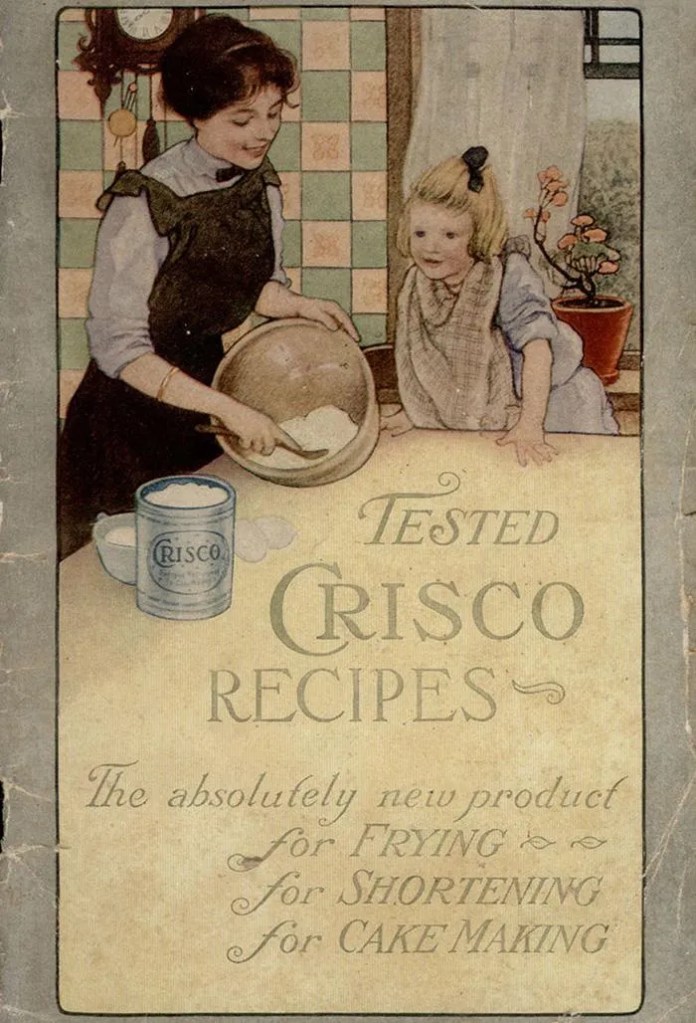
  • Setting the Stage for Crisco: Wesson’s innovations in refining cottonseed oil directly influenced the creation of Crisco. In 1911, Procter & Gamble capitalized on this now-viable oil by using it as the base for their new product, Crisco, the first hydrogenated vegetable oil. Crisco was marketed as a cleaner, healthier alternative to traditional animal fats, further embedding processed fats into the American diet.

of nutrition.

The Flexner Report: Redefining Medical Education and Marginalizing Nutrition

The Medicalization of Health

In 1910, Abraham Flexner, an educator commissioned by the Carnegie Foundation, published a report that would fundamentally reshape medical education in the United States. The Flexner Report criticized the state of medical schools at the time, advocating for a more scientific and rigorous approach to medical training. While this led to significant improvements in the quality of medical education, it also had unintended consequences that continue to affect the healthcare system today.

  • Pharmaceutical Focus: One of the key outcomes of the Flexner Report was the shift towards a model of medical education that heavily emphasized pharmaceutical treatments and the biomedical approach to disease. This focus on treating symptoms with drugs often sidelined other aspects of health, such as nutrition, lifestyle, and preventive care.
  • Marginalization of Nutrition: As medical education became more specialized and disease-focused, the role of nutrition in maintaining health was increasingly neglected. The curriculum in medical schools began to prioritize pharmacology and surgery over dietary interventions and holistic approaches to health. This trend has persisted, contributing to a healthcare system that often overlooks the importance of nutrition in preventing and managing chronic diseases.
  • Lasting Impact: The legacy of the Flexner Report is still evident in today’s healthcare system, where physicians receive minimal training in nutrition and preventive care. This has led to a disconnect between the medical profession and the growing body of evidence supporting the role of diet and lifestyle in health. Patients often find that their doctors are more likely to prescribe medication than to offer dietary advice, perpetuating a cycle where symptoms are treated rather than underlying causes.

Rockefeller’s Indirect Role in Crisco’s Creation

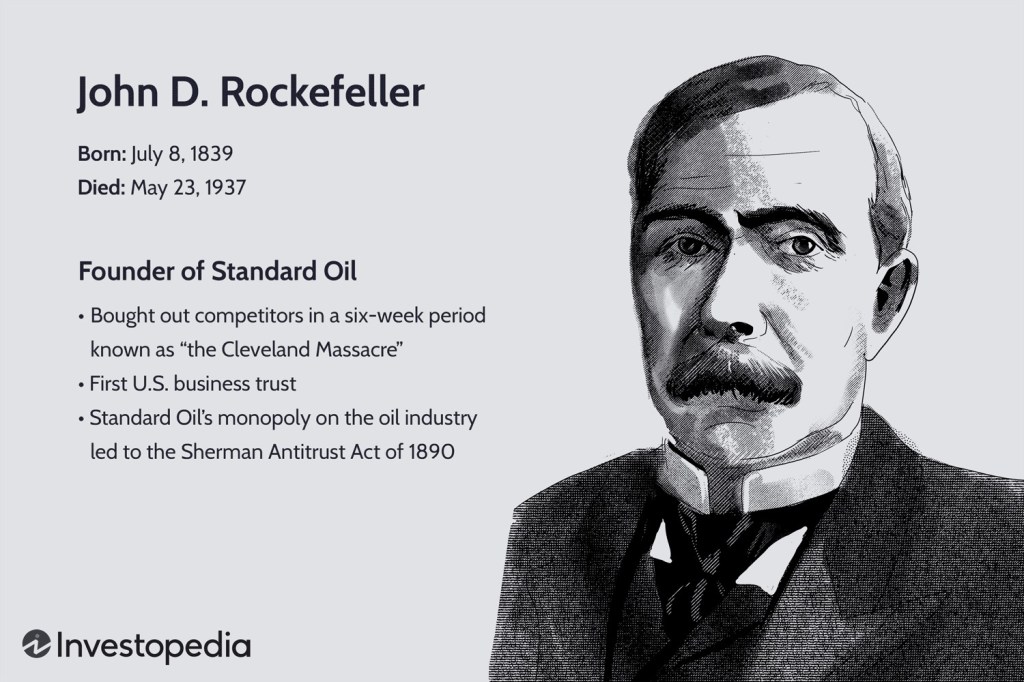
One of Rockefeller’s lesser-known ventures was cottonseed oil. Standard Oil was involved in refining oil, and as the company expanded, it ventured into agricultural byproducts like cottonseed oil, which had ties to industrial processes similar to those used in petroleum refining. Rockefeller’s influence in the oil refining industry paved the way for technologies that would later be used in the food industry, such as hydrogenation. Hydrogenation is a process that was originally developed in the oil industry—primarily petroleum.

Crisco and the Industrialization of Food: A Public Health Dilemma

The Rise of Crisco: From Industry to Kitchen

Just a year after the publication of the Flexner Report, Procter & Gamble introduced Crisco, a revolutionary new product that would transform the American diet. Crisco was the first hydrogenated vegetable oil, created through a process that turned cottonseed oil—a byproduct of the cotton industry—into a solid, shelf-stable fat. Marketed as a cleaner, healthier alternative to animal fats like lard and butter, Crisco quickly became a staple in kitchens across the country.

  • Industrialization of Food: Crisco’s success marked a significant step in the industrialization of the food supply. It was one of the first mass-produced food products that relied on industrial processes to create something entirely new, rather than simply refining or preserving traditional foods. This innovation paved the way for the widespread use of processed foods, which today dominate the American diet.
  • The Introduction of Trans Fats: The hydrogenation process that created Crisco also produced trans fats, which were largely unknown to the public at the time. For decades, trans fats were used extensively in processed foods due to their stability and low cost. However, research eventually revealed that trans fats are highly detrimental to health, significantly increasing the risk of heart disease, stroke, and other chronic conditions.
  • Public Health Consequences: The widespread adoption of Crisco and other hydrogenated oils contributed to a dramatic shift in the American diet, away from natural fats and towards processed, industrially produced fats. This shift has been linked to the rise in obesity, cardiovascular disease, and other diet-related health issues that continue to plague the population today.

The intersection of industry, medicine, and nutrition in the early 20th century had profound and lasting impacts on public health. Two significant events—the publication of the Flexner Report in 1910 and the introduction of Crisco in 1911—played pivotal roles in shaping the way we approach food, health, and medicine. These influences continue to resonate in modern healthcare and nutrition science, often to the detriment of public health. Let’s explore how these developments unfolded and the lasting effects they’ve had on our understanding of nutrition.

The Impact of Historical Influences on Nutrition: How the Flexner Report and Crisco Reshaped Public Health

The intersection of industry, medicine, and nutrition in the early 20th century had profound and lasting impacts on public health. Two significant events—the publication of the Flexner Report in 1910 and the introduction of Crisco in 1911—played pivotal roles in shaping the way we approach food, health, and medicine. These influences continue to resonate in modern healthcare and nutrition science, often to the detriment of public health.

The Influence of Religious Movements on Nutrition

Seventh-Day Adventism and Nutritional Reform

The Seventh-Day Adventist Church, founded in the mid-19th century, had a profound impact on American dietary practices. Ellen G. White, a key figure in the church, advocated for dietary restrictions based on her religious beliefs. Her recommendations included vegetarianism, the avoidance of stimulants like caffeine and alcohol, and a focus on holistic health. These recommendations were driven by religious beliefs rather than scientific evidence, leading to misleading dietary practices and a restrictive diet culture rather than genuinely beneficial health habits.

Her health reforms, which emphasized vegetarianism and whole foods, were institutionalized through health institutions like the Battle Creek Sanitarium and figures like Dr. John Harvey Kellogg. The sanitarium’s success and the dissemination of these dietary principles led to the establishment of the American Dietetic Association in 1917, which originally promoted many of these plant-based, whole-food principles. The Adventist emphasis on preventive health care and diet principles laid the groundwork for many modern dietary guidelines and continue to influence discussions around veganism.

Sylvester Graham and the Health Food Movement: A Critical Perspective

Sylvester Graham, a key figure in early American health reform, is often remembered for his influence on the health food movement and the creation of the Graham cracker. However, his dietary principles were deeply intertwined with his moral and religious views, particularly his beliefs about suppressing sexual urges.

The Man Behind the Movement

Sylvester Graham (1794–1851) was a Presbyterian minister whose health reform efforts were driven by more than just a desire for better nutrition. His dietary recommendations were rooted in his belief that physical health was closely linked to moral and spiritual purity. Graham’s ideas were based on the notion that a simpler diet, free from stimulants like caffeine and alcohol, would not only improve physical health but also help suppress sexual desires, which he and his contemporaries saw as a moral failing.

Dietary Principles and Moral Agenda

Graham’s health principles included:

  • Vegetarianism: He promoted a diet free from meat, believing it would enhance both physical health and moral restraint.
  • Avoidance of Stimulants: He advised against consuming caffeine and alcohol, which he associated with negative moral and physical effects.
  • Simplicity and Moderation: His diet emphasized plain, unprocessed foods and self-restraint.

Graham’s dietary reforms were part of a broader attempt to control what he saw as unhealthy and immoral behavior. He believed that a disciplined diet would help curb sexual urges, which he viewed as a major threat to individual and societal purity.

The Graham Cracker: A Tool for Reform

The Graham cracker, a product of Graham’s dietary reform, was created with the intention of supporting digestive health and satisfying cravings in a morally acceptable way. While it has become a popular snack, its creation was driven by Graham’s broader health and moral agenda. The cracker was designed to be a healthful alternative to more stimulating and indulgent foods.

Graham’s dietary principles were part of a larger movement that sought to reform not just food habits but also moral behavior. His ideas reflected a concern with maintaining moral purity through dietary control, a concept that influenced various health reform efforts of the time. However, it’s important to recognize that many of Graham’s claims were not based on rigorous scientific evidence but rather on his own beliefs and the prevailing moral attitudes of his era.

While Graham’s advocacy for dietary reform contributed to the development of health foods and the broader health movement, his ideas were also deeply entwined with his attempts to control sexual behavior. This connection reflects a historical context where dietary practices were often used as a means of enforcing moral and social norms.

The Graham cracker, though still a common snack, serves as a reminder of the complex interplay between health reform and moral ideologies. Today, it’s essential to approach such historical figures with a critical understanding of how their personal beliefs influenced their recommendations.

Sylvester Graham’s impact on the health food movement was significant, but it was also rooted in a broader moral agenda that sought to suppress sexual urges through dietary control. While his ideas helped shape dietary practices and health food development, they were not always grounded in scientific evidence. By understanding the historical context of Graham’s work, we can better appreciate the evolution of dietary reform and the need for evidence-based approaches to health.

Learning from History: Integrating Nutrition into Modern Health Practices

The historical narratives of the Flexner Report, Crisco, and influential dietary movements like Seventh-Day Adventism reveal the intricate connections between industry, religion, and health. The Flexner Report’s emphasis on pharmaceuticals and Crisco’s promotion of processed fats underscores significant shifts in health practices that have had lasting impacts on public health.

A Shift in Priorities: The Flexner Report’s focus on pharmaceuticals often came at the expense of a more holistic understanding of health, one that includes nutrition and lifestyle as key components. Similarly, the industrialization of food, exemplified by Crisco, introduced dietary patterns that are now recognized as harmful.

Learning from History: As we continue to navigate challenges in nutrition and healthcare, it’s crucial to reintegrate a holistic approach to health that includes both nutrition and preventive care. Recognizing the historical impacts of these developments helps us advocate for a healthcare system that values comprehensive care and a food industry that prioritizes public health over profit.

Reclaiming Health Through Nutrition

Ellen G. White’s health reforms, emphasizing vegetarianism and whole foods, were institutionalized by the Battle Creek Sanitarium and figures like Dr. John Harvey Kellogg. This led to the 1917 founding of the American Dietetic Association, initially promoting these principles. Meanwhile, the Flexner Report and Crisco’s introduction highlight historical forces shaping health and nutrition. These events underscore the need for a holistic health approach that integrates nutrition and addresses industrialization’s impacts. Moving forward, it’s crucial to advocate for a healthcare system focused on preventive care and a food industry that prioritizes public health.

As we wrap up our exploration of conspiracy chronicles this week, we’ve uncovered how the 20th century marked a pivotal shift in the rise of political paranoia and corporate influence. Powerful corporations, fueled by rapid technological and social changes during the Second Industrial Revolution, began to wield unprecedented control. From the Fletcher Report to the invention of Crisco and Ancel Keys’ flawed dietary research, lobbying and payoffs set the stage for policies that still impact public health today.

In fact, a 2020 study revealed that 95% of members on the Dietary Guidelines Advisory Committee have conflicts of interest with industry giants like Kellogg, General Mills, Kraft, and Dannon. These ties, whether through research funding or board memberships, call into question the impartiality of public health recommendations. With corporate agendas deeply embedded in sectors like food and pharmaceuticals, the guidelines shaping what we eat are under scrutiny, reminding us that the influence of these forces remains a pressing issue. Read more here.

📚 Further Reading

Dive deeper into these captivating topics with these resources:

Explore these intriguing developments and see how they continue to shape our understanding of health, religion, and science today. 🌟

If you’re looking to explore the topic of conflicts of interest in the U.S. food system, including the influence of corporate lobbying on dietary guidelines and public health, here are some credible resources:

  1. Marion Nestle’s Work
    Marion Nestle, a renowned nutritionist and public health advocate, has extensively written about the politics of food and how corporate interests shape food policies. Her book “Food Politics: How the Food Industry Influences Nutrition and Health” is a foundational resource that explores conflicts of interest in detail. She has also published several articles and blog posts that can be found on her website, Food Politics.
  2. The Center for Science in the Public Interest (CSPI)
    CSPI is a non-profit organization that advocates for public health and transparency in the food industry. They regularly publish reports and articles on how industry lobbyists influence dietary guidelines and public health policies. Visit their site for comprehensive resources: CSPI.
  3. The Journal of the American Medical Association (JAMA)
    JAMA has published several peer-reviewed articles on the conflicts of interest within the committees that develop dietary guidelines. You can access these studies through JAMA.
  4. The Union of Concerned Scientists (UCS)
    UCS focuses on the intersection of science, policy, and industry influence, and they have published reports on the food industry’s role in shaping guidelines. You can find their reports here: UCS Food System Work.
  5. Robert F. Kennedy Jr.’s Health Freedom Platform
    RFK Jr.’s organization, Children’s Health Defense, provides reports and articles on corporate influence in healthcare and the food system. While this source may reflect RFK Jr.’s specific views, it offers insights into his arguments and data regarding industry control. Children’s Health Defense.

🏷️ Tags

#saturatedfat #nutrition #podcast #fitness #conspiracies #nutritionhistory #historylesson #funfacts

Living Franciscan Spirituality: Embracing Love, Compassion, and Purposeful Living

Are you ready to unravel the layers of reality, challenge the narratives we’ve been fed, and embrace the journey toward deeper understanding? Welcome to this week’s episode of Taste of Truth Tuesdays, where curiosity is your compass and skepticism your guide. Our wonderful guest, Carie Moore, dives into the profound wisdom of St. Francis of Assisi, exploring how his teachings not only resonate with modern challenges but also empower us to live with intention, compassion, and an unyielding quest for truth.

Buckle up, because we’re about to explore a spiritual path that’s as relevant today as it was centuries ago.

In a world filled with complexity and challenges, finding a spiritual path that resonates with both ancient wisdom and modern realities can be a profound journey. The teachings of St. Francis of Assisi offer a unique perspective that blends a deep reverence for nature with a compassionate approach to faith, making Franciscan principles a valuable guide for our spiritual growth today. Let’s explore how these timeless ideas can address some of the pressing issues we face and enrich our spiritual lives.

Scripture as a Living Guide

Franciscan theology views scripture not merely as a static set of rules but as a dynamic, living guide that evolves with our understanding and experiences. This perspective encourages a more flexible and personal approach to faith, where scripture becomes a tool for reflection and growth rather than a rigid doctrine. By seeing scripture as alive, Franciscan wisdom invites us to continually engage with it, allowing its teachings to shape our journey in a way that is relevant to our current challenges and questions.

Nature as a Reflection of God’s Beauty

St. Francis is renowned for his deep connection to nature, seeing all of creation as a reflection of God’s beauty. This reverence for the natural world resonates strongly in today’s context, where environmental concerns and the pursuit of sustainable living are increasingly important. Gardening, growing our own food, and nurturing our health can be seen as spiritual practices in the Franciscan tradition, ways of honoring the divine in the everyday world around us. By cultivating a mindful relationship with nature, we align ourselves with the Franciscan view of creation as a sacred gift.

Embracing Original Goodness

In mainstream Western Christianity, the doctrine of Original Sin is a cornerstone of theological understanding. This belief, rooted in the Genesis account of Adam and Eve’s disobedience in the Garden of Eden, posits that humanity inherited a fallen, sinful nature as a result of this first transgression. According to this view, Original Sin not only taints every human being but also separates them from God. This inherent flaw necessitates redemption and salvation through Jesus Christ, emphasizing a view of human nature that is fundamentally flawed and in need of divine intervention for reconciliation with God.

This perspective on Original Sin often frames human beings as inherently imperfect and prone to moral failings, which can create a backdrop of guilt and shame. It underscores the need for a savior and reinforces a narrative of human inadequacy that is to be addressed through faith, repentance, and adherence to divine commands.

In contrast, Franciscan theology offers a refreshing and radically different perspective. St. Francis of Assisi and his followers emphasize the concept of Original Goodness rather than Original Sin. This approach reinterprets the story of humanity’s beginnings not as a tale of inherent sinfulness but as one that highlights the fundamental goodness with which humanity was created. According to Franciscan thought, while humanity has the capacity for error, it is fundamentally good and created in the image of God. This view shifts the focus from a narrative of inherent guilt and sinfulness to one of intrinsic worth and potential.

By embracing the idea of Original Goodness, Franciscan theology challenges us to view ourselves and others through a lens of inherent dignity and potential rather than judgment and condemnation. This perspective fosters a more compassionate and hopeful outlook on human nature. It encourages us to see beyond our flaws and recognize the divine spark within ourselves and others, promoting a mindset of acceptance and love rather than guilt and shame.

In a world often dominated by negativity, judgment, and the harshness of modern life, adopting the Franciscan view of Original Goodness can be profoundly liberating. It allows for deeper self-acceptance and a more loving approach to our interactions with others. By acknowledging the fundamental goodness in every person, we can cultivate a more nurturing and supportive environment, both within ourselves and in our relationships.

Thus, while mainstream Christianity’s focus on Original Sin highlights human imperfection and the need for redemption, Franciscan theology invites us to celebrate the inherent goodness in each person, leading to a more compassionate and hopeful approach to life and faith.

The Incarnation as a Divine Choice

The Incarnation: A Tale of Two Theologies

The Incarnation—the belief that God became human in the person of Jesus Christ—is a central doctrine in Christianity, but its interpretation can vary significantly between mainstream Western Christianity and Franciscan theology. Understanding these differences can offer profound insights into how we relate to God and perceive our own sense of purpose.

Mainstream Western Christianity: The Response to Sin

In mainstream Western Christianity, particularly within traditions influenced by Augustine and later theological developments, the Incarnation is often framed primarily as a response to the problem of sin. According to this view, God became human because humanity’s original sin created a chasm between God and creation. The divine act of becoming incarnate is seen as a necessary step to address and rectify this separation.

Here, the focus tends to be on Jesus’s role as the savior who redeems humanity from the consequences of sin and reconciles them with God. The Incarnation is thus viewed through the lens of necessity and redemption—a divine remedy to the human flaw of Original Sin. This perspective underscores the idea that the primary purpose of Christ’s coming was to offer salvation and atonement, highlighting human sinfulness and the need for divine intervention.

Franciscan Theology: A Choice of Love and Closeness

In contrast, Franciscan theology offers a more nuanced and profoundly relational interpretation of the Incarnation. According to Franciscan thought, the Incarnation was not merely a response to sin but a free and loving choice by God. This perspective emphasizes that God’s decision to become human was motivated by a deep desire to be intimately close to humanity, rather than solely to address the problem of sin.

St. Francis of Assisi and his followers believed that God’s incarnation represented an expression of divine love and a way to embrace the human experience fully. In this view, the Incarnation is seen as a gift of presence, revealing God’s profound love and willingness to share in human suffering, joy, and daily life. It is an act of divine solidarity that highlights the inherent worth and dignity of human life.

Implications for Our Relationship with God and Sense of Purpose

Understanding the Incarnation through the Franciscan lens can have significant implications for our personal relationship with God and our sense of purpose:

  1. A Loving Relationship: Viewing the Incarnation as an expression of God’s love rather than a mere solution to sin fosters a relationship with God that is centered on intimacy and mutual connection. It emphasizes that God’s presence in our lives is rooted in love and closeness, rather than just as a response to our shortcomings. This understanding can make our relationship with God feel more personal and nurturing, focusing on divine companionship rather than just divine intervention.
  2. Embracing Human Experience: Recognizing that God chose to become human and share in our experiences encourages us to embrace our own lives with a sense of purpose and dignity. It suggests that our daily experiences, struggles, and joys are deeply valued by God. This perspective can inspire us to live more fully and authentically, knowing that our human lives are part of a divine narrative of love and connection.
  3. Redefining Redemption: While redemption remains a crucial aspect of Christian faith, understanding it through the lens of God’s loving choice rather than solely as a response to sin can shift the focus from guilt and atonement to a broader view of spiritual growth and transformation. It invites us to see redemption as an ongoing process of deepening our relationship with God and living out the love and presence that the Incarnation signifies.
  4. Purposeful Living: Finally, this understanding of the Incarnation encourages us to find purpose in embodying the love and closeness that God demonstrated through becoming human. It inspires us to act with compassion, to engage with others in meaningful ways, and to approach life with a sense of divine purpose and connection.

By reflecting on the Franciscan view of the Incarnation, we gain a richer appreciation of God’s relationship with humanity and how that relationship can shape our own lives. It reminds us that our faith is not just about addressing sin but about embracing a profound and loving connection with the divine.

Walking in Christ’s Footsteps

Walking in the Footsteps of Christ: Franciscan Spirituality vs. Mainstream Christianity

In the heart of Franciscan spirituality lies a profound call to embody the teachings and life of Jesus Christ. St. Francis of Assisi’s invitation to “walk in the footsteps of Christ” is not just about personal piety or theological correctness; it’s about a holistic approach to living out one’s faith in every aspect of life. This call for transformative living extends beyond personal spiritual growth to include how we engage with and impact the world around us.

Franciscan Spirituality: Embodying Love and Compassion

For St. Francis and his followers, walking in Christ’s footsteps means living a life marked by radical love, compassion, and humility. This journey is deeply intertwined with how one interacts with others and the world:

  1. Acts of Service: Central to Franciscan spirituality is the practice of serving others selflessly. This involves reaching out to those in need, whether through direct acts of charity, social justice efforts, or simply offering a listening ear and a helping hand. By prioritizing service, Franciscans aim to mirror the compassion of Christ, who served and cared for the marginalized and downtrodden.
  2. Care for the Environment: St. Francis is famously known for his deep connection to nature, seeing all of creation as a reflection of God’s beauty. Walking in Christ’s footsteps, from a Franciscan perspective, involves stewardship of the environment. This includes advocating for sustainable practices, respecting the natural world, and recognizing the interconnectedness of all life. The care for creation reflects a commitment to honoring the divine gift of the world.
  3. Being Present with Others: Franciscan spirituality emphasizes being fully present with others, practicing active listening, and fostering genuine relationships. This presence is an expression of love and respect, reflecting the way Christ engaged with people during his ministry. By valuing and investing in personal relationships, Franciscans strive to embody the love and empathy exemplified by Christ.

Mainstream Christianity: Focus on Belief and Salvation

In contrast, mainstream Western Christianity often places significant emphasis on doctrinal correctness and salvation. This focus manifests in various ways:

  1. Protecting from Hell: A central concern in mainstream Christianity is ensuring that individuals are saved from eternal damnation. This focus often leads to a preoccupation with adherence to specific beliefs, confessions, and rituals designed to secure one’s place in heaven. The emphasis is on right belief and confession as the primary means of salvation.
  2. Belief and Confession: Theological correctness and confession of faith can become central to the Christian experience, sometimes overshadowing the practical aspects of living out one’s faith. There is a strong emphasis on believing the right things and making the correct confessions, which can lead to a focus on doctrinal purity rather than living out the teachings of Christ in daily life.

Carie Moore’s Insight: The Living Faith vs. Theoretical Faith

Carie Moore’s observation highlights a critical distinction between these approaches. While mainstream Christianity often focuses on ensuring that people hold the correct beliefs and are protected from hell, Franciscan spirituality challenges believers to focus on living like Christ. This living faith involves:

  • Authentic Application: Instead of merely adhering to doctrinal statements, Franciscan spirituality calls for the practical application of Christ’s teachings. This means living a life of love, humility, and service, embodying Christ’s example in tangible ways.
  • Transformational Living: Franciscan spirituality emphasizes that the true measure of faith is not just in correct beliefs but in how those beliefs translate into actions. It’s about personal transformation that leads to meaningful engagement with the world and others.
  • Holistic Faith: The Franciscan approach integrates spiritual beliefs with everyday actions, suggesting that a genuine walk with Christ involves living out one’s faith in all aspects of life—through service, environmental care, and compassionate presence.

Conclusion

In summary, while mainstream Christianity often emphasizes correct belief and salvation as its primary focus, Franciscan spirituality invites a broader and more integrated approach to faith. Walking in the footsteps of Christ, according to Franciscan teachings, is about embodying love, compassion, and humility in every action and interaction. Carie Moore’s insight points to a profound shift from a focus on theoretical correctness to a lived experience of faith, encouraging a holistic and impactful approach to embodying the teachings of Christ in our daily lives.

How does this call shape your spiritual journey and your interactions with the world?

The wisdom of St. Francis offers a rich and nuanced approach to spirituality that is deeply relevant to the challenges we face today. By embracing Franciscan principles, we can find new ways to grow spiritually, nurture our connection to nature, and engage with our faith in a dynamic and meaningful way. As you reflect on these questions, consider how Franciscan wisdom might illuminate your own spiritual path and inspire you to live with greater purpose and compassion.

To dive deeper into Franciscan spirituality, a variety of resources can provide valuable insights into the teachings and practices associated with St. Francis of Assisi and his followers. Here are some highly regarded books, articles, and online resources to help you explore Franciscan spirituality:

Books

  1. “The Little Flowers of St. Francis” by St. Francis of Assisi
    • This classic work offers a collection of stories about the life and teachings of St. Francis, providing a glimpse into his spiritual practices and his approach to living a Christ-like life.
  2. “Francis of Assisi: A Revolutionary Life” by Adrian House
    • A comprehensive biography that explores the life of St. Francis, his spiritual journey, and the impact of his teachings.
  3. “St. Francis and the Foolishness of God” by Richard Rohr
    • Richard Rohr, a contemporary Franciscan friar, provides a modern interpretation of St. Francis’s spirituality and its relevance to today’s world.
  4. “The Franciscan Journey: A Guide to Franciscan Spirituality” by Thomas of Celano
    • This book offers insights into Franciscan spiritual practices and the historical context of St. Francis’s life.
  5. “Daily Devotions with St. Francis of Assisi” by Susan Helen Wallace
    • A practical guide for integrating Franciscan spirituality into daily life through devotions and reflections.

Articles and Journals

  1. “Franciscan Spirituality and Its Influence” by William Short
    • An article exploring the historical development and impact of Franciscan spirituality within the Christian tradition.
  2. “The Spirituality of St. Francis of Assisi” by Richard Rohr
    • An article by Richard Rohr that delves into the key elements of Franciscan spirituality and how they can be applied to contemporary life.
  3. “Franciscan Spirituality: A Historical and Theological Overview” in the Journal of Franciscan Studies
    • Academic articles providing scholarly analysis of Franciscan spirituality and its theological implications.

Online Resources

  1. Franciscan Media (franciscanmedia.org)
    • A website dedicated to sharing information about Franciscan spirituality, including articles, podcasts, and resources related to St. Francis and his teachings.
  2. The Order of Friars Minor (OFM) (ofm.org)
    • The official website of the Franciscan Order provides resources on Franciscan spirituality, history, and contemporary practices.
  3. Richard Rohr’s Center for Action and Contemplation (cac.org)
    • Richard Rohr’s organization offers various resources, including articles, podcasts, and online courses on Franciscan spirituality and contemplative practices.
  4. St. Francis of Assisi Parish (stfrancisassisi.org)
    • Many parish websites include resources on Franciscan spirituality, including spiritual reflections, teachings, and community activities.
  5. Franciscan Spirituality on YouTube
    • Search for video resources and talks on Franciscan spirituality. Channels such as Franciscan Friars of the Renewal often provide videos on St. Francis and Franciscan practices.

These resources will help you gain a comprehensive understanding of Franciscan spirituality, its historical context, and its application to modern life.

#FranciscanWisdom #SpiritualGrowth #NatureAndFaith #TheologicalExploration #podcast

Is Veganism a Psy-Op? Maybe. The Real Issue is Engineering Ourselves Away from Nature

In today’s complex world of nutrition and health, embracing skepticism and critical thinking is essential. Rather than accepting dominant narratives, challenge them to uncover the truth.

🥕 Veganism vs. Meat: What’s the Real Issue? 🥕

The debate over veganism often gets tangled in oversimplified conspiracies. However, the real concern lies in our growing disconnect from nature’s balance. Our modern lifestyles and diets are increasingly detached from natural ecosystems, which profoundly affects our health and well-being.

To truly grasp the nuances of nutrition and health, especially when it comes to veganism, we must examine how our beliefs have been shaped by science, history, and religion. Over the next few weeks, we will time traveling through the last century to see how these elements intertwine and influence our perspectives on veganism.

🔬Before Lobbyism: The Golden Age of Nutritional Science 🔬

Before the rise of lobbyism and industrial influence in the mid-20th century, nutritional science was marked by pioneering research that laid the groundwork for our understanding of essential nutrients. One such figure was Elmer McCollum: Vitamin Pioneer.

Elmer McCollum, a prominent nutrition researcher in the early 20th century, made groundbreaking discoveries regarding vitamins A, B, C, and D. His work was instrumental in identifying the role of these vitamins in preventing nutritional deficiencies.

Vitamin A (Retinol): McCollum’s work significantly advanced the understanding of vitamin A, which is crucial for vision, immune function, and skin health. Retinol, the active form of vitamin A, is primarily found in animal-based foods like liver, fish oils, eggs, and dairy products. Unlike plant-based sources, which provide provitamin A carotenoids like beta-carotene that the body must convert into retinol, animal sources deliver this vitamin in its ready-to-use form.

🧬 BCO1 Gene and Vitamin A 🧬

Did you know that about 45% of people have a genetic variation that makes it hard for them to get enough vitamin A from plant foods? This is because of a gene called BCO1.

The BCO1 gene is responsible for converting beta-carotene (found in carrots, sweet potatoes, and other plants) into active vitamin A, also known as retinol. But for almost half of the population, this gene doesn’t work very efficiently, meaning their bodies can’t make enough vitamin A from plants alone.

Vitamin A is crucial for things like good vision, a strong immune system, and healthy skin. If you can’t get enough from plants, you might need to include animal foods like liver, fish oils, or dairy in your diet to make sure you’re meeting your vitamin A needs.

This explains why some people might struggle with a vegan diet—they need the more easily absorbed form of vitamin A that comes from animal products.

McCollum’s research emphasized the importance of unprocessed, nutrient-rich foods in maintaining health. Diets high in refined grains can exacerbate nutritional deficiencies by displacing more nutrient-dense foods. This indirectly touches on the issues, we see today related to grain consumption, though McCollum’s era was more focused on preventing deficiencies than on inflammation.

The Refinement of Grains: A Double-Edged Sword

As the food industry grew and refined processing techniques became widespread, the nutritional value of grains was compromised. The removal of bran and germ during processing not only reduced the essential vitamins and minerals in grains but also increased their glycemic index. This shift contributed to inflammation and other metabolic issues, like Type-2 Diabetes a concern that has become more prominent in later research.

A Shift in Focus: From Nutritional Science to Industrial Influence

McCollum’s era represents a time when nutritional science was still largely driven by the quest to understand and prevent deficiencies. However, as we moved into the mid-20th century, the influence of lobbyists and industrial interests began to muddy the waters, promoting processed foods and refined grains that strayed from McCollum’s principles of whole, nutrient-rich foods.

🥕 The Influence of Religion and Early Health Movements 🥕

Ellen G. White, a key figure in the Seventh-day Adventist Church, significantly impacted early American dietetics with her advocacy for a plant-based diet and abstinence from alcohol, tobacco, and caffeine. Her health reforms, which emphasized vegetarianism and whole foods, were institutionalized through health institutions like the Battle Creek Sanitarium and figures like Dr. John Harvey Kellogg. The sanitarium’s success and the dissemination of these dietary principles led to the establishment of the American Dietetic Association in 1917, which originally promoted many of these plant-based, whole-food principles. The Adventist emphasis on preventive health care and diet principles laid the groundwork for many modern dietary guidelines and continue to influence discussions around veganism.

🔬 The Role of Science in Shaping Dietary Beliefs 🔬

In the early 20th century, scientific advancements also played a role in shaping nutrition. The Fetner Report highlighted the need for standardized nutritional guidelines and brought attention to the importance of vitamins and minerals. Meanwhile, innovations like Crisco introduced hydrogenated fats into American diets, shifting culinary practices and influencing our understanding of what constitutes a healthy diet.

In a future episode dropping 9/10, we’ll take a deeper dive into how industrialization, scientific reports, and influential figures like John D. Rockefeller and Ancel Keys have further impacted our dietary beliefs and public health policies. Stay tuned as we explore:

  • The Flexner Report: How it reshaped medical education and its ripple effects on nutrition science.
  • The Rise of Processed Foods: The transformation of our food supply and its long-term health implications.
  • Rockefeller’s Influence: The role of industrial interests in shaping modern dietary guidelines.
  • Ancel Key’s: His research became highly influential in the field of nutrition, primarily took place during the mid-20th century, particularly in the 1950s and 1960s. His most famous work, the Seven Countries Study, began in 1958 and was published over several decades. This research was pivotal in linking dietary fat, particularly saturated fat, to heart disease and played a significant role in shaping dietary guidelines that emphasized reducing fat intake to prevent cardiovascular disease. Now adays it is seen as deeply controversial due to several perceived flaws that have been widely discussed by critics over the years.

How does current research define the top nutrient-dense foods?

📰 Spotlight on Micronutrient Density: A Key to Combatting Global Deficiencies

A March 2022 study published in Frontiers in Nutrition titled “Priority Micronutrient Density in Foods” emphasizes the importance of nutrient-dense foods in addressing global micronutrient deficiencies, particularly in vulnerable populations. The research identifies organ meats, small fish, dark leafy greens, shellfish, and dairy products as some of the most essential sources of vital nutrients like vitamin A, iron, and B12. These findings could be instrumental in shaping dietary guidelines and nutritional policies.

🔗 Read more here.

🍽️ Plant vs. Animal Nutrients: Understanding Bioavailability 🍽️

When it comes to nutrient absorption, not all foods are created equal. The bioavailability of nutrients—the proportion that our bodies can absorb and use—varies significantly between plant and animal sources.

🌱 Plant-Based Nutrients: While plant foods are rich in essential vitamins and minerals, they also contain anti-nutrients like phytates and oxalates. These compounds can bind to minerals such as iron, calcium, and zinc, inhibiting their absorption. For example, non-heme iron found in plants is less efficiently absorbed compared to the heme iron from animal sources. Similarly, the vitamin A found in plants as beta-carotene requires conversion to retinol in the body, a process that is not always efficient, particularly in certain populations.

🍖 Animal-Based Nutrients: Animal products, on the other hand, often provide nutrients in forms that are more readily absorbed. Heme iron from meat, retinol from animal liver, and vitamin B12 from dairy and eggs are all examples of highly bioavailable nutrients. These forms are directly usable by the body without the need for complex conversions, making animal products a more reliable source for certain essential nutrients.

🌍 Global Property Rights: Gender Inequality 🌍

Promoting veganism can unintentionally undermine the very principles of women’s rights and social justice that the political left often advocates for. In many countries, women face significant legal and cultural barriers that prevent them from owning land, despite laws that may suggest otherwise. However, in these same regions, women often have the ability to own and manage livestock, which serves as a crucial economic resource and a form of wealth.

This disparity highlights the persistent challenges in achieving gender equality in property rights, especially in rural areas where land ownership is key to economic independence and security. While livestock ownership is valuable, it doesn’t offer the same level of security or social status as land ownership. The lack of land rights perpetuates gender inequality, limiting women’s economic power, social status, and access to resources.

🌿 Plant-Based Diets and Environmental Costs 🌿

Plant-based diets are often praised for their environmental benefits, yet it’s crucial to recognize the complexities involved. While the availability of vegan foods has significantly improved, making it easier than ever to follow a plant-based diet, this increased accessibility does not necessarily equate to better environmental outcomes.

Many vegan products rely heavily on industrial agriculture and monocropping practices. These methods can lead to deforestation, soil depletion, and the loss of biodiversity. The production of popular vegan ingredients, such as soy and almonds, often involves large-scale farming that can have detrimental effects on local ecosystems. Additionally, the industrial processes used to produce processed vegan foods, including heavy use of pesticides, fertilizers, and water, also contribute to environmental concerns.

Understanding these trade-offs is crucial for making informed dietary choices. Opting for sustainably farmed, organic produce and supporting local farmers can help mitigate some of these negative impacts. It’s not just about choosing plant-based foods, but also about how they are produced.

🔄 Ethical Food Choices 🔄

Making ethical food choices involves a comprehensive evaluation of your diet’s impact on health, the environment, and animal welfare. While plant-based diets can be a step towards reducing your carbon footprint, it’s important to consider the broader implications of industrial agriculture and monocropping. Strive for a balanced approach that aligns with your values and promotes sustainability. This might include supporting local and organic options, as well as exploring ways to minimize your environmental impact through diverse and responsible food choices.

By being mindful of these factors, you can better navigate the complexities of dietary decisions and work towards a more ethical and sustainable future.

🔍 Listen to Our Podcast for More 🔍

For an in-depth exploration of these topics and more, tune into our podcast. We offer detailed discussions and insights into how history, science, and societal trends shape our understanding of nutrition and health. Stay curious and informed!

In a future episode dropping 9/10, we’ll take a deeper dive into how industrialization, scientific reports, and influential figures like John D. Rockefeller have further impacted our dietary beliefs and public health policies. Stay tuned as we explore:

  • The Flexner Report: How it reshaped medical education and its ripple effects on nutrition science.
  • The Rise of Processed Foods: The transformation of our food supply and its long-term health implications.
  • Rockefeller’s Influence: The role of industrial interests in shaping modern dietary guidelines.

The interplay of religion, science, and industry has profoundly influenced our beliefs about veganism and nutrition. By understanding these historical and scientific contexts, we gain insight into the broader impact on our dietary choices and health.

Don’t miss the upcoming episode where we’ll explore these themes in greater depth!

Resources:

1. Historical and Nutritional Science:

“Nutrition and Physical Degeneration” by Weston A. Price: Examines traditional diets and their impact on health, providing historical context for nutritional science.

“The Adventist Health Study: 30 Years of Research” edited by Gary E. Fraser: Covers the impact of vegetarian diets advocated by the Seventh-day Adventists.

“Food Politics: How the Food Industry Influences Nutrition and Health” by Marion Nestle: Examines how food industries shape dietary guidelines and public perception.

“The Vitamin D Solution” by Michael F. Holick: Offers insights into the importance of Vitamin D, complementing McCollum’s work on essential nutrients.

Prophetess of Health: A Study of Ellen G. White (Library of Religious Biography) Paperback – July 2, 2008

Articles:

“Ellen G. White and the Origins of American Vegetarianism” from Journal of the American Dietetic Association: Explores the historical influence of Ellen G. White on American dietetics.

“Elmer McCollum: The Vitamin Pioneer” from The Journal of Nutrition: Provides an overview of McCollum’s contributions to nutritional science.

Genetic Factors and Vitamin A

  • Research Papers:
    • “The Role of Genetic Variability in Vitamin A Metabolism” by Steven A. Arneson et al. (Journal of Nutrition): Discusses the genetic factors affecting Vitamin A conversion.
    • “BCO1 Genetic Variation and Beta-Carotene Conversion” in American Journal of Clinical Nutrition: Explores how genetic differences impact the conversion of beta-carotene to Vitamin A.

The Impact of Industrial Agriculture

  • Books:
    • “The Omnivore’s Dilemma” by Michael Pollan: Investigates the industrial food system and its environmental impact.
    • “The End of Food” by Paul Roberts: Looks at the global food industry and its implications for health and the environment.
  • Articles:
    • “The Hidden Costs of Industrial Agriculture” from Environmental Research Letters: Analyzes the ecological impacts of industrial farming practices.

1. Regenerative Agriculture Principles and Practices

  • Books:
    • “Regenerative Agriculture: How to Create a Self-Sustaining Farm Ecosystem” by Richard Perkins: Provides a comprehensive guide to regenerative farming practices.
    • “The Regenerative Garden: How to Grow Healthy Soil and Manage Your Garden for the Future” by Maria Rodale: Focuses on regenerative techniques for gardening.
    • “Dirt to Soil: One Family’s Journey into Regenerative Agriculture” by Gabe Brown: Shares practical experiences and insights from a farmer who has successfully implemented regenerative practices.
  • Articles:
    • “Regenerative Agriculture: What Is It and Why Does It Matter?” from Regenerative Agriculture Initiative: Provides an overview of regenerative agriculture principles and benefits.
    • “The Benefits of Regenerative Agriculture for Soil Health and Sustainability” from Agronomy Journal: Discusses how regenerative practices impact soil health and sustainability.

2. Sustainable and Ecological Farming

  • Books:
    • “The Soil Will Save Us: How Scientists, Farmers, and Foodies Are Healing the Soil to Save the Planet” by Kristin Ohlson: Explores how soil health can be restored through sustainable practices.
    • “Beyond the Jungle: Regenerative Agroforestry and Resilient Communities” by S. H. Smith: Examines the role of agroforestry in regenerative practices and community resilience.
  • Articles:
    • “Sustainable Agriculture and Its Impact on Environmental Conservation” from Sustainable Agriculture Research: Analyzes how sustainable farming methods contribute to environmental conservation.
    • “Ecological Farming: Benefits Beyond the Farm Gate” from Ecology and Society: Looks at the broader ecological benefits of adopting ecological farming practices.

3. Soil Health and Carbon Sequestration

  • Books:
    • “The Carbon Farming Solution: A Global Toolkit of Perennial Crops and Regenerative Agriculture Practices for Climate Change Mitigation and Food Security” by Eric Toensmeier: Focuses on using regenerative practices to sequester carbon and improve soil health.
    • “Soil: The Incredible Story of What Keeps Us Alive” by David R. Montgomery: Provides an in-depth look at soil science and its crucial role in agriculture and climate stability.
  • Articles:
    • “Carbon Sequestration and Soil Health: The Role of Regenerative Agriculture” from Agricultural Systems: Discusses how regenerative agriculture practices contribute to carbon sequestration and soil health.
    • “Soil Organic Matter and Its Role in Carbon Sequestration” from Journal of Soil and Water Conservation: Explores the importance of soil organic matter in maintaining soil health and sequestering carbon.

4. Food Systems and Regenerative Practices

  • Books:
    • “The Ecology of Food: A Historical Perspective” by Peter M. Smith: Provides historical context on food systems and their ecological impact.
    • “The Omnivore’s Dilemma: A Natural History of Four Meals” by Michael Pollan: While it explores various food systems, it touches on sustainable and regenerative practices in agriculture.
  • Articles:
    • “The Future of Food: Regenerative Agriculture and Its Role in Sustainable Food Systems” from Food Policy: Examines the role of regenerative agriculture in creating sustainable food systems.
    • “Regenerative Agriculture and Food Security: An Integrative Approach” from Journal of Agricultural and Environmental Ethics: Looks at how regenerative practices contribute to food security and sustainability.

Gender Inequality and Property Rights

  • Books:
    • “Women, Work, and Property: Gender Inequality and the Economic Impact of Land Rights” by Elizabeth N. L. Allwood: Analyzes the intersection of gender, land ownership, and economic empowerment.
  • Articles:
    • “Gender and Land Rights: A Global Overview” from World Development: Examines gender disparities in land ownership and its implications for women’s economic status.

“Women in Half the World Still Denied Land, Property Rights Despite Laws.”

Combatting Amygdala Hijack: Strategies for Emotional Control and Recovery

What is Amygdala Hijacking?

Amygdala hijacking refers to an emotional response where the amygdala, a part of the brain responsible for processing emotions like fear and anger, overrides the more rational prefrontal cortex. This results in an immediate, intense emotional reaction that may not align with the actual situation or its demands. It’s a term popularized by Daniel Goleman in his book Emotional Intelligence.

The Science Behind It

  • Amygdala Activation: When we perceive a threat, the amygdala activates and triggers the “fight-or-flight” response. This can lead to rapid and intense emotional reactions.
  • Cortex Override: The prefrontal cortex, responsible for higher-order thinking and decision-making, is temporarily bypassed during this process. This can result in impulsive actions or responses that we later regret.
  • Biological Basis: This mechanism is rooted in our evolutionary past, where quick reactions to potential dangers were crucial for survival.

The amygdala is the part of the brain responsible for processing emotions like fear and anger, and it can override the more rational prefrontal cortex. This results in an immediate, intense emotional reaction that may not align with the actual situation or its demands.

Interesting Facts

  • Evolutionary Perspective: Amygdala hijacking is an adaptive response from our ancestors who needed to react swiftly to threats. However, in modern contexts, it can lead to overreactions in situations where a calm, rational response would be more appropriate.
  • Stress Impact: Chronic stress can heighten the likelihood of amygdala hijacking, leading to more frequent emotional outbursts and difficulty managing stress effectively.

Amygdala Hijack in Dogmatic Communities

  • Fear-Based Teachings: Constant fear in these environments keeps people in a perpetual state of alertness, reducing rational thought.
  • Groupthink: Heightened emotions can suppress dissent and reinforce dogmatic beliefs.
  • Manipulation: Leaders might exploit these reactions to maintain control and keep members emotionally aroused and manipulable.

Understanding Emotional Hijacking & Complex PTSD

In the book📘Complex PTSD: From Surviving to Thriving by Pete Walker, it sheds light on what Goleman refers to as “amygdala hijacking”—an intense, overwhelming emotional regression that pulls us back to the states of fear, shame, and depression we experienced in childhood.

How Do You Know If You’re in an Amygdala Hijack? 🤔

Here are some signs that you’re in the midst of one:

  1. Intense Emotional Response: If you’re feeling an overwhelming emotion like rage, panic, or intense frustration, that seems to come out of nowhere, this could be a sign of an amygdala hijack.
  2. Tunnel Vision: When your focus narrows, and it feels like all you can see or think about is the source of your stress or anger, your brain’s rational thinking process is being overridden.
  3. Physical Reactions: Notice if your body is responding—heart racing, palms sweating, muscles tensing. These physical signs often accompany an amygdala hijack as your body prepares for ‘fight or flight.’
  4. Impulsive Behavior: Acting without thinking, like shouting, making rash decisions, or storming out of a room, can be a clear indicator that your amygdala has taken over.
  5. Regret or Embarrassment Later: If you find yourself feeling regretful or embarrassed about your reaction after the fact, it’s likely that your prefrontal cortex (responsible for reasoning) was bypassed during the moment.

Recognizing these signs in the moment can be challenging, but it’s the first step toward managing and mitigating their impact.

How this impacts you:

While in a stressed out, sympathetic state, our decision making will be impulsive, emotional and geared towards instant gratification.

In this state, the vagus nerve (our body’s master control switch) can impact everything from immune function to gut health, all the way to how we behave in social settings.

Research: It takes time for your brain to recover from this stress response, but mindfulness and cognitive strategies can help manage it.

Want 13 Tips for Managing Amygdala Hijacks?

We all experience these intense emotional responses, but the good news is there are strategies to help you regain control and respond more calmly.

In this week’s podcast episode, we break down these 13 actionable tips to help you navigate these moments with greater awareness and poise. Whether it’s learning how to pause before reacting or practicing mindfulness techniques, we’ve got you covered.

The amygdala hijack is a powerful brain response that can override our rational thinking, especially in high-stress or dogmatic environments. However, understanding its mechanisms and the role of nutrition in emotional regulation can help us manage our responses more effectively.

RESOURCES:

Ethical Challenges of Mormon Influencers in Network Marketing

In recent years, social media has revolutionized the way individuals and organizations promote their values and products. For the Church of Jesus Christ of Latter-day Saints (LDS Church), commonly known as the Mormon Church, this digital age presents both opportunities and challenges. Mormon influencers leverage their social media platforms not only to promote their faith but also to engage in network marketing and endorse various products. This post explores how these influencers operate, the intersection of faith and commerce, and the ethical implications of their strategies.

The Rise of Mormon Influencers

Mormon influencers utilize their platforms to promote a range of products, often integrating their religious values into their marketing strategies. Here’s how they do it:

1. Selling Products

Network Marketing: Influencers often participate in network marketing companies like Young Living, doTERRA, and Monat. These companies thrive on personal networks for sales and recruitment, which aligns with the close-knit nature of the Mormon community.

Brand Partnerships: Many influencers collaborate with brands to promote products such as health supplements, fashion items, and home goods. Their content typically reflects a wholesome, family-oriented lifestyle that resonates with their followers.

Homemade and Handcrafted Goods: Some influencers sell their own creations, such as crafts, clothing, or digital products. Their personal brand often emphasizes values like family, self-reliance, and creativity.

2. Recruiting into Their Religion

Personal Testimonies: Sharing personal faith stories is a common tactic. Influencers discuss how their beliefs positively affect their lives, making their faith appealing to potential followers.

Showcasing Lifestyle: By highlighting a family-centric and clean-living lifestyle, influencers subtly promote the benefits of their faith. This can attract those seeking community and moral guidance.

Incorporating Faith into Content: Faith is often woven into daily content, making religious practices and values a natural part of the influencer’s brand.

Service and Community Involvement: Influencers highlight their community service projects, showcasing the active and supportive nature of the Mormon community.

Network Marketing and the LDS Church

Amway and the LDS Church

The blog post “Amway and the Mormon Church” explores the historical connections between Amway, a prominent network marketing company, and the LDS Church. Many Mormons have been involved in Amway’s business model, which relies on personal networks for sales and recruitment. The Mormon community’s strong emphasis on personal relationships and trust makes it a fertile ground for such network marketing ventures.

Key Points from the Article:

  • Historical Connections: The LDS Church has had historical ties with network marketing companies like Amway, with many members participating in their business models.
  • Community and Trust: The close-knit nature of the Mormon community fosters an environment where network marketing can thrive, as trust and personal connections play a significant role in sales and recruitment.

Melaleuca and its Relationship with LDS Influencers

Melaleuca, Inc., a wellness product company based in Idaho, was founded by Frank L. VanderSloot, an LDS Church member. While Melaleuca is not officially affiliated with the LDS Church, its founder’s faith influences its business practices and marketing strategies.

Melaleuca’s Key Points:

  • Product Marketing: Distributors often promote Melaleuca’s products within their personal and community networks, including religious communities.
  • Health Claims: Some distributors may make exaggerated health claims about Melaleuca’s products, which can veer into sensationalism and conspiracy theories about conventional medicine.

The Trad Wife Controversy and Traditional Values

In the ongoing conversation about traditional values and gender roles, the Ballerina Farm controversy provides a significant example of how these ideals are presented and critiqued. Ballerina Farm, a popular social media presence, showcases a vision of traditional domestic life that aligns with the “trad wife” movement. This movement emphasizes traditional roles and domestic fulfillment, which some individuals see as empowering personal choices.

Houseinhabit’s Perspective: Houseinhabit’s analysis of Ballerina Farm shared her perspective on this issue. According to Houseinhabit, “Hannah’s story isn’t about regression; it’s about choice. She embodies a version of success not measured by corporate titles but by personal contentment and family harmony that is, at the core, rooted in her faith in God. Ultimately, the real goal of feminism should recognize and respect the diverse paths women take. Critique should foster understanding rather than perpetuating division.” Houseinhabit argues that Ballerina Farm presents traditional roles as voluntary and desirable, rather than acknowledging their roots in patriarchal structures.

Patriarchal Norms and Cultural Context: This perspective is important, but it’s also crucial to consider the role of patriarchal norms within such movements. Consequently, practices that may seem problematic to outsiders—such as Daniel’s rushed engagement and his control over Hannah’s education—are often normalized within their cultural context. These actions reflect a broader adherence to patriarchal values, including homeschooling with a Christian Mormon syllabus, which underscores their commitment to traditional gender roles.

The LDS Church’s Use of Social Media Influencers

Adding another layer to this discussion, recent research into Mormon influencers reveals how the LDS Church is using social media to attract new recruits. Influencers, particularly families, are employed to promote Mormonism through platforms like Instagram and YouTube. This strategy capitalizes on the appeal of traditional family values and domestic harmony to attract a broader audience. The church’s use of social media influencers can be seen as a recruitment tool that highlights the appealing aspects of traditional lifestyles while potentially overshadowing the complexities and criticisms associated with these roles.

Ethical Considerations and Transparency

The use of social media for religious and commercial purposes raises several ethical questions:

Commercial vs. Faith Promotion: Influencers must navigate the fine line between promoting their faith and commercial interests. Transparency about religious intentions behind promotions is crucial.

Sensationalism and Conspiracy Theories: Some network marketing practices, particularly in the wellness sector, involve sensationalizing health benefits or promoting anti-mainstream narratives. This can lead to misinformation and mislead consumers.

Regulatory Concerns: Companies like Melaleuca are subject to Federal Trade Commission (FTC) regulations that aim to prevent deceptive marketing practices. Ensuring compliance and transparency is essential to maintaining consumer trust.

Conclusion

The intersection of social media, faith, and network marketing presents both opportunities and challenges for LDS influencers. While they effectively use their platforms to promote products and their faith, ethical considerations about transparency, sensationalism, and the blending of commercial and religious messages remain significant. The Ballerina Farm controversy and the LDS Church’s social media strategies illustrate a broader societal pattern where traditional values and modern media intersect, raising important questions about how these dynamics influence perceptions of gender roles and faith.

Books and Articles

  1. “Mormonism and the Politics of Gender: Gender, Family, and Identity” by Anne C. Lovell
    • Explores the role of gender within Mormon culture and how it impacts family and identity dynamics.
    • Find it on Amazon
  2. “The Book of Mormon: A Biography” by Paul C. Gutjahr
    • Provides a comprehensive history and analysis of the Book of Mormon and its influence on LDS culture.
    • Find it on Amazon
  3. “The Mormon Image in the American Mind: 1950 to the Present” by J. Spencer Fluhman
    • Discusses the evolution of the public perception of Mormons and how media representations have changed over time.
    • Find it on Amazon
  4. “Mormonism in the Media: A Study of Influence and Representation” by Peter A. K. Starks
    • Analyzes the portrayal of Mormonism in various media forms and its implications for public perception.
    • Find it on Google Books

Research Studies and Reports

  1. “Social Media Influencers in Religious Recruitment: A Case Study of the LDS Church” by Emily M. Schilling
    • Investigates the role of social media influencers in religious recruitment, with a focus on the LDS Church.
    • Access the study here
  2. “Digital Evangelism: The Impact of Social Media on Religious Practices” by Michael J. Smith
    • Examines how digital platforms are used for religious outreach and the effectiveness of these methods.
    • Read the study here
  3. “The Role of Social Media in Shaping Religious Identity: A Comparative Study” by Laura J. Stewart

Online Articles and Blog Posts

  1. “How the LDS Church Uses Social Media to Grow Its Congregation” – A detailed article discussing the strategies employed by the LDS Church to use social media for growth.
  2. “Influencers and Religion: How Social Media is Changing Faith” – An article exploring the intersection of social media and religious practices.
  3. “The Rise of the Faith-Based Influencer: Case Studies and Trends” – Provides case studies and trends related to faith-based influencers.

Podcasts

  1. “LDS Influencers: The Modern Missionary” – A podcast episode discussing how LDS influencers are shaping perceptions of Mormonism.
  2. “Social Media and Faith: A New Era of Religious Engagement” – Explores the impact of social media on religious practices and engagement.
  3. “The Digital Mission: Religious Outreach in the Age of Social Media” – Discusses how various religious groups use digital platforms for outreach.

These resources should provide a solid foundation for understanding the LDS Church’s use of social media influencers and the broader implications for religious outreach and media influence.

Breaking down the Power Play:  Women’s Suffrage, Christian patriarchy, and Trad Wife Propaganda

This week, I’m diving headfirst into the turbulent intersection of women’s suffrage, the resurgence of Christian patriarchy, and the trendy ‘trad wife’ movement. Buckle up as we unravel how these historical battles and modern movements collide, revealing their surprising connections—from the ongoing struggle for gender equality to the modern reinvention of traditional roles. Prepare for a journey through past and present that challenges conventional wisdom and ignites critical conversations.

🎧Listen here!

My Deconstruction Journey

In recent months, I’ve explored how radicalization, conspiracies, and religion have shaped my life. In Episode 5 of my podcast, we tackled the “crunchy hippie to alt-right pipeline,” but now it’s time to shine a light on the radicalization of the left—a topic often overlooked. Why did I go from progressive circles to mingling with Trump supporters and Christians? This shift was marked by a range of events and trends reflecting broader changes within progressive movements and their impact on American politics and culture.

Black Lives Matter Protests and Social Justice Movements

The murder of George Floyd ignited the Black Lives Matter (BLM) movement, but what often goes undiscussed is the scrutiny BLM faced over fund management. Allegations of financial mismanagement emerged in 2021, raising questions about how substantial donations were handled. The movement also brought the call to “defund the police” into the spotlight, advocating for reallocating funds to social services and community programs. However, cities like San Francisco, which initially reduced police funding, faced rising crime rates and eventually reinstated funding in 2022, acknowledging that some defunding measures had not achieved their intended outcomes.

Increased Political Activism and the Role of Cancel Culture

The 2020s saw a rise in intersectionality and identity politics, aiming to address overlapping forms of oppression. However, this sometimes led to contentious debates over ideological purity and inclusivity, particularly in online activism. Cancel culture became prominent, with debates over holding public figures accountable for perceived offenses. While some view it as necessary for social justice, others argue it suppresses free speech and stifles constructive dialogue.

Vaccine Hesitancy and the Crunchy-to-Patriarchy Pipeline

My reluctance to receive an experimental vaccine led to severe ostracism, as those hesitant about COVID-19 vaccines often faced dehumanization and cancel culture. This harsh treatment highlighted how cancel culture can suppress nuanced debate and alienate individuals with genuine concerns.

Dr. Stanley Plotkin, a prominent figure in vaccinology, and some of his colleagues recently published an article that has drawn significant attention. The article acknowledges that vaccines are not as thoroughly studied as previously claimed, particularly in terms of safety, both before and after they are licensed. This has raised concerns among critics, who argue that for decades, the public was assured that vaccines underwent rigorous safety testing.

Key points from the article include the admission that prelicensure clinical trials often have limited sample sizes and short follow-up periods, which may not fully capture long-term safety data. Additionally, there are currently no dedicated resources for post-authorization safety studies, relying instead on annual appropriations approved by Congress. This lack of resources for ongoing safety monitoring has been criticized as inadequate, particularly given the widespread use of vaccines.

This revelation has been met with strong reactions, especially from those who have long questioned the rigor of vaccine safety studies. They argue that these acknowledgments confirm their concerns that vaccine safety has not been as thoroughly investigated as it should be.

Read the paper here

In a previous episode, we scratched the surface of the Trad Wife and Stay-at-Home Girlfriend Movements. These movements, advocating traditional gender roles, see them as spiritually fulfilling and empowering, rejecting modern feminism while embracing modern cultural influences. We discussed the fear tactics within this online content that manipulates users by promoting apocalyptic scenarios and moral decay. Today, we’re diving deeper into this topic.

Historical Context and Kitchen Design

Before delving into the 19th Amendment, let’s explore the evolution of kitchen design as a reflection of changing gender roles and societal expectations:

  • Post-Civil War to Early 20th Century (1865-1930s): Kitchens transitioned from being managed by enslaved people to paid workers, with labor-saving appliances emerging and the housewife ideal taking shape.
  • Mid-20th Century (1930s-1960s): The post-WWII era emphasized suburban living and reinforced the housewife’s role as a symbol of the American dream, driven by economic prosperity and suburban expansion.
  • 1974 Bill on Women’s Financial Independence: The Equal Credit Opportunity Act granted women the right to open bank accounts and obtain credit cards in their names, a significant step towards financial equality.

Today’s ‘trad wife’ movement glamorizes the mid-century housewife as a personal choice, not a patriarchal trap. But let’s be real—this nostalgic comeback is less about empowerment and more about rolling back feminist progress, cherry-picking conservative values to fit a romanticized narrative. It’s time to call out the toxicity and acknowledge that the nuclear family ideal doesn’t have to be a patriarchal prison.

Connecting Women’s Suffrage and Christian Nationalism

This week marks the anniversary of the 19th Amendment, a milestone for women’s rights. However, despite granting voting rights, many women of color continued to face disenfranchisement. The rise of ideologies challenging this progress, such as Nancy Pearcey’s claim that women’s suffrage was a net loss, reflects a broader trend of dominionism and Christian nationalism. Pearcey’s book, The Toxic War on Masculinity, embraced by right-wing fundamentalist figures, has been criticized for its logical fallacies and misrepresentation of research.

A Critique of Nancy Pearcey’s The Toxic War on Masculinity

Pearcey argues that the expansion of women’s roles and rights has led to a “war on masculinity,” promoting binary gender stereotypes and overlooking intersectional perspectives. Critics point out that Pearcey’s use of John Gottman’s research is misleading. Gottman’s studies indicate that emotionally intelligent husbands succeed in both egalitarian and hierarchical marriages, but Pearcey omits that her argument falls apart when complementarian men abandon hierarchical behaviors, exposing a significant ideological bias in her work.

Contextualizing These Views

These views reflect a broader conversation within conservative Christian circles about gender roles. Figures like Joel Webbon and Doug Wilson argue against women’s suffrage from a theological standpoint, emphasizing traditional gender roles and critiquing the expansion of women’s public and political presence as contrary to biblical principles. The Southern Baptist Convention’s conservative shift and the rise of New Calvinism further illustrate this trend, as these movements emphasize male-led church governance and promote traditional gender roles.

Motivations Behind the Movements

Supporters of traditional values aim to uphold stability and traditional family roles, rejecting modern feminism and valuing a nurturing home environment. Fear tactics are prevalent in online content that merges wellness with extreme ideologies, manipulating users by promoting fear of worldly dangers, apocalyptic scenarios, or spiritual consequences.

Historical Precedents: Satanic Panic and Moral Panics

Movements like the Satanic Panic of the 1980s and ’90s stoked fears of occult influences, leading to widespread moral panic. Similarly, today’s online narratives can exaggerate or fabricate threats to bolster ideological adherence, using fears of societal collapse or moral decay to urge followers towards conservative values.

Personal Reflections: Manipulation and Belonging

I remember the day I was first drawn into evangelical Christianity. It wasn’t through logic or a carefully reasoned argument; it was through the power of a story—a testimony, to be exact. The speaker shared a dramatic tale of transformation, from the depths of despair and darkness into the light of salvation. Her voice trembled with emotion, and tears glistened in her eyes as she described the overwhelming peace and joy she found in Christ. I was captivated. It wasn’t just a story; it was a call, a plea for me to experience the same miraculous change.

The manipulation was subtle but powerful. The emotions stirred within me were intense, almost overwhelming. I felt a sense of urgency, as if my own life depended on making the same decision she had. It was as though I could feel the darkness closing in on me, and the only escape was to step into the light she described so vividly. Fear played a significant role in this manipulation. I was warned of the dire consequences of rejecting this path, of the eternal damnation that awaited those who turned away. This fear was not just for my soul but for my life here and now. I was told that without Jesus, I would continue to live in confusion, loneliness, and despair.

What made it all the more compelling was the promise of belonging. I had always felt somewhat out of place, disconnected from those around me. But here was a community that promised acceptance, a family where I would always belong. The concept of biblical femininity and submission was introduced as a path to fulfillment, as a way to finally fit into a role that had been designed specifically for me by God. I was told that by embracing my role as a submissive wife and mother, I would find true happiness and purpose.

But looking back, I realize how these tactics exploited my vulnerabilities. The emotional manipulation, the fear-based messaging, and the promise of belonging were all tools used to mold me into someone I wasn’t. They weren’t concerned with my true self; they wanted to shape me into their image of the ideal Christian woman—submissive, obedient, and unquestioning.

What’s more disturbing is how these tactics aren’t unique to evangelical Christianity. I’ve since learned that similar strategies are employed in other religions, such as Islam. I’m sure you’re like me, and have heard that it is the fastest growing religion, but have you looked into the pew research into why? There’s a growing pressure on women within some Islamic communities to recruit other women. They shower potential converts with love, bombarding them with messages of acceptance and sisterhood. It’s all designed to draw them in, to make them feel special and chosen. Once they’re in, the pressure to marry and fulfill their role as a wife and mother can be intense. Just as I was drawn into a community that promised to complete me, these women are often led to believe that their worth is tied to their role within the family and the broader religious community.

The parallels are striking. Both exploit the human need for connection and purpose. Both use emotional manipulation and fear to control and convert. And both can lead to a loss of self, where the individual’s identity is subsumed by the demands of the group.

Reflecting on my experience has been painful, but it’s also been empowering. I now see how I was manipulated, how my fears and desires were used against me. And I’m committed to helping others recognize these tactics for what they are—tools of control, not pathways to truth.

Delving into Christian Interpretations of Morals and Values

As we wrap up today’s discussion, let’s delve into the complexities surrounding Christian interpretations of morals and values, particularly through the lens of historical and cultural relativism. Critics of biblical revelation question the reliability and authenticity of the biblical manuscripts, highlighting the human elements that have shaped the text’s transmission and interpretation.

Read more here on why I think Biblical Inerrancy is harmful.

When it comes to contentious issues like abortion, the selective interpretations of scripture used by some pro-life Christians illustrate a broader trend of reconciling faith with personal and societal values. Historically, Christian views on abortion were more diverse and often more permissive, with significant shifts occurring in the 1970s with the rise of the Religious Right.

Reflecting on these issues, Niel Van Lewen pointed out an intriguing observation: the pro-life stance might often function more as a signaling mechanism than a genuine, consistent commitment to protecting life. This dichotomy suggests that pro-life evangelicals might seek to pass laws protecting unborn embryos while avoiding practical measures—like universal daycare—that could significantly reduce the number of abortions.

This illustrates the ethical and scriptural inconsistencies surrounding the pro-life stance. By examining these discrepancies, we gain a clearer understanding of the challenges inherent in reconciling pro-life advocacy with practical, compassionate approaches to supporting life.

The Trad Wife Controversy: Unpacking Traditional Values in Modern Contexts

The discussion around traditional values and gender roles is gaining momentum, and the “trad wife” movement sits at the heart of this debate. One prime example that brings these ideals to light is the Ballerina Farm controversy, a social media phenomenon showcasing a curated version of traditional domestic life. This aligns closely with the trad wife ideals, which have faced criticism for romanticizing a regressive view on gender roles.

The Ballerina Farm Controversy: Empowerment or Regression?

Ballerina Farm presents a vision of traditional domestic life that resonates with many who see it as an empowering choice. However, it also faces criticism for glamorizing roles that are deeply rooted in patriarchal norms. Houseinhabit, a popular commentator, argues that Ballerina Farm isn’t about regression but about choice. She suggests that Hannah Neeleman, the face behind Ballerina Farm, embodies success measured not by corporate titles but by personal contentment and family harmony, grounded in her faith. This perspective emphasizes that true feminism should respect the diverse paths women take, fostering understanding rather than division.

The Patriarchal Norms Behind the Ideal

While Houseinhabit’s perspective is important, it’s crucial to examine the patriarchal underpinnings of such movements. Practices that might seem problematic to outsiders—like Daniel’s rushed engagement and control over Hannah’s education—are often normalized within their cultural context. These actions reflect broader adherence to patriarchal values, including homeschooling with a Christian Mormon syllabus, underscoring a commitment to traditional gender roles.

Mormon Influencers: A New Recruitment Strategy?

Adding another layer to this discussion is the role of Mormon influencers in social media recruitment. Recent research reveals how the LDS Church uses social media to attract new recruits, with influencers, particularly families, promoting Mormonism on platforms like Instagram and YouTube. This strategy leverages the appeal of traditional family values and domestic harmony to attract a broader audience. The Church’s use of influencers as a recruitment tool highlights the appealing aspects of traditional lifestyles while potentially overshadowing the complexities and criticisms associated with these roles.

Media, Tradition, and Patriarchy

This interplay between traditional values and modern media illustrates a broader societal pattern where the presentation of traditional roles can obscure their roots in patriarchal structures. Media portrayals, while sometimes uncomfortable, are not about dehumanizing individuals but about revealing systemic issues. Often, patriarchal norms are defended as personal choices, overlooking the deep societal influences at play. If gender roles were reversed, these issues might become more apparent, prompting a need for more nuanced discussions on how traditional values intersect with contemporary gender dynamics.

My Experience with Patriarchal Ideologies

Critically evaluating such content is essential, as these narratives can have far-reaching implications for personal beliefs and societal attitudes. From my own experience with evangelical Christianity, I was involved in a biblical counseling program that reinforced patriarchal control, severely limiting my autonomy. In one workbook, I was given an excerpt from The Excellent Wife by Martha Peace, which outlined ways a wife should glorify her husband. The expectations included:

  1. Asking your husband about his goals for the week.
  2. Organizing household duties meticulously, prioritizing your husband’s needs over everything else.
  3. Talking about him positively to others, regardless of the truth.

These teachings were not just fringe ideas but central resources within Biblical Counseling, the Southern Baptist Convention, and many non-denominational churches. This ideology, deeply woven into church communities, perpetuates a system where a wife’s identity and value are entirely subdued under her husband’s goals and image.

The Harmful Implications of Patriarchal Ideologies

  1. Idolatry of the Husband: Obeying a husband is equated with obeying God, placing the husband in the position of an idol. This subordinates divine will to a human figure, distorting spiritual faith and leaving no room for a wife’s autonomy or moral agency.
  2. A Warped View of Womanhood: Women are seen as more susceptible to deception, and their rightful place is akin to a ‘slave’ who should expect no recognition. Basic human desires, like wanting to be treated with kindness, are labeled as ‘idolatrous.’
  3. Enabling Abuse: The book glorifies suffering within marriage as a form of righteousness, encouraging women to endure cruelty and manipulation. This traps women in dangerous, often life-threatening, situations by positioning divorce as rebellion and making church discipline the first recourse instead of contacting authorities.
  4. Stigmatizing Mental Health Care: Seeking professional help is equated with a lack of faith, alienating women from essential support systems that could help them navigate emotional and psychological challenges.

These ideas, while well-intentioned, perpetuate a system where the wife’s identity and value are entirely subdued under her husband’s goals and image. The dangerous implications of this ideology are not confined to overtly religious communities. Similar themes of female submission are found in movements rejecting modern egalitarian values in favor of a constructed ideal of natural order, which often masks deeply patriarchal and oppressive beliefs.

The Bigger Picture: Understanding the Trad Wife Trend

The trad wife trend isn’t just a nostalgic yearning for the past; it’s a deliberate effort to reinstate rigid gender roles that diminish women’s rights and freedoms. By critically examining resources like The Excellent Wife and drawing connections to broader social and cultural trends, we can better understand and challenge the insidious nature of this propaganda.

For those still in the church, it’s crucial to stand up against these harmful teachings. From my own experience, gender norms that emphasize tenderness over assertiveness hinder a woman’s ability to address unfair treatment effectively. Women submitting to their husbands is a dangerous ideology. Research shows that conservative, highly religious men are far more likely to perpetrate intimate partner violence. Hypermasculinity is one of the most powerful predictors of men’s likelihood to commit assault, and couples where the husband dominates decision-making processes are more likely to experience lower marital satisfaction.

Liberation and Progress

The liberation of women from oppression is crucial for fostering a more equitable and just society. When women are fully liberated, they can contribute their talents, perspectives, and skills to all aspects of life, including politics, economics, and culture. This liberation not only benefits women individually but also leads to societal progress by dismantling systemic barriers and promoting inclusivity.

Conclusion: Opening the Dialogue

I invite you to join the dialogue about gender, family, and cultural norms. Have you observed or encountered these dynamics? As a collective, we cannot ignore the role of algorithms and social media in amplifying compelling narratives and creating echo chambers. Understanding the motivations behind these movements allows us to engage in meaningful dialogue and advocate for continued advancements in gender equality.

Through my journey of deconstructing abuse within the church, I’ve realized that complementarianism, often presented as a theological stance, is fundamentally patriarchal and a root cause of oppression and abuse. Navigating these dynamics helps us grapple with the complexities of today’s ideological landscapes and invites us to critically evaluate how historical precedents and technological influences continue to shape our beliefs and societal structures.

Thank you for joining me in this exploration of faith, ideology, and societal change. Let’s continue to question, reflect, and engage with the world around us. And as always, maintain your curiosity, embrace skepticism, and keep tuning in.

https://www.forbes.com/sites/traversmark/2024/01/06/a-psychologist-explains-the-dangers-of-the-tradwife-movement/?sh=42f211f79c3b

19th Amendment to the U.S. Constitution: Women’s Right to Vote (1920) | National Archives

19th Amendment ‑ Definition, Passage & Summary | HISTORY

Women’s Equality Day: Celebrating the 19th Amendment’s Impact on Reproductive Health and Rights – Center for American Progress

Overview of the Nineteenth Amendment, Women’s Suffrage | U.S. Constitution Annotated | US Law | LII / Legal Information Institute (cornell.edu)

Women’s Suffrage Was a Net… LOSS?! | The New Evangelicals (youtube.com)

https://bethallisonbarr.substack.com/p/maybe-i-agree-with-pearcey-after

https://www.pewresearch.org/religion/2015/04/02/religious-projections-2010-2050/

The Role of Make-Believe in Religious Belief

Welcome back to Taste of Truth Tuesdays! This week, I had the pleasure of sitting down with Neil Van Leeuwen, a philosopher, cognitive scientist, and author of the thought-provoking book, Religion as Make-Believe. With a Ph.D. in philosophy from Princeton University, Neil brings a fresh perspective to the table, challenging traditional views on religious belief by comparing it to the concept of make-believe.

Religion as Make-Believe: Understanding the Distinction

Neil delves into the fascinating distinction between religious credence and factual belief. He explains that while factual beliefs are typically open to updates based on new evidence, religious credence often resists such updates. To illustrate this, Neil offers a simple analogy: imagine believing there are cookies in the cupboard. If you open the cupboard and find it empty, your belief is updated. However, religious credence, according to Neil, is like imagining the cookies are still there, even when faced with an empty cupboard.

Rituals, Practices, and the Role of Make-Believe

Neil’s insights extend to how religious practices function in our lives. He compares prayer and other religious rituals to athletes who engage in specific routines alongside rigorous training. These practices are not just about seeking divine intervention; they are deeply tied to our identity and social connections. In multicultural and pluralistic societies, religious beliefs help define group identities and distinguish “us” from “them.”

Sacred Actions and Symbolic Gestures

A key point Neil emphasizes is how sacred actions, backed by the imperative force of sacred values, often serve as symbolic gestures. These gestures can sometimes overshadow practical policies that align with those same sacred values, leading to a complex dynamic between belief and action in society.

Deconstructing Beliefs: A Path to Understanding

For those on a journey of deconstructing their spiritual beliefs, Neil offers valuable advice. He encourages listeners to view religious practice as a way of seeking community and connection. By critically examining their own beliefs, individuals can gain a deeper understanding of the role these beliefs play in their lives.

Tackling Critiques and Looking Forward

Neil also addresses common critiques of his work, including the concerns about extremism and the pressures to conform to rational thought. He highlights areas for further exploration in the study of religion and belief, especially in the political realm.

Listen In: A Conversation That Challenges and Enlightens

This episode is a must-listen for anyone interested in challenging their perspectives on religion and belief. Neil’s insights provide a nuanced understanding of how faith and identity intertwine in our daily lives.

🎧 Tune in to Taste of Truth Tuesdays for an enlightening discussion that will deepen your understanding of the role of belief in human societies. Don’t miss this conversation with Neil Van Leeuwen!

🎧Listen here!

📘 Explore Neil’s Book: Check out Religion as Make-Believe on Amazon or Harvard University Press, and consider recommending it to your local library!

🙏 Help Spread the Word: If you enjoyed this episode, please leave a 5⭐️ review and share it with a friend. Let’s help more people find this valuable content!

👀 Stay Connected: I’d love to hear your thoughts! Connect with me on Instagram @taste0ftruth or Pinterest.