Panpsychism, the Emergence Problem, and the Fractures Inside Mythicism with Dr. Skrbina
Today’s conversation isn’t just about whether Jesus existed.
It’s about something sitting underneath that entire debate.
Most mythicist conversations, meaning scholars and skeptics who argue that Jesus may be a literary or constructed figure, operate inside a philosophical framework called materialism.
Materialism in this sense doesn’t simply mean “trust science.” It’s a deeper metaphysical claim: that everything that exists is ultimately physical. Matter is fundamental, and consciousness is something the brain produces when matter is arranged in the right way.
Revisit a past episode where we discussed the dogma of materialism further
In that picture, mind comes after matter. Meaning comes after biology. Religion becomes a byproduct of social evolution.
But there’s a philosophical tension hiding inside that assumption.
Evolution can explain how biological bodies change. It can describe how organisms adapt and diversify. What it does not explain is something much more basic:
Why is there subjective experience at all? Why does pain actually hurt? Why does the color red look like something?
If matter is completely mindless at the ground level, how does experience suddenly appear?
Philosophers call this the emergence problem.
One alternative view (panpsychism) proposes that consciousness isn’t produced by matter at all. Instead, consciousness may be fundamental to reality itself.
That’s where philosopher Dr. David Skrbina enters the conversation.
His book Panpsychism in the West traces this idea across centuries of philosophical thought, showing that the notion of a mind-infused cosmos has appeared again and again throughout Western intellectual history.
But Skrbina has also stepped directly into the mythicist debate with his book The Jesus Hoax. More recently, he published a sharp response to criticism from fellow skeptics David Fitzgerald and Richard Carrier.
Add to that Adam Green’s recent book The Jesus Deception, which approaches early Christianity from yet another angle, and something interesting starts to appear:
Mythicism isn’t a unified theory. It’s fracturing into camps.
So, this conversation moves across several layers at once:
• consciousness and materialism • the emergence problem • whether panpsychism overlaps with Neoplatonism • Paul: historical strategist or literary construct? • and how The Jesus Hoax differs from The Jesus Deception
Let’s start with the philosophical ground beneath it all.
Consciousness and the Return of Panpsychism
Panpsychism is one of those philosophical ideas that sounds strange the first time you hear it but becomes harder to dismiss the more you think about the alternatives.
In plain terms, the idea is simple: mind or experience may exist at some level throughout reality.
That doesn’t mean rocks are thinking thoughts. Rather, it suggests that the basic constituents of the universe may possess extremely simple forms of experience.
The reason this idea keeps resurfacing across centuries of philosophy is precisely because of the emergence problem.
If consciousness appears only when matter becomes sufficiently complex, we still have to explain how completely mindless matter suddenly gives rise to subjective experience.
Panpsychism flips that question around. Instead of asking how consciousness emerges from matter, it proposes that matter itself may already possess proto-mental properties.
Skrbina’s historical work traces this idea from ancient Greek philosophy through early modern thinkers and into contemporary debates in philosophy of mind.
The interesting thing is that the idea never quite disappears. Even in periods dominated by strict materialism, it keeps resurfacing whenever philosophers run into the same problem: explaining how subjective experience arises from purely physical processes.
Materialism and the Emergence Problem
Materialism has been extraordinarily successful as a scientific framework.
It assumes that the universe is composed of physical entities governed by consistent laws. That assumption has allowed science to model everything from particle physics to molecular biology.
But when we apply that framework to consciousness, something unusual happens.
If matter is entirely mindless at the fundamental level, then at some point in the evolutionary process subjective experience must suddenly appear.
But where?
There’s no obvious “magic neuron” where awareness switches on. There’s no clear moment in development when matter transforms from non-experiencing to experiencing.
This is the emergence problem in its most basic form: explaining how subjective experience arises from purely physical systems.
Some scientists have attempted to address this by looking deeper into physics itself. Theories like Roger Penrose and Stuart Hameroff’s Orch-OR model propose that consciousness may be connected to quantum processes occurring inside neurons.
Whether or not those models succeed, they reveal something important: even within science, researchers are exploring ways to rethink the relationship between mind and matter.
Panpsychism is one such attempt.
Is Panpsychism Just Neoplatonism?
Because panpsychism proposes a cosmos infused with mind, people often assume it’s simply a modern version of Neoplatonism.
But the two traditions aren’t identical.
Neoplatonism describes reality as a hierarchical structure flowing from the One— a metaphysical unity that gives rise to intellect and soul. It carries strong teleological and ethical implications about how humans align themselves with the structure of reality.
Panpsychism, by contrast, is often framed as a metaphysical hypothesis about the nature of matter and consciousness, without necessarily including the moral or spiritual framework found in Neoplatonic thought.
Still, the overlap is hard to ignore. Both challenge the idea that the universe is purely mechanical.
Both suggest that mind and reality may be deeply intertwined.
The Mythicism Debate Fractures
Another interesting tension here is that some of the things Skrbina is criticized for aren’t that far from ideas that already exist in mythicist literature.
One of the central claims in The Jesus Hoax is that St Paul and a small cabal of early Christians may have functioned as a kind of non-military strategy within the Roman world. Instead of armed revolt, the movement theologically conquered by the spread through ideas, theology, and cultural influence.
Skrbina frames this as a kind of ideological or narrative strategy that could reshape behavior across the empire.
What makes the criticism somewhat puzzling is that a similar concept appears in Richard Carrier’s own work.
In Not the Impossible Faith, Carrier describes early Christianity as a movement that spread not through military rebellion but through cultural transformation. Rome could defeat armed revolts, but it could not easily suppress ideas that moved through communities, texts, and belief.
Carrier even characterizes this as a kind of revolutionary strategy. If Rome would always win a military conflict, the only rebellion that could succeed would be a cultural one— a war ofideas rather than armies. (Carrier, Not the Impossible Faith, Ch. 9).
In that sense, the notion that early Christianity functioned as a non-military cultural movement is not controversial. It is widely recognized that the early Jesus movement spread through persuasion, networks, and theology rather than organized violence.
Where the real disagreement emerges is over intent and origin.
Skrbina interprets this cultural transformation as something that may have been deliberately constructed or strategically shaped. His critics tend to view it as an organic religious development rather than a coordinated narrative project.
Another point raised in the exchange concerns the authorship of the gospels, particularly the question of whether Luke was a Gentile writer. Skrbina notes that even if certain details of authorship were revised, for example: if Luke were ultimately shown to be Gentile, the core structure of his argument would not collapse. It would simply require refinement.
That willingness to concede smaller points while maintaining the broader model is something he addresses repeatedly in his response.
The broader takeaway from this debate is that mythicism itself is not a single theory. It is a field where scholars often agree that the traditional gospel narrative is historically unreliable but disagree sharply about what actually replaced it.
One of the most important figures in this entire discussion is Paul of Tarsus.
Skrbina’s model treats Paul as a strategic actor who played a central role in shaping early Christian theology.
But other scholars have raised a more radical possibility: that the Pauline corpus itself may not represent a stable first-century historical figure at all.
Research such as Nina Livesey’s work on the Roman literary context of the Pauline letters suggests that some of these texts may reflect later second-century developments.
If Paul himself were partly a literary construct, it would reshape the debate considerably.
Yet even in that scenario, Skrbina argues, the broader thesis of deliberate narrative construction would not necessarily collapse. It would simply require revision.
Adam Green and the Midrashic Jesus
Adam Green’s recent book The Jesus Deception adds another dimension to the conversation.
Green emphasizes the possibility that the gospel narratives were crafted through midrashic techniques, weaving together Hebrew scriptures to construct the story of Jesus.
This raises a broader question about how religious narratives function historically.
Are they simply stories? Or do they operate as cultural scripts that shape behavior across entire societies?
Green invokes a concept from cultural theory called hyperstition: the idea that beliefs can begin to influence reality because people act as if those beliefs are true.
In other words, a prophecy doesn’t need to be literally true to become historically powerful.
It only needs to be believed strongly enough that people start behaving in ways that bring it about.
That possibility becomes particularly interesting when we look at modern geopolitics.
Some recent reports have suggested that military personnel have framed conflicts in the Middle East through apocalyptic biblical language, describing events as part of a divine plan leading toward Armageddon.
Whether or not such interpretations reflect official policy, they illustrate how powerful religious narratives can be in shaping political imagination.
For readers who want to explore the topics discussed in this episode more deeply, the following books and research have shaped the ideas discussed in this conversation. These works cover philosophy of consciousness, panpsychism, early Christianity, and the intellectual history of the ancient world.
Philosophy of Consciousness & Panpsychism
Panpsychism in the West – David Skrbina A comprehensive historical survey tracing the idea that mind or experience may be fundamental to reality across centuries of Western philosophy.
Science Set Free – Rupert Sheldrake A critique of the assumptions underlying modern scientific materialism and an exploration of alternative ways of thinking about nature, consciousness, and scientific inquiry.
The Emperor’s New Mind – Roger Penrose A physicist’s investigation into the nature of consciousness, the limits of artificial intelligence, and the possibility that consciousness is tied to deeper physical processes in the universe.
The Jesus Hoax – David Skrbina Explores the possibility that early Christian narratives functioned as a strategic cultural movement within the Roman world.
The Jesus Deception – Adam Green Argues that the story of Jesus may have been constructed through Jewish midrashic storytelling traditions.
Not the Impossible Faith – Richard Carrier Carrier’s argument that Christianity’s success in the Roman Empire was historically improbable given the cultural environment of the time.
The Letters of Paul in Their Roman Literary Context – Nina Livesey A scholarly examination of whether the Pauline letters reflect later Roman literary production and rhetorical conventions.
The Opening of the Western Mind – Charles Freeman A history of classical Greek and Roman intellectual traditions and the philosophical foundations of the ancient world.
The Closing of the Western Mind – Charles Freeman Examines how classical philosophical traditions were gradually replaced by Christian orthodoxy in late antiquity.
Why Trump’s new executive order deserves close scrutiny
President Trump signed an executive order on July 24, 2025, calling on states and cities to clear homeless encampments and expand involuntary psychiatric treatment, framed as a move to improve public safety and compassion
At first glance, it seems reasoned: address the homelessness crisis in many progressive cities, restore order, & help those with severe mental illness. But when I read it closely, and the language….phrases like “untreated mental illness,” “public nuisance,” and “at risk of harm”is vague enough, subjective enough, and feels ripe for misuse 😳
This goes beyond homelessness. It marks a shift toward normalizing forced institutionalization, a trend with deep roots in American psychiatric history.
We explored this dark legacy in a recent episode, Beneath the White Coats 🥼 and if you listened to that episode, you’ll know that
compulsory commitment isn’t new.
Historically, psychiatric institutions in the U.S. served not just medical needs but social control. Early 20th-century asylums housed the poor, the racially marginalized, and anyone deemed “unfit.”
The International Congress of Eugenics’ Logo 1921
The eugenics movement wasn’t a fringe ideology….it was supported by mainstream medical groups, state law, and psychiatry. Forced sterilization, indefinite confinement, and ambiguous diagnoses like “moral defectiveness” were justified under the guise of public health.
Now, an executive order gives local governments incentives (and of course funding 💰 is always tied to compliance) to loosen involuntary commitment laws and redirect funding to those enforcing anti-camping and drug-use ordinances instead of harm reduction programs
Once states rewrite their laws to align with the order’s push toward involuntary treatment and if “public nuisance” or “mental instability” are to be interpreted broadly…
Now, you don’t have to be homeless to be at risk. A public disturbance, a call from a neighbor, even a refusal to comply with treatment may trigger involuntary confinement.
Is it just me, or does this feel like history is repeating?
We’ve seen where badly defined psychiatric authority leads: disproportionate targeting, loss of civil rights, and institutionalization justified as compassion. Today’s executive order could enable a similar expansion of psychiatric control.
So.. what do you think? Is this just a homelessness policy? or is it another slippery slope?
Forgive and Forget? The Dark Side of Christian Forgiveness Culture
One of the main reasons I left mainstream Christianity is the way forgiveness has been weaponized. It’s used not as a path to healing but as a tool to silence victims, excuse harm, and protect institutions.
Instead of confronting abuse, many churches demand those survivors “forgive as they have been forgiven,” which conveniently shields perpetrators and absolves leadership from responsibility. Nowhere is this clearer than in the Southern Baptist Convention (SBC)—the largest Protestant denomination in the U.S.—which has spent decades covering up abuse while doing the bare minimum to protect children.
What Is the Southern Baptist Convention (SBC)?
The Southern Baptist Convention (SBC) is the largest Protestant denomination in the U.S., with over 47,000 churches and 13 million members as of 2024. Founded in 1845, the SBC split from northern Baptists over slavery and has since maintained a conservative theological stance.
The SBC holds complementarian beliefs, teaching that men and women have distinct, God-ordained roles with male headship in both the church and the home. This doctrine reinforces strict gender hierarchies, contributing to a culture of silence around abuse, particularly when male leaders are involved.
The SBC’s Persistent Failure to Protect Children
Despite its size and influence, the SBC has long failed to protect children from abuse. Recent reports show that only 58% of SBC-affiliated congregations require background checks for staff and volunteers working with children, and in smaller churches, this number drops to just 35%. A past audit revealed 12.5% of background checks flagged criminal histories that could disqualify individuals from church roles. These numbers underscore the SBC’s ongoing failure to address its own scandals.
Even if some churches struggle financially, it’s grossly irresponsible to assume volunteers are qualified without basic screenings. Churches should at the very least implement strict policies and mandatory training on abuse prevention and reporting—but the data proves otherwise.
SBC’s Hidden Influence: The Non-Denominational Loophole
Many churches that appear to be “non-denominational” are quietly affiliated with the SBC for financial and structural support. This means:
They may not openly use “Southern Baptist” in their name, yet still receive funding, resources, and pastoral training from the SBC.
Their leadership and policies often align with SBC doctrine, even if they market themselves as independent.
Some SBC-affiliated churches hide their connections to avoid association with the denomination’s abuse scandals, while still benefiting from its network.
This hidden network allows the SBC to maintain significant influence over American evangelicalism, even among those who believe they’re attending independent churches. And when scandals emerge, the denomination claims little accountability over individual churches, even as it continues to fund them.
The Guidepost Report (2022) exposed that SBC leadership maintained a secret list of over 700 abusive pastors, shielding them from consequences while survivors were ignored, discredited, or retaliated against.
Jennifer Lyell, an SBC abuse survivor, was vilified by church leadership when she came forward. Instead of support, she was publicly shamed, and her abuser faced no consequences.
Christa Brown, another survivor, spent years advocating for reform after being assaulted by her youth pastor. The SBC’s response? Stonewalling, gaslighting, and further silencing.
This is not an anomaly. It’s a pattern.
The Hillsong Scandal: A Deep Dive into Leadership, Accountability, and Institutional Culture
Hillsong Church, once hailed as a beacon of contemporary Christianity with its celebrity-driven worship services and massive global influence, has been mired in a series of scandals that have sent shockwaves through the church and beyond. The drama surrounding Hillsong reflects much deeper systemic issues within religious institutions, particularly those that prioritize celebrity culture, financial power, and unchecked leadership.
Brian Houston and His Father’s Abuse Scandal
At the heart of the Hillsong scandal is the case of Brian Houston and his handling of sexual abuse allegations against his father, Frank Houston, a founding member of the Assemblies of God in New Zealand. Frank Houston’s abuse of children became widely known, but Brian Houston’s failure to act—despite being aware of the allegations for decades—has raised serious questions about the church’s culture of secrecy and its prioritization of protecting its leaders over seeking justice for victims.
In 2021, Brian Houston was charged with covering up his father’s abuse, but he was acquitted in 2023. While the legal outcomes may be behind him, the moral and ethical questions surrounding his actions remain. His failure to report the abuse to the authorities and the lack of transparency in how Hillsong handled the situation speaks to the larger issue of institutions shielding leaders from accountability, especially when their actions threaten the church’s public image.
Carl Lentz and Leadership Failures
Another key figure in the Hillsong saga is Carl Lentz, the former lead pastor of Hillsong New York. Lentz’s celebrity status, especially his close relationships with figures like Justin Bieber, elevated him to international fame. But in 2020, Lentz was fired from his position after admitting to an extramarital affair. The church’s response to Lentz’s scandal raised more questions than answers. Hillsong failed to address the broader cultural issues at play—namely, a leadership model built on celebrity culture and a lack of accountability.
The church’s focus on its brand, public image, and the reputations of its leaders made it easier to overlook the toxic dynamics that led to Lentz’s behavior. His fall from grace demonstrated the dangers of elevating leaders to superstar status, where moral accountability is secondary to their influence and popularity.
Financial Mismanagement and Lack of Transparency
Financial scandals have also been a hallmark of Hillsong’s decline. Despite its non-profit status, Hillsong has faced accusations of lavish spending by its leaders, including Brian Houston, and financial mismanagement that prioritized the comfort of senior leaders over the needs of the congregation. Hillsong’s lack of financial transparency has led many to question how donations were being spent, particularly when its leaders were living luxurious lifestyles while the church’s financial practices remained opaque.
Reports have shown that church members had little insight into the church’s budgeting or financial decisions, raising alarms about how donations were being used. This financial opacity has created a culture of distrust, with many questioning whether Hillsong truly operated as a faith-based organization or as a business built around its leaders’ financial gain.
Celebrity Culture and Unchecked Leadership
The rise of Hillsong as a “celebrity church” is a clear example of the dangers of celebrity culture within religious organizations. Leaders like Brian Houston and Carl Lentz became more known for their status than their spiritual leadership. This culture created a disconnect between the mission of the church and the behaviors of those at its helm, fostering an environment where moral failings were excused, and accountability was pushed aside in favor of maintaining the church’s celebrity-driven image.
The celebrity culture at Hillsong is not an isolated phenomenon—many mega-churches and influential religious organizations have succumbed to similar dynamics. Leaders are often viewed as untouchable figures whose actions are excused because of their fame and influence. This lack of accountability has led to repeated scandals and a breakdown in trust between church leadership and their congregations.
A Culture of Silence and Protection
Celebrity culture and the culture of silence are both hallmarks of Christian culture, where forgiveness is weaponized to silence victims and maintain the church’s authority. Survivors who seek accountability are often told they are “bitter” or “holding onto unforgiveness,” while abusers are framed as sinners in need of grace.
This forced-reconciliation model doesn’t just silence victims—it actively enables abusers. Over and over, religious institutions have shielded predators while insisting their victims move on.
The Catholic Church sex abuse scandal followed the same pattern—priests were quietly transferred rather than removed.
The Southern Baptist Convention (SBC) was exposed in 2022 for covering up hundreds of abuse cases, prioritizing its reputation over protecting the vulnerable.
The Institute in Basic Life Principles (IBLP), made infamous by Shiny Happy People, used its teachings to guilt victims into silence, reinforcing submission as godliness.
The Mormon Church (LDS) has been accused of systematically covering up child sexual abuse, instructing bishops to handle cases internally rather than report them to authorities. The “help line” for abuse victims has been exposed as a legal shield to protect the church from liability.
Jehovah’s Witnesses have a longstanding pattern of protecting sexual predators under their “two-witness rule,” which requires at least two people to witness abuse for it to be considered valid. This impossible standard allows abusers to go unpunished while victims are shunned for speaking out.
This cycle continues because religious institutions prioritize obedience and reputation over accountability. Instead of advocating for justice, they demand submission—a dynamic that ensures abuse thrives in the shadows, disguised as grace.
The Evangelical Rejection of Modern Psychology
Many evangelicals reject modern psychology, fearing it undermines biblical authority and promotes a so-called “victim mentality.” Books like Bad Therapyare used to discredit trauma-informed approaches, mental health care, and gentle parenting—reinforcing the belief that obedience and submission matter more than emotional well-being.
But this isn’t just about dismissing psychology—it’s about control. Evangelical spaces often use forgiveness as a tool to suppress legitimate pain and absolve abusers of accountability. Instead of being a process that centers the victim’s healing, forgiveness is reframed as an obligation, a test of faith that prioritizes reconciliation over justice.
This kind of messaging pressures survivors into “forgiving and forgetting” under the guise of spiritual growth. As Susan Forward explains in Toxic Parents, this demand for immediate forgiveness often leads to “premature reconciliation,” where the victim is pushed to restore relationships without ever addressing the harm done. She describes how toxic family systems—and by extension, religious institutions—weaponize guilt, framing any resistance to reconciliation as bitterness, rebellion, or even sin. Forward emphasizes that true healing requires acknowledging pain, setting boundaries, and understanding that some relationships are too harmful to maintain. Forgiveness, in this sense, should never be about dismissing harm but about reclaiming personal agency.
Similarly, Pete Walker in The Tao of Fully Feeling critiques how many forgiveness frameworks, particularly those influenced by religious teachings, encourage victims to suppress righteous anger rather than process it. He argues that when people are pressured to forgive too soon, they bypass the necessary emotional work of grief and anger, which are essential steps in healing. Walker describes how survivors of abuse are often gaslit into believing that their pain is an obstacle to their spiritual growth rather than a justified response to harm. In contrast, he advocates for harvesting forgiveness out of blame—a process that allows victims to first fully validate their experiences, express their anger, and grieve their losses before even considering forgiveness. This approach reframes forgiveness as something that should serve the survivor’s well-being rather than the comfort of the perpetrator.
This is why modern psychology takes a different approach. Unlike evangelical teachings that frame forgiveness as a duty, trauma-informed perspectives recognize that forgiveness is a choice—one that should empower the survivor, not burden them with more guilt. True healing requires honoring all emotions, including anger, rather than rushing to absolution for the sake of appearances or religious pressure.
ACBC “Biblical Counseling”: When Religion Overrides Psychology
Another significant issue within certain Christian communities is the rise of the Biblical Counseling movement, particularly through the Association of Certified Biblical Counselors (ACBC) and its Nouthetic Counseling model. This approach starkly rejects psychological expertise and promotes the belief that biblical wisdom alone is sufficient to address mental health struggles, trauma, and even domestic violence. While this may seem like a spiritual response to real-world issues, it often exacerbates the trauma and leads to harmful advice.
One glaring problem with ACBC counseling is its lack of professional psychological training. Many of its so-called counselors do not possess accredited education in mental health fields. Instead, they rely on an outdated and rigid interpretation of scripture that reduces complex psychological issues to mere spiritual shortcomings. This is particularly dangerous in cases of trauma, mental illness, and domestic violence, where the guidance of trained mental health professionals is crucial.
Additionally, ACBC’s approach often results in victim-blaming, particularly for women who are struggling with abuse or neglect. Rather than providing the resources and support these women need, the movement encourages them to endure hardship with a sense of spiritual submission. This can exacerbate feelings of helplessness and self-blame, which are already prevalent among victims of abuse.
My Experience within ACBC Biblical Counseling
I was involved in a biblical counseling program that reinforced a system of patriarchal control, stifling my autonomy and presenting a distorted view of marriage and gender roles.
One of the most telling moments was when I encountered an excerpt from The Excellent Wife by Martha Peace in one of the workbooks. The list of expectations outlined for a wife to “glorify” her husband was staggering and disempowering. It included directives like:
Organizing cleaning, grocery shopping, laundry, and cooking while fulfilling your “God-given responsibility” so that your husband is free to focus on his work.
Saving some of your energy every day for him.
Prioritizing your husband above children, parents, friends, jobs, Bible studies, etc., and rearranging your schedule whenever necessary to meet his needs.
Speaking positively about him to others and never slandering him—even if what you’re saying is true.
Doing whatever you can to make him look good, from running errands to helping accomplish his goals, while never taking offense if he chooses not to use your suggestions.
Considering his work, goals, hobbies, and religious duties more important than your own.
As I’ve explained, these expectations weren’t just fringe ideas—they were central to the teachings of Biblical Counseling, widely embraced within the Southern Baptist Convention and many non-denominational churches. What I experienced wasn’t just about a partnership; it was about submission—unquestioning and absolute. The woman’s role was essentially to serve her husband’s needs and desires, no matter the cost to her own identity or autonomy.
But perhaps one of the most chilling aspects of this program was a statement that underscored the complete denial of personal rights. The workbook stated that humble people have “no rights” in Christ—only responsibilities. It referenced Philippians 2:3-8 to justify this perspective.
Don’t be selfish; don’t try to impress others. Be humble, thinking of others as better than yourselves. Don’t look out only for your own interests, but take an interest in others, too. You must have the same attitude that Christ Jesus had.
The workbook then presented a list of “rights” that were seen as sinful or selfish to claim in this context. Some of the rights included:
The right to control personal belongings
The right to privacy
The right to express personal opinions
The right to earn and use money
The right to plan your own schedule
The right to respect
The right to be married, protected, appreciated, desired, and treated fairly
The right to travel, to have a good education, to be beautiful
There were over thirty items on this list. This wasn’t just a list of personal sacrifices; it was a grooming tool that laid the groundwork for further abuse and manipulation under the guise of spiritual obedience.
These teachings were not about partnership, love, or mutual respect. They were about control, and they left no room for the dignity and rights of individuals, especially women.
A study on women’s anger found that common triggers for anger in women include feelings of helplessness, not being listened to, perceived injustice, and the irresponsibility of others. Instead of addressing these genuine concerns, ACBC’s authoritarian approach often pushes women to submit further, casting aside their voices and their safety in favor of a misguided spiritual ideal. This not only exacerbates their mental health but creates an environment ripe for spiritual abuse.
Corporal Punishment and Legal Definitions of Abuse
A major component of ACBC’s teachings also intersects with the controversial use of corporal punishment, where a thin line between discipline and abuse is often blurred. In some evangelical communities, particularly those influenced by ACBC’s authoritarian doctrines, corporal punishment is defended as a necessary part of biblical discipline, despite overwhelming legal and psychological evidence that physical discipline can have long-term harmful effects.
One of the most enduring arguments for corporal punishment is the misquoted phrase, “Spare the rod, spoil the child.” However, this phrase does not originate from the Bible. It comes from a 17th-century satirical poem by Samuel Butler, Hudibras. Despite this, it continues to be used in evangelical circles to justify spanking, whipping, and other forms of physical punishment.
The Bible passages often cited to defend corporal punishment—Proverbs 13:24, 22:15, 23:13-14, 29:15, and Hebrews 12:5-13—are frequently interpreted in a rigid, literal manner by proponents of corporal punishment. However, this literal approach is a key part of what historian Mark Noll refers to as “the scandal of the evangelical mind.” This narrow hermeneutic reflects a resistance to modern biblical criticism, science, and intellectual inquiry. It prioritizes a literal interpretation of scripture without considering the historical, cultural, and literary context of these texts. As a result, the teachings of scripture are applied in ways that disregard the broader ethical and psychological implications of corporal punishment.
Despite the continued justification for corporal punishment in these circles, modern research overwhelmingly shows its harmful effects. Studies indicate that physical discipline can lead to increased aggression, mental health issues, and weakened parent-child relationships. Yet, many evangelicals remain unwilling to reconsider this harmful tradition, which reflects a broader resistance within conservative Christianity to engage with contemporary understandings of psychology, trauma recovery, and legal definitions of abuse.
The infliction of physical injuries such as bruises, burns, welts, cuts, bone and skull fractures, caused by kicking, punching, biting, beating, knifing, strapping, and paddling.
Despite this clear legal definition, corporal punishment remains legal in all 50 states, with 19 states still allowing paddling in schools. This creates a disturbing disconnect: what is considered child abuse in some settings (such as foster care) is still widely accepted in evangelical homes and schools, even when it causes lasting harm to children.
This tension highlights the problematic nature of ACBC’s teachings, which sometimes encourage discipline methods that can be classified as abusive under legal definitions. Rather than fostering healthy relationships between parents and children, these practices often reinforce cycles of harm and emotional neglect, contributing to the very psychological issues ACBC claims to address. The refusal to acknowledge these realities creates a fertile ground for continued spiritual and psychological abuse.
The Case of John MacArthur and Grace Community Church (GCC)
One of the most disturbing examples of ACBC counseling practices, combined with the authoritarian culture it fosters, can be seen in the actions of John MacArthur, the pastor of Grace Community Church in Sun Valley, California, and his church’s mishandling of abuse allegations.
MacArthur has long been a proponent of the Nouthetic Counseling model, promoting a brand of counseling that prioritizes submission and forgiveness above all else, even in cases of serious abuse. One such case involves Eileen Gray, a woman who endured severe abuse at the hands of her husband, David Gray, while seeking help from Grace Community Church. Instead of providing support or professional counseling, Eileen was told by church leaders that seeking outside help was “worldly” and wrong.
Eileen’s testimony reveals the disturbing practices within GCC, where she was repeatedly told to forgive her abuser even if he was not repentant. Pastor Carey Hardy, a close associate of MacArthur, allegedly taught Eileen the “threefold promise of forgiveness”—a concept detailed in a booklet by MacArthur himself. According to this model, forgiveness means acting as though the abuse never happened, never bringing it up again, and never sharing it with others. This approach not only trivializes the severity of abuse but also places the onus on the victim to endure suffering for the sake of forgiveness and spiritual purity.
What is perhaps most alarming is the pressure placed on Eileen to allow David back into the home and “model for the children how to suffer for Jesus.” Eileen was told to accept her husband’s abuse and, in a deeply misguided view, to make her children witness this suffering as an example of Christian resilience. When Eileen refused to allow her children to be exposed to further abuse, she was met with resistance and intimidation.
The Revelation of Abuse and MacArthur’s Dismissal
Despite Eileen’s pleas for help, GCC’s response was woefully inadequate. When Eileen eventually sought counsel from Alvin B. Barber, a pastor who had officiated her marriage, Barber corroborated her account of the abusive counseling she had received from Hardy. Barber’s testimony was a damning indictment of both Hardy and the church’s leadership, as he described how Eileen was told to submit to her abuser and accept the abuse as part of her spiritual journey.
Eileen’s refusal to allow her children to remain in an abusive environment ultimately led her to request removal from the church’s membership. However, in a shocking display of disregard for her safety and well-being, Grace Community Church denied her request and continued to maintain her as a member, further compounding the trauma she had already experienced.
In the wake of these revelations, MacArthur’s involvement in the case became a point of contention. While MacArthur publicly denounced David Gray’s actions and supported his conviction, he simultaneously failed to hold his own leadership accountable for their role in enabling the abuse. MacArthur’s contradictory statements and lack of transparency in addressing the failures of his church’s leadership reflect a deeper systemic issue within his ministry: a prioritization of church authority and reputation over the safety and well-being of its members.
The Larger Implications: Spiritual Abuse and Lack of Accountability
The case of Eileen Gray is far from an isolated incident. It highlights a pattern within certain corners of the evangelical church, where women’s voices are silenced, and their suffering is minimized in favor of preserving a theological ideal that values submission and suffering over justice and healing. This pattern can lead to widespread spiritual abuse, where individuals are subjected to harmful advice and counseling that prioritizes conformity over personal well-being.
Furthermore, the lack of accountability for church leaders like John MacArthur, who have enormous influence in evangelical circles, contributes to the perpetuation of this toxic culture. By refusing to acknowledge the harmful consequences of ACBC-style counseling and the dismissive responses to abuse victims, MacArthur and others in positions of power not only fail to protect the vulnerable but also send a message that spiritual authority trumps the dignity and safety of individuals.
In the case of John MacArthur’s response to abuse allegations within his church, we see a chilling example of how religious institutions, under the guise of biblical wisdom, can cause immense harm. Eileen Gray’s story is a reminder of the dangers of theological systems that prioritize submission, forgiveness, and authority without regard for the trauma and suffering of individuals.
As these abuses come to light, it’s essential to continue challenging the status quo and demand greater accountability from religious leaders and organizations that have long been able to operate with impunity. Victims of spiritual abuse must be heard, and their stories must be validated, not dismissed or ignored.
The Bigger Picture: Power, Control, and the Misuse of Forgiveness
Whether we’re talking about institutional abuse, forced forgiveness, corporal punishment, or the rejection of psychology, the common denominator is control.
Evangelicals often claim that therapy “makes people feel like victims”, yet they embrace an even bigger victim narrative—the belief that Christians are under attack, that psychology is a threat, and that questioning church authority is dangerous.
Modern psychology isn’t perfect. Some aspects can promote excessive victimhood narratives. But that doesn’t mean psychology is inherently bad.
What we need is balance:
Healing that acknowledges real harm without trapping people in a victim identity.
Forgiveness as a choice, not a weapon.
Accountability for abusers, not silence for survivors.
Forgiveness should never be used to:
❌ Silence victims
❌ Excuse abuse
❌ Bypass justice
Discipline should never be an excuse for violence. Faith should never be a shield for abusers.
Final Thoughts
Leaving mainstream Christianity wasn’t about rejecting faith—it was about rejecting an abusive system that prioritizes power over people.
If the church truly cared about justice, it would:
✔️ Prioritize abuse prevention over “cheap grace.” ✔️ Hold abusers accountable instead of demanding forced forgiveness. ✔️ Recognize that psychology isn’t a threat—but unchecked religious authority is.
It’s time to stop justifying harm in the name of God.
If you’re questioning a church’s affiliation with the Southern Baptist Convention (SBC), here are a few ways to check:
Ask directly—but be aware that some churches may downplay or obscure their affiliation.
Look for “Great Commission Baptists”—a rebranded term used by some SBC churches to distance themselves from controversy.
Use the SBC church locator tool online.
Investigate whether the church’s pastors were trained at SBC seminaries (e.g., Southern Baptist Theological Seminary, Southwestern Baptist Theological Seminary).
But here’s the thing: A new approach is emerging—one that focuses on community-driven solutions to address the consequences of institutional failures. Transparency, accountability, and education are now essential for organizations to operate ethically in the 21st century.
As these movements grow, it’s clear that change is happening. If you’re interested in exploring these shifts, especially within religious institutions, check out the upcoming docuseries dropping this Easter Sunday. It will dive deep into the pressing need for institutional reform, highlighting the intersection of religious nonprofits and the modern world. The series will explore the ethical, financial, and leadership issues many faith-based organizations face today. For more information, visit The Religion Business.
🎙️ Welcome back to Taste of Truth Tuesdays! This week, we’re diving deep into the fascinating and impactful world of body image and social media, guided by two incredible guests who bring evidence-based insights and a passion for accessibility in mental health research.
🧠 First, let me introduce Dr. Hannah Jarman, Ph.D., a trailblazer in psychology whose work sheds light on how we perceive ourselves in the digital age. Alongside her is the brilliant Ms. Claudia Liu, a Ph.D. candidate whose research explores the intersection of social media and body image. These two share a common mission: making complex research not just understandable but applicable in everyday life
Body image—it’s a term we hear often, but what does it really mean? At its core, body image is your perceptions, beliefs, feelings, thoughts, and actions related to your physical appearance. Think of it as your personal relationship with your body. Sounds simple, but in a world shaped by curated social media feeds and fitspiration photos, it’s anything but.
To ground our discussion, we’ll be exploring the four components of body image, starting with Perceptual Body Image—how you see yourself. Here’s the catch: the way you see your body often doesn’t match reality. It’s a perception distorted by negative self-talk and societal pressures. But awareness is the first step. Interrupting that loop of negative talk can help shift your perception toward something healthier.
Next, there’s Affective Body Image, which reflects how you feel about your body—your likes and dislikes. These feelings are deeply influenced by the media we consume, from TV and movies to social media trends like “fitspiration.” Here’s the thing: hating your body is not a prerequisite for change. Dissatisfaction and acceptance can coexist. Making intentional choices about what media you engage with can profoundly impact how you feel about yourself.
Then we have Cognitive Body Image, or the thoughts and beliefs you hold about your body. Ever heard someone say, “I’ll be happy when I hit my goal weight”? It’s a dangerous trap because happiness isn’t tied to a number on the scale. Chasing an external solution for an internal problem often leads to harmful patterns and a cycle of discontent.
2018: My leanest physique post-bodybuilding competitions. I sat here feeling self-conscious, convinced I looked ‘fat.’ It’s wild to look back and realize how much my mind distorted my reality.
When I look back at photos of myself at my leanest—whether it was during my bodybuilding competitions or soon after—I remember how uncomfortable I felt in my body even then. This always reminds me that body image isn’t actually about how your body looks; it’s about your relationship with your body and, ultimately, with yourself.
Finally, Behavioral Body Image—the actions we take based on our perceptions, feelings, and beliefs. When someone struggles with negative body image, they might engage in destructive behaviors like over-exercising, disordered eating, or social withdrawal.
Today, we’ll unpack these components with Dr. Jarman and Ms. Liu and dive into their groundbreaking research on the impact of social media and fitspiration on our body image. We’ll also share actionable tips to help you reshape your relationship with your body and your digital environment.
Get ready for an enlightening and empowering conversation. Let’s go!
Dr. Hannah Jarman, a research fellow at Deakin University in Melbourne, Australia, who specializes in body image, eating disorders, and the influence of media. Dr. Jarman’s interest in this field began when a young child in her life, around 5 or 6 years old, started expressing distress about her body, saying things like “I’m fat, I need to lose weight.” This was concerning not only because of the child’s age, but also because her family had a history of eating disorders. Recognizing the red flags, Dr. Jarman sought advice from a lecturer specializing in body image, which sparked her passion for research and intervention.
This led to her work on body image interventions in schools and later, a PhD on the impact of social media on adolescent body image and well-being. Dr. Jarman’s work continues to explore the critical intersection between media influence and body dissatisfaction, aiming to identify predictors and create effective prevention strategies for eating disorders.
Claudia, a final-year PhD candidate in Psychology at Melbourne University. Claudia’s research focuses on disordered eating, body image, and digital health—an emerging area in the field. Her passion for this work stems from her own personal experiences with disordered eating and negative body image during her younger years. Growing up in Southeast Asia, where thin ideals were heavily glorified, Claudia internalized these societal pressures, which led to unhealthy behaviors. Fortunately, she overcame these challenges, and this journey inspired her to pursue a PhD, hoping her research can provide insights and support for others facing similar struggles.
I’ve also seen in the data that children as young as 5 are struggling with negative body image, and I can really relate to Claudia’s experience. I, too, have struggled with disordered eating. I’ve enrolled in eating disorder therapy and have been given some of the most extreme programs, like having to eat the same meal plan six times a day for 12 weeks. The strictness of it led to binges, and it was clear that something wasn’t working.
Thank you to all the researchers out there, because while I don’t have a PhD, I did pursue a psychology certification as part of my continuing education for personal trainers. The more I worked with clients, the more I realized the connection between psychology and nutrition. Many of my clients came to me wanting to “lose weight”, but before we could even start thinking about that, we had to address underlying issues like under-eating, yo-yo dieting, and inconsistency. I had to teach them that they had to earn their right to diet, which was a difficult but crucial concept to stress. That’s when I knew I needed to learn more about psychology—it wasn’t just about the physical aspect but the mental and emotional work that had to come first.
Dr. Jarman adds, it’s so ingrained in our society, these ideals and these pressures and dieting. If you think about the people around you, how many—probably the majority, particularly of females, but also a lot of males—struggle with these issues and have unhealthy relationships with food or exercise or whatever it may be. These perfect ideals are supposedly so easy, and they should all be achieving them. But that’s absolutely right.
Men do have the pressure as well, like this big masculine look or the negative term of ‘dad bod.’ Men are also getting objectified or judged. So much of what the fitness industry sells is a psy-op. They’re just trying to sell you the idea that you can control this. It’s like in the religious world, where we have something called the prosperity gospel—‘If you do this, you’ll get God’s blessing.’ Diet culture plays the same tune: ‘If you do this, you’ll get that.’ It’s a deep psychological hook, tapping into our need for control. This need triggers dopamine, which reinforces these behaviors. Whether it’s following rigid fitness plans or religious dogma, it’s the dopamine hit that keeps us hooked. I appreciate you guys getting on here.
A little bit off-mic, season 2 was exploring breaking free from diet culture, body-neutral fitness, and focusing on performance-based goals. While you might see some changes in aesthetics, that’s just a bonus. The real focus is on getting stronger, improving blood markers, or simply walking every day. I’ve learned as a personal trainer that even when clients achieve their weight loss goals, it doesn’t always lead to a better body image or happiness. So, what is body appreciation, and why is it so crucial for mental well-being?
Body Appreciation
Claudia: “Yeah, I can take that one. So, body appreciation is basically a key or core positive body image concept that involves recognizing, valuing, and respecting the body for its functional capacity and its health, rather than how it looks. I know you mentioned that earlier on. So, it’s really about shifting the focus away from aesthetics and towards its functional capacity and functionality. Over the past 10 years, there’s been a surge in research showing that greater body appreciation is associated with a number of psychological outcomes—such as improved self-esteem, better quality of life, and overall emotional and physical well-being. Studies also show that body appreciation encourages people to adopt healthier, more flexible eating patterns, like intuitive eating. For these reasons, it’s been proposed as a potential protective factor against issues like body dissatisfaction, symptoms of disordered eating, and building resilience against societal pressures to fit unrealistic beauty standards. So, that’s kind of my interpretation of body appreciation and why it’s so important.”
Dr. Jarman: “I guess just adding to that briefly as well, I think the focus really is understanding that our bodies are wonderful. They do so much for us, and we get so caught up in how they look and the expectations in that area, that we forget how lucky we are to have a functioning body. OK, maybe you don’t like your arms or think they’re flabby, but you can hug your child or do all these incredible things that we just get so caught up in and forget. It’s about being able to take a step back and really think about and appreciate and value those things.”
You: “And also, I think body appreciation can go a level deeper for those who might be disabled or have lost certain abilities—maybe weren’t born with them, but have lost the ability to move in certain ways. That can be really difficult, because… But you can still find ways to appreciate the small things, like the sun on your skin. Or, maybe you can’t walk or hug your child like you once could, but there are still ways to appreciate the vessel that you dwell in, and that helps you interact with the world. That’s why I like body appreciation. It strips away a lot of those pressures and ideal body standards. And I think for fitness, it really… I don’t know what happened, if it’s always been poison, but wellness culture became so focused on looks. I was raised in the ‘90s—Jessica Simpson was considered fat. That slim, hair-thin ideal was pushed. And now, I’m almost 40—just crazy, that’s what I was raised with. The low-rise jeans…”
Hannah: “They’re back now, maybe just in Australia, but they’re back!”
You: “No, no thanks!” (laughter)
How Social Media Shapes Body Image and Eating Behaviors: Understanding Its Impact on Mental Health and Well-Being
Social media has become a double-edged sword in terms of its influence on our body image and eating behaviors, especially among young women. Dr. Hannah Jarman, a research expert in the field, sheds light on the complexities of this issue, drawing from the latest findings in the field.
Research consistently shows that social media tends to worsen our body image. It often leads to comparisons, where we measure ourselves against the seemingly “perfect” lives and bodies of others. This sense of inadequacy can drive us to want to change our appearance, often through unhealthy means, believing that losing weight or attaining a certain body ideal will bring happiness.
Dr. Jarman explains that while time spent online used to be the primary focus of research, recent studies have shown that the content we engage with plays a more significant role in shaping our mental health. Specifically, appearance-focused content—such as photo edits, filters, and comparison-driven posts—are more harmful than we might realize.
Interestingly, content that is perceived as “inspirational” can also contribute to this negative cycle. Instead of motivating positive behaviors, it can lead to feelings of pressure and shame, pushing individuals further away from the very practices meant to improve their well-being. Instead of encouraging exercise or body appreciation, these idealized portrayals often result in a sense of failure, making it harder to engage in self-care.
So, what can we do to become more aware of the impact social media has on our mental well-being? Dr. Jarman suggests that the first step is reflection. Being mindful of what we follow and consume online is essential. Are the accounts and content we engage with making us feel better or worse about ourselves? By being selective in our media consumption and actively avoiding harmful content, we can better protect our body image and mental health from the negative influences of social media.
Taking Control: How to Curate Your Social Media Feed for Better Body Image and Mental Health
While social media algorithms have a strong influence over the content we see, Dr. Jarman emphasizes that we do have some control over our feeds. The key lies in curating what we consume. If you find yourself comparing or feeling bad about your body after viewing certain content, it’s time to take action. Don’t hesitate to unfollow, hide, or block accounts that negatively affect your mental well-being. Instead, fill your feed with content that lifts you up—whether that’s accounts that make you laugh, reflect your hobbies, or celebrate your personal interests.
Another vital tool in reducing the harm of social media is social media literacy. Dr. Jarman encourages us to critically evaluate what we see: Who is posting this content, and why? Are they promoting a product or idea, and how realistic is what’s being presented? Developing these critical skills can help you navigate the often-misleading nature of social media, empowering you to consume content that truly adds value to your life, rather than contributing to unrealistic standards and comparisons.
By being intentional about what we engage with, we can protect ourselves from the detrimental effects of social media on body image and mental health.
Mindfulness in Social Media Consumption: A Personal Approach to Authenticity
Mindfulness is key when engaging with social media. As Dr. Jarman mentioned, it’s not just about the time we spend online, but how we feel when interacting with certain content. When consuming posts, take a moment to check in with yourself: How do you feel after reading this? Does it leave you feeling inspired, or does it trigger negative comparisons? Recognizing your emotional response is an essential step toward curating a healthier online experience.
Personally, I’ve chosen to operate from a place of transparency. I don’t monetize my content, push affiliate links, or promote products for profit. For me, it’s not about selling anything; it’s about sharing information and offering genuine value. I even make my strength training guide available for free to anyone who asks. Why? Because I want to be seen as an expert, but also as a normal, imperfect human. It’s about finding the balance between encouraging people to be open with their own journeys while demonstrating that vulnerability and authenticity are part of what makes us all human.
Dr. Hannah Jarman emphasizes that while fitspiration content can appear motivating, it may unintentionally harm individuals by focusing on unattainable ideals. She notes that before-and-after images, for instance, can imply that the person in the “before” image is unworthy, while the “after” version suddenly seems perfect. Instead, she suggests shifting the focus to how individuals feel, highlighting personal performance or other non-aesthetic milestones.
In response, I throughout the suggestion of fitness coaches adding cover photos to before-and-after images, which could serve as a “trigger warning” for those scrolling through. This small change could offer viewers the opportunity to engage more thoughtfully, especially if they have a tendency to be triggered by such comparisons.
Dr. Jarman agrees, emphasizing the importance of showcasing the entire journey—ups, downs, and all. She advocates for content that highlights authenticity, as it’s often a longer, non-linear process. By focusing on emotional growth, feelings of self-worth, and overall well-being, the goal shifts away from just numbers and aesthetics, promoting healthier perspectives on body image and wellness.
Claudia shares her personal journey with body image and disordered eating, revealing how following fitness influencers who idealized a specific body type negatively impacted her mental health. She explains how curating her social media feed by unfollowing these influencers and instead following those who emphasize strength and science-based training was transformative. This shift helped her focus on performance and appreciation for her body rather than aesthetics or calorie-burning, leading to a healthier and more sustainable approach to fitness and nutrition.
To wrap up, Dr. Hannah highlights the importance of accessible information and shares a resource for listeners: their social media accounts on Instagram and TikTok, The Well-Being Doctors (@the.well.being.doctors), which focus on making research on wellness and mental health easy to understand and implement. She encourages listeners to follow their content for practical tips and evidence-based guidance.
✨Let’s anchor in this transformative message: Your body is an instrument, not an ornament. Positive body image isn’t believing your body looks good; it’s knowing your body is good, regardless of how it looks. This quote from More Than a Body beautifully captures the essence of what we’ve explored today.
💡 The fitness industry often sets standards based on bodybuilding gurus and extreme aesthetics—standards appraised by critical judges or an audience that values visual perfection. But let’s be honest: the behind-the-scenes reality of preparing for these aesthetic ideals often includes extreme measures—severe dehydration, malnutrition, laxative and stimulant abuse, and emergency-level exhaustion. No legitimate doctor would ever recommend these tactics for health. They’re the opposite of health-promoting.
💪 Instead, let’s focus on experience and benefit, not being ornaments to be admired. Metabolic health, strength, and stamina are far more meaningful indicators of well-being than achieving a “perfect” appearance. When we prioritize function over aesthetics, we open the door to a new, more effective, and empowering way to experience health and fitness.
🚨 At first, the idea of letting go of weight goals or aesthetic ideals might feel like giving up on your body or your health. But the reality is, letting go of these pressures frees you to reconnect with your body in a way that truly serves you.
🌟 Your body is how you live, love, and experience the world. It’s the way you savor delicious food, dance to your favorite songs, feel the rain on your skin, and embrace the people you love. By focusing on what your body can do rather than how it looks, you can deepen your relationship with it and rediscover what health and fitness really mean for you.
🎙️ So, let’s commit to shifting our focus. Set goals rooted in function, experience, and well-being—not in unrealistic aesthetic ideals. Because when you change the way you think about your body, you’ll find the freedom to live more fully in it.
Welcome back to Taste of Truth Tuesdays! With the winter solstice just days away, we’re officially in the home stretch of 2024. The shortest day of the year reminds us to embrace the darkness while we prepare for the return of the light. It’s a reflective time—perfect for thinking about the holidays, setting intentions, and crafting meaningful goals for the new year. Today, we’re unpacking all of this, diving into the science of motivation, and introducing the 365 Easy Challenge. If you’re ready to create lasting habits that stick, you’re in the right place. Stick around until the end for December journal prompts designed to help you close out the year with clarity. Let’s get started!
The Truth About Motivation
Let’s start by busting a common myth: motivation is NOT the secret sauce to achieving your goals. It’s more like an internal campfire. You have to keep stoking it, or it fizzles out. Motivation, whether intrinsic or extrinsic, is unreliable. Intrinsic motivation comes from within — like your desire to be healthy or curious. Extrinsic motivation, like fitness challenges or rewards, comes from external sources.
So, what’s the science behind this? Motivation is tied to our brain’s reward system. Dopamine plays a critical role—it’s the “feel-good” chemical released when we anticipate a reward. But here’s the catch: dopamine isn’t just about pleasure; it’s about seeking. This is why motivation can be fleeting—once the novelty of the reward wears off, so does the drive. This is where habits and routines come in. They remove the need to rely on motivation alone, anchoring actions in consistency instead of fleeting feelings.
Awareness is the foundation of meaningful change. You can’t fix what you don’t know is broken. That’s why our 365 Easy Challenge emphasizes building habits that last, not just riding the highs of short-term motivation.
Why Traditional Challenges Fall Short
Have you ever tried extreme diets like Whole 30 or intense challenges like 75 Hard? While these can inspire short bursts of action, they often fail to teach sustainable skills. The problem isn’t laziness or lack of discipline; it’s unrealistic goals and focusing on what others are doing instead of tailoring solutions to your needs.
Science supports this too: extreme approaches often activate the brain’s stress response, making it harder to sustain willpower. Cortisol, the stress hormone, can hijack your decision-making, leading to burnout or impulsive choices. Instead, we need to focus on actions that align with our values and fit seamlessly into our lives.
This year, we’re flipping the script. The 365 Easy Challenge is all about mastering the basics — simple, sustainable actions that create consistency. Remember, consistency builds routines, and routines drive results.
Introducing the 365 Easy Challenge
Here’s the breakdown: The challenge focuses on six foundational habits:
Brain Reframe 🧠 Your body doesn’t need a “reset” — your brain does! Shift the focus to what you’re adding, not subtracting. More protein, more fruits & veggies, more movement. It’s all about progress, not perfection. Spend five minutes daily countering negative self-talk with rational, supportive statements. This rewires neural pathways and strengthens your brain’s ability to shift perspectives, helping you stay aligned with your goals.
Stress Management (and Your Mindset Around Stress) 😤 Stress is the silent killer of self-control and health. Managing stress isn’t just about chill vibes; it’s about understanding your stress and handling it like the boss you are. Take intentional movement breaks, practice deep breathing, and reframe stress as a challenge, not a threat. Movement enhances endorphin release, while reframing stress alters its impact on your body, helping you maintain mental clarity and avoid burnout.
Sleep Consistently 😴 The most underrated (yet most important) aspect of health? SLEEP. If you’re aiming for aesthetic goals, consistent sleep should be at the top of your priority list. Prioritize a bedtime routine with blue-light blocking, magnesium supplements, and a consistent schedule. Sleep affects everything from metabolism to emotional regulation. Even just one hour less sleep per night can impair cognitive function and decision-making, so get those 7-9 hours for optimal performance.
Digestive Health 🥦 Your body doesn’t thrive off what you eat, but off what you can digest and absorb. Let’s get those healthy poops on track and optimize your digestion for real transformation. Eat a protein-rich breakfast within 60 minutes of waking, and practice mindful eating by chewing thoroughly. Did you know that proper chewing activates enzymes in your saliva that kickstart digestion, setting the stage for better nutrient absorption and smoother digestion throughout the day?
Adequate Nutrition 🍏 Under-eating doesn’t get you anywhere good. Let’s focus on fueling your metabolism, building muscle, and living your life — so when the time comes for fat loss, it’s smoother and healthier than ever. The amount of food you need to eat per day may surprise you! Your TDEE (Total Daily Energy Expenditure) includes the energy required to support basic bodily functions (known as basal metabolic rate or BMR) and your daily physical activities. This can range from 1800-2400 calories for most individuals, so fueling your body adequately is key to long-term success.
Gratitude Practice 🙏 Meditation, prayer, and focusing on gratitude are more than just buzzwords. Science shows they can actually help you stay on track with your diet and exercise goals. Start your day by writing down three things you’re grateful for. Research shows that gratitude practices enhance mental health and even improve physical health by reducing inflammation and improving sleep quality, creating a positive feedback loop that supports overall wellness.
When clients approach me desiring fat loss, we often need to shift our focus first to achieving optimal psychological and physiological baselines. Many struggle with yo-yo dieting, binge eating, a poor relationship with food, negative body image, and sporadic workout consistency. That’s why periodized nutrition—or planning strategies like reverse dieting to support metabolism—is so important. Nutrition isn’t just about cutting calories; it’s about fueling your body to thrive.
Every week, you’ll add one action from each habit category. By week five, you’ll have integrated all six habits into your routine. And it’s okay if life happens and you miss a day — progress over perfection is the goal here.
Building Sustainable Habits
Why does this approach work? Because it’s rooted in simplicity and adaptability. You’re not overhauling your life overnight or setting yourself up for burnout. Instead, you’re focusing on actions that are easy to maintain and build upon.
For example, let’s talk digestion. Did you know your body isn’t what you eat but what you can digest and absorb? Simple changes like chewing your food more thoroughly or incorporating a 10-minute walk after meals can make a huge difference in your health.
And when it comes to sleep, the science is clear: adults need 7-9 hours of quality sleep for optimal function. Creating a bedtime ritual can condition your brain to wind down, making it easier to fall asleep and stay asleep.
December Journal Prompts
As promised, here are your December journal prompts to close out the year with reflection:
What was the most significant moment of your year, and why?
List three accomplishments you’re most proud of this year.
How have you grown as a person over the past year?
Write about a goal you didn’t achieve—what held you back, and what did you learn?
“This year taught me…”
Take 10 minutes to reflect on these, and you’ll start the new year with a clear mind and a motivated heart.
As you embrace the new year, remember that lasting change comes from building habits, not from a fleeting burst of motivation. By grounding yourself in gratitude, reflection, and simple daily actions, you can create a year that feels easy—and meaningful.
Check out the full 365 Easy Challenge guide for detailed steps to start your journey today.
Thanksgiving marks a season of reflection, yet gratitude isn’t always easy to come by—especially after an election year, when cognitive overload and societal stress dominate our attention. This isn’t just a personal struggle; neuroscience suggests our brains are wired to focus on negativity, a phenomenon called negativity bias. This tendency, coupled with cultural norms emphasizing individual success and the relentless comparisons driven by social media, makes practicing gratitude a skill we must consciously develop.
In my work as a coach and host of Taste of Truth Tuesdays, I often explore how habits—like fitness, nutrition, or mindfulness—shape not just our bodies, but our minds. Gratitude operates the same way: it’s not a passive feeling, but an active practice. According to Dr. Monica Johnson, gratitude has the power to rewire your brain, reducing stress and boosting resilience. Here’s why it can be so hard—and how you can overcome those challenges.
Why Gratitude Feels So Hard
1. Negativity Bias
Our brains are wired to prioritize threats and negative experiences over positive ones. This evolutionary survival mechanism can make it harder to notice or appreciate the good in our lives.
2. High Expectations and Comparisons
Social media amplifies the pressure to compare our lives to others, often creating unrealistic standards. When our focus shifts to what we lack, gratitude takes a backseat.
3. Cognitive Overload and Stress
Life moves fast, and our schedules are packed. Reflecting on what we’re thankful for requires slowing down—a luxury stress and busyness don’t easily allow.
4. Cultural and Social Conditioning
In cultures that prize personal achievement and material success, gratitude can feel secondary. Celebrating milestones and accomplishments may overshadow smaller, everyday joys.
5. Mental Health Challenges
Depression, anxiety, and trauma can make it difficult to recognize and appreciate the positives in life. These conditions often shift focus to worries, fears, or a sense of helplessness.
6. Entitlement Mindset
When we feel entitled to certain comforts or successes, it diminishes our ability to see them as gifts, fostering dissatisfaction instead of gratitude.
7. Lack of Practice
Gratitude is a skill, not just an attitude. Without consistent effort, it’s easy for this muscle to weaken.
The Science of Gratitude: Three Proven Strategies
Fortunately, research provides powerful tools to strengthen gratitude. These practices are straightforward, effective, and supported by science.
1. Gratitude Journaling
One of the simplest and most effective methods is keeping a gratitude journal. Regularly writing down three to five things you’re thankful for has been shown to boost emotional well-being and reduce stress.
As a gardener and homesteader, I’ve found parallels here: journaling is like planting seeds of positivity. With time, those seeds grow into a garden of resilience and contentment.
Why it works:
A study by Dr. Robert Emmons, a leading researcher on gratitude, found that journaling helps rewire the brain by reinforcing positive experiences. This practice shifts focus away from what’s missing in your life toward what’s already there.
How to do it:
Spend five minutes each evening listing specific things you’re grateful for.
Be detailed—rather than “I’m grateful for my family,” write, “I’m grateful for the family dinner we had tonight where everyone laughed together.”
2. Gratitude Letters or Visits
Writing a heartfelt letter to someone who has positively impacted your life is another effective practice. Even better? Deliver the letter in person or send it to them.
Why it works:
Research highlighted by Dr. Monica Johnson of The Savvy Psychologist shows that thanking someone you’ve never properly appreciated increases happiness immediately and for up to a month afterward. The act deepens relationships and reinforces a sense of connection.
How to do it:
Reflect on someone who has helped or supported you in a meaningful way.
Write a sincere letter describing what they did and why it mattered.
Deliver it, either in person, through a video call, or via mail.
For me, this practice reminds me of the people who’ve supported my journey—from launching my podcast to building a small homestead.
3. Mental Subtraction of Positive Events
Instead of focusing on what you’re grateful for, imagine your life without certain positive aspects. This “mental subtraction” technique can powerfully enhance your appreciation for what you have.
Why it works:
A study published in the Journal of Positive Psychology revealed that imagining life without key blessings intensifies gratitude by showing how much worse life could be. This perspective shift cultivates appreciation even for things we take for granted.
How to do it:
Think about a cherished relationship, opportunity, or moment in your life.
Reflect on how your life would be without it.
Let this realization deepen your gratitude for that aspect of your life.
I often reflect on what life would be like without the small joys I’ve cultivated—like watching our garden grow or exploring life with my 3 dogs. It’s a powerful way to deepen appreciation for the present.
Gratitude is a Skill Worth Building
Gratitude might not come naturally, but with consistent practice, it can become a cornerstone of emotional resilience and happiness. By journaling, expressing thanks to others, and practicing mental subtraction, you can train your brain to focus on the good—even amidst life’s challenges.
Gratitude isn’t just a feel-good emotion—it’s a powerful mental tool that rewires your brain for better health and happiness. Through neuroplasticity, gratitude practices such as journaling or simply expressing thanks, strengthen neural pathways linked to positive emotions and weaken those associated with stress or negativity. This results in reduced anxiety, lower cortisol (the stress hormone), and improved mood
But the benefits don’t stop at mental health. Gratitude is also linked to better heart health, stronger immune function, and improved sleep quality. By calming the nervous system, gratitude promotes relaxation and a sense of well-being. Plus, it enhances emotional intelligence, fostering empathy, compassion, and stronger social connections
As Dr. Monica Johnson reminds us, gratitude is like a muscle: it grows stronger the more you use it. This Thanksgiving, and in the year ahead, let’s commit to cultivating gratitude as a daily habit. The rewards—a brighter perspective, deeper connections, and greater joy—are well worth the effort.
Gratitude isn’t about ignoring pain or hardship—it’s about recognizing the value in the journey. Whether you’re navigating personal struggles, cultural pressures, or simply a stressful holiday season, gratitude offers a way to stay curious, grounded, and resilient.
For more information on the 365 Easy Challenge for 2025, click here!
Which gratitude strategy will you try first? Let me know in the comments!
For a deeper exploration of the science of gratitude, you can check out these insightful resources:
Books:
The Gratitude Diaries by Janice Kaplan – This book blends personal storytelling with scientific research on the power of gratitude in transforming daily life.
Thanks! How the New Science of Gratitude Can Make You Happier by Robert Emmons – Emmons, one of the leading researchers in the field, explores the science behind gratitude and how practicing it can improve physical and mental health.
The Happiness Advantage by Shawn Achor – Achor discusses how happiness, including gratitude, can lead to success in work and life by creating a positive mindset.
Studies and Articles:
Gratitude and Well-being (Greater Good Science Center) – A collection of studies demonstrating that gratitude can improve overall well-being, reduce stress, and enhance relationshipsGreater Good.
A study published in Psychology of Well-Being found that practicing gratitude regularly can help reduce negative emotions and promote a greater sense of life satisfactionGreater Good.
TED Talks:
“The Power of Vulnerability” by Brené Brown – Brown explores how embracing vulnerability, along with gratitude, leads to a deeper connection with others and personal well-being.
“What’s So Funny About Gratitude?” by Robyn Stratton-Berkessel – In this talk, Stratton-Berkessel discusses the profound impact that asking about positive experiences can have on fostering gratitude in everyday life PositivePsychology.com.
“The Secret to Happiness is Helping Others” by Mike Robbins – Robbins highlights how gratitude, especially when expressed towards others, can create a ripple effect of kindness and well-beingPositivePsychology.com.
These resources provide a rich blend of personal, scientific, and practical perspectives on how gratitude can enhance our lives.
New Episode Alert: The Dark Side of MLMs and Coercive Control
🚨 This Week on Taste of Truth Tuesdays 🚨, we’re diving into the complex and manipulative world of multi-level marketing (MLM) companies—uncovering the coercive control tactics they use to keep people hooked. 🧠💸 MLMs don’t just sell products. They sell a dream—a dream of financial freedom, wealth, and unlimited success. The problem? That dream is often built on deceptive tactics that prey on vulnerability, foster magical thinking, and emotionally manipulate their members.
At first glance, MLMs seem like a golden opportunity. They promise wealth, freedom, and independence—targeting people who are seeking a way out of financial struggle or a traditional 9-to-5. But underneath those glittering promises are dangerous tactics that prey on human psychology, exploiting emotional weaknesses to create loyalty and blind devotion.
A key tactic MLMs use is magical thinking. This is the belief that positive thoughts and visualizations alone can bring success, wealth, or health. A 2019 study in Frontiers in Psychology revealed that many MLMs sell products—like supplements and essential oils—by making unverified claims about curing diseases, with little to no scientific evidence to back them up. 😳
Why Is Magical Thinking So Dangerous?
Magical thinking isn’t just harmless optimism. In the context of MLMs, it can lead people to make poor financial and health decisions. Here’s why it’s so dangerous:
🚫 False Sense of Control: Magical thinking tricks people into believing they can control outcomes simply by thinking positively. This false confidence can prevent them from taking real, actionable steps to improve their situation.
🚫 Health Risks: MLMs often push supplements and oils with promises of “miracle cures” for serious illnesses—without scientific validation. People may choose these products over actual medical treatments, putting their health in danger.
🚫 Emotional Manipulation: By convincing members that failure is due to their lack of belief or effort, MLMs shift the blame from the system to the individual. This creates a toxic cycle of guilt and shame, trapping people emotionally in the MLM.
Coercive Loyalty and Emotional Manipulation
Beyond magical thinking, MLMs use coercive control tactics to create a false sense of community and belonging. They foster an atmosphere of loyalty where members feel pressured to stay positive, constantly recruit new people, and never question the system.
💥 Coercive Loyalty: Members are often told that the reason they’re not successful is because they’re not trying hard enough, recruiting enough, or believing in themselves. This turns failure into a personal flaw, rather than a flaw in the business model.
💥 Community Pressure: MLMs thrive on social dynamics, where members are encouraged to pressure their friends and family into joining. This creates a network of dependency and makes it harder for people to leave, even when they start seeing the cracks in the system.
💥 Emotional Exploitation: Guilt, shame, and failure are powerful emotional tools used by MLMs. When people don’t succeed, they’re often made to feel as if they didn’t believe in the product or themselves enough. This emotional manipulation keeps members invested—financially, mentally, and emotionally—even when the odds are against them.
Breaking Free: Real Stories of Escaping MLMs
In this week’s episode, we also share real stories of individuals who have been trapped in MLMs and how they broke free. These stories highlight the emotional, financial, and mental toll that MLMs take on their members, and how difficult it can be to escape once you’re in the cycle. 😳
Why You Need to Listen
If you’ve ever been approached by someone pushing a “life-changing opportunity” or a “groundbreaking product,” this episode is for you. If you’ve been tempted to join an MLM—or know someone who has—this episode is essential listening. We’re unpacking the toxic blend of pseudoscience, community pressure, and emotional exploitation that keeps MLMs running, and sharing actionable tips on how to recognize the red flags before it’s too late. 🚩
Tune in to this week’s episode of Taste of Truth Tuesdays to learn how to protect yourself from the manipulative tactics of MLMs and avoid falling into their web of magical thinking and emotional control. Whether you’re considering joining an MLM or are currently involved, understanding these tactics is key to protecting your financial and emotional well-being.
Nostalgia has always been a powerful psychological force, often serving as a coping mechanism during times of uncertainty or rapid change. In recent years, its resurgence could be linked to various social and cultural factors, including economic instability, political polarization, and the overwhelming pace of technological advancements. However, nostalgia isn’t just about reminiscing; it’s a complex emotional response that plays a significant role in our psychological well-being.
The Psychology of Nostalgia: Comfort in Uncertainty
Nostalgia was once viewed as a negative emotion, associated with homesickness or a longing for the past. However, modern psychology recognizes it as a complex, bittersweet experience that can foster a sense of continuity, meaning, and identity. Nostalgia tends to emerge more during periods of transition or distress, offering comfort by reconnecting individuals with a perceived “better” or simpler time.
Nostalgia serves as a mental protective mechanism. Through a process known as “rose-colored retrospection,” people tend to recall the past in a more favorable light than it might have actually been. This selective memory process can result in an idealized version of the “good ol’ days,” where negative aspects are minimized or forgotten, and positive experiences are amplified.
Nostalgia as a Tool for Emotional Regulation
Interestingly, nostalgia isn’t just a passive experience; it can be consciously invoked to regulate emotions. When people deliberately recall positive memories, they can stabilize their mood, reduce anxiety, and increase a sense of control over their current situation. This is because the past, as we remember it, is fixed and unchangeable, offering a sense of predictability and safety that contrasts with the unpredictability of the future.
Nostalgia also acts as a psychological anchor during times of upheaval or change. By tapping into nostalgic memories, individuals can create a mental environment that feels familiar and safe, reducing the anxiety that comes from unpredictability. This sense of predictability is particularly comforting during periods of rapid change, as it provides a mental sanctuary in a chaotic world.
The Trad Wife Movement: Nostalgia as Identity Anchoring
The rise of the Trad wife movement—a trend where women embrace traditional gender roles and domesticity—can be understood as a form of nostalgia-driven identity anchoring. In a world that often feels chaotic and uncertain, many women (and men) find comfort in returning to what they perceive as a more stable, moral, and ordered past.
For some, adopting the Trad wife lifestyle is a way to reconnect with what they believe to be a more “authentic” version of femininity or womanhood. This version is often based on an idealized image of the past that emphasizes domestic skills, submissiveness, and clear gender roles. By embracing these ideals, individuals may feel that they are preserving a core part of their identity that they believe has been lost or undermined by modern society.
The Dangers of Nostalgia-Driven Resistance
While nostalgia can provide comfort and continuity, it can also serve as a form of resistance against social progress. The Trad wife movement often emerges in response to the perceived erosion of traditional values due to feminism, LGBTQ+ rights, and other social changes. In this context, nostalgia becomes a way to resist or reject modernity by clinging to a past that is seen as morally superior or more “natural.”
This selective use of nostalgia can reinforce regressive social norms and create tension between those who long for the past and those who advocate for continued social change. By idealizing a past that may never have truly existed as we remember it, the Trad wife movement and similar trends risk promoting an illusion that can hinder progress and inclusivity.
Conclusion: Navigating Nostalgia with Awareness
Nostalgia is far more than mere longing for the past. It’s a sophisticated psychological tool that individuals can harness to enhance their well-being, regulate their emotions, and maintain a sense of control. However, it’s important to approach nostalgia with a critical eye, recognizing that the past may not have been as perfect as we remember it.
The Trad wife movement, driven by nostalgia, may offer comfort in a rapidly changing world, but it also risks perpetuating outdated and harmful gender roles. By understanding the psychology behind nostalgia, we can better navigate its influence in our lives and make more informed choices about how we engage with the past—and the future.
Want to learn more about the complex interplay between nostalgia and modern social movements like the Trad wife trend? Tune into this week’s episode of Taste of Truth Tuesdays where we dive deep into this topic. https://youtu.be/15kgRldlqoY?si=L_uToPjGIQTf_kIl
Today, let’s talk about the deceptive allure of “before and after” photos in the fitness industry—and draw a parallel to how spiritual testimonies can also manipulate emotions and perceptions.
The Fitness Industry’s “Before and After” Photos
In the fitness world, “before and after” transformations are marketed as proof of the efficacy of programs and products. These photos promise more than physical change; they sell a narrative of personal triumph over adversity. But behind these glossy images lie often overlooked truths: strategic lighting, posing, and digital enhancements that create an illusion of rapid, effortless transformation. This manipulation plays on our desire for quick fixes and can leave us feeling inadequate when our own progress doesn’t mirror these idealized images.
Many fitness marketers use various tricks to enhance these photos, such as manipulating lighting, posture, and even the time between shots. Sometimes, the “before” photo might be taken in the morning and the “after” photo later the same day, with the person tanned, flexed, and using better lighting. Studies have shown that such photos can significantly influence people’s perceptions and motivations, often leading to unrealistic expectations and disappointment (Trainer Josh) (Visual Culture).
The Emotional Manipulation of Spiritual Testimonies
Similarly, spiritual testimonies often follow a formulaic structure designed to evoke specific emotional responses. They typically begin with a depiction of a troubled past—perhaps addiction, loss, or despair—followed by a dramatic turning point: a moment of conversion or spiritual awakening. These stories, while often sincere, can omit the complexities and doubts that accompany genuine spiritual journeys. They paint a picture of faith that is pristine and unwavering, reinforcing the belief that divine intervention leads to miraculous change.
I’m eager to explore a phenomenon that emerged in Summer 2022: “Not So Secret Societies.” This podcast intertwined QAnon conspiracies with Christianity, making waves in spiritual communities. One of the hosts, Kara, bravely shared her testimony of converting from New Age spirituality, where she encountered spirits as a medium. Her journey to embracing Jesus was emotional, filled with tears, and profoundly impactful. Many of us listening felt convicted, realizing the spiritual implications and our own paths.
Join me as we unpack these complex intersections and reflect on the profound shifts in belief and perception. Let’s delve into how narratives on social media can reshape worldviews and influence personal journeys.
Understanding the Emotional Impact
Kara’s testimony likely resonated deeply due to its emotional narrative of spiritual transformation—from New Age spirituality to Christianity. Testimonies often appeal to emotions and personal experiences, making them powerful tools for persuasion. Stories like this appeal to emotions by highlighting profound experiences and struggles, which can resonate deeply with listeners seeking meaning or spiritual fulfillment.
The narrative of converting from New Age beliefs, where spiritual entities are often seen positively or neutrally, to Christianity, where demons are viewed as real and malevolent, creates a stark contrast. This binary worldview can lead listeners to feel they must choose between good (Jesus) and evil (Satan).
Joining a group like Not-So-Secret Societies, which merges QAnon conspiracy theories with Christianity, can create a sense of belonging and purpose. Kara’s testimony might have reinforced group identity by framing her conversion as a rejection of perceived darkness and alignment with a community of light-bearers.
Psychological Mechanisms at Play
Cognitive Dissonance: Kara’s story may have triggered cognitive dissonance in listeners who resonated with her previous beliefs in New Age spirituality. This discomfort can drive individuals to align with her new perspective on Christianity to resolve conflicting beliefs.
Confirmation Bias: Listeners may selectively interpret information that supports Kara’s narrative, reinforcing their own beliefs while discounting contradictory evidence.
Psychological Vulnerabilities and Exploitation
Vulnerabilities in Seekers:
Existential Uncertainty: Many individuals experience periods of questioning and uncertainty about life’s meaning and their place in the world. Narratives like Kara’s offer a clear path and sense of purpose, which can be appealing during times of existential crisis.
Emotional Needs: Feelings of loneliness, isolation, or a lack of community drive individuals to seek belonging and acceptance. Conversion stories often promise a supportive community and emotional fulfillment.
Desire for Spiritual Fulfillment: Some seekers may feel spiritually unfulfilled or disconnected from their current beliefs, prompting them to explore alternative spiritual paths that offer a deeper sense of connection or transcendence.
Exploitation by Manipulative Tactics:
Emotional Manipulation: Conversion narratives often leverage emotional storytelling to evoke sympathy, empathy, or fear. By presenting a dramatic transformation from darkness to light, storytellers appeal to listeners’ emotions and foster a sense of urgency to follow suit.
Fear-Based Messaging: Some narratives use fear tactics, suggesting dire consequences for not embracing the presented belief system. This can create a sense of vulnerability and heighten the perceived importance of making a decision.
Promises of Belonging and Acceptance: Groups like Not So Secret Societies capitalize on the human need for community by promising acceptance and belonging to those who adopt their beliefs. This can be particularly compelling for individuals who feel marginalized or disconnected from mainstream society.
Recognizing Manipulative Tactics
Selective Storytelling: Narratives like Kara’s often present a selective portrayal of personal experiences to support a specific worldview. Encourage listeners to look for missing perspectives or contradictory evidence that may be omitted.
Appeals to Emotion: Emotional appeals can cloud judgment and hinder rational decision-making. By recognizing emotional manipulation tactics, individuals can maintain objectivity and evaluate information more critically.
Community and Identity Formation
Joining groups like Not So Secret Societies offers a sense of belonging and community based on shared beliefs and experiences. Kara’s story likely strengthened group identity by framing her conversion as a move towards spiritual enlightenment and away from perceived darkness.
Exploring the Broader Implications
Social Media’s Role in Recruitment: Podcasts and social media platforms amplify narratives like Kara’s, reaching a wide audience quickly and effectively. Algorithms and sharing mechanisms on platforms can contribute to the virality of compelling stories, enhancing their influence. Online communities, including those blending conspiracy theories with spirituality, create echo chambers where members reinforce each other’s beliefs. Exposure to consistent messaging can solidify beliefs and increase susceptibility to ideological conformity.
Ethical and Moral Dimensions: Consider the ethical implications of blending religious conversion narratives with conspiracy theories. How do these narratives shape individuals’ perceptions of reality and influence their behaviors? Combining religious conversion narratives with conspiracy theories raises ethical concerns about misinformation, manipulation, and the impact on individual autonomy. It prompts discussions about the responsibilities of content creators and platforms in promoting critical thinking and fact-checking.
Cultural and Societal Context
Cultural Shifts and Crisis Narratives: Consider how broader cultural shifts, such as societal crises or rapid technological changes, contribute to the appeal of narratives that promise clarity and certainty in uncertain times.
Societal Instability: During periods of societal upheaval or rapid change, individuals may seek stability and certainty in their beliefs. Conversion narratives that promise clarity and moral absolutes can provide a sense of security amid uncertainty.
Technological Advancements: The rise of social media and digital communication platforms has democratized information dissemination but also facilitated the rapid spread of ideological content. Narratives can gain traction quickly and reach a global audience almost instantly.
Historical Precedents:
Religious Revivals: Throughout history, religious revivals and spiritual movements have often been sparked by charismatic leaders or compelling testimonies of personal transformation. These movements have shaped public discourse and influenced societal norms.
Political and Social Movements: Ideological movements, whether religious, political, or cultural, have historically used persuasive narratives to mobilize followers and challenge existing social structures. Understanding historical parallels can provide insights into current trends.
Media Literacy and Critical Thinking
Promoting Media Literacy:
Fact-Checking and Source Evaluation: Encourage listeners to critically evaluate the credibility of sources and information presented online. Teaching fact-checking skills empowers individuals to distinguish between reliable information and misinformation.
Questioning Assumptions: Emphasize the importance of questioning assumptions and biases when consuming media. Critical thinking involves examining underlying motivations and potential agendas behind persuasive narratives.
Long-term Impacts and Responsibilities
Impact on Individual Beliefs:
Worldview and Identity Formation: Exposure to persuasive narratives can shape individuals’ beliefs and identities over time. Conversion stories may influence how individuals perceive themselves and their place in society, impacting their values and behaviors.
Psychological Well-being: Consider the potential psychological effects of adopting new belief systems based on persuasive narratives. Individuals may experience cognitive dissonance or emotional distress if their beliefs conflict with their previous worldview.
Responsibilities of Content Creators:
Ethical Guidelines: Content creators, influencers, and platforms have a responsibility to uphold ethical standards in content creation and dissemination. This includes transparency about sources, avoiding misleading or exaggerated claims, and respecting the diversity of beliefs and perspectives.
Promoting Critical Awareness: Encourage content creators to promote critical awareness among their audiences. This involves fostering open dialogue, encouraging respectful debate, and acknowledging the complexity of social and ideological issues.
Conclusion and Call to Action
Encouraging Dialogue:
Open Discussion: Foster open dialogue among listeners about the impact of persuasive narratives and the role of social media in shaping beliefs. Encourage respectful debate and exchange of ideas across ideological divides.
Community Engagement: Promote community engagement as a means of supporting individuals who may be questioning or reevaluating their beliefs. Provide resources for further exploration and encourage listeners to seek diverse perspectives.
Personal Reflection:
Critical Self-reflection: Spend time thinking of your own susceptibility to persuasive narratives and ideological influences. Encourage them to cultivate critical thinking skills and
Anger itself isn’t fundamentally a sin; it’s a normal human emotion. However, as many of you know, I experienced spiritual abuse through ACBC Biblical counseling, also known as Nouthetic Counseling. This form of counseling, frequently used by the high-control religion I was part of, often employs various tactics to manipulate individuals into suppressing their anger.
High control religions often manipulate individuals against feeling anger by employing several tactics: 1. **Guilt and Shame**: They teach that anger is sinful or a sign of personal weakness, inducing guilt and shame in individuals who feel it.
2. **Doctrine and Indoctrination**: They emphasize doctrines that label anger as negative or spiritually harmful, encouraging followers to suppress it.
3. **Surveillance and Confession**: Constant surveillance and confession practices make individuals self-police their emotions, including anger.
4. **Isolation**: Isolating individuals from outside influences that might validate their feelings, keeping them within an echo chamber that reinforces the group’s views.
5. **Emotional Suppression**: Promoting emotional suppression as a virtue, advocating for calmness and forgiveness in all situations, often to the detriment of the individual’s mental health.
These methods can deeply impact personal autonomy and emotional well-being, making it difficult for individuals to express or even recognize their anger.
In many religious and philosophical traditions, it’s acknowledged that feeling anger is a normal part of human experience. What can make anger sinful or morally problematic is how one responds to it and the actions it provokes.
The philosopher Aristotle described anger as a passion that, when experienced and expressed appropriately, can be virtuous.
The key is to be angry for the right reasons and in the right way.
Anger is understood as a normal emotional response to perceived threats or injustices. It’s part of the body’s natural fight-or-flight response and can be constructive when it motivates problem-solving and assertiveness.
Yet, High control religions often manipulate feelings of anger by framing them as sinful or spiritually harmful. They may discourage members from expressing anger or dissent, promoting instead the idea of forgiveness and submission to authority. Additionally, they may use guilt or shame to suppress anger, portraying it as a sign of weakness or lack of faith.
In extreme cases, anger may be labeled as a tool of the devil or a hindrance to spiritual growth, further reinforcing control over members’ emotions.
Suppressing anger can lead to negative health effects and mental distress, while constructive expression of anger can lead to positive change and resolution of conflicts.
Gender Roles & Expectations
Boys: Anger is often viewed as a more acceptable and natural response. They are frequently socialized to see anger as a sign of strength or assertiveness.
This can lead to a normalization of more aggressive behaviors and a lack of encouragement to explore other emotional responses.
Girls: In contrast, girls are often discouraged from expressing anger and are instead encouraged to use “nicer voices” or to remain calm and composed.
This reinforces traditional gender roles that value submissiveness, agreeableness, and emotional labor from women.
From a young age, girls are socialized to prioritize the needs of others and maintain harmony in relationships. Being assertive or expressing anger can be seen as disruptive to these social expectations.
Boys, on the other hand, might not receive the same level of guidance on emotional regulation, particularly concerning emotions like vulnerability or sadness, which are often socially discouraged in males.
From a young age, girls are socialized to prioritize the needs of others and maintain harmony in relationships. Being assertive or expressing anger can be seen as disruptive to these social expectations.
Boys, on the other hand, might not receive the same level of guidance on emotional regulation, particularly concerning emotions like vulnerability or sadness, which are often socially discouraged in males.
Long-term Consequences:
The reinforcement of these gender roles can perpetuate a cycle where men and women struggle with different aspects of emotional health. Men might face challenges in expressing vulnerability, while women might struggle with assertiveness and setting boundaries.
In professional and personal relationships, these dynamics can lead to power imbalances and communication issues, affecting everything from career advancement to personal satisfaction.
The way anger and other emotions are socially regulated based on gender reinforces traditional gender roles and affects the emotional development of individuals.
Recognizing and addressing these biases can lead to healthier emotional expressions and relationships for both men and women.
Exploring how religion suppresses emotions involves examining religious teachings, cultural practices, and the interpretation of sacred texts. Here are some resources that delve into this topic from various perspectives:
Books:
“The Will to Change: Men, Masculinity, and Love” by bell hooks
This book discusses how cultural norms, often influenced by religious teachings, shape the emotional lives of men, encouraging the suppression of vulnerability and emotional expression.
“Emotion and Religion: A Critical Assessment and Annotated Bibliography” by John Corrigan
This comprehensive work explores the complex relationship between emotion and religion, providing both theoretical discussions and annotated references for further research.
“Holy Tears: Weeping in the Religious Imagination” edited by Kimberley Christine Patton and John Stratton Hawley
This collection of essays examines the role of tears and emotional expression in various religious traditions, offering insights into how certain emotions are both encouraged and suppressed.
“The Varieties of Religious Experience” by William James
Although an older text, James’ exploration of religious experiences includes discussions on how different religions view and handle emotions, including suppression.
Articles:
“Emotion Regulation in Religious Contexts” by Edward R. Canda in the Journal of Religion and Health
This article examines how religious contexts influence emotional regulation, including both the suppression and expression of emotions.
“Religious Influences on Emotion Regulation” by Richard S. Lazarus in the book “Handbook of Emotions”
This chapter discusses how different religious traditions guide the regulation of emotions, often promoting certain emotions while suppressing others.
“Religiosity and Emotion Regulation” by Charlotte van Schie and Michiel van Elk in Frontiers in Psychology
This research article explores how religiosity influences emotional regulation strategies, including suppression.
Academic Papers and Theses:
“Emotion Suppression in Religion: A Study of Christian, Jewish, and Muslim Communities”
This thesis (or dissertation) might be found through university libraries and explores how different religious communities approach emotion suppression.
“The Role of Religion in Emotion Regulation: Insights from a Psychological Perspective” by Kevin L. Ladd and Bernard Spilka in the International Journal for the Psychology of Religion
This paper provides a psychological perspective on how religious beliefs and practices affect emotional regulation, including suppression.
Online Resources:
Pew Research Center: Religion & Public Life
Pew Research often publishes studies and reports on the intersection of religion and various aspects of life, including emotional health and expression.
Psychology Today: Religion and Spirituality
This section of the Psychology Today website features articles on how religion impacts emotional well-being, including the suppression of emotions.
The Stanford Encyclopedia of Philosophy: “Emotion in Christian Philosophy”
This entry explores how Christian philosophy has historically viewed emotions and their expression or suppression.
These resources offer a broad overview of how different religious traditions and interpretations can influence the suppression of emotions. They provide insights from psychological, sociological, and theological perspectives.









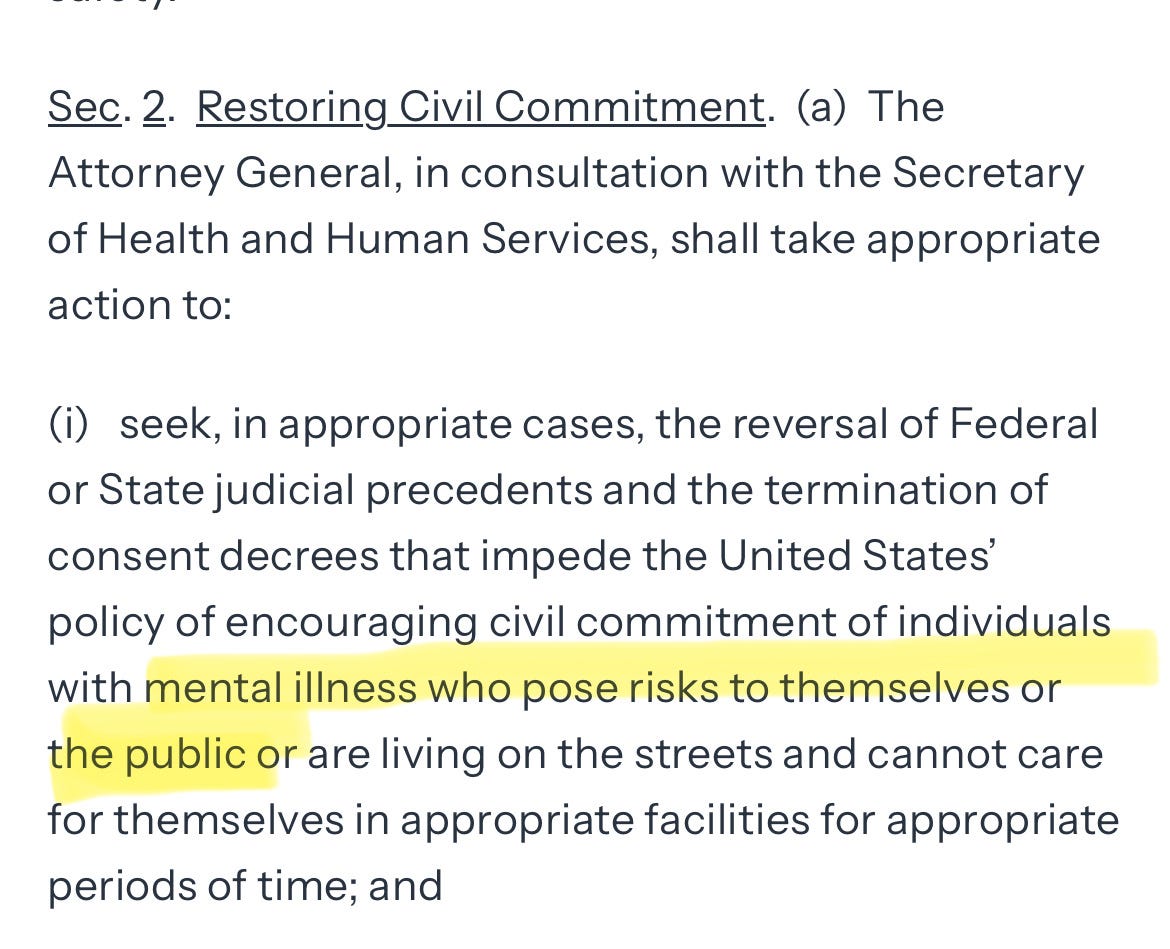





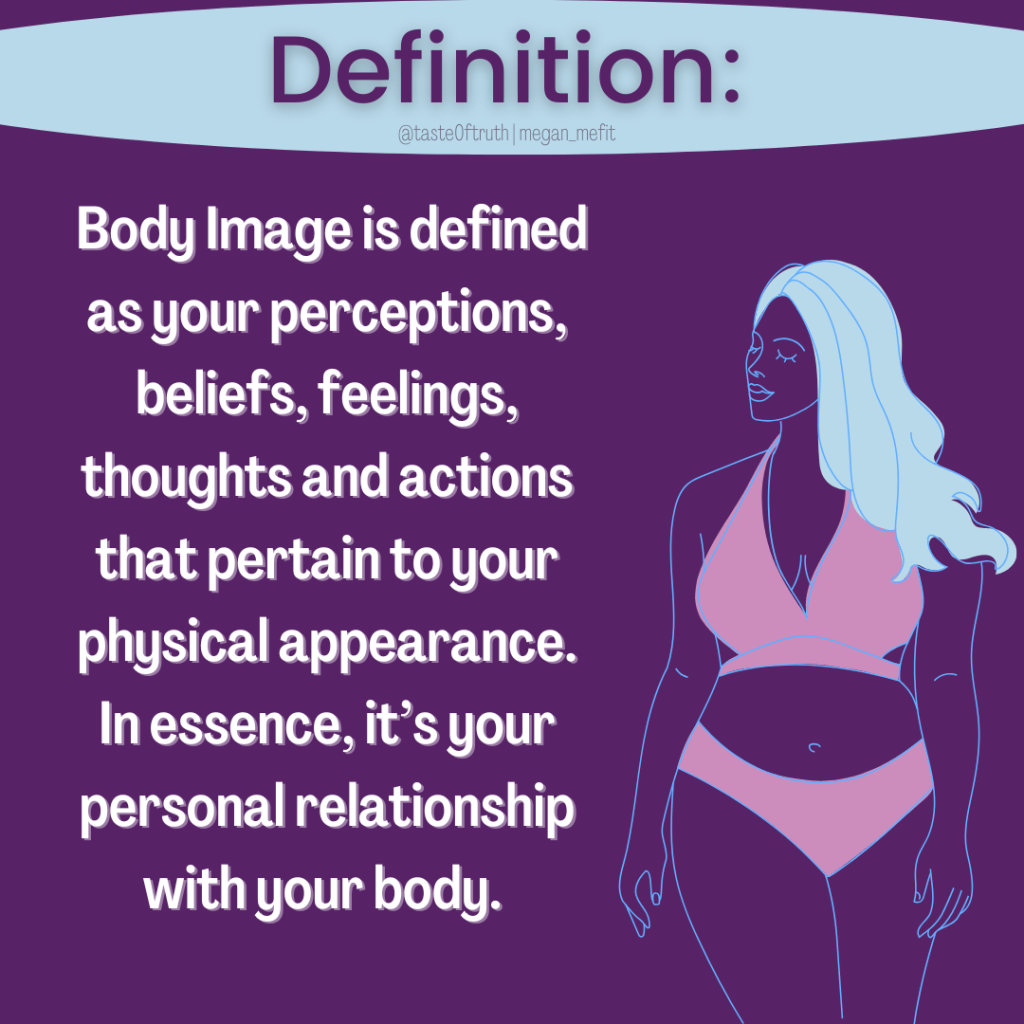

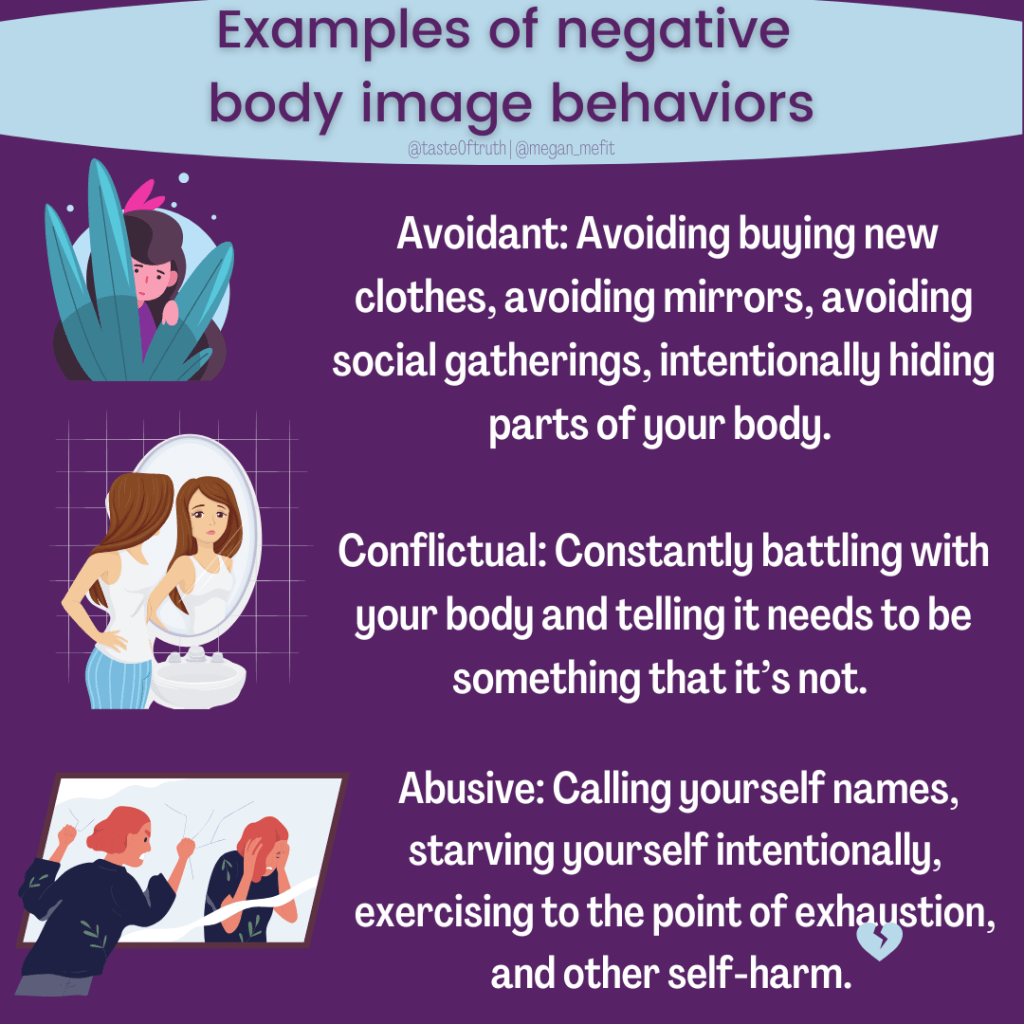




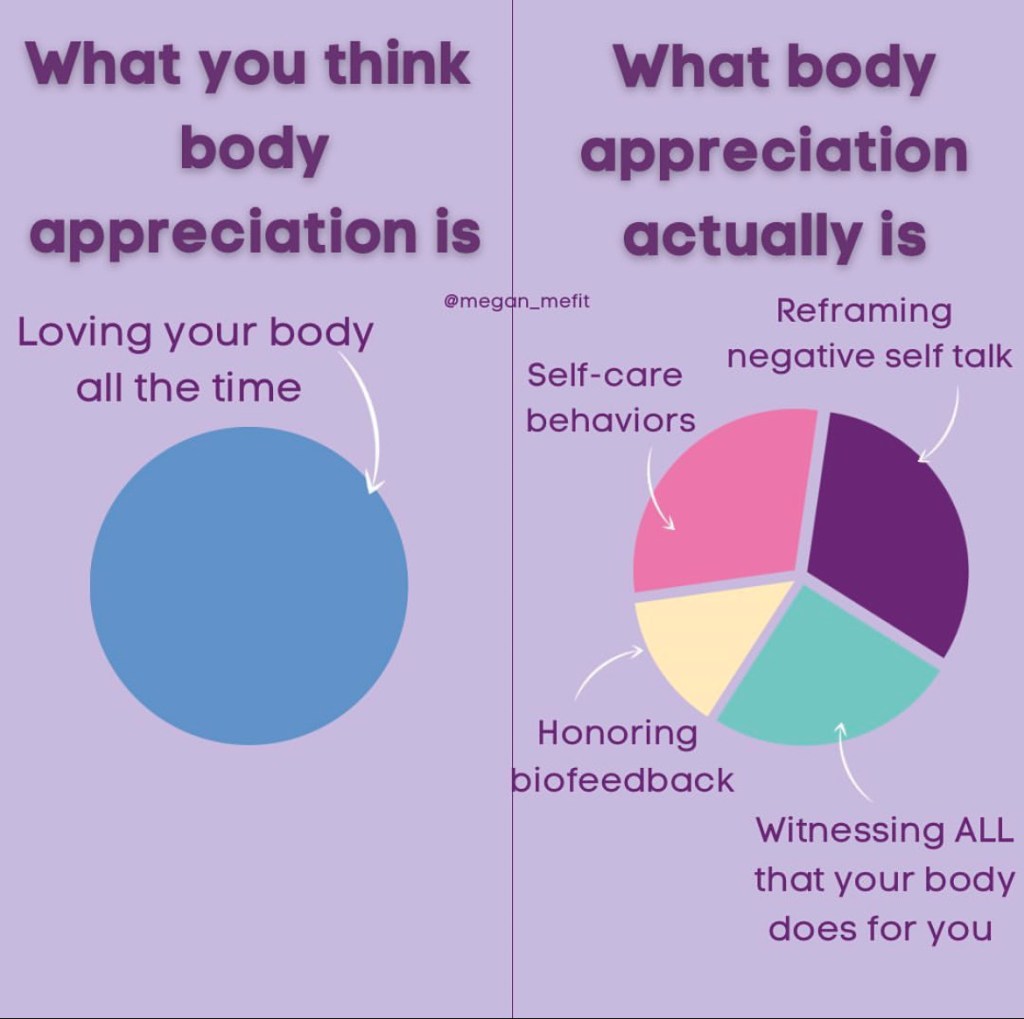






 Taste0ftruth Tuesdays