Breaking Free: A Conversation with Yasmine Mohammed on Radical Islam, Empowerment, and the West’s Blind Spots
In a world where ideology often blinds us to reality, Yasmine Mohammed’s story is a testament to the power of courage and critical thinking. As a survivor of a forced marriage to an Al-Qaeda operative and author of the groundbreaking book Unveiled: How Western Liberals Empower Radical Islam, Yasmine has dedicated her life to advocating for women’s rights and challenging oppressive ideologies. In this blog, we’ll explore her journey, the insights she’s gained, and the challenges of addressing extremism in today’s political and cultural climate.
Why Yasmine Wrote Unveiled
When asked what motivated her to write Unveiled, Yasmine shared that it was born out of a deep desire to shed light on her personal journey and the broader systemic issues that keep women trapped in cycles of oppression. “I wanted to expose the realities of radical Islam and its impact on women, but also to empower others to think critically and challenge these systems,” she explained. For Yasmine, the book is not just a memoir; it’s a call to action, a tool for education, and a beacon of hope for those seeking to break free.
Since its publication five years ago, much has changed. Yasmine reflected on her personal growth and evolving perspectives. “The fight for women’s rights continues, but I’ve also learned to navigate the complexities of cultural relativism and political correctness in the West,” she said. These challenges have only deepened her resolve to speak out.
The Psychological Toll of Leaving Islam
In Unveiled, Yasmine recounts the harrowing experience of escaping her marriage and the lingering fear of her ex-husband, even imagining him in “heaven” (p. 186). These fears aren’t just remnants of her past but a reflection of the psychological toll of leaving Islam. “It’s not just about leaving a religion; it’s about disentangling yourself from a worldview that dictated every aspect of your life,” she said.
Her advice for those leaving strict religious environments? “Be patient with yourself. Fear-based tactics are designed to keep you compliant, but over time, as you rebuild your confidence, those fears begin to fade.” Yasmine emphasized the importance of finding supportive communities and nurturing critical thinking skills to counteract deeply ingrained beliefs.
Challenging Radical Islam and Western Enablers
One of the most provocative aspects of Yasmine’s work is her critique of Western liberals who inadvertently enable radical Islam. “By prioritizing cultural relativism over universal human rights, they’re complicit in perpetuating oppression,” she argued. For women in particular, this dynamic is devastating. “When Western feminists turn a blind eye to practices like forced marriages or honor killings, they’re betraying the very values they claim to uphold.”
What’s the solution? “We need to have honest conversations about the realities of radical Islam without fear of being labeled intolerant. It’s not about vilifying a group; it’s about protecting fundamental human rights,” Yasmine said. She also highlighted the importance of education, both in Muslim-majority countries and in the West, to dismantle misconceptions and foster real change.
Final Thoughts
Looking back on her journey, Yasmine’s advice to those deconstructing a belief system is simple but profound: “You are not alone. There is life beyond fear and isolation, and there are communities and resources ready to support you.” For those seeking to educate themselves on these issues, she cautioned against falling into the trap of political tribalism. “Stay curious, ask questions, and prioritize truth over ideology.”
Yasmine Mohammed’s story is more than a tale of survival; it’s a roadmap for empowerment and a challenge to the complacency that allows radical ideologies to thrive. As we navigate a world increasingly polarized by political and cultural divisions, her insights remind us of the urgency of standing up for universal human rights and fostering critical, open-minded discussions.
🙏 Please help this podcast reach a larger audience in hope to edify & encourage others! To do so: leave a 5⭐️ review and send it to a friend! Thank you for listening! I’d love to hear from you, find me on Instagram! @taste0ftruth , @megan_mefit , Pinterest! Substack and on X!
We’re back! After a transformative and eye-opening second season, I’m excited to announce that Season 3 of Taste of Truth Tuesdays will kick off on December 31st. (Audio says Jan 7th, which was the original start date, I bumped it up a week.) This season promises to be packed with even more riveting conversations and insightful discussions. We’re diving into the complexities of spirituality, healing, activism, mental health, body image, and the power dynamics that shape our lives.
Here’s a sneak peek at the incredible guests you’ll hear from in the upcoming season:
Connie A. Baker: Spiritual and Religious Abuse
Connie A. Baker brings her expertise and personal experience to discuss the destructive impacts of spiritually abusive messages. These messages often erode our self-trust, leaving us vulnerable to further harm. In our conversation, we’ll explore the process of recovering from spiritual abuse and why it’s essential not to rush this journey. Connie will help us understand how survivors—especially those of us with a default setting of ‘push through’—can slow down and approach the healing process with patience. This wisdom is invaluable for true recovery, and I can’t wait for you to hear Connie’s insights.
Yasmine Mohammed: Escaping Radical Islam and Advocating for Women’s Rights
Yasmine Mohammed, a human rights activist and author of Unveiled: How Western Liberals Empower Radical Islam, joins me to share her powerful story. After escaping a forced, abusive marriage to an Al-Qaeda operative, Yasmine became an advocate for women’s rights. Through her non-profit organization, Free Hearts, Free Minds, she works tirelessly to support individuals seeking freedom from oppressive environments. Her memoir and activism offer a deeply personal and courageous perspective on overcoming adversity and empowering women. Her journey is one of survival, strength, and defiance.
Leah Denton: Therapy Harm and Power Dynamics in Mental Health
Leah Denton, the brilliant host of Psycho/Therapy podcast, will bring her deep insights into the harm that can occur within the therapeutic space and pastoral counseling. Leah, a survivor of therapy harm herself, shines a light on the ethical and systemic flaws within the mental health industry. She amplifies the voices of those who’ve been silenced and challenges us to rethink the power dynamics that can influence our healing. Leah’s work is a powerful call to action for better, more ethical care in therapy and beyond.
The Wellbeing Doctors: Body Image and Social Media’s Impact on Mental Health
Dr. Hannah Jarman and Ms. Claudia Liu, the dynamic team behind The Wellbeing Doctors, will discuss the intersection of body image, disordered eating, and the profound impact that social media has on our mental health. In their research, they’ve uncovered how active engagement with peers on social media can immediately reduce body image satisfaction, particularly for women. Together, we’ll explore how we need to redefine both beauty and health in ways that promote our true well-being, beyond appearances.
Wellness with Jaqui: The Real Story Behind Nutrition Research
Jaqui is back to break down the often-confusing world of nutrition research. If you’ve ever been baffled by conflicting diet headlines, this episode is for you. Jaqui will help us understand why nutrition research can be so complex, and how ‘statistical significance’ might not always mean what we think it does. This episode will bring clarity to the world of nutrition science and challenge the headlines we often see.
Franklin O’Kanu: Bridging Science, Spirituality, and Practical Wisdom
Franklin O’Kanu, also known as The Alchemik Pharmacist, is the founder of Unorthodoxy, a Substack that explores the spiritual dimensions of modern life through a holistic lens. With a Doctorate in Pharmacy and a background that bridges Pentecostal Christianity, Eastern philosophies, quantum physics, and Jungian psychology, Franklin offers a truly unique perspective. We’ll dive into his journey—from challenging conventional views during the pandemic to crafting a plan rooted in spiritual and natural principles. Franklin’s exploration of science, spirituality, and practical wisdom is sure to offer deep insights and foster a deeper understanding of the world around us.
This season is going to be a wild ride, full of wisdom, courage, and deep dives into essential topics that will challenge and inspire you. Don’t miss out on the launch of Taste of Truth Tuesdays Season 3 on December 31st! Make sure you’re subscribed, so you never miss an episode.
Welcome to Taste of Truth Tuesdays, where we unravel the strange, the mysterious, and today—the terrifying. This post delves into one of history’s darkest chapters: the witch hunts. We’ll explore how fear, superstition, and control shaped centuries of persecution and how these patterns are still evident in the modern world. Witch hunts aren’t just a thing of the past—they’ve evolved.
The European Witch Hunts – Early Modern Europe
Let’s start in early modern Europe. Scholar Peter Maxwell-Stuart illuminates the rise of demonology, where the fear of magic and the devil became a weapon of control for those in power. Beginning in the 1500s, political and religious leaders manipulated entire populations by tapping into their deep-rooted fears of ‘evil forces.’ The Church, in particular, weaponized these beliefs, positioning itself as the protector against witches—women (and sometimes men) believed to consort with devils or conjure dark forces. As the idea took hold that witches could be behind every famine, illness, or death, this created a perfect storm of paranoia.
Stuart argues that demonology texts—many sanctioned by the Church—fueled mass hysteria, feeding the narrative that witches were not just local troublemakers but cosmic agents of Satan, hell-bent on destroying Christendom. Ordinary people lived in constant fear of betrayal by their neighbors, leading to accusations that could swiftly escalate into brutal trials, with the accused often tortured into confessing their ‘diabolical’ crimes.
To understand how demonology in Europe gained such traction, we need to go back to Augustine of Hippo. We have mentioned him before in previous episodes, whose writings in the 4th and 5th centuries laid the foundation for Christian perceptions of the devil and demons. Augustine’s ideas, especially in City of God, emphasized the constant spiritual warfare between good and evil, casting demons as agents of Satan working tirelessly to undermine God’s plan. He argued that humans were caught in this cosmic battle, susceptible to the devil’s temptations and tricks.
‘Augustine before a group of demons’, from ‘De civitate Dei’ by Augustine, trans. by Raoul de Presles, late 15th Century
Augustine’s Doctrine of Demons
According to Augustine, demons were fallen angels who had rebelled and now sought to deceive and destroy humanity. While Augustine didn’t explicitly discuss witches, his interpretation of demons helped fuel the belief that humans could be manipulated by evil spirits—whether through pacts, possession, or magical practices. This idea later influenced medieval and early modern European demonology.
Augustine’s views on original sin—that humanity is inherently flawed and in need of salvation—also intensified fears that people, especially women (who were seen as ‘weaker’ spiritually), were more vulnerable to the devil’s influence.
SIDE NOTE: We have discussed the theological concept of original sin in previous episodes: Franciscan wisdom navigating spiritual growth and challenges with Carrie Moore, we specifically spun the doctrine of original sin on its head and then also Unpacking Religious Trauma: Navigating the Dynamics of Faith Deconstruction with Doctor Mark Karris.
In the centuries that followed, these ideas were weaponized to justify witch hunts. Augustine’s legacy is evident in how later theologians and demonologists, such as Heinrich Kramer (author of the infamous Malleus Maleficarum), built upon his ideas of demonic interference to condemn witchcraft as a real, existential threat to Christian society.
Maxwell-Stuart reveals that the creation of demonology wasn’t just religious but deeply political. Kings and clergy alike realized they could consolidate power by stoking the flames of fear, casting witches and sorcerers as a common enemy. The trials served a dual purpose: they reinforced the Church’s supremacy over the spiritual realm and gave ruling elites a tool for maintaining social order. Accusing someone of witchcraft was an effective way to silence dissent or settle personal scores.
Fear as a Tool of Control
Fear wasn’t just manufactured by rulers—it was deeply ingrained in the societal, religious, and legal systems of the time. Scholar Sophie Page reveals how beliefs in magic and the supernatural were not fringe ideas but core components of medieval and early modern life. Magic wasn’t merely a mysterious force; it was a pervasive explanation for any calamity. Failed harvests, plagues, or unexplained illnesses were often attributed to witches or the devil, creating a society constantly on edge, where supernatural forces were believed to lurk behind every misfortune.
By embedding these beliefs into legal codes, authorities could target suspected witches or sorcerers under the guise of protecting the community. Page’s work illustrates how rituals once seen as protective or healing gradually became demonized. Harmless folk practices and herbal remedies, used for centuries, began to be recast as witchcraft, especially when things went wrong. People, particularly those in rural areas, were vulnerable to this thinking because religion and superstition were inseparable from daily life.
Partisan scholars have long debated whether Catholics or Protestants were the “real” witch hunters, but they’ve made little headway. One important change in Christian morality, as discussed by John Bossie, occurred between the 14th and 16th centuries. The moral focus shifted from the Seven Deadly Sins—pride, greed, lust, envy, gluttony, anger, and sloth—to the Ten Commandments. This change, influenced by reform movements that shaped the Protestant Reformation, prioritized sins against God over those against the community. Idolatry and the worship of false gods became viewed as the gravest offenses.
This redefinition of witchcraft followed suit. Instead of being seen as harmful actions toward neighbors, witchcraft was now linked directly to devil worship and regarded as serious heresy. Scholars and church leaders began merging various forms of folk magic and healing into this new narrative, suggesting that practitioners were either knowingly or unknowingly making deals with the devil. Confessions of pacts or attendance at “witch gatherings” were shaped to highlight community failings, like envy and resentment. Consequently, educated society began to see witchcraft as a real threat rather than mere superstition. While traditional beliefs about magic still existed, they were overshadowed by fears of violent backlash from reformers.
The Power of Dualistic Thinking
This dualistic thinking, influenced by St. Augustine, gave rise to a semi-Manichean worldview, where the struggle between good and evil became more pronounced. Manichaeism, an ancient belief system, viewed the world as a battleground between equal forces of good and evil. Although orthodox Christianity rejected this dualism, the focus on the devil’s role in everyday life blurred those lines for many people. By emphasizing the devil’s pervasive influence, religious leaders inadvertently created a belief system in which evil seemed as powerful as good.
In this semi-Manichean view, the devil was not just a tempter of individuals but a corrupting force within communities and even within political and religious practices deemed heretical. Fears of devil-worshipping conspiracies became intertwined with anxieties about witchcraft and moral decay. Reformers, particularly in Protestant movements, fueled these fears by branding idolatry, Catholic rituals, and even folk healing as dangerous openings for the devil’s influence. This perspective transformed witchcraft from a local issue into a broader threat against God and society.
The result was a potent mix of dualistic thinking and an intense focus on spiritual warfare. This not only intensified the persecution of supposed witches but also reinforced the obsession with eliminating anything considered “satanic.” The ideological shift redefined witchcraft as a communal danger, turning innocent healing practices into accusations of demonic pacts.
Every village had its own ‘cunning folk’—individuals skilled in healing and folk magic—yet these very people could easily become scapegoats when something went wrong. The legal structures played a vital role in perpetuating this cycle of fear. Church courts, bolstered by theologians and demonologists, were empowered to try individuals accused of witchcraft, and the accusations quickly spiraled into mass hysteria. Trials often relied on tortured confessions, reinforcing the belief that witches and the devil were real and tangible threats to society. This institutionalized paranoia was a perfect storm of religion, fear, and control.
The Rise of Organized Witch Hunts
Beginning in the late 15th century, witch trials escalated into full-blown hunts, particularly after the publication of the Malleus Maleficarum in 1487. This infamous witch-hunting manual, written by Heinrich Kramer and endorsed by the Pope, offered legal and theological justifications for hunting down witches. It encouraged harsh interrogations and set guidelines for identifying witches based on superficial evidence like birthmarks, behaviors, and confessions extracted under torture. The legal system, which had already started to turn against folk healers, now had a codified method for persecuting them.
In regions like Germany, Scotland, and Switzerland, these legal trials turned into widespread witch hunts. Hundreds, even thousands, of individuals—predominantly women—were accused and executed. What’s particularly fascinating is that these witch hunts often peaked during periods of societal or economic instability when fear and uncertainty made people more susceptible to attributing their misfortunes to external, supernatural forces.
By institutionalizing the persecution of witches, rulers and religious leaders could manage social unrest and solidify their authority. The trials often reinforced the power structures by demonstrating that anyone perceived as a threat to societal order—whether through suspected witchcraft or merely social nonconformity—could be eradicated.
Witch Hunts and Gender
The scapegoating of women played a crucial role in these witch hunts. Owen Davies’ work reveals how the demonization of witches intersected with misogyny, turning the hunts into a gendered form of control. Midwives, healers, or outspoken women were more likely to be targeted, reinforcing patriarchal authority. The very skills that had once been valued, such as healing and midwifery, were redefined as dangerous and linked to dark powers.
As witch hunts spread, the legal frameworks across Europe became more refined and institutionalized, creating a climate where fear of witches and demonic possession became the norm. The trials’ obsession with confessions—often coerced under brutal conditions—further fueled public paranoia, as the more people confessed to witchcraft, the more tangible the ‘threat’ seemed.
The Modern Echoes of Witch Hunts
Fast forward to today, and we find that the legacy of witch hunts lingers. The tactics of fear-mongering, scapegoating, and social control can still be observed in modern contexts. Contemporary movements often mirror historical witch hunts, targeting marginalized groups through accusations and public shaming. Just as witch hunts flourished in times of societal uncertainty, modern societies can succumb to similar dynamics.
In the age of social media, legal accusations spread like wildfire, and the court of public opinion often acts faster than the courts themselves. Political enemies are dragged through the mud with allegations that may or may not have a basis in fact.
The case of Michael Jackson serves as a poignant example of how media narratives can distort reality. The beloved pop icon faced multiple allegations of child molestation, with the most notable case occurring in 2005 during a highly publicized trial. Accusers claimed that Jackson had abused them, yet the defense presented compelling counterarguments, including challenges to the credibility of the witnesses and highlighting inconsistencies in their testimonies. After a lengthy trial, Jackson was acquitted of all charges, but the media frenzy surrounding the case fueled public debate and sensationalism, earning him the derogatory nickname “Wacko Jacko.” This smear campaign perpetuated false narratives about his character and actions. Behind the scenes, Jackson was embroiled in a lawsuit against Sony Music, a battle he was reportedly winning at the time of these allegations. Furthermore, his controversial doctor, Conrad Murray, who administered drugs to Jackson, faced serious legal consequences for his role in the singer’s death, including manslaughter charges. The intersection of these legal battles and the media frenzy created a complex narrative that ultimately tarnished Jackson’s legacy, and that’s what truly breaks my heart.
By the time these individuals have the chance to clear their names, their reputations—and often their careers—are already in ruins. Davies’ research shows us that while modern witch hunts don’t involve burning at the stake, they do involve trial by media and mob justice.
And we can’t talk about modern-day witch hunts without bringing the CIA into the conversation. Since its inception, the CIA has been at the heart of international political manipulations—using covert methods to shape public perception, interfere in foreign governments, and even influence elections here in the United States. In the 1960s, the agency coined the term ‘conspiracy theorist’ to discredit anyone who questioned the official narratives surrounding events like the assassination of JFK. Those who didn’t toe the line were labeled as ‘paranoid’ or ‘dangerous.’ It was the modern version of labeling someone a witch—turning them into a social outcast, not to be trusted.
Fast forward to today: we see similar tactics used against whistleblowers, journalists, and activists who challenge the powerful. Think about Edward Snowden, Julian Assange, and even political figures targeted by intelligence communities. The second they start exposing uncomfortable truths, they are vilified. Whether through leaks, smear campaigns, or selective legal action, these modern-day ‘witches’ face an onslaught of accusations, designed to discredit them before they can fully tell their story.
In many cases, the evidence behind these accusations is shaky at best. The CIA’s involvement in manipulating public perception goes all the way back to Operation Mockingbird, a secret program to influence media narratives, which showed that controlling information was one of the most powerful tools they had. During the Cold War, the United States engaged in a concerted effort to influence and control media narratives to align with its interests, which involved recruiting journalists and establishing relationships with major media outlets.
Edward Bernays, often referred to as the father of public relations, played a pivotal role in these discussions on media manipulation. Working with several major companies, including Procter & Gamble, General Electric, and the American Tobacco Company, Bernays was instrumental in promoting the cigarette brand Lucky Strike, famously linking it to the women’s liberation movement. His connections extend to notable figures like Sigmund Freud, who was Bernays’ uncle, Freud’s psychoanalytic theories significantly shaped Bernays’ PR strategies. Throughout his career, Bernays leveraged media to influence public perception and political leaders, raising profound questions about the power dynamics of media and its capacity to shape societal narratives. (If you’re intrigued by the intricate interplay of media and propaganda, this is a rabbit hole worth exploring!)
Today, that same fear-mongering tactic is played out on a much larger scale. Accusations, whether of conspiracy, treason, or subversion, become tools to silence anyone questioning the status quo. Just as witches in the past were seen as ‘different’ and thus dangerous, today’s targets are often people who challenge the system.
And while throughout the 1300-1600s, there was no due process for the accused witches, today, we see something similar in the digital realm. There’s no real accountability or fairness in the court of public opinion. All it takes is a viral accusation—a tweet, a blog post, or a video—and the person’s career, family, and mental health can be obliteratedovernight. No evidence required, no trial, no defense.
So, what can we learn from this history? From the witch hunts of early modern Europe to today’s viral accusations and political fearmongering, there’s one key lesson: fear remains one of the most dangerous tools of control. When we allow fear to dictate our actions—whether it’s fear of witches, outsiders, or anyone who doesn’t fit into the mold—we lose sight of reason and humanity.
In closing, I’d like to examine the phenomenon of witch hunts through the lens of amygdala hijacking, a topic we discussed in a previous episode. This term refers to the brain’s immediate response to perceived threats, where the amygdala—the emotional center of the brain—takes control, often resulting in irrational and impulsive actions.
During the witch hunts, communities gripped by fear of the unknown succumbed to a mob mentality whenever someone fell ill or misfortune struck. The amygdala triggered a fight-or-flight response, compelling individuals to find scapegoats, with cunning folk and those deviating from societal norms becoming prime targets. As accusations spiraled, fear dominated decision-making instead of rational thought. Today, we observe similar patterns in how social media can incite panic, leading to modern witch hunts. When fear takes over, reason often fades, resulting in unjust vilification—echoing the dark lessons of history.
As we navigate our modern world, let’s remain vigilant against the echoes of this history, seeking truth and questioning the narratives that shape our beliefs. Fear may be powerful, but curiosity and critical thinking are our greatest allies in maintaining our autonomy and humanity.
Resources:
Briggs, Robin. Witches and Neighbors: The Social and Cultural Context of European Witchcraft. Oxford University Press, 1996.
This book provides a comprehensive exploration of the social dynamics surrounding witch hunts in early modern Europe, highlighting the interplay of fear, community, and cultural beliefs.
Maxwell-Stuart, Peter G.Witchcraft in Europe, 1100-1700: A Sourcebook. Palgrave Macmillan, 2010.
This sourcebook compiles essential documents related to the history of witchcraft in Europe, providing insights into how fear and persecution were constructed and justified.
Page, Sophie.Magic in the Middle Ages. Cambridge University Press, 2005.
This book offers an analysis of the cultural and religious practices surrounding magic during the medieval period, emphasizing how these beliefs shaped societal attitudes toward witchcraft.
Bossy, John.Christianity in the West, 1400-1700. Oxford University Press, 1985.
Bossy examines the transformation of Christian morality during the Reformation, providing context for the changing perceptions of witchcraft and heresy.
Davies, Owen.Popular Magic: Cunning Folk in English History. Continuum, 2007.
This work explores the role of cunning folk—those who practiced folk magic—and how their practices were perceived within the broader context of witchcraft accusations.
Baroja, J. C.Witches and Witchcraft. University of California Press, 1990.
Baroja’s work examines the historical and cultural significance of witchcraft, providing insights into the social conditions that fueled witch hunts and the cultural implications of these beliefs.
Navigating the waters of community can feel like a tightrope walk, especially for those of us who’ve been through the storm of spiritual abuse. This week on Taste of Truth Tuesdays, I’m excited to welcome a guest who dives deep into the concept of “Group Mind”—the idea that a collective can elevate individual voices, creating a harmonious collaboration. While this concept sounds beautiful on the surface, having walked the line between healthy and toxic communities myself, I can’t help but question: What happens when “Group Mind” becomes a vessel for manipulation rather than a source of strength?
The Allure of Community
Let’s face it: we all crave connection. From childhood friendships to spiritual gatherings, our lives are woven into a fabric of social interactions. In healthy communities, each thread—each individual—contributes to the larger tapestry. Group Mind can be empowering when everyone contributes their unique strengths. Think of a brainstorming session, where different ideas build on each other to create something innovative. But in controlling groups, individuality is suppressed, and members are pressured to conform, stifling creativity and critical thinking.
The Double-Edged Sword of Group Mind
Our guest shares their experience in an improv class, where the idea of Group Mind became both a revelation and a source of anxiety. It’s fascinating how the language of community can feel welcoming yet be weaponized against those who seek authenticity. This mirrors the complexities of modern social dynamics, especially in the age of social media, where radicalization can happen at lightning speed.
In Episode 5 of my podcast, we tackled the “crunchy hippie to alt-right pipeline,” but now it’s time to shine a light on the radicalization of the left—a topic often overlooked. Why did I go from progressive circles to mingling with Trump supporters and Christians? This shift was marked by a range of events and trends reflecting broader changes within progressive movements and their impact on American politics and culture.
The Irony of the Deconstruction Space
As I navigated the deconstruction space, I noticed something ironic: when the deconstruction movement defines a cult and unintentionally describes their own playbook, the irony is hard to miss. Many who now identify as progressive or left leaning have simply swapped one form of fundamentalism for another. They may have shed their evangelical past, but the same dogmatic, ‘us vs. them’ tactics remain. It’s like they never fully untangled themselves from the rigid mindset they claim to oppose.
Social justice has become their new ‘End Times,’ and the tribalism is painfully obvious. Conformity, consequences for stepping out of line, leaders who set the narrative… sound familiar? 🙃
🔍 “It’s not your enemies, it’s the system.” We often fall into the trap of seeing our political landscape as a battle between two sides—one fighting for democracy, the other autocracy. But this binary thinking misses the larger issue: who really has power in shaping policies? Research, like the 2014 study by Gilens and Page, reveals that economic elites and organized interest groups wield far more influence over government decisions than the average citizen or voter. This isn’t about a single party; it’s about a systemic challenge that transcends partisan lines. 🧠
Instead of feeding into divisive narratives, maybe it’s time to ask: Who benefits from keeping us divided? 🤔 Progressive politics can impose control using a power/victim binary that’s reductive and lacks nuance, leveraging the fear of being labeled an oppressor as a tool for compliance. Reflecting on my journey of deconstruction and exploring progressive spaces, I’ve noticed a concerning trend: the lack of nuance and the prevalence of an ‘us vs. them’ mentality.
Even within progressive Christianity, there’s pressure to conform to certain social norms and ethical behaviors. Disagreement is often met with resistance, and group identity politics can dominate discussions. As I listened to a friend lecture me about the systems of whiteness and how white people are part of the problem, I couldn’t help but feel a visceral response in my body. Wasn’t she aware of how she was marginalizing voices that do not align with CRT principles and fostering division rather than unity?
It’s one thing to leave behind a belief system, but if you’re still using the same control tactics, are you really free? Or are you just in another form of groupthink? Many who now identify as progressive or left-leaning have simply swapped one form of radicalism for another.
In navigating my journey, I’ve discovered that while community can be a source of strength, it can also be stifling. Let’s strive for more open dialogue where diverse perspectives are valued.
“I have a dream that my four little children will one day live in a nation where they will not be judged by the color of their skin but by the content of their character.” — Martin Luther King Jr.
Seeking Authentic Community
This brings us back to the concept of Group Mind. While it has the potential to uplift and unite, we must critically assess the communities we choose to engage with. Are they empowering our individuality, or are they reinforcing a new set of dogmas?
As we explore these themes in this week’s podcast episode, I invite you to reflect on your own experiences with community—whether online or offline. Are you in a space that nurtures your authentic self, or have you found yourself caught in another web of control? Let’s challenge ourselves to seek genuine connections that celebrate our uniqueness, rather than merely conforming to the expectations of a collective.
Navigating Community Dynamics
One critical takeaway from my own experiences and the stories shared by others is the importance of asking ourselves the right questions. When evaluating any community—whether it’s a religious group, a social circle, or even an improv class—we should reflect on whether we’re being encouraged to grow into our full selves or if we’re being pressured to shrink into submission.
Key Questions to Consider:
Am I celebrated for my unique contributions, or do I feel like a cog in the machine?
Is my voice heard and valued, or am I met with silence (or worse) when I express dissent?
Does this community expand my horizons, or does it confine me to a narrow worldview?
The Importance of Individuality
One of the most powerful realizations is that a thriving community doesn’t demand the extinction of individualism; it nourishes it. Just as the author of the guest post observed in an improv competition, the true beauty of collaboration lies in the ability of individuals to bring their full selves to the table, enhancing the group dynamic rather than diminishing it.
In my journey, I’ve learned that safe communities are those that not only say, “Yes!” to your ideas but also invite you to share more, to dig deeper, and to embrace the weirdness that makes you unique. They celebrate individuality as an essential ingredient for collective success, transforming “Group Mind” from a potential source of control into a powerful tool for creativity and support.
The Path to Healing
For those of us recovering from spiritual abuse, the journey to find a healthy community can feel daunting. It requires us to sift through the rubble of past experiences, recognizing patterns that once suffocated our voices. But it also offers a chance for healing, a space where we can reclaim our identities and forge connections based on respect and authenticity.
Ultimately, the quest for community is about more than just belonging; it’s about finding spaces where we can be our true selves. It’s about navigating the complexities of connection with our eyes wide open, ready to discern the difference between a supportive group and one that seeks to control.
Conclusion
As we move through life, let’s remember that community can be a double-edged sword. For some of us, especially those healing from trauma or navigating complex PTSD, the journey may be best supported by solitary pursuits—like books, pets, and podcasts—before stepping into the vibrant chaos of group dynamics. We must be vigilant in recognizing when connection serves us and when it threatens to silence our individuality. Here’s to seeking out those communities that empower us, uplift us, and invite us to shine our light—together.
🎙️ Welcome Back! Join me as I chat with Katherine Spearing, MA, CTRC — founder of Tears of Eden 🌸, a nonprofit supporting survivors of spiritual abuse, and former host of the groundbreaking Uncertain podcast 🎧. Katherine is also the host of Trauma & Pop Culture, a Certified Trauma Recovery Practitioner 🧠, and an expert in helping those who have survived cults, high-control environments, and sexual abuse 💔. She even offers specialized trauma-informed career coaching 💼!
In this episode, we discuss: 💡 The most impactful themes from Uncertain — including her powerful episode with Dr. Laura Anderson on anger 😡 and the concept of second-wave fundamentalism. 🎭 How creative arts therapies are aiding survivors of sexual abuse in their healing journey, and how these methods differ from traditional therapy 🎨. 🛑 Managing the emotional weight of working with spiritual abuse survivors and Katherine’s personal journey to avoid burnout 🧘♀️. 👩🎤 Challenging traditional gender roles in Christianity — how they’ve shaped perceptions of women’s worth and agency, and steps for creating more inclusive spaces 🚺. 🛡️ Building healthy community dynamics to protect against spiritual abuse while fostering authentic, supportive connections 🌱. 🔥 A sneak peek into Katherine’s upcoming book on spiritual abuse, including why the church is so obsessed with sex 💭.
Tune in now for an insightful conversation on healing, resilience, and challenging the status quo! 🗣️✨
Don’t miss out on Katherine’s wisdom and unique perspective. 🎧
🙏 Please help this podcast reach a larger audience in hope to edify & encourage others! To do so: leave a 5⭐️ review and send it to a friend! Thank you for listening! I’d love to hear from you, find me on Instagram! @taste0ftruth or Pinterest!
New Episode Alert: The Dark Side of MLMs and Coercive Control
🚨 This Week on Taste of Truth Tuesdays 🚨, we’re diving into the complex and manipulative world of multi-level marketing (MLM) companies—uncovering the coercive control tactics they use to keep people hooked. 🧠💸 MLMs don’t just sell products. They sell a dream—a dream of financial freedom, wealth, and unlimited success. The problem? That dream is often built on deceptive tactics that prey on vulnerability, foster magical thinking, and emotionally manipulate their members.
At first glance, MLMs seem like a golden opportunity. They promise wealth, freedom, and independence—targeting people who are seeking a way out of financial struggle or a traditional 9-to-5. But underneath those glittering promises are dangerous tactics that prey on human psychology, exploiting emotional weaknesses to create loyalty and blind devotion.
A key tactic MLMs use is magical thinking. This is the belief that positive thoughts and visualizations alone can bring success, wealth, or health. A 2019 study in Frontiers in Psychology revealed that many MLMs sell products—like supplements and essential oils—by making unverified claims about curing diseases, with little to no scientific evidence to back them up. 😳
Why Is Magical Thinking So Dangerous?
Magical thinking isn’t just harmless optimism. In the context of MLMs, it can lead people to make poor financial and health decisions. Here’s why it’s so dangerous:
🚫 False Sense of Control: Magical thinking tricks people into believing they can control outcomes simply by thinking positively. This false confidence can prevent them from taking real, actionable steps to improve their situation.
🚫 Health Risks: MLMs often push supplements and oils with promises of “miracle cures” for serious illnesses—without scientific validation. People may choose these products over actual medical treatments, putting their health in danger.
🚫 Emotional Manipulation: By convincing members that failure is due to their lack of belief or effort, MLMs shift the blame from the system to the individual. This creates a toxic cycle of guilt and shame, trapping people emotionally in the MLM.
Coercive Loyalty and Emotional Manipulation
Beyond magical thinking, MLMs use coercive control tactics to create a false sense of community and belonging. They foster an atmosphere of loyalty where members feel pressured to stay positive, constantly recruit new people, and never question the system.
💥 Coercive Loyalty: Members are often told that the reason they’re not successful is because they’re not trying hard enough, recruiting enough, or believing in themselves. This turns failure into a personal flaw, rather than a flaw in the business model.
💥 Community Pressure: MLMs thrive on social dynamics, where members are encouraged to pressure their friends and family into joining. This creates a network of dependency and makes it harder for people to leave, even when they start seeing the cracks in the system.
💥 Emotional Exploitation: Guilt, shame, and failure are powerful emotional tools used by MLMs. When people don’t succeed, they’re often made to feel as if they didn’t believe in the product or themselves enough. This emotional manipulation keeps members invested—financially, mentally, and emotionally—even when the odds are against them.
Breaking Free: Real Stories of Escaping MLMs
In this week’s episode, we also share real stories of individuals who have been trapped in MLMs and how they broke free. These stories highlight the emotional, financial, and mental toll that MLMs take on their members, and how difficult it can be to escape once you’re in the cycle. 😳
Why You Need to Listen
If you’ve ever been approached by someone pushing a “life-changing opportunity” or a “groundbreaking product,” this episode is for you. If you’ve been tempted to join an MLM—or know someone who has—this episode is essential listening. We’re unpacking the toxic blend of pseudoscience, community pressure, and emotional exploitation that keeps MLMs running, and sharing actionable tips on how to recognize the red flags before it’s too late. 🚩
Tune in to this week’s episode of Taste of Truth Tuesdays to learn how to protect yourself from the manipulative tactics of MLMs and avoid falling into their web of magical thinking and emotional control. Whether you’re considering joining an MLM or are currently involved, understanding these tactics is key to protecting your financial and emotional well-being.
At the beginning of my journey into multi-level marketing (MLM), I felt an overwhelming sense of serendipity. Like many others, I was drawn into the promise of freedom, financial independence, and the power of owning my own business. That initial excitement felt so right, I even got a “trust the process” tattoo to anchor myself in the belief that I was on the right path. But the deeper I delved into this world, the more I realized the complexities and underlying control tactics that defined it.
Reflecting on my early days in the MLM space, I can’t help but think of how magical the thinking felt. I truly believed I was guided into the opportunity. But as time went on, the inconsistencies, emotional manipulation, and exploitative nature became impossible to ignore. It’s been a journey of grieving that magical thinking—something I now understand as part of a coercive, controlling system designed to keep me chasing an illusion.
Brandie, my guest on this episode, shares a similar experience. As a mother, writer, speaker, and advocate, she’s been at the forefront of exposing MLMs as commercial cults, wellness scams, and even legalized labor trafficking. She has spoken extensively about how her journey, which started with serendipity, eventually led her to scrutinize MLMs more critically. Her insights reflect the emotional complexity many face when disentangling from these organizations.
Here are some key aspects of our conversation:
The Magical Thinking Trap: Both Brandie and I felt an initial sense of serendipity, which was reinforced by the community and mentors telling us to “trust the process.” This belief system is intentionally nurtured in MLMs to keep participants emotionally invested.
Leveraging Credentials: We discussed how MLMs often leverage the credentials and influence of professionals like doctors, nutritionists, and influencers to give the illusion of legitimacy. Brandie emphasized how this tactic makes MLM pitches more persuasive, especially to vulnerable individuals seeking validation.
The “Mother” Angle: Brandie shared how MLMs often target mothers, using manipulative language that preys on their desire for financial freedom and the ability to work from home while caring for their families. The messaging can be so powerful that mothers internalize guilt and blame when they don’t succeed, despite the system being rigged against them.
Unpaid Labor and Emotional Manipulation: We delved into how MLMs strategically manipulate participants into performing unpaid labor, like attending large-group-awareness trainings or MLM conferences, under the guise that these events will lead to success. This creates a cycle of emotional dependency on the MLM structure.
Coercive Control Beyond the Home: Brandie highlighted the growing movement to criminalize coercive control, not just in domestic environments but also in online groups and commercial cults, including MLMs. Canada’s Bill C-332 and California’s SB 1141 are steps toward addressing this kind of manipulation in non-physical forms.
Misleading Social Media Practices: MLMs are notorious for using social media posts to bait others into joining, often hiding the true nature of the opportunity behind attractive lifestyle imagery and vague promises of success.
Paid Certifications as Funnels: Another tactic we discussed is the use of paid certifications and courses as entry points to recruit others into MLMs or similar for-profit groups, disguising recruitment as personal development.
Power Dynamics and Influence: Brandie warned about individuals in positions of power, like pastors or healthcare professionals, who pitch MLM opportunities using their influence, creating a dangerous overlap between authority and exploitation.
Bait-and-Switch in Non-Profits: Some MLMs use non-profit organizations as fronts to recruit members, exploiting charitable intentions for financial gain.
Brandie’s Substackrecently covered how Canada’s Bill C-332 and California’s SB 1141 aim to combat coercive control. These laws recognize that coercion doesn’t always result in physical harm but can have long-lasting emotional and psychological effects. Extending these protections to online and commercial environments, like MLMs, is a crucial step toward addressing the hidden abuse happening in plain sight.
MLM Compensation Plans
For those unfamiliar with how MLMs work, here’s a breakdown of their typical compensation plans, which all hinge on recruitment:
Binary: You recruit two people, who recruit two more, forming a pyramid. You earn based on the sales and recruits of those beneath you.
Unilevel: You can recruit as many people as possible, with everyone directly under you. You earn a percentage of sales from your downline.
Forced Matrix: There’s a limit to how many people you can recruit directly, so recruits are placed under others in your team, further embedding the hierarchical structure.
Although MLMs claim that participants can make money from sales alone, true financial gain only comes from recruiting others. Companies avoid pyramid scheme accusations by paying bonuses on downline commissions rather than direct recruitment. Still, this setup exploits participants, most of whom will never see a living wage.
MLM Profitability
Studies and reports paint a grim picture for those involved in MLMs:
FTC Report: According to the Federal Trade Commission (FTC), approximately 99% of MLM participants end up losing money.
Profit Sources: Success in MLMs often hinges on recruiting new participants rather than selling products to consumers, which creates a structure where the majority are positioned at the bottom, struggling to make a profit.
When it comes to making a profit, the comparison between lottery odds and MLM (multi-level marketing) success rates reveals a stark reality: both paths are fraught with significant financial risk, but MLMs typically offer even lower chances of profitability.
If you’re evaluating an MLM opportunity, watch out for:
Deceptive earnings claims
Manipulative recruitment tactics disguised as “personal development”
High-pressure tactics to attend unpaid events
Cult-like devotion to leadership or the company itself
As Brandie and I peeled back the layers, it became clear that MLMs are not just financial traps—they are systems of coercive control designed to exploit both financially and emotionally. With legal movements like Bill C-332 gaining traction, there’s hope that MLMs and similar organizations will finally face the scrutiny they deserve.
Grieving the magical thinking days has been bittersweet. In some ways, it was easier to believe in the serendipity, but now, stepping into a space of scrutiny offers greater growth and clarity. In that sense, the journey may be more challenging, but it’s also far more rewarding.
How MLMs and high-control religions exploit narratives to control and isolate
As we have discussed in a previous blog post, in both MLM companies and high-control religions, sophisticated methods of narrative control and emotional manipulation are used to maintain adherence and deflect objections. These organizations craft carefully curated stories of success, empowerment, and belonging, reinforcing a strong sense of group identity while discouraging critical thinking. Objections are met with pre-scripted narratives designed to dismiss doubts and isolate dissenters, creating environments where questioning becomes taboo.
By understanding the parallels between these two worlds, we can begin to recognize the underlying tactics used to manipulate emotions and maintain control. Whether it’s an MLM promising financial freedom or a religious group offering spiritual salvation, the emotional hooks are the same: they both rely on your commitment to their carefully constructed reality. Breaking free means reclaiming your own narrative, embracing skepticism, and fostering critical thought in the face of pressure to conform.
🙏 Please help this podcast reach a larger audience in hope to edify & encourage others! To do so: leave a 5⭐️ review and send it to a friend! Thank you for listening! I’d love to hear from you, find me on Instagram! @taste0ftruth or Pinterest!
Here are some of the best resources for learning more about commercial cults and anti-MLM movements:
Books:
Ponzinomics: The Untold Story of Multi-Level Marketing by Robert L. FitzPatrick – This book provides a thorough exploration of MLMs and their business structures, helping readers understand how they operate like legal pyramid schemes.
Cultish: The Language of Fanaticism by Amanda Montell – Analyzes how cults (including MLMs) use language and manipulation techniques to maintain control over their members.
Duped: Compulsive Consumers and the Culture of Shame by Ron Jonson – While not MLM-specific, this book delves into how we’re manipulated by industries that exploit our insecurities.
Websites & Blogs:
Truth In Advertising (TINA.org) – A watchdog organization that exposes deceptive marketing practices, including MLM earnings claims and false advertising.
MLMTruth.org – A resource dedicated to educating the public on the dangers and tactics of MLMs, providing reports and analysis on popular companies.
The Anti-MLM Coalition – This coalition provides insight, resources, and stories from those who’ve escaped MLMs, along with analysis of companies and their harmful practices.
YouTube Channels:
The Anti-MLM Coalition – A YouTube channel that breaks down how MLMs operate, featuring stories from former MLM participants and experts in cult dynamics.
Savannah Marie – A former MLM participant who creates in-depth critiques and investigative videos on popular MLM schemes.
The Recovering Hunbot – Focuses on exposing the emotional manipulation and false promises made by MLM companies.
Hannah Alonzo-Hosts commentary-style videos relating to multi-level marketing companies, scams, cults, and influencer/social media culture.
Podcasts:
The Dream – A highly-rated podcast that dives deep into the world of MLMs, offering an in-depth investigation into the industry’s history and practices.
Life After MLM – Hosted by Roberta Blevins, this podcast features interviews with former MLM participants, exploring the mental and financial impacts of MLMs.
Opportunity Cost-Hosted by a past guest, Jill, and is about multi-level marketing, each episode she covers inner workings, origins, nuances, and tries to answer the question: Is this the opportunity of a lifetime? Or the illusion of one?
Conferences & Activist Groups:
The Anti-MLM Conference – A yearly event that gathers MLM critics, industry experts, and scholars to discuss deceptive practices in MLMs and their broader social impacts.
Multi-Level Marketing Conference (MLM Conference) – A scholarly conference that brings together academics, legal experts, and former MLM participants to discuss MLMs from a critical perspective.
Pyramid Scheme Alert – Run by Robert FitzPatrick, a pioneer in anti-MLM activism, this organization focuses on educating the public about the dangers of pyramid schemes and MLMs.
These resources provide a wide range of perspectives on commercial cults and MLMs, making them essential for those looking to understand and dismantle the harmful structures behind these organizations.
The late 19th and early 20th centuries were a time of profound change, a period when the boundaries between science, religion, and society were continually reshaped. This era saw the emergence of groundbreaking technological innovations, the rise of new belief systems, and the popularization of ideas that were once considered fringe. These developments didn’t just redefine technological progress—they also deeply influenced the way people understood the world and their place in it. Let’s explore some of the key transformations that marked this fascinating period.
🏭 An Era of Transformation
The Second Industrial Revolution: Shaping the Modern World
The Second Industrial Revolution, which spanned from the late 19th to the early 20th century, was a time of explosive growth and innovation. The advent of new technologies and processes fundamentally changed industries and daily life. Key advancements included:
Steel Production: The Bessemer process revolutionized steel production, making it faster and more cost-effective. This development laid the groundwork for the expansion of railways, the construction of skyscrapers, and the growth of cities.
Electric Power: The introduction of electric lighting and power systems transformed urban landscapes, extending work hours and improving the quality of life in cities. Innovations in electrical engineering also paved the way for the modern electronics industry.
Mechanized Production: The rise of large-scale factories and mechanized production processes changed the face of manufacturing. These innovations increased productivity and lowered costs, contributing to the mass production of goods and the rise of consumer culture.
The Second Great Awakening: A Religious Revival with Social Impact
Running parallel to technological advancements was the Second Great Awakening, a religious revival movement that swept across the United States in the early 19th century. This movement was characterized by fervent enthusiasm, emotional sermons, and mass conversions. Key aspects include:
Personal Salvation: Leaders like Charles Finney emphasized personal salvation and a direct, emotional connection with God. This focus on individual spirituality led to the growth of various Christian denominations and movements.
Social Reform: The revivalist spirit of the Second Great Awakening also fueled social reform movements, including abolitionism, temperance, and women’s rights. Religious fervor became a driving force behind efforts to reshape society according to Christian principles.
The Intersection of Science and Religion
The Birth of the Scientist: A New Approach to Understanding the World
The term “scientist” was first coined by philosopher William Whewell in 1833, marking a significant shift in how knowledge was pursued. This period saw the establishment of scientific societies and the professionalization of research, laying the foundation for modern science. Key developments included:
Systematic Inquiry: The emergence of the “scientist” as a distinct profession reflected a growing commitment to systematic, empirical methods for understanding the natural world. This approach contrasted with earlier, more philosophical or speculative methods of inquiry.
Scientific Societies: The formation of scientific societies provided a platform for the exchange of ideas and the dissemination of research. These organizations played a crucial role in advancing scientific knowledge and fostering collaboration among researchers.
Charles Darwin’s Evolutionary Theory: A Paradigm Shift
One of the most significant scientific developments of this era was the publication of Charles Darwin’s On the Origin of Species in 1859. Darwin’s theory of natural selection revolutionized biology and had profound implications for religion and society. Key points include:
Natural Selection: Darwin proposed that species evolve over time through a process of natural selection, where organisms better adapted to their environment are more likely to survive and reproduce. This theory challenged traditional creationist views and sparked intense debate.
Impact on Religion: Darwin’s work provoked significant controversy, particularly among religious communities. The idea that life could evolve without direct divine intervention challenged established religious doctrines and forced a reevaluation of the relationship between science and faith.
A Period of Dynamic Change
The late 19th and early 20th centuries were a time of dynamic change, where the interplay between technological progress, religious revival, and scientific discovery reshaped society in profound ways. The advancements and debates of this era laid the groundwork for many of the intellectual and cultural developments that continue to influence us today. As we reflect on this period, it’s clear that the convergence of science, religion, and society was not just a backdrop to history—it was a driving force that shaped the modern world.
Crisco and the Industrialization of Food: A Public Health Dilemma
David Wesson’s Innovations: Paving the Way for Processed Fats
Before Crisco became a household name, a critical innovation by chemist David Wesson set the stage for the transformation of cottonseed oil into a viable commercial product. Wesson developed industrial bleaching and deodorizing techniques that removed impurities and odors from cottonseed oil, making it suitable for consumption. These innovations turned what was once considered a waste byproduct of the cotton industry into a popular ingredient in processed foods.
The Transformation of Cottonseed Oil: Prior to Wesson’s advancements, cottonseed oil was largely discarded due to its unpleasant taste and smell. However, his techniques made it possible to produce a neutral-tasting oil, paving the way for its widespread use in cooking and food manufacturing. This not only provided a new revenue stream for the cotton industry but also introduced a new type of fat into the American diet.
Setting the Stage for Crisco: Wesson’s innovations in refining cottonseed oil directly influenced the creation of Crisco. In 1911, Procter & Gamble capitalized on this now-viable oil by using it as the base for their new product, Crisco, the first hydrogenated vegetable oil. Crisco was marketed as a cleaner, healthier alternative to traditional animal fats, further embedding processed fats into the American diet.
of nutrition.
The Flexner Report: Redefining Medical Education and Marginalizing Nutrition
The Medicalization of Health
In 1910, Abraham Flexner, an educator commissioned by the Carnegie Foundation, published a report that would fundamentally reshape medical education in the United States. The Flexner Report criticized the state of medical schools at the time, advocating for a more scientific and rigorous approach to medical training. While this led to significant improvements in the quality of medical education, it also had unintended consequences that continue to affect the healthcare system today.
Pharmaceutical Focus: One of the key outcomes of the Flexner Report was the shift towards a model of medical education that heavily emphasized pharmaceutical treatments and the biomedical approach to disease. This focus on treating symptoms with drugs often sidelined other aspects of health, such as nutrition, lifestyle, and preventive care.
Marginalization of Nutrition: As medical education became more specialized and disease-focused, the role of nutrition in maintaining health was increasingly neglected. The curriculum in medical schools began to prioritize pharmacology and surgery over dietary interventions and holistic approaches to health. This trend has persisted, contributing to a healthcare system that often overlooks the importance of nutrition in preventing and managing chronic diseases.
Lasting Impact: The legacy of the Flexner Report is still evident in today’s healthcare system, where physicians receive minimal training in nutrition and preventive care. This has led to a disconnect between the medical profession and the growing body of evidence supporting the role of diet and lifestyle in health. Patients often find that their doctors are more likely to prescribe medication than to offer dietary advice, perpetuating a cycle where symptoms are treated rather than underlying causes.
Rockefeller’s Indirect Role in Crisco’s Creation
One of Rockefeller’s lesser-known ventures was cottonseed oil. Standard Oil was involved in refining oil, and as the company expanded, it ventured into agricultural byproducts like cottonseed oil, which had ties to industrial processes similar to those used in petroleum refining. Rockefeller’s influence in the oil refining industry paved the way for technologies that would later be used in the food industry, such as hydrogenation. Hydrogenation is a process that was originally developed in the oil industry—primarily petroleum.
Crisco and the Industrialization of Food: A Public Health Dilemma
The Rise of Crisco: From Industry to Kitchen
Just a year after the publication of the Flexner Report, Procter & Gamble introduced Crisco, a revolutionary new product that would transform the American diet. Crisco was the first hydrogenated vegetable oil, created through a process that turned cottonseed oil—a byproduct of the cotton industry—into a solid, shelf-stable fat. Marketed as a cleaner, healthier alternative to animal fats like lard and butter, Crisco quickly became a staple in kitchens across the country.
Industrialization of Food: Crisco’s success marked a significant step in the industrialization of the food supply. It was one of the first mass-produced food products that relied on industrial processes to create something entirely new, rather than simply refining or preserving traditional foods. This innovation paved the way for the widespread use of processed foods, which today dominate the American diet.
The Introduction of Trans Fats: The hydrogenation process that created Crisco also produced trans fats, which were largely unknown to the public at the time. For decades, trans fats were used extensively in processed foods due to their stability and low cost. However, research eventually revealed that trans fats are highly detrimental to health, significantly increasing the risk of heart disease, stroke, and other chronic conditions.
Public Health Consequences: The widespread adoption of Crisco and other hydrogenated oils contributed to a dramatic shift in the American diet, away from natural fats and towards processed, industrially produced fats. This shift has been linked to the rise in obesity, cardiovascular disease, and other diet-related health issues that continue to plague the population today.
The intersection of industry, medicine, and nutrition in the early 20th century had profound and lasting impacts on public health. Two significant events—the publication of the Flexner Report in 1910 and the introduction of Crisco in 1911—played pivotal roles in shaping the way we approach food, health, and medicine. These influences continue to resonate in modern healthcare and nutrition science, often to the detriment of public health. Let’s explore how these developments unfolded and the lasting effects they’ve had on our understanding of nutrition.
The Impact of Historical Influences on Nutrition: How the Flexner Report and Crisco Reshaped Public Health
The intersection of industry, medicine, and nutrition in the early 20th century had profound and lasting impacts on public health. Two significant events—the publication of the Flexner Report in 1910 and the introduction of Crisco in 1911—played pivotal roles in shaping the way we approach food, health, and medicine. These influences continue to resonate in modern healthcare and nutrition science, often to the detriment of public health.
The Influence of Religious Movements on Nutrition
Seventh-Day Adventism and Nutritional Reform
The Seventh-Day Adventist Church, founded in the mid-19th century, had a profound impact on American dietary practices. Ellen G. White, a key figure in the church, advocated for dietary restrictions based on her religious beliefs. Her recommendations included vegetarianism, the avoidance of stimulants like caffeine and alcohol, and a focus on holistic health. These recommendations were driven by religious beliefs rather than scientific evidence, leading to misleading dietary practices and a restrictive diet culture rather than genuinely beneficial health habits.
Her health reforms, which emphasized vegetarianism and whole foods, were institutionalized through health institutions like the Battle Creek Sanitarium and figures like Dr. John Harvey Kellogg. The sanitarium’s success and the dissemination of these dietary principles led to the establishment of the American Dietetic Association in 1917, which originally promoted many of these plant-based, whole-food principles. The Adventist emphasis on preventive health care and diet principles laid the groundwork for many modern dietary guidelines and continue to influence discussions around veganism.
Sylvester Graham and the Health Food Movement: A Critical Perspective
Sylvester Graham, a key figure in early American health reform, is often remembered for his influence on the health food movement and the creation of the Graham cracker. However, his dietary principles were deeply intertwined with his moral and religious views, particularly his beliefs about suppressing sexual urges.
The Man Behind the Movement
Sylvester Graham (1794–1851) was a Presbyterian minister whose health reform efforts were driven by more than just a desire for better nutrition. His dietary recommendations were rooted in his belief that physical health was closely linked to moral and spiritual purity. Graham’s ideas were based on the notion that a simpler diet, free from stimulants like caffeine and alcohol, would not only improve physical health but also help suppress sexual desires, which he and his contemporaries saw as a moral failing.
Dietary Principles and Moral Agenda
Graham’s health principles included:
Vegetarianism: He promoted a diet free from meat, believing it would enhance both physical health and moral restraint.
Avoidance of Stimulants: He advised against consuming caffeine and alcohol, which he associated with negative moral and physical effects.
Simplicity and Moderation: His diet emphasized plain, unprocessed foods and self-restraint.
Graham’s dietary reforms were part of a broader attempt to control what he saw as unhealthy and immoral behavior. He believed that a disciplined diet would help curb sexual urges, which he viewed as a major threat to individual and societal purity.
The Graham Cracker: A Tool for Reform
The Graham cracker, a product of Graham’s dietary reform, was created with the intention of supporting digestive health and satisfying cravings in a morally acceptable way. While it has become a popular snack, its creation was driven by Graham’s broader health and moral agenda. The cracker was designed to be a healthful alternative to more stimulating and indulgent foods.
Graham’s dietary principles were part of a larger movement that sought to reform not just food habits but also moral behavior. His ideas reflected a concern with maintaining moral purity through dietary control, a concept that influenced various health reform efforts of the time. However, it’s important to recognize that many of Graham’s claims were not based on rigorous scientific evidence but rather on his own beliefs and the prevailing moral attitudes of his era.
While Graham’s advocacy for dietary reform contributed to the development of health foods and the broader health movement, his ideas were also deeply entwined with his attempts to control sexual behavior. This connection reflects a historical context where dietary practices were often used as a means of enforcing moral and social norms.
The Graham cracker, though still a common snack, serves as a reminder of the complex interplay between health reform and moral ideologies. Today, it’s essential to approach such historical figures with a critical understanding of how their personal beliefs influenced their recommendations.
Sylvester Graham’s impact on the health food movement was significant, but it was also rooted in a broader moral agenda that sought to suppress sexual urges through dietary control. While his ideas helped shape dietary practices and health food development, they were not always grounded in scientific evidence. By understanding the historical context of Graham’s work, we can better appreciate the evolution of dietary reform and the need for evidence-based approaches to health.
Learning from History: Integrating Nutrition into Modern Health Practices
The historical narratives of the Flexner Report, Crisco, and influential dietary movements like Seventh-Day Adventism reveal the intricate connections between industry, religion, and health. The Flexner Report’s emphasis on pharmaceuticals and Crisco’s promotion of processed fats underscores significant shifts in health practices that have had lasting impacts on public health.
A Shift in Priorities: The Flexner Report’s focus on pharmaceuticals often came at the expense of a more holistic understanding of health, one that includes nutrition and lifestyle as key components. Similarly, the industrialization of food, exemplified by Crisco, introduced dietary patterns that are now recognized as harmful.
Learning from History: As we continue to navigate challenges in nutrition and healthcare, it’s crucial to reintegrate a holistic approach to health that includes both nutrition and preventive care. Recognizing the historical impacts of these developments helps us advocate for a healthcare system that values comprehensive care and a food industry that prioritizes public health over profit.
Reclaiming Health Through Nutrition
Ellen G. White’s health reforms, emphasizing vegetarianism and whole foods, were institutionalized by the Battle Creek Sanitarium and figures like Dr. John Harvey Kellogg. This led to the 1917 founding of the American Dietetic Association, initially promoting these principles. Meanwhile, the Flexner Report and Crisco’s introduction highlight historical forces shaping health and nutrition. These events underscore the need for a holistic health approach that integrates nutrition and addresses industrialization’s impacts. Moving forward, it’s crucial to advocate for a healthcare system focused on preventive care and a food industry that prioritizes public health.
As we wrap up our exploration of conspiracy chronicles this week, we’ve uncovered how the 20th century marked a pivotal shift in the rise of political paranoia and corporate influence. Powerful corporations, fueled by rapid technological and social changes during the Second Industrial Revolution, began to wield unprecedented control. From the Fletcher Report to the invention of Crisco and Ancel Keys’ flawed dietary research, lobbying and payoffs set the stage for policies that still impact public health today.
In fact, a 2020 study revealed that 95% of members on the Dietary Guidelines Advisory Committee have conflicts of interest with industry giants like Kellogg, General Mills, Kraft, and Dannon. These ties, whether through research funding or board memberships, call into question the impartiality of public health recommendations. With corporate agendas deeply embedded in sectors like food and pharmaceuticals, the guidelines shaping what we eat are under scrutiny, reminding us that the influence of these forces remains a pressing issue. Read more here.
📚 Further Reading
Dive deeper into these captivating topics with these resources:
Explore these intriguing developments and see how they continue to shape our understanding of health, religion, and science today. 🌟
If you’re looking to explore the topic of conflicts of interest in the U.S. food system, including the influence of corporate lobbying on dietary guidelines and public health, here are some credible resources:
Marion Nestle’s Work Marion Nestle, a renowned nutritionist and public health advocate, has extensively written about the politics of food and how corporate interests shape food policies. Her book “Food Politics: How the Food Industry Influences Nutrition and Health” is a foundational resource that explores conflicts of interest in detail. She has also published several articles and blog posts that can be found on her website, Food Politics.
The Center for Science in the Public Interest (CSPI) CSPI is a non-profit organization that advocates for public health and transparency in the food industry. They regularly publish reports and articles on how industry lobbyists influence dietary guidelines and public health policies. Visit their site for comprehensive resources: CSPI.
The Journal of the American Medical Association (JAMA) JAMA has published several peer-reviewed articles on the conflicts of interest within the committees that develop dietary guidelines. You can access these studies through JAMA.
The Union of Concerned Scientists (UCS) UCS focuses on the intersection of science, policy, and industry influence, and they have published reports on the food industry’s role in shaping guidelines. You can find their reports here: UCS Food System Work.
Robert F. Kennedy Jr.’s Health Freedom Platform RFK Jr.’s organization, Children’s Health Defense, provides reports and articles on corporate influence in healthcare and the food system. While this source may reflect RFK Jr.’s specific views, it offers insights into his arguments and data regarding industry control. Children’s Health Defense.
In recent years, social media has revolutionized the way individuals and organizations promote their values and products. For the Church of Jesus Christ of Latter-day Saints (LDS Church), commonly known as the Mormon Church, this digital age presents both opportunities and challenges. Mormon influencers leverage their social media platforms not only to promote their faith but also to engage in network marketing and endorse various products. This post explores how these influencers operate, the intersection of faith and commerce, and the ethical implications of their strategies.
The Rise of Mormon Influencers
Mormon influencers utilize their platforms to promote a range of products, often integrating their religious values into their marketing strategies. Here’s how they do it:
1. Selling Products
Network Marketing: Influencers often participate in network marketing companies like Young Living, doTERRA, and Monat. These companies thrive on personal networks for sales and recruitment, which aligns with the close-knit nature of the Mormon community.
Brand Partnerships: Many influencers collaborate with brands to promote products such as health supplements, fashion items, and home goods. Their content typically reflects a wholesome, family-oriented lifestyle that resonates with their followers.
Homemade and Handcrafted Goods: Some influencers sell their own creations, such as crafts, clothing, or digital products. Their personal brand often emphasizes values like family, self-reliance, and creativity.
2. Recruiting into Their Religion
Personal Testimonies: Sharing personal faith stories is a common tactic. Influencers discuss how their beliefs positively affect their lives, making their faith appealing to potential followers.
Showcasing Lifestyle: By highlighting a family-centric and clean-living lifestyle, influencers subtly promote the benefits of their faith. This can attract those seeking community and moral guidance.
Incorporating Faith into Content: Faith is often woven into daily content, making religious practices and values a natural part of the influencer’s brand.
Service and Community Involvement: Influencers highlight their community service projects, showcasing the active and supportive nature of the Mormon community.
Network Marketing and the LDS Church
Amway and the LDS Church
The blog post “Amway and the Mormon Church” explores the historical connections between Amway, a prominent network marketing company, and the LDS Church. Many Mormons have been involved in Amway’s business model, which relies on personal networks for sales and recruitment. The Mormon community’s strong emphasis on personal relationships and trust makes it a fertile ground for such network marketing ventures.
Key Points from the Article:
Historical Connections: The LDS Church has had historical ties with network marketing companies like Amway, with many members participating in their business models.
Community and Trust: The close-knit nature of the Mormon community fosters an environment where network marketing can thrive, as trust and personal connections play a significant role in sales and recruitment.
Melaleuca and its Relationship with LDS Influencers
Melaleuca, Inc., a wellness product company based in Idaho, was founded by Frank L. VanderSloot, an LDS Church member. While Melaleuca is not officially affiliated with the LDS Church, its founder’s faith influences its business practices and marketing strategies.
Melaleuca’s Key Points:
Product Marketing: Distributors often promote Melaleuca’s products within their personal and community networks, including religious communities.
Health Claims: Some distributors may make exaggerated health claims about Melaleuca’s products, which can veer into sensationalism and conspiracy theories about conventional medicine.
The Trad Wife Controversy and Traditional Values
In the ongoing conversation about traditional values and gender roles, the Ballerina Farm controversy provides a significant example of how these ideals are presented and critiqued. Ballerina Farm, a popular social media presence, showcases a vision of traditional domestic life that aligns with the “trad wife” movement. This movement emphasizes traditional roles and domestic fulfillment, which some individuals see as empowering personal choices.
Houseinhabit’s Perspective: Houseinhabit’s analysis of Ballerina Farm shared her perspective on this issue. According to Houseinhabit, “Hannah’s story isn’t about regression; it’s about choice. She embodies a version of success not measured by corporate titles but by personal contentment and family harmony that is, at the core, rooted in her faith in God. Ultimately, the real goal of feminism should recognize and respect the diverse paths women take. Critique should foster understanding rather than perpetuating division.” Houseinhabit argues that Ballerina Farm presents traditional roles as voluntary and desirable, rather than acknowledging their roots in patriarchal structures.
Patriarchal Norms and Cultural Context: This perspective is important, but it’s also crucial to consider the role of patriarchal norms within such movements. Consequently, practices that may seem problematic to outsiders—such as Daniel’s rushed engagement and his control over Hannah’s education—are often normalized within their cultural context. These actions reflect a broader adherence to patriarchal values, including homeschooling with a Christian Mormon syllabus, which underscores their commitment to traditional gender roles.
The LDS Church’s Use of Social Media Influencers
Adding another layer to this discussion, recent research into Mormon influencers reveals how the LDS Church is using social media to attract new recruits. Influencers, particularly families, are employed to promote Mormonism through platforms like Instagram and YouTube. This strategy capitalizes on the appeal of traditional family values and domestic harmony to attract a broader audience. The church’s use of social media influencers can be seen as a recruitment tool that highlights the appealing aspects of traditional lifestyles while potentially overshadowing the complexities and criticisms associated with these roles.
Ethical Considerations and Transparency
The use of social media for religious and commercial purposes raises several ethical questions:
Commercial vs. Faith Promotion: Influencers must navigate the fine line between promoting their faith and commercial interests. Transparency about religious intentions behind promotions is crucial.
Sensationalism and Conspiracy Theories: Some network marketing practices, particularly in the wellness sector, involve sensationalizing health benefits or promoting anti-mainstream narratives. This can lead to misinformation and mislead consumers.
Regulatory Concerns: Companies like Melaleuca are subject to Federal Trade Commission (FTC) regulations that aim to prevent deceptive marketing practices. Ensuring compliance and transparency is essential to maintaining consumer trust.
Conclusion
The intersection of social media, faith, and network marketing presents both opportunities and challenges for LDS influencers. While they effectively use their platforms to promote products and their faith, ethical considerations about transparency, sensationalism, and the blending of commercial and religious messages remain significant. The Ballerina Farm controversy and the LDS Church’s social media strategies illustrate a broader societal pattern where traditional values and modern media intersect, raising important questions about how these dynamics influence perceptions of gender roles and faith.
Books and Articles
“Mormonism and the Politics of Gender: Gender, Family, and Identity” by Anne C. Lovell
Explores the role of gender within Mormon culture and how it impacts family and identity dynamics.
“How the LDS Church Uses Social Media to Grow Its Congregation” – A detailed article discussing the strategies employed by the LDS Church to use social media for growth.
These resources should provide a solid foundation for understanding the LDS Church’s use of social media influencers and the broader implications for religious outreach and media influence.
This week, I’m diving headfirst into the turbulent intersection of women’s suffrage, the resurgence of Christian patriarchy, and the trendy ‘trad wife’ movement. Buckle up as we unravel how these historical battles and modern movements collide, revealing their surprising connections—from the ongoing struggle for gender equality to the modern reinvention of traditional roles. Prepare for a journey through past and present that challenges conventional wisdom and ignites critical conversations.
🎧Listen here!
My Deconstruction Journey
In recent months, I’ve explored how radicalization, conspiracies, and religion have shaped my life. In Episode 5 of my podcast, we tackled the “crunchy hippie to alt-right pipeline,” but now it’s time to shine a light on the radicalization of the left—a topic often overlooked. Why did I go from progressive circles to mingling with Trump supporters and Christians? This shift was marked by a range of events and trends reflecting broader changes within progressive movements and their impact on American politics and culture.
Black Lives Matter Protests and Social Justice Movements
The murder of George Floyd ignited the Black Lives Matter (BLM) movement, but what often goes undiscussed is the scrutiny BLM faced over fund management. Allegations of financial mismanagement emerged in 2021, raising questions about how substantial donations were handled. The movement also brought the call to “defund the police” into the spotlight, advocating for reallocating funds to social services and community programs. However, cities like San Francisco, which initially reduced police funding, faced rising crime rates and eventually reinstated funding in 2022, acknowledging that some defunding measures had not achieved their intended outcomes.
Increased Political Activism and the Role of Cancel Culture
The 2020s saw a rise in intersectionality and identity politics, aiming to address overlapping forms of oppression. However, this sometimes led to contentious debates over ideological purity and inclusivity, particularly in online activism. Cancel culture became prominent, with debates over holding public figures accountable for perceived offenses. While some view it as necessary for social justice, others argue it suppresses free speech and stifles constructive dialogue.
Vaccine Hesitancy and the Crunchy-to-Patriarchy Pipeline
My reluctance to receive an experimental vaccine led to severe ostracism, as those hesitant about COVID-19 vaccines often faced dehumanization and cancel culture. This harsh treatment highlighted how cancel culture can suppress nuanced debate and alienate individuals with genuine concerns.
Dr. Stanley Plotkin, a prominent figure in vaccinology, and some of his colleagues recently published an article that has drawn significant attention. The article acknowledges that vaccines are not as thoroughly studied as previously claimed, particularly in terms of safety, both before and after they are licensed. This has raised concerns among critics, who argue that for decades, the public was assured that vaccines underwent rigorous safety testing.
Key points from the article include the admission that prelicensure clinical trials often have limited sample sizes and short follow-up periods, which may not fully capture long-term safety data. Additionally, there are currently no dedicated resources for post-authorization safety studies, relying instead on annual appropriations approved by Congress. This lack of resources for ongoing safety monitoring has been criticized as inadequate, particularly given the widespread use of vaccines.
This revelation has been met with strong reactions, especially from those who have long questioned the rigor of vaccine safety studies. They argue that these acknowledgments confirm their concerns that vaccine safety has not been as thoroughly investigated as it should be.
In a previous episode, we scratched the surface of the Trad Wife and Stay-at-Home Girlfriend Movements. These movements, advocating traditional gender roles, see them as spiritually fulfilling and empowering, rejecting modern feminism while embracing modern cultural influences. We discussed the fear tactics within this online content that manipulates users by promoting apocalyptic scenarios and moral decay. Today, we’re diving deeper into this topic.
Historical Context and Kitchen Design
Before delving into the 19th Amendment, let’s explore the evolution of kitchen design as a reflection of changing gender roles and societal expectations:
Post-Civil War to Early 20th Century (1865-1930s): Kitchens transitioned from being managed by enslaved people to paid workers, with labor-saving appliances emerging and the housewife ideal taking shape.
Mid-20th Century (1930s-1960s): The post-WWII era emphasized suburban living and reinforced the housewife’s role as a symbol of the American dream, driven by economic prosperity and suburban expansion.
1974 Bill on Women’s Financial Independence: The Equal Credit Opportunity Act granted women the right to open bank accounts and obtain credit cards in their names, a significant step towards financial equality.
Today’s ‘trad wife’ movement glamorizes the mid-century housewife as a personal choice, not a patriarchal trap. But let’s be real—this nostalgic comeback is less about empowerment and more about rolling back feminist progress, cherry-picking conservative values to fit a romanticized narrative. It’s time to call out the toxicity and acknowledge that the nuclear family ideal doesn’t have to be a patriarchal prison.
Connecting Women’s Suffrage and Christian Nationalism
This week marks the anniversary of the 19th Amendment, a milestone for women’s rights. However, despite granting voting rights, many women of color continued to face disenfranchisement. The rise of ideologies challenging this progress, such as Nancy Pearcey’s claim that women’s suffrage was a net loss, reflects a broader trend of dominionism and Christian nationalism. Pearcey’s book, The Toxic War on Masculinity, embraced by right-wing fundamentalist figures, has been criticized for its logical fallacies and misrepresentation of research.
A Critique of Nancy Pearcey’s The Toxic War on Masculinity
Pearcey argues that the expansion of women’s roles and rights has led to a “war on masculinity,” promoting binary gender stereotypes and overlooking intersectional perspectives. Critics point out that Pearcey’s use of John Gottman’s research is misleading. Gottman’s studies indicate that emotionally intelligent husbands succeed in both egalitarian and hierarchical marriages, but Pearcey omits that her argument falls apart when complementarian men abandon hierarchical behaviors, exposing a significant ideological bias in her work.
Contextualizing These Views
These views reflect a broader conversation within conservative Christian circles about gender roles. Figures like Joel Webbon and Doug Wilson argue against women’s suffrage from a theological standpoint, emphasizing traditional gender roles and critiquing the expansion of women’s public and political presence as contrary to biblical principles. The Southern Baptist Convention’s conservative shift and the rise of New Calvinism further illustrate this trend, as these movements emphasize male-led church governance and promote traditional gender roles.
Motivations Behind the Movements
Supporters of traditional values aim to uphold stability and traditional family roles, rejecting modern feminism and valuing a nurturing home environment. Fear tactics are prevalent in online content that merges wellness with extreme ideologies, manipulating users by promoting fear of worldly dangers, apocalyptic scenarios, or spiritual consequences.
Historical Precedents: Satanic Panic and Moral Panics
Movements like the Satanic Panic of the 1980s and ’90s stoked fears of occult influences, leading to widespread moral panic. Similarly, today’s online narratives can exaggerate or fabricate threats to bolster ideological adherence, using fears of societal collapse or moral decay to urge followers towards conservative values.
Personal Reflections: Manipulation and Belonging
I remember the day I was first drawn into evangelical Christianity. It wasn’t through logic or a carefully reasoned argument; it was through the power of a story—a testimony, to be exact. The speaker shared a dramatic tale of transformation, from the depths of despair and darkness into the light of salvation. Her voice trembled with emotion, and tears glistened in her eyes as she described the overwhelming peace and joy she found in Christ. I was captivated. It wasn’t just a story; it was a call, a plea for me to experience the same miraculous change.
The manipulation was subtle but powerful. The emotions stirred within me were intense, almost overwhelming. I felt a sense of urgency, as if my own life depended on making the same decision she had. It was as though I could feel the darkness closing in on me, and the only escape was to step into the light she described so vividly. Fear played a significant role in this manipulation. I was warned of the dire consequences of rejecting this path, of the eternal damnation that awaited those who turned away. This fear was not just for my soul but for my life here and now. I was told that without Jesus, I would continue to live in confusion, loneliness, and despair.
What made it all the more compelling was the promise of belonging. I had always felt somewhat out of place, disconnected from those around me. But here was a community that promised acceptance, a family where I would always belong. The concept of biblical femininity and submission was introduced as a path to fulfillment, as a way to finally fit into a role that had been designed specifically for me by God. I was told that by embracing my role as a submissive wife and mother, I would find true happiness and purpose.
But looking back, I realize how these tactics exploited my vulnerabilities. The emotional manipulation, the fear-based messaging, and the promise of belonging were all tools used to mold me into someone I wasn’t. They weren’t concerned with my true self; they wanted to shape me into their image of the ideal Christian woman—submissive, obedient, and unquestioning.
What’s more disturbing is how these tactics aren’t unique to evangelical Christianity. I’ve since learned that similar strategies are employed in other religions, such as Islam. I’m sure you’re like me, and have heard that it is the fastest growing religion, but have you looked into the pew research into why? There’s a growing pressure on women within some Islamic communities to recruit other women. They shower potential converts with love, bombarding them with messages of acceptance and sisterhood. It’s all designed to draw them in, to make them feel special and chosen. Once they’re in, the pressure to marry and fulfill their role as a wife and mother can be intense. Just as I was drawn into a community that promised to complete me, these women are often led to believe that their worth is tied to their role within the family and the broader religious community.
The parallels are striking. Both exploit the human need for connection and purpose. Both use emotional manipulation and fear to control and convert. And both can lead to a loss of self, where the individual’s identity is subsumed by the demands of the group.
Reflecting on my experience has been painful, but it’s also been empowering. I now see how I was manipulated, how my fears and desires were used against me. And I’m committed to helping others recognize these tactics for what they are—tools of control, not pathways to truth.
Delving into Christian Interpretations of Morals and Values
As we wrap up today’s discussion, let’s delve into the complexities surrounding Christian interpretations of morals and values, particularly through the lens of historical and cultural relativism. Critics of biblical revelation question the reliability and authenticity of the biblical manuscripts, highlighting the human elements that have shaped the text’s transmission and interpretation.
When it comes to contentious issues like abortion, the selective interpretations of scripture used by some pro-life Christians illustrate a broader trend of reconciling faith with personal and societal values. Historically, Christian views on abortion were more diverse and often more permissive, with significant shifts occurring in the 1970s with the rise of the Religious Right.
Reflecting on these issues, Niel Van Lewen pointed out an intriguing observation: the pro-life stance might often function more as a signaling mechanism than a genuine, consistent commitment to protecting life. This dichotomy suggests that pro-life evangelicals might seek to pass laws protecting unborn embryos while avoiding practical measures—like universal daycare—that could significantly reduce the number of abortions.
This illustrates the ethical and scriptural inconsistencies surrounding the pro-life stance. By examining these discrepancies, we gain a clearer understanding of the challenges inherent in reconciling pro-life advocacy with practical, compassionate approaches to supporting life.
The Trad Wife Controversy: Unpacking Traditional Values in Modern Contexts
The discussion around traditional values and gender roles is gaining momentum, and the “trad wife” movement sits at the heart of this debate. One prime example that brings these ideals to light is the Ballerina Farm controversy, a social media phenomenon showcasing a curated version of traditional domestic life. This aligns closely with the trad wife ideals, which have faced criticism for romanticizing a regressive view on gender roles.
The Ballerina Farm Controversy: Empowerment or Regression?
Ballerina Farm presents a vision of traditional domestic life that resonates with many who see it as an empowering choice. However, it also faces criticism for glamorizing roles that are deeply rooted in patriarchal norms. Houseinhabit, a popular commentator, argues that Ballerina Farm isn’t about regression but about choice. She suggests that Hannah Neeleman, the face behind Ballerina Farm, embodies success measured not by corporate titles but by personal contentment and family harmony, grounded in her faith. This perspective emphasizes that true feminism should respect the diverse paths women take, fostering understanding rather than division.
The Patriarchal Norms Behind the Ideal
While Houseinhabit’s perspective is important, it’s crucial to examine the patriarchal underpinnings of such movements. Practices that might seem problematic to outsiders—like Daniel’s rushed engagement and control over Hannah’s education—are often normalized within their cultural context. These actions reflect broader adherence to patriarchal values, including homeschooling with a Christian Mormon syllabus, underscoring a commitment to traditional gender roles.
Mormon Influencers: A New Recruitment Strategy?
Adding another layer to this discussion is the role of Mormon influencers in social media recruitment. Recent research reveals how the LDS Church uses social media to attract new recruits, with influencers, particularly families, promoting Mormonism on platforms like Instagram and YouTube. This strategy leverages the appeal of traditional family values and domestic harmony to attract a broader audience. The Church’s use of influencers as a recruitment tool highlights the appealing aspects of traditional lifestyles while potentially overshadowing the complexities and criticisms associated with these roles.
Media, Tradition, and Patriarchy
This interplay between traditional values and modern media illustrates a broader societal pattern where the presentation of traditional roles can obscure their roots in patriarchal structures. Media portrayals, while sometimes uncomfortable, are not about dehumanizing individuals but about revealing systemic issues. Often, patriarchal norms are defended as personal choices, overlooking the deep societal influences at play. If gender roles were reversed, these issues might become more apparent, prompting a need for more nuanced discussions on how traditional values intersect with contemporary gender dynamics.
My Experience with Patriarchal Ideologies
Critically evaluating such content is essential, as these narratives can have far-reaching implications for personal beliefs and societal attitudes. From my own experience with evangelical Christianity, I was involved in a biblical counseling program that reinforced patriarchal control, severely limiting my autonomy. In one workbook, I was given an excerpt from The Excellent Wife by Martha Peace, which outlined ways a wife should glorify her husband. The expectations included:
Asking your husband about his goals for the week.
Organizing household duties meticulously, prioritizing your husband’s needs over everything else.
Talking about him positively to others, regardless of the truth.
These teachings were not just fringe ideas but central resources within Biblical Counseling, the Southern Baptist Convention, and many non-denominational churches. This ideology, deeply woven into church communities, perpetuates a system where a wife’s identity and value are entirely subdued under her husband’s goals and image.
The Harmful Implications of Patriarchal Ideologies
Idolatry of the Husband: Obeying a husband is equated with obeying God, placing the husband in the position of an idol. This subordinates divine will to a human figure, distorting spiritual faith and leaving no room for a wife’s autonomy or moral agency.
A Warped View of Womanhood: Women are seen as more susceptible to deception, and their rightful place is akin to a ‘slave’ who should expect no recognition. Basic human desires, like wanting to be treated with kindness, are labeled as ‘idolatrous.’
Enabling Abuse: The book glorifies suffering within marriage as a form of righteousness, encouraging women to endure cruelty and manipulation. This traps women in dangerous, often life-threatening, situations by positioning divorce as rebellion and making church discipline the first recourse instead of contacting authorities.
Stigmatizing Mental Health Care: Seeking professional help is equated with a lack of faith, alienating women from essential support systems that could help them navigate emotional and psychological challenges.
These ideas, while well-intentioned, perpetuate a system where the wife’s identity and value are entirely subdued under her husband’s goals and image. The dangerous implications of this ideology are not confined to overtly religious communities. Similar themes of female submission are found in movements rejecting modern egalitarian values in favor of a constructed ideal of natural order, which often masks deeply patriarchal and oppressive beliefs.
The Bigger Picture: Understanding the Trad Wife Trend
The trad wife trend isn’t just a nostalgic yearning for the past; it’s a deliberate effort to reinstate rigid gender roles that diminish women’s rights and freedoms. By critically examining resources like The Excellent Wife and drawing connections to broader social and cultural trends, we can better understand and challenge the insidious nature of this propaganda.
For those still in the church, it’s crucial to stand up against these harmful teachings. From my own experience, gender norms that emphasize tenderness over assertiveness hinder a woman’s ability to address unfair treatment effectively. Women submitting to their husbands is a dangerous ideology. Research shows that conservative, highly religious men are far more likely to perpetrate intimate partner violence. Hypermasculinity is one of the most powerful predictors of men’s likelihood to commit assault, and couples where the husband dominates decision-making processes are more likely to experience lower marital satisfaction.
Liberation and Progress
The liberation of women from oppression is crucial for fostering a more equitable and just society. When women are fully liberated, they can contribute their talents, perspectives, and skills to all aspects of life, including politics, economics, and culture. This liberation not only benefits women individually but also leads to societal progress by dismantling systemic barriers and promoting inclusivity.
Conclusion: Opening the Dialogue
I invite you to join the dialogue about gender, family, and cultural norms. Have you observed or encountered these dynamics? As a collective, we cannot ignore the role of algorithms and social media in amplifying compelling narratives and creating echo chambers. Understanding the motivations behind these movements allows us to engage in meaningful dialogue and advocate for continued advancements in gender equality.
Through my journey of deconstructing abuse within the church, I’ve realized that complementarianism, often presented as a theological stance, is fundamentally patriarchal and a root cause of oppression and abuse. Navigating these dynamics helps us grapple with the complexities of today’s ideological landscapes and invites us to critically evaluate how historical precedents and technological influences continue to shape our beliefs and societal structures.
Thank you for joining me in this exploration of faith, ideology, and societal change. Let’s continue to question, reflect, and engage with the world around us. And as always, maintain your curiosity, embrace skepticism, and keep tuning in.


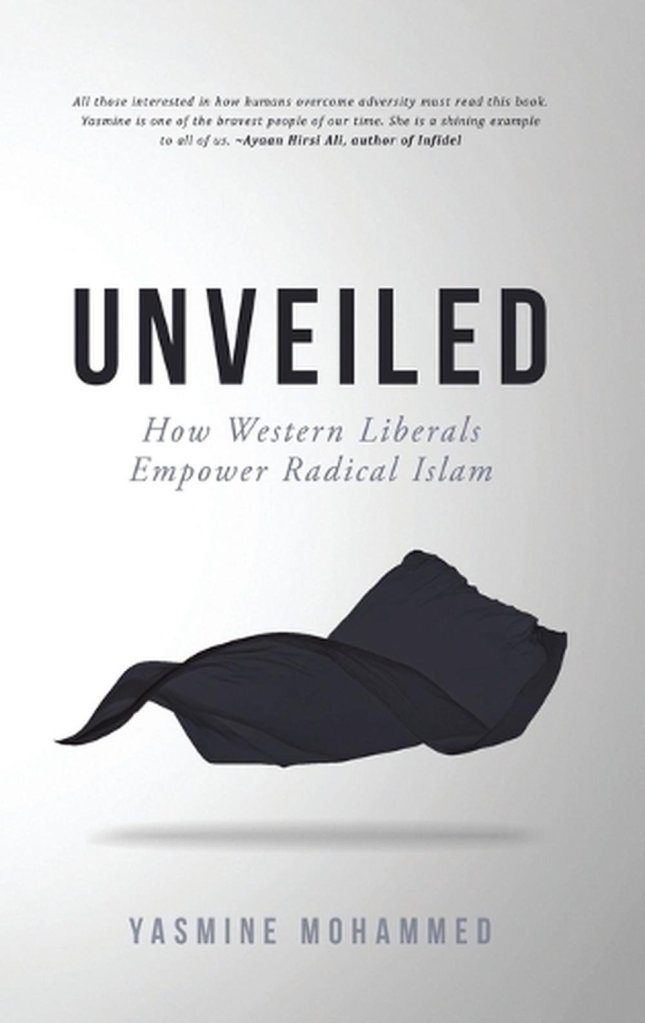


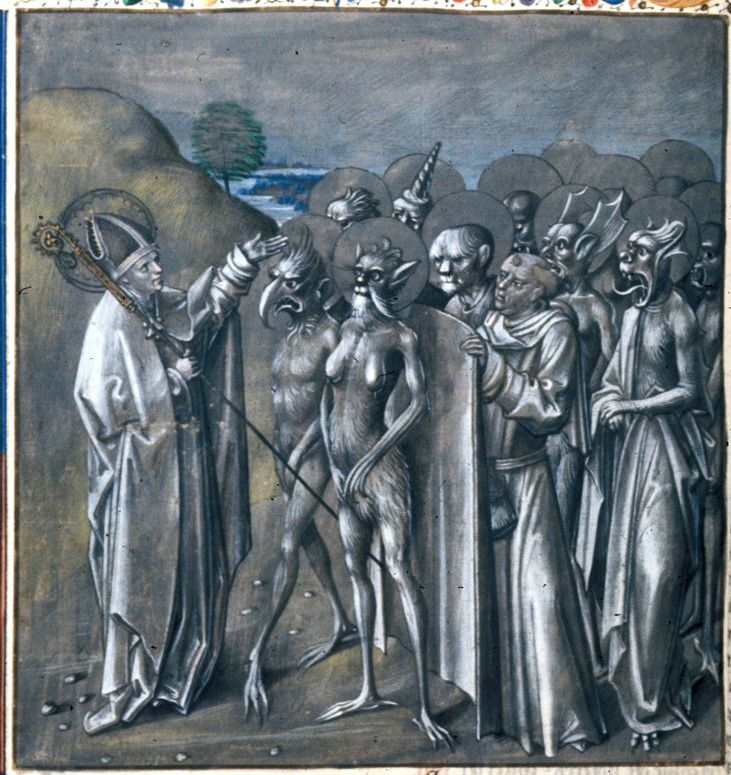





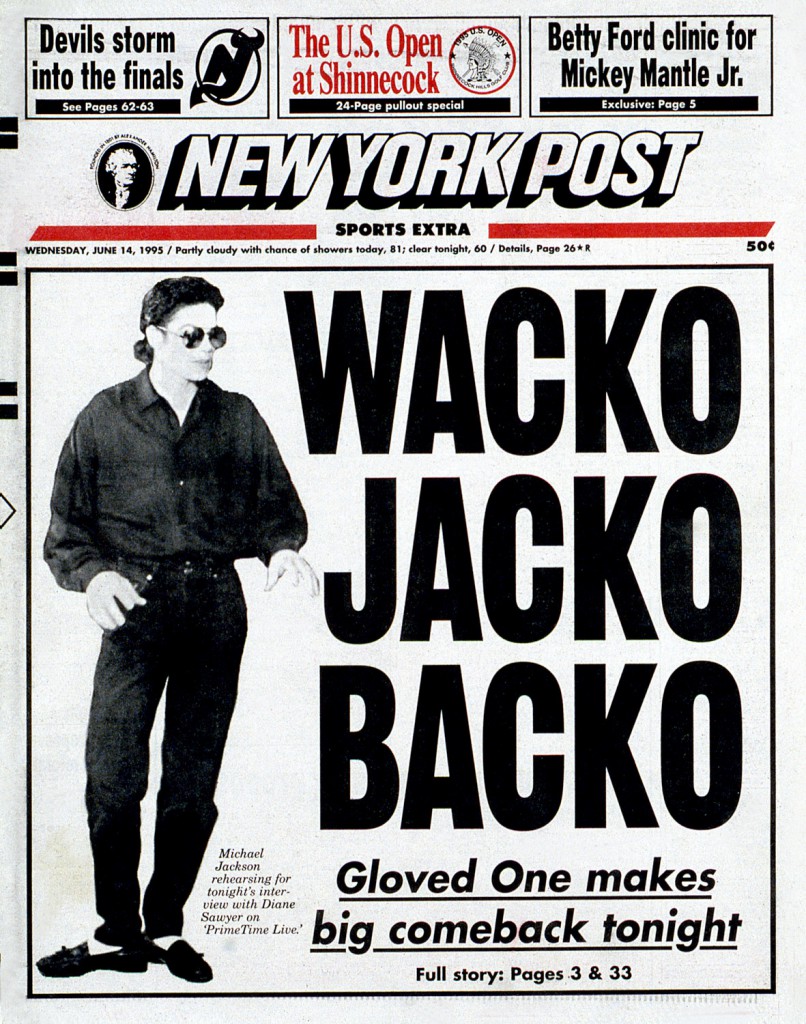

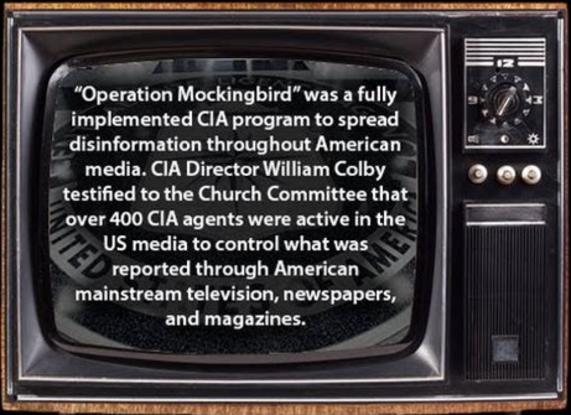

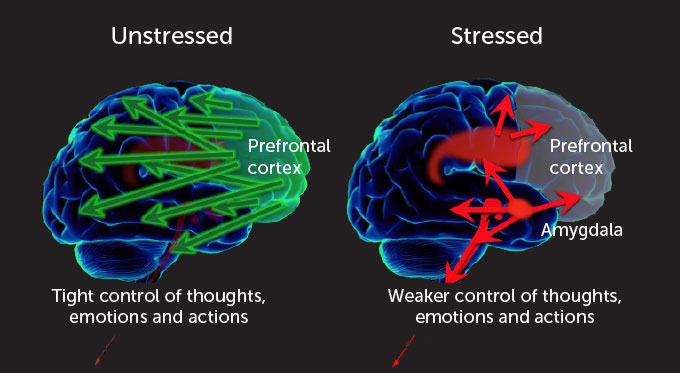





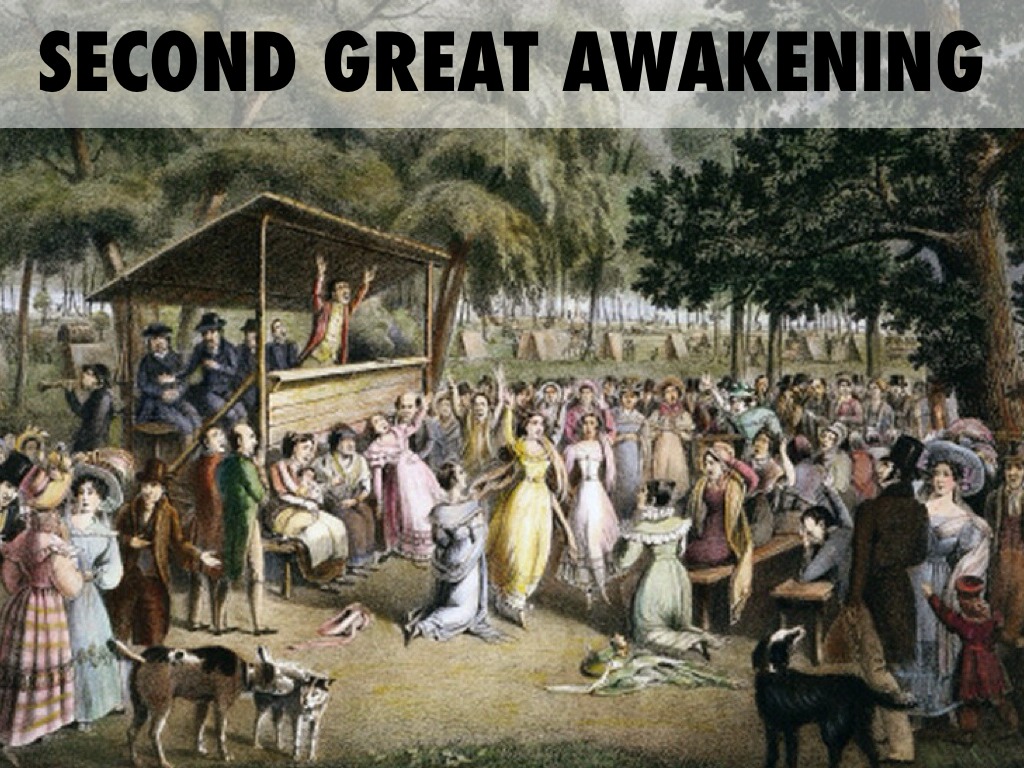
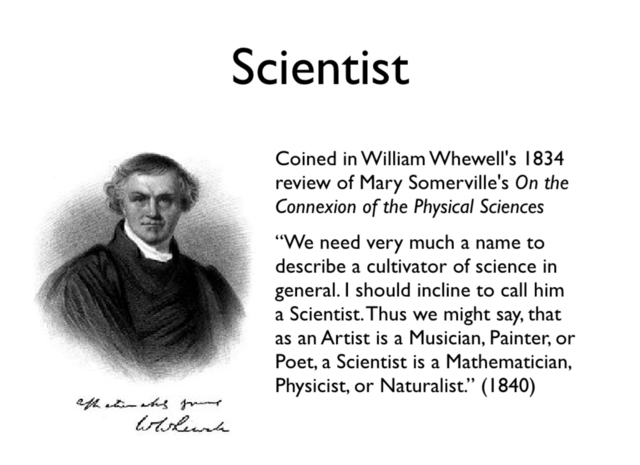

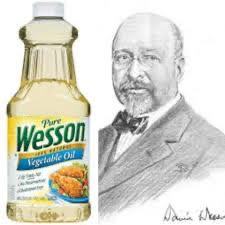

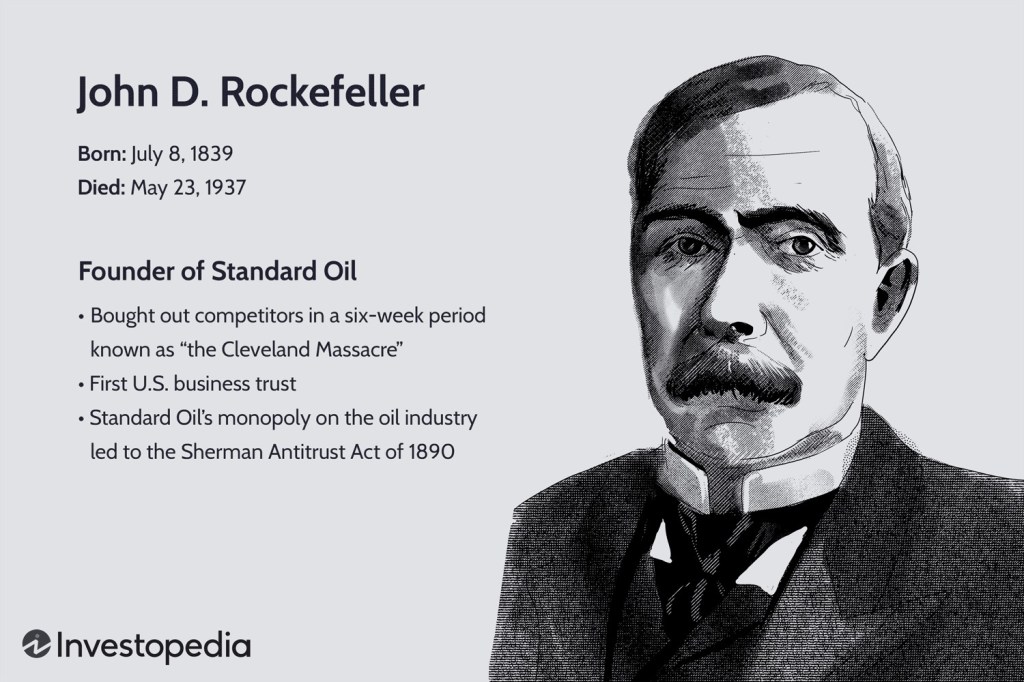
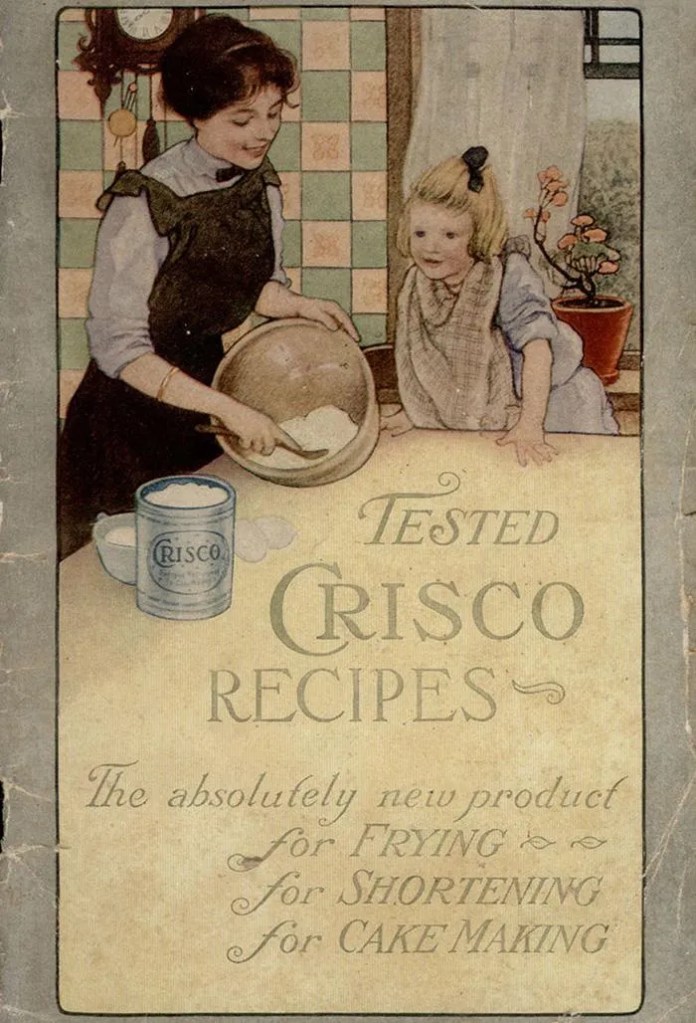

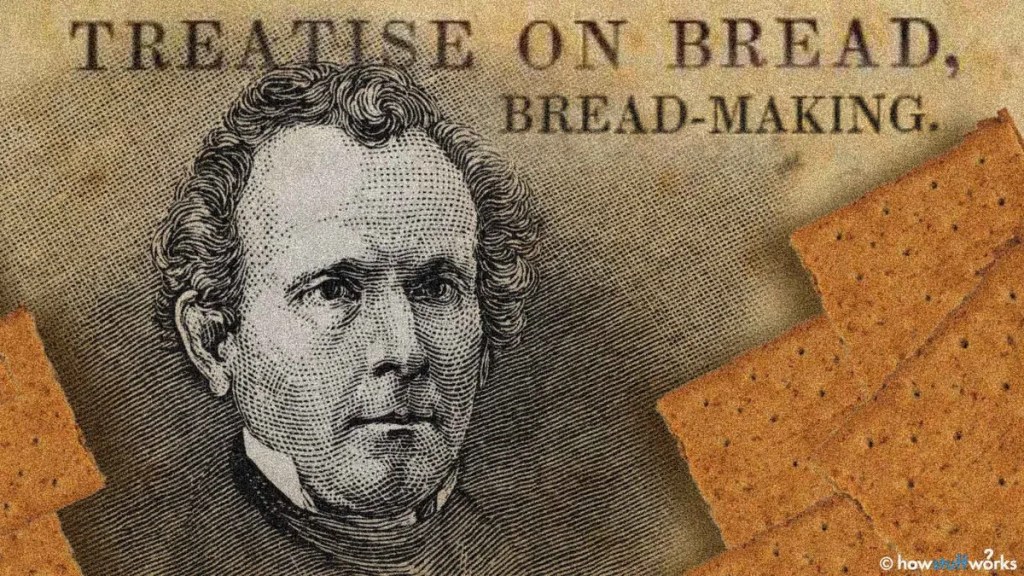
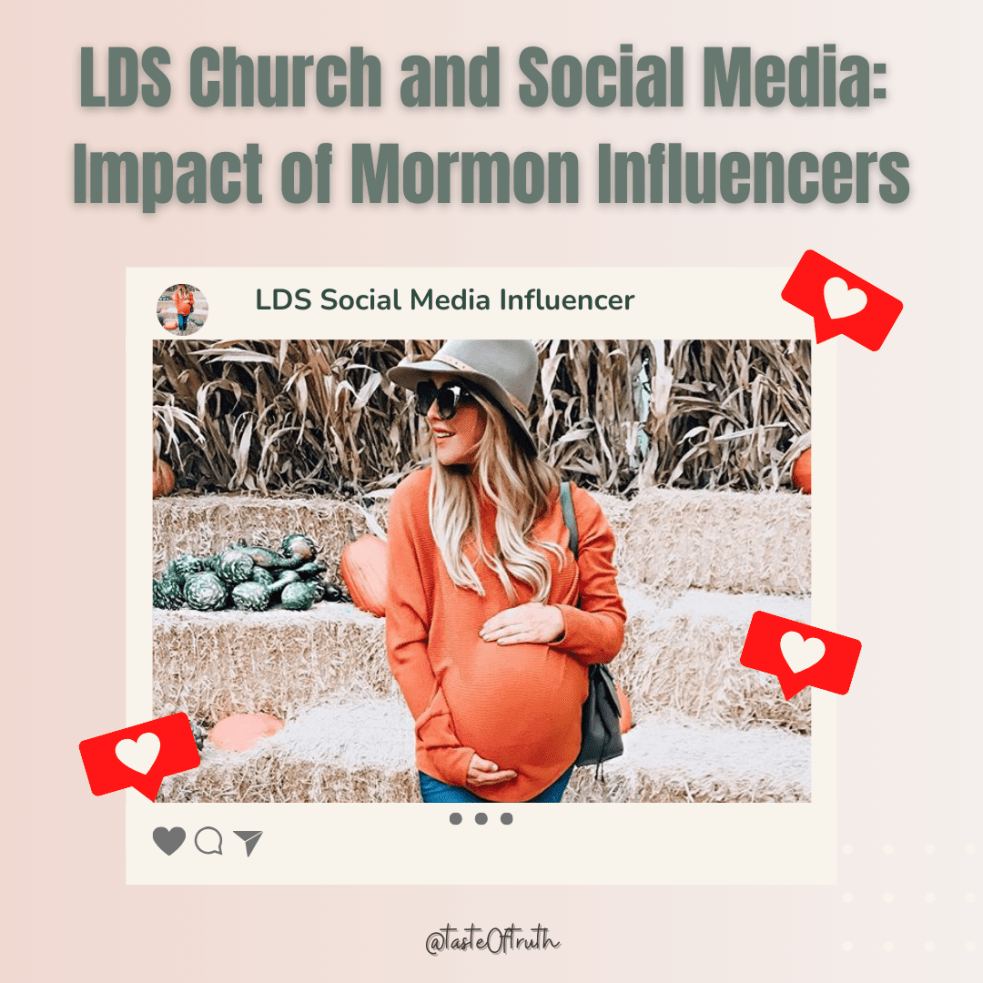

 Taste0ftruth Tuesdays