From Heart to Brain: The Neuroscience Behind Connection and Calm
Welcome back to Taste of Truth Tuesdays, where we maintain our curiosity, embrace skepticism, and never stop asking what’s really going on beneath the surface. Last week, I prepared you for this episode, so if you missed out, please check it out! It’s short and sweet.
Why does your body feel like it’s on high alert… even when nothing “bad” is happening? Why do you either trust too quickly or not at all and end up anxious, burned out, and ashamed? Why is it so damn hard to regulate your emotions, especially when you’re great at controlling everything else?
If those questions hit a little too close to home… this episode is for you.
Last season, we dove deep into complex trauma through Pete Walker’s From Surviving to Thriving, unpacking how childhood neglect, emotional abuse, and developmental trauma shape adult patterns.
And today? We’re going even deeper — through the lens of neuroscience.
Because what if these aren’t personality quirks or moral failings? What if your brain and body are actually doing their best to protect you, using adaptations wired by Complex PTSD?
My guest today is Cody Isabel | Neuroscience, a neuroscience researcher and writer whose work has become a game-changer in trauma conversations. He holds a degree in Cognitive Behavioral Neuroscience, has training in Internal Family Systems psychotherapy, and specializes in the emerging field of Psychoneuroimmunology — the study of how your thoughts, brain, and immune system interact.
We’ve talked about fawning, the lesser-known trauma response that shows up as chronic people-pleasing, self-abandonment, and conflict avoidance—especially common in those who’ve survived high-control environments. In this episode with Theresa, we also explore the stress cycle. According to Selye’s General Adaptation Syndrome, your body moves through three stages when facing ongoing stress: Alarm, Resistance, and eventually, Exhaustion. And fawning, while behavioral, can easily become your nervous system’s go-to tactic—especially during prolonged stress or in the presence of power dynamics that feel threatening.
We have talked about the Emotional Hijack and how trauma impacts the brain in this episode.
We’ve also referenced the vagus nerve, but not specifically Polyvagal Theory—but today, we’re going deeper. Instead of seeing your stress responses as “malfunctions,” it reframes them as adaptive survival strategies. Your nervous system isn’t betraying you—it’s trying to protect you. It’s just working off old wiring.
Think of it like this:
Your nervous system is constantly scanning for cues of safety or threat—this is called neuroception. And based on what it detects, your body shifts into different states—each with a biological purpose.
The Polyvagal Chart breaks this down into three major states:
1. 🟢 Ventral Vagal – Social Engagement (Safety)
This is your “rest-and-connect” zone. You feel grounded, calm, curious, and open. You can be present with yourself and with others. Your body prioritizes digestion, immune function, and bonding hormones like oxytocin. You’re regulated.
This is the state we’re meant to live in most of the time—but trauma, chronic stress, or inconsistent caregiving can knock us out of it.
2. 🟡 Sympathetic – Fight or Flight (Danger)
When your system detects danger, it flips into high alert. Blood rushes to your limbs, your heart races, your digestion shuts down. You either fight (rage, irritation) or flee (anxiety, panic). This is survival mode. It’s not rational—it’s reactive.
And if that still doesn’t resolve the threat?
3. 🔴 Dorsal Vagal – Freeze (Life Threat)
This is the deepest shutdown. Your system says: “This is too much. I can’t.” You go numb. You collapse. You may dissociate, feel hopeless, or emotionally flatline. It’s not weakness—it’s your nervous system pulling the emergency brake to conserve energy and protect you.
Here’s what’s crucial to understand: these responses aren’t choices. They’re biological defaults. And many of us are stuck in loops of fight, flight, or freeze because our systems never got a chance to complete the stress cycle and return to safety.
So instead of shaming yourself for overreacting or shutting down, what if you asked:
“What is my nervous system trying to do for me right now?” “What does it need to feel safe again?”
That shift—from judgment to curiosity—is the beginning of healing.
And we’ll connect this to another major thread—attachment systems, which we haven’t unpacked in depth yet, but absolutely need to.
Your attachment system is the biological and psychological mechanism that drives you to seek safety, closeness, and emotional connection—especially when you’re under stress. It develops in early childhood through repeated interactions with your caregivers, shaping how you regulate your emotions, perceive threats, and relate to others. If those caregivers were emotionally attuned, predictable, and responsive, you likely formed a secure attachment. But if they were inconsistent, neglectful, controlling, or chaotic… your attachment system learned to adapt in ways that may have kept you safe then—but cost you connection now.
In The Happiness Hypothesis, Jonathan Haidt points to a disturbing moment in psychological history that disrupted the natural development of secure attachment: the rise of behaviorism in the early 20th century.
John B. Watson, a founding figure of behaviorism, famously applied the same rigid, mechanistic principles he used on rats to raising human children. In his 1928 bestseller The Psychological Care of Infant and Child, he urged parents not to kiss their children, not to comfort them when they cried, and to withhold affection—believing emotional bonding would produce weak, dependent adults.
By the mid-20th century, attachment theory began to challenge these behaviorist claims. John Bowlby, in the 1950s, argued that infants form emotional bonds with caregivers as an innate survival mechanism—not merely as conditioned responses to rewards, as behaviorism suggested. His work, drawing from ethology, psychoanalysis, and control systems theory, moved beyond behaviorism’s narrow stimulus-response framework. Mary Ainsworth’s empirical research in the 1960s and ’70s, through her Strange Situation study, confirmed that attachment styles stem from caregiver sensitivity and infant security needs, rather than simple conditioning.
Yet, ironically, during the 1970s and ’80s, Christian parenting teachings—particularly those popularized by figures like Dobson—adopted and amplified the very behaviorist ideas that attachment research was already disproving. These teachings emphasized strict discipline and emotional control, often citing Scripture to justify practices rooted in outdated psychological theories rather than theology.
Let that sink in.
For decades, dominant parenting advice discouraged emotional responsiveness, treating affection not as a necessity but as a liability.
This wasn’t just bad advice—it was the psychological equivalent of nutritional starvation. Instead of missing vitamins, children missed attunement, safety, and connection. As attachment research has since shown, those early emotional experiences shape nervous system development, stress regulation, and whether someone grows up trusting or fearing closeness.
So, when we talk about stress responses like fawning… or chronic over-functioning… or emotional dysregulation… we’re often seeing the adult expression of a nervous system that never learned what safety feels like in the presence of other people.
And that’s why today’s conversation matters. Because healing isn’t just about rewiring thought patterns. It’s about rebuilding your felt sense of safety—in your body, in your relationships, and in your life.
And if you are anything like me and have found yourself wondering… why your nervous system reacts the way it does… or why regulating your emotions feels impossible even when you “know better” … this episode will connect the dots in ways that are both validating and eye-opening.
We’re talking trauma, identity, neuroplasticity, stress, survival, and what it really means to come home to yourself.
The topics we explore:
The critical differences between PTSD and Complex PTSD — and how each impacts the brain and body
Why CPTSD isn’t just a fear response, but a full-body survival adaptation that reshapes your identity
What it means to heal “from the bottom up,” and why insight alone isn’t enough
How books and language can validate our experience — without replacing the need for somatic work
The push-pull of relational safety: why CPTSD makes connection feel risky, even when we crave it
How trauma affects the Default Mode Network, and why healing often feels like rediscovering who you are
Whether you’re navigating relational triggers, spiritual disorientation, or the long road of recovery, this conversation offers clarity, compassion, and a grounded path forward.
If you’re a woman in midlife witnessing changes in your body, let’s be honest—hearing one more expert say “just move more and eat less” might make you scream. That tired, oversimplified advice ignores the very real ways our bodies change—and the decades of life we’ve already lived in them.
Midlife, generally defined as the ages between 37 and 65, isn’t just a calendar phase. It’s a biological, emotional, and identity-shifting chapter. For women, it often marks the beginning of perimenopause—the transitional period leading up to menopause, when the ovaries gradually produce less estrogen. Menopause itself is defined as the 12-month mark after your final menstrual period, but the hormonal fluctuations and symptoms often begin years before and can last well beyond that point.
To really understand what’s happening in our bodies now, we have to rewind the clock.
From puberty, our bodies have been shaped by an elegant hormonal dance. Estrogen, progesterone, and to a lesser extent testosterone, govern everything from our cycle to our skin, from our energy to our emotional responses. These hormones rise and fall in predictable patterns until they don’t. And when they don’t, you feel it.
Hot flashes. Sleep disruptions. Brain fog. Mood swings. Slower recovery from workouts. A scale that doesn’t seem to budge no matter what you do. And the silent undercurrents like the gradual loss of bone density—osteopenia—that often go unnoticed until it’s too late.
These aren’t random annoyances. They’re signals. And they deserve to be understood.
In this post and in today’s podcast episode, I talk with registered dietitian and research wizard Maryann Jacobsen about what actually helps us thrive during perimenopause and menopause. We get into why muscle is metabolic gold, why cardio isn’t always the answer, and how biofeedback your body’s own cues like hunger, energy, sleep, and mood can tell you more about what’s working than any calorie tracker or influencer’s reel ever could.
We also challenge the idea that your bathroom scale is the best measure of health. Spoiler alert: it’s not. Tools like DEXA scans provide deeper insight into your bone density and lean mass—two things that matter more than “weight” ever could in this stage of life. And while your smart scale using bioelectrical impedance might not be as accurate, it can still help you track general trends if you know how to interpret it.
One part of our conversation that hit me hard was Maryann’s mention of the body fat research around fertility. Scientists have found that a minimum of 17% body fat is required just to get a menstrual cycle, and about 22% is needed to maintain ovulation. But here’s the real shocker: in mature women, regular ovulatory cycles are often supported best at 26–28% body fat. (PMID: 3117838, 2282736) That means what many of us have been taught to chase ultra-lean physiques (around 17 BF% or so), chronic calorie restriction, or overtraining can actually backfire on our reproductive health, bone health, and overall vitality.
In populations where food is scarce or physical demands are high, we see patterns: delayed first periods, longer gaps between births, earlier menopause. It’s the body adapting for survival. But in modern life, we sometimes impose these same conditions on ourselves in the name of “fitness.”
And while estrogen usually gets the spotlight in menopause care often treated as the main character it’s progesterone that deserves a standing ovation. Many women are told they “need progesterone” just to protect themselves from estrogen’s effects, as if it’s merely a buffer. But that undersells its brilliance.
The name progesterone literally means “pro-gestation,” but its impact goes far beyond fertility. Progesterone is a master regulator. It stabilizes tissues, supports metabolic balance, calms inflammation, protects against stress, and even plays a role in brain health. While estrogen stimulates, progesterone shields. While estrogen builds, progesterone restores.
Fascinatingly, our bodies produce far more progesterone than estrogen especially after ovulation and during pregnancy. That’s not a fluke. It reflects just how critical progesterone is to our overall well-being.
So when ovulation slows or disappears in midlife, it’s not just your period going quiet. It’s this entire downstream network of hormonal resilience especially progesterone that starts to fade. And that’s when symptoms ramp up.
Understanding this isn’t just about managing menopause. It’s about honoring your biology, updating your strategy, and supporting your body like the powerful, responsive system it actually is.
If we want to balance and optimize our hormones in midlife, we have to re-evaluate our goals. This isn’t about grinding harder it’s about getting smarter. And to get smarter, we need to zoom out.
Ovulation isn’t just some fertility footnote-it’s the main event of your cycle. But many of us were taught that the bleed is the cycle. Nope. That’s just the after-party. The headliner? Ovulation.
Why does this matter in midlife?
Because ovulation is what triggers the production of progesterone a hormone that plays a critical role in metabolism, mood, sleep, brain function, and bone health. And spoiler: progesterone is the first to dip off the radar as we enter perimenopause. That’s why your energy feels off, your sleep gets weird, and your tolerance for stress tanks. Your body isn’t broken—it’s adapting.
Here’s where things click into place: your body will only ovulate consistently if it feels safe and nourished. That means you’re eating enough, not overtraining, and not living in a cortisol-fueled chaos spiral.
Ovulation isn’t just about reproduction it’s a vital sign of health. And the two hormones that anchor your entire cycle, estrogen and progesterone, do so much more than regulate periods.
From bone density to brain function, from insulin sensitivity to mitochondrial health, these hormones influence nearly every system in your body. So, when they fluctuate…. or flatline… you feel it. Not just in your body, but in your entire day to day experience.
So, let’s break the rules, rewrite the midlife playbook, and finally start listening to the wisdom our bodies have been whispering all along.
Hey everyone, welcome to the very first episode of Taste Test Thursdays! If you’re new here, this is a special bonus series where I’ll be giving you a behind-the-scenes look at the topics I didn’t get a chance to fully explore during Season 3 of Taste of Truth Tuesdays. Think of this as the leftovers—the ideas that were simmering on the back burner but never made it onto the main plate.
But this series isn’t just about what I didn’t cover. It’s about giving you a deeper look into my thought process—how I research, why I choose certain topics, and the unfiltered thoughts I don’t always include in the main episodes. Some weeks will be casual, some will be research-heavy, and some, like today, will be personal.
Because for this first episode, I want to start with a topic I’ve touched on but never fully shared: my own experience with chronic pain and how it shaped not only my fitness journey but my entire approach to health and resilience.
The Story Behind My Chronic Pain & Fitness Journey
Let’s rewind a bit. Growing up, I was always active, but I never saw fitness as something I’d build my life around. That changed when I started dealing with chronic pain. At first, it was subtle—nagging aches, stiffness that didn’t go away. But then it became something more. Pain wasn’t just an inconvenience; it dictated what I could and couldn’t do. Doctors didn’t always have clear answers, and at times, it felt like I was being dismissed.
That frustration pushed me to start researching on my own-diving into biomechanics, nutrition, corrective exercise, and the ways the nervous system and pain are intertwined. I wasn’t just looking for relief; I was trying to understand why my body was responding this way. And what I found changed everything.
A while back, I wrote a blog post about this—one that really captures my experience in a way that feels raw and honest. And instead of just summarizing it, I want to share it with you here. So, here’s that piece, in its entirety.
This experience didn’t just lead me into fitness; it redefined how I approach movement altogether. It made me realize that pain isn’t just a physical experience—it’s emotional, neurological, and deeply personal. It’s why I’m so passionate about evidence-based approaches to health and why I push back against a lot of the oversimplified fitness narratives out there.
I’ve seen firsthand how the right training, nutrition, and mindset shifts can change the way someone interacts with their own body. And I’ve also seen the damage of quick-fix culture—where people are told they just need more discipline, or worse, that their pain is all in their head.
What I Wish More People Knew About Chronic Pain & Fitness
One of the biggest misconceptions I had to unlearn is that pain automatically means damage. That’s something I wish more people understood. Pain is real, but it’s also complex—it can be influenced by stress, trauma, movement patterns, and even the stories we tell ourselves about our bodies. Learning that was a game changer for me.
Another thing? There is no one-size-fits-all approach. Healing, strength, and movement look different for everyone, and that’s okay.
What to Expect From Taste Test Thursdays
So, that’s today’s leftover—a topic I didn’t get to fully explore in Season 3 but felt like now was the right time to share. But Taste Test Thursdays won’t always be this personal. Some weeks, I’ll take you inside my research process—breaking down how I fact-check, where I find sources, and the information I don’t trust. Other weeks, I’ll revisit ideas I didn’t have time for, explore unfiltered takes, or answer your burning questions.
Next week, we’ll be talking about how I put together my episodes—how I decide on topics, what I look for in sources, and some of the biggest red flags I watch out for when researching.
I’d love to hear from you—what’s been your experience with pain and fitness? Have you ever had to unlearn things about your own body? Let me know over on Instagram or in the comments if you’re listening somewhere that allows it.
Thanks for being here, and as always—maintain your curiosity, embrace skepticism, and keep tuning in!
Political scientists have long found that our opinions are shaped more by group identity than by rational self-interest. As Jonathan Haidt explains in The Righteous Mind, politics is deeply tribal—we’re hardwired to align with groups, not necessarily because they offer truth, but because they provide belonging.
As I’ve been navigating the deconstruction, ex-Christian, ex-cult communities, I’ve noticed for many, the radical progressive left becomes their new “safe” community, offering a clear moral hierarchy—oppressed vs. oppressor, privileged vs. marginalized. It mirrors what they once found in their faith.
But here’s the problem: the partisan brain, already trained in “us vs. them” thinking, doesn’t become freer—it simply finds a new orthodoxy.
These words dominate the language of social justice activism, but what do they actually mean? If you take them at face value, you might think they’re about fighting discrimination or ensuring equal opportunity.
But if you really listen—if you really follow the ideology to its core—it all comes back to one thing: capitalism.
For the radical left, capitalism isn’t just an economic system; it’s the system—the root of all oppression. The force that creates every hierarchy, every disparity, every injustice.
When they say systemic racism, they don’t mean individual prejudice or even discriminatory laws—they mean the entire capitalist structure that, in their view, was built to privilege some and exploit others.
And here’s the part that’s honestly exhausting—watching the same deconstruction folks preach about “decolonizing healing” and “Christian nationalism” in the same breath while pushing trauma support for religious survivors—all while being knee-deep in Critical Race Theory.
It’s one thing to acknowledge past harms. But this ideology just piles on more depression and anxiety without offering real solutions.
Let’s get real: this isn’t healing. It’s more of the same toxic division and victimhood—repackaged as activism.
And if you think I’m exaggerating, just listen to this clip from my interview last season with the founder of Tears of Eden, a nonprofit supporting survivor of spiritual abuse:
Katherine Spearing: (Timestamp 4:32) “Now, like, one of the things that I have committed to—who knows how long it will last—I don’t listen to white men. Like, I don’t listen to white men’s podcasts, I don’t listen to white men on TV, white men sermons, I don’t read white men’s books, and I miss ZERO things by not listening to white men. There is amazing material created by BIPOC, queer-identifying people, women—I miss ZERO things not listening to white men. And we, as a culture—especially in fundamentalist spaces—have platformed white men as voices of authority and trust.”
Now let’s take Nikki G. Speaks, who also works with Tears of Eden. Her book frames Christian nationalism as the root of systemic oppression, defining it in a way that casts anyone with conservative values or moral convictions as complicit. And it’s not just an argument—it’s being packaged as trauma recovery. Just look at how it’s marketed:
“Hearing the same controlling language in our laws that I heard in church feels like a step backward in my healing.”“It’s like my trauma has left the church and entered our government—it’s a reminder of how pervasive these beliefs can be.”
This isn’t about healing—it’s about turning political disagreement into personal trauma. And this is just one example of how therapy spaces are being used to enforce ideology rather than foster true recovery.
Let that sink in.
This is what is being promoted under the guise of “healing.”
This isn’t about liberation. It’s about swapping one dogma for another, one form of control for another. And the worst part?
It’s being fed to people who have already been deeply wounded, offering them more alienation and resentment instead of real recovery.
This is where intersectionality comes in.
Coined by Kimberlé Crenshaw in the 1980s, intersectionality originally described how different forms of discrimination—race, gender, class—could compound. But in the hands of modern activists, it’s become something much broader—a blueprint for how capitalism oppresses everyone.
Race? Capitalism’s fault. Gender? A hierarchy created by capitalism. Policing? A tool of capitalism to protect property and maintain order. Disability? Even that, they argue, is socially constructed through a capitalist framework that determines who is “productive” and who isn’t.
The goal isn’t reform—it’s destruction. Private property, free markets, law enforcement, even objective truth itself—everything is viewed as an extension of capitalism’s oppressive grip. And because the U.S. Constitution protects that system, it too is labeled a racist, colonialist document that must be overturned.
This is why, no matter what progress is made, America will always be deemed a racist society by those who see racism and capitalism as inextricably linked. And if you think this sounds extreme, just wait—because the next frontier, Queer Marxism, takes it even further. This emerging ideology argues that capitalism didn’t just create economic classes but created gender itself. That masculinity and femininity aren’t just cultural norms, but capitalist inventions designed to uphold oppression.
The radical goal? Not just to redefine gender—but to abolish it entirely.
Today, I’m joined by someone who saw this ideology take over firsthand.
Suzannah Alexander is the writer behind Diogenes in Exile and a self-described whistleblower. Her journey took a sharp turn when she returned to grad school to pursue a master’s in clinical Mental Health Counseling at the University of Tennessee. Instead of a rigorous academic environment, she found a program completely entrenched in Critical Theories—one that didn’t just push radical ideas but actively rejected her Buddhist practice and raised serious ethical concerns about how future therapists were being trained. Believing the curriculum would do more harm than good, she made the difficult decision to leave.
Since then, Suzannah has dedicated herself to investigating and exposing the ideological capture of psychology, higher education, and other institutions that seem to have lost their way.
Today, we’re pulling back the curtain on what’s really happening in academia and the mental health field—how radical ideologies are shaping the next generation of therapists, and what that means for all of us.
This isn’t just about politics.
This is about the fundamental reshaping of how we think about identity, human nature, and even reality itself.
Buckle up—this conversation is going to challenge some assumptions.
Let’s get into it.
The ‘Shell Game’ of Autonomy vs. Collectivism
In the counseling profession, the ACA (American Counseling Association) Code of Ethics emphasizes autonomy as a fundamental value. Counselors are meant to respect the autonomy of their clients, allowing them to make decisions based on their own needs, values, and beliefs. However, there’s a disturbing contradiction in the way this value is applied.
Suzannah points out a glaring issue: while the ACA Code of Ethics pushes for autonomy on an individual level, the broader agenda within counselor training increasingly prioritizes societal goals—often driven by collectivist ideologies—over the well-being of the individual client. She likens this contradiction to a “shell game,” where one thing (autonomy) is promised, but what you get is something entirely different: an emphasis on societal goals and moral frameworks that favor groupthink over personal decision-making.
From Competence to Conformity: The New Standard for Counselor Training
In Suzannah’s story, she highlights how counseling programs have made a troubling shift from evaluating students based on competence—their ability to effectively help clients—to assessing whether they’re willing to “confess, comply, and conform.” This process, Suzannah describes, is what she terms “ideological purification.”
This ideological purification isn’t about developing professional skill; it’s about enforcing a prescribed set of beliefs. Under the influence of CACREP (Council for Accreditation of Counseling and Related Educational Programs) standards, students are now pressured to align their personal values and beliefs with certain ideological standards. For Suzannah, this was most evident in how multicultural counseling courses and other required coursework increasingly centered around critical race theory, intersectionality, and social justice activism.
Suzannah asks: How can this ideological shift affect students who resist, and what happens when they’re coerced into aligning with values that aren’t their own?
The danger here is twofold: students who resist this ideological conditioning may find themselves marginalized, pushed out of programs, or forced into an uncomfortable position where they feel pressured to abandon their own beliefs. This, Suzannah argues, creates a chilling atmosphere for anyone who doesn’t conform to the prescribed worldview.
Ideological Purity in Counselor Training: What’s at Stake?
Suzannah’s personal experience with CACREP’s “dispositions” exemplifies the pressure to align personal beliefs with ideological standards. She shares that this led to her being placed on a “Support Plan”—essentially a probationary period where she was expected to prove her ideological compliance. This was compounded by verbal abuse from professors who seemed intent on forcing her to adopt a specific worldview, regardless of her personal or professional integrity.
Suzannah reflects: How did this ideological enforcement affect her professional integrity? The pressure to abandon her personal beliefs and adopt prescribed values made her question whether counseling, a field that should center around helping individuals find their own path, had become more about enforcing conformity than fostering autonomy.
The Impact of Ideological Capture on Effective Therapy
Suzannah’s concerns go beyond her own experience; she warns of the long-term consequences of this ideological capture on the broader counseling profession. As the training process increasingly focuses on ideological purity rather than competence, it undermines the very foundation of therapy—trust, autonomy, and the ability to genuinely help clients.
Suzannah argues that when counselor training programs force students to abandon their personal beliefs, they create a system where the ability to genuinely help clients is compromised. Counselors may find themselves unable to offer support that reflects the true diversity of their clients’ experiences—particularly those who may not share the same ideological framework. This ideological conditioning poses a real threat to the integrity of the counseling profession as a whole.
The Long-Term Consequences: A Dangerous Path
The future of the counseling profession, as Suzannah warns, is in jeopardy if this trend of ideological conformity continues. What once was a field designed to support individuals in navigating their personal struggles is at risk of becoming another ideological tool, where practitioners are forced to conform to an orthodoxy rather than providing true, individualized care.
As Suzannah explains, the core values of counseling—such as autonomy, respect for the individual, and the ability to help clients work through their unique experiences—are being overshadowed by an agenda that prioritizes ideological purity. If this trend continues, it may lead to a future where counselors are more concerned with political correctness than the well-being of their clients.
The Final Question: Is Healing Possible in This New Environment?
Suzannah’s story raises critical questions about the future of counseling and mental health support in an increasingly ideological landscape. How do counselors maintain their professional integrity in a system that demands conformity? How can clients receive true support when the professionals meant to help them are being trained under such an ideological framework?
The answers to these questions will shape the future of mental health care. If the trend of ideological capture continues, it may very well reshape the profession into something unrecognizable—an environment where therapy becomes just another vehicle for ideological control, rather than a space for healing and personal growth.
Have thoughts on this?Join the conversation! If you’ve experienced the impact of ideological conformity in mental health training or therapy, share your story in the comments or send us a message. The more we understand the forces shaping mental health care, the better equipped we are to fight for a future where autonomy and true healing are at the center of care.
I had a lot of different topics in mind for my final solo episode of Taste of Truth Tuesdays Season 3. For example, The Stress-Mitochondria Connection: How B vitamins, Taurine and Magnesium Fuel your Energy, A world without religion: Freedom or Fragmentation, How Emotional Trauma contributes to Chronic Pain or the Social Media Dilemma How to Break Free from the Digital Grip… But then, a new development landed right in my lap—one that perfectly encapsulates the concerning trends I’ve been observing in the deconstruction, ex-Christian, anti-MLM, and ex-cult communities.
My friend Brandie, who I had on in Season 2 for the episode From Serendipity to Scrutiny, recently blocked me. And why? Because I simply pushed back and asked questions. We’d had some private conversations in the DMs that had already raised red flags for me, but apparently, even the slightest bit of pushback was enough to get me cut off. This isn’t just about one friendship—it’s about a much bigger pattern I’ve seen unfolding.
The Deconstruction Pipeline: When Leaving a High-Control Group Means Entering Another
One of the biggest ironies in the ExChristian circles is how quickly people flee high-control religious environments only to land in equally dogmatic ideological spaces. This isn’t a coincidence—it’s human nature. As Jonathan Haidt lays out in The Righteous Mind, our reasoning evolved more for argumentation than truth-seeking. We are wired for confirmation bias, and when we leave one belief system, we often replace it with another that feels equally absolute but now appears “rational” or “liberating.”
This is where figures like Steven Hassan and Janja Lalich come in (because this isn’t just about Brandie) self-proclaimed experts on cults who, ironically, exhibit the same control tactics they claim to expose. Hassan, a former Moonie turned cult deprogrammer, has made a career out of helping people escape authoritarian religious systems. But a deeper look at his work reveals an ideological bent (it’s hard to ignore). He frequently frames conservative or traditional religious beliefs as inherently cult-like while giving progressive or leftist movements a pass. He has called Trumpism a cult but is conspicuously silent on the high-control tactics within certain progressive activist spaces. His criteria for what constitute undue influence seem to shift depending on the political context, (BITE model) making his framework less about critical thinking and more about reinforcing his preferred ideological narrative. I did what Hassan won’t: use his own model to break down the mind control tactics of the extreme left.
Janja Lalich follows a similar pattern. A (supposedly) former Marxist-Leninist, she applies her cult analysis primarily to religious and right-wing groups while glossing over the coercive elements in the far-left spaces she once occupied (or still does). Her work is valuable in breaking down how high-demand groups operate, but she, too, appears to have blind spots when it comes to ideological echo chambers outside of the religious sphere. These represent a pattern rather than an isolated incident. Other platforms like (The New Evangelicals,Dr. Pete Enns (The Bible for Normal People), Eve was framed,Jesus Unfollower, Dr. Laura Anderson just to name a few.) highlight control tactics when they appear in traditional or conservative groups but fail to apply the same scrutiny to their own ideological circles.
This selective analysis creates a dangerous illusion: it allows people leaving fundamentalist religious spaces to believe they are now “free thinkers” while unknowingly adopting another rigid belief system. The deconstruction pipeline often leads former evangelicals straight into progressive activism, where purity tests, ideological loyalty, and social shaming operate just as effectively as they did in the church. The language changes: “sin” becomes “problematic,” “heresy” becomes “harmful rhetoric”, but the mechanisms remain the same.
Haidt’s work on moral foundations helps explain this phenomenon. Progressive and conservative worldviews are built on different moral intuitions, but both can be taken to extremes. The key to avoiding ideological capture is intellectual humility—the ability to recognize that no belief system has a monopoly on truth and that reason itself can be weaponized for tribalism.
John Stuart Mill warned of this centuries ago: the greatest threat to truth is not outright censorship but the cultural and social pressures that make certain ideas unspeakable. Greg Lukianoff and Jonathan Haidt’s The Coddling of the American Mind echoes this concern, showing how overprotective thinking and emotional reasoning have created a generation that confuses disagreement with harm.
Franklin O’Kanu’s concept of the “fake intellectual” is particularly relevant here—people who claim to be champions of free thought while aggressively enforcing ideological orthodoxy.
In this episode, through my experience with Brandie, I’ll illustrate how skepticism is selectively applied, and how ‘critical thinking’ communities can become just as dogmatic as the systems they reject. And unlike Hassan or Lalich, my connection with Brandie was personal. And that’s why I felt this warranted an entire podcast episode. Because what happened with her is a microcosm of a larger issue: people leaving high-control spaces only to re-enter new ones. They are convinced that this time, they’ve finally found the “truth.” Spoiler alert: that’s not how truth works.
So, let’s talk about it.
Blocked for Asking Questions
Recently, Brandie posted on Instagram about DARVO—a psychological tactic where abusers Deny, Attack, and Reverse Victim and Offender to avoid accountability. I agree that MLMs use DARVO. But I wanted to add friendly pushback, that I’ve noticed anti-MLM advocates use similar tactics to silence critics—especially when it comes to questioning the food industry— but she had turned the comments off.
DARVO stands for Deny, Attack, Reverse Victim and Offender—a tactic frequently used by abusers, cult leaders, and high-control groups when they’re called out. It flips accountability on its head, making the person asking legitimate questions seem like the aggressor while the actual manipulator plays the victim.
How MLMs Use DARVO
Multi-Level Marketing (MLM) schemes thrive on DARVO because their entire business model is built on deception. Here’s a classic example:
Deny – A distributor is confronted with the fact that 99% of people in MLMs lose money. Instead of addressing the data, they deny it completely: “That’s just a myth! I know tons of people making six figures!”
Attack – When pressed further, they go on the offensive, accusing the skeptic of being negative or jealous: “Wow, you’re so close-minded. No wonder you’re not successful!”
Reverse Victim and Offender – Finally, they paint themselves as the victim and the questioner as the bully: “I’m just a woman trying to build a business and empower others. Why are you trying to tear me down?”
This tactic shuts down meaningful discussion and keeps people trapped in a system that exploits them.
Do you know what else exploits individuals? Fear and propaganda.
I saw this firsthand in a recent conversation with a friend who’s deeply entrenched in leftist ideologies and what I’d call “Trump Derangement Syndrome.” She shared a post warning people to change their bank accounts because of a false claim that Elon Musk’s staff had access to personal financial data. I pointed out that the post was misinformation, but instead of engaging with the facts, the conversation quickly shifted in a way that mirrors the DARVO tactic.
First, she denied that the post could be harmful or misleading. Then, she attacked me for not understanding the larger “fear” that people are feeling in the current political climate. Finally, she reversed the roles, casting herself as the victim of a chaotic world and me as the one creating unnecessary tension by questioning the post.
This is a textbook example of DARVO, a tactic that deflects accountability, shifts blame, and keeps people trapped in fear-driven narratives. It keeps them from having honest, fact-based conversations and prevents any real understanding of what’s going on around them.
How Brandie Used DARVO on Me
Ironically, despite being an anti-MLM advocate, Brandie used the exact same manipulation tactics when I pushed back on some of her positions. This is a woman who criticizes manipulative marketing tactics in MLMs, yet here she was, employing the very same tactics in our discussion. It’s a stark example of how these patterns can be so ingrained that even those who oppose them can fall into using them.
Deny – When I questioned her promotion of dietitians who endorse processed foods like Clif Z Bars (which recently faced a class-action lawsuit for misleading health claims), she refused to acknowledge the legitimate concerns. Instead, she dismissed it by claiming that caring about food ingredients was more stressful for the body than just eating the food itself—a false dichotomy that undermines any nuance in the conversation, especially when she often critiques the same logical fallacy in other contexts.
Attack – Rather than engaging with my points, she made it personal, implying that I was being antagonistic or bad-faith for even questioning her stance.
Reverse Victim and Offender – Finally, when I didn’t back down, she blocked me, flipping the narrative to make it seem like I was the one causing harm simply by asking questions.
When Therapy Becomes Thought Control: The Weaponization of Mental Health
What makes this dynamic even more interesting is that both my friend in Portland and Brandie, an anti-MLM advocate, are therapists. These conversations have all unfolded within a culture that professes to value feelings, emotional well-being, and mental health awareness. More people are going to therapy than ever before, and an increasing number of people are training to become therapists—mostly women. Currently, around 70-80% of psychologists and therapists are female, and those seeking help are also more likely to be female.
The field has increasingly become a vehicle for ideological activism. Dr. Roger McFillin has spoken extensively about this shift, describing how therapy now often reinforces victimhood narratives rather than fostering resilience. Instead of helping clients process experiences and build coping skills, many therapists nudge them toward predetermined ideological conclusions—especially in areas of identity, oppression, and systemic injustice.
This shift has eroded one of psychology’s most fundamental ethical principles: informed consent. Clients, particularly young and vulnerable individuals, are often funneled into ideological frameworks without realizing it. Under the guise of “affirming care” or “social justice-informed therapy,” therapists may subtly guide them toward specific worldviews rather than offering a full range of perspectives. What should be a process of self-discovery instead becomes thought reform, where questioning the prevailing narrative is framed as harmful or regressive.
Therapy is no longer just political—it has become a mechanism of enforcement. We see this in counseling programs that demand ideological conformity from students, in therapists who blur the line between clinical work and activism, and in public figures like Janja Lalich and Steven Hassan, who claim to expose undue influence while engaging in the same tactics. This is ideological gatekeeping disguised as expertise.
Rather than fostering open exploration, the field is increasingly defined by rigid dogma. Questioning the dominant ideology isn’t framed as critical thinking—it’s labeled as resistance, ignorance, or even harm. And when that happens, dissenting voices aren’t debated; they’re erased. If this trend continues, therapy won’t just be a tool for self-improvement. It will be a tool for social control. It already is.
The Hypocrisy of Selective Skepticism
Brandie and the anti-MLM crowd claim to combat misinformation, yet they overlook a significant issue: the influence of Big Food and Big Pharma on public health narratives.
On her social media story and in private conversations, Brandie has defended dietitians who actively promote ultra-processed foods. Some registered dietitians with large platforms endorse products like Hawaiian Punch and Clif Z Bars as acceptable—even healthy—options.
Clif Z Bars, for example, were recently involved in a $12 million class action settlement for falsely marketing their products as “healthy and nutritious.” These bars are 37% added sugar, essentially sugar bombs.
Yet, a dietitian Brandie supports feeds these bars to her young children, publicly calling them a “healthy snack.” Why is this not considered misinformation?
These conflicts of interest raise serious concerns about industry influence over public health recommendations. Yet, if you question this, you’re labeled anti-science.
This kind of blind faith in authority is no different from religious dogma. The pursuit of truth should always leave room for debate. This also highlights why blindly trusting “credentialed experts” is insufficient. Degrees and titles don’t guarantee that recommendations are free from corporate influence.
Rather than acknowledge these conflicts, Brandie and her followers discredit those asking valid questions, often accusing them of using the “Just Asking Questions” fallacy.
The “Just Asking Questions” Fallacy
A common tactic used to dismiss skepticism is labeling it as the “Just Asking Questions” (JAQ) fallacy. This fallacy occurs when people imply that merely questioning an issue is a form of misinformation or bad faith argumentation.
Many dietitians and anti-MLM advocates are deeply entrenched in mainstream narratives on topics like vaccine safety, climate change, and pharmaceutical efficacy. When skeptics ask pointed questions about these subjects, they are often accused of using JAQing off—a term that suggests they are sowing doubt without providing counter-evidence. The accusation assumes that asking difficult questions is inherently conspiratorial, rather than a legitimate means of inquiry.
But skepticism is not the same as denialism. Critical thinking demands that we interrogate all claims—especially those made by institutions with financial or ideological incentives. Dismissing questions outright only serves to protect entrenched power structures.
The Counterpoint: Intellectual Humility and the Dogma of Data
While it’s vital to engage critically with the information we’re presented, it’s equally crucial to consider the potential pitfalls of blind adherence to any ideology—whether it’s religious, political, or scientific. In the modern age, science and data have often become the new forms of dogma. The scientific community, which prides itself on skepticism and inquiry, is sometimes treated as an unassailable authority—leaving no room for dissent or alternative perspectives.
The worship of science and data as infallible can feel eerily similar to religious dogma. It demands conformity in the name of progress, dismisses alternative viewpoints, and often shuts down debate—all while asserting that it’s in the name of critical thinking and rationality. In this system, the pursuit of truth can ironically become an exercise in tribalism and intellectual rigidity.
What is critical to recognize is that science and reason themselves are not immune to bias, corruption, or influence. Take, for example, the “revolving door” between regulatory agencies and the pharmaceutical industry, which compromises the integrity of public health policies. This conflict of interest is a significant factor in the mistrust surrounding many mainstream health recommendations, especially when we see how corporate interests shape the outcomes of clinical trials, the approval of drugs, or public health initiatives.
Take the nutrition field, for example. The dietitian mentioned earlier endorses Clif Z Bars for her young children, but if you challenge this, you’re accused of being anti-science or fear-mongering.
Similarly, when figures like RFK Jr. highlight pharmaceutical industry ties to regulatory agencies, critics don’t engage with the data. Instead, they attempt to discredit the person asking the questions.
The Real Issue is Deception from Trusted Intuitions
The real misinformation often stems from corporate-backed institutions. Public trust in physicians and hospitals fell from 71.5% in April 2020 to 40.1% in January 2024—not due to misinformation, but because people witnessed firsthand the contradictions, shifting narratives, and financial incentives behind public health decisions. Trust is eroded by deception, not by questioning.
RFK Jr. isn’t “sowing doubt” for the sake of it. He’s pointing out documented cases where pharmaceutical companies have manipulated clinical trials, buried adverse data, and exercised significant influence over regulatory bodies. His book The Real Anthony Fauci outlines a heavily researched case against the unchecked power of Big Pharma and its ties to government agencies. If his claims were false, he would face lawsuits, yet his work continues to spark vital discussions.
True skepticism means demanding better science, not blindly trusting authority. The real danger lies in silencing those who ask critical questions.
Big Food and the Shaming of Health Advocates
A recent study has revealed something I find all too familiar: intimidation tactics used by industries like Big Tobacco, ultra-processed food companies, and alcohol sectors to bully and silence researchers, whistleblowers, and anyone challenging their agenda. This tactic—used by Big Food to discredit critics—reminds me of the way people are shamed or bullied for questioning processed foods or advocating for healthier diets. If you’ve ever pointed out the risks of sugary snacks or fast food, you’ve probably been labeled an extremist, a health-obsessed “wellness warrior,” or worse, a “purity culture” advocate. I can’t help but feel this is just another form of gaslighting, where we’re told that it’s worse to worry about the ingredients in our food than it is to consume those ingredients, even if they are known to contribute to chronic health conditions.
Ironically, this kind of manipulation is the same strategy Big Tobacco used for decades to muddy the waters around the health risks of smoking. And now, ultra-processed food companies are doing the same thing—distracting us from the very real, documented consequences of a poor diet.
Why We Need to Trust Ourselves, Not JUST the Experts
What frustrates me is how the anti-MLM community often jumps on wellness advocates who want to clean up their diets for health reasons. While I agree that MLMs are a breeding ground for manipulation, this should not mean we ignore the very real need to question the food industry’s stranglehold on our diets and health. It’s vital to recognize that not all experts have your best interests at heart. Many of the mainstream recommendations we’re told to follow come from organizations or industries with questionable motives—whether it’s Big Pharma, Big Food, or Big Tobacco. These same industries have a long history of misleading the public, and many of their experts are bought and paid for by corporate interests.
Wanting to improve your diet to manage or reverse chronic health conditions shouldn’t be dismissed as obsessive or extreme. It’s a rational, self-preserving choice that empowers you to take control of your health, even when the mainstream narrative tells you otherwise.
Is This Healing or Just Another High-Control Belief System?
Brandie often talks about “cult recovery” and the importance of psychological resilience. But is she really modeling resilience? Because true resilience isn’t about avoiding discomfort—it’s about engaging with it, questioning your own biases, and standing firm in discussions, even when they challenge your worldview.
Instead, she’s teaching people to coddle their minds. To create ideological echo chambers where questioning the “right” experts is heresy. To avoid any perspective that might cause discomfort. If she’s teaching people to avoid discomfort rather than work through it, I’m not sure how that aligns with the principles of ethical psychotherapy.
True healing requires grappling with discomfort, not running from it. When you teach people to shut down their discomfort rather than confront it, you’re not promoting growth—you’re just pushing them into another high-control belief system.
That’s not healing. That’s just another form of control.
And let’s be real—if your response to fair, thoughtful criticism is to shut down the conversation and block people who used to support you, you haven’t actually deconstructed anything. You’ve just built a new echo chamber with different branding.
The Bigger Picture
This isn’t just about Brandie. It’s about a larger pattern I see in the deconstruction and anti-MLM communities. Many of them claim to be freeing minds, but in reality, they’re just recruiting people into a different kind of ideological purity test.
The message is clear: You’re allowed to be skeptical, but only in the “approved” ways.
That’s not intellectual freedom. That’s just another cult.
Where Do We Go From Here?
We need real conversations about manipulation and misinformation—whether it comes from MLMs, Big Food, Big Pharma, or influencer dietitians who profit from pushing corporate-backed narratives. It means we need to question everything—without replacing one unquestionable authority with another. And we need to be willing to hold all forms of power accountable, not just the ones that fit neatly into our existing beliefs.
Because if we’re not careful, we’ll escape one high-control group only to fall right into another.
Beyond the Glamour: The Dark Reality of the Sex Industry
Welcome back to Taste of Truth Tuesdays. Today’s episode is one that I’ve both been eager and hesitant to share. While I’ve spoken about my journey through faith, fitness and personal transformation that there’s one chapter I’ve largely kept private until now….
For most of my life, I was fed a specific narrative: go to college, get a degree, build a career, and don’t worry about prioritizing marriage or family. Financial independence was the ultimate goal.
After graduating college, I moved from Virginia to Portland, Oregon, to chase my career as a personal trainer, lifestyle coach, and professional circus performer. My income relied on clientele, and while I had busy seasons, nothing was ever truly stable. But with inconsistent income and the ever-present pressure to make ends meet, I found myself in a space that many glamorize but few truly understand—the world of sugar dating.
At first, it didn’t seem that different from the casual dating I was already doing—except now, dinner was covered, and there was a financial incentive. But the deeper I got, the more I realized how unstable and unsafe it was. Most of these men didn’t care about you as a person; they just wanted no-strings-attached access to your body. And when I found myself in situations where I wasn’t in control—where boundaries were ignored, protection was negotiable, and at times, I left empty-handed even after doing my part—I started to see the cracks in the ‘empowerment’ narrative. I remember one night, sitting in my car after being verbally and physically assaulted, I realized I had no one to report it to. No way to warn the next woman. That’s when the illusion fully shattered for me.
That’s why today’s conversation is so important. I’m joined by Sloane Wilson from Exodus Cry, an organization dedicated to exposing the truth about sexual exploitation and advocating for survivors. We’re unpacking the hard truths about the sex industry, the myths that keep women trapped in it, and the cultural shifts that have normalized what should never be considered “just work.”
But we’re also diving into something deeper, faith. Both Sloane and I have gone through our own journeys of deconstruction and reconstruction. She’s seen firsthand how the church can mishandle encountering survivors and how delicate and complex these situations can be.
The Reality of “Sugar Dating”
Some nights felt harmless—like having dinner with a businessman who just wanted company and conversation. But most nights? They were anything but that. The truth is, the fantasy of sugar dating—mutually beneficial, long-term arrangements with financial stability—was just that: a fantasy. Most men weren’t offering monthly allowances or ongoing support. They wanted pay-per-meet agreements—no strings attached, no safety net, just transactional sex. And when survival depended on it, I found myself scrambling to secure the next “daddy.”
I struggled to assert myself, especially in two key areas: insisting on protection and ensuring I was paid upfront. That put me at immense risk—both for my health and my safety. One night, I was forced into acts I didn’t consent to, verbally assaulted, and then left empty-handed. Sitting in my car afterward, I realized something chilling: there was no one to report it to. No way to warn the next girl. No system to hold these men accountable.
Some men had hidden home cameras, recording our time together without my consent. Others were forceful, rough, and used sex toys in ways that crossed every boundary I had. And yet, as awful as those experiences were, I knew I was lucky—because it could have been so much worse.
Most of these men pushed to move conversations off the platform as quickly as possible, demanding explicit photos before agreeing to meet. When you’re in a financial bind, it’s hard to say no. That’s how exploitation thrives—through desperation.
The Trap of a “Luxe” Illusion
Looking back, I wonder—why didn’t I just walk away? Why couldn’t I see, from the beginning, that this wasn’t sustainable? I wasn’t like most women in the industry. I was white, college-educated, and didn’t even have student debt shackling me. My financial stress came from my own reckless spending—maxed-out credit cards and the relentless costs of bodybuilding, a sport I was pouring everything into. So why, with all the options I had, did I keep chasing this?
I think part of it was desperation. The MLM-like promise of sugar dating had me convinced that if I just worked harder, played the game right, and landed the right arrangement, I could have financial security and independence. I put more energy into curating the perfect sugar persona than I ever did into building my personal training business. And maybe, just maybe, I was chasing the mirage of someone close to me—someone who had made sugar dating “work.” I saw her succeed, and I kept believing I could, too.
But there’s another layer. One I don’t love admitting (and one my mom will absolutely deny.) My mother praised me for it. She told me, “I wish I had done this when I was your age.” That kind of validation messes with your perception of right and wrong. It made it seem like I was onto something genius, like I had cracked code other women were too scared or too moralistic to try. Was I subconsciously trying to prove something? Was I filling the void left by emotional neglect?
Or was it just my own damn fault?
That’s the thing about these choices—they never come down to just one reason. It is always more complex. It wasn’t just the financial stress. It wasn’t just my upbringing. It wasn’t just the influence of someone I admired. It was all of it, tangled together, keeping me locked in place. And it took me years to realize that no amount of effort or strategy would turn sugar dating into the safety net I desperately wanted it to be.
The Lie of “Sex Work is Work”
For a long time, I believed the mantra: “sex work is work.” It’s the rallying cry of the sex-positive movement, a phrase meant to legitimize the industry. Prostitution is often called “the oldest profession,” but historically, it has always been a last resort for survival. Women don’t enter this industry because it’s empowering. They do it because they have no better options.
The real harm in prostitution isn’t just about bad working conditions or societal stigma. It’s about dehumanization. When sex is reduced to a transaction, people become commodities. And when we treat people like products to be bought and sold, we strip them of their dignity.
Louise Perry, in The Case Against the Sexual Revolution, makes this point powerfully. She argues that the sex industry’s only real defense is a hollow, commodified version of “liberation”—one that insists, “Everyone consents, everyone is an adult, the women enjoy it, so who are you to judge?” But when consent is the only moral standard, we ignore the broader ethical issue: that people are being treated as means to an end. Consent alone does not erase coercion, exploitation, or harm.
In our postmodern culture, we’ve rejected objective morality and replaced it with a consumerist approach to sex. If both parties “agree,” then anything goes. But this is a dangerous slope—one that allows predatory men to exploit desperate women under the guise of empowerment.
Insights from Recent Research
New research exposes the blurred lines between sugar dating and traditional sex work. A study published in The Journal of Sex Research found that over one-third of sugar babies have engaged in other forms of transactional sex work, such as escorting or stripping. This challenges the narrative that sugar dating is different or “classier” than prostitution. The reality? It operates on the same fundamental exchange.
The study also found that sugar benefactors reported an average of over six arrangements, indicating a revolving door of sugar relationships. For these men, sugar dating is just another avenue for purchasing companionship and sex.
Beyond the emotional toll, sugar dating carries serious legal and personal risks. Legal experts warn that these arrangements can lead to blackmail, coercion, and threats—especially when expectations aren’t met. Many women find themselves in vulnerable situations with no real recourse. The illusion of control is just that—an illusion.
The Flawed Narrative Around Sex Work and Deconstructing Purity Culture
In the deconstruction space, there’s a growing trend of equating sexual liberation with empowerment while rejecting any critique of the sex industry as moral panic. A popular post circulating on International Sex Workers Day exemplifies this mindset, arguing that deconstructing purity culture requires deconstructing any negative views of sex work. The claim? Sex work and sex trafficking are entirely separate, and many big Christian anti-trafficking organizations wrongly conflate the two to push an agenda. The post insists that if a person is not forced, defrauded, or coerced, they are simply making a free choice to engage in sex work. But this argument is deeply flawed when examined through historical context, real-world data, and the experiences of women who have lived through it.
The Demand Problem: Why Legalizing Sex Work Doesn’t Protect Women
One of the most critical oversights in this argument is the failure to acknowledge that sex work is a demand-driven industry. As Louise Perry outlines in The Case Against the Sexual Revolution, countries that have legalized prostitution have seen an increase in trafficking. Why? Because legalizing the industry normalizes the demand for paid sex, and when there aren’t enough willing participants, traffickers step in to fill the gap. Studies show that in places like Germany and the Netherlands, where prostitution is legal, trafficking rates have skyrocketed because the market rewards pimps and exploiters. The idea that sex work can be fully separate from trafficking ignores the economic reality that supply follows demand.
Linda Lovelace’s experience in Deep Throat is a perfect example of this. The film was a massive success, grossing over $600 million, and was hailed as revolutionary at the time. But years later, Lovelace revealed that she had been coerced into performing in the film under violent and abusive conditions. Her book Ordeal exposed the hidden abuse within the industry—an industry that thrives precisely because there is a market for extreme, degrading content. This isn’t an isolated case; countless women have echoed similar stories after leaving the industry, only to be dismissed while they were still in it because they were expected to uphold the “liberation” narrative.
The Exploitation Behind the Industry
Another major flaw in the sex-work-as-liberation argument is the lack of accountability within the industry itself. MindGeek, the corporation behind the world’s largest pornography sites, has faced multiple civil lawsuits for monetizing non-consensual content—including child sexual abuse, rape, revenge pornography, and voyeuristic recordings of women showering. Reports from December 2020 revealed that the platform was infested with videos depicting abuse and that it profited from some of the darkest corners of human sexuality.
The industry thrives on the illusion that all participants are willing, yet it repeatedly fails to ensure consent. The reality is that the vast majority of those in sex work come from backgrounds of financial instability, trauma, or coercion—not from an empowered, freely chosen career path. The notion that sex work is “just another job” ignores how uniquely dangerous, exploitative, and often inescapable it can be.
The Broader Issue: Normalizing Harm Under the Guise of Liberation
This same pattern of dismissing harm under the banner of liberation isn’t exclusive to the sex industry. I recently came across another example in the deconstruction space where an account that advocates for women’s sexual empowerment was documenting her abortion experience on National Abortion Day. She filmed herself taking the abortion pill as if it were nothing—a casual, almost celebratory act. But this kind of messaging erases the medical realities and risks associated with the abortion pill. It ignores the fact that women absolutely should get an ultrasound before taking it to determine gestational age and rule out ectopic pregnancy, which can be fatal if left untreated. Reducing such a serious medical decision to a political performance trivializes the real consequences that many women face.
This connects back to the issue with sex work: the rush to de-stigmatize everything labeled as “empowerment” often leads to a dangerous lack of critical thought. If deconstruction is about questioning harmful narratives, then why aren’t we allowed to question the harm within the sex industry? Why does rejecting purity culture mean embracing an industry that, time and time again, has been built on coercion, abuse, and exploitation?
Deconstructing purity culture shouldn’t mean abandoning discernment. If anything, it should mean taking an even closer look at these industries and asking hard questions about who truly benefits from them. Because when we actually listen to the stories of women who have left sex work, the pattern is clear: what is sold as empowerment often turns out to be exploitation in disguise.
Healing & Advocacy
Looking back, my perspective has completely shifted. The journey out of the sex industry has been long and complicated, but I’m grateful for the clarity I have now. Organizations like Exodus Cry work to expose the realities of the commercial sex trade and fight for real change. And voices like Louise Perry’s are crucial in dismantling the harmful myths that keep this industry alive.
The sexual revolution promised liberation, but for many women, it delivered exploitation instead. The more we normalize the commodification of sex, the more we enable the very systems that harm us. It’s time to rethink everything we’ve been told about “sex work” and start asking: Who really benefits from this industry? Because it’s certainly not the women inside it.
If you’ve ever questioned the narrative around sex work, if you’ve been curious about the reality behind sugar dating, or if you want to hear from someone who’s been there—I invite you to tune in.
It’s time to move beyond the glamour and face the truth.
Healing After Religious Abuse: A Conversation with Connie A. Baker
Religious abuse can leave deep scars—ones that don’t just fade with time but require intentional healing. In this week’s conversation, I sat down with Connie A. Baker, author of Traumatized by Religious Abuse, for an honest and heartfelt discussion about the journey of healing from spiritual trauma. Connie shares her own experiences, the painful realities of the “second wound,” and how survivors can reclaim their emotional autonomy after years of manipulation and control.
Why Healing Can’t Be Rushed
One of the most profound takeaways from our conversation was the reminder that healing isn’t something to bulldoze through. Connie calls herself a “recovering bulldozer,” always pushing to move forward as quickly as possible. But in trauma recovery, speed can be counterproductive. She embraces the mantra, slow is steady, and steady is fast. For survivors, learning to slow down and allow healing to unfold naturally is essential. Trying to rush past the pain often leads to setbacks, while true recovery requires patience, self-compassion, and time.
The Second Wound: Betrayal After Speaking Out
Connie describes how only 25% of the damage she endured came from the abuse itself—the remaining 75% came from the judgment, rejection, and betrayal she faced when she spoke out. This “second wound” is a devastating reality for many survivors who expect support but instead encounter disbelief, gaslighting, or outright hostility.
I resonated deeply with this. When I began speaking about my own experiences within the church, I was met with accusations of backsliding, manipulation, and spiritual rebellion. Survivors already carry the weight of their trauma, and the added burden of social ostracization can feel insurmountable.
So how do we heal from this betrayal? Connie shares practical steps, including:
Finding safe, validating spaces where your story is heard and honored.
Understanding that others’ disbelief or discomfort does not negate your truth.
Developing strong boundaries to protect yourself from further harm.
Naming Abuse and Embracing Spectrum Thinking
One of the most insidious aspects of religious abuse is the difficulty of naming it. Many survivors downplay their experiences, believing that if they weren’t physically harmed, it “wasn’t that bad.” But Connie emphasizes that minimizing abuse hinders healing.
Abuse exists on a spectrum—from coercive control and emotional manipulation to outright physical harm. Recognizing where an experience falls on that spectrum is crucial for understanding the impact and taking steps toward recovery. This applies beyond religion too—cults, MLMs, and even rigid ideological movements can exhibit the same coercive tactics found in high-control religious environments.
Developing spectrum thinking—moving away from rigid “all or nothing” perspectives—allows survivors to see the full picture. Instead of thinking, “I was never physically hurt, so it wasn’t abuse,” they can acknowledge, “This environment manipulated me, eroded my self-trust, and controlled my emotions. That was harmful.”
Reclaiming Emotional Autonomy
Spiritual abuse often hinges on emotional suppression. Survivors are told that negative emotions—anger, sadness, fear—are sinful or a sign of weak faith. Verses like “Rejoice in the Lord always” and “Be anxious for nothing” are weaponized to shame people into emotional denial.
But emotions provide vital information. Anger tells us when our boundaries have been crossed. Sadness signals loss and the need for healing. Anxiety can be a survival mechanism. Connie reminds us that full wisdom comes from embracing the entire spectrum of human emotions.
Learning to trust yourself again after years of emotional control is no small feat. Some practical steps include:
Allowing yourself to feel emotions without labeling them as good or bad.
Recognizing when religious conditioning is silencing your true feelings.
Using anger constructively—to set boundaries rather than self-destruct.
Wrestling with Worldview: From Spiritual to Materialist and Back Again
Many survivors of religious abuse go through a radical shift in their worldview. Some reject spirituality entirely, embracing a materialist perspective where only the tangible world is real. Others swing to the opposite extreme, seeking comfort in rigid new belief systems.
Connie highlights that this spectrum—from deeply spiritual to strictly materialist—is something many survivors navigate as they attempt to make sense of their experiences. Some turn to hedonism—“Eat, drink, and be merry”—while others find meaning in service, activism, or intellectual pursuits. What matters most isn’t where someone lands on the spectrum but rather the process of wrestling with meaning, truth, and autonomy after religious trauma.
Final Thoughts
Healing from religious abuse is not linear. It’s messy, painful, and often isolating. But as Connie’s journey shows, it’s possible. By embracing the full range of emotions, setting firm boundaries, and recognizing abuse for what it is, survivors can reclaim their autonomy and rebuild a life of freedom and self-trust.
If you’re in the midst of this journey, know that you are not alone. Whether you’re deconstructing, reconstructing, or simply trying to make sense of it all, your experiences are valid. And healing—real, lasting healing—is possible.
What part of this conversation resonated most with you? Drop a comment and let’s keep the discussion going.
And as always: Maintain your curiosity, embrace skepticism, and keep tuning in! 🎙️🔒
How Media Manipulation and Pseudo-Intellectualism Are Undermining Independent Thought
In today’s episode of Taste of Truth Tuesdays, I sit down with Franklin O’Kanu, also known as The Alchemik Pharmacist, to unpack one of the most pressing issues of our time: the erosion of critical thinking. Franklin, founder of Unorthodoxy, brings a unique perspective that bridges science, spirituality, and philosophy. Together, we explore how media narratives, pseudo-intellectualism, and societal conditioning have trained people to ignore their inner “Divine BS meter” and simply accept what they’re told.
The Death of Critical Thinking
As Franklin points out, we’ve lost the ability to thoughtfully absorb and analyze information. The past few years have conditioned individuals to disregard anything that doesn’t align with mainstream sources, experts, or consensus. Instead of engaging with information critically, many have been taught to dismiss it outright. The result? A culture that values conformity over curiosity and blind acceptance over intellectual rigor.
We discuss how this shift has been accelerated by media bombardment, especially during the pandemic. The New York Times even published an article on critical thinking, but instead of encouraging intellectual engagement, it suggested that questioning mainstream narratives is dangerous. This is narrative warfare at its finest—manipulating public perception to ensure that only “approved” ideas are given legitimacy.
The Power of Narratives: How Ideological Echo Chambers Shape Reality
Franklin O’Kanu often cites James Corbett’s work on media’s role in shaping public perception as a major inspiration behind his Substack. Corbett’s central thesis is simple: narratives build realities—and whoever controls the dominant narrative controls public thought. Nowhere is this clearer than in the nihilistic messaging that dominates left-leaning social media platforms like Meta. The idea that humans are an irredeemable blight on the planet has been mainstreamed, despite evidence to the contrary.
This same unquestioning adherence to an ideological narrative played out during the pandemic with phrases like “Trust the science” and “Don’t do your own research.”I explored this trend in my Substack, particularly through the lens of so-called ‘cult expert’ Steven Hassan. Hassan built his career exposing ideological manipulation, branding himself as the foremost authority on cult mind control. But here’s the irony: while he calls out high-control religious groups, he seems completely blind to the cult-like tactics within his own political ideology.
Information Control: Censoring ‘Dangerous’ Ideas
Hassan’s BITE model—which stands for Behavior, Information, Thought, and Emotional control—is designed to help people recognize manipulation.
In cults, leaders dictate what information followers can access. The extreme left does the same.
Censorship of Opposing Views – Deplatforming, banning books, firing professors—if an idea threatens the ideology, it’s labeled “harmful” and shut down.
Historical Revisionism – Complex events are reframed to fit simplistic oppression narratives, ignoring inconvenient facts.
Selective Science – Only research that supports the ideology gets funding and visibility. Studies on biological sex differences, IQ variations, or alternative climate models? Silenced or retracted—not because they’re disproven, but because they’re inconvenient.
Discouraging Exposure to Counterarguments – Followers are taught that listening to the other side is “platforming hate” or “giving oxygen to fascism.”
This is exactly what happened when Franklin challenged the mainstream climate change narrative. The moment he questioned NetZero policies, he wasn’t just hit with the usual accusations: “climate denier,” “science denier,” and the ever-expanding list of ideological insults meant to discredit rather than debate, but he was blocked. This is how bad ideas survive—by shutting down the people who challenge them.
Franklin warns that if you’re not careful, these narratives can take you down a dark rabbit hole built on lies. Once an ideological framework is built around selective truth, it becomes a self-reinforcing system—one that punishes dissent and rewards conformity. And once you let someone else dictate what information is “safe” for you to consume, you’re already in the first stages of ideological capture.
The Rise of the Fake Intellectual
Platforms like Facebook/Instagram/YouTube have perfected the illusion of intellectual discourse while actively suppressing opposing voices. This has led to what Franklin calls the fake intellectual—individuals or organizations that present themselves as champions of knowledge but ultimately serve to shut down real dialogue.
Fake intellectuals don’t invite discussion; they police it. They rely on appeals to authority, groupthink, and censorship to maintain an illusion of correctness. True intellectualism, on the other hand, is rooted in curiosity, openness, and the willingness to engage with challenging perspectives.
Reclaiming Intellectual Integrity
One of the most powerful insights from our discussion is the role belief plays in shaping our world. Franklin warns that when we accept narratives without scrutiny, we risk being deceived. This applies across industries—medicine, science, finance, and even religion. These systems function because people believe in them, often without verifying their claims. But if we fail to question these narratives, we become passive participants in a game where only a select few control the rules.
So, how do we resist narrative warfare and reclaim critical thinking? Franklin suggests:
Cultivating intellectual humility—being open to the possibility that we might be wrong.
Recognizing media manipulation—understanding how information is curated to shape public perception.
Engaging with diverse perspectives—actively seeking out voices that challenge our beliefs.
Trusting our own discernment—developing the confidence to think independently instead of outsourcing our opinions to authority figures.
Franklin expands on this in his writings, particularly in his two articles, How to See the World and How to Train Your Mind. As he puts it, “We all have these voices in our heads. Philosophy is really just understanding the reality of the world, and there’s a principle in philosophy—keep things as simple as possible.” He breaks it down like this:
You are a soul. That’s the foundation. If every child grew up knowing this, it would change the way we see ourselves.
You have a body. Your body exists to experience the physical reality of the world.
You have a mind. Your mind is an information processor that collects input from your senses. But it also generates thoughts—sometimes helpful, sometimes misleading.
Franklin uses a simple example: Is my craving for ice cream coming from my body, my mind, or my soul? That question highlights the need to discern where our impulses originate. He extends this concept to online interactions: How many thoughts do we have just from seeing something online? How many narratives do we construct before our soul even has a chance to process reality?
Online spaces, Franklin argues, give rise to what he calls the “inner troll.”🧌 He connects this to the spiritual concept of demons—forces that seek to provoke, enrage, and divide. “Think about the term ‘troll,’” he says. “What is that, really? It’s an inner demon that gets let loose online. The internet makes it easy for our worst instincts to take over.”
So, what’s the antidote? Franklin emphasizes the importance of the pause. Before reacting to something online, before getting swept into outrage, take a step back. Ask: What is happening here? What am I feeling? Is this a real threat, or is my mind generating a reaction?
“It’s extremely hard to do online,” Franklin admits. “But when we practice stepping back, we can respond more humanely—more divinely. That’s the key to reclaiming critical thinking in a world that thrives on emotional manipulation.”
The digital age bombards us with narratives designed to capture our attention, manipulate our emotions, and direct our beliefs. But we are not powerless.
On an episode last season, we discussed a concept I learned from Dr. Greg Karris—something he calls narcissistic rage in fundamentalist ideologies.It helped me understand why people react so viscerally when their beliefs are challenged. My friend Jay described a similar idea as emotional hijacks, tying it to the amygdala’s response. This concept also appears in Emotional Intelligence 2.0 by Daniel Goleman and is expanded upon in Pete Walker’s Complex PTSD.
When the amygdala gets triggered—exactly what Franklin was describing—we have to learn to recognize the physical sensations that come with it. Elevated heart rate. Sweaty palms. That’s your body sounding the alarm. But in that moment, your prefrontal cortex—the part responsible for logic and rational thinking—is offline. Your biology is overriding your soul’s intention. And that’s why taking a step back is so crucial.
The best way to get your higher reasoning back online? Create space. Pause. Let the emotional surge settle before you engage. As simple as it sounds, it’s one of the hardest things to do. But in a world where reactionary thinking is the default, practicing this skill is an act of rebellion—and a path to reclaiming our intellectual and emotional sovereignty.
Next, Franklin and I dive into a pressing issue: The Coddling of the Mind in society—a theme I’ve explored numerous times on the podcast and in my blogs. Franklin brings up a fascinating point, saying, “One thing that’s happened with COVID, though it started before, is the softening of humanity. We’ve become so soft that you can’t say anything anymore. And what that’s done is pushed away true intellectual rigor. We used to be able to sit and share ideas, but now we’re obsessed with safe spaces. And this started on college campuses.”
Franklin’s observation taps into a broader cultural shift that has eroded the foundations of intellectual engagement. In the past, people could engage in discussions where the goal wasn’t necessarily to convince others, but to explore ideas, challenge assumptions, and learn. The push for safe spaces—often an attempt to shield individuals from discomfort or offense—has inadvertently led to the silencing of open debate. In this environment, people have become more focused on avoiding offense than on confronting difficult ideas or engaging in intellectual rigor. This dynamic, Franklin argues, has stripped away the very essence of what it means to debate, discuss, and learn.
This idea echoes themes explored in Gad Saad’s The Parasitic Mind, where Saad delves into how certain ideologies undermine intellectual diversity and critical thinking. Franklin builds on this, urging that true intellectual growth comes from understanding where someone is coming from, even if their views differ from your own. “Learn what happened to individuals to understand how they arrived at their conclusions,” he says. “Remove personal bias and avoid attacks. Only then can you critique the point effectively, offering counterpoints that strengthen both arguments and allow experiences from both sides to shine.” This approach, Franklin explains, fosters a more nuanced understanding of each other’s perspectives, allowing both sides to learn and grow rather than simply entrenched in opposing views.
This fragility encourages echo chambers and groupthink, where dissent is silenced, and alternative perspectives are rejected outright. Ironically, in the pursuit of empathy, freedom, and inclusivity, movements like deconstruction can end up mirroring the same intellectual and moral rigidity they sought to escape.
I could continue typing out the entire conversation, or you could just listen. 🙂
In an age where the appearance of truth is often prioritized over truth itself, our ability to think critically is more important than ever. This episode is an invitation to break free from intellectual complacency and reclaim the power of questioning.
If you had asked me a year ago why my body hurt so much—why my hips ached, my calves tightened with every step, or why even walking on the treadmill felt like a chore—I would have said it was from overtraining or poor posture. What I couldn’t articulate then was that my pain wasn’t just physical. It was a complex dance involving my nervous system, my fascia, and my body’s attempt to protect itself after years of unresolved trauma.
Our nervous system plays a fundamental role in chronic pain. When we experience physical or emotional trauma, our body reacts by creating a heightened state of alertness. Over time, these experiences are encoded in the nervous system as neurotags—clusters of physical, emotional, and cognitive memories that influence how we react to stress and pain. Chronic pain, I’ve learned, is often an echo of this activation. It’s not just about tight muscles or structural imbalances—it’s a survival mechanism trying to make sense of and respond to past trauma.
This is the story of how I’ve started to untangle it all, and how chronic pain, emotional wounds, and trauma are all intricately tied together in ways I never imagined.
The Connection Between Chronic Pain and Trauma
For years, I treated my body like a machine. During my bodybuilding days, I pushed through discomfort, ignored signs of overtraining, and celebrated soreness as a badge of honor. But what I didn’t understand then was how my nervous system was quietly keeping score.
Chronic pain, I’ve learned, isn’t just about tight muscles or structural imbalances—it’s a survival strategy. When we experience trauma, whether from overtraining, stress, or emotional wounds, our nervous system can get stuck in a heightened state of alertness. It’s like a smoke alarm that keeps going off, long after the fire has been extinguished.
Fascia, the connective tissue that surrounds every muscle and organ in our body, plays a fascinating role in this process. Fascia isn’t just structural—it’s sensory. It’s packed with nerve endings that communicate directly with the brain. When the body perceives danger (even subconsciously), the fascia can tighten, creating patterns of tension that mirror emotional or physical trauma. In my case, that tension showed up in my psoas muscles, my calves, and my lower back—all areas associated with safety and movement.
The more I explored these connections, the more I began to see that pain wasn’t random—it was a message from my body. And it was asking me to listen.
The Power of Neurotags: How Pain and Trauma Intersect
One of the most eye-opening concepts I’ve come across in my journey is the idea of neurotags—a term used to describe the brain’s way of organizing and processing sensory, emotional, and cognitive information. Neurotags are like maps of experiences that are built over time, creating an interconnected network of physical sensations, emotions, and thoughts that work together to form a response to stimuli.
Here’s the kicker: Chronic pain is often stored in these neurotags. When trauma occurs—whether physical, emotional, or psychological—it gets encoded in the nervous system as a pattern. These patterns are not just about the physical experience of pain, but also the emotions and thoughts tied to that experience.
When trauma is stored in the nervous system, it doesn’t just affect how we feel physically; it affects our entire emotional and cognitive landscape. For example, someone who has experienced physical trauma may also experience emotional flashbacks or cognitive distortions that are linked to that experience. These flashbacks are like sudden replays of past trauma, but they don’t just exist in the mind—they can show up physically in the body.
Neurotags, Emotional Flashbacks, and Chronic Pain
Think about it this way: When we experience a traumatic event, our nervous system reacts by encoding that event into a neurotag. This neurotag includes not only the physical sensations (like tightness, pain, or discomfort), but also the emotions (fear, anger, sadness) and cognitive patterns (thoughts like “I am unsafe” or “I am weak”).
Emotional flashbacks happen when the brain reactivates these neurotags, causing the body to respond as if the trauma is happening again. This is why someone with chronic pain may experience intense emotions that seem disproportionate to the physical sensations they’re feeling. The pain can trigger a flashback—a sudden, overwhelming re-experience of trauma that isn’t just mental but is felt deeply in the body.
In my case, the tension I experienced in my hips and lower back was a reflection of both the physical trauma of overtraining and the emotional trauma I had internalized from years of pushing myself too hard and ignoring my body’s signals. When my nervous system encountered stress, it activated these neurotags, making the tension and pain feel more intense and more pervasive. The more I resisted this pain or ignored the emotional connection to it, the worse it became.
How I’m Healing: Creating New Neurotags and Engaging the Vagus Nerve
Understanding neurotags has been revolutionary in how I approach my healing process. The key to healing, I’ve learned, is not simply “fixing” the physical pain but reprogramming the neurotags. This involves creating new patterns that support healing, safety, and relaxation.
One powerful way I’m rewiring my nervous system is by engaging the vagus nerve, the longest cranial nerve that plays a critical role in regulating the parasympathetic nervous system. The vagus nerve is like the body’s “brakes,” helping to turn off the fight-or-flight response and return the body to a state of calm. When activated, it encourages relaxation, emotional regulation, and recovery—exactly what my body needs as I untangle the tension stored in my fascia and nervous system.
Here’s how I’m starting to rewire my system:
Reconnecting with Joyful Movement: I’ve reintroduced activities that make me feel alive, like walking in the garden or playing with my pets. These moments remind me that movement isn’t just about strength—it’s about freedom. By incorporating joyful, non-stressful activities, I’m helping to reinforce new neurotags that associate movement with pleasure and ease.
Reclaiming Safety Through Movement: Instead of high-intensity workouts, I’ve shifted to gentle, functional exercises that strengthen my core and glutes while supporting my nervous system. Slow, mindful movements like glute bridges, bird dogs, and pelvic tilts have become my new best friends. These exercises not only build strength but signal to my nervous system that it’s safe to move.
Releasing Fascia with Love: I’ve embraced somatic practices like gentle rocking, diaphragmatic breathing, and fascia-focused stretches to help release tension. These practices aren’t just physical—they’re a way of telling my body, “You’re safe now.” They help reprogram the neurotags associated with stress and trauma by sending a message of relaxation and calm.
Vagus Nerve Activation: To support my nervous system’s recovery, I’ve incorporated practices that stimulate the vagus nerve, such as slow, deep belly breathing and humming. Breathing deeply into my diaphragm (focusing on long exhales) has been especially helpful in calming my body and signaling to my nervous system that it’s okay to relax. By consciously engaging my vagus nerve, I’m helping shift from the fight-or-flight response into a restorative state.
Rewriting Emotional Patterns: Rewiring my nervous system also means rewriting my emotional patterns. This involves acknowledging the emotional flashbacks that arise when pain triggers old neurotags and consciously choosing to respond with compassion and self-care. Instead of reacting with fear or frustration, I’m learning to pause, breathe, and remind myself that I’m safe now.
What Chronic Pain Has Taught Me
Chronic pain has been a tough teacher, but it’s taught me lessons I wouldn’t trade for anything:
Your body is always on your side. Pain is a signal, not a punishment.
Healing isn’t linear. Some days, progress looks like resting instead of pushing.
Movement is medicine, but only when done with intention and love.
I share this journey because I know I’m not alone. So many of us carry the weight of trauma—both emotional and physical—in our bodies. And while the road to healing isn’t easy, it’s worth it.
If you’re navigating chronic pain, I want you to know this: Your body isn’t broken, and you don’t have to fight it. With the right tools, patience, and self-compassion, you can create safety, release tension, and rediscover the joy of movement.
I’m still on this journey, and I’d love to hear about yours. What has chronic pain taught you? How are you learning to trust your body again? Let’s keep this conversation going—because healing happens when we feel safe enough to share.
How to Use Temperature and Pulse for Metabolic Health Insights
In the summer of 2020, my health began to take a dive. Years of chronic dieting, over-exercising, negative self-talk, and hormonal birth control were taking their toll. I was eating next to no carbs, minimal sugar, low fat, no dairy, and only lean protein. I was working out six days a week, doing hours of cardio, and feeling terrible physically, mentally, and emotionally. Hypothyroid and adrenal symptoms began to emerge. It was clear my lifestyle was working against my physiology. My metabolism felt ‘broken’ or ‘slow,’ but in reality, I was undernourished and overstressed.
Initially, I started tracking basal temperature but did not include resting pulse rates. At the time, my average temperatures were 96.5°F, and my pulse was 44 bpm. Discovering the “pro-metabolic” community introduced me to the research of Dr. Ray Peat and Dr. Broda Barnes, and it changed my perspective.
According to Dr. Raymond Peat, a well-nourished, healthy human should have a resting pulse of 85+ beats per minute. A high resting pulse (in the absence of stress) indicates good metabolic health and a strong ability to repair. This counters mainstream advice, which often celebrates a low resting heart rate as a marker of fitness.
Why Temps and Pulses Matter
Your thyroid acts as your body’s thermostat, controlling metabolism. Metabolism is the sum of all biochemical reactions in the body—essentially, the rate of energy production in the cells and the speed of bodily processes. Body temperature reflects metabolic activity, and people with underperforming thyroids often have low basal body temperatures.
Tracking basal body temperature and resting pulse provides insights into your thyroid and metabolic function:
Basal body temperature can indicate if ovulation has occurred, reflecting progesterone production (a pro-thyroid hormone).
Resting pulse shows how well your body is utilizing nutrients and oxygen.
Tracking post-meal temperatures and pulses helps identify stress responses and metabolic efficiency.
How to Track Temps and Pulses
To get accurate and actionable insights, follow these steps: Log your readings daily to identify trends over time. Note factors like stress, sleep, meals, and menstrual cycle phases that might influence your results.
Choose the Right Thermometer
Use a digital thermometer with a quick response time and high accuracy.
Glass basal thermometers are also effective but require more time to measure.
Measuring Basal Temperature
Take your temperature first thing in the morning, immediately after waking, and before getting out of bed.
Place the thermometer under your tongue for the most reliable reading. Avoid using armpit readings as they can be less accurate due to environmental factors.
Measuring Resting Pulse
Use a wearable device, like a fitness tracker, to measure your resting pulse overnight or immediately upon waking.
Alternatively, place your index and middle fingers on your wrist or neck to manually count beats for 60 seconds.
After Meals
Check your temperature and pulse 30-40 minutes after breakfast. These should gently rise after eating, as food lowers stress and generates heat. If they drop, it may indicate elevated stress hormones upon waking.
Track Afternoon Readings
Record your temperature and pulse between 1-3 p.m. when your body’s temperature should naturally peak.
Use a Tracking App or Journal
Questioning the Mainstream Narrative
The Mayo Clinic states: “Generally, a lower heart rate at rest implies more efficient heart function and better cardiovascular fitness. For example, a well-trained athlete might have a normal resting heart rate closer to 40 beats per minute.”
But is a low resting heart rate truly beneficial? Evidence suggests otherwise. Thyroid health—the thermostat of the body—plays a crucial role in metabolism. A sluggish thyroid often correlates with lower body temperatures and slower heart rates, indicators of reduced metabolic function.
Why Temperature and Pulse Matter
Metabolism refers to the sum of all biochemical reactions in the body. It’s essentially the rate of energy production at the cellular level—the speed at which your body processes and utilizes energy. Your body temperature is a reflection of this activity. People with under-functioning thyroids tend to exhibit low basal body temperatures and slower pulses, which can indicate:
Low thyroid function
Inflammation
Suppressed immune function
High stress
Estrogen dominance
In contrast, a warm body is linked to better immune function, efficient digestion, reduced inflammation, and overall metabolic health.
How to Track Temperature and Pulse
Tracking these metrics throughout the day provides invaluable insights into your metabolic health:
Upon Waking:
Follicular Phase: 97.2-97.8°F
Luteal Phase: 98.6°F
Resting pulse: 75-90 bpm
After Breakfast:
Temperatures and pulse should gently rise after meals. Food lowers stress and generates heat. If your numbers drop, it may indicate falsely elevated waking temps due to stress hormones like cortisol.
Afternoon:
Temperatures should peak between 1-3 PM.
What Your Numbers Reveal
Higher temp and pulse (in the absence of stress): Optimal metabolic function
Normal temp and higher pulse: Active stress response
Lower temp and lower pulse: Chronic stress and metabolic suppression
Normal temp and lower pulse: Chronic stress or low thyroid function
How to Optimize Your Numbers
If your temperature and pulse rates aren’t within optimal ranges, consider the following steps:
Prioritize bioavailable protein: Aim for at least 100 grams per day.
Eat enough calories: 1,800-2,000+ per day, depending on individual needs.
Include digestible carbs: At least 150 grams daily (e.g., honey, maple syrup, fruit, root vegetables).
Pair carbs with protein: Avoid “naked carbs” to stabilize blood sugar.
Focus on anabolic exercise: Build muscle with strength training to boost metabolism.
Why This Matters
Using temperature and pulse as tools, you can:
Monitor how well your body utilizes energy.
Evaluate recovery from exercise.
Gain insights into hormonal balance (e.g., progesterone production and ovulation).
Identify the impacts of stress on your physiology.
Final Thoughts
Key Takeaways By regularly monitoring your temps and pulses, you can uncover patterns and make adjustments to optimize your thyroid and metabolic health. These small, daily practices provide powerful insights into how your body is functioning and what it needs to thrive.
Healing is never a final destination; it’s an ongoing journey. Over time, I’ve seen significant improvements in my metabolic markers. My overall body temperature has risen to 97.6–98.1°F, and my resting pulse is now around 70 bpm—much better than where I started. This progress has required me to embrace a larger body size than what traditional “fit fam” culture promotes, but it has been worth it. Prioritizing healing and hormone rebalancing has provided my body with the sense of safety and stability it needed to thrive.
To read more about the doctor that pioneered these tests grab the book called Hypothyroidism: The unsuspected illness by Dr. Broda Barnes

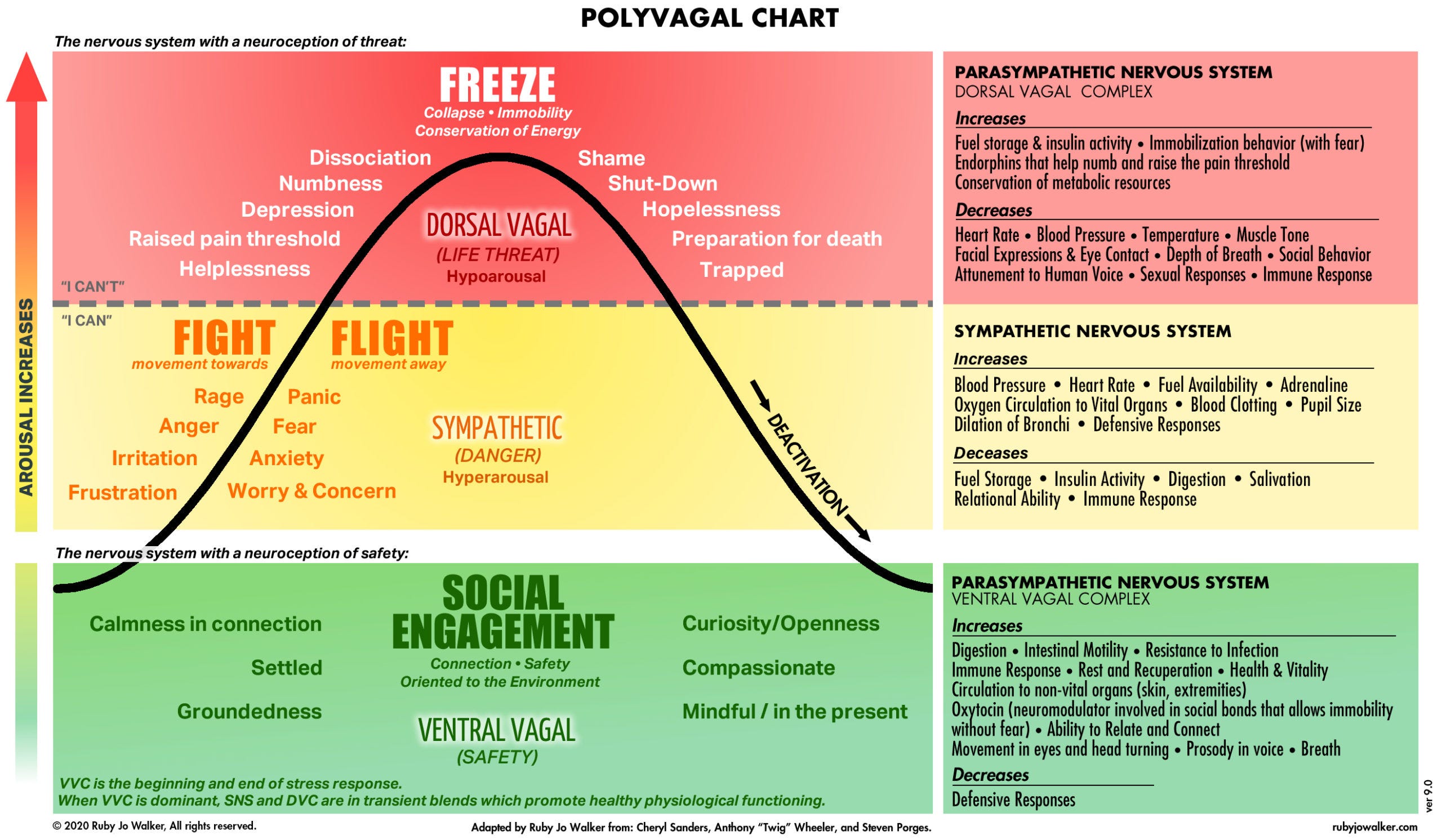







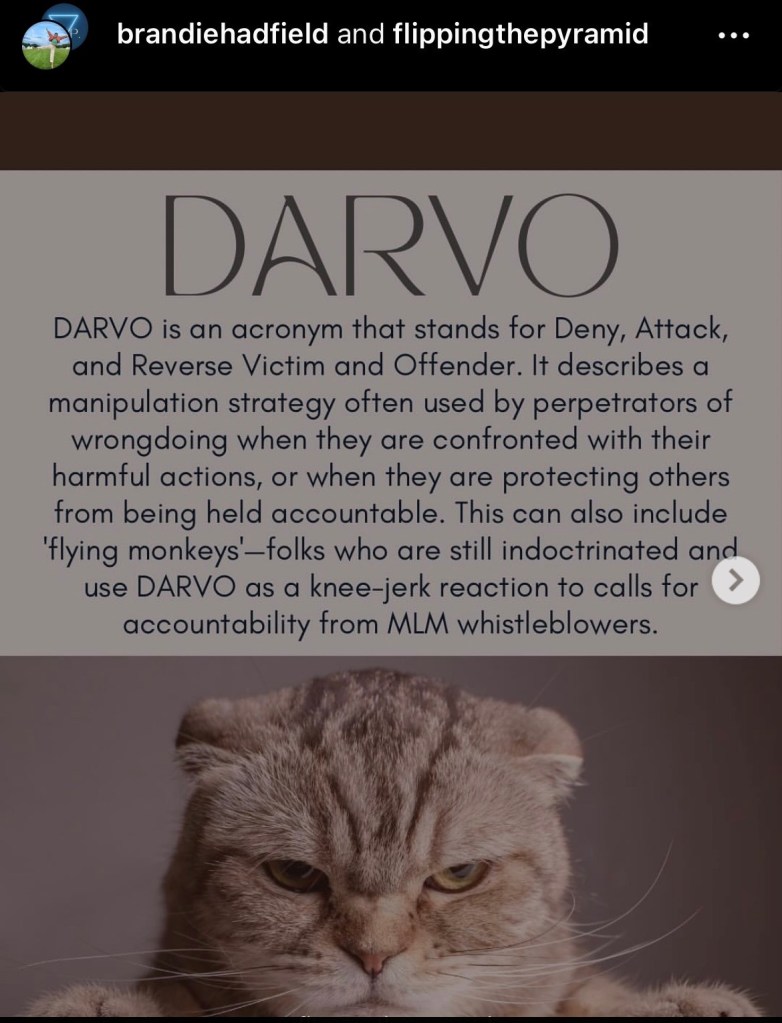





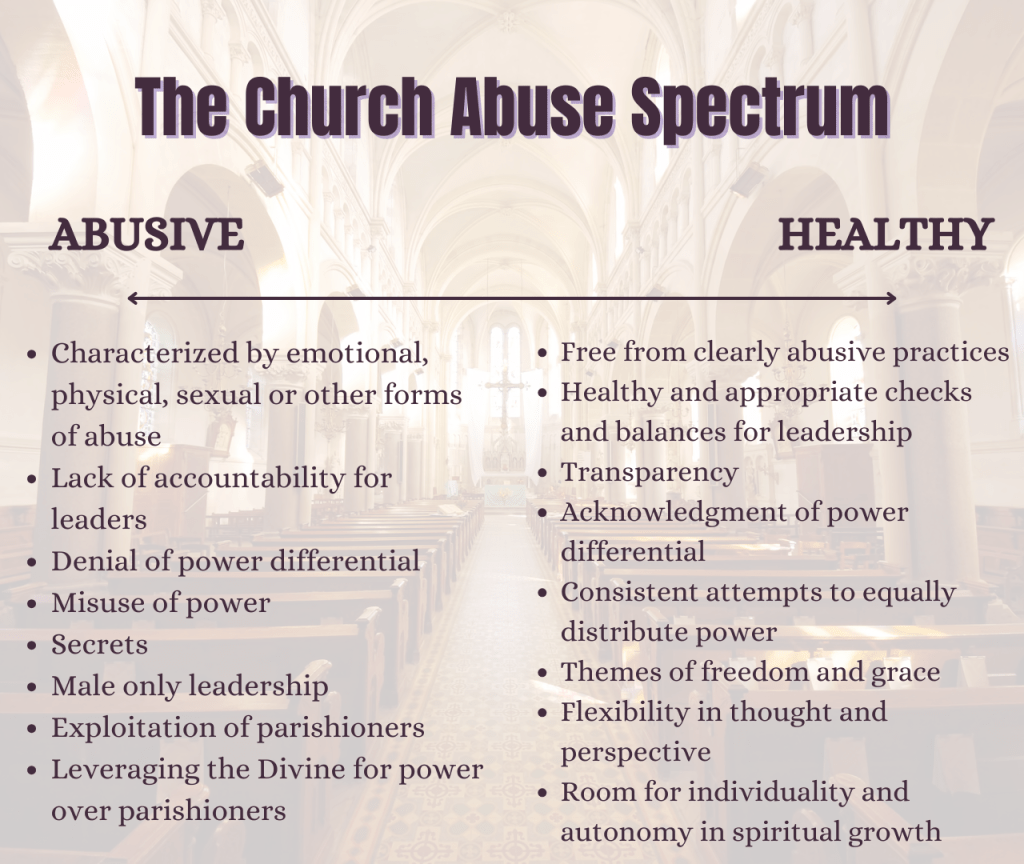

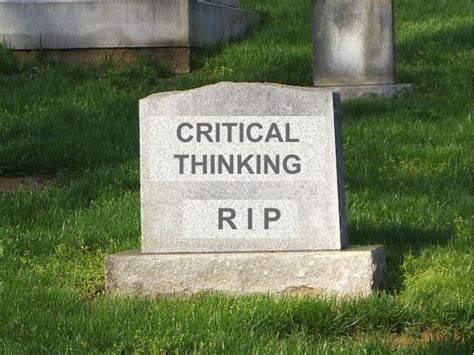



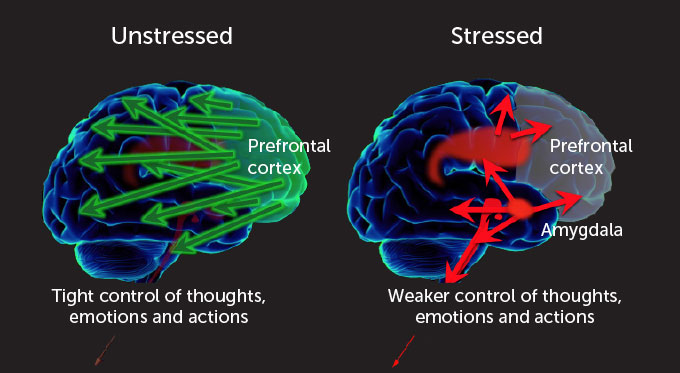

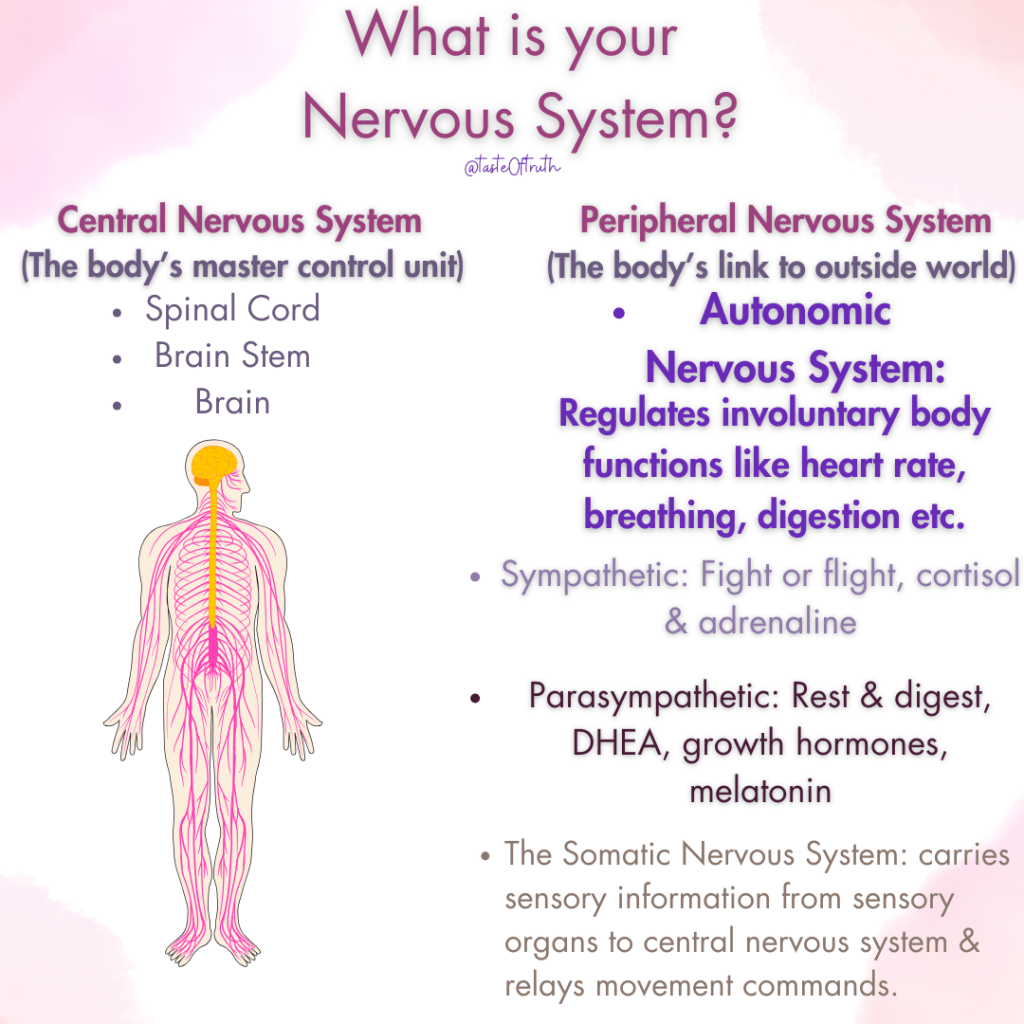



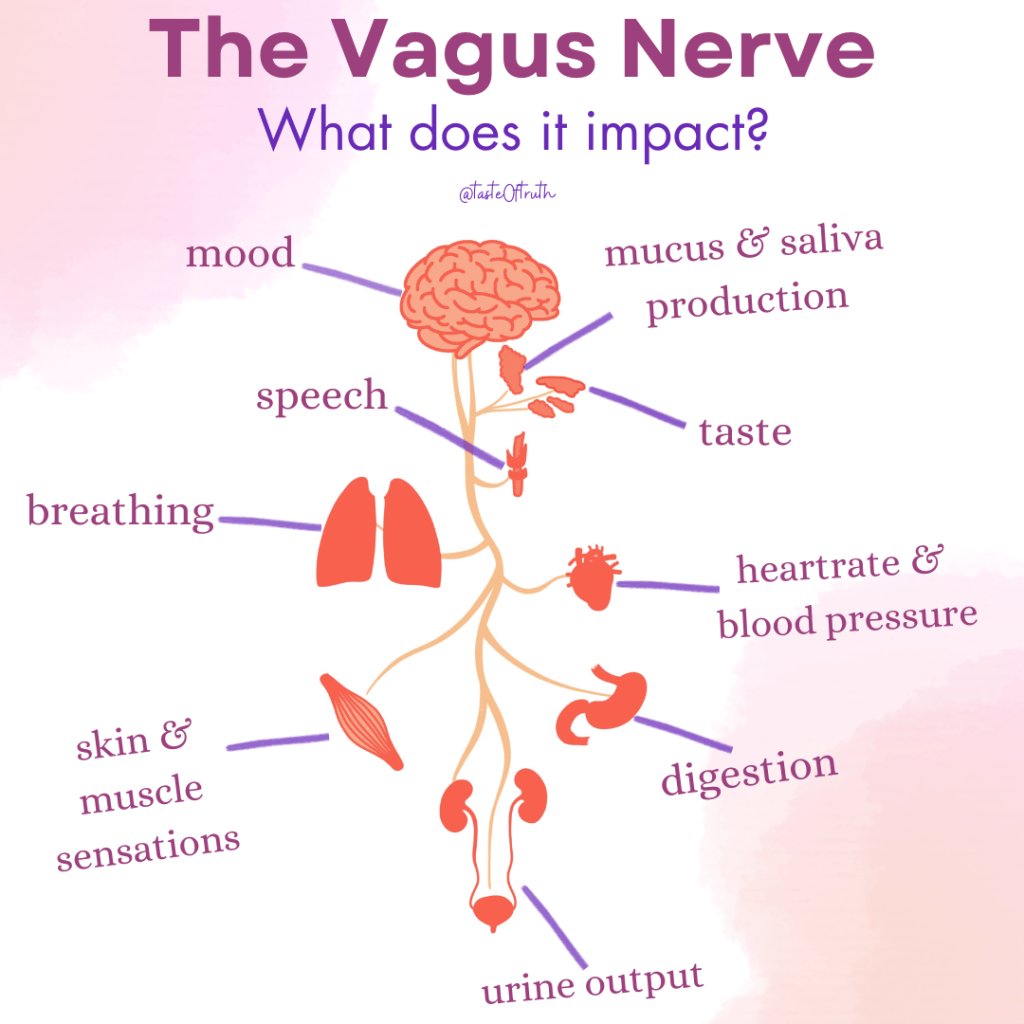



 Taste0ftruth Tuesdays