Breaking Free: A Conversation with Yasmine Mohammed on Radical Islam, Empowerment, and the West’s Blind Spots
After finishing George Orwell’s 1984, I noticed its resurgence in popularity, especially after Trump’s election. Ironically, it’s not the conservative right but the progressive left that increasingly mirrors Orwellian themes. Similarly, Margaret Atwood’s The Handmaid’s Tale has become a rallying cry for liberals who claim to be on the brink of a dystopian theocracy. Yet, as Yasmine Muhammad pointed out in this week’s episode, this comparison is not only absurd but deeply insulting to women who live under regimes where Atwood’s fiction is a grim reality.
1984: Rewriting Language and History
The Democratic Party’s obsession with redefining language is straight out of Orwell’s playbook. They tell us biology is bigotry and that there are infinite genders, forcing people to adopt nonsensical pronouns or risk social ostracism. This is not progress—it’s the weaponization of language to control thought, eerily similar to Orwell’s Newspeak.
But it doesn’t stop there. They actively rewrite history by renaming monuments, military bases, and even schools, erasing cultural markers in the name of ideological purity. This is doublespeak in action: the manipulation of truth for political orthodoxy. Orwell’s warning that “orthodoxy is unconsciousness” feels disturbingly apt when observing the modern left.
The Handmaid’s Tale: An Insult to Women Who Actually Suffer
In our conversation, Yasmine highlighted the absurdity of liberal claims that America is The Handmaid’s Tale come to life. Yasmine, who grew up under Islamic theocracy, knows firsthand what it’s like to live in a world where women have no autonomy. These women cannot see a doctor without a male guardian, are forced to cover every inch of their bodies, and are denied basic freedoms like education or the right to drive.
Contrast this with the West, where women have more freedom than any other point in history. Liberal women can run around naked at Pride parades, freely express their sexuality, and redefine what it means to be a woman altogether. And yet, they cry oppression because they are expected to pay for their own birth control or endure debates over abortion limits. This level of cognitive dissonance—claiming victimhood while living in unprecedented freedom—is a slap in the face to women who actually suffer under real patriarchal oppression.
Liberal Orthodoxy: Lost in the Sauce
What’s truly Orwellian is how the left uses its freedom to strip others of theirs. They shout about inclusivity but cancel anyone who disagrees. They claim to fight for justice while weaponizing institutions to enforce ideological conformity. Meanwhile, they are so consumed with their own victim complex that they fail to see how absurd their comparisons to dystopian fiction really are.
Orwell and Atwood warned against unchecked power and ideological extremism. If liberals actually read these books instead of using them as aesthetic props, they might realize they’re mirroring the very authoritarianism they claim to oppose. Instead, they’re lost in the sauce, preaching oppression in a society where they have more freedom than they can handle.
As Yasmine said, “You want to see The Handmaid’s Tale? Try being a woman in Saudi Arabia, Iran, or Afghanistan.” The left would do well to remember that before playing the victim in their cosplay dystopia.
Breaking Free: A Conversation with Yasmine Mohammed on Radical Islam, Empowerment, and the West’s Blind Spots
In a world where ideology often blinds us to reality, Yasmine Mohammed’s story is a testament to the power of courage and critical thinking. As a survivor of a forced marriage to an Al-Qaeda operative and author of the groundbreaking book Unveiled: How Western Liberals Empower Radical Islam, Yasmine has dedicated her life to advocating for women’s rights and challenging oppressive ideologies. In this blog, we’ll explore her journey, the insights she’s gained, and the challenges of addressing extremism in today’s political and cultural climate.
Why Yasmine Wrote Unveiled
When asked what motivated her to write Unveiled, Yasmine shared that it was born out of a deep desire to shed light on her personal journey and the broader systemic issues that keep women trapped in cycles of oppression. “I wanted to expose the realities of radical Islam and its impact on women, but also to empower others to think critically and challenge these systems,” she explained. For Yasmine, the book is not just a memoir; it’s a call to action, a tool for education, and a beacon of hope for those seeking to break free.
Since its publication five years ago, much has changed. Yasmine reflected on her personal growth and evolving perspectives. “The fight for women’s rights continues, but I’ve also learned to navigate the complexities of cultural relativism and political correctness in the West,” she said. These challenges have only deepened her resolve to speak out.
The Psychological Toll of Leaving Islam
In Unveiled, Yasmine recounts the harrowing experience of escaping her marriage and the lingering fear of her ex-husband, even imagining him in “heaven” (p. 186). These fears aren’t just remnants of her past but a reflection of the psychological toll of leaving Islam. “It’s not just about leaving a religion; it’s about disentangling yourself from a worldview that dictated every aspect of your life,” she said.
Her advice for those leaving strict religious environments? “Be patient with yourself. Fear-based tactics are designed to keep you compliant, but over time, as you rebuild your confidence, those fears begin to fade.” Yasmine emphasized the importance of finding supportive communities and nurturing critical thinking skills to counteract deeply ingrained beliefs.
Challenging Radical Islam and Western Enablers
One of the most provocative aspects of Yasmine’s work is her critique of Western liberals who inadvertently enable radical Islam. “By prioritizing cultural relativism over universal human rights, they’re complicit in perpetuating oppression,” she argued. For women in particular, this dynamic is devastating. “When Western feminists turn a blind eye to practices like forced marriages or honor killings, they’re betraying the very values they claim to uphold.”
What’s the solution? “We need to have honest conversations about the realities of radical Islam without fear of being labeled intolerant. It’s not about vilifying a group; it’s about protecting fundamental human rights,” Yasmine said. She also highlighted the importance of education, both in Muslim-majority countries and in the West, to dismantle misconceptions and foster real change.
Final Thoughts
Looking back on her journey, Yasmine’s advice to those deconstructing a belief system is simple but profound: “You are not alone. There is life beyond fear and isolation, and there are communities and resources ready to support you.” For those seeking to educate themselves on these issues, she cautioned against falling into the trap of political tribalism. “Stay curious, ask questions, and prioritize truth over ideology.”
Yasmine Mohammed’s story is more than a tale of survival; it’s a roadmap for empowerment and a challenge to the complacency that allows radical ideologies to thrive. As we navigate a world increasingly polarized by political and cultural divisions, her insights remind us of the urgency of standing up for universal human rights and fostering critical, open-minded discussions.
🙏 Please help this podcast reach a larger audience in hope to edify & encourage others! To do so: leave a 5⭐️ review and send it to a friend! Thank you for listening! I’d love to hear from you, find me on Instagram! @taste0ftruth , @megan_mefit , Pinterest! Substack and on X!
In today’s world, friendships across moral and political divides may feel rare or even impossible. Yet, building these connections is crucial—not only for personal growth but for fostering a more understanding society. Here are some insights on how we can navigate friendships with those who think differently from us.
1. Prioritize Love and Respect
At the core, friendship is about mutual respect and care. This means loving people for who they are, not just for what they believe. We need to honor each other’s freedom to hold different beliefs and embrace their right to express those views. Friendship doesn’t require absolute agreement, but it does ask for compassion and understanding.
2. Don’t Demand Conformity
Friendship shouldn’t come with a contract that mandates agreement on all things. We shouldn’t require others to conform to our beliefs to be friends, and we shouldn’t yield to pressure to abandon our views just to fit in. True friendship allows for genuine individuality and respects each person’s journey and perspectives.
3. Be Open to Being Challenged—and to Challenging
Healthy friendships can—and should—include respectful debates. This means both parties are open to being challenged and not just the ones delivering the challenge. Friendships across ideological lines help us see our own potential blind spots and remind us of our shared humanity, even when we stand on opposing sides.
4. Avoid Manipulation
Good friends don’t manipulate or control the terms of a discussion. They don’t police each other’s language or attempt to steer the debate to “win.” They allow space for differing points of view, even if it means hearing arguments they might strongly disagree with. Friends listen, give feedback, and respect each other’s right to speak freely.
5. Beware of Becoming an Ideologue
If we’re unable to maintain friendships with those who disagree with us, it may be a sign that we’ve become too rigid in our own beliefs. Ideologues view every conversation as a battleground for their opinions rather than an opportunity to learn. Friendships across divides remind us to remain curious and to avoid slipping into dogmatism.
6. Understand Fallibility Beyond Theory
While many of us recognize, at least in theory, that we’re fallible, true humility shows when our beliefs are challenged. Can we accept the possibility that we may be wrong, even on topics that feel core to our identity? Genuine friendship requires this humility and the strength to accept another person’s differing viewpoint, especially when it stirs discomfort in us.
7. Recognize the Difficulty of Questioning Core Beliefs
When our most cherished beliefs are questioned, it’s natural to feel defensive. Yet it’s precisely in these moments that our strength of character is tested. Friendships can push us to reevaluate and deepen our beliefs, encouraging growth rather than pushing us further into echo chambers.
8. Embrace Truth-Seeking Together
True friends are fellow truth-seekers. They recognize their own fallibility and are open to being both the teacher and the student. They know that their own opinions aren’t the ultimate truth and welcome the exchange of ideas as a chance to grow, rather than as a threat to their identity.
9. Keep Political Conversations Civil and Honest
When it comes to political discussions, the words we choose can either bridge gaps or deepen divides. Friends owe each other honest, civil conversations that seek understanding rather than victory. This means resisting the temptation to label or demean each other with polarizing terms like “garbage,” “racist,” “fascist,” or “woke.” Labels like these oversimplify complex views, reducing people to caricatures and shutting down the opportunity for real dialogue. Instead, approach each conversation with a focus on reasons, providing evidence, and respect, valuing your friend’s perspective even if you don’t share it. In doing so, we uphold the true spirit of friendship and foster a more thoughtful, understanding discourse.
These 9 ideas were inspired by Robert P. Georg McCormick Professor.
In a world that seems increasingly divided, friendships that embrace disagreement are more valuable than ever. These friendships allow us to maintain our individuality while deepening our understanding and empathy. So, yes, we can—and should—be friends with those whose beliefs are vastly different from our own. It may be challenging, but the reward is a friendship built on respect, humility, and a shared commitment to growth.
As Election Day nears, political posts and talking points become increasingly prominent, urging voters to support particular candidates based on curated narratives. Recently, I encountered a post advocating for Kamala Harris that presented a series of arguments while sidestepping deeper context and misrepresenting the records of her and other candidates. Instead of providing accurate, nuanced information, the post relied on sensational claims, oversimplifications, and misinformation. Here’s a breakdown to help you navigate the facts and understand why informed decision-making is essential.
For example, relying on polls to create urgency without diving into each candidate’s strengths and weaknesses feels more like fearmongering than honest discussion. Voters deserve transparency and facts, not tactics to pressure them into a specific choice. Here’s a breakdown of some problematic points from a recent post urging support for Kamala Harris—and why we should be cautious of these tactics.
1. Misleading Use of Project 2025
A key part of the post references Project 2025, presenting it as if it’s Trump’s official policy agenda. However, this isn’t accurate. Project 2025 is a proposal from a conservative think tank, the Heritage Foundation, designed to outline a vision for a future administration that aligns with its goals. It’s not an official platform, nor has Trump explicitly committed to implementing it. Misrepresenting this proposal as Trump’s policy can create confusion among voters and detracts from a real understanding of each candidate’s agenda. Informed voting hinges on focusing on what candidates have actually endorsed and outlined rather than speculative proposals, allowing voters to evaluate their commitments.
2. Economic Claims and Inflation
One of the contentions in recent political discourse is the characterization of inflation and economic performance during Donald Trump’s presidency. Some critics argue that the lower prices experienced during Trump’s tenure can be attributed solely to a “regular economic cycle,” suggesting that his policies had little to no meaningful impact on inflation levels. This perspective oversimplifies a complex economic landscape shaped by multiple interacting factors.
The Complexity of Economic Influences
To understand the dynamics of inflation and economic health, it’s essential to consider the various elements at play:
Global Markets: Fluctuations in international markets can significantly influence domestic prices. Changes in demand and supply chains due to global events—such as trade disputes or natural disasters—can create ripples that affect the cost of goods and services.
Supply Chain Dynamics: The intricate web of global supply chains has a profound impact on inflation. Disruptions, whether from natural disasters, pandemics, or geopolitical tensions, can lead to shortages and increased prices, regardless of domestic policy.
Federal Monetary Policies: The role of the Federal Reserve in managing interest rates and money supply is crucial. Monetary policies can stimulate or slow down economic growth, directly affecting inflation rates.
External Events: Economic cycles are indeed one part of the equation, but they are often influenced by external events. Historical precedents show that natural disasters, international conflicts, or pandemics (like COVID-19) can drastically alter economic trajectories.
Reducing the conversation about inflation to mere “economic cycles” ignores the multifaceted nature of economic health and the implications of policy decisions. Voters deserve a comprehensive understanding of how each candidate’s proposals could shape the economy.
Kamala Harris’s Role in Current Inflationary Trends
As the current Vice President, Kamala Harris is intricately linked to the Biden administration’s policies, which have faced significant criticism regarding inflation. Many argue that the administration’s approach has exacerbated economic challenges rather than alleviating them:
Spending Policies: The Biden administration has implemented extensive spending programs, which, while aimed at stimulating the economy, have drawn criticism for contributing to rising inflation. Critics assert that such fiscal policies, coupled with pandemic-related stimulus measures, have flooded the market with cash, driving demand without sufficient supply.
Regulatory Measures: Harris, as part of the administration, has supported regulatory frameworks that some argue have hindered economic recovery. Increased regulations on energy production, for instance, have been linked to rising fuel prices, further impacting household budgets.
Border Policies: The current administration’s handling of immigration and border security has also been scrutinized. Critics contend that a lack of effective border management has led to disruptions in labor supply, further contributing to inflationary pressures in various sectors.
The Need for Informed Decision-Making
To make informed decisions, voters must critically evaluate the economic proposals put forth by each candidate. Understanding the interplay between inflation, job growth, and the average household budget is crucial. The stakes are high, and voters deserve clarity on how proposed policies may directly impact their lives.
By engaging with these complex economic realities, voters can hold candidates accountable for their roles in shaping economic outcomes. The conversation should not be reduced to simplistic narratives about cycles; instead, it should encompass a thorough examination of policies, their implications, and the broader economic context.
Complexity > Simplification
In an era of heightened economic anxiety, it’s vital for voters to seek out nuanced discussions about inflation and economic health. As we navigate the complexities of the current economic landscape, we must hold our leaders accountable for their policy decisions and strive for a deeper understanding of how these choices affect our everyday lives. The responsibility lies with both voters and candidates to engage in meaningful discourse, ensuring that the electorate is equipped to make informed choices that reflect their values and priorities.
3. Reproductive Rights and Personal Stories
The post suggests that voting for Harris is vital for preserving reproductive freedoms, referencing tragic stories of women denied abortion care due to restrictive laws.
The Impact of Restrictive Abortion Laws on Women’s Health Care
In the wake of the Supreme Court’s decision to overturn Roe v. Wade, many states have enacted strict abortion bans, igniting a heated debate about the implications for women’s health care. A recurring claim amidst this discourse is that these restrictions prevent women from receiving life-saving medical treatment. However, the reality is complex and often misrepresented.
Organizations like the Family Research Council argue that the narrative surrounding abortion and necessary medical care is exaggerated. They contend that medical emergencies can often be addressed without resorting to abortion, framing the conversation around the need for compassionate care that doesn’t solely rely on abortion as a solution.
The nuances of this issue highlight the importance of access to comprehensive reproductive health care. While some advocates for restrictive laws argue for alternatives to abortion in managing pregnancies, studies indicate that these restrictions can lead to detrimental health outcomes for women. The Guttmacher Institute emphasizes that the relationship between abortion access and maternal health is complex, noting that various factors, including socioeconomic status and healthcare access, play significant roles.
It’s important to consider that some studies may have methodological limitations, which can affect the conclusions drawn. Critics point out that data on maternal health can be incomplete and that different studies may use varying methodologies, leading to conflicting results. This highlights the need for a nuanced approach when evaluating the impacts of restrictive abortion laws.
The conversation around abortion laws and women’s health is not just about the legality of the procedure; it’s about the overall quality of care that women receive. True accountability and safety in health care require an environment where medical professionals can make decisions based on the best interests of their patients, free from the constraints of legal penalties.
For a deeper understanding of the complexities surrounding abortion restrictions and their effects on women’s health, you can explore articles from reputable sources such as the Johns Hopkins Bloomberg School of Public Health and the Guttmacher Institute. The dialogue surrounding this issue must remain grounded in factual evidence and empathetic care to ensure that women’s health is prioritized amidst the legal and political debates.
References
• Johns Hopkins Bloomberg School of Public Health
• Guttmacher Institute
4. Childcare and Family Support
Childcare and Family Support: A Critical Examination of Policy Proposals
In the ongoing discourse surrounding childcare policies, proposals such as Kamala Harris’s aim to cap childcare costs at 7% of a family’s income have sparked heated debate. While the intent to alleviate the financial burden of childcare is commendable, it is crucial to critically evaluate the implications of such proposals, particularly regarding concerns about government overreach and the potential shift towards collectivist ideologies that some may label as “communist.”
The Promise of Capping Childcare Costs
Capping childcare costs presents a viable solution to a pressing issue for many families. The skyrocketing costs of childcare can significantly strain household budgets, often consuming a large portion of income. Limiting these costs to 7% of income could offer financial relief to families, making childcare more affordable and allowing them to allocate funds to other essentials.
Feasibility of Implementation
Despite its appeal, the practicality of enforcing such a cap raises critical questions. How would this cap be uniformly applied across different states, each with unique economic conditions, childcare costs, and regulations? Critics argue that enforcing a national cap could lead to unintended consequences, such as diminished quality of care if providers are unable to sustain their businesses under the new financial constraints.
Funding Mechanisms: The Economic Debate
A significant concern surrounding the proposal is its funding. Capping costs at 7% of income necessitates a robust financial framework to support childcare providers, ensuring they can deliver quality care while remaining financially viable.
Government Intervention vs. Free Market: Opponents argue that such policies reflect a move toward increased government intervention in private markets, which can lead to inefficiencies and a decline in quality. By capping prices, the government essentially dictates what providers can charge, potentially stifling innovation and competitiveness in the childcare sector.
Economic Impact on Providers: The implications for childcare providers are profound. If they cannot charge sustainable rates, many may close their doors, leading to a reduced availability of care options. This could particularly impact smaller providers who lack the resources to absorb financial losses, leading to a monopoly of larger, less personalized care facilities.
Risks of Overreach: A Slippery Slope
The notion that capping childcare costs aligns with socialist or communist ideologies is a significant concern for many. Critics of such policies argue that they reflect a broader trend toward government overreach, where the state increasingly intervenes in personal financial matters.
Individual Freedom: Policies that regulate prices in this manner can be viewed as a step away from individual freedom and choice in the marketplace. Parents should have the right to choose childcare based on their needs and preferences, rather than having their options limited by government mandates.
Dependency on Government Programs: Furthermore, creating a system where families rely on government caps and subsidies can foster dependency, diminishing the personal responsibility and entrepreneurial spirit that drives innovation in the childcare sector.
Examining Accessibility and Quality
While capping costs is intended to increase accessibility, it must be paired with a thorough assessment of quality. The overarching goal should not only be to make childcare affordable but also to ensure that families have access to high-quality services.
Quality Assurance: Simply capping costs does not guarantee that childcare facilities will maintain high standards of care. If financial pressures mount, some providers may cut corners, potentially compromising the quality of care for children.
Regional Disparities: The implementation of such a cap could exacerbate regional disparities in childcare availability. Urban areas may still struggle with long waitlists and high demand, while rural regions may lack access to quality facilities altogether.
A Call for Informed and Nuanced Discussion
In discussing childcare policies, it is essential to engage in a nuanced analysis that considers not only the benefits but also the potential drawbacks and broader implications. Voters need clear, comprehensive information about the proposals being put forth, including their feasibility, funding mechanisms, and the potential impact on families and providers.
Informed Electorate: An informed electorate is crucial for holding elected officials accountable. Families deserve policies that truly support them without sacrificing their autonomy or the quality of care available to their children.
Alternative Solutions: Alongside the conversation on capping costs, it’s vital to explore alternative solutions that promote affordability without compromising individual freedoms or the integrity of the childcare market. Options such as universal pre-kindergarten, direct subsidies based on income, and encouraging workplace support can provide meaningful relief without the risks associated with broad price controls.
By fostering an environment of informed discussion and critically examining the implications of childcare policies, we can move towards solutions that genuinely support families and children while safeguarding individual freedoms and economic vitality.
5. Taxes and Tariffs
Tax Policies: Trump’s Tariffs vs. Harris’s Wealth Tax
The discussion surrounding tax policies has become increasingly polarized in the current political landscape. Proponents of both Donald Trump and Kamala Harris present arguments that aim to persuade voters of the efficacy of their respective approaches. While critiques of Trump’s tariff plans suggest that they will inevitably drive-up prices for consumers, Harris’s proposal to impose higher taxes on the wealthy is frequently lauded as a pathway to funding essential social programs. However, the reality of these tax policies is much more nuanced and requires a thorough examination.
The Role of Tariffs in Trade Policy
Trump’s administration embraced a strategy of implementing tariffs as a means to address perceived unfair trade practices, particularly with countries like China. Critics argue that such tariffs ultimately burden consumers through increased prices on imported goods. However, this perspective oversimplifies the potential benefits of tariffs as negotiation tools within trade disputes.
Tariffs as Leverage: Tariffs can be leveraged in negotiations to compel trading partners to modify their practices, potentially leading to more favorable trade agreements. In this light, tariffs are not merely a tax on consumers but a strategic economic policy aimed at achieving broader trade objectives.
Contextual Impact: The impact of tariffs is not uniform; their effectiveness and consequences are contingent on various factors, including the economic context, the specific goods affected, and the resilience of domestic supply chains. In some instances, tariffs might incentivize domestic production, leading to job creation and economic growth.
Supply Chains and Global Markets: Tariffs can disrupt existing supply chains, leading to increased costs in the short term. However, over time, the market may adapt, finding new suppliers or innovating to mitigate these costs. Understanding the dynamic nature of global markets is essential in evaluating the long-term effects of tariff policies.
Harris’s Tax Proposals: Funding vs. Economic Growth
In contrast, Kamala Harris advocates for increasing taxes on the wealthy as a means to fund social programs and address income inequality. While this approach may resonate with many voters seeking social equity, it also raises critical questions about its broader economic implications.
Impact on Job Creation: Increased taxes on higher income brackets can have significant effects on investment behaviors. Wealthier individuals often reinvest their capital in businesses, startups, and job creation. Higher taxes could deter investment, leading to slower job growth and innovation, ultimately harming the very economic dynamism that drives prosperity.
Investment and Economic Growth: The long-term economic impact of Harris’s tax proposals must consider potential disincentives for investment. If capital is taxed at higher rates, wealthy individuals may choose to divert their resources elsewhere, potentially stifling growth in sectors that rely on private investment.
Funding Social Programs: While the revenue generated from higher taxes on the wealthy could fund essential social programs—such as education, healthcare, and infrastructure—it’s essential to assess how effectively these programs translate into measurable economic benefits. A well-structured social program can enhance workforce productivity and overall economic health, but poorly implemented initiatives can lead to inefficiencies and wasted resources.
The Need for Comprehensive Discussion
To truly understand the impact of tax policies, a nuanced discussion is imperative—one that goes beyond one-sided arguments and considers the broader economic implications of each candidate’s proposals.
Holistic Evaluation: Voters should assess not only how these policies aim to address immediate needs but also how they will shape the economic landscape in the years to come. This includes considering the interplay between taxation, investment, and job creation.
Informed Decision-Making: As voters navigate the complexities of tax policies, it is crucial to evaluate both sides critically. Understanding the potential trade-offs between funding essential programs and encouraging economic growth will empower voters to make informed decisions that align with their values and priorities.
The Complexity of Economic Policies
The discourse around tax policies, tariffs, and their impacts on the economy is multifaceted. As voters engage in this critical dialogue, it is essential to look beyond simplistic narratives. Both Trump’s tariff strategies and Harris’s tax proposals have their merits and drawbacks, and a comprehensive understanding of these issues will lead to more informed electoral choices. Only through careful consideration of the broader economic implications can we hope to achieve a balanced approach to taxation and economic policy that serves the interests of all Americans.
6. Social Security and Economic Sustainability
The debate surrounding Social Security’s future has become increasingly contentious in the political arena, with claims suggesting that Trump’s economic plans could drain Social Security funds within a mere six years. This assertion stems from a particular study’s projections, yet it represents a simplistic view of a complex issue that demands thorough investigation.
Understanding the Context of Social Security
Social Security serves as a vital safety net for millions of Americans, providing financial support to retirees, the disabled, and survivors of deceased workers. The sustainability of this program is of paramount importance, and discussions regarding its future should not be reduced to alarmist rhetoric or one-dimensional analyses.
Complexity of Funding: The Social Security Administration is funded through payroll taxes collected from workers and their employers. Over the years, changes in demographics, such as an aging population and a declining birthrate, have contributed to the program’s financial pressures. Understanding these dynamics is essential when evaluating any candidate’s economic proposals.
Future Projections: While it’s accurate that certain projections indicate potential shortfalls in Social Security funding in the coming years, these forecasts often rely on assumptions that can change based on policy adjustments, economic growth, and workforce participation rates. A comprehensive examination of these projections should factor in various scenarios rather than solely focusing on worst-case outcomes.
Evaluating Candidates’ Proposals
In discussing the sustainability of Social Security, it is essential to analyze each candidate’s plans for securing the program’s future. Here’s how this evaluation can be approached:
Trump’s Approach: While critics may argue that Trump’s economic policies could jeopardize Social Security funding, it’s important to assess what specific measures he proposes to address these concerns. This could include tax reforms, adjustments to benefits, or initiatives aimed at boosting economic growth, which could, in turn, increase payroll tax revenues.
Harris’s Plan: Similarly, Kamala Harris should be scrutinized regarding her strategies for ensuring the longevity of Social Security. This includes exploring her proposals for increased funding, reforms aimed at expanding benefits, or addressing the broader economic conditions that impact the program.
Bipartisan Solutions: The sustainability of Social Security is not solely a partisan issue. There is a growing consensus among some lawmakers that bipartisan efforts are necessary to secure the program’s future. Any serious analysis should consider proposals from both parties and explore avenues for cooperation in reforming Social Security.
The Importance of Informed Discussions
As voters prepare for upcoming elections, understanding the policies that directly impact Social Security is crucial. Here are some key points for informed discussion:
Impact on Beneficiaries: It’s vital to analyze how each candidate’s proposals will affect current and future beneficiaries of Social Security. This includes assessing potential changes to benefit structures, eligibility criteria, and the overall funding mechanisms that underpin the program.
Long-Term Viability: An informed discussion should not only highlight immediate concerns about funding but also explore long-term strategies for ensuring the viability of Social Security. This might involve discussions around economic growth, employment rates, and the importance of maintaining a robust workforce.
Equipping Voters: Ultimately, voters need a clear understanding of how different candidates’ policies may influence their financial security and the future of social safety nets. Engaging in comprehensive discussions about Social Security allows voters to make choices that align with their values and needs.
A Call for Thoughtful Engagement
In conclusion, the discourse surrounding Social Security and economic policies requires careful examination and a balanced perspective. By moving beyond alarmist claims and engaging in substantive discussions, voters can better navigate the complexities of each candidate’s proposals. A thorough evaluation of Trump’s economic plans, Harris’s policy approaches, and the broader context of Social Security will empower voters to make informed decisions that impact their lives and the future of this essential program.
7. Gun Violence and Safety
The Impact of Gun Laws on Law-Abiding Citizens
In the ongoing debate about gun reform, the narrative often positions Kamala Harris as a champion of stricter gun laws, while Donald Trump is portrayed as favoring unrestricted access to firearms. This dichotomy oversimplifies a multifaceted issue that requires a deeper exploration of how proposed policies may affect both public safety and individual rights.
The Reality of Gun Violence
Gun violence in America is a complex phenomenon influenced by various factors, including socioeconomic conditions, mental health issues, and criminal activity. It is essential to understand that simply enacting more gun laws does not automatically translate into reduced violence. Here are some key points to consider:
Law Abiding vs. Criminal Behavior: Stricter gun laws primarily impact law-abiding citizens who follow the rules. Those intent on committing crimes or engaging in violence often disregard the law entirely. Criminals typically obtain firearms through illegal means, such as theft or the black market. Consequently, imposing stricter regulations may leave responsible gun owners without the means to defend themselves, while failing to deter those who are already breaking the law.
Universal Background Checks: While proposals for universal background checks are presented as common-sense reforms, their effectiveness remains a topic of debate. Proponents argue that they could help prevent firearms from falling into the hands of individuals with criminal backgrounds or mental health issues. However, opponents raise concerns about the potential for these measures to create barriers for law-abiding citizens seeking to purchase firearms legally, without significantly impacting those determined to engage in violent acts.
Mental Health and Crime Rates: Trump’s focus on addressing mental health and crime rates highlights another critical dimension of the gun violence discussion. Understanding that many mass shootings are perpetrated by individuals with underlying mental health issues suggests that a comprehensive approach should include mental health support and early intervention, rather than solely focusing on restricting access to firearms. Effective mental health initiatives could address some of the root causes of gun violence, ultimately benefiting society at large.
The Nuanced Discussion on Gun Reform
Engaging in a comprehensive analysis of both candidates’ proposals is vital for voters to understand the broader implications of gun reform policies:
Harris’s Approach: While Harris advocates for gun reform measures, it is important to scrutinize how these laws would realistically play out. Will they genuinely contribute to public safety, or do they risk alienating responsible gun owners without addressing the root causes of violence?
Trump’s Perspective: Trump’s approach emphasizes the need to focus on crime prevention and mental health care as crucial components of reducing gun violence. This perspective acknowledges that simply adding laws does not address the complexities behind the issue, and instead advocates for a multifaceted strategy that encompasses various societal factors.
Understanding Consequences: Voters should consider the potential consequences of gun laws, including how they might affect individual rights, self-defense capabilities, and overall public safety. An informed electorate needs to analyze not just the intentions behind proposed legislation but also its actual impact on crime rates and societal behavior.
A Call for Informed Engagement
In conclusion, the debate over gun reform requires a nuanced understanding of how laws affect different segments of society. While advocating for more stringent regulations may resonate with some, it is essential to recognize that such measures often disproportionately impact law-abiding citizens without addressing the underlying causes of gun violence. Engaging in thoughtful discussions about the candidates’ positions can empower voters to make informed choices about how best to address gun violence in America.
8. The Character Argument
Kamala Harris: A Critical Examination of Character and Integrity
Kamala Harris, the Vice President of the United States, has faced significant scrutiny regarding her character and integrity, particularly concerning the early stages of her career. Many argue that her rise to prominence was not solely based on merit but was influenced by her controversial personal choices, including her relationship with former married San Francisco Mayor Willie Brown.
Controversial Beginnings: The Willie Brown Affair
A Relationship Built on Compromise: Harris’s political career began amid controversy when she became romantically involved with Willie Brown, a powerful and married politician, in the 1990s. Critics argue that this relationship raises serious ethical questions about her rise in California politics. Many see it as emblematic of a troubling trend where personal relationships, rather than qualifications or experience, can dictate career advancement.
Perceived Opportunism: The nature of Harris’s relationship with Brown has led to accusations of opportunism. Detractors argue that her ascent in political circles was facilitated by this connection rather than through hard work or public service. This perception has tainted her image, leading many to view her as someone who leveraged personal relationships for political gain rather than as a principled leader.
Inconsistent Political Stances
Shifting Ideologies: Harris has often altered her positions on key issues, leading to further skepticism about her authenticity. Her transformation from a tough-on-crime prosecutor to a progressive advocate for criminal justice reform raises questions about whether her beliefs are genuine or simply tailored to fit political currents.
Voter Discontent: This inconsistency has alienated potential supporters who seek a candidate with a clear, unwavering commitment to their principles. Many voters find it difficult to trust a leader who appears to change their beliefs based on political expediency, undermining Harris’s credibility.
Failed Leadership and Governance
Inability to Address Key Issues: As Vice President, Harris has been assigned critical responsibilities, particularly regarding immigration and economic policy. Her handling of these issues has often been criticized as ineffective, leading to a perception of incompetence.
Disconnection from Reality: Critics argue that her approach lacks the urgency and clarity necessary to address the pressing challenges facing Americans today. This disconnection between her rhetoric and the realities of governance further tarnishes her image and raises doubts about her leadership abilities.
Character Attacks and Public Perception
A Focus on Character in Politics: Harris’s past, particularly her relationship with Brown, has become a focal point for critics. Many see her as emblematic of a political culture that prioritizes personal ambition over integrity, making her an unworthy role model.
Erosion of Trust: The combination of her controversial personal life and her shifting political stances has eroded trust among voters. Many are hesitant to support a candidate whose character appears questionable, leading to significant challenges as she navigates her political career.
The Case Against Kamala Harris
Kamala Harris’s character, shaped by a controversial past and inconsistent political positions, raises serious questions about her suitability as a leader. Critics argue that her rise in politics was influenced by personal relationships rather than merit, making her a questionable figure in the realm of public service. As she continues in her role as Vice President, the narrative surrounding her character remains a significant hurdle—can she rise above the perception of opportunism and prove herself as a credible leader, or will her past continue to overshadow her future?
9. Border Security and National Safety
The situation at the U.S.-Mexico border has spiraled into a national crisis, marked by rampant sex trafficking and an unprecedented fentanyl epidemic. Under the leadership of Vice President Kamala Harris and President Joe Biden, policies have failed to address these pressing issues, allowing organized crime and drug cartels to thrive while leaving vulnerable populations exposed to exploitation and danger.
Sex Trafficking: An Epidemic at the Border
A Dire Human Rights Issue: The border has become a major corridor for human trafficking, especially sex trafficking, during the Biden administration. Vulnerable individuals, including women and children fleeing violence and poverty, are preyed upon by traffickers who exploit their desperation. The lax enforcement of border policies under Harris and Biden has created an environment ripe for such abuses.
Cartel Involvement: Cartels have capitalized on the chaos at the border, using it as a pipeline for smuggling individuals into a life of sexual exploitation. With increased trafficking, they undermine community safety and contribute to a culture of violence, all while the administration turns a blind eye.
Government Inaction: Critics argue that Harris and Biden have not done nearly enough to combat sex trafficking. While there are some initiatives in place, the administration’s approach lacks the urgency and resources necessary to dismantle trafficking networks and protect vulnerable populations. This failure to act is allowing the crisis to deepen.
Fentanyl Crisis: A Public Health Emergency
The Surge of Synthetic Opioids: The fentanyl crisis has reached alarming levels, with the drug flooding into the U.S. from Mexico. Under the Biden administration, fentanyl-related overdose deaths have skyrocketed, exposing a critical failure in border enforcement and drug control policies.
Cartel Profiteering: Drug cartels are profiting immensely from the fentanyl trade, which has become their most lucrative business. The Biden administration’s ineffective policies have allowed these cartels to establish themselves as dominant players in the drug trade, leading to devastating consequences for American communities.
Government Apathy: The Harris and Biden administration’s response to the fentanyl crisis has been criticized as insufficient. Many argue that the administration is aware of the extent of the problem yet continues to allow cartels to operate with little interference. This inaction directly contributes to the rising death toll from overdoses and addiction.
The Cartel’s Growing Power
A Profitable Business Model: The cartels’ success in controlling both drug and human trafficking operations is alarming. The Biden administration’s policies have created a power vacuum at the border, allowing cartels to thrive and expand their influence, which poses a direct threat to national security.
Community Impact: The influence of cartels extends beyond the border, infiltrating American neighborhoods and contributing to a surge in violence and drug-related crime. The Harris-Biden administration’s failure to act against these criminal organizations is endangering lives and destabilizing communities across the country.
Calls for Action
Demand for Accountability: There is an urgent need for the Harris and Biden administration to take decisive action against the ongoing crises at the border. Comprehensive border security measures must be implemented to combat trafficking and protect vulnerable individuals from exploitation.
Bipartisan Solutions: Addressing these crises should transcend party lines, as they affect all Americans. A unified approach that includes stricter border enforcement, increased support for victims of trafficking, and investments in drug prevention and treatment programs is essential for tackling these multifaceted issues.
A Call for Urgent Reform
The crises of sex trafficking and the fentanyl epidemic at the U.S.-Mexico border represent a national disaster exacerbated by the failures of Vice President Kamala Harris and President Joe Biden. Their administration’s ineffective policies and lack of urgency must be addressed to protect vulnerable populations and safeguard public health. Without significant reforms and a renewed commitment to border security, the situation will only continue to deteriorate, endangering countless lives.
10. Crime Rate Discrepancies
Crime Rate Discrepancies: The Impact of Immigration
The discussion surrounding crime rates has intensified, particularly concerning the implications of immigration on public safety. Former President Donald Trump’s assertion that the FBI misrepresented crime rates opened a debate rooted in evidence suggesting a significant rise in violent crime. This conversation necessitates a closer look at the data, the influence of illegal immigration, and the broader consequences for public policy.
Rising Violent Crime and Its Correlation with Immigration
Recent data indicates a troubling surge in violent crime across the United States, especially in urban areas governed by progressive policies. This increase includes various violent offenses such as homicides, assaults, and robberies. While multiple factors contribute to this rise—including socio-economic challenges and changes in policing—the argument persists that illegal immigration plays a significant role.
Advocates for stricter immigration enforcement highlight that illegal immigrants disproportionately contribute to crime, particularly in cities with high rates of illegal crossings. The chaos at the southern border has allowed criminal elements, including drug cartels and gangs, to flourish, leading to more violence and crime in American communities. This reality is particularly evident in cities governed by progressive administrations, where policies that prioritize leniency toward illegal immigration have failed to safeguard public safety.
Media Representation and Data Transparency
The media often presents a skewed view of crime statistics, focusing on isolated incidents while neglecting to report on the broader trends associated with illegal immigration. When significant revisions to crime data occur, the relationship between illegal immigration and rising crime rates is frequently overlooked, creating a false narrative about public safety.
With the transition to the National Incident-Based Reporting System (NIBRS), crime reporting has become more detailed, yet the media’s failure to provide context leaves the public misinformed. The absence of honest discussions about crime rates in connection with immigration fosters confusion and fear among voters.
Political Accountability: Candidates’ Positions on Immigration and Crime
As the electorate evaluates candidates’ stances on crime and immigration, it’s crucial to scrutinize their proposed policies and track records:
Trump’s Approach: Trump has consistently advocated for a tough-on-crime stance, directly linking rising crime rates to illegal immigration. His focus on securing the border and enforcing immigration laws reflects a commitment to restoring safety in American communities.
Biden’s Perspective: The Biden administration has often been criticized for promoting policies perceived as permissive, leading to an environment where criminal behavior is inadvertently encouraged. Under Biden’s leadership, progressive cities have embraced softer approaches to crime, including decreased penalties for certain offenses, which critics argue contributes to a rise in theft and other crimes. The perception that stealing has been legalized in many areas undermines public trust in law enforcement and exacerbates the challenges of maintaining safety.
Voters must consider how these contrasting approaches impact crime rates and community safety.
The Implications for Voter Decision-Making
The discourse surrounding crime and immigration plays a pivotal role in shaping voter sentiment. Misinformation or incomplete narratives can skew public perception, leading voters to make decisions based on fear rather than factual analysis.
To combat this, it’s essential for the public to demand reliable data and engage in informed discussions about the implications of crime statistics and immigration. By fostering transparency and accountability, we can empower voters to make choices that reflect their values and priorities.
The Call for Clarity and Accountability
As we confront the complexities of crime rate discrepancies, the influence of immigration, and the failures of progressive policies in urban governance, the need for accurate reporting and transparency is paramount. An informed electorate is vital for a functioning democracy, and access to reliable crime data is critical in understanding the relationship between immigration and public safety. By insisting on accountability from our leaders and engaging in informed discussions, we can ensure that the safety of our communities remains a top priority in political discourse.
In summary:
In conclusion, the debate surrounding Kamala Harris’s candidacy and the broader electoral landscape demands a nuanced understanding of how policies affect different segments of society.
Ironically, Emily Amick, in her post “Convincing Someone to Vote for Harris Today,” positions herself as a representative of democracy while peddling misinformation and propaganda through one-sided talking points. Posts that focus on convincing rather than informing can lead to polarization and misinformation. A truly informed choice means seeing both the strengths and limitations of each candidate’s platform. Instead of relying on one-sided narratives, we should strive for transparency, facts, and a full understanding of what’s at stake. Voters deserve to engage with nuanced discussions as they approach Election Day, enabling them to make choices rooted in understanding rather than manipulation.
Further Reading:
Kamala Harris
Harris’ Political History
The New York Times – “Kamala Harris, the Vice President Who Made History” Link to article
CNN – “Kamala Harris: A Timeline of Her Political Career” Link to article
Criticism of Harris’ Career
Politico – “Kamala Harris: A Political Biography” Link to article
The Federalist – “Kamala Harris’s Path to Power Is Marked by Corruption” Link to article
Border Issues
Border Crisis Overview
Migration Policy Institute – “Immigration in the Biden Era” Link to article
The Center for Immigration Studies – “The 2021 Border Crisis: Causes and Consequences” Link to report
Sex Trafficking and Human Trafficking
U.S. Department of State – “Trafficking in Persons Report” Link to report
Polaris Project – “Human Trafficking Statistics” Link to report
Fentanyl Crisis
Fentanyl Crisis Analysis
Centers for Disease Control and Prevention (CDC) – “Opioid Overdose” Link to report
National Institute on Drug Abuse (NIDA) – “Fentanyl” Link to article
Investigative Reporting on Fentanyl and Drug Trafficking
The Wall Street Journal – “Fentanyl: The Deadly Opioid Crisis” Link to articles
The Hill – “Heritage Foundation: The Conservative Influence on American Politics” Link to article
Influence on Democratic Policies
Brookings Institution – “The Legacy of Conservative Think Tanks” Link to article
The New Republic – “How the Heritage Foundation is Shaping the Democratic Agenda” Link to article
General Analysis
Biden Administration Policies
The Atlantic – “The Biden Administration’s Approach to Immigration” Link to article
Reuters – “Biden’s Border Policies: A Comprehensive Review” Link to article
Broader Socioeconomic Impacts
Pew Research Center – “The Public’s Views on Immigration” Link to report
The Urban Institute – “The Impact of Immigration Policies on Families” Link to report
Investigative and News Reporting
National Public Radio (NPR) – Coverage on Border Issues and Policies Link to NPR
The New York Times and The Washington Post – Regular articles covering ongoing border issues, trafficking, and drug crises. Link to NYT Link to Washington Postg
Did you know that nearly one in five adults in the U.S. experiences mental health issues each year, with many of these individuals deeply embedded in religious communities? Unfortunately, within certain religious contexts, these struggles are often misunderstood or outright dismissed, leading to significant harm.
This week on the podcast, our guest explains more about Scrupulosity, a form of religious OCD, is particularly prevalent in such environments. Its debilitating effects are often compounded by biblical counseling practices that prioritize doctrinal purity over psychological well-being. This issue is glaringly evident in the teachings of influential figures like John MacArthur, whose views on mental health have had a profound and dangerous impact on his followers.
🎧Listen here!
Understanding Scrupulosity
Definition: Scrupulosity is a psychological condition where an individual experiences obsessive concerns about sin and moral behavior, often leading to compulsive religious rituals. It’s a form of OCD that is frequently misunderstood as heightened piety rather than a serious mental health issue.
Impact on Individuals: The emotional and psychological toll of scrupulosity can be devastating. Individuals suffering from this condition often live in constant fear of divine punishment, leading to extreme anxiety and depression. Marissa Burt shared harrowing stories of people trapped in this cycle, where every thought and action is scrutinized under the weight of perceived sinfulness, leaving them isolated and in despair.
The Role of Biblical Counseling
Biblical counseling is a form of therapy that relies solely on Scripture to address psychological issues, often rejecting modern psychological practices. Unlike secular mental health care, which is based on scientific research and evidence-based practices, biblical counseling assumes that all mental health issues stem from spiritual problems.
The Harmful Impact of Spiritually Abusive Counseling and Complementarianism
Section 1: The Dangers of Spiritually Abusive Counseling Programs
The spiritually abusive counseling program I was part of advocated for trusting in God and walking in the Spirit, based on Ephesians 4:22-24. While this approach may seem pious, it dangerously neglected real mental health needs and suggested that faith alone could ‘cure’ conditions like borderline personality disorder (BPD).
The Reality of Mental Health Needs
BPD is a serious mental health condition requiring professional treatment. While faith can offer support, it is not a substitute for evidence-based therapy. The notion that BPD is merely a result of not being ‘Christ-like’ enough not only invalidates legitimate mental health struggles but also manipulates individuals into believing their worth is contingent on religious compliance.
The Damage of Biblical Counseling
Biblical counseling, particularly when practiced by organizations like the Association of Certified Biblical Counselors (ACBC), can be profoundly damaging. This approach often lacks nuance and sensitivity, especially in cases of marital abuse. Instead of addressing abusive behaviors, it focuses on wives’ submission, perpetuating harm and failing to uphold biblical principles of love and justice.
Research indicates that frequent causes of women’s anger include:
Feelings of helplessness
Not being listened to
Injustice
Irresponsibility on the parts of others
The inability to make desired changes
The Flaws in ACBC’s Approach
ACBC’s counseling model relies on flawed interpretations of biblical passages and neglects psychological insights. It is authoritarian and has the potential for spiritual abuse, lacking accountability and sensitivity. The emphasis on traditional female gender norms that prioritize tenderness over assertiveness further hinders women’s ability to address unfair treatment effectively.
Complementarianism and Gender Equality
The conservative church promotes dangerous ideologies through Complementarianism, which emphasizes women’s submission to men. Historical analysis reveals that contemporary teachings about women’s roles often misinterpret or selectively use biblical passages to justify patriarchal structures rather than promoting equality and mutual respect. Critics argue that these teachings reflect human power structures more than the true message of Christ.
Critique of Biblical Counseling in Cases of Scrupulosity
This approach can be particularly harmful in cases of scrupulosity, where the condition is often mistaken for a lack of faith or moral failure. Instead of providing relief, biblical counseling can exacerbate the problem by reinforcing the idea that the sufferer must simply pray harder, read the Bible more, or repent more sincerely. Insights from Marissa Burt into these counseling sessions reveal a troubling pattern: individuals are often led deeper into their condition, with no recognition of the need for professional mental health care.
Towards Equality and Liberation
Achieving gender equality and women’s liberation is crucial for building a more prosperous and harmonious world. By examining church history and contemporary interpretations, we can challenge and move beyond outdated beliefs, advocating for a more equitable and respectful understanding of biblical teachings.
Real-Life Examples: Marissa shared examples of people who, after years of biblical counseling, found themselves more entrenched in their fear and anxiety. Instead of receiving the help they needed, they were told that their mental struggles were a sign of spiritual weakness, further alienating them from any form of relief.
John MacArthur’s Controversial Views
Introduction to MacArthur’s Views: John MacArthur, a prominent evangelical leader, has long been a vocal critic of psychological diagnoses and treatments, dismissing them as unbiblical. He argues that mental health issues are primarily spiritual problems that should be addressed through Scripture, prayer, and repentance.
Impact on Followers: MacArthur’s teachings have had a profound influence on his followers, many of whom reject necessary mental health care in favor of biblical counseling. This can lead to the worsening of conditions like scrupulosity, as individuals are discouraged from seeking professional help. Marissa Burt’s experiences highlight the real harm caused by these teachings, as people are led to believe that their suffering is a result of sin rather than a treatable mental health condition.
Marissa’s Insights: Marissa shared that within biblical counseling settings influenced by MacArthur’s teachings, there is little room for acknowledging the validity of psychological science. Instead, individuals are pushed to conform to a narrow view of spirituality, often at the expense of their mental health. This rigid approach can have devastating consequences, leaving individuals trapped in a cycle of guilt, fear, and spiritual abuse.
The Intersection of Faith and Mental Health
The Struggle for Balance: Many individuals find themselves torn between their faith and the need for mental health care. The struggle to reconcile these two aspects of their lives can be overwhelming, particularly when religious leaders like MacArthur promote the idea that mental health issues are purely spiritual.
Call for Change: It’s time for religious communities to adopt a more compassionate and informed approach to mental health. Psychological science and faith need not be at odds; in fact, they can complement each other in helping individuals achieve overall well-being. Recognizing the validity of mental health issues and seeking appropriate care is not a sign of weak faith but of a holistic approach to human flourishing.
Conclusion
Scrupulosity is a serious mental health condition that can be exacerbated by the teachings of biblical counseling and figures like John MacArthur. The dismissal of psychological science in favor of a purely scriptural approach can lead to significant harm, trapping individuals in cycles of guilt and fear.
If you or someone you know is struggling with mental health issues, it’s crucial to seek out appropriate care. Be cautious of religious teachings that diminish the importance of psychological well-being. Remember, it’s possible to maintain your faith while also taking care of your mental health.
The statistic about nearly one in five adults in the U.S. experiencing mental health issues annually is based on general findings from sources like the National Institute of Mental Health (NIMH) or the Centers for Disease Control and Prevention (CDC). For example, the NIMH often reports that about 20% of adults experience some form of mental health disorder each year.
National Institute of Mental Health (NIMH): They provide comprehensive data on mental health statistics. NIMH Statistics
Centers for Disease Control and Prevention (CDC): They offer data on mental health prevalence and its impact. CDC Mental Health
Books
“The Doubting Disease: Help for Scrupulosity and Religious Compulsions” by Joseph W. Ciarrocchi: A classic resource that offers a mix of psychological and spiritual guidance for those dealing with scrupulosity and religious OCD.
Articles & Guides
International OCD Foundation (IOCDF) Guide on Scrupulosity: Provides a thorough overview of scrupulosity, including treatment options and practical tips. IOCDF Guide
“Understanding Scrupulosity” by Dr. Gregory Bottaro: Offers insights from a clinical psychologist who integrates faith and psychology, providing both professional and spiritual perspectives.
Online Communities & Forums
Reddit’s r/scrupulosity: A supportive online community where individuals share experiences, resources, and support related to scrupulosity. Reddit r/scrupulosity
OCD Action Forum: Contains specific sections for religious and moral OCD, allowing individuals to connect and share experiences. OCD Action Forum
Therapy & Counseling
Cognitive Behavioral Therapy (CBT) with Exposure and Response Prevention (ERP): This is the gold standard for treating scrupulosity. Finding a therapist who specializes in CBT and ERP can be particularly effective.
Faith-Based Counseling: For those seeking to integrate their faith into therapy, it’s important to find a counselor who understands both OCD and the individual’s religious background.
Non-Christian Sources
National Alliance on Mental Illness (NAMI): Provides general mental health resources and information on how different settings, including religious ones, can impact mental well-being. NAMI Website
American Psychological Association (APA): Publishes research and articles on mental health, including impacts of religious environments. APA Website
Secular Therapy Project: Connects individuals with secular therapists sensitive to the impact of religious settings on mental health. Secular Therapy Project
These resources should offer a well-rounded approach to understanding and managing scrupulosity, catering to a variety of needs and perspectives for anyone navigating the complexities of scrupulosity.
In a world where the patriarchy often dictates our worth and actions, Kristin Neff’s Fierce Self-Compassion is a beacon of hope and empowerment. This book is not just a guide; it’s a call to arms for women navigating the treacherous waters of religious and spiritual trauma, particularly those grappling with self-criticism and perfectionism.
Understanding the Dual Nature of Self-Compassion
Neff introduces a groundbreaking concept in Fierce Self-Compassion: the dual nature of self-compassion. She distinguishes between the gentle, nurturing aspect of self-compassion—often associated with self-care and soothing—and the fierce, protective side that involves standing up for oneself, setting boundaries, and taking action to alleviate suffering.
For women emerging from high-control religious environments, this duality is essential. Religious trauma often leaves deep scars, manifesting as guilt, shame, and an overwhelming sense of unworthiness. The nurturing side of self-compassion helps in healing these wounds, but it’s the fierce side that empowers women to reclaim their autonomy, resist external pressures, and redefine their lives on their own terms.
The Impact of Self-Compassion on Self-Criticism and Perfectionism
Self-criticism and perfectionism are often rooted in the teachings of high-control religions, where strict adherence to doctrine and an emphasis on sinfulness can create a toxic cycle of self-judgment. Research shows that self-compassion is a powerful antidote to these issues. A study published in the Journal of Personality found that individuals who practice self-compassion are less likely to engage in harsh self-criticism and more likely to embrace a growth mindset. This shift is crucial for those recovering from religious trauma, where the inner critic often echoes the voices of past religious authorities.
Neff’s book provides practical tools to help readers silence their inner critic and embrace self-compassion. For example, one exercise encourages readers to write a compassionate letter to themselves, addressing their fears and insecurities as they would for a dear friend. This practice not only fosters self-compassion but also helps in rewiring the brain to respond to challenges with kindness rather than self-judgment.
Addressing Religious Trauma through Fierce Self-Compassion
Religious trauma is a significant issue for many women, especially those who have been part of patriarchal, high-control religious groups. These environments often condition individuals to suppress their needs and feelings, leading to a disconnection from their true selves. Fierce Self-Compassion offers a path to healing by encouraging women to acknowledge their pain, validate their experiences, and take action to protect their well-being.
Neff emphasizes that fierce self-compassion is not about being aggressive or selfish; it’s about standing up for oneself in a way that is both assertive and compassionate. This approach is particularly important for women who have been taught to prioritize others’ needs over their own, often at the expense of their mental and emotional health.
Practical Applications of Fierce Self-Compassion
One of the strengths of Fierce Self-Compassion is its focus on practical applications. Neff includes numerous exercises designed to integrate self-compassion into daily life. For instance, she suggests a practice called “compassionate body scan,” where readers are encouraged to tune into their bodies, notice areas of tension or discomfort, and respond with kindness and care. This practice is particularly beneficial for those recovering from religious trauma, as it helps to reconnect with the body and cultivate a sense of safety and well-being.
Neff also discusses the importance of setting boundaries and asserting oneself—skills that are often underdeveloped in women who have lived under rigid religious control. By practicing fierce self-compassion, women can learn to say “no” to what doesn’t serve them and “yes” to what nourishes their souls, paving the way for authentic personal growth.
The Crucial Message for Women Breaking Free from the Patriarchy
Fierce Self-Compassion is more than just a book; it’s a game-changer for any woman breaking out of the patriarchy. It’s a powerful reminder that we have the power to define our lives on our terms, and that doing so is not only okay but necessary for our well-being. This message is particularly vital for women deconstructing from harmful religious environments, where the patriarchy often exerts a strong influence.
Neff’s work resonates deeply with those on a journey of self-discovery and healing. Her emphasis on balancing tenderness with strength provides a roadmap for women to navigate their paths with courage and compassion. By embracing fierce self-compassion, women can break free from the chains of perfectionism, silence their inner critic, and reclaim their power.
Conclusion: A Must-Read for Women on a Path to Empowerment
Fierce Self-Compassion by Kristin Neff is an essential read for any woman navigating the complex terrain of religious and spiritual trauma. Neff’s profound insights and practical tools offer a pathway to healing, self-empowerment, and personal growth. Her dual focus on nurturing and fierce self-compassion equips readers with the resilience and courage needed to navigate their journey and reclaim their lives. This book is not just a guide; it’s a lifeline for those seeking freedom and authenticity after leaving controlling religious environments.
For those ready to embark on a journey of self-compassion and empowerment, Fierce Self-Compassion is a crucial companion. It’s time to embrace the fierce side of self-compassion, stand up for ourselves, and redefine our lives on our terms.
The idea of biblical womanhood is more about human power structures than the message of Christ. When we examine church history, we can challenge the notion that this belief is inherently biblical.
In the early Christian church, there are several examples of female apostles and leaders:
Mary Magdalene: Mary Magdalene is one of the most prominent figures in the New Testament and is often referred to as the “apostle to the apostles.” She was present at Jesus’ crucifixion, burial, and resurrection, and she was the first to witness the risen Christ and announce his resurrection to the disciples.
Priscilla: Priscilla, along with her husband Aquila, played a significant role in the early Christian church. They are mentioned several times in the New Testament, often as fellow workers with Paul. Priscilla is commended for her teaching and ministry alongside her husband.
Junia: Junia is mentioned by Paul in his letter to the Romans as being “outstanding among the apostles.” This indicates that she held a significant leadership role in the early church and was recognized by Paul as a fellow apostle.
Phoebe: Phoebe is mentioned by Paul in his letter to the Romans as a deaconess or servant of the church in Cenchreae. She is commended for her service to the church and is likely to have held a leadership role.
These are just a few examples of the many women who played important roles in the early Christian church as apostles, leaders, and ministers. Their contributions highlight the diversity and inclusivity of the early Christian community.
The conservative ⛪️ promotes dangerous ideologies-women submitting to men aka Complementarianism.
This ideology has connections to movements like the Council on Biblical Manhood and Womanhood (CBMW), which promotes complementarianism and traditional gender roles within conservative Evangelicalism.
This started the rise of New Calvinism, spearheaded by influential figures such as John Piper, John MacArthur, and Mark Driscoll, further reinforcing these gender roles. 🚩
Female gender norms that emphasize tenderness over assertiveness hinder women’s ability to assert themselves and address unfair treatment effectively.
🚨 Women submitting to their husband is a dangerous ideology. 🚨
A major cause of s*xual mistreatment is societal: the structural inequality that gives men power over women.
The IFS report that showed that conservative highly religious men were far more likely to perpetrate intimate partner violence.
🏴☠️A Meta-analysis of 39 studies found hyper-masculinity to be one of the most powerful predictors of men’s likelihood to commit assault. 🏴☠️
Couples where the husband dominated decision-making were 2.6 times more likely to experience lower marital satisfaction compared to those who made decisions collaboratively.
This is why ab*se is so common in the ⛪️.
It’s the theology that’s bad. Not just how it’s interpreted.
As I’ve said before, it was deeply painful, realizing I had been influenced by the dangerous lies behind Nancy Pearcey’s book The Toxic War on Masculinity. Which was heavily promoted by David Wolcott, Alisa Childers, Alexa Clark & Frank Turek, who are often associated with right-wing fundamentalist Christianity. 🚩
She said “There’s no need to debate complementarianism or egalitarianism when it comes to marriage” 𝔸𝕔𝕥𝕦𝕒𝕝𝕝𝕪 ℕ𝕒𝕟𝕔𝕪, 𝕎𝕖 𝔻𝕠! Pearcey pulls findings from Gottman’s work, citing that in both egalitarian & hierarchical marriages “emotionally intelligent husbands have figured out the one big thing: how to convey honor and respect.” Thus, she claims, labels don’t matter.
However, she omits to mention the big finding Gottman uses to frame this entire chapter: Complementarian men only do well when they don’t act out hierarchy and put aside their beliefs. You can’t claim beliefs in complementarianism are irrelevant by quoting someone who found acting out those beliefs is disastrous.
This is only ONE of the major criticisms of the book pointing to the lack of empirical evidence to support the claims made in the book, particularly regarding the alleged “war on masculinity.” For more read this!
🚨 We should consider the consequences of promoting ideological narratives without empirical support. 🚨
The liberation of women from oppression is crucial for fostering a more equitable and just society.
When women are liberated, they can fully contribute their talents, perspectives, and skills to all aspects of life, including politics, economics, and culture. This liberation not only benefits women individually but also lead to societal progress by dismantling systemic barriers and promoting inclusivity.
Moreover, when women are empowered, it creates a ripple effect, positively impacting families, communities, and future generations. Ultimately, achieving gender equality and women’s liberation is essential for building a more prosperous and harmonious world for all.
Sources: Sheila Wray Gregoire and Joanna Sawatsky
For more ℹ️ •The Bible vs Biblical womanhood by Philip Payne critically examines the concept of “biblical womanhood” and challenges traditional interpretations of scripture that restrict the roles and authority of women in the church. Payne argues that many teachings on gender roles are based on cultural assumptions rather than biblical principles. He examines key passages in the Bible that are often used to support the subjugation of women and offers alternative interpretations that affirm the equality and dignity of women. Payne’s work is a scholarly exploration of the biblical texts related to gender and offers a fresh perspective on the role of women in the church and society. •Man and Woman, One in Christ: An Exegetical and Theological Study of Paul’s Letters by Philip Barton Payne Philip Barton Payne is a comprehensive exploration of the biblical teachings regarding gender equality and roles within the Christian community. Payne examines Paul’s letters with a focus on understanding the true meaning behind passages often used to support hierarchical gender relationships. He argues that Paul’s writings affirm the equality of men and women in Christ and that traditional interpretations promoting male authority over women are based on misunderstandings or misinterpretations. Payne provides exegetical analysis and theological insights to support his argument, offering a scholarly perspective on gender equality within the church. Overall, the book challenges traditional views on gender roles and provides a compelling case for the equality of men and women in Christ. •Terran Williams’-How God Sees Women-explores the biblical perspective on the role and value of women in Christianity. Through a careful examination of scripture, Williams challenges traditional interpretations that have marginalized women and restricted their participation in religious life. He argues that God views women as equal partners with men in his divine plan and emphasizes the importance of empowering women within the church. Williams’ work offers a refreshing and inclusive perspective on gender equality within Christianity, inviting readers to reconsider their understanding of women’s roles in faith and society •The Making of Biblical Womanhood How the Subjugation of Women became Gospel Truth by Beth Allison Barr This book explores the historical development of gender roles within Christianity. Barr delves into the roots of traditional teachings on gender roles, revealing how they evolved over time and became ingrained as gospel truth. Drawing on historical research, Barr challenges the notion that traditional gender roles are biblical, arguing that they are instead products of cultural and theological developments. She examines key historical figures and events that shaped these teachings, shedding light on the ways in which women’s roles have been subjugated within the church. Ultimately, Barr advocates for a more egalitarian interpretation of scripture and a reevaluation of traditional teachings on gender within Christianity. Her book offers a thought-provoking critique of gender hierarchy in the church and calls for a reexamination of biblical womanhood. •Marg Mowczko’s work focuses on biblical studies and gender equality within Christianity. Through her writing and research, she explores various passages of scripture to challenge traditional interpretations that have limited the roles of women in the church. Mowczko argues for a more inclusive understanding of women’s participation in ministry, leadership, and theological scholarship. She highlights the presence of female leaders, apostles, and prophets in the early Christian church, advocating for their recognition and empowerment in contemporary religious communities. Mowczko’s work contributes to ongoing discussions about gender equality and biblical interpretation, inspiring readers to reevaluate their understanding of women’s roles in faith and spirituality.
MORE SOURCES: The IFS report that showed that conservative highly religious men were far more likely to perpetrate intimate partner violence (p. 36): -https://ifstudies.org/ifs-admin/resources/reports/worldfamilymap-2019-051819.pdf -https://baptistnews.com/article/do-complementarian-men-do-better-a-response-to-nancy-pearcey/ -https://leo-cruz.medium.com/nancy-pearcey-pt1-44f98c2a3602




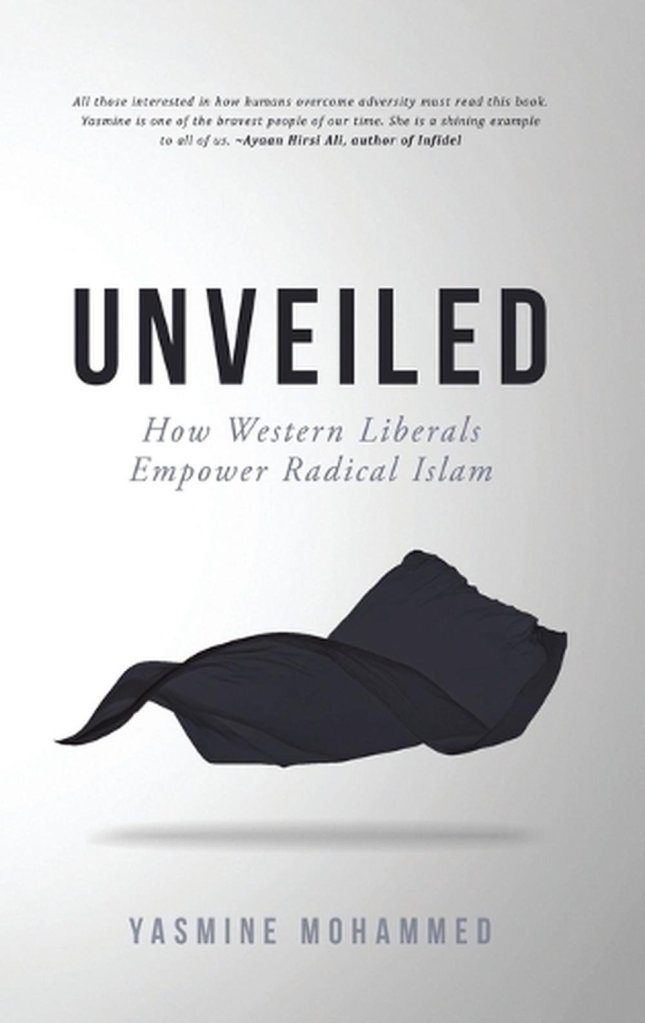




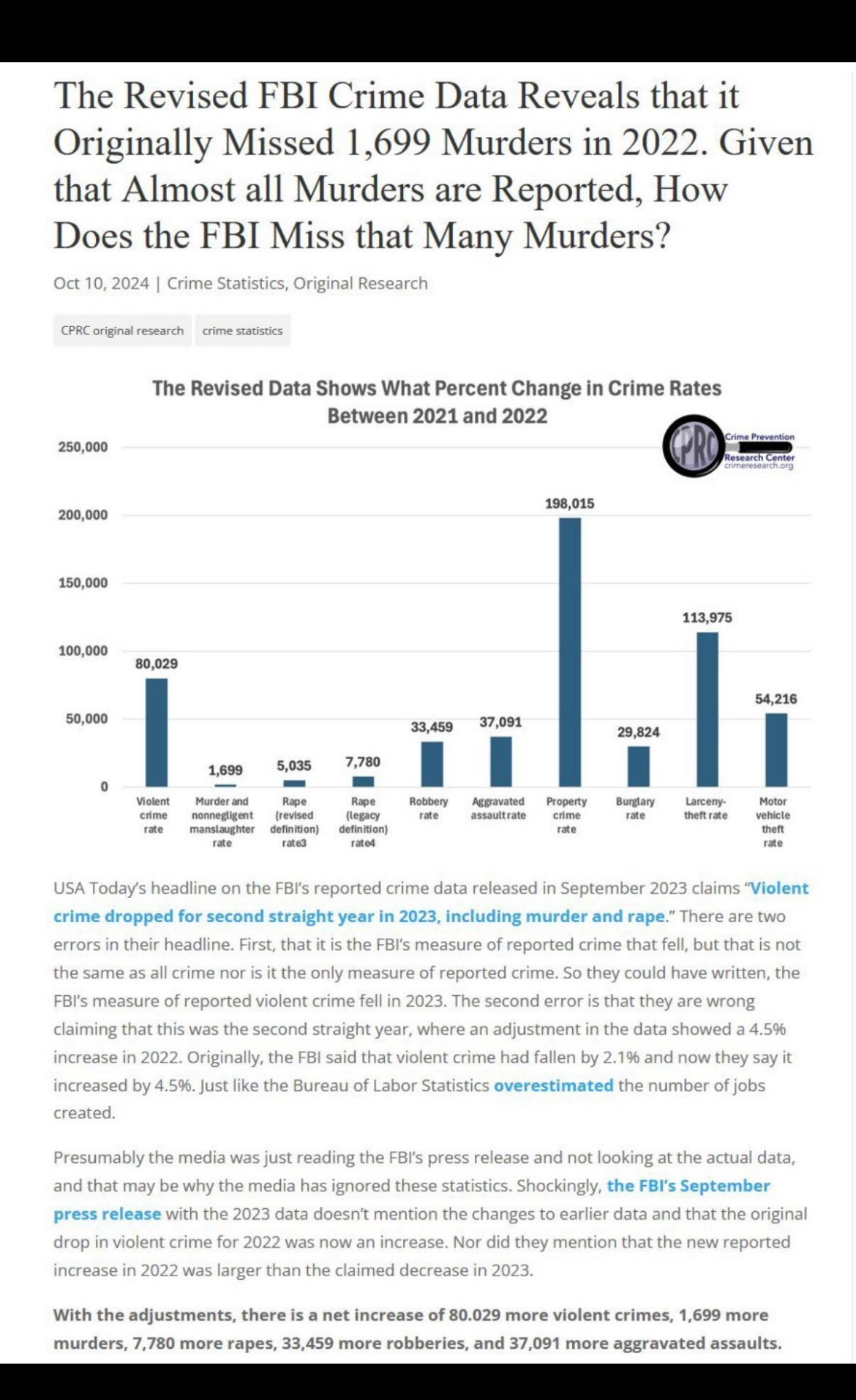



 Taste0ftruth Tuesdays