Fit for TV: How Screens, Diet Culture, and Reality Shows Rewire Our Bodies and Minds

When Willpower Isn’t Enough: Media, Metabolism, and the Myth of Transformation

You’re listening to Taste Test Thursdays–a space for the deep dives, the passion projects, and the stories that didn’t quite fit the main course. Today, we’re hitting pause on the intense spiritual and political conversations we usually have to focus on something just as powerful: how technology shapes our bodies, minds, and behaviors. We’ll be unpacking a recent Netflix documentary that highlights research and concepts we’ve explored before, shining a light on the subtle ways screens and media program us and why it matters more than ever.

I have a confession: I watched The Biggest Loser. Yep. Cringe, right? Back in 2008, when I was just starting to seriously focus on personal training (I got my first certification in 2006 but really leaned in around 2008), this show was everywhere. It was intense, dramatic, and promised transformation—a visual fairy tale of sweat, willpower, and discipline.
Looking back now, it’s so painfully cringe, but I wasn’t alone. Millions of people were glued to the screens, absorbing what the show told us about health, fat loss, and success. And the new Netflix documentary Fit for TV doesn’t hold back. It exposes the extreme, sometimes illegal methods used to push contestants: caffeine pills given by Jillian Michaels, emotional manipulation, extreme exercise protocols, and food as a weapon. Watching it now, I can see how this programming shaped not just contestants, but an entire generation of viewers—including me.


Screens Aren’t Just Entertainment

Laura Dodsworth nails it in Free Your Mind:

“Television is relaxing, but it also is a source of direct and indirect propaganda. It shapes your perception of reality. What’s more, you’re more likely to be ‘programmed’ by the programming when you are relaxed.”

This is key. Television isn’t just a casual distraction. It teaches, it socializes, and it normalizes behavior. A study by Lowery & DeFleur (Milestones in Mass Communication Research, 1988) called TV a “major source of observational learning.” Millions of people aren’t just entertained—they’re learning what’s normal, acceptable, and desirable.

Dodsworth also warns:

“Screens do not show the world; they obscure. The television screen erects visual screens in our mind and constructs a fake reality that obscures the truth.”

And that’s exactly what reality diet shows did. They created a distorted narrative: extreme restriction and punishment equals success. If you just try harder, work longer, and push further, your body will cooperate. Except, biology doesn’t work like that.


The Metabolic Reality

Let’s dig into the science. The Netflix documentary Fit for TV references the infamous Biggest Loser study, which tracked contestants years after the show ended. Here’s what happened:

  • Contestants followed extreme protocols: ~1,200 calories a day, 90–120 minutes of intense daily exercise (sometimes up to 5–8 hours), and “Franken-foods” like fat-free cheese or energy drinks.
  • They lost massive amounts of weight on TV. Dramatic, visible transformations. Ratings gold.
  • Six years later, researchers checked back: most regained ~70% of the weight. But the real kicker? Their resting metabolic rate (RMR) was still burning 700 fewer calories per day than baseline—500 calories less than expected based on regained body weight.
  • In everyday terms? Imagine you used to burn 2,000 calories a day just by living. After extreme dieting, your body was burning only 1,300–1,500 calories a day, even though you weighed almost the same. That’s like your body suddenly deciding it needs to hold on to every calorie, making it much harder to lose weight—or even maintain it—no matter how “good” you eat or how much you exercise.

This is huge. It shows extreme dieting doesn’t just fail long-term; it fundamentally rewires your metabolism.

Why?

  • Leptin crash: The hormone that tells your brain you’re full plummeted during the show. After weight regain, leptin rebounded, but RMR didn’t. Normally, these rise and fall together—but the link was broken.
  • Loss of lean mass: Contestants lost ~25 pounds of muscle. Regaining some of it didn’t restore metabolic function.
  • Hormonal havoc: Chronic calorie deficits and overtraining disrupted thyroid, reproductive, and adrenal hormones. Weight loss resistance, missed periods, hair loss, and constant cold are all part of the aftermath.

Put bluntly: your body is not passive. Extreme dieting triggers survival mode, conserving energy, increasing hunger, and slowing metabolism.

Read more:


Personal Lessons: Living It

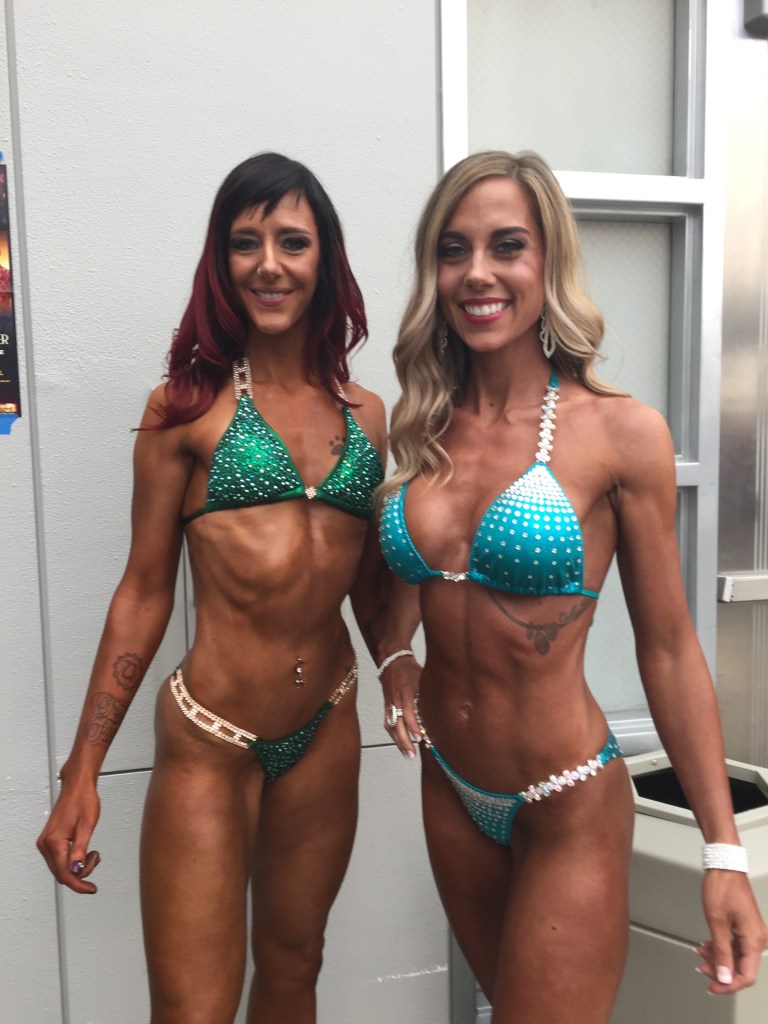
I know this from my own experience. Between May 2017 and October 2018, I competed in four bodybuilding competitions. I didn’t prioritize recovery or hormone balance, and I pushed my body way too hard. The metabolic consequences? Echoes of the Biggest Loser study:

  • Slowed metabolism after prep phases.
  • Hormonal swings that made maintaining progress harder.
  • Mental fatigue and burnout from extreme restriction and exercise.

Diet culture and TV had me convinced that suffering = transformation. But biology doesn’t care about your willpower. Extreme restriction is coercion, not empowerment.

Read more:


From Digital Screens to Unrealistic Bodies

This isn’t just a TV problem. The same mechanisms appear in social media fitness culture, or “fitspiration.” In a previous podcast and blog, From Diary Entries to Digital Screens: How Beauty Ideals and Sexualization Have Transformed Over Time, we discussed the dangerous myth: hard work guarantees results.

Fitness influencers, trainers, and the “no excuses” culture sell the illusion that discipline alone equals success. Consistency and proper nutrition matter—but genetics set the foundation. Ignoring this truth fuels:

  • Unrealistic expectations: People blame themselves when they don’t achieve Instagram-worthy physiques.
  • Overtraining & injury: Chasing impossible ideals leads to chronic injuries and burnout.
  • Disordered eating & supplement abuse: Extreme diets, excessive protein, or PEDs are often used to push past natural limits.

The industry keeps genetics under wraps because the truth doesn’t sell. Expensive programs, supplement stacks, and influencer promises rely on people believing they can “buy” someone else’s results. Many extreme physiques are genetically gifted and often enhanced, yet presented as sheer willpower. The result? A culture of self-blame and impossible standards.


Fitspiration and Self-Objectification

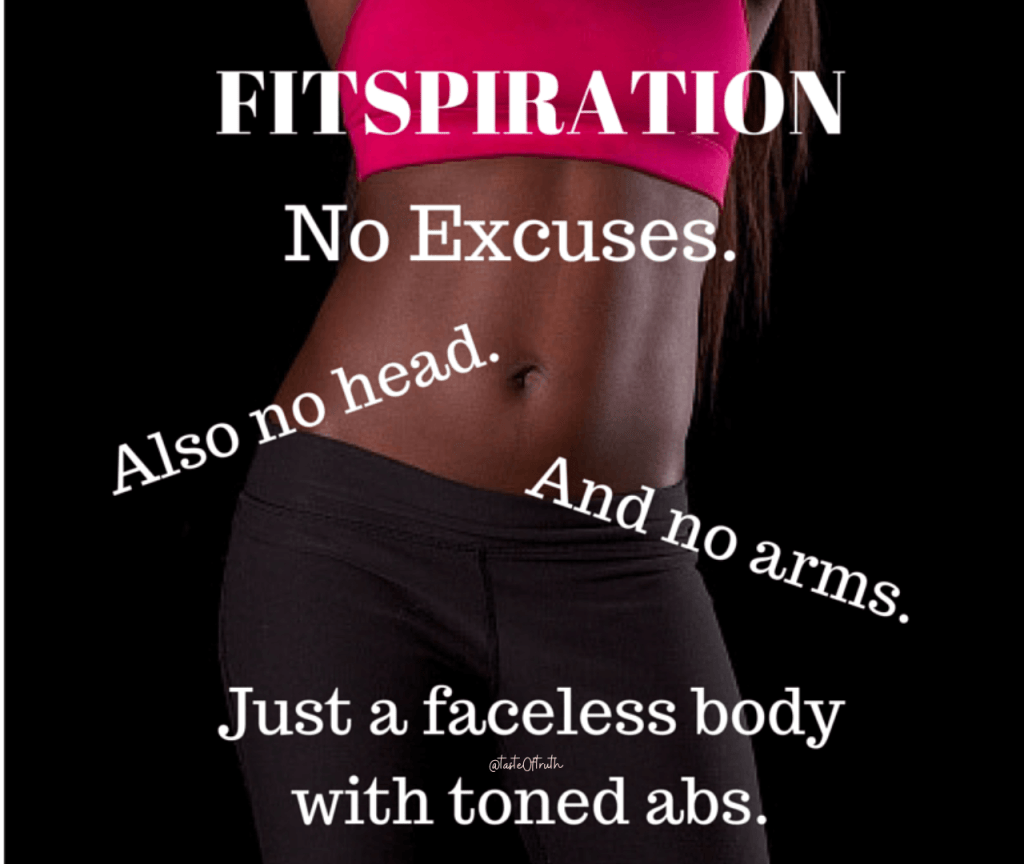
The 2023 study in Computers in Human Behavior found that exposure to fitspiration content increases body dissatisfaction, especially among women who already struggle with self-image. Fitspo encourages the internalized gaze that John Berger described in Ways of Seeing:

“A woman must continually watch herself. She is almost continually accompanied by her own image of herself… she comes to consider the surveyor and the surveyed within her as the two constituent yet always distinct elements of her identity as a woman.”

One part of a woman is constantly judging her body; the other exists as a reflection of an ideal. Fitness becomes performative, not functional. Anxiety, depression, disordered eating, and self-objectification follow. Fitness culture no longer focuses on strength or health—it’s about performing an idealized body for an audience.


The Dangerous Pipeline: Fitspo to Porn Culture

This extends further. Fitspiration primes women to see themselves as objects, which feeds directly into broader sexualization. Porn culture and the sex industry reinforce the same dynamic: self-worth tied to appearance, desire, and external validation. Consider these stats:

  • Over 134,000 porn site visits per minute globally.
  • 88% of porn scenes contain physical aggression, 49% verbal aggression, with women overwhelmingly targeted (Bridges et al., 2010).
  • Most youth are exposed to pornography between ages 11–13 (Wright et al., 2021).
  • 91.5% of men and 60.2% of women report watching porn monthly (Solano, Eaton, & O’Leary, 2020).

Fitspiration teaches the same objectification: value is appearance-dependent. Social media and reality TV prime us to obsess over performance and image, extending beyond fitness into sexualization and body commodification.

Read more:

Netflix Documentary: The Dark Side

Fit for TV exposes just how far the show went:

  • Contestants were given illegal caffeine pills to keep energy up.
  • Trainers manipulated emotions for drama—heightened stress, shame, and competitiveness.
  • Food was weaponized—rationed, withheld, or turned into rewards/punishments.
  • Exercise protocols weren’t just intense—they were unsafe, designed to produce dramatic visuals for the camera.

The documentary also makes it clear: these methods weren’t isolated incidents. They were systemic, part of a machine that broadcasts propaganda as entertainment.


The Bigger Picture: Propaganda, Screens, and Social Conditioning

Dodsworth again:

“Watching TV encourages normative behavior.”

Shows like The Biggest Loser don’t just affect contestants—they socialize an audience. Millions of viewers internalize: “Success = willpower + suffering + restriction.” Social media amplifies this further, nudging us constantly toward behaviors dictated by advertisers, algorithms, and curated narratives.

George Orwell imagined a world of compulsory screens in 1984. We aren’t there yet—but screens still shape behavior, expectations, and self-perception.

The good news? Unlike Orwell’s telescreens, we can turn off our TVs. We can watch critically. We can question the values being sold to us. Dodsworth reminds us:

“Fortunately for us, we can turn off our television and we should.”


Breaking Free

Here’s the takeaway for me—and for anyone navigating diet culture and fitness media:

  1. Watch critically: Ask, “What is this really teaching me?”
  2. Respect biology: Your body fights extreme restriction—it’s not lazy or weak.
  3. Pause before you absorb: Screens are powerful teachers, but you have the final say.

The bigger question isn’t just “What should I eat?” or “How should I train?” It’s:

Who’s controlling the story my mind is telling me, and who benefits from it?

Reality shows like The Biggest Loser and even social media feeds are not neutral. They are propaganda machines—wrapped in entertainment, designed to manipulate perception, reward suffering, and sell ideals that are biologically unsafe.

I’ve lived some of those lessons firsthand. The scars aren’t just physical—they’re mental, hormonal, and metabolic. But the first step to freedom is seeing the screen for what it really is, turning it off, and reclaiming control over your body, mind, and reality.

Thank you for taking the time to read/listen!

🙏 Please help this podcast reach a larger audience in hope to edify & encourage others! To do so: leave a 5⭐️ review and send it to a friend! Thank you for listening! I’d love to hear from you, find me on Instagram!⁠⁠⁠ @taste0ftruth⁠⁠⁠ , @megan_mefit , ⁠⁠⁠ Pinterest! ⁠⁠ ⁠ Substack and on X! 

Until then, maintain your curiosity, embrace skepticism, and keep tuning in! 🎙️🔒

🆕🆕This collection includes books that have deeply influenced my thinking, challenged my assumptions, and shaped my content. ⁠Book Recommendations – Taste0ftruth Tuesdays

Why Challenging Beliefs Feels Like a Personal Attack—And Why It Shouldn’t

From religion to politics, why deeply held beliefs trigger defensiveness, outrage, and even hostility—and how we can foster better conversations.

We all have seen how the internet seems to bring out everyone’s inner troll. 🧌

The moment a deeply held belief—whether religious or political—is questioned, people lash out with hostility, aggression, or outright rage. Why does this happen? Why do some people react as if their very identity is under attack?

This past summer, we sat down with Dr. Mark Gregory Karris to explore religious trauma, belief deconstruction, and the psychological grip of fundamentalist ideology.

This season on Taste of Truth, we have been expanding the conversation—because this isn’t just about religion. Political ideologies, social movements, and even scientific debates can trigger the same defensive responses.

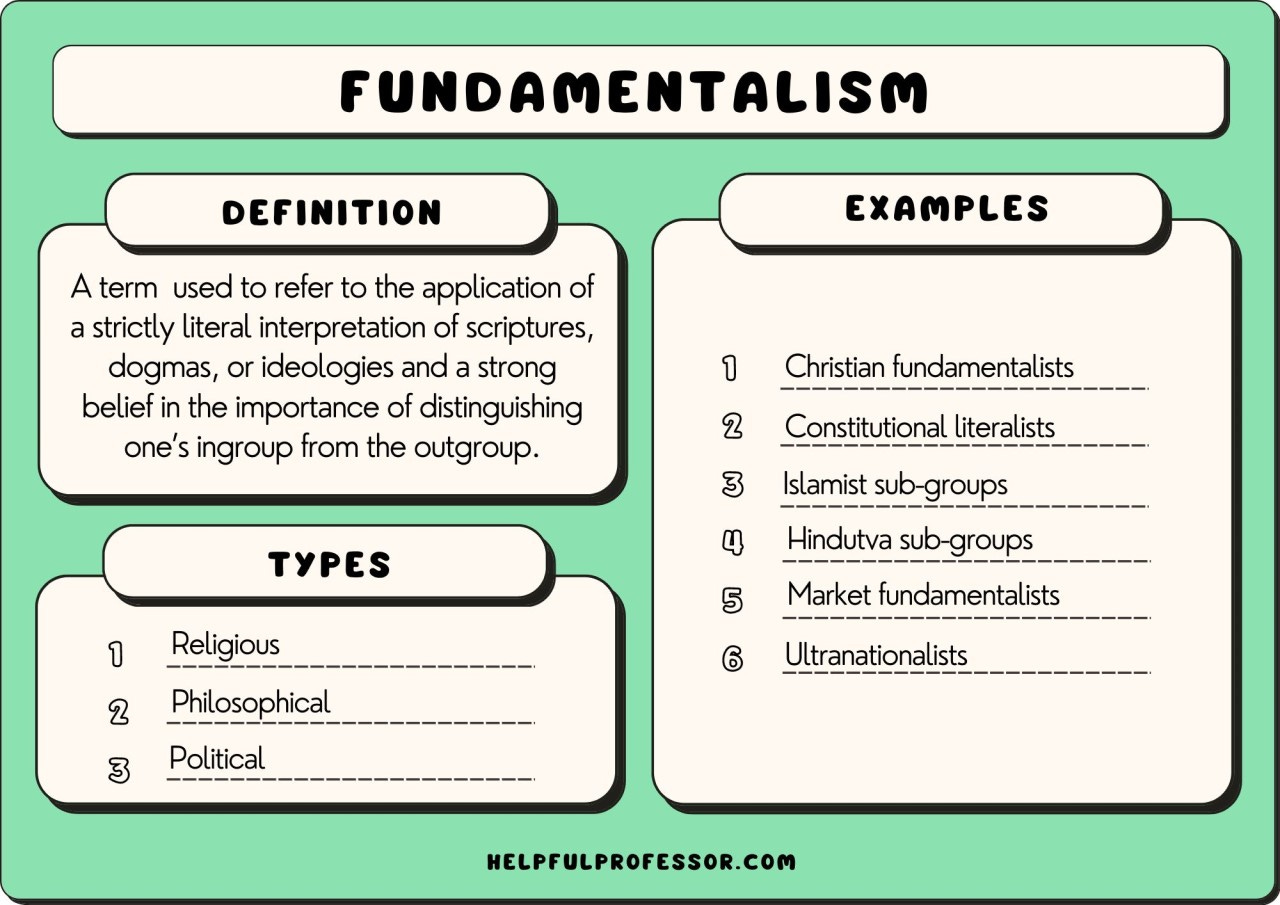
Fundamentalist thinking—whether in religion or politics—creates a fear-driven, us-vs-them mentality.

At its most basic, the allure of fundamentalism, whether religious or ideological, liberal or conservative, is that it provides an appealing order to things that are actually disorderly. -Peter Mountford

This hits at something crucial that I’ve written about numerous times before: the human brain craves order, even in the face of chaos. The illusion of control is a powerful psychological driver, and our brains reward it with dopamine. Fundamentalist thinking offers a structured, black-and-white framework that feels safe and predictable, making it incredibly appealing—especially in times of uncertainty. It’s why people cling even harder to rigid beliefs when they feel threatened. Whether in faith or politics, the need for certainty can override openness to new information, leading to the defensive reactions we see when those beliefs are questioned.

The moment someone questions the “truth,” it’s perceived as an existential threat, triggering anxiety, cognitive dissonance, and sometimes outright hostility.

Take a look at the patterns:

  • Verbal Attacks: When someone questions a core belief, the response can be insults, shouting, or belittling. For example, in religious circles, someone questioning doctrine might be labeled a heretic, while in political spaces, dissenters might be called traitors or bigots.
  • Social Ostracism: In both fundamentalist religious and political groups, those who challenge the status quo risk being shunned, excommunicated, or “canceled.” A former churchgoer who deconstructs their faith may be cut off from their community, just as someone who questions ideological orthodoxy in politics might lose social standing, friendships, or even career opportunities.
  • Online Harassment: Social media amplifies these reactions. Question a sacred political narrative? Expect dogpiling. Challenge a religious doctrine? Brace yourself for moral outrage. The internet rewards ideological purity and punishes deviation.
  • Physical Aggression: In extreme cases, questioning or challenging deeply held beliefs can escalate to threats or violence. History is littered with examples—holy wars, political purges, ideological revolutions—all stemming from the belief that certain ideas must be defended at any cost.

This isn’t just about bad behavior—it’s about psychology. When beliefs become intertwined with identity, disagreement feels like a personal attack. Fundamentalist teachings—whether religious or ideological—reinforce this by instilling fear of deviation:

  1. Fear of Deviation – Straying from the accepted belief system is framed as dangerous, whether it’s framed as spiritual damnation or societal collapse.
  2. Cognitive Dissonance – Encountering opposing viewpoints creates internal discomfort, making people double down rather than reconsider.
  3. Fear of Consequences – Whether it’s eternal hellfire or being cast out by one’s political tribe, the cost of questioning is framed as too high.
  4. Identity Threat – When beliefs define self-worth, changing one’s mind feels like losing a part of oneself.
  5. Social Pressure – Communities reinforce conformity, and breaking from the group’s ideology invites punishment.

When Morality Binds and Blinds

In The Righteous Mind, Jonathan Haidt explains how moral systems don’t just guide our sense of right and wrong—they also bind us to our tribes and blind us to opposing perspectives. Morality evolved not just to help individuals make ethical choices but to reinforce group cohesion. When we share a moral framework with others, it strengthens social bonds and builds trust. But there’s a cost: once we’re deeply embedded in a moral community—whether religious, political, or ideological—we stop seeing outside perspectives clearly.

This is why people react with such hostility when their beliefs are challenged. They aren’t just defending a set of ideas; they’re defending their sense of identity, belonging, and moral righteousness. A challenge to the belief feels like a challenge to the self—and to the entire group they’re part of.

This also explains why fundamentalist thinking isn’t confined to religion. Political movements, activist groups, and even secular ideologies can exhibit the same rigid certainty, group loyalty, and hostility toward outsiders. The more a belief system becomes tied to identity, the more resistant it is to change—and the more aggressive the response when it’s questioned.

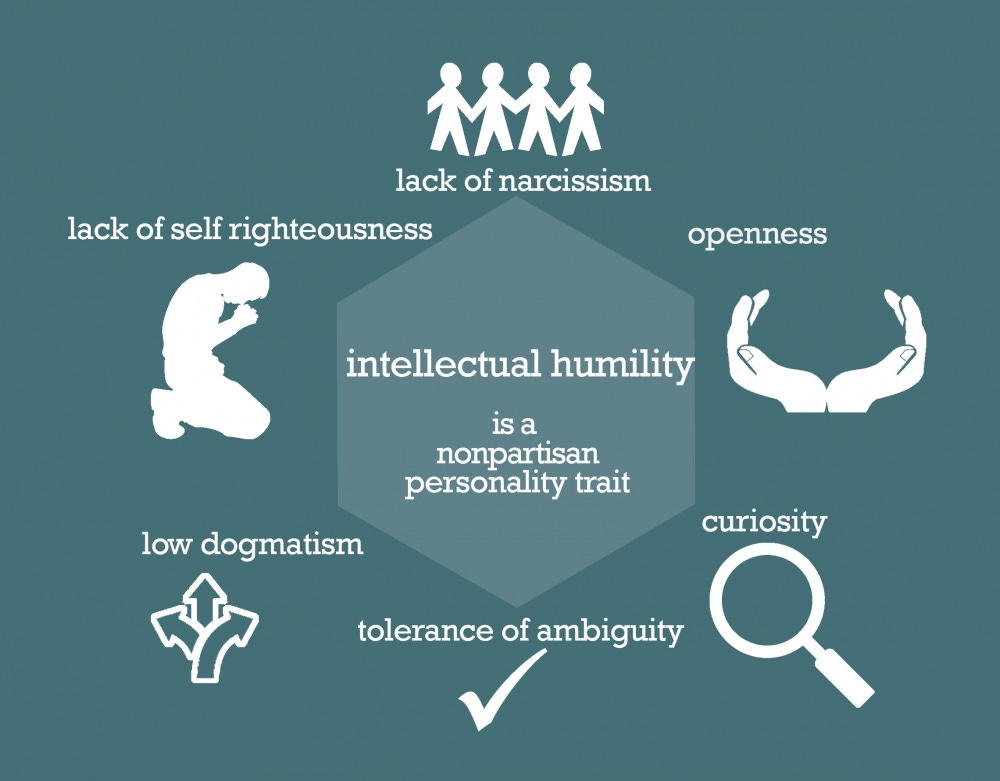
The antidote? Intellectual humility. The ability to recognize that our beliefs, no matter how deeply held, might be flawed. That truth-seeking requires engaging with discomfort. That real conversations happen not when we dig in our heels but when we’re willing to ask, What if I’m wrong?

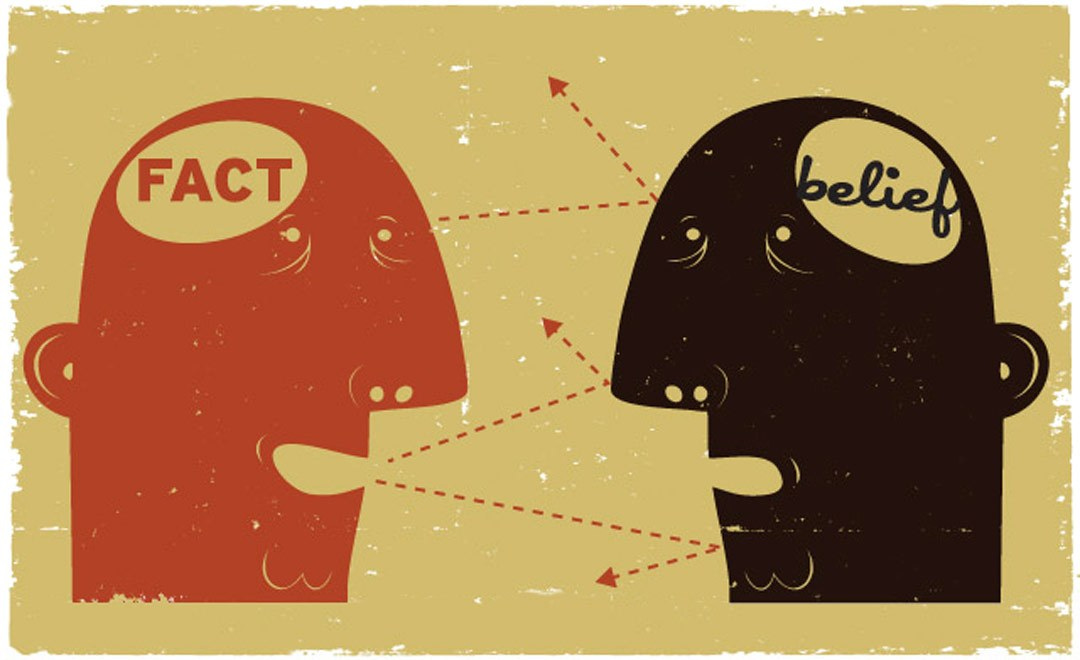
These dynamics explain why deconstruction—whether of faith or political ideology—often leads to intense backlash. It also reminds me of our conversation with Neil Van Leeuwen, author of Religion as Make-Believe. He pointed out that factual beliefs thrive on evidence, but religious and ideological beliefs function differently. When a belief becomes part of group identity, truth often takes a backseat. In fact, sometimes falsehoods serve the group better because they reinforce belonging.

To close down the conversation, let’s talk about healthy communities—whether religious, political, or social—embrace intellectual humility. Here’s what that looks like:

  • Open Dialogue: Encouraging respectful conversations where differing perspectives are explored rather than attacked.
  • Supportive Community: Allowing for questions, doubts, and evolving beliefs without fear of punishment.
  • Personal Reflection: Cultivating a mindset that prioritizes growth over ideological purity.
  • Interdisciplinary Engagement: Seeking insights from multiple fields rather than reinforcing an echo chamber.

By recognizing these patterns, we can navigate our own beliefs with more self-awareness and engage in discussions that foster curiosity rather than hostility. The question isn’t whether we hold tightly to certain beliefs—it’s whether we’re willing to interrogate why.

So, what’s one belief you’ve held onto tightly that you later questioned?

Let’s talk about it in the comments.

From Diary Entries to Digital Screens: How Beauty Ideals and Sexualization Have Transformed Over Time

Over the past year, we’ve explored a web of interconnected topics—religious extremism, theology, the role of social media in radicalization, and most recently, body image and the impact of fitspiration.

These discussions aren’t isolated; they all trace back to a common thread—how external influences shape our beliefs, behaviors, and sense of identity. Today, we’re diving deeper into that connection, looking at how beauty standards, social media, and the normalization of self-objectification are part of a larger cultural shift.

The Evolution of Body Image: From Calorie Counting to the Cult of Fitness

Our cultural obsession with body modification isn’t new—it’s just evolved.

In The Body Project, historian Joan Jacobs Brumberg explores the history of American girls and how today women have more freedom and choice than ever before, but many of us begin a pattern of negative self-image, beauty obsession and dieting as early as five or six. Brumberg states:

“All throughout history, adolescent self-consciousness is quite persistent, but it’s level is raised or lowered, like the water level in a pool, by the cultural and social setting.”

For instance, in the late 19th century, girls might have been particularly conscious of their hands and feet due to the fashion and modesty standards of the time, as well as the emphasis on delicate and proper presentation. Additionally, the ideal feminine silhouette of the time, with tightly laced corsets and voluminous skirts, might have made girls more conscious of their waists and overall body shape.

So, while in modern day times, we may cringe at the confinements of what the Victorian society and wearing the corset did to women, but I’d like to argue that in 2025 body angst is driven by much more sinister forces. Today, commercial interests utilize marketing strategies that result in enormous amounts of profit for the manufactures of cosmetic, surgery, hair products and of course diet foods.

The reality that American girls now center their lives around their bodies is neither coincidental nor trivial: it reflects historical shifts that are just now being comprehended.

15th November 1926: Film star, Mae Murray (1889 – 1965) making herself up in a mirror in the lid of her make-up box.

Brumberg examines how the modern fixation on weight began in the early 20th century. Historically, the surge of explicit “girl talk” about body and sexuality is a relatively recent American phenomenon. As the language surrounding sex and the body has evolved, so too have the body projects of different generations of American girls. By the 1920s, girls began writing about their efforts to develop sexual allure through clothing and cosmetics, and for the first time, they experimented with “slimming”—a new body project tied to the scientific discovery of the calorie. The dieters and sexual players of the 1920s were generally girls in middle to late adolescence, finishing high school or heading off to college and jobs in the business world—unlike today, where such concerns often affect younger children and teenagers.

By the 1970s and 1980s, body control became about more than just being thin; it evolved into sculpting the ideal physique. This shift gave rise to what we now recognize as the cult of fitness—a movement that reframed body control as discipline and self-mastery. The rise of bodybuilding, aerobics, and the emerging diet industry all played a role in selling the idea that, with enough effort, anyone could build their “dream body.”

The Role of Genetics in Muscle Growth: What Fitness Culture Gets Wrong

But science tells a different story. While training and nutrition matter, genetics play a massive role in muscle development, strength, and even fat distribution. A study published in Communications Biology (2020) found that an individual’s ability to build muscle and strength is 50-80% genetic (Pei et al., 2020).

This means that two people following the exact same training program and nutrition plan will not achieve the same results—because their genetic blueprint largely determines their potential for muscle growth, recovery speed, tendon strength, and even motivation to train.

Yet, fitness culture—including myself as a personal trainer for nearly 20 years—rarely acknowledges this, pushing the narrative that extreme discipline alone is the key to achieving a certain look. This myth is not only misleading but also damaging, leading many people to believe that if they just worked harder, ate “cleaner,” or followed the right influencer’s workout, they could look like a fitness model.

How Genetics Impact Strength and Muscle Development

  1. Muscle Fiber Composition: The Fast-Twitch vs. Slow-Twitch Factor
    • People with a higher percentage of fast-twitch muscle fibers (Type II) have a genetic advantage in strength and hypertrophy (muscle growth). These fibers respond better to resistance training and grow larger than slow-twitch (Type I) fibers, which are more endurance-focused.
    • Some individuals are naturally fast-twitch dominant, making it easier for them to build muscle. Others are slow-twitch dominant, meaning they may struggle with size gains but excel in endurance sports like long-distance running (Timmons et al., 2010).
  2. Myostatin: The Genetic “Muscle Growth Brake”
    • Myostatin is a protein that regulates muscle growth by preventing muscles from getting too large.
    • People with lower levels of myostatin (due to genetic mutations) have an easier time building muscle naturally. Some bodybuilders and elite athletes are born with myostatin deficiencies, giving them an unfair advantage (Lee & McPherron, 2001).
  3. Testosterone and Hormonal Variability
    • Testosterone is a major driver of muscle protein synthesis, and its levels vary wildly among individuals.
    • Some people naturally produce more free testosterone (the biologically active form), which enhances muscle recovery, strength, and hypertrophy.
    • Women generally have 10-20 times lower testosterone levels than men, making significant muscle gains much harder without pharmacological assistance (i.e., steroids) (Kraemer et al., 1998).
  4. Bone Structure and Muscle Insertions: The Aesthetic Factor
    • Ever wonder why some people seem to have a “naturally sculpted” look even before they start training?
    • Bone structure (such as clavicle length, rib cage width, and hip-to-waist ratio) dictates how muscle mass is distributed.
    • Muscle insertion points vary genetically, meaning some people have longer muscle bellies, which create fuller-looking muscles, while others have shorter insertions, making certain muscles appear smaller or less defined no matter how much they train (Abe et al., 2016).

The Dangerous Myth of “Hard Work = Guaranteed Results”

Fitness influencers, personal trainers, and the entire “no excuses” culture have sold the idea that discipline alone determines success. And yes—training consistency and proper nutrition absolutely matter. But they will never override genetic limitations.

This myth leads to:

  • Unrealistic Expectations: People blame themselves when they don’t achieve Instagram-worthy physiques, despite training and eating “perfectly.”
  • Overtraining & Injury: Chasing unrealistic body standards leads many to overtrain, ignore recovery, and develop chronic injuries.
  • Disordered Eating & Supplement Abuse: Some resort to extreme dieting, excessive protein intake, or even performance-enhancing drugs to push past genetic limits.

The Industry’s Selective Silence on Genetics

Why does fitness culture ignore genetics? Simple: it doesn’t sell. If people accepted that their muscle-building potential was largely predetermined, the billion-dollar fitness industry wouldn’t be able to push:

  • Expensive training programs promising “X body in X weeks.”
  • Supplement stacks claiming to “maximize muscle growth.”
  • The illusion that buying a program from a shredded influencer will make you look like them.

Ironically, many of the biggest names in fitness—especially those with extreme physiques—are genetically gifted (and often enhanced by PEDs). Yet, they claim their results come solely from “hard work and dedication,” keeping their followers trapped in a cycle of unrealistic expectations and self-blame.

After nearly 20 years as a personal trainer, I wish I had been more honest about genetics with my clients. Fitness is absolutely a combination of training, nutrition, recovery, and mindset—but genetics are the foundation that determines what’s possible.

Let’s stop pretending everyone can achieve the same results through sheer willpower. Fitness should be about maximizing your individual potential—not chasing an impossible ideal. Focusing on body neutral fitness and strength training gave me tangible, measurable improvements, but it also made me realize how much misinformation circulates in mainstream fitness spaces, particularly in the fitspiration content flooding social media.

Fitspiration: The Reinvention of Beauty Standards

A 2023 study in Computers in Human Behavior compared the effects of fit ideal vs. non-fit ideal body types in fitspiration imagery. The findings? Exposure to fitspiration content significantly increases body dissatisfaction, especially in women who already struggle with self-image. This isn’t surprising—social media’s curated highlight reels create a distorted sense of what’s achievable. And just like 90s diet culture failed to acknowledge genetic differences in weight, today’s fitness culture largely ignores the reality that strength and muscle growth are heavily influenced by genetics.

But the impact of fitspiration goes beyond body image. The same mechanisms that fuel fitness obsession—comparison, idealization, and self-objectification—are also at play in the broader cultural shift toward hypersexualization.

Fitspiration and Self-Objectification: The Internalized Gaze

Self-objectification occurs when a person sees themselves through the eyes of others, measuring their worth by how they look rather than who they are. And nowhere is this dynamic more evident than in fitspiration culture.

John Berger describes this process perfectly in Ways of Seeing:

“A woman must continually watch herself. She is almost continually accompanied by her own image of herself… From earliest childhood she has been taught and persuaded to survey herself continually. And so she comes to consider the surveyor and the surveyed within her as the two constituent yet always distinct elements of her identity as a woman.”

Fitspiration content encourages this exact split identity—one part of a woman is the observer, constantly assessing whether she looks toned, lean, or strong enough. The other part is the observed, existing only as a reflection of an idealized body type. It’s no longer just about fitness; it’s about performing fitness for an audience.

And the consequences are severe:

  • Chronic body surveillance leads to increased anxiety, depression, and disordered eating (Fredrickson & Roberts, 1997).
  • Instead of focusing on how movement feels, women focus on how their bodies appear while exercising.
  • The line between fitness and sexualization blurs, reinforcing the idea that a woman’s body is only valuable when it is desirable to others.

In this way, fitspiration isn’t just a rebranded version of diet culture—it’s also a pipeline to broader cultural hypersexualization, where the body is constantly on display, measured, and objectified. And this feeds directly into an even deeper issue: the normalization of pornography and the sex industry, where women’s bodies are not just idealized but commodified.

By promoting self-objectification as empowerment, fitspiration culture primes women to see themselves as both the product and the consumer, caught in an endless cycle of external validation. And the most insidious part? It’s framed as self-improvement—when in reality, it’s just another system designed to keep women watching themselves instead of living fully.

The Connection Between Fitspiration, Porn Culture, and Self-Objectification

The way women are impacted by pornography—and by extension, the sex industry—is something far too many people overlook. The statistics are staggering:

  • The top three porn sites receive a combined 134,491 visits per minute.
  • Most pornographic videos contain some form of aggression or violence, particularly toward women. A 2020 meta-analysis found that 88% of pornographic scenes contain physical aggression (slapping, choking, hair-pulling) and 49% contain verbal aggression, with women overwhelmingly being the targets (Bridges et al., 2010).
  • Most young people are exposed to pornography between the ages of 11 and 13, with some studies reporting an even earlier age for boys (Wright et al., 2021).
  • A 2020 study found that 91.5% of men and 60.2% of women had watched porn in the past month (Solano, Eaton, & O’Leary, 2020).

How This Connects to Fitspiration and Porn Culture

At first glance, fitspiration (or “fitspo”) might seem like it has nothing to do with pornography or the sex industry. After all, isn’t fitness about health and strength? But when we look closer, the connections become clear.

  1. Both fitspiration and porn culture promote self-objectification.
    Fitspiration culture tells women that their worth is tied to their body’s appearance—specifically, whether they have a lean, sculpted, and sexually desirable physique. This reinforces self-objectification, where women begin viewing their bodies primarily as objects to be judged rather than lived-in, experienced, and valued beyond aesthetics.

Remember our study in Computers in Human Behavior (2023) found that exposure to fitspiration imagery leads to increased body dissatisfaction and self-objectification, particularly among women who already struggle with body image….Similarly, pornography fuels external validation as a primary measure of self-worth.

Women in both fitspo and porn culture are expected to conform to an idealized version of femininity that is both hypersexualized and carefully curated for male consumption.

  1. Both industries capitalize on the illusion of empowerment.
    One of the biggest arguments in favor of fitspiration and porn is that they “empower” women. But empowerment, in its truest sense, involves autonomy, agency, and self-determination—not just adhering to societal beauty standards under the guise of “strength” or “choice.”
  • Fitspiration content often presents extreme dieting, excessive exercise, and body sculpting as forms of self-discipline and self-improvement, even when they veer into disordered behaviors.
  • The porn industry promotes the idea that sex work is a path to empowerment, despite overwhelming evidence of the harm it causes to those involved. Research on women in the porn industry has found high rates of PTSD, substance abuse, and coercion (Farley et al., 2003).

The same narrative that tells women they must be “empowered” by fitspiration also tells them they must be “empowered” by commodifying their bodies through sex work. The reality is that both industries profit from women internalizing external standards of worth rather than defining it for themselves.

  1. The rise of OnlyFans and the blending of fitness and sex work.
    Social media has blurred the lines between fitness influencers and the sex industry in a way that previous generations didn’t experience. Platforms like Instagram, TikTok, and OnlyFans have created a new category of influencers who monetize their appearance—whether through fitness content, sexually suggestive photos, or outright pornography.
  • Some fitness influencers now have OnlyFans accounts, where they claim to be selling fitness content but also offer sexually explicit material.
  • The normalization of “soft porn” in fitness spaces (suggestive poses, hypersexualized workout attire) conditions women to see their fitness journey as something that must be publicly displayed and validated by others.
  • Many young women have turned to selling “spicy content” on OnlyFans as a form of income, believing it to be harmless self-expression—only to later experience the psychological and social fallout.

This isn’t just theoretical. A growing body of research shows that women who engage in sexualized self-presentation online report higher levels of self-objectification, body dissatisfaction, and lower self-esteem (Boursier et al., 2020).

The Psychological Toll: What Happens When Women Internalize These Messages?

Self-objectification doesn’t just impact body image—it affects mental health, cognitive performance, and even physical performance. Studies have found that women who are primed to focus on their appearance:

  • Perform worse on cognitive tasks (Fredrickson et al., 1998).
  • Experience greater body shame and anxiety (Moradi & Huang, 2008).
  • Are less likely to engage in activities that prioritize function over appearance (Roberts & Gettman, 2004).

And this has real-world consequences. Women who internalize self-objectification are more likely to experience:

  • Higher rates of depression and anxiety
  • Greater susceptibility to eating disorders
  • Lower confidence in their physical abilities

Reframing the Narrative: What’s the Alternative?

Recognizing these patterns is the first step in breaking free from them. If fitspiration, porn culture, and social media all push the message that women must shape themselves into externally validated objects, then the antidote is reclaiming agency over our bodies—not as things to be looked at, but as tools for living, experiencing, and creating.

  • Strength training should be about what your body can do, not how it looks.
  • Health and fitness should prioritize function over pain.
  • Challenge Beauty Norms & External Validation. Who benefits from women being consumed by their appearance? The more we recognize these influences, the easier it is to resist them.
  • Women should be encouraged to pursue movement, sport, and physical strength without the added layer of performative sexuality.

Joan Jacobs Brumberg’s The Body Project reinforced for me how unprepared young women have been for the level of sexualization and exploitation in our culture—something that has only worsened with social media. The way sex work is framed as “empowerment” in some circles ignores the long-term harm it inflicts, and I’ve seen that firsthand.

I can’t wait to discuss this more with my friend Sloane Wilson, a survivor advocate with Exodus Cry, on my podcast later this season. Her insights into the realities of the sex industry and the dangers of normalizing self-objectification are incredibly important for this conversation.

Beyond the Before-and-After: The Truth About Social Media and Body Image

🎙️ Welcome back to Taste of Truth Tuesdays! This week, we’re diving deep into the fascinating and impactful world of body image and social media, guided by two incredible guests who bring evidence-based insights and a passion for accessibility in mental health research.

🧠 First, let me introduce Dr. Hannah Jarman, Ph.D., a trailblazer in psychology whose work sheds light on how we perceive ourselves in the digital age. Alongside her is the brilliant Ms. Claudia Liu, a Ph.D. candidate whose research explores the intersection of social media and body image. These two share a common mission: making complex research not just understandable but applicable in everyday life

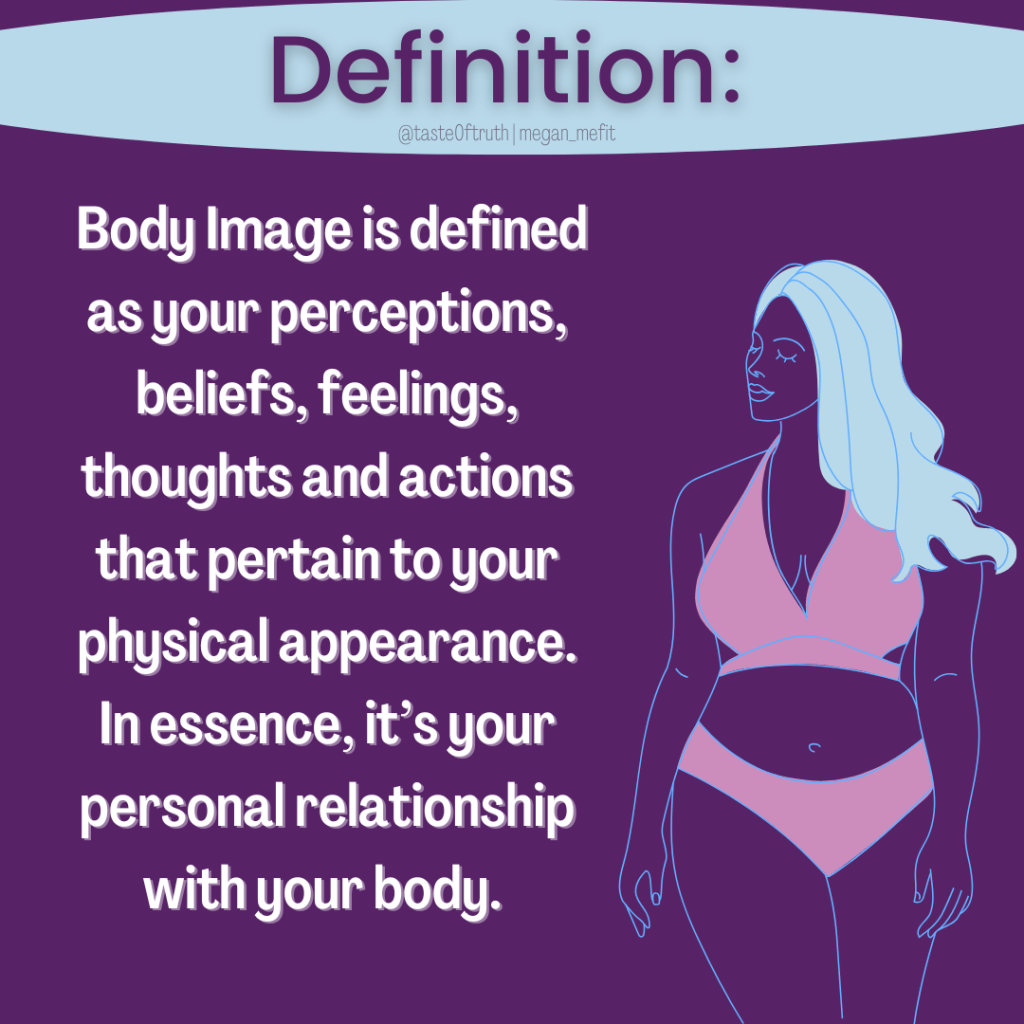
Body image—it’s a term we hear often, but what does it really mean? At its core, body image is your perceptions, beliefs, feelings, thoughts, and actions related to your physical appearance. Think of it as your personal relationship with your body. Sounds simple, but in a world shaped by curated social media feeds and fitspiration photos, it’s anything but.

To ground our discussion, we’ll be exploring the four components of body image, starting with Perceptual Body Image—how you see yourself. Here’s the catch: the way you see your body often doesn’t match reality. It’s a perception distorted by negative self-talk and societal pressures. But awareness is the first step. Interrupting that loop of negative talk can help shift your perception toward something healthier.

Next, there’s Affective Body Image, which reflects how you feel about your body—your likes and dislikes. These feelings are deeply influenced by the media we consume, from TV and movies to social media trends like “fitspiration.” Here’s the thing: hating your body is not a prerequisite for change. Dissatisfaction and acceptance can coexist. Making intentional choices about what media you engage with can profoundly impact how you feel about yourself.

Then we have Cognitive Body Image, or the thoughts and beliefs you hold about your body. Ever heard someone say, “I’ll be happy when I hit my goal weight”? It’s a dangerous trap because happiness isn’t tied to a number on the scale. Chasing an external solution for an internal problem often leads to harmful patterns and a cycle of discontent.

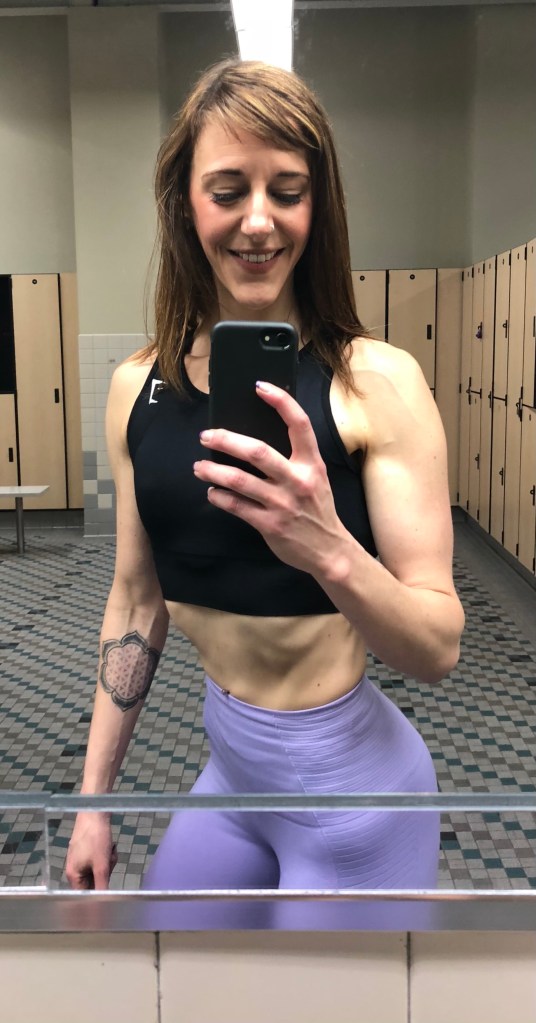
2018: My leanest physique post-bodybuilding competitions. I sat here feeling self-conscious, convinced I looked ‘fat.’ It’s wild to look back and realize how much my mind distorted my reality.

When I look back at photos of myself at my leanest—whether it was during my bodybuilding competitions or soon after—I remember how uncomfortable I felt in my body even then. This always reminds me that body image isn’t actually about how your body looks; it’s about your relationship with your body and, ultimately, with yourself.

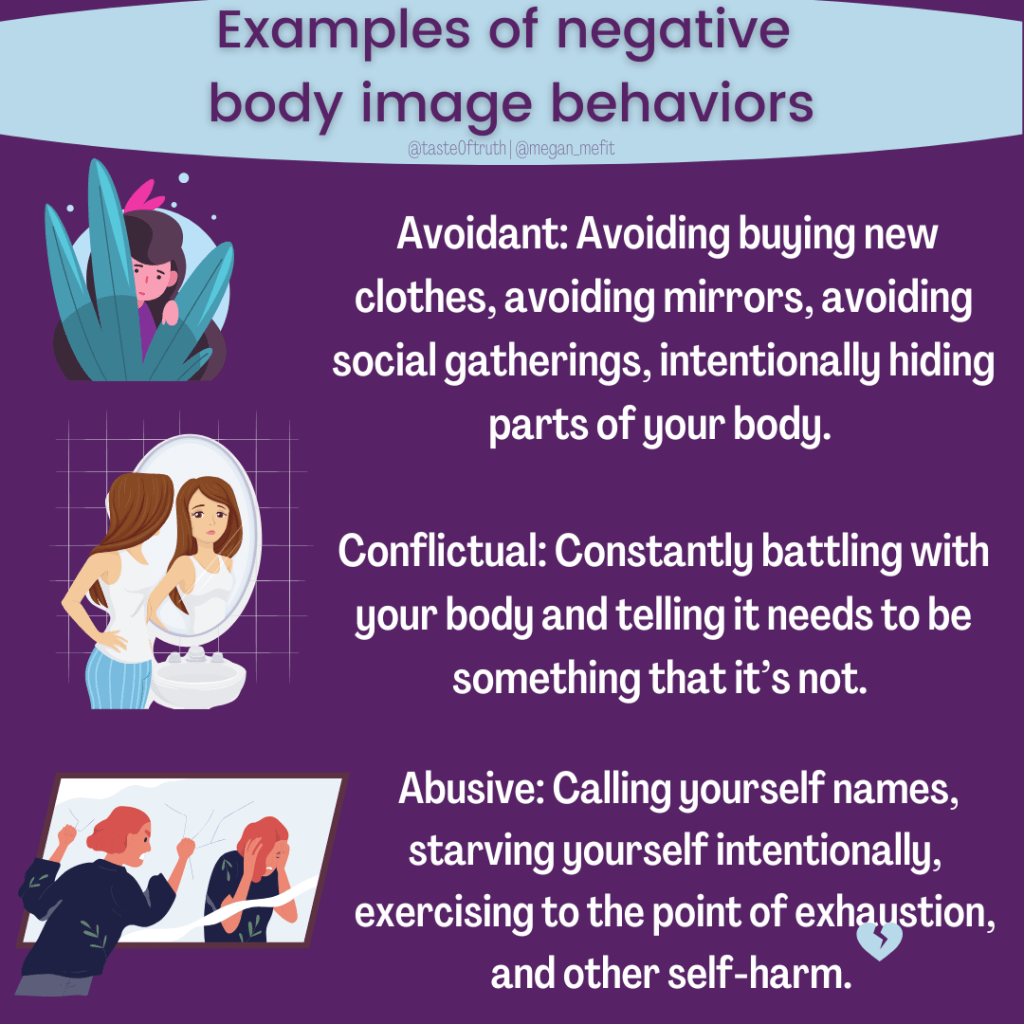
Finally, Behavioral Body Image—the actions we take based on our perceptions, feelings, and beliefs. When someone struggles with negative body image, they might engage in destructive behaviors like over-exercising, disordered eating, or social withdrawal.

Today, we’ll unpack these components with Dr. Jarman and Ms. Liu and dive into their groundbreaking research on the impact of social media and fitspiration on our body image. We’ll also share actionable tips to help you reshape your relationship with your body and your digital environment.

Get ready for an enlightening and empowering conversation. Let’s go!


Dr. Hannah Jarman, a research fellow at Deakin University in Melbourne, Australia, who specializes in body image, eating disorders, and the influence of media. Dr. Jarman’s interest in this field began when a young child in her life, around 5 or 6 years old, started expressing distress about her body, saying things like “I’m fat, I need to lose weight.” This was concerning not only because of the child’s age, but also because her family had a history of eating disorders. Recognizing the red flags, Dr. Jarman sought advice from a lecturer specializing in body image, which sparked her passion for research and intervention.

This led to her work on body image interventions in schools and later, a PhD on the impact of social media on adolescent body image and well-being. Dr. Jarman’s work continues to explore the critical intersection between media influence and body dissatisfaction, aiming to identify predictors and create effective prevention strategies for eating disorders.

Claudia, a final-year PhD candidate in Psychology at Melbourne University. Claudia’s research focuses on disordered eating, body image, and digital health—an emerging area in the field. Her passion for this work stems from her own personal experiences with disordered eating and negative body image during her younger years. Growing up in Southeast Asia, where thin ideals were heavily glorified, Claudia internalized these societal pressures, which led to unhealthy behaviors. Fortunately, she overcame these challenges, and this journey inspired her to pursue a PhD, hoping her research can provide insights and support for others facing similar struggles.

I’ve also seen in the data that children as young as 5 are struggling with negative body image, and I can really relate to Claudia’s experience. I, too, have struggled with disordered eating. I’ve enrolled in eating disorder therapy and have been given some of the most extreme programs, like having to eat the same meal plan six times a day for 12 weeks. The strictness of it led to binges, and it was clear that something wasn’t working.

Thank you to all the researchers out there, because while I don’t have a PhD, I did pursue a psychology certification as part of my continuing education for personal trainers. The more I worked with clients, the more I realized the connection between psychology and nutrition. Many of my clients came to me wanting to “lose weight”, but before we could even start thinking about that, we had to address underlying issues like under-eating, yo-yo dieting, and inconsistency. I had to teach them that they had to earn their right to diet, which was a difficult but crucial concept to stress. That’s when I knew I needed to learn more about psychology—it wasn’t just about the physical aspect but the mental and emotional work that had to come first.

Dr. Jarman adds, it’s so ingrained in our society, these ideals and these pressures and dieting. If you think about the people around you, how many—probably the majority, particularly of females, but also a lot of males—struggle with these issues and have unhealthy relationships with food or exercise or whatever it may be. These perfect ideals are supposedly so easy, and they should all be achieving them. But that’s absolutely right.

Men do have the pressure as well, like this big masculine look or the negative term of ‘dad bod.’ Men are also getting objectified or judged. So much of what the fitness industry sells is a psy-op. They’re just trying to sell you the idea that you can control this. It’s like in the religious world, where we have something called the prosperity gospel—‘If you do this, you’ll get God’s blessing.’ Diet culture plays the same tune: ‘If you do this, you’ll get that.’ It’s a deep psychological hook, tapping into our need for control. This need triggers dopamine, which reinforces these behaviors. Whether it’s following rigid fitness plans or religious dogma, it’s the dopamine hit that keeps us hooked. I appreciate you guys getting on here.

A little bit off-mic, season 2 was exploring breaking free from diet culture, body-neutral fitness, and focusing on performance-based goals. While you might see some changes in aesthetics, that’s just a bonus. The real focus is on getting stronger, improving blood markers, or simply walking every day. I’ve learned as a personal trainer that even when clients achieve their weight loss goals, it doesn’t always lead to a better body image or happiness. So, what is body appreciation, and why is it so crucial for mental well-being?

Body Appreciation

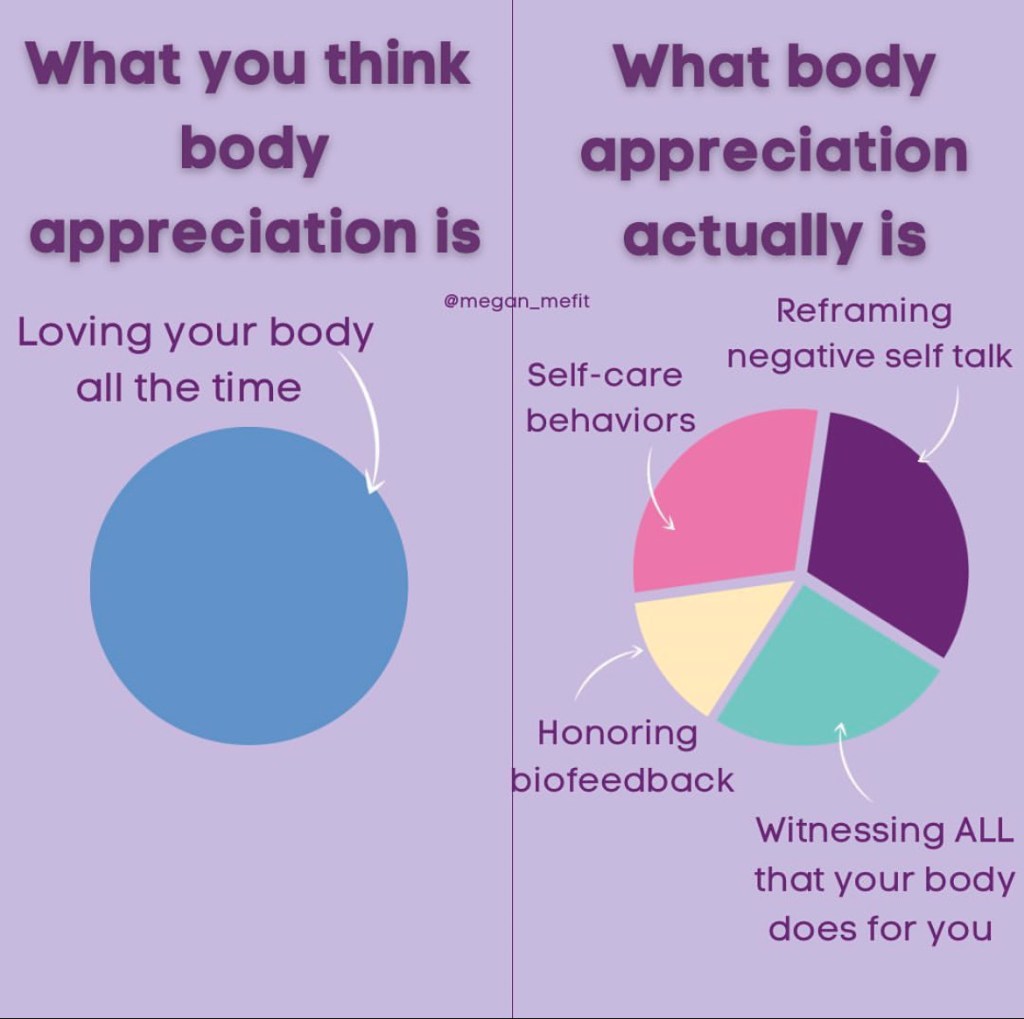
Claudia: “Yeah, I can take that one. So, body appreciation is basically a key or core positive body image concept that involves recognizing, valuing, and respecting the body for its functional capacity and its health, rather than how it looks. I know you mentioned that earlier on. So, it’s really about shifting the focus away from aesthetics and towards its functional capacity and functionality. Over the past 10 years, there’s been a surge in research showing that greater body appreciation is associated with a number of psychological outcomes—such as improved self-esteem, better quality of life, and overall emotional and physical well-being. Studies also show that body appreciation encourages people to adopt healthier, more flexible eating patterns, like intuitive eating. For these reasons, it’s been proposed as a potential protective factor against issues like body dissatisfaction, symptoms of disordered eating, and building resilience against societal pressures to fit unrealistic beauty standards. So, that’s kind of my interpretation of body appreciation and why it’s so important.”

Dr. Jarman: “I guess just adding to that briefly as well, I think the focus really is understanding that our bodies are wonderful. They do so much for us, and we get so caught up in how they look and the expectations in that area, that we forget how lucky we are to have a functioning body. OK, maybe you don’t like your arms or think they’re flabby, but you can hug your child or do all these incredible things that we just get so caught up in and forget. It’s about being able to take a step back and really think about and appreciate and value those things.”

You: “And also, I think body appreciation can go a level deeper for those who might be disabled or have lost certain abilities—maybe weren’t born with them, but have lost the ability to move in certain ways. That can be really difficult, because… But you can still find ways to appreciate the small things, like the sun on your skin. Or, maybe you can’t walk or hug your child like you once could, but there are still ways to appreciate the vessel that you dwell in, and that helps you interact with the world. That’s why I like body appreciation. It strips away a lot of those pressures and ideal body standards. And I think for fitness, it really… I don’t know what happened, if it’s always been poison, but wellness culture became so focused on looks. I was raised in the ‘90s—Jessica Simpson was considered fat. That slim, hair-thin ideal was pushed. And now, I’m almost 40—just crazy, that’s what I was raised with. The low-rise jeans…”

Hannah: “They’re back now, maybe just in Australia, but they’re back!”

You: “No, no thanks!” (laughter)


How Social Media Shapes Body Image and Eating Behaviors: Understanding Its Impact on Mental Health and Well-Being

Social media has become a double-edged sword in terms of its influence on our body image and eating behaviors, especially among young women. Dr. Hannah Jarman, a research expert in the field, sheds light on the complexities of this issue, drawing from the latest findings in the field.

Research consistently shows that social media tends to worsen our body image. It often leads to comparisons, where we measure ourselves against the seemingly “perfect” lives and bodies of others. This sense of inadequacy can drive us to want to change our appearance, often through unhealthy means, believing that losing weight or attaining a certain body ideal will bring happiness.

Dr. Jarman explains that while time spent online used to be the primary focus of research, recent studies have shown that the content we engage with plays a more significant role in shaping our mental health. Specifically, appearance-focused content—such as photo edits, filters, and comparison-driven posts—are more harmful than we might realize.

Interestingly, content that is perceived as “inspirational” can also contribute to this negative cycle. Instead of motivating positive behaviors, it can lead to feelings of pressure and shame, pushing individuals further away from the very practices meant to improve their well-being. Instead of encouraging exercise or body appreciation, these idealized portrayals often result in a sense of failure, making it harder to engage in self-care.

So, what can we do to become more aware of the impact social media has on our mental well-being? Dr. Jarman suggests that the first step is reflection. Being mindful of what we follow and consume online is essential. Are the accounts and content we engage with making us feel better or worse about ourselves? By being selective in our media consumption and actively avoiding harmful content, we can better protect our body image and mental health from the negative influences of social media.

Taking Control: How to Curate Your Social Media Feed for Better Body Image and Mental Health

While social media algorithms have a strong influence over the content we see, Dr. Jarman emphasizes that we do have some control over our feeds. The key lies in curating what we consume. If you find yourself comparing or feeling bad about your body after viewing certain content, it’s time to take action. Don’t hesitate to unfollow, hide, or block accounts that negatively affect your mental well-being. Instead, fill your feed with content that lifts you up—whether that’s accounts that make you laugh, reflect your hobbies, or celebrate your personal interests.

Another vital tool in reducing the harm of social media is social media literacy. Dr. Jarman encourages us to critically evaluate what we see: Who is posting this content, and why? Are they promoting a product or idea, and how realistic is what’s being presented? Developing these critical skills can help you navigate the often-misleading nature of social media, empowering you to consume content that truly adds value to your life, rather than contributing to unrealistic standards and comparisons.

By being intentional about what we engage with, we can protect ourselves from the detrimental effects of social media on body image and mental health.

Mindfulness in Social Media Consumption: A Personal Approach to Authenticity

Mindfulness is key when engaging with social media. As Dr. Jarman mentioned, it’s not just about the time we spend online, but how we feel when interacting with certain content. When consuming posts, take a moment to check in with yourself: How do you feel after reading this? Does it leave you feeling inspired, or does it trigger negative comparisons? Recognizing your emotional response is an essential step toward curating a healthier online experience.

Personally, I’ve chosen to operate from a place of transparency. I don’t monetize my content, push affiliate links, or promote products for profit. For me, it’s not about selling anything; it’s about sharing information and offering genuine value. I even make my strength training guide available for free to anyone who asks. Why? Because I want to be seen as an expert, but also as a normal, imperfect human. It’s about finding the balance between encouraging people to be open with their own journeys while demonstrating that vulnerability and authenticity are part of what makes us all human.

Dr. Hannah Jarman emphasizes that while fitspiration content can appear motivating, it may unintentionally harm individuals by focusing on unattainable ideals. She notes that before-and-after images, for instance, can imply that the person in the “before” image is unworthy, while the “after” version suddenly seems perfect. Instead, she suggests shifting the focus to how individuals feel, highlighting personal performance or other non-aesthetic milestones.

In response, I throughout the suggestion of fitness coaches adding cover photos to before-and-after images, which could serve as a “trigger warning” for those scrolling through. This small change could offer viewers the opportunity to engage more thoughtfully, especially if they have a tendency to be triggered by such comparisons.

Dr. Jarman agrees, emphasizing the importance of showcasing the entire journey—ups, downs, and all. She advocates for content that highlights authenticity, as it’s often a longer, non-linear process. By focusing on emotional growth, feelings of self-worth, and overall well-being, the goal shifts away from just numbers and aesthetics, promoting healthier perspectives on body image and wellness.


Claudia shares her personal journey with body image and disordered eating, revealing how following fitness influencers who idealized a specific body type negatively impacted her mental health. She explains how curating her social media feed by unfollowing these influencers and instead following those who emphasize strength and science-based training was transformative. This shift helped her focus on performance and appreciation for her body rather than aesthetics or calorie-burning, leading to a healthier and more sustainable approach to fitness and nutrition.

To wrap up, Dr. Hannah highlights the importance of accessible information and shares a resource for listeners: their social media accounts on Instagram and TikTok, The Well-Being Doctors (@the.well.being.doctors), which focus on making research on wellness and mental health easy to understand and implement. She encourages listeners to follow their content for practical tips and evidence-based guidance.

✨Let’s anchor in this transformative message: Your body is an instrument, not an ornament. Positive body image isn’t believing your body looks good; it’s knowing your body is good, regardless of how it looks. This quote from More Than a Body beautifully captures the essence of what we’ve explored today.

💡 The fitness industry often sets standards based on bodybuilding gurus and extreme aesthetics—standards appraised by critical judges or an audience that values visual perfection. But let’s be honest: the behind-the-scenes reality of preparing for these aesthetic ideals often includes extreme measures—severe dehydration, malnutrition, laxative and stimulant abuse, and emergency-level exhaustion. No legitimate doctor would ever recommend these tactics for health. They’re the opposite of health-promoting.

💪 Instead, let’s focus on experience and benefit, not being ornaments to be admired. Metabolic health, strength, and stamina are far more meaningful indicators of well-being than achieving a “perfect” appearance. When we prioritize function over aesthetics, we open the door to a new, more effective, and empowering way to experience health and fitness.

🚨 At first, the idea of letting go of weight goals or aesthetic ideals might feel like giving up on your body or your health. But the reality is, letting go of these pressures frees you to reconnect with your body in a way that truly serves you.

🌟 Your body is how you live, love, and experience the world. It’s the way you savor delicious food, dance to your favorite songs, feel the rain on your skin, and embrace the people you love. By focusing on what your body can do rather than how it looks, you can deepen your relationship with it and rediscover what health and fitness really mean for you.

🎙️ So, let’s commit to shifting our focus. Set goals rooted in function, experience, and well-being—not in unrealistic aesthetic ideals. Because when you change the way you think about your body, you’ll find the freedom to live more fully in it.

LINKS

How to AVOID bad fitness advice

Navigating the Sea of Experts

In today’s digital age, it seems like everyone on social media is an “expert” in health, fitness, and nutrition. With so many voices claiming to have the answers, how can you tell what’s actually beneficial, what’s mediocre, and what might harm your progress? Let’s break it down and help you navigate this complex landscape.

Credentials Matter—But Don’t Get Fooled

While it’s important to consider credentials, they don’t guarantee good advice. Registered Dietitians, Certified Nutritionists, and certifications from organizations like ISSA, ACE, NASM, NCSF, AFFA, ACSM, NETA, and more can show that someone has taken the time to learn. However, even those with certifications can spread misinformation. We’ve seen firsthand how regulatory agencies can be captured by outside interests and how lobbying can influence what gets taught.

If you’re considering working with a coach or trainer, don’t hesitate to ask about their credentials. Slide into their DMs or ask in person: What do those letters behind your name mean?

Educated Recommendations: The “Why” and “How”

Your coach or mentor should have a clear understanding of the “WHY” and the “HOW” behind their recommendations. It’s not just about pushing a workout or diet plan—it’s about making sure you understand the reasoning behind every decision.

When they introduce something new to you, it shouldn’t feel like a sales pitch for their latest product. Instead, ask questions to dig deeper:

  • Why am I doing this?
  • How does this work?
  • What’s happening inside my body to promote these changes?
  • How will this help me achieve my goals while keeping me safe and healthy?
  • Can you teach this to me in another way so I firmly understand it?

These questions will not only help you grasp the concept, but they’ll also weed out anyone who can’t explain their reasoning. If they can’t give you a clear answer, it may be time to move on.

The Bottom Line: Trust Your Instincts

If something feels off, triggering, or harmful to you, trust your gut and ask questions. Don’t let flashy marketing, unrealistic promises, or a push to sell products convince you that something is right for you. Your body and health deserve the best, and that means getting information that is clear, evidence-based, and tailored to your needs.

Remember, the best fitness advice comes from someone who can explain, educate, and empower you, not someone who’s just looking to make a sale. Stay curious, stay skeptical, and don’t be afraid to ask the tough questions. Your fitness journey is too important to leave in the hands of someone who can’t back up their advice.

Season 3 of Taste of Truth Tuesdays: Launching December 31st

We’re back! After a transformative and eye-opening second season, I’m excited to announce that Season 3 of Taste of Truth Tuesdays will kick off on December 31st. (Audio says Jan 7th, which was the original start date, I bumped it up a week.) This season promises to be packed with even more riveting conversations and insightful discussions. We’re diving into the complexities of spirituality, healing, activism, mental health, body image, and the power dynamics that shape our lives.

Here’s a sneak peek at the incredible guests you’ll hear from in the upcoming season:


Connie A. Baker: Spiritual and Religious Abuse

Connie A. Baker brings her expertise and personal experience to discuss the destructive impacts of spiritually abusive messages. These messages often erode our self-trust, leaving us vulnerable to further harm. In our conversation, we’ll explore the process of recovering from spiritual abuse and why it’s essential not to rush this journey. Connie will help us understand how survivors—especially those of us with a default setting of ‘push through’—can slow down and approach the healing process with patience. This wisdom is invaluable for true recovery, and I can’t wait for you to hear Connie’s insights.


Yasmine Mohammed: Escaping Radical Islam and Advocating for Women’s Rights

Yasmine Mohammed, a human rights activist and author of Unveiled: How Western Liberals Empower Radical Islam, joins me to share her powerful story. After escaping a forced, abusive marriage to an Al-Qaeda operative, Yasmine became an advocate for women’s rights. Through her non-profit organization, Free Hearts, Free Minds, she works tirelessly to support individuals seeking freedom from oppressive environments. Her memoir and activism offer a deeply personal and courageous perspective on overcoming adversity and empowering women. Her journey is one of survival, strength, and defiance.


Leah Denton: Therapy Harm and Power Dynamics in Mental Health

Leah Denton, the brilliant host of Psycho/Therapy podcast, will bring her deep insights into the harm that can occur within the therapeutic space and pastoral counseling. Leah, a survivor of therapy harm herself, shines a light on the ethical and systemic flaws within the mental health industry. She amplifies the voices of those who’ve been silenced and challenges us to rethink the power dynamics that can influence our healing. Leah’s work is a powerful call to action for better, more ethical care in therapy and beyond.


The Wellbeing Doctors: Body Image and Social Media’s Impact on Mental Health

Dr. Hannah Jarman and Ms. Claudia Liu, the dynamic team behind The Wellbeing Doctors, will discuss the intersection of body image, disordered eating, and the profound impact that social media has on our mental health. In their research, they’ve uncovered how active engagement with peers on social media can immediately reduce body image satisfaction, particularly for women. Together, we’ll explore how we need to redefine both beauty and health in ways that promote our true well-being, beyond appearances.


Wellness with Jaqui: The Real Story Behind Nutrition Research

Jaqui is back to break down the often-confusing world of nutrition research. If you’ve ever been baffled by conflicting diet headlines, this episode is for you. Jaqui will help us understand why nutrition research can be so complex, and how ‘statistical significance’ might not always mean what we think it does. This episode will bring clarity to the world of nutrition science and challenge the headlines we often see.


Franklin O’Kanu: Bridging Science, Spirituality, and Practical Wisdom

Franklin O’Kanu, also known as The Alchemik Pharmacist, is the founder of Unorthodoxy, a Substack that explores the spiritual dimensions of modern life through a holistic lens. With a Doctorate in Pharmacy and a background that bridges Pentecostal Christianity, Eastern philosophies, quantum physics, and Jungian psychology, Franklin offers a truly unique perspective. We’ll dive into his journey—from challenging conventional views during the pandemic to crafting a plan rooted in spiritual and natural principles. Franklin’s exploration of science, spirituality, and practical wisdom is sure to offer deep insights and foster a deeper understanding of the world around us.


This season is going to be a wild ride, full of wisdom, courage, and deep dives into essential topics that will challenge and inspire you. Don’t miss out on the launch of Taste of Truth Tuesdays Season 3 on December 31st! Make sure you’re subscribed, so you never miss an episode.

Stay curious. Stay skeptical. And, as always, keep tuning in! 🎙️🔒

From Serendipity to Scrutiny: The Truth Behind MLMs and Coercive Control

At the beginning of my journey into multi-level marketing (MLM), I felt an overwhelming sense of serendipity. Like many others, I was drawn into the promise of freedom, financial independence, and the power of owning my own business. That initial excitement felt so right, I even got a “trust the process” tattoo to anchor myself in the belief that I was on the right path. But the deeper I delved into this world, the more I realized the complexities and underlying control tactics that defined it.

Reflecting on my early days in the MLM space, I can’t help but think of how magical the thinking felt. I truly believed I was guided into the opportunity. But as time went on, the inconsistencies, emotional manipulation, and exploitative nature became impossible to ignore. It’s been a journey of grieving that magical thinking—something I now understand as part of a coercive, controlling system designed to keep me chasing an illusion.

Brandie, my guest on this episode, shares a similar experience. As a mother, writer, speaker, and advocate, she’s been at the forefront of exposing MLMs as commercial cults, wellness scams, and even legalized labor trafficking. She has spoken extensively about how her journey, which started with serendipity, eventually led her to scrutinize MLMs more critically. Her insights reflect the emotional complexity many face when disentangling from these organizations.

Here are some key aspects of our conversation:

  • The Magical Thinking Trap: Both Brandie and I felt an initial sense of serendipity, which was reinforced by the community and mentors telling us to “trust the process.” This belief system is intentionally nurtured in MLMs to keep participants emotionally invested.
  • Leveraging Credentials: We discussed how MLMs often leverage the credentials and influence of professionals like doctors, nutritionists, and influencers to give the illusion of legitimacy. Brandie emphasized how this tactic makes MLM pitches more persuasive, especially to vulnerable individuals seeking validation.
  • The “Mother” Angle: Brandie shared how MLMs often target mothers, using manipulative language that preys on their desire for financial freedom and the ability to work from home while caring for their families. The messaging can be so powerful that mothers internalize guilt and blame when they don’t succeed, despite the system being rigged against them.
  • Unpaid Labor and Emotional Manipulation: We delved into how MLMs strategically manipulate participants into performing unpaid labor, like attending large-group-awareness trainings or MLM conferences, under the guise that these events will lead to success. This creates a cycle of emotional dependency on the MLM structure.
  • Coercive Control Beyond the Home: Brandie highlighted the growing movement to criminalize coercive control, not just in domestic environments but also in online groups and commercial cults, including MLMs. Canada’s Bill C-332 and California’s SB 1141 are steps toward addressing this kind of manipulation in non-physical forms.
    • Misleading Social Media Practices: MLMs are notorious for using social media posts to bait others into joining, often hiding the true nature of the opportunity behind attractive lifestyle imagery and vague promises of success.
    • Paid Certifications as Funnels: Another tactic we discussed is the use of paid certifications and courses as entry points to recruit others into MLMs or similar for-profit groups, disguising recruitment as personal development.
    • Power Dynamics and Influence: Brandie warned about individuals in positions of power, like pastors or healthcare professionals, who pitch MLM opportunities using their influence, creating a dangerous overlap between authority and exploitation.
    • Bait-and-Switch in Non-Profits: Some MLMs use non-profit organizations as fronts to recruit members, exploiting charitable intentions for financial gain.

Brandie’s Substack recently covered how Canada’s Bill C-332 and California’s SB 1141 aim to combat coercive control. These laws recognize that coercion doesn’t always result in physical harm but can have long-lasting emotional and psychological effects. Extending these protections to online and commercial environments, like MLMs, is a crucial step toward addressing the hidden abuse happening in plain sight.

MLM Compensation Plans

For those unfamiliar with how MLMs work, here’s a breakdown of their typical compensation plans, which all hinge on recruitment:

  • Binary: You recruit two people, who recruit two more, forming a pyramid. You earn based on the sales and recruits of those beneath you.
  • Unilevel: You can recruit as many people as possible, with everyone directly under you. You earn a percentage of sales from your downline.
  • Forced Matrix: There’s a limit to how many people you can recruit directly, so recruits are placed under others in your team, further embedding the hierarchical structure.

Although MLMs claim that participants can make money from sales alone, true financial gain only comes from recruiting others. Companies avoid pyramid scheme accusations by paying bonuses on downline commissions rather than direct recruitment. Still, this setup exploits participants, most of whom will never see a living wage.

MLM Profitability

Studies and reports paint a grim picture for those involved in MLMs:

  • FTC Report: According to the Federal Trade Commission (FTC), approximately 99% of MLM participants end up losing money.
  • Profit Sources: Success in MLMs often hinges on recruiting new participants rather than selling products to consumers, which creates a structure where the majority are positioned at the bottom, struggling to make a profit.

When it comes to making a profit, the comparison between lottery odds and MLM (multi-level marketing) success rates reveals a stark reality: both paths are fraught with significant financial risk, but MLMs typically offer even lower chances of profitability.

If you’re evaluating an MLM opportunity, watch out for:

  • Deceptive earnings claims
  • Manipulative recruitment tactics disguised as “personal development”
  • High-pressure tactics to attend unpaid events
  • Cult-like devotion to leadership or the company itself

As Brandie and I peeled back the layers, it became clear that MLMs are not just financial traps—they are systems of coercive control designed to exploit both financially and emotionally. With legal movements like Bill C-332 gaining traction, there’s hope that MLMs and similar organizations will finally face the scrutiny they deserve.


Grieving the magical thinking days has been bittersweet. In some ways, it was easier to believe in the serendipity, but now, stepping into a space of scrutiny offers greater growth and clarity. In that sense, the journey may be more challenging, but it’s also far more rewarding.

How MLMs and high-control religions exploit narratives to control and isolate

As we have discussed in a previous blog post, in both MLM companies and high-control religions, sophisticated methods of narrative control and emotional manipulation are used to maintain adherence and deflect objections. These organizations craft carefully curated stories of success, empowerment, and belonging, reinforcing a strong sense of group identity while discouraging critical thinking. Objections are met with pre-scripted narratives designed to dismiss doubts and isolate dissenters, creating environments where questioning becomes taboo.

By understanding the parallels between these two worlds, we can begin to recognize the underlying tactics used to manipulate emotions and maintain control. Whether it’s an MLM promising financial freedom or a religious group offering spiritual salvation, the emotional hooks are the same: they both rely on your commitment to their carefully constructed reality. Breaking free means reclaiming your own narrative, embracing skepticism, and fostering critical thought in the face of pressure to conform.

Be sure to find Brandie on Instagram and on Substack!

Resources mentioned in the interview:

🙏 Please help this podcast reach a larger audience in hope to edify & encourage others! To do so: leave a 5⭐️ review and send it to a friend! Thank you for listening! I’d love to hear from you, find me on Instagram!⁠⁠⁠ @taste0ftruth⁠⁠⁠ or⁠⁠⁠ Pinterest! ⁠⁠ ⁠ 

Here are some of the best resources for learning more about commercial cults and anti-MLM movements:

Books:

  1. Ponzinomics: The Untold Story of Multi-Level Marketing by Robert L. FitzPatrick – This book provides a thorough exploration of MLMs and their business structures, helping readers understand how they operate like legal pyramid schemes.
  2. Cultish: The Language of Fanaticism by Amanda Montell – Analyzes how cults (including MLMs) use language and manipulation techniques to maintain control over their members.
  3. Duped: Compulsive Consumers and the Culture of Shame by Ron Jonson – While not MLM-specific, this book delves into how we’re manipulated by industries that exploit our insecurities.

Websites & Blogs:

  1. Truth In Advertising (TINA.org) – A watchdog organization that exposes deceptive marketing practices, including MLM earnings claims and false advertising.
  2. MLMTruth.org – A resource dedicated to educating the public on the dangers and tactics of MLMs, providing reports and analysis on popular companies.
  3. The Anti-MLM Coalition – This coalition provides insight, resources, and stories from those who’ve escaped MLMs, along with analysis of companies and their harmful practices.

YouTube Channels:

  1. The Anti-MLM Coalition – A YouTube channel that breaks down how MLMs operate, featuring stories from former MLM participants and experts in cult dynamics.
  2. Savannah Marie – A former MLM participant who creates in-depth critiques and investigative videos on popular MLM schemes.
  3. The Recovering Hunbot – Focuses on exposing the emotional manipulation and false promises made by MLM companies.
  4. Hannah Alonzo-Hosts commentary-style videos relating to multi-level marketing companies, scams, cults, and influencer/social media culture.

Podcasts:

  1. The Dream – A highly-rated podcast that dives deep into the world of MLMs, offering an in-depth investigation into the industry’s history and practices.
  2. Life After MLM – Hosted by Roberta Blevins, this podcast features interviews with former MLM participants, exploring the mental and financial impacts of MLMs.
  3. Opportunity Cost-Hosted by a past guest, Jill, and is about multi-level marketing, each episode she covers inner workings, origins, nuances, and tries to answer the question: Is this the opportunity of a lifetime? Or the illusion of one?

Conferences & Activist Groups:

  1. The Anti-MLM Conference – A yearly event that gathers MLM critics, industry experts, and scholars to discuss deceptive practices in MLMs and their broader social impacts.
  2. Multi-Level Marketing Conference (MLM Conference) – A scholarly conference that brings together academics, legal experts, and former MLM participants to discuss MLMs from a critical perspective.
  3. Pyramid Scheme Alert – Run by Robert FitzPatrick, a pioneer in anti-MLM activism, this organization focuses on educating the public about the dangers of pyramid schemes and MLMs.

These resources provide a wide range of perspectives on commercial cults and MLMs, making them essential for those looking to understand and dismantle the harmful structures behind these organizations.

Ethical Challenges of Mormon Influencers in Network Marketing

In recent years, social media has revolutionized the way individuals and organizations promote their values and products. For the Church of Jesus Christ of Latter-day Saints (LDS Church), commonly known as the Mormon Church, this digital age presents both opportunities and challenges. Mormon influencers leverage their social media platforms not only to promote their faith but also to engage in network marketing and endorse various products. This post explores how these influencers operate, the intersection of faith and commerce, and the ethical implications of their strategies.

The Rise of Mormon Influencers

Mormon influencers utilize their platforms to promote a range of products, often integrating their religious values into their marketing strategies. Here’s how they do it:

1. Selling Products

Network Marketing: Influencers often participate in network marketing companies like Young Living, doTERRA, and Monat. These companies thrive on personal networks for sales and recruitment, which aligns with the close-knit nature of the Mormon community.

Brand Partnerships: Many influencers collaborate with brands to promote products such as health supplements, fashion items, and home goods. Their content typically reflects a wholesome, family-oriented lifestyle that resonates with their followers.

Homemade and Handcrafted Goods: Some influencers sell their own creations, such as crafts, clothing, or digital products. Their personal brand often emphasizes values like family, self-reliance, and creativity.

2. Recruiting into Their Religion

Personal Testimonies: Sharing personal faith stories is a common tactic. Influencers discuss how their beliefs positively affect their lives, making their faith appealing to potential followers.

Showcasing Lifestyle: By highlighting a family-centric and clean-living lifestyle, influencers subtly promote the benefits of their faith. This can attract those seeking community and moral guidance.

Incorporating Faith into Content: Faith is often woven into daily content, making religious practices and values a natural part of the influencer’s brand.

Service and Community Involvement: Influencers highlight their community service projects, showcasing the active and supportive nature of the Mormon community.

Network Marketing and the LDS Church

Amway and the LDS Church

The blog post “Amway and the Mormon Church” explores the historical connections between Amway, a prominent network marketing company, and the LDS Church. Many Mormons have been involved in Amway’s business model, which relies on personal networks for sales and recruitment. The Mormon community’s strong emphasis on personal relationships and trust makes it a fertile ground for such network marketing ventures.

Key Points from the Article:

  • Historical Connections: The LDS Church has had historical ties with network marketing companies like Amway, with many members participating in their business models.
  • Community and Trust: The close-knit nature of the Mormon community fosters an environment where network marketing can thrive, as trust and personal connections play a significant role in sales and recruitment.

Melaleuca and its Relationship with LDS Influencers

Melaleuca, Inc., a wellness product company based in Idaho, was founded by Frank L. VanderSloot, an LDS Church member. While Melaleuca is not officially affiliated with the LDS Church, its founder’s faith influences its business practices and marketing strategies.

Melaleuca’s Key Points:

  • Product Marketing: Distributors often promote Melaleuca’s products within their personal and community networks, including religious communities.
  • Health Claims: Some distributors may make exaggerated health claims about Melaleuca’s products, which can veer into sensationalism and conspiracy theories about conventional medicine.

The Trad Wife Controversy and Traditional Values

In the ongoing conversation about traditional values and gender roles, the Ballerina Farm controversy provides a significant example of how these ideals are presented and critiqued. Ballerina Farm, a popular social media presence, showcases a vision of traditional domestic life that aligns with the “trad wife” movement. This movement emphasizes traditional roles and domestic fulfillment, which some individuals see as empowering personal choices.

Houseinhabit’s Perspective: Houseinhabit’s analysis of Ballerina Farm shared her perspective on this issue. According to Houseinhabit, “Hannah’s story isn’t about regression; it’s about choice. She embodies a version of success not measured by corporate titles but by personal contentment and family harmony that is, at the core, rooted in her faith in God. Ultimately, the real goal of feminism should recognize and respect the diverse paths women take. Critique should foster understanding rather than perpetuating division.” Houseinhabit argues that Ballerina Farm presents traditional roles as voluntary and desirable, rather than acknowledging their roots in patriarchal structures.

Patriarchal Norms and Cultural Context: This perspective is important, but it’s also crucial to consider the role of patriarchal norms within such movements. Consequently, practices that may seem problematic to outsiders—such as Daniel’s rushed engagement and his control over Hannah’s education—are often normalized within their cultural context. These actions reflect a broader adherence to patriarchal values, including homeschooling with a Christian Mormon syllabus, which underscores their commitment to traditional gender roles.

The LDS Church’s Use of Social Media Influencers

Adding another layer to this discussion, recent research into Mormon influencers reveals how the LDS Church is using social media to attract new recruits. Influencers, particularly families, are employed to promote Mormonism through platforms like Instagram and YouTube. This strategy capitalizes on the appeal of traditional family values and domestic harmony to attract a broader audience. The church’s use of social media influencers can be seen as a recruitment tool that highlights the appealing aspects of traditional lifestyles while potentially overshadowing the complexities and criticisms associated with these roles.

Ethical Considerations and Transparency

The use of social media for religious and commercial purposes raises several ethical questions:

Commercial vs. Faith Promotion: Influencers must navigate the fine line between promoting their faith and commercial interests. Transparency about religious intentions behind promotions is crucial.

Sensationalism and Conspiracy Theories: Some network marketing practices, particularly in the wellness sector, involve sensationalizing health benefits or promoting anti-mainstream narratives. This can lead to misinformation and mislead consumers.

Regulatory Concerns: Companies like Melaleuca are subject to Federal Trade Commission (FTC) regulations that aim to prevent deceptive marketing practices. Ensuring compliance and transparency is essential to maintaining consumer trust.

Conclusion

The intersection of social media, faith, and network marketing presents both opportunities and challenges for LDS influencers. While they effectively use their platforms to promote products and their faith, ethical considerations about transparency, sensationalism, and the blending of commercial and religious messages remain significant. The Ballerina Farm controversy and the LDS Church’s social media strategies illustrate a broader societal pattern where traditional values and modern media intersect, raising important questions about how these dynamics influence perceptions of gender roles and faith.

Books and Articles

  1. “Mormonism and the Politics of Gender: Gender, Family, and Identity” by Anne C. Lovell
    • Explores the role of gender within Mormon culture and how it impacts family and identity dynamics.
    • Find it on Amazon
  2. “The Book of Mormon: A Biography” by Paul C. Gutjahr
    • Provides a comprehensive history and analysis of the Book of Mormon and its influence on LDS culture.
    • Find it on Amazon
  3. “The Mormon Image in the American Mind: 1950 to the Present” by J. Spencer Fluhman
    • Discusses the evolution of the public perception of Mormons and how media representations have changed over time.
    • Find it on Amazon
  4. “Mormonism in the Media: A Study of Influence and Representation” by Peter A. K. Starks
    • Analyzes the portrayal of Mormonism in various media forms and its implications for public perception.
    • Find it on Google Books

Research Studies and Reports

  1. “Social Media Influencers in Religious Recruitment: A Case Study of the LDS Church” by Emily M. Schilling
    • Investigates the role of social media influencers in religious recruitment, with a focus on the LDS Church.
    • Access the study here
  2. “Digital Evangelism: The Impact of Social Media on Religious Practices” by Michael J. Smith
    • Examines how digital platforms are used for religious outreach and the effectiveness of these methods.
    • Read the study here
  3. “The Role of Social Media in Shaping Religious Identity: A Comparative Study” by Laura J. Stewart

Online Articles and Blog Posts

  1. “How the LDS Church Uses Social Media to Grow Its Congregation” – A detailed article discussing the strategies employed by the LDS Church to use social media for growth.
  2. “Influencers and Religion: How Social Media is Changing Faith” – An article exploring the intersection of social media and religious practices.
  3. “The Rise of the Faith-Based Influencer: Case Studies and Trends” – Provides case studies and trends related to faith-based influencers.

Podcasts

  1. “LDS Influencers: The Modern Missionary” – A podcast episode discussing how LDS influencers are shaping perceptions of Mormonism.
  2. “Social Media and Faith: A New Era of Religious Engagement” – Explores the impact of social media on religious practices and engagement.
  3. “The Digital Mission: Religious Outreach in the Age of Social Media” – Discusses how various religious groups use digital platforms for outreach.

These resources should provide a solid foundation for understanding the LDS Church’s use of social media influencers and the broader implications for religious outreach and media influence.

Breaking down the Power Play:  Women’s Suffrage, Christian patriarchy, and Trad Wife Propaganda

This week, I’m diving headfirst into the turbulent intersection of women’s suffrage, the resurgence of Christian patriarchy, and the trendy ‘trad wife’ movement. Buckle up as we unravel how these historical battles and modern movements collide, revealing their surprising connections—from the ongoing struggle for gender equality to the modern reinvention of traditional roles. Prepare for a journey through past and present that challenges conventional wisdom and ignites critical conversations.

🎧Listen here!

My Deconstruction Journey

In recent months, I’ve explored how radicalization, conspiracies, and religion have shaped my life. In Episode 5 of my podcast, we tackled the “crunchy hippie to alt-right pipeline,” but now it’s time to shine a light on the radicalization of the left—a topic often overlooked. Why did I go from progressive circles to mingling with Trump supporters and Christians? This shift was marked by a range of events and trends reflecting broader changes within progressive movements and their impact on American politics and culture.

Black Lives Matter Protests and Social Justice Movements

The murder of George Floyd ignited the Black Lives Matter (BLM) movement, but what often goes undiscussed is the scrutiny BLM faced over fund management. Allegations of financial mismanagement emerged in 2021, raising questions about how substantial donations were handled. The movement also brought the call to “defund the police” into the spotlight, advocating for reallocating funds to social services and community programs. However, cities like San Francisco, which initially reduced police funding, faced rising crime rates and eventually reinstated funding in 2022, acknowledging that some defunding measures had not achieved their intended outcomes.

Increased Political Activism and the Role of Cancel Culture

The 2020s saw a rise in intersectionality and identity politics, aiming to address overlapping forms of oppression. However, this sometimes led to contentious debates over ideological purity and inclusivity, particularly in online activism. Cancel culture became prominent, with debates over holding public figures accountable for perceived offenses. While some view it as necessary for social justice, others argue it suppresses free speech and stifles constructive dialogue.

Vaccine Hesitancy and the Crunchy-to-Patriarchy Pipeline

My reluctance to receive an experimental vaccine led to severe ostracism, as those hesitant about COVID-19 vaccines often faced dehumanization and cancel culture. This harsh treatment highlighted how cancel culture can suppress nuanced debate and alienate individuals with genuine concerns.

Dr. Stanley Plotkin, a prominent figure in vaccinology, and some of his colleagues recently published an article that has drawn significant attention. The article acknowledges that vaccines are not as thoroughly studied as previously claimed, particularly in terms of safety, both before and after they are licensed. This has raised concerns among critics, who argue that for decades, the public was assured that vaccines underwent rigorous safety testing.

Key points from the article include the admission that prelicensure clinical trials often have limited sample sizes and short follow-up periods, which may not fully capture long-term safety data. Additionally, there are currently no dedicated resources for post-authorization safety studies, relying instead on annual appropriations approved by Congress. This lack of resources for ongoing safety monitoring has been criticized as inadequate, particularly given the widespread use of vaccines.

This revelation has been met with strong reactions, especially from those who have long questioned the rigor of vaccine safety studies. They argue that these acknowledgments confirm their concerns that vaccine safety has not been as thoroughly investigated as it should be.

Read the paper here

In a previous episode, we scratched the surface of the Trad Wife and Stay-at-Home Girlfriend Movements. These movements, advocating traditional gender roles, see them as spiritually fulfilling and empowering, rejecting modern feminism while embracing modern cultural influences. We discussed the fear tactics within this online content that manipulates users by promoting apocalyptic scenarios and moral decay. Today, we’re diving deeper into this topic.

Historical Context and Kitchen Design

Before delving into the 19th Amendment, let’s explore the evolution of kitchen design as a reflection of changing gender roles and societal expectations:

  • Post-Civil War to Early 20th Century (1865-1930s): Kitchens transitioned from being managed by enslaved people to paid workers, with labor-saving appliances emerging and the housewife ideal taking shape.
  • Mid-20th Century (1930s-1960s): The post-WWII era emphasized suburban living and reinforced the housewife’s role as a symbol of the American dream, driven by economic prosperity and suburban expansion.
  • 1974 Bill on Women’s Financial Independence: The Equal Credit Opportunity Act granted women the right to open bank accounts and obtain credit cards in their names, a significant step towards financial equality.

Today’s ‘trad wife’ movement glamorizes the mid-century housewife as a personal choice, not a patriarchal trap. But let’s be real—this nostalgic comeback is less about empowerment and more about rolling back feminist progress, cherry-picking conservative values to fit a romanticized narrative. It’s time to call out the toxicity and acknowledge that the nuclear family ideal doesn’t have to be a patriarchal prison.

Connecting Women’s Suffrage and Christian Nationalism

This week marks the anniversary of the 19th Amendment, a milestone for women’s rights. However, despite granting voting rights, many women of color continued to face disenfranchisement. The rise of ideologies challenging this progress, such as Nancy Pearcey’s claim that women’s suffrage was a net loss, reflects a broader trend of dominionism and Christian nationalism. Pearcey’s book, The Toxic War on Masculinity, embraced by right-wing fundamentalist figures, has been criticized for its logical fallacies and misrepresentation of research.

A Critique of Nancy Pearcey’s The Toxic War on Masculinity

Pearcey argues that the expansion of women’s roles and rights has led to a “war on masculinity,” promoting binary gender stereotypes and overlooking intersectional perspectives. Critics point out that Pearcey’s use of John Gottman’s research is misleading. Gottman’s studies indicate that emotionally intelligent husbands succeed in both egalitarian and hierarchical marriages, but Pearcey omits that her argument falls apart when complementarian men abandon hierarchical behaviors, exposing a significant ideological bias in her work.

Contextualizing These Views

These views reflect a broader conversation within conservative Christian circles about gender roles. Figures like Joel Webbon and Doug Wilson argue against women’s suffrage from a theological standpoint, emphasizing traditional gender roles and critiquing the expansion of women’s public and political presence as contrary to biblical principles. The Southern Baptist Convention’s conservative shift and the rise of New Calvinism further illustrate this trend, as these movements emphasize male-led church governance and promote traditional gender roles.

Motivations Behind the Movements

Supporters of traditional values aim to uphold stability and traditional family roles, rejecting modern feminism and valuing a nurturing home environment. Fear tactics are prevalent in online content that merges wellness with extreme ideologies, manipulating users by promoting fear of worldly dangers, apocalyptic scenarios, or spiritual consequences.

Historical Precedents: Satanic Panic and Moral Panics

Movements like the Satanic Panic of the 1980s and ’90s stoked fears of occult influences, leading to widespread moral panic. Similarly, today’s online narratives can exaggerate or fabricate threats to bolster ideological adherence, using fears of societal collapse or moral decay to urge followers towards conservative values.

Personal Reflections: Manipulation and Belonging

I remember the day I was first drawn into evangelical Christianity. It wasn’t through logic or a carefully reasoned argument; it was through the power of a story—a testimony, to be exact. The speaker shared a dramatic tale of transformation, from the depths of despair and darkness into the light of salvation. Her voice trembled with emotion, and tears glistened in her eyes as she described the overwhelming peace and joy she found in Christ. I was captivated. It wasn’t just a story; it was a call, a plea for me to experience the same miraculous change.

The manipulation was subtle but powerful. The emotions stirred within me were intense, almost overwhelming. I felt a sense of urgency, as if my own life depended on making the same decision she had. It was as though I could feel the darkness closing in on me, and the only escape was to step into the light she described so vividly. Fear played a significant role in this manipulation. I was warned of the dire consequences of rejecting this path, of the eternal damnation that awaited those who turned away. This fear was not just for my soul but for my life here and now. I was told that without Jesus, I would continue to live in confusion, loneliness, and despair.

What made it all the more compelling was the promise of belonging. I had always felt somewhat out of place, disconnected from those around me. But here was a community that promised acceptance, a family where I would always belong. The concept of biblical femininity and submission was introduced as a path to fulfillment, as a way to finally fit into a role that had been designed specifically for me by God. I was told that by embracing my role as a submissive wife and mother, I would find true happiness and purpose.

But looking back, I realize how these tactics exploited my vulnerabilities. The emotional manipulation, the fear-based messaging, and the promise of belonging were all tools used to mold me into someone I wasn’t. They weren’t concerned with my true self; they wanted to shape me into their image of the ideal Christian woman—submissive, obedient, and unquestioning.

What’s more disturbing is how these tactics aren’t unique to evangelical Christianity. I’ve since learned that similar strategies are employed in other religions, such as Islam. I’m sure you’re like me, and have heard that it is the fastest growing religion, but have you looked into the pew research into why? There’s a growing pressure on women within some Islamic communities to recruit other women. They shower potential converts with love, bombarding them with messages of acceptance and sisterhood. It’s all designed to draw them in, to make them feel special and chosen. Once they’re in, the pressure to marry and fulfill their role as a wife and mother can be intense. Just as I was drawn into a community that promised to complete me, these women are often led to believe that their worth is tied to their role within the family and the broader religious community.

The parallels are striking. Both exploit the human need for connection and purpose. Both use emotional manipulation and fear to control and convert. And both can lead to a loss of self, where the individual’s identity is subsumed by the demands of the group.

Reflecting on my experience has been painful, but it’s also been empowering. I now see how I was manipulated, how my fears and desires were used against me. And I’m committed to helping others recognize these tactics for what they are—tools of control, not pathways to truth.

Delving into Christian Interpretations of Morals and Values

As we wrap up today’s discussion, let’s delve into the complexities surrounding Christian interpretations of morals and values, particularly through the lens of historical and cultural relativism. Critics of biblical revelation question the reliability and authenticity of the biblical manuscripts, highlighting the human elements that have shaped the text’s transmission and interpretation.

Read more here on why I think Biblical Inerrancy is harmful.

When it comes to contentious issues like abortion, the selective interpretations of scripture used by some pro-life Christians illustrate a broader trend of reconciling faith with personal and societal values. Historically, Christian views on abortion were more diverse and often more permissive, with significant shifts occurring in the 1970s with the rise of the Religious Right.

Reflecting on these issues, Niel Van Lewen pointed out an intriguing observation: the pro-life stance might often function more as a signaling mechanism than a genuine, consistent commitment to protecting life. This dichotomy suggests that pro-life evangelicals might seek to pass laws protecting unborn embryos while avoiding practical measures—like universal daycare—that could significantly reduce the number of abortions.

This illustrates the ethical and scriptural inconsistencies surrounding the pro-life stance. By examining these discrepancies, we gain a clearer understanding of the challenges inherent in reconciling pro-life advocacy with practical, compassionate approaches to supporting life.

The Trad Wife Controversy: Unpacking Traditional Values in Modern Contexts

The discussion around traditional values and gender roles is gaining momentum, and the “trad wife” movement sits at the heart of this debate. One prime example that brings these ideals to light is the Ballerina Farm controversy, a social media phenomenon showcasing a curated version of traditional domestic life. This aligns closely with the trad wife ideals, which have faced criticism for romanticizing a regressive view on gender roles.

The Ballerina Farm Controversy: Empowerment or Regression?

Ballerina Farm presents a vision of traditional domestic life that resonates with many who see it as an empowering choice. However, it also faces criticism for glamorizing roles that are deeply rooted in patriarchal norms. Houseinhabit, a popular commentator, argues that Ballerina Farm isn’t about regression but about choice. She suggests that Hannah Neeleman, the face behind Ballerina Farm, embodies success measured not by corporate titles but by personal contentment and family harmony, grounded in her faith. This perspective emphasizes that true feminism should respect the diverse paths women take, fostering understanding rather than division.

The Patriarchal Norms Behind the Ideal

While Houseinhabit’s perspective is important, it’s crucial to examine the patriarchal underpinnings of such movements. Practices that might seem problematic to outsiders—like Daniel’s rushed engagement and control over Hannah’s education—are often normalized within their cultural context. These actions reflect broader adherence to patriarchal values, including homeschooling with a Christian Mormon syllabus, underscoring a commitment to traditional gender roles.

Mormon Influencers: A New Recruitment Strategy?

Adding another layer to this discussion is the role of Mormon influencers in social media recruitment. Recent research reveals how the LDS Church uses social media to attract new recruits, with influencers, particularly families, promoting Mormonism on platforms like Instagram and YouTube. This strategy leverages the appeal of traditional family values and domestic harmony to attract a broader audience. The Church’s use of influencers as a recruitment tool highlights the appealing aspects of traditional lifestyles while potentially overshadowing the complexities and criticisms associated with these roles.

Media, Tradition, and Patriarchy

This interplay between traditional values and modern media illustrates a broader societal pattern where the presentation of traditional roles can obscure their roots in patriarchal structures. Media portrayals, while sometimes uncomfortable, are not about dehumanizing individuals but about revealing systemic issues. Often, patriarchal norms are defended as personal choices, overlooking the deep societal influences at play. If gender roles were reversed, these issues might become more apparent, prompting a need for more nuanced discussions on how traditional values intersect with contemporary gender dynamics.

My Experience with Patriarchal Ideologies

Critically evaluating such content is essential, as these narratives can have far-reaching implications for personal beliefs and societal attitudes. From my own experience with evangelical Christianity, I was involved in a biblical counseling program that reinforced patriarchal control, severely limiting my autonomy. In one workbook, I was given an excerpt from The Excellent Wife by Martha Peace, which outlined ways a wife should glorify her husband. The expectations included:

  1. Asking your husband about his goals for the week.
  2. Organizing household duties meticulously, prioritizing your husband’s needs over everything else.
  3. Talking about him positively to others, regardless of the truth.

These teachings were not just fringe ideas but central resources within Biblical Counseling, the Southern Baptist Convention, and many non-denominational churches. This ideology, deeply woven into church communities, perpetuates a system where a wife’s identity and value are entirely subdued under her husband’s goals and image.

The Harmful Implications of Patriarchal Ideologies

  1. Idolatry of the Husband: Obeying a husband is equated with obeying God, placing the husband in the position of an idol. This subordinates divine will to a human figure, distorting spiritual faith and leaving no room for a wife’s autonomy or moral agency.
  2. A Warped View of Womanhood: Women are seen as more susceptible to deception, and their rightful place is akin to a ‘slave’ who should expect no recognition. Basic human desires, like wanting to be treated with kindness, are labeled as ‘idolatrous.’
  3. Enabling Abuse: The book glorifies suffering within marriage as a form of righteousness, encouraging women to endure cruelty and manipulation. This traps women in dangerous, often life-threatening, situations by positioning divorce as rebellion and making church discipline the first recourse instead of contacting authorities.
  4. Stigmatizing Mental Health Care: Seeking professional help is equated with a lack of faith, alienating women from essential support systems that could help them navigate emotional and psychological challenges.

These ideas, while well-intentioned, perpetuate a system where the wife’s identity and value are entirely subdued under her husband’s goals and image. The dangerous implications of this ideology are not confined to overtly religious communities. Similar themes of female submission are found in movements rejecting modern egalitarian values in favor of a constructed ideal of natural order, which often masks deeply patriarchal and oppressive beliefs.

The Bigger Picture: Understanding the Trad Wife Trend

The trad wife trend isn’t just a nostalgic yearning for the past; it’s a deliberate effort to reinstate rigid gender roles that diminish women’s rights and freedoms. By critically examining resources like The Excellent Wife and drawing connections to broader social and cultural trends, we can better understand and challenge the insidious nature of this propaganda.

For those still in the church, it’s crucial to stand up against these harmful teachings. From my own experience, gender norms that emphasize tenderness over assertiveness hinder a woman’s ability to address unfair treatment effectively. Women submitting to their husbands is a dangerous ideology. Research shows that conservative, highly religious men are far more likely to perpetrate intimate partner violence. Hypermasculinity is one of the most powerful predictors of men’s likelihood to commit assault, and couples where the husband dominates decision-making processes are more likely to experience lower marital satisfaction.

Liberation and Progress

The liberation of women from oppression is crucial for fostering a more equitable and just society. When women are fully liberated, they can contribute their talents, perspectives, and skills to all aspects of life, including politics, economics, and culture. This liberation not only benefits women individually but also leads to societal progress by dismantling systemic barriers and promoting inclusivity.

Conclusion: Opening the Dialogue

I invite you to join the dialogue about gender, family, and cultural norms. Have you observed or encountered these dynamics? As a collective, we cannot ignore the role of algorithms and social media in amplifying compelling narratives and creating echo chambers. Understanding the motivations behind these movements allows us to engage in meaningful dialogue and advocate for continued advancements in gender equality.

Through my journey of deconstructing abuse within the church, I’ve realized that complementarianism, often presented as a theological stance, is fundamentally patriarchal and a root cause of oppression and abuse. Navigating these dynamics helps us grapple with the complexities of today’s ideological landscapes and invites us to critically evaluate how historical precedents and technological influences continue to shape our beliefs and societal structures.

Thank you for joining me in this exploration of faith, ideology, and societal change. Let’s continue to question, reflect, and engage with the world around us. And as always, maintain your curiosity, embrace skepticism, and keep tuning in.

https://www.forbes.com/sites/traversmark/2024/01/06/a-psychologist-explains-the-dangers-of-the-tradwife-movement/?sh=42f211f79c3b

19th Amendment to the U.S. Constitution: Women’s Right to Vote (1920) | National Archives

19th Amendment ‑ Definition, Passage & Summary | HISTORY

Women’s Equality Day: Celebrating the 19th Amendment’s Impact on Reproductive Health and Rights – Center for American Progress

Overview of the Nineteenth Amendment, Women’s Suffrage | U.S. Constitution Annotated | US Law | LII / Legal Information Institute (cornell.edu)

Women’s Suffrage Was a Net… LOSS?! | The New Evangelicals (youtube.com)

https://bethallisonbarr.substack.com/p/maybe-i-agree-with-pearcey-after

https://www.pewresearch.org/religion/2015/04/02/religious-projections-2010-2050/

Unveiling the Influence: Social Media’s Role in Recruitment and Brainwashing

Over the last few weeks, we have been exploring the complex interplay between radicalization, conspiracies and religion. During the pandemic, I was one of those new-age rebels that was pumped into conspiracy and conversion to religion pipeline. I was one of those people seeking answers and meaning that was drawn to radical ideologies and conspiratorial narratives that promised belonging, purpose, and empowerment.

A huge aspect of my deconstruction process is realizing how I’ve been susceptible and caught up in cult-like dynamics for most of my adult life. I spent years entangled in an MLM (2016-2020), which only worsened my dis0rded eat1ng behaviors from high school. These products often promoting unrealistic body standards and fostering unhealthy relationships with food. Feeling lost without that community, I was drawn into pandem1c conspiracies and eventually into high-control religion.

The “crunchy hippie to alt-right pipeline” is a phenomenon where individuals initially attracted to alternative wellness and New Age practices become increasingly exposed to far-right ideologies. This shift is facilitated by social media algorithms and influential figures who blend wellness content with conspiracy theories and extremist views.

Key Points of the Pipeline:

  1. Algorithmic Influence:
    • Social media platforms like YouTube and Instagram use algorithms that can gradually expose users to more extreme content. For instance, someone watching videos on natural health remedies might eventually receive recommendations for videos that include far-right conspiracy theories or anti-establishment rhetoric​ (Virginia Review of Politics)​.
  2. Overlapping Values:
    • Certain aspects of New Age and wellness cultures, such as skepticism of mainstream medicine and government, overlap with the distrust and anti-establishment sentiments of far-right groups. This makes the transition smoother as the ideologies can appear to support each other​ (Cross Cultural Solidarity)​.
  3. Influential Figures:
    • Wellness influencers who propagate conspiracy theories (like QAnon) help bridge the gap between New Age communities and far-right ideologies. They often present themselves as offering alternative truths, which can be appealing to those already disillusioned with conventional systems​ (Cross Cultural Solidarity)​.
  4. Community Dynamics:
    • Online communities play a crucial role. Individuals often seek validation and a sense of belonging in these groups. Once part of a community that blends wellness with far-right views, it becomes easier to accept and internalize these extremist ideologies​ (Virginia Review of Politics)​​ (Cross Cultural Solidarity)​.

Implications:

  • Radicalization: This pipeline can lead to the radicalization of individuals who initially joined wellness communities for benign reasons but gradually adopt extremist views.
  • Polarization: The spread of far-right ideologies within wellness spaces contributes to societal polarization and the mainstreaming of conspiracy theories.
  • Public Health Concerns:
    • Misinformation and Hesitancy towards “BigPharma”
      Social media platforms have been conduits for the dissemination of misinformation regarding 💉, leading to hesitancy. False claims about safety and conspiracy theories have undermined public health efforts.
    • Addressing these public health concerns requires a multi-faceted approach that includes combating misinformation, improving mental health services, addressing healthcare inequities, ensuring continuity of chronic disease management, strengthening public health infrastructure, and promoting evidence-based health practices. Public awareness and education, policy reforms, and community engagement are essential in tackling these challenges and improving overall public health outcomes

Conclusion:

Understanding this pipeline is essential for recognizing how seemingly unrelated interests in wellness and spirituality can be co-opted by extremist ideologies. It highlights the need for vigilance and critical thinking in online spaces, as well as the importance of promoting credible information and fostering inclusive communities. For more detailed discussions on this topic, you can refer to articles from sources like the Virginia Review of Politics and Cross Cultural Solidarity​ (Virginia Review of Politics)​​ (Cross Cultural Solidarity)​.

Over the last few months, I’ve learned that multilevel marketing companies, conspiracy theories, and high-control religions share similarities in their recruitment tactics, manipulation of beliefs, and the creation of insular communities. They often use charismatic leaders, exploit emotional vulnerabilities, and promote an us-versus-them mentality to maintain control and loyalty among their followers. 🫨

Social media wields considerable influence in radicalizing individuals and indoctrinating them into high-control religions and MLM schemes through the use of various potent methods and strategies.

The concern about their role in radicalization, polarization, and recruitment into high-control groups, MLMs, and religions is significant but often underplayed. Social media platforms can amplify echo chambers, spreading misinformation and extreme views quickly. Algorithms prioritize engaging content, which can include sensationalist or divisive posts, fostering an environment ripe for radicalization and recruitment. Additionally, the sense of community and belonging offered by these groups can be appealing, making individuals more susceptible to their influence. Greater awareness and critical media literacy are essential to mitigate these risks.

🔑 Primary methods employed on social media:

1️⃣ Direct Messaging: Followers can reach out to potential recruits directly through private messages, providing personalized attention and answers to their questions, fostering a sense of personal connection and care.
Influencers and Leaders: Charismatic leaders and influencers within can use their social media presence to attract followers, often by presenting themselves as relatable and trustworthy figures.

2️⃣ Content Flooding: These groups can flood social media with posts, videos, and articles promoting their beliefs. This constant stream of content can overwhelm users, making it difficult for them to encounter alternative perspectives.
Misinformation: False or misleading information can be spread to discredit critics, demonize outsiders, and paint the religion in a positive light, further ensnaring individuals who come across such content.

3️⃣ Inspirational Stories: Testimonials, miracle stories, and dramatic conversions are shared widely to evoke strong emotional responses, making the religion appear attractive and compelling.
Fear Tactics: Content that promotes fear of worldly dangers, apocalyptic scenarios, or spiritual consequences of not joining the religion can be used to manipulate users into adopting the group’s beliefs.

4️⃣ Algorithmic Targeting: Social media platforms use algorithms to show content that aligns with users’ existing beliefs and interests. Once someone engages with this content, they are likely to see more of it, reinforcing their views.
Group Isolation: Users can join groups and follow pages that only promote the ideology of the high control religion or MLM, effectively creating echo chambers where dissenting views are absent.

5️⃣ Virtual Communities: Social media platforms allow the formation of virtual communities where members can interact, share experiences, and reinforce each other’s beliefs. This sense of community can be a powerful draw for those seeking belonging.
Exclusive Content: Providing exclusive content, such as live sermons, special teachings, and interactive sessions, can create a sense of privilege and deeper connection among followers.


6️⃣ Engagement Metrics: Likes, shares, and comments serve as positive reinforcement for engaging with content, encouraging users to consume and spread more of it.
Regular Interaction: Frequent interaction with content through daily posts, challenges, and reminders helps to condition users’ behavior and integrate the religion or products into their daily routine.


7️⃣ Multi-Platform Presence: Both high control religions and MLMs often maintain a presence across multiple social media platforms, ensuring that their message reaches users wherever they spend their time online.
Coordinated Campaigns: Coordinated campaigns across platforms can amplify the reach and impact of their message, creating a pervasive online presence that is hard to escape.


8️⃣ Data Analytics: Social media platforms gather data on user behavior, preferences, and interactions, which can be analyzed to tailor more effective recruitment and indoctrination strategies.
Monitoring and Policing: Leaders and members can monitor interactions within their social media groups to quickly address dissent and reinforce group norms.


9️⃣ Virality of Content: High-quality, engaging, and provocative content is more likely to go viral. By exploiting social media algorithms that prioritize such content, these groups can rapidly spread their message to a broad audience.
Hashtag Campaigns: Using specific hashtags can help content gain visibility and connect with trending topics, drawing in users who might not have actively sought out this particular kind of content.

To avoid being recruited into high-control religions or MLMs on social media, consider these strategies:

  1. Be cautious of persuasive tactics: Watch out for overly aggressive or manipulative recruitment techniques, such as love bombing or excessive flattery.
  2. Research the organization: Look into the background and reputation of the group or company before getting involved. Check for any red flags or warning signs of cult-like behavior.
  3. Trust your instincts: If something feels off or too good to be true, it probably is. Listen to your gut instincts and don’t ignore any feelings of discomfort.
  4. Set boundaries: Establish clear boundaries for yourself and stick to them. Don’t be afraid to say no or walk away if you feel pressured or uncomfortable.
  5. Seek advice from trusted sources: Talk to friends, family, or mentors about your concerns before making any decisions. They may offer valuable insights or perspectives that you hadn’t considered.
  6. Educate yourself: Learn about the tactics and strategies used by high-control groups and MLMs to recruit and retain members. Being informed can help you recognize and resist manipulation more effectively.
  7. Practice critical thinking: Be skeptical of any promises of quick wealth or guaranteed salvation. Take the time to evaluate information critically and consider multiple perspectives before making a decision.

By staying vigilant and informed, you can protect yourself from falling victim to high-control religions or MLMs on social media.

#Brainwashing #MindControl #Awareness #StayInformed #Psychology #CriticalThinking #HighControlReligion #CultAwareness #KnowledgeIsPower #deconstruction #deconstructioncommunity #faith #conspiracytheory #socialmedia