Why Trump’s new executive order deserves close scrutiny
President Trump signed an executive order on July 24, 2025, calling on states and cities to clear homeless encampments and expand involuntary psychiatric treatment, framed as a move to improve public safety and compassion
At first glance, it seems reasoned: address the homelessness crisis in many progressive cities, restore order, & help those with severe mental illness. But when I read it closely, and the language….phrases like “untreated mental illness,” “public nuisance,” and “at risk of harm”is vague enough, subjective enough, and feels ripe for misuse 😳
This goes beyond homelessness. It marks a shift toward normalizing forced institutionalization, a trend with deep roots in American psychiatric history.
We explored this dark legacy in a recent episode, Beneath the White Coats 🥼 and if you listened to that episode, you’ll know that
compulsory commitment isn’t new.
Historically, psychiatric institutions in the U.S. served not just medical needs but social control. Early 20th-century asylums housed the poor, the racially marginalized, and anyone deemed “unfit.”
The International Congress of Eugenics’ Logo 1921
The eugenics movement wasn’t a fringe ideology….it was supported by mainstream medical groups, state law, and psychiatry. Forced sterilization, indefinite confinement, and ambiguous diagnoses like “moral defectiveness” were justified under the guise of public health.
Now, an executive order gives local governments incentives (and of course funding 💰 is always tied to compliance) to loosen involuntary commitment laws and redirect funding to those enforcing anti-camping and drug-use ordinances instead of harm reduction programs
Once states rewrite their laws to align with the order’s push toward involuntary treatment and if “public nuisance” or “mental instability” are to be interpreted broadly…
Now, you don’t have to be homeless to be at risk. A public disturbance, a call from a neighbor, even a refusal to comply with treatment may trigger involuntary confinement.
Is it just me, or does this feel like history is repeating?
We’ve seen where badly defined psychiatric authority leads: disproportionate targeting, loss of civil rights, and institutionalization justified as compassion. Today’s executive order could enable a similar expansion of psychiatric control.
So.. what do you think? Is this just a homelessness policy? or is it another slippery slope?
We like to believe science is self-correcting—that data drives discovery, that good ideas rise, and bad ones fall. But when it comes to mental health, modern society is still tethered to a deeply flawed framework—one that pathologizes human experience, medicalizes distress, and often does more harm than good.
Psychiatry has long promised progress, yet history tells a different story. From outdated treatments like bloodletting to today’s overprescription of SSRIs, we’ve traded one form of blind faith for another. These drugs—still experimental in many respects—carry serious risks, yet are handed out at staggering rates. And rather than healing root causes, they often reinforce a narrative of victimhood and chronic dysfunction.
The pharmaceutical industry now drives diagnosis rates, shaping public perception and clinical practice in ways that few understand. What’s marketed as care is often a system of control. In this episode, we revisit the dangers of consensus-driven science—how it silences dissent and rewards conformity.
Because science, like religion or politics, can become dogma. Paradigms harden. Institutions protect their power. And the costs are human lives.
But beneath this entire structure lies a deeper, more uncomfortable question—one we rarely ask:
What does it mean to be a person?
Are we just bodies and brains—repairable, programmable, replaceable? Or is there something more?
Is consciousness a glitch of chemistry, or is it a window into the soul?
Modern psychiatry doesn’t just treat symptoms—it defines the boundaries of personhood. It tells us who counts, who’s disordered, who can be trusted with autonomy—and who can’t.
But what if those definitions are wrong?
We’ve talked before about the risks of unquestioned paradigms—how ideas become dogma, and dogma becomes control. In a past episode,How Dogma Limits Progress in Fitness, Nutrition, and Spirituality, we explored Rupert Sheldrake’s challenge to the dominant scientific worldview—his argument that science itself had become a belief system, closing itself off to dissent. TED removed that talk, calling it “pseudoscience.” But many saw it as an attempt to protect the status quo—the high priests of data and empiricism silencing heresy in the name of progress. We will revisit his work later on in our conversation.
We’ve also discussed how science, more than politics or religion, is often weaponized to control behavior, shape belief, and reinforce social hierarchies. And in a recent Taste Test Thursday episode, we dug into how the industrial food system was shaped not just by profit but by ideology—driven by a merger of science and faith.
This framework—that science is never truly neutral—becomes especially chilling when you look at the history of psychiatry.
To begin this conversation, we’re going back—not to Freud or Prozac, but further. To the roots of American psychiatry. To two early figures—John Galt and Benjamin Rush—whose ideas helped define the trajectory of an entire field. What we find there presents a choice: a path toward genuine hope, or a legacy of continued harm.
This story takes us into the forgotten corners of that history, a place where “normal” and “abnormal” were declared not by discovery, but by decree.
Clinical psychiatrist Paul Minot put it plainly:
“Psychiatry is so ashamed of its history that it has deleted much of it.”
And for good reason.
Psychiatry’s early roots weren’t just tangled with bad science—they were soaked in ideology. What passed for “treatment” was often social control, justified through a veneer of medical language. Institutions were built not to heal, but to hide. Lives were labeled defective.
We would like to think that medicine is objective, that the white coat stands for healing. But behind those coats was a mission to save society from the so-called “abnormal.” But who defined normal? And who paid the price?
The Forgotten Legacy of Dr. John Galt
Lithograph, “Virginia Lunatic Asylum at Williamsburg, Va.” by Thomas Charles Millington, ca.1845. Block & Building Files – Public Hospital, Block 04, Box 07. Image citation: D2018-COPY-1104-001. Special Collections.
Long before DSM codes and Big Pharma, the first freestanding mental hospital in America called Eastern Lunatic Asylum opened its doors in 1773—just down the road from where I live, in Williamsburg, Virginia. Though officially declared a hospital, it was commonly known as “The Madhouse.” For most who entered, institutionalization meant isolation, dehumanization, and often treatment worse than what was afforded to livestock. Mental illness was framed as a threat to the social order—those deemed “abnormal” were removed from society and punished in the name of care.
But one man dared to imagine something different.
Dr. John Galt II, appointed as the first medical superintendent of the hospital (later known as Eastern State), came from a family of alienists—an old-fashioned term for early psychiatrists. The word comes from the Latin alienus, meaning “other” or “stranger,” and referred to those considered mentally “alienated” from themselves or society. Today, of course, the word alien has taken on very different connotations—especially in the heated political debates over immigration. It’s worth clarifying: the historical use of alienist had nothing to do with immigration or nationality. It was a clinical label tied to 19th-century psychiatry, not race or citizenship. But like many terms, it’s often misunderstood or manipulated in modern discourse.
Galt, notably, broke with the harsh legacy of many alienists of his time. Inspired by French psychiatrist Philippe Pinel—often credited as the first true psychiatrist—Galt embraced a radically compassionate model known as moral therapy. Where others saw madness as a threat to be controlled, Galt saw suffering that could be soothed. He believed the mentally ill deserved dignity, freedom, and individualized care—not chains or punishment. He refused to segregate patients by race. He treated enslaved people alongside the free. And he opposed the rising belief—already popular among his fellow psychiatrists—that madness was simply inherited, and the mad were unworthy of full personhood.
Credit:The Valentine Original Author: Cook Collection Created: Late nineteenth to early twentieth century
Rather than seeing madness as a biological defect to be subdued or “cured,” Galt and Pinel viewed it as a crisis of the soul. Their methods rejected medical manipulation and instead focused on restoring dignity. They believed that those struggling with mental affliction should be treated not as deviants but as ordinary people, worthy of love, freedom, and respect.
Dr. Marshall Ledger, founder and editor of Penn Medicine, once quoted historian Nancy Tomes to summarize this period:
“Medical science in this period contributed to the understanding of mental illness, but patient care improved less because of any medical advance than because of one simple factor: Christian charity and common sense.”
Galt’s asylum was one of the only institutions in the United States to treat enslaved people and free Black patients equally—and even to employ them as caregivers. He insisted that every person, regardless of race, had a soul of equal moral worth. His belief in equality and metaphysical healing put him at odds with nearly every other psychiatrist of his time.
And he paid the price.
The psychiatric establishment, closely allied with state power and emerging medical-industrial interests, rejected his human-centered model. Most psychiatrists of the era endorsed slavery and upheld racist pseudoscience. The prevailing consensus was rooted in hereditary determinism—that madness and criminality were genetically transmitted, particularly among the “unfit.”
This growing belief—that mental illness was a biological flaw to be medically managed—was not just a scientific view, but an ideological one. Had Galt’s model of moral therapy been embraced more broadly, it would have undermined the growing assumption that biology and state-run institutions offered the only path to sanity. It would have challenged the idea that human suffering could—and should—be controlled by external authorities.
Instead, psychiatry aligned with power.
Moral therapy was quietly abandoned. And the field moved steadily toward the medicalized, racialized, and state-controlled version of mental health that would pave the way for both eugenics and the modern pharmaceutical regime.
“The Father of American Psychiatry”
Long before Auschwitz. Long before the Eugenics Record Office. Long before sterilization laws and IQ tests, there was Dr. Benjamin Rush—signer of the Declaration of Independence, founder of the first American medical school, and the man still honored as the “father of American psychiatry.” His portrait hangs today in the headquarters of the American Psychiatric Association.
Though many historians point to Francis Galton as the father of eugenics, it was Rush—nearly a century earlier—who laid much of the ideological groundwork. He argued that mental illness was biologically determined and hereditary. And he didn’t stop there.
Rush infamously diagnosed Blackness itself as a form of disease—what he called “negritude.” He theorized that Black people suffered from a kind of leprosy, and that their skin color and behavior could, in theory, be “cured.” He also tied criminality, alcoholism, and madness to inherited degeneracy, particularly among poor and non-white populations.
These ideas found a troubling ally in Charles Darwin’s emerging theories of evolution and heredity. While Darwin’s work revolutionized biology, it was often misused to justify racist notions of racial hierarchy and biological determinism.
Rush’s medical theories were mainstream and deeply influential, shaping generations of physicians and psychiatrists. Together, these ideas reinforced the belief that social deviance and mental illness were rooted in faulty bloodlines—pseudoscientific reasoning that provided a veneer of legitimacy to racism and social control within medicine and psychiatry.
The tragic irony? While Rush advocated for the humane treatment of the mentally ill in certain respects, his racial theories helped pave the way for the pathologizing of entire populations—a mindset that would fuel both American and European eugenics movements in the next century.
American Eugenics: The Soil Psychiatry Grew From
Before Hitler, there was Cold Spring Harbor. Founded in 1910, the Eugenics Record Office (ERO) operated out of Cold Spring Harbor Laboratory in New York with major funding from the Carnegie Institution, later joined by Rockefeller Foundation money. It became the central hub for American eugenic research, gathering family pedigrees to trace so-called hereditary defects like “feeblemindedness,” “criminality,” and “pauperism.”
Between the early 1900s and 1970s, over 30 U.S. states passed forced sterilization laws targeting tens of thousands of people deemed unfit to reproduce. The justification? Traits like alcoholism, poverty, promiscuity, deafness, blindness, low IQ, and mental illness were cast as genetic liabilities that threatened the health of the nation.
The practice was upheld by the U.S. Supreme Court in 1927 in the infamous case of Buck v. Bell. In an 8–1 decision, Justice Oliver Wendell Holmes Jr. wrote, “Three generations of imbeciles are enough,” greenlighting the sterilization of 18-year-old Carrie Buck, a young woman institutionalized for being “feebleminded”—a label also applied to her mother and child. The ruling led to an estimated 60,000+ sterilizations across the U.S.
And yes—those sterilizations disproportionately targeted African American, Native American, and Latina women, often without informed consent. In North Carolina alone, Black women made up nearly 65% of sterilizations by the 1960s, despite being a much smaller share of the population.
Eugenics wasn’t a fringe pseudoscience. It was mainstream policy—supported by elite universities, philanthropists, politicians, and the medical establishment.
And psychiatry was its institutional partner.
The American Journal of Psychiatry published favorable discussions of sterilization and even euthanasia for the mentally ill as early as the 1930s. American psychiatrists traveled to Nazi Germany to observe and advise, and German doctors openly cited U.S. laws and scholarship as inspiration for their own racial hygiene programs.
In some cases, the United States led—and Nazi Germany followed.
The International Congress of Eugenics’ Logo 1921
This isn’t conspiracy. It’s history. Documented, peer-reviewed, and disturbingly overlooked.
From Ideology to Institution
By the early 20th century, the groundwork had been laid. Psychiatry had evolved from a fringe field rooted in speculation and racial ideology into a powerful institutional force—backed by universities, governments, and the courts. But its foundation was still deeply compromised. What had begun with Benjamin Rush’s biologically deterministic theories and America’s eugenic policies now matured into a formalized doctrine—one that treated human suffering not as a relational or spiritual crisis, but as a defect to be categorized, corrected, or eliminated.
This is where the five core doctrines of modern psychiatry emerge.
The Five Doctrines That Shaped Modern Psychiatry
These five doctrines weren’t abandoned after World War II. They were rebranded, exported, and quietly absorbed into the foundations of American psychiatry.
1. The Elimination of Subjectivity
Patients were no longer seen as people with stories, pain, or meaning—they were seen as bundles of symptoms. Suffering was abstracted into clinical checklists. The Diagnostic and Statistical Manual of Mental Disorders (DSM) became the gold standard, not because it offered clear science, but because it offered utility: a standardized language that served pharmaceutical companies, insurance billing, and bureaucratic control. If you could name it, you could code it—and medicate it.
2. The Eradication of Spiritual and Moral Meaning
Struggles once understood through relational, existential, or moral frameworks were stripped of depth. Grief became depression. Anger became oppositional defiance. Existential despair was reduced to a neurotransmitter imbalance. The soul was erased from the conversation. As Berger notes, suffering was no longer something to be witnessed or explored—it became something to be treated, as quickly and quietly as possible.
3. Biological Determinism
Mental illness was redefined as the inevitable result of faulty genes or broken brain chemistry—even though no consistent biological markers have ever been found. The “chemical imbalance” theory, aggressively marketed throughout the late 20th century, was never scientifically validated. Yet it persists, in part because it sells. Selective serotonin reuptake inhibitors (SSRIs)—still widely prescribed—were promoted on this flawed premise, despite studies showing they often perform no better than placebo and come with serious side effects, including emotional blunting, dependence, and sexual dysfunction.
4. Population Control and Racial Hygiene
In Germany, this meant sterilizing and exterminating those labeled “life unworthy of life.” In the U.S., it meant forced sterilizations of African-American and Native American women, institutionalizing the poor, the disabled, and the nonconforming. These weren’t fringe policies—they were mainstream, upheld by law and supported by leading psychiatrists and journals. Even today, disproportionate diagnoses in communities of color, coercive treatments in prisons and state hospitals, and medicalization of poverty reflect these same logics of control.
5. The Use of Institutions for Social Order
Hospitals became tools for enforcing conformity. Psychiatry wasn’t just about healing—it was about managing the unmanageable, quieting the inconvenient, and keeping society orderly. From lobotomies to electroshock therapy to modern-day involuntary holds, psychiatry has long straddled the line between medicine and discipline. Coercive treatment continues under new names: community treatment orders, chemical restraints, and state-mandated compliance.
These doctrines weren’t discarded after the fall of Nazi Germany. They were imported. Adopted. Rebranded under the guise of “evidence-based medicine” and “public health.” But the same logic persists: reduce the person, erase the context, medicalize the soul, and reinforce the system.
Letchworth Village: The Human Cost
I didn’t simply read this in a textbook. I stood there—on the edge of those woods—next to rows of numbered graves.
In 2020, while waiting to close on our New York house, my husband and I were staying in an Airbnb in Rockland County. We were walking the dogs one morning nearing the end of Call Hollow Road, there is a wide path dividing thick woodland when we came across a memorial stone:
“THOSE WHO SHALL NOT BE FORGOTTEN.”
We had stumbled upon the entrance to Old Letchworth Village Cemetery, and we instantly felt it’s somber history. Beyond it, rows of T-shaped markers each one a muted testament to the hundreds of nameless victims who perished at Letchworth. Situated just half a mile from the institution, these weathered grave markers reveal only the numbers that were once assigned to forgotten souls—a stark reminder that families once refused to let their names be known. This omission serves as a silent indictment of a system that institutionalized, dehumanized, and ultimately discarded these individuals.
When we researched the history, the truth was staggering.
Letchworth was supposed to be a progressive alternative to the horrors of 19th-century asylums. Instead, it became one of them. By the 1920s, reports described children and adults left unclothed, unbathed, overmedicated, and raped. Staff abused residents—and each other. The dormitories were overcrowded. Funding dried up. Buildings decayed.
The facility was severely overcrowded. Many residents lived in filth, unfed and unattended. Children were restrained for hours. Some were used in vaccine trials without consent. And when they died, they were buried behind the trees—nameless, marked only by small concrete stakes.
I stood among those graves. Over 900 of them. A long row of numbered markers, each representing a life once deemed unworthy of attention, of love, of dignity.
But the deeper horror is what Letchworth symbolized: the idea that certain people were better off warehoused than welcomed, that abnormality was a disease to be eradicated—not a difference to be understood.
This is the real history of psychiatric care in America.
The Problem of Purpose
But this history didn’t unfold in a vacuum. It was built on something deeper—an idea so foundational, it often goes unquestioned: that nature has no purpose. That life has no inherent meaning. That humans are complex machines—repairable, discardable, programmable.
This mechanistic worldview didn’t just shape medicine. It has shaped what we call reality itself.
As Dr. Rupert Sheldrake explains in Science Set Free, the denial of purpose in biology isn’t a scientific conclusion—it’s a philosophical assumption. Beginning in the 17th century, science removed soul and purpose from nature. Plants, animals, and human bodies were understood as nothing more than matter in motion, governed by fixed laws. No pull toward the good. No inner meaning.
By the time Darwin’s Origin of Species arrived in the 19th century 1859, this mechanistic lens was fully established. Evolution wasn’t creative—it was random. Life wasn’t guided—it was accidental.
Psychiatry, emerging in this same cultural moment, absorbed this worldview. Suffering was pathologized, difference diagnosed, and the soul reduced to faulty genetics and broken wiring.
Today, that mindset is alive in the DSM’s ever-expanding labels, in the belief that trauma is a chemical imbalance, that identity issues must be solved with hormones and surgery, and in the reflex to medicate children who don’t conform.
But what if suffering isn’t a bug in the system?
What if it’s a signal?
What if these so-called “disorders” are cries for meaning in a world that pretends meaning doesn’t exist?
The graves at Letchworth aren’t just a warning about medical abuse. They are a mirror—reflecting what happens when we forget that people are not problems to be solved, but souls to be seen.
Sheldrake writes, “The materialist denial of purpose in evolution is not based on evidence, but is an assumption.” Modern science insists all change results from random mutations and blind forces—chance and necessity. But these claims are not just about biology. They influence how we see human beings: as broken machines to be repaired or discarded.
As we said, in the 17th century, the mechanistic revolution abolished soul and purpose from nature—except in humans. But as atheism and materialism rose in the 19th century, even divine and human purpose were dismissed, replaced by the ideal of scientific “progress.” Psychiatry emerged from this philosophical soup, fueled not by reverence for the human soul but by the desire to categorize, control, and “correct” behavior—by any mechanical means necessary.
What if that assumption is wrong? What if the people we label “disordered” are responding to something real? What if our suffering has meaning—and our biology is not destiny?
“Genetics” as the New Eugenics
Today, psychiatry no longer speaks in the language of race hygiene.
It speaks in the language of genes.
But the message is largely the same:
You are broken at the root.
Your biology is flawed.
And the only solution is lifelong medication—or medical intervention.
We now tell people their suffering is rooted in faulty wiring, inherited defects, or bad brain chemistry—despite decades of inconclusive or contradictory evidence.
We still medicalize behaviors that don’t conform.
We still pathologize pain that stems from trauma, poverty, or social disconnection.
We still market drugs for “chemical imbalances” that have never been biologically verified.
And we still pretend this is science—not ideology.
But as Dr. Rupert Sheldrake argues in Science Set Free, even the field of genetics rests on a fragile and often overstated foundation. In Chapter 6, he challenges one of modern biology’s core assumptions: that all heredity is purely material—that our traits, tendencies, and identities are completely locked in by our genes.
But this isn’t how people have understood inheritance for most of human history.
Long before Darwin or Mendel, breeders, farmers, and herders knew how to pass on traits. Proverbs like “like father, like son” weren’t based on lab results—they were based on generations of observation. Dogs were bred into dozens of varieties. Wild cabbage became broccoli, kale, and cauliflower. The principles of heredity weren’t discovered by science; they were named by science. They were already in practice across the world.
What Sheldrake points out is that modern biology took this folk knowledge, stripped it of its nuance, and then centralized it—until genes became the sole explanation for almost everything.
And that’s a problem.
Because genetics has been crowned the ultimate cause of everything from depression to addiction, from ADHD to schizophrenia. When the outcomes aren’t clear-cut, the answer is simply: “We haven’t mapped the genome enough yet.”
But what if the model is wrong?
What if suffering isn’t locked in our DNA?
What if genes are only part of the story—and not even the most important part?
By insisting that people are genetically flawed, psychiatry sidesteps the deeper questions:
What happened to you?
What story are you carrying?
What environments shaped your experience of the world?
It pathologizes people—and exonerates systems.
Instead of exploring trauma, we prescribe pills.
Instead of restoring dignity, we reduce people to diagnoses.
Instead of healing souls, we treat symptoms.
Modern genetics, like eugenics before it, promises answers. But too often, it delivers a verdict: you were born broken.
We can do better.
We must do better.
Because healing doesn’t come from blaming bloodlines or rebranding biology.
It comes from listening, loving, and refusing to reduce people to a diagnosis or a gene sequence.
The Hidden Truth About Trauma and Diagnosis
As Pete Walker references Dr. John Briere’s poignant observation: if Complex PTSD and the role of early trauma were fully acknowledged by psychiatry, the Diagnostic and Statistical Manual of Mental Disorders (DSM) could shrink from a massive textbook to something no larger than a simple pamphlet.
We’ve previously explored the crucial difference between PTSD and complex PTSD—topics like trauma, identity, neuroplasticity, stress, survival, and what it truly means to come home to yourself. This deeper understanding exposes a vast gap between real human experience and how mental health is often diagnosed and treated today.
Instead of addressing trauma with truth and compassion, the system expands diagnostic categories, medicalizes pain, and silences those who suffer.
The Cost of Our Silence
Many of us know someone who’s been diagnosed, hospitalized, or medicated into submission.
Some of us have been that person.
And we’re told this is progress. That this is compassion. That this is care.
But when I stood at the edge of those graves in Rockland County—row after row of anonymous markers—nothing about this history felt compassionate.
It felt buried. On purpose.
We must unearth it.
Not to deny mental suffering—but to reclaim the right to define it for ourselves.
To reimagine what healing could look like, if we dared to value dignity over diagnosis.
Because psychiatry hasn’t “saved” the abnormal.
It has often silenced, sterilized, and sacrificed them.
It has named pain as disorder.
Difference as defect.
Trauma as pathology.
The DSM is not a Bible.
The white coat is not a priesthood.
And genetics is not destiny.
We need better language, better questions, and better ways of relating to each other’s pain.
And that brings us full circle—to a man most people have never heard of: Dr. John Galt II.
Nearly 200 years ago, in Williamsburg, Virginia, Galt ran the first freestanding mental hospital in America. But unlike many of his peers, he rejected chains, cruelty, and coercion. He embraced what he called moral treatment—an approach rooted in truth, love, and human dignity. Galt didn’t see the “insane” as dangerous or defective. He saw them as souls.
He was influenced by Philippe Pinel, the French physician who famously removed shackles from asylum patients in Paris. Together, these early reformers dared to believe that healing began not with force, but with presence. With relationship. With care.
Galt refused to segregate patients by race. He treated enslaved people alongside the free. And he opposed the rising belief—already popular among his fellow psychiatrists—that madness was simply inherited, and the mad were unworthy of full personhood.
But what does it mean to recognize someone’s personhood?
Personhood is more than just being alive or having a body. It’s about being seen as a full human being with inherent dignity, moral worth, and rights—someone whose inner life, choices, and experiences matter. Recognizing personhood means acknowledging the whole person beyond any diagnosis, disability, or social status.
This question isn’t just philosophical—it’s deeply practical and contested. It’s at the heart of debates over mental health care, disability rights, euthanasia and even abortion. When does a baby become a person? When does someone with a mental illness or cognitive difference gain full moral consideration? These debates all circle back to how we define humanity itself.
In Losing Our Dignity: How Secularized Medicine Is Undermining Fundamental Human Equality, Charles C. Camosy warns that secular, mechanistic medicine can strip people down to biological parts—genes, symptoms, behaviors—rather than seeing them as full persons. This reduction risks denying people their dignity and the respect that comes with being more than the sum of their medical conditions.
Galt’s approach stood against this reduction. He saw patients as complex individuals with stories and struggles, deserving compassion and respect—not just as “cases” to be categorized or “disorders” to be fixed.
To truly recognize personhood is to honor that complexity and to affirm that every individual, regardless of race, mental health, or social status, has an equal claim to dignity and care.
But… Galt’s approach was pushed aside.
Why?
Because it didn’t serve the state.
Because it didn’t serve power.
Because it didn’t make money.
Today, we see a similar rejection of truth and compassion.
When a child in distress is told they were “born in the wrong body,” we call it gender-affirming care.
When a woman, desperate to be understood, is handed a borderline personality disorder label instead.
When medications with severe side effects are pushed as the only solution, we call it science.
But are we healing the person—or managing the symptoms?
Are we meeting the soul—or erasing it?
We’ve medicalized the human condition—and too often, we’ve called that progress.
We’ve spoken before about the damage done by Biblical counseling programs when therapy is replaced with doctrine—how evangelical frameworks often dismiss pain as rebellion, frame anger as sin, and pressure survivors into premature forgiveness.
But the secular system is often no better. A model that sees people as nothing more than biology and brain chemistry may wear a lab coat instead of a collar—but it still demands submission.
Both systems can bypass the human being in front of them.
Both can serve control over compassion.
Both can silence pain in the name of order.
What we truly need is something deeper.
To be seen.
To be heard.
To be honored in our complexity—not reduced to a diagnosis or a moral failing.
It’s time to stop.
It’s time to remember that human suffering is not a clinical flaw. It’s time to remember the metaphysical soul/psyche.
Our emotional pain is not a chemical defect.
That being different, distressed, or deeply wounded is not a disease.
It’s time to recover the wisdom of Dr. John Galt II.
To treat those in pain—not as problems to be solved—but as people to be seen.
To offer truth and love, not labels, not sterilizing surgeries and lifelong prescriptions.
Because if we don’t, the graves will keep multiplying—quietly, behind institutions, beneath a silence we dare not disturb.
But we must disturb it.
Because they mattered.
And truth matters.
And the most powerful medicine has never been compliance or chemistry.
It’s being met with real humanity.
Being listened to. Believed.
Not pathologized. Not preached at. Not controlled.
But loved—in the deepest, most grounded sense of the word.
The kind of love that doesn’t look away.
The kind that tells the truth, even when it’s costly.
The kind that says: you are not broken—you are worth staying with.
Because to love someone like that…
is to recognize their personhood.
And maybe that’s the most radical act of all.
SOURCES:
“Director of the Kaiser Wilhelm Institute for Anthropology, Human Heredity, and Eugenics from 1927 to 1942, [Eugen] Fischer authored a 1913 study of the Mischlinge (racially mixed) children of Dutch men and Hottentot women in German southwest Africa. Fischer opposed ‘racial mixing, arguing that “negro blood” was of ‘lesser value and that mixing it with ‘white blood’ would bring about the demise of European culture” (United States Holocaust Memorial Museum, “Deadly Medicine: Creating the Master Race,” HMM Online: https://www.ushmm.org/exhibition/deadly-medicine/ profiles/). See also, Richard C. Lewontin, Steven Rose, and Leon J. Kamin, Not in Our Genes: Biology, Ideology, and Human Nature 2nd edition (Chicago: Haymarket Books, 2017), 207.
Gonaver, The Making of Modern Psychiatry
Saving Abnormal-The Disorder of Psychiatric Genetics-Daneil R Berger II
📘 General History of American Eugenics Lombardo, Paul A. Three Generations, No Imbeciles: Eugenics, the Supreme Court, and Buck v. Bell (2008) This book is the definitive account of Buck v. Bell and American eugenics law. It documents how widespread sterilizations were and provides legal and historical context. Black, Edwin. War Against the Weak: Eugenics and America’s Campaign to Create a Master Race (2003) Covers the U.S. eugenics movement in depth, including funding by Carnegie and Rockefeller, Cold Spring Harbor, and connections to Nazi Germany. Kevles, Daniel J. In the Name of Eugenics: Genetics and the Uses of Human Heredity (1985) A foundational academic history detailing how early American psychiatry and genetics were interwoven with eugenic ideology.
🧬 Institutions & Funding Cold Spring Harbor Laboratory Archives https://www.cshl.edu Documents the history of the Eugenics Record Office (1910–1939), its funding by the Carnegie Institution, and its influence on U.S. and international eugenics. The Rockefeller Foundation Archives https://rockarch.org Shows how the foundation funded eugenics research both in the U.S. and abroad, including programs that influenced German racial hygiene policies.
⚖️ Sterilization Policies & Buck v. Bell Supreme Court Decision: Buck v. Bell, 274 U.S. 200 (1927) https://supreme.justia.com/cases/federal/us/274/200/ Includes Justice Holmes’ infamous quote and the legal justification for forced sterilization. North Carolina Justice for Sterilization Victims Foundation https://www.ncdhhs.gov Reports the disproportionate targeting of Black women in 20th-century sterilization programs. Stern, Alexandra Minna. Eugenic Nation: Faults and Frontiers of Better Breeding in Modern America (2005) Explores race, sterilization, and medical ethics in eugenics programs, with data from states like California and North Carolina.
🧠 Psychiatry’s Role & Nazi Connections Lifton, Robert Jay. The Nazi Doctors: Medical Killing and the Psychology of Genocide (1986) Shows how American eugenics—including psychiatric writings—helped shape Nazi ideology and policies like Aktion T-4 (the euthanasia program). Wahl, Otto F. “Eugenics, Genetics, and the Minority Group Mentality” in American Journal of Psychiatry, 1985. Traces how psychiatric institutions were complicit in promoting eugenic ideas. American Journal of Psychiatry Archives 1920s–1930s issues include articles in support of sterilization and early euthanasia rhetoric. Available via https://ajp.psychiatryonline.org
Political scientists have long found that our opinions are shaped more by group identity than by rational self-interest. As Jonathan Haidt explains in The Righteous Mind, politics is deeply tribal—we’re hardwired to align with groups, not necessarily because they offer truth, but because they provide belonging.
As I’ve been navigating the deconstruction, ex-Christian, ex-cult communities, I’ve noticed for many, the radical progressive left becomes their new “safe” community, offering a clear moral hierarchy—oppressed vs. oppressor, privileged vs. marginalized. It mirrors what they once found in their faith.
But here’s the problem: the partisan brain, already trained in “us vs. them” thinking, doesn’t become freer—it simply finds a new orthodoxy.
These words dominate the language of social justice activism, but what do they actually mean? If you take them at face value, you might think they’re about fighting discrimination or ensuring equal opportunity.
But if you really listen—if you really follow the ideology to its core—it all comes back to one thing: capitalism.
For the radical left, capitalism isn’t just an economic system; it’s the system—the root of all oppression. The force that creates every hierarchy, every disparity, every injustice.
When they say systemic racism, they don’t mean individual prejudice or even discriminatory laws—they mean the entire capitalist structure that, in their view, was built to privilege some and exploit others.
And here’s the part that’s honestly exhausting—watching the same deconstruction folks preach about “decolonizing healing” and “Christian nationalism” in the same breath while pushing trauma support for religious survivors—all while being knee-deep in Critical Race Theory.
It’s one thing to acknowledge past harms. But this ideology just piles on more depression and anxiety without offering real solutions.
Let’s get real: this isn’t healing. It’s more of the same toxic division and victimhood—repackaged as activism.
And if you think I’m exaggerating, just listen to this clip from my interview last season with the founder of Tears of Eden, a nonprofit supporting survivor of spiritual abuse:
Katherine Spearing: (Timestamp 4:32) “Now, like, one of the things that I have committed to—who knows how long it will last—I don’t listen to white men. Like, I don’t listen to white men’s podcasts, I don’t listen to white men on TV, white men sermons, I don’t read white men’s books, and I miss ZERO things by not listening to white men. There is amazing material created by BIPOC, queer-identifying people, women—I miss ZERO things not listening to white men. And we, as a culture—especially in fundamentalist spaces—have platformed white men as voices of authority and trust.”
Now let’s take Nikki G. Speaks, who also works with Tears of Eden. Her book frames Christian nationalism as the root of systemic oppression, defining it in a way that casts anyone with conservative values or moral convictions as complicit. And it’s not just an argument—it’s being packaged as trauma recovery. Just look at how it’s marketed:
“Hearing the same controlling language in our laws that I heard in church feels like a step backward in my healing.”“It’s like my trauma has left the church and entered our government—it’s a reminder of how pervasive these beliefs can be.”
This isn’t about healing—it’s about turning political disagreement into personal trauma. And this is just one example of how therapy spaces are being used to enforce ideology rather than foster true recovery.
Let that sink in.
This is what is being promoted under the guise of “healing.”
This isn’t about liberation. It’s about swapping one dogma for another, one form of control for another. And the worst part?
It’s being fed to people who have already been deeply wounded, offering them more alienation and resentment instead of real recovery.
This is where intersectionality comes in.
Coined by Kimberlé Crenshaw in the 1980s, intersectionality originally described how different forms of discrimination—race, gender, class—could compound. But in the hands of modern activists, it’s become something much broader—a blueprint for how capitalism oppresses everyone.
Race? Capitalism’s fault. Gender? A hierarchy created by capitalism. Policing? A tool of capitalism to protect property and maintain order. Disability? Even that, they argue, is socially constructed through a capitalist framework that determines who is “productive” and who isn’t.
The goal isn’t reform—it’s destruction. Private property, free markets, law enforcement, even objective truth itself—everything is viewed as an extension of capitalism’s oppressive grip. And because the U.S. Constitution protects that system, it too is labeled a racist, colonialist document that must be overturned.
This is why, no matter what progress is made, America will always be deemed a racist society by those who see racism and capitalism as inextricably linked. And if you think this sounds extreme, just wait—because the next frontier, Queer Marxism, takes it even further. This emerging ideology argues that capitalism didn’t just create economic classes but created gender itself. That masculinity and femininity aren’t just cultural norms, but capitalist inventions designed to uphold oppression.
The radical goal? Not just to redefine gender—but to abolish it entirely.
Today, I’m joined by someone who saw this ideology take over firsthand.
Suzannah Alexander is the writer behind Diogenes in Exile and a self-described whistleblower. Her journey took a sharp turn when she returned to grad school to pursue a master’s in clinical Mental Health Counseling at the University of Tennessee. Instead of a rigorous academic environment, she found a program completely entrenched in Critical Theories—one that didn’t just push radical ideas but actively rejected her Buddhist practice and raised serious ethical concerns about how future therapists were being trained. Believing the curriculum would do more harm than good, she made the difficult decision to leave.
Since then, Suzannah has dedicated herself to investigating and exposing the ideological capture of psychology, higher education, and other institutions that seem to have lost their way.
Today, we’re pulling back the curtain on what’s really happening in academia and the mental health field—how radical ideologies are shaping the next generation of therapists, and what that means for all of us.
This isn’t just about politics.
This is about the fundamental reshaping of how we think about identity, human nature, and even reality itself.
Buckle up—this conversation is going to challenge some assumptions.
Let’s get into it.
The ‘Shell Game’ of Autonomy vs. Collectivism
In the counseling profession, the ACA (American Counseling Association) Code of Ethics emphasizes autonomy as a fundamental value. Counselors are meant to respect the autonomy of their clients, allowing them to make decisions based on their own needs, values, and beliefs. However, there’s a disturbing contradiction in the way this value is applied.
Suzannah points out a glaring issue: while the ACA Code of Ethics pushes for autonomy on an individual level, the broader agenda within counselor training increasingly prioritizes societal goals—often driven by collectivist ideologies—over the well-being of the individual client. She likens this contradiction to a “shell game,” where one thing (autonomy) is promised, but what you get is something entirely different: an emphasis on societal goals and moral frameworks that favor groupthink over personal decision-making.
From Competence to Conformity: The New Standard for Counselor Training
In Suzannah’s story, she highlights how counseling programs have made a troubling shift from evaluating students based on competence—their ability to effectively help clients—to assessing whether they’re willing to “confess, comply, and conform.” This process, Suzannah describes, is what she terms “ideological purification.”
This ideological purification isn’t about developing professional skill; it’s about enforcing a prescribed set of beliefs. Under the influence of CACREP (Council for Accreditation of Counseling and Related Educational Programs) standards, students are now pressured to align their personal values and beliefs with certain ideological standards. For Suzannah, this was most evident in how multicultural counseling courses and other required coursework increasingly centered around critical race theory, intersectionality, and social justice activism.
Suzannah asks: How can this ideological shift affect students who resist, and what happens when they’re coerced into aligning with values that aren’t their own?
The danger here is twofold: students who resist this ideological conditioning may find themselves marginalized, pushed out of programs, or forced into an uncomfortable position where they feel pressured to abandon their own beliefs. This, Suzannah argues, creates a chilling atmosphere for anyone who doesn’t conform to the prescribed worldview.
Ideological Purity in Counselor Training: What’s at Stake?
Suzannah’s personal experience with CACREP’s “dispositions” exemplifies the pressure to align personal beliefs with ideological standards. She shares that this led to her being placed on a “Support Plan”—essentially a probationary period where she was expected to prove her ideological compliance. This was compounded by verbal abuse from professors who seemed intent on forcing her to adopt a specific worldview, regardless of her personal or professional integrity.
Suzannah reflects: How did this ideological enforcement affect her professional integrity? The pressure to abandon her personal beliefs and adopt prescribed values made her question whether counseling, a field that should center around helping individuals find their own path, had become more about enforcing conformity than fostering autonomy.
The Impact of Ideological Capture on Effective Therapy
Suzannah’s concerns go beyond her own experience; she warns of the long-term consequences of this ideological capture on the broader counseling profession. As the training process increasingly focuses on ideological purity rather than competence, it undermines the very foundation of therapy—trust, autonomy, and the ability to genuinely help clients.
Suzannah argues that when counselor training programs force students to abandon their personal beliefs, they create a system where the ability to genuinely help clients is compromised. Counselors may find themselves unable to offer support that reflects the true diversity of their clients’ experiences—particularly those who may not share the same ideological framework. This ideological conditioning poses a real threat to the integrity of the counseling profession as a whole.
The Long-Term Consequences: A Dangerous Path
The future of the counseling profession, as Suzannah warns, is in jeopardy if this trend of ideological conformity continues. What once was a field designed to support individuals in navigating their personal struggles is at risk of becoming another ideological tool, where practitioners are forced to conform to an orthodoxy rather than providing true, individualized care.
As Suzannah explains, the core values of counseling—such as autonomy, respect for the individual, and the ability to help clients work through their unique experiences—are being overshadowed by an agenda that prioritizes ideological purity. If this trend continues, it may lead to a future where counselors are more concerned with political correctness than the well-being of their clients.
The Final Question: Is Healing Possible in This New Environment?
Suzannah’s story raises critical questions about the future of counseling and mental health support in an increasingly ideological landscape. How do counselors maintain their professional integrity in a system that demands conformity? How can clients receive true support when the professionals meant to help them are being trained under such an ideological framework?
The answers to these questions will shape the future of mental health care. If the trend of ideological capture continues, it may very well reshape the profession into something unrecognizable—an environment where therapy becomes just another vehicle for ideological control, rather than a space for healing and personal growth.
Have thoughts on this?Join the conversation! If you’ve experienced the impact of ideological conformity in mental health training or therapy, share your story in the comments or send us a message. The more we understand the forces shaping mental health care, the better equipped we are to fight for a future where autonomy and true healing are at the center of care.
🎙️ Welcome back to Taste of Truth Tuesdays! This week, we’re diving deep into the fascinating and impactful world of body image and social media, guided by two incredible guests who bring evidence-based insights and a passion for accessibility in mental health research.
🧠 First, let me introduce Dr. Hannah Jarman, Ph.D., a trailblazer in psychology whose work sheds light on how we perceive ourselves in the digital age. Alongside her is the brilliant Ms. Claudia Liu, a Ph.D. candidate whose research explores the intersection of social media and body image. These two share a common mission: making complex research not just understandable but applicable in everyday life
Body image—it’s a term we hear often, but what does it really mean? At its core, body image is your perceptions, beliefs, feelings, thoughts, and actions related to your physical appearance. Think of it as your personal relationship with your body. Sounds simple, but in a world shaped by curated social media feeds and fitspiration photos, it’s anything but.
To ground our discussion, we’ll be exploring the four components of body image, starting with Perceptual Body Image—how you see yourself. Here’s the catch: the way you see your body often doesn’t match reality. It’s a perception distorted by negative self-talk and societal pressures. But awareness is the first step. Interrupting that loop of negative talk can help shift your perception toward something healthier.
Next, there’s Affective Body Image, which reflects how you feel about your body—your likes and dislikes. These feelings are deeply influenced by the media we consume, from TV and movies to social media trends like “fitspiration.” Here’s the thing: hating your body is not a prerequisite for change. Dissatisfaction and acceptance can coexist. Making intentional choices about what media you engage with can profoundly impact how you feel about yourself.
Then we have Cognitive Body Image, or the thoughts and beliefs you hold about your body. Ever heard someone say, “I’ll be happy when I hit my goal weight”? It’s a dangerous trap because happiness isn’t tied to a number on the scale. Chasing an external solution for an internal problem often leads to harmful patterns and a cycle of discontent.
2018: My leanest physique post-bodybuilding competitions. I sat here feeling self-conscious, convinced I looked ‘fat.’ It’s wild to look back and realize how much my mind distorted my reality.
When I look back at photos of myself at my leanest—whether it was during my bodybuilding competitions or soon after—I remember how uncomfortable I felt in my body even then. This always reminds me that body image isn’t actually about how your body looks; it’s about your relationship with your body and, ultimately, with yourself.
Finally, Behavioral Body Image—the actions we take based on our perceptions, feelings, and beliefs. When someone struggles with negative body image, they might engage in destructive behaviors like over-exercising, disordered eating, or social withdrawal.
Today, we’ll unpack these components with Dr. Jarman and Ms. Liu and dive into their groundbreaking research on the impact of social media and fitspiration on our body image. We’ll also share actionable tips to help you reshape your relationship with your body and your digital environment.
Get ready for an enlightening and empowering conversation. Let’s go!
Dr. Hannah Jarman, a research fellow at Deakin University in Melbourne, Australia, who specializes in body image, eating disorders, and the influence of media. Dr. Jarman’s interest in this field began when a young child in her life, around 5 or 6 years old, started expressing distress about her body, saying things like “I’m fat, I need to lose weight.” This was concerning not only because of the child’s age, but also because her family had a history of eating disorders. Recognizing the red flags, Dr. Jarman sought advice from a lecturer specializing in body image, which sparked her passion for research and intervention.
This led to her work on body image interventions in schools and later, a PhD on the impact of social media on adolescent body image and well-being. Dr. Jarman’s work continues to explore the critical intersection between media influence and body dissatisfaction, aiming to identify predictors and create effective prevention strategies for eating disorders.
Claudia, a final-year PhD candidate in Psychology at Melbourne University. Claudia’s research focuses on disordered eating, body image, and digital health—an emerging area in the field. Her passion for this work stems from her own personal experiences with disordered eating and negative body image during her younger years. Growing up in Southeast Asia, where thin ideals were heavily glorified, Claudia internalized these societal pressures, which led to unhealthy behaviors. Fortunately, she overcame these challenges, and this journey inspired her to pursue a PhD, hoping her research can provide insights and support for others facing similar struggles.
I’ve also seen in the data that children as young as 5 are struggling with negative body image, and I can really relate to Claudia’s experience. I, too, have struggled with disordered eating. I’ve enrolled in eating disorder therapy and have been given some of the most extreme programs, like having to eat the same meal plan six times a day for 12 weeks. The strictness of it led to binges, and it was clear that something wasn’t working.
Thank you to all the researchers out there, because while I don’t have a PhD, I did pursue a psychology certification as part of my continuing education for personal trainers. The more I worked with clients, the more I realized the connection between psychology and nutrition. Many of my clients came to me wanting to “lose weight”, but before we could even start thinking about that, we had to address underlying issues like under-eating, yo-yo dieting, and inconsistency. I had to teach them that they had to earn their right to diet, which was a difficult but crucial concept to stress. That’s when I knew I needed to learn more about psychology—it wasn’t just about the physical aspect but the mental and emotional work that had to come first.
Dr. Jarman adds, it’s so ingrained in our society, these ideals and these pressures and dieting. If you think about the people around you, how many—probably the majority, particularly of females, but also a lot of males—struggle with these issues and have unhealthy relationships with food or exercise or whatever it may be. These perfect ideals are supposedly so easy, and they should all be achieving them. But that’s absolutely right.
Men do have the pressure as well, like this big masculine look or the negative term of ‘dad bod.’ Men are also getting objectified or judged. So much of what the fitness industry sells is a psy-op. They’re just trying to sell you the idea that you can control this. It’s like in the religious world, where we have something called the prosperity gospel—‘If you do this, you’ll get God’s blessing.’ Diet culture plays the same tune: ‘If you do this, you’ll get that.’ It’s a deep psychological hook, tapping into our need for control. This need triggers dopamine, which reinforces these behaviors. Whether it’s following rigid fitness plans or religious dogma, it’s the dopamine hit that keeps us hooked. I appreciate you guys getting on here.
A little bit off-mic, season 2 was exploring breaking free from diet culture, body-neutral fitness, and focusing on performance-based goals. While you might see some changes in aesthetics, that’s just a bonus. The real focus is on getting stronger, improving blood markers, or simply walking every day. I’ve learned as a personal trainer that even when clients achieve their weight loss goals, it doesn’t always lead to a better body image or happiness. So, what is body appreciation, and why is it so crucial for mental well-being?
Body Appreciation
Claudia: “Yeah, I can take that one. So, body appreciation is basically a key or core positive body image concept that involves recognizing, valuing, and respecting the body for its functional capacity and its health, rather than how it looks. I know you mentioned that earlier on. So, it’s really about shifting the focus away from aesthetics and towards its functional capacity and functionality. Over the past 10 years, there’s been a surge in research showing that greater body appreciation is associated with a number of psychological outcomes—such as improved self-esteem, better quality of life, and overall emotional and physical well-being. Studies also show that body appreciation encourages people to adopt healthier, more flexible eating patterns, like intuitive eating. For these reasons, it’s been proposed as a potential protective factor against issues like body dissatisfaction, symptoms of disordered eating, and building resilience against societal pressures to fit unrealistic beauty standards. So, that’s kind of my interpretation of body appreciation and why it’s so important.”
Dr. Jarman: “I guess just adding to that briefly as well, I think the focus really is understanding that our bodies are wonderful. They do so much for us, and we get so caught up in how they look and the expectations in that area, that we forget how lucky we are to have a functioning body. OK, maybe you don’t like your arms or think they’re flabby, but you can hug your child or do all these incredible things that we just get so caught up in and forget. It’s about being able to take a step back and really think about and appreciate and value those things.”
You: “And also, I think body appreciation can go a level deeper for those who might be disabled or have lost certain abilities—maybe weren’t born with them, but have lost the ability to move in certain ways. That can be really difficult, because… But you can still find ways to appreciate the small things, like the sun on your skin. Or, maybe you can’t walk or hug your child like you once could, but there are still ways to appreciate the vessel that you dwell in, and that helps you interact with the world. That’s why I like body appreciation. It strips away a lot of those pressures and ideal body standards. And I think for fitness, it really… I don’t know what happened, if it’s always been poison, but wellness culture became so focused on looks. I was raised in the ‘90s—Jessica Simpson was considered fat. That slim, hair-thin ideal was pushed. And now, I’m almost 40—just crazy, that’s what I was raised with. The low-rise jeans…”
Hannah: “They’re back now, maybe just in Australia, but they’re back!”
You: “No, no thanks!” (laughter)
How Social Media Shapes Body Image and Eating Behaviors: Understanding Its Impact on Mental Health and Well-Being
Social media has become a double-edged sword in terms of its influence on our body image and eating behaviors, especially among young women. Dr. Hannah Jarman, a research expert in the field, sheds light on the complexities of this issue, drawing from the latest findings in the field.
Research consistently shows that social media tends to worsen our body image. It often leads to comparisons, where we measure ourselves against the seemingly “perfect” lives and bodies of others. This sense of inadequacy can drive us to want to change our appearance, often through unhealthy means, believing that losing weight or attaining a certain body ideal will bring happiness.
Dr. Jarman explains that while time spent online used to be the primary focus of research, recent studies have shown that the content we engage with plays a more significant role in shaping our mental health. Specifically, appearance-focused content—such as photo edits, filters, and comparison-driven posts—are more harmful than we might realize.
Interestingly, content that is perceived as “inspirational” can also contribute to this negative cycle. Instead of motivating positive behaviors, it can lead to feelings of pressure and shame, pushing individuals further away from the very practices meant to improve their well-being. Instead of encouraging exercise or body appreciation, these idealized portrayals often result in a sense of failure, making it harder to engage in self-care.
So, what can we do to become more aware of the impact social media has on our mental well-being? Dr. Jarman suggests that the first step is reflection. Being mindful of what we follow and consume online is essential. Are the accounts and content we engage with making us feel better or worse about ourselves? By being selective in our media consumption and actively avoiding harmful content, we can better protect our body image and mental health from the negative influences of social media.
Taking Control: How to Curate Your Social Media Feed for Better Body Image and Mental Health
While social media algorithms have a strong influence over the content we see, Dr. Jarman emphasizes that we do have some control over our feeds. The key lies in curating what we consume. If you find yourself comparing or feeling bad about your body after viewing certain content, it’s time to take action. Don’t hesitate to unfollow, hide, or block accounts that negatively affect your mental well-being. Instead, fill your feed with content that lifts you up—whether that’s accounts that make you laugh, reflect your hobbies, or celebrate your personal interests.
Another vital tool in reducing the harm of social media is social media literacy. Dr. Jarman encourages us to critically evaluate what we see: Who is posting this content, and why? Are they promoting a product or idea, and how realistic is what’s being presented? Developing these critical skills can help you navigate the often-misleading nature of social media, empowering you to consume content that truly adds value to your life, rather than contributing to unrealistic standards and comparisons.
By being intentional about what we engage with, we can protect ourselves from the detrimental effects of social media on body image and mental health.
Mindfulness in Social Media Consumption: A Personal Approach to Authenticity
Mindfulness is key when engaging with social media. As Dr. Jarman mentioned, it’s not just about the time we spend online, but how we feel when interacting with certain content. When consuming posts, take a moment to check in with yourself: How do you feel after reading this? Does it leave you feeling inspired, or does it trigger negative comparisons? Recognizing your emotional response is an essential step toward curating a healthier online experience.
Personally, I’ve chosen to operate from a place of transparency. I don’t monetize my content, push affiliate links, or promote products for profit. For me, it’s not about selling anything; it’s about sharing information and offering genuine value. I even make my strength training guide available for free to anyone who asks. Why? Because I want to be seen as an expert, but also as a normal, imperfect human. It’s about finding the balance between encouraging people to be open with their own journeys while demonstrating that vulnerability and authenticity are part of what makes us all human.
Dr. Hannah Jarman emphasizes that while fitspiration content can appear motivating, it may unintentionally harm individuals by focusing on unattainable ideals. She notes that before-and-after images, for instance, can imply that the person in the “before” image is unworthy, while the “after” version suddenly seems perfect. Instead, she suggests shifting the focus to how individuals feel, highlighting personal performance or other non-aesthetic milestones.
In response, I throughout the suggestion of fitness coaches adding cover photos to before-and-after images, which could serve as a “trigger warning” for those scrolling through. This small change could offer viewers the opportunity to engage more thoughtfully, especially if they have a tendency to be triggered by such comparisons.
Dr. Jarman agrees, emphasizing the importance of showcasing the entire journey—ups, downs, and all. She advocates for content that highlights authenticity, as it’s often a longer, non-linear process. By focusing on emotional growth, feelings of self-worth, and overall well-being, the goal shifts away from just numbers and aesthetics, promoting healthier perspectives on body image and wellness.
Claudia shares her personal journey with body image and disordered eating, revealing how following fitness influencers who idealized a specific body type negatively impacted her mental health. She explains how curating her social media feed by unfollowing these influencers and instead following those who emphasize strength and science-based training was transformative. This shift helped her focus on performance and appreciation for her body rather than aesthetics or calorie-burning, leading to a healthier and more sustainable approach to fitness and nutrition.
To wrap up, Dr. Hannah highlights the importance of accessible information and shares a resource for listeners: their social media accounts on Instagram and TikTok, The Well-Being Doctors (@the.well.being.doctors), which focus on making research on wellness and mental health easy to understand and implement. She encourages listeners to follow their content for practical tips and evidence-based guidance.
✨Let’s anchor in this transformative message: Your body is an instrument, not an ornament. Positive body image isn’t believing your body looks good; it’s knowing your body is good, regardless of how it looks. This quote from More Than a Body beautifully captures the essence of what we’ve explored today.
💡 The fitness industry often sets standards based on bodybuilding gurus and extreme aesthetics—standards appraised by critical judges or an audience that values visual perfection. But let’s be honest: the behind-the-scenes reality of preparing for these aesthetic ideals often includes extreme measures—severe dehydration, malnutrition, laxative and stimulant abuse, and emergency-level exhaustion. No legitimate doctor would ever recommend these tactics for health. They’re the opposite of health-promoting.
💪 Instead, let’s focus on experience and benefit, not being ornaments to be admired. Metabolic health, strength, and stamina are far more meaningful indicators of well-being than achieving a “perfect” appearance. When we prioritize function over aesthetics, we open the door to a new, more effective, and empowering way to experience health and fitness.
🚨 At first, the idea of letting go of weight goals or aesthetic ideals might feel like giving up on your body or your health. But the reality is, letting go of these pressures frees you to reconnect with your body in a way that truly serves you.
🌟 Your body is how you live, love, and experience the world. It’s the way you savor delicious food, dance to your favorite songs, feel the rain on your skin, and embrace the people you love. By focusing on what your body can do rather than how it looks, you can deepen your relationship with it and rediscover what health and fitness really mean for you.
🎙️ So, let’s commit to shifting our focus. Set goals rooted in function, experience, and well-being—not in unrealistic aesthetic ideals. Because when you change the way you think about your body, you’ll find the freedom to live more fully in it.
We’re back! After a transformative and eye-opening second season, I’m excited to announce that Season 3 of Taste of Truth Tuesdays will kick off on December 31st. (Audio says Jan 7th, which was the original start date, I bumped it up a week.) This season promises to be packed with even more riveting conversations and insightful discussions. We’re diving into the complexities of spirituality, healing, activism, mental health, body image, and the power dynamics that shape our lives.
Here’s a sneak peek at the incredible guests you’ll hear from in the upcoming season:
Connie A. Baker: Spiritual and Religious Abuse
Connie A. Baker brings her expertise and personal experience to discuss the destructive impacts of spiritually abusive messages. These messages often erode our self-trust, leaving us vulnerable to further harm. In our conversation, we’ll explore the process of recovering from spiritual abuse and why it’s essential not to rush this journey. Connie will help us understand how survivors—especially those of us with a default setting of ‘push through’—can slow down and approach the healing process with patience. This wisdom is invaluable for true recovery, and I can’t wait for you to hear Connie’s insights.
Yasmine Mohammed: Escaping Radical Islam and Advocating for Women’s Rights
Yasmine Mohammed, a human rights activist and author of Unveiled: How Western Liberals Empower Radical Islam, joins me to share her powerful story. After escaping a forced, abusive marriage to an Al-Qaeda operative, Yasmine became an advocate for women’s rights. Through her non-profit organization, Free Hearts, Free Minds, she works tirelessly to support individuals seeking freedom from oppressive environments. Her memoir and activism offer a deeply personal and courageous perspective on overcoming adversity and empowering women. Her journey is one of survival, strength, and defiance.
Leah Denton: Therapy Harm and Power Dynamics in Mental Health
Leah Denton, the brilliant host of Psycho/Therapy podcast, will bring her deep insights into the harm that can occur within the therapeutic space and pastoral counseling. Leah, a survivor of therapy harm herself, shines a light on the ethical and systemic flaws within the mental health industry. She amplifies the voices of those who’ve been silenced and challenges us to rethink the power dynamics that can influence our healing. Leah’s work is a powerful call to action for better, more ethical care in therapy and beyond.
The Wellbeing Doctors: Body Image and Social Media’s Impact on Mental Health
Dr. Hannah Jarman and Ms. Claudia Liu, the dynamic team behind The Wellbeing Doctors, will discuss the intersection of body image, disordered eating, and the profound impact that social media has on our mental health. In their research, they’ve uncovered how active engagement with peers on social media can immediately reduce body image satisfaction, particularly for women. Together, we’ll explore how we need to redefine both beauty and health in ways that promote our true well-being, beyond appearances.
Wellness with Jaqui: The Real Story Behind Nutrition Research
Jaqui is back to break down the often-confusing world of nutrition research. If you’ve ever been baffled by conflicting diet headlines, this episode is for you. Jaqui will help us understand why nutrition research can be so complex, and how ‘statistical significance’ might not always mean what we think it does. This episode will bring clarity to the world of nutrition science and challenge the headlines we often see.
Franklin O’Kanu: Bridging Science, Spirituality, and Practical Wisdom
Franklin O’Kanu, also known as The Alchemik Pharmacist, is the founder of Unorthodoxy, a Substack that explores the spiritual dimensions of modern life through a holistic lens. With a Doctorate in Pharmacy and a background that bridges Pentecostal Christianity, Eastern philosophies, quantum physics, and Jungian psychology, Franklin offers a truly unique perspective. We’ll dive into his journey—from challenging conventional views during the pandemic to crafting a plan rooted in spiritual and natural principles. Franklin’s exploration of science, spirituality, and practical wisdom is sure to offer deep insights and foster a deeper understanding of the world around us.
This season is going to be a wild ride, full of wisdom, courage, and deep dives into essential topics that will challenge and inspire you. Don’t miss out on the launch of Taste of Truth Tuesdays Season 3 on December 31st! Make sure you’re subscribed, so you never miss an episode.
The holidays are here, and while it’s the season of joy, connection, and maybe a few too many late nights, it’s also the perfect time to start preparing for the 365 Easy Challenge kicking off in 2025. And let’s face it: sleep is the foundation for everything we’ll tackle together next year.
Did you know women are more likely to struggle with insomnia than men? It’s not just in your head—it’s science. Hormonal fluctuations (hello, PMS, pregnancy, and menopause) wreak havoc on your sleep cycles, making restful nights feel like a luxury you can’t afford to miss.
But here’s the real kicker: poor sleep doesn’t just leave you feeling groggy. It messes with your mood, metabolism, and even your muscles. Whether you’re juggling holiday chaos, prepping for a fresh start in January, or just trying to function, running on empty isn’t the answer. Let’s dig into why quality sleep is essential—and how to actually get it.
Why Sleep Matters More Than You Think
Inflammation & Immunity Sleep is your body’s built-in anti-inflammatory agent. Without it, inflammation skyrockets, leaving you vulnerable to chronic diseases and poor recovery from workouts or injuries.
Mental Clarity Brain fog isn’t just an inconvenience; it’s a sign your brain didn’t get its overnight “detox.” Sleep clears out waste products like amyloid plaques, which are linked to neurodegenerative diseases. Think of it as housekeeping for your mind—skip it, and you’re living in clutter. Braig fog + thyroid connection!
Hormonal Harmony From cortisol to melatonin to estrogen, sleep keeps your hormones in check. Messy sleep = messy hormones, which can mean mood swings, weight gain, and irregular cycles.
Circadian Rhythm & Beyond Your body runs on a 24-hour clock. Disrupting it—whether with late-night scrolling or inconsistent sleep times—throws everything off, including digestion, energy levels, and even hunger cues.
Sleep & Exercise: The Sneaky Saboteur
Think sleep doesn’t impact your workouts? Think again. Poor sleep leads to:
Slower reaction times (hello, clumsiness).
Increased injury risk (because you’re tired and uncoordinated).
Longer recovery times (muscles can’t repair without rest).
Heightened fatigue (making you feel like you’re dragging through every rep).
💡 Quick fix: Research shows a 45-minute afternoon nap can improve performance and lower perceived effort. Translation: naps aren’t lazy; they’re strategic.
Bedtime Hacks for Better Rest
Dim the Lights Block blue and green light from screens, lower the brightness, and dim the room 1–2 hours before bed.
Chill Out Literally—lower your bedroom temperature to around 65°F (18°C). Cooler temps signal your body it’s time to rest.
Silence & Darkness Total darkness (blackout curtains or a sleep mask) + white noise or earplugs = your best chance at uninterrupted rest. My favorite sleep track
Stick to a Schedule Consistency is key. Aim to go to bed and wake up at the same time—even on weekends.
Don’t Force It Wake up in the middle of the night? Get out of bed briefly to reset instead of tossing and turning.
Level Up Your Sleep with Bedtime Gummies
Let’s talk about a bedtime treat that actually works: Tart Cherry Gummies. Packed with melatonin and glycine, they’re a natural way to ease into deeper, more restful sleep.
Why Glycine Rocks:
Helps you fall asleep faster.
Improves sleep quality and efficiency.
Eases symptoms of insomnia.
Recipe:
1 cup tart cherry juice
1 cup water
4 tbsp beef gelatin
Maple syrup (to taste)
Bloom the gelatin in half the juice for 3–5 minutes.
Heat the remaining juice, then combine.
Pour into molds or a dish and refrigerate.
The Takeaway
Sleep isn’t a luxury—it’s a lifeline. From balancing your hormones to enhancing your brainpower, it impacts every aspect of your health. If you’re still treating it like an afterthought, it’s time to flip the script.
Now, tell me: what’s your biggest sleep struggle, and which hack are you going to try first? 💤
Let’s talk about stress, baby! The holiday season is here, and so is the pressure—family obligations, shopping, cooking, and don’t even get me started on the aftermath of an election year. It feels like stress is at an all-time high, right? But guess what? It doesn’t have to wreck your health goals or derail your progress in 2025.
Forget extreme diets, gimmicky regimens, and complicated rules. In 2025, we’re mastering the basics and building a lifestyle that lasts. The key to handling the chaos of life, including holiday stress and beyond, is learning how to manage it effectively. That’s where stress management fits into the 365 Easy Challenge—your simple, sustainable plan for the new year.
Stress is the silent killer of self-control and health. It doesn’t just disrupt your mind—it messes with your body, too. And when stress builds up, it pulls your energy away from what matters most: your health, your relationships, and your goals. That’s why stress management isn’t just about “chill vibes”—it’s about learning to recognize, manage, and even reframe how we handle stress.
2025 is the year we crush the basics—here’s how to make stress a manageable part of your journey, not a roadblock.
What Is Stress, Really?
Stress is your body’s natural response to change. Whether it’s positive (like getting married or landing a new job) or negative (like losing a loved one or dealing with financial pressure), your body reacts in a similar way. Your nervous system goes into high gear, releasing hormones like adrenaline and cortisol to help you react to the situation.
At a basic level, stress is a mechanism for survival—your body prepares to fight or flee from danger. But in today’s world, the “danger” is more likely to be a heavy workload, relationship problems, or feeling overwhelmed by societal issues. It’s no longer a saber-toothed tiger lurking around the corner, but your body responds with the same intense, sometimes overwhelming, force.
The Stress Response: Fight or Flight, or Freeze?
When stress triggers your fight-or-flight system, your body shifts into survival mode. This state is designed for short bursts of energy—like running away from danger or facing an immediate threat. However, in today’s world, this system is often activated for prolonged periods, even when the “danger” isn’t physical but emotional or mental.
This prolonged state of stress can lead to:
Chronic inflammation: Your immune system is on constant alert, which can cause inflammation in your body. Over time, chronic inflammation is linked to conditions like heart disease, diabetes, and autoimmune disorders.
Cortisol imbalances: Cortisol is your body’s primary stress hormone. It’s helpful in small amounts, but if cortisol levels stay elevated for too long, it can affect your metabolism, immune function, and even your mood.
Digestive issues: Chronic stress slows down digestion, leading to issues like bloating, indigestion, and constipation. Your body diverts energy away from digestion to focus on “surviving,” which means your gut doesn’t get the attention it needs. Check out this post for more!
Sleep disturbances: Stress can interfere with your sleep cycle, either by making it difficult to fall asleep or by causing you to wake up in the middle of the night. Inadequate sleep further exacerbates stress, creating a vicious cycle.
We dive deep into the cycles of stress and their impact on the body here–>Unraveling the Impact of Stress on Chronic Health with Theresa Piela-In this powerful episode, I sit down with holistic healing expert Theresa Piela to explore the deep connection between chronic stress and health.
The Chronic Stress Cascade: How Your Body Reacts Over Time
When stress becomes chronic, your body begins to break down. This is where it gets tricky. Initially, stress is adaptive—it helps you meet deadlines, take care of important matters, or perform in high-stakes situations. But when stress persists without relief, your body’s systems start to degrade. Here’s what can happen over time:
The Brain’s Reaction: Your brain uses a part called the hypothalamus to detect stress. The hypothalamus signals the pituitary gland to release ACTH (adrenocorticotropic hormone), which triggers the adrenal glands to produce cortisol. This is your body’s way of priming itself for action. But when cortisol levels remain elevated, it can impair cognitive function, causing issues with memory, focus, and decision-making.
Metabolic and Hormonal Disruptions: Prolonged stress can disrupt your body’s metabolic rate and hormonal balance. Elevated cortisol levels encourage your body to store fat, particularly around the abdominal area, leading to weight gain. It also suppresses the production of thyroid hormones, slowing down your metabolism and making it harder to lose weight.
Impact on Digestion: Under stress, the digestive system gets “shut down” as blood is redirected to muscles and the brain. This leads to slower digestion, poor nutrient absorption, and can worsen symptoms like bloating, constipation, or acid reflux. Over time, these digestive issues can lead to more serious conditions like irritable bowel syndrome (IBS) or leaky gut syndrome.
Sleep and Recovery: The relationship between stress and sleep is a two-way street. High cortisol levels can make it difficult to fall asleep, and poor sleep further heightens stress. Sleep is a critical time for recovery and repair, and without it, your body cannot recover from the physical or mental toll of stress.
Stress Triggers: What’s Really Affecting You?
Now that we understand how stress works, let’s take a deeper look at the factors that are increasing your stress levels. In today’s fast-paced world, many of us are chronically stressed without even realizing it. Some of the most common stress triggers include:
Work: The pressure to perform, meet deadlines, and juggle multiple tasks can create a constant state of stress. Add in the current economic uncertainty, and the pressure can skyrocket.
Family and Social Expectations: From holiday gatherings to social media pressures, the weight of fulfilling expectations can cause significant stress. Feeling obligated to meet everyone’s needs can drain your mental and emotional reserves.
Politics and Global Events: In an election year, especially with heightened tensions and divided opinions, political issues can contribute to a constant feeling of unease and anxiety.
Financial Strain: Worrying about money, whether it’s paying bills, managing debt, or planning for the future, is a significant stressor for many people.
Managing Stress: Key Educational Insights for a Healthier Life
While stress is inevitable, there are clear strategies you can adopt to keep it from sabotaging your health. Let’s break down effective stress management into actionable steps.
1. Reframe Your Perception of Stress
Research shows that how you perceive stress matters. When you view stress as something that harms you, your body responds in a negative way. However, when you view stress as a challenge—something to overcome—it actually helps improve your body’s response. It’s not about eliminating stress, but rather about adjusting your mindset.
2. Practice Mindful Stress Reduction
Mindfulness techniques, such as meditation, deep breathing, or progressive muscle relaxation, can help lower your stress levels by activating your parasympathetic nervous system. This is the “rest and digest” system, which counters the “fight or flight” response. Even just 5–10 minutes a day can significantly lower your stress levels.
3. Physical Activity as a Stress Reliever
Exercise is one of the best ways to manage stress. When you engage in physical activity, your body releases endorphins—those “feel-good” chemicals that elevate mood and decrease stress. It doesn’t have to be an intense workout; even a walk, yoga session, or light stretching can help.
4. Nutrition and Hydration: Fueling Your Stress Management
Adequate nutrition and hydration are crucial for your body to handle stress. Dehydration can make you feel more stressed, and poor nutrition can exacerbate your body’s physical stress responses. Eating a balanced diet, with plenty of protein, healthy fats, and fiber, helps maintain stable blood sugar levels and keeps your hormones balanced.
5. Sleep Hygiene: Prioritize Rest
As mentioned earlier, sleep is foundational to stress management. Without quality sleep, your body doesn’t have the opportunity to repair itself. Implementing good sleep hygiene practices—such as avoiding blue light before bed, keeping a regular sleep schedule, and creating a restful environment—will help you get the restorative rest you need.
Conclusion: Stress is Manageable, Not Inevitable
The bottom line is that stress doesn’t have to control your life. By understanding the science behind it, recognizing your triggers, and taking proactive steps to manage it, you can reduce its harmful impact on your health.
As you embark on the 365 Easy Challenge for 2025, managing stress is one of the foundational steps toward living a balanced, sustainable life. Focus on building resilience and consistency, and remember: stress is a challenge you can conquer, not something to fear.
By addressing stress and its impact head-on, you’ll create a lifestyle that nurtures your health, happiness, and long-term success.
Stay calm, stay consistent, and take control of your stress in 2025. You’ve got this! 💪✨
Check out previous blog posts or podcast episodes for more insights on stress!
Bonus Episode: Reflections on the Election Cycle – A Message for the Deconstruction Community
Welcome to today’s deep dive into a topic that’s been stirring within me for months. If you’re new here, let me explain the deconstruction space, or the deconstruction community—a movement that’s gaining momentum for those of us disentangling ourselves from rigid, fundamentalist beliefs. This process is supposed to be healing and, ideally, a source of growth, but it’s not without its share of controversy. That’s what we’re here to talk about.
In my podcast episode titled Faith Unbound: Navigating the Process of Disentanglement—or rather, Deconversion after my own journey took a deeper turn—I discussed my initial discovery of this space back in February. At that point, I’d begun to question my former beliefs, and the deconstruction community felt like a safe haven. After 6-7 months in, I’m seeing patterns that are unsettlingly familiar. The community has been valuable, yet I’ve grown concerned as it increasingly mirrors the same kinds of rigidity and tribalism many of us were trying to escape.
My posts and Instagram reels have hinted at this frustration, but I’m here today to pull these thoughts together more fully. Moving away from one dogma only to embrace another feels to me, like a new form of entrapment. The craving for certainty and “the right side” is strong, and without realizing it, we’re swapping one rigid system for another. In this space that’s supposed to champion open-mindedness, judgment and exclusion seem to have replaced curiosity and true critical thought.
It’s a reminder that true growth and change happen only when we’re open to different perspectives—not quick to label those who disagree with us as enemies. As the philosopher John Stuart Mill argued in his 1859 work, On Liberty, Free speech is essential for discovering the truth. He believed true understanding and truth itself emerge only through open debate and free expression. This highlights the complexity of truth, it’s only when differing perspectives clash that ideas are refined and strengthened. Let’s explore how that idea relates to today’s topic.
Setting the Stage: The Political and Psychological Landscape
Before we dig into the deconstruction community, let’s set the stage with something I found really interesting. Back before the 2024 election, journalist Mark Halperin expressed some serious concerns on Tucker Carlson’s podcast (cue the BOOs and HISSS from all the progressives–I hear you!) about what would happen if Trump were to win a second term. He predicted widespread psychological distress, especially among Democrats, which would affect everything from mental health to social interactions. And, wow, did that hit the mark.
Since Trump’s victory, movements like the 4B movement have surged among women on social media, particularly in response to reproductive rights concerns and conservative gender roles. Originating in South Korea, the movement’s name, “4B,” stems from “B,” shorthand for “no” in Korean, symbolizing “No sex, No dating, No marrying men, and No children.” Recently, the movement has sparked a 450% increase in Google searches in the U.S., with many calling it the “4 Nos” or referencing “Lysistrata” for its radical stance against traditional gender expectations. I’ve shared my thoughts on traditional gender expectations in a previous episode.
The Blue Bracelet Movement: Solidarity or Performative Gesture?
Following the 2024 election, white women supporting Kamala Harris have rallied around an unexpected symbol: a blue bracelet. For many, it represents allegiance, a small but visible way to signal “I’m not with them” to women who voted for Trump. But like other quick-fix political symbols, it’s raising questions: Does this bracelet truly contribute to progress, or is it merely performative—a way to sidestep deeper, tougher conversations within their communities?
The trend echoes past symbolic movements like 2017’s “pussy hats,” which aimed to unify and empower but were later criticized for their lack of sustained action. Today, similar critiques have emerged around the bracelet, with critics suggesting it’s more of a comforting gesture for its wearers than a true commitment to change. Some Black activists and allies have pointed out that symbols alone aren’t enough; they want allies willing to challenge and change the beliefs of those around them, including friends and family who may hold differing views.
Could the Blue Bracelet Movement become a lasting emblem of allyship or fade as a passing trend? Its fate rests on whether those wearing it step up to engage in hard conversations and meaningful action.
Misinformation and Its Impact on Abortion Laws
But let’s get back to deconstruction—and something that’s been coming up a lot lately, particularly within that space: misinformation about abortion laws. Here’s the thing: there is no federal abortion ban in place. I repeat, NO federal abortion ban.
The Trump administration’s role in the overturning of Roe v. Wade has sparked fierce debates on both sides, but it’s important to clarify that the administration never stated it aimed to eliminate abortion nationwide. Instead, the ruling simply returned the power to regulate abortion to individual states. Some conservative figures have even used quotes from Ruth Bader Ginsburg to suggest she supported a more gradual, state-based approach. However, Ginsburg critiqued the federal approach, arguing a more state-focused shift could have garnered broader public support for gender equality. Polls consistently show that while many Americans support the legality of abortion, most also favor restrictions—especially in later stages of pregnancy. This nuance, however, often gets lost in campaign rhetoric, which is typically framed in absolute terms to galvanize voter turnout. But as we’ve seen, such messaging has not always yielded the intended results, revealing the complexity of public opinion on this issue.
Yes, the Roe v. Wade decision was overturned, but all that did was give states the power to regulate abortion. Some states have restrictions, sure, but no federal law is imposing a nationwide ban. And without a massive shift in Congress and the courts, it’s unlikely that will happen.
I don’t think it will. Trump himself has spoken out against that. His wife has spoken for protecting these in some way, shape or form. We have other folks coming over from the Democratic Party under this Unity Party bracket. I just don’t think that they’re going to force Christian nationalism, and abortion bans across the entire nation. I guess we’ll see.
Then, there’s this idea going around that women won’t be able to access life-saving procedures if they have a miscarriage. This is just false. In fact, most states with abortion restrictions still allow medical treatments for miscarriages, like dilation and curettage (D&C), which are essential to protect a woman’s health. What’s actually being restricted are elective abortions—not necessary procedures.
But here’s where things get really tricky. The spread of these exaggerated claims taps into the emotional centers of our brains. If you remember our previous episodes, we talked about amygdala hijacking—the brain’s response to fear and anxiety. When we hear these alarmist claims, it triggers that fear-based reaction, shutting down our ability to think rationally. Instead of focusing on the facts, we’re just reacting emotionally.
The Dangers of Misinformation
Let’s talk about the danger of this. Misinformation, especially when it involves highly emotional issues like reproductive rights, isn’t just harmless chatter—it’s psychological warfare. It keeps people in a constant state of anxiety, preventing them from thinking rationally. The real issue? People are more likely to believe in the fear-based narrative than to actually check the facts. They’re too busy being triggered emotionally.
This plays directly into the hands of the fearmongers. It becomes easier to control a population if you can make them afraid, right? And what do we see happening? Misguided campaigns around “miscarriage care,” the spread of exaggerated stories, and people feeling like their rights are under direct attack. It’s chaos. And it’s all based on misinformation, yet the ones who are screaming the loudest about misinformation are the very ones spreading it.
Can you already hear the echoes of evangelicalism? This brings me to the concepts of Jonathan Haidt’s the Righteous Mind: Why Good People Are Divided by Politics and Religion because they apply here. Haidt explains how our moral intuitions drive our beliefs and politics, often dividing us along different moral foundations.
Many folks in the deconstruction space, now lean left, where values like care and fairness are paramount. Meanwhile, conservative values like loyalty and authority are often viewed as suspect, fostering an “us vs. them” mentality that can feel righteous but alienating. Ironically, in striving for freedom and empathy, the deconstruction space sometimes ends up falling into the same black-and-white thinking it critiques.
In tandem, Greg Lukianoff and Jonathan Haidt’s book The Coddling of the American Mind offers a useful framework for understanding these shifts, identifying “Three Great Untruths”: 1) “What doesn’t kill you makes you weaker,” 2) “Always trust your feelings,” and 3) “Life is a battle between good people and evil people.” These untruths, they argue, create fragility, discourage critical thinking, and foster a tribal mentality—traits that increasingly characterize the deconstruction space and parts of the progressive left.
It’s ironic to me that some people leave evangelical Christianity thinking they’re free, only to stumble into a new form of dogma within the deconstruction space. My experience is different—I didn’t grow up in the church but was recruited during the pandemic. Having lived outside of purity culture, I feel fortunate not to carry that baggage. While I empathize with those navigating their journeys, it’s tough to see them act as critics and bullies. Let’s unpack these dynamics by exploring three key untruths in this space.
1. The Untruth of Fragility: “What doesn’t kill you makes you weaker.”
For many, deconstructing from fundamentalist beliefs took resilience and a willingness to confront discomfort. Yet, in today’s deconstruction space, there’s an emphasis on avoiding ideas seen as “unsafe” or “harmful”—typically anything that deviates from progressive orthodoxy. and I mean, I genuinely felt this way. I think that might be somewhat of a trauma response. I was like, I hate the patriarchy. I must stand up against this. This is harmful. This is dangerous. And there is a lot of data proving that this isn’t true, whether we want to look at the history of the ancient church or just, you know, the research data that I’ve shared in previous episodes but my point–this fragility, reinforced by social media algorithms, cultivates an environment where disagreement feels threatening rather than enriching.
This approach mirrors the fundamentalist rejection of “dangerous” secular ideas, where dissent is demonized. The irony is that what began as a call for open-mindedness has become a kind of brittle certitude, one that isolates rather than connects. Instead of learning resilience, we’re re-teaching fragility, limiting our growth and deepening the ideological chasm.
Protestors outside a Temple of Satan
2. The Untruth of Emotional Reasoning: “Always trust your feelings.”
Fundamentalism often equates strong feelings with truth—“If I feel it, it must be right.” In the deconstruction space, there’s a similar emphasis on emotional reasoning. If something feels offensive or unsettling, it’s treated as harmful. This approach is amplified by social media, where outrage and personal offense are rewarded with visibility.
Haidt’s work reminds us that emotions shape our moral judgments but don’t always lead to truth. Reacting purely on feeling closes off critical thinking, creating echo chambers where alternative perspectives are rarely considered. Instead of fostering deeper understanding, emotional reasoning entrenches our biases, fueling judgment rather than curiosity.
3. The Untruth of Us vs. Them: “Life is a battle between good people and evil people.”
The most divisive untruth is the idea that the world can be split into “good” and “evil” camps. This is evident in how some in the deconstruction community approach politics and social issues, painting conservatives or moderates as morally inferior. We see a rigid, “with us or against us” mentality, where anyone who questions progressive narratives is labeled “deplorable,” “harmful,” “Trash”, “Nazi” or worse.
Haidt’s research reveals that moral division is natural; we all tend to view those who disagree with us as misguided or even morally flawed. But when we approach every difference as a moral battleground, we close off true dialogue. Coming from a high-Calvinist church—one of the most cult-like, fundamentalist circles you can get into—I know what it’s like to think the rapture is imminent or to believe that if you don’t say all the “right” words exactly, you’ll burn in hell. My journey has taken me from being pro-choice in Portland, OR, having had three abortions myself, to joining an abolitionist movement to outlaw abortion. I haven’t even spoken about the profound pain and regret I carry about this. Yet here I am, reflecting on how divisive our society has become, with so little room for understanding across political lines. In the deconstruction space, you’d expect a shared empathy after leaving behind rigid belief systems, but instead, the culture seems to mirror the very exclusivity and “us vs. them” mentality of evangelical spaces.
Living in Portland, surrounded by ideologies that often pushed the limits of what I felt was morally comfortable, I wrestled with the impacts of various movements. I started to question whether certain messages of empowerment—like third-wave feminism—truly uplift or, instead, encourage behaviors that commodify women’s bodies and promote sexualization from a very young age. And while sex work has become a celebrated concept under the mantra “sex work is real work,” my own painful experiences in that industry make me see things differently. To me, it’s not empowering; it’s the opposite. Instead of championing it, I believe we should work to dismantle the industry.
It’s not just isolated concepts; there’s a broader pattern of glorifying “anything goes” hedonism and dismissing traditional values in the progressive space, which I find deeply troubling. Living in that environment left me with a raw understanding of how damaging these ideologies can be, leaving permanent scars. I grieve over the three abortions I’ve had. I cry because, despite being told it was just “a clump of cells,” I knew it was more than that. Watching the left demand “trust the science” while denying that life begins at conception feels twisted to me.
Moreover, there’s a deep, dark history in the advocacy of reproductive rights that gets glossed over—like the disturbing eugenics past of Planned Parenthood’s Margaret Sanger. Are we just going to ignore that?
Since the last election ended with a Trump landslide victory, rather than sparking any self-reflection, this moral absolutism seems to have intensified. The comments sections on many deconstruction accounts reveal the same tribal thinking they claim to oppose. Instead of creating bridges, we see entrenched sides, instead of open-mindedness, we see judgment.
Look, I’ve been there. I was a proud Democrat in the past. I voted for Obama. But now, as an independent, I’m calling it like I see it. Democrats need to take a good hard look at themselves if they want a chance at victory. Blaming the electorate isn’t the answer. You cannot keep denying biology and pretending men. Along in women’s sports, restrooms or prisons. The idea that kids should undergo irreversible changes. It’s misguided and is absolutely out of touch. The open border agenda. It’s hurting American workers, pushing down wages and driving up the cost of housing. When will you start protecting your own people instead of pandering to these extreme policies? Discriminating against whites, Asians and men and the name of countering past wrongs is not only setting us back, but it’s racist in itself. Abandoning merit-based selection is wrecking our economy and opportunities for everyone. I mean, you cannot let people camp, defecate and shoot up in public spaces and expect things to improve. The average voter is seeing all of this and they’re rejecting it. If Democrats want to win again, they need to rethink their approach and get back to reality. Enough is enough.
The Pipeline Problem: How Social Media Radicalizes
This divide is worsened by social media, where algorithms favor outrage and tribalism, pulling people toward extreme ideologies. Just as researchers have observed a “crunchy hippie to alt-right pipeline,” there’s a similar dynamic at play in progressive spaces, where folks in the deconstruction space are drawn into radical social justice ideologies that feel every bit as dogmatic as evangelicalism.
In this progressive pipeline, identity politics becomes a weapon, and moral purity is enforced through a power/victim binary that discourages complexity and invites fear of being labeled an oppressor. This kind of ideological purity resembles the control and certainty we experienced in evangelicalism, only now with a new political coat of paint.
And this leads me into the horseshoe theory suggests that the far-left and far-right, though seemingly at opposite ends of the spectrum, often mirror each other in attitudes and tactics. This theory, initially presented by French philosopher Jean-Pierre Faye, proposes that the extremes of any ideology may end up behaving similarly—both tending toward authoritarianism and totalitarian thought despite their stated differences. Although this theory has its critics, the broader concept of ideological mirroring holds up in our analysis of what’s happening in the deconstruction space. At first, it was all about freedom—breaking away from oppressive systems, rejecting dogma, and embracing openness. But ironically, as people deconstruct their faith, they can fall into a similar trap: from being free thinkers to members of a new ideological cult.
Basically, when you leave fundamentalism without fully deconstructing dogmatic thinking, you risk trading one rigid ideology for another. Without cultivating humility and empathy, we will perpetrate the very same cycles of judgement and exclusion.
The Path Forward: True Openness and Curiosity
What’s the solution here? Jonathan Haidt’s insights remind us that real dialogue begins by understanding the values behind other people’s beliefs, even if we disagree with them. Progress and healing require that we listen beyond the labels, engaging in good faith rather than moral grandstanding. If we are to avoid replicating the very structures we’re deconstructing, we need to make space for differing perspectives and approach them with curiosity.
So, this means you cannot demonize conservatives, you cannot call everyone that voted for Trump a bigot, racist, misogynist. There’s something wrong with that thinking. You have been sold these three untruths. It’s a tired accusation that doesn’t hold up when you look at the numbers. Trump support among white voters did drop from 57% in 2020 to 49% in 2024. But the kicker is his support among black and Latino voters actually went up from 38 to 42%. So, against all odds, Trump is doing something that the Democratic Party has failed to do for decades. He’s making the Republican Party more diverse than has been in 60 years. Let’s cut out the divisive name calling and start acknowledging the reality of his growing appeal across different communities.
Real change happens when we go beyond just labeling others and instead build spaces where critical thought can flourish—even when it’s uncomfortable. This is my message to the deconstruction community and beyond!
It’s simple: stop pretending that we have all the answers. True freedom of thought is not about certainty. It’s about curiosity. It’s about asking the tough questions, not just parroting whatever’s trendy on social media or echoing the louder voices in your ideological group.
We need to do away with the binary thinking that divides us into “good” or “evil,” “us” or “them,” and start embracing true diversity of thought. Only by having those uncomfortable, nuanced conversations will we ever break free from the ideological cults—whether they’re rooted in religion, politics, or even deconstruction itself.
So, as we wrap up today’s episode, remember this: It’s time to get real. Misinformation is everywhere, and sometimes, it’s coming from the very people who claim to be fighting it. Whether it’s the left, the right, or the deconstruction space—don’t get caught up in the hype.
Thanks for tuning in to Taste of Truth Tuesdays. Until next time, keep questioning, keep learning, and never, ever stop thinking for yourself.
Did you know your body can help your brain feel more hopeful through movement?
In our fast-paced world, finding effective ways to boost our mental and physical well-being is more crucial than ever. Recent research highlights an exciting phenomenon: our muscles aren’t just for movement; they act as endocrine organs, secreting beneficial substances known as hope molecules. These molecules, or myokines, have a profound impact on our brain, body, and mood, offering a natural and powerful way to enhance our overall health.
What Are Hope Molecules?
Hope molecules are proteins released into the bloodstream from our muscles during movement. These myokines play a vital role in:
Protecting against depression, PTSD, and chronic stress
Increasing neuroplasticity, which helps our brain adapt and grow
Altering the hippocampus, a brain region crucial for stress resilience
Boosting brain-derived neurotrophic factor (BDNF), which enhances our ability to manage stress and difficult emotions
Dr. Kelly McGonigal succinctly puts it: “Every time we move our muscles, we are giving ourselves an intravenous dose of hope.” This means that even a short burst of movement can significantly impact our mental health, providing an antidepressant effect that enhances resilience to stress and trauma.
For instance, a short walk or a quick workout doesn’t just get the blood pumping; it also triggers the release of these mood-enhancing chemicals. This phenomenon is sometimes referred to as an “antidepressant effect,” where the physical act of moving your body leads to the release of neurotransmitters that can lift your spirits and combat feelings of depression.
Moreover, this boost in mood and resilience isn’t just about the immediate effects. Regular short bursts of exercise contribute to long-term mental health benefits, enhancing your ability to cope with stress and trauma. By incorporating even small amounts of movement into your daily routine, you can help your body produce more hope molecules, thereby strengthening your mental health and emotional resilience.
So, the next time you’re feeling low, remember that a little movement might just be the key to unlocking your body’s natural antidepressants and enhancing your capacity to handle life’s challenges. 🚶♀️💪🌟
The Mind-Body Connection: Insights from the “Mind Over Milkshake” Study
To deepen our understanding of how movement and mindset intersect, consider the fascinating findings from the study titled “Mind Over Milkshake: Mindsets, Not Just Nutrients, Determine Ghrelin Response.” This research explores how our beliefs about the food we consume can alter physiological responses, such as hunger and energy regulation.
Participants in the study were given milkshakes with differing calorie information, but their physiological responses varied based on their expectations. The study demonstrated that our mindset about what we consume can impact hormonal and physiological reactions, revealing the powerful connection between belief and bodily responses.
Similarly, our mindset towards exercise can greatly influence the benefits we derive from it. Viewing exercise not merely as a physical task but as a source of hope and well-being can amplify its positive effects on our mental health.
Why Movement Matters More Than We Think
Understanding that hope molecules and our mindset play a critical role in our health highlights the multifaceted benefits of exercise. It’s not just about weight loss or physical fitness; it’s about enhancing:
Happiness and life satisfaction
Resilience to stress and anxiety
A sense of purpose and social connection
Emerging research suggests that when exercised, our muscles essentially become a “pharmacy” for our physical and mental health. This perspective shifts the focus from restrictive exercise goals to a more holistic view of movement as a tool for improving our quality of life.
Applying Hope Molecules to Recovery from High-Control Environments
For those recovering from high-control environments, such as strict religious or ideological communities, the concept of hope molecules is particularly relevant:
Resilience and Recovery: Engaging in regular movement can help mitigate the effects of chronic stress and trauma often associated with high-control environments. The release of myokines (hope molecules) during physical activity supports brain health and emotional resilience, aiding in the recovery process.
Regaining Control: Movement and exercise can be empowering for those who have felt controlled or restricted. It offers a way to regain a sense of agency and control over one’s body and mind, promoting healing and personal autonomy.
Restoring Mental Health: For individuals recovering from harmful environments, exercise can provide a natural antidepressant effect. Regular physical activity enhances mood, reduces symptoms of depression, and supports overall mental health, which is crucial for those rebuilding their lives and self-esteem.
Practical Tips for Integrating Movement into Recovery
Start Small: Incorporate any form of movement into your routine, even if it’s just a few minutes each day. Studies indicate that as little as 3 minutes of exercise can have positive impacts.
Adopt a Positive Mindset: Frame your physical activity as an opportunity for mental and emotional growth, not just a chore. This mindset can enhance the benefits you receive.
Enjoy the Process: Find activities you enjoy and that make you feel good. The more you enjoy your movement, the more likely you are to stick with it.
Build a Routine: Establishing a consistent movement routine can support long-term recovery and well-being. Integrate movement into your daily life in a way that feels sustainable and rewarding.
Connect with Community: Movement can also foster social connections. Engaging in group activities or fitness communities can provide additional support and a sense of belonging, which is valuable for those recovering from isolating environments.
Hacking Consistency: Your Path to Achieving Health Goals
In my 20 years as a personal trainer, I’ve seen one common thread that holds people back from achieving their health and fitness goals: consistency. For many, the journey to better health is fraught with the misconception that it must be difficult. If you resonate with this, I want you to know that I understand how intimidating change can be. It can feel like a long road ahead, but I’m here to share some tips to help you hack consistency and make your health journey not only achievable but also enjoyable.
1. Habit Stacking: Start Small
The first strategy to develop consistency is habit stacking. Focus on one or two small habits that you can easily commit to. Once you’ve established these, you can begin to build additional habits on top of them.
For example:
Starting Habit 1: A 5-minute morning walk. This quick stroll can boost your mood and energy levels, providing an immediate sense of accomplishment.
Starting Habit 2: A one-minute breathing exercise. Before your walk, try a simple box breathing technique: inhale for 4 seconds, hold for 4 seconds, exhale for 4 seconds, and hold again for 4 seconds. This practice can reduce stress and help center your mind.
Once you have these foundational habits in place, you can stack additional practices:
Post-Walk Habit: After your 5-minute walk, add 2-3 minutes of gentle stretching. Focus on your neck, shoulders, and legs to release tension and enhance the mental health benefits of movement.
Post-Breathing Habit: After your breathing exercise, incorporate a quick moment of gratitude. Name one thing you’re grateful for to reinforce positive thinking and cultivate a hopeful mindset. This simple act can help you recover from emotional strain and improve overall well-being.
Starting small with these habits allows you to create a consistent and sustainable routine.
2. Focus on Addition, Not Restriction
The second tip for hacking consistency is to concentrate on what you can add to your life rather than what you need to take away. This could involve increasing your movement, enhancing your awareness, practicing breathwork, or incorporating more protein, fruits, and vegetables into your meals. When you focus on adding positive elements, it becomes easier to embrace change and maintain consistency.
3. Find Personal Meaning
Your journey to feeling better should be tied to personal meaning and intrinsic motivation. This means tapping into your internal drive to pursue these changes. Reflect on why you want to achieve your health goals and let that guide your actions. When you find personal significance in your journey, it becomes a source of motivation rather than a chore.
4. Build Self-Efficacy
Self-efficacy is crucial in creating a sustainable lifestyle. It’s about building belief in yourself over time and understanding that consistency is the key to lasting results. Instead of thinking in terms of short-term challenges, consider how you can develop habits that last long-term. Routines created from consistent habits lead to sustainable success.
Building on habits is what creates a routine. A routine is what creates consistency and consistency is what creates results.
Awareness is the first step in bridging the gap between your goals and the actions you need to take. While you may have aspirations, it’s consistent behaviors and actions that make them a reality.
Mindset Matters
Remember, if you’re struggling to maintain consistency, it’s not a reflection of your willpower or determination; it could be a sign that your approach needs adjustment. Your mindset is vital in this journey. Frame your movement as an opportunity to boost your brain and body rather than a chore or punishment.
By implementing these strategies, you can transform your health journey into a rewarding experience. Consistency is everything. Embrace the process, celebrate your achievements, and watch as you progress toward your goals!
Broader Implications for Personal Development
The principles of hope molecules tie into broader themes of personal development, critical thinking, and spirituality:
Challenging Limiting Beliefs: Movement and exercise can challenge limiting beliefs about oneself and one’s capabilities. This aligns with the focus on critical thinking and questioning restrictive ideologies.
Embracing New Perspectives: Seeing movement as a tool for embracing new perspectives and opportunities for growth is crucial for those redefining their lives after leaving high-control environments.
In conclusion, the science of hope molecules reveals that our muscles do much more than move us; they create hope and enhance our mental well-being. By embracing movement and adopting a positive mindset, we can unlock these powerful benefits and cultivate a more resilient, fulfilling life.
Embrace the power of hope molecules and experience the transformative effects on your mental and physical health.
RESOURCES:
For a comprehensive understanding of the role of hope molecules (myokines) and their impact on mental and physical health, the following studies and sources are highly relevant:
Key Studies and Sources
Myokines and Mental Health
Pedersen, B. K., & Febbraio, M. A. (2012). “Muscle as an endocrine organ: Focus on muscle-derived cytokines as potential pharmacological targets.”Diabetologia, 55(10), 2975-2985. Link to Study This review discusses how muscle-derived cytokines (myokines) are involved in various physiological processes and their potential therapeutic effects on metabolic diseases, inflammation, and mental health.
Exercise, Hope Molecules, and Brain Health
Gordon, B. A., & Herring, M. P. (2014). “The effect of exercise on depression: A review of meta-analyses.”Journal of Clinical Psychiatry, 75(2), 156-161. Link to Study This meta-analysis reviews the impact of exercise on depression, highlighting how physical activity influences mental health through various mechanisms, including the release of beneficial myokines.
Hope Molecules and Neuroplasticity
Hogan, M. C., & Durcan, J. M. (2018). “Exercise and neuroplasticity: A review of the role of physical activity in promoting brain health and cognitive function.”Journal of Clinical Neurology, 14(3), 342-350. Link to Study This review examines how exercise-induced myokines contribute to neuroplasticity, cognitive function, and overall brain health.
Mindset and Physiological Responses
Crum, A. J., & Langer, E. J. (2015). “Mindset matters: Exercise and the placebo effect.”Psychological Science, 26(4), 663-670. Link to Study This study explores how individuals’ beliefs and mindsets about exercise can influence their physiological responses and overall effectiveness of physical activity.
Exercise, Stress Resilience, and Mental Health
McGonigal, K. (2015). “The Upside of Stress: Why Stress Is Good for You, and How to Get Good at It.”Penguin Books. While not a study, this book by Dr. Kelly McGonigal provides insights into how stress, when managed effectively, can be beneficial. It complements research on how exercise and movement can positively influence mental health through stress resilience.
“Mind Over Milkshake” Study
Elder, R., & Croyle, R. T. (2011). “The role of expectations in health behavior: Mindset and health.”Health Psychology Review, 5(1), 2-12. Link to Study This study investigates how people’s expectations about what they consume affect their physiological responses, illustrating the influence of mindset on health outcomes.
Did you know that nearly one in five adults in the U.S. experiences mental health issues each year, with many of these individuals deeply embedded in religious communities? Unfortunately, within certain religious contexts, these struggles are often misunderstood or outright dismissed, leading to significant harm.
This week on the podcast, our guest explains more about Scrupulosity, a form of religious OCD, is particularly prevalent in such environments. Its debilitating effects are often compounded by biblical counseling practices that prioritize doctrinal purity over psychological well-being. This issue is glaringly evident in the teachings of influential figures like John MacArthur, whose views on mental health have had a profound and dangerous impact on his followers.
🎧Listen here!
Understanding Scrupulosity
Definition: Scrupulosity is a psychological condition where an individual experiences obsessive concerns about sin and moral behavior, often leading to compulsive religious rituals. It’s a form of OCD that is frequently misunderstood as heightened piety rather than a serious mental health issue.
Impact on Individuals: The emotional and psychological toll of scrupulosity can be devastating. Individuals suffering from this condition often live in constant fear of divine punishment, leading to extreme anxiety and depression. Marissa Burt shared harrowing stories of people trapped in this cycle, where every thought and action is scrutinized under the weight of perceived sinfulness, leaving them isolated and in despair.
The Role of Biblical Counseling
Biblical counseling is a form of therapy that relies solely on Scripture to address psychological issues, often rejecting modern psychological practices. Unlike secular mental health care, which is based on scientific research and evidence-based practices, biblical counseling assumes that all mental health issues stem from spiritual problems.
The Harmful Impact of Spiritually Abusive Counseling and Complementarianism
Section 1: The Dangers of Spiritually Abusive Counseling Programs
The spiritually abusive counseling program I was part of advocated for trusting in God and walking in the Spirit, based on Ephesians 4:22-24. While this approach may seem pious, it dangerously neglected real mental health needs and suggested that faith alone could ‘cure’ conditions like borderline personality disorder (BPD).
The Reality of Mental Health Needs
BPD is a serious mental health condition requiring professional treatment. While faith can offer support, it is not a substitute for evidence-based therapy. The notion that BPD is merely a result of not being ‘Christ-like’ enough not only invalidates legitimate mental health struggles but also manipulates individuals into believing their worth is contingent on religious compliance.
The Damage of Biblical Counseling
Biblical counseling, particularly when practiced by organizations like the Association of Certified Biblical Counselors (ACBC), can be profoundly damaging. This approach often lacks nuance and sensitivity, especially in cases of marital abuse. Instead of addressing abusive behaviors, it focuses on wives’ submission, perpetuating harm and failing to uphold biblical principles of love and justice.
Research indicates that frequent causes of women’s anger include:
Feelings of helplessness
Not being listened to
Injustice
Irresponsibility on the parts of others
The inability to make desired changes
The Flaws in ACBC’s Approach
ACBC’s counseling model relies on flawed interpretations of biblical passages and neglects psychological insights. It is authoritarian and has the potential for spiritual abuse, lacking accountability and sensitivity. The emphasis on traditional female gender norms that prioritize tenderness over assertiveness further hinders women’s ability to address unfair treatment effectively.
Complementarianism and Gender Equality
The conservative church promotes dangerous ideologies through Complementarianism, which emphasizes women’s submission to men. Historical analysis reveals that contemporary teachings about women’s roles often misinterpret or selectively use biblical passages to justify patriarchal structures rather than promoting equality and mutual respect. Critics argue that these teachings reflect human power structures more than the true message of Christ.
Critique of Biblical Counseling in Cases of Scrupulosity
This approach can be particularly harmful in cases of scrupulosity, where the condition is often mistaken for a lack of faith or moral failure. Instead of providing relief, biblical counseling can exacerbate the problem by reinforcing the idea that the sufferer must simply pray harder, read the Bible more, or repent more sincerely. Insights from Marissa Burt into these counseling sessions reveal a troubling pattern: individuals are often led deeper into their condition, with no recognition of the need for professional mental health care.
Towards Equality and Liberation
Achieving gender equality and women’s liberation is crucial for building a more prosperous and harmonious world. By examining church history and contemporary interpretations, we can challenge and move beyond outdated beliefs, advocating for a more equitable and respectful understanding of biblical teachings.
Real-Life Examples: Marissa shared examples of people who, after years of biblical counseling, found themselves more entrenched in their fear and anxiety. Instead of receiving the help they needed, they were told that their mental struggles were a sign of spiritual weakness, further alienating them from any form of relief.
John MacArthur’s Controversial Views
Introduction to MacArthur’s Views: John MacArthur, a prominent evangelical leader, has long been a vocal critic of psychological diagnoses and treatments, dismissing them as unbiblical. He argues that mental health issues are primarily spiritual problems that should be addressed through Scripture, prayer, and repentance.
Impact on Followers: MacArthur’s teachings have had a profound influence on his followers, many of whom reject necessary mental health care in favor of biblical counseling. This can lead to the worsening of conditions like scrupulosity, as individuals are discouraged from seeking professional help. Marissa Burt’s experiences highlight the real harm caused by these teachings, as people are led to believe that their suffering is a result of sin rather than a treatable mental health condition.
Marissa’s Insights: Marissa shared that within biblical counseling settings influenced by MacArthur’s teachings, there is little room for acknowledging the validity of psychological science. Instead, individuals are pushed to conform to a narrow view of spirituality, often at the expense of their mental health. This rigid approach can have devastating consequences, leaving individuals trapped in a cycle of guilt, fear, and spiritual abuse.
The Intersection of Faith and Mental Health
The Struggle for Balance: Many individuals find themselves torn between their faith and the need for mental health care. The struggle to reconcile these two aspects of their lives can be overwhelming, particularly when religious leaders like MacArthur promote the idea that mental health issues are purely spiritual.
Call for Change: It’s time for religious communities to adopt a more compassionate and informed approach to mental health. Psychological science and faith need not be at odds; in fact, they can complement each other in helping individuals achieve overall well-being. Recognizing the validity of mental health issues and seeking appropriate care is not a sign of weak faith but of a holistic approach to human flourishing.
Conclusion
Scrupulosity is a serious mental health condition that can be exacerbated by the teachings of biblical counseling and figures like John MacArthur. The dismissal of psychological science in favor of a purely scriptural approach can lead to significant harm, trapping individuals in cycles of guilt and fear.
If you or someone you know is struggling with mental health issues, it’s crucial to seek out appropriate care. Be cautious of religious teachings that diminish the importance of psychological well-being. Remember, it’s possible to maintain your faith while also taking care of your mental health.
The statistic about nearly one in five adults in the U.S. experiencing mental health issues annually is based on general findings from sources like the National Institute of Mental Health (NIMH) or the Centers for Disease Control and Prevention (CDC). For example, the NIMH often reports that about 20% of adults experience some form of mental health disorder each year.
National Institute of Mental Health (NIMH): They provide comprehensive data on mental health statistics. NIMH Statistics
Centers for Disease Control and Prevention (CDC): They offer data on mental health prevalence and its impact. CDC Mental Health
Books
“The Doubting Disease: Help for Scrupulosity and Religious Compulsions” by Joseph W. Ciarrocchi: A classic resource that offers a mix of psychological and spiritual guidance for those dealing with scrupulosity and religious OCD.
Articles & Guides
International OCD Foundation (IOCDF) Guide on Scrupulosity: Provides a thorough overview of scrupulosity, including treatment options and practical tips. IOCDF Guide
“Understanding Scrupulosity” by Dr. Gregory Bottaro: Offers insights from a clinical psychologist who integrates faith and psychology, providing both professional and spiritual perspectives.
Online Communities & Forums
Reddit’s r/scrupulosity: A supportive online community where individuals share experiences, resources, and support related to scrupulosity. Reddit r/scrupulosity
OCD Action Forum: Contains specific sections for religious and moral OCD, allowing individuals to connect and share experiences. OCD Action Forum
Therapy & Counseling
Cognitive Behavioral Therapy (CBT) with Exposure and Response Prevention (ERP): This is the gold standard for treating scrupulosity. Finding a therapist who specializes in CBT and ERP can be particularly effective.
Faith-Based Counseling: For those seeking to integrate their faith into therapy, it’s important to find a counselor who understands both OCD and the individual’s religious background.
Non-Christian Sources
National Alliance on Mental Illness (NAMI): Provides general mental health resources and information on how different settings, including religious ones, can impact mental well-being. NAMI Website
American Psychological Association (APA): Publishes research and articles on mental health, including impacts of religious environments. APA Website
Secular Therapy Project: Connects individuals with secular therapists sensitive to the impact of religious settings on mental health. Secular Therapy Project
These resources should offer a well-rounded approach to understanding and managing scrupulosity, catering to a variety of needs and perspectives for anyone navigating the complexities of scrupulosity.



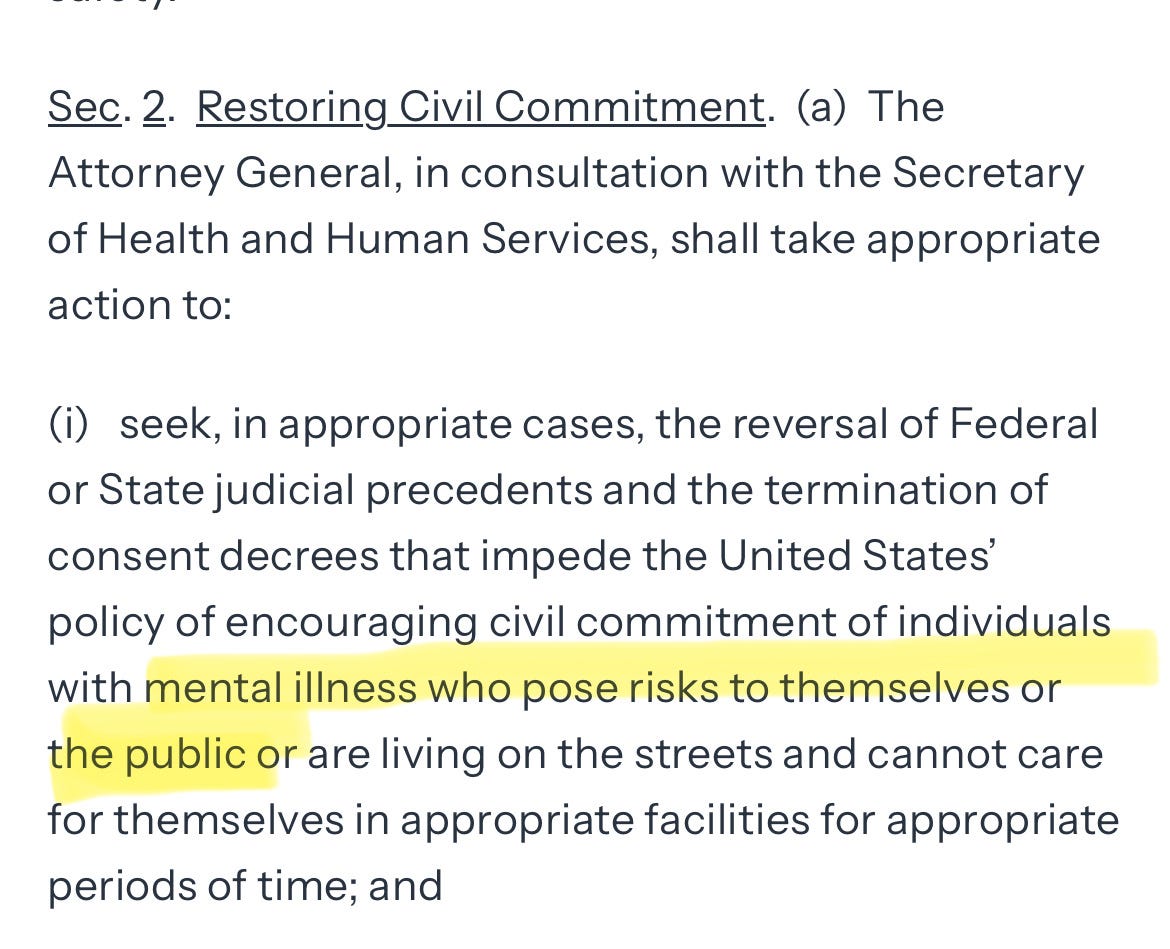




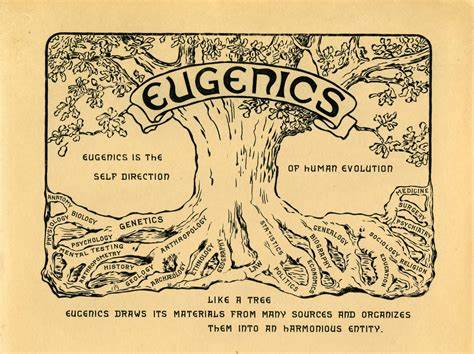


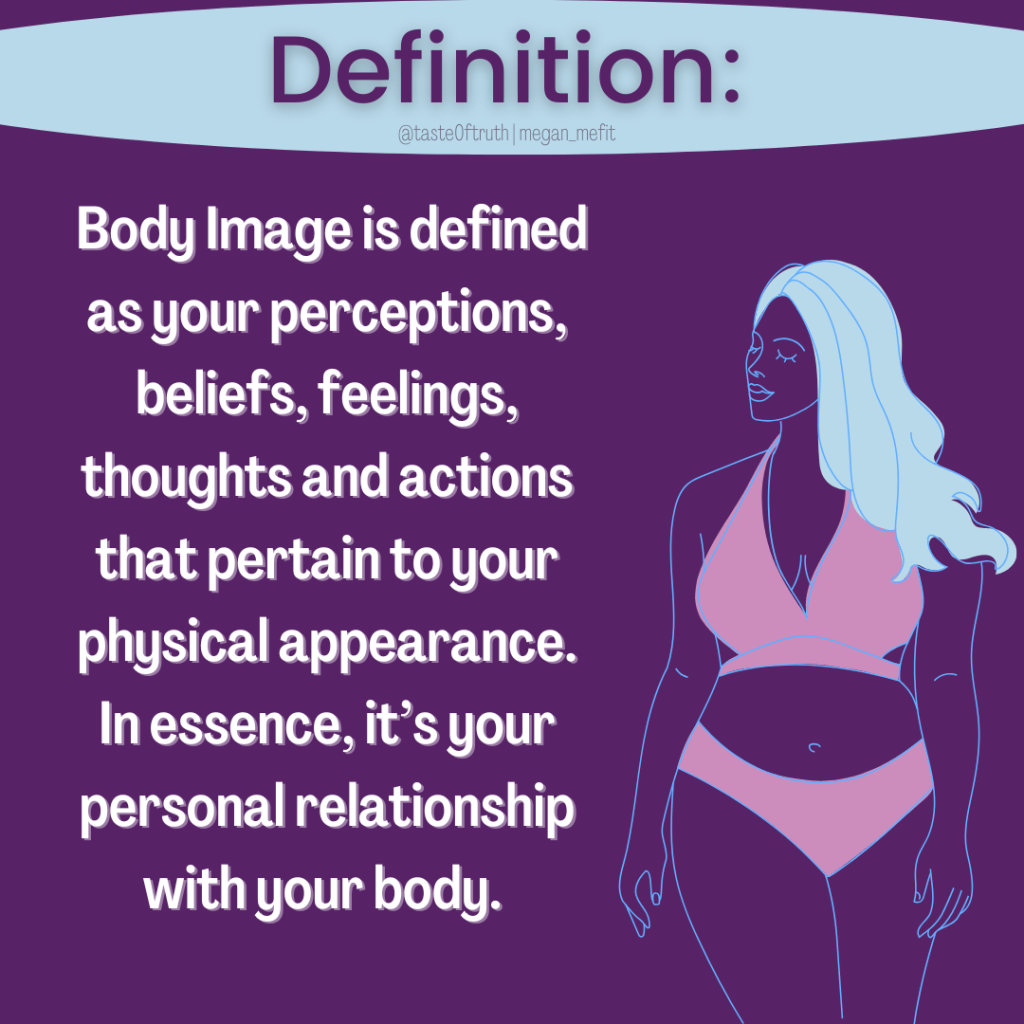

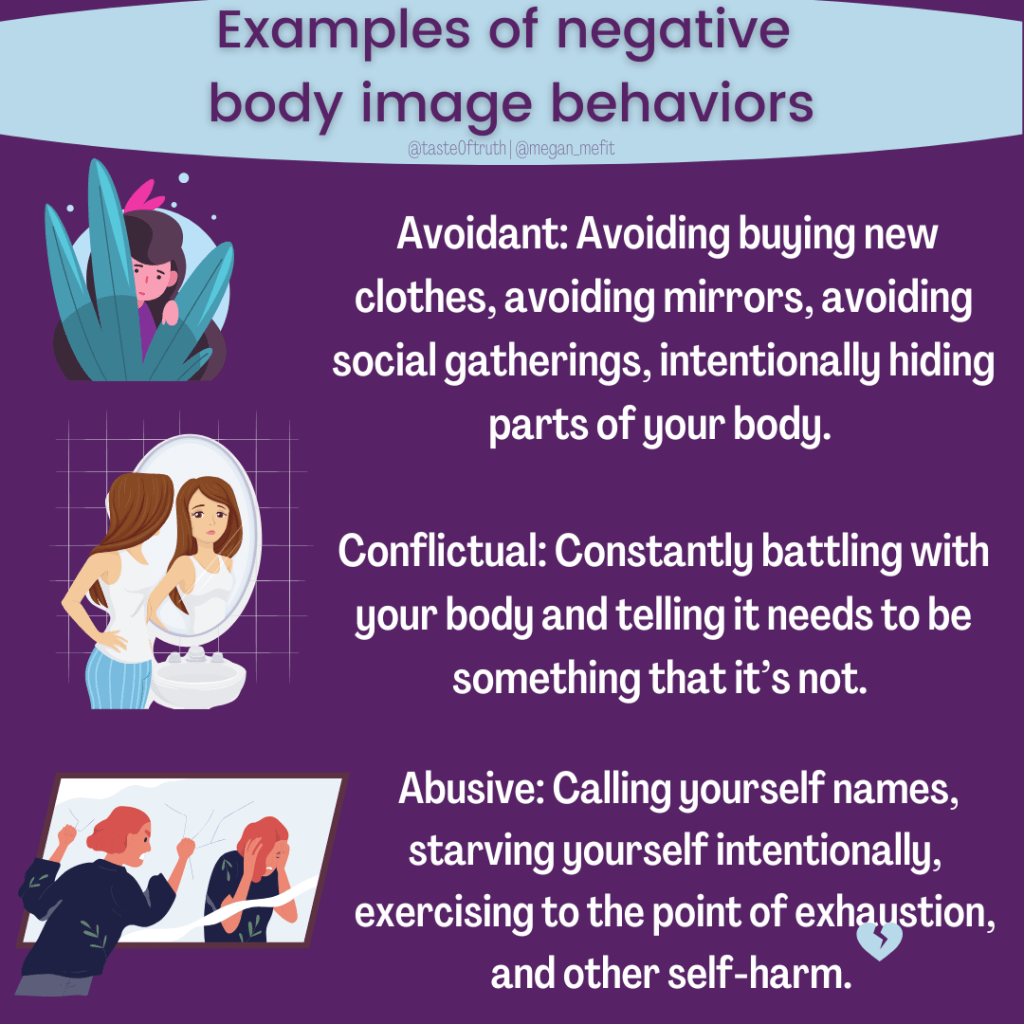




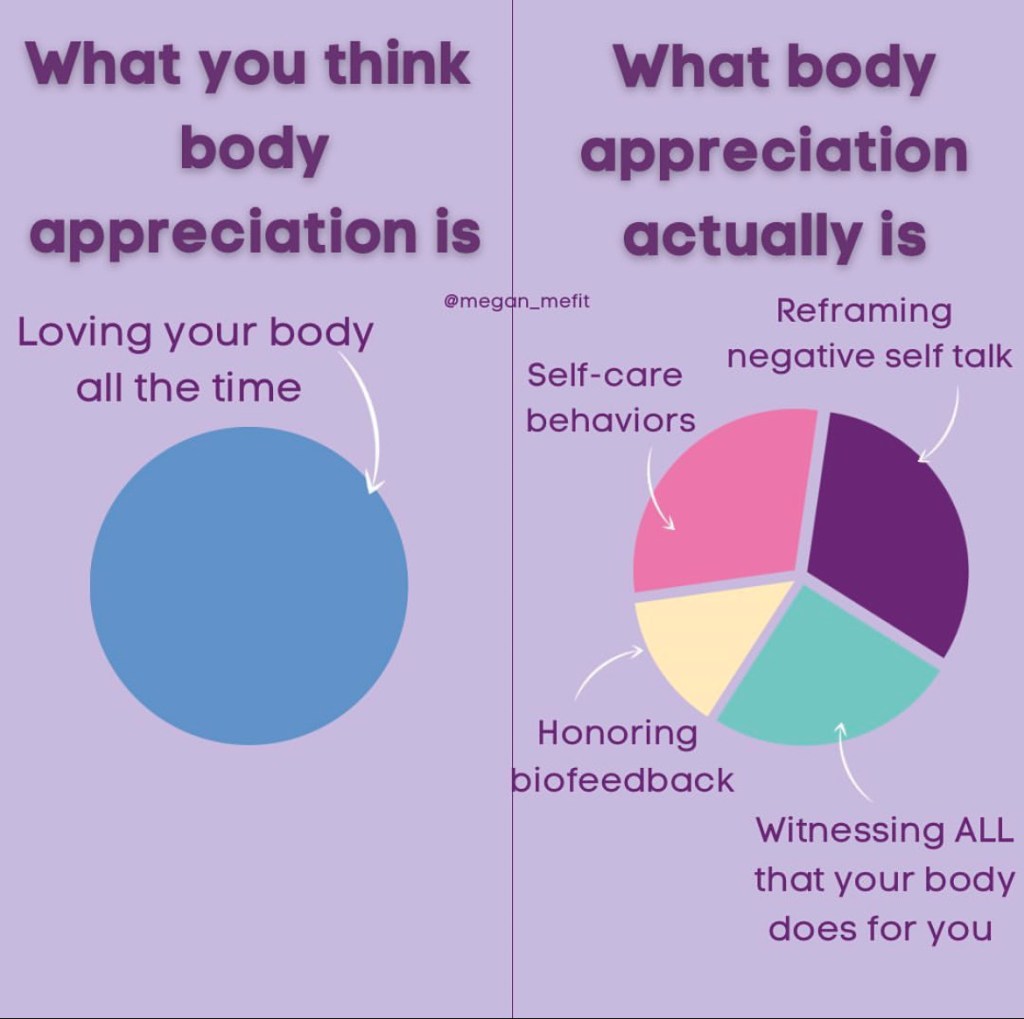






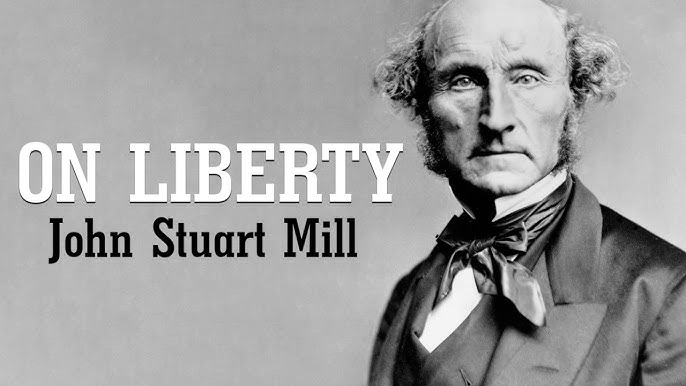


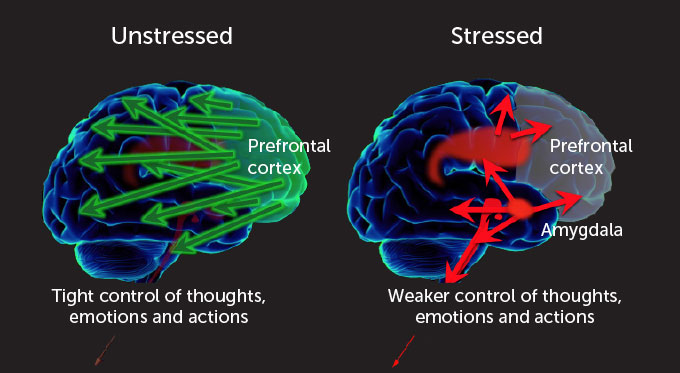




 Taste0ftruth Tuesdays