The Bible Isn’t History and Trump Isn’t Your Savior
It’s Been a Minute… Let’s Get Real
Hey Hey, welcome back to Taste of Truth Tuesdays! it’s been over a month since my last episode, and wow—a lot has happened. Honestly, I’ve been doing some serious soul-searching and education, especially around some political events that shook me up.
I was firmly against Trump’s strikes on Iran. And the more I dug in, the more I realized how blind I’d been completely uneducated and ignorant about the massive political power Zionism holds in this country. And it’s clear now: Trump is practically bent over the Oval Office for Netanyahu. The Epstein files cover-up only confirms that blackmail and shadow control are the real puppet strings pulling at the highest levels of power. Our nation has been quietly occupied since Lyndon B. Johnson’s presidency and that’s a whole other episode I’ll get into later.
Once I saw that, the religious right’s worship of him stopped looking like misguided patriotism and started looking like mass delusion. Or complicity. Either way, I couldn’t unsee it.
And that’s when I started asking the bigger questions: What else have we mistaken for holy? What else have we accepted as truth without scrutiny?
For now, I want to cut to the heart of the matter: the major problem at the root of so much chaos: the fact that millions of Christians still believe the Bible is a literal historical document.
This belief doesn’t just distort faith-it fuels political agendas, end-times obsession, and yes, even foreign policy disasters. So, let’s dig into where this all began, how it’s evolved, and why it’s time we rethink everything we thought we knew about Scripture.
Thanks for reading Taste of Truth! Subscribe for free to receive new posts and support my work.
For most Christians, the Bible is more than a book-it’s the blueprint of reality, the inspired Word of God, infallible and untouchable. But what if that belief wasn’t original to Christianity? What if it was a reaction…. a strategic response to modern doubt, historical criticism, and the crumbling authority of the Church?
In this episode, we’re pulling back the veil on the doctrine of biblical inerrancy, the rise of dispensationalism, and the strange marriage of American politics and prophetic obsession. From the Scofield Bible to the belief that modern-day Israel is a fulfillment of God’s plan, we’re asking hard questions about the origins of these ideas.
As Dr. Mark Gregory Karris said when he joined us on a previous episode: “Can you imagine two different families? One, the Bible is the absolute inerrant word of God every.Word, every jot and title, so to speak, is meant to be in there due to the inspiration of God. And so every story you read, you know, God killing Egyptian babies and God flooding the entire planet and thinking, well yeah, there’s gonna be babies gasping for air and drowning grandmothers and all these animals. And that is seen as absolute objective truth. But then in another family, oh, these are, these are myths. These are sacred myths that people can learn from. No, that wasn’t like God speaking and smiting them and burning them alive because they touch this particular arc or now that this is how they thought given their minds at the time, given their understandings of and then like you talked about oh look at that aspect of humanity interesting that they portrayed god and not like it becomes like wow that’s cool instead of like oh my gosh i need 3-4 years of therapy because I was taught the bible in a particular way.”
Once you trace these doctrines back to their roots, it’s not divine revelation you find: it’s human agendas.
Let’s get uncomfortable. Was your faith formed by sacred truth… or centuries of strategic storytelling?
How Literalism Took Over
In the 19th century, biblical literalism became a kind of ideological panic room. As science, archaeology, and critical scholarship began to chip away at traditional interpretations, conservative Christians doubled down. Instead of exploring the Bible as a complex, layered anthology full of metaphor, moral instruction, and mythology, they started treating it like a divine press release. Every word had to be accurate. Every timeline had to match. Every contradiction had to be “harmonized” away.
The Myth of Inerrancy
One of the most destructive byproducts of this era was the invention of biblical inerrancy. Yes, invention. The idea that the Bible is “without error in all that it affirms” isn’t ancient…. it’s theological propaganda, most notably pushed by B.B. Warfield and his peers at Princeton. Rogers and McKim wrote extensively about how this doctrine was manufactured and not handed down from the apostles as many assume. We dive deeper into all that—here.
Inerrancy teaches that the Bible is flawless, even in its historical, scientific, and moral claims. But this belief falls apart under even basic scrutiny. Manuscripts don’t agree. Archaeological timelines conflict with biblical ones. The Gospels contradict each other. And yet this doctrine persists, warping believers’ understanding and demanding blind loyalty to texts written by fallible people in vastly different cultures.
That’s the danger of biblical inerrancy: it treats every verse as historical journalism rather than layered myth, metaphor, or moral instruction. But what happens when you apply that literalist lens to ancient origin stories?
📖 “Read as mythology, the various stories of the great deluge have considerable cultural value, but taken as history, they are asinine and absurd.” — John G. Jackson, Christianity Before Christ
And yet, this is the foundation of belief for millions who think Noah’s Ark was a literal boat and not a borrowed flood myth passed down and reshaped across Mesopotamian cultures. This flattening of myth into fact doesn’t just ruin the poetry-it fuels bad politics, end-times obsession, and yes… Zionism.
And just to be clear, early Christians didn’t read the Bible this way. That kind of rigid literalism didn’t emerge until centuries later…long after the apostles were gone. We’ll get to that.
When we cling to inerrancy, we’re not preserving truth. We’re missing it entirely.
Enter: Premillennial Dispensationalism
If biblical inerrancy was the fuel, C.I. Scofield’s 1909 annotated Bible was the match. His work made premillennial dispensationalism a household belief in evangelical churches. For those unfamiliar with the term, here’s a quick breakdown:
Premillennialism: Jesus will return before a literal thousand-year reign of peace.
Dispensationalism: History is divided into distinct eras (or “dispensations”) in which God interacts with humanity differently.
When merged, this theology suggests we’re living in the “Church Age,” which will end with the rapture. Then comes a seven-year tribulation, the rise of the Antichrist, and finally, Jesus returns for the ultimate battle after which He’ll rule Earth for a millennium. Sounds like the plot of a dystopian film, right? And yet, this became the dominant lens through which American evangelicals interpret reality.
The result? A strange alliance between American evangelicals and Zionist nationalism. You get politicians quoting Revelation like it’s foreign policy, pastors fundraising for military aid, and millions of Christians cheering on war in the Middle East because they think it’ll speed up Jesus’ return.
But here’s what I want you to take away from this episode today: none of this works unless you believe the Bible is literal, infallible, and historically airtight.
How This Shaped Evangelical Culture and Politics
The Scofield Bible didn’t just change theology. It changed culture. Dispensationalist doctrine seeped into seminaries like Dallas Theological Seminary and Moody Bible Institute, influencing generations of pastors. It also exploded into popular culture through Hal Lindsey’s The Late Great Planet Earth and the Left Behind series. Fiction, prophecy, and fear blurred into one big spiritual panic attack.
But perhaps the most alarming shift came in the political realm. Dispensationalist belief heavily influences evangelical support for the modern state of Israel. Why? Because many believe Israel’s 1948 founding was a prophetic event. Figures like Jerry Falwell turned theology into foreign policy. His organization, the Moral Majority, was built on an unwavering belief that supporting Israel was part of God’s plan. Falwell didn’t just preach this, he traveled to Israel, funded by its government, and made pro-Israel advocacy a cornerstone of evangelical identity.
This alignment between theology and geopolitics hasn’t faded. In the 2024 election cycle, evangelical leaders ranked support for Israel on par with anti-abortion stances. Ralph Reed, founder of the Faith and Freedom Coalition, explicitly said as much. Donald Trump even quipped that “Christians love Israel more than Jews.” Whether that’s true or not, it reveals just how deep this belief system runs.
And the propaganda doesn’t stop there…currently Israel’s Foreign Ministry is funding a week-long visit for 16 prominent young influencers aligned with Donald Trump’s MAGA and America First movements, part of an ambitious campaign to reshape Israel’s image among American youth.
But Let’s Talk About the Red Flags
This isn’t just about belief-it’s about control. Dispensationalist theology offers a simple, cosmic narrative: you’re on God’s winning team, the world is evil, and the end is near. There’s no room for nuance, no time for doubt. Just stay loyal, and you’ll be saved.
This thinking pattern isn’t exclusive to Christianity. You’ll find it in MLMs, and some conspiracy theory communities. The recipe is the same: create an in-group with secret knowledge, dangle promises of salvation or success, and paint outsiders as corrupt or deceived. It’s classic manipulation-emotional coercion wrapped in spiritual language.
And let’s not forget the date-setting obsession. Hal Lindsey made a career out of it. People still point to blood moons, earthquakes, and global politics as “proof” that prophecy is unfolding. If you’ve ever been trapped in that mindset, you know how addictive and anxiety-inducing it can be.
BY THE WAY, it’s not just dispensationalism or the Scofield Bible that fuels modern Zionism. The deeper issue is, if you believe the Bible is historically accurate and divinely orchestrated, you’re still feeding the ideological engine of Zionism. Because at its core, Christianity reveres Jewish texts, upholds Jewish chosenness, and worships a Jewish messiah. That’s not neutrality it’s alignment.
If this idea intrigued you, you’re not alone. There’s a growing body of work unpacking how Christianity’s very framework serves Jewish supremacy, whether intentionally or not. For deeper dives, check out Adam Green’s work over at Know More News on Rumble, and consider reading The Jesus Hoax: How St. Paul’s Cabal Fooled the World for Two Thousand Years. You don’t have to agree with everything to realize: the story you were handed might not be sacred it might be strategic.
Why This Matters for Deconstruction
For me, one of the most painful parts of deconstruction was realizing I’d been sold a false bill of goods. I was told the Bible was the infallible word of God. That it held all the answers. That doubt was dangerous. But when I began asking real questions, the entire system started to crack.
The doctrine of inerrancy didn’t deepen my faith… it limited it. It kept me from exploring the Bible’s human elements: its contradictions, its cultural baggage, and its genuine beauty. The truth is that these texts were written by people trying to make sense of their world and their experiences with the divine. They are not divine themselves.
Modern Scholarship Breaks the Spell
Modern biblical scholarship has long since moved away from the idea of inerrancy. When you put aside faith-based apologetics and look honestly at the evidence, the traditional claims unravel quickly:
Moses didn’t write the Torah. Instead, the Pentateuch was compiled over centuries by multiple authors, each with their own theological agendas (see the JEDP theory).
King David is likely a mythic figure. Outside of the Bible, there’s no solid evidence he actually existed, much less ruled a vast kingdom.
The Gospels weren’t written by Matthew, Mark, Luke, and John. Those names were added later. The original texts are anonymous and they often contradict each other.
John didn’t write Revelation. Not the Apostle John, anyway. The Greek and style are completely different from the Gospel of John. The real author was probably some unknown apocalyptic mystic on Patmos, writing during Roman persecution.
And yet millions still cling to these stories as literal fact, building entire belief systems and foreign policies on myths and fairy tales.
🧠 Intellectual Starvation in Evangelicalism
Here’s the deeper scandal: it’s not just that foundational Christian stories crumble under modern scrutiny. It’s that the church never really wanted you to think critically in the first place.
Mark Noll, a respected evangelical historian, didn’t mince words when he wrote:
“The scandal of the evangelical mind is that there is not much of an evangelical mind.”
In The Scandal of the Evangelical Mind, Noll traces how American evangelicalism lost its intellectual life. It wasn’t shaped by a pursuit of truth, but by populist revivalism, emotionalism, and a hyper-literal obsession with “the end times.” The same movements that embraced dispensationalism and biblical inerrancy also gutted their communities of academic rigor, curiosity, and serious theological reflection.
The result? A spiritually frantic but intellectually hollow faith—one that discourages questions, mistrusts scholarship, and fears nuance like it’s heresy.
Noll shows that instead of grappling with ambiguity or cultural complexity, evangelicals often default to reactionary postures. This isn’t just a relic of the past. It’s why so many modern Christians cling to false authorship claims, deny historical context, and accept prophecy as geopolitical fact. It’s why Revelation gets quoted to justify Zionist foreign policy without ever asking who actually wrote the book or when, or why.
This anti-intellectualism isn’t an accident. It was baked in from the start.
But Noll doesn’t leave us hopeless. He offers a call forward: for a faith that engages the world with both heart and mind. A faith that can live with tension, welcome complexity, and evolve beyond fear-driven literalism.
What Did the Early Church Actually Think About Scripture?
Here’s what gets lost in modern evangelical retellings: the earliest Christians didn’t treat Scripture the way today’s inerrantists do.
For the first few centuries, Christians didn’t even have a finalized Bible. There were letters passed around, oral traditions, a few widely recognized Gospels, and a whole lot of discussion about what counted as authoritative. It wasn’t until the fourth century that anything close to our current canon was even solidified. And even then, it wasn’t set in stone across all branches of Christianity.
Church fathers like Origen, Clement of Alexandria, and Irenaeus viewed Scripture as spiritually inspired but full of metaphor and mystery. They weren’t demanding literal accuracy; they were mining the texts for deeper meanings. Allegory was considered a legitimate, even necessary, interpretive method. Scripture was read devotionally and theologically, not scientifically or historically. In other words, it wasn’t inerrancy that defined early Christian engagement with Scripture, it was curiosity and contemplation.
For a deeper dive, check out The Gnostic Informant’s incredible documentary that uncovers the first hundred years of Christianity, a period that has been systematically lied about and rewritten. It reveals how much of what we take for granted was shaped by political and theological agendas far removed from the original followers of Jesus.
If you’re serious about understanding the roots of your faith or just curious about how history gets reshaped, this documentary is essential viewing. It’s a reminder that truth often hides in plain sight and that digging beneath the surface is how we reclaim our own understanding.
Protestantism: A Heretical Offshoot Disguised as Tradition
The Protestant Reformation shook things up in undeniable ways. Reformers like Martin Luther and John Calvin challenged the Catholic Church’s abuses and rightly demanded reform. But what’s often missed (or swept under the rug) is how deeply Protestantism broke with the ancient, historic Church.
By insisting on sola scriptura—Scripture alone—as the sole authority, the Reformers rejected centuries of Church tradition, councils, and lived community discernment that shaped orthodox belief. They didn’t invent biblical inerrancy as we know it today, but their elevation of the Bible above all else cracked the door wide open for literalism and fundamentalism to storm in.
What began as a corrective movement turned into a theological minefield. Today, Protestantism isn’t a single coherent tradition; it’s a sprawling forest of over 45,000 different denominations, all claiming exclusive access to “the truth.”
This fragmentation isn’t accidental…. it’s the logical outcome of rejecting historic continuity and embracing personal interpretation as the final authority.
Far from preserving the faith of the ancient Church, Protestantism represents a fractured offshoot: one that often contradicts the early Church’s beliefs and teachings. It trades the richness of lived tradition and community wisdom for a rigid, literalistic, and competitive approach to Scripture.
The 20th century saw this rigid framework perfected into a polished doctrine demanding total conformity and punishing doubt. Protestant fundamentalism turned into an ideological fortress, where questioning is treated as betrayal, and theological nuance is replaced by black-and-white dogma.
If you want to understand where so much of modern evangelical rigidity and end-times obsession comes from, look no further than this fractured legacy. Protestantism’s break with the ancient Church set the stage for the spiritual and intellectual starvation that Mark Noll so powerfully exposes.
Rethinking the Bible
Seeing the Bible as a collection of human writings about God rather than the literal word from God opens up space for critical thinking and compassion. It allows us to:
Study historical context and cultural influences.
Embrace the diversity of perspectives in Scripture.
Let go of rigid interpretations and seek core messages like love, justice, and humility.
Move away from proof-texting and toward spiritual growth.
Reconcile faith with science, reason, and modern ethics.
When we stop demanding that the Bible be perfect, we can finally appreciate what it actually is: a complex, messy, beautiful attempt by humans to understand the sacred.
This shift doesn’t weaken faith…. I believe it strengthens it.
It moves us away from dogma disguised as certainty and into something deeper…. something alive. It opens the door for real relationship, not just with the divine, but with each other. It makes space for growth, for disagreement, for honesty.
And in a world tearing itself apart over whose version of truth gets to rule, that kind of open-hearted spirituality isn’t just refreshing-it’s essential.
Because if your faith can’t stand up to questions, history, or accountability… maybe it was never built on truth to begin with.
Let’s stop worshiping the paper and start seeking the presence.
🔎 Resources Worth Exploring:
“The Jesus Hoax: How St. Paul’s Cabal Fooled the World for Two Thousand Years” by David Skrbina
“Christianity Before Christ” by John G. Jackson
The Scandal of the Evangelical Mind” by Mark Noll – A scathing but sincere critique from within the evangelical tradition itself. Noll exposes how anti-intellectualism, biblical literalism, and cultural isolationism have gutted American Christianity’s ability to engage the world honestly.
Check out Adam Green’s work at Know More News on Rumble for more on the political and mythological implications of Christian Zionism
And don’t miss my interview with Dr. Mark Gregory Karris, author of The Diabolical Trinity: Wrathful God, Sinful Self, and Eternal Hell, where we dive deep into the psychological damage caused by toxic theology
Between Liberation and Collapse: Why We Need to Talk About the Middle Path
Welcome back to Taste Test Thursdays, where we explore health, culture, belief, and everything in between. I’m your host, Megan Leigh and today, we’re asking a question that’s bound to make someone uncomfortable:
What if the very institutions we tore down as oppressive… were also protecting us?
We live in a time of extremes. On one side, you’ve got Quiverfull-style fundamentalists preaching hyper-fertility and wifely submission like it’s the only antidote to modern decay. On the other, we’ve got a postmodern buffet of “do what you want, gender is a vibe, all structures are violence.”
And if you’re like me—having navigated the high-control religion pipeline but also come out the other side—you might be wondering…
“Wait… does anyone believe in guardrails anymore?”
Because spoiler: freedom without form becomes chaos. And chaos isn’t empowering. It’s destabilizing.
I truly believe that structure and boundaries can actually serve a purpose—especially when it comes to sex, gender, and human flourishing.
This isn’t a call to go backward. It’s a call to pause, zoom out, and ask: what’s been lost in our so-called progress? Let’s dig in.
The Panic Playbook
This past summer, the media went full apocalyptic. You couldn’t scroll, stream, or tune in without hearing it: Christian nationalism is taking over.Project 2025 is a fascist manifesto.Trump is a theocratic threat to democracy itself. The narrative was everywhere—breathless Substacks, viral TikToks, and cable news countdowns to Gilead.
But while progressives were busy hallucinating handmaids and framing every Republican vote as the end of America, they were also helping cover up the biggest political scandal since Watergate: Biden’s cognitive decline.
This blog isn’t a right-wing defense or a leftist takedown. It’s a wake-up call. Because authoritarian creep doesn’t wear just one team’s jersey. If we’re serious about resisting tyranny, we need to stop fearmongering about theocracy and start interrogating the power grabs happening under our own banners—especially the ones cloaked in compassion, inclusion, and “equity.”
Not All “Christian Nationalism” Is the Same—Let’s Break It Down
The term “nationalism” gets thrown around a lot, but it actually has different meanings:
🔸 1. The Theocratic Extreme This is the version everyone fears—and with good reason.
Belief: Government should follow biblical law.
Goal: A Christian theocracy where dissent is treated as rebellion.
Associated with: Christian Reconstructionism, Dominionism, and groups hostile to pluralism. 📍 Reality: This is fringe. Most evangelicals don’t support this, but it’s the go-to boogeyman in media and deconstruction circles.
🔸 2. Civic or Cultural Nationalism More common, less scary.
Belief: Shared culture—language, customs, even religion—can create unity.
Goal: Strong national identity and cohesion, not exclusion.
Seen in: France’s secularism, Japan’s cultural pride, and even Fourth of July BBQs. 📍 Reality: This is where most “Christian nationalists” actually land. They believe in the U.S.’s Christian roots and want to preserve those values—not enforce a theocracy.
🔸 3. Patriotism (Often Mislabeled as Nationalism) Here’s where it gets absurd.
Belief: Loving your country and its traditions.
Goal: A moral, thriving republic. 📍 Reality: Critics lump this in with extremism to discredit conservatives, centrists, or people of faith.
Why It Matters
Lumping everyone—from flag-waving moderates to dominionist hardliners—into one “Christian nationalist” category fuels moral panic. It shuts down real dialogue and replaces nuance with hysteria.
You can:
✅ Love your country ✅ Value strong families ✅ Want morality in public life
…without wanting a theocracy.
Let’s Define the Terms Critics Confuse:
Dominionism: A fringe movement pushing for Christian control of civic life. Exists, but not mainstream.
Quiverfull: Ultra-niche belief in having as many kids as possible for religious reasons. Rare and extreme.
Christian Nationalism: Belief that the U.S. has a Christian identity that should shape culture and law. Vague, often misapplied.
And What It Isn’t:
Pro-natalism: A global concern over falling birth rates—not just a religious thing.
Conservative Feminism: Belief in empowerment through family and tradition. Dismissing it as brainwashing is anti-feminist.
Family Values: Often demonized, but for many, it just means prioritizing marriage, kids, and legacy.
Not all traditionalism is fascism. Not all progressivism is liberation. Let’s keep the conversation honest.
Hillary’s “Handmaid” Moment
Hilary Clinton🎧 “Well, first of all, don’t be a handmaiden to the patriarchy. Which kind of eliminates every woman on the other side of the aisle, except for very few. First, we have to get there, and it is obviously so much harder than it should be. So, if a woman runs who I think would be a good president, as I thought Kamala Harris would be, and as I knew I would be, I will support that woman.”
This quote from Hillary Clinton caused predictable outrage—but what’s more disturbing than the clip is the sentiment behind it.
In one breath, she managed to dismiss millions of women—mothers, caretakers, homemakers, conservative politicians, religious traditionalists—as unwitting slaves to male domination. Clinton doesn’t leave room for the idea that a woman might freely choose to prioritize home, faith, or family—not because she’s brainwashed, but because she’s pragmatic, thoughtful, and in tune with her own values.
To Clinton, there’s one legitimate type of woman in politics: the woman who governs like Hillary Clinton.
This framework—that conservative, traditional, or religious women are “handmaidens”—isn’t new. It’s a familiar talking point in progressive circles. And lately, it’s been weaponized even more boldly, as Clinton revealed in another recent statement:
“…blatant effort to basically send a message, most exemplified by Vance and Musk and others, that, you know, what we really need from you women are more children. And what that really means is you should go back to doing what you were born to do, which is to produce more children. So this is another performance about concerns they allegedly have for family life. Return to the family, the nuclear family. Return to being a Christian nation. Return to, you know, producing a lot of children, which is sort of odd because the people who produce the most children in our country are immigrants and they want to deport them, so none of this adds up.”
This is where modern feminism loses its plot. If liberation only counts when women make certain kinds of choices, it’s not about freedom then.
The Pro-Natalism Panic—and the Projection Problem
🎧 “Although the Quiverfull formal life isn’t necessarily being preached, many of the underlying theological and practical assumptions are elevated… and now, you know, they’re in the White House.” – Emily Hunter McGowin, guest on In the Church Library podcast with Kelsey Kramer McGinnis and Marissa Franks Burt
There’s a subtle but dangerous trend happening in the deconstruction space: lumping all traditional Christian views of family into the Quiverfull/Dominionist bucket.
In a recent episode of In the Church Library, the hosts and guest reflected on the rise of pro-natalist ideas and Christian influence in politics. Marissa asks whether the ideology behind the Quiverfull movement might be getting a new rebrand—and Emily responds with what sounds like a chilling observation: echoes of that movement are now in the White House.
But let’s pause.
❗ The Quiverfull movement is real—but it’s fringe. It’s not representative of all evangelicals, conservatives, or even Christian pro-family thinking.
Yet increasingly, any policy or belief that values marriage, child-rearing, or generational stability gets painted with that same extremist brush. This is where projection replaces analysis.
Take J.D. Vance, often scapegoated in these conversations. He’s frequently accused of trying to turn America into Gilead—even though he has three children, supports working-class families, and hasn’t once called for a theocracy. His concern? America’s birthrate is in freefall.
That’s not theocracy. That’s math.
Pro-natalism isn’t about forcing women to give birth. It’s about grappling with a demographic time bomb. Countries like South Korea, Hungary, and Italy are facing societal collapse because too few people are having children. This isn’t moral panic—it’s math.
Even secular thinkers are sounding the alarm:
Lyman Stone, an economist and demographer, emphasizes: “Lower fertility rates are harbingers of lower economic growth, less innovation, less entrepreneurship, a weakened global position, any number of factors… But for me, the thing I worry about most is just disappointment. That is a society where most people grow old alone with little family around them, even though they wanted a family.”
Paul Morland, a British demographer, warns: “We’ve never seen anything like this kind of population decline before. The Black Death wiped out perhaps a third of Europe, but we’ve never seen an inverted population pyramid like the one we have today. I can’t see a way out of this beyond the supposedly crazy notion that people should try to have more kids.”
We have to be able to separate structure from subjugation. There’s a world of difference between saying “families matter” and forcing women into barefoot-and-pregnant obedience.
When we flatten every traditional idea into a fundamentalist threat, we not only lose clarity—we alienate people who are genuinely seeking meaning, stability, and community in a fragmented culture.
If we want to be intellectually honest, we must distinguish:
Extremism vs. Order
Oppression vs. Structure
Religious Tyranny vs. Social Cohesion
And we should probably stop pretending that every road leads to the Handmaid’s Tale.
Protective Powers: What Louise Perry and Joan Brumberg Reveal About Institutions
Let’s talk about The Case Against the Sexual Revolution by Louise Perry. Perry is a secular feminist. She’s not nostalgic for 1950s housewife culture—but she is asking: what did we actually get from the sexual revolution?
Here’s her mic-drop:
“The new sexual culture didn’t liberate women. It just asked them to participate in their own objectification with a smile.”
We built an entire culture around the idea that as long as it’s consensual, it’s empowering. But Perry argues that consent—without wisdom, without boundaries, without institutional protection—leaves women wide open to harm.
She points to:
Porn culture
Casual hookups
The normalization of sexual aggression and coercion in dating
These aren’t signs of liberation—they’re signs of a society that privatized female suffering and told us to smile through it.
Perry doesn’t say “go full tradwife.” But she does say maybe marriage, sexual restraint, and even modesty functioned as protective constraints—not just patriarchal tools of oppression.
We traded one form of pressure (be pure, stay home) for another (be hot, work hard, never need a man). Neither version asked what women actually want.
Now flip over to The Body Project by Joan Jacobs Brumberg. This one blew my mind.
She traces how, a century ago, girls were taught to cultivate inner character: honesty, kindness, self-control.
By the late 20th century? That inner moral development had been replaced by bodily self-surveillance: thigh gaps, clear skin, flat stomachs. Girls now focus on looking good, not being good.
She writes:
“The body has become the primary expression of self for teenage girls.”
Think about that. We went from teaching virtue to teaching girls how to market themselves. We told them they were free—and then handed them Instagram and said, “Good luck.”
So again, maybe some of those “oppressive” structures were also serving as cultural scaffolding. Not perfect. Not painless. But they gave young people—especially girls—a script that wasn’t just: “Be hot, be available, and don’t catch feelings.”
Brumberg isn’t saying go back to corsets and courtship. But she is saying we’ve lost our moral imagination. We gave up teaching self-restraint and purpose and replaced it with branding. With body projects. And now we wonder why depression and anxiety are through the roof??
We dive deeper into these subjects in these two podcasts:
Why the Fear Feels Real—And Why It’s Still Misguided
Look, I get it.
If you’ve escaped religious trauma, purity culture, or spiritual abuse, the sight of a political figure talking about motherhood as a virtue can feel like a threat. Your nervous system registers it as a return to oppression. The media confirms your panic. And suddenly, a call for demographic survival starts sounding like a demand for forced birth.
But your trauma doesn’t make every policy that triggers you authoritarian. It just means you need to slow down and check the data.
Because ironically, the real threats to bodily autonomy and family structure? They might not be coming from traditionalists at all.
🏛 The Progressive Power Grab You’re Not Supposed to Question
Another frustrating comment made by Kelsey Kramer McGinnis in a recent podcast was the need to “decenter nuclear families” and the dismissal of concerns about an “attack on nuclear families” as mere panic. But here’s the thing—this fear isn’t fabricated. It’s not fringe. It’s rooted in observable cultural trends and policy shifts. You can’t just wave it away with smug academic detachment.
Whether you support the traditional family structure or not, the erosion of it has real consequences—especially for children, social stability, and intergenerational resilience. Calling that out isn’t fearmongering. It’s an invitation to discuss the stakes honestly.
Let’s set the record straight: The desire to shape culture, laws, and education systems is not the sole domain of religious conservatives. Dominionist Christians aren’t the only ones with blueprints for a theocratic society. Progressive activists also seek to remake the world in their image—one institution at a time.
This isn’t a right-wing “whataboutism.” It’s an honest observation about how ideological movements—regardless of political lean—operate when they gain influence.
Let’s take a look at what this looks like on both ends of the spectrum:
🏛 Dominionism (Far-Right Christian Nationalism)
Core Belief: Christians are mandated by God to bring every area of life—government, education, business—under biblical authority.
Tactics:
Homeschool curricula promoting biblical literalism and creationism.
Campaigns for Christian prayer in public schools or Ten Commandments monuments in courthouses.
Promoting the idea that America was founded as a Christian nation and must return to those roots.
Electing openly Christian lawmakers with the explicit goal of reshaping law and public policy to reflect “biblical values.”
Supporting the Quiverfull movement, which encourages large families to “outbreed the left” and raise up “arrows for God’s army.”
Core Belief: Society must be dismantled and rebuilt to eliminate systemic oppression, centering race, gender, and identity as primary moral lenses.
Tactics:
Embedding DEI (Diversity, Equity, Inclusion) frameworks into public schools, universities, and corporate policy.
Redefining gender and sex in school curricula while often sidelining parental input or community values.
Elevating “lived experience” over objective standards in hiring, curriculum design, and academic research.
Weaponizing social media and institutional policies to punish dissenting views (labeling them as “harmful,” “unsafe,” or “hateful”).
Using activist lingo to obscure government overreach (“gender-affirming care” vs. irreversible medical intervention for minors).
🔄 Shared Behaviors: The Race to Capture Institutions
Despite their stark differences in values, both dominionists and far-left activists behave in eerily similar ways:
They seek cultural dominance through schools, law, media, and public policy.
They view their moral framework as not just legitimate but necessary for a just society.
They suppress dissent by pathologizing disagreement—branding critics as “anti-Christian,” “bigoted,” “transphobic,” “groomers,” or “domestic extremists.”
The battleground is no longer just the ballot box. It’s the school board meeting. The state legislature. The HR department. The university curriculum. The TikTok algorithm.
Colorado’s HB25-1312 — The “Kelly Loving Act”
Signed in May 2025, this law expands protections for transgender individuals. Fine on the surface. But here’s the fine print:
It redefines coercive control to include misgendering and deadnaming.
In custody cases, a parent who refuses to affirm a child’s gender identity could now be framed as abusive—even if that child is a minor in the midst of rapid-onset gender dysphoria.
Is it protecting kids? Or is it using identity to override parental rights?
Washington State’s HB 1296
This bill guts the Parents’ Bill of Rights (which was approved by voters via Initiative 2081). It:
Eliminates mandatory parental access to children’s health records (including mental health).
Enshrines gender identity and sexual orientation in a new “Student Bill of Rights.”
Allows state-level monitoring of school boards that don’t comply.
And the cherry on top? It was passed with an emergency clause so it would take effect immediately, bypassing normal legislative scrutiny.
This isn’t some abstract culture war. These are real laws, passed in real states, stripping real parents of their authority.
A Marxist Framework Masquerading as Compassion
Some of these changes echo critical theory more than constitutional liberty.
Historically, Marxist and Maoist ideologies viewed the family unit as an oppressive structure that needed dismantling. Parental authority was often seen as an extension of capitalist control. In its place? State-affirmed loyalty, reeducation, and ideological uniformity.
Now, it’s not happening with red stars and gulags—it’s happening through rainbow flags and DEI seminars. But the power dynamics are the same:
The family becomes secondary to the state. Dissent becomes dangerous. Disagreement becomes “violence.”
This is how authoritarianism creeps in—wrapped in the language of safety and inclusion.
What Real Theocracy Looks Like
If you need a reality check, read Yasmine Mohammed’s Unveiled. Raised in a fundamentalist Muslim home, where women had no autonomy, no basic rights, and no freedom. She was forced into hijab at age 9, married off to an al-Qaeda operative, and beaten for asking questions. Women cannot see a doctor without a male guardian, they are forced to cover every inch of their bodies and are denied access to education and even the right to drive. That’s theocracy. That is TRUE oppression.
Now contrast that with the freedom that women enjoy in the West today. In modern America, women have more rights and freedoms than at any point in history. Women can run around naked at Pride parades, express their sexuality however they choose, and redefine what it means to be a woman altogether. The very idea of a “dystopia” here is laughable when we consider the actual freedom women in the West enjoy.
Yet, despite these freedoms, many liberal women still cry oppression. They whine about having to pay for their student loans, birth control or endure debates over abortion restrictions. This level of cognitive dissonance—claiming victimhood while living in unprecedented freedom—is a slap in the face to women who actually suffer under real patriarchal oppression.
What’s even more Orwellian is how the left, in its quest for inclusivity and justice, is actively stripping others of their freedoms. They preach about fighting for freedom of speech while canceling anyone who disagrees with them. They claim to be champions of equality while weaponizing institutions to enforce ideological conformity.
Bottom line: If you think Elon Musk tweeting about birth rates is the same as what Yasmine went through? You’ve lost perspective.
If your feminism can’t handle dissent, it was never liberation—it was just a prettier cage.
We have to stop mistaking fear for wisdom. We have to stop confusing criticism with violence. And we absolutely must stop handing our power over to ideologies that infantilize us in the name of compassion.
Let’s be clear: Gilead isn’t coming. But if we’re not careful, something just as destructive might.
A world where parents are powerless. Where biology is negotiable but ideology is law. Where compliance is the only virtue, and questions are a crime.
The Courage to Be Honest
What I’m suggesting isn’t fashionable. It doesn’t fit neatly in a progressive or conservative box. But I’m tired of those boxes.
I’ve lived in Portland’s secular utopia and inside a high-control religious environment. I’ve seen how each side distorts truth in the name of “freedom” or “righteousness.”
But what if true liberation is found in the tension between the two?
The most revolutionary thing we can do today is refuse to become an extremist.
Not because we’re afraid. Not because we’re fence-sitters. But because we believe there’s a better way—one that honors the past without being imprisoned by it and faces the future with clear eyes and moral courage.
Maintain your curiosity, embrace skepticism, and keep tuning in. 🎙️🔒
— Megan Leigh
📚 Source List for Blog Post
1. Hillary Clinton Quotes
Quote 1 (on being a “handmaiden to the patriarchy”): [Reference: “Defending Democracy” podcast with historian Heather Cox Richardson, May 2024] No official transcript published — you’re using a direct audio clip for this one.
Welcome to Taste Test Thursday! You know how online debates often turn into full-blown keyboard wars? People lash out with rage when their beliefs whether political, religious, or social are challenged. But why? What’s behind these intense, emotional responses?
What if it’s not just about bad ideas, but something deeper a brain imbalance? What if our need for certainty and addiction to outrage comes from the way our brains are wired to process the world?
Today we’re diving into the neuroscience behind these defensive reactions. We’ll see how the brain’s wiring for survival influences everything from ideological rigidity to emotional hijacking. We’re setting the stage for something important that we’ll explore this upcoming Tuesday how Complex PTSD and PTSD are NOT the same thing. This is an episode you won’t want to miss, especially if you’ve ever felt stuck in a cycle of intense emotional reactions that you just can’t control.
Let’s review something we’ve discussed before: Amygdala Hijacking. If you remember, the amygdala is a part of our brain that processes emotions like fear and anger. Now, when the amygdala gets triggered especially in stressful or traumatic situations it can completely bypass the more rational prefrontal cortex. This results in what we call an “emotional hijack,” where the brain goes straight into fight-or-flight mode often in situations that don’t actually require that level of reaction.
This kind of response helps explain why some people find comfort in fundamentalism.
“At its most basic, the allure of fundamentalism, whether religious or ideological, liberal or conservative, is that it provides an appealing order to things that are actually disorderly.” — Peter MountfordThe Dismal Science
That line hits at something crucial we have explored many times before: the human brain craves order, especially in the face of chaos. The illusion of control is one of our brain’s favorite coping mechanisms and when we find a system (religious, political, or otherwise) that delivers black-and-white certainty? You get a dopamine hit.
Rigid ideologies offer a tidy framework that feels safe and predictable especially in times of confusion, disillusionment, or personal crisis. That’s not just philosophy. That’s neurology.
When Chaos Was the Norm, Control Becomes a Coping Mechanism
For many of us, rigid beliefs aren’t just intellectual frameworks. They’re emotional survival strategies.
The need for control, the drive for perfection, the desire to be “good enough” to earn love these weren’t just quirks of personality. They were adaptations to childhoods where emotional needs weren’t met. And like many people who grew up in households marked by emotional neglect, those patterns shaped everything: our relationships, our careers, our bodies, and the ideologies we clung to.
Psychologists like Alice Miller and Elan Golomb have long noted how children raised in emotionally unavailable or narcissistic homes often create a false self a version of themselves designed to gain approval and avoid rejection. It’s a blueprint that gets carried into adulthood, often unconsciously.
That’s why fundamentalist spaces feel so magnetic to people with childhood trauma. They offer:
Clear rules instead of emotional chaos
“Unconditional” love that’s actually highly conditional
A surrogate parent in the form of a deity or ideology that tells you who to be
Religious trauma often echoes family trauma—because it’s a new version of the same wound.
When Identity Is Built on Compliance
When a belief system rewards obedience over curiosity, it recreates the dynamics of an authoritarian household. You’re loved when you perform correctly. You belong when you don’t question. You’re “good” when you conform.
So what happens when you start to deconstruct?
The moment someone questions the “truth,” it’s perceived as a betrayal—not just of doctrine, but of identity and tribe. And that’s when we see:
Verbal attacks – Heretic. Traitor. Bigot.
Social ostracism – Canceled. Shunned. Ghosted.
Online harassment – Dogpiling and moral outrage.
Even physical aggression – History is full of examples, from witch hunts to ideological purges.
But this isn’t just about “bad actors.” It’s about brains shaped by fear.
When your childhood taught you that being wrong = being unloved, then someone challenging your beliefs doesn’t just feel uncomfortable it feels unsafe. Disagreement triggers:
Cognitive dissonance – That gut-wrenching anxiety when facts don’t fit your worldview
Fear of consequences – Hellfire or public shaming
Loss of self – Because the belief was the identity
Loss of community – The people who “loved” you might now condemn you
The Brain’s Role in Certainty Addiction
Neuroscience adds another layer here—one that makes ideological rigidity more understandable, even if it’s not excusable.
Dr. Iain McGilchrist, in The Master and His Emissary, outlines how the brain’s left and right hemispheres don’t just process information differently—they perceive reality differently.
❌ Not: “Left brain = logic, Right brain = creativity.” ✅ But: “Left brain = control, categorization, and certainty. Right brain = context, relationship, and meaning.”
In a balanced brain, the right hemisphere leads—it sees the big picture, embraces nuance, and stays grounded in lived reality. The left hemisphere refines, classifies, and helps us act.
But modern culture has flipped the script. We’ve let the left hemisphere hijack our perception, reducing the complex to the manageable, the mysterious to the measurable. In this flipped hierarchy:
Ambiguity feels threatening
Context gets stripped away
Relationship is sacrificed for abstraction
And certainty becomes a kind of drug
That’s why ideological possession feels so safe. The left brain loves a clear system, even if it’s oppressive. It would rather be certain and wrong than uncertain and real.
So, when someone questions your belief, it’s not just inconvenient. It shatters the left brain’s illusion of control. And when that illusion is all, you’ve known since childhood, the reaction isn’t just intellectual-it’s existential. a threat.
When Belief Becomes Identity
Jonathan Haidt, in The Righteous Mind, explains that we don’t arrive at beliefs through pure logic. We have moral intuitions quick, gut-level judgments and then our reasoning brain (usually the left hemisphere) steps in, not to find the truth, but to defend the tribe.
The moment someone questions our “truth,” we don’t hear it as a conversation—we hear it as an attack.
What happens next?
Verbal Attacks: When someone questions a core belief, the response often isn’t curiosity—it’s insults, belittling, or outright contempt. In faith spaces, that might look like calling someone a heretic. In political spaces, it’s labels like traitor, bigot, or grifter.
Social Ostracism: Both religious and political groups punish deviation. Doubters are canceled, excommunicated, or ghosted. Deconstruct your faith? You might lose your church community. Question political orthodoxy? You might lose friends—or your job.
Online Harassment: The algorithm rewards outrage. Post a thoughtful question about a sacred ideology and you’ll get dogpiled. Our moral tastebuds, as Haidt would say, are being hijacked by dopamine-fueled tribalism.
Physical Aggression: At the extremes, ideological certainty becomes dangerous. From holy wars to revolutions, the ugliest parts of history stem from one belief: we’re right, and they’re evil.
Why We React This Way: The Psychology of Threat
When beliefs are fused with identity, disagreement feels like annihilation. Especially when the community around us reinforces that fusion. Here’s the pattern:
Fear of Deviation: Questioning is framed as betrayal either spiritual or social.
Cognitive Dissonance: New ideas create discomfort, and doubling down feels safer than rethinking.
Fear of Consequences: From hellfire to being canceled, the cost of questioning is high.
Identity Threat: When belief equals self-worth, letting go feels like losing yourself.
Social Pressure: Communities often reward conformity and punish dissent.
This is where McGilchrist and Haidt align beautifully: one shows how the brain gets hijacked by the need for control, the other shows howmorality binds us to our tribe and blinds us to complexity.
Make-Believe, Morality, and the Group
In our episode with Neil Van Leeuwen, author of Religion as Make-Believe, we unpacked another crucial insight: factual beliefs are flexible, but identity-based beliefs aren’t. They don’t require evidence. In fact, falsehoods often serve the group better because they signal loyalty, not logic.
This is why both sides of a political aisle can believe obviously contradictory things because the truth is secondary to belonging. And once we belong, we don’t think critically–we defend instinctively.
The Antidote: Intellectual Humility
The only way out is through a kind of self-aware disruption.
Open Dialogue: Spaces where disagreement isn’t punished—but explored.
Supportive Community: Groups that allow for doubt, evolution, and honest questioning.
Personal Reflection: A willingness to examine the stories we tell ourselves—and why we need them.
Interdisciplinary Curiosity: Instead of staying in one thought silo, we pull from neuroscience, sociology, philosophy, and lived experience.
Fundamentalism, at its core, is the elevation of certainty over curiosity. But healing, freedom, and truth? They live on the other side of that certainty.
So, what’s one belief you once clung to tightly only to realize it wasn’t the whole truth?
Let’s talk about it in the comments.
And remember:
Maintain your curiosity, embrace skepticism, and keep tuning in. 🎙️🔒 We’re not here to worship reason or reject it. We’re here to see more clearly.
Sources:
Dr. Iain McGilchrist – Left and Right Hemisphere Functions McGilchrist, Iain. The Master and His Emissary: The Divided Brain and the Making of the Western World. Yale University Press, 2009.
Alice Miller – Emotional Neglect and the False Self Miller, Alice. The Drama of the Gifted Child: The Search for the True Self. Basic Books, 1997.
Elan Golomb – Narcissistic Parenting and Emotional Consequences Golomb, Elan. Trapped in the Mirror: Adult Children of Narcissists in Their Struggle for Self. William Morrow, 1992.
Neil Van Leeuwen – Religious Trauma and Belief Systems Van Leeuwen, Neil. Religion as Make-Believe: The Religious Imagination and the Design of the World. Cambridge University Press, 2021.
Jonathan Haidt – Moral Psychology and Group Loyalty Haidt, Jonathan. The Righteous Mind: Why Good People are Divided by Politics and Religion. Pantheon Books, 2012.
Hey friends, and welcome to another Taste Test Thursday—where we’re serving up the scraps, the side dishes, and the stories that didn’t quite make it to the main course over on Taste of Truth Tuesdays. I’m your host, Megan Leigh, and today I’m inviting you into the behind-the-scenes mess and magic of how each episode comes to life.
No Master Plan—Just a Gut Feeling
Honestly? Each season starts as a complete blank slate. Sure, I usually have a few themes I know I’ll circle back to—nutrition, fitness, body image, spirituality—but there’s no rigid map. It’s more like I’m following a scent trail. And yeah, that might sound a little woo, but if you’ve been here for a while, you know I’m not afraid to blend the practical with the mystical.
There’s this intuitive flow to it. I don’t always know where we’re going—but I trust we’ll end up somewhere honest.
Where I Find My Guests
Most of my guests? I stumble across them in the wild—on Substack, Instagram, someone else’s podcast, or even real-life circles. Before I ever hit “invite,” I try to go deep with their work. I read their writing, binge their interviews, scroll their posts, and ask myself:
What do they really stand for?
Does their voice contribute to the kind of dialogue I want to host here?
I take platforming seriously. I know I’m not responsible for a guest’s entire body of work, but I do feel responsible for curating voices that align with the space we’re building together. That doesn’t mean I have to agree with every single word they say—but there needs to be a shared thread of integrity.
That said… sometimes I get it wrong. There’ve been moments when I jumped into an interview too quickly—maybe I skimmed their stuff or got pulled in by one compelling take—and mid-recording I realized: “Oh no. This isn’t a fit.” It’s uncomfortable, but it’s part of the process. And I’m learning from it every time.
Following the Rabbit Trails
The books I recommend? They usually come from the same rabbit holes I fall down—reading essays, following threads across Substacks, or chasing a quote from one podcast to the next. My brain is basically a conspiracy board with red yarn connecting ideas. Tracking how I get from point A to Z? A mystery even to me.
Writing Questions with Curiosity
Developing questions for guests is an evolving art form. I anchor myself in two core questions:
What’s my main intention with this guest?
What’s the one big takeaway I want the listener to walk away with?
Once I’ve roughed out my ideas, I bring in ChatGPT to help shape and sharpen them—tightening the language and helping me spot blind spots. I send the final questions to guests about a week ahead of time so they can feel prepared and grounded when we hit record.
Editing Isn’t Glamorous—But I Love the Creative Bits
For editing, I use an AI tool that balances audio levels and trims awkward pauses. Nothing fancy. But the parts I love? Coming up with episode titles, designing the cover art, and writing these blog posts.
Sometimes the blog expands on an episode’s theme. Other times, it’s short and sweet. Either way—if you’ve got a preference, I’d love to know. Seriously. I want this to feel like a conversation, not a monologue.
How Themes Find Me (Not the Other Way Around)
One of the most fascinating things about this whole creative process? Every season finds its own theme—even though I never plan it that way.
In Season Two, the theme that emerged was control—and the dopamine hit we chase in high-control environments, whether that’s strict diets or rigid religious rules.
In Season Three, the big thread was the cost of certainty—how much we sacrifice when we demand black-and-white answers in a beautifully grey world.
I don’t map this stuff out in advance. It just… happens. And honestly? That’s been one of the most surprising and affirming parts of hosting this podcast. Watching these ideas thread themselves together like they’ve been waiting for a home.
Your Turn
So that’s the scoop—how the sausage gets made, or maybe how the plates get stacked before the main course hits the table.
If you’ve got questions about the process—or ideas for what you’d love to hear on a future Taste Test Thursday—don’t be shy. Hit reply, send a DM, or drop a comment. I’m always listening.
Until next time— Maintain your curiosity, embrace skepticism, and keep tuning in. 🎙️🔒
Forgive and Forget? The Dark Side of Christian Forgiveness Culture
One of the main reasons I left mainstream Christianity is the way forgiveness has been weaponized. It’s used not as a path to healing but as a tool to silence victims, excuse harm, and protect institutions.
Instead of confronting abuse, many churches demand those survivors “forgive as they have been forgiven,” which conveniently shields perpetrators and absolves leadership from responsibility. Nowhere is this clearer than in the Southern Baptist Convention (SBC)—the largest Protestant denomination in the U.S.—which has spent decades covering up abuse while doing the bare minimum to protect children.
What Is the Southern Baptist Convention (SBC)?
The Southern Baptist Convention (SBC) is the largest Protestant denomination in the U.S., with over 47,000 churches and 13 million members as of 2024. Founded in 1845, the SBC split from northern Baptists over slavery and has since maintained a conservative theological stance.
The SBC holds complementarian beliefs, teaching that men and women have distinct, God-ordained roles with male headship in both the church and the home. This doctrine reinforces strict gender hierarchies, contributing to a culture of silence around abuse, particularly when male leaders are involved.
The SBC’s Persistent Failure to Protect Children
Despite its size and influence, the SBC has long failed to protect children from abuse. Recent reports show that only 58% of SBC-affiliated congregations require background checks for staff and volunteers working with children, and in smaller churches, this number drops to just 35%. A past audit revealed 12.5% of background checks flagged criminal histories that could disqualify individuals from church roles. These numbers underscore the SBC’s ongoing failure to address its own scandals.
Even if some churches struggle financially, it’s grossly irresponsible to assume volunteers are qualified without basic screenings. Churches should at the very least implement strict policies and mandatory training on abuse prevention and reporting—but the data proves otherwise.
SBC’s Hidden Influence: The Non-Denominational Loophole
Many churches that appear to be “non-denominational” are quietly affiliated with the SBC for financial and structural support. This means:
They may not openly use “Southern Baptist” in their name, yet still receive funding, resources, and pastoral training from the SBC.
Their leadership and policies often align with SBC doctrine, even if they market themselves as independent.
Some SBC-affiliated churches hide their connections to avoid association with the denomination’s abuse scandals, while still benefiting from its network.
This hidden network allows the SBC to maintain significant influence over American evangelicalism, even among those who believe they’re attending independent churches. And when scandals emerge, the denomination claims little accountability over individual churches, even as it continues to fund them.
The Guidepost Report (2022) exposed that SBC leadership maintained a secret list of over 700 abusive pastors, shielding them from consequences while survivors were ignored, discredited, or retaliated against.
Jennifer Lyell, an SBC abuse survivor, was vilified by church leadership when she came forward. Instead of support, she was publicly shamed, and her abuser faced no consequences.
Christa Brown, another survivor, spent years advocating for reform after being assaulted by her youth pastor. The SBC’s response? Stonewalling, gaslighting, and further silencing.
This is not an anomaly. It’s a pattern.
The Hillsong Scandal: A Deep Dive into Leadership, Accountability, and Institutional Culture
Hillsong Church, once hailed as a beacon of contemporary Christianity with its celebrity-driven worship services and massive global influence, has been mired in a series of scandals that have sent shockwaves through the church and beyond. The drama surrounding Hillsong reflects much deeper systemic issues within religious institutions, particularly those that prioritize celebrity culture, financial power, and unchecked leadership.
Brian Houston and His Father’s Abuse Scandal
At the heart of the Hillsong scandal is the case of Brian Houston and his handling of sexual abuse allegations against his father, Frank Houston, a founding member of the Assemblies of God in New Zealand. Frank Houston’s abuse of children became widely known, but Brian Houston’s failure to act—despite being aware of the allegations for decades—has raised serious questions about the church’s culture of secrecy and its prioritization of protecting its leaders over seeking justice for victims.
In 2021, Brian Houston was charged with covering up his father’s abuse, but he was acquitted in 2023. While the legal outcomes may be behind him, the moral and ethical questions surrounding his actions remain. His failure to report the abuse to the authorities and the lack of transparency in how Hillsong handled the situation speaks to the larger issue of institutions shielding leaders from accountability, especially when their actions threaten the church’s public image.
Carl Lentz and Leadership Failures
Another key figure in the Hillsong saga is Carl Lentz, the former lead pastor of Hillsong New York. Lentz’s celebrity status, especially his close relationships with figures like Justin Bieber, elevated him to international fame. But in 2020, Lentz was fired from his position after admitting to an extramarital affair. The church’s response to Lentz’s scandal raised more questions than answers. Hillsong failed to address the broader cultural issues at play—namely, a leadership model built on celebrity culture and a lack of accountability.
The church’s focus on its brand, public image, and the reputations of its leaders made it easier to overlook the toxic dynamics that led to Lentz’s behavior. His fall from grace demonstrated the dangers of elevating leaders to superstar status, where moral accountability is secondary to their influence and popularity.
Financial Mismanagement and Lack of Transparency
Financial scandals have also been a hallmark of Hillsong’s decline. Despite its non-profit status, Hillsong has faced accusations of lavish spending by its leaders, including Brian Houston, and financial mismanagement that prioritized the comfort of senior leaders over the needs of the congregation. Hillsong’s lack of financial transparency has led many to question how donations were being spent, particularly when its leaders were living luxurious lifestyles while the church’s financial practices remained opaque.
Reports have shown that church members had little insight into the church’s budgeting or financial decisions, raising alarms about how donations were being used. This financial opacity has created a culture of distrust, with many questioning whether Hillsong truly operated as a faith-based organization or as a business built around its leaders’ financial gain.
Celebrity Culture and Unchecked Leadership
The rise of Hillsong as a “celebrity church” is a clear example of the dangers of celebrity culture within religious organizations. Leaders like Brian Houston and Carl Lentz became more known for their status than their spiritual leadership. This culture created a disconnect between the mission of the church and the behaviors of those at its helm, fostering an environment where moral failings were excused, and accountability was pushed aside in favor of maintaining the church’s celebrity-driven image.
The celebrity culture at Hillsong is not an isolated phenomenon—many mega-churches and influential religious organizations have succumbed to similar dynamics. Leaders are often viewed as untouchable figures whose actions are excused because of their fame and influence. This lack of accountability has led to repeated scandals and a breakdown in trust between church leadership and their congregations.
A Culture of Silence and Protection
Celebrity culture and the culture of silence are both hallmarks of Christian culture, where forgiveness is weaponized to silence victims and maintain the church’s authority. Survivors who seek accountability are often told they are “bitter” or “holding onto unforgiveness,” while abusers are framed as sinners in need of grace.
This forced-reconciliation model doesn’t just silence victims—it actively enables abusers. Over and over, religious institutions have shielded predators while insisting their victims move on.
The Catholic Church sex abuse scandal followed the same pattern—priests were quietly transferred rather than removed.
The Southern Baptist Convention (SBC) was exposed in 2022 for covering up hundreds of abuse cases, prioritizing its reputation over protecting the vulnerable.
The Institute in Basic Life Principles (IBLP), made infamous by Shiny Happy People, used its teachings to guilt victims into silence, reinforcing submission as godliness.
The Mormon Church (LDS) has been accused of systematically covering up child sexual abuse, instructing bishops to handle cases internally rather than report them to authorities. The “help line” for abuse victims has been exposed as a legal shield to protect the church from liability.
Jehovah’s Witnesses have a longstanding pattern of protecting sexual predators under their “two-witness rule,” which requires at least two people to witness abuse for it to be considered valid. This impossible standard allows abusers to go unpunished while victims are shunned for speaking out.
This cycle continues because religious institutions prioritize obedience and reputation over accountability. Instead of advocating for justice, they demand submission—a dynamic that ensures abuse thrives in the shadows, disguised as grace.
The Evangelical Rejection of Modern Psychology
Many evangelicals reject modern psychology, fearing it undermines biblical authority and promotes a so-called “victim mentality.” Books like Bad Therapyare used to discredit trauma-informed approaches, mental health care, and gentle parenting—reinforcing the belief that obedience and submission matter more than emotional well-being.
But this isn’t just about dismissing psychology—it’s about control. Evangelical spaces often use forgiveness as a tool to suppress legitimate pain and absolve abusers of accountability. Instead of being a process that centers the victim’s healing, forgiveness is reframed as an obligation, a test of faith that prioritizes reconciliation over justice.
This kind of messaging pressures survivors into “forgiving and forgetting” under the guise of spiritual growth. As Susan Forward explains in Toxic Parents, this demand for immediate forgiveness often leads to “premature reconciliation,” where the victim is pushed to restore relationships without ever addressing the harm done. She describes how toxic family systems—and by extension, religious institutions—weaponize guilt, framing any resistance to reconciliation as bitterness, rebellion, or even sin. Forward emphasizes that true healing requires acknowledging pain, setting boundaries, and understanding that some relationships are too harmful to maintain. Forgiveness, in this sense, should never be about dismissing harm but about reclaiming personal agency.
Similarly, Pete Walker in The Tao of Fully Feeling critiques how many forgiveness frameworks, particularly those influenced by religious teachings, encourage victims to suppress righteous anger rather than process it. He argues that when people are pressured to forgive too soon, they bypass the necessary emotional work of grief and anger, which are essential steps in healing. Walker describes how survivors of abuse are often gaslit into believing that their pain is an obstacle to their spiritual growth rather than a justified response to harm. In contrast, he advocates for harvesting forgiveness out of blame—a process that allows victims to first fully validate their experiences, express their anger, and grieve their losses before even considering forgiveness. This approach reframes forgiveness as something that should serve the survivor’s well-being rather than the comfort of the perpetrator.
This is why modern psychology takes a different approach. Unlike evangelical teachings that frame forgiveness as a duty, trauma-informed perspectives recognize that forgiveness is a choice—one that should empower the survivor, not burden them with more guilt. True healing requires honoring all emotions, including anger, rather than rushing to absolution for the sake of appearances or religious pressure.
ACBC “Biblical Counseling”: When Religion Overrides Psychology
Another significant issue within certain Christian communities is the rise of the Biblical Counseling movement, particularly through the Association of Certified Biblical Counselors (ACBC) and its Nouthetic Counseling model. This approach starkly rejects psychological expertise and promotes the belief that biblical wisdom alone is sufficient to address mental health struggles, trauma, and even domestic violence. While this may seem like a spiritual response to real-world issues, it often exacerbates the trauma and leads to harmful advice.
One glaring problem with ACBC counseling is its lack of professional psychological training. Many of its so-called counselors do not possess accredited education in mental health fields. Instead, they rely on an outdated and rigid interpretation of scripture that reduces complex psychological issues to mere spiritual shortcomings. This is particularly dangerous in cases of trauma, mental illness, and domestic violence, where the guidance of trained mental health professionals is crucial.
Additionally, ACBC’s approach often results in victim-blaming, particularly for women who are struggling with abuse or neglect. Rather than providing the resources and support these women need, the movement encourages them to endure hardship with a sense of spiritual submission. This can exacerbate feelings of helplessness and self-blame, which are already prevalent among victims of abuse.
My Experience within ACBC Biblical Counseling
I was involved in a biblical counseling program that reinforced a system of patriarchal control, stifling my autonomy and presenting a distorted view of marriage and gender roles.
One of the most telling moments was when I encountered an excerpt from The Excellent Wife by Martha Peace in one of the workbooks. The list of expectations outlined for a wife to “glorify” her husband was staggering and disempowering. It included directives like:
Organizing cleaning, grocery shopping, laundry, and cooking while fulfilling your “God-given responsibility” so that your husband is free to focus on his work.
Saving some of your energy every day for him.
Prioritizing your husband above children, parents, friends, jobs, Bible studies, etc., and rearranging your schedule whenever necessary to meet his needs.
Speaking positively about him to others and never slandering him—even if what you’re saying is true.
Doing whatever you can to make him look good, from running errands to helping accomplish his goals, while never taking offense if he chooses not to use your suggestions.
Considering his work, goals, hobbies, and religious duties more important than your own.
As I’ve explained, these expectations weren’t just fringe ideas—they were central to the teachings of Biblical Counseling, widely embraced within the Southern Baptist Convention and many non-denominational churches. What I experienced wasn’t just about a partnership; it was about submission—unquestioning and absolute. The woman’s role was essentially to serve her husband’s needs and desires, no matter the cost to her own identity or autonomy.
But perhaps one of the most chilling aspects of this program was a statement that underscored the complete denial of personal rights. The workbook stated that humble people have “no rights” in Christ—only responsibilities. It referenced Philippians 2:3-8 to justify this perspective.
Don’t be selfish; don’t try to impress others. Be humble, thinking of others as better than yourselves. Don’t look out only for your own interests, but take an interest in others, too. You must have the same attitude that Christ Jesus had.
The workbook then presented a list of “rights” that were seen as sinful or selfish to claim in this context. Some of the rights included:
The right to control personal belongings
The right to privacy
The right to express personal opinions
The right to earn and use money
The right to plan your own schedule
The right to respect
The right to be married, protected, appreciated, desired, and treated fairly
The right to travel, to have a good education, to be beautiful
There were over thirty items on this list. This wasn’t just a list of personal sacrifices; it was a grooming tool that laid the groundwork for further abuse and manipulation under the guise of spiritual obedience.
These teachings were not about partnership, love, or mutual respect. They were about control, and they left no room for the dignity and rights of individuals, especially women.
A study on women’s anger found that common triggers for anger in women include feelings of helplessness, not being listened to, perceived injustice, and the irresponsibility of others. Instead of addressing these genuine concerns, ACBC’s authoritarian approach often pushes women to submit further, casting aside their voices and their safety in favor of a misguided spiritual ideal. This not only exacerbates their mental health but creates an environment ripe for spiritual abuse.
Corporal Punishment and Legal Definitions of Abuse
A major component of ACBC’s teachings also intersects with the controversial use of corporal punishment, where a thin line between discipline and abuse is often blurred. In some evangelical communities, particularly those influenced by ACBC’s authoritarian doctrines, corporal punishment is defended as a necessary part of biblical discipline, despite overwhelming legal and psychological evidence that physical discipline can have long-term harmful effects.
One of the most enduring arguments for corporal punishment is the misquoted phrase, “Spare the rod, spoil the child.” However, this phrase does not originate from the Bible. It comes from a 17th-century satirical poem by Samuel Butler, Hudibras. Despite this, it continues to be used in evangelical circles to justify spanking, whipping, and other forms of physical punishment.
The Bible passages often cited to defend corporal punishment—Proverbs 13:24, 22:15, 23:13-14, 29:15, and Hebrews 12:5-13—are frequently interpreted in a rigid, literal manner by proponents of corporal punishment. However, this literal approach is a key part of what historian Mark Noll refers to as “the scandal of the evangelical mind.” This narrow hermeneutic reflects a resistance to modern biblical criticism, science, and intellectual inquiry. It prioritizes a literal interpretation of scripture without considering the historical, cultural, and literary context of these texts. As a result, the teachings of scripture are applied in ways that disregard the broader ethical and psychological implications of corporal punishment.
Despite the continued justification for corporal punishment in these circles, modern research overwhelmingly shows its harmful effects. Studies indicate that physical discipline can lead to increased aggression, mental health issues, and weakened parent-child relationships. Yet, many evangelicals remain unwilling to reconsider this harmful tradition, which reflects a broader resistance within conservative Christianity to engage with contemporary understandings of psychology, trauma recovery, and legal definitions of abuse.
The infliction of physical injuries such as bruises, burns, welts, cuts, bone and skull fractures, caused by kicking, punching, biting, beating, knifing, strapping, and paddling.
Despite this clear legal definition, corporal punishment remains legal in all 50 states, with 19 states still allowing paddling in schools. This creates a disturbing disconnect: what is considered child abuse in some settings (such as foster care) is still widely accepted in evangelical homes and schools, even when it causes lasting harm to children.
This tension highlights the problematic nature of ACBC’s teachings, which sometimes encourage discipline methods that can be classified as abusive under legal definitions. Rather than fostering healthy relationships between parents and children, these practices often reinforce cycles of harm and emotional neglect, contributing to the very psychological issues ACBC claims to address. The refusal to acknowledge these realities creates a fertile ground for continued spiritual and psychological abuse.
The Case of John MacArthur and Grace Community Church (GCC)
One of the most disturbing examples of ACBC counseling practices, combined with the authoritarian culture it fosters, can be seen in the actions of John MacArthur, the pastor of Grace Community Church in Sun Valley, California, and his church’s mishandling of abuse allegations.
MacArthur has long been a proponent of the Nouthetic Counseling model, promoting a brand of counseling that prioritizes submission and forgiveness above all else, even in cases of serious abuse. One such case involves Eileen Gray, a woman who endured severe abuse at the hands of her husband, David Gray, while seeking help from Grace Community Church. Instead of providing support or professional counseling, Eileen was told by church leaders that seeking outside help was “worldly” and wrong.
Eileen’s testimony reveals the disturbing practices within GCC, where she was repeatedly told to forgive her abuser even if he was not repentant. Pastor Carey Hardy, a close associate of MacArthur, allegedly taught Eileen the “threefold promise of forgiveness”—a concept detailed in a booklet by MacArthur himself. According to this model, forgiveness means acting as though the abuse never happened, never bringing it up again, and never sharing it with others. This approach not only trivializes the severity of abuse but also places the onus on the victim to endure suffering for the sake of forgiveness and spiritual purity.
What is perhaps most alarming is the pressure placed on Eileen to allow David back into the home and “model for the children how to suffer for Jesus.” Eileen was told to accept her husband’s abuse and, in a deeply misguided view, to make her children witness this suffering as an example of Christian resilience. When Eileen refused to allow her children to be exposed to further abuse, she was met with resistance and intimidation.
The Revelation of Abuse and MacArthur’s Dismissal
Despite Eileen’s pleas for help, GCC’s response was woefully inadequate. When Eileen eventually sought counsel from Alvin B. Barber, a pastor who had officiated her marriage, Barber corroborated her account of the abusive counseling she had received from Hardy. Barber’s testimony was a damning indictment of both Hardy and the church’s leadership, as he described how Eileen was told to submit to her abuser and accept the abuse as part of her spiritual journey.
Eileen’s refusal to allow her children to remain in an abusive environment ultimately led her to request removal from the church’s membership. However, in a shocking display of disregard for her safety and well-being, Grace Community Church denied her request and continued to maintain her as a member, further compounding the trauma she had already experienced.
In the wake of these revelations, MacArthur’s involvement in the case became a point of contention. While MacArthur publicly denounced David Gray’s actions and supported his conviction, he simultaneously failed to hold his own leadership accountable for their role in enabling the abuse. MacArthur’s contradictory statements and lack of transparency in addressing the failures of his church’s leadership reflect a deeper systemic issue within his ministry: a prioritization of church authority and reputation over the safety and well-being of its members.
The Larger Implications: Spiritual Abuse and Lack of Accountability
The case of Eileen Gray is far from an isolated incident. It highlights a pattern within certain corners of the evangelical church, where women’s voices are silenced, and their suffering is minimized in favor of preserving a theological ideal that values submission and suffering over justice and healing. This pattern can lead to widespread spiritual abuse, where individuals are subjected to harmful advice and counseling that prioritizes conformity over personal well-being.
Furthermore, the lack of accountability for church leaders like John MacArthur, who have enormous influence in evangelical circles, contributes to the perpetuation of this toxic culture. By refusing to acknowledge the harmful consequences of ACBC-style counseling and the dismissive responses to abuse victims, MacArthur and others in positions of power not only fail to protect the vulnerable but also send a message that spiritual authority trumps the dignity and safety of individuals.
In the case of John MacArthur’s response to abuse allegations within his church, we see a chilling example of how religious institutions, under the guise of biblical wisdom, can cause immense harm. Eileen Gray’s story is a reminder of the dangers of theological systems that prioritize submission, forgiveness, and authority without regard for the trauma and suffering of individuals.
As these abuses come to light, it’s essential to continue challenging the status quo and demand greater accountability from religious leaders and organizations that have long been able to operate with impunity. Victims of spiritual abuse must be heard, and their stories must be validated, not dismissed or ignored.
The Bigger Picture: Power, Control, and the Misuse of Forgiveness
Whether we’re talking about institutional abuse, forced forgiveness, corporal punishment, or the rejection of psychology, the common denominator is control.
Evangelicals often claim that therapy “makes people feel like victims”, yet they embrace an even bigger victim narrative—the belief that Christians are under attack, that psychology is a threat, and that questioning church authority is dangerous.
Modern psychology isn’t perfect. Some aspects can promote excessive victimhood narratives. But that doesn’t mean psychology is inherently bad.
What we need is balance:
Healing that acknowledges real harm without trapping people in a victim identity.
Forgiveness as a choice, not a weapon.
Accountability for abusers, not silence for survivors.
Forgiveness should never be used to:
❌ Silence victims
❌ Excuse abuse
❌ Bypass justice
Discipline should never be an excuse for violence. Faith should never be a shield for abusers.
Final Thoughts
Leaving mainstream Christianity wasn’t about rejecting faith—it was about rejecting an abusive system that prioritizes power over people.
If the church truly cared about justice, it would:
✔️ Prioritize abuse prevention over “cheap grace.” ✔️ Hold abusers accountable instead of demanding forced forgiveness. ✔️ Recognize that psychology isn’t a threat—but unchecked religious authority is.
It’s time to stop justifying harm in the name of God.
If you’re questioning a church’s affiliation with the Southern Baptist Convention (SBC), here are a few ways to check:
Ask directly—but be aware that some churches may downplay or obscure their affiliation.
Look for “Great Commission Baptists”—a rebranded term used by some SBC churches to distance themselves from controversy.
Use the SBC church locator tool online.
Investigate whether the church’s pastors were trained at SBC seminaries (e.g., Southern Baptist Theological Seminary, Southwestern Baptist Theological Seminary).
But here’s the thing: A new approach is emerging—one that focuses on community-driven solutions to address the consequences of institutional failures. Transparency, accountability, and education are now essential for organizations to operate ethically in the 21st century.
As these movements grow, it’s clear that change is happening. If you’re interested in exploring these shifts, especially within religious institutions, check out the upcoming docuseries dropping this Easter Sunday. It will dive deep into the pressing need for institutional reform, highlighting the intersection of religious nonprofits and the modern world. The series will explore the ethical, financial, and leadership issues many faith-based organizations face today. For more information, visit The Religion Business.
Beyond the Glamour: The Dark Reality of the Sex Industry
Welcome back to Taste of Truth Tuesdays. Today’s episode is one that I’ve both been eager and hesitant to share. While I’ve spoken about my journey through faith, fitness and personal transformation that there’s one chapter I’ve largely kept private until now….
For most of my life, I was fed a specific narrative: go to college, get a degree, build a career, and don’t worry about prioritizing marriage or family. Financial independence was the ultimate goal.
After graduating college, I moved from Virginia to Portland, Oregon, to chase my career as a personal trainer, lifestyle coach, and professional circus performer. My income relied on clientele, and while I had busy seasons, nothing was ever truly stable. But with inconsistent income and the ever-present pressure to make ends meet, I found myself in a space that many glamorize but few truly understand—the world of sugar dating.
At first, it didn’t seem that different from the casual dating I was already doing—except now, dinner was covered, and there was a financial incentive. But the deeper I got, the more I realized how unstable and unsafe it was. Most of these men didn’t care about you as a person; they just wanted no-strings-attached access to your body. And when I found myself in situations where I wasn’t in control—where boundaries were ignored, protection was negotiable, and at times, I left empty-handed even after doing my part—I started to see the cracks in the ‘empowerment’ narrative. I remember one night, sitting in my car after being verbally and physically assaulted, I realized I had no one to report it to. No way to warn the next woman. That’s when the illusion fully shattered for me.
That’s why today’s conversation is so important. I’m joined by Sloane Wilson from Exodus Cry, an organization dedicated to exposing the truth about sexual exploitation and advocating for survivors. We’re unpacking the hard truths about the sex industry, the myths that keep women trapped in it, and the cultural shifts that have normalized what should never be considered “just work.”
But we’re also diving into something deeper, faith. Both Sloane and I have gone through our own journeys of deconstruction and reconstruction. She’s seen firsthand how the church can mishandle encountering survivors and how delicate and complex these situations can be.
The Reality of “Sugar Dating”
Some nights felt harmless—like having dinner with a businessman who just wanted company and conversation. But most nights? They were anything but that. The truth is, the fantasy of sugar dating—mutually beneficial, long-term arrangements with financial stability—was just that: a fantasy. Most men weren’t offering monthly allowances or ongoing support. They wanted pay-per-meet agreements—no strings attached, no safety net, just transactional sex. And when survival depended on it, I found myself scrambling to secure the next “daddy.”
I struggled to assert myself, especially in two key areas: insisting on protection and ensuring I was paid upfront. That put me at immense risk—both for my health and my safety. One night, I was forced into acts I didn’t consent to, verbally assaulted, and then left empty-handed. Sitting in my car afterward, I realized something chilling: there was no one to report it to. No way to warn the next girl. No system to hold these men accountable.
Some men had hidden home cameras, recording our time together without my consent. Others were forceful, rough, and used sex toys in ways that crossed every boundary I had. And yet, as awful as those experiences were, I knew I was lucky—because it could have been so much worse.
Most of these men pushed to move conversations off the platform as quickly as possible, demanding explicit photos before agreeing to meet. When you’re in a financial bind, it’s hard to say no. That’s how exploitation thrives—through desperation.
The Trap of a “Luxe” Illusion
Looking back, I wonder—why didn’t I just walk away? Why couldn’t I see, from the beginning, that this wasn’t sustainable? I wasn’t like most women in the industry. I was white, college-educated, and didn’t even have student debt shackling me. My financial stress came from my own reckless spending—maxed-out credit cards and the relentless costs of bodybuilding, a sport I was pouring everything into. So why, with all the options I had, did I keep chasing this?
I think part of it was desperation. The MLM-like promise of sugar dating had me convinced that if I just worked harder, played the game right, and landed the right arrangement, I could have financial security and independence. I put more energy into curating the perfect sugar persona than I ever did into building my personal training business. And maybe, just maybe, I was chasing the mirage of someone close to me—someone who had made sugar dating “work.” I saw her succeed, and I kept believing I could, too.
But there’s another layer. One I don’t love admitting (and one my mom will absolutely deny.) My mother praised me for it. She told me, “I wish I had done this when I was your age.” That kind of validation messes with your perception of right and wrong. It made it seem like I was onto something genius, like I had cracked code other women were too scared or too moralistic to try. Was I subconsciously trying to prove something? Was I filling the void left by emotional neglect?
Or was it just my own damn fault?
That’s the thing about these choices—they never come down to just one reason. It is always more complex. It wasn’t just the financial stress. It wasn’t just my upbringing. It wasn’t just the influence of someone I admired. It was all of it, tangled together, keeping me locked in place. And it took me years to realize that no amount of effort or strategy would turn sugar dating into the safety net I desperately wanted it to be.
The Lie of “Sex Work is Work”
For a long time, I believed the mantra: “sex work is work.” It’s the rallying cry of the sex-positive movement, a phrase meant to legitimize the industry. Prostitution is often called “the oldest profession,” but historically, it has always been a last resort for survival. Women don’t enter this industry because it’s empowering. They do it because they have no better options.
The real harm in prostitution isn’t just about bad working conditions or societal stigma. It’s about dehumanization. When sex is reduced to a transaction, people become commodities. And when we treat people like products to be bought and sold, we strip them of their dignity.
Louise Perry, in The Case Against the Sexual Revolution, makes this point powerfully. She argues that the sex industry’s only real defense is a hollow, commodified version of “liberation”—one that insists, “Everyone consents, everyone is an adult, the women enjoy it, so who are you to judge?” But when consent is the only moral standard, we ignore the broader ethical issue: that people are being treated as means to an end. Consent alone does not erase coercion, exploitation, or harm.
In our postmodern culture, we’ve rejected objective morality and replaced it with a consumerist approach to sex. If both parties “agree,” then anything goes. But this is a dangerous slope—one that allows predatory men to exploit desperate women under the guise of empowerment.
Insights from Recent Research
New research exposes the blurred lines between sugar dating and traditional sex work. A study published in The Journal of Sex Research found that over one-third of sugar babies have engaged in other forms of transactional sex work, such as escorting or stripping. This challenges the narrative that sugar dating is different or “classier” than prostitution. The reality? It operates on the same fundamental exchange.
The study also found that sugar benefactors reported an average of over six arrangements, indicating a revolving door of sugar relationships. For these men, sugar dating is just another avenue for purchasing companionship and sex.
Beyond the emotional toll, sugar dating carries serious legal and personal risks. Legal experts warn that these arrangements can lead to blackmail, coercion, and threats—especially when expectations aren’t met. Many women find themselves in vulnerable situations with no real recourse. The illusion of control is just that—an illusion.
The Flawed Narrative Around Sex Work and Deconstructing Purity Culture
In the deconstruction space, there’s a growing trend of equating sexual liberation with empowerment while rejecting any critique of the sex industry as moral panic. A popular post circulating on International Sex Workers Day exemplifies this mindset, arguing that deconstructing purity culture requires deconstructing any negative views of sex work. The claim? Sex work and sex trafficking are entirely separate, and many big Christian anti-trafficking organizations wrongly conflate the two to push an agenda. The post insists that if a person is not forced, defrauded, or coerced, they are simply making a free choice to engage in sex work. But this argument is deeply flawed when examined through historical context, real-world data, and the experiences of women who have lived through it.
The Demand Problem: Why Legalizing Sex Work Doesn’t Protect Women
One of the most critical oversights in this argument is the failure to acknowledge that sex work is a demand-driven industry. As Louise Perry outlines in The Case Against the Sexual Revolution, countries that have legalized prostitution have seen an increase in trafficking. Why? Because legalizing the industry normalizes the demand for paid sex, and when there aren’t enough willing participants, traffickers step in to fill the gap. Studies show that in places like Germany and the Netherlands, where prostitution is legal, trafficking rates have skyrocketed because the market rewards pimps and exploiters. The idea that sex work can be fully separate from trafficking ignores the economic reality that supply follows demand.
Linda Lovelace’s experience in Deep Throat is a perfect example of this. The film was a massive success, grossing over $600 million, and was hailed as revolutionary at the time. But years later, Lovelace revealed that she had been coerced into performing in the film under violent and abusive conditions. Her book Ordeal exposed the hidden abuse within the industry—an industry that thrives precisely because there is a market for extreme, degrading content. This isn’t an isolated case; countless women have echoed similar stories after leaving the industry, only to be dismissed while they were still in it because they were expected to uphold the “liberation” narrative.
The Exploitation Behind the Industry
Another major flaw in the sex-work-as-liberation argument is the lack of accountability within the industry itself. MindGeek, the corporation behind the world’s largest pornography sites, has faced multiple civil lawsuits for monetizing non-consensual content—including child sexual abuse, rape, revenge pornography, and voyeuristic recordings of women showering. Reports from December 2020 revealed that the platform was infested with videos depicting abuse and that it profited from some of the darkest corners of human sexuality.
The industry thrives on the illusion that all participants are willing, yet it repeatedly fails to ensure consent. The reality is that the vast majority of those in sex work come from backgrounds of financial instability, trauma, or coercion—not from an empowered, freely chosen career path. The notion that sex work is “just another job” ignores how uniquely dangerous, exploitative, and often inescapable it can be.
The Broader Issue: Normalizing Harm Under the Guise of Liberation
This same pattern of dismissing harm under the banner of liberation isn’t exclusive to the sex industry. I recently came across another example in the deconstruction space where an account that advocates for women’s sexual empowerment was documenting her abortion experience on National Abortion Day. She filmed herself taking the abortion pill as if it were nothing—a casual, almost celebratory act. But this kind of messaging erases the medical realities and risks associated with the abortion pill. It ignores the fact that women absolutely should get an ultrasound before taking it to determine gestational age and rule out ectopic pregnancy, which can be fatal if left untreated. Reducing such a serious medical decision to a political performance trivializes the real consequences that many women face.
This connects back to the issue with sex work: the rush to de-stigmatize everything labeled as “empowerment” often leads to a dangerous lack of critical thought. If deconstruction is about questioning harmful narratives, then why aren’t we allowed to question the harm within the sex industry? Why does rejecting purity culture mean embracing an industry that, time and time again, has been built on coercion, abuse, and exploitation?
Deconstructing purity culture shouldn’t mean abandoning discernment. If anything, it should mean taking an even closer look at these industries and asking hard questions about who truly benefits from them. Because when we actually listen to the stories of women who have left sex work, the pattern is clear: what is sold as empowerment often turns out to be exploitation in disguise.
Healing & Advocacy
Looking back, my perspective has completely shifted. The journey out of the sex industry has been long and complicated, but I’m grateful for the clarity I have now. Organizations like Exodus Cry work to expose the realities of the commercial sex trade and fight for real change. And voices like Louise Perry’s are crucial in dismantling the harmful myths that keep this industry alive.
The sexual revolution promised liberation, but for many women, it delivered exploitation instead. The more we normalize the commodification of sex, the more we enable the very systems that harm us. It’s time to rethink everything we’ve been told about “sex work” and start asking: Who really benefits from this industry? Because it’s certainly not the women inside it.
If you’ve ever questioned the narrative around sex work, if you’ve been curious about the reality behind sugar dating, or if you want to hear from someone who’s been there—I invite you to tune in.
It’s time to move beyond the glamour and face the truth.
Healing After Religious Abuse: A Conversation with Connie A. Baker
Religious abuse can leave deep scars—ones that don’t just fade with time but require intentional healing. In this week’s conversation, I sat down with Connie A. Baker, author of Traumatized by Religious Abuse, for an honest and heartfelt discussion about the journey of healing from spiritual trauma. Connie shares her own experiences, the painful realities of the “second wound,” and how survivors can reclaim their emotional autonomy after years of manipulation and control.
Why Healing Can’t Be Rushed
One of the most profound takeaways from our conversation was the reminder that healing isn’t something to bulldoze through. Connie calls herself a “recovering bulldozer,” always pushing to move forward as quickly as possible. But in trauma recovery, speed can be counterproductive. She embraces the mantra, slow is steady, and steady is fast. For survivors, learning to slow down and allow healing to unfold naturally is essential. Trying to rush past the pain often leads to setbacks, while true recovery requires patience, self-compassion, and time.
The Second Wound: Betrayal After Speaking Out
Connie describes how only 25% of the damage she endured came from the abuse itself—the remaining 75% came from the judgment, rejection, and betrayal she faced when she spoke out. This “second wound” is a devastating reality for many survivors who expect support but instead encounter disbelief, gaslighting, or outright hostility.
I resonated deeply with this. When I began speaking about my own experiences within the church, I was met with accusations of backsliding, manipulation, and spiritual rebellion. Survivors already carry the weight of their trauma, and the added burden of social ostracization can feel insurmountable.
So how do we heal from this betrayal? Connie shares practical steps, including:
Finding safe, validating spaces where your story is heard and honored.
Understanding that others’ disbelief or discomfort does not negate your truth.
Developing strong boundaries to protect yourself from further harm.
Naming Abuse and Embracing Spectrum Thinking
One of the most insidious aspects of religious abuse is the difficulty of naming it. Many survivors downplay their experiences, believing that if they weren’t physically harmed, it “wasn’t that bad.” But Connie emphasizes that minimizing abuse hinders healing.
Abuse exists on a spectrum—from coercive control and emotional manipulation to outright physical harm. Recognizing where an experience falls on that spectrum is crucial for understanding the impact and taking steps toward recovery. This applies beyond religion too—cults, MLMs, and even rigid ideological movements can exhibit the same coercive tactics found in high-control religious environments.
Developing spectrum thinking—moving away from rigid “all or nothing” perspectives—allows survivors to see the full picture. Instead of thinking, “I was never physically hurt, so it wasn’t abuse,” they can acknowledge, “This environment manipulated me, eroded my self-trust, and controlled my emotions. That was harmful.”
Reclaiming Emotional Autonomy
Spiritual abuse often hinges on emotional suppression. Survivors are told that negative emotions—anger, sadness, fear—are sinful or a sign of weak faith. Verses like “Rejoice in the Lord always” and “Be anxious for nothing” are weaponized to shame people into emotional denial.
But emotions provide vital information. Anger tells us when our boundaries have been crossed. Sadness signals loss and the need for healing. Anxiety can be a survival mechanism. Connie reminds us that full wisdom comes from embracing the entire spectrum of human emotions.
Learning to trust yourself again after years of emotional control is no small feat. Some practical steps include:
Allowing yourself to feel emotions without labeling them as good or bad.
Recognizing when religious conditioning is silencing your true feelings.
Using anger constructively—to set boundaries rather than self-destruct.
Wrestling with Worldview: From Spiritual to Materialist and Back Again
Many survivors of religious abuse go through a radical shift in their worldview. Some reject spirituality entirely, embracing a materialist perspective where only the tangible world is real. Others swing to the opposite extreme, seeking comfort in rigid new belief systems.
Connie highlights that this spectrum—from deeply spiritual to strictly materialist—is something many survivors navigate as they attempt to make sense of their experiences. Some turn to hedonism—“Eat, drink, and be merry”—while others find meaning in service, activism, or intellectual pursuits. What matters most isn’t where someone lands on the spectrum but rather the process of wrestling with meaning, truth, and autonomy after religious trauma.
Final Thoughts
Healing from religious abuse is not linear. It’s messy, painful, and often isolating. But as Connie’s journey shows, it’s possible. By embracing the full range of emotions, setting firm boundaries, and recognizing abuse for what it is, survivors can reclaim their autonomy and rebuild a life of freedom and self-trust.
If you’re in the midst of this journey, know that you are not alone. Whether you’re deconstructing, reconstructing, or simply trying to make sense of it all, your experiences are valid. And healing—real, lasting healing—is possible.
What part of this conversation resonated most with you? Drop a comment and let’s keep the discussion going.
And as always: Maintain your curiosity, embrace skepticism, and keep tuning in! 🎙️🔒
How Media Manipulation and Pseudo-Intellectualism Are Undermining Independent Thought
In today’s episode of Taste of Truth Tuesdays, I sit down with Franklin O’Kanu, also known as The Alchemik Pharmacist, to unpack one of the most pressing issues of our time: the erosion of critical thinking. Franklin, founder of Unorthodoxy, brings a unique perspective that bridges science, spirituality, and philosophy. Together, we explore how media narratives, pseudo-intellectualism, and societal conditioning have trained people to ignore their inner “Divine BS meter” and simply accept what they’re told.
The Death of Critical Thinking
As Franklin points out, we’ve lost the ability to thoughtfully absorb and analyze information. The past few years have conditioned individuals to disregard anything that doesn’t align with mainstream sources, experts, or consensus. Instead of engaging with information critically, many have been taught to dismiss it outright. The result? A culture that values conformity over curiosity and blind acceptance over intellectual rigor.
We discuss how this shift has been accelerated by media bombardment, especially during the pandemic. The New York Times even published an article on critical thinking, but instead of encouraging intellectual engagement, it suggested that questioning mainstream narratives is dangerous. This is narrative warfare at its finest—manipulating public perception to ensure that only “approved” ideas are given legitimacy.
The Power of Narratives: How Ideological Echo Chambers Shape Reality
Franklin O’Kanu often cites James Corbett’s work on media’s role in shaping public perception as a major inspiration behind his Substack. Corbett’s central thesis is simple: narratives build realities—and whoever controls the dominant narrative controls public thought. Nowhere is this clearer than in the nihilistic messaging that dominates left-leaning social media platforms like Meta. The idea that humans are an irredeemable blight on the planet has been mainstreamed, despite evidence to the contrary.
This same unquestioning adherence to an ideological narrative played out during the pandemic with phrases like “Trust the science” and “Don’t do your own research.”I explored this trend in my Substack, particularly through the lens of so-called ‘cult expert’ Steven Hassan. Hassan built his career exposing ideological manipulation, branding himself as the foremost authority on cult mind control. But here’s the irony: while he calls out high-control religious groups, he seems completely blind to the cult-like tactics within his own political ideology.
Information Control: Censoring ‘Dangerous’ Ideas
Hassan’s BITE model—which stands for Behavior, Information, Thought, and Emotional control—is designed to help people recognize manipulation.
In cults, leaders dictate what information followers can access. The extreme left does the same.
Censorship of Opposing Views – Deplatforming, banning books, firing professors—if an idea threatens the ideology, it’s labeled “harmful” and shut down.
Historical Revisionism – Complex events are reframed to fit simplistic oppression narratives, ignoring inconvenient facts.
Selective Science – Only research that supports the ideology gets funding and visibility. Studies on biological sex differences, IQ variations, or alternative climate models? Silenced or retracted—not because they’re disproven, but because they’re inconvenient.
Discouraging Exposure to Counterarguments – Followers are taught that listening to the other side is “platforming hate” or “giving oxygen to fascism.”
This is exactly what happened when Franklin challenged the mainstream climate change narrative. The moment he questioned NetZero policies, he wasn’t just hit with the usual accusations: “climate denier,” “science denier,” and the ever-expanding list of ideological insults meant to discredit rather than debate, but he was blocked. This is how bad ideas survive—by shutting down the people who challenge them.
Franklin warns that if you’re not careful, these narratives can take you down a dark rabbit hole built on lies. Once an ideological framework is built around selective truth, it becomes a self-reinforcing system—one that punishes dissent and rewards conformity. And once you let someone else dictate what information is “safe” for you to consume, you’re already in the first stages of ideological capture.
The Rise of the Fake Intellectual
Platforms like Facebook/Instagram/YouTube have perfected the illusion of intellectual discourse while actively suppressing opposing voices. This has led to what Franklin calls the fake intellectual—individuals or organizations that present themselves as champions of knowledge but ultimately serve to shut down real dialogue.
Fake intellectuals don’t invite discussion; they police it. They rely on appeals to authority, groupthink, and censorship to maintain an illusion of correctness. True intellectualism, on the other hand, is rooted in curiosity, openness, and the willingness to engage with challenging perspectives.
Reclaiming Intellectual Integrity
One of the most powerful insights from our discussion is the role belief plays in shaping our world. Franklin warns that when we accept narratives without scrutiny, we risk being deceived. This applies across industries—medicine, science, finance, and even religion. These systems function because people believe in them, often without verifying their claims. But if we fail to question these narratives, we become passive participants in a game where only a select few control the rules.
So, how do we resist narrative warfare and reclaim critical thinking? Franklin suggests:
Cultivating intellectual humility—being open to the possibility that we might be wrong.
Recognizing media manipulation—understanding how information is curated to shape public perception.
Engaging with diverse perspectives—actively seeking out voices that challenge our beliefs.
Trusting our own discernment—developing the confidence to think independently instead of outsourcing our opinions to authority figures.
Franklin expands on this in his writings, particularly in his two articles, How to See the World and How to Train Your Mind. As he puts it, “We all have these voices in our heads. Philosophy is really just understanding the reality of the world, and there’s a principle in philosophy—keep things as simple as possible.” He breaks it down like this:
You are a soul. That’s the foundation. If every child grew up knowing this, it would change the way we see ourselves.
You have a body. Your body exists to experience the physical reality of the world.
You have a mind. Your mind is an information processor that collects input from your senses. But it also generates thoughts—sometimes helpful, sometimes misleading.
Franklin uses a simple example: Is my craving for ice cream coming from my body, my mind, or my soul? That question highlights the need to discern where our impulses originate. He extends this concept to online interactions: How many thoughts do we have just from seeing something online? How many narratives do we construct before our soul even has a chance to process reality?
Online spaces, Franklin argues, give rise to what he calls the “inner troll.”🧌 He connects this to the spiritual concept of demons—forces that seek to provoke, enrage, and divide. “Think about the term ‘troll,’” he says. “What is that, really? It’s an inner demon that gets let loose online. The internet makes it easy for our worst instincts to take over.”
So, what’s the antidote? Franklin emphasizes the importance of the pause. Before reacting to something online, before getting swept into outrage, take a step back. Ask: What is happening here? What am I feeling? Is this a real threat, or is my mind generating a reaction?
“It’s extremely hard to do online,” Franklin admits. “But when we practice stepping back, we can respond more humanely—more divinely. That’s the key to reclaiming critical thinking in a world that thrives on emotional manipulation.”
The digital age bombards us with narratives designed to capture our attention, manipulate our emotions, and direct our beliefs. But we are not powerless.
On an episode last season, we discussed a concept I learned from Dr. Greg Karris—something he calls narcissistic rage in fundamentalist ideologies.It helped me understand why people react so viscerally when their beliefs are challenged. My friend Jay described a similar idea as emotional hijacks, tying it to the amygdala’s response. This concept also appears in Emotional Intelligence 2.0 by Daniel Goleman and is expanded upon in Pete Walker’s Complex PTSD.
When the amygdala gets triggered—exactly what Franklin was describing—we have to learn to recognize the physical sensations that come with it. Elevated heart rate. Sweaty palms. That’s your body sounding the alarm. But in that moment, your prefrontal cortex—the part responsible for logic and rational thinking—is offline. Your biology is overriding your soul’s intention. And that’s why taking a step back is so crucial.
The best way to get your higher reasoning back online? Create space. Pause. Let the emotional surge settle before you engage. As simple as it sounds, it’s one of the hardest things to do. But in a world where reactionary thinking is the default, practicing this skill is an act of rebellion—and a path to reclaiming our intellectual and emotional sovereignty.
Next, Franklin and I dive into a pressing issue: The Coddling of the Mind in society—a theme I’ve explored numerous times on the podcast and in my blogs. Franklin brings up a fascinating point, saying, “One thing that’s happened with COVID, though it started before, is the softening of humanity. We’ve become so soft that you can’t say anything anymore. And what that’s done is pushed away true intellectual rigor. We used to be able to sit and share ideas, but now we’re obsessed with safe spaces. And this started on college campuses.”
Franklin’s observation taps into a broader cultural shift that has eroded the foundations of intellectual engagement. In the past, people could engage in discussions where the goal wasn’t necessarily to convince others, but to explore ideas, challenge assumptions, and learn. The push for safe spaces—often an attempt to shield individuals from discomfort or offense—has inadvertently led to the silencing of open debate. In this environment, people have become more focused on avoiding offense than on confronting difficult ideas or engaging in intellectual rigor. This dynamic, Franklin argues, has stripped away the very essence of what it means to debate, discuss, and learn.
This idea echoes themes explored in Gad Saad’s The Parasitic Mind, where Saad delves into how certain ideologies undermine intellectual diversity and critical thinking. Franklin builds on this, urging that true intellectual growth comes from understanding where someone is coming from, even if their views differ from your own. “Learn what happened to individuals to understand how they arrived at their conclusions,” he says. “Remove personal bias and avoid attacks. Only then can you critique the point effectively, offering counterpoints that strengthen both arguments and allow experiences from both sides to shine.” This approach, Franklin explains, fosters a more nuanced understanding of each other’s perspectives, allowing both sides to learn and grow rather than simply entrenched in opposing views.
This fragility encourages echo chambers and groupthink, where dissent is silenced, and alternative perspectives are rejected outright. Ironically, in the pursuit of empathy, freedom, and inclusivity, movements like deconstruction can end up mirroring the same intellectual and moral rigidity they sought to escape.
I could continue typing out the entire conversation, or you could just listen. 🙂
In an age where the appearance of truth is often prioritized over truth itself, our ability to think critically is more important than ever. This episode is an invitation to break free from intellectual complacency and reclaim the power of questioning.
From religion to politics, why deeply held beliefs trigger defensiveness, outrage, and even hostility—and how we can foster better conversations.
We all have seen how the internet seems to bring out everyone’s inner troll. 🧌
The moment a deeply held belief—whether religious or political—is questioned, people lash out with hostility, aggression, or outright rage. Why does this happen? Why do some people react as if their very identity is under attack?
This season on Taste of Truth, we have been expanding the conversation—because this isn’t just about religion. Political ideologies, social movements, and even scientific debates can trigger the same defensive responses.
Fundamentalist thinking—whether in religion or politics—creates a fear-driven, us-vs-them mentality.
At its most basic, the allure of fundamentalism, whether religious or ideological, liberal or conservative, is that it provides an appealing order to things that are actually disorderly. -Peter Mountford
This hits at something crucial that I’ve written about numerous times before: the human brain craves order, even in the face of chaos. The illusion of control is a powerful psychological driver, and our brains reward it with dopamine. Fundamentalist thinking offers a structured, black-and-white framework that feels safe and predictable, making it incredibly appealing—especially in times of uncertainty. It’s why people cling even harder to rigid beliefs when they feel threatened. Whether in faith or politics, the need for certainty can override openness to new information, leading to the defensive reactions we see when those beliefs are questioned.
The moment someone questions the “truth,” it’s perceived as an existential threat, triggering anxiety, cognitive dissonance, and sometimes outright hostility.
Take a look at the patterns:
Verbal Attacks: When someone questions a core belief, the response can be insults, shouting, or belittling. For example, in religious circles, someone questioning doctrine might be labeled a heretic, while in political spaces, dissenters might be called traitors or bigots.
Social Ostracism: In both fundamentalist religious and political groups, those who challenge the status quo risk being shunned, excommunicated, or “canceled.” A former churchgoer who deconstructs their faith may be cut off from their community, just as someone who questions ideological orthodoxy in politics might lose social standing, friendships, or even career opportunities.
Online Harassment: Social media amplifies these reactions. Question a sacred political narrative? Expect dogpiling. Challenge a religious doctrine? Brace yourself for moral outrage. The internet rewards ideological purity and punishes deviation.
Physical Aggression: In extreme cases, questioning or challenging deeply held beliefs can escalate to threats or violence. History is littered with examples—holy wars, political purges, ideological revolutions—all stemming from the belief that certain ideas must be defended at any cost.
This isn’t just about bad behavior—it’s about psychology. When beliefs become intertwined with identity, disagreement feels like a personal attack. Fundamentalist teachings—whether religious or ideological—reinforce this by instilling fear of deviation:
Fear of Deviation – Straying from the accepted belief system is framed as dangerous, whether it’s framed as spiritual damnation or societal collapse.
Cognitive Dissonance – Encountering opposing viewpoints creates internal discomfort, making people double down rather than reconsider.
Fear of Consequences – Whether it’s eternal hellfire or being cast out by one’s political tribe, the cost of questioning is framed as too high.
Identity Threat – When beliefs define self-worth, changing one’s mind feels like losing a part of oneself.
Social Pressure – Communities reinforce conformity, and breaking from the group’s ideology invites punishment.
When Morality Binds and Blinds
In The Righteous Mind, Jonathan Haidt explains how moral systems don’t just guide our sense of right and wrong—they also bind us to our tribes and blind us to opposing perspectives. Morality evolved not just to help individuals make ethical choices but to reinforce group cohesion. When we share a moral framework with others, it strengthens social bonds and builds trust. But there’s a cost: once we’re deeply embedded in a moral community—whether religious, political, or ideological—we stop seeing outside perspectives clearly.
This is why people react with such hostility when their beliefs are challenged. They aren’t just defending a set of ideas; they’re defending their sense of identity, belonging, and moral righteousness. A challenge to the belief feels like a challenge to the self—and to the entire group they’re part of.
This also explains why fundamentalist thinking isn’t confined to religion. Political movements, activist groups, and even secular ideologies can exhibit the same rigid certainty, group loyalty, and hostility toward outsiders. The more a belief system becomes tied to identity, the more resistant it is to change—and the more aggressive the response when it’s questioned.
The antidote? Intellectual humility. The ability to recognize that our beliefs, no matter how deeply held, might be flawed. That truth-seeking requires engaging with discomfort. That real conversations happen not when we dig in our heels but when we’re willing to ask, What if I’m wrong?
These dynamics explain why deconstruction—whether of faith or political ideology—often leads to intense backlash. It also reminds me of our conversation with Neil Van Leeuwen, author of Religion as Make-Believe. He pointed out that factual beliefs thrive on evidence, but religious and ideological beliefs function differently. When a belief becomes part of group identity, truth often takes a backseat. In fact, sometimes falsehoods serve the group better because they reinforce belonging.
To close down the conversation, let’s talk about healthy communities—whether religious, political, or social—embrace intellectual humility. Here’s what that looks like:
Open Dialogue: Encouraging respectful conversations where differing perspectives are explored rather than attacked.
Supportive Community: Allowing for questions, doubts, and evolving beliefs without fear of punishment.
Personal Reflection: Cultivating a mindset that prioritizes growth over ideological purity.
Interdisciplinary Engagement: Seeking insights from multiple fields rather than reinforcing an echo chamber.
By recognizing these patterns, we can navigate our own beliefs with more self-awareness and engage in discussions that foster curiosity rather than hostility. The question isn’t whether we hold tightly to certain beliefs—it’s whether we’re willing to interrogate why.
So, what’s one belief you’ve held onto tightly that you later questioned?
Breaking Free: A Conversation with Yasmine Mohammed on Radical Islam, Empowerment, and the West’s Blind Spots
After finishing George Orwell’s 1984, I noticed its resurgence in popularity, especially after Trump’s election. Ironically, it’s not the conservative right but the progressive left that increasingly mirrors Orwellian themes. Similarly, Margaret Atwood’s The Handmaid’s Tale has become a rallying cry for liberals who claim to be on the brink of a dystopian theocracy. Yet, as Yasmine Muhammad pointed out in this week’s episode, this comparison is not only absurd but deeply insulting to women who live under regimes where Atwood’s fiction is a grim reality.
1984: Rewriting Language and History
The Democratic Party’s obsession with redefining language is straight out of Orwell’s playbook. They tell us biology is bigotry and that there are infinite genders, forcing people to adopt nonsensical pronouns or risk social ostracism. This is not progress—it’s the weaponization of language to control thought, eerily similar to Orwell’s Newspeak.
But it doesn’t stop there. They actively rewrite history by renaming monuments, military bases, and even schools, erasing cultural markers in the name of ideological purity. This is doublespeak in action: the manipulation of truth for political orthodoxy. Orwell’s warning that “orthodoxy is unconsciousness” feels disturbingly apt when observing the modern left.
The Handmaid’s Tale: An Insult to Women Who Actually Suffer
In our conversation, Yasmine highlighted the absurdity of liberal claims that America is The Handmaid’s Tale come to life. Yasmine, who grew up under Islamic theocracy, knows firsthand what it’s like to live in a world where women have no autonomy. These women cannot see a doctor without a male guardian, are forced to cover every inch of their bodies, and are denied basic freedoms like education or the right to drive.
Contrast this with the West, where women have more freedom than any other point in history. Liberal women can run around naked at Pride parades, freely express their sexuality, and redefine what it means to be a woman altogether. And yet, they cry oppression because they are expected to pay for their own birth control or endure debates over abortion limits. This level of cognitive dissonance—claiming victimhood while living in unprecedented freedom—is a slap in the face to women who actually suffer under real patriarchal oppression.
Liberal Orthodoxy: Lost in the Sauce
What’s truly Orwellian is how the left uses its freedom to strip others of theirs. They shout about inclusivity but cancel anyone who disagrees. They claim to fight for justice while weaponizing institutions to enforce ideological conformity. Meanwhile, they are so consumed with their own victim complex that they fail to see how absurd their comparisons to dystopian fiction really are.
Orwell and Atwood warned against unchecked power and ideological extremism. If liberals actually read these books instead of using them as aesthetic props, they might realize they’re mirroring the very authoritarianism they claim to oppose. Instead, they’re lost in the sauce, preaching oppression in a society where they have more freedom than they can handle.
As Yasmine said, “You want to see The Handmaid’s Tale? Try being a woman in Saudi Arabia, Iran, or Afghanistan.” The left would do well to remember that before playing the victim in their cosplay dystopia.




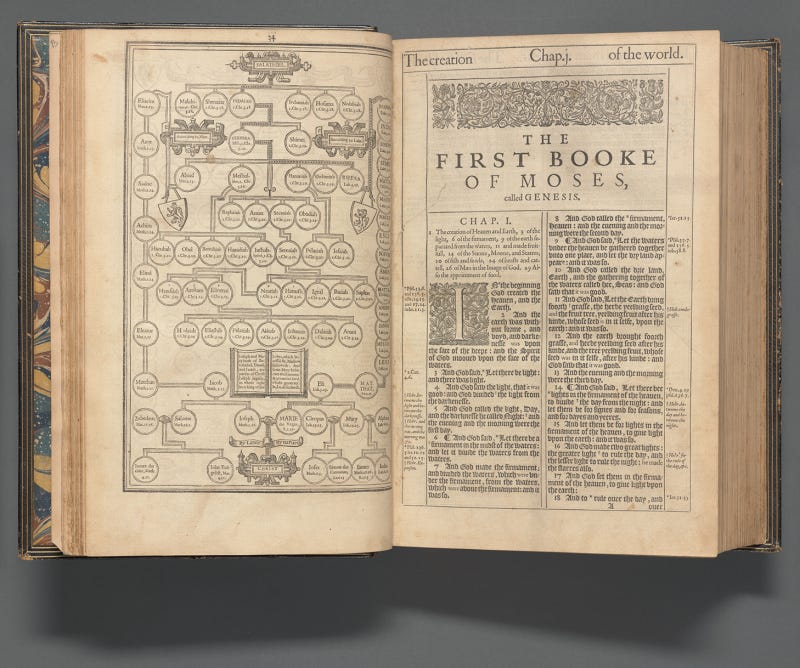

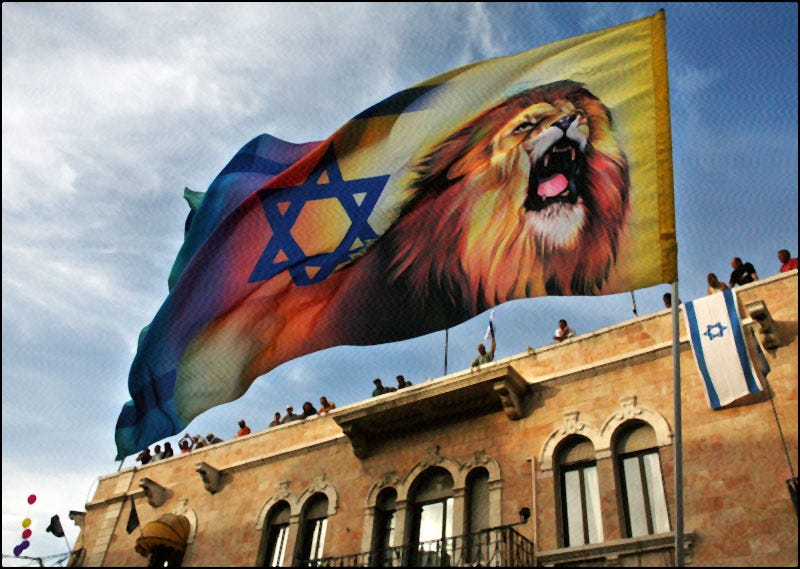

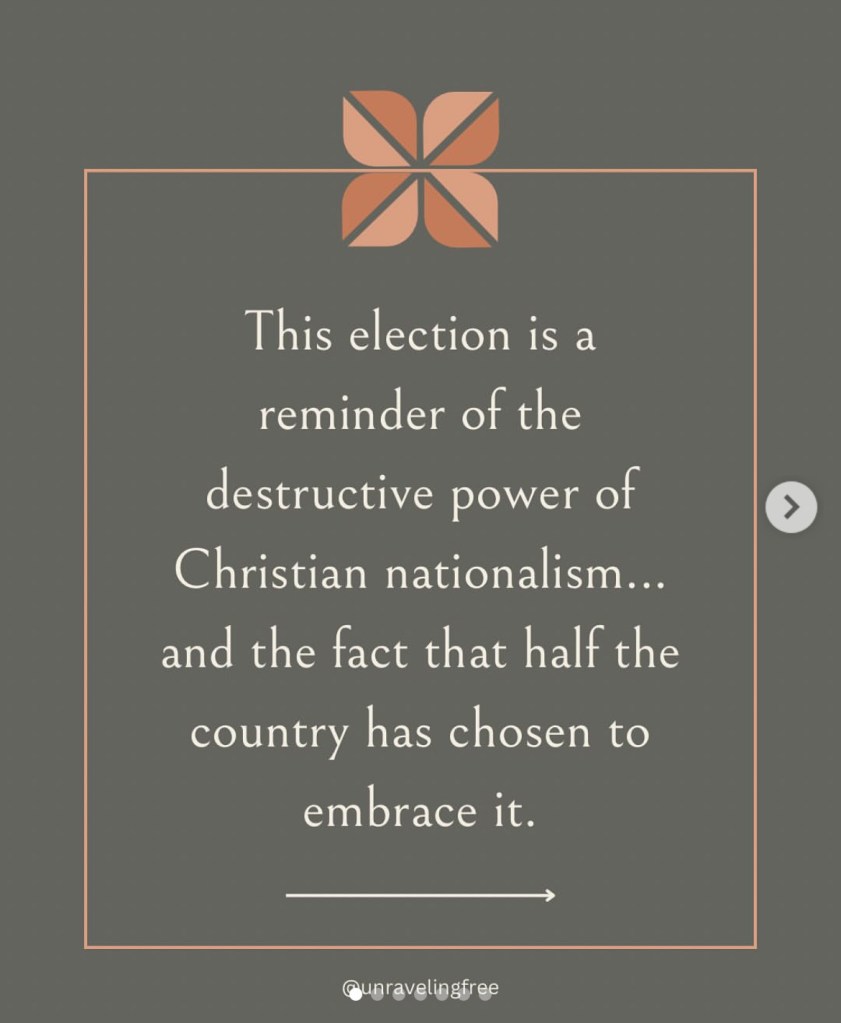
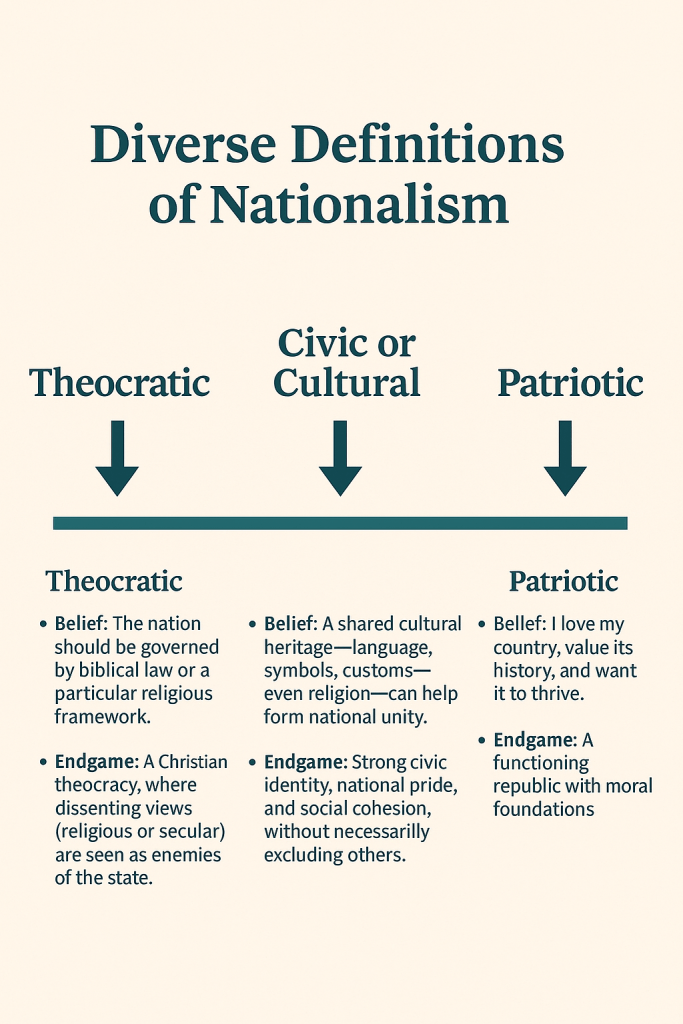


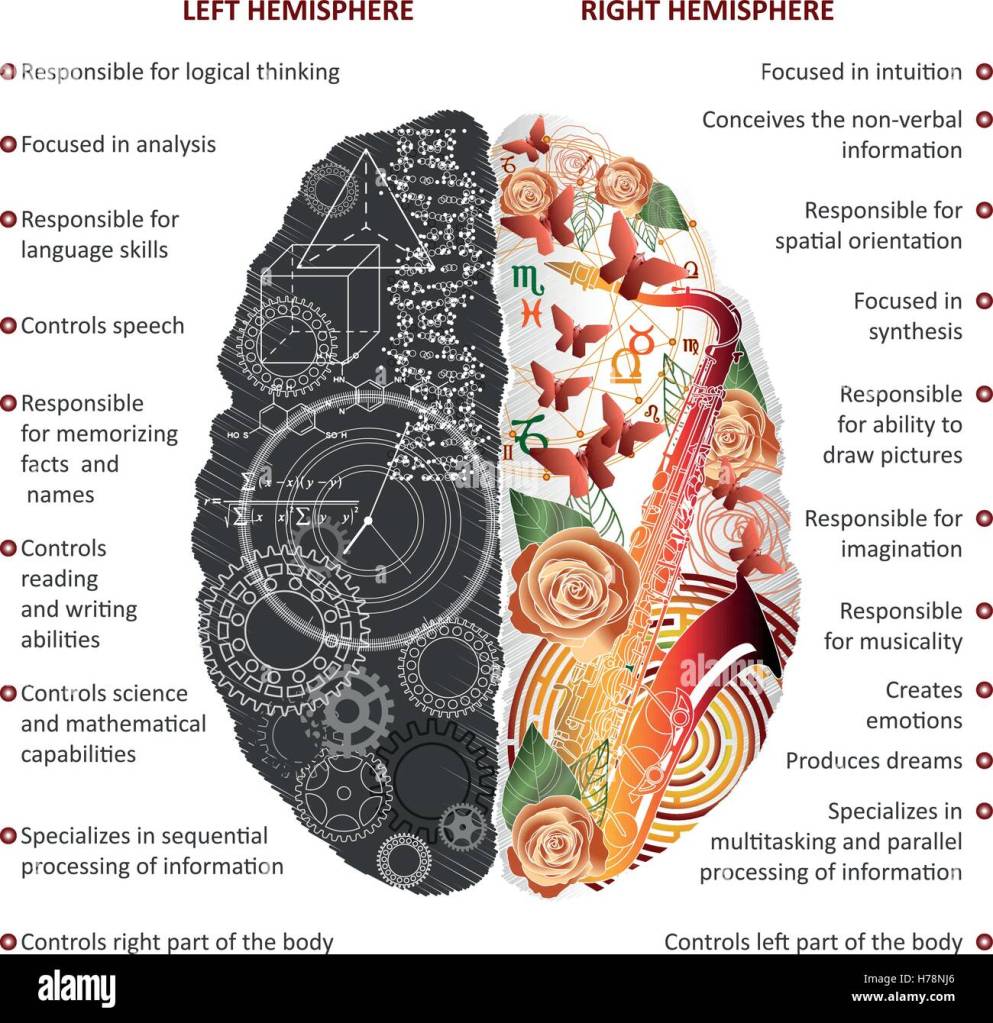









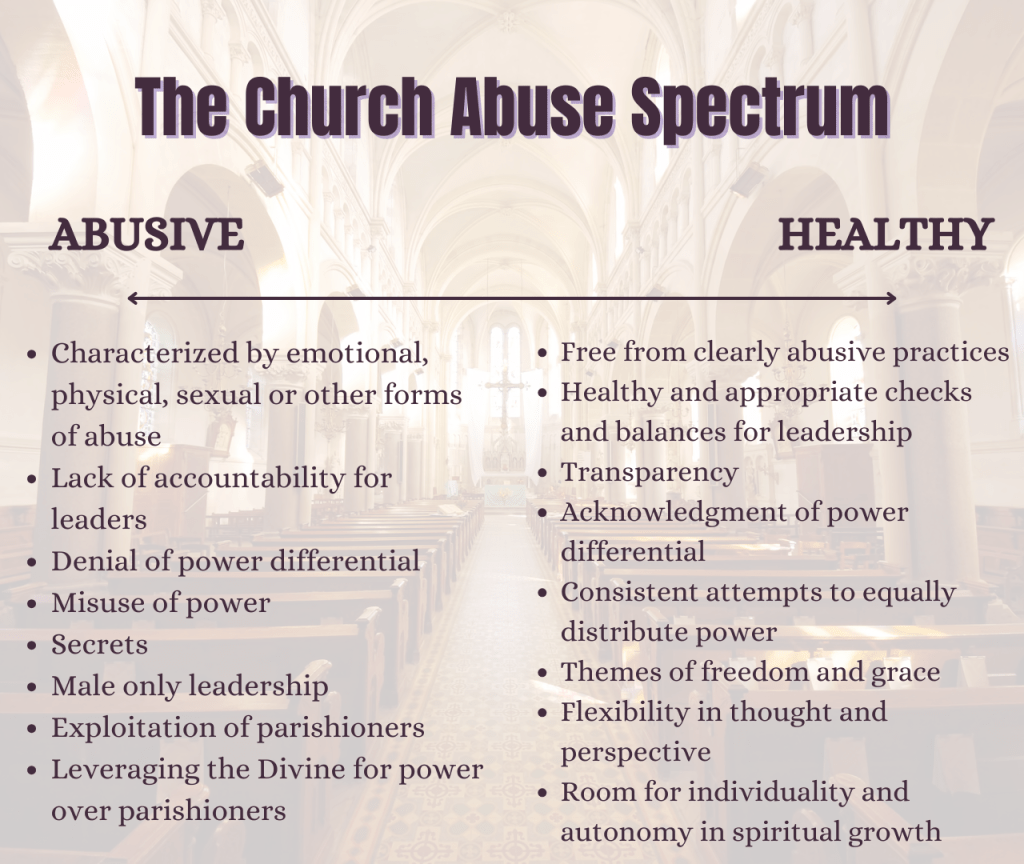





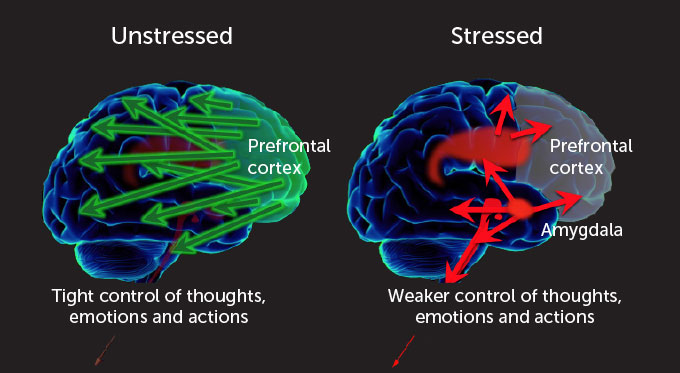

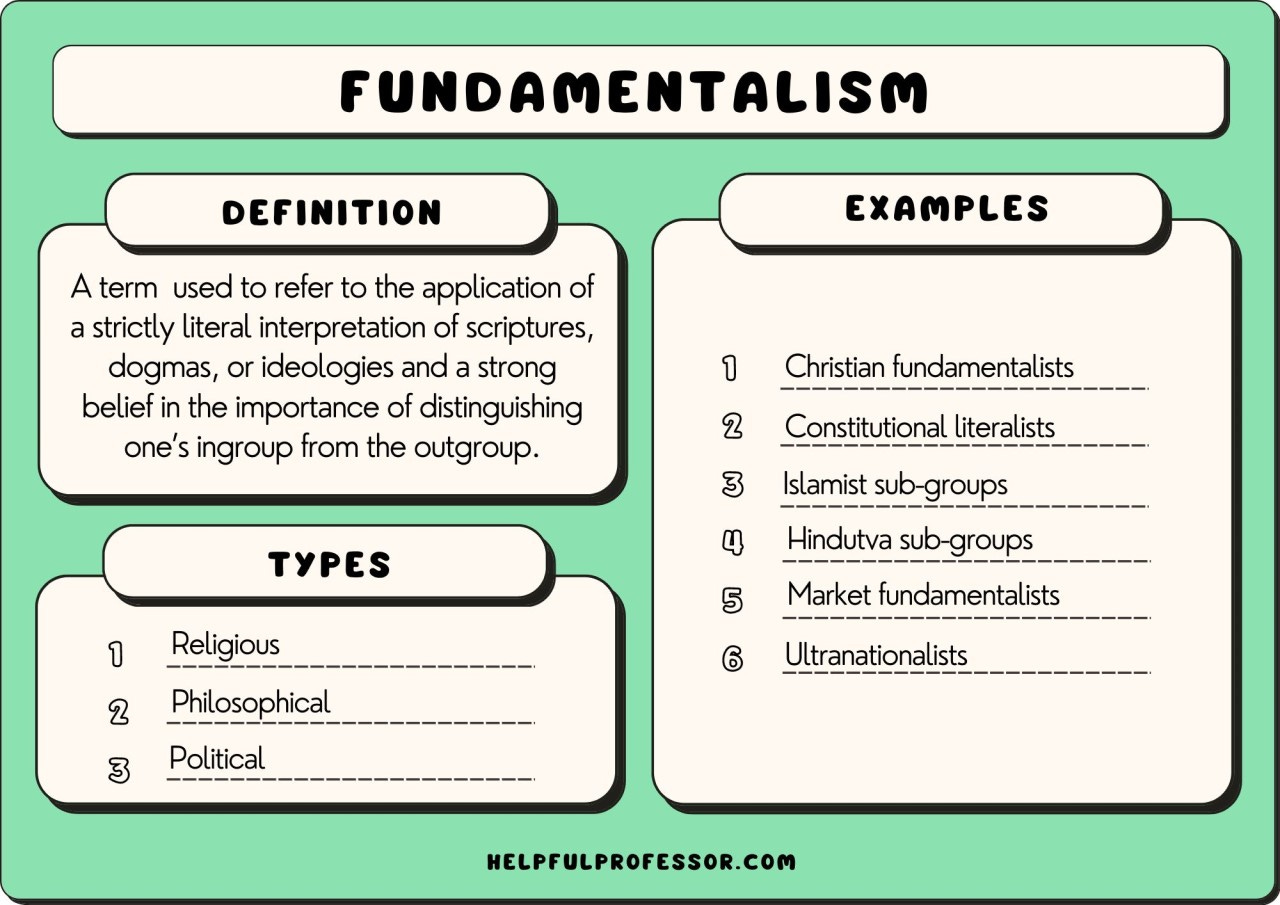
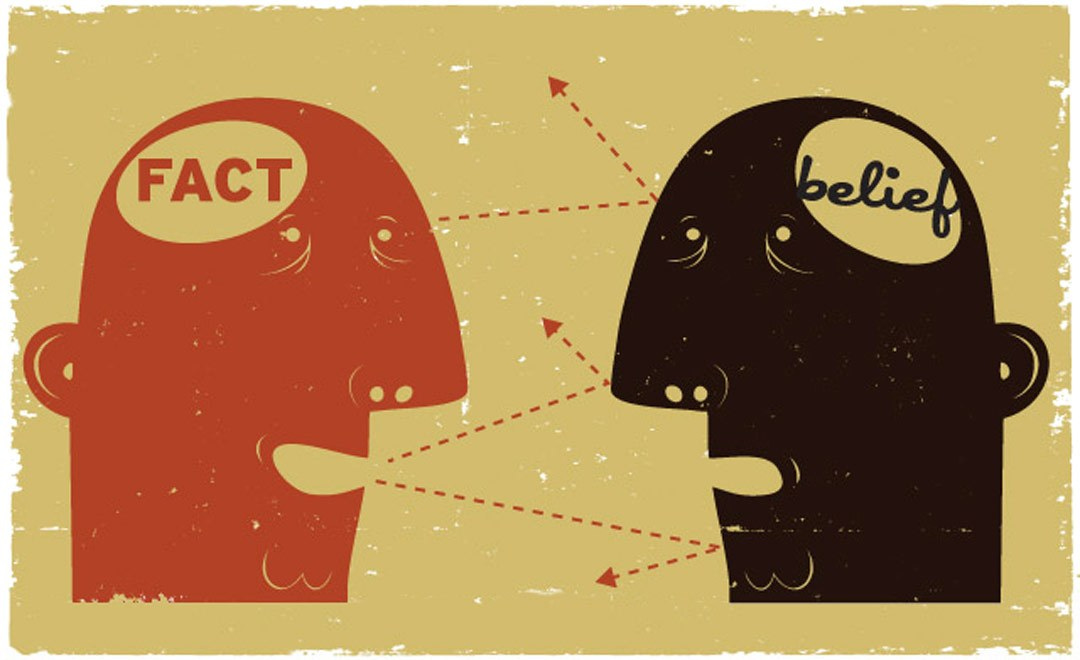
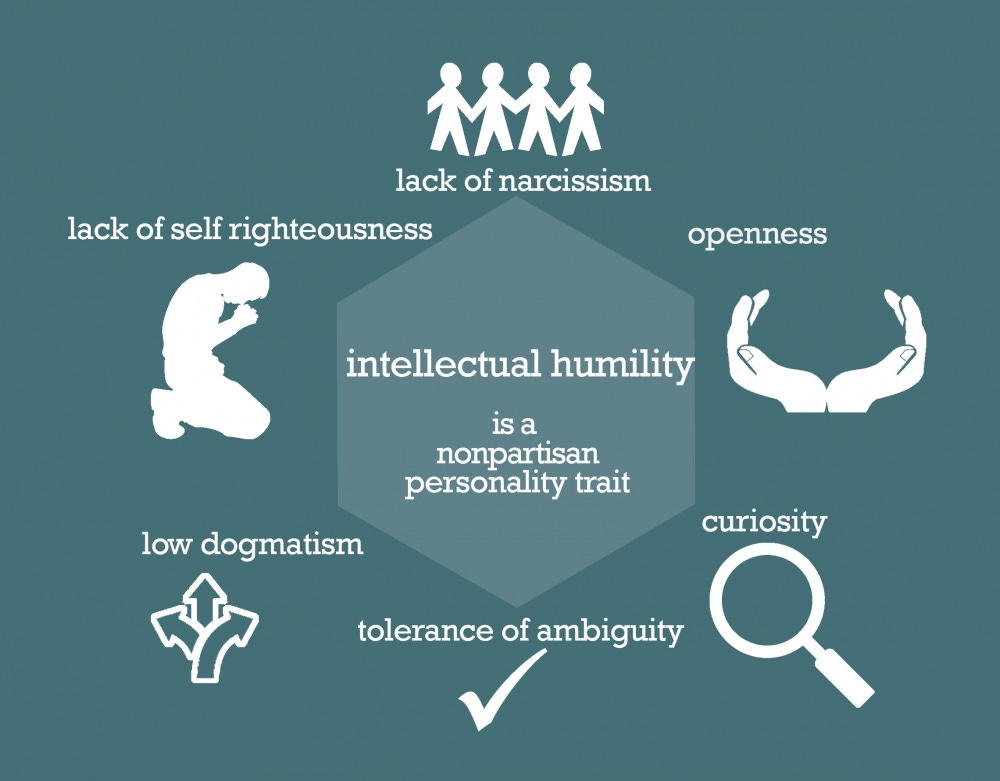


 Taste0ftruth Tuesdays