Breaking Free: A Conversation with Yasmine Mohammed on Radical Islam, Empowerment, and the West’s Blind Spots
In a world where ideology often blinds us to reality, Yasmine Mohammed’s story is a testament to the power of courage and critical thinking. As a survivor of a forced marriage to an Al-Qaeda operative and author of the groundbreaking book Unveiled: How Western Liberals Empower Radical Islam, Yasmine has dedicated her life to advocating for women’s rights and challenging oppressive ideologies. In this blog, we’ll explore her journey, the insights she’s gained, and the challenges of addressing extremism in today’s political and cultural climate.
Why Yasmine Wrote Unveiled
When asked what motivated her to write Unveiled, Yasmine shared that it was born out of a deep desire to shed light on her personal journey and the broader systemic issues that keep women trapped in cycles of oppression. “I wanted to expose the realities of radical Islam and its impact on women, but also to empower others to think critically and challenge these systems,” she explained. For Yasmine, the book is not just a memoir; it’s a call to action, a tool for education, and a beacon of hope for those seeking to break free.
Since its publication five years ago, much has changed. Yasmine reflected on her personal growth and evolving perspectives. “The fight for women’s rights continues, but I’ve also learned to navigate the complexities of cultural relativism and political correctness in the West,” she said. These challenges have only deepened her resolve to speak out.
The Psychological Toll of Leaving Islam
In Unveiled, Yasmine recounts the harrowing experience of escaping her marriage and the lingering fear of her ex-husband, even imagining him in “heaven” (p. 186). These fears aren’t just remnants of her past but a reflection of the psychological toll of leaving Islam. “It’s not just about leaving a religion; it’s about disentangling yourself from a worldview that dictated every aspect of your life,” she said.
Her advice for those leaving strict religious environments? “Be patient with yourself. Fear-based tactics are designed to keep you compliant, but over time, as you rebuild your confidence, those fears begin to fade.” Yasmine emphasized the importance of finding supportive communities and nurturing critical thinking skills to counteract deeply ingrained beliefs.
Challenging Radical Islam and Western Enablers
One of the most provocative aspects of Yasmine’s work is her critique of Western liberals who inadvertently enable radical Islam. “By prioritizing cultural relativism over universal human rights, they’re complicit in perpetuating oppression,” she argued. For women in particular, this dynamic is devastating. “When Western feminists turn a blind eye to practices like forced marriages or honor killings, they’re betraying the very values they claim to uphold.”
What’s the solution? “We need to have honest conversations about the realities of radical Islam without fear of being labeled intolerant. It’s not about vilifying a group; it’s about protecting fundamental human rights,” Yasmine said. She also highlighted the importance of education, both in Muslim-majority countries and in the West, to dismantle misconceptions and foster real change.
Final Thoughts
Looking back on her journey, Yasmine’s advice to those deconstructing a belief system is simple but profound: “You are not alone. There is life beyond fear and isolation, and there are communities and resources ready to support you.” For those seeking to educate themselves on these issues, she cautioned against falling into the trap of political tribalism. “Stay curious, ask questions, and prioritize truth over ideology.”
Yasmine Mohammed’s story is more than a tale of survival; it’s a roadmap for empowerment and a challenge to the complacency that allows radical ideologies to thrive. As we navigate a world increasingly polarized by political and cultural divisions, her insights remind us of the urgency of standing up for universal human rights and fostering critical, open-minded discussions.
🙏 Please help this podcast reach a larger audience in hope to edify & encourage others! To do so: leave a 5⭐️ review and send it to a friend! Thank you for listening! I’d love to hear from you, find me on Instagram! @taste0ftruth , @megan_mefit , Pinterest! Substack and on X!
Reframing the New Year: Rejecting Quick Fixes for Sustainable Growth
Welcome to Season 3 of Taste of Truth Tuesdays! 🎉 We’re kicking off with a bang, diving deep into a topic near and dear to my heart. After two decades in the fitness industry, I’ve got some game-changing insights, tips, and no-nonsense truths to share. You won’t want to miss a single minute of today’s episode💪✨
The New Year is here, and you’ve probably seen the tidal wave of ads pushing detoxes, cleanses, and resets. Let me stop you right there: NO, you do NOT need a detox, cleanse, or reset after the holidays.
When I say, “quick fix,” what comes to mind? Maybe it’s a detox tea promising to cleanse your system, a miracle shake that claims to replace your meals, or even the latest pharmaceutical weight-loss drug like Ozempic, used off label and hailed as the “solution” to stubborn fat. Quick fixes thrive on our desperation for immediate results. They’re marketed as shortcuts—whispering, “This will solve all your problems,” no patience or hard work required. 🫣
But here’s the hard truth: quick fixes rarely fix anything. Whether it’s a detox, a cleanse, or a medication designed to suppress your appetite, they often bypass the root causes of your concerns. They don’t teach you how to nourish your body or rebuild a healthy relationship with food. Instead, they slap a band-aid on symptoms while creating long-term consequences for your metabolism, hormones, and mental well-being.
Take Ozempic, for example. While it’s been touted as a “miracle” weight-loss drug, there are some serious health warnings that aren’t always front and center. As with significant weight loss in general, some people using these drugs experience muscle loss and lower bone density, increasing the risk of injury—especially for older adults.
In animal studies, semaglutide (the drug behind Ozempic) has been linked to an increased risk of thyroid cancer, including medullary thyroid carcinoma. While we don’t yet know if this risk translates to humans, it’s something to be aware of—especially if you have a family history of thyroid conditions. And let’s not forget the FDA’s 2023 warning about potential intestinal blockage associated with these medications, although the evidence so far shows it’s more about slowed gastric emptying and vomiting mimicking an obstruction.
And here’s the kicker—while these quick fixes promise to reshape your body in a short period, they often come with a slew of side effects that are rarely discussed. The key to managing those risks? Pay attention to your diet, listen to your body, and stay hydrated. But I can’t help but wonder: is the price tag on this “quick fix” really worth it?
In my own journey, I repeatedly fell for these promises—from replacing real food with Smart Start cereal, to taking ephedra and green tea energy pills in high school, and in my 30s, chasing the next shake, cleanse, or some ridiculous holistic protocol that promised to transform my body overnight. Spoiler alert: it never worked the way I hoped, and sometimes, it made things worse.
Today, we’re pulling back the curtain on quick fixes, diving into why they’re so appealing, and exposing the truth about detoxes, cleanses, and even medications like Ozempic. Because your health deserves more than a shortcut—it deserves a sustainable, thoughtful approach rooted in a long-term sense of well-being.
Let’s start by breaking down the dangers of these so-called “solutions” and why they often cause more harm than good.
🚨 The Dangers of Detoxes and Cleanses
Let me start by sharing a bit about my personal experience with Isagenix, an MLM I was involved in for four years. Their program revolved around “shake days” and “cleanse days.” Shake days required replacing two meals with shakes, leaving you with just 1,200-1,500 calories a day. Cleanse days were even more extreme: 24-48 hours of intermittent fasting where you consumed only “approved” snacks—essentially glorified candies from their product line.
These cleanse days were touted as the secret to triggering autophagy, “cleaning up your cells,” and building muscle while shedding fat. But for me, the reality couldn’t have been further from the sales pitch. Instead of gaining energy, building muscle, or feeling cleansed, I experienced fatigue, hormonal disruptions, and a worsening relationship with food.
I want to clarify here: if you’re under the care of a well-educated, integrative professional who has run labs and prescribed a short-term liver cleanse or restrictive protocol tailored to your needs, this isn’t directed at you. I’m talking to the folks who, like me, were misled by the marketing tactics of supplement companies, MLMs, and Pinterest ads. These programs prey on our insecurities while delivering none of the promised benefits.
Here’s why these quick-fix detoxes and cleanses are more harmful than helpful:
They Deplete Your Energy Over Time
On those “cleanse days,” I often felt like I was running on fumes. Severely restricting food intake forces your body to pull from its energy reserves, leaving you fatigued, irritable, and unable to function optimally. Over time, this restriction triggers metabolic adaptation, slowing down your metabolism to conserve energy. Instead of speeding up fat loss, it makes your body cling to every calorie it gets, making future weight management even harder.
They Disrupt Hormonal Health
My cleanse days wreaked havoc on my hormones. The lack of consistent nourishment interferes with thyroid hormone conversion and overactivated the adrenal glands, increasing cortisol production. Chronic high cortisol levels undermine immunity, energy, and mood. For women, the risks are even greater. Prolonged restriction sends your body into survival mode, disrupting your reproductive hormones. I dealt with irregular periods, cold extremities, and even hair thinning—all signs that my body was prioritizing survival over reproduction.
They Create Nutritional Deficiencies
When you cut out food, you cut out nutrients. The shakes and supplements from Isagenix were marketed as “nutritionally complete,” but they couldn’t compare to the diversity and richness of whole foods. This reliance on synthetic supplements is not a sustainable way to meet your nutritional needs.
They Damage Your Relationship with Food
One of the most insidious effects of these programs was how they warped my relationship with food. By constantly restricting and “cleansing,” I lost touch with hunger cues and began seeing food as the enemy. At one point, my appetite diminished, which might sound like a win in hustle culture, but it was actually a red flag. Our bodies need food to fuel productivity, creativity, and overall well-being. Sacrificing health in the name of hustle isn’t the flex diet culture makes it out to be.
The Bottom Line
Programs like the one I was involved in sell you the illusion of health while delivering energy depletion, hormonal imbalance, and long-term damage to your metabolism. Sustainable growth comes from nourishing your body, listening to its needs, and rejecting the false promises of quick fixes.
If you’re considering a cleanse or detox, ask yourself: is this supporting my long-term health, or am I falling for a marketing gimmick?
💡 What Your Body Actually Needs
Your body thrives on consistency, nourishment, and balance. That’s why the 365 Easy Challenge focuses on six foundational habits to create sustainable growth:
Gratitude – Build a positive mindset by reflecting daily on what you’re thankful for.
Digestion – Support your gut with mindful eating practices and nourishing foods.
Sleep – Prioritize restorative rest to boost energy and metabolism.
Mindset/Self Talk – By reframing, shift your mindset to approach challenges with resilience.
Stress Management & Nutrition – Balance your life and plate without extremes.
These habits aren’t about perfection—they’re about progress. You can join in any time and make this year about sustainable, steady growth. One phrase I often say often to clients:
“Slow is steady and steady is fast.”
Seven Things I Wish I Knew Sooner
In this episode, we’re tackling the first four lessons I wish I’d learned earlier in my nutrition and fitness journey. These are insights that can save you time, frustration, and even your health.
1. Extreme Diets Have Extreme Consequences
If you’ve ever thought, “I just need to cut calories harder,” let me stop you right there. Extreme diets may promise quick results, but they come with a hefty price tag on your body.
Research, such as the Biggest Loser Study (PMID: 27136388), reveals a major roadblock: metabolic adaptation. Your body isn’t wired for vanity; it’s wired for survival. When you restrict calories excessively, your body compensates to preserve energy—this can continue for years after the diet ends (PMID: 35729736).
Here’s what that looks like:
Calorie restriction becomes less effective over time.
Your metabolic rate slows down, making it harder to maintain or continue fat loss.
You feel frustrated, but it’s your body hitting the brakes, not your willpower failing.
Takeaway: Your body isn’t out to sabotage you; it’s protecting you. The solution? Nutritional periodization. Incorporate diet breaks, maintenance phases, and even reverse dieting to minimize these adaptations.
2. Restrictive Diets Wreck Hormonal Health
Chronic or yo-yo dieting isn’t just stressful for your mind—it’s a major stressor for your body. Prolonged restrictions can negatively impact your:
Adrenal system: Chronic stress triggers the HPA axis, increasing cortisol. While cortisol is essential in moderation, consistently high levels can negatively impact energy, mood, and immunity.
Thyroid: High stress interferes with TSH production and the conversion of thyroid hormones, which are vital for metabolism.
Reproductive hormones: Missing or irregular periods, hair loss, and constant coldness? These are signs your body isn’t feeling “safe” enough to prioritize reproduction.
Minimum body fat is necessary to maintain reproductive health, especially for women. Hormones like progesterone, critical for ovulation and metabolism, rely on nutrient availability and a sense of safety
Takeaway: Your body isn’t the enemy—it’s doing its best with the fuel and signals you’re giving it. Support your hormones by eating enough, maintaining balance, and avoiding extreme restrictions. PMID: 2282736
3. Exercise + Intermittent Fasting = Double Trouble for Women
Adding intense exercise to intermittent fasting might sound like a fast track to results, but for women, it’s a recipe for dysfunction. Here’s why:
Women’s bodies are highly sensitive to kisspeptin, a neuropeptide critical for reproductive and endocrine health. Diets like keto and intermittent fasting can disrupt kisspeptin production, leading to:
Endocrine dysfunction.
Menstrual irregularities.
Depression and increased abdominal fat (yes, the opposite of what you wanted).
Half of all active women aren’t eating enough to support basic functions, let alone training. The long-term impact? Impaired thyroid function, stalled muscle growth, and metabolic imbalance.
Takeaway: Women need nourishment, especially when training hard. Fasting and exercise together often do more harm than good, leaving your body stressed instead of thriving.
4. A Healthy Relationship with Exercise is Flexible and Fulfilling
Exercise is amazing for your body and mind, but even a good thing can become harmful when taken to extremes.
Exercise addiction is a compulsive engagement in physical activity, despite negative consequences. It often comes with:
Excessive rules and rigidity.
Feelings of shame before, during, or after workouts.
Withdrawal symptoms when unable to exercise.
In contrast, a healthy relationship with exercise is:
Flexible: It allows for variety in movement types and durations.
Fulfilling: It’s rooted in joy and self-care, not punishment or guilt.
Takeaway: The best kind of movement is the one that enriches your life, not rules it. Exercise should add value to your day, not take away from it.
✨ Let’s Leave Hustle Culture in 2024👋
Hustle culture says, “Eat less, work more, and sacrifice rest to succeed.” This mindset isn’t empowering—it’s exhausting. This year, let’s prioritize health over hustle and choose habits that energize rather than deplete.
The 365 Easy Challenge is here to help you make that shift. Whether it’s gratitude, better sleep, or balanced nutrition, these small steps add up to big changes over time.
Takeaway for 2025: This year, skip the detox and focus on what truly works: habits that honor your body’s needs, not a quick-fix fantasy. If you’re ready to embrace sustainable growth, join the 365 Easy Challenge and start building a foundation for lifelong health.
As we gather around our holiday tables, indulging in sweet treats and sipping warm drinks, there’s something deeply unsettling happening behind the scenes of what we consume every day. A recent study has revealed something I find all too familiar: intimidation tactics used by industries like Big Tobacco, ultra-processed food companies, and alcohol sectors to bully and silence researchers, whistleblowers, and anyone challenging their agenda.
These industries have a long history of using misinformation, manufactured doubt, and emotional manipulation to protect their profits—and it’s not just limited to public health campaigns. This plays out in everyday conversations, too. It’s a pattern that many of us have experienced firsthand, especially those who advocate for healthier lifestyles and more transparency in what we put in our bodies.
A Christmas Paradox: Big Food’s Gaslighting & the Anti-MLM Pushback
This tactic—used by Big Food to discredit critics—reminds me of the way people are shamed or bullied for questioning processed foods or advocating for healthier diets. If you’ve ever pointed out the risks of sugary snacks or fast food, you’ve probably been labeled an extremist, a health-obsessed “wellness warrior,” or worse, a “purity culture” advocate. I can’t help but feel this is just another form of gaslighting, where we’re told that it’s worse to worry about the ingredients in our food than it is to consume those ingredients, even if they are known to contribute to chronic health conditions.
Ironically, this kind of manipulation is the same strategy Big Tobacco used for decades to muddy the waters around the health risks of smoking. And now, ultra-processed food companies are doing the same thing—distracting us from the very real, documented consequences of a poor diet.
Why We Need to Trust Ourselves, Not the Experts
What frustrates me is how the anti-MLM community often jumps on wellness advocates who want to clean up their diets for health reasons. While I agree that MLMs are a breeding ground for manipulation, this should not mean we ignore the very real need to question the food industry’s stranglehold on our diets and health. It’s vital to recognize that not all experts have your best interests at heart. Many of the mainstream recommendations we’re told to follow come from organizations or industries with questionable motives—whether it’s Big Pharma, Big Food, or Big Tobacco. These same industries have a long history of misleading the public, and many of their experts are bought and paid for by corporate interests.
Wanting to improve your diet to manage or reverse chronic health conditions shouldn’t be dismissed as obsessive or extreme. It’s a rational, self-preserving choice that empowers you to take control of your health, even when the mainstream narrative tells you otherwise.
Unwrapping the Truth This Holiday Season
This holiday season, let’s unwrap a new perspective: critical thinking over consumerism, authenticity over convenience, and self-empowerment over external pressures. It’s time we stop letting industries dictate our health choices and start reclaiming agency in what we put into our bodies.
If you’ve ever been gaslighted for your food choices, or made to feel like you’re ‘too much’ for caring about your health, know you’re not alone. The more we learn about these intimidation tactics, the better equipped we’ll be to call them out.
As we approach the new year, let’s challenge the status quo—questioning not just what’s on our plates, but the motives of the systems that feed us.
What’s a racist, homophobe, sexist, bigot, or hater? Apparently, anyone winning an argument with a liberal these days.
This year has been a wild ride. It began with me terrified of Satan, demons, and the Apocalypse, only to be ending it realizing the real danger isn’t hellfire—it’s the dogmas we create here on Earth. I didn’t grow up religious. In fact, I was raised secular, moved to Portland, OR after college, and could give you a TED Talk on progressive ideals. But then the pandemic hit, and somewhere between sourdough starters and doomscrolling, I found myself deep in the throes of fundamentalist Christianity.
That’s right—I started the year in a cult. It took months to deconstruct my faith, peel back the layers of fear-based control, and reimagine spirituality beyond the man-made monotheistic God I was sold. Yet, just as I was catching my breath, I noticed something chilling: the same patterns of zealotry I had fled were alive and well in the secular world.
Wokeness, with its sermons on systemic oppression and sacraments of allyship, has become the new secular religion. It demands unwavering faith, punishes heretics, and offers little room for redemption. And just like the fire-and-brimstone preachers I’d left behind, its most fervent believers seem less interested in dialogue and more intent on moral superiority.
Thought leaders like John McWhorter (Woke Racism), Yasmine Mohammed (Unveiled), and Douglas Murray (The Madness of Crowds) have drawn the same parallels: woke ideology mirrors religious extremism, complete with its own prophets and purges. And as someone who’s lived through both kinds of radicalism, I’m here to tell you—it’s not just unsettling; it’s dangerous.
How woke ideology mirrors religious extremism
In my podcast episode titled Faith Unbound: Navigating the Process of Disentanglement—or rather, Deconversion—I delved into my initial discovery of the Ex-evangelical Christian network. Back in February 2024, it felt like a lifeline, a safe haven for questioning my former religious beliefs. But after 6–7 months of immersion, patterns began to emerge. While the movement has been instrumental for many, I couldn’t ignore the creeping rigidity and tribalism. The hunger for certainty, the need to be on the “right side,” often replaces one dogma with another.
A striking example of this surfaced in Sexvangelicals’ episode How to Do Social Justice This Election Season Without Being a Jackass. They state:
“November’s presidential election offers a stark contrast between two types of government. One is democracy, built on the idea that many people have voices and, ideally, a government that serves a broad population. The other is autocracy, which operates on the belief that only a few have a say. Autocracies, like the 2024 Republican Party, often communicate through tactics such as blame, repression, and fear-mongering. In our latest episode, we discuss common communication strategies used by autocracies and how progressives and pro-democracy voters can avoid responding in ways that reinforce jackassdom.”
My response? “It’s not your enemies, it’s the system.” This narrative reduces a complex political landscape into a simplistic moral battle, with one side as saviors of democracy and the other as agents of autocracy. But this dichotomy misses the bigger picture. Who really shapes policy in America?
A 2014 study by Martin Gilens and Benjamin Page, often dubbed the “Oligarchy Study,” analyzed policy decisions across two decades. It revealed that elites and organized interest groups wield disproportionate influence over government decisions, while the average citizen’s impact is negligible. This stark reality transcends partisan politics and lays bare a systemic issue: power isn’t held by the left or right—it’s concentrated in the hands of those who profit from our division.
By framing every election as a battle for democracy versus tyranny, we’re falling into the trap of distraction. The real question isn’t, “Which side am I on?” but, “Who benefits from keeping me here, fighting, and not looking beyond this binary?”
The claim that the Republican Party represents an autocracy, as made by Sexvangelicals, is not just simplistic—it’s laughably disconnected from reality. To label one political party as authoritarian while ignoring the bipartisan complicity in maintaining an oligarchic system is either naïve or willfully ignorant.
Take the oligarchic nature of U.S. politics. Both major parties have long benefited from the concentration of wealth and power at the top. Consider the case of former House Speaker Nancy Pelosi, whose net worth has ballooned through stock trades that suspiciously align with her legislative influence. Or Barack Obama (Barry Soetoro), who went from public servant to multi-millionaire, cashing in on book deals, speaking engagements, and lucrative partnerships with Netflix after leaving office.
Then there’s President Joe Biden. While progressives champion him as a defender of democracy, his record is far from pristine. Most recently, questions surrounding his son Hunter Biden’s international business dealings—spanning over a decade—have drawn scrutiny. Hunter’s alleged tax evasion and unregistered foreign lobbying have raised concerns, yet he continues to receive leniency from the justice system.
This isn’t to excuse Republicans from criticism, but the suggestion that they alone embody authoritarian tendencies is absurd when Democrats have equally reaped the rewards of an oligarchic system. Both parties serve the interests of economic elites and organized lobbyists far more faithfully than they do the average voter.
The Magnet, from Puck, 1911.(Udo J. Keppler / Library of Congress)
The bipartisan reality of the oligarchy dismantles the “democracy versus autocracy” narrative. For instance, the same Gilens and Page study cited earlier reveals that the preferences of the bottom 90% of income earners have statistically no impact on policy outcomes. Meanwhile, corporate donors and lobbying groups continue to hold sway over legislation regardless of which party is in power.
By framing Republicans as the sole villains in this story, Sexvangelicals perpetuates the kind of shallow tribalism that fuels division while leaving the real culprits—wealthy elites and corporate interests—untouched. The truth is that our democracy has been compromised for decades, and it will remain so until both sides of the aisle are held accountable for their role in preserving this oligarchic system.
Instead of directing anger at individuals or parties, we should be asking: How do we break free from a system designed to keep us pointing fingers at each other while those in power profit from the chaos?
From Crunchy Hippie to Conservative Christian Pipeline: My Journey Through the Radicalization Maze
Growing up secular, I’d have laughed at the idea that I would someday align with conservative or religious ideologies. Portland, Oregon, was my playground of progressive ideals—a city where conservatism felt like the root of every societal ill. But life has a way of challenging our convictions. Late in the pandemic, isolated and seeking meaning, I fell into an extreme version of Christianity. What I once dismissed as unthinkable became my new normal—until it wasn’t. Earlier this year, I deconstructed those beliefs, peeling back the layers of what led me there. Read/listen all about HERE!
Now, I can see the flaws and virtues of both worlds, which is why I find the frame of mind in deconstruction spaces puzzling. Many accounts misrepresent or overgeneralize conservatives—the very people they once were or grew up with—and cast the same stones they once had thrown at them.
It reminds me of this quote from the book The Righteous Mind:
“I had escaped from my prior partisan mind-set (reject first, ask rhetorical questions later) and began to think about liberal and conservative policies as manifestations of deeply conflicting but equally heartfelt visions of the good society. It felt good to be released from partisan anger. And once I was no longer angry, I was no longer committed to reaching the conclusion that righteous anger demands: we are right, they are wrong.”
Deconstructing past beliefs should be about nuance, growth, and intellectual humility—not trading one form of black-and-white thinking for another. When we fail to empathize with others’ moral frameworks, we miss out on a deeper understanding of the human experience.
Many in the ex-evangelical space now lean far left in their political views, where values like care, fairness, and empathy take center stage. Conservative values like loyalty and authority are dismissed or viewed with suspicion, fostering an “us vs. them” mentality.
This cultural shift into victimhood is explored further in The Coddling of the American Mind by Greg Lukianoff and Jonathan Haidt, who identify three “Great Untruths” that help explain these societal trends:
1) “What doesn’t kill you makes you weaker,”
2) “Always trust your feelings,”
3) “Life is a battle between good people and evil people.”
These untruths, they argue, contribute to fragility, discourage critical thinking, and promote a tribal mentality—characteristics that are increasingly evident in both the deconstruction space and parts of the progressive left. The focus on emotional responses over rational thought and the growing divide between “us” and “them” only strengthens these dynamics. For a deeper dive into this.
Woke Ideology as a Secular Faith: A Closer Look
“What we’re seeing isn’t a quest for justice but a demand for unquestioning orthodoxy.”
John McWhorter argues that wokeism functions like a full-fledged religion. It provides a moral framework that mirrors traditional religious beliefs. Instead of concepts like original sin, wokeism offers “privilege,” positioning those with it as morally compromised. In place of rituals like prayer, adherents perform acts like confessing their biases. And, similar to the salvation promised in traditional religions, salvation in wokeism comes through activism and striving for societal change. He warns that its refusal to tolerate dissent turns it into a rigid orthodoxy rather than a genuine quest for justice. For many, including those who’ve deconstructed evangelical faith, this framework hits uncomfortably close to home.
Many of the individuals I met and conversed with who now identify as progressive or left leaning have simply exchanged the evangelical radicalism of their past for their new liberal beliefs. Social justice, in this sense, has become their new End Times—complete with the same apocalyptic fervor. And it’s painfully obvious.
Douglas Murray discusses this analysis further in The Madness of Crowds. He suggests that wokeism often serves as a substitute for religion in today’s secular world. As belief in traditional religions has waned, people have sought meaning elsewhere—and wokeism fills that void. It provides clear rules and a sense of belonging, but in doing so, it also shuts down open debate and nuanced conversation.
The New Authority: From Sky Daddy to State Agencies
A striking similarity between fundamentalist religion and woke ideology is the relentless worship of authority. For those who’ve left behind their “big sky daddy,” that void has been filled by institutions like the CDC, FDA, and government agencies. The pandemic demonstrated how blind faith can easily shift from divine to institutional.
This is where the religion of scientism enters the picture—where reason and science are elevated to the status of ultimate truth. Figures who present themselves as “experts” rely on surface-level expertise and selective data to craft narratives that appear authoritative, yet fail under scrutiny. They become the “fake intellectuals,” as Franklin O’Kanu calls them, feeding the cult of expertise while often lacking real intellectual rigor. In public health, this plays out with the “revolving door” between regulatory agencies and the pharmaceutical industry, which further complicates the narrative of impartiality.
The “revolving door” describes the flow of personnel between agencies like the CDC and the pharmaceutical industry. This cycle blurs the lines between public service and corporate interest, with former regulators influencing policies that benefit the very companies they once oversaw—creating a potential conflict of interest that’s staggering.
In this new system, the scientific establishment becomes the new authority—replacing the monotheistic idea of God with the “god” of reason and data. For those in the deconstruction space, this is a new form of dogma. It stifles curiosity, dismisses dissent, and discourages critical thinking—all in the name of progress. This mirrors the rigid certainty and tribalism found in the religious structures people sought to escape.
Worshipping “science” or blindly trusting clinical trials can be misleading. While clinical trials are seen as vital for medical progress, they are often heavily influenced by the pharmaceutical industry, which funds a vast majority of these trials. This creates a conflict of interest that can skew results and delay critical information about the risks of drugs. Examples like the Vioxx scandal, where a painkiller was marketed despite internal knowledge of its dangers, and the Tamiflu case, where the effectiveness of the drug was overstated, show how corporate interests can shape clinical trial outcomes. Clinical trials, while important, are not always as objective or transparent as they seem.
Empowering Dangerous Systems
Yasmine Mohammed’s Unveiled pushes the conversation even more, explaining how wokeism can actually empower authoritarian regimes. One key point she makes is how Western progressives, in the name of cultural relativism, avoid criticizing radical Islam. This gives a platform to extremist ideologies, which harms vulnerable groups like women and minorities. She argues,
“By shielding oppressive practices from scrutiny, wokeism betrays the very people it claims to protect.”
The binary “oppressor versus oppressed” narrative has become a staple of modern discourse, particularly within the context of the Israel-Palestine conflict. This oversimplified lens reduces complex geopolitical and historical realities to a stark dichotomy, fostering a dangerous environment where nuance is lost. It’s unnerving to see college students waving the flag of Palestine while simultaneously undermining U.S. monuments and values, while spreading fear mongering lies about Project 2025, and comparing Trump to Hitler. These contradictions are not only mind-numbing but also deeply troubling, signaling a shift toward ideological extremism that dismisses the complexities of any issue in favor of emotional, binary thinking.
Antisemitism has spiked globally after the October 7 attacks on Israel, but this tragic reality has also fueled the misuse of the term “antisemitism” to suppress valid critiques of Israeli policies. Labeling critics as antisemitic conflates political criticism with hate, shutting down meaningful dialogue essential to addressing the Israel-Palestine conflict’s complexities.
This approach mirrors patterns within woke ideology, where dissent is often silenced in the name of ideological purity. The weaponization of identity politics and accusations hinders nuanced discussions and reinforces systems of power, obstructing pathways to justice and true understanding.
Vivek Ramaswamy, in Woke, Inc., adds another layer to this by discussing how authoritarian regimes like China’s Communist Party (CCP) take advantage of woke rhetoric. According to Ramaswamy, the CCP amplifies America’s internal divisions—often fueled by wokeism—to weaken the West. By focusing on these cultural rifts, China diverts attention from its own human rights abuses, all while strengthening its geopolitical position. This is part of China’s broader geopolitical strategy, which seeks to deflect attention from its authoritarian practices while exploiting divisions in Western societies.
This pattern can be seen as part of a broader effort to exploit the distractions created by cultural conflicts to enhance its influence in global organizations, trade, and international relations. For example, while Western nations debate internal social issues, China continues its expansive Belt and Road Initiative, which increases its influence across developing nations.
Heretics and the Price of Dissent
Religious movements and extreme ideologies, like wokeism, are often defined by their treatment of dissenters or heretics. Woke spaces, much like traditional religious communities, are quick to condemn those who question or criticize. Whether it’s TERFs (trans-exclusionary radical feminists) or former progressives like Yasmine Mohammed, those who dissent face severe backlash. This exclusionary behavior creates a stifling environment, not dissimilar to how traditional religions treat apostates. As Douglas Murray puts it, “The hatred reserved for heretics is often more intense than that directed at outsiders.”
But this dynamic is about more than just ideological rigidity—it’s also rooted in human psychology. The human brain is naturally drawn to certainty. When we embrace extreme ideologies, we seek control over our environment, which provides us a sense of stability and security. Research in neuroscience shows that when our beliefs are challenged, we experience discomfort, but defending them can trigger a dopamine response, rewarding us with a sense of control. The brain gets a “hit” from maintaining a sense of certainty, even if it’s at the cost of nuance or rational discussion.
In fact, this need for certainty can become addictive. The human brain often craves certainty in the form of binary thinking—where things are either completely right or completely wrong. This type of thinking is satisfying because it shields us from the cognitive dissonance that arises when faced with complexity or ambiguity. In the case of woke ideology, the call for absolute adherence to certain beliefs or behaviors is not just about social justice—it’s a way to satisfy that neurological need for control. When we feel justified in our beliefs and actions, we receive a dopamine “reward,” reinforcing the behavior.
This addiction to certainty can also be seen in extreme partisanship. The more entrenched we become in one side, the more our brain is rewarded for defending it. It’s why many people in the deconstruction space or on the political left engage in “mental gymnastics”—creating justifications and rationalizations that protect their beliefs. This isn’t just about ideology; it’s about keeping that dopamine reward flowing, keeping the illusion of control intact, and avoiding the discomfort of uncertainty.
The problem is this pattern of thinking isn’t conducive to open dialogue or true critical thinking. The “us vs. them” mentality becomes more pronounced, and the space for nuance, disagreement, and personal growth shrinks. Instead of engaging with opposing views, individuals self-censor or double down on their beliefs, further entrenched in the addictive cycle of ideological purity.
Moving Forward: A Balanced Approach
It’s important to note that this critique isn’t meant to dismiss the noble goals of social justice movements. Addressing inequality and harm in the world is crucial. But when these movements demand absolute loyalty and punish dissent, they lose sight of the very ideals they claim to uphold.
What do you guys think? How do you balance the pursuit of justice with the need for free thought?
Do you see these religious parallels in woke ideology? Are they helpful in understanding these dynamics, or do they oversimplify the issue?
I’d love to hear your thoughts. Comment below, and don’t miss my podcast episode with Yasmine Mohammed dropping 2025 for a deeper dive into these topics!
We’re back! After a transformative and eye-opening second season, I’m excited to announce that Season 3 of Taste of Truth Tuesdays will kick off on December 31st. (Audio says Jan 7th, which was the original start date, I bumped it up a week.) This season promises to be packed with even more riveting conversations and insightful discussions. We’re diving into the complexities of spirituality, healing, activism, mental health, body image, and the power dynamics that shape our lives.
Here’s a sneak peek at the incredible guests you’ll hear from in the upcoming season:
Connie A. Baker: Spiritual and Religious Abuse
Connie A. Baker brings her expertise and personal experience to discuss the destructive impacts of spiritually abusive messages. These messages often erode our self-trust, leaving us vulnerable to further harm. In our conversation, we’ll explore the process of recovering from spiritual abuse and why it’s essential not to rush this journey. Connie will help us understand how survivors—especially those of us with a default setting of ‘push through’—can slow down and approach the healing process with patience. This wisdom is invaluable for true recovery, and I can’t wait for you to hear Connie’s insights.
Yasmine Mohammed: Escaping Radical Islam and Advocating for Women’s Rights
Yasmine Mohammed, a human rights activist and author of Unveiled: How Western Liberals Empower Radical Islam, joins me to share her powerful story. After escaping a forced, abusive marriage to an Al-Qaeda operative, Yasmine became an advocate for women’s rights. Through her non-profit organization, Free Hearts, Free Minds, she works tirelessly to support individuals seeking freedom from oppressive environments. Her memoir and activism offer a deeply personal and courageous perspective on overcoming adversity and empowering women. Her journey is one of survival, strength, and defiance.
Leah Denton: Therapy Harm and Power Dynamics in Mental Health
Leah Denton, the brilliant host of Psycho/Therapy podcast, will bring her deep insights into the harm that can occur within the therapeutic space and pastoral counseling. Leah, a survivor of therapy harm herself, shines a light on the ethical and systemic flaws within the mental health industry. She amplifies the voices of those who’ve been silenced and challenges us to rethink the power dynamics that can influence our healing. Leah’s work is a powerful call to action for better, more ethical care in therapy and beyond.
The Wellbeing Doctors: Body Image and Social Media’s Impact on Mental Health
Dr. Hannah Jarman and Ms. Claudia Liu, the dynamic team behind The Wellbeing Doctors, will discuss the intersection of body image, disordered eating, and the profound impact that social media has on our mental health. In their research, they’ve uncovered how active engagement with peers on social media can immediately reduce body image satisfaction, particularly for women. Together, we’ll explore how we need to redefine both beauty and health in ways that promote our true well-being, beyond appearances.
Wellness with Jaqui: The Real Story Behind Nutrition Research
Jaqui is back to break down the often-confusing world of nutrition research. If you’ve ever been baffled by conflicting diet headlines, this episode is for you. Jaqui will help us understand why nutrition research can be so complex, and how ‘statistical significance’ might not always mean what we think it does. This episode will bring clarity to the world of nutrition science and challenge the headlines we often see.
Franklin O’Kanu: Bridging Science, Spirituality, and Practical Wisdom
Franklin O’Kanu, also known as The Alchemik Pharmacist, is the founder of Unorthodoxy, a Substack that explores the spiritual dimensions of modern life through a holistic lens. With a Doctorate in Pharmacy and a background that bridges Pentecostal Christianity, Eastern philosophies, quantum physics, and Jungian psychology, Franklin offers a truly unique perspective. We’ll dive into his journey—from challenging conventional views during the pandemic to crafting a plan rooted in spiritual and natural principles. Franklin’s exploration of science, spirituality, and practical wisdom is sure to offer deep insights and foster a deeper understanding of the world around us.
This season is going to be a wild ride, full of wisdom, courage, and deep dives into essential topics that will challenge and inspire you. Don’t miss out on the launch of Taste of Truth Tuesdays Season 3 on December 31st! Make sure you’re subscribed, so you never miss an episode.
Welcome back to Taste of Truth Tuesdays! With the winter solstice just days away, we’re officially in the home stretch of 2024. The shortest day of the year reminds us to embrace the darkness while we prepare for the return of the light. It’s a reflective time—perfect for thinking about the holidays, setting intentions, and crafting meaningful goals for the new year. Today, we’re unpacking all of this, diving into the science of motivation, and introducing the 365 Easy Challenge. If you’re ready to create lasting habits that stick, you’re in the right place. Stick around until the end for December journal prompts designed to help you close out the year with clarity. Let’s get started!
The Truth About Motivation
Let’s start by busting a common myth: motivation is NOT the secret sauce to achieving your goals. It’s more like an internal campfire. You have to keep stoking it, or it fizzles out. Motivation, whether intrinsic or extrinsic, is unreliable. Intrinsic motivation comes from within — like your desire to be healthy or curious. Extrinsic motivation, like fitness challenges or rewards, comes from external sources.
So, what’s the science behind this? Motivation is tied to our brain’s reward system. Dopamine plays a critical role—it’s the “feel-good” chemical released when we anticipate a reward. But here’s the catch: dopamine isn’t just about pleasure; it’s about seeking. This is why motivation can be fleeting—once the novelty of the reward wears off, so does the drive. This is where habits and routines come in. They remove the need to rely on motivation alone, anchoring actions in consistency instead of fleeting feelings.
Awareness is the foundation of meaningful change. You can’t fix what you don’t know is broken. That’s why our 365 Easy Challenge emphasizes building habits that last, not just riding the highs of short-term motivation.
Why Traditional Challenges Fall Short
Have you ever tried extreme diets like Whole 30 or intense challenges like 75 Hard? While these can inspire short bursts of action, they often fail to teach sustainable skills. The problem isn’t laziness or lack of discipline; it’s unrealistic goals and focusing on what others are doing instead of tailoring solutions to your needs.
Science supports this too: extreme approaches often activate the brain’s stress response, making it harder to sustain willpower. Cortisol, the stress hormone, can hijack your decision-making, leading to burnout or impulsive choices. Instead, we need to focus on actions that align with our values and fit seamlessly into our lives.
This year, we’re flipping the script. The 365 Easy Challenge is all about mastering the basics — simple, sustainable actions that create consistency. Remember, consistency builds routines, and routines drive results.
Introducing the 365 Easy Challenge
Here’s the breakdown: The challenge focuses on six foundational habits:
Brain Reframe 🧠 Your body doesn’t need a “reset” — your brain does! Shift the focus to what you’re adding, not subtracting. More protein, more fruits & veggies, more movement. It’s all about progress, not perfection. Spend five minutes daily countering negative self-talk with rational, supportive statements. This rewires neural pathways and strengthens your brain’s ability to shift perspectives, helping you stay aligned with your goals.
Stress Management (and Your Mindset Around Stress) 😤 Stress is the silent killer of self-control and health. Managing stress isn’t just about chill vibes; it’s about understanding your stress and handling it like the boss you are. Take intentional movement breaks, practice deep breathing, and reframe stress as a challenge, not a threat. Movement enhances endorphin release, while reframing stress alters its impact on your body, helping you maintain mental clarity and avoid burnout.
Sleep Consistently 😴 The most underrated (yet most important) aspect of health? SLEEP. If you’re aiming for aesthetic goals, consistent sleep should be at the top of your priority list. Prioritize a bedtime routine with blue-light blocking, magnesium supplements, and a consistent schedule. Sleep affects everything from metabolism to emotional regulation. Even just one hour less sleep per night can impair cognitive function and decision-making, so get those 7-9 hours for optimal performance.
Digestive Health 🥦 Your body doesn’t thrive off what you eat, but off what you can digest and absorb. Let’s get those healthy poops on track and optimize your digestion for real transformation. Eat a protein-rich breakfast within 60 minutes of waking, and practice mindful eating by chewing thoroughly. Did you know that proper chewing activates enzymes in your saliva that kickstart digestion, setting the stage for better nutrient absorption and smoother digestion throughout the day?
Adequate Nutrition 🍏 Under-eating doesn’t get you anywhere good. Let’s focus on fueling your metabolism, building muscle, and living your life — so when the time comes for fat loss, it’s smoother and healthier than ever. The amount of food you need to eat per day may surprise you! Your TDEE (Total Daily Energy Expenditure) includes the energy required to support basic bodily functions (known as basal metabolic rate or BMR) and your daily physical activities. This can range from 1800-2400 calories for most individuals, so fueling your body adequately is key to long-term success.
Gratitude Practice 🙏 Meditation, prayer, and focusing on gratitude are more than just buzzwords. Science shows they can actually help you stay on track with your diet and exercise goals. Start your day by writing down three things you’re grateful for. Research shows that gratitude practices enhance mental health and even improve physical health by reducing inflammation and improving sleep quality, creating a positive feedback loop that supports overall wellness.
When clients approach me desiring fat loss, we often need to shift our focus first to achieving optimal psychological and physiological baselines. Many struggle with yo-yo dieting, binge eating, a poor relationship with food, negative body image, and sporadic workout consistency. That’s why periodized nutrition—or planning strategies like reverse dieting to support metabolism—is so important. Nutrition isn’t just about cutting calories; it’s about fueling your body to thrive.
Every week, you’ll add one action from each habit category. By week five, you’ll have integrated all six habits into your routine. And it’s okay if life happens and you miss a day — progress over perfection is the goal here.
Building Sustainable Habits
Why does this approach work? Because it’s rooted in simplicity and adaptability. You’re not overhauling your life overnight or setting yourself up for burnout. Instead, you’re focusing on actions that are easy to maintain and build upon.
For example, let’s talk digestion. Did you know your body isn’t what you eat but what you can digest and absorb? Simple changes like chewing your food more thoroughly or incorporating a 10-minute walk after meals can make a huge difference in your health.
And when it comes to sleep, the science is clear: adults need 7-9 hours of quality sleep for optimal function. Creating a bedtime ritual can condition your brain to wind down, making it easier to fall asleep and stay asleep.
December Journal Prompts
As promised, here are your December journal prompts to close out the year with reflection:
What was the most significant moment of your year, and why?
List three accomplishments you’re most proud of this year.
How have you grown as a person over the past year?
Write about a goal you didn’t achieve—what held you back, and what did you learn?
“This year taught me…”
Take 10 minutes to reflect on these, and you’ll start the new year with a clear mind and a motivated heart.
As you embrace the new year, remember that lasting change comes from building habits, not from a fleeting burst of motivation. By grounding yourself in gratitude, reflection, and simple daily actions, you can create a year that feels easy—and meaningful.
Check out the full 365 Easy Challenge guide for detailed steps to start your journey today.
The holidays are here, and while it’s the season of joy, connection, and maybe a few too many late nights, it’s also the perfect time to start preparing for the 365 Easy Challenge kicking off in 2025. And let’s face it: sleep is the foundation for everything we’ll tackle together next year.
Did you know women are more likely to struggle with insomnia than men? It’s not just in your head—it’s science. Hormonal fluctuations (hello, PMS, pregnancy, and menopause) wreak havoc on your sleep cycles, making restful nights feel like a luxury you can’t afford to miss.
But here’s the real kicker: poor sleep doesn’t just leave you feeling groggy. It messes with your mood, metabolism, and even your muscles. Whether you’re juggling holiday chaos, prepping for a fresh start in January, or just trying to function, running on empty isn’t the answer. Let’s dig into why quality sleep is essential—and how to actually get it.
Why Sleep Matters More Than You Think
Inflammation & Immunity Sleep is your body’s built-in anti-inflammatory agent. Without it, inflammation skyrockets, leaving you vulnerable to chronic diseases and poor recovery from workouts or injuries.
Mental Clarity Brain fog isn’t just an inconvenience; it’s a sign your brain didn’t get its overnight “detox.” Sleep clears out waste products like amyloid plaques, which are linked to neurodegenerative diseases. Think of it as housekeeping for your mind—skip it, and you’re living in clutter. Braig fog + thyroid connection!
Hormonal Harmony From cortisol to melatonin to estrogen, sleep keeps your hormones in check. Messy sleep = messy hormones, which can mean mood swings, weight gain, and irregular cycles.
Circadian Rhythm & Beyond Your body runs on a 24-hour clock. Disrupting it—whether with late-night scrolling or inconsistent sleep times—throws everything off, including digestion, energy levels, and even hunger cues.
Sleep & Exercise: The Sneaky Saboteur
Think sleep doesn’t impact your workouts? Think again. Poor sleep leads to:
Slower reaction times (hello, clumsiness).
Increased injury risk (because you’re tired and uncoordinated).
Longer recovery times (muscles can’t repair without rest).
Heightened fatigue (making you feel like you’re dragging through every rep).
💡 Quick fix: Research shows a 45-minute afternoon nap can improve performance and lower perceived effort. Translation: naps aren’t lazy; they’re strategic.
Bedtime Hacks for Better Rest
Dim the Lights Block blue and green light from screens, lower the brightness, and dim the room 1–2 hours before bed.
Chill Out Literally—lower your bedroom temperature to around 65°F (18°C). Cooler temps signal your body it’s time to rest.
Silence & Darkness Total darkness (blackout curtains or a sleep mask) + white noise or earplugs = your best chance at uninterrupted rest. My favorite sleep track
Stick to a Schedule Consistency is key. Aim to go to bed and wake up at the same time—even on weekends.
Don’t Force It Wake up in the middle of the night? Get out of bed briefly to reset instead of tossing and turning.
Level Up Your Sleep with Bedtime Gummies
Let’s talk about a bedtime treat that actually works: Tart Cherry Gummies. Packed with melatonin and glycine, they’re a natural way to ease into deeper, more restful sleep.
Why Glycine Rocks:
Helps you fall asleep faster.
Improves sleep quality and efficiency.
Eases symptoms of insomnia.
Recipe:
1 cup tart cherry juice
1 cup water
4 tbsp beef gelatin
Maple syrup (to taste)
Bloom the gelatin in half the juice for 3–5 minutes.
Heat the remaining juice, then combine.
Pour into molds or a dish and refrigerate.
The Takeaway
Sleep isn’t a luxury—it’s a lifeline. From balancing your hormones to enhancing your brainpower, it impacts every aspect of your health. If you’re still treating it like an afterthought, it’s time to flip the script.
Now, tell me: what’s your biggest sleep struggle, and which hack are you going to try first? 💤
Let’s talk about stress, baby! The holiday season is here, and so is the pressure—family obligations, shopping, cooking, and don’t even get me started on the aftermath of an election year. It feels like stress is at an all-time high, right? But guess what? It doesn’t have to wreck your health goals or derail your progress in 2025.
Forget extreme diets, gimmicky regimens, and complicated rules. In 2025, we’re mastering the basics and building a lifestyle that lasts. The key to handling the chaos of life, including holiday stress and beyond, is learning how to manage it effectively. That’s where stress management fits into the 365 Easy Challenge—your simple, sustainable plan for the new year.
Stress is the silent killer of self-control and health. It doesn’t just disrupt your mind—it messes with your body, too. And when stress builds up, it pulls your energy away from what matters most: your health, your relationships, and your goals. That’s why stress management isn’t just about “chill vibes”—it’s about learning to recognize, manage, and even reframe how we handle stress.
2025 is the year we crush the basics—here’s how to make stress a manageable part of your journey, not a roadblock.
What Is Stress, Really?
Stress is your body’s natural response to change. Whether it’s positive (like getting married or landing a new job) or negative (like losing a loved one or dealing with financial pressure), your body reacts in a similar way. Your nervous system goes into high gear, releasing hormones like adrenaline and cortisol to help you react to the situation.
At a basic level, stress is a mechanism for survival—your body prepares to fight or flee from danger. But in today’s world, the “danger” is more likely to be a heavy workload, relationship problems, or feeling overwhelmed by societal issues. It’s no longer a saber-toothed tiger lurking around the corner, but your body responds with the same intense, sometimes overwhelming, force.
The Stress Response: Fight or Flight, or Freeze?
When stress triggers your fight-or-flight system, your body shifts into survival mode. This state is designed for short bursts of energy—like running away from danger or facing an immediate threat. However, in today’s world, this system is often activated for prolonged periods, even when the “danger” isn’t physical but emotional or mental.
This prolonged state of stress can lead to:
Chronic inflammation: Your immune system is on constant alert, which can cause inflammation in your body. Over time, chronic inflammation is linked to conditions like heart disease, diabetes, and autoimmune disorders.
Cortisol imbalances: Cortisol is your body’s primary stress hormone. It’s helpful in small amounts, but if cortisol levels stay elevated for too long, it can affect your metabolism, immune function, and even your mood.
Digestive issues: Chronic stress slows down digestion, leading to issues like bloating, indigestion, and constipation. Your body diverts energy away from digestion to focus on “surviving,” which means your gut doesn’t get the attention it needs. Check out this post for more!
Sleep disturbances: Stress can interfere with your sleep cycle, either by making it difficult to fall asleep or by causing you to wake up in the middle of the night. Inadequate sleep further exacerbates stress, creating a vicious cycle.
We dive deep into the cycles of stress and their impact on the body here–>Unraveling the Impact of Stress on Chronic Health with Theresa Piela-In this powerful episode, I sit down with holistic healing expert Theresa Piela to explore the deep connection between chronic stress and health.
The Chronic Stress Cascade: How Your Body Reacts Over Time
When stress becomes chronic, your body begins to break down. This is where it gets tricky. Initially, stress is adaptive—it helps you meet deadlines, take care of important matters, or perform in high-stakes situations. But when stress persists without relief, your body’s systems start to degrade. Here’s what can happen over time:
The Brain’s Reaction: Your brain uses a part called the hypothalamus to detect stress. The hypothalamus signals the pituitary gland to release ACTH (adrenocorticotropic hormone), which triggers the adrenal glands to produce cortisol. This is your body’s way of priming itself for action. But when cortisol levels remain elevated, it can impair cognitive function, causing issues with memory, focus, and decision-making.
Metabolic and Hormonal Disruptions: Prolonged stress can disrupt your body’s metabolic rate and hormonal balance. Elevated cortisol levels encourage your body to store fat, particularly around the abdominal area, leading to weight gain. It also suppresses the production of thyroid hormones, slowing down your metabolism and making it harder to lose weight.
Impact on Digestion: Under stress, the digestive system gets “shut down” as blood is redirected to muscles and the brain. This leads to slower digestion, poor nutrient absorption, and can worsen symptoms like bloating, constipation, or acid reflux. Over time, these digestive issues can lead to more serious conditions like irritable bowel syndrome (IBS) or leaky gut syndrome.
Sleep and Recovery: The relationship between stress and sleep is a two-way street. High cortisol levels can make it difficult to fall asleep, and poor sleep further heightens stress. Sleep is a critical time for recovery and repair, and without it, your body cannot recover from the physical or mental toll of stress.
Stress Triggers: What’s Really Affecting You?
Now that we understand how stress works, let’s take a deeper look at the factors that are increasing your stress levels. In today’s fast-paced world, many of us are chronically stressed without even realizing it. Some of the most common stress triggers include:
Work: The pressure to perform, meet deadlines, and juggle multiple tasks can create a constant state of stress. Add in the current economic uncertainty, and the pressure can skyrocket.
Family and Social Expectations: From holiday gatherings to social media pressures, the weight of fulfilling expectations can cause significant stress. Feeling obligated to meet everyone’s needs can drain your mental and emotional reserves.
Politics and Global Events: In an election year, especially with heightened tensions and divided opinions, political issues can contribute to a constant feeling of unease and anxiety.
Financial Strain: Worrying about money, whether it’s paying bills, managing debt, or planning for the future, is a significant stressor for many people.
Managing Stress: Key Educational Insights for a Healthier Life
While stress is inevitable, there are clear strategies you can adopt to keep it from sabotaging your health. Let’s break down effective stress management into actionable steps.
1. Reframe Your Perception of Stress
Research shows that how you perceive stress matters. When you view stress as something that harms you, your body responds in a negative way. However, when you view stress as a challenge—something to overcome—it actually helps improve your body’s response. It’s not about eliminating stress, but rather about adjusting your mindset.
2. Practice Mindful Stress Reduction
Mindfulness techniques, such as meditation, deep breathing, or progressive muscle relaxation, can help lower your stress levels by activating your parasympathetic nervous system. This is the “rest and digest” system, which counters the “fight or flight” response. Even just 5–10 minutes a day can significantly lower your stress levels.
3. Physical Activity as a Stress Reliever
Exercise is one of the best ways to manage stress. When you engage in physical activity, your body releases endorphins—those “feel-good” chemicals that elevate mood and decrease stress. It doesn’t have to be an intense workout; even a walk, yoga session, or light stretching can help.
4. Nutrition and Hydration: Fueling Your Stress Management
Adequate nutrition and hydration are crucial for your body to handle stress. Dehydration can make you feel more stressed, and poor nutrition can exacerbate your body’s physical stress responses. Eating a balanced diet, with plenty of protein, healthy fats, and fiber, helps maintain stable blood sugar levels and keeps your hormones balanced.
5. Sleep Hygiene: Prioritize Rest
As mentioned earlier, sleep is foundational to stress management. Without quality sleep, your body doesn’t have the opportunity to repair itself. Implementing good sleep hygiene practices—such as avoiding blue light before bed, keeping a regular sleep schedule, and creating a restful environment—will help you get the restorative rest you need.
Conclusion: Stress is Manageable, Not Inevitable
The bottom line is that stress doesn’t have to control your life. By understanding the science behind it, recognizing your triggers, and taking proactive steps to manage it, you can reduce its harmful impact on your health.
As you embark on the 365 Easy Challenge for 2025, managing stress is one of the foundational steps toward living a balanced, sustainable life. Focus on building resilience and consistency, and remember: stress is a challenge you can conquer, not something to fear.
By addressing stress and its impact head-on, you’ll create a lifestyle that nurtures your health, happiness, and long-term success.
Stay calm, stay consistent, and take control of your stress in 2025. You’ve got this! 💪✨
Check out previous blog posts or podcast episodes for more insights on stress!
Posting on a Wednesday? Guess my calendar’s been indulging in holiday cookies too.
Yep, we’re shaking things up this week! Whether you’re catching up on leftovers or prepping for your next holiday feast, now’s the perfect time to talk about digestion. After all, it’s the unsung hero of health—working overtime while we’re busy piling on the mashed potatoes
This post also kicks off a sneak peek into January’s 365 Easy Challenge, where we’ll focus on mastering six foundational habits to make 2025 your healthiest year yet. So, grab a cozy beverage, and let’s dig into how to keep your gut happy (and your pants buttoned) this holiday season.
Why Digestion Deserves the Spotlight
Let’s be real: you can load up on the healthiest foods, but if your digestion isn’t working properly, your body can’t absorb all those nutrients. Instead of diving into advanced gut protocols, let’s focus on digestive basics—those everyday habits that can transform how you feel after a meal.
From holiday feasts to office potlucks, the season is full of opportunities to test your digestive system. If you’ve ever felt bloated, gassy, or sluggish post-meal, you’re not alone. These are signs your gut might need a little TLC.
The Big Three Digestive Culprits
Stress: Chronic stress throws your digestive system into chaos, slowing it down and causing discomfort.
Rushed Eating: Gulping your meals doesn’t give your body time to process food properly.
Poor Chewing: Chewing is where digestion starts, but many of us rush through it like it’s a race.
What to Do Instead:
Set the Scene: Before you eat, take a deep breath, relax, and engage your parasympathetic nervous system (aka your “rest and digest” mode).
Slow Down: Put your fork down between bites and chew each one 20–30 times. Yes, it feels slow at first, but it’s worth it!
Be Present: Step away from distractions like phones or TVs and focus on your food.
The Unsung Heroes of Digestion
1. Stomach Acid (HCL): Stomach acid is crucial for breaking down protein and absorbing nutrients like zinc, iron, calcium, and B12. It also acts as your body’s first line of defense against harmful bacteria.
🙅♀️ Stop: Overusing antacids or skipping protein-rich meals. ✔️ Start: Eating a nutrient-dense diet, practicing mindful eating, and managing stress to naturally support stomach acid production.
2. Digestive Enzymes: Digestive enzymes break down food so your body can absorb the nutrients. Without enough enzymes, you may experience bloating, constipation, or gas.
🙅♀️ Stop: Rushing meals and lying down immediately after eating. ✔️ Start: Chewing thoroughly, walking after meals, and addressing inflammation.
3. Bile Production: Bile is essential for breaking down fats so your body can absorb them. If bile production is compromised, you might miss out on the benefits of healthy fats like omega-3s.
🙅♀️ Stop: Relying on low-fat diets or consuming unhealthy fats like vegetable oils. ✔️ Start: Eating healthy fats (avocado, olive oil, grass-fed butter) and supporting stomach acid levels.
A Healthy Gut Microbiome: Your Digestive Sidekick
Your gut bacteria play a vital role in digestion and overall health. To keep your microbiome balanced:
Eat a variety of fiber-rich foods like kale, spinach, swiss chard, cabbage, leeks, turnips, carrots, beets, and artichokes.
Avoid overloading your system with excessive fiber, which can cause bloating or discomfort.
Nuts, Seeds, Grains & Legumes: Prep Like a Pro
These foods are nutritional powerhouses, but they contain anti-nutrients like phytic acid and enzyme inhibitors that can block digestion and deplete minerals. Preparing them properly—by soaking or sprouting—neutralizes these compounds and makes nutrients more bioavailable.
How to Soak:
Cover your nuts, seeds, grains, or legumes with water and a splash of vinegar or salt.
Let them soak overnight, rinse thoroughly, and cook as usual.
Even with proper preparation, these foods can be hard to digest, so enjoy them in moderation.
Holiday Digestion Tips
Here’s how to support your gut through the festive season:
Chew your food mindfully. No one’s handing out awards for fastest eater.
Go for a walk after big meals. Gentle movement aids digestion and prevents sluggishness.
Stay hydrated. Your digestive system needs water to function optimally.
Be intentional with your intake of highly processed refined sugars.Excess amounts can disrupt your gut flora and leave you feeling sluggish and out of balance
Before trying advanced protocols, start with the basics:
Chew thoroughly.
Manage stress.
Prep your meals for optimal digestion.
And don’t forget, this is just the start. In January’s365 Easy Challenge, we’ll dive deeper into digestion and other foundational habits like sleep, stress management, and nutrition.
Let’s make 2025 the year we simplify health and feel amazing doing it!
Thanksgiving marks a season of reflection, yet gratitude isn’t always easy to come by—especially after an election year, when cognitive overload and societal stress dominate our attention. This isn’t just a personal struggle; neuroscience suggests our brains are wired to focus on negativity, a phenomenon called negativity bias. This tendency, coupled with cultural norms emphasizing individual success and the relentless comparisons driven by social media, makes practicing gratitude a skill we must consciously develop.
In my work as a coach and host of Taste of Truth Tuesdays, I often explore how habits—like fitness, nutrition, or mindfulness—shape not just our bodies, but our minds. Gratitude operates the same way: it’s not a passive feeling, but an active practice. According to Dr. Monica Johnson, gratitude has the power to rewire your brain, reducing stress and boosting resilience. Here’s why it can be so hard—and how you can overcome those challenges.
Why Gratitude Feels So Hard
1. Negativity Bias
Our brains are wired to prioritize threats and negative experiences over positive ones. This evolutionary survival mechanism can make it harder to notice or appreciate the good in our lives.
2. High Expectations and Comparisons
Social media amplifies the pressure to compare our lives to others, often creating unrealistic standards. When our focus shifts to what we lack, gratitude takes a backseat.
3. Cognitive Overload and Stress
Life moves fast, and our schedules are packed. Reflecting on what we’re thankful for requires slowing down—a luxury stress and busyness don’t easily allow.
4. Cultural and Social Conditioning
In cultures that prize personal achievement and material success, gratitude can feel secondary. Celebrating milestones and accomplishments may overshadow smaller, everyday joys.
5. Mental Health Challenges
Depression, anxiety, and trauma can make it difficult to recognize and appreciate the positives in life. These conditions often shift focus to worries, fears, or a sense of helplessness.
6. Entitlement Mindset
When we feel entitled to certain comforts or successes, it diminishes our ability to see them as gifts, fostering dissatisfaction instead of gratitude.
7. Lack of Practice
Gratitude is a skill, not just an attitude. Without consistent effort, it’s easy for this muscle to weaken.
The Science of Gratitude: Three Proven Strategies
Fortunately, research provides powerful tools to strengthen gratitude. These practices are straightforward, effective, and supported by science.
1. Gratitude Journaling
One of the simplest and most effective methods is keeping a gratitude journal. Regularly writing down three to five things you’re thankful for has been shown to boost emotional well-being and reduce stress.
As a gardener and homesteader, I’ve found parallels here: journaling is like planting seeds of positivity. With time, those seeds grow into a garden of resilience and contentment.
Why it works:
A study by Dr. Robert Emmons, a leading researcher on gratitude, found that journaling helps rewire the brain by reinforcing positive experiences. This practice shifts focus away from what’s missing in your life toward what’s already there.
How to do it:
Spend five minutes each evening listing specific things you’re grateful for.
Be detailed—rather than “I’m grateful for my family,” write, “I’m grateful for the family dinner we had tonight where everyone laughed together.”
2. Gratitude Letters or Visits
Writing a heartfelt letter to someone who has positively impacted your life is another effective practice. Even better? Deliver the letter in person or send it to them.
Why it works:
Research highlighted by Dr. Monica Johnson of The Savvy Psychologist shows that thanking someone you’ve never properly appreciated increases happiness immediately and for up to a month afterward. The act deepens relationships and reinforces a sense of connection.
How to do it:
Reflect on someone who has helped or supported you in a meaningful way.
Write a sincere letter describing what they did and why it mattered.
Deliver it, either in person, through a video call, or via mail.
For me, this practice reminds me of the people who’ve supported my journey—from launching my podcast to building a small homestead.
3. Mental Subtraction of Positive Events
Instead of focusing on what you’re grateful for, imagine your life without certain positive aspects. This “mental subtraction” technique can powerfully enhance your appreciation for what you have.
Why it works:
A study published in the Journal of Positive Psychology revealed that imagining life without key blessings intensifies gratitude by showing how much worse life could be. This perspective shift cultivates appreciation even for things we take for granted.
How to do it:
Think about a cherished relationship, opportunity, or moment in your life.
Reflect on how your life would be without it.
Let this realization deepen your gratitude for that aspect of your life.
I often reflect on what life would be like without the small joys I’ve cultivated—like watching our garden grow or exploring life with my 3 dogs. It’s a powerful way to deepen appreciation for the present.
Gratitude is a Skill Worth Building
Gratitude might not come naturally, but with consistent practice, it can become a cornerstone of emotional resilience and happiness. By journaling, expressing thanks to others, and practicing mental subtraction, you can train your brain to focus on the good—even amidst life’s challenges.
Gratitude isn’t just a feel-good emotion—it’s a powerful mental tool that rewires your brain for better health and happiness. Through neuroplasticity, gratitude practices such as journaling or simply expressing thanks, strengthen neural pathways linked to positive emotions and weaken those associated with stress or negativity. This results in reduced anxiety, lower cortisol (the stress hormone), and improved mood
But the benefits don’t stop at mental health. Gratitude is also linked to better heart health, stronger immune function, and improved sleep quality. By calming the nervous system, gratitude promotes relaxation and a sense of well-being. Plus, it enhances emotional intelligence, fostering empathy, compassion, and stronger social connections
As Dr. Monica Johnson reminds us, gratitude is like a muscle: it grows stronger the more you use it. This Thanksgiving, and in the year ahead, let’s commit to cultivating gratitude as a daily habit. The rewards—a brighter perspective, deeper connections, and greater joy—are well worth the effort.
Gratitude isn’t about ignoring pain or hardship—it’s about recognizing the value in the journey. Whether you’re navigating personal struggles, cultural pressures, or simply a stressful holiday season, gratitude offers a way to stay curious, grounded, and resilient.
For more information on the 365 Easy Challenge for 2025, click here!
Which gratitude strategy will you try first? Let me know in the comments!
For a deeper exploration of the science of gratitude, you can check out these insightful resources:
Books:
The Gratitude Diaries by Janice Kaplan – This book blends personal storytelling with scientific research on the power of gratitude in transforming daily life.
Thanks! How the New Science of Gratitude Can Make You Happier by Robert Emmons – Emmons, one of the leading researchers in the field, explores the science behind gratitude and how practicing it can improve physical and mental health.
The Happiness Advantage by Shawn Achor – Achor discusses how happiness, including gratitude, can lead to success in work and life by creating a positive mindset.
Studies and Articles:
Gratitude and Well-being (Greater Good Science Center) – A collection of studies demonstrating that gratitude can improve overall well-being, reduce stress, and enhance relationshipsGreater Good.
A study published in Psychology of Well-Being found that practicing gratitude regularly can help reduce negative emotions and promote a greater sense of life satisfactionGreater Good.
TED Talks:
“The Power of Vulnerability” by Brené Brown – Brown explores how embracing vulnerability, along with gratitude, leads to a deeper connection with others and personal well-being.
“What’s So Funny About Gratitude?” by Robyn Stratton-Berkessel – In this talk, Stratton-Berkessel discusses the profound impact that asking about positive experiences can have on fostering gratitude in everyday life PositivePsychology.com.
“The Secret to Happiness is Helping Others” by Mike Robbins – Robbins highlights how gratitude, especially when expressed towards others, can create a ripple effect of kindness and well-beingPositivePsychology.com.
These resources provide a rich blend of personal, scientific, and practical perspectives on how gratitude can enhance our lives.


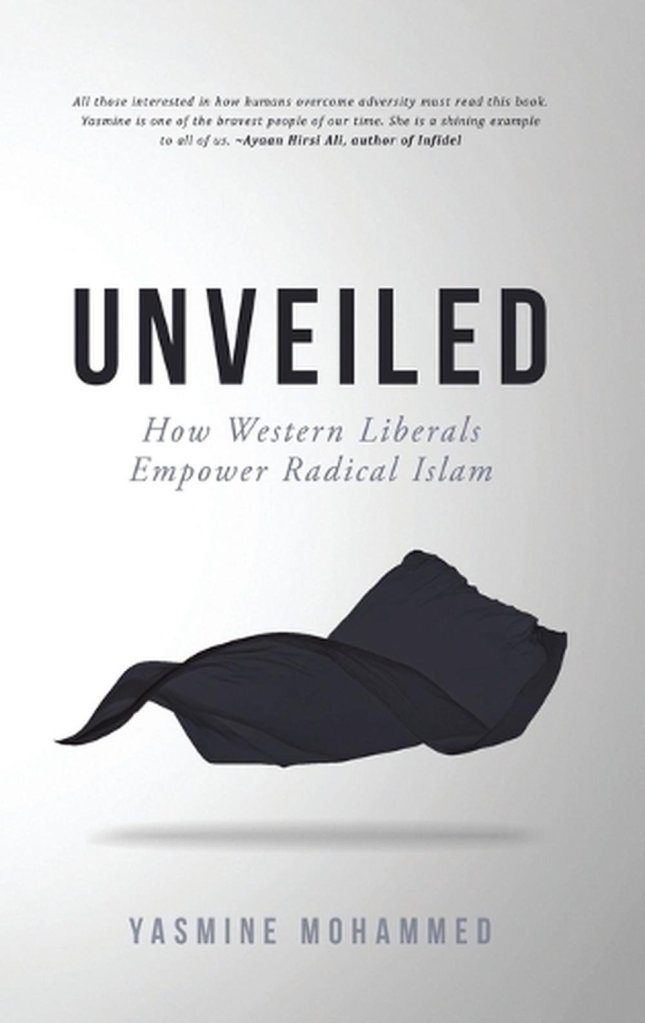


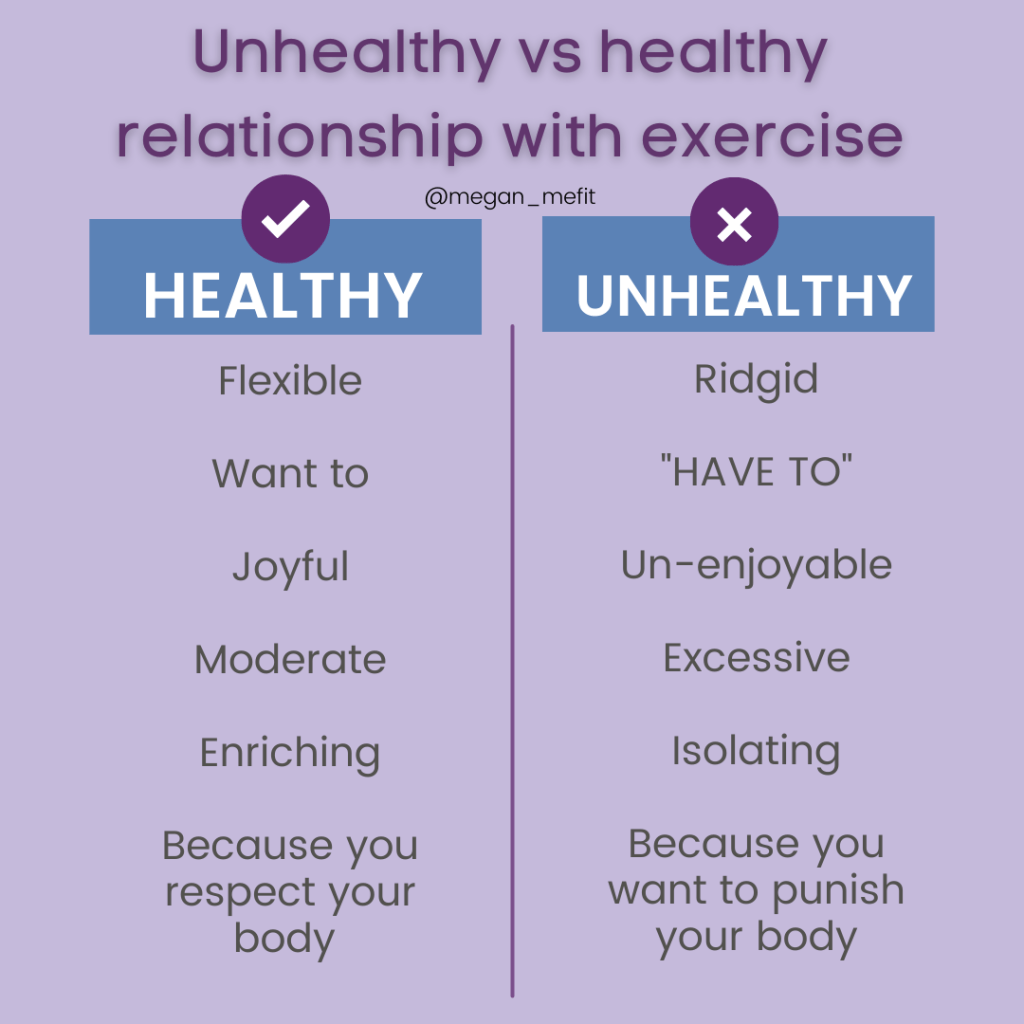

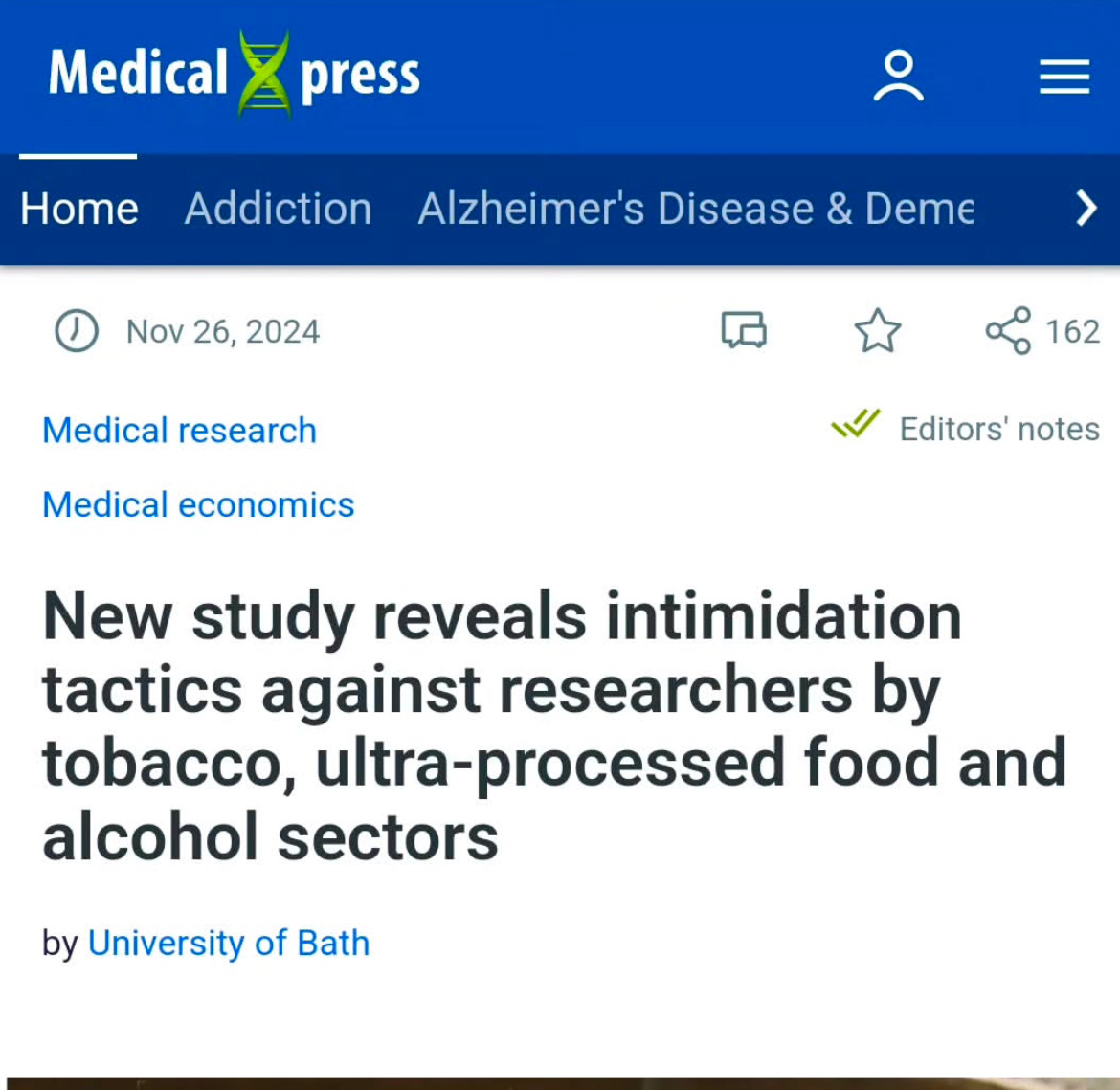








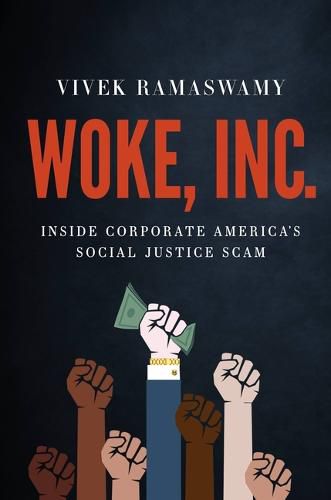

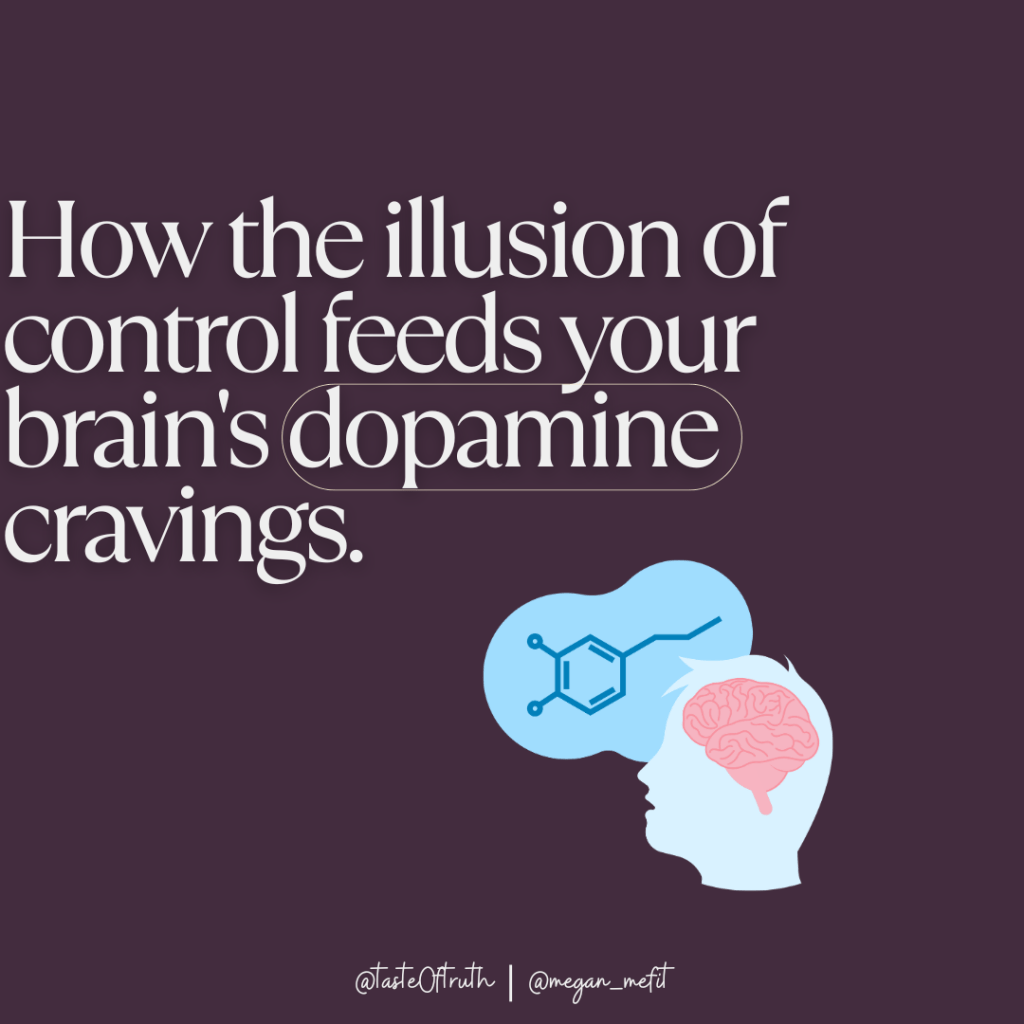









 Taste0ftruth Tuesdays