Exposing the Philosophical Roots of Modern Pseudoscience and Self-Help

Ever wondered where all those ‘self-help’ mantras and pseudoscientific health claims originated?

Today, we’re diving into the tangled web of modern pseudoscience and self-help nonsense, tracing its roots back to the 18th century. Join us as we explore the historical figures and movements that laid the groundwork for today’s self-help industry and pseudoscientific practices.

The Age of Enlightenment and the Dawn of Pseudoscience

Mesmer claimed that an invisible magnetic fluid flowed through all living things and that he could manipulate this fluid to heal people. His methods, often referred to as ‘mesmerism,’ involved elaborate rituals where he would pass his hands over patients or use magnetic rods, supposedly restoring the natural flow of this magnetic energy. The concepts of ‘balancing your energies’ or ‘unblocking your internal flows’ that are familiar in modern self-help and wellness circles can be traced back to Mesmer’s influence.

During the Age of Enlightenment, the scientific revolution was reshaping our understanding of the universe. However, medical practices were still lagging behind, relying on outdated treatments like leeching and bloodletting. Amidst this backdrop of scientific progress and societal change, Franz Mesmer, a charismatic physician from Vienna, introduced his controversial theory of ‘animal magnetism.’

The Debunking of Mesmerism

In 1784, a Royal Commission led by Benjamin Franklin and Antoine Lavoisier was established to investigate Mesmer’s claims. Through a series of experiments, they debunked the existence of the magnetic fluid, revealing that the observed effects were likely due to the power of suggestion and placebo rather than any real magnetic force. This investigation was pioneering in its use of controlled clinical trials and provided early insights into the placebo effect and modern hypnotism.

The Rise of Charismatic Faith Healing

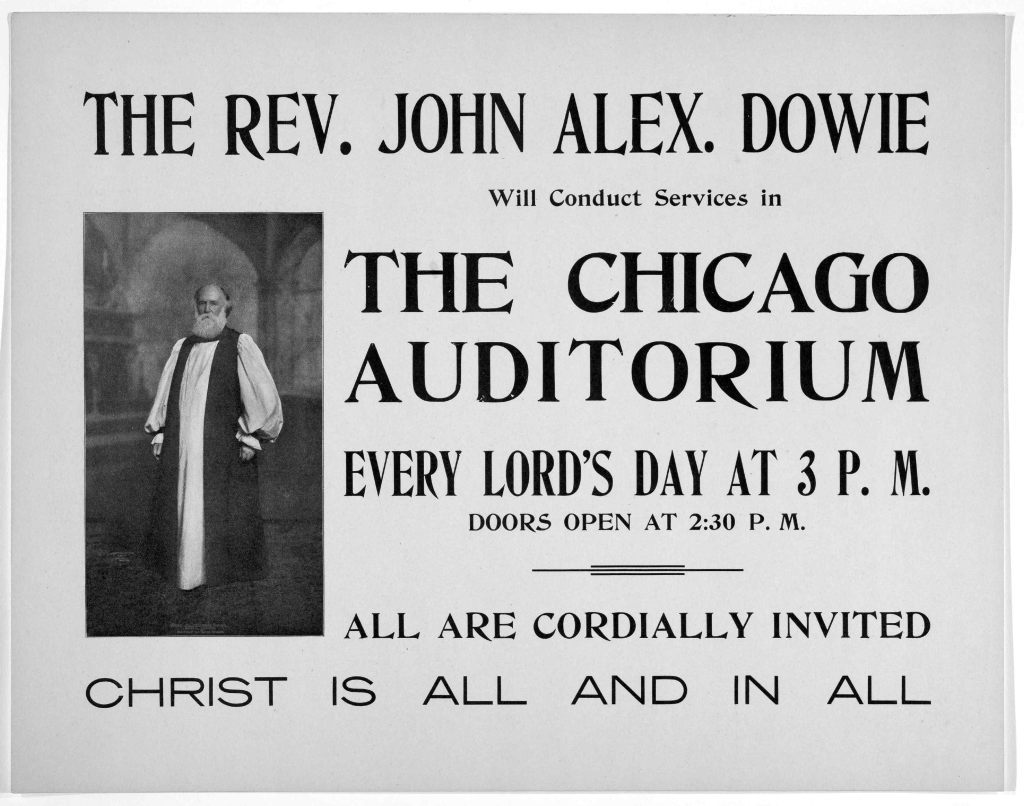
Alexander Dowie emerged in the late 19th century with a different approach to healing. Dowie, a charismatic faith healer, conducted dramatic healing sessions where he would lay hands on the sick, claiming that divine power was responsible for their recovery. His dramatic pronouncements, such as ‘Be healed in the name of the Lord,’ exemplified his method.

However, Dowie’s methods, like those of other high-control groups and charismatic faith healers, often involved emotional manipulation to maintain control over their followers. The promise of miraculous healing or spiritual enlightenment could exploit vulnerable individuals, leading them to invest emotionally and financially in unproven methods.
The Influence of Phineas Quimby

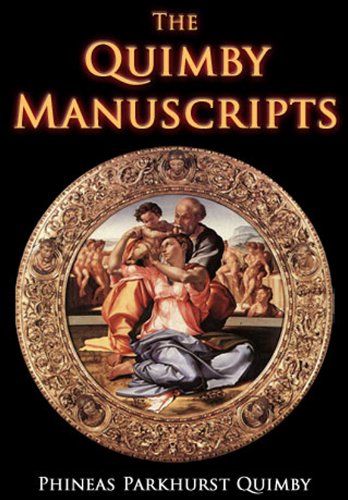
Phineas Quimby, another influential figure of the 19th century, took a different approach. Quimby believed that the mind wielded incredible power over physical health and reality itself. His writings, which were published posthumously in 1921, propagated the notion that our thoughts could profoundly shape our lives. Quimby’s ideas significantly influenced the New Thought movement, which linked mind over matter with spiritual and mystical practices.
The Interplay of Occultism and New Thought

The New Thought movement was also intertwined with occultism and spiritism, which suggested that unseen spiritual forces could be harnessed to influence the material world. This blend of spiritual and pseudoscientific ideas contributed to the development of various modern self-help philosophies.

The Legacy in Modern Self-Help

Today, the legacy of these 19th-century ideas is evident in the booming self-help industry. Many contemporary ‘gurus’ draw on principles derived from Quimby’s teachings, promising that you can manifest your desires through positive thinking alone. However, it’s important to approach these claims with caution, as they can sometimes mask modern forms of manipulation, preying on individuals’ hopes and fears.

Modern Pseudoscience: German New Medicine and Joe Dispenza

Moving forward to more contemporary times, let’s examine some of the modern pseudoscientific claims making waves today.
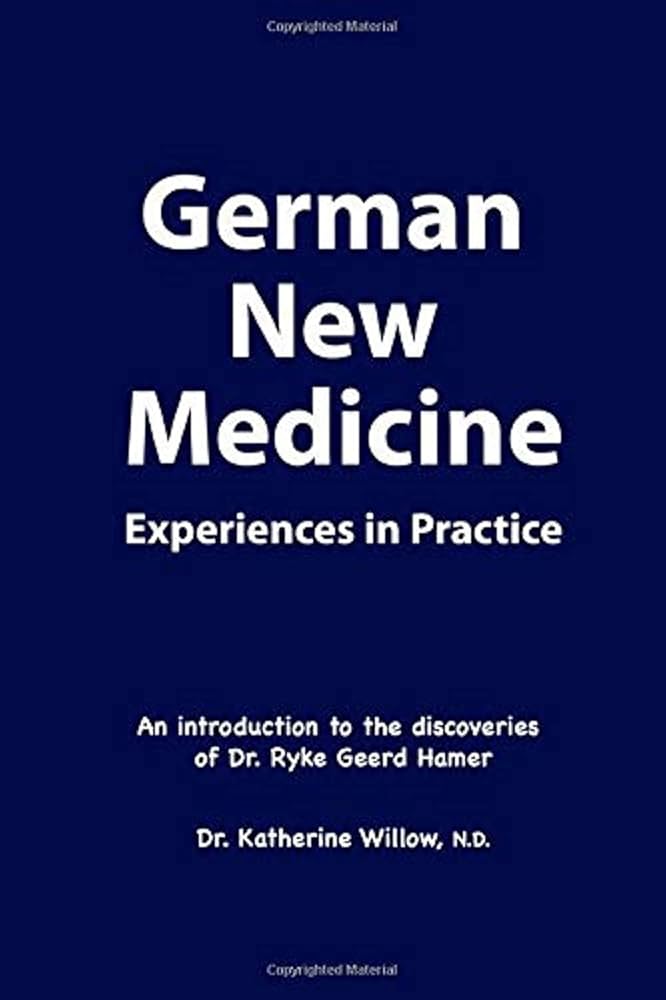
German New Medicine (GNM): This theory, introduced by Dr. Ryke Geerd Hamer, posits that diseases are the result of unresolved psychological conflicts. While intriguing, GNM lacks solid scientific backing and is riddled with ethical and legal issues. Traditional cancer treatments like chemotherapy and radiation therapy, though challenging and not always successful, are grounded in extensive research. The frustration with their limitations often drives people towards alternative options, but not all alternatives are created equal.
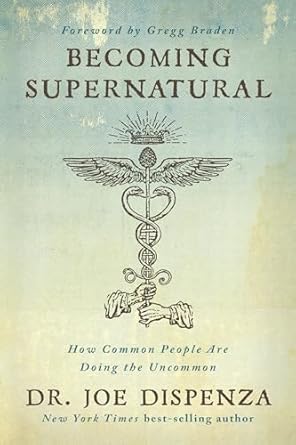
Joe Dispenza: Known for his belief that the mind can heal the body, Dispenza’s ideas have gained popularity but often dip into pseudoscience. While there is some truth to the idea that mindset can influence well-being, it’s crucial to distinguish between positive thinking and unproven claims that can mislead vulnerable individuals.

Ancient Teachings and Their Modern Adaptations

The teachings of the Essenes, an ancient Jewish sect, offer another example of how historical ideas are repackaged for modern consumption. The Essenes believed in holistic healing and spirituality, and today, their practices are often marketed with a modern twist. While exploring the ‘lost teachings of the Essenes’ can be fascinating, it’s important to differentiate between genuine historical practices and modern marketing spin.

The Dangers of Mysticism and Extreme Practices

Mysticism sometimes promotes the idea that transcending physical needs through spiritual practices can lead to enlightenment. However, this can be extremely risky. Extreme fasting and other practices can cause nutritional deficiencies, severe malnutrition, and even mental health issues such as delusions and eating disorders.

Navigating the Fine Line Between Healing and Harm

Despite the lack of scientific proof, pseudoscientific ideas remain appealing, especially when traditional treatments fall short. Approach such claims with a critical mind and seek evidence-based practices. Knowledge is power, and staying informed is the best way to navigate health and wellness.

Critical Evaluation of Self-Help Claims

Common Themes:

  • 1. Misuse of Scientific Concepts: All three exploit complex ideas—quantum physics for Dispenza and GNM, and mystical ancient wisdom for the Essenes—to lend credibility to their claims.
  • 2. Lack of Scientific Evidence: None of these approaches are supported by credible scientific research, often relying on anecdotal evidence or misinterpretations of scientific principles.
  • 3. Potential Harm: By promoting unproven methods as alternatives to evidence-based medical treatments, they can lead individuals to make dangerous health choices.

While some people find inspiration in these teachings, it’s crucial to remember their origins and critically evaluate their claims. Just because something sounds empowering doesn’t mean it’s based on solid evidence.

Stay informed and be cautious of the fine line between genuine self-improvement and pseudoscientific hype. Thank you for reading!

Mesmerising Science: The Franklin Commission and the Modern Clinical Trial — The Public Domain Review

Mesmer-and-the-Rise-and-Fall-of-Animal-Magnetism.pdf (academia.dk)

Franklin, Lavoisier, and Mesmer: origin of the controlled clinical trial – PubMed (nih.gov)

The Sketchy Faith Healer Who Tried to Save New York From Vice – Atlas Obscura

Testimonies of former employees of Hamer – Psiram

Administrative Court of Sigmaringen, 17.12.1986 – Judgment in the Administrative litigation Hamer % University of Tübingen (archive.org)

https://link.springer.com/chapter/10.1007/978-3-030-67227-0_8

https://water.lsbu.ac.uk/water/memory_of_water.html

The German New Medicine a new Natural Science” by Professor Dr. Hans Ulrich Niemitz

Germanic New Medicine – Psiram

Victims of New Medicine – Psiram

The “Iron Rule of Cancer”: The dangerous cancer quackery that is the “German New Medicine” | Science-Based Medicine (sciencebasedmedicine.org)

Laws of biology: why so few? – PMC (nih.gov)

For those wanting to learn about the dangers of mysticism, pseudoscience, and the importance of proper nutrition, here are some solid resources:

Books

  1. “Bad Science” by Ben Goldacre: This book critically examines the misuse of science in various fields, including health and wellness, and debunks common pseudoscientific claims.
  2. “The Demon-Haunted World: Science as a Candle in the Dark” by Carl Sagan: Sagan’s classic work promotes scientific skepticism and critical thinking, essential for understanding and debunking pseudoscientific beliefs.
  3. “Trick or Treatment: The Undeniable Facts about Alternative Medicine” by Simon Singh and Edzard Ernst: This book provides a thorough analysis of various alternative medicine practices, including the evidence (or lack thereof) supporting them.

Websites and Online Resources

  1. Quackwatch (quackwatch.org): A comprehensive resource for information on health frauds, myths, fads, and fallacies in the medical field.
  2. Science-Based Medicine (sciencebasedmedicine.org): A blog dedicated to evaluating medical treatments and products from a scientific perspective.
  3. Nutritional Resources from Mayo Clinic (mayoclinic.org): Provides evidence-based information on nutrition, diet, and healthy living.

Academic Journals and Articles

  1. PubMed (pubmed.ncbi.nlm.nih.gov): A free search engine accessing primarily the MEDLINE database of references and abstracts on life sciences and biomedical topics. It’s an excellent resource for finding peer-reviewed studies on nutrition, health, and pseudoscience.
  2. “Nutrition” Journal (journals.elsevier.com/nutrition): Publishes peer-reviewed research articles on nutrition science.

Educational Videos and Courses

  1. TED Talks on Nutrition and Health: Various experts provide insights into the latest research and practical advice on maintaining a healthy lifestyle.
  2. Coursera and edX: These platforms offer courses from universities on nutrition, health sciences, and critical thinking skills.

Podcasts

  1. “Science Vs” by Wendy Zukerman: This podcast looks at what’s fact and what’s not in popular science topics, including health and wellness.
  2. “Skeptics’ Guide to the Universe”: A weekly science podcast discussing critical thinking, science, and pseudoscience.

By exploring these resources, individuals can gain a deeper understanding of the risks associated with mysticism and pseudoscientific beliefs, as well as the importance of evidence-based practices in health and nutrition.
Lottery Odds vs MLM: Which Poses a Higher Financial Risk?

When it comes to making a profit, the comparison between lottery odds and MLM (multi-level marketing) success rates reveals a stark reality: both paths are fraught with significant financial risk, but MLMs typically offer even lower chances of profitability.

🚀 Join us for an eye-opening episode that tackles the intersections of gender, culture, business, and control. Don’t miss out on these compelling insights!

Lottery Odds

The chances of winning a significant prize in major lotteries, such as Powerball or Mega Millions, are astronomically low. For example:

  • Powerball Jackpot: The odds of winning the jackpot are approximately 1 in 292 million.
  • Smaller Prizes: While there are better odds for smaller prizes, they still remain quite low, often making even minor winnings a rare occurrence.

MLM Profitability

Studies and reports paint a grim picture for those involved in MLMs:

  • FTC Report: According to the Federal Trade Commission (FTC), approximately 99% of MLM participants end up losing money.
  • Profit Sources: Success in MLMs often hinges on recruiting new participants rather than selling products to consumers, which creates a structure where the majority are positioned at the bottom, struggling to make a profit.

Key Factors to Consider

  1. Initial Costs: Many MLMs require an initial investment or ongoing purchases to remain active. This financial commitment can lead to losses if the participant fails to recruit enough new members or sell sufficient products.
  2. Time and Effort: Achieving success in MLMs often demands a significant investment of time and effort, frequently far exceeding the potential earnings.
  3. Recruitment Focus: The profitability for top MLM earners typically comes from recruiting others rather than direct product sales, creating a high barrier to profit for most participants.

Conclusion

While neither playing the lottery nor joining an MLM is advisable for making a profit, statistically speaking, the majority of people will lose money in both scenarios. However, due to the structural and financial demands of MLMs, the likelihood of achieving a profit is typically even lower than winning a smaller lottery prize.

In summary, while both the lottery and MLMs are risky ventures with slim chances of financial gain, comparative data suggests that the average person is more likely to incur losses in an MLM than in the lottery. Proceed with caution and consider more reliable financial strategies to achieve your monetary goals.

Further reading

https://thinksaveretire.com/what-is-mlm/

Decoding the Law of Attraction: Myths, Realities, and Societal Impact

Ever wondered how MLMs thrive? Many of them tap into the power of teachings like the law of attraction—convincing you that your thoughts create your reality. It sounds empowering, right? 🤪

But behind the facade lies a darker truth. MLMs manipulate these beliefs to lure in dreamers, promising wealth and success through their products. 

So, what’s the scoop? The Law of Attraction says that what you focus on—whether positive vibes or the occasional grumpy thought—can actually manifest in your life. It’s all about tuning into those good vibrations and sending out positive signals to the universe.

The law of attraction is a concept that suggests positive or negative thoughts bring positive or negative experiences into a person’s life. It proposes that focusing on positive thoughts and intentions can manifest desired outcomes.

This idea has roots in various philosophical and spiritual traditions, including New Thought philosophy and the teachings of figures like Ralph Waldo Emerson, William Walker Atkinson, Frank Mesmer, Alexander Downie, and Phineas Quimby.

New Thought holds that God (Spirit, the Infinite, the Divine, our Higher Power) is everywhere; true human self-hood is divine; divine thought is a force for good; sickness, lack and struggle originate in the mind, and “right thinking” has a healing effect.

In other words, “change your thinking, change your life.”

The law of attraction gained popularity in the early 2000s with books like “The Secret” by Rhonda Byrne, touting it as a tool for success, wealth, and happiness.

It’s since influenced self-help, motivational speaking, wellness practices (like yoga and meditation), personal development communities, and has a presence in popular culture and social media, where positive thinking is promoted for achieving goals and bettering life.

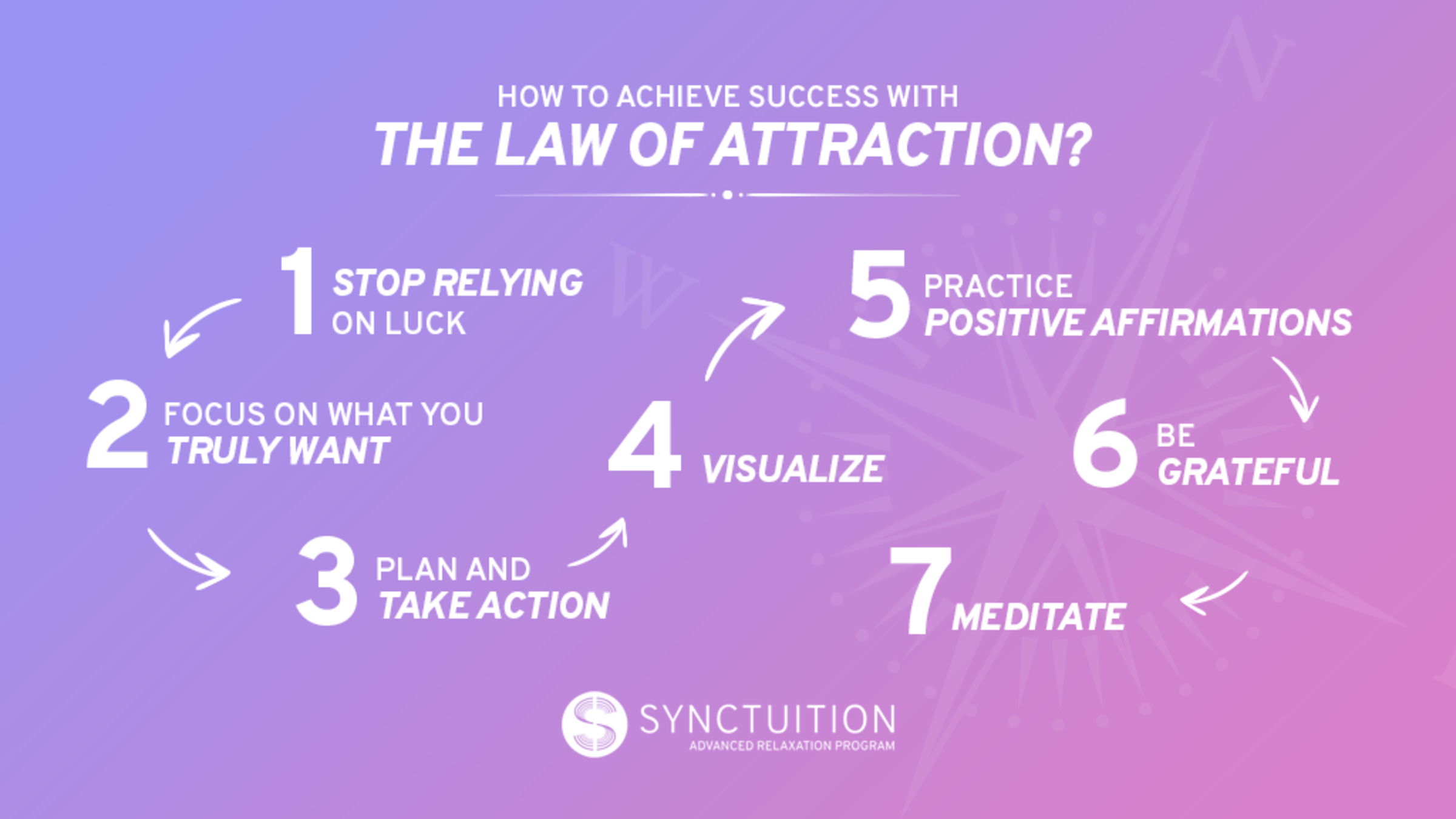
“Achieve Success with The Law of Attraction“

The law of attraction is used in wellness communities (fitness, MLM, dieting, spiritual) to promise that positive thinking can manifest goals. However, it can also create unrealistic expectations and oversimplify complex realities.

The teachings of the law of attraction, while promoting positive thinking and goal setting, can also have negative impacts and potential risks:

  • Blame and Guilt: It may lead individuals to blame themselves for negative experiences, assuming they attracted them due to their thoughts or vibrations.
  • Unrealistic Expectations: The emphasis on positive thinking may create unrealistic expectations about how quickly and easily goals can be achieved, leading to disappointment and discouragement.
  • Minimization of Systemic Issues: By focusing solely on individual thoughts and actions, it can overlook systemic barriers and societal inequalities that affect outcomes.
  • Financial Exploitation: In contexts like MLMs and certain self-help programs, the promise of manifesting wealth and success through the law of attraction can be used to exploit financially vulnerable individuals.
  • Psychological Impact: For some, the pressure to maintain a positive mindset at all times can contribute to anxiety, guilt, and self-blame when facing challenges or negative emotions.
  • Dismissal of Negative Emotions: It may encourage the suppression or denial of negative emotions, rather than healthy processing and acceptance of them.
  • Pseudoscience: The teachings of the law of attraction often lack empirical evidence and scientific support, leading to beliefs and practices that may not be grounded in reality.
  • Cultural Appropriation: In some cases, the adoption of spiritual or cultural elements (such as indigenous practices) within the context of the law of attraction can lead to appropriation and misunderstanding of their original meanings.

As we explore the impact of belief systems like the law of attraction, it’s clear it shares common pitfalls with high control religion and diet culture—promising transformative change through strict adherence while often neglecting systemic issues and fostering unrealistic expectations.

Join me this week on the podcast as we delve deeper into these topics, uncovering how these ideologies influence our lives and well-being.

Let’s navigate these complexities together and empower ourselves with a balanced perspective.

The Deceptive Allure of “Before and After” Photos: A Parallel to Spiritual Testimonies

Today, let’s talk about the deceptive allure of “before and after” photos in the fitness industry—and draw a parallel to how spiritual testimonies can also manipulate emotions and perceptions.

The Fitness Industry’s “Before and After” Photos

In the fitness world, “before and after” transformations are marketed as proof of the efficacy of programs and products. These photos promise more than physical change; they sell a narrative of personal triumph over adversity. But behind these glossy images lie often overlooked truths: strategic lighting, posing, and digital enhancements that create an illusion of rapid, effortless transformation. This manipulation plays on our desire for quick fixes and can leave us feeling inadequate when our own progress doesn’t mirror these idealized images.

Many fitness marketers use various tricks to enhance these photos, such as manipulating lighting, posture, and even the time between shots. Sometimes, the “before” photo might be taken in the morning and the “after” photo later the same day, with the person tanned, flexed, and using better lighting. Studies have shown that such photos can significantly influence people’s perceptions and motivations, often leading to unrealistic expectations and disappointment​ (Trainer Josh)​​ (Visual Culture)​.

The Emotional Manipulation of Spiritual Testimonies

Similarly, spiritual testimonies often follow a formulaic structure designed to evoke specific emotional responses. They typically begin with a depiction of a troubled past—perhaps addiction, loss, or despair—followed by a dramatic turning point: a moment of conversion or spiritual awakening. These stories, while often sincere, can omit the complexities and doubts that accompany genuine spiritual journeys. They paint a picture of faith that is pristine and unwavering, reinforcing the belief that divine intervention leads to miraculous change.

I’m eager to explore a phenomenon that emerged in Summer 2022: “Not So Secret Societies.” This podcast intertwined QAnon conspiracies with Christianity, making waves in spiritual communities. One of the hosts, Kara, bravely shared her testimony of converting from New Age spirituality, where she encountered spirits as a medium. Her journey to embracing Jesus was emotional, filled with tears, and profoundly impactful. Many of us listening felt convicted, realizing the spiritual implications and our own paths.

Join me as we unpack these complex intersections and reflect on the profound shifts in belief and perception. Let’s delve into how narratives on social media can reshape worldviews and influence personal journeys.

Understanding the Emotional Impact

Kara’s testimony likely resonated deeply due to its emotional narrative of spiritual transformation—from New Age spirituality to Christianity. Testimonies often appeal to emotions and personal experiences, making them powerful tools for persuasion. Stories like this appeal to emotions by highlighting profound experiences and struggles, which can resonate deeply with listeners seeking meaning or spiritual fulfillment.

The narrative of converting from New Age beliefs, where spiritual entities are often seen positively or neutrally, to Christianity, where demons are viewed as real and malevolent, creates a stark contrast. This binary worldview can lead listeners to feel they must choose between good (Jesus) and evil (Satan).

Joining a group like Not-So-Secret Societies, which merges QAnon conspiracy theories with Christianity, can create a sense of belonging and purpose. Kara’s testimony might have reinforced group identity by framing her conversion as a rejection of perceived darkness and alignment with a community of light-bearers.

Psychological Mechanisms at Play

Cognitive Dissonance: Kara’s story may have triggered cognitive dissonance in listeners who resonated with her previous beliefs in New Age spirituality. This discomfort can drive individuals to align with her new perspective on Christianity to resolve conflicting beliefs.

Confirmation Bias: Listeners may selectively interpret information that supports Kara’s narrative, reinforcing their own beliefs while discounting contradictory evidence.

Psychological Vulnerabilities and Exploitation

Vulnerabilities in Seekers:

  • Existential Uncertainty: Many individuals experience periods of questioning and uncertainty about life’s meaning and their place in the world. Narratives like Kara’s offer a clear path and sense of purpose, which can be appealing during times of existential crisis.
  • Emotional Needs: Feelings of loneliness, isolation, or a lack of community drive individuals to seek belonging and acceptance. Conversion stories often promise a supportive community and emotional fulfillment.
  • Desire for Spiritual Fulfillment: Some seekers may feel spiritually unfulfilled or disconnected from their current beliefs, prompting them to explore alternative spiritual paths that offer a deeper sense of connection or transcendence.

Exploitation by Manipulative Tactics:

  • Emotional Manipulation: Conversion narratives often leverage emotional storytelling to evoke sympathy, empathy, or fear. By presenting a dramatic transformation from darkness to light, storytellers appeal to listeners’ emotions and foster a sense of urgency to follow suit.
  • Fear-Based Messaging: Some narratives use fear tactics, suggesting dire consequences for not embracing the presented belief system. This can create a sense of vulnerability and heighten the perceived importance of making a decision.
  • Promises of Belonging and Acceptance: Groups like Not So Secret Societies capitalize on the human need for community by promising acceptance and belonging to those who adopt their beliefs. This can be particularly compelling for individuals who feel marginalized or disconnected from mainstream society.

Recognizing Manipulative Tactics

Selective Storytelling: Narratives like Kara’s often present a selective portrayal of personal experiences to support a specific worldview. Encourage listeners to look for missing perspectives or contradictory evidence that may be omitted.

Appeals to Emotion: Emotional appeals can cloud judgment and hinder rational decision-making. By recognizing emotional manipulation tactics, individuals can maintain objectivity and evaluate information more critically.

Community and Identity Formation

Joining groups like Not So Secret Societies offers a sense of belonging and community based on shared beliefs and experiences. Kara’s story likely strengthened group identity by framing her conversion as a move towards spiritual enlightenment and away from perceived darkness.

Exploring the Broader Implications

Social Media’s Role in Recruitment: Podcasts and social media platforms amplify narratives like Kara’s, reaching a wide audience quickly and effectively. Algorithms and sharing mechanisms on platforms can contribute to the virality of compelling stories, enhancing their influence. Online communities, including those blending conspiracy theories with spirituality, create echo chambers where members reinforce each other’s beliefs. Exposure to consistent messaging can solidify beliefs and increase susceptibility to ideological conformity.

Ethical and Moral Dimensions: Consider the ethical implications of blending religious conversion narratives with conspiracy theories. How do these narratives shape individuals’ perceptions of reality and influence their behaviors? Combining religious conversion narratives with conspiracy theories raises ethical concerns about misinformation, manipulation, and the impact on individual autonomy. It prompts discussions about the responsibilities of content creators and platforms in promoting critical thinking and fact-checking.

Cultural and Societal Context

Cultural Shifts and Crisis Narratives: Consider how broader cultural shifts, such as societal crises or rapid technological changes, contribute to the appeal of narratives that promise clarity and certainty in uncertain times.

  • Societal Instability: During periods of societal upheaval or rapid change, individuals may seek stability and certainty in their beliefs. Conversion narratives that promise clarity and moral absolutes can provide a sense of security amid uncertainty.
  • Technological Advancements: The rise of social media and digital communication platforms has democratized information dissemination but also facilitated the rapid spread of ideological content. Narratives can gain traction quickly and reach a global audience almost instantly.

Historical Precedents:

  • Religious Revivals: Throughout history, religious revivals and spiritual movements have often been sparked by charismatic leaders or compelling testimonies of personal transformation. These movements have shaped public discourse and influenced societal norms.
  • Political and Social Movements: Ideological movements, whether religious, political, or cultural, have historically used persuasive narratives to mobilize followers and challenge existing social structures. Understanding historical parallels can provide insights into current trends.

Media Literacy and Critical Thinking

Promoting Media Literacy:

  • Fact-Checking and Source Evaluation: Encourage listeners to critically evaluate the credibility of sources and information presented online. Teaching fact-checking skills empowers individuals to distinguish between reliable information and misinformation.
  • Questioning Assumptions: Emphasize the importance of questioning assumptions and biases when consuming media. Critical thinking involves examining underlying motivations and potential agendas behind persuasive narratives.

Long-term Impacts and Responsibilities

Impact on Individual Beliefs:

  • Worldview and Identity Formation: Exposure to persuasive narratives can shape individuals’ beliefs and identities over time. Conversion stories may influence how individuals perceive themselves and their place in society, impacting their values and behaviors.
  • Psychological Well-being: Consider the potential psychological effects of adopting new belief systems based on persuasive narratives. Individuals may experience cognitive dissonance or emotional distress if their beliefs conflict with their previous worldview.

Responsibilities of Content Creators:

  • Ethical Guidelines: Content creators, influencers, and platforms have a responsibility to uphold ethical standards in content creation and dissemination. This includes transparency about sources, avoiding misleading or exaggerated claims, and respecting the diversity of beliefs and perspectives.
  • Promoting Critical Awareness: Encourage content creators to promote critical awareness among their audiences. This involves fostering open dialogue, encouraging respectful debate, and acknowledging the complexity of social and ideological issues.

Conclusion and Call to Action

Encouraging Dialogue:

  • Open Discussion: Foster open dialogue among listeners about the impact of persuasive narratives and the role of social media in shaping beliefs. Encourage respectful debate and exchange of ideas across ideological divides.
  • Community Engagement: Promote community engagement as a means of supporting individuals who may be questioning or reevaluating their beliefs. Provide resources for further exploration and encourage listeners to seek diverse perspectives.

Personal Reflection:

  • Critical Self-reflection: Spend time thinking of your own susceptibility to persuasive narratives and ideological influences. Encourage them to cultivate critical thinking skills and

The Crunchy-to-Alt-Right Pipeline: from Wellness to Extremism

Have you noticed the growing social trend of people shifting from Crunchy hippie New Age lifestyles to Jesus testimonies that embrace “far-right” ideologies?

It’s a phenomenon influenced by social media algorithms and influencers who blend wellness with conspiracy theories and extreme views. What starts as an interest in sourdough baking and herbal remedies can subtly transition into something much darker.

Understanding the Trad Wife and Stay-at-Home Girlfriend Movements

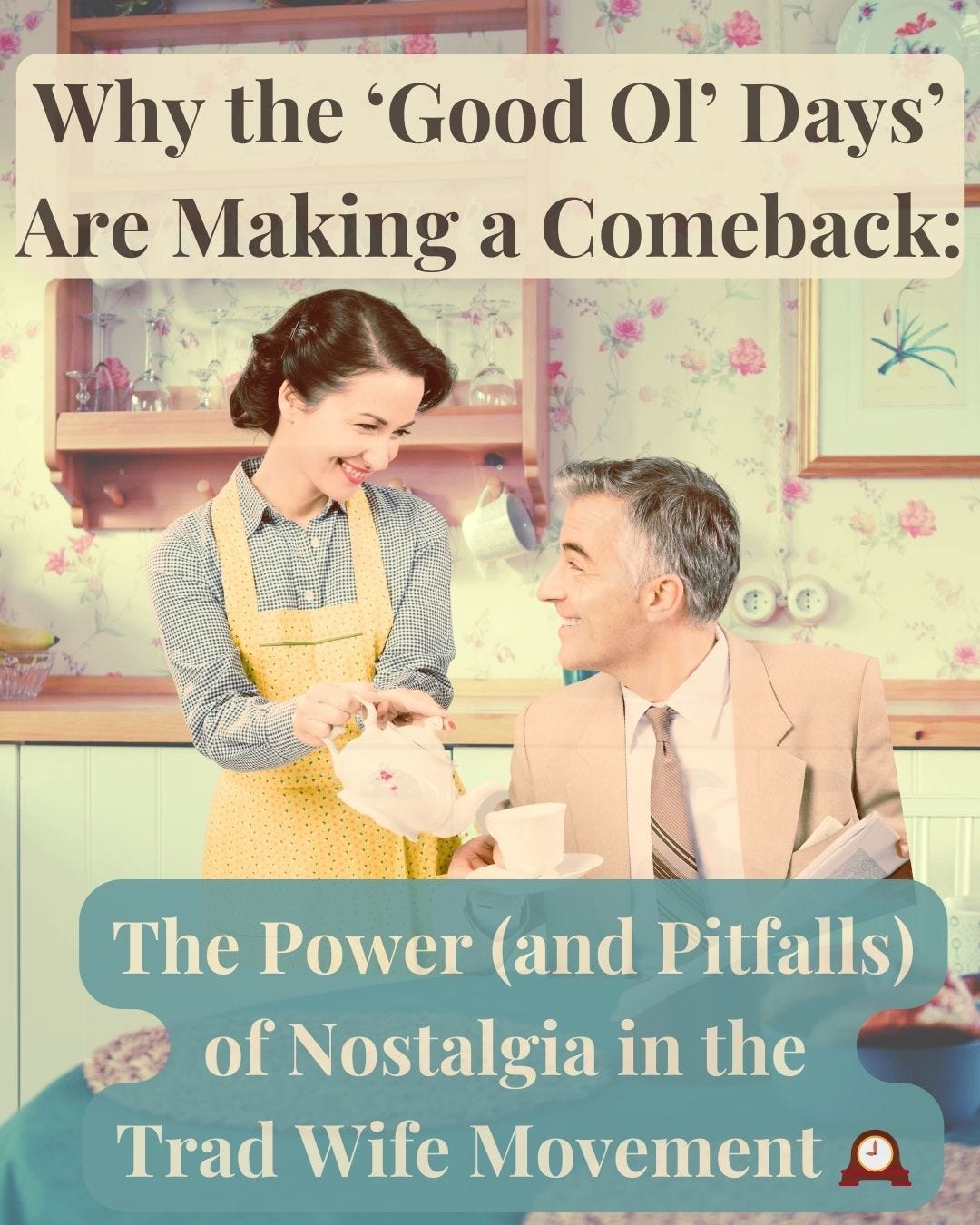
Enter the Trad Wife and Stay-at-Home Girlfriend movements—cultural trends advocating for traditional gender roles within relationships. Followers prioritize homemaking, submission to husbands, and nurturing domestic skills. This blends with the Crunchy-to-Alt-Right Pipeline when online narratives blend wellness with conservative ideologies, portraying traditional roles as spiritual ideals.

Motivations Behind the Movements

  • Embracing Traditional Values: Supporters cite a desire to uphold stability and family roles, believing in the importance of creating a nurturing home environment and supporting their partners as leaders of the household.
  • Rejecting Modern Feminism: Many view modern feminism as anti-family and undermining traditional values, preferring roles they see as empowering and fulfilling.
  • Cultural and Religious Influences: Some view traditional roles as rooted in religious teachings or cultural heritage, finding validation in communities that promote these values.

Fear Tactics and Cultural Influences

Fear tactics are prevalent in online content that combines wellness with extreme ideologies. These tactics manipulate users into adopting the group’s beliefs by promoting fear of worldly dangers, apocalyptic scenarios, or spiritual consequences. Narratives within the “culture wars” often lead to anti-LGB and anti-feminist sentiments. Influencers may use fear of societal collapse or moral decay to urge followers toward conservative values, portraying them as a defense against perceived threats to traditional lifestyles.

Historical Precedents: Satanic Panic and Moral Panics

Historically, movements like the “Satanic Panic” in the 1980s and ’90s stoked fears of occult influences on children and communities, leading to widespread moral panic. Similarly, today’s online narratives can exaggerate or fabricate threats to bolster ideological adherence. The fear of cultural shifts fuels narratives that paint progressive changes as morally corrupt or spiritually dangerous.

Example: Evangelical Fears and Pop Culture

  • Harry Potter and Witchcraft: Some evangelical groups viewed the portrayal of magic and witchcraft as promoting occult practices, leading to book bans.
  • Rock and Roll Music: Evangelical circles have long feared the influence of rock music on youth, believing it promotes rebellion and anti-Christian values.
  • Celebrity Influence: Figures like Taylor Swift and Lady Gaga have been scrutinized for their perceived impact on moral standards.

Navigating Complexity

While these movements resonate with some as empowering choices, they also perpetuate outdated stereotypes and limit opportunities for autonomy outside traditional roles. Some narratives oversimplify complex societal issues, promoting a binary worldview of good versus evil.

This is where feminism itself has struggled. Historically, these structures were tangible—laws barring women from owning property, restrictions on voting, and economic barriers that kept women dependent. But second-wave feminism reframed ‘The Patriarchy’ as an omnipresent force embedded in culture, language, and even subconscious bias. This shift transformed a real set of historical inequalities into an abstract, ever-elusive boogeyman, ensuring that the fight against it could never truly end. Like a mirage that recedes as you approach it, the all-encompassing Patriarchy has become both the enemy feminism battles and the foundation it stands on. To abolish it would collapse the movement’s very purpose.

It’s essential to critically evaluate these narratives—both the reactionary push toward traditionalism and the ideological traps within feminism itself—and consider their broader implications on personal beliefs and societal attitudes.

Personal Reflections: Manipulation and Belonging

I remember the day I was first drawn into evangelical Christianity. It wasn’t through logic or a carefully reasoned argument; it was through the power of a story—a testimony, to be exact. The speaker shared a dramatic tale of transformation, from the depths of despair into the light of salvation. Her voice trembled with emotion, and tears glistened in her eyes as she described the overwhelming peace she found in Christ. I was captivated. It wasn’t just a story; it was a call, a plea for me to experience the same miraculous change.

The manipulation was subtle but powerful. Fear played a significant role. I was warned of the dire consequences of rejecting this path, of the eternal damnation that awaited those who turned away. This fear was not just for my soul but for my life here and now. I was told that without Jesus, I would continue to live in confusion, loneliness, and despair.

What made it all the more compelling was the promise of belonging. I had always felt somewhat out of place, disconnected from those around me. But here was a community that promised acceptance, a family where I would always belong.

The concept of biblical femininity and submission was introduced as a path to fulfillment, as a way to finally fit into a role designed specifically for me by God.

My Experience with These Ideologies

Critically evaluating these narratives is crucial, as these teachings can profoundly shape personal beliefs and broader societal attitudes. I was involved in a biblical counseling program that reinforced a system of patriarchal control, stifling my autonomy and presenting a distorted view of marriage and gender roles.

One of the most telling moments was when I encountered an excerpt from The Excellent Wife by Martha Peace in one of the workbooks. The list of expectations outlined for a wife to “glorify” her husband was staggering and disempowering. It included directives like:

  1. Organizing cleaning, grocery shopping, laundry, and cooking while fulfilling your “God-given responsibility” so that your husband is free to focus on his work.
  2. Saving some of your energy every day for him.
  3. Prioritizing your husband above children, parents, friends, jobs, Bible studies, etc., and rearranging your schedule whenever necessary to meet his needs.
  4. Speaking positively about him to others and never slandering him—even if what you’re saying is true.
  5. Doing whatever you can to make him look good, from running errands to helping accomplish his goals, while never taking offense if he chooses not to use your suggestions.
  6. Considering his work, goals, hobbies, and religious duties more important than your own.

These expectations weren’t just fringe ideas—they were central to the teachings of Biblical Counseling, widely embraced within the Southern Baptist Convention and many non-denominational churches. What I experienced wasn’t just about a partnership; it was about submission—unquestioning and absolute. The woman’s role was essentially to serve her husband’s needs and desires, no matter the cost to her own identity or autonomy.

But perhaps one of the most chilling aspects of this program was a statement that underscored the complete denial of personal rights. The workbook stated that humble people have “no rights” in Christ—only responsibilities. It referenced Philippians 2:3-8 to justify this perspective.

Don’t be selfish; don’t try to impress others. Be humble, thinking of others as better than yourselves. Don’t look out only for your own interests, but take an interest in others, too. You must have the same attitude that Christ Jesus had.

The workbook then presented a list of “rights” that were seen as sinful or selfish to claim in this context. Some of the rights included:

  • The right to control personal belongings
  • The right to privacy
  • The right to express personal opinions
  • The right to earn and use money
  • The right to plan your own schedule
  • The right to respect
  • The right to be married, protected, appreciated, desired, and treated fairly
  • The right to travel, to have a good education, to be beautiful

There were over thirty items on this list. This wasn’t just a list of personal sacrifices; it was a grooming tool that laid the groundwork for further abuse and manipulation under the guise of spiritual obedience.

These teachings were not about partnership, love, or mutual respect. They were about control, and they left no room for the dignity and rights of individuals, especially women.

If you want to dive deeper into the power dynamics at play in these teachings, I highly recommend listening to this podcast that breaks down the power play behind these ideologies.

But now looking back, I realize how these tactics exploited my vulnerabilities. The emotional manipulation, the fear-based messaging, and the promise of belonging were all tools used to mold me into someone I wasn’t. They weren’t concerned with my true self; they wanted to shape me into their image of the ideal Christian woman—submissive, obedient, and unquestioning.

What’s more disturbing is how these tactics aren’t unique to evangelical Christianity. Similar strategies are employed in other religions, such as Islam. Many converts are recruited through an overwhelming outpouring of love and acceptance, only to later face pressure to conform to rigid gender roles. The promise of belonging is intoxicating, but the cost is often self-erasure.

Let’s Discuss

Have you observed these dynamics in your online experiences? What are your thoughts on their impact on societal norms? Today’s ‘trad wife’ movement glamorizes the mid-century housewife as a personal choice, not a submissive trap. But let’s be real—this nostalgic comeback to the “traditional” family structure is less about empowerment and more about rolling back progress, cherry-picking conservative values to fit a romanticized, idealized narrative. It’s a version of the past that overlooks the very real inequalities and limitations that many women endured under patriarchal structures. As Louise Perry discusses in her work, there’s a dangerous tendency to romanticize past roles, casting them as noble sacrifices or natural ways of life—while glossing over the inherent power imbalances that were so often hidden behind closed doors.

The truth is, these ideologies (whether cloaked in the guise of spirituality or conservative family values) are rooted in a desire to control, to limit autonomy, and to restrict freedom in the name of “order” or “biblical truth.” When we look back at the nuclear family ideal, it’s crucial to acknowledge that this vision does not have to be a patriarchal prison. It can be a partnership, a shared responsibility, and a structure that values mutual respect, autonomy, and equality.

What do you think? Is the push for the traditional family about a return to a healthier, more balanced dynamic? Or is it about pushing women back into a box of obedience and subjugation, all while selling us a narrative that it’s what’s best for everyone involved? Or is there a middle ground here?


Understanding this pipeline is essential for recognizing how seemingly unrelated interests in wellness and spirituality can be co-opted by extremist ideologies. It highlights the need for vigilance and critical thinking in online spaces, as well as the importance of promoting credible information and fostering inclusive communities. For more detailed discussions on this topic, you can refer to articles from sources like the Virginia Review of Politics and Cross Cultural Solidarity​ (Virginia Review of Politics)​​ (Cross Cultural Solidarity)​.

Breaking Free: Escaping the Diet Culture Trap

Welcome back to Taste0ftruth Tuesdays Wellness Warriors, Health Detectives, Nutrition Ninjas and Truth Seekers! ⛓️‍💥 In this blog and podcast episode, we’re breaking free from the chains of diet culture and diving into the refreshing waters of body-neutral fitness! 🚫🍔➡️🏋️‍♀️

  • 👟 Embracing Performance Goals: Discover how focusing on what your body can do, rather than how it looks, can revolutionize your fitness journey.
  • 🌿Body-Neutral Bliss: Learn how to find peace with your body through a body-neutral approach to exercise, celebrating movement for movement’s sake.
  • 🎯 From Rules to Freedom: Say goodbye to restrictive diets and hello to intuitive eating and joyful movement.

🎧 Tune in as we unpack the myths of diet culture and celebrate the liberating path to body-neutral fitness! 💪✨Remember, you’re not just dropping out of diet culture—you’re leveling up to a healthier, happier you! 🌟

Listen 🎧

Raise your hand if you’ve ever felt the pressure to change your body to fit into society’s standards of beauty. 🙋‍♀️ Well, you’re not alone! For years, I found myself trapped in a cycle of dieting and exercising, all in pursuit of the elusive “perfect” body.

But no matter how hard I tried, I just couldn’t seem to make any lasting progress. Sound familiar? That’s because we’ve been sold a lie – the idea that our worth is tied to the number on the scale or the size of our jeans. But guess what? It’s time to break free from that toxic mindset and embrace a new approach to fitness and nutrition. 

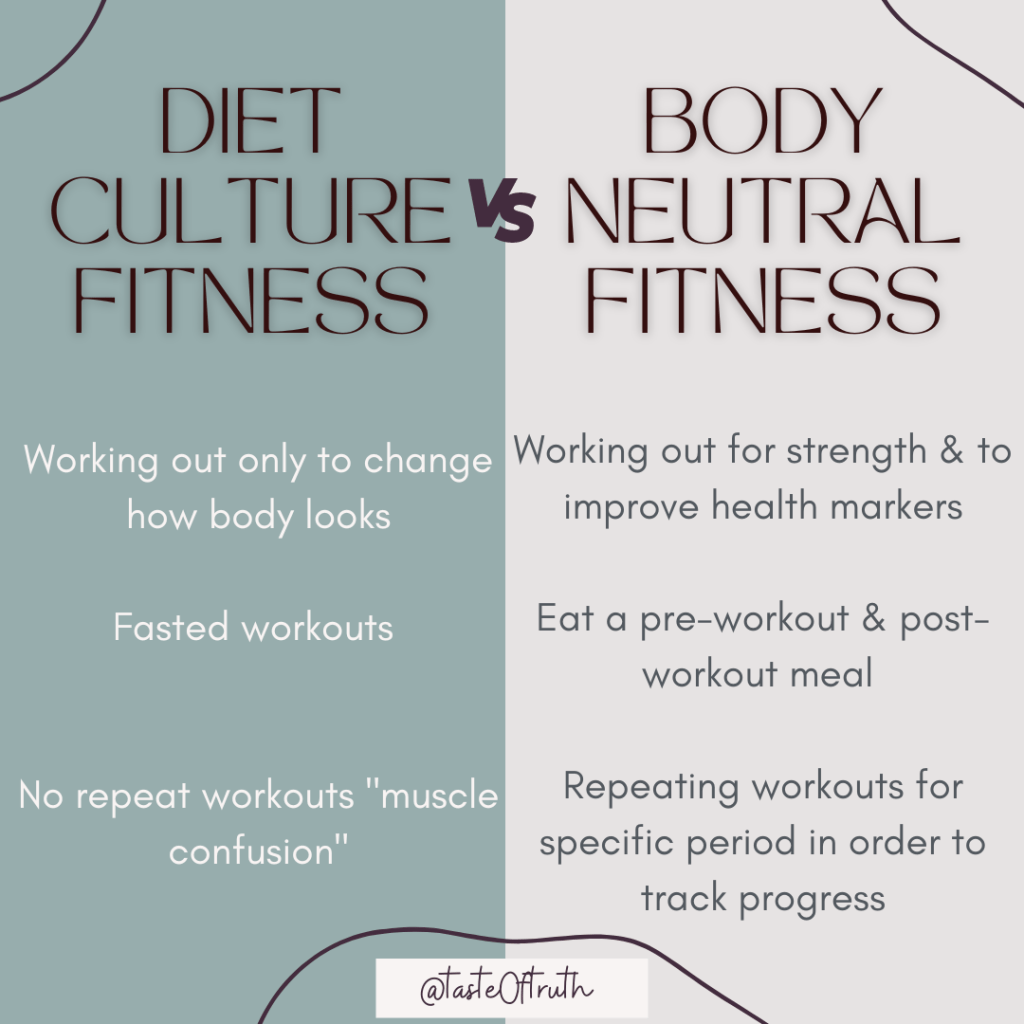
I want to go over common trends I see that I refer to as “diet culture fitness” and then we will compare it with what I recommend “body neutral fitness” ….

Diet culture places value on our weight and size over our health. it promotes messaging that tells us what foods “good” & what foods are “bad.” it glorifies restriction & willpower and ignores our wellbeing.⁣

Diet culture is supported by a multi-billion-dollar industry that pushes weight loss through every medium possible.⁣ Diet culture tells all of us that we are not small enough, strong enough, or lean enough. ⁣

DIET CULTURE IS HARD TO IGNORE.⁣

So, how can one be against diet culture but fine with a diet?⁣ it starts with terminology >>⁣

A DIET merely refers to the foods & drinks we habitually consume. a diet can be a specific, structured way of eating or just our normal daily intake.⁣

The term “DIETING,” is often where the idea of weight loss comes into play. Dieting is (usually) used to describe eating with the purpose of losing weight, which requires a calorie deficit.⁣

>> I am anti-diet culture because i believe that food is not meant to be associated with guilt and shame.

>>I am anti-diet culture because i do not believe that reaching a specific weight, shape or size is ever more important than our physical or mental wellbeing. ⁣

⁣However, I do believe that it is ok to want to change your diet.⁣

⁣It is ok to have aesthetic goals, especially when we can learn to work towards them in a healthy & sustainable manner. ⁣It’s about wanting to shift from old negative eating patterns and thoughts to new behaviors that leave you fueled and healthy.⁣

I believe that it is ok to want to look & feel your best & addressing your nutrition and relationship with food is often the best way to do so.⁣ Your diet is not bad. restriction, shame, guilt, & obsession are

So, what’s the secret to lasting change? It all starts with shifting our focus from aesthetics to performance. Instead of obsessing over how our bodies look, let’s celebrate what they can do! Whether it’s mastering a new yoga pose, hitting a new personal record at the gym, or simply feeling more energized and alive, performance-based goals are where it’s at.

This ultimately means changing the values and the why behind your goal setting:

  • Instead of: “I want to lose the cellulite off my legs.”
  • Try: “I’d like to improve my technique and increase my strength in squats, leg press and deadlifts.”

The intention behind Body Neutral Fitness movement is:

  • Enhance strength & overall performance
  • Boost confidence & find purpose
  • Build stamina for effortless hiking
  • Improve balance, coordination, & mood
  • Enhance health & blood markers

So, WHAT’S THE BOTTOM LINE?

Body neutral fitness is so much more fun, and having fun gets more done! An approach that emphasizes setting and achieving performance goals works better for cultivating a healthy mindset towards fitness which is more sustainable over the long term than an approach that emphasizes aesthetics only.

Whatever your performance may be, shifting the focus changes your mind about your body, which can then remove the limits around what your current body/self can experience.

So, let’s get back to those trends:

What is biofeedback and why is it so important?

This refers to the physiological responses that will bring awareness to our bodily processes and internal health. Sleep, hunger, stress, energy, stress, cravings, recovery, etc. Because optimal health is so much more than just physical! If we track these markers, we can begin to see some underlying causes or maybe issues on why your workout program may not be properly supporting you.

😐Stress: How are your stress levels? How do you manage them?

😋Hunger: Do you wake up hungry? Are you always thinking about food?

💩Digestion: Do you experience painful bloats? do you have regular bowel movements?

😴Sleep: How much sleep are you getting? Do you sleep through the night? How many hours? Do you wake up feeling rested? Does your energy dip mid-afternoon?

🛋️Recovery: Are you taking adequate rest days? Do you feel sore for days after your workouts?

🌀Menstrual Health: Are you missing your period? Do you experience painful cramps or any other PMS symptoms?

🍴Cravings: Do you find yourself struggling with these?

Oftentimes, clients that are experience negative biofeedback, there is an underlying cause that needs to be addressed, BEFORE we can actually focus on a physical transformation goal.

  • 💤Improper sleep or stress management can lead to hormone imbalances that inhibit recovery.
  • 😖Digestive issues can be a sign of chronic stress, low stomach acid and food intolerances.
  • 🥺Mood, focus and libido changes may be linked to under-eating, hormonal imbalances, gut issues, etc.

One of the many variables within fitness program creation is “training volume” (How much you’re doing in a specific time. That can be per workout and within the program like per week/per month). In order to properly prescribe this, a coach needs to understand their clients: fitness level, goals, age, work capacity, recoverability, nutritional status, injury history and life stress. If your coach or fitness trainer didn’t ask you any of these things, that may be something worth looking into.

While physical changes are often used to measure progress, monitoring how you FEEL in response to your nutrition and exercise program is also important. It provides insights to how your metabolism is performing and which possible variables to manipulate in order to see improvements. 💪

🩺NOTE: Assessing biofeedback does NOT replace the need for lab work or medical attention.

ALL-OR-NOTHING Mindset

🧠Diet culture thrives on the All-or-Nothing-mentality. I think this is one of the hardest habits to become aware of and try to replace. I don’t know if anyone else can relate to needing a brain reframe, but typically when clients come to me, they say: “I want a body reset!” and I try to tell them: “You know what, it’s probably your brain that needs the reframe. There are more tips and mindset tricks I want to share with you over the course of season 2.

I want to close say that perfectionism is a TRAP, that so many of us that will get caught up in, within spiritually, and diet and nutrition. And when we slip up, which will always happen, it will feel easier to throw in the towel when we are stuck in all or nothing mentally, on the whole shebang. I think this is one of the most common self-sabotaging behaviors that I see, and this is what I hope to continue the conversations on in this season.

Thank you again for listening/reading and I am looking forward to next’s week’s episode!  Until then, maintain your curiosity, embrace skepticism, and keep tuning in! 🎙️🔒

#podcast#fitness#nutrition#dietculturedropout#dietculture#deconstruction#deconstructingfaith#diet#bodypositive#bodyneutrality#performancegoals#fitnessgoals#bodyimage#dogma

Beyond Dogma: Wellness & Religion’s Striking Parallels

Welcome back to Taste0ftruth Tuesdays Wellness Warriors and truth seekers!

Listen here 🎧

Fundamentalist thinking doesn’t just reside in religious circles—it also permeates wellness and healing spaces. Just as high-control religions exploit human vulnerability, so does diet culture.

I’ve had my share of blindly following extreme health regimens recommended by practitioners, ignoring my own discomfort along the way. It became clear that fundamentalism can crop up in various aspects of life, and part of healing is about recognizing and addressing these tendencies within us.

High control religion and diet culture both capitalize on the brain’s tendency to interpret things in a binary black-and-white manner by presenting clear-cut rules, guidelines, and belief systems that simplify complex issues into easy-to-follow directives.

Clear Rules and Regulations:

  • High Control Religion: Provides rigid doctrines, moral codes, and commandments that delineate right from wrong, good from evil, and righteous from sinful.
  • Diet Culture: Promotes strict dietary regimes, cleanses, and “good” vs. “bad” foods, categorizing eating behaviors as virtuous or detrimental.

In both of these contexts, this black-and-white thinking oversimplifies complex issues related to spirituality and health, offering a sense of clarity and control in exchange for individual autonomy and critical thinking. 

I used to be fixated on healing, always chasing the next fix. When I later dove into a high-control religion, this perpetual quest for self-improvement morphed into the religious ritual of sanctification—an equally exhausting endeavor.

Healing should be about presence, connection, and truly living—not an endless pursuit of perfection.

Have you noticed this shift in your own or others’ healing journeys?

Here are some examples of fundamentalist thinking and behaviors found in both high-control religions and wellness/healing spaces:

AspectHigh-Control ReligionWellness Spaces
Strict Rules and RegulationsRigid doctrines and moral codes with severe consequencesStrict dietary regimes or detox plans with inflexible guidelines, labeling deviations as harmful or sinful
Authority FiguresCentralized figures with unquestionable teachingsGurus or practitioners whose advice is taken as absolute truth
Us vs. Them MentalityClear divisions between the “righteous” and “sinful” outsidersLabeling foods, behaviors, or people as “clean” or “toxic,” fostering an in-group/out-group mentality
Fear-Based TacticsFear of damnation or punishment to maintain controlInstilling fear of illness or toxins to enforce adherence to wellness practices
Exclusive Truth ClaimsBelief that their interpretation of faith is the only truthClaiming their diet or lifestyle is the only path to true health and well-being
Shame and GuiltUsing shame and guilt to enforce complianceShaming individuals for not adhering to specific diets or wellness protocols
Community PressureIntense pressure to conform within the communitySocial pressure to adhere to specific wellness practices, with fear of ostracism for non-compliance
Promised RewardsPromises of spiritual rewards or salvation for adherencePromises of optimal health or purity through strict adherence to wellness practices
Fundamentalist thinking and behaviors found in both

    Seeking Clarity during Stress

    Gravitating towards fundamentalism after experiencing hyper-charismatic or new age movements can seem understandable. The strict rules and structure provide a perceived sense of safety. Particularly during times of stress and uncertainty, we can gravitate towards the need for a sense of control & structure. However, this rigidity and extreme control often lead to increased trauma over time.

    As I deconstruct from the Christian faith, I am re-evaluating beliefs, questioning long-held doctrines, and confronting the challenges faced within spiritually abusive environments. 

    Fundamentalism’s rigid adherence to traditional beliefs and practices can create significant challenges, fostering environments that can stifle personal freedom, promote division, and sometimes lead to conflict and violence. We also see intolerance towards individuals or groups who hold different beliefs or lifestyles, leading to discrimination, ostracism, or even violence towards perceived “outsiders” or “heretics.”

    This is due to the dogmatism, this fundamentalist ideology tends to promote rigid, inflexible interpretations of religious or ideological principles, discouraging questioning or exploration of ANY alternative viewpoints.

    Fundamentalists are often resistant to change and innovation within religious doctrine or practice, viewing such developments as departures from true faith.

    I recently shared a post on Instagram, reflecting on my journey of deconstruction and exploring progressive spaces, I’ve noticed a concerning trend: the lack of nuance and the prevalence of an ‘us vs. them’ mentality.

    Even within progressive Christianity, there’s pressure to conform to certain social norms and ethical behaviors. Disagreement is often met with resistance, and group identity politics can dominate discussions.

    Please review this blog for more information and resources: Understanding Fundamentalism: Rigid Beliefs, Division, and Psychological Impact I am hoping these resources provide comprehensive insights into the dangers of fundamentalism, illustrating its potential to foster intolerance, social division, and conflict

    Understanding these parallels helps us recognize and challenge fundamentalist thinking in all areas of life, promoting a more balanced and critical approach to wellness and healing, and JUST EXISTING!

    Let’s move away from the dualistic thinking and judgment that these ideologies promote, and instead, embrace a more holistic and compassionate path forward.

    That’s all I have for you today folks! Thanks again for listening/reading. Next week, we will continue the conversation breaking from Diet Culture and for future episodes:

    •Dr. Mark Gregory Karris, author of The Diabiological Trinity Healing Religious Trauma from a Wrathful God, Tormenting Hell & a Sinful Self, Religious Refugees: (De)Constructing Toward Spiritual and Emotional Healing and more
    •@neilyvanneily is a philosopher and cognitive scientist known for his work in the intersection of religion, cognition, and culture. He holds a Ph.D. in philosophy from Princeton University. We will be discussing his new book- “Religion as Make-Believe,” which offers a thought-provoking analysis of the nature of religious belief and its role in human societies.

    •@mburtwrites To discuss Biblical Counseling & a little bit of the evolution of Christian parenting, along with Kelsey McGinnis, they offer a comprehensive exploration of the historical, cultural, ideological, political, and social factors that have influenced Christian parenting over time.

    @carielmoore to discuss Franciscan theology: which focuses on simplicity, poverty, and love for all. Inspired by Saint Francis, it’s about imitating Christ and caring for the marginalized. 🌿 she also explores parenting through the lens of spirituality, theology, and childhood liberation ✨

    and MORE! Until then, maintain your curiosity, embrace skepticism, and keep tuning in! 🎙️🔒

    Have a great week!

    🙏 Please help this podcast reach a larger audience in hope to encourage others! To do so: leave a 5⭐️ review and send it to a friend! Thank you for listening! I’d love to hear from you, find me on Instagram!⁠⁠⁠⁠⁠ @taste0ftruth⁠⁠⁠⁠⁠ or⁠⁠⁠⁠⁠ Pinterest!

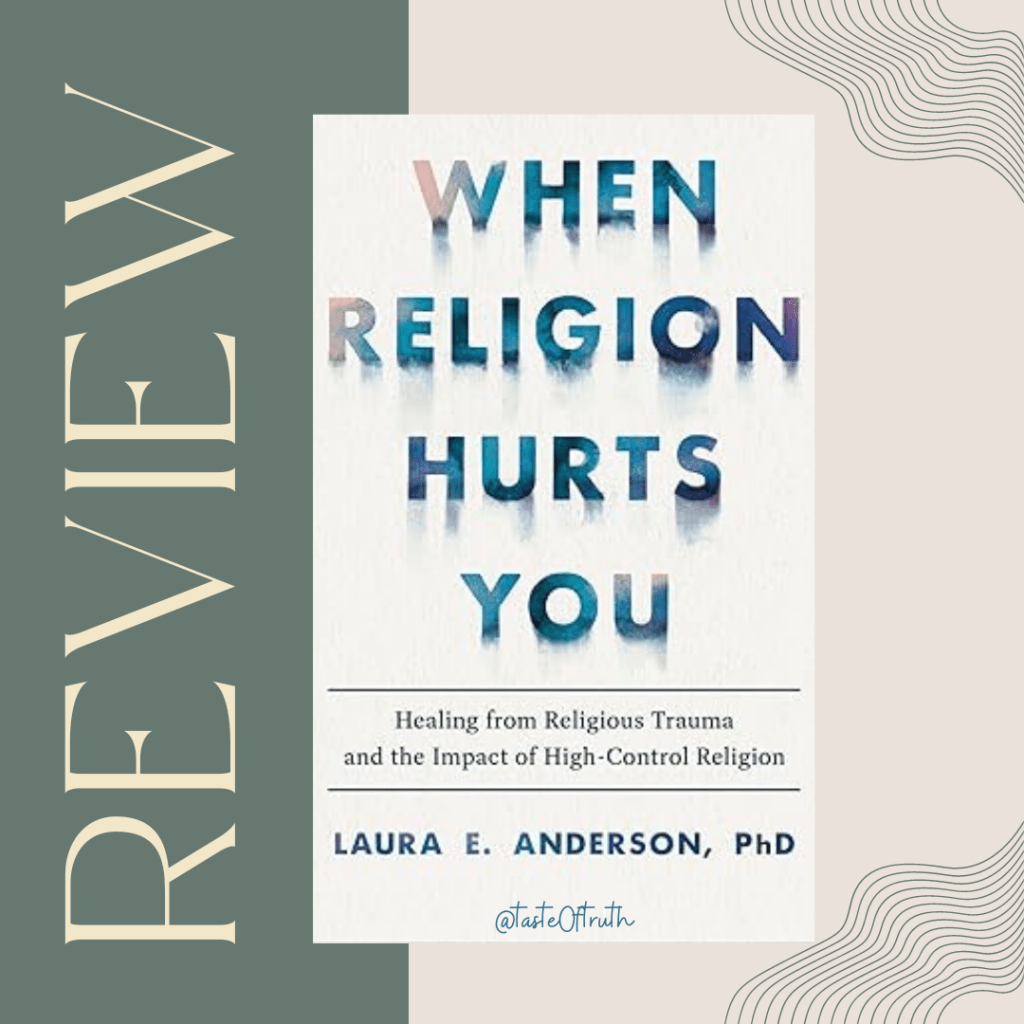
    BOOK REVIEW: When Religion Hurts You

    🎙️ In this week’s podcast episode, we explore my journey of disentangling from restrictive religious beliefs and rediscovering personal faith and autonomy.

    Listen here! 🎧

    I want to emphasize the importance of critical thinking and personal agency in shaping one’s spiritual journey.

    I believe by embracing curiosity, authenticity, and openness to new perspectives, I am inviting listeners to cultivate a deeper, more nuanced understanding of faith that is grounded in personal conviction and integrity.

    This book has been truly incredible for me on my deconstruction journey. I mentioned it multiple times in this week’s episode. I cannot recommend it enough!

    It serves as a beacon of support and empowerment for those of us who are navigating the complexities of disentanglement from restrictive religious beliefs. It offers validation, guidance, and solidarity to individuals who are embarking on this journey.

    Thank you @drlauraeanderson ❤️‍🩹

    #deconstruction#disentanglement#religioustrauma#adversereligiousexperiences#spiritualtruth#progressivechristianity#exvangelical#exevangelical#igotout_org#churchhurt#purityculture #religiousdeconstruction #faithdeconstruction #religioustrauma #deconstruction #deconstructingfaith #faithreconstruction #evolvingfaith #churchhurt #faithandmentalhealth #christiancoach #faithreconstructioncoach #toxicchristiancultures #deconstructionjourney #faithjourney #recoveringfrompurityculture #purityculture #purityculturesurvivor #purityculturerecovery #deconstructpurityculture

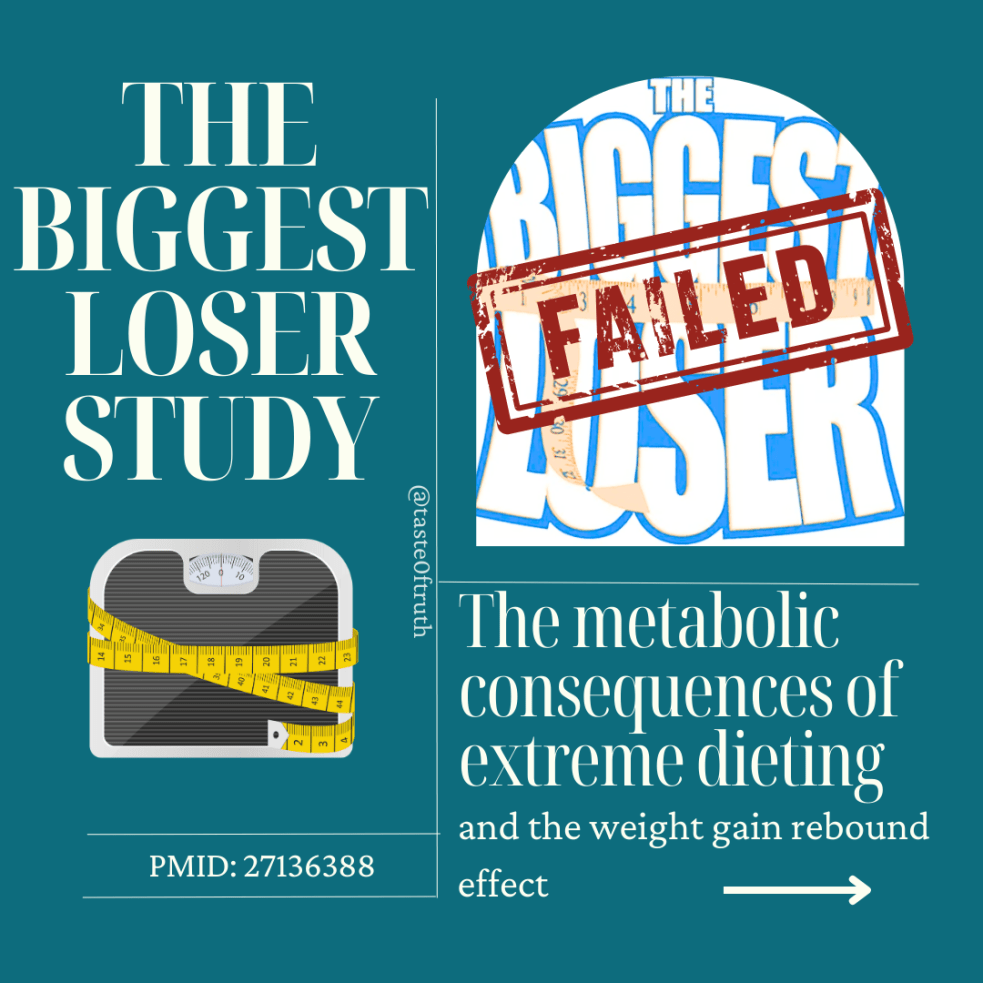
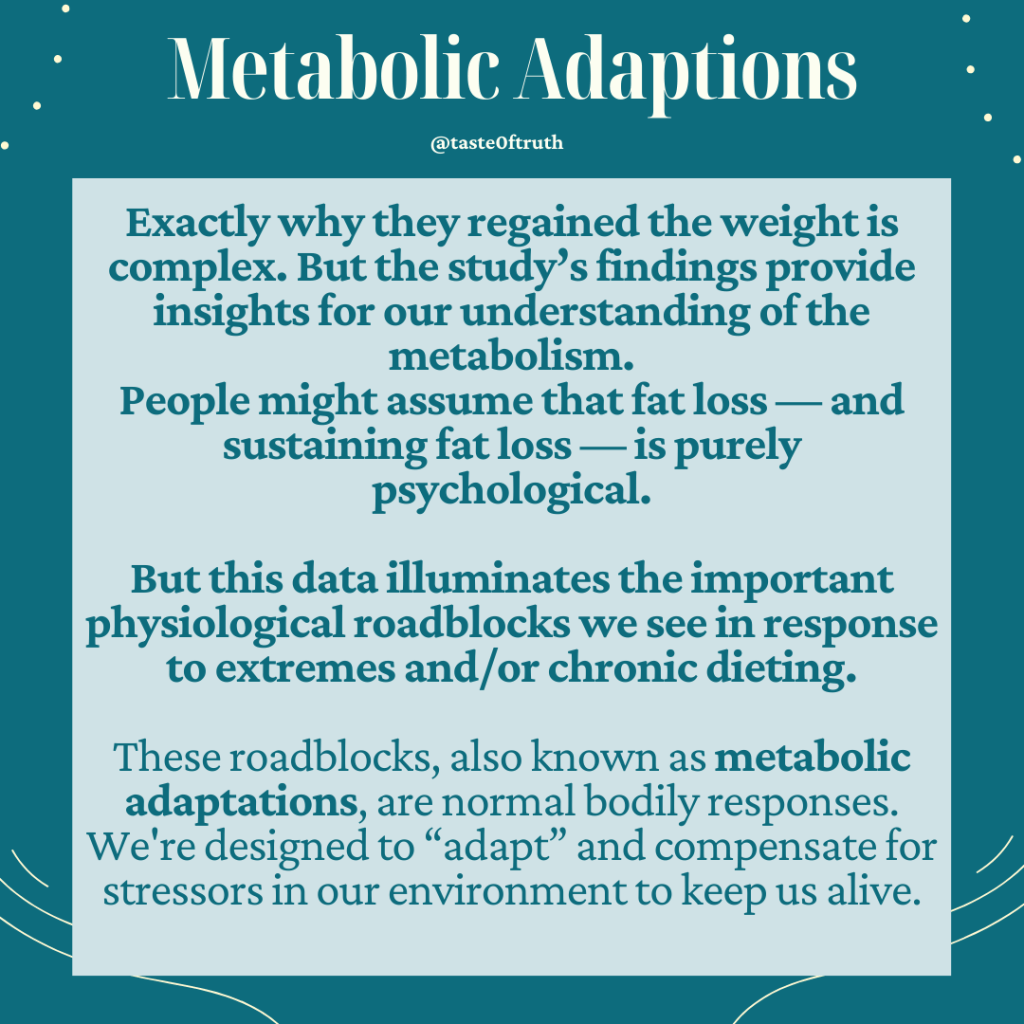
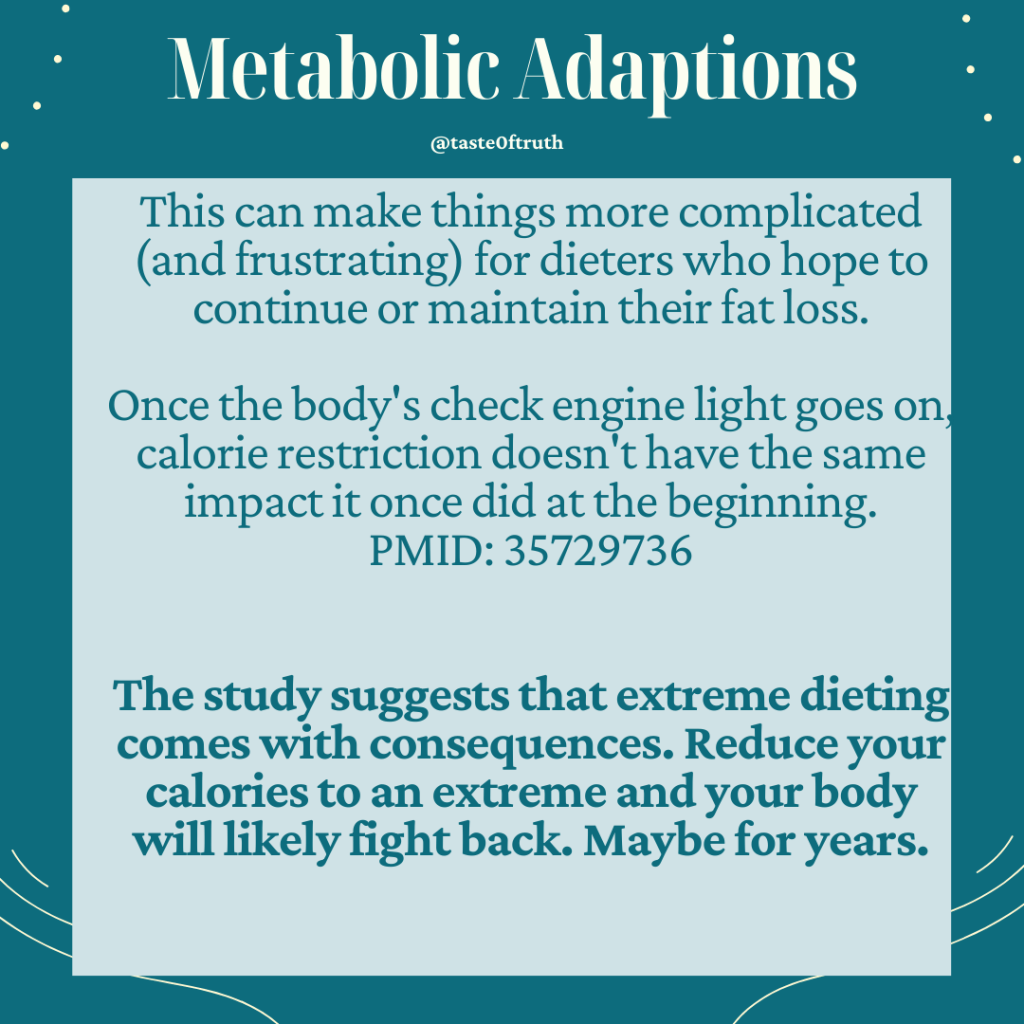
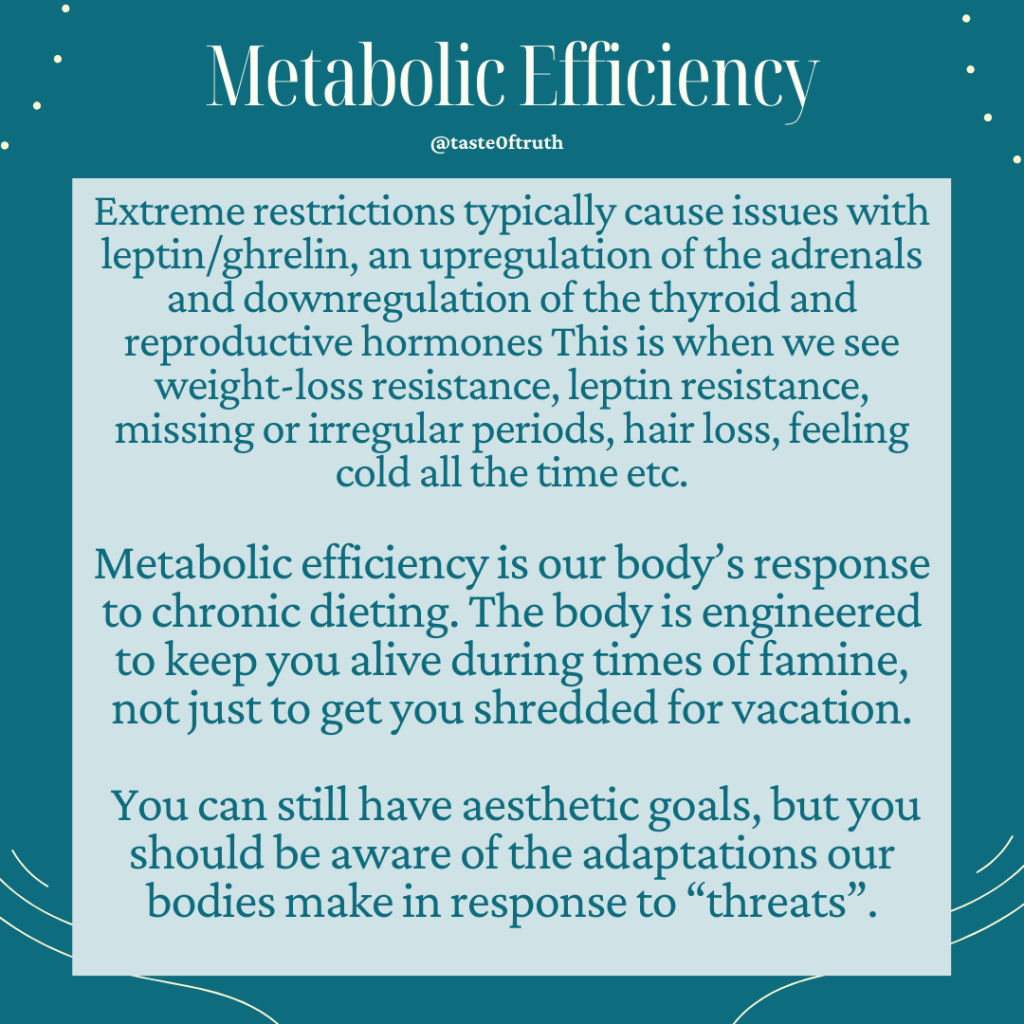
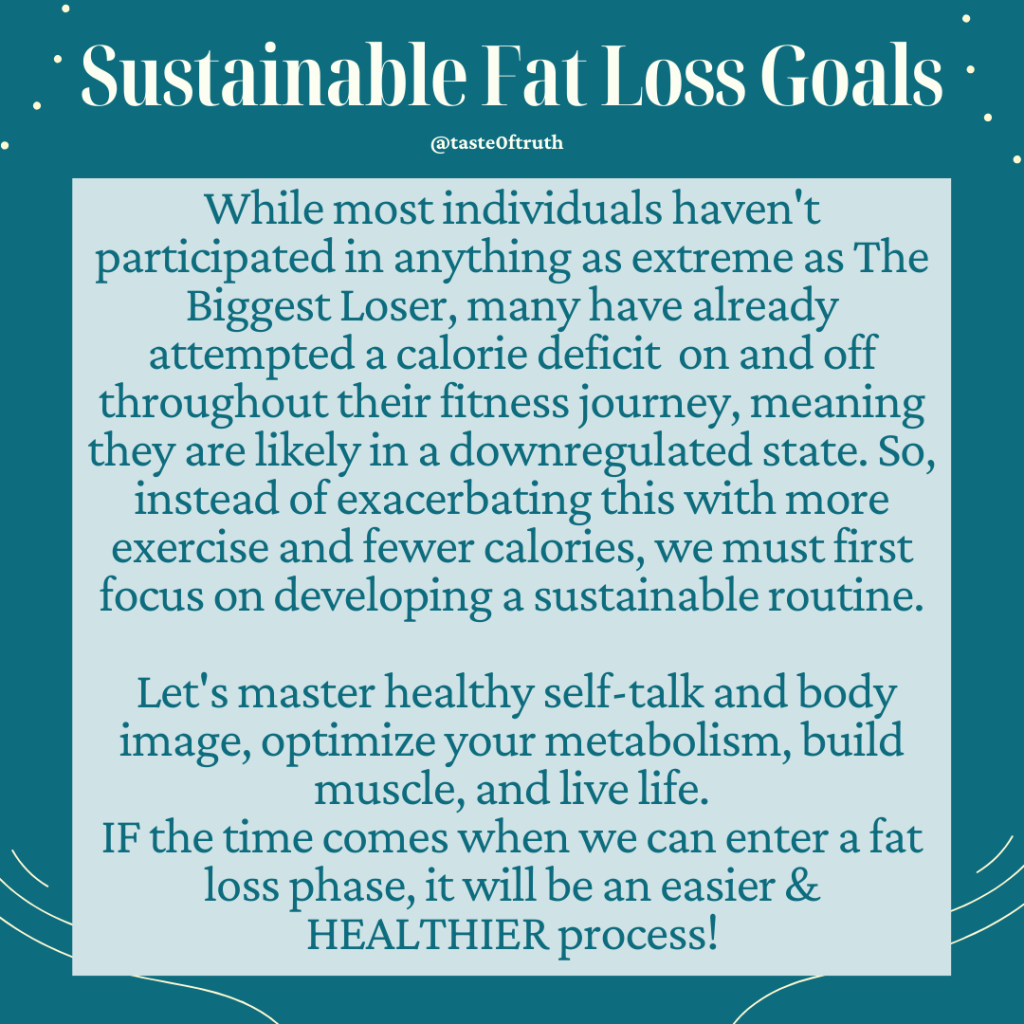
    The Biggest Loser Study-The metabolic consequences of extreme dieting & the weight gain rebound effect

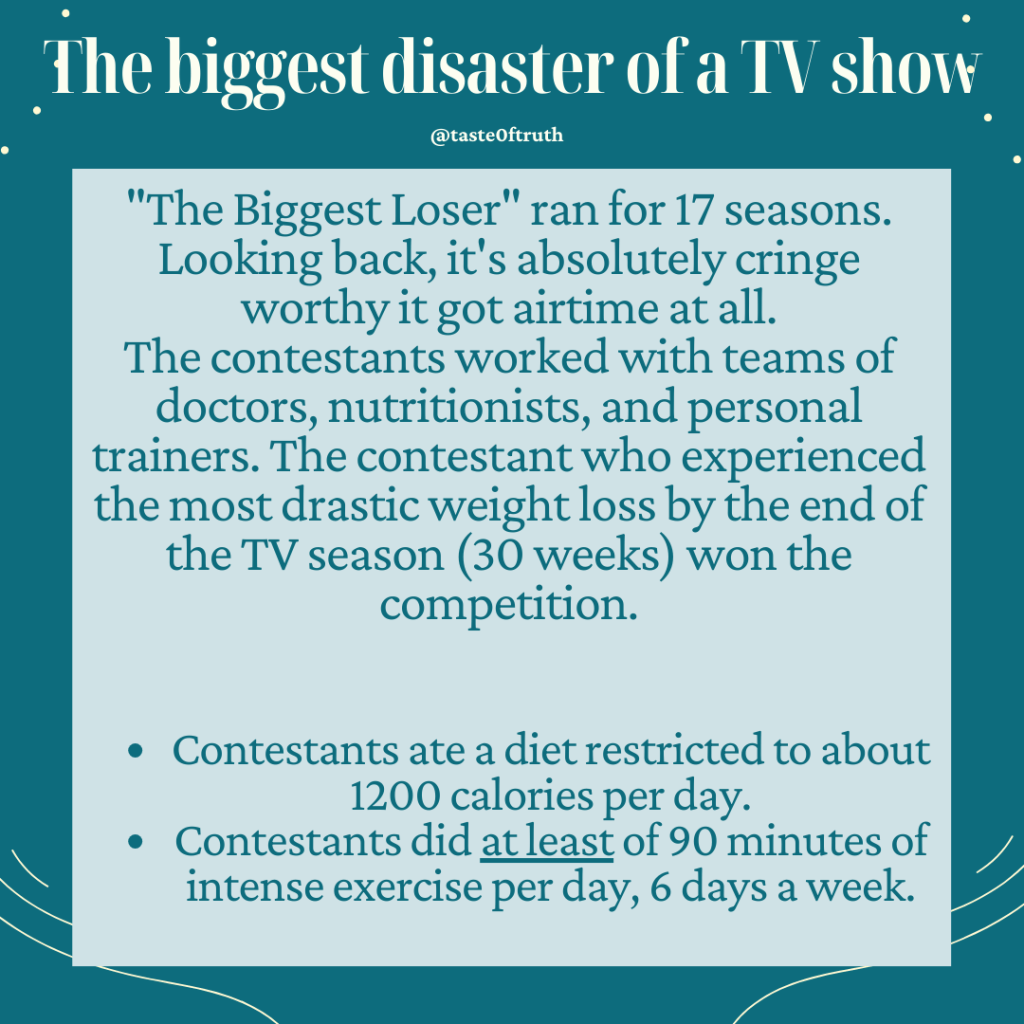
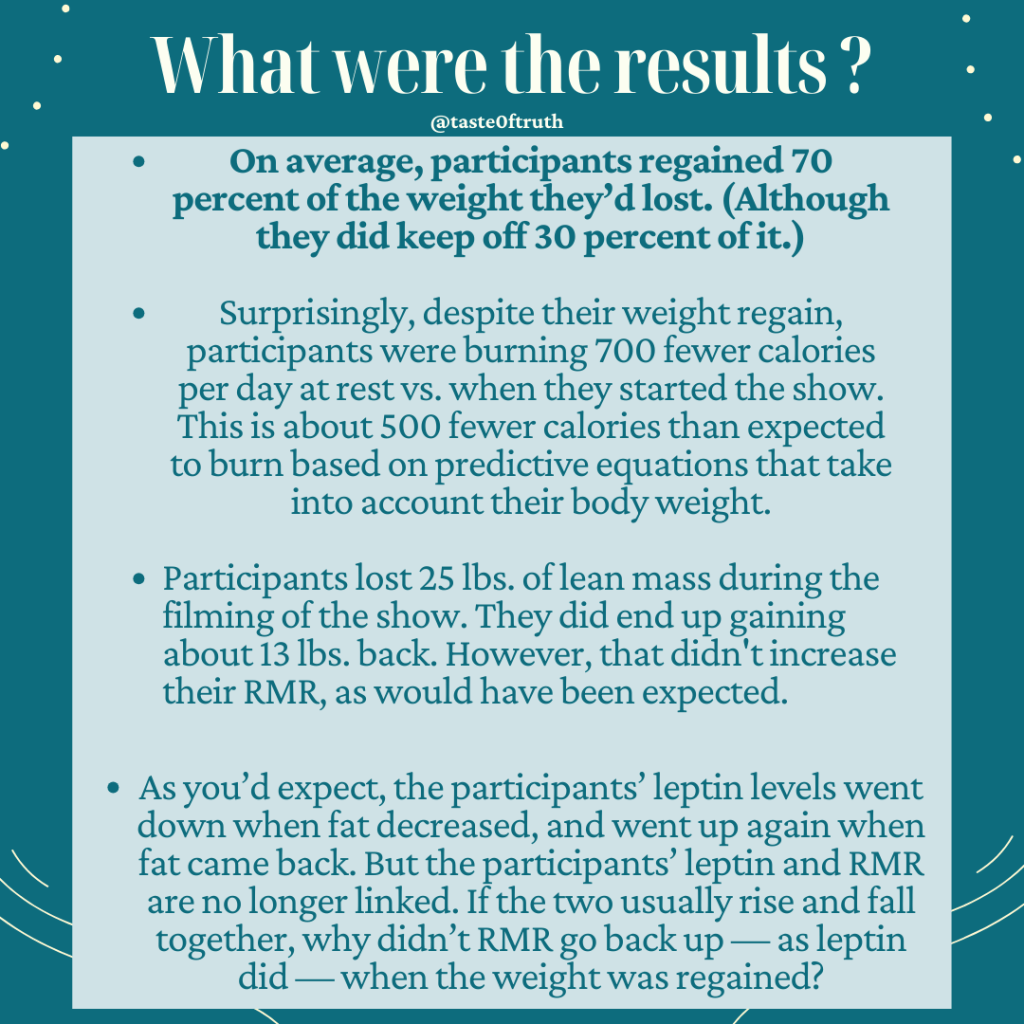
    🎙️ On this week’s podcast with @chewsfoodwisely, we explore the common question: Is your metabolism broken or adapted? An interesting study that showcases BOTH metabolic adaptation & metabolic efficiency is The Biggest Loser study!


    👉🏻SWIPE👉🏻
    Our guest, Nicole, a renowned nutrition expert, helps us navigate through the complexities of metabolism and offers insights into understanding how our bodies respond to various factors such as diet, exercise, and lifestyle.

    We discuss the differences between a “broken” metabolism and one that has adapted to environmental influences, as well as practical tips for optimizing metabolic health.

    Tune in to our latest podcast episode where we’ll be sharing expert insights, tips, and strategies to revitalize your metabolism and get back on track.


    Let’s reclaim your health and crush those goals together! 💪🔥

    #BrokenMetabolism #FitnessJourney #HealthGoals #biggestloser #weightlossjourney #christianpodcast #christianblogger #faith #faithbasedwellness #wellness #dietculturedropout

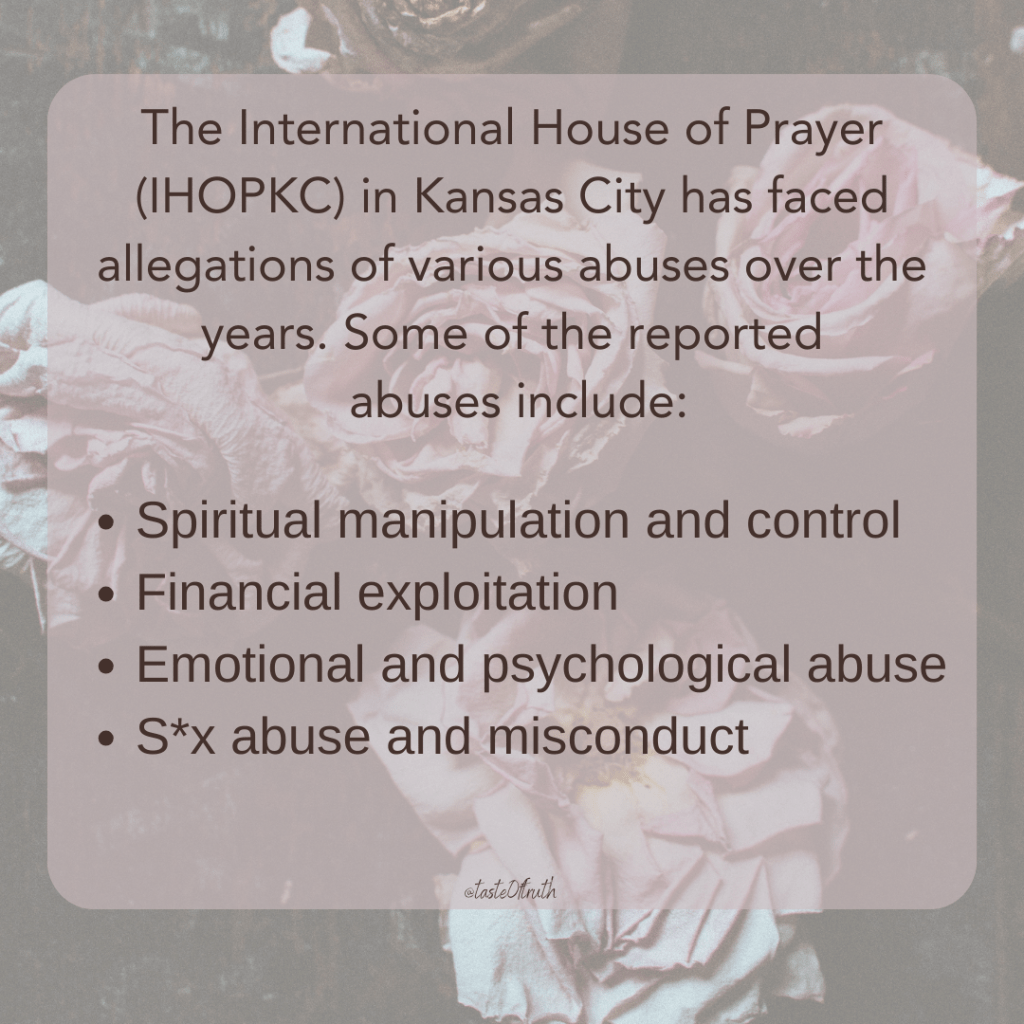
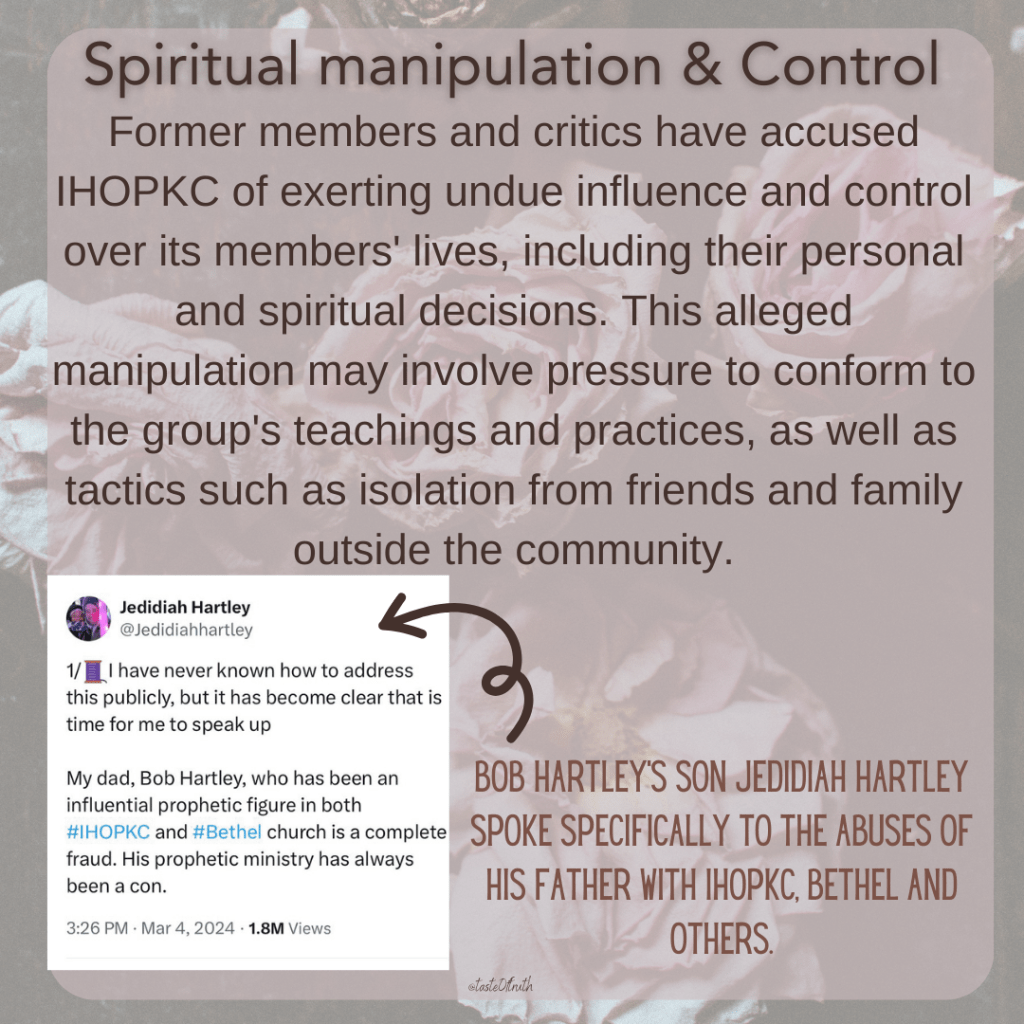
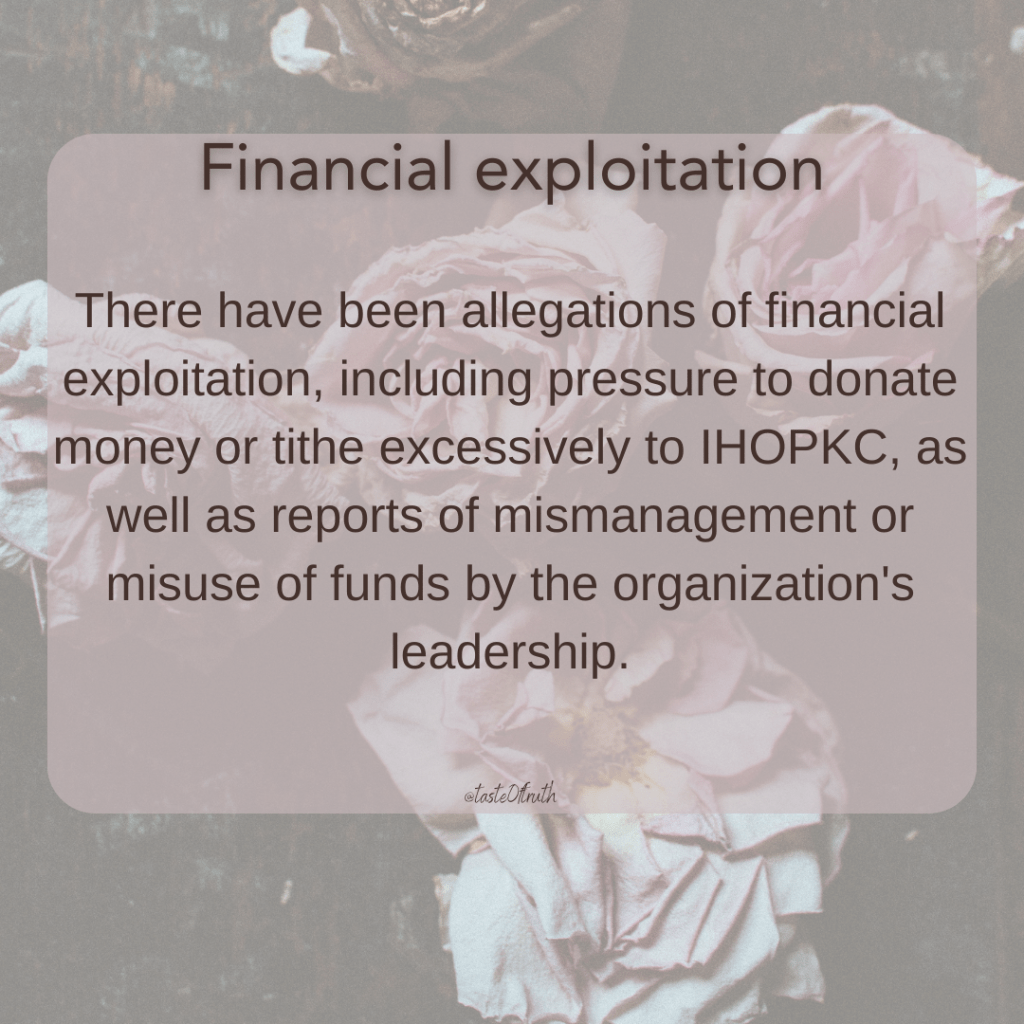
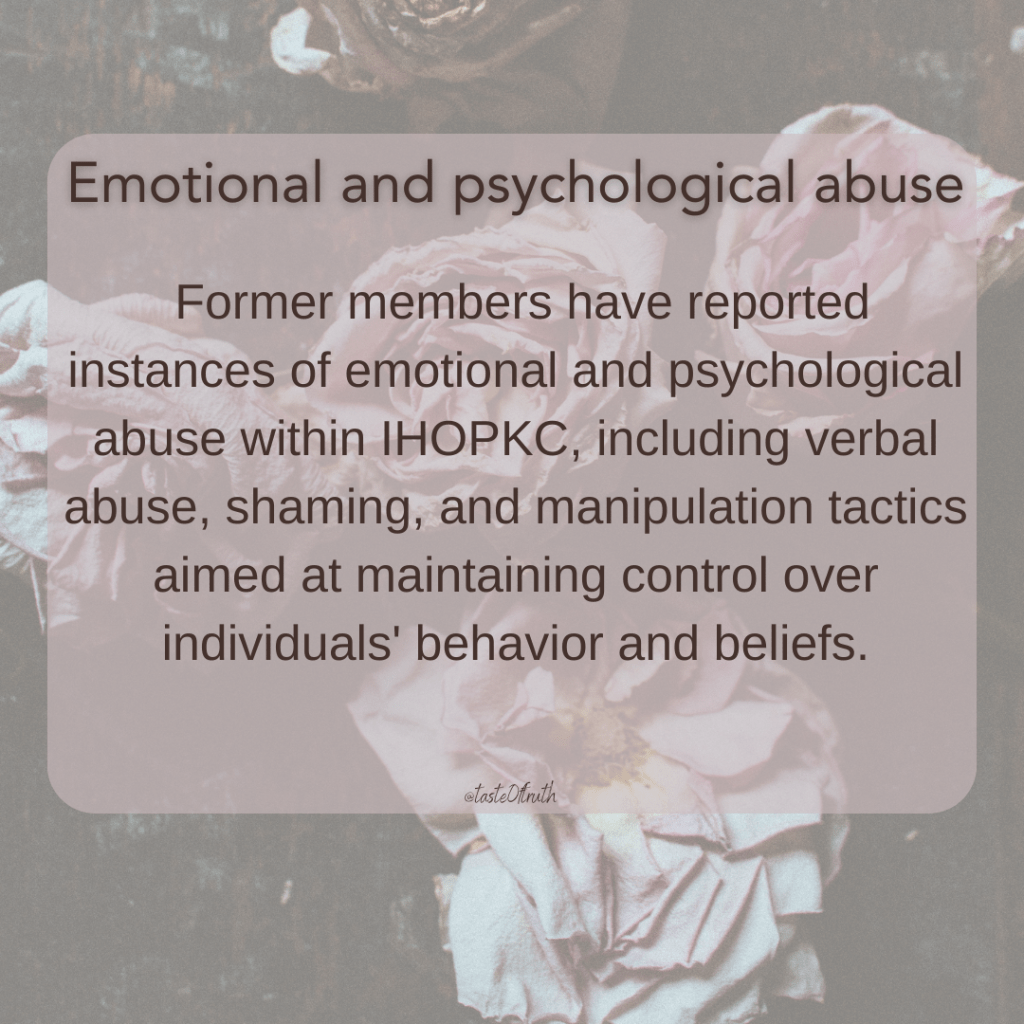
    IHOPKC-Manipulation, Deception & Spiritual Harm

    🎙️Episode 10 From Falsehood to Freedom: Lessons from a former False Prophetess

    This week on the podcast we had Dawn Hill with us who discussed that a HUGE issue with the prophetic prayers and prophetic word movement is the potential for manipulation, deception, and spiritual harm.

    I can’t help but to notice the brutal similarities between the approach IHOPKC is taking which is clearly focused on maintaining control and protecting the institution & the scandals within the Grace Community Church & ACBC Biblical/Nouthetic counseling.

    If you or anyone you know has experienced abuse or misconduct within IHOPKC or any other religious organization PLEASE be encouraged to seek support, speak out, and report your experiences to appropriate authorities.

    SEEK THEN SPEAK – A tool for sexual assault survivors and support people. Visit seekthenspeak.app to fill out a private survey to gather information and consider your next steps.

    MOCSA (Metropolitan Organization to Counter S*xual Assault)

    Call the crisis hotline at (816) 531-0233 in Missouri or (913) 642-0233 in Kansas.

    DRZ Law Call (913) 400-2033 to request a free case evaluation.

    BozLaw PA – Now representing victims of IHOPKC
    Visit http://www.bozlawpa.com and fill out the form on the website to request a free case evaluation.

    International House of Prayer Founder Mike Bickle Accused …… | News & Reporting | Christianity Today

    IHOP Prayer Movement Disputes Link to Murder in Religious …… | News & Reporting | Christianity Today

    IHOPKC confirms ‘inappropriate behavior,’ announces permanent split with founder Bickle (msn.com)

    Woman Says Mike Bickle Used Prophecy to Sexually Abuse Her (julieroys.com)

    IHOPKC Stories – A platform to share your stories