When I first joined a multi-level marketing company, it felt like destiny. Freedom. Empowerment. Community. So much so that I tattooed “trust the process” on my body as a daily reminder. But the deeper I got, the more I noticed the cracks: emotional manipulation, magical thinking, and an almost religious silencing of doubts.
If you missed last week’s episode here is the deep dive of my own experience.
That’s why I’m thrilled to share this week’s podcast interview with Robert L. FitzPatrick. Robert has been sounding the alarm on MLMs for decades, long before it was common to describe them as cult-like. He’s the author of Ponzinomics: The Untold Story of Multi-Level Marketing, co-author of False Profits, and a respected expert cited by the BBC, The New York Times, and courts alike. For years, he’s been giving people the tools (language, data, and perspective) to recognize MLMs for what they truly are: predatory business models, not opportunities.
Here is the image of the “Airplane Game” we reference in the interview
In this episode, we cover:
The Spark: Robert’s first encounter with a scam-like business in the 1980s, which pushed him into decades of research on MLMs and fraud—mirroring the way my own personal MLM experience prompted deep self-examination.
Why “Not All MLMs” Is a Myth: The business model itself is designed to funnel money upward, making it impossible for the vast majority to succeed, regardless of the company or product.
Puritan Theology & Prosperity: How old ideas linking wealth to virtue evolved into the prosperity gospel, and how MLMs exploit that mindset.
Cultural Hooks: From hustle culture to self-improvement mantras and spiritual undertones, MLMs borrow heavily from mainstream culture to recruit and retain followers.
Narrative Control: How pre-scripted objections, emotional manipulation, and silencing tactics maintain loyalty and block critical thinking—something I’ve noticed both in MLMs and high-control religious groups.
The Hard Numbers: Realistic odds of success are brutal—most recruits lose money, almost all quit within a year, and mandatory purchases like “Healthy Mind and Body” programs or the Isabody Challenge trap participants financially and emotionally.
Legality & Political Protection: If MLMs are fundamentally unfair, how are they still legal? And what protects them politically?
Beyond the MLM Mindset: MLMs don’t just drain your wallet—they reshape identities, fracture communities, and erode trust in yourself and others.
This conversation is essential for anyone curious about MLMs, whether you’ve been drawn into one, have friends or family involved, or are simply interested in understanding how these systems work under the surface. Robert’s insights give us not just the numbers, but the language and tools to recognize the scam and the courage to break free from it.
Tune in for an eye-opening conversation that goes beyond the hype and digs into the real human cost of MLMs.
Today we’re unpacking several interwoven topics I’ve explored in my writing before why people get drawn into high-control environments and how forgiveness in Christian culture is often weaponized, not as a path to healing, but as a tool to silence victims and protect institutions. This isn’t just a personal issue; it’s an institutional one.
This came into sharp focus after Erika Kirk, Charlie Kirk’s widow, said she forgives her husband’s killer. I’m not here to critique her grief, that’s her own process. What I want to explore is the cultural framework that makes this kind of forgiveness expected, celebrated, and even demanded in evangelical spaces. I have a MUCH MUCH longer blog linked here if you want to go much deeper than I plan to cover today.
Before even touching forgiveness, let’s pause on why this moment is so primed for revivalist recruiting. Sociologists and psychologists have long noted that people are most vulnerable to high-control groups (whether churches or MLMs) during times of disruption and emotional chaos.
Laura Dodsworth, in her book Free Your Mind, calls this a “blip.” A blip is any disruption that cracks our normal defenses: loss, illness, exhaustion, grief. Even smaller stressors (Think HALT) Hunger, anger/anxiety, loneliness or being tired can chip away at our resistance. Push long enough, and the conscious mind collapses into a state of openness, hungry for belonging and ready to absorb new narratives.
That’s exactly what makes funerals, memorials, and major crises fertile ground for recruitment. Orwell nailed it in 1984:
“Power is in tearing human minds to pieces and putting them together again in shapes of your own choosing.”
Jehovah’s Witnesses even admit to targeting what they call “ripe fruit”-the recently bereaved. In Brazil, recruiters have driven cars with loudspeakers through cemeteries on All Souls’ Day, broadcasting sermons to tens of thousands of mourners. That isn’t compassion; it’s strategic exploitation. Naomi Klein would call it the Shock Doctrine: trauma as an entry point for control.
We’re seeing the same tactics play out online right now. Someone posts about “returning to church” after years away, and within hours their feed fills with love-bombing-likes, comments, and digital hugs. It feels affirming, but it’s also classic manipulation: vulnerability plus attention equals a wide-open door into manipulation.
And so it’s no surprise that revivalist energy is surging in the wake of Kirk’s death.
Situational vulnerability + orchestrated belonging = fertile ground for expansion.
The Myth of “Christlike” Forgiveness
This brings us back to forgiveness. I want to be CLEAR HERE, obviously Erika Kirk wasn’t coerced into forgiving, but in evangelical culture forgiveness is never entirely personal, it’s baked into the ethos. The more you forgive, the more “Christlike” you appear.
Matthew 6:14–15“For if you forgive others their trespasses, your heavenly Father will also forgive you, but if you do not forgive others their trespasses, neither will your Father forgive your trespasses.”
That expectation is dangerous. Forgiveness is sacred when it grows out of genuine healing. But when demanded prematurely, it becomes a weapon. Survivors are told to “forgive as you’ve been forgiven” before they’re ready, before their pain is acknowledged, and typically long before their abuser is held accountable.
Pete Walker, in The Tao of Fully Feeling, argues that forgiveness is not a one-time act but a continual choice and that choice only works after grief, rage, and hurt are fully processed. Skip that, and forgiveness turns into compliance, a way to silence anger and keep victims stuck.
In other words: real forgiveness empowers the survivor. Weaponized forgiveness protects the institution.
How Churches Use Forgiveness to Protect Themselves
We’ve seen this pattern across evangelical institutions:
The Guidepost Report (2022) exposed that SBC leadership maintained a secret list of over 700 abusive pastors, shielding them from consequences while survivors were ignored, discredited, or retaliated against.
Jennifer Lyell, an SBC abuse survivor, was vilified by church leadership when she came forward. Instead of support, she was publicly shamed, and her abuser faced no consequences.
Christa Brown, another survivor, spent years advocating for reform after being assaulted by her youth pastor. The SBC’s response? Stonewalling, gaslighting, and further silencing.
Jehovah’s Witnesses have a longstanding pattern of protecting sexual predatorsunder their “two-witness rule,” which requires at least two people to witness abuse for it to be considered valid. This impossible standard allows abusers to go unpunished while victims are shunned for speaking out.
In each case, forgiveness isn’t about healing. It’s about compliance, silence, and institutional survival.
Nietzsche, Freud, and the Cycles of Guilt
This isn’t new. Nietzsche warned that Abrahamic religions hijacked older wisdom traditions, reframing them into systems of obedience rather than life-affirmation. Freud saw religion as a kind of collective neurosis, trapping people in loops of guilt and repression.
What is ironic, Freud’s own psychoanalytic model looks eerily similar to the religious structures he critiqued. As historian Bakan and others have suggested, Freud may have drawn (consciously or not) on Jewish mysticism, replacing priests with analysts, confession with therapy, sin with repressed desire. In trying to explain away religion, Freud ended up reproducing its patterns in secular form. In other words, the pattern of taking human vulnerability and channeling it into control runs deep.
And this is where Laura Dodsworth’s idea of the “blip” becomes so relevant. The blip is that moment of rupture…when you’re grieving, disoriented, exhausted, or otherwise cracked open. Your defenses are down, your critical mind isn’t firing at full strength, and the brain is searching for something to hold onto. In these liminal spaces, new ideologies rush in.
That’s why this moment is so ripe for revivalist energy. It’s not just about forgiveness…it’s about the total atmosphere of grief and disruption that can act as a blip. And high-control groups know it. It’s why political movements, religious revivals, and even MLMs wait for crisis points: job loss, divorce, a death in the family. The blip isn’t compassionately held-it’s exploited.
So when we watch something like Kirk’s memorial, we’re not just seeing personal mourning. We’re watching a social script unfold, one that revivalists know how to activate. In this script, forgiveness, obedience, and “turning your life over” aren’t neutral virtues—they become instruments of recruitment. Which means the real question isn’t should people forgive, but who benefits when forgiveness and emotional openness are demanded at the exact moment people are least able to resist?
Sources & Recommended Reading
Laura Dodsworth, Free Your Mind: The New World of Manipulation and How to Resist It (2023) – esp. Chapter 10, “Watch Out for the Blip.”
George Orwell, 1984 (1949) – “Power is in tearing human minds to pieces…”
Naomi Klein, The Shock Doctrine: The Rise of Disaster Capitalism (2007).
Pete Walker, The Tao of Fully Feeling: Harvesting Forgiveness out of Blame (1996).
Friedrich Nietzsche, On the Genealogy of Morals (1887); The Antichrist (1895).
Sigmund Freud, The Future of an Illusion (1927).
David Bakan, Sigmund Freud and the Jewish Mystical Tradition (1958).
What’s a racist, homophobe, sexist, bigot, or hater? Apparently, anyone winning an argument with a liberal these days.
This year has been a wild ride. It began with me terrified of Satan, demons, and the Apocalypse, only to be ending it realizing the real danger isn’t hellfire—it’s the dogmas we create here on Earth. I didn’t grow up religious. In fact, I was raised secular, moved to Portland, OR after college, and could give you a TED Talk on progressive ideals. But then the pandemic hit, and somewhere between sourdough starters and doomscrolling, I found myself deep in the throes of fundamentalist Christianity.
That’s right—I started the year in a cult. It took months to deconstruct my faith, peel back the layers of fear-based control, and reimagine spirituality beyond the man-made monotheistic God I was sold. Yet, just as I was catching my breath, I noticed something chilling: the same patterns of zealotry I had fled were alive and well in the secular world.
Wokeness, with its sermons on systemic oppression and sacraments of allyship, has become the new secular religion. It demands unwavering faith, punishes heretics, and offers little room for redemption. And just like the fire-and-brimstone preachers I’d left behind, its most fervent believers seem less interested in dialogue and more intent on moral superiority.
Thought leaders like John McWhorter (Woke Racism), Yasmine Mohammed (Unveiled), and Douglas Murray (The Madness of Crowds) have drawn the same parallels: woke ideology mirrors religious extremism, complete with its own prophets and purges. And as someone who’s lived through both kinds of radicalism, I’m here to tell you—it’s not just unsettling; it’s dangerous.
How woke ideology mirrors religious extremism
In my podcast episode titled Faith Unbound: Navigating the Process of Disentanglement—or rather, Deconversion—I delved into my initial discovery of the Ex-evangelical Christian network. Back in February 2024, it felt like a lifeline, a safe haven for questioning my former religious beliefs. But after 6–7 months of immersion, patterns began to emerge. While the movement has been instrumental for many, I couldn’t ignore the creeping rigidity and tribalism. The hunger for certainty, the need to be on the “right side,” often replaces one dogma with another.
A striking example of this surfaced in Sexvangelicals’ episode How to Do Social Justice This Election Season Without Being a Jackass. They state:
“November’s presidential election offers a stark contrast between two types of government. One is democracy, built on the idea that many people have voices and, ideally, a government that serves a broad population. The other is autocracy, which operates on the belief that only a few have a say. Autocracies, like the 2024 Republican Party, often communicate through tactics such as blame, repression, and fear-mongering. In our latest episode, we discuss common communication strategies used by autocracies and how progressives and pro-democracy voters can avoid responding in ways that reinforce jackassdom.”
My response? “It’s not your enemies, it’s the system.” This narrative reduces a complex political landscape into a simplistic moral battle, with one side as saviors of democracy and the other as agents of autocracy. But this dichotomy misses the bigger picture. Who really shapes policy in America?
A 2014 study by Martin Gilens and Benjamin Page, often dubbed the “Oligarchy Study,” analyzed policy decisions across two decades. It revealed that elites and organized interest groups wield disproportionate influence over government decisions, while the average citizen’s impact is negligible. This stark reality transcends partisan politics and lays bare a systemic issue: power isn’t held by the left or right—it’s concentrated in the hands of those who profit from our division.
By framing every election as a battle for democracy versus tyranny, we’re falling into the trap of distraction. The real question isn’t, “Which side am I on?” but, “Who benefits from keeping me here, fighting, and not looking beyond this binary?”
The claim that the Republican Party represents an autocracy, as made by Sexvangelicals, is not just simplistic—it’s laughably disconnected from reality. To label one political party as authoritarian while ignoring the bipartisan complicity in maintaining an oligarchic system is either naïve or willfully ignorant.
Take the oligarchic nature of U.S. politics. Both major parties have long benefited from the concentration of wealth and power at the top. Consider the case of former House Speaker Nancy Pelosi, whose net worth has ballooned through stock trades that suspiciously align with her legislative influence. Or Barack Obama (Barry Soetoro), who went from public servant to multi-millionaire, cashing in on book deals, speaking engagements, and lucrative partnerships with Netflix after leaving office.
Then there’s President Joe Biden. While progressives champion him as a defender of democracy, his record is far from pristine. Most recently, questions surrounding his son Hunter Biden’s international business dealings—spanning over a decade—have drawn scrutiny. Hunter’s alleged tax evasion and unregistered foreign lobbying have raised concerns, yet he continues to receive leniency from the justice system.
This isn’t to excuse Republicans from criticism, but the suggestion that they alone embody authoritarian tendencies is absurd when Democrats have equally reaped the rewards of an oligarchic system. Both parties serve the interests of economic elites and organized lobbyists far more faithfully than they do the average voter.
The Magnet, from Puck, 1911.(Udo J. Keppler / Library of Congress)
The bipartisan reality of the oligarchy dismantles the “democracy versus autocracy” narrative. For instance, the same Gilens and Page study cited earlier reveals that the preferences of the bottom 90% of income earners have statistically no impact on policy outcomes. Meanwhile, corporate donors and lobbying groups continue to hold sway over legislation regardless of which party is in power.
By framing Republicans as the sole villains in this story, Sexvangelicals perpetuates the kind of shallow tribalism that fuels division while leaving the real culprits—wealthy elites and corporate interests—untouched. The truth is that our democracy has been compromised for decades, and it will remain so until both sides of the aisle are held accountable for their role in preserving this oligarchic system.
Instead of directing anger at individuals or parties, we should be asking: How do we break free from a system designed to keep us pointing fingers at each other while those in power profit from the chaos?
From Crunchy Hippie to Conservative Christian Pipeline: My Journey Through the Radicalization Maze
Growing up secular, I’d have laughed at the idea that I would someday align with conservative or religious ideologies. Portland, Oregon, was my playground of progressive ideals—a city where conservatism felt like the root of every societal ill. But life has a way of challenging our convictions. Late in the pandemic, isolated and seeking meaning, I fell into an extreme version of Christianity. What I once dismissed as unthinkable became my new normal—until it wasn’t. Earlier this year, I deconstructed those beliefs, peeling back the layers of what led me there. Read/listen all about HERE!
Now, I can see the flaws and virtues of both worlds, which is why I find the frame of mind in deconstruction spaces puzzling. Many accounts misrepresent or overgeneralize conservatives—the very people they once were or grew up with—and cast the same stones they once had thrown at them.
It reminds me of this quote from the book The Righteous Mind:
“I had escaped from my prior partisan mind-set (reject first, ask rhetorical questions later) and began to think about liberal and conservative policies as manifestations of deeply conflicting but equally heartfelt visions of the good society. It felt good to be released from partisan anger. And once I was no longer angry, I was no longer committed to reaching the conclusion that righteous anger demands: we are right, they are wrong.”
Deconstructing past beliefs should be about nuance, growth, and intellectual humility—not trading one form of black-and-white thinking for another. When we fail to empathize with others’ moral frameworks, we miss out on a deeper understanding of the human experience.
Many in the ex-evangelical space now lean far left in their political views, where values like care, fairness, and empathy take center stage. Conservative values like loyalty and authority are dismissed or viewed with suspicion, fostering an “us vs. them” mentality.
This cultural shift into victimhood is explored further in The Coddling of the American Mind by Greg Lukianoff and Jonathan Haidt, who identify three “Great Untruths” that help explain these societal trends:
1) “What doesn’t kill you makes you weaker,”
2) “Always trust your feelings,”
3) “Life is a battle between good people and evil people.”
These untruths, they argue, contribute to fragility, discourage critical thinking, and promote a tribal mentality—characteristics that are increasingly evident in both the deconstruction space and parts of the progressive left. The focus on emotional responses over rational thought and the growing divide between “us” and “them” only strengthens these dynamics. For a deeper dive into this.
Woke Ideology as a Secular Faith: A Closer Look
“What we’re seeing isn’t a quest for justice but a demand for unquestioning orthodoxy.”
John McWhorter argues that wokeism functions like a full-fledged religion. It provides a moral framework that mirrors traditional religious beliefs. Instead of concepts like original sin, wokeism offers “privilege,” positioning those with it as morally compromised. In place of rituals like prayer, adherents perform acts like confessing their biases. And, similar to the salvation promised in traditional religions, salvation in wokeism comes through activism and striving for societal change. He warns that its refusal to tolerate dissent turns it into a rigid orthodoxy rather than a genuine quest for justice. For many, including those who’ve deconstructed evangelical faith, this framework hits uncomfortably close to home.
Many of the individuals I met and conversed with who now identify as progressive or left leaning have simply exchanged the evangelical radicalism of their past for their new liberal beliefs. Social justice, in this sense, has become their new End Times—complete with the same apocalyptic fervor. And it’s painfully obvious.
Douglas Murray discusses this analysis further in The Madness of Crowds. He suggests that wokeism often serves as a substitute for religion in today’s secular world. As belief in traditional religions has waned, people have sought meaning elsewhere—and wokeism fills that void. It provides clear rules and a sense of belonging, but in doing so, it also shuts down open debate and nuanced conversation.
The New Authority: From Sky Daddy to State Agencies
A striking similarity between fundamentalist religion and woke ideology is the relentless worship of authority. For those who’ve left behind their “big sky daddy,” that void has been filled by institutions like the CDC, FDA, and government agencies. The pandemic demonstrated how blind faith can easily shift from divine to institutional.
This is where the religion of scientism enters the picture—where reason and science are elevated to the status of ultimate truth. Figures who present themselves as “experts” rely on surface-level expertise and selective data to craft narratives that appear authoritative, yet fail under scrutiny. They become the “fake intellectuals,” as Franklin O’Kanu calls them, feeding the cult of expertise while often lacking real intellectual rigor. In public health, this plays out with the “revolving door” between regulatory agencies and the pharmaceutical industry, which further complicates the narrative of impartiality.
The “revolving door” describes the flow of personnel between agencies like the CDC and the pharmaceutical industry. This cycle blurs the lines between public service and corporate interest, with former regulators influencing policies that benefit the very companies they once oversaw—creating a potential conflict of interest that’s staggering.
In this new system, the scientific establishment becomes the new authority—replacing the monotheistic idea of God with the “god” of reason and data. For those in the deconstruction space, this is a new form of dogma. It stifles curiosity, dismisses dissent, and discourages critical thinking—all in the name of progress. This mirrors the rigid certainty and tribalism found in the religious structures people sought to escape.
Worshipping “science” or blindly trusting clinical trials can be misleading. While clinical trials are seen as vital for medical progress, they are often heavily influenced by the pharmaceutical industry, which funds a vast majority of these trials. This creates a conflict of interest that can skew results and delay critical information about the risks of drugs. Examples like the Vioxx scandal, where a painkiller was marketed despite internal knowledge of its dangers, and the Tamiflu case, where the effectiveness of the drug was overstated, show how corporate interests can shape clinical trial outcomes. Clinical trials, while important, are not always as objective or transparent as they seem.
Empowering Dangerous Systems
Yasmine Mohammed’s Unveiled pushes the conversation even more, explaining how wokeism can actually empower authoritarian regimes. One key point she makes is how Western progressives, in the name of cultural relativism, avoid criticizing radical Islam. This gives a platform to extremist ideologies, which harms vulnerable groups like women and minorities. She argues,
“By shielding oppressive practices from scrutiny, wokeism betrays the very people it claims to protect.”
The binary “oppressor versus oppressed” narrative has become a staple of modern discourse, particularly within the context of the Israel-Palestine conflict. This oversimplified lens reduces complex geopolitical and historical realities to a stark dichotomy, fostering a dangerous environment where nuance is lost. It’s unnerving to see college students waving the flag of Palestine while simultaneously undermining U.S. monuments and values, while spreading fear mongering lies about Project 2025, and comparing Trump to Hitler. These contradictions are not only mind-numbing but also deeply troubling, signaling a shift toward ideological extremism that dismisses the complexities of any issue in favor of emotional, binary thinking.
Antisemitism has spiked globally after the October 7 attacks on Israel, but this tragic reality has also fueled the misuse of the term “antisemitism” to suppress valid critiques of Israeli policies. Labeling critics as antisemitic conflates political criticism with hate, shutting down meaningful dialogue essential to addressing the Israel-Palestine conflict’s complexities.
This approach mirrors patterns within woke ideology, where dissent is often silenced in the name of ideological purity. The weaponization of identity politics and accusations hinders nuanced discussions and reinforces systems of power, obstructing pathways to justice and true understanding.
Vivek Ramaswamy, in Woke, Inc., adds another layer to this by discussing how authoritarian regimes like China’s Communist Party (CCP) take advantage of woke rhetoric. According to Ramaswamy, the CCP amplifies America’s internal divisions—often fueled by wokeism—to weaken the West. By focusing on these cultural rifts, China diverts attention from its own human rights abuses, all while strengthening its geopolitical position. This is part of China’s broader geopolitical strategy, which seeks to deflect attention from its authoritarian practices while exploiting divisions in Western societies.
This pattern can be seen as part of a broader effort to exploit the distractions created by cultural conflicts to enhance its influence in global organizations, trade, and international relations. For example, while Western nations debate internal social issues, China continues its expansive Belt and Road Initiative, which increases its influence across developing nations.
Heretics and the Price of Dissent
Religious movements and extreme ideologies, like wokeism, are often defined by their treatment of dissenters or heretics. Woke spaces, much like traditional religious communities, are quick to condemn those who question or criticize. Whether it’s TERFs (trans-exclusionary radical feminists) or former progressives like Yasmine Mohammed, those who dissent face severe backlash. This exclusionary behavior creates a stifling environment, not dissimilar to how traditional religions treat apostates. As Douglas Murray puts it, “The hatred reserved for heretics is often more intense than that directed at outsiders.”
But this dynamic is about more than just ideological rigidity—it’s also rooted in human psychology. The human brain is naturally drawn to certainty. When we embrace extreme ideologies, we seek control over our environment, which provides us a sense of stability and security. Research in neuroscience shows that when our beliefs are challenged, we experience discomfort, but defending them can trigger a dopamine response, rewarding us with a sense of control. The brain gets a “hit” from maintaining a sense of certainty, even if it’s at the cost of nuance or rational discussion.
In fact, this need for certainty can become addictive. The human brain often craves certainty in the form of binary thinking—where things are either completely right or completely wrong. This type of thinking is satisfying because it shields us from the cognitive dissonance that arises when faced with complexity or ambiguity. In the case of woke ideology, the call for absolute adherence to certain beliefs or behaviors is not just about social justice—it’s a way to satisfy that neurological need for control. When we feel justified in our beliefs and actions, we receive a dopamine “reward,” reinforcing the behavior.
This addiction to certainty can also be seen in extreme partisanship. The more entrenched we become in one side, the more our brain is rewarded for defending it. It’s why many people in the deconstruction space or on the political left engage in “mental gymnastics”—creating justifications and rationalizations that protect their beliefs. This isn’t just about ideology; it’s about keeping that dopamine reward flowing, keeping the illusion of control intact, and avoiding the discomfort of uncertainty.
The problem is this pattern of thinking isn’t conducive to open dialogue or true critical thinking. The “us vs. them” mentality becomes more pronounced, and the space for nuance, disagreement, and personal growth shrinks. Instead of engaging with opposing views, individuals self-censor or double down on their beliefs, further entrenched in the addictive cycle of ideological purity.
Moving Forward: A Balanced Approach
It’s important to note that this critique isn’t meant to dismiss the noble goals of social justice movements. Addressing inequality and harm in the world is crucial. But when these movements demand absolute loyalty and punish dissent, they lose sight of the very ideals they claim to uphold.
What do you guys think? How do you balance the pursuit of justice with the need for free thought?
Do you see these religious parallels in woke ideology? Are they helpful in understanding these dynamics, or do they oversimplify the issue?
I’d love to hear your thoughts. Comment below, and don’t miss my podcast episode with Yasmine Mohammed dropping 2025 for a deeper dive into these topics!
At the beginning of my journey into multi-level marketing (MLM), I felt an overwhelming sense of serendipity. Like many others, I was drawn into the promise of freedom, financial independence, and the power of owning my own business. That initial excitement felt so right, I even got a “trust the process” tattoo to anchor myself in the belief that I was on the right path. But the deeper I delved into this world, the more I realized the complexities and underlying control tactics that defined it.
Reflecting on my early days in the MLM space, I can’t help but think of how magical the thinking felt. I truly believed I was guided into the opportunity. But as time went on, the inconsistencies, emotional manipulation, and exploitative nature became impossible to ignore. It’s been a journey of grieving that magical thinking—something I now understand as part of a coercive, controlling system designed to keep me chasing an illusion.
Brandie, my guest on this episode, shares a similar experience. As a mother, writer, speaker, and advocate, she’s been at the forefront of exposing MLMs as commercial cults, wellness scams, and even legalized labor trafficking. She has spoken extensively about how her journey, which started with serendipity, eventually led her to scrutinize MLMs more critically. Her insights reflect the emotional complexity many face when disentangling from these organizations.
Here are some key aspects of our conversation:
The Magical Thinking Trap: Both Brandie and I felt an initial sense of serendipity, which was reinforced by the community and mentors telling us to “trust the process.” This belief system is intentionally nurtured in MLMs to keep participants emotionally invested.
Leveraging Credentials: We discussed how MLMs often leverage the credentials and influence of professionals like doctors, nutritionists, and influencers to give the illusion of legitimacy. Brandie emphasized how this tactic makes MLM pitches more persuasive, especially to vulnerable individuals seeking validation.
The “Mother” Angle: Brandie shared how MLMs often target mothers, using manipulative language that preys on their desire for financial freedom and the ability to work from home while caring for their families. The messaging can be so powerful that mothers internalize guilt and blame when they don’t succeed, despite the system being rigged against them.
Unpaid Labor and Emotional Manipulation: We delved into how MLMs strategically manipulate participants into performing unpaid labor, like attending large-group-awareness trainings or MLM conferences, under the guise that these events will lead to success. This creates a cycle of emotional dependency on the MLM structure.
Coercive Control Beyond the Home: Brandie highlighted the growing movement to criminalize coercive control, not just in domestic environments but also in online groups and commercial cults, including MLMs. Canada’s Bill C-332 and California’s SB 1141 are steps toward addressing this kind of manipulation in non-physical forms.
Misleading Social Media Practices: MLMs are notorious for using social media posts to bait others into joining, often hiding the true nature of the opportunity behind attractive lifestyle imagery and vague promises of success.
Paid Certifications as Funnels: Another tactic we discussed is the use of paid certifications and courses as entry points to recruit others into MLMs or similar for-profit groups, disguising recruitment as personal development.
Power Dynamics and Influence: Brandie warned about individuals in positions of power, like pastors or healthcare professionals, who pitch MLM opportunities using their influence, creating a dangerous overlap between authority and exploitation.
Bait-and-Switch in Non-Profits: Some MLMs use non-profit organizations as fronts to recruit members, exploiting charitable intentions for financial gain.
Brandie’s Substackrecently covered how Canada’s Bill C-332 and California’s SB 1141 aim to combat coercive control. These laws recognize that coercion doesn’t always result in physical harm but can have long-lasting emotional and psychological effects. Extending these protections to online and commercial environments, like MLMs, is a crucial step toward addressing the hidden abuse happening in plain sight.
MLM Compensation Plans
For those unfamiliar with how MLMs work, here’s a breakdown of their typical compensation plans, which all hinge on recruitment:
Binary: You recruit two people, who recruit two more, forming a pyramid. You earn based on the sales and recruits of those beneath you.
Unilevel: You can recruit as many people as possible, with everyone directly under you. You earn a percentage of sales from your downline.
Forced Matrix: There’s a limit to how many people you can recruit directly, so recruits are placed under others in your team, further embedding the hierarchical structure.
Although MLMs claim that participants can make money from sales alone, true financial gain only comes from recruiting others. Companies avoid pyramid scheme accusations by paying bonuses on downline commissions rather than direct recruitment. Still, this setup exploits participants, most of whom will never see a living wage.
MLM Profitability
Studies and reports paint a grim picture for those involved in MLMs:
FTC Report: According to the Federal Trade Commission (FTC), approximately 99% of MLM participants end up losing money.
Profit Sources: Success in MLMs often hinges on recruiting new participants rather than selling products to consumers, which creates a structure where the majority are positioned at the bottom, struggling to make a profit.
When it comes to making a profit, the comparison between lottery odds and MLM (multi-level marketing) success rates reveals a stark reality: both paths are fraught with significant financial risk, but MLMs typically offer even lower chances of profitability.
If you’re evaluating an MLM opportunity, watch out for:
Deceptive earnings claims
Manipulative recruitment tactics disguised as “personal development”
High-pressure tactics to attend unpaid events
Cult-like devotion to leadership or the company itself
As Brandie and I peeled back the layers, it became clear that MLMs are not just financial traps—they are systems of coercive control designed to exploit both financially and emotionally. With legal movements like Bill C-332 gaining traction, there’s hope that MLMs and similar organizations will finally face the scrutiny they deserve.
Grieving the magical thinking days has been bittersweet. In some ways, it was easier to believe in the serendipity, but now, stepping into a space of scrutiny offers greater growth and clarity. In that sense, the journey may be more challenging, but it’s also far more rewarding.
How MLMs and high-control religions exploit narratives to control and isolate
As we have discussed in a previous blog post, in both MLM companies and high-control religions, sophisticated methods of narrative control and emotional manipulation are used to maintain adherence and deflect objections. These organizations craft carefully curated stories of success, empowerment, and belonging, reinforcing a strong sense of group identity while discouraging critical thinking. Objections are met with pre-scripted narratives designed to dismiss doubts and isolate dissenters, creating environments where questioning becomes taboo.
By understanding the parallels between these two worlds, we can begin to recognize the underlying tactics used to manipulate emotions and maintain control. Whether it’s an MLM promising financial freedom or a religious group offering spiritual salvation, the emotional hooks are the same: they both rely on your commitment to their carefully constructed reality. Breaking free means reclaiming your own narrative, embracing skepticism, and fostering critical thought in the face of pressure to conform.
🙏 Please help this podcast reach a larger audience in hope to edify & encourage others! To do so: leave a 5⭐️ review and send it to a friend! Thank you for listening! I’d love to hear from you, find me on Instagram! @taste0ftruth or Pinterest!
Here are some of the best resources for learning more about commercial cults and anti-MLM movements:
Books:
Ponzinomics: The Untold Story of Multi-Level Marketing by Robert L. FitzPatrick – This book provides a thorough exploration of MLMs and their business structures, helping readers understand how they operate like legal pyramid schemes.
Cultish: The Language of Fanaticism by Amanda Montell – Analyzes how cults (including MLMs) use language and manipulation techniques to maintain control over their members.
Duped: Compulsive Consumers and the Culture of Shame by Ron Jonson – While not MLM-specific, this book delves into how we’re manipulated by industries that exploit our insecurities.
Websites & Blogs:
Truth In Advertising (TINA.org) – A watchdog organization that exposes deceptive marketing practices, including MLM earnings claims and false advertising.
MLMTruth.org – A resource dedicated to educating the public on the dangers and tactics of MLMs, providing reports and analysis on popular companies.
The Anti-MLM Coalition – This coalition provides insight, resources, and stories from those who’ve escaped MLMs, along with analysis of companies and their harmful practices.
YouTube Channels:
The Anti-MLM Coalition – A YouTube channel that breaks down how MLMs operate, featuring stories from former MLM participants and experts in cult dynamics.
Savannah Marie – A former MLM participant who creates in-depth critiques and investigative videos on popular MLM schemes.
The Recovering Hunbot – Focuses on exposing the emotional manipulation and false promises made by MLM companies.
Hannah Alonzo-Hosts commentary-style videos relating to multi-level marketing companies, scams, cults, and influencer/social media culture.
Podcasts:
The Dream – A highly-rated podcast that dives deep into the world of MLMs, offering an in-depth investigation into the industry’s history and practices.
Life After MLM – Hosted by Roberta Blevins, this podcast features interviews with former MLM participants, exploring the mental and financial impacts of MLMs.
Opportunity Cost-Hosted by a past guest, Jill, and is about multi-level marketing, each episode she covers inner workings, origins, nuances, and tries to answer the question: Is this the opportunity of a lifetime? Or the illusion of one?
Conferences & Activist Groups:
The Anti-MLM Conference – A yearly event that gathers MLM critics, industry experts, and scholars to discuss deceptive practices in MLMs and their broader social impacts.
Multi-Level Marketing Conference (MLM Conference) – A scholarly conference that brings together academics, legal experts, and former MLM participants to discuss MLMs from a critical perspective.
Pyramid Scheme Alert – Run by Robert FitzPatrick, a pioneer in anti-MLM activism, this organization focuses on educating the public about the dangers of pyramid schemes and MLMs.
These resources provide a wide range of perspectives on commercial cults and MLMs, making them essential for those looking to understand and dismantle the harmful structures behind these organizations.
Hey there, truth seekers! Welcome back to “Taste of Truth Tuesdays.” I’m Megan Leigh, and today, we’re diving deep into the intricate web of conspiracies surrounding one of the most impactful dates in modern history—September 11th.
As we mark the anniversary of 9/11, it’s a poignant time for reflection. The events of that day not only changed the course of history but also ignited a flurry of conspiracy theories that continue to captivate and divide us. From questions about how the attacks unfolded to speculations about who might have had a hand in orchestrating them, 9/11 has become a focal point for debates about truth, power, and hidden motives.
But why focus on conspiracies now? As we unravel these theories, we’ll also explore the broader context—how and why such theories emerge, their impact on public perception, and what they reveal about our quest for truth in a complex world.
Let’s embark on this journey by traveling back in time, where conspiracies were as intriguing and dangerous as they are today.
Ancient Conspiracies: Drama in the Palace and the Senate
Ancient Egypt, 12th Century BCE One of the earliest documented conspiracies took place in Ancient Egypt: the plot against Pharaoh Ramesses III, infamously known as the “Harem Conspiracy.” Members of the royal court, including one of his wives, orchestrated an assassination attempt to place her son on the throne. Palace intrigue at its finest!
Ancient Rome, 44 BCE Conspiracies became almost a sport in Ancient Rome. The Ides of March, March 15, 44 BCE, saw the assassination of Julius Caesar, orchestrated by Roman senators including Brutus and Cassius. Motivated by personal grievances and political concerns, they believed killing Caesar would restore the Roman Republic. Instead, it led to the rise of the Roman Empire and became a symbol of betrayal and political intrigue.
These early examples remind us that the fear of hidden plots and secret agendas has been deeply embedded in human societies for millennia.
18th Century: The Dawn of Modern Conspiracies
Fast forward to the 18th century, where conspiracies continued to shape historical events. In 1774, mesmerism—a practice of hypnosis popularized by Franz Mesmer—captivated European society. Mesmer’s techniques, which involved using “animal magnetism” to cure ailments, were scrutinized in a high-profile examination before the French king. This scrutiny led to the development of clinical trials, reflecting society’s deep fascination with the supernatural and emerging experimental science.
Another noteworthy example is the Bavarian Illuminati, founded in 1776. Although short-lived, the Illuminati’s existence and the fears surrounding its potential influence contributed to later conspiracy theories about secret societies controlling global events. The suspicion surrounding such groups highlights historical anxieties about covert power and influence.
19th Century: Spiritualism, Cults, and Social Upheaval
As we move into the 19th century, spiritism and occultism gained popularity. Figures like Allan Kardec and movements like Spiritualism influenced both spiritual and scientific discussions. This period also saw the rise of new religious cults like Jehovah’s Witnesses, Mormonism, and Seventh-day Adventism. These movements arose during significant social and spiritual upheaval, often accompanied by conspiracy theories about divine revelations and hidden truths.
20th Century: The Era of Political Paranoia and Corporate Influence
The 20th century saw conspiracies evolve with significant impact. The Second Industrial Revolution brought rapid technological and social changes, but also laid the groundwork for modern conspiracies. Events like the Fletcher Report, the invention of Crisco, and the flawed research by Ancel Keys on dietary fat and heart disease were all influenced by corporate interests, payoffs, and lobbying efforts. These events shaped public health policies that continue to affect us today.
The era of McCarthyism in the 1950s set a precedent for political paranoia. Led by Senator Joseph McCarthy, this period was marked by aggressive investigations and accusations against alleged communists within the US government and other institutions. The intense anti-communist sentiment of the time foreshadowed the broader conspiracies of the Cold War and reflects current political polarization.
Operation Mindfuck and the CIA: Blurring the Lines Between Reality and Absurdity
Let’s take a detour and explore the absurd yet thought-provoking world of Operation Mindfuck and the infamous shenanigans of the CIA. Get ready to have your minds blown!
Operation Mindfuck, a philosophy associated with the Discordian movement, aimed to challenge conventional thinking and societal norms through humor, satire, and unconventional means. The Discordians created elaborate and absurd narratives, sometimes mixing them with elements of truth, to highlight the gullibility of people and the sensationalism of the media. Their goal was to provoke critical thinking and make people question the validity of the information presented to them.
Some of their greatest hits? Oh, you’re going to love these:
The “JFK was killed by a rogue banana” theory: Yep, you heard that right. According to this theory, President John F. Kennedy was assassinated by a cabal of bananas seeking revenge for their brethren being consumed by humans.
The “Moon landing was staged on a soundstage” theory: This one claimed that the Apollo moon landings were elaborate hoaxes filmed on Earth to deceive the public. Sounds familiar, right?
The “Illuminati control the world through mind-controlling cheese” theory: Picture a secret society of cheese-loving elites manipulating global events using mind-altering dairy products.
The “Paul is dead” conspiracy: This classic alleged that Paul McCartney of The Beatles had died and been replaced by a lookalike.
These theories were never meant to be taken seriously. They were crafted to challenge conventional thinking and highlight the absurdity of some widely believed conspiracy theories. And get this – they even placed articles in Playboy magazine.
Switching gears, the CIA has been involved in some seriously shady activities over the years. For example, the agency explored the idea that the human brain and body might function as a “liquid crystal,” capable of generating and controlling biofields. Research such as G. Sergeyev’s The Magic Crystal suggested that the brain’s dynamic structure could create electromagnetic fields, potentially leading to phenomena like superconductivity. This reflects the deep interest of both the US and the Soviet Union in exploring and potentially weaponizing psychic phenomena.
While mainstream science has largely dismissed these ideas, there remains a niche interest in psychic phenomena and fringe science. This is evident in popular media and speculative research, showing an ongoing quest to harness advanced technologies for strategic and experimental purposes.
This is evident in popular media and speculative research, showing an ongoing quest to harness advanced technologies for strategic and experimental purposes.
But that’s just the tip of the iceberg. The CIA’s history is full of documented instances of wrongdoing. Here are a few gems:
MKUltra: This covert program in the 1950s and 1960s involved experimenting with techniques to manipulate human behavior, including drug administration, often without the subjects’ knowledge or consent.
Assassination attempts: The CIA has been implicated in several attempted assassinations of foreign leaders, including Fidel Castro of Cuba and Patrice Lumumba of the Democratic Republic of the Congo.
Overthrowing governments: The CIA has been involved in orchestrating coups or supporting regime change operations in various countries, such as Iran in 1953 and Chile in 1973.
Illegal surveillance: The CIA has engaged in domestic surveillance activities that have sometimes exceeded its legal authority, leading to controversies over violations of civil liberties.
These are just a few examples, but there have been plenty of other instances where the CIA’s actions have been criticized for overstepping legal and ethical boundaries, and I feel like I can’t move on without a quick tangent on the Watergate Scandal….
Watergate, Hunter Biden’s Laptop, and the Ongoing Battle for Truth
The Watergate scandal of the 1970s fundamentally altered public trust in government and set a precedent for investigating political corruption and misconduct. It highlighted the lengths to which those in power might go to maintain their authority and manipulate information.
Fast forward to the controversy surrounding Hunter Biden’s laptop during the 2020 U.S. presidential election. Meta’s Censorship:
Meta and other social media platforms justified their actions by citing concerns over misinformation and the potential for the spread of unverified or misleading content. The situation highlighted ongoing debates about the role of social media in moderating content and the impact of such moderation on public discourse and election integrity.
During the 2020 election cycle, there were claims that social media platforms, particularly Facebook (now Meta), censored or restricted the dissemination of information related to Hunter Biden’s laptop. The platform’s moderation policies and actions drew criticism from various political figures and commentators, who argued that the suppression was politically motivated and aimed at influencing the election outcome.
The parallels between these events highlight the persistent challenges in managing and understanding political information in a rapidly evolving media landscape.
Circling Back to 9/11: Theories and Questions That Still Linger
Let’s circle back to 9/11, an event that has spawned numerous conspiracy theories.
Key Issues Surrounding 9/11
Intelligence Failures:
Significant lapses in intelligence-sharing and coordination between agencies like the CIA and FBI contributed to the inability to prevent the attacks. This led to major reforms aimed at improving intelligence operations.
Pre-9/11 Warnings:
There were several warnings and intelligence reports about potential terrorist activities that were not acted upon effectively, highlighting gaps in preventive measures.
Security Lapses:
Major security failures at airports and within the airline industry allowed the hijackers to board the planes. This prompted extensive changes in aviation security procedures.
Collapse of WTC 7:
The collapse of World Trade Center Building 7 (WTC 7), not directly hit by an aircraft, has been investigated and attributed to fire damage. The National Institute of Standards and Technology (NIST) provided a detailed explanation to address concerns.
Financial Transactions:
Unusual financial activity, such as increased put options on airline stocks before the attacks, led to speculation. Investigations found no evidence of insider trading related to the attacks.
Summary
These issues reveal real shortcomings in intelligence, security, and emergency response that were exposed by the 9/11 attacks. While many conspiracy theories have been debunked, the acknowledged problems led to significant policy changes and reforms.
The proven aspects of Russian interference in the Brexit referendum and the 2016 U.S. presidential election highlight the role of social media manipulation, hacking, and attempts at political influence.
These events of the past have led to heightened awareness and scrutiny of the integrity of democratic processes and the need for improved measures to combat foreign interference and safeguard election security which I’m very concerned about for this upcoming election process.
And OUR FINAL TOPIC OF THE DAY is:
COVID-19 Pandemic Conspiracy Theories
The COVID-19 pandemic has been marked by a surge in conspiracy theories concerning the virus’s origins, vaccine safety, and governmental responses. (Refer back to episode 5 for more!)
Key Theories and Issues:
Lab Leak Theory: One prominent theory suggests that the virus may have accidentally escaped from a laboratory rather than originating naturally, with ongoing investigations and debates about its validity.
Vaccine Safety: Doubts have been raised about the safety and efficacy of COVID-19 vaccines, with some questioning whether they were as thoroughly tested as initially claimed, we unpacked this a bit more when we discussed Dr. Stanley Plotkin, a prominent figure in vaccinology, and some of his colleagues recently published an article that has drawn significant attention. The article acknowledges that vaccines are not as thoroughly studied as previously claimed, particularly in terms of safety, both before and after they are licensed. This has raised concerns among critics, who argue that for decades, the public was assured that vaccines underwent rigorous safety testing.
Lockdowns and Economic Impact: The effectiveness of lockdown measures has been questioned, with critiques focusing on their impact on the economy and their ability to prevent virus transmission.
These theories have deeply influenced public behavior and trust in scientific and governmental institutions, highlighting the challenges in navigating misinformation and its effects on pandemic management.
From ancient plots to modern-day schemes, these secretive plans have shaped our history and continue to influence our world.
Discerning whether a conspiracy theory has any basis in reality can be challenging. Here are some key signs and red flags to watch out for:
1. Lack of Evidence: Genuine conspiracies are typically backed by verifiable evidence. Conspiracy theories often lack concrete evidence and rely on speculative connections or anecdotal information.
2. Over-reliance on Secrecy: Theories that depend heavily on the idea that a small group of people are able to keep massive secrets from the general public are often dubious. Large-scale secrets are difficult to maintain over time without leaks or whistleblowers.
3. Complex Explanations for Simple Events: Conspiracy theories often provide overly complex and far-reaching explanations for events that have simpler, more straightforward causes.
4. Appeals to Emotion: These theories frequently use fear, anger, or distrust to persuade people rather than logical argumentation and factual evidence.
5. Unfalsifiable Claims: If a theory is structured in such a way that it cannot be disproven, no matter what evidence is presented, it’s a sign of a conspiracy theory. Genuine claims can be tested and potentially disproven.
6. Mistrust of Authorities and Experts: While healthy skepticism is important, outright rejection of all official accounts, expert opinions, and credible sources in favor of unverified or dubious sources is a hallmark of conspiracy theories.
7. Pattern Recognition: Conspiracy theories often rely on seeing patterns or connections where none exist. This is sometimes referred to as “apophenia” or “patternicity.”
8. Cognitive Dissonance: If the theory insists on holding onto beliefs despite contradictory evidence, it’s likely a conspiracy theory. The theory should adapt or be abandoned in the face of new, credible information.
9. Ideological Bias: Many conspiracy theories align closely with specific ideological or political viewpoints, suggesting they may be driven by bias rather than objective truth-seeking.
10. Echo Chambers: These theories often proliferate in closed communities where dissenting opinions are not tolerated, and the same ideas are repeatedly reinforced without critical examination.
Overall, conspiracies have played a significant role in shaping modern history, influencing events, public perception, and institutional trust in profound ways. And as we peel back the layers of these narratives, we must scrutinize the evidence and examine what they tell us about our collective anxieties and the pursuit of hidden truths.
So, truth seekers, stay curious, embrace skepticism, and keep tuning in!
FOR FURTHER TRUTHSEEKING:
1. Ancient and Historical Conspiracies
Books:
The Assassination of Julius Caesar: A People’s History of Ancient Rome by Michael Parenti – A deep dive into the political machinations of Ancient Rome and the conspiracy behind Caesar’s death.
The Secret History of the World by Mark Booth – This book provides a comprehensive look at secret societies and conspiracies throughout history.
Documentaries:
The Men Who Killed Kennedy (1988) – Though focused on the JFK assassination, it provides insight into the role of conspiracies in shaping historical narratives.
Articles:
The Harem Conspiracy Against Ramses III – A detailed exploration available on JSTOR or various Egyptology journals.
The Illuminati: Facts & Fiction – An informative article from Live Science that separates myth from reality regarding secret societies.
2. 18th & 19th Century Occultism and Spiritualism
Books:
Occult America: The Secret History of How Mysticism Shaped Our Nation by Mitch Horowitz – This book traces the origins of various occult movements in the U.S.
The Spirits Book by Allan Kardec – A foundational text of Spiritism, available for free online.
Podcasts:
The History of Spiritualism – A series that explores the rise of spiritualist movements in the 19th century.
Documentaries:
Séance: Spiritualism, Science and the Afterlife – A BBC documentary that dives into the rise of spiritualism during the 19th century.
3. 20th Century Corporate Influence and Political Conspiracies
Books:
The Big Fat Surprise by Nina Teicholz – Investigates the flawed research and corporate influence that shaped dietary guidelines, including Ancel Keys’ role.
All the President’s Men by Bob Woodward and Carl Bernstein – A classic account of the Watergate scandal and the investigative journalism that uncovered it.
Podcasts:
American Scandal – This podcast covers various political scandals, including Watergate, and provides in-depth analysis.
Freakonomics Radio – Offers episodes that discuss the intersections of corporate influence, government, and public health.
Documentaries:
The Men Who Built America – Chronicles the rise of industrial giants and the corporate influence over politics and society.
The Social Dilemma – Explores modern-day corporate influence on information and public perception.
The Men Who Stare at Goats by Jon Ronson – A humorous yet insightful look into the U.S. military’s exploration of psychic phenomena.
The Stargate Chronicles by Joseph McMoneagle – Chronicles the U.S. government’s remote viewing program and its implications.
Articles:
CIA’s Psychic Spying Efforts – Available through the National Security Archive, this collection of declassified documents provides a deep dive into the CIA’s psychic research.
Operation Mindfuck: Discordianism and the Conspiratorial Absurd – Available on JSTOR, this article explores the roots and impact of Operation Mindfuck.
Documentaries:
Third Eye Spies – A documentary that delves into the history of psychic spying and the CIA’s involvement.
The Phenomenon – A broader exploration of fringe science and paranormal research, touching on themes explored by the CIA.
5. 9/11 Conspiracies and Investigations
Books:
The 9/11 Commission Report: Final Report of the National Commission on Terrorist Attacks Upon the United States – The official government report, useful for understanding the official narrative.
The Looming Tower: Al-Qaeda and the Road to 9/11 by Lawrence Wright – A Pulitzer Prize-winning account of the events leading up to 9/11.
The New Pearl Harbor by David Ray Griffin – A detailed exploration of the many conspiracy theories surrounding 9/11.
Podcasts:
Blowback – A series that explores the political fallout of 9/11 and the subsequent wars.
Truth and Lies: 9/11 – A podcast series dedicated to unraveling the complex narratives around 9/11.
Documentaries:
9/11: Press for Truth – A documentary focused on the questions and inconsistencies raised by the families of 9/11 victims.
Loose Change – A widely viewed but controversial documentary that presents an alternative perspective on the events of 9/11.
Websites:
Architects & Engineers for 9/11 Truth – A non-profit organization of building professionals that challenges the official explanations of 9/11.
The 9/11 Consensus Panel – Provides peer-reviewed research and analysis of the 9/11 attacks.
6. Hunter Biden’s Laptop Controversy
Books:
Laptop from Hell: Hunter Biden, Big Tech, and the Dirty Secrets the President Tried to Hide by Miranda Devine – A detailed exploration of the laptop controversy.
Podcasts:
The Joe Rogan Experience – Includes episodes discussing the media’s role in the laptop controversy and broader implications.
Breaking Points – Hosted by Krystal Ball and Saagar Enjeti, the show often covers political controversies like Hunter Biden’s laptop.
Articles:
The Hunter Biden Laptop and Media Misinformation – Articles in The New York Times and Politico explore the controversy and its media implications.
Documentaries:
The Real Story Behind Hunter Biden’s Laptop – A documentary-style investigation available on streaming platforms that covers the allegations and media coverage.
Here are some valuable resources on the dangers of conspiracy theories and their historical context: Books
“A Culture of Conspiracy: Apocalyptic Visions in Contemporary America” by Michael Barkun
Explores the history and impact of conspiracy theories in American culture.
“Conspiracy Theories and the People Who Believe Them” edited by Joseph E. Uscinski
A comprehensive collection of essays by experts examining the causes, consequences, and contexts of conspiracy theories.
“Voodoo Histories: The Role of the Conspiracy Theory in Shaping Modern History” by David Aaronovitch
Investigates various conspiracy theories throughout history and their influence on society.
“The Paranoid Style in American Politics” by Richard Hofstadter
A classic work that analyzes the impact of conspiracy theories on American politics.
Articles
“The Psychology of Conspiracy Theories” by Karen M. Douglas, Robbie M. Sutton, and Aleksandra Cichocka
Published in Current Directions in Psychological Science, this article explores the psychological mechanisms behind conspiracy belief.
“How Conspiracy Theories Emerge—and How Their Storylines Fall Apart” by Sara Gorman and Jack Gorman
Published in Scientific American, this piece discusses the development and debunking of conspiracy theories.
“The Real Dangers of Fake News” by Maria Konnikova
Published in The New Yorker, this article delves into how conspiracy theories and fake news can influence public opinion and behavior.
For a deeper understanding of brainwashing and related psychological manipulation techniques, you can explore a variety of resources spanning books, academic papers, and credible online articles. Here are some notable recommendations:
Books
1. “Thought Reform and the Psychology of Totalism” by Robert Jay Lifton: This seminal work offers a detailed examination of brainwashing techniques used during the Chinese thought reform programs.
2. “Cults in Our Midst: The Hidden Menace in Our Everyday Lives” by Margaret Thaler Singer and Janja Lalich**: This book provides insights into the psychological mechanisms of cults and brainwashing.
3. “Influence: The Psychology of Persuasion” by Robert B. Cialdini**: While not exclusively about brainwashing, this book explores the principles of influence and manipulation.
4. “Combatting Cult Mind Control” by Steven Hassan: This book by a former cult member and mental health counselor offers practical advice and personal insights into the process of mind control and how to counter it.
Academic Articles
1. “Brainwashing: The Science of Thought Control” by Kathleen Taylor: This article, and the book of the same name, delve into the scientific basis of brainwashing and its effects on the brain.
2. “Psychological Coercion and Human Rights: Exploring the Notion of Brainwashing”: Various academic journals explore the intersection of psychological coercion and human rights, providing theoretical and empirical insights.
Online Resources
1. The International Cultic Studies Association (ICSA): Their website offers a wealth of articles, research papers, and resources on brainwashing, mind control, and cultic studies.
2. APA PsycNet: The American Psychological Association’s database provides access to numerous scholarly articles on brainwashing and related topics.
3. TED Talks and Documentaries: Several TED Talks and documentaries explore the impact of psychological manipulation and brainwashing, offering both expert insights and personal stories.
By exploring these resources, you can gain a comprehensive understanding of the mechanisms, effects, and countermeasures related to brainwashing.
Have you been noticing the trend this week on how MLMs and high-control religions are like two peas in a pod? 🤔Both are pros at narrative control and emotional manipulation to keep you hooked and hush any objections. 🧠💥
By boosting group identity, crafting slick stories to tackle doubts, and giving dissenters the cold shoulder, they shut down critical thinking faster than you can say “independent thought.” 🚫💭
Both MLM companies and high-control religions use sophisticated methods of narrative control and emotional manipulation to maintain adherence and deflect objections.
In this post, we’ll explore these tactics in detail, shedding light on the parallels between the two and their impact on individuals.
MLM Companies
Training on Objection Handling:
Preemptive Framing:
Narrative: MLM companies often train recruits to preemptively frame any criticism as coming from those who don’t understand the business model or are jealous of the potential success.
Example: “People who criticize MLMs just don’t understand how it works. They’re stuck in the traditional 9-to-5 mindset.”
Repetition of Success Stories:
Narrative: Recruits are encouraged to repeatedly share and focus on success stories within the MLM to create a positive and hopeful group identity.
Example: “Look at how much [successful person] has achieved! You can do it too if you follow the system.”
Us vs. Them Mentality:
Narrative: Critics are often labeled as ‘negative’ or ‘toxic,’ the idea that only those within the MLM understand and support each other.
Example: “Don’t listen to the naysayers; they don’t want you to succeed like we do.”
Deflection Techniques:
Narrative: Recruits are taught to deflect objections by changing the subject or asking questions to steer the conversation back to the positive aspects of the MLM.
Example: “I understand your concern, but let me ask you this: Don’t you want more financial freedom?”
High-Control Religions (Apologetics Tactics)
Thought-Stopping Techniques:
Scriptural Rebuttal:
Technique: Apologists use specific scriptures to counter objections, often discouraging further questioning by framing it as a lack of faith or understanding.
Example: “The Bible says to lean not on our own understanding. Trust in God’s plan.”
Repetition of Doctrinal Stories:
Technique: Similar to MLM success stories, these religions emphasize repetitive storytelling of faith miracles or doctrinal teachings to strengthen group identity.
Example: “Remember how [biblical figure] overcame doubt by trusting in God. We must do the same.”
Isolation of Dissenters:
Technique: Those who question or criticize are often isolated or labeled as spiritually weak or rebellious, reinforcing conformity.
Example: “Anyone who causes division is not acting in love. Avoid such people.”
Deflection and Redirection:
Technique: Apologists often deflect challenging questions by redirecting the conversation to more familiar or comfortable topics within the faith.
Example: “That’s an interesting question, but let’s focus on how much God loves us and has a plan for our lives.”
Comparison
Common Elements:
Group Identity Reinforcement:
Both MLMs and high-control religions heavily rely on creating a strong sense of group identity to foster loyalty and discourage dissent.
Narrative Control:
Both systems use pre-defined narratives to handle objections and maintain control over the beliefs and behaviors of their members.
Us vs. Them Mentality:
By framing outsiders or critics as ‘misinformed’ or ‘negative,’ both MLMs and high-control religions create a protective barrier against external critique.
Emotional Manipulation:
Both systems use emotional stories (success stories in MLMs, faith miracles in religions) to inspire and motivate adherence, often at the expense of critical thinking.
Conclusion
Both MLM companies and high-control religions use sophisticated methods of narrative control and emotional manipulation to maintain adherence and deflect objections. By reinforcing group identity, employing specific narratives to handle objections, and isolating dissenters, they create environments where questioning and critical thinking are discouraged. Understanding these parallels can help in identifying and addressing the underlying tactics used to exert control in both contexts.
Want the juicy details? 🍿🎧 Tune into this week’s podcast episode to get the full scoop and learn how to spot these tactics in action. 🎙️✨
The Institute in Basic Life Principles was founded by Bill Gothard, is known for its strict, authoritarian teachings on Christian living and family roles, often leading to significant emotional harm.
In the deconstruction space, there’s a troubling tendency to focus exclusively on extreme cases of spiritual abuse, such as those from the Institute in Basic Life Principles (IBLP). While it’s crucial to address and understand these severe experiences, it’s equally important to recognize that spiritual and religious trauma can manifest in many forms beyond such high-profile examples.
While IBLP is a notable example of spiritual abuse, its practices reflect broader trends within evangelical Christianity that also emphasize control, guilt, and fear.
Unveiling the Shared Roots
The roots of evangelical Christianity are deeply entwined with guilt, fear, coercion, and deception, a legacy that can permeate all levels of faith practice. This issue isn’t confined to one group or doctrine; rather, it echoes through the broader history of evangelicalism, including the violent and tumultuous period of the Protestant Reformation.
Guilt and Fear: Evangelical teachings often emphasize human sinfulness and the need for constant repentance, creating an environment where guilt and fear become central. The pressure to meet unattainable moral standards can lead to chronic anxiety and self-doubt. Believers may struggle with feelings of inadequacy and unworthiness, which can erode self-esteem and lead to long-term psychological trauma.
Coercion: Many evangelical doctrines employ coercive tactics to ensure conformity and compliance. This can include manipulating believers through promises of divine favor or threats of divine punishment. Such coercion often pressures individuals into adhering to strict beliefs and behaviors, stifling personal autonomy and fostering a sense of control and manipulation.
Deception: The evangelical tradition can sometimes perpetuate deceptive teachings, presenting religious doctrines in a way that omits or distorts critical truths. This can include selective scriptural interpretations or misleading teachings about the nature of God and salvation. When individuals later confront these deceptions, they may experience profound disillusionment and betrayal, further contributing to their trauma.
Historical Context: The Protestant Reformation, a pivotal event in evangelical history, was marked by violent conflict and intense upheaval. The brutality and extremism of this period set a precedent for how religious movements can become entangled in aggression and intolerance. This historical backdrop adds another layer to understanding how evangelical Christianity, in its various forms, can inflict spiritual harm.
By acknowledging this broader context, we can better address the diverse experiences of trauma within the Christian faith and work towards healing that encompasses all who have been affected.\
Let’s look at the parallels:
1. Control and Authority:
Evangelical Teachings: Evangelical groups often emphasize strict adherence to biblical authority and teachings, which can lead to high levels of control over personal beliefs and behavior.
IBLP: The IBLP, founded by Bill Gothard, is known for its rigid set of rules and teachings that govern nearly every aspect of life, including family dynamics, education, and personal conduct.
2. Use of Guilt and Fear:
Evangelical Teachings: Evangelicals may use guilt and fear of eternal damnation to enforce moral behavior and adherence to religious practices.
IBLP: The IBLP uses fear of divine punishment and guilt to maintain control, emphasizing strict obedience to its principles and teachings.
3. Isolation from Dissenting Views:
Evangelical Teachings: Evangelical communities might discourage or isolate members who question or deviate from core beliefs, often labeling dissent as dangerous or sinful.
IBLP: The IBLP isolates its members from outside influences and encourages avoidance of those who criticize or question its teachings.
4. Emphasis on Obedience:
Evangelical Teachings: Emphasis is placed on obedience to God’s commands and church teachings, which can sometimes discourage critical thinking and personal questioning.
IBLP: stresses strict obedience to its guidelines as a sign of faithfulness, often at the expense of personal autonomy and critical reflection.
5. Authoritarian Structure:
Evangelical Teachings: Many evangelical groups have a hierarchical structure where church leaders wield significant authority over members’ beliefs and practices.
IBLP: The IBLP has a centralized authority with Bill Gothard’s teachings at the core, and his directives are followed unquestioningly by adherents.
6. Focus on Family Roles:
Evangelical Teachings: Traditional evangelical teachings often emphasize distinct roles within the family, typically with a strong patriarchal structure.
IBLP: The IBLP advocates for a strict family hierarchy where the father is the ultimate authority, and family roles are rigidly defined.
7. Handling of Dissent and Criticism:
Evangelical Teachings: In many evangelical communities, dissent or criticism of church doctrine or practices can lead to significant social and spiritual consequences. Those who voice doubts may be labeled as troublemakers or heretics, and their concerns are often dismissed or invalidated.
IBLP: The IBLP is known for its strong stance against criticism. Those who question or criticize its teachings are often ostracized or labeled as spiritually immature or rebellious. This approach helps to maintain a homogenous and compliant membership base.
8. Emphasis on Personal Purity and Moral Behavior:
Evangelical Teachings: Evangelical teachings often place a high value on personal purity and moral behavior, with a strong focus on abstaining from behaviors deemed sinful, such as premarital sex, substance abuse, or other forms of moral failing. This emphasis can create a culture of judgment and fear of falling short.
IBLP: The IBLP emphasizes extreme standards of moral behavior and personal purity, with detailed guidelines on how members should conduct themselves in all areas of life. The focus on maintaining high moral standards can lead to guilt and self-policing among members.
9. Economic and Social Expectations:
Evangelical Teachings: Some evangelical communities have specific expectations regarding financial contributions to the church and adherence to tithing practices. Members may be encouraged to prioritize church-related financial support over other expenses.
IBLP: The IBLP also has expectations regarding financial and social behavior, including guidelines on how families should manage their finances and interactions. Members are often encouraged to support the organization financially and align their social activities with its teachings.
10. Role of Testimonies and Personal Experiences:
Evangelical Teachings: Evangelical communities often emphasize personal testimonies and experiences as evidence of spiritual truth. Individuals are encouraged to share their personal stories of conversion or miracles as validation of their faith.
IBLP: The IBLP similarly relies on personal testimonies and experiences to validate its teachings. Success stories and positive outcomes are used to promote the effectiveness of its principles, while negative experiences are often dismissed or attributed to a lack of adherence.
11. Intervention in Personal Choices:
Evangelical Teachings: Evangelical teachings may extend into personal choices such as dating, marriage, and career decisions. Members might receive guidance or pressure to make choices that align with church teachings or leadership directives.
IBLP: The IBLP provides detailed guidance on personal choices, including dating and marriage, often imposing strict rules on how these aspects of life should be approached. Members are expected to follow these guidelines closely, with deviations viewed as problematic.
12. Cultural and Social Isolation:
Evangelical Teachings: Evangelical communities may promote cultural and social isolation from secular society, encouraging members to avoid influences that are seen as contrary to their faith. This can include limiting exposure to secular media, secular education, or interfaith interactions.
IBLP: The IBLP promotes a high degree of cultural and social isolation, encouraging members to avoid secular influences and limit interactions with those outside the organization. This isolation helps to reinforce adherence to IBLP teachings and prevents exposure to alternative viewpoints.
13. Psychological and Emotional Impact:
– Evangelical Teachings: The pressure to conform to strict religious standards can lead to psychological and emotional stress, including anxiety, guilt, and fear of failure or condemnation. Members may struggle with self-esteem and mental health issues as a result of these pressures.
– IBLP: The IBLP’s emphasis on strict adherence to its principles can also have significant psychological and emotional impacts, including stress, guilt, and fear of not measuring up to its standards. This can lead to long-term emotional and psychological difficulties for members.
In examining the similarities between evangelical teachings and the Institute in Basic Life Principles (IBLP), it becomes clear that both systems employ similar methods of control and influence.
Evangelicalism often emphasizes strict adherence to biblical authority, use of guilt and fear, and isolation of dissenting views, which can significantly impact personal beliefs and behavior.
Similarly, IBLP’s rigid rules and central authority exert profound control over its members, using fear and guilt to enforce compliance. Both systems focus on obedience and maintain hierarchical structures that can suppress critical thinking and personal autonomy.
Understanding these parallels sheds light on the broader patterns of spiritual trauma that can arise within high-control religious environments.
Whether within the confines of IBLP or the wider evangelical world, the use of control, guilt, and isolation can have lasting effects on individuals.
Recognizing these patterns is crucial for fostering awareness and support for those affected by such environments. As we continue to explore and address these issues, it is essential to advocate for more compassionate and open approaches to faith and personal growth, free from undue control and fear.
Over the last few weeks, we have been exploring the complex interplay between radicalization, conspiracies and religion. During the pandemic, I was one of those new-age rebels that was pumped into conspiracy and conversion to religion pipeline. I was one of those people seeking answers and meaning that was drawn to radical ideologies and conspiratorial narratives that promised belonging, purpose, and empowerment.
A huge aspect of my deconstruction process is realizing how I’ve been susceptible and caught up in cult-like dynamics for most of my adult life. I spent years entangled in an MLM (2016-2020), which only worsened my dis0rded eat1ng behaviors from high school. These products often promoting unrealistic body standards and fostering unhealthy relationships with food. Feeling lost without that community, I was drawn into pandem1c conspiracies and eventually into high-control religion.
The “crunchy hippie to alt-right pipeline” is a phenomenon where individuals initially attracted to alternative wellness and New Age practices become increasingly exposed to far-right ideologies. This shift is facilitated by social media algorithms and influential figures who blend wellness content with conspiracy theories and extremist views.
Key Points of the Pipeline:
Algorithmic Influence:
Social media platforms like YouTube and Instagram use algorithms that can gradually expose users to more extreme content. For instance, someone watching videos on natural health remedies might eventually receive recommendations for videos that include far-right conspiracy theories or anti-establishment rhetoric (Virginia Review of Politics).
Overlapping Values:
Certain aspects of New Age and wellness cultures, such as skepticism of mainstream medicine and government, overlap with the distrust and anti-establishment sentiments of far-right groups. This makes the transition smoother as the ideologies can appear to support each other (Cross Cultural Solidarity).
Influential Figures:
Wellness influencers who propagate conspiracy theories (like QAnon) help bridge the gap between New Age communities and far-right ideologies. They often present themselves as offering alternative truths, which can be appealing to those already disillusioned with conventional systems (Cross Cultural Solidarity).
Community Dynamics:
Online communities play a crucial role. Individuals often seek validation and a sense of belonging in these groups. Once part of a community that blends wellness with far-right views, it becomes easier to accept and internalize these extremist ideologies (Virginia Review of Politics) (Cross Cultural Solidarity).
Implications:
Radicalization: This pipeline can lead to the radicalization of individuals who initially joined wellness communities for benign reasons but gradually adopt extremist views.
Polarization: The spread of far-right ideologies within wellness spaces contributes to societal polarization and the mainstreaming of conspiracy theories.
Public Health Concerns:
Misinformation and Hesitancy towards “BigPharma” Social media platforms have been conduits for the dissemination of misinformation regarding 💉, leading to hesitancy. False claims about safety and conspiracy theories have undermined public health efforts.
Addressing these public health concerns requires a multi-faceted approach that includes combating misinformation, improving mental health services, addressing healthcare inequities, ensuring continuity of chronic disease management, strengthening public health infrastructure, and promoting evidence-based health practices. Public awareness and education, policy reforms, and community engagement are essential in tackling these challenges and improving overall public health outcomes
Conclusion:
Understanding this pipeline is essential for recognizing how seemingly unrelated interests in wellness and spirituality can be co-opted by extremist ideologies. It highlights the need for vigilance and critical thinking in online spaces, as well as the importance of promoting credible information and fostering inclusive communities. For more detailed discussions on this topic, you can refer to articles from sources like the Virginia Review of Politics and Cross Cultural Solidarity (Virginia Review of Politics) (Cross Cultural Solidarity).
Over the last few months, I’ve learned that multilevel marketing companies, conspiracy theories, and high-control religions share similarities in their recruitment tactics, manipulation of beliefs, and the creation of insular communities. They often use charismatic leaders, exploit emotional vulnerabilities, and promote an us-versus-them mentality to maintain control and loyalty among their followers. 🫨
Social media wields considerable influence in radicalizing individuals and indoctrinating them into high-control religions and MLM schemes through the use of various potent methods and strategies.
The concern about their role in radicalization, polarization, and recruitment into high-control groups, MLMs, and religions is significant but often underplayed. Social media platforms can amplify echo chambers, spreading misinformation and extreme views quickly. Algorithms prioritize engaging content, which can include sensationalist or divisive posts, fostering an environment ripe for radicalization and recruitment. Additionally, the sense of community and belonging offered by these groups can be appealing, making individuals more susceptible to their influence. Greater awareness and critical media literacy are essential to mitigate these risks.
🔑 Primary methods employed on social media:
1️⃣Direct Messaging: Followers can reach out to potential recruits directly through private messages, providing personalized attention and answers to their questions, fostering a sense of personal connection and care. Influencers and Leaders: Charismatic leaders and influencers within can use their social media presence to attract followers, often by presenting themselves as relatable and trustworthy figures.
2️⃣Content Flooding: These groups can flood social media with posts, videos, and articles promoting their beliefs. This constant stream of content can overwhelm users, making it difficult for them to encounter alternative perspectives. Misinformation: False or misleading information can be spread to discredit critics, demonize outsiders, and paint the religion in a positive light, further ensnaring individuals who come across such content.
3️⃣ Inspirational Stories: Testimonials, miracle stories, and dramatic conversions are shared widely to evoke strong emotional responses, making the religion appear attractive and compelling. Fear Tactics: Content that promotes fear of worldly dangers, apocalyptic scenarios, or spiritual consequences of not joining the religion can be used to manipulate users into adopting the group’s beliefs.
4️⃣Algorithmic Targeting: Social media platforms use algorithms to show content that aligns with users’ existing beliefs and interests. Once someone engages with this content, they are likely to see more of it, reinforcing their views. Group Isolation: Users can join groups and follow pages that only promote the ideology of the high control religion or MLM, effectively creating echo chambers where dissenting views are absent.
5️⃣ Virtual Communities: Social media platforms allow the formation of virtual communities where members can interact, share experiences, and reinforce each other’s beliefs. This sense of community can be a powerful draw for those seeking belonging. Exclusive Content: Providing exclusive content, such as live sermons, special teachings, and interactive sessions, can create a sense of privilege and deeper connection among followers.
6️⃣ Engagement Metrics: Likes, shares, and comments serve as positive reinforcement for engaging with content, encouraging users to consume and spread more of it. Regular Interaction: Frequent interaction with content through daily posts, challenges, and reminders helps to condition users’ behavior and integrate the religion or products into their daily routine.
7️⃣ Multi-Platform Presence: Both high control religions and MLMs often maintain a presence across multiple social media platforms, ensuring that their message reaches users wherever they spend their time online. Coordinated Campaigns: Coordinated campaigns across platforms can amplify the reach and impact of their message, creating a pervasive online presence that is hard to escape.
8️⃣Data Analytics: Social media platforms gather data on user behavior, preferences, and interactions, which can be analyzed to tailor more effective recruitment and indoctrination strategies. Monitoring and Policing: Leaders and members can monitor interactions within their social media groups to quickly address dissent and reinforce group norms.
9️⃣Virality of Content: High-quality, engaging, and provocative content is more likely to go viral. By exploiting social media algorithms that prioritize such content, these groups can rapidly spread their message to a broad audience. Hashtag Campaigns: Using specific hashtags can help content gain visibility and connect with trending topics, drawing in users who might not have actively sought out this particular kind of content.
To avoid being recruited into high-control religions or MLMs on social media, consider these strategies:
Be cautious of persuasive tactics: Watch out for overly aggressive or manipulative recruitment techniques, such as love bombing or excessive flattery.
Research the organization: Look into the background and reputation of the group or company before getting involved. Check for any red flags or warning signs of cult-like behavior.
Trust your instincts: If something feels off or too good to be true, it probably is. Listen to your gut instincts and don’t ignore any feelings of discomfort.
Set boundaries: Establish clear boundaries for yourself and stick to them. Don’t be afraid to say no or walk away if you feel pressured or uncomfortable.
Seek advice from trusted sources: Talk to friends, family, or mentors about your concerns before making any decisions. They may offer valuable insights or perspectives that you hadn’t considered.
Educate yourself: Learn about the tactics and strategies used by high-control groups and MLMs to recruit and retain members. Being informed can help you recognize and resist manipulation more effectively.
Practice critical thinking: Be skeptical of any promises of quick wealth or guaranteed salvation. Take the time to evaluate information critically and consider multiple perspectives before making a decision.
By staying vigilant and informed, you can protect yourself from falling victim to high-control religions or MLMs on social media.
Hey hey Truth seekers! Welcome back to Taste of Truth Tuesdays. It’s Megan Leigh here, your host, and today we’re mixing up our usual bite-sized conversations on fitness, nutrition, mindset, and spirituality with something a little different. Buckle up, because we’re diving headfirst into the fascinating (and sometimes unsettling) world of end-times obsession and its connection to conspiracy theories.
This season, we’re all about unpacking trends, debunking myths, and delivering practical tips for living a healthier, more balanced life. But today, we’re taking a detour. Have you ever found yourself tumbling down the rabbit hole of radical ideologies or swept up in the fervor of religious conversion? If so, you’re not alone. In fact, during the pandemic, I saw firsthand how deeply conspiracies and religious movements can intertwine, drawing people in with promises of belonging, purpose, and empowerment.
Picture this: it’s the height of the pandemic. Isolation, uncertainty, and fear are at an all-time high. Suddenly, conspiracy theories start to feel less like fringe ideas and more like a secret society offering answers and clarity. For many, including myself, this seductive pull can lead straight into the arms of cult-like dynamics. Let’s rewind a bit so I can share my journey.
From 2016 to 2020, I was caught in the grip of multi-level marketing (MLM) schemes. You know the ones—alluring promises of financial freedom and community, flashy products that claim to change your life but often come with unrealistic body standards and toxic relationships with food. At the time, I was searching for connection and a sense of control, but instead, I found myself hooked like a fish on a line, reeled into a world that felt more like a trap the deeper I went.
Now it’s 2020, the beginning of the pandemic, and I found myself knee-deep in conspiracy theories faster than you can say “tin foil hat.” Before I knew it, I was lured into the clutches of a high-control religion, complete with charismatic leaders and an intense “us versus them” mentality. Are you buckled up, folks? Good, because we’re about to embark on a wild ride through the intriguing world of religious prophecy, biblical interpretations, and the end-times obsession that has everyone talking.
Imagine modern American culture—a melting pot of beliefs and ideologies—stirred up with a hefty dose of religious prophecy. For centuries, Christians have been captivated by the idea of the apocalypse, with theological discussions diving deep into the mysterious realms of biblical prophecy. But hold onto your hats, because things have kicked into high gear in recent times. By “recent,” I mean the last 100-200 years. Evangelical Christians, in particular, have cranked their confidence levels to 11, interpreting every hiccup in current events as a surefire sign that the end is near.
Let’s rewind a little to the 19th century. This was a time of upheaval and change, where discoveries in science and historical criticism were turning the world on its head. This era sparked a renewed fervor for interpreting religious texts through a literal lens—a trend that still echoes today. Critics of the literal hermeneutic argue that it can be overly simplistic and fails to account for the complexities and nuances of ancient texts. They contend that a purely literal interpretation can overlook metaphorical or symbolic meanings, cultural contexts, and the evolving nature of language over time. Additionally, critics suggest that such an approach may lead to fundamentalism and rigid dogmatism rather than a deeper understanding of the text.
The lie of Biblical Inerrancy
And let’s not forget about the false doctrine of biblical inerrancy, another shiny new invention from the 19th century. Rogers and McKim argued that the Princeton theologians of the 19th and early 20th centuries, most notably B.B. Warfield, created the doctrine of inerrancy, which teaches that the Bible is entirely without error in all that it affirms. This little gem teaches that the Bible is without error—a claim that’s got more holes than a block of Swiss cheese. By focusing so heavily on inerrancy, proponents often miss the deeper, more nuanced messages these texts are trying to convey. 🚩🚩Read my blog: Rethinking biblical inerrancy.
Since the publication of C.I. Scofield’s edition of the King James Version in 1909, premillennial dispensationalism came to dominate evangelical thought. Premillennial Dispensationalism is a Christian theological perspective that combines premillennialism with dispensationalism. Here’s a breakdown of the components:
Premillennialism: This is the belief that Jesus Christ will return to Earth before (pre-) a thousand-year period of peace and righteousness known as the Millennium. According to premillennialists, the Second Coming of Christ will precede this millennial reign, during which Christ will physically rule on Earth.
Dispensationalism: This is a framework for interpreting the Bible that divides history into distinct periods or “dispensations.” Each dispensation is seen as a specific way in which God interacts with humanity. Dispensationalists typically identify seven such periods, ranging from the time of innocence in the Garden of Eden to the millennial kingdom and beyond.
When combined, Premillennial Dispensationalism holds that:
We are currently living in a dispensation known as the “Church Age,” which will end with the rapture of the church, where believers are taken up to meet Christ in the air.
This event will be followed by a seven-year period of tribulation, characterized by widespread suffering and the rise of the Antichrist.
At the end of the tribulation, Christ will return to Earth to defeat the forces of evil in the Battle of Armageddon.
Following this, Christ will establish His millennial kingdom, reigning for a thousand years of peace and justice.
After the Millennium, there will be a final rebellion, followed by the last judgment and the creation of a new heaven and a new earth.
Influence on Evangelical and Fundamentalist Thought
Widespread Adoption: The Scofield Reference Bible became a staple in many evangelical and fundamentalist seminaries, churches, and homes, solidifying dispensationalism’s dominance in American evangelicalism.
Theological Education: Institutions such as Dallas Theological Seminary, including prominent figures like Dwight Pentecost and John F. Walvoord, and Moody Bible Institute became centers for dispensationalist teaching, training generations of pastors, theologians, and missionaries.
Popular Culture: Dispensationalist ideas have permeated popular culture, particularly through books like Hal Lindsey’s “The Late Great Planet Earth” and the “Left Behind” series by Tim LaHaye and Jerry B. Jenkins, which present fictionalized accounts of the rapture and tribulation period.
Political Influence: Dispensationalist beliefs have influenced the political views of many evangelicals, particularly regarding support for the state of Israel, which is seen as a fulfillment of biblical prophecy.
Dispensationalist beliefs have significantly influenced the political views of many evangelicals, particularly regarding support for the state of Israel, which is seen as a fulfillment of biblical prophecy. This theological perspective interprets the establishment of Israel in 1948 as a pivotal event in God’s prophetic timeline, intensifying evangelical support for Israel in both religious and political spheres.
Historical Context and Political Engagement
The late 20th century marked a shift from evangelical separatism to active political engagement, notably through the emergence of the Christian Right. Influential figures like Jerry Falwell, founder of the Moral Majority in 1979, emphasized unwavering support for Israel, viewing its existence as central to divine prophecy. Falwell’s trips to Israel, sponsored by the Israeli government, underscored this commitment, and he became a prominent advocate for pro-Israel U.S. foreign policy.
This period also saw the rise of dispensationalist literature, such as Hal Lindsey’s “The Late Great Planet Earth,” which linked contemporary events to biblical prophecies, further galvanizing evangelical support for Israel. Such works suggested that geopolitical developments involving Israel were direct fulfillments of scripture, reinforcing the theological imperative to support the Jewish state.
Contemporary Political Influence
In recent years, dispensationalist beliefs continue to shape evangelical political perspectives. Support for Israel remains a pivotal issue, often influencing voting patterns and policy advocacy. For instance, during the 2024 U.S. presidential election, evangelical leaders emphasized the importance of backing Israel, equating it with other core issues like pro-life advocacy. Ralph Reed, founder of the Faith and Freedom Coalition, stated that support for Israel rivals pro-life issues in evangelical importance, highlighting the enduring impact of dispensationalist theology on political priorities.
Furthermore, political figures have recognized and appealed to this demographic. Former President Donald Trump, for example, acknowledged the strong support for Israel among evangelical Christians, noting that “Christians love Israel more than Jews.” This statement reflects the deep-seated theological convictions that drive evangelical support for Israel, rooted in dispensationalist interpretations of biblical prophecy.
Critiques and Considerations
While dispensationalist-driven support for Israel is significant, it is not without controversy. My concern here is that such theological perspectives can lead to uncritical political alliances, potentially overlooking complex geopolitical realities and ethical considerations. The intertwining of religious prophecy with foreign policy raises questions about the implications of basing political decisions on specific theological interpretations.
Dispensationalist beliefs have profoundly influenced evangelical political views, particularly regarding support for Israel. This theological framework interprets the modern state of Israel as a fulfillment of biblical prophecy, driving political engagement and shaping policy advocacy among evangelicals.
One of the telltale signs of this belief is the date-setting historicism of figures like Hal Lindsey (which I mentioned on my testimony podcast episode, if you remember) who identify current events as the fulfillment of biblical prophecies. Here are a few more examples to watch out for! 🚩
David Jeremiah: Senior pastor of Shadow Mountain Community Church and author of several books on prophecy and end times, Jeremiah is a well-known contemporary dispensationalist preacher.
Chuck Missler: Chuck Missler (1934-2018) was a prominent figure in evangelical Christian circles, known for his deep and often controversial insights into biblical prophecy and end times. He was the founder of Koinonia House, a ministry dedicated to providing biblical teaching through various media.
Key Points about Chuck Missler:
Biblical Prophecy and Eschatology: Missler was well-known for his detailed studies on the book of Revelation and other prophetic scriptures.
Integration of Science and Scripture: He often discussed topics like quantum physics, extraterrestrial life, and the technological advancements in relation to biblical texts, aiming to show that modern science supports the Bible. 🚩
Controversial Views: His unconventional perspectives sometimes placed him on the fringes of mainstream evangelical thought, making him a figure of interest in conspiracy theory circles.
Promoted by Conspiracy Pages: Missler’s work has found a following among conspiracy theorist communities, including social media accounts like kingkat2.0.
Thomas Ice: Executive Director of the Pre-Trib Research Center, Ice is a prominent scholar and proponent of dispensational premillennialism.
Dave Hunt: Known for his critical works on Catholicism, mysticism, and New Age practices, Hunt was an influential figure in evangelical circles. His books often weave biblical prophecy with contemporary events, painting a picture of a world on the brink of divine judgment. 🚩 Hunt’s tendency to overemphasize conspiratorial themes, such as connections between the Vatican and global control, exemplifies the merging of theological and speculative narratives.
So, what’s the bottom line?
These ideologies offer a simplistic worldview where believers feel part of an exclusive group with hidden knowledge and a righteous mission from the big guy upstairs. Conspiracies can provide a framework for interpreting the world and understanding perceived injustices or challenges. They often exploit feelings of fear, uncertainty, and distrust, portraying religious or ideological adversaries as sinister forces working against the believer’s values.
As someone who has walked this path, I want to shed light on how these patterns develop and how we can break free from their grip. In today’s episode, we’ll explore the tactics that draw people into these worlds, the warning signs to watch for, and most importantly, how to reclaim your sense of self and create a balanced, fulfilling life beyond the allure of quick fixes and easy answers.
So, whether you’re curious about the psychology behind these phenomena or looking to make sense of your own experiences, this episode is for you. Together, we’ll unravel the mysteries of these enticing yet dangerous dynamics, one thread at a time.
Whether it’s an MLM, a conspiracy theory, or a religious sect, they all have one thing in common—they thrive on manipulation and exploitation. 😈 From emotional vulnerabilities to charismatic leaders who skillfully manipulate followers, these groups use tactics designed to control and exploit individuals for their own gain.
They often prey on people’s fears, insecurities, and desires for belonging, creating an environment where critical thinking is suppressed, and loyalty is demanded. By promising quick solutions, ultimate truths, or exclusive knowledge, they ensnare individuals into cycles of dependence and obedience, all while profiting from their followers’ dedication and sacrifice.
High control religions often employ a variety of psychological techniques that can be categorized as brainwashing to maintain control over their members. These methods can be understood through the following key strategies:
1. Isolation
Physical Isolation: Members may be encouraged or required to live in communal settings away from the outside world, reducing their exposure to differing opinions.
Social Isolation: Members are often discouraged from associating with outsiders, including family and friends who are not part of the religion, leading to an echo chamber effect.
2. Control of Information
Censorship: Access to information, particularly from outside sources, is heavily restricted. Members are often told to avoid books, websites, and media that might criticize or contradict the group’s teachings.
Propaganda: The group provides a controlled flow of information that consistently reinforces its beliefs and practices. This includes frequent meetings, sermons, and literature that promote the group’s ideology.
3. Induced Dependency
Emotional Dependency: The group fosters a sense of dependency by portraying itself as the sole source of spiritual truth and salvation. Leaving the group is often presented as leading to spiritual ruin or eternal damnation.
Economic Dependency: Members might be financially dependent on the group through communal living, shared resources, or expectations to donate a significant portion of their income.
4. Manipulation of Emotions
Fear and Guilt: High control religions often use fear tactics, such as threats of punishment, divine retribution, or ostracism, to maintain control. Guilt is also used to manipulate members into conforming to group norms and practices.
Love Bombing: New members often receive an overwhelming amount of attention and affection, creating a sense of belonging and making them more receptive to the group’s influence.
5. Cognitive Dissonance
Conflicting Information: The group may present conflicting doctrines or teachings that create cognitive dissonance. Members are then encouraged to resolve this dissonance by accepting the group’s explanation or by attributing any doubts to their own lack of faith or understanding.
Repetitive Messaging: Constant repetition of the group’s ideology helps to internalize beliefs, making it harder for members to question or think critically about them.
6. Control of the Environment
Regulation of Environment: The group regulates the environment of its members through strict schedules, rituals, and practices. This control extends to aspects of daily life, including diet, dress, sleep, and social interactions.
Totalist Doctrine: The group’s doctrine is presented as the absolute and only truth. Any dissent or deviation is harshly punished or suppressed.
7. Loss of Identity OR Identity Confusion
Role Confusion: Members are often given new identities or roles that are closely tied to the group’s ideology. This can include new names, titles, or responsibilities that align with the group’s goals.
Erosion of Personal Boundaries: Personal boundaries are often dissolved, with the group demanding complete loyalty and submission to its leaders and teachings.
8. Exploitation of Psychological Vulnerabilities
Targeting Vulnerable Individuals: High control religions often target individuals who are experiencing personal crises, loneliness, or seeking meaning in life. These individuals are more susceptible to the group’s message and control techniques.
Gradual Indoctrination: The process of indoctrination is typically gradual, starting with mild teachings and escalating to more extreme beliefs and practices as the member becomes more deeply involved.
By employing these techniques, high control religions can significantly influence and control their members’ thoughts, emotions, and behaviors, creating a closed system that is resistant to outside influence and critical thinking.
For a deeper understanding of brainwashing and related psychological manipulation techniques, you can explore a variety of resources spanning books, academic papers, and credible online articles. Here are some notable recommendations:
### Books 1. **”Thought Reform and the Psychology of Totalism” by Robert Jay Lifton**: This seminal work offers a detailed examination of brainwashing techniques used during the Chinese thought reform programs. 2. **”Cults in Our Midst: The Hidden Menace in Our Everyday Lives” by Margaret Thaler Singer and Janja Lalich**: This book provides insights into the psychological mechanisms of cults and brainwashing. 3. **”Influence: The Psychology of Persuasion” by Robert B. Cialdini**: While not exclusively about brainwashing, this book explores the principles of influence and manipulation. 4. **”Combatting Cult Mind Control” by Steven Hassan**: This book by a former cult member and mental health counselor offers practical advice and personal insights into the process of mind control and how to counter it.
### Academic Articles 1. **”Brainwashing: The Science of Thought Control” by Kathleen Taylor**: This article, and the book of the same name, delve into the scientific basis of brainwashing and its effects on the brain. 2. **”Psychological Coercion and Human Rights: Exploring the Notion of Brainwashing”**: Various academic journals explore the intersection of psychological coercion and human rights, providing theoretical and empirical insights.
### Online Resources 1. **The International Cultic Studies Association (ICSA)**: Their website offers a wealth of articles, research papers, and resources on brainwashing, mind control, and cultic studies. 2. **APA PsycNet**: The American Psychological Association’s database provides access to numerous scholarly articles on brainwashing and related topics. 3. **TED Talks and Documentaries**: Several TED Talks and documentaries explore the impact of psychological manipulation and brainwashing, offering both expert insights and personal stories.
By exploring these resources, you can gain a comprehensive understanding of the mechanisms, effects, and countermeasures related to brainwashing.




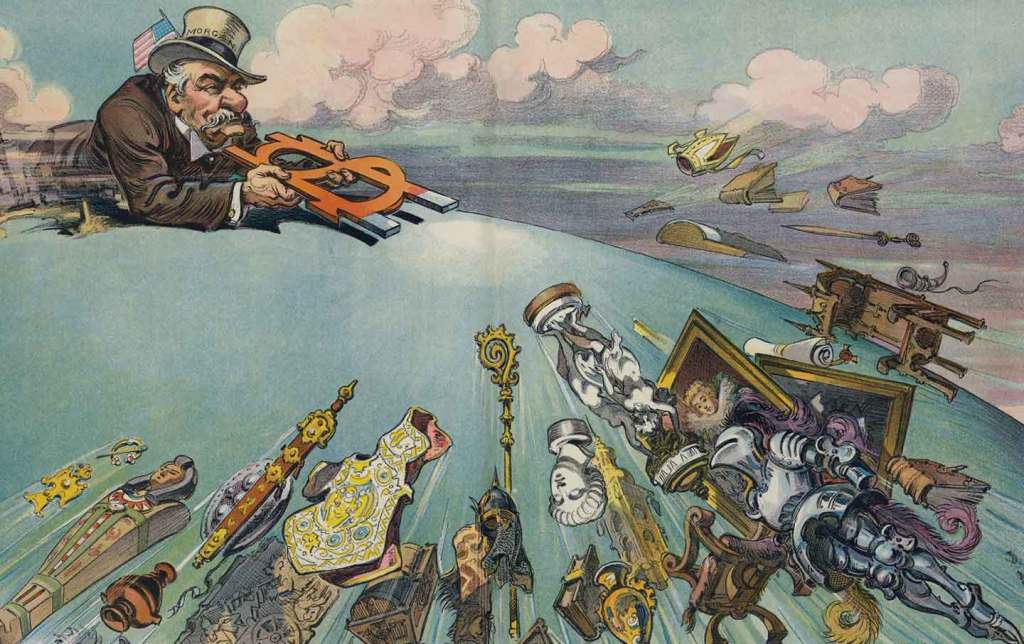




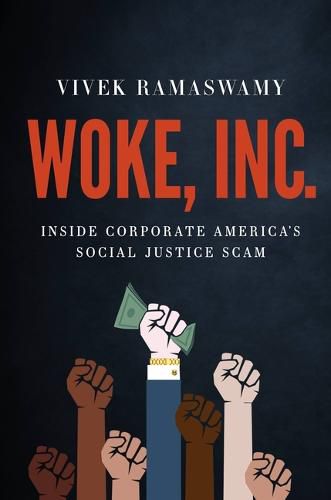

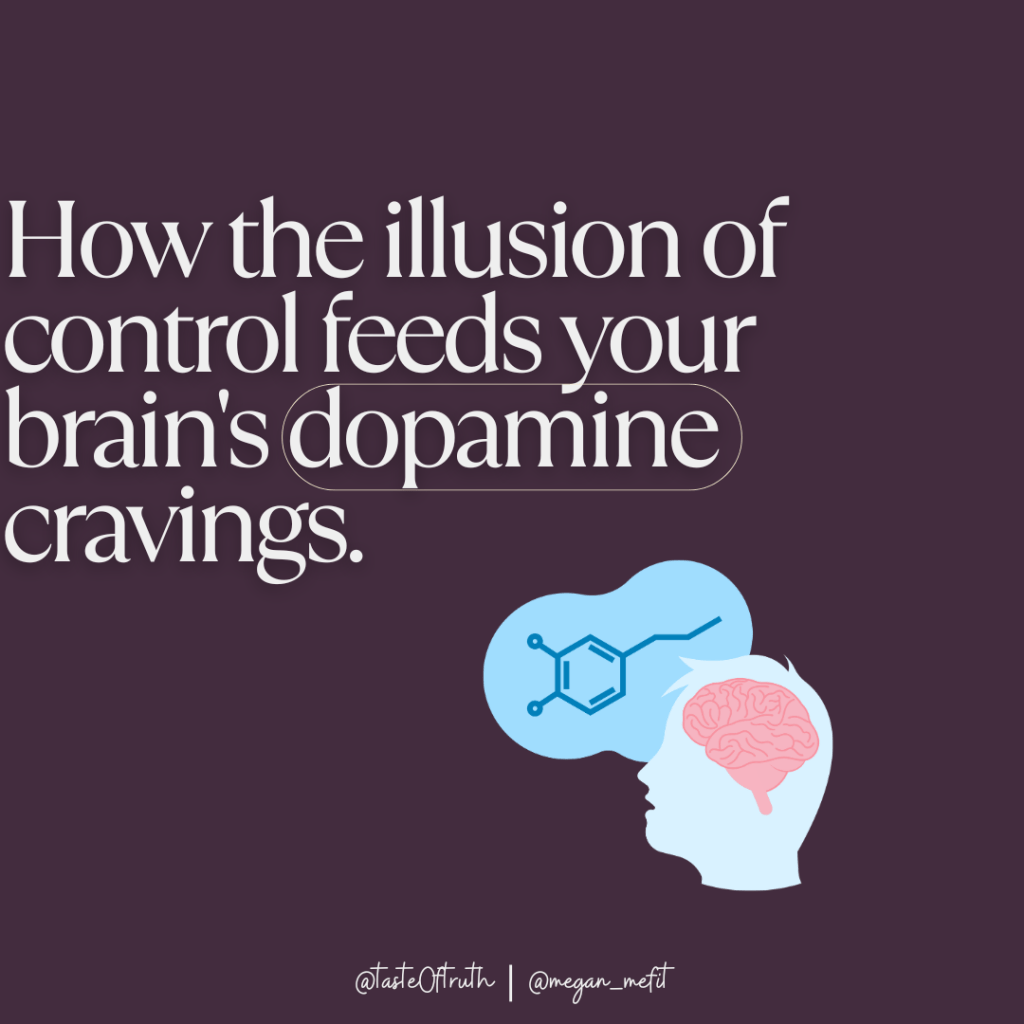







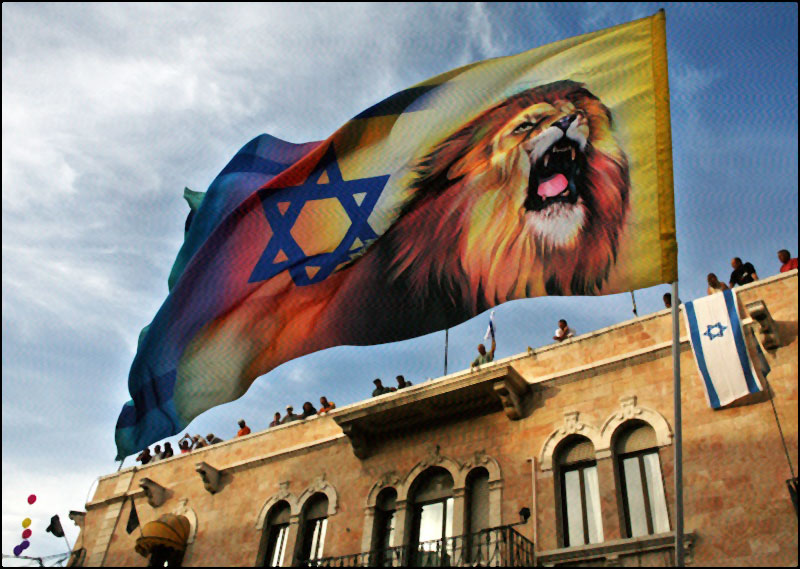

 Taste0ftruth Tuesdays