How Myths, Consciousness, and Integration Teach Us to Grow
Welcome back to Taste of Truth Tuesdays, where curiosity meets skepticism and we dig beneath the surface of what we think we know. This week, I had the pleasure of talking with Melissa Monte, host of Mind Love. If you’ve ever tuned into her show, you know she brings a rare combination of depth, practicality, and playfulness. Navigating the hard stuff of spirituality without floating above it.
We explored three big ideas during our conversation: how to read your worst moments as sacred curriculum, why the same myths appear across cultures, and the difference between spiritual bypassing and true integration. These topics naturally overlap psychology, consciousness, and meaning-making, and the conversation got real, and deeply human: full of laughs, a few tears, and plenty of insights.
Turning Chaos into Consciousness Medicine
We started by digging into Melissa’s concept of “sacred curriculum”: the idea that our worst moments can be transformed into lessons if we approach them consciously. I asked her how this works in practice, because let’s be honest: chaos often makes people cling to control. We reach for belief systems, strict rules, or ideologies because the alternative… facing the rawness of life… is unbearable.
Melissa explained that the antidote isn’t control; it’s meaning. People who build coherent narratives of their lives tend to have better mental health and a deeper sense of agency. She emphasized the first step is awareness. Noticing the meanings we unconsciously assign to our mistakes, conflicts, and hardships. By stepping back and observing without judgment, we start to move out of victim consciousness and see the lessons hidden in our experiences.
She shared her seven-step framework, inspired by The Hero’s Journey, for turning life into personal medicine. It’s not about fast fixes or inspirational slogans; it’s about inch-by-inch integration. The framework encourages seeing yourself as the hero of your story and using your life as a mirror to identify what needs learning, growth, and healing.
We also talked about the line between transforming pain and just telling a story that makes it tolerable. Melissa reminded me that wisdom can’t come from a wound you’re still pretending doesn’t hurt, and the slow work of reframing chaos is where real growth happens.
Why the Same Myths Appear Across Cultures
Next, we moved into myth and the patterns of consciousness. Melissa described her view that consciousness leaves identical fingerprints wherever it evolves. This led to a fascinating discussion about her deconstruction of Christianity. Trauma, early adulthood experiences, and a world religion class opened her eyes to how cultural narratives shape spirituality. She referenced Joseph Campbell and the idea that the “hero’s journey” shows up across cultures because humans are wired to process chaos in similar ways.
We explored how many Genesis stories, like the flood or creation, come from older Mesopotamian myths. Yahweh began as a regional tribal deity and was later elevated through political adaptation. Christianity borrowed heavily from prior traditions too (resurrection figures, virgin births, and mystery cult rituals are echoes of older spiritual systems). Carl Jung’s notion of the collective unconscious came up here, suggesting that stories and archetypal patterns emerge naturally from the human psyche. In essence, consciousness may be “teaching itself” through narrative, disguised as entertainment or sacred history.
Melissa believes that much of this deeper knowledge has been stripped from mainstream culture, leaving us disconnected from the ways myths were intended to guide awareness. We also talked about Rupert Sheldrake’s morphic resonance theory. The idea that learning and memory may be transmitted across space and time– as a modern way of understanding how patterns persist culturally and neurologically.
Her journey out of faith involved anxiety and questioning the nature of God. Reading authors like Bart D. Ehrman helped her untangle the layers of teaching, belief, and mythic narrative, while gnostic texts like the Gospel of Thomas inspired her to integrate lessons from many paths without needing certainty. As she put it, the only real certainty is moving understanding from the external into the internal.
Spiritual Bypassing vs. True Integration
Finally, we explored the difference between bypassing and integration. Melissa explained that spiritual bypassing happens when we try to “vibe higher” instead of feeling deeper. It’s common in both high-control religions and some New Age communities, where transcendence can mask repression or avoid accountability. Integration, by contrast, involves metabolizing your story so it no longer unconsciously dictates your life.
We discussed the importance of holding space for the full spectrum of human emotion (anger, grief, confusion) because skipping over these experiences with a mantra or a positive thought is denial dressed in incense. Integration feels like returning to wholeness, aligning with the living world rather than escaping it. This mirrors older, animistic approaches to healing, where connection to the earth and embodied experience were central.
Melissa emphasized that this work is slow, intentional, and ongoing. True growth comes from confronting reality rather than avoiding it. Consciousness expands not by fleeing from life but by learning to navigate it with awareness, reflection, and compassion.
Wrapping Up
Throughout our conversation, three themes kept looping back: sacred pain, mythic meaning, and integration. In different ways, all three point to the same lesson: consciousness evolves through engagement with reality, not through avoidance or superficial transcendence.
Melissa Monte’s work reminds us that suffering, storytelling, and self-awareness are inseparable — and that chaos, when approached intentionally, becomes a teacher rather than a curse. For anyone feeling lost, stuck, or overwhelmed, her framework offers a path to transform personal chaos into meaningful growth.
How Dogma Limits Progress in Fitness, Nutrition, and Spirituality
In 2013, biologist Rupert Sheldrake gave a TEDx talk titled The Science Delusion at TEDx Whitechapel. The event theme was Visions for Transition: Challenging Existing Paradigms and Redefining Values. Sheldrake’s talk, which questioned the rigidity of scientific dogma, quickly sparked controversy. Protesters labeled it dangerous and unscientific, leading TED to remove it from their main site and relegate it to an obscure corner of the internet with a warning label.
But why such a strong reaction? And what does this have to do with fitness, nutrition, and spirituality? Let’s dig in.
The Roots of Scientific Dogma
Before we begin, who is Rupert Sheldrake? He’s not just some random pseudoscientist screaming into the void. Sheldrake is a biologist with a solid academic background: Cambridge University, developmental biology, plant physiology, you name it. But what makes him controversial is that he challenges what he calls ‘the dogmas of modern science.’
Sheldrake’s central argument is that science, for all its progress, has its own form of orthodoxy—a set of assumptions so deeply ingrained they’re treated as immutable truths. These include beliefs like the universe operating as a closed system, the brain being the sole origin of consciousness, and nature adhering strictly to fixed laws.
The Ten Commandments of Science
These aren’t explicitly stated principles but rather deeply embedded assumptions that shape scientific inquiry. These dogmas include beliefs like:
Nature operates mechanically, like a machine.
Matter is unconscious, and the mind is an illusion created by the brain.
The laws of nature are fixed and unchanging.
Biological inheritance is entirely material, encoded in DNA.
Memories are stored physically in the brain.
Unexplained phenomena, like telepathy, are illusory.
Free will is an illusion.
Mechanistic medicine is the only truly effective medicine.
The total amount of matter and energy in the universe is constant.
Nature is purposeless, without direction or goals.
Sheldrake argued that treating these assumptions as unquestionable truths creates a rigid framework that stifles innovation and discovery.
TED claimed the talk was removed because it promoted ‘pseudoscience.’ But critics of that decision—including Sheldrake—argue it was about protecting the scientific status quo.
In science, materialism is the idea that everything that exists is made of physical matter, and that things like thoughts, feelings, and consciousness come from how this matter interacts. This view has been the dominate worldview in science because it fits well with how modern science works and what it discovers. Sheldrake’s talk challenged this idea, suggesting that the way we approach science might be limiting progress because it shuts down alternative ideas too quickly. His critique is part of a larger conversation about how science is done and where its limits are.
One group associated with this perspective is the Institute of Noetic Sciences (IONS), founded by astronaut Edgar Mitchell in 1973. The institute explores topics like consciousness, intuition, and human potential, suggesting that scientific materialism does not fully explain human experience, especially phenomena such as non-local consciousness, near-death experiences, and psi phenomena.
Imagine this: you’re a materialist scientist, and someone questions the foundations of your entire worldview on one of the biggest intellectual platforms in the world. Of course, you’re going to push back.
But if you’re so confident someone is wrong, why not let their ideas stand on their own? Why censor them unless they hit a nerve?
How Science is Weaponized More Than Politics and Religion
In this system, the scientific establishment becomes the new authority—replacing the monotheistic idea of God with the “god” of reason and data. For those in the Ex-Christian/Atheist worldview, this is a new form of dogma. It stifles curiosity, dismisses dissent, and discourages critical thinking—all in the name of progress. This mirrors the rigid certainty and tribalism found in the religious structures people sought to escape.
From my own experience, I’ve seen how this plays out in the deconstruction community. Leaving behind the dogma of fundamentalist religion, many are drawn to what feels like the opposite extreme: atheism and materialism. Figures like Britt Hartley, a self-proclaimed “atheist spiritual director,” and Brandon of MindShift, who both do not believe in the idea of free will, and present materialism as a comforting certainty. I once found myself deep in this space, captivated by the “rational” certainty it promised, only to realize it led me toward nihilism.
The rejection of free will, for instance, might appear “scientific,” but it’s a reflection of the reductionist thinking that ignores the richness of human experience. These ideas, presented as intellectual progress, often dismiss the value of intuition, spirituality, and personal meaning. Escaping the dogma of atheism and rediscovering intellectual humility was transformative for me, allowing me to embrace curiosity and critical thinking without succumbing to despair.
This is where the religion of scientism enters the picture—where reason and science are elevated to the status of ultimate truth. Figures who present themselves as “experts” rely on surface-level expertise and selective data to craft narratives that appear authoritative yet fail under scrutiny. They become the “fake intellectuals,” as Franklin O’Kanu calls them, feeding the cult of expertise while often lacking real intellectual rigor.
The Revolving Door: Corporate Interests in Public Health
The “revolving door” refers to the movement of personnel between regulatory agencies and the pharmaceutical industry. This cycle blurs the lines between public service and corporate interests, with former regulators influencing policies that benefit the very companies they once oversaw—creating a potential conflict of interest that’s staggering.
Recent developments have sparked new concerns about this dynamic. Robert F. Kennedy Jr., a lawyer with a deep understanding of the complexities surrounding corporate influence in public health, has been appointed by President Trump to lead the Department of Health and Human Services (HHS). Kennedy has spent years taking on large corporations directly, advocating for more transparency and rigorous safety testing of vaccines, and questioning aspects of vaccine policy. His background in law and environmental advocacy gives him a unique perspective on the “revolving door” between regulatory agencies and corporate interests. He has long been critical of the influence large corporations wield over regulatory bodies, which directly impacts public health outcomes.
Kennedy’s mission extends beyond vaccine safety, addressing broader concerns about chronic diseases, environmental toxins, and corporate practices that affect public health. His advocacy has earned both praise and criticism.
Speaking of criticism, last week at the Roundtable Discussion on Vaccines and Public with Bernie Sander’s he stated:
So, at a time of growing distrust not only with vaccines but of government and of science in general who’s telling us the truth? Who is the truth teller? Somebody on the Internet of truth tell who’s read a book someplace and try to make money off a book or people who’ve done research and work for years? That’s really kind of what this discussion is about.
Bernie going after RFK Jr on vaccines is basically like the captain of the revolution abandoning ship saying, “Trust the people in charge!” Bernie, you’re breaking our hearts here!! Let’s actually look at some facts public trust and physicians and hospitals went down from 71.5% in April of 2020 to 40.1% in January of 2024. People on the Internet can tell the truth especially when sources are cited from .gov resources like Just the Inserts who we had on last season talking about the importance of informed consent.
Reading books is a perfectly acceptable way of researching products and industries, and sure, if you start making money off of the book that can introduce potential financial conflicts of interest (and you know Bernie is no stranger to conflicts of interest) so I think this comment is SUSPECT and obviously Big Pharma has paid him off. What an epic disappointment but that’s why I left…. the left, they’re just a big disappointment these days.
Bernie used a logical fallacy here which is called appeal to authority, and it occurs when someone argues that a claim is true simply because an authority or an expert said so without providing further evidence or reasoning to support their claim. And yes, it’s important to distinguish between a legitimate appeal to authority and a fallacious one when the authority is not actually qualified, or the topic is outside their expertise or not supporting evidence.
Here’s the key– RFK Jr has provided lots of evidence he even wrote a book called The Real Anthony Fauci Bill Gates Big Pharma and the Global War on Democracy and Public Health and it’s filled with extensive research (if you haven’t read it, you should) and if it weren’t credible, it would have been pulled or he’s facing a serious lawsuit by now. So, here’s Bernie Sanders appealing to the cult of authority blindly backing the establishment. 🤦♀️
Yet, there’s no denying Robert Kennedy’s intelligence and his ability to bring much-needed scrutiny to the relationships between government agencies and big business.
As this conversation unfolds, Kennedy’s leadership could challenge the status quo and push for greater transparency, fairness, and accountability in public health. His deep understanding of these issues makes him a key figure in the broader debate over corporate influence and the “revolving door.”
The Flaws in Clinical Trials
Worshipping “science” or blindly trusting clinical trials can be misleading. While clinical trials are seen as vital for medical progress, they are often heavily influenced by the pharmaceutical industry, which funds a vast majority of these trials. This creates a conflict of interest that can skew results and delay critical information about the risks of drugs.
Examples like the Vioxx scandal, where a painkiller was marketed despite internal knowledge of its dangers, and the Tamiflu case, where the effectiveness of the drug was overstated, show how corporate interests can shape clinical trial outcomes. Clinical trials, while important, are not always as objective or transparent as they seem.
How Dogma Affects Health and Fitness
Science has transformed our understanding of the human body, yet it has also created rigid paradigms that resist change. Here are some examples:
1. The Overemphasis on Calorie Counting
For decades, the mantra “calories in, calories out” has reigned supreme in weight loss discussions. This reductionist approach, while simple, overlooks metabolic individuality, the complexity of hormones, and the overall quality of food we consume. Despite modern research revealing its flaws, the calorie myth persists in diet culture and public health policies.
One glaring issue with the calorie-counting approach is that it assumes a universal response to food, when in fact, each body is different. Metabolic rates, insulin sensitivity, and how we process and utilize energy vary from person to person. A one-size-fits-all approach to food intake simply doesn’t acknowledge these differences, leaving many people frustrated and confused about why their efforts aren’t producing the desired results.
But let’s take this a step further and examine how our mindset and beliefs about food influence our body’s physiological responses. Consider the Milkshake Study, which highlighted the power of perception in regulating hunger hormones like ghrelin. In this study, participants were given two milkshakes—one labeled as indulgent, and one labeled as “healthier.” Even though both shakes were identical in calories, participants who drank the indulgent shake had lower ghrelin levels, signaling that they felt fuller. Those who drank the “healthier” shake had higher ghrelin levels, suggesting they were still hungry.
This phenomenon directly challenges the traditional calorie-counting narrative. The way we perceive our food, its quality, and our beliefs about its impact can literally alter our body’s hormonal responses. So, while the calories may be the same on paper, the body’s hormonal reaction to that food can be entirely different, making “calories in, calories out” an oversimplified and outdated framework.
This insight breaks apart the reductionist narrative that so heavily dominates our cultural understanding of weight and health. If our hormones—like ghrelin—are affected by our mindset, we can start to see how our thoughts and beliefs around food directly influence how our body responds to it. It’s not just the food’s calorie content; it’s how we interpret and internalize it.
In a world where we are constantly bombarded with food labels and diet rules, understanding the deeper connection between mind and body is key to breaking free from the calorie myth. After all, food is more than fuel; it’s a relationship, a psychological experience, and a biological trigger—all of which deserve attention beyond just the numbers on a nutrition label.
2. Germ Theory vs. Terrain Theory
One area ripe for scrutiny is germ theory, which forms the backbone of modern medicine. While it’s undeniable that pathogens play a role in disease, germ theory often overshadows other critical factors like the terrain theory, which emphasizes the internal environment of the body. The COVID-19 pandemic has provided a stark illustration of terrain theory in action, highlighting how it impacted individuals differently depending on their underlying health, lifestyle factors, and susceptibilities. While germ theory emphasizes the role of pathogens in causing disease, it often overlooks how the body’s internal environment—the terrain—determines its ability to resist or succumb to these pathogens.
Germ theory, the cornerstone of modern medicine, attempts to identify and address specific pathogens. However, during the pandemic, it became clear that two people with identical exposure to the virus could experience vastly different outcomes. One might have mild symptoms or remain asymptomatic, while another might develop severe illness or even die. Why? The answer lies in the individual’s terrain—their overall health, immune function, nutrition, and stress levels.
Terrain theory suggests that the internal environment of the body is just as important, if not more so, in determining how well we respond to pathogens. If the terrain is weak—due to chronic stress, poor nutrition, or underlying health conditions—the body becomes more vulnerable to disease. Conversely, if the terrain is strong, with a balanced immune system, good nutrition, and robust overall health, the body can better withstand pathogens. This is why not everyone who contracted COVID-19 suffered the same consequences. The internal environment of each individual played a major role in their response.
While it’s undeniable that pathogens are significant contributors to disease, focusing solely on germs has led to a narrow, reductionist view of health. For example, our overreliance on antibiotics—driven by germ theory—has had unintended consequences, such as antibiotic resistance and neglect of preventative health measures that could strengthen the body’s defenses in the first place. Nutrition, exercise, stress management, and sleep are all vital factors in maintaining a resilient terrain, yet they often take a backseat in discussions about health in favor of a more germ-centric approach.
3. The Suppression of Alternative Modalities
Many holistic and alternative health practices—from acupuncture to herbal medicine—have been dismissed as pseudoscience, despite mounting evidence for their efficacy. Why? Because they challenge the pharmaceutical-centric model that dominates Western medicine. This isn’t about rejecting conventional medicine but about expanding the scope of what we consider valid.
In Season 2, I do believe I was caught up in a cult-like environment of the Ex-Christian/deconstruction space that led me to hardcore atheism—a sharp turn I had never anticipated. This shift was born from anger and disillusionment with the spiritual manipulation I had endured. But as I moved away from the rigidity of religious dogma, I realized that wasn’t the first cult I’d been a part of. Another had been the world of wellness cults and MLMs, particularly with my experience in Isagenix. This MLM promised quick fixes and a one-size-fits-all approach to health, yet I realized that much of the advice was misleading and ultimately harmful.
Just like the high-control religion I left, the wellness industry often employs manipulative tactics, leveraging people’s vulnerabilities and insecurities. I became frustrated at the false promises of weight loss and detoxification, which claimed to have all the answers to health problems. Yet, here I was, critiquing the dogmatic practices of the religious groups I had been involved in, only to find myself caught in another form of blind faith.
Now, let’s be clear: this isn’t about rejecting holistic and alternative health practices outright. In fact, many of these modalities—like acupuncture, herbal medicine, or even certain aspects of spiritual healing—are based on centuries of empirical knowledge and cultural traditions. There’s mounting evidence supporting their efficacy, particularly in areas that conventional Western medicine tends to overlook. But here’s the issue: when these practices are presented as miracle cures without scientific backing, or worse, as the only “true” path to health, we fall into the same trap of uncritical thinking and blind faith that we should be avoiding.
This isn’t a call to reject conventional medicine or the advancements it offers. Rather, it’s an invitation to expand the scope of what we consider valid in our health journeys. We should question all dogma, whether it comes from the mainstream pharmaceutical industry, the alternative wellness world, or any other realm that promises a singular, universal truth. What we need is intellectual humility—the willingness to critically examine all ideas, sift through the pseudoscience, and allow for diverse approaches to coexist. and I mean what really is ‘pseudoscience’? It seems something deemed fake, can be proven real, the difference is a matter of time.
In the end, it’s not about the “right” system of health or the “wrong” one; it’s about being open to learning, growing, and questioning. The journey from cult-like spiritualism to hardcore atheism to exploring holistic health practices has taught me one vital lesson: health—whether physical, mental, or spiritual—is complex, there is the grey zone, and it’s best navigated with curiosity, skepticism, and a deep commitment to truth, wherever it may lead.
The Ripple Effects on Spirituality
Scientific dogma doesn’t just shape our understanding of health; it profoundly influences how we perceive spirituality and consciousness. For centuries, science has drawn a clear line between the physical world and the mystical, often relegating spiritual experiences to the realm of the unexplained, labeling them as “brain glitches” or mere psychological phenomena. But what if this divide is artificial? What if science and spirituality aren’t fundamentally opposed, but instead, each can offer a piece of the puzzle we’ve been overlooking?
Consider the hypothesis of morphic resonance by Rupert Sheldrake, which posits that memory and learning aren’t confined to individual brains but exist in shared fields, accessible beyond our immediate physical experience. Sheldrake’s theory challenges the reductionist view that consciousness is simply a product of brain activity. Instead, it suggests that our minds are interconnected through a kind of collective memory, transcending the limits of individual brains. This bold idea is frequently dismissed by mainstream science as “pseudoscience”, yet it opens the door to a much larger understanding of how consciousness might operate.
The current scientific paradigm often dismisses phenomena like telepathy, shared memories, and other spiritual experiences as anomalies or “glitches.” Whether it’s a moment of deep meditation, a profound sense of interconnectedness during prayer, or experiencing someone else’s thoughts without any verbal communication—these moments are often written off in purely material terms. But what if these experiences are more than mere coincidental or explainable brain activities? What if, instead, they point toward a deeper, quantum-level connection between all living things?
One area that brings these concepts to light is the study of telepathy—the transmission of thoughts or information from one mind to another without using any known physical means of communication. For years, telepathy was relegated to the realm of pseudoscience, dismissed by mainstream science as implausible. But emerging research and anecdotal evidence have begun to challenge this view. The Telepathy Tapes podcast, for instance, explores real-world experiences of telepathy and other paranormal phenomena, drawing on decades of research and firsthand accounts. The podcast offers a fascinating exploration of how people have experienced thought transfer in ways that don’t conform to our traditional understanding of the brain and its boundaries.
The more we explore the connection between consciousness and the quantum field, the more we realize that the mind might not just be a byproduct of brain activity. Instead, it might be a more expansive phenomenon—an energetic force that connects all living things. Telepathy, and similar phenomena, might not be mere coincidences or “glitches” of the brain, but rather, expressions of the interconnectedness of consciousness at a quantum level. And as we move further into understanding the complexities of the quantum world, we may find that spirituality and science can indeed coexist, each offering insights into the deeper nature of our existence.
Rather than reducing these experiences to the limitations of materialism, what if we expanded our understanding? What if we allowed for the possibility that consciousness operates beyond the confines of the brain, and that our minds might be connected to a larger, shared field of information? Exploring ideas like morphic resonance and quantum consciousness could lead to a more integrated view of our existence, one where science and spirituality aren’t at odds but are part of a much larger picture—one that invites curiosity, exploration, and a deeper understanding of the mind’s true potential.
The Cost of Certainty
The real danger of scientific dogma is that it blinds us to new possibilities. Let’s revisit germ theory as an example. When Louis Pasteur first proposed that microorganisms caused disease, the idea was ridiculed. It took decades for the medical establishment to accept it, and countless lives were lost in the interim. Today, germ theory’s dominance risks overshadowing other valid frameworks, like terrain theory, that emphasize holistic health.
The same pattern occurs across fields. In fitness, calorie-counting persists despite advances in understanding metabolism. In spirituality, materialist assumptions limit our exploration of consciousness. In all cases, dogma shuts down inquiry, replacing curiosity with certainty.
A Call for Open-Mindedness
Sheldrake’s work reminds us that science is a tool, not a belief system. Its strength lies in its ability to evolve, but evolution requires questioning assumptions. This isn’t about rejecting science; it’s about freeing it from the shackles of dogma.
Whether you’re navigating your health, your fitness journey, or your spiritual growth, the lesson is the same: embrace curiosity. Challenge the “sacred cows” of conventional wisdom. Explore new ideas, even if they seem outlandish. Progress depends on our willingness to ask uncomfortable questions.
Final Thoughts
Rupert Sheldrake’s banned TED talk isn’t just a critique of science; it’s a call to action. It challenges us to rethink the frameworks that shape our understanding of the world—and ourselves. In fitness, nutrition, and spirituality, the cost of dogma is too high to ignore. So, let’s commit to a more open-minded approach, one that values curiosity over certainty and exploration over orthodoxy.
Forget extreme diets, gimmicky regimens, and complicated rules. 2025 is the year we master the basics and build a lifestyle that actually lasts. All you need? A simple plan, a sprinkle of consistency, and a whole lotta patience. Here are the 6 core habits you’ll need to crush 2025:
1. Brain Reframe 🧠 Your body doesn’t need a “reset” — your brain does! Shift the focus to what you’re adding, not subtracting. More protein, more fruits & veggies, more movement. It’s all about progress, not perfection.
2. Stress Management (and your mindset around stress) 😤 Stress is the silent killer of self-control and health. Managing stress isn’t just about chill vibes, it’s about understanding your stress and handling it like the boss you are.
3. Sleep Consistently 😴 The most underrated (yet most important) aspect of health? SLEEP. If you’re aiming for aesthetic goals, consistent sleep should be at the top of your priority list.
4. Digestive Health 🥦 Your body doesn’t thrive off what you eat, but off what you can digest and absorb. So, let’s get those healthy poops on track and optimize your digestion for real transformation.
5. Adequate Nutrition 🍏 Under-eating doesn’t get you anywhere good. Let’s focus on fueling your metabolism, building muscle, and living your life — so when the time comes for fat loss, it’s smoother and healthier than ever.
6. Gratitude Practice 🙏 Meditation, prayer, and focusing on gratitude are more than just buzzwords. Science shows they can actually help you stay on track with your diet and exercise goals. Yes, really!
Before you can make any changes, you’ve got to know what needs changing. You can’t improve what you don’t know needs improvement. Motivation? It’s a tricky beast. And we’ll talk more about that in an upcoming podcast episode (stay tuned!) where we’ll get into intrinsic vs. extrinsic motivation and why neither is enough on its own.
But here’s the TL;DR: Motivation is a lot like a campfire. You have to keep stoking the fire to keep it burning. Don’t wait for external motivation to light you up — take control!
The REAL Problem: Unrealistic Goals 🚫
Challenges like 75 Hard or Whole 30 aren’t the issue. It’s the unrealistic expectations that trip us up. Discipline isn’t about being lazy; it’s about setting goals that actually fit your life and personality. Instead of following what others are doing, ask yourself: What do I need?
Let’s be real: consistency and routine are the game-changers. They build habits, and habits lead to long-lasting results. So let’s ditch the all-or-nothing mentality and start building a routine that works for YOU.
Let’s be clear: Motivation is unreliable. We need to normalize the idea that motivation doesn’t last forever. The secret is: keep the fire alive and keep working on your goals, even when motivation flickers.
As a personal trainer, I’d tailor every plan to fit each person’s season of life — newly married, starting a new job, planning for a baby — because that’s how real results happen. It’s about what works for YOU.
So, let’s leave the restrictive diets and quick fixes behind and focus on mastering the basics for 2025. Who’s in?
Ready to start your journey? Let’s get it, 365 Easy Challenge style! 🔥
Ever reacted impulsively and wondered why? Dive into the fascinating world of the “amygdala hijack” with our expert guest, J. Gulinello, MS, CNSc, FNTP. Discover how this primal brain response influences our emotions, especially in high-stress or dogmatic environments.
In this episode, we explore:
The science behind the amygdala’s override of rational thought.
How nutrition plays a pivotal role in emotional regulation and preventing these hijacks.
The hidden impacts of historical events like the Flexner Report and the rise of Crisco on our health and dietary guidelines.
Strategies to foster critical thinking and maintain objectivity in a world filled with consensus narratives.
Join us for an eye-opening discussion that blends neuroscience, nutrition, and history, offering insights to better manage our reactions and health. Don’t miss this deep dive into understanding how our brains and diets intertwine!
Listen now and empower yourself with knowledge.
Understanding the Amygdala Hijack and Its Implications on Nutrition and Emotional Regulation
Guest: J Gulinello MS, CNSc, FNTP
Introduction: In this episode, we dive deep into the concept of the “amygdala hijack,” a term that describes how our brains can override rational thinking in the face of perceived threats. We’ll explore how this phenomenon impacts our emotional responses, decision-making, and behavior—especially within dogmatic communities. Our guest, J Gulinello, shares insights into how diet and nutrition can support better emotional regulation and help prevent these hijacks. We also touch on the role of nutrition in modern health and the influence of historical factors like the Flexner Report and Crisco on the medical and food industries.
Segment 1: The Amygdala Hijack Explained
Definition: The amygdala hijack, a concept introduced by Daniel Goleman in his book Emotional Intelligence, refers to an immediate, overwhelming emotional response to a perceived threat, where the brain’s rational thinking is bypassed by the amygdala, leading to a fight-or-flight reaction.
Impact on Behavior: When triggered, this response can lead to actions driven by emotion rather than logic, often resulting in regretful decisions or unnecessary conflicts.
Research Insights: Studies show that once the amygdala hijack occurs, it takes time for the brain to return to normal as stress hormones like adrenaline need to dissipate. Mindfulness and cognitive-behavioral strategies can help manage these responses.
Segment 2: Amygdala Hijack in Dogmatic Communities
Fear-Based Teachings: In dogmatic environments, fear is often used to enforce compliance, leading to a constant state of alertness. This can perpetuate the cycle of amygdala hijack, reducing the capacity for rational thought.
Groupthink: Heightened emotional states can foster groupthink, where individuals suppress dissenting opinions to maintain harmony, further entrenching dogmatic beliefs.
Manipulation and Control: Leaders may exploit the amygdala hijack to maintain control by presenting continuous threats, keeping members in a heightened state of emotional arousal, making them more susceptible to manipulation.
Emotional Hijacking’s connection to Complex PTSD.
I’m currently readingComplex PTSD: From Surviving to Thrivingby Pete Walker, which ties in closely with Daniel Goleman’s work on Emotional Intelligence, a topic we’re diving into today. Walker’s exploration of emotional flashbacks sheds light on what Goleman refers to as “amygdala hijacking”—an intense, overwhelming emotional regression that pulls us back to the states of fear, shame, and depression we experienced in childhood.
When caught in an emotional flashback, you might feel small, fragile, and utterly helpless. Life can suddenly seem too difficult, and even the idea of being seen by others feels excruciatingly vulnerable. Your energy feels depleted, like your battery is completely drained. In the most severe flashbacks, it can feel as if an impending apocalypse is looming.
These flashbacks aren’t just reliving bad memories; they are reliving the worst emotional experiences of your childhood. Everything becomes overwhelming and confusing, especially because, unlike typical flashbacks, there are rarely visual components to CPTSD episodes. As Goleman explains, this is because amygdala hijackings are intense reactions in the emotional memory part of the brain that override rational thinking. These reactions can become so ingrained that even minor triggers can send someone spiraling into a panicky state, a reaction known as the “4F” response (Fight, Flight, Freeze, or Fawn).
How do I know if I’m experiencing an Amygdala Hijack or Emotional flashback?
Recognizing when you’re in an emotional flashback, especially when you feel small, helpless, or overwhelmed, can be challenging. However, certain signs can indicate that you’re in this state:
Overwhelming Fear or Panic:
You might suddenly feel intense fear or anxiety without a clear cause in the present moment, as if you’re in imminent danger.
Feeling Small or Helpless:
You may feel as though you’ve reverted to a childlike state, experiencing a sense of powerlessness or vulnerability.
Negative Self-Talk:
Your inner critic might become louder, filling your mind with harsh, self-critical thoughts, such as “I’m not good enough” or “I can’t handle this.”
Sense of Doom or Despair:
A pervasive feeling of hopelessness or believing that the situation will never improve can dominate your thoughts.
Intense Shame or Guilt:
You might experience a sudden wave of shame, feeling as though you’re fundamentally flawed or bad.
Emotional Numbness or Dissociation:
You may feel disconnected from your emotions, body, or surroundings, as if you’re watching yourself from the outside.
Physical Symptoms:
You might notice physical reactions like a racing heart, shallow breathing, sweating, or feeling frozen in place.
Urgency to Escape or Hide:
A strong desire to retreat, isolate yourself, or avoid others can arise, driven by the need to feel safe.
Heightened Sensitivity to Criticism:
You may become overly sensitive to perceived criticism or rejection, reacting strongly to things that wouldn’t normally bother you.
Feeling Overwhelmed by Simple Tasks:
Even routine tasks can feel insurmountable, leading to procrastination or avoidance.
Flashbacks or Intrusive Memories:
Vivid memories or images from past traumatic experiences may surface, blurring the lines between past and present.
Excessive People-Pleasing or Compliance:
You might find yourself excessively trying to please others or agreeing to things you normally wouldn’t, out of fear of conflict or abandonment.
Avoidance of Eye Contact or Social Interaction:
Avoiding eye contact, withdrawing from social situations, or feeling a strong need to hide can be signs of being in an emotional flashback.
Being aware of these signs can help you identify when you’re in an emotional flashback and take steps to manage it, such as grounding yourself, reaching out for support, or practicing self-compassion.
13 steps for managing emotional flashbacks
Here are the 13 tips that Peter Walker provides in Chapter 8, “Managing Emotional Flashbacks,” from his book Complex PTSD: From Surviving to Thriving:
Say to yourself: “I am having a flashback.”
Acknowledge that you are in a flashback and recognize that these intense feelings come from the past.
Remind yourself: “I feel afraid, but I am not in danger.”
Assure yourself that although the fear is real, it’s not about something happening now.
Own your right/need to have boundaries.
Recognize that it’s okay to set boundaries with others, even if it feels uncomfortable.
Deconstruct eternity thinking.
Understand that the flashback will pass, and the feelings are temporary, not eternal.
Remind yourself: “I am in the body of an adult and I have choices.”
Reaffirm your ability to make choices and take actions as an adult, unlike when you were a child.
Ease back into your body.
Ground yourself physically by engaging in sensory activities like deep breathing, walking, or self-hugging.
Seek support.
Reach out to trusted friends, a therapist, or a support group who can provide understanding and help you navigate the flashback.
Remember that you have time to recover.
Give yourself the time and space to recover; don’t rush the process.
Practice self-compassion.
Treat yourself with kindness and understanding, recognizing the pain and fear from the flashback.
Challenge your inner critic.
Actively dispute the negative thoughts and beliefs that arise from your inner critic during a flashback.
Allow yourself to grieve.
Permit yourself to feel and process the sadness and loss connected to the original trauma.
Employ grounding techniques.
Use techniques like focusing on the present moment, engaging with your senses, or repeating grounding phrases to stay anchored.
Cultivate safe relationships.
Develop and nurture relationships that are supportive, trustworthy, and understanding of your experiences.
These tips are designed to help individuals recognize and manage the intense emotional responses triggered by past traumas, allowing them to regain control and navigate through the flashbacks more effectively.
Segment 3: Nutrition’s Role in Emotional Regulation
Nutrition and the Limbic System: J Gulinello explains how our diet impacts the function of the limbic system, particularly the amygdala. Certain foods and nutrients can help support emotional regulation, reducing the likelihood of an amygdala hijack.
Blood Sugar Levels and the Limbic System: Exploring the Connection
Emerging research highlights a significant connection between blood sugar levels and the functioning of the limbic system, which is crucial for emotional regulation. The limbic system, including the hippocampus and amygdala, plays a key role in managing our emotional responses and memory processing. Recent studies suggest that fluctuations in blood sugar levels can directly impact these brain regions, influencing mood and emotional stability.
Dietary Impacts on Blood Sugar Levels
Dietary habits significantly affect blood sugar levels, causing swings between high and low levels. For instance, consumption of high-glycemic index foods can lead to rapid spikes in blood sugar, followed by swift declines, potentially resulting in feelings of irritability, fatigue, and mood swings. On the other hand, low-glycemic index foods promote more stable blood sugar levels, supporting better mood stability and emotional regulation.
The Sensitivity of the Hippocampus to Blood Sugar Fluctuations
The hippocampus, a critical part of the limbic system responsible for memory formation and emotional regulation, is particularly sensitive to changes in blood sugar levels. Research published in theJournal of Diabetes in 2018 found that fluctuations in blood sugar can affect the function of neurons in the amygdala, a key component of the limbic system involved in processing emotions such as fear and pleasure. The study demonstrated that significant swings in blood glucose levels could alter the activity of amygdala neurons, potentially leading to emotional instability and impaired memory function.
Implications for Emotional Health
Understanding the impact of blood sugar levels on the limbic system underscores the importance of maintaining stable glucose levels for emotional well-being. Individuals experiencing frequent emotional swings may benefit from dietary adjustments aimed at stabilizing blood sugar levels. This could include incorporating more whole grains, lean proteins, and fiber-rich foods into their diets while reducing the intake of sugary snacks and refined carbohydrates.
By recognizing the interplay between diet, blood sugar levels, and brain function, we can better appreciate how dietary choices influence emotional health and take proactive steps to support a more balanced and stable emotional state.
Foods for Emotional Balance: Nutrients like branched-chain amino acids and omega-3 fatty acids play a crucial role in supporting brain health and mitigating stress responses.
Food as a Hormone: The idea that food components act like hormones, affecting cell signaling and gene transcription, shifts our understanding of nutrition. J elaborates on how this perspective impacts health and disease management.
The Art and Science of Low-Carb Performance by Dr. Paul Jaminet and Dr. Shou-Ching Jaminet primarily focuses on how a low-carb diet can improve athletic performance and general health. The research and recommendations in the book are based on a variety of studies, many of which involve male participants.
While the book does provide some general information applicable to both sexes, it is worth noting that the specific research and data on how low-carb diets impact female athletes and women in general are less emphasized. The principles outlined are generally applicable, but individual responses can vary, and more specific research on females might be required for a comprehensive understanding. If you’re looking for information tailored specifically to women, you might need to look for studies or resources that focus on female physiology and metabolism in the context of low-carb diets.
Blood Sugar, Metabolism, and Women’s Health: Understanding the Complex Interactions
Gender-Specific Research Gaps
It’s crucial to note that much of the research on low-carb diets and intermittent fasting has been conducted primarily on male participants. This distinction is significant because female physiology is different from male physiology when it comes to dietary responses. As of 2024, many nutrition and fitness studies still underrepresent women, despite growing awareness of this issue.
For example, early cardiovascular health studies were predominantly male-focused, leading to differences in the recognition and treatment of heart disease between men and women. Women often experience different symptoms during a heart attack, and treatments may vary accordingly. Similarly, women’s metabolic responses to dietary changes differ due to hormonal variations, affecting how they lose weight and manage blood sugar levels.
Potential Issues with Intermittent Fasting and Low-Carb Diets for Women
Adding intermittent fasting on top of exercise can sometimes be harmful to both performance and health, especially for women. Many women are unknowingly under-eating due to a fear of eating too much, past experiences with chronic dieting, or a lack of understanding of their energy needs. A recent review of 42 studies published between 2013 and 2020 found that women are more likely to be deficient in essential nutrients, with between 30% and 70% of women in the studies being energy deficient. Low energy availability is common among female athletes, with a 2019 survey published in the British Journal of Sports Medicine estimating that more than 47% of female athletes may not consume enough calories to meet their body’s energy needs.
Intermittent fasting and keto diets can disrupt the production of kisspeptin, a neuropeptide essential for reproductive hormone regulation. Women are particularly sensitive to kisspeptin, which affects endocrine and reproductive function. This disruption can lead to endocrine dysfunction, increased abdominal fat, and a higher risk of depression, which are counterproductive to health and fitness goals. Such dietary approaches can also negatively affect menstrual cycles, thyroid function, and overall health.
A Better Approach for Women
Instead of focusing on restrictive diets, consider the following strategies:
Balanced Nutrition: Support your adrenals and thyroid by incorporating a balanced mix of protein, carbohydrates, and fats every 3-4 hours. Opt for high-quality fats such as ghee, butter, tallow, coconut oil, MCT oil, and dairy fats.
Nutrient Intake: Ensure adequate intake of essential vitamins and minerals. Historical research, including the work of McCollum, highlights that deficiencies in these nutrients can be exacerbated by diets high in refined grains.
Manage Energy Levels: Focus on not just avoiding excess but also ensuring you are not under-eating. Proper caloric intake supports energy levels, metabolism, and overall health.
Exercise and Autophagy: Regular exercise can induce autophagy, a process beneficial for cellular health, providing a sustainable approach compared to intermittent fasting.
Hormonal Balance: Women should be aware of how complex carbs impact serotonin levels, progesterone, and insulin metabolism. Hormonal changes due to inadequate carb intake can lead to conditions like acne, endometriosis, or PCOS. Perimenopausal and menopausal women may experience increased cortisol and estrogen levels, worsening symptoms.
Certain groups should be cautious with intermittent fasting and restrictive diets:
Individuals with a history of eating disorders or disordered eating
People with hypothyroidism
Women trying to conceive or who are pregnant or breastfeeding
Highly stressed individuals
Those with autoimmune disorders
Women with PCOS
Individuals managing diabetes
Women experiencing menstrual irregularities
Personalized Nutrition and Professional Guidance
Each individual’s needs are unique. It’s crucial to work with a professional to determine your metabolic identity and optimize your nutrition based on personal needs. Pay attention to biofeedback such as hunger, cravings, self-talk, menstrual cycles, sleep, recovery, and energy levels. Avoid cookie-cutter meal plans and focus on individualized approaches that align with your body and lifestyle.
Understanding the intricate relationship between diet, blood sugar levels, and gender-specific responses is essential for achieving optimal health and performance. By focusing on balanced nutrition and personalized dietary strategies, women can better support their metabolic health and overall well-being.
Segment 4: The Impact of Historical Influences on Nutrition
The Flexner Report and Crisco: We discuss how the Flexner Report and the introduction of Crisco shaped the landscape of nutritional science, often to the detriment of public health.
Crisco’s Role: The industrialization of food with products like Crisco led to the widespread use of trans fats, which have been linked to various health issues, including heart disease.
Medicalization of Health: The Flexner Report shifted medical education towards pharmaceutical treatments, sidelining nutrition and preventive care, a trend that continues to impact healthcare today.
Segment 5: Maintaining Objectivity in Nutritional Science
Avoiding Activism in Science: J emphasizes the importance of maintaining objectivity in nutritional research to ensure credibility and public trust. We explore how biases can influence research outcomes and discuss strategies for fostering a more open and critically evaluative research environment.
Conclusion: The amygdala hijack is a powerful brain response that can override our rational thinking, especially in high-stress or dogmatic environments. However, understanding its mechanisms and the role of nutrition in emotional regulation can help us manage our responses more effectively. Historical factors like the Flexner Report and the introduction of Crisco have also shaped our approach to health and nutrition, often with long-lasting negative impacts. As we move forward, it’s crucial to maintain objectivity in nutritional science to foster a more informed and healthy society.
Welcome back Wellness Warriors, and truth seekers!
As we have been discussing all of Season 2, Fundamentalist thinking doesn’t just reside in religious circles—it also permeates wellness and healing spaces. Just as high-control religions exploit human vulnerability, so does diet culture.
I’ve had my share of blindly following extreme health regimens recommended by practitioners, ignoring my own discomfort along the way. It became clear that fundamentalism can crop up in various aspects of life, and part of healing is about recognizing and addressing these tendencies within us.
We have discussed how high control religion and diet culture both capitalize on the brain’s tendency to interpret things in a binary black-and-white manner by presenting clear-cut rules, guidelines, and belief systems that simplify complex issues into easy-to-follow directives.
In this post, we’ll exploring deeper into how the brain’s craving for control and the dopamine boost it triggers can explain why people may transition into high-control environments or swing from one extreme to another. Such as moving from a loose, permissive belief system to a strict, rule-bound one, or from an unrestricted eating pattern to a rigid diet.
The Illusion of Control and Dopamine
The concept of the “illusion of control” ties deeply into our brain’s reward system, particularly through dopamine, a neurotransmitter crucial for motivation and learning. When individuals believe they have control over situations, even when that control is illusory, their brains can release dopamine. This release can provide a rewarding feeling, reinforcing the behavior or belief that leads to this sense of control.
The brain’s craving for control plays a crucial role in how individuals respond to structured systems, be it in religion, diet culture, or Multi-Level Marketing (MLM) schemes. When we encounter a belief system or set of teachings that offers clear, structured guidance, it triggers a sense of control, even if that control is illusory. This perceived control is neurologically rewarding because it leads to the release of dopamine, a neurotransmitter associated with motivation and the reinforcement of behaviors of control over one’s body and health, triggering dopamine release and creating a feedback loop that encourages continued adherence. Similarly, religious fundamentalism often offers clear-cut guidelines on how to live, providing the same sense of security and control, thus reinforcing the behavior.
This perspective not only sheds light on why people might gravitate towards fundamentalism or diet culture but also opens up a discussion on the broader implications of how our brains can be influenced by the promise of control, even when that control is more perceived than real.
What Causes the Illusion of Control
The illusion of control is driven by several factors and provides psychological benefits.
In health and wellness, people often adhere to strict diets or exercise routines, believing they control their weight or fitness, even though genetics and other factors also play a role. This illusion of control can be comforting and encourage adherence.
Similarly, in religion, individuals may follow rigid rules or rituals, thinking they control their spiritual outcomes or moral status, which provides a sense of security and boosts self-esteem.
When did the concept of the illusion of control originate?
The concept, first described by psychologist Ellen Langer in 1975, was initially seen as a way to maintain self-esteem by attributing success to oneself and distancing from failure. Recent research suggests it results from misjudged causality, where people’s sense of control is distorted by their actions rather than actual influence.
Fundamentalism and Structured Belief Systems
Fundamentalism, with its rigid doctrines and absolute truths, can offer a powerful sense of control, especially for those who have previously encountered ambiguity or lack of structure. These rules provide a clear framework for living, reducing the anxiety that comes with uncertainty, and delivering a dopamine-driven sense of reward that reinforces their commitment to the system. This appeal to control can be understood through several key aspects:
1. Structure and Certainty
Fundamentalism provides a clear and structured framework for understanding the world and one’s place within it. This structured approach often includes strict rules, definitive answers, and a well-defined moral code. For individuals who have experienced the fluidity and unpredictability of hyper-charismatic or New Age movements, the stability offered by fundamentalist systems can be particularly attractive.
In fundamentalist belief systems, every aspect of life is often governed by established doctrines. This comprehensive structure can reduce the anxiety associated with uncertainty and ambiguity, offering a predictable environment where individuals feel they know the correct course of action. This sense of predictability can be a significant source of comfort, as it replaces the confusion and complexity of previous experiences with clear-cut answers.
2. The Illusion of Control and Dopamine
The dopamine-driven reward system plays a crucial role in why fundamentalism is appealing. When individuals adhere to the strict rules and guidelines of fundamentalism, their brain releases dopamine, providing a sense of satisfaction and reinforcement. This dopamine release occurs because the rigid structure of fundamentalism offers a perceived sense of control over one’s life and environment.
This sense of control, even if illusory, can be neurologically rewarding. The anticipation and experience of control lead to the release of dopamine, which reinforces the behavior and belief that adherence to fundamentalist teachings is beneficial. Over time, this feedback loop strengthens individuals’ commitment to the belief system, as the dopamine-driven rewards make the structured environment feel more gratifying and secure.
3. Regaining a Sense of Agency
For those coming from less structured or more ambiguous belief systems, fundamentalism can represent a way to regain a sense of agency and direction. After experiencing a lack of clarity or guidance, individuals may find the definitive answers and rules provided by fundamentalism to be reassuring. The shift towards a more structured belief system can be seen as an effort to reassert control over one’s life and decisions.
Fundamentalism’s clear boundaries and absolute truths provide a stark contrast to the uncertainty that may have characterized previous experiences. This transition can be particularly appealing for individuals seeking to regain stability and predictability. The rigid nature of fundamentalism offers a form of control that feels tangible and dependable, even if it is ultimately based on a set of beliefs rather than empirical evidence.
4. Community and Belonging
Fundamentalist communities often emphasize conformity and collective adherence to their doctrines. This communal aspect can further reinforce the illusion of control by providing social validation and support. Being part of a group that shares the same rigid beliefs can enhance the sense of belonging and reinforce the perceived control individuals feel.
The social reinforcement within fundamentalist groups contributes to the illusion of control by making individuals feel supported and validated in their adherence to the teachings. This communal validation can strengthen their commitment to the belief system, as the positive feedback from the group further activates the brain’s reward system.
5. Cognitive Dissonance and Commitment
Once individuals have invested significant time and energy into a fundamentalist belief system, cognitive dissonance can make it challenging to question or abandon their beliefs. The discrepancy between their initial expectations and any potential contradictions or failures within the system can lead them to double down on their commitment.
The illusion of control provided by fundamentalism makes it psychologically difficult to admit that the system may not offer the promised stability or certainty. This cognitive dissonance drives individuals to reinforce their adherence to the system, as admitting any flaws would undermine the very control and certainty they sought to obtain.
The Illusion of Control in Multi-Level Marketing (MLM) Schemes
Similarly to fundamentalist belief systems, MLMs leverage the illusion of control by presenting themselves as opportunities for individuals to take charge of their own success. Participants are led to believe that their efforts directly determine their earnings and advancement within the company. This illusion can be highly appealing, giving people a sense that their hard work and decisions will lead to tangible rewards.
The prospect of achieving success and the belief that one’s actions are under their control can trigger dopamine release in the brain. When individuals see small successes or receive positive feedback, it reinforces their belief in their ability to control their destiny, making them more likely to continue participating despite setbacks.
MLMs often provide structured guidelines, training, and motivational materials that create a sense of control. Participants are given specific strategies to follow, which can make them feel like they have a roadmap to success. This structure reinforces the illusion that they are in control of their outcomes, even when success largely depends on recruitment and team performance.
MLMs frequently emphasize personal responsibility and self-improvement. They promote the idea that success is a result of individual effort and perseverance, subtly shifting blame for any failures onto the individual rather than the system itself. This reinforces the illusion of control by making participants believe that if they follow the system closely enough, they will succeed.
The social aspect of MLMs, including group meetings, motivational events, and social media communities, can amplify the illusion of control. Participants often see others achieving success and feel motivated by their peers, which can strengthen their belief in their own ability to control their outcomes.
Once individuals have invested time, money, and effort into an MLM, the illusion of control can make it difficult for them to step away. The cognitive dissonance created by the gap between their expectations and reality can lead them to double down on their commitment, further reinforcing their belief in their control over their situation.
The Role of Power in the Illusion of Control
Powerful individuals—including CEOs, politicians, religious leaders, and MLM leaders—often overestimate their control over events beyond their expertise. This inflated sense of control can lead to hubris, risky decisions, and an all-or-nothing approach. For example, a wellness guru who believes they can control all aspects of health through strict regimens may push extreme diets or unproven supplements, driven by the illusion of control. Similarly, a religious leader might impose rigid doctrines, believing they can control or influence every aspect of followers’ lives. This overconfidence and all-or-nothing mindset can result in extreme actions and decisions, as seen when individuals adopt overly restrictive health practices or dogmatic religious rules, ultimately leading them to lose touch with reality.
Appeal to Vulnerable Groups
Studies suggest that no one is immune to the illusion of control—under certain circumstances. Research shows that those who are personally involved in actions are among those most likely to overestimate their influence on the outcome. In addition, the behavior of pathological gamblers is driven by the belief that they can beat the odds of what is demonstrably determined purely by chance.
There are people known to be at low risk of susceptibility to illusory control: those who are depressed. Numerous studies show that depressed people are virtually invulnerable to the illusion of control. They have been found to have less distorted views than the non-depressed across a wide array of perceptions and judgments‑a state of mind that has been labeled depressive realism. They are more likely to see the futility of taking action to influence outcomes. When vulnerable individuals meet a group that offers definitive answers provides the certainty and structure these individuals crave, making them more likely to adopt and adhere to the teachings.
Effects of the Illusion of Control
A sense of control is an adaptive trait linked to better health outcomes, including reduced risk of mortality and diseases, improved physical and cognitive function, and higher life satisfaction. It promotes positive behaviors like exercise and good sleep and enhances optimism and a sense of purpose.
However, the illusion of control can also lead to magical thinking, poor decision-making, and risky behaviors such as gambling, as it may encourage unrealistic beliefs and prevent thorough analysis of situations.
In Summary
Reflect on how the illusion of control might be influencing their own choices and beliefs. Consider whether a sense of control is driving your decisions in areas like health, religion, or business ventures. Understanding this psychological mechanism can empower you to make more informed choices and break free from patterns that may not truly serve your well-being. Share your thoughts and experiences in the comments or join the conversation on our social media channels to explore these ideas further.
Plus, join us this week on the podcast, as we talk with @mburtwrites a talented author and advocate in children’s literature, about faith, parenting styles, and mental wellness. Share your thoughts or join the conversation—let’s explore the impact of the illusion of control together! 💭
🎧here
RESOURCES:
Books:
“The Illusion of Control: Why We Overestimate Our Ability to Control Events” by Ellen J. Langer
A foundational text by the psychologist who first described the illusion of control.
“Thinking, Fast and Slow” by Daniel Kahneman
This book delves into various cognitive biases and heuristics, including the illusion of control.
“The Power of Habit: Why We Do What We Do in Life and Business” by Charles Duhigg
Explores how habits form and the role of dopamine in reinforcing behaviors.
“The Dopamine Diet: The Complete Guide to Lose Weight, Boost Your Energy, and Live a Happier Life by Rebalancing Your Brain Chemistry” by Neil W. Dhingra
Focuses on how diet impacts dopamine levels and overall well-being.
Articles and Papers:
“Illusion of Control” | Psychology Today
An overview of the illusion of control and its psychological underpinnings. Read here
“The Truth About Dopamine and Your Brain” | Psychology Today
Explains dopamine’s role in motivation and reinforcement. Read here
“Biology of Motivation, Dopamine, and Brain Circuits That Mediate Pleasure” | SpringerLink
A scientific paper detailing dopamine’s role in motivation and reward. Read here
“The Illusion of Control in the Financial Markets” by E. J. Langer
Examines how the illusion of control affects decision-making in financial contexts. Read here
Online Resources:
TED Talks
Search for TED Talks on cognitive biases and the role of dopamine for accessible explanations and examples.
Coursera and edX
Look for courses on psychology, neuroscience, and behavioral economics that cover these topics in depth.
YouTube Channels
Channels like CrashCourse and Khan Academy often have videos on psychology and neuroscience that touch on related concepts.
These resources should provide a comprehensive understanding of how the illusion of control and dopamine influence behavior across different contexts.
When it comes to making a profit, the comparison between lottery odds and MLM (multi-level marketing) success rates reveals a stark reality: both paths are fraught with significant financial risk, but MLMs typically offer even lower chances of profitability.
🚀 Join us for an eye-opening episode that tackles the intersections of gender, culture, business, and control. Don’t miss out on these compelling insights!
Lottery Odds
The chances of winning a significant prize in major lotteries, such as Powerball or Mega Millions, are astronomically low. For example:
Powerball Jackpot: The odds of winning the jackpot are approximately 1 in 292 million.
Smaller Prizes: While there are better odds for smaller prizes, they still remain quite low, often making even minor winnings a rare occurrence.
MLM Profitability
Studies and reports paint a grim picture for those involved in MLMs:
FTC Report: According to the Federal Trade Commission (FTC), approximately 99% of MLM participants end up losing money.
Profit Sources: Success in MLMs often hinges on recruiting new participants rather than selling products to consumers, which creates a structure where the majority are positioned at the bottom, struggling to make a profit.
Key Factors to Consider
Initial Costs: Many MLMs require an initial investment or ongoing purchases to remain active. This financial commitment can lead to losses if the participant fails to recruit enough new members or sell sufficient products.
Time and Effort: Achieving success in MLMs often demands a significant investment of time and effort, frequently far exceeding the potential earnings.
Recruitment Focus: The profitability for top MLM earners typically comes from recruiting others rather than direct product sales, creating a high barrier to profit for most participants.
Conclusion
While neither playing the lottery nor joining an MLM is advisable for making a profit, statistically speaking, the majority of people will lose money in both scenarios. However, due to the structural and financial demands of MLMs, the likelihood of achieving a profit is typically even lower than winning a smaller lottery prize.
In summary, while both the lottery and MLMs are risky ventures with slim chances of financial gain, comparative data suggests that the average person is more likely to incur losses in an MLM than in the lottery. Proceed with caution and consider more reliable financial strategies to achieve your monetary goals.
Challenging the Narrow View: Understanding Spiritual Trauma Beyond the IBLP
In the deconstruction space, there’s a troubling tendency to focus exclusively on extreme cases of spiritual abuse, such as those from the Institute in Basic Life Principles (IBLP). While it’s crucial to address and understand these severe experiences, it’s equally important to recognize that spiritual and religious trauma can manifest in many forms beyond such high-profile examples.
The roots of evangelical Christianity are deeply entwined with guilt, fear, coercion, and deception, a legacy that can permeate all levels of faith practice. This issue isn’t confined to one group or doctrine; rather, it echoes through the broader history of evangelicalism, including the violent and tumultuous period of the Protestant Reformation.
Guilt and Fear: Evangelical teachings often emphasize human sinfulness and the need for constant repentance, creating an environment where guilt and fear become central. The pressure to meet unattainable moral standards can lead to chronic anxiety and self-doubt. Believers may struggle with feelings of inadequacy and unworthiness, which can erode self-esteem and lead to long-term psychological trauma.
Coercion: Many evangelical doctrines employ coercive tactics to ensure conformity and compliance. This can include manipulating believers through promises of divine favor or threats of divine punishment. Such coercion often pressures individuals into adhering to strict beliefs and behaviors, stifling personal autonomy and fostering a sense of control and manipulation.
Deception: The evangelical tradition can sometimes perpetuate deceptive teachings, presenting religious doctrines in a way that omits or distorts critical truths. This can include selective scriptural interpretations or misleading teachings about the nature of God and salvation. When individuals later confront these deceptions, they may experience profound disillusionment and betrayal, further contributing to their trauma.
Historical Context: The Protestant Reformation, a pivotal event in evangelical history, was marked by violent conflict and intense upheaval. The brutality and extremism of this period set a precedent for how religious movements can become entangled in aggression and intolerance. This historical backdrop adds another layer to understanding how evangelical Christianity, in its various forms, can inflict spiritual harm.
By acknowledging this broader context, we can better address the diverse experiences of trauma within the Christian faith and work towards healing that encompasses all who have been affected.
⛓️Evangelicalism is the opposite of freedom. ⛓️
A high-control religion is a religious group that exercises significant control over its members’ lives, including their beliefs, behaviors, relationships, and access to information.
Evangelical Christianity often exerts high levels of control over its members by demanding strict adherence to its interpretations of the Bible.
Members may be expected to attend multiple church services and small group meetings each week, adhere to moral codes regarding sexuality, substance use, and entertainment, and prioritize church activities over other aspects of life.
The lie of penal substitutionary atonement theory, original sin, fear of hell and eternal damnation is frequently used to enforce compliance and discourage questioning.
Evangelical communities may also encourage social isolation from non-believers, creating an insular environment where dissenting views are discouraged and conformity is enforced.
These practices and teachings illustrate how Christianity, particularly in its more conservative and fundamentalist forms, exhibits the characteristics of a high-control religion.
This week on the podcast we are talking about your thyroid which is a 🦋-shaped gland that powers every cell in your body. It sets the pace for your body to function and operate.
👉🏻Swipe 👉🏻 to learn how chronic dieting, under-eating, under-nourishing can lead to impaired thyroid function.
Thyroid health can be so confusing, especially because you don’t need to be diagnosed with a thyroid disorder to suffer from thyroid issues. Hypothyroidism or sluggish thyroid is much more common in women than hyperthyroidism—see symptoms on slide 6.
It’s important to understand that the years of stressors (Like: undernourishment, overexercising, lack of rest, sunlight, constant stimulation, trauma, halogen exposure, etc.) will not disappear overnight.
Here are some areas to focus on to bring back balance:
Managing STRESS — Developing positive stress coping mechanisms like: praying, singing, journaling, getting outside, asking for help, breath work, taking a bath, therapy, &hanging with pets. Be sure to prioritize morning and bedtime routines, quality sleep, gentle exercise, and support your circadian rhythm by getting enough natural light (and less blue light exposure).⠀⠀⠀⠀⠀⠀⠀⠀⠀ ⠀⠀⠀⠀⠀⠀⠀⠀⠀ NUTRIENTS — Our thyroid requires specific minerals, like Vit. A, iodine, zinc, copper, selenium, etc. to properly function. Focus on nutrient-dense foods like shrimp, organ meats, bone broth, quality dairy, &fresh fruits.⠀⠀⠀⠀⠀⠀⠀⠀⠀ ⠀⠀⠀⠀⠀⠀⠀⠀⠀ DIGESTION — We need to properly break down and absorb our food to get the nutrients our thyroid requires. We also need enough stomach acid for a healthy digestive process. Try adding in digestive bitters if you suffer from digestive issues.⠀⠀⠀⠀⠀⠀⠀⠀⠀ ⠀⠀⠀⠀⠀⠀⠀⠀⠀ TOXINS — Specific chemicals called halogens (bromine, chlorine, and fluorine) compete with iodine and bind to thyroid receptors, preventing thyroid hormones from working properly. Filtering fluoride and chloride out of your drinking and bath/shower water helps those with thyroid dysfunction.⠀⠀⠀
Tasete0ftruth Tuesdays are bite sized conversations on faith, fitness, nutrition, and mindset. Megan Leigh leverages over two decades as a personal trainer, nutritionist, and mindset coach through the lens of faith to discover truthful tidbits for the health-conscious Christian.
The intention behind the podcast is to provide education, support, edification, personal growth, and fellowship. To help other believers apply biblical truths to their lives and to give a biblical sense of direction within health and wellness goals.
I believe the biggest crisis facing the global church today is the growing lack of biblical literacy worldwide. My hope and prayer is that we will be as vigilant and noble as the Bereans (Acts 17:10-15) in our quest to know Christ and His word. And that this podcast will be a way to break down these complex topics into easy to digest morsels.





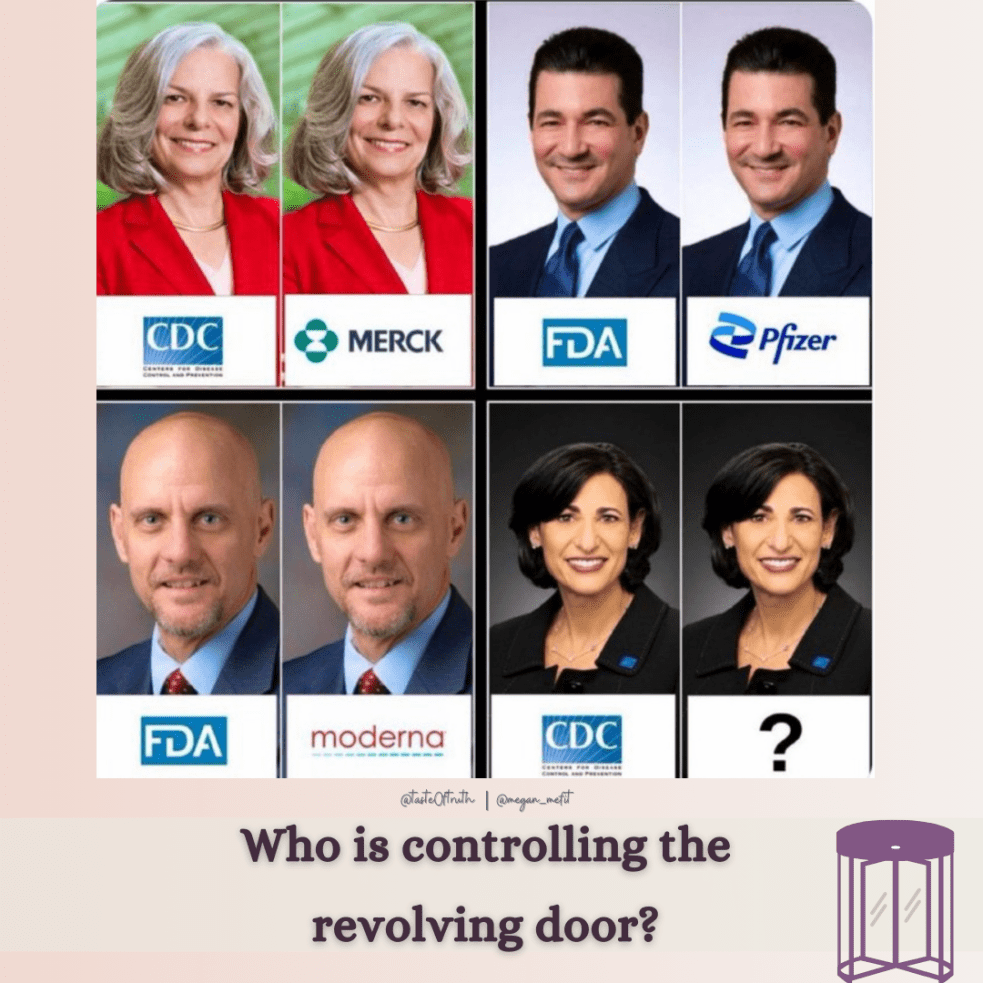
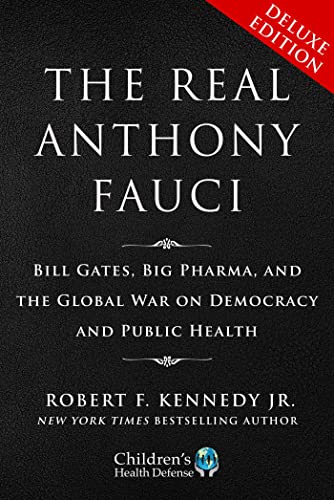


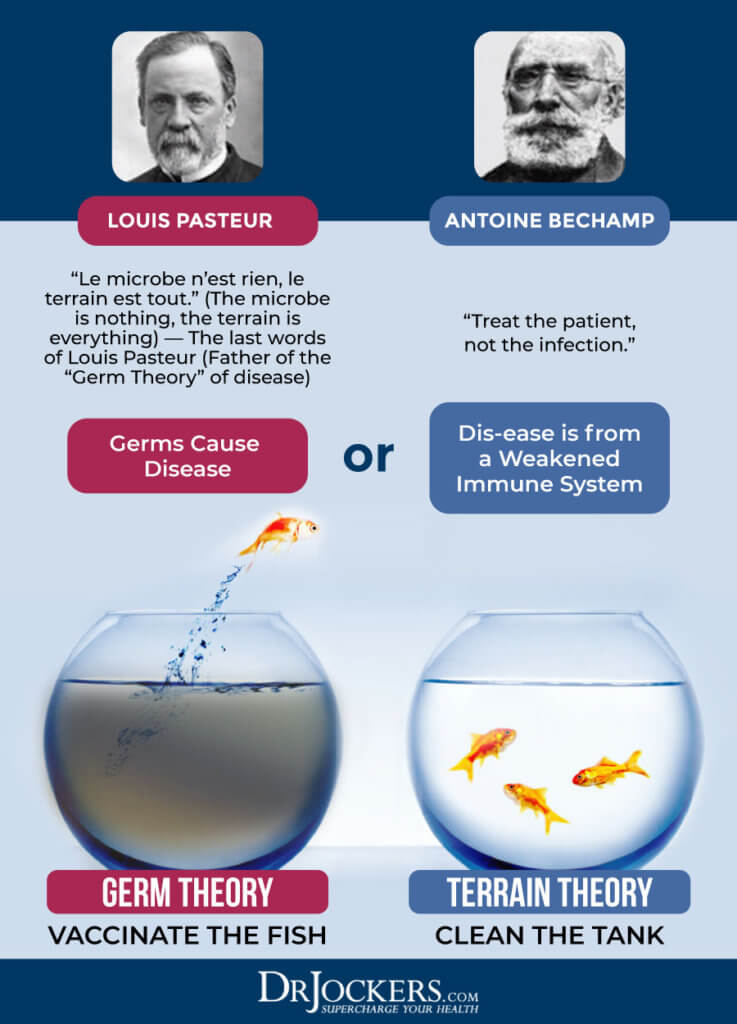




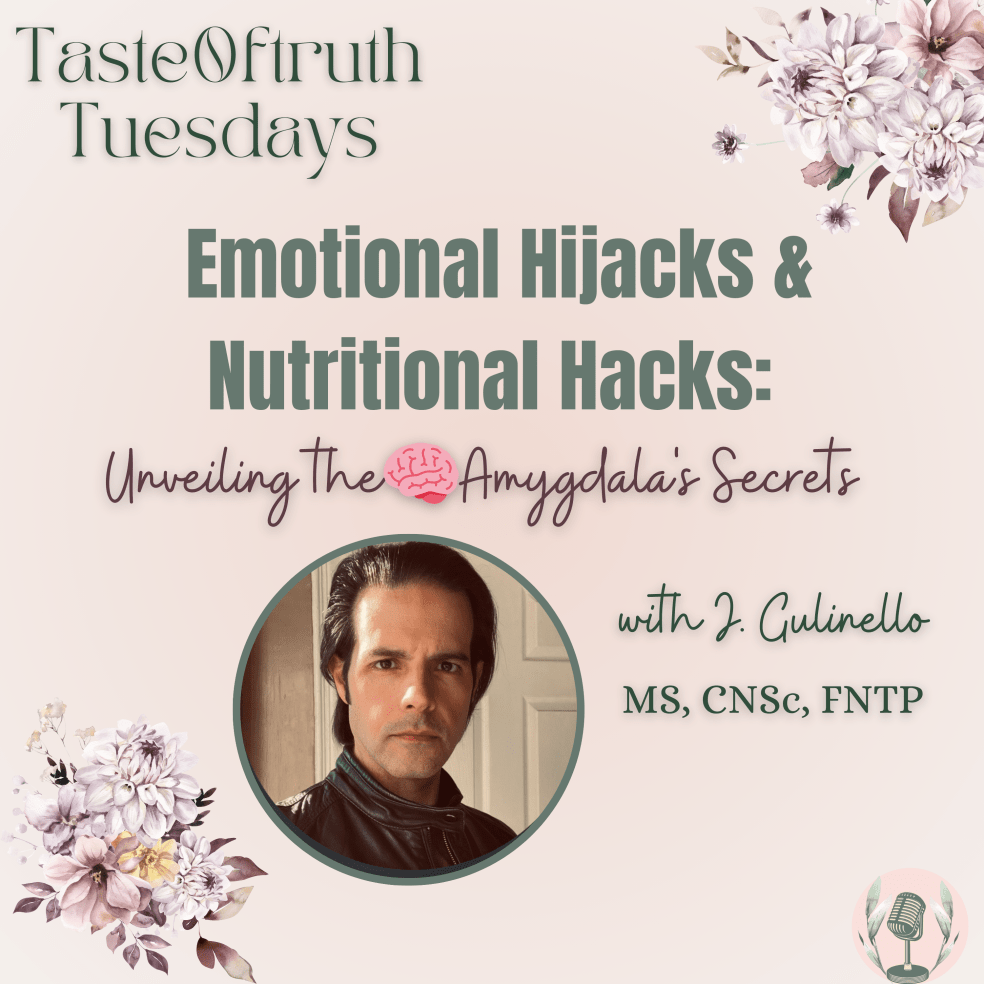

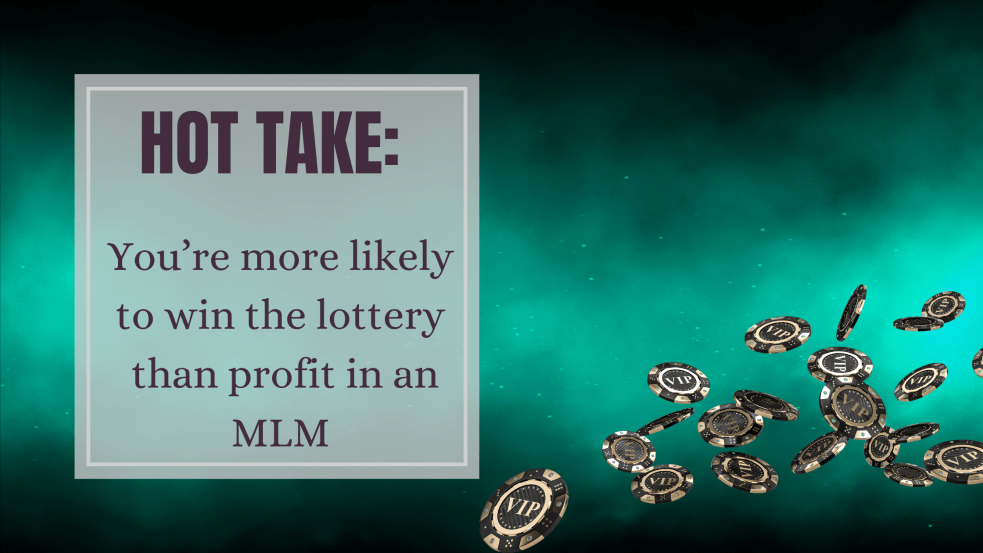



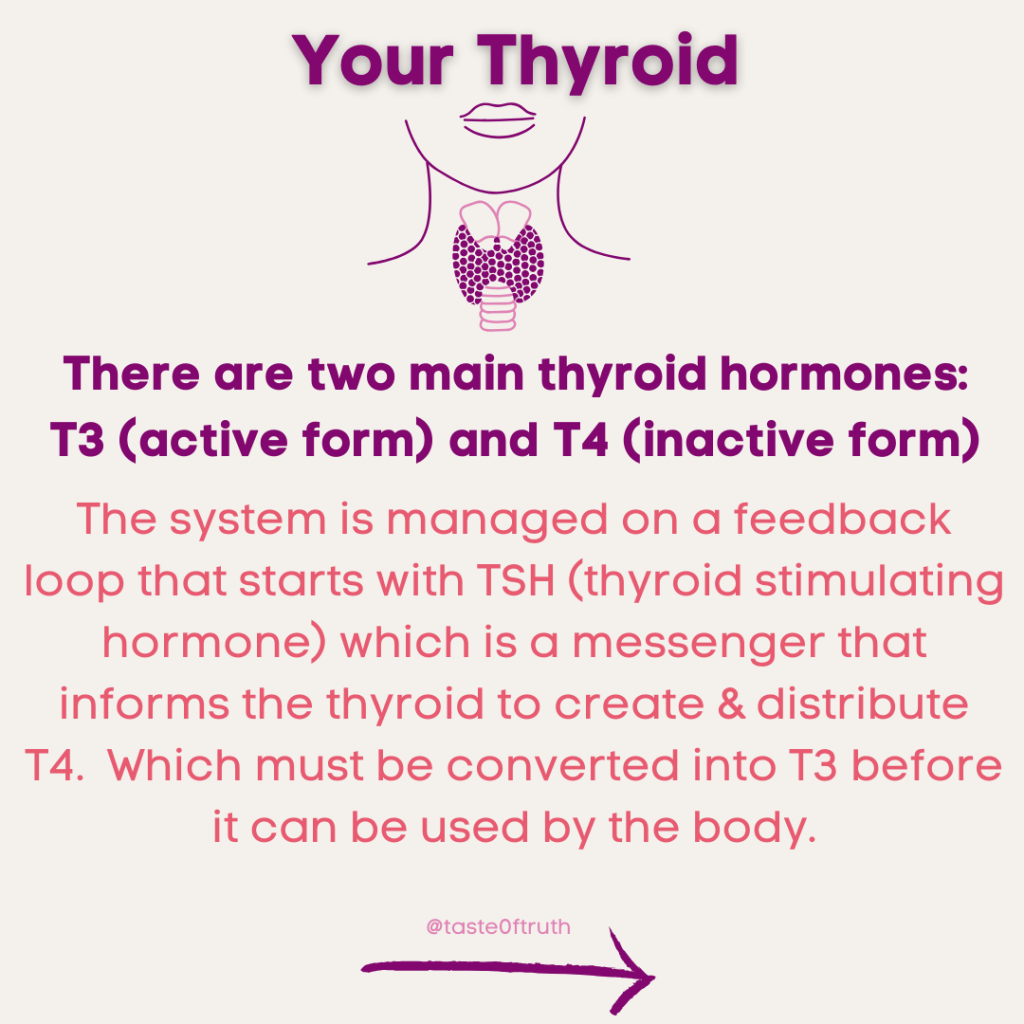


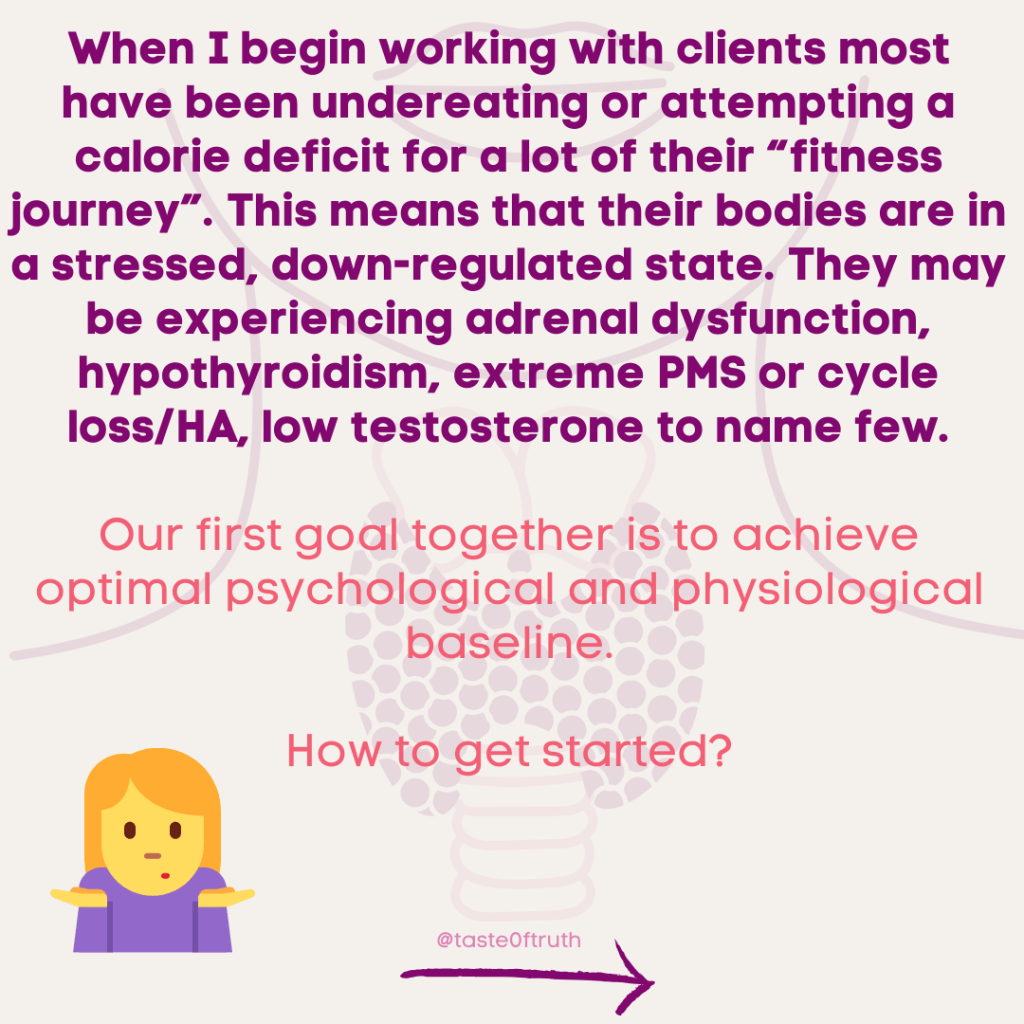
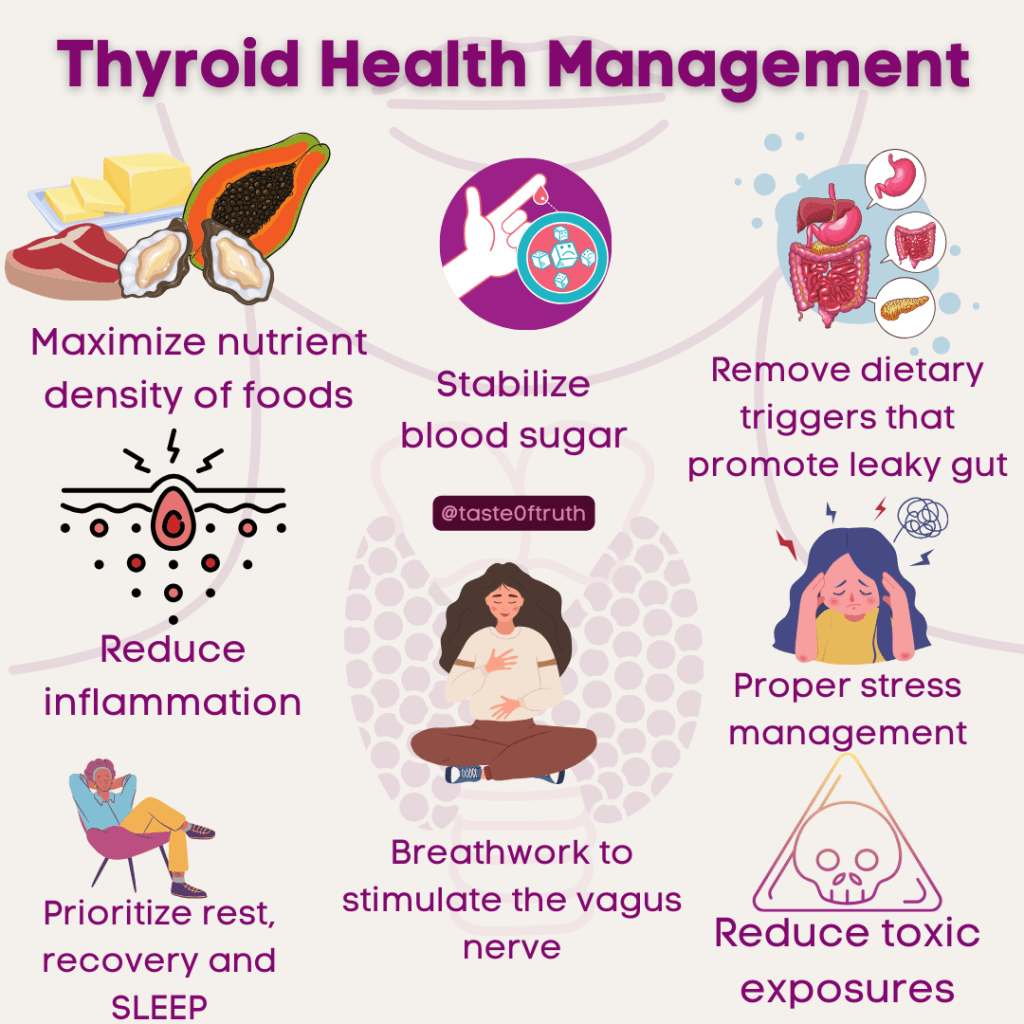


 Taste0ftruth Tuesdays