Uncover how MLMs and high-control religions exploit narratives to control and isolate you

Have you been noticing the trend this week on how MLMs and high-control religions are like two peas in a pod? 🤔Both are pros at narrative control and emotional manipulation to keep you hooked and hush any objections. 🧠💥

By boosting group identity, crafting slick stories to tackle doubts, and giving dissenters the cold shoulder, they shut down critical thinking faster than you can say “independent thought.” 🚫💭

Both MLM companies and high-control religions use sophisticated methods of narrative control and emotional manipulation to maintain adherence and deflect objections.

In this post, we’ll explore these tactics in detail, shedding light on the parallels between the two and their impact on individuals.

MLM Companies

Training on Objection Handling:

  1. Preemptive Framing:
    • Narrative: MLM companies often train recruits to preemptively frame any criticism as coming from those who don’t understand the business model or are jealous of the potential success.
    • Example: “People who criticize MLMs just don’t understand how it works. They’re stuck in the traditional 9-to-5 mindset.”
  2. Repetition of Success Stories:
    • Narrative: Recruits are encouraged to repeatedly share and focus on success stories within the MLM to create a positive and hopeful group identity.
    • Example: “Look at how much [successful person] has achieved! You can do it too if you follow the system.”
  3. Us vs. Them Mentality:
    • Narrative: Critics are often labeled as ‘negative’ or ‘toxic,’ the idea that only those within the MLM understand and support each other.
    • Example: “Don’t listen to the naysayers; they don’t want you to succeed like we do.”
  4. Deflection Techniques:
    • Narrative: Recruits are taught to deflect objections by changing the subject or asking questions to steer the conversation back to the positive aspects of the MLM.
    • Example: “I understand your concern, but let me ask you this: Don’t you want more financial freedom?”

High-Control Religions (Apologetics Tactics)

Thought-Stopping Techniques:

  1. Scriptural Rebuttal:
    • Technique: Apologists use specific scriptures to counter objections, often discouraging further questioning by framing it as a lack of faith or understanding.
    • Example: “The Bible says to lean not on our own understanding. Trust in God’s plan.”
  2. Repetition of Doctrinal Stories:
    • Technique: Similar to MLM success stories, these religions emphasize repetitive storytelling of faith miracles or doctrinal teachings to strengthen group identity.
    • Example: “Remember how [biblical figure] overcame doubt by trusting in God. We must do the same.”
  3. Isolation of Dissenters:
    • Technique: Those who question or criticize are often isolated or labeled as spiritually weak or rebellious, reinforcing conformity.
    • Example: “Anyone who causes division is not acting in love. Avoid such people.”
  4. Deflection and Redirection:
    • Technique: Apologists often deflect challenging questions by redirecting the conversation to more familiar or comfortable topics within the faith.
    • Example: “That’s an interesting question, but let’s focus on how much God loves us and has a plan for our lives.”

Comparison

Common Elements:

  1. Group Identity Reinforcement:
    • Both MLMs and high-control religions heavily rely on creating a strong sense of group identity to foster loyalty and discourage dissent.
  2. Narrative Control:
    • Both systems use pre-defined narratives to handle objections and maintain control over the beliefs and behaviors of their members.
  3. Us vs. Them Mentality:
    • By framing outsiders or critics as ‘misinformed’ or ‘negative,’ both MLMs and high-control religions create a protective barrier against external critique.
  4. Emotional Manipulation:
    • Both systems use emotional stories (success stories in MLMs, faith miracles in religions) to inspire and motivate adherence, often at the expense of critical thinking.

Conclusion

Both MLM companies and high-control religions use sophisticated methods of narrative control and emotional manipulation to maintain adherence and deflect objections. By reinforcing group identity, employing specific narratives to handle objections, and isolating dissenters, they create environments where questioning and critical thinking are discouraged. Understanding these parallels can help in identifying and addressing the underlying tactics used to exert control in both contexts.

Want the juicy details? 🍿🎧 Tune into this week’s podcast episode to get the full scoop and learn how to spot these tactics in action. 🎙️✨

#TasteOfTruthTuesdays#PodcastEpisode#MLMs#HighControlReligions#CriticalThinking#NarrativeControl#EmotionalManipulation
#radicalization#narrative#language#cult#cultawareness#igotout#deconstructingfaith#deconstruction#podcast#brainwashing#indoctrination#mlmsuccess

Lottery Odds vs MLM: Which Poses a Higher Financial Risk?

When it comes to making a profit, the comparison between lottery odds and MLM (multi-level marketing) success rates reveals a stark reality: both paths are fraught with significant financial risk, but MLMs typically offer even lower chances of profitability.

🚀 Join us for an eye-opening episode that tackles the intersections of gender, culture, business, and control. Don’t miss out on these compelling insights!

Lottery Odds

The chances of winning a significant prize in major lotteries, such as Powerball or Mega Millions, are astronomically low. For example:

  • Powerball Jackpot: The odds of winning the jackpot are approximately 1 in 292 million.
  • Smaller Prizes: While there are better odds for smaller prizes, they still remain quite low, often making even minor winnings a rare occurrence.

MLM Profitability

Studies and reports paint a grim picture for those involved in MLMs:

  • FTC Report: According to the Federal Trade Commission (FTC), approximately 99% of MLM participants end up losing money.
  • Profit Sources: Success in MLMs often hinges on recruiting new participants rather than selling products to consumers, which creates a structure where the majority are positioned at the bottom, struggling to make a profit.

Key Factors to Consider

  1. Initial Costs: Many MLMs require an initial investment or ongoing purchases to remain active. This financial commitment can lead to losses if the participant fails to recruit enough new members or sell sufficient products.
  2. Time and Effort: Achieving success in MLMs often demands a significant investment of time and effort, frequently far exceeding the potential earnings.
  3. Recruitment Focus: The profitability for top MLM earners typically comes from recruiting others rather than direct product sales, creating a high barrier to profit for most participants.

Conclusion

While neither playing the lottery nor joining an MLM is advisable for making a profit, statistically speaking, the majority of people will lose money in both scenarios. However, due to the structural and financial demands of MLMs, the likelihood of achieving a profit is typically even lower than winning a smaller lottery prize.

In summary, while both the lottery and MLMs are risky ventures with slim chances of financial gain, comparative data suggests that the average person is more likely to incur losses in an MLM than in the lottery. Proceed with caution and consider more reliable financial strategies to achieve your monetary goals.

Further reading

https://thinksaveretire.com/what-is-mlm/

Beyond the IBLP: Unveiling the Shared Roots of Evangelicalism & Spiritual Trauma

The Institute in Basic Life Principles was founded by Bill Gothard, is known for its strict, authoritarian teachings on Christian living and family roles, often leading to significant emotional harm.

In the deconstruction space, there’s a troubling tendency to focus exclusively on extreme cases of spiritual abuse, such as those from the Institute in Basic Life Principles (IBLP). While it’s crucial to address and understand these severe experiences, it’s equally important to recognize that spiritual and religious trauma can manifest in many forms beyond such high-profile examples.

While IBLP is a notable example of spiritual abuse, its practices reflect broader trends within evangelical Christianity that also emphasize control, guilt, and fear.

Unveiling the Shared Roots

The roots of evangelical Christianity are deeply entwined with guilt, fear, coercion, and deception, a legacy that can permeate all levels of faith practice. This issue isn’t confined to one group or doctrine; rather, it echoes through the broader history of evangelicalism, including the violent and tumultuous period of the Protestant Reformation.

Guilt and Fear: Evangelical teachings often emphasize human sinfulness and the need for constant repentance, creating an environment where guilt and fear become central. The pressure to meet unattainable moral standards can lead to chronic anxiety and self-doubt. Believers may struggle with feelings of inadequacy and unworthiness, which can erode self-esteem and lead to long-term psychological trauma.

Coercion: Many evangelical doctrines employ coercive tactics to ensure conformity and compliance. This can include manipulating believers through promises of divine favor or threats of divine punishment. Such coercion often pressures individuals into adhering to strict beliefs and behaviors, stifling personal autonomy and fostering a sense of control and manipulation.

Deception: The evangelical tradition can sometimes perpetuate deceptive teachings, presenting religious doctrines in a way that omits or distorts critical truths. This can include selective scriptural interpretations or misleading teachings about the nature of God and salvation. When individuals later confront these deceptions, they may experience profound disillusionment and betrayal, further contributing to their trauma.

Historical Context: The Protestant Reformation, a pivotal event in evangelical history, was marked by violent conflict and intense upheaval. The brutality and extremism of this period set a precedent for how religious movements can become entangled in aggression and intolerance. This historical backdrop adds another layer to understanding how evangelical Christianity, in its various forms, can inflict spiritual harm.

By acknowledging this broader context, we can better address the diverse experiences of trauma within the Christian faith and work towards healing that encompasses all who have been affected.\

Let’s look at the parallels:

1. Control and Authority:

  •     Evangelical Teachings: Evangelical groups often emphasize strict adherence to biblical authority and teachings, which can lead to high levels of control over personal beliefs and behavior.
  •    IBLP: The IBLP, founded by Bill Gothard, is known for its rigid set of rules and teachings that govern nearly every aspect of life, including family dynamics, education, and personal conduct.

2. Use of Guilt and Fear:

  •     Evangelical Teachings: Evangelicals may use guilt and fear of eternal damnation to enforce moral behavior and adherence to religious practices.
  •     IBLP: The IBLP uses fear of divine punishment and guilt to maintain control, emphasizing strict obedience to its principles and teachings.

3. Isolation from Dissenting Views:

  •     Evangelical Teachings: Evangelical communities might discourage or isolate members who question or deviate from core beliefs, often labeling dissent as dangerous or sinful.
  •     IBLP: The IBLP isolates its members from outside influences and encourages avoidance of those who criticize or question its teachings.

4. Emphasis on Obedience:

  •     Evangelical Teachings: Emphasis is placed on obedience to God’s commands and church teachings, which can sometimes discourage critical thinking and personal questioning.
  •     IBLP: stresses strict obedience to its guidelines as a sign of faithfulness, often at the expense of personal autonomy and critical reflection.

5. Authoritarian Structure:

  •     Evangelical Teachings: Many evangelical groups have a hierarchical structure where church leaders wield significant authority over members’ beliefs and practices.
  •     IBLP: The IBLP has a centralized authority with Bill Gothard’s teachings at the core, and his directives are followed unquestioningly by adherents.

6. Focus on Family Roles:

  •     Evangelical Teachings: Traditional evangelical teachings often emphasize distinct roles within the family, typically with a strong patriarchal structure.
  •     IBLP: The IBLP advocates for a strict family hierarchy where the father is the ultimate authority, and family roles are rigidly defined.

7. Handling of Dissent and Criticism:

  •     Evangelical Teachings: In many evangelical communities, dissent or criticism of church doctrine or practices can lead to significant social and spiritual consequences. Those who voice doubts may be labeled as troublemakers or heretics, and their concerns are often dismissed or invalidated.
  •     IBLP: The IBLP is known for its strong stance against criticism. Those who question or criticize its teachings are often ostracized or labeled as spiritually immature or rebellious. This approach helps to maintain a homogenous and compliant membership base.

8. Emphasis on Personal Purity and Moral Behavior:

  •     Evangelical Teachings: Evangelical teachings often place a high value on personal purity and moral behavior, with a strong focus on abstaining from behaviors deemed sinful, such as premarital sex, substance abuse, or other forms of moral failing. This emphasis can create a culture of judgment and fear of falling short.
  •     IBLP: The IBLP emphasizes extreme standards of moral behavior and personal purity, with detailed guidelines on how members should conduct themselves in all areas of life. The focus on maintaining high moral standards can lead to guilt and self-policing among members.

9. Economic and Social Expectations:

  •     Evangelical Teachings: Some evangelical communities have specific expectations regarding financial contributions to the church and adherence to tithing practices. Members may be encouraged to prioritize church-related financial support over other expenses.
  •      IBLP: The IBLP also has expectations regarding financial and social behavior, including guidelines on how families should manage their finances and interactions. Members are often encouraged to support the organization financially and align their social activities with its teachings.

10. Role of Testimonies and Personal Experiences:

  •      Evangelical Teachings: Evangelical communities often emphasize personal testimonies and experiences as evidence of spiritual truth. Individuals are encouraged to share their personal stories of conversion or miracles as validation of their faith.
  •      IBLP: The IBLP similarly relies on personal testimonies and experiences to validate its teachings. Success stories and positive outcomes are used to promote the effectiveness of its principles, while negative experiences are often dismissed or attributed to a lack of adherence.

11. Intervention in Personal Choices:

  •      Evangelical Teachings: Evangelical teachings may extend into personal choices such as dating, marriage, and career decisions. Members might receive guidance or pressure to make choices that align with church teachings or leadership directives.
  •     IBLP: The IBLP provides detailed guidance on personal choices, including dating and marriage, often imposing strict rules on how these aspects of life should be approached. Members are expected to follow these guidelines closely, with deviations viewed as problematic.

12. Cultural and Social Isolation:

  •      Evangelical Teachings: Evangelical communities may promote cultural and social isolation from secular society, encouraging members to avoid influences that are seen as contrary to their faith. This can include limiting exposure to secular media, secular education, or interfaith interactions.
  •      IBLP: The IBLP promotes a high degree of cultural and social isolation, encouraging members to avoid secular influences and limit interactions with those outside the organization. This isolation helps to reinforce adherence to IBLP teachings and prevents exposure to alternative viewpoints.

13. Psychological and Emotional Impact:

  •     – Evangelical Teachings: The pressure to conform to strict religious standards can lead to psychological and emotional stress, including anxiety, guilt, and fear of failure or condemnation. Members may struggle with self-esteem and mental health issues as a result of these pressures.
  •     – IBLP: The IBLP’s emphasis on strict adherence to its principles can also have significant psychological and emotional impacts, including stress, guilt, and fear of not measuring up to its standards. This can lead to long-term emotional and psychological difficulties for members.

In examining the similarities between evangelical teachings and the Institute in Basic Life Principles (IBLP), it becomes clear that both systems employ similar methods of control and influence.

Evangelicalism often emphasizes strict adherence to biblical authority, use of guilt and fear, and isolation of dissenting views, which can significantly impact personal beliefs and behavior.

Similarly, IBLP’s rigid rules and central authority exert profound control over its members, using fear and guilt to enforce compliance. Both systems focus on obedience and maintain hierarchical structures that can suppress critical thinking and personal autonomy.

Understanding these parallels sheds light on the broader patterns of spiritual trauma that can arise within high-control religious environments.

Whether within the confines of IBLP or the wider evangelical world, the use of control, guilt, and isolation can have lasting effects on individuals.

Recognizing these patterns is crucial for fostering awareness and support for those affected by such environments. As we continue to explore and address these issues, it is essential to advocate for more compassionate and open approaches to faith and personal growth, free from undue control and fear.

Comparing Law of Attraction, High-Control Religion, and Diet Culture: Pitfalls Uncovered

Welcome back to Taste0ftruth Tuesdays, where today’s topic is Mindsets and Movements: Comparing Law of Attraction, High Control Religion, and Diet Culture

Ever wondered how MLMs thrive? Many of them tap into the power of teachings like the law of attraction—convincing you that your thoughts create your reality. It sounds empowering, right? 🤪

But behind the facade lies a darker truth. MLMs manipulate these beliefs to lure in dreamers, promising wealth and success through their products. 

So, what’s the scoop? The Law of Attraction says that what you focus on—whether positive vibes or the occasional grumpy thought—can actually manifest in your life. It’s all about tuning into those good vibrations and sending out positive signals to the universe.

Picture this: by visualizing your dreams, practicing gratitude like a pro, and keeping that vibe high, you’re supposedly paving the way for all those good things to come knocking on your door. 🚪

But hold up! It’s not all rainbows and sunshine. Just like dodging fad diets or harmful religious practices, there are pitfalls. 

Stay tuned as we uncover the highs, lows, and everything in between of this cosmic mind game. We’ll share some tips on how to keep your mental mojo balanced, whether you’re manifesting your dream job or just trying to stay chill in the chaos. 

Let’s walk that fine line between harnessing the power of our minds and falling into the traps of unrealistic expectations and self-blame. 

The law of attraction, diet culture, and high-control religions can promote all-or-nothing thinking in several ways:

1. Law of Attraction: This philosophy suggests that positive thoughts bring positive outcomes, and negative thoughts bring negative outcomes. This can lead people to believe that if they’re not constantly thinking positively, they’re attracting negativity into their lives. This binary thinking ignores the complexity of human emotions and experiences.

2. Diet Culture: Many diets promote strict rules about what foods are “good” or “bad,” fostering an all-or-nothing approach to eating. If someone deviates from the diet even slightly, they may feel like they’ve failed completely. This can contribute to unhealthy relationships with food and body image.

3. High-Control Religions (HCR): Some religions enforce rigid rules and beliefs, presenting a stark contrast between righteousness and sin. Followers may feel intense pressure to adhere perfectly to these standards, fearing severe consequences for any perceived transgression. 

This black-and-white thinking can create feelings of guilt, shame, or inadequacy.

In each case, the emphasis on absolutes and extremes discourages nuanced thinking and self-compassion. It can lead individuals to judge themselves harshly for perceived failures and to feel like they must constantly strive for unattainable ideals. 

The law of attraction mindset can be damaging to mental health and well-being, I know this from my past experiences prior to being converted into a high control religion. In my journey of deconstruction, I’ve been pondering how belief systems like the law of attraction, high-control religions, and diet culture wield their influence. 

Each of these ideologies promises transformative change through strict adherence to their principles, whether it’s manifesting positivity, spiritual purity, or a perfect body. 

But here’s the kicker – they all share several common threads 🧵 🪡 

  • 1. Belief in Control and Manifestation
  • 2. Promises of Transformation
  • 3. Blaming the Individual for Failure
  • 4. Emphasis on Discipline and Compliance
  • 5. Commercialization and Profit

While their specific goals vary, the law of attraction, high-control religions, and diet culture share fundamental similarities in their mechanisms of belief, control, promise of transformation, and their impact on adherents’ lives

Similarities in Their Harmful Effects:

1. Unrealistic Expectations:

  •    – Law of Attraction: Promises that positive thinking can manifest any desire, leading to unrealistic expectations about what can be achieved without effort or acknowledging external factors.
  •    – Diet Culture: Promotes the idea that a perfect body is achievable through strict adherence to specific diets or exercise regimens, often ignoring genetic, physiological, and lifestyle differences.
  •    – High Control Religion (HCR): Claims of absolute truths and moral perfection can create unattainable standards for behavior and belief, often leading to feelings of inadequacy or failure when individuals fall short.

2. Self-Blame and Guilt:

  •    – Law of Attraction: Encourages individuals to believe that any failure to achieve their desires is due to their own negative thinking, leading to self-blame and guilt.
  •    – Diet Culture: Instills guilt and shame in individuals who cannot maintain the prescribed diet or achieve the desired body image, blaming them for a lack of willpower or discipline.
  •    – HCR: Imposes strict moral codes and doctrines, where deviation is often seen as a personal failure or sin, leading to guilt and self-condemnation.

3. Emotional Manipulation:

  •    – Law of Attraction: Often exploits emotional vulnerability by selling the idea that happiness and success are just a thought away, leading to financial exploitation through self-help products and courses.
  •    – Diet Culture: Uses emotional manipulation to sell products, diets, and fitness programs, preying on insecurities about body image and societal standards of beauty.
  •    – HCR: Can manipulate emotions by promising eternal rewards or threatening eternal punishment, using fear and hope to control behavior and beliefs.

4. Avoidance of Complex Realities:

  •    – Law of Attraction: Simplifies complex life issues by attributing outcomes solely to individual thoughts, ignoring systemic, social, and external factors.
  •    – Diet Culture: Overlooks the complexities of human biology, metabolism, and mental health by promoting one-size-fits-all solutions to weight and health.
  •    – HCR: May offer simple answers to complex existential questions, discouraging critical thinking and exploration of diverse perspectives.

5. Promotion of Perfectionism:

  •    – Law of Attraction: Suggests that perfect thoughts can lead to a perfect life, fostering an unrealistic ideal of constant positivity.
  •    – Diet Culture: Advocates for an ideal body type and perfect eating habits, leading to obsessive behaviors and unhealthy relationships with food and self-image.
  •    – HCR: Can push for moral and spiritual perfection, creating pressure to conform to strict standards and leading to anxiety and fear of judgment.

Mental Health Concerns:

  • 1. Unrealistic Expectations:
    • Believing that thoughts alone can manifest reality may lead to unrealistic expectations and disappointment when desired outcomes don’t materialize. This can lead to frustration, self-blame, and decreased self-esteem.
  • 2. Ignoring Reality:
    • Overemphasis on positive thinking can sometimes lead to denial of real issues or avoidance of necessary actions. Individuals may neglect practical steps and problem-solving strategies, relying solely on mental strategies.
  • 3. Blame and Guilt:
    • When negative events occur, individuals might blame themselves for having “wrong” or “negative” thoughts. This self-blame can exacerbate feelings of guilt, anxiety, and depression.
  • 4. Mental Health Symptoms Exacerbation:
    • For individuals with certain mental health conditions, such as anxiety disorders or obsessive-compulsive disorder (OCD), the pressure to control thoughts can be particularly detrimental. Intrusive thoughts and the fear of their potential impact can intensify symptoms.
  • 5. Isolation:
    • If individuals feel their spiritual practices are misunderstood or dismissed by others, they may become isolated. Lack of social support can negatively impact mental health.

These ideologies promise transformative change through strict adherence to their principles, often promoting all-or-nothing thinking. But breaking free from this mindset is crucial for fostering balanced perspectives and personal growth.

Here are practical tips to challenge all-or-nothing thinking:

  • 1. Practice Mindfulness: Embrace techniques like meditation to become aware of thoughts without judgment, recognizing when you’re stuck in extremes.
  • 2. Identify Thought Patterns: Notice words like ‘always’ and ‘never,’ replacing them with ‘sometimes’ or ‘progress’ to introduce flexibility.
  • 3. Challenge Assumptions: Explore alternative perspectives and shades of gray instead of thinking in absolutes.
  • 4. Set Realistic Goals: Break down big goals into smaller steps, celebrating progress and effort along the way.
  • 5. Practice Self-Compassion: Be kind to yourself during setbacks, understanding that growth involves learning from mistakes.
  • 6. Seek Different Opinions: Discuss beliefs with trusted others to gain diverse viewpoints and broaden understanding.
  • 7. Use the 10% Rule: Aim for gradual improvement rather than perfection, reducing pressure and promoting sustainable progress.
  • 8. Keep a Thought Journal: Reflect on instances of all-or-nothing thinking to identify triggers and develop alternative interpretations.
  • 9. Practice Gratitude: Regularly acknowledge small positives to shift focus away from perfectionism.
  • 10. Educate Yourself: Learn about cognitive distortions to empower yourself in challenging and changing these patterns effectively.

By integrating these practices, we can cultivate resilience and a more balanced approach to life, moving beyond rigid belief systems toward authenticity and personal well-being.

And that’s all I have for you today, folks!

For upcoming episodes, we have Deconstructing Deception: MLMs, Exploitation & Online Influencers with my friend Jill, we dive into the murky waters of high control groups like MLMs, conspiracies and evangelicalism. We discuss about how exploitation is huge in these environments. And I share a bit more about my journey from MLM entanglement to pandemic conspiracies and high-control religion.

Next month: Equality in Focus: Reproductive Rights, Gender Norms, and Political Reform with my friend Emma and a lot more exciting interviews coming for you!

Until then, maintain your curiosity, embrace skepticism, and keep tuning in! 🎙️🔒

To deepen your understanding of the potential pitfalls of spiritual practices like the law of attraction, diet culture, and religious absolutism, as well as to develop critical thinking and emotional intelligence, consider exploring these high-quality resources across various formats:

  • Books:
    • “Bright-Sided: How Positive Thinking Is Undermining America” by Barbara Ehrenreich** – This book critiques the overemphasis on positive thinking and its societal impacts.
    • “Dietland” by Sarai Walker** – A fictional yet poignant critique of diet culture and societal beauty standards.
    • “The Body is Not an Apology: The Power of Radical Self-Love” by Sonya Renee Taylor** – Discusses body positivity and challenges diet culture.
    • “When Prophecy Fails” by Leon Festinger, Henry Riecken, and Stanley Schachter** – A classic work on cognitive dissonance, exploring how people react when prophecies or absolute religious claims fail.
  • Articles and Papers:
    • “The Trouble with the ‘Law of Attraction'” by Carolyn Gregoire** (HuffPost) – Discusses the psychological and practical issues with the law of attraction.
    • “The Harmful Effects of Diet Culture” by Taylor Wolfram** (Academy of Nutrition and Dietetics) – An article exploring the negative impacts of diet culture.
    • “The Perils of Positive Thinking” by Susan David** (Harvard Business Review) – Analyzes the downsides of relentless positivity in personal and professional settings.
  • Websites and Online Courses:
    • Intuitive Eating – A resource focusing on a balanced approach to food and body image, countering diet culture.
  • Coursera and edX – Provide courses on critical thinking, emotional intelligence, and psychology. Examples include:
    •  – “The Science of Well-Being” by Yale University (Coursera)
    •  – “Psychological First Aid” by Johns Hopkins University (Coursera)
  • Podcasts and Videos:
    • 1. “Maintenance Phase” – A podcast debunking wellness and diet culture myths.
    • “The Happiness Lab” by Dr. Laurie Santos** – Explores the science of well-being, addressing the limits of positive thinking.
  • TED Talks – Search for talks on critical thinking, the psychology of belief, and emotional intelligence. Notable example:
    • “The Danger of a Single Story” by Chimamanda Ngozi Adichie
  • Supportive Communities:
    • Body Positivity Groups** – Communities like “The Body Positive” offer support and resources to counteract diet culture.
    • Skeptics Societies – Organizations like The Skeptics Society promote scientific skepticism and critical thinking about various claims, including those related to spirituality and religion.
    • Religious Literacy Projects – Programs like Harvard’s Religious Literacy Project provide nuanced education on religion and its diverse expressions, promoting understanding and critical engagement.
  • Academic Journals:
    • Journal of Positive Psychology** – Offers research on the benefits and limitations of positive thinking and related practices.
    • International Journal for the Psychology of Religion** – Publishes research on the psychological aspects of religious beliefs and practices.

These resources can help you critically engage with the topics, develop a balanced perspective, and avoid the pitfalls associated with overly simplistic or manipulative practices.

The Deceptive Allure of “Before and After” Photos: A Parallel to Spiritual Testimonies

Today, let’s talk about the deceptive allure of “before and after” photos in the fitness industry—and draw a parallel to how spiritual testimonies can also manipulate emotions and perceptions.

The Fitness Industry’s “Before and After” Photos

In the fitness world, “before and after” transformations are marketed as proof of the efficacy of programs and products. These photos promise more than physical change; they sell a narrative of personal triumph over adversity. But behind these glossy images lie often overlooked truths: strategic lighting, posing, and digital enhancements that create an illusion of rapid, effortless transformation. This manipulation plays on our desire for quick fixes and can leave us feeling inadequate when our own progress doesn’t mirror these idealized images.

Many fitness marketers use various tricks to enhance these photos, such as manipulating lighting, posture, and even the time between shots. Sometimes, the “before” photo might be taken in the morning and the “after” photo later the same day, with the person tanned, flexed, and using better lighting. Studies have shown that such photos can significantly influence people’s perceptions and motivations, often leading to unrealistic expectations and disappointment​ (Trainer Josh)​​ (Visual Culture)​.

The Emotional Manipulation of Spiritual Testimonies

Similarly, spiritual testimonies often follow a formulaic structure designed to evoke specific emotional responses. They typically begin with a depiction of a troubled past—perhaps addiction, loss, or despair—followed by a dramatic turning point: a moment of conversion or spiritual awakening. These stories, while often sincere, can omit the complexities and doubts that accompany genuine spiritual journeys. They paint a picture of faith that is pristine and unwavering, reinforcing the belief that divine intervention leads to miraculous change.

I’m eager to explore a phenomenon that emerged in Summer 2022: “Not So Secret Societies.” This podcast intertwined QAnon conspiracies with Christianity, making waves in spiritual communities. One of the hosts, Kara, bravely shared her testimony of converting from New Age spirituality, where she encountered spirits as a medium. Her journey to embracing Jesus was emotional, filled with tears, and profoundly impactful. Many of us listening felt convicted, realizing the spiritual implications and our own paths.

Join me as we unpack these complex intersections and reflect on the profound shifts in belief and perception. Let’s delve into how narratives on social media can reshape worldviews and influence personal journeys.

Understanding the Emotional Impact

Kara’s testimony likely resonated deeply due to its emotional narrative of spiritual transformation—from New Age spirituality to Christianity. Testimonies often appeal to emotions and personal experiences, making them powerful tools for persuasion. Stories like this appeal to emotions by highlighting profound experiences and struggles, which can resonate deeply with listeners seeking meaning or spiritual fulfillment.

The narrative of converting from New Age beliefs, where spiritual entities are often seen positively or neutrally, to Christianity, where demons are viewed as real and malevolent, creates a stark contrast. This binary worldview can lead listeners to feel they must choose between good (Jesus) and evil (Satan).

Joining a group like Not-So-Secret Societies, which merges QAnon conspiracy theories with Christianity, can create a sense of belonging and purpose. Kara’s testimony might have reinforced group identity by framing her conversion as a rejection of perceived darkness and alignment with a community of light-bearers.

Psychological Mechanisms at Play

Cognitive Dissonance: Kara’s story may have triggered cognitive dissonance in listeners who resonated with her previous beliefs in New Age spirituality. This discomfort can drive individuals to align with her new perspective on Christianity to resolve conflicting beliefs.

Confirmation Bias: Listeners may selectively interpret information that supports Kara’s narrative, reinforcing their own beliefs while discounting contradictory evidence.

Psychological Vulnerabilities and Exploitation

Vulnerabilities in Seekers:

  • Existential Uncertainty: Many individuals experience periods of questioning and uncertainty about life’s meaning and their place in the world. Narratives like Kara’s offer a clear path and sense of purpose, which can be appealing during times of existential crisis.
  • Emotional Needs: Feelings of loneliness, isolation, or a lack of community drive individuals to seek belonging and acceptance. Conversion stories often promise a supportive community and emotional fulfillment.
  • Desire for Spiritual Fulfillment: Some seekers may feel spiritually unfulfilled or disconnected from their current beliefs, prompting them to explore alternative spiritual paths that offer a deeper sense of connection or transcendence.

Exploitation by Manipulative Tactics:

  • Emotional Manipulation: Conversion narratives often leverage emotional storytelling to evoke sympathy, empathy, or fear. By presenting a dramatic transformation from darkness to light, storytellers appeal to listeners’ emotions and foster a sense of urgency to follow suit.
  • Fear-Based Messaging: Some narratives use fear tactics, suggesting dire consequences for not embracing the presented belief system. This can create a sense of vulnerability and heighten the perceived importance of making a decision.
  • Promises of Belonging and Acceptance: Groups like Not So Secret Societies capitalize on the human need for community by promising acceptance and belonging to those who adopt their beliefs. This can be particularly compelling for individuals who feel marginalized or disconnected from mainstream society.

Recognizing Manipulative Tactics

Selective Storytelling: Narratives like Kara’s often present a selective portrayal of personal experiences to support a specific worldview. Encourage listeners to look for missing perspectives or contradictory evidence that may be omitted.

Appeals to Emotion: Emotional appeals can cloud judgment and hinder rational decision-making. By recognizing emotional manipulation tactics, individuals can maintain objectivity and evaluate information more critically.

Community and Identity Formation

Joining groups like Not So Secret Societies offers a sense of belonging and community based on shared beliefs and experiences. Kara’s story likely strengthened group identity by framing her conversion as a move towards spiritual enlightenment and away from perceived darkness.

Exploring the Broader Implications

Social Media’s Role in Recruitment: Podcasts and social media platforms amplify narratives like Kara’s, reaching a wide audience quickly and effectively. Algorithms and sharing mechanisms on platforms can contribute to the virality of compelling stories, enhancing their influence. Online communities, including those blending conspiracy theories with spirituality, create echo chambers where members reinforce each other’s beliefs. Exposure to consistent messaging can solidify beliefs and increase susceptibility to ideological conformity.

Ethical and Moral Dimensions: Consider the ethical implications of blending religious conversion narratives with conspiracy theories. How do these narratives shape individuals’ perceptions of reality and influence their behaviors? Combining religious conversion narratives with conspiracy theories raises ethical concerns about misinformation, manipulation, and the impact on individual autonomy. It prompts discussions about the responsibilities of content creators and platforms in promoting critical thinking and fact-checking.

Cultural and Societal Context

Cultural Shifts and Crisis Narratives: Consider how broader cultural shifts, such as societal crises or rapid technological changes, contribute to the appeal of narratives that promise clarity and certainty in uncertain times.

  • Societal Instability: During periods of societal upheaval or rapid change, individuals may seek stability and certainty in their beliefs. Conversion narratives that promise clarity and moral absolutes can provide a sense of security amid uncertainty.
  • Technological Advancements: The rise of social media and digital communication platforms has democratized information dissemination but also facilitated the rapid spread of ideological content. Narratives can gain traction quickly and reach a global audience almost instantly.

Historical Precedents:

  • Religious Revivals: Throughout history, religious revivals and spiritual movements have often been sparked by charismatic leaders or compelling testimonies of personal transformation. These movements have shaped public discourse and influenced societal norms.
  • Political and Social Movements: Ideological movements, whether religious, political, or cultural, have historically used persuasive narratives to mobilize followers and challenge existing social structures. Understanding historical parallels can provide insights into current trends.

Media Literacy and Critical Thinking

Promoting Media Literacy:

  • Fact-Checking and Source Evaluation: Encourage listeners to critically evaluate the credibility of sources and information presented online. Teaching fact-checking skills empowers individuals to distinguish between reliable information and misinformation.
  • Questioning Assumptions: Emphasize the importance of questioning assumptions and biases when consuming media. Critical thinking involves examining underlying motivations and potential agendas behind persuasive narratives.

Long-term Impacts and Responsibilities

Impact on Individual Beliefs:

  • Worldview and Identity Formation: Exposure to persuasive narratives can shape individuals’ beliefs and identities over time. Conversion stories may influence how individuals perceive themselves and their place in society, impacting their values and behaviors.
  • Psychological Well-being: Consider the potential psychological effects of adopting new belief systems based on persuasive narratives. Individuals may experience cognitive dissonance or emotional distress if their beliefs conflict with their previous worldview.

Responsibilities of Content Creators:

  • Ethical Guidelines: Content creators, influencers, and platforms have a responsibility to uphold ethical standards in content creation and dissemination. This includes transparency about sources, avoiding misleading or exaggerated claims, and respecting the diversity of beliefs and perspectives.
  • Promoting Critical Awareness: Encourage content creators to promote critical awareness among their audiences. This involves fostering open dialogue, encouraging respectful debate, and acknowledging the complexity of social and ideological issues.

Conclusion and Call to Action

Encouraging Dialogue:

  • Open Discussion: Foster open dialogue among listeners about the impact of persuasive narratives and the role of social media in shaping beliefs. Encourage respectful debate and exchange of ideas across ideological divides.
  • Community Engagement: Promote community engagement as a means of supporting individuals who may be questioning or reevaluating their beliefs. Provide resources for further exploration and encourage listeners to seek diverse perspectives.

Personal Reflection:

  • Critical Self-reflection: Spend time thinking of your own susceptibility to persuasive narratives and ideological influences. Encourage them to cultivate critical thinking skills and

The Crunchy-to-Alt-Right Pipeline: from Wellness to Extremism

Over the last few weeks, we have been exploring the complex interplay between radicalization, conspiracies and religion. During the pandemic, I was one of those new-age rebels that was pumped into conspiracy and conversion to religion pipeline. I was one of those people seeking answers and meaning that was drawn to radical ideologies and conspiratorial narratives that promised belonging, purpose, and empowerment.

A huge aspect of my deconstruction process is realizing how I’ve been susceptible and caught up in cult-like dynamics for most of my adult life. I spent years entangled in an MLM (2016-2020), which only worsened my dis0rded eat1ng behaviors from high school. These products often promoting unrealistic body standards and fostering unhealthy relationships with food. Feeling lost without that community, I was drawn into pandem1c conspiracies and eventually into high-control religion.

The “crunchy hippie to alt-right pipeline” is a phenomenon where individuals initially attracted to alternative wellness and New Age practices become increasingly exposed to far-right ideologies.

This shift is facilitated by social media algorithms and influential figures who blend wellness content with conspiracy theories and extremist views. This shift is facilitated by social media algorithms and influential figures who blend wellness content with conspiracy theories and extremist views.

Key Points of the Pipeline:

  1. Algorithmic Influence:
    • Social media platforms like YouTube and Instagram use algorithms that can gradually expose users to more extreme content. For instance, someone watching videos on natural health remedies might eventually receive recommendations for videos that include far-right conspiracy theories or anti-establishment rhetoric​ (Virginia Review of Politics)​.
  2. Overlapping Values:
    • Certain aspects of New Age and wellness cultures, such as skepticism of mainstream medicine and government, overlap with the distrust and anti-establishment sentiments of far-right groups. This makes the transition smoother as the ideologies can appear to support each other​ (Cross Cultural Solidarity)​.
  3. Influential Figures:
    • Wellness influencers who propagate conspiracy theories (like QAnon) help bridge the gap between New Age communities and far-right ideologies. They often present themselves as offering alternative truths, which can be appealing to those already disillusioned with conventional systems​ (Cross Cultural Solidarity)​.
  4. Community Dynamics:
    • Online communities play a crucial role. Individuals often seek validation and a sense of belonging in these groups. Once part of a community that blends wellness with far-right views, it becomes easier to accept and internalize these extremist ideologies​ (Virginia Review of Politics)​​ (Cross Cultural Solidarity)​.

Implications:

  • Radicalization: This pipeline can lead to the radicalization of individuals who initially joined wellness communities for benign reasons but gradually adopt extremist views.
  • Polarization: The spread of far-right ideologies within wellness spaces contributes to societal polarization and the mainstreaming of conspiracy theories.
  • Public Health Concerns:
    • Misinformation and Hesitancy towards “BigPharma”
      Social media platforms have been conduits for the dissemination of misinformation regarding 💉, leading to hesitancy. False claims about safety and conspiracy theories have undermined public health efforts.
    • Addressing these public health concerns requires a multi-faceted approach that includes combating misinformation, improving mental health services, addressing healthcare inequities, ensuring continuity of chronic disease management, strengthening public health infrastructure, and promoting evidence-based health practices. Public awareness and education, policy reforms, and community engagement are essential in tackling these challenges and improving overall public health outcomes

Conclusion:

Understanding this pipeline is essential for recognizing how seemingly unrelated interests in wellness and spirituality can be co-opted by extremist ideologies. It highlights the need for vigilance and critical thinking in online spaces, as well as the importance of promoting credible information and fostering inclusive communities. For more detailed discussions on this topic, you can refer to articles from sources like the Virginia Review of Politics and Cross Cultural Solidarity​ (Virginia Review of Politics)​​ (Cross Cultural Solidarity)​.

Empower Your Healing Journey: The Diabolical Trinity Book Review

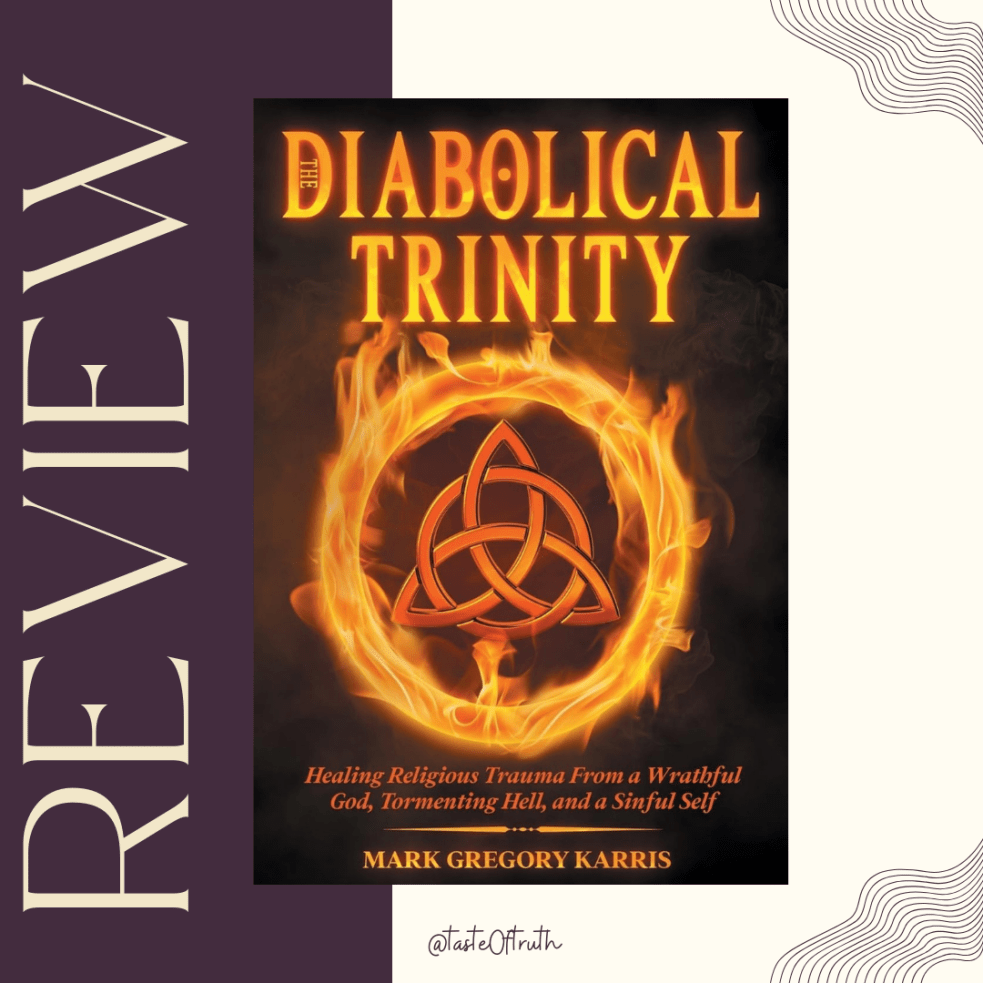
🌟 Book Review Alert! 🌟 This week’s podcast guest, Dr. Mark Gregory Karris, dives deep into religious trauma with his eye-opening book, “The Diabolical Trinity: Healing Religious Trauma from Original Sin, a Wrathful God, and Tormenting Hell.” 📚✨

Struggling with the remnants of religious fear and guilt? Dr. Karris’s insights are a game-changer. Swipe ➡️ to uncover why this book is a must-read for anyone on a healing journey.

Don’t miss our discussion on the podcast—catch up now before the next episode drops! 🎧💬

Tune in, transform, and take back your peace. 🙌

Listen here! 🎧

Dr. Mark Gregory Karris’s “The Diabolical Trinity: Healing Religious Trauma from a Wrathful God, Tormenting Hell, and Sinful Self” is a groundbreaking exploration of the psychological and emotional toll of harmful religious doctrines. Drawing from his extensive experience as a licensed therapist and ordained pastor, Karris skillfully dissects the “Diabolical Trinity”—the doctrines of a wrathful God, eternal torment in hell, and pervasive self-condemnation.

A Fresh Perspective on Religious Trauma

Dr. Mark’s has a compassionate and insightful approach to a topic often shrouded in silence and stigma. His work is praised for providing a fresh perspective on religious trauma, moving beyond mere critique to offer tangible steps toward healing. Karris’s ability to blend scholarly rigor with heartfelt empathy makes the book accessible to both academic and general audiences.

Empowering & Transformative

One of the most celebrated aspects of “The Diabolical Trinity” is Karris’s focus on empowerment. Critics have highlighted how the book not only identifies the sources of trauma but also provides practical tools for recovery. Karris’s therapeutic techniques and exercises are designed to help readers reclaim their sense of self-worth and foster a healthier, more compassionate spiritual outlook.

Critique & Redemption

While Karris does not shy away from critiquing harmful religious doctrines, he does so with a redemptive vision. He challenges readers to rethink their understanding of God, hell, and sin, offering an alternative that is both theologically sound and psychologically healing. This balanced approach has been particularly praised by critics who value both the deconstruction and reconstruction of faith.

Engaging & Accessible

The book’s engaging narrative style has also been a point of praise. Karris weaves personal anecdotes with clinical case studies, creating a compelling and relatable read. His clear and concise writing ensures that complex theological and psychological concepts are easily understood, making the book suitable for a wide audience.

Conclusion

In “The Diabolical Trinity,” Dr. Mark Gregory Karris offers a powerful and necessary contribution to the conversation on religious trauma. His work stands out for its depth of insight, practical guidance, and hopeful vision for healing. For anyone grappling with the damaging effects of rigid religious doctrines, this book provides a beacon of light and a path toward wholeness.

Deconstructing Faith Dynamics: Overcoming Anxiety and Narcissistic Rage

Have you ever noticed how some individuals react with intense hostility or aggression when their deeply held beliefs are questioned? Keep reading as we will be exploring this very concept.

This week on the podcast, we’re sitting down with Dr. Mark Gregory Karris to explore the twists and turns of his diverse professional journey and how it shapes his approach to tackling religious trauma.

 🎢 From deconstructing faith dynamics to navigating life after leaving religious traditions, Dr. Karris dishes out practical steps and deep insights like a pro. 📚 We dive into his latest book ‘Diabolical Trinity’ where he takes on the big questions—like transforming a wrathful God into a compassionate one and the impact of religious experiences on mental health. 🕊️ 

Join us as we uncover the power of community and holistic healing in this can’t-miss conversation! 🌈

Listen here! 🎧

Navigating Anxiety in Fundamentalist Christian Circles During Deconstruction

People entrenched in fundamentalist sects of Christianity often experience heightened anxiety when they witness others going through a process of deconstruction. This reaction stems from their upbringing, where they were taught that deviation from established beliefs and practices is not only wrong but potentially dangerous. In fundamentalist environments, any departure from the accepted norms can be perceived as a threat to one’s faith, community, and even personal safety.

This anxiety is compounded by the fear that questioning or exploring alternative beliefs may lead to spiritual and moral peril. Fundamentalist teachings often instill a rigid worldview where conformity is equated with spiritual safety, and deviation is seen as a sign of weakness or susceptibility to worldly influences.

Moreover, the concept of narcissistic rage can be observed in some cases, where individuals deeply embedded in fundamentalist ideologies react with hostility or aggression towards those who challenge or question their beliefs. Here are a few examples:

Verbal Attacks:

When someone questions a fundamentalist belief, the individual might respond with insults, shouting, or belittling the questioner. For instance, calling someone “ignorant” or “evil” for simply asking a question about their faith.

Social Ostracism:

In a tight-knit religious community, members who express doubts or differing opinions might be shunned, isolated, or expelled from the community.

Online Harassment:

On social media, individuals might react to criticism or questions with trolling or coordinated harassment campaigns against the perceived challenger.

Physical Aggression:

In extreme cases, questioning or challenging fundamentalist beliefs can lead to threats of violence or actual physical harm.

This reaction is different from a healthy spiritual practice, which encourages openness, curiosity, and respectful dialogue about different perspectives.

Examples of Healthy Spirituality:

Open Dialogue:

Encouraging conversations where differing beliefs and perspectives are discussed respectfully, with a genuine interest in understanding the other person’s viewpoint

Supportive Community:

Building a community where questioning and exploring faith is seen as a natural part of spiritual growth, and members support each other through their journeys.

Personal Reflection:

Encouraging conversations where differing beliefs and perspectives are discussed respectfully, with a genuine interest in understanding the other person’s viewpoint.

Interfaith Engagement:

Participating in interfaith dialogues or activities that promote learning from different religious traditions and appreciating the diversity of spiritual experiences.

These contrasting examples can illustrate the difference between a rigid, defensive response and a more open, growth-oriented approach to spirituality.

By recognizing the signs of narcissistic rage and embracing a more open and compassionate approach.

Navigating these dynamics requires empathy and understanding from both sides. Those undergoing deconstruction seek to reconcile their evolving beliefs with their personal experiences and spiritual growth, while those in fundamentalist circles may benefit from recognizing that diversity of belief does not necessarily threaten their own faith or spiritual well-being. Here’s how this dynamic unfolds:

  1. Fear of Deviation: Fundamentalist teachings often emphasize a strict adherence to doctrinal purity and established beliefs. Any questioning or deviation from these beliefs is viewed as a threat to faith and spiritual safety.
  2. Cognitive Dissonance: Witnessing others deconstructing their faith can trigger cognitive dissonance among fundamentalists. It challenges their worldview and belief system, leading to discomfort and anxiety.
  3. Fear of Consequences: Fundamentalist teachings may instill fear regarding the consequences of exploring different beliefs or questioning established doctrines. There’s a pervasive belief that straying from the accepted path could lead to spiritual peril or loss of salvation.
  4. Sense of Identity Threat: For individuals deeply embedded in fundamentalist communities, their identity and sense of belonging are closely tied to doctrinal conformity. Deconstruction challenges this identity, causing emotional distress and anxiety.
  5. Social Pressure: Fundamentalist communities often exert strong social pressure to conform to group norms and beliefs. The prospect of others deconstructing their faith can create social anxiety and a fear of ostracization or judgment from peers and leaders.

In essence, the anxiety experienced by individuals in fundamentalist sects when encountering deconstruction reflects deep-seated beliefs and teachings that equate divergence from established doctrines with spiritual peril. This anxiety underscores the psychological and emotional challenges inherent in questioning and evolving one’s faith within such contexts. Encouraging open dialogue and mutual respect can foster a healthier approach to spiritual exploration and community dynamics.

Diabolical Trinity: Healing Religious Trauma from a Wrathful God, Tormenting Hell and Sinful Self

🌟 🎙️Welcome back, Get ready for a mind-expanding journey in this week’s episode! 🌟🎙️ We’re sitting down with Dr. Mark Gregory Karris to explore the twists and turns of his diverse professional journey and how it shapes his approach to tackling religious trauma.

 🎢 From deconstructing faith dynamics to navigating life after leaving religious traditions, Dr. Karris dishes out practical steps and deep insights like a pro. 📚 We dive into his latest book ‘Diabolical Trinity’ where he takes on the big questions—like transforming a wrathful God into a compassionate one and the impact of religious experiences on mental health. 🕊️ 

Join us as we uncover the power of community and holistic healing in this can’t-miss conversation! 🌈

Dr. Mark Karris is an experienced therapist with a rich and diverse background. He began his career working with adolescents and the severely mentally ill at Mental Health of Rockland County. In San Diego, he specialized in Emotionally Focused Couple’s Therapy under renowned mentors Kathryn de Bruin and Lisa Palmer Olson. He also spent three years in Japan, providing therapy on a military base and conducting international workshops for the Red Cross. He is now an adjunct professor at Point Loma Nazarene University. His educational background includes a Bachelor of Science in Psychology, a Master of Counseling, a Master of Divinity, and a PsyD with an emphasis in Marriage and Family Therapy.

Dr. Karris combines his extensive professional training with personal experiences of life’s ups and downs, making him uniquely equipped to guide his clients through their own journeys of healing and restoration.

He has authored several books that focus on topics related to spirituality, therapy, and personal growth. Some of his notable works include:

  1. “Divine Echoes: Reconciling Prayer with the Un-controlling Love of God” – This work explores the nature of prayer and God’s love, offering a fresh perspective on the power and purpose of prayer.
  2. “Season of Heartbreak: Healing for the Heart, Brain, and Soul” – In this book, Dr. Karris provides insights and strategies for healing from emotional and relational pain, drawing from his extensive experience as a therapist.
  3. “Diabolical Trinity: Healing Religious Trauma from a Wrathful God, Tormenting Hell and Sinful Self”

The interview begins with Dr. Mark sharing more about his own personal life and spiritual experiences that led him to be where he is today.

In his groundbreaking research, Dr. Mark Karris unveils the intricate layers of religious deconstruction through a lens of empathy and rigorous academic inquiry. His qualitative findings published in Clinical Pastoral Education challenge conventional evangelical narratives that attribute deconstruction solely to moral lapses or spiritual deception. Instead, Dr. Karris illuminates the diverse and often deeply personal reasons individuals undergo this transformative journey, shedding light on the complex interplay of faith, identity, and personal growth.

Here are some key insights from his study:

  1. Doctrinal and Theological Concerns: Many individuals experience faith deconstruction due to conflicts or doubts about core religious doctrines and beliefs. This can include questioning the validity of certain theological teachings or interpretations.
  2. Personal and Emotional Trauma: Religious trauma, stemming from negative experiences within religious contexts such as abuse, judgment, or oppression, often triggers a process of deconstruction as individuals seek healing and distance from harmful environments.
  3. Cultural and Social Factors: Changes in societal norms and cultural shifts can prompt individuals to reevaluate their religious beliefs and practices. This includes broader movements towards inclusivity, social justice, and equality that may conflict with traditional religious teachings.
  4. Intellectual Exploration: Increased access to diverse perspectives and information through the internet and education encourages critical thinking and exploration of alternative worldviews, leading to questioning of previously held religious beliefs.
  5. Existential and Spiritual Quests: Many people undergo faith deconstruction as part of a personal journey towards deeper existential meaning, spiritual growth, and authenticity. This involves exploring new spiritual paths or embracing a more flexible and inclusive understanding of spirituality.

Dr. Mark Karris’s shares a personal anecdote about encountering legalistic beliefs at a wedding highlights a broader issue within certain Christian traditions where behaviors are scrutinized through the lens of a wrathful God and the threat of hellfire. This theological framework often centers around doctrines like Original Sin, which have shaped Christian thought but are not universally accepted across all Christian denominations.

History and Evolution of Doctrine

1. Original Sin: The concept of Original Sin traces its roots to early Christian theologians such as Augustine of Hippo in the 5th century. Augustine argued that all humans inherit a sinful nature from Adam and Eve’s disobedience in the Garden of Eden, leading to a state of inherent moral corruption and separation from God.

2. Wrathful God: Throughout history, various Christian theologians and denominations have grappled with the portrayal of God as wrathful and vengeful, often emphasizing divine justice and punishment for sin. This perspective has been influential in shaping religious practices and beliefs, contributing to fears of divine judgment.

3. Hellfire and Eternal Damnation: The concept of hell as a place of eternal punishment for sinners is deeply embedded in Christian teachings, particularly in traditions emphasizing the consequences of disobedience to God’s will. This belief has profound psychological and emotional impacts, instilling fear and guilt among believers.

Critiques and Controversies

1. Cultural and Interpretive Differences: Not all Christian traditions adhere to the doctrines of Original Sin, a wrathful God, and eternal damnation in the same way. Some denominations interpret these concepts metaphorically or emphasize God’s love and mercy over punitive justice.

2. Psychological Effects: The emphasis on sin, guilt, and punishment can lead to harmful psychological effects, such as low self-esteem, anxiety, and religious trauma, especially when coupled with authoritarian interpretations that dictate strict moral codes and behaviors.

Diversity of Interpretations and Doctrines Within Christianity

Dr. Karris helps me challenge the claims of Clarity and Divine Truth. Here’s a breakdown of this issue:

  1. Diversity of Interpretations: The existence of over 45,000 Christian denominations worldwide reflects a wide range of doctrinal interpretations, from reformed traditions to Pentecostal beliefs. Each denomination asserts that their understanding of the Bible is correct and aligned with God’s truth. However, the diversity and sometimes contradictory nature of these interpretations suggest that clarity in biblical understanding is not as straightforward as proclaimed.
  2. Reasons for Diversity: The diversity in interpretations stems from a variety of factors:
    • Cultural and Historical Contexts: Different denominations interpret biblical texts through the lens of their cultural and historical contexts, which can lead to varied understandings.
    • Theological Emphases: Emphasis on different theological doctrines (such as salvation, baptism, worship practices) can shape how scriptures are interpreted.
    • Hermeneutical Approaches: Variations in interpretive methods (literal vs. allegorical, contextual vs. universal application) contribute to divergent doctrinal beliefs.
    • Human Fallibility: Interpretations are influenced by human limitations, biases, and subjective interpretations of scripture.
  3. Implications for Biblical Inerrancy and Infallibility: The existence of diverse and conflicting interpretations challenges the notions of biblical inerrancy (the belief that the Bible is without error in all matters) and infallibility (the belief that the Bible is incapable of error in matters of faith and practice). If the Bible were truly clear and unambiguous in its teachings, one might expect a greater consensus among denominations. However, the wide array of interpretations suggests that human understanding and cultural influences significantly shape biblical interpretation.
  4. Critical Assessment: Dr. Karris’s critique invites Christians to critically assess claims of absolute doctrinal clarity and instead recognize the complex and nuanced nature of biblical interpretation. It encourages humility in acknowledging the limitations of human understanding and the importance of dialogue and openness to diverse perspectives within Christian discourse.

The diversity of interpretations among Christian denominations challenges the notion of a singular, clear, and error-free interpretation of the Bible, thereby questioning traditional claims of biblical inerrancy and infallibility. Understanding and grappling with this diversity can foster deeper theological reflection and dialogue within the Christian community.

Navigating Anxiety in Fundamentalist Christian Circles During Deconstruction

People entrenched in fundamentalist sects of Christianity often experience heightened anxiety when they witness others going through a process of deconstruction. This reaction stems from their upbringing, where they were taught that deviation from established beliefs and practices is not only wrong but potentially dangerous. In fundamentalist environments, any departure from the accepted norms can be perceived as a threat to one’s faith, community, and even personal safety.

This anxiety is compounded by the fear that questioning or exploring alternative beliefs may lead to spiritual and moral peril. Fundamentalist teachings often instill a rigid worldview where conformity is equated with spiritual safety, and deviation is seen as a sign of weakness or susceptibility to worldly influences.

Moreover, the concept of narcissistic rage can be observed in some cases, where individuals deeply embedded in fundamentalist ideologies react with hostility or aggression towards those who challenge or question their beliefs. This reaction is different from a healthy spiritual practice, which encourages openness, curiosity, and respectful dialogue about different perspectives.

Navigating these dynamics requires empathy and understanding from both sides. Those undergoing deconstruction seek to reconcile their evolving beliefs with their personal experiences and spiritual growth, while those in fundamentalist circles may benefit from recognizing that diversity of belief does not necessarily threaten their own faith or spiritual well-being. Here’s how this dynamic unfolds:

  1. Fear of Deviation: Fundamentalist teachings often emphasize a strict adherence to doctrinal purity and established beliefs. Any questioning or deviation from these beliefs is viewed as a threat to faith and spiritual safety.
  2. Cognitive Dissonance: Witnessing others deconstructing their faith can trigger cognitive dissonance among fundamentalists. It challenges their worldview and belief system, leading to discomfort and anxiety.
  3. Fear of Consequences: Fundamentalist teachings may instill fear regarding the consequences of exploring different beliefs or questioning established doctrines. There’s a pervasive belief that straying from the accepted path could lead to spiritual peril or loss of salvation.
  4. Sense of Identity Threat: For individuals deeply embedded in fundamentalist communities, their identity and sense of belonging are closely tied to doctrinal conformity. Deconstruction challenges this identity, causing emotional distress and anxiety.
  5. Social Pressure: Fundamentalist communities often exert strong social pressure to conform to group norms and beliefs. The prospect of others deconstructing their faith can create social anxiety and a fear of ostracization or judgment from peers and leaders.

In essence, the anxiety experienced by individuals in fundamentalist sects when encountering deconstruction reflects deep-seated beliefs and teachings that equate divergence from established doctrines with spiritual peril. This anxiety underscores the psychological and emotional challenges inherent in questioning and evolving one’s faith within such contexts. Encouraging open dialogue and mutual respect can foster a healthier approach to spiritual exploration and community dynamics.

Challenges Faced by Religious Refugees

In his book Religious Refugees, Dr. Mark Gregory Karris explores the profound journey of individuals who have chosen to leave behind their religious traditions. He examines the challenges faced by these “religious refugees,” which include:

  1. Loss of Community and Identity: Leaving a religious tradition often means departing from a community that has provided identity, belonging, and social support. This loss can lead to feelings of isolation and disorientation.
  2. Existential Uncertainty: Departing from familiar religious beliefs can provoke profound existential questions about purpose, meaning, and the nature of existence. This existential uncertainty can be unsettling and challenging to navigate.
  3. Family and Social Rejection: Religious refugees may face rejection or judgment from family members, friends, or broader social circles who adhere to the traditional religious beliefs from which they departed. This can strain relationships and create emotional distress.
  4. Psychological Impact: The process of leaving a religious tradition can evoke emotional turmoil, including guilt, fear, grief, and confusion. Individuals may grapple with reconciling their past beliefs with new perspectives.
  5. Navigating New Belief Systems: After leaving a religious tradition, individuals often embark on a journey of exploring new belief systems or philosophical frameworks. This process requires openness, intellectual curiosity, and a willingness to challenge prior assumptions.

“Another wave of rejection surfaced when people either shamed us for not being in church or stopped talking to us all together. It left me wondering whether I was truly accepted by God–his people surely weren’t making me feel that way, except when I did what they wanted me to do” -Karl Forehand Out into the Desert

I’ve often expressed that becoming a Christian is one of my biggest regrets due to the intense religious harm I experienced. From my perspective, deconstructing from Original Sin, a wrathful God and Eternal damnation have been the most impactful. This trinity consists of toxic theology, abusive practices, and authoritarian leadership. These elements work together to create environments that are spiritually and psychologically harmful.

Doctrines such as original sin & eternal damnation can instill fear and guilt, while abusive practices and authoritarian leadership stifle personal autonomy and foster dependency.

The combination of these factors can lead to profound emotional and spiritual damage, manifesting as Religious Trauma Syndrome (RTS).

  • Some symptoms of religious trauma include:
  • Compulsive perfectionism
  • Faith crisis or becoming disillusioned with spirituality
  • Self-hatred or compromised self-worth
  • Constant feelings of shame or guilt
  • Hypervigilance
  • A distinct lack of boundaries between personal life and religious

Religious trauma can cause, contribute to, or otherwise worsen mental health disorders, including posttraumatic stress disorder (PTSD), depression, and anxiety.

Some steps in the recovery process include:
1️⃣Finding a trusted confidant with whom you can be honest and share your feelings

2️⃣Psychodynamic therapy or counseling, where individuals can explore their past religious experiences, learn to express painful emotions, challenge ingrained beliefs, and develop healthier coping mechanisms.

In Conclusion

Modern theologians and Christian thinkers have proposed alternative interpretations of sin, emphasizing human dignity, moral responsibility, and the transformative power of grace. These perspectives aim to promote a more compassionate and inclusive understanding of faith that supports mental and emotional well-being.

Dr. Karris’s reflection on the intertwined doctrines of a wrathful God, Original Sin, and eternal punishment underscores the complexity and diversity within Christian theology. By questioning and critiquing these doctrines, he invites dialogue on how theological beliefs impact individuals’ spiritual journeys and mental health. Recognizing the historical context and evolving interpretations of these doctrines is essential for fostering a more compassionate and supportive religious environment that promotes healing and personal growth.

🙏 Please help this podcast reach a larger audience in hope to edify & encourage others! To do so: leave a 5⭐️ review and send it to a friend! Thank you for listening! I’d love to hear from you, find me on Instagram!⁠⁠⁠ @taste0ftruth⁠⁠⁠ or⁠⁠⁠ Pinterest! ⁠⁠ ⁠

Breaking Free: Escaping the Diet Culture Trap

Welcome back to Taste0ftruth Tuesdays Wellness Warriors, Health Detectives, Nutrition Ninjas and Truth Seekers! ⛓️‍💥 In this blog and podcast episode, we’re breaking free from the chains of diet culture and diving into the refreshing waters of body-neutral fitness! 🚫🍔➡️🏋️‍♀️

  • 👟 Embracing Performance Goals: Discover how focusing on what your body can do, rather than how it looks, can revolutionize your fitness journey.
  • 🌿Body-Neutral Bliss: Learn how to find peace with your body through a body-neutral approach to exercise, celebrating movement for movement’s sake.
  • 🎯 From Rules to Freedom: Say goodbye to restrictive diets and hello to intuitive eating and joyful movement.

🎧 Tune in as we unpack the myths of diet culture and celebrate the liberating path to body-neutral fitness! 💪✨Remember, you’re not just dropping out of diet culture—you’re leveling up to a healthier, happier you! 🌟

Listen 🎧

Raise your hand if you’ve ever felt the pressure to change your body to fit into society’s standards of beauty. 🙋‍♀️ Well, you’re not alone! For years, I found myself trapped in a cycle of dieting and exercising, all in pursuit of the elusive “perfect” body.

But no matter how hard I tried, I just couldn’t seem to make any lasting progress. Sound familiar? That’s because we’ve been sold a lie – the idea that our worth is tied to the number on the scale or the size of our jeans. But guess what? It’s time to break free from that toxic mindset and embrace a new approach to fitness and nutrition. 

I want to go over common trends I see that I refer to as “diet culture fitness” and then we will compare it with what I recommend “body neutral fitness” ….

Diet culture places value on our weight and size over our health. it promotes messaging that tells us what foods “good” & what foods are “bad.” it glorifies restriction & willpower and ignores our wellbeing.⁣

Diet culture is supported by a multi-billion-dollar industry that pushes weight loss through every medium possible.⁣ Diet culture tells all of us that we are not small enough, strong enough, or lean enough. ⁣

DIET CULTURE IS HARD TO IGNORE.⁣

So, how can one be against diet culture but fine with a diet?⁣ it starts with terminology >>⁣

A DIET merely refers to the foods & drinks we habitually consume. a diet can be a specific, structured way of eating or just our normal daily intake.⁣

The term “DIETING,” is often where the idea of weight loss comes into play. Dieting is (usually) used to describe eating with the purpose of losing weight, which requires a calorie deficit.⁣

>> I am anti-diet culture because i believe that food is not meant to be associated with guilt and shame.

>>I am anti-diet culture because i do not believe that reaching a specific weight, shape or size is ever more important than our physical or mental wellbeing. ⁣

⁣However, I do believe that it is ok to want to change your diet.⁣

⁣It is ok to have aesthetic goals, especially when we can learn to work towards them in a healthy & sustainable manner. ⁣It’s about wanting to shift from old negative eating patterns and thoughts to new behaviors that leave you fueled and healthy.⁣

I believe that it is ok to want to look & feel your best & addressing your nutrition and relationship with food is often the best way to do so.⁣ Your diet is not bad. restriction, shame, guilt, & obsession are

So, what’s the secret to lasting change? It all starts with shifting our focus from aesthetics to performance. Instead of obsessing over how our bodies look, let’s celebrate what they can do! Whether it’s mastering a new yoga pose, hitting a new personal record at the gym, or simply feeling more energized and alive, performance-based goals are where it’s at.

This ultimately means changing the values and the why behind your goal setting:

  • Instead of: “I want to lose the cellulite off my legs.”
  • Try: “I’d like to improve my technique and increase my strength in squats, leg press and deadlifts.”

The intention behind Body Neutral Fitness movement is:

  • Enhance strength & overall performance
  • Boost confidence & find purpose
  • Build stamina for effortless hiking
  • Improve balance, coordination, & mood
  • Enhance health & blood markers

So, WHAT’S THE BOTTOM LINE?

Body neutral fitness is so much more fun, and having fun gets more done! An approach that emphasizes setting and achieving performance goals works better for cultivating a healthy mindset towards fitness which is more sustainable over the long term than an approach that emphasizes aesthetics only.

Whatever your performance may be, shifting the focus changes your mind about your body, which can then remove the limits around what your current body/self can experience.

So, let’s get back to those trends:

What is biofeedback and why is it so important?

This refers to the physiological responses that will bring awareness to our bodily processes and internal health. Sleep, hunger, stress, energy, stress, cravings, recovery, etc. Because optimal health is so much more than just physical! If we track these markers, we can begin to see some underlying causes or maybe issues on why your workout program may not be properly supporting you.

😐Stress: How are your stress levels? How do you manage them?

😋Hunger: Do you wake up hungry? Are you always thinking about food?

💩Digestion: Do you experience painful bloats? do you have regular bowel movements?

😴Sleep: How much sleep are you getting? Do you sleep through the night? How many hours? Do you wake up feeling rested? Does your energy dip mid-afternoon?

🛋️Recovery: Are you taking adequate rest days? Do you feel sore for days after your workouts?

🌀Menstrual Health: Are you missing your period? Do you experience painful cramps or any other PMS symptoms?

🍴Cravings: Do you find yourself struggling with these?

Oftentimes, clients that are experience negative biofeedback, there is an underlying cause that needs to be addressed, BEFORE we can actually focus on a physical transformation goal.

  • 💤Improper sleep or stress management can lead to hormone imbalances that inhibit recovery.
  • 😖Digestive issues can be a sign of chronic stress, low stomach acid and food intolerances.
  • 🥺Mood, focus and libido changes may be linked to under-eating, hormonal imbalances, gut issues, etc.

One of the many variables within fitness program creation is “training volume” (How much you’re doing in a specific time. That can be per workout and within the program like per week/per month). In order to properly prescribe this, a coach needs to understand their clients: fitness level, goals, age, work capacity, recoverability, nutritional status, injury history and life stress. If your coach or fitness trainer didn’t ask you any of these things, that may be something worth looking into.

While physical changes are often used to measure progress, monitoring how you FEEL in response to your nutrition and exercise program is also important. It provides insights to how your metabolism is performing and which possible variables to manipulate in order to see improvements. 💪

🩺NOTE: Assessing biofeedback does NOT replace the need for lab work or medical attention.

ALL-OR-NOTHING Mindset

🧠Diet culture thrives on the All-or-Nothing-mentality. I think this is one of the hardest habits to become aware of and try to replace. I don’t know if anyone else can relate to needing a brain reframe, but typically when clients come to me, they say: “I want a body reset!” and I try to tell them: “You know what, it’s probably your brain that needs the reframe. There are more tips and mindset tricks I want to share with you over the course of season 2.

I want to close say that perfectionism is a TRAP, that so many of us that will get caught up in, within spiritually, and diet and nutrition. And when we slip up, which will always happen, it will feel easier to throw in the towel when we are stuck in all or nothing mentally, on the whole shebang. I think this is one of the most common self-sabotaging behaviors that I see, and this is what I hope to continue the conversations on in this season.

Thank you again for listening/reading and I am looking forward to next’s week’s episode!  Until then, maintain your curiosity, embrace skepticism, and keep tuning in! 🎙️🔒

#podcast#fitness#nutrition#dietculturedropout#dietculture#deconstruction#deconstructingfaith#diet#bodypositive#bodyneutrality#performancegoals#fitnessgoals#bodyimage#dogma