

Ever wondered where all those ‘self-help’ mantras and pseudoscientific health claims originated?

Today, we’re diving into the tangled web of modern pseudoscience and self-help nonsense, tracing its roots back to the 18th century. Join us as we explore the historical figures and movements that laid the groundwork for today’s self-help industry and pseudoscientific practices.
The Age of Enlightenment and the Dawn of Pseudoscience
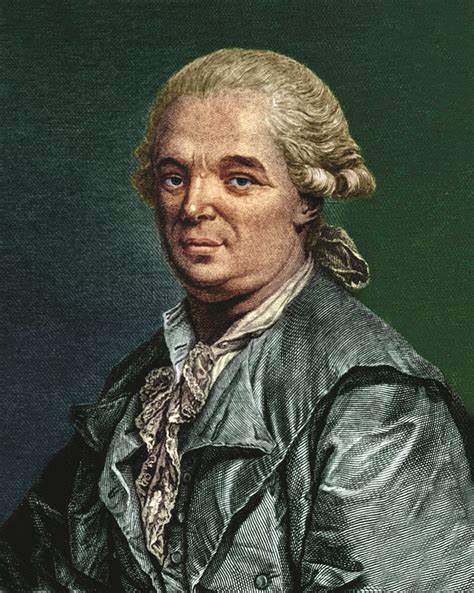
Mesmer claimed that an invisible magnetic fluid flowed through all living things and that he could manipulate this fluid to heal people. His methods, often referred to as ‘mesmerism,’ involved elaborate rituals where he would pass his hands over patients or use magnetic rods, supposedly restoring the natural flow of this magnetic energy. The concepts of ‘balancing your energies’ or ‘unblocking your internal flows’ that are familiar in modern self-help and wellness circles can be traced back to Mesmer’s influence.
During the Age of Enlightenment, the scientific revolution was reshaping our understanding of the universe. However, medical practices were still lagging behind, relying on outdated treatments like leeching and bloodletting. Amidst this backdrop of scientific progress and societal change, Franz Mesmer, a charismatic physician from Vienna, introduced his controversial theory of ‘animal magnetism.’

The Debunking of Mesmerism
In 1784, a Royal Commission led by Benjamin Franklin and Antoine Lavoisier was established to investigate Mesmer’s claims. Through a series of experiments, they debunked the existence of the magnetic fluid, revealing that the observed effects were likely due to the power of suggestion and placebo rather than any real magnetic force. This investigation was pioneering in its use of controlled clinical trials and provided early insights into the placebo effect and modern hypnotism.

The Rise of Charismatic Faith Healing

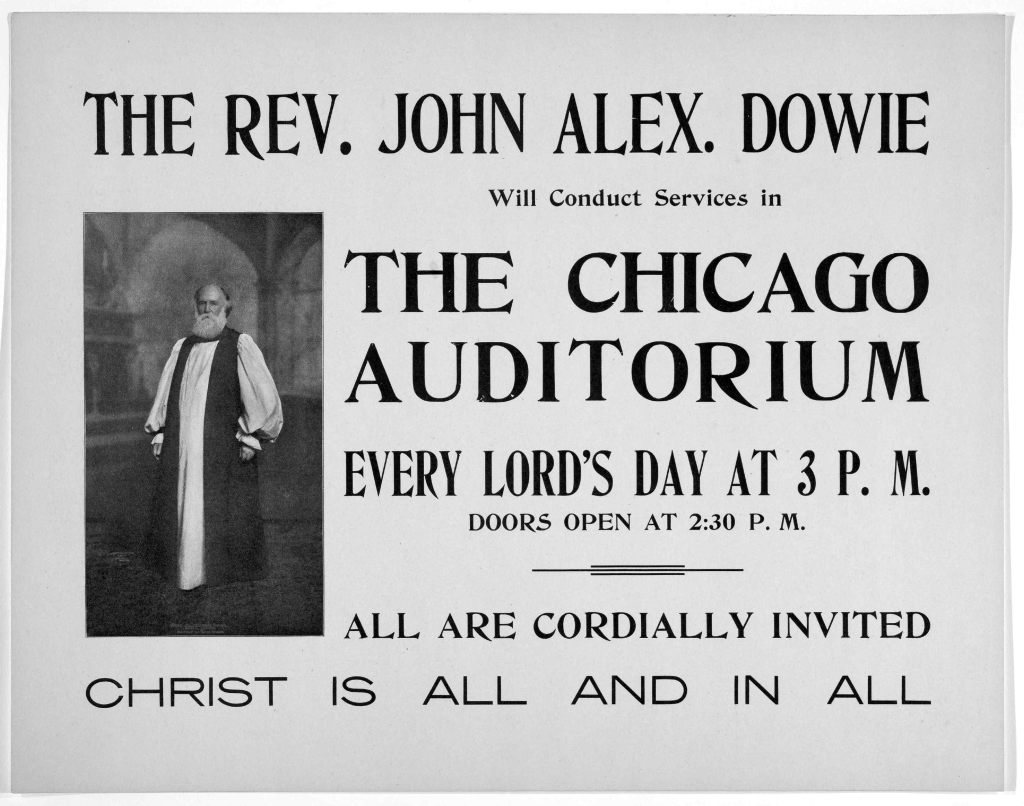
Alexander Dowie emerged in the late 19th century with a different approach to healing. Dowie, a charismatic faith healer, conducted dramatic healing sessions where he would lay hands on the sick, claiming that divine power was responsible for their recovery. His dramatic pronouncements, such as ‘Be healed in the name of the Lord,’ exemplified his method.
However, Dowie’s methods, like those of other high-control groups and charismatic faith healers, often involved emotional manipulation to maintain control over their followers. The promise of miraculous healing or spiritual enlightenment could exploit vulnerable individuals, leading them to invest emotionally and financially in unproven methods.
The Influence of Phineas Quimby

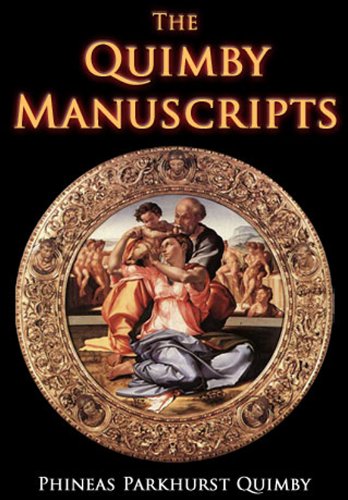
Phineas Quimby, another influential figure of the 19th century, took a different approach. Quimby believed that the mind wielded incredible power over physical health and reality itself. His writings, which were published posthumously in 1921, propagated the notion that our thoughts could profoundly shape our lives. Quimby’s ideas significantly influenced the New Thought movement, which linked mind over matter with spiritual and mystical practices.
The Interplay of Occultism and New Thought
The New Thought movement was also intertwined with occultism and spiritism, which suggested that unseen spiritual forces could be harnessed to influence the material world. This blend of spiritual and pseudoscientific ideas contributed to the development of various modern self-help philosophies.

The Legacy in Modern Self-Help
Today, the legacy of these 19th-century ideas is evident in the booming self-help industry. Many contemporary ‘gurus’ draw on principles derived from Quimby’s teachings, promising that you can manifest your desires through positive thinking alone. However, it’s important to approach these claims with caution, as they can sometimes mask modern forms of manipulation, preying on individuals’ hopes and fears.
Modern Pseudoscience: German New Medicine and Joe Dispenza
Moving forward to more contemporary times, let’s examine some of the modern pseudoscientific claims making waves today.
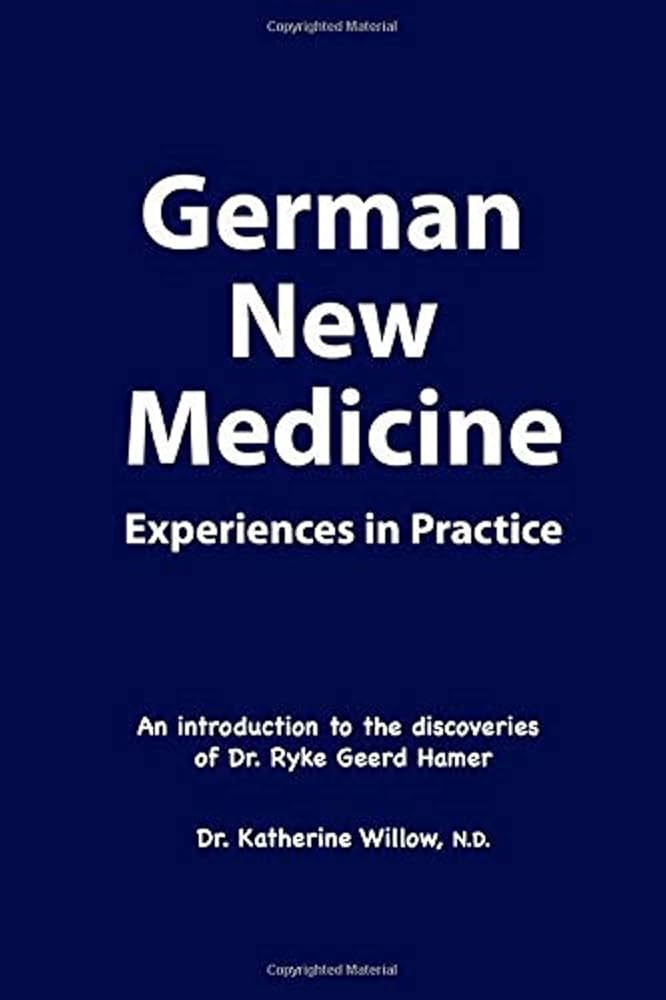
German New Medicine (GNM): This theory, introduced by Dr. Ryke Geerd Hamer, posits that diseases are the result of unresolved psychological conflicts. While intriguing, GNM lacks solid scientific backing and is riddled with ethical and legal issues. Traditional cancer treatments like chemotherapy and radiation therapy, though challenging and not always successful, are grounded in extensive research. The frustration with their limitations often drives people towards alternative options, but not all alternatives are created equal.
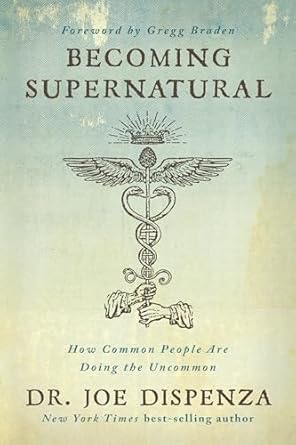
Joe Dispenza: Known for his belief that the mind can heal the body, Dispenza’s ideas have gained popularity but often dip into pseudoscience. While there is some truth to the idea that mindset can influence well-being, it’s crucial to distinguish between positive thinking and unproven claims that can mislead vulnerable individuals.
Ancient Teachings and Their Modern Adaptations

The teachings of the Essenes, an ancient Jewish sect, offer another example of how historical ideas are repackaged for modern consumption. The Essenes believed in holistic healing and spirituality, and today, their practices are often marketed with a modern twist. While exploring the ‘lost teachings of the Essenes’ can be fascinating, it’s important to differentiate between genuine historical practices and modern marketing spin.
The Dangers of Mysticism and Extreme Practices
Mysticism sometimes promotes the idea that transcending physical needs through spiritual practices can lead to enlightenment. However, this can be extremely risky. Extreme fasting and other practices can cause nutritional deficiencies, severe malnutrition, and even mental health issues such as delusions and eating disorders.
Navigating the Fine Line Between Healing and Harm
Despite the lack of scientific proof, pseudoscientific ideas remain appealing, especially when traditional treatments fall short. Approach such claims with a critical mind and seek evidence-based practices. Knowledge is power, and staying informed is the best way to navigate health and wellness.
Critical Evaluation of Self-Help Claims
Common Themes:
- 1. Misuse of Scientific Concepts: All three exploit complex ideas—quantum physics for Dispenza and GNM, and mystical ancient wisdom for the Essenes—to lend credibility to their claims.
- 2. Lack of Scientific Evidence: None of these approaches are supported by credible scientific research, often relying on anecdotal evidence or misinterpretations of scientific principles.
- 3. Potential Harm: By promoting unproven methods as alternatives to evidence-based medical treatments, they can lead individuals to make dangerous health choices.
While some people find inspiration in these teachings, it’s crucial to remember their origins and critically evaluate their claims. Just because something sounds empowering doesn’t mean it’s based on solid evidence.
Stay informed and be cautious of the fine line between genuine self-improvement and pseudoscientific hype. Thank you for reading!
Mesmer-and-the-Rise-and-Fall-of-Animal-Magnetism.pdf (academia.dk)
Franklin, Lavoisier, and Mesmer: origin of the controlled clinical trial – PubMed (nih.gov)
The Sketchy Faith Healer Who Tried to Save New York From Vice – Atlas Obscura
Testimonies of former employees of Hamer – Psiram
https://link.springer.com/chapter/10.1007/978-3-030-67227-0_8
https://water.lsbu.ac.uk/water/memory_of_water.html
The German New Medicine a new Natural Science” by Professor Dr. Hans Ulrich Niemitz
Germanic New Medicine – Psiram
Victims of New Medicine – Psiram
Laws of biology: why so few? – PMC (nih.gov)
For those wanting to learn about the dangers of mysticism, pseudoscience, and the importance of proper nutrition, here are some solid resources:
Books
- “Bad Science” by Ben Goldacre: This book critically examines the misuse of science in various fields, including health and wellness, and debunks common pseudoscientific claims.
- “The Demon-Haunted World: Science as a Candle in the Dark” by Carl Sagan: Sagan’s classic work promotes scientific skepticism and critical thinking, essential for understanding and debunking pseudoscientific beliefs.
- “Trick or Treatment: The Undeniable Facts about Alternative Medicine” by Simon Singh and Edzard Ernst: This book provides a thorough analysis of various alternative medicine practices, including the evidence (or lack thereof) supporting them.
Websites and Online Resources
- Quackwatch (quackwatch.org): A comprehensive resource for information on health frauds, myths, fads, and fallacies in the medical field.
- Science-Based Medicine (sciencebasedmedicine.org): A blog dedicated to evaluating medical treatments and products from a scientific perspective.
- Nutritional Resources from Mayo Clinic (mayoclinic.org): Provides evidence-based information on nutrition, diet, and healthy living.
Academic Journals and Articles
- PubMed (pubmed.ncbi.nlm.nih.gov): A free search engine accessing primarily the MEDLINE database of references and abstracts on life sciences and biomedical topics. It’s an excellent resource for finding peer-reviewed studies on nutrition, health, and pseudoscience.
- “Nutrition” Journal (journals.elsevier.com/nutrition): Publishes peer-reviewed research articles on nutrition science.
Educational Videos and Courses
- TED Talks on Nutrition and Health: Various experts provide insights into the latest research and practical advice on maintaining a healthy lifestyle.
- Coursera and edX: These platforms offer courses from universities on nutrition, health sciences, and critical thinking skills.
Podcasts
- “Science Vs” by Wendy Zukerman: This podcast looks at what’s fact and what’s not in popular science topics, including health and wellness.
- “Skeptics’ Guide to the Universe”: A weekly science podcast discussing critical thinking, science, and pseudoscience.
By exploring these resources, individuals can gain a deeper understanding of the risks associated with mysticism and pseudoscientific beliefs, as well as the importance of evidence-based practices in health and nutrition.


 Taste0ftruth Tuesdays