Today we’re unpacking several interwoven topics I’ve explored in my writing before why people get drawn into high-control environments and how forgiveness in Christian culture is often weaponized, not as a path to healing, but as a tool to silence victims and protect institutions. This isn’t just a personal issue; it’s an institutional one.
This came into sharp focus after Erika Kirk, Charlie Kirk’s widow, said she forgives her husband’s killer. I’m not here to critique her grief, that’s her own process. What I want to explore is the cultural framework that makes this kind of forgiveness expected, celebrated, and even demanded in evangelical spaces. I have a MUCH MUCH longer blog linked here if you want to go much deeper than I plan to cover today.
Before even touching forgiveness, let’s pause on why this moment is so primed for revivalist recruiting. Sociologists and psychologists have long noted that people are most vulnerable to high-control groups (whether churches or MLMs) during times of disruption and emotional chaos.
Laura Dodsworth, in her book Free Your Mind, calls this a “blip.” A blip is any disruption that cracks our normal defenses: loss, illness, exhaustion, grief. Even smaller stressors (Think HALT) Hunger, anger/anxiety, loneliness or being tired can chip away at our resistance. Push long enough, and the conscious mind collapses into a state of openness, hungry for belonging and ready to absorb new narratives.
That’s exactly what makes funerals, memorials, and major crises fertile ground for recruitment. Orwell nailed it in 1984:
“Power is in tearing human minds to pieces and putting them together again in shapes of your own choosing.”
Jehovah’s Witnesses even admit to targeting what they call “ripe fruit”-the recently bereaved. In Brazil, recruiters have driven cars with loudspeakers through cemeteries on All Souls’ Day, broadcasting sermons to tens of thousands of mourners. That isn’t compassion; it’s strategic exploitation. Naomi Klein would call it the Shock Doctrine: trauma as an entry point for control.
We’re seeing the same tactics play out online right now. Someone posts about “returning to church” after years away, and within hours their feed fills with love-bombing-likes, comments, and digital hugs. It feels affirming, but it’s also classic manipulation: vulnerability plus attention equals a wide-open door into manipulation.
And so it’s no surprise that revivalist energy is surging in the wake of Kirk’s death.
Situational vulnerability + orchestrated belonging = fertile ground for expansion.
The Myth of “Christlike” Forgiveness
This brings us back to forgiveness. I want to be CLEAR HERE, obviously Erika Kirk wasn’t coerced into forgiving, but in evangelical culture forgiveness is never entirely personal, it’s baked into the ethos. The more you forgive, the more “Christlike” you appear.
Matthew 6:14–15“For if you forgive others their trespasses, your heavenly Father will also forgive you, but if you do not forgive others their trespasses, neither will your Father forgive your trespasses.”
That expectation is dangerous. Forgiveness is sacred when it grows out of genuine healing. But when demanded prematurely, it becomes a weapon. Survivors are told to “forgive as you’ve been forgiven” before they’re ready, before their pain is acknowledged, and typically long before their abuser is held accountable.
Pete Walker, in The Tao of Fully Feeling, argues that forgiveness is not a one-time act but a continual choice and that choice only works after grief, rage, and hurt are fully processed. Skip that, and forgiveness turns into compliance, a way to silence anger and keep victims stuck.
In other words: real forgiveness empowers the survivor. Weaponized forgiveness protects the institution.
How Churches Use Forgiveness to Protect Themselves
We’ve seen this pattern across evangelical institutions:
The Guidepost Report (2022) exposed that SBC leadership maintained a secret list of over 700 abusive pastors, shielding them from consequences while survivors were ignored, discredited, or retaliated against.
Jennifer Lyell, an SBC abuse survivor, was vilified by church leadership when she came forward. Instead of support, she was publicly shamed, and her abuser faced no consequences.
Christa Brown, another survivor, spent years advocating for reform after being assaulted by her youth pastor. The SBC’s response? Stonewalling, gaslighting, and further silencing.
Jehovah’s Witnesses have a longstanding pattern of protecting sexual predatorsunder their “two-witness rule,” which requires at least two people to witness abuse for it to be considered valid. This impossible standard allows abusers to go unpunished while victims are shunned for speaking out.
In each case, forgiveness isn’t about healing. It’s about compliance, silence, and institutional survival.
Nietzsche, Freud, and the Cycles of Guilt
This isn’t new. Nietzsche warned that Abrahamic religions hijacked older wisdom traditions, reframing them into systems of obedience rather than life-affirmation. Freud saw religion as a kind of collective neurosis, trapping people in loops of guilt and repression.
What is ironic, Freud’s own psychoanalytic model looks eerily similar to the religious structures he critiqued. As historian Bakan and others have suggested, Freud may have drawn (consciously or not) on Jewish mysticism, replacing priests with analysts, confession with therapy, sin with repressed desire. In trying to explain away religion, Freud ended up reproducing its patterns in secular form. In other words, the pattern of taking human vulnerability and channeling it into control runs deep.
And this is where Laura Dodsworth’s idea of the “blip” becomes so relevant. The blip is that moment of rupture…when you’re grieving, disoriented, exhausted, or otherwise cracked open. Your defenses are down, your critical mind isn’t firing at full strength, and the brain is searching for something to hold onto. In these liminal spaces, new ideologies rush in.
That’s why this moment is so ripe for revivalist energy. It’s not just about forgiveness…it’s about the total atmosphere of grief and disruption that can act as a blip. And high-control groups know it. It’s why political movements, religious revivals, and even MLMs wait for crisis points: job loss, divorce, a death in the family. The blip isn’t compassionately held-it’s exploited.
So when we watch something like Kirk’s memorial, we’re not just seeing personal mourning. We’re watching a social script unfold, one that revivalists know how to activate. In this script, forgiveness, obedience, and “turning your life over” aren’t neutral virtues—they become instruments of recruitment. Which means the real question isn’t should people forgive, but who benefits when forgiveness and emotional openness are demanded at the exact moment people are least able to resist?
Sources & Recommended Reading
Laura Dodsworth, Free Your Mind: The New World of Manipulation and How to Resist It (2023) – esp. Chapter 10, “Watch Out for the Blip.”
George Orwell, 1984 (1949) – “Power is in tearing human minds to pieces…”
Naomi Klein, The Shock Doctrine: The Rise of Disaster Capitalism (2007).
Pete Walker, The Tao of Fully Feeling: Harvesting Forgiveness out of Blame (1996).
Friedrich Nietzsche, On the Genealogy of Morals (1887); The Antichrist (1895).
Sigmund Freud, The Future of an Illusion (1927).
David Bakan, Sigmund Freud and the Jewish Mystical Tradition (1958).
The Bible Isn’t History and Trump Isn’t Your Savior
It’s Been a Minute… Let’s Get Real
Hey Hey, welcome back to Taste of Truth Tuesdays! it’s been over a month since my last episode, and wow—a lot has happened. Honestly, I’ve been doing some serious soul-searching and education, especially around some political events that shook me up.
I was firmly against Trump’s strikes on Iran. And the more I dug in, the more I realized how blind I’d been completely uneducated and ignorant about the massive political power Zionism holds in this country. And it’s clear now: Trump is practically bent over the Oval Office for Netanyahu. The Epstein files cover-up only confirms that blackmail and shadow control are the real puppet strings pulling at the highest levels of power. Our nation has been quietly occupied since Lyndon B. Johnson’s presidency and that’s a whole other episode I’ll get into later.
Once I saw that, the religious right’s worship of him stopped looking like misguided patriotism and started looking like mass delusion. Or complicity. Either way, I couldn’t unsee it.
And that’s when I started asking the bigger questions: What else have we mistaken for holy? What else have we accepted as truth without scrutiny?
For now, I want to cut to the heart of the matter: the major problem at the root of so much chaos: the fact that millions of Christians still believe the Bible is a literal historical document.
This belief doesn’t just distort faith-it fuels political agendas, end-times obsession, and yes, even foreign policy disasters. So, let’s dig into where this all began, how it’s evolved, and why it’s time we rethink everything we thought we knew about Scripture.
Thanks for reading Taste of Truth! Subscribe for free to receive new posts and support my work.
For most Christians, the Bible is more than a book-it’s the blueprint of reality, the inspired Word of God, infallible and untouchable. But what if that belief wasn’t original to Christianity? What if it was a reaction…. a strategic response to modern doubt, historical criticism, and the crumbling authority of the Church?
In this episode, we’re pulling back the veil on the doctrine of biblical inerrancy, the rise of dispensationalism, and the strange marriage of American politics and prophetic obsession. From the Scofield Bible to the belief that modern-day Israel is a fulfillment of God’s plan, we’re asking hard questions about the origins of these ideas.
As Dr. Mark Gregory Karris said when he joined us on a previous episode: “Can you imagine two different families? One, the Bible is the absolute inerrant word of God every.Word, every jot and title, so to speak, is meant to be in there due to the inspiration of God. And so every story you read, you know, God killing Egyptian babies and God flooding the entire planet and thinking, well yeah, there’s gonna be babies gasping for air and drowning grandmothers and all these animals. And that is seen as absolute objective truth. But then in another family, oh, these are, these are myths. These are sacred myths that people can learn from. No, that wasn’t like God speaking and smiting them and burning them alive because they touch this particular arc or now that this is how they thought given their minds at the time, given their understandings of and then like you talked about oh look at that aspect of humanity interesting that they portrayed god and not like it becomes like wow that’s cool instead of like oh my gosh i need 3-4 years of therapy because I was taught the bible in a particular way.”
Once you trace these doctrines back to their roots, it’s not divine revelation you find: it’s human agendas.
Let’s get uncomfortable. Was your faith formed by sacred truth… or centuries of strategic storytelling?
How Literalism Took Over
In the 19th century, biblical literalism became a kind of ideological panic room. As science, archaeology, and critical scholarship began to chip away at traditional interpretations, conservative Christians doubled down. Instead of exploring the Bible as a complex, layered anthology full of metaphor, moral instruction, and mythology, they started treating it like a divine press release. Every word had to be accurate. Every timeline had to match. Every contradiction had to be “harmonized” away.
The Myth of Inerrancy
One of the most destructive byproducts of this era was the invention of biblical inerrancy. Yes, invention. The idea that the Bible is “without error in all that it affirms” isn’t ancient…. it’s theological propaganda, most notably pushed by B.B. Warfield and his peers at Princeton. Rogers and McKim wrote extensively about how this doctrine was manufactured and not handed down from the apostles as many assume. We dive deeper into all that—here.
Inerrancy teaches that the Bible is flawless, even in its historical, scientific, and moral claims. But this belief falls apart under even basic scrutiny. Manuscripts don’t agree. Archaeological timelines conflict with biblical ones. The Gospels contradict each other. And yet this doctrine persists, warping believers’ understanding and demanding blind loyalty to texts written by fallible people in vastly different cultures.
That’s the danger of biblical inerrancy: it treats every verse as historical journalism rather than layered myth, metaphor, or moral instruction. But what happens when you apply that literalist lens to ancient origin stories?
📖 “Read as mythology, the various stories of the great deluge have considerable cultural value, but taken as history, they are asinine and absurd.” — John G. Jackson, Christianity Before Christ
And yet, this is the foundation of belief for millions who think Noah’s Ark was a literal boat and not a borrowed flood myth passed down and reshaped across Mesopotamian cultures. This flattening of myth into fact doesn’t just ruin the poetry-it fuels bad politics, end-times obsession, and yes… Zionism.
And just to be clear, early Christians didn’t read the Bible this way. That kind of rigid literalism didn’t emerge until centuries later…long after the apostles were gone. We’ll get to that.
When we cling to inerrancy, we’re not preserving truth. We’re missing it entirely.
Enter: Premillennial Dispensationalism
If biblical inerrancy was the fuel, C.I. Scofield’s 1909 annotated Bible was the match. His work made premillennial dispensationalism a household belief in evangelical churches. For those unfamiliar with the term, here’s a quick breakdown:
Premillennialism: Jesus will return before a literal thousand-year reign of peace.
Dispensationalism: History is divided into distinct eras (or “dispensations”) in which God interacts with humanity differently.
When merged, this theology suggests we’re living in the “Church Age,” which will end with the rapture. Then comes a seven-year tribulation, the rise of the Antichrist, and finally, Jesus returns for the ultimate battle after which He’ll rule Earth for a millennium. Sounds like the plot of a dystopian film, right? And yet, this became the dominant lens through which American evangelicals interpret reality.
The result? A strange alliance between American evangelicals and Zionist nationalism. You get politicians quoting Revelation like it’s foreign policy, pastors fundraising for military aid, and millions of Christians cheering on war in the Middle East because they think it’ll speed up Jesus’ return.
But here’s what I want you to take away from this episode today: none of this works unless you believe the Bible is literal, infallible, and historically airtight.
How This Shaped Evangelical Culture and Politics
The Scofield Bible didn’t just change theology. It changed culture. Dispensationalist doctrine seeped into seminaries like Dallas Theological Seminary and Moody Bible Institute, influencing generations of pastors. It also exploded into popular culture through Hal Lindsey’s The Late Great Planet Earth and the Left Behind series. Fiction, prophecy, and fear blurred into one big spiritual panic attack.
But perhaps the most alarming shift came in the political realm. Dispensationalist belief heavily influences evangelical support for the modern state of Israel. Why? Because many believe Israel’s 1948 founding was a prophetic event. Figures like Jerry Falwell turned theology into foreign policy. His organization, the Moral Majority, was built on an unwavering belief that supporting Israel was part of God’s plan. Falwell didn’t just preach this, he traveled to Israel, funded by its government, and made pro-Israel advocacy a cornerstone of evangelical identity.
This alignment between theology and geopolitics hasn’t faded. In the 2024 election cycle, evangelical leaders ranked support for Israel on par with anti-abortion stances. Ralph Reed, founder of the Faith and Freedom Coalition, explicitly said as much. Donald Trump even quipped that “Christians love Israel more than Jews.” Whether that’s true or not, it reveals just how deep this belief system runs.
And the propaganda doesn’t stop there…currently Israel’s Foreign Ministry is funding a week-long visit for 16 prominent young influencers aligned with Donald Trump’s MAGA and America First movements, part of an ambitious campaign to reshape Israel’s image among American youth.
But Let’s Talk About the Red Flags
This isn’t just about belief-it’s about control. Dispensationalist theology offers a simple, cosmic narrative: you’re on God’s winning team, the world is evil, and the end is near. There’s no room for nuance, no time for doubt. Just stay loyal, and you’ll be saved.
This thinking pattern isn’t exclusive to Christianity. You’ll find it in MLMs, and some conspiracy theory communities. The recipe is the same: create an in-group with secret knowledge, dangle promises of salvation or success, and paint outsiders as corrupt or deceived. It’s classic manipulation-emotional coercion wrapped in spiritual language.
And let’s not forget the date-setting obsession. Hal Lindsey made a career out of it. People still point to blood moons, earthquakes, and global politics as “proof” that prophecy is unfolding. If you’ve ever been trapped in that mindset, you know how addictive and anxiety-inducing it can be.
BY THE WAY, it’s not just dispensationalism or the Scofield Bible that fuels modern Zionism. The deeper issue is, if you believe the Bible is historically accurate and divinely orchestrated, you’re still feeding the ideological engine of Zionism. Because at its core, Christianity reveres Jewish texts, upholds Jewish chosenness, and worships a Jewish messiah. That’s not neutrality it’s alignment.
If this idea intrigued you, you’re not alone. There’s a growing body of work unpacking how Christianity’s very framework serves Jewish supremacy, whether intentionally or not. For deeper dives, check out Adam Green’s work over at Know More News on Rumble, and consider reading The Jesus Hoax: How St. Paul’s Cabal Fooled the World for Two Thousand Years. You don’t have to agree with everything to realize: the story you were handed might not be sacred it might be strategic.
Why This Matters for Deconstruction
For me, one of the most painful parts of deconstruction was realizing I’d been sold a false bill of goods. I was told the Bible was the infallible word of God. That it held all the answers. That doubt was dangerous. But when I began asking real questions, the entire system started to crack.
The doctrine of inerrancy didn’t deepen my faith… it limited it. It kept me from exploring the Bible’s human elements: its contradictions, its cultural baggage, and its genuine beauty. The truth is that these texts were written by people trying to make sense of their world and their experiences with the divine. They are not divine themselves.
Modern Scholarship Breaks the Spell
Modern biblical scholarship has long since moved away from the idea of inerrancy. When you put aside faith-based apologetics and look honestly at the evidence, the traditional claims unravel quickly:
Moses didn’t write the Torah. Instead, the Pentateuch was compiled over centuries by multiple authors, each with their own theological agendas (see the JEDP theory).
King David is likely a mythic figure. Outside of the Bible, there’s no solid evidence he actually existed, much less ruled a vast kingdom.
The Gospels weren’t written by Matthew, Mark, Luke, and John. Those names were added later. The original texts are anonymous and they often contradict each other.
John didn’t write Revelation. Not the Apostle John, anyway. The Greek and style are completely different from the Gospel of John. The real author was probably some unknown apocalyptic mystic on Patmos, writing during Roman persecution.
And yet millions still cling to these stories as literal fact, building entire belief systems and foreign policies on myths and fairy tales.
🧠 Intellectual Starvation in Evangelicalism
Here’s the deeper scandal: it’s not just that foundational Christian stories crumble under modern scrutiny. It’s that the church never really wanted you to think critically in the first place.
Mark Noll, a respected evangelical historian, didn’t mince words when he wrote:
“The scandal of the evangelical mind is that there is not much of an evangelical mind.”
In The Scandal of the Evangelical Mind, Noll traces how American evangelicalism lost its intellectual life. It wasn’t shaped by a pursuit of truth, but by populist revivalism, emotionalism, and a hyper-literal obsession with “the end times.” The same movements that embraced dispensationalism and biblical inerrancy also gutted their communities of academic rigor, curiosity, and serious theological reflection.
The result? A spiritually frantic but intellectually hollow faith—one that discourages questions, mistrusts scholarship, and fears nuance like it’s heresy.
Noll shows that instead of grappling with ambiguity or cultural complexity, evangelicals often default to reactionary postures. This isn’t just a relic of the past. It’s why so many modern Christians cling to false authorship claims, deny historical context, and accept prophecy as geopolitical fact. It’s why Revelation gets quoted to justify Zionist foreign policy without ever asking who actually wrote the book or when, or why.
This anti-intellectualism isn’t an accident. It was baked in from the start.
But Noll doesn’t leave us hopeless. He offers a call forward: for a faith that engages the world with both heart and mind. A faith that can live with tension, welcome complexity, and evolve beyond fear-driven literalism.
What Did the Early Church Actually Think About Scripture?
Here’s what gets lost in modern evangelical retellings: the earliest Christians didn’t treat Scripture the way today’s inerrantists do.
For the first few centuries, Christians didn’t even have a finalized Bible. There were letters passed around, oral traditions, a few widely recognized Gospels, and a whole lot of discussion about what counted as authoritative. It wasn’t until the fourth century that anything close to our current canon was even solidified. And even then, it wasn’t set in stone across all branches of Christianity.
Church fathers like Origen, Clement of Alexandria, and Irenaeus viewed Scripture as spiritually inspired but full of metaphor and mystery. They weren’t demanding literal accuracy; they were mining the texts for deeper meanings. Allegory was considered a legitimate, even necessary, interpretive method. Scripture was read devotionally and theologically, not scientifically or historically. In other words, it wasn’t inerrancy that defined early Christian engagement with Scripture, it was curiosity and contemplation.
For a deeper dive, check out The Gnostic Informant’s incredible documentary that uncovers the first hundred years of Christianity, a period that has been systematically lied about and rewritten. It reveals how much of what we take for granted was shaped by political and theological agendas far removed from the original followers of Jesus.
If you’re serious about understanding the roots of your faith or just curious about how history gets reshaped, this documentary is essential viewing. It’s a reminder that truth often hides in plain sight and that digging beneath the surface is how we reclaim our own understanding.
Protestantism: A Heretical Offshoot Disguised as Tradition
The Protestant Reformation shook things up in undeniable ways. Reformers like Martin Luther and John Calvin challenged the Catholic Church’s abuses and rightly demanded reform. But what’s often missed (or swept under the rug) is how deeply Protestantism broke with the ancient, historic Church.
By insisting on sola scriptura—Scripture alone—as the sole authority, the Reformers rejected centuries of Church tradition, councils, and lived community discernment that shaped orthodox belief. They didn’t invent biblical inerrancy as we know it today, but their elevation of the Bible above all else cracked the door wide open for literalism and fundamentalism to storm in.
What began as a corrective movement turned into a theological minefield. Today, Protestantism isn’t a single coherent tradition; it’s a sprawling forest of over 45,000 different denominations, all claiming exclusive access to “the truth.”
This fragmentation isn’t accidental…. it’s the logical outcome of rejecting historic continuity and embracing personal interpretation as the final authority.
Far from preserving the faith of the ancient Church, Protestantism represents a fractured offshoot: one that often contradicts the early Church’s beliefs and teachings. It trades the richness of lived tradition and community wisdom for a rigid, literalistic, and competitive approach to Scripture.
The 20th century saw this rigid framework perfected into a polished doctrine demanding total conformity and punishing doubt. Protestant fundamentalism turned into an ideological fortress, where questioning is treated as betrayal, and theological nuance is replaced by black-and-white dogma.
If you want to understand where so much of modern evangelical rigidity and end-times obsession comes from, look no further than this fractured legacy. Protestantism’s break with the ancient Church set the stage for the spiritual and intellectual starvation that Mark Noll so powerfully exposes.
Rethinking the Bible
Seeing the Bible as a collection of human writings about God rather than the literal word from God opens up space for critical thinking and compassion. It allows us to:
Study historical context and cultural influences.
Embrace the diversity of perspectives in Scripture.
Let go of rigid interpretations and seek core messages like love, justice, and humility.
Move away from proof-texting and toward spiritual growth.
Reconcile faith with science, reason, and modern ethics.
When we stop demanding that the Bible be perfect, we can finally appreciate what it actually is: a complex, messy, beautiful attempt by humans to understand the sacred.
This shift doesn’t weaken faith…. I believe it strengthens it.
It moves us away from dogma disguised as certainty and into something deeper…. something alive. It opens the door for real relationship, not just with the divine, but with each other. It makes space for growth, for disagreement, for honesty.
And in a world tearing itself apart over whose version of truth gets to rule, that kind of open-hearted spirituality isn’t just refreshing-it’s essential.
Because if your faith can’t stand up to questions, history, or accountability… maybe it was never built on truth to begin with.
Let’s stop worshiping the paper and start seeking the presence.
🔎 Resources Worth Exploring:
“The Jesus Hoax: How St. Paul’s Cabal Fooled the World for Two Thousand Years” by David Skrbina
“Christianity Before Christ” by John G. Jackson
The Scandal of the Evangelical Mind” by Mark Noll – A scathing but sincere critique from within the evangelical tradition itself. Noll exposes how anti-intellectualism, biblical literalism, and cultural isolationism have gutted American Christianity’s ability to engage the world honestly.
Check out Adam Green’s work at Know More News on Rumble for more on the political and mythological implications of Christian Zionism
And don’t miss my interview with Dr. Mark Gregory Karris, author of The Diabolical Trinity: Wrathful God, Sinful Self, and Eternal Hell, where we dive deep into the psychological damage caused by toxic theology
How Media Manipulation and Pseudo-Intellectualism Are Undermining Independent Thought
In today’s episode of Taste of Truth Tuesdays, I sit down with Franklin O’Kanu, also known as The Alchemik Pharmacist, to unpack one of the most pressing issues of our time: the erosion of critical thinking. Franklin, founder of Unorthodoxy, brings a unique perspective that bridges science, spirituality, and philosophy. Together, we explore how media narratives, pseudo-intellectualism, and societal conditioning have trained people to ignore their inner “Divine BS meter” and simply accept what they’re told.
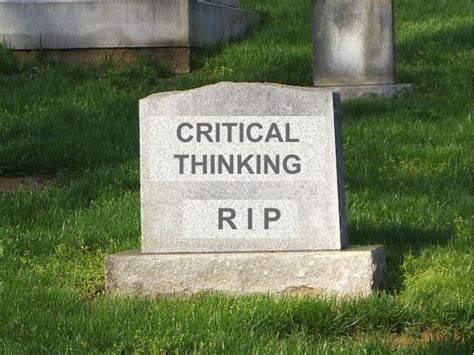
The Death of Critical Thinking
As Franklin points out, we’ve lost the ability to thoughtfully absorb and analyze information. The past few years have conditioned individuals to disregard anything that doesn’t align with mainstream sources, experts, or consensus. Instead of engaging with information critically, many have been taught to dismiss it outright. The result? A culture that values conformity over curiosity and blind acceptance over intellectual rigor.
We discuss how this shift has been accelerated by media bombardment, especially during the pandemic. The New York Times even published an article on critical thinking, but instead of encouraging intellectual engagement, it suggested that questioning mainstream narratives is dangerous. This is narrative warfare at its finest—manipulating public perception to ensure that only “approved” ideas are given legitimacy.
The Power of Narratives: How Ideological Echo Chambers Shape Reality
Franklin O’Kanu often cites James Corbett’s work on media’s role in shaping public perception as a major inspiration behind his Substack. Corbett’s central thesis is simple: narratives build realities—and whoever controls the dominant narrative controls public thought. Nowhere is this clearer than in the nihilistic messaging that dominates left-leaning social media platforms like Meta. The idea that humans are an irredeemable blight on the planet has been mainstreamed, despite evidence to the contrary.
This same unquestioning adherence to an ideological narrative played out during the pandemic with phrases like “Trust the science” and “Don’t do your own research.”I explored this trend in my Substack, particularly through the lens of so-called ‘cult expert’ Steven Hassan. Hassan built his career exposing ideological manipulation, branding himself as the foremost authority on cult mind control. But here’s the irony: while he calls out high-control religious groups, he seems completely blind to the cult-like tactics within his own political ideology.
Information Control: Censoring ‘Dangerous’ Ideas
Hassan’s BITE model—which stands for Behavior, Information, Thought, and Emotional control—is designed to help people recognize manipulation.
In cults, leaders dictate what information followers can access. The extreme left does the same.
Censorship of Opposing Views – Deplatforming, banning books, firing professors—if an idea threatens the ideology, it’s labeled “harmful” and shut down.
Historical Revisionism – Complex events are reframed to fit simplistic oppression narratives, ignoring inconvenient facts.
Selective Science – Only research that supports the ideology gets funding and visibility. Studies on biological sex differences, IQ variations, or alternative climate models? Silenced or retracted—not because they’re disproven, but because they’re inconvenient.
Discouraging Exposure to Counterarguments – Followers are taught that listening to the other side is “platforming hate” or “giving oxygen to fascism.”
This is exactly what happened when Franklin challenged the mainstream climate change narrative. The moment he questioned NetZero policies, he wasn’t just hit with the usual accusations: “climate denier,” “science denier,” and the ever-expanding list of ideological insults meant to discredit rather than debate, but he was blocked. This is how bad ideas survive—by shutting down the people who challenge them.
Franklin warns that if you’re not careful, these narratives can take you down a dark rabbit hole built on lies. Once an ideological framework is built around selective truth, it becomes a self-reinforcing system—one that punishes dissent and rewards conformity. And once you let someone else dictate what information is “safe” for you to consume, you’re already in the first stages of ideological capture.
The Rise of the Fake Intellectual
Platforms like Facebook/Instagram/YouTube have perfected the illusion of intellectual discourse while actively suppressing opposing voices. This has led to what Franklin calls the fake intellectual—individuals or organizations that present themselves as champions of knowledge but ultimately serve to shut down real dialogue.
Fake intellectuals don’t invite discussion; they police it. They rely on appeals to authority, groupthink, and censorship to maintain an illusion of correctness. True intellectualism, on the other hand, is rooted in curiosity, openness, and the willingness to engage with challenging perspectives.
Reclaiming Intellectual Integrity
One of the most powerful insights from our discussion is the role belief plays in shaping our world. Franklin warns that when we accept narratives without scrutiny, we risk being deceived. This applies across industries—medicine, science, finance, and even religion. These systems function because people believe in them, often without verifying their claims. But if we fail to question these narratives, we become passive participants in a game where only a select few control the rules.
So, how do we resist narrative warfare and reclaim critical thinking? Franklin suggests:
Cultivating intellectual humility—being open to the possibility that we might be wrong.
Recognizing media manipulation—understanding how information is curated to shape public perception.
Engaging with diverse perspectives—actively seeking out voices that challenge our beliefs.
Trusting our own discernment—developing the confidence to think independently instead of outsourcing our opinions to authority figures.
Franklin expands on this in his writings, particularly in his two articles, How to See the World and How to Train Your Mind. As he puts it, “We all have these voices in our heads. Philosophy is really just understanding the reality of the world, and there’s a principle in philosophy—keep things as simple as possible.” He breaks it down like this:
You are a soul. That’s the foundation. If every child grew up knowing this, it would change the way we see ourselves.
You have a body. Your body exists to experience the physical reality of the world.
You have a mind. Your mind is an information processor that collects input from your senses. But it also generates thoughts—sometimes helpful, sometimes misleading.
Franklin uses a simple example: Is my craving for ice cream coming from my body, my mind, or my soul? That question highlights the need to discern where our impulses originate. He extends this concept to online interactions: How many thoughts do we have just from seeing something online? How many narratives do we construct before our soul even has a chance to process reality?
Online spaces, Franklin argues, give rise to what he calls the “inner troll.”🧌 He connects this to the spiritual concept of demons—forces that seek to provoke, enrage, and divide. “Think about the term ‘troll,’” he says. “What is that, really? It’s an inner demon that gets let loose online. The internet makes it easy for our worst instincts to take over.”
So, what’s the antidote? Franklin emphasizes the importance of the pause. Before reacting to something online, before getting swept into outrage, take a step back. Ask: What is happening here? What am I feeling? Is this a real threat, or is my mind generating a reaction?
“It’s extremely hard to do online,” Franklin admits. “But when we practice stepping back, we can respond more humanely—more divinely. That’s the key to reclaiming critical thinking in a world that thrives on emotional manipulation.”
The digital age bombards us with narratives designed to capture our attention, manipulate our emotions, and direct our beliefs. But we are not powerless.
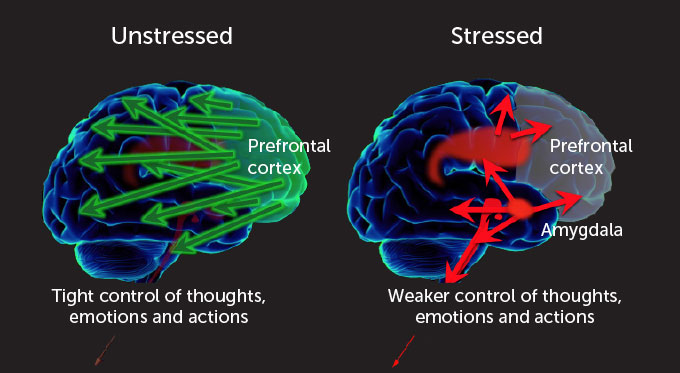
On an episode last season, we discussed a concept I learned from Dr. Greg Karris—something he calls narcissistic rage in fundamentalist ideologies.It helped me understand why people react so viscerally when their beliefs are challenged. My friend Jay described a similar idea as emotional hijacks, tying it to the amygdala’s response. This concept also appears in Emotional Intelligence 2.0 by Daniel Goleman and is expanded upon in Pete Walker’s Complex PTSD.
When the amygdala gets triggered—exactly what Franklin was describing—we have to learn to recognize the physical sensations that come with it. Elevated heart rate. Sweaty palms. That’s your body sounding the alarm. But in that moment, your prefrontal cortex—the part responsible for logic and rational thinking—is offline. Your biology is overriding your soul’s intention. And that’s why taking a step back is so crucial.
The best way to get your higher reasoning back online? Create space. Pause. Let the emotional surge settle before you engage. As simple as it sounds, it’s one of the hardest things to do. But in a world where reactionary thinking is the default, practicing this skill is an act of rebellion—and a path to reclaiming our intellectual and emotional sovereignty.
Next, Franklin and I dive into a pressing issue: The Coddling of the Mind in society—a theme I’ve explored numerous times on the podcast and in my blogs. Franklin brings up a fascinating point, saying, “One thing that’s happened with COVID, though it started before, is the softening of humanity. We’ve become so soft that you can’t say anything anymore. And what that’s done is pushed away true intellectual rigor. We used to be able to sit and share ideas, but now we’re obsessed with safe spaces. And this started on college campuses.”
Franklin’s observation taps into a broader cultural shift that has eroded the foundations of intellectual engagement. In the past, people could engage in discussions where the goal wasn’t necessarily to convince others, but to explore ideas, challenge assumptions, and learn. The push for safe spaces—often an attempt to shield individuals from discomfort or offense—has inadvertently led to the silencing of open debate. In this environment, people have become more focused on avoiding offense than on confronting difficult ideas or engaging in intellectual rigor. This dynamic, Franklin argues, has stripped away the very essence of what it means to debate, discuss, and learn.
This idea echoes themes explored in Gad Saad’s The Parasitic Mind, where Saad delves into how certain ideologies undermine intellectual diversity and critical thinking. Franklin builds on this, urging that true intellectual growth comes from understanding where someone is coming from, even if their views differ from your own. “Learn what happened to individuals to understand how they arrived at their conclusions,” he says. “Remove personal bias and avoid attacks. Only then can you critique the point effectively, offering counterpoints that strengthen both arguments and allow experiences from both sides to shine.” This approach, Franklin explains, fosters a more nuanced understanding of each other’s perspectives, allowing both sides to learn and grow rather than simply entrenched in opposing views.
This fragility encourages echo chambers and groupthink, where dissent is silenced, and alternative perspectives are rejected outright. Ironically, in the pursuit of empathy, freedom, and inclusivity, movements like deconstruction can end up mirroring the same intellectual and moral rigidity they sought to escape.
I could continue typing out the entire conversation, or you could just listen. 🙂
In an age where the appearance of truth is often prioritized over truth itself, our ability to think critically is more important than ever. This episode is an invitation to break free from intellectual complacency and reclaim the power of questioning.
Today, let’s talk about the deceptive allure of “before and after” photos in the fitness industry—and draw a parallel to how spiritual testimonies can also manipulate emotions and perceptions.
The Fitness Industry’s “Before and After” Photos
In the fitness world, “before and after” transformations are marketed as proof of the efficacy of programs and products. These photos promise more than physical change; they sell a narrative of personal triumph over adversity. But behind these glossy images lie often overlooked truths: strategic lighting, posing, and digital enhancements that create an illusion of rapid, effortless transformation. This manipulation plays on our desire for quick fixes and can leave us feeling inadequate when our own progress doesn’t mirror these idealized images.
Many fitness marketers use various tricks to enhance these photos, such as manipulating lighting, posture, and even the time between shots. Sometimes, the “before” photo might be taken in the morning and the “after” photo later the same day, with the person tanned, flexed, and using better lighting. Studies have shown that such photos can significantly influence people’s perceptions and motivations, often leading to unrealistic expectations and disappointment (Trainer Josh) (Visual Culture).
The Emotional Manipulation of Spiritual Testimonies
Similarly, spiritual testimonies often follow a formulaic structure designed to evoke specific emotional responses. They typically begin with a depiction of a troubled past—perhaps addiction, loss, or despair—followed by a dramatic turning point: a moment of conversion or spiritual awakening. These stories, while often sincere, can omit the complexities and doubts that accompany genuine spiritual journeys. They paint a picture of faith that is pristine and unwavering, reinforcing the belief that divine intervention leads to miraculous change.
I’m eager to explore a phenomenon that emerged in Summer 2022: “Not So Secret Societies.” This podcast intertwined QAnon conspiracies with Christianity, making waves in spiritual communities. One of the hosts, Kara, bravely shared her testimony of converting from New Age spirituality, where she encountered spirits as a medium. Her journey to embracing Jesus was emotional, filled with tears, and profoundly impactful. Many of us listening felt convicted, realizing the spiritual implications and our own paths.
Join me as we unpack these complex intersections and reflect on the profound shifts in belief and perception. Let’s delve into how narratives on social media can reshape worldviews and influence personal journeys.
Understanding the Emotional Impact
Kara’s testimony likely resonated deeply due to its emotional narrative of spiritual transformation—from New Age spirituality to Christianity. Testimonies often appeal to emotions and personal experiences, making them powerful tools for persuasion. Stories like this appeal to emotions by highlighting profound experiences and struggles, which can resonate deeply with listeners seeking meaning or spiritual fulfillment.
The narrative of converting from New Age beliefs, where spiritual entities are often seen positively or neutrally, to Christianity, where demons are viewed as real and malevolent, creates a stark contrast. This binary worldview can lead listeners to feel they must choose between good (Jesus) and evil (Satan).
Joining a group like Not-So-Secret Societies, which merges QAnon conspiracy theories with Christianity, can create a sense of belonging and purpose. Kara’s testimony might have reinforced group identity by framing her conversion as a rejection of perceived darkness and alignment with a community of light-bearers.
Psychological Mechanisms at Play
Cognitive Dissonance: Kara’s story may have triggered cognitive dissonance in listeners who resonated with her previous beliefs in New Age spirituality. This discomfort can drive individuals to align with her new perspective on Christianity to resolve conflicting beliefs.
Confirmation Bias: Listeners may selectively interpret information that supports Kara’s narrative, reinforcing their own beliefs while discounting contradictory evidence.
Psychological Vulnerabilities and Exploitation
Vulnerabilities in Seekers:
Existential Uncertainty: Many individuals experience periods of questioning and uncertainty about life’s meaning and their place in the world. Narratives like Kara’s offer a clear path and sense of purpose, which can be appealing during times of existential crisis.
Emotional Needs: Feelings of loneliness, isolation, or a lack of community drive individuals to seek belonging and acceptance. Conversion stories often promise a supportive community and emotional fulfillment.
Desire for Spiritual Fulfillment: Some seekers may feel spiritually unfulfilled or disconnected from their current beliefs, prompting them to explore alternative spiritual paths that offer a deeper sense of connection or transcendence.
Exploitation by Manipulative Tactics:
Emotional Manipulation: Conversion narratives often leverage emotional storytelling to evoke sympathy, empathy, or fear. By presenting a dramatic transformation from darkness to light, storytellers appeal to listeners’ emotions and foster a sense of urgency to follow suit.
Fear-Based Messaging: Some narratives use fear tactics, suggesting dire consequences for not embracing the presented belief system. This can create a sense of vulnerability and heighten the perceived importance of making a decision.
Promises of Belonging and Acceptance: Groups like Not So Secret Societies capitalize on the human need for community by promising acceptance and belonging to those who adopt their beliefs. This can be particularly compelling for individuals who feel marginalized or disconnected from mainstream society.
Recognizing Manipulative Tactics
Selective Storytelling: Narratives like Kara’s often present a selective portrayal of personal experiences to support a specific worldview. Encourage listeners to look for missing perspectives or contradictory evidence that may be omitted.
Appeals to Emotion: Emotional appeals can cloud judgment and hinder rational decision-making. By recognizing emotional manipulation tactics, individuals can maintain objectivity and evaluate information more critically.
Community and Identity Formation
Joining groups like Not So Secret Societies offers a sense of belonging and community based on shared beliefs and experiences. Kara’s story likely strengthened group identity by framing her conversion as a move towards spiritual enlightenment and away from perceived darkness.
Exploring the Broader Implications
Social Media’s Role in Recruitment: Podcasts and social media platforms amplify narratives like Kara’s, reaching a wide audience quickly and effectively. Algorithms and sharing mechanisms on platforms can contribute to the virality of compelling stories, enhancing their influence. Online communities, including those blending conspiracy theories with spirituality, create echo chambers where members reinforce each other’s beliefs. Exposure to consistent messaging can solidify beliefs and increase susceptibility to ideological conformity.
Ethical and Moral Dimensions: Consider the ethical implications of blending religious conversion narratives with conspiracy theories. How do these narratives shape individuals’ perceptions of reality and influence their behaviors? Combining religious conversion narratives with conspiracy theories raises ethical concerns about misinformation, manipulation, and the impact on individual autonomy. It prompts discussions about the responsibilities of content creators and platforms in promoting critical thinking and fact-checking.
Cultural and Societal Context
Cultural Shifts and Crisis Narratives: Consider how broader cultural shifts, such as societal crises or rapid technological changes, contribute to the appeal of narratives that promise clarity and certainty in uncertain times.
Societal Instability: During periods of societal upheaval or rapid change, individuals may seek stability and certainty in their beliefs. Conversion narratives that promise clarity and moral absolutes can provide a sense of security amid uncertainty.
Technological Advancements: The rise of social media and digital communication platforms has democratized information dissemination but also facilitated the rapid spread of ideological content. Narratives can gain traction quickly and reach a global audience almost instantly.
Historical Precedents:
Religious Revivals: Throughout history, religious revivals and spiritual movements have often been sparked by charismatic leaders or compelling testimonies of personal transformation. These movements have shaped public discourse and influenced societal norms.
Political and Social Movements: Ideological movements, whether religious, political, or cultural, have historically used persuasive narratives to mobilize followers and challenge existing social structures. Understanding historical parallels can provide insights into current trends.
Media Literacy and Critical Thinking
Promoting Media Literacy:
Fact-Checking and Source Evaluation: Encourage listeners to critically evaluate the credibility of sources and information presented online. Teaching fact-checking skills empowers individuals to distinguish between reliable information and misinformation.
Questioning Assumptions: Emphasize the importance of questioning assumptions and biases when consuming media. Critical thinking involves examining underlying motivations and potential agendas behind persuasive narratives.
Long-term Impacts and Responsibilities
Impact on Individual Beliefs:
Worldview and Identity Formation: Exposure to persuasive narratives can shape individuals’ beliefs and identities over time. Conversion stories may influence how individuals perceive themselves and their place in society, impacting their values and behaviors.
Psychological Well-being: Consider the potential psychological effects of adopting new belief systems based on persuasive narratives. Individuals may experience cognitive dissonance or emotional distress if their beliefs conflict with their previous worldview.
Responsibilities of Content Creators:
Ethical Guidelines: Content creators, influencers, and platforms have a responsibility to uphold ethical standards in content creation and dissemination. This includes transparency about sources, avoiding misleading or exaggerated claims, and respecting the diversity of beliefs and perspectives.
Promoting Critical Awareness: Encourage content creators to promote critical awareness among their audiences. This involves fostering open dialogue, encouraging respectful debate, and acknowledging the complexity of social and ideological issues.
Conclusion and Call to Action
Encouraging Dialogue:
Open Discussion: Foster open dialogue among listeners about the impact of persuasive narratives and the role of social media in shaping beliefs. Encourage respectful debate and exchange of ideas across ideological divides.
Community Engagement: Promote community engagement as a means of supporting individuals who may be questioning or reevaluating their beliefs. Provide resources for further exploration and encourage listeners to seek diverse perspectives.
Personal Reflection:
Critical Self-reflection: Spend time thinking of your own susceptibility to persuasive narratives and ideological influences. Encourage them to cultivate critical thinking skills and
Gaslighting phrases can unfortunately occur in any context, including within religious communities. Here are some examples of common gaslighting phrases that may be used within church settings:
“You’re just being too sensitive.”
“That’s not what the Bible says.”
“You’re questioning God’s will.”
“You’re overreacting.”
“You must have misunderstood.”
“You’re just seeking attention.”
“You’re letting the devil deceive you.”
“You need to have more faith.”
“You’re not praying hard enough.”
“You’re making things up.”
“You’re being disobedient to God.”
“You’re just looking for excuses.”
“You’re being divisive.”
“You’re being ungrateful.”
“You’re causing problems in the church.”
Gaslighting is one of the most misused tools to shut people down and shut them up. In the church, these gaslighting phrases get overlooked because they sound spiritual. The truth is they are just ways to control people, their actions, and the narrative around abusive behaviors. Jesus listened to hurting people, and we must learn how to listen.
It’s important to recognize and address gaslighting behaviors in any context, including within religious communities, to promote healthy and respectful communication.










 Taste0ftruth Tuesdays