Are we wearing poison? Let’s talk the Hidden Chemistry of Modern Clothing
We obsess over what goes into our bodies (the food we eat, the supplements we take) but what about what touches our skin every day? From Victorian gowns to modern period underwear, the history of fashion is riddled with invisible chemicals that make us sick, sometimes quietly, sometimes catastrophically.
In this week’s Taste of Truth Tuesdays, we explore the hidden chemistry in the fabrics we wear, the cultural stories that taught us to hide what’s natural, and small steps we can take to reclaim autonomy over our own bodies.
I sat down with Arielle, founder of Flower Girl, a brand reimagining period underwear with natural, breathable fibers— no toxic coatings, no gimmicks. But this episode isn’t just about a product. It’s about the invisible chemistry that touches our skin, and the cultural stories that taught us to hide what’s natural while normalizing what’s toxic.
🧵 A Brief History of Poisonous Fashion
From Victorian gowns to modern athleisure, fashion has a long history of exposing us (sometimes invisibly) to chemicals that affect our health. Here’s a quick dive:
Victorian Era: Those green dresses weren’t just a statement— they were laced with arsenic, and mercury-based pigments were common. The result? Rashes, lung damage, even death. Fashion literally killed.
Early 1900s: Factory workers handled lead, aniline dyes, and formaldehyde finishes. Mercury made hat-makers insane, while young women painting radium watch dials suffered bone decay and radiation poisoning.
Mid-20th century: Synthetic fabrics like nylon and polyester promised convenience and comfort — but chemical coatings for stain-proofing, wrinkle-free finishes, and flame retardants added a new layer of invisible toxins.
Modern Toxic Threads
Fast-forward to today, and the chemical story hasn’t improved much:
Plastic fibers (polyester, nylon, spandex): Shed microplastics into waterways and can absorb and re-release toxins through skin contact with these substances. And yes— even period products aren’t safe from the chemical experiment.
PFAS (“forever chemicals”): Used for stain- and water-resistance in yoga pants, athleisure, and some period underwear. Linked to hormone disruption, infertility, thyroid disease, and cancer.
Formaldehyde finishes: Wrinkle-free clothing often contains formaldehyde, a known skin irritant and probable carcinogen.
Azo dyes & heavy metals: Cheap and fast-fashion fabrics often use dyes with heavy metals, which can trigger allergic reactions and long-term organ toxicity.
Some of the most publicized cases show just how pervasive these risks are:
Thinx Period Underwear (2023): Independent testing revealed PFAS in products marketed as organic and “clean,” sparking lawsuits and class-action settlements. Even items sold as safe aren’t always free from hidden chemicals.
Flight Attendant Uniforms: Airlines like Alaska, Delta, and American faced reports of workers developing rashes, respiratory issues, and thyroid problems after new uniforms were treated with PFAS or formaldehyde coatings.
Outdoor & Athleisure Brands:Major brands like Patagonia, Lululemon, and REI have been scrutinized for PFAS in waterproof or sweat-wicking gear, showing that convenience and performance often come at a chemical cost.
Globally, more than 40,000 chemicals are used in textiles and apparel, yet only a fraction have been tested for safety— for humans, animals, or the environment. These scandals aren’t isolated; they reflect a system where toxic exposure is often invisible, normalized, and poorly regulated.
A 2024 study from UC Berkeley and Columbia found 16 different metals (including lead and arsenic) in tampons across both organic and non-organic brands. The levels were low, but researchers warned that the vaginal route is especially absorbent— a reminder that what we wear inside our bodies matters as much as what we eat.
💬 From Ritual Impurity to Hygiene Marketing
Over the last century, the cultural messaging around menstruation has shifted in a few distinct stages and each one carried the same underlying expectation: women should hide and control their bodies.
Ritual or moral framing (ancient to early modern): In many societies, including biblical times, periods were treated as a matter of ritual purity. Women were temporarily “unclean” in religious or social terms, meaning they couldn’t participate in certain activities. The focus was spiritual or moral, not about hygiene or appearance.
Hygiene framing (early 20th century): With industrialization and the rise of consumer products, periods were recast as a hygiene problem. Ads emphasized cleanliness and odor control, implying that menstruation was inherently messy or dangerous. Women were encouraged to conceal their cycles, but the emphasis was still largely about avoiding germs and embarrassment.
Performance framing (mid-to-late 20th century onward): Marketing and media shifted the conversation again, this time framing periods as an obstacle to a woman’s ability to perform socially, professionally, and physically. Products promised to let women stay active, go to work, exercise, and socialize “normally”, without anyone noticing their period. The message became: your body is natural, but it shouldn’t interfere with the image of a controlled, capable, and flawless woman.
In other words, the period itself didn’t change, but what society demanded of women did. “Performance” here doesn’t mean athletics alone— it means the expectation that women should navigate daily life seamlessly, keeping their bodies’ natural processes invisible, as if menstruation were a glitch in an otherwise perfect system.
🌍 The New Awareness
Today’s “wellness” world loves to market empowerment but secretly it’s still selling control. Arielle’s work with Flower Girl pushes against that. Her goal isn’t fearmongering about chemicals; it is about helping women rebuild trust with their own bodies, starting with the fabrics that touch them daily.
Because true control over your body is about sovereignty, not ideology.
What we wear, what we absorb, and how we relate to our cycles all tell a deeper story about modern womanhood…. one that’s overdue for rewriting.
Next Steps: What You Can Do
Read Labels Critically: Seek out brands that disclose fabric treatments and avoid PFAS, formaldehyde, or undisclosed chemical finishes. Wicker highlights the challenge in identifying safe clothing due to the lack of ingredient transparency, urging consumers to demand more disclosure from manufacturers.
Prioritize Natural Fibers: Opt for materials like cotton, bamboo, or other certified breathable fabrics to reduce your chemical load. Wicker notes that while natural fibers are generally safer, it’s crucial to ensure they are not treated with harmful chemicals during processing.
Wash New Clothes: Especially synthetics- washing before first wear can remove some surface chemicals. Wicker advises washing new garments to reduce initial chemical exposure, particularly from dyes and finishes.
Choose Sustainable Period Products: Brands like Flower Girl use body-safe fabrics designed for comfort, breathability, and longevity— and are tested for safety. Wicker emphasizes the importance of selecting period products that are free from toxic chemicals, as these items are in close contact with sensitive areas of the body.
Advocate for Transparency: Demand that brands tell you what’s in your clothing. Knowledge is power, and the more we ask, the more companies will act. Wicker encourages consumers to be vocal about their concerns, as increased demand for transparency can drive industry-wide change.
🎧 Listen In
Tune in to this week’s Taste of Truth Tuesdays episode, “What’s Really in Our Clothes (and What That Says About Us)”, where Arielle and I unpack the hidden toxins in textiles, the myths around “clean” wellness marketing, and what it really means to live in a body that’s free— not just from chemicals, but from shame.
Reframing the New Year: Rejecting Quick Fixes for Sustainable Growth
Welcome to Season 3 of Taste of Truth Tuesdays! 🎉 We’re kicking off with a bang, diving deep into a topic near and dear to my heart. After two decades in the fitness industry, I’ve got some game-changing insights, tips, and no-nonsense truths to share. You won’t want to miss a single minute of today’s episode💪✨
The New Year is here, and you’ve probably seen the tidal wave of ads pushing detoxes, cleanses, and resets. Let me stop you right there: NO, you do NOT need a detox, cleanse, or reset after the holidays.
When I say, “quick fix,” what comes to mind? Maybe it’s a detox tea promising to cleanse your system, a miracle shake that claims to replace your meals, or even the latest pharmaceutical weight-loss drug like Ozempic, used off label and hailed as the “solution” to stubborn fat. Quick fixes thrive on our desperation for immediate results. They’re marketed as shortcuts—whispering, “This will solve all your problems,” no patience or hard work required. 🫣
But here’s the hard truth: quick fixes rarely fix anything. Whether it’s a detox, a cleanse, or a medication designed to suppress your appetite, they often bypass the root causes of your concerns. They don’t teach you how to nourish your body or rebuild a healthy relationship with food. Instead, they slap a band-aid on symptoms while creating long-term consequences for your metabolism, hormones, and mental well-being.
Take Ozempic, for example. While it’s been touted as a “miracle” weight-loss drug, there are some serious health warnings that aren’t always front and center. As with significant weight loss in general, some people using these drugs experience muscle loss and lower bone density, increasing the risk of injury—especially for older adults.
In animal studies, semaglutide (the drug behind Ozempic) has been linked to an increased risk of thyroid cancer, including medullary thyroid carcinoma. While we don’t yet know if this risk translates to humans, it’s something to be aware of—especially if you have a family history of thyroid conditions. And let’s not forget the FDA’s 2023 warning about potential intestinal blockage associated with these medications, although the evidence so far shows it’s more about slowed gastric emptying and vomiting mimicking an obstruction.
And here’s the kicker—while these quick fixes promise to reshape your body in a short period, they often come with a slew of side effects that are rarely discussed. The key to managing those risks? Pay attention to your diet, listen to your body, and stay hydrated. But I can’t help but wonder: is the price tag on this “quick fix” really worth it?
In my own journey, I repeatedly fell for these promises—from replacing real food with Smart Start cereal, to taking ephedra and green tea energy pills in high school, and in my 30s, chasing the next shake, cleanse, or some ridiculous holistic protocol that promised to transform my body overnight. Spoiler alert: it never worked the way I hoped, and sometimes, it made things worse.
Today, we’re pulling back the curtain on quick fixes, diving into why they’re so appealing, and exposing the truth about detoxes, cleanses, and even medications like Ozempic. Because your health deserves more than a shortcut—it deserves a sustainable, thoughtful approach rooted in a long-term sense of well-being.
Let’s start by breaking down the dangers of these so-called “solutions” and why they often cause more harm than good.
🚨 The Dangers of Detoxes and Cleanses
Let me start by sharing a bit about my personal experience with Isagenix, an MLM I was involved in for four years. Their program revolved around “shake days” and “cleanse days.” Shake days required replacing two meals with shakes, leaving you with just 1,200-1,500 calories a day. Cleanse days were even more extreme: 24-48 hours of intermittent fasting where you consumed only “approved” snacks—essentially glorified candies from their product line.
These cleanse days were touted as the secret to triggering autophagy, “cleaning up your cells,” and building muscle while shedding fat. But for me, the reality couldn’t have been further from the sales pitch. Instead of gaining energy, building muscle, or feeling cleansed, I experienced fatigue, hormonal disruptions, and a worsening relationship with food.
I want to clarify here: if you’re under the care of a well-educated, integrative professional who has run labs and prescribed a short-term liver cleanse or restrictive protocol tailored to your needs, this isn’t directed at you. I’m talking to the folks who, like me, were misled by the marketing tactics of supplement companies, MLMs, and Pinterest ads. These programs prey on our insecurities while delivering none of the promised benefits.
Here’s why these quick-fix detoxes and cleanses are more harmful than helpful:
They Deplete Your Energy Over Time
On those “cleanse days,” I often felt like I was running on fumes. Severely restricting food intake forces your body to pull from its energy reserves, leaving you fatigued, irritable, and unable to function optimally. Over time, this restriction triggers metabolic adaptation, slowing down your metabolism to conserve energy. Instead of speeding up fat loss, it makes your body cling to every calorie it gets, making future weight management even harder.
They Disrupt Hormonal Health
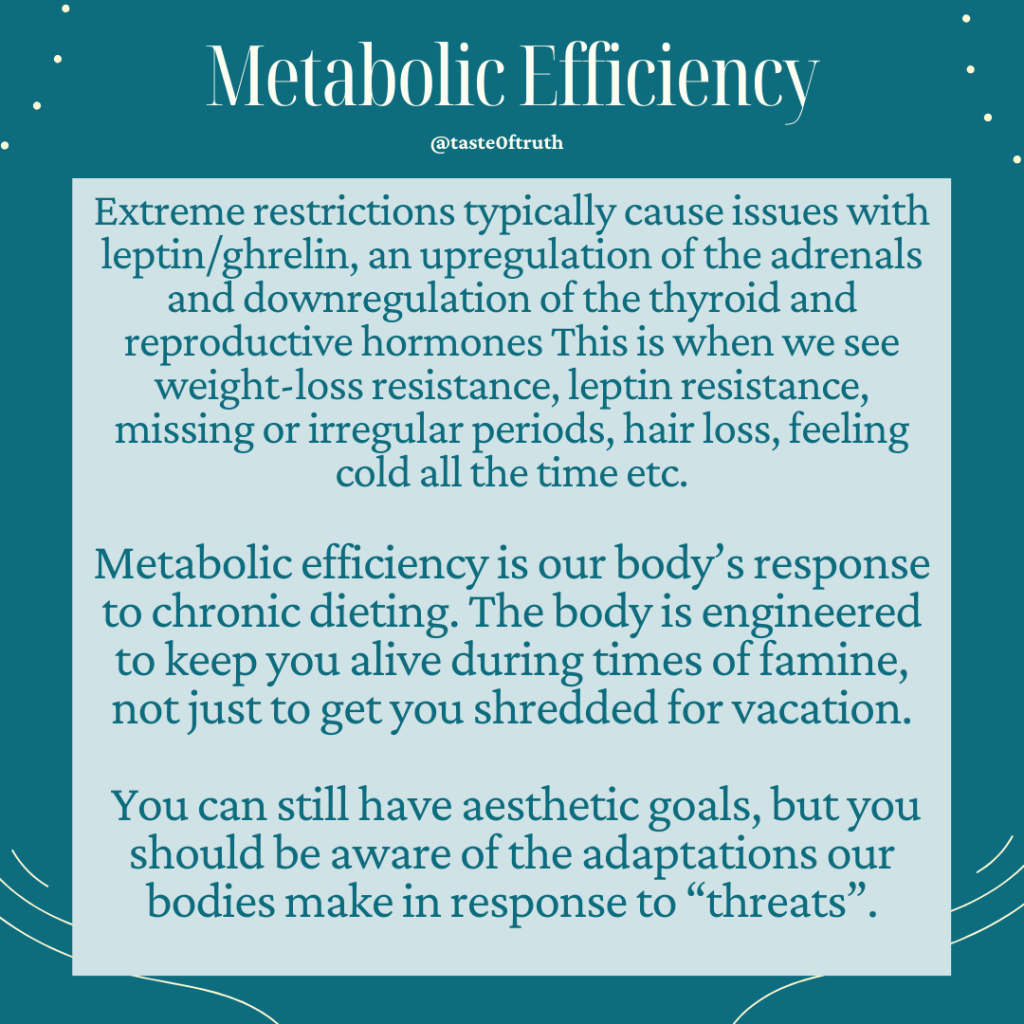
My cleanse days wreaked havoc on my hormones. The lack of consistent nourishment interferes with thyroid hormone conversion and overactivated the adrenal glands, increasing cortisol production. Chronic high cortisol levels undermine immunity, energy, and mood. For women, the risks are even greater. Prolonged restriction sends your body into survival mode, disrupting your reproductive hormones. I dealt with irregular periods, cold extremities, and even hair thinning—all signs that my body was prioritizing survival over reproduction.
They Create Nutritional Deficiencies
When you cut out food, you cut out nutrients. The shakes and supplements from Isagenix were marketed as “nutritionally complete,” but they couldn’t compare to the diversity and richness of whole foods. This reliance on synthetic supplements is not a sustainable way to meet your nutritional needs.
They Damage Your Relationship with Food
One of the most insidious effects of these programs was how they warped my relationship with food. By constantly restricting and “cleansing,” I lost touch with hunger cues and began seeing food as the enemy. At one point, my appetite diminished, which might sound like a win in hustle culture, but it was actually a red flag. Our bodies need food to fuel productivity, creativity, and overall well-being. Sacrificing health in the name of hustle isn’t the flex diet culture makes it out to be.
The Bottom Line
Programs like the one I was involved in sell you the illusion of health while delivering energy depletion, hormonal imbalance, and long-term damage to your metabolism. Sustainable growth comes from nourishing your body, listening to its needs, and rejecting the false promises of quick fixes.
If you’re considering a cleanse or detox, ask yourself: is this supporting my long-term health, or am I falling for a marketing gimmick?
💡 What Your Body Actually Needs
Your body thrives on consistency, nourishment, and balance. That’s why the 365 Easy Challenge focuses on six foundational habits to create sustainable growth:
Gratitude – Build a positive mindset by reflecting daily on what you’re thankful for.
Digestion – Support your gut with mindful eating practices and nourishing foods.
Sleep – Prioritize restorative rest to boost energy and metabolism.
Mindset/Self Talk – By reframing, shift your mindset to approach challenges with resilience.
Stress Management & Nutrition – Balance your life and plate without extremes.
These habits aren’t about perfection—they’re about progress. You can join in any time and make this year about sustainable, steady growth. One phrase I often say often to clients:
“Slow is steady and steady is fast.”
Seven Things I Wish I Knew Sooner
In this episode, we’re tackling the first four lessons I wish I’d learned earlier in my nutrition and fitness journey. These are insights that can save you time, frustration, and even your health.
1. Extreme Diets Have Extreme Consequences
If you’ve ever thought, “I just need to cut calories harder,” let me stop you right there. Extreme diets may promise quick results, but they come with a hefty price tag on your body.
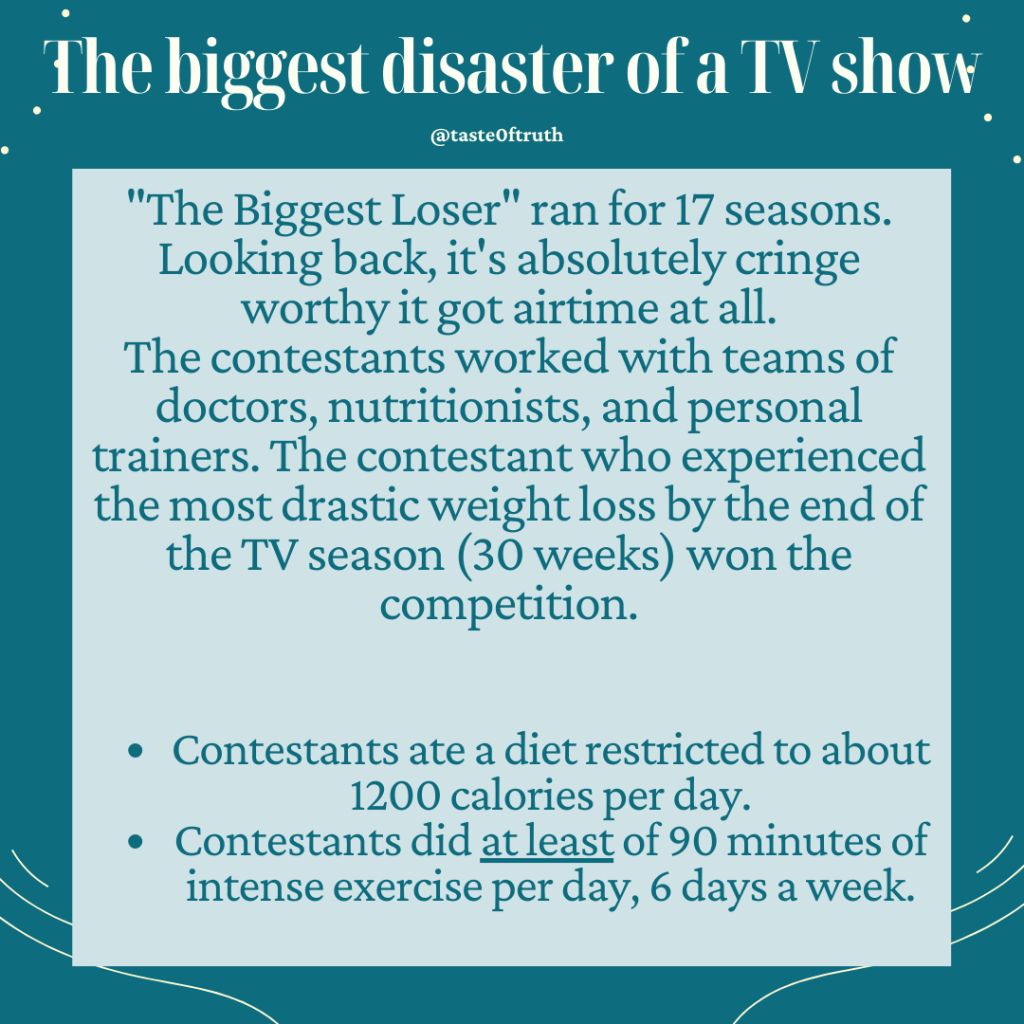
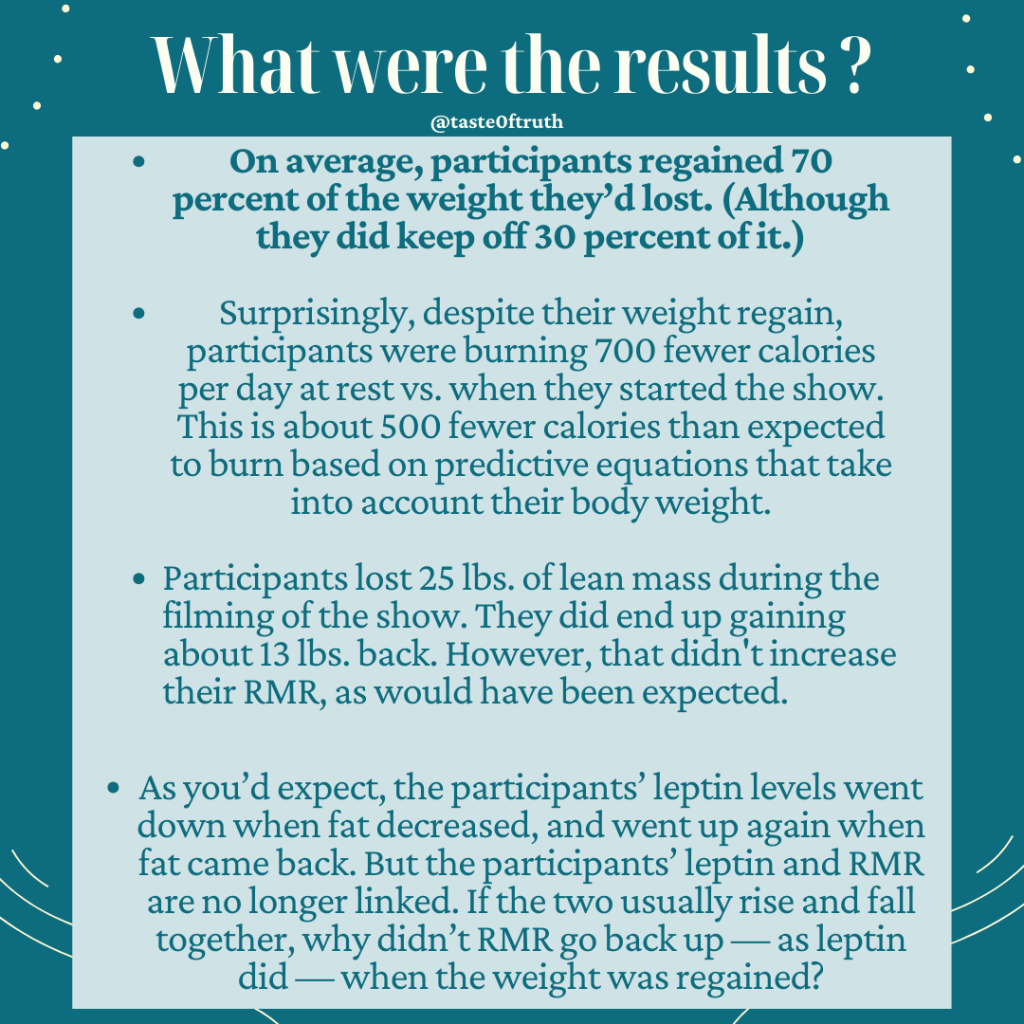
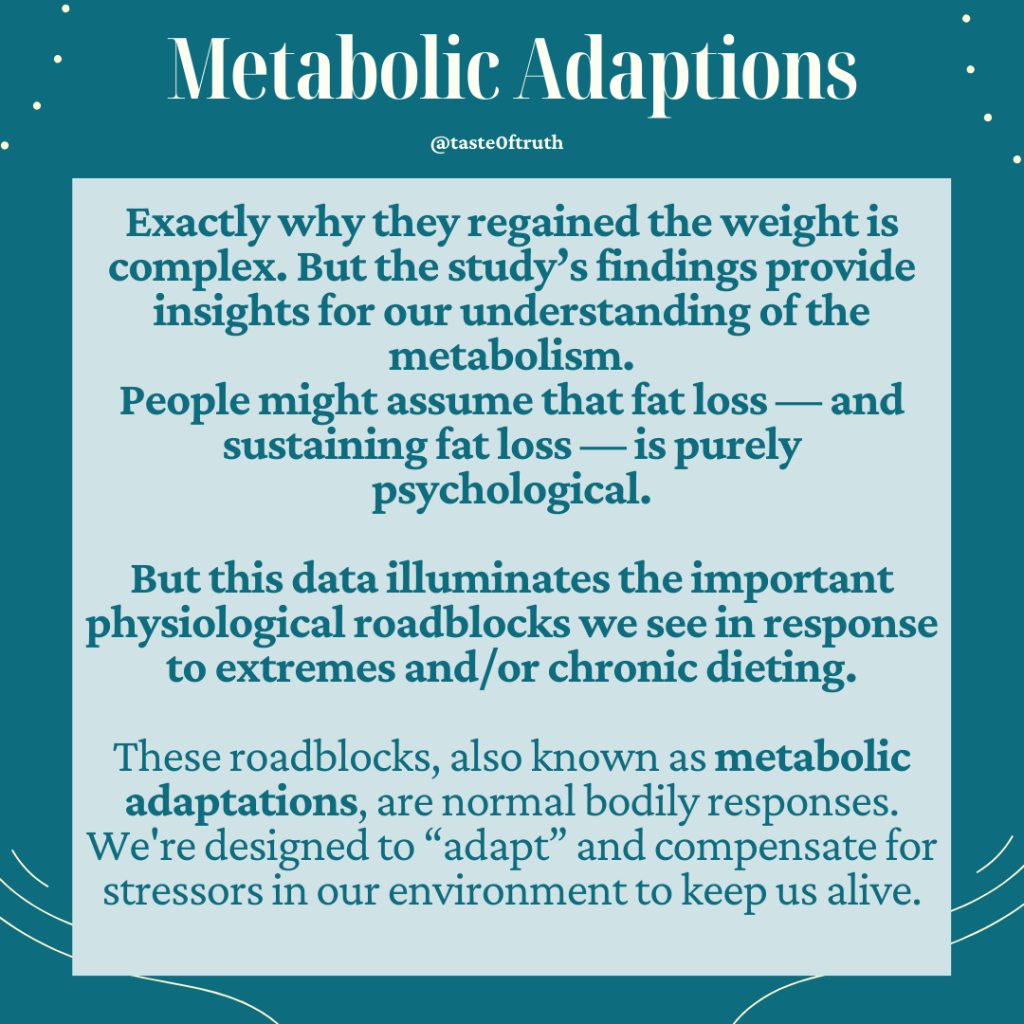
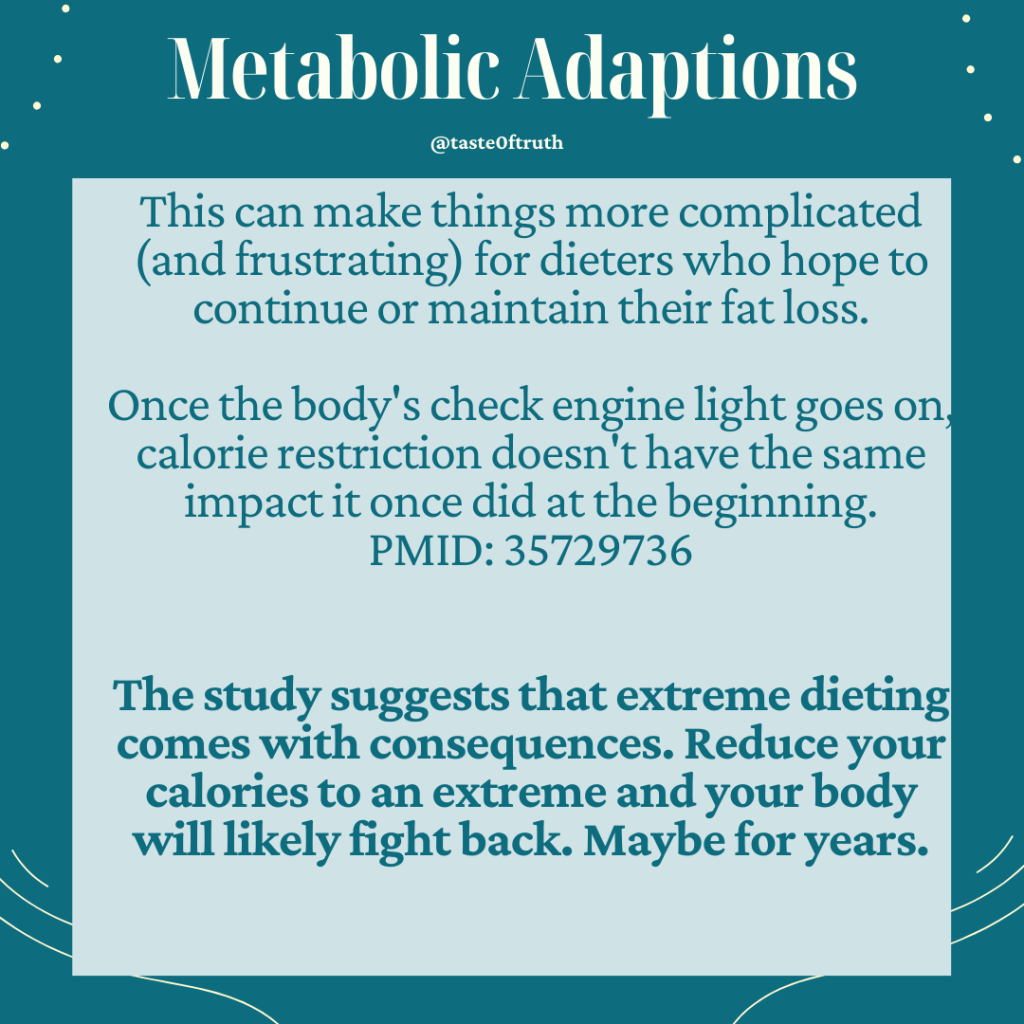
Research, such as the Biggest Loser Study (PMID: 27136388), reveals a major roadblock: metabolic adaptation. Your body isn’t wired for vanity; it’s wired for survival. When you restrict calories excessively, your body compensates to preserve energy—this can continue for years after the diet ends (PMID: 35729736).
Here’s what that looks like:
Calorie restriction becomes less effective over time.
Your metabolic rate slows down, making it harder to maintain or continue fat loss.
You feel frustrated, but it’s your body hitting the brakes, not your willpower failing.
Takeaway: Your body isn’t out to sabotage you; it’s protecting you. The solution? Nutritional periodization. Incorporate diet breaks, maintenance phases, and even reverse dieting to minimize these adaptations.
2. Restrictive Diets Wreck Hormonal Health
Chronic or yo-yo dieting isn’t just stressful for your mind—it’s a major stressor for your body. Prolonged restrictions can negatively impact your:
Adrenal system: Chronic stress triggers the HPA axis, increasing cortisol. While cortisol is essential in moderation, consistently high levels can negatively impact energy, mood, and immunity.
Thyroid: High stress interferes with TSH production and the conversion of thyroid hormones, which are vital for metabolism.
Reproductive hormones: Missing or irregular periods, hair loss, and constant coldness? These are signs your body isn’t feeling “safe” enough to prioritize reproduction.
Minimum body fat is necessary to maintain reproductive health, especially for women. Hormones like progesterone, critical for ovulation and metabolism, rely on nutrient availability and a sense of safety
Takeaway: Your body isn’t the enemy—it’s doing its best with the fuel and signals you’re giving it. Support your hormones by eating enough, maintaining balance, and avoiding extreme restrictions. PMID: 2282736
3. Exercise + Intermittent Fasting = Double Trouble for Women
Adding intense exercise to intermittent fasting might sound like a fast track to results, but for women, it’s a recipe for dysfunction. Here’s why:
Women’s bodies are highly sensitive to kisspeptin, a neuropeptide critical for reproductive and endocrine health. Diets like keto and intermittent fasting can disrupt kisspeptin production, leading to:
Endocrine dysfunction.
Menstrual irregularities.
Depression and increased abdominal fat (yes, the opposite of what you wanted).
Half of all active women aren’t eating enough to support basic functions, let alone training. The long-term impact? Impaired thyroid function, stalled muscle growth, and metabolic imbalance.
Takeaway: Women need nourishment, especially when training hard. Fasting and exercise together often do more harm than good, leaving your body stressed instead of thriving.
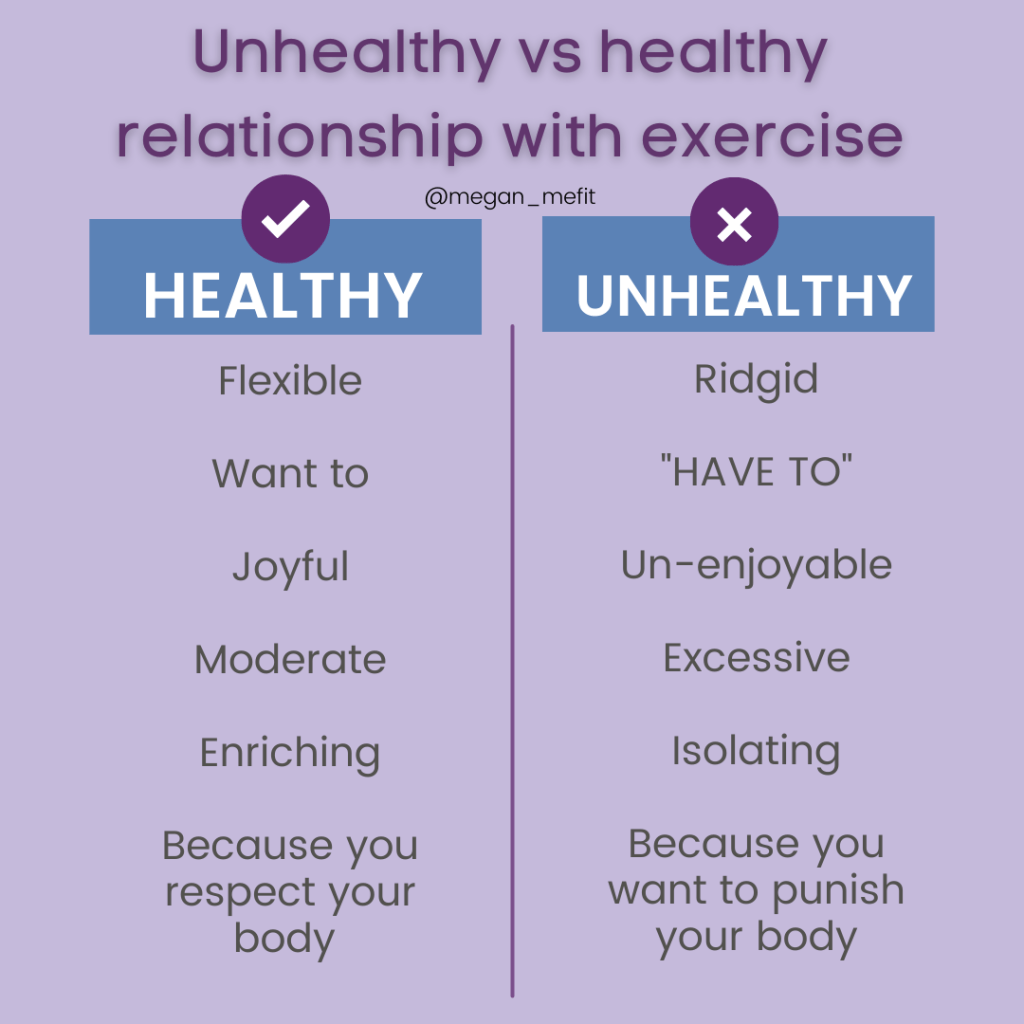
4. A Healthy Relationship with Exercise is Flexible and Fulfilling
Exercise is amazing for your body and mind, but even a good thing can become harmful when taken to extremes.
Exercise addiction is a compulsive engagement in physical activity, despite negative consequences. It often comes with:
Excessive rules and rigidity.
Feelings of shame before, during, or after workouts.
Withdrawal symptoms when unable to exercise.
In contrast, a healthy relationship with exercise is:
Flexible: It allows for variety in movement types and durations.
Fulfilling: It’s rooted in joy and self-care, not punishment or guilt.
Takeaway: The best kind of movement is the one that enriches your life, not rules it. Exercise should add value to your day, not take away from it.
✨ Let’s Leave Hustle Culture in 2024👋
Hustle culture says, “Eat less, work more, and sacrifice rest to succeed.” This mindset isn’t empowering—it’s exhausting. This year, let’s prioritize health over hustle and choose habits that energize rather than deplete.
The 365 Easy Challenge is here to help you make that shift. Whether it’s gratitude, better sleep, or balanced nutrition, these small steps add up to big changes over time.
Takeaway for 2025: This year, skip the detox and focus on what truly works: habits that honor your body’s needs, not a quick-fix fantasy. If you’re ready to embrace sustainable growth, join the 365 Easy Challenge and start building a foundation for lifelong health.
The holidays are here, and while it’s the season of joy, connection, and maybe a few too many late nights, it’s also the perfect time to start preparing for the 365 Easy Challenge kicking off in 2025. And let’s face it: sleep is the foundation for everything we’ll tackle together next year.
Did you know women are more likely to struggle with insomnia than men? It’s not just in your head—it’s science. Hormonal fluctuations (hello, PMS, pregnancy, and menopause) wreak havoc on your sleep cycles, making restful nights feel like a luxury you can’t afford to miss.
But here’s the real kicker: poor sleep doesn’t just leave you feeling groggy. It messes with your mood, metabolism, and even your muscles. Whether you’re juggling holiday chaos, prepping for a fresh start in January, or just trying to function, running on empty isn’t the answer. Let’s dig into why quality sleep is essential—and how to actually get it.
Why Sleep Matters More Than You Think
Inflammation & Immunity Sleep is your body’s built-in anti-inflammatory agent. Without it, inflammation skyrockets, leaving you vulnerable to chronic diseases and poor recovery from workouts or injuries.
Mental Clarity Brain fog isn’t just an inconvenience; it’s a sign your brain didn’t get its overnight “detox.” Sleep clears out waste products like amyloid plaques, which are linked to neurodegenerative diseases. Think of it as housekeeping for your mind—skip it, and you’re living in clutter. Braig fog + thyroid connection!
Hormonal Harmony From cortisol to melatonin to estrogen, sleep keeps your hormones in check. Messy sleep = messy hormones, which can mean mood swings, weight gain, and irregular cycles.
Circadian Rhythm & Beyond Your body runs on a 24-hour clock. Disrupting it—whether with late-night scrolling or inconsistent sleep times—throws everything off, including digestion, energy levels, and even hunger cues.
Sleep & Exercise: The Sneaky Saboteur
Think sleep doesn’t impact your workouts? Think again. Poor sleep leads to:
Slower reaction times (hello, clumsiness).
Increased injury risk (because you’re tired and uncoordinated).
Longer recovery times (muscles can’t repair without rest).
Heightened fatigue (making you feel like you’re dragging through every rep).
💡 Quick fix: Research shows a 45-minute afternoon nap can improve performance and lower perceived effort. Translation: naps aren’t lazy; they’re strategic.
Bedtime Hacks for Better Rest
Dim the Lights Block blue and green light from screens, lower the brightness, and dim the room 1–2 hours before bed.
Chill Out Literally—lower your bedroom temperature to around 65°F (18°C). Cooler temps signal your body it’s time to rest.
Silence & Darkness Total darkness (blackout curtains or a sleep mask) + white noise or earplugs = your best chance at uninterrupted rest. My favorite sleep track
Stick to a Schedule Consistency is key. Aim to go to bed and wake up at the same time—even on weekends.
Don’t Force It Wake up in the middle of the night? Get out of bed briefly to reset instead of tossing and turning.
Level Up Your Sleep with Bedtime Gummies
Let’s talk about a bedtime treat that actually works: Tart Cherry Gummies. Packed with melatonin and glycine, they’re a natural way to ease into deeper, more restful sleep.
Why Glycine Rocks:
Helps you fall asleep faster.
Improves sleep quality and efficiency.
Eases symptoms of insomnia.
Recipe:
1 cup tart cherry juice
1 cup water
4 tbsp beef gelatin
Maple syrup (to taste)
Bloom the gelatin in half the juice for 3–5 minutes.
Heat the remaining juice, then combine.
Pour into molds or a dish and refrigerate.
The Takeaway
Sleep isn’t a luxury—it’s a lifeline. From balancing your hormones to enhancing your brainpower, it impacts every aspect of your health. If you’re still treating it like an afterthought, it’s time to flip the script.
Now, tell me: what’s your biggest sleep struggle, and which hack are you going to try first? 💤
Forget extreme diets, gimmicky regimens, and complicated rules. 2025 is the year we master the basics and build a lifestyle that actually lasts. All you need? A simple plan, a sprinkle of consistency, and a whole lotta patience. Here are the 6 core habits you’ll need to crush 2025:
1. Brain Reframe 🧠 Your body doesn’t need a “reset” — your brain does! Shift the focus to what you’re adding, not subtracting. More protein, more fruits & veggies, more movement. It’s all about progress, not perfection.
2. Stress Management (and your mindset around stress) 😤 Stress is the silent killer of self-control and health. Managing stress isn’t just about chill vibes, it’s about understanding your stress and handling it like the boss you are.
3. Sleep Consistently 😴 The most underrated (yet most important) aspect of health? SLEEP. If you’re aiming for aesthetic goals, consistent sleep should be at the top of your priority list.
4. Digestive Health 🥦 Your body doesn’t thrive off what you eat, but off what you can digest and absorb. So, let’s get those healthy poops on track and optimize your digestion for real transformation.
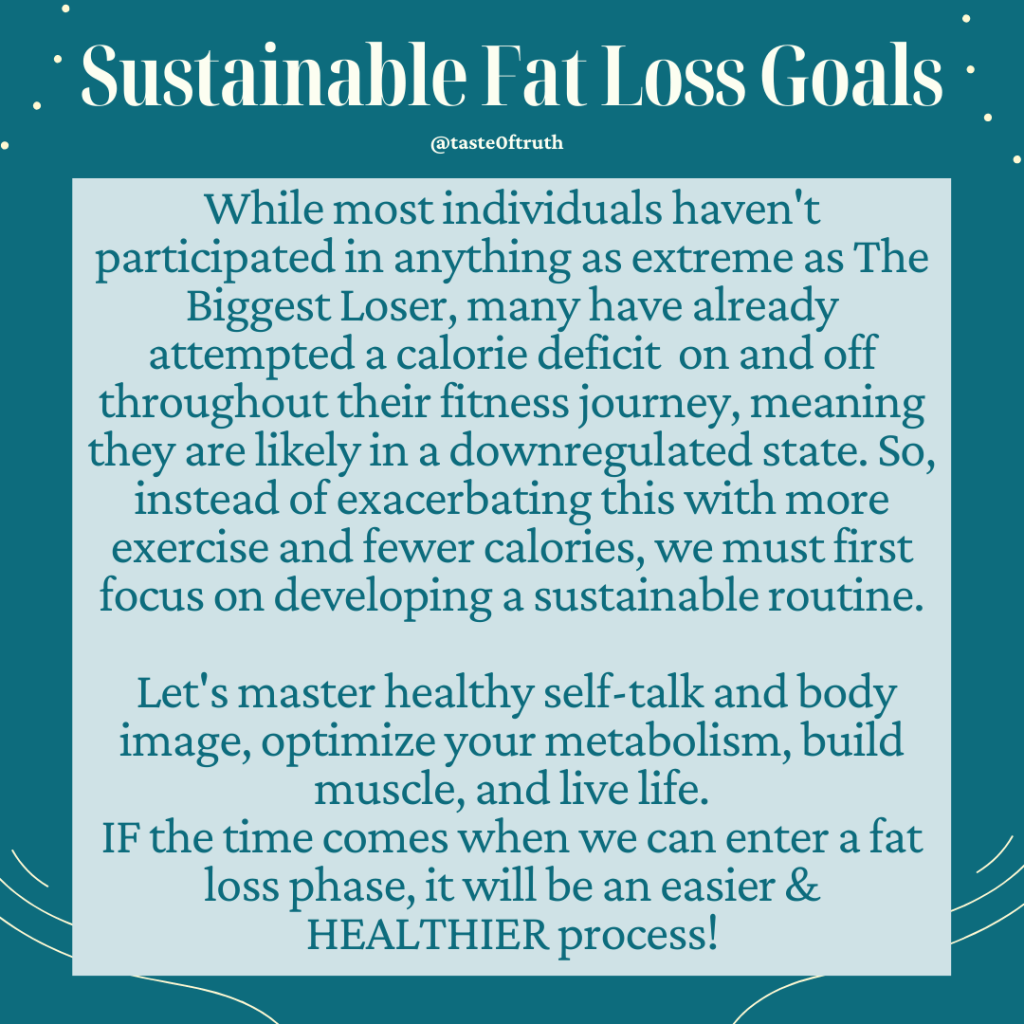
5. Adequate Nutrition 🍏 Under-eating doesn’t get you anywhere good. Let’s focus on fueling your metabolism, building muscle, and living your life — so when the time comes for fat loss, it’s smoother and healthier than ever.
6. Gratitude Practice 🙏 Meditation, prayer, and focusing on gratitude are more than just buzzwords. Science shows they can actually help you stay on track with your diet and exercise goals. Yes, really!
Before you can make any changes, you’ve got to know what needs changing. You can’t improve what you don’t know needs improvement. Motivation? It’s a tricky beast. And we’ll talk more about that in an upcoming podcast episode (stay tuned!) where we’ll get into intrinsic vs. extrinsic motivation and why neither is enough on its own.
But here’s the TL;DR: Motivation is a lot like a campfire. You have to keep stoking the fire to keep it burning. Don’t wait for external motivation to light you up — take control!
The REAL Problem: Unrealistic Goals 🚫
Challenges like 75 Hard or Whole 30 aren’t the issue. It’s the unrealistic expectations that trip us up. Discipline isn’t about being lazy; it’s about setting goals that actually fit your life and personality. Instead of following what others are doing, ask yourself: What do I need?
Let’s be real: consistency and routine are the game-changers. They build habits, and habits lead to long-lasting results. So let’s ditch the all-or-nothing mentality and start building a routine that works for YOU.
Let’s be clear: Motivation is unreliable. We need to normalize the idea that motivation doesn’t last forever. The secret is: keep the fire alive and keep working on your goals, even when motivation flickers.
As a personal trainer, I’d tailor every plan to fit each person’s season of life — newly married, starting a new job, planning for a baby — because that’s how real results happen. It’s about what works for YOU.
So, let’s leave the restrictive diets and quick fixes behind and focus on mastering the basics for 2025. Who’s in?
Ready to start your journey? Let’s get it, 365 Easy Challenge style! 🔥
Feeling stressed? 😩 Chronic stress can drain your energy, disrupt your sleep, and even increase the risk of serious health issues like cancer. This week on the podcast, we are diving deep into how stress impacts your body—and sharing real tips to fight back! 👊🏼 💥
In this powerful episode, I sit down with holistic healing expert Theresa Piela, @livingrootswellness to explore the deep connection between chronic stress and health. Theresa shares her personal story of hitting rock bottom in 2019, when chronic illness nearly led to organ failure. We dive into the guilt and exhaustion that comes with being chronically ill in a toxic world, and how healing techniques like Emotional Freedom Techniques (EFT) tapping can offer relief. 🌱✨
The Impact of Stress on the Body
Understanding Stress:Theresa breaks down the three stages of stress and how they manifest in our daily lives, leading to digestive issues and chronic illnesses. She sheds light on the silent havoc that prolonged stress wreaks on our gut health and overall bodily functions. Please review our earlier blog for more details!
Fuel & Nutrition: Supporting Your Body’s Adaptive Stress Response
Just as important as shifting your mindset is fueling your body with the right nutrients. A starved or inflamed system will struggle to adapt to stress, especially when trying to balance internal chaos. Proper nutrition is key to supporting the body’s stress response.
When the body isn’t fueled properly, persistent stress leads to harmful effects, such as blood sugar swings, hormonal dysregulation, and weakened immunity. To counteract this, we need to provide the body with the building blocks it needs to recover.
Here’s a high-level look at what your body requires for optimal function:
Proteins: Anti-inflammatory sources like grass-fed beef, broths, shellfish, and dairy.
Carbohydrates: Glucose and fructose from fruits, honey, maple syrup, and root vegetables.
Fats: Saturated fats are essential.
Vitamins & Minerals: Vitamin C, D, E, B1, B6, B12, calcium, magnesium, copper, sodium, potassium, selenium, and zinc.
I wanted to expand a BIT MORE on nutritional tips we may or may not have mentioned in this week’s discussion that are for sure helpful along your healing journey!
1️⃣Adrenal Elixirs-It’s a combination of sodium, potassium, and vitamin C—a perfect blend for your adrenals. Click here for recipes!
2️⃣Magnesium: During stressful times, your body burns through magnesium faster! Supplementing orally and using topical magnesium is helpful all the time, & increasing during times of stress can avoid future deficiency. Click here for a guide to Magnesium supplements!
3️⃣Boosting mineral-rich foods: Coconut water-rich in potassium. Potatoes, squash, fruit—also rich in potassium, Brewer’s yeast-rich in potassium, B vitamins, and many more nutrients (if you can handle the taste!) Cacao powder-rich in magnesium, Citrus & vitamin C rich foods-support adrenals and copper balance.
4️⃣Consistent timing for meals & snacks with proteins carbs and fats to help support blood sugar. Meal tips here!
5️⃣Prioritize Daily Routines with your non-negotiables like: Reading, meditation, walks, eating, movement, winding down time. Stay consistent! Research shows that it can take anywhere from 18 to 254 days for someone to form a new habit. Let’s talk more about morning and bedtime routines!
Morning Routine:
☀️ Morning person or not, having a set routine can be beneficial. First, a good morning starts the night before-am I right? Be sure to prioritize getting to bed at a decent time to support incorporating the new routine. ⏰ A great morning routine is the one that works for you. Not everyone will be able to have a lengthy routine due to time constraints or family obligations and that’s okay.
Here are some ideas:
Don’t pick up your phone right away: Scrolling Instagram and reading emails can wait. When you reach for your phone right after you wake up, you put yourself directly into reactive mode. This can cause you to lose focus and get stressed before you’ve even made it out of bed.
Making your bed takes about two minutes and it gives you a quick, easy sense of accomplishment right off the bat. Plus, it makes your room look neat and tidy even if the rest of your space is messy.
Eat Something Even if you’re not a big breakfast person, getting some nutrients in your body can really turn on your brain. Having a balanced meal can go a long way toward improving your mood and energy levels right off the bat. Whatever constitutes breakfast for you, just get some food into your body.
Do something for yourself each morning. Even if you just have five minutes, you can stretch, do a quick meditation, journal or work on a crossword puzzle while you drink your morning coffee. (Catching up on social media can also count as self care if this activity truly brings you joy. )
Write—or review—your daily to-do list and calendar Check over what’s on deck for the day so you don’t run into any surprises. You might even block off ten minutes or so to look over emails and address any messages that need to be taken care of right away. 📧
Bedtime Routine:
Sleep is consistently the most underrated aspect of any health & wellness journey. Creating & maintaining a bedtime routine is the best way to prioritize a good night’s sleep.
It’s best to be consistent with the time- set an alarm or notification on your phone. It will be a help signal that it’s time to unplug and start your bedtime routine.
The circadian rhythm regulates the body’s temperature, lowering the thermostat to 65 degrees is a good temperature for sleep. The body will adapt to the lower room temperature and you will begin to feel drowsy. Turning off or lowering bright lights can help with the process. As we know with screen time, exposure to bright lights before bedtime affects the circadian rhythm.
Screens from TVs, smartphones and laptops emit blue light that stimulates the body’s internal clock (circadian rhythm), keeping you buzzing long after it’s time to hibernate for the night. Sleep studies have shown that exposure to high amounts of blue light before bed can lower melatonin levels, resulting in sleeplessness and delayed REM sleep.
Journaling is good for mental health by reducing stress and helping you remember good ideas before sleep.
Using foam rolling and yoga for sleep will help relax your muscles and ground your mind before bed. They decelerate the mind and body, relieve tension and improve sleep quality.
Aromatherapy are used to help with stress management.
❔HOW LONG should my bedtime routine be? About 30 to 60 minutes. This will give you enough time to unwind without feeling rushed.
Okay back to the final aspect of today’s post for supporting your body during stressful times:
6️⃣TOXINS – Specific chemicals called halogens (bromine, chlorine, and fluorine) compete with iodine and bind to thyroid receptors, preventing thyroid hormones from working properly. Filtering fluoride and chloride out of your drinking and bath/shower water helps those with thyroid dysfunction. More Information here
Research says about 90% of cancers are a result of a lifetime of dysfunction: stress, poor nutrition, toxin exposure, chronic hormone imbalance etc. It is estimated that it takes up to 10 years for cancer to develop in the body. Every day our environment and personal choices provide information to cells, in a constant feedback loop. Research has shown us many factors that cause cancer cell development—we can use this information to optimize our environments, nutrition, hormones, etc, create a healthy terrain, and mitigate cancer risk. The body is always responding to us, and healing is possible! One of my favorite resources is here! Leigh Erin Connealy, M.D.
In summary
Addressing intestinal permeability, blood sugar imbalances, and other stress-induced dysfunctions through proper nutrition will help rebuild resilience. For those with severe gut issues, a nutrient-dense, elimination-style diet—like carnivore plus easy-to-digest carbs—may be necessary short-term to restore balance. In the end, listening to your body is critical. Experiment with what makes you feel good, trust yourself, and remember: you know best.
By shifting your mindset and supporting your body with proper fuel, you can navigate life’s stressors with resilience and strength.
🎙️ Tune in now to learn how to take control of your stress before it takes control of you!
In this week’s episode, we dive into the power of Emotional Freedom Techniques (EFT) tapping — a unique blend of traditional Chinese medicine and modern psychology. By tapping on specific meridian points while addressing emotional struggles, EFT helps release energy blockages, reducing stress, anxiety, and even trauma. 🌱✨
In this powerful episode, I sit down with holistic healing expert Theresa Piela to explore the deep connection between chronic stress and health. Theresa shares her personal story of hitting rock bottom in 2019, when chronic illness nearly led to organ failure. We dive into the guilt and exhaustion that comes with being chronically ill in a toxic world, and how healing techniques like Emotional Freedom Techniques (EFT) tapping can offer relief. 🌱✨
We’ll explore how EFT has shown promising results in mental health, from lowering cortisol levels to easing PTSD symptoms in veterans. However, with its roots in spiritual and energetic practices, EFT has sparked controversy in some Christian communities. Join us as we unpack these perspectives and discuss how EFT can be a powerful tool for both emotional and physical healing.
The Impact of Stress on the Body
Understanding Stress:Theresa breaks down the three stages of stress and how they manifest in our daily lives, leading to digestive issues and chronic illnesses. She sheds light on the silent havoc that prolonged stress wreaks on our gut health and overall bodily functions.
The Three Stages of Stress and the Fawning Response: Understanding How High-Control Religions Impact Emotional Well-Being
Stress is an inevitable part of life, but how our bodies and minds respond to it can vary significantly depending on the intensity and duration of the stressor. Hans Selye, a pioneering endocrinologist, developed the General Adaptation Syndrome (GAS) to describe the body’s physiological response to stress. This model helps explain how prolonged stress affects overall health and well-being. While the three stages of stress capture the body’s core reactions, the behavioral response known as fawning—especially common among individuals who have come out of high-control environments like fundamentalist religions—adds another layer to this discussion.
The Three Stages of Stress: General Adaptation Syndrome
Selye’s General Adaptation Syndrome describes how the body responds to stress over time, detailing three distinct stages:
1. Alarm Stage
This is the initial, immediate response to a stressor. When faced with a perceived threat, the body goes into “fight or flight” mode, releasing adrenaline and cortisol. These stress hormones increase heart rate, sharpen focus, and provide a surge of energy to prepare you to either confront the threat or escape it. In modern life, this could be triggered by anything from a work deadline to an argument with a loved one.
2. Resistance Stage
If the stressor continues beyond the initial shock, the body enters the resistance stage. While the outward signs of the fight-or-flight response might fade, internally, the body is still on high alert. Stress hormones like cortisol remain elevated, and the body tries to adapt and cope. However, this stage can’t last forever. Prolonged exposure to stress at this level takes a toll on the body, potentially leading to mental and physical exhaustion.
3. Exhaustion Stage
When stress continues for a prolonged period without adequate recovery, the body eventually reaches the exhaustion stage. Here, the body’s resources are depleted, and it can no longer function normally. Symptoms such as fatigue, depression, anxiety, and even burnout may manifest. The immune system weakens, making the individual more vulnerable to illness and disease.
Understanding these stages is crucial for recognizing when stress becomes chronic and dangerous. But there’s more to the picture when considering how stress affects behavior—especially in people who have experienced trauma or high-control environments.
Enter the Fawning Response: A Behavioral Reaction to Trauma
Fawning doesn’t fit neatly into the General Adaptation Syndrome model because it’s a behavioral rather than a purely physiological response. Still, it’s crucial to understanding how certain people cope with chronic stress or trauma, particularly in interpersonal or high-control environments.
The “Four Fs” of trauma responses—Fight, Flight, Freeze, and Fawn—describe various ways people react when they feel threatened. While fighting, fleeing, or freezing are instinctive survival responses, fawning is a more subtle and less discussed way of coping, often rooted in a need to appease the threat to maintain safety.
What Is Fawning?
Fawning involves appeasing or placating others to avoid conflict or harm. People who fawn try to please or appease the person or situation causing the stress in order to de-escalate the threat. Instead of confronting the stressor (fight), avoiding it (flight), or becoming immobilized (freeze), a person who fawns seeks to reduce the danger by submitting, people-pleasing, or over-accommodating.
This behavior often develops in individuals who have experienced prolonged stress or trauma, especially in abusive, manipulative, or high-control environments like toxic relationships or fundamentalist religions.
How Fawning Fits into the General Adaptation Syndrome Model
Although fawning isn’t a stage of stress, we can still see how it might manifest within the GAS framework:
Alarm Stage: Fawning could be an immediate response to the initial stressor. Rather than fleeing or fighting, someone might instinctively try to placate the threat. For instance, in a high-control religion, a person might conform instantly to avoid punishment or conflict.
Resistance Stage: If the stress persists, fawning can become a habitual response during the resistance stage. The person continues engaging in appeasement behaviors, attempting to manage the ongoing stressor while sacrificing their own needs and well-being in the process.
Exhaustion Stage: Over time, relying on fawning as a coping mechanism can lead to emotional and physical exhaustion. Constantly trying to meet others’ demands, avoiding conflict, and suppressing one’s own needs results in burnout and emotional depletion.
Fawning and High-Control Religions: The Long-Lasting Impact
People who come out of high-control religions often exhibit the fawning response as they attempt to navigate new environments and relationships. These religions typically operate with strict rules, strong hierarchies, and harsh consequences for dissent. As a result, members often suppress their own needs and opinions to avoid punishment or ostracism.
Even after leaving these environments, the pattern of fawning often persists. The deeply ingrained survival mechanism of appeasing authority figures to avoid conflict becomes habitual. This behavior may manifest in various ways:
People-pleasing: Going out of their way to accommodate others, even at the expense of their own well-being.
Difficulty asserting boundaries: Struggling to say no or express personal needs and preferences, often feeling guilty for doing so.
Fear of conflict: Avoiding disagreements or confrontations out of fear of rejection or punishment.
Self-silencing: Suppressing thoughts, feelings, and opinions in order to maintain harmony and avoid disapproval.
For those deconstructing from high-control religions, the fawning response can be particularly challenging to recognize and unlearn. Many may not even realize that their behaviors are rooted in a trauma response. Helping individuals understand and break these patterns is essential for their emotional recovery.
Moving Forward: Unlearning Fawning and Rebuilding Self-Worth
Breaking the cycle of fawning involves learning to assert boundaries, rebuild self-worth, and reclaim personal autonomy. This is not an easy process, especially for those who have spent years in environments where appeasement was essential for survival. Therapy, support groups, and self-compassion can be powerful tools in helping people regain their sense of self after leaving high-control environments.
By recognizing fawning as a response to trauma and stress, individuals can begin to unlearn these behaviors, reclaim their identity, and create healthier relationships—both with others and with themselves.
Understanding stress responses, both physiological and behavioral, is key to supporting individuals who are recovering from trauma. Recognizing the fawning response and how it fits into the broader stress picture can open the door to healing for those emerging from high-control situations like fundamentalist religions.
Mindset & Thought Shifting: Changing How We React to Stress
We must first accept that stress is a normal and natural part of life. Short-term stress, when followed by ample recovery, can enhance cognition and boost our capabilities. It’s like strength training: with proper recovery, the stress we place on our muscles leads to gains. However, persistent stress, if not managed properly, can be damaging. This is why we must shift our relationship with stress.
In times of severe depletion and exhaustion, recovery takes time and commitment. Start by meeting yourself where you are. Shift your mindset by deliberately choosing thoughts that signal to your body that everything is okay. Surround yourself with calming influences—whether it’s people, sounds, colors, or landscapes—that make you feel safe and hopeful. This isn’t a luxury; it’s a requirement for healing. Equally important is removing stimuli that drain you and recognizing that your body has an incredible capacity to heal when given the right tools.
As the Dalai Lama once said, “If a problem is fixable, if a situation is such that you can do something about it, then there is no need to worry. If it’s not fixable, then there is no help in worrying. There is no benefit in worrying whatsoever.”
Fuel & Nutrition: Supporting Your Body’s Adaptive Stress Response
Just as important as shifting your mindset is fueling your body with the right nutrients. A starved or inflamed system will struggle to adapt to stress, especially when trying to balance internal chaos. Proper nutrition is key to supporting the body’s stress response.
When the body isn’t fueled properly, persistent stress leads to harmful effects, such as blood sugar swings, hormonal dysregulation, and weakened immunity. To counteract this, we need to provide the body with the building blocks it needs to recover.
Here’s a high-level look at what your body requires for optimal function:
Proteins: Anti-inflammatory sources like grass-fed beef, broths, shellfish, and dairy.
Carbohydrates: Glucose and fructose from fruits, honey, maple syrup, and root vegetables.
Fats: Saturated fats are essential.
Vitamins & Minerals: Vitamin C, D, E, B1, B6, B12, calcium, magnesium, copper, sodium, potassium, selenium, and zinc.
Addressing intestinal permeability, blood sugar imbalances, and other stress-induced dysfunctions through proper nutrition will help rebuild resilience. For those with severe gut issues, a nutrient-dense, elimination-style diet—like carnivore plus easy-to-digest carbs—may be necessary short-term to restore balance.
In the end, listening to your body is critical. Experiment with what makes you feel good, trust yourself, and remember: you know best.
By shifting your mindset and supporting your body with proper fuel, you can navigate life’s stressors with resilience and strength.
Ever wonder why stress keeps you up at night?
Sleep Disruption and Hormones: How Stress, Trauma, and Hormonal Imbalances Impact Sleep Quality
Sleep is one of the most critical factors for overall health, and yet, it’s often disrupted by stress and hormonal imbalances. In this section, we’ll dive into how stress hormones like cortisol and adrenaline interfere with sleep, explore the impact of early life trauma on sleep quality, and discuss how the menstrual cycle and hormonal imbalances can further complicate our ability to achieve restful sleep.
Stress Hormones and Sleep Disruption
Stress hormones such as cortisol and adrenaline play significant roles in the body’s response to stress, but when they’re constantly elevated, they can wreak havoc on our sleep.
Cortisol: Often referred to as the “stress hormone,” cortisol follows a natural rhythm called the circadian rhythm. In healthy individuals, cortisol levels are highest in the morning to help us wake up and get ready for the day, and they naturally decline in the evening to prepare the body for rest. However, when we are under chronic stress, cortisol can become dysregulated. Instead of dropping at night, elevated cortisol levels can keep us in a state of alertness, making it difficult to fall asleep or stay asleep. This leads to frequent waking, shallow sleep, and feeling unrefreshed in the morning.
Adrenaline (Epinephrine): Adrenaline is the hormone responsible for the fight-or-flight response, which prepares the body to face a threat by increasing heart rate, blood flow, and energy levels. If adrenaline surges before bed—due to stress, anxiety, or even unresolved trauma—it can make falling asleep nearly impossible. You might feel restless, agitated, or have racing thoughts, all of which disturb the calm necessary for a good night’s sleep.
Practical Strategies for Managing Stress Hormones for Better Sleep
Create a Wind-Down Routine: Establishing a relaxing pre-sleep routine helps signal to your body that it’s time to rest. This can include dimming lights, turning off electronic devices (which emit blue light and can increase cortisol), and engaging in calming activities like reading, gentle stretching, or meditation.
Balance Blood Sugar: Blood sugar spikes and crashes can trigger cortisol release. Eating a well-balanced meal with protein, healthy fats, and complex carbohydrates before bed can stabilize blood sugar levels and prevent cortisol surges during the night.
Supplement Support: Some supplements, such as magnesium, have been shown to help reduce cortisol levels and promote relaxation. Herbal adaptogens like ashwagandha and holy basil can also support the body’s stress response and reduce cortisol.
Mind-Body Techniques: Practices like yoga, deep breathing exercises, and progressive muscle relaxation can help lower cortisol and calm the nervous system before sleep.
The Impact of Early Life Trauma and Adverse Events on Sleep
Early life trauma or Adverse Childhood Experiences (ACEs) have profound effects on the body’s stress response systems, which can manifest later in life as sleep disturbances. Research shows that people who have experienced trauma, particularly in early development, often have overactive sympathetic nervous systems and altered cortisol levels, leading to difficulty achieving deep, restorative sleep.
Hypervigilance: Trauma survivors often experience hypervigilance, a heightened state of awareness where the body is constantly scanning for potential threats, even during sleep. This state of heightened arousal makes it hard to relax, and the individual may have trouble entering deeper stages of sleep like REM (Rapid Eye Movement) or slow-wave sleep.
Fragmented Sleep: Those with a history of trauma may wake frequently during the night, as their bodies remain on high alert. This fragmentation prevents the deep, uninterrupted sleep necessary for physical and emotional recovery.
Nightmares and Flashbacks: Trauma-related nightmares are common and can disrupt sleep, causing the individual to wake in distress. Flashbacks, even during waking hours, can trigger the body’s stress response, elevating cortisol and adrenaline and making sleep difficult.
Strategies to Address Sleep Disruption in Trauma Survivors
Trauma-Informed Therapy: Engaging in trauma therapy, such as Cognitive Behavioral Therapy for Insomnia (CBT-I) or Eye Movement Desensitization and Reprocessing (EMDR), can help individuals process traumatic memories and regulate their nervous system responses, ultimately improving sleep.
Grounding Techniques: Practicing grounding exercises, such as focusing on your breath or engaging your five senses, can help bring your body back into the present moment, reducing hypervigilance and promoting relaxation before bed.
Sleep-Friendly Environment: Creating a sleep environment that feels safe and secure is crucial for trauma survivors. Using weighted blankets, soothing sounds, and minimizing noise or light disturbances can enhance feelings of safety during sleep.
The Role of Menstrual Cycles and Hormonal Imbalances in Sleep Disruption
For many women, sleep disturbances can be closely tied to the fluctuations in estrogen, progesterone, and other hormones that occur throughout the menstrual cycle. Hormonal imbalances, especially during perimenopause or menopause, can further exacerbate sleep issues.
Estrogen and Progesterone: These hormones play vital roles in regulating sleep. Estrogen promotes sleep by increasing serotonin, a neurotransmitter that helps regulate mood and sleep patterns. Progesterone has a calming, sedative effect on the brain and helps prepare the body for sleep. However, imbalances in these hormones—whether due to the menstrual cycle, pregnancy, or menopause—can lead to insomnia, night sweats, and difficulty staying asleep.
Premenstrual Sleep Disruption: Many women experience disrupted sleep in the luteal phase of their cycle (the days leading up to menstruation), when progesterone levels spike and then rapidly drop. This sudden shift can lead to insomnia or restless sleep, often accompanied by PMS symptoms like bloating, mood swings, and cramps.
Perimenopause and Menopause: As women approach menopause, declining estrogen and progesterone levels can lead to hot flashes, night sweats, and other symptoms that interfere with sleep. The lack of estrogen can also cause vaginal dryness and discomfort, further disrupting rest.
Cortisol and Menstrual Cycles: High cortisol levels, often due to stress, can also impact the menstrual cycle by suppressing the release of sex hormones, leading to irregular periods or exacerbating PMS symptoms, which in turn disrupt sleep.
Practical Strategies for Hormonal Sleep Issues
Track Your Cycle: By tracking your menstrual cycle, you can become more aware of patterns in sleep disturbances and adjust your habits accordingly. For instance, you might prioritize stress management techniques and good sleep hygiene during the luteal phase.
Herbal Support: Certain herbs like chasteberry (Vitex), black cohosh, and red clover can help balance estrogen and progesterone levels, potentially reducing sleep issues related to PMS or menopause.
Hormone Replacement Therapy (HRT): For women in perimenopause or menopause, bioidentical hormone replacement therapy (BHRT) can help restore hormone balance, improving sleep quality. Consulting a healthcare provider about HRT options may be helpful.
Takeaway: Supporting Hormonal Balance for Better Sleep
Stress, trauma, and hormonal imbalances each play a major role in sleep disruption, but by managing stress hormones, addressing trauma, and supporting hormonal health, you can improve your ability to achieve deep, restorative sleep. Prioritizing sleep hygiene, engaging in calming practices, balancing blood sugar, and supporting hormone levels with natural or medical interventions are key strategies in restoring balance and reclaiming restful nights.
Nutritional and Lifestyle Adjustments: Theresa shares actionable tips on how to nourish your body for better sleep. From balancing blood sugar to enjoying nutritionally dense meals, she emphasizes the importance of tuning into what your body needs, rather than following rigid dietary rules. We also explore the benefits of bedtime snacks like fructose, carbs, and chamomile tea to promote restful sleep.
Emotional Resilience and Self-Compassion: In a world that demands so much from us, Theresa encourages us to meet ourselves with curiosity and compassion. She reminds us that it’s okay to feel frustrated, angry, or tired—these emotions are part of being human. Through self-experimentation and treating ourselves with the kindness we would offer a child, we can navigate the healing journey with more grace.
Tune in to this episode for a heartfelt and insightful discussion that will leave you with practical tools and a renewed sense of hope on your path to healing. Whether you’re struggling with insomnia, chronic stress, or just trying to find balance in a chaotic world, Theresa’s wisdom is not to be missed.
For helpful tapping videos, be sure to check out TappingwithT.com, where you can explore a variety of free resources without needing to sign up. You can also take advantage of a 7-day free trial to the membership and app! Additionally, if you’re interested in personalized support, 30-minute discovery calls are available for those considering 1:1 sessions.
🎙️ On this week’s podcast with @chewsfoodwisely, we explore the common question: Is your metabolism broken or adapted? An interesting study that showcases BOTH metabolic adaptation & metabolic efficiency is The Biggest Loser study!
👉🏻SWIPE👉🏻 Our guest, Nicole, a renowned nutrition expert, helps us navigate through the complexities of metabolism and offers insights into understanding how our bodies respond to various factors such as diet, exercise, and lifestyle.
We discuss the differences between a “broken” metabolism and one that has adapted to environmental influences, as well as practical tips for optimizing metabolic health.
Tune in to our latest podcast episode where we’ll be sharing expert insights, tips, and strategies to revitalize your metabolism and get back on track.
Let’s reclaim your health and crush those goals together! 💪🔥















 Taste0ftruth Tuesdays