Welcome back to Taste of Truth Tuesdays! This week, I had the pleasure of sitting down with Neil Van Leeuwen, a philosopher, cognitive scientist, and author of the thought-provoking book, Religion as Make-Believe. With a Ph.D. in philosophy from Princeton University, Neil brings a fresh perspective to the table, challenging traditional views on religious belief by comparing it to the concept of make-believe.
Religion as Make-Believe: Understanding the Distinction
Neil delves into the fascinating distinction between religious credence and factual belief. He explains that while factual beliefs are typically open to updates based on new evidence, religious credence often resists such updates. To illustrate this, Neil offers a simple analogy: imagine believing there are cookies in the cupboard. If you open the cupboard and find it empty, your belief is updated. However, religious credence, according to Neil, is like imagining the cookies are still there, even when faced with an empty cupboard.
Rituals, Practices, and the Role of Make-Believe
Neil’s insights extend to how religious practices function in our lives. He compares prayer and other religious rituals to athletes who engage in specific routines alongside rigorous training. These practices are not just about seeking divine intervention; they are deeply tied to our identity and social connections. In multicultural and pluralistic societies, religious beliefs help define group identities and distinguish “us” from “them.”
Sacred Actions and Symbolic Gestures
A key point Neil emphasizes is how sacred actions, backed by the imperative force of sacred values, often serve as symbolic gestures. These gestures can sometimes overshadow practical policies that align with those same sacred values, leading to a complex dynamic between belief and action in society.
Deconstructing Beliefs: A Path to Understanding
For those on a journey of deconstructing their spiritual beliefs, Neil offers valuable advice. He encourages listeners to view religious practice as a way of seeking community and connection. By critically examining their own beliefs, individuals can gain a deeper understanding of the role these beliefs play in their lives.
Tackling Critiques and Looking Forward
Neil also addresses common critiques of his work, including the concerns about extremism and the pressures to conform to rational thought. He highlights areas for further exploration in the study of religion and belief, especially in the political realm.
Listen In: A Conversation That Challenges and Enlightens
This episode is a must-listen for anyone interested in challenging their perspectives on religion and belief. Neil’s insights provide a nuanced understanding of how faith and identity intertwine in our daily lives.
🎧 Tune in to Taste of Truth Tuesdays for an enlightening discussion that will deepen your understanding of the role of belief in human societies. Don’t miss this conversation with Neil Van Leeuwen!
🎧Listen here!
📘 Explore Neil’s Book: Check out Religion as Make-Believe on Amazon or Harvard University Press, and consider recommending it to your local library!
🙏 Help Spread the Word: If you enjoyed this episode, please leave a 5⭐️ review and share it with a friend. Let’s help more people find this valuable content!
👀 Stay Connected: I’d love to hear your thoughts! Connect with me on Instagram @taste0ftruth or Pinterest.
Did you know that nearly one in five adults in the U.S. experiences mental health issues each year, with many of these individuals deeply embedded in religious communities? Unfortunately, within certain religious contexts, these struggles are often misunderstood or outright dismissed, leading to significant harm.
This week on the podcast, our guest explains more about Scrupulosity, a form of religious OCD, is particularly prevalent in such environments. Its debilitating effects are often compounded by biblical counseling practices that prioritize doctrinal purity over psychological well-being. This issue is glaringly evident in the teachings of influential figures like John MacArthur, whose views on mental health have had a profound and dangerous impact on his followers.
🎧Listen here!
Understanding Scrupulosity
Definition: Scrupulosity is a psychological condition where an individual experiences obsessive concerns about sin and moral behavior, often leading to compulsive religious rituals. It’s a form of OCD that is frequently misunderstood as heightened piety rather than a serious mental health issue.
Impact on Individuals: The emotional and psychological toll of scrupulosity can be devastating. Individuals suffering from this condition often live in constant fear of divine punishment, leading to extreme anxiety and depression. Marissa Burt shared harrowing stories of people trapped in this cycle, where every thought and action is scrutinized under the weight of perceived sinfulness, leaving them isolated and in despair.
The Role of Biblical Counseling
Biblical counseling is a form of therapy that relies solely on Scripture to address psychological issues, often rejecting modern psychological practices. Unlike secular mental health care, which is based on scientific research and evidence-based practices, biblical counseling assumes that all mental health issues stem from spiritual problems.
The Harmful Impact of Spiritually Abusive Counseling and Complementarianism
Section 1: The Dangers of Spiritually Abusive Counseling Programs
The spiritually abusive counseling program I was part of advocated for trusting in God and walking in the Spirit, based on Ephesians 4:22-24. While this approach may seem pious, it dangerously neglected real mental health needs and suggested that faith alone could ‘cure’ conditions like borderline personality disorder (BPD).
The Reality of Mental Health Needs
BPD is a serious mental health condition requiring professional treatment. While faith can offer support, it is not a substitute for evidence-based therapy. The notion that BPD is merely a result of not being ‘Christ-like’ enough not only invalidates legitimate mental health struggles but also manipulates individuals into believing their worth is contingent on religious compliance.
The Damage of Biblical Counseling
Biblical counseling, particularly when practiced by organizations like the Association of Certified Biblical Counselors (ACBC), can be profoundly damaging. This approach often lacks nuance and sensitivity, especially in cases of marital abuse. Instead of addressing abusive behaviors, it focuses on wives’ submission, perpetuating harm and failing to uphold biblical principles of love and justice.
Research indicates that frequent causes of women’s anger include:
Feelings of helplessness
Not being listened to
Injustice
Irresponsibility on the parts of others
The inability to make desired changes
The Flaws in ACBC’s Approach
ACBC’s counseling model relies on flawed interpretations of biblical passages and neglects psychological insights. It is authoritarian and has the potential for spiritual abuse, lacking accountability and sensitivity. The emphasis on traditional female gender norms that prioritize tenderness over assertiveness further hinders women’s ability to address unfair treatment effectively.
Complementarianism and Gender Equality
The conservative church promotes dangerous ideologies through Complementarianism, which emphasizes women’s submission to men. Historical analysis reveals that contemporary teachings about women’s roles often misinterpret or selectively use biblical passages to justify patriarchal structures rather than promoting equality and mutual respect. Critics argue that these teachings reflect human power structures more than the true message of Christ.
Critique of Biblical Counseling in Cases of Scrupulosity
This approach can be particularly harmful in cases of scrupulosity, where the condition is often mistaken for a lack of faith or moral failure. Instead of providing relief, biblical counseling can exacerbate the problem by reinforcing the idea that the sufferer must simply pray harder, read the Bible more, or repent more sincerely. Insights from Marissa Burt into these counseling sessions reveal a troubling pattern: individuals are often led deeper into their condition, with no recognition of the need for professional mental health care.
Towards Equality and Liberation
Achieving gender equality and women’s liberation is crucial for building a more prosperous and harmonious world. By examining church history and contemporary interpretations, we can challenge and move beyond outdated beliefs, advocating for a more equitable and respectful understanding of biblical teachings.
Real-Life Examples: Marissa shared examples of people who, after years of biblical counseling, found themselves more entrenched in their fear and anxiety. Instead of receiving the help they needed, they were told that their mental struggles were a sign of spiritual weakness, further alienating them from any form of relief.
John MacArthur’s Controversial Views
Introduction to MacArthur’s Views: John MacArthur, a prominent evangelical leader, has long been a vocal critic of psychological diagnoses and treatments, dismissing them as unbiblical. He argues that mental health issues are primarily spiritual problems that should be addressed through Scripture, prayer, and repentance.
Impact on Followers: MacArthur’s teachings have had a profound influence on his followers, many of whom reject necessary mental health care in favor of biblical counseling. This can lead to the worsening of conditions like scrupulosity, as individuals are discouraged from seeking professional help. Marissa Burt’s experiences highlight the real harm caused by these teachings, as people are led to believe that their suffering is a result of sin rather than a treatable mental health condition.
Marissa’s Insights: Marissa shared that within biblical counseling settings influenced by MacArthur’s teachings, there is little room for acknowledging the validity of psychological science. Instead, individuals are pushed to conform to a narrow view of spirituality, often at the expense of their mental health. This rigid approach can have devastating consequences, leaving individuals trapped in a cycle of guilt, fear, and spiritual abuse.
The Intersection of Faith and Mental Health
The Struggle for Balance: Many individuals find themselves torn between their faith and the need for mental health care. The struggle to reconcile these two aspects of their lives can be overwhelming, particularly when religious leaders like MacArthur promote the idea that mental health issues are purely spiritual.
Call for Change: It’s time for religious communities to adopt a more compassionate and informed approach to mental health. Psychological science and faith need not be at odds; in fact, they can complement each other in helping individuals achieve overall well-being. Recognizing the validity of mental health issues and seeking appropriate care is not a sign of weak faith but of a holistic approach to human flourishing.
Conclusion
Scrupulosity is a serious mental health condition that can be exacerbated by the teachings of biblical counseling and figures like John MacArthur. The dismissal of psychological science in favor of a purely scriptural approach can lead to significant harm, trapping individuals in cycles of guilt and fear.
If you or someone you know is struggling with mental health issues, it’s crucial to seek out appropriate care. Be cautious of religious teachings that diminish the importance of psychological well-being. Remember, it’s possible to maintain your faith while also taking care of your mental health.
The statistic about nearly one in five adults in the U.S. experiencing mental health issues annually is based on general findings from sources like the National Institute of Mental Health (NIMH) or the Centers for Disease Control and Prevention (CDC). For example, the NIMH often reports that about 20% of adults experience some form of mental health disorder each year.
National Institute of Mental Health (NIMH): They provide comprehensive data on mental health statistics. NIMH Statistics
Centers for Disease Control and Prevention (CDC): They offer data on mental health prevalence and its impact. CDC Mental Health
Books
“The Doubting Disease: Help for Scrupulosity and Religious Compulsions” by Joseph W. Ciarrocchi: A classic resource that offers a mix of psychological and spiritual guidance for those dealing with scrupulosity and religious OCD.
Articles & Guides
International OCD Foundation (IOCDF) Guide on Scrupulosity: Provides a thorough overview of scrupulosity, including treatment options and practical tips. IOCDF Guide
“Understanding Scrupulosity” by Dr. Gregory Bottaro: Offers insights from a clinical psychologist who integrates faith and psychology, providing both professional and spiritual perspectives.
Online Communities & Forums
Reddit’s r/scrupulosity: A supportive online community where individuals share experiences, resources, and support related to scrupulosity. Reddit r/scrupulosity
OCD Action Forum: Contains specific sections for religious and moral OCD, allowing individuals to connect and share experiences. OCD Action Forum
Therapy & Counseling
Cognitive Behavioral Therapy (CBT) with Exposure and Response Prevention (ERP): This is the gold standard for treating scrupulosity. Finding a therapist who specializes in CBT and ERP can be particularly effective.
Faith-Based Counseling: For those seeking to integrate their faith into therapy, it’s important to find a counselor who understands both OCD and the individual’s religious background.
Non-Christian Sources
National Alliance on Mental Illness (NAMI): Provides general mental health resources and information on how different settings, including religious ones, can impact mental well-being. NAMI Website
American Psychological Association (APA): Publishes research and articles on mental health, including impacts of religious environments. APA Website
Secular Therapy Project: Connects individuals with secular therapists sensitive to the impact of religious settings on mental health. Secular Therapy Project
These resources should offer a well-rounded approach to understanding and managing scrupulosity, catering to a variety of needs and perspectives for anyone navigating the complexities of scrupulosity.
In a world where the patriarchy often dictates our worth and actions, Kristin Neff’s Fierce Self-Compassion is a beacon of hope and empowerment. This book is not just a guide; it’s a call to arms for women navigating the treacherous waters of religious and spiritual trauma, particularly those grappling with self-criticism and perfectionism.
Understanding the Dual Nature of Self-Compassion
Neff introduces a groundbreaking concept in Fierce Self-Compassion: the dual nature of self-compassion. She distinguishes between the gentle, nurturing aspect of self-compassion—often associated with self-care and soothing—and the fierce, protective side that involves standing up for oneself, setting boundaries, and taking action to alleviate suffering.
For women emerging from high-control religious environments, this duality is essential. Religious trauma often leaves deep scars, manifesting as guilt, shame, and an overwhelming sense of unworthiness. The nurturing side of self-compassion helps in healing these wounds, but it’s the fierce side that empowers women to reclaim their autonomy, resist external pressures, and redefine their lives on their own terms.
The Impact of Self-Compassion on Self-Criticism and Perfectionism
Self-criticism and perfectionism are often rooted in the teachings of high-control religions, where strict adherence to doctrine and an emphasis on sinfulness can create a toxic cycle of self-judgment. Research shows that self-compassion is a powerful antidote to these issues. A study published in the Journal of Personality found that individuals who practice self-compassion are less likely to engage in harsh self-criticism and more likely to embrace a growth mindset. This shift is crucial for those recovering from religious trauma, where the inner critic often echoes the voices of past religious authorities.
Neff’s book provides practical tools to help readers silence their inner critic and embrace self-compassion. For example, one exercise encourages readers to write a compassionate letter to themselves, addressing their fears and insecurities as they would for a dear friend. This practice not only fosters self-compassion but also helps in rewiring the brain to respond to challenges with kindness rather than self-judgment.
Addressing Religious Trauma through Fierce Self-Compassion
Religious trauma is a significant issue for many women, especially those who have been part of patriarchal, high-control religious groups. These environments often condition individuals to suppress their needs and feelings, leading to a disconnection from their true selves. Fierce Self-Compassion offers a path to healing by encouraging women to acknowledge their pain, validate their experiences, and take action to protect their well-being.
Neff emphasizes that fierce self-compassion is not about being aggressive or selfish; it’s about standing up for oneself in a way that is both assertive and compassionate. This approach is particularly important for women who have been taught to prioritize others’ needs over their own, often at the expense of their mental and emotional health.
Practical Applications of Fierce Self-Compassion
One of the strengths of Fierce Self-Compassion is its focus on practical applications. Neff includes numerous exercises designed to integrate self-compassion into daily life. For instance, she suggests a practice called “compassionate body scan,” where readers are encouraged to tune into their bodies, notice areas of tension or discomfort, and respond with kindness and care. This practice is particularly beneficial for those recovering from religious trauma, as it helps to reconnect with the body and cultivate a sense of safety and well-being.
Neff also discusses the importance of setting boundaries and asserting oneself—skills that are often underdeveloped in women who have lived under rigid religious control. By practicing fierce self-compassion, women can learn to say “no” to what doesn’t serve them and “yes” to what nourishes their souls, paving the way for authentic personal growth.
The Crucial Message for Women Breaking Free from the Patriarchy
Fierce Self-Compassion is more than just a book; it’s a game-changer for any woman breaking out of the patriarchy. It’s a powerful reminder that we have the power to define our lives on our terms, and that doing so is not only okay but necessary for our well-being. This message is particularly vital for women deconstructing from harmful religious environments, where the patriarchy often exerts a strong influence.
Neff’s work resonates deeply with those on a journey of self-discovery and healing. Her emphasis on balancing tenderness with strength provides a roadmap for women to navigate their paths with courage and compassion. By embracing fierce self-compassion, women can break free from the chains of perfectionism, silence their inner critic, and reclaim their power.
Conclusion: A Must-Read for Women on a Path to Empowerment
Fierce Self-Compassion by Kristin Neff is an essential read for any woman navigating the complex terrain of religious and spiritual trauma. Neff’s profound insights and practical tools offer a pathway to healing, self-empowerment, and personal growth. Her dual focus on nurturing and fierce self-compassion equips readers with the resilience and courage needed to navigate their journey and reclaim their lives. This book is not just a guide; it’s a lifeline for those seeking freedom and authenticity after leaving controlling religious environments.
For those ready to embark on a journey of self-compassion and empowerment, Fierce Self-Compassion is a crucial companion. It’s time to embrace the fierce side of self-compassion, stand up for ourselves, and redefine our lives on our terms.
Welcome back Wellness Warriors, and truth seekers!
As we have been discussing all of Season 2, Fundamentalist thinking doesn’t just reside in religious circles—it also permeates wellness and healing spaces. Just as high-control religions exploit human vulnerability, so does diet culture.
I’ve had my share of blindly following extreme health regimens recommended by practitioners, ignoring my own discomfort along the way. It became clear that fundamentalism can crop up in various aspects of life, and part of healing is about recognizing and addressing these tendencies within us.
We have discussed how high control religion and diet culture both capitalize on the brain’s tendency to interpret things in a binary black-and-white manner by presenting clear-cut rules, guidelines, and belief systems that simplify complex issues into easy-to-follow directives.
In this post, we’ll exploring deeper into how the brain’s craving for control and the dopamine boost it triggers can explain why people may transition into high-control environments or swing from one extreme to another. Such as moving from a loose, permissive belief system to a strict, rule-bound one, or from an unrestricted eating pattern to a rigid diet.
The Illusion of Control and Dopamine
The concept of the “illusion of control” ties deeply into our brain’s reward system, particularly through dopamine, a neurotransmitter crucial for motivation and learning. When individuals believe they have control over situations, even when that control is illusory, their brains can release dopamine. This release can provide a rewarding feeling, reinforcing the behavior or belief that leads to this sense of control.
The brain’s craving for control plays a crucial role in how individuals respond to structured systems, be it in religion, diet culture, or Multi-Level Marketing (MLM) schemes. When we encounter a belief system or set of teachings that offers clear, structured guidance, it triggers a sense of control, even if that control is illusory. This perceived control is neurologically rewarding because it leads to the release of dopamine, a neurotransmitter associated with motivation and the reinforcement of behaviors of control over one’s body and health, triggering dopamine release and creating a feedback loop that encourages continued adherence. Similarly, religious fundamentalism often offers clear-cut guidelines on how to live, providing the same sense of security and control, thus reinforcing the behavior.
This perspective not only sheds light on why people might gravitate towards fundamentalism or diet culture but also opens up a discussion on the broader implications of how our brains can be influenced by the promise of control, even when that control is more perceived than real.
What Causes the Illusion of Control
The illusion of control is driven by several factors and provides psychological benefits.
In health and wellness, people often adhere to strict diets or exercise routines, believing they control their weight or fitness, even though genetics and other factors also play a role. This illusion of control can be comforting and encourage adherence.
Similarly, in religion, individuals may follow rigid rules or rituals, thinking they control their spiritual outcomes or moral status, which provides a sense of security and boosts self-esteem.
When did the concept of the illusion of control originate?
The concept, first described by psychologist Ellen Langer in 1975, was initially seen as a way to maintain self-esteem by attributing success to oneself and distancing from failure. Recent research suggests it results from misjudged causality, where people’s sense of control is distorted by their actions rather than actual influence.
Fundamentalism and Structured Belief Systems
Fundamentalism, with its rigid doctrines and absolute truths, can offer a powerful sense of control, especially for those who have previously encountered ambiguity or lack of structure. These rules provide a clear framework for living, reducing the anxiety that comes with uncertainty, and delivering a dopamine-driven sense of reward that reinforces their commitment to the system. This appeal to control can be understood through several key aspects:
1. Structure and Certainty
Fundamentalism provides a clear and structured framework for understanding the world and one’s place within it. This structured approach often includes strict rules, definitive answers, and a well-defined moral code. For individuals who have experienced the fluidity and unpredictability of hyper-charismatic or New Age movements, the stability offered by fundamentalist systems can be particularly attractive.
In fundamentalist belief systems, every aspect of life is often governed by established doctrines. This comprehensive structure can reduce the anxiety associated with uncertainty and ambiguity, offering a predictable environment where individuals feel they know the correct course of action. This sense of predictability can be a significant source of comfort, as it replaces the confusion and complexity of previous experiences with clear-cut answers.
2. The Illusion of Control and Dopamine
The dopamine-driven reward system plays a crucial role in why fundamentalism is appealing. When individuals adhere to the strict rules and guidelines of fundamentalism, their brain releases dopamine, providing a sense of satisfaction and reinforcement. This dopamine release occurs because the rigid structure of fundamentalism offers a perceived sense of control over one’s life and environment.
This sense of control, even if illusory, can be neurologically rewarding. The anticipation and experience of control lead to the release of dopamine, which reinforces the behavior and belief that adherence to fundamentalist teachings is beneficial. Over time, this feedback loop strengthens individuals’ commitment to the belief system, as the dopamine-driven rewards make the structured environment feel more gratifying and secure.
3. Regaining a Sense of Agency
For those coming from less structured or more ambiguous belief systems, fundamentalism can represent a way to regain a sense of agency and direction. After experiencing a lack of clarity or guidance, individuals may find the definitive answers and rules provided by fundamentalism to be reassuring. The shift towards a more structured belief system can be seen as an effort to reassert control over one’s life and decisions.
Fundamentalism’s clear boundaries and absolute truths provide a stark contrast to the uncertainty that may have characterized previous experiences. This transition can be particularly appealing for individuals seeking to regain stability and predictability. The rigid nature of fundamentalism offers a form of control that feels tangible and dependable, even if it is ultimately based on a set of beliefs rather than empirical evidence.
4. Community and Belonging
Fundamentalist communities often emphasize conformity and collective adherence to their doctrines. This communal aspect can further reinforce the illusion of control by providing social validation and support. Being part of a group that shares the same rigid beliefs can enhance the sense of belonging and reinforce the perceived control individuals feel.
The social reinforcement within fundamentalist groups contributes to the illusion of control by making individuals feel supported and validated in their adherence to the teachings. This communal validation can strengthen their commitment to the belief system, as the positive feedback from the group further activates the brain’s reward system.
5. Cognitive Dissonance and Commitment
Once individuals have invested significant time and energy into a fundamentalist belief system, cognitive dissonance can make it challenging to question or abandon their beliefs. The discrepancy between their initial expectations and any potential contradictions or failures within the system can lead them to double down on their commitment.
The illusion of control provided by fundamentalism makes it psychologically difficult to admit that the system may not offer the promised stability or certainty. This cognitive dissonance drives individuals to reinforce their adherence to the system, as admitting any flaws would undermine the very control and certainty they sought to obtain.
The Illusion of Control in Multi-Level Marketing (MLM) Schemes
Similarly to fundamentalist belief systems, MLMs leverage the illusion of control by presenting themselves as opportunities for individuals to take charge of their own success. Participants are led to believe that their efforts directly determine their earnings and advancement within the company. This illusion can be highly appealing, giving people a sense that their hard work and decisions will lead to tangible rewards.
The prospect of achieving success and the belief that one’s actions are under their control can trigger dopamine release in the brain. When individuals see small successes or receive positive feedback, it reinforces their belief in their ability to control their destiny, making them more likely to continue participating despite setbacks.
MLMs often provide structured guidelines, training, and motivational materials that create a sense of control. Participants are given specific strategies to follow, which can make them feel like they have a roadmap to success. This structure reinforces the illusion that they are in control of their outcomes, even when success largely depends on recruitment and team performance.
MLMs frequently emphasize personal responsibility and self-improvement. They promote the idea that success is a result of individual effort and perseverance, subtly shifting blame for any failures onto the individual rather than the system itself. This reinforces the illusion of control by making participants believe that if they follow the system closely enough, they will succeed.
The social aspect of MLMs, including group meetings, motivational events, and social media communities, can amplify the illusion of control. Participants often see others achieving success and feel motivated by their peers, which can strengthen their belief in their own ability to control their outcomes.
Once individuals have invested time, money, and effort into an MLM, the illusion of control can make it difficult for them to step away. The cognitive dissonance created by the gap between their expectations and reality can lead them to double down on their commitment, further reinforcing their belief in their control over their situation.
The Role of Power in the Illusion of Control
Powerful individuals—including CEOs, politicians, religious leaders, and MLM leaders—often overestimate their control over events beyond their expertise. This inflated sense of control can lead to hubris, risky decisions, and an all-or-nothing approach. For example, a wellness guru who believes they can control all aspects of health through strict regimens may push extreme diets or unproven supplements, driven by the illusion of control. Similarly, a religious leader might impose rigid doctrines, believing they can control or influence every aspect of followers’ lives. This overconfidence and all-or-nothing mindset can result in extreme actions and decisions, as seen when individuals adopt overly restrictive health practices or dogmatic religious rules, ultimately leading them to lose touch with reality.
Appeal to Vulnerable Groups
Studies suggest that no one is immune to the illusion of control—under certain circumstances. Research shows that those who are personally involved in actions are among those most likely to overestimate their influence on the outcome. In addition, the behavior of pathological gamblers is driven by the belief that they can beat the odds of what is demonstrably determined purely by chance.
There are people known to be at low risk of susceptibility to illusory control: those who are depressed. Numerous studies show that depressed people are virtually invulnerable to the illusion of control. They have been found to have less distorted views than the non-depressed across a wide array of perceptions and judgments‑a state of mind that has been labeled depressive realism. They are more likely to see the futility of taking action to influence outcomes. When vulnerable individuals meet a group that offers definitive answers provides the certainty and structure these individuals crave, making them more likely to adopt and adhere to the teachings.
Effects of the Illusion of Control
A sense of control is an adaptive trait linked to better health outcomes, including reduced risk of mortality and diseases, improved physical and cognitive function, and higher life satisfaction. It promotes positive behaviors like exercise and good sleep and enhances optimism and a sense of purpose.
However, the illusion of control can also lead to magical thinking, poor decision-making, and risky behaviors such as gambling, as it may encourage unrealistic beliefs and prevent thorough analysis of situations.
In Summary
Reflect on how the illusion of control might be influencing their own choices and beliefs. Consider whether a sense of control is driving your decisions in areas like health, religion, or business ventures. Understanding this psychological mechanism can empower you to make more informed choices and break free from patterns that may not truly serve your well-being. Share your thoughts and experiences in the comments or join the conversation on our social media channels to explore these ideas further.
Plus, join us this week on the podcast, as we talk with @mburtwrites a talented author and advocate in children’s literature, about faith, parenting styles, and mental wellness. Share your thoughts or join the conversation—let’s explore the impact of the illusion of control together! 💭
🎧here
RESOURCES:
Books:
“The Illusion of Control: Why We Overestimate Our Ability to Control Events” by Ellen J. Langer
A foundational text by the psychologist who first described the illusion of control.
“Thinking, Fast and Slow” by Daniel Kahneman
This book delves into various cognitive biases and heuristics, including the illusion of control.
“The Power of Habit: Why We Do What We Do in Life and Business” by Charles Duhigg
Explores how habits form and the role of dopamine in reinforcing behaviors.
“The Dopamine Diet: The Complete Guide to Lose Weight, Boost Your Energy, and Live a Happier Life by Rebalancing Your Brain Chemistry” by Neil W. Dhingra
Focuses on how diet impacts dopamine levels and overall well-being.
Articles and Papers:
“Illusion of Control” | Psychology Today
An overview of the illusion of control and its psychological underpinnings. Read here
“The Truth About Dopamine and Your Brain” | Psychology Today
Explains dopamine’s role in motivation and reinforcement. Read here
“Biology of Motivation, Dopamine, and Brain Circuits That Mediate Pleasure” | SpringerLink
A scientific paper detailing dopamine’s role in motivation and reward. Read here
“The Illusion of Control in the Financial Markets” by E. J. Langer
Examines how the illusion of control affects decision-making in financial contexts. Read here
Online Resources:
TED Talks
Search for TED Talks on cognitive biases and the role of dopamine for accessible explanations and examples.
Coursera and edX
Look for courses on psychology, neuroscience, and behavioral economics that cover these topics in depth.
YouTube Channels
Channels like CrashCourse and Khan Academy often have videos on psychology and neuroscience that touch on related concepts.
These resources should provide a comprehensive understanding of how the illusion of control and dopamine influence behavior across different contexts.
Welcome back to Taste0fTruth Tuesdays! 🌟 New Episode Alert! 🌟
Join us as we sit down with the brilliant @mburtwrites , a leading voice in children’s literature. This week, we tackle some tough but vital topics:
🧠 John MacArthur’s controversial views on mental health and biblical counseling.
👶 The impact of Tedd Tripp’s ‘Shepherding a Child’s Heart’ on parenting.
💔 Sensitive approaches to childhood trauma and effective support strategies.
🙏 The psychological toll of Christian scrupulosity and ways to raise awareness.
🗣️ My personal experience with abusive biblical counseling and its effects.
Gain valuable insights on faith, parenting, and mental health from Marissa’s unique perspective. Tune in now and let’s navigate these challenges together!
I am grateful for this conversation, I hope it blesses you too! 🕊️
🙏 Please help this podcast reach a larger audience in hope to edify & encourage others! To do so: leave a 5⭐️ review and send it to a friend! Thank you for listening! I’d love to hear from you, find me on Instagram! @taste0ftruth or Pinterest!
Ever wondered where all those ‘self-help’ mantras and pseudoscientific health claims originated?
Today, we’re diving into the tangled web of modern pseudoscience and self-help nonsense, tracing its roots back to the 18th century. Join us as we explore the historical figures and movements that laid the groundwork for today’s self-help industry and pseudoscientific practices.
The Age of Enlightenment and the Dawn of Pseudoscience
Mesmer claimed that an invisible magnetic fluid flowed through all living things and that he could manipulate this fluid to heal people. His methods, often referred to as ‘mesmerism,’ involved elaborate rituals where he would pass his hands over patients or use magnetic rods, supposedly restoring the natural flow of this magnetic energy. The concepts of ‘balancing your energies’ or ‘unblocking your internal flows’ that are familiar in modern self-help and wellness circles can be traced back to Mesmer’s influence.
During the Age of Enlightenment, the scientific revolution was reshaping our understanding of the universe. However, medical practices were still lagging behind, relying on outdated treatments like leeching and bloodletting. Amidst this backdrop of scientific progress and societal change, Franz Mesmer, a charismatic physician from Vienna, introduced his controversial theory of ‘animal magnetism.’
The Debunking of Mesmerism
In 1784, a Royal Commission led by Benjamin Franklin and Antoine Lavoisier was established to investigate Mesmer’s claims. Through a series of experiments, they debunked the existence of the magnetic fluid, revealing that the observed effects were likely due to the power of suggestion and placebo rather than any real magnetic force. This investigation was pioneering in its use of controlled clinical trials and provided early insights into the placebo effect and modern hypnotism.
The Rise of Charismatic Faith Healing
Alexander Dowie emerged in the late 19th century with a different approach to healing. Dowie, a charismatic faith healer, conducted dramatic healing sessions where he would lay hands on the sick, claiming that divine power was responsible for their recovery. His dramatic pronouncements, such as ‘Be healed in the name of the Lord,’ exemplified his method.
However, Dowie’s methods, like those of other high-control groups and charismatic faith healers, often involved emotional manipulation to maintain control over their followers. The promise of miraculous healing or spiritual enlightenment could exploit vulnerable individuals, leading them to invest emotionally and financially in unproven methods.
The Influence of Phineas Quimby
Phineas Quimby, another influential figure of the 19th century, took a different approach. Quimby believed that the mind wielded incredible power over physical health and reality itself. His writings, which were published posthumously in 1921, propagated the notion that our thoughts could profoundly shape our lives. Quimby’s ideas significantly influenced the New Thought movement, which linked mind over matter with spiritual and mystical practices.
The Interplay of Occultism and New Thought
The New Thought movement was also intertwined with occultism and spiritism, which suggested that unseen spiritual forces could be harnessed to influence the material world. This blend of spiritual and pseudoscientific ideas contributed to the development of various modern self-help philosophies.
The Legacy in Modern Self-Help
Today, the legacy of these 19th-century ideas is evident in the booming self-help industry. Many contemporary ‘gurus’ draw on principles derived from Quimby’s teachings, promising that you can manifest your desires through positive thinking alone. However, it’s important to approach these claims with caution, as they can sometimes mask modern forms of manipulation, preying on individuals’ hopes and fears.
Modern Pseudoscience: German New Medicine and Joe Dispenza
Moving forward to more contemporary times, let’s examine some of the modern pseudoscientific claims making waves today.
German New Medicine (GNM): This theory, introduced by Dr. Ryke Geerd Hamer, posits that diseases are the result of unresolved psychological conflicts. While intriguing, GNM lacks solid scientific backing and is riddled with ethical and legal issues. Traditional cancer treatments like chemotherapy and radiation therapy, though challenging and not always successful, are grounded in extensive research. The frustration with their limitations often drives people towards alternative options, but not all alternatives are created equal.
Joe Dispenza: Known for his belief that the mind can heal the body, Dispenza’s ideas have gained popularity but often dip into pseudoscience. While there is some truth to the idea that mindset can influence well-being, it’s crucial to distinguish between positive thinking and unproven claims that can mislead vulnerable individuals.
Ancient Teachings and Their Modern Adaptations
The teachings of the Essenes, an ancient Jewish sect, offer another example of how historical ideas are repackaged for modern consumption. The Essenes believed in holistic healing and spirituality, and today, their practices are often marketed with a modern twist. While exploring the ‘lost teachings of the Essenes’ can be fascinating, it’s important to differentiate between genuine historical practices and modern marketing spin.
The Dangers of Mysticism and Extreme Practices
Mysticism sometimes promotes the idea that transcending physical needs through spiritual practices can lead to enlightenment. However, this can be extremely risky. Extreme fasting and other practices can cause nutritional deficiencies, severe malnutrition, and even mental health issues such as delusions and eating disorders.
Navigating the Fine Line Between Healing and Harm
Despite the lack of scientific proof, pseudoscientific ideas remain appealing, especially when traditional treatments fall short. Approach such claims with a critical mind and seek evidence-based practices. Knowledge is power, and staying informed is the best way to navigate health and wellness.
Critical Evaluation of Self-Help Claims
Common Themes:
1. Misuse of Scientific Concepts: All three exploit complex ideas—quantum physics for Dispenza and GNM, and mystical ancient wisdom for the Essenes—to lend credibility to their claims.
2. Lack of Scientific Evidence: None of these approaches are supported by credible scientific research, often relying on anecdotal evidence or misinterpretations of scientific principles.
3. Potential Harm: By promoting unproven methods as alternatives to evidence-based medical treatments, they can lead individuals to make dangerous health choices.
While some people find inspiration in these teachings, it’s crucial to remember their origins and critically evaluate their claims. Just because something sounds empowering doesn’t mean it’s based on solid evidence.
Stay informed and be cautious of the fine line between genuine self-improvement and pseudoscientific hype. Thank you for reading!
For those wanting to learn about the dangers of mysticism, pseudoscience, and the importance of proper nutrition, here are some solid resources:
Books
“Bad Science” by Ben Goldacre: This book critically examines the misuse of science in various fields, including health and wellness, and debunks common pseudoscientific claims.
“The Demon-Haunted World: Science as a Candle in the Dark” by Carl Sagan: Sagan’s classic work promotes scientific skepticism and critical thinking, essential for understanding and debunking pseudoscientific beliefs.
“Trick or Treatment: The Undeniable Facts about Alternative Medicine” by Simon Singh and Edzard Ernst: This book provides a thorough analysis of various alternative medicine practices, including the evidence (or lack thereof) supporting them.
Websites and Online Resources
Quackwatch (quackwatch.org): A comprehensive resource for information on health frauds, myths, fads, and fallacies in the medical field.
Science-Based Medicine (sciencebasedmedicine.org): A blog dedicated to evaluating medical treatments and products from a scientific perspective.
Nutritional Resources from Mayo Clinic (mayoclinic.org): Provides evidence-based information on nutrition, diet, and healthy living.
Academic Journals and Articles
PubMed (pubmed.ncbi.nlm.nih.gov): A free search engine accessing primarily the MEDLINE database of references and abstracts on life sciences and biomedical topics. It’s an excellent resource for finding peer-reviewed studies on nutrition, health, and pseudoscience.
“Nutrition” Journal (journals.elsevier.com/nutrition): Publishes peer-reviewed research articles on nutrition science.
Educational Videos and Courses
TED Talks on Nutrition and Health: Various experts provide insights into the latest research and practical advice on maintaining a healthy lifestyle.
Coursera and edX: These platforms offer courses from universities on nutrition, health sciences, and critical thinking skills.
Podcasts
“Science Vs” by Wendy Zukerman: This podcast looks at what’s fact and what’s not in popular science topics, including health and wellness.
“Skeptics’ Guide to the Universe”: A weekly science podcast discussing critical thinking, science, and pseudoscience.
By exploring these resources, individuals can gain a deeper understanding of the risks associated with mysticism and pseudoscientific beliefs, as well as the importance of evidence-based practices in health and nutrition.
Welcome back to Taste0fTruth Tuesdays! 🌟 Today, we’re diving deep into the controversial world of German New Medicine (GNM) 🧬. Developed by Dr. Ryke Geerd Hamer, GNM boldly claims that diseases like cancer stem from unresolved psychological conflicts, not genetics or lifestyle 🧠💔.
But here’s the twist: medical experts slam GNM for lacking scientific proof 🧪, warning it could endanger lives by dissuading patients from proven treatments like chemotherapy 🚫💉. Legal battles ⚖️ and ethical dilemmas surround GNM practitioners, while conspiracy theorists 🤔 and new-age enthusiasts 🌿 flock to its holistic promises, fueling a fiery debate 🔥 between alternative healers and conventional medicine.
But that’s not all! 🌠 In this episode, we’re also tackling the pseudoscientific claims of Joe Dispenza, who misappropriates quantum physics ⚛️ to promote his controversial teachings. We’ll uncover the unsettling parallels between GNM and Dispenza’s ways, examining how they both exploit vulnerable individuals seeking other health solutions 🕵️♀️.
Additionally, we’re delving into the so-called “lost teachings of the Essenes” 📜 to explore the dangers of mysticism 🌌 and how these ancient practices are being repackaged for modern audiences. Discover why GNM, Dispenza, and Essene mysticism divide opinions, challenge medical norms, and spark passionate discussions about health, ethics, and the quest for truth 💬.
Tune in for an eye-opening exploration that will leave you questioning the fine line between healing and harm 🧩✨
🎧Listen here!
Unmasking the Philosophical Roots of Modern Pseudoscience and Self-Help
The tangled web of modern pseudoscience and self-help nonsense finds its origins in the 19th-century New Thought movement, heavily influenced by Franz Mesmer and Alexander Dowie before Phineas Quimby’s ideas took center stage. Quimby’s posthumously published writings in 1921 propelled the notion that the mind wields incredible power over physical health and reality itself.
German New Medicine and Joe Dispenza: Mind Games and Misdirection
Dr. Ryke Geerd Hamer’s German New Medicine (GNM) pushes the envelope of New Thought by suggesting that diseases are purely the result of unaddressed psychological conflicts. Despite its lack of scientific validation, this idea has found a foothold among those desperate for other explanations. Similarly, Joe Dispenza’s blend of meditation and mental exercises, promising miraculous health benefits, mirrors the core tenets of New Thought but fails to stand up to scientific scrutiny.
Self-Help Gurus: Masters of Mental Manipulation
Modern self-help titans like Tony Robbins and the proponents of the Law of Attraction have taken New Thought’s “think it, achieve it” philosophy and run with it. Tony Robbins encourages you to transform your life by changing your mindset—a direct echo of New Thought principles. Napoleon Hill’s “Think and Grow Rich,” a staple in the self-help world, preaches that positive thinking can attract wealth and success, a concept rooted deeply in New Thought ideology.
Influential figures such as Brené Brown and Adam Grant also touch on the power of mindset in their works, though they ground their insights in more robust research compared to their predecessors.
MLMs: Modern-Day Merchants of False Hope
Multi-Level Marketing (MLM) companies have eagerly adopted these self-help doctrines to keep their recruits motivated and dreaming big. The Law of Attraction and “Think and Grow Rich” are their go-to tools for convincing individuals that their financial success is solely a matter of mindset—an insidious tactic that conveniently shifts the blame for failure onto the individuals rather than the flawed MLM model itself.
Understanding these philosophical roots is crucial as we delve into the origins of German New Medicine (GNM). Dr. Ryke Geerd Hamer, the controversial figure behind GNM, proposed that all diseases, including cancer, are triggered by unresolved psychological conflicts. Hamer’s theories diverge significantly from established medical science, but they share a common ancestry with the New Thought movement’s emphasis on the mind’s power over the body.
An Overview and Critical Examination
Quote from website:German New Medicine is not only a new paradigm of medicine, it is also a new consciousness. It is the awareness that our organism possesses an inexhaustible creativity and remarkable self-healing capabilities. It is the recognition that each cell of our body is endowed with a biological wisdom we share with all living beings.
A new consciousness? Is this a spiritual awakening? or a physical healing modality? or is it both?
The 5 “biological laws”
Sometime after his son’s death, Hamer developed testicular cancer and thought there was a link between the two events, so he began to develop Germanic New Medicine (GNM), which can be summarized in its “five biological laws”
According to Hamer “laws”, no real diseases exist; rather, what established medicine calls a “disease” is actually a “special meaningful program of nature “to which bacteria, viruses and fungi belong. Hamer’s GNM claims to explain every disease and treatment according to those premises, and to thereby obviate traditional medicine. The cure is always the resolving of the conflict. Some treatments like chemotherapy or pain-relieving drugs like morphine are considered deadly according to Hamer.
The Five Biological Laws:
The Iron Rule of Cancer: Diseases, especially cancer, are triggered by a significant emotional conflict.
The Law of Two Phases: Diseases have two phases: an active conflict phase and a healing phase once the conflict is resolved.
The Ontogenetic System of Tumors: Different types of cancers are linked to different embryonic germ layers.
The Ontogenetic System of Microbes: Microbes help in the healing phase rather than causing diseases.
When I was in the conservative evangelical space, I witnessed several Christians who were fully convinced that GNM was part of God’s perfect plan to heal us🤪🤦♀️ I wanted to break down the common fallacies I often see presented as arguments:
Contradictory Nature of “conflict/sin” and Disease
Fallacy: Assuming a direct causal link between conflict/sin and physiological disease overlooks the multifaceted nature of health issues, which can stem from various biological, environmental, and genetic factors.
Response: While addressing emotions may have psychological benefits, diseases like cancer and chronic conditions have complex origins beyond moral causes. Medical treatment should prioritize evidence-based approaches rather than relying solely on spiritual explanations. Health issues often arise from an interplay of factors that require comprehensive medical interventions rather than attributing them to moral or spiritual failings.
Psychosomatic Origin of Diseases
Fallacy: Generalizing from a theory like German New Medicine (GNM) without robust scientific validation overlooks the complexity of disease etiology, including genetic predispositions and environmental factors.
Response: While GNM proposes psychosomatic origins for diseases, scientific consensus demands rigorous empirical evidence to substantiate such claims. Anecdotal observations should not substitute for validated medical understanding. Diseases are complex and multifactorial, often requiring a holistic approach that integrates psychological, genetic, and environmental considerations.
Anecdotal evidence refers to information derived from personal stories or individual cases rather than systematic research or scientific data. While these anecdotes can offer valuable insights and illustrate real-world experiences, they lack the rigor and objectivity of controlled studies. This type of evidence is subjective, often influenced by personal biases, and cannot be generalized to larger populations. Therefore, while anecdotes can highlight potential areas for further investigation, they should be used with caution and not be considered robust or conclusive evidence on their own.
Animal vs. Human Responses to Triggers
Fallacy: Drawing direct parallels between animal responses to triggers and human psychosomatic responses oversimplifies human psychology and physiology.
Response: Human responses to stress and triggers are influenced by complex cognitive processes that extend beyond conditioned reflexes observed in animals. Human responses involve nuanced cognitive and emotional evaluations of situations. These responses are shaped by individual experiences, cognitive assessments, and social contexts, making them distinct from animal behaviors.
Specific Events and Conflict Resolution
Fallacy: Assuming conflicts must be sudden and isolative overlooks the diverse and nuanced nature of human experiences and responses to stressors.
Response: Human responses to stress are multifaceted and can vary widely, influenced by individual perceptions, coping mechanisms, and social support systems rather than adherence to a rigid pattern of conflict resolution. Stressors can have cumulative effects, and individual responses are shaped by a complex interplay of personal and contextual factors.
Dogma not “laws”
These “laws” are dogmas of GNM, not laws of nature or medicine, and are at odds with scientific understanding of human physiology. It’s a mixture of life-science and biology facts with false connections and fallacious deductions sprinkled throughout.
Hamer never published his hypotheses in a scientific paper (his doctoral thesis has nothing to do with it), and apart from an article by Danish holistic physician (now barred) Sören Ventegodt which appeared in a rather unimportant journal, no scientific paper analyzing his method can be found in databases. The author Ventegodt also lost his medical license in the meantime and has been criticized for working in a pseudoscientific manner; furthermore the journal apparently accepts papers after receiving a payment. This makes it more difficult to evaluate his ideas.
What is a scientific law?
There are four major concepts in science: facts, hypotheses, laws, and theories.
Scientific laws develop from scientific discoveries and rigorously tested hypotheses, and new theories generally uphold and expand laws—though neither is ever held to be unimpeachably true.
Laws are descriptions — often mathematical descriptions- of natural phenomena. For example: Newton’s Law of Gravity, The laws of thermodynamics. These laws simply describe the observation, not how or why they work.
The Hamer doctrine allows for NO chemical carcinogens to exist- it claims they have no effect on tumor formation and that smoking does not cause cancer, for instance. Hamer claims that cancer may occur because people were in panic after hearing those carcinogens, like asbestos or cigarette smoke, were harmful. He is proposing it’s the actual thought’s you’re having, not the chemicals or anything else.
🚧Quick detour 🚧
As we delve into the controversial claims of German New Medicine, it’s worth noting the striking similarities with another figure in the wellness industry—Joe Dispenza. Both promote ideas that can mislead and endanger those seeking health and wellness solutions.
Joe Dispenza’s Claims:
The Reality of Quantum Physics:
Joe Dispenza asserts that through the power of thought and meditation, individuals can heal themselves and transform their reality. He frequently misrepresents quantum physics to support these assertions. Dispenza talks about the “quantum field” and suggests that by focusing our thoughts and emotions, we can tap into this field to manifest physical changes in our bodies and lives. He uses terms like “quantum coherence” and “quantum entanglement” to imply that our minds can create reality.
In reality, quantum physics deals with phenomena at the atomic and subatomic levels. “Quantum coherence” and “quantum entanglement” are genuine scientific concepts, but their effects are significant only at extremely tiny scales and do not translate to the human scale. Quantum physics does not support the idea that our thoughts can change physical objects or heal our bodies. The misconception arises from the observation that particles behave differently when observed, but this is specific to quantum experiments and does not imply that human thoughts can directly alter reality.
Example: Imagine you have a coin in your pocket. In the quantum world, particles can exist in multiple states until observed, like a coin being both heads and tails at once. However, this doesn’t mean you can think really hard and change a coin in your pocket from heads to tails. Dispenza’s claims stretch quantum principles far beyond their scientific basis.
Similarities with German New Medicine (GNM):
Like Dispenza, GNM posits that diseases are caused by unresolved emotional conflicts and that resolving these conflicts can cure diseases. GNM implies a direct connection between mind and matter, resembling quantum principles. However, while stress and emotions do impact health, there is no scientific evidence supporting GNM’s claims that specific emotional conflicts cause specific diseases or that resolving these conflicts can cure them. Quantum physics does not provide evidence for such direct causation at the cellular level.
Comparison with the Lost Teachings of the Essenes:
The proponents of the so-called lost teachings of the Essenes claim that ancient spiritual practices have the power to heal and transform lives. These teachings are often presented as having special knowledge about the mind-body connection, using mystical language similar to how Dispenza and GNM misuse quantum physics.
Mysticism often teaches that individuals can transcend their physical limitations, including the need for food, through spiritual or mental practices. While these beliefs can be alluring, they are extremely dangerous for several reasons:
Health Risks of Not Eating
Nutritional Deficiencies: The human body requires a range of nutrients to function properly. Essential vitamins, minerals, proteins, fats, and carbohydrates are all necessary for maintaining bodily functions, repairing tissues, and supporting the immune system. Without food, these nutrients are not replenished, leading to deficiencies that can cause serious health problems, including anemia, scurvy, osteoporosis, and more.
Starvation and Malnutrition: Prolonged periods without food can lead to starvation and severe malnutrition, which can be fatal. Starvation affects every organ and system in the body, causing muscle wasting, weakened immune response, and eventually organ failure.
Mental Health Issues: Extreme fasting or belief in the ability to live without food can lead to mental health issues such as delusions, eating disorders, and other psychological problems. The strain of trying to adhere to such practices can exacerbate stress and anxiety, leading to further health complications.
Pseudoscientific Claims
Lack of Scientific Evidence: There is no scientific evidence to support the claim that humans can live without food. The idea contradicts fundamental principles of biology and physiology. The human body is not designed to function without regular intake of nutrients from food.
False Promises: Mystical teachings that claim ascension to a higher reality where food is unnecessary often prey on vulnerable individuals seeking solutions to their health problems or spiritual fulfillment. These false promises can lead individuals away from proven medical treatments and healthy lifestyles, resulting in harm.
Real-World Consequences
Deaths and Severe Illnesses: There have been documented cases where individuals who followed extreme fasting or breatharian practices (believing they can live on air alone) suffered severe health consequences, including death. These tragic outcomes highlight the real dangers of such beliefs.
Ethical Concerns: Promoting the idea that people can live without food is not only misleading but also ethically irresponsible. It can cause harm to individuals who take these teachings seriously and neglect their nutritional needs. Leaders or proponents of such ideas often face criticism for endangering lives.
Examples from History and Research
Jasmuheen (Ellen Greve): A prominent figure in the breatharian movement, Jasmuheen claimed she could live without food. However, during a monitored experiment by the Australian television program “60 Minutes,” she exhibited signs of severe dehydration and weakness after just a few days, debunking her claims.
Scientific Studies: Research consistently shows that prolonged fasting without medical supervision leads to detrimental health effects. For instance, a study published in the journal “Nutrition” highlighted the risks of severe caloric restriction, emphasizing that it should only be undertaken with proper medical oversight to avoid serious health risks.
While mystical teachings about transcending physical needs can be intriguing, they pose serious risks to health and well-being. The human body requires regular nourishment to function correctly, and ignoring this fundamental need can lead to catastrophic consequences. It is crucial to approach such claims with skepticism and rely on scientifically proven methods for maintaining health and wellness.
Reality Check:
While the Essenes were a historical Jewish sect known for their ascetic lifestyle, there is no historical evidence that they possessed secret knowledge capable of miraculous healing. The claims about their teachings are often exaggerated or fabricated, much like the misrepresentation of quantum physics by Dispenza and GNM.
Common Themes:
1. Misuse of Scientific Concepts: All three exploit complex ideas—quantum physics for Dispenza and GNM, and mystical ancient wisdom for the Essenes—to lend credibility to their claims.
2. Lack of Scientific Evidence: None of these approaches are supported by credible scientific research, often relying on anecdotal evidence or misinterpretations of scientific principles.
3. Potential Harm: By promoting unproven methods as alternatives to evidence-based medical treatments, they can lead individuals to make dangerous health choices.
Joe Dispenza, German New Medicine, and the proponents of the lost teachings of the Essenes all present unproven methods as valid alternatives to evidence-based medicine. Their misuse of quantum physics and historical narratives can cause serious health consequences for those who follow these teachings. It’s crucial to approach such claims with skepticism and rely on scientifically validated treatments for health and wellness.
Quick review so far: Criticisms and Controversies:
Lack of Scientific Validation: GNM, Joe Dispenza and mystic teachings lacks empirical support and contradicts established medical science.
Ethical Concerns: GNM advises against conventional treatments like surgery and chemotherapy, which can delay or prevent effective medical care (London South Bank University Water) (Science 2.0)
Legal Issues: Practitioners have faced legal actions due to the harm caused to patients who forgo conventional treatments (Science 2.0).
Randomness vs. Causative Factors in Disease
Fallacy: Assuming diseases arise randomly or solely from stress oversimplifies their origins, which often involve intricate interactions between genetics, environment, and lifestyle.
Response: Medical understanding recognizes diverse causes for disease onset, including genetic mutations and environmental exposures. Stress can exacerbate symptoms but doesn’t universally cause specific diseases without other contributing factors. The interplay of genetic predisposition, lifestyle choices, and environmental exposures must be considered in disease management and prevention.
Mitochondrial Dysfunction and Disease Correlations
Fallacy: Linking brain conflicts directly to mitochondrial dysfunction oversimplifies the complex interactions between neurological processes and systemic health.
Response: While stress and inflammation can impact health, disease pathology involves intricate biochemical processes beyond localized brain signaling, requiring comprehensive medical evaluation and treatment. Mitochondrial dysfunction can be influenced by a variety of factors, including genetic mutations and environmental exposures, highlighting the need for a nuanced understanding of disease mechanisms.
Interviewing Former Employees
Three former employees of Dr. Ryke Geerd Hamer, who have bravely decided to share their experiences working in his private cancer clinic in 1985.
These former employees reported seeing no one cured by Dr. Hamer. Instead, they witnessed dying patients being rapidly transferred to other hospitals or transported to France to avoid recording deaths at his clinic. They recounted how Dr. Hamer ordered nursing care to continue even after patients had died.
One of the women, Mrs. Gemmer, worked in the office of Dr. Hamer’s hospital in Katzenelnbogen. She shared that the patients treated by Dr. Hamer were often those abandoned by conventional medicine, coming from France, Italy, and across Germany, seeking a last resort. A French Earl named Antoine D’Oncieu de la Batie, a sponsor of Dr. Hamer, helped make him known in France, which is why many French patients sought his care.
Mrs. Gemmer described how terminally ill patients were often transferred to other hospitals to avoid deaths at Dr. Hamer’s clinic, leading to hospitals in Koblenz and Limburg refusing further patients from his clinic. She also mentioned the discreet transportation of bodies at night to avoid public attention.
Mrs. Gemmer initially thought Dr. Hamer was a compassionate doctor but quickly realized he had paranoid tendencies, constantly battling authorities and believing he was being persecuted. She found his letters to authorities confused and difficult to support.
Despite the chaotic environment, Mrs. Gemmer stayed on for nearly half a year, feeling a responsibility to the severely ill patients who had no one else to care for them. She organized a part-time nurse, cleaning staff, and kitchen help, despite the clinic’s financial struggles.
A particularly disturbing incident involved a young, severely ill cancer patient in excruciating pain while Dr. Hamer was unreachable. Mrs. Gemmer called a former surgeon, who arrived with a colleague to administer pain relief. This incident led to a complaint against Dr. Hamer and the eventual closure of the clinic after a criminal investigation.
Mrs. Gemmer believes Dr. Hamer was entirely convinced of his methods and obsessed with his new opportunities for cancer patients, despite widespread medical disagreement.
For those interested in reading the full interview, the conversation is linked at the end of this blog.
So, why the appeal?
Conspiracy theorists and New-age Rebels without a cause seem to eat this stuff up. Despite critisims, it still attracts followers that distrusts mainstream medicine and big pharma. These individuals are drawn to holistic approachs and want to reject what is percieved as “profit driven practices”.
These appeal to those who are seeking alternative explanations for illness, and a narrative that resonates with distrust of institutionalized medicine and its commercial interest.
I believe, Hamer is popular within Truther/conspiracy circles because he denies the moon landing happened, believes that viruses do not exist and v@ccinations are entirely unjustified. Even more concerning, Hamer has made numerous anti-Semitic and Holocaust denialist statements, accusing an international Jewish conspiracy of slandering him and keeping the truth about German New Medicine from the public. He claimed that Jewish doctors secretly practice GNM successfully on Jewish patients but deny it to others. Hence, he held Jews responsible for the deaths of every patient who had died while undergoing conventional cancer treatment.
Extraordinary claims without extraordinary evidence
Hamer has repeatedly claimed that German New Medicine could cure more than 90% of cancer cases. In reality, evidence of patients successfully treated by GNM is no more than anecdotal, while at least 140 deaths of GNM patients have been documented. Hamer does not present scientific proof in favor of his method and does not present controlled and placebo-controlled prospective studies supporting it. Instead, he shows retrospectively filtered reports and letters of anecdotal value, often written by himself or laypersons.
Validity of Hamer’s Contributions Despite Controversies
Fallacy: Arguing for the utility of Hamer’s theories based on their potential contributions to science disregards ethical concerns and lack of empirical support.
Response: While insights from unconventional sources can inspire scientific inquiry, validity hinges on empirical validation rather than anecdotal or theoretical constructs unsupported by robust evidence. Ethical concerns arise when theories like GNM lead patients to forgo proven medical treatments, potentially endangering their health.
Yes, allopathic medicine has its pitfalls & corruption, BUT if we truly seek to help people, we must be very careful before adopting methodologies like this.
He wasn’t some genius like Nikola Tesla that the government tried to crush, he was a narcissistic psychopath. It’s irresponsible to endorse such pseudoscientific theories, with the potential to cause serious risk and harm, all the while jeopardizing the reputation of ALL holistic or alternative methods.
Comparison with Established Medical Practices:
Traditional medicine is based on rigorous scientific research and evidence. It diagnoses and treats diseases through methods like surgery, chemotherapy, and medications, aiming to provide effective and proven care. In contrast, GNM’s approach is deemed dangerous by the medical community because it relies on psychosomatic explanations and rejects conventional medical interventions, potentially leading to adverse outcomes for patients (SpringerLink).
Ethical Concerns in Western Medicine: A Balanced Perspective
Western medicine, with its foundation in scientific research and technological advancements, has revolutionized healthcare, offering treatments and cures for many conditions that were once untreatable. However, critics of Western Med often highlight various ethical concerns that they believe undermine its credibility and effectiveness. Let’s explore these concerns and provide a balanced perspective on the issues.
1. Commercial Interests and Profit Motive
Concern: Critics argue that the pharmaceutical and medical industries are driven by profit rather than patient well-being. This profit motive can lead to the over-prescription of medications, unnecessary treatments, and the prioritization of profitable drugs over more effective or affordable options. Example: The opioid crisis in the United States is a stark example. Pharmaceutical companies aggressively marketed addictive painkillers, resulting in widespread misuse and addiction, often prioritizing profits over patient safety.
2. Access and Inequality
Concern: There is significant concern about the disparities in access to healthcare. Quality medical care can be prohibitively expensive for those without adequate insurance or financial resources. Example: In the United States, millions of people are uninsured or underinsured, leading to disparities in health outcomes based on socioeconomic status. These disparities often mean that those in lower-income brackets receive less comprehensive care, resulting in poorer health outcomes overall.
3. Over-medicalization
Concern: Critics argue that Western medicine sometimes pathologizes normal human experiences and emotions, leading to unnecessary medicalization of issues that might be better addressed through lifestyle changes or psychological support.
Example: The medicalization of mental health conditions such as anxiety and depression are a common concern. Medications are often prescribed as the first line of treatment instead of therapy or other non-pharmacological interventions, potentially leading to over-reliance on pharmaceuticals.
4. Pharmaceutical Influence on Research
Concern: The influence of pharmaceutical companies on medical research is a major ethical issue. Funding from these companies can bias research outcomes and influence which studies are published. Example: Studies have shown that industry-funded research is more likely to report positive results for the company’s products, raising concerns about the integrity and objectivity of medical research. This bias can undermine trust in medical research and its findings.
5. Patient Autonomy and Informed Consent
Concern: There are instances where patients may feel they are not given enough information to make fully informed decisions about their treatment options. The power imbalance between doctors and patients can sometimes lead to patients’ preferences being overlooked. Example: Patients may feel pressured to consent to procedures or treatments without fully understanding the risks and benefits involved, compromising their autonomy and ability to make informed decisions about their healthcare
6. Focus on Disease Over Prevention
Concern: Critics argue that Western medicine often focuses more on treating diseases rather than preventing them. This can result in a reactive rather than proactive approach to health. Example: The emphasis on treating chronic diseases like diabetes and heart disease with medications rather than focusing on preventive measures such as diet, exercise, and lifestyle changes highlights this concern.
Balanced Perspective
While these concerns highlight genuine issues within Western medicine, it is also important to recognize its strengths and benefits:
Evidence-Based Practice: Western medicine is grounded in rigorous scientific research and clinical trials, providing treatments that have been proven effective through empirical evidence.
Technological Advancements: Innovations in medical technology and procedures have significantly improved diagnostic capabilities and treatment outcomes for many conditions.
Comprehensive Care: Western medicine offers a wide range of specialties and services, ensuring that patients can receive specialized care tailored to their specific needs.
Integrative Approaches
Some advocate for integrative medicine, which combines the strengths of Western medicine with complementary and alternative practices. This approach seeks to address the shortcomings of both systems:
Holistic Care: Integrative medicine emphasizes treating the whole person—mind, body, and spirit—rather than just the symptoms of a disease.
Patient-Centered: This approach often places a stronger emphasis on patient preferences, values, and active participation in their own care.
Conclusion
Critics of Western medicine raise valid ethical concerns, particularly regarding commercial interests, access to care, over-medicalization, and the influence of pharmaceutical companies. While these issues warrant attention and reform, the benefits of evidence-based practice, technological advancements, and comprehensive care provided by Western medicine are significant. Balancing these strengths with a more holistic and patient-centered approach, as seen in integrative medicine, may help address these ethical concerns while optimizing patient care.
For those wanting to learn about the dangers of mysticism, pseudoscience, and the importance of proper nutrition, here are some solid resources:
Books
“Bad Science” by Ben Goldacre: This book critically examines the misuse of science in various fields, including health and wellness, and debunks common pseudoscientific claims.
“The Demon-Haunted World: Science as a Candle in the Dark” by Carl Sagan: Sagan’s classic work promotes scientific skepticism and critical thinking, essential for understanding and debunking pseudoscientific beliefs.
“Trick or Treatment: The Undeniable Facts about Alternative Medicine” by Simon Singh and Edzard Ernst: This book provides a thorough analysis of various alternative medicine practices, including the evidence (or lack thereof) supporting them.
Websites and Online Resources
Quackwatch (quackwatch.org): A comprehensive resource for information on health frauds, myths, fads, and fallacies in the medical field.
Science-Based Medicine (sciencebasedmedicine.org): A blog dedicated to evaluating medical treatments and products from a scientific perspective.
Nutritional Resources from Mayo Clinic (mayoclinic.org): Provides evidence-based information on nutrition, diet, and healthy living.
Academic Journals and Articles
PubMed (pubmed.ncbi.nlm.nih.gov): A free search engine accessing primarily the MEDLINE database of references and abstracts on life sciences and biomedical topics. It’s an excellent resource for finding peer-reviewed studies on nutrition, health, and pseudoscience.
“Nutrition” Journal (journals.elsevier.com/nutrition): Publishes peer-reviewed research articles on nutrition science.
Educational Videos and Courses
TED Talks on Nutrition and Health: Various experts provide insights into the latest research and practical advice on maintaining a healthy lifestyle.
Coursera and edX: These platforms offer courses from universities on nutrition, health sciences, and critical thinking skills.
Podcasts
“Science Vs” by Wendy Zukerman: This podcast looks at what’s fact and what’s not in popular science topics, including health and wellness.
“Skeptics’ Guide to the Universe”: A weekly science podcast discussing critical thinking, science, and pseudoscience.
By exploring these resources, individuals can gain a deeper understanding of the risks associated with mysticism and pseudoscientific beliefs, as well as the importance of evidence-based practices in health and nutrition.
Have you been noticing the trend this week on how MLMs and high-control religions are like two peas in a pod? 🤔Both are pros at narrative control and emotional manipulation to keep you hooked and hush any objections. 🧠💥
By boosting group identity, crafting slick stories to tackle doubts, and giving dissenters the cold shoulder, they shut down critical thinking faster than you can say “independent thought.” 🚫💭
Both MLM companies and high-control religions use sophisticated methods of narrative control and emotional manipulation to maintain adherence and deflect objections.
In this post, we’ll explore these tactics in detail, shedding light on the parallels between the two and their impact on individuals.
MLM Companies
Training on Objection Handling:
Preemptive Framing:
Narrative: MLM companies often train recruits to preemptively frame any criticism as coming from those who don’t understand the business model or are jealous of the potential success.
Example: “People who criticize MLMs just don’t understand how it works. They’re stuck in the traditional 9-to-5 mindset.”
Repetition of Success Stories:
Narrative: Recruits are encouraged to repeatedly share and focus on success stories within the MLM to create a positive and hopeful group identity.
Example: “Look at how much [successful person] has achieved! You can do it too if you follow the system.”
Us vs. Them Mentality:
Narrative: Critics are often labeled as ‘negative’ or ‘toxic,’ the idea that only those within the MLM understand and support each other.
Example: “Don’t listen to the naysayers; they don’t want you to succeed like we do.”
Deflection Techniques:
Narrative: Recruits are taught to deflect objections by changing the subject or asking questions to steer the conversation back to the positive aspects of the MLM.
Example: “I understand your concern, but let me ask you this: Don’t you want more financial freedom?”
High-Control Religions (Apologetics Tactics)
Thought-Stopping Techniques:
Scriptural Rebuttal:
Technique: Apologists use specific scriptures to counter objections, often discouraging further questioning by framing it as a lack of faith or understanding.
Example: “The Bible says to lean not on our own understanding. Trust in God’s plan.”
Repetition of Doctrinal Stories:
Technique: Similar to MLM success stories, these religions emphasize repetitive storytelling of faith miracles or doctrinal teachings to strengthen group identity.
Example: “Remember how [biblical figure] overcame doubt by trusting in God. We must do the same.”
Isolation of Dissenters:
Technique: Those who question or criticize are often isolated or labeled as spiritually weak or rebellious, reinforcing conformity.
Example: “Anyone who causes division is not acting in love. Avoid such people.”
Deflection and Redirection:
Technique: Apologists often deflect challenging questions by redirecting the conversation to more familiar or comfortable topics within the faith.
Example: “That’s an interesting question, but let’s focus on how much God loves us and has a plan for our lives.”
Comparison
Common Elements:
Group Identity Reinforcement:
Both MLMs and high-control religions heavily rely on creating a strong sense of group identity to foster loyalty and discourage dissent.
Narrative Control:
Both systems use pre-defined narratives to handle objections and maintain control over the beliefs and behaviors of their members.
Us vs. Them Mentality:
By framing outsiders or critics as ‘misinformed’ or ‘negative,’ both MLMs and high-control religions create a protective barrier against external critique.
Emotional Manipulation:
Both systems use emotional stories (success stories in MLMs, faith miracles in religions) to inspire and motivate adherence, often at the expense of critical thinking.
Conclusion
Both MLM companies and high-control religions use sophisticated methods of narrative control and emotional manipulation to maintain adherence and deflect objections. By reinforcing group identity, employing specific narratives to handle objections, and isolating dissenters, they create environments where questioning and critical thinking are discouraged. Understanding these parallels can help in identifying and addressing the underlying tactics used to exert control in both contexts.
Want the juicy details? 🍿🎧 Tune into this week’s podcast episode to get the full scoop and learn how to spot these tactics in action. 🎙️✨
When it comes to making a profit, the comparison between lottery odds and MLM (multi-level marketing) success rates reveals a stark reality: both paths are fraught with significant financial risk, but MLMs typically offer even lower chances of profitability.
🚀 Join us for an eye-opening episode that tackles the intersections of gender, culture, business, and control. Don’t miss out on these compelling insights!
Lottery Odds
The chances of winning a significant prize in major lotteries, such as Powerball or Mega Millions, are astronomically low. For example:
Powerball Jackpot: The odds of winning the jackpot are approximately 1 in 292 million.
Smaller Prizes: While there are better odds for smaller prizes, they still remain quite low, often making even minor winnings a rare occurrence.
MLM Profitability
Studies and reports paint a grim picture for those involved in MLMs:
FTC Report: According to the Federal Trade Commission (FTC), approximately 99% of MLM participants end up losing money.
Profit Sources: Success in MLMs often hinges on recruiting new participants rather than selling products to consumers, which creates a structure where the majority are positioned at the bottom, struggling to make a profit.
Key Factors to Consider
Initial Costs: Many MLMs require an initial investment or ongoing purchases to remain active. This financial commitment can lead to losses if the participant fails to recruit enough new members or sell sufficient products.
Time and Effort: Achieving success in MLMs often demands a significant investment of time and effort, frequently far exceeding the potential earnings.
Recruitment Focus: The profitability for top MLM earners typically comes from recruiting others rather than direct product sales, creating a high barrier to profit for most participants.
Conclusion
While neither playing the lottery nor joining an MLM is advisable for making a profit, statistically speaking, the majority of people will lose money in both scenarios. However, due to the structural and financial demands of MLMs, the likelihood of achieving a profit is typically even lower than winning a smaller lottery prize.
In summary, while both the lottery and MLMs are risky ventures with slim chances of financial gain, comparative data suggests that the average person is more likely to incur losses in an MLM than in the lottery. Proceed with caution and consider more reliable financial strategies to achieve your monetary goals.
This week, we’re diving deep into the murky waters of high-control groups like MLMs, conspiracies, and evangelicalism. 💥✨
🚨 Exploitation Alert 🚨
Tune in to explore the shady side of:
Lobbyism & Amway – How lobbying shapes the MLM landscape.
Enagic’s Kangen Water Scandal – Uncover the dangerous misinformation and financial exploitation by MLMs like Enagic.
Faith and Finance – Why are Christian women particularly vulnerable to MLM schemes? Learn to spot the red flags.
Influencers and Ideologies – How influencers like Girl Defined hide harmful beliefs behind appealing facades.
Podcasting Insights – Hear about the joys and challenges of podcasting, from trusting your instincts to finding joy in the creative process.
Join us for an eye-opening episode that tackles the intersections of gender, culture, business, and control. Don’t miss out on these compelling insights! 🚀✨











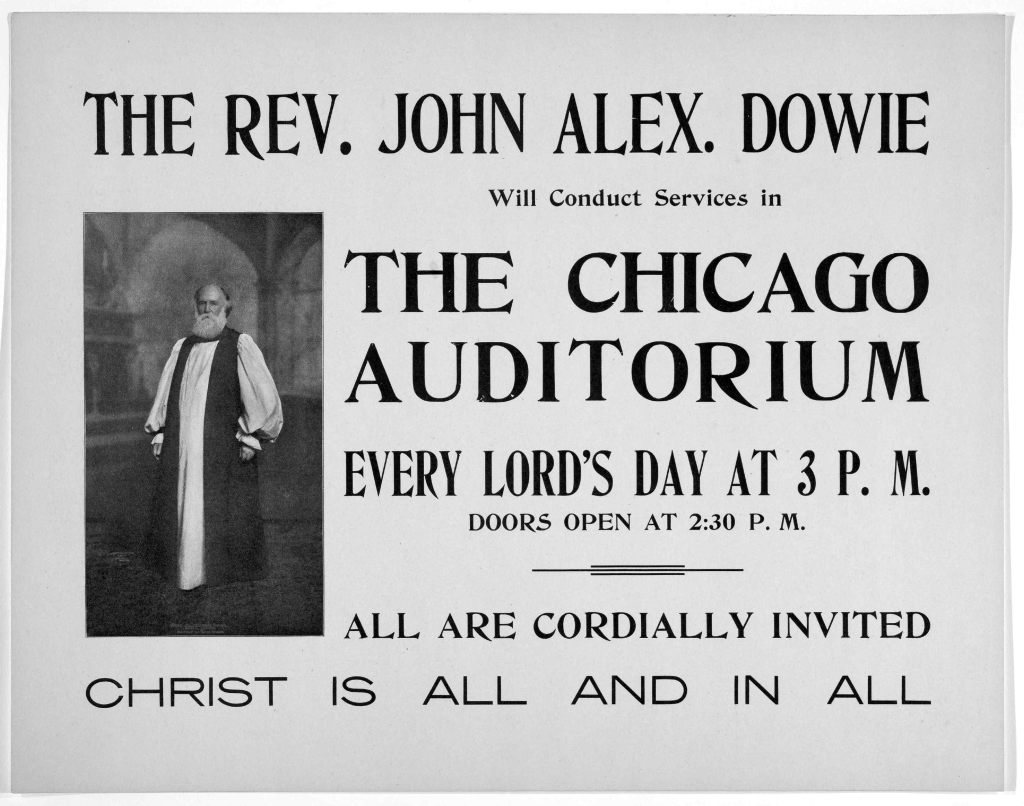

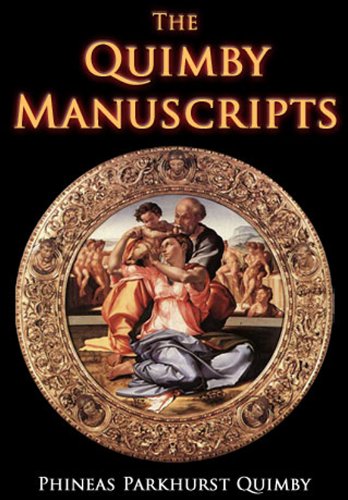

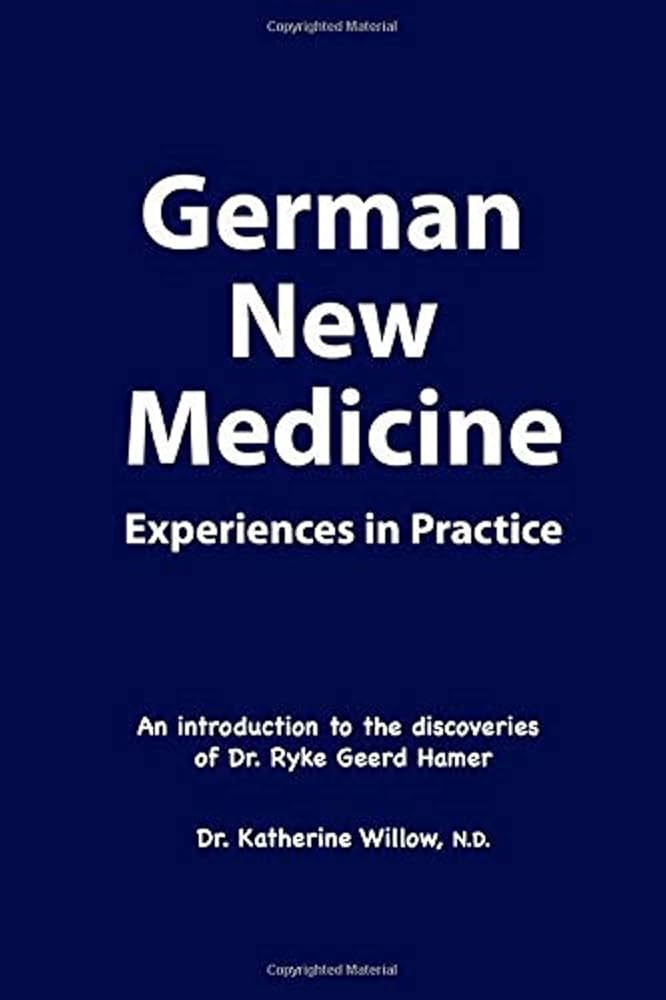
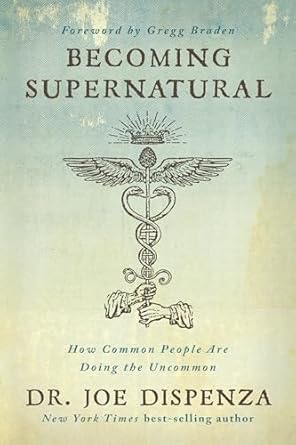





 Taste0ftruth Tuesdays