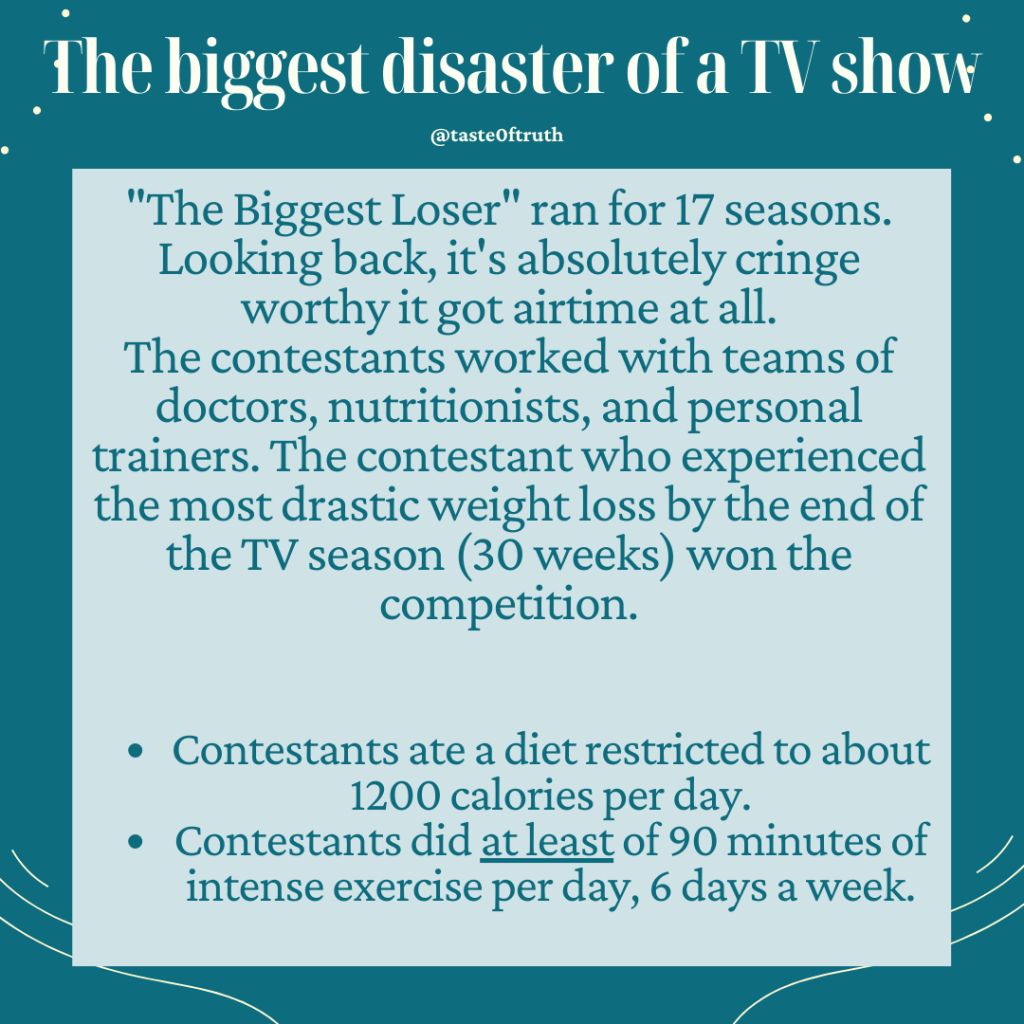
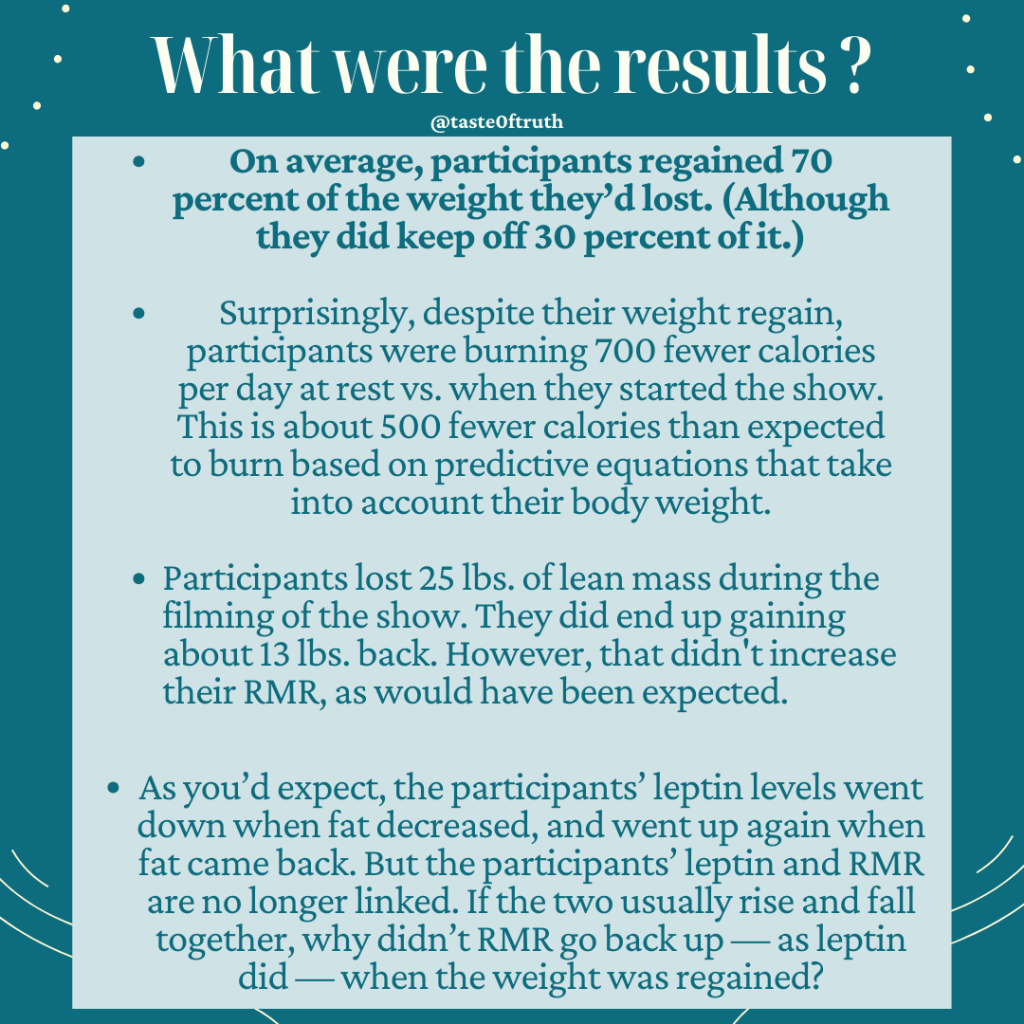
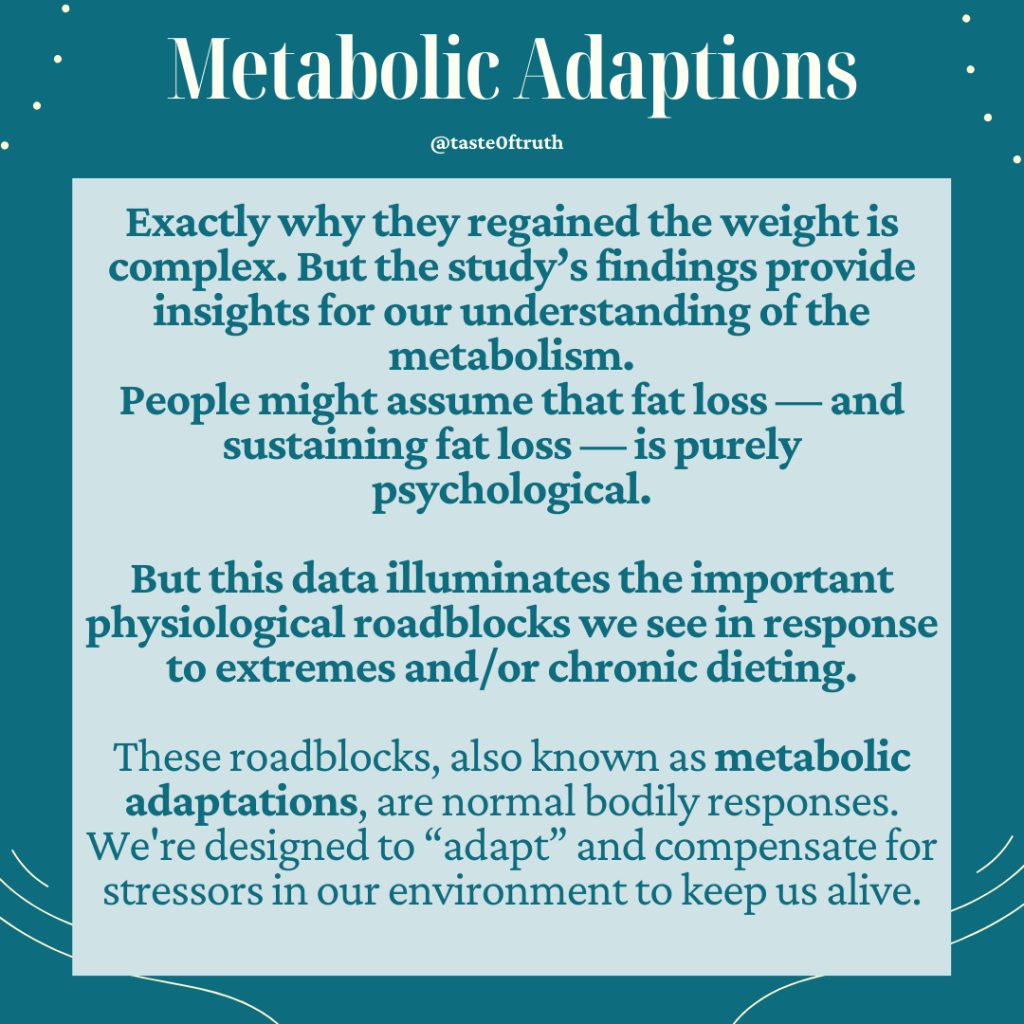
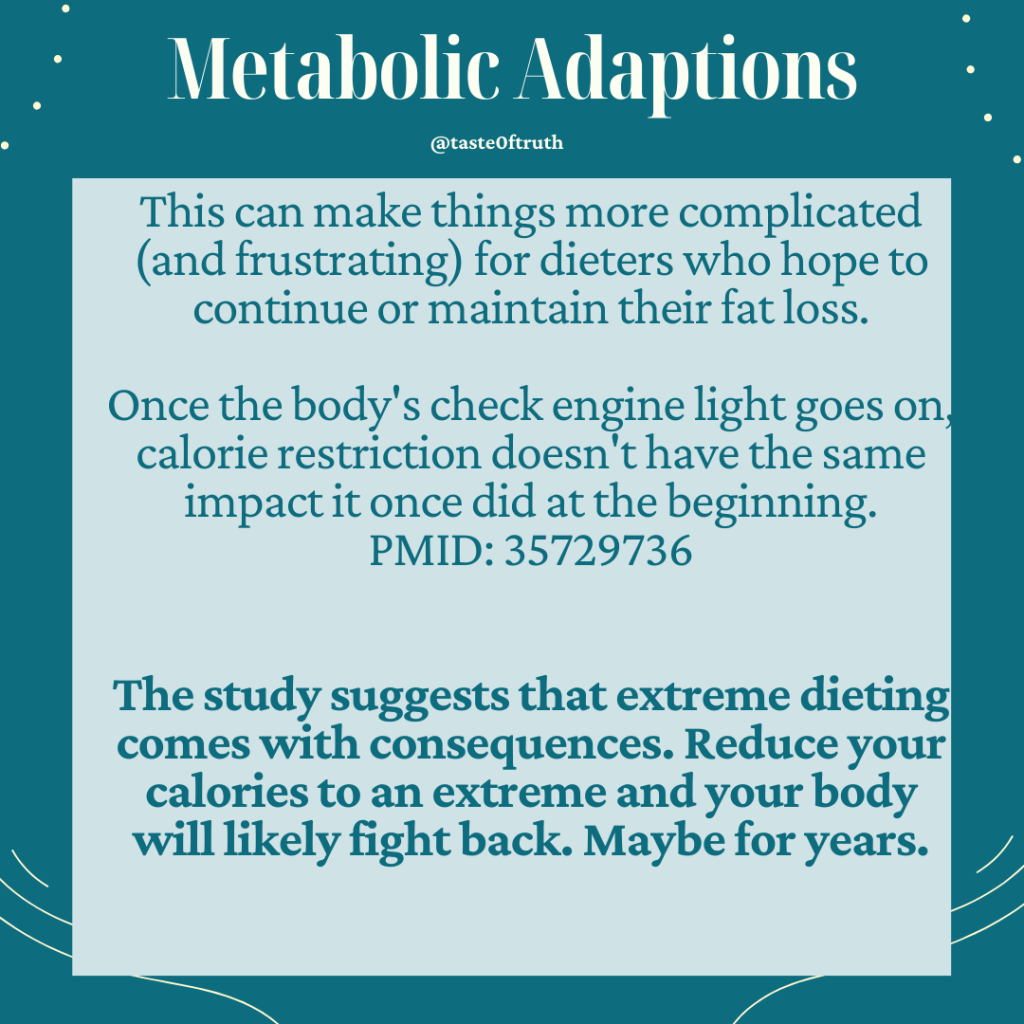
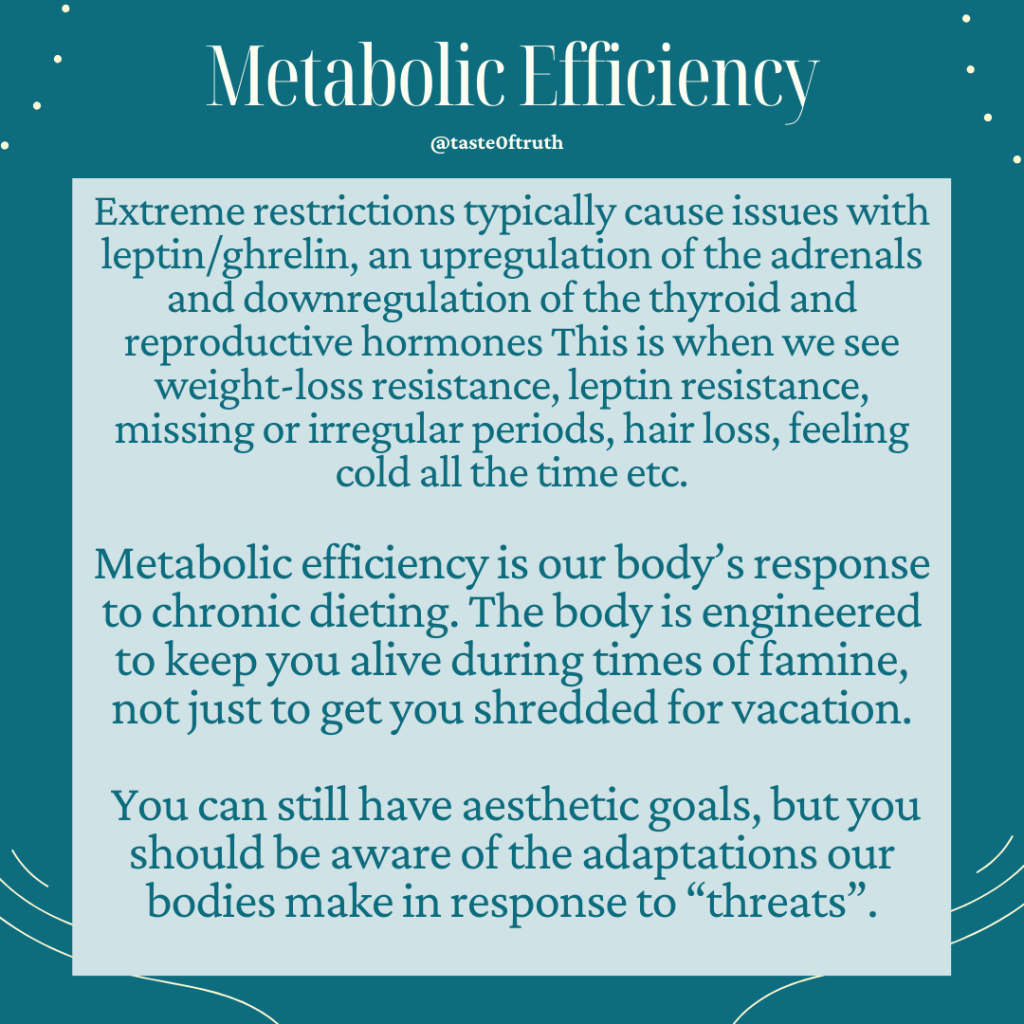
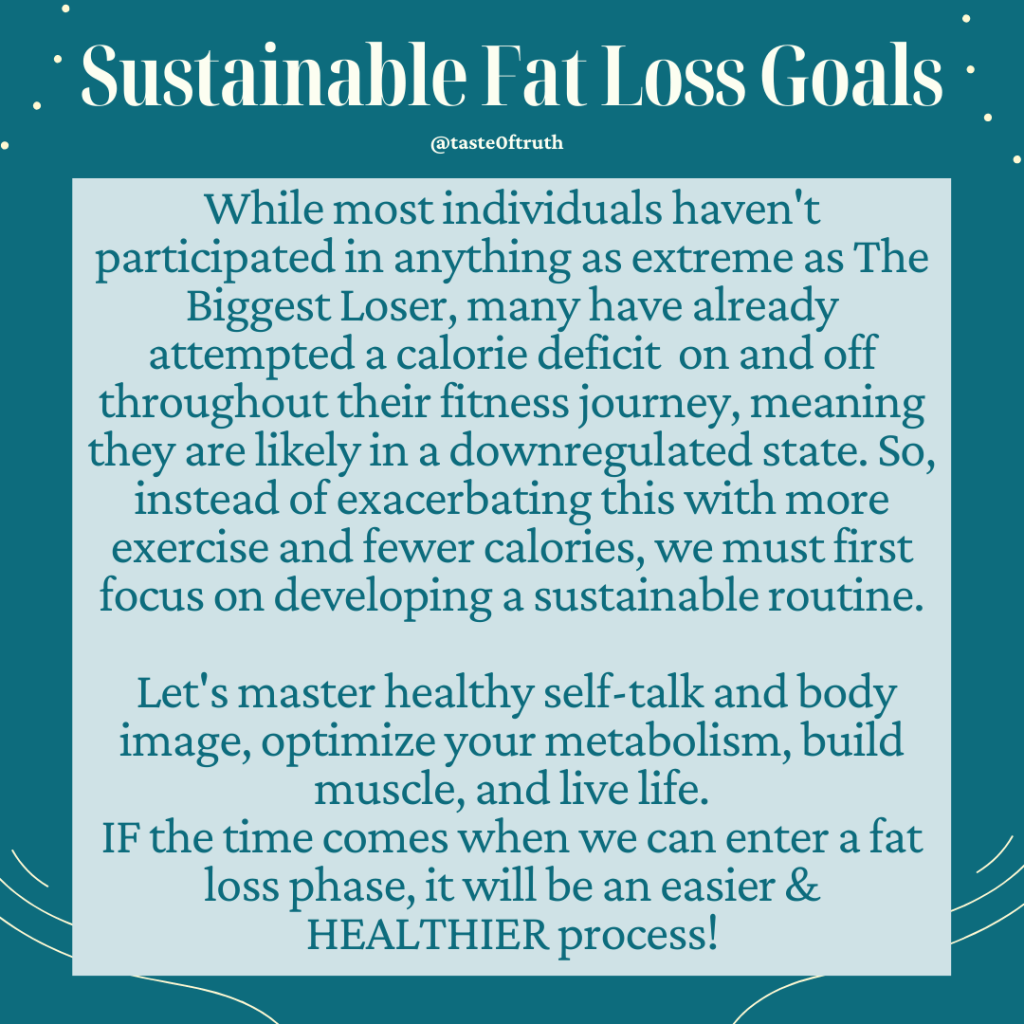
The Biggest Loser Study-The metabolic consequences of extreme dieting & the weight gain rebound effect

🎙️ On this week’s podcast with @chewsfoodwisely, we explore the common question: Is your metabolism broken or adapted? An interesting study that showcases BOTH metabolic adaptation & metabolic efficiency is The Biggest Loser study!


👉🏻SWIPE👉🏻
Our guest, Nicole, a renowned nutrition expert, helps us navigate through the complexities of metabolism and offers insights into understanding how our bodies respond to various factors such as diet, exercise, and lifestyle.

We discuss the differences between a “broken” metabolism and one that has adapted to environmental influences, as well as practical tips for optimizing metabolic health.

Tune in to our latest podcast episode where we’ll be sharing expert insights, tips, and strategies to revitalize your metabolism and get back on track.


Let’s reclaim your health and crush those goals together! 💪🔥

#BrokenMetabolism #FitnessJourney #HealthGoals #biggestloser #weightlossjourney #christianpodcast #christianblogger #faith #faithbasedwellness #wellness #dietculturedropout

What are the signs of spiritual gaslighting?

Gaslighting phrases can unfortunately occur in any context, including within religious communities. Here are some examples of common gaslighting phrases that may be used within church settings:

  • “You’re just being too sensitive.”
  • “That’s not what the Bible says.”
  • “You’re questioning God’s will.”
  • “You’re overreacting.”
  • “You must have misunderstood.”
  • “You’re just seeking attention.”
  • “You’re letting the devil deceive you.”
  • “You need to have more faith.”
  • “You’re not praying hard enough.”
  • “You’re making things up.”
  • “You’re being disobedient to God.”
  • “You’re just looking for excuses.”
  • “You’re being divisive.”
  • “You’re being ungrateful.”
  • “You’re causing problems in the church.”

Gaslighting is one of the most misused tools to shut people down and shut them up. In the church, these gaslighting phrases get overlooked because they sound spiritual. The truth is they are just ways to control people, their actions, and the narrative around abusive behaviors. Jesus listened to hurting people, and we must learn how to listen.

It’s important to recognize and address gaslighting behaviors in any context, including within religious communities, to promote healthy and respectful communication.

Listen to Episode 002 of @church_disrupted where they expose toxic gaslighting phrases & behaviors!

Have you experienced gaslighting within the church before?

🏷️ #church #churchhurt #spiritualjourney #narcissist #acts29 #ihopkc #decontruction #newagetojesus #faith #biblical #spiritualgrowth #acbc #deconstructionist #fundamentalism #gaslightingawareness #gaslightingisabuse #gaslight #toxicbehavior #toxicrelationships #toxic #explorepage #mentalhealthawareness #biblicalmarriage #biblicalwisdom #biblicalfemininity #feminity

The Origins of: Easter Eggs, Easter Candy, & the Easter Bunny

As we step fully into the rhythms of spring—when the world comes alive again, and we see the promise of renewal—many of us are reminded that this season offers us more than just beautiful flowers and longer days. It calls us into deeper reflection, especially for those of us who walk by faith. This is especially poignant during Holy Week.

Yet, there’s an ongoing debate about the origins of Easter, with some arguing that the holiday was not originally established to celebrate religious events but instead has roots in idolatry of ancient pagan traditions, particularly those from Babylonian or European cultures. This question often arises due to the symbols and rituals associated with Easter, such as eggs, rabbits, and the changing dates.

The term “idolatry” is often used to describe the veneration of objects or figures that represent deities, which in some cultures, was part of religious practices. Idolatry, in its broadest sense, refers to excessive devotion to something—whether a person, an object, or an idea—that overshadows or replaces what a culture might view as the source of truth or higher meaning. In modern contexts, we might interpret this as the idolization of self, consumerism, or other desires that consume individuals.

However, the question remains: is Easter linked to ancient pagan rituals, or has it evolved independently as a cultural celebration?

Origins of the Name “Easter”

The connection between Easter and the pagan goddess “Eastre” (or “Oestre”), sometimes cited as the goddess of spring, fertility, and rebirth, has been a widely discussed topic. According to some sources, the name “Easter” is derived from a pre-Christian Anglo-Saxon goddess, Eastre, whose symbol was the hare, associated with fertility. This theory was popularized by the Venerable Bede, an 8th-century historian who mentioned a feast held in honor of Eastre during the spring equinox.

However, there is little archaeological or historical evidence to support the widespread worship of such a goddess. Scholars agree that much of what is said about Eastre or Oostra may be speculative. The first written mention of Eastre comes from Bede, and it’s important to note that even he didn’t claim any clear connection to religious practices beyond naming a month after the goddess.

Moreover, other sources, such as German folklorist Jakob Grimm, suggested a link between the name of Easter and the Germanic word “Ostern” (meaning “east”), a term likely associated with the direction of the sunrise. While this is often associated with pagan traditions, it’s still difficult to prove a direct connection to any specific ritual or belief system.

Symbolism of Easter

Easter symbols such as eggs, rabbits, and springtime motifs are often linked to fertility and renewal, which are common themes in both pagan and later Christian symbolism. The egg, in many ancient cultures, was a symbol of life and rebirth. Early Christians adopted this symbol to represent the resurrection of Christ, and over time, it evolved into the tradition of decorating eggs, which became popular in medieval Europe.

Similarly, the rabbit, associated with fertility due to its rapid reproduction, became a central figure in modern Easter celebrations, especially in Western cultures. These traditions, however, are less about any specific religious belief and more about cultural symbolism that connects with themes of renewal, life, and nature’s cycles.

Easter and Spring Festivals

Throughout history, various cultures have held springtime festivals to mark the arrival of the vernal equinox. For instance, the Babylonian festival of Ishtar, the Roman celebration of Fortuna, and the Greek festivals in honor of Artemis or Diana all took place around the same time of year as Easter. These festivals often involved themes of fertility, growth, and the rejuvenation of nature.

However, while these festivals shared timing with the Christian celebration of Easter, the mere coincidence of dates doesn’t necessarily mean that one holiday was “borrowed” from another. It’s more likely that, like many holidays, Easter was shaped by the existing cultural and agricultural rhythms of the time, which included the natural celebration of spring.

The Etymology of Easter

The shifting date of Easter—often celebrated on the first Sunday after the first full moon following the vernal equinox—has been an area of confusion. Some have linked this to ancient lunar worship, but the Christian determination of the date for Easter was established at the First Council of Nicaea in 325 A.D., based on the timing of the Jewish Passover.

Interestingly, the naming of the days of the week also draws from pre-Christian influences. For example, Thursday is named after the Norse god Thor, and Sunday is named after the Sun, both stemming from pagan traditions. Yet, in modern times, these names no longer carry the same associations for most people. This shows how words and traditions can evolve, losing their original meanings while still carrying significance in their present context.

Modern Easter Celebrations

Today, Easter is a holiday that many associate with family gatherings, candy, egg hunts, and festive meals.

A big part of Easter today is indulging in sweets, particularly chocolates and candy. This tradition has deep historical roots. In medieval Europe, Christians were encouraged to abstain from meat and rich foods during the 40-day period of Lent. This time of fasting and penance was seen as a way to prepare spiritually for the joy of Easter. And when Easter Sunday arrived, it marked the end of the fasting period—and the celebration was often centered around indulging in treats. People would feast on sweets as a way to celebrate the resurrection of Jesus. This tradition of Easter candy continues today as a symbol of both celebration and renewal, a sweet reflection of the joy that comes with the resurrection.

The commercial elements of Easter, such as Easter candy, egg hunts, and the Easter bunny, have deep roots in various cultural traditions that span both pre-Christian and Christian influences. These practices often focus on the themes of fertility, growth, and new beginnings, which align with the natural cycle of the seasons.

Conclusion: Easter in the Modern World

Is Easter a pagan holiday? In a sense, it carries elements from various cultural traditions, some of which date back to pre-Christian times. However, that doesn’t necessarily mean it’s a “pagan” holiday in the strictest sense. Just as the names of the days of the week have evolved and become disconnected from their pagan origins, Easter, too, has evolved into something far more complex than its ancient roots. It is both a celebration of nature’s rebirth and a day of cultural significance, irrespective of its potential connections to ancient rituals.

Ultimately, the meaning of Easter today is shaped by the way people choose to observe it, whether through religious worship, cultural customs, or simply as a time to celebrate the arrival of spring.

Thank you for joining us as we explored the origins of Easter traditions and examined their complex historical and cultural roots.

Are Reformed circles fertile for group think? 🤔

In the book “Winsome Conviction: Disagreeing Without Dividing the Church” by Tim Muehlhoff and Richard Langer, the chapter on “Fellowship or Echo Chamber” explores the tension between fostering genuine fellowship within Christian communities while also confronting the reality of echo chambers-environments where individuals are surrounded by like-minded perspectives, reinforcing their existing beliefs and hindering dialogue with those who hold differing views. This causes the group to minimize conflict and reach a consensus decision without critical evaluation.

The authors argue that while fellowship is essential for building community and unity within the church, it can sometimes lead to echo chambers, where individuals are shielded from diverse perspectives and dissenting voices. This can result in a lack of critical thinking, intellectual growth, and empathy towards those outside one’s own circle.

To address this challenge, the chapter emphasizes the importance of cultivating “winsome conviction”—a posture of engaging with others in a spirit of humility, respect, and openness to differing viewpoints, while still maintaining one’s own convictions. The authors suggest several practical strategies for promoting healthy dialogue and fostering genuine fellowship, including:

  1. Pursuing diverse relationships: Actively seeking out relationships with people who hold different perspectives, backgrounds, and life experiences, both within and outside the church community.
  2. Practicing active listening: Listening attentively to others’ perspectives without immediately jumping to defend or refute one’s own views. This involves empathetically seeking to understand the underlying motivations, values, and concerns of those with whom we disagree.
  3. Engaging in respectful dialogue: Engaging in respectful dialogue with those who hold differing views, avoiding ad hominem attacks, strawman arguments, or dismissive attitudes towards others’ beliefs.
  4. Cultivating intellectual humility: Recognizing the limitations of one’s own knowledge and understanding, and remaining open to the possibility of learning from others, even when they hold opposing views.

Overall, the authors encourage readers to embrace the tension between fellowship and diversity of thought, recognizing that while echo chambers may offer a sense of comfort and security, they ultimately hinder growth, understanding, and genuine fellowship within the church community.

How do you handle navigating echo chambers?

#theology #calvinism #arminianism #theologymatters #reformation #debates #controversial #biblical #doctrine #religion #holyweek #history #groupthink #groupthinking #echochamber

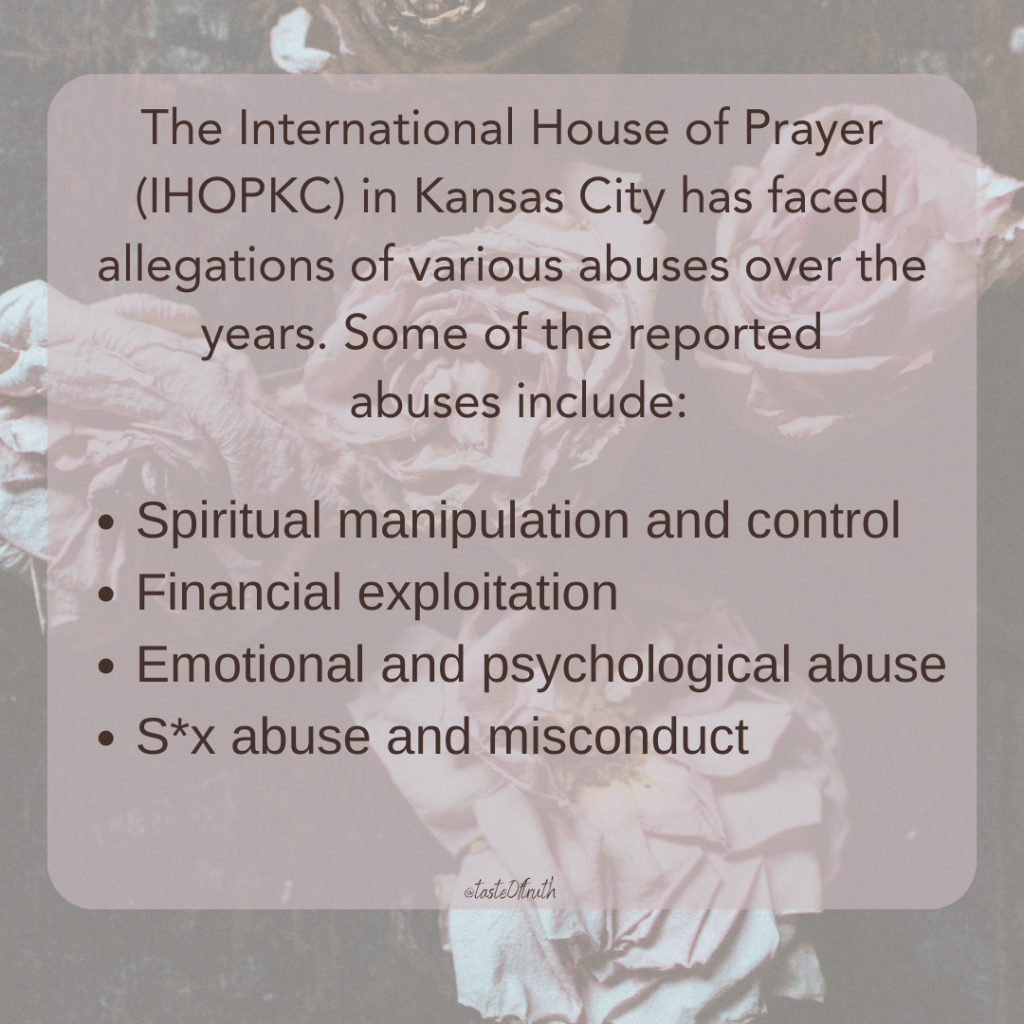
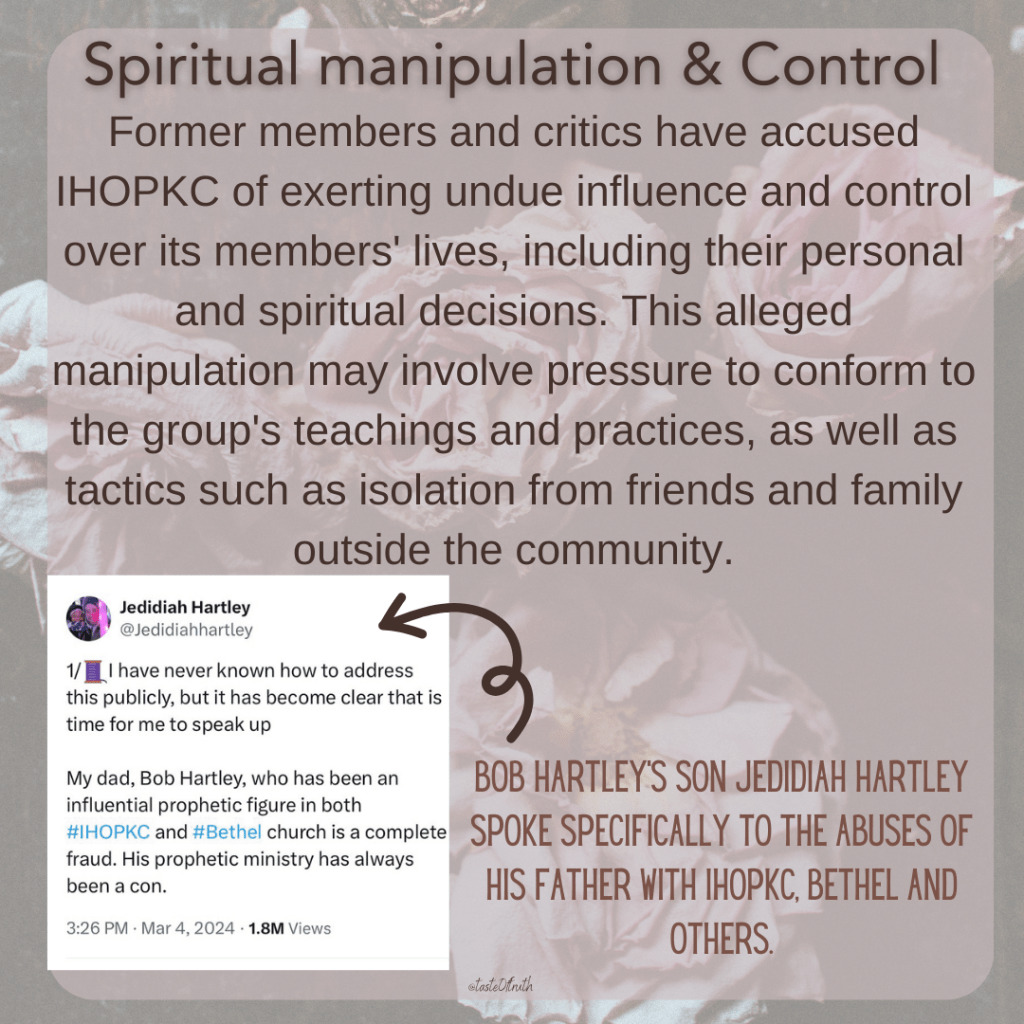
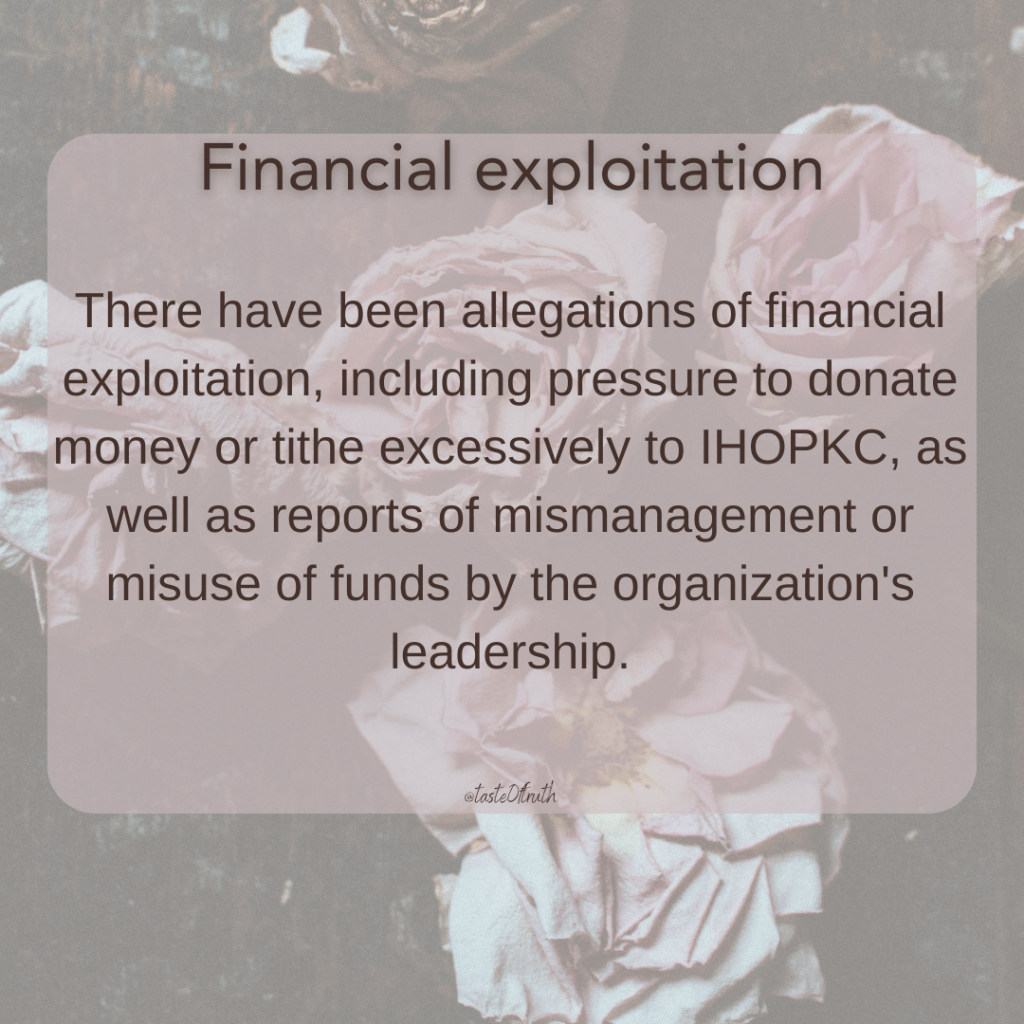
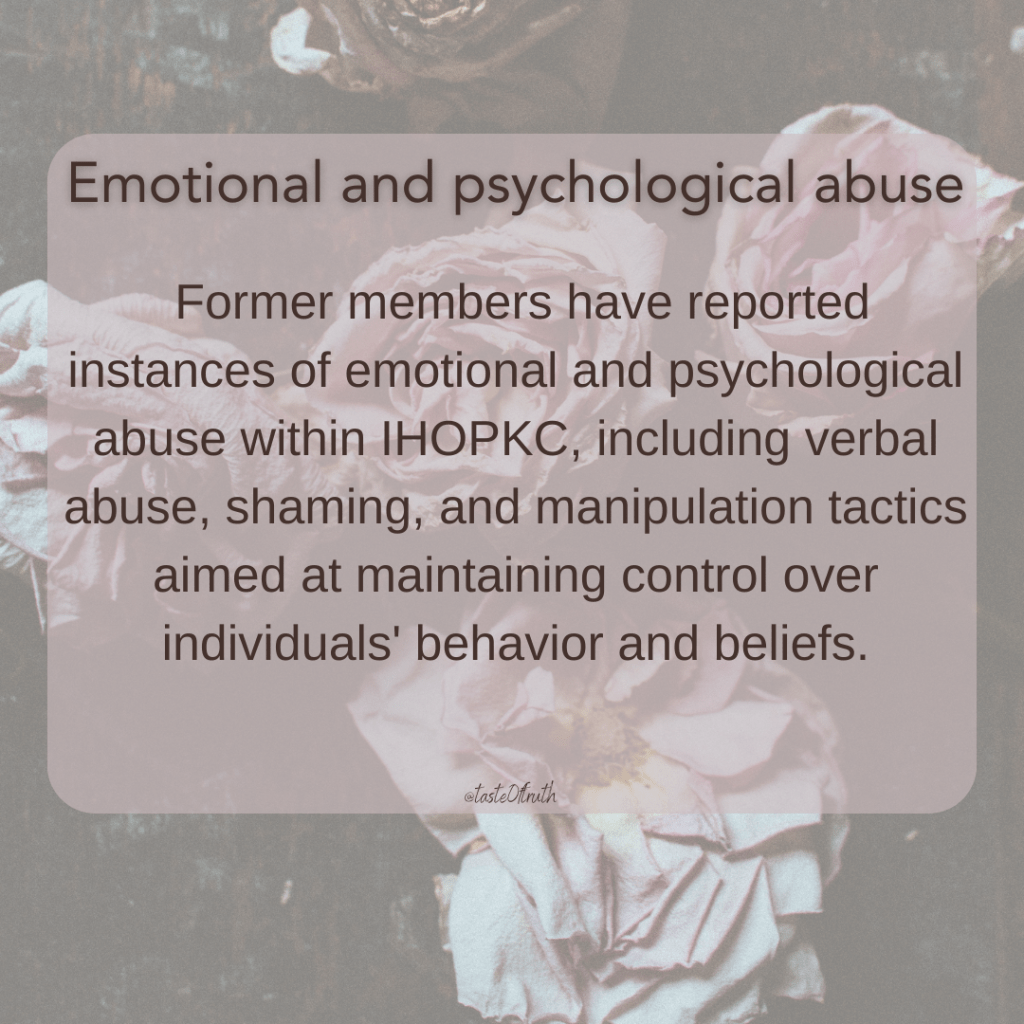
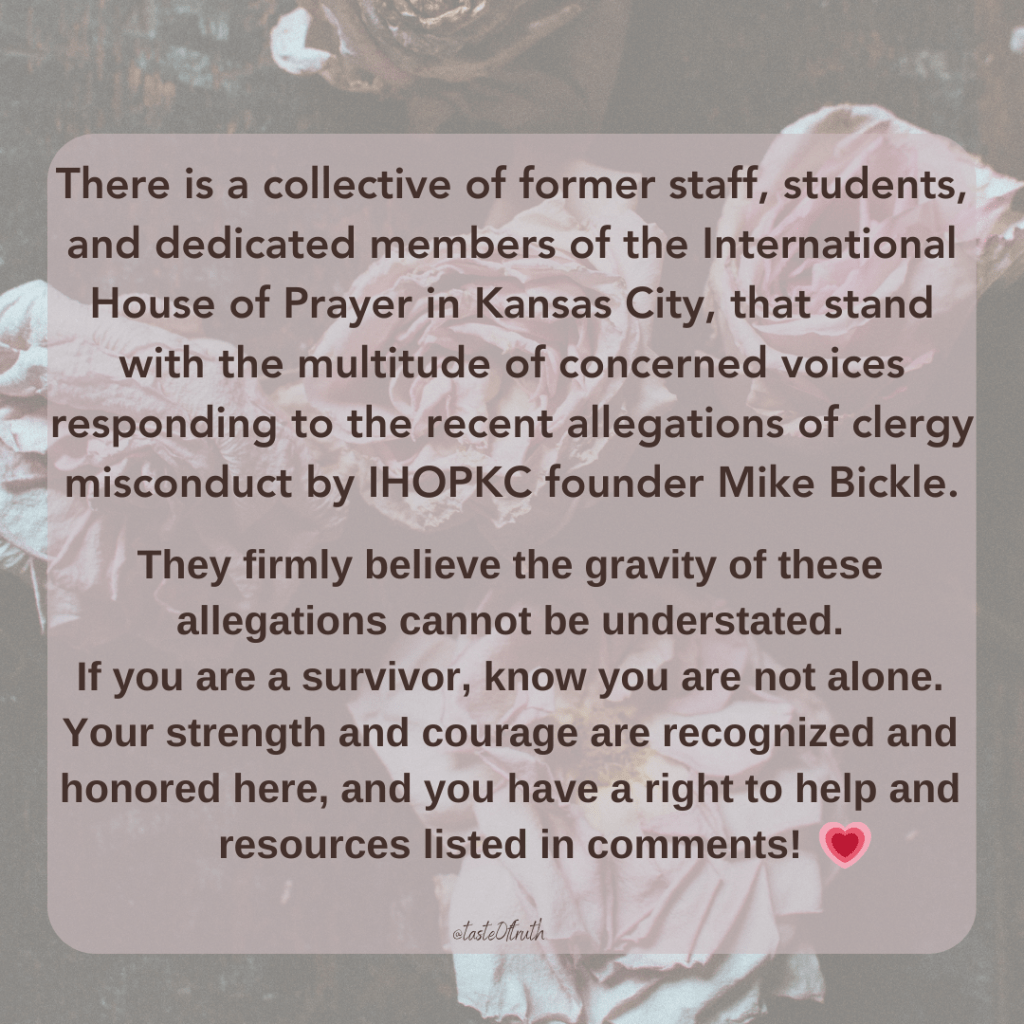
IHOPKC-Manipulation, Deception & Spiritual Harm

🎙️Episode 10 From Falsehood to Freedom: Lessons from a former False Prophetess

This week on the podcast we had Dawn Hill with us who discussed that a HUGE issue with the prophetic prayers and prophetic word movement is the potential for manipulation, deception, and spiritual harm.

I can’t help but to notice the brutal similarities between the approach IHOPKC is taking which is clearly focused on maintaining control and protecting the institution & the scandals within the Grace Community Church & ACBC Biblical/Nouthetic counseling.

If you or anyone you know has experienced abuse or misconduct within IHOPKC or any other religious organization PLEASE be encouraged to seek support, speak out, and report your experiences to appropriate authorities.

SEEK THEN SPEAK – A tool for sexual assault survivors and support people. Visit seekthenspeak.app to fill out a private survey to gather information and consider your next steps.

MOCSA (Metropolitan Organization to Counter S*xual Assault)

Call the crisis hotline at (816) 531-0233 in Missouri or (913) 642-0233 in Kansas.

DRZ Law Call (913) 400-2033 to request a free case evaluation.

BozLaw PA – Now representing victims of IHOPKC
Visit http://www.bozlawpa.com and fill out the form on the website to request a free case evaluation.

International House of Prayer Founder Mike Bickle Accused …… | News & Reporting | Christianity Today

IHOP Prayer Movement Disputes Link to Murder in Religious …… | News & Reporting | Christianity Today

IHOPKC confirms ‘inappropriate behavior,’ announces permanent split with founder Bickle (msn.com)

Woman Says Mike Bickle Used Prophecy to Sexually Abuse Her (julieroys.com)

IHOPKC Stories – A platform to share your stories

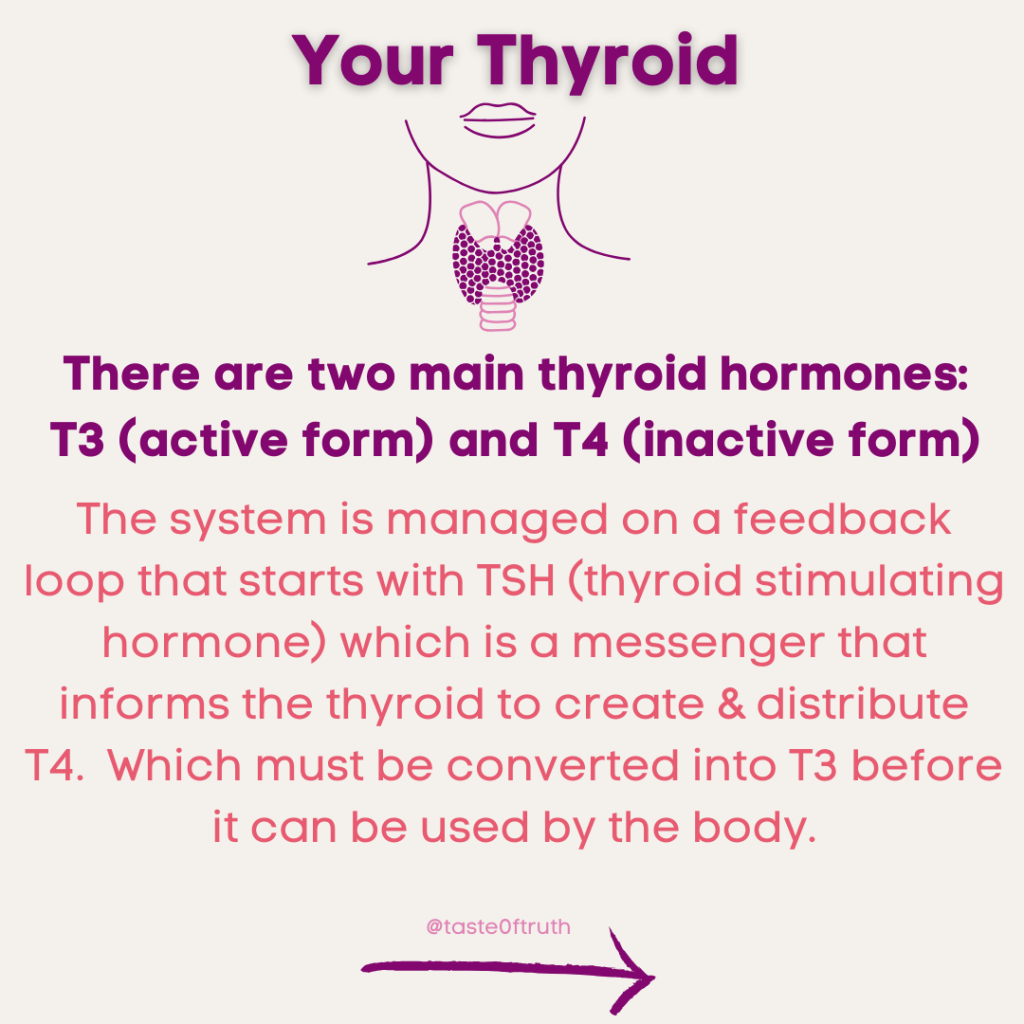
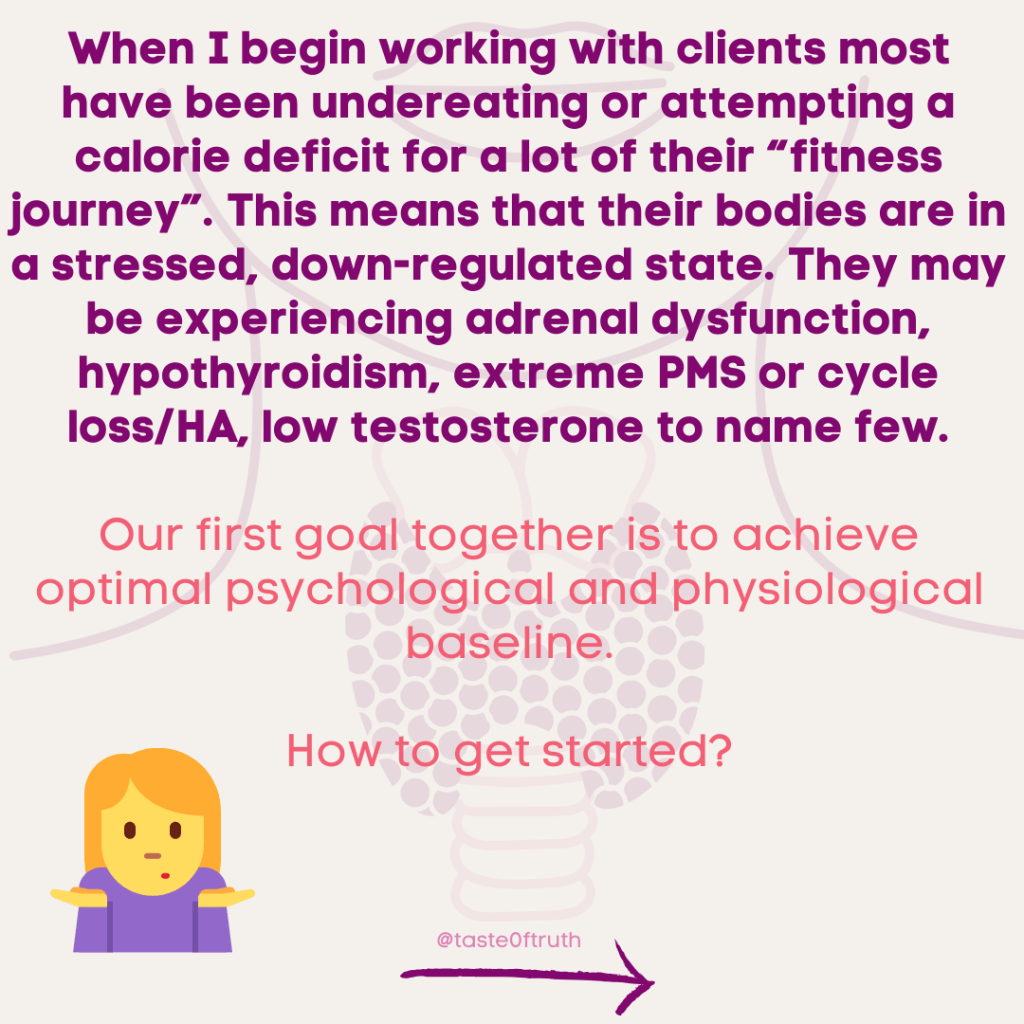
How restrictive dieting impacts your thyroid…

This week on the podcast we are talking about your thyroid which is a 🦋-shaped gland that powers every cell in your body. It sets the pace for your body to function and operate.

👉🏻Swipe 👉🏻 to learn how chronic dieting, under-eating, under-nourishing can lead to impaired thyroid function.

Thyroid health can be so confusing, especially because you don’t need to be diagnosed with a thyroid disorder to suffer from thyroid issues. Hypothyroidism or sluggish thyroid is much more common in women than hyperthyroidism—see symptoms on slide 6.

It’s important to understand that the years of stressors (Like: undernourishment, overexercising, lack of rest, sunlight, constant stimulation, trauma, halogen exposure, etc.) will not disappear overnight.

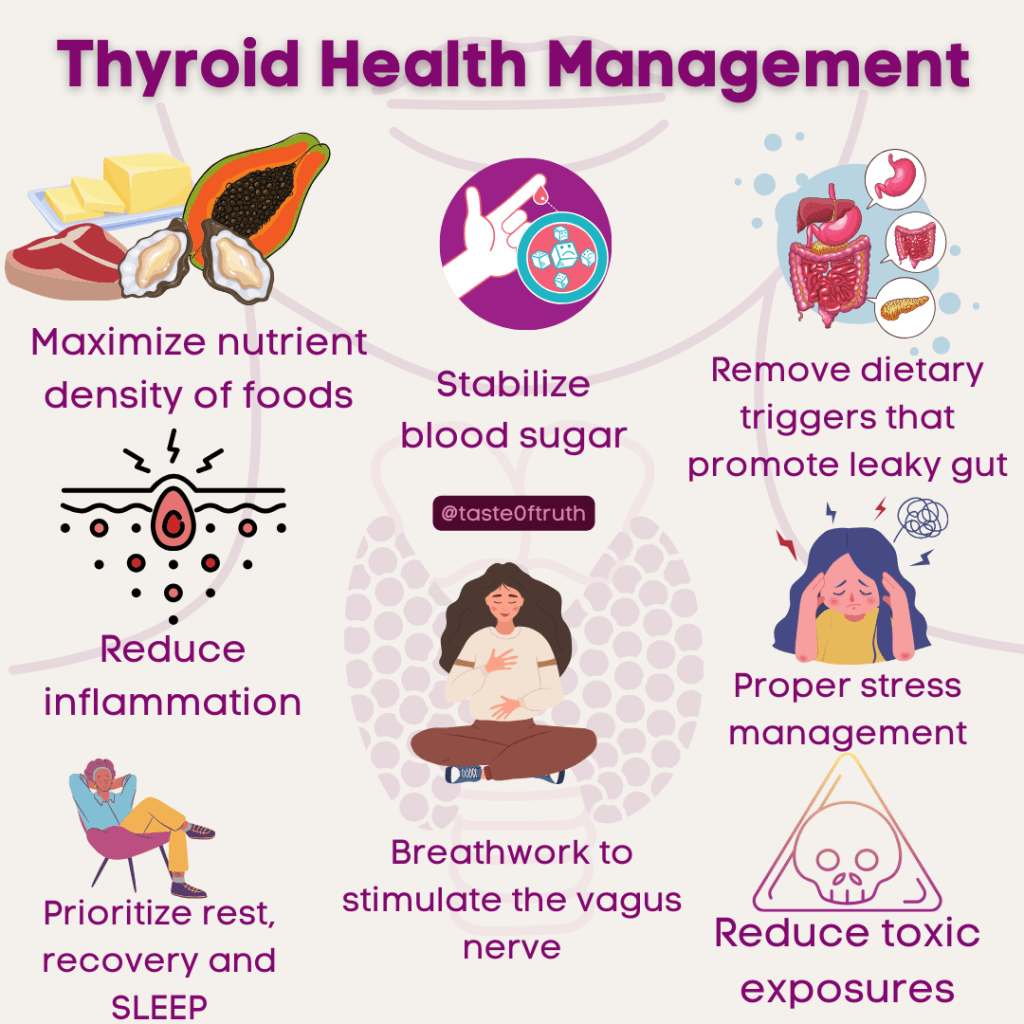
Here are some areas to focus on to bring back balance:

Managing STRESS — Developing positive stress coping mechanisms like: praying, singing, journaling, getting outside, asking for help, breath work, taking a bath, therapy, &hanging with pets. Be sure to prioritize morning and bedtime routines, quality sleep, gentle exercise, and support your circadian rhythm by getting enough natural light (and less blue light exposure).⠀⠀⠀⠀⠀⠀⠀⠀⠀
⠀⠀⠀⠀⠀⠀⠀⠀⠀
NUTRIENTS — Our thyroid requires specific minerals, like Vit. A, iodine, zinc, copper, selenium, etc. to properly function. Focus on nutrient-dense foods like shrimp, organ meats, bone broth, quality dairy, &fresh fruits.⠀⠀⠀⠀⠀⠀⠀⠀⠀
⠀⠀⠀⠀⠀⠀⠀⠀⠀
DIGESTION — We need to properly break down and absorb our food to get the nutrients our thyroid requires. We also need enough stomach acid for a healthy digestive process. Try adding in digestive bitters if you suffer from digestive issues.⠀⠀⠀⠀⠀⠀⠀⠀⠀
⠀⠀⠀⠀⠀⠀⠀⠀⠀
TOXINS — Specific chemicals called halogens (bromine, chlorine, and fluorine) compete with iodine and bind to thyroid receptors, preventing thyroid hormones from working properly. Filtering fluoride and chloride out of your drinking and bath/shower water helps those with thyroid dysfunction.⠀⠀⠀

#onlinepersonaltrainer#onlinefitnesscoach#chronicdieting#hormoneimbalance#womenshealth#strengthtrainingforwomen
#thyroid#thyroidhealth#fitnessjourney#newagetojesus#faith#biblicalwomanhood