The Deceptive Allure of “Before and After” Photos: A Parallel to Spiritual Testimonies

Today, let’s talk about the deceptive allure of “before and after” photos in the fitness industry—and draw a parallel to how spiritual testimonies can also manipulate emotions and perceptions.

The Fitness Industry’s “Before and After” Photos

In the fitness world, “before and after” transformations are marketed as proof of the efficacy of programs and products. These photos promise more than physical change; they sell a narrative of personal triumph over adversity. But behind these glossy images lie often overlooked truths: strategic lighting, posing, and digital enhancements that create an illusion of rapid, effortless transformation. This manipulation plays on our desire for quick fixes and can leave us feeling inadequate when our own progress doesn’t mirror these idealized images.

Many fitness marketers use various tricks to enhance these photos, such as manipulating lighting, posture, and even the time between shots. Sometimes, the “before” photo might be taken in the morning and the “after” photo later the same day, with the person tanned, flexed, and using better lighting. Studies have shown that such photos can significantly influence people’s perceptions and motivations, often leading to unrealistic expectations and disappointment​ (Trainer Josh)​​ (Visual Culture)​.

The Emotional Manipulation of Spiritual Testimonies

Similarly, spiritual testimonies often follow a formulaic structure designed to evoke specific emotional responses. They typically begin with a depiction of a troubled past—perhaps addiction, loss, or despair—followed by a dramatic turning point: a moment of conversion or spiritual awakening. These stories, while often sincere, can omit the complexities and doubts that accompany genuine spiritual journeys. They paint a picture of faith that is pristine and unwavering, reinforcing the belief that divine intervention leads to miraculous change.

I’m eager to explore a phenomenon that emerged in Summer 2022: “Not So Secret Societies.” This podcast intertwined QAnon conspiracies with Christianity, making waves in spiritual communities. One of the hosts, Kara, bravely shared her testimony of converting from New Age spirituality, where she encountered spirits as a medium. Her journey to embracing Jesus was emotional, filled with tears, and profoundly impactful. Many of us listening felt convicted, realizing the spiritual implications and our own paths.

Join me as we unpack these complex intersections and reflect on the profound shifts in belief and perception. Let’s delve into how narratives on social media can reshape worldviews and influence personal journeys.

Understanding the Emotional Impact

Kara’s testimony likely resonated deeply due to its emotional narrative of spiritual transformation—from New Age spirituality to Christianity. Testimonies often appeal to emotions and personal experiences, making them powerful tools for persuasion. Stories like this appeal to emotions by highlighting profound experiences and struggles, which can resonate deeply with listeners seeking meaning or spiritual fulfillment.

The narrative of converting from New Age beliefs, where spiritual entities are often seen positively or neutrally, to Christianity, where demons are viewed as real and malevolent, creates a stark contrast. This binary worldview can lead listeners to feel they must choose between good (Jesus) and evil (Satan).

Joining a group like Not-So-Secret Societies, which merges QAnon conspiracy theories with Christianity, can create a sense of belonging and purpose. Kara’s testimony might have reinforced group identity by framing her conversion as a rejection of perceived darkness and alignment with a community of light-bearers.

Psychological Mechanisms at Play

Cognitive Dissonance: Kara’s story may have triggered cognitive dissonance in listeners who resonated with her previous beliefs in New Age spirituality. This discomfort can drive individuals to align with her new perspective on Christianity to resolve conflicting beliefs.

Confirmation Bias: Listeners may selectively interpret information that supports Kara’s narrative, reinforcing their own beliefs while discounting contradictory evidence.

Psychological Vulnerabilities and Exploitation

Vulnerabilities in Seekers:

  • Existential Uncertainty: Many individuals experience periods of questioning and uncertainty about life’s meaning and their place in the world. Narratives like Kara’s offer a clear path and sense of purpose, which can be appealing during times of existential crisis.
  • Emotional Needs: Feelings of loneliness, isolation, or a lack of community drive individuals to seek belonging and acceptance. Conversion stories often promise a supportive community and emotional fulfillment.
  • Desire for Spiritual Fulfillment: Some seekers may feel spiritually unfulfilled or disconnected from their current beliefs, prompting them to explore alternative spiritual paths that offer a deeper sense of connection or transcendence.

Exploitation by Manipulative Tactics:

  • Emotional Manipulation: Conversion narratives often leverage emotional storytelling to evoke sympathy, empathy, or fear. By presenting a dramatic transformation from darkness to light, storytellers appeal to listeners’ emotions and foster a sense of urgency to follow suit.
  • Fear-Based Messaging: Some narratives use fear tactics, suggesting dire consequences for not embracing the presented belief system. This can create a sense of vulnerability and heighten the perceived importance of making a decision.
  • Promises of Belonging and Acceptance: Groups like Not So Secret Societies capitalize on the human need for community by promising acceptance and belonging to those who adopt their beliefs. This can be particularly compelling for individuals who feel marginalized or disconnected from mainstream society.

Recognizing Manipulative Tactics

Selective Storytelling: Narratives like Kara’s often present a selective portrayal of personal experiences to support a specific worldview. Encourage listeners to look for missing perspectives or contradictory evidence that may be omitted.

Appeals to Emotion: Emotional appeals can cloud judgment and hinder rational decision-making. By recognizing emotional manipulation tactics, individuals can maintain objectivity and evaluate information more critically.

Community and Identity Formation

Joining groups like Not So Secret Societies offers a sense of belonging and community based on shared beliefs and experiences. Kara’s story likely strengthened group identity by framing her conversion as a move towards spiritual enlightenment and away from perceived darkness.

Exploring the Broader Implications

Social Media’s Role in Recruitment: Podcasts and social media platforms amplify narratives like Kara’s, reaching a wide audience quickly and effectively. Algorithms and sharing mechanisms on platforms can contribute to the virality of compelling stories, enhancing their influence. Online communities, including those blending conspiracy theories with spirituality, create echo chambers where members reinforce each other’s beliefs. Exposure to consistent messaging can solidify beliefs and increase susceptibility to ideological conformity.

Ethical and Moral Dimensions: Consider the ethical implications of blending religious conversion narratives with conspiracy theories. How do these narratives shape individuals’ perceptions of reality and influence their behaviors? Combining religious conversion narratives with conspiracy theories raises ethical concerns about misinformation, manipulation, and the impact on individual autonomy. It prompts discussions about the responsibilities of content creators and platforms in promoting critical thinking and fact-checking.

Cultural and Societal Context

Cultural Shifts and Crisis Narratives: Consider how broader cultural shifts, such as societal crises or rapid technological changes, contribute to the appeal of narratives that promise clarity and certainty in uncertain times.

  • Societal Instability: During periods of societal upheaval or rapid change, individuals may seek stability and certainty in their beliefs. Conversion narratives that promise clarity and moral absolutes can provide a sense of security amid uncertainty.
  • Technological Advancements: The rise of social media and digital communication platforms has democratized information dissemination but also facilitated the rapid spread of ideological content. Narratives can gain traction quickly and reach a global audience almost instantly.

Historical Precedents:

  • Religious Revivals: Throughout history, religious revivals and spiritual movements have often been sparked by charismatic leaders or compelling testimonies of personal transformation. These movements have shaped public discourse and influenced societal norms.
  • Political and Social Movements: Ideological movements, whether religious, political, or cultural, have historically used persuasive narratives to mobilize followers and challenge existing social structures. Understanding historical parallels can provide insights into current trends.

Media Literacy and Critical Thinking

Promoting Media Literacy:

  • Fact-Checking and Source Evaluation: Encourage listeners to critically evaluate the credibility of sources and information presented online. Teaching fact-checking skills empowers individuals to distinguish between reliable information and misinformation.
  • Questioning Assumptions: Emphasize the importance of questioning assumptions and biases when consuming media. Critical thinking involves examining underlying motivations and potential agendas behind persuasive narratives.

Long-term Impacts and Responsibilities

Impact on Individual Beliefs:

  • Worldview and Identity Formation: Exposure to persuasive narratives can shape individuals’ beliefs and identities over time. Conversion stories may influence how individuals perceive themselves and their place in society, impacting their values and behaviors.
  • Psychological Well-being: Consider the potential psychological effects of adopting new belief systems based on persuasive narratives. Individuals may experience cognitive dissonance or emotional distress if their beliefs conflict with their previous worldview.

Responsibilities of Content Creators:

  • Ethical Guidelines: Content creators, influencers, and platforms have a responsibility to uphold ethical standards in content creation and dissemination. This includes transparency about sources, avoiding misleading or exaggerated claims, and respecting the diversity of beliefs and perspectives.
  • Promoting Critical Awareness: Encourage content creators to promote critical awareness among their audiences. This involves fostering open dialogue, encouraging respectful debate, and acknowledging the complexity of social and ideological issues.

Conclusion and Call to Action

Encouraging Dialogue:

  • Open Discussion: Foster open dialogue among listeners about the impact of persuasive narratives and the role of social media in shaping beliefs. Encourage respectful debate and exchange of ideas across ideological divides.
  • Community Engagement: Promote community engagement as a means of supporting individuals who may be questioning or reevaluating their beliefs. Provide resources for further exploration and encourage listeners to seek diverse perspectives.

Personal Reflection:

  • Critical Self-reflection: Spend time thinking of your own susceptibility to persuasive narratives and ideological influences. Encourage them to cultivate critical thinking skills and


The Crunchy-to-Alt-Right Pipeline: from Wellness to Extremism

Have you noticed the growing social trend of people shifting from Crunchy hippie New Age lifestyles to Jesus testimonies that embrace “far-right” ideologies?

It’s a phenomenon influenced by social media algorithms and influencers who blend wellness with conspiracy theories and extreme views. What starts as an interest in sourdough baking and herbal remedies can subtly transition into something much darker.

Understanding the Trad Wife and Stay-at-Home Girlfriend Movements

Enter the Trad Wife and Stay-at-Home Girlfriend movements—cultural trends advocating for traditional gender roles within relationships. Followers prioritize homemaking, submission to husbands, and nurturing domestic skills. This blends with the Crunchy-to-Alt-Right Pipeline when online narratives blend wellness with conservative ideologies, portraying traditional roles as spiritual ideals.

Motivations Behind the Movements

  • Embracing Traditional Values: Supporters cite a desire to uphold stability and family roles, believing in the importance of creating a nurturing home environment and supporting their partners as leaders of the household.
  • Rejecting Modern Feminism: Many view modern feminism as anti-family and undermining traditional values, preferring roles they see as empowering and fulfilling.
  • Cultural and Religious Influences: Some view traditional roles as rooted in religious teachings or cultural heritage, finding validation in communities that promote these values.

Fear Tactics and Cultural Influences

Fear tactics are prevalent in online content that combines wellness with extreme ideologies. These tactics manipulate users into adopting the group’s beliefs by promoting fear of worldly dangers, apocalyptic scenarios, or spiritual consequences. Narratives within the “culture wars” often lead to anti-LGB and anti-feminist sentiments. Influencers may use fear of societal collapse or moral decay to urge followers toward conservative values, portraying them as a defense against perceived threats to traditional lifestyles.

Historical Precedents: Satanic Panic and Moral Panics

Historically, movements like the “Satanic Panic” in the 1980s and ’90s stoked fears of occult influences on children and communities, leading to widespread moral panic. Similarly, today’s online narratives can exaggerate or fabricate threats to bolster ideological adherence. The fear of cultural shifts fuels narratives that paint progressive changes as morally corrupt or spiritually dangerous.

Example: Evangelical Fears and Pop Culture

  • Harry Potter and Witchcraft: Some evangelical groups viewed the portrayal of magic and witchcraft as promoting occult practices, leading to book bans.
  • Rock and Roll Music: Evangelical circles have long feared the influence of rock music on youth, believing it promotes rebellion and anti-Christian values.
  • Celebrity Influence: Figures like Taylor Swift and Lady Gaga have been scrutinized for their perceived impact on moral standards.

Navigating Complexity

While these movements resonate with some as empowering choices, they also perpetuate outdated stereotypes and limit opportunities for autonomy outside traditional roles. Some narratives oversimplify complex societal issues, promoting a binary worldview of good versus evil.

This is where feminism itself has struggled. Historically, these structures were tangible—laws barring women from owning property, restrictions on voting, and economic barriers that kept women dependent. But second-wave feminism reframed ‘The Patriarchy’ as an omnipresent force embedded in culture, language, and even subconscious bias. This shift transformed a real set of historical inequalities into an abstract, ever-elusive boogeyman, ensuring that the fight against it could never truly end. Like a mirage that recedes as you approach it, the all-encompassing Patriarchy has become both the enemy feminism battles and the foundation it stands on. To abolish it would collapse the movement’s very purpose.

It’s essential to critically evaluate these narratives—both the reactionary push toward traditionalism and the ideological traps within feminism itself—and consider their broader implications on personal beliefs and societal attitudes.

Personal Reflections: Manipulation and Belonging

I remember the day I was first drawn into evangelical Christianity. It wasn’t through logic or a carefully reasoned argument; it was through the power of a story—a testimony, to be exact. The speaker shared a dramatic tale of transformation, from the depths of despair into the light of salvation. Her voice trembled with emotion, and tears glistened in her eyes as she described the overwhelming peace she found in Christ. I was captivated. It wasn’t just a story; it was a call, a plea for me to experience the same miraculous change.

The manipulation was subtle but powerful. Fear played a significant role. I was warned of the dire consequences of rejecting this path, of the eternal damnation that awaited those who turned away. This fear was not just for my soul but for my life here and now. I was told that without Jesus, I would continue to live in confusion, loneliness, and despair.

What made it all the more compelling was the promise of belonging. I had always felt somewhat out of place, disconnected from those around me. But here was a community that promised acceptance, a family where I would always belong.

The concept of biblical femininity and submission was introduced as a path to fulfillment, as a way to finally fit into a role designed specifically for me by God.

My Experience with These Ideologies

Critically evaluating these narratives is crucial, as these teachings can profoundly shape personal beliefs and broader societal attitudes. I was involved in a biblical counseling program that reinforced a system of patriarchal control, stifling my autonomy and presenting a distorted view of marriage and gender roles.

One of the most telling moments was when I encountered an excerpt from The Excellent Wife by Martha Peace in one of the workbooks. The list of expectations outlined for a wife to “glorify” her husband was staggering and disempowering. It included directives like:

  1. Organizing cleaning, grocery shopping, laundry, and cooking while fulfilling your “God-given responsibility” so that your husband is free to focus on his work.
  2. Saving some of your energy every day for him.
  3. Prioritizing your husband above children, parents, friends, jobs, Bible studies, etc., and rearranging your schedule whenever necessary to meet his needs.
  4. Speaking positively about him to others and never slandering him—even if what you’re saying is true.
  5. Doing whatever you can to make him look good, from running errands to helping accomplish his goals, while never taking offense if he chooses not to use your suggestions.
  6. Considering his work, goals, hobbies, and religious duties more important than your own.

These expectations weren’t just fringe ideas—they were central to the teachings of Biblical Counseling, widely embraced within the Southern Baptist Convention and many non-denominational churches. What I experienced wasn’t just about a partnership; it was about submission—unquestioning and absolute. The woman’s role was essentially to serve her husband’s needs and desires, no matter the cost to her own identity or autonomy.

But perhaps one of the most chilling aspects of this program was a statement that underscored the complete denial of personal rights. The workbook stated that humble people have “no rights” in Christ—only responsibilities. It referenced Philippians 2:3-8 to justify this perspective.

Don’t be selfish; don’t try to impress others. Be humble, thinking of others as better than yourselves. Don’t look out only for your own interests, but take an interest in others, too. You must have the same attitude that Christ Jesus had.

The workbook then presented a list of “rights” that were seen as sinful or selfish to claim in this context. Some of the rights included:

  • The right to control personal belongings
  • The right to privacy
  • The right to express personal opinions
  • The right to earn and use money
  • The right to plan your own schedule
  • The right to respect
  • The right to be married, protected, appreciated, desired, and treated fairly
  • The right to travel, to have a good education, to be beautiful

There were over thirty items on this list. This wasn’t just a list of personal sacrifices; it was a grooming tool that laid the groundwork for further abuse and manipulation under the guise of spiritual obedience.

These teachings were not about partnership, love, or mutual respect. They were about control, and they left no room for the dignity and rights of individuals, especially women.

If you want to dive deeper into the power dynamics at play in these teachings, I highly recommend listening to this podcast that breaks down the power play behind these ideologies.

But now looking back, I realize how these tactics exploited my vulnerabilities. The emotional manipulation, the fear-based messaging, and the promise of belonging were all tools used to mold me into someone I wasn’t. They weren’t concerned with my true self; they wanted to shape me into their image of the ideal Christian woman—submissive, obedient, and unquestioning.

What’s more disturbing is how these tactics aren’t unique to evangelical Christianity. Similar strategies are employed in other religions, such as Islam. Many converts are recruited through an overwhelming outpouring of love and acceptance, only to later face pressure to conform to rigid gender roles. The promise of belonging is intoxicating, but the cost is often self-erasure.

Let’s Discuss

Have you observed these dynamics in your online experiences? What are your thoughts on their impact on societal norms? Today’s ‘trad wife’ movement glamorizes the mid-century housewife as a personal choice, not a submissive trap. But let’s be realthis nostalgic comeback to the “traditional” family structure is less about empowerment and more about rolling back progress, cherry-picking conservative values to fit a romanticized, idealized narrative. It’s a version of the past that overlooks the very real inequalities and limitations that many women endured under patriarchal structures. As Louise Perry discusses in her work, there’s a dangerous tendency to romanticize past roles, casting them as noble sacrifices or natural ways of life—while glossing over the inherent power imbalances that were so often hidden behind closed doors.

The truth is, these ideologies (whether cloaked in the guise of spirituality or conservative family values) are rooted in a desire to control, to limit autonomy, and to restrict freedom in the name of “order” or “biblical truth.” When we look back at the nuclear family ideal, it’s crucial to acknowledge that this vision does not have to be a patriarchal prison. It can be a partnership, a shared responsibility, and a structure that values mutual respect, autonomy, and equality.

What do you think? Is the push for the traditional family about a return to a healthier, more balanced dynamic? Or is it about pushing women back into a box of obedience and subjugation, all while selling us a narrative that it’s what’s best for everyone involved? Or is there a middle ground here?


Understanding this pipeline is essential for recognizing how seemingly unrelated interests in wellness and spirituality can be co-opted by extremist ideologies. It highlights the need for vigilance and critical thinking in online spaces, as well as the importance of promoting credible information and fostering inclusive communities. For more detailed discussions on this topic, you can refer to articles from sources like the Virginia Review of Politics and Cross Cultural Solidarity​ (Virginia Review of Politics)​​ (Cross Cultural Solidarity)​.

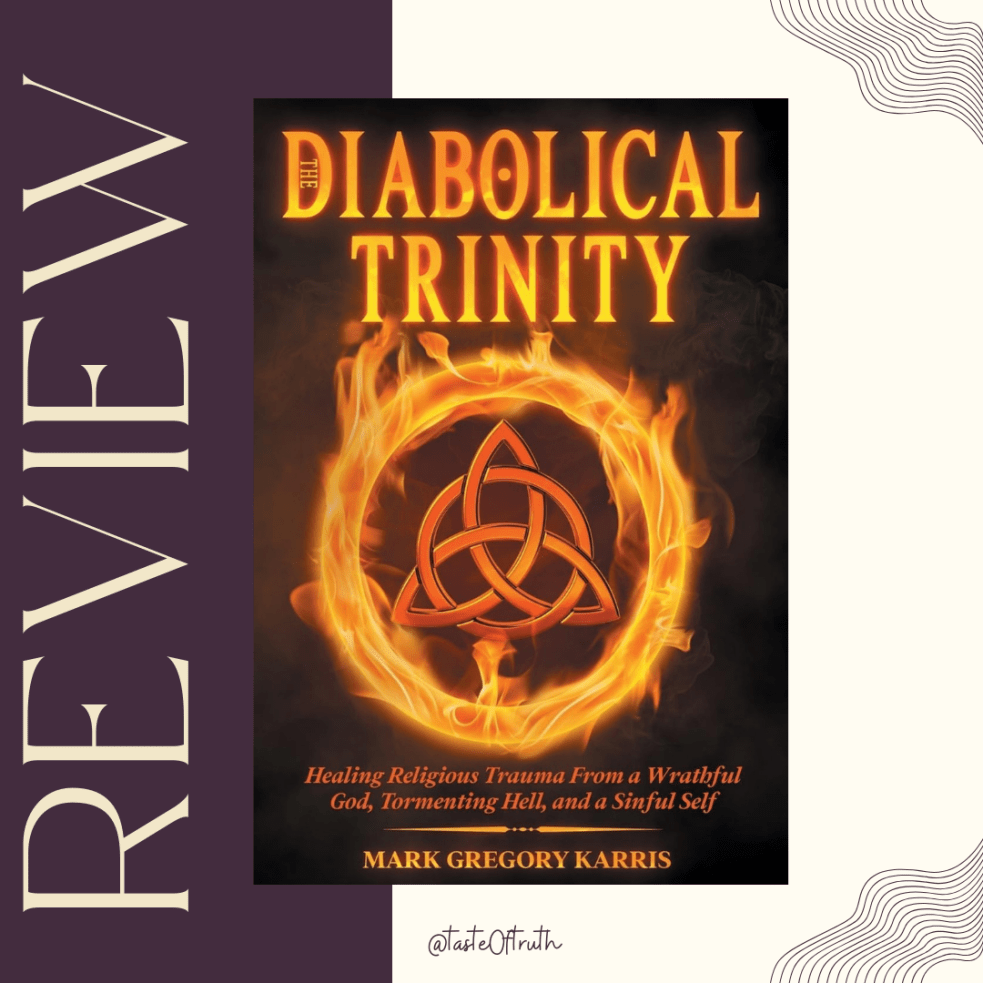
Empower Your Healing Journey: The Diabolical Trinity Book Review

🌟 Book Review Alert! 🌟 This week’s podcast guest, Dr. Mark Gregory Karris, dives deep into religious trauma with his eye-opening book, “The Diabolical Trinity: Healing Religious Trauma from Original Sin, a Wrathful God, and Tormenting Hell.” 📚✨

Struggling with the remnants of religious fear and guilt? Dr. Karris’s insights are a game-changer. Swipe ➡️ to uncover why this book is a must-read for anyone on a healing journey.

Don’t miss our discussion on the podcast—catch up now before the next episode drops! 🎧💬

Tune in, transform, and take back your peace. 🙌

Listen here! 🎧

Dr. Mark Gregory Karris’s “The Diabolical Trinity: Healing Religious Trauma from a Wrathful God, Tormenting Hell, and Sinful Self” is a groundbreaking exploration of the psychological and emotional toll of harmful religious doctrines. Drawing from his extensive experience as a licensed therapist and ordained pastor, Karris skillfully dissects the “Diabolical Trinity”—the doctrines of a wrathful God, eternal torment in hell, and pervasive self-condemnation.

A Fresh Perspective on Religious Trauma

Dr. Mark’s has a compassionate and insightful approach to a topic often shrouded in silence and stigma. His work is praised for providing a fresh perspective on religious trauma, moving beyond mere critique to offer tangible steps toward healing. Karris’s ability to blend scholarly rigor with heartfelt empathy makes the book accessible to both academic and general audiences.

Empowering & Transformative

One of the most celebrated aspects of “The Diabolical Trinity” is Karris’s focus on empowerment. Critics have highlighted how the book not only identifies the sources of trauma but also provides practical tools for recovery. Karris’s therapeutic techniques and exercises are designed to help readers reclaim their sense of self-worth and foster a healthier, more compassionate spiritual outlook.

Critique & Redemption

While Karris does not shy away from critiquing harmful religious doctrines, he does so with a redemptive vision. He challenges readers to rethink their understanding of God, hell, and sin, offering an alternative that is both theologically sound and psychologically healing. This balanced approach has been particularly praised by critics who value both the deconstruction and reconstruction of faith.

Engaging & Accessible

The book’s engaging narrative style has also been a point of praise. Karris weaves personal anecdotes with clinical case studies, creating a compelling and relatable read. His clear and concise writing ensures that complex theological and psychological concepts are easily understood, making the book suitable for a wide audience.

Conclusion

In “The Diabolical Trinity,” Dr. Mark Gregory Karris offers a powerful and necessary contribution to the conversation on religious trauma. His work stands out for its depth of insight, practical guidance, and hopeful vision for healing. For anyone grappling with the damaging effects of rigid religious doctrines, this book provides a beacon of light and a path toward wholeness.

Deconstructing Faith Dynamics: Overcoming Anxiety and Narcissistic Rage

Have you ever noticed how some individuals react with intense hostility or aggression when their deeply held beliefs are questioned? Keep reading as we will be exploring this very concept.

This week on the podcast, we’re sitting down with Dr. Mark Gregory Karris to explore the twists and turns of his diverse professional journey and how it shapes his approach to tackling religious trauma.

 🎢 From deconstructing faith dynamics to navigating life after leaving religious traditions, Dr. Karris dishes out practical steps and deep insights like a pro. 📚 We dive into his latest book ‘Diabolical Trinity’ where he takes on the big questions—like transforming a wrathful God into a compassionate one and the impact of religious experiences on mental health. 🕊️ 

Join us as we uncover the power of community and holistic healing in this can’t-miss conversation! 🌈

Listen here! 🎧

Navigating Anxiety in Fundamentalist Christian Circles During Deconstruction

People entrenched in fundamentalist sects of Christianity often experience heightened anxiety when they witness others going through a process of deconstruction. This reaction stems from their upbringing, where they were taught that deviation from established beliefs and practices is not only wrong but potentially dangerous. In fundamentalist environments, any departure from the accepted norms can be perceived as a threat to one’s faith, community, and even personal safety.

This anxiety is compounded by the fear that questioning or exploring alternative beliefs may lead to spiritual and moral peril. Fundamentalist teachings often instill a rigid worldview where conformity is equated with spiritual safety, and deviation is seen as a sign of weakness or susceptibility to worldly influences.

Moreover, the concept of narcissistic rage can be observed in some cases, where individuals deeply embedded in fundamentalist ideologies react with hostility or aggression towards those who challenge or question their beliefs. Here are a few examples:

Verbal Attacks:

When someone questions a fundamentalist belief, the individual might respond with insults, shouting, or belittling the questioner. For instance, calling someone “ignorant” or “evil” for simply asking a question about their faith.

Social Ostracism:

In a tight-knit religious community, members who express doubts or differing opinions might be shunned, isolated, or expelled from the community.

Online Harassment:

On social media, individuals might react to criticism or questions with trolling or coordinated harassment campaigns against the perceived challenger.

Physical Aggression:

In extreme cases, questioning or challenging fundamentalist beliefs can lead to threats of violence or actual physical harm.

This reaction is different from a healthy spiritual practice, which encourages openness, curiosity, and respectful dialogue about different perspectives.

Examples of Healthy Spirituality:

Open Dialogue:

Encouraging conversations where differing beliefs and perspectives are discussed respectfully, with a genuine interest in understanding the other person’s viewpoint

Supportive Community:

Building a community where questioning and exploring faith is seen as a natural part of spiritual growth, and members support each other through their journeys.

Personal Reflection:

Encouraging conversations where differing beliefs and perspectives are discussed respectfully, with a genuine interest in understanding the other person’s viewpoint.

Interfaith Engagement:

Participating in interfaith dialogues or activities that promote learning from different religious traditions and appreciating the diversity of spiritual experiences.

These contrasting examples can illustrate the difference between a rigid, defensive response and a more open, growth-oriented approach to spirituality.

By recognizing the signs of narcissistic rage and embracing a more open and compassionate approach.

Navigating these dynamics requires empathy and understanding from both sides. Those undergoing deconstruction seek to reconcile their evolving beliefs with their personal experiences and spiritual growth, while those in fundamentalist circles may benefit from recognizing that diversity of belief does not necessarily threaten their own faith or spiritual well-being. Here’s how this dynamic unfolds:

  1. Fear of Deviation: Fundamentalist teachings often emphasize a strict adherence to doctrinal purity and established beliefs. Any questioning or deviation from these beliefs is viewed as a threat to faith and spiritual safety.
  2. Cognitive Dissonance: Witnessing others deconstructing their faith can trigger cognitive dissonance among fundamentalists. It challenges their worldview and belief system, leading to discomfort and anxiety.
  3. Fear of Consequences: Fundamentalist teachings may instill fear regarding the consequences of exploring different beliefs or questioning established doctrines. There’s a pervasive belief that straying from the accepted path could lead to spiritual peril or loss of salvation.
  4. Sense of Identity Threat: For individuals deeply embedded in fundamentalist communities, their identity and sense of belonging are closely tied to doctrinal conformity. Deconstruction challenges this identity, causing emotional distress and anxiety.
  5. Social Pressure: Fundamentalist communities often exert strong social pressure to conform to group norms and beliefs. The prospect of others deconstructing their faith can create social anxiety and a fear of ostracization or judgment from peers and leaders.

In essence, the anxiety experienced by individuals in fundamentalist sects when encountering deconstruction reflects deep-seated beliefs and teachings that equate divergence from established doctrines with spiritual peril. This anxiety underscores the psychological and emotional challenges inherent in questioning and evolving one’s faith within such contexts. Encouraging open dialogue and mutual respect can foster a healthier approach to spiritual exploration and community dynamics.

Challenging Complementarianism in the Church: Uncovering Harmful Gender Ideologies

The idea of biblical womanhood is more about human power structures than the message of Christ. When we examine church history, we can challenge the notion that this belief is inherently biblical.

In the early Christian church, there are several examples of female apostles and leaders:

  1. Mary Magdalene: Mary Magdalene is one of the most prominent figures in the New Testament and is often referred to as the “apostle to the apostles.” She was present at Jesus’ crucifixion, burial, and resurrection, and she was the first to witness the risen Christ and announce his resurrection to the disciples.
  2. Priscilla: Priscilla, along with her husband Aquila, played a significant role in the early Christian church. They are mentioned several times in the New Testament, often as fellow workers with Paul. Priscilla is commended for her teaching and ministry alongside her husband.
  3. Junia: Junia is mentioned by Paul in his letter to the Romans as being “outstanding among the apostles.” This indicates that she held a significant leadership role in the early church and was recognized by Paul as a fellow apostle.
  4. Phoebe: Phoebe is mentioned by Paul in his letter to the Romans as a deaconess or servant of the church in Cenchreae. She is commended for her service to the church and is likely to have held a leadership role.

These are just a few examples of the many women who played important roles in the early Christian church as apostles, leaders, and ministers. Their contributions highlight the diversity and inclusivity of the early Christian community.

The conservative ⛪️ promotes dangerous ideologies-women submitting to men aka Complementarianism.

This ideology has connections to movements like the Council on Biblical Manhood and Womanhood (CBMW), which promotes complementarianism and traditional gender roles within conservative Evangelicalism.

This started the rise of New Calvinism, spearheaded by influential figures such as John Piper, John MacArthur, and Mark Driscoll, further reinforcing these gender roles. 🚩

Female gender norms that emphasize tenderness over assertiveness hinder women’s ability to assert themselves and address unfair treatment effectively.

🚨 Women submitting to their husband is a dangerous ideology. 🚨

A major cause of s*xual mistreatment is societal: the structural inequality that gives men power over women. 

The IFS report that showed that conservative highly religious men were far more likely to perpetrate intimate partner violence.

🏴‍☠️A Meta-analysis of 39 studies found hyper-masculinity to be one of the most powerful predictors of men’s likelihood to commit assault. 🏴‍☠️

Couples where the husband dominated decision-making were 2.6 times more likely to experience lower marital satisfaction compared to those who made decisions collaboratively.

This is why ab*se is so common in the ⛪️.

It’s the theology that’s bad. Not just how it’s interpreted.

As I’ve said before, it was deeply painful, realizing I had been influenced by the dangerous lies behind Nancy Pearcey’s book The Toxic War on Masculinity. Which was heavily promoted by David Wolcott, Alisa Childers, Alexa Clark & Frank Turek, who are often associated with right-wing fundamentalist Christianity. 🚩

She said “There’s no need to debate complementarianism or egalitarianism when it comes to marriage” 𝔸𝕔𝕥𝕦𝕒𝕝𝕝𝕪 ℕ𝕒𝕟𝕔𝕪, 𝕎𝕖 𝔻𝕠! Pearcey pulls findings from Gottman’s work, citing that in both egalitarian & hierarchical marriages “emotionally intelligent husbands have figured out the one big thing: how to convey honor and respect.” Thus, she claims, labels don’t matter.

However, she omits to mention the big finding Gottman uses to frame this entire chapter: Complementarian men only do well when they don’t act out hierarchy and put aside their beliefs. You can’t claim beliefs in complementarianism are irrelevant by quoting someone who found acting out those beliefs is disastrous.

This is only ONE of the major criticisms of the book pointing to the lack of empirical evidence to support the claims made in the book, particularly regarding the alleged “war on masculinity.” For more read this!

🚨 We should consider the consequences of promoting ideological narratives without empirical support. 🚨

The liberation of women from oppression is crucial for fostering a more equitable and just society.

When women are liberated, they can fully contribute their talents, perspectives, and skills to all aspects of life, including politics, economics, and culture. This liberation not only benefits women individually but also lead to societal progress by dismantling systemic barriers and promoting inclusivity.

Moreover, when women are empowered, it creates a ripple effect, positively impacting families, communities, and future generations. Ultimately, achieving gender equality and women’s liberation is essential for building a more prosperous and harmonious world for all.

Sources: Sheila Wray Gregoire and Joanna Sawatsky

For more ℹ️
The Bible vs Biblical womanhood by Philip Payne critically examines the concept of “biblical womanhood” and challenges traditional interpretations of scripture that restrict the roles and authority of women in the church. Payne argues that many teachings on gender roles are based on cultural assumptions rather than biblical principles. He examines key passages in the Bible that are often used to support the subjugation of women and offers alternative interpretations that affirm the equality and dignity of women. Payne’s work is a scholarly exploration of the biblical texts related to gender and offers a fresh perspective on the role of women in the church and society.
Man and Woman, One in Christ: An Exegetical and Theological Study of Paul’s Letters by Philip Barton Payne Philip Barton Payne is a comprehensive exploration of the biblical teachings regarding gender equality and roles within the Christian community. Payne examines Paul’s letters with a focus on understanding the true meaning behind passages often used to support hierarchical gender relationships. He argues that Paul’s writings affirm the equality of men and women in Christ and that traditional interpretations promoting male authority over women are based on misunderstandings or misinterpretations. Payne provides exegetical analysis and theological insights to support his argument, offering a scholarly perspective on gender equality within the church. Overall, the book challenges traditional views on gender roles and provides a compelling case for the equality of men and women in Christ.
•Terran Williams’-How God Sees Women-explores the biblical perspective on the role and value of women in Christianity. Through a careful examination of scripture, Williams challenges traditional interpretations that have marginalized women and restricted their participation in religious life. He argues that God views women as equal partners with men in his divine plan and emphasizes the importance of empowering women within the church. Williams’ work offers a refreshing and inclusive perspective on gender equality within Christianity, inviting readers to reconsider their understanding of women’s roles in faith and society
The Making of Biblical Womanhood How the Subjugation of Women became Gospel Truth by Beth Allison Barr This book explores the historical development of gender roles within Christianity. Barr delves into the roots of traditional teachings on gender roles, revealing how they evolved over time and became ingrained as gospel truth. Drawing on historical research, Barr challenges the notion that traditional gender roles are biblical, arguing that they are instead products of cultural and theological developments. She examines key historical figures and events that shaped these teachings, shedding light on the ways in which women’s roles have been subjugated within the church. Ultimately, Barr advocates for a more egalitarian interpretation of scripture and a reevaluation of traditional teachings on gender within Christianity. Her book offers a thought-provoking critique of gender hierarchy in the church and calls for a reexamination of biblical womanhood.
Marg Mowczko’s work focuses on biblical studies and gender equality within Christianity. Through her writing and research, she explores various passages of scripture to challenge traditional interpretations that have limited the roles of women in the church. Mowczko argues for a more inclusive understanding of women’s participation in ministry, leadership, and theological scholarship. She highlights the presence of female leaders, apostles, and prophets in the early Christian church, advocating for their recognition and empowerment in contemporary religious communities. Mowczko’s work contributes to ongoing discussions about gender equality and biblical interpretation, inspiring readers to reevaluate their understanding of women’s roles in faith and spirituality.

MORE SOURCES: The IFS report that showed that conservative highly religious men were far more likely to perpetrate intimate partner violence (p. 36):
-https://ifstudies.org/ifs-admin/resources/reports/worldfamilymap-2019-051819.pdf
-https://baptistnews.com/article/do-complementarian-men-do-better-a-response-to-nancy-pearcey/
-https://leo-cruz.medium.com/nancy-pearcey-pt1-44f98c2a3602

#deconstruction#deconstructioncommunity#genderroles#biblicalfemininity#biblicalwomanhood#biblicalwomanhood#badtheologykills#calvinism#womenempowerment#women#womensupportingwomen#explorepage

Understanding Religious Trauma: Causes, Symptoms, and Healing

“Another wave of rejection surfaced when people either shamed us for not being in church or stopped talking to us all together. It left me wondering whether I was truly accepted by God–his people surely weren’t making me feel that way, except when I did what they wanted me to do” -Karl Forehand Out into the Desert

The Deconstruction of Christianity is something I’ve heard of since stepping into the world of theology, but I never thought I’d find myself smack dab in the middle of the movement.  #deconstructioncommunity

Disentangling or #deconstruction is a phenomenon where individuals, often within the Christian faith, critically reevaluate their beliefs, doctrines, and practices. This process involves questioning and challenging long-held assumptions, teachings, and traditions within Christianity, with the goal of arriving at a more authentic and personally meaningful understanding of #faith.

The 𝑓𝑒𝑎𝑟 of rejection from God, from others, and actual rejection from others can feel suffocating as negative emotions become all consuming.

The feeling of loneliness when working through one’s doubts, questions and the decision to move away from harmful religious teachings can feel unbearable.

#Religioustrauma refers to psychological, emotional, or social harm caused by religious beliefs, practices, or communities.

Here are some quick facts:

1. **Definition**: It encompasses experiences of guilt, shame, fear, and anxiety resulting from religious teachings, practices, or communities.

2. **Causes**: It can stem from rigid dogma, abusive religious leaders, or pressure to conform to specific beliefs.

3. **Symptoms**: Symptoms may include anxiety, depression, low self-esteem, and difficulty trusting others.

4. **Triggers**: Certain events or experiences may trigger religious trauma, such as leaving a religious community, questioning beliefs, or encountering religious lingo.

5. **Treatment**: Treatment often involves therapy, support groups, and finding new sources of meaning and community.

6. **Impact**: Religious trauma can have long-lasting effects on individuals’ mental health, relationships, and sense of identity.

7. **Awareness**: Awareness of religious trauma is growing, leading to more resources and support for those affected.

“Religious trauma is the emotional and psychological damage caused by harmful religious experiences or teachings. It can result from authoritarianism, legalism, fear-based theology, and other forms of spiritual abuse.”

“Deconstruction often involves revisiting and reevaluating one’s religious upbringing, which can bring to light past trauma and contribute to healing.”

“The deconstruction movement recognizes the importance of addressing religious trauma and creating safe spaces for individuals to explore their beliefs without fear of judgment or retribution.”

“For many, deconstruction is not just about questioning beliefs, but also about processing and healing from religious trauma.”

“Navigating the deconstruction journey can be challenging, especially for those who have experienced religious trauma. It requires courage, self-compassion, and support from others who understand.”

The book When Religion Hurts you has served as a beacon of support and empowerment for those of us who are navigating the complexities of disentanglement from restrictive religious beliefs. It offers validation, guidance, and solidarity to individuals who are embarking on this journey.

Thank you @drlauraeanderson ❤️‍🩹

If you’re looking for more! Please check out these support groups:

https://www.soyouredeconstructing.com/communities

https://www.disrupted.church/becomeadisruptor

The New Evangelicals website

 #deconstructingfaith #trauma #traumainformed #traumahealing #spiritualgrowth #spiritualjourney #church #churchhurt #purityculture #faithtrauma #faith #community #growth #explorepage

Cover-ups within the Church

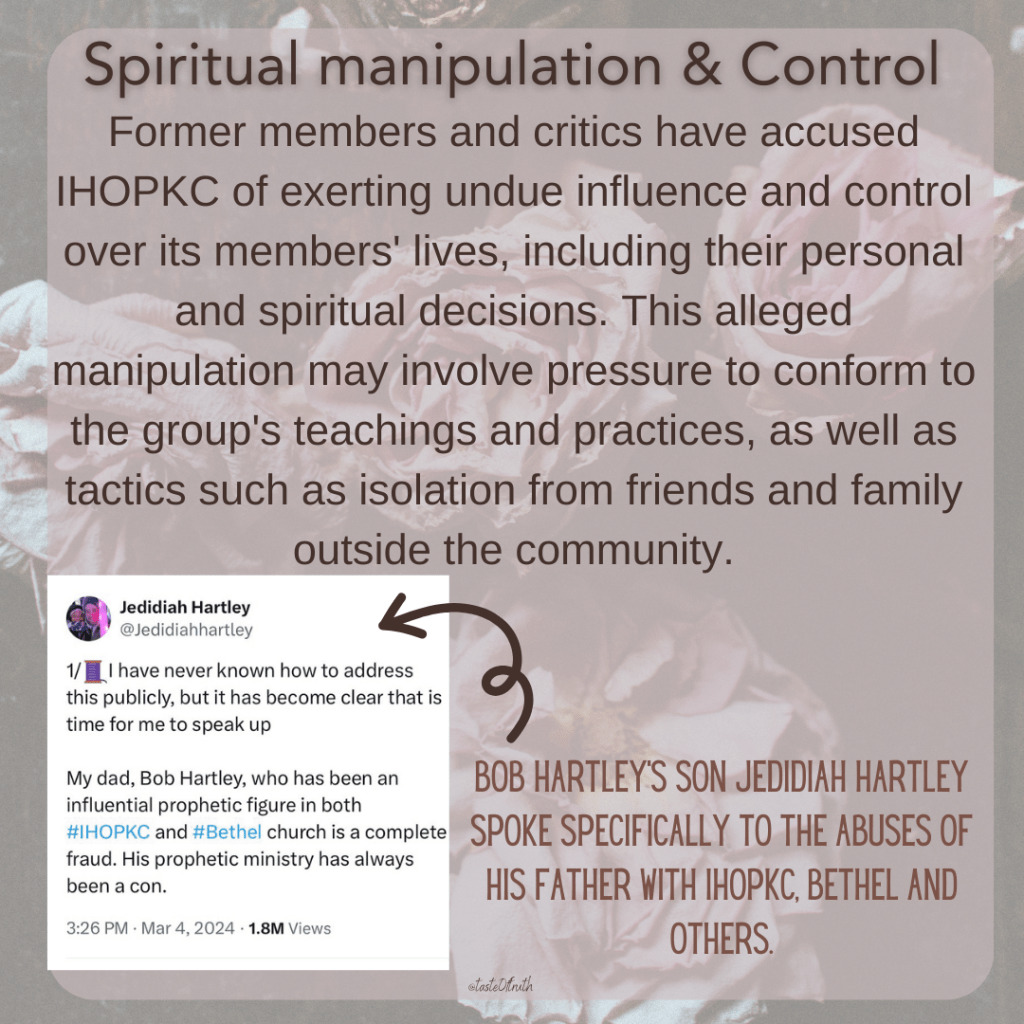
As y’all know, the deconstruction of Christianity is something I’ve heard of since stepping into the world of theology, but I never thought I’d find myself smack dab in the middle of the movement. There were numerous aspects that led me to begin unraveling, the real smack upside the head, realizing I was within a spiritual abusive biblical counseling relationship and program, that led me to notice the brutal similarities of abuse within IHOPKC, the scandals within the Grace Community Church & ACBC Biblical/Nouthetic counseling. Cover-ups of abuse within the church are deeply troubling & have been documented in various contexts & denominations.

Cover-ups within the institution of the church refer to the deliberate efforts by religious leaders or authorities to conceal or downplay instances of misconduct, abuse, or wrongdoing within the church community. These cover-ups often involve minimizing or denying allegations, protecting perpetrators, silencing victims, and avoiding accountability or legal repercussions.

In many cases, church leaders may prioritize protecting the reputation and image of the institution over addressing the harm caused to individuals who have experienced abuse or misconduct. This can perpetuate a culture of secrecy, mistrust, and impunity within the church, allowing harmful behavior to continue unchecked and undermining the safety and well-being of congregants.

Cover-ups within the church can take various forms, including:

  1. Concealing allegations of abuse or misconduct by clergy or church staff.
  2. Transferring accused individuals to other congregations or positions within the church rather than reporting them to authorities.
  3. Discrediting or intimidating victims who come forward with allegations.
  4. Failing to implement proper protocols for preventing and responding to abuse, such as background checks or training programs.
  5. Withholding information or misleading congregants and the public about the extent of abuse or misconduct within the church.

Key points to consider:

1️⃣Institutional Protection: In some cases, church leaders or institutions have been accused of prioritizing the protection of their reputation or the reputation of the church over addressing allegations of abuse. This can lead to efforts to conceal or minimize reports of abuse, rather than taking appropriate steps to investigate and address them.

2️⃣Failure to Report: In jurisdictions where clergy are mandated reporters of abuse, failure to report allegations of abuse to law enforcement authorities can constitute a form of cover-up. Church leaders who fail to report abuse may face legal consequences and can contribute to ongoing harm to victims and survivors.

3️⃣Impact on Victims: Cover-ups of abuse can have devastating consequences for victims and survivors, who may feel betrayed by trusted religious leaders and institutions. Failure to address abuse allegations can perpetuate cycles of harm and contribute to ongoing trauma and suffering.

4️⃣Lack of Transparency: Cover-ups of abuse often involve a lack of transparency and accountability within the church hierarchy. Victims and survivors may be discouraged or silenced from speaking out, and internal investigations may be conducted without appropriate oversight or impartiality.

Please 🎧 into this week’s podcast, where we explore my journey of disentangling from restrictive religious beliefs and rediscovering personal faith and autonomy!

Listen here! 🎧

These cover-ups can have devastating consequences for victims, perpetuating cycles of abuse, trauma, and disillusionment. They also erode trust in church leadership and contribute to broader societal concerns about institutional integrity and accountability.

Addressing cover-ups of abuse within the church requires a commitment to transparency, accountability, and justice. Church leaders and institutions must prioritize the safety and well-being of all members of their community and take decisive action to prevent and address abuse in all its forms.

#churchhurt #SpiritualAbuse #HidingHurts #SpeakUp #BreakTheSilence #ProtectTheInnocent #HealingJourney #AuthenticConversations #CommunitySupport #FindYourVoice #ChurchDisrupted #Podcast #christian #christianity #religioustrauma #honestyheals #deconstruction #disentanglement #religioustrauma #adversereligiousexperiences #spiritualtruth #progressivechristianity #exvangelical #exevangelical #igotout_org #churchhurt #purityculture
#deconstructioncommunity #deconstruction #deconstructingfaith #disentanglement

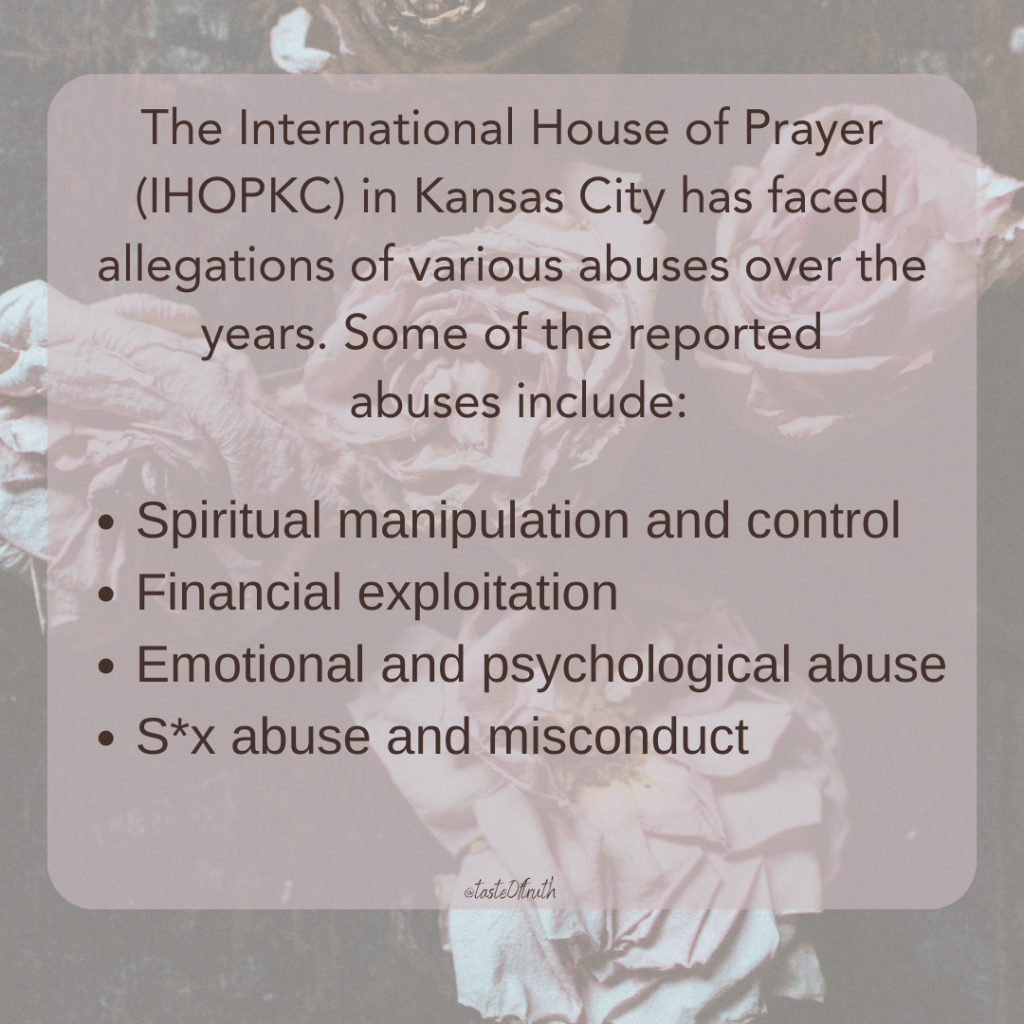
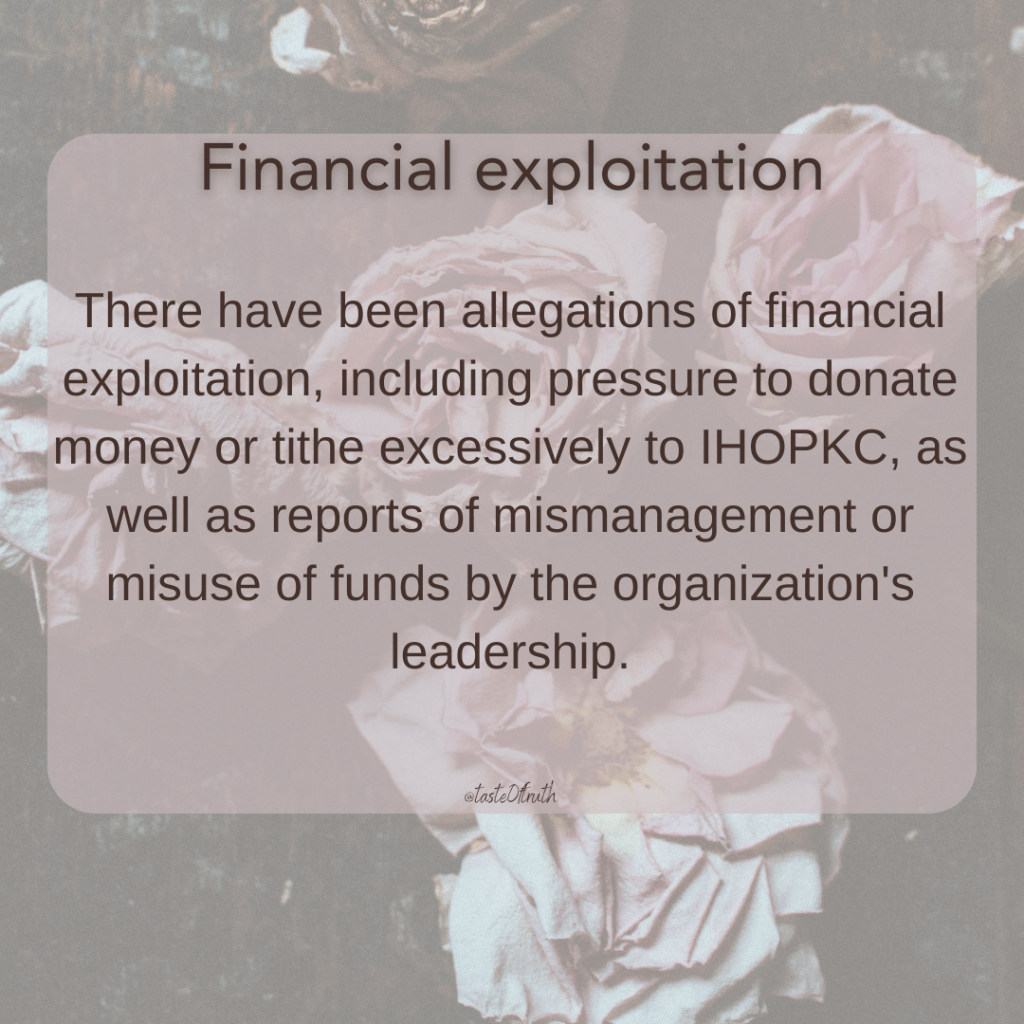
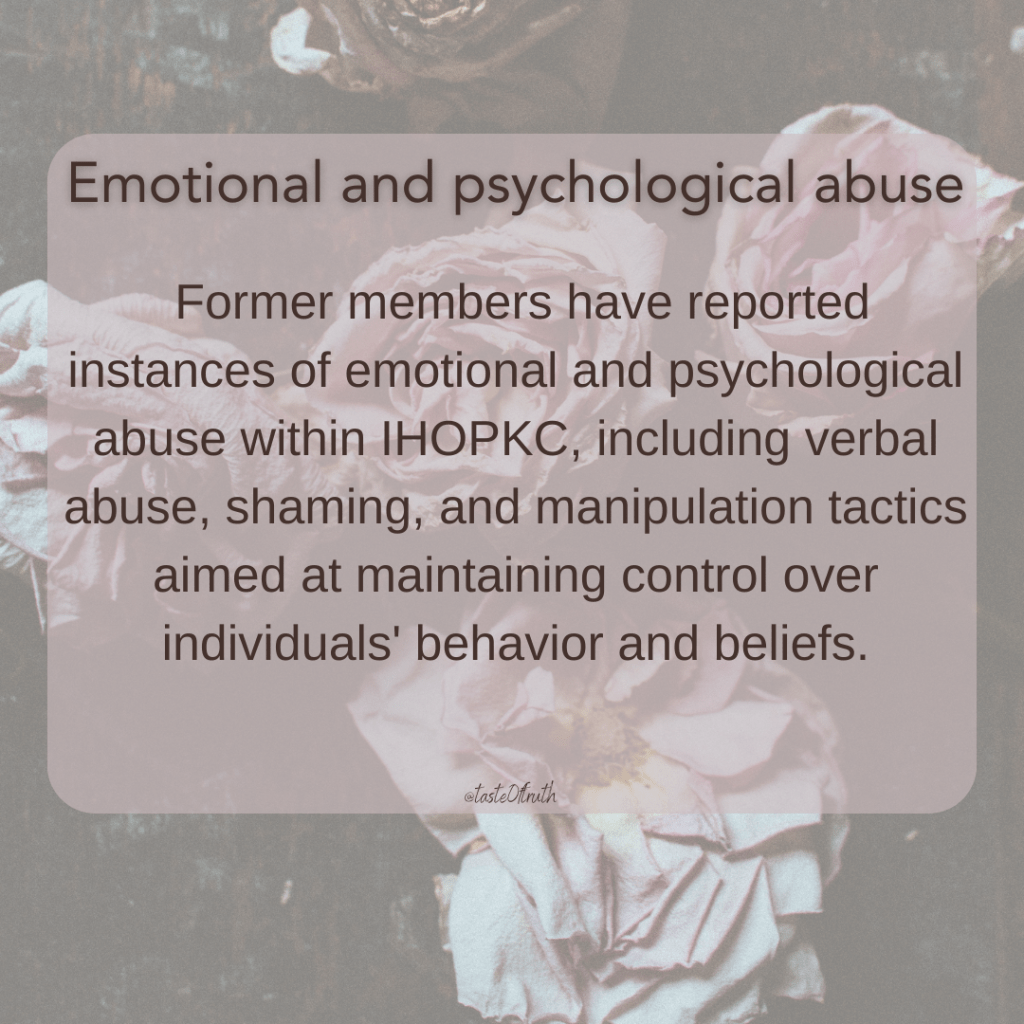
IHOPKC-Manipulation, Deception & Spiritual Harm

🎙️Episode 10 From Falsehood to Freedom: Lessons from a former False Prophetess

This week on the podcast we had Dawn Hill with us who discussed that a HUGE issue with the prophetic prayers and prophetic word movement is the potential for manipulation, deception, and spiritual harm.

I can’t help but to notice the brutal similarities between the approach IHOPKC is taking which is clearly focused on maintaining control and protecting the institution & the scandals within the Grace Community Church & ACBC Biblical/Nouthetic counseling.

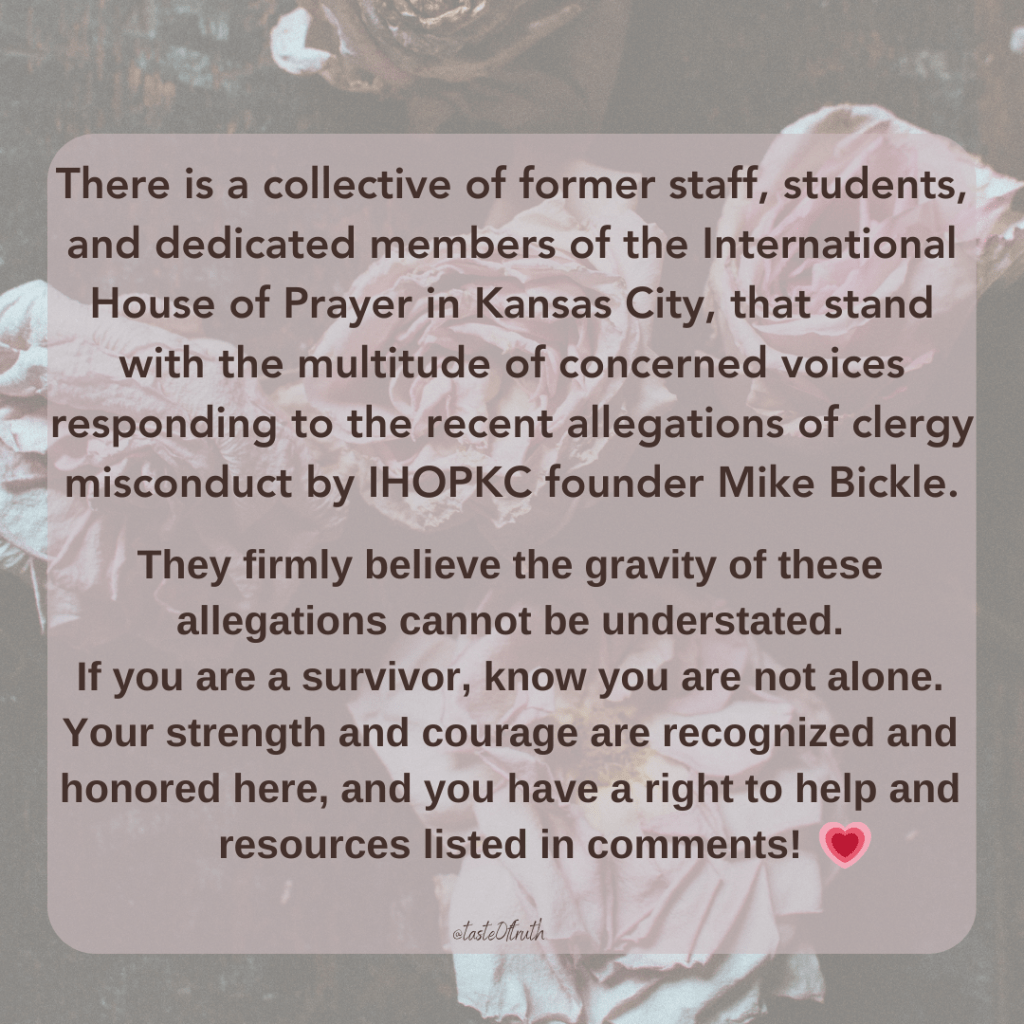
If you or anyone you know has experienced abuse or misconduct within IHOPKC or any other religious organization PLEASE be encouraged to seek support, speak out, and report your experiences to appropriate authorities.

SEEK THEN SPEAK – A tool for sexual assault survivors and support people. Visit seekthenspeak.app to fill out a private survey to gather information and consider your next steps.

MOCSA (Metropolitan Organization to Counter S*xual Assault)

Call the crisis hotline at (816) 531-0233 in Missouri or (913) 642-0233 in Kansas.

DRZ Law Call (913) 400-2033 to request a free case evaluation.

BozLaw PA – Now representing victims of IHOPKC
Visit http://www.bozlawpa.com and fill out the form on the website to request a free case evaluation.

International House of Prayer Founder Mike Bickle Accused …… | News & Reporting | Christianity Today

IHOP Prayer Movement Disputes Link to Murder in Religious …… | News & Reporting | Christianity Today

IHOPKC confirms ‘inappropriate behavior,’ announces permanent split with founder Bickle (msn.com)

Woman Says Mike Bickle Used Prophecy to Sexually Abuse Her (julieroys.com)

IHOPKC Stories – A platform to share your stories