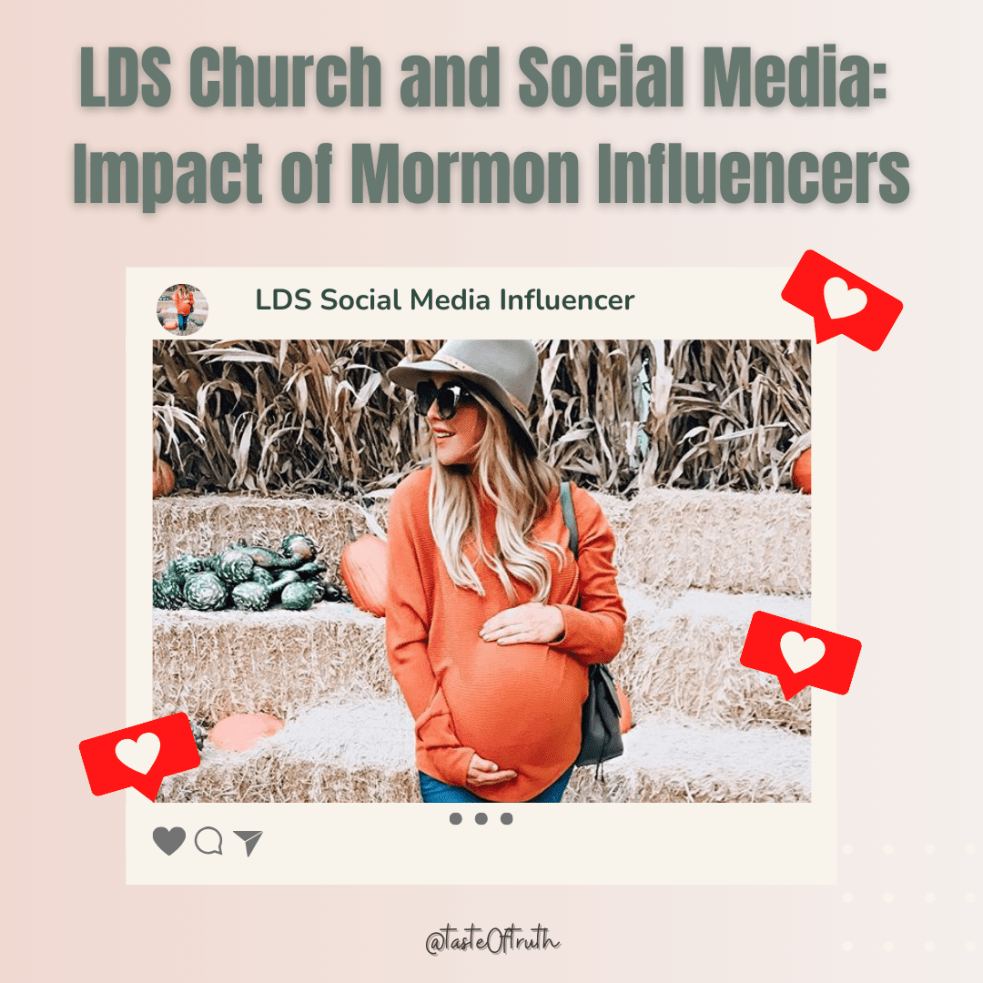
In recent years, social media has revolutionized the way individuals and organizations promote their values and products. For the Church of Jesus Christ of Latter-day Saints (LDS Church), commonly known as the Mormon Church, this digital age presents both opportunities and challenges. Mormon influencers leverage their social media platforms not only to promote their faith but also to engage in network marketing and endorse various products. This post explores how these influencers operate, the intersection of faith and commerce, and the ethical implications of their strategies.
The Rise of Mormon Influencers
Mormon influencers utilize their platforms to promote a range of products, often integrating their religious values into their marketing strategies. Here’s how they do it:
1. Selling Products
Network Marketing: Influencers often participate in network marketing companies like Young Living, doTERRA, and Monat. These companies thrive on personal networks for sales and recruitment, which aligns with the close-knit nature of the Mormon community.
Brand Partnerships: Many influencers collaborate with brands to promote products such as health supplements, fashion items, and home goods. Their content typically reflects a wholesome, family-oriented lifestyle that resonates with their followers.
Homemade and Handcrafted Goods: Some influencers sell their own creations, such as crafts, clothing, or digital products. Their personal brand often emphasizes values like family, self-reliance, and creativity.
2. Recruiting into Their Religion
Personal Testimonies: Sharing personal faith stories is a common tactic. Influencers discuss how their beliefs positively affect their lives, making their faith appealing to potential followers.
Showcasing Lifestyle: By highlighting a family-centric and clean-living lifestyle, influencers subtly promote the benefits of their faith. This can attract those seeking community and moral guidance.
Incorporating Faith into Content: Faith is often woven into daily content, making religious practices and values a natural part of the influencer’s brand.
Service and Community Involvement: Influencers highlight their community service projects, showcasing the active and supportive nature of the Mormon community.
Network Marketing and the LDS Church
Amway and the LDS Church
The blog post “Amway and the Mormon Church” explores the historical connections between Amway, a prominent network marketing company, and the LDS Church. Many Mormons have been involved in Amway’s business model, which relies on personal networks for sales and recruitment. The Mormon community’s strong emphasis on personal relationships and trust makes it a fertile ground for such network marketing ventures.
Key Points from the Article:
Historical Connections: The LDS Church has had historical ties with network marketing companies like Amway, with many members participating in their business models.
Community and Trust: The close-knit nature of the Mormon community fosters an environment where network marketing can thrive, as trust and personal connections play a significant role in sales and recruitment.
Melaleuca and its Relationship with LDS Influencers
Melaleuca, Inc., a wellness product company based in Idaho, was founded by Frank L. VanderSloot, an LDS Church member. While Melaleuca is not officially affiliated with the LDS Church, its founder’s faith influences its business practices and marketing strategies.
Melaleuca’s Key Points:
Product Marketing: Distributors often promote Melaleuca’s products within their personal and community networks, including religious communities.
Health Claims: Some distributors may make exaggerated health claims about Melaleuca’s products, which can veer into sensationalism and conspiracy theories about conventional medicine.
The Trad Wife Controversy and Traditional Values
In the ongoing conversation about traditional values and gender roles, the Ballerina Farm controversy provides a significant example of how these ideals are presented and critiqued. Ballerina Farm, a popular social media presence, showcases a vision of traditional domestic life that aligns with the “trad wife” movement. This movement emphasizes traditional roles and domestic fulfillment, which some individuals see as empowering personal choices.
Houseinhabit’s Perspective: Houseinhabit’s analysis of Ballerina Farm shared her perspective on this issue. According to Houseinhabit, “Hannah’s story isn’t about regression; it’s about choice. She embodies a version of success not measured by corporate titles but by personal contentment and family harmony that is, at the core, rooted in her faith in God. Ultimately, the real goal of feminism should recognize and respect the diverse paths women take. Critique should foster understanding rather than perpetuating division.” Houseinhabit argues that Ballerina Farm presents traditional roles as voluntary and desirable, rather than acknowledging their roots in patriarchal structures.
Patriarchal Norms and Cultural Context: This perspective is important, but it’s also crucial to consider the role of patriarchal norms within such movements. Consequently, practices that may seem problematic to outsiders—such as Daniel’s rushed engagement and his control over Hannah’s education—are often normalized within their cultural context. These actions reflect a broader adherence to patriarchal values, including homeschooling with a Christian Mormon syllabus, which underscores their commitment to traditional gender roles.
The LDS Church’s Use of Social Media Influencers
Adding another layer to this discussion, recent research into Mormon influencers reveals how the LDS Church is using social media to attract new recruits. Influencers, particularly families, are employed to promote Mormonism through platforms like Instagram and YouTube. This strategy capitalizes on the appeal of traditional family values and domestic harmony to attract a broader audience. The church’s use of social media influencers can be seen as a recruitment tool that highlights the appealing aspects of traditional lifestyles while potentially overshadowing the complexities and criticisms associated with these roles.
Ethical Considerations and Transparency
The use of social media for religious and commercial purposes raises several ethical questions:
Commercial vs. Faith Promotion: Influencers must navigate the fine line between promoting their faith and commercial interests. Transparency about religious intentions behind promotions is crucial.
Sensationalism and Conspiracy Theories: Some network marketing practices, particularly in the wellness sector, involve sensationalizing health benefits or promoting anti-mainstream narratives. This can lead to misinformation and mislead consumers.
Regulatory Concerns: Companies like Melaleuca are subject to Federal Trade Commission (FTC) regulations that aim to prevent deceptive marketing practices. Ensuring compliance and transparency is essential to maintaining consumer trust.
Conclusion
The intersection of social media, faith, and network marketing presents both opportunities and challenges for LDS influencers. While they effectively use their platforms to promote products and their faith, ethical considerations about transparency, sensationalism, and the blending of commercial and religious messages remain significant. The Ballerina Farm controversy and the LDS Church’s social media strategies illustrate a broader societal pattern where traditional values and modern media intersect, raising important questions about how these dynamics influence perceptions of gender roles and faith.
Books and Articles
“Mormonism and the Politics of Gender: Gender, Family, and Identity” by Anne C. Lovell
Explores the role of gender within Mormon culture and how it impacts family and identity dynamics.
“How the LDS Church Uses Social Media to Grow Its Congregation” – A detailed article discussing the strategies employed by the LDS Church to use social media for growth.
These resources should provide a solid foundation for understanding the LDS Church’s use of social media influencers and the broader implications for religious outreach and media influence.
This week, I’m diving headfirst into the turbulent intersection of women’s suffrage, the resurgence of Christian patriarchy, and the trendy ‘trad wife’ movement. Buckle up as we unravel how these historical battles and modern movements collide, revealing their surprising connections—from the ongoing struggle for gender equality to the modern reinvention of traditional roles. Prepare for a journey through past and present that challenges conventional wisdom and ignites critical conversations.
🎧Listen here!
My Deconstruction Journey
In recent months, I’ve explored how radicalization, conspiracies, and religion have shaped my life. In Episode 5 of my podcast, we tackled the “crunchy hippie to alt-right pipeline,” but now it’s time to shine a light on the radicalization of the left—a topic often overlooked. Why did I go from progressive circles to mingling with Trump supporters and Christians? This shift was marked by a range of events and trends reflecting broader changes within progressive movements and their impact on American politics and culture.
Black Lives Matter Protests and Social Justice Movements
The murder of George Floyd ignited the Black Lives Matter (BLM) movement, but what often goes undiscussed is the scrutiny BLM faced over fund management. Allegations of financial mismanagement emerged in 2021, raising questions about how substantial donations were handled. The movement also brought the call to “defund the police” into the spotlight, advocating for reallocating funds to social services and community programs. However, cities like San Francisco, which initially reduced police funding, faced rising crime rates and eventually reinstated funding in 2022, acknowledging that some defunding measures had not achieved their intended outcomes.
Increased Political Activism and the Role of Cancel Culture
The 2020s saw a rise in intersectionality and identity politics, aiming to address overlapping forms of oppression. However, this sometimes led to contentious debates over ideological purity and inclusivity, particularly in online activism. Cancel culture became prominent, with debates over holding public figures accountable for perceived offenses. While some view it as necessary for social justice, others argue it suppresses free speech and stifles constructive dialogue.
Vaccine Hesitancy and the Crunchy-to-Patriarchy Pipeline
My reluctance to receive an experimental vaccine led to severe ostracism, as those hesitant about COVID-19 vaccines often faced dehumanization and cancel culture. This harsh treatment highlighted how cancel culture can suppress nuanced debate and alienate individuals with genuine concerns.
Dr. Stanley Plotkin, a prominent figure in vaccinology, and some of his colleagues recently published an article that has drawn significant attention. The article acknowledges that vaccines are not as thoroughly studied as previously claimed, particularly in terms of safety, both before and after they are licensed. This has raised concerns among critics, who argue that for decades, the public was assured that vaccines underwent rigorous safety testing.
Key points from the article include the admission that prelicensure clinical trials often have limited sample sizes and short follow-up periods, which may not fully capture long-term safety data. Additionally, there are currently no dedicated resources for post-authorization safety studies, relying instead on annual appropriations approved by Congress. This lack of resources for ongoing safety monitoring has been criticized as inadequate, particularly given the widespread use of vaccines.
This revelation has been met with strong reactions, especially from those who have long questioned the rigor of vaccine safety studies. They argue that these acknowledgments confirm their concerns that vaccine safety has not been as thoroughly investigated as it should be.
In a previous episode, we scratched the surface of the Trad Wife and Stay-at-Home Girlfriend Movements. These movements, advocating traditional gender roles, see them as spiritually fulfilling and empowering, rejecting modern feminism while embracing modern cultural influences. We discussed the fear tactics within this online content that manipulates users by promoting apocalyptic scenarios and moral decay. Today, we’re diving deeper into this topic.
Historical Context and Kitchen Design
Before delving into the 19th Amendment, let’s explore the evolution of kitchen design as a reflection of changing gender roles and societal expectations:
Post-Civil War to Early 20th Century (1865-1930s): Kitchens transitioned from being managed by enslaved people to paid workers, with labor-saving appliances emerging and the housewife ideal taking shape.
Mid-20th Century (1930s-1960s): The post-WWII era emphasized suburban living and reinforced the housewife’s role as a symbol of the American dream, driven by economic prosperity and suburban expansion.
1974 Bill on Women’s Financial Independence: The Equal Credit Opportunity Act granted women the right to open bank accounts and obtain credit cards in their names, a significant step towards financial equality.
Today’s ‘trad wife’ movement glamorizes the mid-century housewife as a personal choice, not a patriarchal trap. But let’s be real—this nostalgic comeback is less about empowerment and more about rolling back feminist progress, cherry-picking conservative values to fit a romanticized narrative. It’s time to call out the toxicity and acknowledge that the nuclear family ideal doesn’t have to be a patriarchal prison.
Connecting Women’s Suffrage and Christian Nationalism
This week marks the anniversary of the 19th Amendment, a milestone for women’s rights. However, despite granting voting rights, many women of color continued to face disenfranchisement. The rise of ideologies challenging this progress, such as Nancy Pearcey’s claim that women’s suffrage was a net loss, reflects a broader trend of dominionism and Christian nationalism. Pearcey’s book, The Toxic War on Masculinity, embraced by right-wing fundamentalist figures, has been criticized for its logical fallacies and misrepresentation of research.
A Critique of Nancy Pearcey’s The Toxic War on Masculinity
Pearcey argues that the expansion of women’s roles and rights has led to a “war on masculinity,” promoting binary gender stereotypes and overlooking intersectional perspectives. Critics point out that Pearcey’s use of John Gottman’s research is misleading. Gottman’s studies indicate that emotionally intelligent husbands succeed in both egalitarian and hierarchical marriages, but Pearcey omits that her argument falls apart when complementarian men abandon hierarchical behaviors, exposing a significant ideological bias in her work.
Contextualizing These Views
These views reflect a broader conversation within conservative Christian circles about gender roles. Figures like Joel Webbon and Doug Wilson argue against women’s suffrage from a theological standpoint, emphasizing traditional gender roles and critiquing the expansion of women’s public and political presence as contrary to biblical principles. The Southern Baptist Convention’s conservative shift and the rise of New Calvinism further illustrate this trend, as these movements emphasize male-led church governance and promote traditional gender roles.
Motivations Behind the Movements
Supporters of traditional values aim to uphold stability and traditional family roles, rejecting modern feminism and valuing a nurturing home environment. Fear tactics are prevalent in online content that merges wellness with extreme ideologies, manipulating users by promoting fear of worldly dangers, apocalyptic scenarios, or spiritual consequences.
Historical Precedents: Satanic Panic and Moral Panics
Movements like the Satanic Panic of the 1980s and ’90s stoked fears of occult influences, leading to widespread moral panic. Similarly, today’s online narratives can exaggerate or fabricate threats to bolster ideological adherence, using fears of societal collapse or moral decay to urge followers towards conservative values.
Personal Reflections: Manipulation and Belonging
I remember the day I was first drawn into evangelical Christianity. It wasn’t through logic or a carefully reasoned argument; it was through the power of a story—a testimony, to be exact. The speaker shared a dramatic tale of transformation, from the depths of despair and darkness into the light of salvation. Her voice trembled with emotion, and tears glistened in her eyes as she described the overwhelming peace and joy she found in Christ. I was captivated. It wasn’t just a story; it was a call, a plea for me to experience the same miraculous change.
The manipulation was subtle but powerful. The emotions stirred within me were intense, almost overwhelming. I felt a sense of urgency, as if my own life depended on making the same decision she had. It was as though I could feel the darkness closing in on me, and the only escape was to step into the light she described so vividly. Fear played a significant role in this manipulation. I was warned of the dire consequences of rejecting this path, of the eternal damnation that awaited those who turned away. This fear was not just for my soul but for my life here and now. I was told that without Jesus, I would continue to live in confusion, loneliness, and despair.
What made it all the more compelling was the promise of belonging. I had always felt somewhat out of place, disconnected from those around me. But here was a community that promised acceptance, a family where I would always belong. The concept of biblical femininity and submission was introduced as a path to fulfillment, as a way to finally fit into a role that had been designed specifically for me by God. I was told that by embracing my role as a submissive wife and mother, I would find true happiness and purpose.
But looking back, I realize how these tactics exploited my vulnerabilities. The emotional manipulation, the fear-based messaging, and the promise of belonging were all tools used to mold me into someone I wasn’t. They weren’t concerned with my true self; they wanted to shape me into their image of the ideal Christian woman—submissive, obedient, and unquestioning.
What’s more disturbing is how these tactics aren’t unique to evangelical Christianity. I’ve since learned that similar strategies are employed in other religions, such as Islam. I’m sure you’re like me, and have heard that it is the fastest growing religion, but have you looked into the pew research into why? There’s a growing pressure on women within some Islamic communities to recruit other women. They shower potential converts with love, bombarding them with messages of acceptance and sisterhood. It’s all designed to draw them in, to make them feel special and chosen. Once they’re in, the pressure to marry and fulfill their role as a wife and mother can be intense. Just as I was drawn into a community that promised to complete me, these women are often led to believe that their worth is tied to their role within the family and the broader religious community.
The parallels are striking. Both exploit the human need for connection and purpose. Both use emotional manipulation and fear to control and convert. And both can lead to a loss of self, where the individual’s identity is subsumed by the demands of the group.
Reflecting on my experience has been painful, but it’s also been empowering. I now see how I was manipulated, how my fears and desires were used against me. And I’m committed to helping others recognize these tactics for what they are—tools of control, not pathways to truth.
Delving into Christian Interpretations of Morals and Values
As we wrap up today’s discussion, let’s delve into the complexities surrounding Christian interpretations of morals and values, particularly through the lens of historical and cultural relativism. Critics of biblical revelation question the reliability and authenticity of the biblical manuscripts, highlighting the human elements that have shaped the text’s transmission and interpretation.
When it comes to contentious issues like abortion, the selective interpretations of scripture used by some pro-life Christians illustrate a broader trend of reconciling faith with personal and societal values. Historically, Christian views on abortion were more diverse and often more permissive, with significant shifts occurring in the 1970s with the rise of the Religious Right.
Reflecting on these issues, Niel Van Lewen pointed out an intriguing observation: the pro-life stance might often function more as a signaling mechanism than a genuine, consistent commitment to protecting life. This dichotomy suggests that pro-life evangelicals might seek to pass laws protecting unborn embryos while avoiding practical measures—like universal daycare—that could significantly reduce the number of abortions.
This illustrates the ethical and scriptural inconsistencies surrounding the pro-life stance. By examining these discrepancies, we gain a clearer understanding of the challenges inherent in reconciling pro-life advocacy with practical, compassionate approaches to supporting life.
The Trad Wife Controversy: Unpacking Traditional Values in Modern Contexts
The discussion around traditional values and gender roles is gaining momentum, and the “trad wife” movement sits at the heart of this debate. One prime example that brings these ideals to light is the Ballerina Farm controversy, a social media phenomenon showcasing a curated version of traditional domestic life. This aligns closely with the trad wife ideals, which have faced criticism for romanticizing a regressive view on gender roles.
The Ballerina Farm Controversy: Empowerment or Regression?
Ballerina Farm presents a vision of traditional domestic life that resonates with many who see it as an empowering choice. However, it also faces criticism for glamorizing roles that are deeply rooted in patriarchal norms. Houseinhabit, a popular commentator, argues that Ballerina Farm isn’t about regression but about choice. She suggests that Hannah Neeleman, the face behind Ballerina Farm, embodies success measured not by corporate titles but by personal contentment and family harmony, grounded in her faith. This perspective emphasizes that true feminism should respect the diverse paths women take, fostering understanding rather than division.
The Patriarchal Norms Behind the Ideal
While Houseinhabit’s perspective is important, it’s crucial to examine the patriarchal underpinnings of such movements. Practices that might seem problematic to outsiders—like Daniel’s rushed engagement and control over Hannah’s education—are often normalized within their cultural context. These actions reflect broader adherence to patriarchal values, including homeschooling with a Christian Mormon syllabus, underscoring a commitment to traditional gender roles.
Mormon Influencers: A New Recruitment Strategy?
Adding another layer to this discussion is the role of Mormon influencers in social media recruitment. Recent research reveals how the LDS Church uses social media to attract new recruits, with influencers, particularly families, promoting Mormonism on platforms like Instagram and YouTube. This strategy leverages the appeal of traditional family values and domestic harmony to attract a broader audience. The Church’s use of influencers as a recruitment tool highlights the appealing aspects of traditional lifestyles while potentially overshadowing the complexities and criticisms associated with these roles.
Media, Tradition, and Patriarchy
This interplay between traditional values and modern media illustrates a broader societal pattern where the presentation of traditional roles can obscure their roots in patriarchal structures. Media portrayals, while sometimes uncomfortable, are not about dehumanizing individuals but about revealing systemic issues. Often, patriarchal norms are defended as personal choices, overlooking the deep societal influences at play. If gender roles were reversed, these issues might become more apparent, prompting a need for more nuanced discussions on how traditional values intersect with contemporary gender dynamics.
My Experience with Patriarchal Ideologies
Critically evaluating such content is essential, as these narratives can have far-reaching implications for personal beliefs and societal attitudes. From my own experience with evangelical Christianity, I was involved in a biblical counseling program that reinforced patriarchal control, severely limiting my autonomy. In one workbook, I was given an excerpt from The Excellent Wife by Martha Peace, which outlined ways a wife should glorify her husband. The expectations included:
Asking your husband about his goals for the week.
Organizing household duties meticulously, prioritizing your husband’s needs over everything else.
Talking about him positively to others, regardless of the truth.
These teachings were not just fringe ideas but central resources within Biblical Counseling, the Southern Baptist Convention, and many non-denominational churches. This ideology, deeply woven into church communities, perpetuates a system where a wife’s identity and value are entirely subdued under her husband’s goals and image.
The Harmful Implications of Patriarchal Ideologies
Idolatry of the Husband: Obeying a husband is equated with obeying God, placing the husband in the position of an idol. This subordinates divine will to a human figure, distorting spiritual faith and leaving no room for a wife’s autonomy or moral agency.
A Warped View of Womanhood: Women are seen as more susceptible to deception, and their rightful place is akin to a ‘slave’ who should expect no recognition. Basic human desires, like wanting to be treated with kindness, are labeled as ‘idolatrous.’
Enabling Abuse: The book glorifies suffering within marriage as a form of righteousness, encouraging women to endure cruelty and manipulation. This traps women in dangerous, often life-threatening, situations by positioning divorce as rebellion and making church discipline the first recourse instead of contacting authorities.
Stigmatizing Mental Health Care: Seeking professional help is equated with a lack of faith, alienating women from essential support systems that could help them navigate emotional and psychological challenges.
These ideas, while well-intentioned, perpetuate a system where the wife’s identity and value are entirely subdued under her husband’s goals and image. The dangerous implications of this ideology are not confined to overtly religious communities. Similar themes of female submission are found in movements rejecting modern egalitarian values in favor of a constructed ideal of natural order, which often masks deeply patriarchal and oppressive beliefs.
The Bigger Picture: Understanding the Trad Wife Trend
The trad wife trend isn’t just a nostalgic yearning for the past; it’s a deliberate effort to reinstate rigid gender roles that diminish women’s rights and freedoms. By critically examining resources like The Excellent Wife and drawing connections to broader social and cultural trends, we can better understand and challenge the insidious nature of this propaganda.
For those still in the church, it’s crucial to stand up against these harmful teachings. From my own experience, gender norms that emphasize tenderness over assertiveness hinder a woman’s ability to address unfair treatment effectively. Women submitting to their husbands is a dangerous ideology. Research shows that conservative, highly religious men are far more likely to perpetrate intimate partner violence. Hypermasculinity is one of the most powerful predictors of men’s likelihood to commit assault, and couples where the husband dominates decision-making processes are more likely to experience lower marital satisfaction.
Liberation and Progress
The liberation of women from oppression is crucial for fostering a more equitable and just society. When women are fully liberated, they can contribute their talents, perspectives, and skills to all aspects of life, including politics, economics, and culture. This liberation not only benefits women individually but also leads to societal progress by dismantling systemic barriers and promoting inclusivity.
Conclusion: Opening the Dialogue
I invite you to join the dialogue about gender, family, and cultural norms. Have you observed or encountered these dynamics? As a collective, we cannot ignore the role of algorithms and social media in amplifying compelling narratives and creating echo chambers. Understanding the motivations behind these movements allows us to engage in meaningful dialogue and advocate for continued advancements in gender equality.
Through my journey of deconstructing abuse within the church, I’ve realized that complementarianism, often presented as a theological stance, is fundamentally patriarchal and a root cause of oppression and abuse. Navigating these dynamics helps us grapple with the complexities of today’s ideological landscapes and invites us to critically evaluate how historical precedents and technological influences continue to shape our beliefs and societal structures.
Thank you for joining me in this exploration of faith, ideology, and societal change. Let’s continue to question, reflect, and engage with the world around us. And as always, maintain your curiosity, embrace skepticism, and keep tuning in.
Welcome back to Taste of Truth Tuesdays! This week, I had the pleasure of sitting down with Neil Van Leeuwen, a philosopher, cognitive scientist, and author of the thought-provoking book, Religion as Make-Believe. With a Ph.D. in philosophy from Princeton University, Neil brings a fresh perspective to the table, challenging traditional views on religious belief by comparing it to the concept of make-believe.
Religion as Make-Believe: Understanding the Distinction
Neil delves into the fascinating distinction between religious credence and factual belief. He explains that while factual beliefs are typically open to updates based on new evidence, religious credence often resists such updates. To illustrate this, Neil offers a simple analogy: imagine believing there are cookies in the cupboard. If you open the cupboard and find it empty, your belief is updated. However, religious credence, according to Neil, is like imagining the cookies are still there, even when faced with an empty cupboard.
Rituals, Practices, and the Role of Make-Believe
Neil’s insights extend to how religious practices function in our lives. He compares prayer and other religious rituals to athletes who engage in specific routines alongside rigorous training. These practices are not just about seeking divine intervention; they are deeply tied to our identity and social connections. In multicultural and pluralistic societies, religious beliefs help define group identities and distinguish “us” from “them.”
Sacred Actions and Symbolic Gestures
A key point Neil emphasizes is how sacred actions, backed by the imperative force of sacred values, often serve as symbolic gestures. These gestures can sometimes overshadow practical policies that align with those same sacred values, leading to a complex dynamic between belief and action in society.
Deconstructing Beliefs: A Path to Understanding
For those on a journey of deconstructing their spiritual beliefs, Neil offers valuable advice. He encourages listeners to view religious practice as a way of seeking community and connection. By critically examining their own beliefs, individuals can gain a deeper understanding of the role these beliefs play in their lives.
Tackling Critiques and Looking Forward
Neil also addresses common critiques of his work, including the concerns about extremism and the pressures to conform to rational thought. He highlights areas for further exploration in the study of religion and belief, especially in the political realm.
Listen In: A Conversation That Challenges and Enlightens
This episode is a must-listen for anyone interested in challenging their perspectives on religion and belief. Neil’s insights provide a nuanced understanding of how faith and identity intertwine in our daily lives.
🎧 Tune in to Taste of Truth Tuesdays for an enlightening discussion that will deepen your understanding of the role of belief in human societies. Don’t miss this conversation with Neil Van Leeuwen!
🎧Listen here!
📘 Explore Neil’s Book: Check out Religion as Make-Believe on Amazon or Harvard University Press, and consider recommending it to your local library!
🙏 Help Spread the Word: If you enjoyed this episode, please leave a 5⭐️ review and share it with a friend. Let’s help more people find this valuable content!
👀 Stay Connected: I’d love to hear your thoughts! Connect with me on Instagram @taste0ftruth or Pinterest.
Welcome back to Taste0fTruth Tuesdays! 🌟 New Episode Alert! 🌟
Join us as we sit down with the brilliant @mburtwrites , a leading voice in children’s literature. This week, we tackle some tough but vital topics:
🧠 John MacArthur’s controversial views on mental health and biblical counseling.
👶 The impact of Tedd Tripp’s ‘Shepherding a Child’s Heart’ on parenting.
💔 Sensitive approaches to childhood trauma and effective support strategies.
🙏 The psychological toll of Christian scrupulosity and ways to raise awareness.
🗣️ My personal experience with abusive biblical counseling and its effects.
Gain valuable insights on faith, parenting, and mental health from Marissa’s unique perspective. Tune in now and let’s navigate these challenges together!
I am grateful for this conversation, I hope it blesses you too! 🕊️
🙏 Please help this podcast reach a larger audience in hope to edify & encourage others! To do so: leave a 5⭐️ review and send it to a friend! Thank you for listening! I’d love to hear from you, find me on Instagram! @taste0ftruth or Pinterest!
Ever wondered where all those ‘self-help’ mantras and pseudoscientific health claims originated?
Today, we’re diving into the tangled web of modern pseudoscience and self-help nonsense, tracing its roots back to the 18th century. Join us as we explore the historical figures and movements that laid the groundwork for today’s self-help industry and pseudoscientific practices.
The Age of Enlightenment and the Dawn of Pseudoscience
Mesmer claimed that an invisible magnetic fluid flowed through all living things and that he could manipulate this fluid to heal people. His methods, often referred to as ‘mesmerism,’ involved elaborate rituals where he would pass his hands over patients or use magnetic rods, supposedly restoring the natural flow of this magnetic energy. The concepts of ‘balancing your energies’ or ‘unblocking your internal flows’ that are familiar in modern self-help and wellness circles can be traced back to Mesmer’s influence.
During the Age of Enlightenment, the scientific revolution was reshaping our understanding of the universe. However, medical practices were still lagging behind, relying on outdated treatments like leeching and bloodletting. Amidst this backdrop of scientific progress and societal change, Franz Mesmer, a charismatic physician from Vienna, introduced his controversial theory of ‘animal magnetism.’
The Debunking of Mesmerism
In 1784, a Royal Commission led by Benjamin Franklin and Antoine Lavoisier was established to investigate Mesmer’s claims. Through a series of experiments, they debunked the existence of the magnetic fluid, revealing that the observed effects were likely due to the power of suggestion and placebo rather than any real magnetic force. This investigation was pioneering in its use of controlled clinical trials and provided early insights into the placebo effect and modern hypnotism.
The Rise of Charismatic Faith Healing
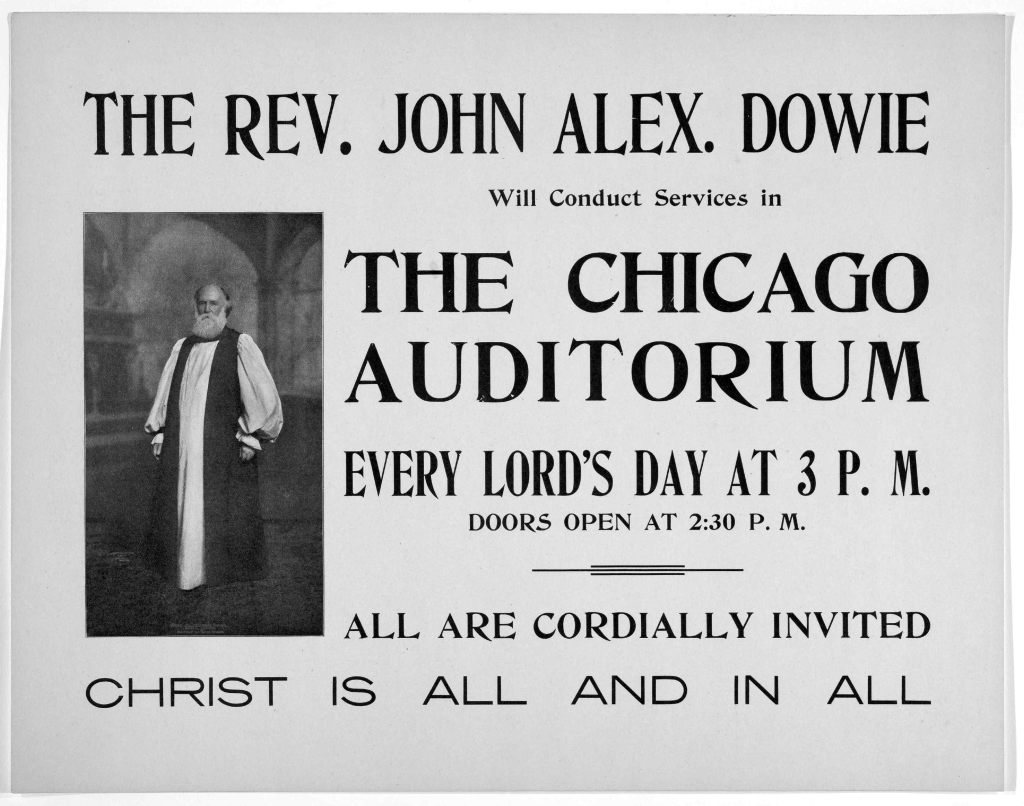
Alexander Dowie emerged in the late 19th century with a different approach to healing. Dowie, a charismatic faith healer, conducted dramatic healing sessions where he would lay hands on the sick, claiming that divine power was responsible for their recovery. His dramatic pronouncements, such as ‘Be healed in the name of the Lord,’ exemplified his method.
However, Dowie’s methods, like those of other high-control groups and charismatic faith healers, often involved emotional manipulation to maintain control over their followers. The promise of miraculous healing or spiritual enlightenment could exploit vulnerable individuals, leading them to invest emotionally and financially in unproven methods.
The Influence of Phineas Quimby
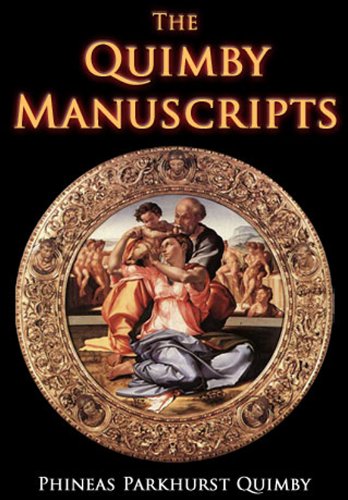
Phineas Quimby, another influential figure of the 19th century, took a different approach. Quimby believed that the mind wielded incredible power over physical health and reality itself. His writings, which were published posthumously in 1921, propagated the notion that our thoughts could profoundly shape our lives. Quimby’s ideas significantly influenced the New Thought movement, which linked mind over matter with spiritual and mystical practices.
The Interplay of Occultism and New Thought
The New Thought movement was also intertwined with occultism and spiritism, which suggested that unseen spiritual forces could be harnessed to influence the material world. This blend of spiritual and pseudoscientific ideas contributed to the development of various modern self-help philosophies.
The Legacy in Modern Self-Help
Today, the legacy of these 19th-century ideas is evident in the booming self-help industry. Many contemporary ‘gurus’ draw on principles derived from Quimby’s teachings, promising that you can manifest your desires through positive thinking alone. However, it’s important to approach these claims with caution, as they can sometimes mask modern forms of manipulation, preying on individuals’ hopes and fears.
Modern Pseudoscience: German New Medicine and Joe Dispenza
Moving forward to more contemporary times, let’s examine some of the modern pseudoscientific claims making waves today.
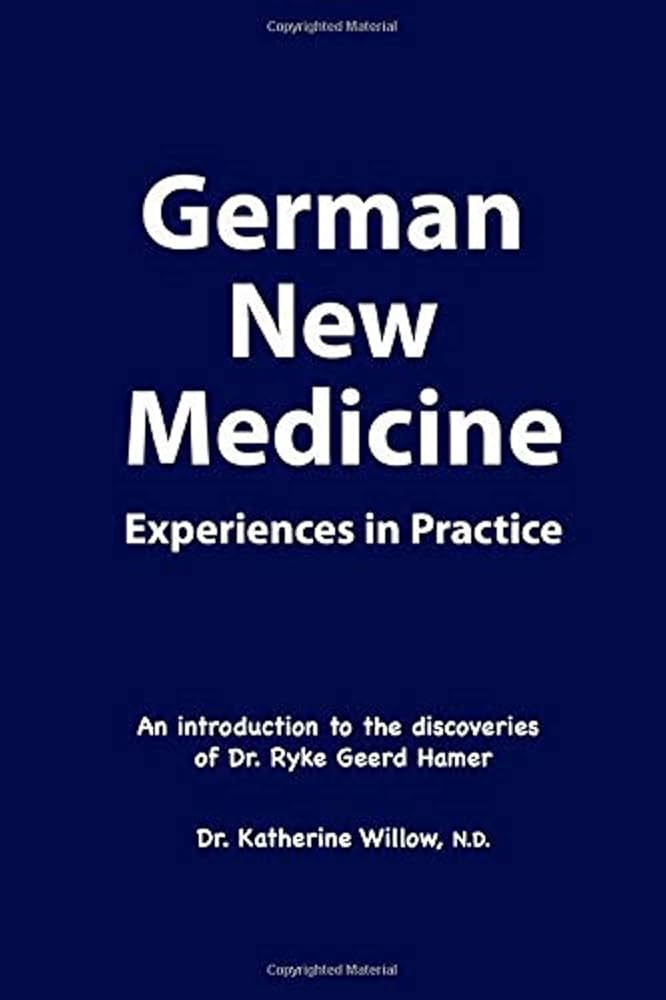
German New Medicine (GNM): This theory, introduced by Dr. Ryke Geerd Hamer, posits that diseases are the result of unresolved psychological conflicts. While intriguing, GNM lacks solid scientific backing and is riddled with ethical and legal issues. Traditional cancer treatments like chemotherapy and radiation therapy, though challenging and not always successful, are grounded in extensive research. The frustration with their limitations often drives people towards alternative options, but not all alternatives are created equal.
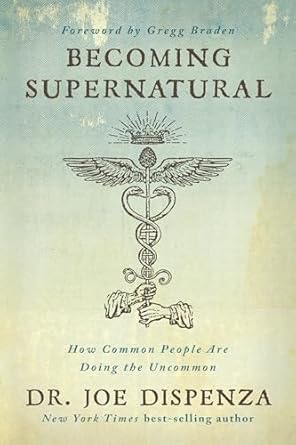
Joe Dispenza: Known for his belief that the mind can heal the body, Dispenza’s ideas have gained popularity but often dip into pseudoscience. While there is some truth to the idea that mindset can influence well-being, it’s crucial to distinguish between positive thinking and unproven claims that can mislead vulnerable individuals.
Ancient Teachings and Their Modern Adaptations
The teachings of the Essenes, an ancient Jewish sect, offer another example of how historical ideas are repackaged for modern consumption. The Essenes believed in holistic healing and spirituality, and today, their practices are often marketed with a modern twist. While exploring the ‘lost teachings of the Essenes’ can be fascinating, it’s important to differentiate between genuine historical practices and modern marketing spin.
The Dangers of Mysticism and Extreme Practices
Mysticism sometimes promotes the idea that transcending physical needs through spiritual practices can lead to enlightenment. However, this can be extremely risky. Extreme fasting and other practices can cause nutritional deficiencies, severe malnutrition, and even mental health issues such as delusions and eating disorders.
Navigating the Fine Line Between Healing and Harm
Despite the lack of scientific proof, pseudoscientific ideas remain appealing, especially when traditional treatments fall short. Approach such claims with a critical mind and seek evidence-based practices. Knowledge is power, and staying informed is the best way to navigate health and wellness.
Critical Evaluation of Self-Help Claims
Common Themes:
1. Misuse of Scientific Concepts: All three exploit complex ideas—quantum physics for Dispenza and GNM, and mystical ancient wisdom for the Essenes—to lend credibility to their claims.
2. Lack of Scientific Evidence: None of these approaches are supported by credible scientific research, often relying on anecdotal evidence or misinterpretations of scientific principles.
3. Potential Harm: By promoting unproven methods as alternatives to evidence-based medical treatments, they can lead individuals to make dangerous health choices.
While some people find inspiration in these teachings, it’s crucial to remember their origins and critically evaluate their claims. Just because something sounds empowering doesn’t mean it’s based on solid evidence.
Stay informed and be cautious of the fine line between genuine self-improvement and pseudoscientific hype. Thank you for reading!
For those wanting to learn about the dangers of mysticism, pseudoscience, and the importance of proper nutrition, here are some solid resources:
Books
“Bad Science” by Ben Goldacre: This book critically examines the misuse of science in various fields, including health and wellness, and debunks common pseudoscientific claims.
“The Demon-Haunted World: Science as a Candle in the Dark” by Carl Sagan: Sagan’s classic work promotes scientific skepticism and critical thinking, essential for understanding and debunking pseudoscientific beliefs.
“Trick or Treatment: The Undeniable Facts about Alternative Medicine” by Simon Singh and Edzard Ernst: This book provides a thorough analysis of various alternative medicine practices, including the evidence (or lack thereof) supporting them.
Websites and Online Resources
Quackwatch (quackwatch.org): A comprehensive resource for information on health frauds, myths, fads, and fallacies in the medical field.
Science-Based Medicine (sciencebasedmedicine.org): A blog dedicated to evaluating medical treatments and products from a scientific perspective.
Nutritional Resources from Mayo Clinic (mayoclinic.org): Provides evidence-based information on nutrition, diet, and healthy living.
Academic Journals and Articles
PubMed (pubmed.ncbi.nlm.nih.gov): A free search engine accessing primarily the MEDLINE database of references and abstracts on life sciences and biomedical topics. It’s an excellent resource for finding peer-reviewed studies on nutrition, health, and pseudoscience.
“Nutrition” Journal (journals.elsevier.com/nutrition): Publishes peer-reviewed research articles on nutrition science.
Educational Videos and Courses
TED Talks on Nutrition and Health: Various experts provide insights into the latest research and practical advice on maintaining a healthy lifestyle.
Coursera and edX: These platforms offer courses from universities on nutrition, health sciences, and critical thinking skills.
Podcasts
“Science Vs” by Wendy Zukerman: This podcast looks at what’s fact and what’s not in popular science topics, including health and wellness.
“Skeptics’ Guide to the Universe”: A weekly science podcast discussing critical thinking, science, and pseudoscience.
By exploring these resources, individuals can gain a deeper understanding of the risks associated with mysticism and pseudoscientific beliefs, as well as the importance of evidence-based practices in health and nutrition.












 Taste0ftruth Tuesdays