Fierce Self-Compassion: A Revolutionary Guide for Women in Religious Trauma

Breaking Free from the Chains of Perfectionism

In a world where the patriarchy often dictates our worth and actions, Kristin Neff’s Fierce Self-Compassion is a beacon of hope and empowerment. This book is not just a guide; it’s a call to arms for women navigating the treacherous waters of religious and spiritual trauma, particularly those grappling with self-criticism and perfectionism.

Understanding the Dual Nature of Self-Compassion

Neff introduces a groundbreaking concept in Fierce Self-Compassion: the dual nature of self-compassion. She distinguishes between the gentle, nurturing aspect of self-compassion—often associated with self-care and soothing—and the fierce, protective side that involves standing up for oneself, setting boundaries, and taking action to alleviate suffering.

For women emerging from high-control religious environments, this duality is essential. Religious trauma often leaves deep scars, manifesting as guilt, shame, and an overwhelming sense of unworthiness. The nurturing side of self-compassion helps in healing these wounds, but it’s the fierce side that empowers women to reclaim their autonomy, resist external pressures, and redefine their lives on their own terms.

The Impact of Self-Compassion on Self-Criticism and Perfectionism

Self-criticism and perfectionism are often rooted in the teachings of high-control religions, where strict adherence to doctrine and an emphasis on sinfulness can create a toxic cycle of self-judgment. Research shows that self-compassion is a powerful antidote to these issues. A study published in the Journal of Personality found that individuals who practice self-compassion are less likely to engage in harsh self-criticism and more likely to embrace a growth mindset. This shift is crucial for those recovering from religious trauma, where the inner critic often echoes the voices of past religious authorities.

Neff’s book provides practical tools to help readers silence their inner critic and embrace self-compassion. For example, one exercise encourages readers to write a compassionate letter to themselves, addressing their fears and insecurities as they would for a dear friend. This practice not only fosters self-compassion but also helps in rewiring the brain to respond to challenges with kindness rather than self-judgment.

Addressing Religious Trauma through Fierce Self-Compassion

Religious trauma is a significant issue for many women, especially those who have been part of patriarchal, high-control religious groups. These environments often condition individuals to suppress their needs and feelings, leading to a disconnection from their true selves. Fierce Self-Compassion offers a path to healing by encouraging women to acknowledge their pain, validate their experiences, and take action to protect their well-being.

Neff emphasizes that fierce self-compassion is not about being aggressive or selfish; it’s about standing up for oneself in a way that is both assertive and compassionate. This approach is particularly important for women who have been taught to prioritize others’ needs over their own, often at the expense of their mental and emotional health.

Practical Applications of Fierce Self-Compassion

One of the strengths of Fierce Self-Compassion is its focus on practical applications. Neff includes numerous exercises designed to integrate self-compassion into daily life. For instance, she suggests a practice called “compassionate body scan,” where readers are encouraged to tune into their bodies, notice areas of tension or discomfort, and respond with kindness and care. This practice is particularly beneficial for those recovering from religious trauma, as it helps to reconnect with the body and cultivate a sense of safety and well-being.

Neff also discusses the importance of setting boundaries and asserting oneself—skills that are often underdeveloped in women who have lived under rigid religious control. By practicing fierce self-compassion, women can learn to say “no” to what doesn’t serve them and “yes” to what nourishes their souls, paving the way for authentic personal growth.

The Crucial Message for Women Breaking Free from the Patriarchy

Fierce Self-Compassion is more than just a book; it’s a game-changer for any woman breaking out of the patriarchy. It’s a powerful reminder that we have the power to define our lives on our terms, and that doing so is not only okay but necessary for our well-being. This message is particularly vital for women deconstructing from harmful religious environments, where the patriarchy often exerts a strong influence.

Neff’s work resonates deeply with those on a journey of self-discovery and healing. Her emphasis on balancing tenderness with strength provides a roadmap for women to navigate their paths with courage and compassion. By embracing fierce self-compassion, women can break free from the chains of perfectionism, silence their inner critic, and reclaim their power.

Conclusion: A Must-Read for Women on a Path to Empowerment

Fierce Self-Compassion by Kristin Neff is an essential read for any woman navigating the complex terrain of religious and spiritual trauma. Neff’s profound insights and practical tools offer a pathway to healing, self-empowerment, and personal growth. Her dual focus on nurturing and fierce self-compassion equips readers with the resilience and courage needed to navigate their journey and reclaim their lives. This book is not just a guide; it’s a lifeline for those seeking freedom and authenticity after leaving controlling religious environments.

For those ready to embark on a journey of self-compassion and empowerment, Fierce Self-Compassion is a crucial companion. It’s time to embrace the fierce side of self-compassion, stand up for ourselves, and redefine our lives on our terms.

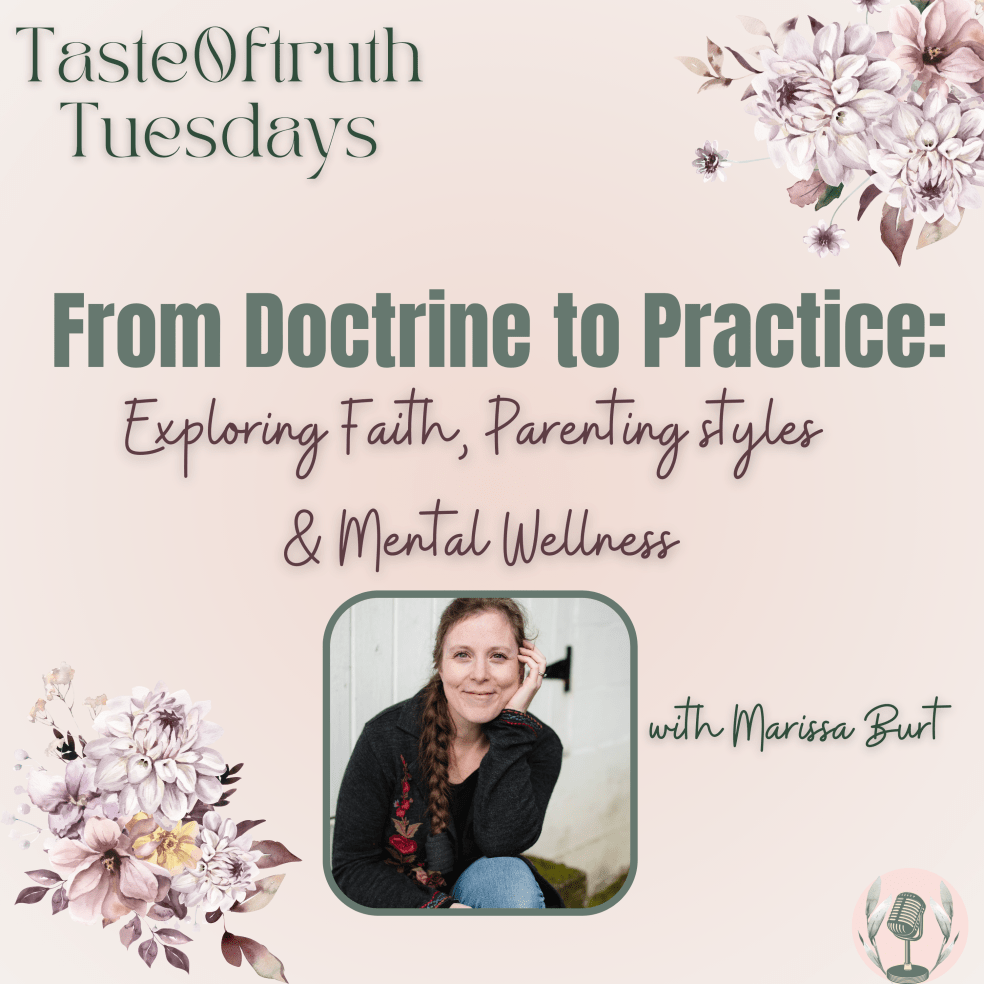
From Doctrine to Practice: Exploring Faith, Parenting, & Mental Wellness

Welcome back to Taste0fTruth Tuesdays! 🌟 New Episode Alert! 🌟

Join us as we sit down with the brilliant @mburtwrites , a leading voice in children’s literature. This week, we tackle some tough but vital topics:

🧠 John MacArthur’s controversial views on mental health and biblical counseling.

👶 The impact of Tedd Tripp’s ‘Shepherding a Child’s Heart’ on parenting.

💔 Sensitive approaches to childhood trauma and effective support strategies.

🙏 The psychological toll of Christian scrupulosity and ways to raise awareness.

🗣️ My personal experience with abusive biblical counseling and its effects.

Gain valuable insights on faith, parenting, and mental health from Marissa’s unique perspective. Tune in now and let’s navigate these challenges together!

I am grateful for this conversation, I hope it blesses you too! 🕊️

⁠Current Projects (marissaburt.com) ⁠

⁠Analysis of Popular Christian Parenting Teaching – YouTube⁠

⁠Instagram⁠ & ⁠Her linktree

🎧Listen here!

🙏 Please help this podcast reach a larger audience in hope to edify & encourage others! To do so: leave a 5⭐️ review and send it to a friend! Thank you for listening! I’d love to hear from you, find me on Instagram!⁠⁠⁠⁠ @taste0ftruth⁠⁠⁠⁠ or⁠⁠⁠⁠ Pinterest! ⁠⁠ ⁠⁠⁠ â 

Empower Your Healing Journey: The Diabolical Trinity Book Review

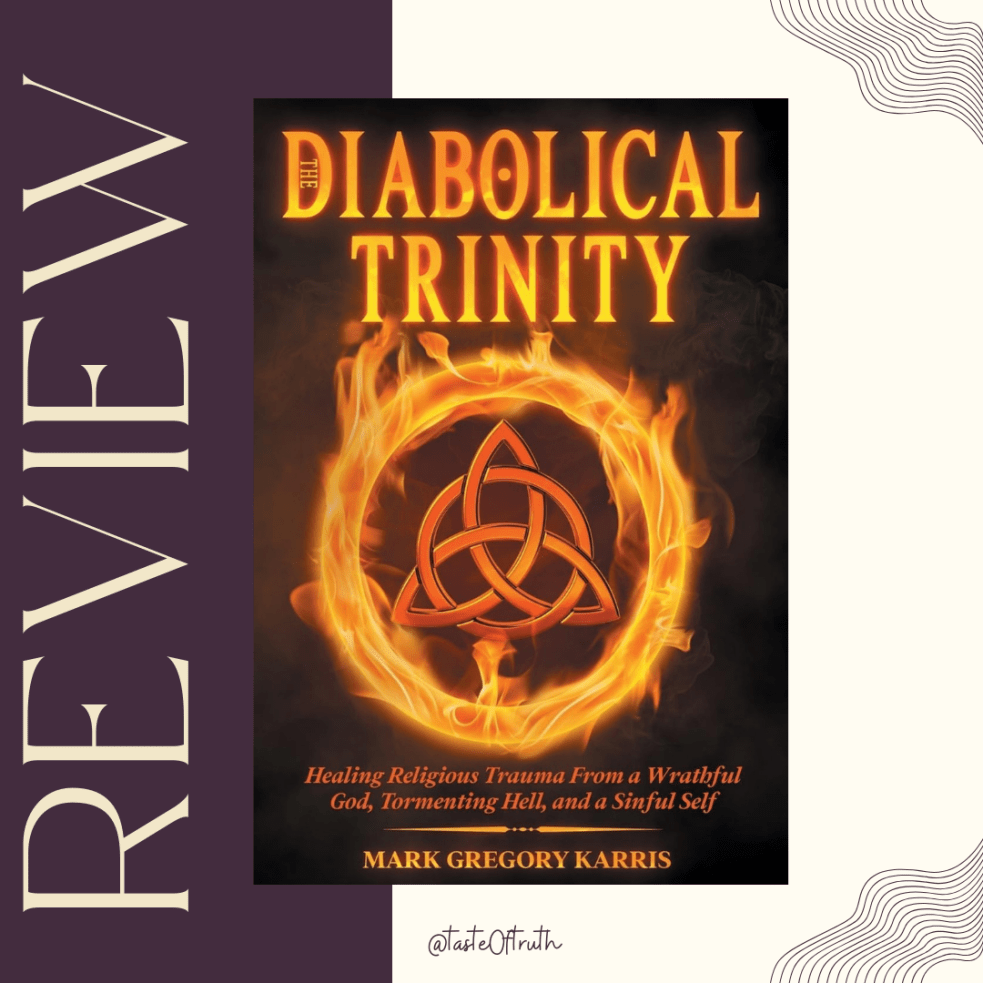
🌟 Book Review Alert! 🌟 This week’s podcast guest, Dr. Mark Gregory Karris, dives deep into religious trauma with his eye-opening book, “The Diabolical Trinity: Healing Religious Trauma from Original Sin, a Wrathful God, and Tormenting Hell.” 📚✨

Struggling with the remnants of religious fear and guilt? Dr. Karris’s insights are a game-changer. Swipe ➡️ to uncover why this book is a must-read for anyone on a healing journey.

Don’t miss our discussion on the podcast—catch up now before the next episode drops! 🎧💬

Tune in, transform, and take back your peace. 🙌

Listen here! 🎧

Dr. Mark Gregory Karris’s “The Diabolical Trinity: Healing Religious Trauma from a Wrathful God, Tormenting Hell, and Sinful Self” is a groundbreaking exploration of the psychological and emotional toll of harmful religious doctrines. Drawing from his extensive experience as a licensed therapist and ordained pastor, Karris skillfully dissects the “Diabolical Trinity”—the doctrines of a wrathful God, eternal torment in hell, and pervasive self-condemnation.

A Fresh Perspective on Religious Trauma

Dr. Mark’s has a compassionate and insightful approach to a topic often shrouded in silence and stigma. His work is praised for providing a fresh perspective on religious trauma, moving beyond mere critique to offer tangible steps toward healing. Karris’s ability to blend scholarly rigor with heartfelt empathy makes the book accessible to both academic and general audiences.

Empowering & Transformative

One of the most celebrated aspects of “The Diabolical Trinity” is Karris’s focus on empowerment. Critics have highlighted how the book not only identifies the sources of trauma but also provides practical tools for recovery. Karris’s therapeutic techniques and exercises are designed to help readers reclaim their sense of self-worth and foster a healthier, more compassionate spiritual outlook.

Critique & Redemption

While Karris does not shy away from critiquing harmful religious doctrines, he does so with a redemptive vision. He challenges readers to rethink their understanding of God, hell, and sin, offering an alternative that is both theologically sound and psychologically healing. This balanced approach has been particularly praised by critics who value both the deconstruction and reconstruction of faith.

Engaging & Accessible

The book’s engaging narrative style has also been a point of praise. Karris weaves personal anecdotes with clinical case studies, creating a compelling and relatable read. His clear and concise writing ensures that complex theological and psychological concepts are easily understood, making the book suitable for a wide audience.

Conclusion

In “The Diabolical Trinity,” Dr. Mark Gregory Karris offers a powerful and necessary contribution to the conversation on religious trauma. His work stands out for its depth of insight, practical guidance, and hopeful vision for healing. For anyone grappling with the damaging effects of rigid religious doctrines, this book provides a beacon of light and a path toward wholeness.

Understanding Religious Trauma: Causes, Symptoms, and Healing

“Another wave of rejection surfaced when people either shamed us for not being in church or stopped talking to us all together. It left me wondering whether I was truly accepted by God–his people surely weren’t making me feel that way, except when I did what they wanted me to do” -Karl Forehand Out into the Desert

The Deconstruction of Christianity is something I’ve heard of since stepping into the world of theology, but I never thought I’d find myself smack dab in the middle of the movement.  #deconstructioncommunity

Disentangling or #deconstruction is a phenomenon where individuals, often within the Christian faith, critically reevaluate their beliefs, doctrines, and practices. This process involves questioning and challenging long-held assumptions, teachings, and traditions within Christianity, with the goal of arriving at a more authentic and personally meaningful understanding of #faith.

The 𝑓𝑒𝑎𝑟 of rejection from God, from others, and actual rejection from others can feel suffocating as negative emotions become all consuming.

The feeling of loneliness when working through one’s doubts, questions and the decision to move away from harmful religious teachings can feel unbearable.

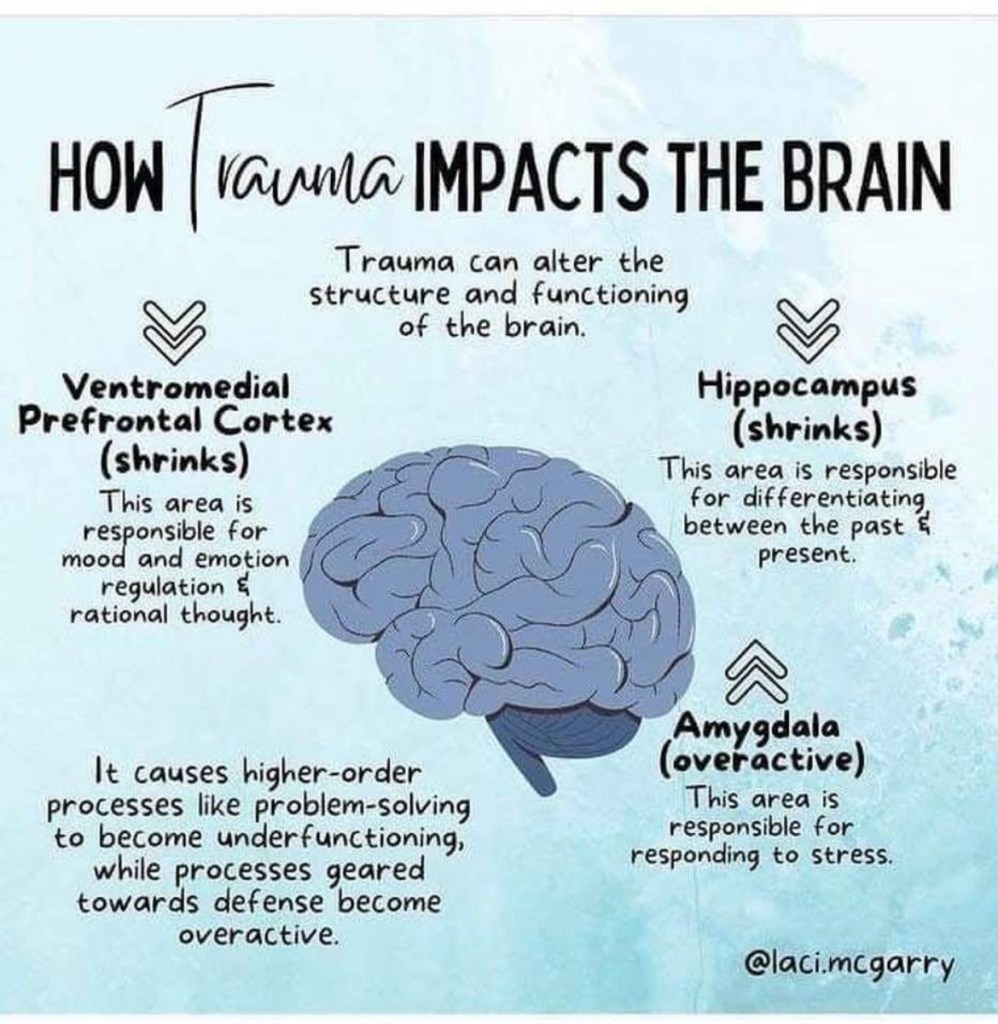
#Religioustrauma refers to psychological, emotional, or social harm caused by religious beliefs, practices, or communities.

Here are some quick facts:

1. **Definition**: It encompasses experiences of guilt, shame, fear, and anxiety resulting from religious teachings, practices, or communities.

2. **Causes**: It can stem from rigid dogma, abusive religious leaders, or pressure to conform to specific beliefs.

3. **Symptoms**: Symptoms may include anxiety, depression, low self-esteem, and difficulty trusting others.

4. **Triggers**: Certain events or experiences may trigger religious trauma, such as leaving a religious community, questioning beliefs, or encountering religious lingo.

5. **Treatment**: Treatment often involves therapy, support groups, and finding new sources of meaning and community.

6. **Impact**: Religious trauma can have long-lasting effects on individuals’ mental health, relationships, and sense of identity.

7. **Awareness**: Awareness of religious trauma is growing, leading to more resources and support for those affected.

“Religious trauma is the emotional and psychological damage caused by harmful religious experiences or teachings. It can result from authoritarianism, legalism, fear-based theology, and other forms of spiritual abuse.”

“Deconstruction often involves revisiting and reevaluating one’s religious upbringing, which can bring to light past trauma and contribute to healing.”

“The deconstruction movement recognizes the importance of addressing religious trauma and creating safe spaces for individuals to explore their beliefs without fear of judgment or retribution.”

“For many, deconstruction is not just about questioning beliefs, but also about processing and healing from religious trauma.”

“Navigating the deconstruction journey can be challenging, especially for those who have experienced religious trauma. It requires courage, self-compassion, and support from others who understand.”

The book When Religion Hurts you has served as a beacon of support and empowerment for those of us who are navigating the complexities of disentanglement from restrictive religious beliefs. It offers validation, guidance, and solidarity to individuals who are embarking on this journey.

Thank you @drlauraeanderson â¤ď¸â€đŸŠš

If you’re looking for more! Please check out these support groups:

https://www.soyouredeconstructing.com/communities

https://www.disrupted.church/becomeadisruptor

The New Evangelicals website

 #deconstructingfaith #trauma #traumainformed #traumahealing #spiritualgrowth #spiritualjourney #church #churchhurt #purityculture #faithtrauma #faith #community #growth #explorepage