Nostalgia,The Trad Wife Movement, and the Illusion of a Simpler Time


Nostalgia has always been a powerful psychological force, often serving as a coping mechanism during times of uncertainty or rapid change. In recent years, its resurgence could be linked to various social and cultural factors, including economic instability, political polarization, and the overwhelming pace of technological advancements. However, nostalgia isn’t just about reminiscing; it’s a complex emotional response that plays a significant role in our psychological well-being.

The Psychology of Nostalgia: Comfort in Uncertainty

Nostalgia was once viewed as a negative emotion, associated with homesickness or a longing for the past. However, modern psychology recognizes it as a complex, bittersweet experience that can foster a sense of continuity, meaning, and identity. Nostalgia tends to emerge more during periods of transition or distress, offering comfort by reconnecting individuals with a perceived “better” or simpler time.

Nostalgia serves as a mental protective mechanism. Through a process known as “rose-colored retrospection,” people tend to recall the past in a more favorable light than it might have actually been. This selective memory process can result in an idealized version of the “good ol’ days,” where negative aspects are minimized or forgotten, and positive experiences are amplified.

Nostalgia as a Tool for Emotional Regulation

Interestingly, nostalgia isn’t just a passive experience; it can be consciously invoked to regulate emotions. When people deliberately recall positive memories, they can stabilize their mood, reduce anxiety, and increase a sense of control over their current situation. This is because the past, as we remember it, is fixed and unchangeable, offering a sense of predictability and safety that contrasts with the unpredictability of the future.

Nostalgia also acts as a psychological anchor during times of upheaval or change. By tapping into nostalgic memories, individuals can create a mental environment that feels familiar and safe, reducing the anxiety that comes from unpredictability. This sense of predictability is particularly comforting during periods of rapid change, as it provides a mental sanctuary in a chaotic world.

The Trad Wife Movement: Nostalgia as Identity Anchoring

The rise of the Trad wife movement—a trend where women embrace traditional gender roles and domesticity—can be understood as a form of nostalgia-driven identity anchoring. In a world that often feels chaotic and uncertain, many women (and men) find comfort in returning to what they perceive as a more stable, moral, and ordered past.

For some, adopting the Trad wife lifestyle is a way to reconnect with what they believe to be a more “authentic” version of femininity or womanhood. This version is often based on an idealized image of the past that emphasizes domestic skills, submissiveness, and clear gender roles. By embracing these ideals, individuals may feel that they are preserving a core part of their identity that they believe has been lost or undermined by modern society.

The Dangers of Nostalgia-Driven Resistance

While nostalgia can provide comfort and continuity, it can also serve as a form of resistance against social progress. The Trad wife movement often emerges in response to the perceived erosion of traditional values due to feminism, LGBTQ+ rights, and other social changes. In this context, nostalgia becomes a way to resist or reject modernity by clinging to a past that is seen as morally superior or more “natural.”

This selective use of nostalgia can reinforce regressive social norms and create tension between those who long for the past and those who advocate for continued social change. By idealizing a past that may never have truly existed as we remember it, the Trad wife movement and similar trends risk promoting an illusion that can hinder progress and inclusivity.

Conclusion: Navigating Nostalgia with Awareness

Nostalgia is far more than mere longing for the past. It’s a sophisticated psychological tool that individuals can harness to enhance their well-being, regulate their emotions, and maintain a sense of control. However, it’s important to approach nostalgia with a critical eye, recognizing that the past may not have been as perfect as we remember it.

The Trad wife movement, driven by nostalgia, may offer comfort in a rapidly changing world, but it also risks perpetuating outdated and harmful gender roles. By understanding the psychology behind nostalgia, we can better navigate its influence in our lives and make more informed choices about how we engage with the past—and the future.


Want to learn more about the complex interplay between nostalgia and modern social movements like the Trad wife trend? Tune into this week’s episode of Taste of Truth Tuesdays where we dive deep into this topic.
https://youtu.be/15kgRldlqoY?si=L_uToPjGIQTf_kIl


Ethical Challenges of Mormon Influencers in Network Marketing

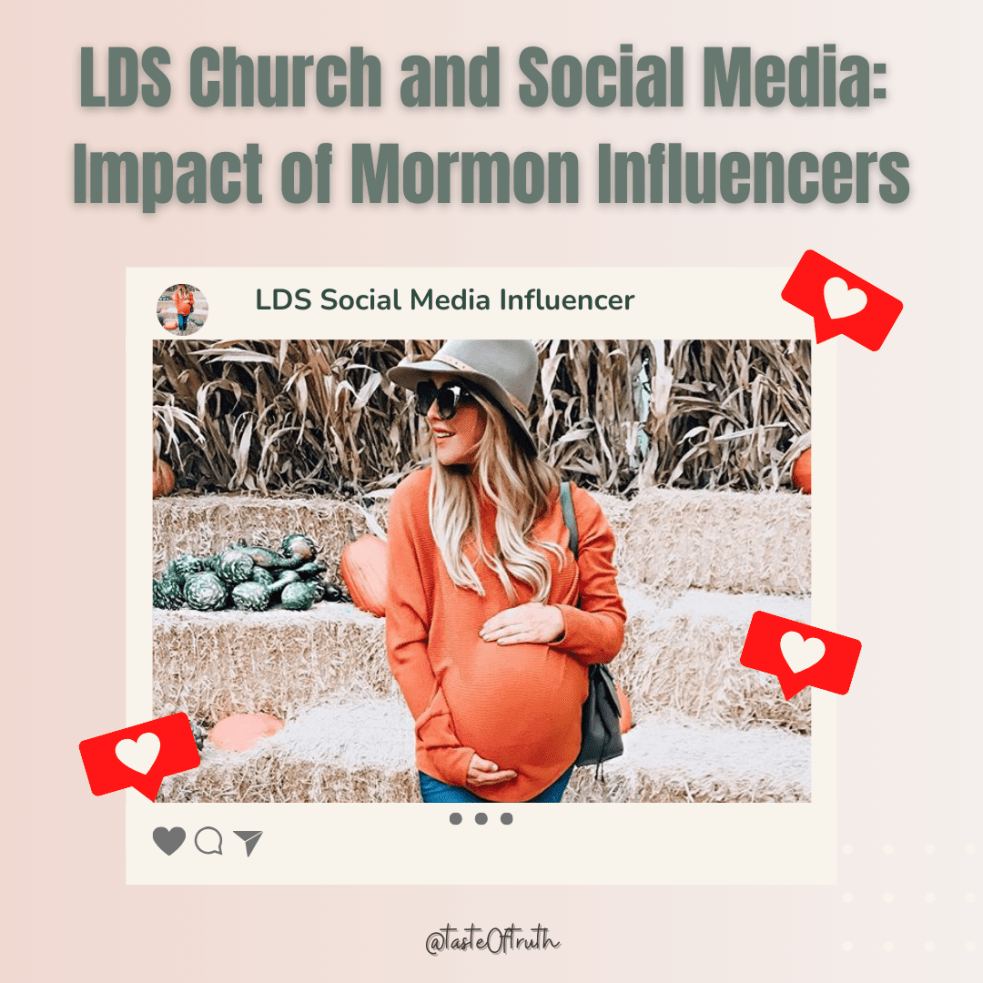
In recent years, social media has revolutionized the way individuals and organizations promote their values and products. For the Church of Jesus Christ of Latter-day Saints (LDS Church), commonly known as the Mormon Church, this digital age presents both opportunities and challenges. Mormon influencers leverage their social media platforms not only to promote their faith but also to engage in network marketing and endorse various products. This post explores how these influencers operate, the intersection of faith and commerce, and the ethical implications of their strategies.

The Rise of Mormon Influencers

Mormon influencers utilize their platforms to promote a range of products, often integrating their religious values into their marketing strategies. Here’s how they do it:

1. Selling Products

Network Marketing: Influencers often participate in network marketing companies like Young Living, doTERRA, and Monat. These companies thrive on personal networks for sales and recruitment, which aligns with the close-knit nature of the Mormon community.

Brand Partnerships: Many influencers collaborate with brands to promote products such as health supplements, fashion items, and home goods. Their content typically reflects a wholesome, family-oriented lifestyle that resonates with their followers.

Homemade and Handcrafted Goods: Some influencers sell their own creations, such as crafts, clothing, or digital products. Their personal brand often emphasizes values like family, self-reliance, and creativity.

2. Recruiting into Their Religion

Personal Testimonies: Sharing personal faith stories is a common tactic. Influencers discuss how their beliefs positively affect their lives, making their faith appealing to potential followers.

Showcasing Lifestyle: By highlighting a family-centric and clean-living lifestyle, influencers subtly promote the benefits of their faith. This can attract those seeking community and moral guidance.

Incorporating Faith into Content: Faith is often woven into daily content, making religious practices and values a natural part of the influencer’s brand.

Service and Community Involvement: Influencers highlight their community service projects, showcasing the active and supportive nature of the Mormon community.

Network Marketing and the LDS Church

Amway and the LDS Church

The blog post “Amway and the Mormon Church” explores the historical connections between Amway, a prominent network marketing company, and the LDS Church. Many Mormons have been involved in Amway’s business model, which relies on personal networks for sales and recruitment. The Mormon community’s strong emphasis on personal relationships and trust makes it a fertile ground for such network marketing ventures.

Key Points from the Article:

  • Historical Connections: The LDS Church has had historical ties with network marketing companies like Amway, with many members participating in their business models.
  • Community and Trust: The close-knit nature of the Mormon community fosters an environment where network marketing can thrive, as trust and personal connections play a significant role in sales and recruitment.

Melaleuca and its Relationship with LDS Influencers

Melaleuca, Inc., a wellness product company based in Idaho, was founded by Frank L. VanderSloot, an LDS Church member. While Melaleuca is not officially affiliated with the LDS Church, its founder’s faith influences its business practices and marketing strategies.

Melaleuca’s Key Points:

  • Product Marketing: Distributors often promote Melaleuca’s products within their personal and community networks, including religious communities.
  • Health Claims: Some distributors may make exaggerated health claims about Melaleuca’s products, which can veer into sensationalism and conspiracy theories about conventional medicine.

The Trad Wife Controversy and Traditional Values

In the ongoing conversation about traditional values and gender roles, the Ballerina Farm controversy provides a significant example of how these ideals are presented and critiqued. Ballerina Farm, a popular social media presence, showcases a vision of traditional domestic life that aligns with the “trad wife” movement. This movement emphasizes traditional roles and domestic fulfillment, which some individuals see as empowering personal choices.

Houseinhabit’s Perspective: Houseinhabit’s analysis of Ballerina Farm shared her perspective on this issue. According to Houseinhabit, “Hannah’s story isn’t about regression; it’s about choice. She embodies a version of success not measured by corporate titles but by personal contentment and family harmony that is, at the core, rooted in her faith in God. Ultimately, the real goal of feminism should recognize and respect the diverse paths women take. Critique should foster understanding rather than perpetuating division.” Houseinhabit argues that Ballerina Farm presents traditional roles as voluntary and desirable, rather than acknowledging their roots in patriarchal structures.

Patriarchal Norms and Cultural Context: This perspective is important, but it’s also crucial to consider the role of patriarchal norms within such movements. Consequently, practices that may seem problematic to outsiders—such as Daniel’s rushed engagement and his control over Hannah’s education—are often normalized within their cultural context. These actions reflect a broader adherence to patriarchal values, including homeschooling with a Christian Mormon syllabus, which underscores their commitment to traditional gender roles.

The LDS Church’s Use of Social Media Influencers

Adding another layer to this discussion, recent research into Mormon influencers reveals how the LDS Church is using social media to attract new recruits. Influencers, particularly families, are employed to promote Mormonism through platforms like Instagram and YouTube. This strategy capitalizes on the appeal of traditional family values and domestic harmony to attract a broader audience. The church’s use of social media influencers can be seen as a recruitment tool that highlights the appealing aspects of traditional lifestyles while potentially overshadowing the complexities and criticisms associated with these roles.

Ethical Considerations and Transparency

The use of social media for religious and commercial purposes raises several ethical questions:

Commercial vs. Faith Promotion: Influencers must navigate the fine line between promoting their faith and commercial interests. Transparency about religious intentions behind promotions is crucial.

Sensationalism and Conspiracy Theories: Some network marketing practices, particularly in the wellness sector, involve sensationalizing health benefits or promoting anti-mainstream narratives. This can lead to misinformation and mislead consumers.

Regulatory Concerns: Companies like Melaleuca are subject to Federal Trade Commission (FTC) regulations that aim to prevent deceptive marketing practices. Ensuring compliance and transparency is essential to maintaining consumer trust.

Conclusion

The intersection of social media, faith, and network marketing presents both opportunities and challenges for LDS influencers. While they effectively use their platforms to promote products and their faith, ethical considerations about transparency, sensationalism, and the blending of commercial and religious messages remain significant. The Ballerina Farm controversy and the LDS Church’s social media strategies illustrate a broader societal pattern where traditional values and modern media intersect, raising important questions about how these dynamics influence perceptions of gender roles and faith.

Books and Articles

  1. “Mormonism and the Politics of Gender: Gender, Family, and Identity” by Anne C. Lovell
    • Explores the role of gender within Mormon culture and how it impacts family and identity dynamics.
    • Find it on Amazon
  2. “The Book of Mormon: A Biography” by Paul C. Gutjahr
    • Provides a comprehensive history and analysis of the Book of Mormon and its influence on LDS culture.
    • Find it on Amazon
  3. “The Mormon Image in the American Mind: 1950 to the Present” by J. Spencer Fluhman
    • Discusses the evolution of the public perception of Mormons and how media representations have changed over time.
    • Find it on Amazon
  4. “Mormonism in the Media: A Study of Influence and Representation” by Peter A. K. Starks
    • Analyzes the portrayal of Mormonism in various media forms and its implications for public perception.
    • Find it on Google Books

Research Studies and Reports

  1. “Social Media Influencers in Religious Recruitment: A Case Study of the LDS Church” by Emily M. Schilling
    • Investigates the role of social media influencers in religious recruitment, with a focus on the LDS Church.
    • Access the study here
  2. “Digital Evangelism: The Impact of Social Media on Religious Practices” by Michael J. Smith
    • Examines how digital platforms are used for religious outreach and the effectiveness of these methods.
    • Read the study here
  3. “The Role of Social Media in Shaping Religious Identity: A Comparative Study” by Laura J. Stewart

Online Articles and Blog Posts

  1. “How the LDS Church Uses Social Media to Grow Its Congregation” – A detailed article discussing the strategies employed by the LDS Church to use social media for growth.
  2. “Influencers and Religion: How Social Media is Changing Faith” – An article exploring the intersection of social media and religious practices.
  3. “The Rise of the Faith-Based Influencer: Case Studies and Trends” – Provides case studies and trends related to faith-based influencers.

Podcasts

  1. “LDS Influencers: The Modern Missionary” – A podcast episode discussing how LDS influencers are shaping perceptions of Mormonism.
  2. “Social Media and Faith: A New Era of Religious Engagement” – Explores the impact of social media on religious practices and engagement.
  3. “The Digital Mission: Religious Outreach in the Age of Social Media” – Discusses how various religious groups use digital platforms for outreach.

These resources should provide a solid foundation for understanding the LDS Church’s use of social media influencers and the broader implications for religious outreach and media influence.

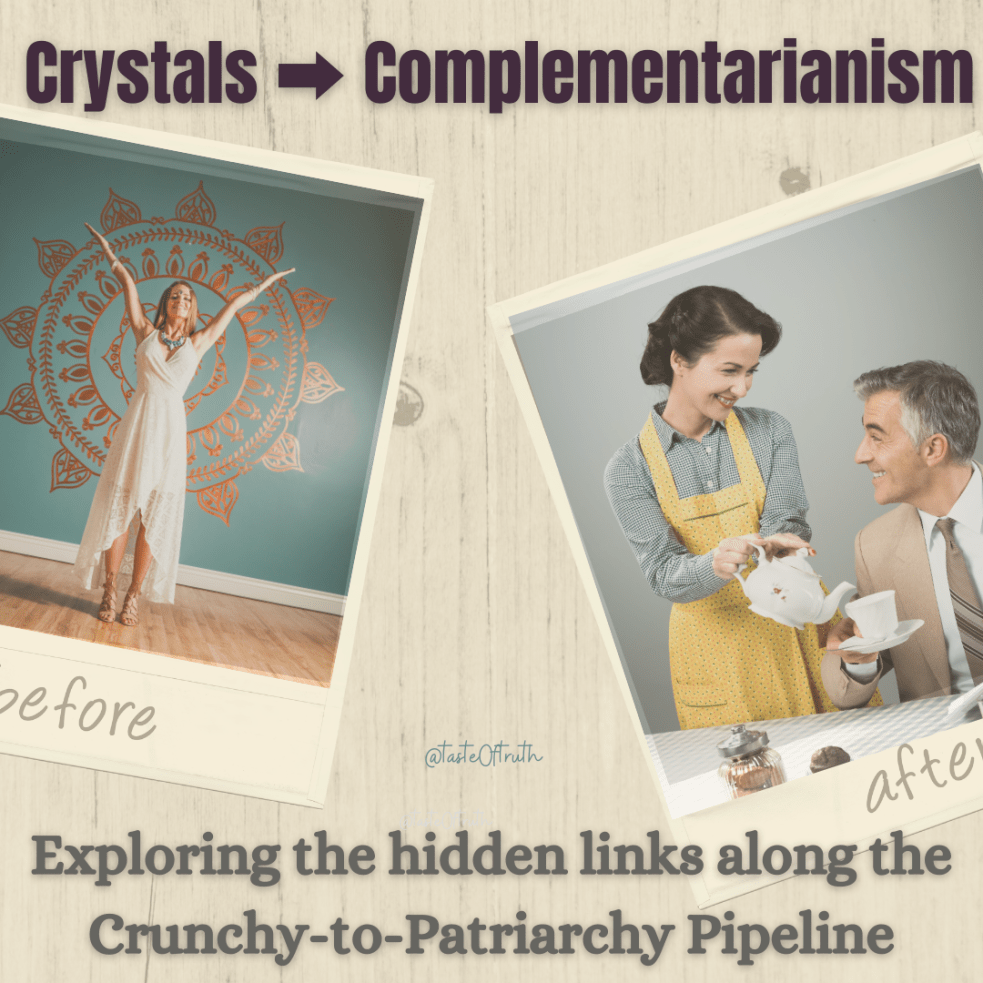
Crystals ➡️ Complementarianism: Exploring the hidden links along the Crunchy-to-Patriarchy Pipeline

Navigating the Intersection of Wellness and Ideology

Have you noticed this social trend New Age lifestyles to Jesus testimonies embracing far-right ideologies?

It’s a phenomenon influenced by social media algorithms and influencers who blend wellness with conspiracy theories and extreme views. What starts as an interest in yoga and herbal remedies can subtly transition into something much darker.

Understanding the Trad Wife and Stay-at-Home Girlfriend Movements

Enter the Trad Wife and Stay-at-Home Girlfriend movements—cultural trends advocating for traditional gender roles within relationships. Followers prioritize homemaking, submission to husbands, and nurturing domestic skills. This intersects with the Crunchy to Alt-Right Pipeline when online narratives blend wellness with conservative ideologies, portraying traditional roles as spiritual ideals.

Motivations Behind the Movements

  1. Embracing Traditional Values: Supporters cite a desire to uphold stability and traditional family roles, believing in the importance of creating a nurturing home environment and supporting their partners as leaders of the household.
  2. Rejecting Modern Feminism: Many within these movements view modern feminism as promoting anti-family agendas and undermining traditional values, preferring roles they see as empowering and fulfilling.
  3. Cultural and Religious Influences: Cultural and religious beliefs play a significant role, with some viewing traditional roles as rooted in religious teachings or cultural heritage, finding validation in communities that promote these values.

Understanding Fear Tactics and Cultural Influences

Fear tactics are prevalent in online content that combines wellness with extreme ideologies. These tactics manipulate users into adopting the group’s beliefs by promoting fear of worldly dangers, apocalyptic scenarios, or spiritual consequences. For example, narratives within the “culture wars” often lead to anti-LGBTQ and anti-feminist sentiments. Influencers may use fear of societal collapse or moral decay to urge followers towards conservative values, portraying them as a defense against perceived threats to traditional lifestyles.

Historical Precedents: Satanic Panic and Moral Panics

Historically, movements like the “Satanic Panic” in the 1980s and ’90s stoked fears of occult influences on children and communities, leading to widespread moral panic. Similarly, today’s online narratives can exaggerate or fabricate threats to bolster ideological adherence. The fear of cultural shifts, such as evolving attitudes towards gender roles or LGBTQ rights, fuels narratives that paint progressive changes as morally corrupt or spiritually dangerous.

Example: Evangelical Fears and Pop Culture In recent years, evangelical communities have expressed fears over pop culture icons like Taylor Swift, attributing spiritual significance to her lyrics and persona. This illustrates how fear can be used to mobilize against perceived threats to traditional values, even in seemingly innocuous contexts.

Examples:

  1. Harry Potter and Witchcraft: The “Harry Potter” book and film series sparked concerns among some evangelical groups who viewed the portrayal of magic and witchcraft as promoting occult practices and undermining Christian values. This led to debates and even bans on the series in some communities.
  2. Rock and Roll Music: Throughout history, evangelical circles have expressed fears over the influence of rock and roll music on youth, believing it promotes rebellion, promiscuity, and anti-Christian values. This fear was particularly pronounced during the rise of rock music in the 1950s and continues in various forms today.
  3. Secularization of Media: Evangelical fears often extend to broader secular media, with concerns over its perceived influence on moral values and religious beliefs. For instance, certain movies, TV shows, and music artists are scrutinized for their content and perceived impact on cultural norms.
  4. Celebrity Influence: Pop culture icons like Taylor Swift, Lady Gaga, or Madonna have been subjects of evangelical concern due to their lyrics, imagery, or public personas, which some interpret as promoting values contrary to traditional Christian teachings. These concerns reflect broader anxieties about the influence of celebrity culture on moral standards.

Navigating Complexity

While these movements resonate with some as empowering choices, they also perpetuate outdated stereotypes and limit opportunities for autonomy and self-fulfillment outside traditional roles. Some narratives oversimplify complex societal issues, promoting a binary worldview of good versus evil and omitting nuances and alternative perspectives. It’s essential to critically evaluate such content and consider its broader implications on personal beliefs and societal attitudes.

Understanding the motivations and concerns behind these movements fosters dialogue about gender, family, and cultural norms in contemporary society.

Let’s discuss: Have you observed or encountered these dynamics in your online experiences? What are your thoughts on their impact on societal norms?