When I first joined a multi-level marketing company, it felt like destiny. Freedom. Empowerment. Community. So much so that I tattooed “trust the process” on my body as a daily reminder. But the deeper I got, the more I noticed the cracks: emotional manipulation, magical thinking, and an almost religious silencing of doubts.
If you missed last week’s episode here is the deep dive of my own experience.
That’s why I’m thrilled to share this week’s podcast interview with Robert L. FitzPatrick. Robert has been sounding the alarm on MLMs for decades, long before it was common to describe them as cult-like. He’s the author of Ponzinomics: The Untold Story of Multi-Level Marketing, co-author of False Profits, and a respected expert cited by the BBC, The New York Times, and courts alike. For years, he’s been giving people the tools (language, data, and perspective) to recognize MLMs for what they truly are: predatory business models, not opportunities.
Here is the image of the “Airplane Game” we reference in the interview
In this episode, we cover:
The Spark: Robert’s first encounter with a scam-like business in the 1980s, which pushed him into decades of research on MLMs and fraud—mirroring the way my own personal MLM experience prompted deep self-examination.
Why “Not All MLMs” Is a Myth: The business model itself is designed to funnel money upward, making it impossible for the vast majority to succeed, regardless of the company or product.
Puritan Theology & Prosperity: How old ideas linking wealth to virtue evolved into the prosperity gospel, and how MLMs exploit that mindset.
Cultural Hooks: From hustle culture to self-improvement mantras and spiritual undertones, MLMs borrow heavily from mainstream culture to recruit and retain followers.
Narrative Control: How pre-scripted objections, emotional manipulation, and silencing tactics maintain loyalty and block critical thinking—something I’ve noticed both in MLMs and high-control religious groups.
The Hard Numbers: Realistic odds of success are brutal—most recruits lose money, almost all quit within a year, and mandatory purchases like “Healthy Mind and Body” programs or the Isabody Challenge trap participants financially and emotionally.
Legality & Political Protection: If MLMs are fundamentally unfair, how are they still legal? And what protects them politically?
Beyond the MLM Mindset: MLMs don’t just drain your wallet—they reshape identities, fracture communities, and erode trust in yourself and others.
This conversation is essential for anyone curious about MLMs, whether you’ve been drawn into one, have friends or family involved, or are simply interested in understanding how these systems work under the surface. Robert’s insights give us not just the numbers, but the language and tools to recognize the scam and the courage to break free from it.
Tune in for an eye-opening conversation that goes beyond the hype and digs into the real human cost of MLMs.
Let’s talk about Kangen Water—a glorified water filter that’s convinced half the wellness community it can practically save the world. Kangen is often presented as the “it” product that will cleanse your body, raise your pH, and cure whatever ails you. From detoxification to slowing the aging process, the claims are endless. But does it actually do any of this, or is it just one expensive bottle of hype?
As someone who loves to blog about wellness trends and help people navigate the often confusing and sometimes downright misleading claims in the wellness industry, I’m here to cut through the noise. It’s time to stop buying into pseudoscience that preys on our desire for easy fixes. The wellness world is filled with products promising miracle results—products that are often built on shaky science or worse, none at all. Kangen Water is no exception.
Let’s break down whether this water really deserves its pedestal, or if it’s just another trend feeding into a culture of overpriced wellness gimmicks.
Water: Neutral, Alkaline, and Misleading Marketing
Water (H2O) typically has a neutral pH, sitting around 7, but it naturally dissociates into hydrogen (H) and hydroxide (OH) ions. The more hydrogen ions in water, the more acidic it becomes, while the more OH ions, the more basic (alkaline) it gets. In pure water, these ions are present in a small amount, and they tend to balance out by reforming into H2O. So, what is alkaline water, and what’s in it?
Real alkaline water contains something to make it basic—often baking soda. Some products claim to alkalinize water electrically, but here’s the catch: any ions in the water will eventually neutralize each other. In the end, pure water will always strive for a pH of 7. The idea that you can “alkalinize” water and benefit your body is where the pseudoscience comes in.
The claim is that when the body becomes “too acidic,” it can lead to a slew of health issues, and drinking alkaline water can balance things out. But here’s the truth: The body works tirelessly to maintain a very narrow pH range—7 to 7.4—in the blood and tissues. Any fluctuation outside this range is potentially dangerous, which is why the body has mechanisms to keep pH in check, like regulating breathing to balance CO2 levels and adjusting urine acidity.
Put simply, the idea that drinking alkaline water will “balance” your body’s pH is misleading. The body is already equipped with efficient systems for managing pH balance, and consuming regular food or liquids, regardless of their pH, won’t disrupt this delicate equilibrium. That’s right—your body’s pH is mostly unaffected by alkaline or acidic foods and beverages. This is why the whole alkaline diet and water movement is rooted in pseudoscience.
While some studies have tried to link an alkaline diet or water to benefits like preventing cancer or osteoporosis, they fail to provide solid evidence. A 2016 systematic review found no proof that alkaline water prevents or treats cancer. A 2011 review similarly found no support for an alkaline diet’s protective effects on bone health. So why do people keep buying into it? The answer lies in clever marketing, celebrity endorsements, and the placebo effect.
In reality, the only plausible benefit of alkaline water may be for those suffering from acid reflux, where it could act as a temporary antacid. But even this is not proven, and established treatments for acid reflux are far more effective.
So, the next time you’re thinking about splurging on Kangen Water or an expensive alkaline water machine, ask yourself: “Am I really buying science—or am I buying into pseudoscience wrapped in a fancy bottle?”
First off, let’s clear up a few things. The Kangen machine has only a single filter, and it’s inadequate for dealing with many of the toxins found in tap water. In fact, because of shortcomings with the filter, the Kangen machine just might change your life—for the worse. The filter in the Kangen machine doesn’t reduce levels of heavy metals or salt, meaning that if you’re relying on it for purity, you’re still drinking some of the same contaminants that you started with.
The Claim: Alkaline Water = Health Savior
Kangen Water’s marketing suggests that its alkaline properties can balance your body’s pH, improve health, and even slow aging. And while this sounds great, there’s a big problem: our stomach acid has an essential job to do, and it does not care about alkaline water. The stomach is a pH powerhouse, designed to digest food with an acidity of around 1.5 to 3.5, which is harsh enough to break down whatever you eat. So, if you’re gulping down alkaline water thinking it’s going to go in and “balance your body’s pH,” hate to break it to you, but it’s being neutralized by stomach acid in a matter of seconds.
The Antioxidant Claims: A Splash of Misleading Science
Another claim is that Kangen Water provides a “high antioxidant” effect by adding molecular hydrogen (H₂) to the water. Real antioxidants like vitamins C and E are absorbed into the bloodstream, where they tackle free radicals directly. But hydrogen’s benefits may not even survive digestion—our stomach acid can neutralize hydrogen molecules before they’re absorbed. While a few small studies suggest hydrogen-rich water might offer some benefits, there’s little robust evidence to back Kangen Water’s lofty promises.
Bottom line? Real antioxidants from food and supplements are a safer, cheaper bet than a pricey filter.
Science Says: Um, No Thanks
There’s simply no solid science to back the idea that alkaline water has sweeping health benefits. Hydration? Absolutely important. But a magic pH fix? Not really. The idea that our bodies need “detoxing” is an incredibly popular concept in the wellness space. If you spend any time on social media or browsing health blogs, you’ve likely come across expensive detox programs, supplements, or special teas that promise to cleanse your body of “toxins.” But here’s the reality: the body has its own built-in detox systems that do an exceptional job of keeping things running smoothly—without the need for any pricey detox gimmicks.
The Body’s Built-In Detox Systems
Our liver and kidneys are the real detox heroes of the body. These organs are specifically designed to filter out harmful substances and waste products, ensuring that our body remains balanced and healthy. The liver plays a central role in detoxifying harmful chemicals by metabolizing them into safer substances, which are then either excreted through bile or filtered through the blood to the kidneys for excretion via urine. These processes are efficient, effective, and happen continuously, without you having to do anything.
Liver: The liver acts like a sophisticated chemical processing plant. It filters out toxins, breaks down fats, proteins, and carbohydrates, and even helps with the digestion of food by producing bile. It’s constantly at work, breaking down substances like alcohol, medications, and other chemicals in the body, rendering them safe or neutral for excretion.
Kidneys: The kidneys are in charge of filtering waste products and excess substances (such as water, salt, and waste metabolites) from the bloodstream, which are then eliminated as urine. They also regulate the body’s fluid balance, keeping things like electrolyte levels in check, which helps maintain overall homeostasis.
These systems work synergistically to maintain a delicate balance in your body. They don’t need the help of a fancy detox program or juice cleanse—they do the job perfectly well on their own.
Why Detox Products Are Mostly a Marketing Scam
So why are detox products so popular, and why are they sold for high prices? A big part of the appeal is that these products promise to make people feel “cleaner” or “lighter” by removing toxins. But many of the ingredients in these products (whether it’s activated charcoal, herbal supplements, or teas) often lack scientific support for their detox claims. For instance, while some herbal teas might have mild diuretic effects, they don’t actually enhance the body’s ability to remove toxins in a meaningful way. In fact, some detox teas have been found to contain dangerous substances, including laxatives that can lead to dehydration and an imbalance in electrolytes.
It’s also important to note that the idea of “toxins” is often used very broadly and vaguely in the wellness industry. Toxins, in the sense that they are often described in detox marketing, are not necessarily specific substances that we need to rid ourselves of. In fact, the body regularly processes and neutralizes “toxins” naturally. The idea of a “toxic overload” is rarely grounded in scientific fact—unless, of course, you’re dealing with something like heavy metal poisoning or an actual overdose, which are medical conditions requiring professional treatment.
The Myth of Quick Fixes
The idea of quick detoxes or cleanses may also play into the human desire for immediate results. People want easy answers and fast solutions for things like weight loss, clearer skin, or improved energy. While it may be tempting to buy into the myth that you can “flush out” all your health problems in a few days, the reality is that lasting health comes from a balanced, sustainable lifestyle, not a quick cleanse. Regular hydration, a well-rounded diet, and sufficient sleep go a lot further toward maintaining your body’s natural detox processes than any supplement or fad.
Real Health Practices vs. Detox Scams
The best thing you can do to support your liver, kidneys, and overall health is to maintain a lifestyle that supports them. This means:
Drinking plenty of water (which helps kidneys function properly)
Eating a balanced diet with a variety of whole foods (rich in antioxidants, vitamins, and minerals)
Exercising regularly (to boost circulation and support liver health)
Avoiding excessive alcohol or toxins (to prevent overworking your detox systems)
Getting plenty of sleep (for cellular repair and recovery)
These practices help maintain the natural detox processes your body already does efficiently. Instead of spending money on detox products that may only leave you feeling deprived or temporarily lighter, focus on these sustainable habits that provide long-term benefits. Your body doesn’t need a detoxing break—it needs consistent support to keep running at its best.
In short, while the wellness industry promotes detox products as if they are a magic solution, the truth is that your liver, kidneys, and body as a whole have been doing the job perfectly all along.
The Role of Metabolism in Detoxification and Health
The real question you should be asking is whether your metabolic function is optimal. If it’s not, detox programs and restrictive diets are just band aids, suppressing symptoms like weight gain or chronic inflammation without addressing the root cause. And that root cause is often poor metabolic health.
What is metabolism?
It’s how efficiently and effectively your body uses energy to perform essential functions. Your metabolism impacts everything from how your cells function, to hormone production, and even the detox systems themselves.
Metabolism affects key functions such as:
Detoxification (liver, kidneys, skin)
Digestion
Hormonal output (thyroid, adrenals, insulin)
Inflammation and immune response
Menstrual cycles and reproductive health
When you focus on optimizing your metabolism through a well-rounded lifestyle—eating enough, managing stress, moving regularly, and prioritizing sleep—you support all of these systems, including detoxification. Restrictive detox diets that promise to “reset” your body do the opposite, often exacerbating metabolic imbalances.
How to Support Your Metabolism (and Detox Naturally)
Instead of relying on trendy detoxes, consider nurturing your body’s natural processes with these foundational practices:
Nourish your body rather than restricting it.
Eat a balance of protein, carbs, and healthy fats at regular intervals.
Breathe deeply to manage your nervous system.
Prioritize stress reduction and downtime (yes, even doing nothing is important).
Eat consistently, don’t skip meals.
Prioritize sleep—it’s essential for metabolic repair.
Increase daily movement—move more throughout the day!
A healthy metabolism is the foundation of a healthier body—when you heal your metabolism, you heal your whole self.
In conclusion, skip the detox fads, focus on metabolic health, and support your body’s natural detoxing systems. Your body is incredibly capable, and all it really needs is consistent care and support. 🍑
The Price Tag: Prepare to Be Shocked
Kangen Water machines range from $1,280 to almost $6,000. That’s right—almost six grand for a fancy filter. For comparison, you could buy a lifetime supply of high-quality bottled water, a well-reviewed filtration system, or even invest in a small swimming pool. And while Kangen distributors might tell you it’s an investment in your health, what they really mean is it’s an investment in their commission check.\
The Catch: Welcome to the MLM Trap
Kangen Water’s parent company, Enagic, operates through a multi-level marketing (MLM) model. That means a good chunk of their “sales” come from distributors who are also customers, encouraged to buy machines to qualify for commissions. It’s not so much about the water’s life-changing properties as it is about recruiting new people to buy machines, who then recruit others, and so on. Each sale pays up to 8 people in the “upline,” making it more about building a downline than actually selling to customers
How to Avoid the Hype
If you’re really concerned about hydration and wellness, stick to filtered water. A quality filtration system can be a great investment without the price tag or the questionable promises. If you want to experiment with pH, try adding lemon to your water. Despite its acidity, lemon can actually have an alkalizing effect on the body once metabolized, and it costs about 50 cents.
Bottom Line: Don’t Drink the Kool-Aid
Wellness should be about making informed, evidence-based choices, not falling for fancy (and pricey) illusions. Kangen Water is marketed as a wellness must-have, but a good filtration system will do the job just as well—without the cult-like MLM tactics. So next time someone tells you alkaline water is the answer, just remember: your body is already handling things perfectly well, and it doesn’t need a $5,000 machine to do its job.
Resources:
Here are some top resources to explore the science (or lack thereof) behind alkaline water and other wellness claims:
Books
1. “Bad Science” by Ben Goldacre – Critiques pseudoscientific health claims, with sections on the wellness industry.
2. “Trick or Treatment: The Undeniable Facts about Alternative Medicine” by Simon Singh & Edzard Ernst – Examines popular health trends and evaluates evidence behind them.
1. Science Vs. (Podcast by Wendy Zukerman) – Covers alkaline water in various episodes, debunking wellness trends.
2. “Alkaline Diets: Fact or Fiction?” by Dr. Mike Hansen on YouTube – A medical professional’s take on alkaline water and diets, with easy-to-understand explanations.
These resources give a broad perspective on why certain wellness claims, like those around alkaline water, often lack scientific support.
Two highly regarded resources targeting MLMs like Kangen Water, are:
1. YouTube Channels: Anti-MLM content creators on YouTube, such as Illuminaughtii and Always Marco offer thorough, engaging analyses on MLMs, including Kangen Water’s practices and claims. These creators debunk misleading promises of financial success and health benefits promoted by MLM companies, providing evidence-backed critiques and personal accounts from former members.
2. The Anti-MLM Coalition: This website hosts a wide array of articles, lists, and YouTube recommendations that critique various MLMs. They detail many companies, including Enagic (the manufacturer of Kangen Water systems), breaking down why these structures are problematic. The coalition’s articles dissect business tactics, income claims, and legal actions, helping potential recruits or current distributors understand the reality behind MLM promises.
These resources offer educational, factual content to help audiences critically evaluate MLMs and make informed decisions.
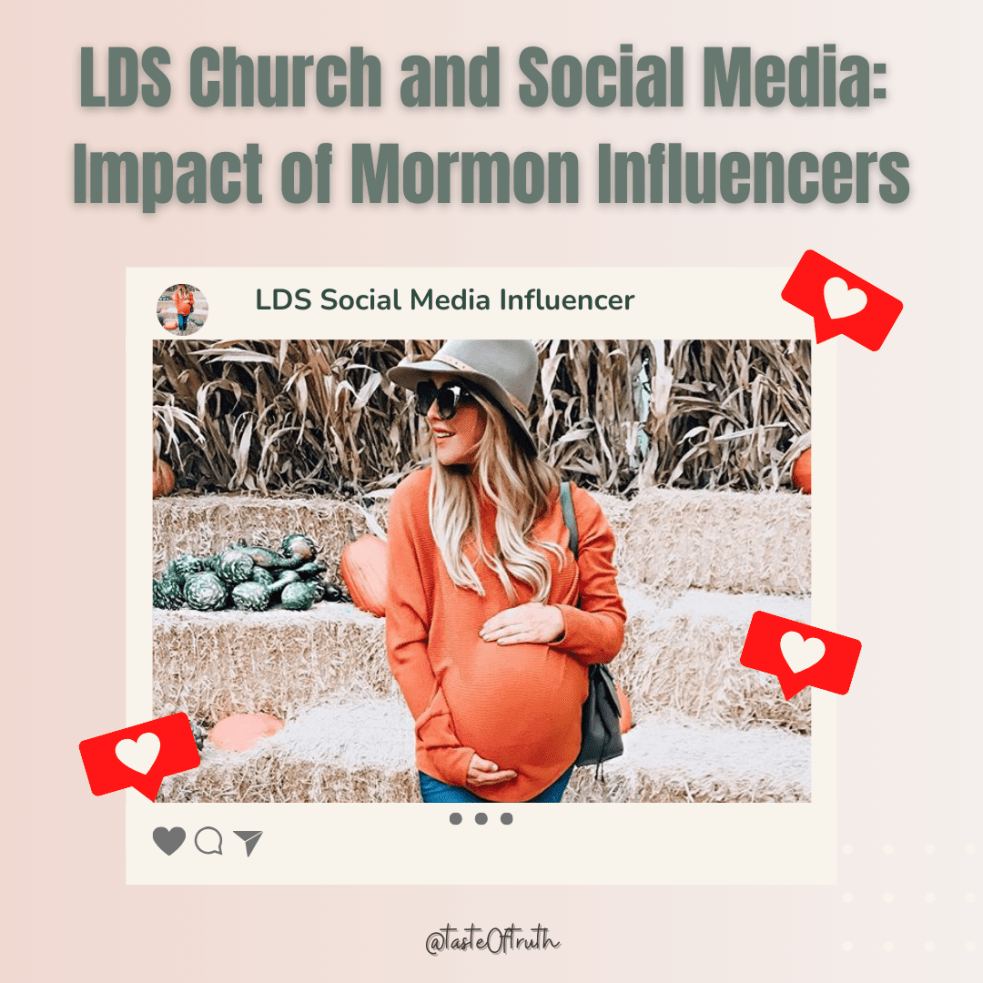
In recent years, social media has revolutionized the way individuals and organizations promote their values and products. For the Church of Jesus Christ of Latter-day Saints (LDS Church), commonly known as the Mormon Church, this digital age presents both opportunities and challenges. Mormon influencers leverage their social media platforms not only to promote their faith but also to engage in network marketing and endorse various products. This post explores how these influencers operate, the intersection of faith and commerce, and the ethical implications of their strategies.
The Rise of Mormon Influencers
Mormon influencers utilize their platforms to promote a range of products, often integrating their religious values into their marketing strategies. Here’s how they do it:
1. Selling Products
Network Marketing: Influencers often participate in network marketing companies like Young Living, doTERRA, and Monat. These companies thrive on personal networks for sales and recruitment, which aligns with the close-knit nature of the Mormon community.
Brand Partnerships: Many influencers collaborate with brands to promote products such as health supplements, fashion items, and home goods. Their content typically reflects a wholesome, family-oriented lifestyle that resonates with their followers.
Homemade and Handcrafted Goods: Some influencers sell their own creations, such as crafts, clothing, or digital products. Their personal brand often emphasizes values like family, self-reliance, and creativity.
2. Recruiting into Their Religion
Personal Testimonies: Sharing personal faith stories is a common tactic. Influencers discuss how their beliefs positively affect their lives, making their faith appealing to potential followers.
Showcasing Lifestyle: By highlighting a family-centric and clean-living lifestyle, influencers subtly promote the benefits of their faith. This can attract those seeking community and moral guidance.
Incorporating Faith into Content: Faith is often woven into daily content, making religious practices and values a natural part of the influencer’s brand.
Service and Community Involvement: Influencers highlight their community service projects, showcasing the active and supportive nature of the Mormon community.
Network Marketing and the LDS Church
Amway and the LDS Church
The blog post “Amway and the Mormon Church” explores the historical connections between Amway, a prominent network marketing company, and the LDS Church. Many Mormons have been involved in Amway’s business model, which relies on personal networks for sales and recruitment. The Mormon community’s strong emphasis on personal relationships and trust makes it a fertile ground for such network marketing ventures.
Key Points from the Article:
Historical Connections: The LDS Church has had historical ties with network marketing companies like Amway, with many members participating in their business models.
Community and Trust: The close-knit nature of the Mormon community fosters an environment where network marketing can thrive, as trust and personal connections play a significant role in sales and recruitment.
Melaleuca and its Relationship with LDS Influencers
Melaleuca, Inc., a wellness product company based in Idaho, was founded by Frank L. VanderSloot, an LDS Church member. While Melaleuca is not officially affiliated with the LDS Church, its founder’s faith influences its business practices and marketing strategies.
Melaleuca’s Key Points:
Product Marketing: Distributors often promote Melaleuca’s products within their personal and community networks, including religious communities.
Health Claims: Some distributors may make exaggerated health claims about Melaleuca’s products, which can veer into sensationalism and conspiracy theories about conventional medicine.
The Trad Wife Controversy and Traditional Values
In the ongoing conversation about traditional values and gender roles, the Ballerina Farm controversy provides a significant example of how these ideals are presented and critiqued. Ballerina Farm, a popular social media presence, showcases a vision of traditional domestic life that aligns with the “trad wife” movement. This movement emphasizes traditional roles and domestic fulfillment, which some individuals see as empowering personal choices.
Houseinhabit’s Perspective: Houseinhabit’s analysis of Ballerina Farm shared her perspective on this issue. According to Houseinhabit, “Hannah’s story isn’t about regression; it’s about choice. She embodies a version of success not measured by corporate titles but by personal contentment and family harmony that is, at the core, rooted in her faith in God. Ultimately, the real goal of feminism should recognize and respect the diverse paths women take. Critique should foster understanding rather than perpetuating division.” Houseinhabit argues that Ballerina Farm presents traditional roles as voluntary and desirable, rather than acknowledging their roots in patriarchal structures.
Patriarchal Norms and Cultural Context: This perspective is important, but it’s also crucial to consider the role of patriarchal norms within such movements. Consequently, practices that may seem problematic to outsiders—such as Daniel’s rushed engagement and his control over Hannah’s education—are often normalized within their cultural context. These actions reflect a broader adherence to patriarchal values, including homeschooling with a Christian Mormon syllabus, which underscores their commitment to traditional gender roles.
The LDS Church’s Use of Social Media Influencers
Adding another layer to this discussion, recent research into Mormon influencers reveals how the LDS Church is using social media to attract new recruits. Influencers, particularly families, are employed to promote Mormonism through platforms like Instagram and YouTube. This strategy capitalizes on the appeal of traditional family values and domestic harmony to attract a broader audience. The church’s use of social media influencers can be seen as a recruitment tool that highlights the appealing aspects of traditional lifestyles while potentially overshadowing the complexities and criticisms associated with these roles.
Ethical Considerations and Transparency
The use of social media for religious and commercial purposes raises several ethical questions:
Commercial vs. Faith Promotion: Influencers must navigate the fine line between promoting their faith and commercial interests. Transparency about religious intentions behind promotions is crucial.
Sensationalism and Conspiracy Theories: Some network marketing practices, particularly in the wellness sector, involve sensationalizing health benefits or promoting anti-mainstream narratives. This can lead to misinformation and mislead consumers.
Regulatory Concerns: Companies like Melaleuca are subject to Federal Trade Commission (FTC) regulations that aim to prevent deceptive marketing practices. Ensuring compliance and transparency is essential to maintaining consumer trust.
Conclusion
The intersection of social media, faith, and network marketing presents both opportunities and challenges for LDS influencers. While they effectively use their platforms to promote products and their faith, ethical considerations about transparency, sensationalism, and the blending of commercial and religious messages remain significant. The Ballerina Farm controversy and the LDS Church’s social media strategies illustrate a broader societal pattern where traditional values and modern media intersect, raising important questions about how these dynamics influence perceptions of gender roles and faith.
Books and Articles
“Mormonism and the Politics of Gender: Gender, Family, and Identity” by Anne C. Lovell
Explores the role of gender within Mormon culture and how it impacts family and identity dynamics.
“How the LDS Church Uses Social Media to Grow Its Congregation” – A detailed article discussing the strategies employed by the LDS Church to use social media for growth.
These resources should provide a solid foundation for understanding the LDS Church’s use of social media influencers and the broader implications for religious outreach and media influence.





 Taste0ftruth Tuesdays