Ditch the Quick Fix: Building Habits That Actually Stick

Reframing the New Year: Rejecting Quick Fixes for Sustainable Growth

Welcome to Season 3 of Taste of Truth Tuesdays! 🎉 We’re kicking off with a bang, diving deep into a topic near and dear to my heart. After two decades in the fitness industry, I’ve got some game-changing insights, tips, and no-nonsense truths to share. You won’t want to miss a single minute of today’s episode💪✨

The New Year is here, and you’ve probably seen the tidal wave of ads pushing detoxes, cleanses, and resets. Let me stop you right there: NO, you do NOT need a detox, cleanse, or reset after the holidays.

When I say, “quick fix,” what comes to mind? Maybe it’s a detox tea promising to cleanse your system, a miracle shake that claims to replace your meals, or even the latest pharmaceutical weight-loss drug like Ozempic, used off label and hailed as the “solution” to stubborn fat. Quick fixes thrive on our desperation for immediate results. They’re marketed as shortcuts—whispering, “This will solve all your problems,” no patience or hard work required. 🫣

But here’s the hard truth: quick fixes rarely fix anything. Whether it’s a detox, a cleanse, or a medication designed to suppress your appetite, they often bypass the root causes of your concerns. They don’t teach you how to nourish your body or rebuild a healthy relationship with food. Instead, they slap a band-aid on symptoms while creating long-term consequences for your metabolism, hormones, and mental well-being.

Take Ozempic, for example. While it’s been touted as a “miracle” weight-loss drug, there are some serious health warnings that aren’t always front and center. As with significant weight loss in general, some people using these drugs experience muscle loss and lower bone density, increasing the risk of injury—especially for older adults.

In animal studies, semaglutide (the drug behind Ozempic) has been linked to an increased risk of thyroid cancer, including medullary thyroid carcinoma. While we don’t yet know if this risk translates to humans, it’s something to be aware of—especially if you have a family history of thyroid conditions. And let’s not forget the FDA’s 2023 warning about potential intestinal blockage associated with these medications, although the evidence so far shows it’s more about slowed gastric emptying and vomiting mimicking an obstruction.

And here’s the kicker—while these quick fixes promise to reshape your body in a short period, they often come with a slew of side effects that are rarely discussed. The key to managing those risks? Pay attention to your diet, listen to your body, and stay hydrated. But I can’t help but wonder: is the price tag on this “quick fix” really worth it?

In my own journey, I repeatedly fell for these promises—from replacing real food with Smart Start cereal, to taking ephedra and green tea energy pills in high school, and in my 30s, chasing the next shake, cleanse, or some ridiculous holistic protocol that promised to transform my body overnight. Spoiler alert: it never worked the way I hoped, and sometimes, it made things worse.

Today, we’re pulling back the curtain on quick fixes, diving into why they’re so appealing, and exposing the truth about detoxes, cleanses, and even medications like Ozempic. Because your health deserves more than a shortcut—it deserves a sustainable, thoughtful approach rooted in a long-term sense of well-being.

Let’s start by breaking down the dangers of these so-called “solutions” and why they often cause more harm than good.

🚨 The Dangers of Detoxes and Cleanses

Let me start by sharing a bit about my personal experience with Isagenix, an MLM I was involved in for four years. Their program revolved around “shake days” and “cleanse days.” Shake days required replacing two meals with shakes, leaving you with just 1,200-1,500 calories a day. Cleanse days were even more extreme: 24-48 hours of intermittent fasting where you consumed only “approved” snacks—essentially glorified candies from their product line.

These cleanse days were touted as the secret to triggering autophagy, “cleaning up your cells,” and building muscle while shedding fat. But for me, the reality couldn’t have been further from the sales pitch. Instead of gaining energy, building muscle, or feeling cleansed, I experienced fatigue, hormonal disruptions, and a worsening relationship with food.

I want to clarify here: if you’re under the care of a well-educated, integrative professional who has run labs and prescribed a short-term liver cleanse or restrictive protocol tailored to your needs, this isn’t directed at you. I’m talking to the folks who, like me, were misled by the marketing tactics of supplement companies, MLMs, and Pinterest ads. These programs prey on our insecurities while delivering none of the promised benefits.

Here’s why these quick-fix detoxes and cleanses are more harmful than helpful:


They Deplete Your Energy Over Time

On those “cleanse days,” I often felt like I was running on fumes. Severely restricting food intake forces your body to pull from its energy reserves, leaving you fatigued, irritable, and unable to function optimally.
Over time, this restriction triggers metabolic adaptation, slowing down your metabolism to conserve energy. Instead of speeding up fat loss, it makes your body cling to every calorie it gets, making future weight management even harder.

They Disrupt Hormonal Health

My cleanse days wreaked havoc on my hormones. The lack of consistent nourishment interferes with thyroid hormone conversion and overactivated the adrenal glands, increasing cortisol production. Chronic high cortisol levels undermine immunity, energy, and mood.
For women, the risks are even greater. Prolonged restriction sends your body into survival mode, disrupting your reproductive hormones. I dealt with irregular periods, cold extremities, and even hair thinning—all signs that my body was prioritizing survival over reproduction.

They Create Nutritional Deficiencies

When you cut out food, you cut out nutrients. The shakes and supplements from Isagenix were marketed as “nutritionally complete,” but they couldn’t compare to the diversity and richness of whole foods. This reliance on synthetic supplements is not a sustainable way to meet your nutritional needs.

They Damage Your Relationship with Food

One of the most insidious effects of these programs was how they warped my relationship with food. By constantly restricting and “cleansing,” I lost touch with hunger cues and began seeing food as the enemy. At one point, my appetite diminished, which might sound like a win in hustle culture, but it was actually a red flag. Our bodies need food to fuel productivity, creativity, and overall well-being. Sacrificing health in the name of hustle isn’t the flex diet culture makes it out to be.


The Bottom Line

Programs like the one I was involved in sell you the illusion of health while delivering energy depletion, hormonal imbalance, and long-term damage to your metabolism. Sustainable growth comes from nourishing your body, listening to its needs, and rejecting the false promises of quick fixes.

If you’re considering a cleanse or detox, ask yourself: is this supporting my long-term health, or am I falling for a marketing gimmick? 

💡 What Your Body Actually Needs

Your body thrives on consistency, nourishment, and balance. That’s why the 365 Easy Challenge focuses on six foundational habits to create sustainable growth:

  • Gratitude – Build a positive mindset by reflecting daily on what you’re thankful for.
  • Digestion – Support your gut with mindful eating practices and nourishing foods.
  • Sleep – Prioritize restorative rest to boost energy and metabolism.
  • Mindset/Self Talk – By reframing, shift your mindset to approach challenges with resilience.
  • Stress Management & Nutrition – Balance your life and plate without extremes.

These habits aren’t about perfection—they’re about progress. You can join in any time and make this year about sustainable, steady growth. One phrase I often say often to clients:

“Slow is steady and steady is fast.”

Seven Things I Wish I Knew Sooner

In this episode, we’re tackling the first four lessons I wish I’d learned earlier in my nutrition and fitness journey. These are insights that can save you time, frustration, and even your health.

1. Extreme Diets Have Extreme Consequences

If you’ve ever thought, “I just need to cut calories harder,” let me stop you right there. Extreme diets may promise quick results, but they come with a hefty price tag on your body.

Research, such as the Biggest Loser Study (PMID: 27136388), reveals a major roadblock: metabolic adaptation. Your body isn’t wired for vanity; it’s wired for survival. When you restrict calories excessively, your body compensates to preserve energy—this can continue for years after the diet ends (PMID: 35729736).

Here’s what that looks like:

  • Calorie restriction becomes less effective over time.
  • Your metabolic rate slows down, making it harder to maintain or continue fat loss.
  • You feel frustrated, but it’s your body hitting the brakes, not your willpower failing.

Takeaway: Your body isn’t out to sabotage you; it’s protecting you. The solution? Nutritional periodization. Incorporate diet breaks, maintenance phases, and even reverse dieting to minimize these adaptations.

2. Restrictive Diets Wreck Hormonal Health

Chronic or yo-yo dieting isn’t just stressful for your mind—it’s a major stressor for your body. Prolonged restrictions can negatively impact your:

  • Adrenal system: Chronic stress triggers the HPA axis, increasing cortisol. While cortisol is essential in moderation, consistently high levels can negatively impact energy, mood, and immunity.
  • Thyroid: High stress interferes with TSH production and the conversion of thyroid hormones, which are vital for metabolism.
  • Reproductive hormones: Missing or irregular periods, hair loss, and constant coldness? These are signs your body isn’t feeling “safe” enough to prioritize reproduction.

Minimum body fat is necessary to maintain reproductive health, especially for women. Hormones like progesterone, critical for ovulation and metabolism, rely on nutrient availability and a sense of safety

Takeaway: Your body isn’t the enemy—it’s doing its best with the fuel and signals you’re giving it. Support your hormones by eating enough, maintaining balance, and avoiding extreme restrictions. PMID: 2282736

3. Exercise + Intermittent Fasting = Double Trouble for Women

Adding intense exercise to intermittent fasting might sound like a fast track to results, but for women, it’s a recipe for dysfunction. Here’s why:

Women’s bodies are highly sensitive to kisspeptin, a neuropeptide critical for reproductive and endocrine health. Diets like keto and intermittent fasting can disrupt kisspeptin production, leading to:

  • Endocrine dysfunction.
  • Menstrual irregularities.
  • Depression and increased abdominal fat (yes, the opposite of what you wanted).

Half of all active women aren’t eating enough to support basic functions, let alone training. The long-term impact? Impaired thyroid function, stalled muscle growth, and metabolic imbalance.

Takeaway: Women need nourishment, especially when training hard. Fasting and exercise together often do more harm than good, leaving your body stressed instead of thriving.

PMID: 29860237
PMCID: PMC4818825
https://doi.org/10.1038/s41574-020-0363-7
Dr. Stacy Sims

4. A Healthy Relationship with Exercise is Flexible and Fulfilling

Exercise is amazing for your body and mind, but even a good thing can become harmful when taken to extremes.

Exercise addiction is a compulsive engagement in physical activity, despite negative consequences. It often comes with:

  • Excessive rules and rigidity.
  • Feelings of shame before, during, or after workouts.
  • Withdrawal symptoms when unable to exercise.

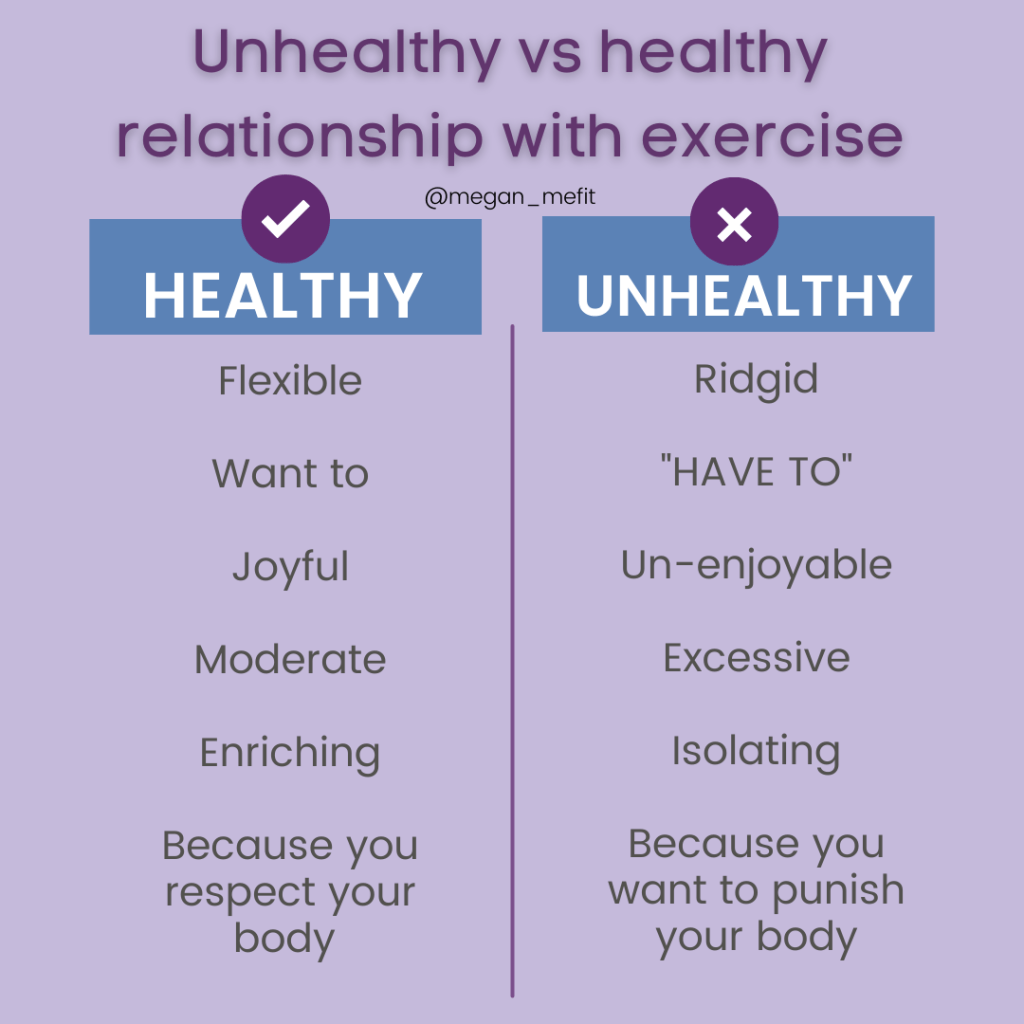
In contrast, a healthy relationship with exercise is:

  • Flexible: It allows for variety in movement types and durations.
  • Fulfilling: It’s rooted in joy and self-care, not punishment or guilt.

Takeaway: The best kind of movement is the one that enriches your life, not rules it. Exercise should add value to your day, not take away from it.
✨ Let’s Leave Hustle Culture in 2024👋

Hustle culture says, “Eat less, work more, and sacrifice rest to succeed.” This mindset isn’t empowering—it’s exhausting. This year, let’s prioritize health over hustle and choose habits that energize rather than deplete.

The 365 Easy Challenge is here to help you make that shift. Whether it’s gratitude, better sleep, or balanced nutrition, these small steps add up to big changes over time.

Takeaway for 2025: This year, skip the detox and focus on what truly works: habits that honor your body’s needs, not a quick-fix fantasy. If you’re ready to embrace sustainable growth, join the 365 Easy Challenge and start building a foundation for lifelong health.

It’s never too late to jump in—let’s grow together!

Season 3 of Taste of Truth Tuesdays: Launching December 31st

We’re back! After a transformative and eye-opening second season, I’m excited to announce that Season 3 of Taste of Truth Tuesdays will kick off on December 31st. (Audio says Jan 7th, which was the original start date, I bumped it up a week.) This season promises to be packed with even more riveting conversations and insightful discussions. We’re diving into the complexities of spirituality, healing, activism, mental health, body image, and the power dynamics that shape our lives.

Here’s a sneak peek at the incredible guests you’ll hear from in the upcoming season:


Connie A. Baker: Spiritual and Religious Abuse

Connie A. Baker brings her expertise and personal experience to discuss the destructive impacts of spiritually abusive messages. These messages often erode our self-trust, leaving us vulnerable to further harm. In our conversation, we’ll explore the process of recovering from spiritual abuse and why it’s essential not to rush this journey. Connie will help us understand how survivors—especially those of us with a default setting of ‘push through’—can slow down and approach the healing process with patience. This wisdom is invaluable for true recovery, and I can’t wait for you to hear Connie’s insights.


Yasmine Mohammed: Escaping Radical Islam and Advocating for Women’s Rights

Yasmine Mohammed, a human rights activist and author of Unveiled: How Western Liberals Empower Radical Islam, joins me to share her powerful story. After escaping a forced, abusive marriage to an Al-Qaeda operative, Yasmine became an advocate for women’s rights. Through her non-profit organization, Free Hearts, Free Minds, she works tirelessly to support individuals seeking freedom from oppressive environments. Her memoir and activism offer a deeply personal and courageous perspective on overcoming adversity and empowering women. Her journey is one of survival, strength, and defiance.


Leah Denton: Therapy Harm and Power Dynamics in Mental Health

Leah Denton, the brilliant host of Psycho/Therapy podcast, will bring her deep insights into the harm that can occur within the therapeutic space and pastoral counseling. Leah, a survivor of therapy harm herself, shines a light on the ethical and systemic flaws within the mental health industry. She amplifies the voices of those who’ve been silenced and challenges us to rethink the power dynamics that can influence our healing. Leah’s work is a powerful call to action for better, more ethical care in therapy and beyond.


The Wellbeing Doctors: Body Image and Social Media’s Impact on Mental Health

Dr. Hannah Jarman and Ms. Claudia Liu, the dynamic team behind The Wellbeing Doctors, will discuss the intersection of body image, disordered eating, and the profound impact that social media has on our mental health. In their research, they’ve uncovered how active engagement with peers on social media can immediately reduce body image satisfaction, particularly for women. Together, we’ll explore how we need to redefine both beauty and health in ways that promote our true well-being, beyond appearances.


Wellness with Jaqui: The Real Story Behind Nutrition Research

Jaqui is back to break down the often-confusing world of nutrition research. If you’ve ever been baffled by conflicting diet headlines, this episode is for you. Jaqui will help us understand why nutrition research can be so complex, and how ‘statistical significance’ might not always mean what we think it does. This episode will bring clarity to the world of nutrition science and challenge the headlines we often see.


Franklin O’Kanu: Bridging Science, Spirituality, and Practical Wisdom

Franklin O’Kanu, also known as The Alchemik Pharmacist, is the founder of Unorthodoxy, a Substack that explores the spiritual dimensions of modern life through a holistic lens. With a Doctorate in Pharmacy and a background that bridges Pentecostal Christianity, Eastern philosophies, quantum physics, and Jungian psychology, Franklin offers a truly unique perspective. We’ll dive into his journey—from challenging conventional views during the pandemic to crafting a plan rooted in spiritual and natural principles. Franklin’s exploration of science, spirituality, and practical wisdom is sure to offer deep insights and foster a deeper understanding of the world around us.


This season is going to be a wild ride, full of wisdom, courage, and deep dives into essential topics that will challenge and inspire you. Don’t miss out on the launch of Taste of Truth Tuesdays Season 3 on December 31st! Make sure you’re subscribed, so you never miss an episode.

Stay curious. Stay skeptical. And, as always, keep tuning in! 🎙️🔒

Master Your Sleep: Simple Hacks for Restful Nights

The holidays are here, and while it’s the season of joy, connection, and maybe a few too many late nights, it’s also the perfect time to start preparing for the 365 Easy Challenge kicking off in 2025. And let’s face it: sleep is the foundation for everything we’ll tackle together next year.

Did you know women are more likely to struggle with insomnia than men? It’s not just in your head—it’s science. Hormonal fluctuations (hello, PMS, pregnancy, and menopause) wreak havoc on your sleep cycles, making restful nights feel like a luxury you can’t afford to miss.

But here’s the real kicker: poor sleep doesn’t just leave you feeling groggy. It messes with your mood, metabolism, and even your muscles. Whether you’re juggling holiday chaos, prepping for a fresh start in January, or just trying to function, running on empty isn’t the answer. Let’s dig into why quality sleep is essential—and how to actually get it.


Why Sleep Matters More Than You Think

  1. Inflammation & Immunity
    Sleep is your body’s built-in anti-inflammatory agent. Without it, inflammation skyrockets, leaving you vulnerable to chronic diseases and poor recovery from workouts or injuries.
  2. Mental Clarity
    Brain fog isn’t just an inconvenience; it’s a sign your brain didn’t get its overnight “detox.” Sleep clears out waste products like amyloid plaques, which are linked to neurodegenerative diseases. Think of it as housekeeping for your mind—skip it, and you’re living in clutter. Braig fog + thyroid connection!
  3. Hormonal Harmony
    From cortisol to melatonin to estrogen, sleep keeps your hormones in check. Messy sleep = messy hormones, which can mean mood swings, weight gain, and irregular cycles.
  4. Circadian Rhythm & Beyond
    Your body runs on a 24-hour clock. Disrupting it—whether with late-night scrolling or inconsistent sleep times—throws everything off, including digestion, energy levels, and even hunger cues.

Sleep & Exercise: The Sneaky Saboteur

Think sleep doesn’t impact your workouts? Think again. Poor sleep leads to:

  • Slower reaction times (hello, clumsiness).
  • Increased injury risk (because you’re tired and uncoordinated).
  • Longer recovery times (muscles can’t repair without rest).
  • Heightened fatigue (making you feel like you’re dragging through every rep).

💡 Quick fix: Research shows a 45-minute afternoon nap can improve performance and lower perceived effort. Translation: naps aren’t lazy; they’re strategic.


Bedtime Hacks for Better Rest

  1. Dim the Lights
    Block blue and green light from screens, lower the brightness, and dim the room 1–2 hours before bed.
  2. Chill Out
    Literally—lower your bedroom temperature to around 65°F (18°C). Cooler temps signal your body it’s time to rest.
  3. Silence & Darkness
    Total darkness (blackout curtains or a sleep mask) + white noise or earplugs = your best chance at uninterrupted rest. My favorite sleep track
  4. Stick to a Schedule
    Consistency is key. Aim to go to bed and wake up at the same time—even on weekends.
  5. Don’t Force It
    Wake up in the middle of the night? Get out of bed briefly to reset instead of tossing and turning.

Level Up Your Sleep with Bedtime Gummies

Let’s talk about a bedtime treat that actually works: Tart Cherry Gummies. Packed with melatonin and glycine, they’re a natural way to ease into deeper, more restful sleep.

Why Glycine Rocks:

  • Helps you fall asleep faster.
  • Improves sleep quality and efficiency.
  • Eases symptoms of insomnia.

Recipe:

  • 1 cup tart cherry juice
  • 1 cup water
  • 4 tbsp beef gelatin
  • Maple syrup (to taste)
  1. Bloom the gelatin in half the juice for 3–5 minutes.
  2. Heat the remaining juice, then combine.
  3. Pour into molds or a dish and refrigerate.

The Takeaway

Sleep isn’t a luxury—it’s a lifeline. From balancing your hormones to enhancing your brainpower, it impacts every aspect of your health. If you’re still treating it like an afterthought, it’s time to flip the script.

Now, tell me: what’s your biggest sleep struggle, and which hack are you going to try first? 💤

Master Your Digestion This Holiday Season

Posting on a Wednesday? Guess my calendar’s been indulging in holiday cookies too.

Yep, we’re shaking things up this week! Whether you’re catching up on leftovers or prepping for your next holiday feast, now’s the perfect time to talk about digestion. After all, it’s the unsung hero of health—working overtime while we’re busy piling on the mashed potatoes

This post also kicks off a sneak peek into January’s 365 Easy Challenge, where we’ll focus on mastering six foundational habits to make 2025 your healthiest year yet. So, grab a cozy beverage, and let’s dig into how to keep your gut happy (and your pants buttoned) this holiday season.


Why Digestion Deserves the Spotlight

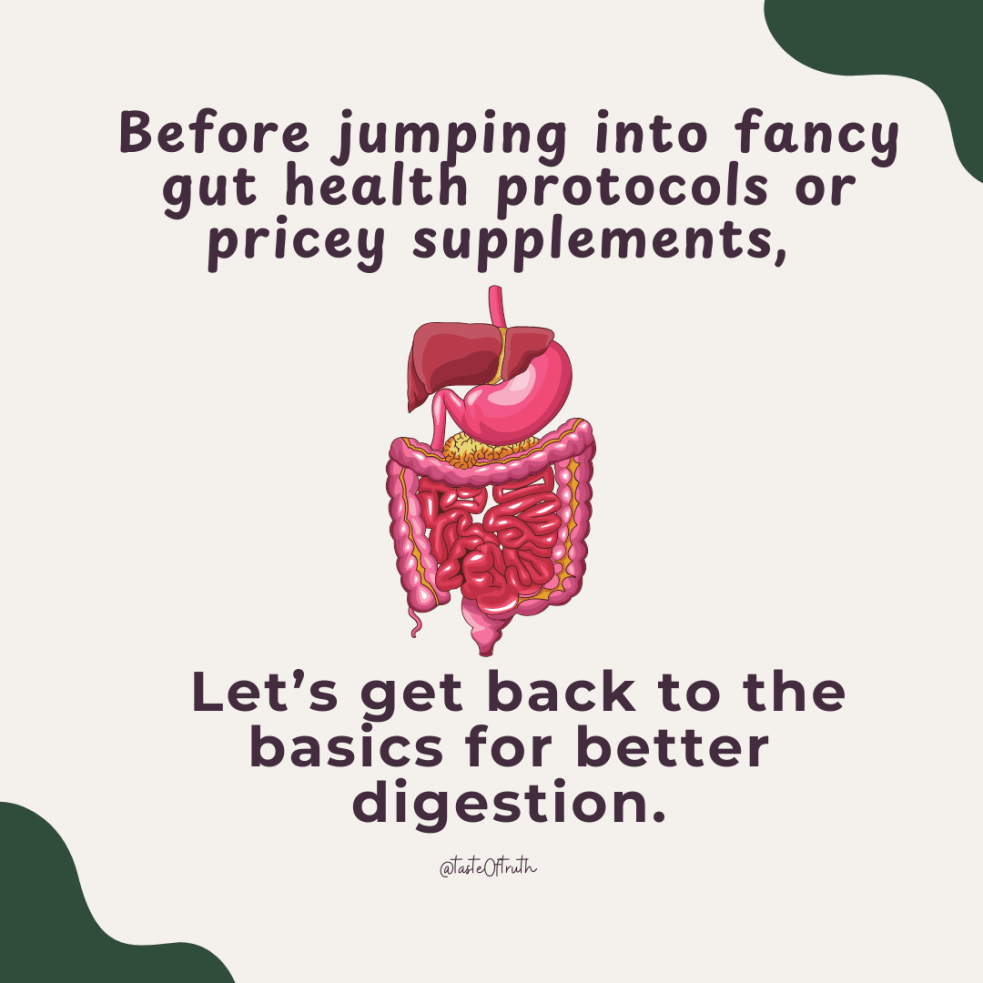
Let’s be real: you can load up on the healthiest foods, but if your digestion isn’t working properly, your body can’t absorb all those nutrients. Instead of diving into advanced gut protocols, let’s focus on digestive basics—those everyday habits that can transform how you feel after a meal.

From holiday feasts to office potlucks, the season is full of opportunities to test your digestive system. If you’ve ever felt bloated, gassy, or sluggish post-meal, you’re not alone. These are signs your gut might need a little TLC.


The Big Three Digestive Culprits

  1. Stress: Chronic stress throws your digestive system into chaos, slowing it down and causing discomfort.
  2. Rushed Eating: Gulping your meals doesn’t give your body time to process food properly.
  3. Poor Chewing: Chewing is where digestion starts, but many of us rush through it like it’s a race.

What to Do Instead:

  • Set the Scene: Before you eat, take a deep breath, relax, and engage your parasympathetic nervous system (aka your “rest and digest” mode).
  • Slow Down: Put your fork down between bites and chew each one 20–30 times. Yes, it feels slow at first, but it’s worth it!
  • Be Present: Step away from distractions like phones or TVs and focus on your food.

The Unsung Heroes of Digestion

1. Stomach Acid (HCL):
Stomach acid is crucial for breaking down protein and absorbing nutrients like zinc, iron, calcium, and B12. It also acts as your body’s first line of defense against harmful bacteria.

🙅‍♀️ Stop: Overusing antacids or skipping protein-rich meals.
✔️ Start: Eating a nutrient-dense diet, practicing mindful eating, and managing stress to naturally support stomach acid production.

2. Digestive Enzymes:
Digestive enzymes break down food so your body can absorb the nutrients. Without enough enzymes, you may experience bloating, constipation, or gas.

🙅‍♀️ Stop: Rushing meals and lying down immediately after eating.
✔️ Start: Chewing thoroughly, walking after meals, and addressing inflammation.

3. Bile Production:
Bile is essential for breaking down fats so your body can absorb them. If bile production is compromised, you might miss out on the benefits of healthy fats like omega-3s.

🙅‍♀️ Stop: Relying on low-fat diets or consuming unhealthy fats like vegetable oils.
✔️ Start: Eating healthy fats (avocado, olive oil, grass-fed butter) and supporting stomach acid levels.


A Healthy Gut Microbiome: Your Digestive Sidekick

Your gut bacteria play a vital role in digestion and overall health. To keep your microbiome balanced:

  • Eat a variety of fiber-rich foods like kale, spinach, swiss chard, cabbage, leeks, turnips, carrots, beets, and artichokes.
  • Avoid overloading your system with excessive fiber, which can cause bloating or discomfort.

Nuts, Seeds, Grains & Legumes: Prep Like a Pro

These foods are nutritional powerhouses, but they contain anti-nutrients like phytic acid and enzyme inhibitors that can block digestion and deplete minerals. Preparing them properly—by soaking or sprouting—neutralizes these compounds and makes nutrients more bioavailable.

How to Soak:

  • Cover your nuts, seeds, grains, or legumes with water and a splash of vinegar or salt.
  • Let them soak overnight, rinse thoroughly, and cook as usual.

Even with proper preparation, these foods can be hard to digest, so enjoy them in moderation.


Holiday Digestion Tips

Here’s how to support your gut through the festive season:

  1. Chew your food mindfully. No one’s handing out awards for fastest eater.
  2. Go for a walk after big meals. Gentle movement aids digestion and prevents sluggishness.
  3. Stay hydrated. Your digestive system needs water to function optimally.
  4. Be intentional with your intake of highly processed refined sugars. Excess amounts can disrupt your gut flora and leave you feeling sluggish and out of balance

Takeaways for a Happy Gut

Proper digestion = better nutrient absorption = thriving health.

Before trying advanced protocols, start with the basics:

  • Chew thoroughly.
  • Manage stress.
  • Prep your meals for optimal digestion.

And don’t forget, this is just the start. In January’s 365 Easy Challenge, we’ll dive deeper into digestion and other foundational habits like sleep, stress management, and nutrition.

Let’s make 2025 the year we simplify health and feel amazing doing it!