Untangling the Threads of Chronic Pain, Trauma, and Healing

How Emotional Trauma Contributes to Chronic Pain

If you had asked me a year ago why my body hurt so much—why my hips ached, my calves tightened with every step, or why even walking on the treadmill felt like a chore—I would have said it was from overtraining or poor posture. What I couldn’t articulate then was that my pain wasn’t just physical. It was a complex dance involving my nervous system, my fascia, and my body’s attempt to protect itself after years of unresolved trauma.
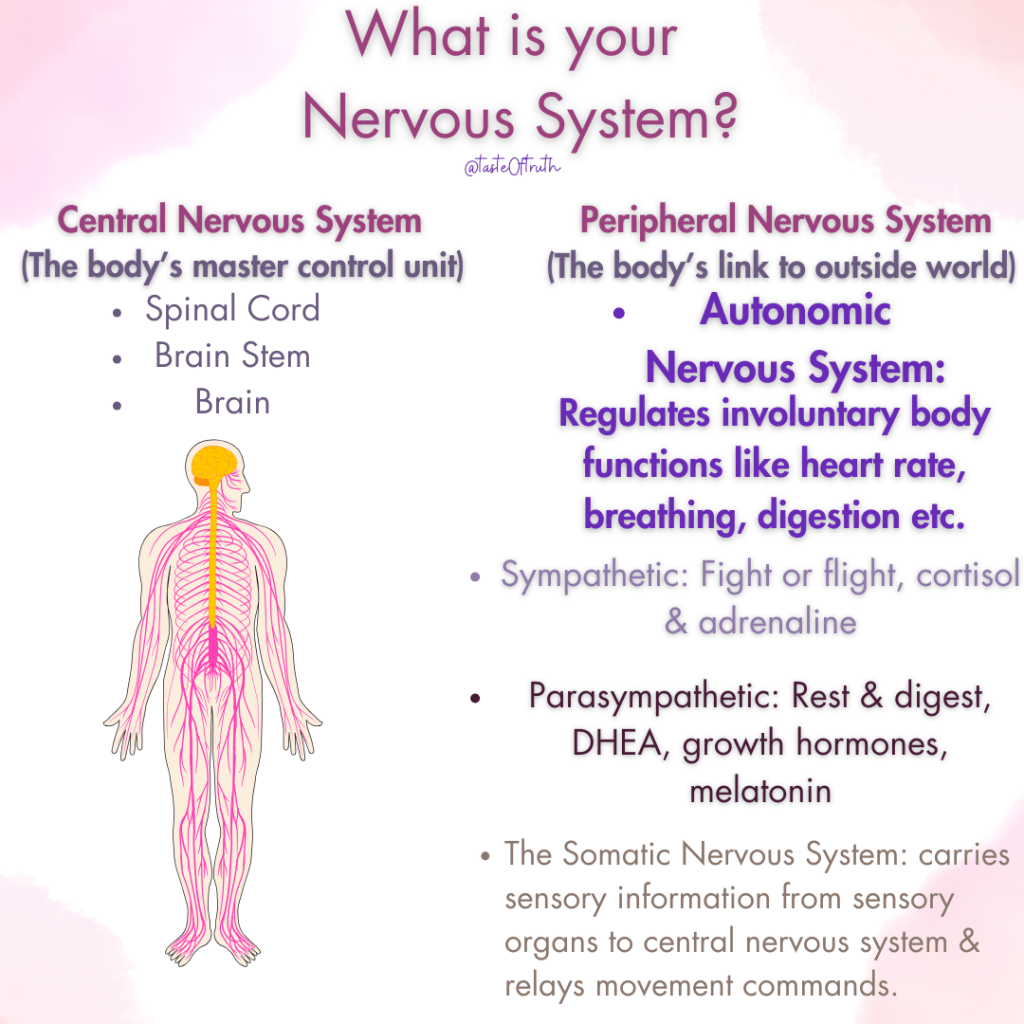
Our nervous system plays a fundamental role in chronic pain. When we experience physical or emotional trauma, our body reacts by creating a heightened state of alertness. Over time, these experiences are encoded in the nervous system as neurotags—clusters of physical, emotional, and cognitive memories that influence how we react to stress and pain. Chronic pain, I’ve learned, is often an echo of this activation. It’s not just about tight muscles or structural imbalances—it’s a survival mechanism trying to make sense of and respond to past trauma.

This is the story of how I’ve started to untangle it all, and how chronic pain, emotional wounds, and trauma are all intricately tied together in ways I never imagined.

The Connection Between Chronic Pain and Trauma

For years, I treated my body like a machine. During my bodybuilding days, I pushed through discomfort, ignored signs of overtraining, and celebrated soreness as a badge of honor. But what I didn’t understand then was how my nervous system was quietly keeping score.

Chronic pain, I’ve learned, isn’t just about tight muscles or structural imbalances—it’s a survival strategy. When we experience trauma, whether from overtraining, stress, or emotional wounds, our nervous system can get stuck in a heightened state of alertness. It’s like a smoke alarm that keeps going off, long after the fire has been extinguished.

Fascia, the connective tissue that surrounds every muscle and organ in our body, plays a fascinating role in this process. Fascia isn’t just structural—it’s sensory. It’s packed with nerve endings that communicate directly with the brain. When the body perceives danger (even subconsciously), the fascia can tighten, creating patterns of tension that mirror emotional or physical trauma. In my case, that tension showed up in my psoas muscles, my calves, and my lower back—all areas associated with safety and movement.

The more I explored these connections, the more I began to see that pain wasn’t random—it was a message from my body. And it was asking me to listen.

The Power of Neurotags: How Pain and Trauma Intersect

One of the most eye-opening concepts I’ve come across in my journey is the idea of neurotags—a term used to describe the brain’s way of organizing and processing sensory, emotional, and cognitive information. Neurotags are like maps of experiences that are built over time, creating an interconnected network of physical sensations, emotions, and thoughts that work together to form a response to stimuli.

Here’s the kicker: Chronic pain is often stored in these neurotags. When trauma occurs—whether physical, emotional, or psychological—it gets encoded in the nervous system as a pattern. These patterns are not just about the physical experience of pain, but also the emotions and thoughts tied to that experience.

When trauma is stored in the nervous system, it doesn’t just affect how we feel physically; it affects our entire emotional and cognitive landscape. For example, someone who has experienced physical trauma may also experience emotional flashbacks or cognitive distortions that are linked to that experience. These flashbacks are like sudden replays of past trauma, but they don’t just exist in the mind—they can show up physically in the body.


Neurotags, Emotional Flashbacks, and Chronic Pain

Think about it this way: When we experience a traumatic event, our nervous system reacts by encoding that event into a neurotag. This neurotag includes not only the physical sensations (like tightness, pain, or discomfort), but also the emotions (fear, anger, sadness) and cognitive patterns (thoughts like “I am unsafe” or “I am weak”).

Emotional flashbacks happen when the brain reactivates these neurotags, causing the body to respond as if the trauma is happening again. This is why someone with chronic pain may experience intense emotions that seem disproportionate to the physical sensations they’re feeling. The pain can trigger a flashback—a sudden, overwhelming re-experience of trauma that isn’t just mental but is felt deeply in the body.

In my case, the tension I experienced in my hips and lower back was a reflection of both the physical trauma of overtraining and the emotional trauma I had internalized from years of pushing myself too hard and ignoring my body’s signals. When my nervous system encountered stress, it activated these neurotags, making the tension and pain feel more intense and more pervasive. The more I resisted this pain or ignored the emotional connection to it, the worse it became.


How I’m Healing: Creating New Neurotags and Engaging the Vagus Nerve

Understanding neurotags has been revolutionary in how I approach my healing process. The key to healing, I’ve learned, is not simply “fixing” the physical pain but reprogramming the neurotags. This involves creating new patterns that support healing, safety, and relaxation.

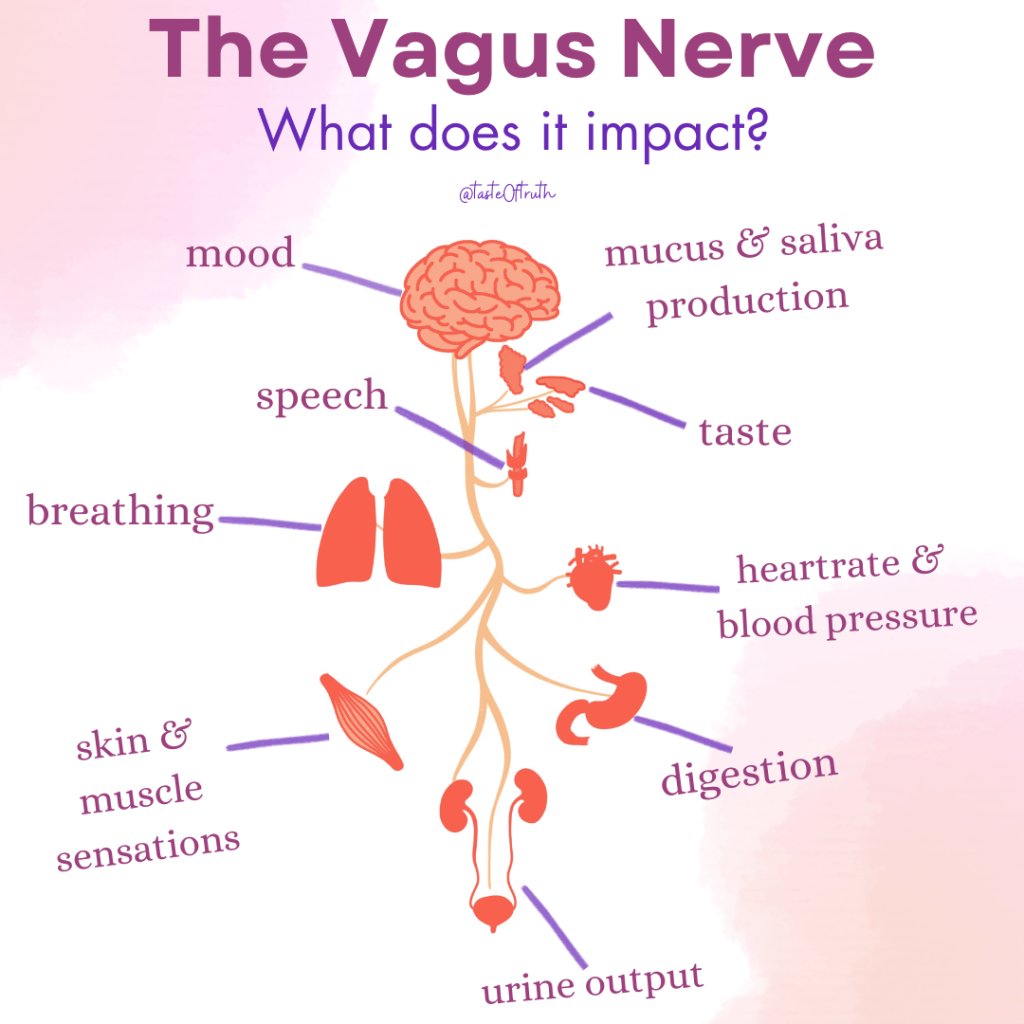
One powerful way I’m rewiring my nervous system is by engaging the vagus nerve, the longest cranial nerve that plays a critical role in regulating the parasympathetic nervous system. The vagus nerve is like the body’s “brakes,” helping to turn off the fight-or-flight response and return the body to a state of calm. When activated, it encourages relaxation, emotional regulation, and recovery—exactly what my body needs as I untangle the tension stored in my fascia and nervous system.
Here’s how I’m starting to rewire my system:

Reconnecting with Joyful Movement:
I’ve reintroduced activities that make me feel alive, like walking in the garden or playing with my pets. These moments remind me that movement isn’t just about strength—it’s about freedom. By incorporating joyful, non-stressful activities, I’m helping to reinforce new neurotags that associate movement with pleasure and ease.

Reclaiming Safety Through Movement:
Instead of high-intensity workouts, I’ve shifted to gentle, functional exercises that strengthen my core and glutes while supporting my nervous system. Slow, mindful movements like glute bridges, bird dogs, and pelvic tilts have become my new best friends. These exercises not only build strength but signal to my nervous system that it’s safe to move.

Releasing Fascia with Love:
I’ve embraced somatic practices like gentle rocking, diaphragmatic breathing, and fascia-focused stretches to help release tension. These practices aren’t just physical—they’re a way of telling my body, “You’re safe now.” They help reprogram the neurotags associated with stress and trauma by sending a message of relaxation and calm.

Vagus Nerve Activation:
To support my nervous system’s recovery, I’ve incorporated practices that stimulate the vagus nerve, such as slow, deep belly breathing and humming. Breathing deeply into my diaphragm (focusing on long exhales) has been especially helpful in calming my body and signaling to my nervous system that it’s okay to relax. By consciously engaging my vagus nerve, I’m helping shift from the fight-or-flight response into a restorative state.

Rewriting Emotional Patterns:
Rewiring my nervous system also means rewriting my emotional patterns. This involves acknowledging the emotional flashbacks that arise when pain triggers old neurotags and consciously choosing to respond with compassion and self-care. Instead of reacting with fear or frustration, I’m learning to pause, breathe, and remind myself that I’m safe now.

What Chronic Pain Has Taught Me

Chronic pain has been a tough teacher, but it’s taught me lessons I wouldn’t trade for anything:

  • Your body is always on your side. Pain is a signal, not a punishment.
  • Healing isn’t linear. Some days, progress looks like resting instead of pushing.
  • Movement is medicine, but only when done with intention and love.

I share this journey because I know I’m not alone. So many of us carry the weight of trauma—both emotional and physical—in our bodies. And while the road to healing isn’t easy, it’s worth it.

If you’re navigating chronic pain, I want you to know this: Your body isn’t broken, and you don’t have to fight it. With the right tools, patience, and self-compassion, you can create safety, release tension, and rediscover the joy of movement.

I’m still on this journey, and I’d love to hear about yours. What has chronic pain taught you? How are you learning to trust your body again? Let’s keep this conversation going—because healing happens when we feel safe enough to share.

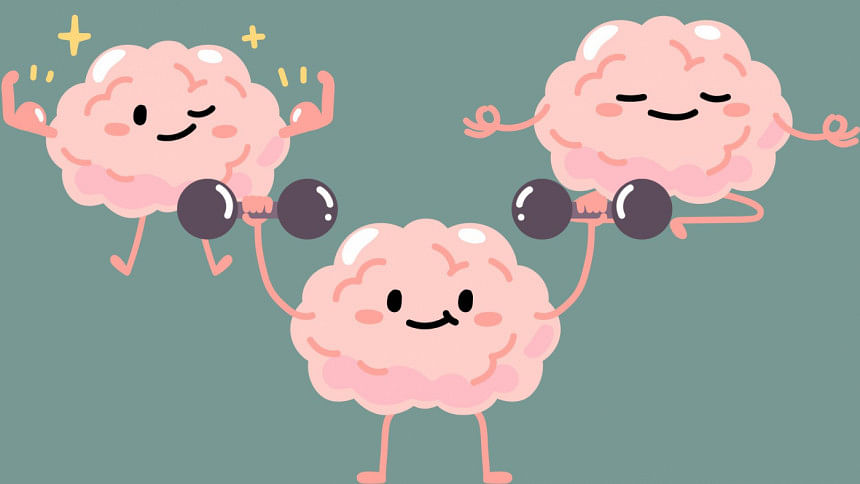
Unlocking the Power of Hope Molecules: How Movement Transforms Mind and Body

Did you know your body can help your brain feel more hopeful through movement?

In our fast-paced world, finding effective ways to boost our mental and physical well-being is more crucial than ever. Recent research highlights an exciting phenomenon: our muscles aren’t just for movement; they act as endocrine organs, secreting beneficial substances known as hope molecules. These molecules, or myokines, have a profound impact on our brain, body, and mood, offering a natural and powerful way to enhance our overall health.

What Are Hope Molecules?

Hope molecules are proteins released into the bloodstream from our muscles during movement. These myokines play a vital role in:

  • Protecting against depression, PTSD, and chronic stress
  • Increasing neuroplasticity, which helps our brain adapt and grow
  • Altering the hippocampus, a brain region crucial for stress resilience
  • Boosting brain-derived neurotrophic factor (BDNF), which enhances our ability to manage stress and difficult emotions

Dr. Kelly McGonigal succinctly puts it: “Every time we move our muscles, we are giving ourselves an intravenous dose of hope.” This means that even a short burst of movement can significantly impact our mental health, providing an antidepressant effect that enhances resilience to stress and trauma.

For instance, a short walk or a quick workout doesn’t just get the blood pumping; it also triggers the release of these mood-enhancing chemicals. This phenomenon is sometimes referred to as an “antidepressant effect,” where the physical act of moving your body leads to the release of neurotransmitters that can lift your spirits and combat feelings of depression.

Moreover, this boost in mood and resilience isn’t just about the immediate effects. Regular short bursts of exercise contribute to long-term mental health benefits, enhancing your ability to cope with stress and trauma. By incorporating even small amounts of movement into your daily routine, you can help your body produce more hope molecules, thereby strengthening your mental health and emotional resilience.

So, the next time you’re feeling low, remember that a little movement might just be the key to unlocking your body’s natural antidepressants and enhancing your capacity to handle life’s challenges. 🚶‍♀️💪🌟

The Mind-Body Connection: Insights from the “Mind Over Milkshake” Study

To deepen our understanding of how movement and mindset intersect, consider the fascinating findings from the study titled “Mind Over Milkshake: Mindsets, Not Just Nutrients, Determine Ghrelin Response.” This research explores how our beliefs about the food we consume can alter physiological responses, such as hunger and energy regulation.

Participants in the study were given milkshakes with differing calorie information, but their physiological responses varied based on their expectations. The study demonstrated that our mindset about what we consume can impact hormonal and physiological reactions, revealing the powerful connection between belief and bodily responses.

Similarly, our mindset towards exercise can greatly influence the benefits we derive from it. Viewing exercise not merely as a physical task but as a source of hope and well-being can amplify its positive effects on our mental health.

Why Movement Matters More Than We Think

Understanding that hope molecules and our mindset play a critical role in our health highlights the multifaceted benefits of exercise. It’s not just about weight loss or physical fitness; it’s about enhancing:

  • Happiness and life satisfaction
  • Resilience to stress and anxiety
  • A sense of purpose and social connection

Emerging research suggests that when exercised, our muscles essentially become a “pharmacy” for our physical and mental health. This perspective shifts the focus from restrictive exercise goals to a more holistic view of movement as a tool for improving our quality of life.

Applying Hope Molecules to Recovery from High-Control Environments

For those recovering from high-control environments, such as strict religious or ideological communities, the concept of hope molecules is particularly relevant:

  • Resilience and Recovery: Engaging in regular movement can help mitigate the effects of chronic stress and trauma often associated with high-control environments. The release of myokines (hope molecules) during physical activity supports brain health and emotional resilience, aiding in the recovery process.
  • Regaining Control: Movement and exercise can be empowering for those who have felt controlled or restricted. It offers a way to regain a sense of agency and control over one’s body and mind, promoting healing and personal autonomy.
  • Restoring Mental Health: For individuals recovering from harmful environments, exercise can provide a natural antidepressant effect. Regular physical activity enhances mood, reduces symptoms of depression, and supports overall mental health, which is crucial for those rebuilding their lives and self-esteem.

Practical Tips for Integrating Movement into Recovery

  1. Start Small: Incorporate any form of movement into your routine, even if it’s just a few minutes each day. Studies indicate that as little as 3 minutes of exercise can have positive impacts.
  2. Adopt a Positive Mindset: Frame your physical activity as an opportunity for mental and emotional growth, not just a chore. This mindset can enhance the benefits you receive.
  3. Enjoy the Process: Find activities you enjoy and that make you feel good. The more you enjoy your movement, the more likely you are to stick with it.
  4. Build a Routine: Establishing a consistent movement routine can support long-term recovery and well-being. Integrate movement into your daily life in a way that feels sustainable and rewarding.
  5. Connect with Community: Movement can also foster social connections. Engaging in group activities or fitness communities can provide additional support and a sense of belonging, which is valuable for those recovering from isolating environments.

Hacking Consistency: Your Path to Achieving Health Goals

In my 20 years as a personal trainer, I’ve seen one common thread that holds people back from achieving their health and fitness goals: consistency. For many, the journey to better health is fraught with the misconception that it must be difficult. If you resonate with this, I want you to know that I understand how intimidating change can be. It can feel like a long road ahead, but I’m here to share some tips to help you hack consistency and make your health journey not only achievable but also enjoyable.

1. Habit Stacking: Start Small

The first strategy to develop consistency is habit stacking. Focus on one or two small habits that you can easily commit to. Once you’ve established these, you can begin to build additional habits on top of them.

For example:

  • Starting Habit 1: A 5-minute morning walk. This quick stroll can boost your mood and energy levels, providing an immediate sense of accomplishment.
  • Starting Habit 2: A one-minute breathing exercise. Before your walk, try a simple box breathing technique: inhale for 4 seconds, hold for 4 seconds, exhale for 4 seconds, and hold again for 4 seconds. This practice can reduce stress and help center your mind.

Once you have these foundational habits in place, you can stack additional practices:

  • Post-Walk Habit: After your 5-minute walk, add 2-3 minutes of gentle stretching. Focus on your neck, shoulders, and legs to release tension and enhance the mental health benefits of movement.
  • Post-Breathing Habit: After your breathing exercise, incorporate a quick moment of gratitude. Name one thing you’re grateful for to reinforce positive thinking and cultivate a hopeful mindset. This simple act can help you recover from emotional strain and improve overall well-being.

Starting small with these habits allows you to create a consistent and sustainable routine.

2. Focus on Addition, Not Restriction

The second tip for hacking consistency is to concentrate on what you can add to your life rather than what you need to take away. This could involve increasing your movement, enhancing your awareness, practicing breathwork, or incorporating more protein, fruits, and vegetables into your meals. When you focus on adding positive elements, it becomes easier to embrace change and maintain consistency.

3. Find Personal Meaning

Your journey to feeling better should be tied to personal meaning and intrinsic motivation. This means tapping into your internal drive to pursue these changes. Reflect on why you want to achieve your health goals and let that guide your actions. When you find personal significance in your journey, it becomes a source of motivation rather than a chore.

4. Build Self-Efficacy

Self-efficacy is crucial in creating a sustainable lifestyle. It’s about building belief in yourself over time and understanding that consistency is the key to lasting results. Instead of thinking in terms of short-term challenges, consider how you can develop habits that last long-term. Routines created from consistent habits lead to sustainable success.

Building on habits is what creates a routine. A routine is what creates consistency and consistency is what creates results.

Awareness is the first step in bridging the gap between your goals and the actions you need to take. While you may have aspirations, it’s consistent behaviors and actions that make them a reality.

Mindset Matters

Remember, if you’re struggling to maintain consistency, it’s not a reflection of your willpower or determination; it could be a sign that your approach needs adjustment. Your mindset is vital in this journey. Frame your movement as an opportunity to boost your brain and body rather than a chore or punishment.

By implementing these strategies, you can transform your health journey into a rewarding experience. Consistency is everything. Embrace the process, celebrate your achievements, and watch as you progress toward your goals!

Broader Implications for Personal Development

The principles of hope molecules tie into broader themes of personal development, critical thinking, and spirituality:

  • Challenging Limiting Beliefs: Movement and exercise can challenge limiting beliefs about oneself and one’s capabilities. This aligns with the focus on critical thinking and questioning restrictive ideologies.
  • Embracing New Perspectives: Seeing movement as a tool for embracing new perspectives and opportunities for growth is crucial for those redefining their lives after leaving high-control environments.

In conclusion, the science of hope molecules reveals that our muscles do much more than move us; they create hope and enhance our mental well-being. By embracing movement and adopting a positive mindset, we can unlock these powerful benefits and cultivate a more resilient, fulfilling life.

Embrace the power of hope molecules and experience the transformative effects on your mental and physical health.

RESOURCES:

For a comprehensive understanding of the role of hope molecules (myokines) and their impact on mental and physical health, the following studies and sources are highly relevant:

Key Studies and Sources

  1. Myokines and Mental Health
    • Pedersen, B. K., & Febbraio, M. A. (2012). “Muscle as an endocrine organ: Focus on muscle-derived cytokines as potential pharmacological targets.” Diabetologia, 55(10), 2975-2985. Link to Study
      This review discusses how muscle-derived cytokines (myokines) are involved in various physiological processes and their potential therapeutic effects on metabolic diseases, inflammation, and mental health.
  2. Exercise, Hope Molecules, and Brain Health
    • Gordon, B. A., & Herring, M. P. (2014). “The effect of exercise on depression: A review of meta-analyses.” Journal of Clinical Psychiatry, 75(2), 156-161. Link to Study
      This meta-analysis reviews the impact of exercise on depression, highlighting how physical activity influences mental health through various mechanisms, including the release of beneficial myokines.
  3. Hope Molecules and Neuroplasticity
    • Hogan, M. C., & Durcan, J. M. (2018). “Exercise and neuroplasticity: A review of the role of physical activity in promoting brain health and cognitive function.” Journal of Clinical Neurology, 14(3), 342-350. Link to Study
      This review examines how exercise-induced myokines contribute to neuroplasticity, cognitive function, and overall brain health.
  4. Mindset and Physiological Responses
    • Crum, A. J., & Langer, E. J. (2015). “Mindset matters: Exercise and the placebo effect.” Psychological Science, 26(4), 663-670. Link to Study
      This study explores how individuals’ beliefs and mindsets about exercise can influence their physiological responses and overall effectiveness of physical activity.
  5. Exercise, Stress Resilience, and Mental Health
    • McGonigal, K. (2015). “The Upside of Stress: Why Stress Is Good for You, and How to Get Good at It.” Penguin Books.
      While not a study, this book by Dr. Kelly McGonigal provides insights into how stress, when managed effectively, can be beneficial. It complements research on how exercise and movement can positively influence mental health through stress resilience.
  6. “Mind Over Milkshake” Study
    • Elder, R., & Croyle, R. T. (2011). “The role of expectations in health behavior: Mindset and health.” Health Psychology Review, 5(1), 2-12. Link to Study
      This study investigates how people’s expectations about what they consume affect their physiological responses, illustrating the influence of mindset on health outcomes.