
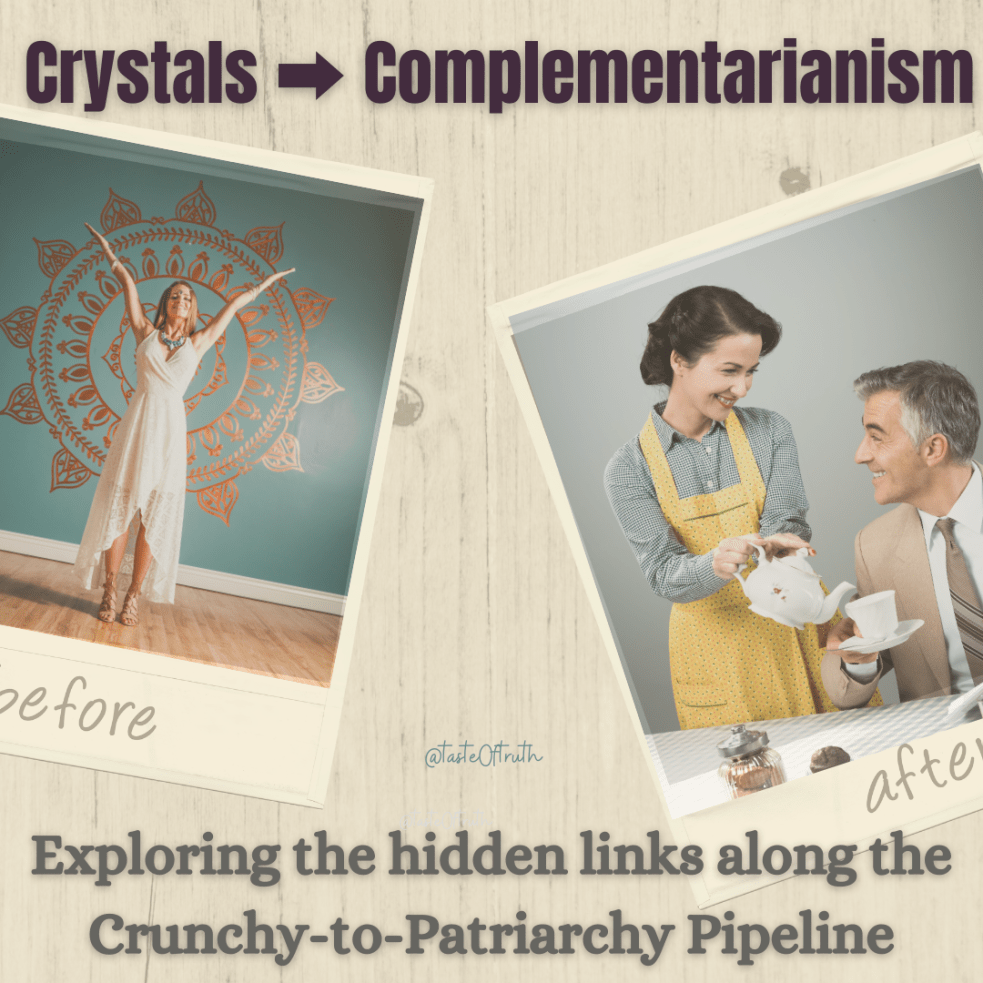
Navigating the Intersection of Wellness and Ideology
Have you noticed this social trend New Age lifestyles to Jesus testimonies embracing far-right ideologies?
It’s a phenomenon influenced by social media algorithms and influencers who blend wellness with conspiracy theories and extreme views. What starts as an interest in yoga and herbal remedies can subtly transition into something much darker.
Understanding the Trad Wife and Stay-at-Home Girlfriend Movements
Enter the Trad Wife and Stay-at-Home Girlfriend movements—cultural trends advocating for traditional gender roles within relationships. Followers prioritize homemaking, submission to husbands, and nurturing domestic skills. This intersects with the Crunchy to Alt-Right Pipeline when online narratives blend wellness with conservative ideologies, portraying traditional roles as spiritual ideals.
Motivations Behind the Movements
- Embracing Traditional Values: Supporters cite a desire to uphold stability and traditional family roles, believing in the importance of creating a nurturing home environment and supporting their partners as leaders of the household.
- Rejecting Modern Feminism: Many within these movements view modern feminism as promoting anti-family agendas and undermining traditional values, preferring roles they see as empowering and fulfilling.
- Cultural and Religious Influences: Cultural and religious beliefs play a significant role, with some viewing traditional roles as rooted in religious teachings or cultural heritage, finding validation in communities that promote these values.
Understanding Fear Tactics and Cultural Influences
Fear tactics are prevalent in online content that combines wellness with extreme ideologies. These tactics manipulate users into adopting the group’s beliefs by promoting fear of worldly dangers, apocalyptic scenarios, or spiritual consequences. For example, narratives within the “culture wars” often lead to anti-LGBTQ and anti-feminist sentiments. Influencers may use fear of societal collapse or moral decay to urge followers towards conservative values, portraying them as a defense against perceived threats to traditional lifestyles.
Historical Precedents: Satanic Panic and Moral Panics
Historically, movements like the “Satanic Panic” in the 1980s and ’90s stoked fears of occult influences on children and communities, leading to widespread moral panic. Similarly, today’s online narratives can exaggerate or fabricate threats to bolster ideological adherence. The fear of cultural shifts, such as evolving attitudes towards gender roles or LGBTQ rights, fuels narratives that paint progressive changes as morally corrupt or spiritually dangerous.
Example: Evangelical Fears and Pop Culture In recent years, evangelical communities have expressed fears over pop culture icons like Taylor Swift, attributing spiritual significance to her lyrics and persona. This illustrates how fear can be used to mobilize against perceived threats to traditional values, even in seemingly innocuous contexts.
Examples:
- Harry Potter and Witchcraft: The “Harry Potter” book and film series sparked concerns among some evangelical groups who viewed the portrayal of magic and witchcraft as promoting occult practices and undermining Christian values. This led to debates and even bans on the series in some communities.
- Rock and Roll Music: Throughout history, evangelical circles have expressed fears over the influence of rock and roll music on youth, believing it promotes rebellion, promiscuity, and anti-Christian values. This fear was particularly pronounced during the rise of rock music in the 1950s and continues in various forms today.
- Secularization of Media: Evangelical fears often extend to broader secular media, with concerns over its perceived influence on moral values and religious beliefs. For instance, certain movies, TV shows, and music artists are scrutinized for their content and perceived impact on cultural norms.
- Celebrity Influence: Pop culture icons like Taylor Swift, Lady Gaga, or Madonna have been subjects of evangelical concern due to their lyrics, imagery, or public personas, which some interpret as promoting values contrary to traditional Christian teachings. These concerns reflect broader anxieties about the influence of celebrity culture on moral standards.
Navigating Complexity
While these movements resonate with some as empowering choices, they also perpetuate outdated stereotypes and limit opportunities for autonomy and self-fulfillment outside traditional roles. Some narratives oversimplify complex societal issues, promoting a binary worldview of good versus evil and omitting nuances and alternative perspectives. It’s essential to critically evaluate such content and consider its broader implications on personal beliefs and societal attitudes.
Understanding the motivations and concerns behind these movements fosters dialogue about gender, family, and cultural norms in contemporary society.
Let’s discuss: Have you observed or encountered these dynamics in your online experiences? What are your thoughts on their impact on societal norms?

 Taste0ftruth Tuesdays