Living Franciscan Spirituality: Embracing Love, Compassion, and Purposeful Living

Are you ready to unravel the layers of reality, challenge the narratives we’ve been fed, and embrace the journey toward deeper understanding? Welcome to this week’s episode of Taste of Truth Tuesdays, where curiosity is your compass and skepticism your guide. Our wonderful guest, Carie Moore, dives into the profound wisdom of St. Francis of Assisi, exploring how his teachings not only resonate with modern challenges but also empower us to live with intention, compassion, and an unyielding quest for truth.

Buckle up, because we’re about to explore a spiritual path that’s as relevant today as it was centuries ago.

In a world filled with complexity and challenges, finding a spiritual path that resonates with both ancient wisdom and modern realities can be a profound journey. The teachings of St. Francis of Assisi offer a unique perspective that blends a deep reverence for nature with a compassionate approach to faith, making Franciscan principles a valuable guide for our spiritual growth today. Let’s explore how these timeless ideas can address some of the pressing issues we face and enrich our spiritual lives.

Scripture as a Living Guide

Franciscan theology views scripture not merely as a static set of rules but as a dynamic, living guide that evolves with our understanding and experiences. This perspective encourages a more flexible and personal approach to faith, where scripture becomes a tool for reflection and growth rather than a rigid doctrine. By seeing scripture as alive, Franciscan wisdom invites us to continually engage with it, allowing its teachings to shape our journey in a way that is relevant to our current challenges and questions.

Nature as a Reflection of God’s Beauty

St. Francis is renowned for his deep connection to nature, seeing all of creation as a reflection of God’s beauty. This reverence for the natural world resonates strongly in today’s context, where environmental concerns and the pursuit of sustainable living are increasingly important. Gardening, growing our own food, and nurturing our health can be seen as spiritual practices in the Franciscan tradition, ways of honoring the divine in the everyday world around us. By cultivating a mindful relationship with nature, we align ourselves with the Franciscan view of creation as a sacred gift.

Embracing Original Goodness

In mainstream Western Christianity, the doctrine of Original Sin is a cornerstone of theological understanding. This belief, rooted in the Genesis account of Adam and Eve’s disobedience in the Garden of Eden, posits that humanity inherited a fallen, sinful nature as a result of this first transgression. According to this view, Original Sin not only taints every human being but also separates them from God. This inherent flaw necessitates redemption and salvation through Jesus Christ, emphasizing a view of human nature that is fundamentally flawed and in need of divine intervention for reconciliation with God.

This perspective on Original Sin often frames human beings as inherently imperfect and prone to moral failings, which can create a backdrop of guilt and shame. It underscores the need for a savior and reinforces a narrative of human inadequacy that is to be addressed through faith, repentance, and adherence to divine commands.

In contrast, Franciscan theology offers a refreshing and radically different perspective. St. Francis of Assisi and his followers emphasize the concept of Original Goodness rather than Original Sin. This approach reinterprets the story of humanity’s beginnings not as a tale of inherent sinfulness but as one that highlights the fundamental goodness with which humanity was created. According to Franciscan thought, while humanity has the capacity for error, it is fundamentally good and created in the image of God. This view shifts the focus from a narrative of inherent guilt and sinfulness to one of intrinsic worth and potential.

By embracing the idea of Original Goodness, Franciscan theology challenges us to view ourselves and others through a lens of inherent dignity and potential rather than judgment and condemnation. This perspective fosters a more compassionate and hopeful outlook on human nature. It encourages us to see beyond our flaws and recognize the divine spark within ourselves and others, promoting a mindset of acceptance and love rather than guilt and shame.

In a world often dominated by negativity, judgment, and the harshness of modern life, adopting the Franciscan view of Original Goodness can be profoundly liberating. It allows for deeper self-acceptance and a more loving approach to our interactions with others. By acknowledging the fundamental goodness in every person, we can cultivate a more nurturing and supportive environment, both within ourselves and in our relationships.

Thus, while mainstream Christianity’s focus on Original Sin highlights human imperfection and the need for redemption, Franciscan theology invites us to celebrate the inherent goodness in each person, leading to a more compassionate and hopeful approach to life and faith.

The Incarnation as a Divine Choice

The Incarnation: A Tale of Two Theologies

The Incarnation—the belief that God became human in the person of Jesus Christ—is a central doctrine in Christianity, but its interpretation can vary significantly between mainstream Western Christianity and Franciscan theology. Understanding these differences can offer profound insights into how we relate to God and perceive our own sense of purpose.

Mainstream Western Christianity: The Response to Sin

In mainstream Western Christianity, particularly within traditions influenced by Augustine and later theological developments, the Incarnation is often framed primarily as a response to the problem of sin. According to this view, God became human because humanity’s original sin created a chasm between God and creation. The divine act of becoming incarnate is seen as a necessary step to address and rectify this separation.

Here, the focus tends to be on Jesus’s role as the savior who redeems humanity from the consequences of sin and reconciles them with God. The Incarnation is thus viewed through the lens of necessity and redemption—a divine remedy to the human flaw of Original Sin. This perspective underscores the idea that the primary purpose of Christ’s coming was to offer salvation and atonement, highlighting human sinfulness and the need for divine intervention.

Franciscan Theology: A Choice of Love and Closeness

In contrast, Franciscan theology offers a more nuanced and profoundly relational interpretation of the Incarnation. According to Franciscan thought, the Incarnation was not merely a response to sin but a free and loving choice by God. This perspective emphasizes that God’s decision to become human was motivated by a deep desire to be intimately close to humanity, rather than solely to address the problem of sin.

St. Francis of Assisi and his followers believed that God’s incarnation represented an expression of divine love and a way to embrace the human experience fully. In this view, the Incarnation is seen as a gift of presence, revealing God’s profound love and willingness to share in human suffering, joy, and daily life. It is an act of divine solidarity that highlights the inherent worth and dignity of human life.

Implications for Our Relationship with God and Sense of Purpose

Understanding the Incarnation through the Franciscan lens can have significant implications for our personal relationship with God and our sense of purpose:

  1. A Loving Relationship: Viewing the Incarnation as an expression of God’s love rather than a mere solution to sin fosters a relationship with God that is centered on intimacy and mutual connection. It emphasizes that God’s presence in our lives is rooted in love and closeness, rather than just as a response to our shortcomings. This understanding can make our relationship with God feel more personal and nurturing, focusing on divine companionship rather than just divine intervention.
  2. Embracing Human Experience: Recognizing that God chose to become human and share in our experiences encourages us to embrace our own lives with a sense of purpose and dignity. It suggests that our daily experiences, struggles, and joys are deeply valued by God. This perspective can inspire us to live more fully and authentically, knowing that our human lives are part of a divine narrative of love and connection.
  3. Redefining Redemption: While redemption remains a crucial aspect of Christian faith, understanding it through the lens of God’s loving choice rather than solely as a response to sin can shift the focus from guilt and atonement to a broader view of spiritual growth and transformation. It invites us to see redemption as an ongoing process of deepening our relationship with God and living out the love and presence that the Incarnation signifies.
  4. Purposeful Living: Finally, this understanding of the Incarnation encourages us to find purpose in embodying the love and closeness that God demonstrated through becoming human. It inspires us to act with compassion, to engage with others in meaningful ways, and to approach life with a sense of divine purpose and connection.

By reflecting on the Franciscan view of the Incarnation, we gain a richer appreciation of God’s relationship with humanity and how that relationship can shape our own lives. It reminds us that our faith is not just about addressing sin but about embracing a profound and loving connection with the divine.

Walking in Christ’s Footsteps

Walking in the Footsteps of Christ: Franciscan Spirituality vs. Mainstream Christianity

In the heart of Franciscan spirituality lies a profound call to embody the teachings and life of Jesus Christ. St. Francis of Assisi’s invitation to “walk in the footsteps of Christ” is not just about personal piety or theological correctness; it’s about a holistic approach to living out one’s faith in every aspect of life. This call for transformative living extends beyond personal spiritual growth to include how we engage with and impact the world around us.

Franciscan Spirituality: Embodying Love and Compassion

For St. Francis and his followers, walking in Christ’s footsteps means living a life marked by radical love, compassion, and humility. This journey is deeply intertwined with how one interacts with others and the world:

  1. Acts of Service: Central to Franciscan spirituality is the practice of serving others selflessly. This involves reaching out to those in need, whether through direct acts of charity, social justice efforts, or simply offering a listening ear and a helping hand. By prioritizing service, Franciscans aim to mirror the compassion of Christ, who served and cared for the marginalized and downtrodden.
  2. Care for the Environment: St. Francis is famously known for his deep connection to nature, seeing all of creation as a reflection of God’s beauty. Walking in Christ’s footsteps, from a Franciscan perspective, involves stewardship of the environment. This includes advocating for sustainable practices, respecting the natural world, and recognizing the interconnectedness of all life. The care for creation reflects a commitment to honoring the divine gift of the world.
  3. Being Present with Others: Franciscan spirituality emphasizes being fully present with others, practicing active listening, and fostering genuine relationships. This presence is an expression of love and respect, reflecting the way Christ engaged with people during his ministry. By valuing and investing in personal relationships, Franciscans strive to embody the love and empathy exemplified by Christ.

Mainstream Christianity: Focus on Belief and Salvation

In contrast, mainstream Western Christianity often places significant emphasis on doctrinal correctness and salvation. This focus manifests in various ways:

  1. Protecting from Hell: A central concern in mainstream Christianity is ensuring that individuals are saved from eternal damnation. This focus often leads to a preoccupation with adherence to specific beliefs, confessions, and rituals designed to secure one’s place in heaven. The emphasis is on right belief and confession as the primary means of salvation.
  2. Belief and Confession: Theological correctness and confession of faith can become central to the Christian experience, sometimes overshadowing the practical aspects of living out one’s faith. There is a strong emphasis on believing the right things and making the correct confessions, which can lead to a focus on doctrinal purity rather than living out the teachings of Christ in daily life.

Carie Moore’s Insight: The Living Faith vs. Theoretical Faith

Carie Moore’s observation highlights a critical distinction between these approaches. While mainstream Christianity often focuses on ensuring that people hold the correct beliefs and are protected from hell, Franciscan spirituality challenges believers to focus on living like Christ. This living faith involves:

  • Authentic Application: Instead of merely adhering to doctrinal statements, Franciscan spirituality calls for the practical application of Christ’s teachings. This means living a life of love, humility, and service, embodying Christ’s example in tangible ways.
  • Transformational Living: Franciscan spirituality emphasizes that the true measure of faith is not just in correct beliefs but in how those beliefs translate into actions. It’s about personal transformation that leads to meaningful engagement with the world and others.
  • Holistic Faith: The Franciscan approach integrates spiritual beliefs with everyday actions, suggesting that a genuine walk with Christ involves living out one’s faith in all aspects of life—through service, environmental care, and compassionate presence.

Conclusion

In summary, while mainstream Christianity often emphasizes correct belief and salvation as its primary focus, Franciscan spirituality invites a broader and more integrated approach to faith. Walking in the footsteps of Christ, according to Franciscan teachings, is about embodying love, compassion, and humility in every action and interaction. Carie Moore’s insight points to a profound shift from a focus on theoretical correctness to a lived experience of faith, encouraging a holistic and impactful approach to embodying the teachings of Christ in our daily lives.

How does this call shape your spiritual journey and your interactions with the world?

The wisdom of St. Francis offers a rich and nuanced approach to spirituality that is deeply relevant to the challenges we face today. By embracing Franciscan principles, we can find new ways to grow spiritually, nurture our connection to nature, and engage with our faith in a dynamic and meaningful way. As you reflect on these questions, consider how Franciscan wisdom might illuminate your own spiritual path and inspire you to live with greater purpose and compassion.

To dive deeper into Franciscan spirituality, a variety of resources can provide valuable insights into the teachings and practices associated with St. Francis of Assisi and his followers. Here are some highly regarded books, articles, and online resources to help you explore Franciscan spirituality:

Books

  1. “The Little Flowers of St. Francis” by St. Francis of Assisi
    • This classic work offers a collection of stories about the life and teachings of St. Francis, providing a glimpse into his spiritual practices and his approach to living a Christ-like life.
  2. “Francis of Assisi: A Revolutionary Life” by Adrian House
    • A comprehensive biography that explores the life of St. Francis, his spiritual journey, and the impact of his teachings.
  3. “St. Francis and the Foolishness of God” by Richard Rohr
    • Richard Rohr, a contemporary Franciscan friar, provides a modern interpretation of St. Francis’s spirituality and its relevance to today’s world.
  4. “The Franciscan Journey: A Guide to Franciscan Spirituality” by Thomas of Celano
    • This book offers insights into Franciscan spiritual practices and the historical context of St. Francis’s life.
  5. “Daily Devotions with St. Francis of Assisi” by Susan Helen Wallace
    • A practical guide for integrating Franciscan spirituality into daily life through devotions and reflections.

Articles and Journals

  1. “Franciscan Spirituality and Its Influence” by William Short
    • An article exploring the historical development and impact of Franciscan spirituality within the Christian tradition.
  2. “The Spirituality of St. Francis of Assisi” by Richard Rohr
    • An article by Richard Rohr that delves into the key elements of Franciscan spirituality and how they can be applied to contemporary life.
  3. “Franciscan Spirituality: A Historical and Theological Overview” in the Journal of Franciscan Studies
    • Academic articles providing scholarly analysis of Franciscan spirituality and its theological implications.

Online Resources

  1. Franciscan Media (franciscanmedia.org)
    • A website dedicated to sharing information about Franciscan spirituality, including articles, podcasts, and resources related to St. Francis and his teachings.
  2. The Order of Friars Minor (OFM) (ofm.org)
    • The official website of the Franciscan Order provides resources on Franciscan spirituality, history, and contemporary practices.
  3. Richard Rohr’s Center for Action and Contemplation (cac.org)
    • Richard Rohr’s organization offers various resources, including articles, podcasts, and online courses on Franciscan spirituality and contemplative practices.
  4. St. Francis of Assisi Parish (stfrancisassisi.org)
    • Many parish websites include resources on Franciscan spirituality, including spiritual reflections, teachings, and community activities.
  5. Franciscan Spirituality on YouTube
    • Search for video resources and talks on Franciscan spirituality. Channels such as Franciscan Friars of the Renewal often provide videos on St. Francis and Franciscan practices.

These resources will help you gain a comprehensive understanding of Franciscan spirituality, its historical context, and its application to modern life.

#FranciscanWisdom #SpiritualGrowth #NatureAndFaith #TheologicalExploration #podcast

Nostalgia,The Trad Wife Movement, and the Illusion of a Simpler Time


Nostalgia has always been a powerful psychological force, often serving as a coping mechanism during times of uncertainty or rapid change. In recent years, its resurgence could be linked to various social and cultural factors, including economic instability, political polarization, and the overwhelming pace of technological advancements. However, nostalgia isn’t just about reminiscing; it’s a complex emotional response that plays a significant role in our psychological well-being.

The Psychology of Nostalgia: Comfort in Uncertainty

Nostalgia was once viewed as a negative emotion, associated with homesickness or a longing for the past. However, modern psychology recognizes it as a complex, bittersweet experience that can foster a sense of continuity, meaning, and identity. Nostalgia tends to emerge more during periods of transition or distress, offering comfort by reconnecting individuals with a perceived “better” or simpler time.

Nostalgia serves as a mental protective mechanism. Through a process known as “rose-colored retrospection,” people tend to recall the past in a more favorable light than it might have actually been. This selective memory process can result in an idealized version of the “good ol’ days,” where negative aspects are minimized or forgotten, and positive experiences are amplified.

Nostalgia as a Tool for Emotional Regulation

Interestingly, nostalgia isn’t just a passive experience; it can be consciously invoked to regulate emotions. When people deliberately recall positive memories, they can stabilize their mood, reduce anxiety, and increase a sense of control over their current situation. This is because the past, as we remember it, is fixed and unchangeable, offering a sense of predictability and safety that contrasts with the unpredictability of the future.

Nostalgia also acts as a psychological anchor during times of upheaval or change. By tapping into nostalgic memories, individuals can create a mental environment that feels familiar and safe, reducing the anxiety that comes from unpredictability. This sense of predictability is particularly comforting during periods of rapid change, as it provides a mental sanctuary in a chaotic world.

The Trad Wife Movement: Nostalgia as Identity Anchoring

The rise of the Trad wife movement—a trend where women embrace traditional gender roles and domesticity—can be understood as a form of nostalgia-driven identity anchoring. In a world that often feels chaotic and uncertain, many women (and men) find comfort in returning to what they perceive as a more stable, moral, and ordered past.

For some, adopting the Trad wife lifestyle is a way to reconnect with what they believe to be a more “authentic” version of femininity or womanhood. This version is often based on an idealized image of the past that emphasizes domestic skills, submissiveness, and clear gender roles. By embracing these ideals, individuals may feel that they are preserving a core part of their identity that they believe has been lost or undermined by modern society.

The Dangers of Nostalgia-Driven Resistance

While nostalgia can provide comfort and continuity, it can also serve as a form of resistance against social progress. The Trad wife movement often emerges in response to the perceived erosion of traditional values due to feminism, LGBTQ+ rights, and other social changes. In this context, nostalgia becomes a way to resist or reject modernity by clinging to a past that is seen as morally superior or more “natural.”

This selective use of nostalgia can reinforce regressive social norms and create tension between those who long for the past and those who advocate for continued social change. By idealizing a past that may never have truly existed as we remember it, the Trad wife movement and similar trends risk promoting an illusion that can hinder progress and inclusivity.

Conclusion: Navigating Nostalgia with Awareness

Nostalgia is far more than mere longing for the past. It’s a sophisticated psychological tool that individuals can harness to enhance their well-being, regulate their emotions, and maintain a sense of control. However, it’s important to approach nostalgia with a critical eye, recognizing that the past may not have been as perfect as we remember it.

The Trad wife movement, driven by nostalgia, may offer comfort in a rapidly changing world, but it also risks perpetuating outdated and harmful gender roles. By understanding the psychology behind nostalgia, we can better navigate its influence in our lives and make more informed choices about how we engage with the past—and the future.


Want to learn more about the complex interplay between nostalgia and modern social movements like the Trad wife trend? Tune into this week’s episode of Taste of Truth Tuesdays where we dive deep into this topic.
https://youtu.be/15kgRldlqoY?si=L_uToPjGIQTf_kIl


Ethical Challenges of Mormon Influencers in Network Marketing

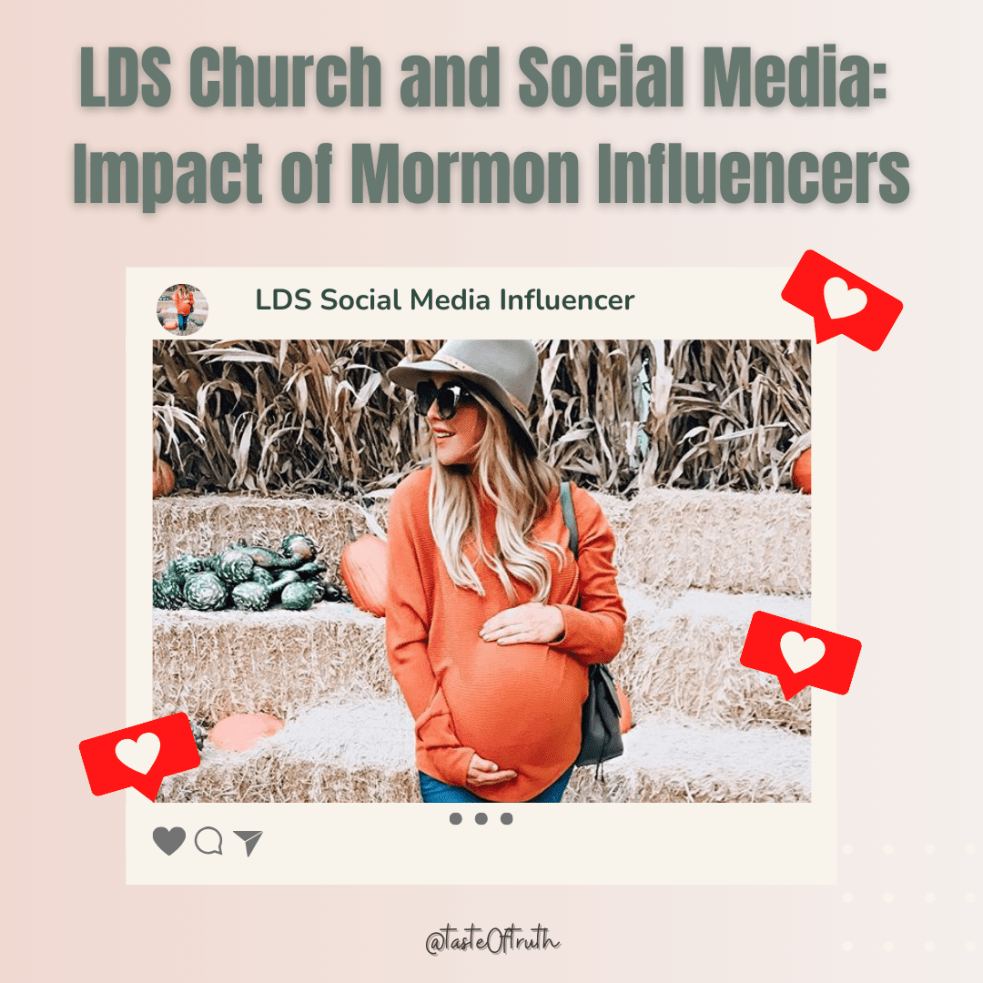
In recent years, social media has revolutionized the way individuals and organizations promote their values and products. For the Church of Jesus Christ of Latter-day Saints (LDS Church), commonly known as the Mormon Church, this digital age presents both opportunities and challenges. Mormon influencers leverage their social media platforms not only to promote their faith but also to engage in network marketing and endorse various products. This post explores how these influencers operate, the intersection of faith and commerce, and the ethical implications of their strategies.

The Rise of Mormon Influencers

Mormon influencers utilize their platforms to promote a range of products, often integrating their religious values into their marketing strategies. Here’s how they do it:

1. Selling Products

Network Marketing: Influencers often participate in network marketing companies like Young Living, doTERRA, and Monat. These companies thrive on personal networks for sales and recruitment, which aligns with the close-knit nature of the Mormon community.

Brand Partnerships: Many influencers collaborate with brands to promote products such as health supplements, fashion items, and home goods. Their content typically reflects a wholesome, family-oriented lifestyle that resonates with their followers.

Homemade and Handcrafted Goods: Some influencers sell their own creations, such as crafts, clothing, or digital products. Their personal brand often emphasizes values like family, self-reliance, and creativity.

2. Recruiting into Their Religion

Personal Testimonies: Sharing personal faith stories is a common tactic. Influencers discuss how their beliefs positively affect their lives, making their faith appealing to potential followers.

Showcasing Lifestyle: By highlighting a family-centric and clean-living lifestyle, influencers subtly promote the benefits of their faith. This can attract those seeking community and moral guidance.

Incorporating Faith into Content: Faith is often woven into daily content, making religious practices and values a natural part of the influencer’s brand.

Service and Community Involvement: Influencers highlight their community service projects, showcasing the active and supportive nature of the Mormon community.

Network Marketing and the LDS Church

Amway and the LDS Church

The blog post “Amway and the Mormon Church” explores the historical connections between Amway, a prominent network marketing company, and the LDS Church. Many Mormons have been involved in Amway’s business model, which relies on personal networks for sales and recruitment. The Mormon community’s strong emphasis on personal relationships and trust makes it a fertile ground for such network marketing ventures.

Key Points from the Article:

  • Historical Connections: The LDS Church has had historical ties with network marketing companies like Amway, with many members participating in their business models.
  • Community and Trust: The close-knit nature of the Mormon community fosters an environment where network marketing can thrive, as trust and personal connections play a significant role in sales and recruitment.

Melaleuca and its Relationship with LDS Influencers

Melaleuca, Inc., a wellness product company based in Idaho, was founded by Frank L. VanderSloot, an LDS Church member. While Melaleuca is not officially affiliated with the LDS Church, its founder’s faith influences its business practices and marketing strategies.

Melaleuca’s Key Points:

  • Product Marketing: Distributors often promote Melaleuca’s products within their personal and community networks, including religious communities.
  • Health Claims: Some distributors may make exaggerated health claims about Melaleuca’s products, which can veer into sensationalism and conspiracy theories about conventional medicine.

The Trad Wife Controversy and Traditional Values

In the ongoing conversation about traditional values and gender roles, the Ballerina Farm controversy provides a significant example of how these ideals are presented and critiqued. Ballerina Farm, a popular social media presence, showcases a vision of traditional domestic life that aligns with the “trad wife” movement. This movement emphasizes traditional roles and domestic fulfillment, which some individuals see as empowering personal choices.

Houseinhabit’s Perspective: Houseinhabit’s analysis of Ballerina Farm shared her perspective on this issue. According to Houseinhabit, “Hannah’s story isn’t about regression; it’s about choice. She embodies a version of success not measured by corporate titles but by personal contentment and family harmony that is, at the core, rooted in her faith in God. Ultimately, the real goal of feminism should recognize and respect the diverse paths women take. Critique should foster understanding rather than perpetuating division.” Houseinhabit argues that Ballerina Farm presents traditional roles as voluntary and desirable, rather than acknowledging their roots in patriarchal structures.

Patriarchal Norms and Cultural Context: This perspective is important, but it’s also crucial to consider the role of patriarchal norms within such movements. Consequently, practices that may seem problematic to outsiders—such as Daniel’s rushed engagement and his control over Hannah’s education—are often normalized within their cultural context. These actions reflect a broader adherence to patriarchal values, including homeschooling with a Christian Mormon syllabus, which underscores their commitment to traditional gender roles.

The LDS Church’s Use of Social Media Influencers

Adding another layer to this discussion, recent research into Mormon influencers reveals how the LDS Church is using social media to attract new recruits. Influencers, particularly families, are employed to promote Mormonism through platforms like Instagram and YouTube. This strategy capitalizes on the appeal of traditional family values and domestic harmony to attract a broader audience. The church’s use of social media influencers can be seen as a recruitment tool that highlights the appealing aspects of traditional lifestyles while potentially overshadowing the complexities and criticisms associated with these roles.

Ethical Considerations and Transparency

The use of social media for religious and commercial purposes raises several ethical questions:

Commercial vs. Faith Promotion: Influencers must navigate the fine line between promoting their faith and commercial interests. Transparency about religious intentions behind promotions is crucial.

Sensationalism and Conspiracy Theories: Some network marketing practices, particularly in the wellness sector, involve sensationalizing health benefits or promoting anti-mainstream narratives. This can lead to misinformation and mislead consumers.

Regulatory Concerns: Companies like Melaleuca are subject to Federal Trade Commission (FTC) regulations that aim to prevent deceptive marketing practices. Ensuring compliance and transparency is essential to maintaining consumer trust.

Conclusion

The intersection of social media, faith, and network marketing presents both opportunities and challenges for LDS influencers. While they effectively use their platforms to promote products and their faith, ethical considerations about transparency, sensationalism, and the blending of commercial and religious messages remain significant. The Ballerina Farm controversy and the LDS Church’s social media strategies illustrate a broader societal pattern where traditional values and modern media intersect, raising important questions about how these dynamics influence perceptions of gender roles and faith.

Books and Articles

  1. “Mormonism and the Politics of Gender: Gender, Family, and Identity” by Anne C. Lovell
    • Explores the role of gender within Mormon culture and how it impacts family and identity dynamics.
    • Find it on Amazon
  2. “The Book of Mormon: A Biography” by Paul C. Gutjahr
    • Provides a comprehensive history and analysis of the Book of Mormon and its influence on LDS culture.
    • Find it on Amazon
  3. “The Mormon Image in the American Mind: 1950 to the Present” by J. Spencer Fluhman
    • Discusses the evolution of the public perception of Mormons and how media representations have changed over time.
    • Find it on Amazon
  4. “Mormonism in the Media: A Study of Influence and Representation” by Peter A. K. Starks
    • Analyzes the portrayal of Mormonism in various media forms and its implications for public perception.
    • Find it on Google Books

Research Studies and Reports

  1. “Social Media Influencers in Religious Recruitment: A Case Study of the LDS Church” by Emily M. Schilling
    • Investigates the role of social media influencers in religious recruitment, with a focus on the LDS Church.
    • Access the study here
  2. “Digital Evangelism: The Impact of Social Media on Religious Practices” by Michael J. Smith
    • Examines how digital platforms are used for religious outreach and the effectiveness of these methods.
    • Read the study here
  3. “The Role of Social Media in Shaping Religious Identity: A Comparative Study” by Laura J. Stewart

Online Articles and Blog Posts

  1. “How the LDS Church Uses Social Media to Grow Its Congregation” – A detailed article discussing the strategies employed by the LDS Church to use social media for growth.
  2. “Influencers and Religion: How Social Media is Changing Faith” – An article exploring the intersection of social media and religious practices.
  3. “The Rise of the Faith-Based Influencer: Case Studies and Trends” – Provides case studies and trends related to faith-based influencers.

Podcasts

  1. “LDS Influencers: The Modern Missionary” – A podcast episode discussing how LDS influencers are shaping perceptions of Mormonism.
  2. “Social Media and Faith: A New Era of Religious Engagement” – Explores the impact of social media on religious practices and engagement.
  3. “The Digital Mission: Religious Outreach in the Age of Social Media” – Discusses how various religious groups use digital platforms for outreach.

These resources should provide a solid foundation for understanding the LDS Church’s use of social media influencers and the broader implications for religious outreach and media influence.

Breaking down the Power Play:  Women’s Suffrage, Christian patriarchy, and Trad Wife Propaganda

This week, I’m diving headfirst into the turbulent intersection of women’s suffrage, the resurgence of Christian patriarchy, and the trendy ‘trad wife’ movement. Buckle up as we unravel how these historical battles and modern movements collide, revealing their surprising connections—from the ongoing struggle for gender equality to the modern reinvention of traditional roles. Prepare for a journey through past and present that challenges conventional wisdom and ignites critical conversations.

🎧Listen here!

My Deconstruction Journey

In recent months, I’ve explored how radicalization, conspiracies, and religion have shaped my life. In Episode 5 of my podcast, we tackled the “crunchy hippie to alt-right pipeline,” but now it’s time to shine a light on the radicalization of the left—a topic often overlooked. Why did I go from progressive circles to mingling with Trump supporters and Christians? This shift was marked by a range of events and trends reflecting broader changes within progressive movements and their impact on American politics and culture.

Black Lives Matter Protests and Social Justice Movements

The murder of George Floyd ignited the Black Lives Matter (BLM) movement, but what often goes undiscussed is the scrutiny BLM faced over fund management. Allegations of financial mismanagement emerged in 2021, raising questions about how substantial donations were handled. The movement also brought the call to “defund the police” into the spotlight, advocating for reallocating funds to social services and community programs. However, cities like San Francisco, which initially reduced police funding, faced rising crime rates and eventually reinstated funding in 2022, acknowledging that some defunding measures had not achieved their intended outcomes.

Increased Political Activism and the Role of Cancel Culture

The 2020s saw a rise in intersectionality and identity politics, aiming to address overlapping forms of oppression. However, this sometimes led to contentious debates over ideological purity and inclusivity, particularly in online activism. Cancel culture became prominent, with debates over holding public figures accountable for perceived offenses. While some view it as necessary for social justice, others argue it suppresses free speech and stifles constructive dialogue.

Vaccine Hesitancy and the Crunchy-to-Patriarchy Pipeline

My reluctance to receive an experimental vaccine led to severe ostracism, as those hesitant about COVID-19 vaccines often faced dehumanization and cancel culture. This harsh treatment highlighted how cancel culture can suppress nuanced debate and alienate individuals with genuine concerns.

Dr. Stanley Plotkin, a prominent figure in vaccinology, and some of his colleagues recently published an article that has drawn significant attention. The article acknowledges that vaccines are not as thoroughly studied as previously claimed, particularly in terms of safety, both before and after they are licensed. This has raised concerns among critics, who argue that for decades, the public was assured that vaccines underwent rigorous safety testing.

Key points from the article include the admission that prelicensure clinical trials often have limited sample sizes and short follow-up periods, which may not fully capture long-term safety data. Additionally, there are currently no dedicated resources for post-authorization safety studies, relying instead on annual appropriations approved by Congress. This lack of resources for ongoing safety monitoring has been criticized as inadequate, particularly given the widespread use of vaccines.

This revelation has been met with strong reactions, especially from those who have long questioned the rigor of vaccine safety studies. They argue that these acknowledgments confirm their concerns that vaccine safety has not been as thoroughly investigated as it should be.

Read the paper here

In a previous episode, we scratched the surface of the Trad Wife and Stay-at-Home Girlfriend Movements. These movements, advocating traditional gender roles, see them as spiritually fulfilling and empowering, rejecting modern feminism while embracing modern cultural influences. We discussed the fear tactics within this online content that manipulates users by promoting apocalyptic scenarios and moral decay. Today, we’re diving deeper into this topic.

Historical Context and Kitchen Design

Before delving into the 19th Amendment, let’s explore the evolution of kitchen design as a reflection of changing gender roles and societal expectations:

  • Post-Civil War to Early 20th Century (1865-1930s): Kitchens transitioned from being managed by enslaved people to paid workers, with labor-saving appliances emerging and the housewife ideal taking shape.
  • Mid-20th Century (1930s-1960s): The post-WWII era emphasized suburban living and reinforced the housewife’s role as a symbol of the American dream, driven by economic prosperity and suburban expansion.
  • 1974 Bill on Women’s Financial Independence: The Equal Credit Opportunity Act granted women the right to open bank accounts and obtain credit cards in their names, a significant step towards financial equality.

Today’s ‘trad wife’ movement glamorizes the mid-century housewife as a personal choice, not a patriarchal trap. But let’s be real—this nostalgic comeback is less about empowerment and more about rolling back feminist progress, cherry-picking conservative values to fit a romanticized narrative. It’s time to call out the toxicity and acknowledge that the nuclear family ideal doesn’t have to be a patriarchal prison.

Connecting Women’s Suffrage and Christian Nationalism

This week marks the anniversary of the 19th Amendment, a milestone for women’s rights. However, despite granting voting rights, many women of color continued to face disenfranchisement. The rise of ideologies challenging this progress, such as Nancy Pearcey’s claim that women’s suffrage was a net loss, reflects a broader trend of dominionism and Christian nationalism. Pearcey’s book, The Toxic War on Masculinity, embraced by right-wing fundamentalist figures, has been criticized for its logical fallacies and misrepresentation of research.

A Critique of Nancy Pearcey’s The Toxic War on Masculinity

Pearcey argues that the expansion of women’s roles and rights has led to a “war on masculinity,” promoting binary gender stereotypes and overlooking intersectional perspectives. Critics point out that Pearcey’s use of John Gottman’s research is misleading. Gottman’s studies indicate that emotionally intelligent husbands succeed in both egalitarian and hierarchical marriages, but Pearcey omits that her argument falls apart when complementarian men abandon hierarchical behaviors, exposing a significant ideological bias in her work.

Contextualizing These Views

These views reflect a broader conversation within conservative Christian circles about gender roles. Figures like Joel Webbon and Doug Wilson argue against women’s suffrage from a theological standpoint, emphasizing traditional gender roles and critiquing the expansion of women’s public and political presence as contrary to biblical principles. The Southern Baptist Convention’s conservative shift and the rise of New Calvinism further illustrate this trend, as these movements emphasize male-led church governance and promote traditional gender roles.

Motivations Behind the Movements

Supporters of traditional values aim to uphold stability and traditional family roles, rejecting modern feminism and valuing a nurturing home environment. Fear tactics are prevalent in online content that merges wellness with extreme ideologies, manipulating users by promoting fear of worldly dangers, apocalyptic scenarios, or spiritual consequences.

Historical Precedents: Satanic Panic and Moral Panics

Movements like the Satanic Panic of the 1980s and ’90s stoked fears of occult influences, leading to widespread moral panic. Similarly, today’s online narratives can exaggerate or fabricate threats to bolster ideological adherence, using fears of societal collapse or moral decay to urge followers towards conservative values.

Personal Reflections: Manipulation and Belonging

I remember the day I was first drawn into evangelical Christianity. It wasn’t through logic or a carefully reasoned argument; it was through the power of a story—a testimony, to be exact. The speaker shared a dramatic tale of transformation, from the depths of despair and darkness into the light of salvation. Her voice trembled with emotion, and tears glistened in her eyes as she described the overwhelming peace and joy she found in Christ. I was captivated. It wasn’t just a story; it was a call, a plea for me to experience the same miraculous change.

The manipulation was subtle but powerful. The emotions stirred within me were intense, almost overwhelming. I felt a sense of urgency, as if my own life depended on making the same decision she had. It was as though I could feel the darkness closing in on me, and the only escape was to step into the light she described so vividly. Fear played a significant role in this manipulation. I was warned of the dire consequences of rejecting this path, of the eternal damnation that awaited those who turned away. This fear was not just for my soul but for my life here and now. I was told that without Jesus, I would continue to live in confusion, loneliness, and despair.

What made it all the more compelling was the promise of belonging. I had always felt somewhat out of place, disconnected from those around me. But here was a community that promised acceptance, a family where I would always belong. The concept of biblical femininity and submission was introduced as a path to fulfillment, as a way to finally fit into a role that had been designed specifically for me by God. I was told that by embracing my role as a submissive wife and mother, I would find true happiness and purpose.

But looking back, I realize how these tactics exploited my vulnerabilities. The emotional manipulation, the fear-based messaging, and the promise of belonging were all tools used to mold me into someone I wasn’t. They weren’t concerned with my true self; they wanted to shape me into their image of the ideal Christian woman—submissive, obedient, and unquestioning.

What’s more disturbing is how these tactics aren’t unique to evangelical Christianity. I’ve since learned that similar strategies are employed in other religions, such as Islam. I’m sure you’re like me, and have heard that it is the fastest growing religion, but have you looked into the pew research into why? There’s a growing pressure on women within some Islamic communities to recruit other women. They shower potential converts with love, bombarding them with messages of acceptance and sisterhood. It’s all designed to draw them in, to make them feel special and chosen. Once they’re in, the pressure to marry and fulfill their role as a wife and mother can be intense. Just as I was drawn into a community that promised to complete me, these women are often led to believe that their worth is tied to their role within the family and the broader religious community.

The parallels are striking. Both exploit the human need for connection and purpose. Both use emotional manipulation and fear to control and convert. And both can lead to a loss of self, where the individual’s identity is subsumed by the demands of the group.

Reflecting on my experience has been painful, but it’s also been empowering. I now see how I was manipulated, how my fears and desires were used against me. And I’m committed to helping others recognize these tactics for what they are—tools of control, not pathways to truth.

Delving into Christian Interpretations of Morals and Values

As we wrap up today’s discussion, let’s delve into the complexities surrounding Christian interpretations of morals and values, particularly through the lens of historical and cultural relativism. Critics of biblical revelation question the reliability and authenticity of the biblical manuscripts, highlighting the human elements that have shaped the text’s transmission and interpretation.

Read more here on why I think Biblical Inerrancy is harmful.

When it comes to contentious issues like abortion, the selective interpretations of scripture used by some pro-life Christians illustrate a broader trend of reconciling faith with personal and societal values. Historically, Christian views on abortion were more diverse and often more permissive, with significant shifts occurring in the 1970s with the rise of the Religious Right.

Reflecting on these issues, Niel Van Lewen pointed out an intriguing observation: the pro-life stance might often function more as a signaling mechanism than a genuine, consistent commitment to protecting life. This dichotomy suggests that pro-life evangelicals might seek to pass laws protecting unborn embryos while avoiding practical measures—like universal daycare—that could significantly reduce the number of abortions.

This illustrates the ethical and scriptural inconsistencies surrounding the pro-life stance. By examining these discrepancies, we gain a clearer understanding of the challenges inherent in reconciling pro-life advocacy with practical, compassionate approaches to supporting life.

The Trad Wife Controversy: Unpacking Traditional Values in Modern Contexts

The discussion around traditional values and gender roles is gaining momentum, and the “trad wife” movement sits at the heart of this debate. One prime example that brings these ideals to light is the Ballerina Farm controversy, a social media phenomenon showcasing a curated version of traditional domestic life. This aligns closely with the trad wife ideals, which have faced criticism for romanticizing a regressive view on gender roles.

The Ballerina Farm Controversy: Empowerment or Regression?

Ballerina Farm presents a vision of traditional domestic life that resonates with many who see it as an empowering choice. However, it also faces criticism for glamorizing roles that are deeply rooted in patriarchal norms. Houseinhabit, a popular commentator, argues that Ballerina Farm isn’t about regression but about choice. She suggests that Hannah Neeleman, the face behind Ballerina Farm, embodies success measured not by corporate titles but by personal contentment and family harmony, grounded in her faith. This perspective emphasizes that true feminism should respect the diverse paths women take, fostering understanding rather than division.

The Patriarchal Norms Behind the Ideal

While Houseinhabit’s perspective is important, it’s crucial to examine the patriarchal underpinnings of such movements. Practices that might seem problematic to outsiders—like Daniel’s rushed engagement and control over Hannah’s education—are often normalized within their cultural context. These actions reflect broader adherence to patriarchal values, including homeschooling with a Christian Mormon syllabus, underscoring a commitment to traditional gender roles.

Mormon Influencers: A New Recruitment Strategy?

Adding another layer to this discussion is the role of Mormon influencers in social media recruitment. Recent research reveals how the LDS Church uses social media to attract new recruits, with influencers, particularly families, promoting Mormonism on platforms like Instagram and YouTube. This strategy leverages the appeal of traditional family values and domestic harmony to attract a broader audience. The Church’s use of influencers as a recruitment tool highlights the appealing aspects of traditional lifestyles while potentially overshadowing the complexities and criticisms associated with these roles.

Media, Tradition, and Patriarchy

This interplay between traditional values and modern media illustrates a broader societal pattern where the presentation of traditional roles can obscure their roots in patriarchal structures. Media portrayals, while sometimes uncomfortable, are not about dehumanizing individuals but about revealing systemic issues. Often, patriarchal norms are defended as personal choices, overlooking the deep societal influences at play. If gender roles were reversed, these issues might become more apparent, prompting a need for more nuanced discussions on how traditional values intersect with contemporary gender dynamics.

My Experience with Patriarchal Ideologies

Critically evaluating such content is essential, as these narratives can have far-reaching implications for personal beliefs and societal attitudes. From my own experience with evangelical Christianity, I was involved in a biblical counseling program that reinforced patriarchal control, severely limiting my autonomy. In one workbook, I was given an excerpt from The Excellent Wife by Martha Peace, which outlined ways a wife should glorify her husband. The expectations included:

  1. Asking your husband about his goals for the week.
  2. Organizing household duties meticulously, prioritizing your husband’s needs over everything else.
  3. Talking about him positively to others, regardless of the truth.

These teachings were not just fringe ideas but central resources within Biblical Counseling, the Southern Baptist Convention, and many non-denominational churches. This ideology, deeply woven into church communities, perpetuates a system where a wife’s identity and value are entirely subdued under her husband’s goals and image.

The Harmful Implications of Patriarchal Ideologies

  1. Idolatry of the Husband: Obeying a husband is equated with obeying God, placing the husband in the position of an idol. This subordinates divine will to a human figure, distorting spiritual faith and leaving no room for a wife’s autonomy or moral agency.
  2. A Warped View of Womanhood: Women are seen as more susceptible to deception, and their rightful place is akin to a ‘slave’ who should expect no recognition. Basic human desires, like wanting to be treated with kindness, are labeled as ‘idolatrous.’
  3. Enabling Abuse: The book glorifies suffering within marriage as a form of righteousness, encouraging women to endure cruelty and manipulation. This traps women in dangerous, often life-threatening, situations by positioning divorce as rebellion and making church discipline the first recourse instead of contacting authorities.
  4. Stigmatizing Mental Health Care: Seeking professional help is equated with a lack of faith, alienating women from essential support systems that could help them navigate emotional and psychological challenges.

These ideas, while well-intentioned, perpetuate a system where the wife’s identity and value are entirely subdued under her husband’s goals and image. The dangerous implications of this ideology are not confined to overtly religious communities. Similar themes of female submission are found in movements rejecting modern egalitarian values in favor of a constructed ideal of natural order, which often masks deeply patriarchal and oppressive beliefs.

The Bigger Picture: Understanding the Trad Wife Trend

The trad wife trend isn’t just a nostalgic yearning for the past; it’s a deliberate effort to reinstate rigid gender roles that diminish women’s rights and freedoms. By critically examining resources like The Excellent Wife and drawing connections to broader social and cultural trends, we can better understand and challenge the insidious nature of this propaganda.

For those still in the church, it’s crucial to stand up against these harmful teachings. From my own experience, gender norms that emphasize tenderness over assertiveness hinder a woman’s ability to address unfair treatment effectively. Women submitting to their husbands is a dangerous ideology. Research shows that conservative, highly religious men are far more likely to perpetrate intimate partner violence. Hypermasculinity is one of the most powerful predictors of men’s likelihood to commit assault, and couples where the husband dominates decision-making processes are more likely to experience lower marital satisfaction.

Liberation and Progress

The liberation of women from oppression is crucial for fostering a more equitable and just society. When women are fully liberated, they can contribute their talents, perspectives, and skills to all aspects of life, including politics, economics, and culture. This liberation not only benefits women individually but also leads to societal progress by dismantling systemic barriers and promoting inclusivity.

Conclusion: Opening the Dialogue

I invite you to join the dialogue about gender, family, and cultural norms. Have you observed or encountered these dynamics? As a collective, we cannot ignore the role of algorithms and social media in amplifying compelling narratives and creating echo chambers. Understanding the motivations behind these movements allows us to engage in meaningful dialogue and advocate for continued advancements in gender equality.

Through my journey of deconstructing abuse within the church, I’ve realized that complementarianism, often presented as a theological stance, is fundamentally patriarchal and a root cause of oppression and abuse. Navigating these dynamics helps us grapple with the complexities of today’s ideological landscapes and invites us to critically evaluate how historical precedents and technological influences continue to shape our beliefs and societal structures.

Thank you for joining me in this exploration of faith, ideology, and societal change. Let’s continue to question, reflect, and engage with the world around us. And as always, maintain your curiosity, embrace skepticism, and keep tuning in.

https://www.forbes.com/sites/traversmark/2024/01/06/a-psychologist-explains-the-dangers-of-the-tradwife-movement/?sh=42f211f79c3b

19th Amendment to the U.S. Constitution: Women’s Right to Vote (1920) | National Archives

19th Amendment ‑ Definition, Passage & Summary | HISTORY

Women’s Equality Day: Celebrating the 19th Amendment’s Impact on Reproductive Health and Rights – Center for American Progress

Overview of the Nineteenth Amendment, Women’s Suffrage | U.S. Constitution Annotated | US Law | LII / Legal Information Institute (cornell.edu)

Women’s Suffrage Was a Net… LOSS?! | The New Evangelicals (youtube.com)

https://bethallisonbarr.substack.com/p/maybe-i-agree-with-pearcey-after

https://www.pewresearch.org/religion/2015/04/02/religious-projections-2010-2050/

The Role of Make-Believe in Religious Belief

Welcome back to Taste of Truth Tuesdays! This week, I had the pleasure of sitting down with Neil Van Leeuwen, a philosopher, cognitive scientist, and author of the thought-provoking book, Religion as Make-Believe. With a Ph.D. in philosophy from Princeton University, Neil brings a fresh perspective to the table, challenging traditional views on religious belief by comparing it to the concept of make-believe.

Religion as Make-Believe: Understanding the Distinction

Neil delves into the fascinating distinction between religious credence and factual belief. He explains that while factual beliefs are typically open to updates based on new evidence, religious credence often resists such updates. To illustrate this, Neil offers a simple analogy: imagine believing there are cookies in the cupboard. If you open the cupboard and find it empty, your belief is updated. However, religious credence, according to Neil, is like imagining the cookies are still there, even when faced with an empty cupboard.

Rituals, Practices, and the Role of Make-Believe

Neil’s insights extend to how religious practices function in our lives. He compares prayer and other religious rituals to athletes who engage in specific routines alongside rigorous training. These practices are not just about seeking divine intervention; they are deeply tied to our identity and social connections. In multicultural and pluralistic societies, religious beliefs help define group identities and distinguish “us” from “them.”

Sacred Actions and Symbolic Gestures

A key point Neil emphasizes is how sacred actions, backed by the imperative force of sacred values, often serve as symbolic gestures. These gestures can sometimes overshadow practical policies that align with those same sacred values, leading to a complex dynamic between belief and action in society.

Deconstructing Beliefs: A Path to Understanding

For those on a journey of deconstructing their spiritual beliefs, Neil offers valuable advice. He encourages listeners to view religious practice as a way of seeking community and connection. By critically examining their own beliefs, individuals can gain a deeper understanding of the role these beliefs play in their lives.

Tackling Critiques and Looking Forward

Neil also addresses common critiques of his work, including the concerns about extremism and the pressures to conform to rational thought. He highlights areas for further exploration in the study of religion and belief, especially in the political realm.

Listen In: A Conversation That Challenges and Enlightens

This episode is a must-listen for anyone interested in challenging their perspectives on religion and belief. Neil’s insights provide a nuanced understanding of how faith and identity intertwine in our daily lives.

🎧 Tune in to Taste of Truth Tuesdays for an enlightening discussion that will deepen your understanding of the role of belief in human societies. Don’t miss this conversation with Neil Van Leeuwen!

🎧Listen here!

📘 Explore Neil’s Book: Check out Religion as Make-Believe on Amazon or Harvard University Press, and consider recommending it to your local library!

🙏 Help Spread the Word: If you enjoyed this episode, please leave a 5⭐️ review and share it with a friend. Let’s help more people find this valuable content!

👀 Stay Connected: I’d love to hear your thoughts! Connect with me on Instagram @taste0ftruth or Pinterest.

The Impact of Biblical Counseling on Scrupulosity and Mental Health in Religious Contexts

Did you know that nearly one in five adults in the U.S. experiences mental health issues each year, with many of these individuals deeply embedded in religious communities? Unfortunately, within certain religious contexts, these struggles are often misunderstood or outright dismissed, leading to significant harm.

This week on the podcast, our guest explains more about Scrupulosity, a form of religious OCD, is particularly prevalent in such environments. Its debilitating effects are often compounded by biblical counseling practices that prioritize doctrinal purity over psychological well-being. This issue is glaringly evident in the teachings of influential figures like John MacArthur, whose views on mental health have had a profound and dangerous impact on his followers.

🎧Listen here!

Understanding Scrupulosity

Definition: Scrupulosity is a psychological condition where an individual experiences obsessive concerns about sin and moral behavior, often leading to compulsive religious rituals. It’s a form of OCD that is frequently misunderstood as heightened piety rather than a serious mental health issue.

Impact on Individuals: The emotional and psychological toll of scrupulosity can be devastating. Individuals suffering from this condition often live in constant fear of divine punishment, leading to extreme anxiety and depression. Marissa Burt shared harrowing stories of people trapped in this cycle, where every thought and action is scrutinized under the weight of perceived sinfulness, leaving them isolated and in despair.

The Role of Biblical Counseling

Biblical counseling is a form of therapy that relies solely on Scripture to address psychological issues, often rejecting modern psychological practices. Unlike secular mental health care, which is based on scientific research and evidence-based practices, biblical counseling assumes that all mental health issues stem from spiritual problems.

The Harmful Impact of Spiritually Abusive Counseling and Complementarianism

Section 1: The Dangers of Spiritually Abusive Counseling Programs

The spiritually abusive counseling program I was part of advocated for trusting in God and walking in the Spirit, based on Ephesians 4:22-24. While this approach may seem pious, it dangerously neglected real mental health needs and suggested that faith alone could ‘cure’ conditions like borderline personality disorder (BPD).

The Reality of Mental Health Needs

BPD is a serious mental health condition requiring professional treatment. While faith can offer support, it is not a substitute for evidence-based therapy. The notion that BPD is merely a result of not being ‘Christ-like’ enough not only invalidates legitimate mental health struggles but also manipulates individuals into believing their worth is contingent on religious compliance.

The Damage of Biblical Counseling

Biblical counseling, particularly when practiced by organizations like the Association of Certified Biblical Counselors (ACBC), can be profoundly damaging. This approach often lacks nuance and sensitivity, especially in cases of marital abuse. Instead of addressing abusive behaviors, it focuses on wives’ submission, perpetuating harm and failing to uphold biblical principles of love and justice.

Research indicates that frequent causes of women’s anger include:

  • Feelings of helplessness
  • Not being listened to
  • Injustice
  • Irresponsibility on the parts of others
  • The inability to make desired changes

The Flaws in ACBC’s Approach

ACBC’s counseling model relies on flawed interpretations of biblical passages and neglects psychological insights. It is authoritarian and has the potential for spiritual abuse, lacking accountability and sensitivity. The emphasis on traditional female gender norms that prioritize tenderness over assertiveness further hinders women’s ability to address unfair treatment effectively.

Complementarianism and Gender Equality

The conservative church promotes dangerous ideologies through Complementarianism, which emphasizes women’s submission to men. Historical analysis reveals that contemporary teachings about women’s roles often misinterpret or selectively use biblical passages to justify patriarchal structures rather than promoting equality and mutual respect. Critics argue that these teachings reflect human power structures more than the true message of Christ.

Critique of Biblical Counseling in Cases of Scrupulosity

This approach can be particularly harmful in cases of scrupulosity, where the condition is often mistaken for a lack of faith or moral failure. Instead of providing relief, biblical counseling can exacerbate the problem by reinforcing the idea that the sufferer must simply pray harder, read the Bible more, or repent more sincerely. Insights from Marissa Burt into these counseling sessions reveal a troubling pattern: individuals are often led deeper into their condition, with no recognition of the need for professional mental health care.

Towards Equality and Liberation

Achieving gender equality and women’s liberation is crucial for building a more prosperous and harmonious world. By examining church history and contemporary interpretations, we can challenge and move beyond outdated beliefs, advocating for a more equitable and respectful understanding of biblical teachings.

Real-Life Examples: Marissa shared examples of people who, after years of biblical counseling, found themselves more entrenched in their fear and anxiety. Instead of receiving the help they needed, they were told that their mental struggles were a sign of spiritual weakness, further alienating them from any form of relief.

John MacArthur’s Controversial Views

Introduction to MacArthur’s Views: John MacArthur, a prominent evangelical leader, has long been a vocal critic of psychological diagnoses and treatments, dismissing them as unbiblical. He argues that mental health issues are primarily spiritual problems that should be addressed through Scripture, prayer, and repentance.

Impact on Followers: MacArthur’s teachings have had a profound influence on his followers, many of whom reject necessary mental health care in favor of biblical counseling. This can lead to the worsening of conditions like scrupulosity, as individuals are discouraged from seeking professional help. Marissa Burt’s experiences highlight the real harm caused by these teachings, as people are led to believe that their suffering is a result of sin rather than a treatable mental health condition.

Marissa’s Insights: Marissa shared that within biblical counseling settings influenced by MacArthur’s teachings, there is little room for acknowledging the validity of psychological science. Instead, individuals are pushed to conform to a narrow view of spirituality, often at the expense of their mental health. This rigid approach can have devastating consequences, leaving individuals trapped in a cycle of guilt, fear, and spiritual abuse.

The Intersection of Faith and Mental Health

The Struggle for Balance: Many individuals find themselves torn between their faith and the need for mental health care. The struggle to reconcile these two aspects of their lives can be overwhelming, particularly when religious leaders like MacArthur promote the idea that mental health issues are purely spiritual.

Call for Change: It’s time for religious communities to adopt a more compassionate and informed approach to mental health. Psychological science and faith need not be at odds; in fact, they can complement each other in helping individuals achieve overall well-being. Recognizing the validity of mental health issues and seeking appropriate care is not a sign of weak faith but of a holistic approach to human flourishing.

Conclusion

Scrupulosity is a serious mental health condition that can be exacerbated by the teachings of biblical counseling and figures like John MacArthur. The dismissal of psychological science in favor of a purely scriptural approach can lead to significant harm, trapping individuals in cycles of guilt and fear.

If you or someone you know is struggling with mental health issues, it’s crucial to seek out appropriate care. Be cautious of religious teachings that diminish the importance of psychological well-being. Remember, it’s possible to maintain your faith while also taking care of your mental health.

Sources:

https://mburtwrites.substack.com/p/the-stranglehold-of-christian-scrupulosity

The statistic about nearly one in five adults in the U.S. experiencing mental health issues annually is based on general findings from sources like the National Institute of Mental Health (NIMH) or the Centers for Disease Control and Prevention (CDC). For example, the NIMH often reports that about 20% of adults experience some form of mental health disorder each year.

  • National Institute of Mental Health (NIMH): They provide comprehensive data on mental health statistics. NIMH Statistics
  • Centers for Disease Control and Prevention (CDC): They offer data on mental health prevalence and its impact. CDC Mental Health

Books

  • “The Doubting Disease: Help for Scrupulosity and Religious Compulsions” by Joseph W. Ciarrocchi: A classic resource that offers a mix of psychological and spiritual guidance for those dealing with scrupulosity and religious OCD.

Articles & Guides

  • International OCD Foundation (IOCDF) Guide on Scrupulosity: Provides a thorough overview of scrupulosity, including treatment options and practical tips. IOCDF Guide
  • “Understanding Scrupulosity” by Dr. Gregory Bottaro: Offers insights from a clinical psychologist who integrates faith and psychology, providing both professional and spiritual perspectives.

Online Communities & Forums

  • Reddit’s r/scrupulosity: A supportive online community where individuals share experiences, resources, and support related to scrupulosity. Reddit r/scrupulosity
  • OCD Action Forum: Contains specific sections for religious and moral OCD, allowing individuals to connect and share experiences. OCD Action Forum

Therapy & Counseling

  • Cognitive Behavioral Therapy (CBT) with Exposure and Response Prevention (ERP): This is the gold standard for treating scrupulosity. Finding a therapist who specializes in CBT and ERP can be particularly effective.
  • Faith-Based Counseling: For those seeking to integrate their faith into therapy, it’s important to find a counselor who understands both OCD and the individual’s religious background.

Non-Christian Sources

  • National Alliance on Mental Illness (NAMI): Provides general mental health resources and information on how different settings, including religious ones, can impact mental well-being. NAMI Website
  • Pew Research Center: Offers reports and data on the intersection of religion and mental health. Pew Research Center Religion & Public Life
  • American Psychological Association (APA): Publishes research and articles on mental health, including impacts of religious environments. APA Website
  • Secular Therapy Project: Connects individuals with secular therapists sensitive to the impact of religious settings on mental health. Secular Therapy Project

These resources should offer a well-rounded approach to understanding and managing scrupulosity, catering to a variety of needs and perspectives for anyone navigating the complexities of scrupulosity.

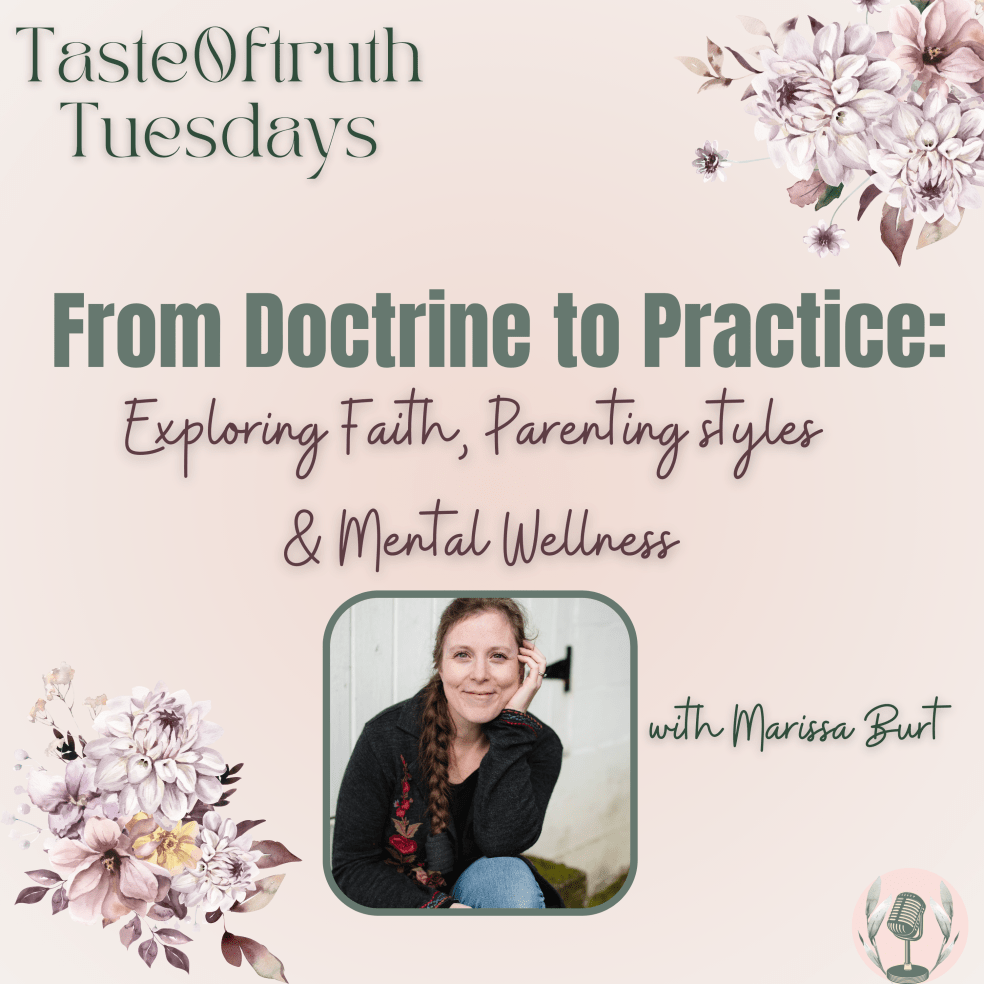
From Doctrine to Practice: Exploring Faith, Parenting, & Mental Wellness

Welcome back to Taste0fTruth Tuesdays! 🌟 New Episode Alert! 🌟

Join us as we sit down with the brilliant @mburtwrites , a leading voice in children’s literature. This week, we tackle some tough but vital topics:

🧠 John MacArthur’s controversial views on mental health and biblical counseling.

👶 The impact of Tedd Tripp’s ‘Shepherding a Child’s Heart’ on parenting.

💔 Sensitive approaches to childhood trauma and effective support strategies.

🙏 The psychological toll of Christian scrupulosity and ways to raise awareness.

🗣️ My personal experience with abusive biblical counseling and its effects.

Gain valuable insights on faith, parenting, and mental health from Marissa’s unique perspective. Tune in now and let’s navigate these challenges together!

I am grateful for this conversation, I hope it blesses you too! 🕊️

⁠Current Projects (marissaburt.com) ⁠

⁠Analysis of Popular Christian Parenting Teaching – YouTube⁠

⁠Instagram⁠ & ⁠Her linktree

🎧Listen here!

🙏 Please help this podcast reach a larger audience in hope to edify & encourage others! To do so: leave a 5⭐️ review and send it to a friend! Thank you for listening! I’d love to hear from you, find me on Instagram!⁠⁠⁠⁠ @taste0ftruth⁠⁠⁠⁠ or⁠⁠⁠⁠ Pinterest! ⁠⁠ ⁠⁠ 

Lottery Odds vs MLM: Which Poses a Higher Financial Risk?

When it comes to making a profit, the comparison between lottery odds and MLM (multi-level marketing) success rates reveals a stark reality: both paths are fraught with significant financial risk, but MLMs typically offer even lower chances of profitability.

🚀 Join us for an eye-opening episode that tackles the intersections of gender, culture, business, and control. Don’t miss out on these compelling insights!

Lottery Odds

The chances of winning a significant prize in major lotteries, such as Powerball or Mega Millions, are astronomically low. For example:

  • Powerball Jackpot: The odds of winning the jackpot are approximately 1 in 292 million.
  • Smaller Prizes: While there are better odds for smaller prizes, they still remain quite low, often making even minor winnings a rare occurrence.

MLM Profitability

Studies and reports paint a grim picture for those involved in MLMs:

  • FTC Report: According to the Federal Trade Commission (FTC), approximately 99% of MLM participants end up losing money.
  • Profit Sources: Success in MLMs often hinges on recruiting new participants rather than selling products to consumers, which creates a structure where the majority are positioned at the bottom, struggling to make a profit.

Key Factors to Consider

  1. Initial Costs: Many MLMs require an initial investment or ongoing purchases to remain active. This financial commitment can lead to losses if the participant fails to recruit enough new members or sell sufficient products.
  2. Time and Effort: Achieving success in MLMs often demands a significant investment of time and effort, frequently far exceeding the potential earnings.
  3. Recruitment Focus: The profitability for top MLM earners typically comes from recruiting others rather than direct product sales, creating a high barrier to profit for most participants.

Conclusion

While neither playing the lottery nor joining an MLM is advisable for making a profit, statistically speaking, the majority of people will lose money in both scenarios. However, due to the structural and financial demands of MLMs, the likelihood of achieving a profit is typically even lower than winning a smaller lottery prize.

In summary, while both the lottery and MLMs are risky ventures with slim chances of financial gain, comparative data suggests that the average person is more likely to incur losses in an MLM than in the lottery. Proceed with caution and consider more reliable financial strategies to achieve your monetary goals.

Further reading

https://thinksaveretire.com/what-is-mlm/

Deconstructing Deception: MLMs, Exploitation & Online Influencers

This week, we’re diving deep into the murky waters of high-control groups like MLMs, conspiracies, and evangelicalism. 💥✨

🚨 Exploitation Alert 🚨

Tune in to explore the shady side of:

  • Lobbyism & Amway – How lobbying shapes the MLM landscape.
  • Enagic’s Kangen Water Scandal – Uncover the dangerous misinformation and financial exploitation by MLMs like Enagic.
  • Faith and Finance – Why are Christian women particularly vulnerable to MLM schemes? Learn to spot the red flags.
  • Influencers and Ideologies – How influencers like Girl Defined hide harmful beliefs behind appealing facades.
  • Podcasting Insights – Hear about the joys and challenges of podcasting, from trusting your instincts to finding joy in the creative process.

Join us for an eye-opening episode that tackles the intersections of gender, culture, business, and control. Don’t miss out on these compelling insights! 🚀✨

Beyond the IBLP: Unveiling the Shared Roots of Evangelicalism & Spiritual Trauma

The Institute in Basic Life Principles was founded by Bill Gothard, is known for its strict, authoritarian teachings on Christian living and family roles, often leading to significant emotional harm.

In the deconstruction space, there’s a troubling tendency to focus exclusively on extreme cases of spiritual abuse, such as those from the Institute in Basic Life Principles (IBLP). While it’s crucial to address and understand these severe experiences, it’s equally important to recognize that spiritual and religious trauma can manifest in many forms beyond such high-profile examples.

While IBLP is a notable example of spiritual abuse, its practices reflect broader trends within evangelical Christianity that also emphasize control, guilt, and fear.

Unveiling the Shared Roots

The roots of evangelical Christianity are deeply entwined with guilt, fear, coercion, and deception, a legacy that can permeate all levels of faith practice. This issue isn’t confined to one group or doctrine; rather, it echoes through the broader history of evangelicalism, including the violent and tumultuous period of the Protestant Reformation.

Guilt and Fear: Evangelical teachings often emphasize human sinfulness and the need for constant repentance, creating an environment where guilt and fear become central. The pressure to meet unattainable moral standards can lead to chronic anxiety and self-doubt. Believers may struggle with feelings of inadequacy and unworthiness, which can erode self-esteem and lead to long-term psychological trauma.

Coercion: Many evangelical doctrines employ coercive tactics to ensure conformity and compliance. This can include manipulating believers through promises of divine favor or threats of divine punishment. Such coercion often pressures individuals into adhering to strict beliefs and behaviors, stifling personal autonomy and fostering a sense of control and manipulation.

Deception: The evangelical tradition can sometimes perpetuate deceptive teachings, presenting religious doctrines in a way that omits or distorts critical truths. This can include selective scriptural interpretations or misleading teachings about the nature of God and salvation. When individuals later confront these deceptions, they may experience profound disillusionment and betrayal, further contributing to their trauma.

Historical Context: The Protestant Reformation, a pivotal event in evangelical history, was marked by violent conflict and intense upheaval. The brutality and extremism of this period set a precedent for how religious movements can become entangled in aggression and intolerance. This historical backdrop adds another layer to understanding how evangelical Christianity, in its various forms, can inflict spiritual harm.

By acknowledging this broader context, we can better address the diverse experiences of trauma within the Christian faith and work towards healing that encompasses all who have been affected.\

Let’s look at the parallels:

1. Control and Authority:

  •     Evangelical Teachings: Evangelical groups often emphasize strict adherence to biblical authority and teachings, which can lead to high levels of control over personal beliefs and behavior.
  •    IBLP: The IBLP, founded by Bill Gothard, is known for its rigid set of rules and teachings that govern nearly every aspect of life, including family dynamics, education, and personal conduct.

2. Use of Guilt and Fear:

  •     Evangelical Teachings: Evangelicals may use guilt and fear of eternal damnation to enforce moral behavior and adherence to religious practices.
  •     IBLP: The IBLP uses fear of divine punishment and guilt to maintain control, emphasizing strict obedience to its principles and teachings.

3. Isolation from Dissenting Views:

  •     Evangelical Teachings: Evangelical communities might discourage or isolate members who question or deviate from core beliefs, often labeling dissent as dangerous or sinful.
  •     IBLP: The IBLP isolates its members from outside influences and encourages avoidance of those who criticize or question its teachings.

4. Emphasis on Obedience:

  •     Evangelical Teachings: Emphasis is placed on obedience to God’s commands and church teachings, which can sometimes discourage critical thinking and personal questioning.
  •     IBLP: stresses strict obedience to its guidelines as a sign of faithfulness, often at the expense of personal autonomy and critical reflection.

5. Authoritarian Structure:

  •     Evangelical Teachings: Many evangelical groups have a hierarchical structure where church leaders wield significant authority over members’ beliefs and practices.
  •     IBLP: The IBLP has a centralized authority with Bill Gothard’s teachings at the core, and his directives are followed unquestioningly by adherents.

6. Focus on Family Roles:

  •     Evangelical Teachings: Traditional evangelical teachings often emphasize distinct roles within the family, typically with a strong patriarchal structure.
  •     IBLP: The IBLP advocates for a strict family hierarchy where the father is the ultimate authority, and family roles are rigidly defined.

7. Handling of Dissent and Criticism:

  •     Evangelical Teachings: In many evangelical communities, dissent or criticism of church doctrine or practices can lead to significant social and spiritual consequences. Those who voice doubts may be labeled as troublemakers or heretics, and their concerns are often dismissed or invalidated.
  •     IBLP: The IBLP is known for its strong stance against criticism. Those who question or criticize its teachings are often ostracized or labeled as spiritually immature or rebellious. This approach helps to maintain a homogenous and compliant membership base.

8. Emphasis on Personal Purity and Moral Behavior:

  •     Evangelical Teachings: Evangelical teachings often place a high value on personal purity and moral behavior, with a strong focus on abstaining from behaviors deemed sinful, such as premarital sex, substance abuse, or other forms of moral failing. This emphasis can create a culture of judgment and fear of falling short.
  •     IBLP: The IBLP emphasizes extreme standards of moral behavior and personal purity, with detailed guidelines on how members should conduct themselves in all areas of life. The focus on maintaining high moral standards can lead to guilt and self-policing among members.

9. Economic and Social Expectations:

  •     Evangelical Teachings: Some evangelical communities have specific expectations regarding financial contributions to the church and adherence to tithing practices. Members may be encouraged to prioritize church-related financial support over other expenses.
  •      IBLP: The IBLP also has expectations regarding financial and social behavior, including guidelines on how families should manage their finances and interactions. Members are often encouraged to support the organization financially and align their social activities with its teachings.

10. Role of Testimonies and Personal Experiences:

  •      Evangelical Teachings: Evangelical communities often emphasize personal testimonies and experiences as evidence of spiritual truth. Individuals are encouraged to share their personal stories of conversion or miracles as validation of their faith.
  •      IBLP: The IBLP similarly relies on personal testimonies and experiences to validate its teachings. Success stories and positive outcomes are used to promote the effectiveness of its principles, while negative experiences are often dismissed or attributed to a lack of adherence.

11. Intervention in Personal Choices:

  •      Evangelical Teachings: Evangelical teachings may extend into personal choices such as dating, marriage, and career decisions. Members might receive guidance or pressure to make choices that align with church teachings or leadership directives.
  •     IBLP: The IBLP provides detailed guidance on personal choices, including dating and marriage, often imposing strict rules on how these aspects of life should be approached. Members are expected to follow these guidelines closely, with deviations viewed as problematic.

12. Cultural and Social Isolation:

  •      Evangelical Teachings: Evangelical communities may promote cultural and social isolation from secular society, encouraging members to avoid influences that are seen as contrary to their faith. This can include limiting exposure to secular media, secular education, or interfaith interactions.
  •      IBLP: The IBLP promotes a high degree of cultural and social isolation, encouraging members to avoid secular influences and limit interactions with those outside the organization. This isolation helps to reinforce adherence to IBLP teachings and prevents exposure to alternative viewpoints.

13. Psychological and Emotional Impact:

  •     – Evangelical Teachings: The pressure to conform to strict religious standards can lead to psychological and emotional stress, including anxiety, guilt, and fear of failure or condemnation. Members may struggle with self-esteem and mental health issues as a result of these pressures.
  •     – IBLP: The IBLP’s emphasis on strict adherence to its principles can also have significant psychological and emotional impacts, including stress, guilt, and fear of not measuring up to its standards. This can lead to long-term emotional and psychological difficulties for members.

In examining the similarities between evangelical teachings and the Institute in Basic Life Principles (IBLP), it becomes clear that both systems employ similar methods of control and influence.

Evangelicalism often emphasizes strict adherence to biblical authority, use of guilt and fear, and isolation of dissenting views, which can significantly impact personal beliefs and behavior.

Similarly, IBLP’s rigid rules and central authority exert profound control over its members, using fear and guilt to enforce compliance. Both systems focus on obedience and maintain hierarchical structures that can suppress critical thinking and personal autonomy.

Understanding these parallels sheds light on the broader patterns of spiritual trauma that can arise within high-control religious environments.

Whether within the confines of IBLP or the wider evangelical world, the use of control, guilt, and isolation can have lasting effects on individuals.

Recognizing these patterns is crucial for fostering awareness and support for those affected by such environments. As we continue to explore and address these issues, it is essential to advocate for more compassionate and open approaches to faith and personal growth, free from undue control and fear.