In a world where the patriarchy often dictates our worth and actions, Kristin Neff’s Fierce Self-Compassion is a beacon of hope and empowerment. This book is not just a guide; it’s a call to arms for women navigating the treacherous waters of religious and spiritual trauma, particularly those grappling with self-criticism and perfectionism.
Understanding the Dual Nature of Self-Compassion
Neff introduces a groundbreaking concept in Fierce Self-Compassion: the dual nature of self-compassion. She distinguishes between the gentle, nurturing aspect of self-compassion—often associated with self-care and soothing—and the fierce, protective side that involves standing up for oneself, setting boundaries, and taking action to alleviate suffering.
For women emerging from high-control religious environments, this duality is essential. Religious trauma often leaves deep scars, manifesting as guilt, shame, and an overwhelming sense of unworthiness. The nurturing side of self-compassion helps in healing these wounds, but it’s the fierce side that empowers women to reclaim their autonomy, resist external pressures, and redefine their lives on their own terms.
The Impact of Self-Compassion on Self-Criticism and Perfectionism
Self-criticism and perfectionism are often rooted in the teachings of high-control religions, where strict adherence to doctrine and an emphasis on sinfulness can create a toxic cycle of self-judgment. Research shows that self-compassion is a powerful antidote to these issues. A study published in the Journal of Personality found that individuals who practice self-compassion are less likely to engage in harsh self-criticism and more likely to embrace a growth mindset. This shift is crucial for those recovering from religious trauma, where the inner critic often echoes the voices of past religious authorities.
Neff’s book provides practical tools to help readers silence their inner critic and embrace self-compassion. For example, one exercise encourages readers to write a compassionate letter to themselves, addressing their fears and insecurities as they would for a dear friend. This practice not only fosters self-compassion but also helps in rewiring the brain to respond to challenges with kindness rather than self-judgment.
Addressing Religious Trauma through Fierce Self-Compassion
Religious trauma is a significant issue for many women, especially those who have been part of patriarchal, high-control religious groups. These environments often condition individuals to suppress their needs and feelings, leading to a disconnection from their true selves. Fierce Self-Compassion offers a path to healing by encouraging women to acknowledge their pain, validate their experiences, and take action to protect their well-being.
Neff emphasizes that fierce self-compassion is not about being aggressive or selfish; it’s about standing up for oneself in a way that is both assertive and compassionate. This approach is particularly important for women who have been taught to prioritize others’ needs over their own, often at the expense of their mental and emotional health.
Practical Applications of Fierce Self-Compassion
One of the strengths of Fierce Self-Compassion is its focus on practical applications. Neff includes numerous exercises designed to integrate self-compassion into daily life. For instance, she suggests a practice called “compassionate body scan,” where readers are encouraged to tune into their bodies, notice areas of tension or discomfort, and respond with kindness and care. This practice is particularly beneficial for those recovering from religious trauma, as it helps to reconnect with the body and cultivate a sense of safety and well-being.
Neff also discusses the importance of setting boundaries and asserting oneself—skills that are often underdeveloped in women who have lived under rigid religious control. By practicing fierce self-compassion, women can learn to say “no” to what doesn’t serve them and “yes” to what nourishes their souls, paving the way for authentic personal growth.
The Crucial Message for Women Breaking Free from the Patriarchy
Fierce Self-Compassion is more than just a book; it’s a game-changer for any woman breaking out of the patriarchy. It’s a powerful reminder that we have the power to define our lives on our terms, and that doing so is not only okay but necessary for our well-being. This message is particularly vital for women deconstructing from harmful religious environments, where the patriarchy often exerts a strong influence.
Neff’s work resonates deeply with those on a journey of self-discovery and healing. Her emphasis on balancing tenderness with strength provides a roadmap for women to navigate their paths with courage and compassion. By embracing fierce self-compassion, women can break free from the chains of perfectionism, silence their inner critic, and reclaim their power.
Conclusion: A Must-Read for Women on a Path to Empowerment
Fierce Self-Compassion by Kristin Neff is an essential read for any woman navigating the complex terrain of religious and spiritual trauma. Neff’s profound insights and practical tools offer a pathway to healing, self-empowerment, and personal growth. Her dual focus on nurturing and fierce self-compassion equips readers with the resilience and courage needed to navigate their journey and reclaim their lives. This book is not just a guide; it’s a lifeline for those seeking freedom and authenticity after leaving controlling religious environments.
For those ready to embark on a journey of self-compassion and empowerment, Fierce Self-Compassion is a crucial companion. It’s time to embrace the fierce side of self-compassion, stand up for ourselves, and redefine our lives on our terms.
Welcome back Wellness Warriors, and truth seekers!
As we have been discussing all of Season 2, Fundamentalist thinking doesn’t just reside in religious circles—it also permeates wellness and healing spaces. Just as high-control religions exploit human vulnerability, so does diet culture.
I’ve had my share of blindly following extreme health regimens recommended by practitioners, ignoring my own discomfort along the way. It became clear that fundamentalism can crop up in various aspects of life, and part of healing is about recognizing and addressing these tendencies within us.
We have discussed how high control religion and diet culture both capitalize on the brain’s tendency to interpret things in a binary black-and-white manner by presenting clear-cut rules, guidelines, and belief systems that simplify complex issues into easy-to-follow directives.
In this post, we’ll exploring deeper into how the brain’s craving for control and the dopamine boost it triggers can explain why people may transition into high-control environments or swing from one extreme to another. Such as moving from a loose, permissive belief system to a strict, rule-bound one, or from an unrestricted eating pattern to a rigid diet.
The Illusion of Control and Dopamine
The concept of the “illusion of control” ties deeply into our brain’s reward system, particularly through dopamine, a neurotransmitter crucial for motivation and learning. When individuals believe they have control over situations, even when that control is illusory, their brains can release dopamine. This release can provide a rewarding feeling, reinforcing the behavior or belief that leads to this sense of control.
The brain’s craving for control plays a crucial role in how individuals respond to structured systems, be it in religion, diet culture, or Multi-Level Marketing (MLM) schemes. When we encounter a belief system or set of teachings that offers clear, structured guidance, it triggers a sense of control, even if that control is illusory. This perceived control is neurologically rewarding because it leads to the release of dopamine, a neurotransmitter associated with motivation and the reinforcement of behaviors of control over one’s body and health, triggering dopamine release and creating a feedback loop that encourages continued adherence. Similarly, religious fundamentalism often offers clear-cut guidelines on how to live, providing the same sense of security and control, thus reinforcing the behavior.
This perspective not only sheds light on why people might gravitate towards fundamentalism or diet culture but also opens up a discussion on the broader implications of how our brains can be influenced by the promise of control, even when that control is more perceived than real.
What Causes the Illusion of Control
The illusion of control is driven by several factors and provides psychological benefits.
In health and wellness, people often adhere to strict diets or exercise routines, believing they control their weight or fitness, even though genetics and other factors also play a role. This illusion of control can be comforting and encourage adherence.
Similarly, in religion, individuals may follow rigid rules or rituals, thinking they control their spiritual outcomes or moral status, which provides a sense of security and boosts self-esteem.
When did the concept of the illusion of control originate?
The concept, first described by psychologist Ellen Langer in 1975, was initially seen as a way to maintain self-esteem by attributing success to oneself and distancing from failure. Recent research suggests it results from misjudged causality, where people’s sense of control is distorted by their actions rather than actual influence.
Fundamentalism and Structured Belief Systems
Fundamentalism, with its rigid doctrines and absolute truths, can offer a powerful sense of control, especially for those who have previously encountered ambiguity or lack of structure. These rules provide a clear framework for living, reducing the anxiety that comes with uncertainty, and delivering a dopamine-driven sense of reward that reinforces their commitment to the system. This appeal to control can be understood through several key aspects:
1. Structure and Certainty
Fundamentalism provides a clear and structured framework for understanding the world and one’s place within it. This structured approach often includes strict rules, definitive answers, and a well-defined moral code. For individuals who have experienced the fluidity and unpredictability of hyper-charismatic or New Age movements, the stability offered by fundamentalist systems can be particularly attractive.
In fundamentalist belief systems, every aspect of life is often governed by established doctrines. This comprehensive structure can reduce the anxiety associated with uncertainty and ambiguity, offering a predictable environment where individuals feel they know the correct course of action. This sense of predictability can be a significant source of comfort, as it replaces the confusion and complexity of previous experiences with clear-cut answers.
2. The Illusion of Control and Dopamine
The dopamine-driven reward system plays a crucial role in why fundamentalism is appealing. When individuals adhere to the strict rules and guidelines of fundamentalism, their brain releases dopamine, providing a sense of satisfaction and reinforcement. This dopamine release occurs because the rigid structure of fundamentalism offers a perceived sense of control over one’s life and environment.
This sense of control, even if illusory, can be neurologically rewarding. The anticipation and experience of control lead to the release of dopamine, which reinforces the behavior and belief that adherence to fundamentalist teachings is beneficial. Over time, this feedback loop strengthens individuals’ commitment to the belief system, as the dopamine-driven rewards make the structured environment feel more gratifying and secure.
3. Regaining a Sense of Agency
For those coming from less structured or more ambiguous belief systems, fundamentalism can represent a way to regain a sense of agency and direction. After experiencing a lack of clarity or guidance, individuals may find the definitive answers and rules provided by fundamentalism to be reassuring. The shift towards a more structured belief system can be seen as an effort to reassert control over one’s life and decisions.
Fundamentalism’s clear boundaries and absolute truths provide a stark contrast to the uncertainty that may have characterized previous experiences. This transition can be particularly appealing for individuals seeking to regain stability and predictability. The rigid nature of fundamentalism offers a form of control that feels tangible and dependable, even if it is ultimately based on a set of beliefs rather than empirical evidence.
4. Community and Belonging
Fundamentalist communities often emphasize conformity and collective adherence to their doctrines. This communal aspect can further reinforce the illusion of control by providing social validation and support. Being part of a group that shares the same rigid beliefs can enhance the sense of belonging and reinforce the perceived control individuals feel.
The social reinforcement within fundamentalist groups contributes to the illusion of control by making individuals feel supported and validated in their adherence to the teachings. This communal validation can strengthen their commitment to the belief system, as the positive feedback from the group further activates the brain’s reward system.
5. Cognitive Dissonance and Commitment
Once individuals have invested significant time and energy into a fundamentalist belief system, cognitive dissonance can make it challenging to question or abandon their beliefs. The discrepancy between their initial expectations and any potential contradictions or failures within the system can lead them to double down on their commitment.
The illusion of control provided by fundamentalism makes it psychologically difficult to admit that the system may not offer the promised stability or certainty. This cognitive dissonance drives individuals to reinforce their adherence to the system, as admitting any flaws would undermine the very control and certainty they sought to obtain.
The Illusion of Control in Multi-Level Marketing (MLM) Schemes
Similarly to fundamentalist belief systems, MLMs leverage the illusion of control by presenting themselves as opportunities for individuals to take charge of their own success. Participants are led to believe that their efforts directly determine their earnings and advancement within the company. This illusion can be highly appealing, giving people a sense that their hard work and decisions will lead to tangible rewards.
The prospect of achieving success and the belief that one’s actions are under their control can trigger dopamine release in the brain. When individuals see small successes or receive positive feedback, it reinforces their belief in their ability to control their destiny, making them more likely to continue participating despite setbacks.
MLMs often provide structured guidelines, training, and motivational materials that create a sense of control. Participants are given specific strategies to follow, which can make them feel like they have a roadmap to success. This structure reinforces the illusion that they are in control of their outcomes, even when success largely depends on recruitment and team performance.
MLMs frequently emphasize personal responsibility and self-improvement. They promote the idea that success is a result of individual effort and perseverance, subtly shifting blame for any failures onto the individual rather than the system itself. This reinforces the illusion of control by making participants believe that if they follow the system closely enough, they will succeed.
The social aspect of MLMs, including group meetings, motivational events, and social media communities, can amplify the illusion of control. Participants often see others achieving success and feel motivated by their peers, which can strengthen their belief in their own ability to control their outcomes.
Once individuals have invested time, money, and effort into an MLM, the illusion of control can make it difficult for them to step away. The cognitive dissonance created by the gap between their expectations and reality can lead them to double down on their commitment, further reinforcing their belief in their control over their situation.
The Role of Power in the Illusion of Control
Powerful individuals—including CEOs, politicians, religious leaders, and MLM leaders—often overestimate their control over events beyond their expertise. This inflated sense of control can lead to hubris, risky decisions, and an all-or-nothing approach. For example, a wellness guru who believes they can control all aspects of health through strict regimens may push extreme diets or unproven supplements, driven by the illusion of control. Similarly, a religious leader might impose rigid doctrines, believing they can control or influence every aspect of followers’ lives. This overconfidence and all-or-nothing mindset can result in extreme actions and decisions, as seen when individuals adopt overly restrictive health practices or dogmatic religious rules, ultimately leading them to lose touch with reality.
Appeal to Vulnerable Groups
Studies suggest that no one is immune to the illusion of control—under certain circumstances. Research shows that those who are personally involved in actions are among those most likely to overestimate their influence on the outcome. In addition, the behavior of pathological gamblers is driven by the belief that they can beat the odds of what is demonstrably determined purely by chance.
There are people known to be at low risk of susceptibility to illusory control: those who are depressed. Numerous studies show that depressed people are virtually invulnerable to the illusion of control. They have been found to have less distorted views than the non-depressed across a wide array of perceptions and judgments‑a state of mind that has been labeled depressive realism. They are more likely to see the futility of taking action to influence outcomes. When vulnerable individuals meet a group that offers definitive answers provides the certainty and structure these individuals crave, making them more likely to adopt and adhere to the teachings.
Effects of the Illusion of Control
A sense of control is an adaptive trait linked to better health outcomes, including reduced risk of mortality and diseases, improved physical and cognitive function, and higher life satisfaction. It promotes positive behaviors like exercise and good sleep and enhances optimism and a sense of purpose.
However, the illusion of control can also lead to magical thinking, poor decision-making, and risky behaviors such as gambling, as it may encourage unrealistic beliefs and prevent thorough analysis of situations.
In Summary
Reflect on how the illusion of control might be influencing their own choices and beliefs. Consider whether a sense of control is driving your decisions in areas like health, religion, or business ventures. Understanding this psychological mechanism can empower you to make more informed choices and break free from patterns that may not truly serve your well-being. Share your thoughts and experiences in the comments or join the conversation on our social media channels to explore these ideas further.
Plus, join us this week on the podcast, as we talk with @mburtwrites a talented author and advocate in children’s literature, about faith, parenting styles, and mental wellness. Share your thoughts or join the conversation—let’s explore the impact of the illusion of control together! 💭
🎧here
RESOURCES:
Books:
“The Illusion of Control: Why We Overestimate Our Ability to Control Events” by Ellen J. Langer
A foundational text by the psychologist who first described the illusion of control.
“Thinking, Fast and Slow” by Daniel Kahneman
This book delves into various cognitive biases and heuristics, including the illusion of control.
“The Power of Habit: Why We Do What We Do in Life and Business” by Charles Duhigg
Explores how habits form and the role of dopamine in reinforcing behaviors.
“The Dopamine Diet: The Complete Guide to Lose Weight, Boost Your Energy, and Live a Happier Life by Rebalancing Your Brain Chemistry” by Neil W. Dhingra
Focuses on how diet impacts dopamine levels and overall well-being.
Articles and Papers:
“Illusion of Control” | Psychology Today
An overview of the illusion of control and its psychological underpinnings. Read here
“The Truth About Dopamine and Your Brain” | Psychology Today
Explains dopamine’s role in motivation and reinforcement. Read here
“Biology of Motivation, Dopamine, and Brain Circuits That Mediate Pleasure” | SpringerLink
A scientific paper detailing dopamine’s role in motivation and reward. Read here
“The Illusion of Control in the Financial Markets” by E. J. Langer
Examines how the illusion of control affects decision-making in financial contexts. Read here
Online Resources:
TED Talks
Search for TED Talks on cognitive biases and the role of dopamine for accessible explanations and examples.
Coursera and edX
Look for courses on psychology, neuroscience, and behavioral economics that cover these topics in depth.
YouTube Channels
Channels like CrashCourse and Khan Academy often have videos on psychology and neuroscience that touch on related concepts.
These resources should provide a comprehensive understanding of how the illusion of control and dopamine influence behavior across different contexts.
Welcome back to Taste0fTruth Tuesdays! 🌟 New Episode Alert! 🌟
Join us as we sit down with the brilliant @mburtwrites , a leading voice in children’s literature. This week, we tackle some tough but vital topics:
🧠 John MacArthur’s controversial views on mental health and biblical counseling.
👶 The impact of Tedd Tripp’s ‘Shepherding a Child’s Heart’ on parenting.
💔 Sensitive approaches to childhood trauma and effective support strategies.
🙏 The psychological toll of Christian scrupulosity and ways to raise awareness.
🗣️ My personal experience with abusive biblical counseling and its effects.
Gain valuable insights on faith, parenting, and mental health from Marissa’s unique perspective. Tune in now and let’s navigate these challenges together!
I am grateful for this conversation, I hope it blesses you too! 🕊️
🙏 Please help this podcast reach a larger audience in hope to edify & encourage others! To do so: leave a 5⭐️ review and send it to a friend! Thank you for listening! I’d love to hear from you, find me on Instagram! @taste0ftruth or Pinterest!
Ever wondered where all those ‘self-help’ mantras and pseudoscientific health claims originated?
Today, we’re diving into the tangled web of modern pseudoscience and self-help nonsense, tracing its roots back to the 18th century. Join us as we explore the historical figures and movements that laid the groundwork for today’s self-help industry and pseudoscientific practices.
The Age of Enlightenment and the Dawn of Pseudoscience
Mesmer claimed that an invisible magnetic fluid flowed through all living things and that he could manipulate this fluid to heal people. His methods, often referred to as ‘mesmerism,’ involved elaborate rituals where he would pass his hands over patients or use magnetic rods, supposedly restoring the natural flow of this magnetic energy. The concepts of ‘balancing your energies’ or ‘unblocking your internal flows’ that are familiar in modern self-help and wellness circles can be traced back to Mesmer’s influence.
During the Age of Enlightenment, the scientific revolution was reshaping our understanding of the universe. However, medical practices were still lagging behind, relying on outdated treatments like leeching and bloodletting. Amidst this backdrop of scientific progress and societal change, Franz Mesmer, a charismatic physician from Vienna, introduced his controversial theory of ‘animal magnetism.’
The Debunking of Mesmerism
In 1784, a Royal Commission led by Benjamin Franklin and Antoine Lavoisier was established to investigate Mesmer’s claims. Through a series of experiments, they debunked the existence of the magnetic fluid, revealing that the observed effects were likely due to the power of suggestion and placebo rather than any real magnetic force. This investigation was pioneering in its use of controlled clinical trials and provided early insights into the placebo effect and modern hypnotism.
The Rise of Charismatic Faith Healing
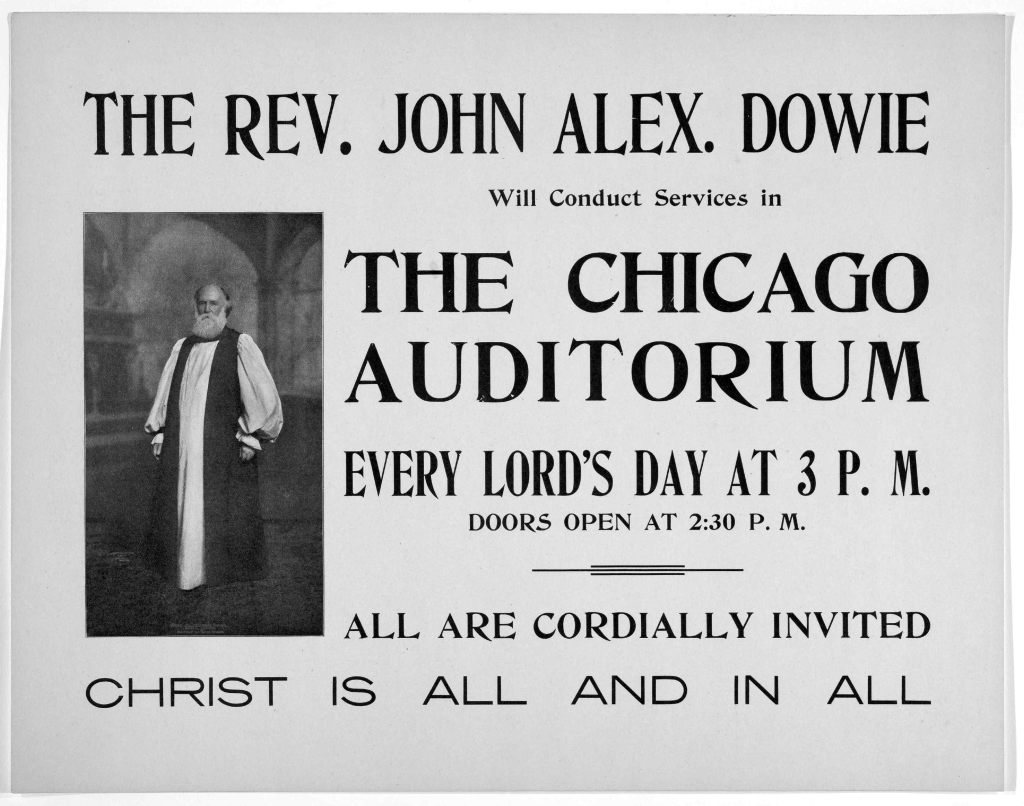
Alexander Dowie emerged in the late 19th century with a different approach to healing. Dowie, a charismatic faith healer, conducted dramatic healing sessions where he would lay hands on the sick, claiming that divine power was responsible for their recovery. His dramatic pronouncements, such as ‘Be healed in the name of the Lord,’ exemplified his method.
However, Dowie’s methods, like those of other high-control groups and charismatic faith healers, often involved emotional manipulation to maintain control over their followers. The promise of miraculous healing or spiritual enlightenment could exploit vulnerable individuals, leading them to invest emotionally and financially in unproven methods.
The Influence of Phineas Quimby
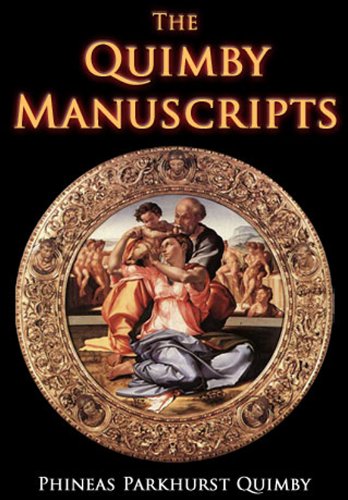
Phineas Quimby, another influential figure of the 19th century, took a different approach. Quimby believed that the mind wielded incredible power over physical health and reality itself. His writings, which were published posthumously in 1921, propagated the notion that our thoughts could profoundly shape our lives. Quimby’s ideas significantly influenced the New Thought movement, which linked mind over matter with spiritual and mystical practices.
The Interplay of Occultism and New Thought
The New Thought movement was also intertwined with occultism and spiritism, which suggested that unseen spiritual forces could be harnessed to influence the material world. This blend of spiritual and pseudoscientific ideas contributed to the development of various modern self-help philosophies.
The Legacy in Modern Self-Help
Today, the legacy of these 19th-century ideas is evident in the booming self-help industry. Many contemporary ‘gurus’ draw on principles derived from Quimby’s teachings, promising that you can manifest your desires through positive thinking alone. However, it’s important to approach these claims with caution, as they can sometimes mask modern forms of manipulation, preying on individuals’ hopes and fears.
Modern Pseudoscience: German New Medicine and Joe Dispenza
Moving forward to more contemporary times, let’s examine some of the modern pseudoscientific claims making waves today.
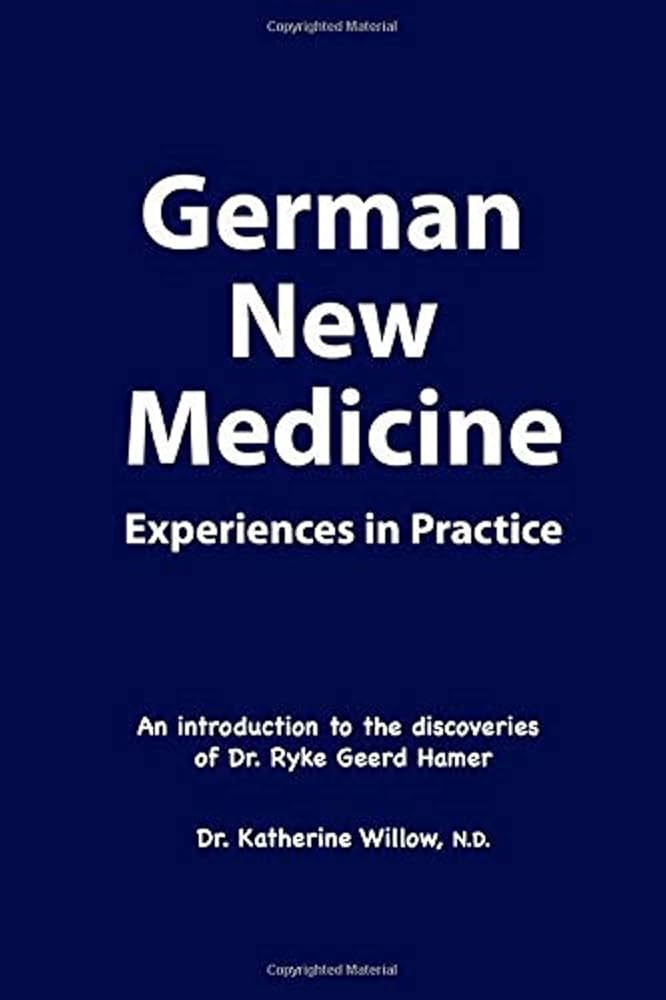
German New Medicine (GNM): This theory, introduced by Dr. Ryke Geerd Hamer, posits that diseases are the result of unresolved psychological conflicts. While intriguing, GNM lacks solid scientific backing and is riddled with ethical and legal issues. Traditional cancer treatments like chemotherapy and radiation therapy, though challenging and not always successful, are grounded in extensive research. The frustration with their limitations often drives people towards alternative options, but not all alternatives are created equal.
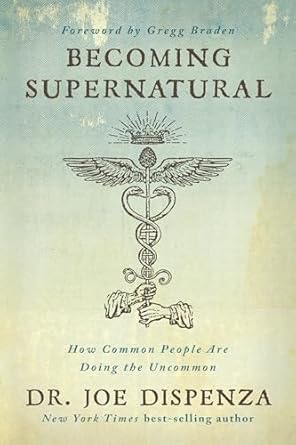
Joe Dispenza: Known for his belief that the mind can heal the body, Dispenza’s ideas have gained popularity but often dip into pseudoscience. While there is some truth to the idea that mindset can influence well-being, it’s crucial to distinguish between positive thinking and unproven claims that can mislead vulnerable individuals.
Ancient Teachings and Their Modern Adaptations
The teachings of the Essenes, an ancient Jewish sect, offer another example of how historical ideas are repackaged for modern consumption. The Essenes believed in holistic healing and spirituality, and today, their practices are often marketed with a modern twist. While exploring the ‘lost teachings of the Essenes’ can be fascinating, it’s important to differentiate between genuine historical practices and modern marketing spin.
The Dangers of Mysticism and Extreme Practices
Mysticism sometimes promotes the idea that transcending physical needs through spiritual practices can lead to enlightenment. However, this can be extremely risky. Extreme fasting and other practices can cause nutritional deficiencies, severe malnutrition, and even mental health issues such as delusions and eating disorders.
Navigating the Fine Line Between Healing and Harm
Despite the lack of scientific proof, pseudoscientific ideas remain appealing, especially when traditional treatments fall short. Approach such claims with a critical mind and seek evidence-based practices. Knowledge is power, and staying informed is the best way to navigate health and wellness.
Critical Evaluation of Self-Help Claims
Common Themes:
1. Misuse of Scientific Concepts: All three exploit complex ideas—quantum physics for Dispenza and GNM, and mystical ancient wisdom for the Essenes—to lend credibility to their claims.
2. Lack of Scientific Evidence: None of these approaches are supported by credible scientific research, often relying on anecdotal evidence or misinterpretations of scientific principles.
3. Potential Harm: By promoting unproven methods as alternatives to evidence-based medical treatments, they can lead individuals to make dangerous health choices.
While some people find inspiration in these teachings, it’s crucial to remember their origins and critically evaluate their claims. Just because something sounds empowering doesn’t mean it’s based on solid evidence.
Stay informed and be cautious of the fine line between genuine self-improvement and pseudoscientific hype. Thank you for reading!
For those wanting to learn about the dangers of mysticism, pseudoscience, and the importance of proper nutrition, here are some solid resources:
Books
“Bad Science” by Ben Goldacre: This book critically examines the misuse of science in various fields, including health and wellness, and debunks common pseudoscientific claims.
“The Demon-Haunted World: Science as a Candle in the Dark” by Carl Sagan: Sagan’s classic work promotes scientific skepticism and critical thinking, essential for understanding and debunking pseudoscientific beliefs.
“Trick or Treatment: The Undeniable Facts about Alternative Medicine” by Simon Singh and Edzard Ernst: This book provides a thorough analysis of various alternative medicine practices, including the evidence (or lack thereof) supporting them.
Websites and Online Resources
Quackwatch (quackwatch.org): A comprehensive resource for information on health frauds, myths, fads, and fallacies in the medical field.
Science-Based Medicine (sciencebasedmedicine.org): A blog dedicated to evaluating medical treatments and products from a scientific perspective.
Nutritional Resources from Mayo Clinic (mayoclinic.org): Provides evidence-based information on nutrition, diet, and healthy living.
Academic Journals and Articles
PubMed (pubmed.ncbi.nlm.nih.gov): A free search engine accessing primarily the MEDLINE database of references and abstracts on life sciences and biomedical topics. It’s an excellent resource for finding peer-reviewed studies on nutrition, health, and pseudoscience.
“Nutrition” Journal (journals.elsevier.com/nutrition): Publishes peer-reviewed research articles on nutrition science.
Educational Videos and Courses
TED Talks on Nutrition and Health: Various experts provide insights into the latest research and practical advice on maintaining a healthy lifestyle.
Coursera and edX: These platforms offer courses from universities on nutrition, health sciences, and critical thinking skills.
Podcasts
“Science Vs” by Wendy Zukerman: This podcast looks at what’s fact and what’s not in popular science topics, including health and wellness.
“Skeptics’ Guide to the Universe”: A weekly science podcast discussing critical thinking, science, and pseudoscience.
By exploring these resources, individuals can gain a deeper understanding of the risks associated with mysticism and pseudoscientific beliefs, as well as the importance of evidence-based practices in health and nutrition.











 Taste0ftruth Tuesdays